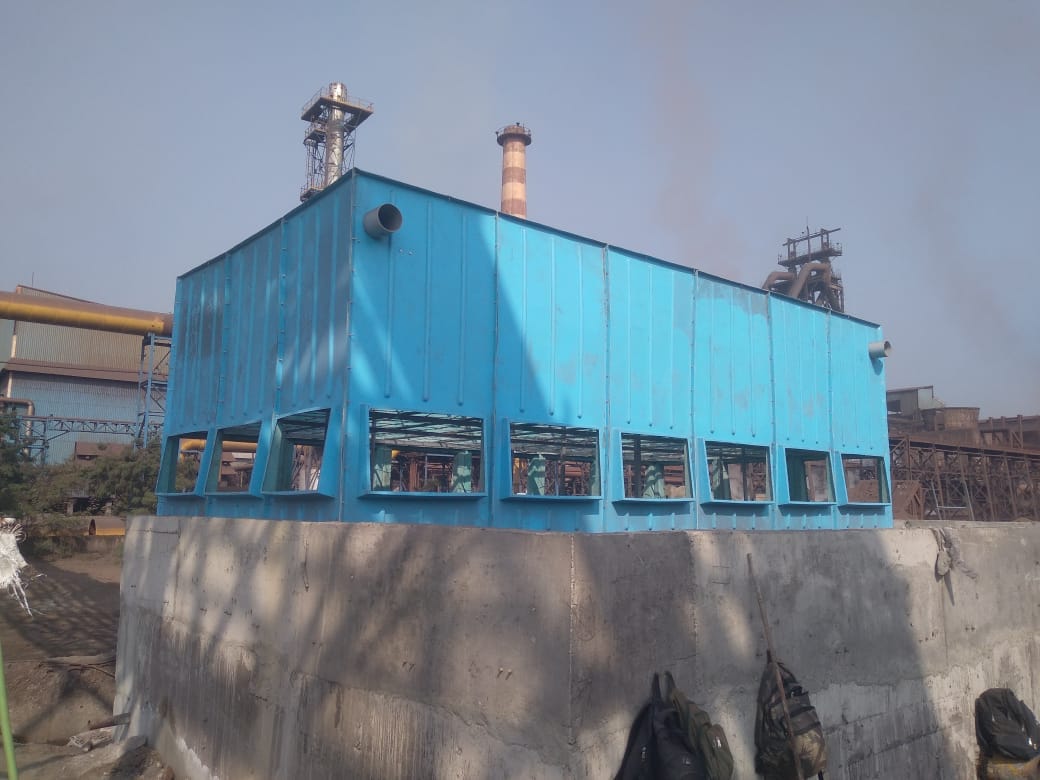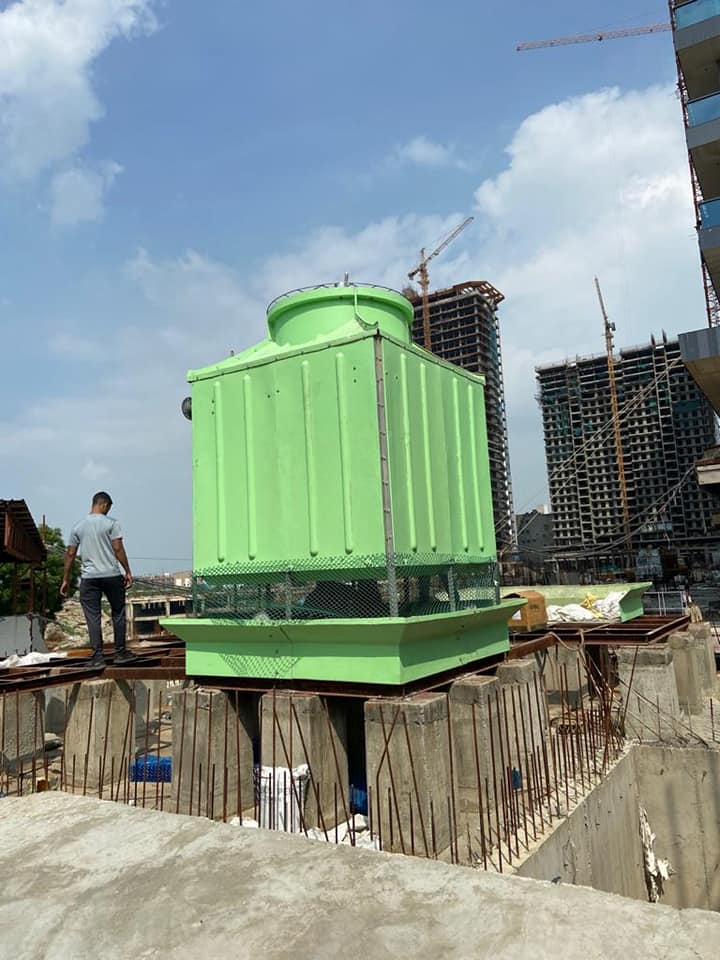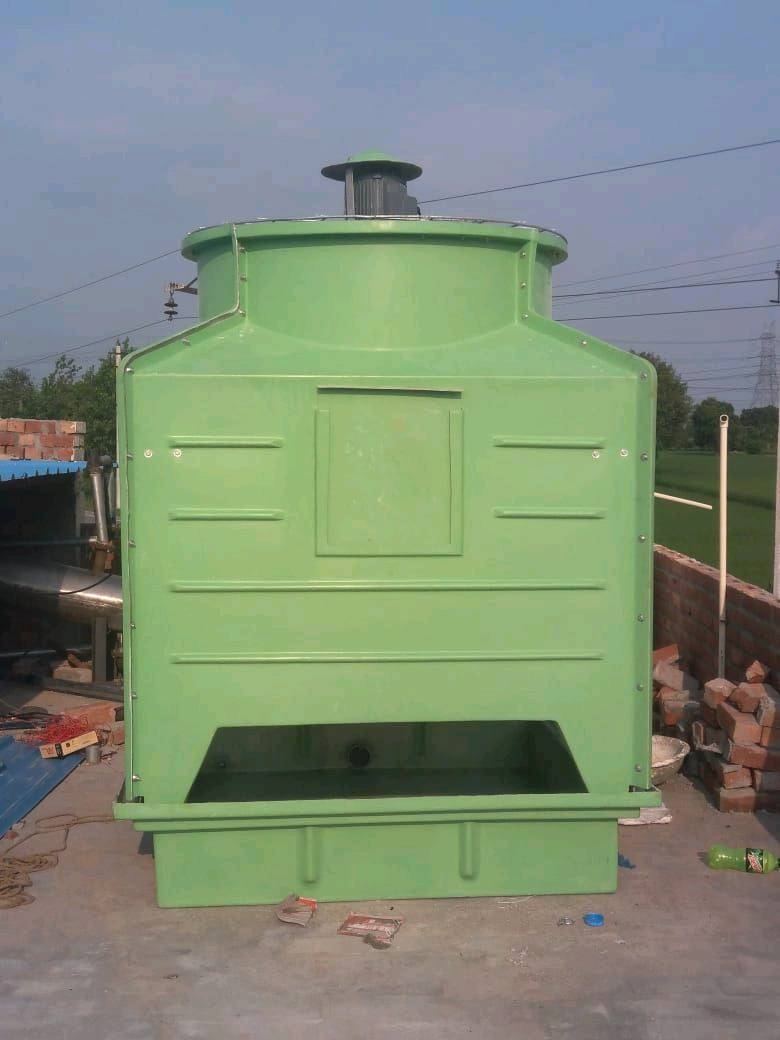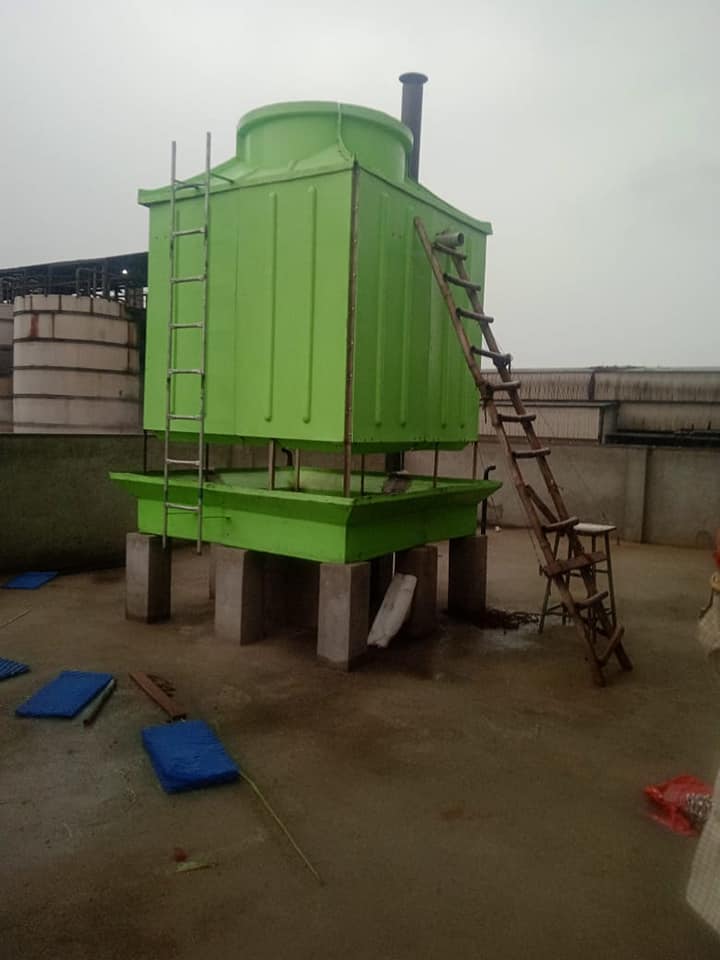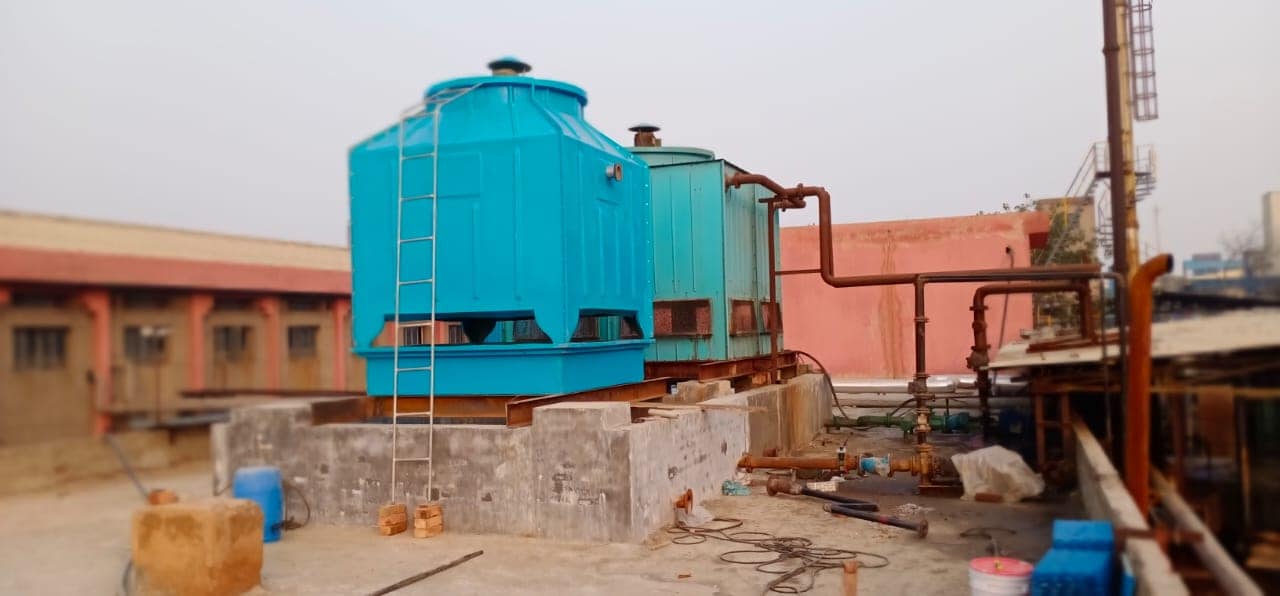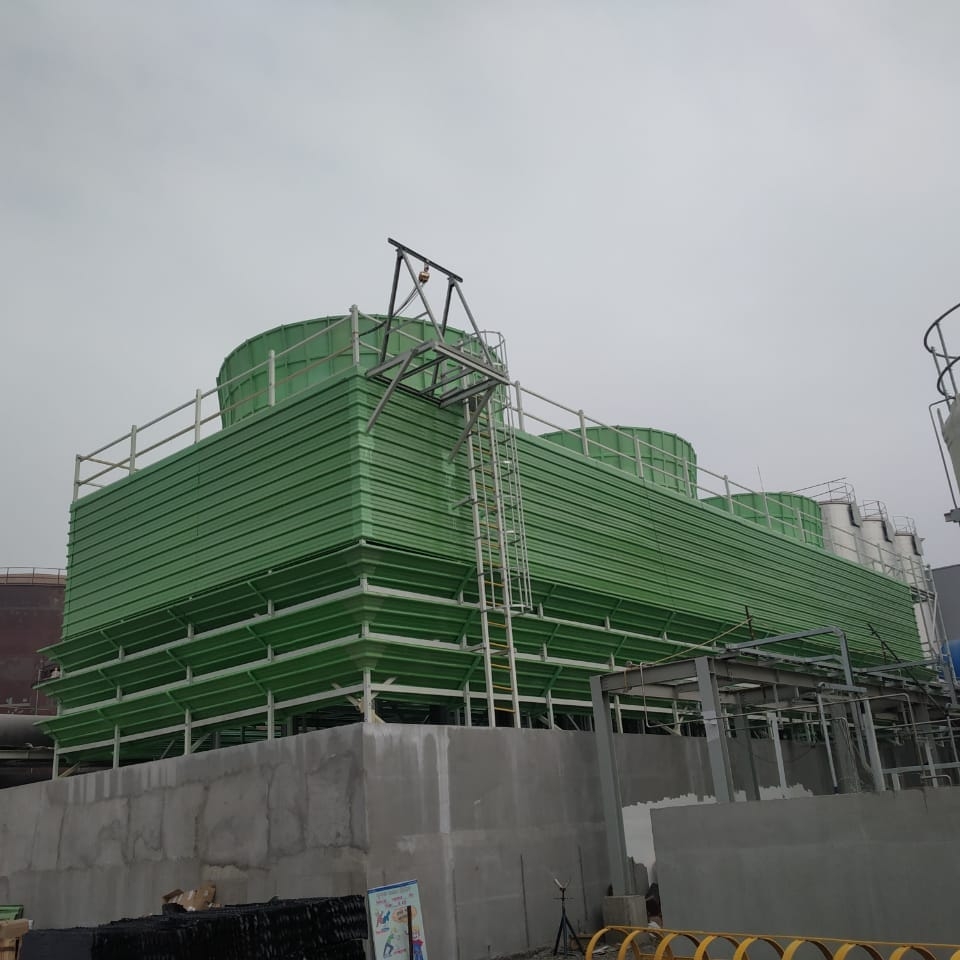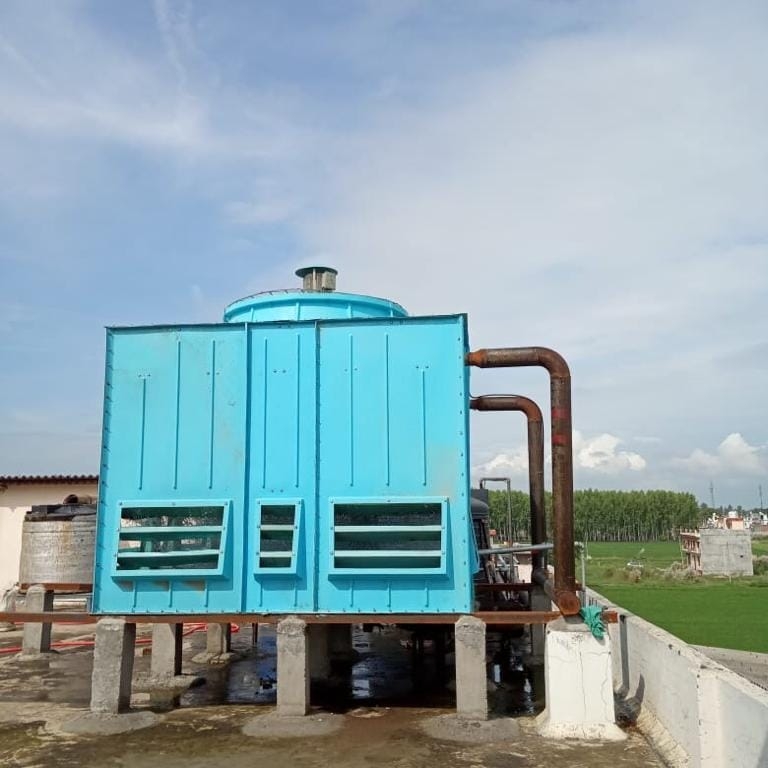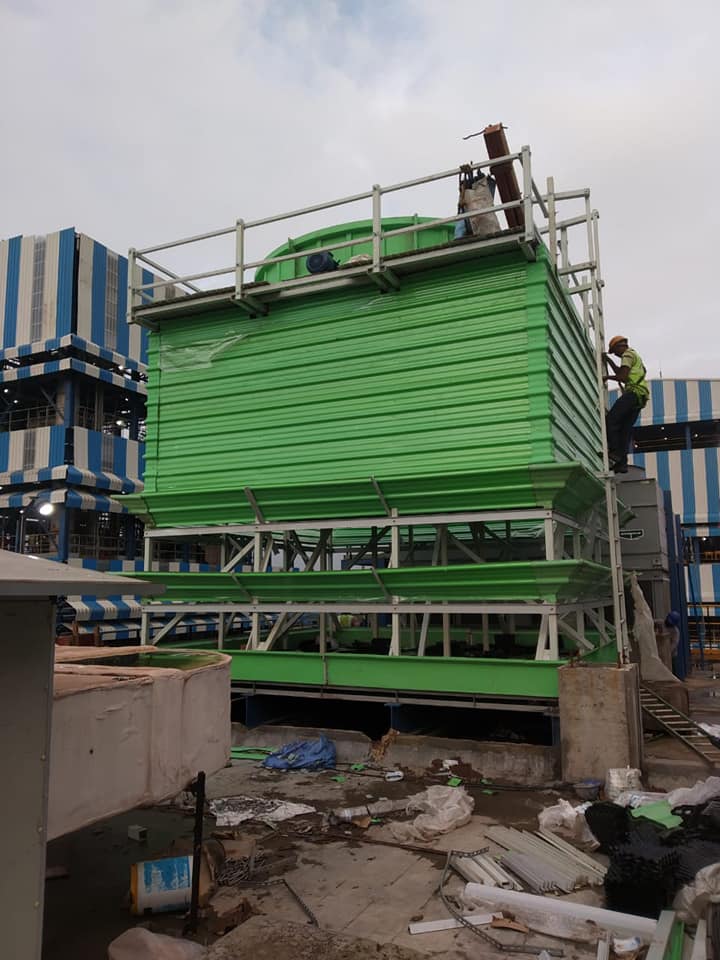
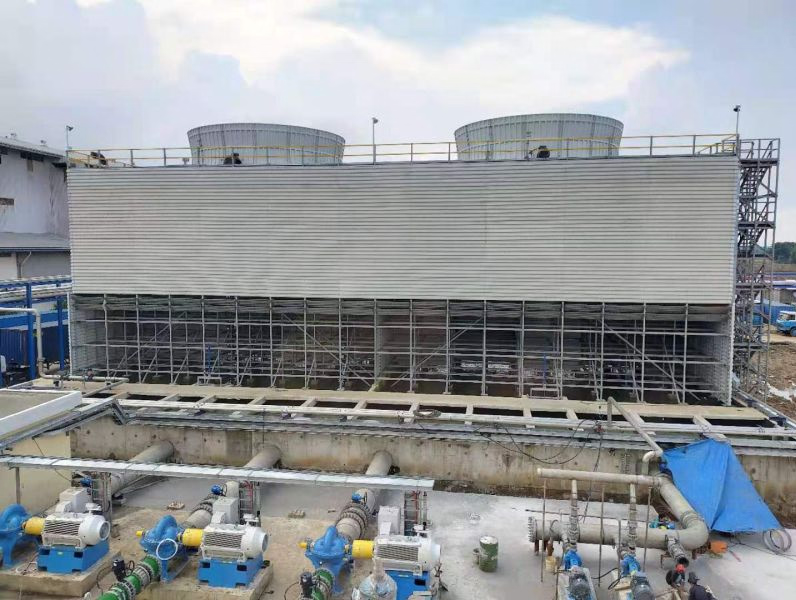
Working Principle of Natural Draft Cooling Tower The natural draft cooling tower works on the principle of natural convection (chimney effect) and evaporative cooling. Step-by-Step Process:
atural Draft Cooling Tower A natural draft cooling tower is a type of cooling tower that relies on the natural convection of air (without fans) to circulate air through the tower for cooling. Working Principle Features Advantages
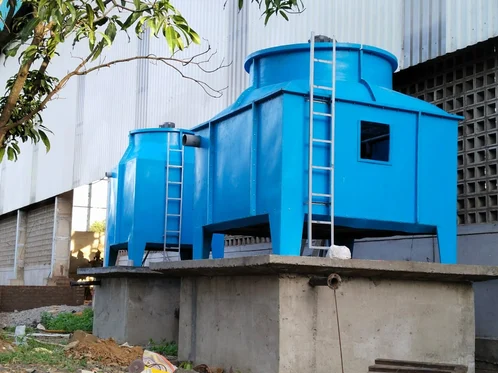
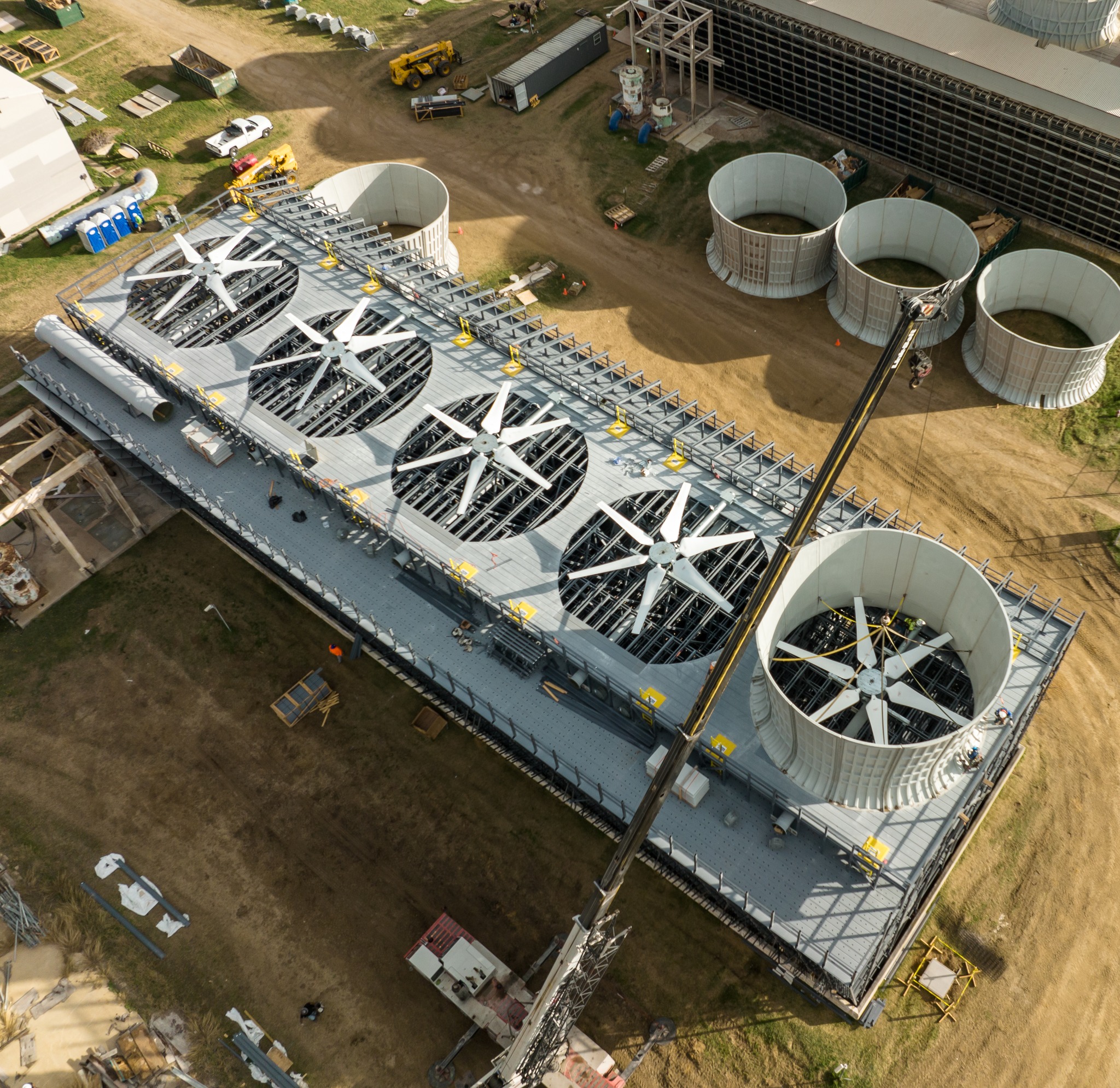
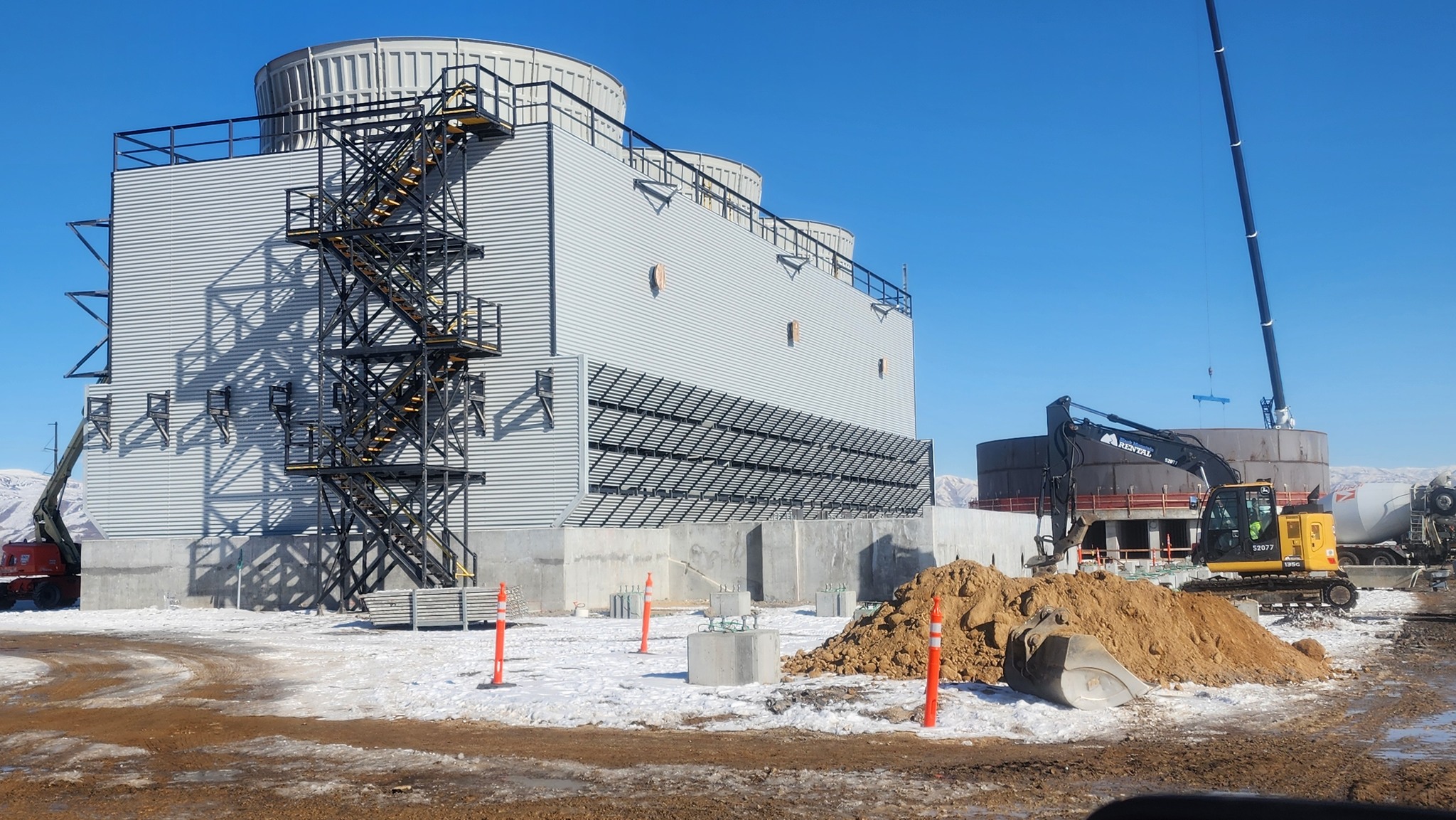
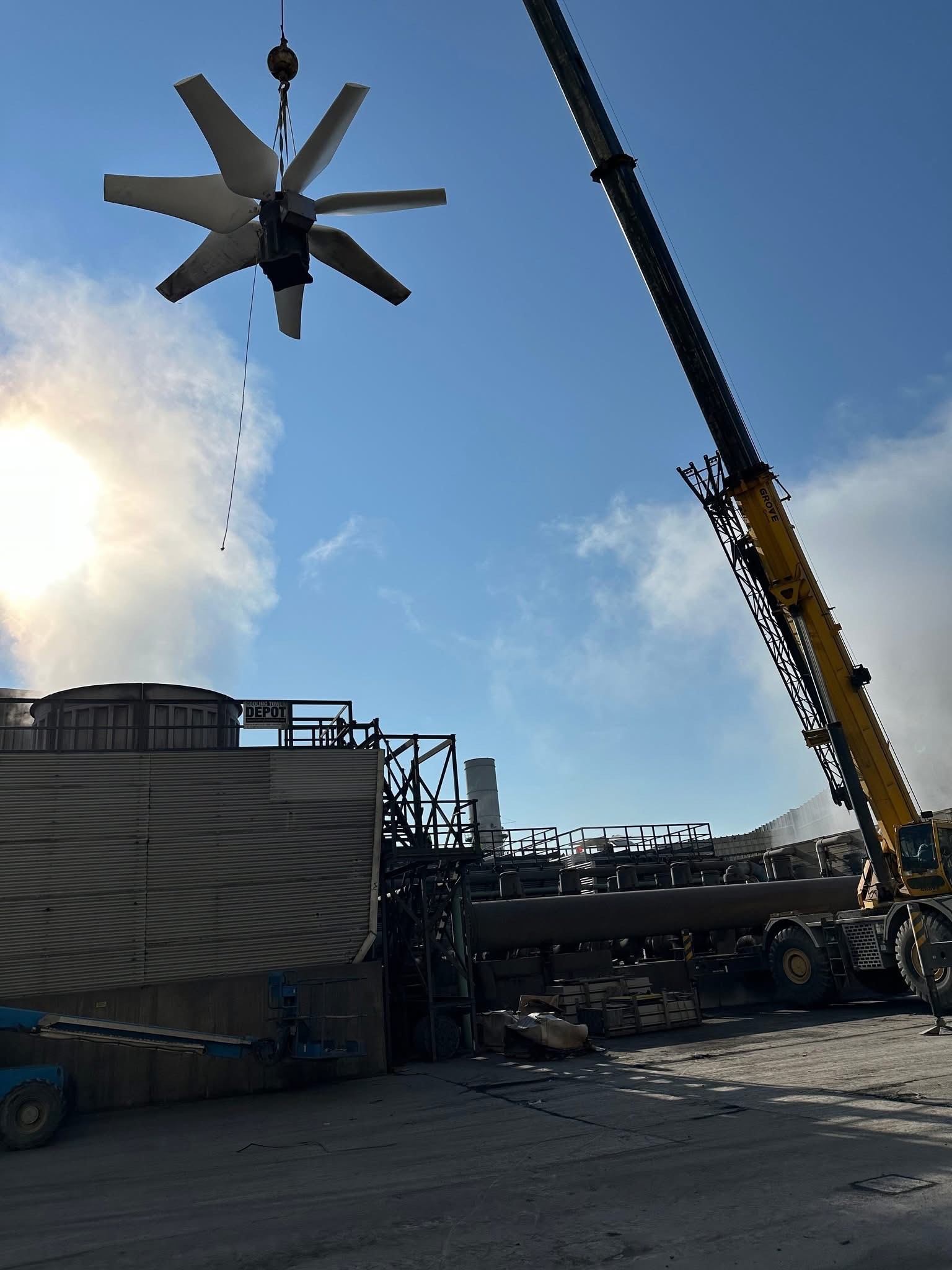
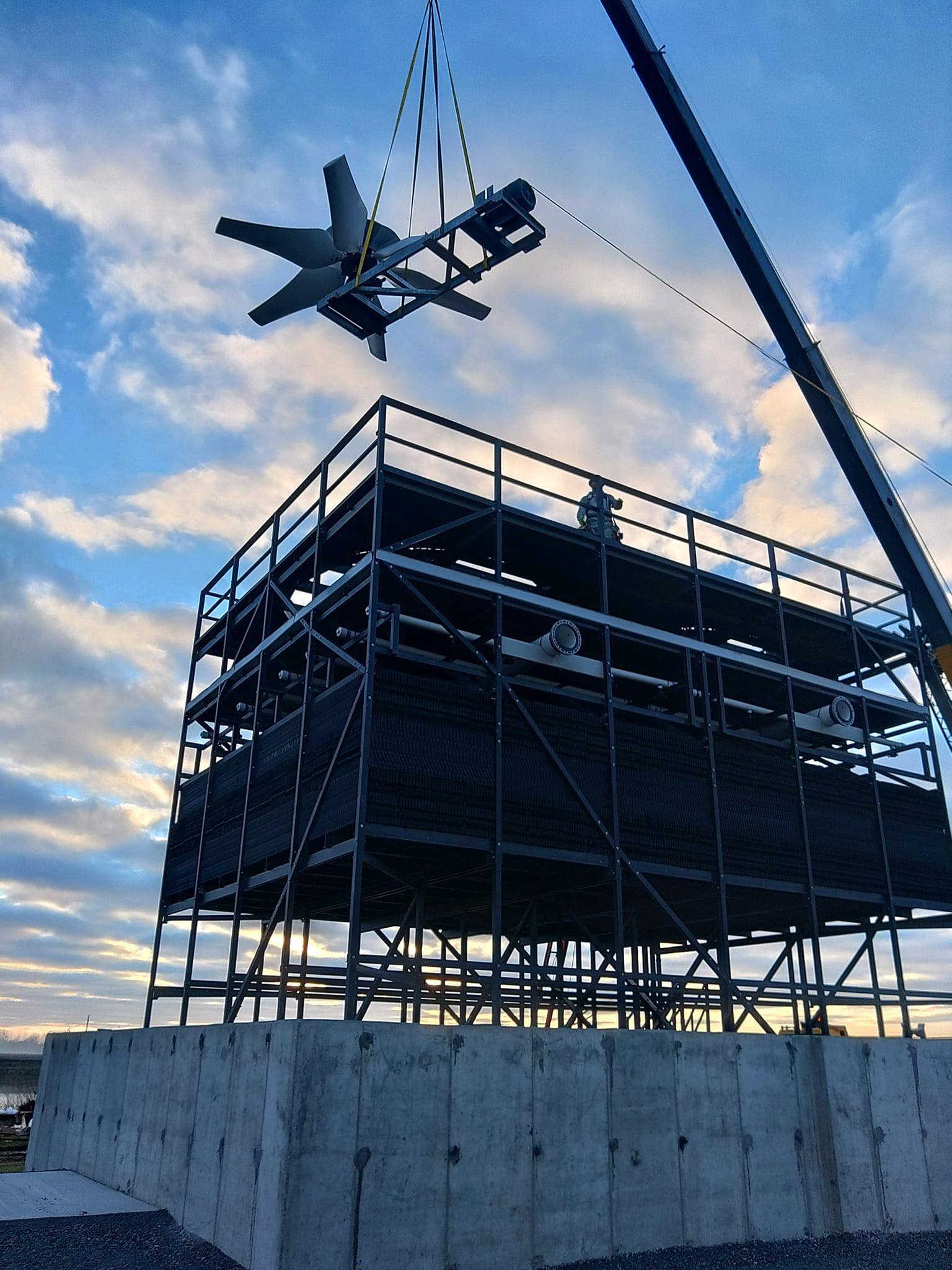
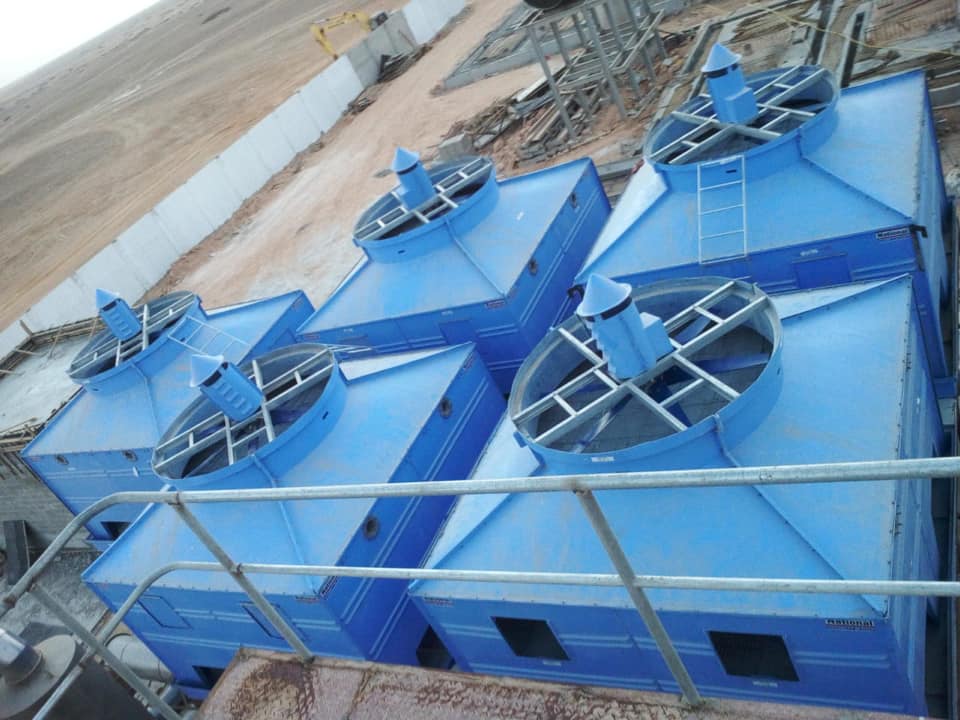
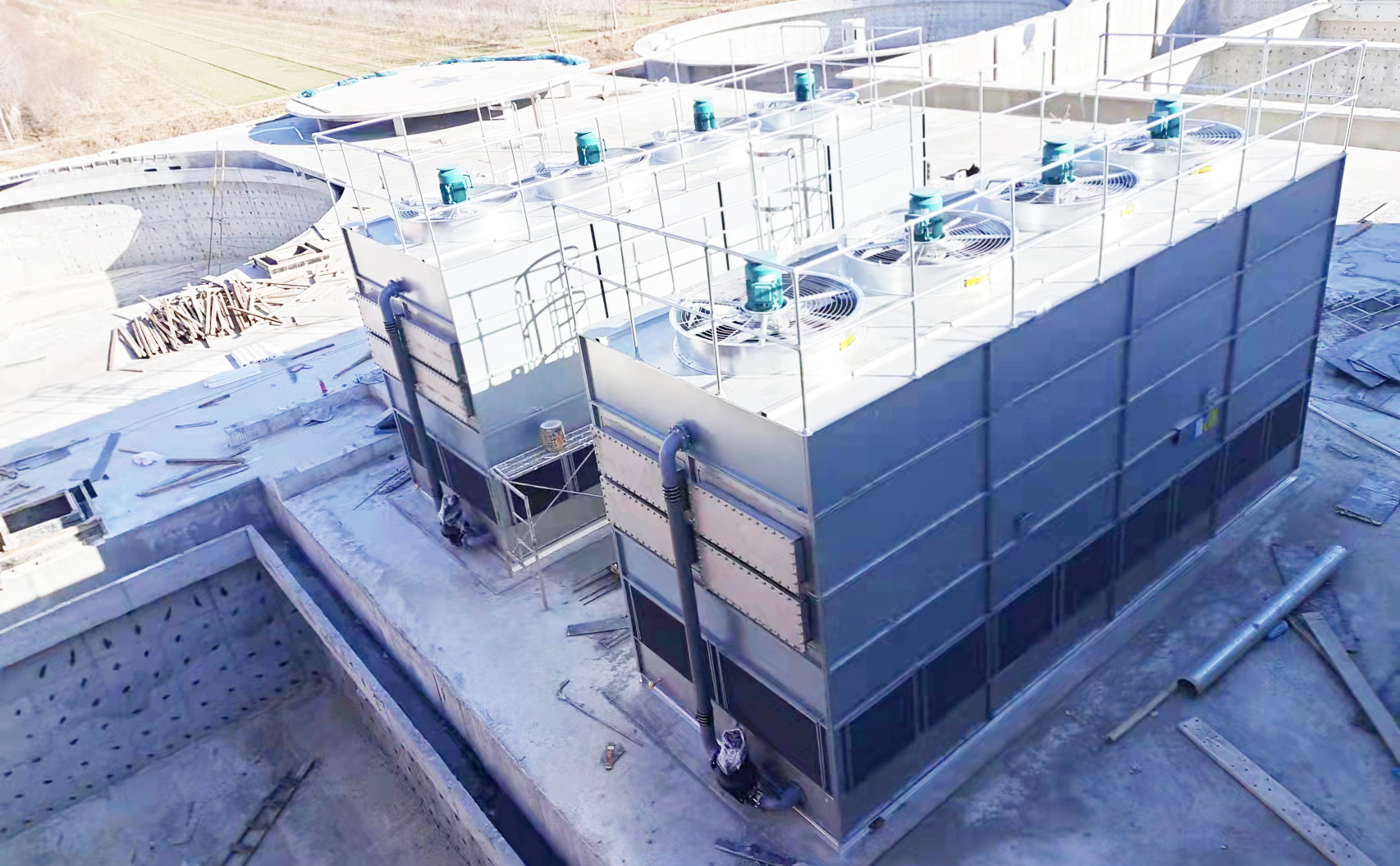
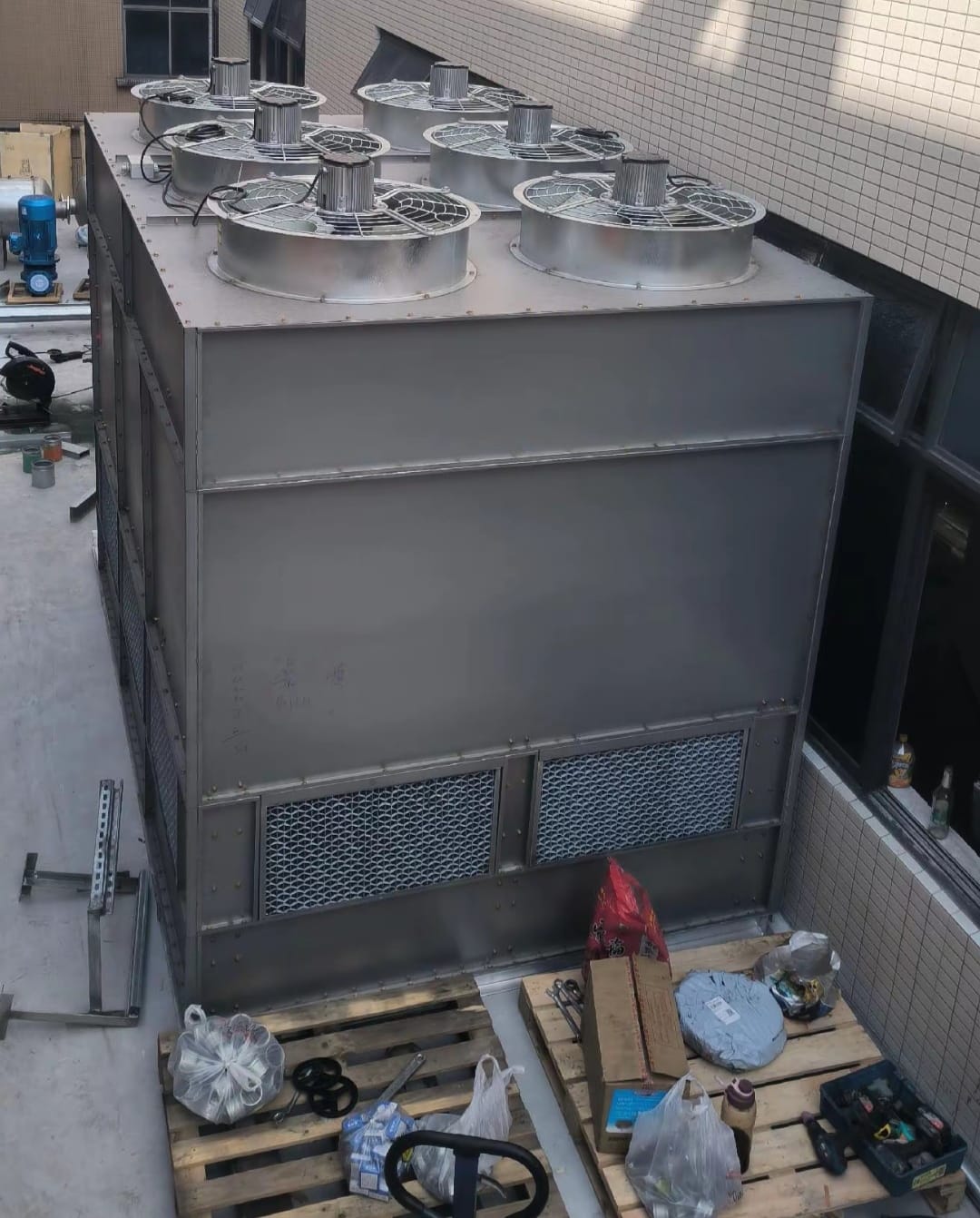
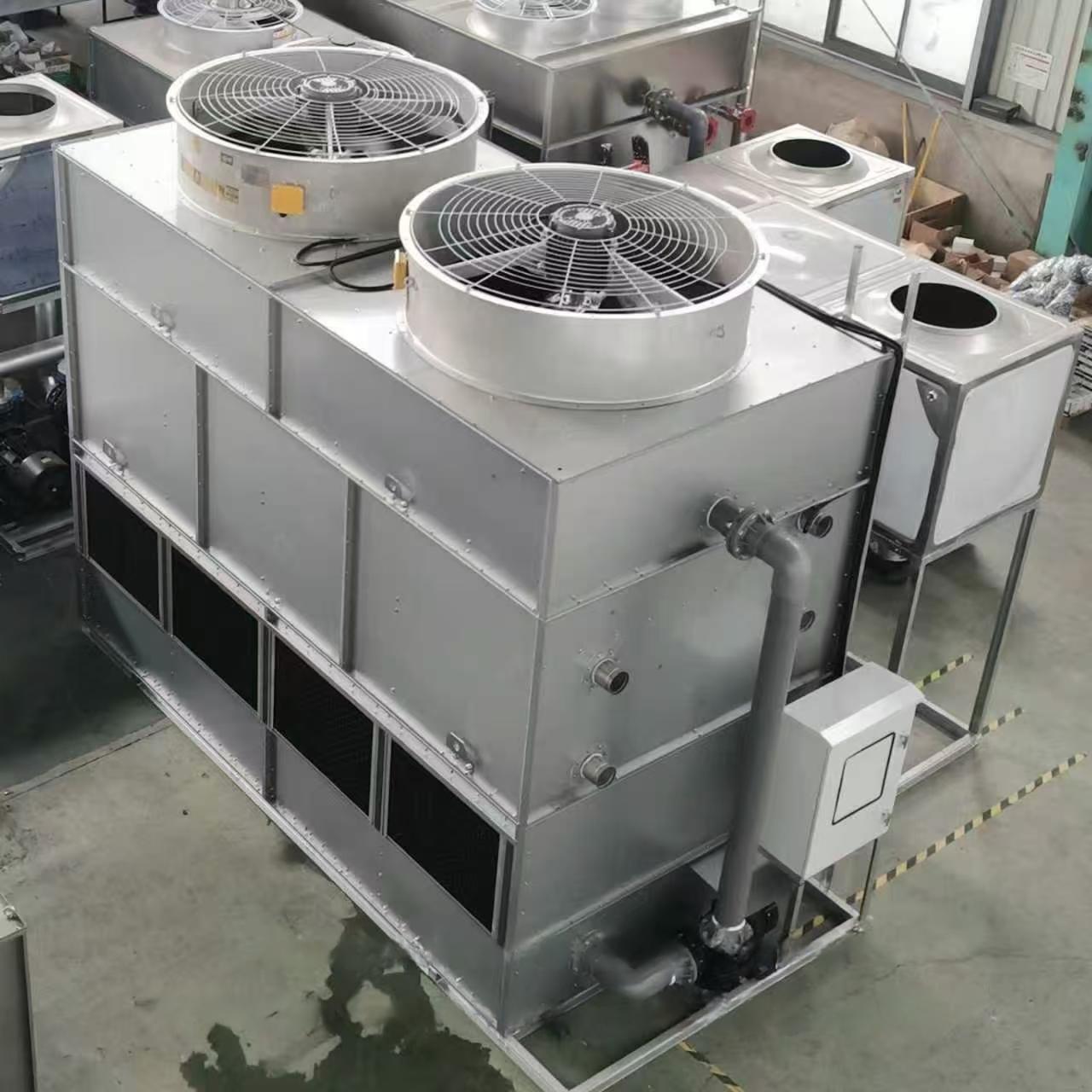
A mechanical draft cooling tower is a type of cooling tower where airflow is produced by fans (mechanical means), instead of relying on natural convection like in natural draft towers. Working Principle Types of Mechanical Draft Towers Advantages
Types of Water Loss in a Cooling Tower E≈0.001×C×ΔTE \approx 0.001 \times C \times \Delta TE≈0.001×C×ΔT where: B=E(CoC−1)B = \frac{E}{(CoC – 1)}B=(CoC−1)E Total Water Loss Total Loss=E+D+B+(Misc. Losses)\text{Total Loss} = E + D + B + \text{(Misc. Losses)}Total Loss=E+D+B+(Misc. Losses) ...
Applications of Cooling Towers 1. Power Generation 2. HVAC Systems (Heating, Ventilation, Air Conditioning) They cool water in chiller systems, which helps maintain indoor comfort by 3. Industrial Applications 4. Renewable & Data Centers 5. District Cooling Systems
Working Principle of a Cooling Tower The cooling tower works on the principle of heat transfer through evaporation (and partly convection). Step-by-Step Working:
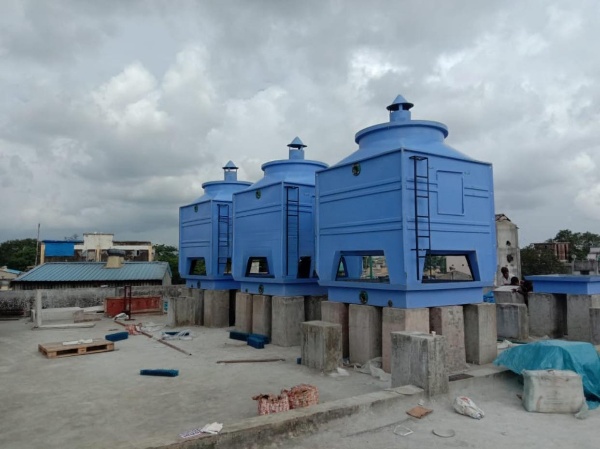
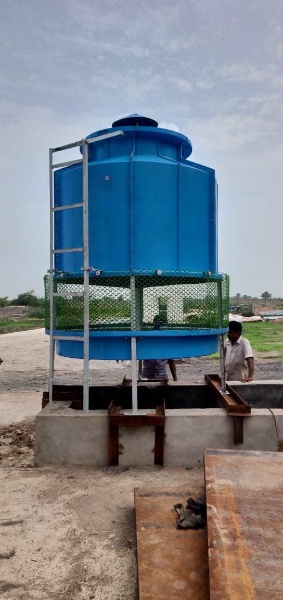
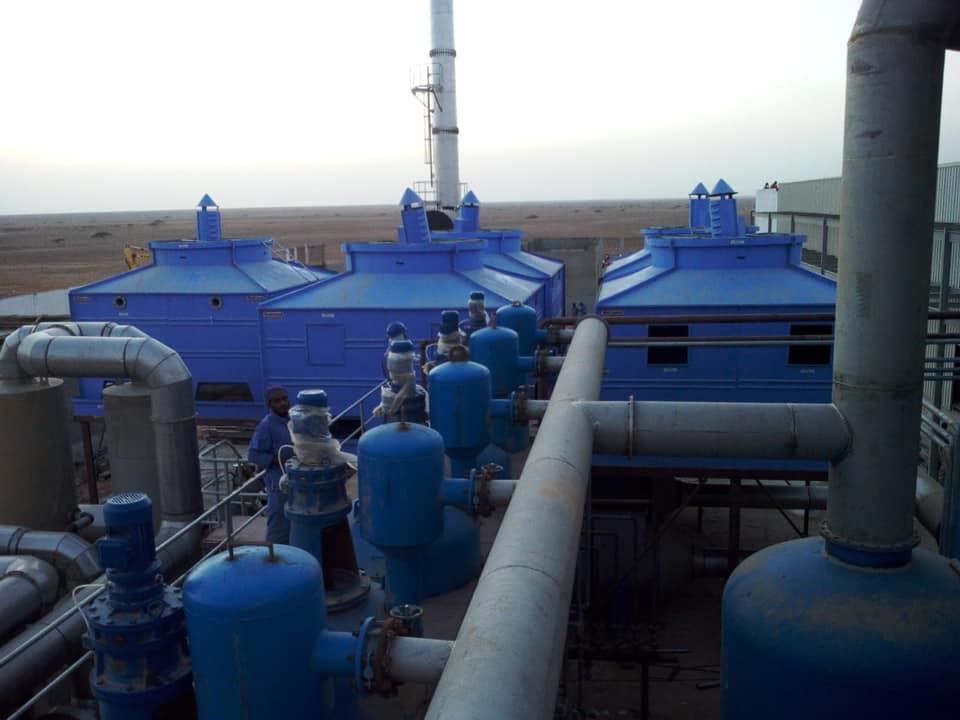
A cooling tower is a heat rejection device that removes waste heat from water (or another process fluid) by transferring it to the atmosphere, usually through evaporation. In simple terms: Types of Cooling Towers: Applications:
Counter Flow Vs Cross Flow Cooling Tower The choice between a counterflow and a crossflow cooling tower ultimately comes down to balancing space, energy efficiency, and maintenance accessibility. There isn’t one universally “best” type; the optimal choice depends entirely on your specific project priorities, space...
How to Prevent Fouling in Cooling Tower Preventing fouling in a cooling tower is an ongoing battle because these systems are designed to pull in massive volumes of air, which also brings in dirt, debris, and biological contaminants . The most effective strategy is a multi-layered approach, combining physical removal of particles, chemical...
Effect of Flow Velocity in Heat Exchanger Flow velocity is a critical parameter that creates a fundamental trade-off in heat exchanger design. On one hand, increasing velocity boosts heat transfer and helps control fouling; on the other, it significantly increases energy consumption and can cause mechanical damage. Understanding this balance...
How to prevent Fouling in heat exchanger Preventing fouling in heat exchangers requires a multi-layered strategy that combines smart design, advanced materials, and optimized operation. The most effective approach is to build “anti-fouling” properties into the system from the very beginning . Here is a breakdown of the key...
Best Tube material for Heat exchanger for High fouling Liquid Based on the search results, there isn’t one single “best” tube material. Instead, the optimal choice is a strategic decision that balances the specific type of fouling, the fluid’s chemistry, and economic factors. Here is a breakdown of the primary material...
Since you’re asking for a deeper dive on this specific comparison, let’s go beyond the basic trade-offs. When selecting between stainless steel and copper tubes for a closed-circuit cooling tower, the decision often comes down to three critical factors that aren’t always obvious: water chemistry, long-term operating costs,...
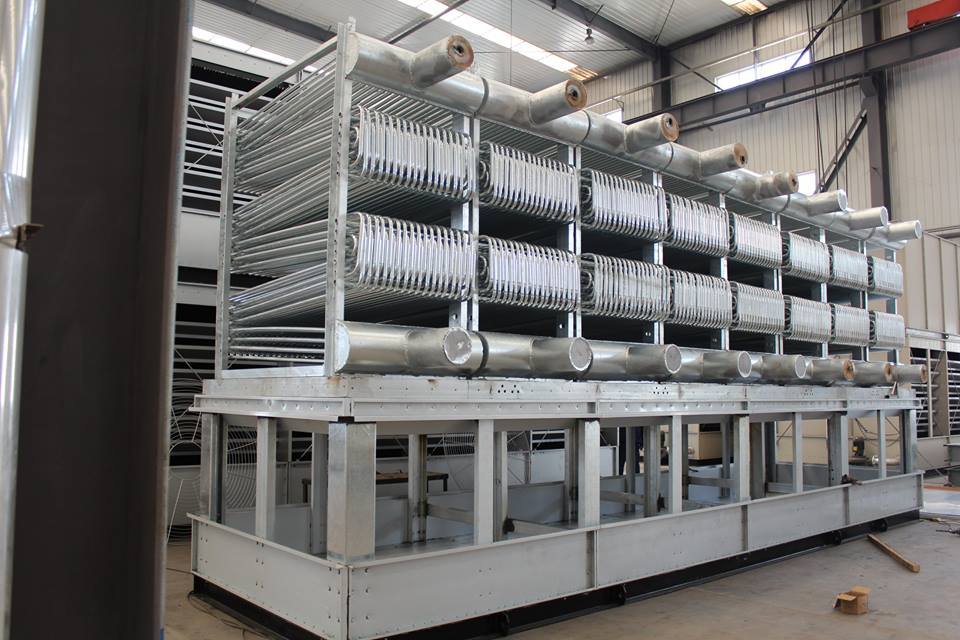
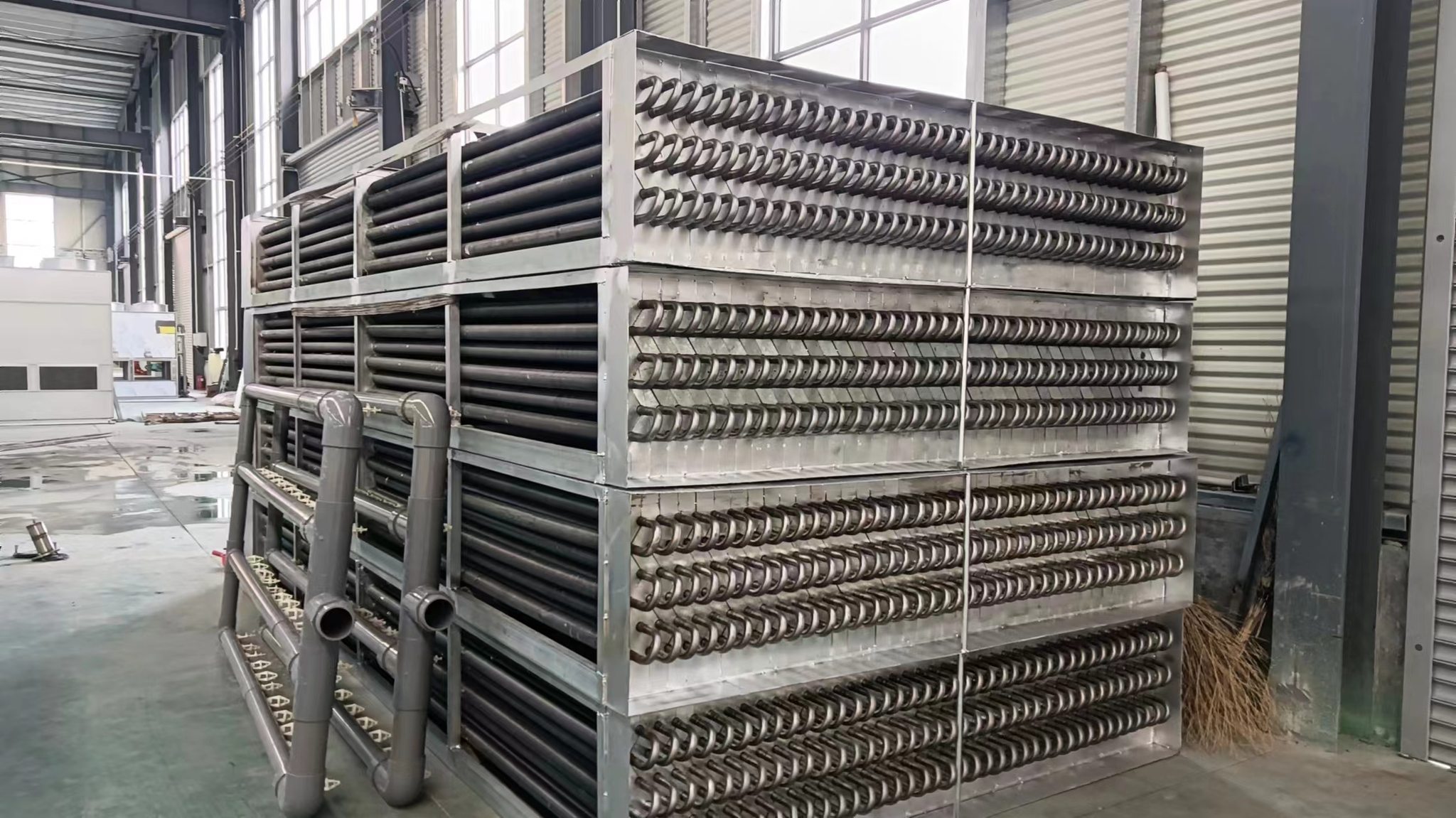
Material of construction of Cooling Coil / Heat Exchanger in Closed Circuit cooling tower The cooling coil or heat exchanger is the core component of a closed-circuit cooling tower, and its material directly impacts the system’s efficiency, cost, and longevity. The choice is generally driven by factors like budget, required thermal...
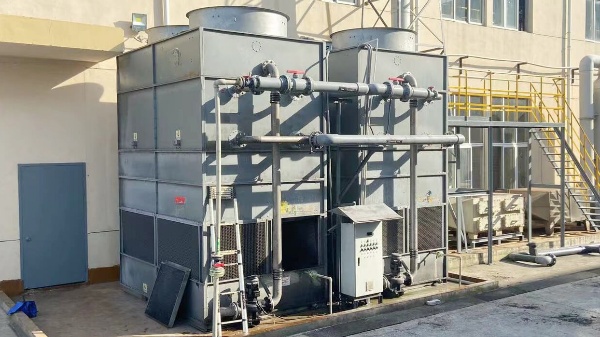
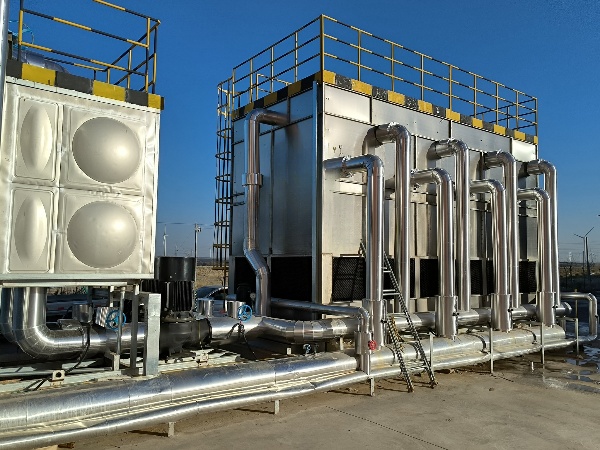
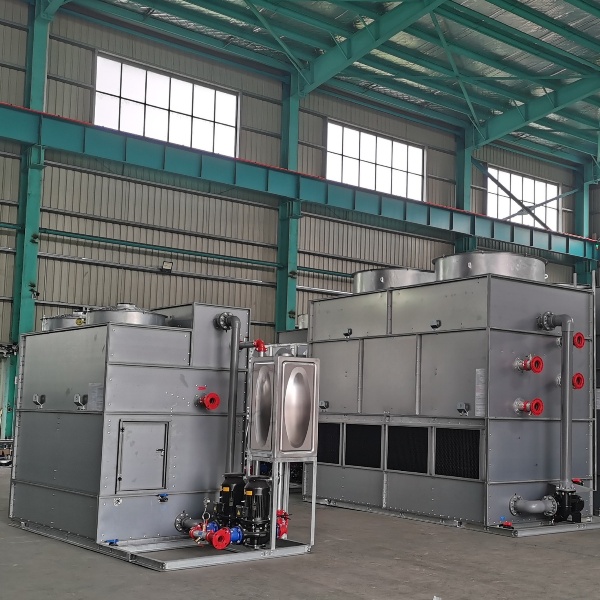
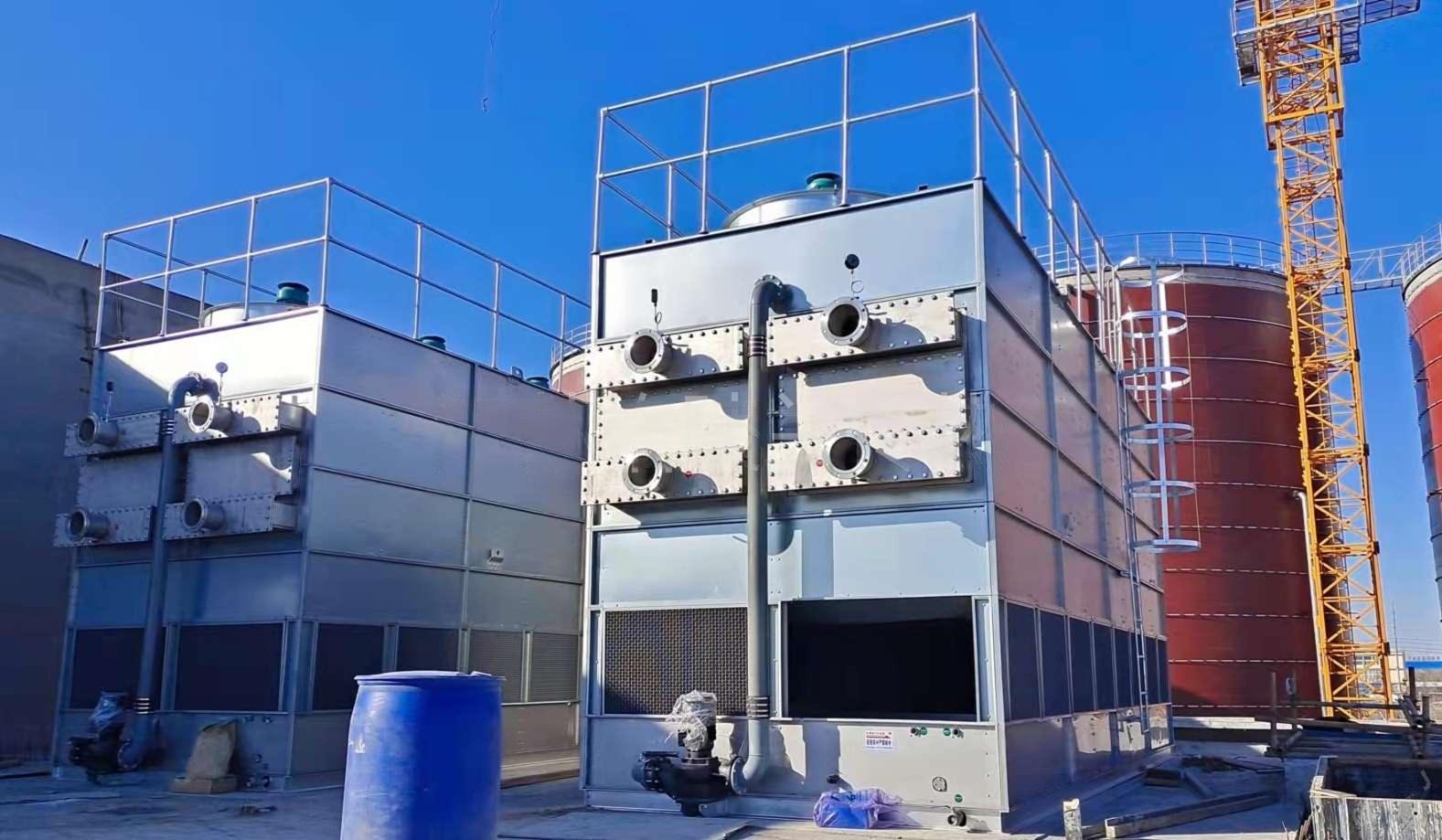
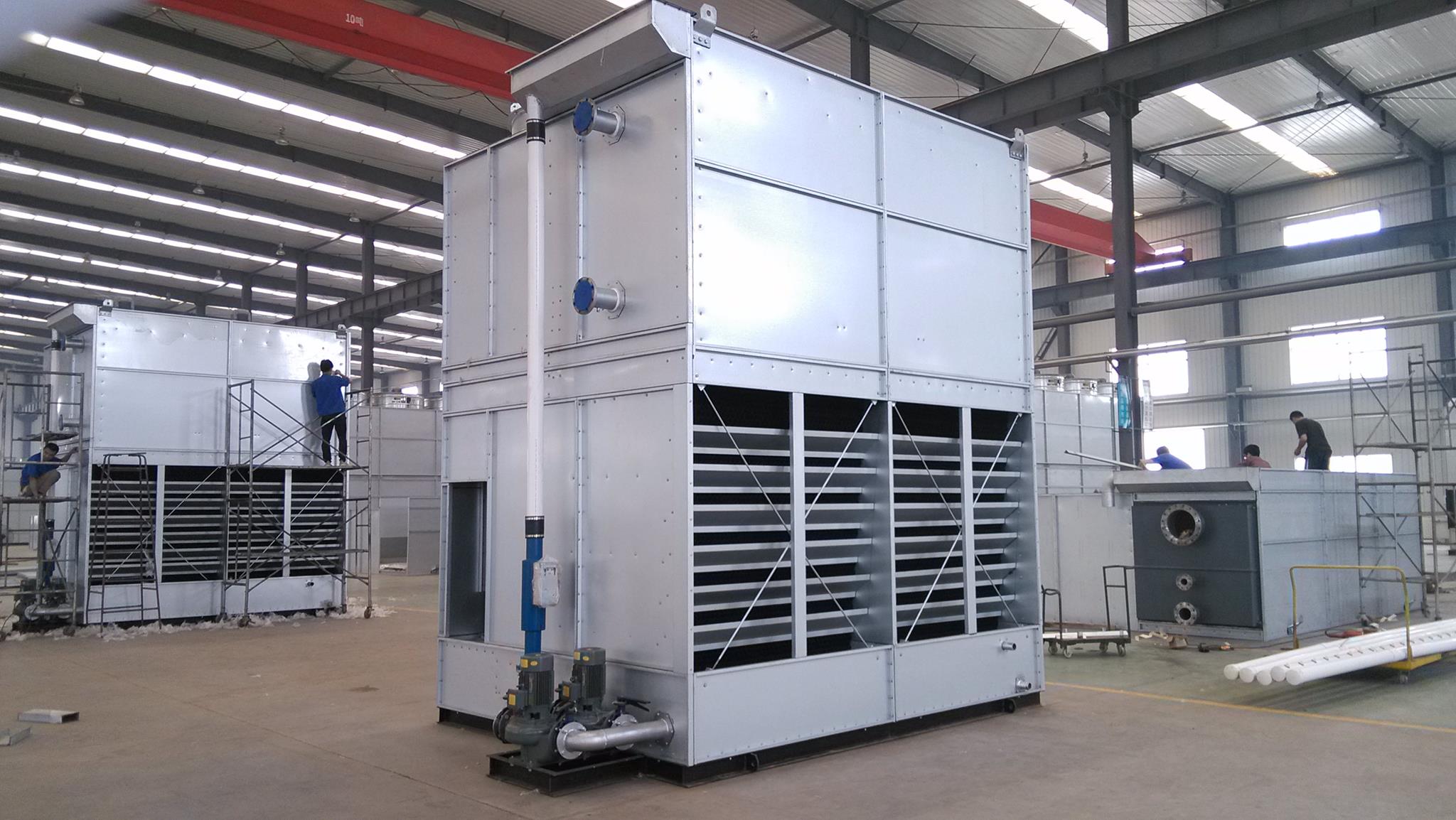
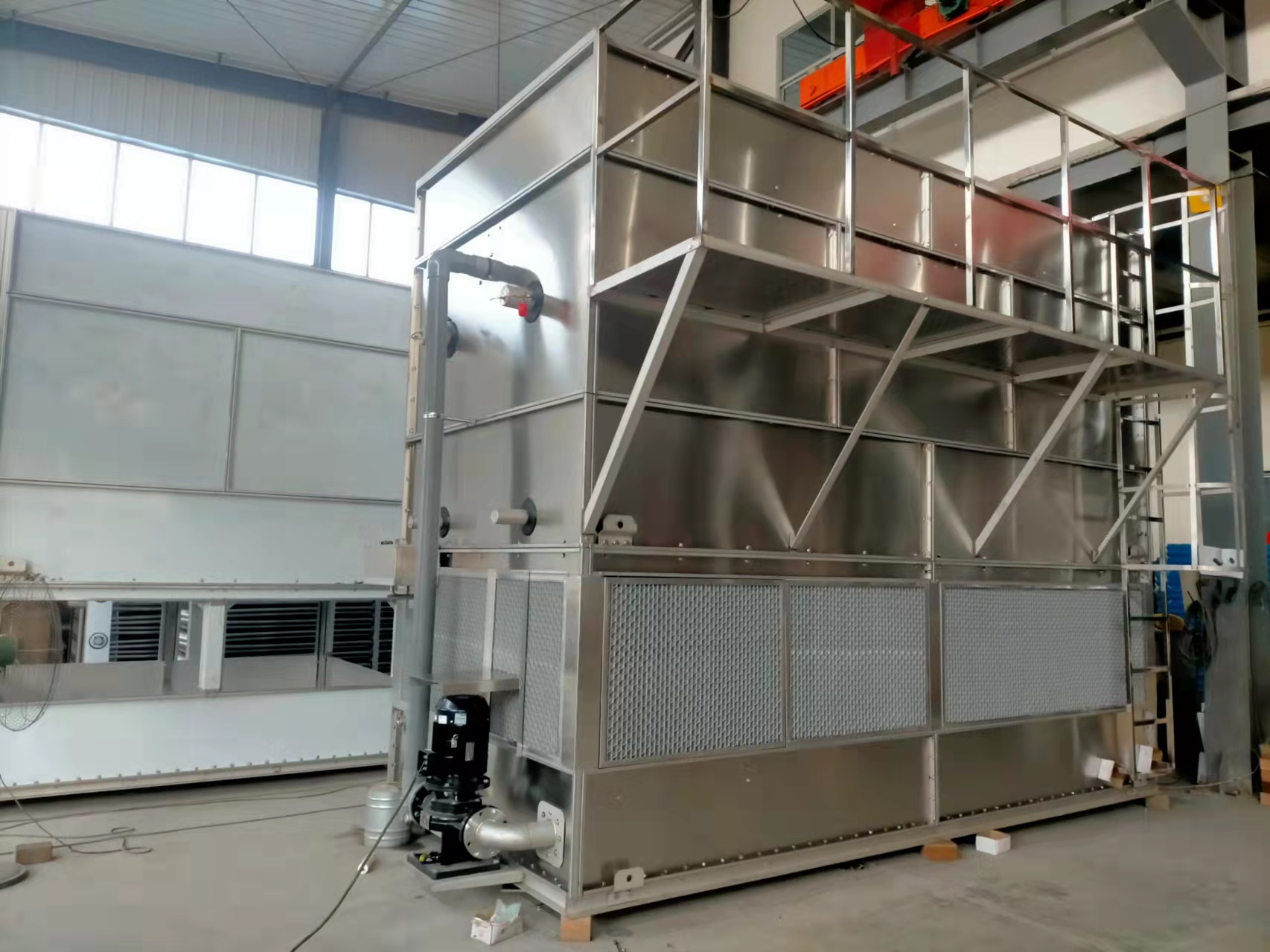
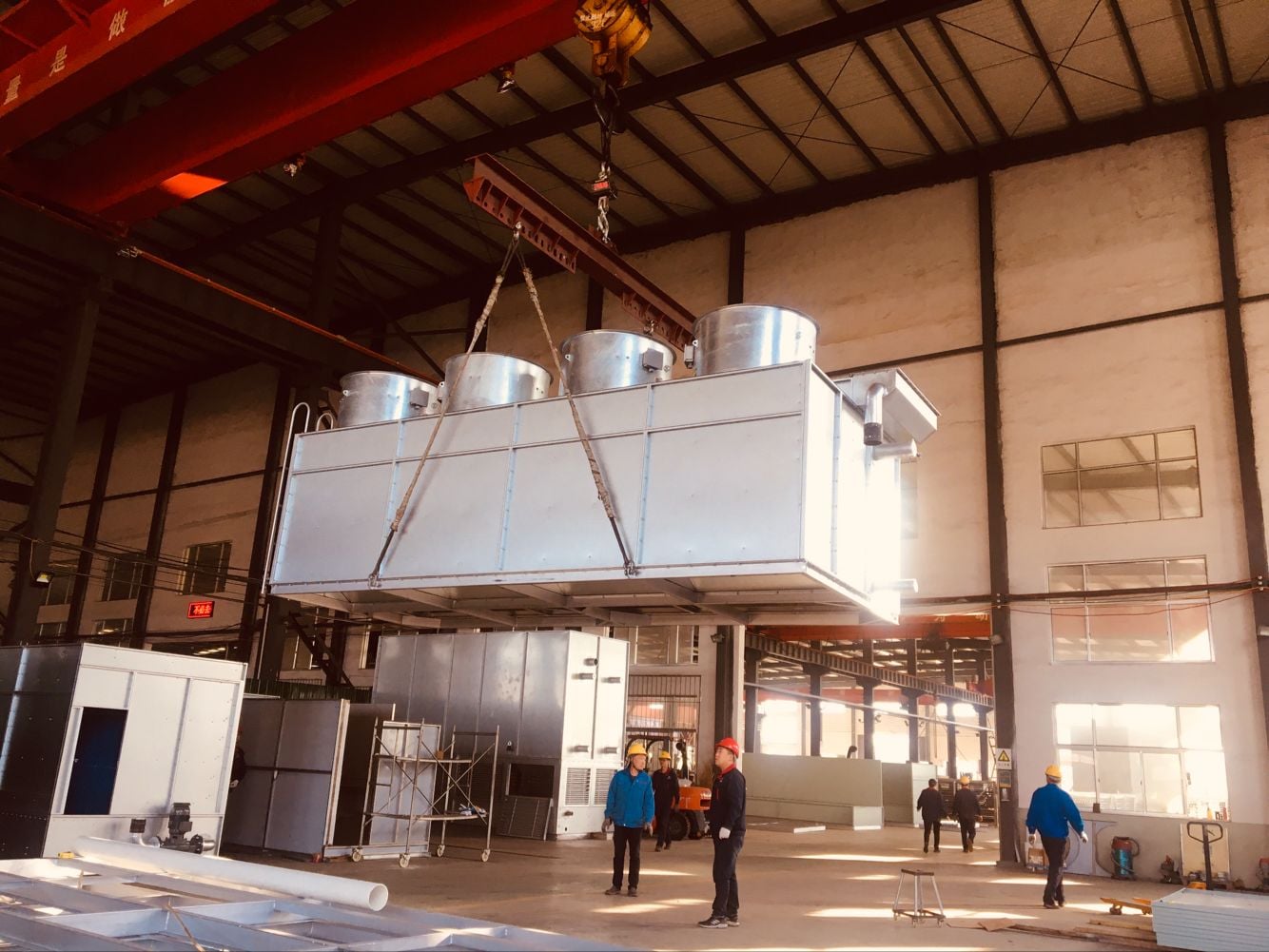
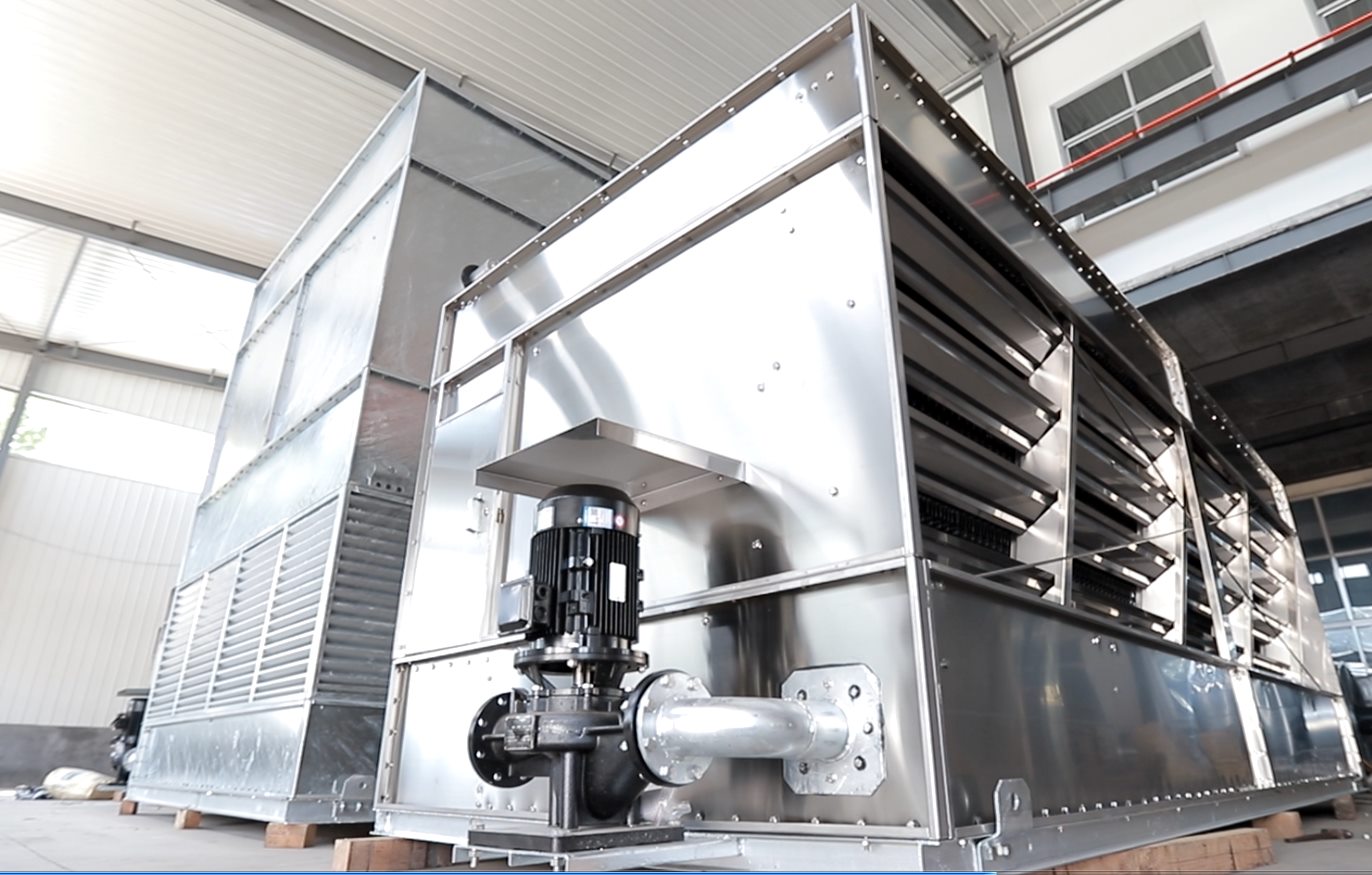
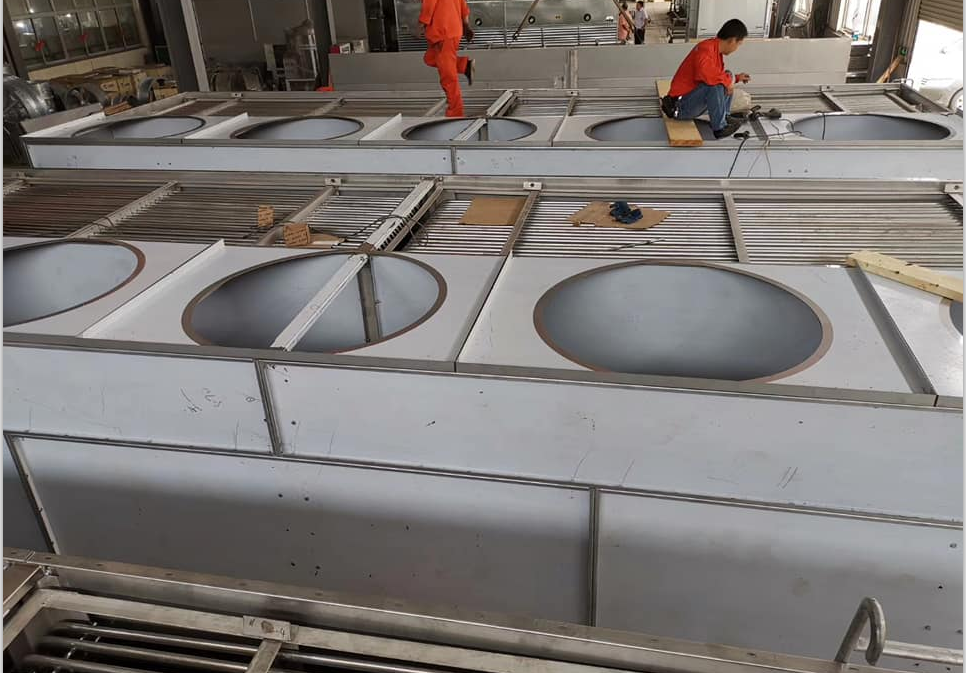
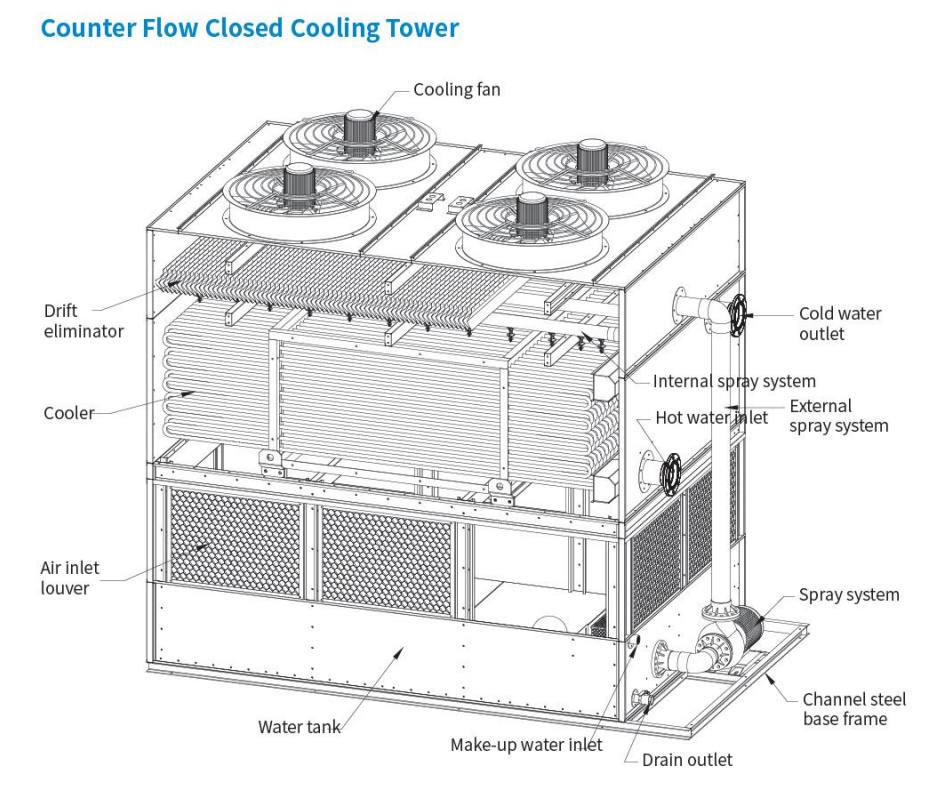
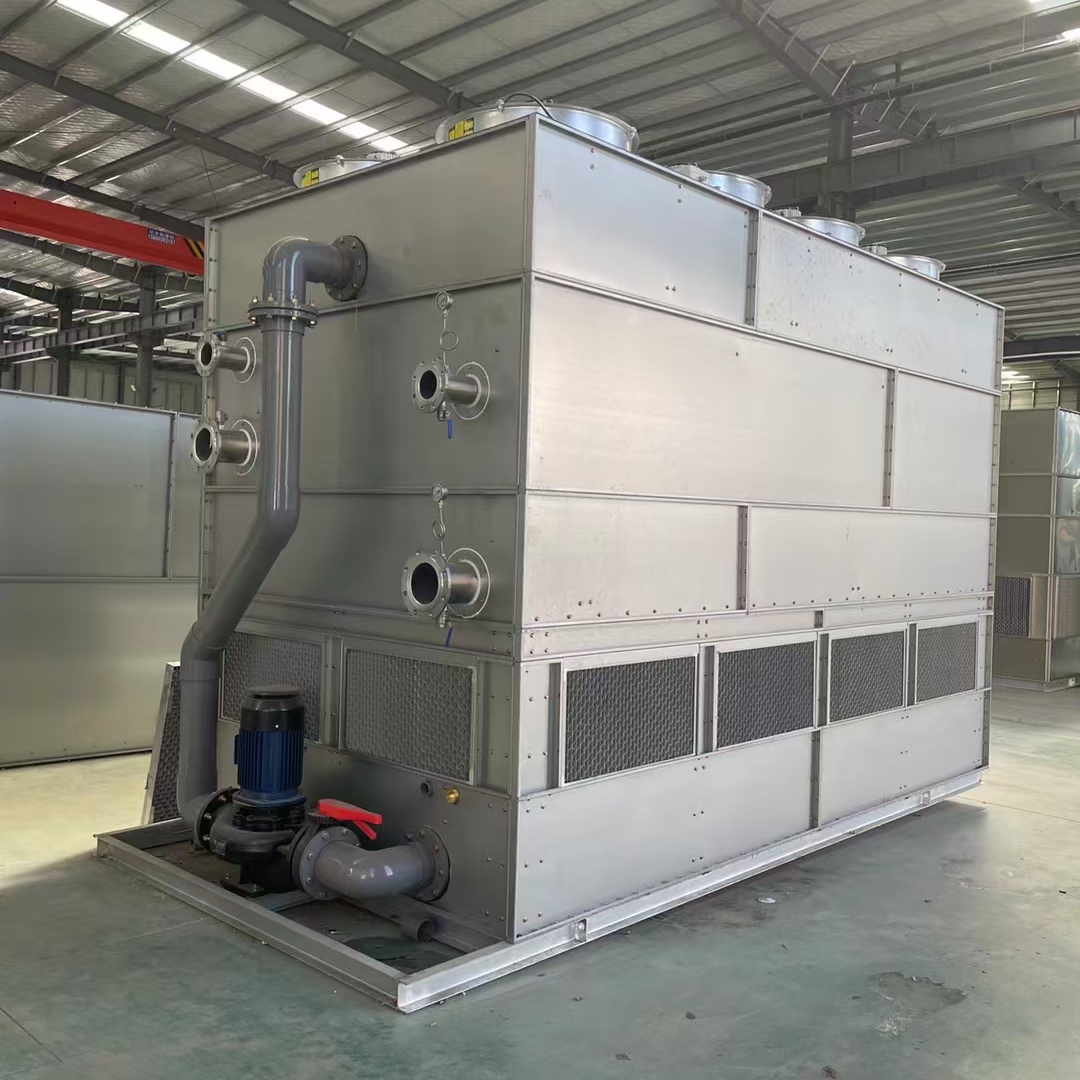
Parts of Closed-Circuit Cooling Tower A closed-circuit cooling tower is essentially a system of integrated components working together to reject heat while keeping the process fluid isolated from the air . It can be broken down into several key parts, often grouped by their function. Key Components and Their Functions Here is a look at the...
Closed Circuit cooling tower with open circuit cooling tower When deciding between a closed-circuit and an open-circuit cooling tower, the choice comes down to balancing your priorities: upfront cost and cooling efficiency against long-term reliability, water usage, and maintenance. Here is a direct comparison to help you understand the key...
Advantages of Closed-Circuit Cooling Tower Closed circuit cooling towers offer significant advantages by keeping the process fluid in a sealed, contaminant-free loop. This design leads to benefits in system reliability, maintenance, operational cost, and flexibility. Here is a breakdown of their key advantages: Advantage Category Key Benefits Why...
Role of Closed-Circuit Cooling Tower in Oil and Gas industry In the oil and gas industry, a closed-circuit cooling tower provides a reliable, contaminant-free cooling loop for critical equipment and processes. Its primary advantage is protecting the system’s integrity by preventing the process cooling fluid from being exposed to the...
Role of Closed-Circuit Cooling Tower in Automobile industry In the automobile industry, a closed-circuit cooling tower plays a crucial role in maintaining the precision, quality, and efficiency of various manufacturing processes. Its primary advantage is providing a contaminant-free cooling loop, which is essential for applications where even...
Role of Closed-Circuit Cooling Tower in Glass industry In the glass industry, a closed-circuit cooling tower provides critical, high-purity cooling for melting furnaces and forming equipment, protecting the system from scaling and contamination that can cause production stoppages or damage. The Core Role: Protecting Glass Melting Furnaces The...
Role of Closed-Circuit Cooling Tower in Steel industry In the steel industry, the role of a closed-circuit cooling tower is to provide reliable, high-purity cooling for critical equipment and processes while protecting the cooling system from contamination, saving water, and ensuring smooth operations in a harsh, high-temperature...
Role of Closed-Circuit Cooling Tower in Food and Beverage industry. In the food and beverage industry, the primary role of a closed-circuit cooling tower is to provide hygienic, reliable, and efficient process cooling while strictly preventing any contamination of the product or production environment . This is critical in an...
Role of Closed-Circuit Cooling Tower in Chemical industry In the chemical industry, the role of a closed-circuit cooling tower is to provide critical process cooling while protecting the integrity of the process fluid, significantly reducing water consumption, and lowering overall operational costs compared to traditional open...
Role of Closed-Circuit Cooling Tower in Data Centres. In the demanding environment of a data centre, where servers generate immense heat and uptime is critical, the role of a closed-circuit cooling tower is to provide highly reliable, efficient, and often water-conserving cooling. It achieves this by using a sealed loop to protect the critical...
Role of Closed-Circuit Cooling Tower in HVAC industry. In the HVAC industry, a cooling tower acts as a dedicated heat-rejection device, removing excess heat from a building or process and releasing it into the atmosphere. Its primary role is to enable water-cooled chiller systems to operate more efficiently than their air-cooled counterparts,...
Use of Closed-Circuit Cooling Tower in Power Generation? In power generation, closed circuit cooling towers are primarily used to provide reliable, contaminant-free cooling for critical plant systems. Their key role is to condense turbine exhaust steam and cool auxiliary equipment, all while protecting the cooling water from the environment and...
What are the industries use Closed circuit Cooling Tower? Closed circuit cooling towers are used across a wide range of industries. Their main advantage is that they keep the process fluid in a sealed loop, preventing contamination and ensuring reliable, efficient operation. Major Industries and Applications Here are the primary sectors that use...
What is Evaporative cooling tower? Based on standard industry definitions, an evaporative cooling tower is an open, water-recirculating device that cools water by bringing it into direct contact with air, causing a small portion to evaporate and remove heat . It is the most common and energy-efficient method for rejecting heat in large...
An evaporative condenser is a heat rejection device used primarily in large refrigeration and air-conditioning systems. It works by combining the principles of a cooling tower and a traditional heat exchanger into one unit to efficiently condense refrigerant vapor back into a liquid. How It Works: Combining Air and Water for...
Data Centres (The Most Important Use Case) This is arguably the fastest-growing and most critical application . Data centers have large, constant cooling loads that must run 24/7. Here, closed circuit towers offer several key advantages that perfectly match their needs :
Specialized Equipment Cooling They are often used to cool specific, high-value industrial equipment where reliability is paramount : Providing centralized cooling for multiple pieces of equipment from a single unit
Industrial Process Cooling In manufacturing and processing, protecting the cooling fluid from contaminants is essential to ensure product quality and prevent equipment fouling. These towers are used across a wide range of heavy industries :
Closed circuit cooling towers are used wherever it’s critical to protect a cooling fluid from contamination, or when operational flexibility and water conservation are top priorities. Their main applications fall into a few key areas: Commercial HVAC & Large Buildings Industrial Process Cooling Specialized Equipment Cooling Data...
Closed Circuit vs. Open Cooling Tower The main difference between the two is the fluid’s exposure to air. An open cooling tower exposes the process water directly to the air, which is very efficient but leaves the water vulnerable to contamination. In contrast, a closed-circuit tower isolates the fluid. As a result of this isolation,...
Key Advantages and Common Uses of Closed-Circuit Cooling Tower The primary benefit of this design is that it keeps the process fluid clean and contaminant-free. This is critical for applications where downtime is costly or where fouling could cause equipment failure. Because the fluid is protected, these towers often require less water treatment...
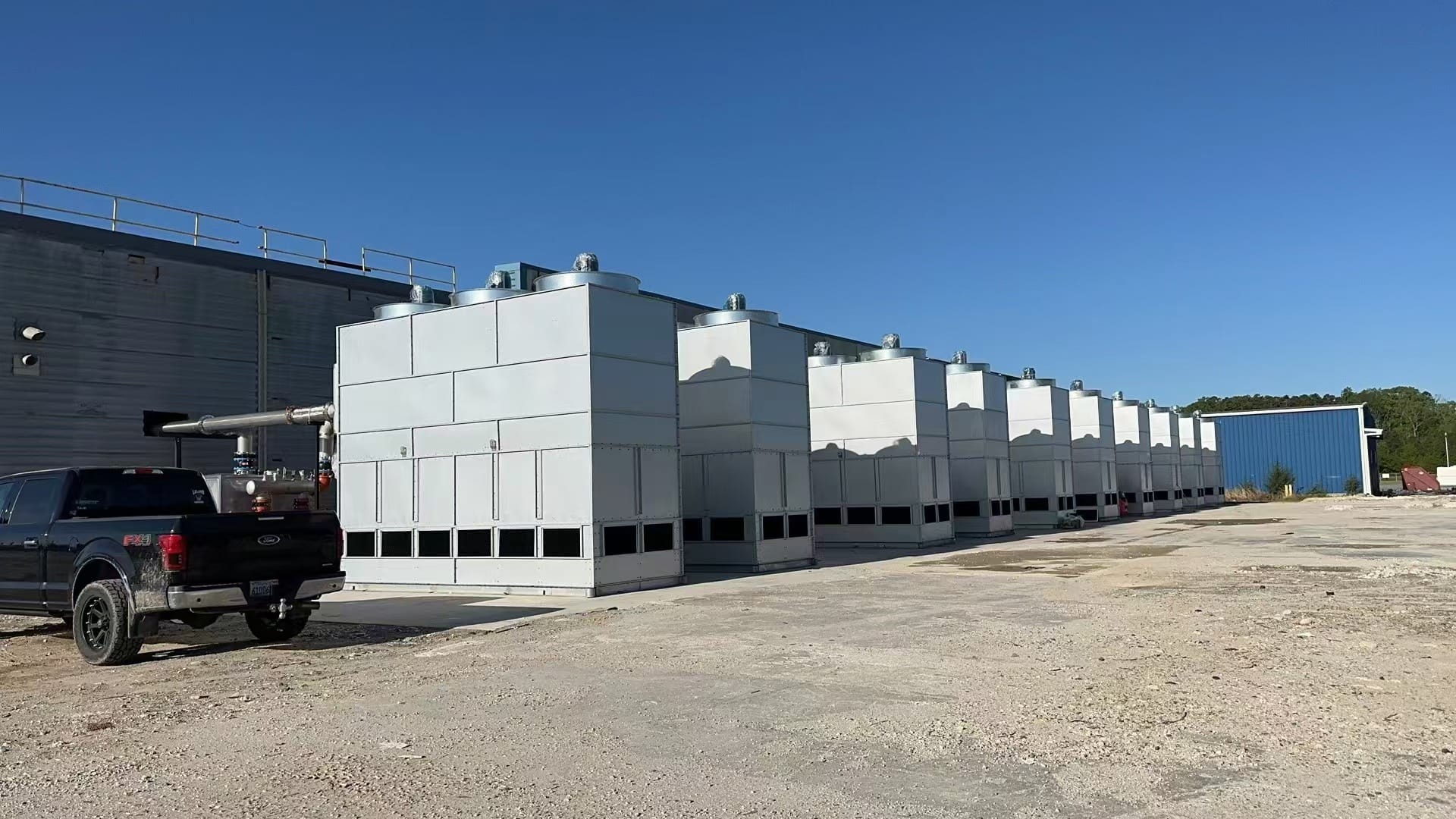
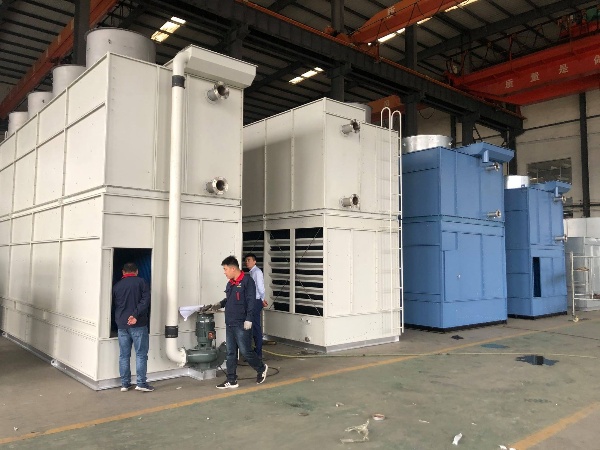
what is closed circuit cooling Tower? A closed-circuit cooling tower is a type of heat rejection equipment that cools a process fluid without exposing it directly to the outside air. It acts as a combination of a heat exchanger and an open cooling tower into one, self-contained unit How It Works: Two Separate Circuits The […]
By AIR-WATER FLOW DIRECTION (within Mechanical Draft Towers) Type Airflow vs. Water Flow Characteristics Counter flow Air flows upward, opposite to falling water. – Higher thermal efficiency– Smaller footprint– Higher pumping head (pressure)– More prone to fouling Cross flow Air flows horizontally, water falls...
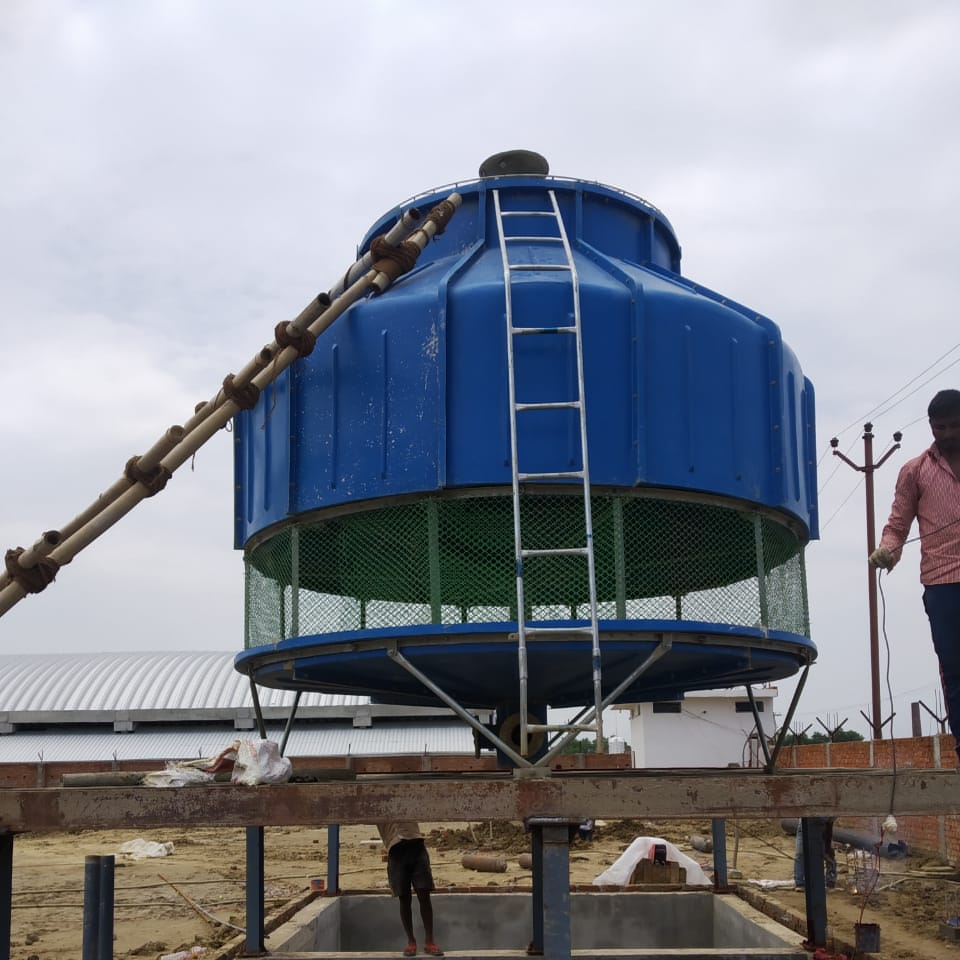
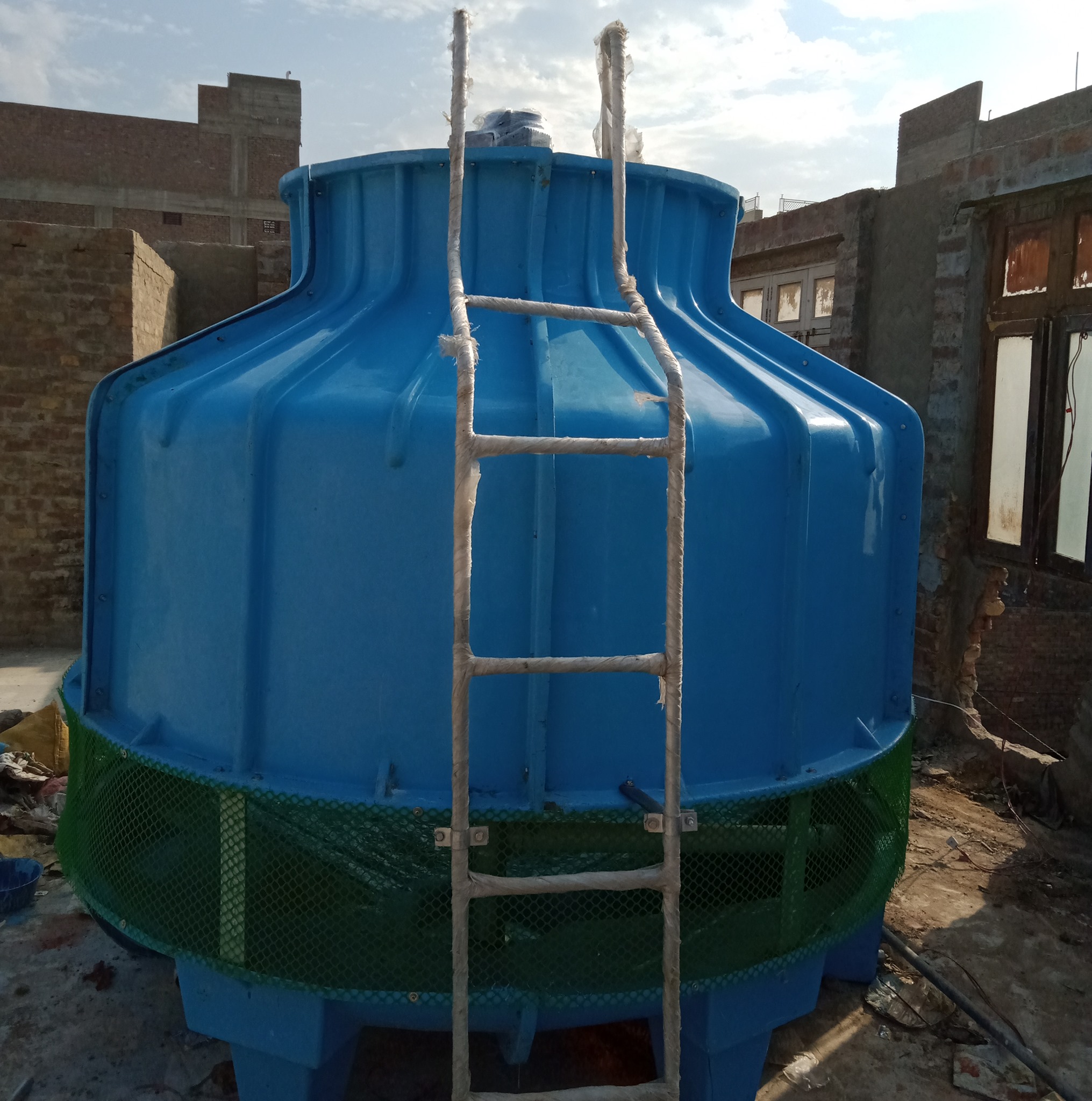
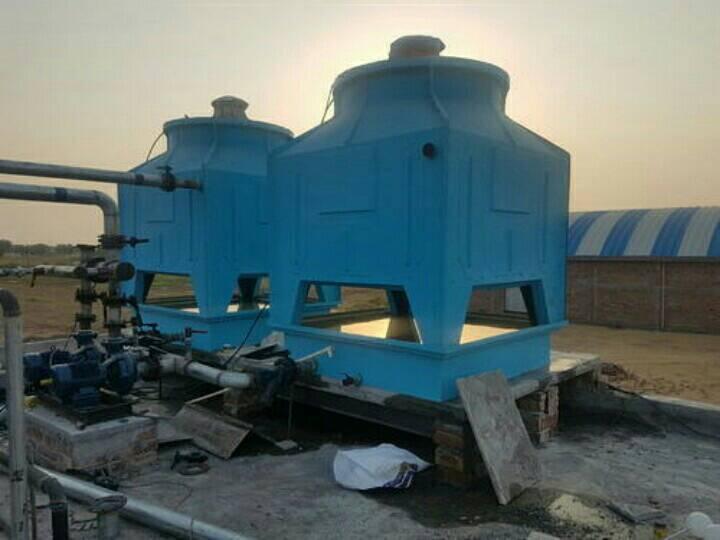
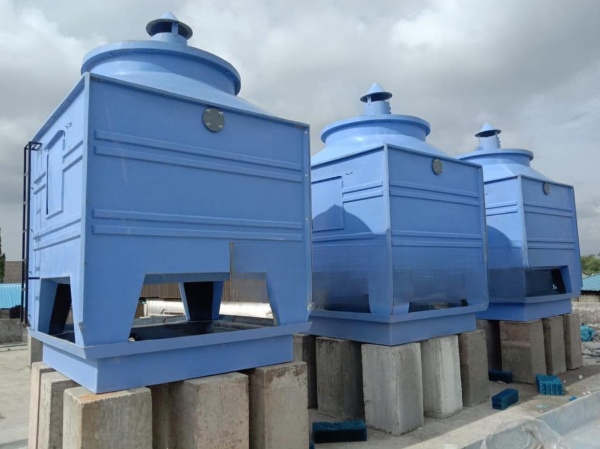
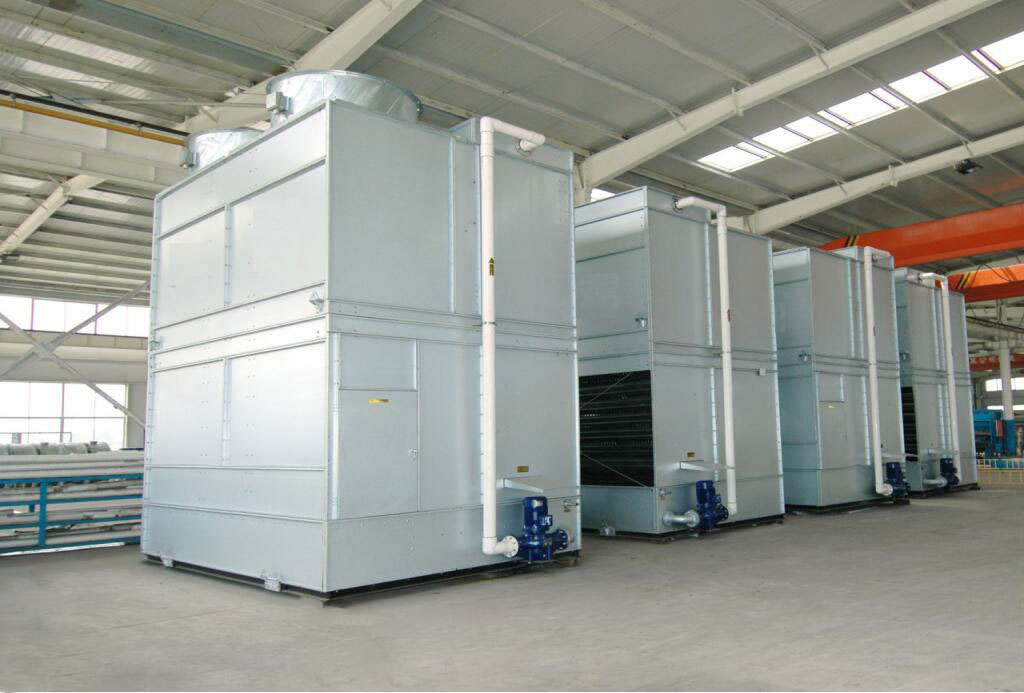
Types of Cooling Tower Systems Cooling towers are classified in several ways based on their design, airflow method, construction, and heat transfer principles. Here’s a comprehensive breakdown of the main types: 1. By AIR FLOW GENERATION Method This is the most common classification. A. Natural Draft Cooling Towers B. Mechanical Draft Cooling...
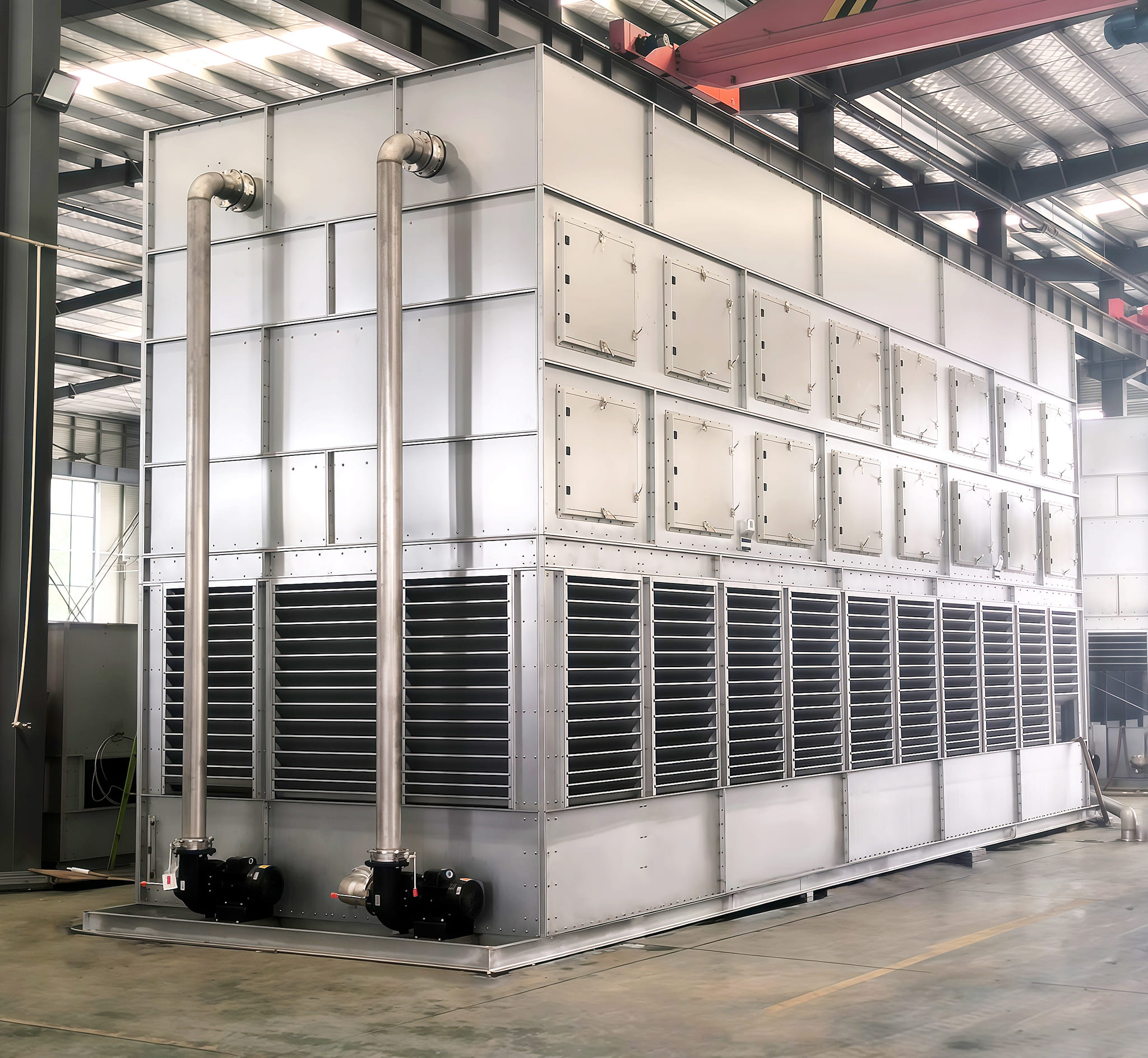
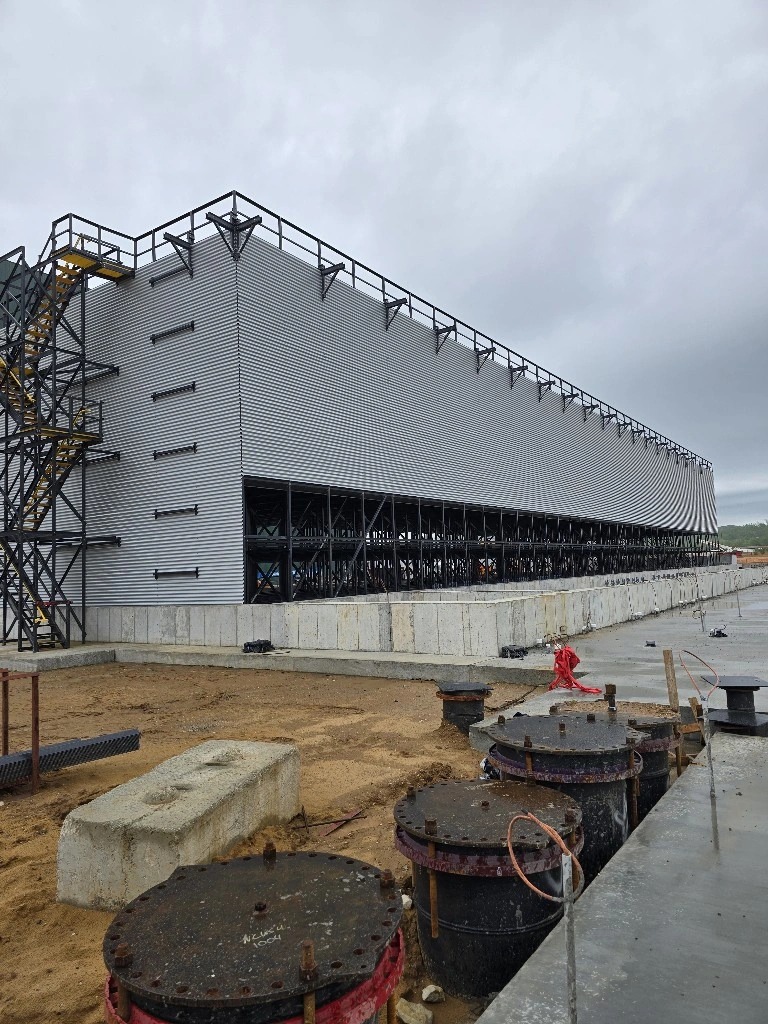
A Cross flow Cooling Tower is a type of mechanical draft, wet cooling tower where the flow of air is horizontal (side to side), perpendicular to the vertical fall of the water. This creates a distinct “cross” pattern of air and water flows. Step-by-Step Working Principle 1. Hot Water Inlet & Distribution 2....
Cross flow vs. Counter flow Design Feature Cross flow Cooling Tower Counter flow Cooling Tower Air/Water Direction Air horizontal, water vertical (90° cross). Air upward, water downward (opposite directions). Water Distribution Gravity basins (low pressure). Pressurized spray nozzles (higher pressure). Air Pressure...
Advantages of Cross flow Design Typical Applications Why Choose a Cross flow Tower? In summary, a cross flow cooling tower operates on a simple gravity-fed, perpendicular flow principle, offering reliability and ease of maintenance, making it a popular choice for many commercial and industrial cooling applications.
How Counter flow Cooling Towers Work A Counter flow Cooling Tower is a type of mechanical draft, wet cooling tower where air flows vertically upward, directly opposite to the downward flow of hot water. This counter-current arrangement creates highly efficient heat and mass transfer. Step-by-Step Working Principle...
Counter flow vs. Cross flow Comparison Parameter Counter flow Tower Cross flow Tower Flow Direction Air ↑ vs Water ↓ (opposite) Air → vs Water ↓ (perpendicular) Water Distribution Pressurized spray nozzles Gravity basins with orifices Air Pressure Drop Higher (air fights upward against water) Lower (horizontal path) Pumping Head...
Application-Based Selection of Tower Type Application Typical Cooling Tower Type Key Reason for Choice Large Power Plant Natural Draft (Hyperbolic) Massive capacity, no fan power, very reliable. Commercial HVAC Factory-Assembled Induced Draft Cross flow or Counter flow Compact, cost-effective, easy to maintain, good part-load performance....
Plastic and synthetic fiber production (PVC, nylon, polyester 5. Heavy Industry & Manufacturing 6. Data Centers & Telecommunications 7. Miscellaneous & Specialized Applications
Core Functions & Benefits Function Benefit Heat Rejection Removes large heat loads (often 10-1000+ MW) efficiently. Water Conservation Recycles 95-98% of cooling water (vs. once-through systems). Energy Efficiency Lower power consumption than air-cooled systems for same duty. Space Efficiency Smaller footprint than air-cooled heat exchangers...