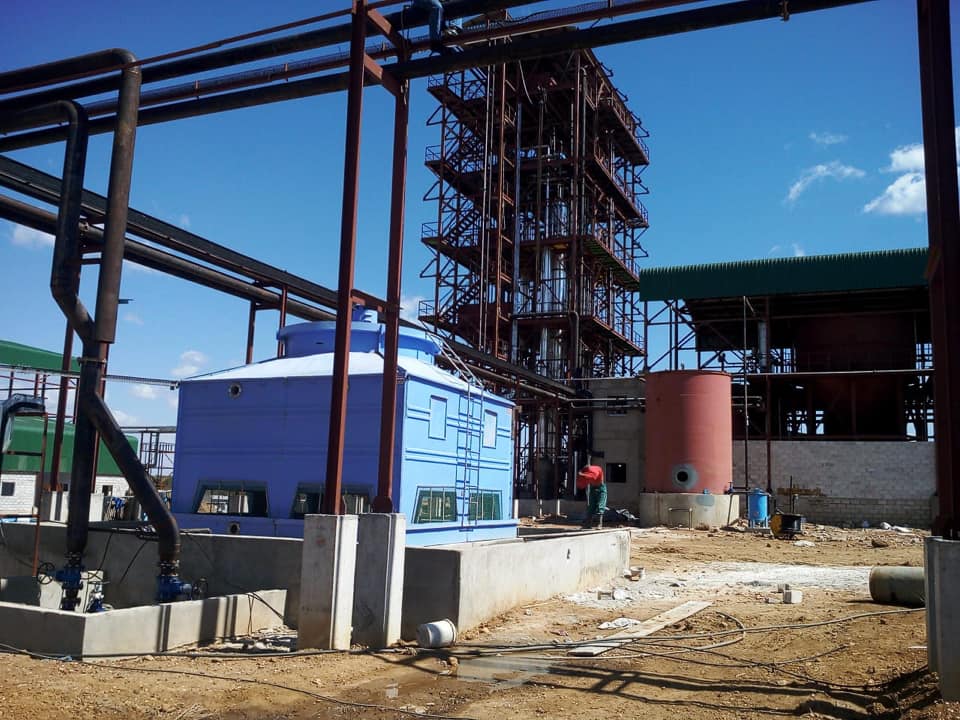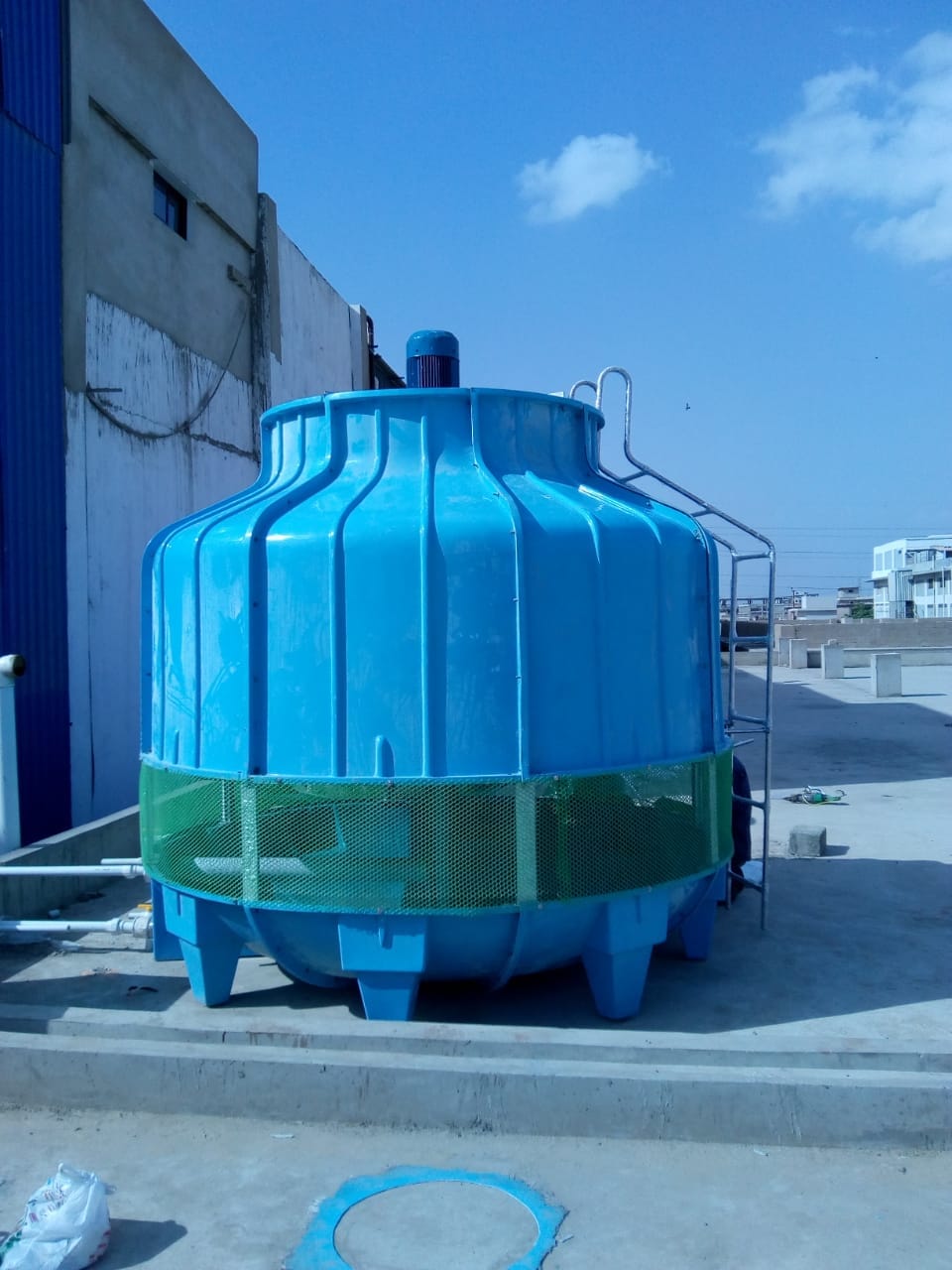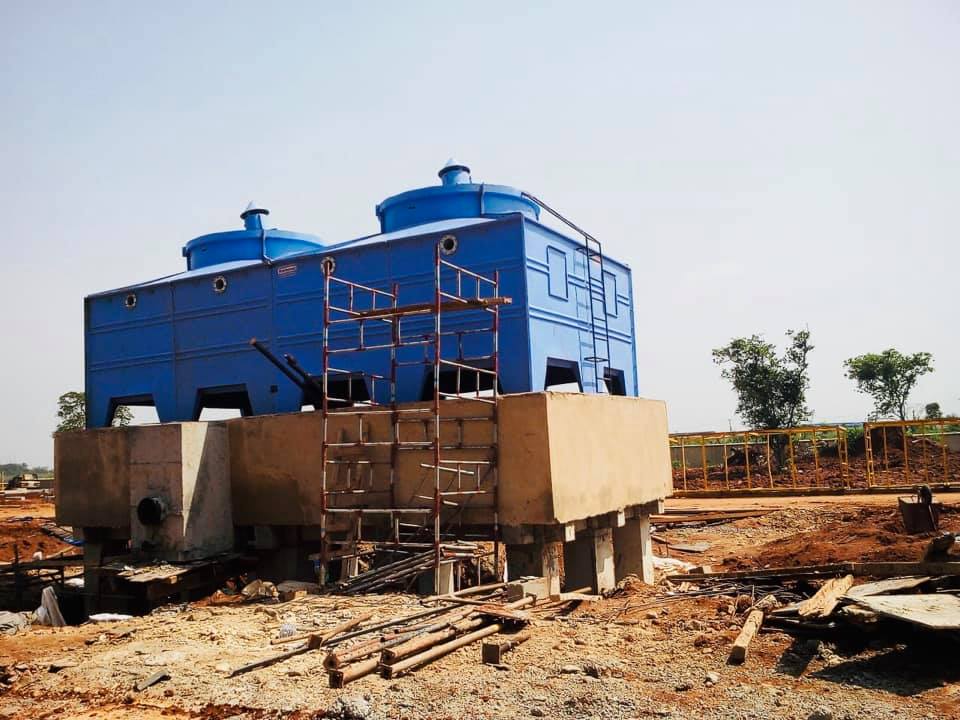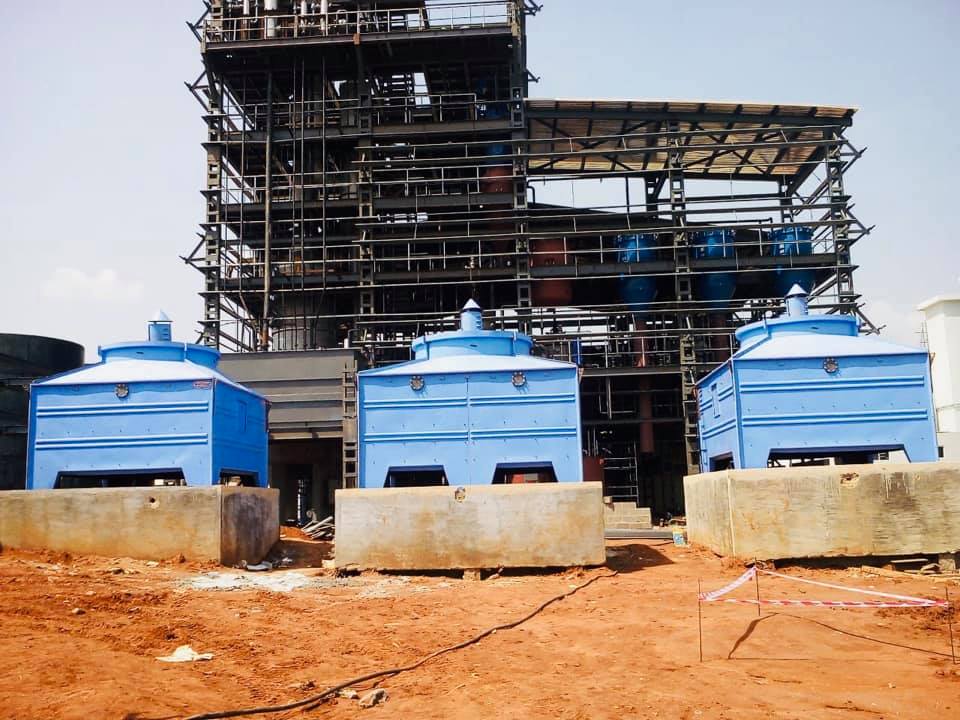
Cooling Towers Spares

Cooling Tower Manufacturer in Ghana

Choosing the “right” cooling tower isn’t about picking the “best” type—because there is no universally best type. It is about picking the type that best matches your specific operational constraints, physical site, and financial goals. To make this decision, engineers use a systematic process. Here is the exact...

Cooling Tower Manufacturer in Angola

When deciding between a Cross Flow and a Counter Flow cooling tower, you are essentially making a trade-off between Thermal Efficiency (Counter Flow) and Maintenance & Operating Simplicity (Cross Flow). Here is the ultimate side-by-side showdown to help you decide which one belongs in your plant. 1. The...

Cooling Tower Manufacturer in Madagascar

To understand a Cross Flow Cooling Tower, let’s do the same breakdown as before. “Flow” refers to the movement of air and water, and “Cross” means they move at a 90-degree angle (perpendicular) to each other. In a cross flow cooling tower, hot water falls vertically...

Cooling Tower Manufacturer in Ethiopia

Counter Flow Cooling Tower, it helps to break down the name. “Flow” refers to the movement of air and water, and “Counter” means they move in opposite directions. So, in a counter flow cooling tower, hot water falls vertically downward while air is pulled vertically upward—they flow...

Cooling Tower Manufacturer in Kenya

An FRP cooling tower is a cooling tower whose primary structure and key components are made from Fiber-Reinforced Plastic (also known as fiberglass). This material choice offers significant advantages over traditional materials like wood, steel, or concrete. Why Choose FRP? The Core Advantages The main reason industries choose...

Cooling Tower Manufacturer in Tunisia

1. Classification by Airflow Method (The Draft System) This is the most common way to categorize them, as it dictates the tower’s shape, cost, and energy consumption. Type How It Works Pros Cons Typical Application Natural Draft Uses a massive hyperbolic chimney. Hot, moist air inside the tower is lighter than cooler outside air, so...

Cooling Tower Manufacturer in Algeria

The core application of a cooling tower is simple: to reject massive amounts of waste heat into the atmosphere when you don’t have an infinite, cheap supply of cool water (like a river or ocean) available. They are the “heat exhaust” system for heavy industry and large buildings. Here is the sector-by-sector breakdown of...

Cooling Tower Manufacturer in Nigeria

Critical Components & Maintenance A cooling tower has several vulnerable parts that require constant attention: Fans and Gearboxes: High-maintenance rotating equipment requiring regular lubrication and belt checks.

Cooling Tower Manufacturer in Morocco

Major Industrial Roles (Where are they used?) Cooling towers are the “radiators” of heavy industry. They are used wherever a process generates more heat than can be dissipated locally: The “Water Problem”: Concentration Cycles & Blowdown Here is the biggest engineering challenge with cooling towers: They are a...

Cooling Tower Manufacturer in Egypt

The Two Main Types of Cooling Towers Type How It Works Best For Visual Clue Mechanical Draft (Forced/Induced) Uses large, motor-driven fans to force or pull air through the tower.– Induced Draft: Fan is at the top, pulling air upward. (Most common).– Forced Draft: Fan is at the bottom, pushing air upward. Industrial...

Cooling Tower Manufacturer in South Africa

A cooling tower is not a heat exchanger. While both move heat, they work in fundamentally different ways. Here is the engineering breakdown of what a cooling tower is, how it works, and why it is absolutely vital to industry. The Simple Definition A cooling tower is a specialized, open-air device that removes waste heat from a […]

Cooling Tower Manufacturer in Zambia

Working Principle of Natural Draft Cooling Tower The natural draft cooling tower works on the principle of natural convection (chimney effect) and evaporative cooling. Step-by-Step Process:

Cooling Tower Manufacturer in Angola

atural Draft Cooling Tower A natural draft cooling tower is a type of cooling tower that relies on the natural convection of air (without fans) to circulate air through the tower for cooling. Working Principle  Features Advantages

Cooling Tower Manufacturer in Tanzania

ypes of Mechanical Draft Cooling Towers 1. Forced Draft Cooling Tower 2. Induced Draft Cooling Tower Based on Airflow Arrangement:

Cooling Tower Manufacturer in Namibia

A mechanical draft cooling tower is a type of cooling tower where airflow is produced by fans (mechanical means), instead of relying on natural convection like in natural draft towers. Working Principle Types of Mechanical Draft Towers  Advantages

Cooling Tower Manufacturer in Zimbabwe

Types of Water Loss in a Cooling Tower E≈0.001×C×ΔTE \approx 0.001 \times C \times \Delta TE≈0.001×C×ΔT  where: B=E(CoC−1)B = \frac{E}{(CoC – 1)}B=(CoC−1)E​  Total Water Loss Total Loss=E+D+B+(Misc. Losses)\text{Total Loss} = E + D + B + \text{(Misc. Losses)}Total Loss=E+D+B+(Misc. Losses) ...

Cooling Tower Manufacturer in Mozambique

Main Parts of a Cooling Tower

Cooling Tower Manufacturer in Botswana

Applications of Cooling Towers 1. Power Generation 2. HVAC Systems (Heating, Ventilation, Air Conditioning) They cool water in chiller systems, which helps maintain indoor comfort by 3. Industrial Applications 4. Renewable & Data Centers 5. District Cooling Systems

Cooling Tower Manufacturer in Madagascar

Working Principle of a Cooling Tower The cooling tower works on the principle of heat transfer through evaporation (and partly convection). Step-by-Step Working:

Cooling Tower Manufacturer in South Africa

A cooling tower is a heat rejection device that removes waste heat from water (or another process fluid) by transferring it to the atmosphere, usually through evaporation. In simple terms: Types of Cooling Towers: Applications:

Air Cooled Heat Exchanger Manufacturer in Zambia

Effect of Ambient Temperature on Air-Cooled Heat Exchanger (ACHE) Performance Ambient temperature significantly impacts the thermal performance, efficiency, and operational reliability of air-cooled heat exchangers. Here’s a detailed analysis: 1. Fundamental Thermodynamic Impact A. Approach Temperature Limitation math Q = UAΔT_{LMTD} Where...

Air Cooled Heat Exchanger Manufacturer in Democratic Republic of Congo

Effect of Air Face Velocity in Air-Cooled Heat Exchangers (ACHEs) Air face velocity (typically measured in m/s or ft/min) is a critical operational parameter that significantly impacts the thermal performance, energy consumption, and operational reliability of air-cooled heat exchangers. 1. Definition & Typical Ranges 2. Thermal Performance...

Air Cooled Heat Exchanger Manufacturer in Tanzania

ypes of Fins Used in Air-Cooled Heat Exchangers (ACHEs) Fins are critical components in air-cooled heat exchangers, significantly enhancing heat transfer efficiency by increasing the surface area exposed to cooling air. Different fin types are used based on application requirements, thermal performance needs, and environmental conditions. Basic Fin...

Air Cooled Heat Exchanger Manufacturer in Morocco

Air-Cooled Heat Exchangers (ACHEs) in the Aerospace Industry Air-cooled heat exchangers play a critical role in aircraft, spacecraft, and aviation systems, where weight savings, reliability, and thermal efficiency are crucial. Unlike liquid-cooled systems, ACHEs use ambient air to dissipate heat, making them ideal for aerospace...

Air Cooled Heat Exchanger Manufacturer in Ethiopia

Air-Cooled Heat Exchangers (ACHEs) in Marine Applications Air-cooled heat exchangers are widely used in marine and offshore systems where seawater corrosion, space constraints, and maintenance challenges make water-cooled systems less desirable. They provide reliable cooling for ship engines, HVAC systems, power generation, and...

Air Cooled Heat Exchanger Manufacturer in Algeria 

ir-Cooled Heat Exchangers (ACHEs) in Renewable Energy Systems Air-cooled heat exchangers play a crucial role in renewable energy systems, where water conservation, reliability, and low maintenance are essential. They are used in solar thermal plants, geothermal systems, biomass energy, hydrogen production, and battery cooling for...

Air Cooled Heat Exchanger Manufacturer in Nigeria

ir-Cooled Heat Exchangers (ACHEs) in HVAC & Industrial Cooling Air-cooled heat exchangers (ACHEs) are widely used in HVAC systems and industrial cooling applications where water conservation, maintenance simplicity, and environmental regulations are key concerns. Unlike water-cooled systems, ACHEs rely on ambient air to...

Air Blast Cooler Manufacturer in United Arab Emirates

Air-Cooled vs. Water-Cooled Oil Coolers: Key Differences   When choosing between air-cooled and water-cooled oil coolers, factors like cooling efficiency, maintenance, installation, and operating environment play a crucial role. Below is a detailed comparison 1. Cooling Mechanism Feature Air-Cooled Oil Cooler...

Air oil Cooler Manufacturer in United Arab Emirates

Induced Draft Oil Cooler vs. Forced Draft Oil Cooler Air-cooled oil coolers rely on airflow to dissipate heat, and the method of air movement defines their efficiency. The two main types are Induced Draft and Forced Draft coolers. Below is a detailed comparison: 1. Airflow Mechanism Feature Induced Draft Oil Cooler Forced Draft...

Air Cooled oil Cooler Manufacturer in United Arab Emirates

ypes of Air-Cooled Oil Coolers Air-cooled oil coolers come in different designs, each suited for specific applications based on cooling efficiency, space constraints, airflow conditions, and industry requirements. Below are the main types: 1. Tube & Fin Oil Coolers (Most Common Type) 2. Plate & Fin Oil Coolers (Compact &...

Air Blast oil Cooler Manufacturer in UAE

Aluminum Fins vs. Stainless Steel Fins in Air-Cooled Oil Coolers The choice between aluminum and stainless-steel fins depends on factors like heat transfer efficiency, corrosion resistance, weight, cost, and application environment. Below is a detailed comparison: 1. Heat Transfer Efficiency Material Thermal Conductivity...

Air Blast Cooler Manufacturer in UAE

Purpose of Fins in an Air-Cooled Oil Cooler Fins play a critical role in enhancing the cooling efficiency of air-cooled oil coolers. They are designed to maximize heat dissipation from the oil to the surrounding air. Here’s how they work and why they are essential: 1. Primary Functions of Fins  Increase Surface Area for...

Air Cooled oil Cooler Manufacturer in UAE

Key Industrial Applications of Air-Cooled oil Cooler 1. Power Generation 2. Heavy Machinery & Construction Equipment 3. Oil & Gas Industry 4. Manufacturing & Processing Plants 5. Marine & Offshore Applications 6. Compressed Air Systems 7. Food & Pharmaceutical Industry Used where water contamination must be avoided (hygienic...

Air Blast oil Cooler Manufacturer in Saudi Arabia

Air-cooled oil coolers are widely used in industrial applications where efficient cooling of lubricating oils, hydraulic oils, or process fluids is required without relying on water-based cooling systems. Their robust design, low maintenance, and reliability make them ideal for harsh environments.

Air Blast Cooler Manufacturer in Saudi Arabia

Use of Air-Cooled Oil Coolers in Vehicles Air-cooled oil coolers are essential in vehicles to maintain optimal oil temperatures, prevent overheating, and extend engine/transmission life. They are widely used in: 1. Engine Oil Cooling 2. Transmission Oil Cooling 3. Differential & Gearbox Cooling 4. Power Steering Oil Cooling 5. Turbocharger...

Air oil Cooler Manufacturer in Saudi Arabia

Material of construction of Heat Exchanger Coil in Air Oil Cooler The heat exchanger coil (core) in an air-cooled oil cooler is typically made from materials that offer high thermal conductivity, corrosion resistance, and mechanical strength. The most common materials used are: 1. Aluminum (Most Common) 2. Copper (Less...
Air Cooled oil Cooler Manufacturer in Saudi Arabia

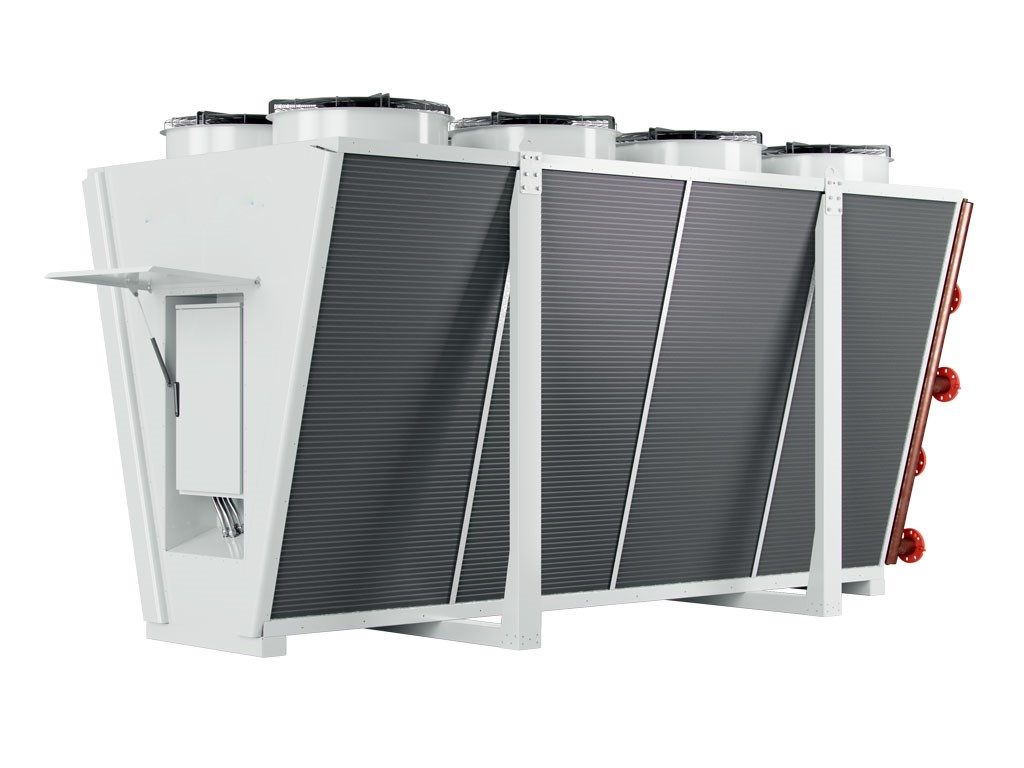
Air-cooled oil coolers are widely used in industries where efficient cooling of lubricating oil, hydraulic oil, or other process oils is required without relying on water-based cooling systems. Here are some common industrial applications: 1. Power Generation 2. Heavy Machinery & Construction Equipment 3. Automotive & Transportation 4....
Air Blast oil Cooler Manufacturer in India

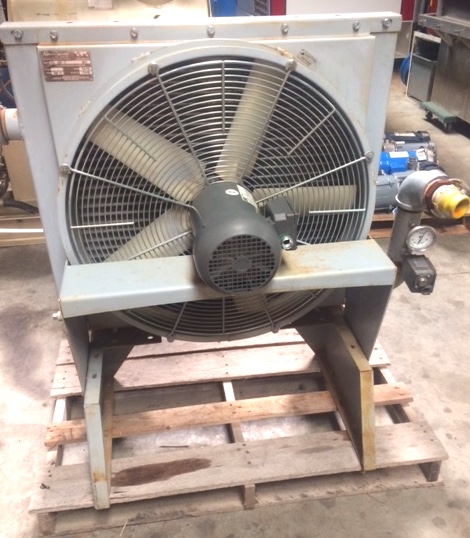
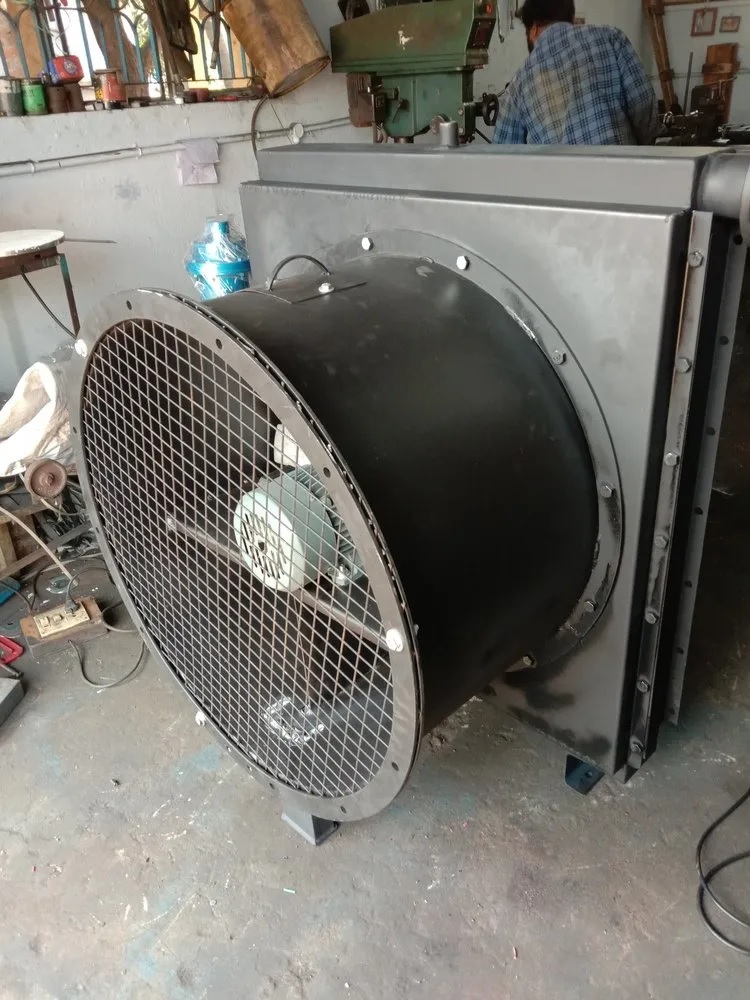
An Air Blast Oil Cooler is a specific type of air-cooled oil cooler that uses a powerful fan (blast of air) to force air over the cooler’s surface, significantly improving the cooling performance. What Is an Air Blast Oil Cooler? It’s a heat exchanger that cools down hot oil by blasting ambient air (using a fan or...
Air Blast Cooler Manufacturer in India

Air Blast Cooler What Is an Air Blast Oil Cooler? It’s a heat exchanger that cools down hot oil by blasting ambient air (using a fan or blower) across a fin-and-tube radiator, where the oil flows inside the tubes. How It Works: Components: Thermostatic control (optional): To regulate fan operation based on oil temperature
Air oil Cooler Manufacturer in India

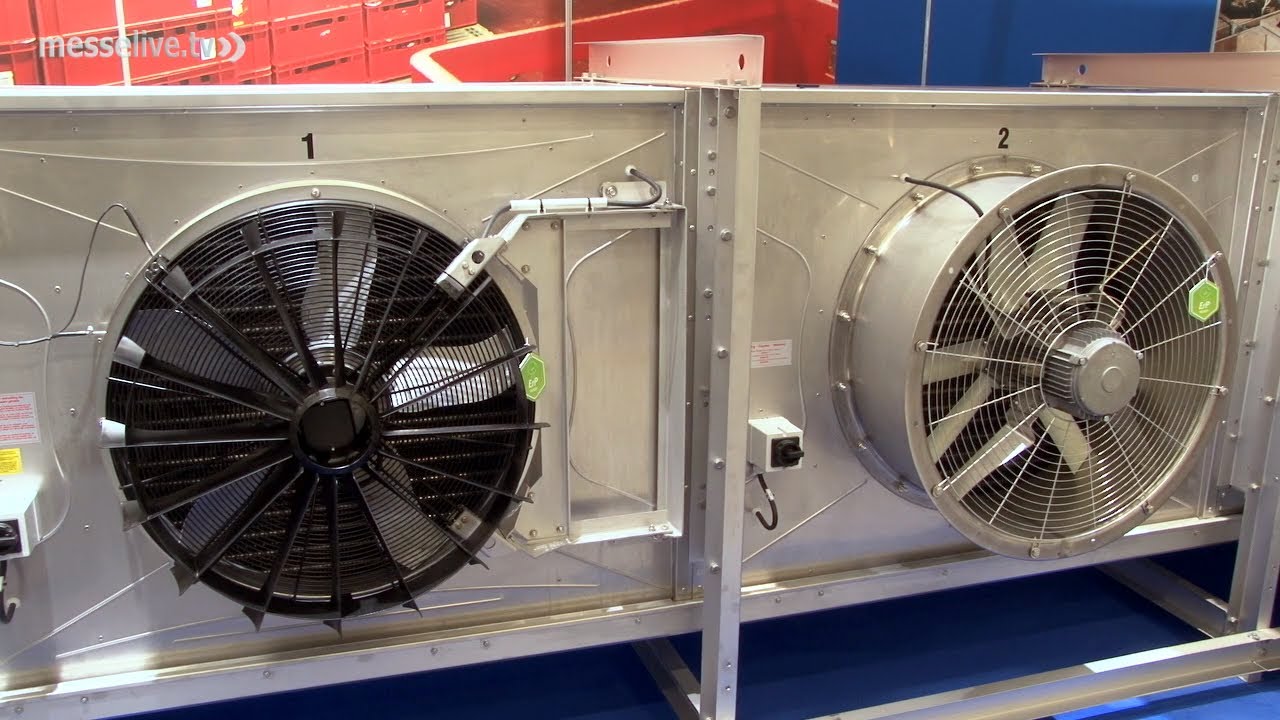
Common Applications of Air oil Cooler: Wind turbines Advantages of Air oil Cooler:

Air Cooled oil Cooler Manufacturer in India

Air-Cooled Oil Cooler An air-cooled oil cooler is a type of heat exchanger that uses air to reduce the temperature of oil in machinery, engines, or hydraulic systems. Here’s a breakdown of what that means:  Purpose: Its main job is to remove excess heat from oil, which is essential for keeping equipment running efficiently and...

Evaporative cooling tower Manufacturer in UAE

Counter Flow Vs Cross Flow Cooling Tower The choice between a counterflow and a crossflow cooling tower ultimately comes down to balancing space, energy efficiency, and maintenance accessibility. There isn’t one universally “best” type; the optimal choice depends entirely on your specific project priorities, space...

Evaporative Condenser Manufacturer in Saudi Arabia

How to Prevent Fouling in Cooling Tower Preventing fouling in a cooling tower is an ongoing battle because these systems are designed to pull in massive volumes of air, which also brings in dirt, debris, and biological contaminants . The most effective strategy is a multi-layered approach, combining physical removal of particles, chemical...

Coil Cooling Tower Supplier in UAE

Effect of Flow Velocity in Heat Exchanger Flow velocity is a critical parameter that creates a fundamental trade-off in heat exchanger design. On one hand, increasing velocity boosts heat transfer and helps control fouling; on the other, it significantly increases energy consumption and can cause mechanical damage. Understanding this balance...

Coil Cooling tower manufacturer in UAE

How to prevent Fouling in heat exchanger Preventing fouling in heat exchangers requires a multi-layered strategy that combines smart design, advanced materials, and optimized operation. The most effective approach is to build “anti-fouling” properties into the system from the very beginning . Here is a breakdown of the key...

Coil Cooling Tower Supplier in United Arab Emirates

Best Tube material for Heat exchanger for High fouling Liquid Based on the search results, there isn’t one single “best” tube material. Instead, the optimal choice is a strategic decision that balances the specific type of fouling, the fluid’s chemistry, and economic factors. Here is a breakdown of the primary material...

Coil Cooling tower manufacturer in United Arab Emirates

Since you’re asking for a deeper dive on this specific comparison, let’s go beyond the basic trade-offs. When selecting between stainless steel and copper tubes for a closed-circuit cooling tower, the decision often comes down to three critical factors that aren’t always obvious: water chemistry, long-term operating costs,...

Closed Circuit Cooling Tower Supplier in UAE

Material of construction of Cooling Coil / Heat Exchanger in Closed Circuit cooling tower The cooling coil or heat exchanger is the core component of a closed-circuit cooling tower, and its material directly impacts the system’s efficiency, cost, and longevity. The choice is generally driven by factors like budget, required thermal...

Closed Circuit cooling tower Manufacturer in UAE

Parts of Closed-Circuit Cooling Tower A closed-circuit cooling tower is essentially a system of integrated components working together to reject heat while keeping the process fluid isolated from the air . It can be broken down into several key parts, often grouped by their function. Key Components and Their Functions Here is a look at the...

Closed Circuit Cooling Tower Supplier in United Arab Emirates

Closed Circuit cooling tower with open circuit cooling tower When deciding between a closed-circuit and an open-circuit cooling tower, the choice comes down to balancing your priorities: upfront cost and cooling efficiency against long-term reliability, water usage, and maintenance. Here is a direct comparison to help you understand the key...
1 2 21