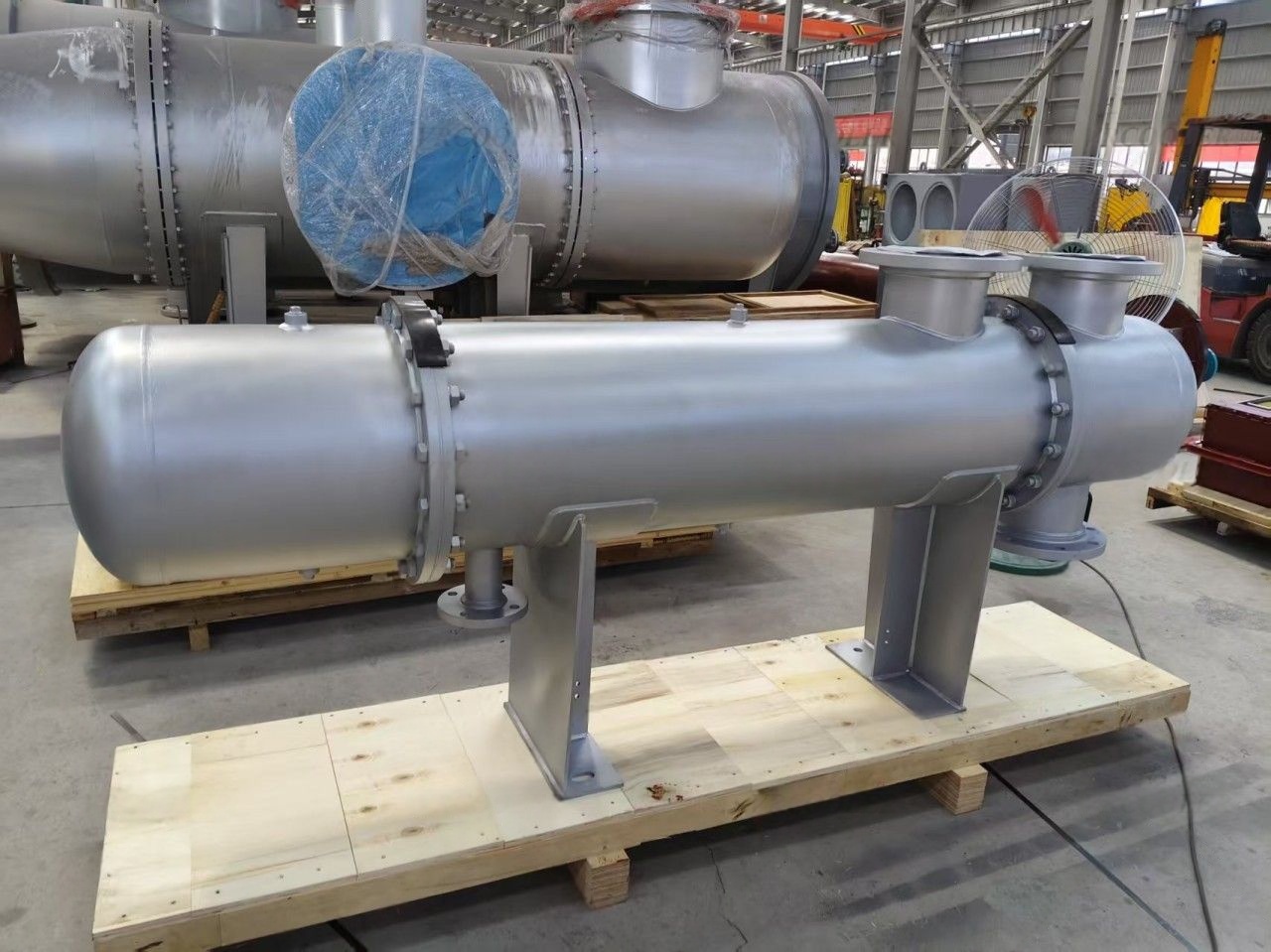
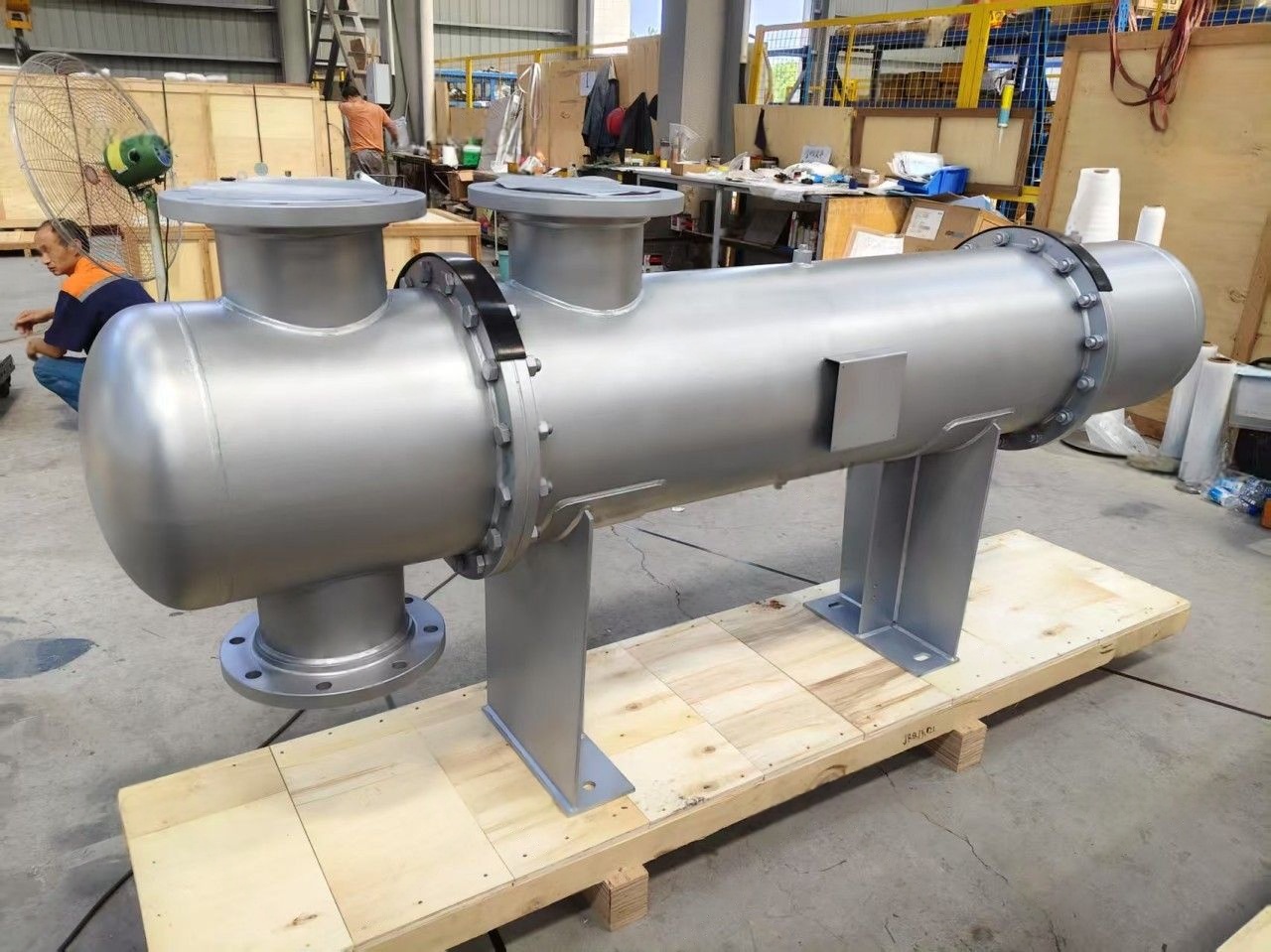
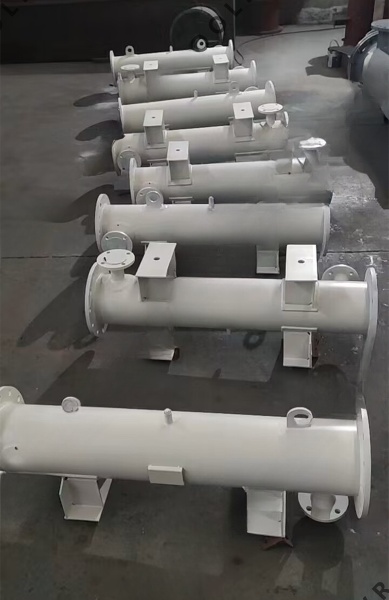
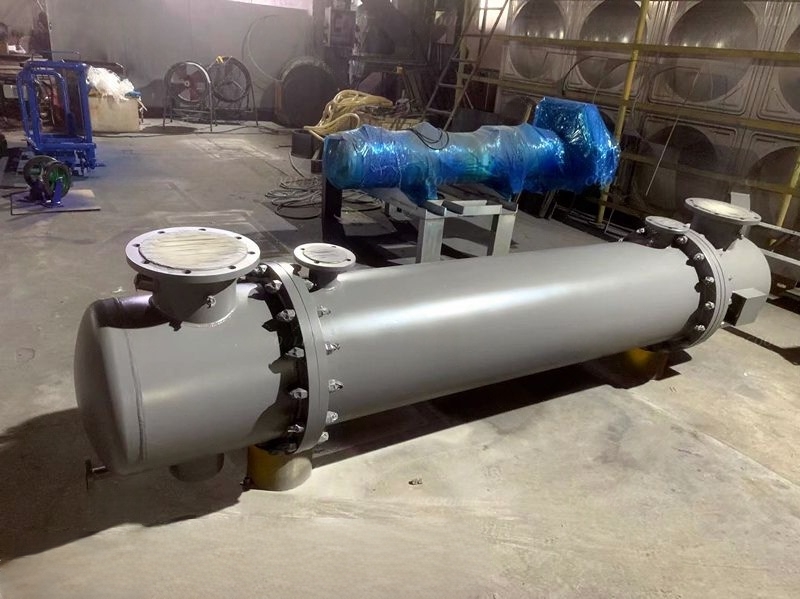
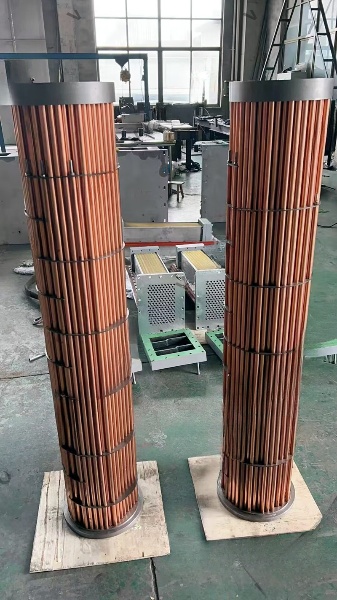
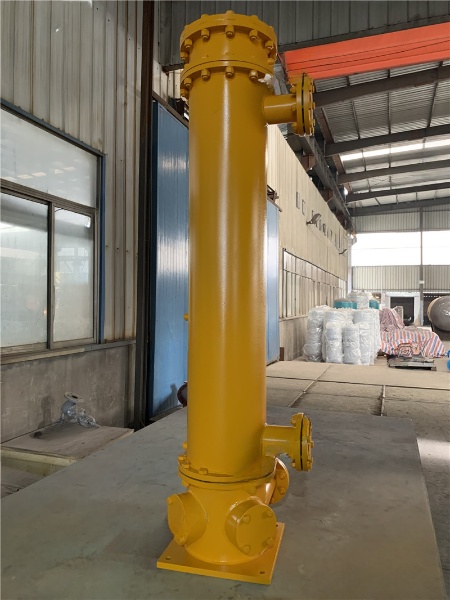
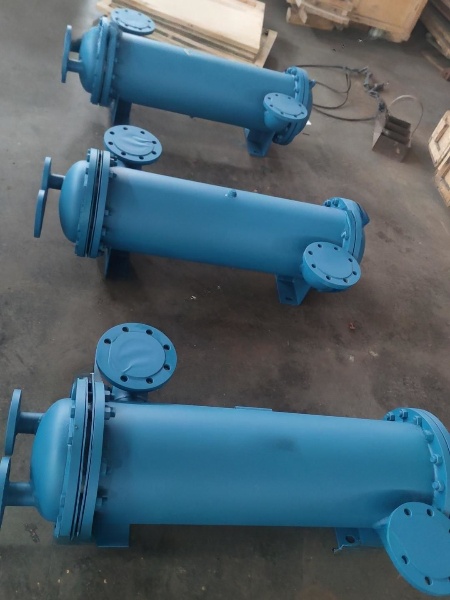
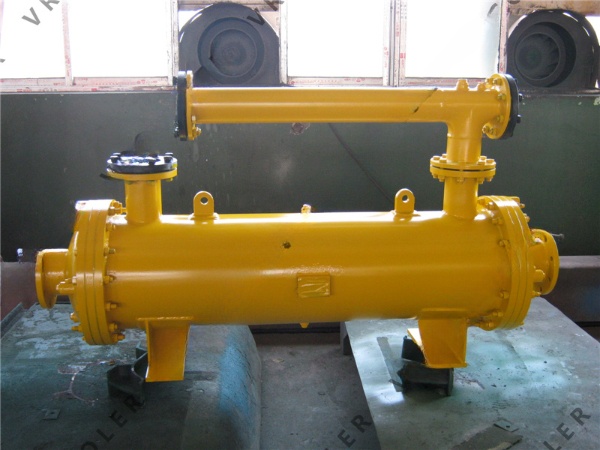
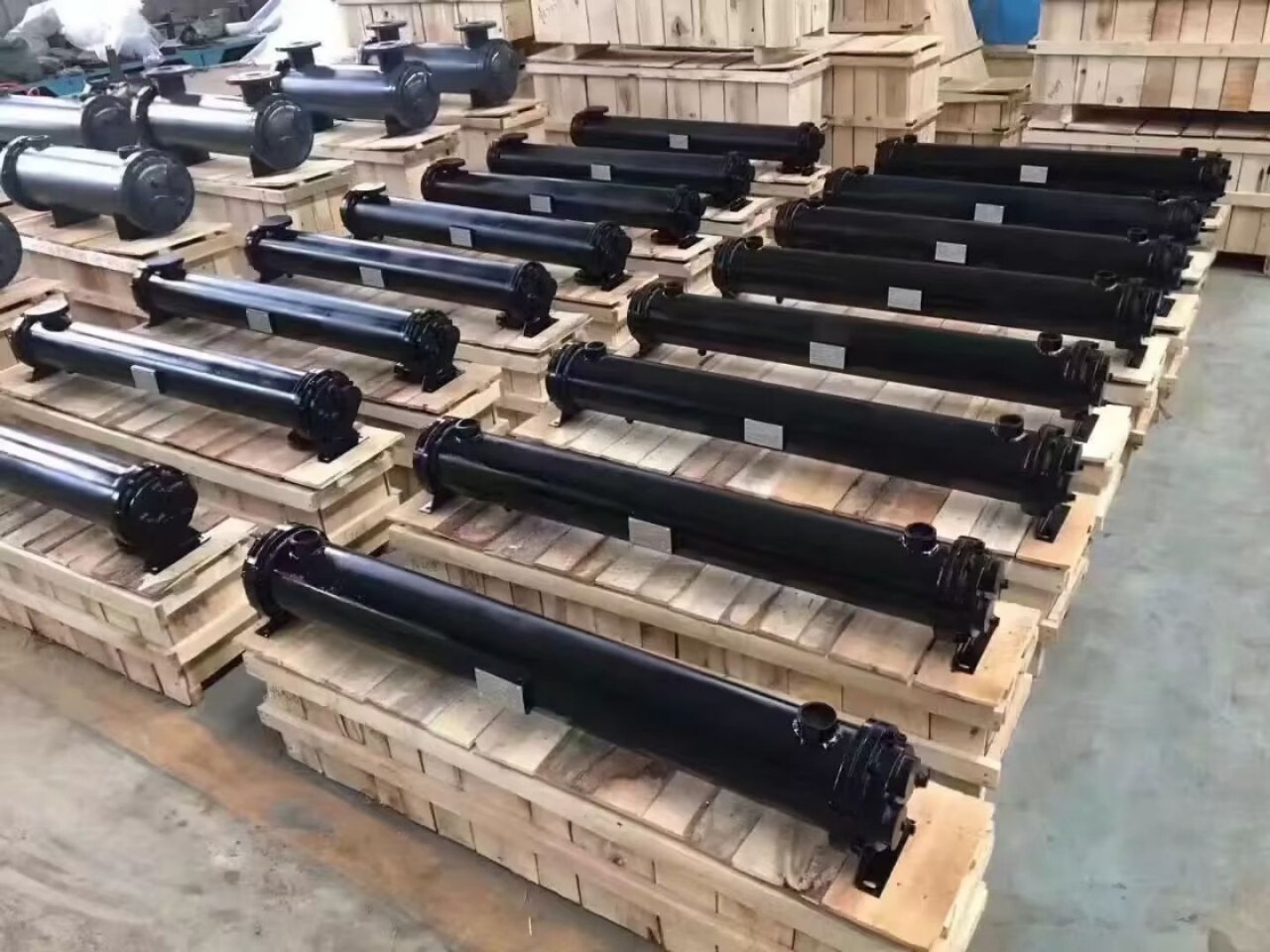
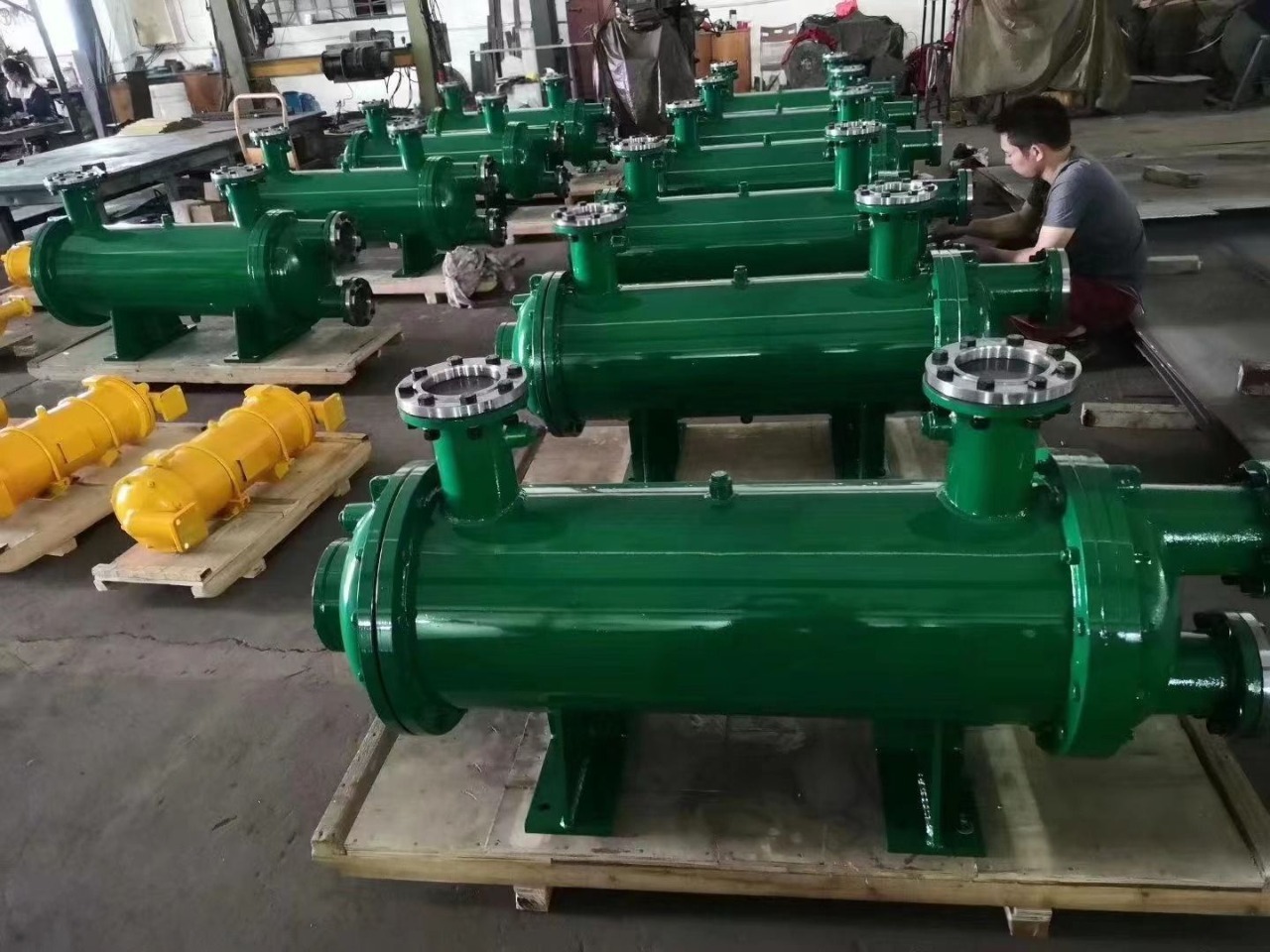
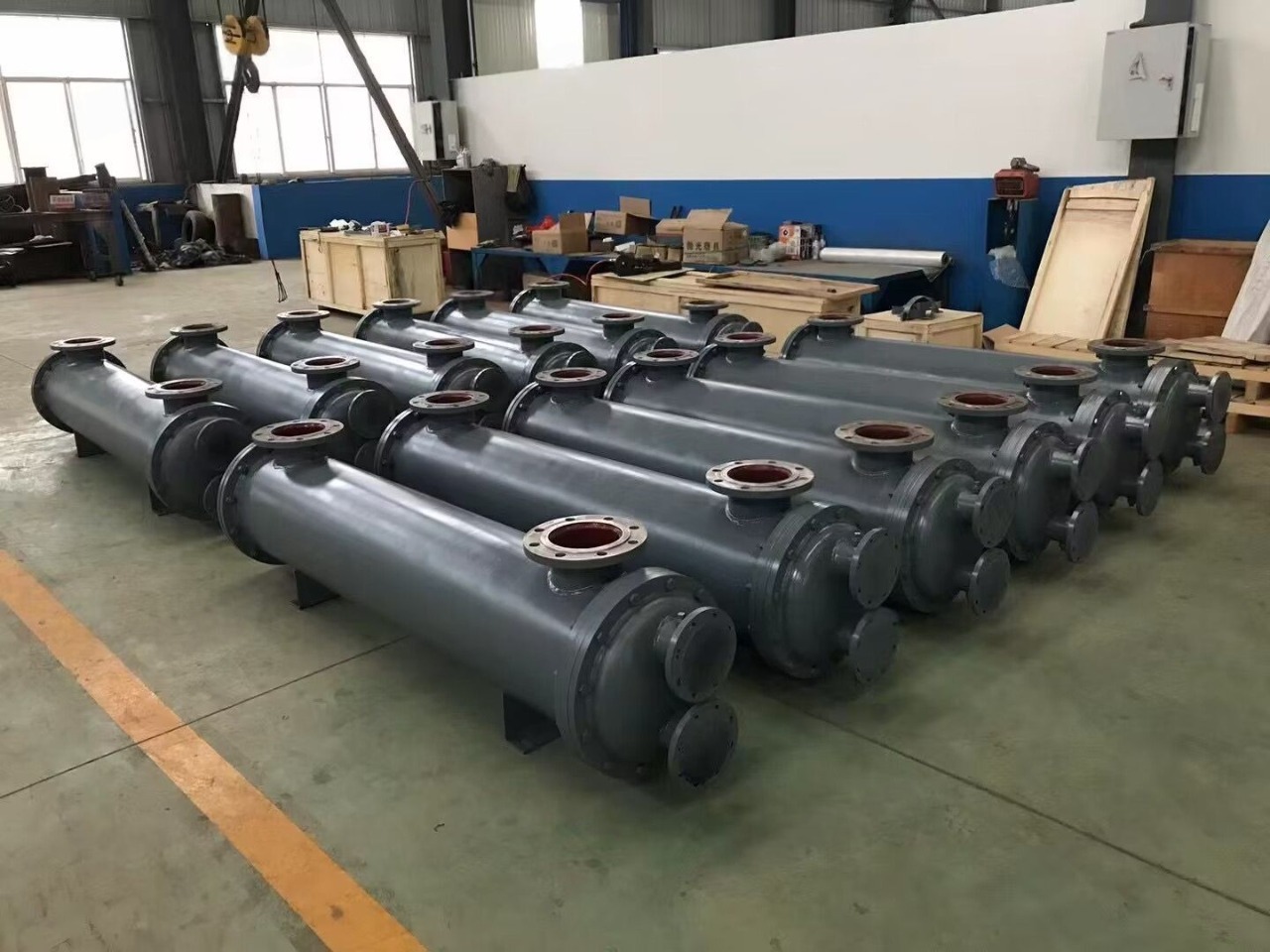
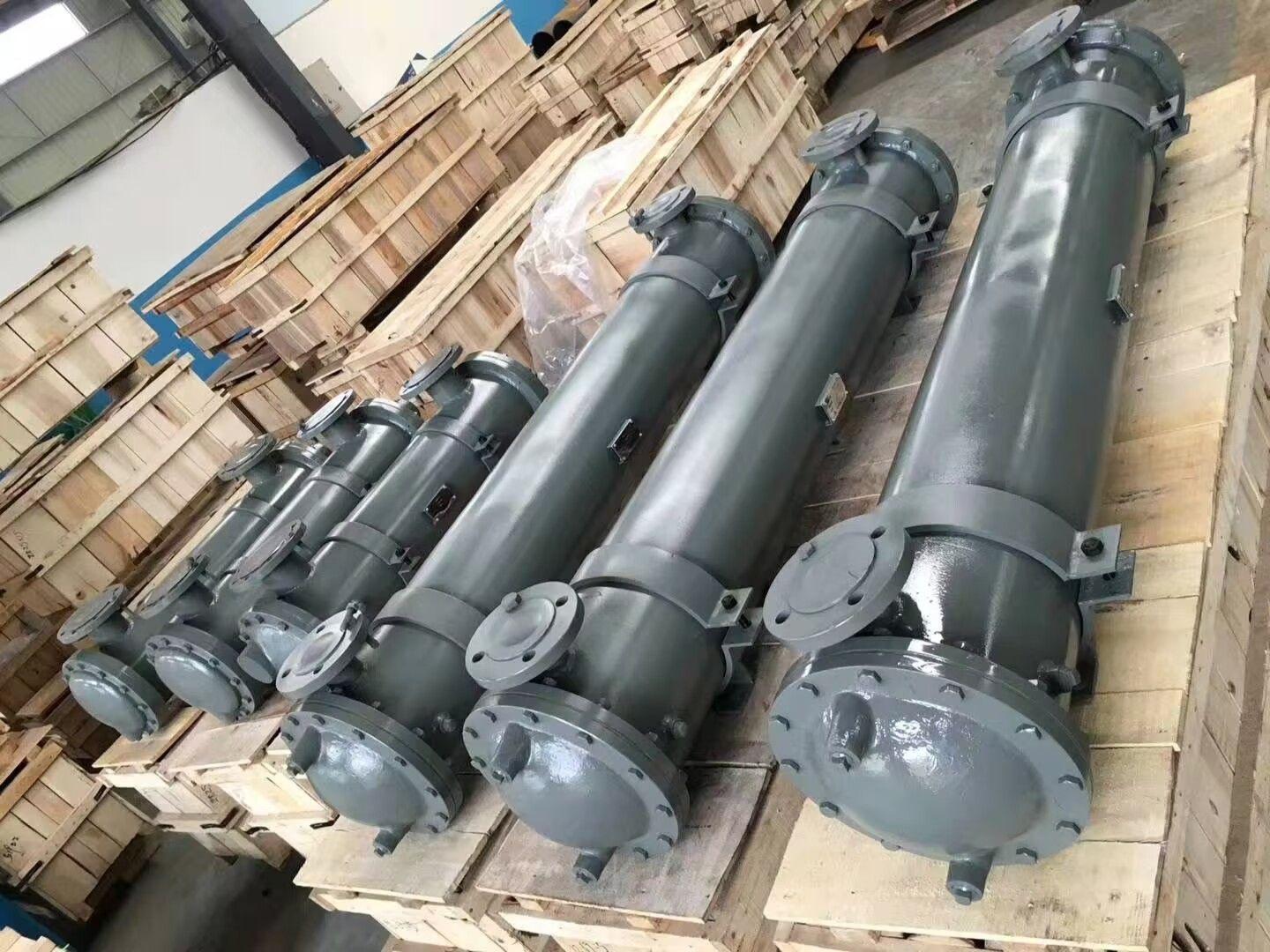
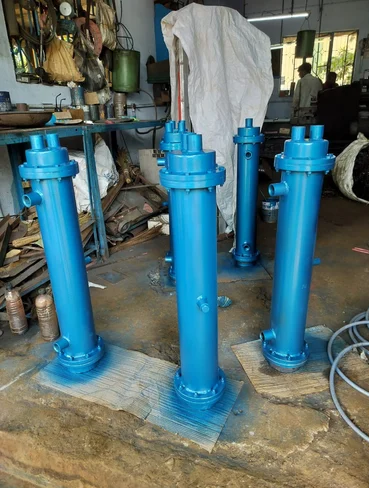
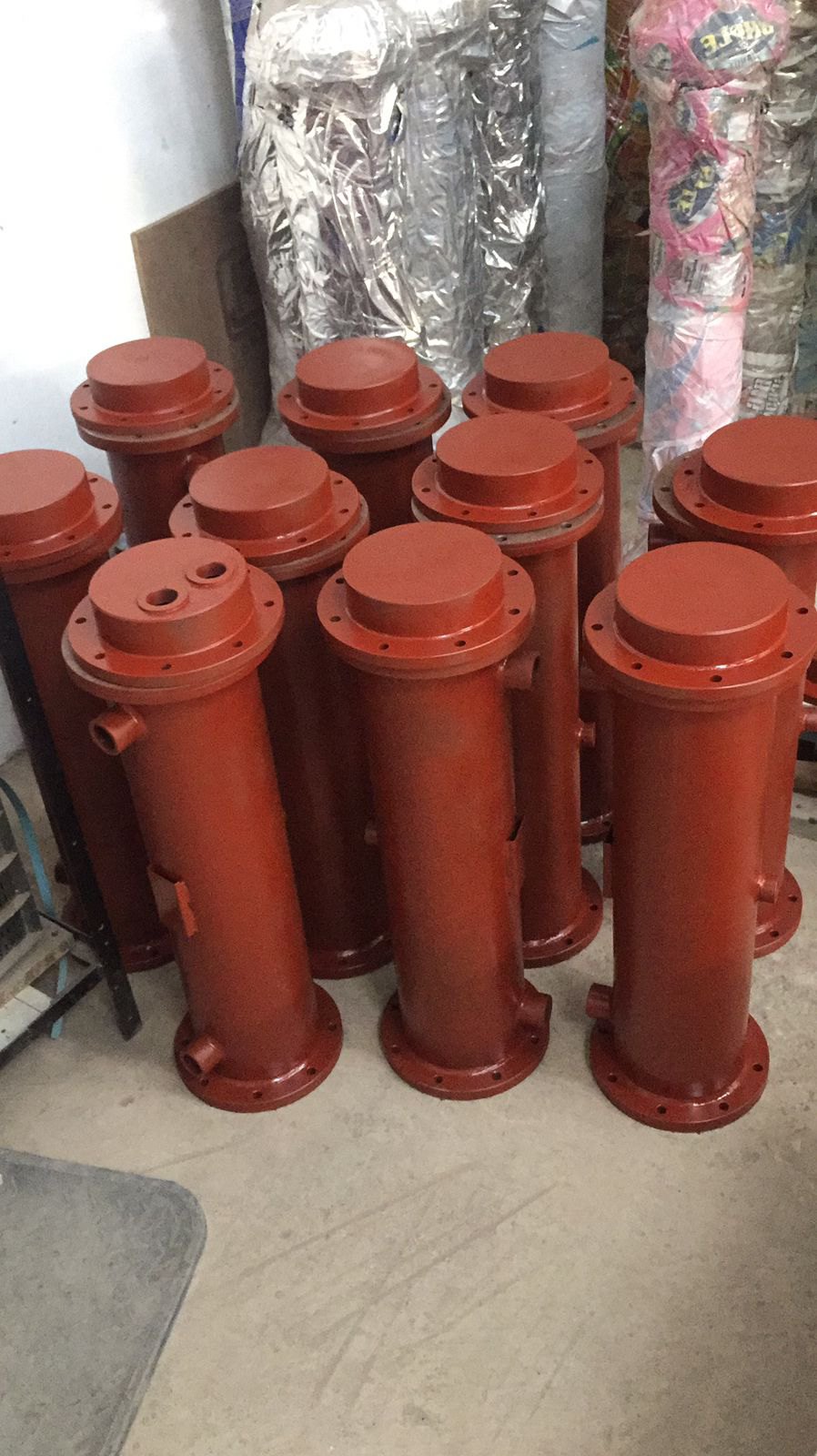
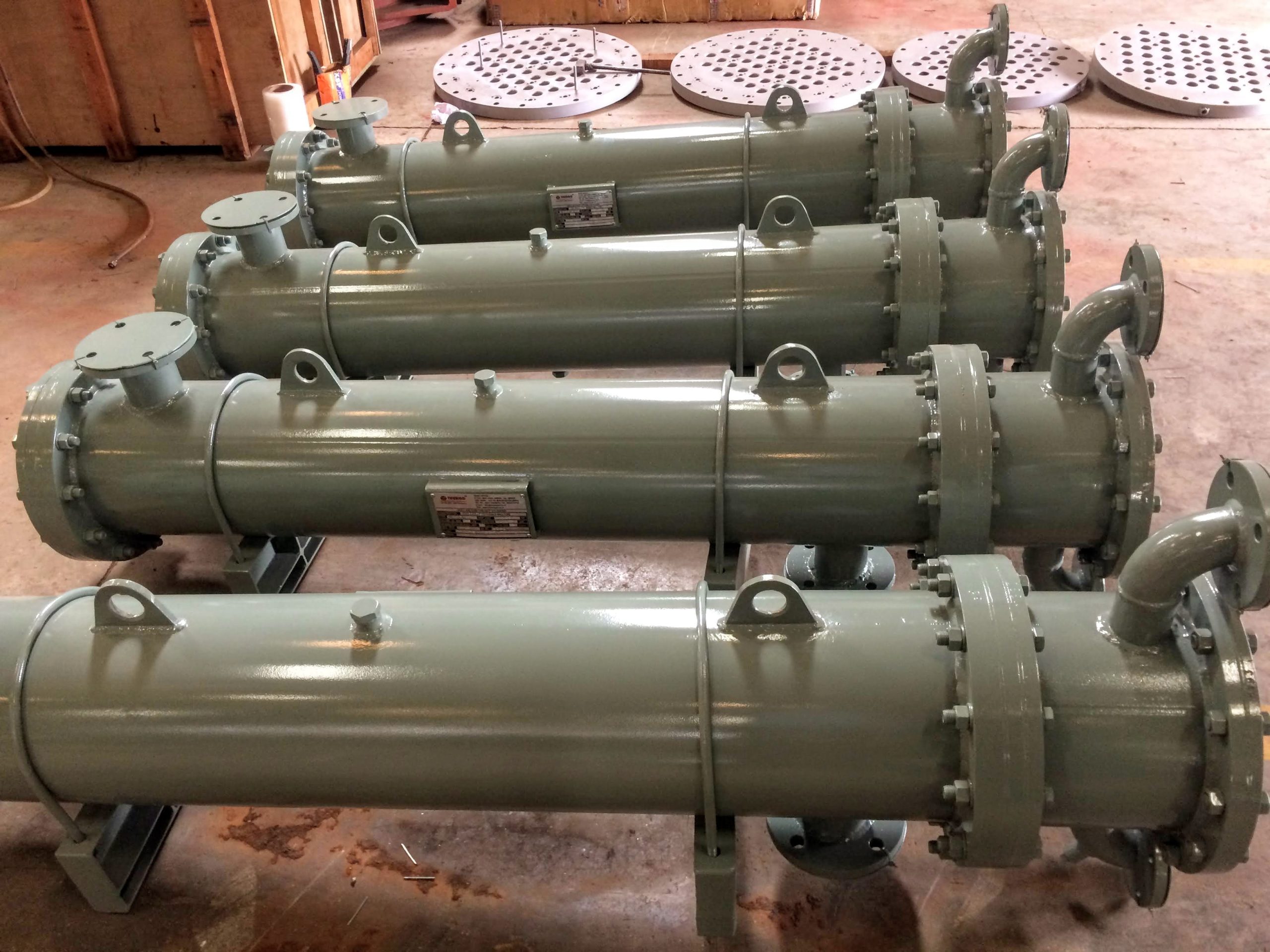
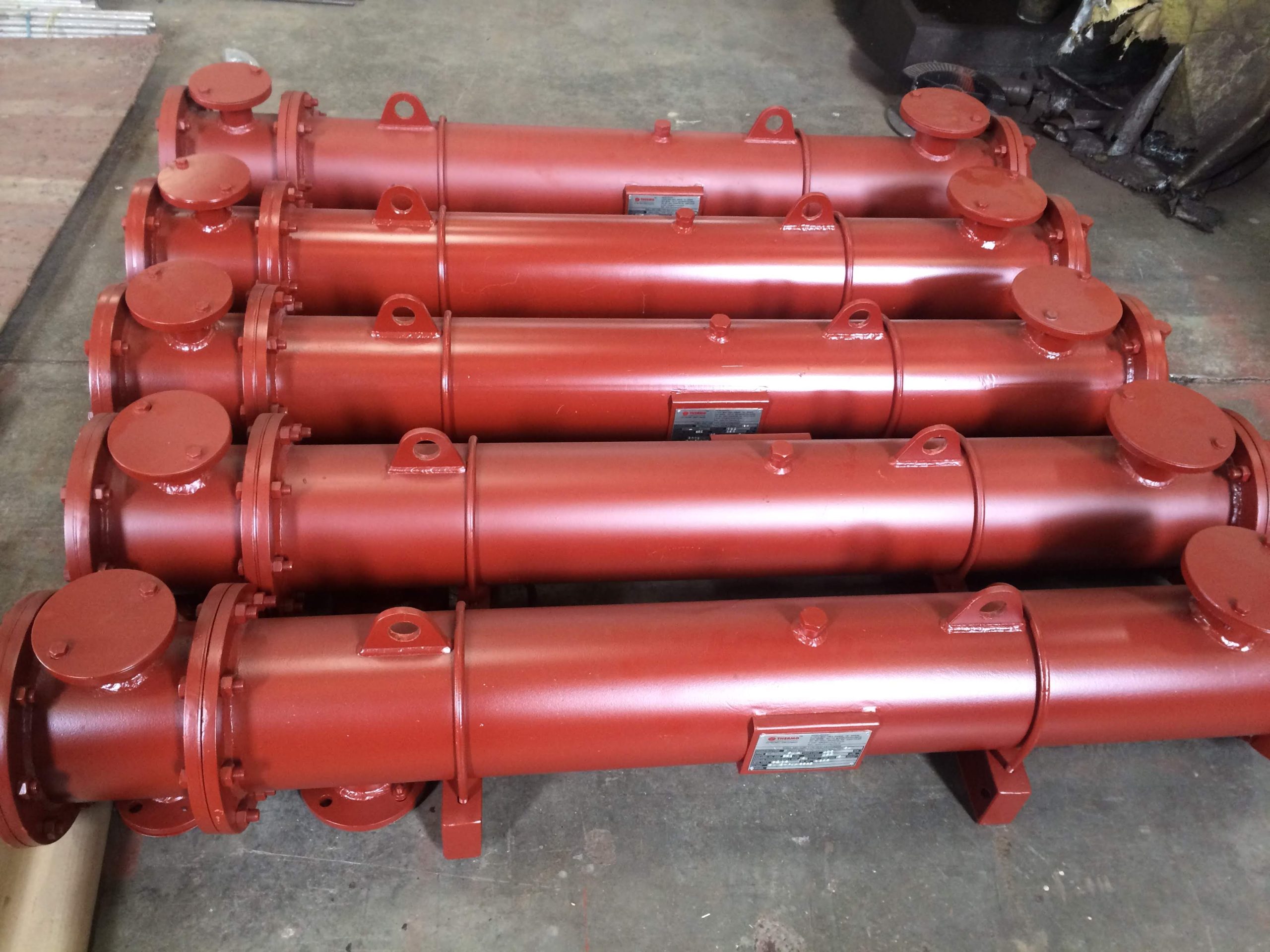
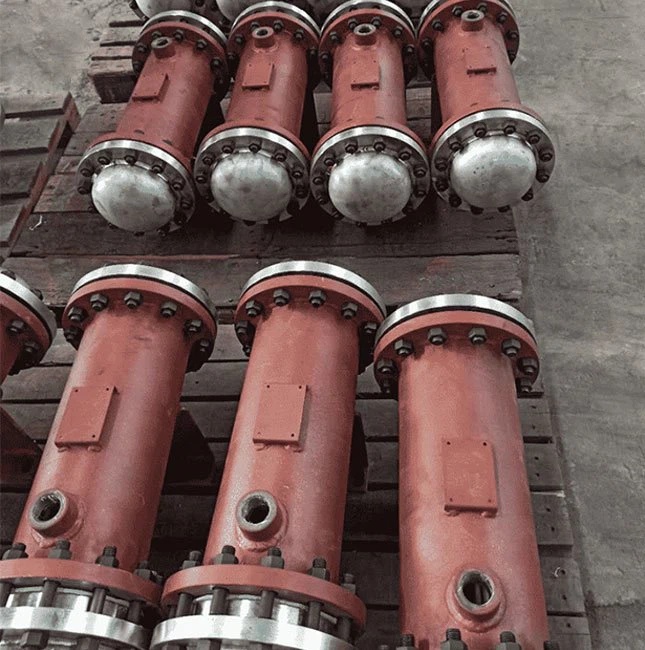
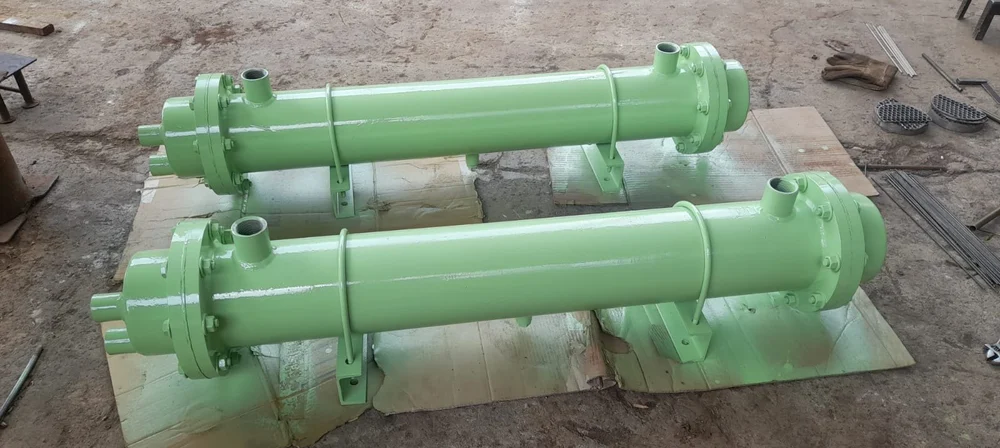
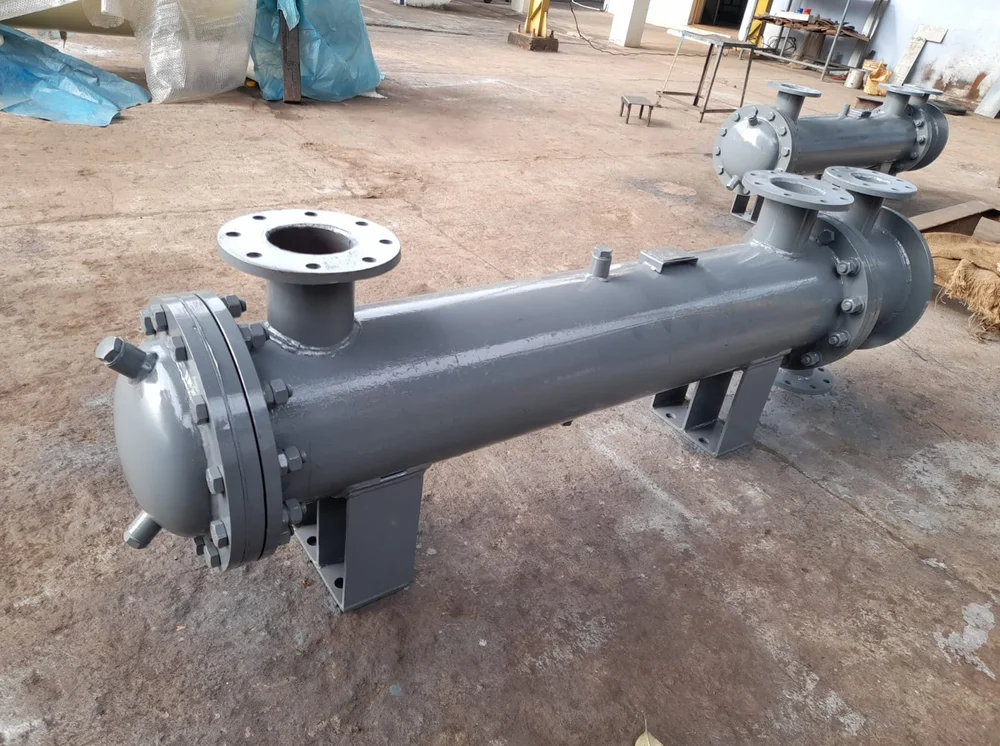
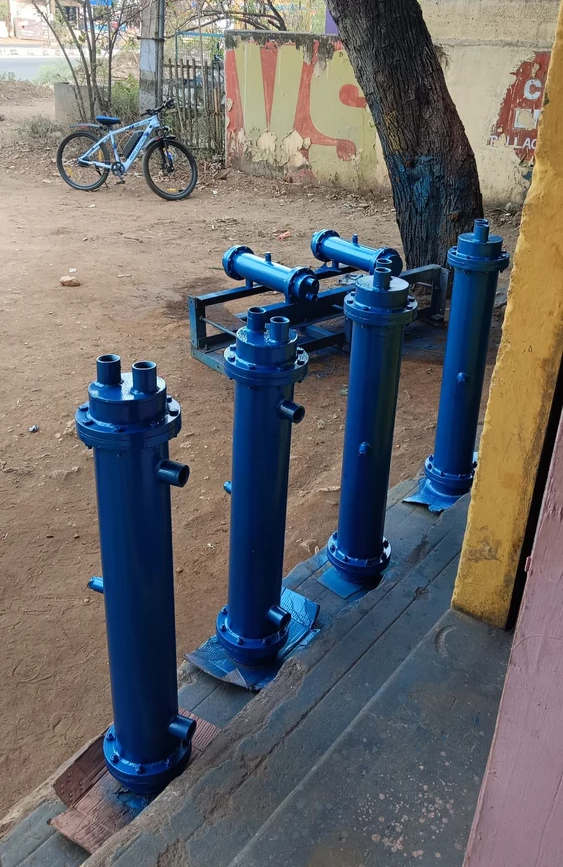
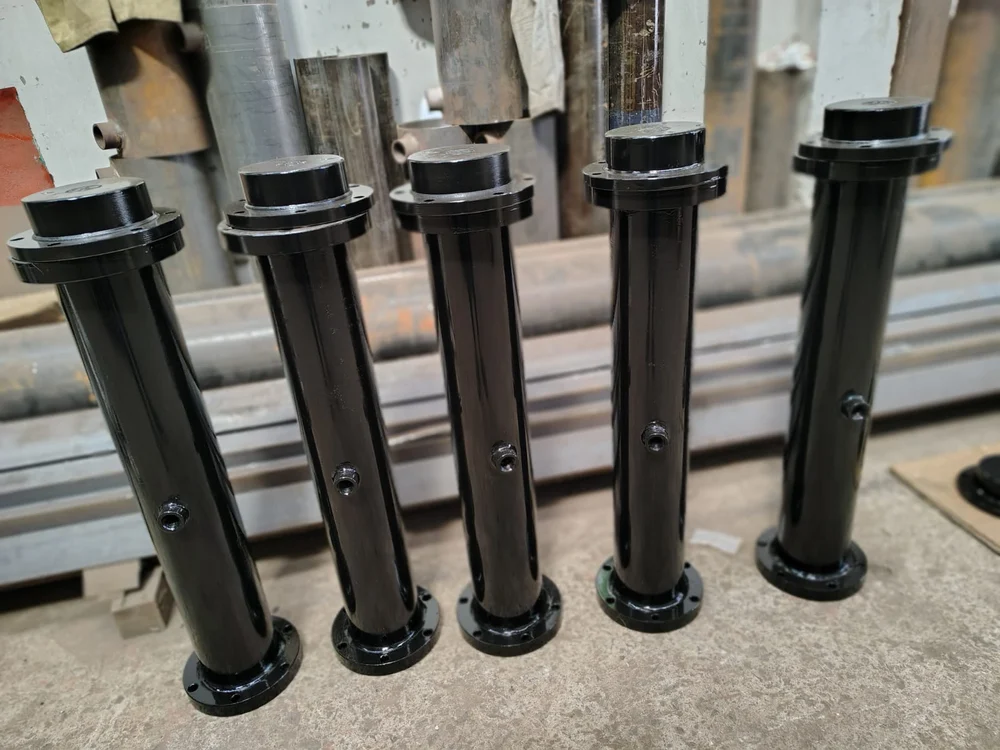
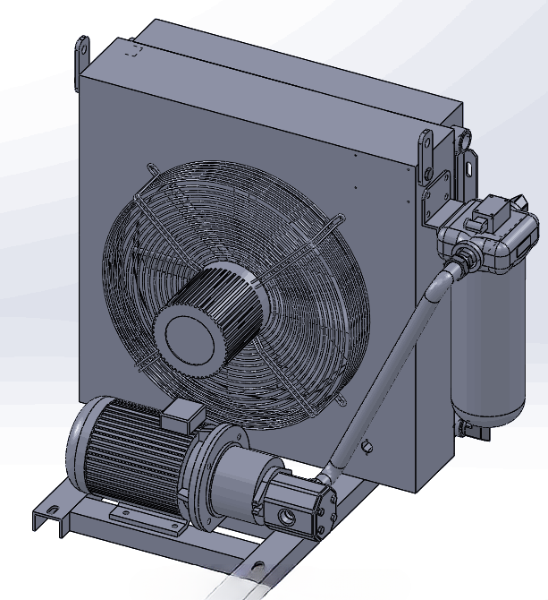
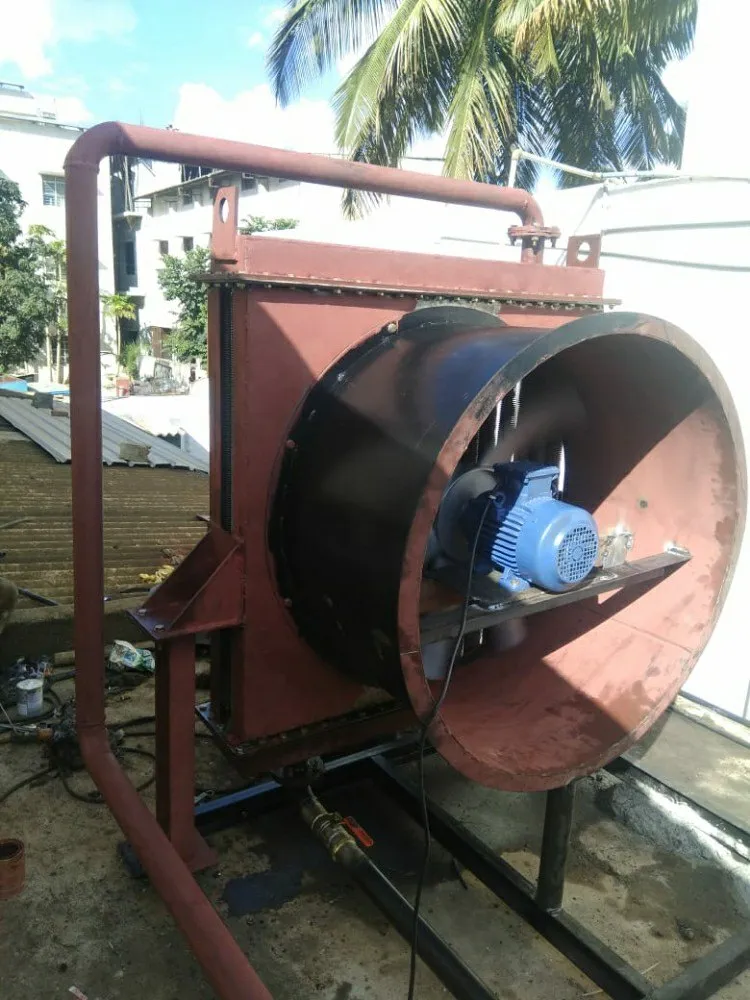
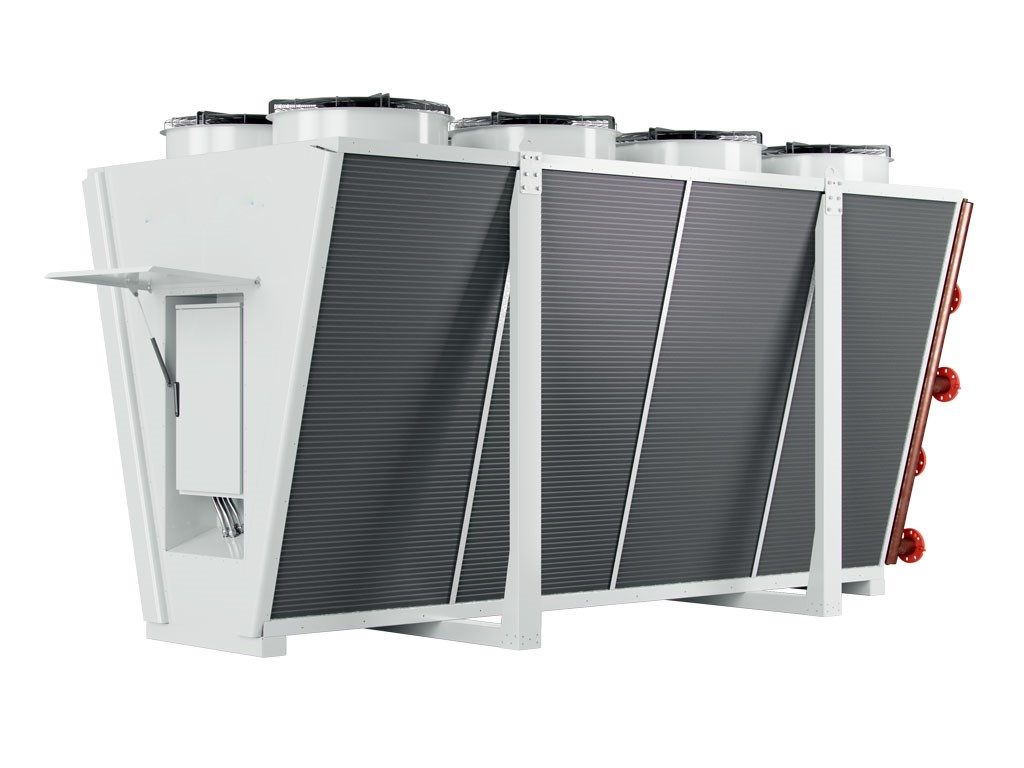
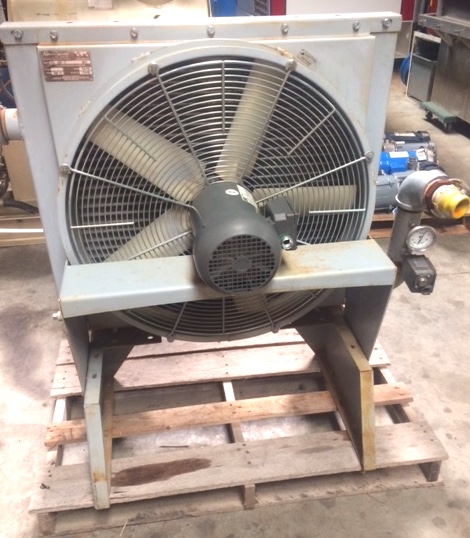
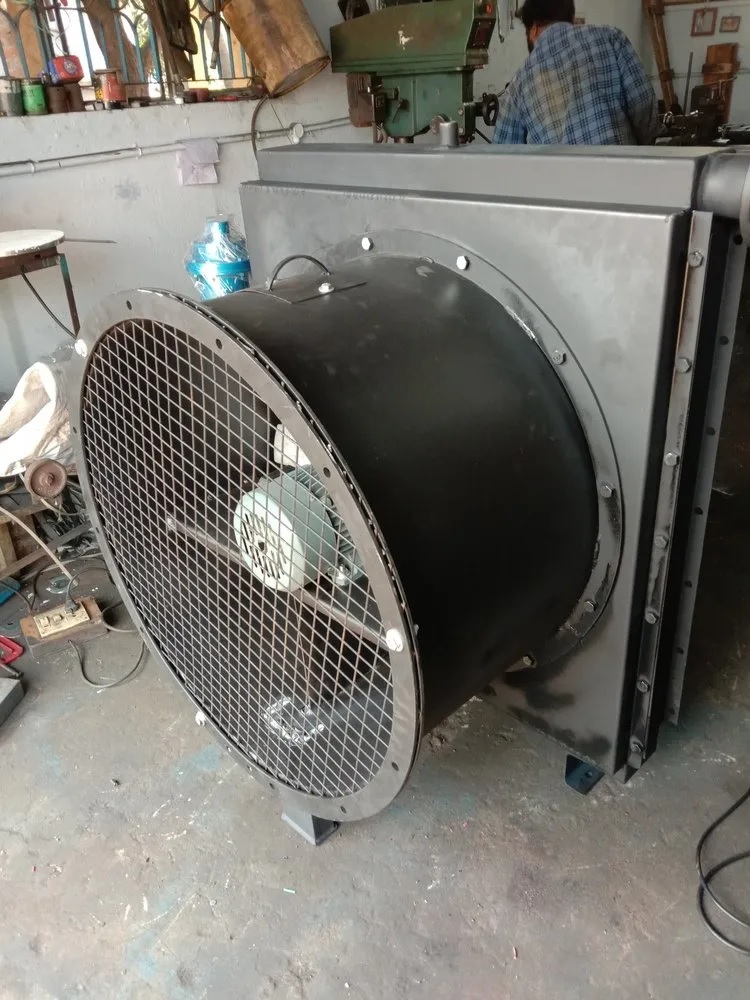
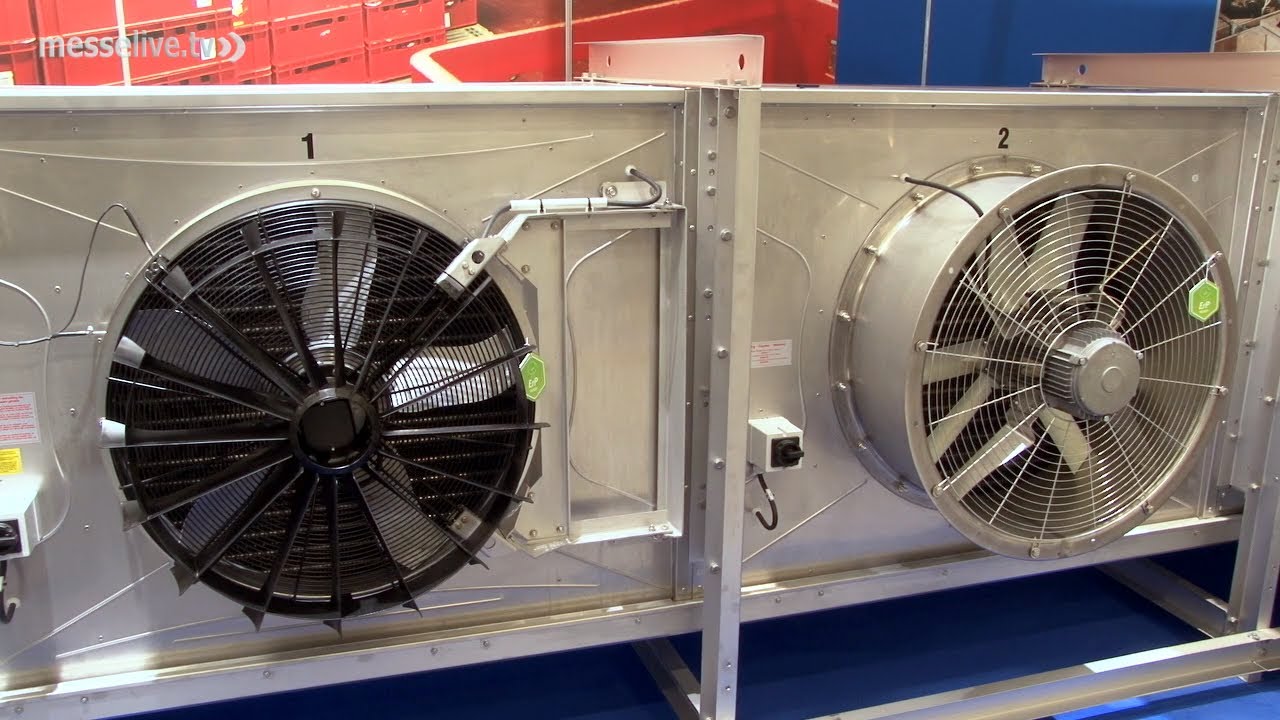
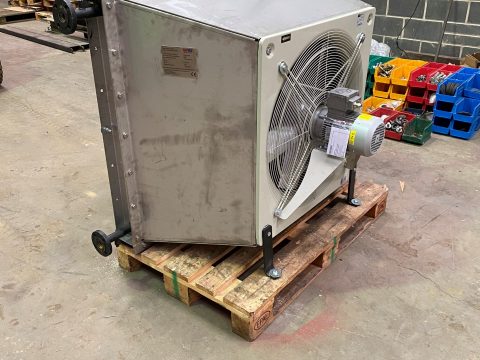
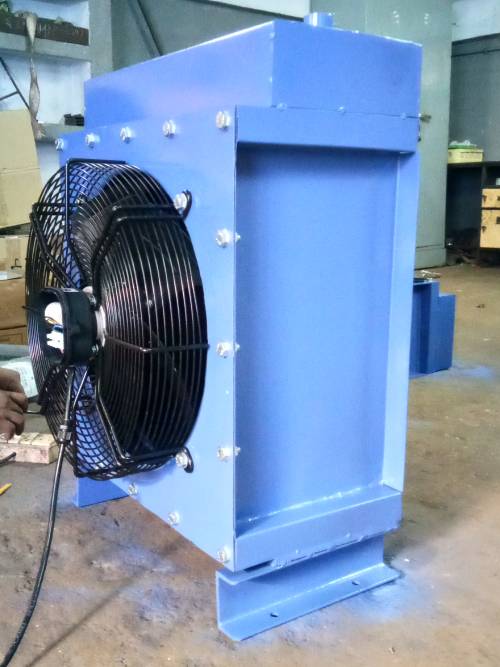
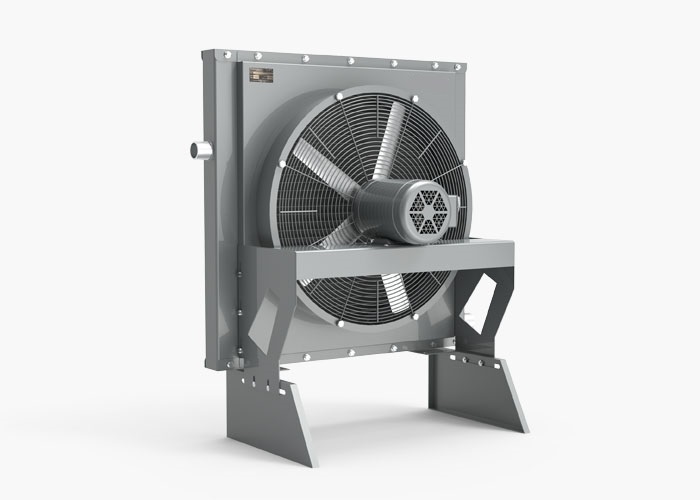
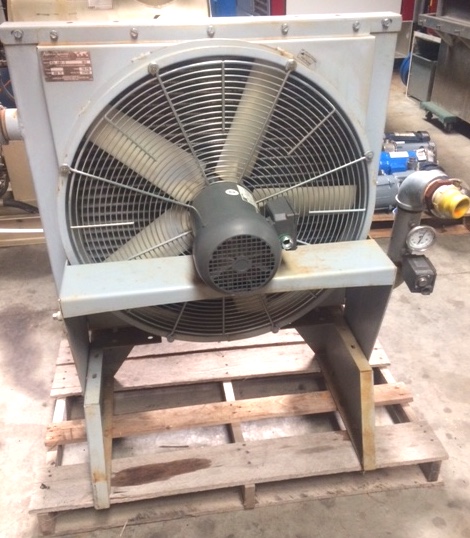
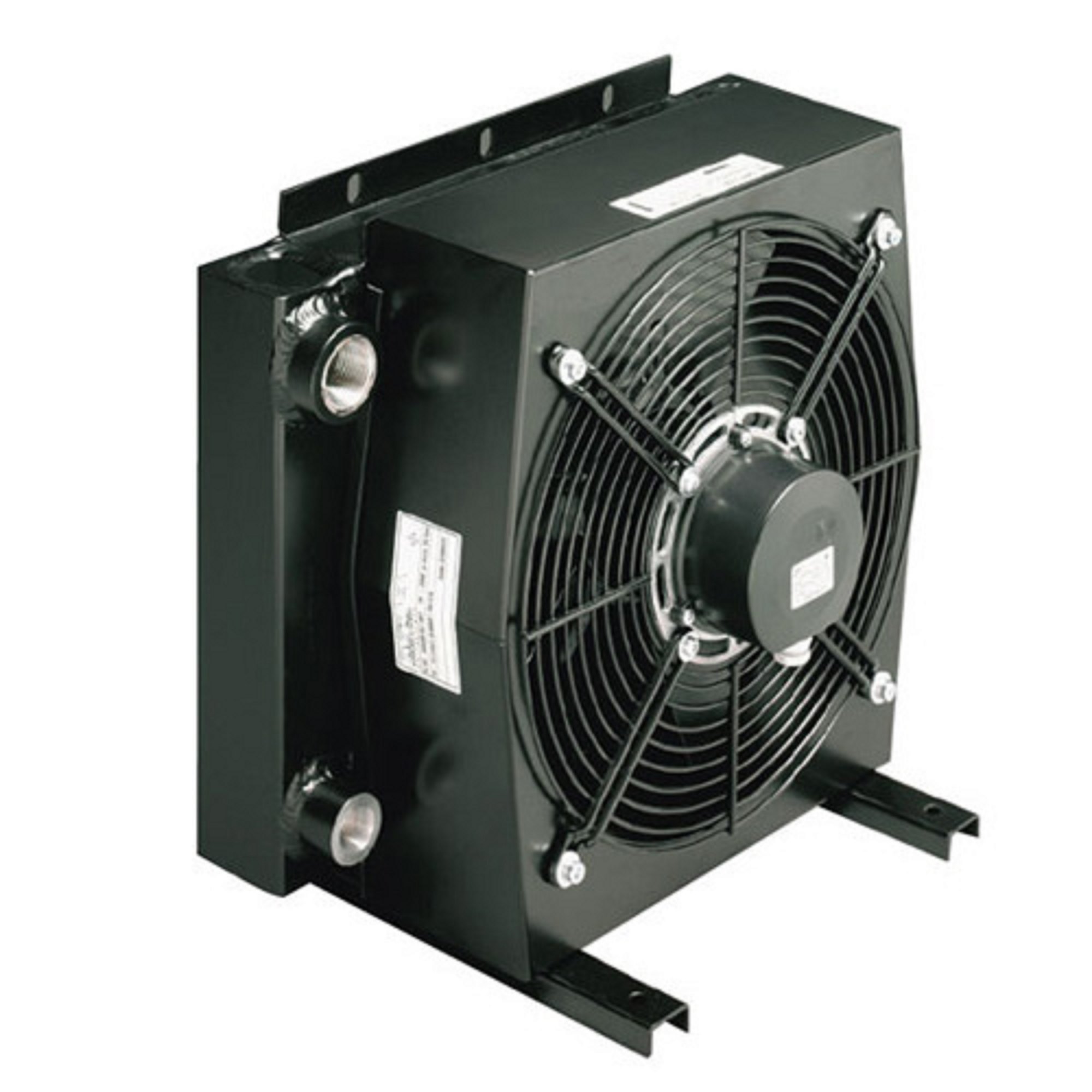
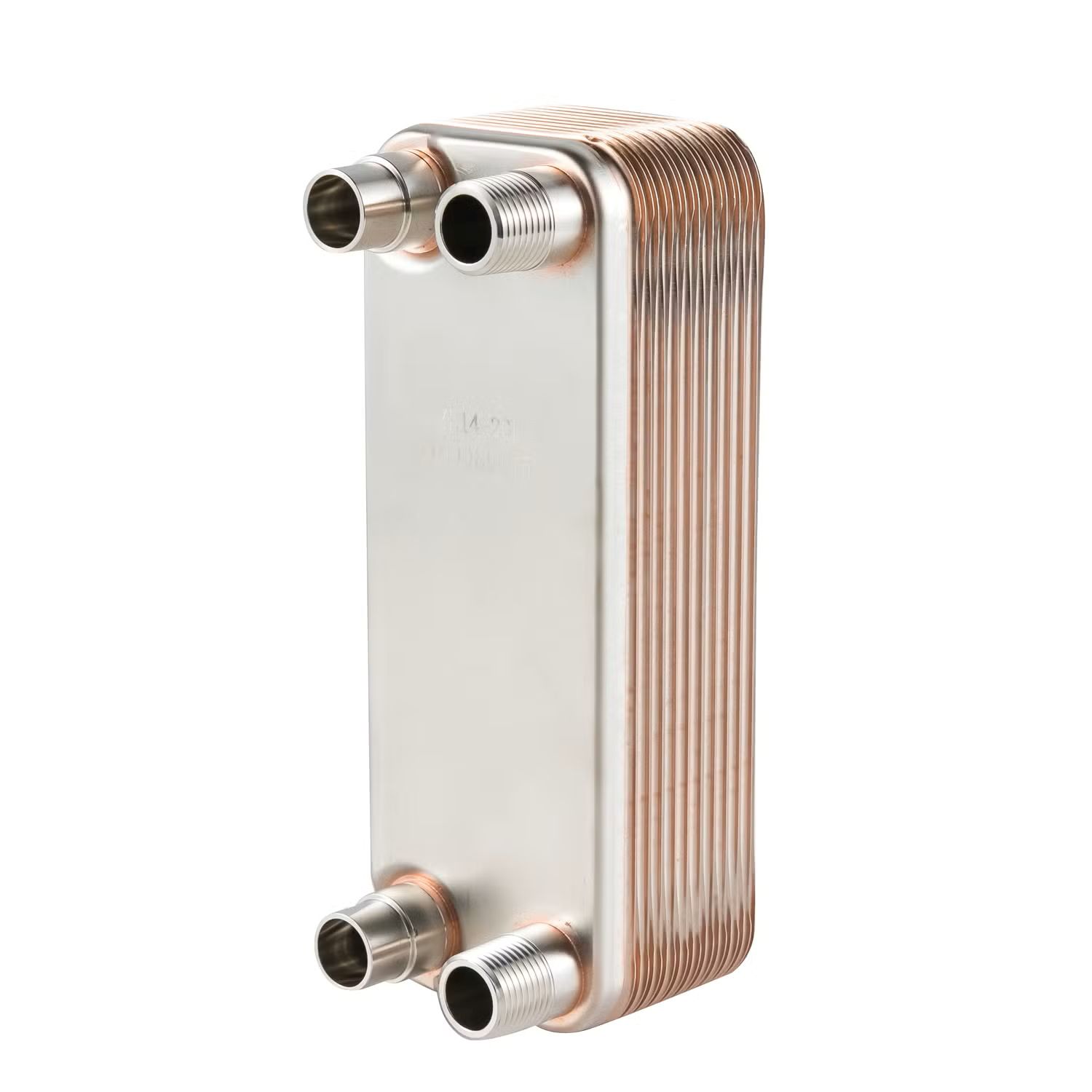
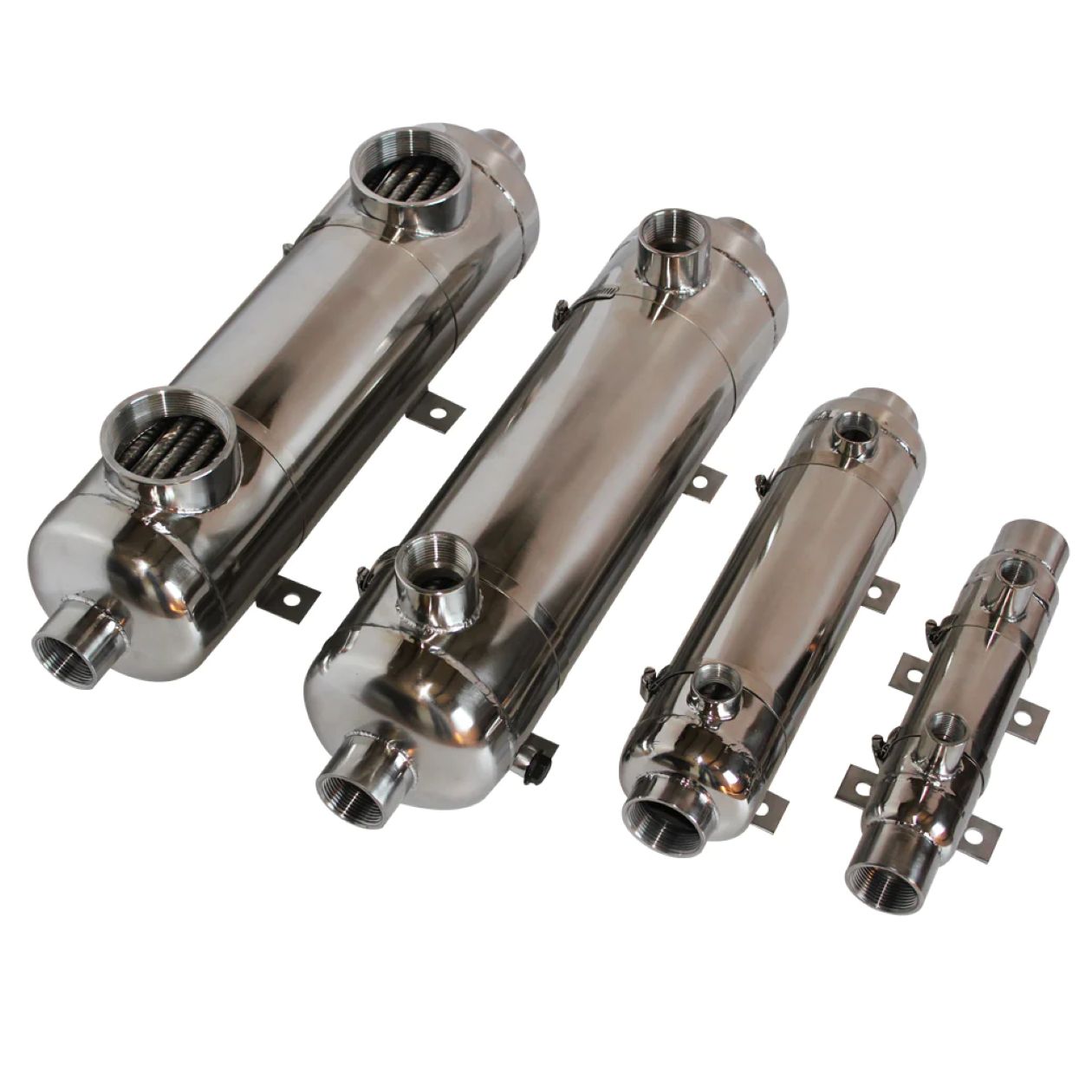
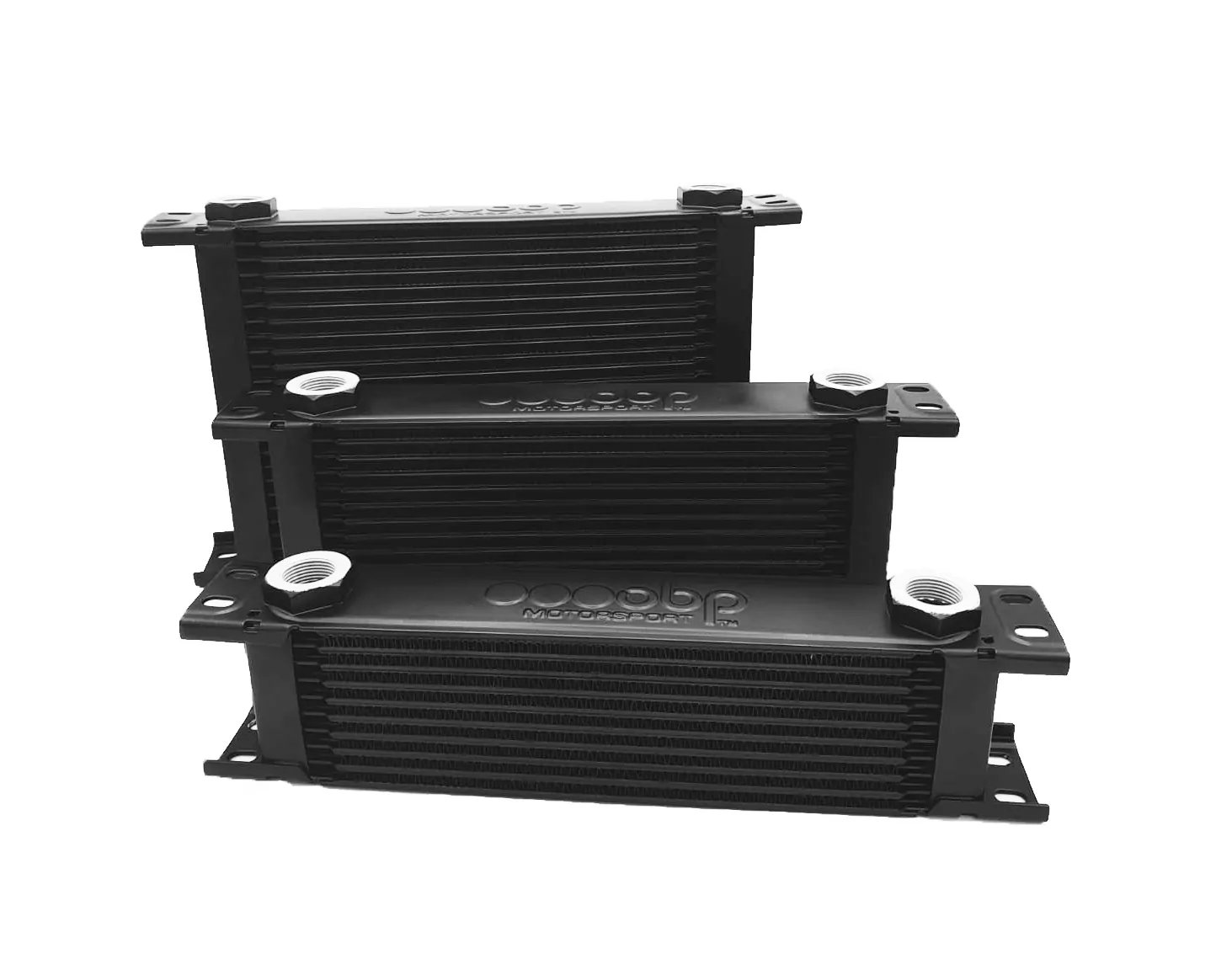
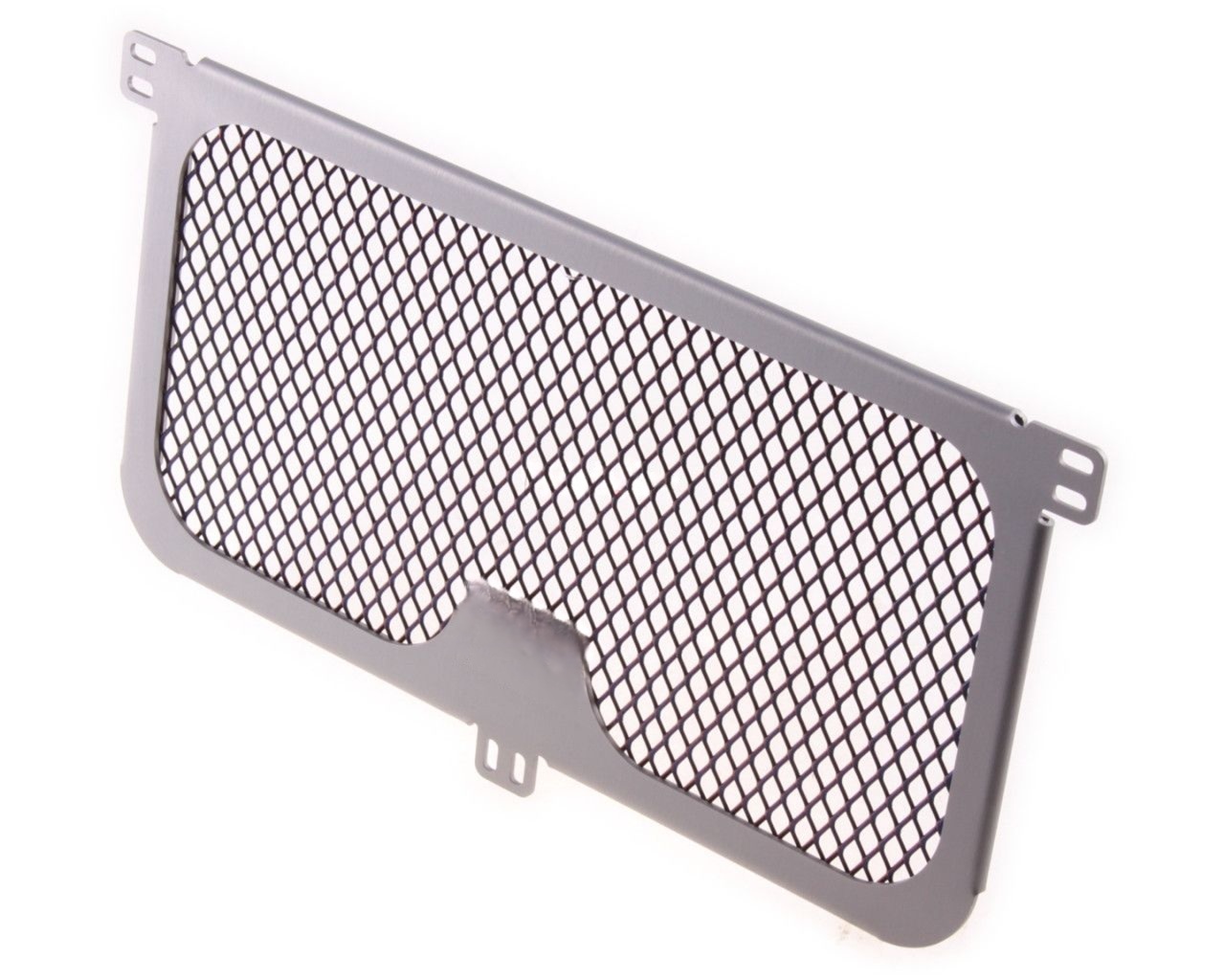
List of parts in Water cooled oil cooler These are the essential parts that directly facilitate the heat transfer. Connections & Fittings These parts allow the cooler to be integrated into the larger system.
Components & Structure The model consists of two separate but interconnected fluid circuits housed within a single unit: Component Description Material (Typical) 1. Outer Shell (Coolant Jacket) The main body of the cooler that acts as a reservoir for engine coolant. It encapsulates the core. Aluminum or Brass (corrosion-resistant) 2. Inner Core...
How an Oil Cooler Works (The Basic Principle) The principle is heat exchange. Hot oil flows through the cooler, and its heat is transferred to a cooler medium. There are two main types based on the cooling medium: 1. Air-Cooled Oil Cooler: 2. Water-Cooled Oil Cooler (or Shell-and-Tube): . Key Components of a Typical Aftermarket Oil […]
What is an Oil Cooler? An oil cooler is a heat exchanger designed to remove excess heat from engine oil, transmission fluid, hydraulic oil, or other lubricants in a mechanical system. Its primary purpose is to maintain the oil within its optimal operating temperature range, ensuring proper lubrication, reducing wear, and maximizing the efficiency...
Advantages of an Air-Cooled Oil Cooler Air-cooled oil coolers are prized for their simplicity and effectiveness, especially in high-performance and heavy-duty applications. Their advantages stem from their direct method of heat rejection. 1. Ultimate Cooling Capacity and Efficiency This is the primary advantage. Air-cooled coolers reject...
Working Principle of Water-Cooled oil Cooler The working principle of a Water-Cooled Oil Cooler is distinct from its air-cooled counterpart, though the ultimate goal—rejecting heat from the oil—remains the same. The core principle is Heat Exchange through Conduction via a Liquid Medium (Coolant). Instead of using air, it uses the...
Working Principle of Air-Cooled oil Cooler The core principle is Heat Exchange through Forced Convection. In simple terms, it transfers heat from the hot oil to the cooler ambient air flowing around it. Here’s a step-by-step breakdown of how it works: 1. Hot Oil Inlet The process begins when hot oil, having circulated through the engine...
There are two main types: 1. Air-Cooled Oil Cooler (Most Common)This is the type you’ll typically see on performance cars, motorcycles, and heavy-duty trucks. It looks like a small, metallic radiator. 2. Water-Cooled Oil CoolerThis type is often integrated into the engine’s cooling system and is common in many modern passenger cars....
An oil cooler is a device that functions like a radiator, but for engine oil (or transmission/gear oil). Its sole purpose is to remove excess heat from the oil, keeping it within its optimal temperature range. The Core Problem: Why Does Oil Need Cooling? Engine oil is the lifeblood of an engine. It lubricates, cleans, and helps cool...
When to Choose a Shell & Tube Oil Cooler? When to Use an Air-Cooled Oil Cooler? Critical Considerations Final Verdict Shell & tube oil coolers win in: Air-cooled oil coolers win in: Lower upfront cost
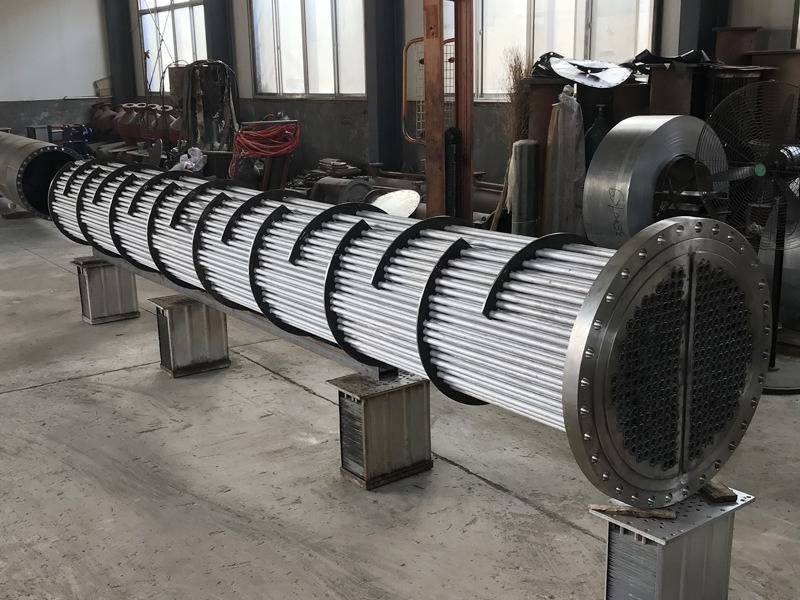
Parts of A shell and tube oil cooler A shell and tube oil cooler consists of several key components, each playing a critical role in heat transfer, structural integrity, and fluid flow. Below is a detailed breakdown of its major parts, their functions, and common materials used in marine/industrial applications. 1....
The oil cooler in an engine serves a critical purpose in maintaining optimal engine performance and longevity. Its primary functions are: 1. Cooling the Engine Oil 2. Maintaining Oil Viscosity 3. Preventing Engine Overheating 4. Extending Oil Life 5. Protecting Turbocharged Engines 6. Enhancing Performance & Efficiency Types of Oil...
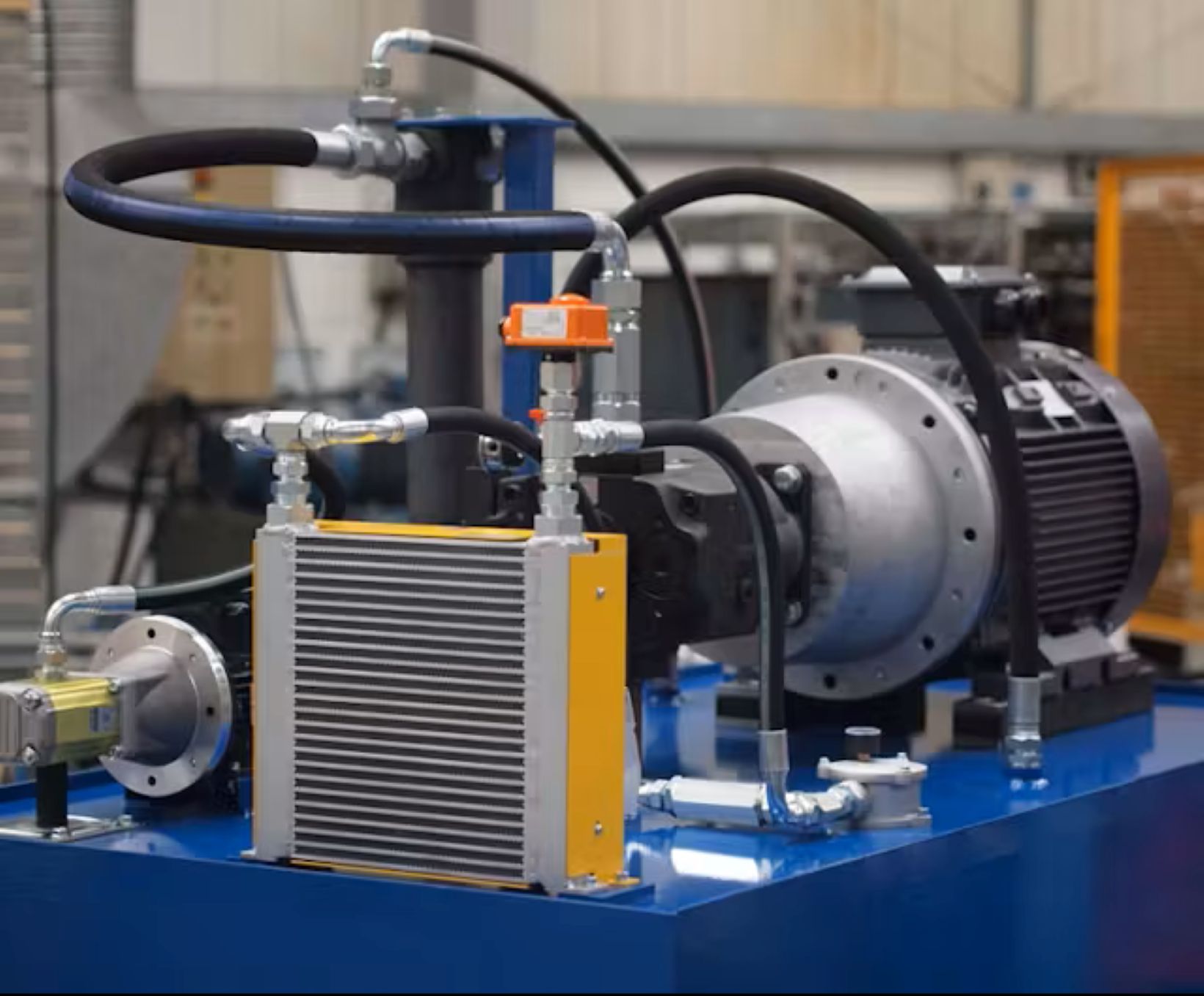
purpose of an Oil Cooler in a Hydraulic Power Pack An oil cooler (or hydraulic cooler) in a hydraulic power pack is essential for maintaining optimal system performance and reliability. Its primary functions include: 1. Temperature Control 2. Preventing Oil Degradation 3. Maintaining System Efficiency 4. Protecting Seals...
Materials Used in Shell & Tube Oil Cooler Tubes The tubes in a shell and tube oil cooler are critical for heat transfer efficiency, corrosion resistance, and durability. The choice of material depends on factors like fluid compatibility, temperature, pressure, and cost. Below are the most common materials used: 1....
Copper Tube vs. Stainless Steel Tube Oil Coolers: When choosing between copper and stainless steel (SS) tubes for an oil cooler, factors like thermal efficiency, corrosion resistance, durability, and cost play a crucial role. Below is a detailed comparison: 1. Thermal Conductivity & Heat Transfer Efficiency...
hy Aluminum Brass Tubes Are Used in Marine Oil Coolers Aluminum brass (CuZn20Al, UNS C68700) is a copper alloy specifically engineered for marine and seawater cooling applications. It is widely used in shell-and-tube oil coolers for ships, offshore platforms, and desalination plants due to its unique...
Effect of Ambient Temperature on Air-Cooled Heat Exchanger (ACHE) Performance Ambient temperature significantly impacts the thermal performance, efficiency, and operational reliability of air-cooled heat exchangers. Here’s a detailed analysis: 1. Fundamental Thermodynamic Impact A. Approach Temperature Limitation math Q = UAΔT_{LMTD} Where...
Effect of Air Face Velocity in Air-Cooled Heat Exchangers (ACHEs) Air face velocity (typically measured in m/s or ft/min) is a critical operational parameter that significantly impacts the thermal performance, energy consumption, and operational reliability of air-cooled heat exchangers. 1. Definition & Typical Ranges 2. Thermal Performance...
ypes of Fins Used in Air-Cooled Heat Exchangers (ACHEs) Fins are critical components in air-cooled heat exchangers, significantly enhancing heat transfer efficiency by increasing the surface area exposed to cooling air. Different fin types are used based on application requirements, thermal performance needs, and environmental conditions. Basic Fin...
Air-Cooled Heat Exchangers (ACHEs) in the Aerospace Industry Air-cooled heat exchangers play a critical role in aircraft, spacecraft, and aviation systems, where weight savings, reliability, and thermal efficiency are crucial. Unlike liquid-cooled systems, ACHEs use ambient air to dissipate heat, making them ideal for aerospace...
ir-Cooled Heat Exchangers (ACHEs) in Renewable Energy Systems Air-cooled heat exchangers play a crucial role in renewable energy systems, where water conservation, reliability, and low maintenance are essential. They are used in solar thermal plants, geothermal systems, biomass energy, hydrogen production, and battery cooling for...
ir-Cooled Heat Exchangers (ACHEs) in HVAC & Industrial Cooling Air-cooled heat exchangers (ACHEs) are widely used in HVAC systems and industrial cooling applications where water conservation, maintenance simplicity, and environmental regulations are key concerns. Unlike water-cooled systems, ACHEs rely on ambient air to...
Air-Cooled vs. Water-Cooled Oil Coolers: Key Differences When choosing between air-cooled and water-cooled oil coolers, factors like cooling efficiency, maintenance, installation, and operating environment play a crucial role. Below is a detailed comparison 1. Cooling Mechanism Feature Air-Cooled Oil Cooler...
Induced Draft Oil Cooler vs. Forced Draft Oil Cooler Air-cooled oil coolers rely on airflow to dissipate heat, and the method of air movement defines their efficiency. The two main types are Induced Draft and Forced Draft coolers. Below is a detailed comparison: 1. Airflow Mechanism Feature Induced Draft Oil Cooler Forced Draft...
ypes of Air-Cooled Oil Coolers Air-cooled oil coolers come in different designs, each suited for specific applications based on cooling efficiency, space constraints, airflow conditions, and industry requirements. Below are the main types: 1. Tube & Fin Oil Coolers (Most Common Type) 2. Plate & Fin Oil Coolers (Compact &...
Aluminum Fins vs. Stainless Steel Fins in Air-Cooled Oil Coolers The choice between aluminum and stainless-steel fins depends on factors like heat transfer efficiency, corrosion resistance, weight, cost, and application environment. Below is a detailed comparison: 1. Heat Transfer Efficiency Material Thermal Conductivity...
Purpose of Fins in an Air-Cooled Oil Cooler Fins play a critical role in enhancing the cooling efficiency of air-cooled oil coolers. They are designed to maximize heat dissipation from the oil to the surrounding air. Here’s how they work and why they are essential: 1. Primary Functions of Fins Increase Surface Area for...
Key Industrial Applications of Air-Cooled oil Cooler 1. Power Generation 2. Heavy Machinery & Construction Equipment 3. Oil & Gas Industry 4. Manufacturing & Processing Plants 5. Marine & Offshore Applications 6. Compressed Air Systems 7. Food & Pharmaceutical Industry Used where water contamination must be avoided (hygienic...
Air-cooled oil coolers are widely used in industrial applications where efficient cooling of lubricating oils, hydraulic oils, or process fluids is required without relying on water-based cooling systems. Their robust design, low maintenance, and reliability make them ideal for harsh environments.
Use of Air-Cooled Oil Coolers in Vehicles Air-cooled oil coolers are essential in vehicles to maintain optimal oil temperatures, prevent overheating, and extend engine/transmission life. They are widely used in: 1. Engine Oil Cooling 2. Transmission Oil Cooling 3. Differential & Gearbox Cooling 4. Power Steering Oil Cooling 5. Turbocharger...
Material of construction of Heat Exchanger Coil in Air Oil Cooler The heat exchanger coil (core) in an air-cooled oil cooler is typically made from materials that offer high thermal conductivity, corrosion resistance, and mechanical strength. The most common materials used are: 1. Aluminum (Most Common) 2. Copper (Less...
Air-cooled oil coolers are widely used in industries where efficient cooling of lubricating oil, hydraulic oil, or other process oils is required without relying on water-based cooling systems. Here are some common industrial applications: 1. Power Generation 2. Heavy Machinery & Construction Equipment 3. Automotive & Transportation 4....
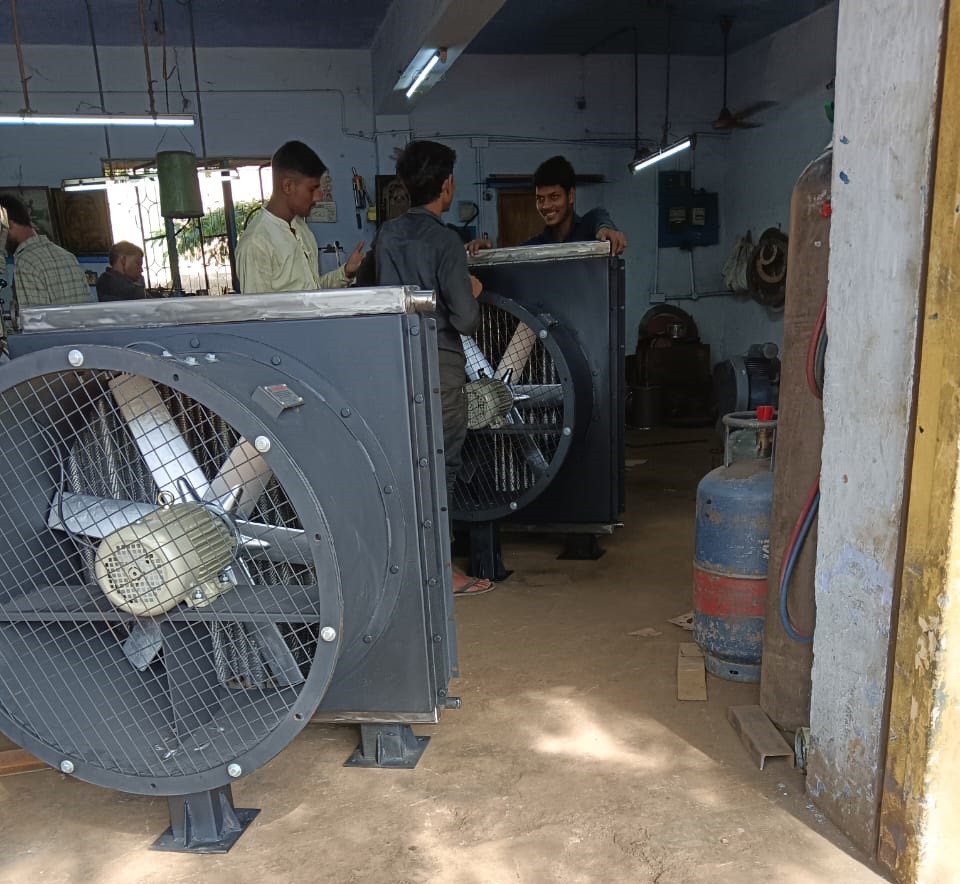
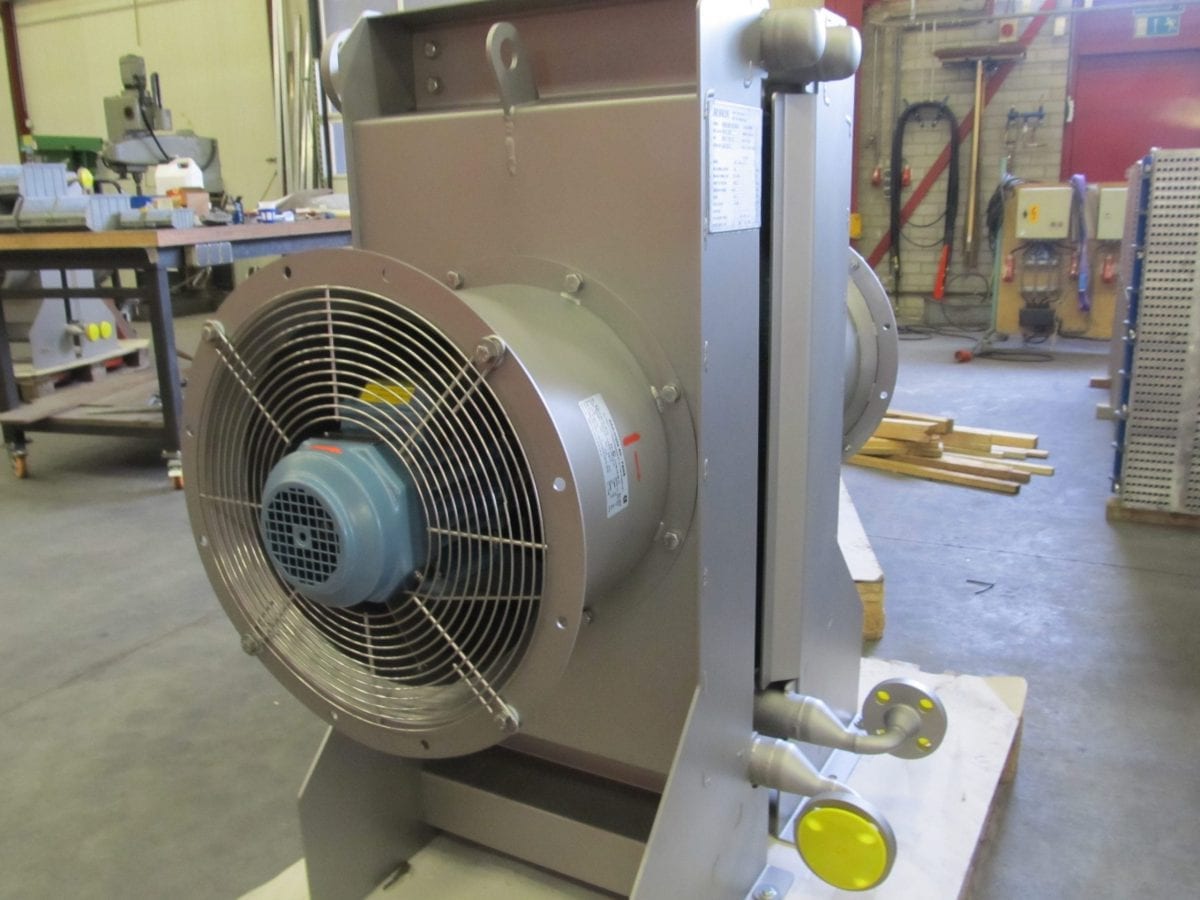
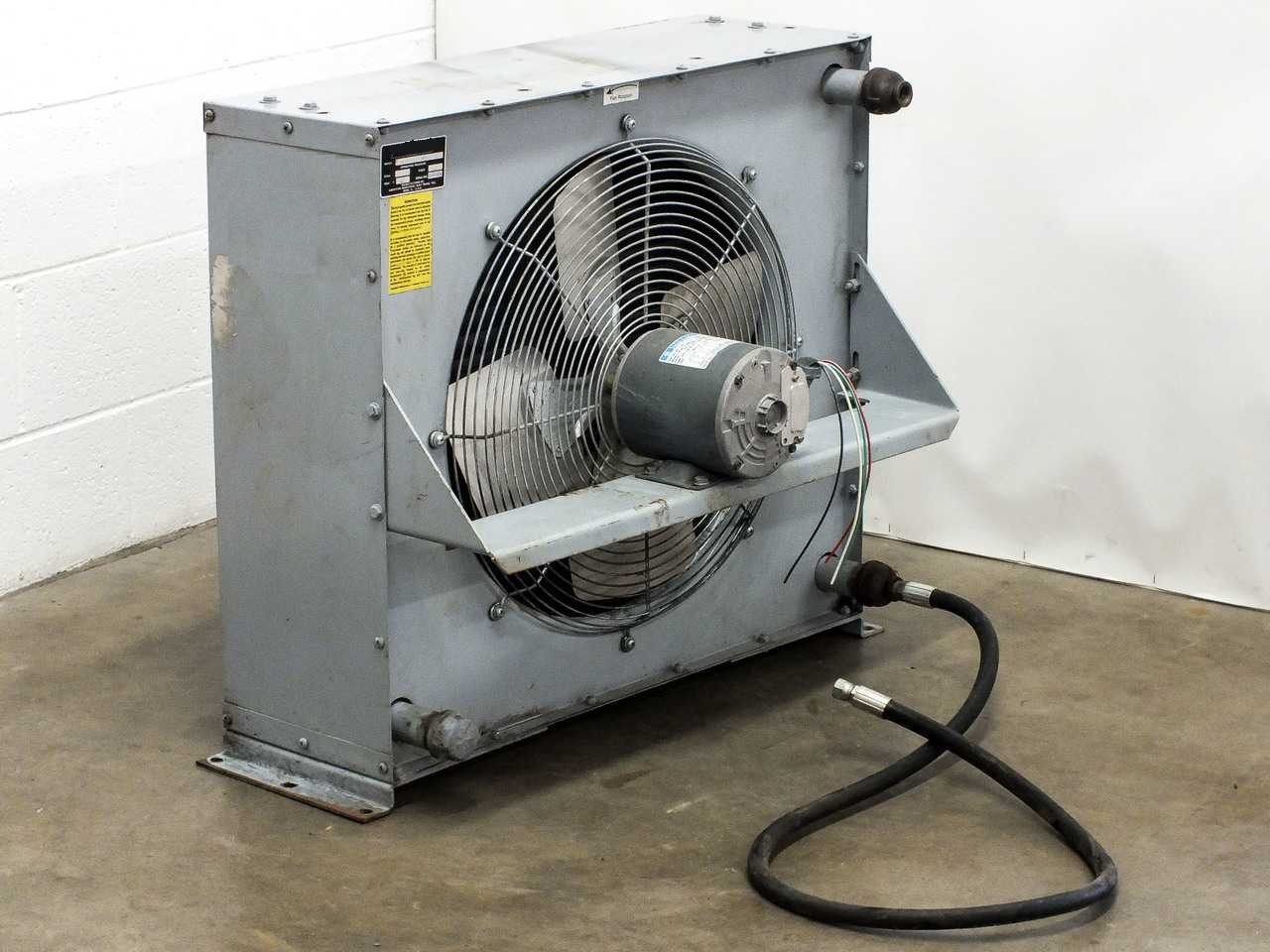
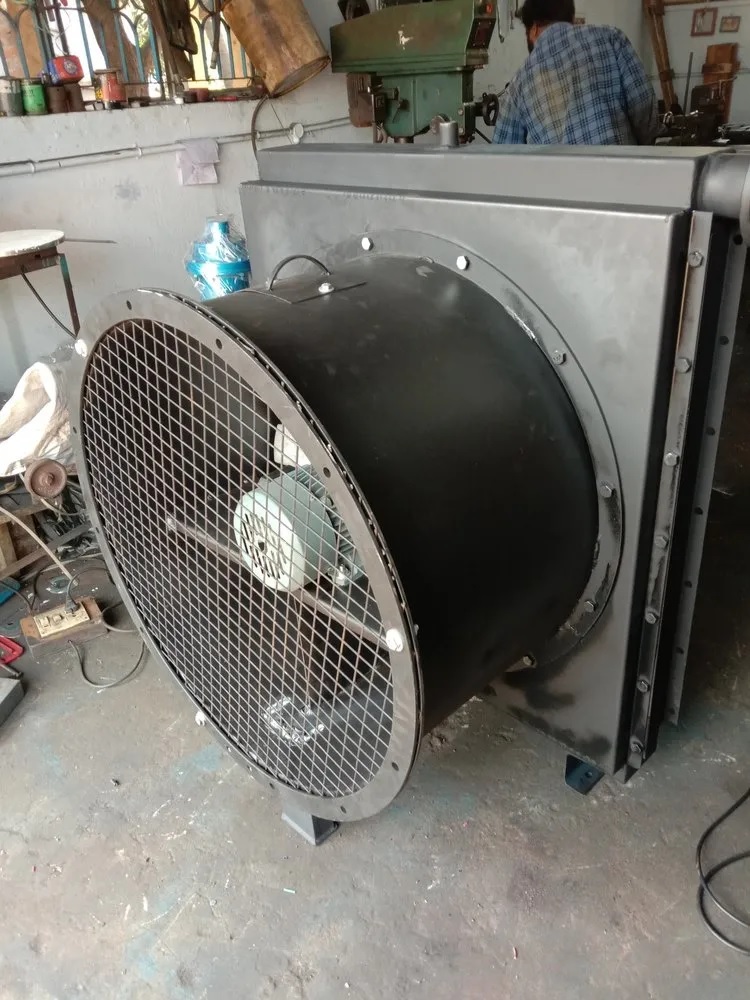
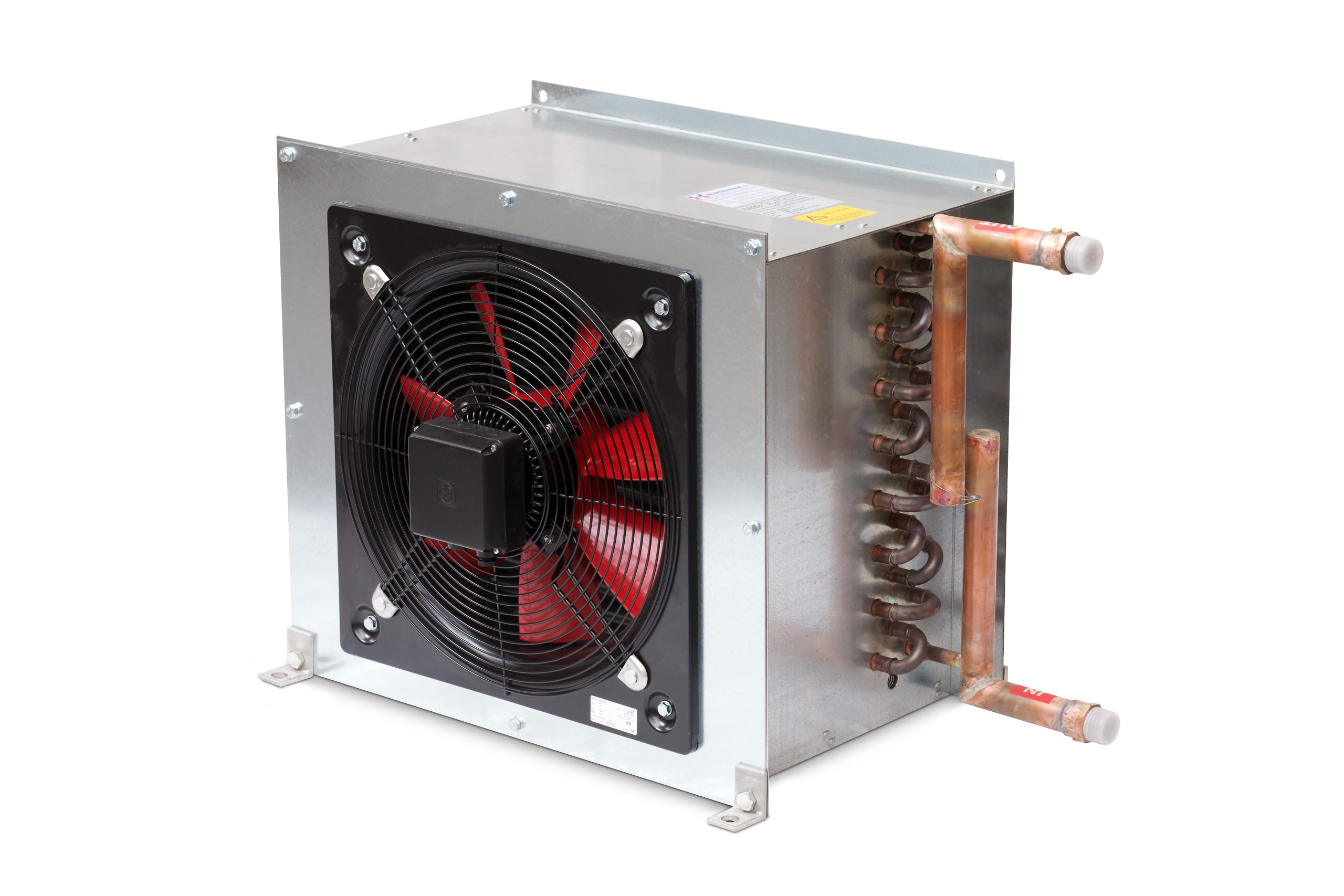
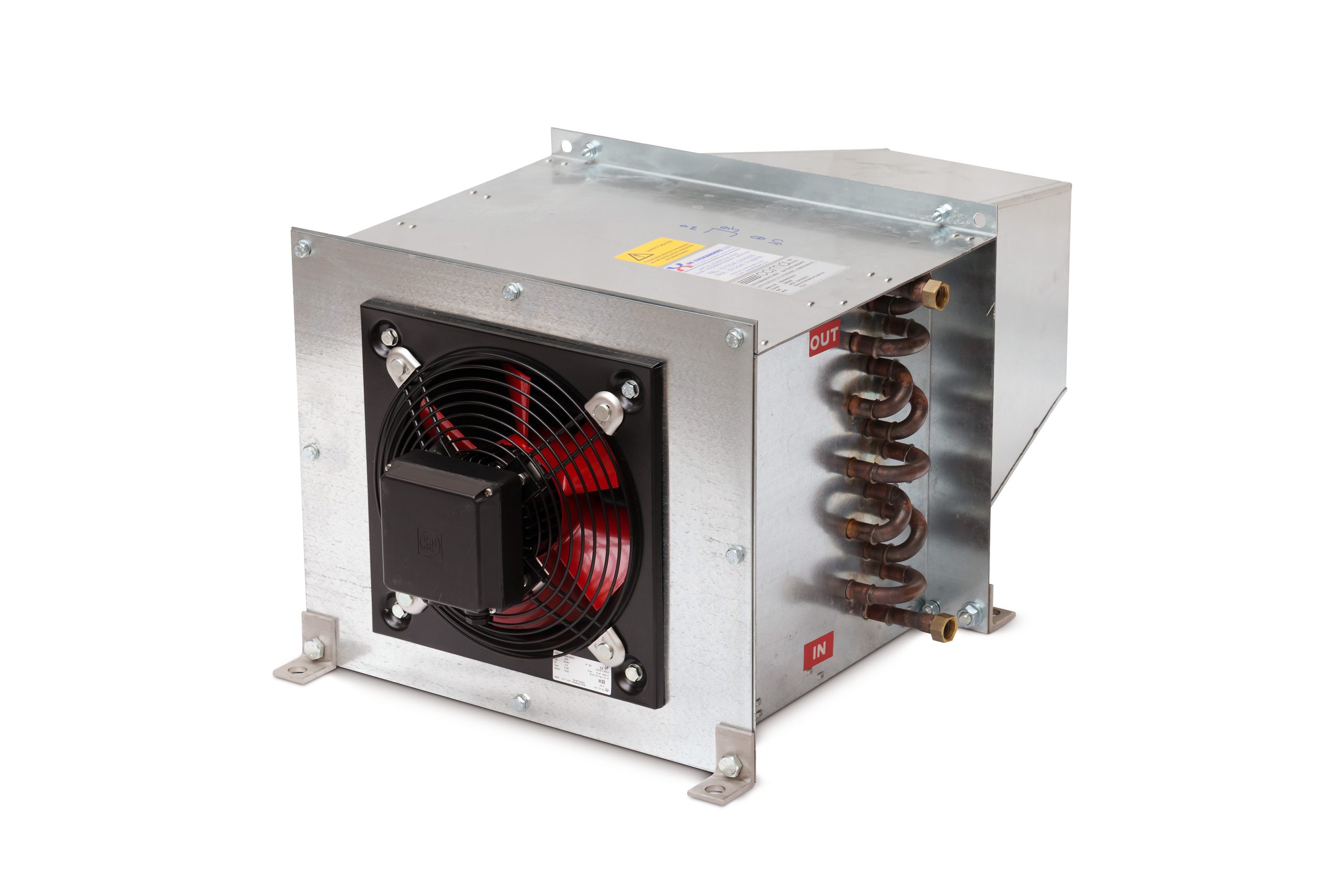
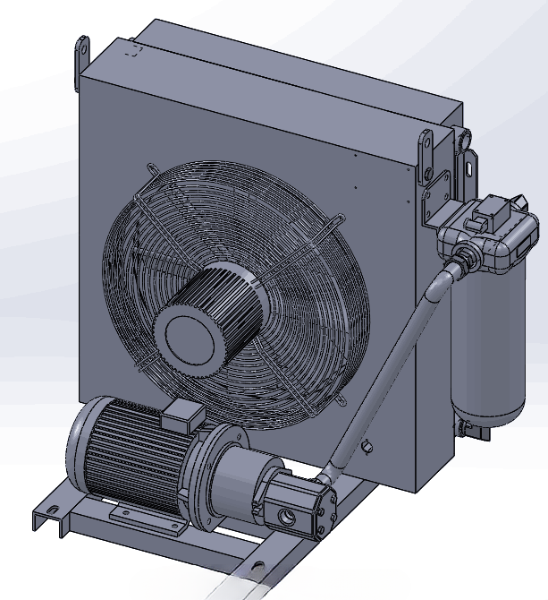
An Air Blast Oil Cooler is a specific type of air-cooled oil cooler that uses a powerful fan (blast of air) to force air over the cooler’s surface, significantly improving the cooling performance. What Is an Air Blast Oil Cooler? It’s a heat exchanger that cools down hot oil by blasting ambient air (using a fan or...
Air Blast Cooler What Is an Air Blast Oil Cooler? It’s a heat exchanger that cools down hot oil by blasting ambient air (using a fan or blower) across a fin-and-tube radiator, where the oil flows inside the tubes. How It Works: Components: Thermostatic control (optional): To regulate fan operation based on oil temperature
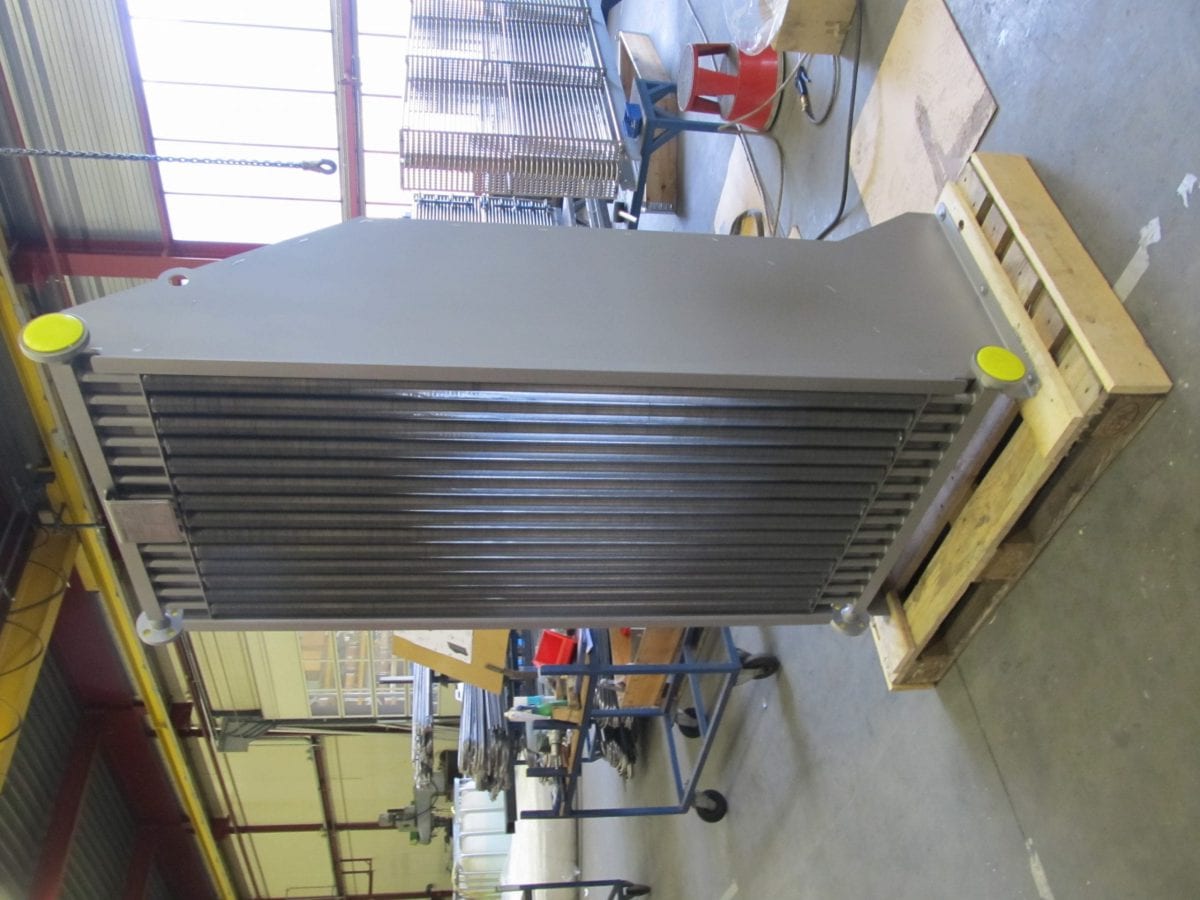
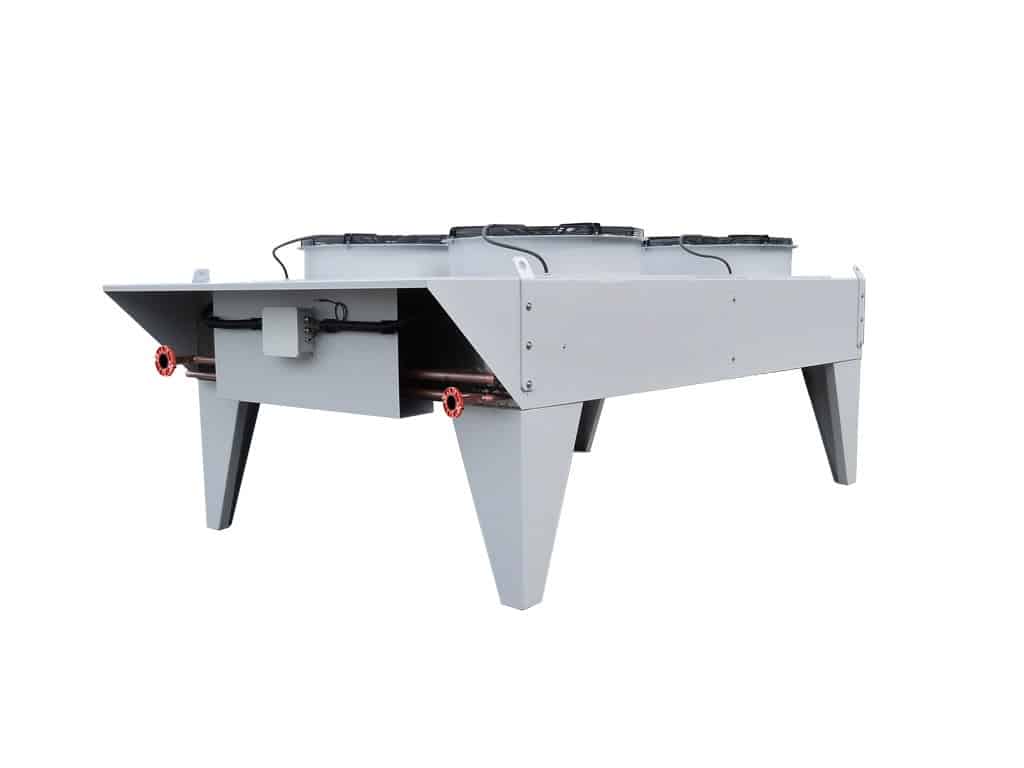
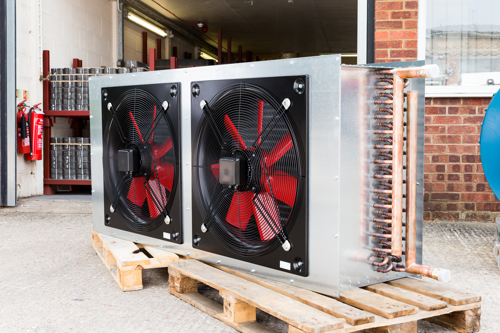
Air-Cooled Oil Cooler An air-cooled oil cooler is a type of heat exchanger that uses air to reduce the temperature of oil in machinery, engines, or hydraulic systems. Here’s a breakdown of what that means: Purpose: Its main job is to remove excess heat from oil, which is essential for keeping equipment running efficiently and...
Cooling Range vs. Approach Two key terms are often confused: Term Meaning Depends on Cooling Range Thot in−Tcold outThot in−Tcold out Process heat load and water flow rate Approach Tcold out−Twet bulbTcold out−Twet bulb Tower’s cooling efficiency and ambient conditions Wet...
Hydraulic oil cooler is an essential component in modern hydraulic systems, designed to remove excess heat generated during operation and maintain the oil at an optimal working temperature. Hydraulic systems often operate under high pressure, and as the oil flows through pumps, valves, and actuators, it generates significant heat due to friction...
Air Blast Oil Cooler is a highly efficient solution for managing oil temperatures in hydraulic systems, engines, compressors, gearboxes, and industrial equipment. In these systems, oil is critical for both lubrication and power transmission, but excessive heat buildup can reduce its viscosity, cause component wear, and even lead to equipment...
Air Blast Oil Cooler is one of the most efficient solutions for maintaining safe oil temperatures in hydraulic systems, compressors, engines, and industrial machinery. In any oil-based system, heat generation is unavoidable, and if the oil is not cooled properly, it can lose its viscosity, damage seals, and accelerate the wear of pumps, bearings,...
copper-nickel oil cooler is one of the most reliable and durable solutions for marine, industrial, and automotive cooling applications. Known for its superior resistance to saltwater corrosion, copper-nickel alloys are widely used in environments where traditional materials would quickly degrade. In oil cooling systems, the copper-nickel...
In the demanding marine industry, fishing vessel oil coolers play a critical role in maintaining engine performance, efficiency, and reliability during long voyages. Fishing boats operate under tough conditions, often running continuously for hours or even days. This heavy-duty usage generates significant heat in the engine and hydraulic systems,...
Lightweight oil coolers are becoming the preferred choice in modern industrial and automotive applications due to their high efficiency, compact size, and ease of installation. Designed to regulate oil temperatures in engines, hydraulic systems, and heavy-duty equipment, these coolers ensure that machinery runs smoothly without overheating. By...
Titanium oil coolers are becoming a preferred choice across industries that demand superior performance, durability, and resistance to extreme environments. Unlike traditional aluminum oil coolers or stainless steel oil coolers, titanium oil coolers offer unmatched corrosion resistance, making them ideal for applications exposed to saltwater,...