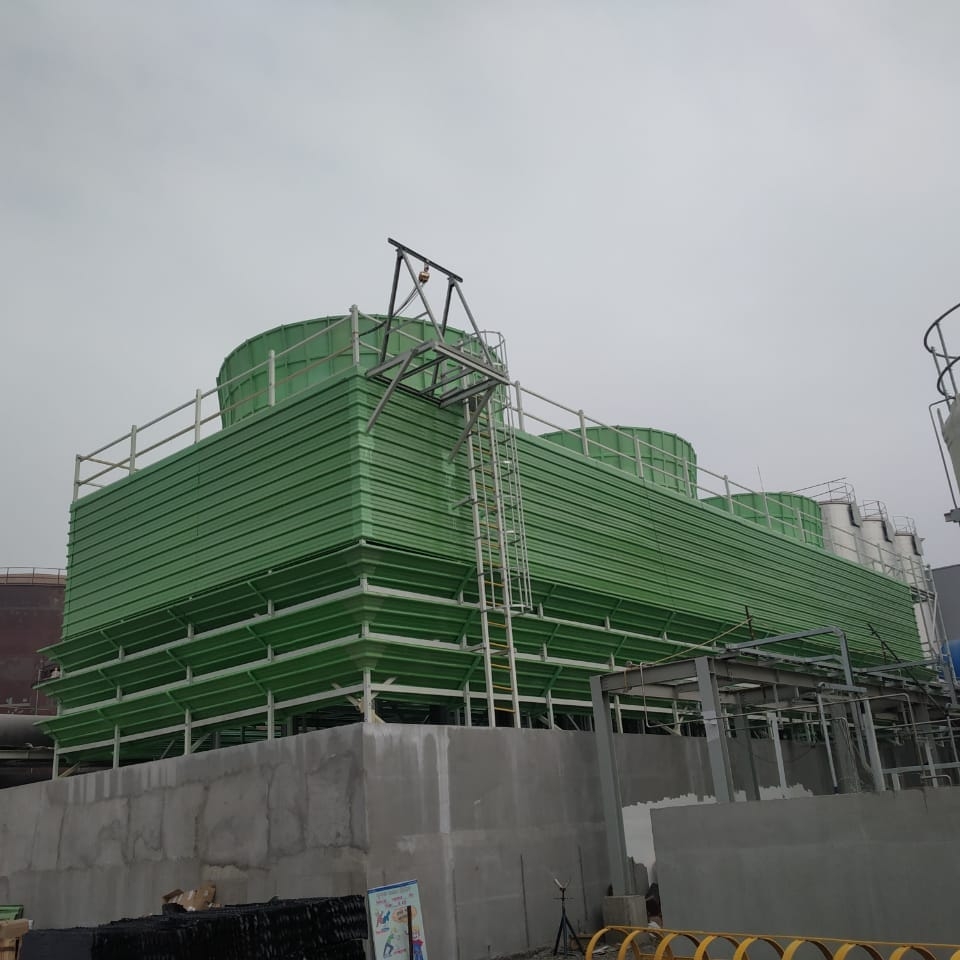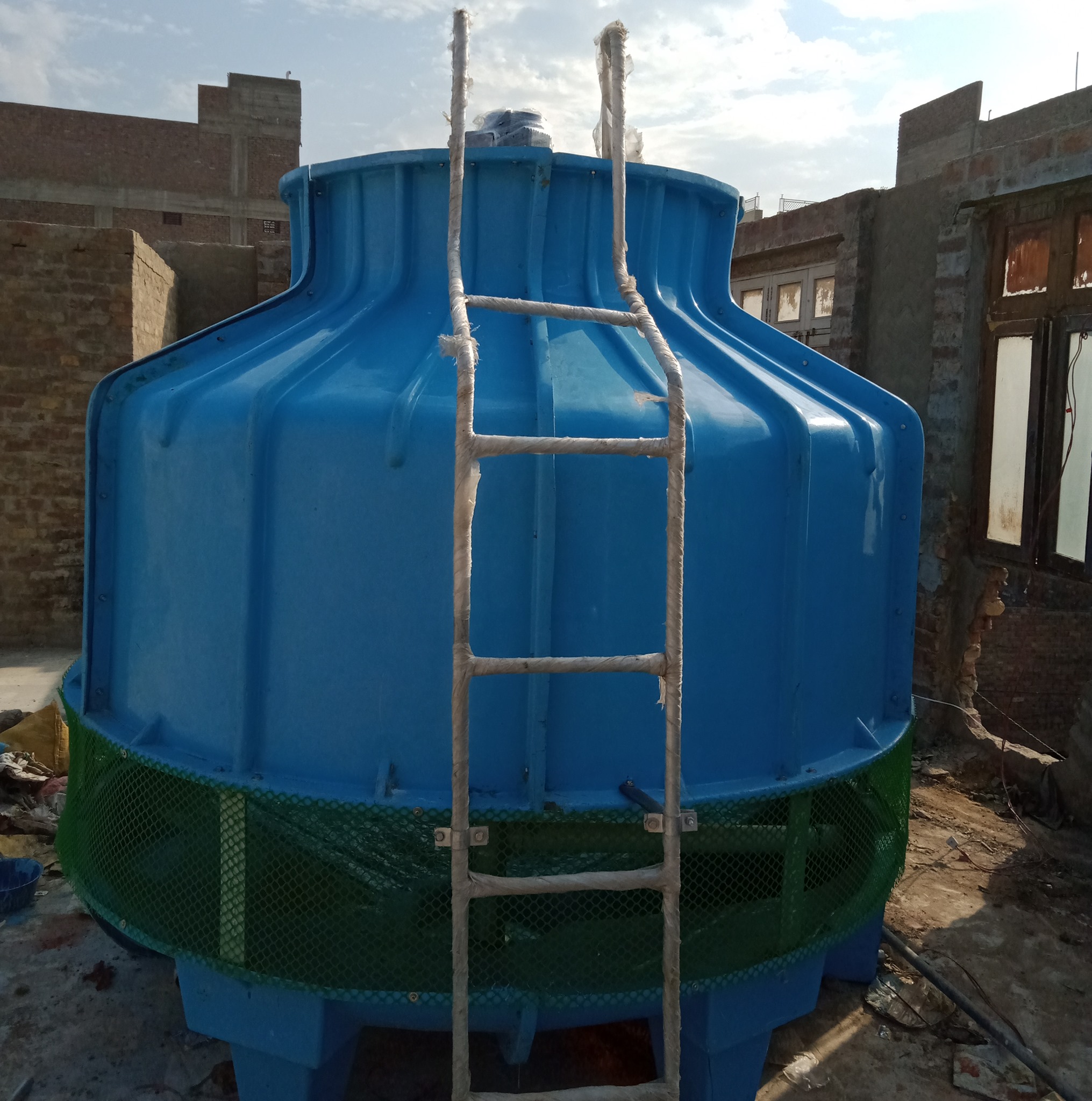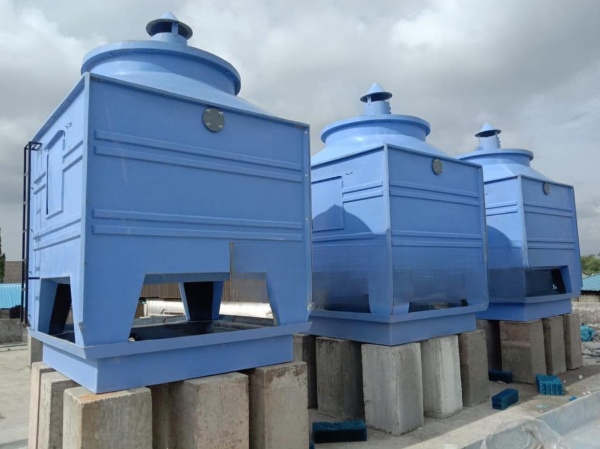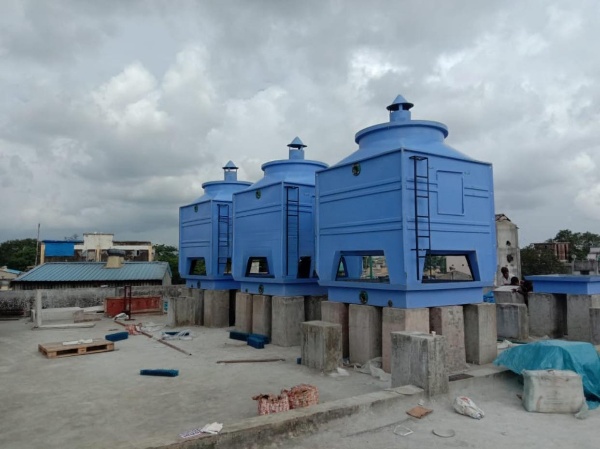
Tags: Adiabatic cooling tower

  • Tag:

Dry cooling tower Manufacturer in Tirunelveli

Why Choose an Adiabatic Cooler for These Applications? (Summary of Advantages) Application Need How Adiabatic Cooling Meets It High Efficiency in Hot Weather Pre-cooling air allows for heat rejection near the wet-bulb temperature. Water Conservation Uses up to 80% less water than an open evaporative tower. System Protection Closed loop prevents...

Dry cooling tower Manufacturer in Tiruvannamalai

Effect of high Ambient Temperature in Adiabatic cooling tower The effect of high ambient temperature on an adiabatic cooling tower is significant and is the primary reason this technology is chosen. However, it introduces specific operational challenges. Here’s a detailed breakdown of the effects, both on performance and system operation. The...
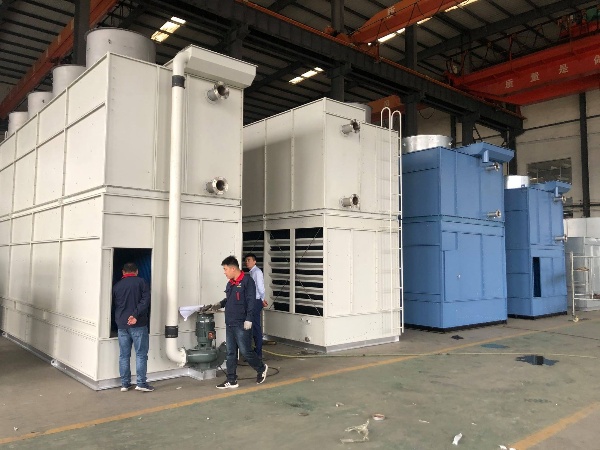
Dry cooling tower Manufacturer in Sivagangai

Material of Construction of heat exchanger coil in Adiabatic cooling tower? The material of construction for the heat exchanger coil in an adiabatic cooling tower is a critical engineering decision, balancing factors like corrosion resistance, thermal conductivity, pressure rating, cost, and the specific environment it will operate in. The coil is...

Dry cooling tower Manufacturer in Kancheepuram

Direct vs. Indirect Cooling Feature Direct Cooling Indirect Cooling Circuit Type Open Closed Process Fluid Exposed to atmosphere Contained and protected Heat Transfer Direct Evaporation Through a Heat Exchanger Cooling Limit Ambient Wet-Bulb Temperature Slightly above Wet-Bulb Temperature Water Usage High Low to Zero Water Treatment Intensive...

Dry cooling tower Manufacturer in Kallakurichi

Direct Cooling Vs Indirect Cooling The core difference lies in whether the process fluid being cooled is directly exposed to the atmosphere and the cooling air. Direct Cooling (Open Circuit) In a direct cooling system, the fluid that needs to be cooled (typically water) is directly exposed to the cooling air and the...
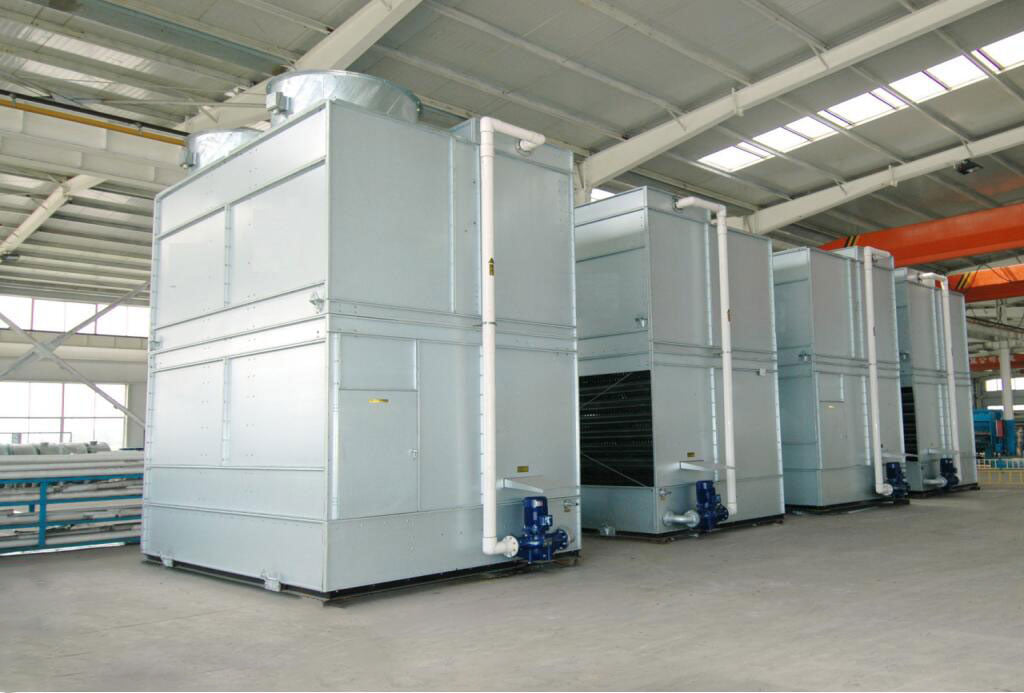
Dry cooling tower Manufacturer in Erode

Comparison to Alternative: PVC (Synthetic) Pads Feature Cellulose Pad PVC Pad Material Natural plant-based fibers Plastic (Polyvinyl Chloride) Cooling Efficiency Higher (better wicking and evaporation) Slightly Lower Lifespan Shorter (2-5 years) Longer (5-10+ years) Maintenance Higher (prone to clogging, organic growth) Lower (easy...

Dry cooling tower Manufacturer in Dharmapuri

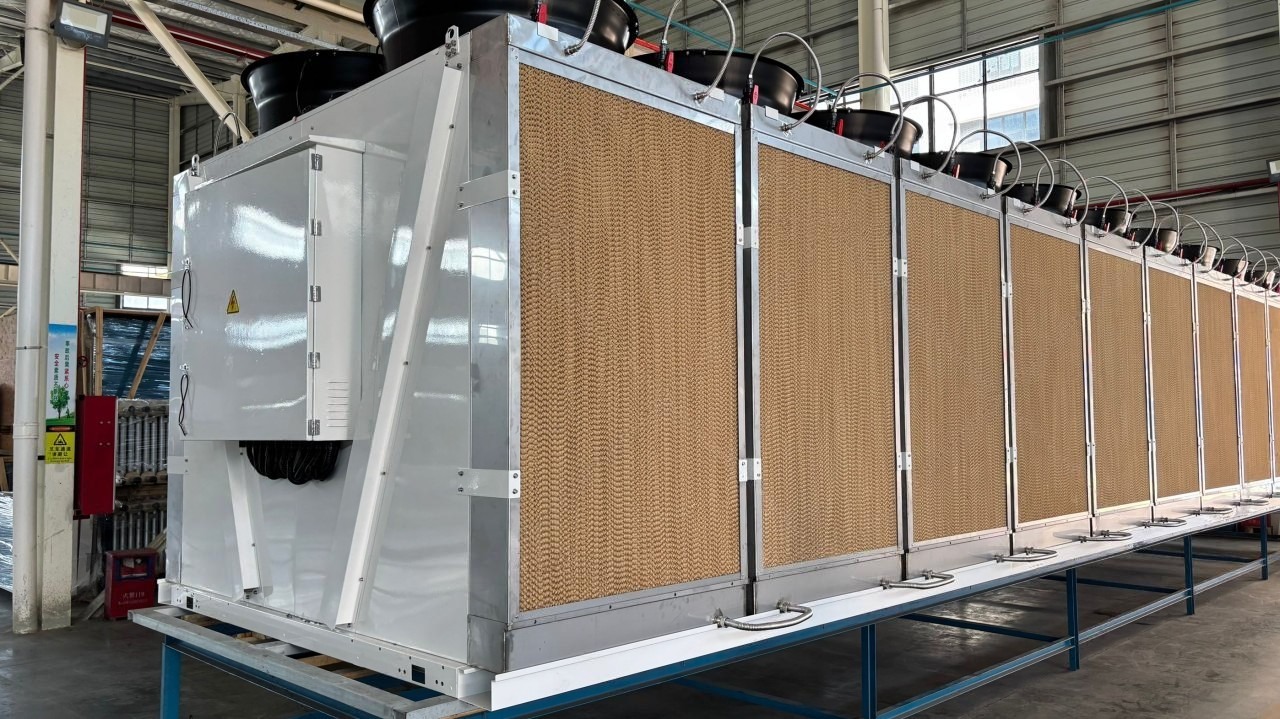
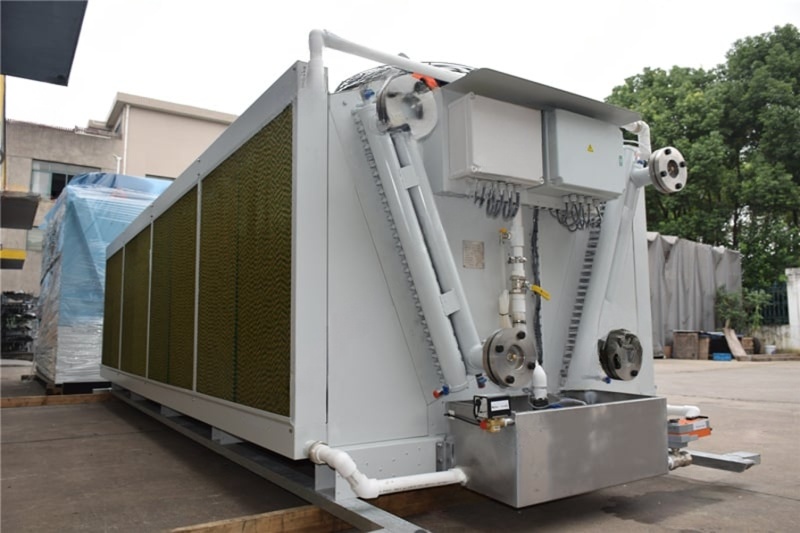
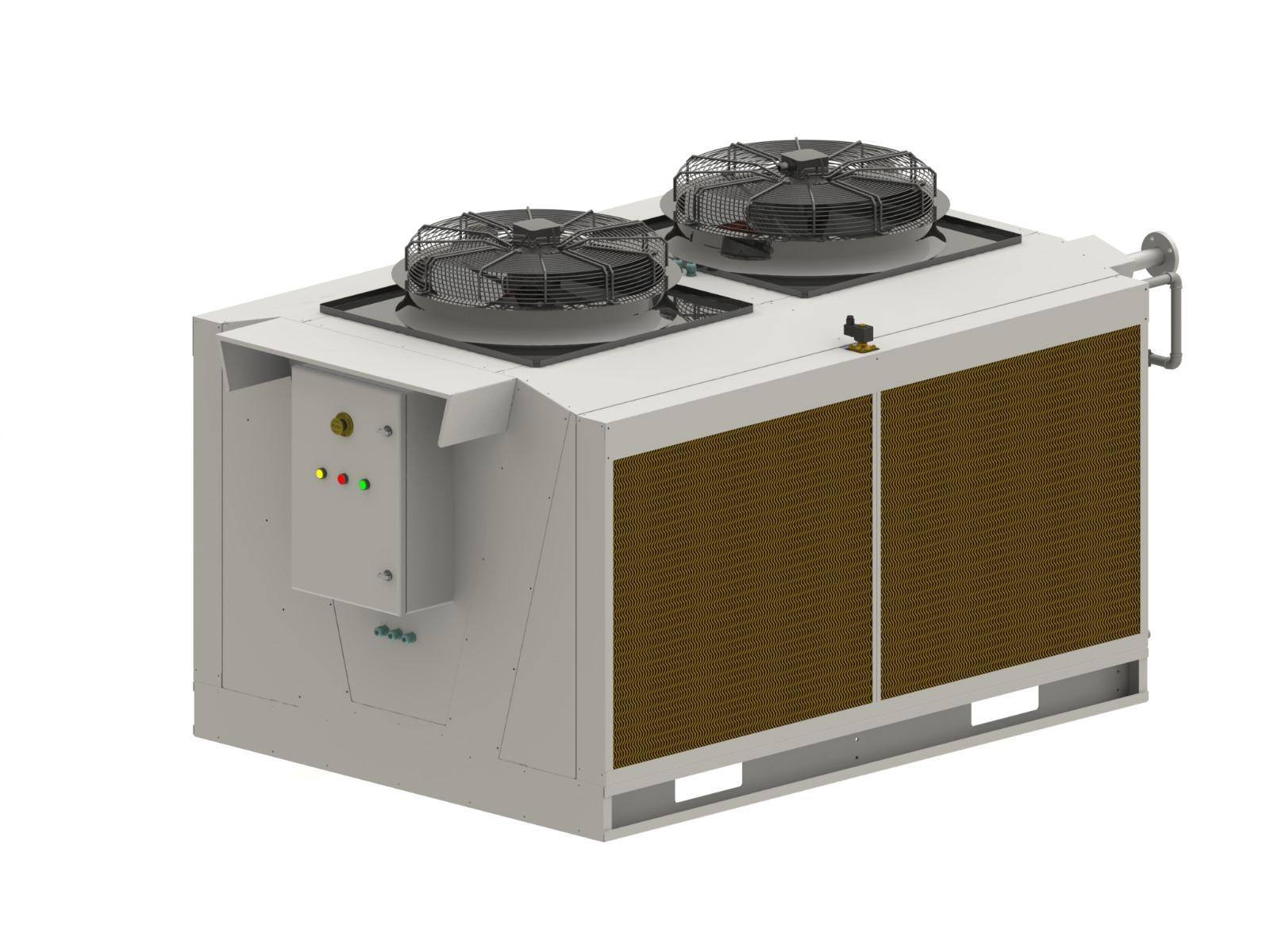
What is a Cellulose Pad? A cellulose pad is a specially engineered, rigid sheet made primarily from plant-based cellulose fibers (often from aspen or other hardwood trees) that are bonded together using special resins and then corrugated and laminated into a thick, multi-layered block Its primary function is to maximize the surface...
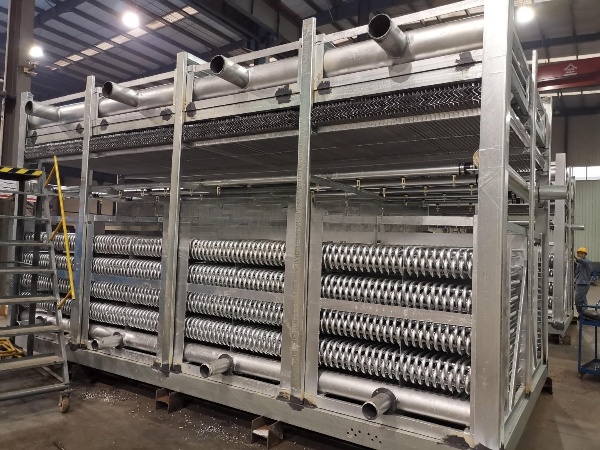
Dry cooling tower Manufacturer in Ariyalur

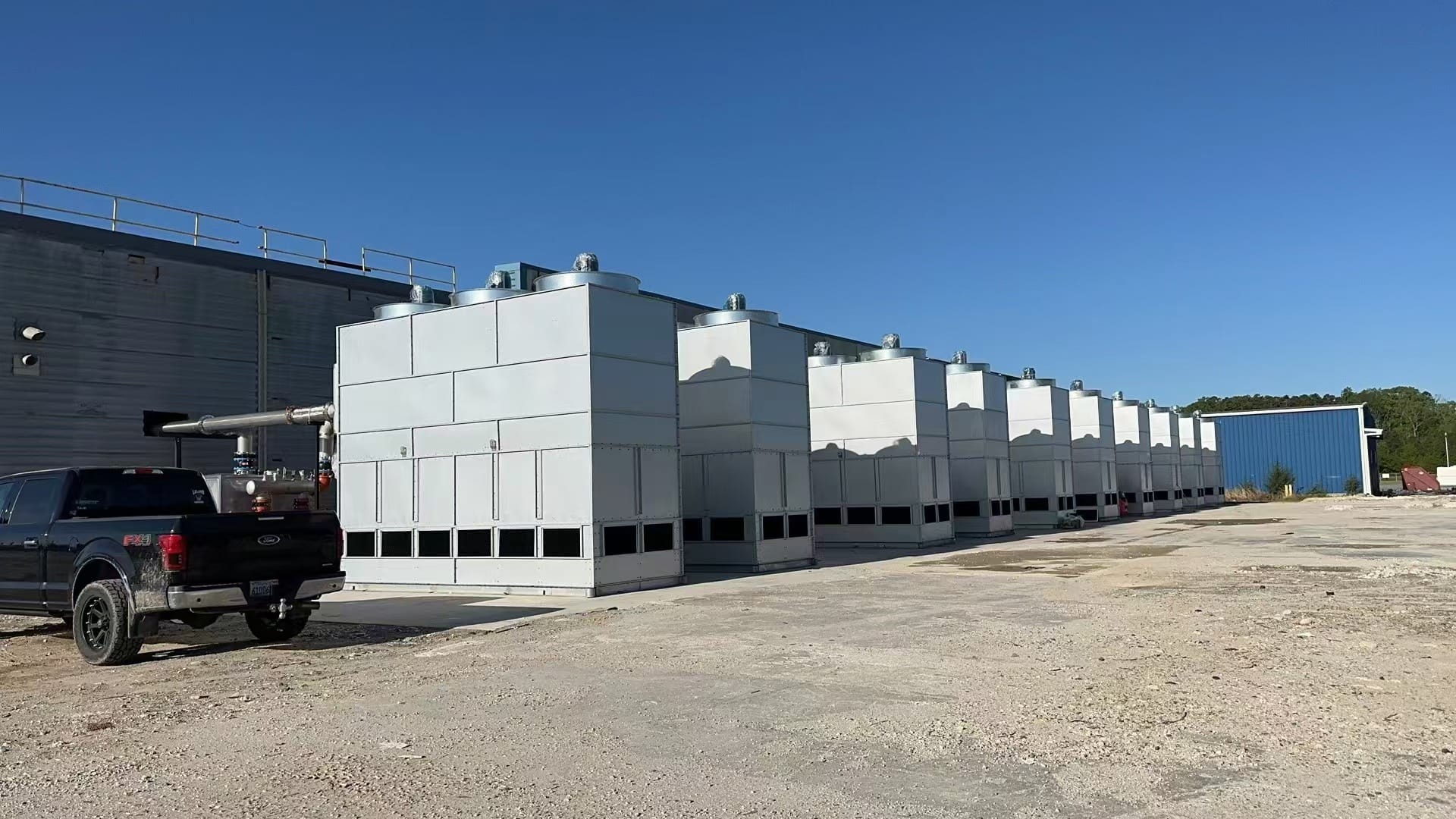
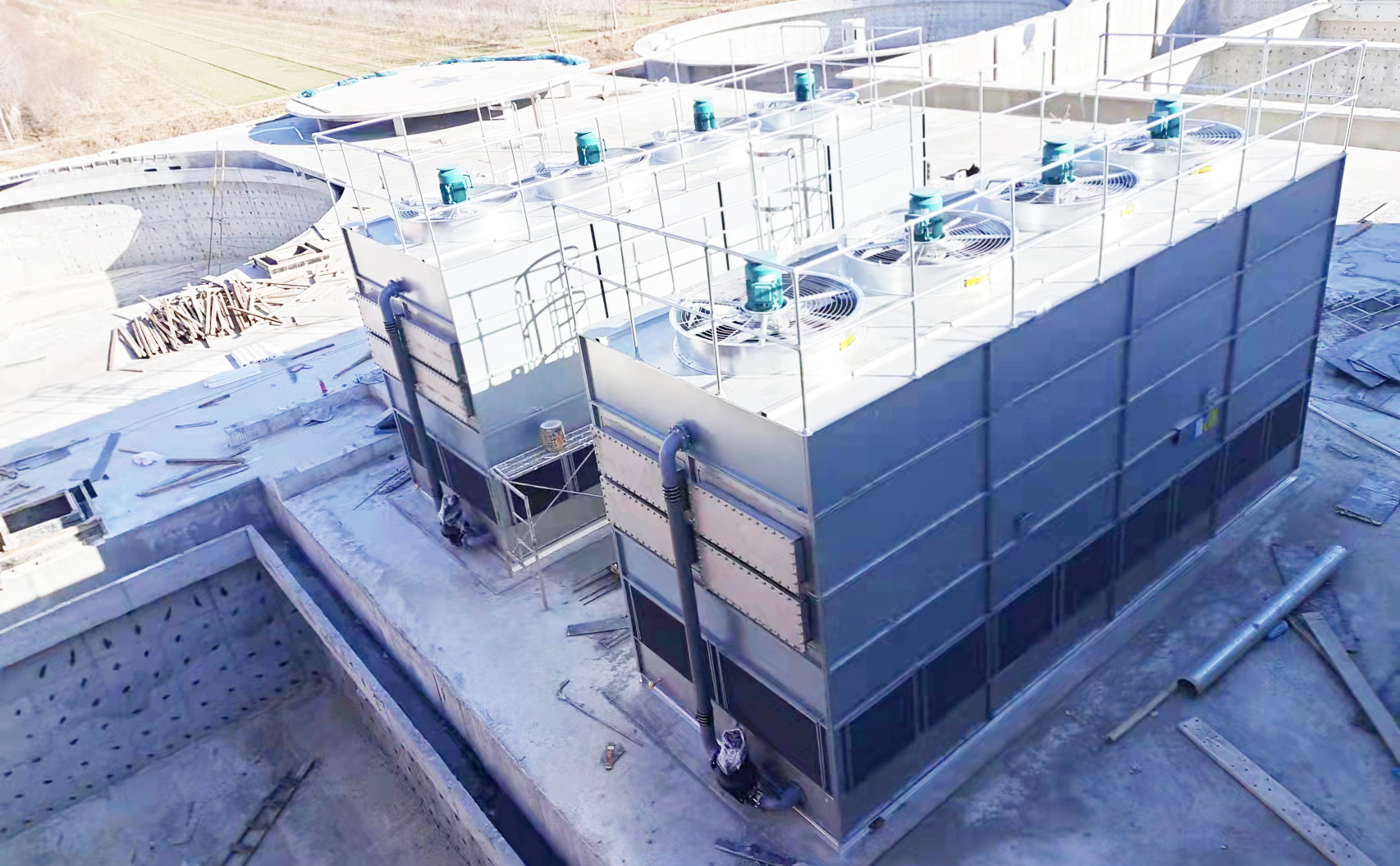
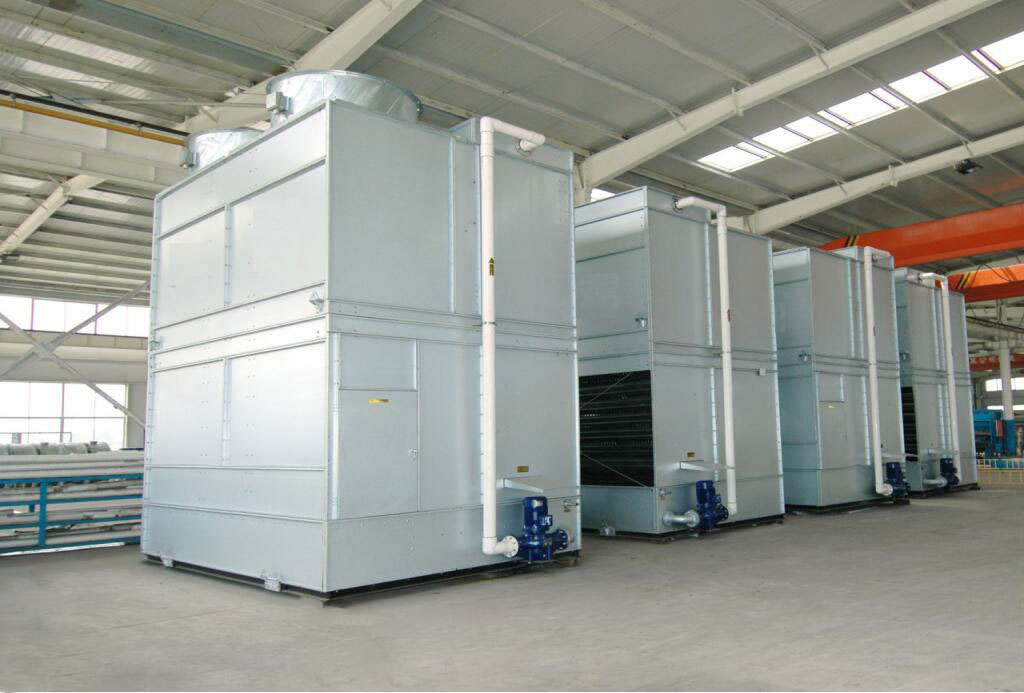
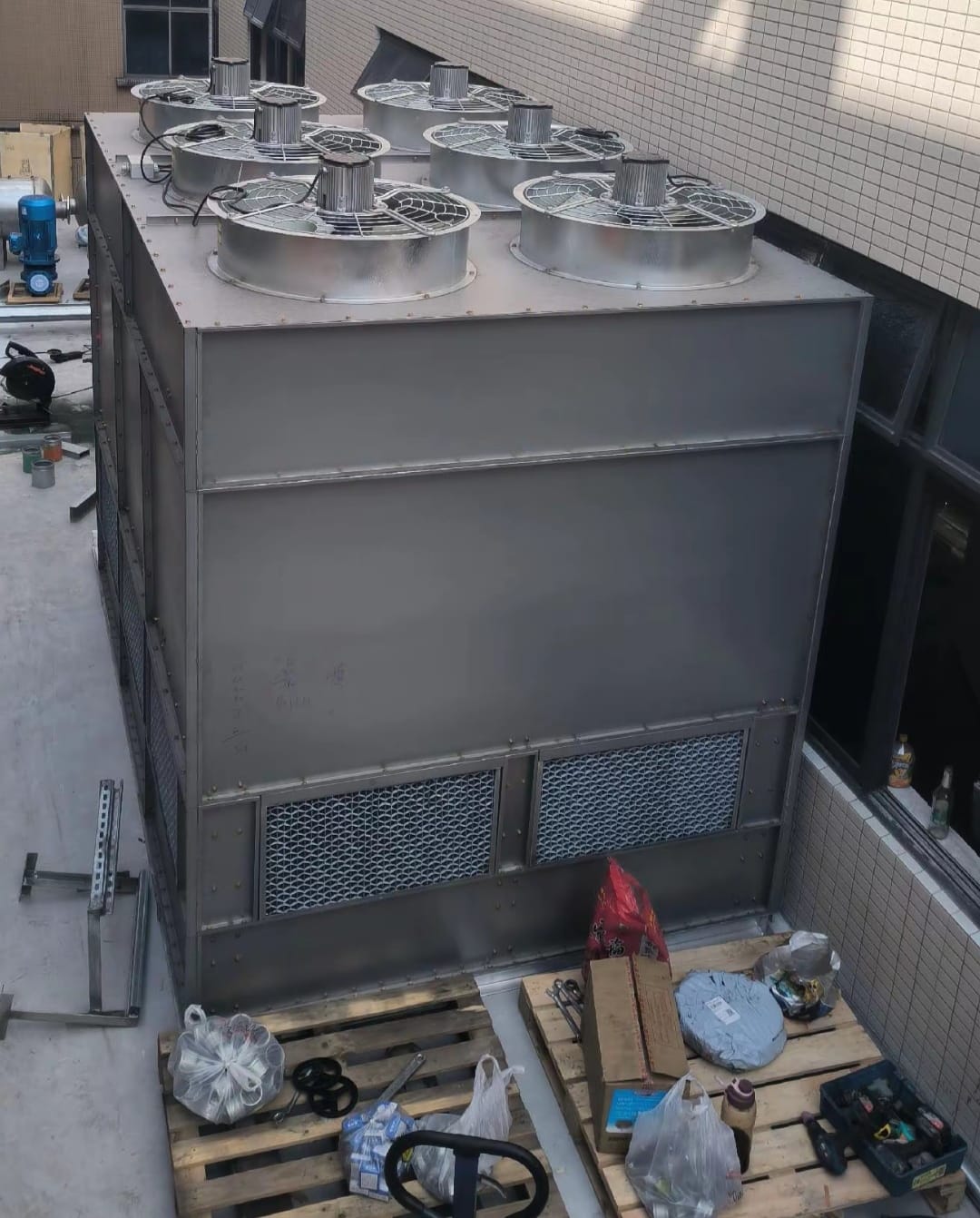
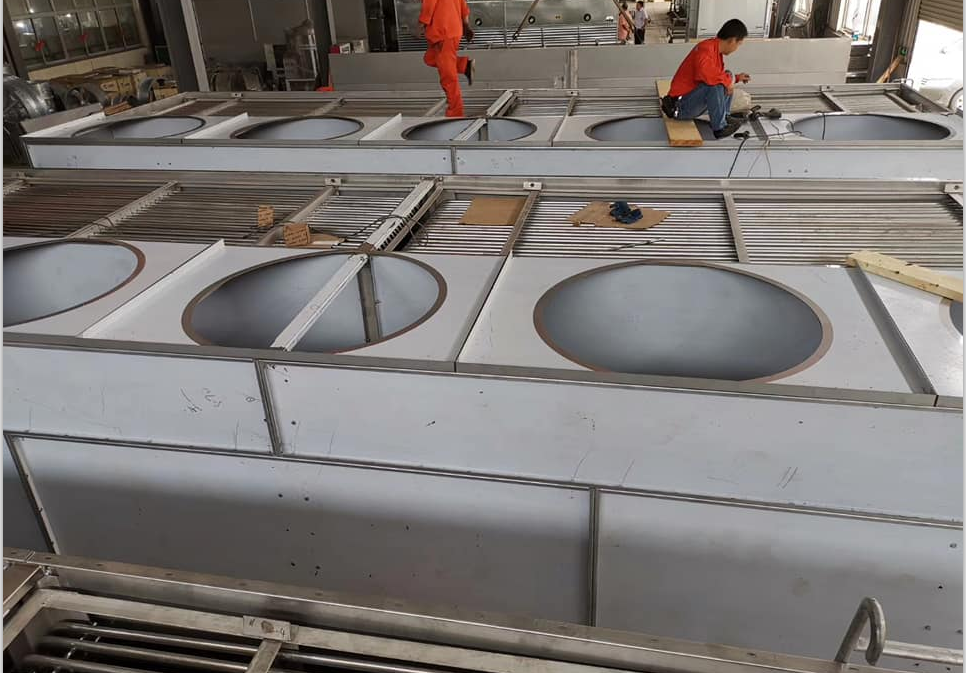
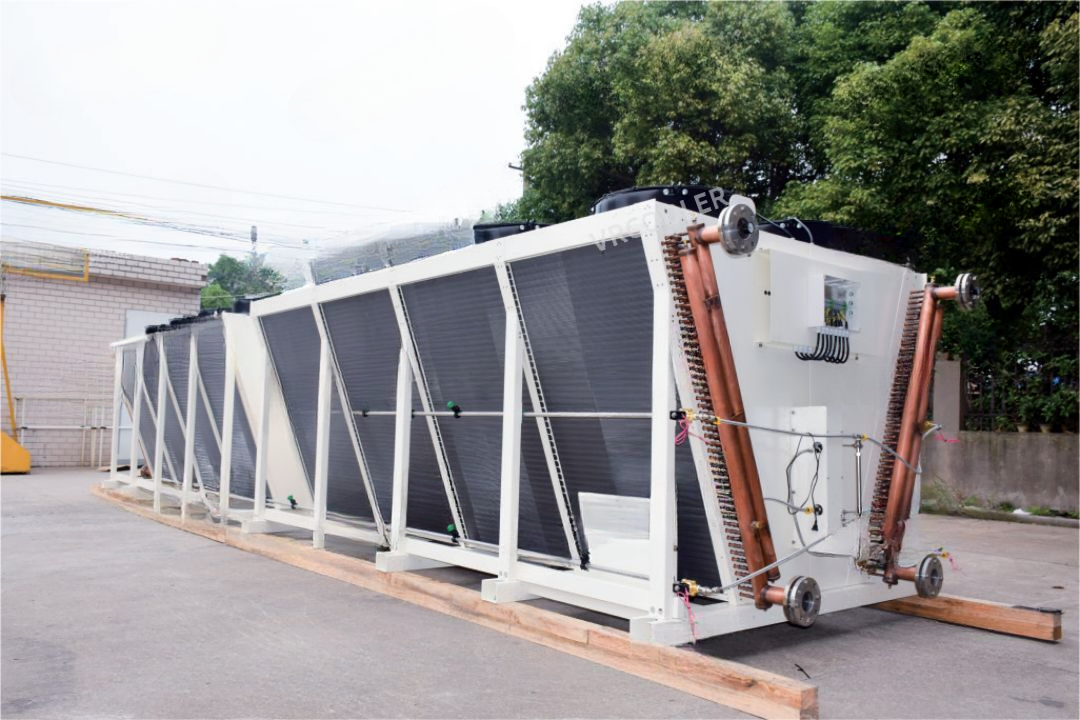
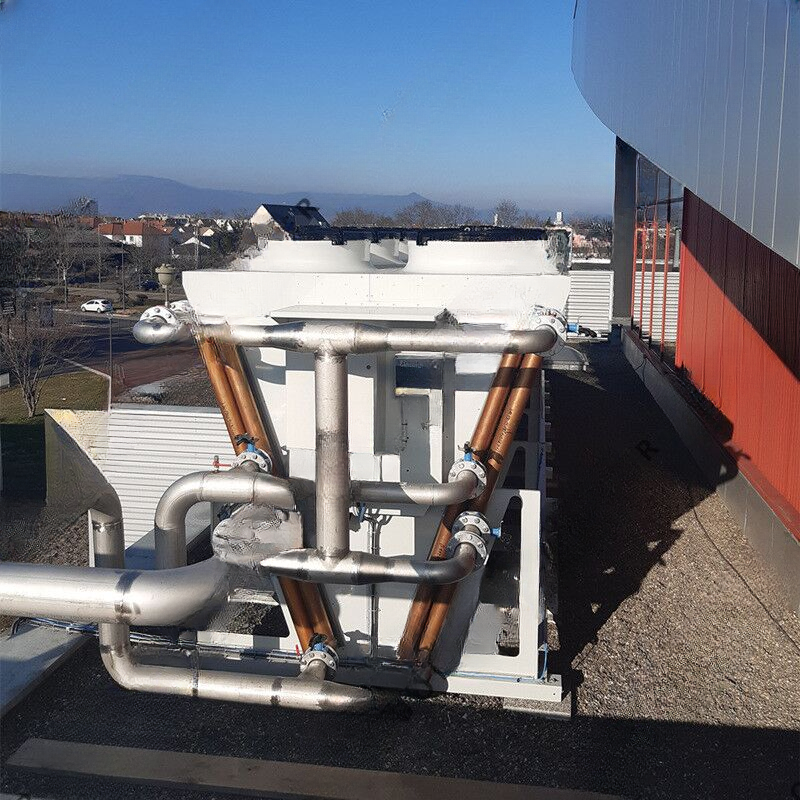
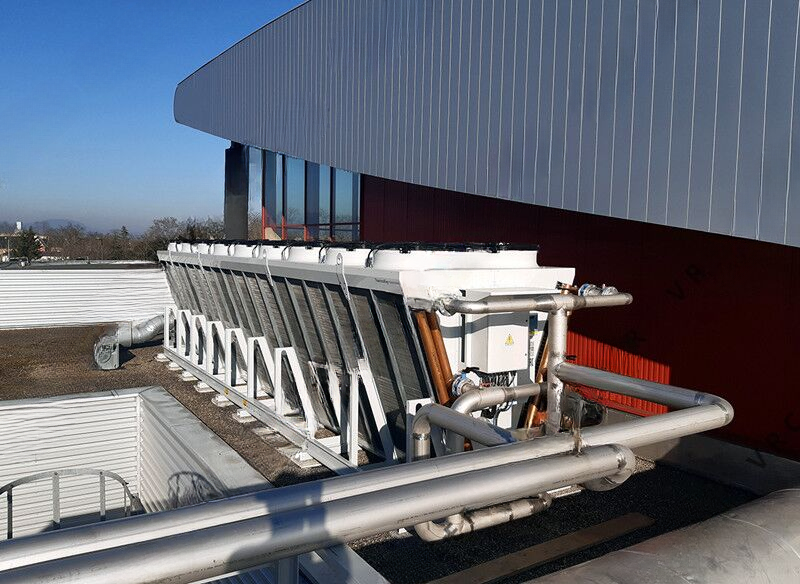
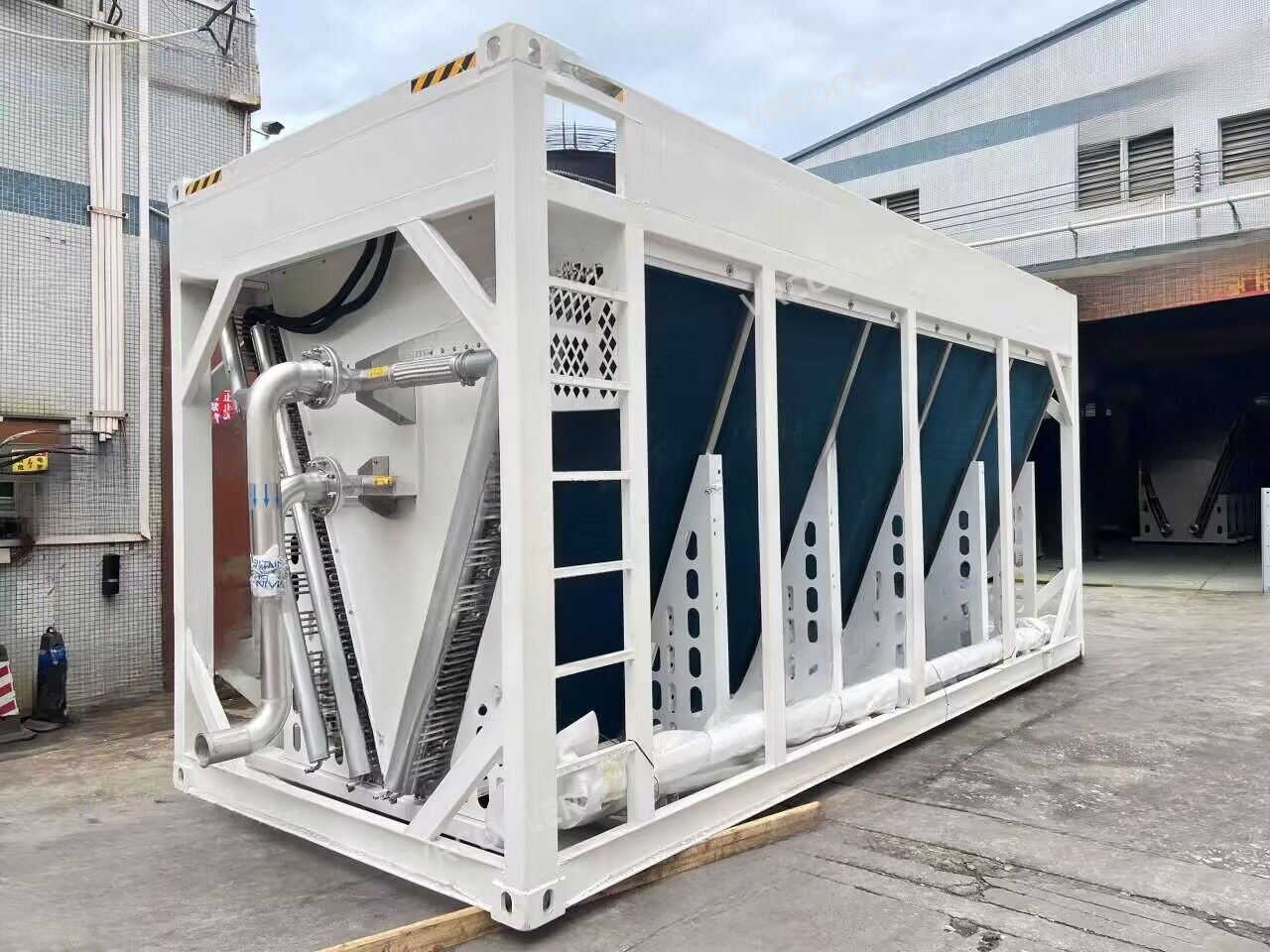
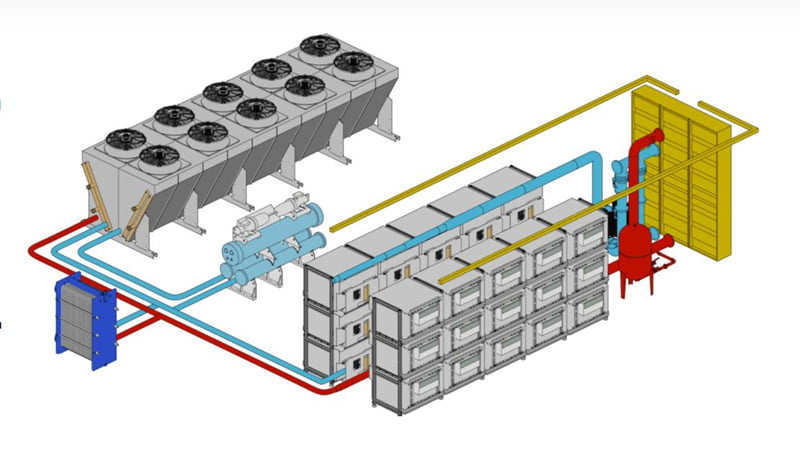
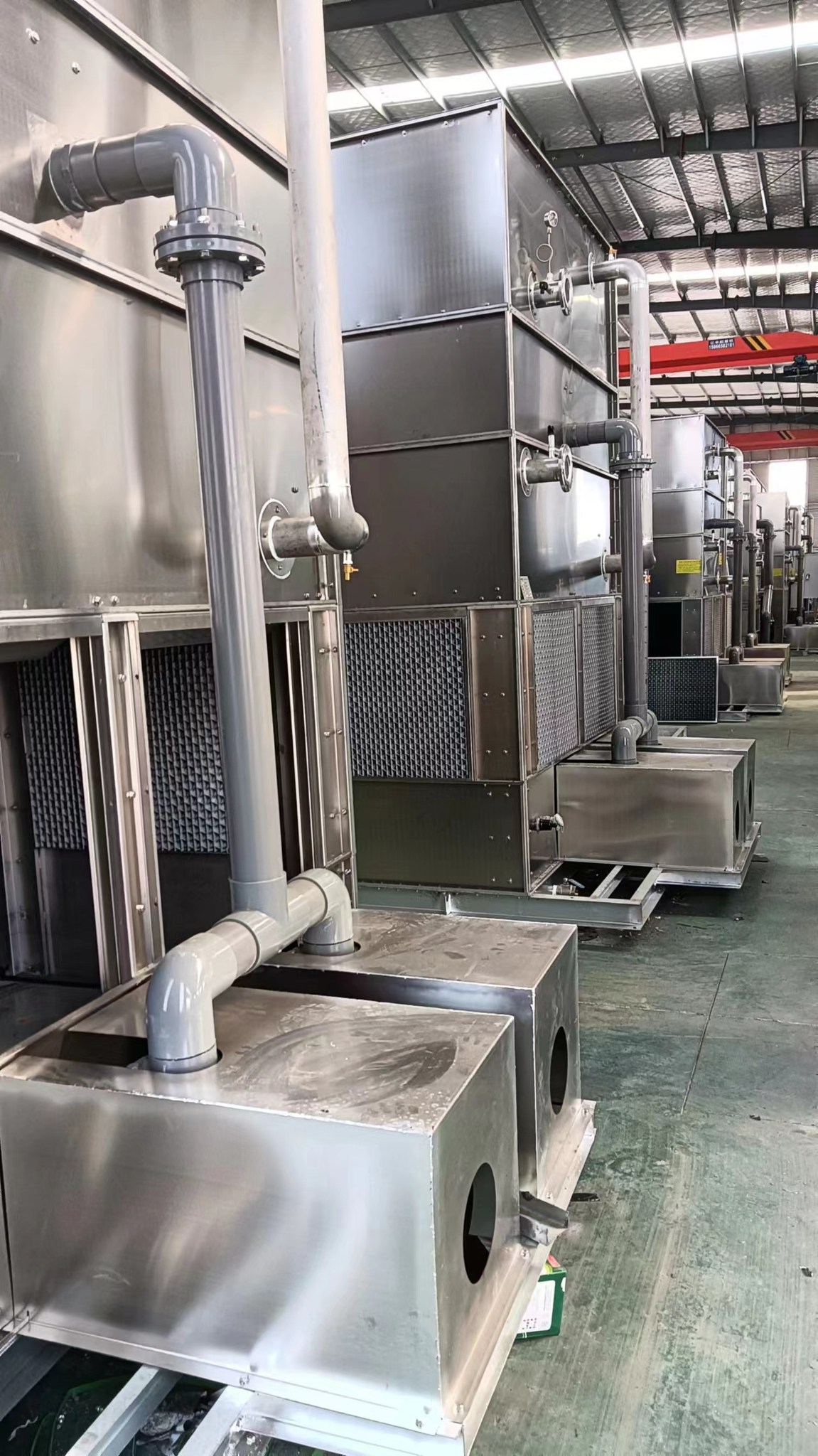
An adiabatic cooling tower is a hybrid cooling system that uses the adiabatic cooling effect of water evaporation to pre-cool the air before it passes over a heat exchanger. This dramatically increases the efficiency of the main heat rejection process. Its key feature is that it combines the principles of a dry cooler (with a closed...
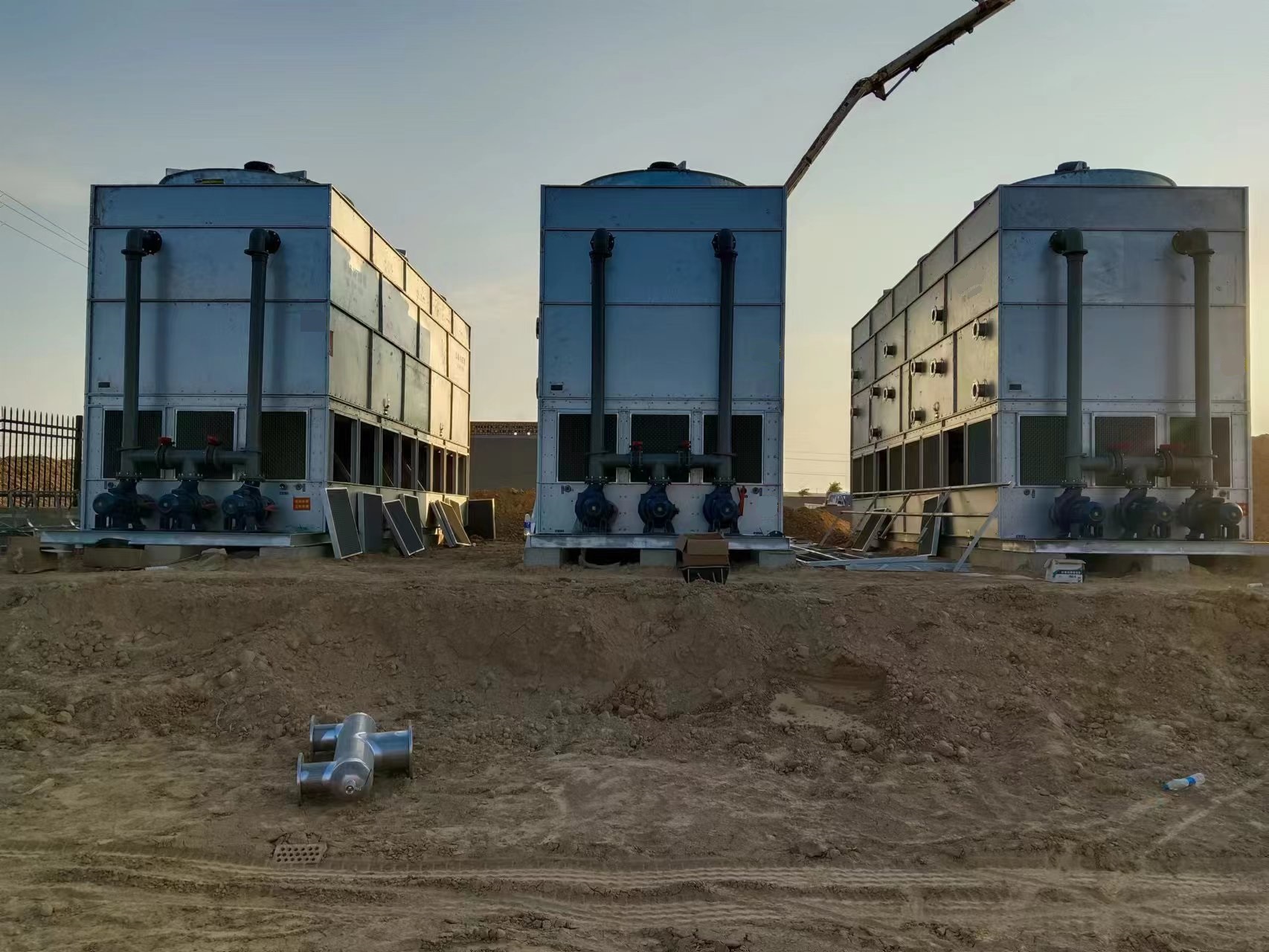
Radiator type heat exchanger Manufacturer in Kollam

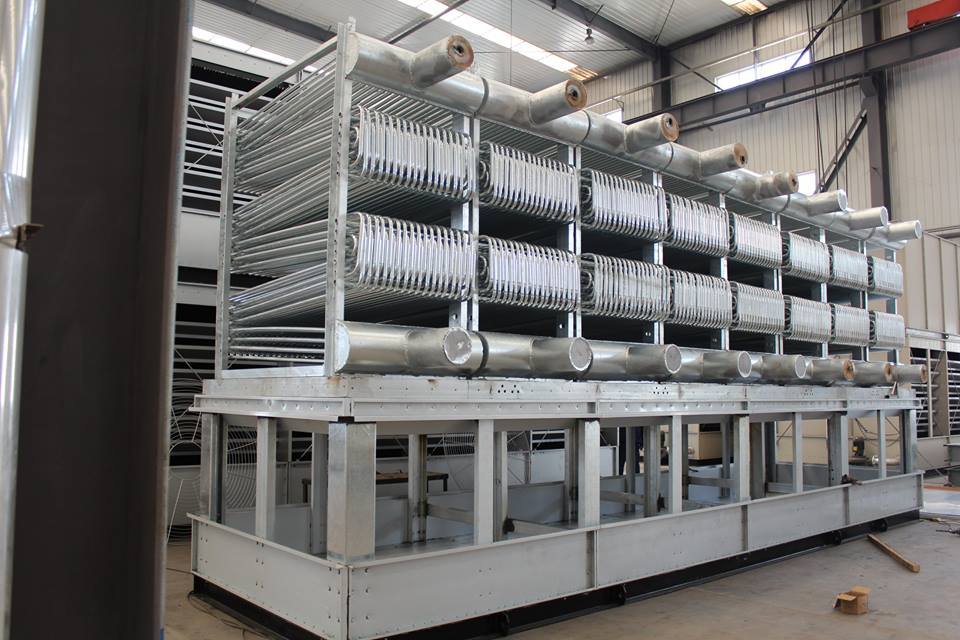
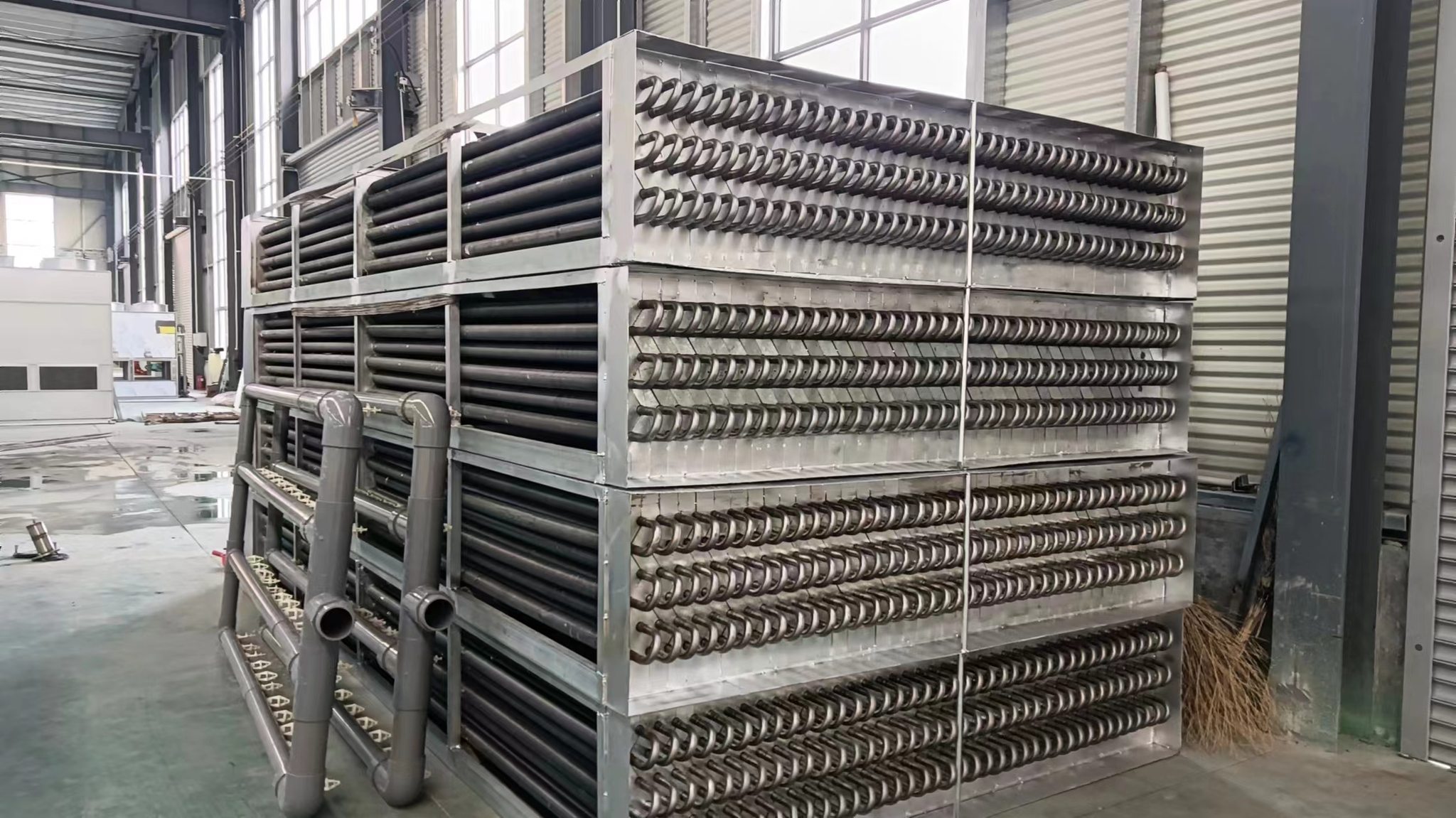
-Fin (Longitudinal Footed Fin / Wrapped Fin) This is the most basic and cost-effective type. -Fin (Embedded Fin / Grooved Fin) This type offers a significantly stronger mechanical bond than L-fins. K-Fin (Knurled Fin) The K-Fin is essentially an enhanced version of the L-Fin, designed to improve its limitations without the cost of a G-Fin.

Radiator type heat exchanger Manufacturer in Calicut

How a Fin Tube Heat Exchanger Works as an Air Preheater In this configuration, the fin tube exchanger creates a physical barrier between the two air streams while allowing heat to transfer between them. Key Advantages of Using a Fin Tube APH

Radiator type heat exchanger Manufacturer in Kozhikode

What is an Air Preheater (APH)? An Air Preheater is a device designed to recover waste heat from the hot exhaust gases (flue gases) of a furnace, boiler, or other combustion process. It uses this recovered heat to preheat the combustion air being supplied to the burner.

Radiator type heat exchanger Manufacturer in Viruthunagar

What is a Boiler Economizer? A Boiler Economizer is a mechanical device designed to recover waste heat from the hot flue gases leaving a boiler. It uses this heat to preheat the feedwater being pumped into the boiler. How Does it Work? The principle is straightforward: The flue gases are cooled before being exhausted...
Radiator type heat exchanger Manufacturer in Thoothukudi

Use of Fin tube heat exchanger in Power Generation? The use of fin tube heat exchangers in power generation is critical for efficiency, water conservation, and operational reliability. They are employed in several key areas, often handling extreme temperatures and pressures. The core advantage they bring to power generation is the ability to reject...
Radiator type heat exchanger Manufacturer in Tiruvannamalai

Table of Applications for fin tube heat exchanger Sector Specific Application Function Typical Fluids (Tube side / Air side) HVAC&R AC Evaporator Coil Cool & Dehumidify Air Refrigerant / Room Air AC Condenser Coil Reject Heat to Atmosphere Refrigerant / Outside Air Furnace Heat Exchanger Heat Circulating Air Combustion Gas / House Air...

Radiator type heat exchanger Manufacturer in Pudukkottai

Different Type of Fin material and Advantages Selection Factors for Fin Material. When selecting a fin material, engineers consider: Extruded Metallurgical Interference Al on CS/SS High Efficiency & Durability Process Coolers, Charge Air Coolers Integral Low-Fin Monolithic (One Piece) Cu, CS, SS High Pressure Integrity Shell-and-Tube Exchangers...

Radiator type heat exchanger Manufacturer in Kancheepuram

Extruded Fins This category creates a fin that is an integral part of the tube itself. ) Extruded / Integral Finned Tubes

Radiator type heat exchanger Manufacturer in Chennai

Applications of Fin Tube heat exchanger You encounter fin tube heat exchangers everywhere: Automotive

Radiator type heat exchanger Manufacturer in Ariyalur

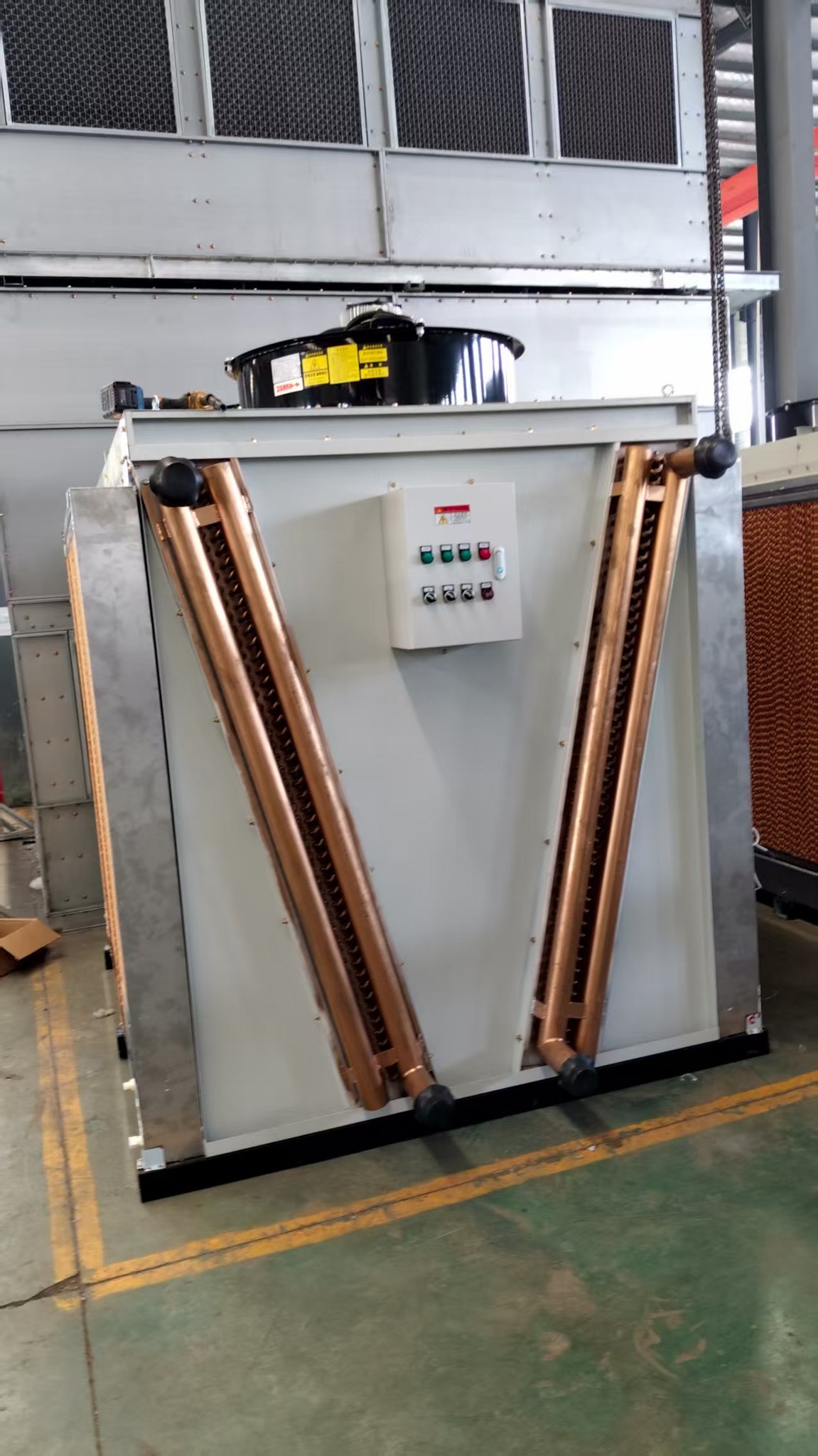
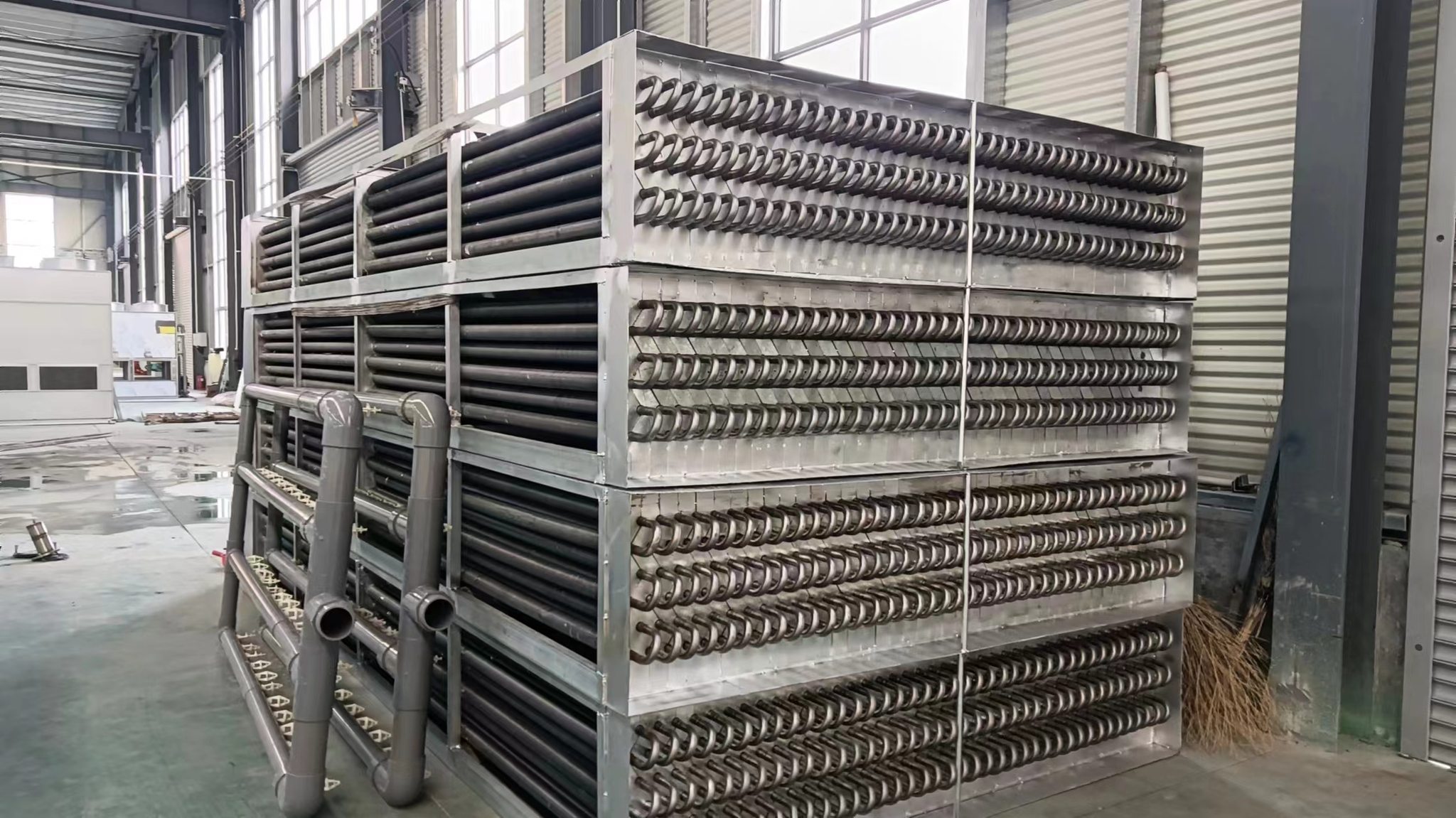
A Fin Tube Heat Exchanger is a type of heat exchanger designed to maximize heat transfer efficiency between a fluid flowing inside tubes and a fluid (usually air or gas) flowing outside the tubes. It does this by adding fins to the exterior of the tubes, which dramatically increases the surface area available for heat exchange. This makes them...

Plate Heat Exchanger Manufacturer in Ernakulam

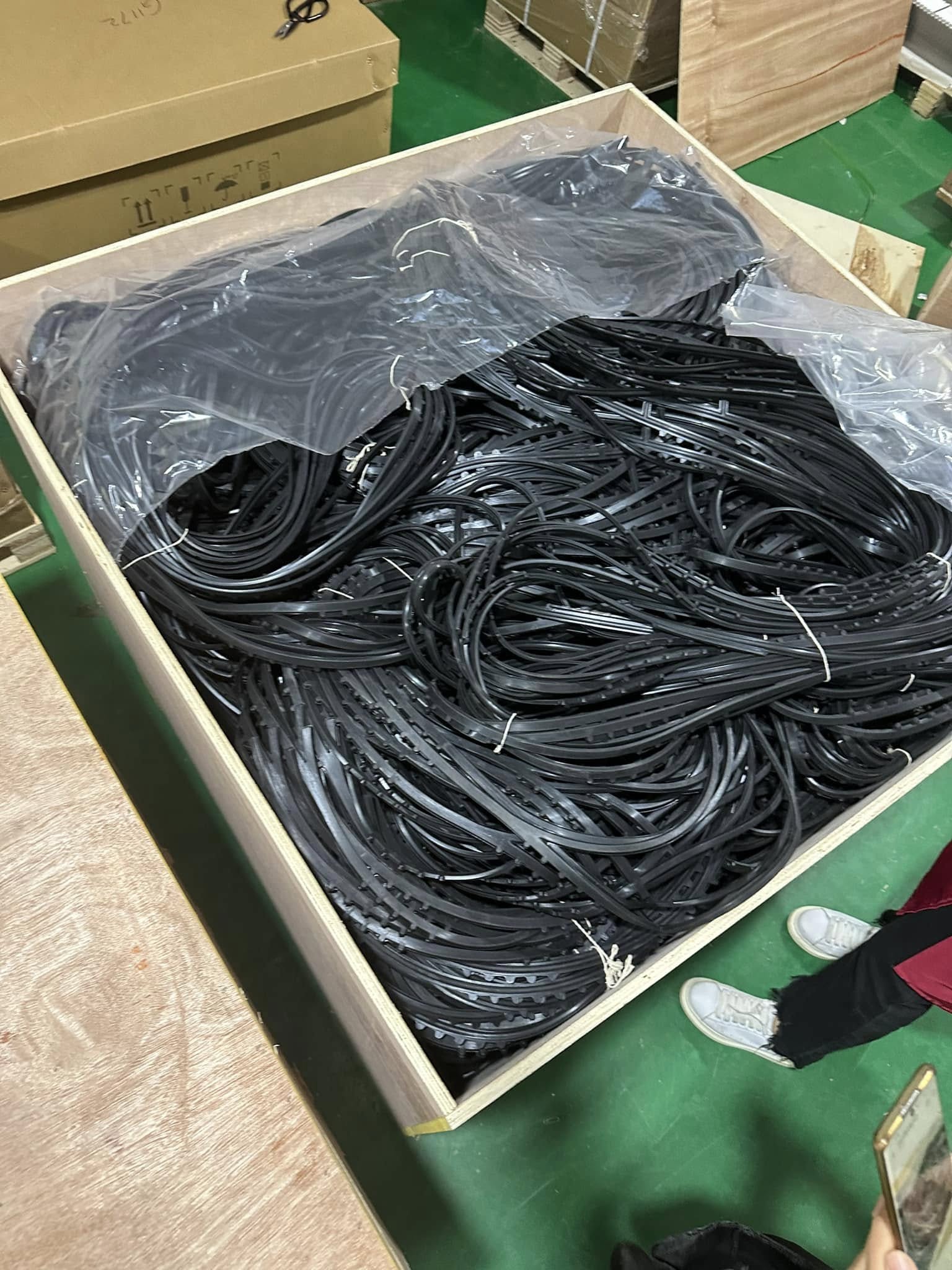
NBR gasket vs EDPM gasket in Plate heat exchanger Choosing between NBR (Nitrile Butadiene Rubber) and EPDM (Ethylene Propylene Diene Monomer) is one of the most common decisions, and getting it wrong leads to rapid gasket failure. The choice is almost entirely determined by the chemical compatibility with the fluids...

Plate Heat Exchanger Manufacturer in Calicut

Role of Brazed plate heat exchanger in Chiller? The Brazed Plate Heat Exchanger (BPHE) plays a critical role in modern, efficient chillers, often serving as the core component where the actual heat transfer occurs. In a chiller, its primary role is to facilitate the phase change of the refrigerant, either by absorbing heat to...

Plate Heat Exchanger Manufacturer in Ranipet

Types of Welded Plate Heat Exchangers There are two main configurations: 1. Fully Welded Plate Heat Exchanger This is the most common type referred to as “welded PHE.” The entire plate pack is welded together into a single, rigid block. There are no gaskets whatsoever. . Semi-Welded (or Twin-Plates) Plate Heat Exchanger This is a...

Plate Heat Exchanger Manufacturer in Pudukkottai

Key Features of Welded plate heat exchanger & How It’s Different The core distinction lies in its sealing method: This fundamental difference leads to all its unique characteristics. How It Works The operating principle is the same as other plate heat exchangers: two fluids flow on opposite sides of a metal plate, transferring heat...

Plate Heat Exchanger Manufacturer in Kancheepuram

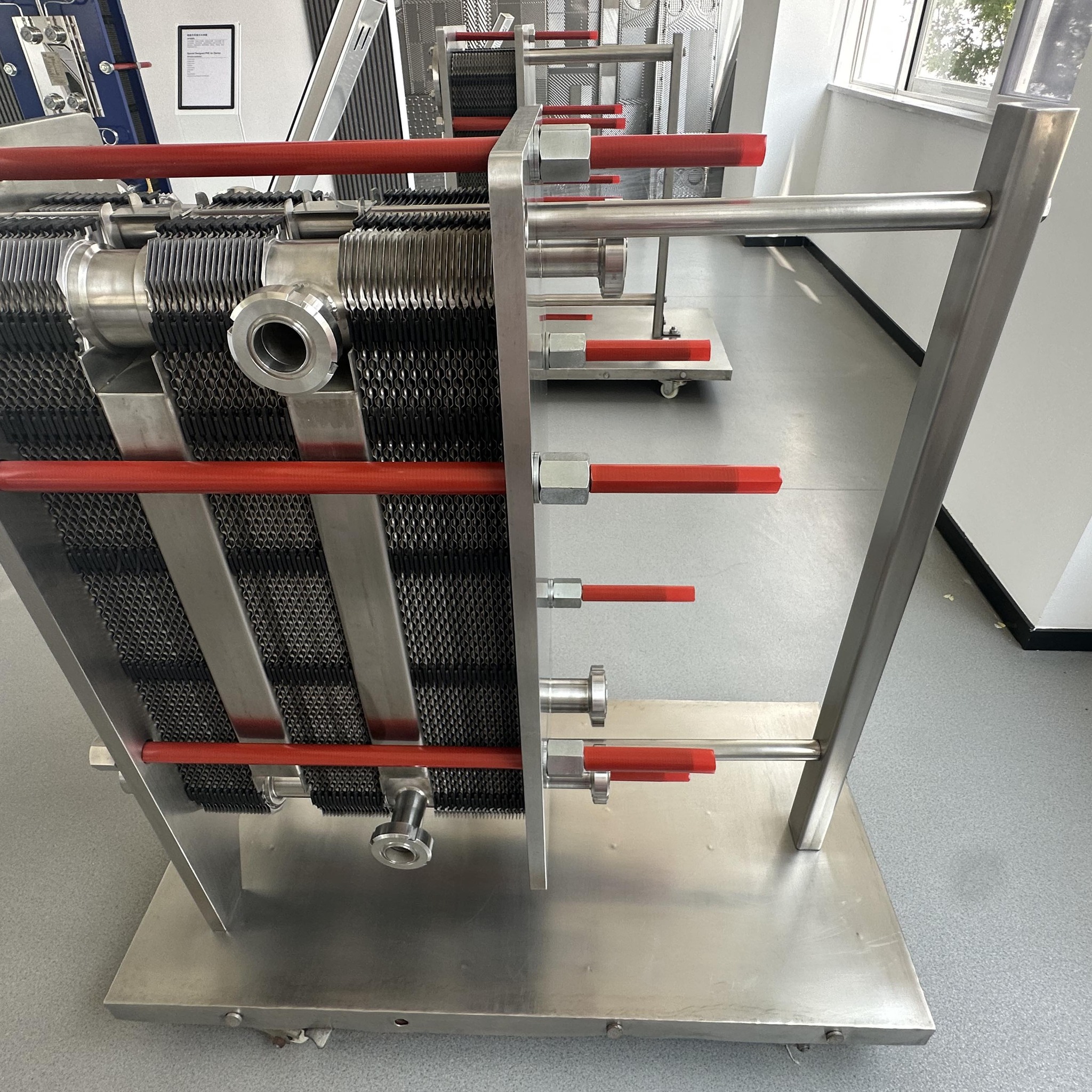
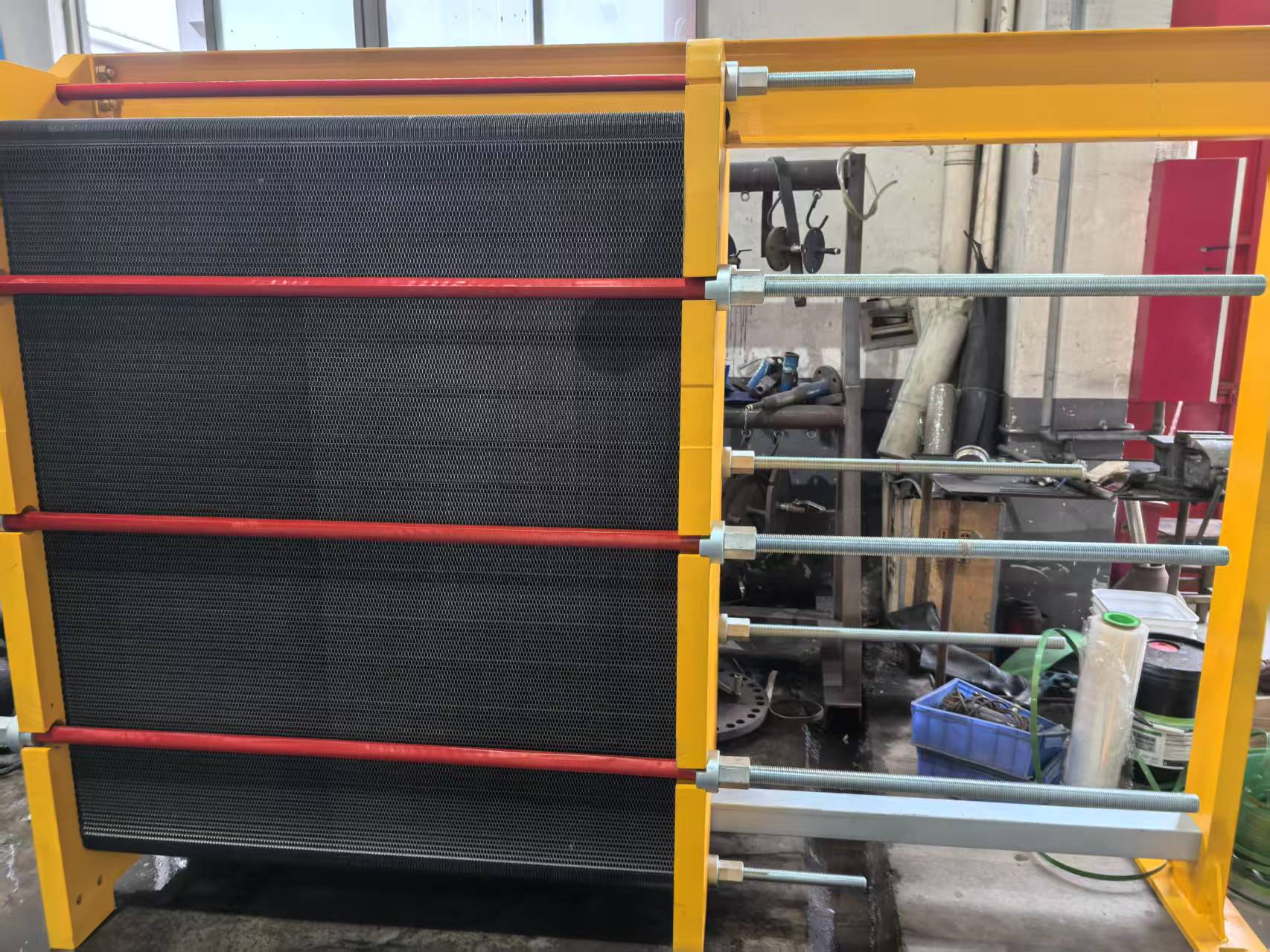
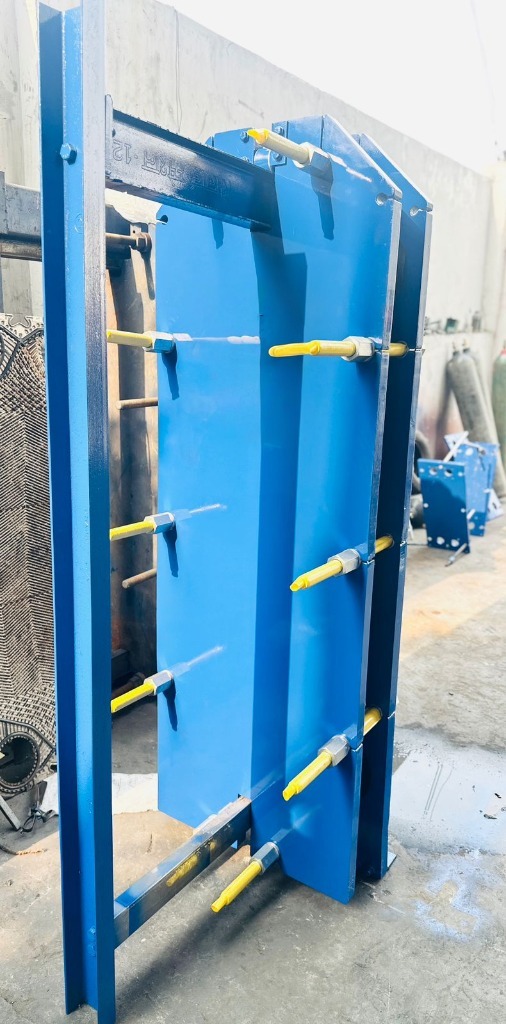
When to Choose a GASKETED Plate Heat Exchanger: Choose a GPHE when serviceability and flexibility are your top priorities. Key Advantage of GPHE: It is a serviceable, flexible, and forgiving system.

Plate Heat Exchanger Manufacturer in Erode

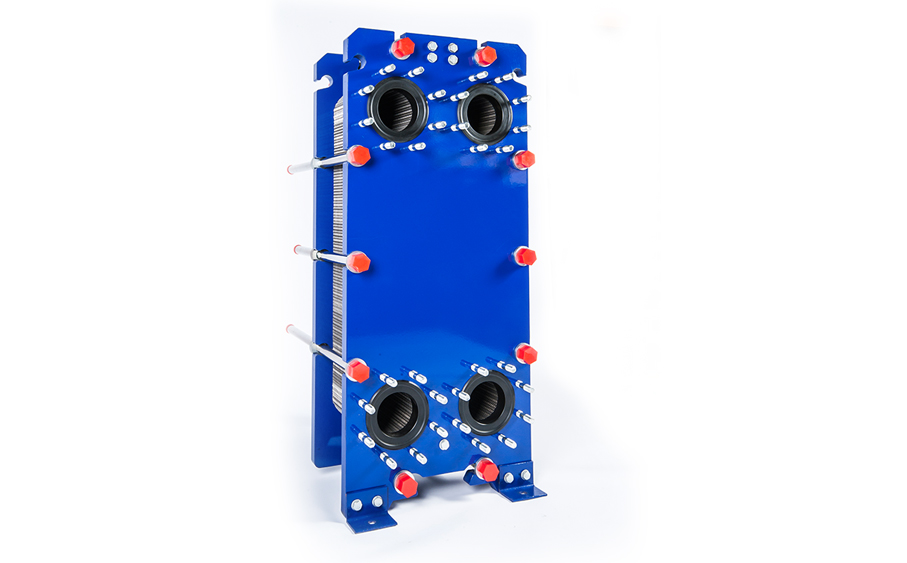
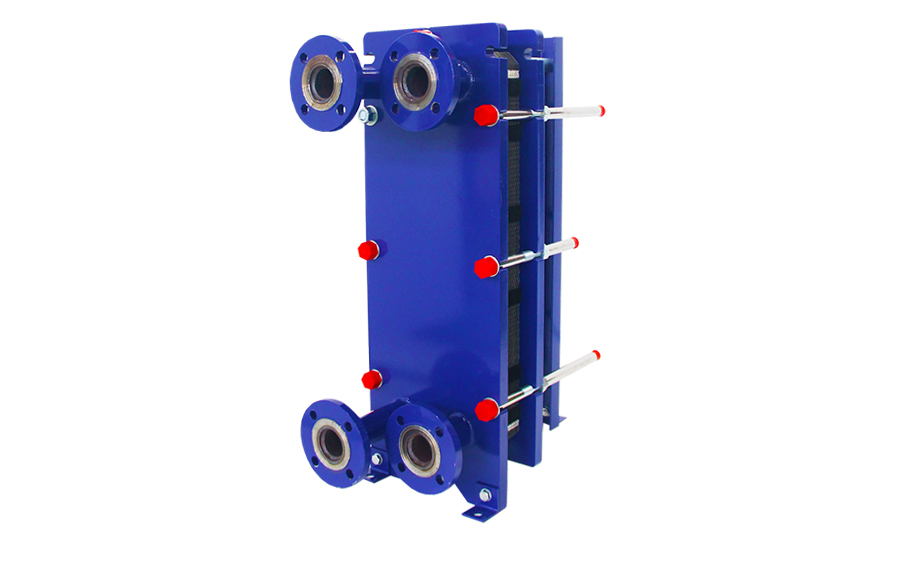
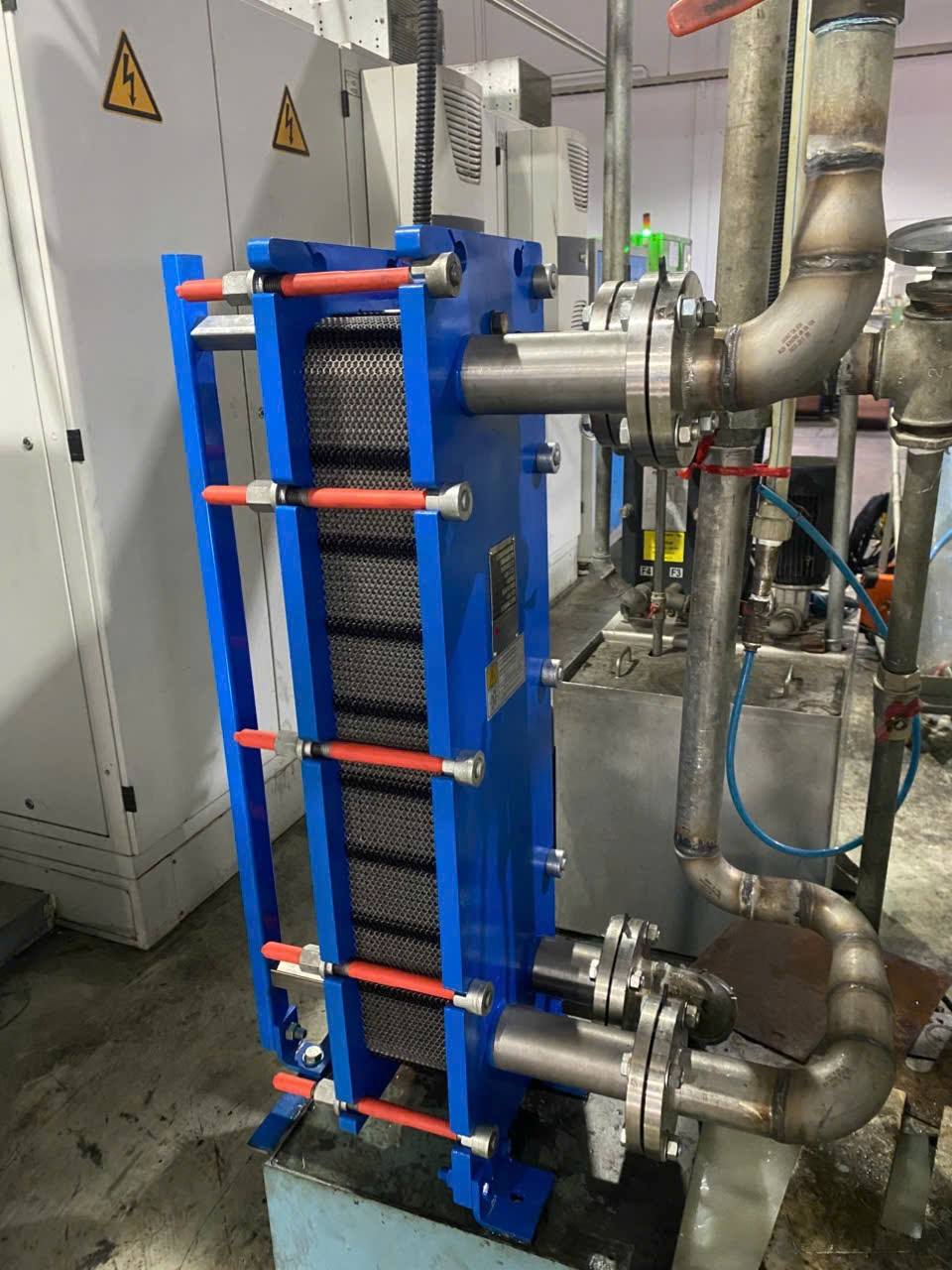
Types of Plate Heat Exchanger 1. Gasketed Plate Heat Exchanger This is the most common and classic type, described in the previous answer. It consists of plates sealed with gaskets and held together in a frame. 2. Brazed Plate Heat Exchanger (BPHE) In this type, the plate pack is permanently fused together using a brazing […]

Plate Heat Exchanger Manufacturer in Ariyalur

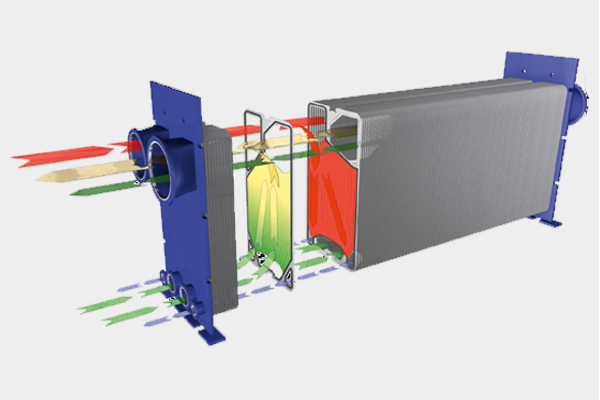
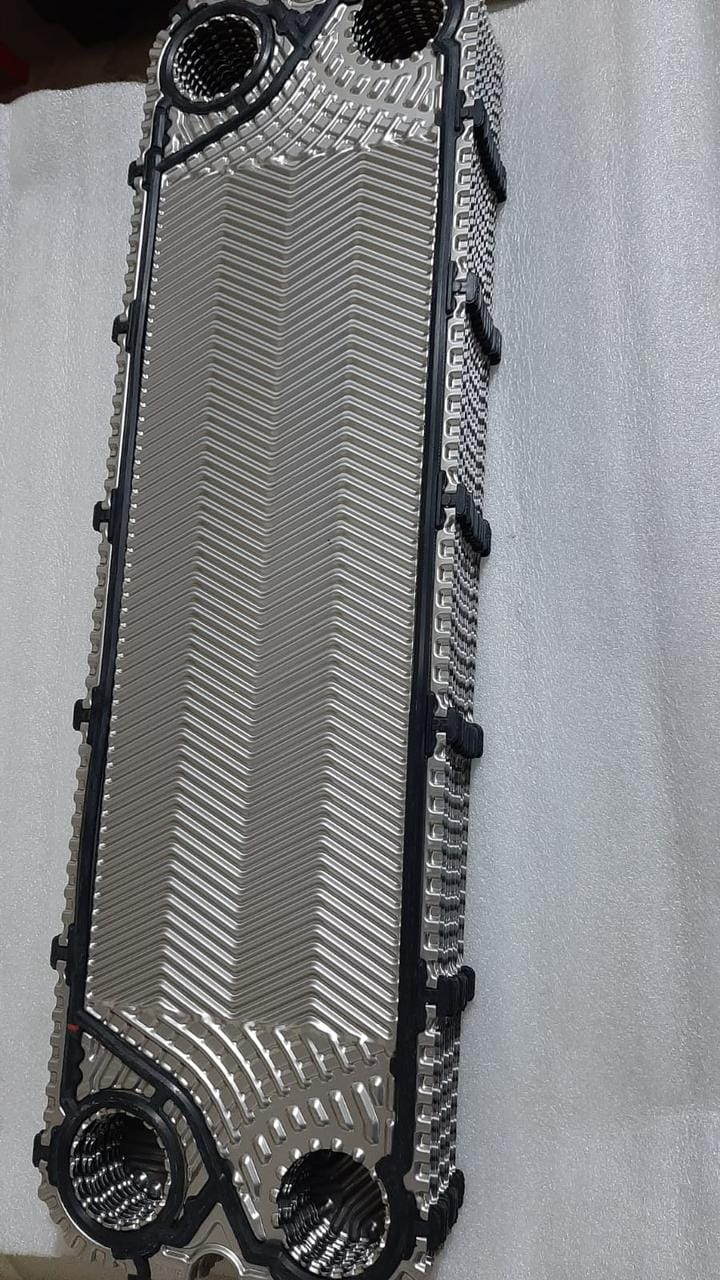
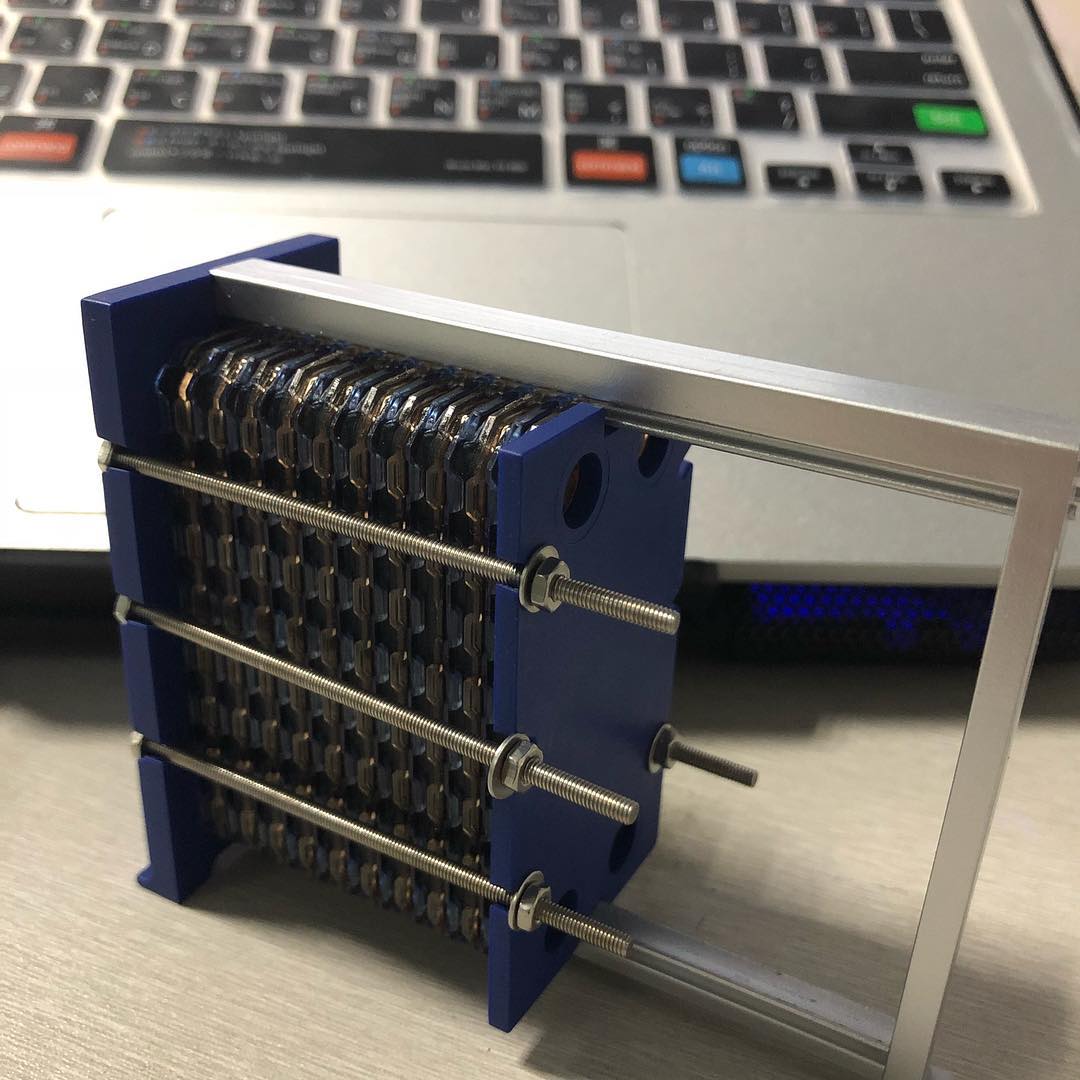
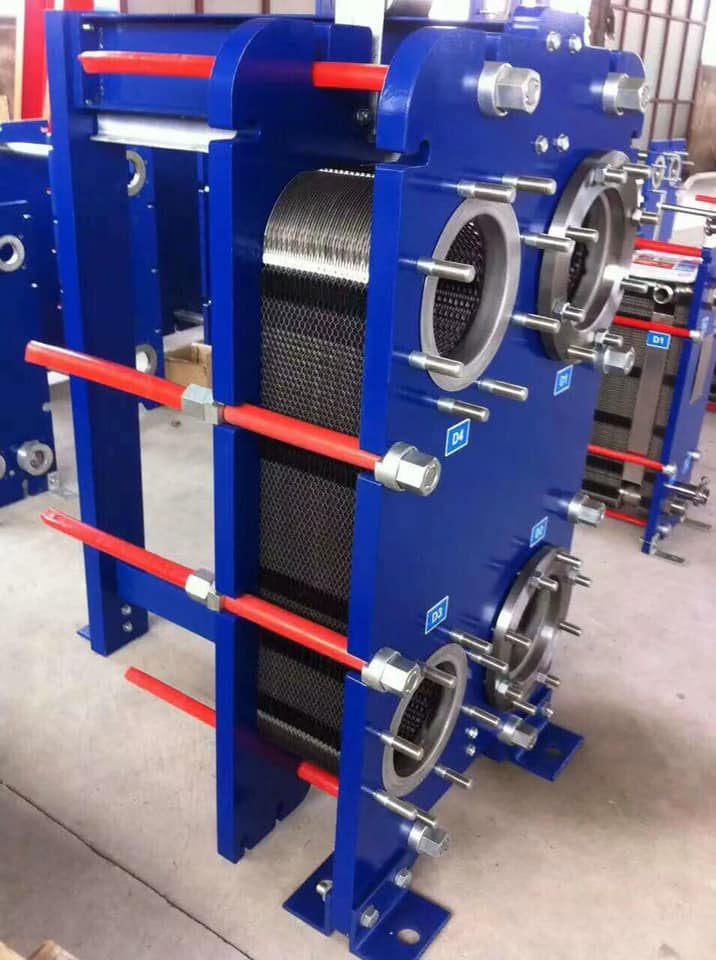
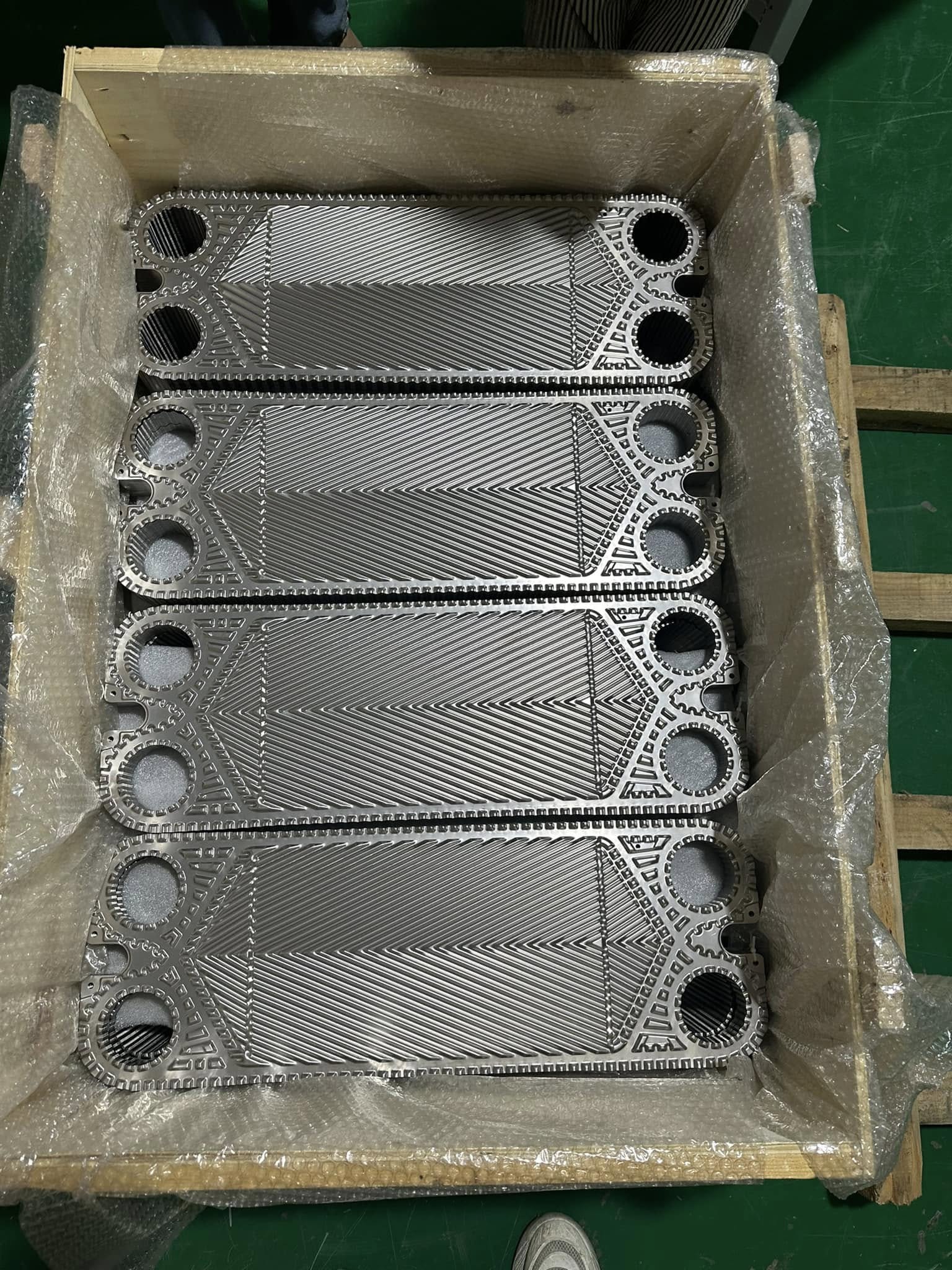
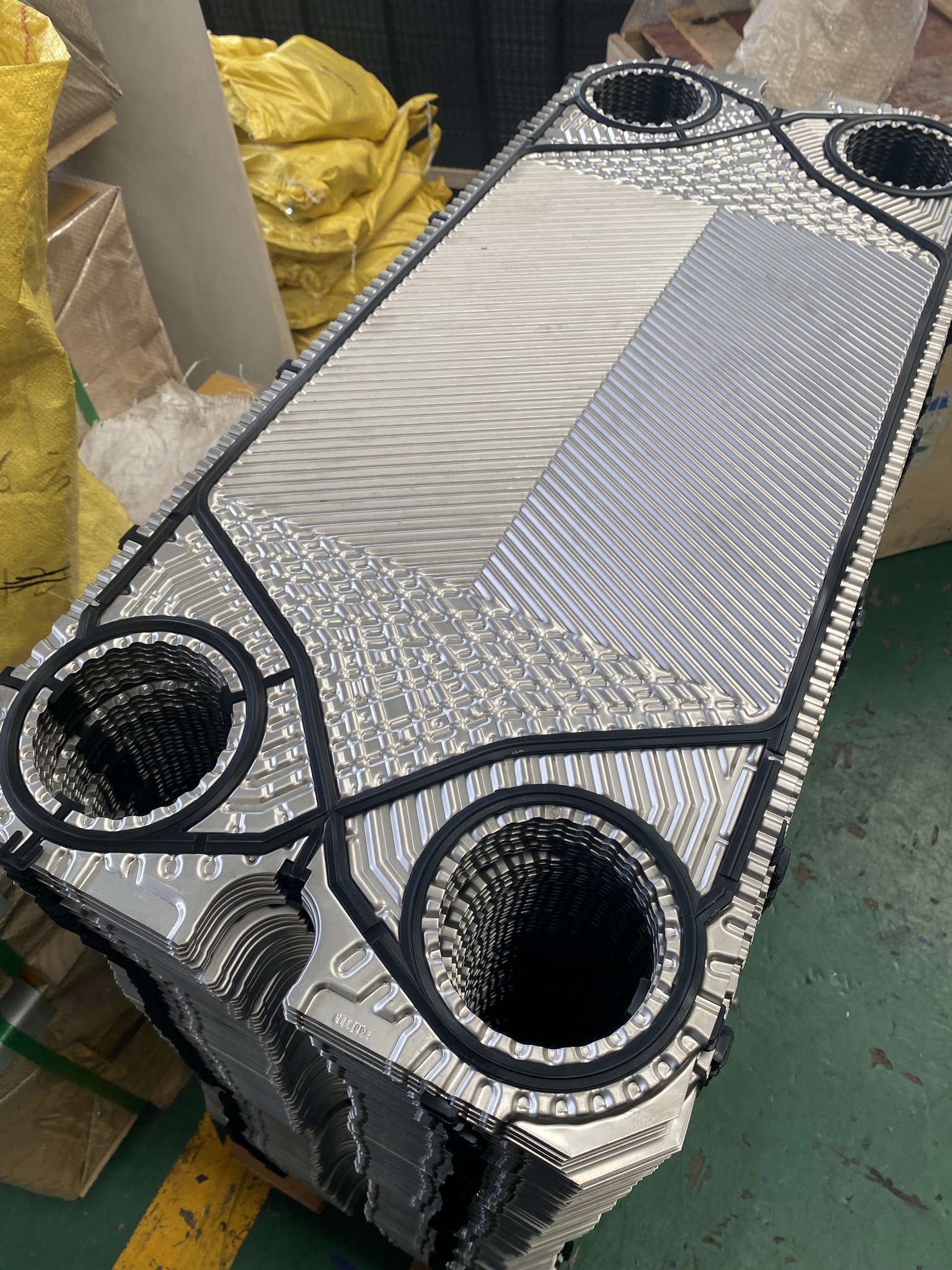
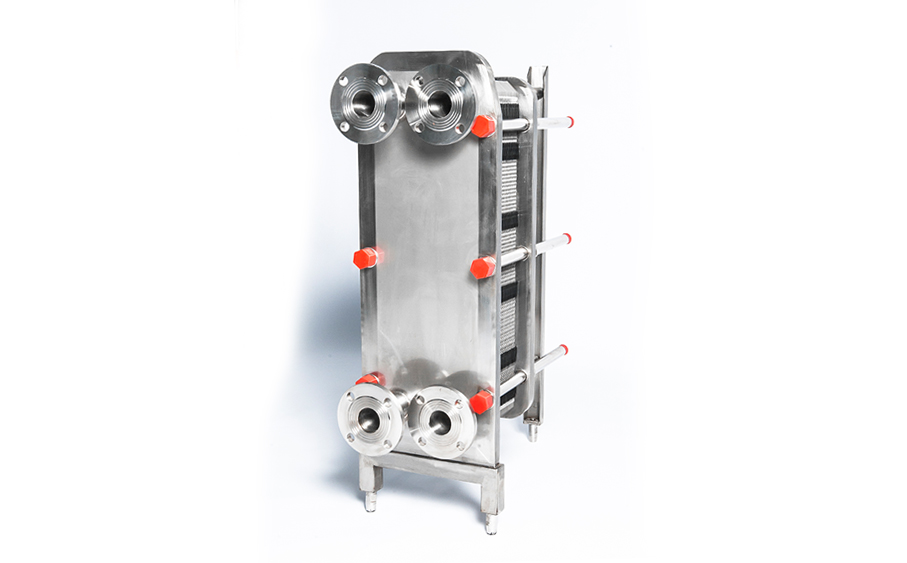
What is plate Heat Exchanger? A Plate Heat Exchanger (PHE) is a compact type of heat exchanger that uses a series of thin, corrugated metal plates to transfer heat between two fluids. These plates are stacked together, creating alternating channels for the hot and cold fluids to flow through. The close proximity and large surface area of...

Closed Circuit Cooling Tower Supplier in QATAR

Major Parts of Closed Circuit Cooling Tower? closed circuit cooling tower is composed of several critical systems working in tandem. Its design is more complex than a standard open tower because it must manage two separate water circuits.Here are the major parts and their functions: 5. Collection & Control

Closed Circuit cooling tower Manufacturer in QATAR

Types of Closed Circuit Cooling Tower ? Closed circuit cooling towers are primarily classified by how the air and spray water move in relation to one another and how the fans are positioned. Here are the four main types you will encounter: . Counterflow Closed Circuit Towers In this design, air and water move in […]

Dry Cooling Tower Manufacturer in Oman

Direct vs. Indirect Dry Cooling Tower: Feature Indirect Dry Cooling Direct Dry Cooling (for context) Process Fluid Never enters the tower. Stays in the condenser. Directly enters the tower’s heat exchangers (steam). System Complexity More complex due to the extra loop, pumps, and heat exchanger. Simpler, more direct system. Tower...

Dry Cooling Tower Manufacturer in Jordan

An Indirect Dry Cooling Tower is a system that uses two separate fluid loops to reject heat. The process fluid is first cooled by water in a conventional heat exchanger, and then that water is itself cooled by air in a dry cooling tower. The key concept is the word “indirect”—the primary hot fluid (e.g.,...

Dry Cooling Tower Manufacturer in Djibouti

A Direct Dry Cooling Tower is a system where the primary process fluid (e.g., the steam from a power plant turbine) is sent directly to the large air-cooled heat exchangers (the finned tubes) in the tower. There is no intermediate heat exchanger or water loop. Think of it as connecting your car’s engine directly...

Dry Cooling Tower Manufacturer in Bahrain

Dry Cooling Tower vs. Wet Cooling Tower This comparison highlights the key differences: Feature Dry Cooling Tower Wet Cooling Tower Principle Sensible Heat Transfer (like a radiator) Evaporative Cooling (latent heat) Water Usage Minimal to zero (only for minor makeup) Very High (constant evaporation and blow down) Cooling Efficiency...

Dry Cooling Tower Manufacturer in India

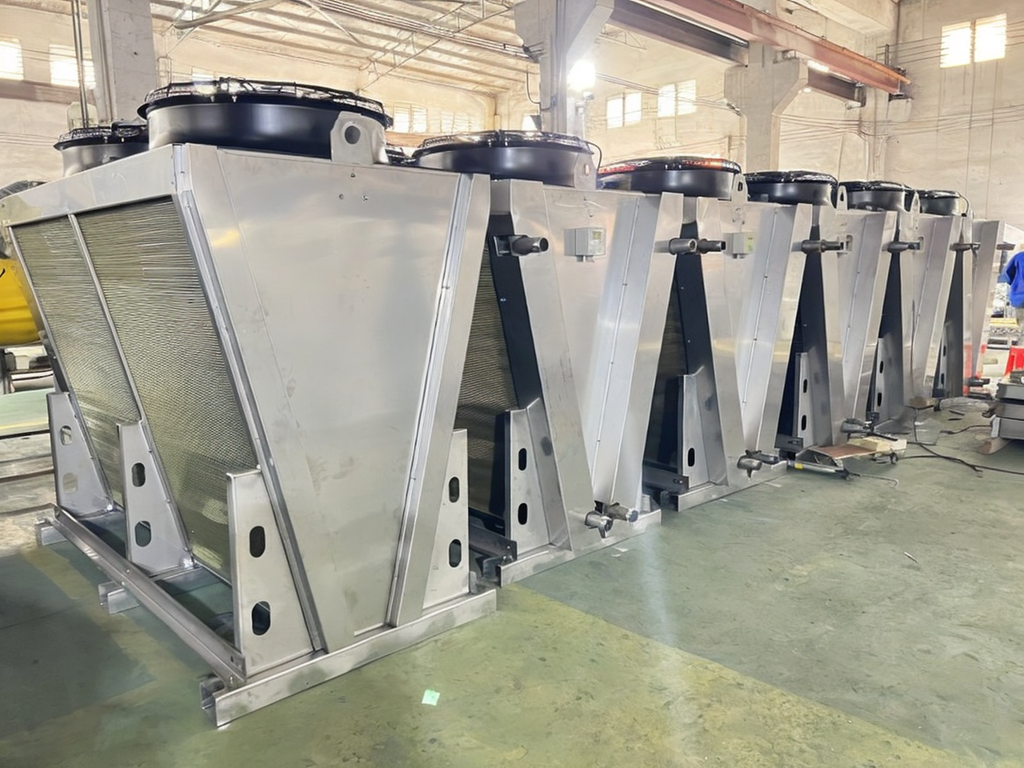
A Dry Cooling Tower is a heat rejection device that cools a working fluid (almost always water) without direct contact with the air and without the process of evaporation. Instead, it operates solely through sensible heat transfer, where heat moves from the hot fluid to the cooler air through a solid barrier (metal fins). This...

Dry Fluid Cooler Manufacturer in Tunisia

The materials of construction for a Dry Fluid Cooler are critical for its performance, longevity, and suitability for a specific environment and fluid. They are selected to balance corrosion resistance, heat transfer efficiency, mechanical strength, and cost. Here is a breakdown of the common materials used for key components: 1. Heat Exchanger...

Dry Fluid Cooler Manufacturer in Ghana

Application of Hybrid Dry Fluid cooler Hybrid coolers are the superior choice for applications that require the lowest possible operating costs and high reliability. High-Efficiency HVAC Systems: For cooling condenser water in large commercial buildings, In summary, a Hybrid Dry Cooler is an intelligent, multi-mode system that...

Dry Fluid Cooler Manufacturer in Ethiopia

A Hybrid Dry Cooler (also known as a Fluid Cooler or Closed-Circuit Cooling Tower in some contexts) is a highly efficient heat rejection system that seamlessly switches between three operating modes: dry, adiabatic, and full evaporative. It is the ultimate “best of both worlds” solution, designed...

Dry Fluid Cooler Manufacturer in Algeria

Applications of Dry Cooler with adiabatic pre-cooling This technology is perfect for scenarios where you need the best of both worlds: dry operation most of the time, with peak wet performance.Data Centers: The premier application. They require strict temperature control 24/7/365 In summary, a Dry Cooler with Adiabatic Pre-Cooling is...

Dry Fluid Cooler Manufacturer in Morocco

A Dry Cooler with Adiabatic Pre-Cooling (often called a Hybrid Dry Cooler) is a highly efficient system that combines the standard operation of a dry cooler with the peak-performance benefits of evaporative cooling. It uses a minimal amount of water only when necessary to pre-cool the incoming air, allowing the unit to achieve...

Dry Fluid Cooler Manufacturer in Nigeria

Forced Draft Dry Fluid Cooler Vs. Induced Draft Dry Fluid Cooler Feature Forced Draft Cooler Induced Draft Cooler Fan Position On the intake (inlet) side On the discharge (exit) side Air Movement Pushes air through the coil Pulls air through the coil Air Distribution Can be less uniform (potential for dead zones) Highly...

Dry Fluid Cooler Manufacturer in Qatar

Forced Draft Dry Cooler What is a Forced Draft Dry Cooler? A Forced Draft Dry Cooler is defined by the placement of its fan on the intake (inlet) side of the heat exchanger coil. In this design, the fan pushes or forces ambient air through the coil, creating a positive pressure on the upstream side of the finned-tube...

Dry Fluid Cooler Manufacturer in Oman

Applications of Induced Draft Dry Fluid Cooler Induced draft coolers are an excellent choice for a wide range of applications, particularly where efficiency and stable performance are critical: Data Center Cooling: In water-side economizer loops where minimizing recirculation and maximizing efficiency directly translate to energy...
1 2 14