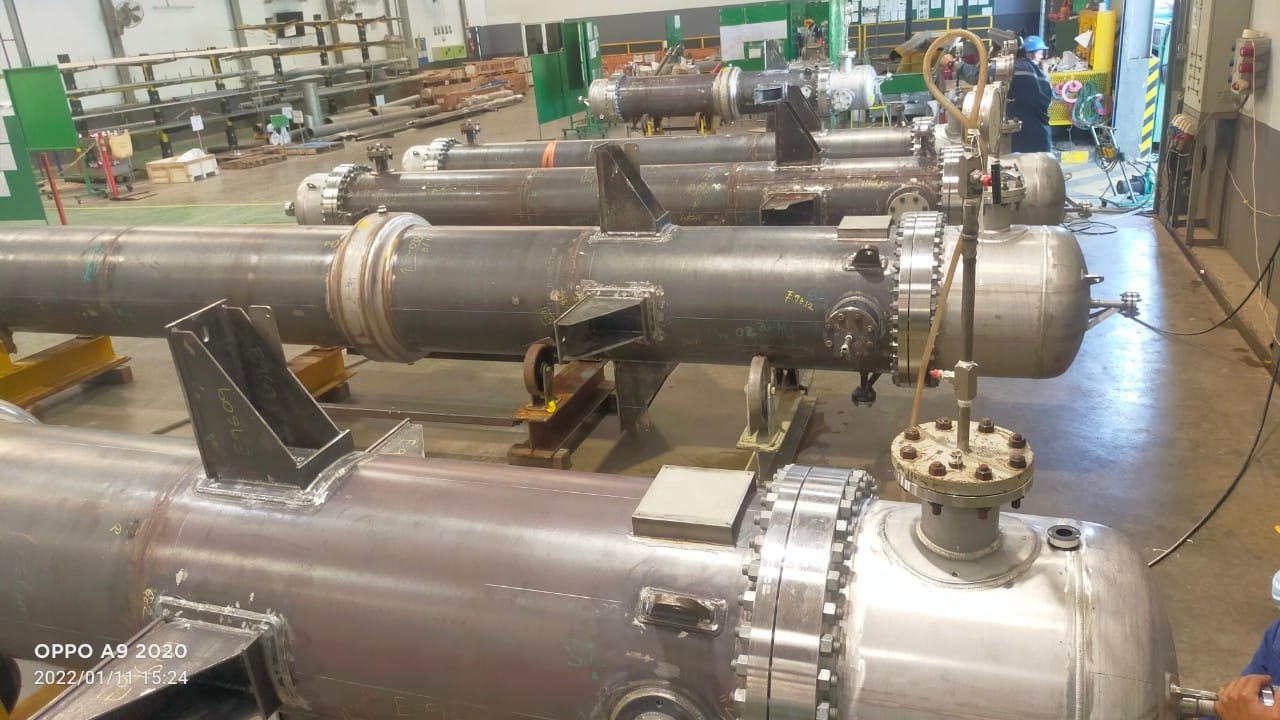
Tags: Evaporator

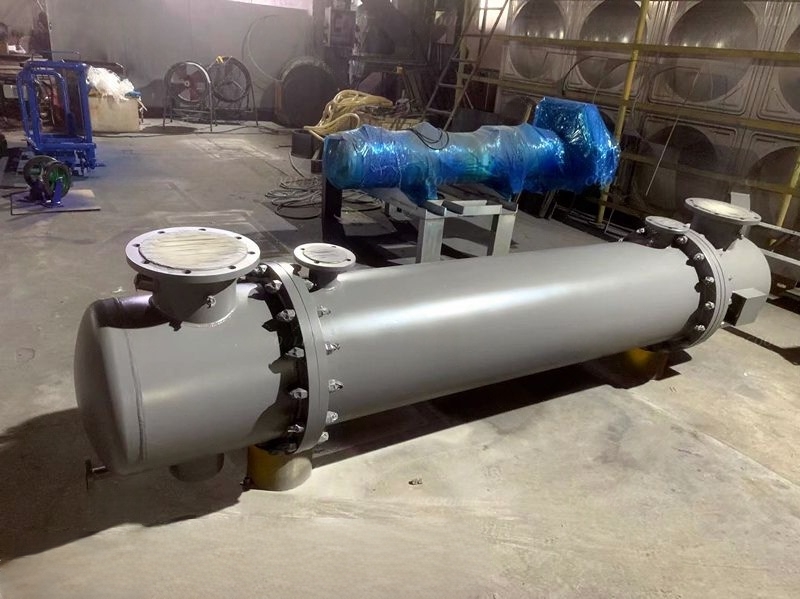
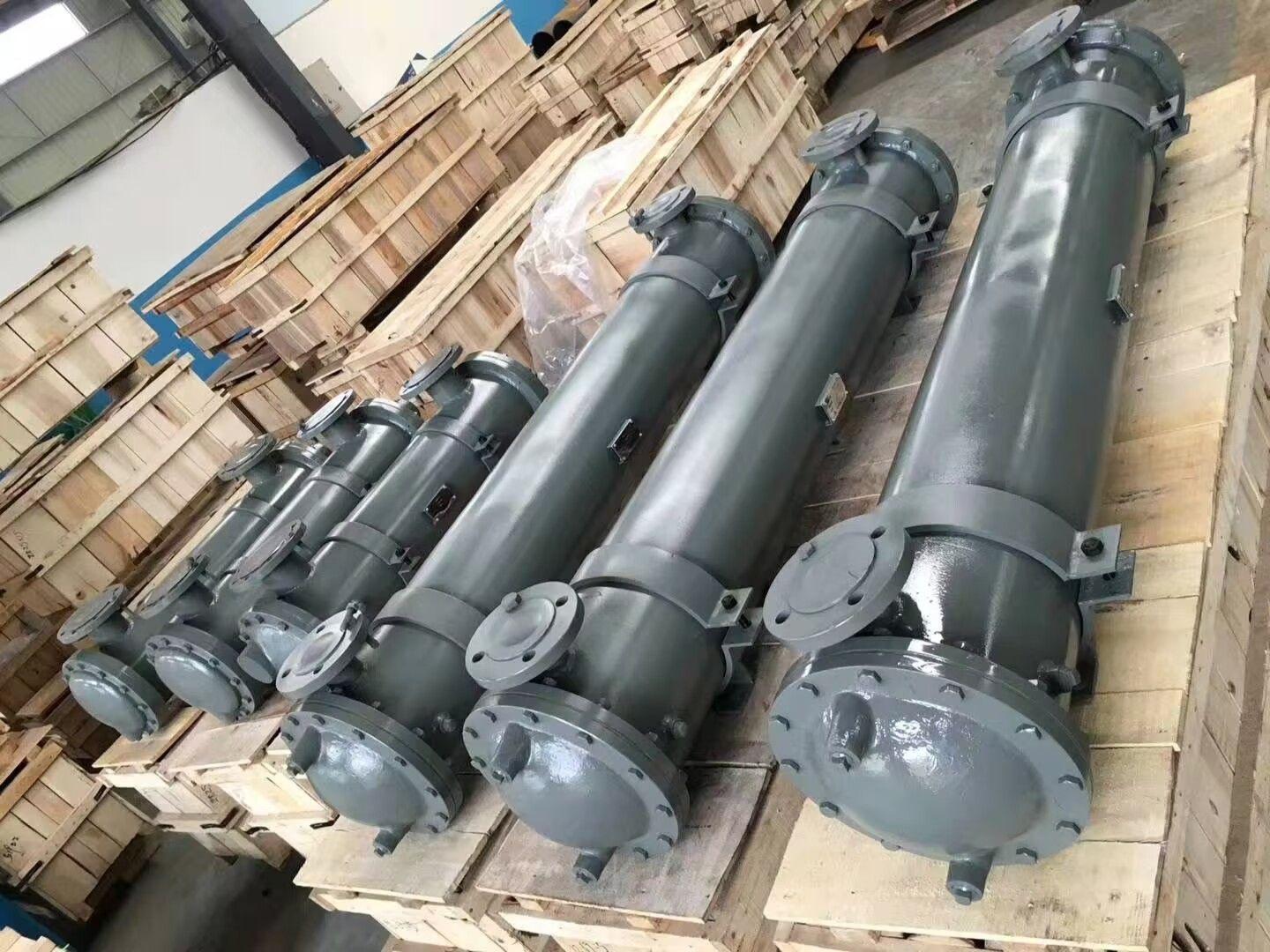
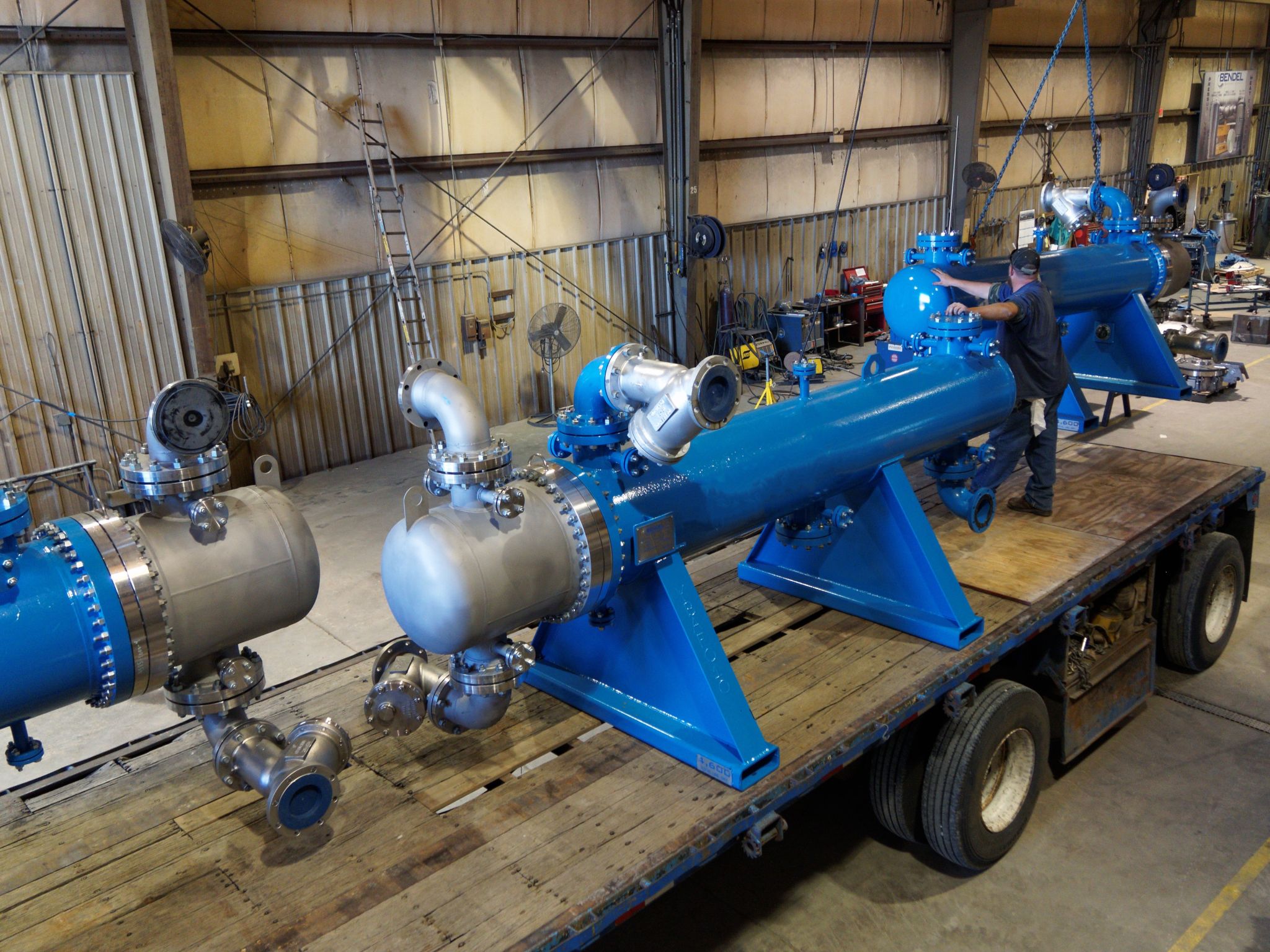
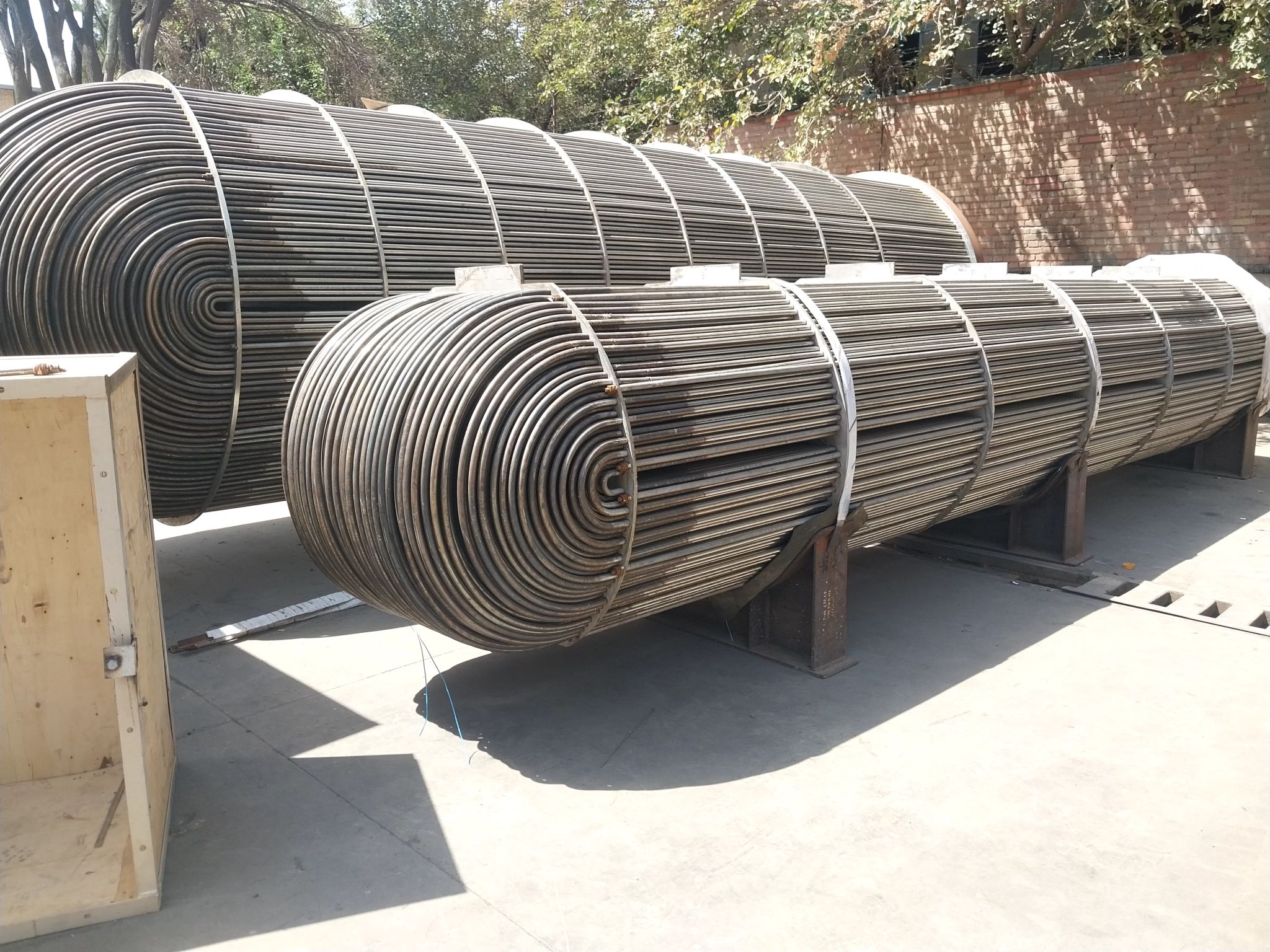
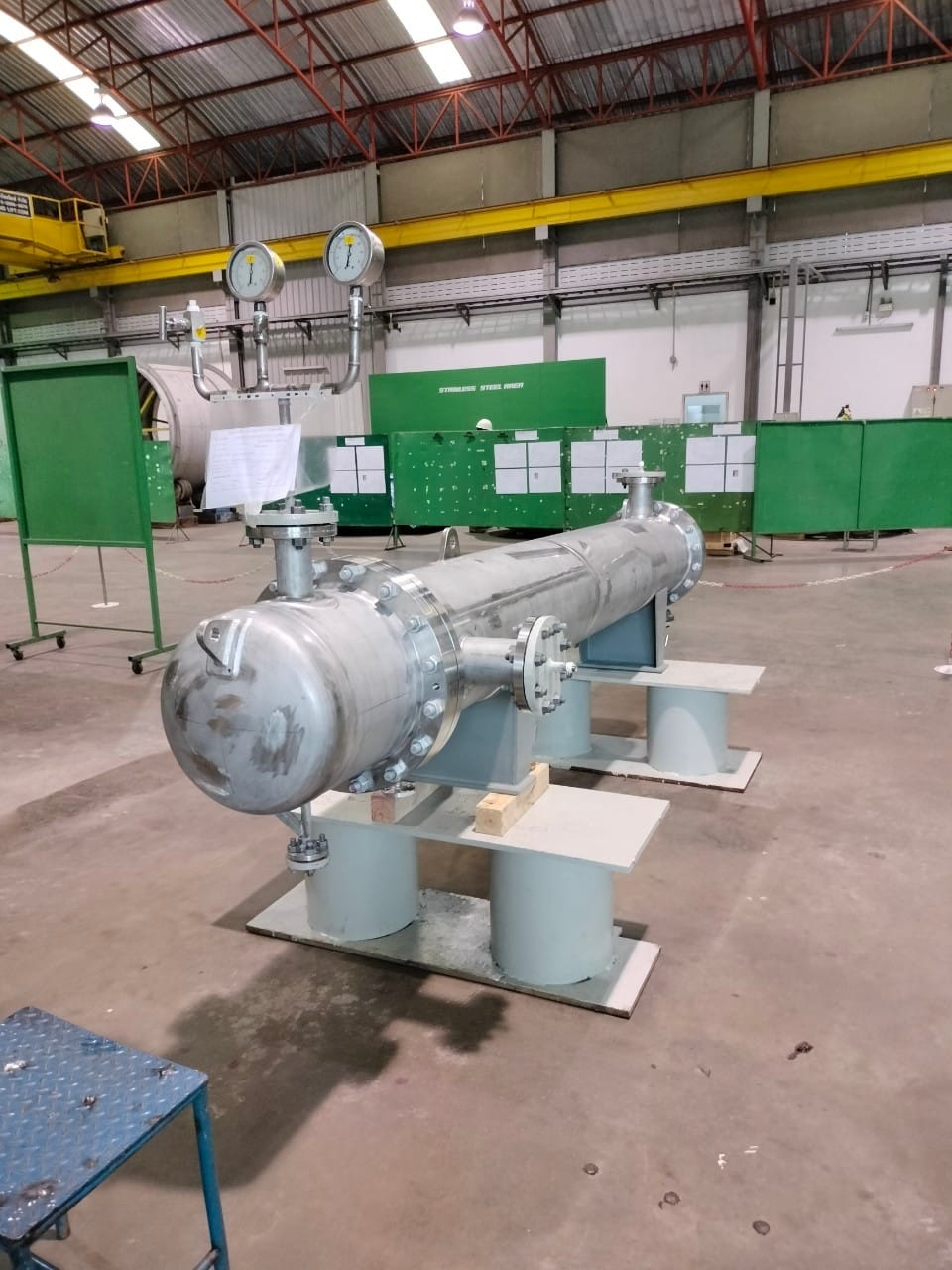
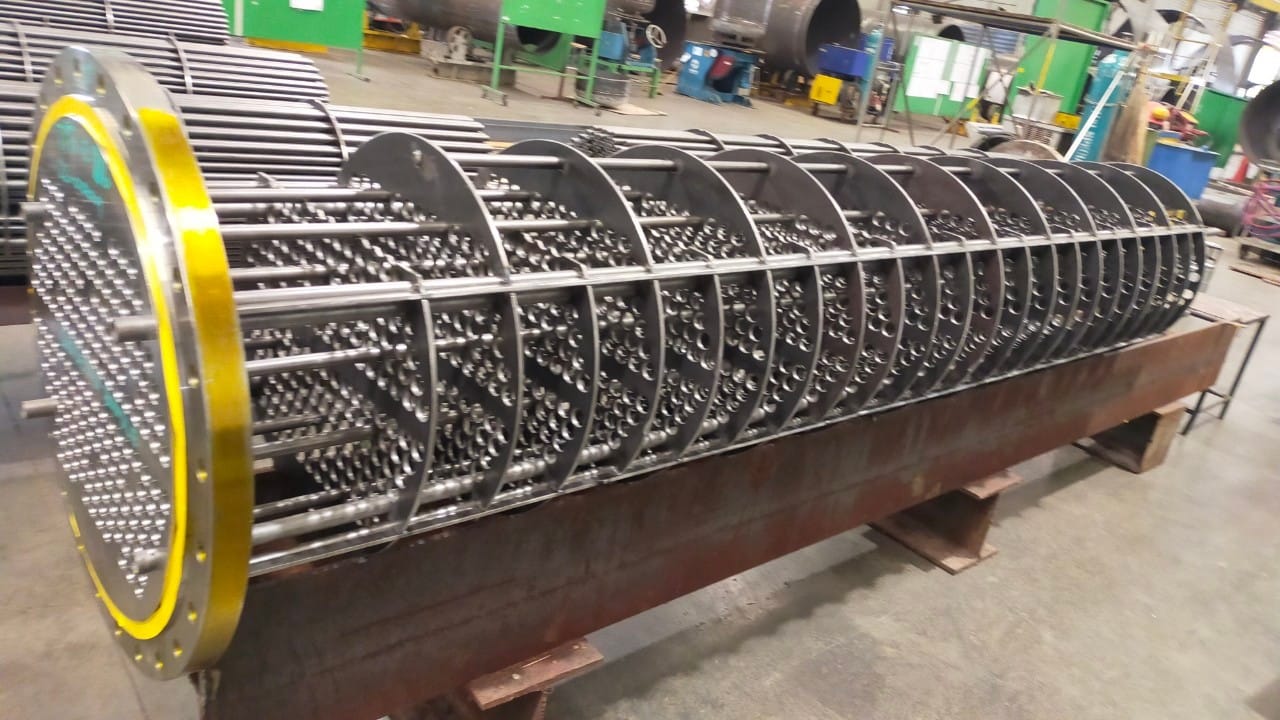
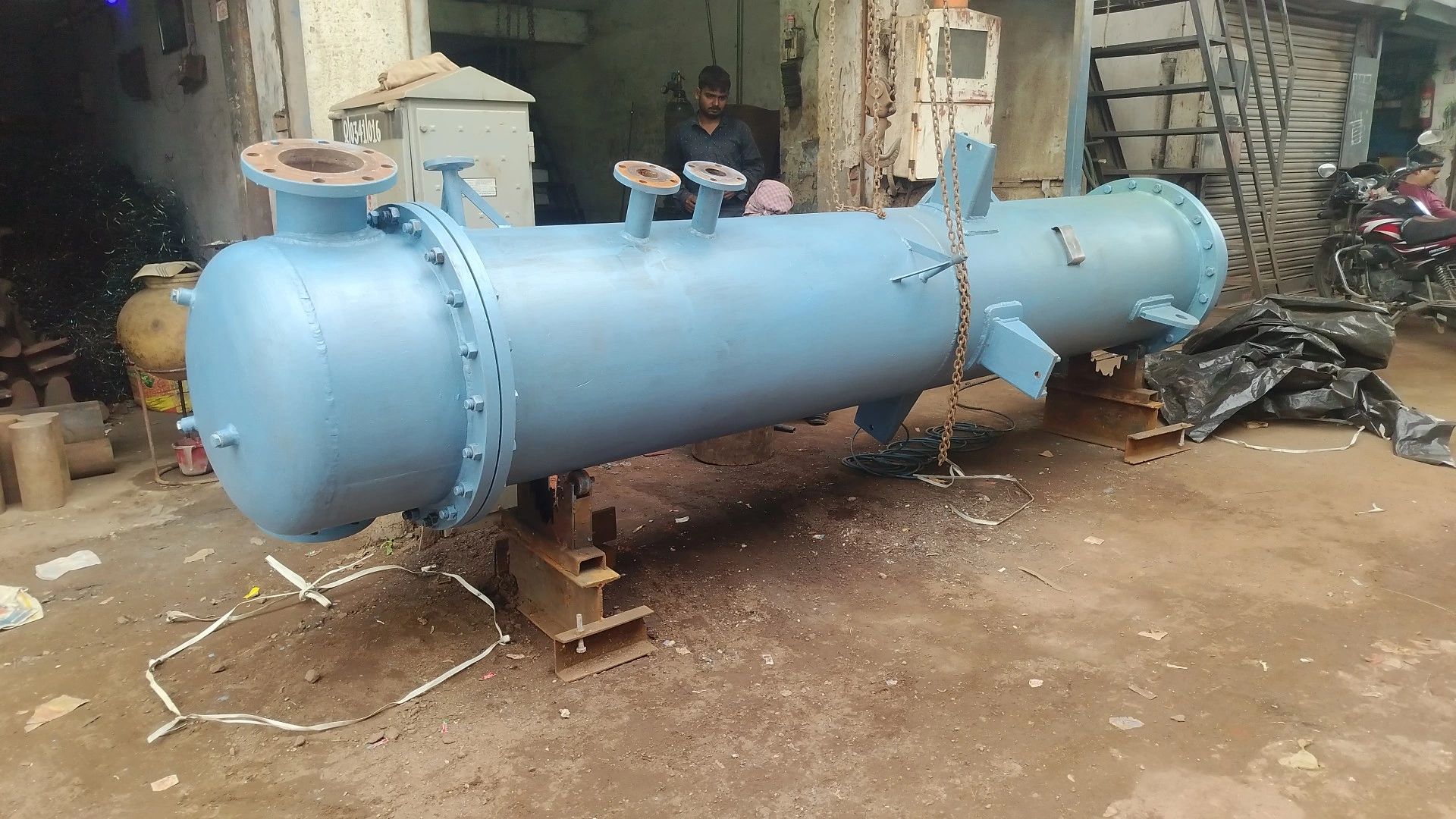
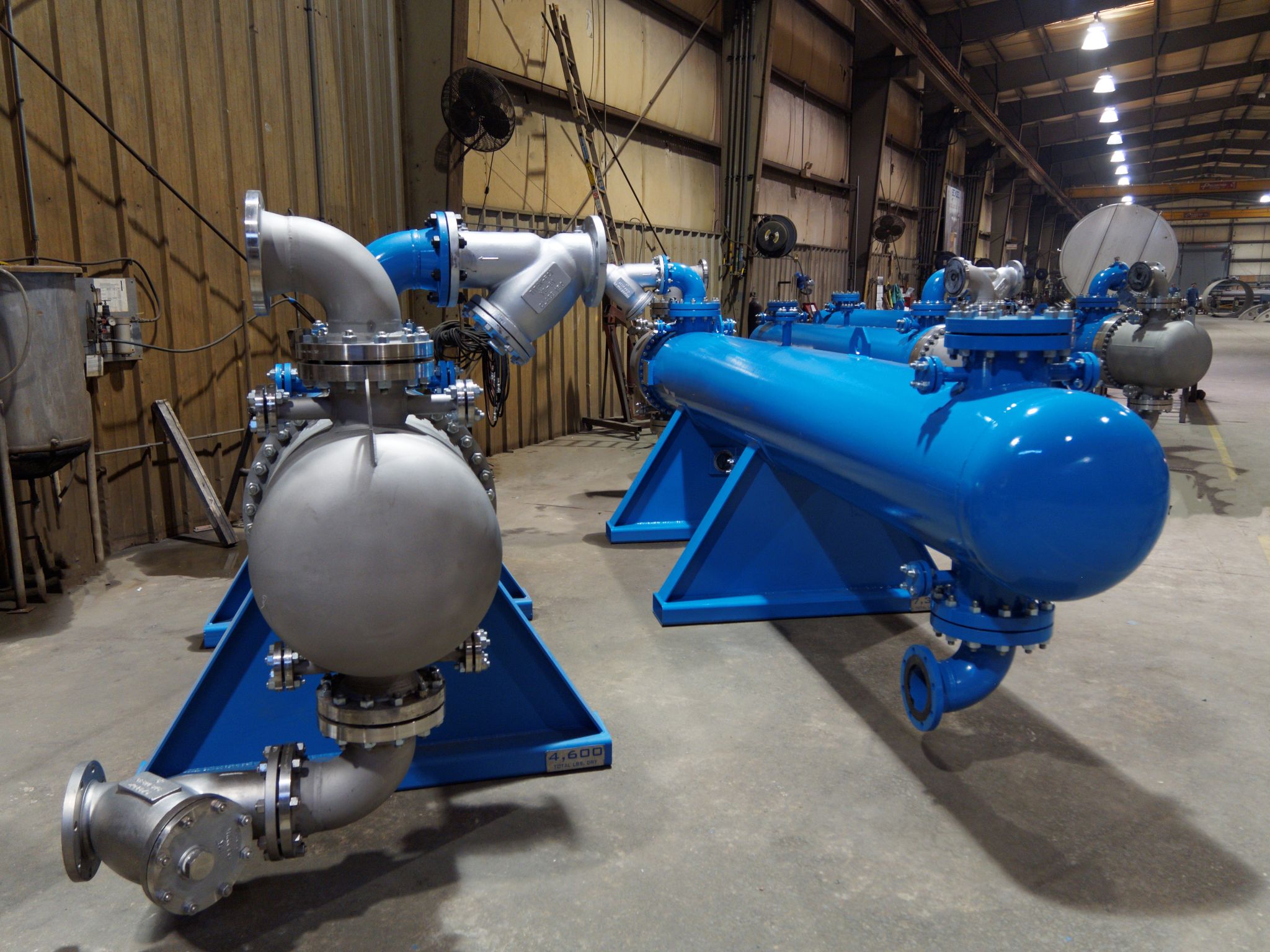
Shell and Tube Heat Exchanger Manufacturer in Djibouti

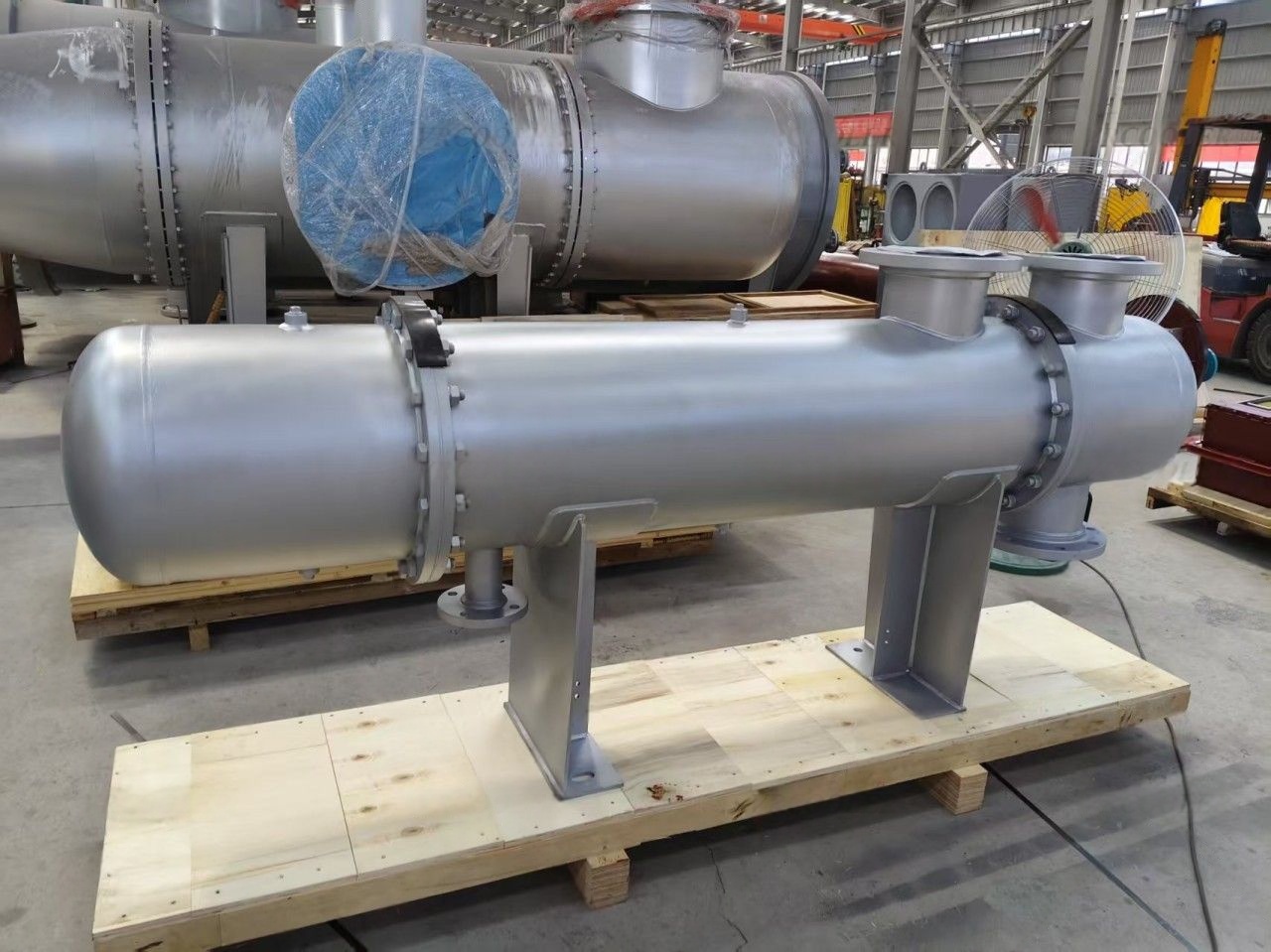
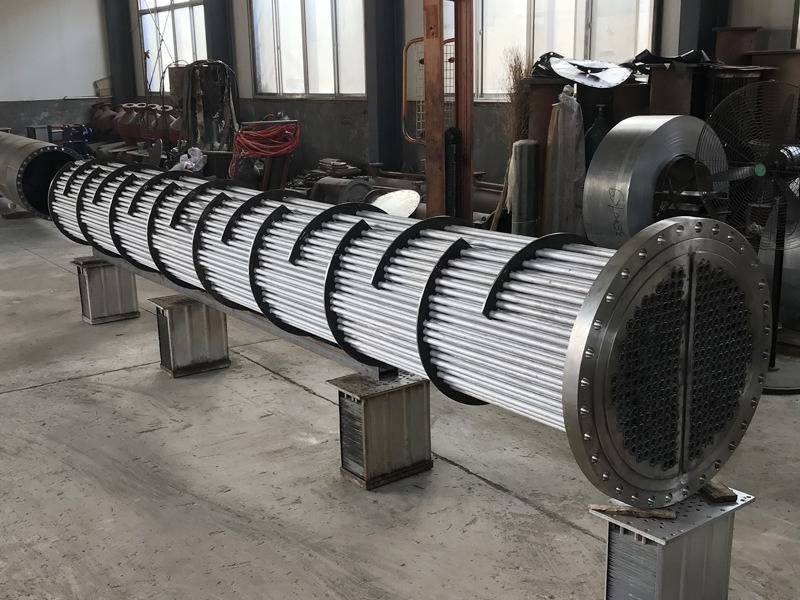
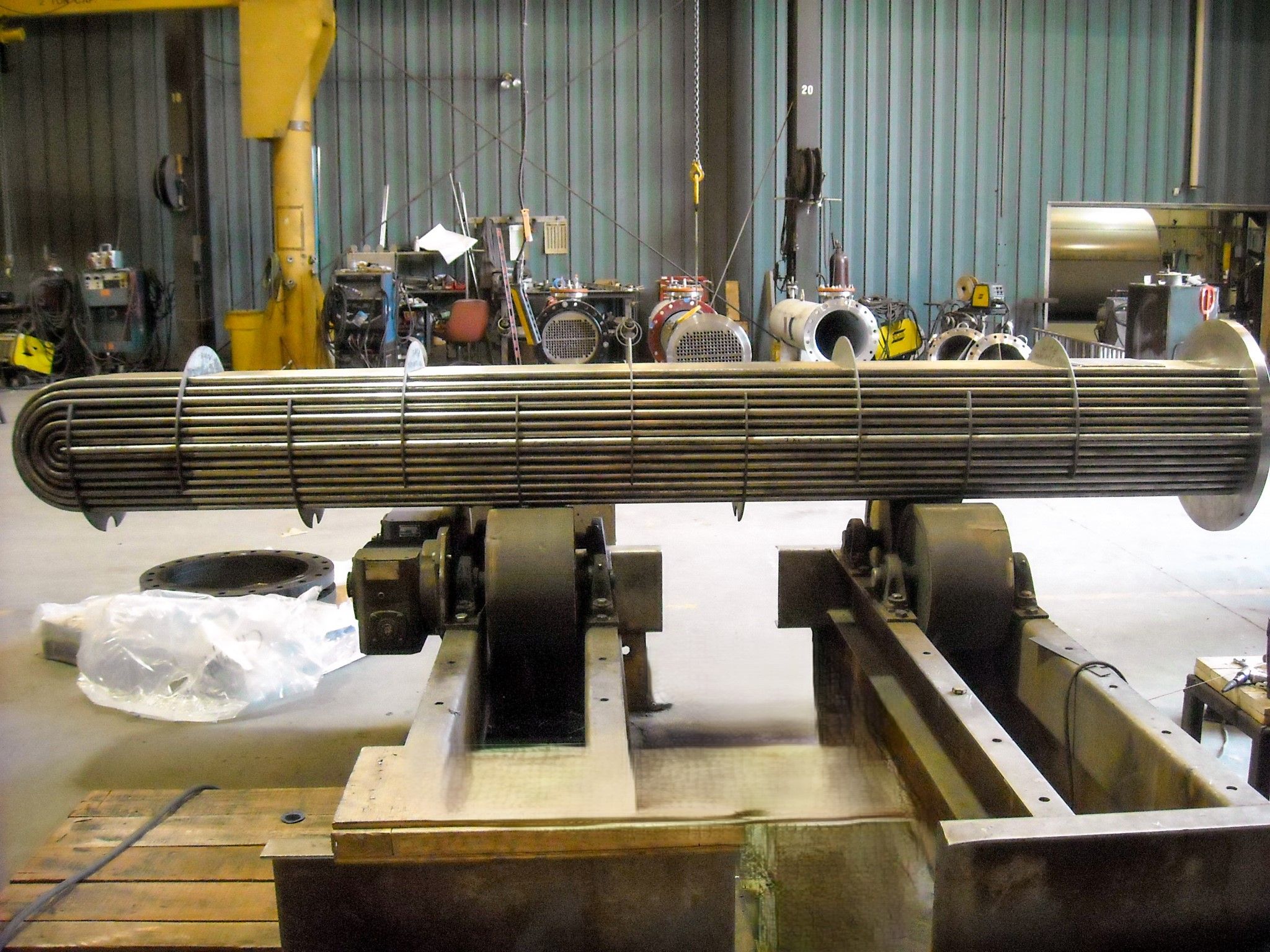
A Shell and Tube Heat Exchanger (STHE) is one of the most widely used types of heat exchangers in industrial applications. It consists of a shell (a large pressure vessel) with a bundle of tubes inside it. One fluid flows through the tubes (tube side), while another fluid flows outside the tubes but inside the shell (shell side), allowing...
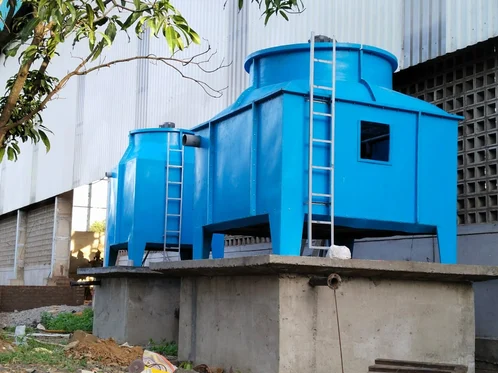
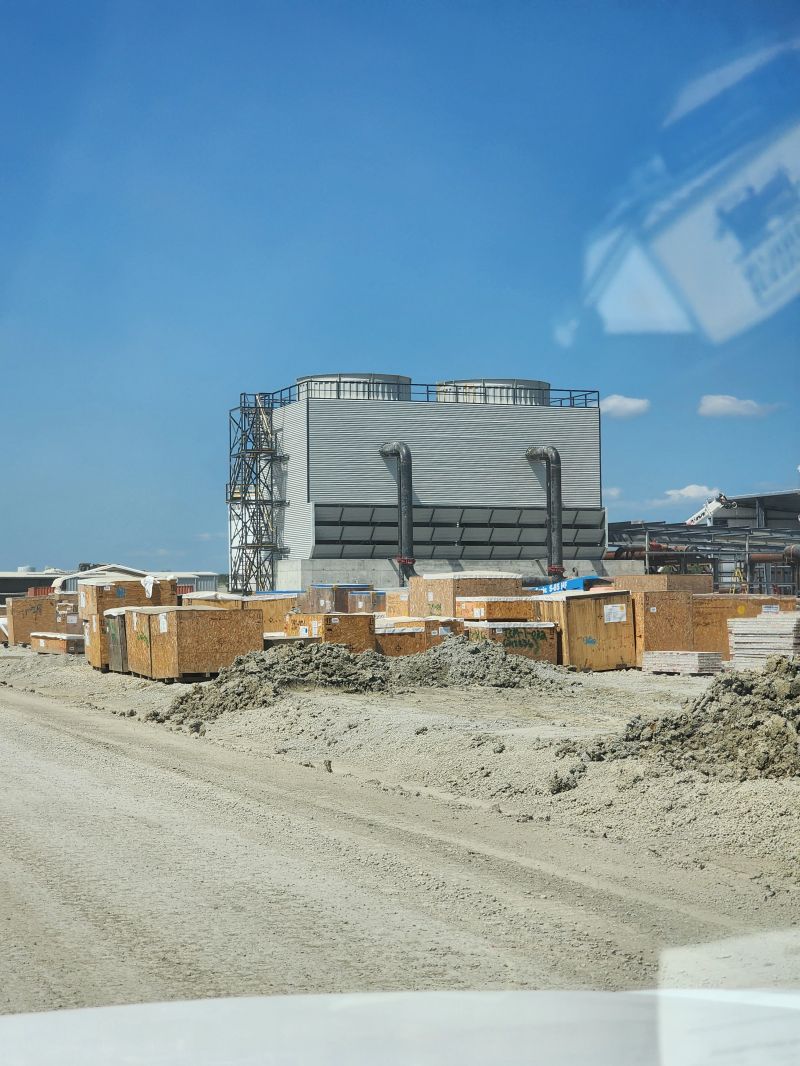
Cooling Tower Manufacturer in Libya

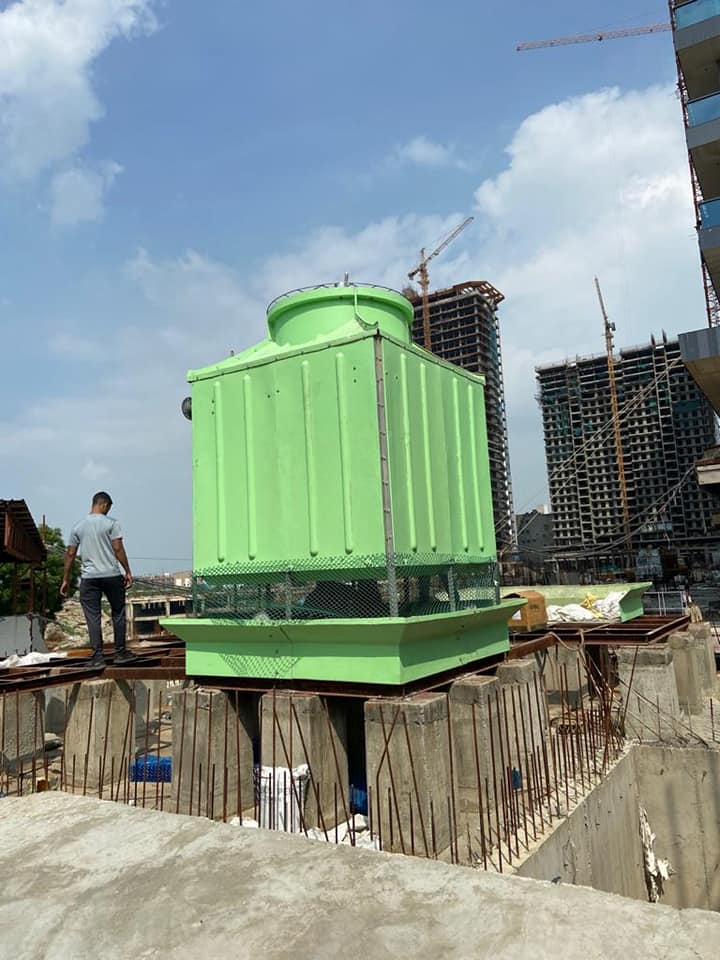
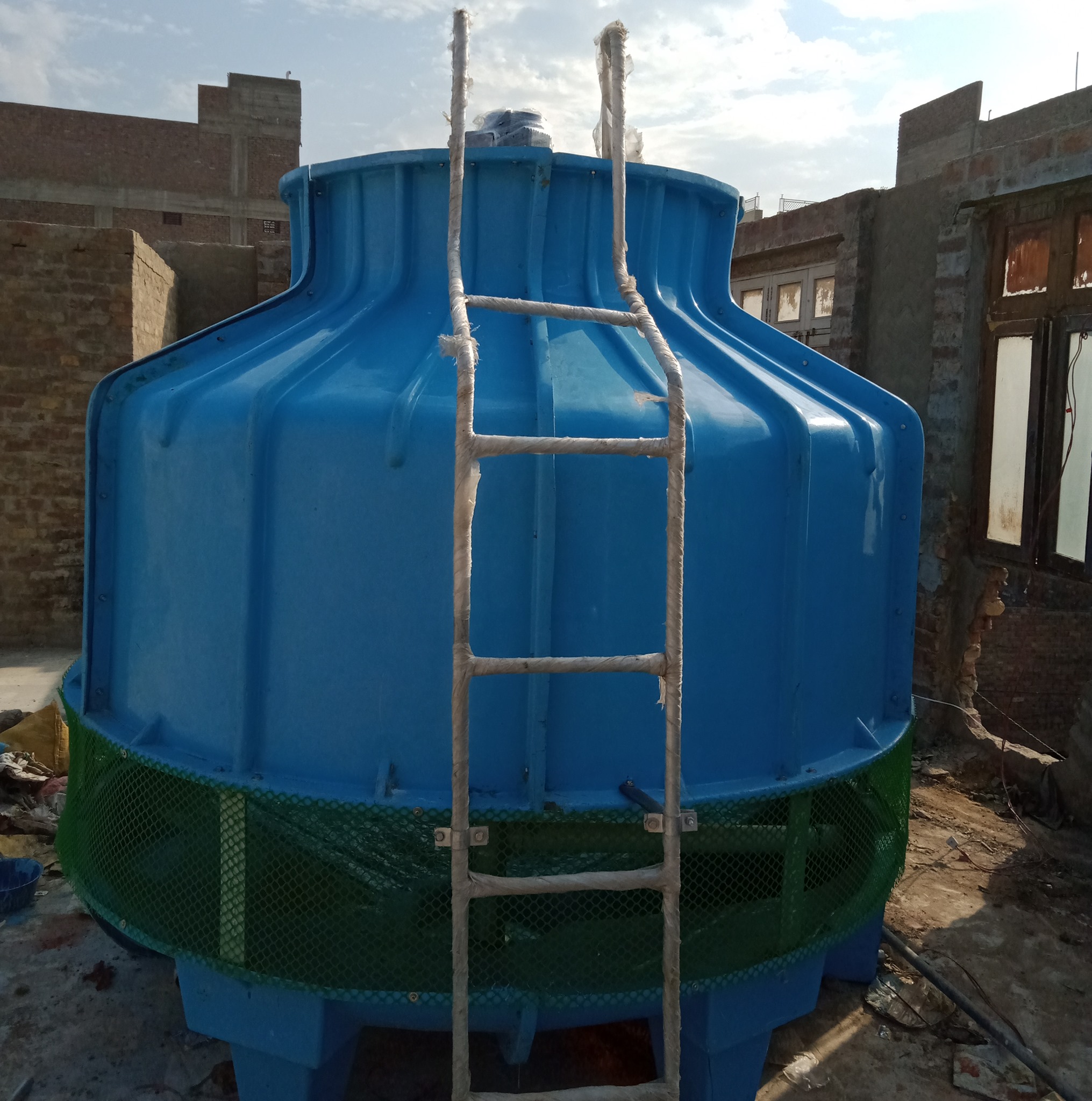
RP Cooling Tower is a cooling tower whose major components—primarily the casing (outer shell), cold water basin, and often structural supports—are constructed from Fiberglass Reinforced Plastic (FRP). It’s important to understand that “FRP” doesn’t refer to the entire tower being made of one...
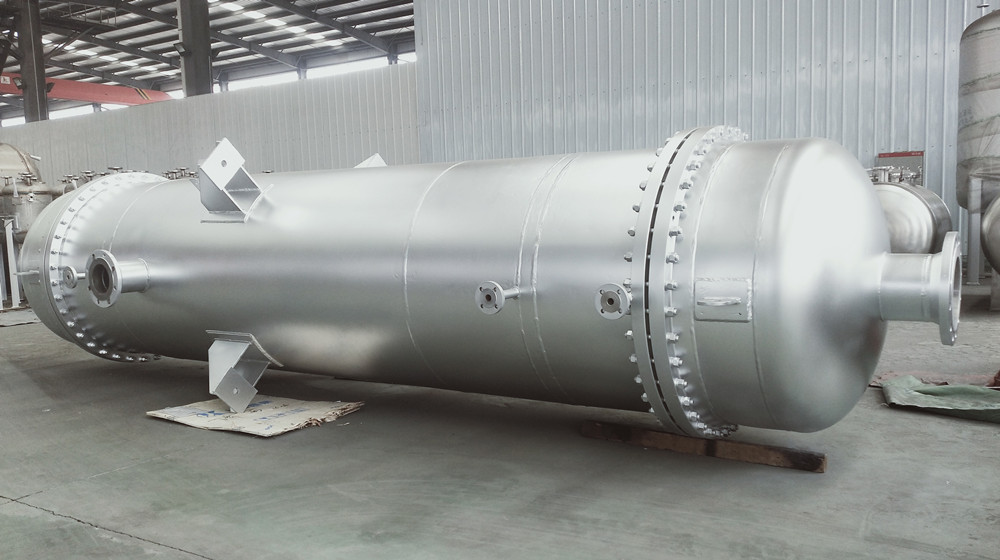
Cooling Tower Supplier in Djibouti

. Casing and Structural Framework This is the tower’s exterior shell and internal support structure.Galvanized Steel (G.S.): The most common material for industrial and large HVAC tower frameworks and casings. The zinc coating provides excellent 2. Fill (or Packing) This is the internal component that maximizes...
Cooling Tower Manufacturer in Ethiopia

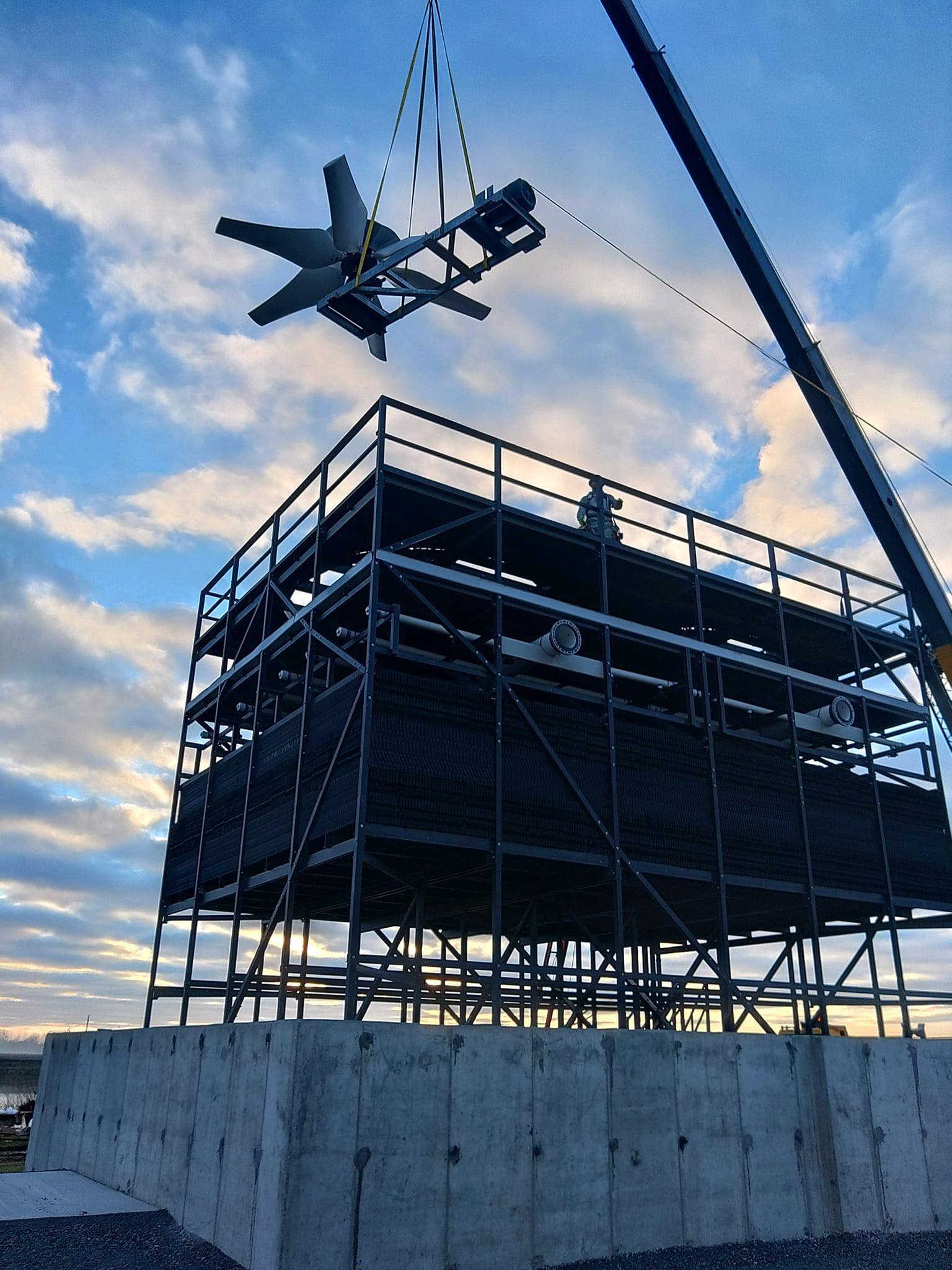
Main Components of a Cooling Tower: 1. Frame and Casing Function: The structural skeleton and external shell that supports all other components and contains the internal environment. It provides shape, strength, and protection from the elements 2. Fill (or Packing) 3. Cold Water Basin 4. Drift Eliminators 5. Inlet Louvres 6. Nozzles &...
Cooling Tower Manufacturer in Tanzania

Main Types of Cooling Towers Cooling towers are primarily categorized by how they move air: 1. Mechanical Draft TowersThese use large mechanical fans to force or draw air through the tower. They are the most common type. 2. Natural Draft TowersThese massive, hyperbolic (hourglass-shaped) towers use the natural principle of convection—hot air...

Cooling Tower Manufacturer in Kenya

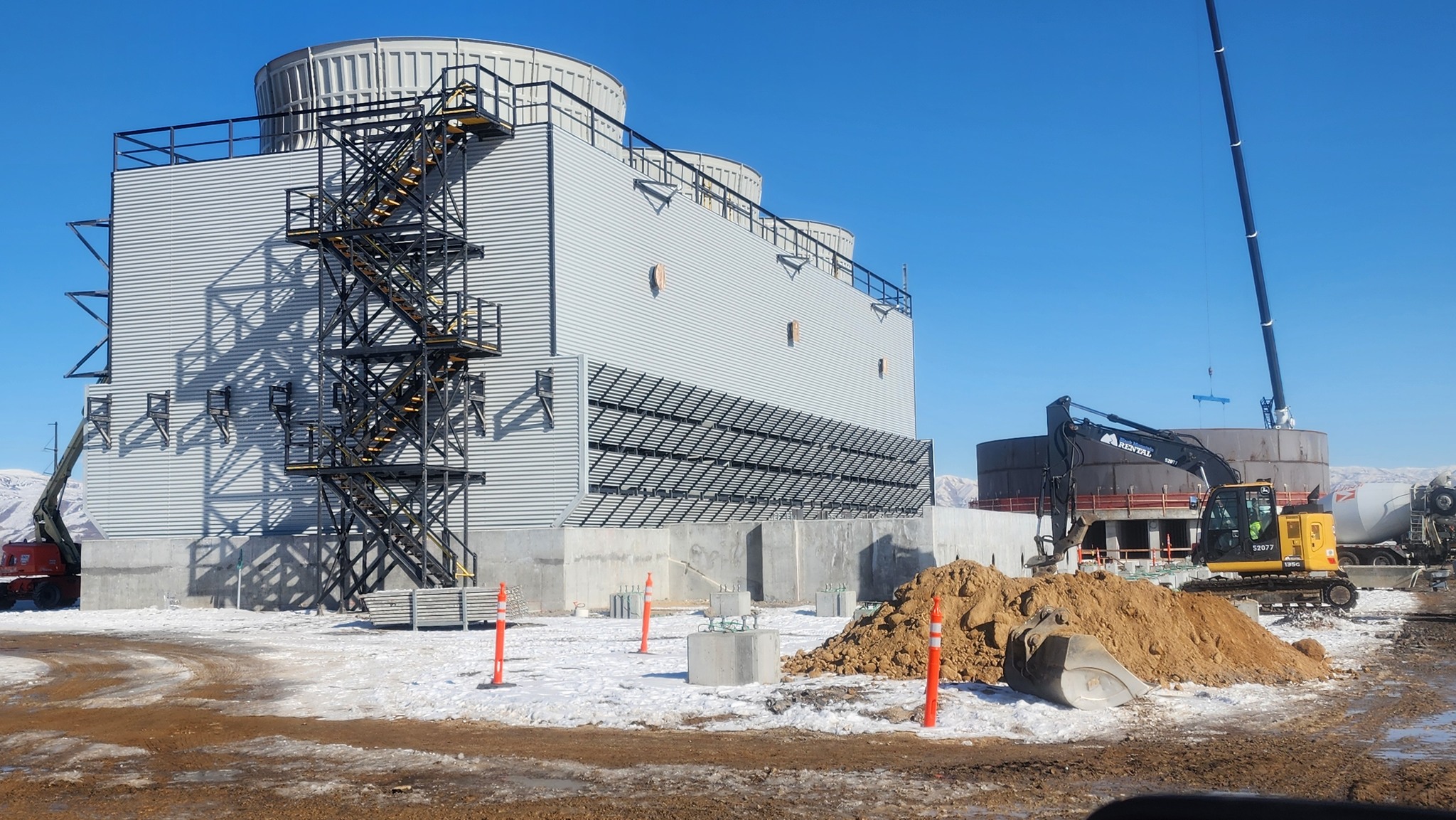
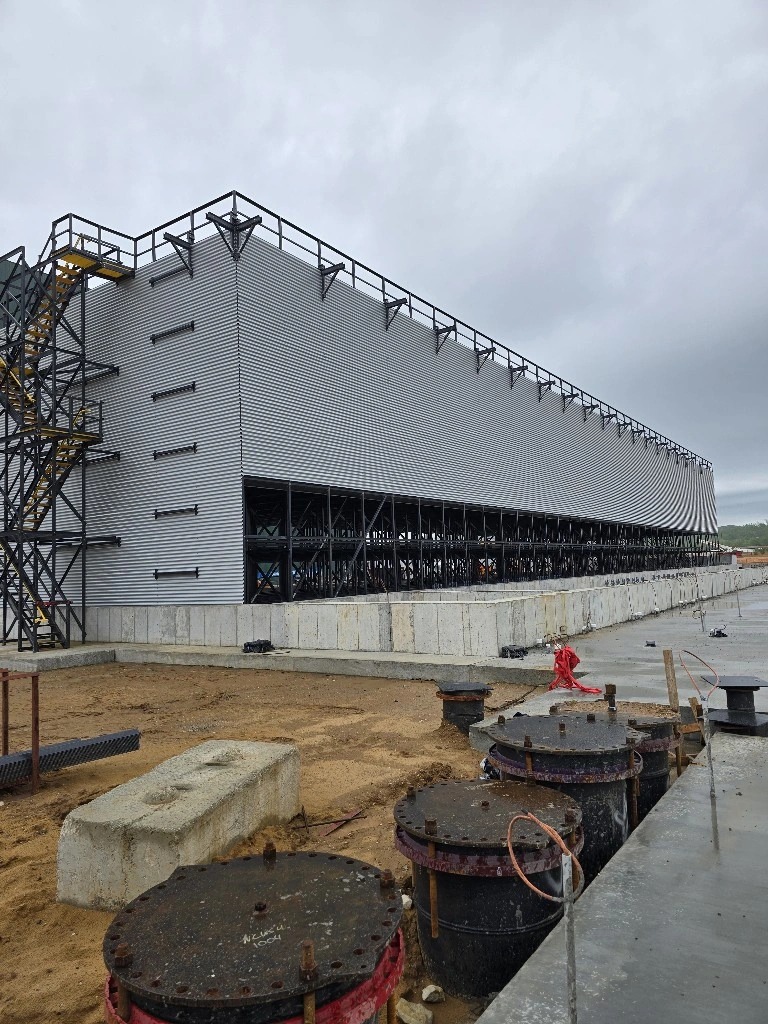
A cooling tower is a specialized heat exchanger that removes waste heat from a building or industrial process by transferring it to the atmosphere primarily through the process of evaporation. Think of it as a large, industrial-scale version of the simple act of sweating. When you sweat, evaporation cools your skin. A cooling tower...

Oil Cooler Manufacturer in Pondicherry

Auxiliary Components of oil cooler These parts are not on every cooler but are common in many industrial and critical applications.

Oil Cooler Manufacturer in Mysore

How an Oil Cooler Works (The Basic Principle) The principle is heat exchange. Hot oil flows through the cooler, and its heat is transferred to a cooler medium. There are two main types based on the cooling medium: 1. Air-Cooled Oil Cooler: 2. Water-Cooled Oil Cooler (or Shell-and-Tube): . Key Components of a Typical Aftermarket Oil […]

Oil Cooler Manufacturer in Bangalore

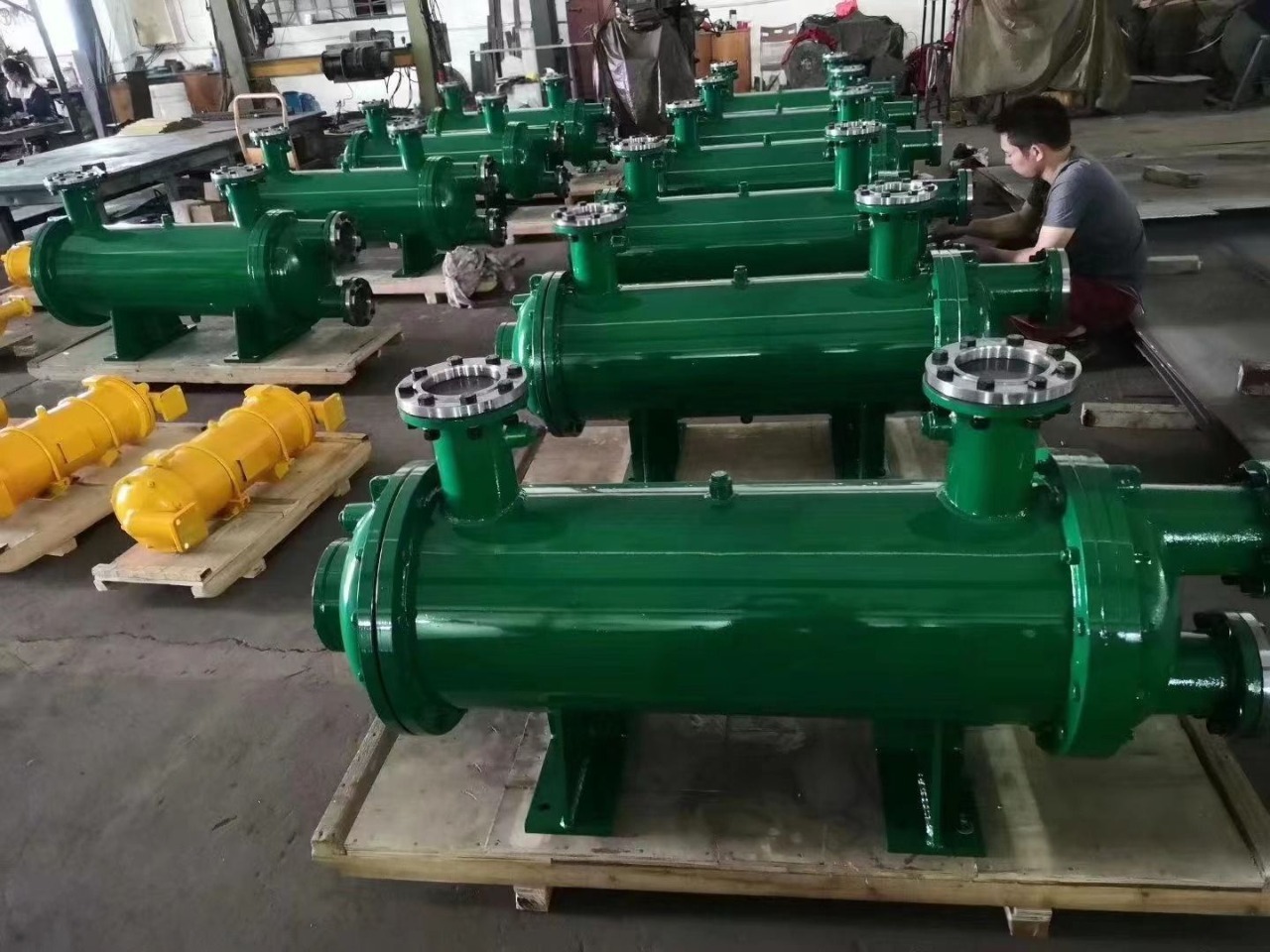
What is an Oil Cooler? An oil cooler is a heat exchanger designed to remove excess heat from engine oil, transmission fluid, hydraulic oil, or other lubricants in a mechanical system. Its primary purpose is to maintain the oil within its optimal operating temperature range, ensuring proper lubrication, reducing wear, and maximizing the efficiency...

Oil Cooler Manufacturer in Andhra Pradesh

Working Principle of Air-Cooled oil Cooler The core principle is Heat Exchange through Forced Convection. In simple terms, it transfers heat from the hot oil to the cooler ambient air flowing around it. Here’s a step-by-step breakdown of how it works: 1. Hot Oil Inlet The process begins when hot oil, having circulated through the engine...

Oil Cooler Manufacturer in Maharashtra

Where Are Oil Coolers Used?

Oil Cooler Manufacturer in India

An oil cooler is a device that functions like a radiator, but for engine oil (or transmission/gear oil). Its sole purpose is to remove excess heat from the oil, keeping it within its optimal temperature range. The Core Problem: Why Does Oil Need Cooling? Engine oil is the lifeblood of an engine. It lubricates, cleans, and helps cool...

Plate Heat Exchanger Manufacturer in Odisha

BPHEs inherit the core advantages of the plate heat exchanger design and add several more due to their brazed construction.

Plate Heat Exchanger Manufacturer in Telangana

How to Select the Right Material for Plate Heat Exchanger? Selection is a systematic process: Typical Examples:

Plate Heat Exchanger Manufacturer in Kerala

Primary Advantages of Plate Heat Exchangers 1. Superior Heat Transfer Efficiency & High Thermal Performance This is their single biggest advantage. 2. Compact Size and Small Footprint Easy Maintenance and Serviceability (Gasketed Type) This is a key operational advantage. 4. Extreme Flexibility and Scalability...

Plate Heat Exchanger Manufacturer in Gujarat

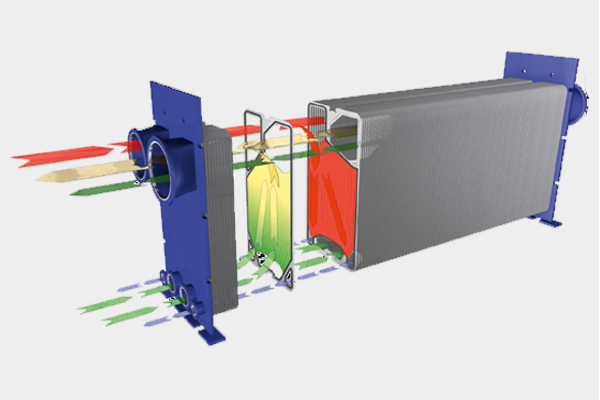
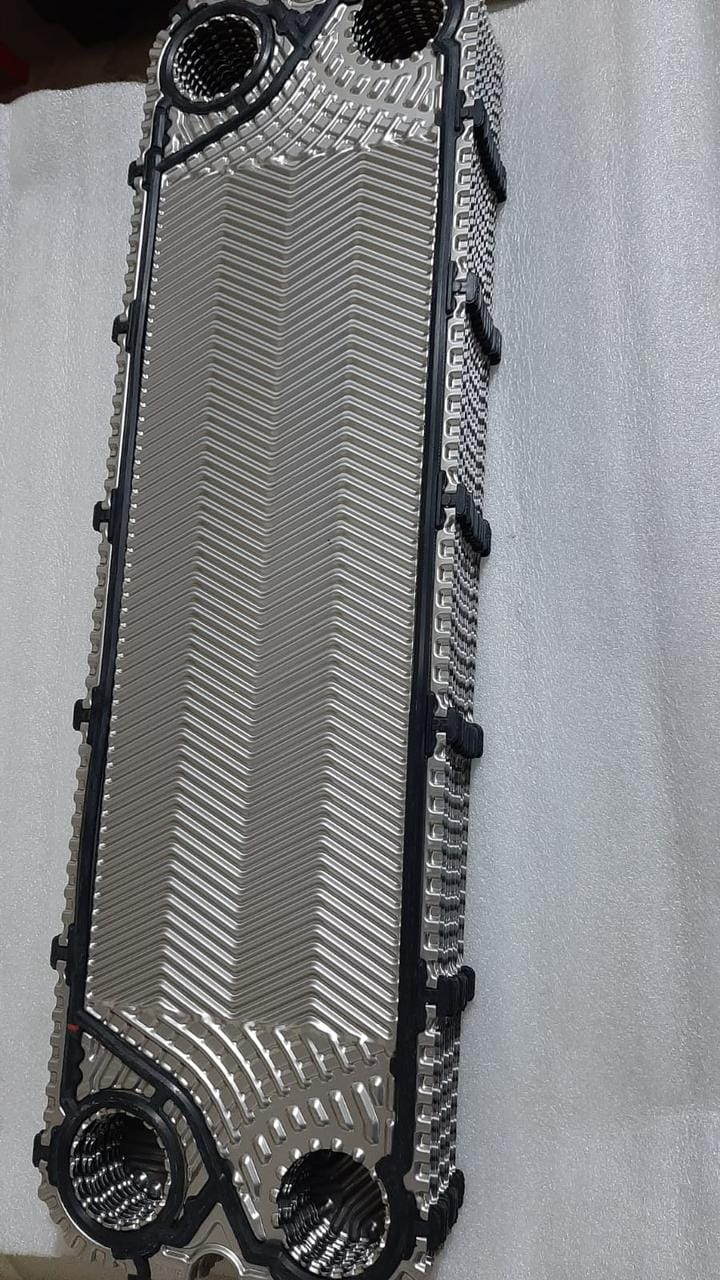
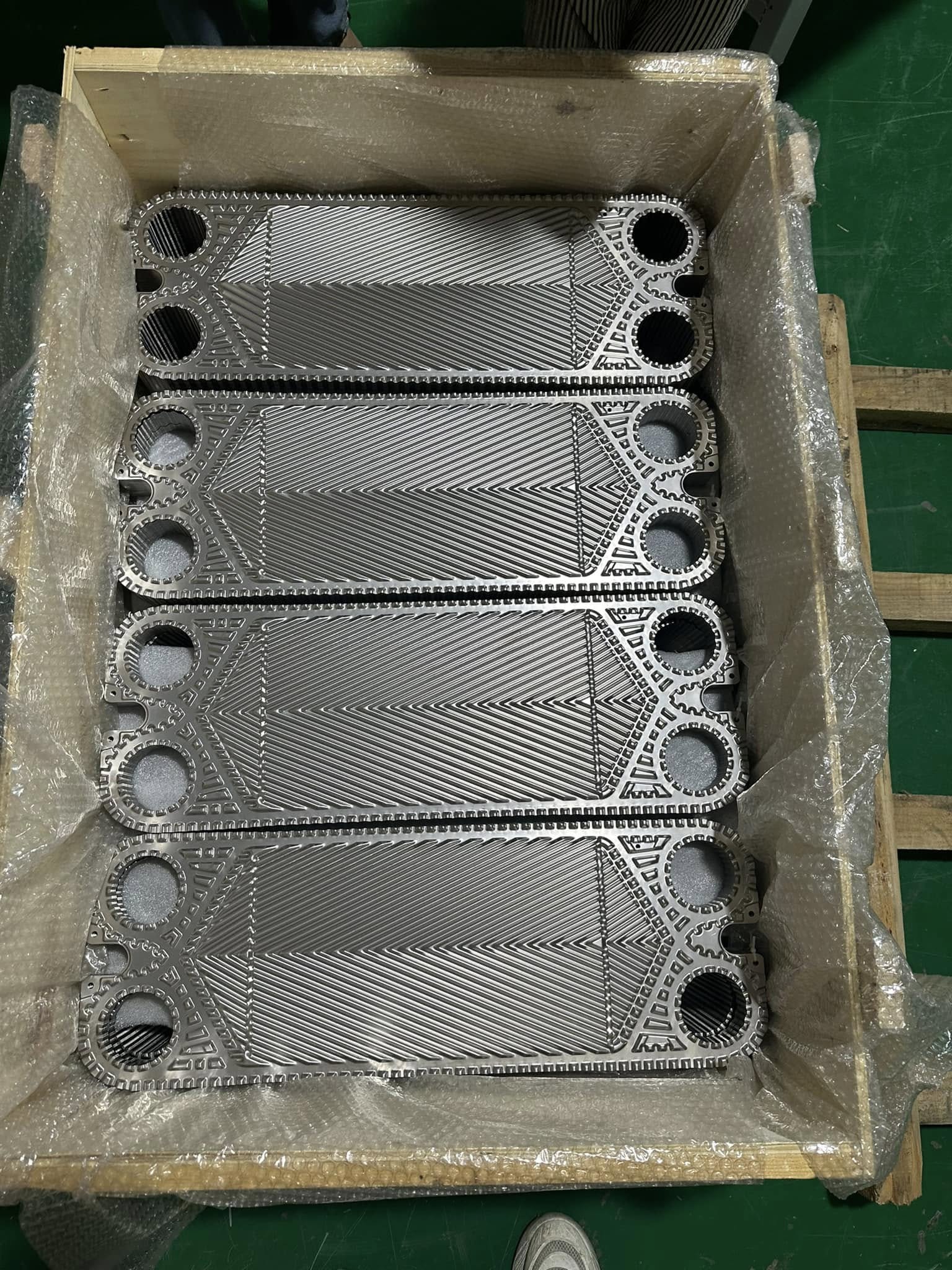
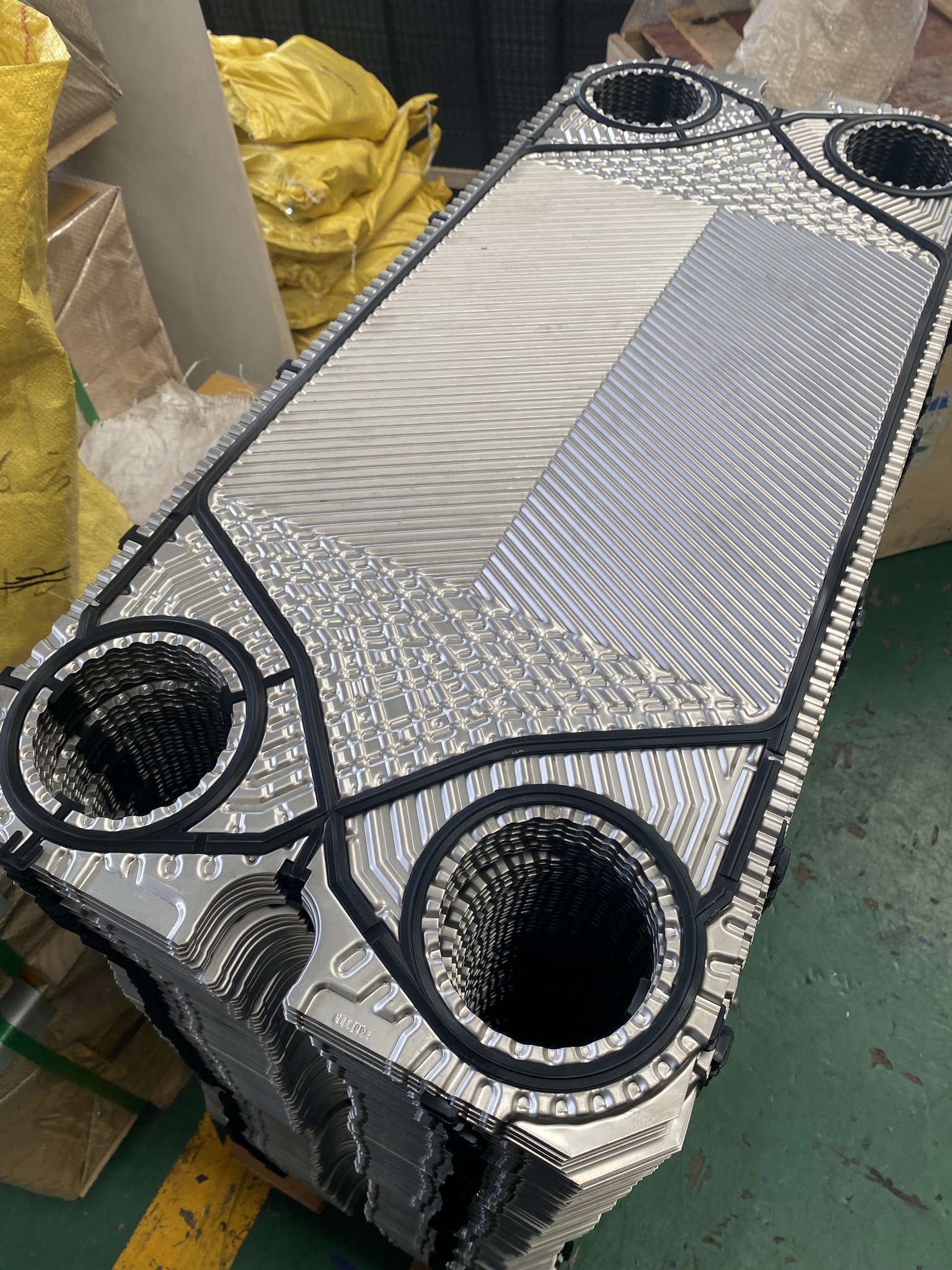
The fundamental principle is indirect heat transfer through conduction. Here’s a step-by-step breakdown: The corrugated or wavy pattern on the plates (often called “herringbone”) is crucial. It serves three main purposes:

Plate Heat Exchanger Manufacturer in India

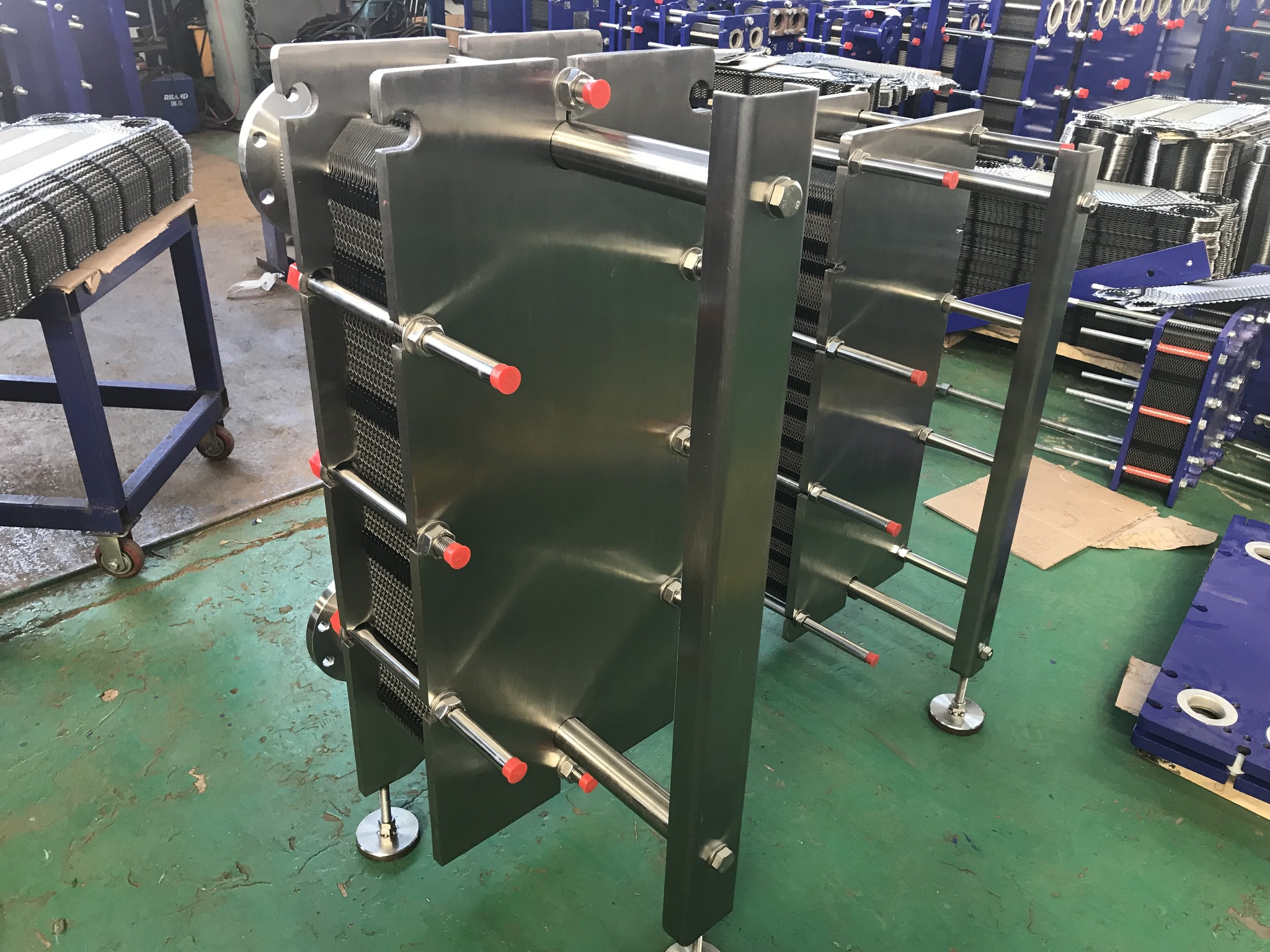
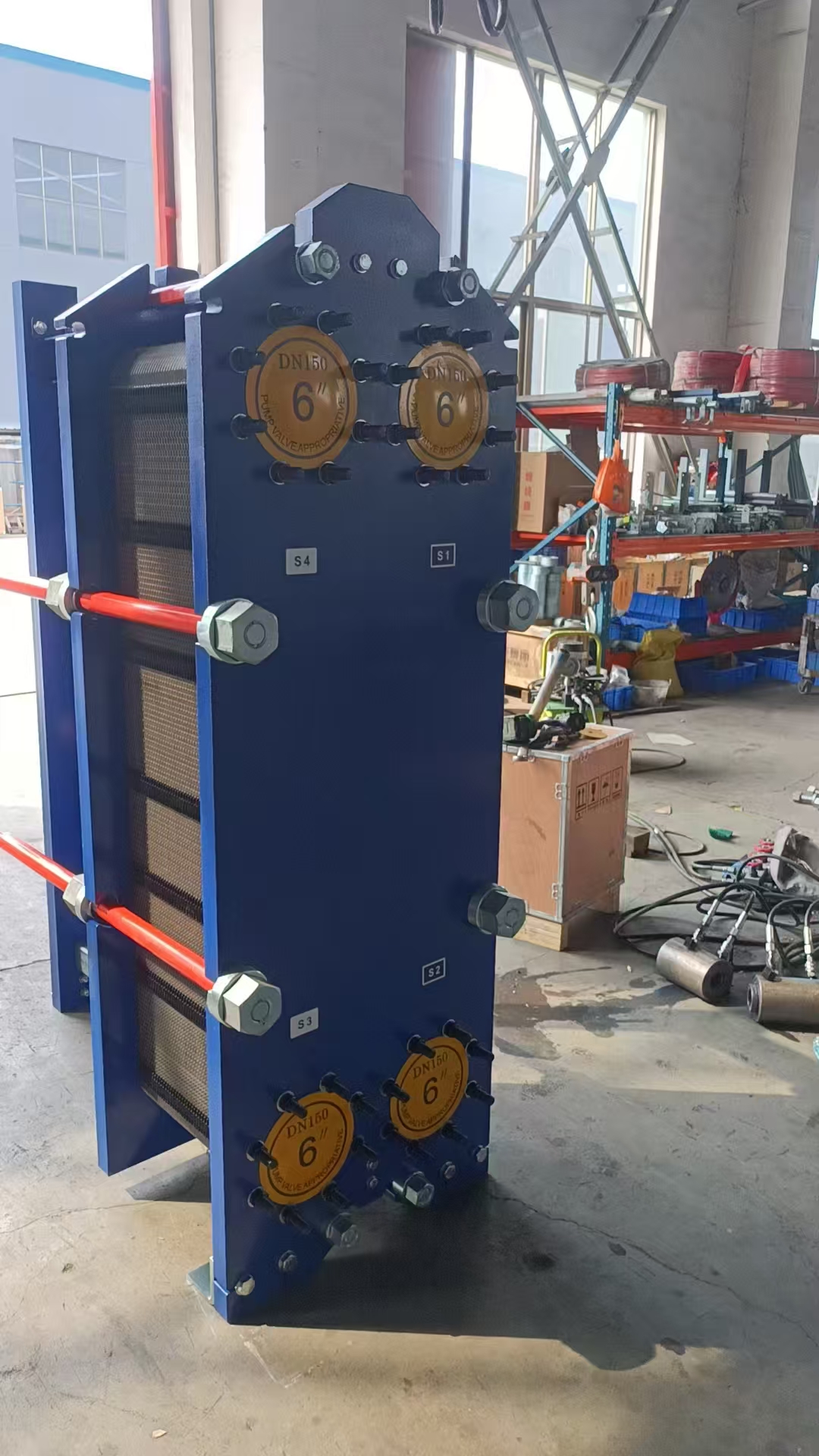
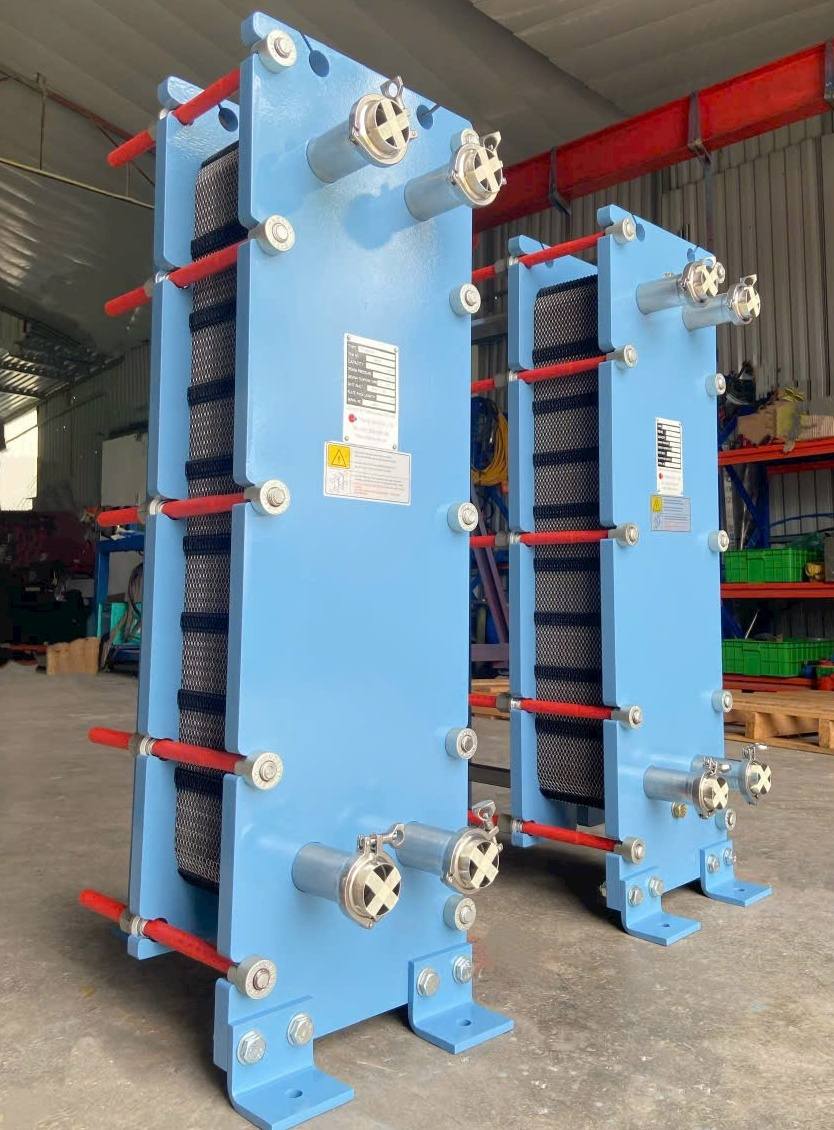
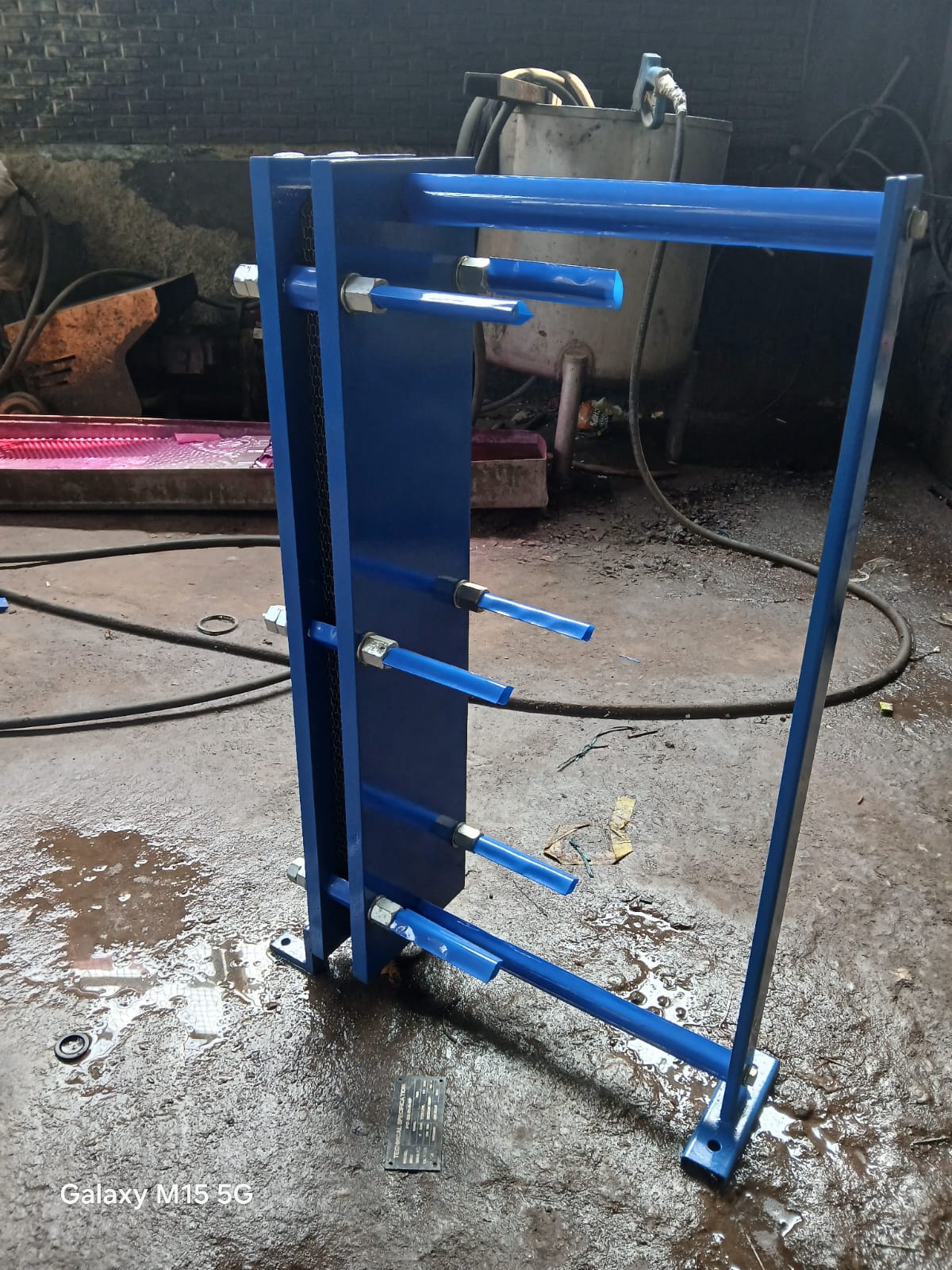
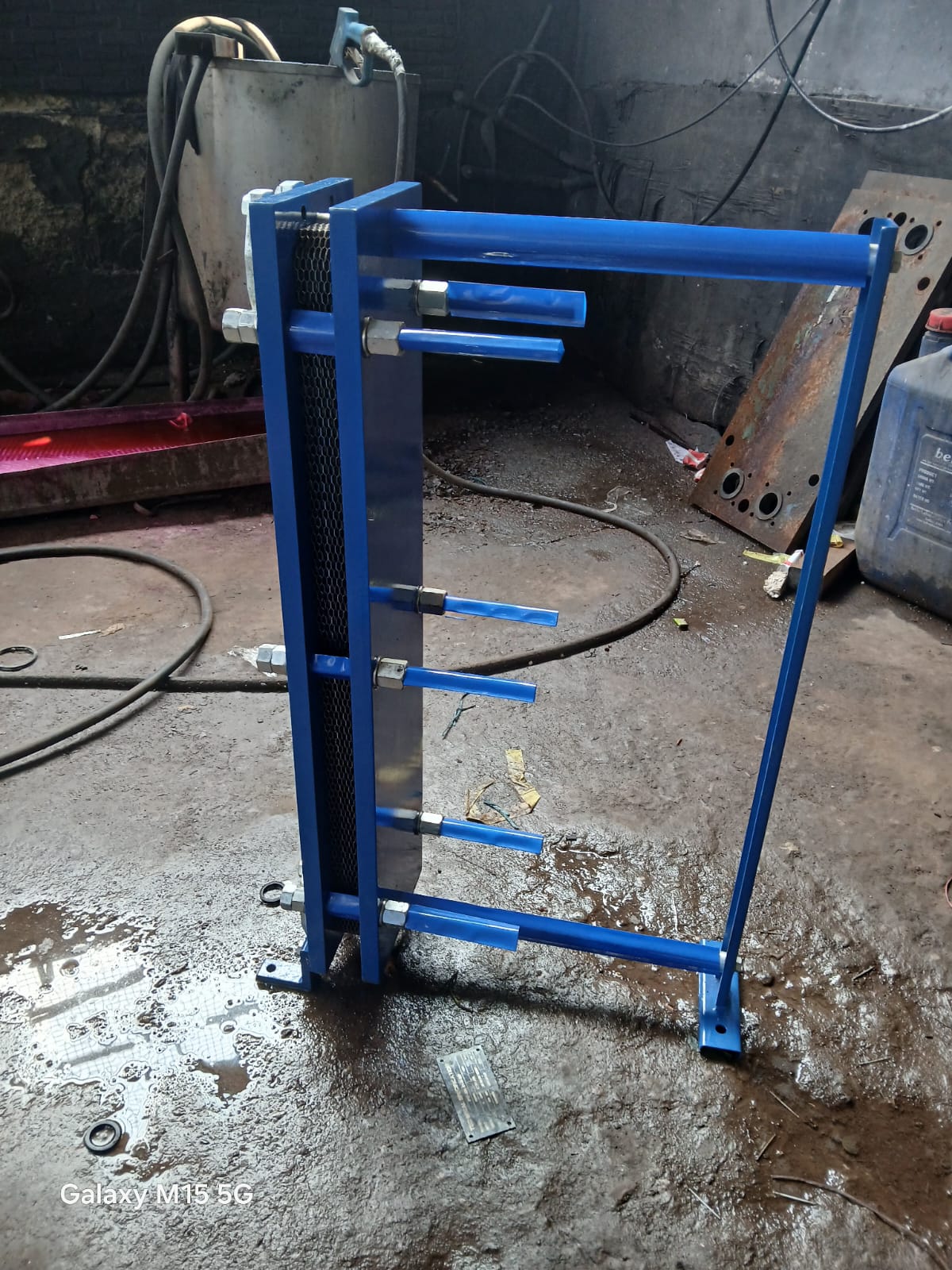
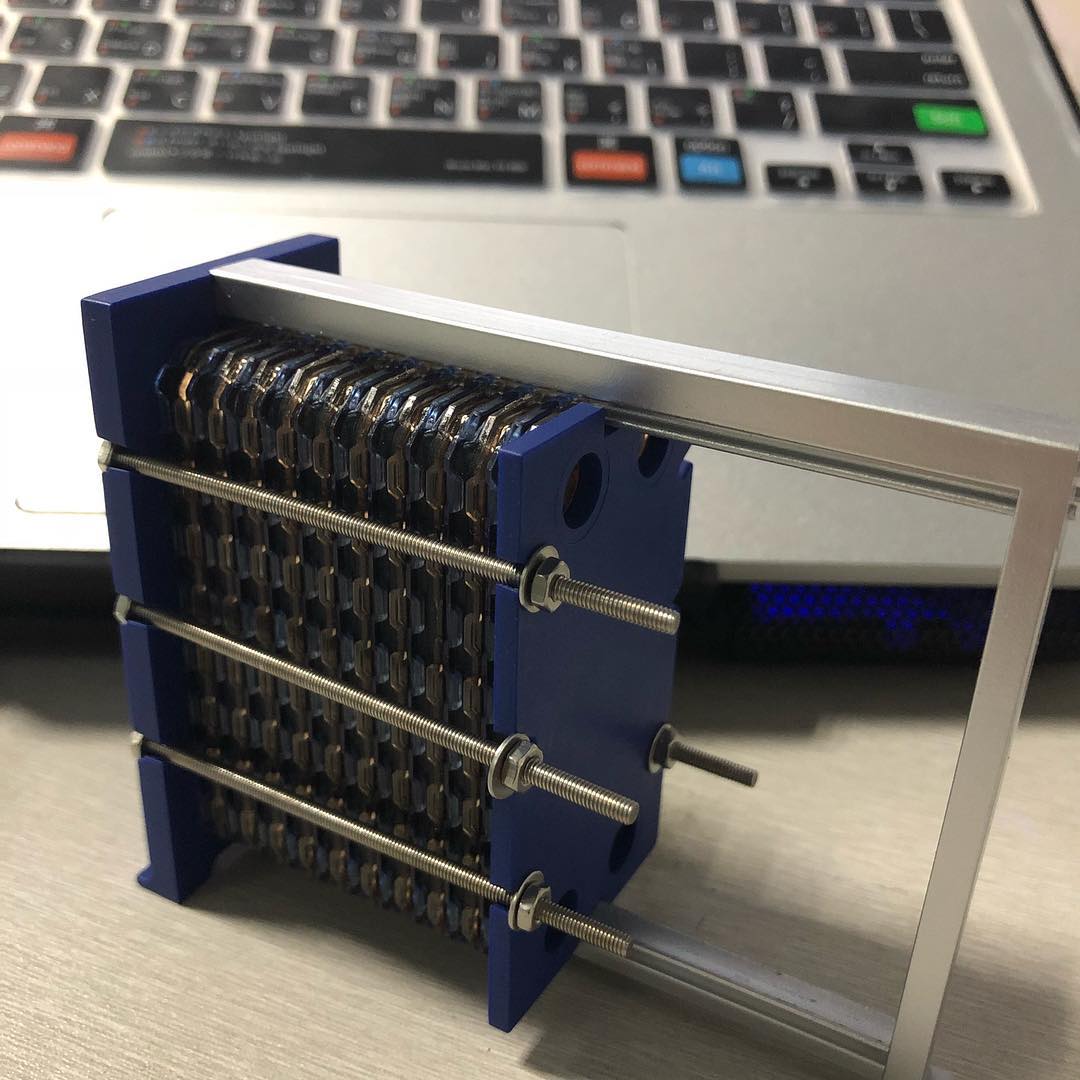
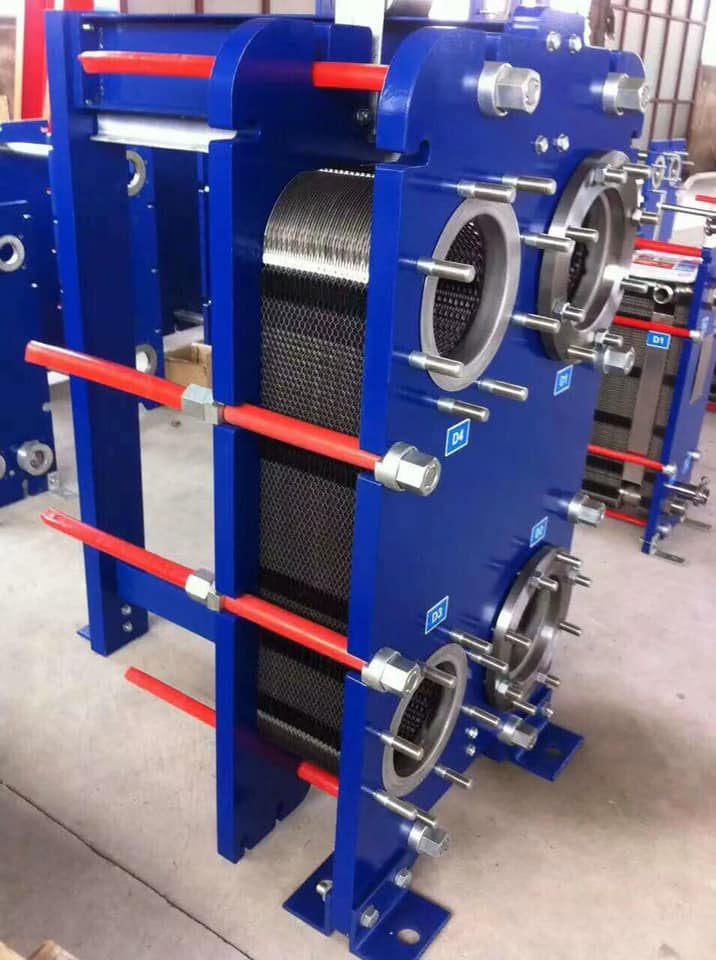
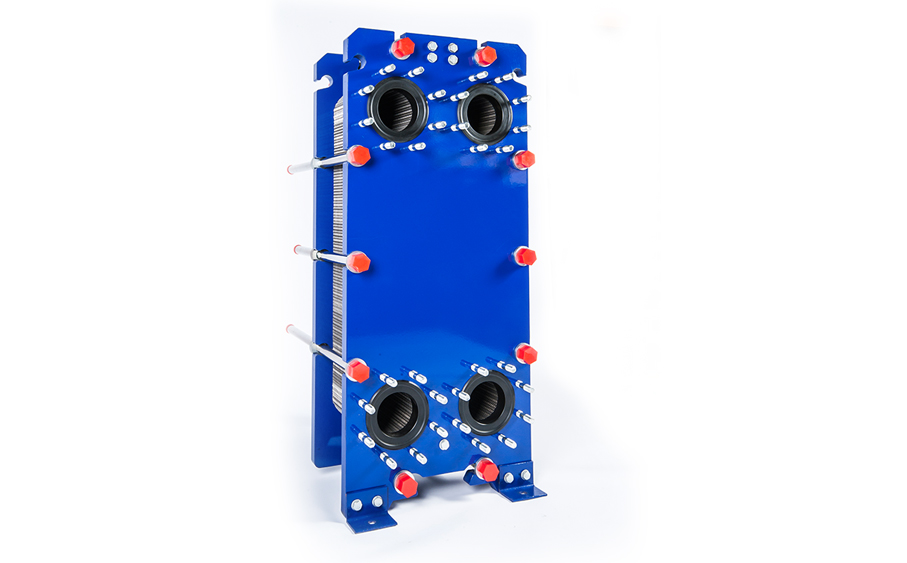
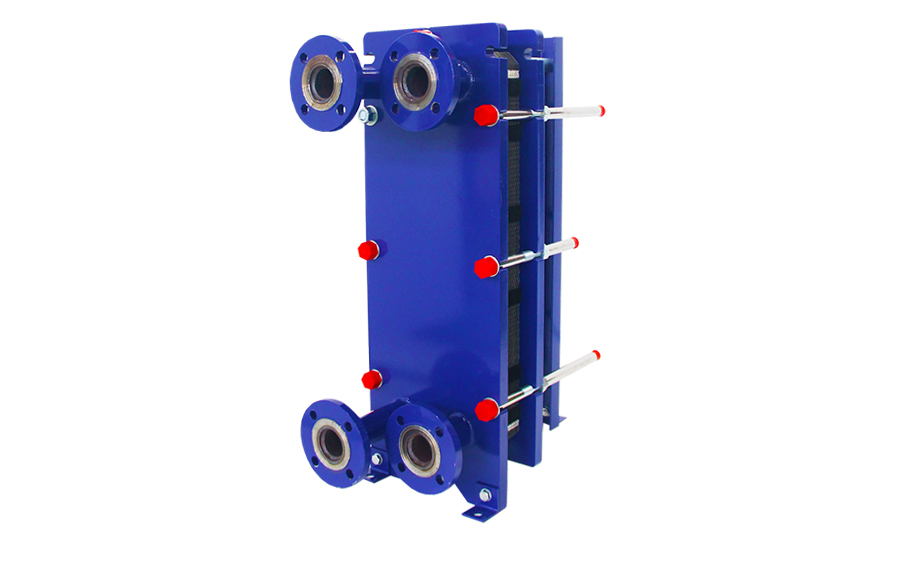
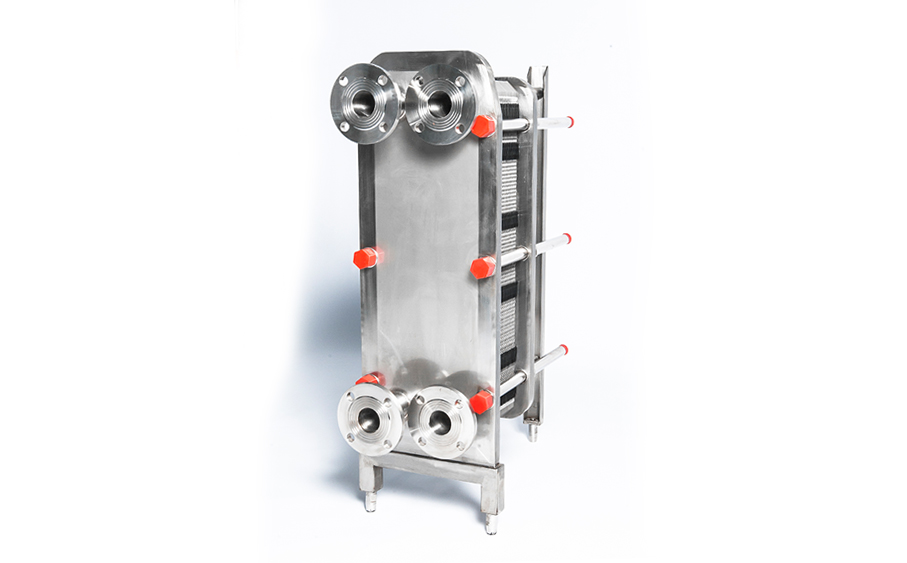
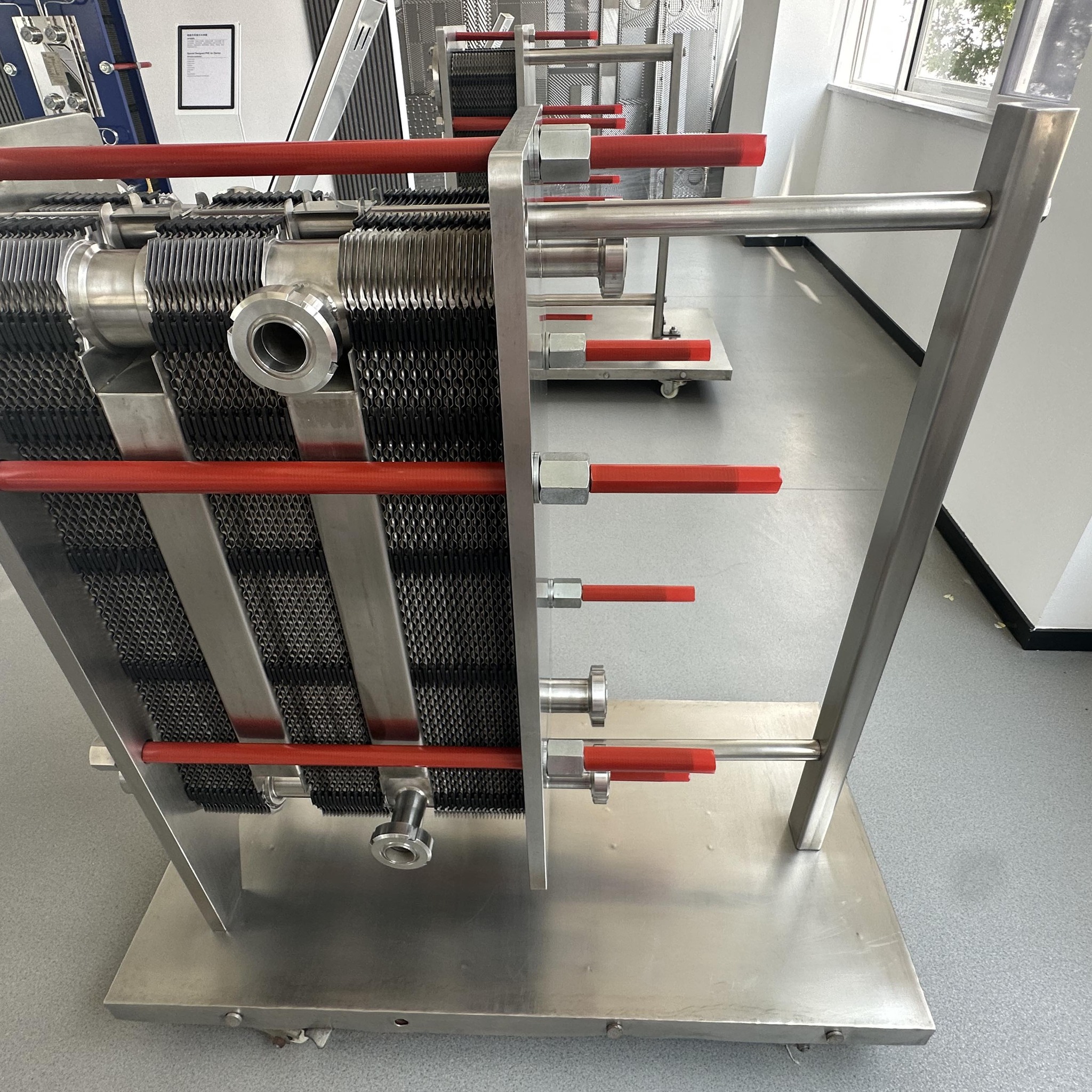
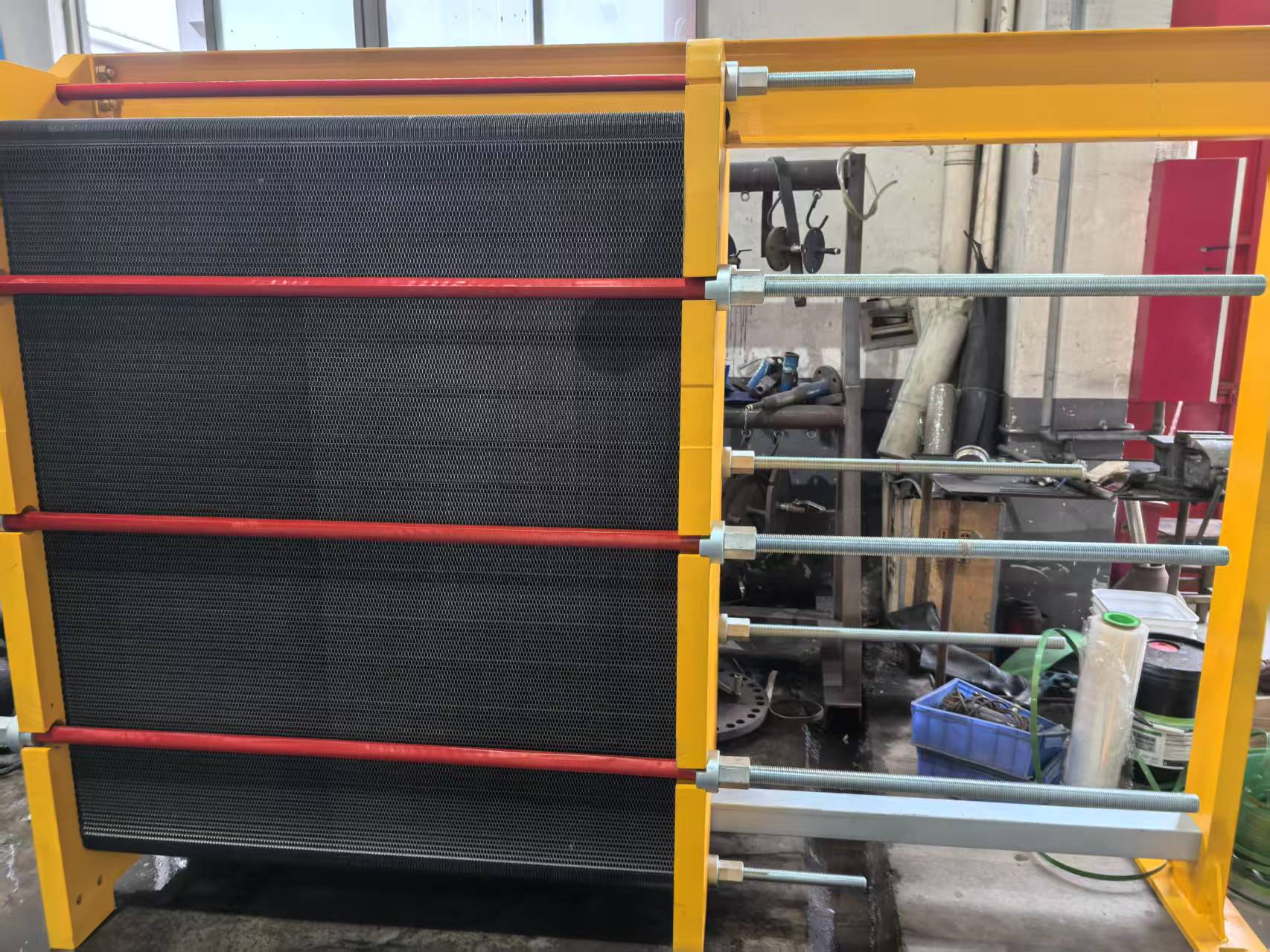
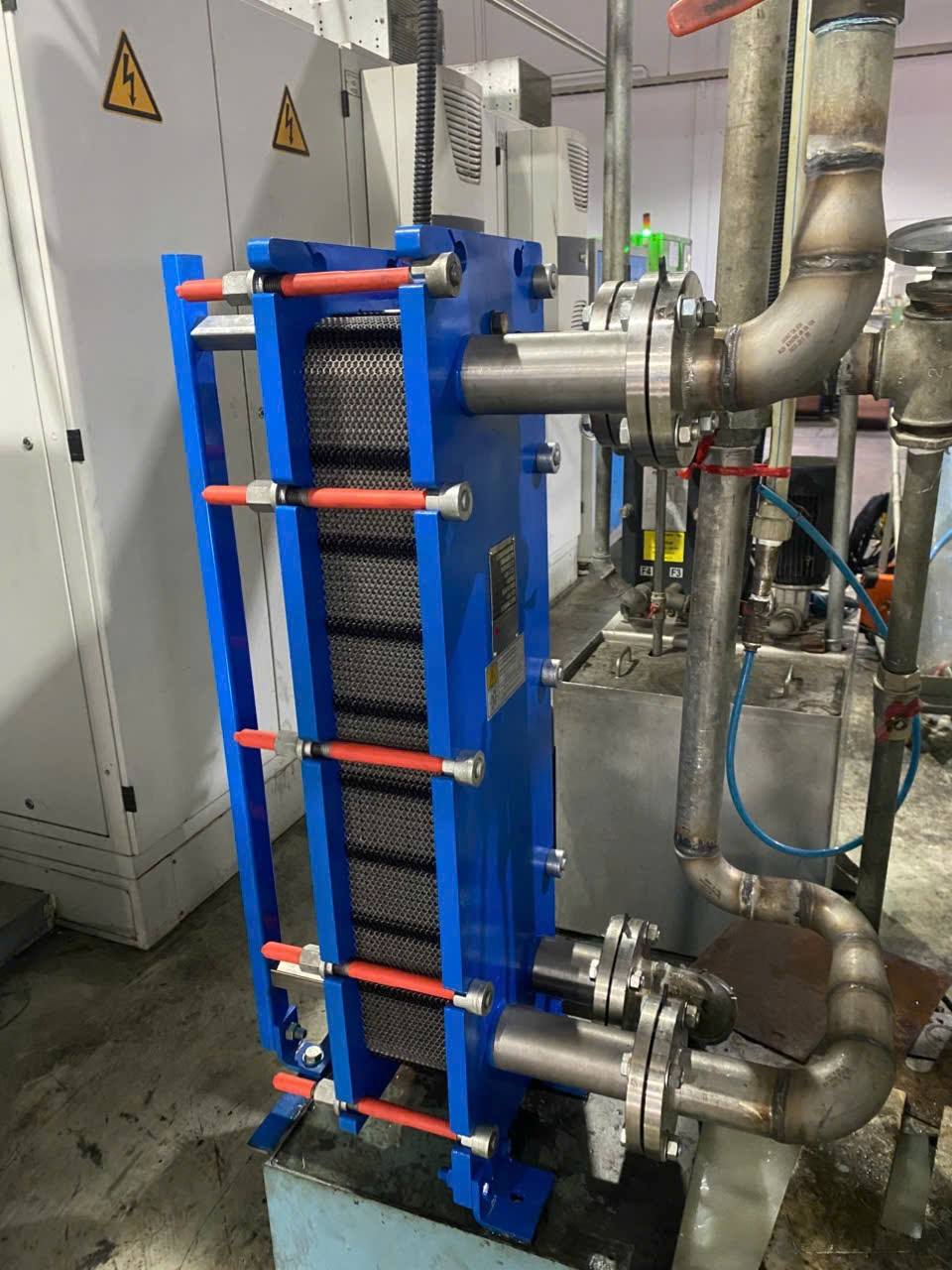
What is a Plate Heat Exchanger (PHE)? A Plate Heat Exchanger (PHE) is a compact, efficient type of heat exchanger that uses a series of thin, corrugated metal plates to transfer heat between two fluids. These plates are stacked together, creating alternating channels for the hot and cold fluids to flow through. The design allows for a...

Cooling Tower Manufacturer in Angola

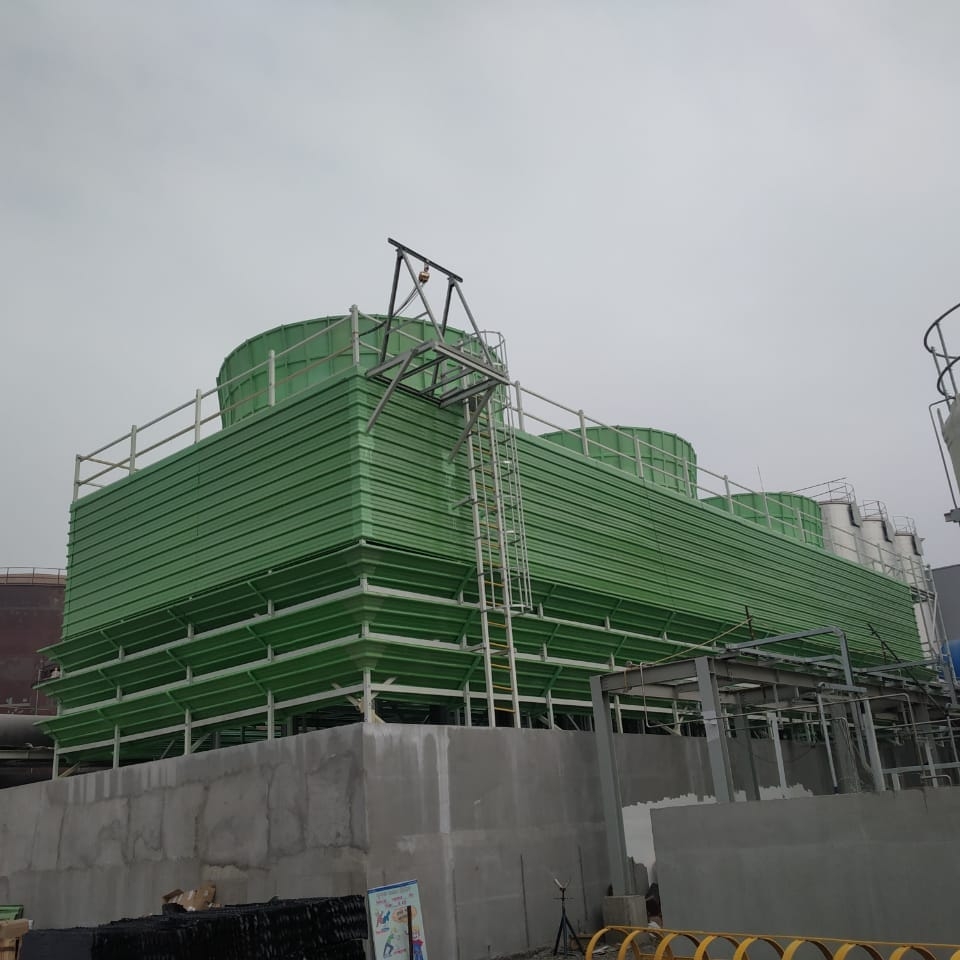
When deciding between a Cross Flow and a Counter Flow cooling tower, you are essentially making a trade-off between Thermal Efficiency (Counter Flow) and Maintenance & Operating Simplicity (Cross Flow). Here is the ultimate side-by-side showdown to help you decide which one belongs in your plant. 1. The...

Cooling Tower Manufacturer in Tunisia

1. Classification by Airflow Method (The Draft System) This is the most common way to categorize them, as it dictates the tower’s shape, cost, and energy consumption. Type How It Works Pros Cons Typical Application Natural Draft Uses a massive hyperbolic chimney. Hot, moist air inside the tower is lighter than cooler outside air, so...

Cooling Tower Manufacturer in Egypt

The Two Main Types of Cooling Towers Type How It Works Best For Visual Clue Mechanical Draft (Forced/Induced) Uses large, motor-driven fans to force or pull air through the tower.– Induced Draft: Fan is at the top, pulling air upward. (Most common).– Forced Draft: Fan is at the bottom, pushing air upward. Industrial...

Plate Heat Exchanger Manufacturer in Pondicherry

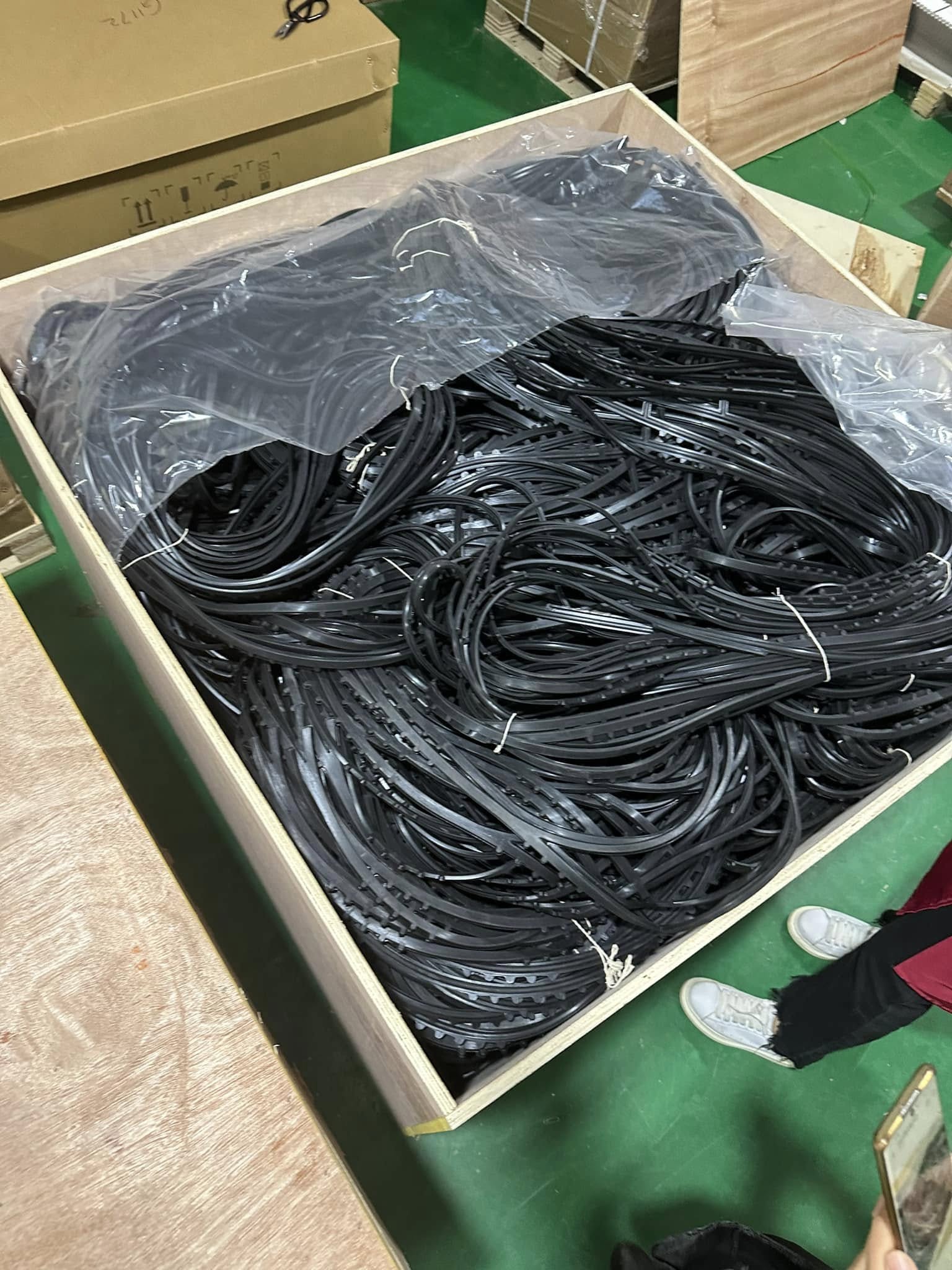
When to Choose EDPM Gasket in plate heat Exchanger? when to choose an EPDM (Ethylene Propylene Diene Monomer) Gasket for a plate heat exchanger. The decision is primarily driven by the presence of hot water, steam, alkalis, or the need for weather resistance. The Primary Rule of Thumb Choose an EPDM Gasket when the heat...

Plate Heat Exchanger Manufacturer in Kollam

When to Choose NBR Gasket for plate heat exchanger? hen to choose an NBR (Nitrile) Gasket for a plate heat exchanger. The decision is primarily driven by the presence of oils, fats, or certain hydrocarbons in the fluid. The Primary Rule of Thumb Choose an NBR Gasket when the heat exchanger is used with oil-based...

Plate Heat Exchanger Manufacturer in Kannur

NBR gasket vs EDPM gasket in Plate heat exchanger Choosing between NBR (Nitrile Butadiene Rubber) and EPDM (Ethylene Propylene Diene Monomer) is one of the most common decisions, and getting it wrong leads to rapid gasket failure. The choice is almost entirely determined by the chemical compatibility with the fluids...

Plate Heat Exchanger Manufacturer in Cochin

Material of Construction of Plate heat exchanger? The Materials of Construction (MOC) for a plate heat exchanger are critical to its performance, longevity, and cost. The selection is primarily driven by the need to resist corrosion from the process fluids, while also considering pressure, temperature, and hygiene requirements. The main...

Plate Heat Exchanger Manufacturer in Kozhikode

Application of Brazed Plate Heat Exchanger? . Brazed Plate Heat Exchangers (BPHEs) are ubiquitous in modern, compact systems due to their efficiency and small footprint. Their applications are defined by their core characteristics: they are sealed, compact, efficient, and designed for clean fluids. Here is a detailed breakdown of their...

Plate Heat Exchanger Manufacturer in Thiruvananthapuram

When to choose Brazed Plate heat exchanger? when to choose a Brazed Plate Heat Exchanger (BPHE). The decision to use a BPHE is driven by the need for a compact, cost-effective, and sealed heat transfer solution for clean and stable systems. The Primary Rule of Thumb Choose a Brazed Plate Heat Exchanger when your application...

Plate Heat Exchanger Manufacturer in Viruthunagar

When Choose Semi Welded plate heat exchanger? Choosing a Semi-Welded Plate Heat Exchanger is a strategic decision for specific scenarios where you need a balance of robustness and serviceability. Here is a clear, detailed guide on when to make this choice. The Primary Rule of Thumb Choose a Semi-Welded Plate Heat Exchanger when...

Plate Heat Exchanger Manufacturer in Villupuram

When to Choose Fully welded Plate heat exchanger The decision to use a Fully Welded Plate Heat Exchanger is driven by the need for a robust, maintenance-free, and highly reliable heat transfer solution for demanding service conditions where other types of heat exchangers would fail. he Primary Rule of Thumb Choose a Fully Welded Plate Heat...

Plate Heat Exchanger Manufacturer in Tirunelveli

Side B: Prone to fouling (e.g., Cooling water). Side A & B: Corrosive, high P/T, or where any leak is unacceptable. Semi Weld vs Full Welded PHE Comparison Table Choose a SEMI-WELDED PHE if… Choose a FULLY WELDED PHE if… Your Situation is… You have one “difficult” fluid and one “serviceable” fluid....

Plate Heat Exchanger Manufacturer in Tirchy

What is a Fully Welded Plate Heat Exchanger? This is the heavy-duty, “seal it and forget it” option. It’s designed for the most demanding environments where gaskets of any kind are a liability. Key Advantage: Maximum resistance to temperature, pressure, and corrosive fluids on BOTH sides.

Plate Heat Exchanger Manufacturer in Tiruvallur

ypical Applications of Welded Plate heat exchanger Welded Plate Heat Exchangers are the workhorses for tough industrial jobs:

Plate Heat Exchanger Manufacturer in Pudukkottai

ypes of Welded Plate Heat Exchangers There are two main configurations: 1. Fully Welded Plate Heat Exchanger This is the most common type referred to as “welded PHE.” The entire plate pack is welded together into a single, rigid block. There are no gaskets whatsoever. 2. Semi-Welded (or Twin-Plates) Plate Heat Exchanger This is a...

Plate Heat Exchanger Manufacturer in Dindugal

he Brazed Plate Heat Exchanger (BPHE) A popular variant is the Brazed Plate Heat Exchanger. In this type, the plates are brazed together in a vacuum furnace using copper or nickel as the brazing material. This creates a permanent, sealed unit without gaskets or a frame.

Plate Heat Exchanger Manufacturer in Ariyalur

What is plate Heat Exchanger? A Plate Heat Exchanger (PHE) is a compact type of heat exchanger that uses a series of thin, corrugated metal plates to transfer heat between two fluids. These plates are stacked together, creating alternating channels for the hot and cold fluids to flow through. The close proximity and large surface area of...

Shell and Tube Heat Exchanger Manufacturer in

Use of Shell and Tube Heat Exchanger in Chemical & Pharmaceutical Industry Pharmaceutical manufacturing (sterilization, crystallization)

Shell and Tube Heat Exchanger Manufacturer in Tiruvallur

Effect of Flow Velocity in Shell and Tube Heat Exchangers   Flow velocity plays a critical role in the heat transfer efficiency, pressure drop, fouling, and mechanical integrity of a shell and tube heat exchanger. Below is a detailed breakdown of its effects: 1. Heat Transfer Efficiency Higher Velocity → Better Heat...

Shell and Tube Heat Exchanger Manufacturer in Sivagangai

Fixed Tube sheet vs. Floating Head Heat Exchanger: Key Differences When choosing between a fixed Tube sheet and a floating head design for a shell and tube heat exchanger, the decision depends on thermal expansion, maintenance needs, pressure/temperature conditions, and cost. Below is a detailed comparison: 1. Basic Design...

Shell and Tube Heat Exchanger Manufacturer in Ranipet

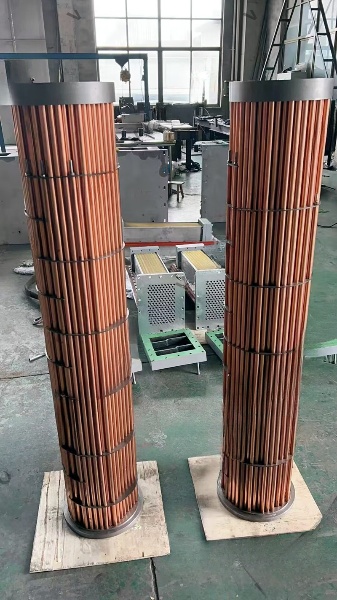
Copper Tubes vs. Stainless Steel Tubes in Heat Exchangers When selecting between copper and stainless steel (SS) tubes for a shell and tube heat exchanger, key factors include thermal conductivity, corrosion resistance, cost, and application requirements. Below is a detailed comparison: 1. Thermal Conductivity Material...

Heat Exchanger Manufacturer in Pudukkottai

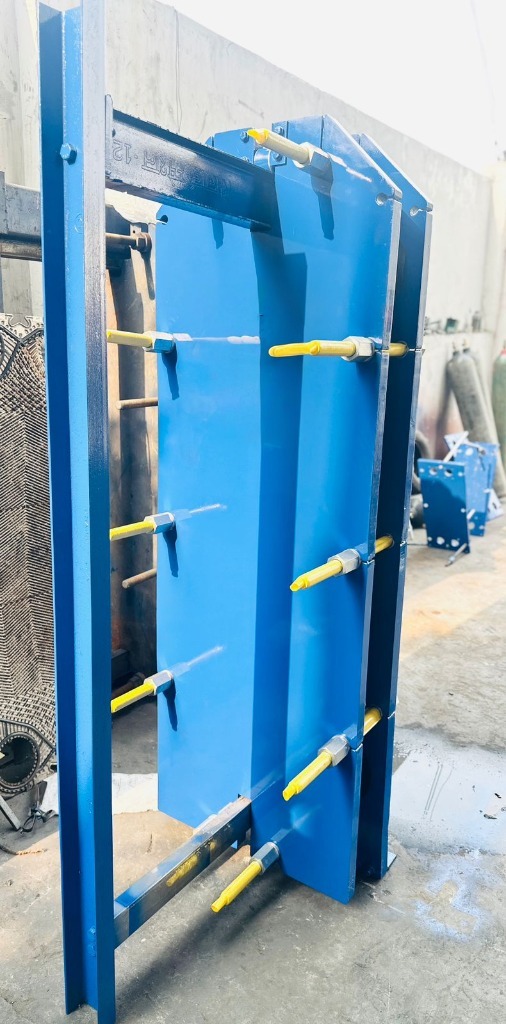
What is a Plate and Frame Heat Exchanger (P&FHE)? A Plate and Frame Heat Exchanger is the most common type of gasketed plate heat exchanger (gasketed PHE). It consists of a pack of corrugated metal plates clamped together in a frame. The name “plate and frame” specifically describes this style, which has a removable,...

Heat Exchanger Manufacturer in Krishnagiri

What is Air Cooled Heat Exchanger (ACHE / Fin-Fan)? An Air-Cooled Heat Exchanger (ACHE), often nicknamed a Fin-Fan, is a type of heat rejection device that uses ambient air as the cooling medium to cool or condense a process fluid. Instead of using water, it uses mechanical fans to force or draw air across a bundle of […]

Heat Exchanger Manufacturer in Chennai

eat exchangers come in many designs, but the main categories are: By Flow Configuration By Design and Construction

Heat Exchanger Manufacturer in Coimbatore

 heat exchanger is a device designed to transfer heat between two or more fluids without allowing them to mix. The fluids can be liquids, gases, or a combination of both. They are separated by a solid wall (to prevent mixing) which allows thermal energy to pass from the hotter fluid to the colder one. Think of it as […]

Evaporative cooling tower Manufacturer in UAE

Counter Flow Vs Cross Flow Cooling Tower The choice between a counterflow and a crossflow cooling tower ultimately comes down to balancing space, energy efficiency, and maintenance accessibility. There isn’t one universally “best” type; the optimal choice depends entirely on your specific project priorities, space...

Coil Cooling tower manufacturer in United Arab Emirates

Since you’re asking for a deeper dive on this specific comparison, let’s go beyond the basic trade-offs. When selecting between stainless steel and copper tubes for a closed-circuit cooling tower, the decision often comes down to three critical factors that aren’t always obvious: water chemistry, long-term operating costs,...

Closed Circuit Cooling Tower Supplier in UAE

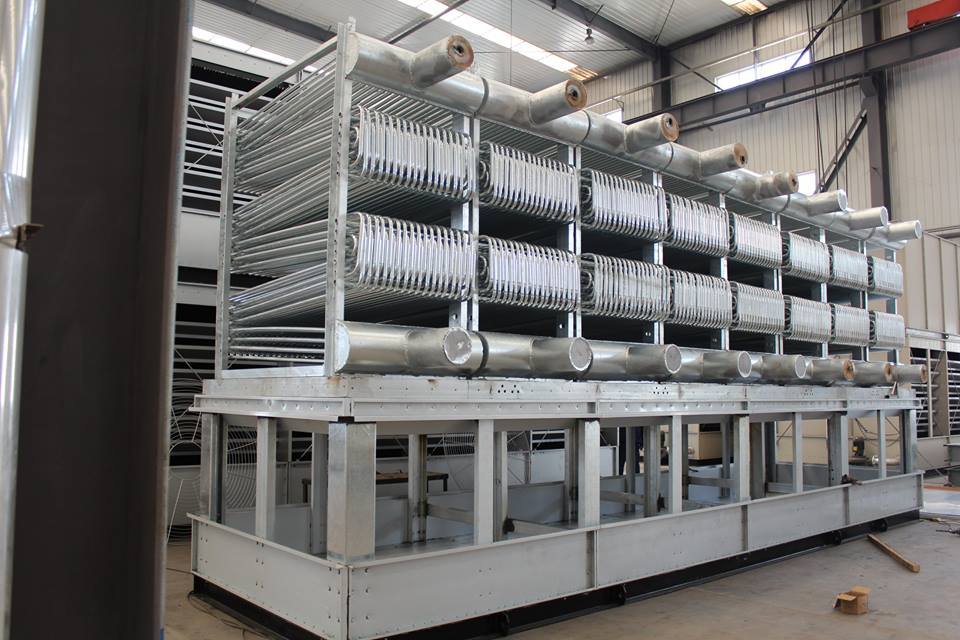
Material of construction of Cooling Coil / Heat Exchanger in Closed Circuit cooling tower The cooling coil or heat exchanger is the core component of a closed-circuit cooling tower, and its material directly impacts the system’s efficiency, cost, and longevity. The choice is generally driven by factors like budget, required thermal...

Coil Cooling tower manufacturer in Nigeria

Role of Closed-Circuit Cooling Tower in Steel industry In the steel industry, the role of a closed-circuit cooling tower is to provide reliable, high-purity cooling for critical equipment and processes while protecting the cooling system from contamination, saving water, and ensuring smooth operations in a harsh, high-temperature...

Coil Cooling Tower Supplier in Djibouti

Role of Closed-Circuit Cooling Tower in Food and Beverage industry. In the food and beverage industry, the primary role of a closed-circuit cooling tower is to provide hygienic, reliable, and efficient process cooling while strictly preventing any contamination of the product or production environment . This is critical in an...

Coil Cooling tower manufacturer in Nigeria

Role of Closed-Circuit Cooling Tower in Chemical industry In the chemical industry, the role of a closed-circuit cooling tower is to provide critical process cooling while protecting the integrity of the process fluid, significantly reducing water consumption, and lowering overall operational costs compared to traditional open...

Closed Circuit Cooling Tower Supplier in Nigeria

Role of Closed-Circuit Cooling Tower in Data Centres. In the demanding environment of a data centre, where servers generate immense heat and uptime is critical, the role of a closed-circuit cooling tower is to provide highly reliable, efficient, and often water-conserving cooling. It achieves this by using a sealed loop to protect the critical...

Closed Circuit Cooling tower manufacturer in Djibouti

What are the industries use Closed circuit Cooling Tower? Closed circuit cooling towers are used across a wide range of industries. Their main advantage is that they keep the process fluid in a sealed loop, preventing contamination and ensuring reliable, efficient operation. Major Industries and Applications Here are the primary sectors that use...
1 2 12