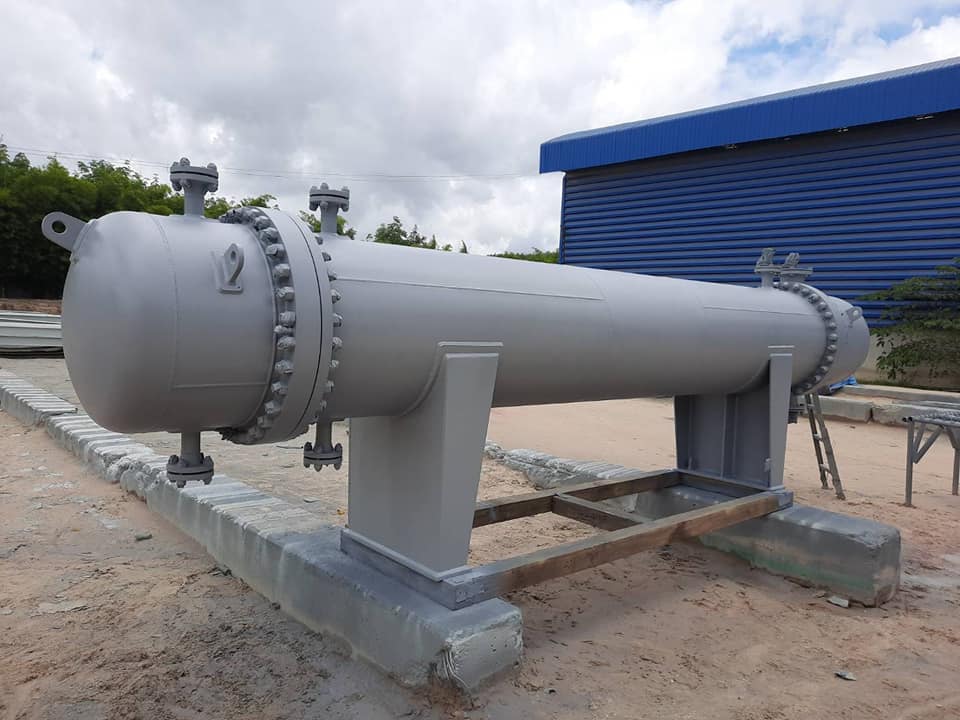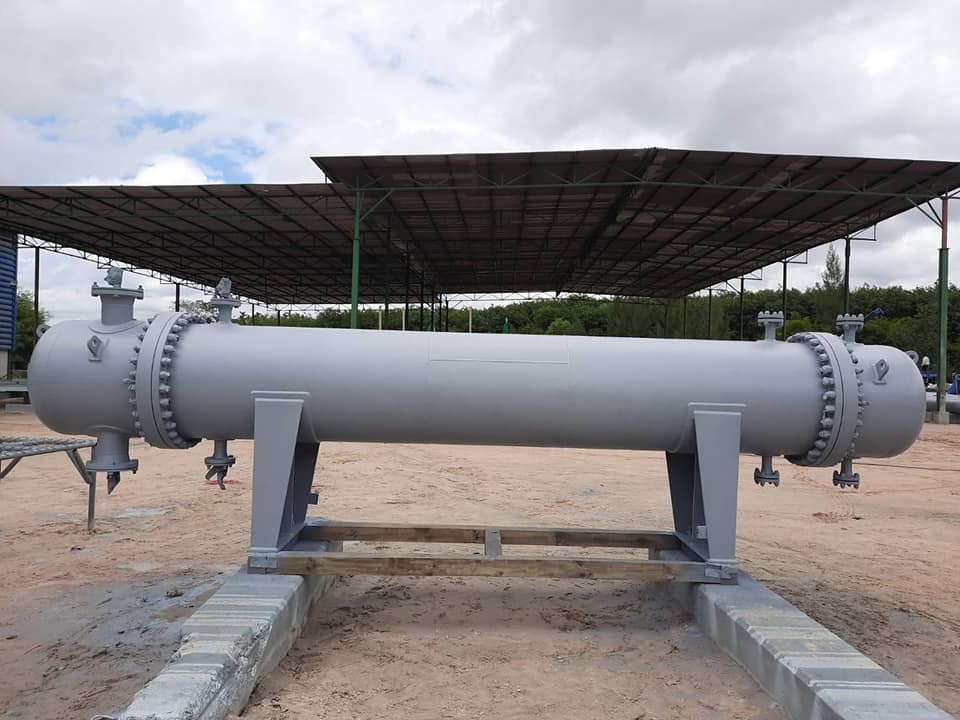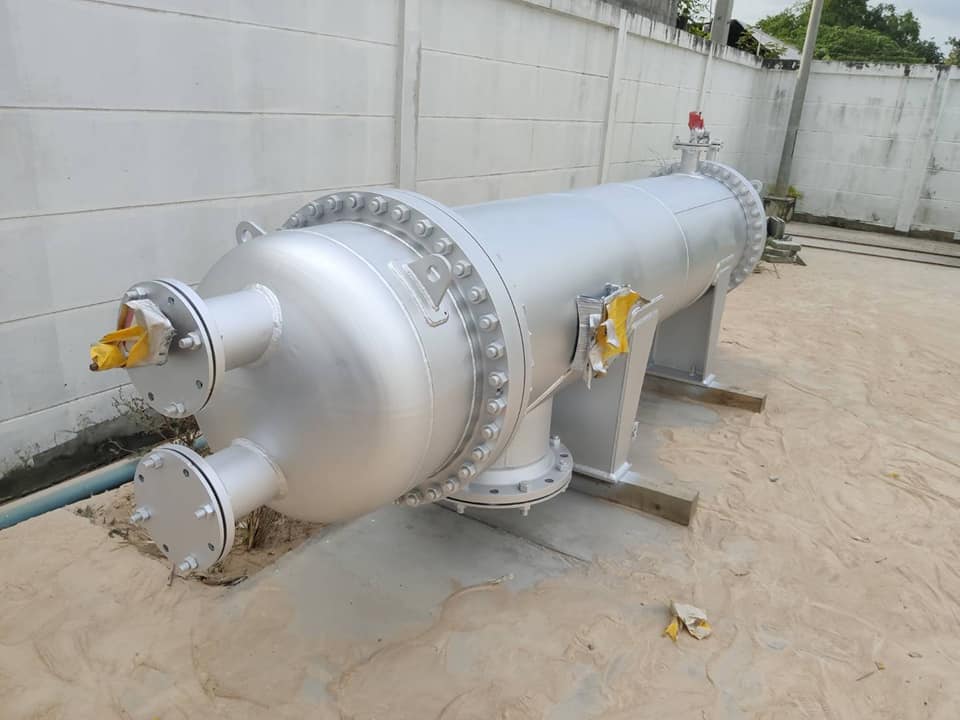
Tags: Evaporator

Plate Heat Exchanger Manufacturer in Ariyalur

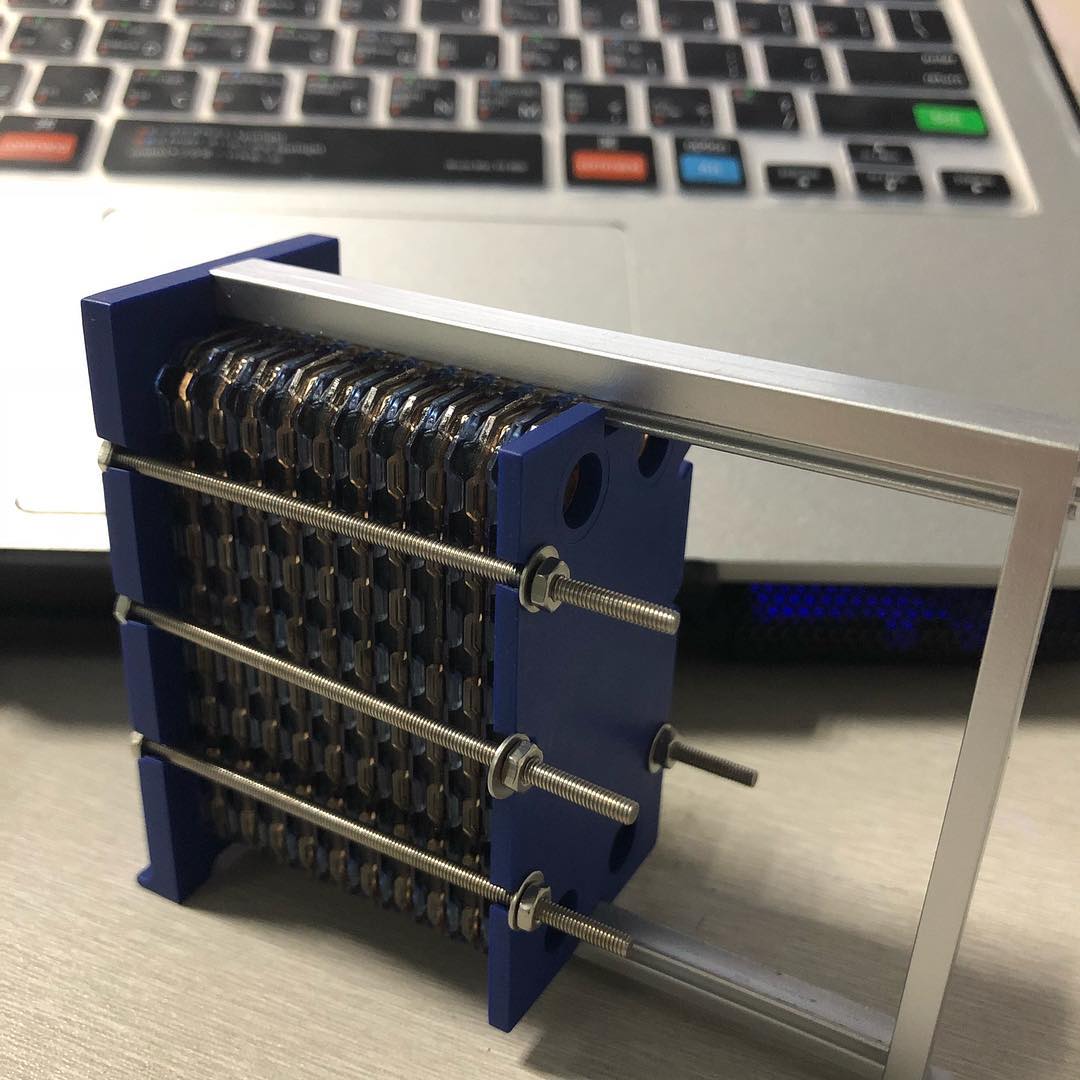
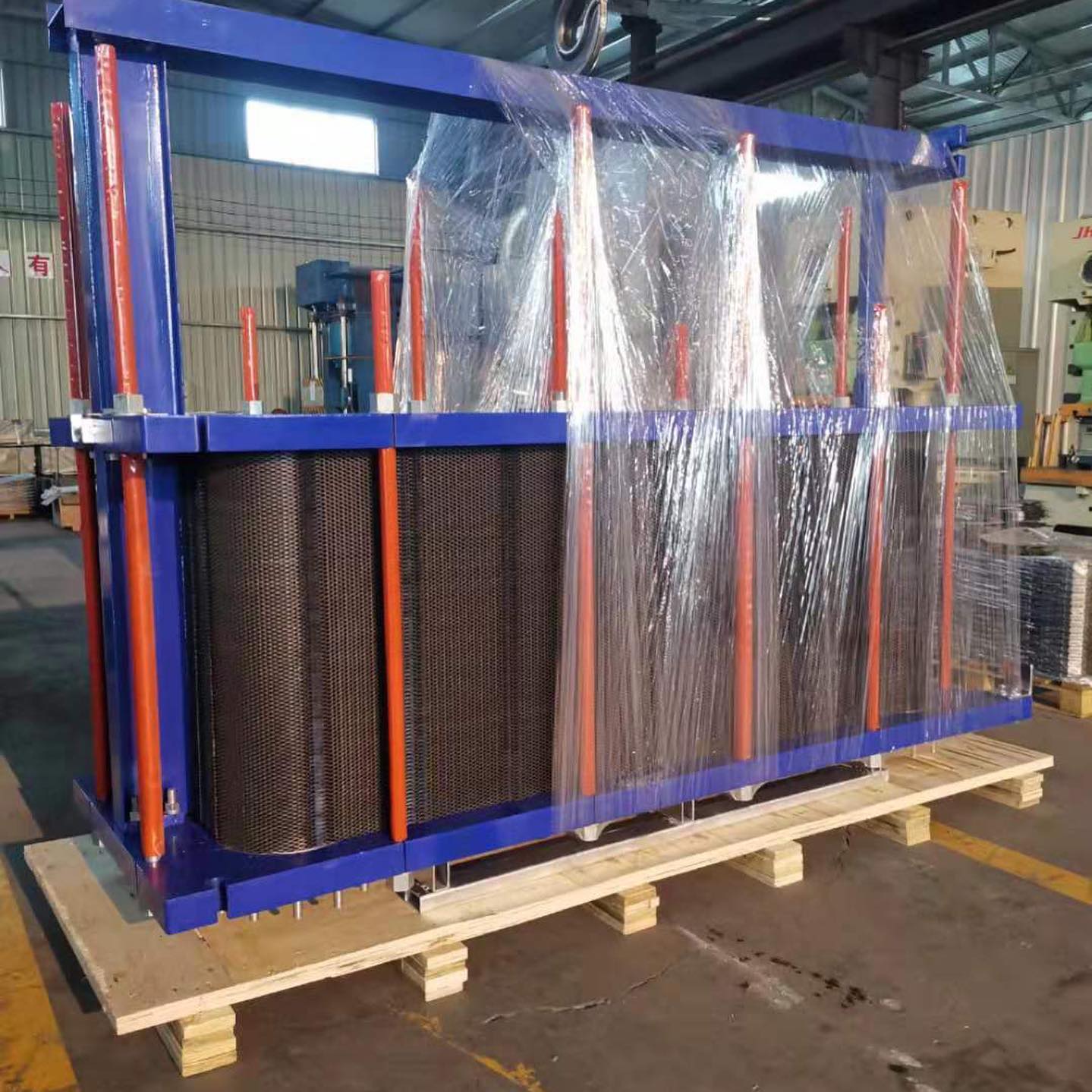
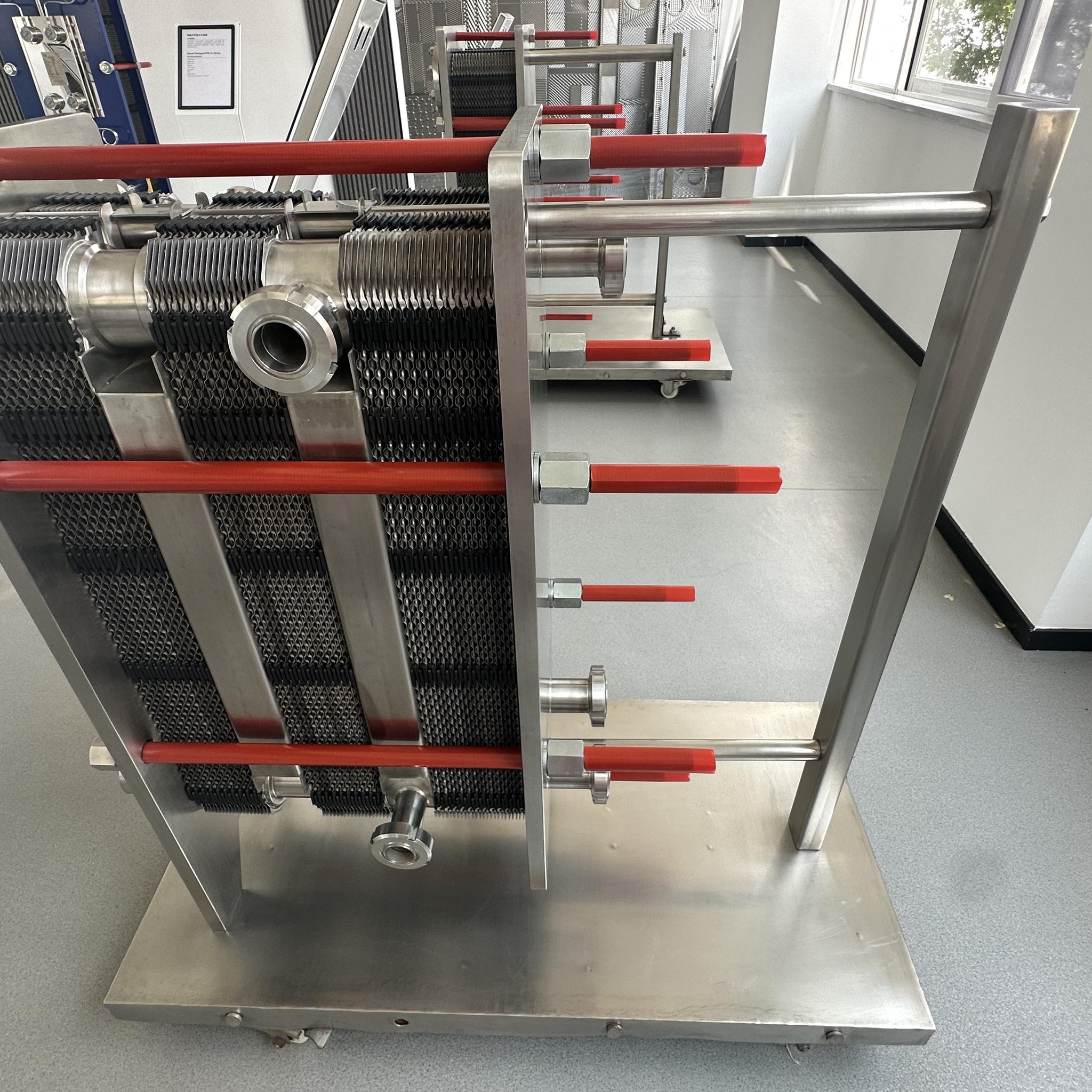
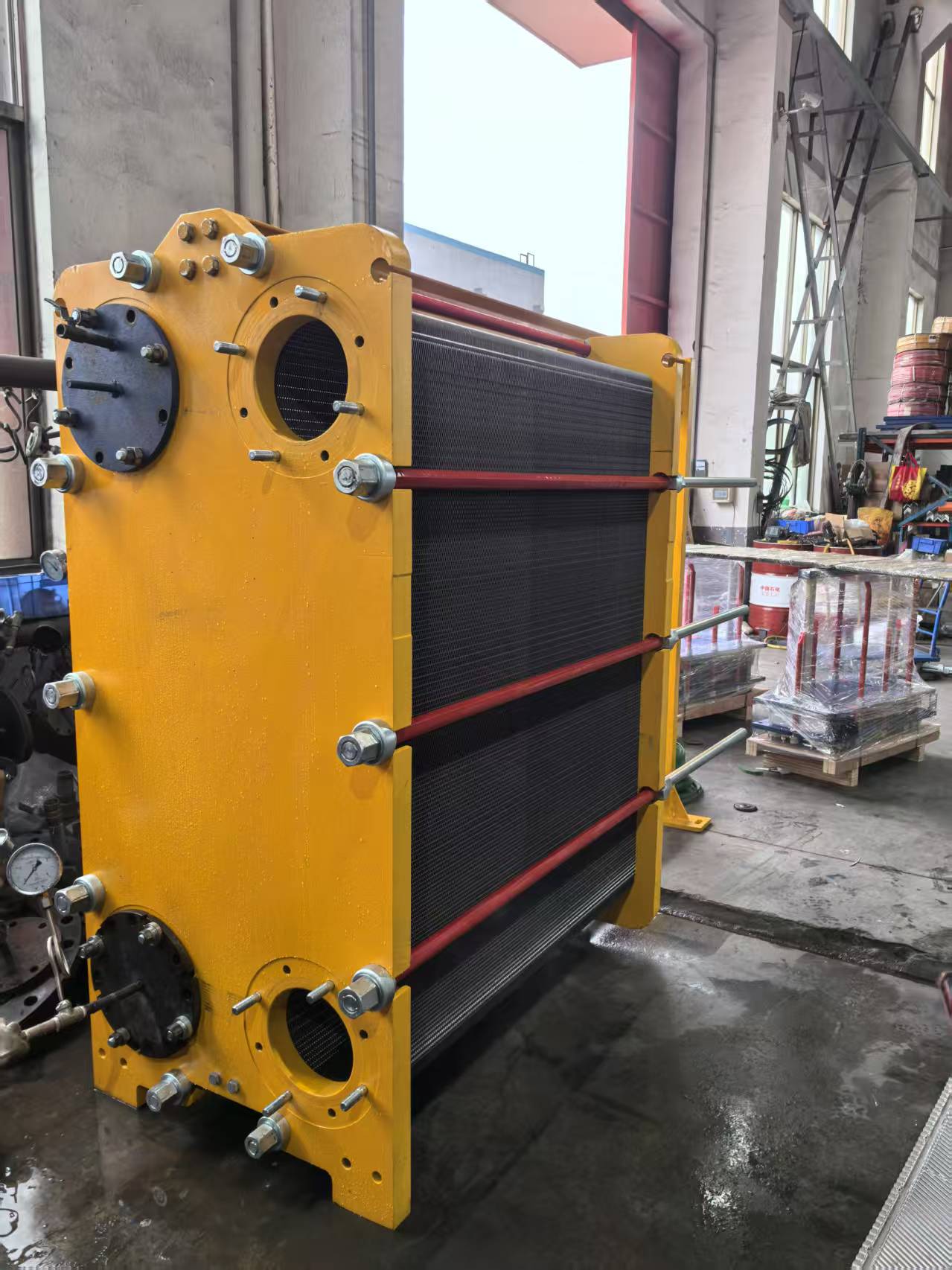
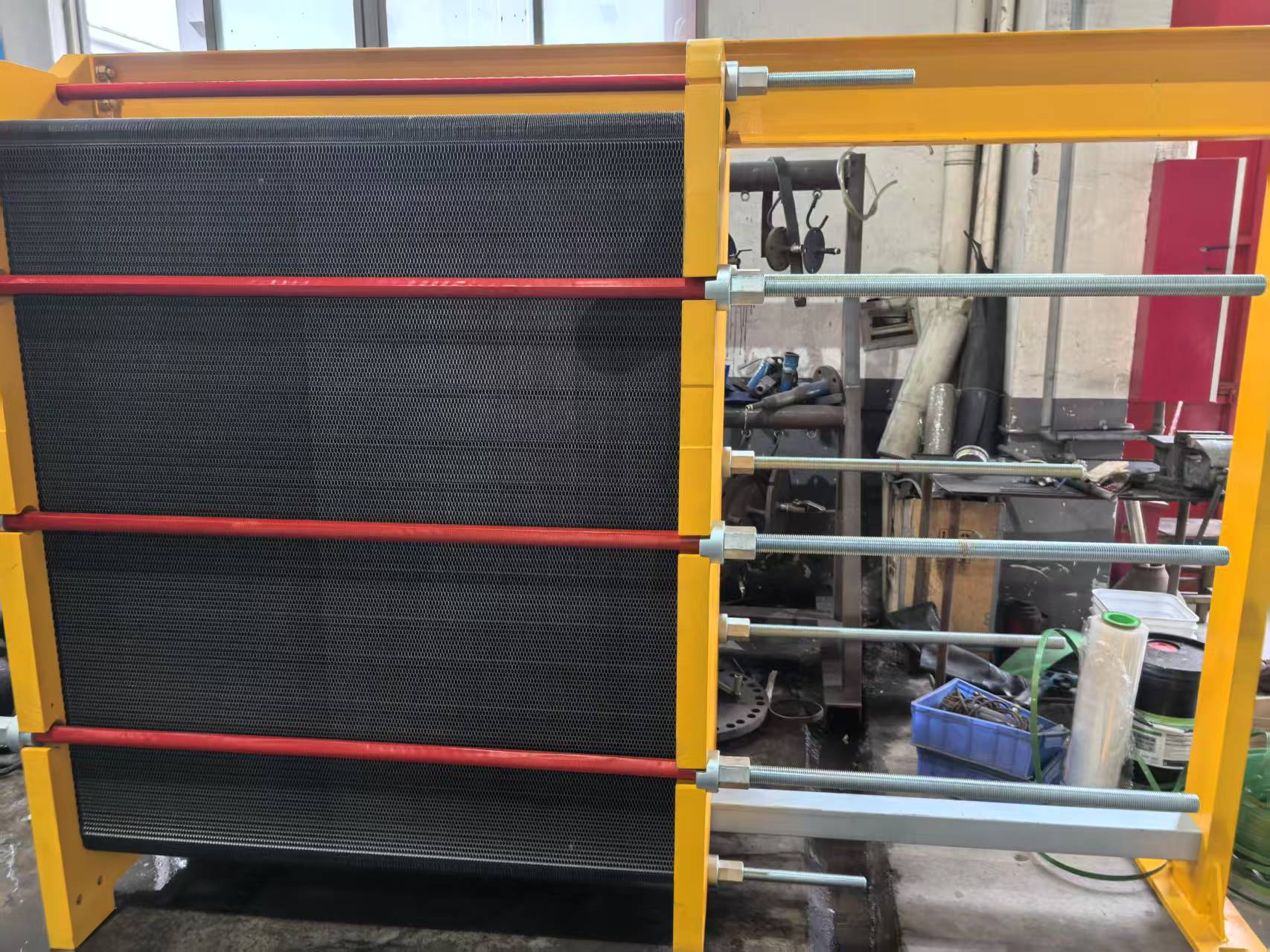
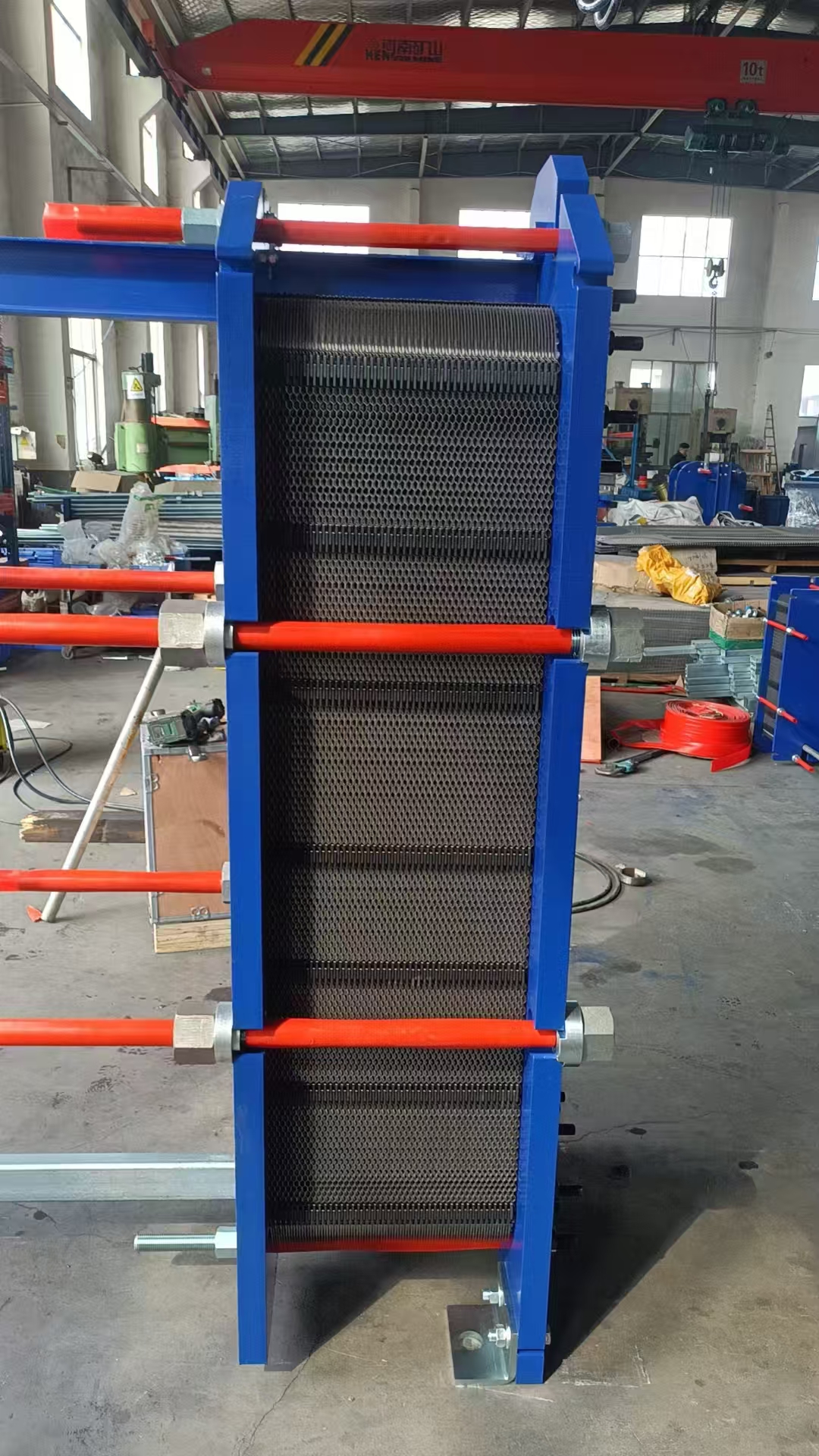
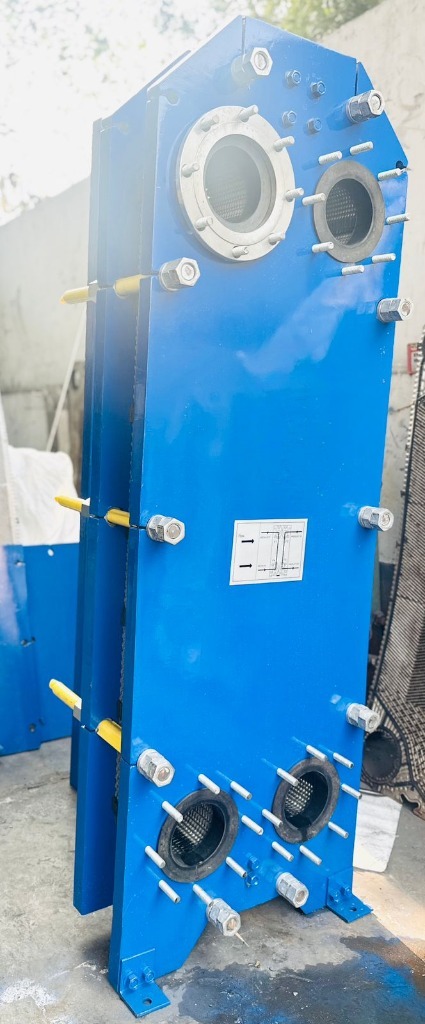
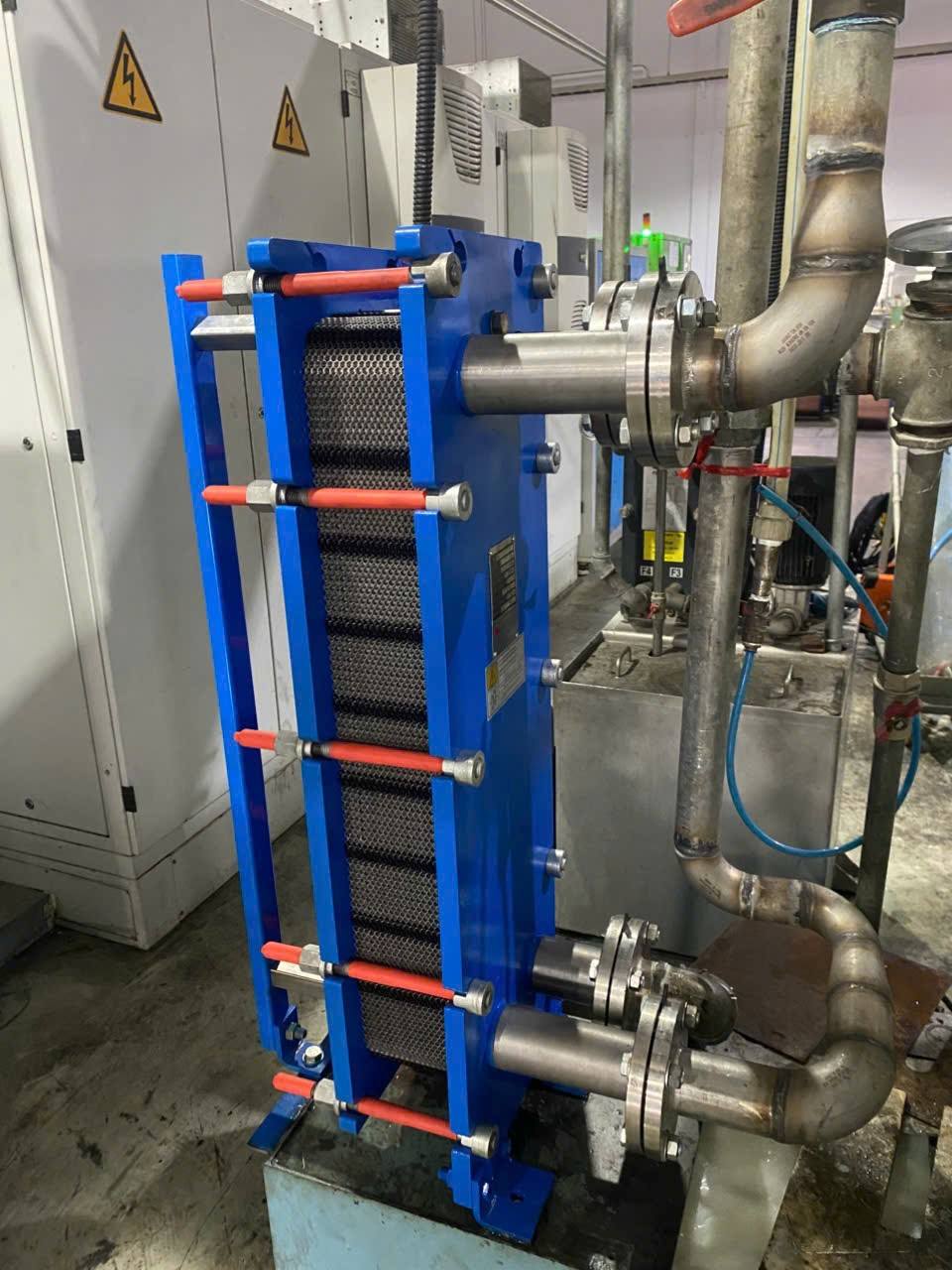
What is plate Heat Exchanger? A Plate Heat Exchanger (PHE) is a compact type of heat exchanger that uses a series of thin, corrugated metal plates to transfer heat between two fluids. These plates are stacked together, creating alternating channels for the hot and cold fluids to flow through. The close proximity and large surface area of...

Cooling tower Manufacturer in Kollam

By AIR-WATER FLOW DIRECTION (within Mechanical Draft Towers) Type Airflow vs. Water Flow Characteristics Counter flow Air flows upward, opposite to falling water. – Higher thermal efficiency– Smaller footprint– Higher pumping head (pressure)– More prone to fouling Cross flow Air flows horizontally, water falls...

Cooling tower Manufacturer in Palakkad

Cross flow vs. Counter flow Design Feature Cross flow Cooling Tower Counter flow Cooling Tower Air/Water Direction Air horizontal, water vertical (90° cross). Air upward, water downward (opposite directions). Water Distribution Gravity basins (low pressure). Pressurized spray nozzles (higher pressure). Air Pressure...

Cooling tower Manufacturer in Viruthunagar

Plastic and synthetic fiber production (PVC, nylon, polyester 5. Heavy Industry & Manufacturing 6. Data Centers & Telecommunications 7. Miscellaneous & Specialized Applications

Cooling Tower Manufacturer in Villupurum

Core Functions & Benefits Function Benefit Heat Rejection Removes large heat loads (often 10-1000+ MW) efficiently. Water Conservation Recycles 95-98% of cooling water (vs. once-through systems). Energy Efficiency Lower power consumption than air-cooled systems for same duty. Space Efficiency Smaller footprint than air-cooled heat exchangers...

Cooling Tower Manufacturer in Sivagangai

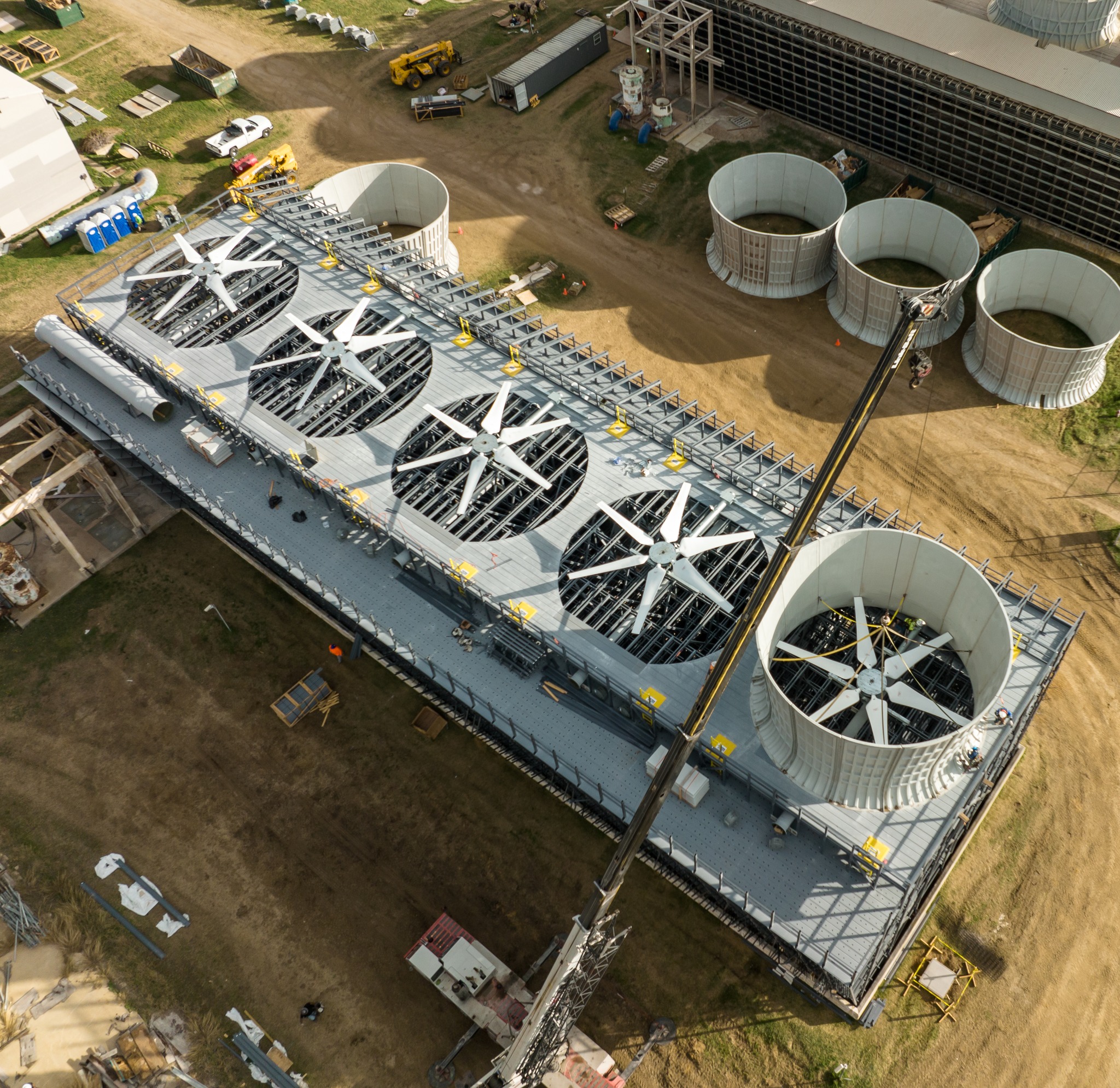
Components of cooling tower

Cooling Tower Manufacturer and Supplier in Ranipet

Main Types of Cooling Towers 1. By Air Flow Generation 2. By Construction 3. By Air-Water Contact

Cooling Tower Manufacturer in United Pudukkottai

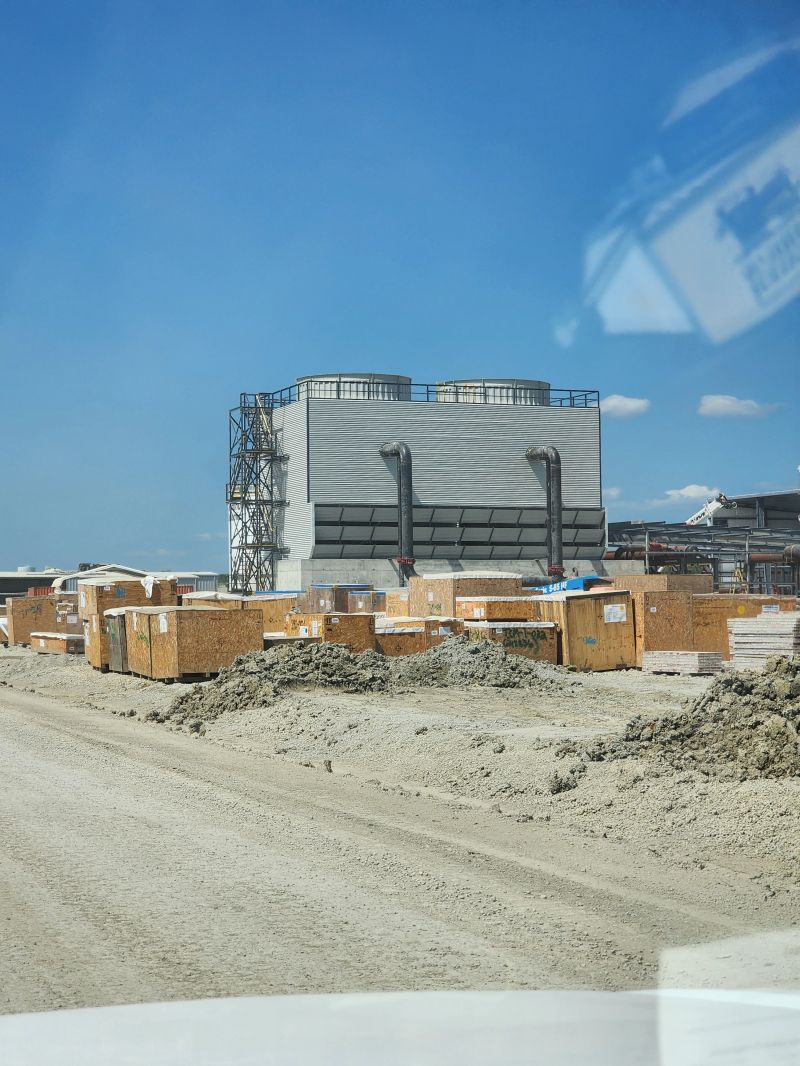
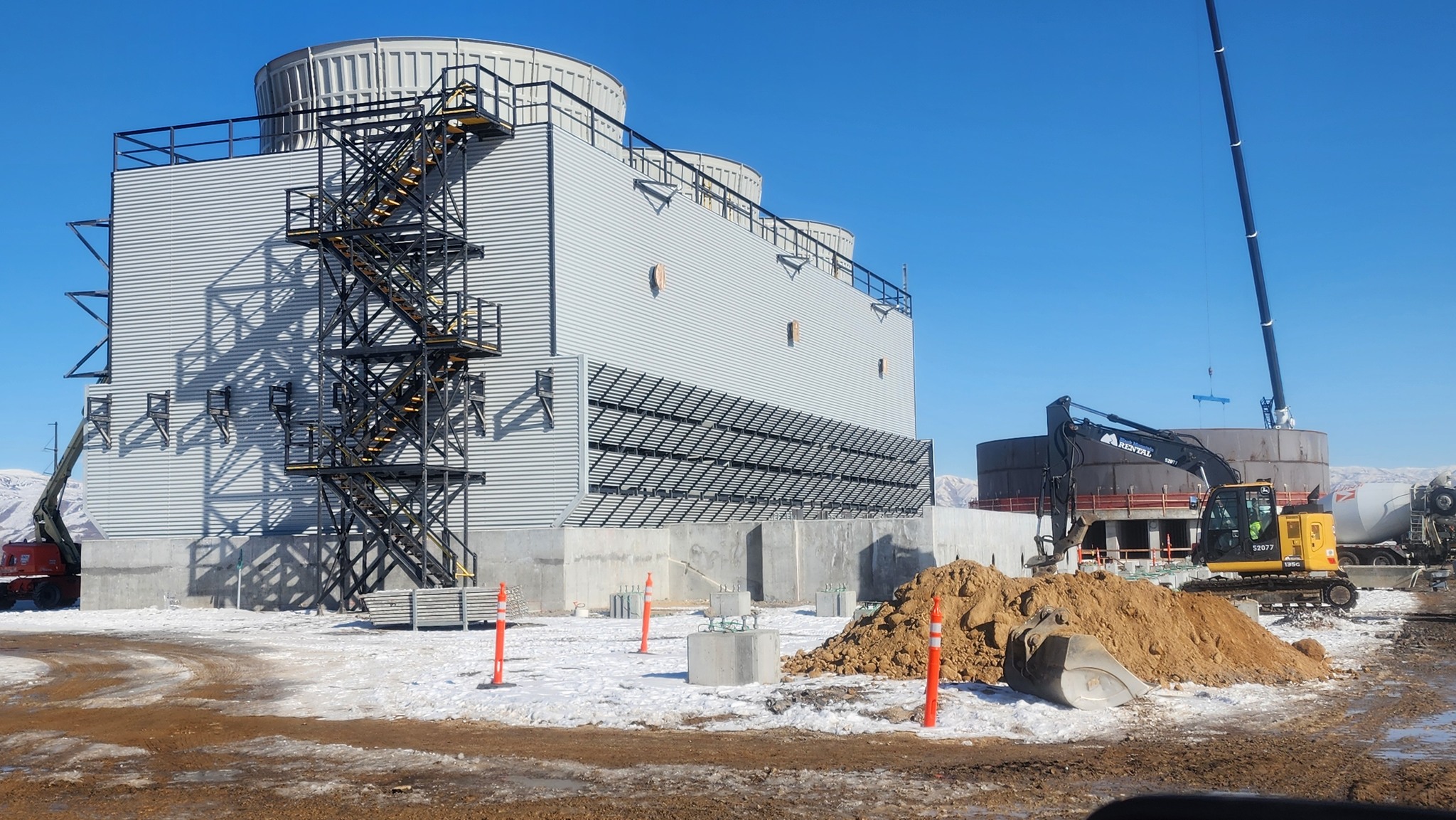
What is a Cooling Tower? A cooling tower is a specialized heat exchanger that removes waste heat from a system (like an industrial process or an HVAC system) by transferring it to the atmosphere through the cooling of water. It uses evaporation to cool down water, which is then reused in the process. How It Works (Basic […]

Cooling Tower Manufacturer in Kanchipuram

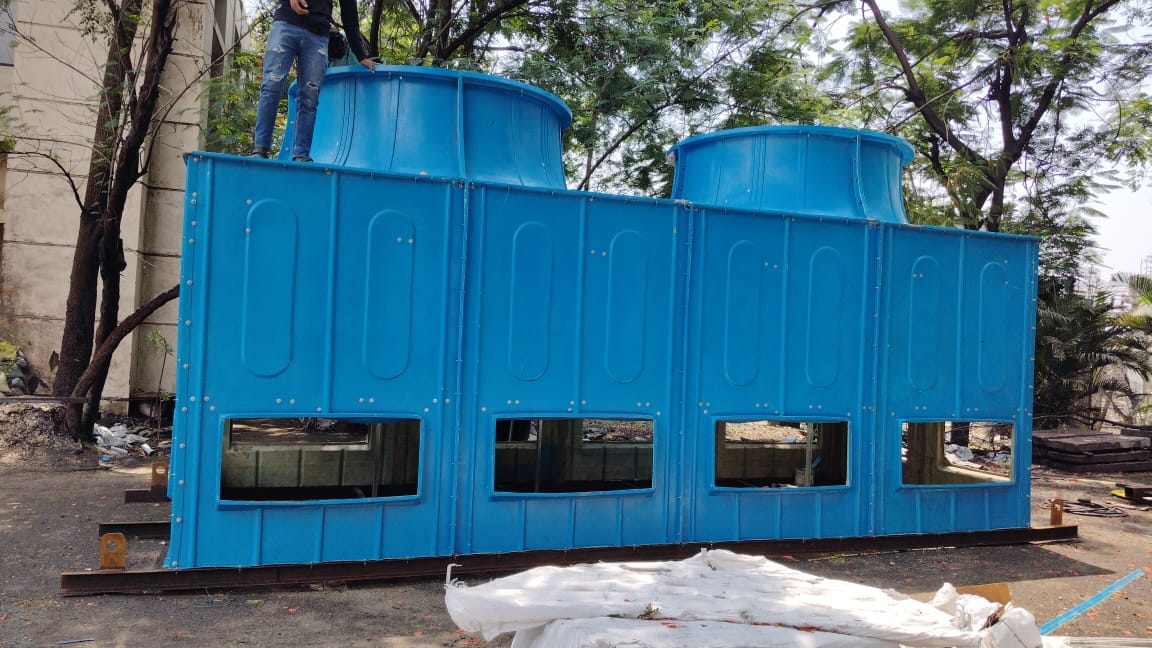
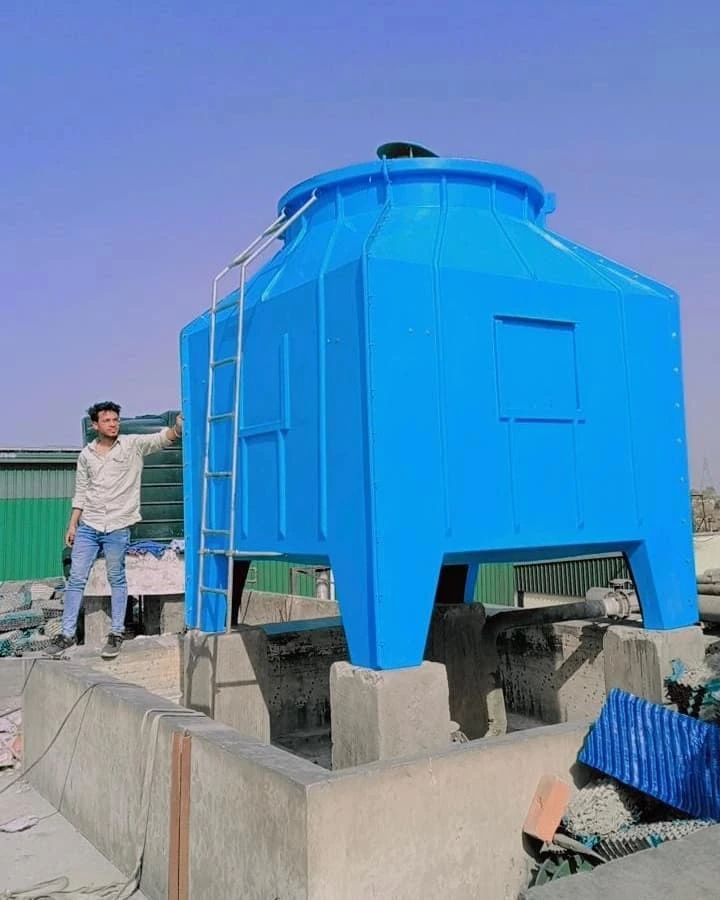
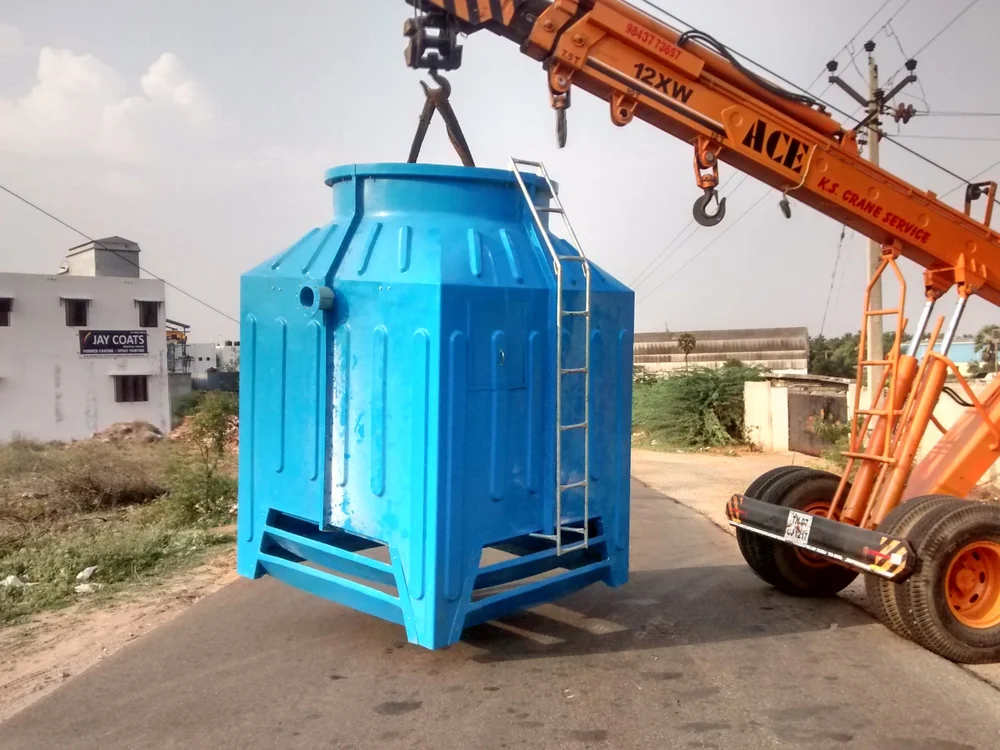
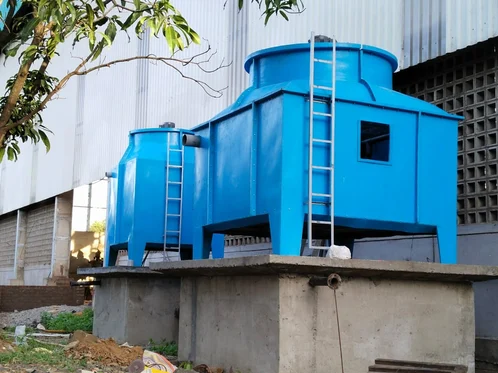
What is meant by FRP Cooling Tower? RP Cooling Tower is a cooling tower whose major components—primarily the casing (outer shell), cold water basin, and often structural supports—are constructed from Fiberglass Reinforced Plastic (FRP). It’s important to understand that “FRP” doesn’t refer to the...

Cooling Tower Supplier and Manufacturer in Kallakurichi

Materials of Cooling Tower Parts   1. Casing and Structural Framework This is the tower’s exterior shell and internal support structure.Galvanized Steel (G.S.): The most common material for industrial and large HVAC tower frameworks and casings. The zinc coating provides excellent 2. Fill (or Packing) This is the...

Cooling Tower Supplier in Erode

Material of Construction of Cooling Tower Component Common Materials Key Reasons Casing/Structure Galvanized Steel (G.S.), Stainless Steel, FRP Strength, corrosion resistance, durability. Fill (The Heart) PVC, PP, Wood, Ceramic, PP High surface area, corrosion resistance, lightweight. Cold Water Basin Reinforced Concrete, G.S. with lining, FRP Must...

Cooling Tower Manufacturer in Dindugal

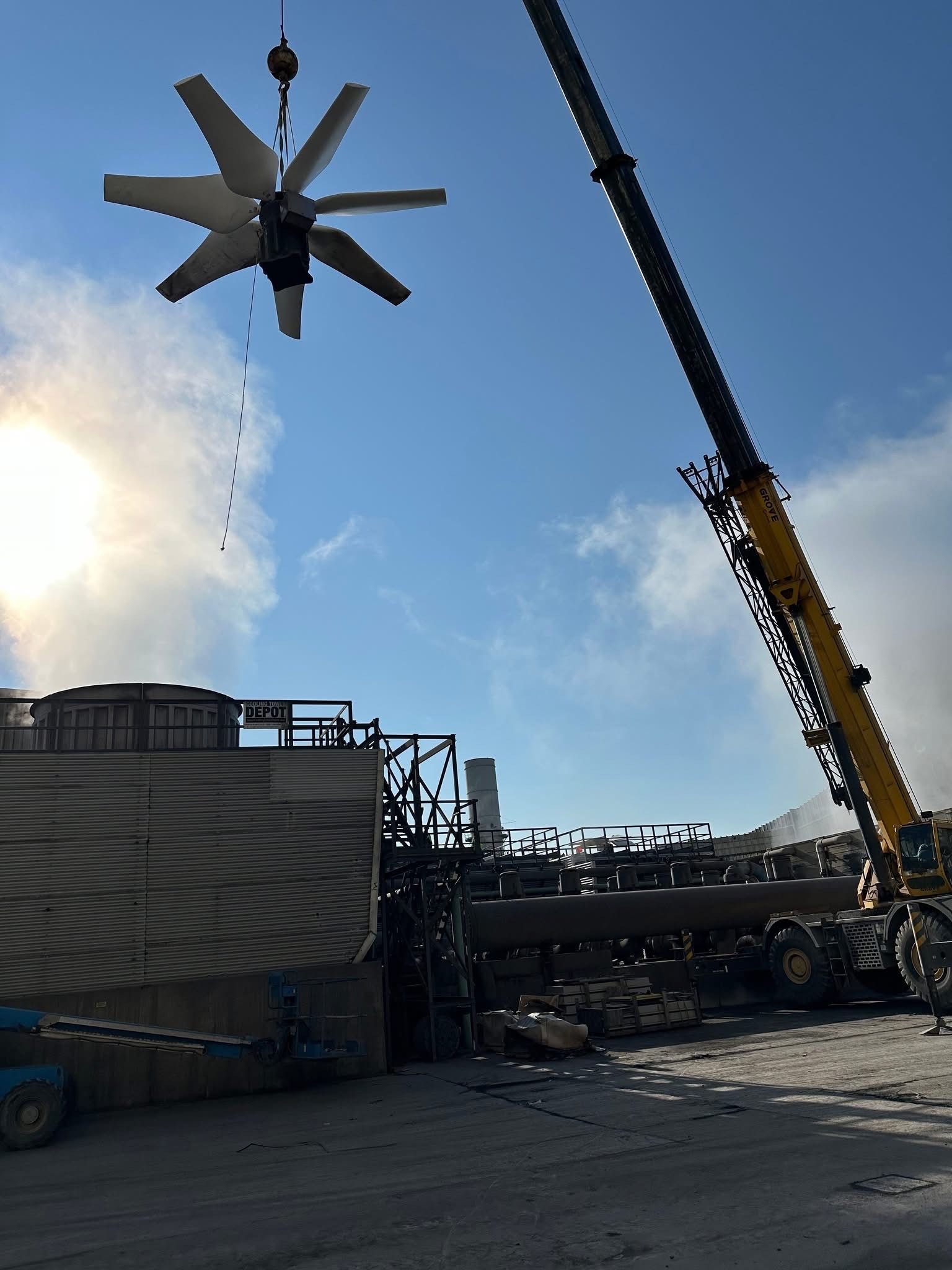
Parts of Cooling Tower Main Components of a Cooling Tower: 1. Frame and Casing 2. Fill (or Packing) 3. Cold Water Basin 4. Drift Eliminators 5. Inlet Louvres 6. Nozzles & Distribution System 7. Fan and Drive Assembly 8. Intake (Fan Cylinder) Supporting & Auxiliary Parts:
Cooling tower Manufacturer in Cuddalore

How These Functions Are Achieved: The Process To fulfill these functions, a cooling tower performs a specific process:

Cooling Tower Manufacturer Coimbatore

The primary function of a cooling tower is to remove waste heat from a water-based system and reject it to the atmosphere. This is achieved primarily through the principle of evaporative cooling. Here is a detailed breakdown of the key functions of a cooling tower: . Primary Function: Heat Rejection This is the core reason cooling towers...
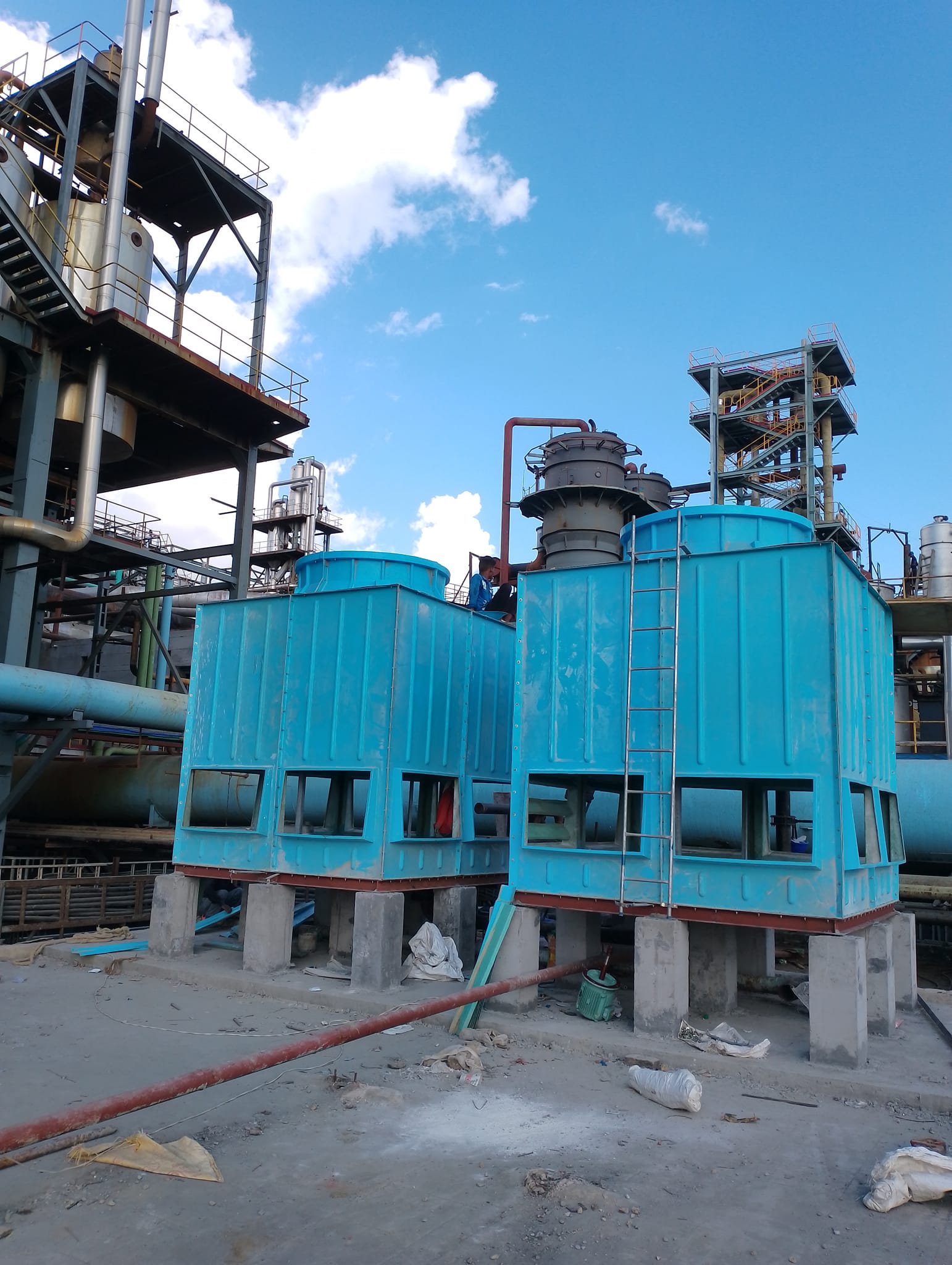
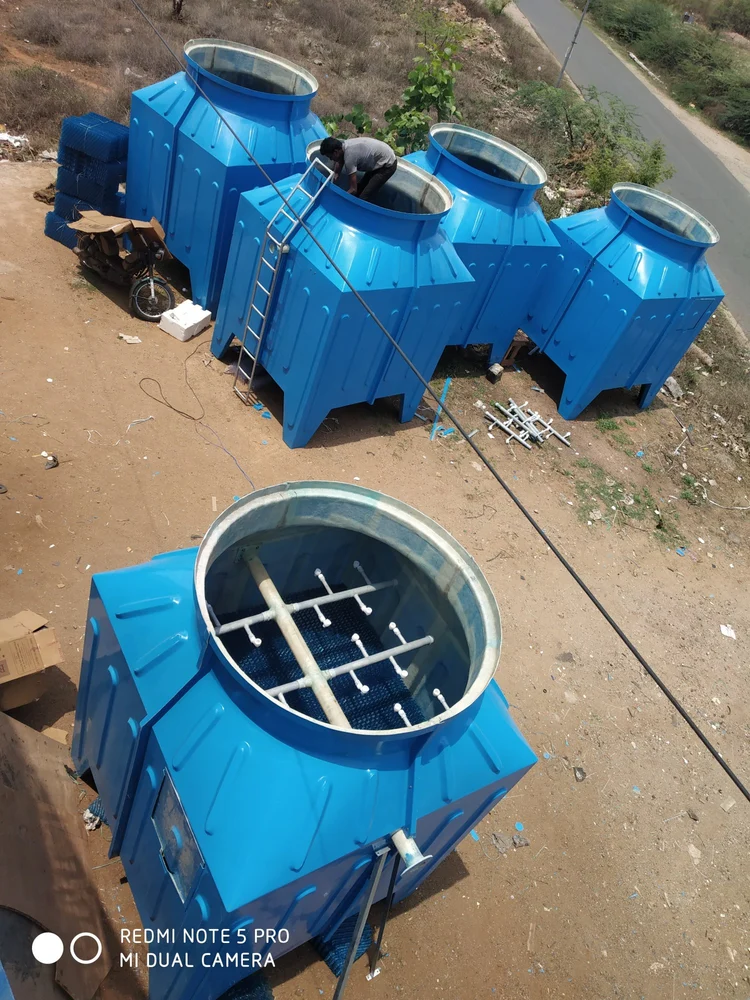
Cooling Tower Manufacturer in Chennai

Main Types of Cooling Towers Cooling towers are primarily categorized by how they move air: 1. Mechanical Draft TowersThese use large mechanical fans to force or draw air through the tower. They are the most common type. 2. Natural Draft TowersThese massive, hyperbolic (hourglass-shaped) towers use the natural principle of convection—hot air...

Closed Circuit Cooling Tower Supplier in QATAR

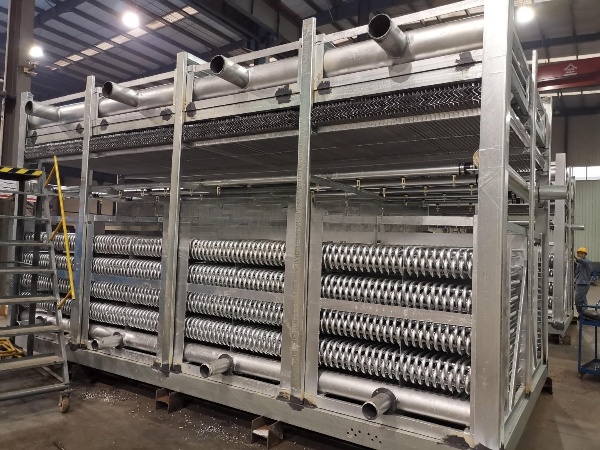
Major Parts of Closed Circuit Cooling Tower? closed circuit cooling tower is composed of several critical systems working in tandem. Its design is more complex than a standard open tower because it must manage two separate water circuits.Here are the major parts and their functions: 5. Collection & Control

Closed Circuit cooling tower Manufacturer in QATAR

Types of Closed Circuit Cooling Tower ? Closed circuit cooling towers are primarily classified by how the air and spray water move in relation to one another and how the fans are positioned. Here are the four main types you will encounter: . Counterflow Closed Circuit Towers In this design, air and water move in […]

Closed Circuit cooling tower in UAE

Advantages of Counter Flow Closed Circuit Design: Applications: This type of tower is specified for applications where efficiency, space savings, and cold-weather operation are critical: Freeze-Sensitive Applications: Any process in a cold climate that operates year-round, as the design mitigates ice formation.

Closed Circuit Cooling Tower Supplier in Egypt

Counter Flow vs. Cross Flow in Closed Circuit Towers This is a crucial distinction. The following table highlights the differences specific to closed-circuit designs: Feature Counter Flow Closed Circuit Tower Cross Flow Closed Circuit Tower Air/Spray Water Flow Vertical, opposite directions. Air up, water down....

Closed Circuit Cooling Tower Supplier in Saudi Arabia

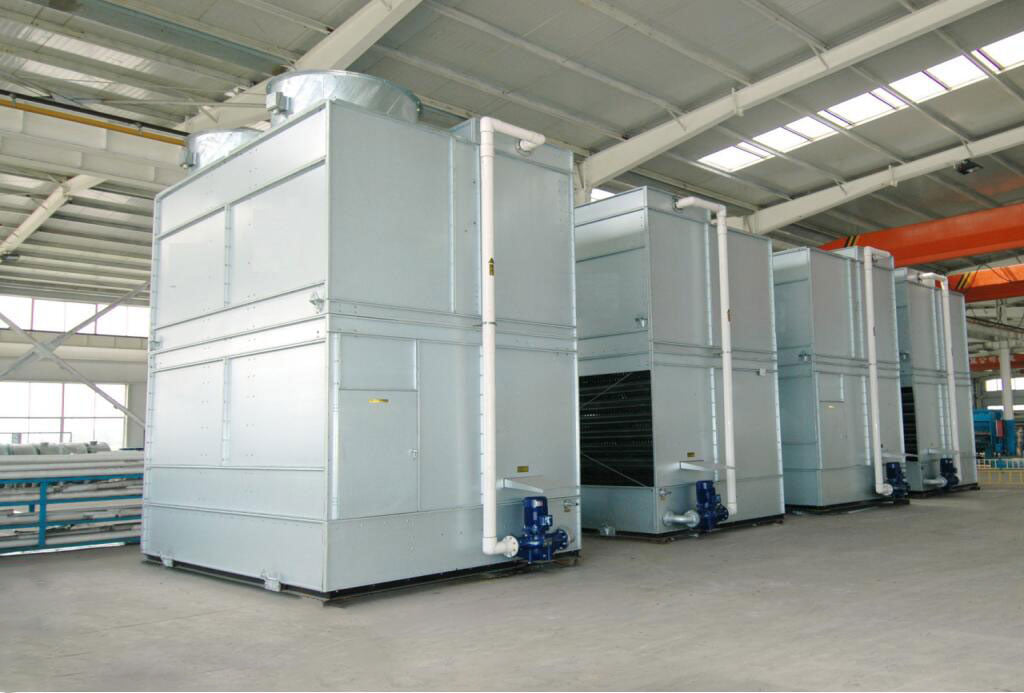
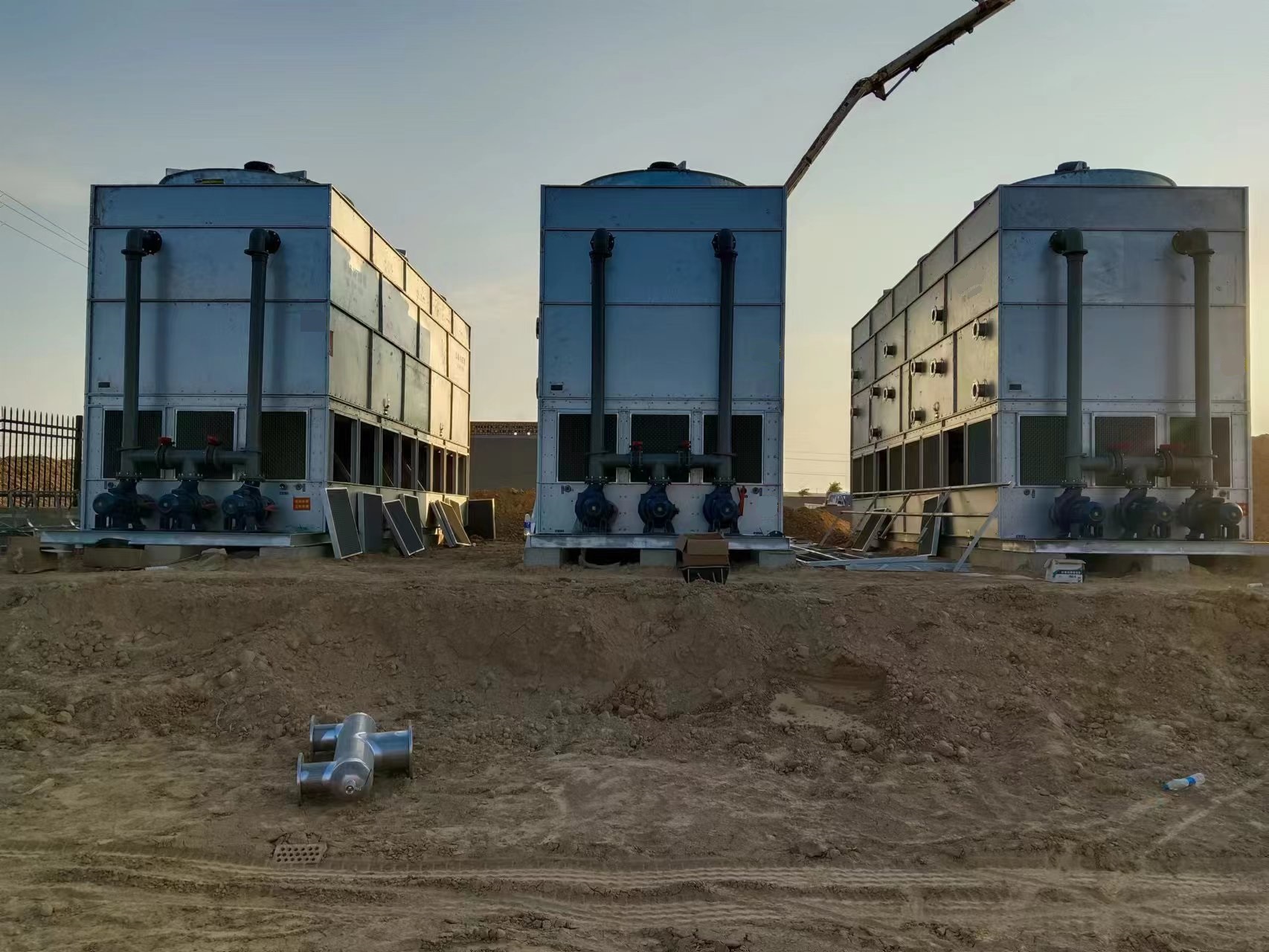
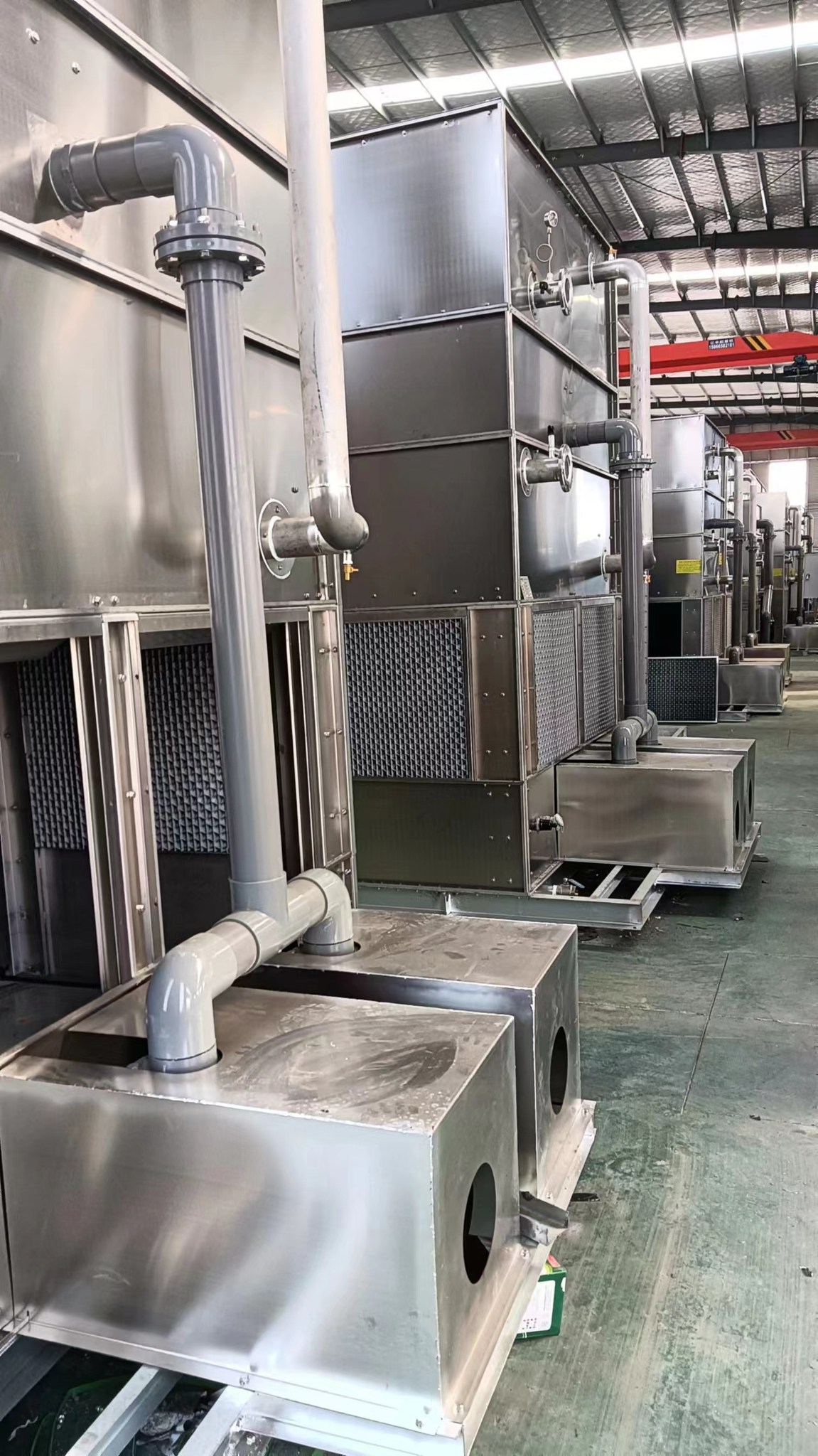
Counter Flow Closed Circuit cooling Tower Counter Flow Closed Circuit Cooling Tower is a highly efficient hybrid cooling system that combines the process protection of a closed loop with the thermal efficiency of evaporative cooling and the design advantages of counter-flow air/water contact. In this design: This...

Closed Circuit Cooling Tower Manufacturer in UAE

Advantages of Cross Flow Design: Applications: Cross flow cooling towers are used in the same vast array of applications as other cooling towers, including:

Closed Circuit Cooling Tower Manufacturer in Kuwait

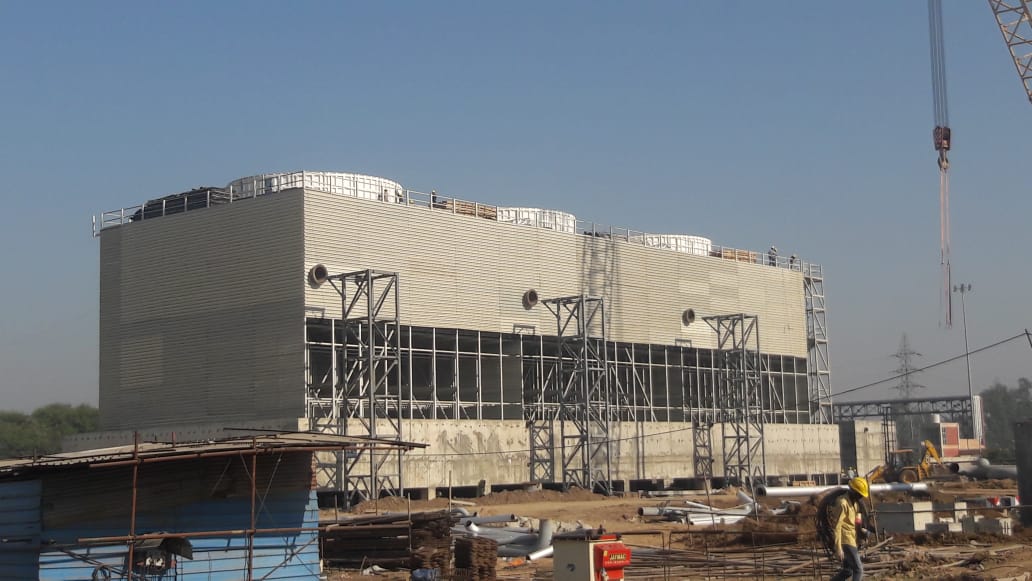
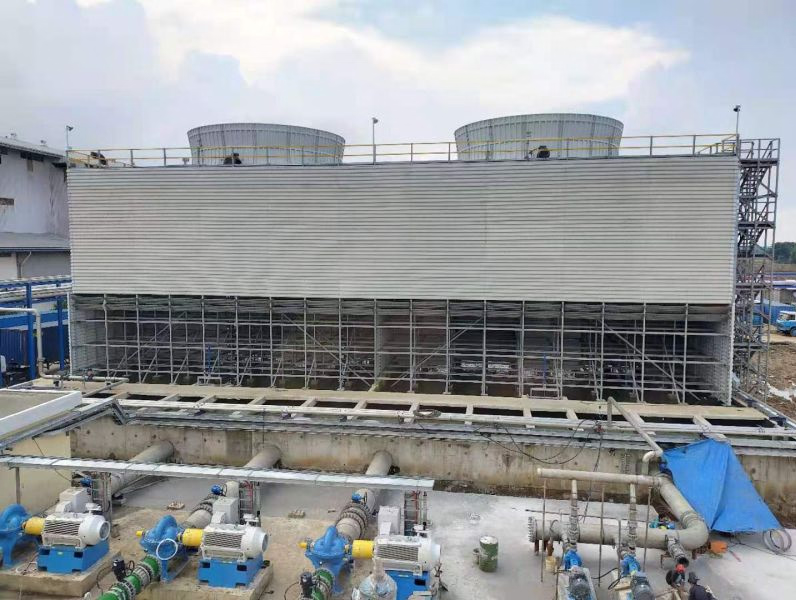
Cross Flow Evaporative Cooling Tower In a cross-flow cooling tower, the flow of air is directed perpendicular (across) the downward flow of the water being cooled. This is in contrast to a counter flow design, where air moves directly upward against the downward flow of water. This cross-flow arrangement defines the...

Closed Circuit Cooling Tower Supplier in Kuwait

Applications of Evaporative Condenser Evaporative condensers are ideal for systems where energy efficiency is a top priority and water is available. Common applications include:

Heat Exchanger Manufacturer in Saudi Arabia

Use of Shell and Tube Heat Exchanger Water Treatment & Desalination Effluent cooling/heating.

Shell and Tube Heat Exchanger Manufacturer in Zambia

Use of Shell and Tube Heat Exchanger Automotive & Aerospace Hydraulic oil temperature control.

Shell and Tube Heat Exchanger Manufacturer in Egypt

Use of Shell and Tube Heat Exchanger in HVAC & Refrigeration System

Shell and Tube Heat Exchanger Manufacturer in Ghana

Use of Shell and Tube Heat Exchanger in Chemical & Pharmaceutical Industry Pharmaceutical manufacturing (sterilization, crystallization).

Shell and Tube Heat Exchanger Manufacturer in Tanzania

Use of Shell and Tube Heat Exchanger in Power Generation Nuclear power plants (heat transfer in primary and secondary loops).

Shell and Tube Heat Exchanger Manufacturer in Angola

Use of Shell and Tube Heat Exchanger in Oil & Gas / Petrochemical industry Chemical synthesis (reactor heating/cooling).

Shell and Tube Heat Exchanger Manufacturer in Kenya

Shell and tube heat exchangers are widely used in the food industry due to their efficiency, durability, and versatility. Here are ten key points about their use: 1. Pasteurization 2. Sterilization 3. Cooling Applications 4. Energy Efficiency 5. Sanitary Design 6. Versatility 7. Chocolate and Fat Processing...

Shell and Tube Heat Exchanger Manufacturer in South Africa

Fixed Tube sheet vs. Floating Head Heat Exchanger: Key Differences When choosing between a fixed Tube sheet and a floating head design for a shell and tube heat exchanger, the decision depends on thermal expansion, maintenance needs, pressure/temperature conditions, and cost. Below is a detailed comparison: 1. Basic Design...

Shell and Tube Heat Exchanger Manufacturer in United Arab Emirates

Suitable Materials for Shell and Tube Heat Exchangers in the Food Industry The food industry requires materials that are:Corrosion-resistant (to withstand cleaning chemicals like CIP solutions).Non-toxic & FDA-compliant (no leaching of harmful substances).Smooth & non-porous (to prevent bacterial growth, easy to...

Shell and Tube Heat Exchanger Manufacturer in Saudi Arabia

The Code of Construction for Shell and Tube Heat Exchangers (STHE) is governed by international and national standards to ensure safety, reliability, and performance. Below are the key codes and standards used in their design, fabrication, and testing: 1. ASME (American Society of Mechanical Engineers) – Most Widely Used...

Shell and Tube Heat Exchanger Manufacturer in Qatar

Advantages of Shell and Tube Heat Exchangers (STHE) Shell and Tube Heat Exchangers are among the most widely used heat exchangers in industries due to their robust design, versatility, and efficiency. Here are their key advantages: 1. High Pressure & Temperature Resistance 2. Suitable for a Wide Range of Fluids 3. Robust &...

Shell and Tube Heat Exchanger Manufacturer in Oman

In Shell and Tube Heat Exchangers (STHE), the tube material is selected based on corrosion resistance, thermal conductivity, mechanical strength, and cost. Below are the most commonly used tube materials, along with their key properties and applications: 1. Carbon Steel (CS) Tubes 2. Stainless Steel (SS) Tubes 3. Copper...

Shell and Tube Heat Exchanger Manufacturer in Lebanon

Material of Construction (MOC) of Shell and Tube Heat Exchanger Shell and Tube Heat Exchanger (STHE) MOC depends on factors like: Common Materials Used in STHE Components 1. Shell Material 2. Tube Material 3. Tube Sheet Material 4. Baffles & Supports 5. Gaskets & Seals Selection Criteria Industry-Specific Examples

Shell and Tube Heat Exchanger Manufacturer in Jordan

Working Principle of Shell and Tube Heat Exchanger Advantages of Shell and Tube Heat Exchanger

Shell and Tube Heat Exchanger Manufacturer in Iraq

Components of a Shell and Tube Heat Exchanger

Shell and Tube Heat Exchanger Manufacturer in Djibouti

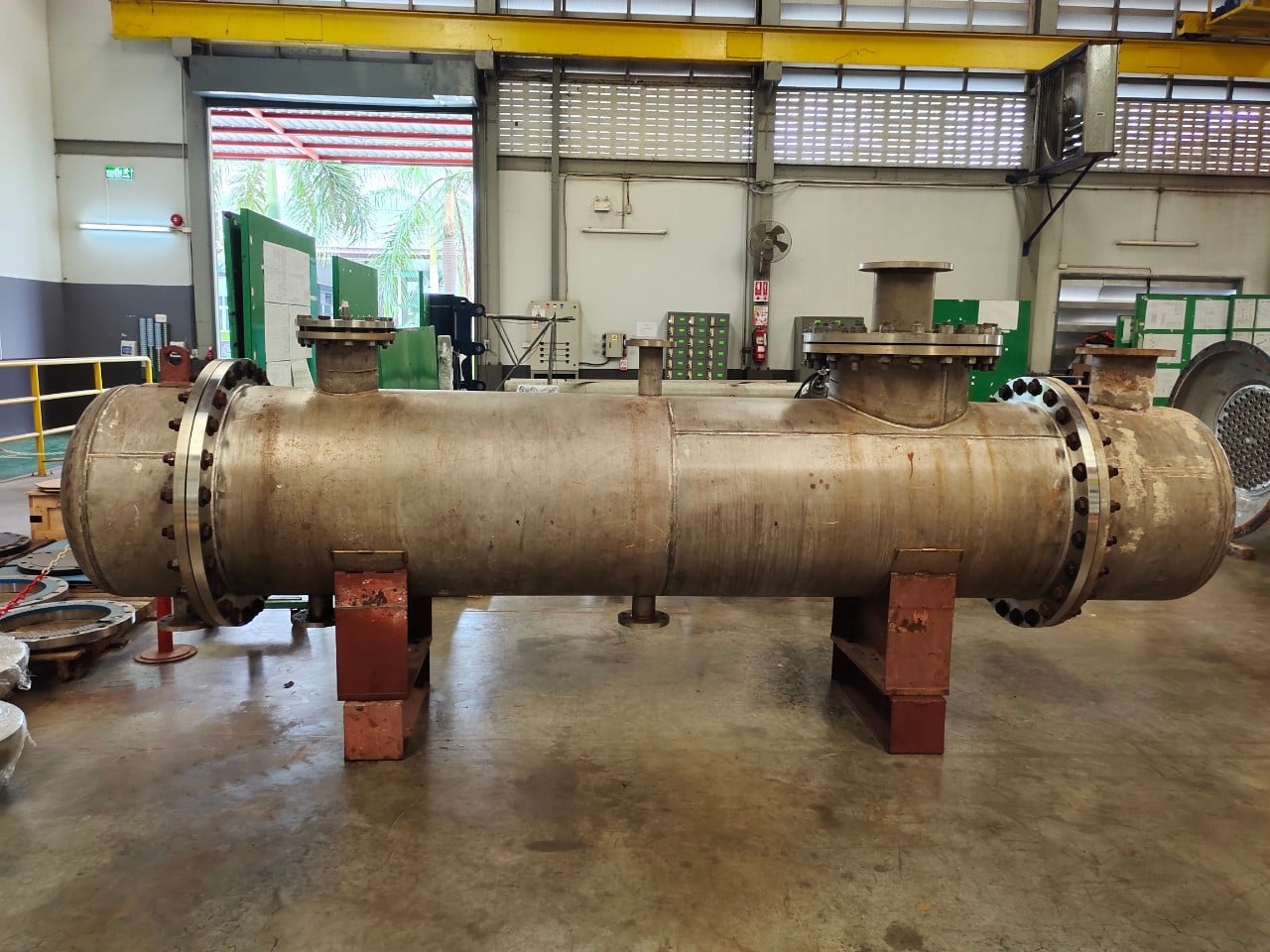
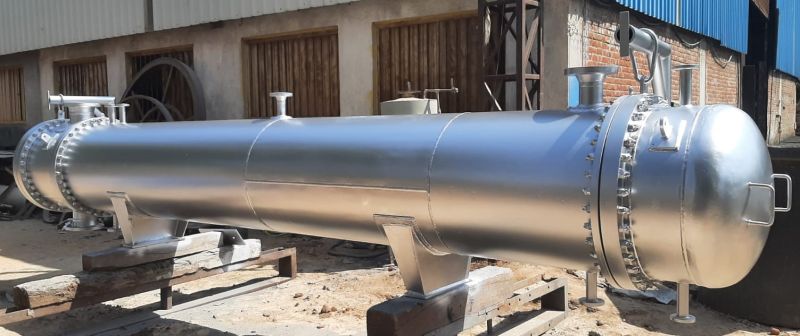
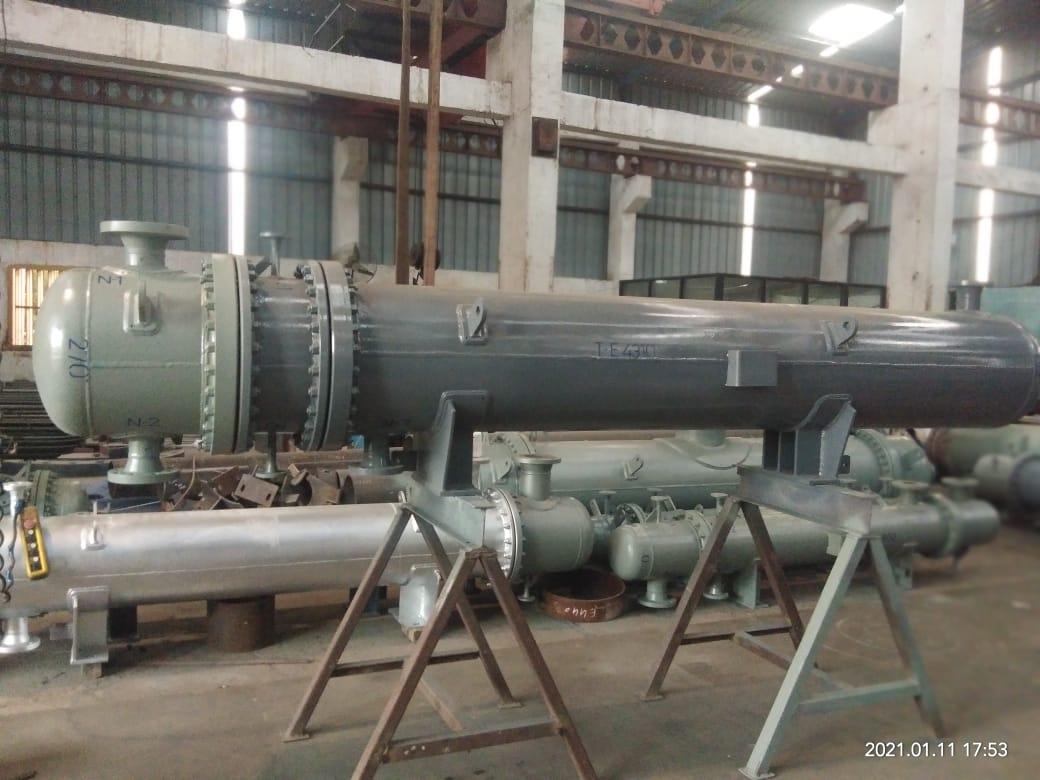
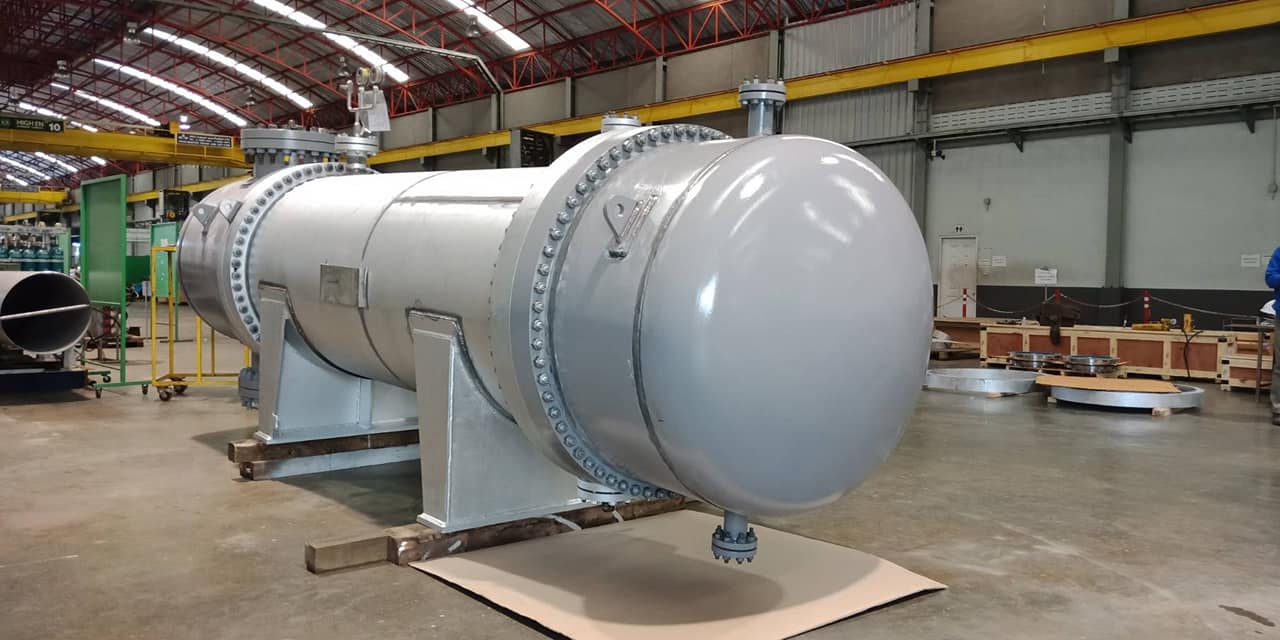
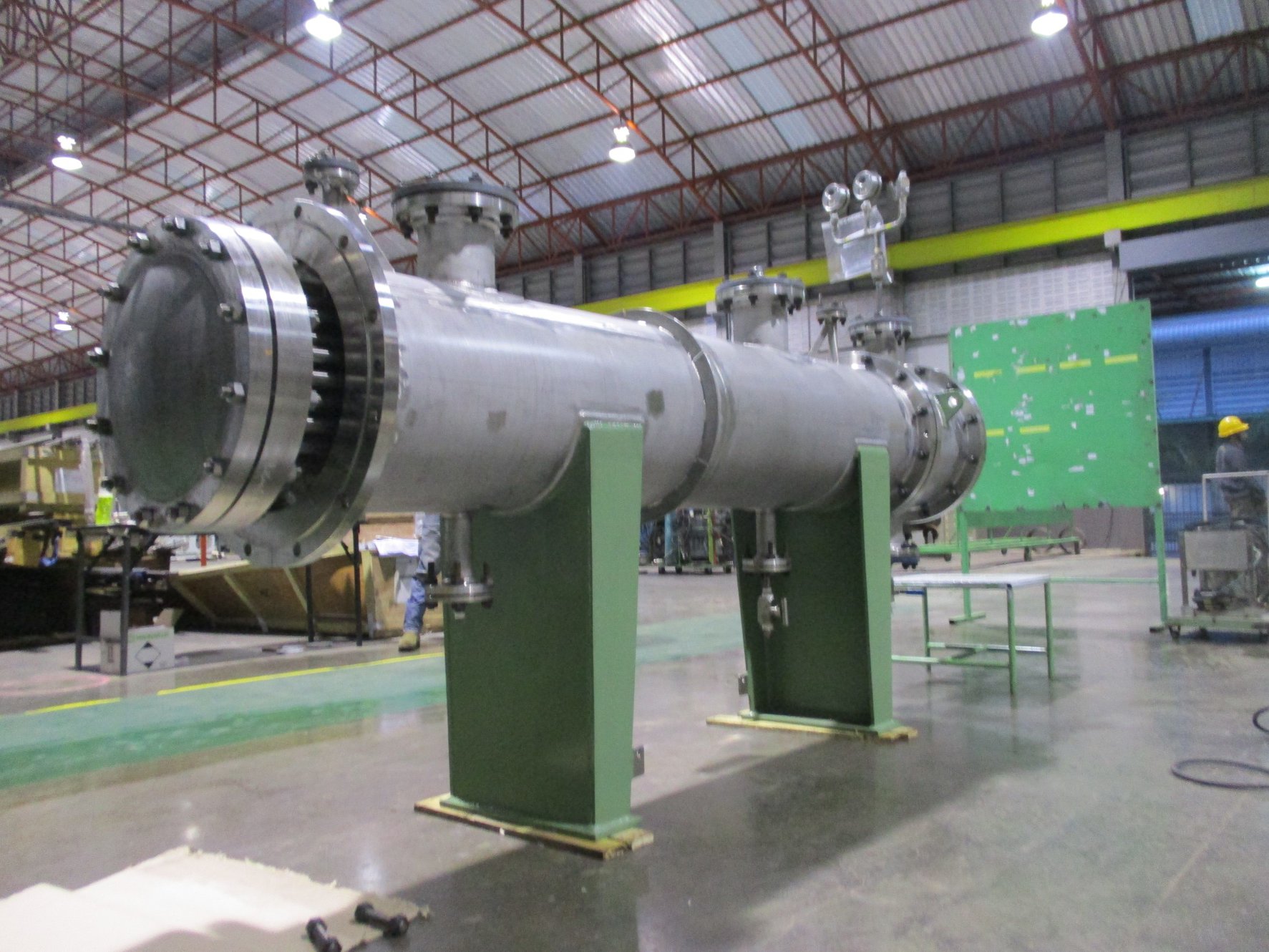
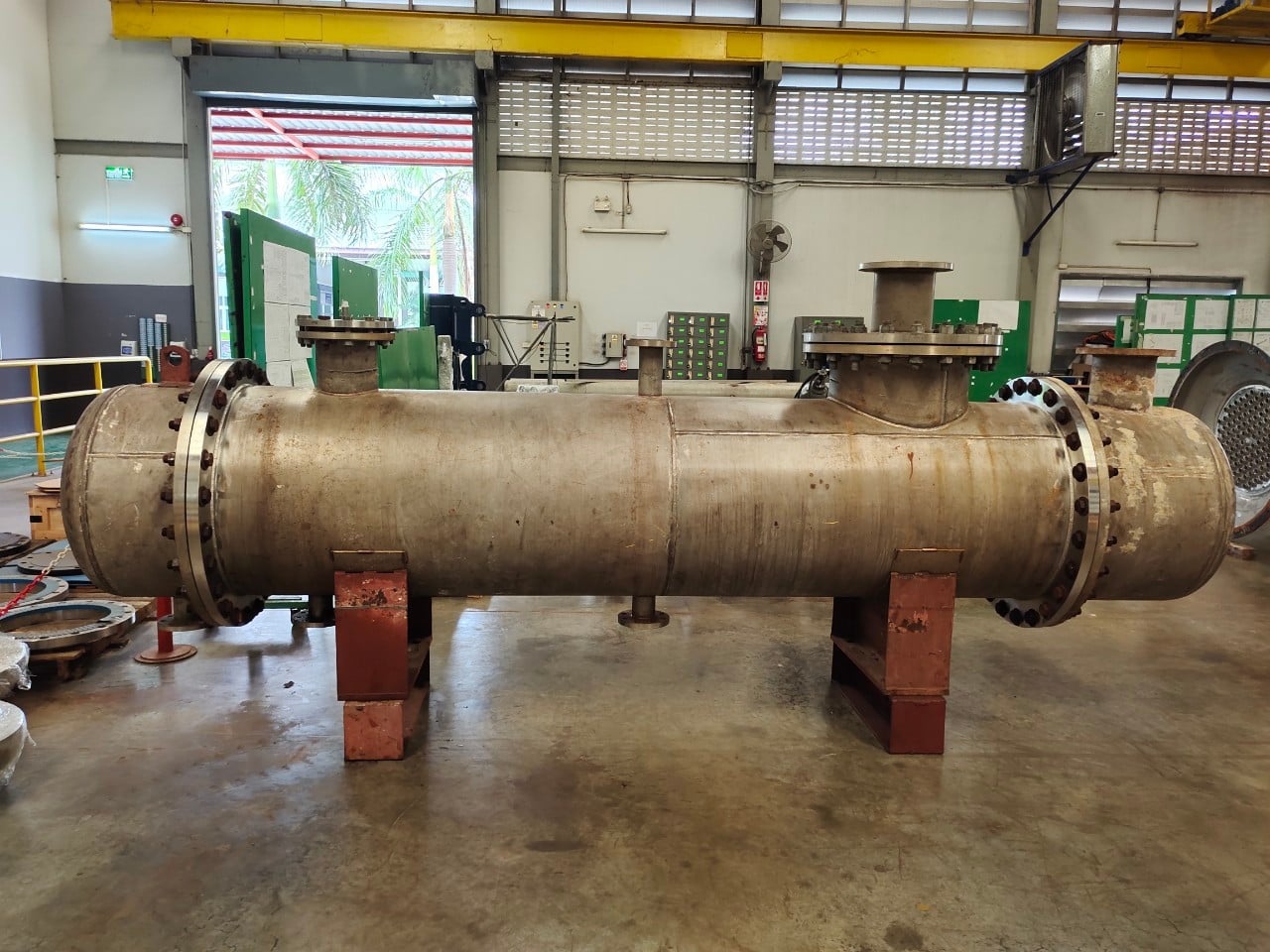
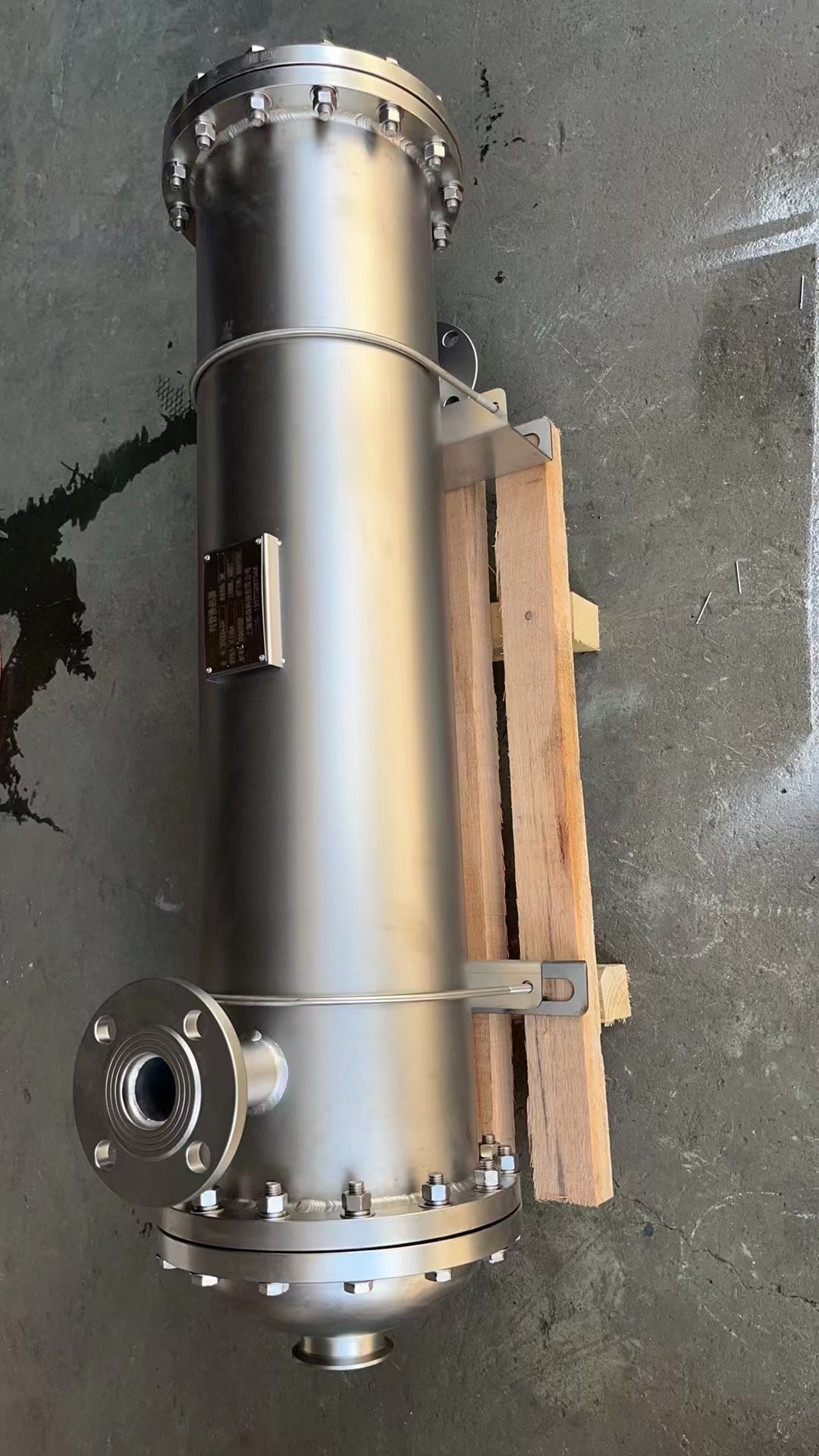
A Shell and Tube Heat Exchanger (STHE) is one of the most widely used types of heat exchangers in industrial applications. It consists of a shell (a large pressure vessel) with a bundle of tubes inside it. One fluid flows through the tubes (tube side), while another fluid flows outside the tubes but inside the shell (shell side), allowing...

Shell and Tube Heat Exchanger Manufacturer in Bahrain

Types Of Heat Exchangers  1. Based on Construction & Design Finned Tube Heat Exchanger 2. Based on Flow Arrangement 3. Based on Heat Transfer Mechanism 4. Specialized Types Pillow Plate Heat Exchanger

Shell and Tube Heat Exchanger Manufacturer in India

A heat exchanger is a device used to transfer heat between two or more fluids (liquids or gases) without them mixing. It’s widely used in engineering applications where heating or cooling is required, such as in power plants, chemical processing, refrigeration, and HVAC systems. How It Works Heat flows from the hotter fluid to the […]

Cooling tower manufacturer in Kenya

Cooling Tower Maintenance Guide 1. Daily/Operational Maintenance Visual Inspections Water Treatment Monitoring 2. Weekly Maintenance Tasks Water System Checks Mechanical Inspections 3. Monthly Maintenance Distribution System Structural Components 4. Seasonal/Quarterly Maintenance Thorough Cleaning Mechanical Detailed Inspection 5....

Cooling Tower Fills manufacturer in Kenya

Effect of Wet Bulb Temperature in Cooling Tower The Wet Bulb Temperature (WBT) is the most critical environmental factor governing the fundamental physics and ultimate limit of a cooling tower’s performance. It is not just an influence; it is the thermodynamic boundary. Here’s a detailed breakdown of its effect, from core...

Square Shape Cooling Tower Supplier in Kenya

Applications of Mechanical Draft Cooling Tower

Cooling tower in Kenya

Types of Cooling Towers Used  in Food & Beverage Processing The Unseen Guardian of Safety and Efficiency In the Food & Beverage industry, the cooling tower is an unseen but critical utility. It directly supports: Its reliable operation is essential for producing safe, high-quality food and beverages consistently and sustainably.

FRP Cooling Tower Supplier in Kenya

Why Cooling Towers Are Indispensable in Food & Beverage Processing Critical Operational Considerations & Unique Challenges in F&B The F&B industry has stricter hygienic requirements than most industrial settings, making cooling tower management particularly sensitive. Sanitation & Documentation: Cooling towers are subject...

FRP Cooling Tower Supplier in Kenya

Type of Cooling Towers in Steel Mills Why It’s Indispensable: Consequences of Failure A cooling tower system failure is a plant-wide emergency that leads to an immediate shutdown (“tripping”) of production. The consequences are severe: Operational Challenges & Management Managing the cooling tower system is a...

Cooling Tower Supplier in Kenya

Types of Cooling Towers Used 4. Key Operational Considerations & Challenges Summary: The Vital Supporting Role Think of the cooling tower as the “heart” of the plant’s non-contact cooling circulatory system. It doesn’t directly touch the metal, but it is absolutely essential for:

Cooling Tower Manufacturer in Kenya

cooling tower for Metals Production While not always the first thing people think of in metals production, cooling towers are critical, enabling infrastructure for the entire industry. Their primary role is heat rejection and water conservation in large-scale industrial cooling systems. Here’s a detailed breakdown of their...

Cooling Tower Supplier in Kenya

SAFETY & ENVIRONMENTAL CONSIDERATIONS Hazardous Materials: Regulatory Compliance: ECONOMICS & OPERATIONAL EXCELLENCE Cost Drivers: Key Performance Indicators (KPIs):
1 2 3 12