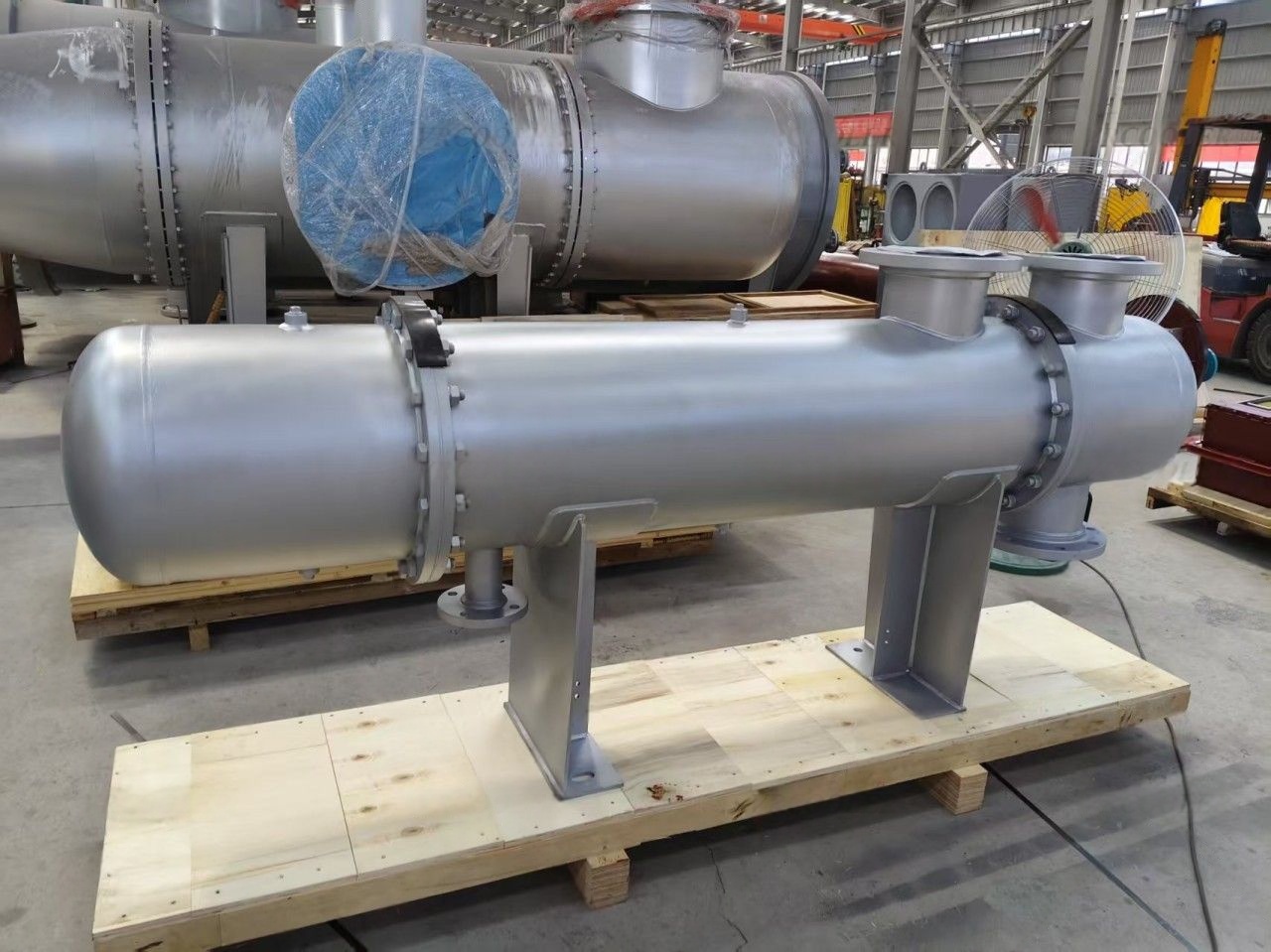
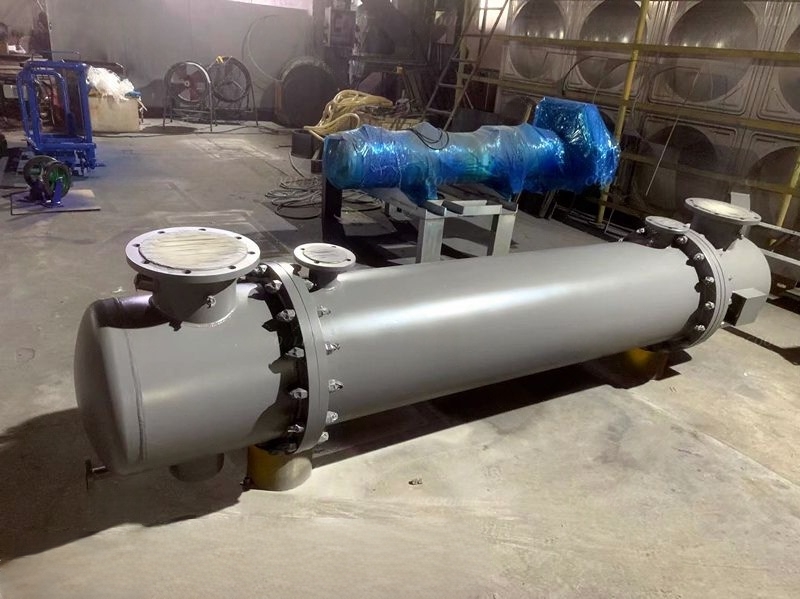
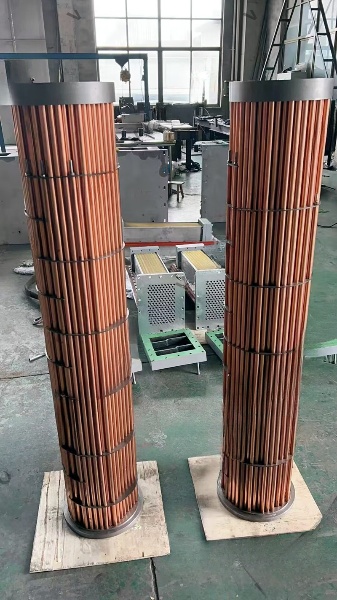
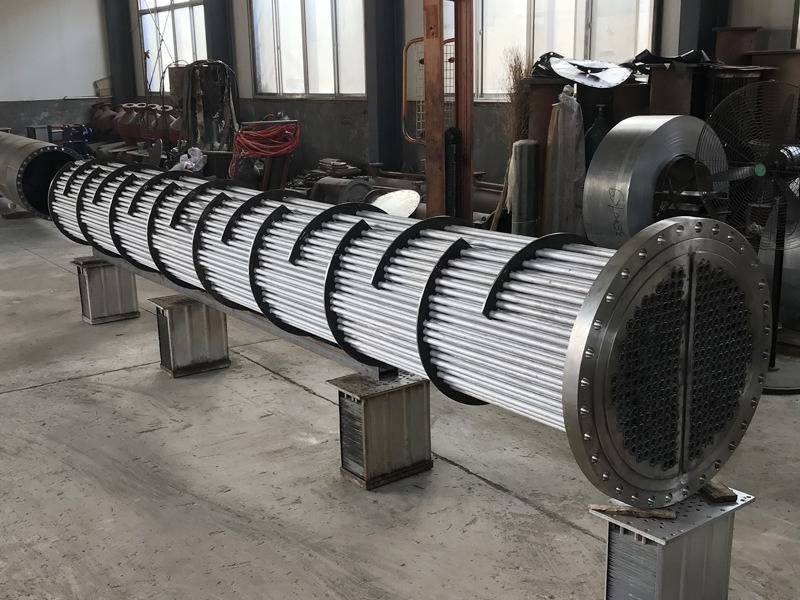
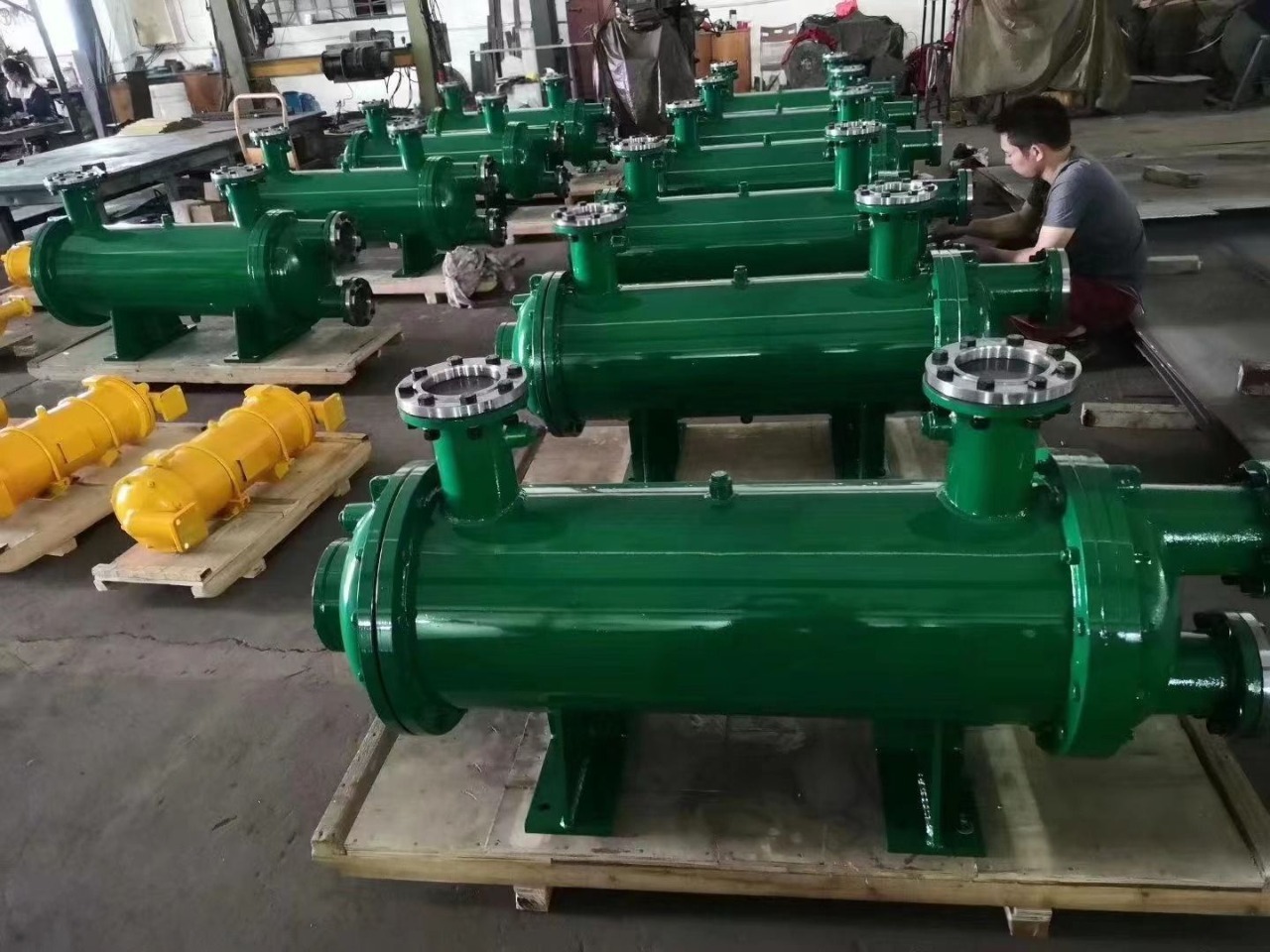
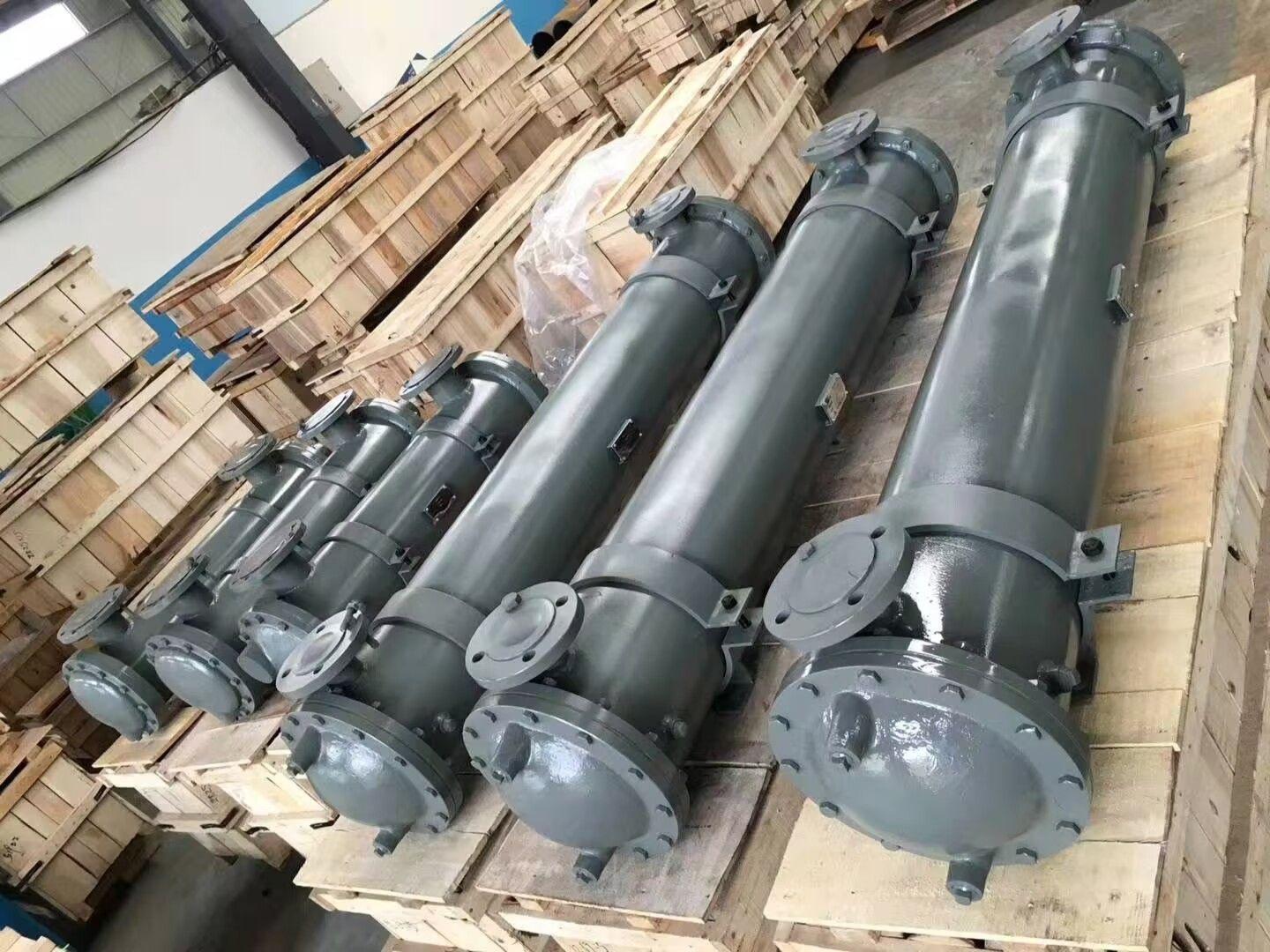
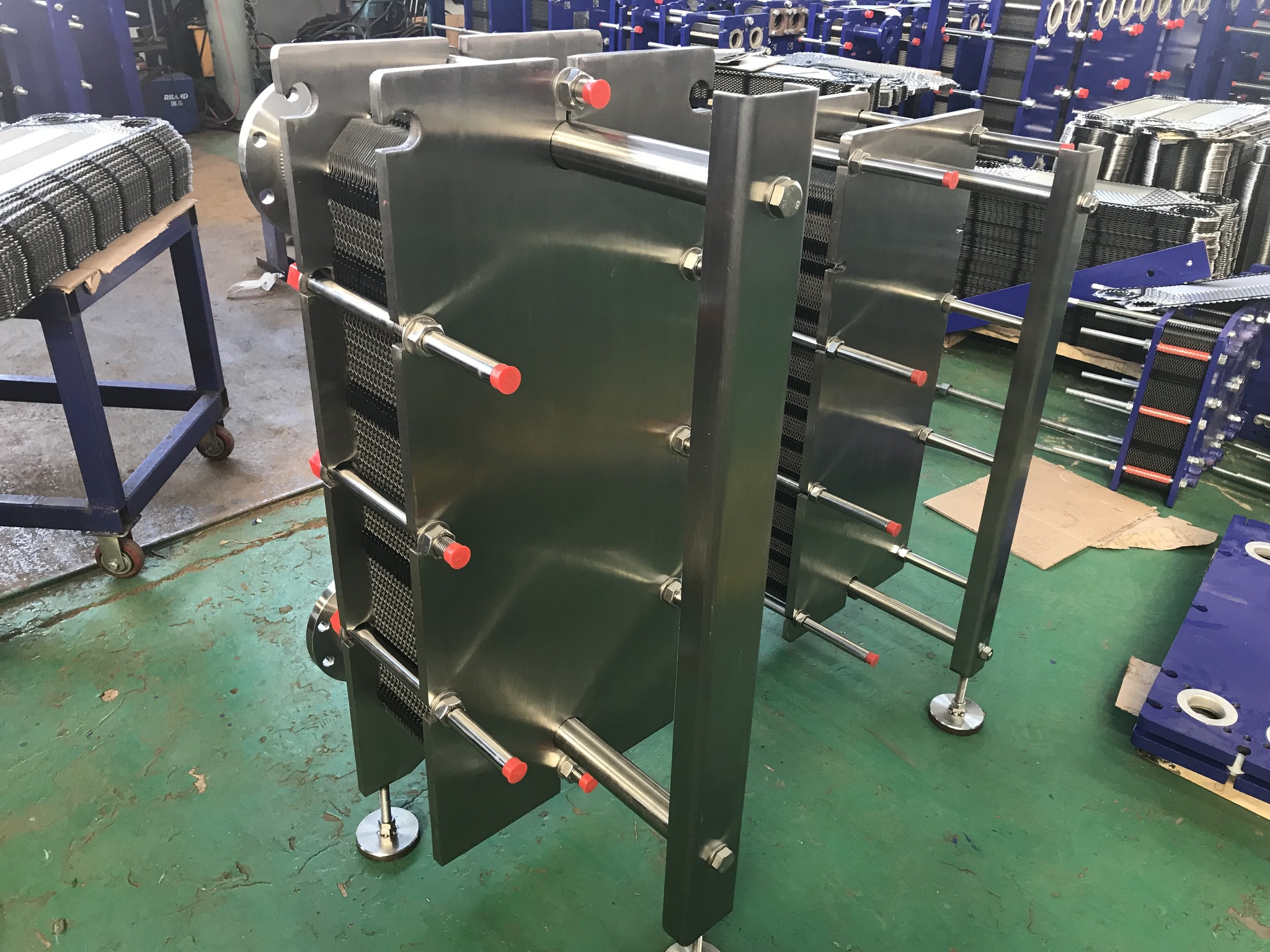
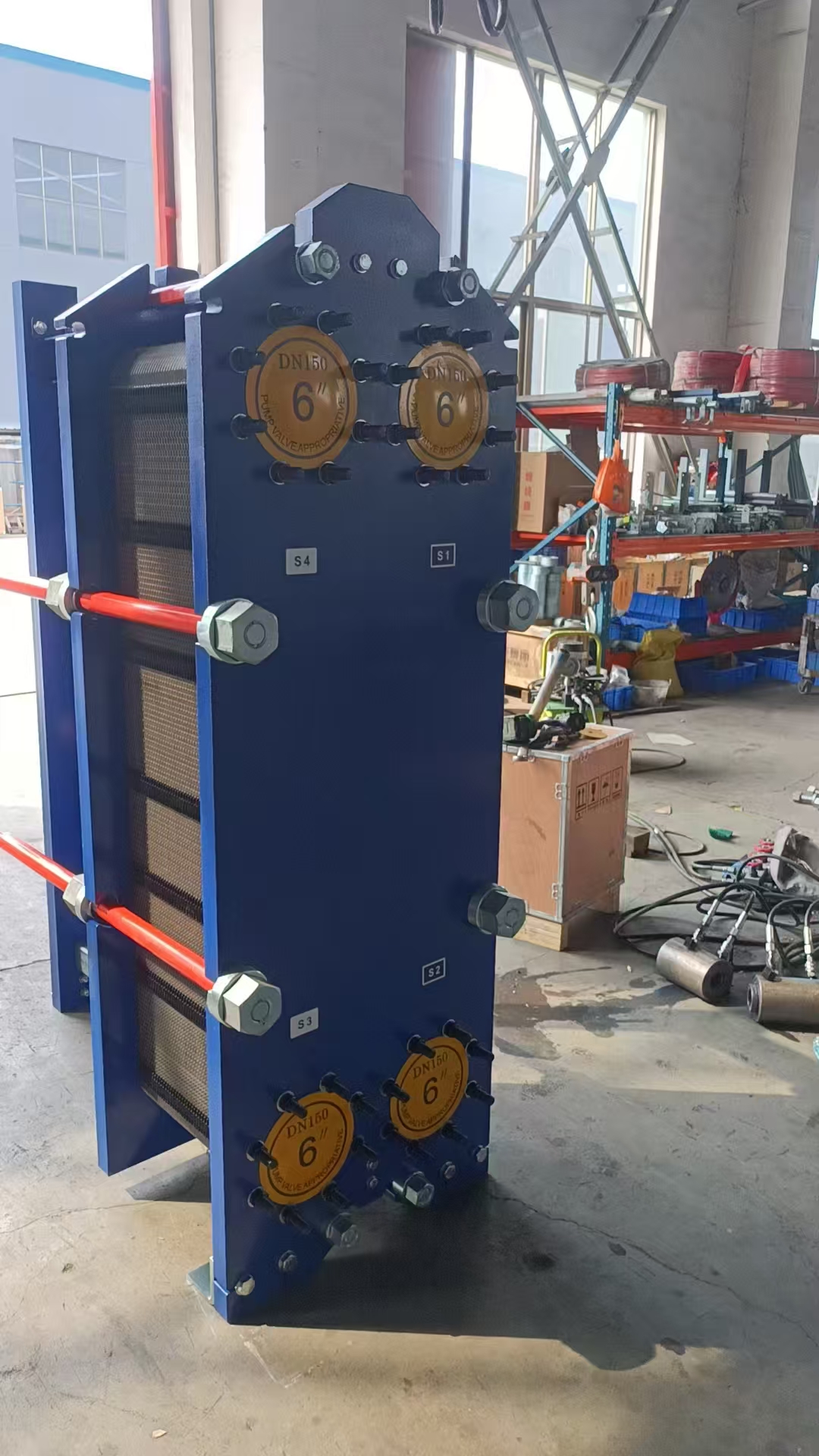
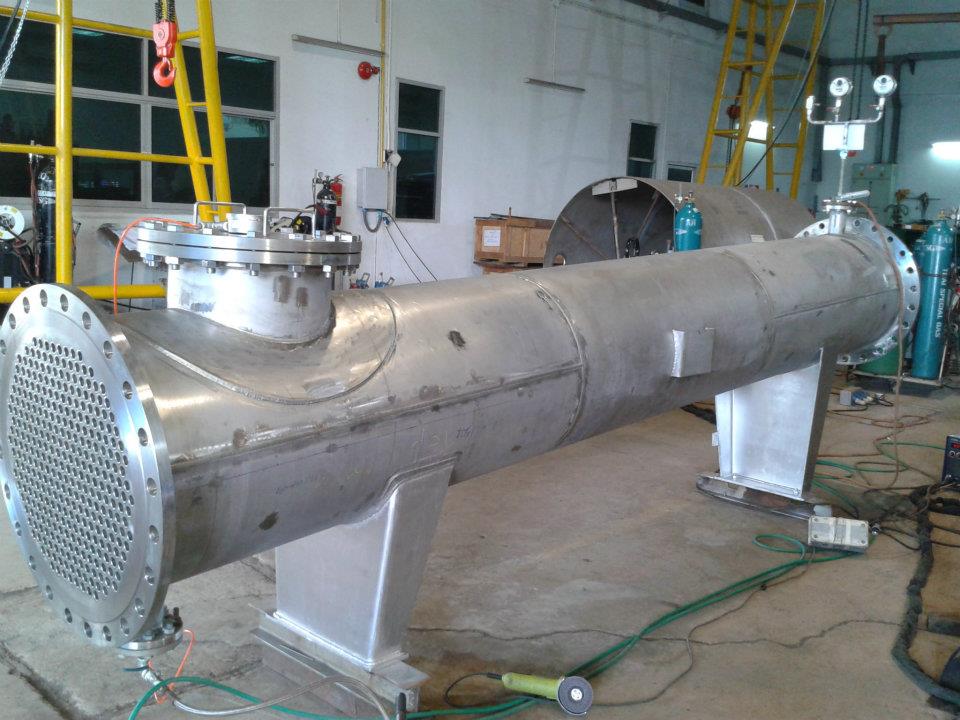
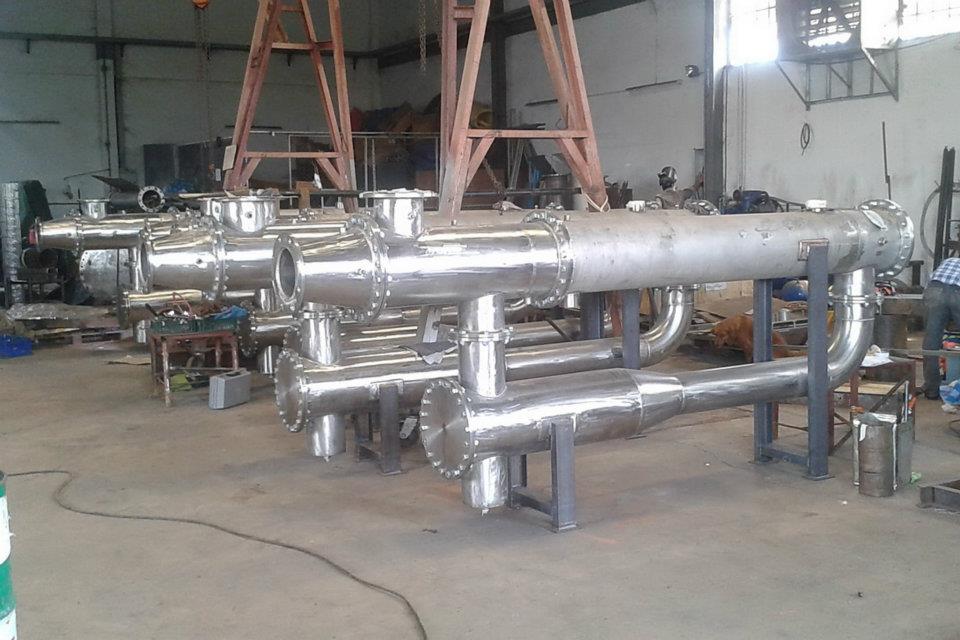
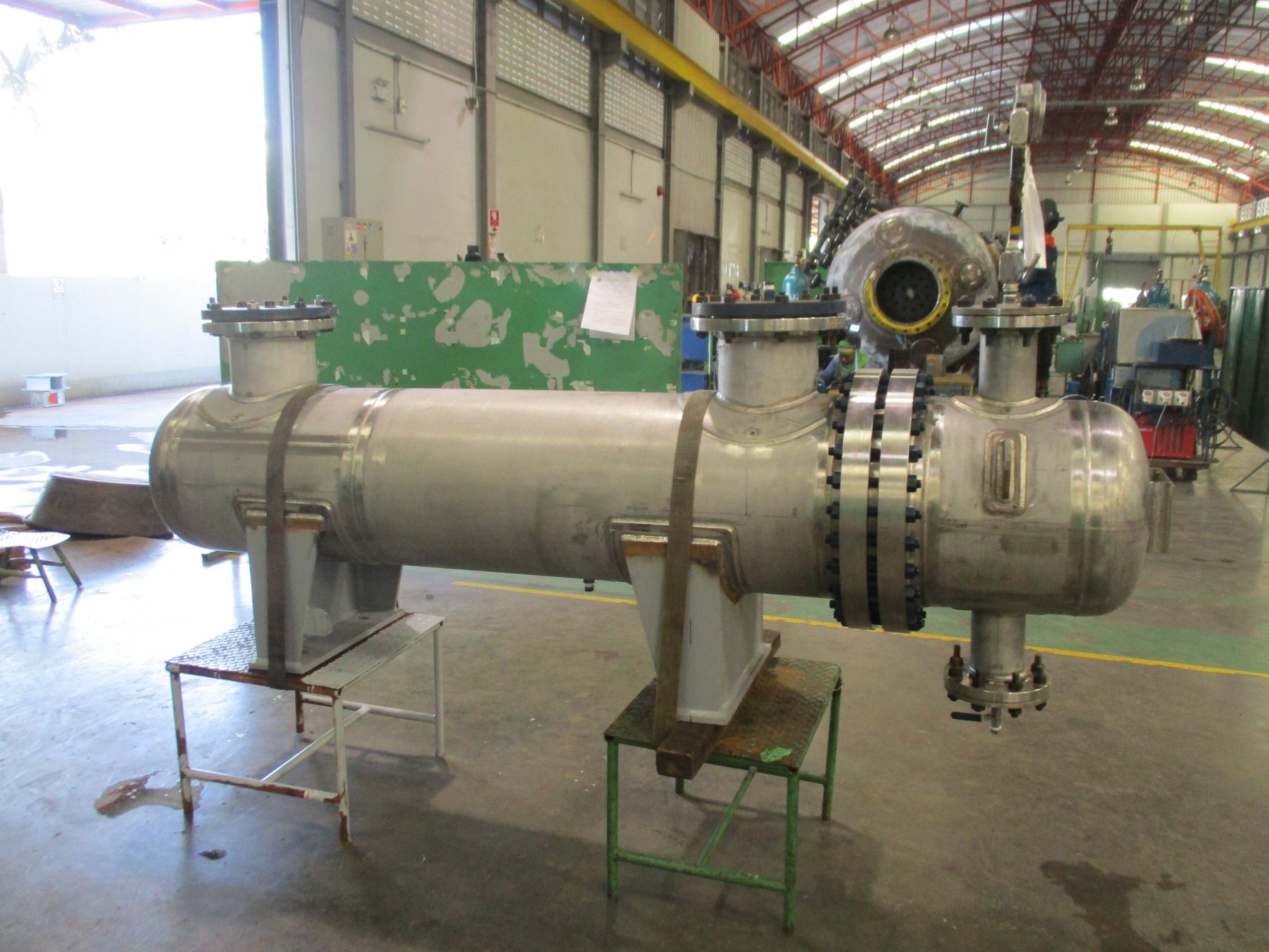
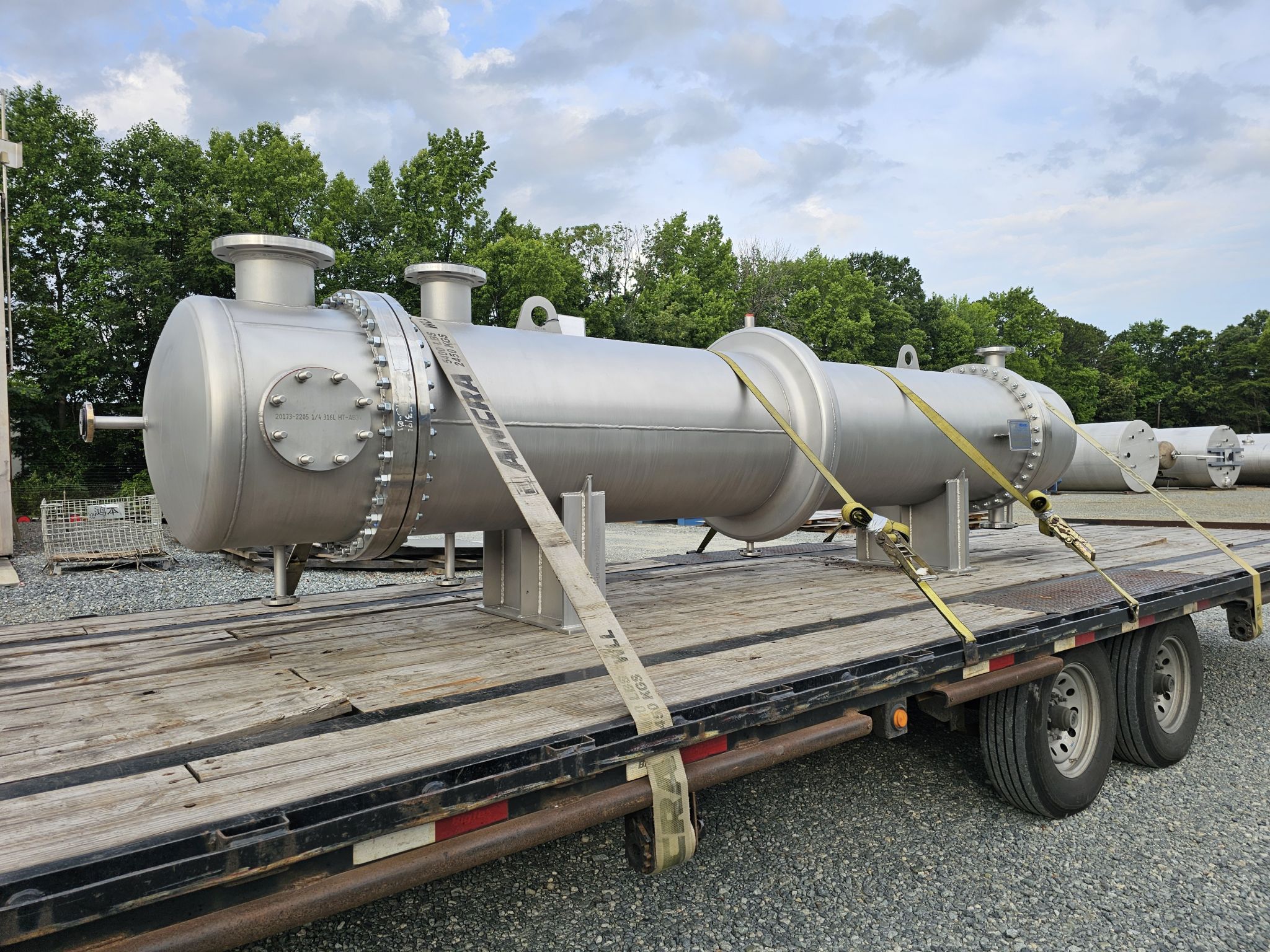
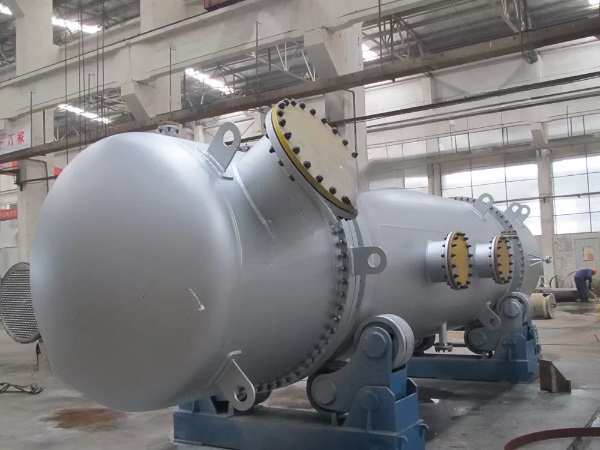
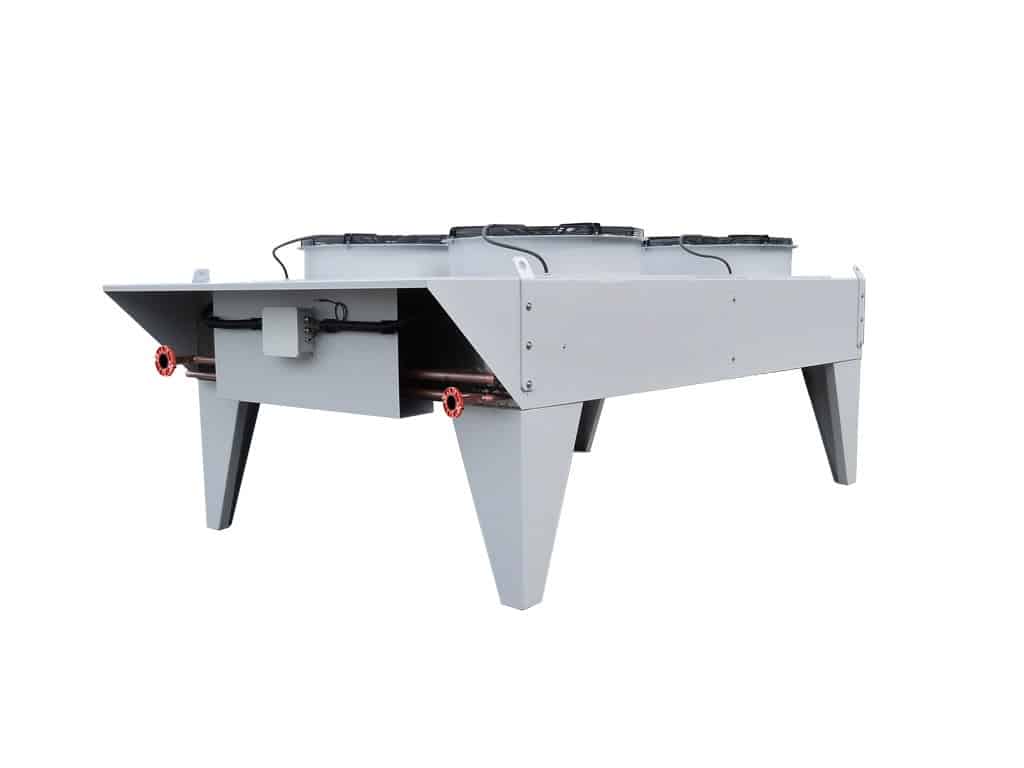
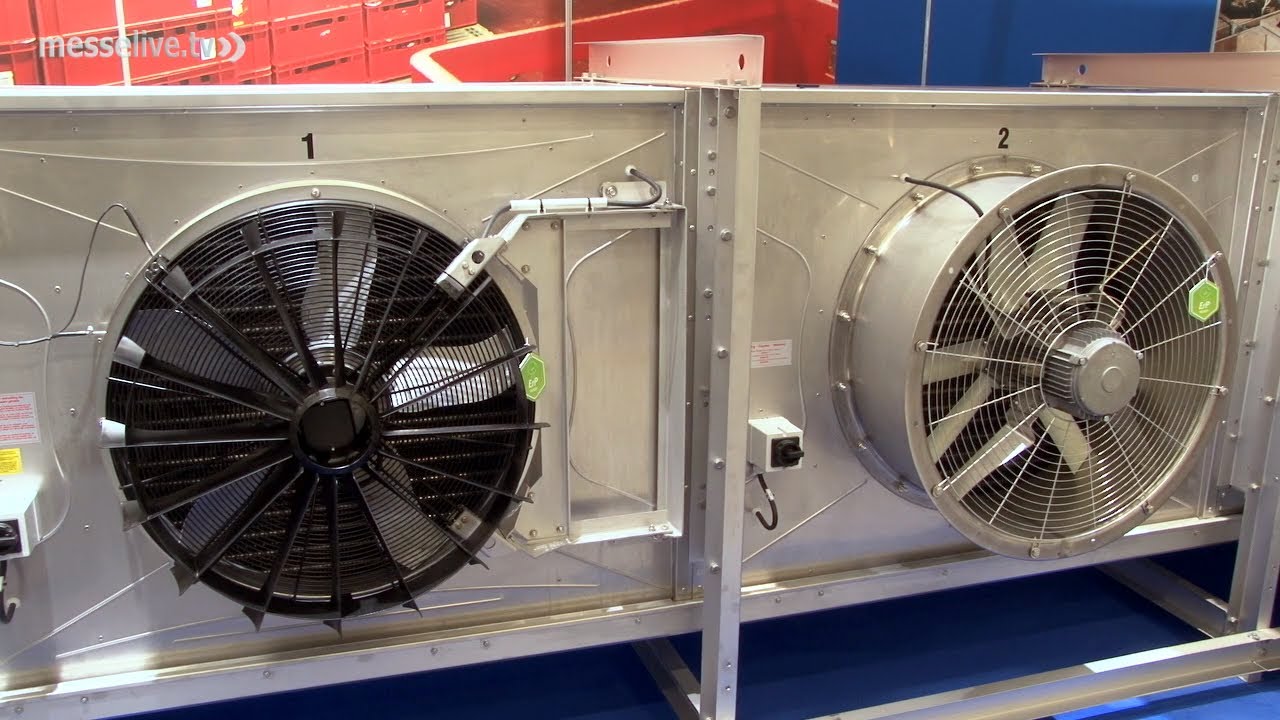
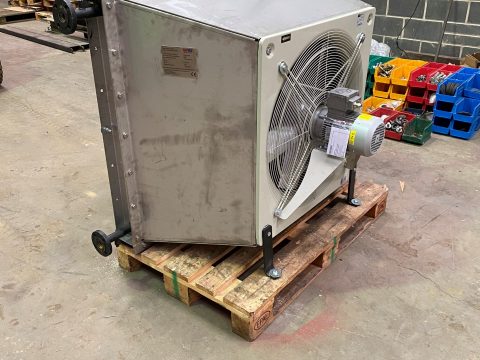
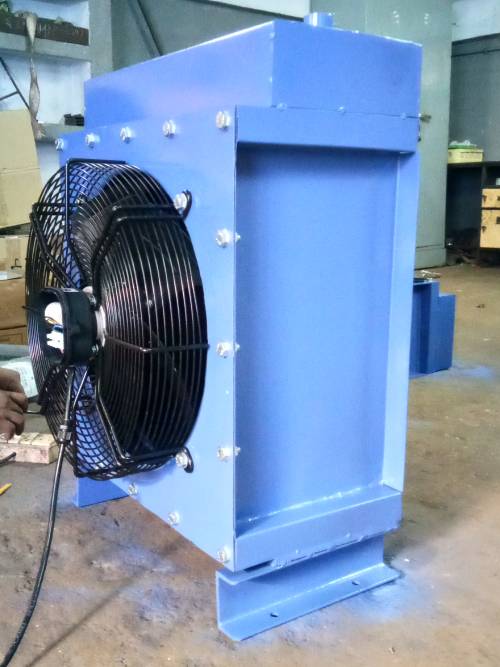
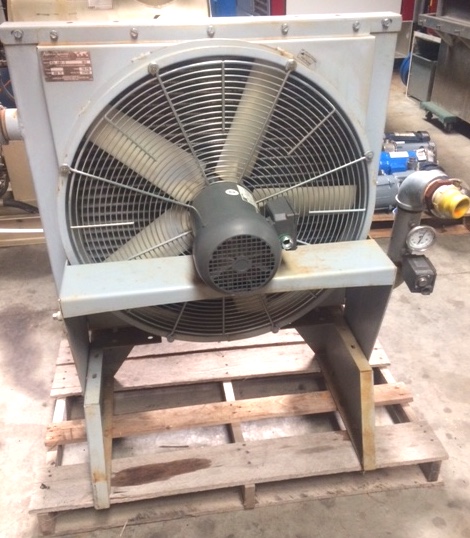
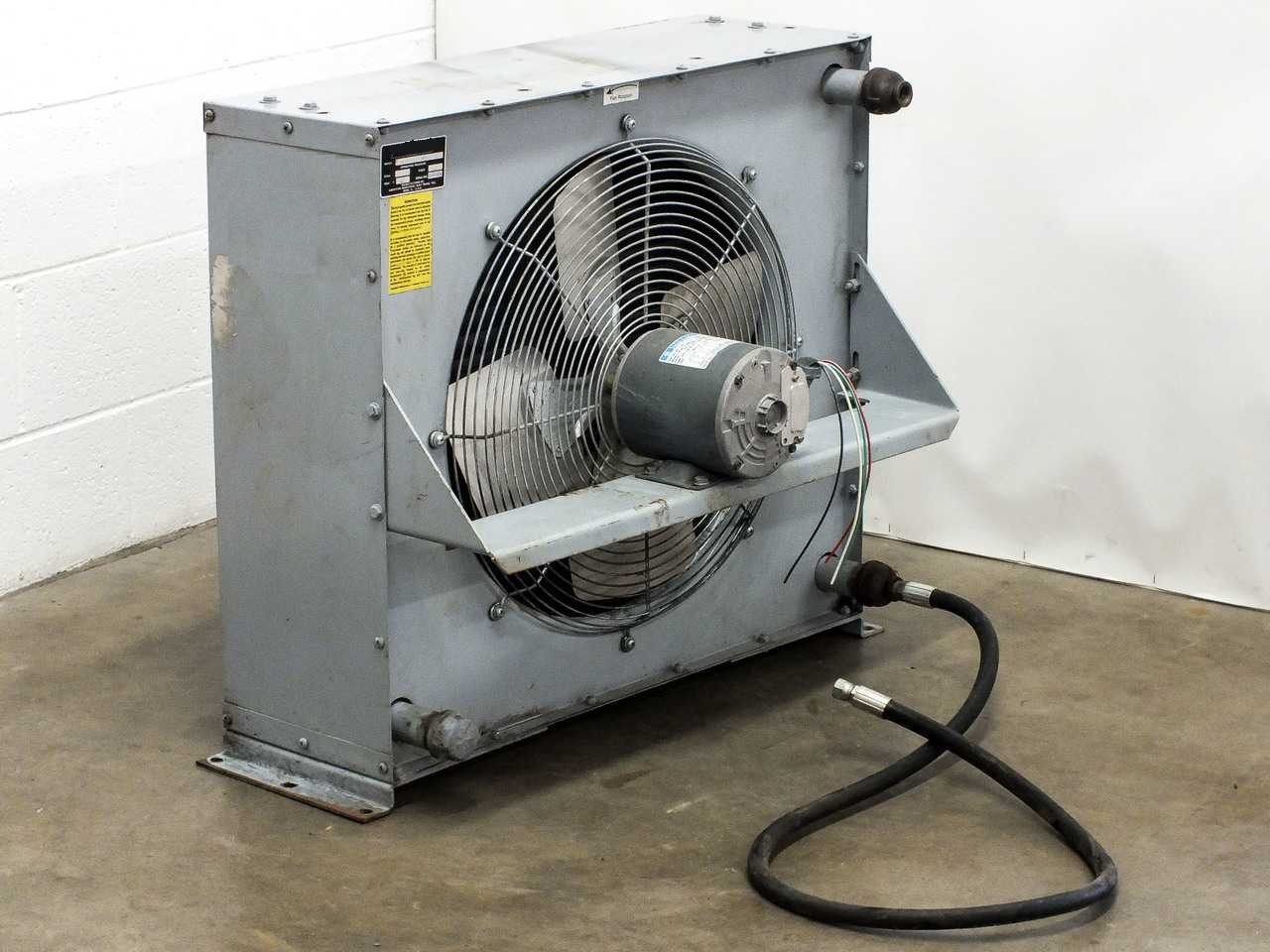
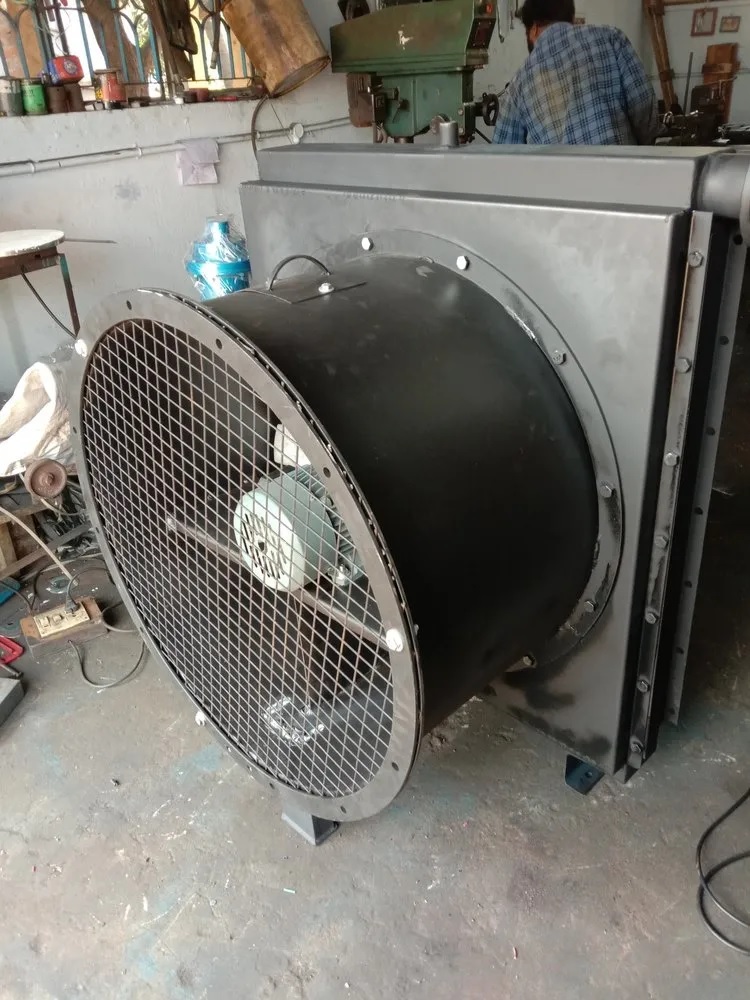
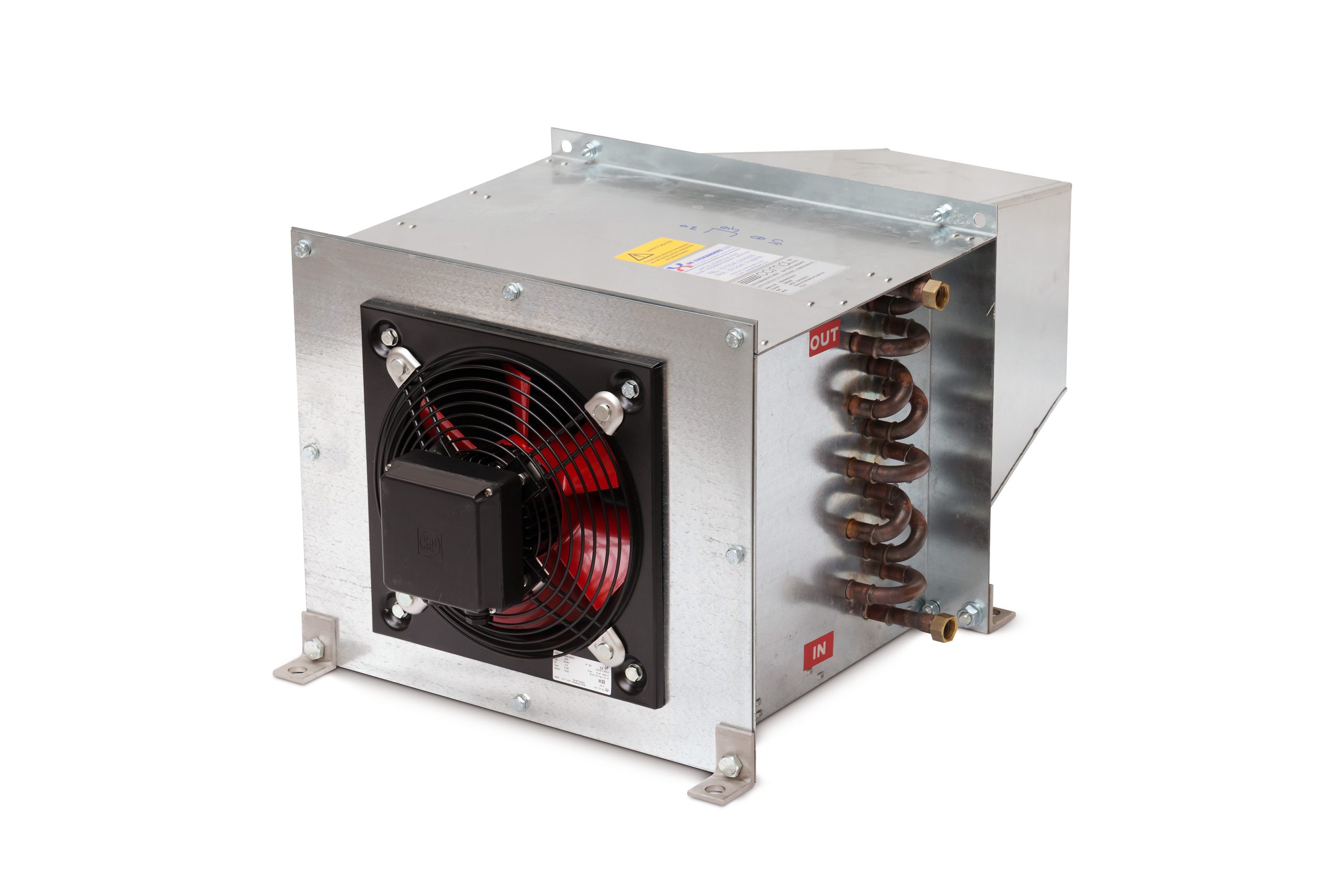
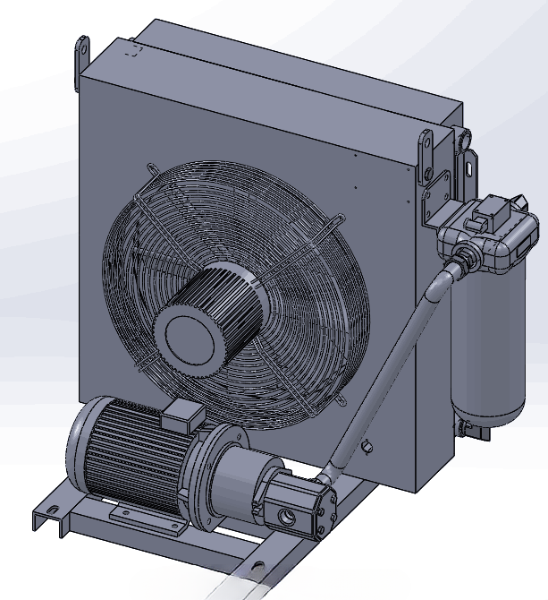
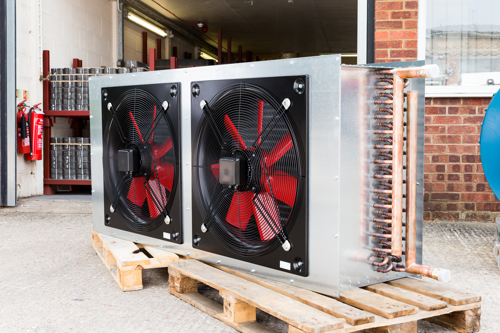
How an Oil Cooler Works (The Basic Principle) The principle is heat exchange. Hot oil flows through the cooler, and its heat is transferred to a cooler medium. There are two main types based on the cooling medium: 1. Air-Cooled Oil Cooler: 2. Water-Cooled Oil Cooler (or Shell-and-Tube): . Key Components of a Typical Aftermarket Oil […]
What is an Oil Cooler? An oil cooler is a heat exchanger designed to remove excess heat from engine oil, transmission fluid, hydraulic oil, or other lubricants in a mechanical system. Its primary purpose is to maintain the oil within its optimal operating temperature range, ensuring proper lubrication, reducing wear, and maximizing the efficiency...
Working Principle of Air-Cooled oil Cooler The core principle is Heat Exchange through Forced Convection. In simple terms, it transfers heat from the hot oil to the cooler ambient air flowing around it. Here’s a step-by-step breakdown of how it works: 1. Hot Oil Inlet The process begins when hot oil, having circulated through the engine...
An oil cooler is a device that functions like a radiator, but for engine oil (or transmission/gear oil). Its sole purpose is to remove excess heat from the oil, keeping it within its optimal temperature range. The Core Problem: Why Does Oil Need Cooling? Engine oil is the lifeblood of an engine. It lubricates, cleans, and helps cool...
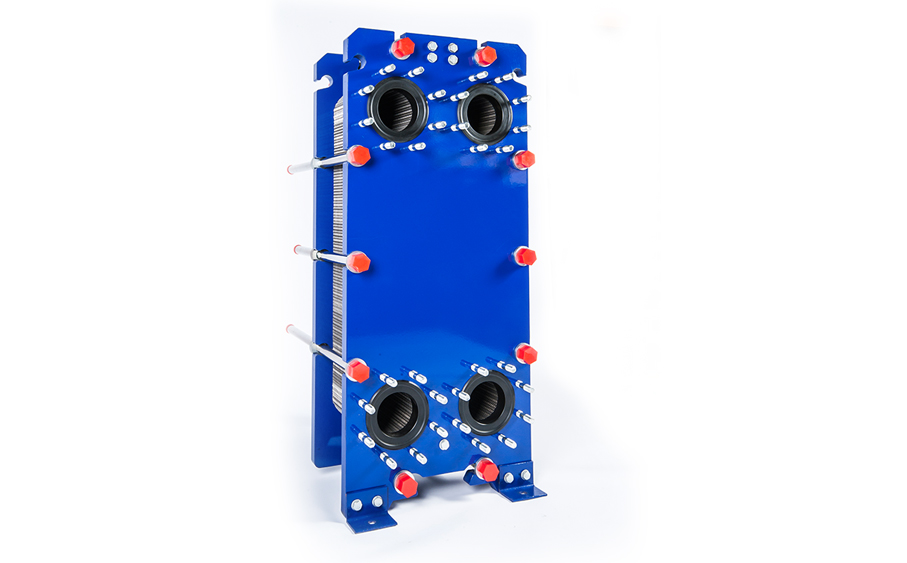
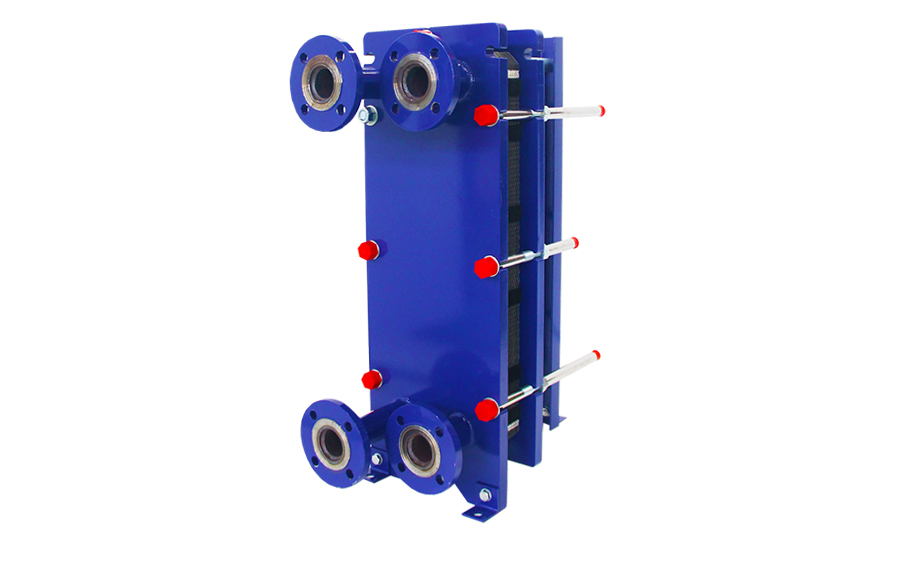
Primary Advantages of Plate Heat Exchangers 1. Superior Heat Transfer Efficiency & High Thermal Performance This is their single biggest advantage. 2. Compact Size and Small Footprint Easy Maintenance and Serviceability (Gasketed Type) This is a key operational advantage. 4. Extreme Flexibility and Scalability...
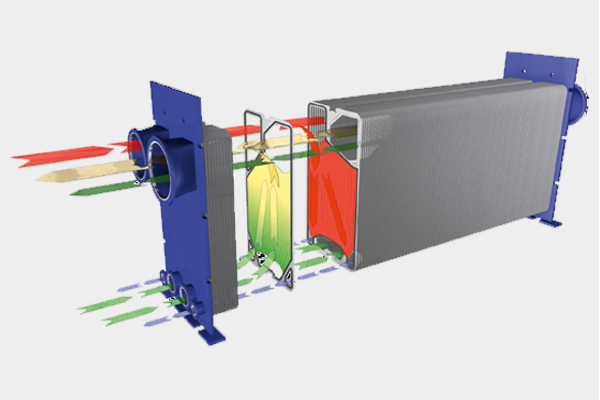
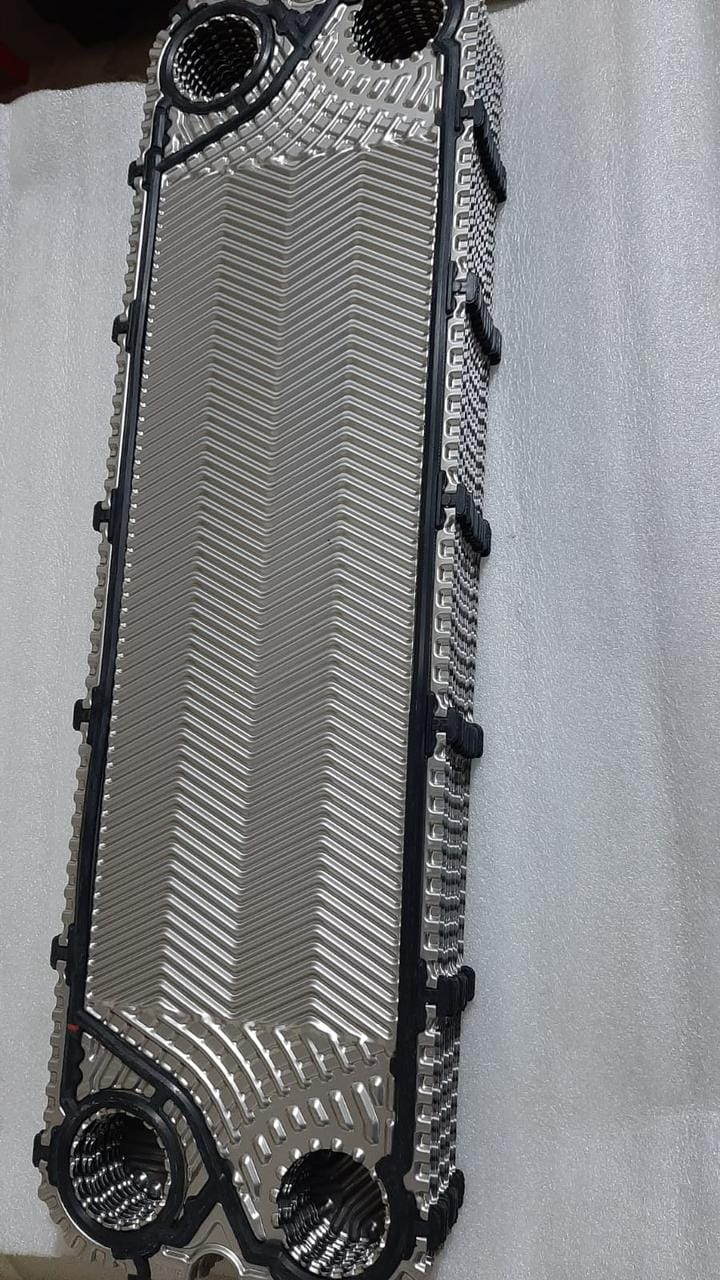
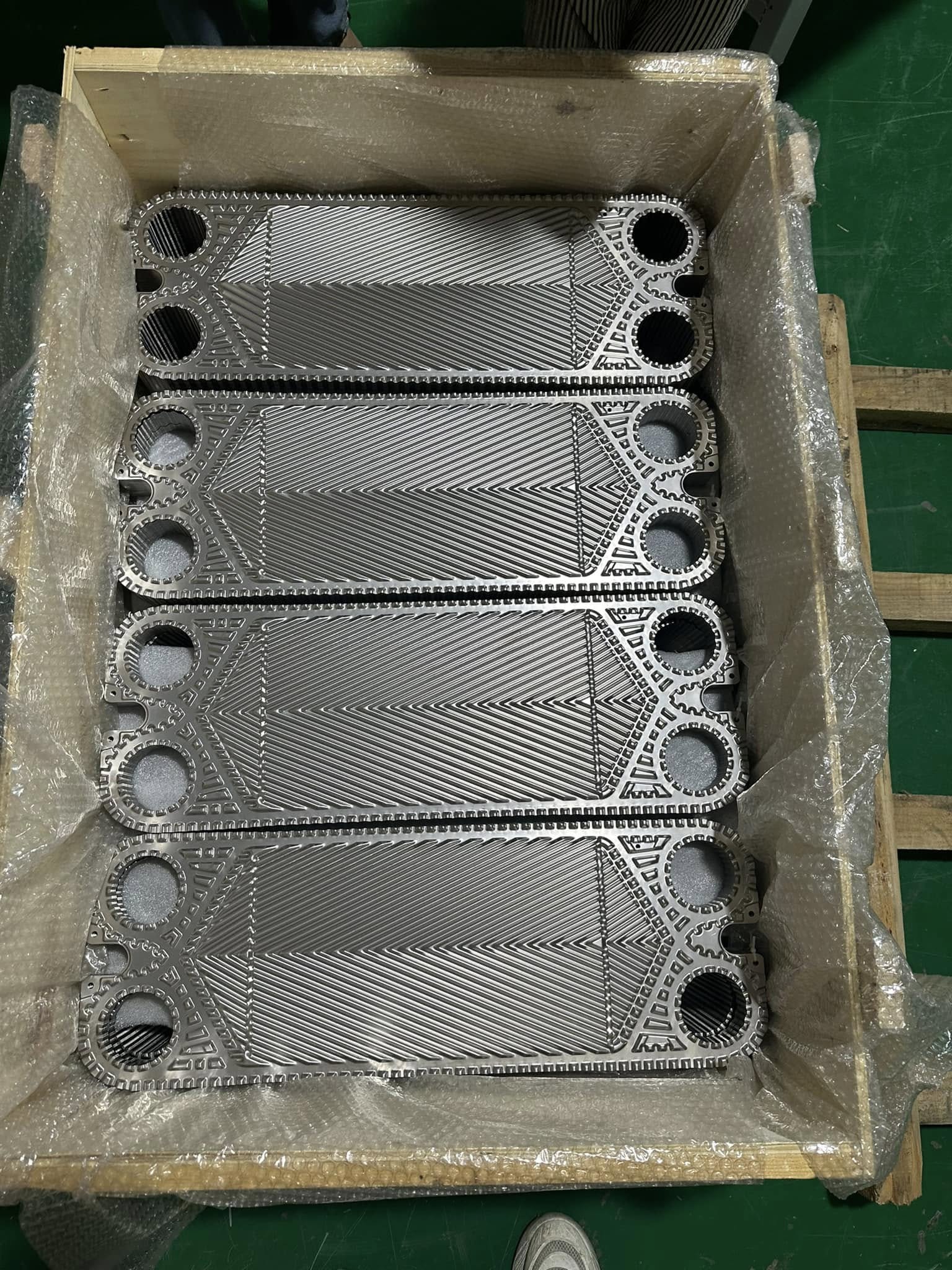
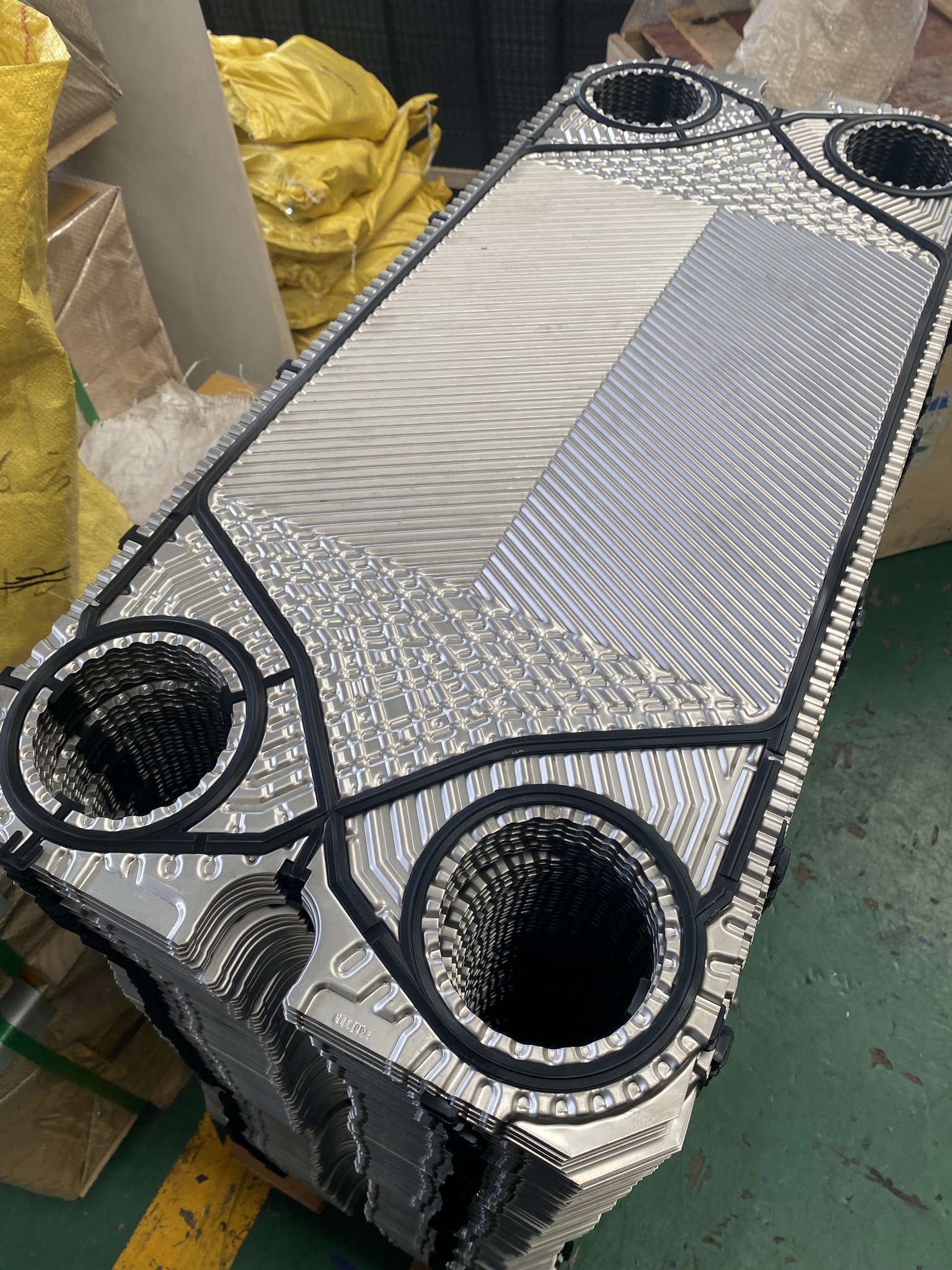
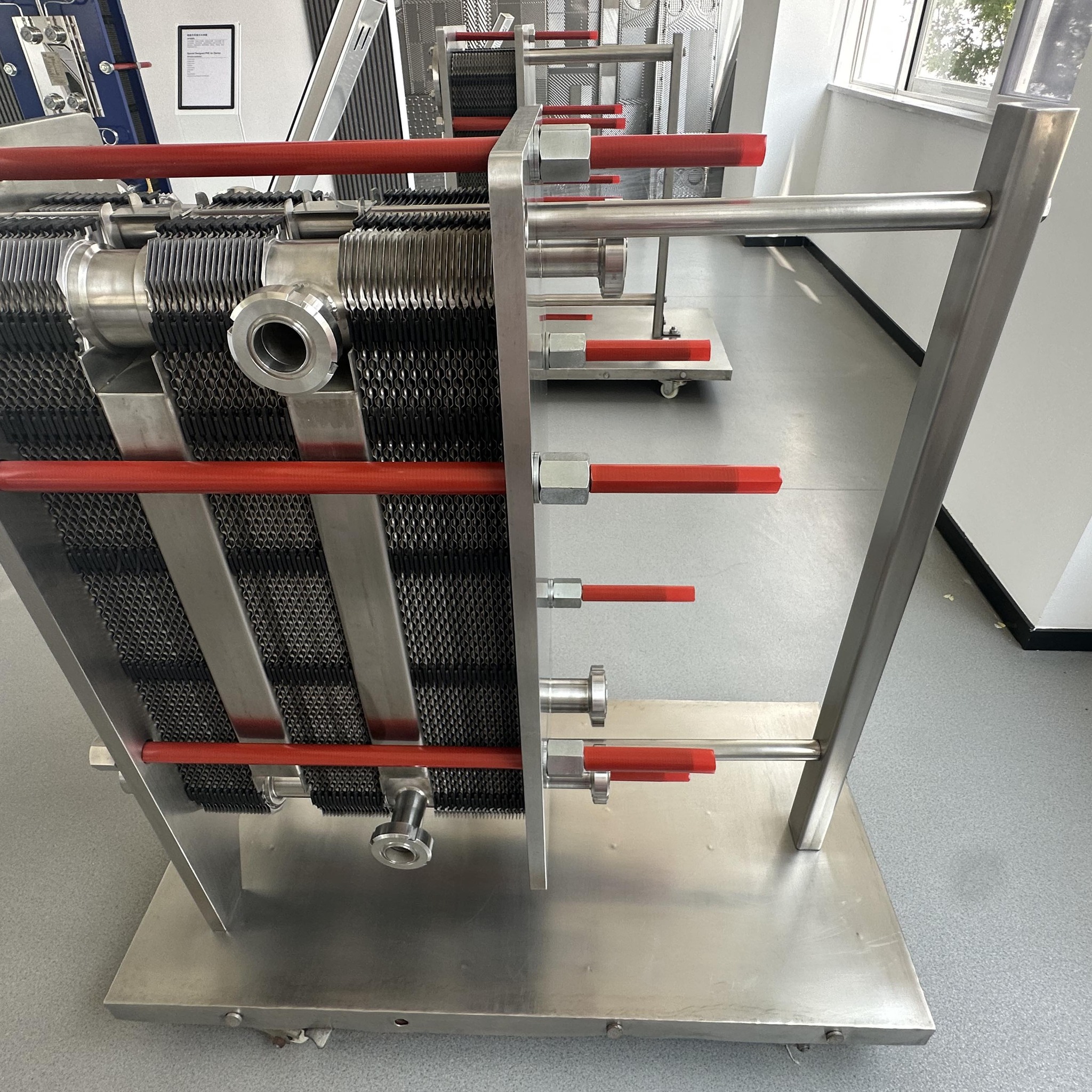
The fundamental principle is indirect heat transfer through conduction. Here’s a step-by-step breakdown: The corrugated or wavy pattern on the plates (often called “herringbone”) is crucial. It serves three main purposes:
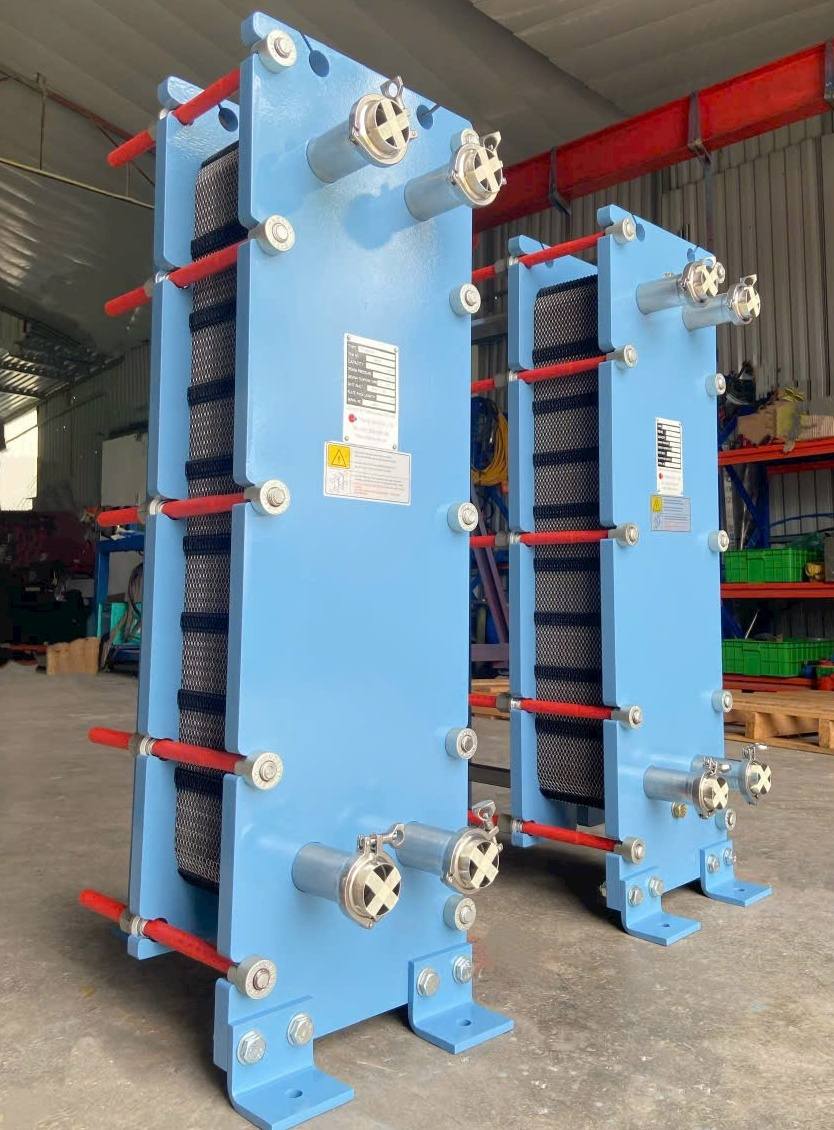
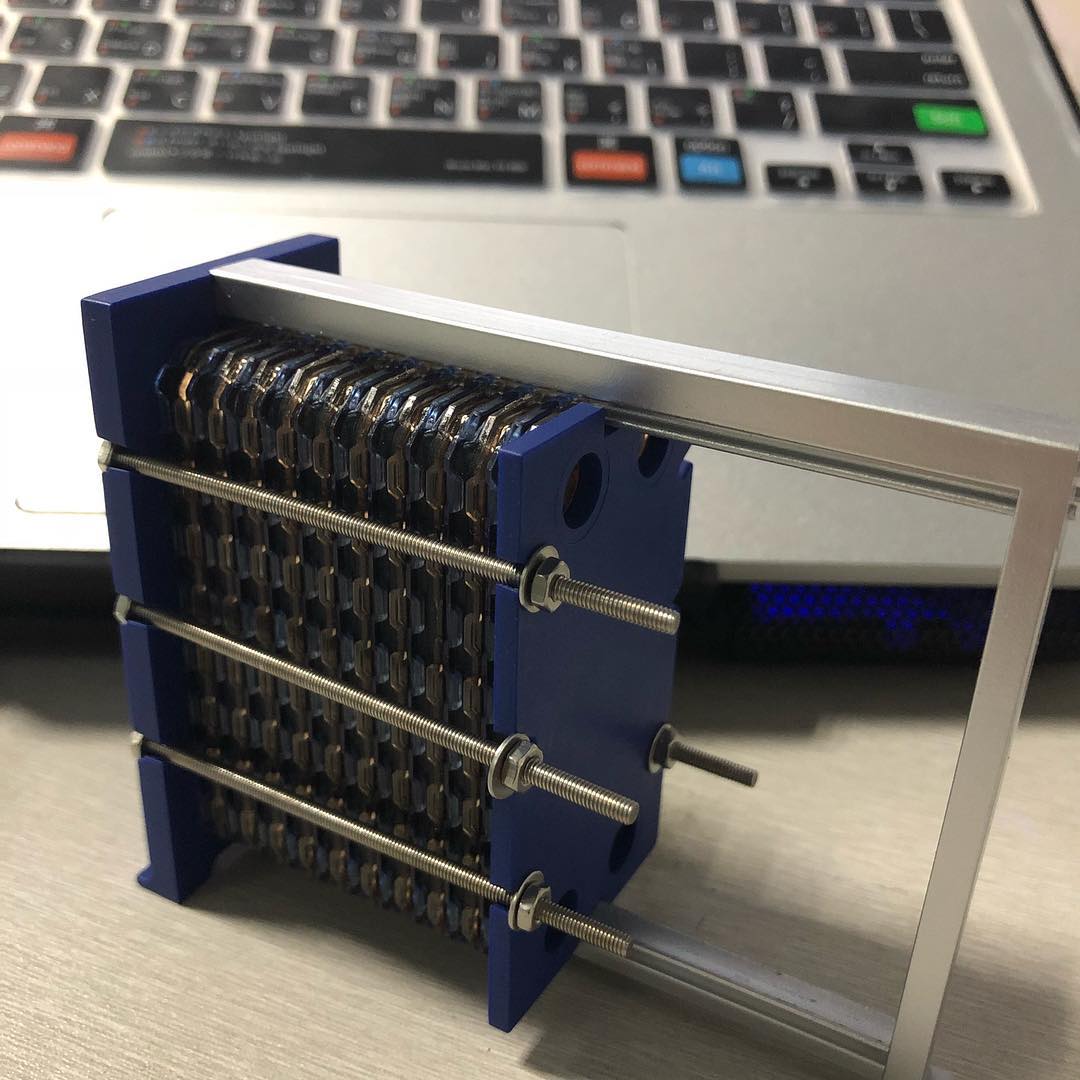
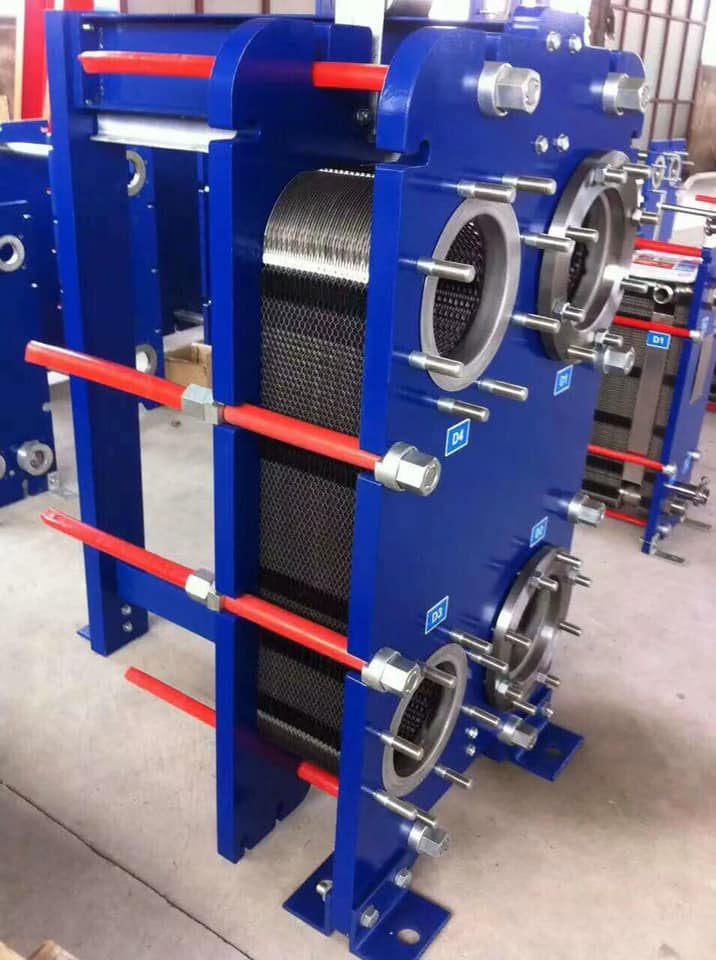
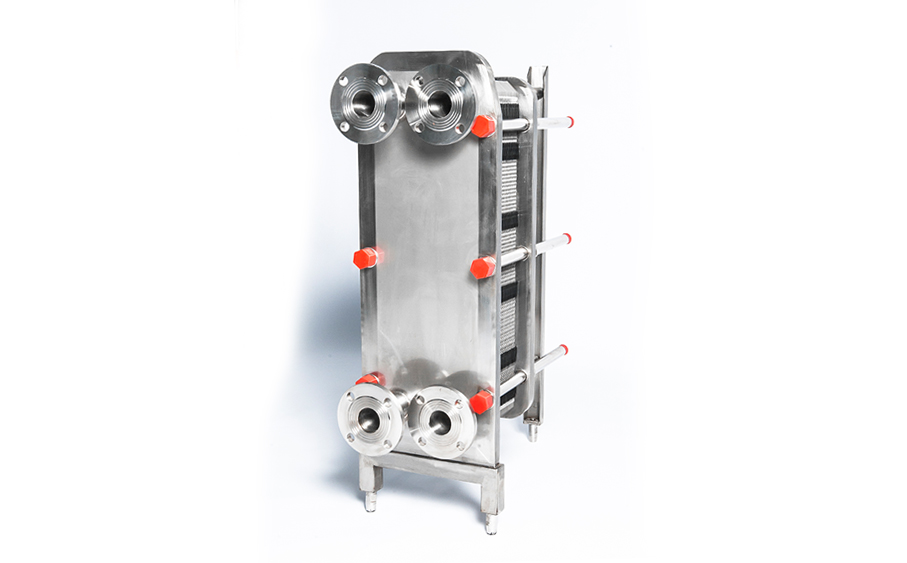
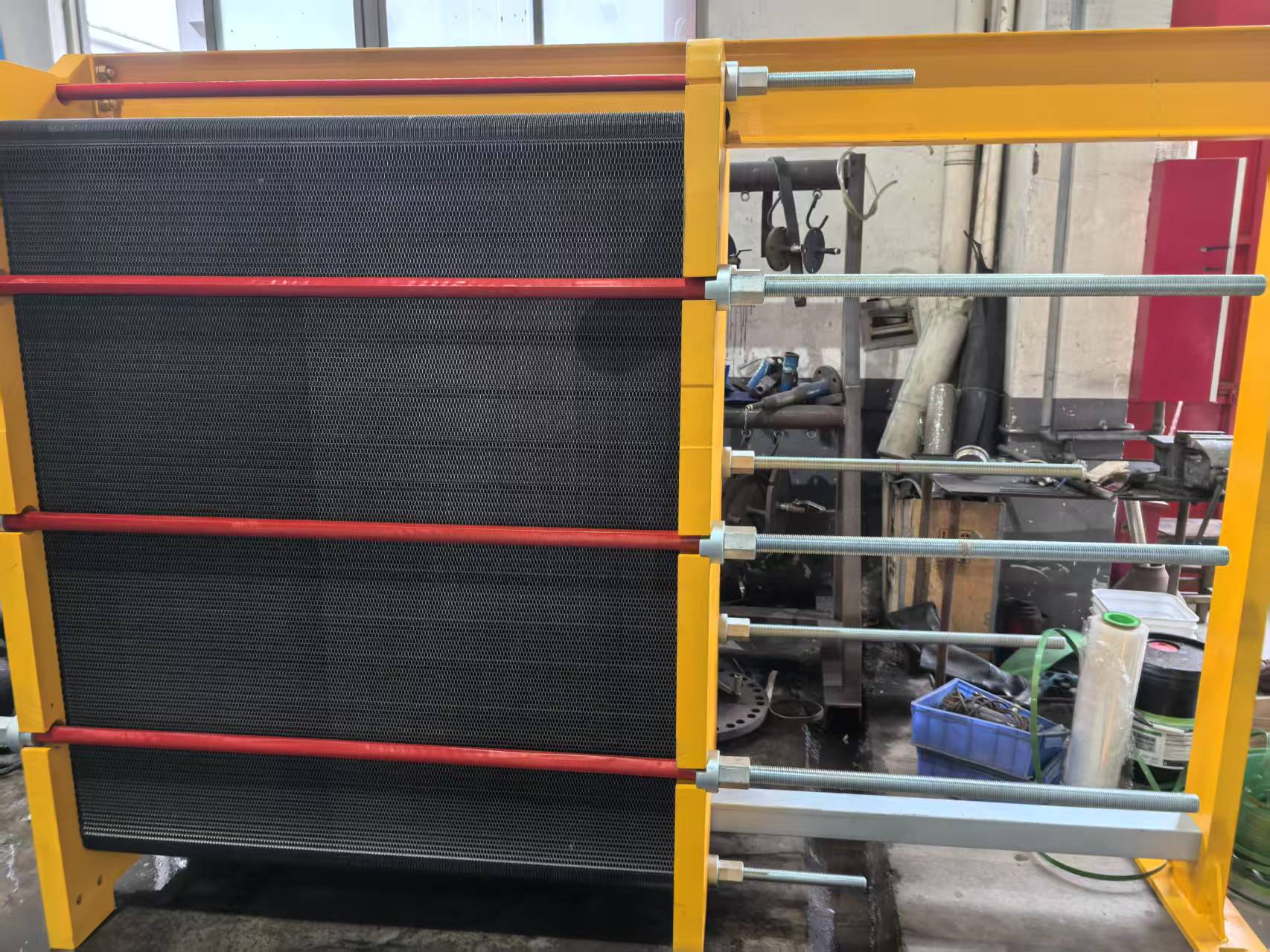
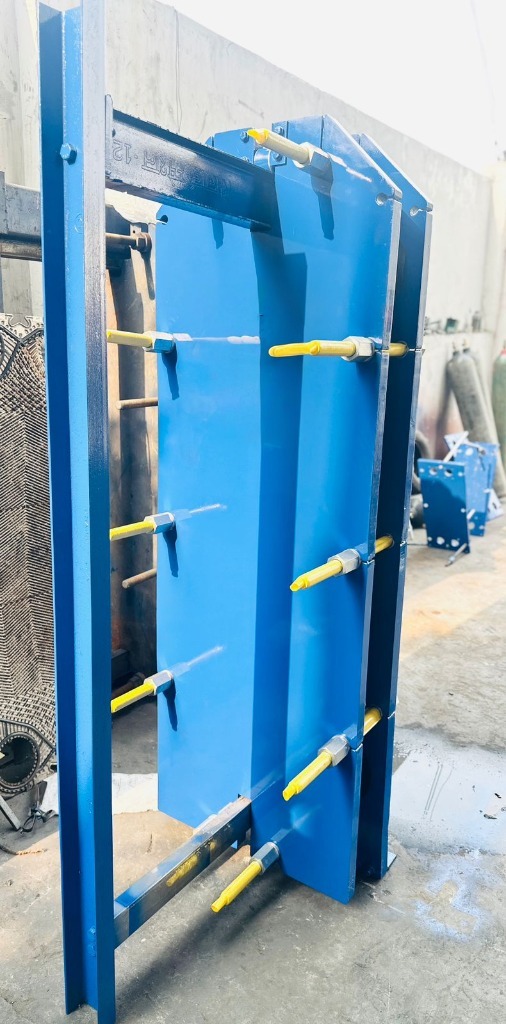
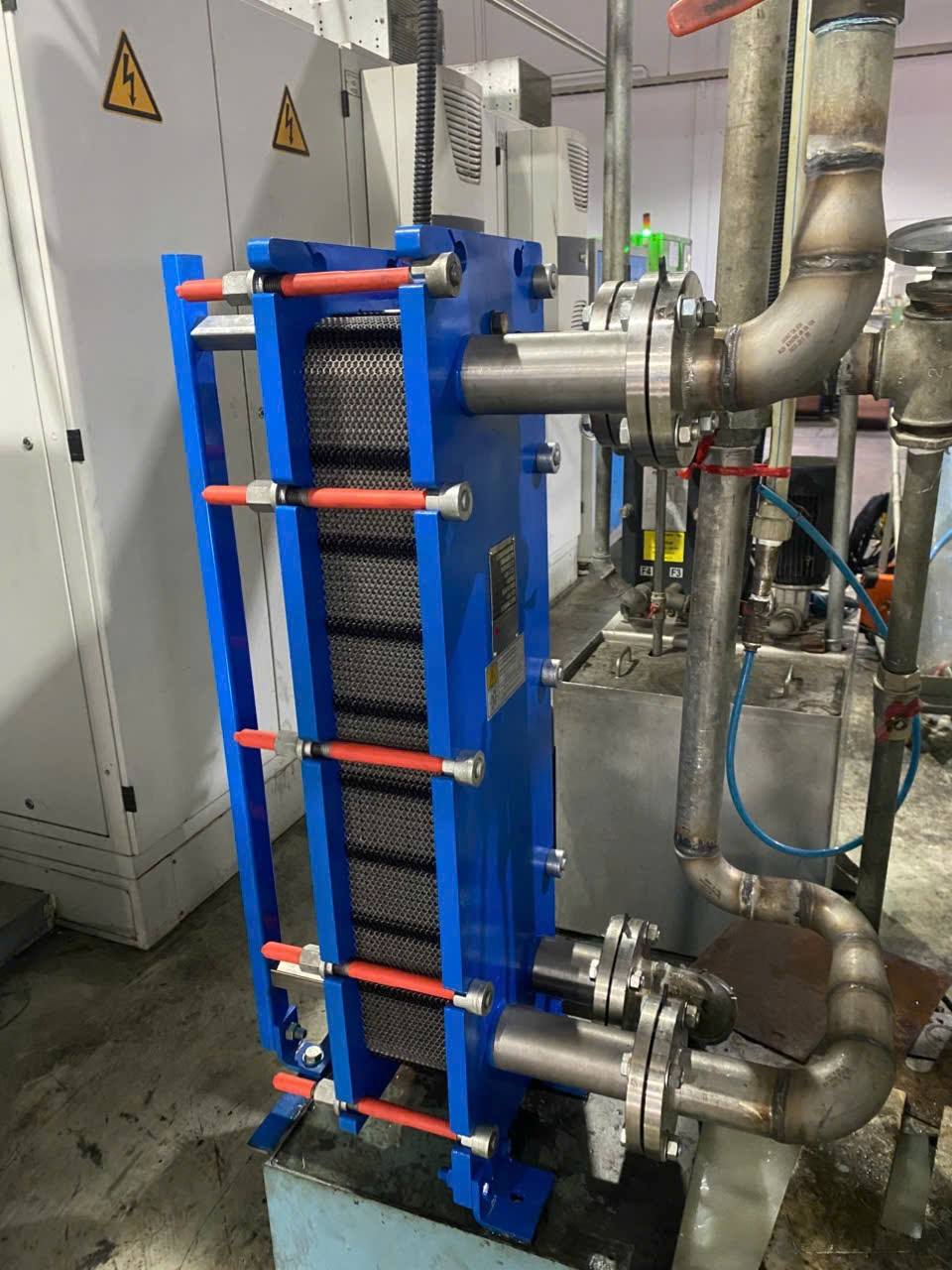
What is a Plate Heat Exchanger (PHE)? A Plate Heat Exchanger (PHE) is a compact, efficient type of heat exchanger that uses a series of thin, corrugated metal plates to transfer heat between two fluids. These plates are stacked together, creating alternating channels for the hot and cold fluids to flow through. The design allows for a...
In the power generation industry, heat exchangers are not just auxiliary equipment—they are the core thermodynamic engine that makes electricity production possible. Without them, you couldn’t boil water, condense steam, or achieve the thermal efficiencies required to turn a profit. Simply put: A power plant is essentially a...
In the food and beverage industry, heat exchangers are essential for ensuring product safety, quality, and process efficiency. Their primary function is to apply precise thermal treatments—like pasteurization, sterilization, heating, and cooling—to a vast range of products while maintaining hygiene and protecting the product’s integrity....
Types of Heat Exchanger Printed Circuit Heat Exchangers (PCHE): These are made using advanced chemical etching (like how computer chips are made) to create microscopic channels in metal plates, which are then diffusion-bonded together. They can handle incredible pressures (up to 5,000 psi) and extreme temperatures.
Application of Heat Exchanger? 1. Power Generation (Making Electricity) Power plants (nuclear, coal, natural gas, and even solar thermal) are essentially giant heat engines. Heat exchangers are the backbone of these facilities:Steam Generators (Boilers): In nuclear and coal plants, primary heat exchangers transfer heat from the reactor core or...
a heat exchanger is a device built to efficiently transfer heat from one fluid (liquid, gas, or steam) to another fluid, without allowing the two fluids to mix or come into direct contact with each other. Think of the radiator in your car: hot engine coolant flows through it, and air blowing past carries that heat away […]
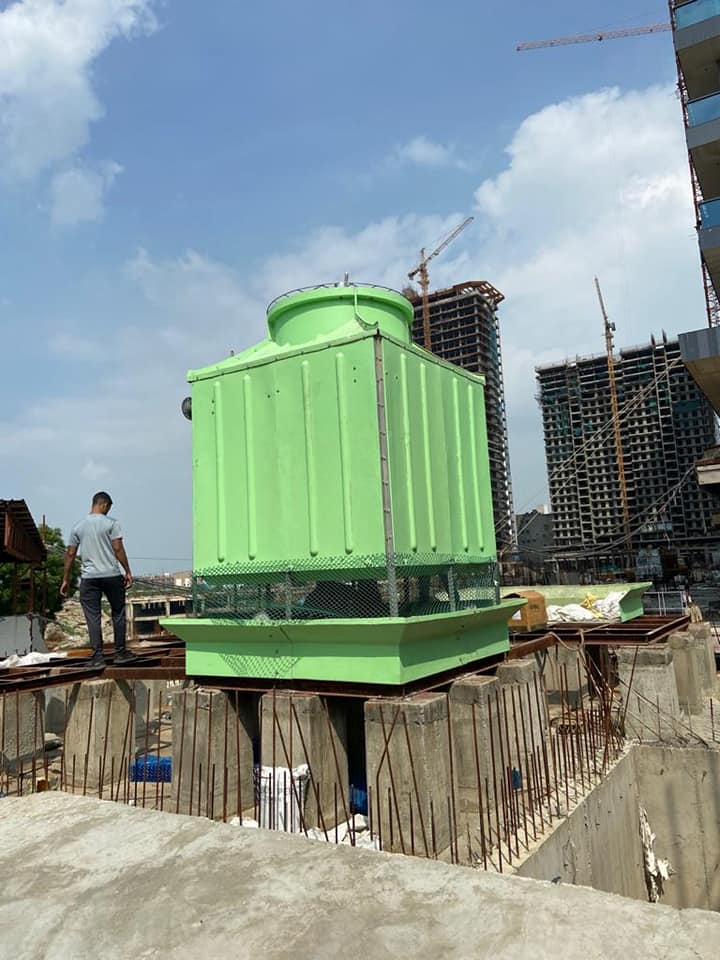
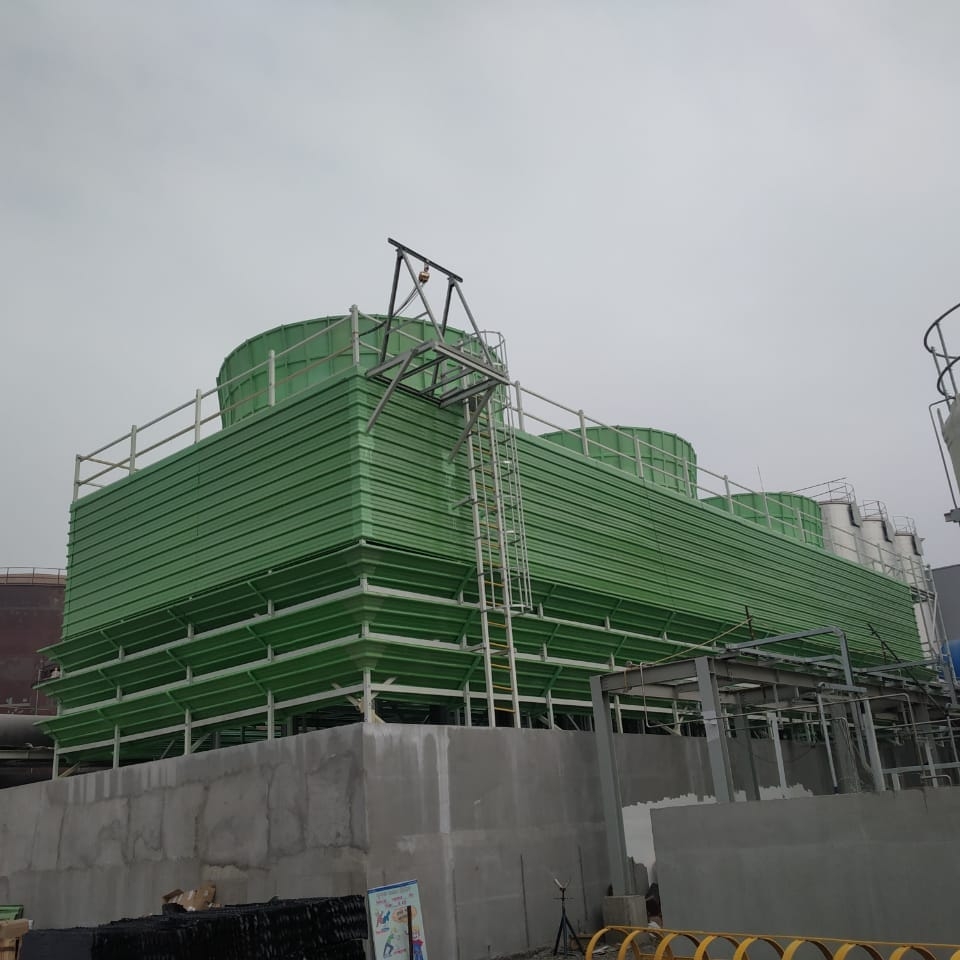
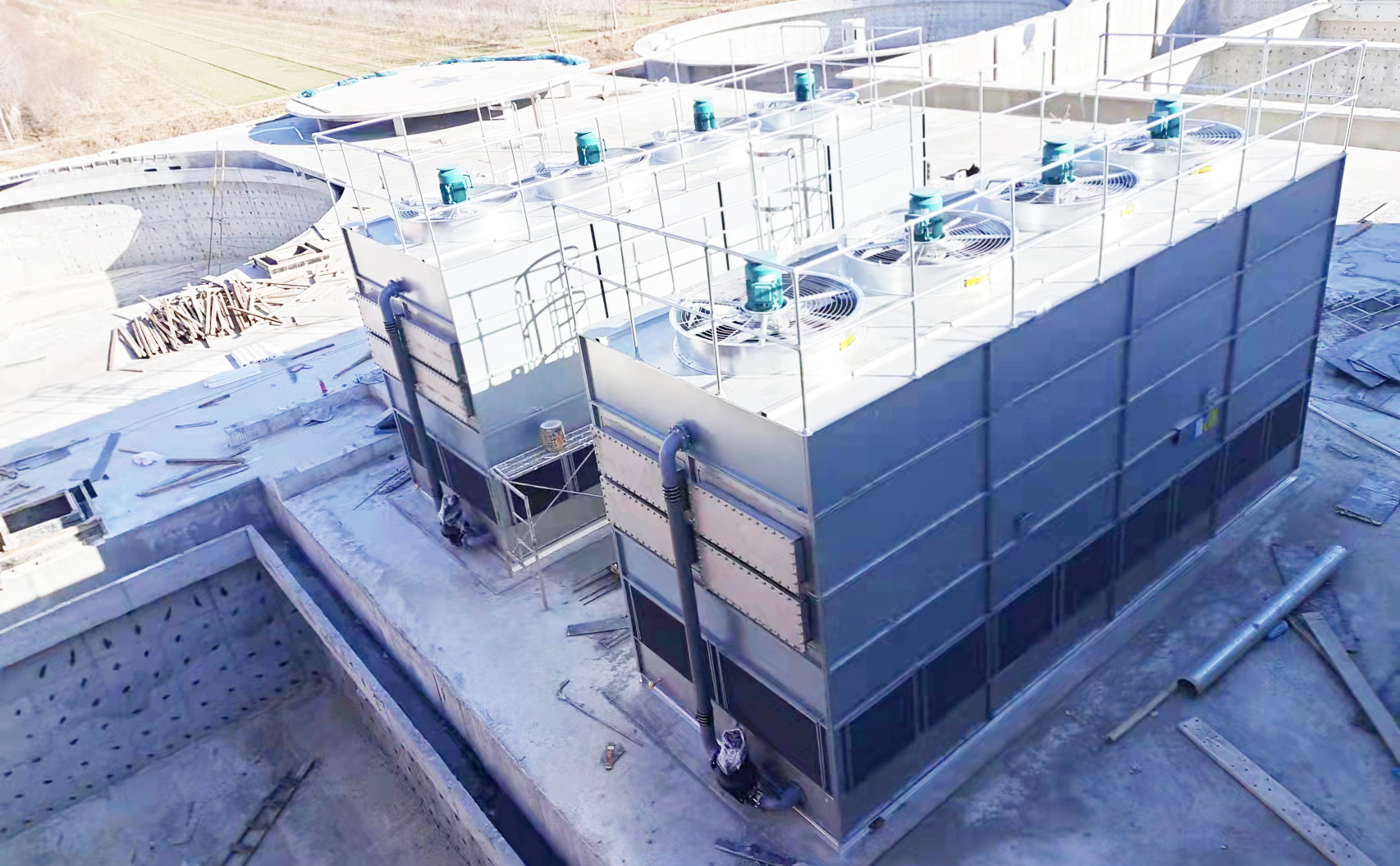
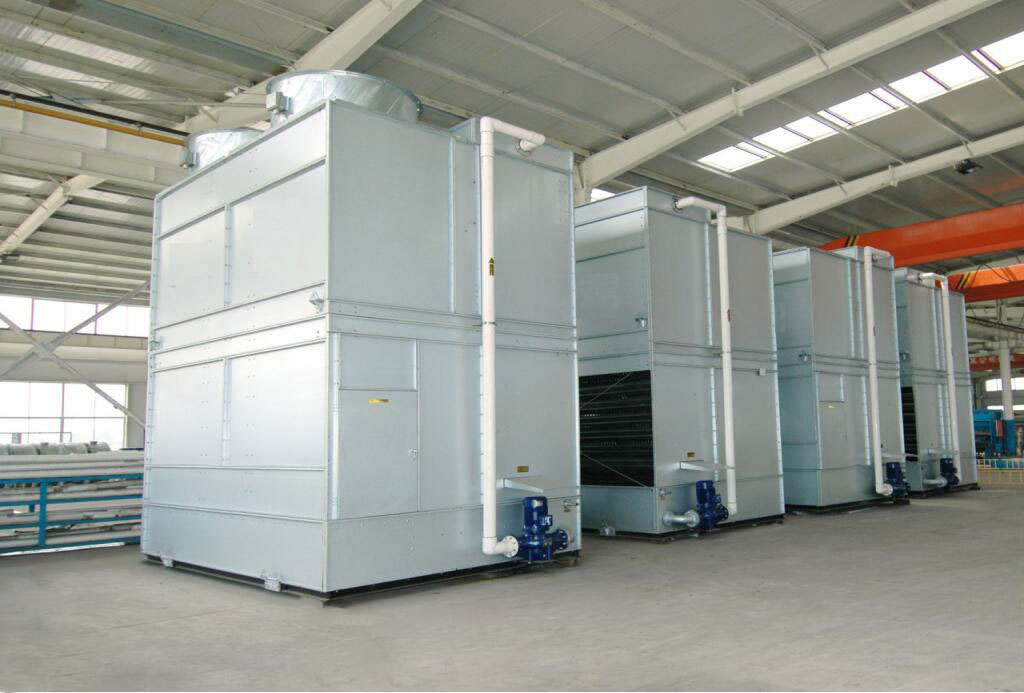
When deciding between a Cross Flow and a Counter Flow cooling tower, you are essentially making a trade-off between Thermal Efficiency (Counter Flow) and Maintenance & Operating Simplicity (Cross Flow). Here is the ultimate side-by-side showdown to help you decide which one belongs in your plant. 1. The...
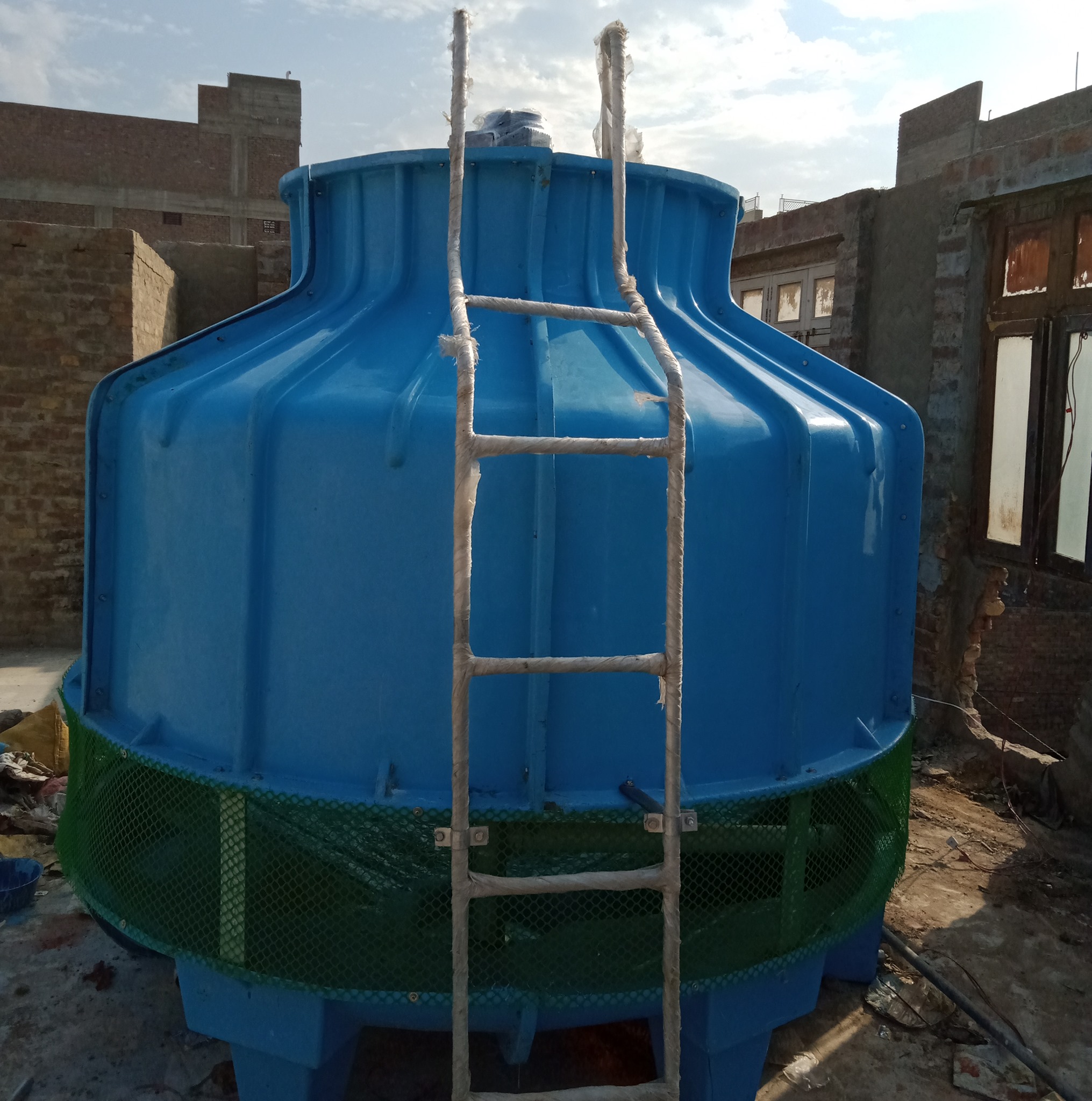
1. Classification by Airflow Method (The Draft System) This is the most common way to categorize them, as it dictates the tower’s shape, cost, and energy consumption. Type How It Works Pros Cons Typical Application Natural Draft Uses a massive hyperbolic chimney. Hot, moist air inside the tower is lighter than cooler outside air, so...
The Two Main Types of Cooling Towers Type How It Works Best For Visual Clue Mechanical Draft (Forced/Induced) Uses large, motor-driven fans to force or pull air through the tower.– Induced Draft: Fan is at the top, pulling air upward. (Most common).– Forced Draft: Fan is at the bottom, pushing air upward. Industrial...
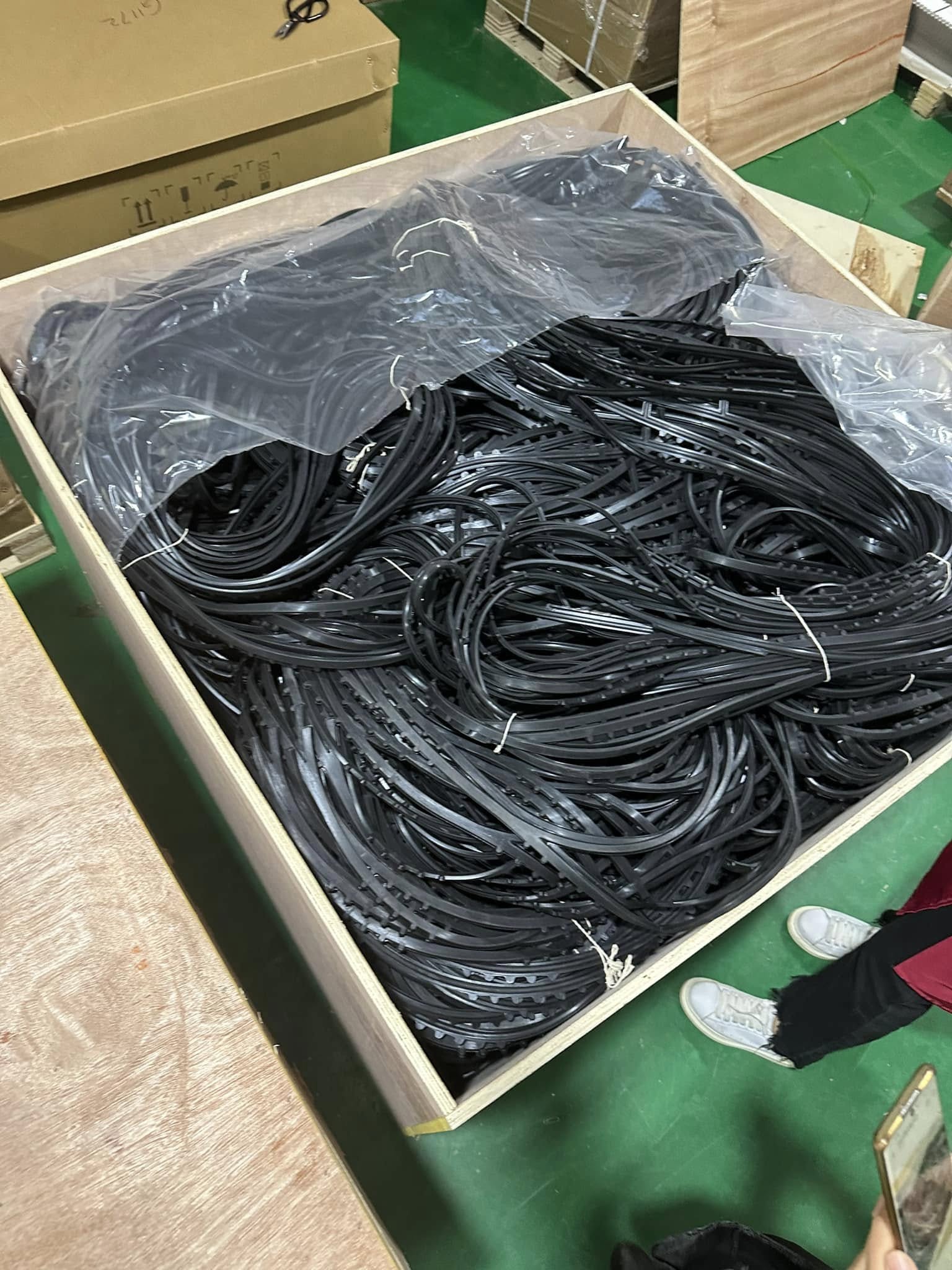
When to Choose EDPM Gasket in plate heat Exchanger? when to choose an EPDM (Ethylene Propylene Diene Monomer) Gasket for a plate heat exchanger. The decision is primarily driven by the presence of hot water, steam, alkalis, or the need for weather resistance. The Primary Rule of Thumb Choose an EPDM Gasket when the heat...
When to Choose NBR Gasket for plate heat exchanger? hen to choose an NBR (Nitrile) Gasket for a plate heat exchanger. The decision is primarily driven by the presence of oils, fats, or certain hydrocarbons in the fluid. The Primary Rule of Thumb Choose an NBR Gasket when the heat exchanger is used with oil-based...
NBR gasket vs EDPM gasket in Plate heat exchanger Choosing between NBR (Nitrile Butadiene Rubber) and EPDM (Ethylene Propylene Diene Monomer) is one of the most common decisions, and getting it wrong leads to rapid gasket failure. The choice is almost entirely determined by the chemical compatibility with the fluids...
Material of Construction of Plate heat exchanger? The Materials of Construction (MOC) for a plate heat exchanger are critical to its performance, longevity, and cost. The selection is primarily driven by the need to resist corrosion from the process fluids, while also considering pressure, temperature, and hygiene requirements. The main...
Application of Brazed Plate Heat Exchanger? . Brazed Plate Heat Exchangers (BPHEs) are ubiquitous in modern, compact systems due to their efficiency and small footprint. Their applications are defined by their core characteristics: they are sealed, compact, efficient, and designed for clean fluids. Here is a detailed breakdown of their...
When to choose Brazed Plate heat exchanger? when to choose a Brazed Plate Heat Exchanger (BPHE). The decision to use a BPHE is driven by the need for a compact, cost-effective, and sealed heat transfer solution for clean and stable systems. The Primary Rule of Thumb Choose a Brazed Plate Heat Exchanger when your application...
When Choose Semi Welded plate heat exchanger? Choosing a Semi-Welded Plate Heat Exchanger is a strategic decision for specific scenarios where you need a balance of robustness and serviceability. Here is a clear, detailed guide on when to make this choice. The Primary Rule of Thumb Choose a Semi-Welded Plate Heat Exchanger when...
When to Choose Fully welded Plate heat exchanger The decision to use a Fully Welded Plate Heat Exchanger is driven by the need for a robust, maintenance-free, and highly reliable heat transfer solution for demanding service conditions where other types of heat exchangers would fail. he Primary Rule of Thumb Choose a Fully Welded Plate Heat...
Side B: Prone to fouling (e.g., Cooling water). Side A & B: Corrosive, high P/T, or where any leak is unacceptable. Semi Weld vs Full Welded PHE Comparison Table Choose a SEMI-WELDED PHE if… Choose a FULLY WELDED PHE if… Your Situation is… You have one “difficult” fluid and one “serviceable” fluid....
What is a Fully Welded Plate Heat Exchanger? This is the heavy-duty, “seal it and forget it” option. It’s designed for the most demanding environments where gaskets of any kind are a liability. Key Advantage: Maximum resistance to temperature, pressure, and corrosive fluids on BOTH sides.
ypes of Welded Plate Heat Exchangers There are two main configurations: 1. Fully Welded Plate Heat Exchanger This is the most common type referred to as “welded PHE.” The entire plate pack is welded together into a single, rigid block. There are no gaskets whatsoever. 2. Semi-Welded (or Twin-Plates) Plate Heat Exchanger This is a...
he Brazed Plate Heat Exchanger (BPHE) A popular variant is the Brazed Plate Heat Exchanger. In this type, the plates are brazed together in a vacuum furnace using copper or nickel as the brazing material. This creates a permanent, sealed unit without gaskets or a frame.
What is plate Heat Exchanger? A Plate Heat Exchanger (PHE) is a compact type of heat exchanger that uses a series of thin, corrugated metal plates to transfer heat between two fluids. These plates are stacked together, creating alternating channels for the hot and cold fluids to flow through. The close proximity and large surface area of...
Effect of Air Face Velocity in Air-Cooled Heat Exchangers (ACHEs) Air face velocity (typically measured in m/s or ft/min) is a critical operational parameter that significantly impacts the thermal performance, energy consumption, and operational reliability of air-cooled heat exchangers. 1. Definition & Typical Ranges 2. Thermal Performance...
Air-Cooled Heat Exchangers (ACHEs) in the Aerospace Industry Air-cooled heat exchangers play a critical role in aircraft, spacecraft, and aviation systems, where weight savings, reliability, and thermal efficiency are crucial. Unlike liquid-cooled systems, ACHEs use ambient air to dissipate heat, making them ideal for aerospace...
Air-Cooled Heat Exchangers (ACHEs) in Marine Applications Air-cooled heat exchangers are widely used in marine and offshore systems where seawater corrosion, space constraints, and maintenance challenges make water-cooled systems less desirable. They provide reliable cooling for ship engines, HVAC systems, power generation, and...
ir-Cooled Heat Exchangers (ACHEs) in HVAC & Industrial Cooling Air-cooled heat exchangers (ACHEs) are widely used in HVAC systems and industrial cooling applications where water conservation, maintenance simplicity, and environmental regulations are key concerns. Unlike water-cooled systems, ACHEs rely on ambient air to...
Aluminum Fins vs. Stainless Steel Fins in Air-Cooled Oil Coolers The choice between aluminum and stainless-steel fins depends on factors like heat transfer efficiency, corrosion resistance, weight, cost, and application environment. Below is a detailed comparison: 1. Heat Transfer Efficiency Material Thermal Conductivity...
Purpose of Fins in an Air-Cooled Oil Cooler Fins play a critical role in enhancing the cooling efficiency of air-cooled oil coolers. They are designed to maximize heat dissipation from the oil to the surrounding air. Here’s how they work and why they are essential: 1. Primary Functions of Fins Increase Surface Area for...
Key Industrial Applications of Air-Cooled oil Cooler 1. Power Generation 2. Heavy Machinery & Construction Equipment 3. Oil & Gas Industry 4. Manufacturing & Processing Plants 5. Marine & Offshore Applications 6. Compressed Air Systems 7. Food & Pharmaceutical Industry Used where water contamination must be avoided (hygienic...
Use of Air-Cooled Oil Coolers in Vehicles Air-cooled oil coolers are essential in vehicles to maintain optimal oil temperatures, prevent overheating, and extend engine/transmission life. They are widely used in: 1. Engine Oil Cooling 2. Transmission Oil Cooling 3. Differential & Gearbox Cooling 4. Power Steering Oil Cooling 5. Turbocharger...
Material of construction of Heat Exchanger Coil in Air Oil Cooler The heat exchanger coil (core) in an air-cooled oil cooler is typically made from materials that offer high thermal conductivity, corrosion resistance, and mechanical strength. The most common materials used are: 1. Aluminum (Most Common) 2. Copper (Less...
Air-cooled oil coolers are widely used in industries where efficient cooling of lubricating oil, hydraulic oil, or other process oils is required without relying on water-based cooling systems. Here are some common industrial applications: 1. Power Generation 2. Heavy Machinery & Construction Equipment 3. Automotive & Transportation 4....
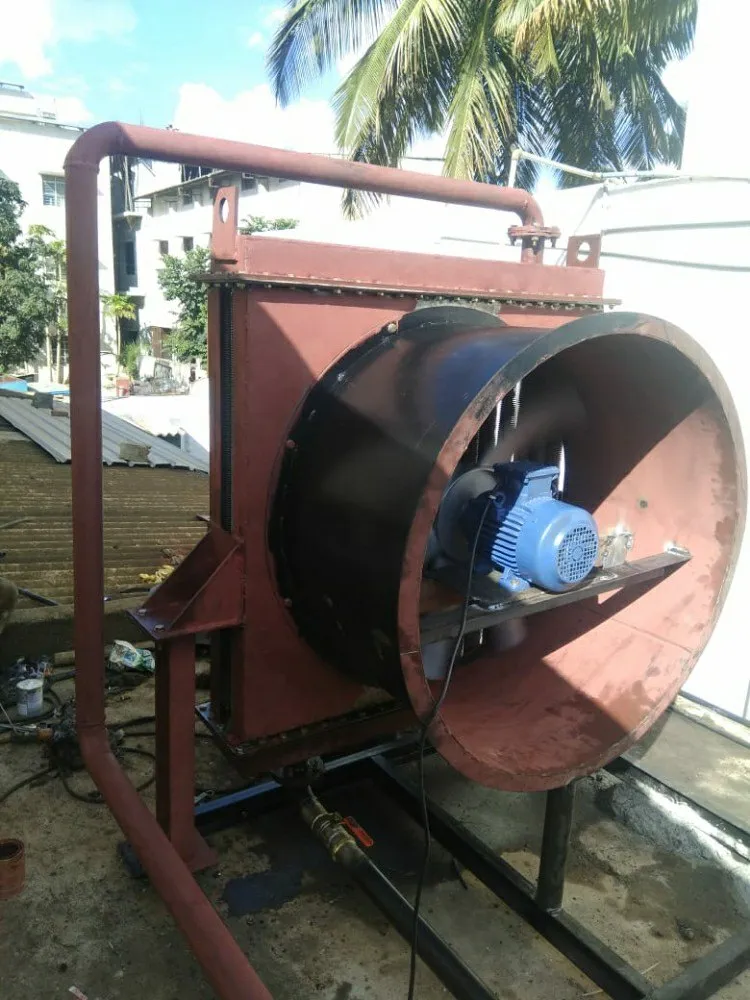
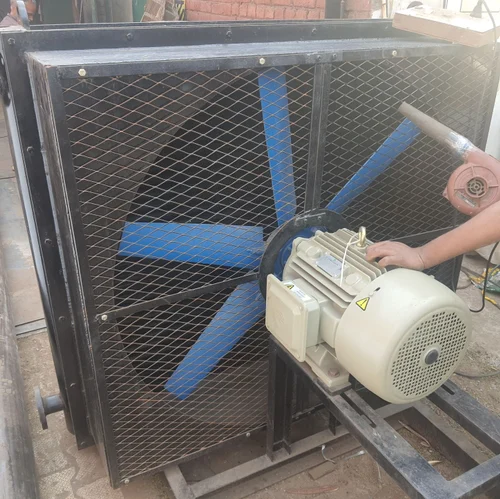
Air Blast Cooler What Is an Air Blast Oil Cooler? It’s a heat exchanger that cools down hot oil by blasting ambient air (using a fan or blower) across a fin-and-tube radiator, where the oil flows inside the tubes. How It Works: Components: Thermostatic control (optional): To regulate fan operation based on oil temperature
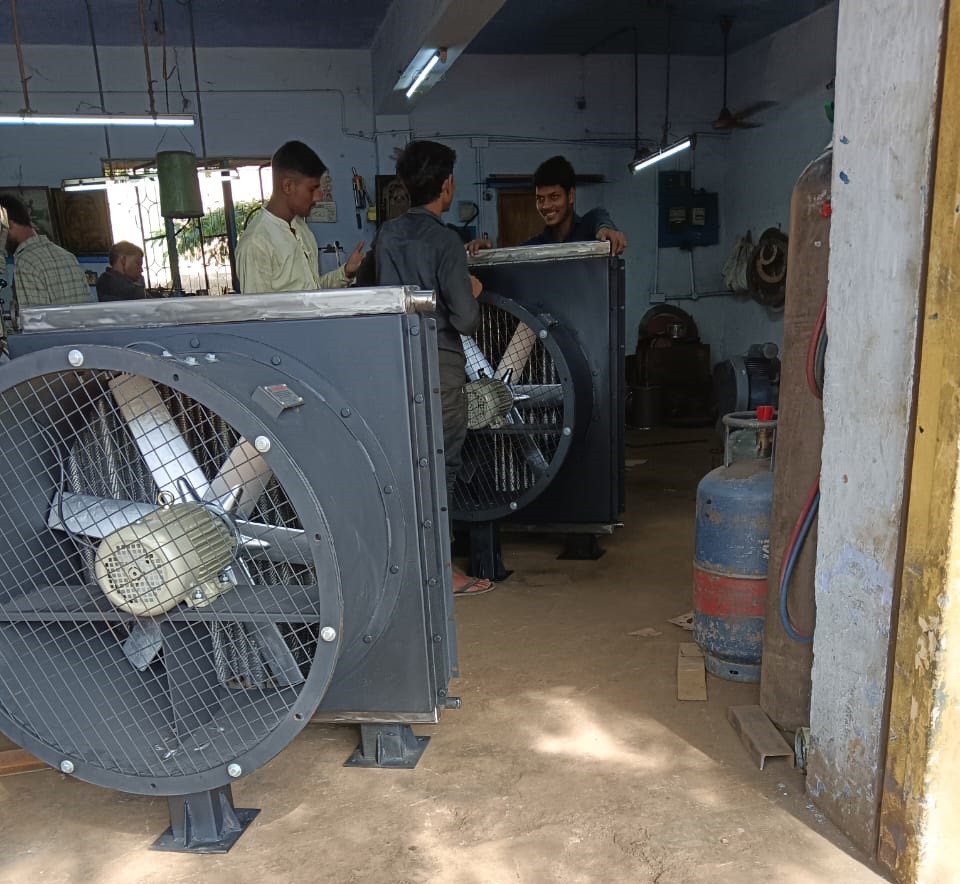
Air-Cooled Oil Cooler An air-cooled oil cooler is a type of heat exchanger that uses air to reduce the temperature of oil in machinery, engines, or hydraulic systems. Here’s a breakdown of what that means: Purpose: Its main job is to remove excess heat from oil, which is essential for keeping equipment running efficiently and...
Counter Flow Vs Cross Flow Cooling Tower The choice between a counterflow and a crossflow cooling tower ultimately comes down to balancing space, energy efficiency, and maintenance accessibility. There isn’t one universally “best” type; the optimal choice depends entirely on your specific project priorities, space...
Since you’re asking for a deeper dive on this specific comparison, let’s go beyond the basic trade-offs. When selecting between stainless steel and copper tubes for a closed-circuit cooling tower, the decision often comes down to three critical factors that aren’t always obvious: water chemistry, long-term operating costs,...
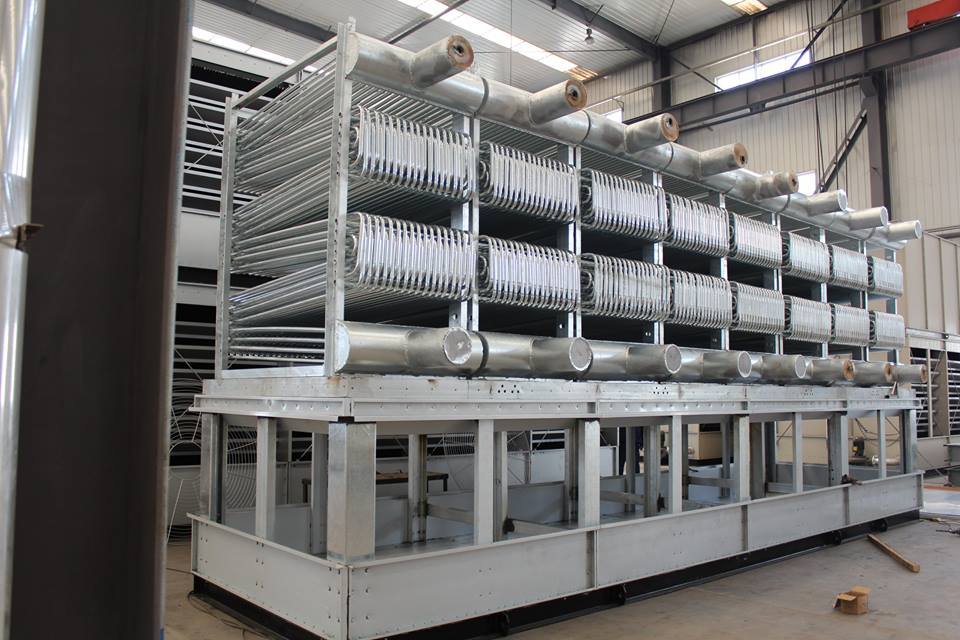
Material of construction of Cooling Coil / Heat Exchanger in Closed Circuit cooling tower The cooling coil or heat exchanger is the core component of a closed-circuit cooling tower, and its material directly impacts the system’s efficiency, cost, and longevity. The choice is generally driven by factors like budget, required thermal...
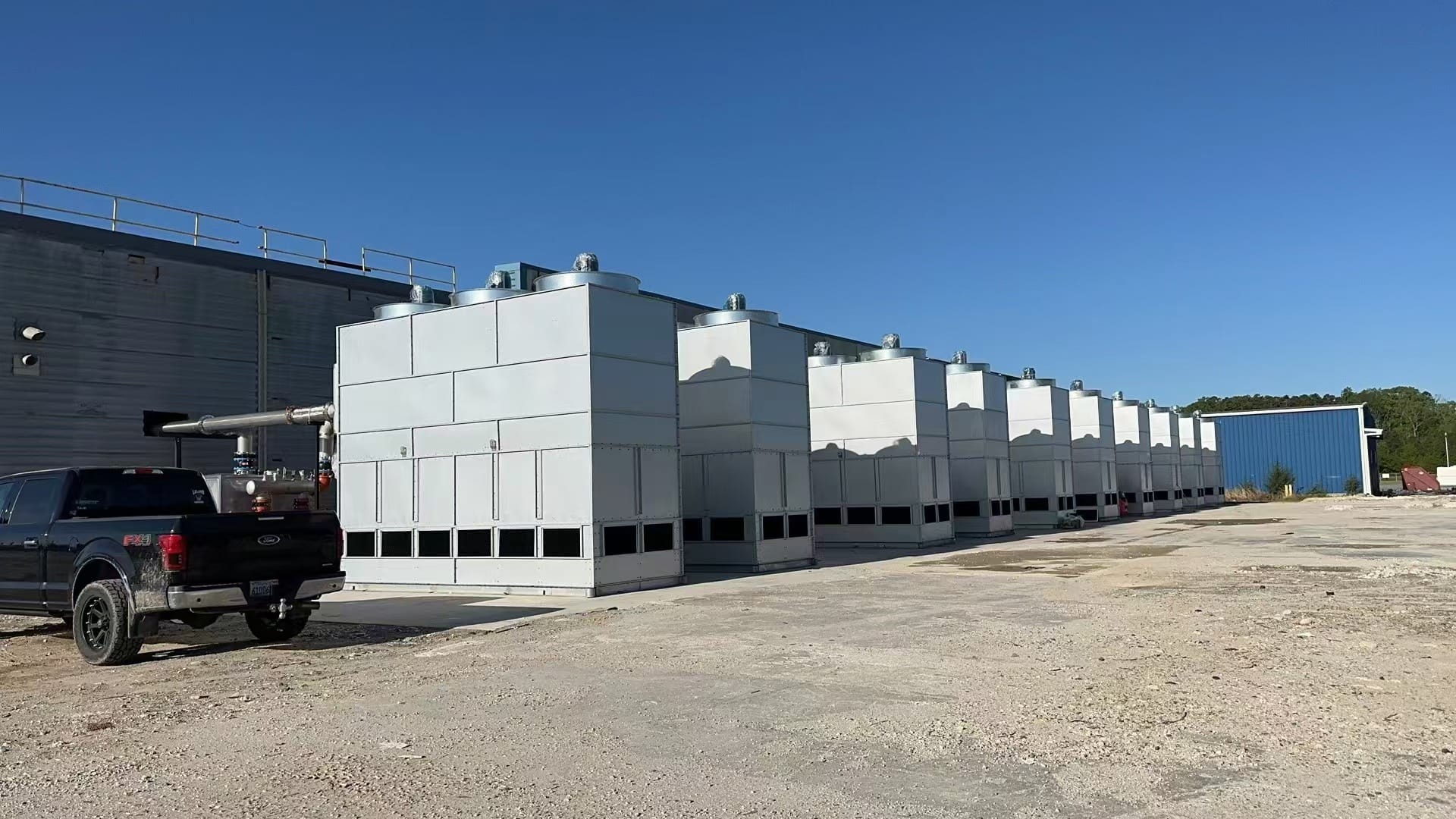
Role of Closed-Circuit Cooling Tower in Steel industry In the steel industry, the role of a closed-circuit cooling tower is to provide reliable, high-purity cooling for critical equipment and processes while protecting the cooling system from contamination, saving water, and ensuring smooth operations in a harsh, high-temperature...