Cooling Coil Heat Exchangers

Shell and Tube Heat Exchanger Manufacturer in Uganda

Use of Shell and Tube Heat Exchanger Pulp & Paper Industry Steam recovery in paper drying processes.

Shell and Tube Heat Exchanger Manufacturer in Democratic Republic of Congo

Shell and Tube Heat Exchanger Manufacturer in Egypt

Use of Shell and Tube Heat Exchanger in HVAC & Refrigeration System

Shell and Tube Heat Exchanger Manufacturer in Nigeria

Use of Shell and Tube Heat Exchanger in Food & Beverage industry Chocolate tempering & fat crystallization.

Shell and Tube Heat Exchanger Manufacturer in Tanzania

Use of Shell and Tube Heat Exchanger in Power Generation Nuclear power plants (heat transfer in primary and secondary loops).

Shell and Tube Heat Exchanger Manufacturer in Angola

Use of Shell and Tube Heat Exchanger in Oil & Gas / Petrochemical industry Chemical synthesis (reactor heating/cooling).

Shell and Tube Heat Exchanger Manufacturer in Kenya

Shell and tube heat exchangers are widely used in the food industry due to their efficiency, durability, and versatility. Here are ten key points about their use: 1. Pasteurization 2. Sterilization 3. Cooling Applications 4. Energy Efficiency 5. Sanitary Design 6. Versatility 7. Chocolate and Fat Processing...

Shell and Tube Heat Exchanger Manufacturer in Morocco

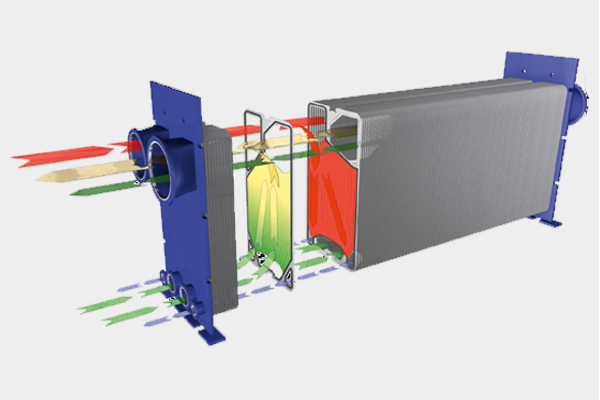
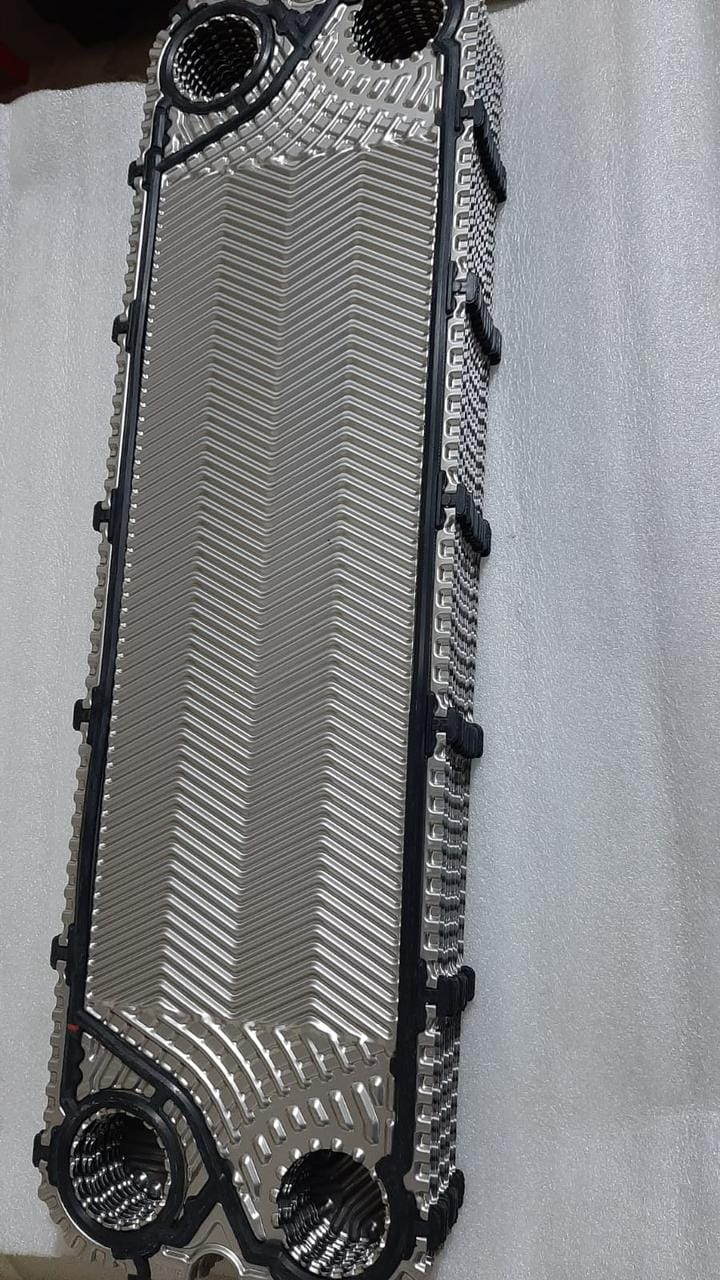
Shell and Tube Heat Exchanger vs. Plate Heat Exchanger: Key Differences Choosing between a shell and tube (STHE) and a plate heat exchanger (PHE) depends on application requirements, operating conditions, and cost. Below is a detailed comparison: 1. Design & Construction Feature Shell and Tube (STHE) Plate Heat...

Shell and Tube Heat Exchanger Manufacturer in Ethiopia

Effect of Fouling Factor in Heat Exchangers The fouling factor (or fouling resistance, Rₓ) quantifies the reduction in heat transfer efficiency due to the accumulation of unwanted deposits (scale, sludge, corrosion, biofilms) on heat exchanger surfaces. It significantly impacts performance, energy costs, and...

Shell and Tube Heat Exchanger Manufacturer in Algeria

Effect of Flow Velocity in Shell and Tube Heat Exchangers   Flow velocity plays a critical role in the heat transfer efficiency, pressure drop, fouling, and mechanical integrity of a shell and tube heat exchanger. Below is a detailed breakdown of its effects: 1. Heat Transfer Efficiency Higher Velocity → Better Heat...

Shell and Tube Heat Exchanger Manufacturer in South Africa

Fixed Tube sheet vs. Floating Head Heat Exchanger: Key Differences When choosing between a fixed Tube sheet and a floating head design for a shell and tube heat exchanger, the decision depends on thermal expansion, maintenance needs, pressure/temperature conditions, and cost. Below is a detailed comparison: 1. Basic Design...

Shell and Tube Heat Exchanger Manufacturer in Yemen

Copper Tubes vs. Stainless Steel Tubes in Heat Exchangers When selecting between copper and stainless steel (SS) tubes for a shell and tube heat exchanger, key factors include thermal conductivity, corrosion resistance, cost, and application requirements. Below is a detailed comparison: 1. Thermal Conductivity Material...

Shell and Tube Heat Exchanger Manufacturer in United Arab Emirates

Suitable Materials for Shell and Tube Heat Exchangers in the Food Industry The food industry requires materials that are:Corrosion-resistant (to withstand cleaning chemicals like CIP solutions).Non-toxic & FDA-compliant (no leaching of harmful substances).Smooth & non-porous (to prevent bacterial growth, easy to...

Shell and Tube Heat Exchanger Manufacturer in Sudan

The Tubular Exchanger Manufacturers Association (TEMA) classifies shell and tube heat exchangers into three main designations based on service conditions, mechanical robustness, and industry requirements: 1. TEMA Class R – Refinery & Severe Service Applications: Key Features:Heavy-duty construction (thicker...

Shell and Tube Heat Exchanger Manufacturer in Saudi Arabia

The Code of Construction for Shell and Tube Heat Exchangers (STHE) is governed by international and national standards to ensure safety, reliability, and performance. Below are the key codes and standards used in their design, fabrication, and testing: 1. ASME (American Society of Mechanical Engineers) – Most Widely Used...

Shell and Tube Heat Exchanger Manufacturer in Qatar

Advantages of Shell and Tube Heat Exchangers (STHE) Shell and Tube Heat Exchangers are among the most widely used heat exchangers in industries due to their robust design, versatility, and efficiency. Here are their key advantages: 1. High Pressure & Temperature Resistance 2. Suitable for a Wide Range of Fluids 3. Robust &...

Shell and Tube Heat Exchanger Manufacturer in Oman

In Shell and Tube Heat Exchangers (STHE), the tube material is selected based on corrosion resistance, thermal conductivity, mechanical strength, and cost. Below are the most commonly used tube materials, along with their key properties and applications: 1. Carbon Steel (CS) Tubes 2. Stainless Steel (SS) Tubes 3. Copper...

Shell and Tube Heat Exchanger Manufacturer in Lebanon

Material of Construction (MOC) of Shell and Tube Heat Exchanger Shell and Tube Heat Exchanger (STHE) MOC depends on factors like: Common Materials Used in STHE Components 1. Shell Material 2. Tube Material 3. Tube Sheet Material 4. Baffles & Supports 5. Gaskets & Seals Selection Criteria Industry-Specific Examples

Shell and Tube Heat Exchanger Manufacturer in Kuwait

Common Applications Shell and Tube Heat Exchanger Marine & industrial cooling systems

Shell and Tube Heat Exchanger Manufacturer in Jordan

Working Principle of Shell and Tube Heat Exchanger Advantages of Shell and Tube Heat Exchanger

Shell and Tube Heat Exchanger Manufacturer in Iraq

Components of a Shell and Tube Heat Exchanger

Shell and Tube Heat Exchanger Manufacturer in Djibouti

A Shell and Tube Heat Exchanger (STHE) is one of the most widely used types of heat exchangers in industrial applications. It consists of a shell (a large pressure vessel) with a bundle of tubes inside it. One fluid flows through the tubes (tube side), while another fluid flows outside the tubes but inside the shell (shell side), allowing...

Shell and Tube Heat Exchanger Manufacturer in Bahrain

Types Of Heat Exchangers  1. Based on Construction & Design Finned Tube Heat Exchanger 2. Based on Flow Arrangement 3. Based on Heat Transfer Mechanism 4. Specialized Types Pillow Plate Heat Exchanger

Shell and Tube Heat Exchanger Manufacturer in India

A heat exchanger is a device used to transfer heat between two or more fluids (liquids or gases) without them mixing. It’s widely used in engineering applications where heating or cooling is required, such as in power plants, chemical processing, refrigeration, and HVAC systems. How It Works Heat flows from the hotter fluid to the […]

Cooling tower manufacturer in Kenya

Cooling Tower Maintenance Guide 1. Daily/Operational Maintenance Visual Inspections Water Treatment Monitoring 2. Weekly Maintenance Tasks Water System Checks Mechanical Inspections 3. Monthly Maintenance Distribution System Structural Components 4. Seasonal/Quarterly Maintenance Thorough Cleaning Mechanical Detailed Inspection 5....

Cooling Tower Nozzle in Kenya

Cooling tower Trouble Shooting cooling tower trouble-shooting, structured from symptoms to causes and solutions. Critical First Steps: Safety & Preparation Before starting any troubleshooting: Symptom-Based Troubleshooting Guide 1. Symptom: Poor Cooling Performance (High Cold Water Temperature) 2. Symptom: Excessive Drift (Water Carryover) 3....

PVC Drift Eliminator in Kenya

Practical Implications of the Relationship The Fixed Relationship: If You Know Two, You Know the Third Given the equation H = Q × R × C, these relationships are mathematically locked: If This Changes… And This Is Held Constant… Then This Must… Heat Load (H) ↑ Flow Rate (Q) Range (R) ↑ Heat Load (H) ↑ Range...

Cooling Tower Fills Supplier in Kenya

Effect of Low Approach vs High Approach in Cooling Tower Approach is one of the most critical performance indicators for a cooling tower. It’s defined as: text Approach = Cold Water Temperature (CWT) – Wet Bulb Temperature (WBT) Where: This simple difference has profound implications for design, operation, and economics. LOW...

Cooling Tower Fills manufacturer in Kenya

Effect of Wet Bulb Temperature in Cooling Tower The Wet Bulb Temperature (WBT) is the most critical environmental factor governing the fundamental physics and ultimate limit of a cooling tower’s performance. It is not just an influence; it is the thermodynamic boundary. Here’s a detailed breakdown of its effect, from core...

Cooling tower Motor Supplier in Kenya

Factors Affecting Cooling Tower Performance The performance of a cooling tower is measured by its ability to cool water to a temperature as close as possible to the ambient wet-bulb temperature, while doing so reliably and cost-effectively. The factors affecting performance can be grouped into Ambient Conditions, Design &...

Cooling tower Motor manufacturer in Kenya

how to Fix Air inlet Height in cooling tower Fixing or optimizing the air inlet height in a cooling tower is a critical design and maintenance issue that directly impacts performance, efficiency, and safety. It involves balancing airflow, water containment, and access. Here’s a comprehensive guide on how to approach fixing the air inlet...

Cooling tower Fan Supplier in Kenya

Design & Material Considerations for Drift Eliminator in  Cooling  tower What Happens Without Drift Eliminators (or with Failed Ones)?

Cooling tower Fan manufacturer in Kenya

The Mechanics of Drift Eliminator  for cooling tower Drift eliminators don’t “filter” like a screen. They work by inertial impaction. Key Performance Metrics

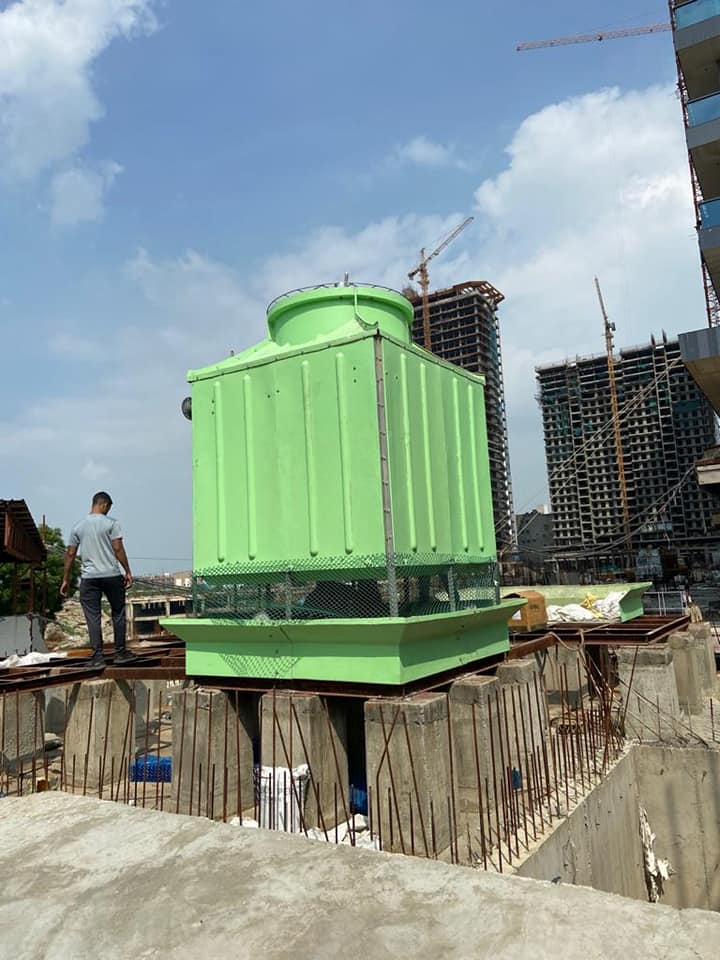
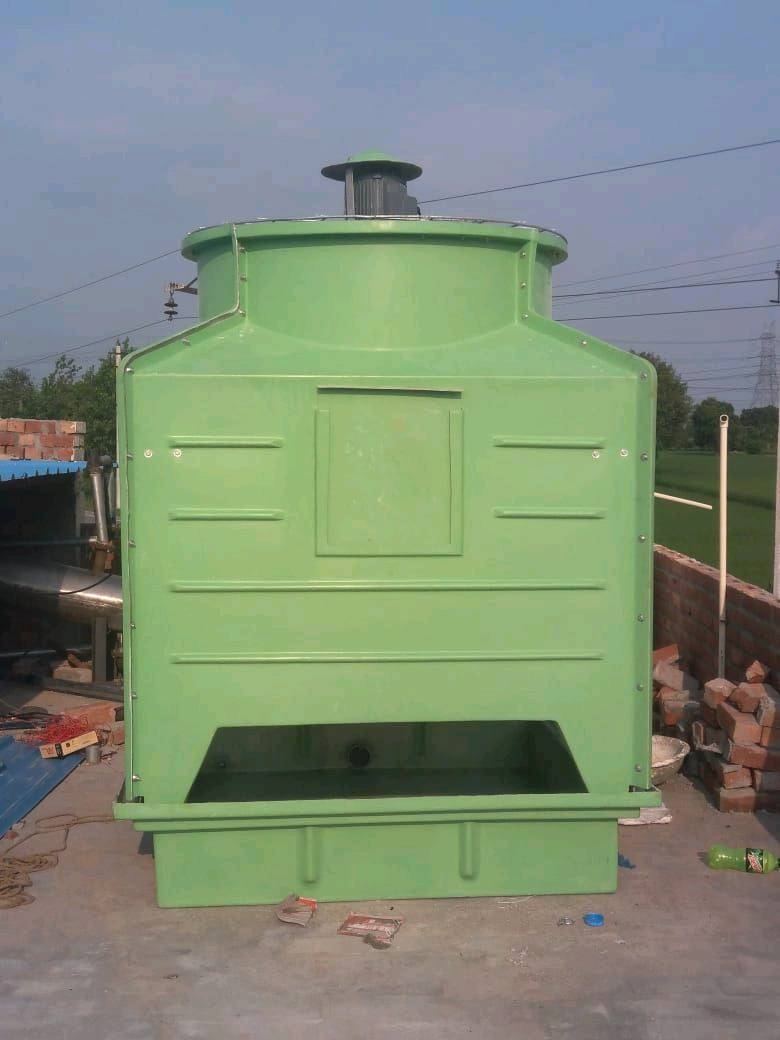
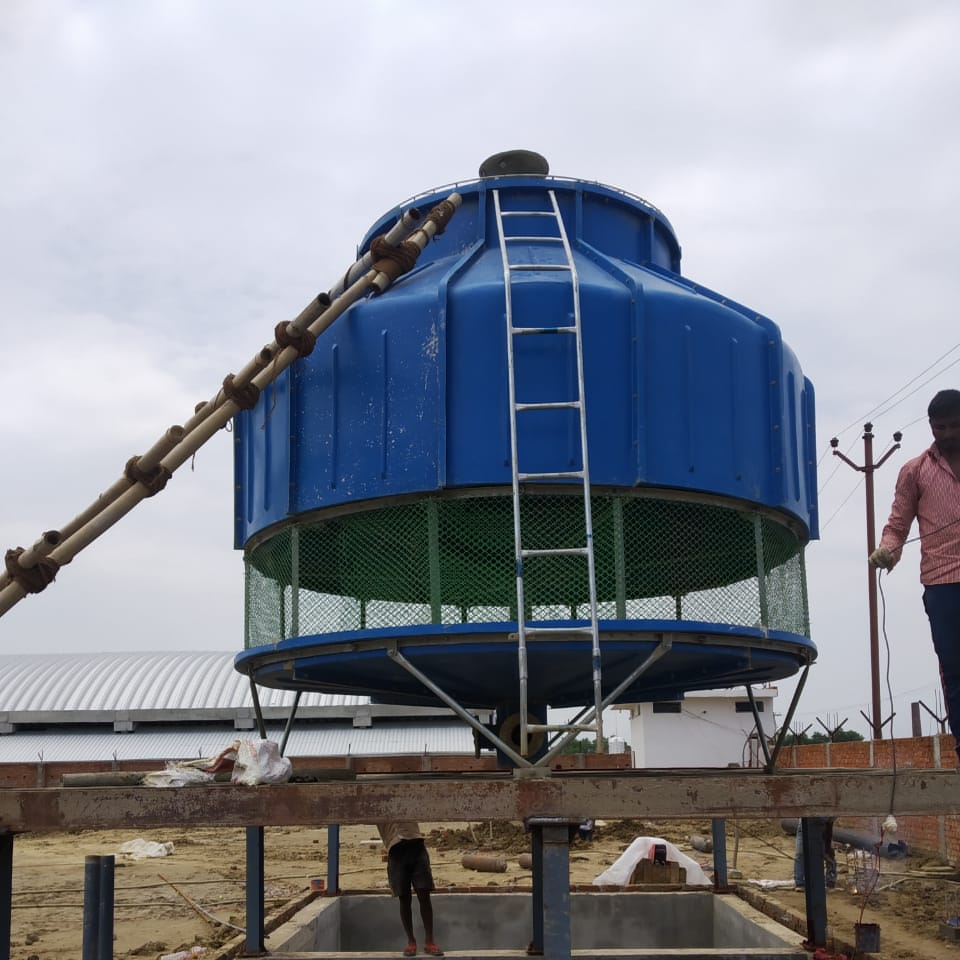
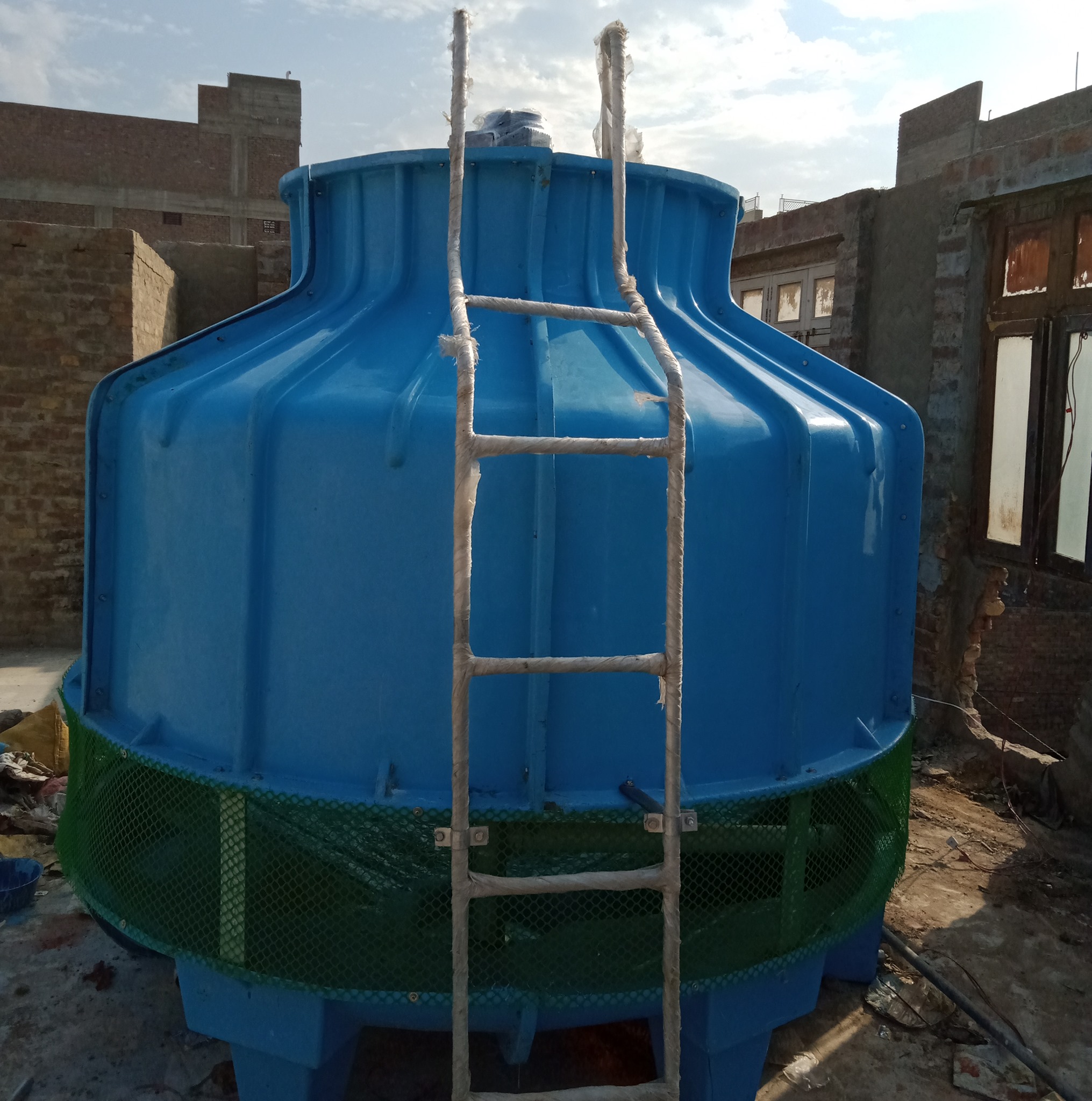
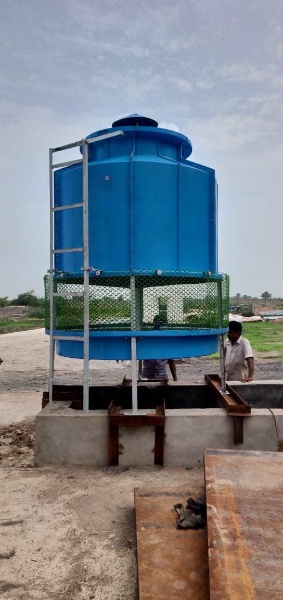
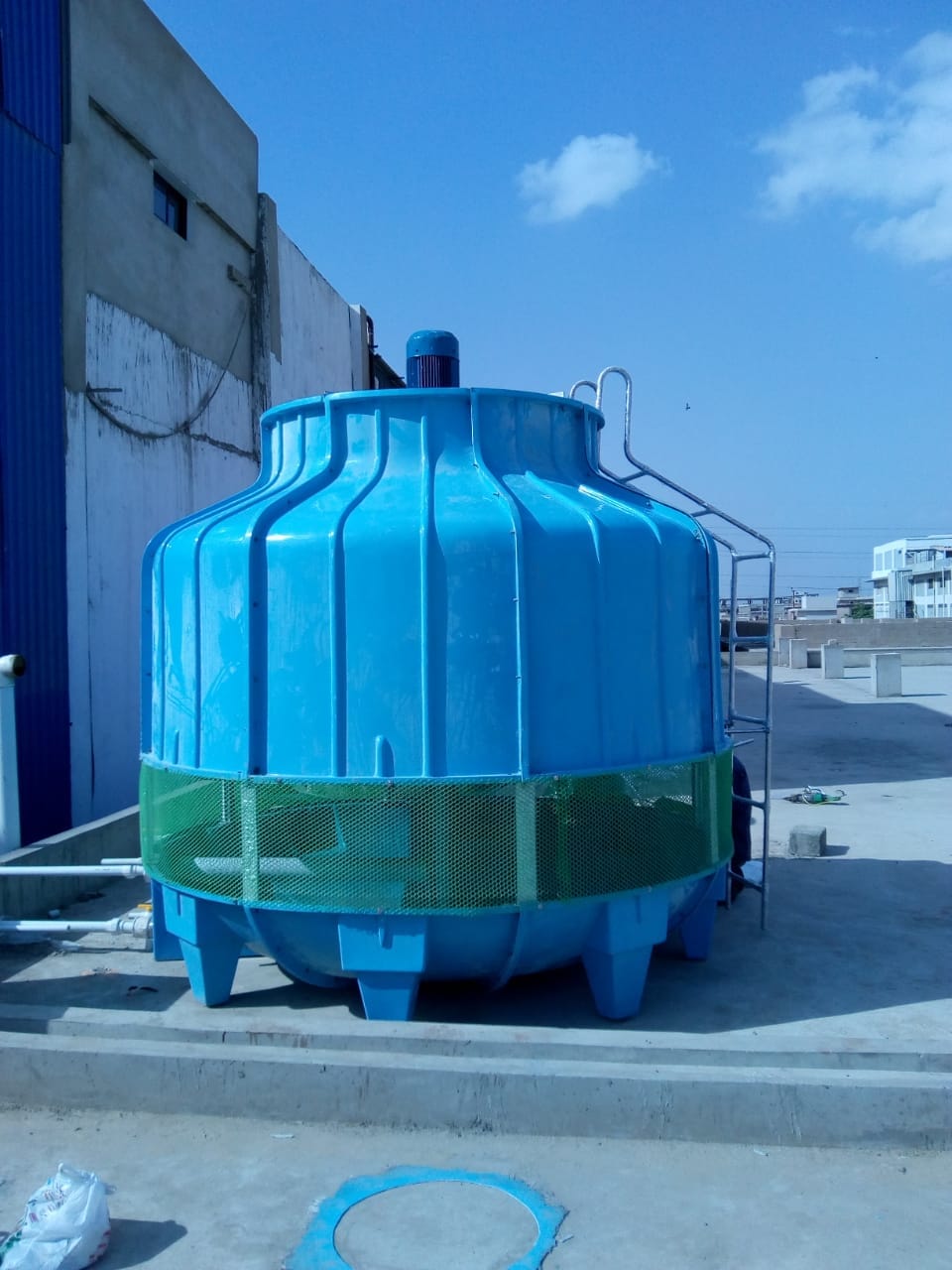
Round Shape cooling tower Manufacturer in Kenya

Role of Drift eliminators in Cooling tower Drift Eliminators are a critical, yet often overlooked, component in a cooling tower. Their primary role is economic and environmental: to minimize water loss and prevent pollution. Here’s a detailed breakdown of their role, function, and importance. Primary Role: Capture Water Droplets The...

Bottle Shape Cooling Tower Supplier in Kenya

Key Considerations for Selection & Operation of mechanical Draft cooling tower In summary, mechanical draft towers are the workhorses of controlled heat rejection where performance, space, and capital cost are primary concerns, and where the ongoing operational energy and maintenance costs are justified.

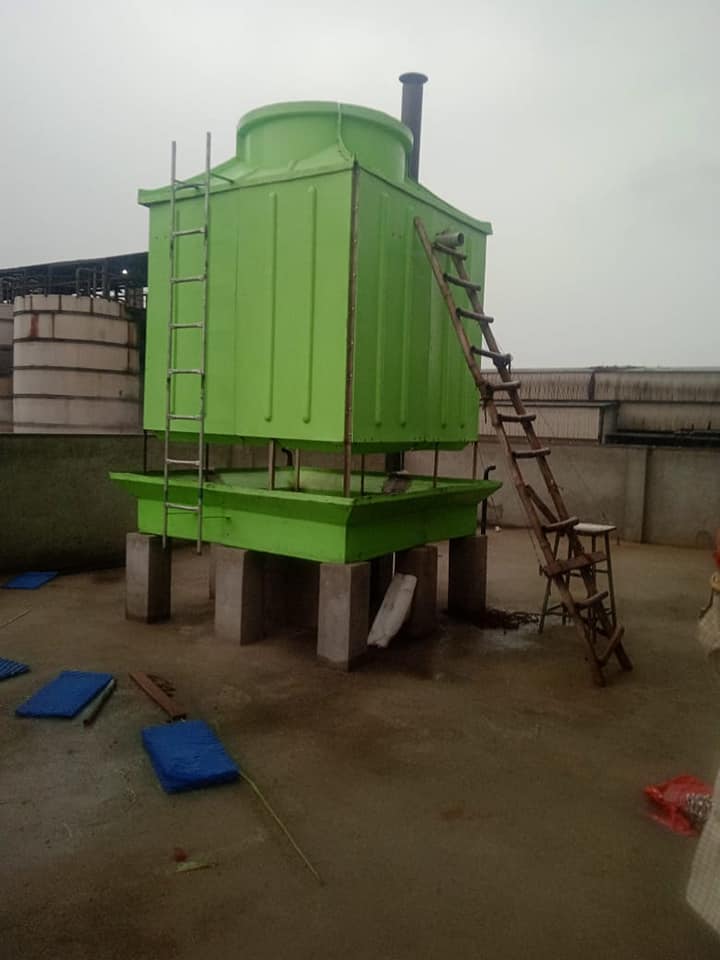
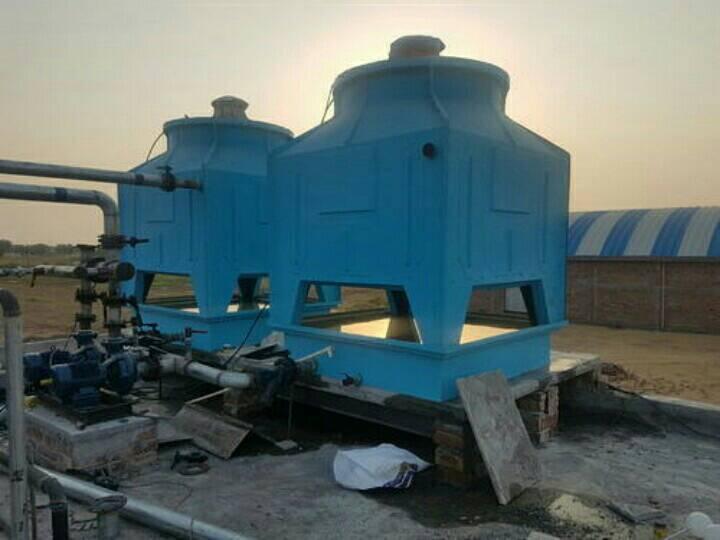
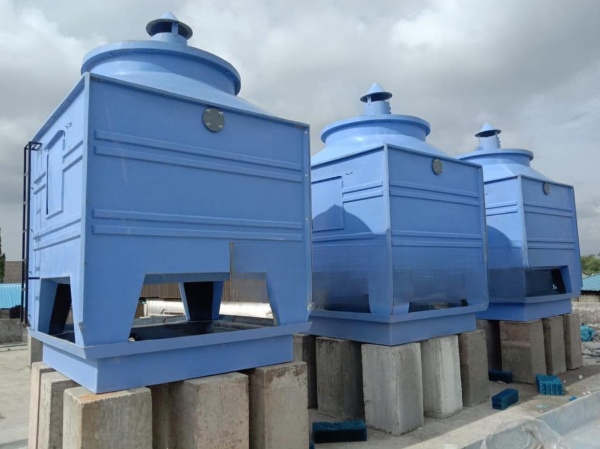
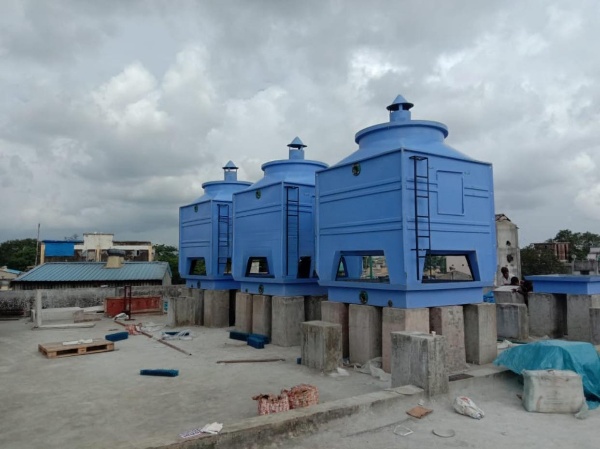
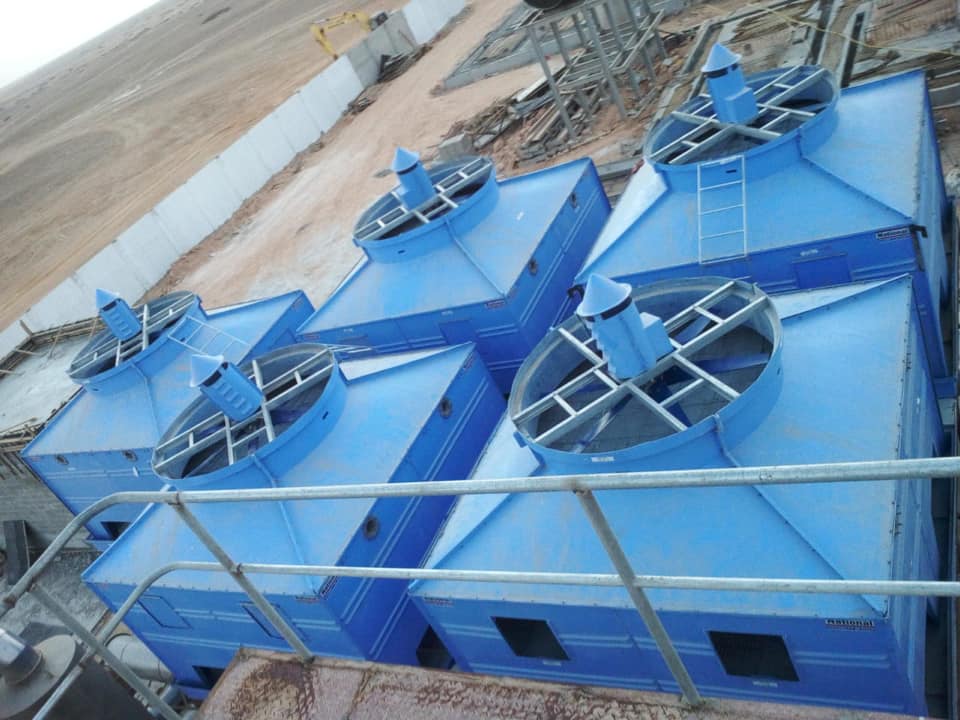
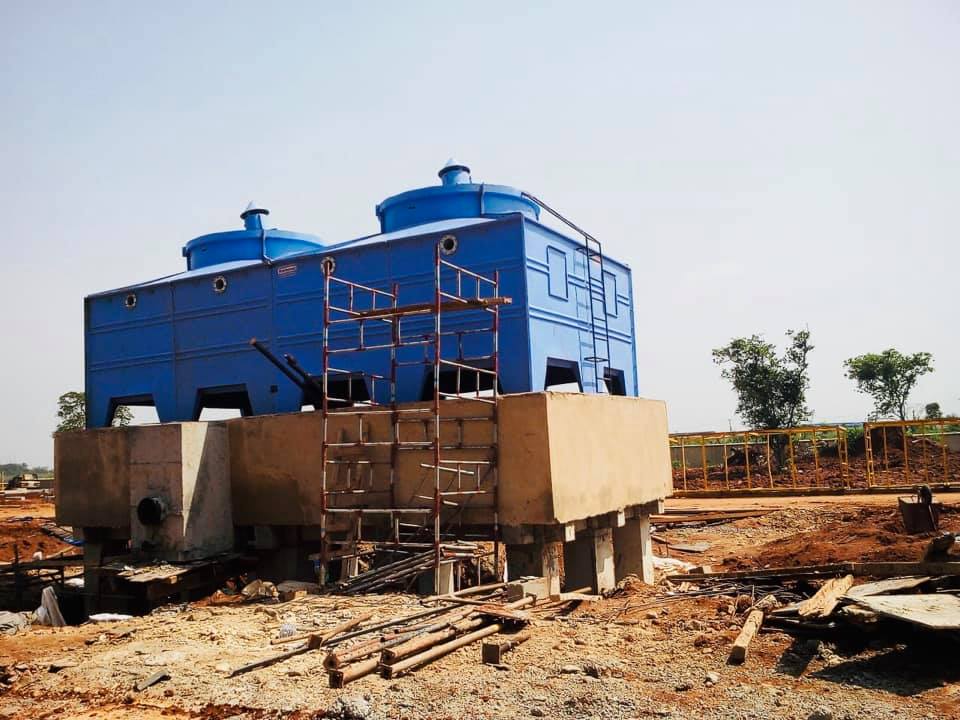
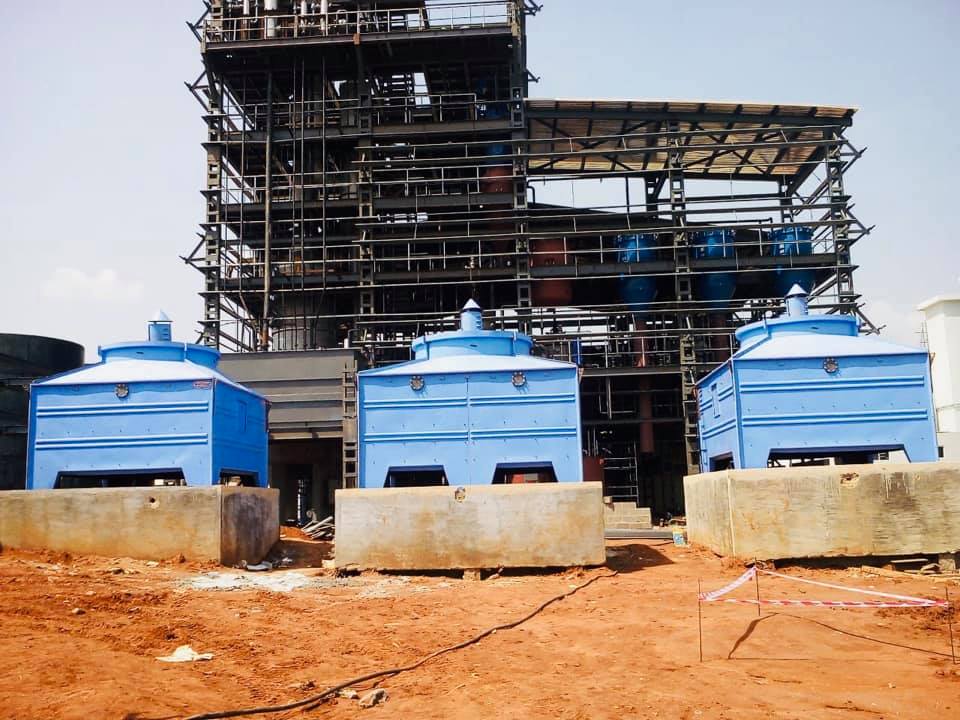
Square Shape Cooling Tower Supplier in Kenya

Applications of Mechanical Draft Cooling Tower

Cross Flow Cooling Tower Manufacturer in Kenya

Components of mechanical draft cooling tower

Counter Flow Cooling Tower Manufacturer in Kenya

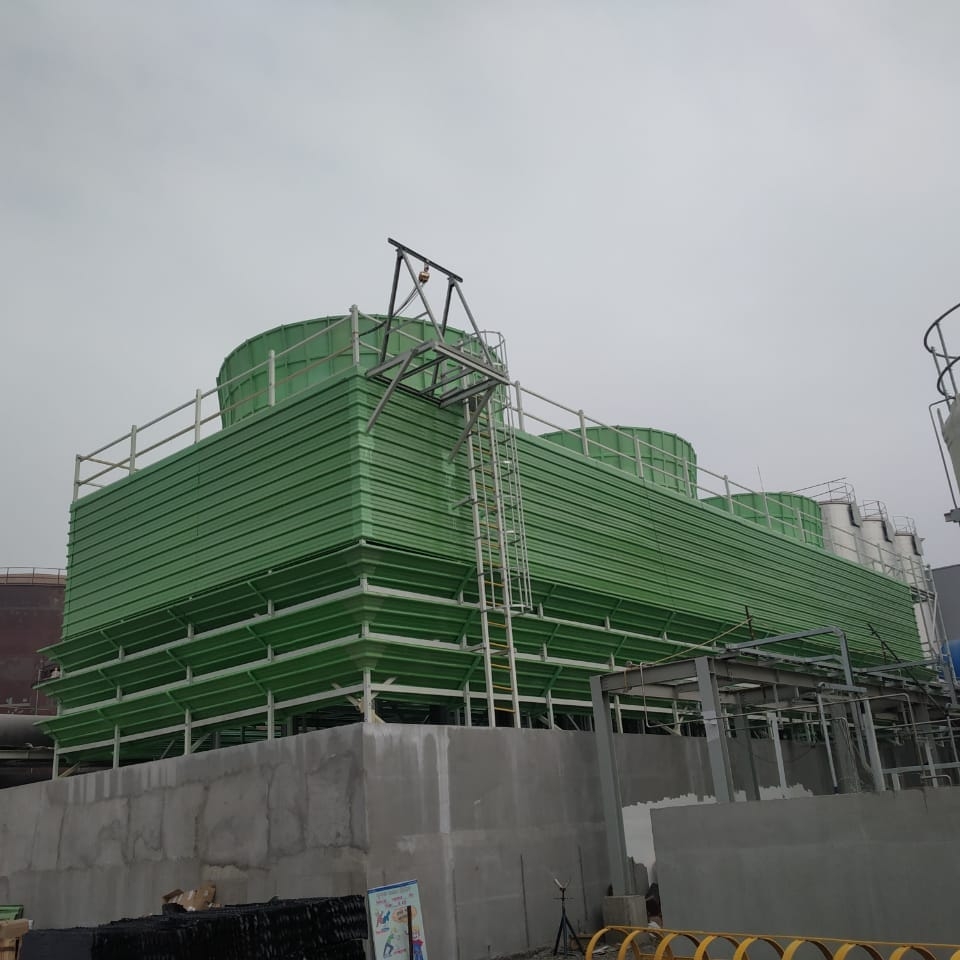
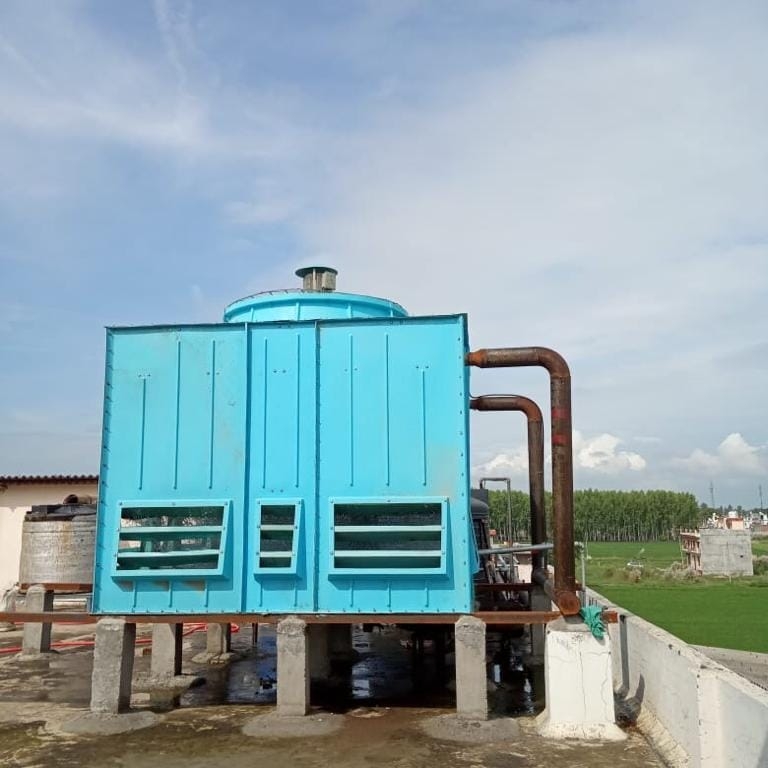
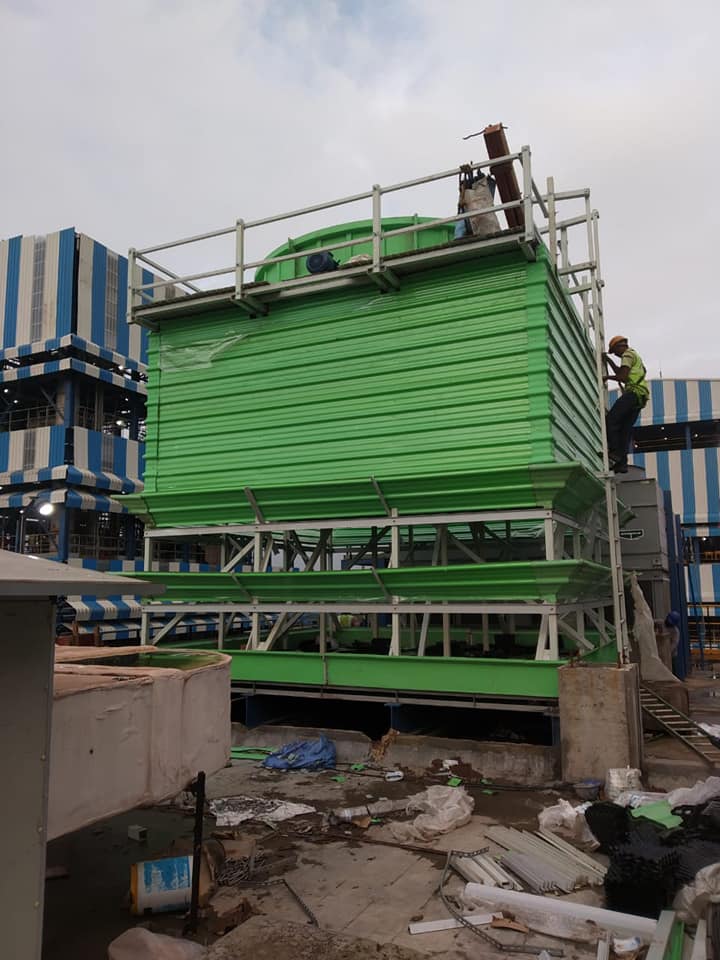
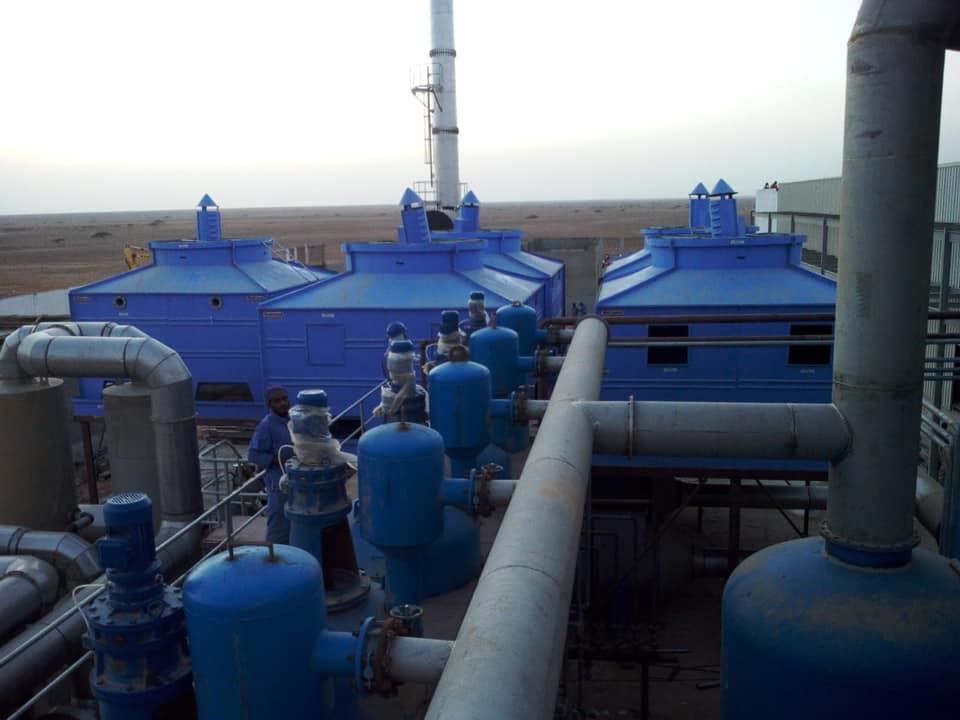
Two Main Types of Mechanical Draft Towers 1. Forced Draft 2. Induced Draft

Cooling tower in Zambia

Mechanical Draft Towers Mechanical Draft Towers are the most common type of cooling tower in industrial and large HVAC applications. They use one or more mechanical fans to force or draw air through the tower, providing precise control over cooling. Here’s a detailed breakdown of their function, types, components, and applications. Unlike...

Cooling tower in Kenya

Types of Cooling Towers Used  in Food & Beverage Processing The Unseen Guardian of Safety and Efficiency In the Food & Beverage industry, the cooling tower is an unseen but critical utility. It directly supports: Its reliable operation is essential for producing safe, high-quality food and beverages consistently and sustainably.

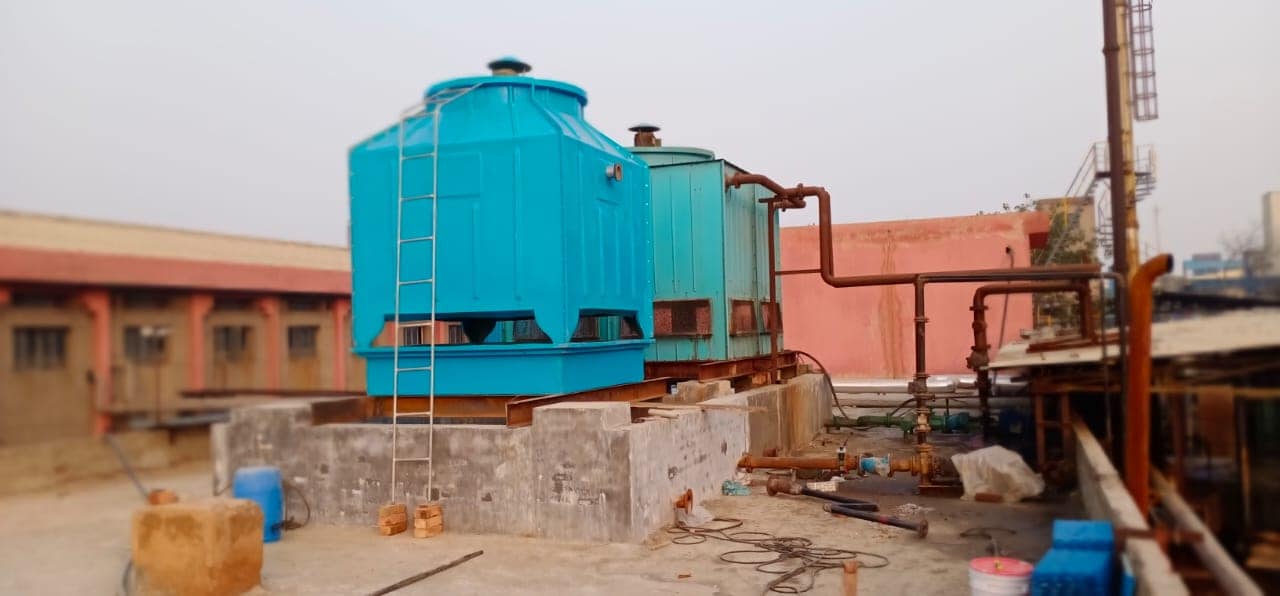
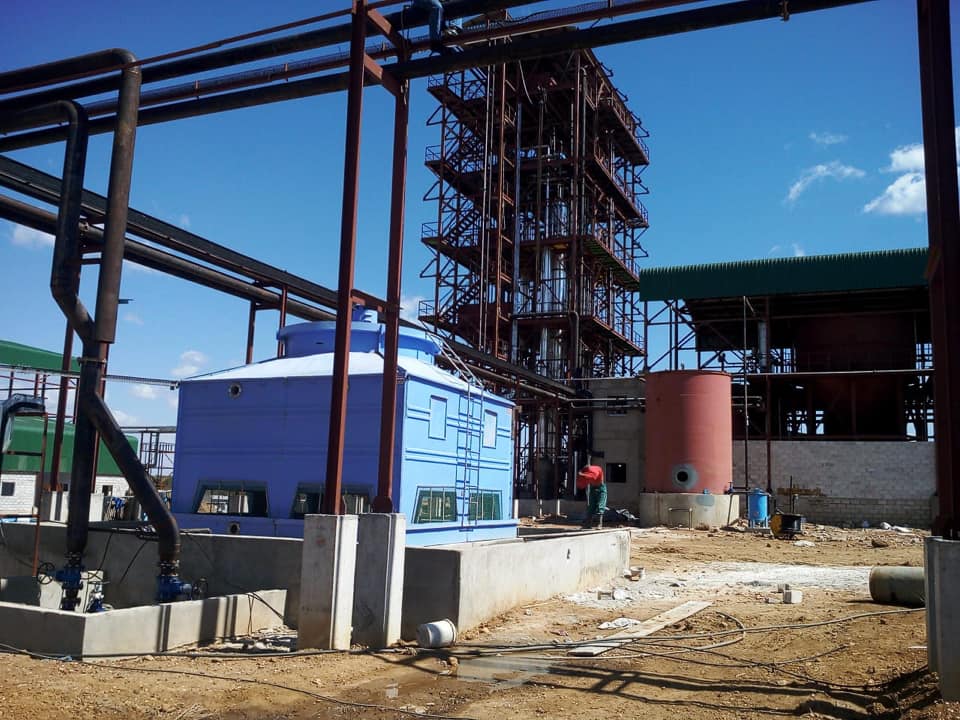
FRP Cooling Tower Supplier in Kenya

Why Cooling Towers Are Indispensable in Food & Beverage Processing Critical Operational Considerations & Unique Challenges in F&B The F&B industry has stricter hygienic requirements than most industrial settings, making cooling tower management particularly sensitive. Sanitation & Documentation: Cooling towers are subject...
FRP Cooling Tower Manufacturer in Kenya

Cooling tower for Food & Beverage Processing industry cooling towers are essential for efficiency, food safety, and operational continuity in the Food & Beverage (F&B) processing industry. They play a critical role in removing process heat and enabling precise temperature control, which is paramount in this sector. Here’s a...
FRP Cooling Tower Supplier in Kenya

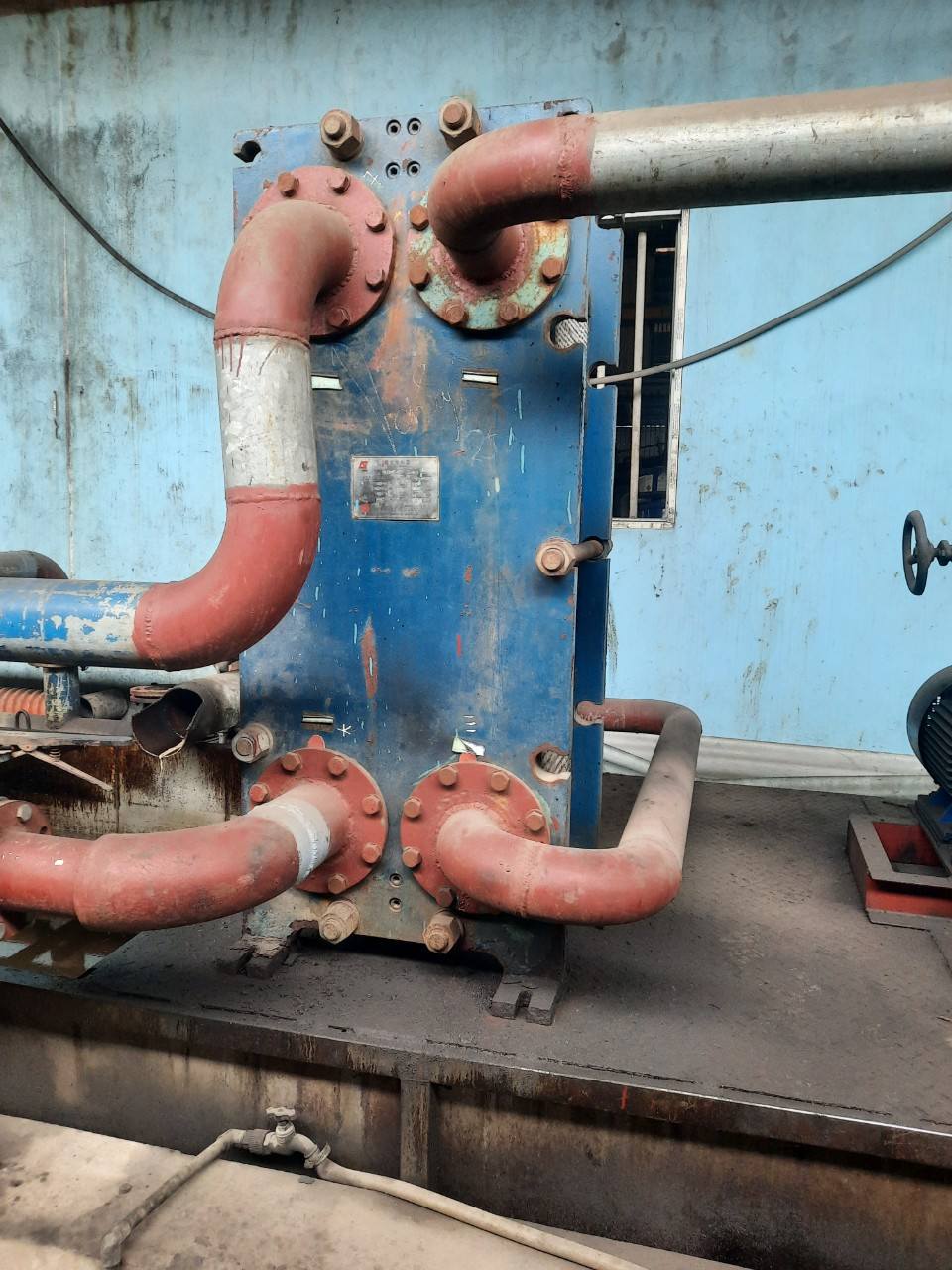
Type of Cooling Towers in Steel Mills Why It’s Indispensable: Consequences of Failure A cooling tower system failure is a plant-wide emergency that leads to an immediate shutdown (“tripping”) of production. The consequences are severe: Operational Challenges & Management Managing the cooling tower system is a...
FRP Cooling Tower Manufacturer in Kenya

cooling tower for Steel Mills In a steel mill, the cooling tower is not a peripheral component but a core utility system essential for safety, efficiency, and continuity of production. Its role is to manage the massive waste heat generated and enable water reuse on a gigantic scale. Here’s a detailed breakdown of its role in a...
Cooling Tower Supplier in Kenya

Types of Cooling Towers Used 4. Key Operational Considerations & Challenges Summary: The Vital Supporting Role Think of the cooling tower as the “heart” of the plant’s non-contact cooling circulatory system. It doesn’t directly touch the metal, but it is absolutely essential for:

Cooling Tower Manufacturer in Kenya

cooling tower for Metals Production While not always the first thing people think of in metals production, cooling towers are critical, enabling infrastructure for the entire industry. Their primary role is heat rejection and water conservation in large-scale industrial cooling systems. Here’s a detailed breakdown of their...

Cooling Tower Supplier in Kenya

SAFETY & ENVIRONMENTAL CONSIDERATIONS Hazardous Materials: Regulatory Compliance: ECONOMICS & OPERATIONAL EXCELLENCE Cost Drivers: Key Performance Indicators (KPIs):

Cooling Tower Manufacturer in Kenya

PROCESS-SPECIFIC COOLING DEMANDS IN COOLING TOWER Temperature Ranges & Precision: Critical Thermal Parameters: SPECIALIZED COOLING SYSTEMS 1. Cascade Cooling Systems Multiple cooling loops at different temperatures for complex processes: text High-temp process → Primary cooling (30°C) → Secondary cooling (20°C) → Tertiary cooling...

Cooling tower manufacturer in Qatar

Use of Cooling Tower in Synthetic Materials Manufacturing Cooling towers are absolutely critical in the synthetic materials industry, which includes advanced polymers, composites, fibers, and specialty chemicals. This industry requires precise thermal control for complex chemical syntheses and material processing. Core Function: Precision...

Cooling Tower Nozzle in Qatar

Types of Cooling Towers Common in Plastics   Critical Industry-Specific Considerations 1. Water Quality is Paramount 2. Temperature Stability & Control 3. Energy Efficiency = Direct Cost Savings 4. Environmental, Health & Safety (EHS) Economic Impact
1 2 3 15