

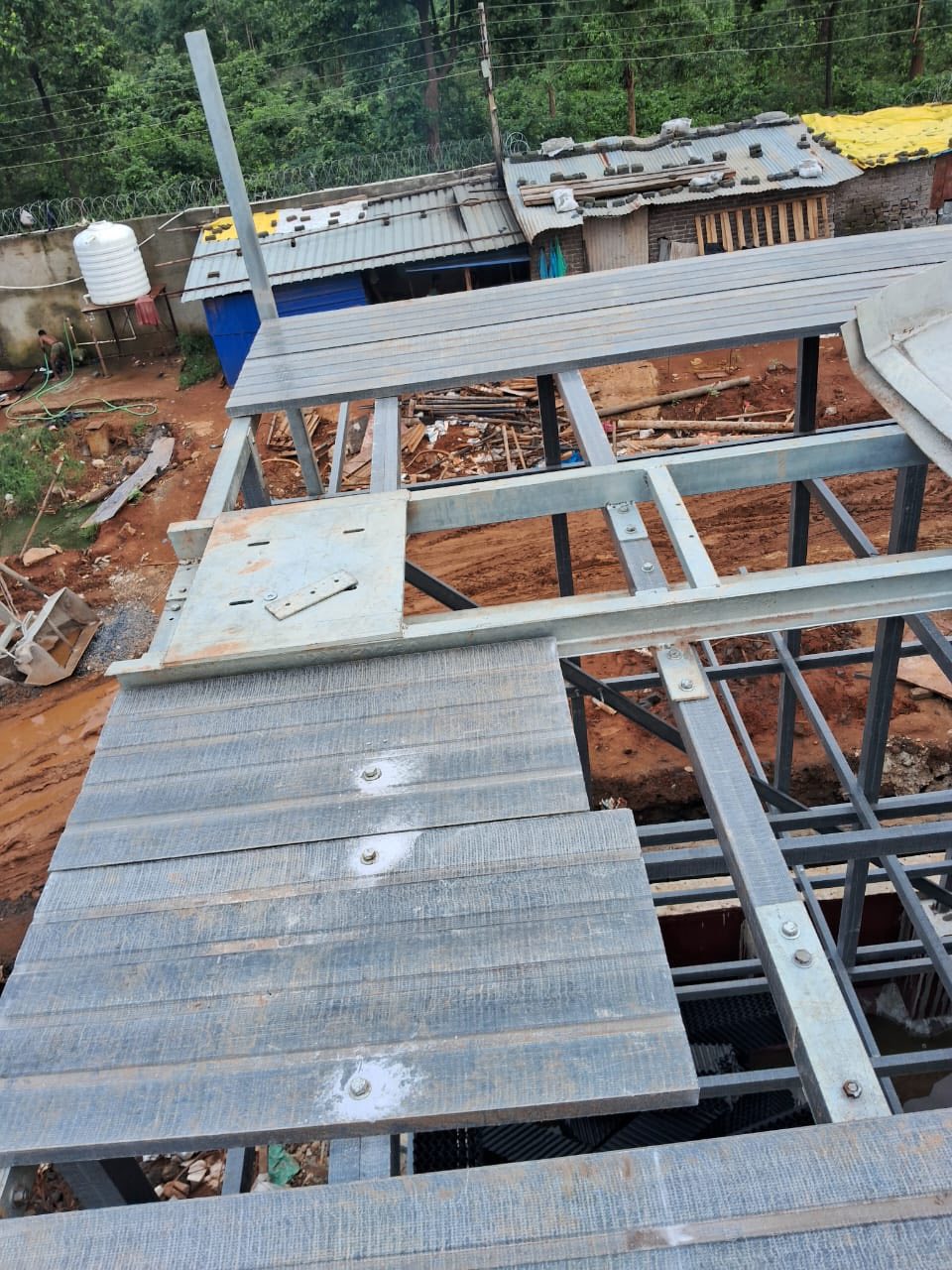
Use of cooling tower in Power plant auxiliary cooling
In a power plant, the main condenser (cooled by a massive circulating water system, often with its own huge cooling towers) gets most of the attention. However, auxiliary cooling systems are the critical lifeblood that keeps the plant’s support equipment operating safely and efficiently.
Here is a detailed breakdown of the use of cooling towers in power plant auxiliary cooling.
Core Function: Rejecting “Parasitic” Heat
Power plants have dozens of support systems that generate significant waste heat. The auxiliary cooling system’s sole job is to collect and reject this “parasitic” or “house” heat to ensure the reliable operation of essential, non-turbine equipment.
The cooling tower in this context is the heat sink for the plant’s “Closed-Circuit Cooling Water (CCCW)” or “Service Water” system.
Key Auxiliary Systems Cooled by the Tower:
The cooling tower serves as the final heat rejector for a network of heat exchangers that cool:
- Lube Oil Coolers:
- For Turbine Bearings: The main turbine generator bearings generate immense friction heat. Chilled lube oil is essential to prevent bearing failure and catastrophic damage.
- For Boiler Feed Pumps & Other Large Rotating Equipment: These critical pumps have their own lube oil systems requiring cooling.
- Seal Oil Coolers (for Hydrogen-Cooled Generators):
- Large generators are often cooled with hydrogen for efficiency. A seal oil system prevents hydrogen leakage, and this oil gets hot from friction and must be cooled precisely.
- Air Compressor Aftercoolers:
- Plant instrument air and service air compressors generate very hot air which is cooled by the CCCW system to remove moisture and improve efficiency.
- Transformer Oil Coolers:
- Large step-up transformers and auxiliary transformers generate heat. Forced oil cooling, using heat exchangers tied to the auxiliary cooling loop, is common.
- Sample Coolers:
- Continuous water/steam chemistry monitoring requires cooling high-temperature/pressure samples down to a safe, ambient temperature for analyzers.
- Motor & VFD (Variable Frequency Drive) Coolers:
- Large motor windings and VFD cabinets for major pumps and fans are often water-cooled to prevent overheating.
- Diesel Generator Coolers:
- The emergency standby diesel generators, critical for safe shutdown, have their own cooling systems often tied into the plant’s auxiliary cooling loop.
- Hydraulic Unit Coolers: For boiler soot blowers, turbine control valves, etc.