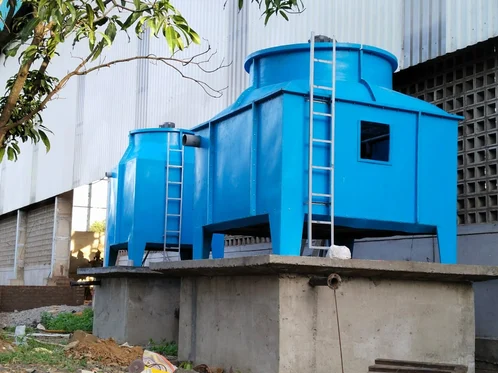
Tags: Closed circuit cooling tower

  • Tag:

Heat Exchanger Manufacturer in Ghana

In the power generation industry, heat exchangers are not just auxiliary equipment—they are the core thermodynamic engine that makes electricity production possible. Without them, you couldn’t boil water, condense steam, or achieve the thermal efficiencies required to turn a profit. Simply put: A power plant is essentially a...

Heat Exchanger Manufacturer in Madagascar

In the food and beverage industry, heat exchangers are essential for ensuring product safety, quality, and process efficiency. Their primary function is to apply precise thermal treatments—like pasteurization, sterilization, heating, and cooling—to a vast range of products while maintaining hygiene and protecting the product’s integrity....

Heat Exchanger Manufacturer in Algeria

Types of Heat Exchanger Printed Circuit Heat Exchangers (PCHE): These are made using advanced chemical etching (like how computer chips are made) to create microscopic channels in metal plates, which are then diffusion-bonded together. They can handle incredible pressures (up to 5,000 psi) and extreme temperatures.

Heat Exchanger Manufacturer in Nigeria

Application of Heat Exchanger? 1. Power Generation (Making Electricity) Power plants (nuclear, coal, natural gas, and even solar thermal) are essentially giant heat engines. Heat exchangers are the backbone of these facilities:Steam Generators (Boilers): In nuclear and coal plants, primary heat exchangers transfer heat from the reactor core or...

Heat Exchanger Manufacturer in South Africa

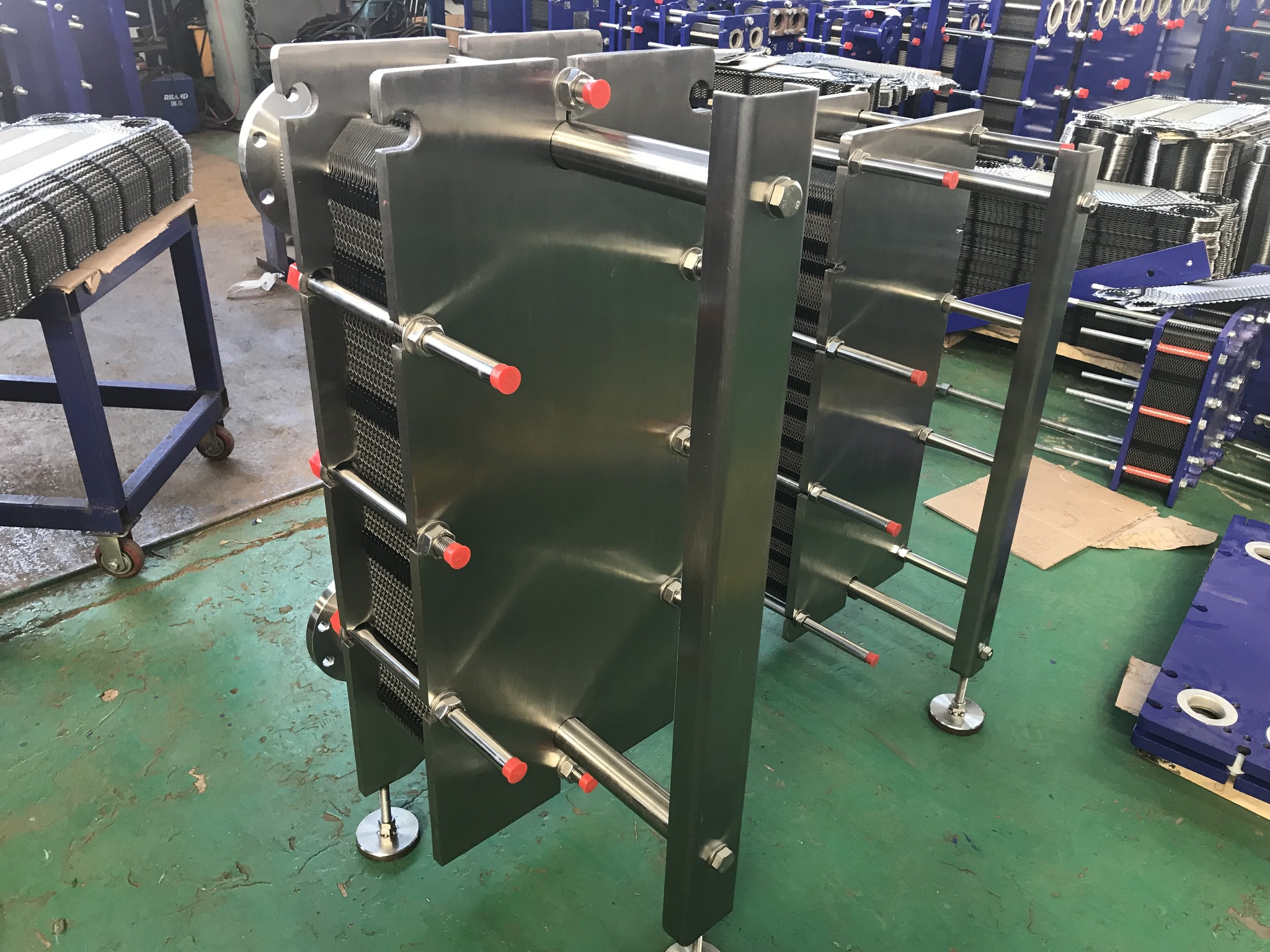
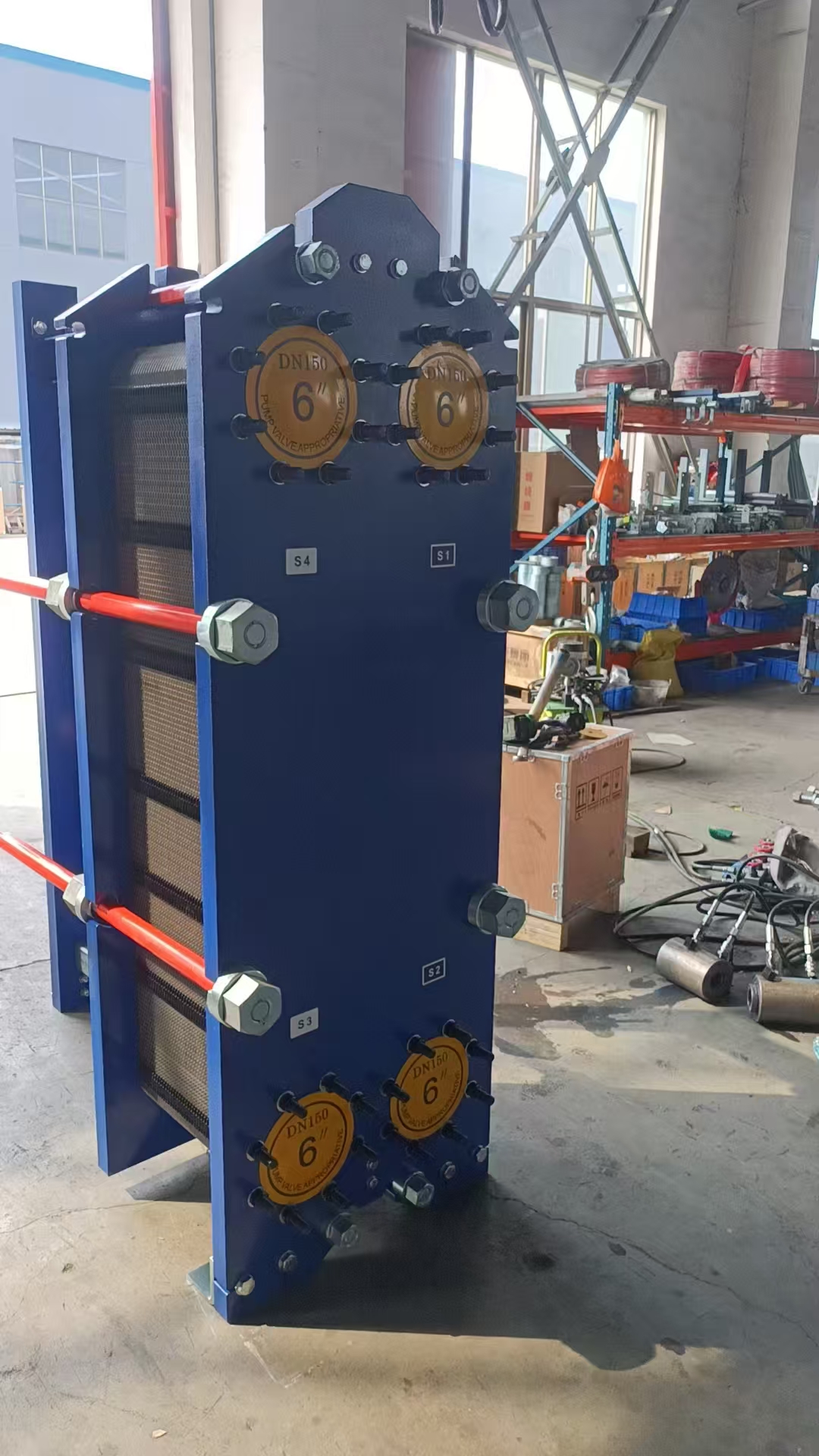
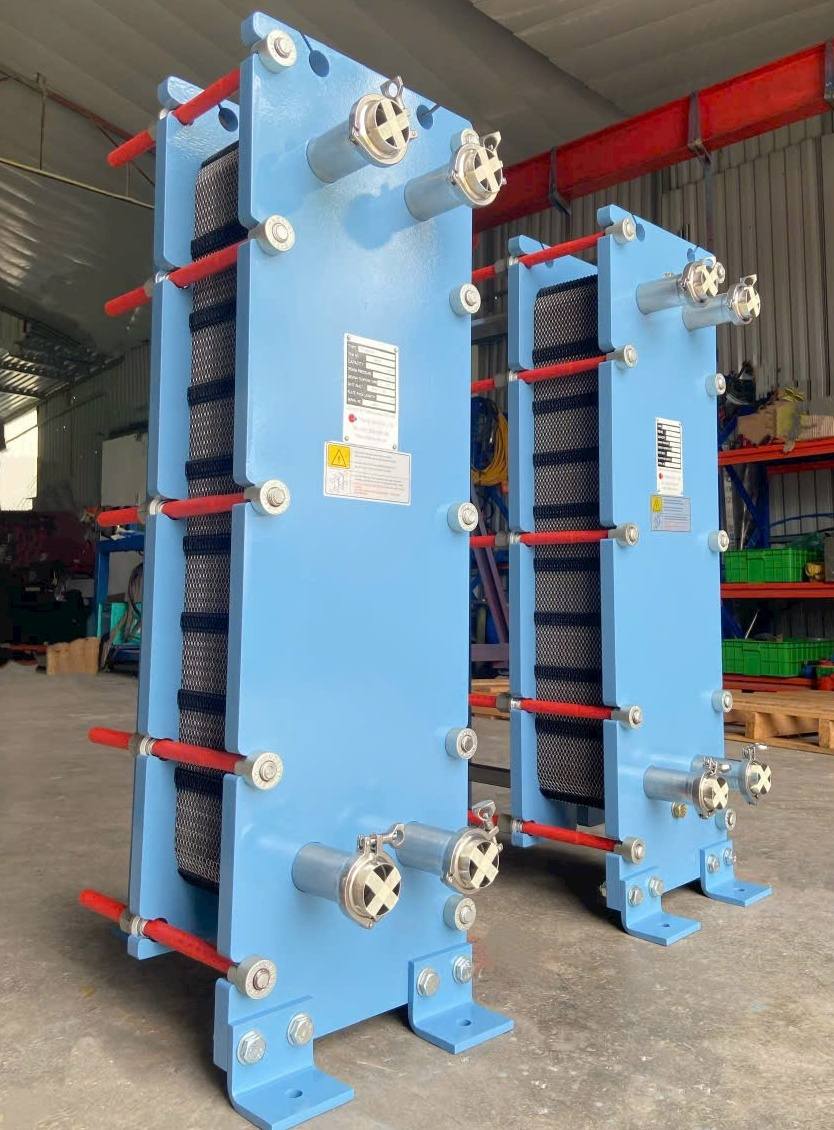
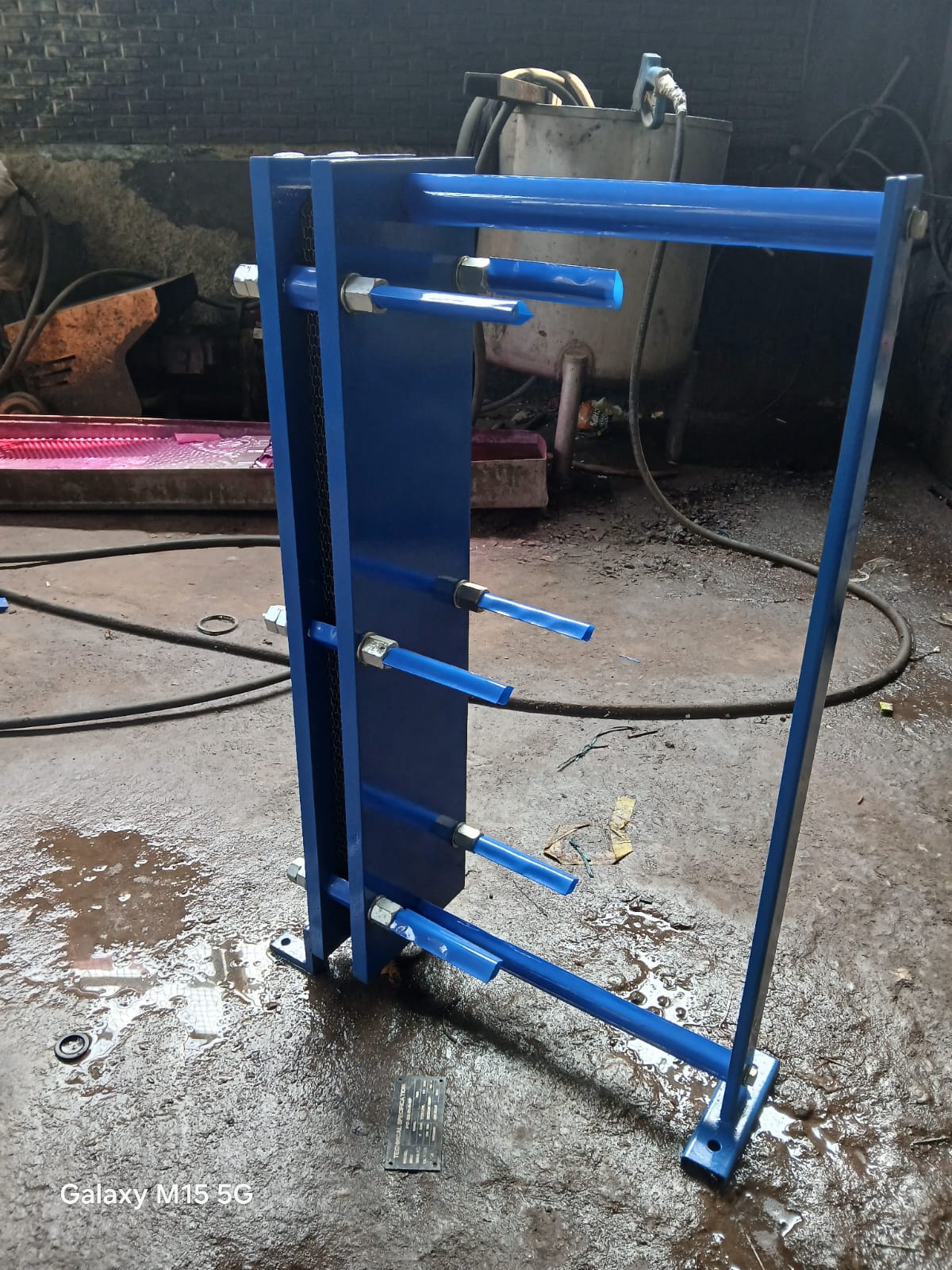
a heat exchanger is a device built to efficiently transfer heat from one fluid (liquid, gas, or steam) to another fluid, without allowing the two fluids to mix or come into direct contact with each other. Think of the radiator in your car: hot engine coolant flows through it, and air blowing past carries that heat away […]

Dry Fluid Cooler Manufacturer in Kollam

Advantages of Forced Draft Dry Fluid Cooler Applications of Forced Draft Dry Fluid Cooler Forced draft coolers are extremely common and are an excellent choice where reliability and ease of maintenance are top priorities: Situations with Easy Access: Facilities where maintenance staff prioritize easy and safe access for routine...
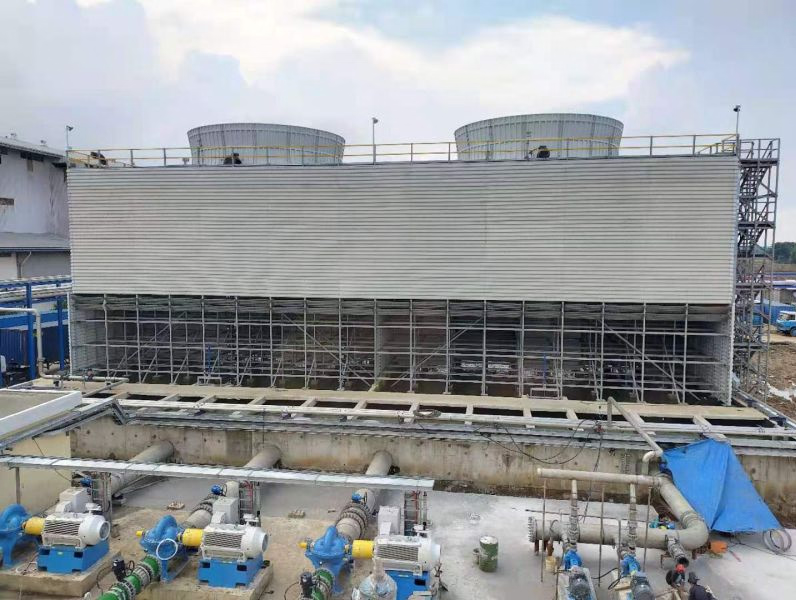
Dry Fluid Cooler Manufacturer in Cochin

Forced Draft Dry Cooler What is a Forced Draft Dry Cooler? A Forced Draft Dry Cooler is defined by the placement of its fan on the intake (inlet) side of the heat exchanger coil. In this design, the fan pushes or forces ambient air through the coil, creating a positive pressure on the upstream side of the finned-tube...
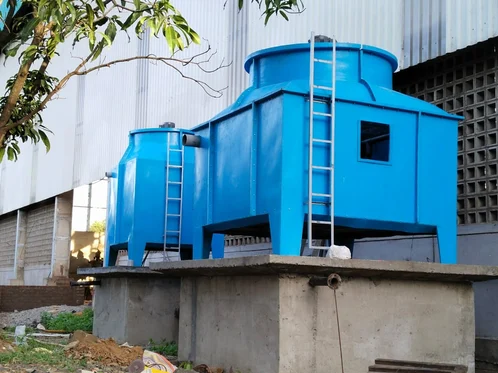
Dry Fluid Cooler Manufacturer in Cochin

Induced Draft Dry Fluid Cooler What is an Induced Draft Dry Fluid Cooler? An Induced Draft Dry Fluid Cooler is defined by the placement of its fan. In this design, the fan(s) are mounted on the discharge (exit) side of the heat exchanger coil. The fan pulls or induces air through the coil, creating a negative...
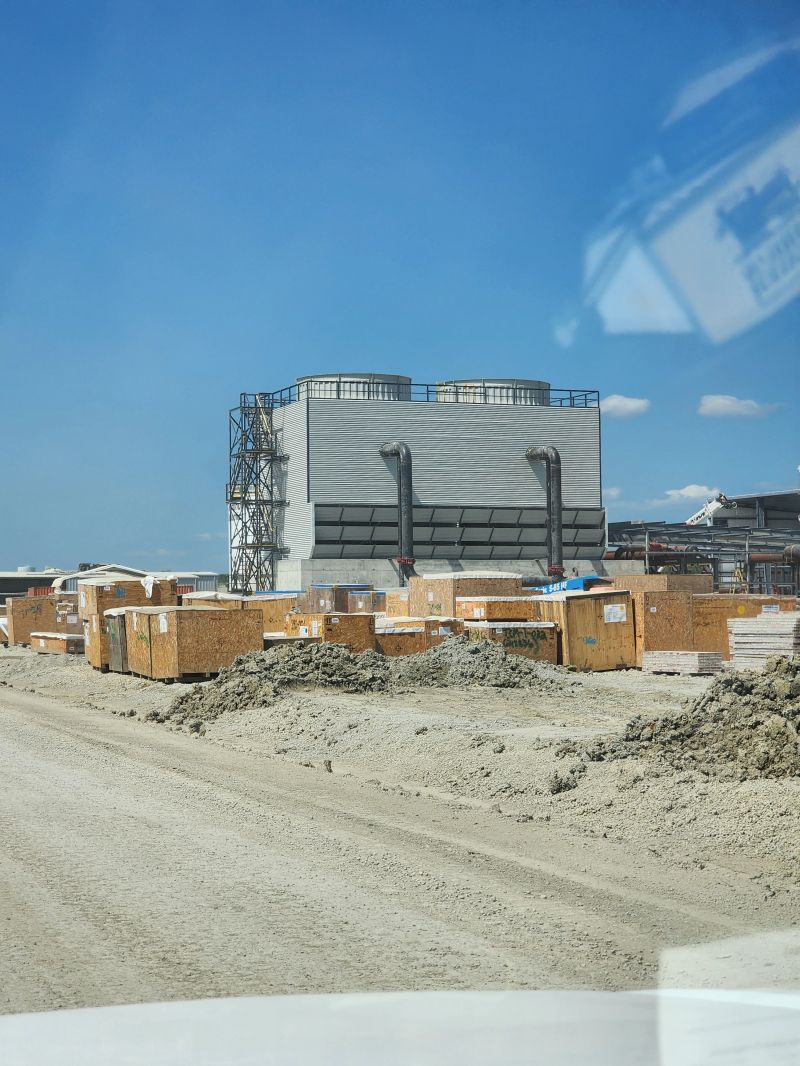
Dry cooling tower Manufacturer in Tirunelveli

Why Choose an Adiabatic Cooler for These Applications? (Summary of Advantages) Application Need How Adiabatic Cooling Meets It High Efficiency in Hot Weather Pre-cooling air allows for heat rejection near the wet-bulb temperature. Water Conservation Uses up to 80% less water than an open evaporative tower. System Protection Closed loop prevents...
Dry cooling tower Manufacturer in Tiruvannamalai

Effect of high Ambient Temperature in Adiabatic cooling tower The effect of high ambient temperature on an adiabatic cooling tower is significant and is the primary reason this technology is chosen. However, it introduces specific operational challenges. Here’s a detailed breakdown of the effects, both on performance and system operation. The...
Dry cooling tower Manufacturer in Sivagangai

Material of Construction of heat exchanger coil in Adiabatic cooling tower? The material of construction for the heat exchanger coil in an adiabatic cooling tower is a critical engineering decision, balancing factors like corrosion resistance, thermal conductivity, pressure rating, cost, and the specific environment it will operate in. The coil is...

Dry cooling tower Manufacturer in Kancheepuram

Direct vs. Indirect Cooling Feature Direct Cooling Indirect Cooling Circuit Type Open Closed Process Fluid Exposed to atmosphere Contained and protected Heat Transfer Direct Evaporation Through a Heat Exchanger Cooling Limit Ambient Wet-Bulb Temperature Slightly above Wet-Bulb Temperature Water Usage High Low to Zero Water Treatment Intensive...

Dry cooling tower Manufacturer in Kallakurichi

Direct Cooling Vs Indirect Cooling The core difference lies in whether the process fluid being cooled is directly exposed to the atmosphere and the cooling air. Direct Cooling (Open Circuit) In a direct cooling system, the fluid that needs to be cooled (typically water) is directly exposed to the cooling air and the...

Dry cooling tower Manufacturer in Erode

Comparison to Alternative: PVC (Synthetic) Pads Feature Cellulose Pad PVC Pad Material Natural plant-based fibers Plastic (Polyvinyl Chloride) Cooling Efficiency Higher (better wicking and evaporation) Slightly Lower Lifespan Shorter (2-5 years) Longer (5-10+ years) Maintenance Higher (prone to clogging, organic growth) Lower (easy...

Dry cooling tower Manufacturer in Dharmapuri

What is a Cellulose Pad? A cellulose pad is a specially engineered, rigid sheet made primarily from plant-based cellulose fibers (often from aspen or other hardwood trees) that are bonded together using special resins and then corrugated and laminated into a thick, multi-layered block Its primary function is to maximize the surface...

Dry cooling tower Manufacturer in Ariyalur

An adiabatic cooling tower is a hybrid cooling system that uses the adiabatic cooling effect of water evaporation to pre-cool the air before it passes over a heat exchanger. This dramatically increases the efficiency of the main heat rejection process. Its key feature is that it combines the principles of a dry cooler (with a closed...

Cooling tower Manufacturer in Kollam

By AIR-WATER FLOW DIRECTION (within Mechanical Draft Towers) Type Airflow vs. Water Flow Characteristics Counter flow Air flows upward, opposite to falling water. – Higher thermal efficiency– Smaller footprint– Higher pumping head (pressure)– More prone to fouling Cross flow Air flows horizontally, water falls...

Cooling tower Manufacturer in Palakkad

Cross flow vs. Counter flow Design Feature Cross flow Cooling Tower Counter flow Cooling Tower Air/Water Direction Air horizontal, water vertical (90° cross). Air upward, water downward (opposite directions). Water Distribution Gravity basins (low pressure). Pressurized spray nozzles (higher pressure). Air Pressure...

Cooling tower Manufacturer in Viruthunagar

Plastic and synthetic fiber production (PVC, nylon, polyester 5. Heavy Industry & Manufacturing 6. Data Centers & Telecommunications 7. Miscellaneous & Specialized Applications

Cooling Tower Manufacturer in Villupurum

Core Functions & Benefits Function Benefit Heat Rejection Removes large heat loads (often 10-1000+ MW) efficiently. Water Conservation Recycles 95-98% of cooling water (vs. once-through systems). Energy Efficiency Lower power consumption than air-cooled systems for same duty. Space Efficiency Smaller footprint than air-cooled heat exchangers...

Cooling Tower Manufacturer in Sivagangai

Components of cooling tower

Cooling Tower Manufacturer and Supplier in Ranipet

Main Types of Cooling Towers 1. By Air Flow Generation 2. By Construction 3. By Air-Water Contact

Cooling Tower Manufacturer in United Pudukkottai

What is a Cooling Tower? A cooling tower is a specialized heat exchanger that removes waste heat from a system (like an industrial process or an HVAC system) by transferring it to the atmosphere through the cooling of water. It uses evaporation to cool down water, which is then reused in the process. How It Works (Basic […]

Cooling Tower Manufacturer in Kanchipuram

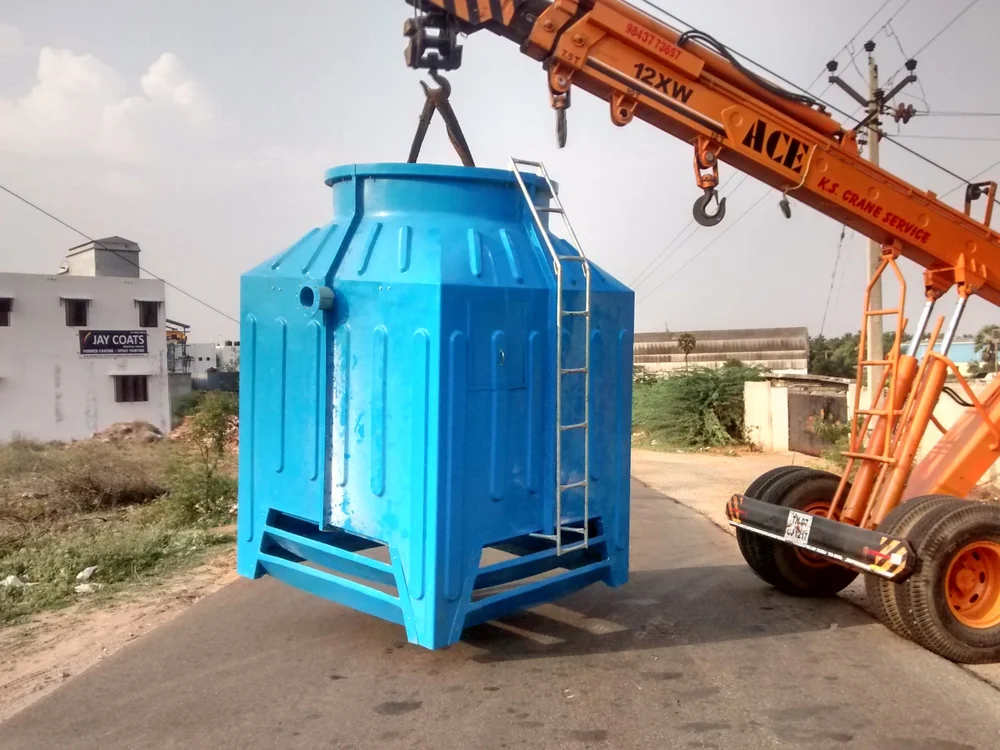
What is meant by FRP Cooling Tower? RP Cooling Tower is a cooling tower whose major components—primarily the casing (outer shell), cold water basin, and often structural supports—are constructed from Fiberglass Reinforced Plastic (FRP). It’s important to understand that “FRP” doesn’t refer to the...

Cooling Tower Supplier and Manufacturer in Kallakurichi

Materials of Cooling Tower Parts   1. Casing and Structural Framework This is the tower’s exterior shell and internal support structure.Galvanized Steel (G.S.): The most common material for industrial and large HVAC tower frameworks and casings. The zinc coating provides excellent 2. Fill (or Packing) This is the...

Cooling Tower Supplier in Erode

Material of Construction of Cooling Tower Component Common Materials Key Reasons Casing/Structure Galvanized Steel (G.S.), Stainless Steel, FRP Strength, corrosion resistance, durability. Fill (The Heart) PVC, PP, Wood, Ceramic, PP High surface area, corrosion resistance, lightweight. Cold Water Basin Reinforced Concrete, G.S. with lining, FRP Must...

Cooling Tower Manufacturer in Dindugal

Parts of Cooling Tower Main Components of a Cooling Tower: 1. Frame and Casing 2. Fill (or Packing) 3. Cold Water Basin 4. Drift Eliminators 5. Inlet Louvres 6. Nozzles & Distribution System 7. Fan and Drive Assembly 8. Intake (Fan Cylinder) Supporting & Auxiliary Parts:

Cooling tower Manufacturer in Cuddalore

How These Functions Are Achieved: The Process To fulfill these functions, a cooling tower performs a specific process:

Cooling Tower Manufacturer Coimbatore

The primary function of a cooling tower is to remove waste heat from a water-based system and reject it to the atmosphere. This is achieved primarily through the principle of evaporative cooling. Here is a detailed breakdown of the key functions of a cooling tower: . Primary Function: Heat Rejection This is the core reason cooling towers...

Cooling Tower Manufacturer in Chennai

Main Types of Cooling Towers Cooling towers are primarily categorized by how they move air: 1. Mechanical Draft TowersThese use large mechanical fans to force or draw air through the tower. They are the most common type. 2. Natural Draft TowersThese massive, hyperbolic (hourglass-shaped) towers use the natural principle of convection—hot air...

Closed-Circuit Cooling Tower Manufacturer in Oman

 Copper Coil Heat Exchanger vs. Stainless Steel Heat Exchanger Coil Heat exchanger coils are critical components in cooling towers, HVAC systems, and industrial processes. The choice between copper and stainless steel coils depends on factors like thermal efficiency, corrosion resistance, cost, and application...

Coil Cooling Tower Manufacturer in UAE

Advantages of Closed-Circuit Cooling Towers Over Open-Circuit Cooling Towers Closed-circuit cooling towers (also called fluid coolers or hybrid cooling towers) offer several key benefits compared to open-circuit cooling towers, making them ideal for applications requiring clean, efficient, and low-maintenance cooling. 1. Prevents...

Closed-Circuit Cooling Tower Manufacturer in UAE

Closed-Circuit Cooling Tower vs. Open-Circuit Cooling Tower Cooling towers are essential for rejecting heat in industrial and HVAC systems. The key difference between closed-circuit and open-circuit cooling towers lies in how they handle the process fluid (water or coolant). 1. Closed-Circuit Cooling Tower 2. Open-Circuit Cooling Tower Key...

Coil Cooling Tower Manufacturer in Saudi Arabia

Role of Fills in Closed Circuit Cooling Towers (CCCTs) Unlike open cooling towers, which rely heavily on fills for heat exchange, Closed Circuit Cooling Towers (CCCTs) primarily use heat exchanger coils to cool the process fluid in a closed loop. However, some advanced CCCT designs incorporate fills (also...

Closed-Circuit Cooling Tower Manufacturer in Saudi Arabia

Proper water treatment is critical to prevent corrosion, scaling, biological growth, and fouling in closed-loop cooling systems. Since CCCTs recirculate the same water (unlike open towers), maintenance focuses on long-term stability rather than constant bleed-off. 1. Key Water Quality Parameters for CCCTs Parameter Target Range...

Coil Cooling Tower Manufacturer in South Africa

Emerging Trends in Specialized CCCT Use Direct Chip Cooling – For next-gen AI/GPU data centres.

Closed-Circuit cooling Tower Manufacturer in South Africa

Comparison of Specialized CCCT Applications Industry Key Requirement CCCT Advantage Pharma Zero contamination Closed-loop purity Power Plants Water savings Hybrid dry/wet modes Food & Beverage Hygiene compliance No biofilm risk Military/Marine Corrosion resistance Saltwater-proof materials Plastics/Chemicals Corrosive fluid handling Stainless...

Coil Cooling Tower Manufacturer in Yemen

Hospitals & Critical Facilities

Coil Cooling Tower Manufacturer in Sudan

Aerospace & Automotive Testing

Coil Cooling Tower Manufacturer in South India

Plastics & Chemical Processing

Coil Cooling Tower Manufacturer in Qatar

Military & Marine Cooling Systems Lightweight aluminum coils for portable systems.

Coil Cooling Tower Manufacturer in Oman

Food & Beverage Processing

Coil Cooling Tower Manufacturer in Libya

Power Plants & Energy Industry Hybrid designs cut water usage by 30-50% vs. open towers.

Coil Cooling Tower Manufacturer in Lebanon

High-Purity Process Cooling (Pharmaceuticals, Electronics, & Semiconductor Manufacturing) Stable temperature control (±0.5°C accuracy).

Coil Cooling Tower Manufacturer in Kuwait

. Routine Maintenance Tasks A. Daily/Weekly Checks Visual Inspections – Look for leaks, corrosion, or damaged components.  Water Levels – Ensure proper water levels in the sump (if applicable)  Fan & Motor Operation – Check for unusual noise/vibration.  Strainers & Filters – Clean if clogged to...

Coil Cooling Tower Manufacturer in Jordan

Closed Circuit Cooling Towers (CCCTs) are increasingly being used in data centres for efficient and reliable cooling. Here’s how they are applied and their key benefits: 1. How CCCTs Work in Data Centres 2. Key Benefits for Data Centres   3. Common Configurations 4. Challenges & Considerations 5. Industry Trends

Coil Cooling Tower Manufacturer in Australia

The material of construction (MOC) for a closed-circuit cooling tower (CCT) depends on factors like durability, corrosion resistance, environmental conditions, and budget. Below is a detailed breakdown of materials used for key components: 1. Casing/Structure (Frame & Enclosure) a) Galvanized Steel (Most Common) b)...

Coil Cooling Tower Manufacturer in Djibouti

The heat exchanger coil (primary cooling coil) in a closed-circuit cooling tower (CCT) is a critical component, and its material must balance thermal efficiency, corrosion resistance, durability, and cost. Below are the most common materials used, along with their pros, cons, and typical applications: . Copper (Cu) – Most Common for HVAC...
1 2 14