

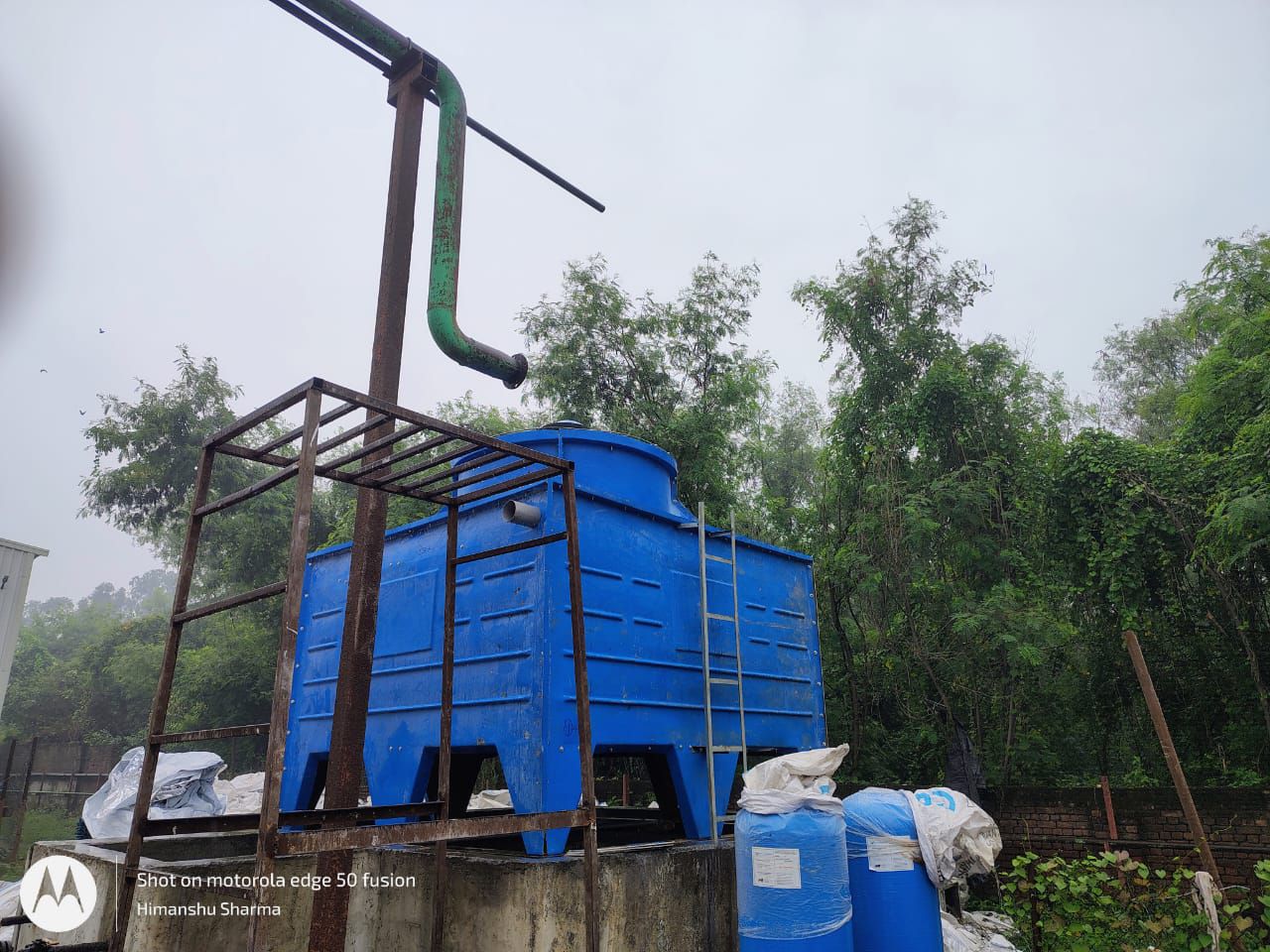
Typical Applications of Field-Erected Cooling Towers
- Electric Power Generation (Nuclear, Fossil, Geothermal)
- Heavy Industrial & Chemical Processing Plants
- Hydrocarbon/Petrochemical Refineries
- Large HVAC Systems for District Cooling, Campuses, or Major Data Centers
- Steel Mills & Manufacturing Facilities
Advantages vs. Factory-Assembled Towers
| Advantages of FEP | Disadvantages of FEP |
| Customization: Tailored to exact site/process needs. | Longer Installation Time: Significant on-site labor and construction schedule. |
| High Capacity & Scalability: Virtually no upper size limit. | Higher Initial Cost: More engineering and field labor required. |
| Superior Durability & Longevity: Industrial-grade materials. | Site Dependency: Weather and site logistics can impact cost/schedule. |
| Maintainability: Designed for component-by-component access and repair. | Complex Logistics: Coordinating delivery and storage of many components. |
| Long-Term Efficiency: Often achieves closer approach temperatures. | Requires Heavy Equipment: Cranes, lifts, etc., needed for assembly. |
Key Selection & Specification Considerations
- Heat Load & Approach Temperature: The core thermal performance requirements.
- Site Space & Layout: Footprint and height restrictions, proximity to other structures.
- Water Quality: Determines fill type (e.g., film fill may foul with poor water treatment).
- Environmental Factors: Wind, seismic zone, ambient wet-bulb temperature, plume visibility, and sound level limits.
- Life-Cycle Costing: Evaluating initial capital cost versus long-term operational efficiency and maintenance costs.
In summary, Field-Erected Cooling Towers are the industrial workhorses of heat rejection. They represent a major capital investment but are chosen when reliability, customization, massive capacity, and decades of service are required for critical industrial processes.