

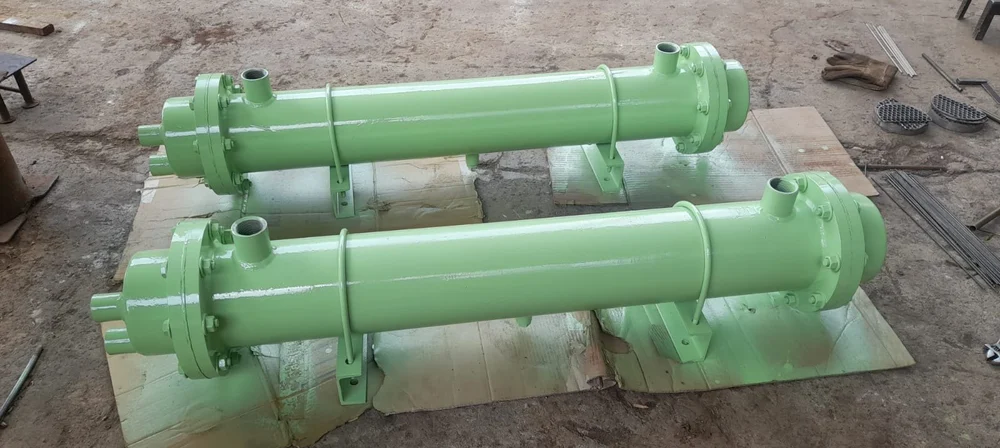
purpose of an Oil Cooler in a Hydraulic Power Pack
An oil cooler (or hydraulic cooler) in a hydraulic power pack is essential for maintaining optimal system performance and reliability. Its primary functions include:
1. Temperature Control
- Hydraulic systems generate heat due to friction, pressure drops, and continuous pump operation.
- Excess heat degrades hydraulic oil, reducing its lubricity and viscosity, leading to component wear.
- The cooler dissipates heat, keeping oil temperatures within the recommended operating range (typically 40–60°C / 104–140°F).
2. Preventing Oil Degradation
- High temperatures cause oxidation, forming sludge, varnish, and acids that contaminate the system.
- A cooler extends oil life by minimizing thermal breakdown.
3. Maintaining System Efficiency
- Hot oil becomes thinner, reducing its ability to lubricate pumps, valves, and cylinders properly.
- Cooler oil maintains consistent viscosity, ensuring smooth operation and better hydraulic response.
4. Protecting Seals & Hoses
- Excessive heat accelerates seal hardening, cracking, and leakage.
- Hoses can also degrade faster under high temperatures.
- A cooler helps prolong the lifespan of these components.
. Preventing Overheating & System Failure
- Continuous overheating can lead to pump cavitation, valve sticking, and even catastrophic failure.
An oil cooler prevents thermal overload, ensuring stable hydraulic performance
When is a Hydraulic Oil Cooler Necessary?
- High-pressure or high-cycle hydraulic systems.
- Continuous operation (e.g., industrial presses, plastic injection machines).
- Environments with high ambient temperatures.
- Systems using sensitive components (servo valves, precision actuators).
Signs Your Hydraulic System Needs a Cooler
- Oil temperature exceeds 70°C (158°F) regularly.
- Frequent oil changes due to degradation.
- Reduced system efficiency (slow operation, overheating pumps).
Increased noise or leaks from seals/hoses.