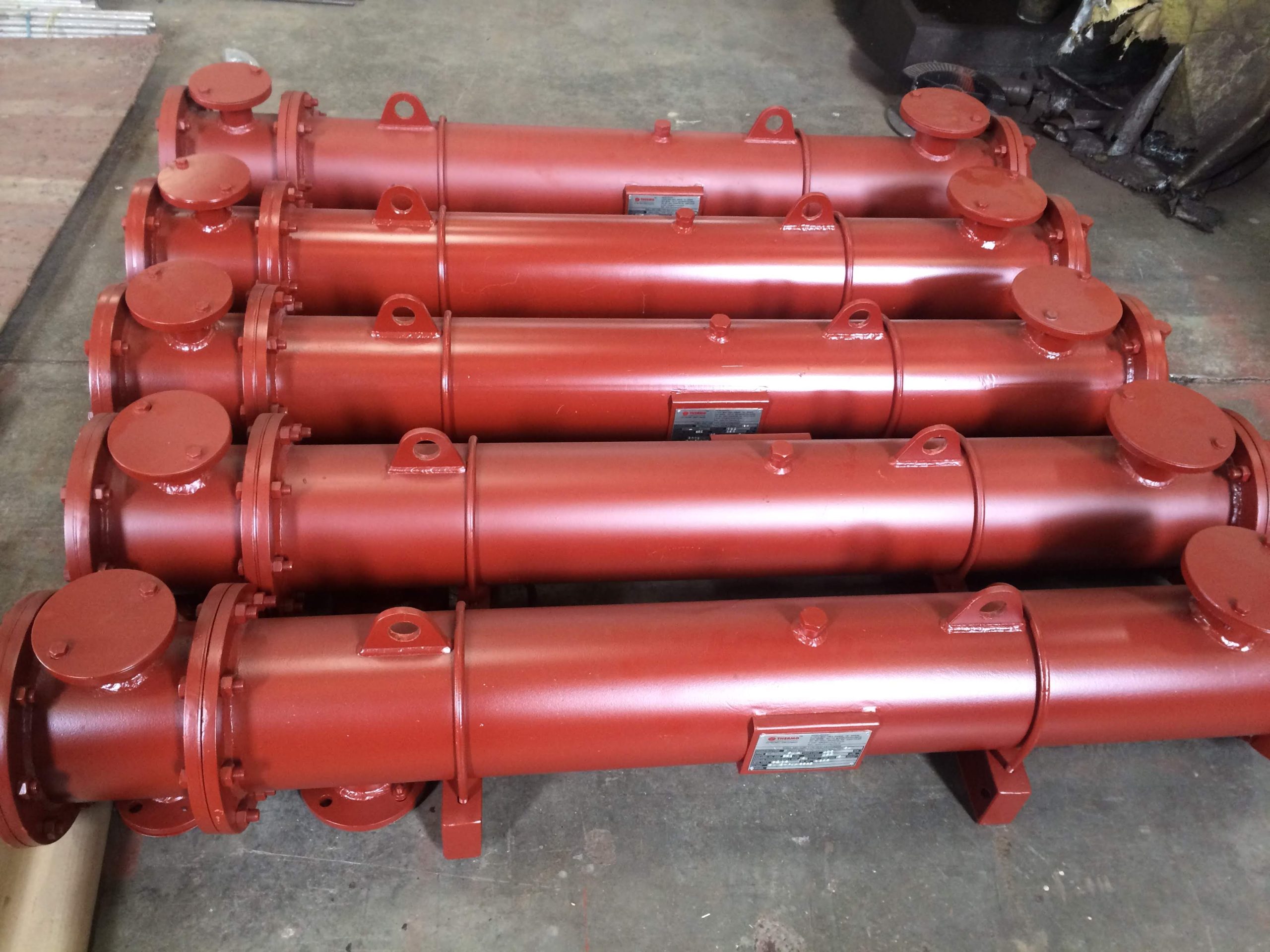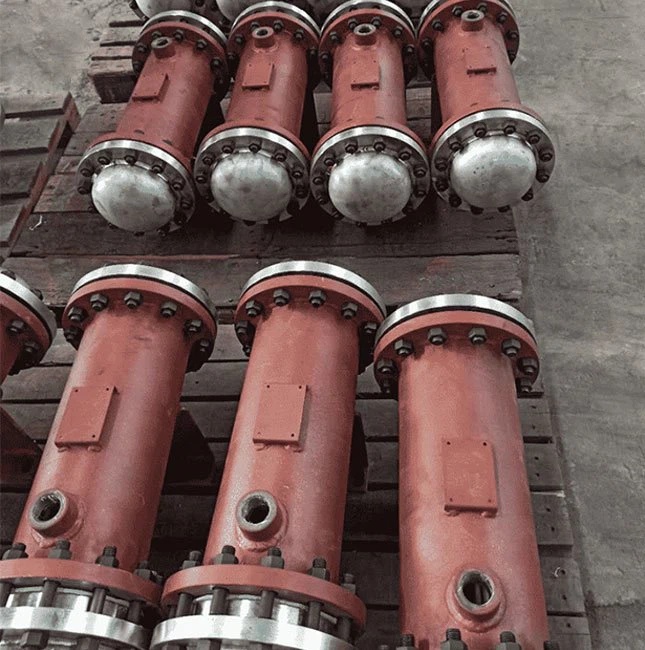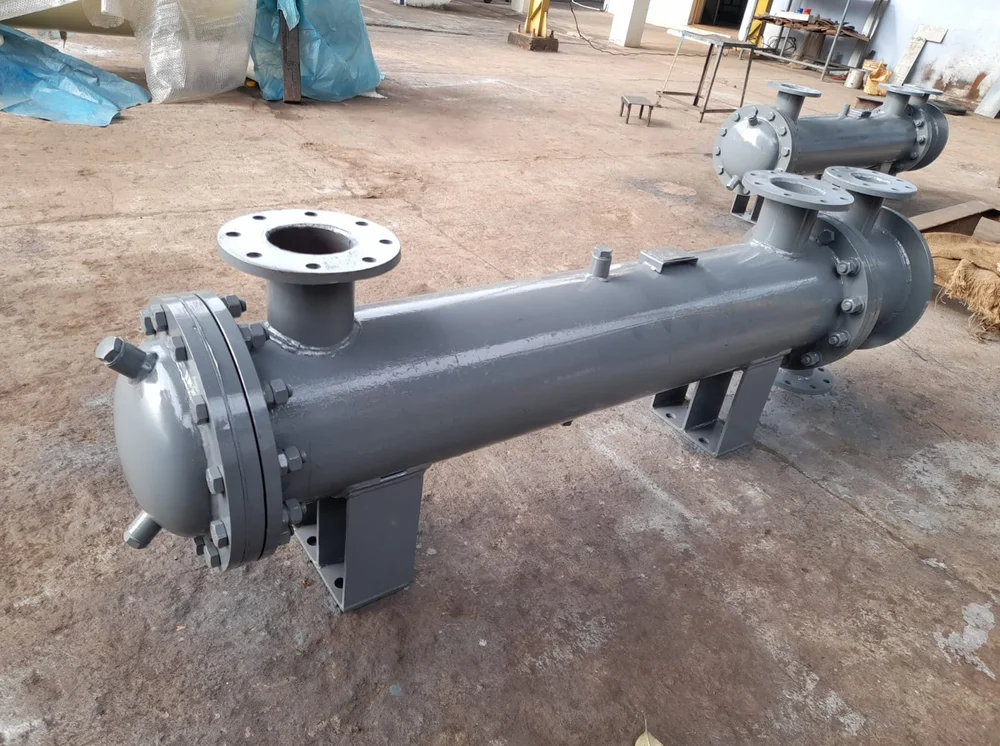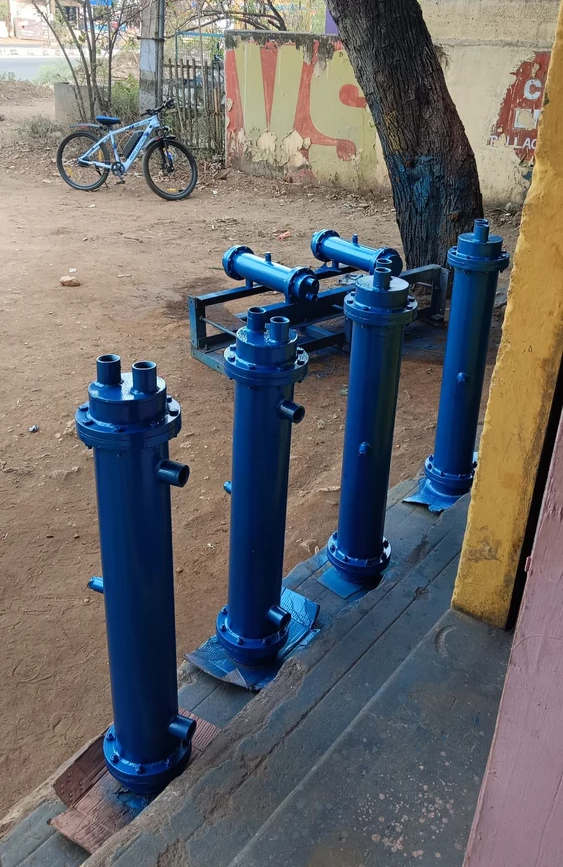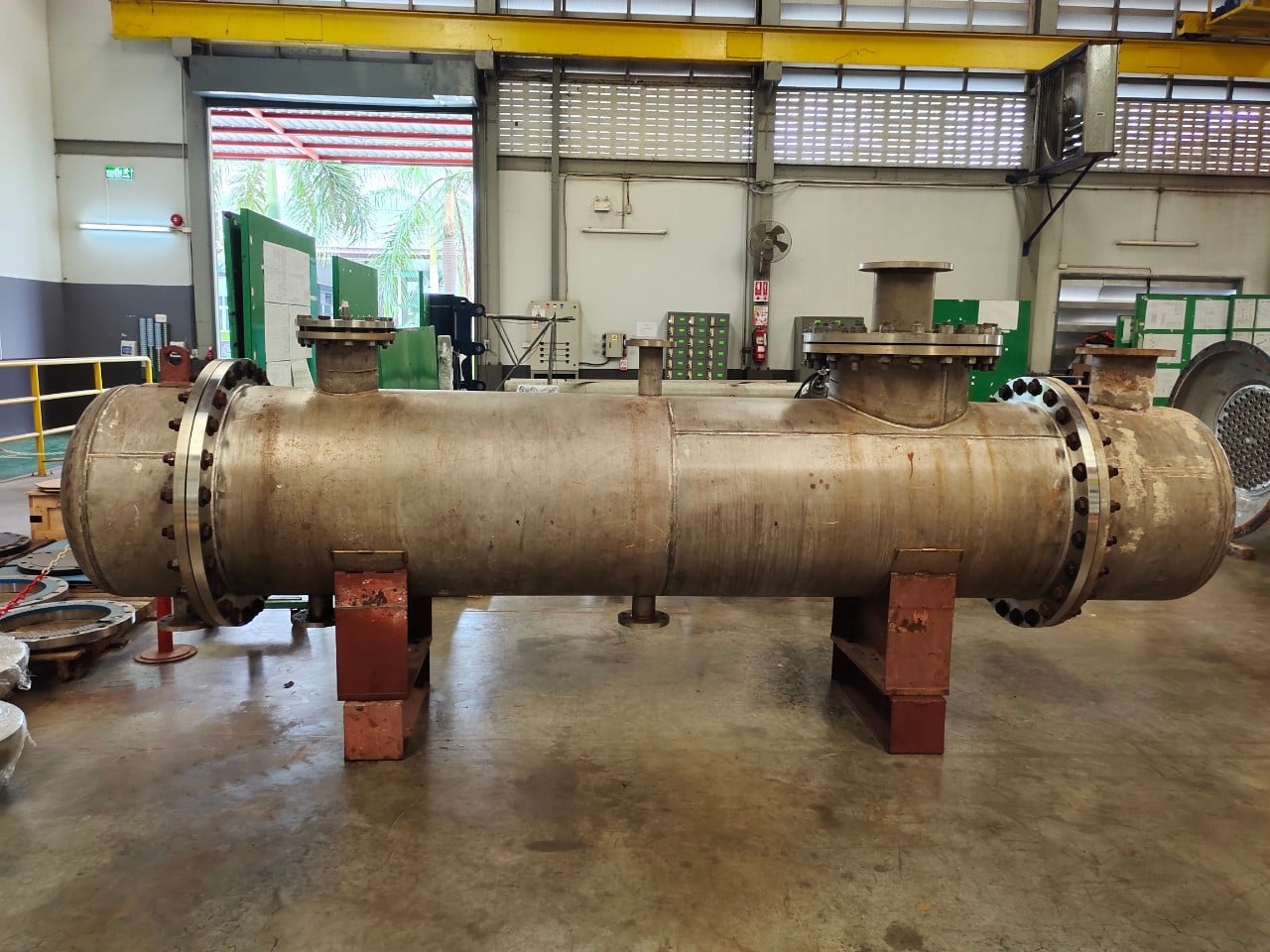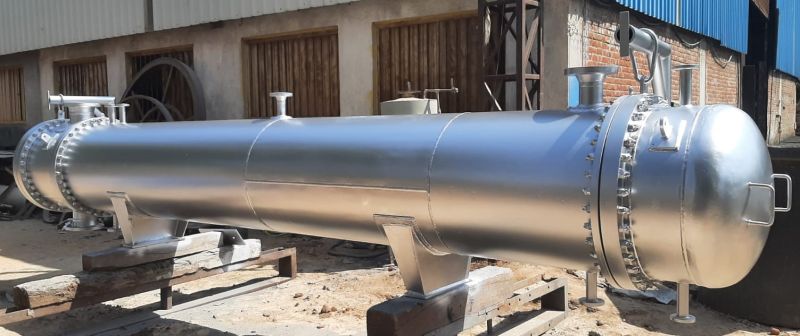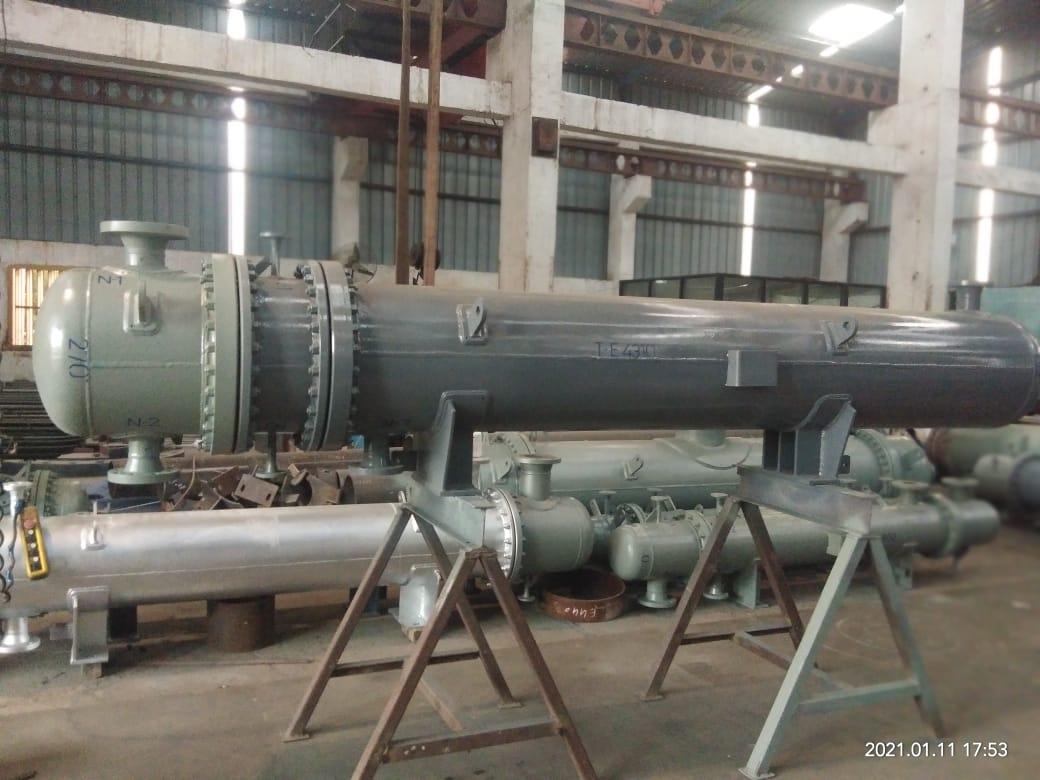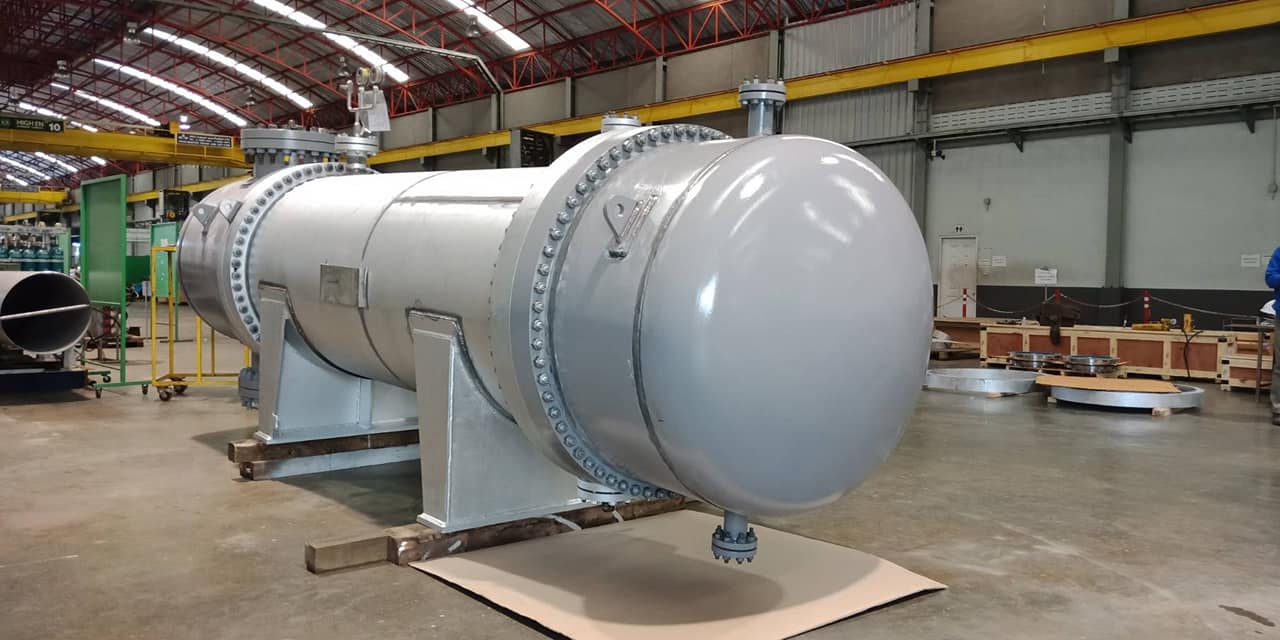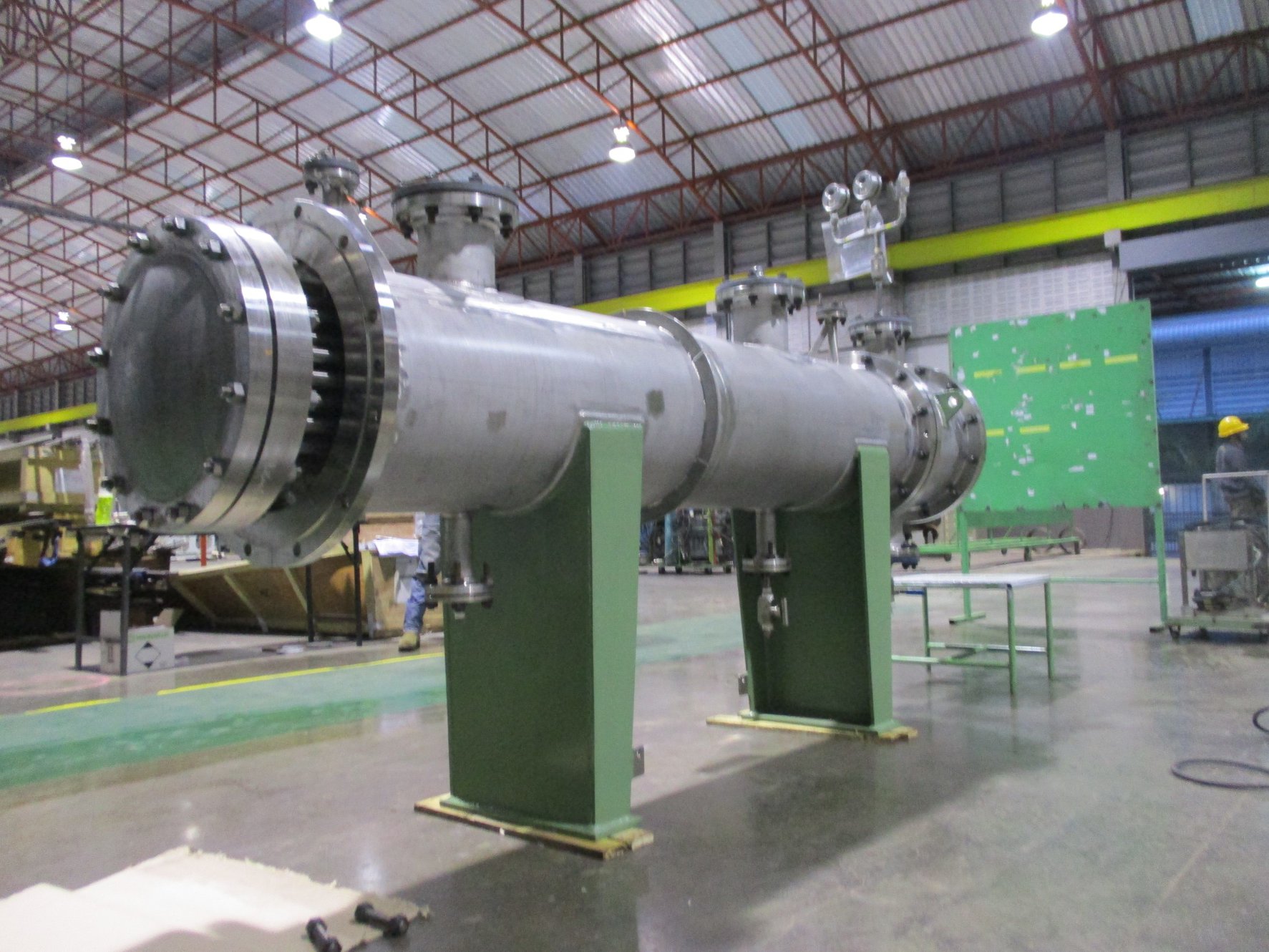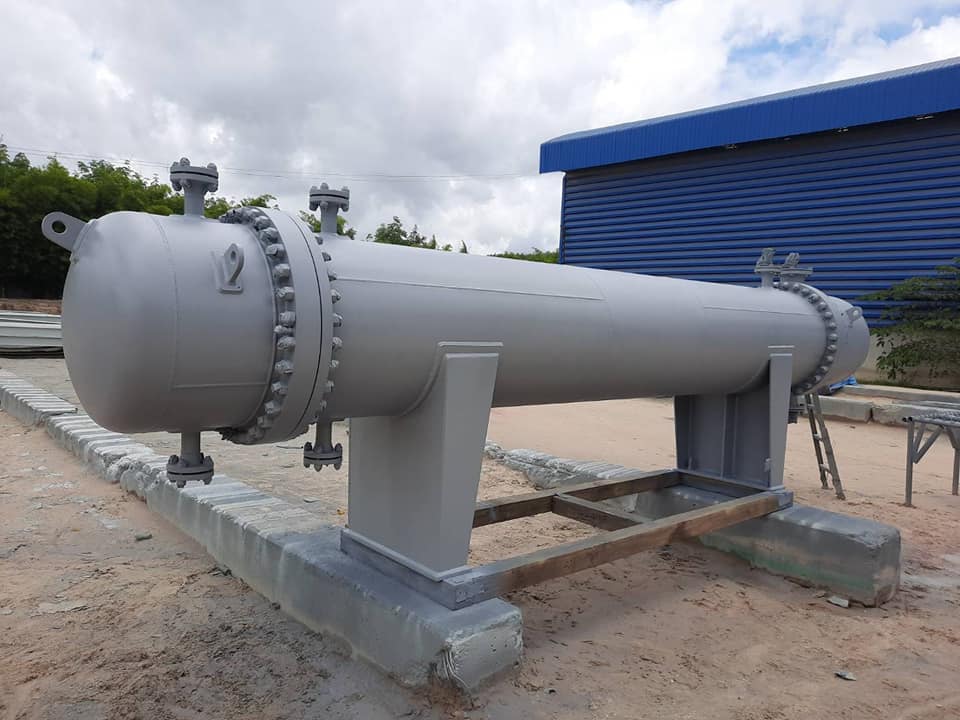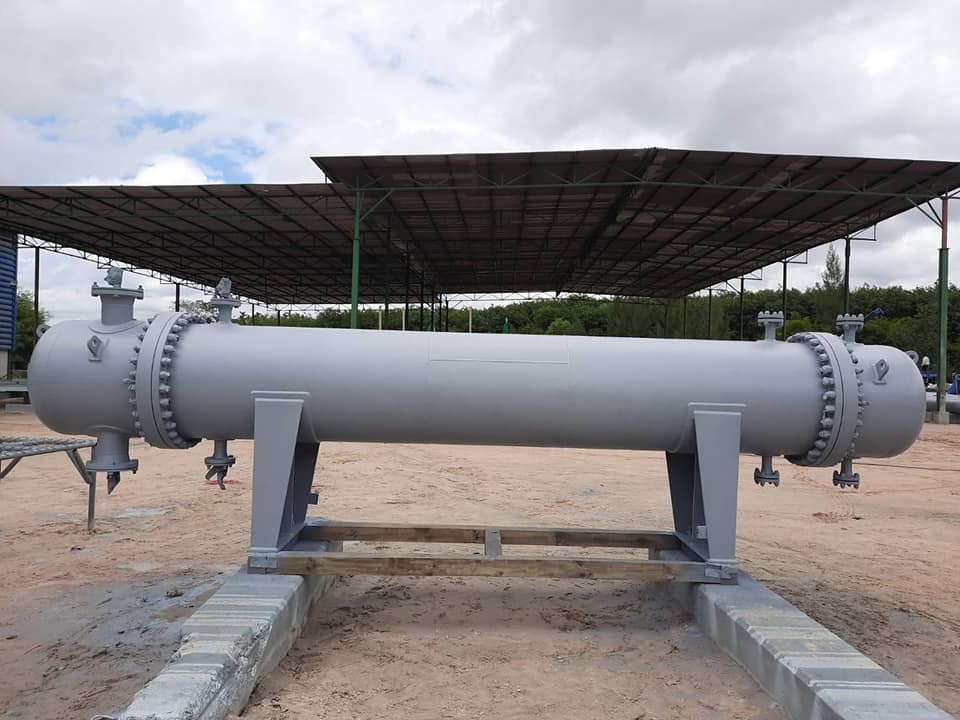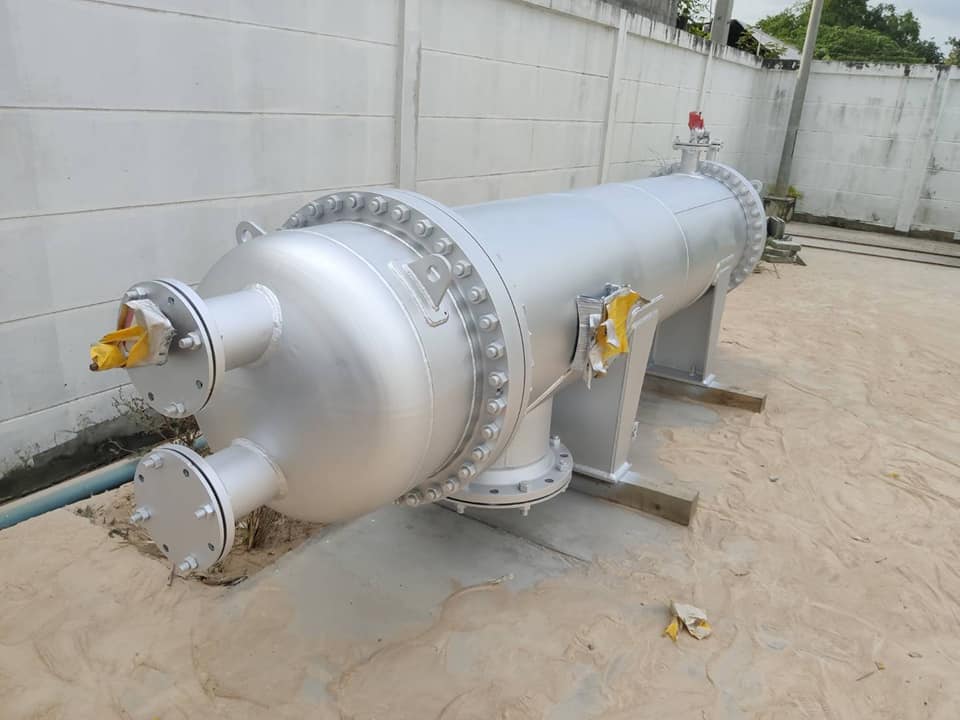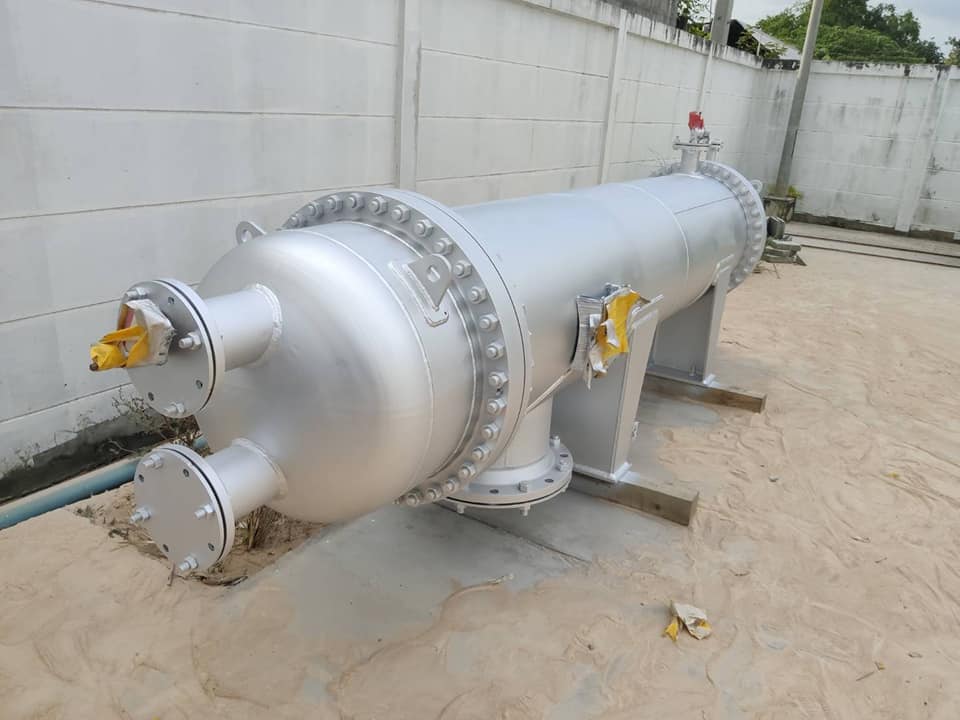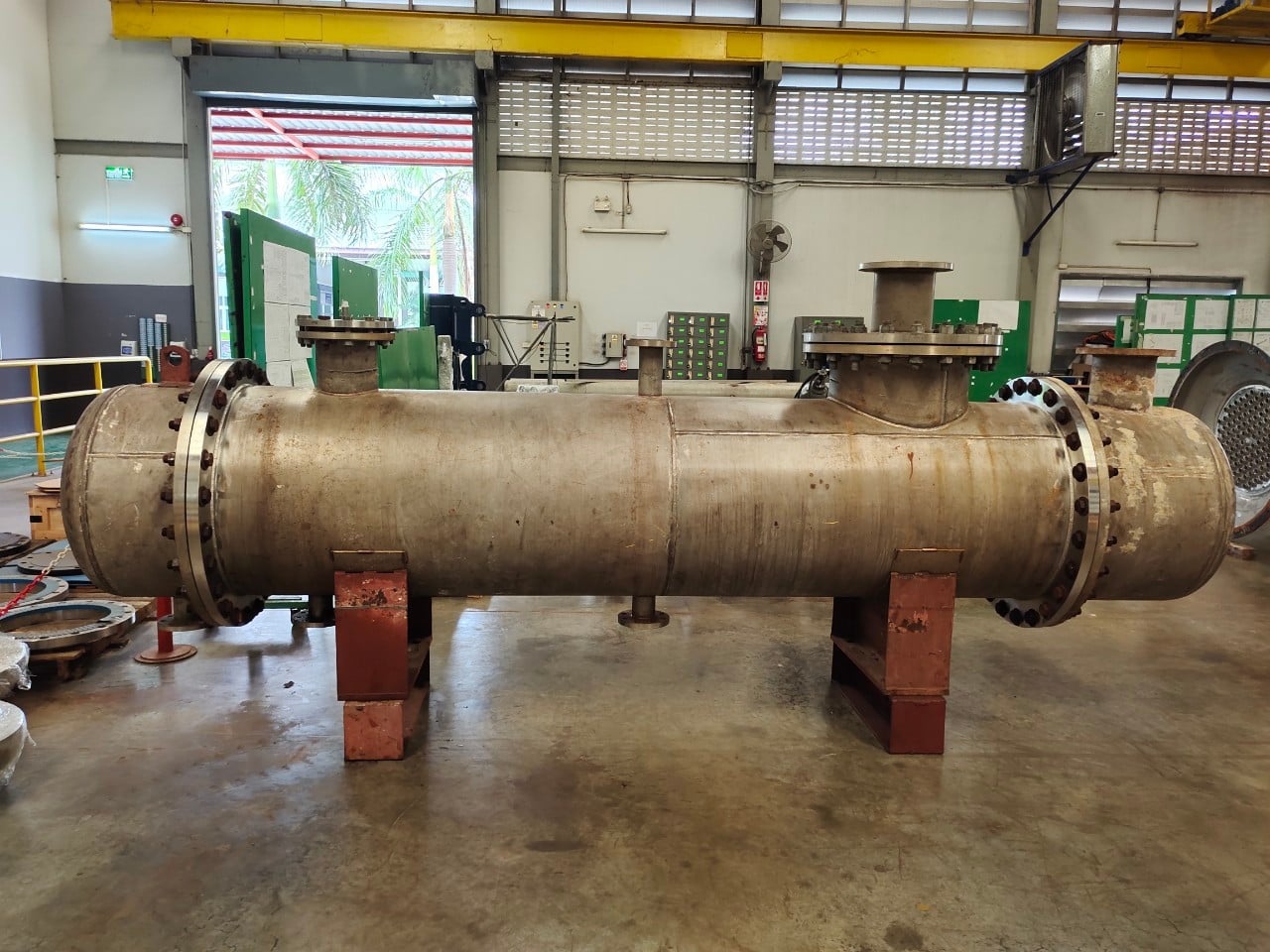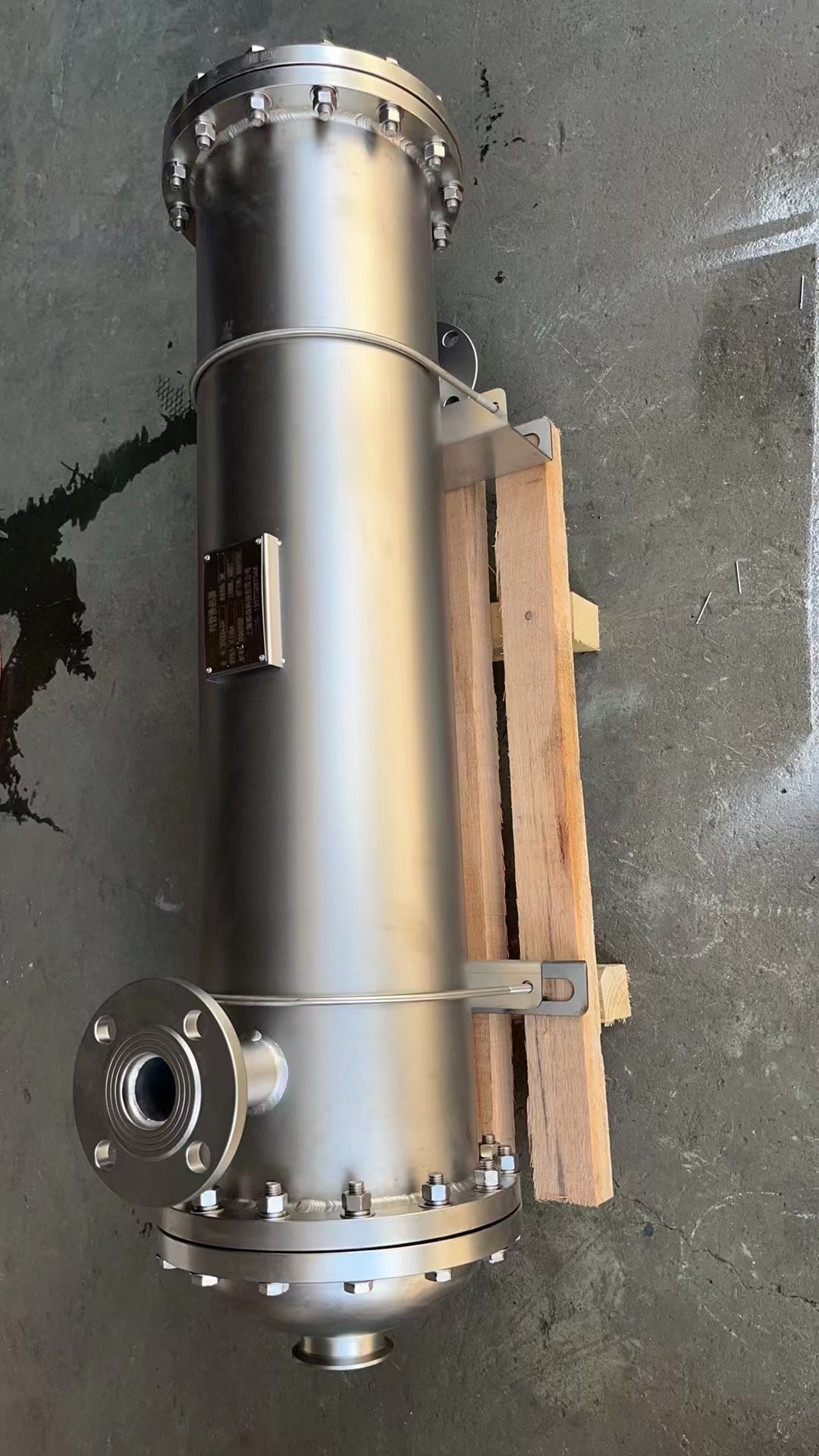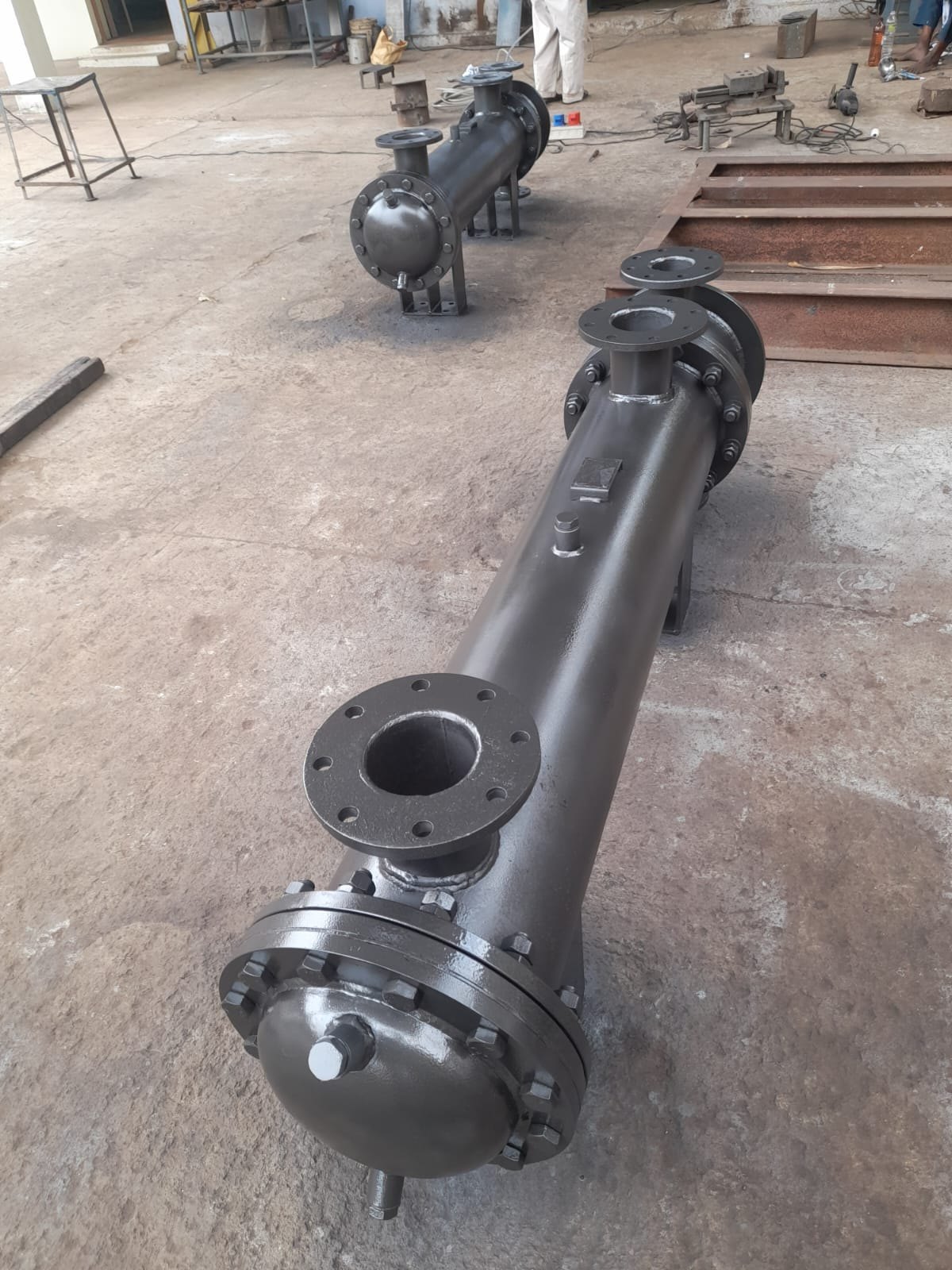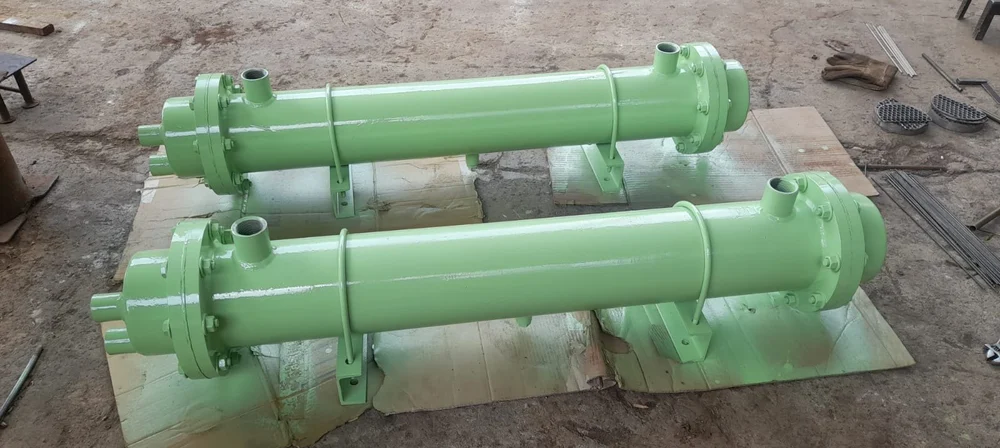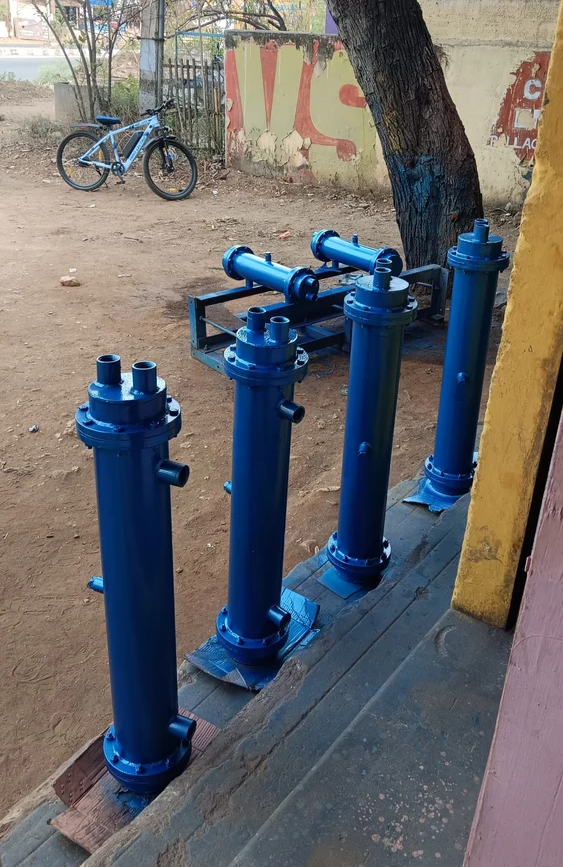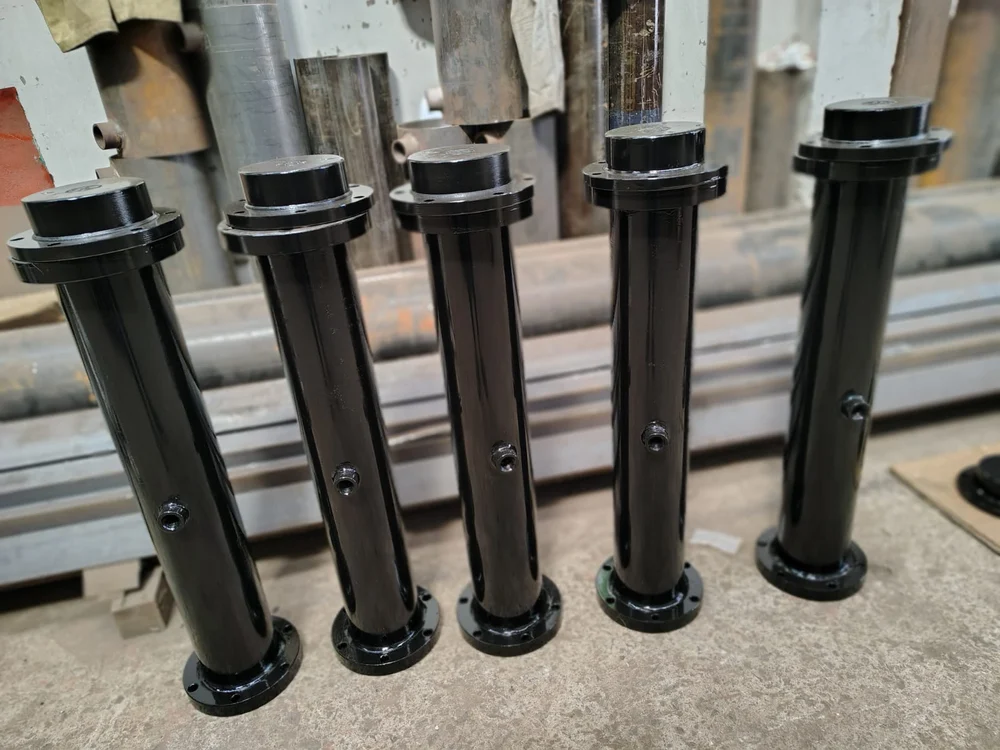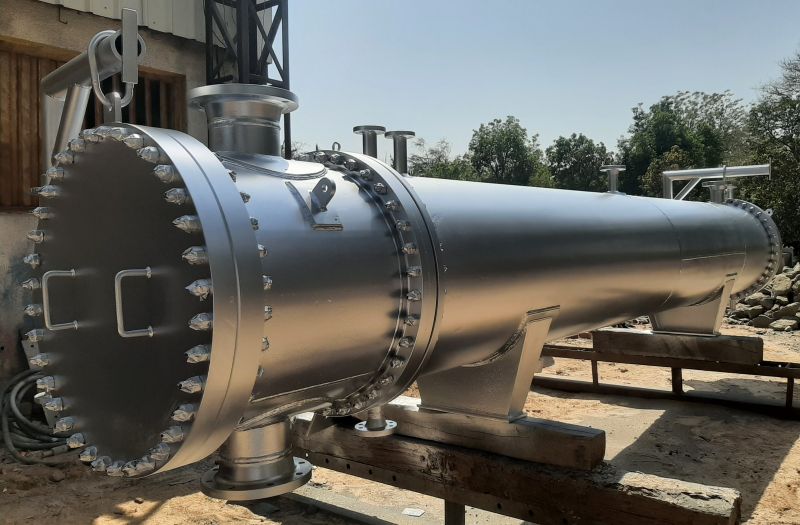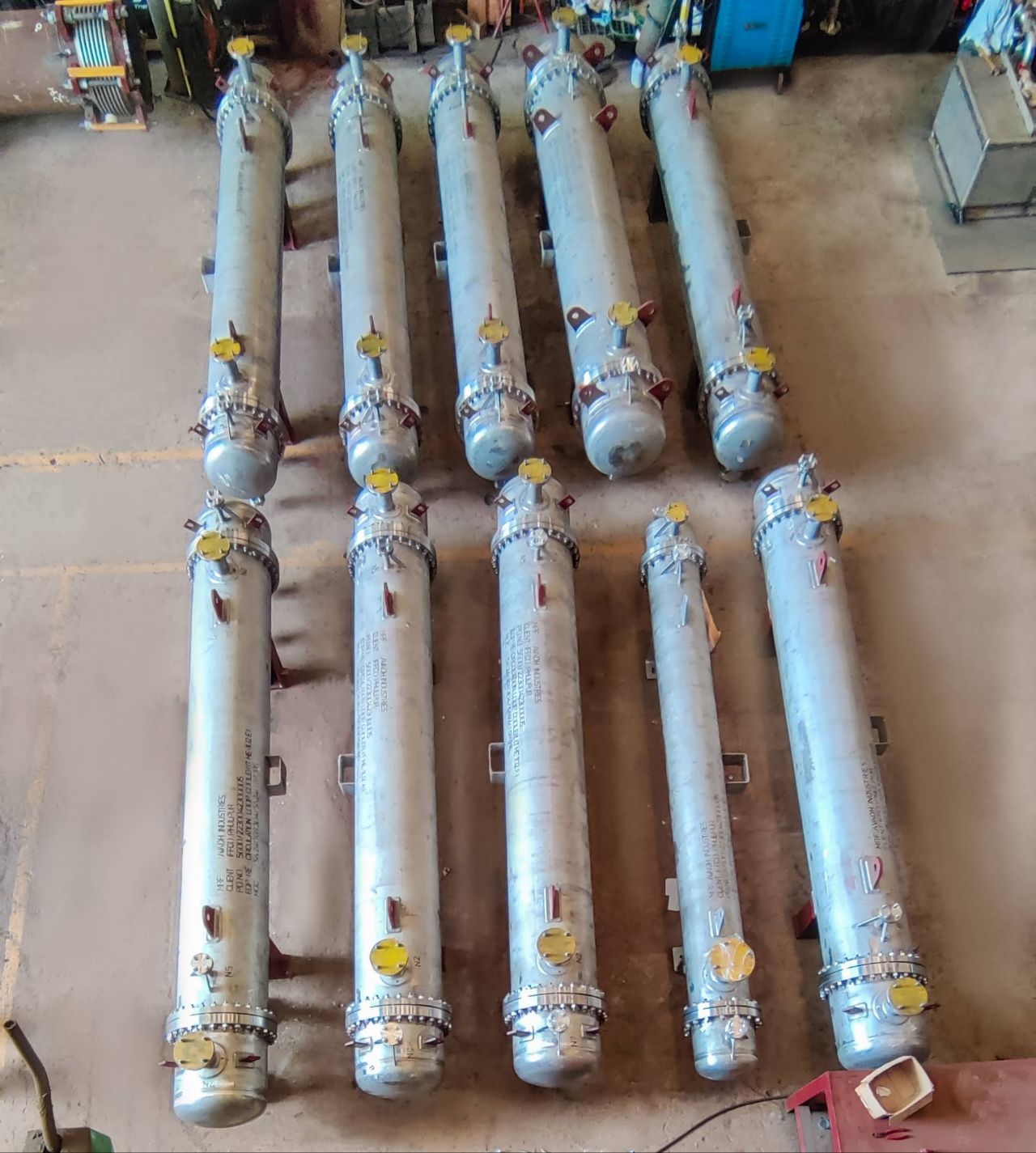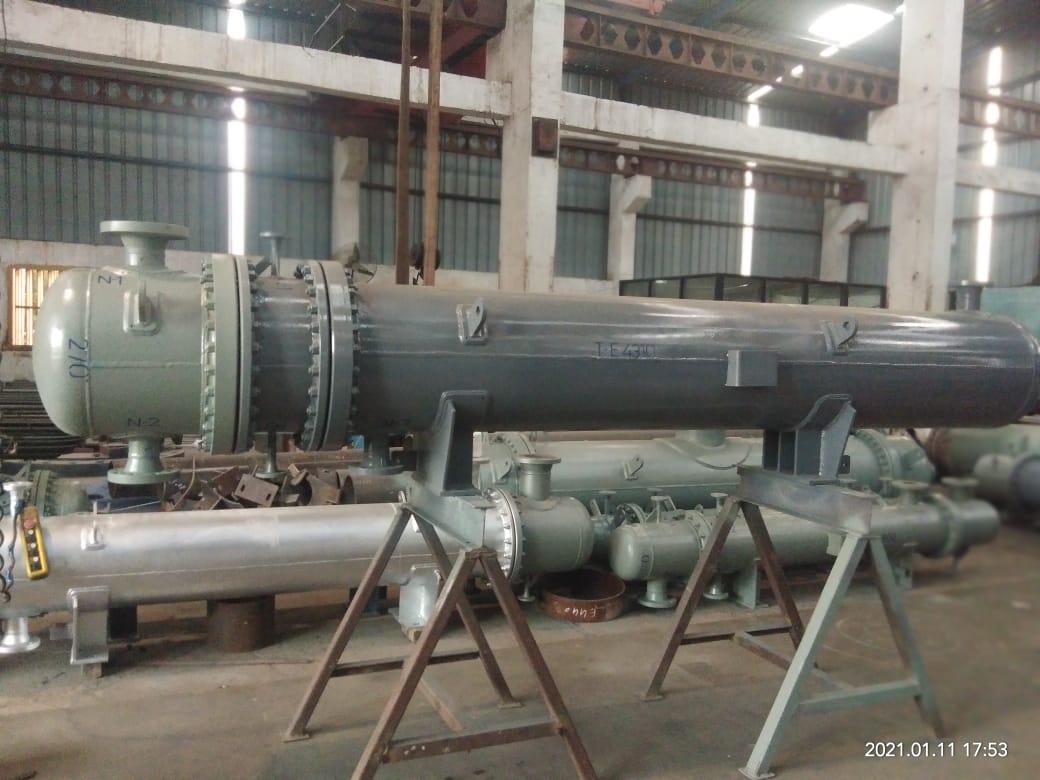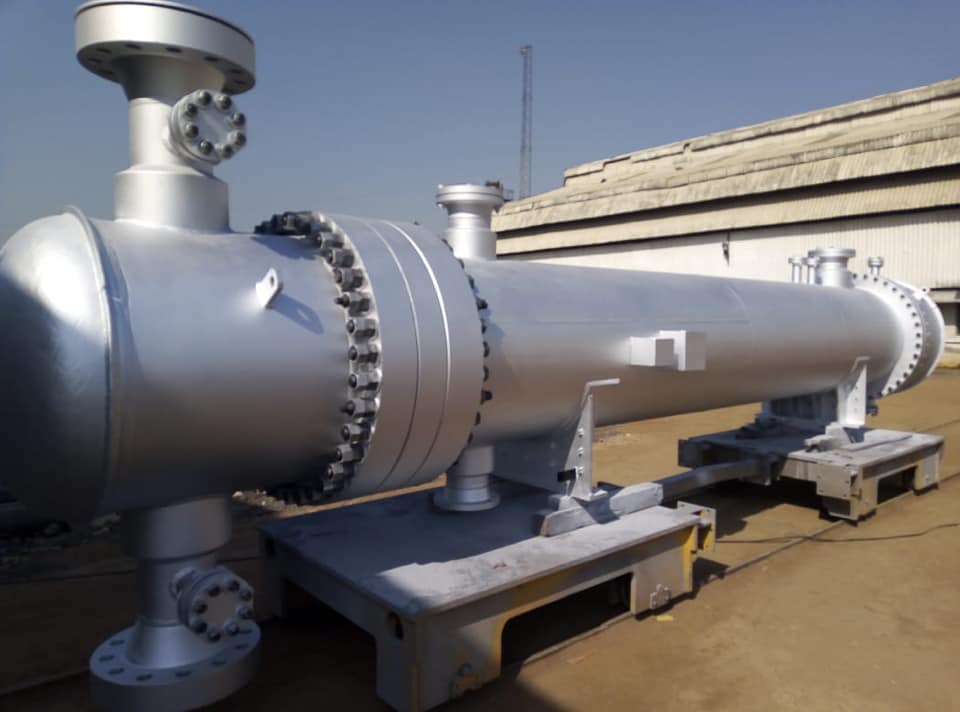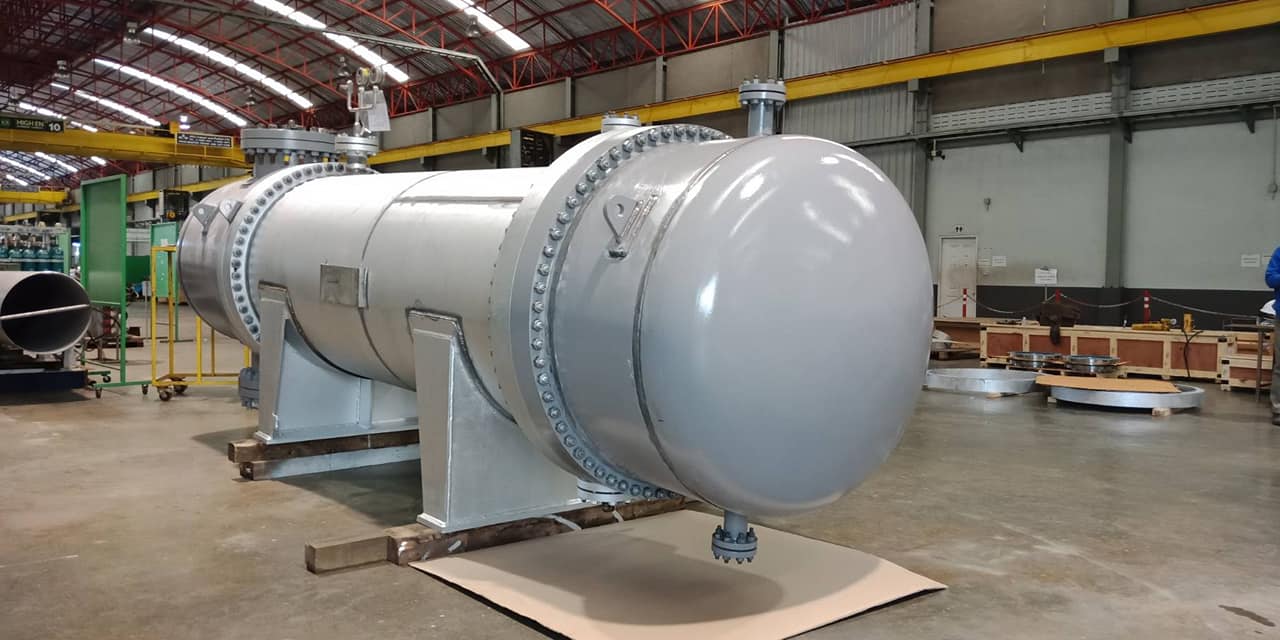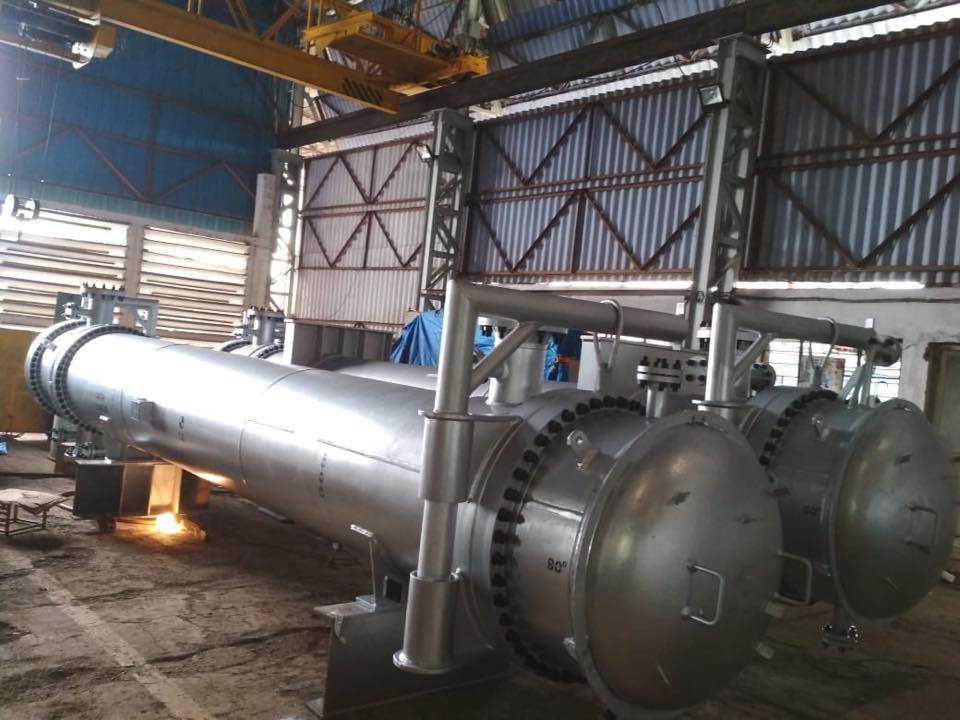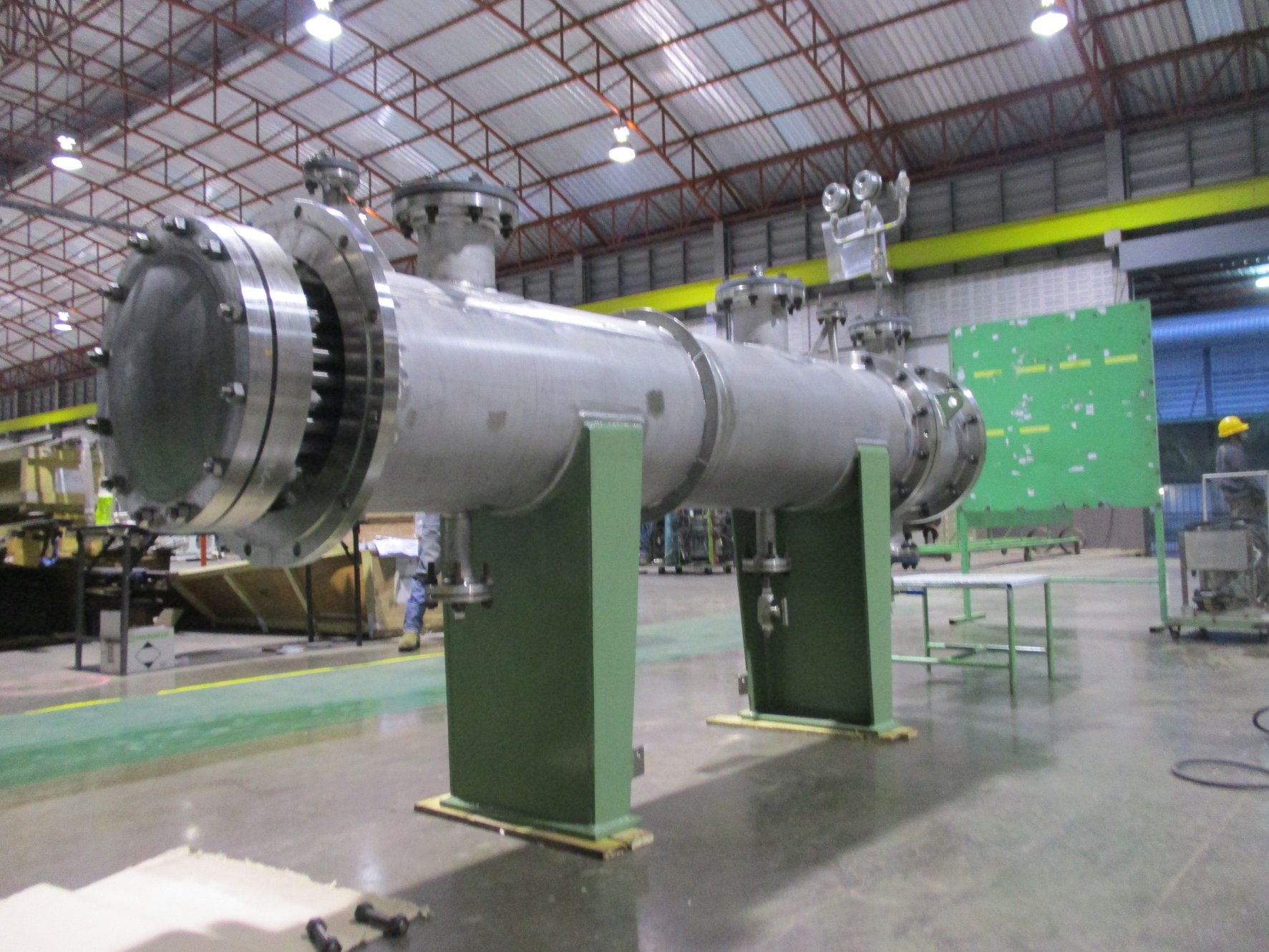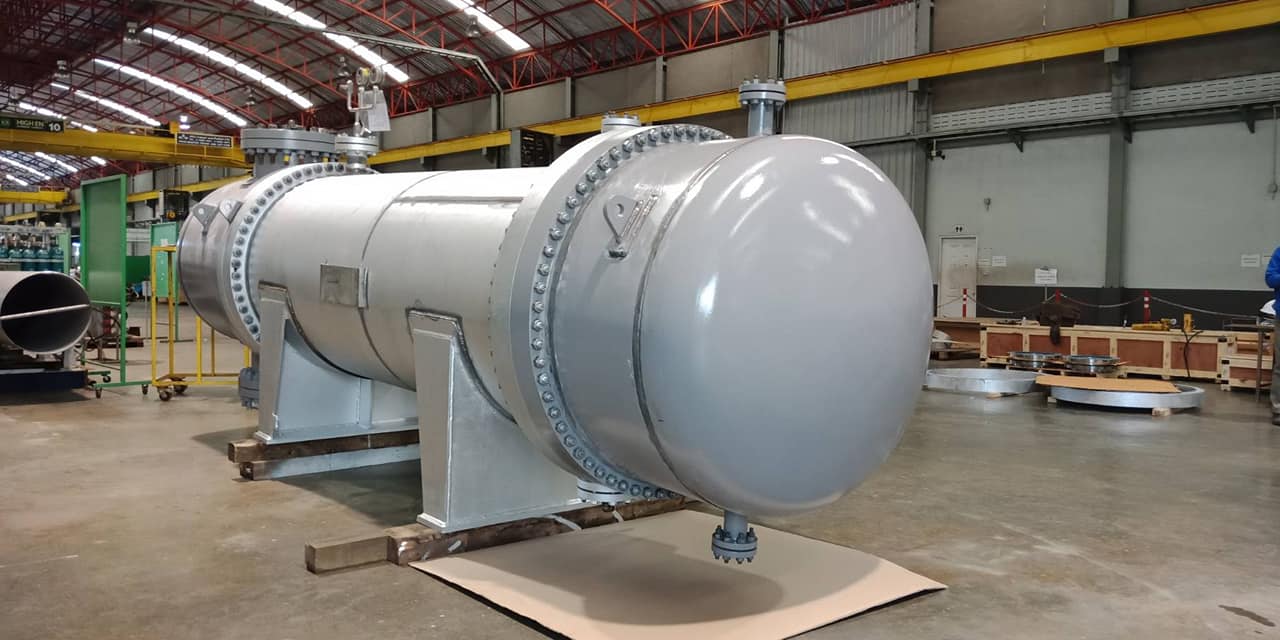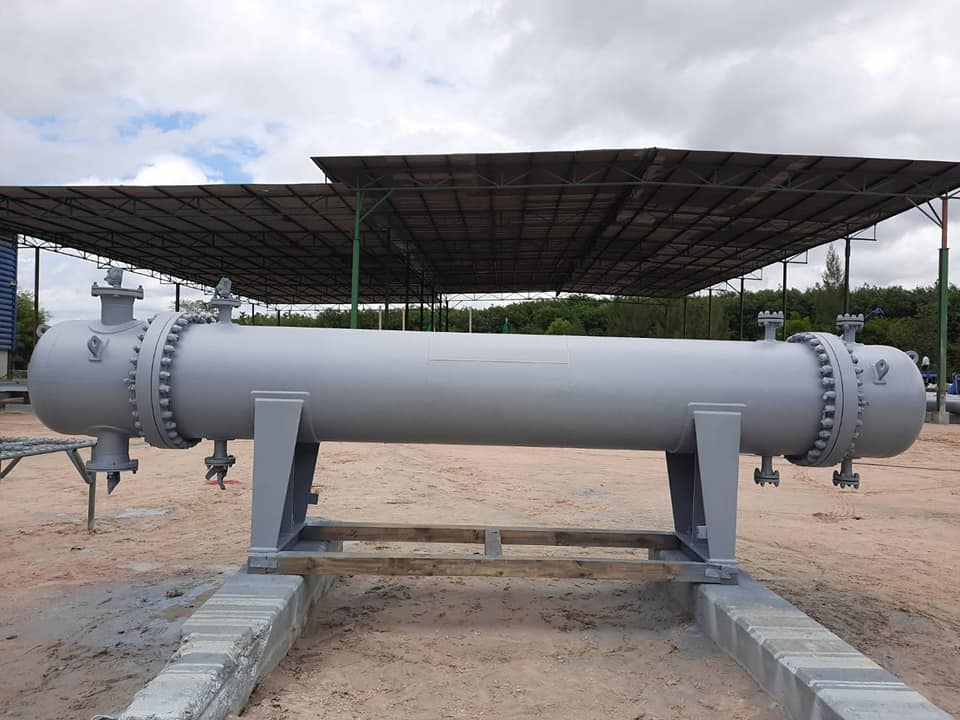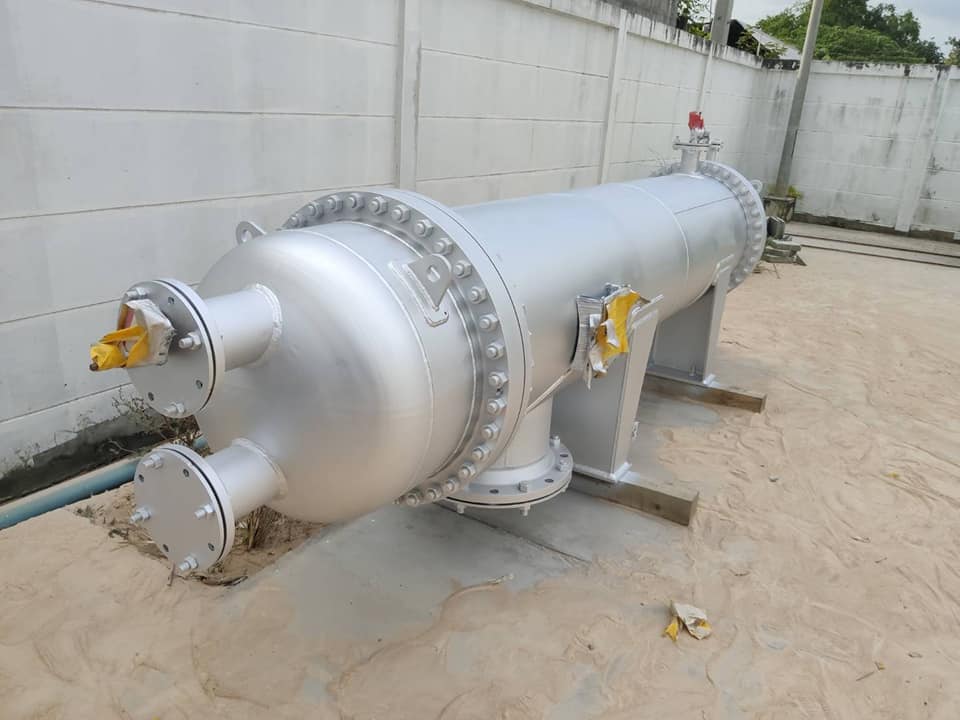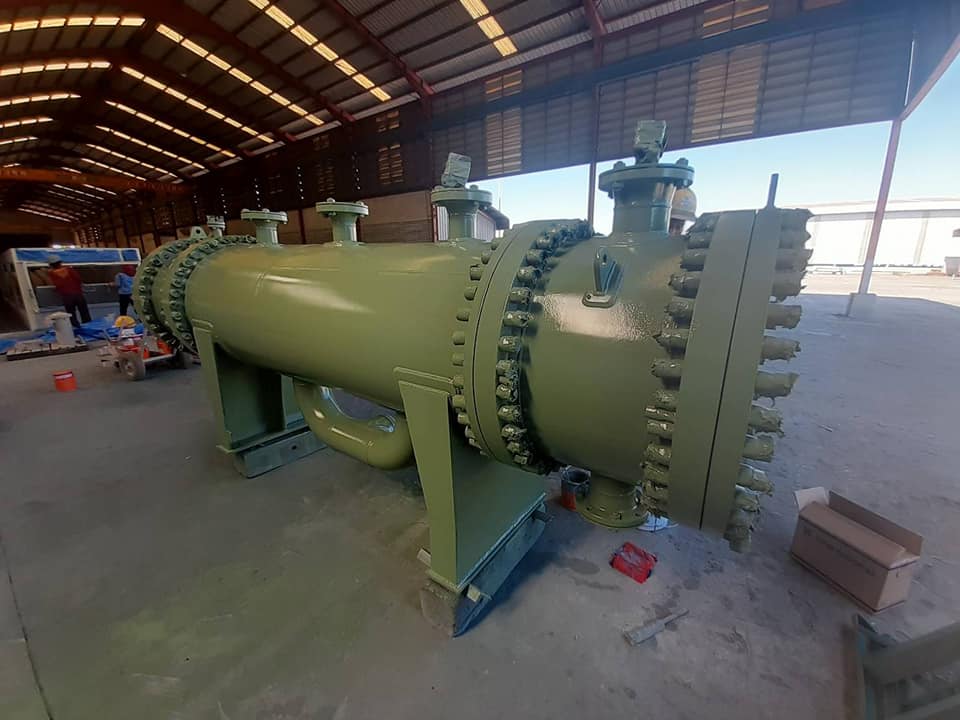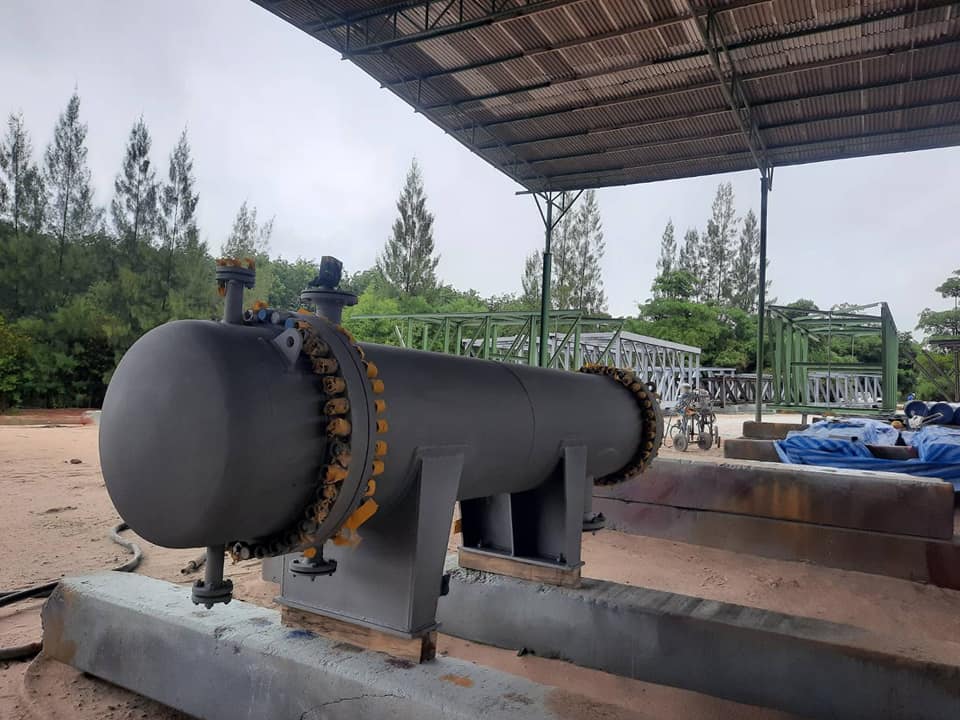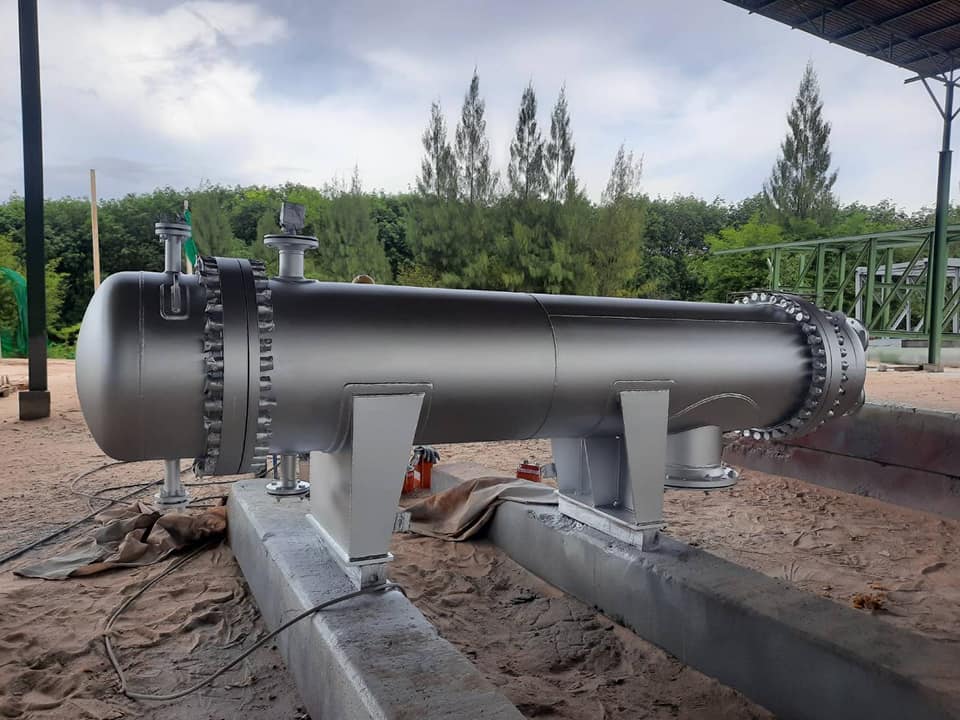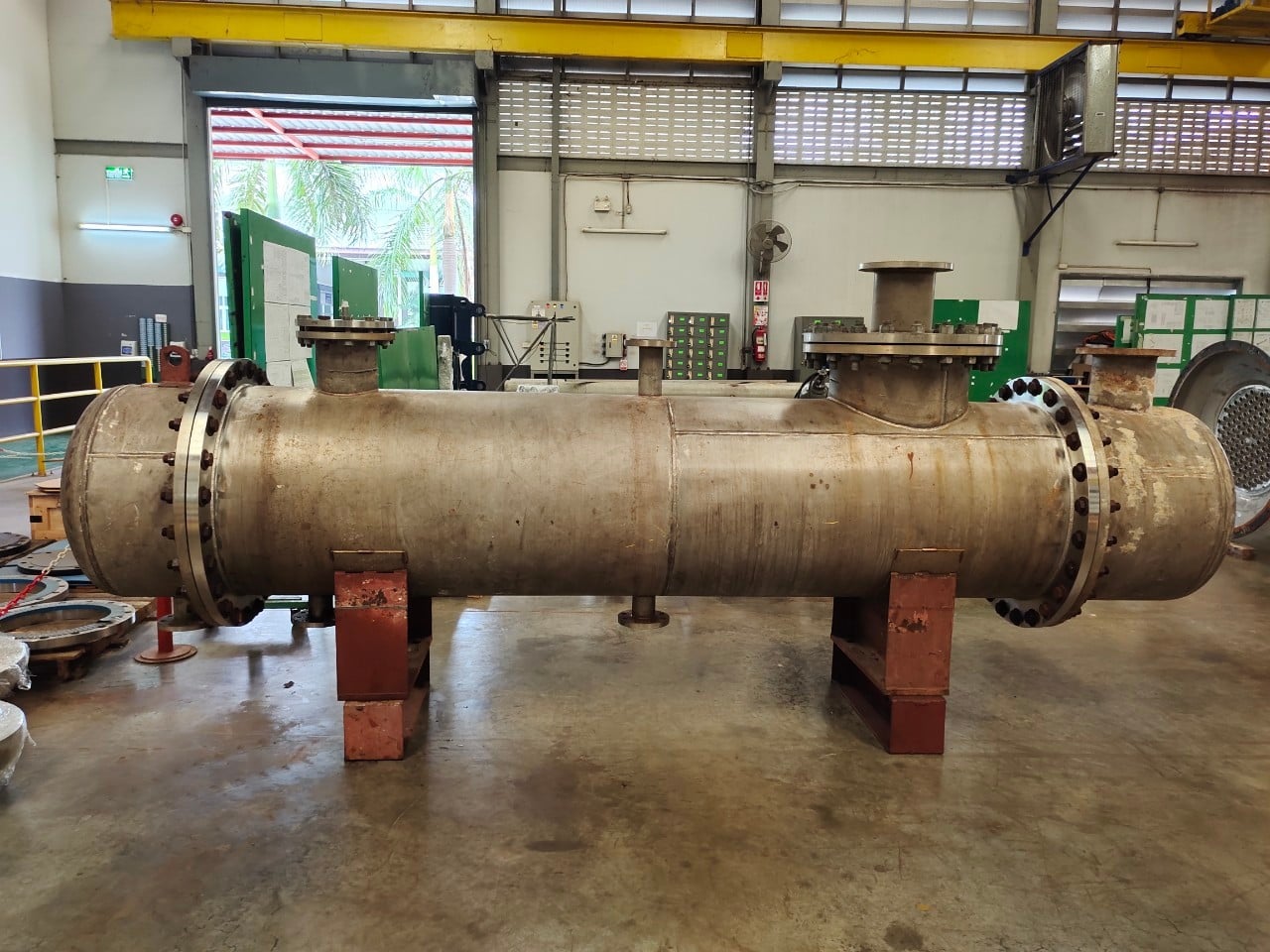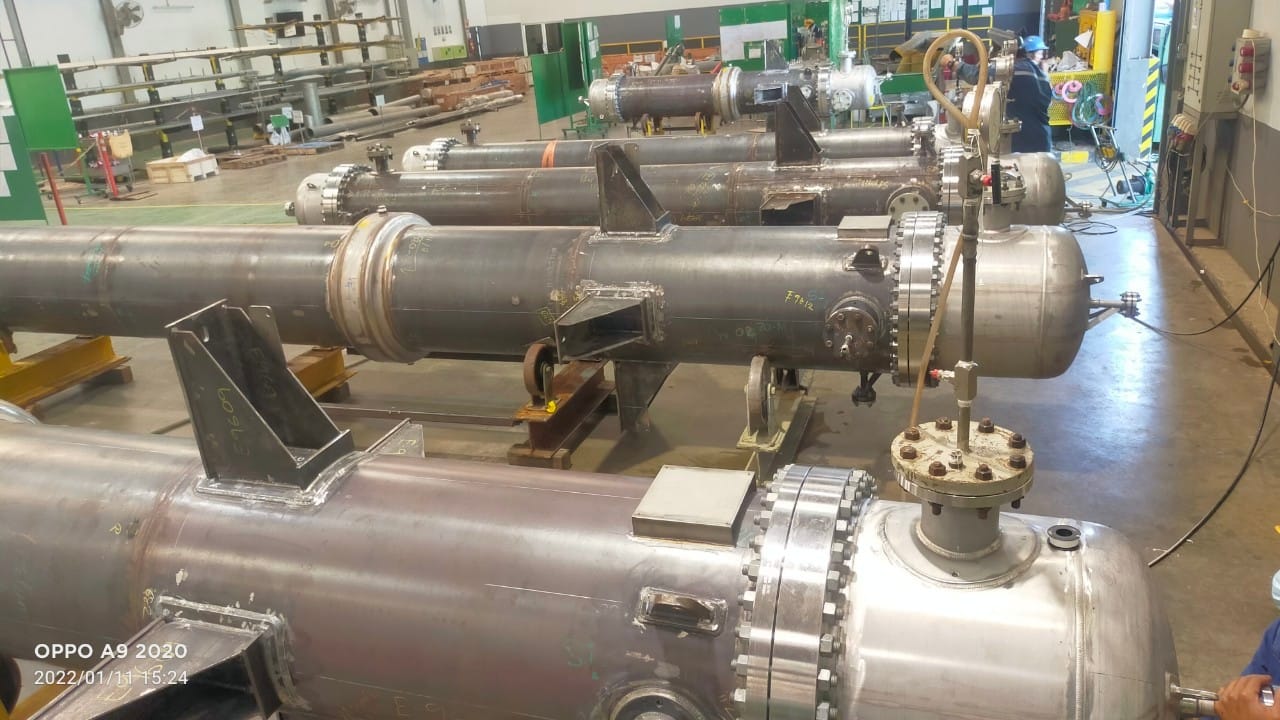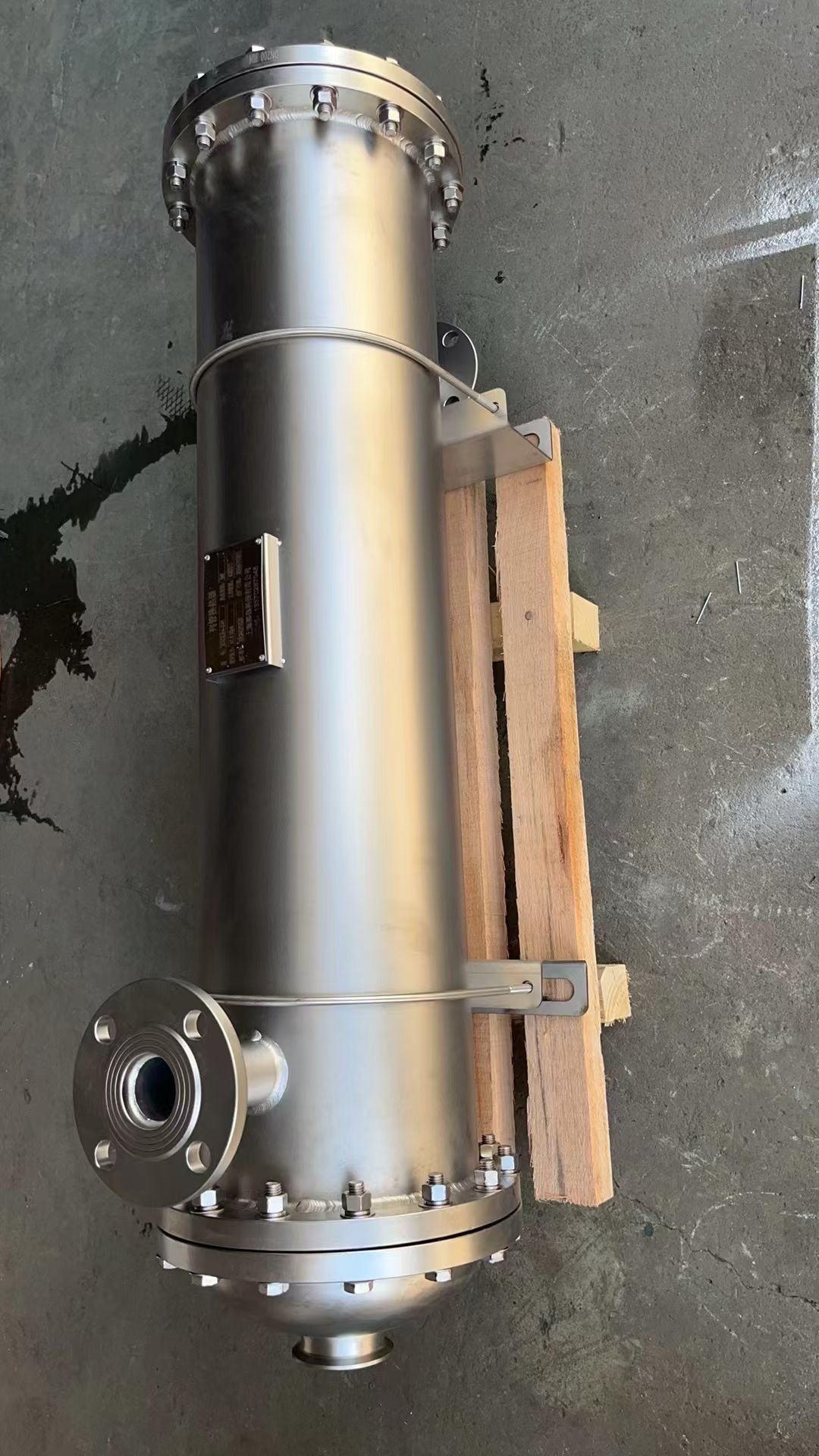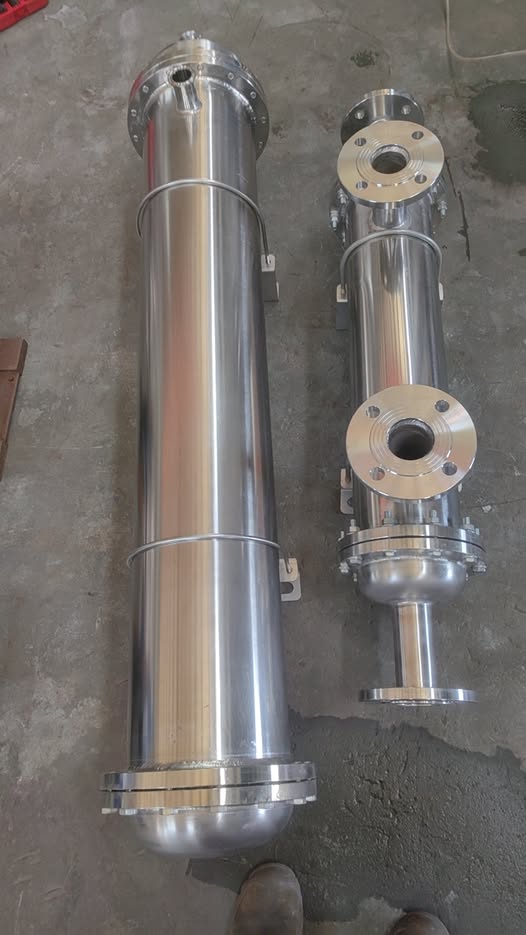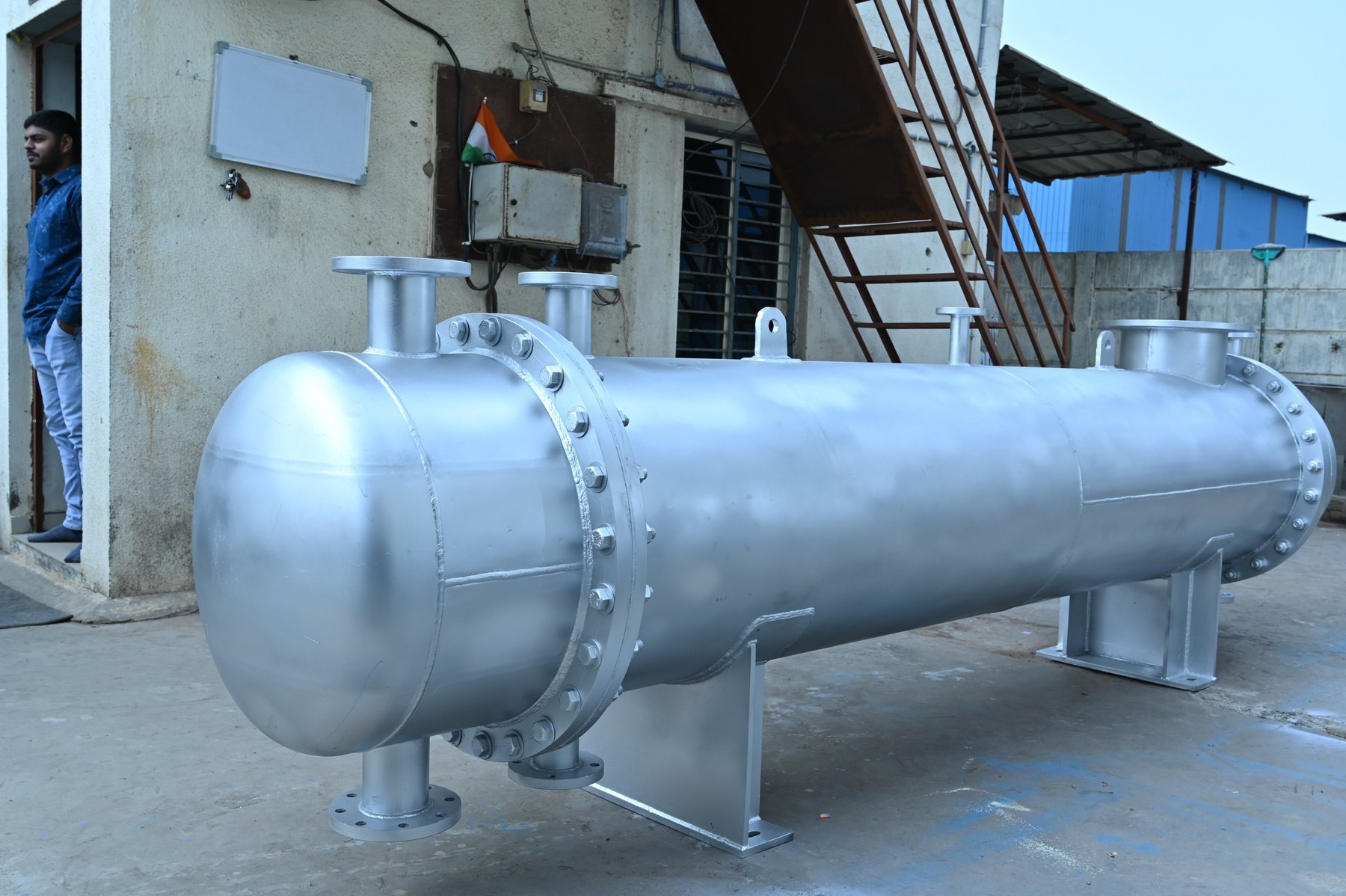
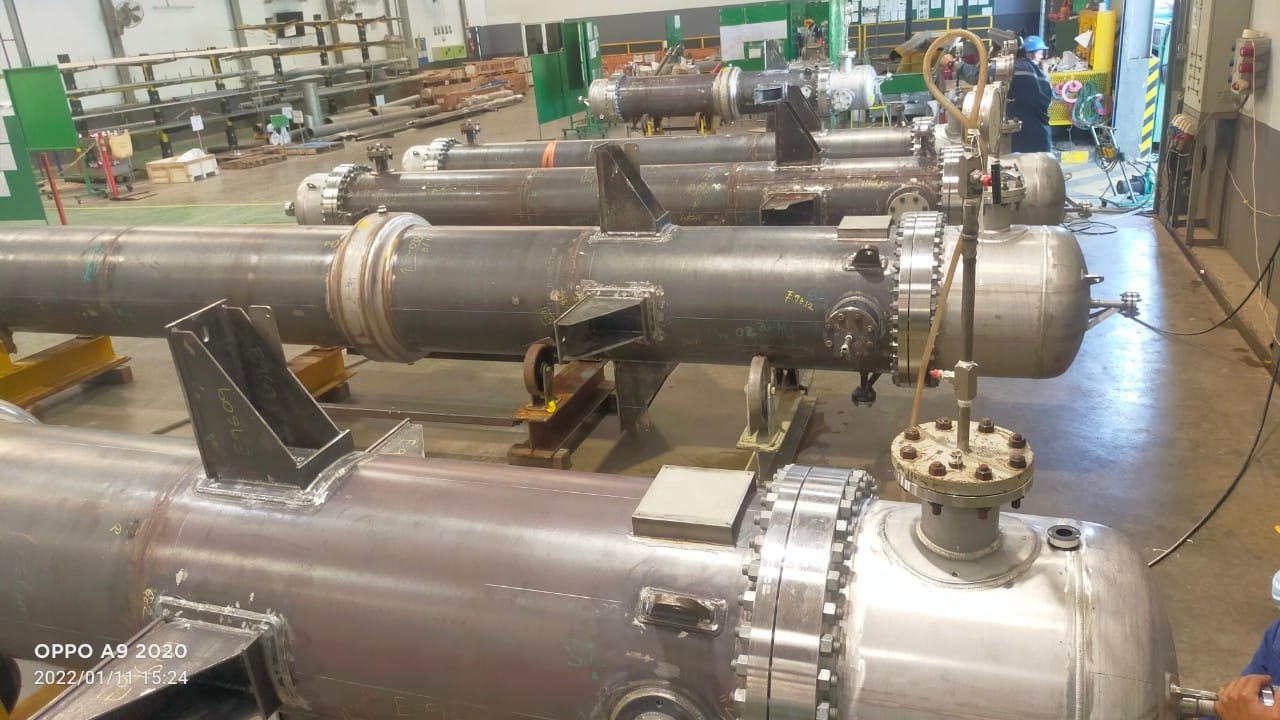
Tags: Copper Tube oil Cooler

  • Tag:

Shell and Tube Heat Exchanger Manufacturer in Djibouti

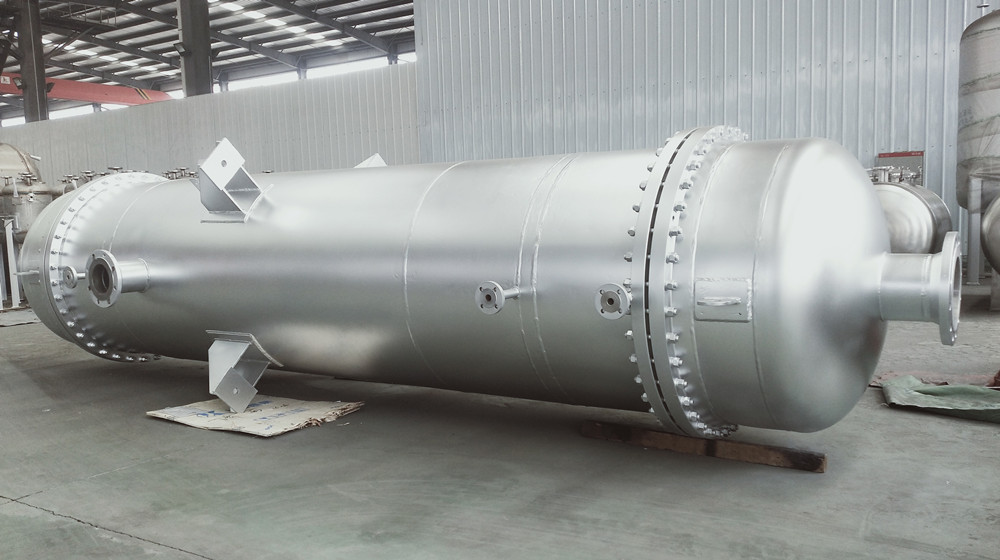
A Shell and Tube Heat Exchanger (STHE) is one of the most widely used types of heat exchangers in industrial applications. It consists of a shell (a large pressure vessel) with a bundle of tubes inside it. One fluid flows through the tubes (tube side), while another fluid flows outside the tubes but inside the shell (shell side), allowing...
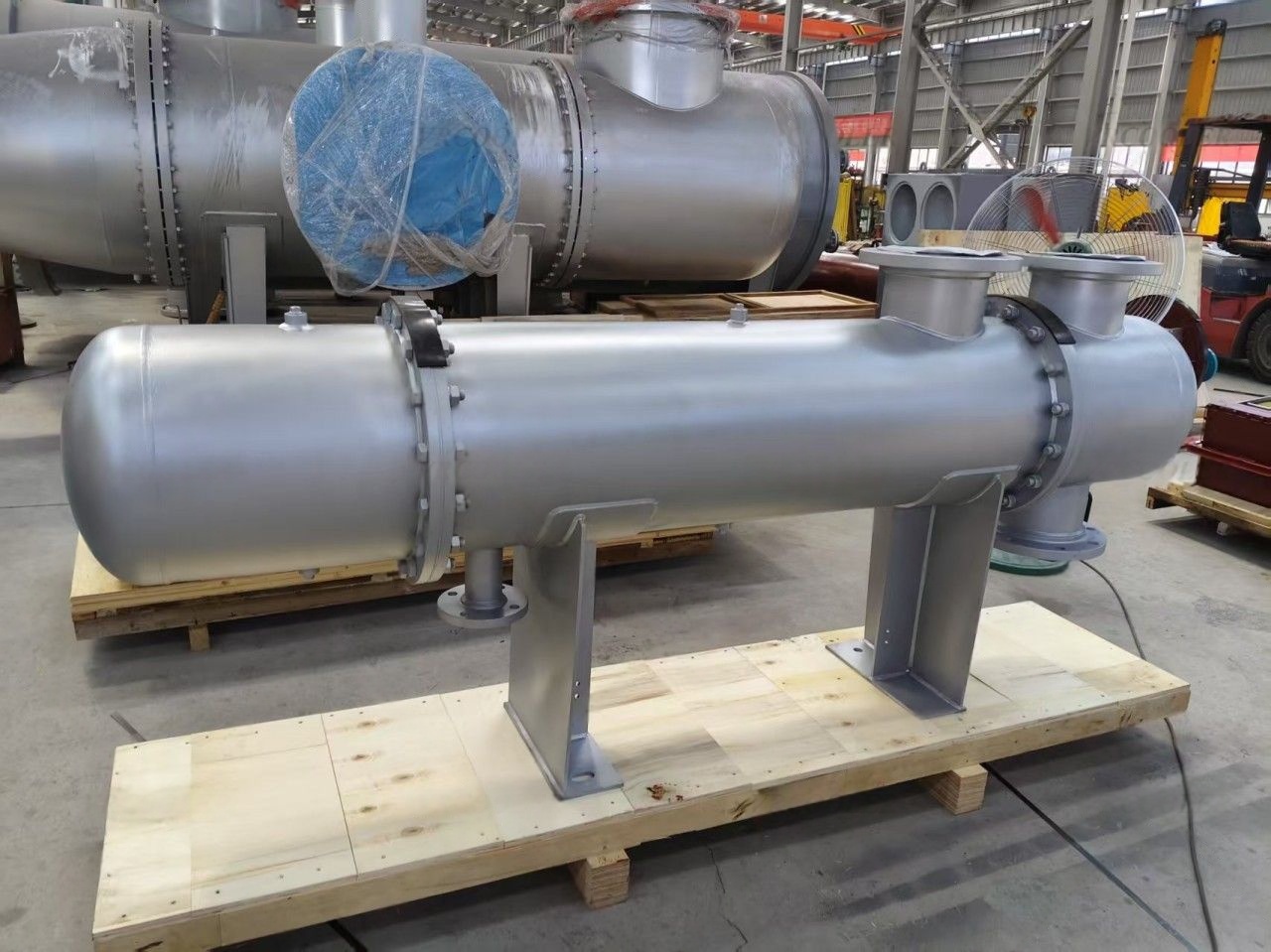
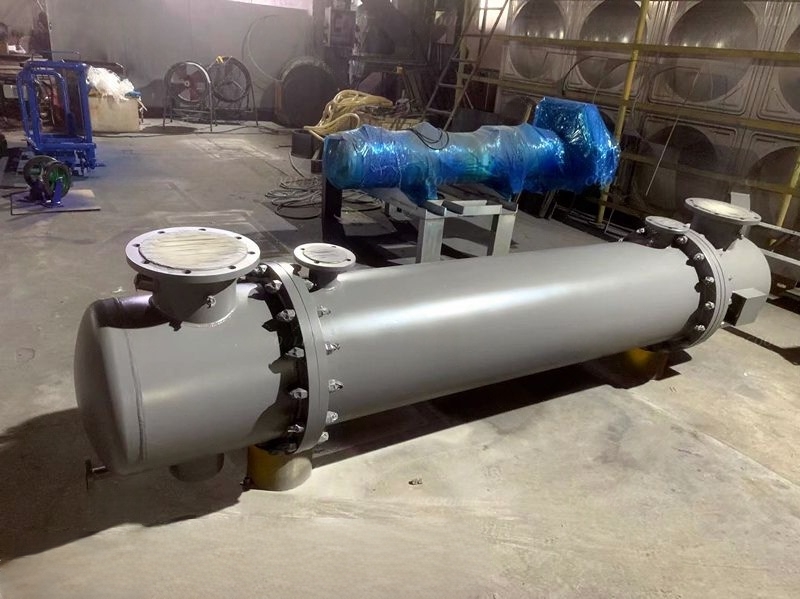
Oil Cooler Manufacturer in Pondicherry

Auxiliary Components of oil cooler These parts are not on every cooler but are common in many industrial and critical applications.

Oil Cooler Manufacturer in Mysore

How an Oil Cooler Works (The Basic Principle) The principle is heat exchange. Hot oil flows through the cooler, and its heat is transferred to a cooler medium. There are two main types based on the cooling medium: 1. Air-Cooled Oil Cooler: 2. Water-Cooled Oil Cooler (or Shell-and-Tube): . Key Components of a Typical Aftermarket Oil […]

Oil Cooler Manufacturer in Bangalore

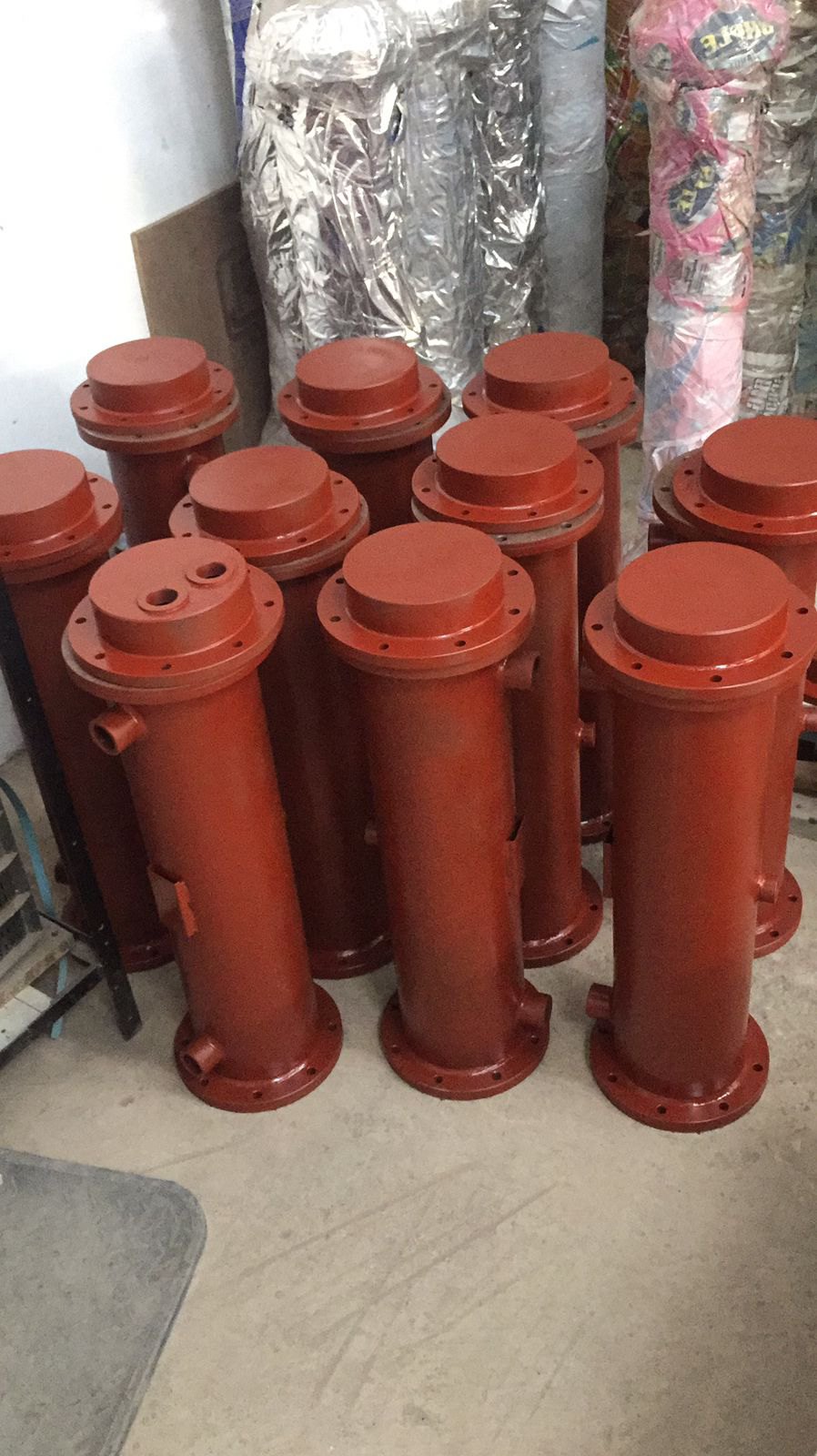
What is an Oil Cooler? An oil cooler is a heat exchanger designed to remove excess heat from engine oil, transmission fluid, hydraulic oil, or other lubricants in a mechanical system. Its primary purpose is to maintain the oil within its optimal operating temperature range, ensuring proper lubrication, reducing wear, and maximizing the efficiency...

Oil Cooler Manufacturer in Andhra Pradesh

Working Principle of Air-Cooled oil Cooler The core principle is Heat Exchange through Forced Convection. In simple terms, it transfers heat from the hot oil to the cooler ambient air flowing around it. Here’s a step-by-step breakdown of how it works: 1. Hot Oil Inlet The process begins when hot oil, having circulated through the engine...

Oil Cooler Manufacturer in Maharashtra

Where Are Oil Coolers Used?

Oil Cooler Manufacturer in India

An oil cooler is a device that functions like a radiator, but for engine oil (or transmission/gear oil). Its sole purpose is to remove excess heat from the oil, keeping it within its optimal temperature range. The Core Problem: Why Does Oil Need Cooling? Engine oil is the lifeblood of an engine. It lubricates, cleans, and helps cool...

Oil Cooler Manufacturer in Tanzania

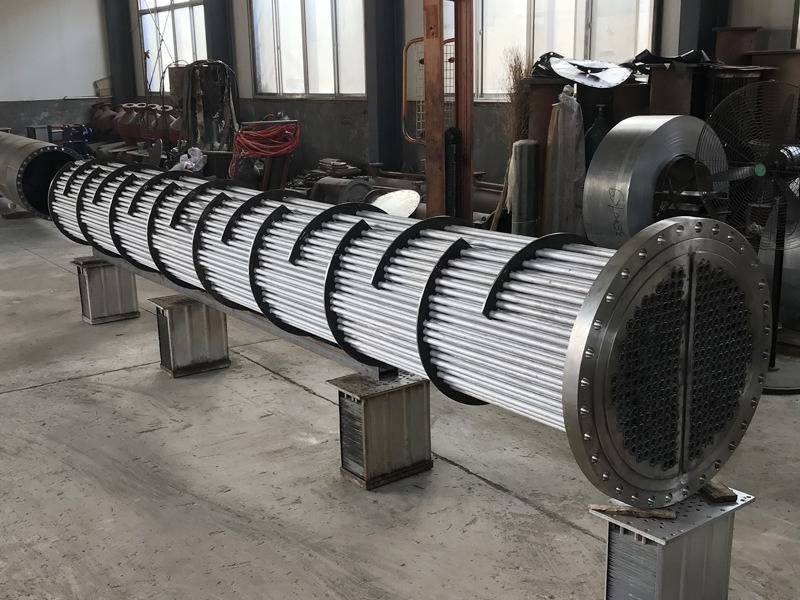
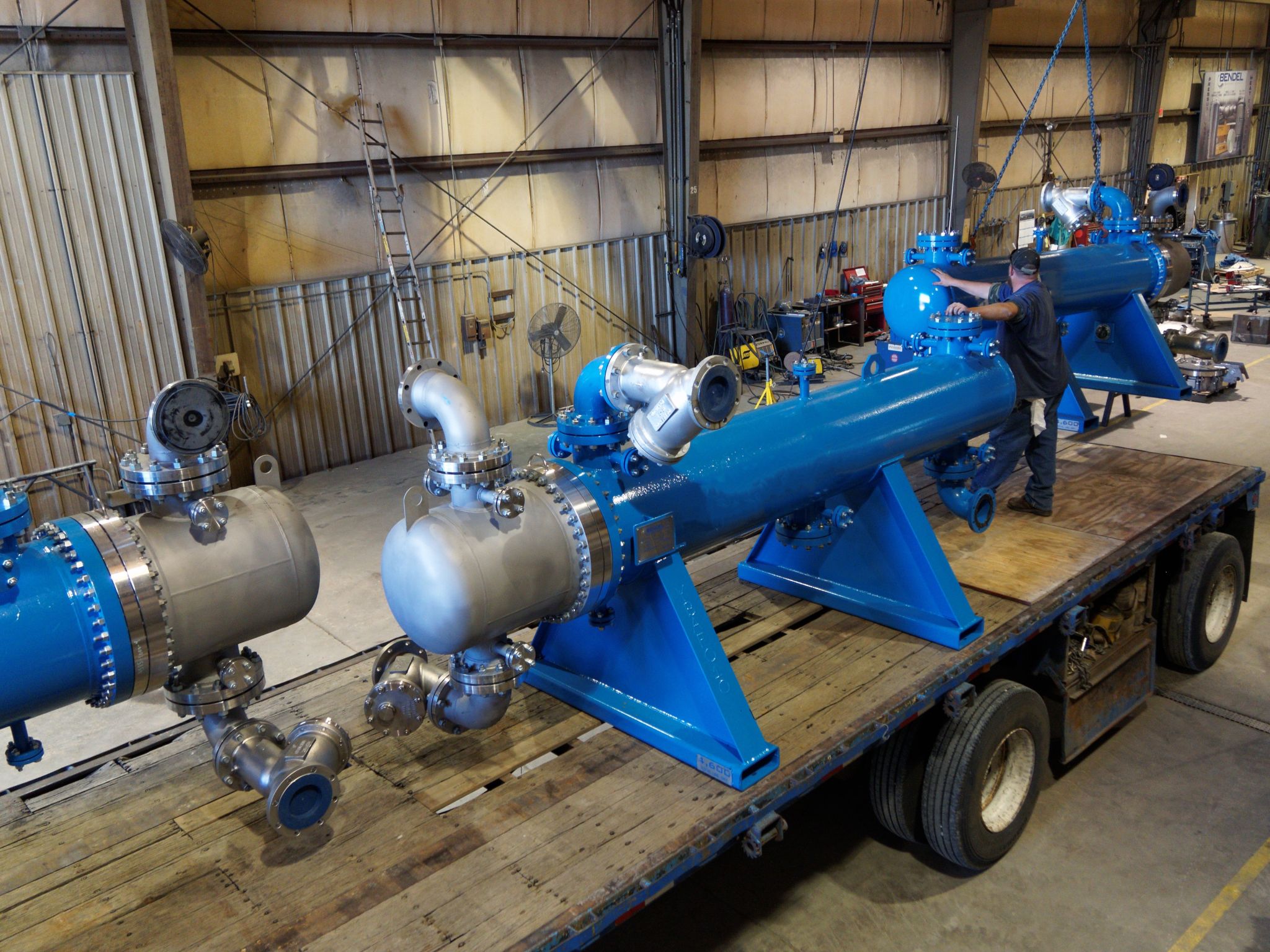
Parts of A shell and tube oil cooler A shell and tube oil cooler consists of several key components, each playing a critical role in heat transfer, structural integrity, and fluid flow. Below is a detailed breakdown of its major parts, their functions, and common materials used in marine/industrial applications. 1....

Oil Cooler Manufacturer in Zimbabwe

Types of Hydraulic Oil Coolers When is a Hydraulic Oil Cooler Necessary? Signs Your Hydraulic System Needs a Cooler

Oil Cooler Manufacturer in Mozambique

purpose of an Oil Cooler in a Hydraulic Power Pack An oil cooler (or hydraulic cooler) in a hydraulic power pack is essential for maintaining optimal system performance and reliability. Its primary functions include: 1. Temperature Control 2. Preventing Oil Degradation 3. Maintaining System Efficiency 4. Protecting Seals...

Oil Cooler Manufacturer in Madagascar

Materials Used in Shell & Tube Oil Cooler Tubes The tubes in a shell and tube oil cooler are critical for heat transfer efficiency, corrosion resistance, and durability. The choice of material depends on factors like fluid compatibility, temperature, pressure, and cost. Below are the most common materials used: 1....

Oil Cooler Manufacturer in South Africa

Copper Tube vs. Stainless Steel Tube Oil Coolers:  When choosing between copper and stainless steel (SS) tubes for an oil cooler, factors like thermal efficiency, corrosion resistance, durability, and cost play a crucial role. Below is a detailed comparison: 1. Thermal Conductivity & Heat Transfer Efficiency...

Shell and Tube Heat Exchanger Manufacturer in

Use of Shell and Tube Heat Exchanger in Chemical & Pharmaceutical Industry Pharmaceutical manufacturing (sterilization, crystallization)

Shell and Tube Heat Exchanger Manufacturer in Tiruvallur

Effect of Flow Velocity in Shell and Tube Heat Exchangers   Flow velocity plays a critical role in the heat transfer efficiency, pressure drop, fouling, and mechanical integrity of a shell and tube heat exchanger. Below is a detailed breakdown of its effects: 1. Heat Transfer Efficiency Higher Velocity → Better Heat...

Shell and Tube Heat Exchanger Manufacturer in Sivagangai

Fixed Tube sheet vs. Floating Head Heat Exchanger: Key Differences When choosing between a fixed Tube sheet and a floating head design for a shell and tube heat exchanger, the decision depends on thermal expansion, maintenance needs, pressure/temperature conditions, and cost. Below is a detailed comparison: 1. Basic Design...

Shell and Tube Heat Exchanger Manufacturer in Ranipet

Copper Tubes vs. Stainless Steel Tubes in Heat Exchangers When selecting between copper and stainless steel (SS) tubes for a shell and tube heat exchanger, key factors include thermal conductivity, corrosion resistance, cost, and application requirements. Below is a detailed comparison: 1. Thermal Conductivity Material...

Heat Exchanger Manufacturer in Kollam

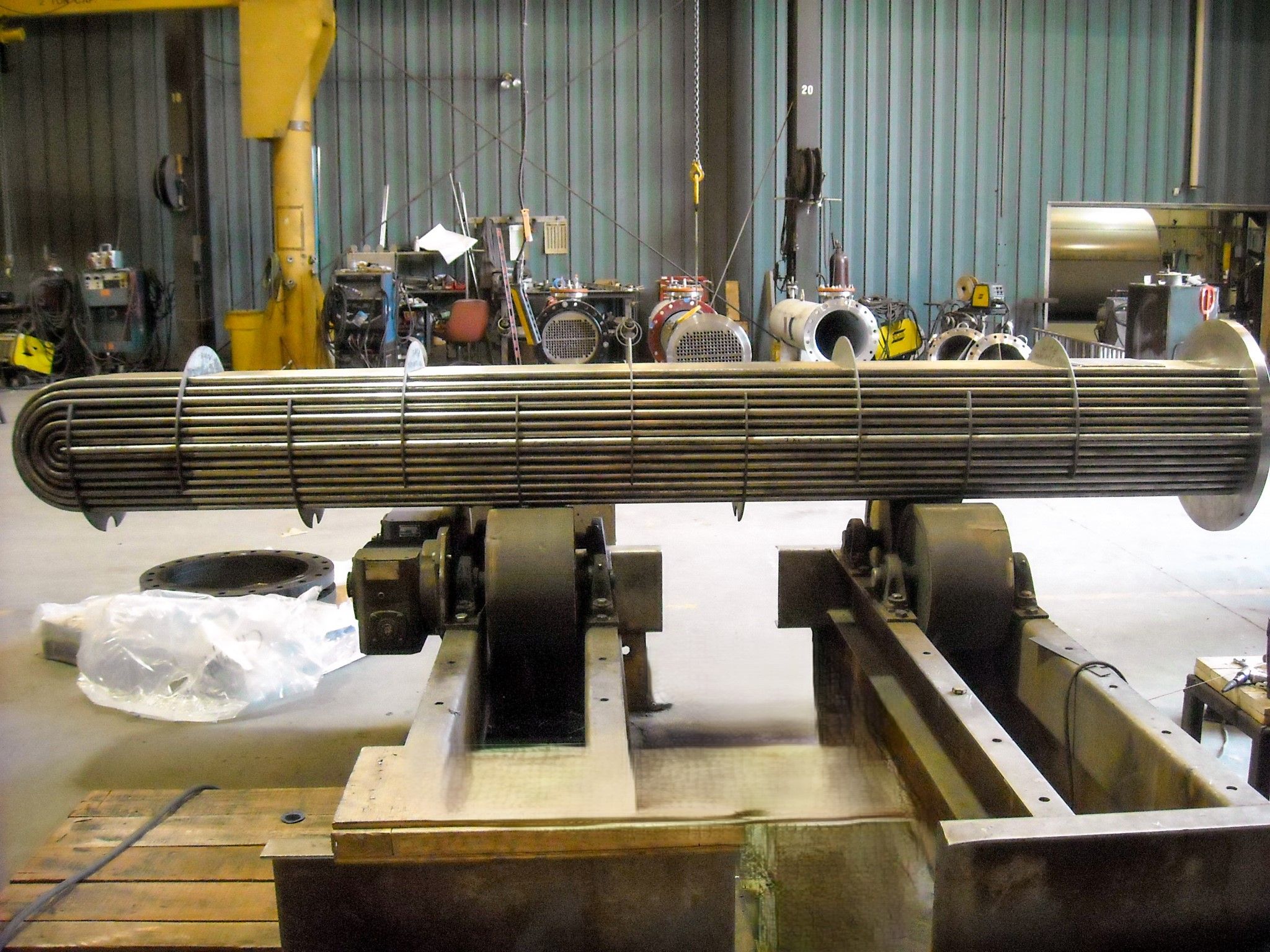
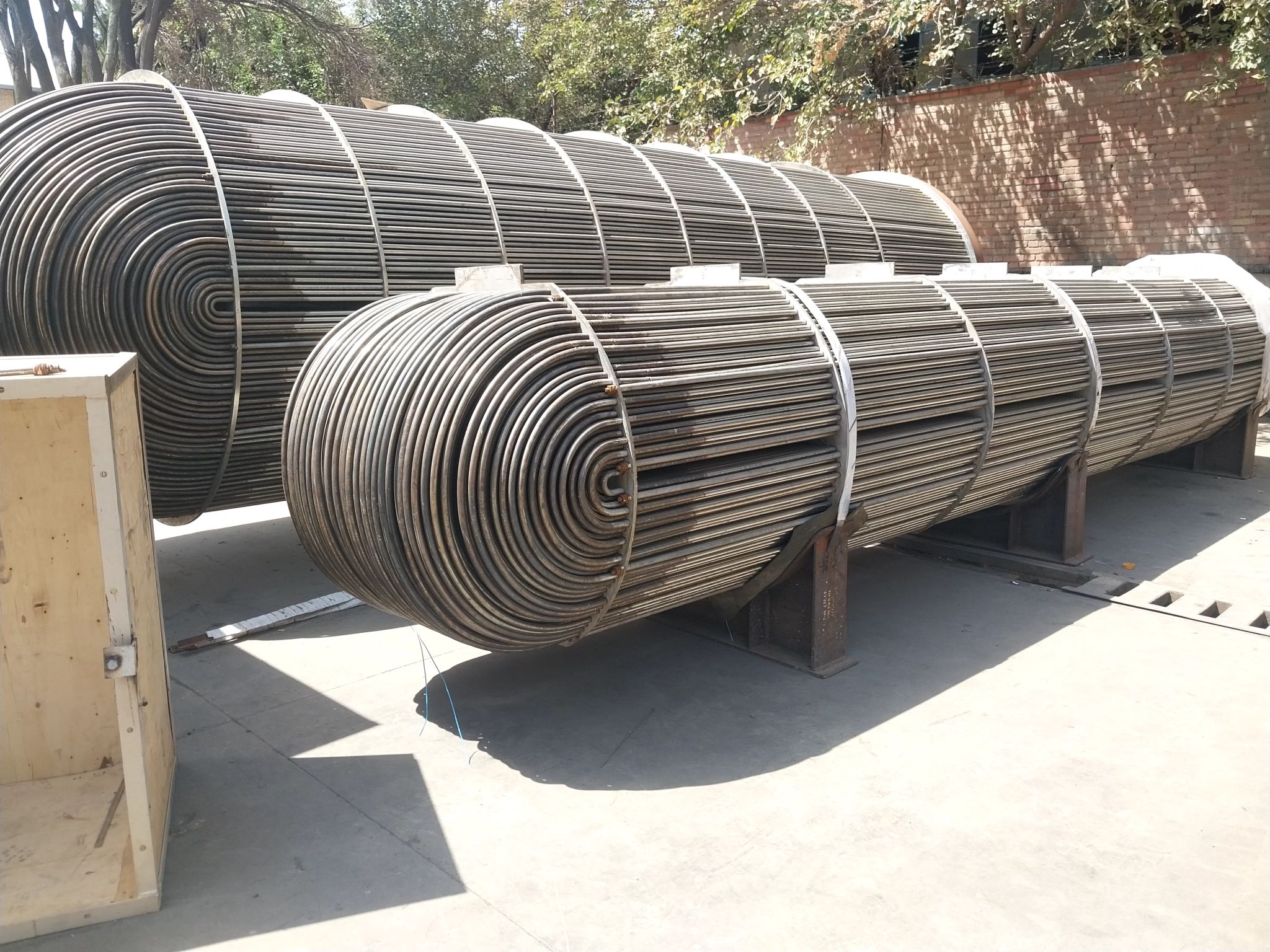
U-Tube Bundle Heat Exchanger A U-tube bundle heat exchanger is a type of shell and tube heat exchanger where the tubes are bent into a U-shape, allowing both ends to connect to the same tube sheet. This design provides thermal expansion flexibility, making it ideal for high-temperature and high-pressure applications....

Shell and Tube Heat Exchanger Manufacturer in Calicut

Use of Shell and Tube Heat Exchanger Pulp & Paper Industry Steam recovery in paper drying processes. U-Tube Bundle Heat Exchanger A U-tube bundle heat exchanger is a type of shell and tube heat exchanger where the tubes are bent into a U-shape, allowing both ends to connect to the same tube sheet. This design provides...

Shell and Tube Heat Exchanger Manufacturer in Viruthunagar

Use of Shell and Tube Heat Exchanger in Chemical & Pharmaceutical Industry Pharmaceutical manufacturing (sterilization, crystallization).

Shell and Tube Heat Exchanger Manufacturer in Pudukkottai

Copper Tubes vs. Stainless Steel Tubes in Heat Exchangers When selecting between copper and stainless steel (SS) tubes for a shell and tube heat exchanger, key factors include thermal conductivity, corrosion resistance, cost, and application requirements. Below is a detailed comparison: 1. Thermal Conductivity Material...

Shell and Tube Heat Exchanger Manufacturer in Krishnagiri

Different Types of TEMA Classes for Shell and Tube Heat Exchangers The Tubular Exchanger Manufacturers Association (TEMA) classifies shell and tube heat exchangers into three main designations based on service conditions, mechanical robustness, and industry requirements: 1. TEMA Class R – Refinery & Severe Service...

Shell and Tube Heat Exchanger Manufacturer in Tiruvallur

Effect of Flow Velocity in Shell and Tube Heat Exchangers   Flow velocity plays a critical role in the heat transfer efficiency, pressure drop, fouling, and mechanical integrity of a shell and tube heat exchanger. Below is a detailed breakdown of its effects: 1. Heat Transfer Efficiency Higher Velocity → Better Heat...

Shell and Tube Heat Exchanger Manufacturer in Kancheepuram

The Code of Construction for Shell and Tube Heat Exchangers (STHE) is governed by international and national standards to ensure safety, reliability, and performance. Below are the key codes and standards used in their design, fabrication, and testing: 1. ASME (American Society of Mechanical Engineers) – Most Widely Used...

Shell and Tube Heat Exchanger Manufacturer in Kallakurichi

Advantages of Shell and Tube Heat Exchangers (STHE) Shell and Tube Heat Exchangers are among the most widely used heat exchangers in industries due to their robust design, versatility, and efficiency. Here are their key advantages: 1. High Pressure & Temperature Resistance 2. Suitable for a Wide Range of Fluids 3. Robust &...

Shell and Tube Heat Exchanger Manufacturer in Cuddalore

Components of a Shell and Tube Heat Exchanger

Shell and Tube Heat Exchanger Manufacturer in Coimbatore

Types Of Heat Exchangers  1. Based on Construction & Design . Based on Flow Arrangement 3. Based on Heat Transfer Mechanism 4. Specialized Types Pillow Plate Heat Exchanger

Oil Cooler Manufacturer in Chennai

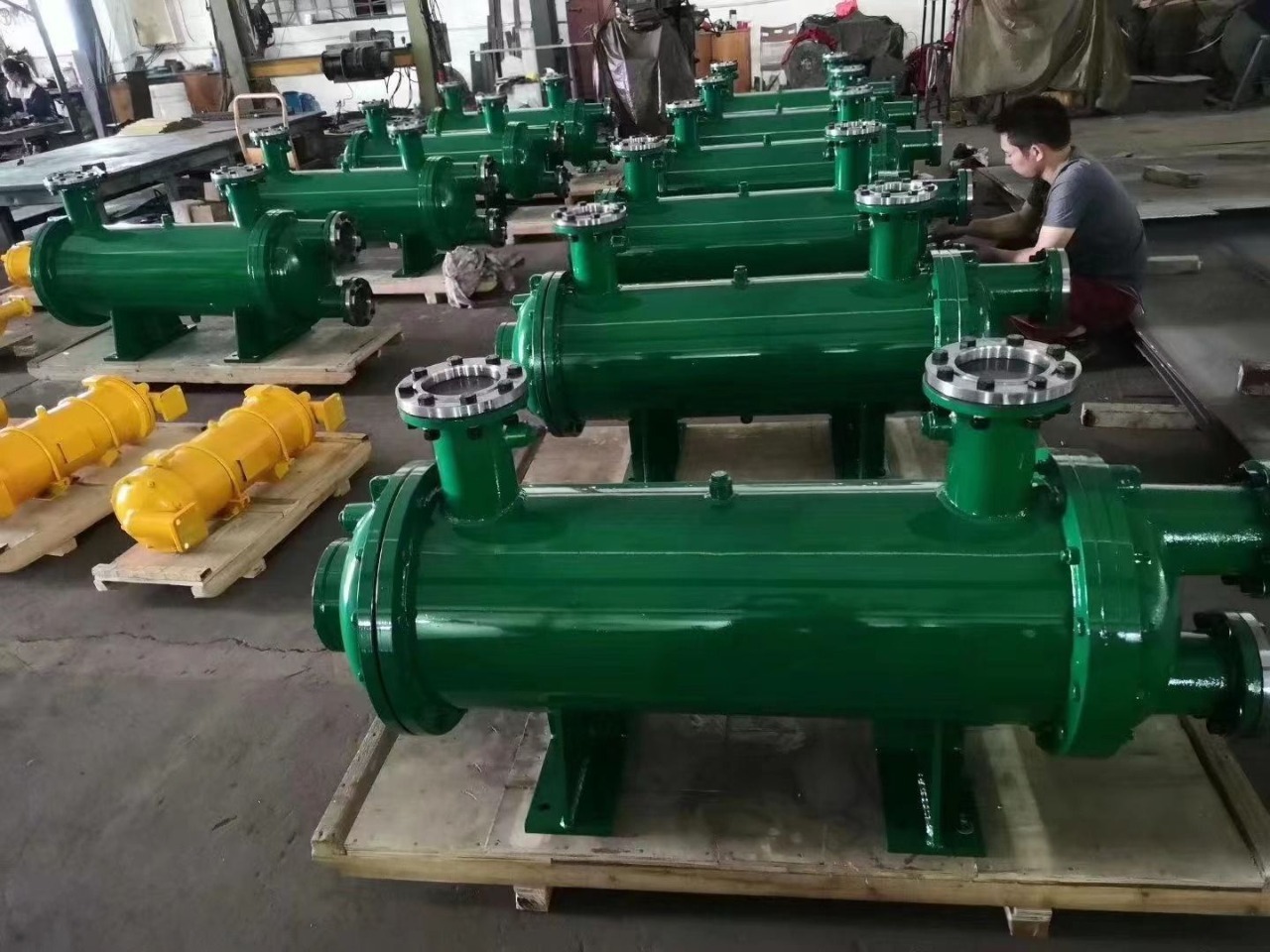
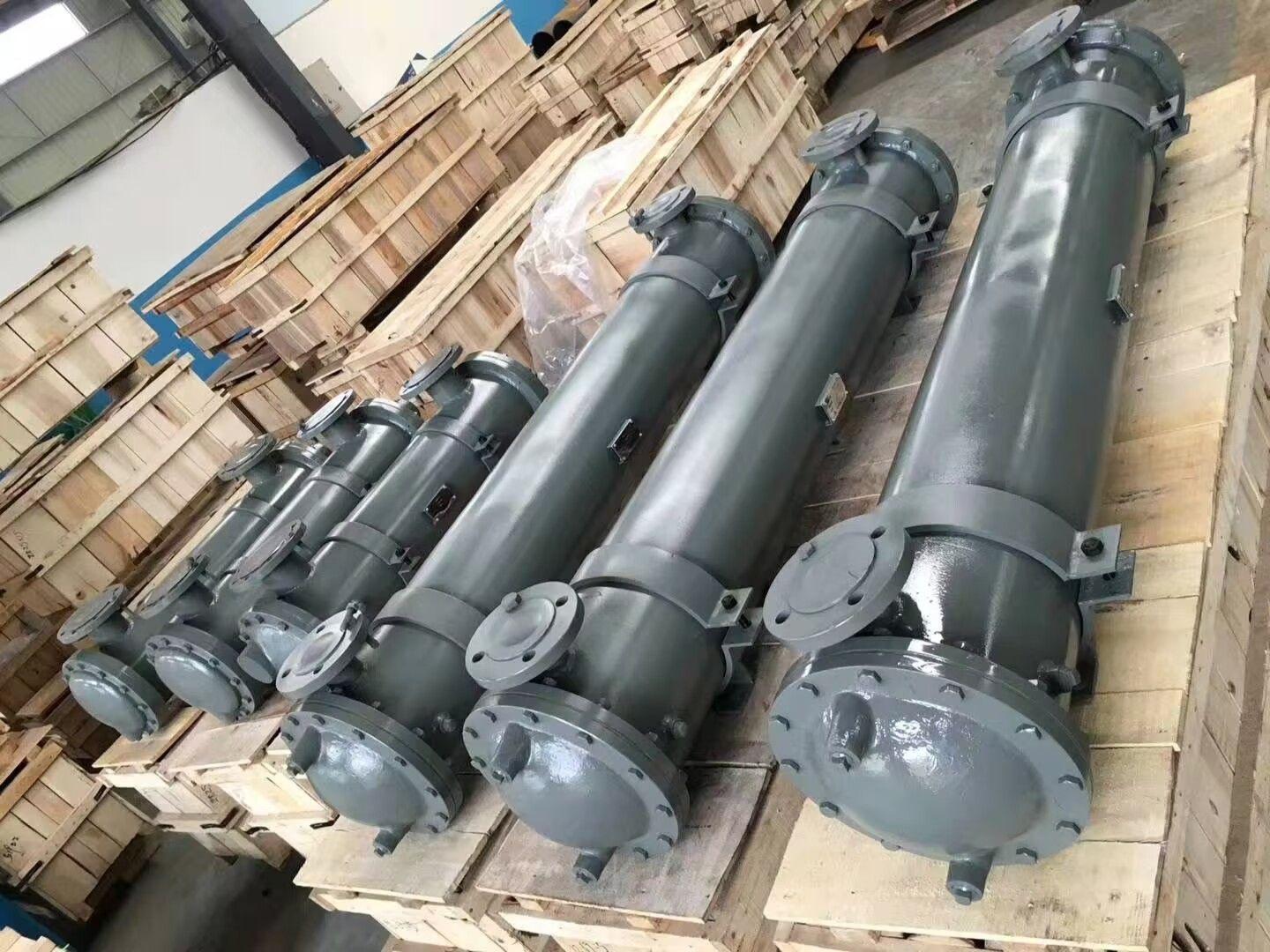
A marine oil cooler is a type of heat exchanger specifically designed for use in marine (shipboard) applications to cool lubricating oil, hydraulic oil, or gear oil in engines, gearboxes, and other machinery. Since marine environments are highly corrosive due to saltwater exposure, these coolers are built to...

Oil cooler Manufacturer in Palakkad

purpose of an Oil Cooler in a Hydraulic Power Pack An oil cooler (or hydraulic cooler) in a hydraulic power pack is essential for maintaining optimal system performance and reliability. Its primary functions include: 1. Temperature Control 2. Preventing Oil Degradation 3. Maintaining System Efficiency 4. Protecting Seals...

Oil cooler Manufacturer in Calkicut

Copper Tube vs. Stainless Steel Tube Oil Coolers: When choosing between copper and stainless steel (SS) tubes for an oil cooler, factors like thermal efficiency, corrosion resistance, durability, and cost play a crucial role. Below is a detailed comparison: 1. Thermal Conductivity & Heat Transfer Efficiency...

Oil cooler Manufacturer in Thiruvananthapuram

Why Aluminum Brass Tubes Are Used in Marine Oil Coolers Aluminum brass (CuZn20Al, UNS C68700) is a copper alloy specifically engineered for marine and seawater cooling applications. It is widely used in shell-and-tube oil coolers for ships, offshore platforms, and desalination plants due to its unique...

Heat Exchanger Manufacturer in Saudi Arabia

Use of Shell and Tube Heat Exchanger Water Treatment & Desalination Effluent cooling/heating.

Shell and Tube Heat Exchanger Manufacturer in Zambia

Use of Shell and Tube Heat Exchanger Automotive & Aerospace Hydraulic oil temperature control.

Shell and Tube Heat Exchanger Manufacturer in Egypt

Use of Shell and Tube Heat Exchanger in HVAC & Refrigeration System

Shell and Tube Heat Exchanger Manufacturer in Ghana

Use of Shell and Tube Heat Exchanger in Chemical & Pharmaceutical Industry Pharmaceutical manufacturing (sterilization, crystallization).

Shell and Tube Heat Exchanger Manufacturer in Tanzania

Use of Shell and Tube Heat Exchanger in Power Generation Nuclear power plants (heat transfer in primary and secondary loops).

Shell and Tube Heat Exchanger Manufacturer in Angola

Use of Shell and Tube Heat Exchanger in Oil & Gas / Petrochemical industry Chemical synthesis (reactor heating/cooling).

Shell and Tube Heat Exchanger Manufacturer in Kenya

Shell and tube heat exchangers are widely used in the food industry due to their efficiency, durability, and versatility. Here are ten key points about their use: 1. Pasteurization 2. Sterilization 3. Cooling Applications 4. Energy Efficiency 5. Sanitary Design 6. Versatility 7. Chocolate and Fat Processing...

Shell and Tube Heat Exchanger Manufacturer in South Africa

Fixed Tube sheet vs. Floating Head Heat Exchanger: Key Differences When choosing between a fixed Tube sheet and a floating head design for a shell and tube heat exchanger, the decision depends on thermal expansion, maintenance needs, pressure/temperature conditions, and cost. Below is a detailed comparison: 1. Basic Design...

Shell and Tube Heat Exchanger Manufacturer in United Arab Emirates

Suitable Materials for Shell and Tube Heat Exchangers in the Food Industry The food industry requires materials that are:Corrosion-resistant (to withstand cleaning chemicals like CIP solutions).Non-toxic & FDA-compliant (no leaching of harmful substances).Smooth & non-porous (to prevent bacterial growth, easy to...

Shell and Tube Heat Exchanger Manufacturer in Saudi Arabia

The Code of Construction for Shell and Tube Heat Exchangers (STHE) is governed by international and national standards to ensure safety, reliability, and performance. Below are the key codes and standards used in their design, fabrication, and testing: 1. ASME (American Society of Mechanical Engineers) – Most Widely Used...

Shell and Tube Heat Exchanger Manufacturer in Qatar

Advantages of Shell and Tube Heat Exchangers (STHE) Shell and Tube Heat Exchangers are among the most widely used heat exchangers in industries due to their robust design, versatility, and efficiency. Here are their key advantages: 1. High Pressure & Temperature Resistance 2. Suitable for a Wide Range of Fluids 3. Robust &...

Shell and Tube Heat Exchanger Manufacturer in Oman

In Shell and Tube Heat Exchangers (STHE), the tube material is selected based on corrosion resistance, thermal conductivity, mechanical strength, and cost. Below are the most commonly used tube materials, along with their key properties and applications: 1. Carbon Steel (CS) Tubes 2. Stainless Steel (SS) Tubes 3. Copper...

Shell and Tube Heat Exchanger Manufacturer in Lebanon

Material of Construction (MOC) of Shell and Tube Heat Exchanger Shell and Tube Heat Exchanger (STHE) MOC depends on factors like: Common Materials Used in STHE Components 1. Shell Material 2. Tube Material 3. Tube Sheet Material 4. Baffles & Supports 5. Gaskets & Seals Selection Criteria Industry-Specific Examples

Shell and Tube Heat Exchanger Manufacturer in Jordan

Working Principle of Shell and Tube Heat Exchanger Advantages of Shell and Tube Heat Exchanger

Shell and Tube Heat Exchanger Manufacturer in Iraq

Components of a Shell and Tube Heat Exchanger

Shell and Tube Heat Exchanger Manufacturer in Djibouti

A Shell and Tube Heat Exchanger (STHE) is one of the most widely used types of heat exchangers in industrial applications. It consists of a shell (a large pressure vessel) with a bundle of tubes inside it. One fluid flows through the tubes (tube side), while another fluid flows outside the tubes but inside the shell (shell side), allowing...
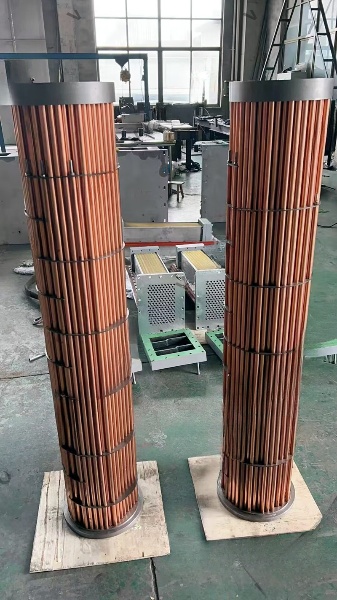
Shell and Tube Heat Exchanger Manufacturer in Bahrain

Types Of Heat Exchangers  1. Based on Construction & Design Finned Tube Heat Exchanger 2. Based on Flow Arrangement 3. Based on Heat Transfer Mechanism 4. Specialized Types Pillow Plate Heat Exchanger

Shell and Tube Heat Exchanger Manufacturer in India

A heat exchanger is a device used to transfer heat between two or more fluids (liquids or gases) without them mixing. It’s widely used in engineering applications where heating or cooling is required, such as in power plants, chemical processing, refrigeration, and HVAC systems. How It Works Heat flows from the hotter fluid to the […]

Oil Cooler Manufacturer in Tunisia

Copper Tube vs. Stainless Steel Tube Oil Coolers: When choosing between copper and stainless steel (SS) tubes for an oil cooler, factors like thermal efficiency, corrosion resistance, durability, and cost play a crucial role. Below is a detailed comparison: 1. Thermal Conductivity & Heat Transfer Efficiency...
1 2 4