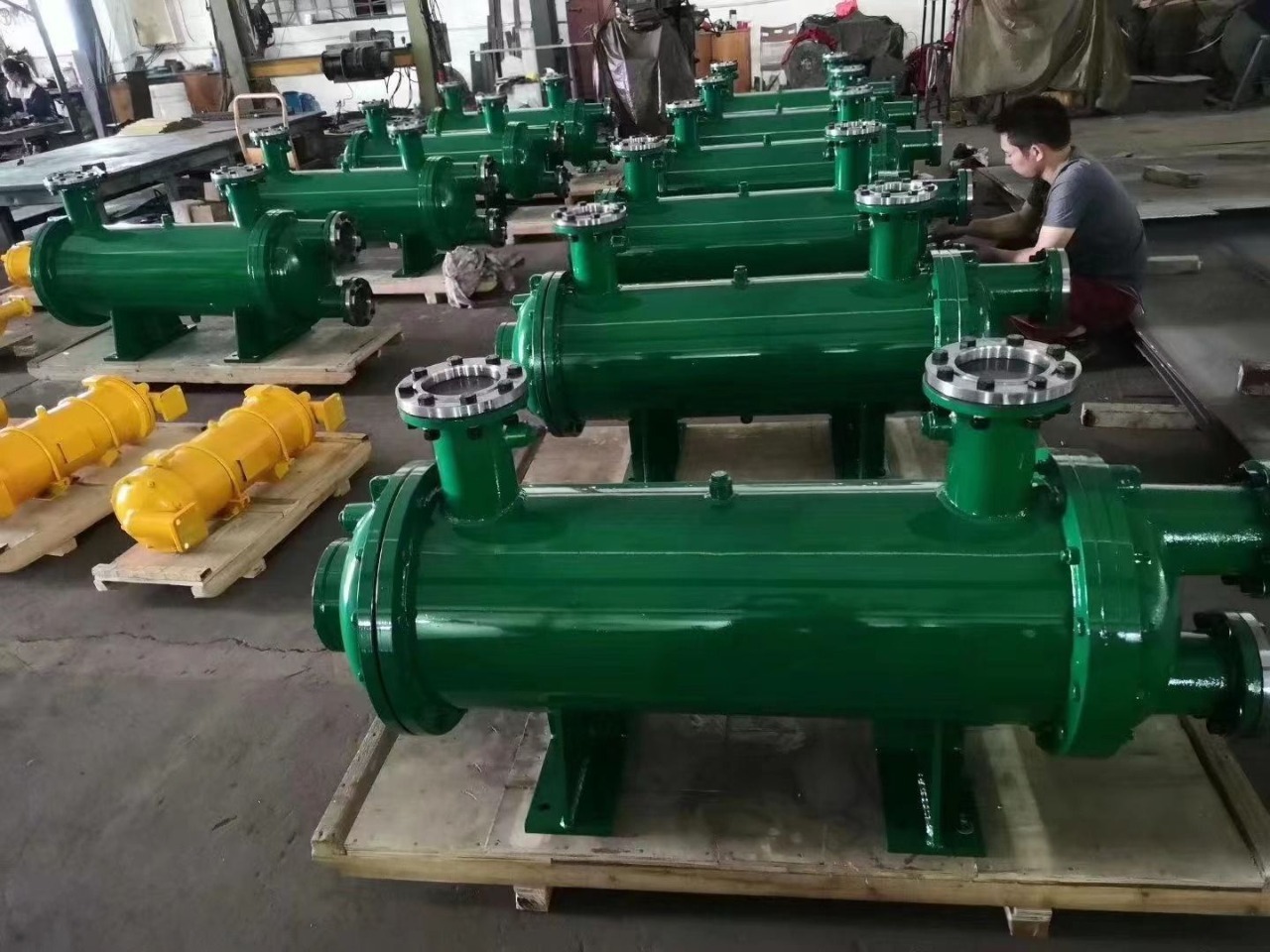
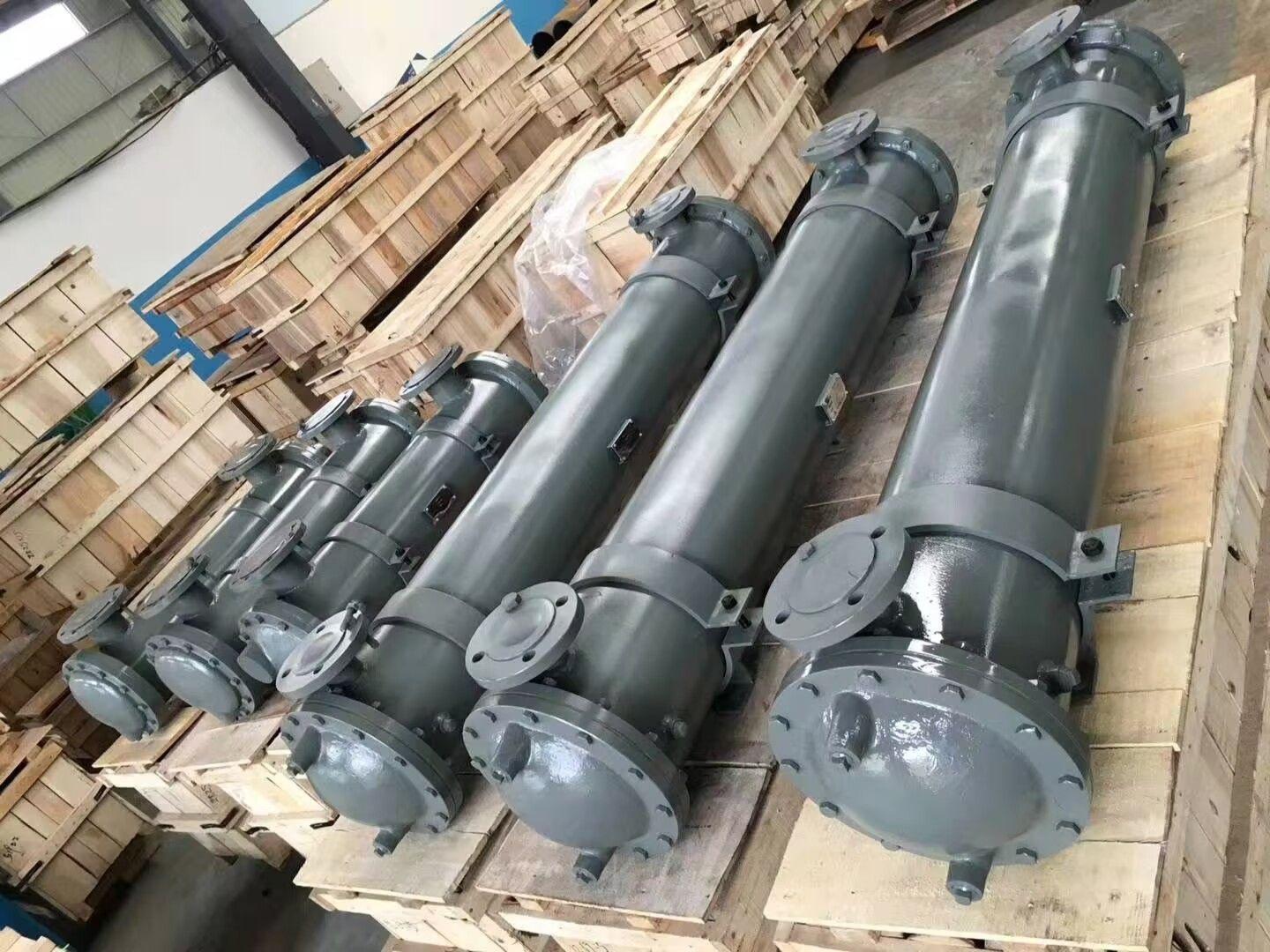
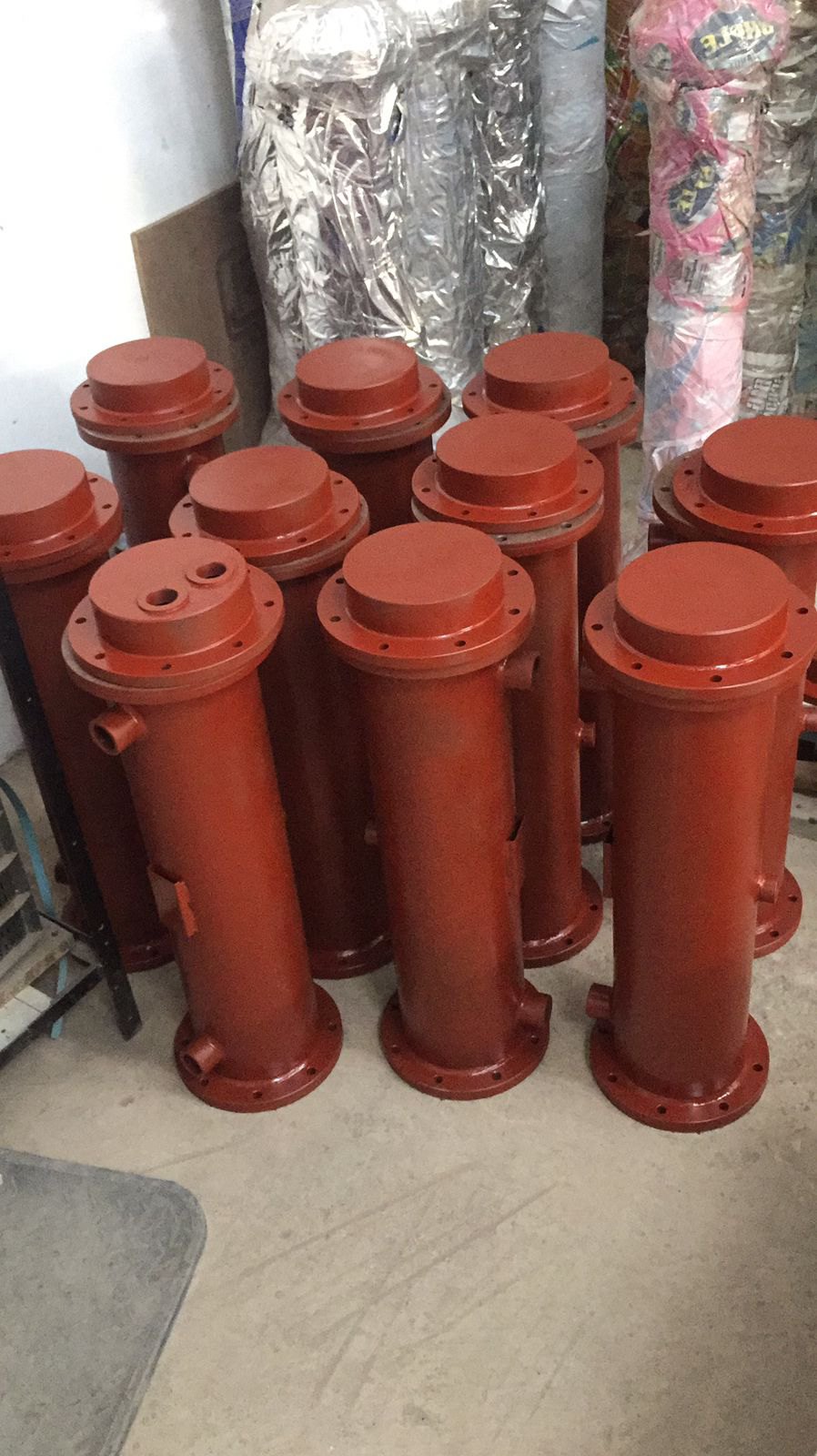
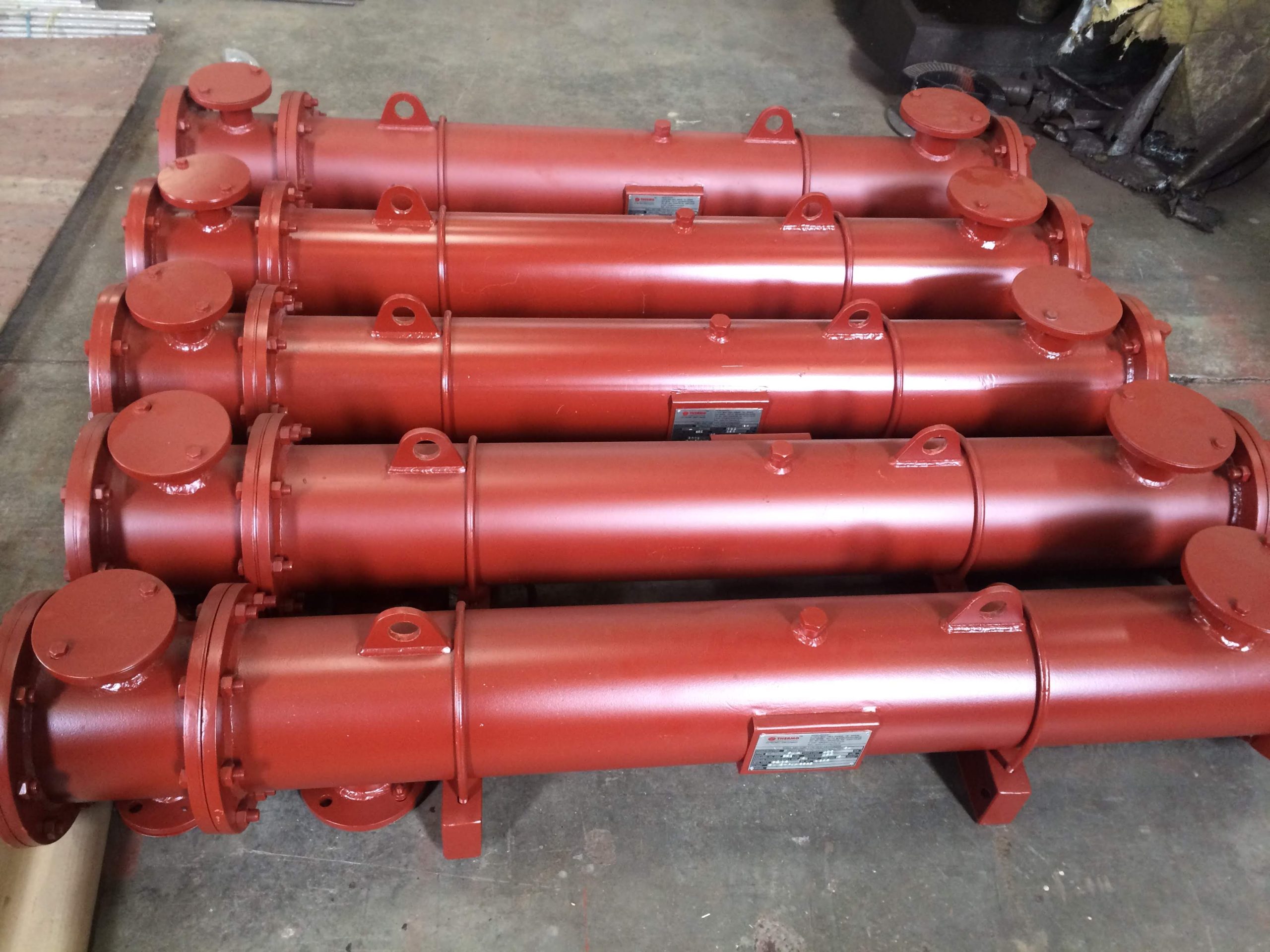
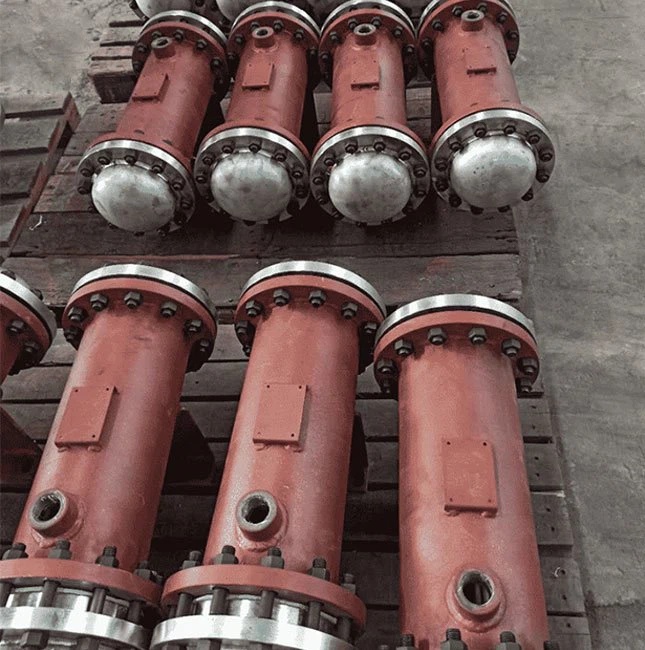
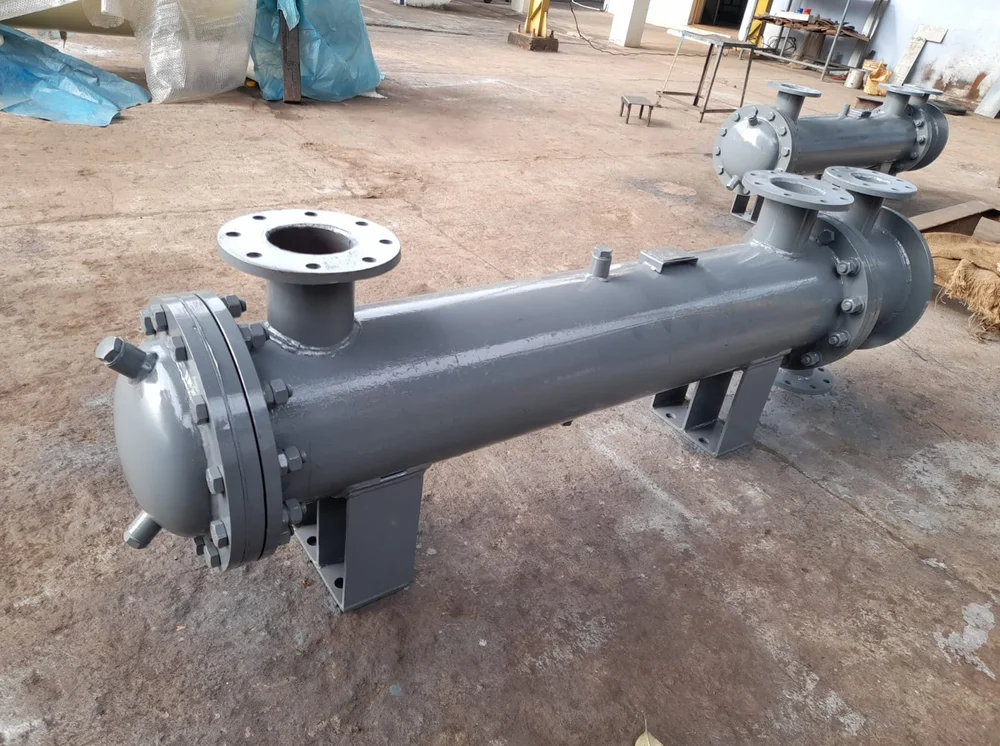
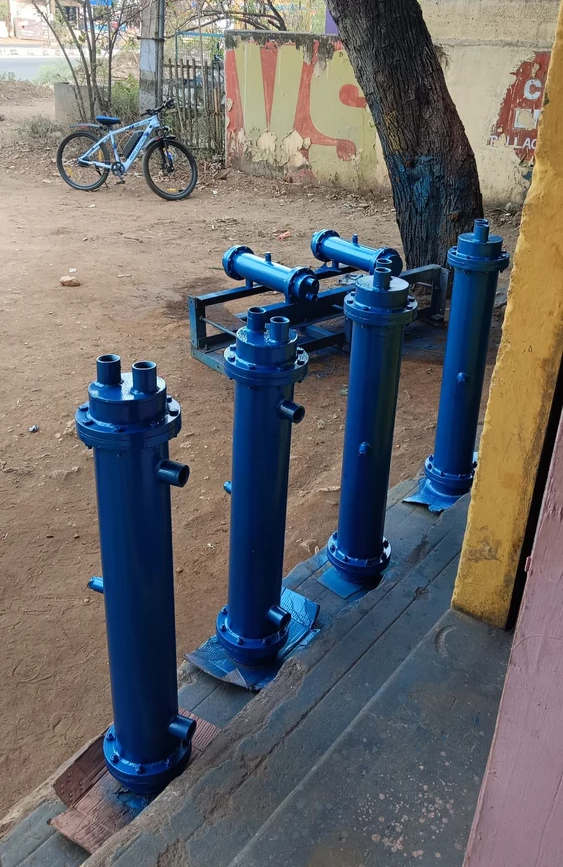
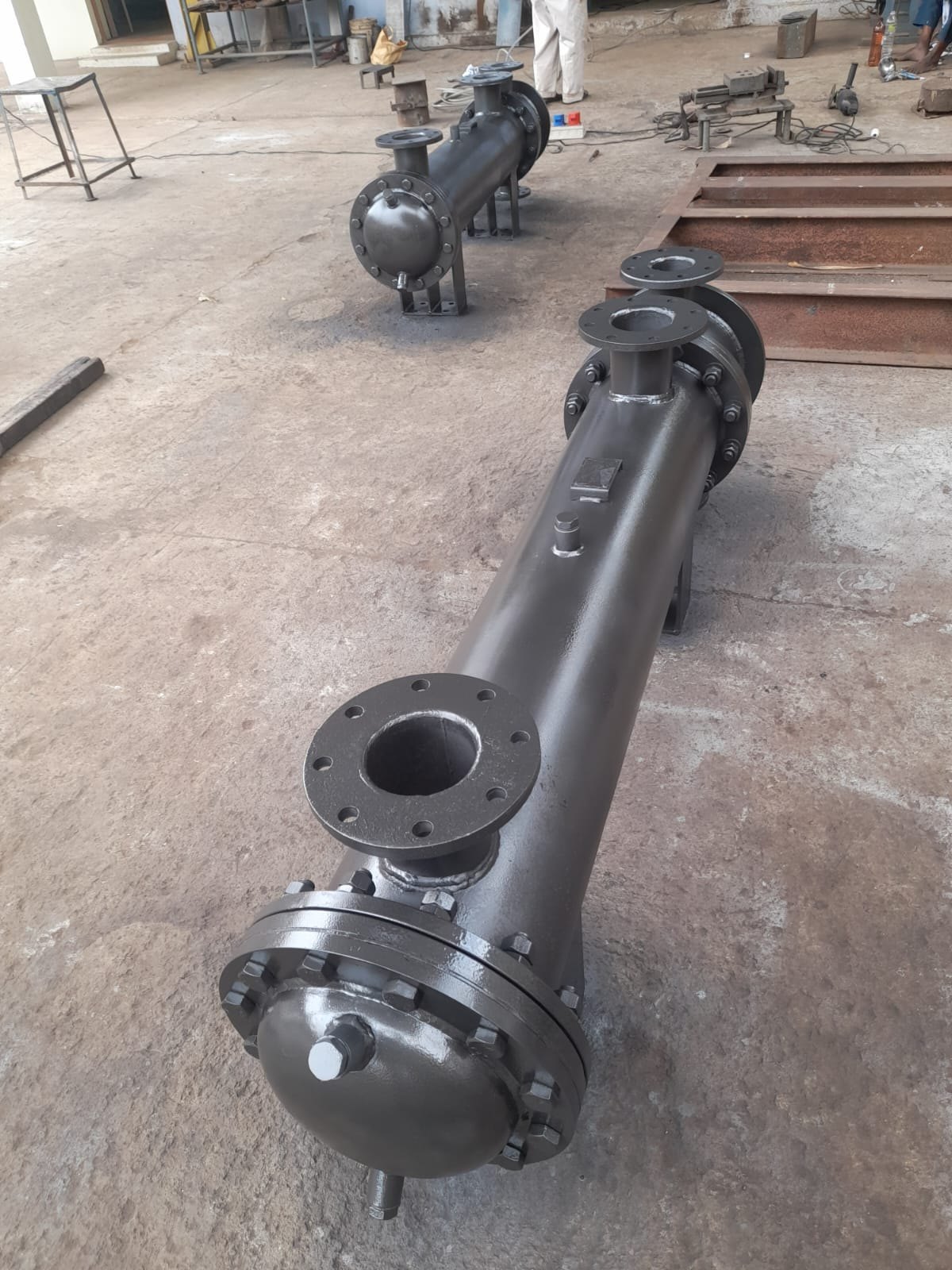
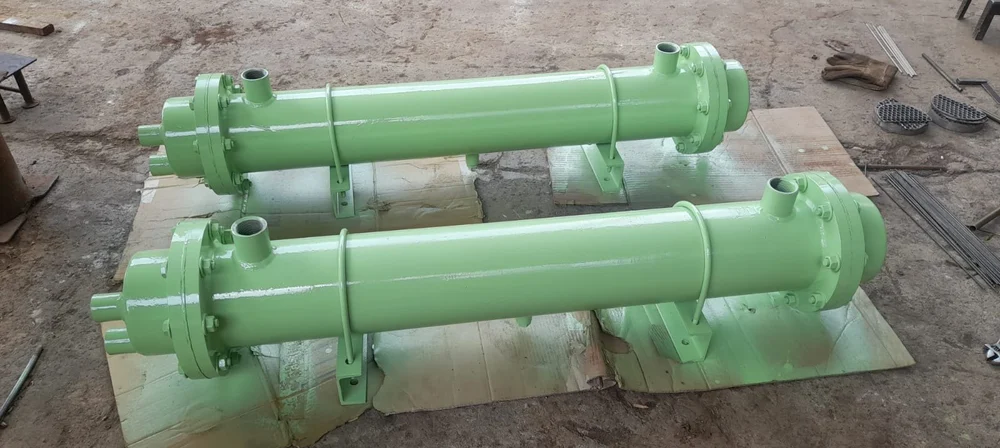
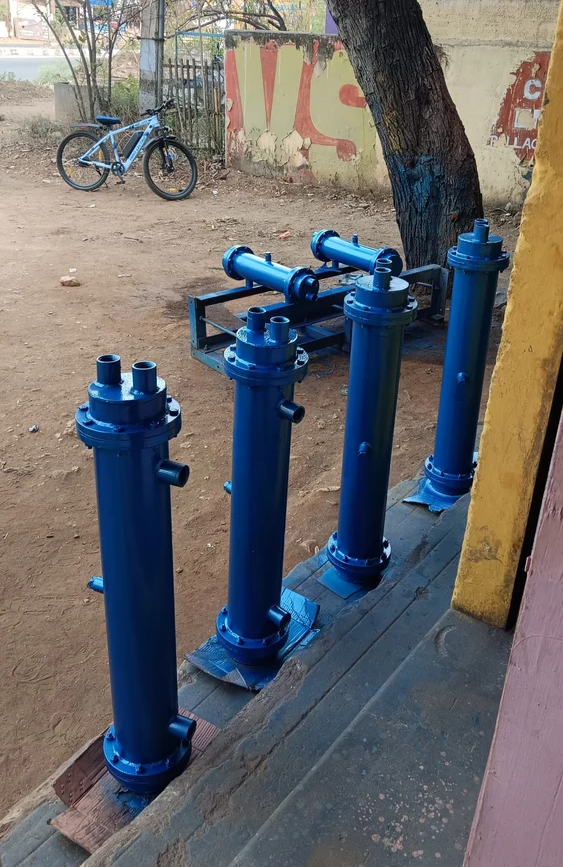
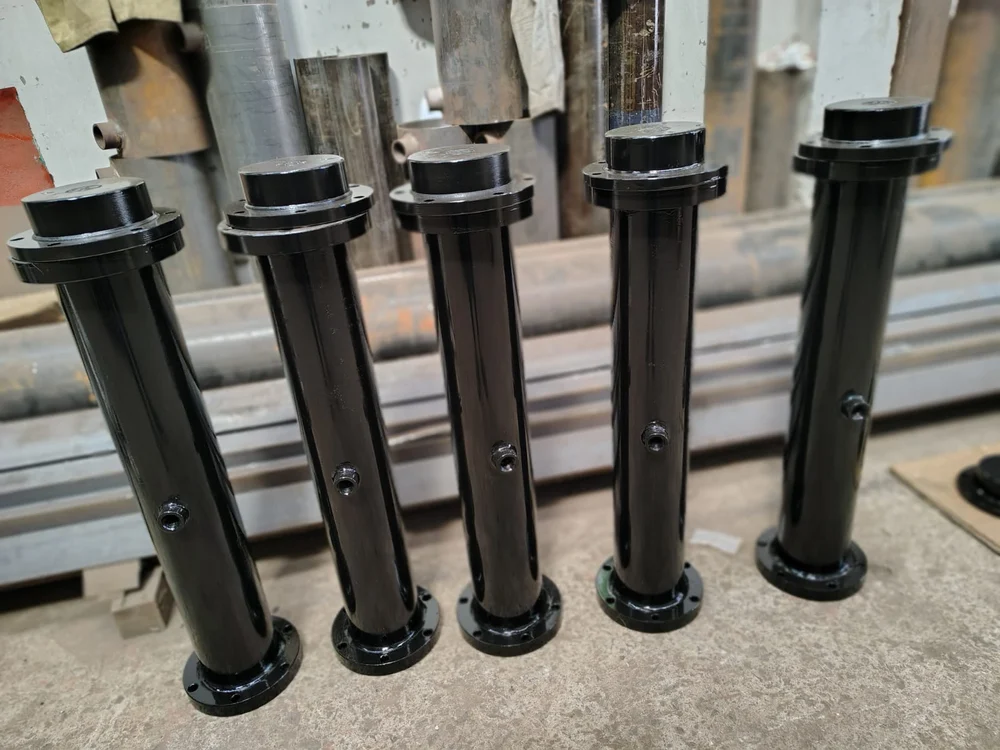
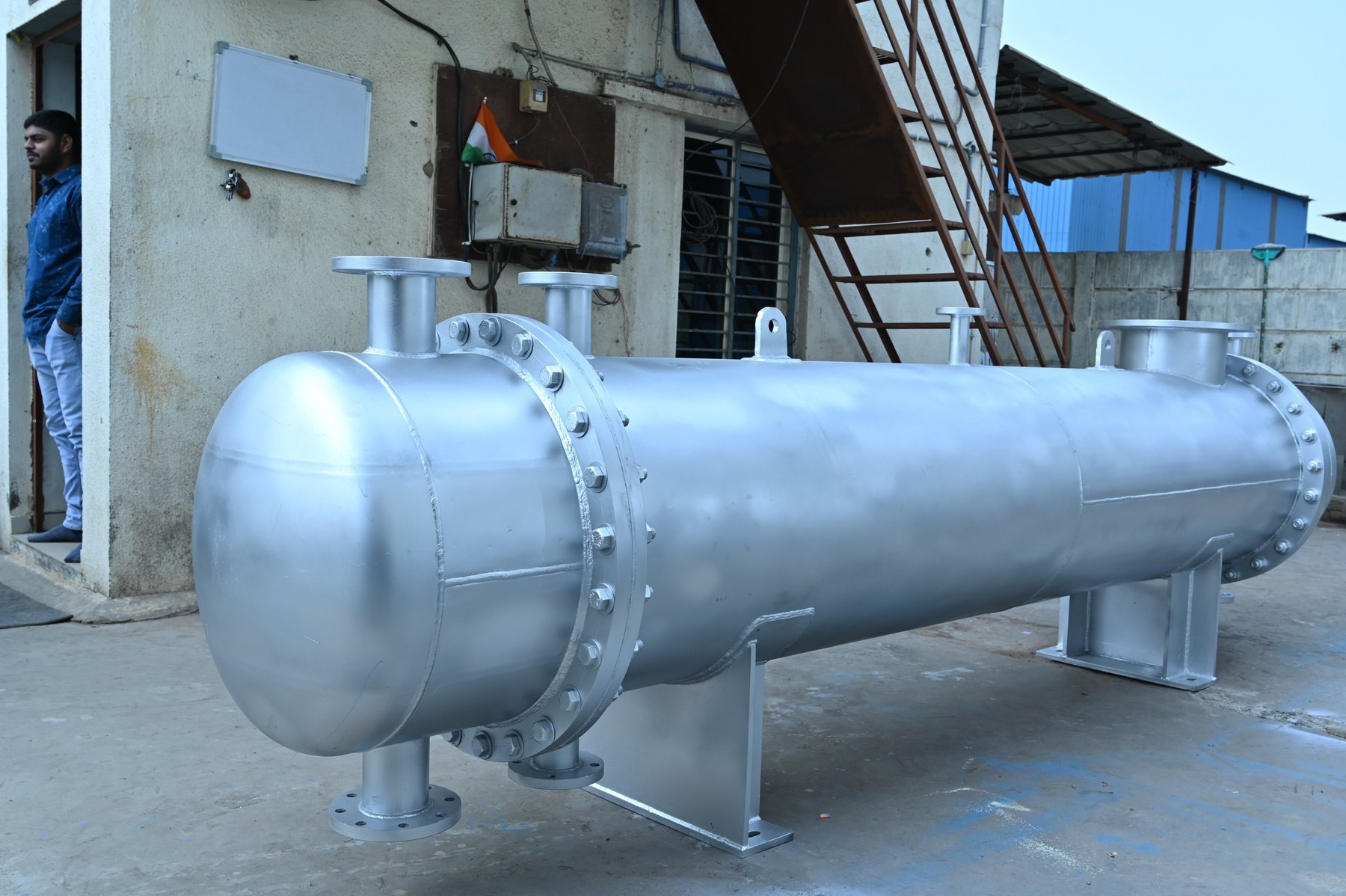
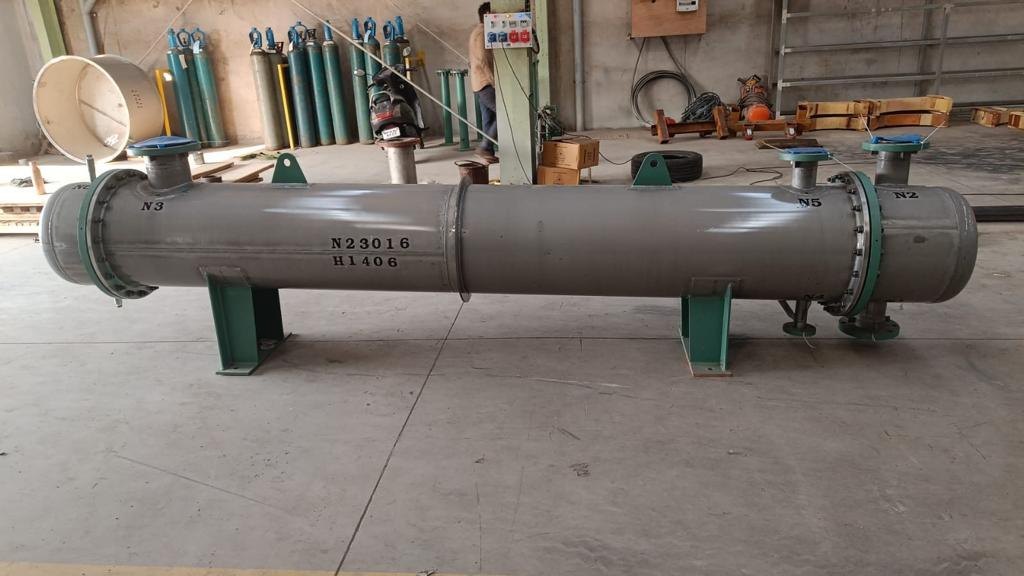
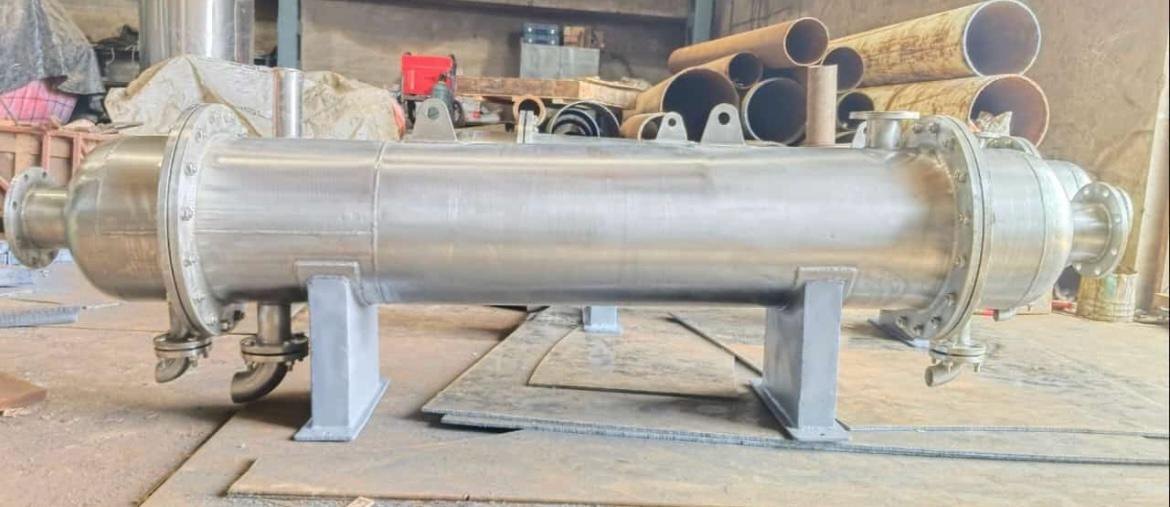
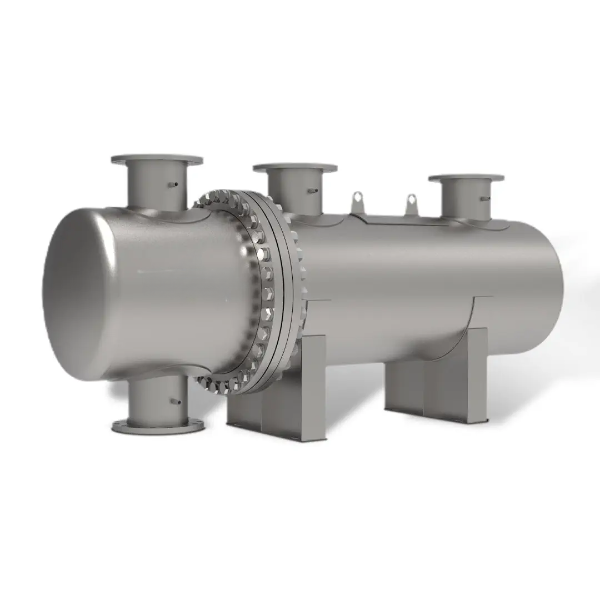
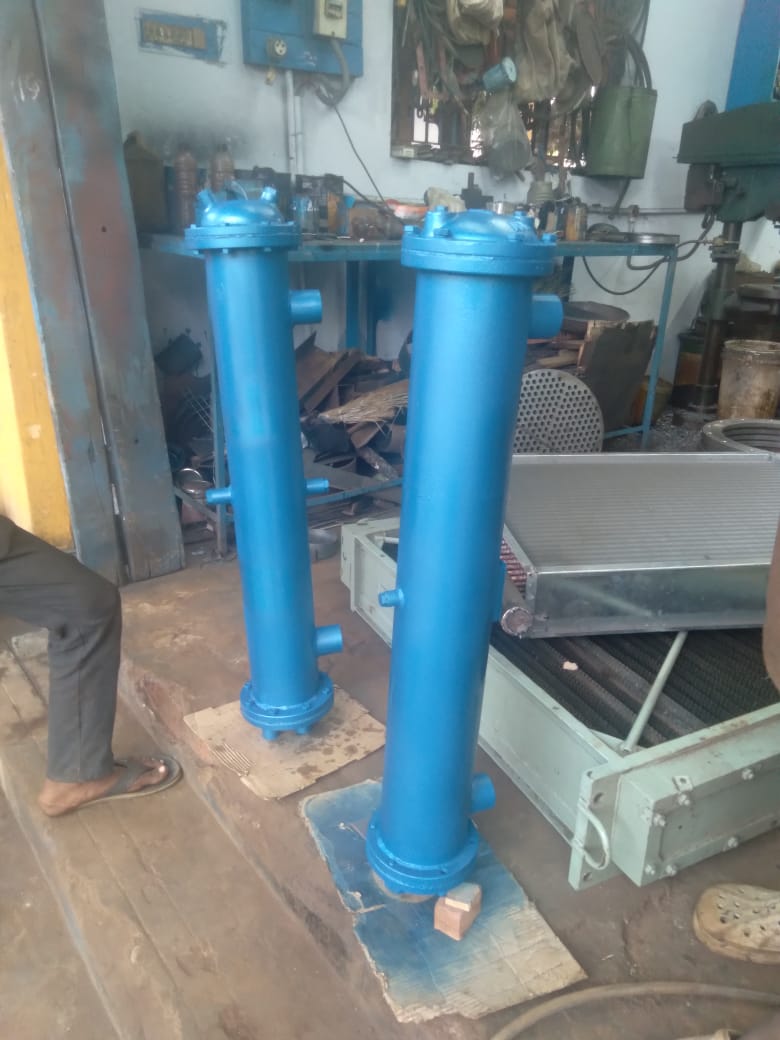
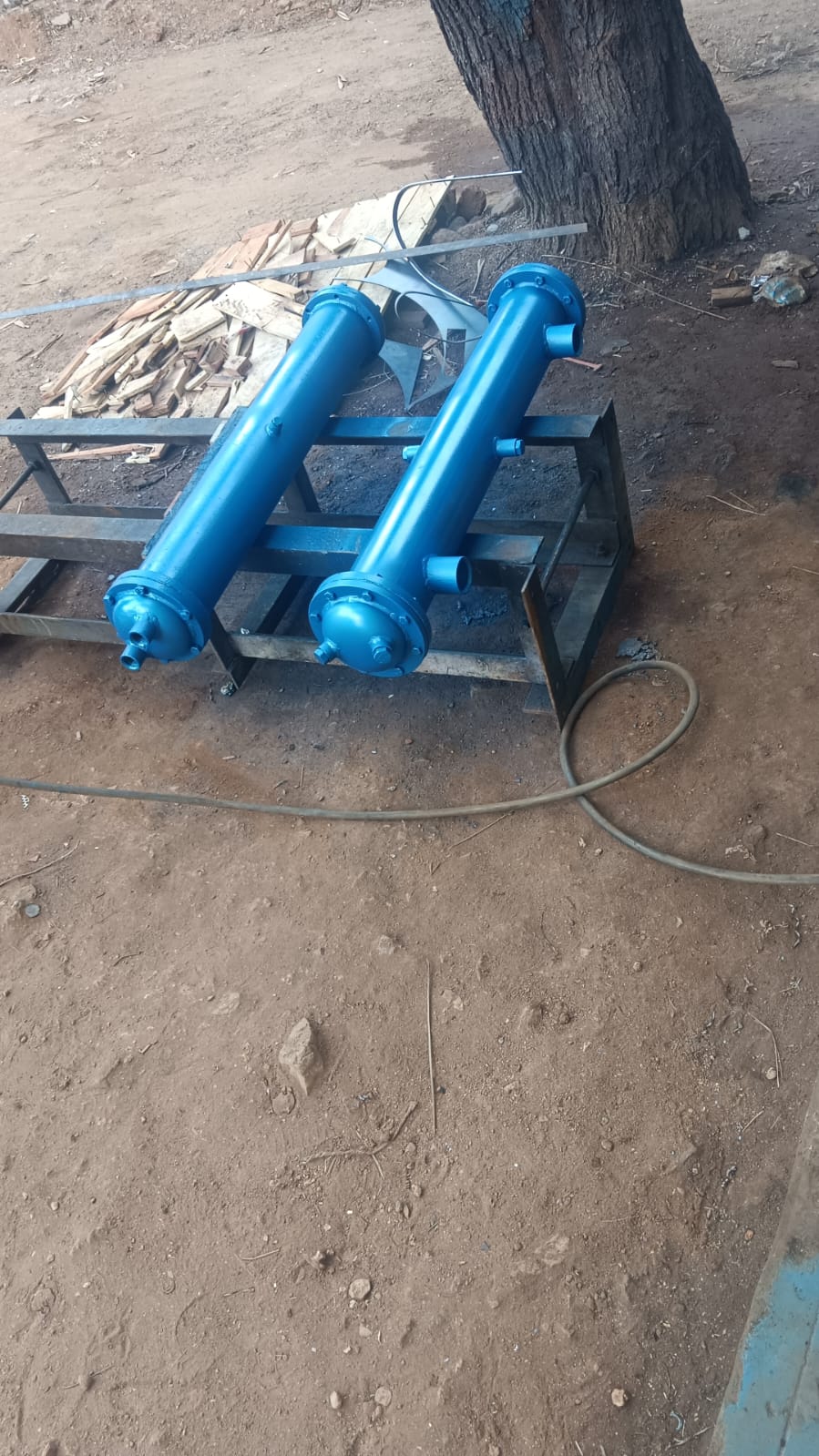
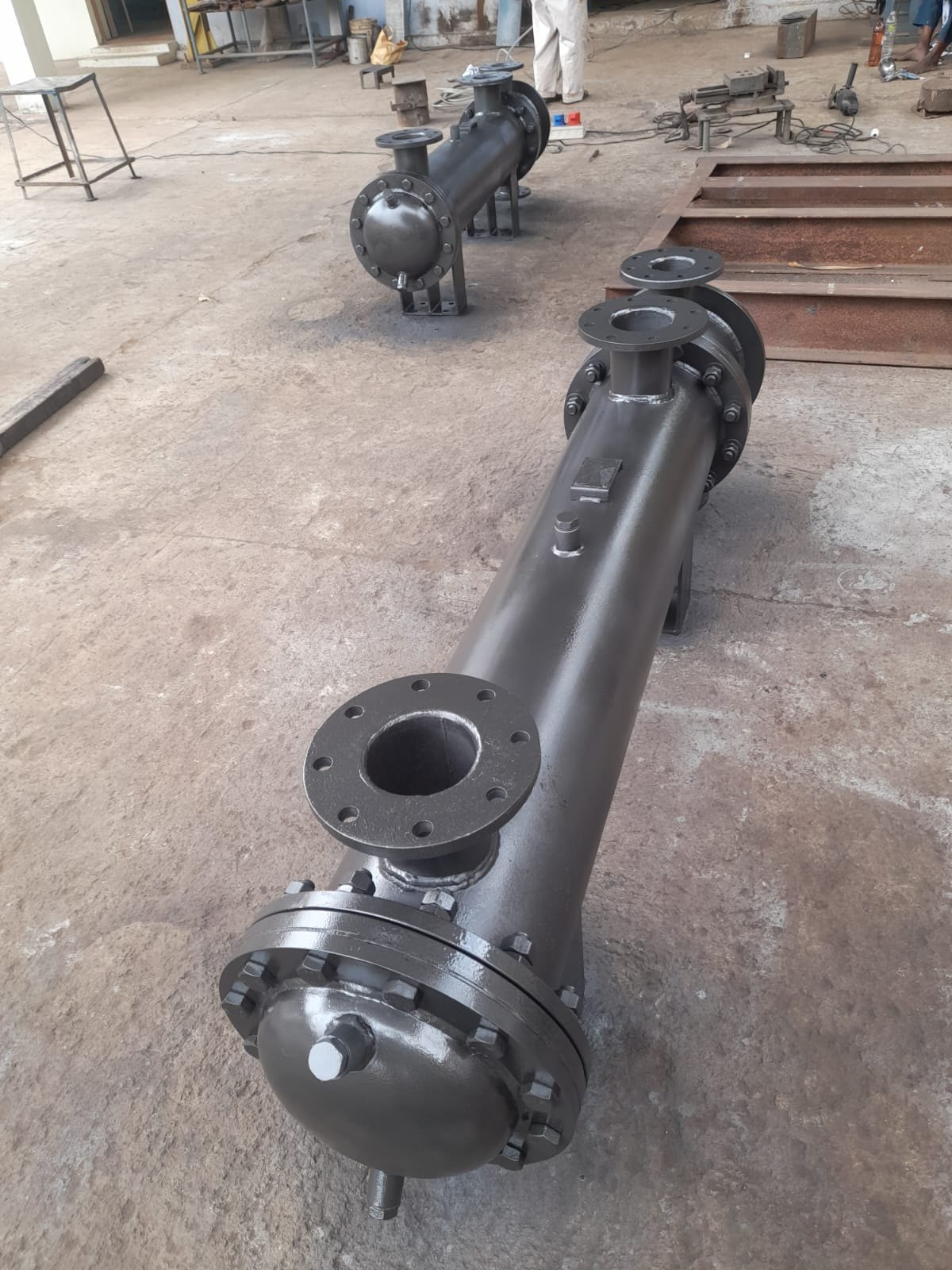
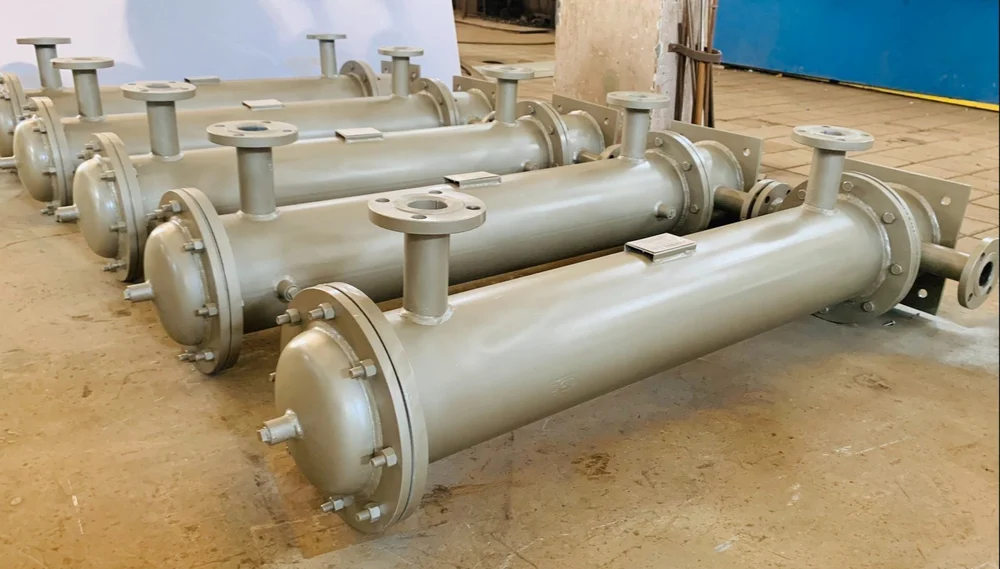
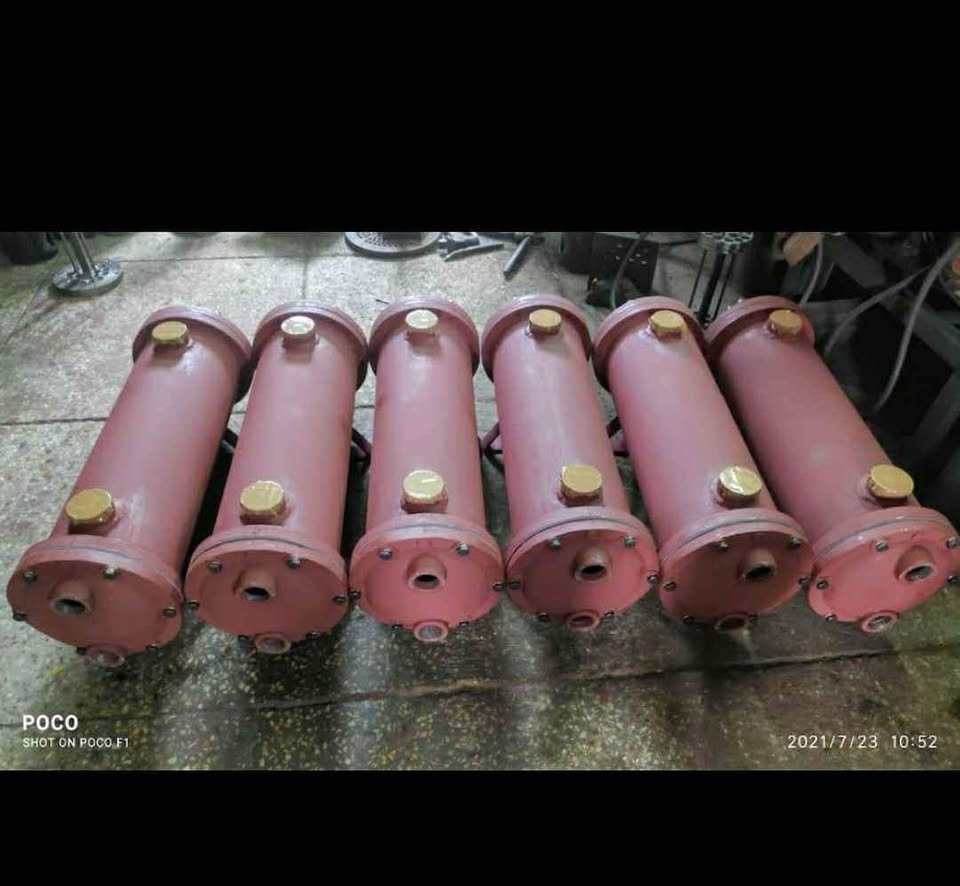
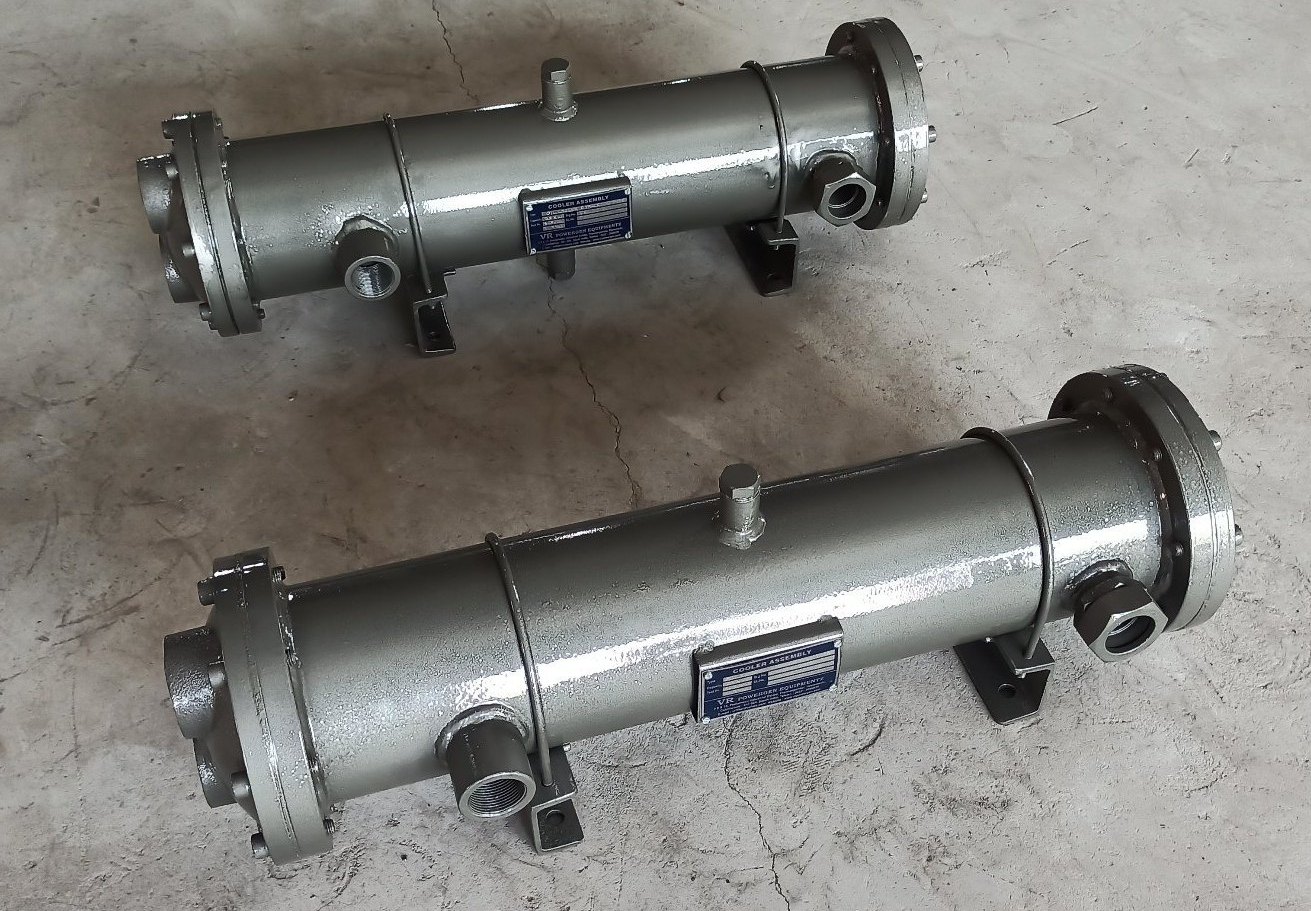
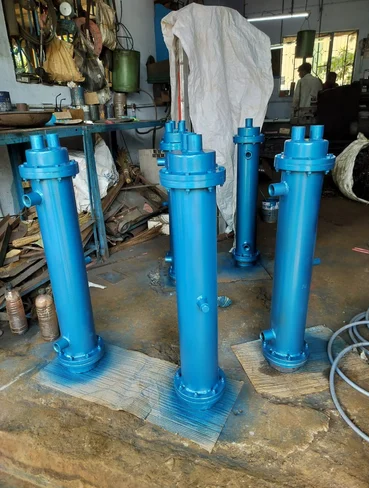
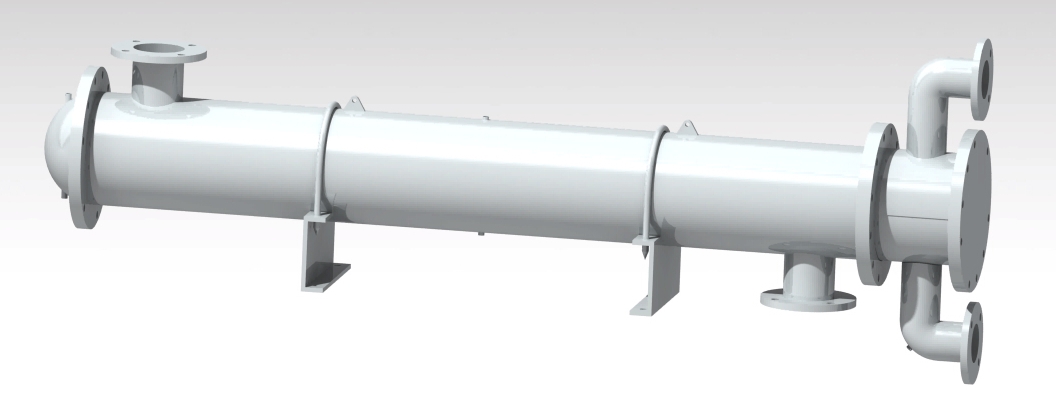
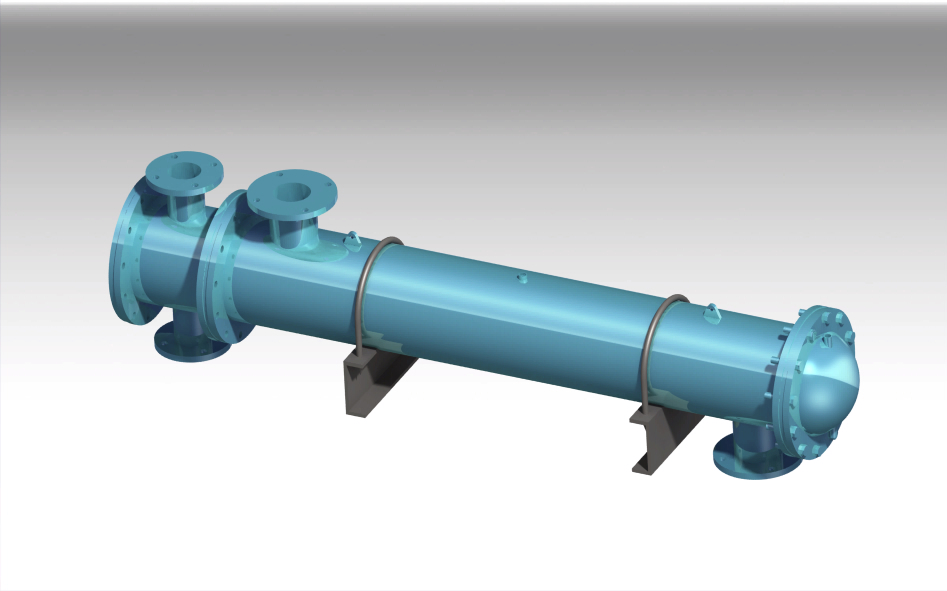
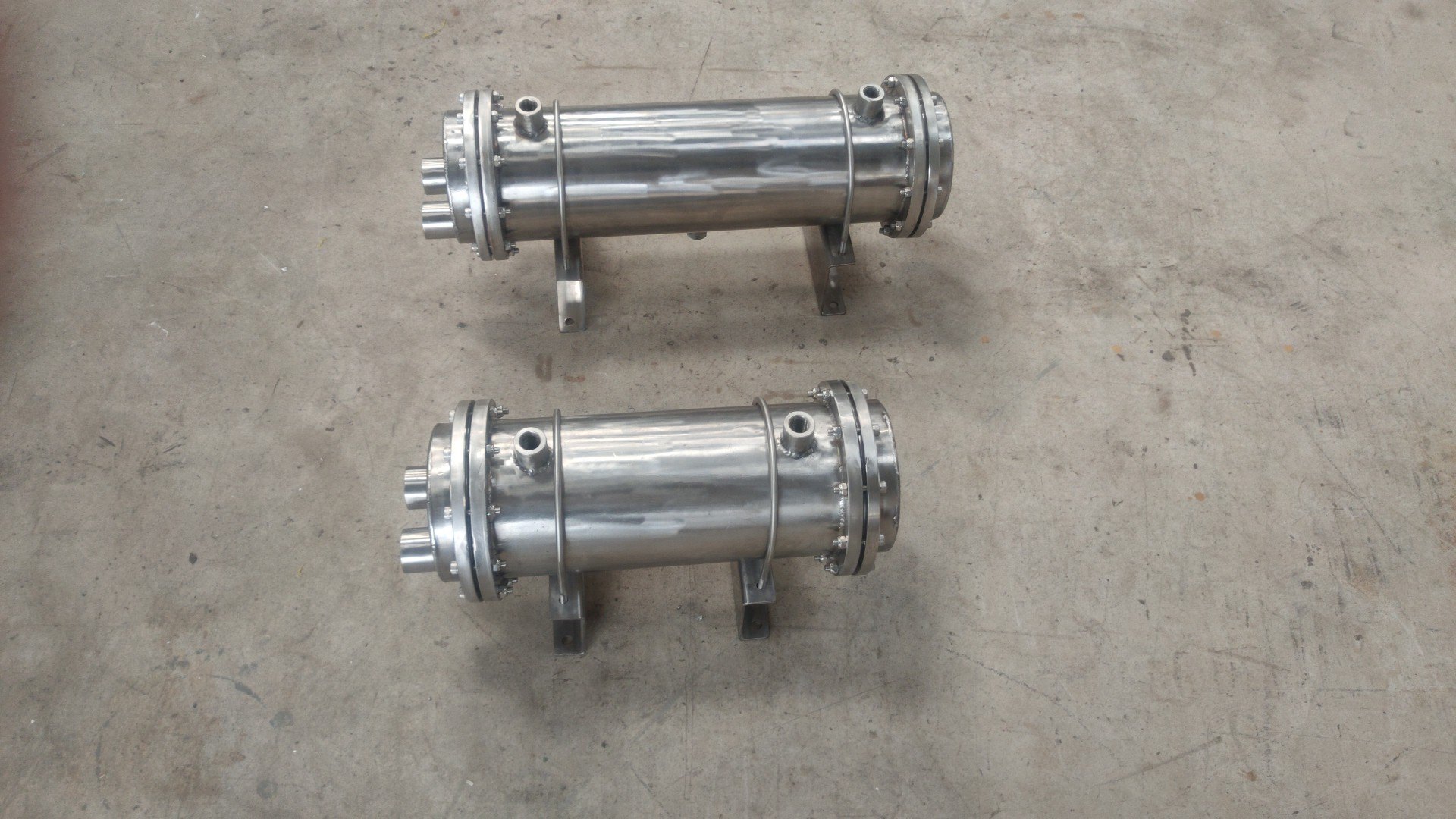
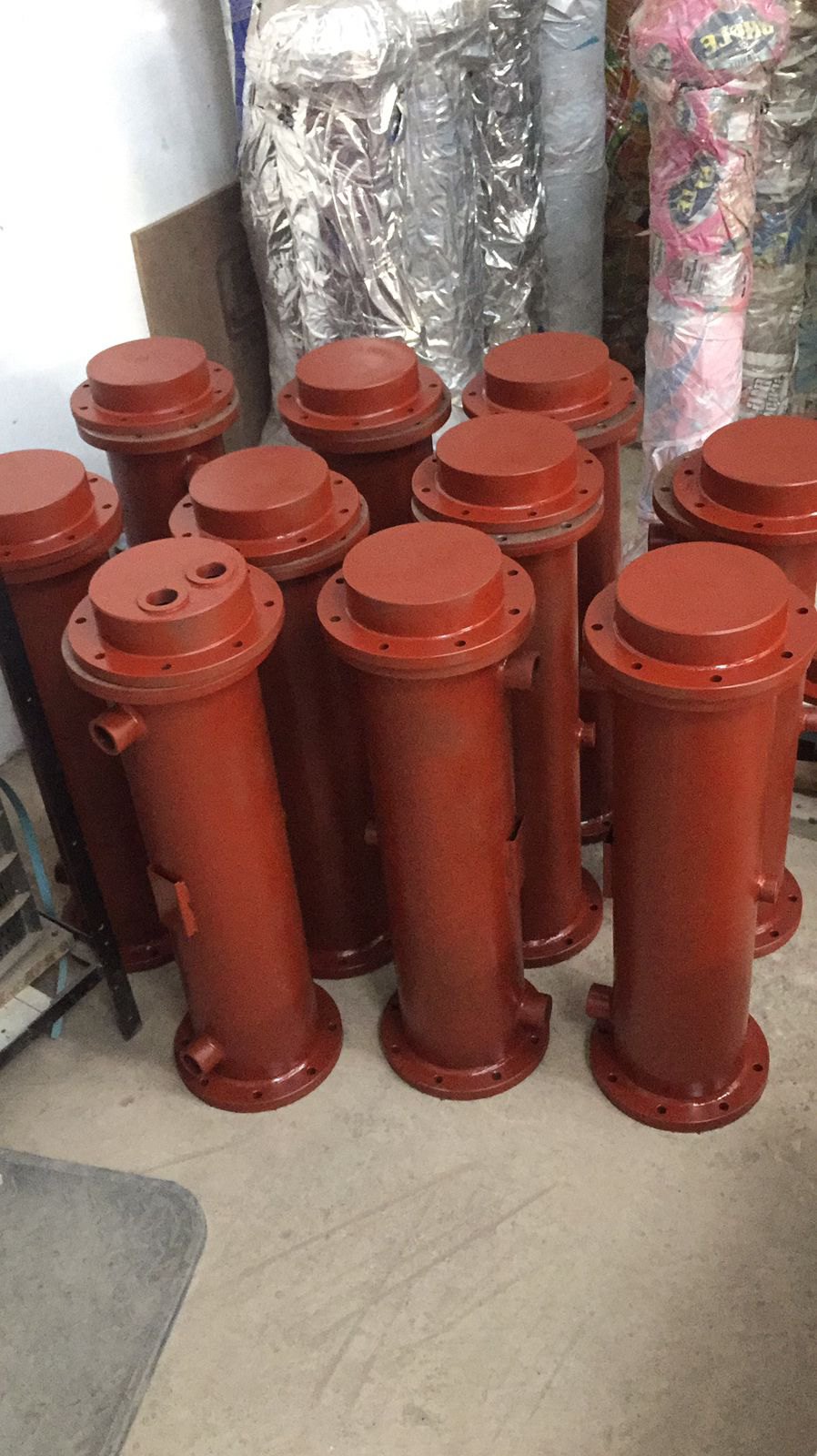
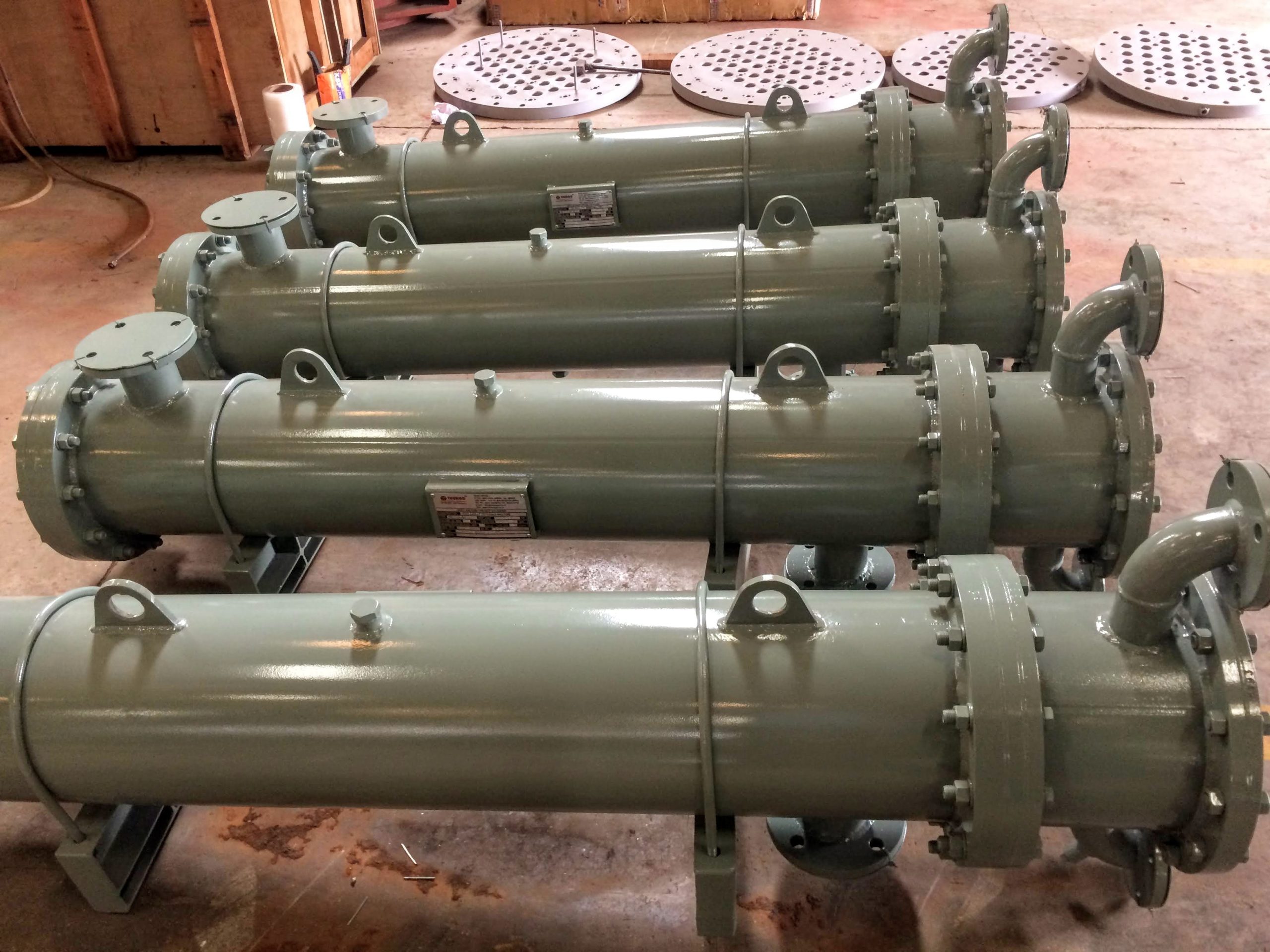
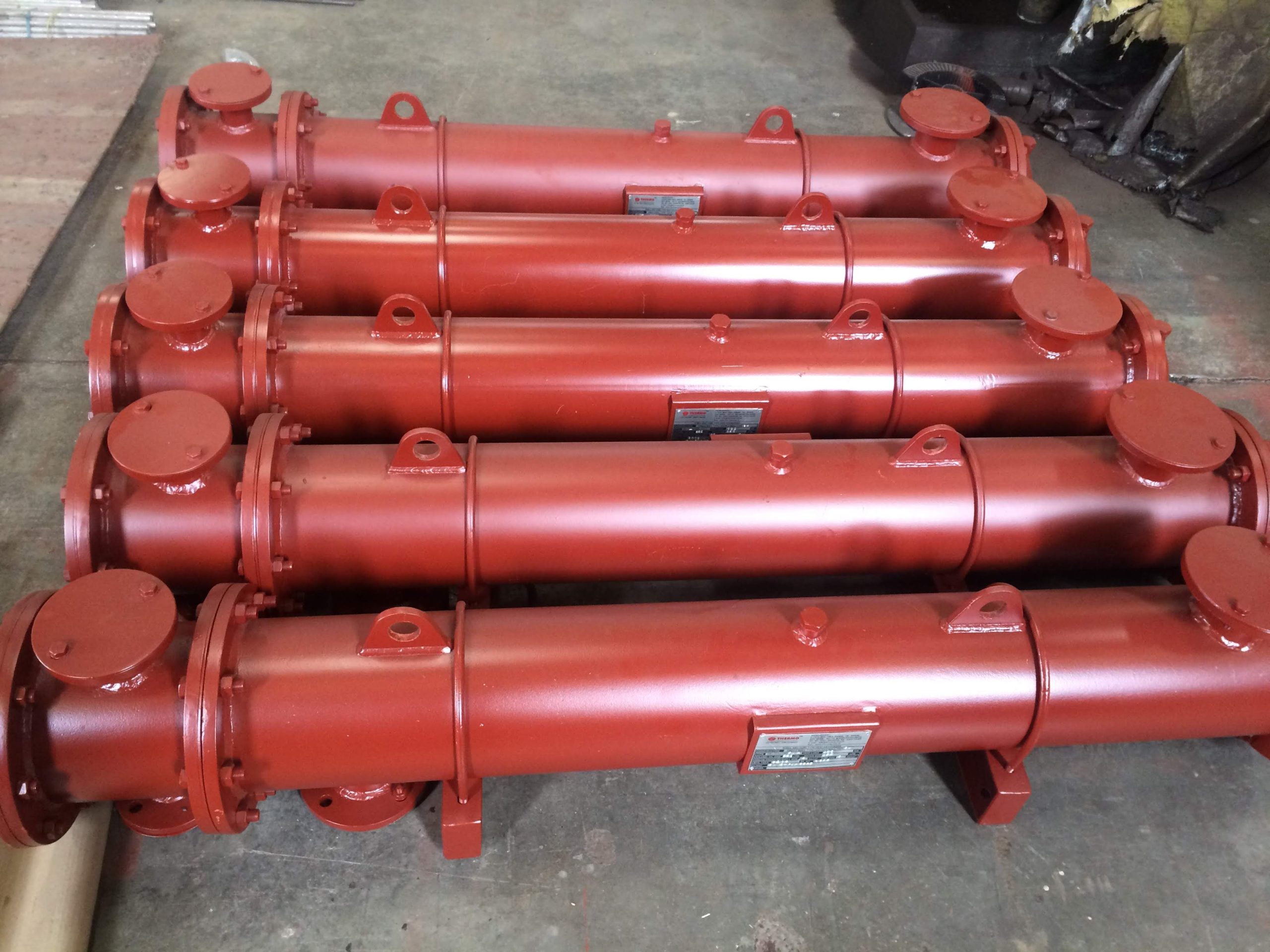
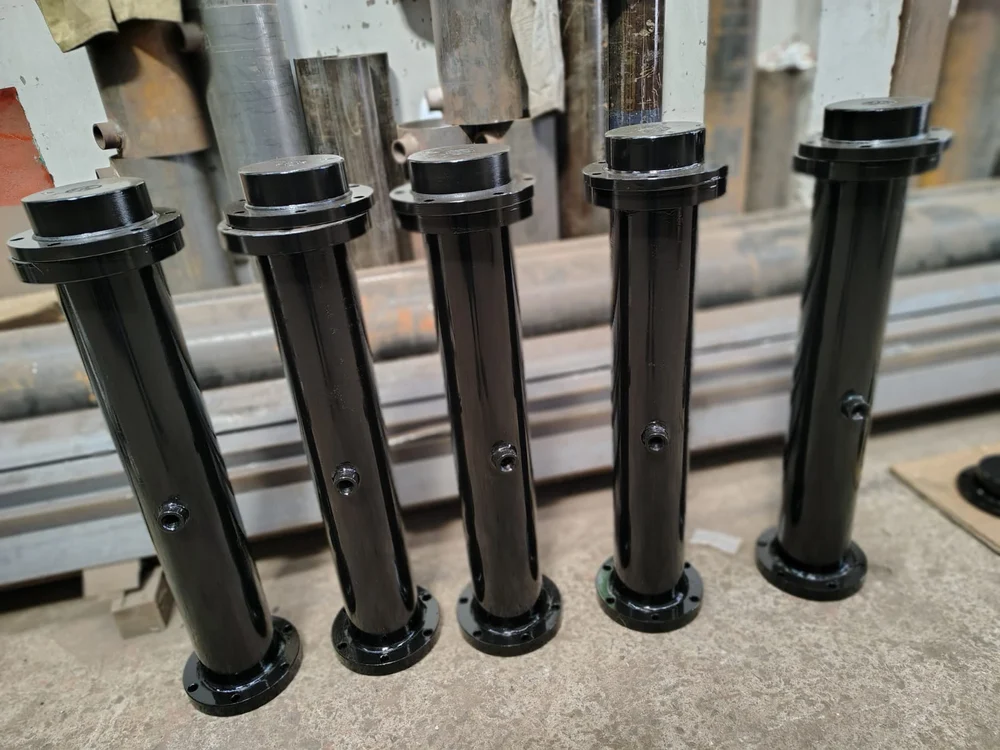
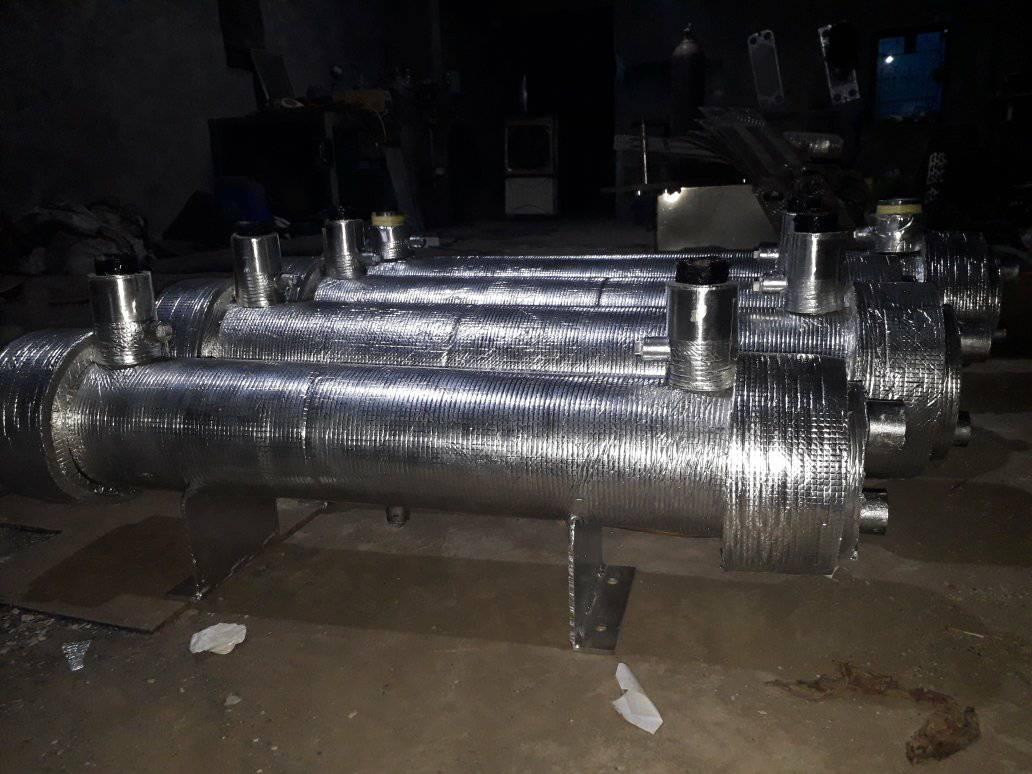
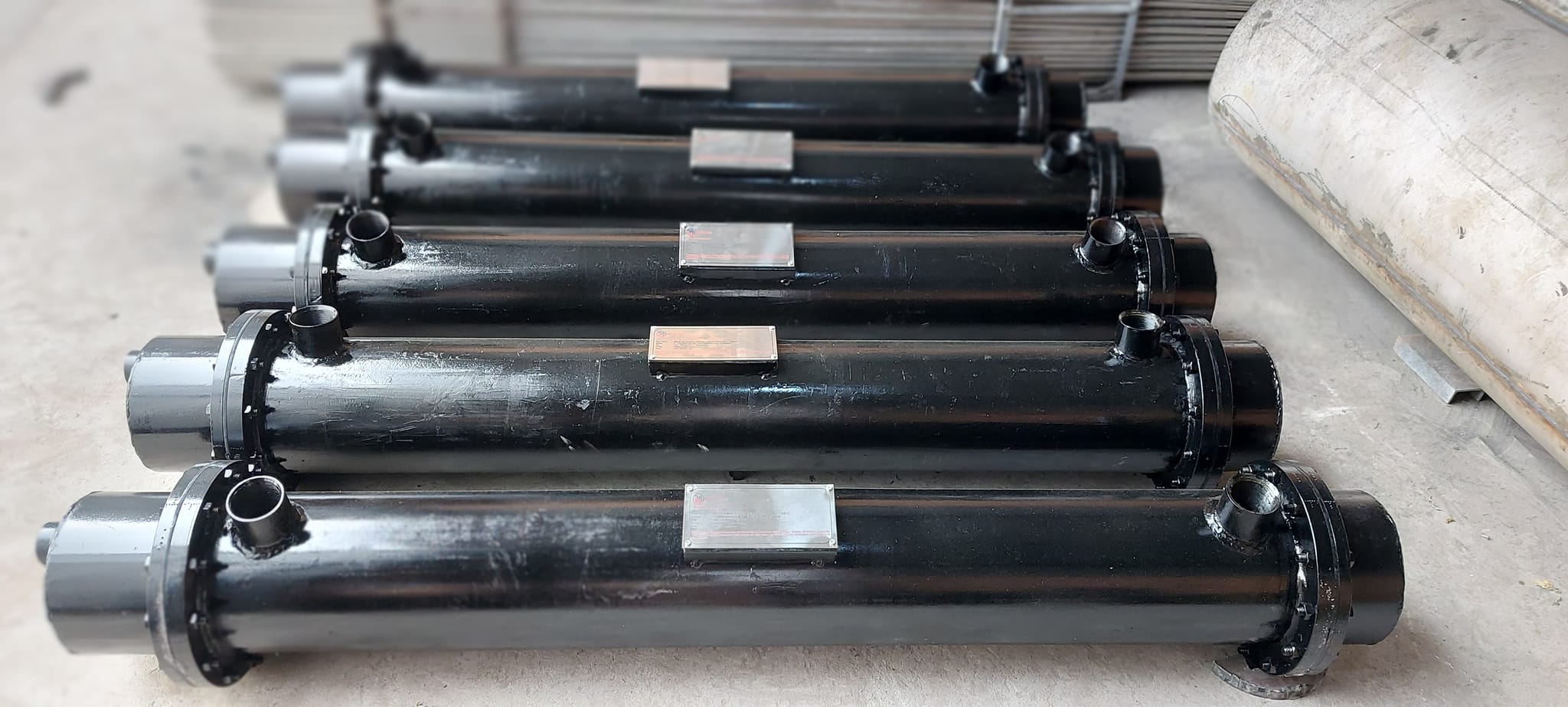
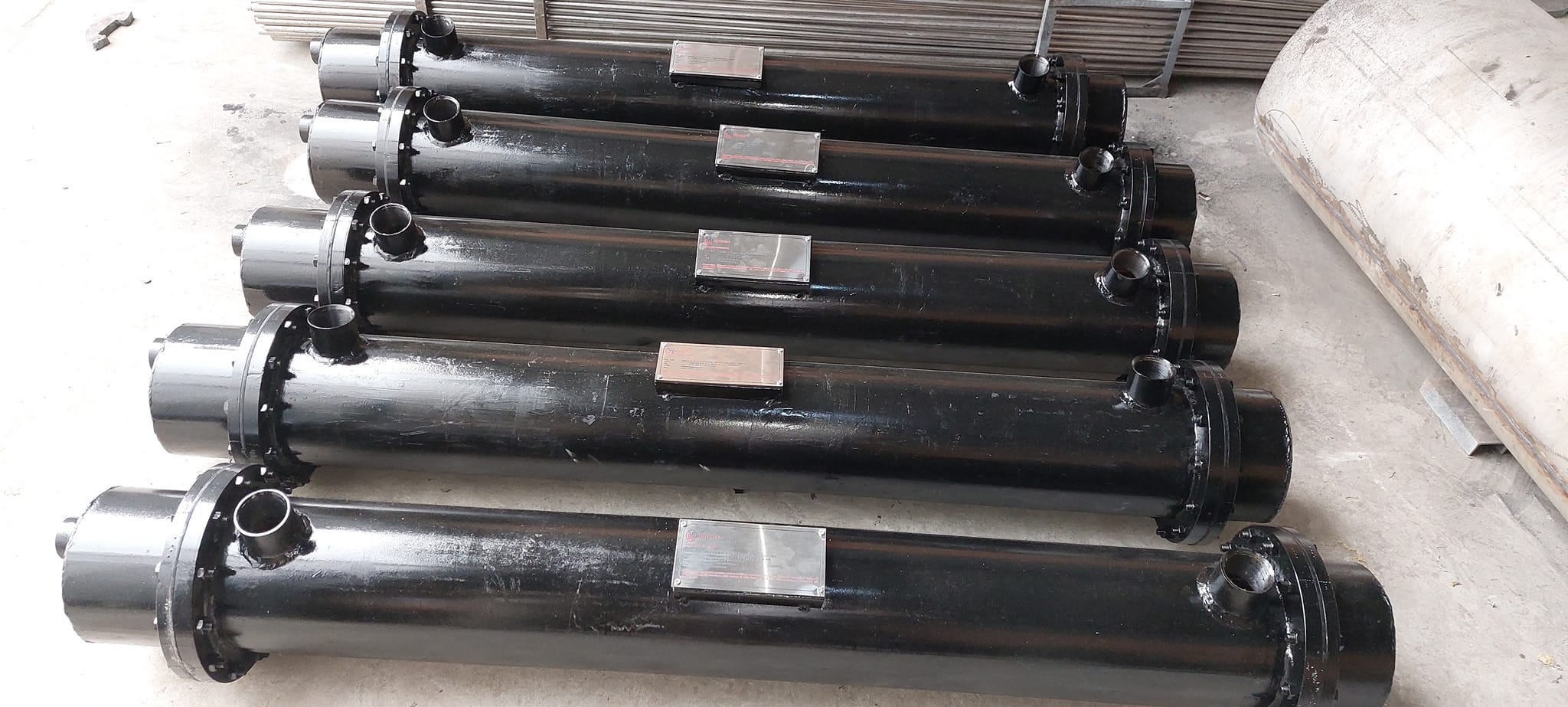
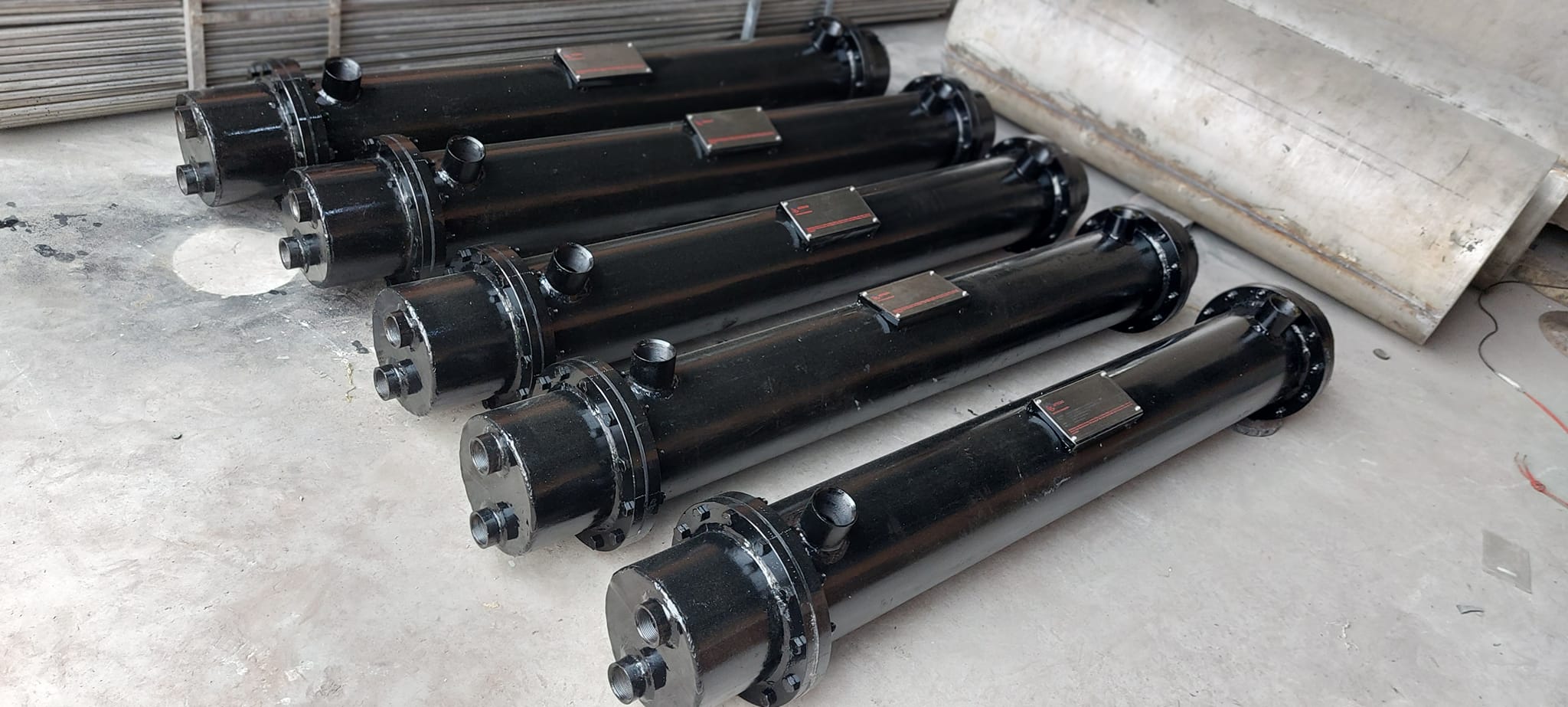
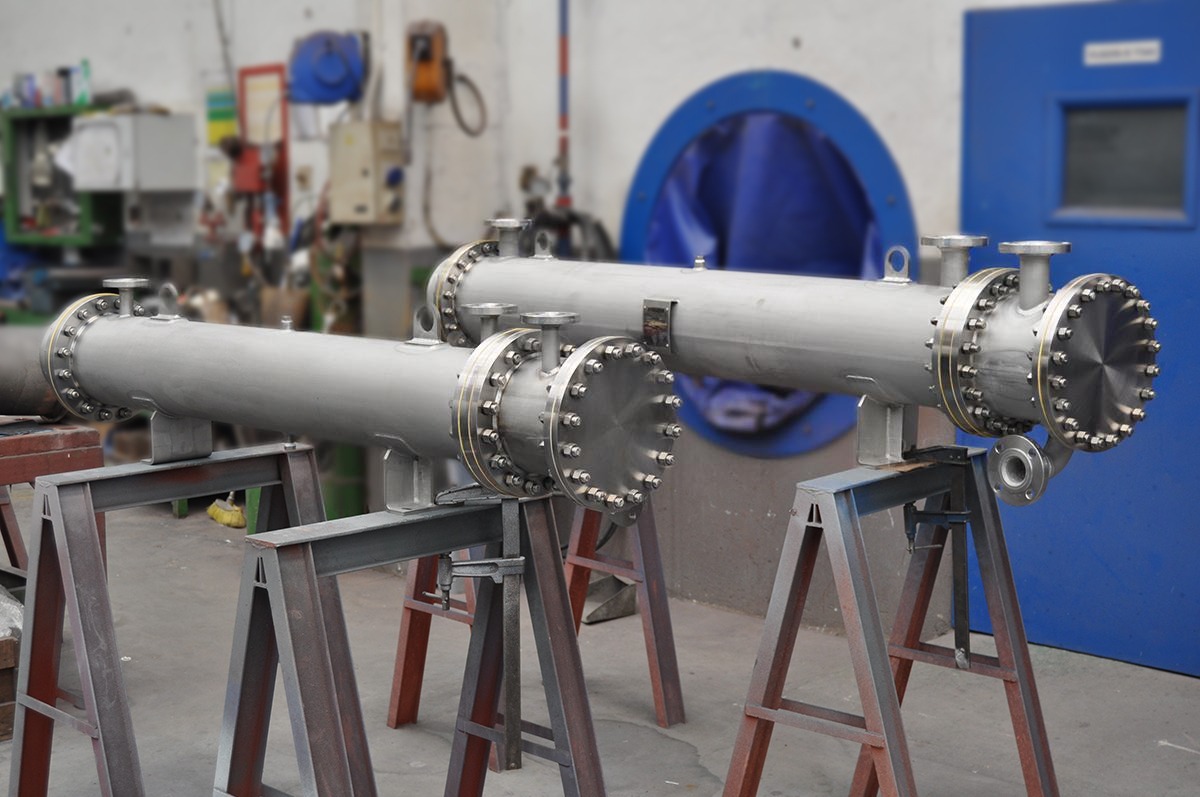
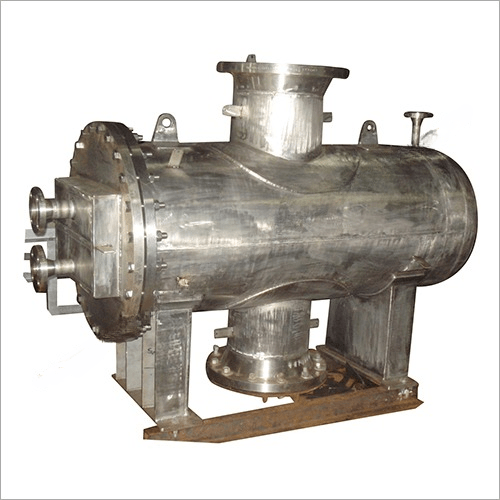
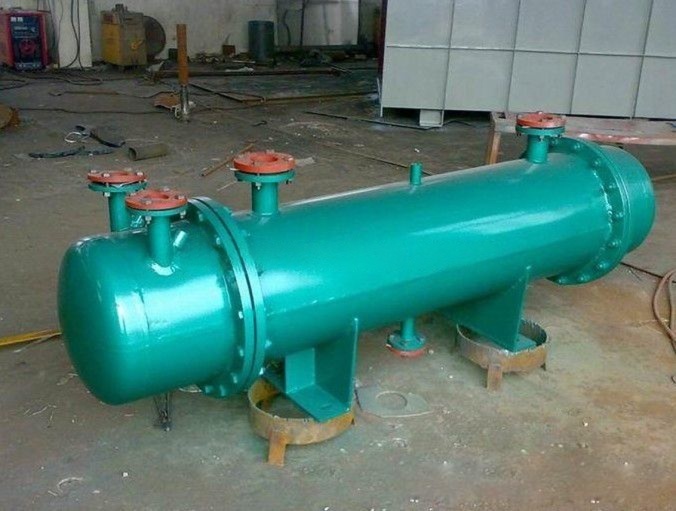
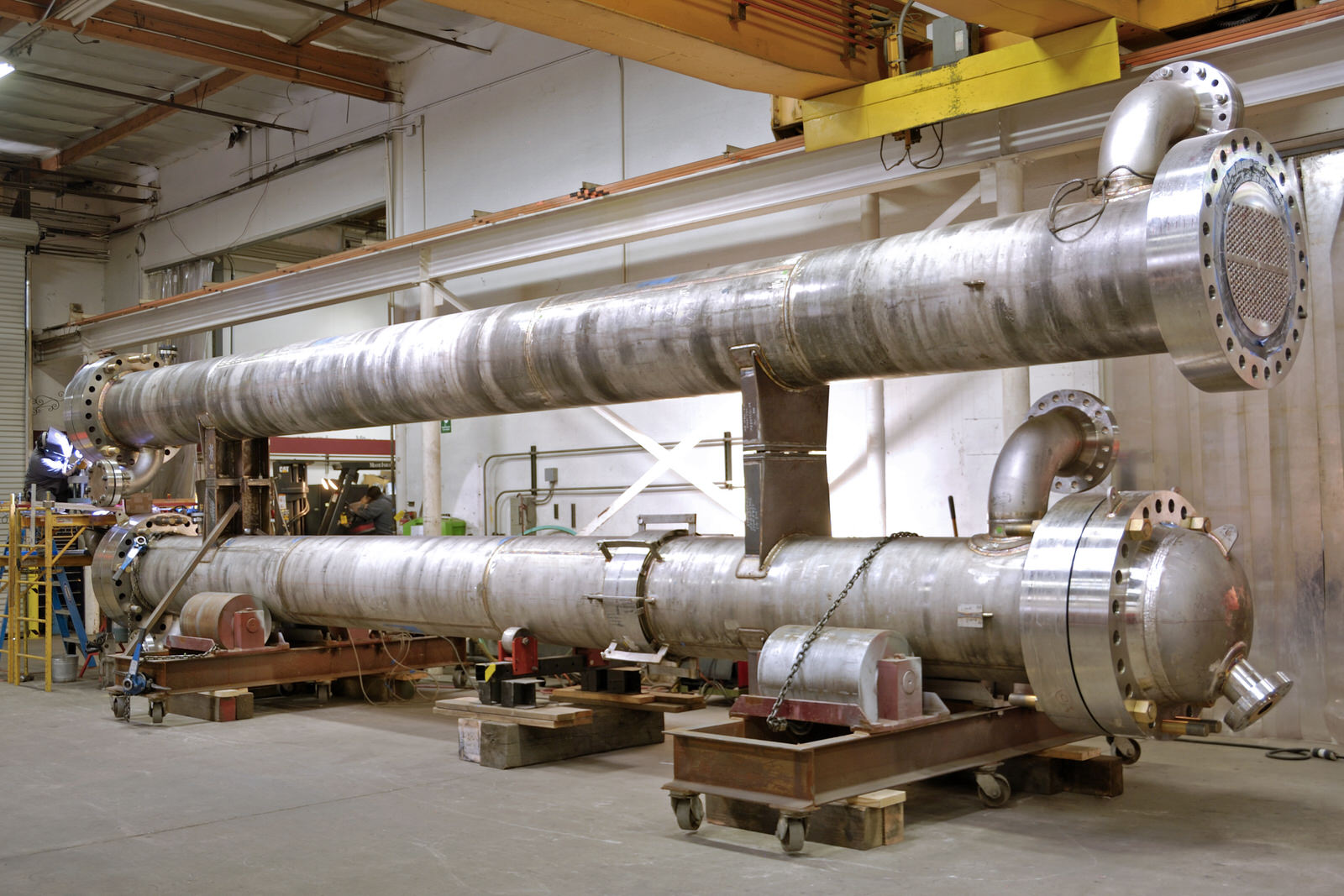
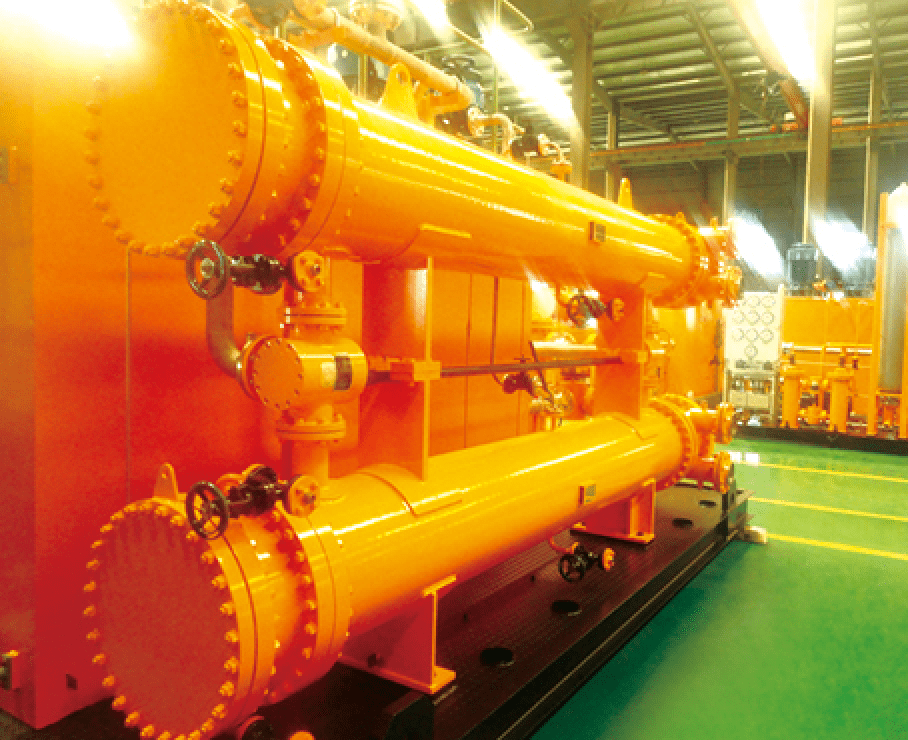
How an Oil Cooler Works (The Basic Principle) The principle is heat exchange. Hot oil flows through the cooler, and its heat is transferred to a cooler medium. There are two main types based on the cooling medium: 1. Air-Cooled Oil Cooler: 2. Water-Cooled Oil Cooler (or Shell-and-Tube): . Key Components of a Typical Aftermarket Oil […]
What is an Oil Cooler? An oil cooler is a heat exchanger designed to remove excess heat from engine oil, transmission fluid, hydraulic oil, or other lubricants in a mechanical system. Its primary purpose is to maintain the oil within its optimal operating temperature range, ensuring proper lubrication, reducing wear, and maximizing the efficiency...
Working Principle of Air-Cooled oil Cooler The core principle is Heat Exchange through Forced Convection. In simple terms, it transfers heat from the hot oil to the cooler ambient air flowing around it. Here’s a step-by-step breakdown of how it works: 1. Hot Oil Inlet The process begins when hot oil, having circulated through the engine...
An oil cooler is a device that functions like a radiator, but for engine oil (or transmission/gear oil). Its sole purpose is to remove excess heat from the oil, keeping it within its optimal temperature range. The Core Problem: Why Does Oil Need Cooling? Engine oil is the lifeblood of an engine. It lubricates, cleans, and helps cool...
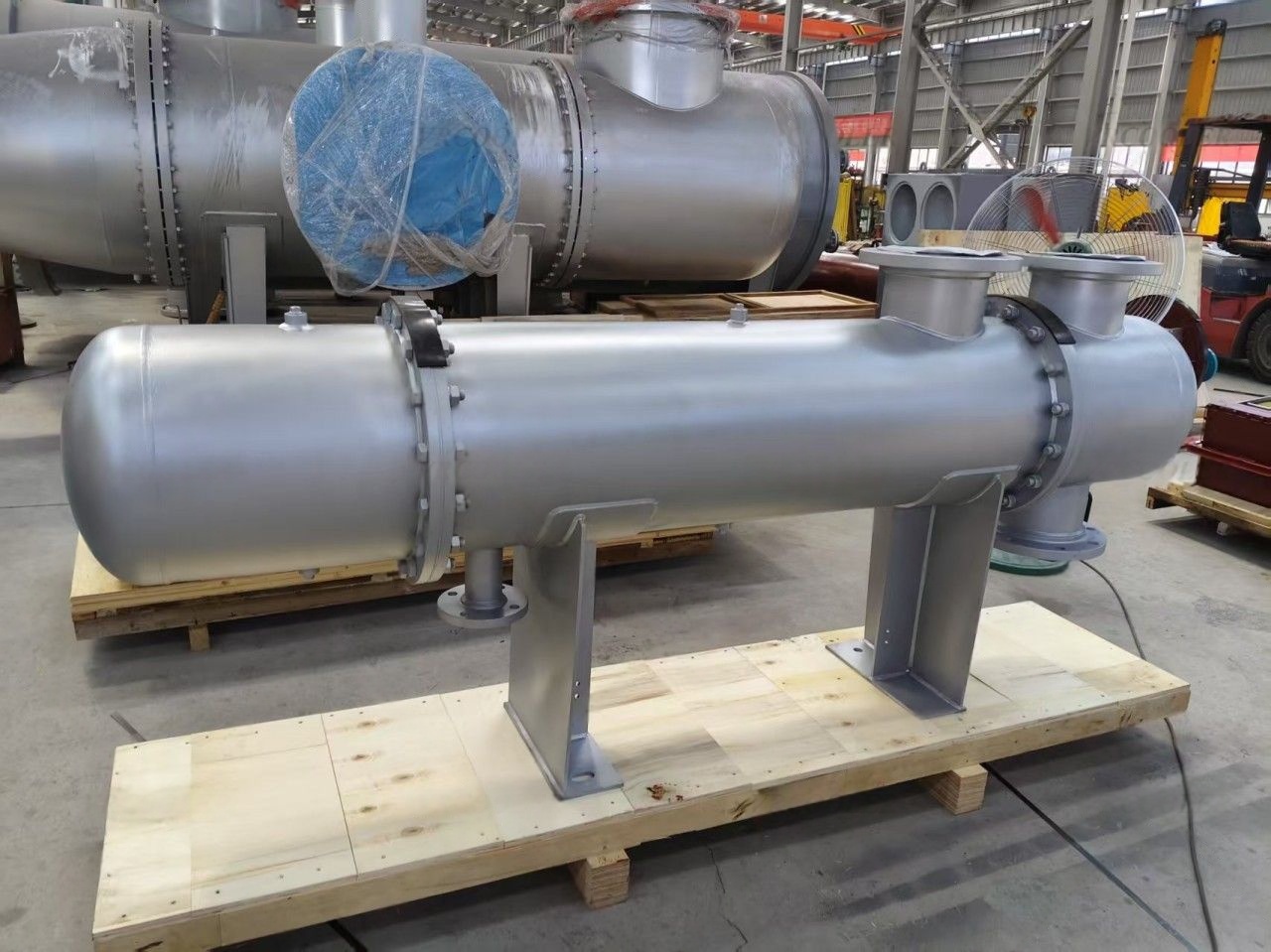
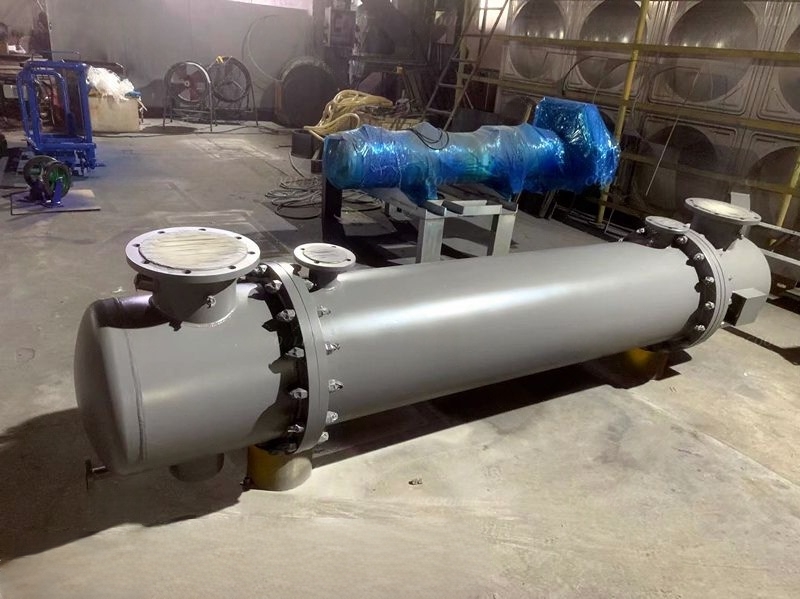
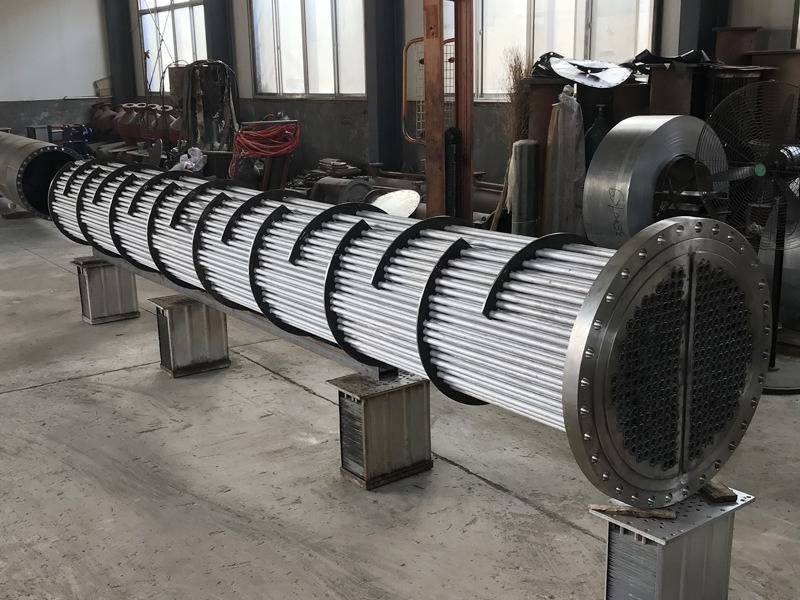
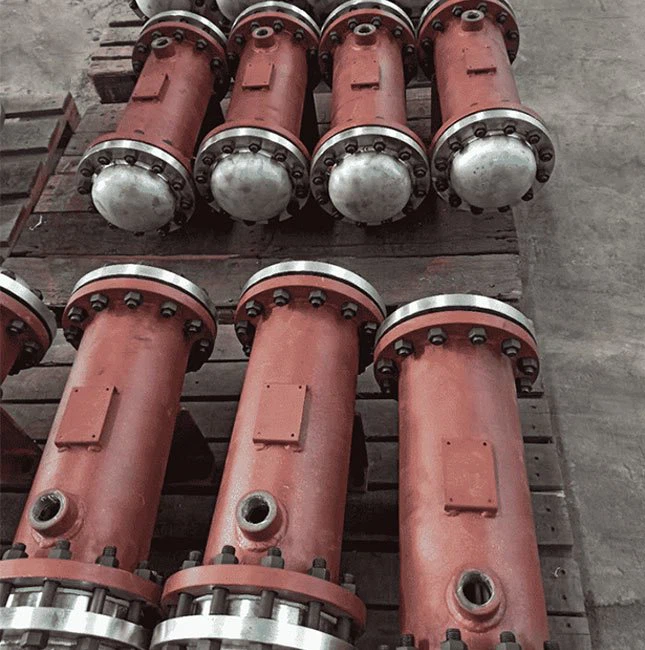
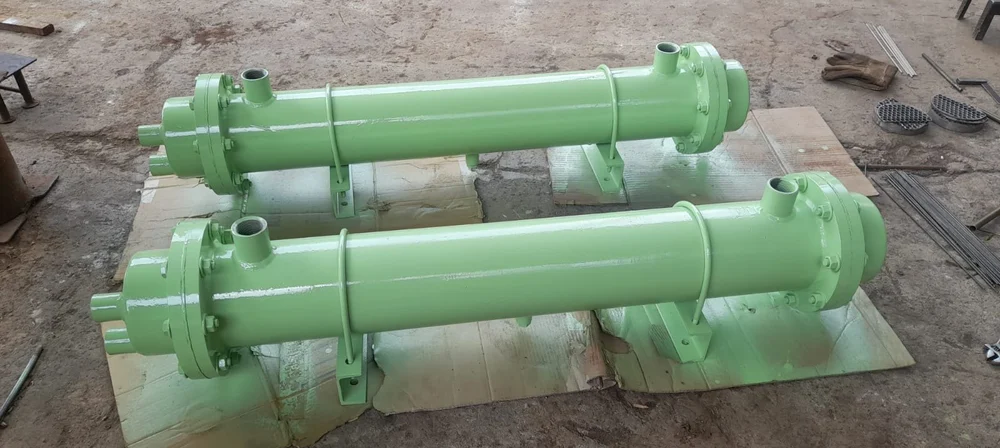
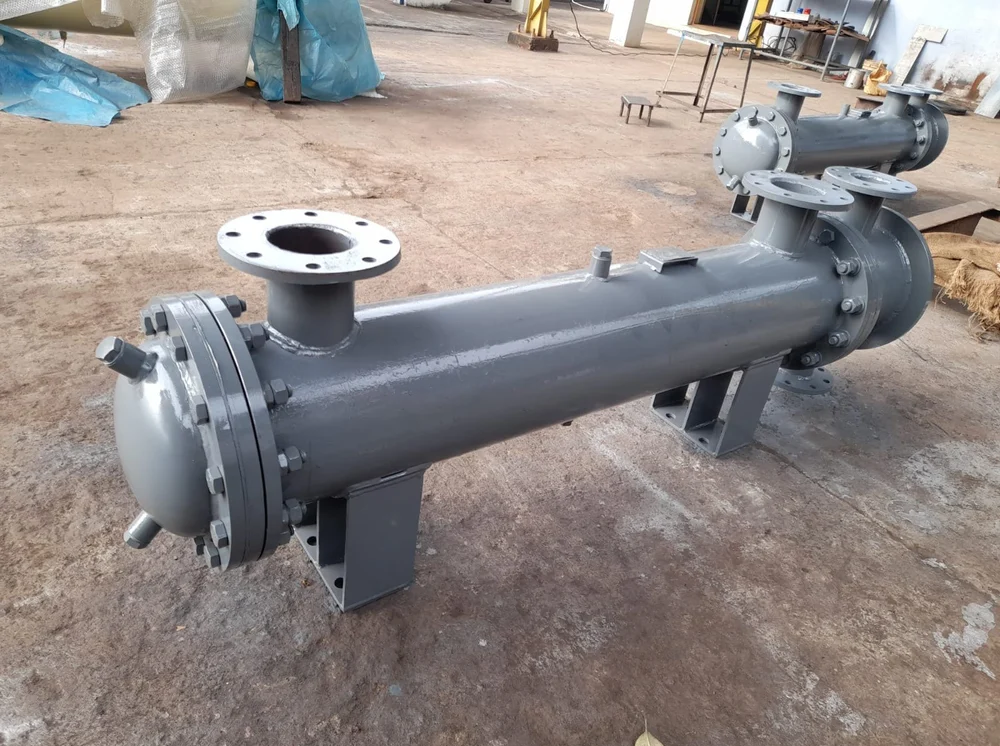
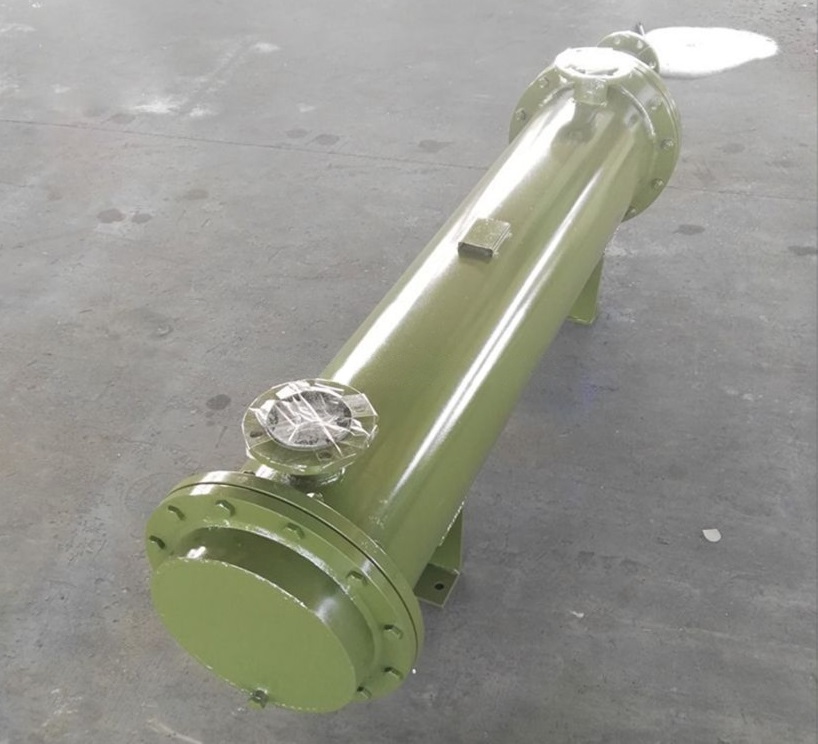
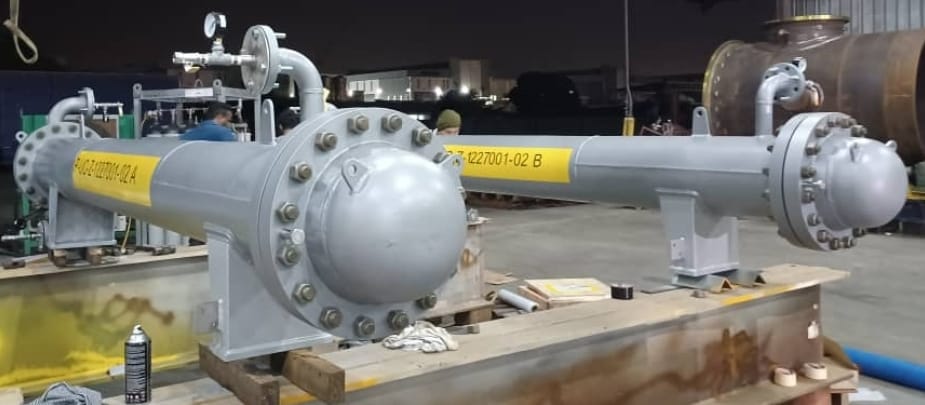
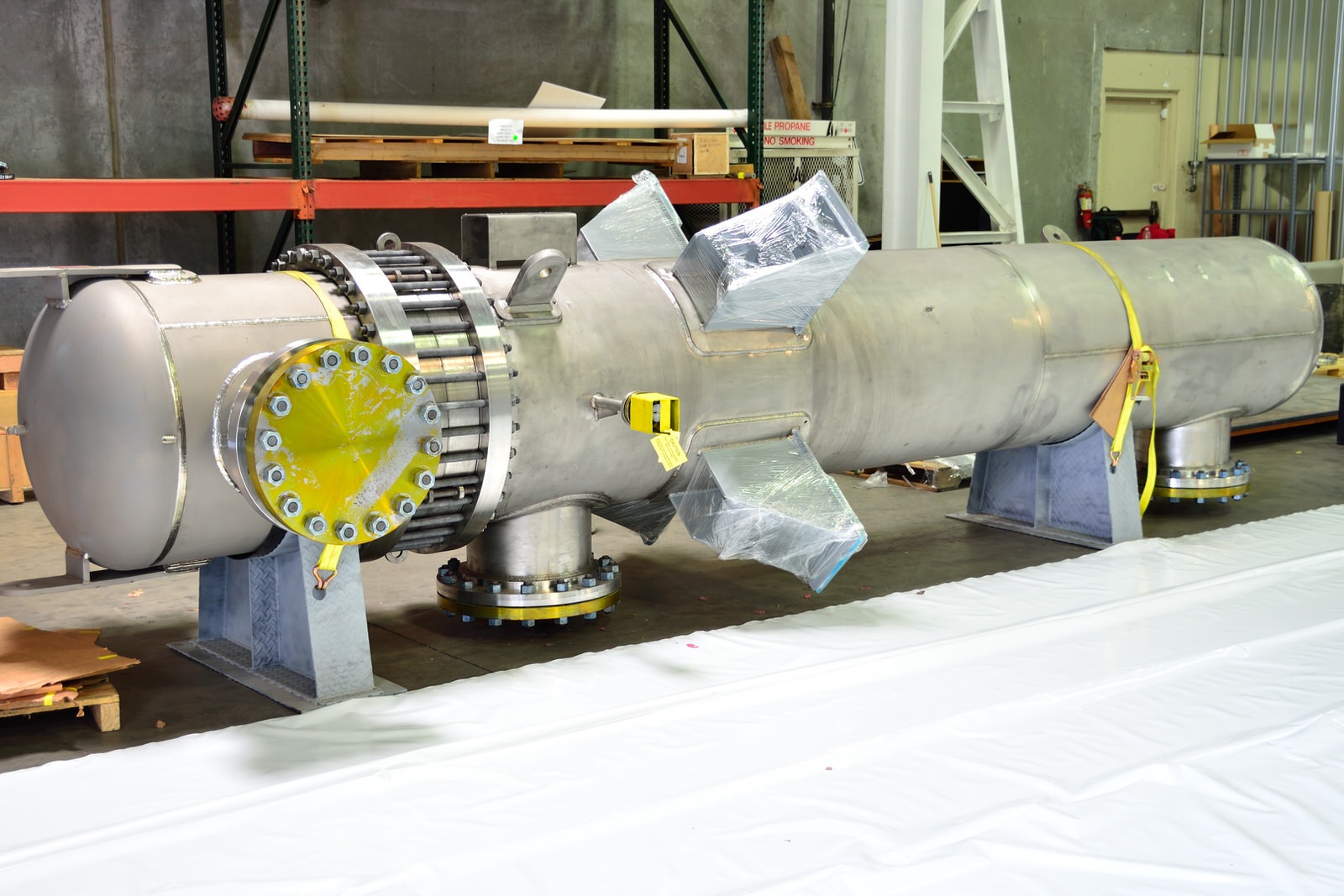
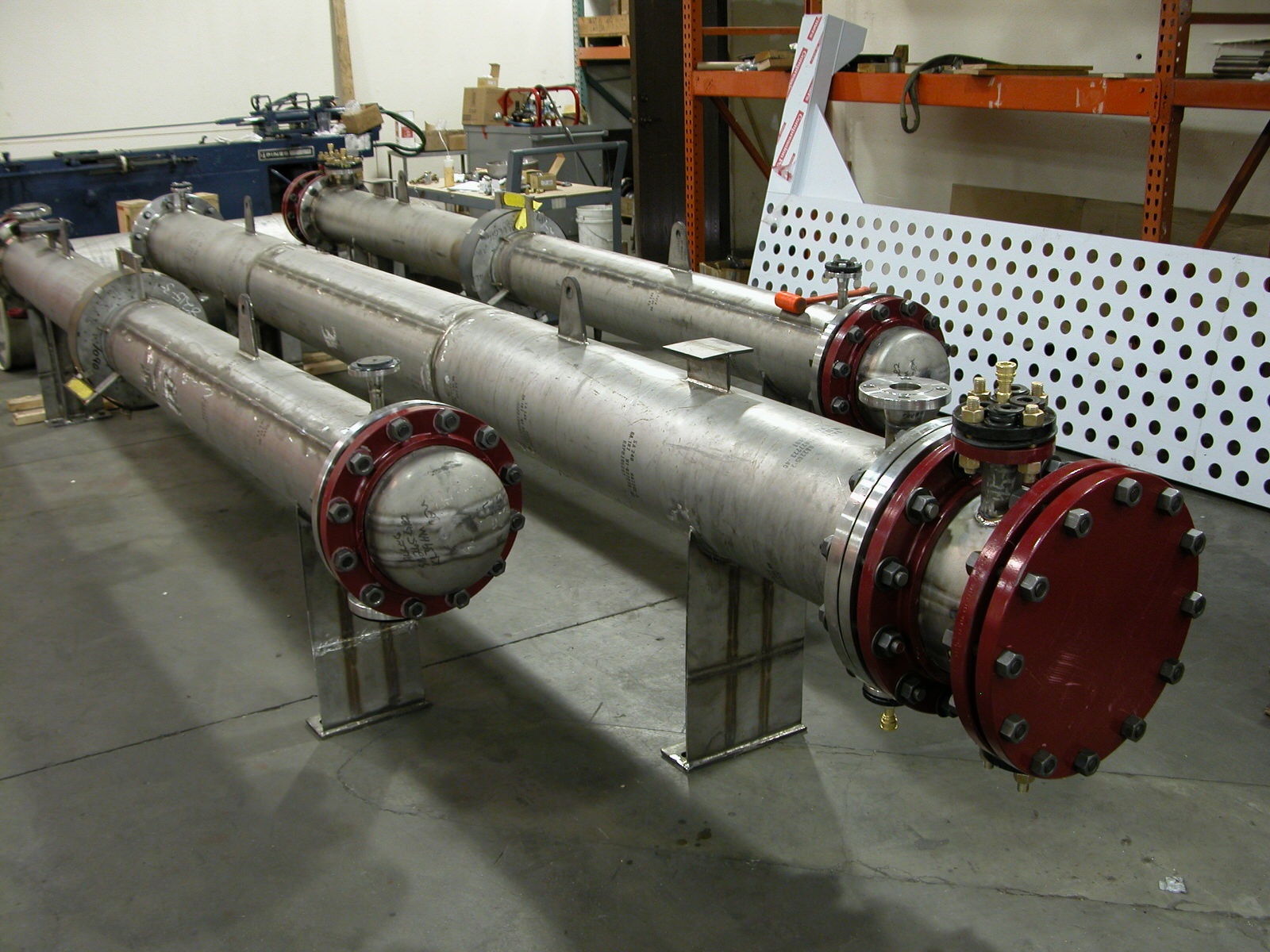
Parts of A shell and tube oil cooler A shell and tube oil cooler consists of several key components, each playing a critical role in heat transfer, structural integrity, and fluid flow. Below is a detailed breakdown of its major parts, their functions, and common materials used in marine/industrial applications. 1....
purpose of an Oil Cooler in a Hydraulic Power Pack An oil cooler (or hydraulic cooler) in a hydraulic power pack is essential for maintaining optimal system performance and reliability. Its primary functions include: 1. Temperature Control 2. Preventing Oil Degradation 3. Maintaining System Efficiency 4. Protecting Seals...
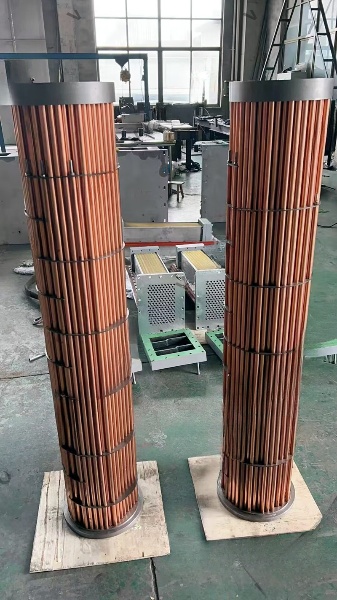
Materials Used in Shell & Tube Oil Cooler Tubes The tubes in a shell and tube oil cooler are critical for heat transfer efficiency, corrosion resistance, and durability. The choice of material depends on factors like fluid compatibility, temperature, pressure, and cost. Below are the most common materials used: 1....
Copper Tube vs. Stainless Steel Tube Oil Coolers: When choosing between copper and stainless steel (SS) tubes for an oil cooler, factors like thermal efficiency, corrosion resistance, durability, and cost play a crucial role. Below is a detailed comparison: 1. Thermal Conductivity & Heat Transfer Efficiency...
A marine oil cooler is a type of heat exchanger specifically designed for use in marine (shipboard) applications to cool lubricating oil, hydraulic oil, or gear oil in engines, gearboxes, and other machinery. Since marine environments are highly corrosive due to saltwater exposure, these coolers are built to...
purpose of an Oil Cooler in a Hydraulic Power Pack An oil cooler (or hydraulic cooler) in a hydraulic power pack is essential for maintaining optimal system performance and reliability. Its primary functions include: 1. Temperature Control 2. Preventing Oil Degradation 3. Maintaining System Efficiency 4. Protecting Seals...
Copper Tube vs. Stainless Steel Tube Oil Coolers: When choosing between copper and stainless steel (SS) tubes for an oil cooler, factors like thermal efficiency, corrosion resistance, durability, and cost play a crucial role. Below is a detailed comparison: 1. Thermal Conductivity & Heat Transfer Efficiency...
Why Aluminum Brass Tubes Are Used in Marine Oil Coolers Aluminum brass (CuZn20Al, UNS C68700) is a copper alloy specifically engineered for marine and seawater cooling applications. It is widely used in shell-and-tube oil coolers for ships, offshore platforms, and desalination plants due to its unique...
Copper Tube vs. Stainless Steel Tube Oil Coolers: When choosing between copper and stainless steel (SS) tubes for an oil cooler, factors like thermal efficiency, corrosion resistance, durability, and cost play a crucial role. Below is a detailed comparison: 1. Thermal Conductivity & Heat Transfer Efficiency...
Materials Used in Shell & Tube Oil Cooler Tubes The tubes in a shell and tube oil cooler are critical for heat transfer efficiency, corrosion resistance, and durability. The choice of material depends on factors like fluid compatibility, temperature, pressure, and cost. Below are the most common materials used: 1....
purpose of an Oil Cooler in a Hydraulic Power Pack An oil cooler (or hydraulic cooler) in a hydraulic power pack is essential for maintaining optimal system performance and reliability. Its primary functions include: 1. Temperature Control 2. Preventing Oil Degradation 3. Maintaining System Efficiency 4. Protecting Seals...
Parts of A shell and tube oil cooler A shell and tube oil cooler consists of several key components, each playing a critical role in heat transfer, structural integrity, and fluid flow. Below is a detailed breakdownof its major parts, their functions, and common materials used in marine/industrial applications. 1. Shell...
When to Choose a Shell & Tube Oil Cooler? When to Use an Air-Cooled Oil Cooler? Critical Considerations Final Verdict Shell & tube oil coolers win in: Air-cooled oil coolers win in: Lower upfront cost
Shell and Tube Oil Coolers vs. Air-Cooled Oil Coolers, Here’s a detailed comparison of Shell and Tube Oil Coolers vs. Air-Cooled Oil Coolers, highlighting the advantages of shell and tube designs in industrial and marine applications: Key Advantages of Shell & Tube Oil Coolers Over Air-Cooled Coolers Factor...
Maintaining a shell and tube oil cooler in marine or industrial applications is crucial for efficient heat transfer, preventing leaks, and avoiding costly downtime. Below is a comprehensive maintenance checklist: 1. Routine Inspection & Monitoring 2. Cleaning Procedures A. Tube Side (Coolant Side – Usually...
For a shell and tube marine oil cooler, material selection is critical due to seawater corrosion, fouling, and high mechanical stresses. Below are the recommended materials for different components: 1. Shell (Oil Side) 2. Tubes (Cooling Medium Side – Usually Seawater) 3. Tube Sheets (Holds Tubes in Place) 4. End Caps / Headers...
A marine oil cooler is a type of heat exchanger specifically designed for use in marine (shipboard) applications to cool lubricating oil, hydraulic oil, or gear oil in engines, gearboxes, and other machinery. Since marine environments are highly corrosive due to saltwater exposure, these coolers are built to...
The material of construction (MOC) for a water-cooled oil cooler depends on factors like the type of oil, operating temperature, pressure, and corrosion resistance requirements. Common materials include: 1. Shell & Tube Heat Exchanger (Common for Large Oil Coolers) 2. Plate Type Oil Coolers (Compact & Efficient) 3....
Water-cooled oil coolers are widely used in industries and machinery where efficient heat dissipation from oil (lubricating oil, hydraulic oil, or transmission oil) is required. Their ability to handle high heat loads makes them preferable over air-cooled systems in many applications. 1. Industrial Machinery & Hydraulic Systems 2. Marine &...
The water-cooled oil cooler is a heat exchanger designed to cool oil (hydraulic oil, lubricating oil, etc.) using water as the cooling medium. It is commonly used in industrial machinery, engines, power plants, and hydraulic systems to maintain optimal oil temperature. Working Principle: Applications:
FEATURES OF TIPO OIL COOLER Whilst cupronickel is the standard tube material on all units, but titanium tube stacks are also available as options to suit customer requirements. For deep underground mining applications, where ambient air temperatures are high, Bowman offer a range of oil coolers suitable for use with water pressures up to 35...
Application of oil Cooler Premium quality heat exchangers and oil coolers for precise temperature control of engines under test cell development conditions. Recovering waste heat energy from engine powered generating sets for biogas, diesel and natural gas applications up to 1 MW. Efficient cooling for stationary / land-based engines where air...
Hydraulic oil coolers are designed to maintain the proper temperature of hydraulic oil, ensuring that the system performs optimally. They’re a critical component in the machinery operating in demanding environments, and failure to regulate temperature within the system can lead to worn parts or even catastrophic equipment failure. Hydraulic...
Hydraulic oil coolers are designed to function by providing a temperature difference between two fluids – the hydraulic oil and the ambient air. Take hydraulic oil cooler as an example. Typically, they operate on a heat exchange principle. They work by drawing hot hydraulic oil from an operating system and passing it through the inlet...
Hydraulic oil coolers are heat exchangers that are designed to remove excess heat from the hydraulic oil in a system. They are typically made up of a series of tightly packed tubes which are arranged in a manner that facilitates the transfer of heat from the hydraulic oil to the surrounding air. The coolers work […]
Types of Oil Coolers: Typically involve a radiator-like structure with fins for air to pass over. Use a heat exchanger where hot oil and coolant flow in separate paths, transferring heat through the walls.
An oil cooler’s primary function is to remove excess heat from lubricating oil, ensuring it stays within an optimal temperature range for efficient operation and longevity. It works by transferring heat from the hot oil to a cooling medium, either air or a liquid like coolant, which then carries the heat away.
Use of oil cooler in power Generation? The use of oil coolers in power generation is absolutely critical and non-negotiable across all major technologies. They are a fundamental component for ensuring reliability, efficiency, and longevity of multi-million dollar assets. 1. Gas Turbine Power Plants This is one of the most demanding applications. A...
Admiralty brass vs Navel Brass, which one is best for Sea water Application? For seawater application, especially in critical heat exchanger tubes, Admiralty Brass is generally the superior and more reliable choice. Naval Brass is better suited for shafts, valves, and fasteners. Here’s a detailed breakdown of why: Key Differences at aGlance...
How to increase the efficiency of shell and tube oil cooler On the Oil Side (Tube Side, typically): On the Water/Coolant Side (Shell Side, typically): Fouling layers act as a massive insulator. Keeping surfaces clean is the single most effective maintenance action. 2. Maximize the Effective Heat Transfer Area (A)
Marine Oil Cooler Vs Normal” Oil Cooler (Automotive/Industrial) Feature Marine Oil Cooler “Normal” Oil Cooler (Automotive/Industrial) Cooling Medium Almost always seawater (or sometimes freshwater from a keel cooler). Air (air-cooled) or freshwater/ coolant (water-cooled). Material & Construction...
How the Lube Oil Cooler Works in a Turbine System The cooler is a central component of the closed-loop lube oil system. The typical flow is: This cycle is continuous, maintaining a stable and safe oil temperature. Types of Coolers Used in Turbines Due to the critical nature of turbines, their cooling systems are highly […]
Use of Lube oil cooler in Turbine The use of a lube oil cooler in a turbine—whether it’s a gas turbine (jet engine, power generation) or a steam turbine—is absolutely critical and non-negotiable for safe and efficient operation. The Critical Role of Lube Oil in a Turbine Before understanding the cooler, it’s essential...
Benefits Beyond Just Cooling While heat removal is the primary goal, an effective cooling system provides secondary crucial benefits: Maintenance Considerations for Gearbox Oil Coolers
Use of Lube Oil Cooler in Gear Box The use of a lube oil cooler in a gearbox is a critical aspect of ensuring reliability and longevity, especially in high-power, high-speed, or continuous-duty applications. Here’s a detailed explanation of its role, how it works, and why it’s necessary. 1. The Primary Purpose: Managing Heat The […]
Fouling in oil cooler What is Fouling? In the context of an oil cooler, fouling is the accumulation of deposits on either the inner surfaces of the tubes (oil side) or the outer surfaces of the fins (air/water side). This layer of deposit has very poor thermal conductivity, creating a barrier between the hot oil and the cooling...
Troubleshooting Common Problems Problem Symptom Likely Cause Solution External Clogging High oil temp (air-cooled), reduced efficiency. Dirt, bugs, debris on fins. Clean exterior as described above. Internal Clogging High oil temp, low oil pressure, overheating. Sludge, carbon deposits, old broken-down oil. Flush internally or replace cooler....
Cleaning Procedures A. Cleaning an Air-Cooled Oil Cooler (Exterior Fins) Goal: Remove dirt, bugs, and debris to restore airflow. B. Cleaning a Water-Cooled Oil Cooler (Interior Passages) This is more complex and often requires professional cleaning. The goal is to dissolve sludge, varnish, and carbon deposits.