Yearly Archives: 2026

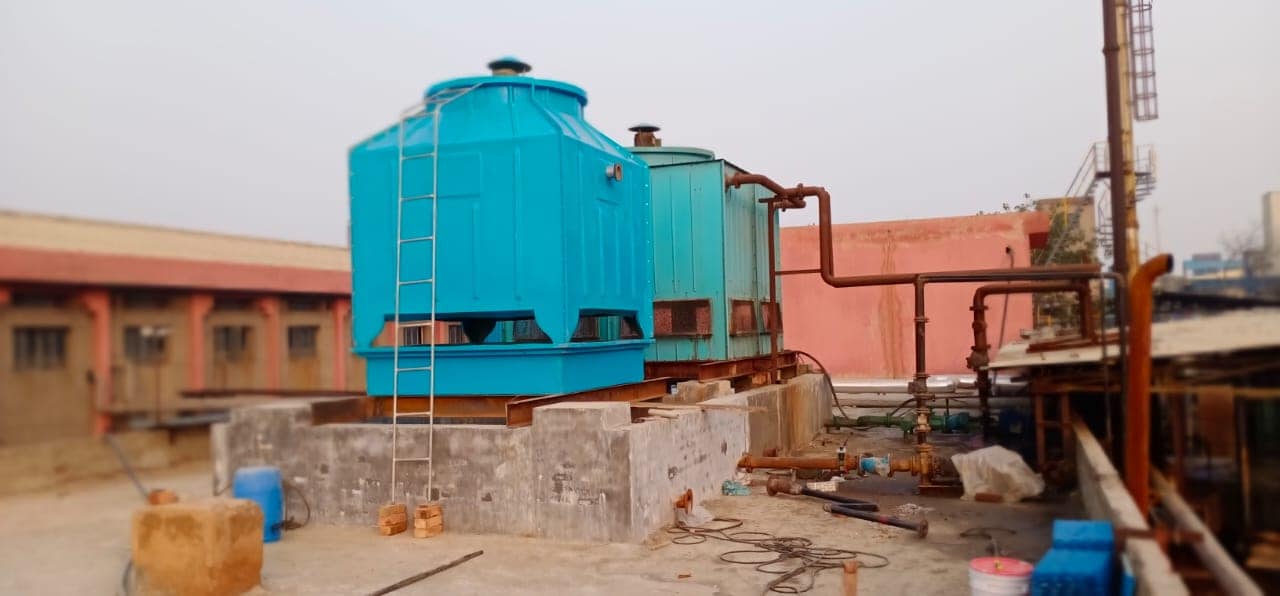
Cooling Tower Manufacturer in Madagascar

To understand a Cross Flow Cooling Tower, let’s do the same breakdown as before. “Flow” refers to the movement of air and water, and “Cross” means they move at a 90-degree angle (perpendicular) to each other. In a cross flow cooling tower, hot water falls vertically...
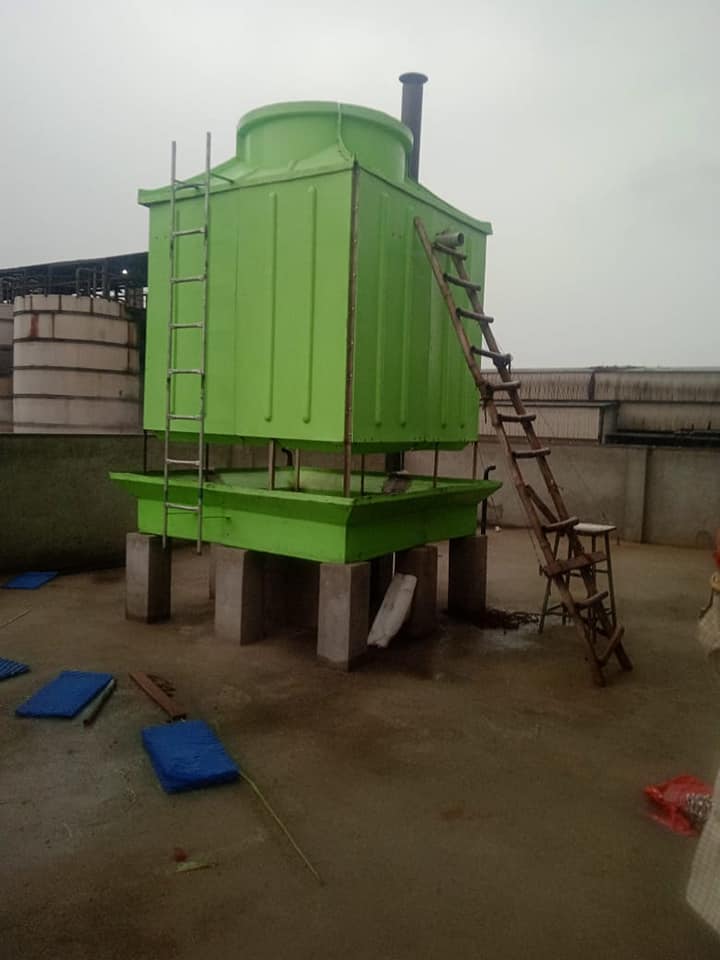
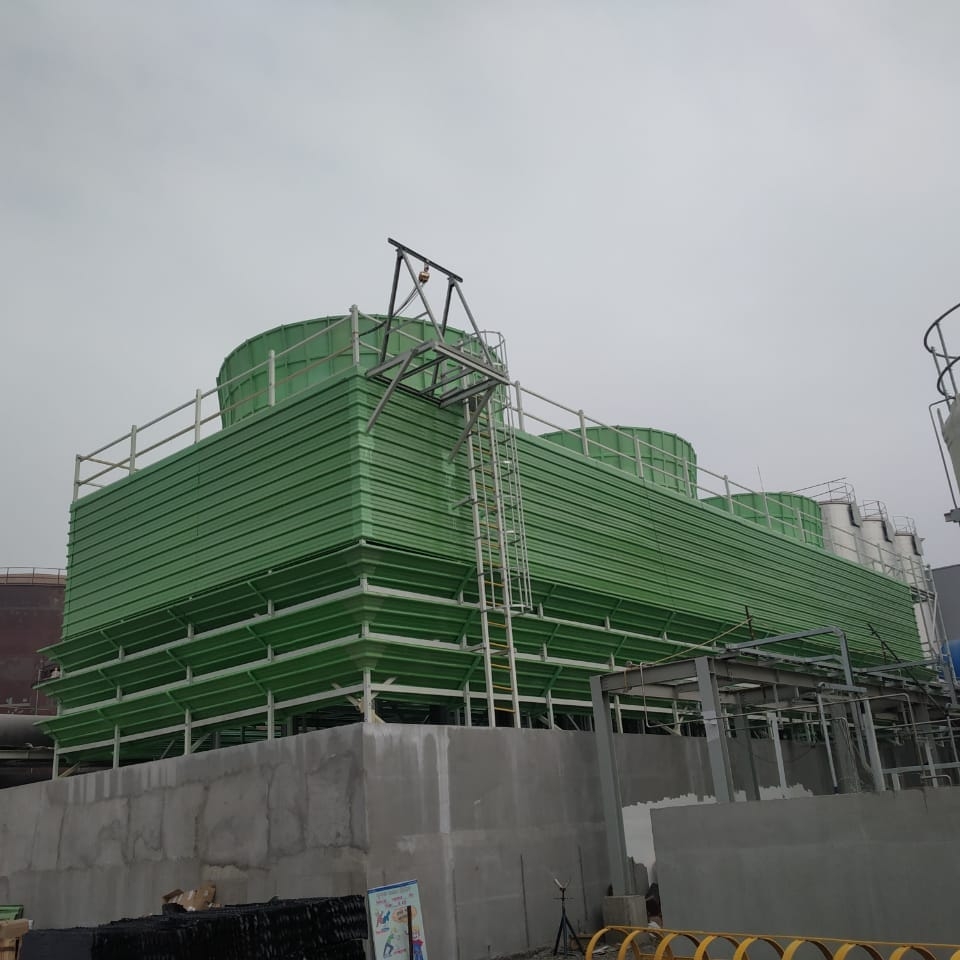
Cooling Tower Manufacturer in Ethiopia

Counter Flow Cooling Tower, it helps to break down the name. “Flow” refers to the movement of air and water, and “Counter” means they move in opposite directions. So, in a counter flow cooling tower, hot water falls vertically downward while air is pulled vertically upward—they flow...

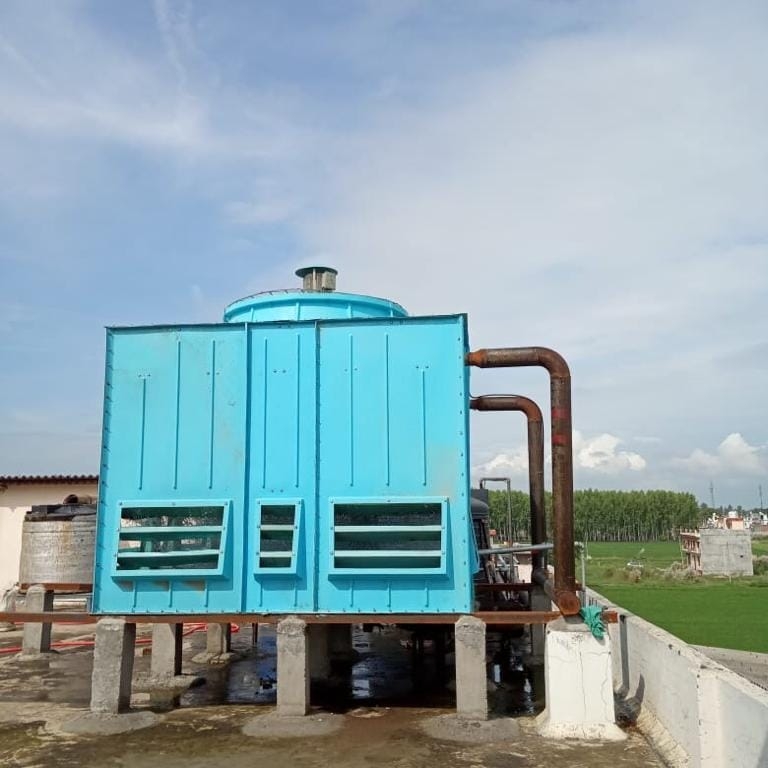
Cooling Tower Manufacturer in Kenya

An FRP cooling tower is a cooling tower whose primary structure and key components are made from Fiber-Reinforced Plastic (also known as fiberglass). This material choice offers significant advantages over traditional materials like wood, steel, or concrete. Why Choose FRP? The Core Advantages The main reason industries choose...

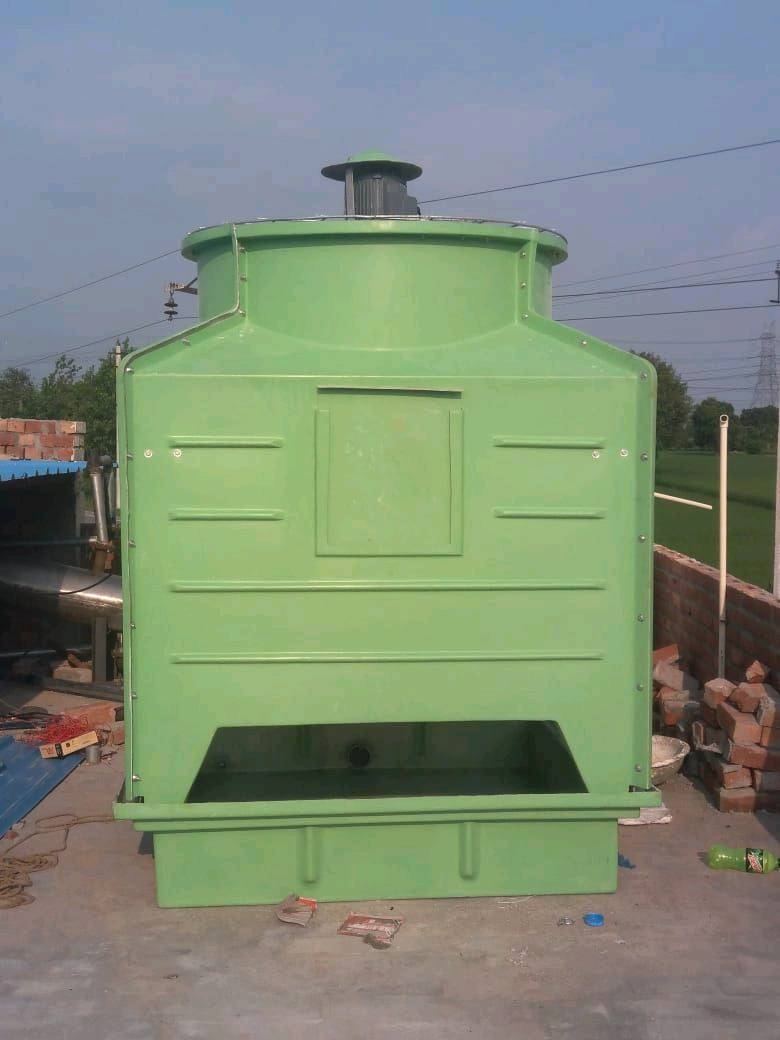
Cooling Tower Manufacturer in Tunisia

1. Classification by Airflow Method (The Draft System) This is the most common way to categorize them, as it dictates the tower’s shape, cost, and energy consumption. Type How It Works Pros Cons Typical Application Natural Draft Uses a massive hyperbolic chimney. Hot, moist air inside the tower is lighter than cooler outside air, so...

Cooling Tower Manufacturer in Algeria

The core application of a cooling tower is simple: to reject massive amounts of waste heat into the atmosphere when you don’t have an infinite, cheap supply of cool water (like a river or ocean) available. They are the “heat exhaust” system for heavy industry and large buildings. Here is the sector-by-sector breakdown of...
1 13 14 15 124