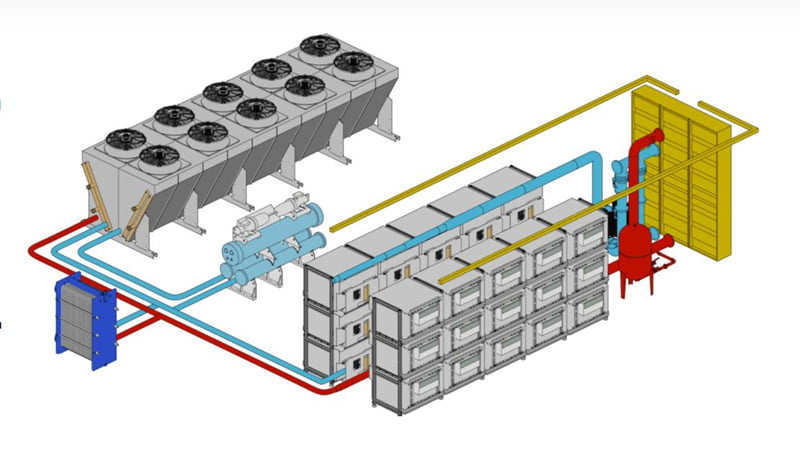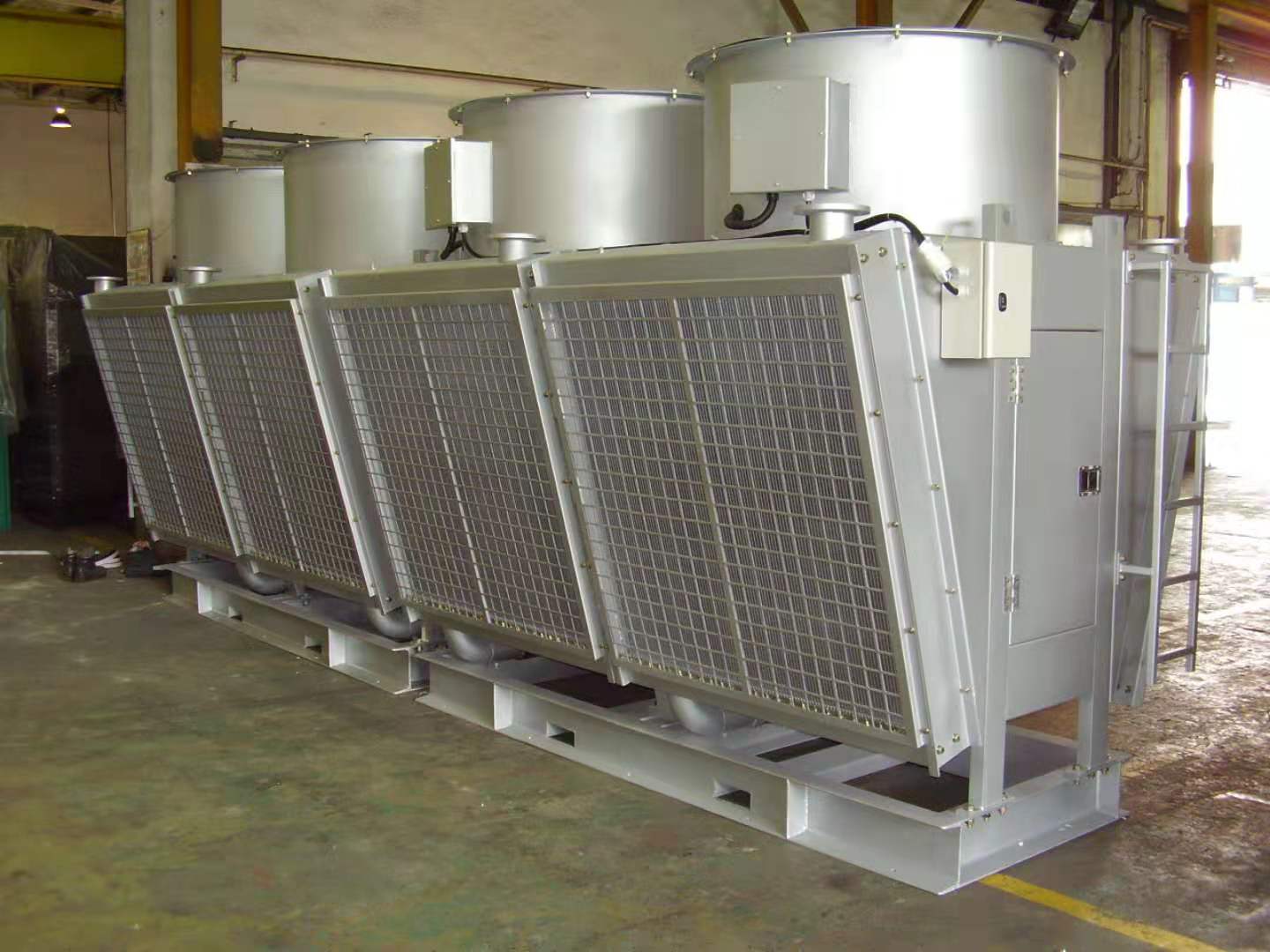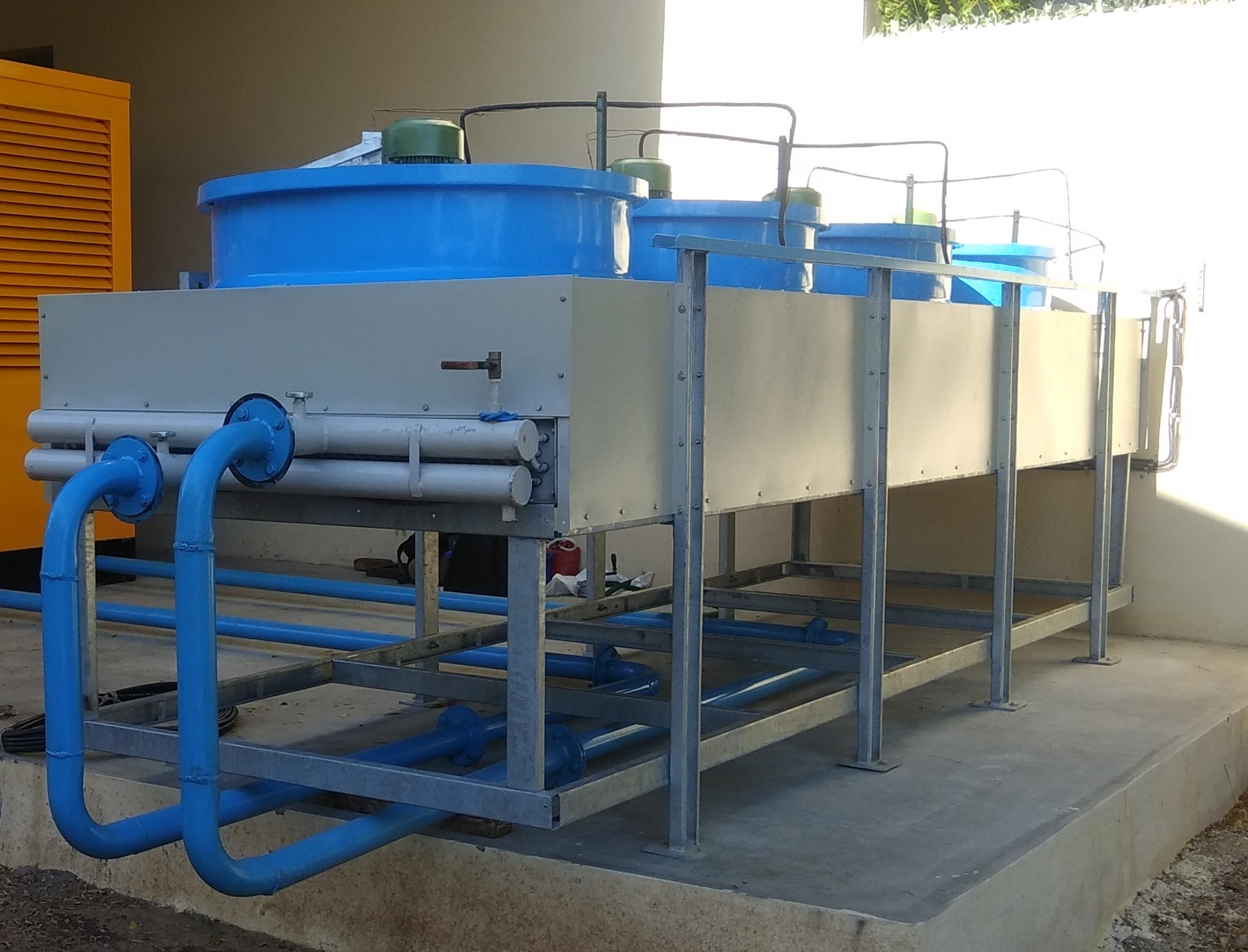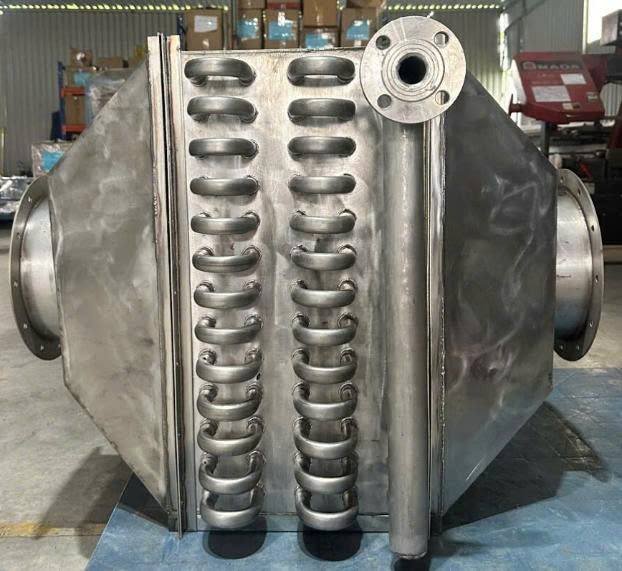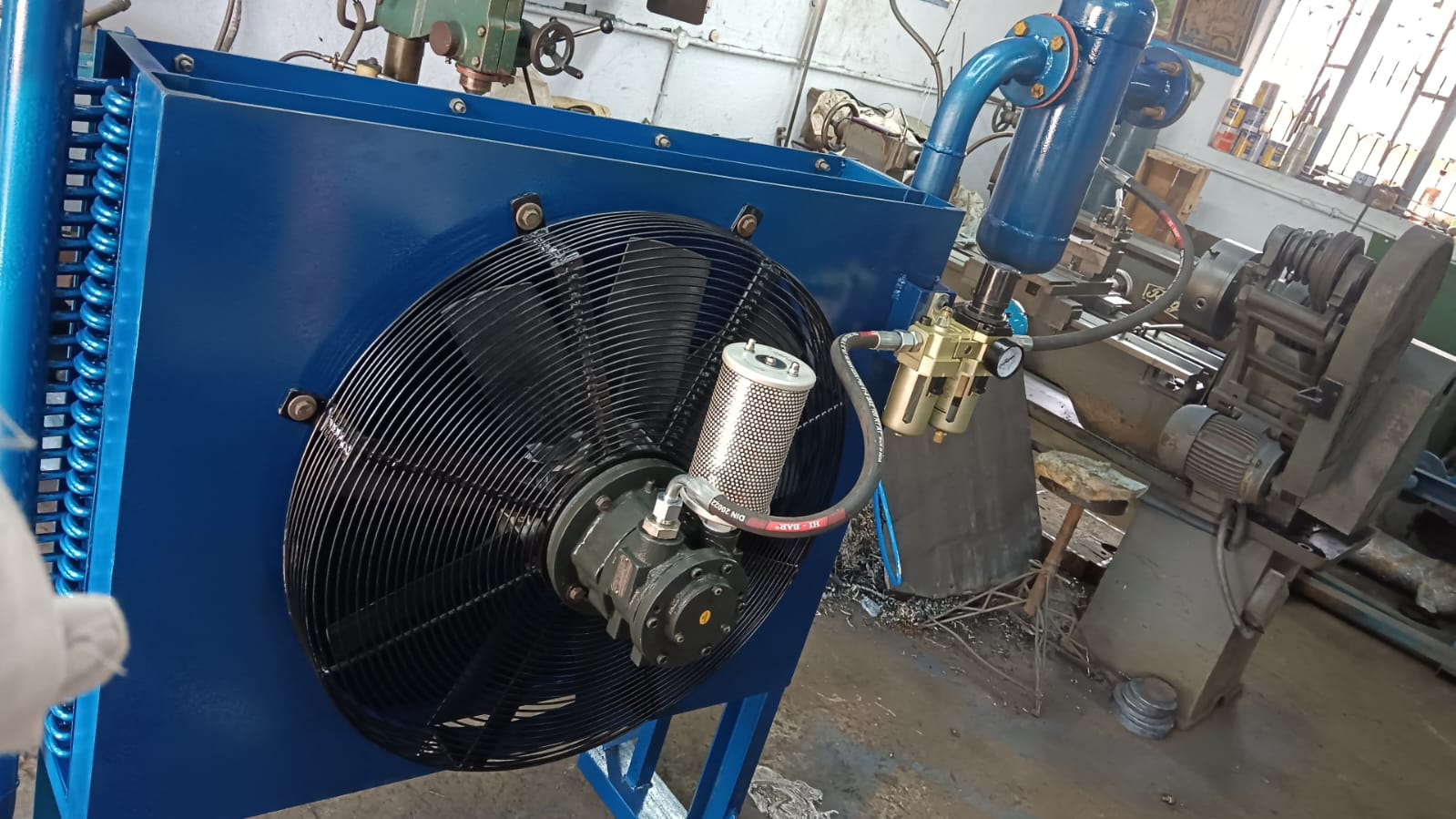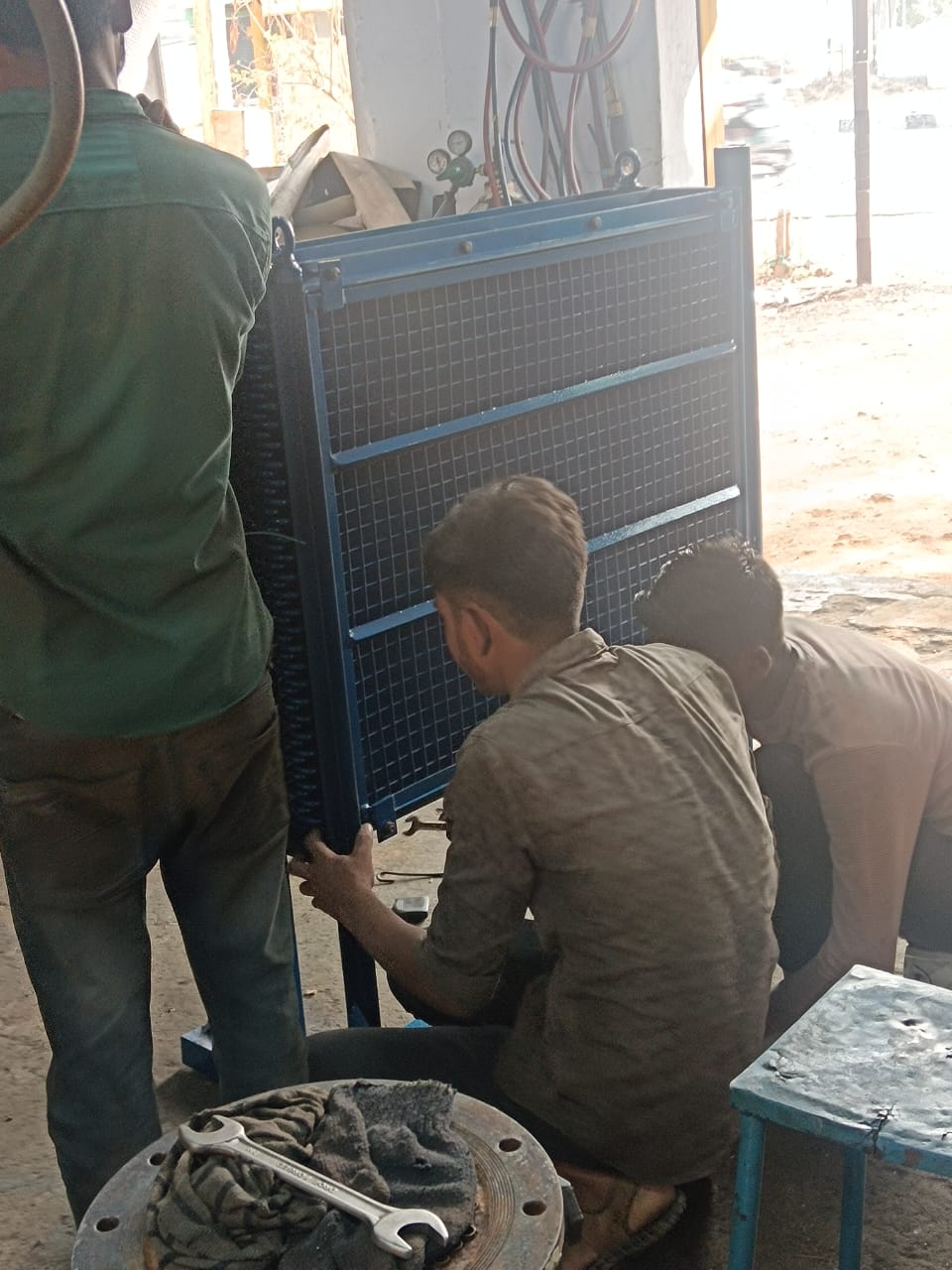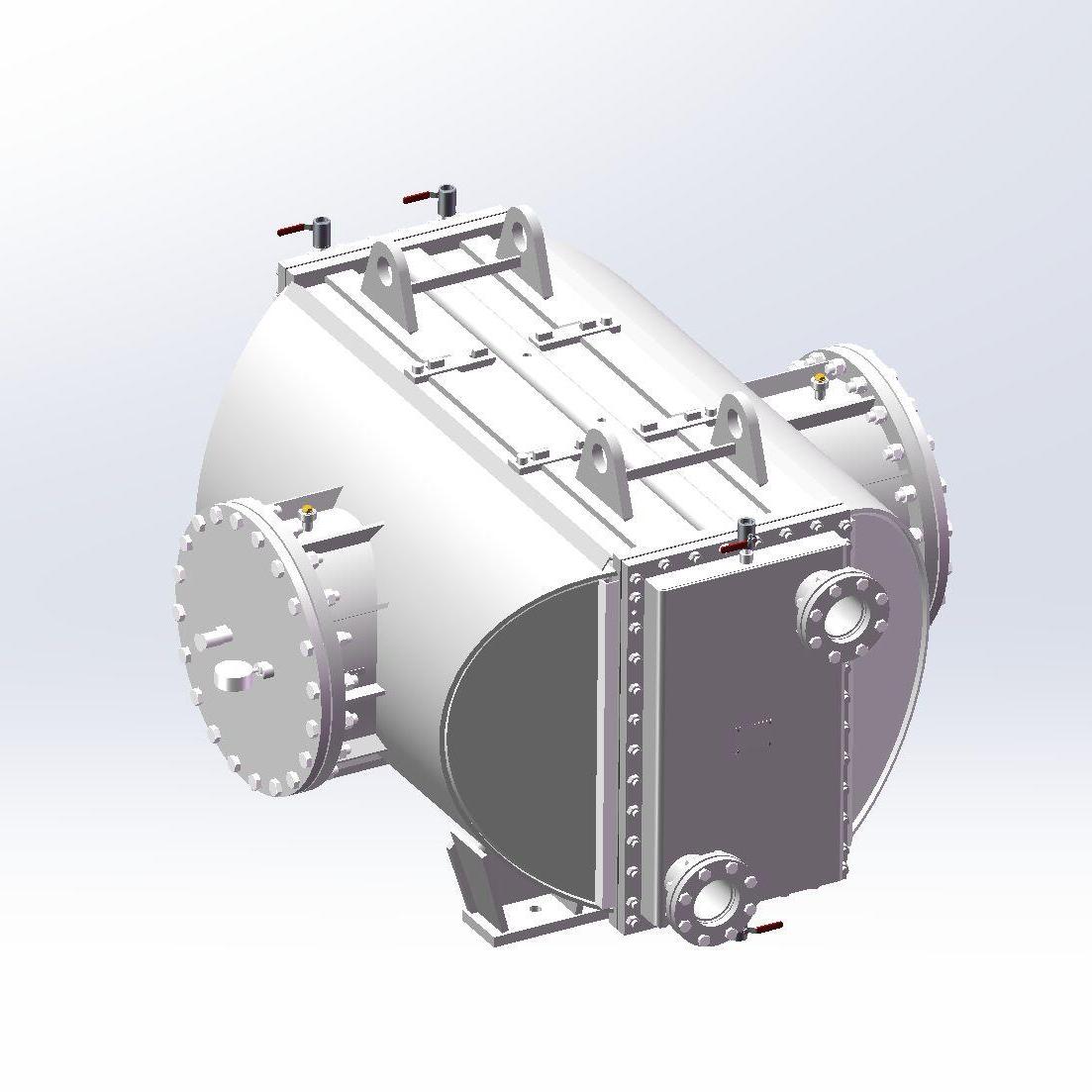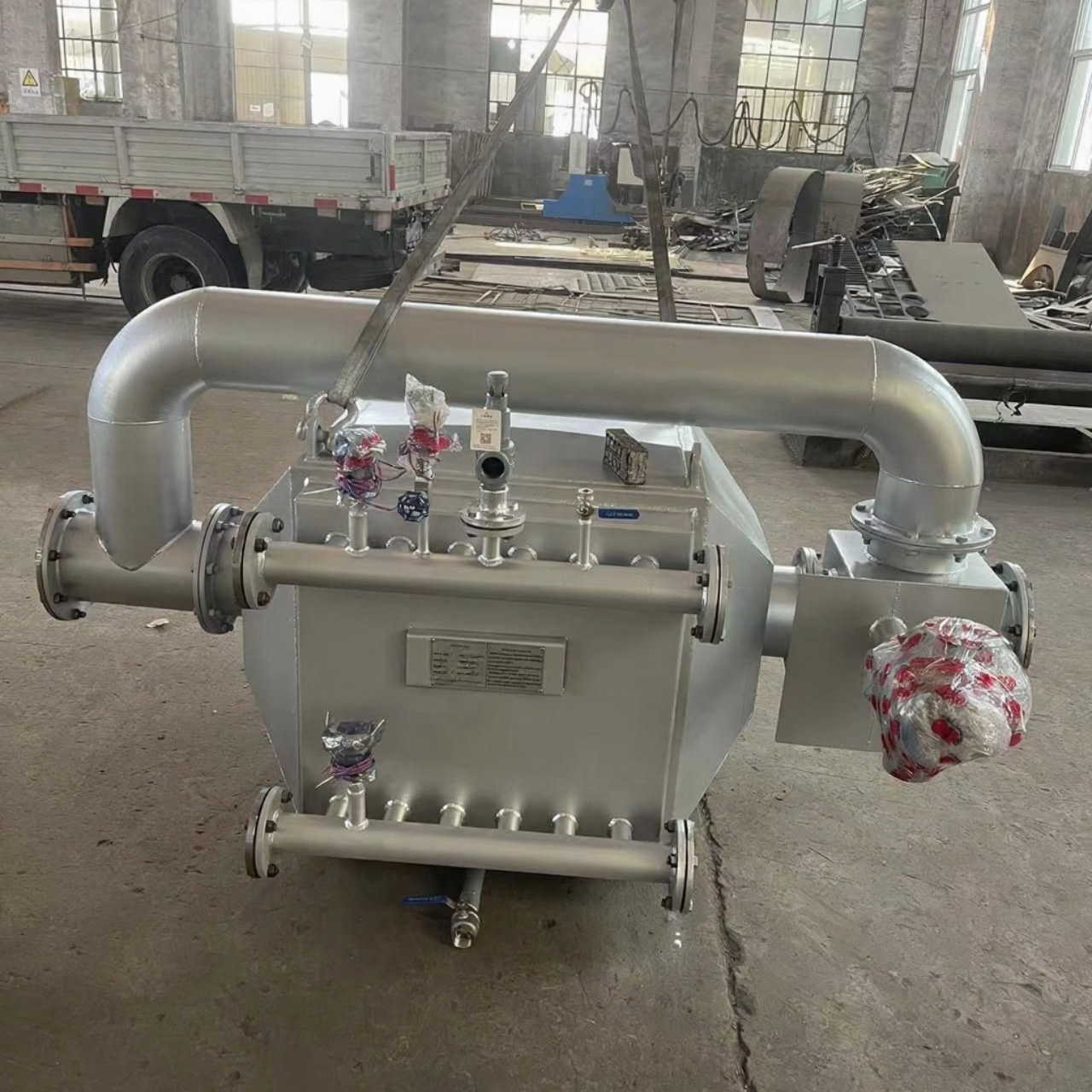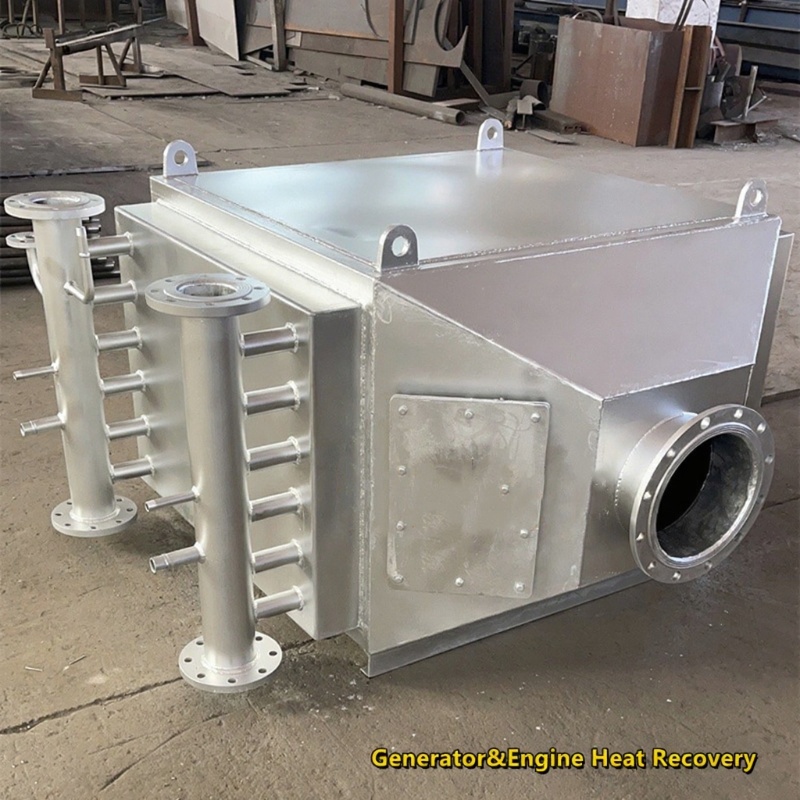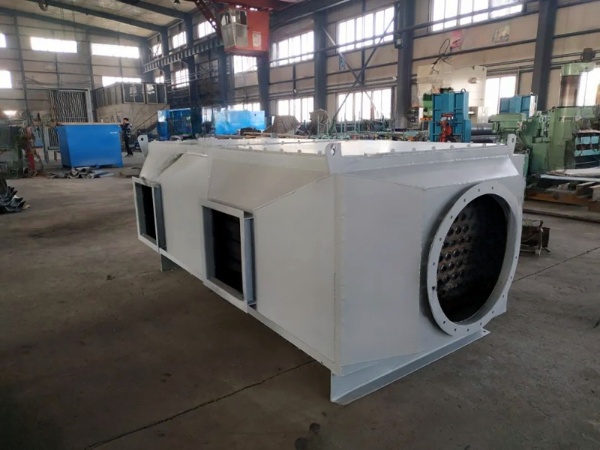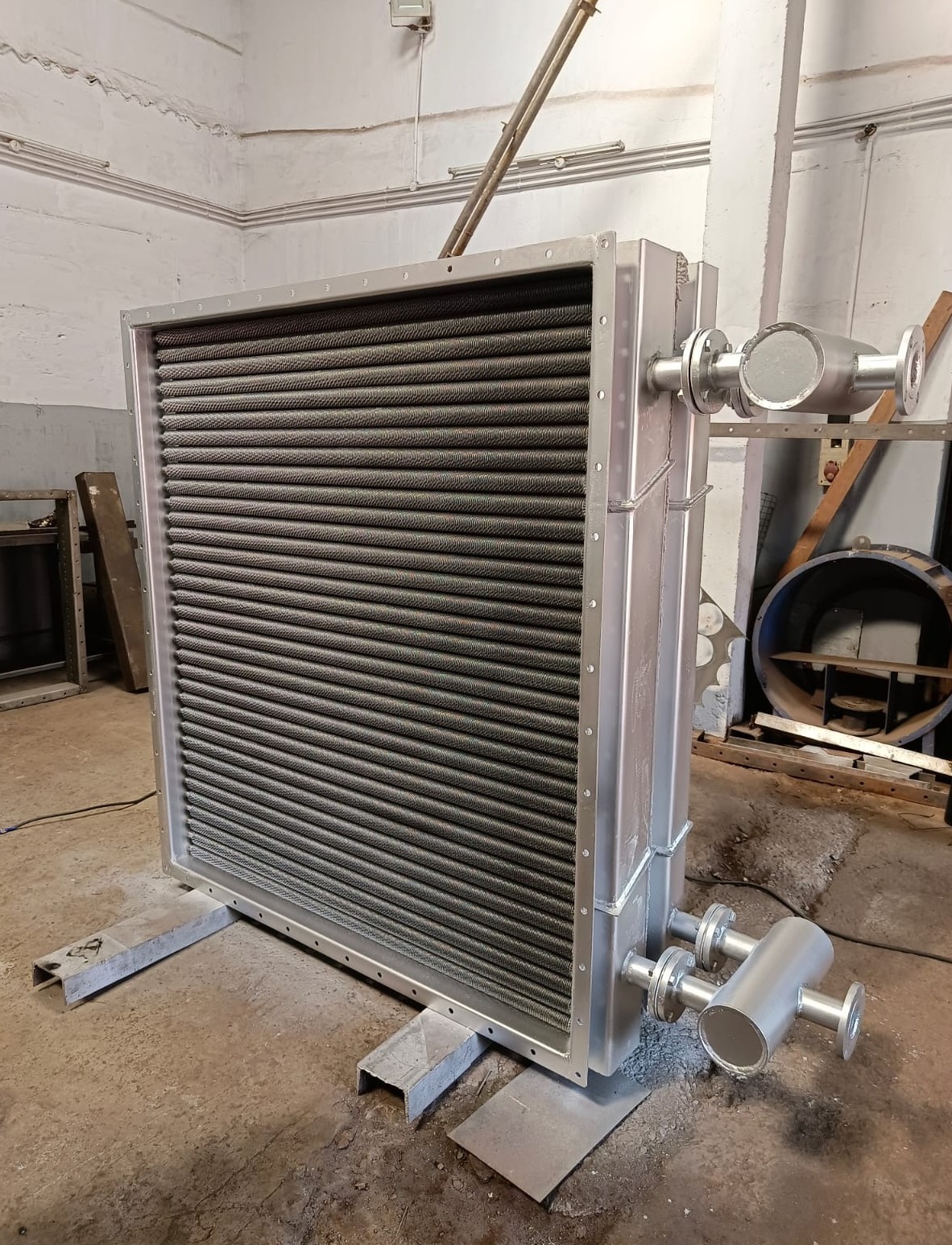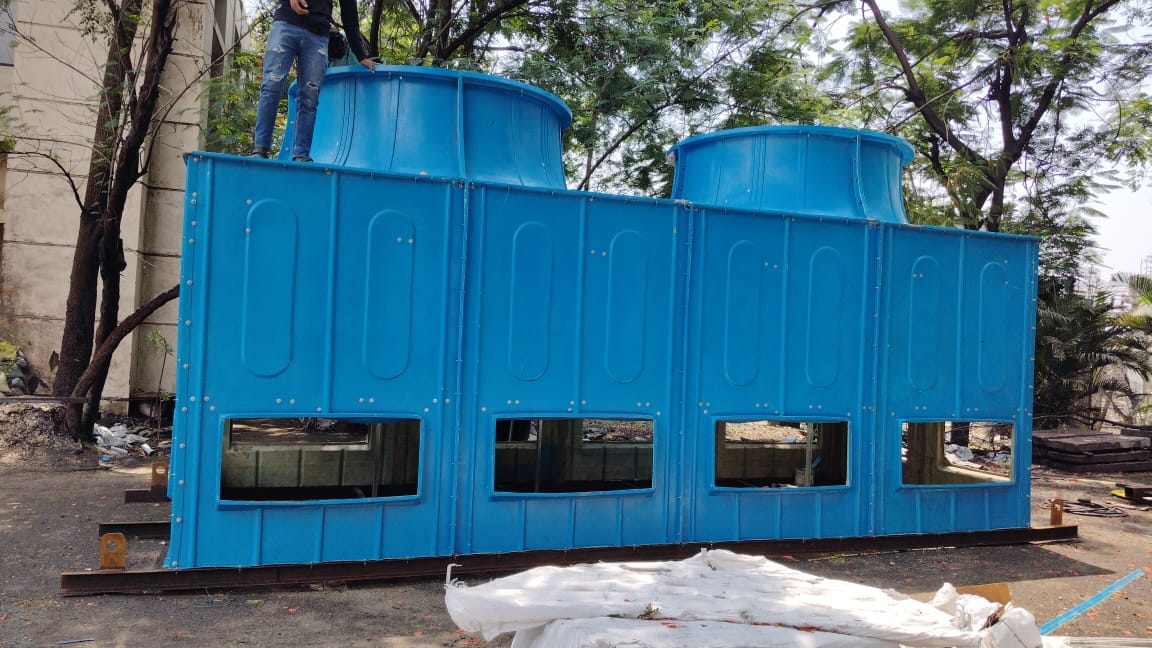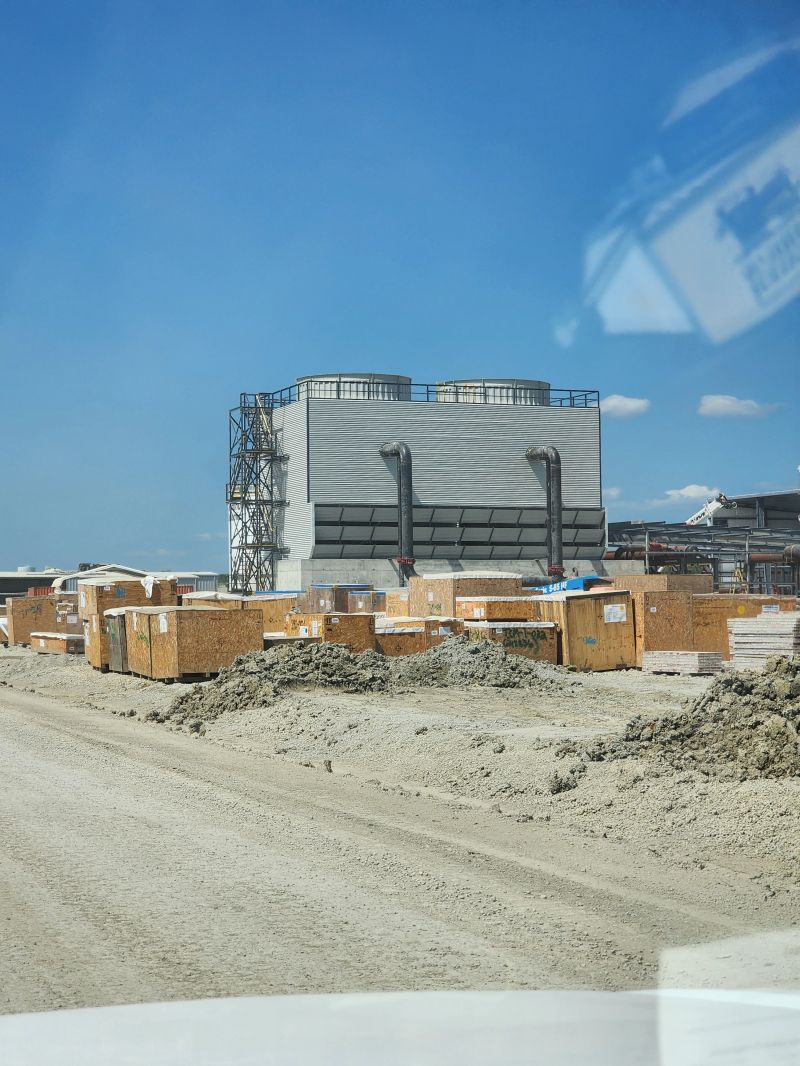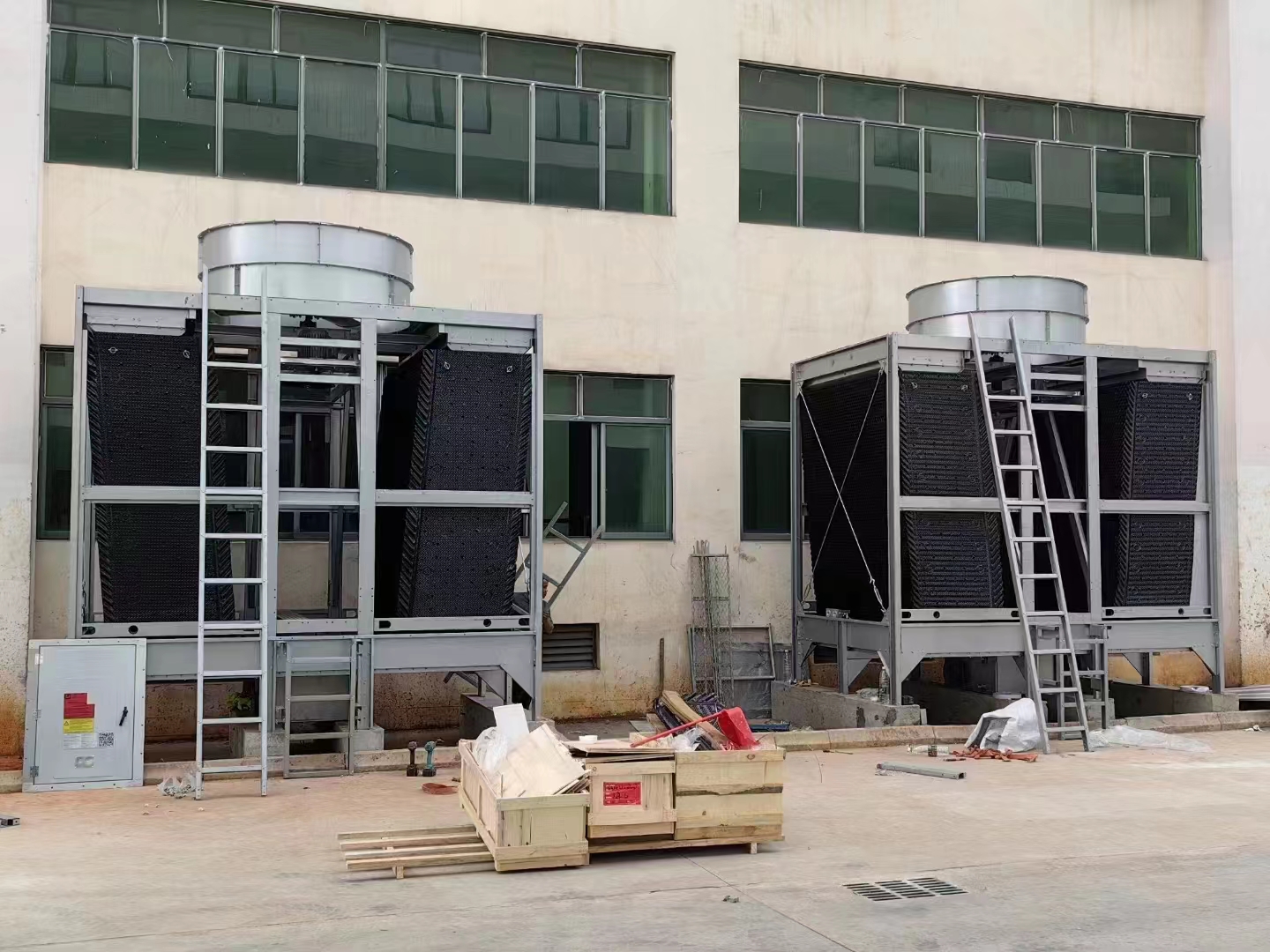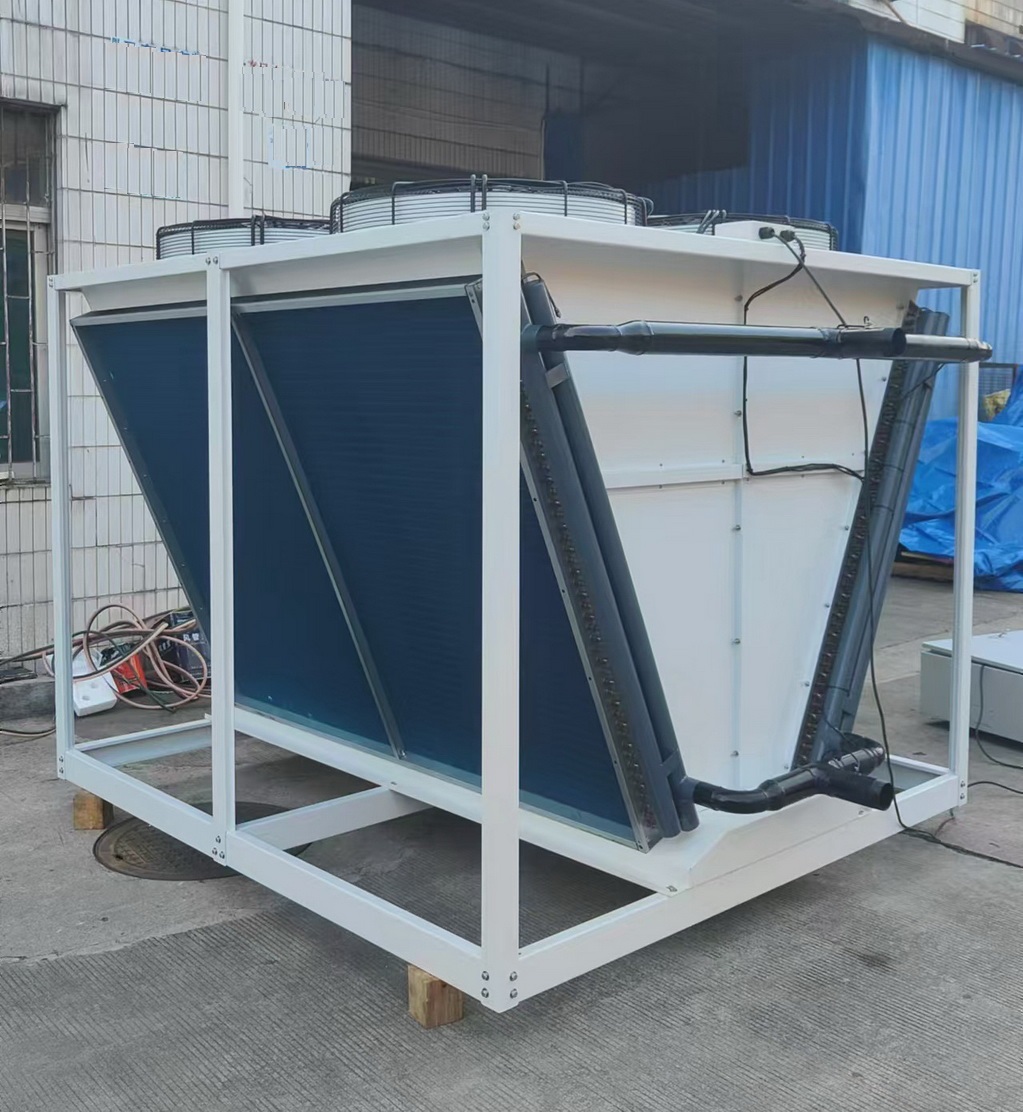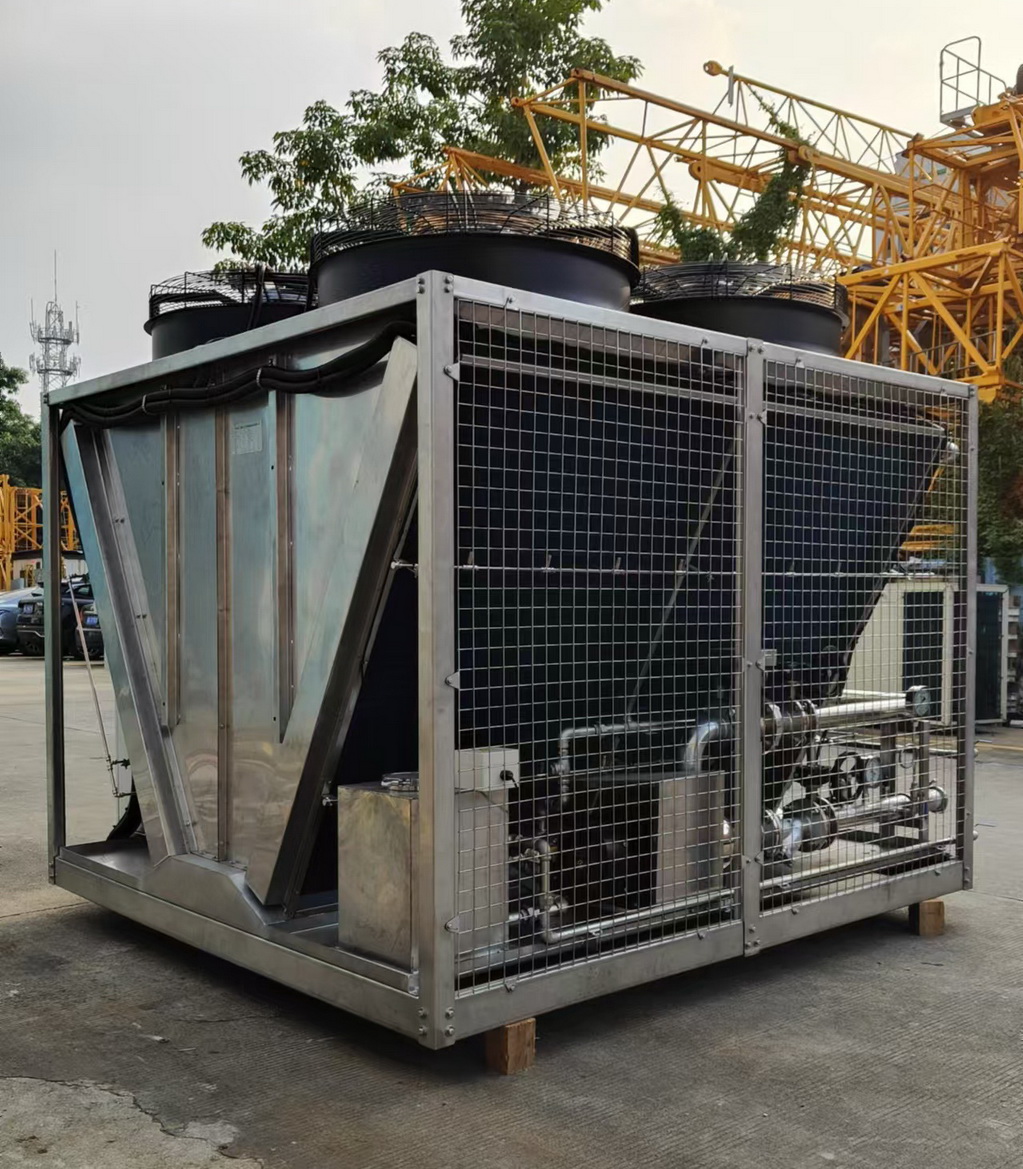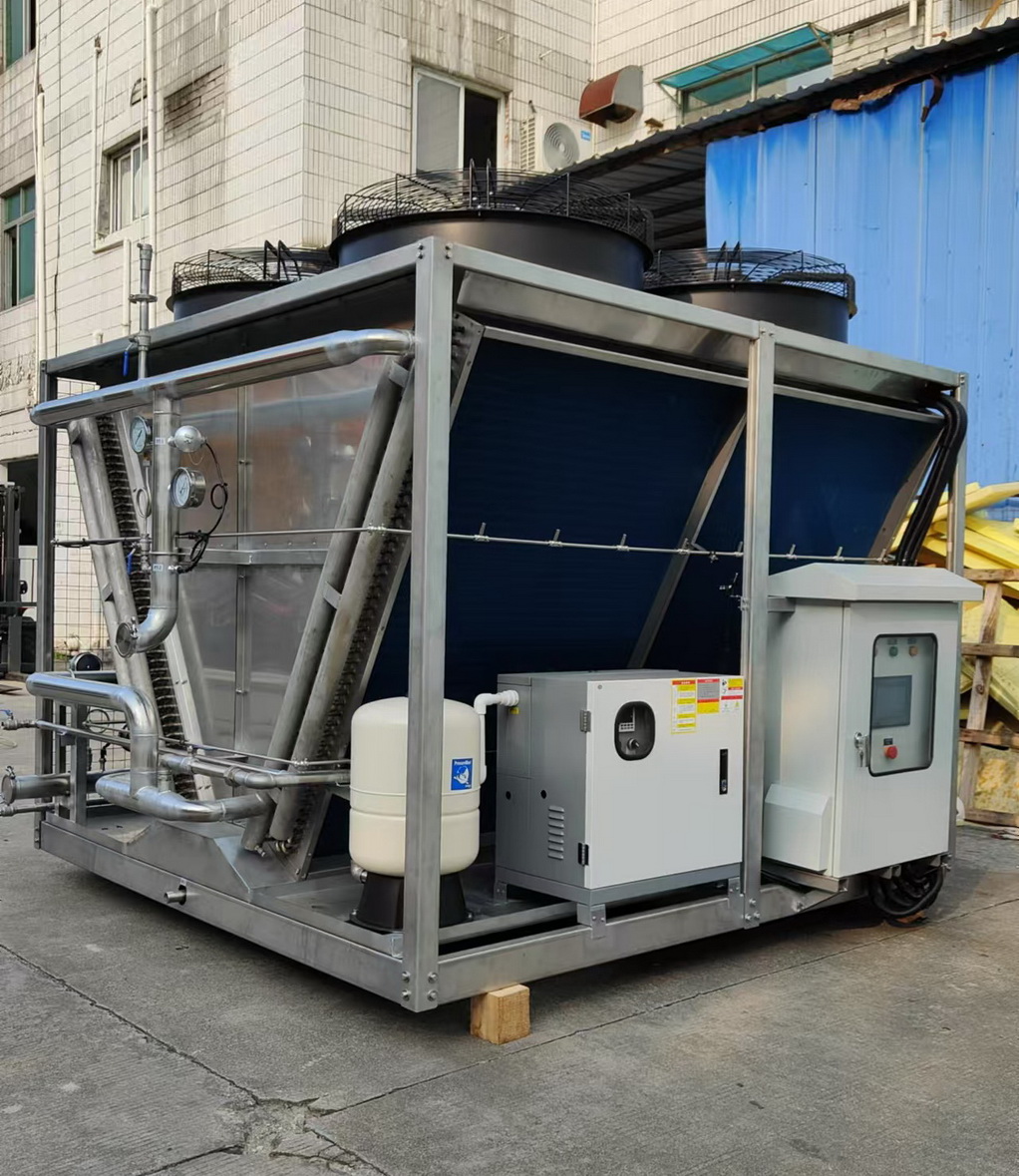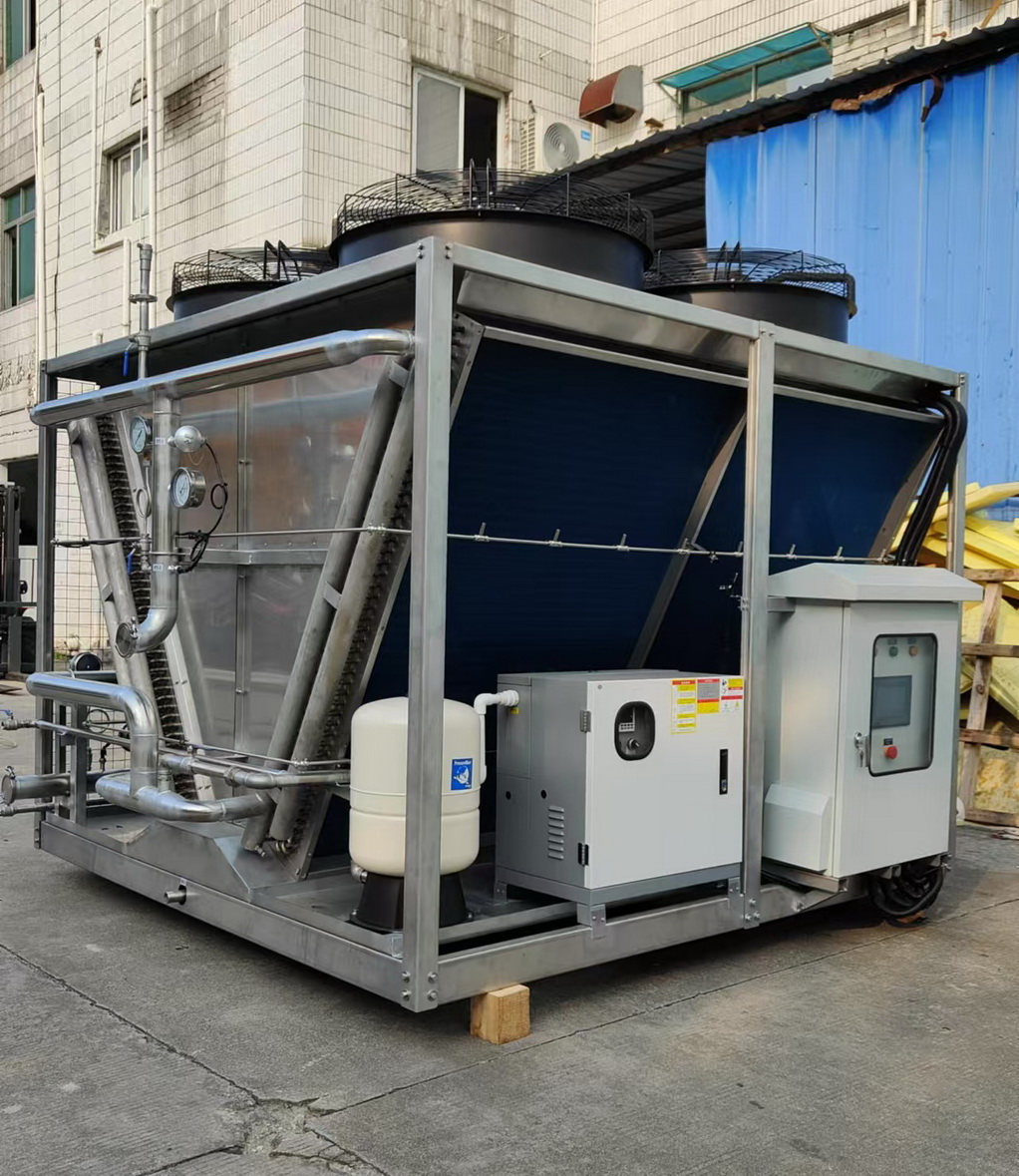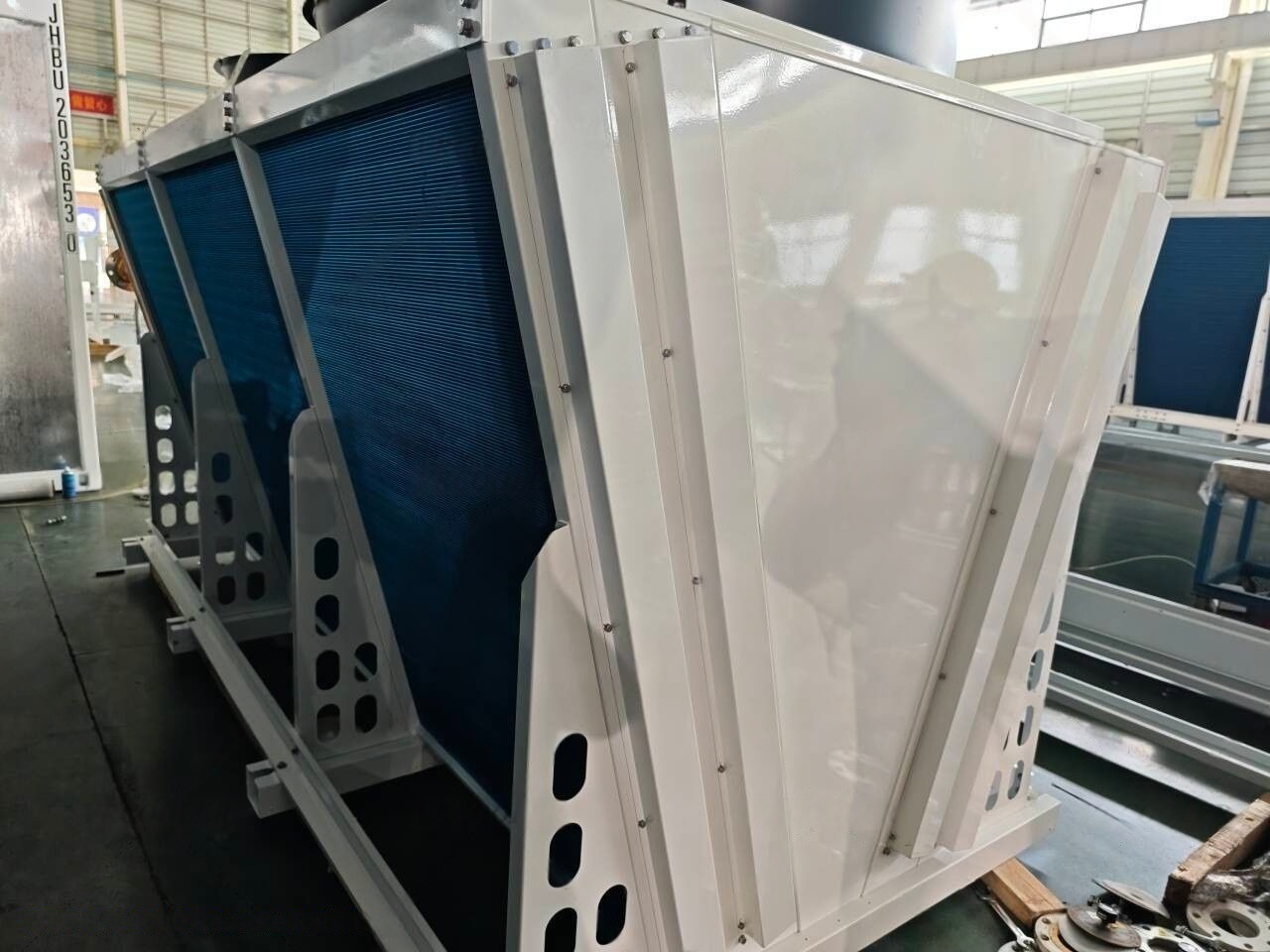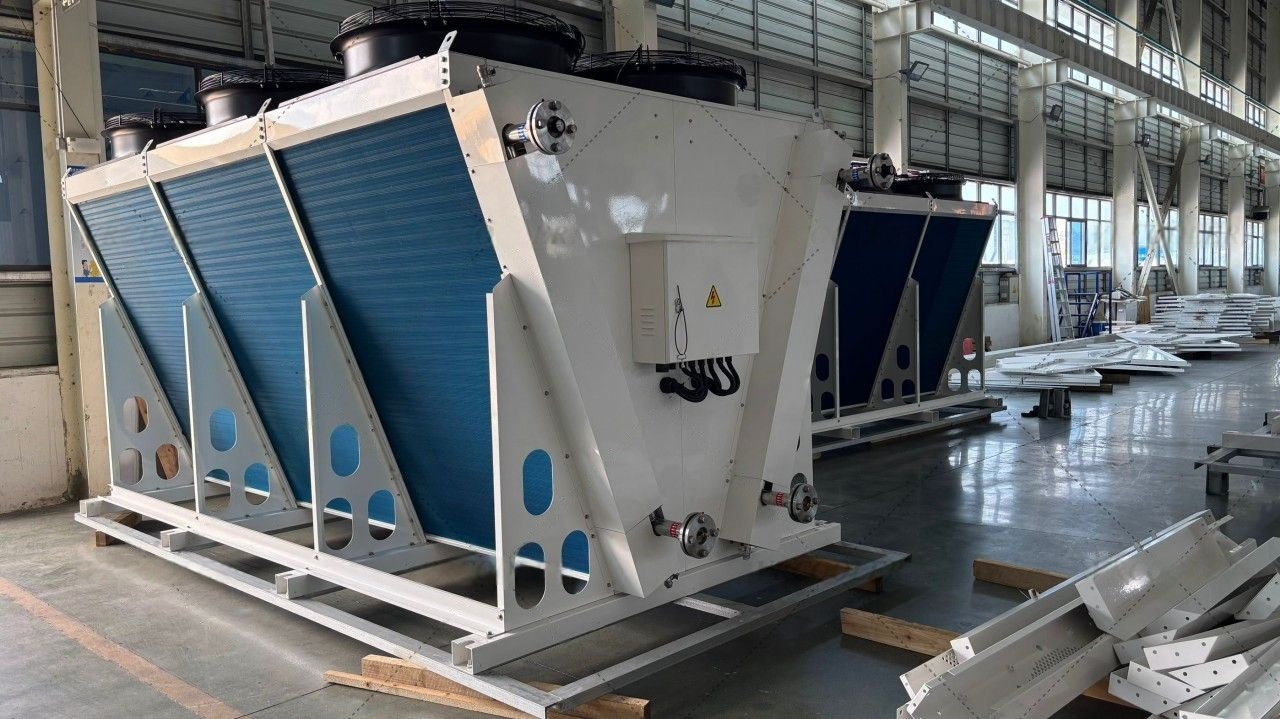
A Dry Cooling Tower is a heat rejection device that cools a working fluid (almost always water) without direct contact with the air and without the process of evaporation. Instead, it operates solely through sensible heat transfer, where heat moves from the hot fluid to the cooler air through a solid barrier (metal fins). This...
The materials of construction for a Dry Fluid Cooler are critical for its performance, longevity, and suitability for a specific environment and fluid. They are selected to balance corrosion resistance, heat transfer efficiency, mechanical strength, and cost. Here is a breakdown of the common materials used for key components: 1. Heat Exchanger...
Application of Hybrid Dry Fluid cooler Hybrid coolers are the superior choice for applications that require the lowest possible operating costs and high reliability. High-Efficiency HVAC Systems: For cooling condenser water in large commercial buildings, In summary, a Hybrid Dry Cooler is an intelligent, multi-mode system that...
A Hybrid Dry Cooler (also known as a Fluid Cooler or Closed-Circuit Cooling Tower in some contexts) is a highly efficient heat rejection system that seamlessly switches between three operating modes: dry, adiabatic, and full evaporative. It is the ultimate “best of both worlds” solution, designed...
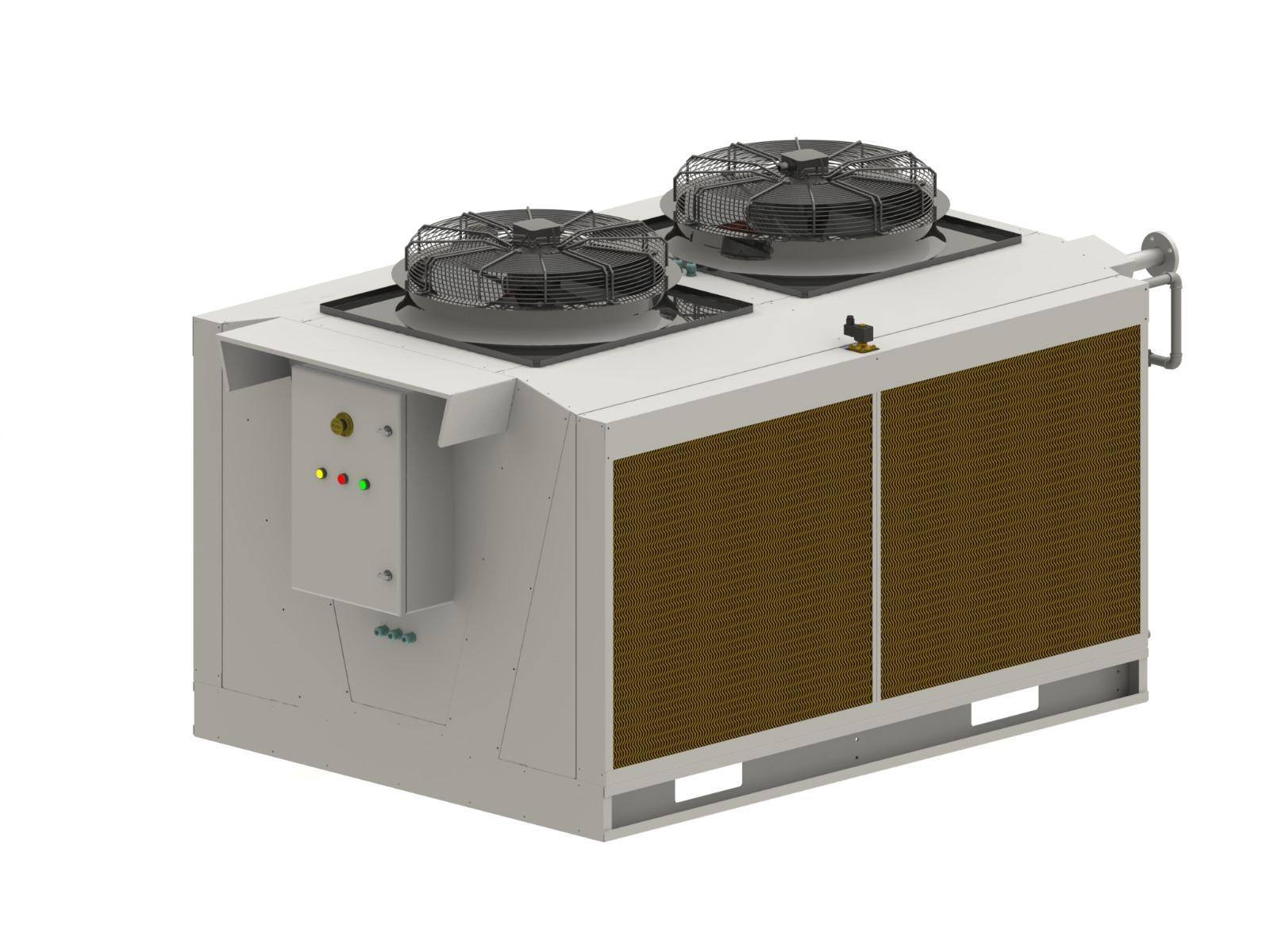
Applications of Dry Cooler with adiabatic pre-cooling This technology is perfect for scenarios where you need the best of both worlds: dry operation most of the time, with peak wet performance.Data Centers: The premier application. They require strict temperature control 24/7/365 In summary, a Dry Cooler with Adiabatic Pre-Cooling is...
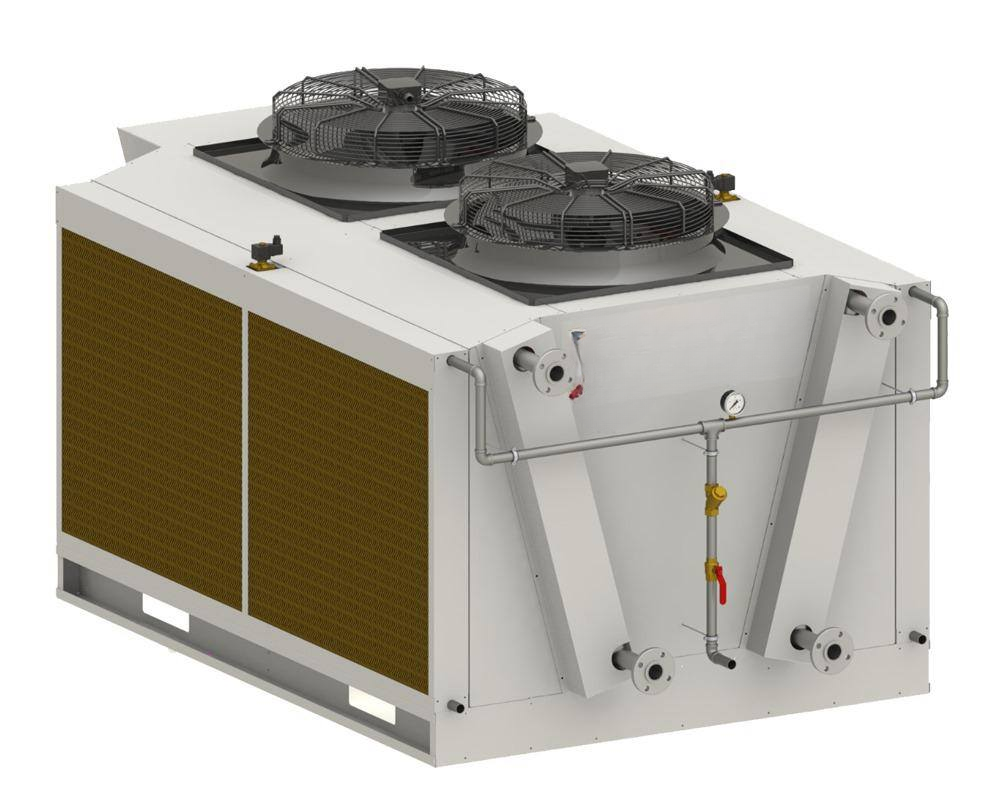
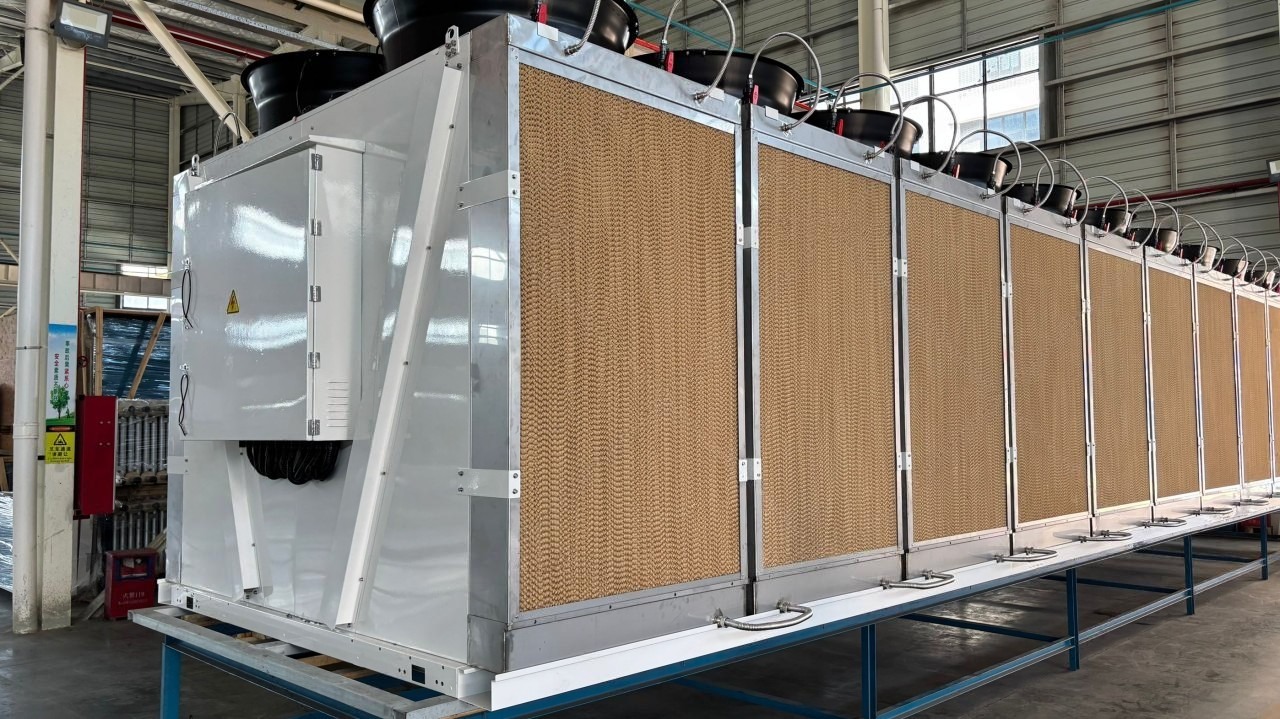
A Dry Cooler with Adiabatic Pre-Cooling (often called a Hybrid Dry Cooler) is a highly efficient system that combines the standard operation of a dry cooler with the peak-performance benefits of evaporative cooling. It uses a minimal amount of water only when necessary to pre-cool the incoming air, allowing the unit to achieve...
Forced Draft Dry Fluid Cooler Vs. Induced Draft Dry Fluid Cooler Feature Forced Draft Cooler Induced Draft Cooler Fan Position On the intake (inlet) side On the discharge (exit) side Air Movement Pushes air through the coil Pulls air through the coil Air Distribution Can be less uniform (potential for dead zones) Highly...
Forced Draft Dry Cooler What is a Forced Draft Dry Cooler? A Forced Draft Dry Cooler is defined by the placement of its fan on the intake (inlet) side of the heat exchanger coil. In this design, the fan pushes or forces ambient air through the coil, creating a positive pressure on the upstream side of the finned-tube...
Applications of Induced Draft Dry Fluid Cooler Induced draft coolers are an excellent choice for a wide range of applications, particularly where efficiency and stable performance are critical: Data Center Cooling: In water-side economizer loops where minimizing recirculation and maximizing efficiency directly translate to energy...
What is a Horizontal (H-Type) Dry Fluid Cooler? A Horizontal Dry Fluid Cooler, often called an H-Type or Horizontal Discharge cooler, is characterized by its design where fans are mounted on the sides to move air horizontally through a vertical core. Unlike the V-flow design, its coils are typically arranged in a...
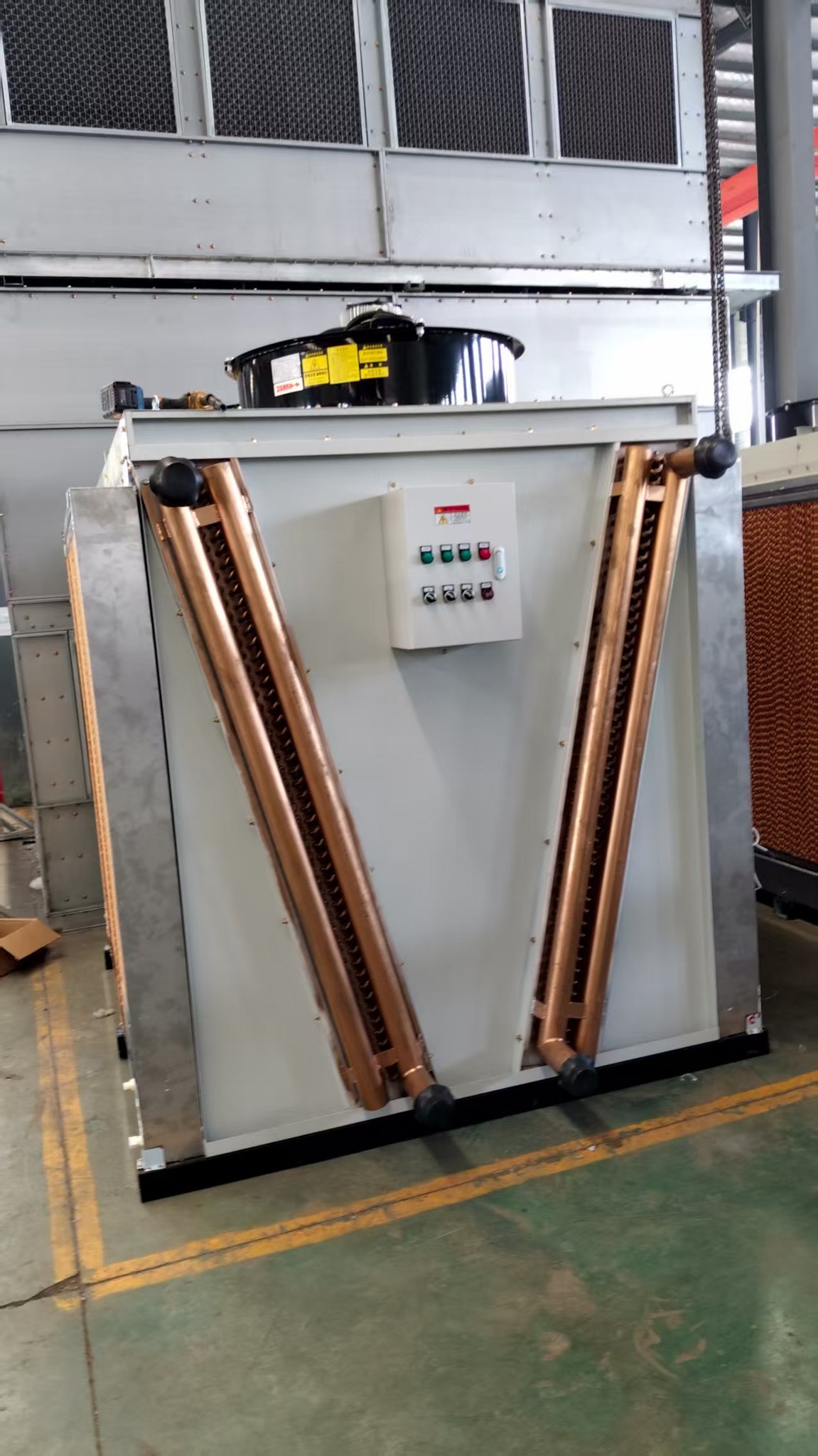
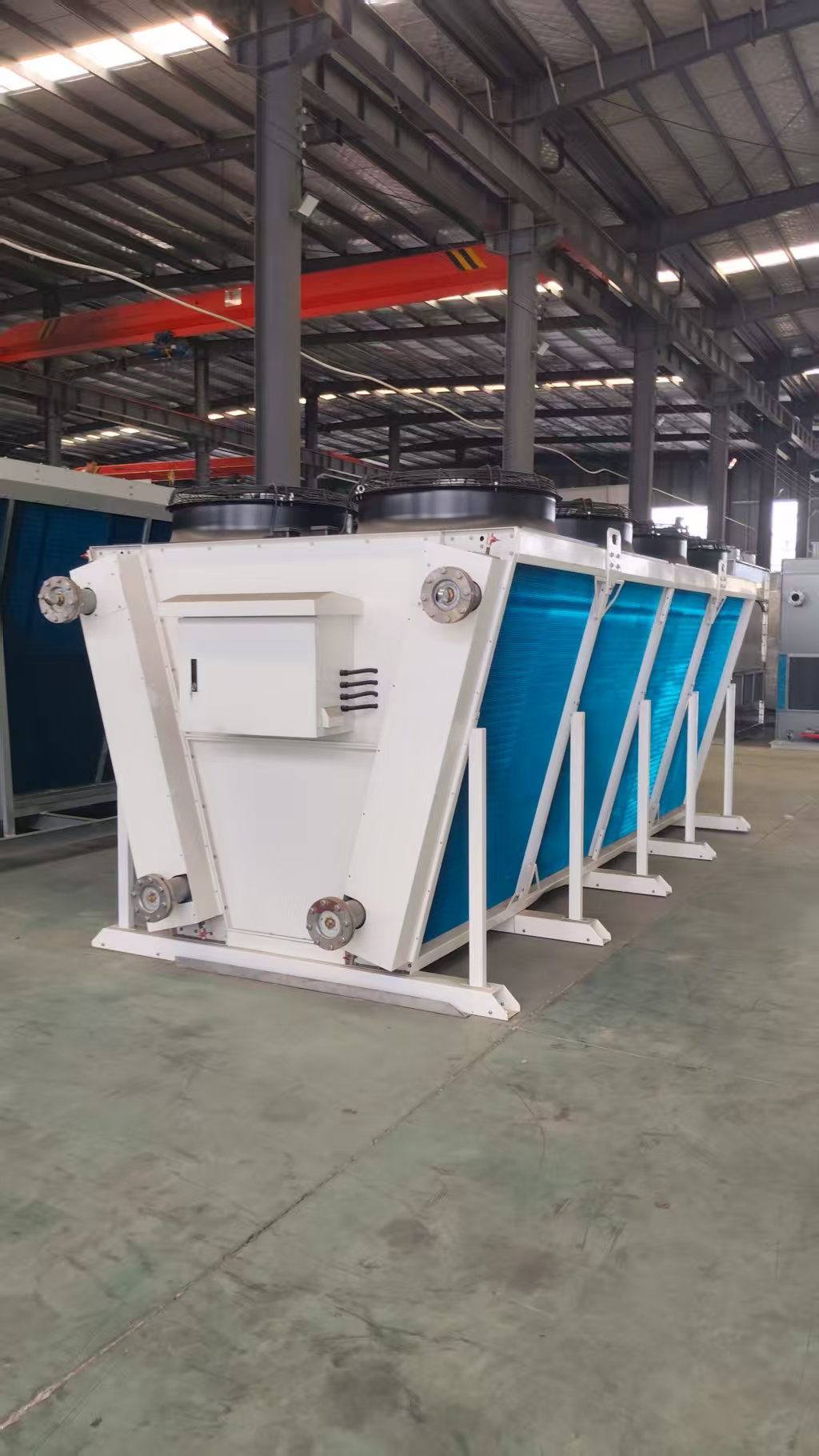
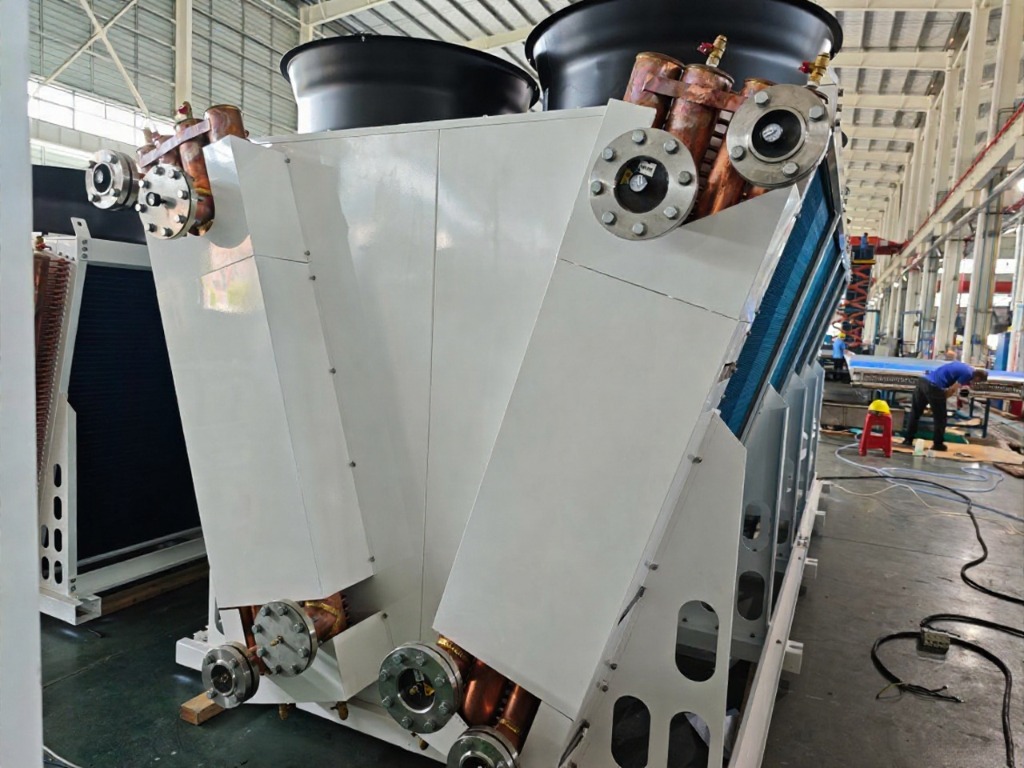
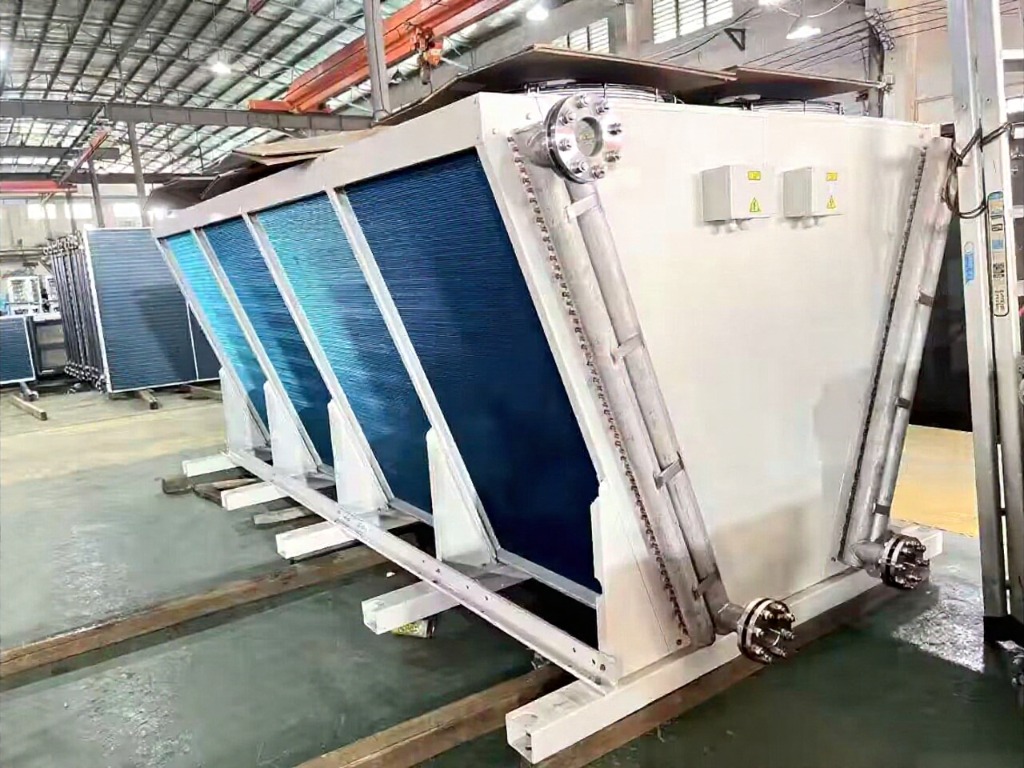
V Type Dry Fluid Cooler What is a Vertical (V-Flow) Dry Fluid Cooler? A Vertical Dry Fluid Cooler, most commonly recognized by its V-shaped coil configuration, is a type of heat rejection equipment where ambient air is drawn vertically upward through two angled coil banks and discharged out the top of the unit by one or more fans....
Here are the primary types of Dry Fluid Coolers: 1. Classification by Airflow Design This is the most common way to categorize dry coolers. a) Vertical Airflow (V-Flow or Up/Down Flow) Space-Efficient Footprint: Ideal for installations where floor space is limited but height is b) Horizontal Airflow (Horizontal Discharge) 2. Classification by...
Dry Fluid Cooler vs. Cooling Tower vs. Fluid Cooler This is a common point of confusion. Here’s the breakdown: Feature Dry Fluid Cooler Evaporative (Open) Cooling Tower Fluid Cooler (Closed-Circuit Cooling Tower) Heat Transfer Method Sensible Only (air cools fluid) Latent (Evaporative) (water evaporates) Sensible + Latent (Hybrid)...
A Dry Fluid Cooler works on the principle of sensible heat transfer. It uses ambient air to cool a process fluid without the fluid and air ever coming into direct contact. The heat is rejected solely through the transfer of thermal energy (sensible heat) from the hot fluid to the cooler air across a metal barrier. […]
A Dry Fluid Cooler (also known as a Dry Cooler or Air Cooled Heat Exchanger) is a device that cools a process fluid (most commonly water or a water-glycol mixture) using ambient air. The key characteristic is that the process fluid never directly contacts the cooling air; it remains contained within a closed-loop coil....
Comparison of Adiabatic Cooling Tower Vs Evaporative (Wet) Cooling Tower Vs Dry Cooler / Air Cooler Feature Adiabatic Cooling Tower Evaporative (Wet) Cooling Tower Dry Cooler / Air Cooler Principle Hybrid: Adiabatic pre-cooling + sensible heat transfer Full evaporative cooling Sensible heat transfer only Process Circuit Closed-loop (fluid is...
Why Choose an Adiabatic Cooler for These Applications? (Summary of Advantages) Application Need How Adiabatic Cooling Meets It High Efficiency in Hot Weather Pre-cooling air allows for heat rejection near the wet-bulb temperature. Water Conservation Uses up to 80% less water than an open evaporative tower. System Protection Closed loop prevents...
The application of adiabatic cooling towers is vast and growing, as they offer a superior solution for many modern cooling challenges that balance energy efficiency, water conservation, and system protection. Their core function is to reject heat from a closed-loop system using a hybrid air-and-water approach. Here are the key application areas,...
Effect of high Ambient Temperature in Adiabatic cooling tower The effect of high ambient temperature on an adiabatic cooling tower is significant and is the primary reason this technology is chosen. However, it introduces specific operational challenges. Here’s a detailed breakdown of the effects, both on performance and system operation. The...
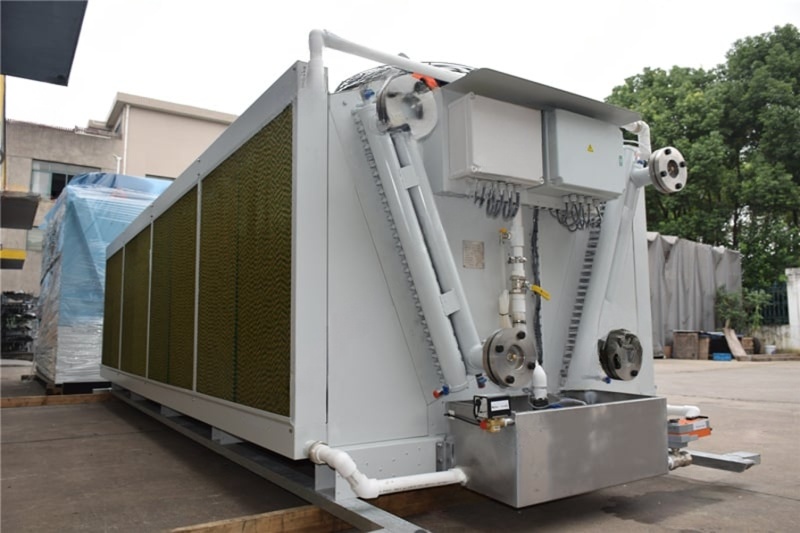
Material of Construction of heat exchanger coil in Adiabatic cooling tower? The material of construction for the heat exchanger coil in an adiabatic cooling tower is a critical engineering decision, balancing factors like corrosion resistance, thermal conductivity, pressure rating, cost, and the specific environment it will operate in. The coil is...
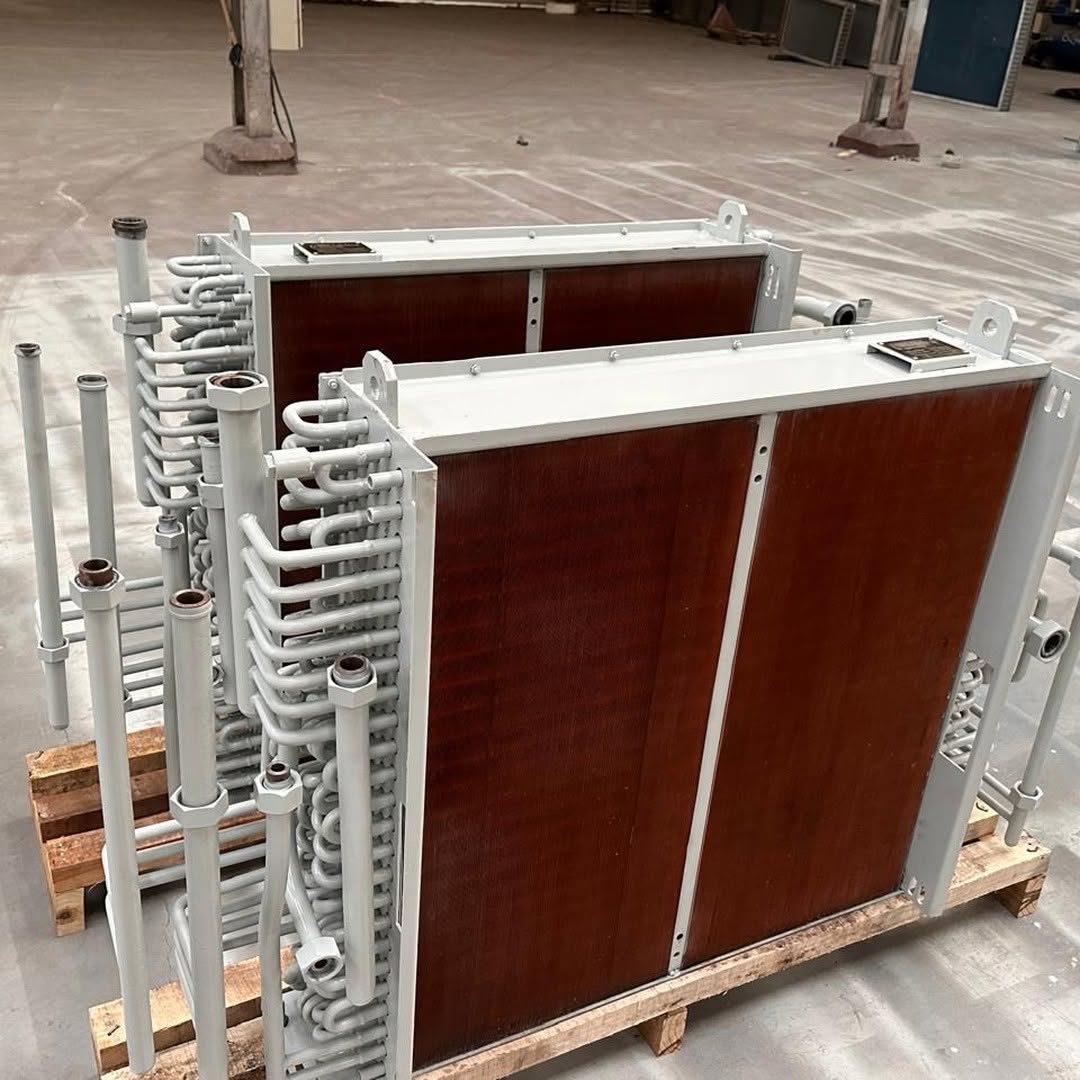
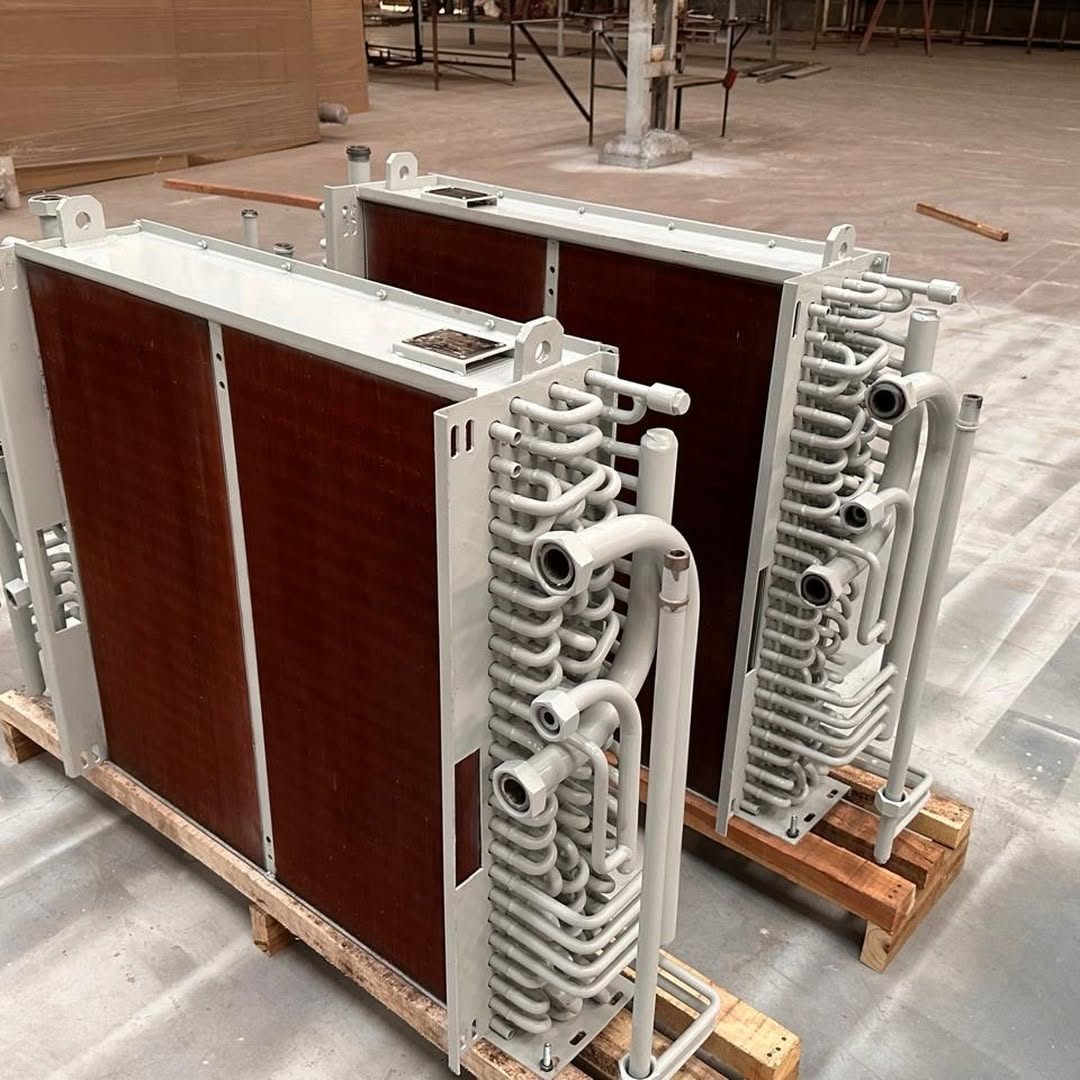
Material of Construction of cellulose pad The material of construction for cellulose cooling pads is specifically engineered to maximize evaporative efficiency while maintaining structural integrity. The primary material is cellulose, but it is never used in its raw form. It is combined with other materials and treated to create a functional...
Decision Summary Table Factor Choose Adiabatic Cooler… Choose Wet Tower… Choose Dry Cooler… Water Availability Limited Abundant Scarce / Prohibited Process Fluid Must be kept clean Can be exposed Must be kept clean Climate Variable / Moderate Hot / Dry Cold / Moderate Efficiency Need High, but water-saving Highest (wet-bulb)...
Choosing an adiabatic cooling tower is a strategic decision that hinges on balancing performance, environmental conditions, water availability, and the specific needs of the process being cooled. Here is a clear guide on when to choose an adiabatic cooling tower, broken down into key decision factors. Ideal Scenarios for Choosing an Adiabatic...
The use of cellulose pads in adiabatic cooling towers is a deliberate and common engineering choice, driven by a balance of performance, cost, and environmental factors. Here are the key reasons for using cellulose pads, broken down by their advantages and the trade-offs involved. Primary Reasons for Using Cellulose Pads 1. Superior Evaporative...
Direct vs. Indirect Cooling Feature Direct Cooling Indirect Cooling Circuit Type Open Closed Process Fluid Exposed to atmosphere Contained and protected Heat Transfer Direct Evaporation Through a Heat Exchanger Cooling Limit Ambient Wet-Bulb Temperature Slightly above Wet-Bulb Temperature Water Usage High Low to Zero Water Treatment Intensive...
Direct Cooling Vs Indirect Cooling The core difference lies in whether the process fluid being cooled is directly exposed to the atmosphere and the cooling air. Direct Cooling (Open Circuit) In a direct cooling system, the fluid that needs to be cooled (typically water) is directly exposed to the cooling air and the...
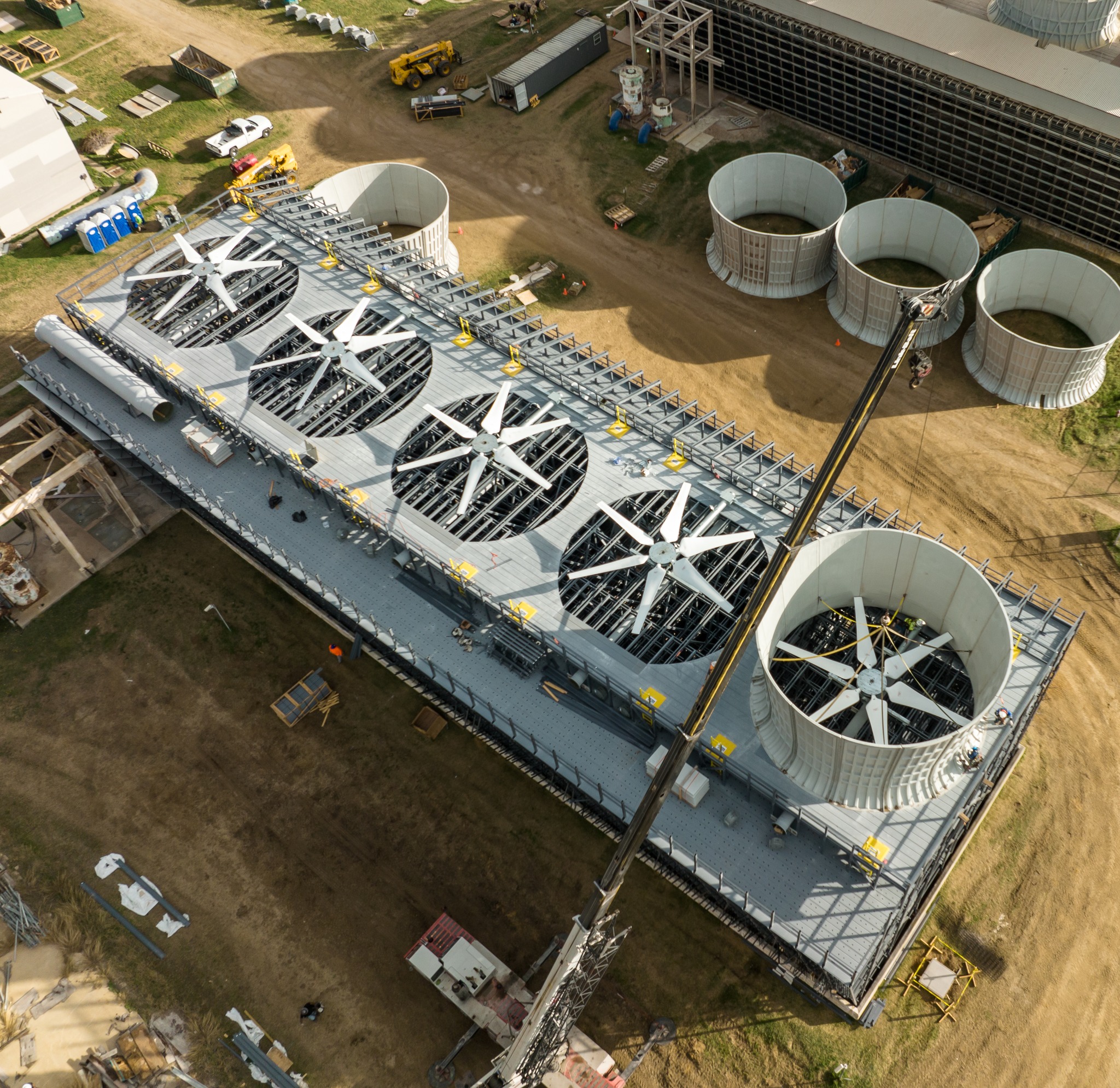
What is a Cellulose Pad? A cellulose pad is a specially engineered, rigid sheet made primarily from plant-based cellulose fibers (often from aspen or other hardwood trees) that are bonded together using special resins and then corrugated and laminated into a thick, multi-layered block. Its primary function is to maximize the surface...
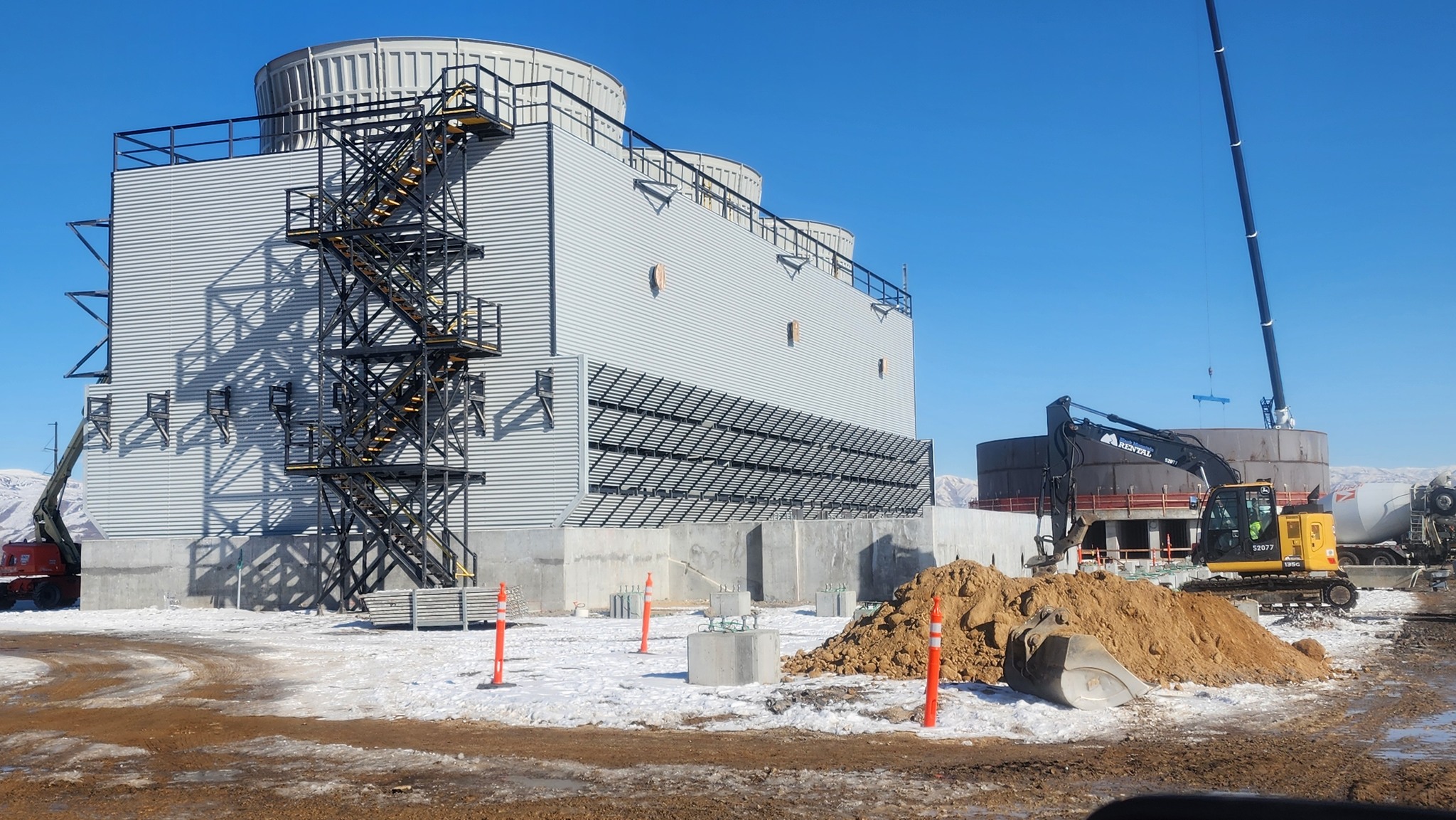
Core Components of an Adiabatic Cooling Tower 1. Heat Exchanger Core (The “Dry” Section) This is the primary component where the actual cooling of the process fluid happens. 2. Adiabatic Pre-Cooling System (The “Wet” Section) This section is responsible for cooling the incoming air before it hits the coils. 3. Air Movement...
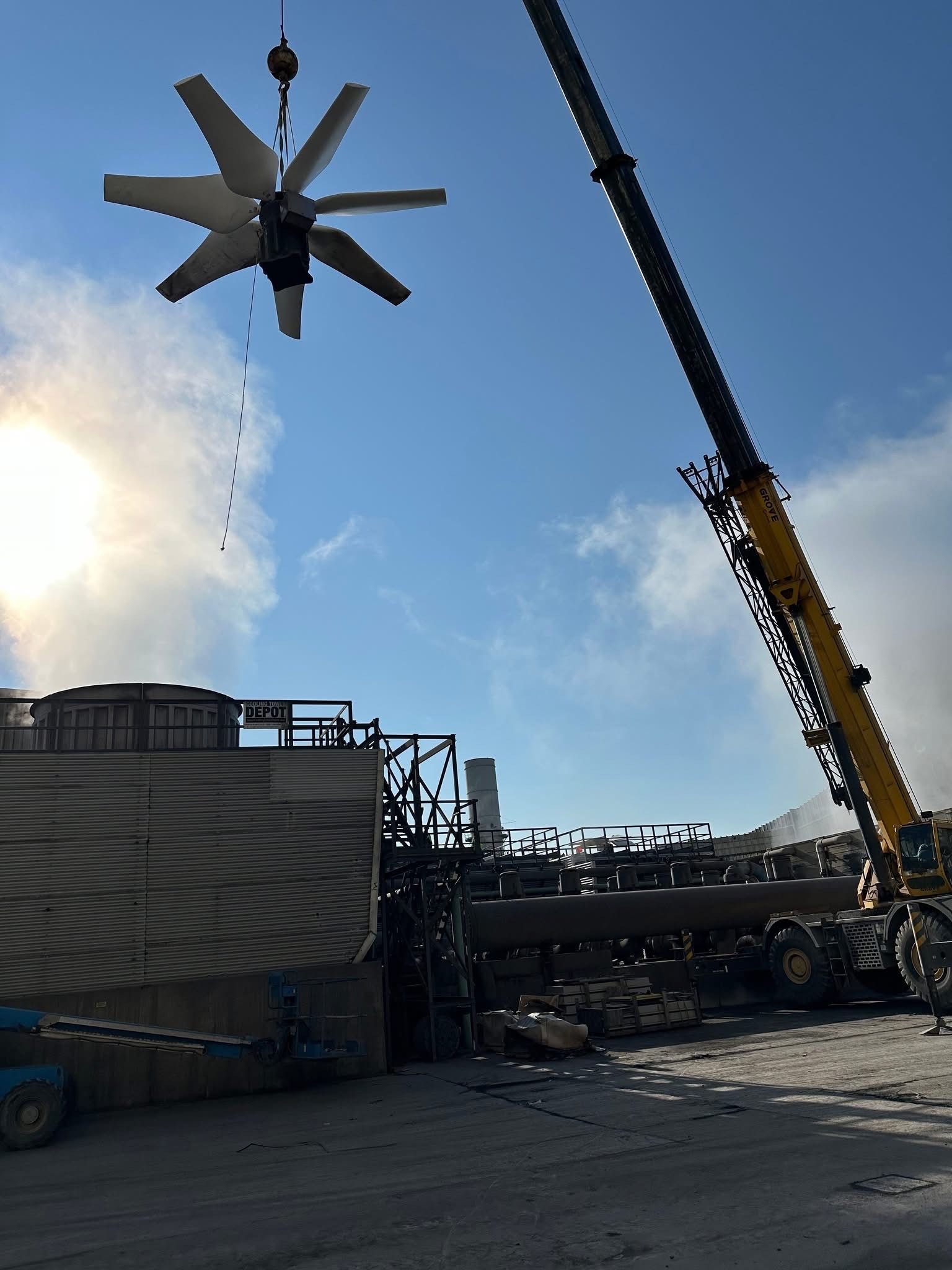
Typical Applications of Adiabatic cooling Tower Adiabatic coolers are ideal where high efficiency is needed but water use must be minimized and the process fluid must be kept clean.
Effect of Wet Bulb Temperature in Cooling Tower The Wet Bulb Temperature (WBT) is the most critical environmental factor governing the fundamental physics and ultimate limit of a cooling tower’s performance. It is not just an influence; it is the thermodynamic boundary. Here’s a detailed breakdown of its effect, from core...
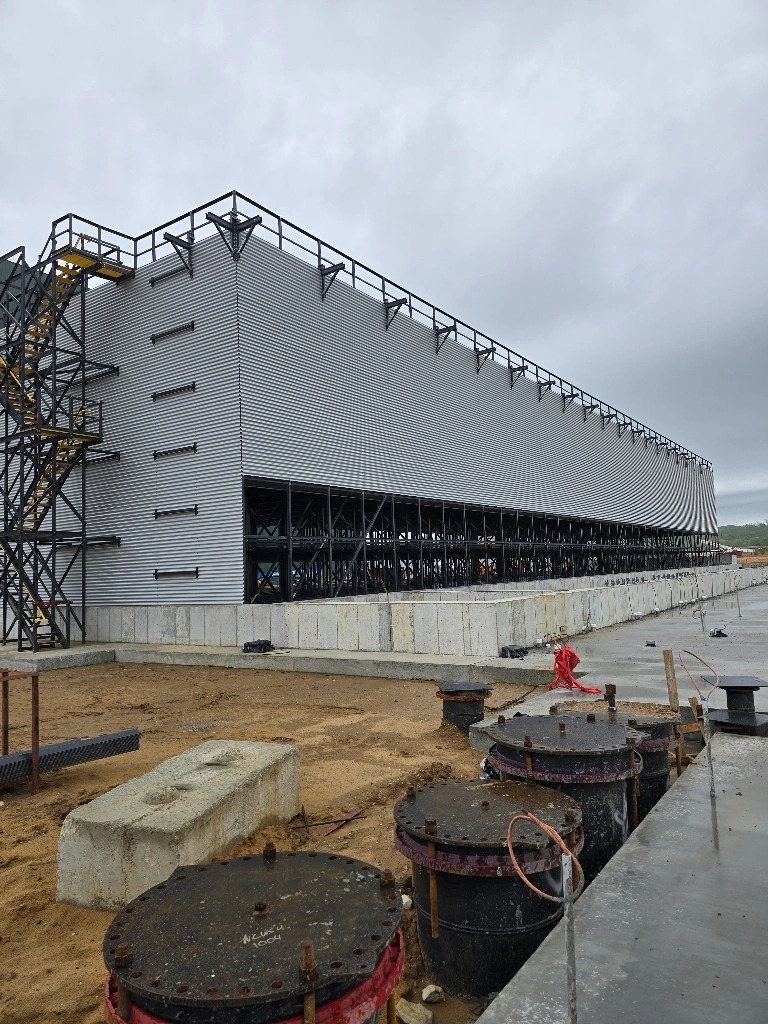
Types of Cooling Towers Used in Food & Beverage Processing The Unseen Guardian of Safety and Efficiency In the Food & Beverage industry, the cooling tower is an unseen but critical utility. It directly supports: Its reliable operation is essential for producing safe, high-quality food and beverages consistently and sustainably.
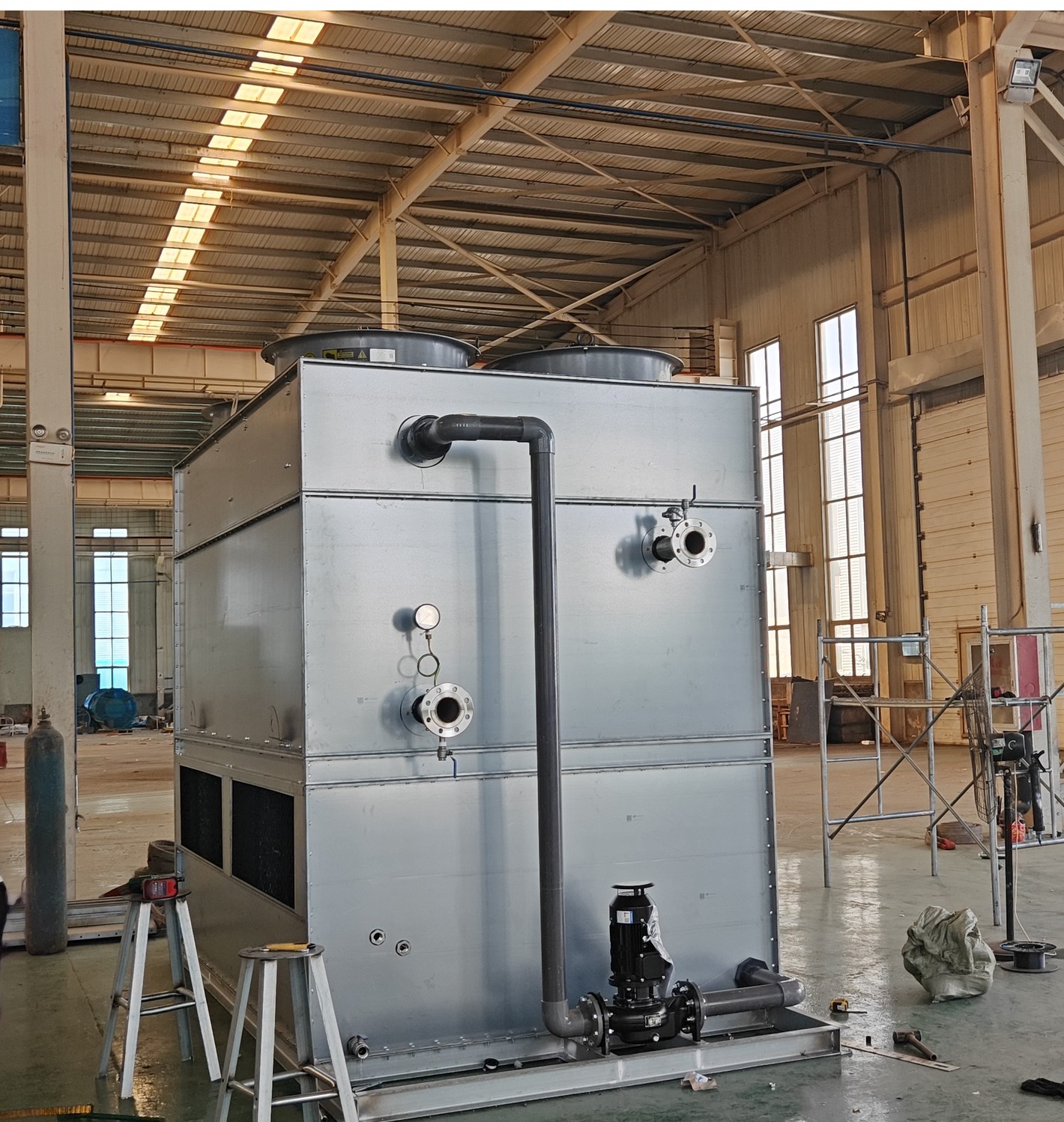
Why Cooling Towers Are Indispensable in Food & Beverage Processing Critical Operational Considerations & Unique Challenges in F&B The F&B industry has stricter hygienic requirements than most industrial settings, making cooling tower management particularly sensitive. Sanitation & Documentation: Cooling towers are subject...
Type of Cooling Towers in Steel Mills Why It’s Indispensable: Consequences of Failure A cooling tower system failure is a plant-wide emergency that leads to an immediate shutdown (“tripping”) of production. The consequences are severe: Operational Challenges & Management Managing the cooling tower system is a...
Types of Cooling Towers Used 4. Key Operational Considerations & Challenges Summary: The Vital Supporting Role Think of the cooling tower as the “heart” of the plant’s non-contact cooling circulatory system. It doesn’t directly touch the metal, but it is absolutely essential for:
cooling tower for Metals Production While not always the first thing people think of in metals production, cooling towers are critical, enabling infrastructure for the entire industry. Their primary role is heat rejection and water conservation in large-scale industrial cooling systems. Here’s a detailed breakdown of their...
Industry Applications for cooling tower Process Role of Cooling Tower API Synthesis Controls temperature in reactors for selective chemical reactions. Fermentation (Antibiotics) Removes metabolic heat from bioreactors to keep microorganisms at optimal growth temperature. Lyophilization (Freeze-Drying) Cools the condenser that captures ice sublimed...
Cooling tower for Chemical & Pharmaceutical Chemical & Pharma Manufacturing A. Safety: Preventing Runaway Reactions This is the most critical role in chemical plants. B. Product Quality & Yield: Controlling Kinetics and Selectivity Temperature dictates everything in chemistry. C. Condensation & Recovery of Volatile...
Cooling tower Industrial Manufacturing & Processing The role of cooling towers in industrial manufacturing and processing is vast and foundational. While power generation uses them to condense steam for the thermodynamic cycle, industry uses them to remove process heat for safety, quality, efficiency, and to enable core chemical and...
. Power Generation (Electricity Production) This is the largest and most critical sector for cooling tower use, measured by water volume and thermal duty. Why: The Carnot efficiency of thermal cycles mandates rejecting >50% of the heat input. Cooling towers provide the only practical, scalable method to do this. 2....