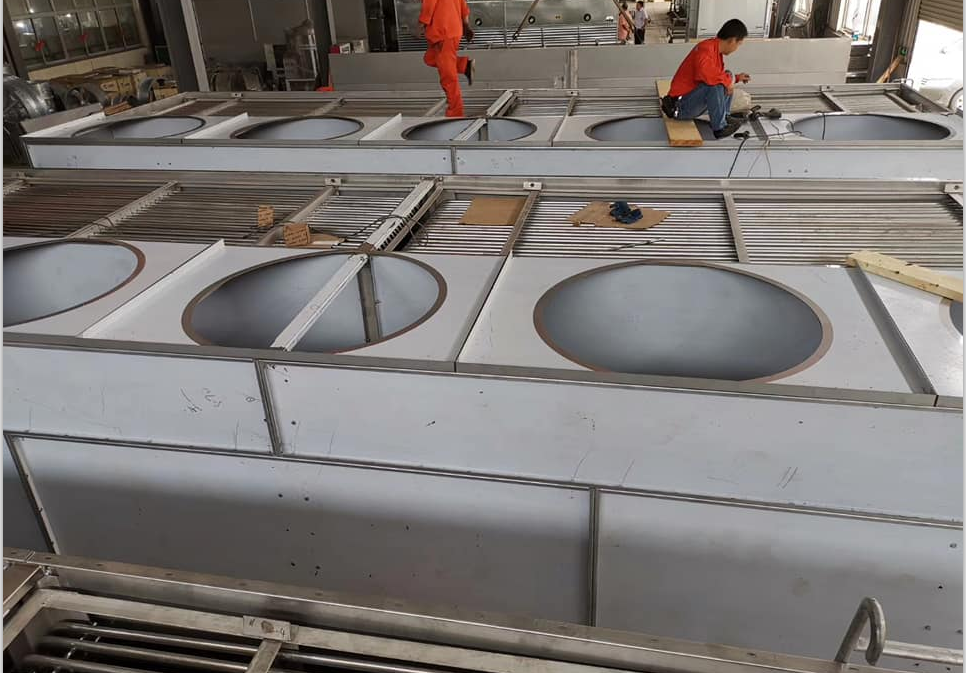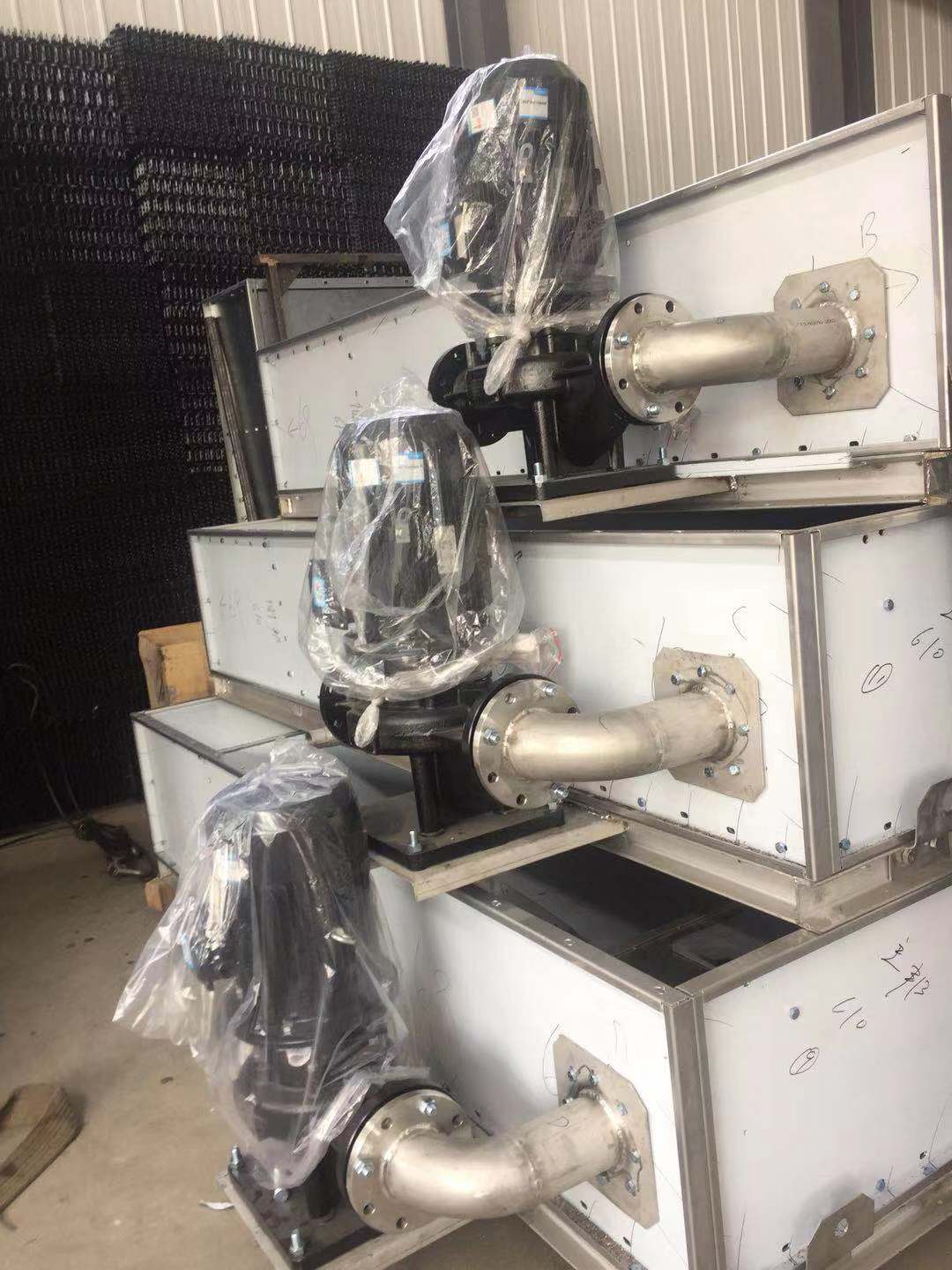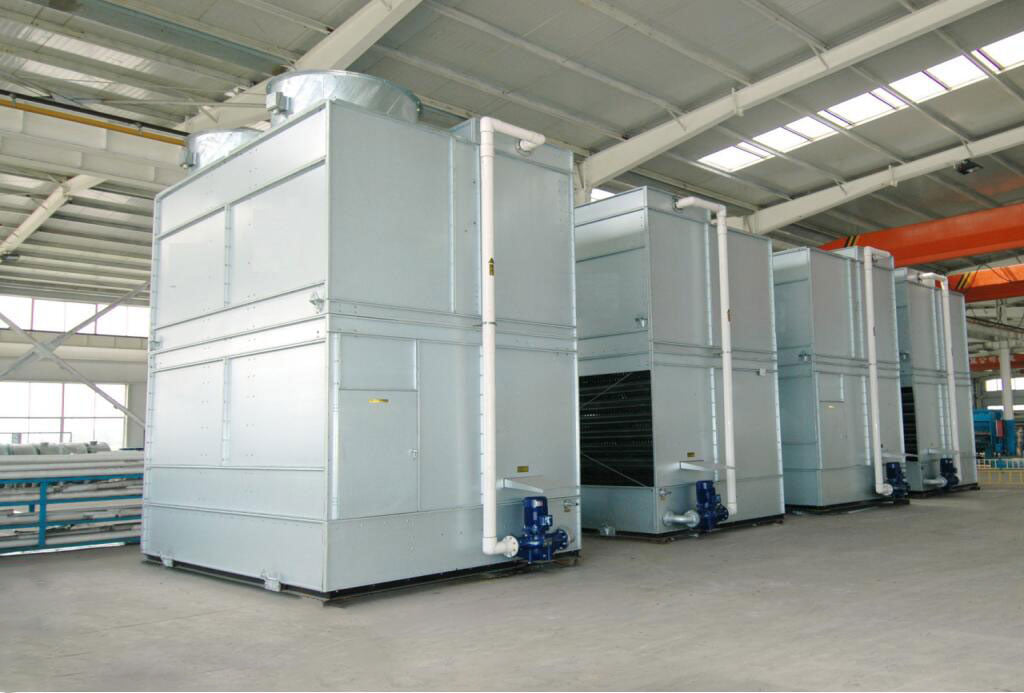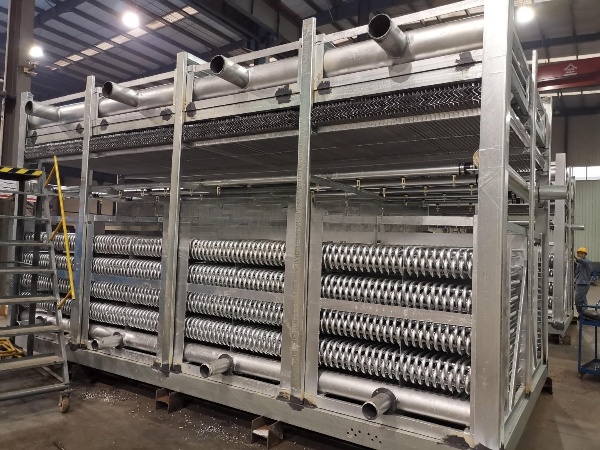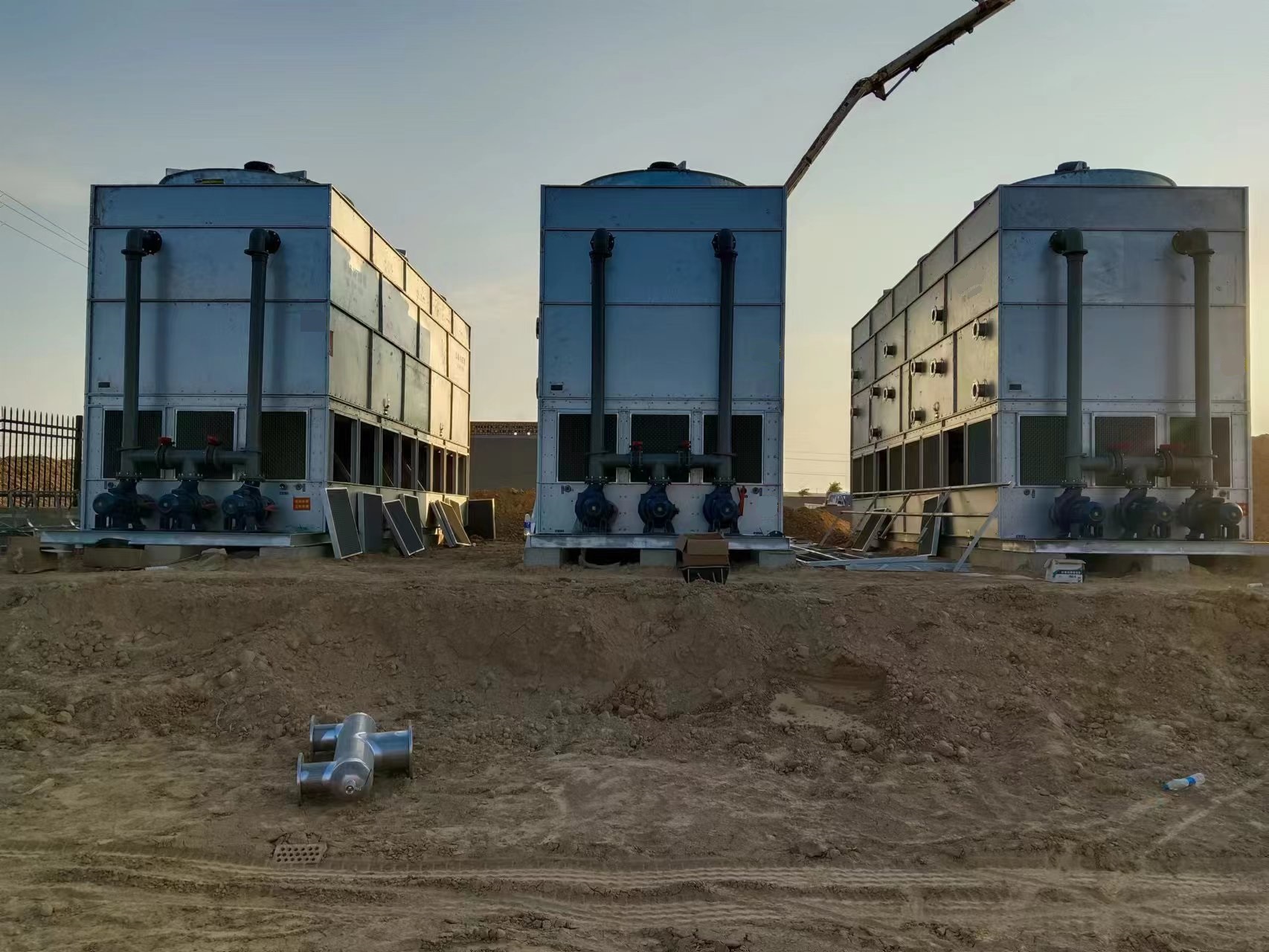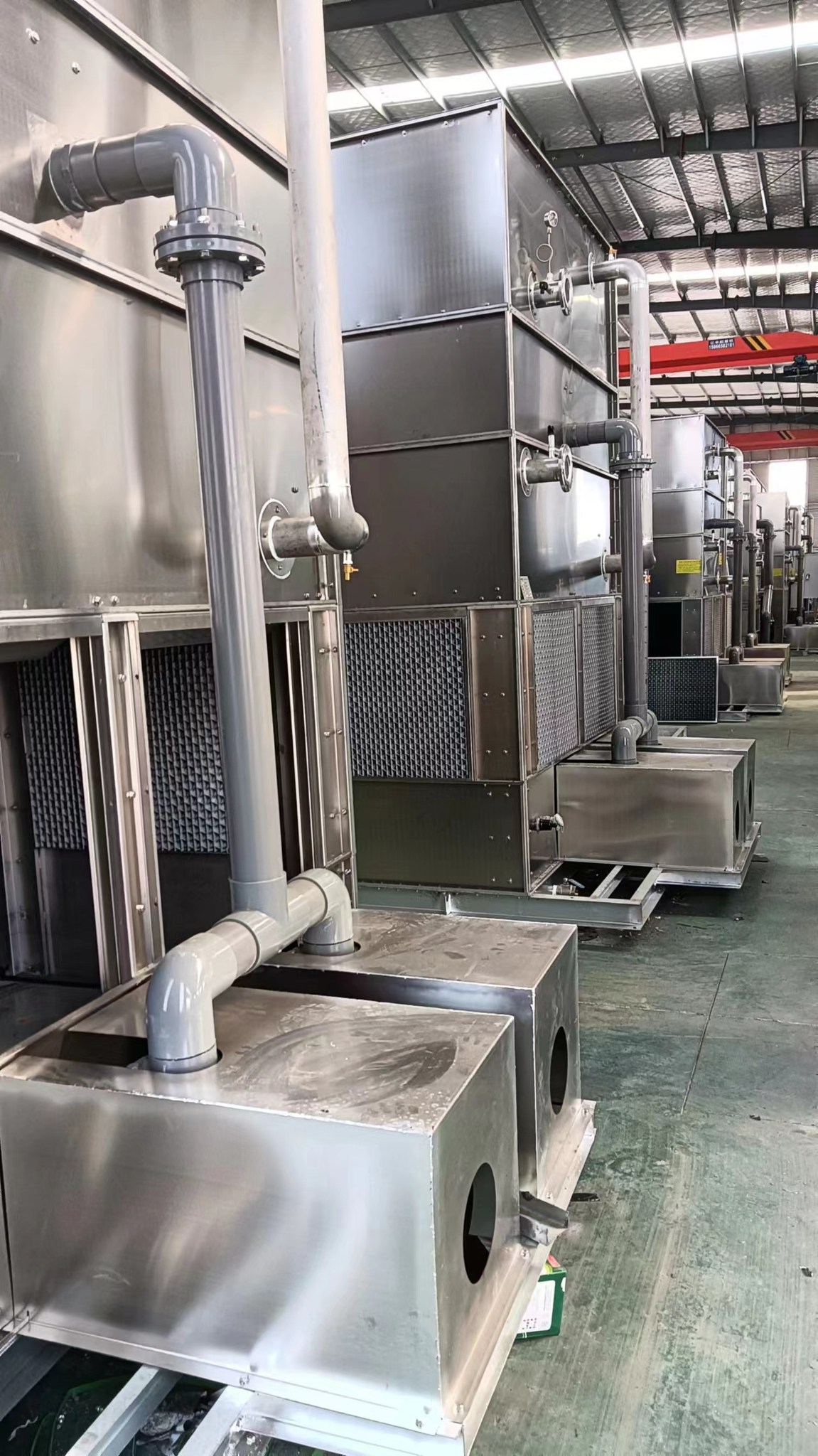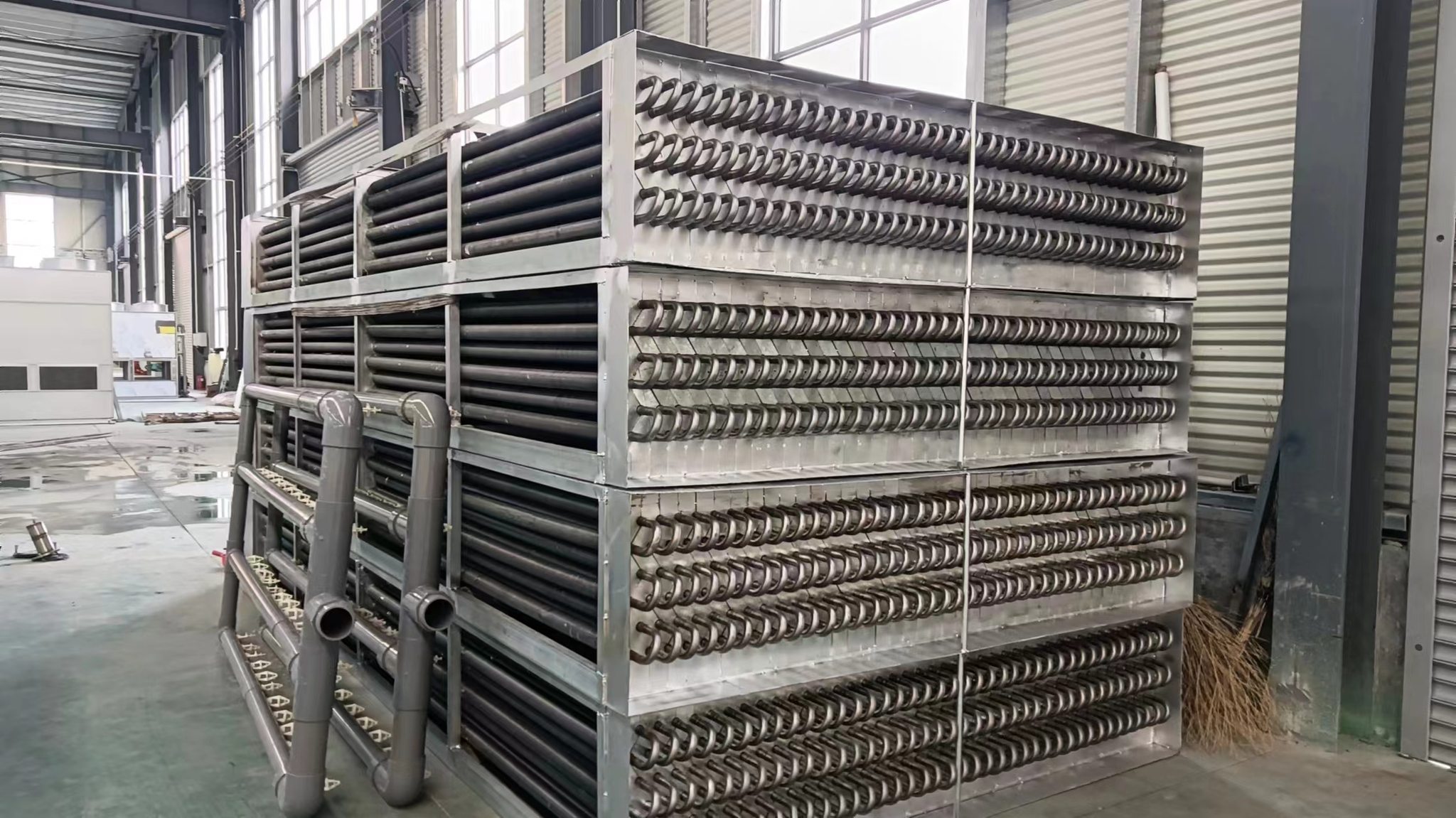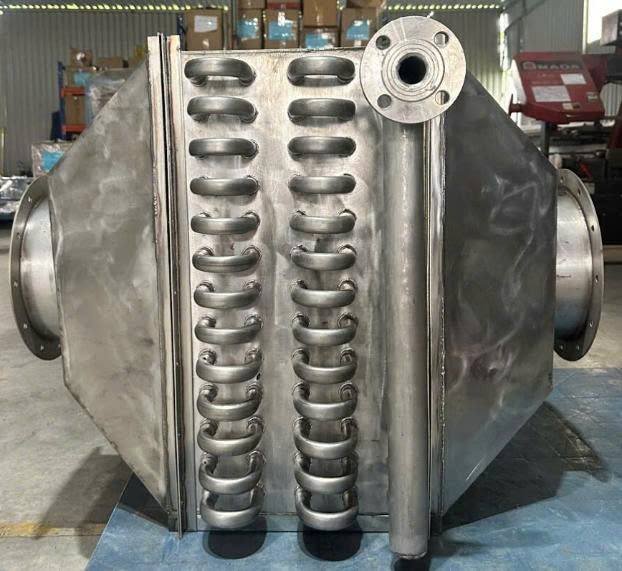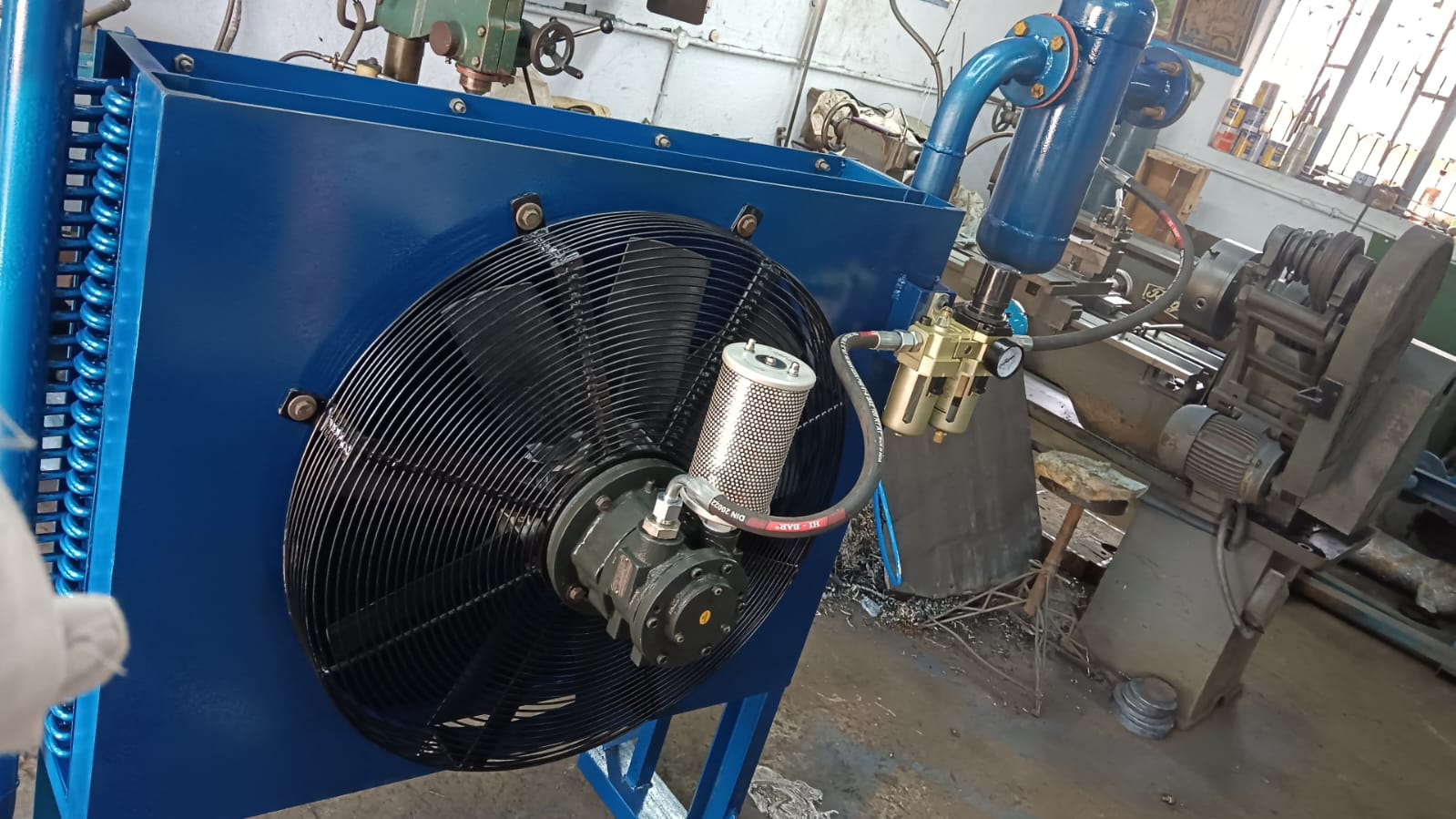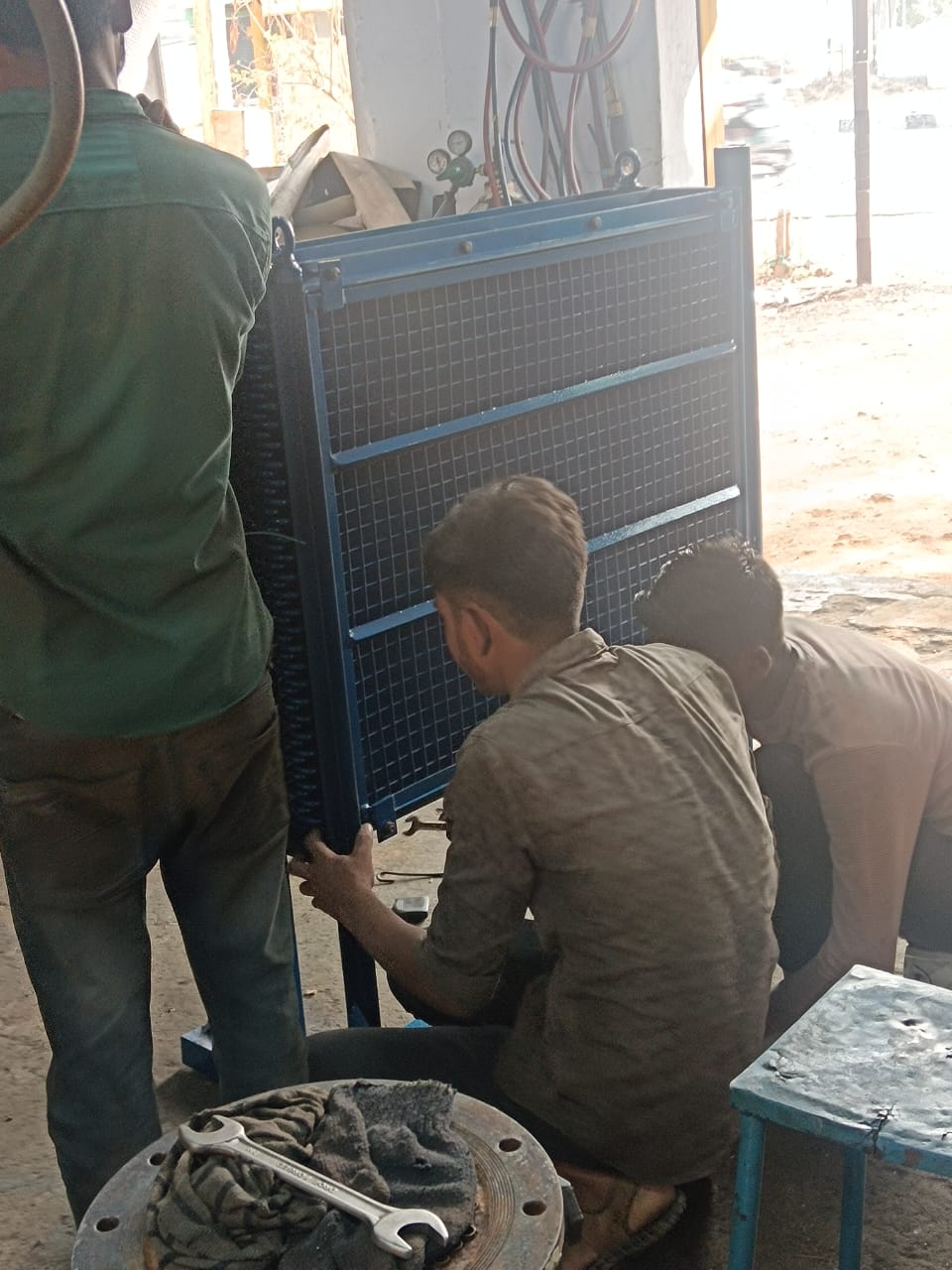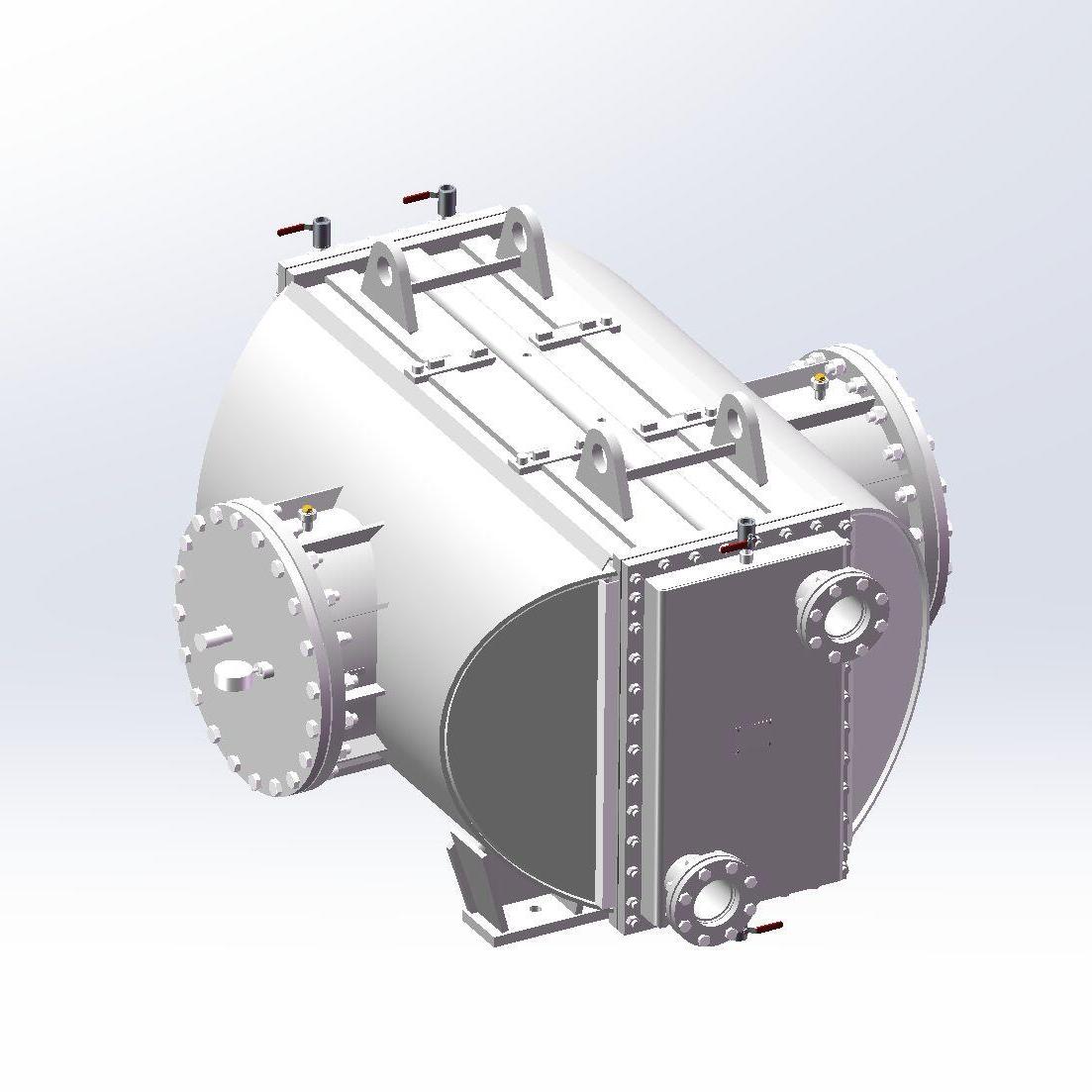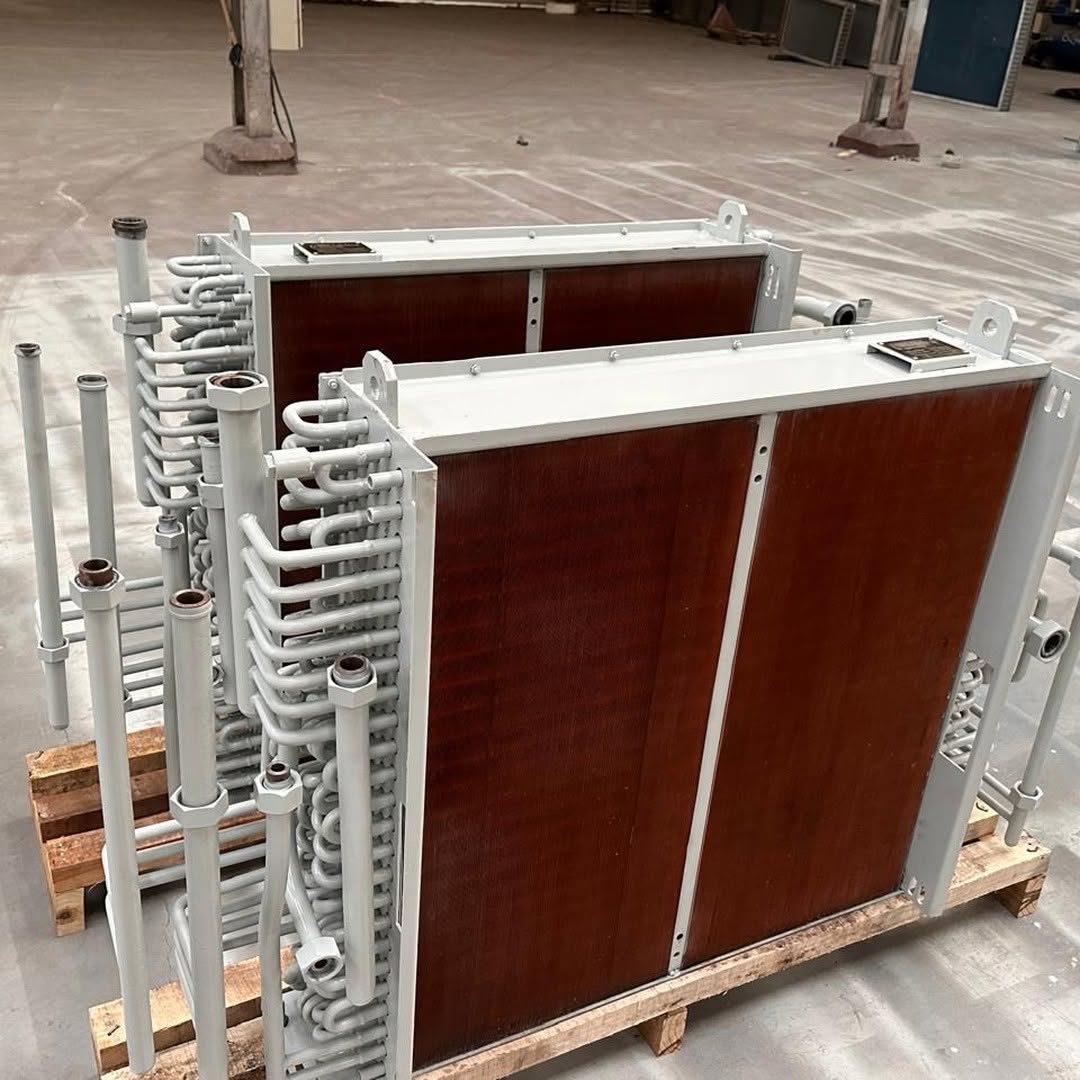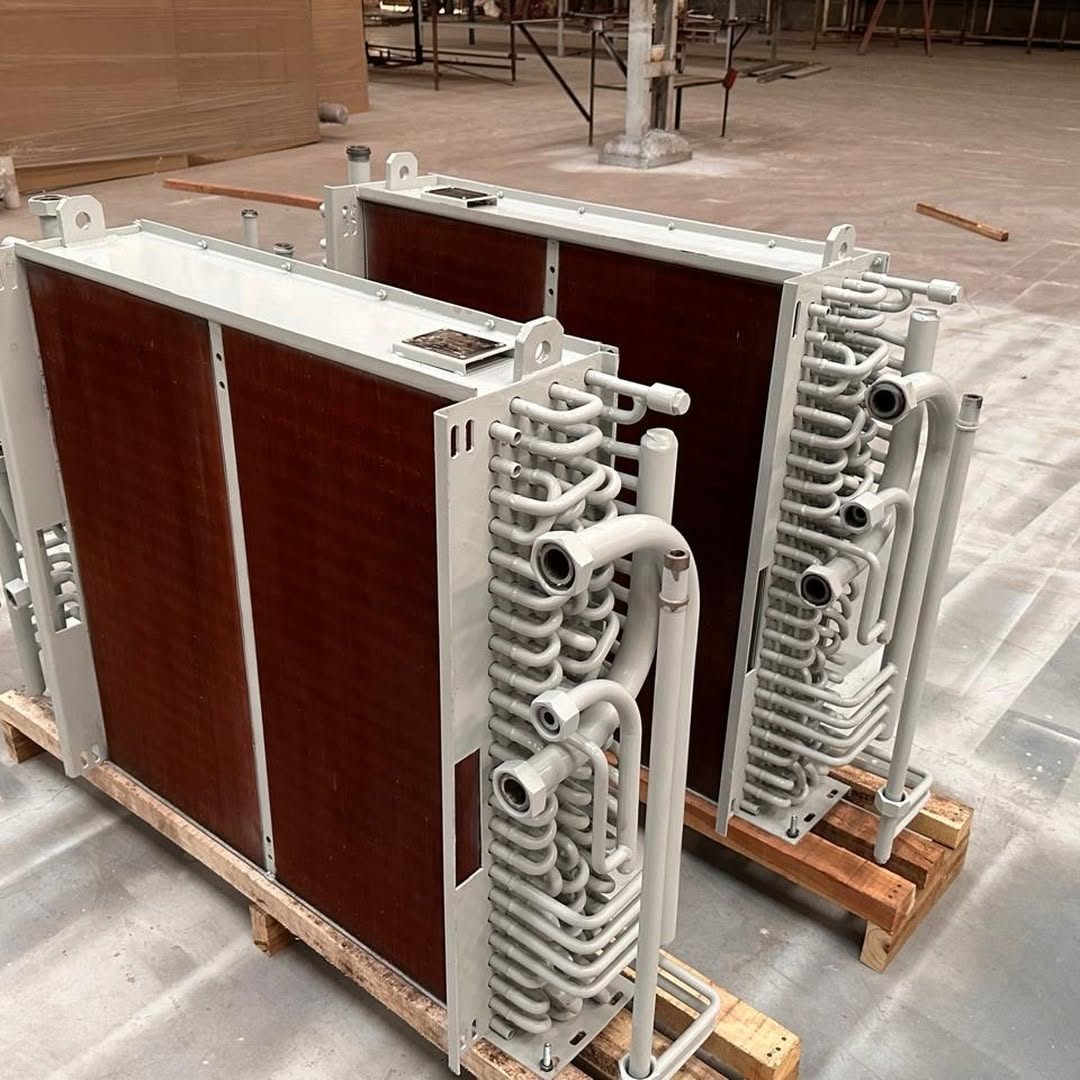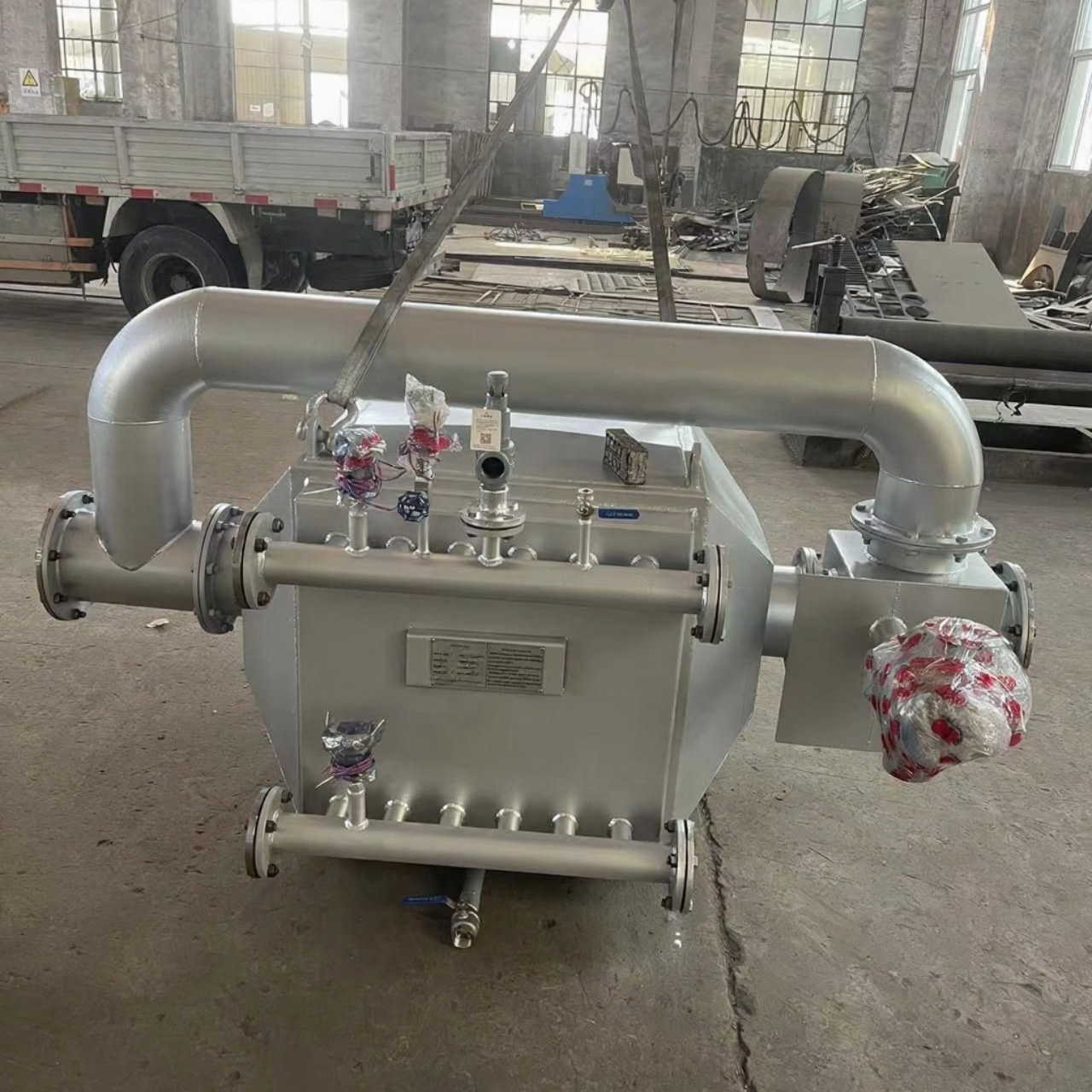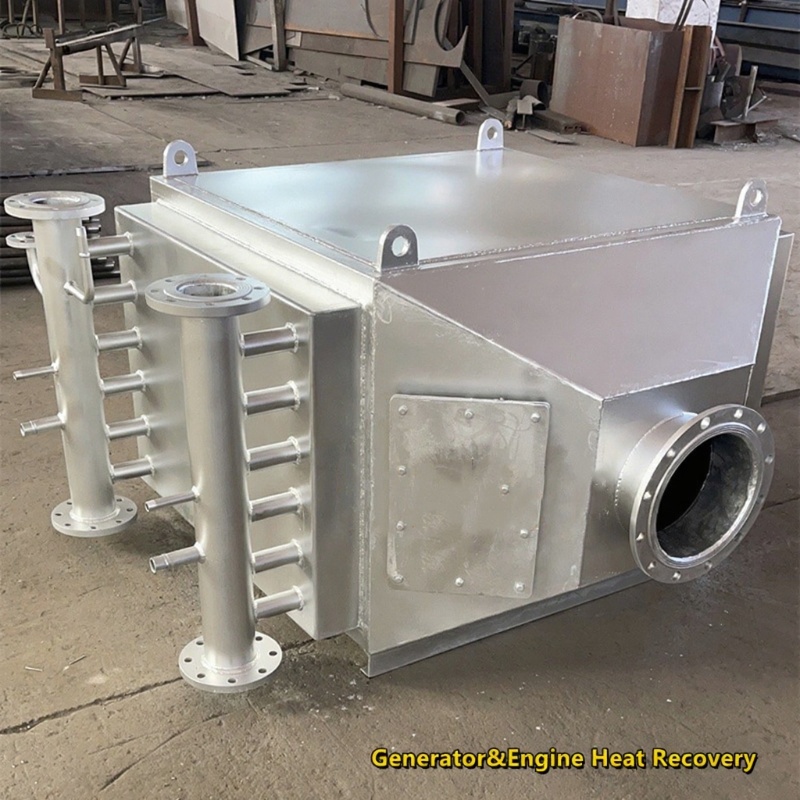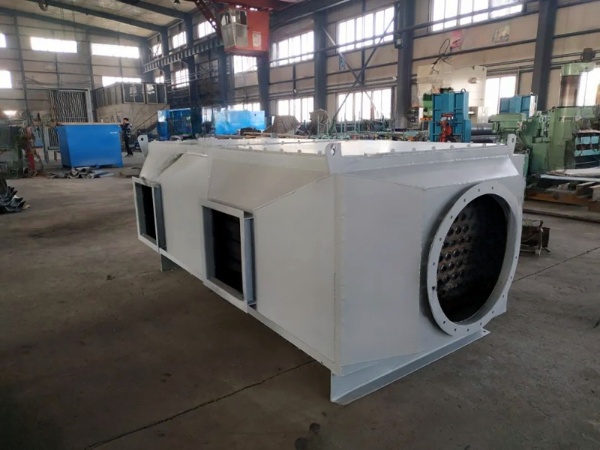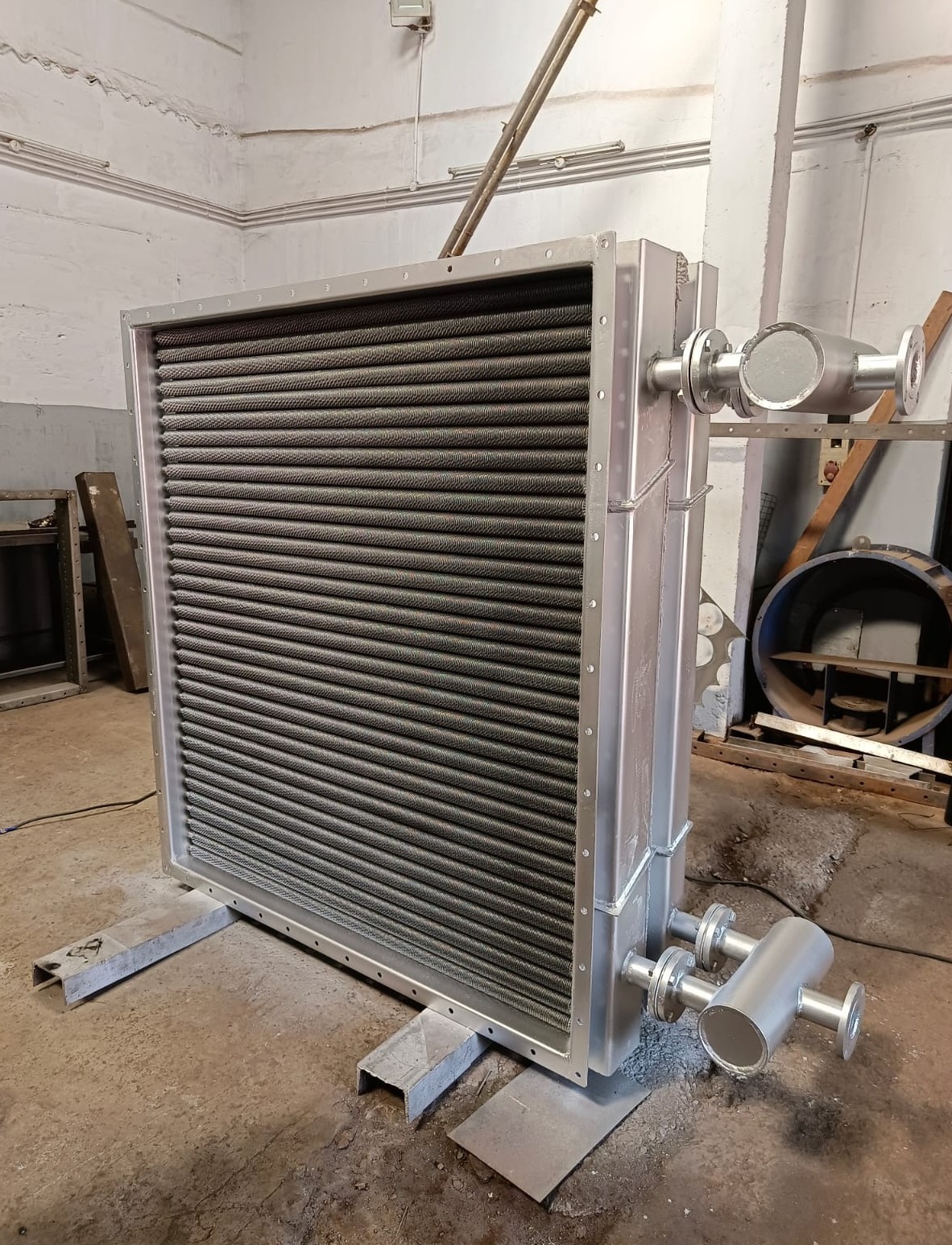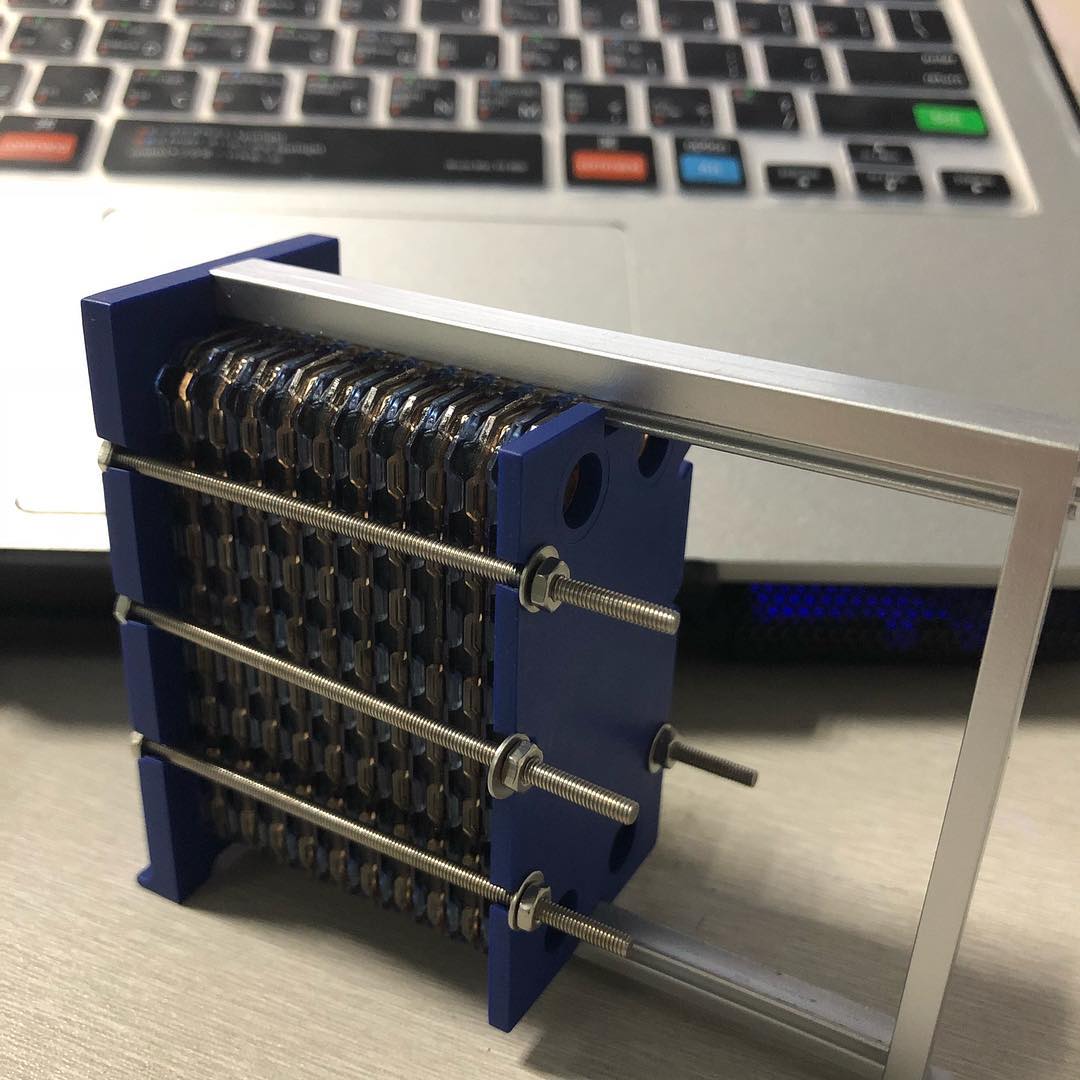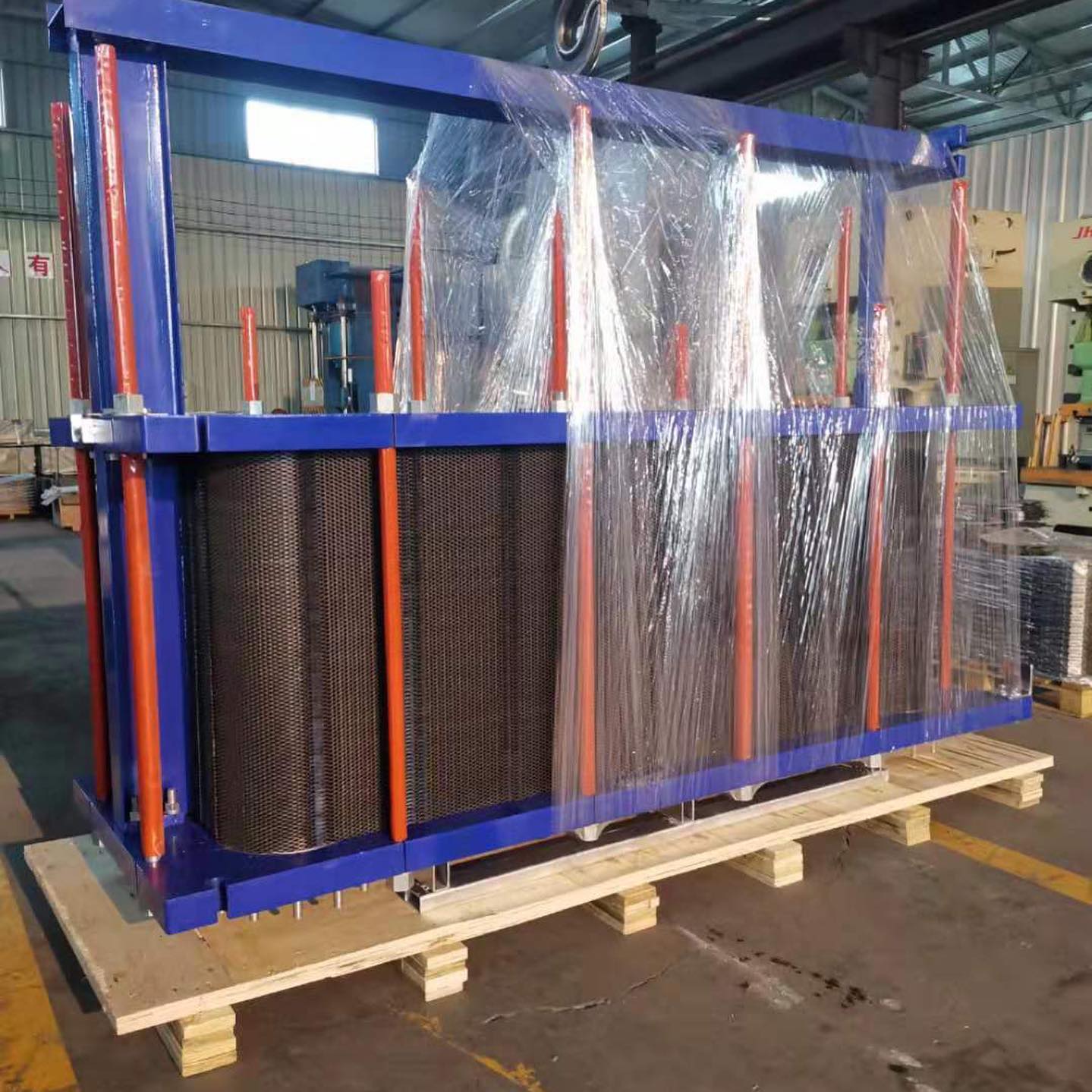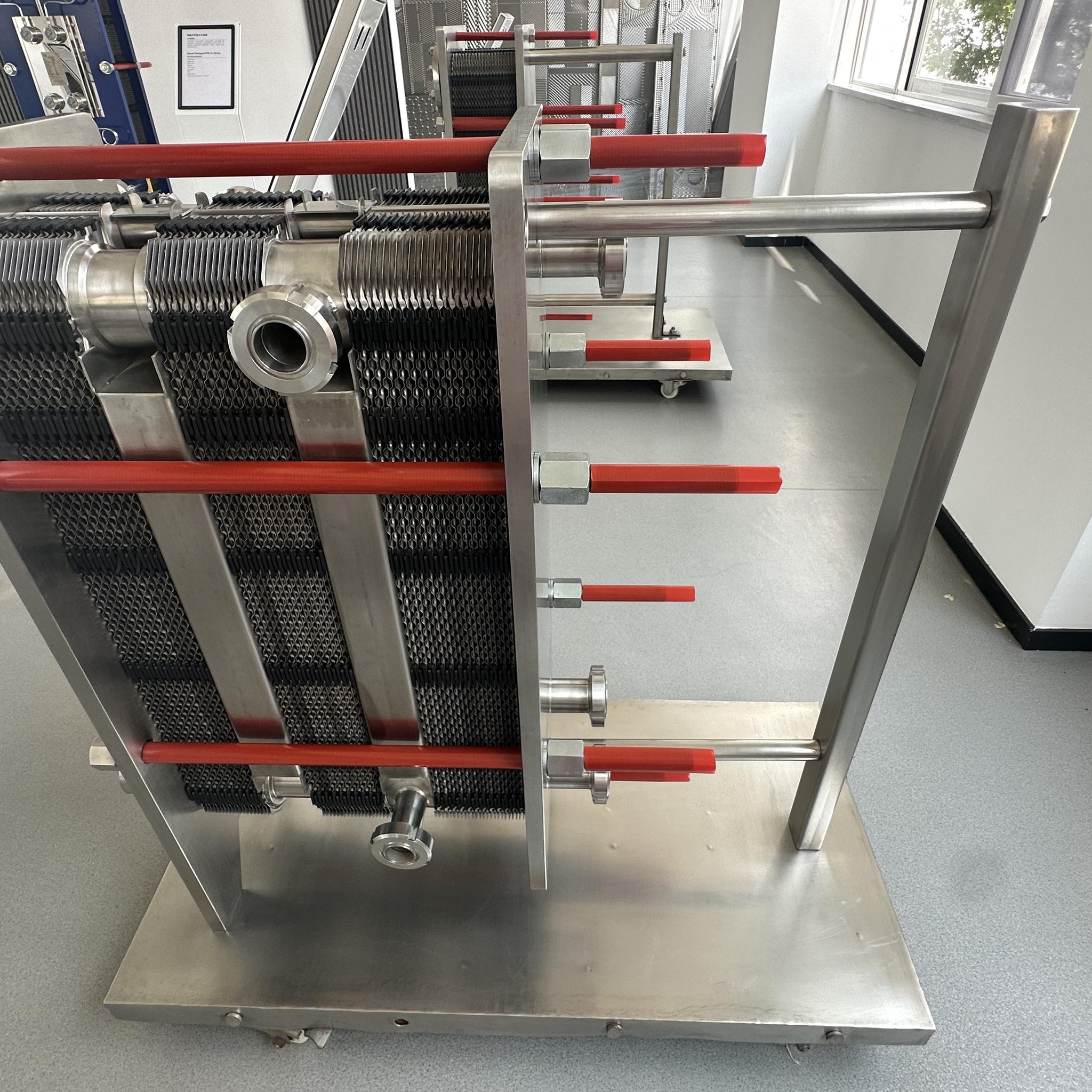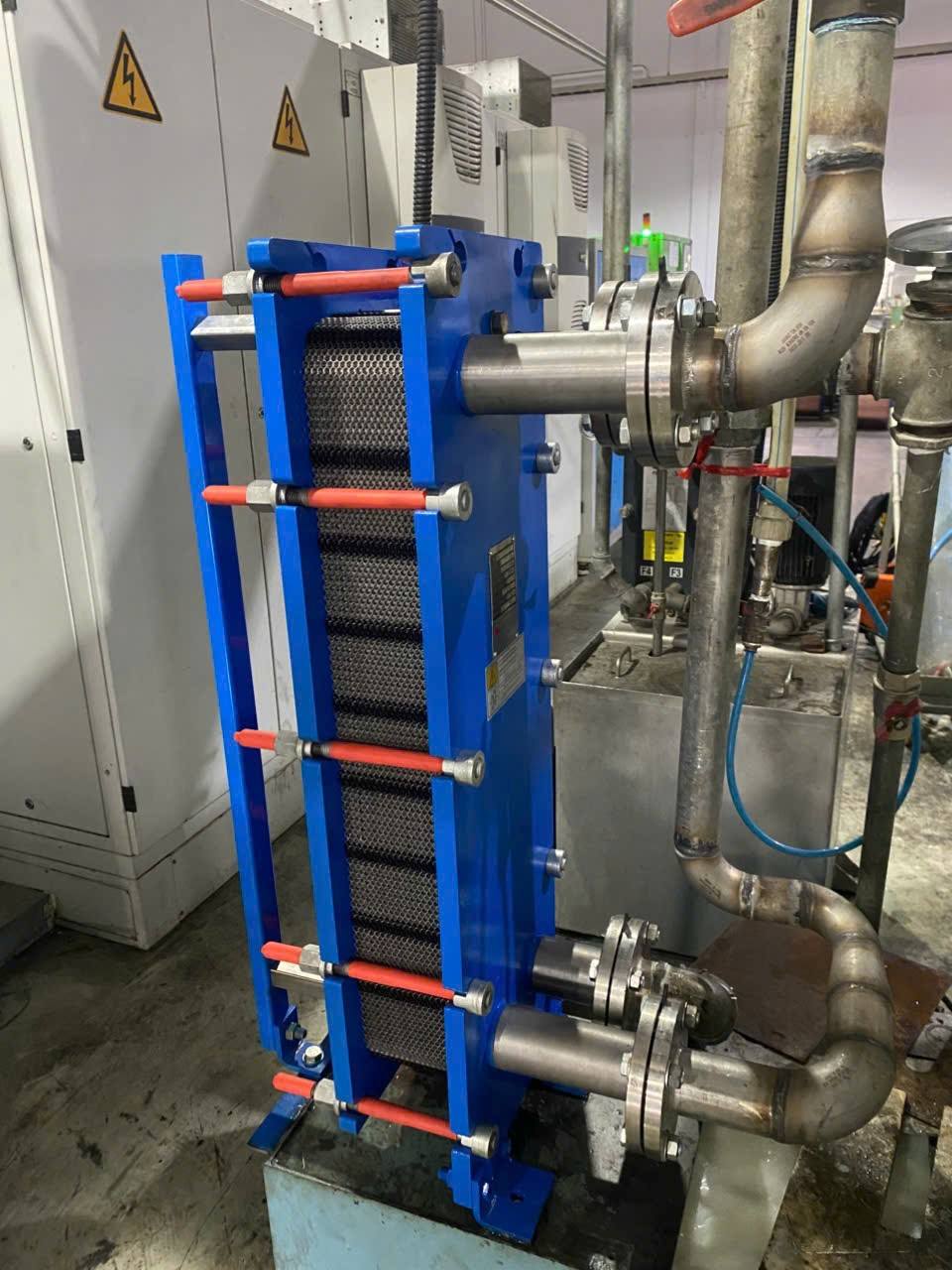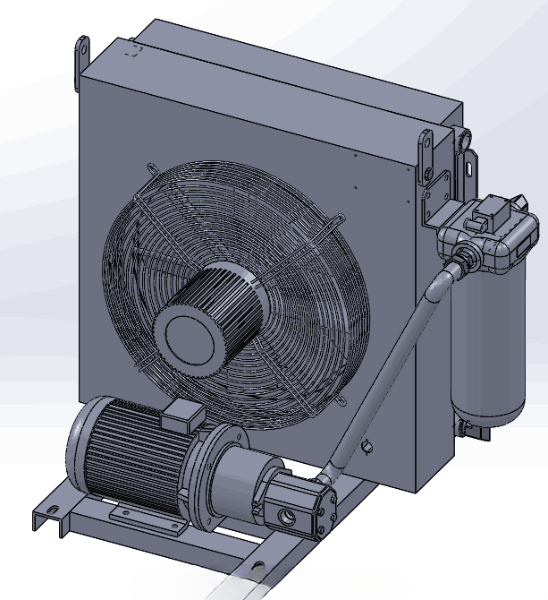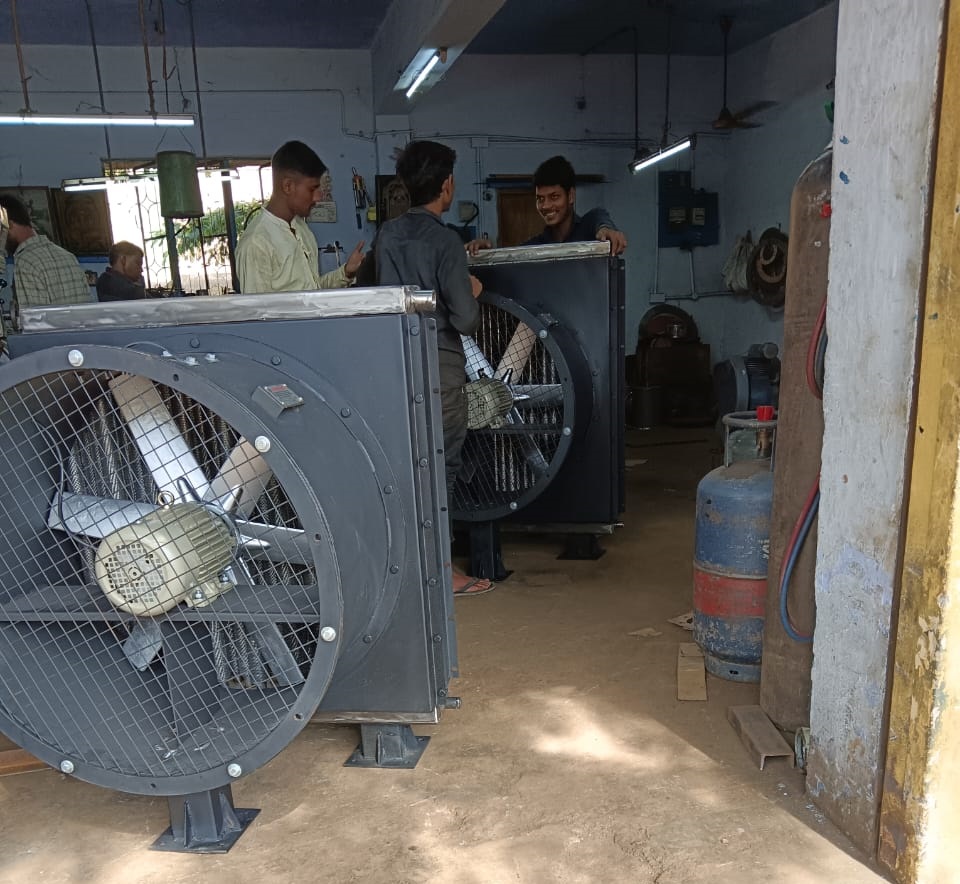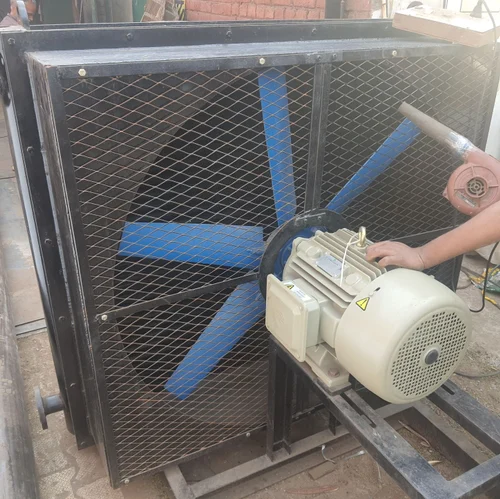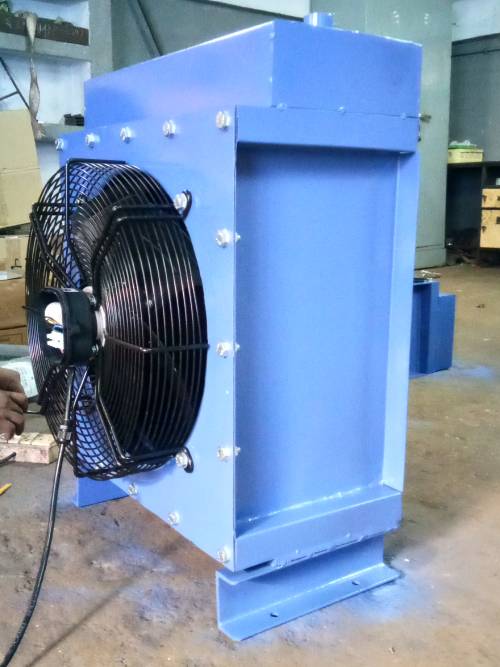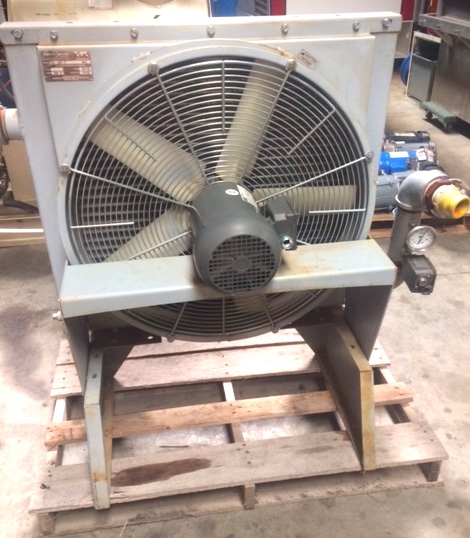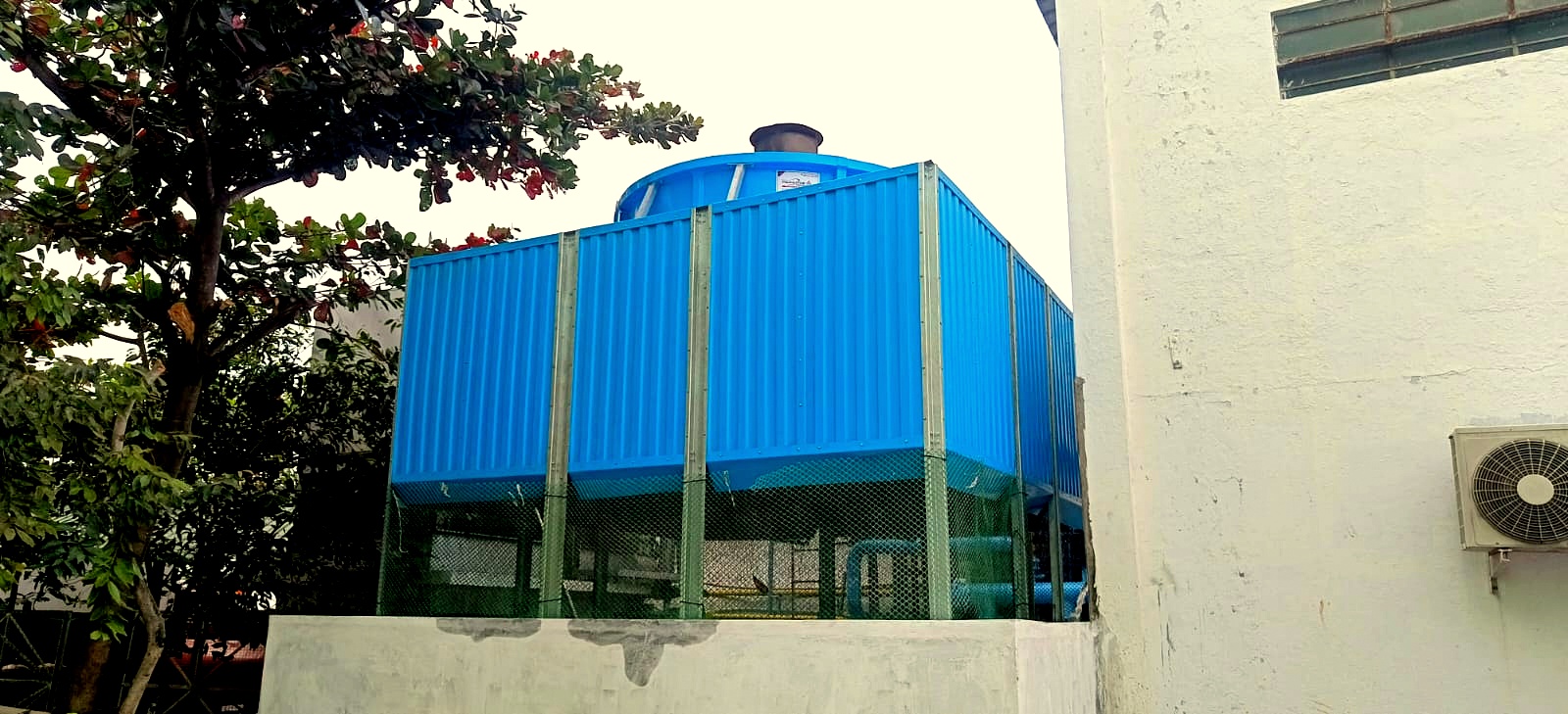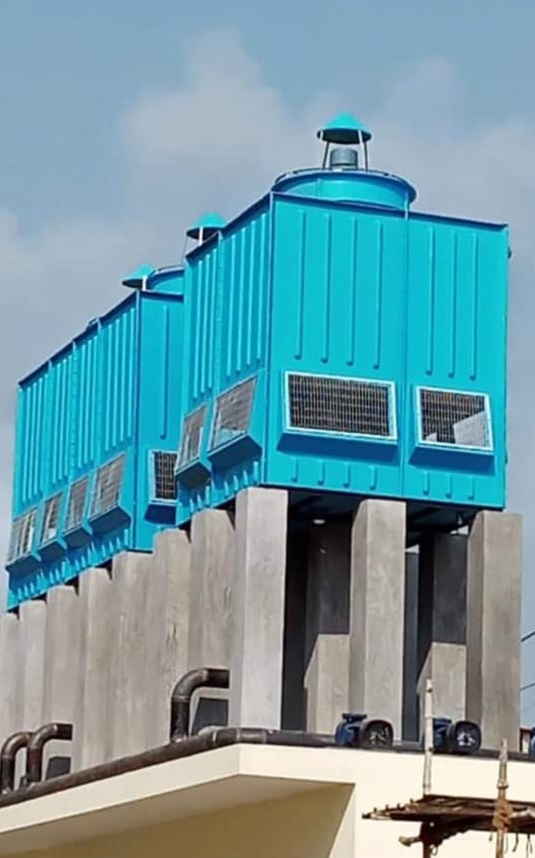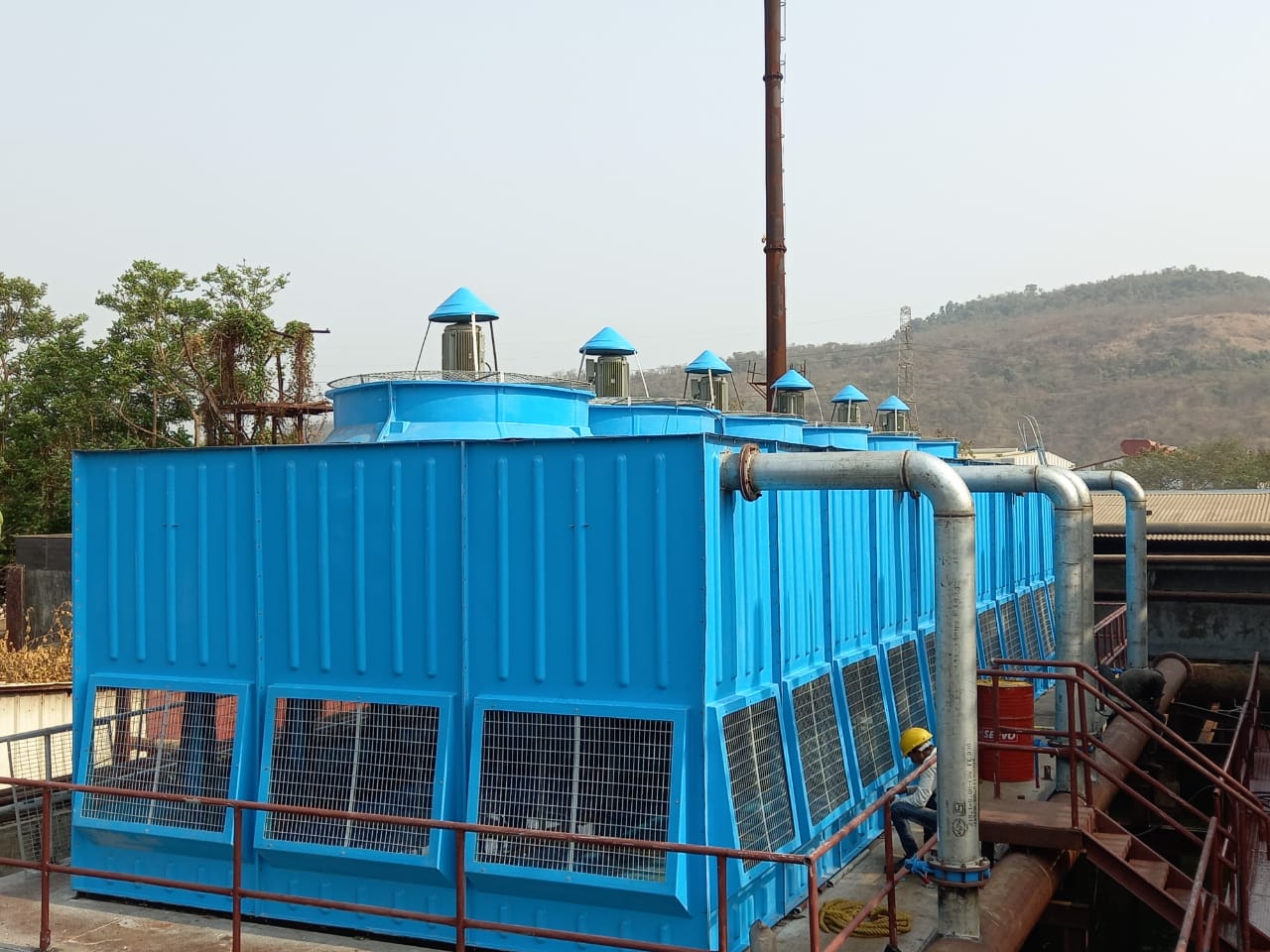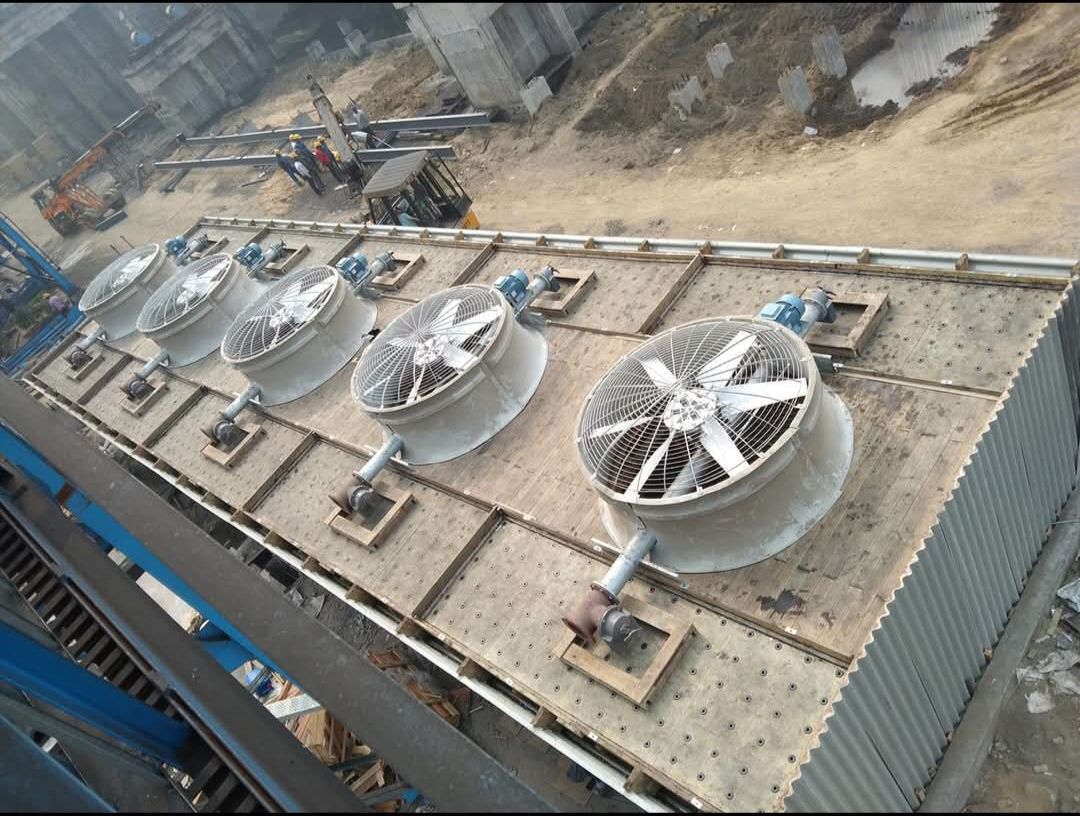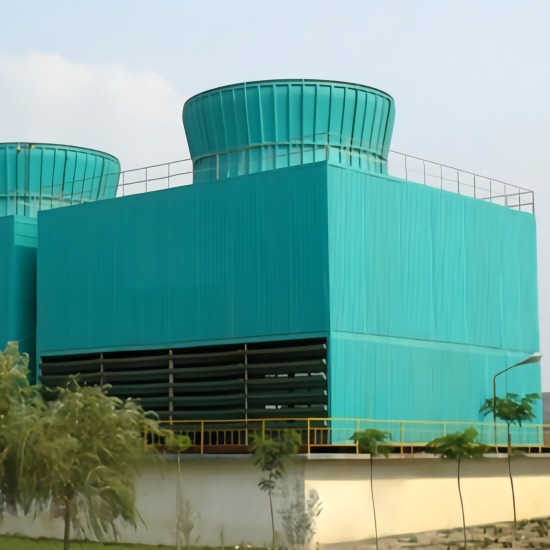
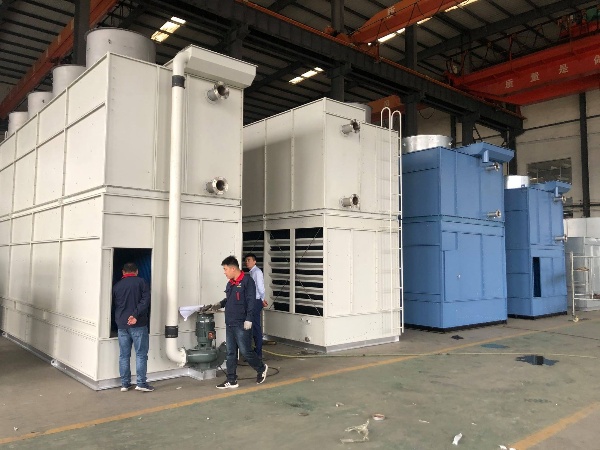
Types of Closed Circuit Cooling Towers 1. By Air/Water Flow Path & Construction 2. By Heat Rejection Method & Coil Design c) Fluid Coolers with Integral Freeze Protection
When to Choose Closed Circuit Cooling Tower When to Choose a Closed-Circuit Cooling Tower: A Decision Guide Choosing a Closed-Circuit Cooling Tower (CCT) is a strategic decision that prioritizes system protection, reliability, and lower lifecycle costs over minimal initial investment. Here are the key scenarios where a CCT is the clear...
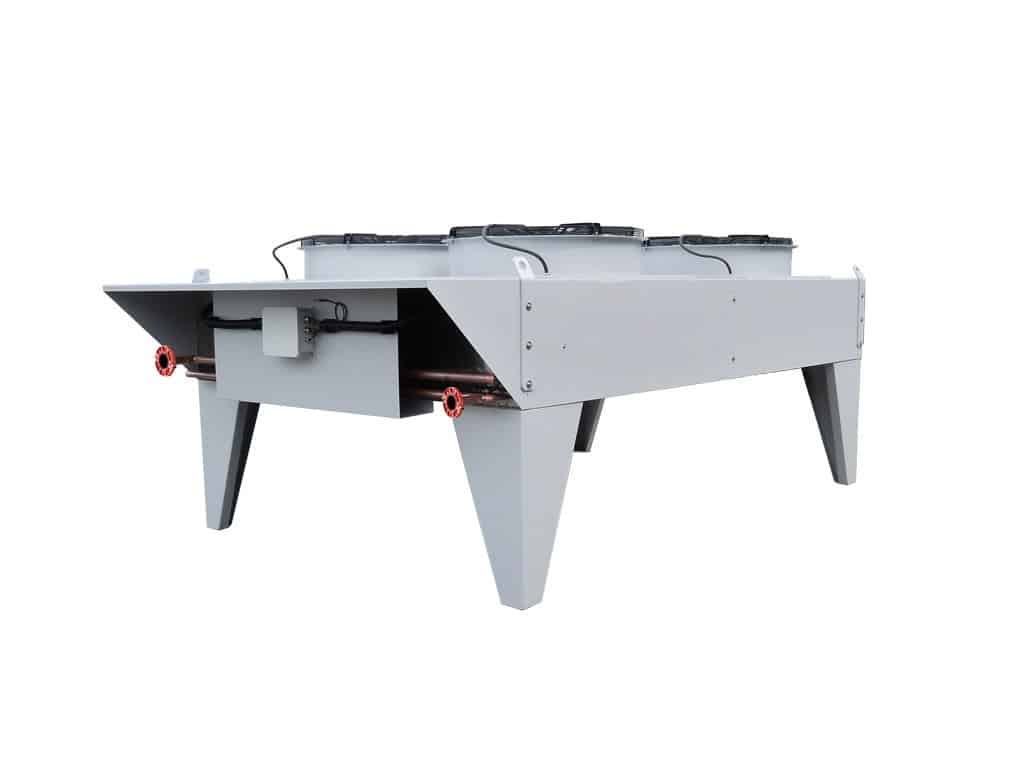
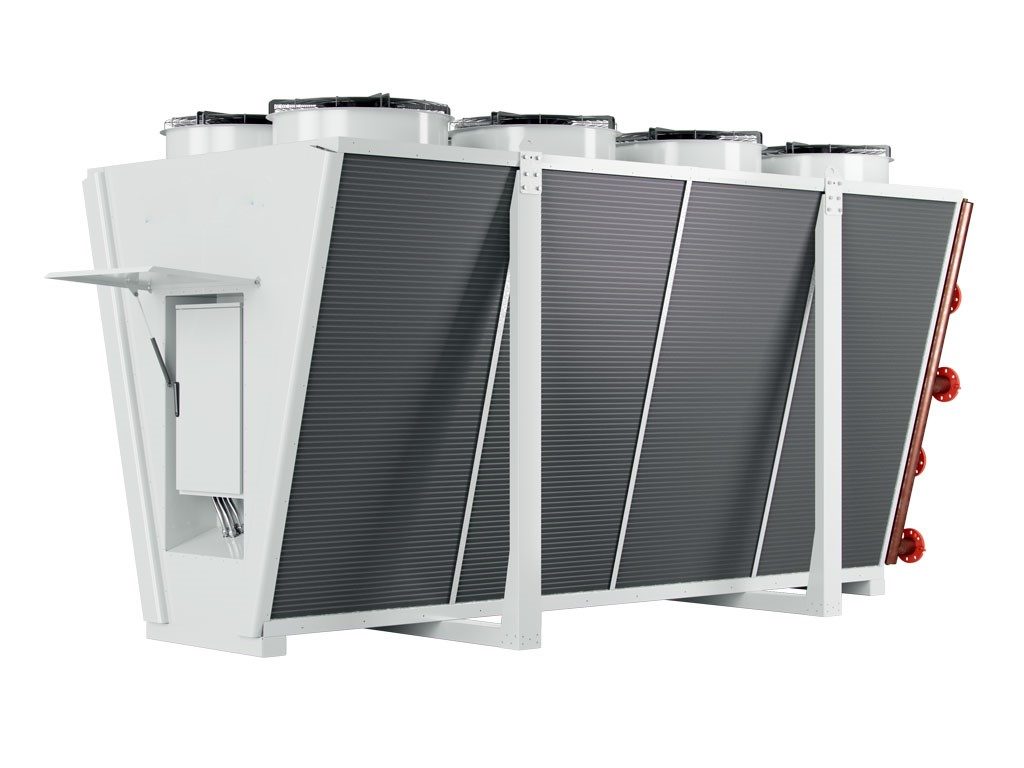
CLOSED-CIRCUIT Cooling Tower – Hybrid/Dry Cooler: The Third Option It’s worth noting a third common option that fits between these: Efficiency Spectrum:Open Tower (cools to wet-bulb temp) > Closed Circuit Tower (cools close to wet-bulb) > Dry Cooler (cools to dry-bulb temp).
Key Decision for Selection of Closed-circuit cooling tower In summary, Closed Circuit Cooling Towers are applied wherever the reliability, purity, and precise control of the cooling fluid are as important as the cooling capacity itself. They are the engineering solution for marrying the high efficiency of evaporative cooling with the...
Applications of Closed-Circuit Cooling Tower The applications of Closed Circuit Cooling Towers (CCTs) are driven by their core advantage: protecting a clean, pressurized, and precisely controlled process fluid loop. They are the preferred choice wherever cooling water contamination, scaling, or freezing would cause operational...
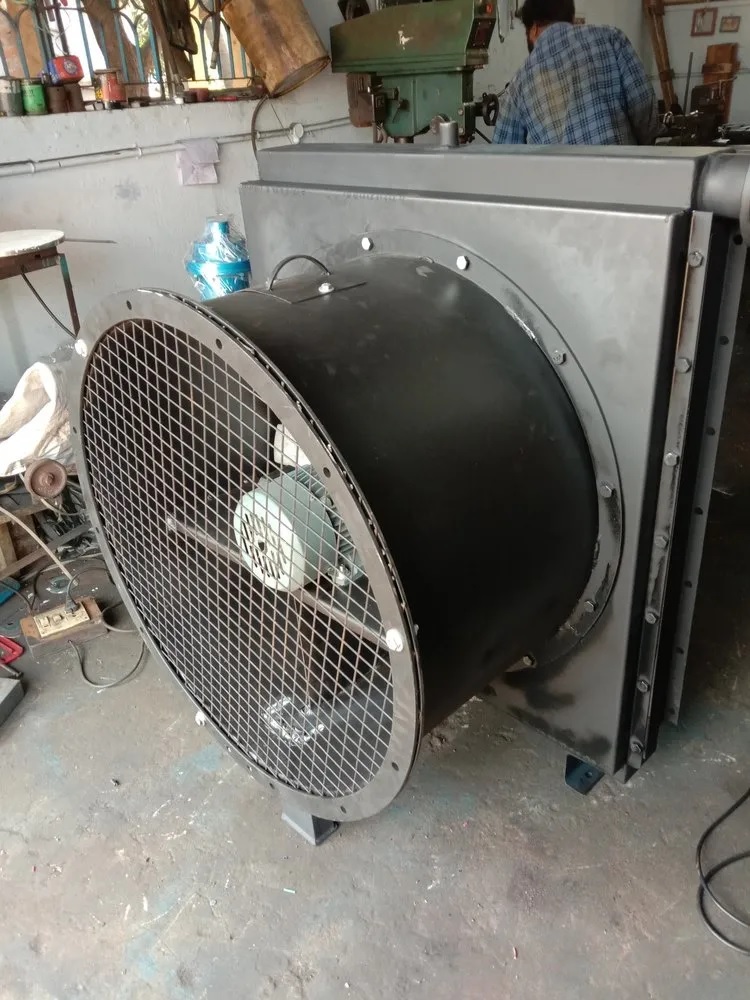
Advantages of Closed-Circuit cooling tower at a Glance Advantage Impact Clean Process Fluid Protects sensitive equipment, ensures consistent performance. Lower Water Treatment Reduces chemical cost, complexity, and environmental impact. Easy Freeze Protection Ideal for cold climates; operational with glycol. Energy-Efficient Pumping Lower pump head...
. Superior Process Fluid Protection (The Primary Advantage) This is the most significant benefit and the core reason for choosing a CCT. 2. Reduced Water Treatment Costs & Complexity 3. Excellent Freeze Protection 4. Lower System Pumping Energy 5. Consistent Hydraulic Performance & Pressure 6. Reduced Risk of Legionella & Environmental...
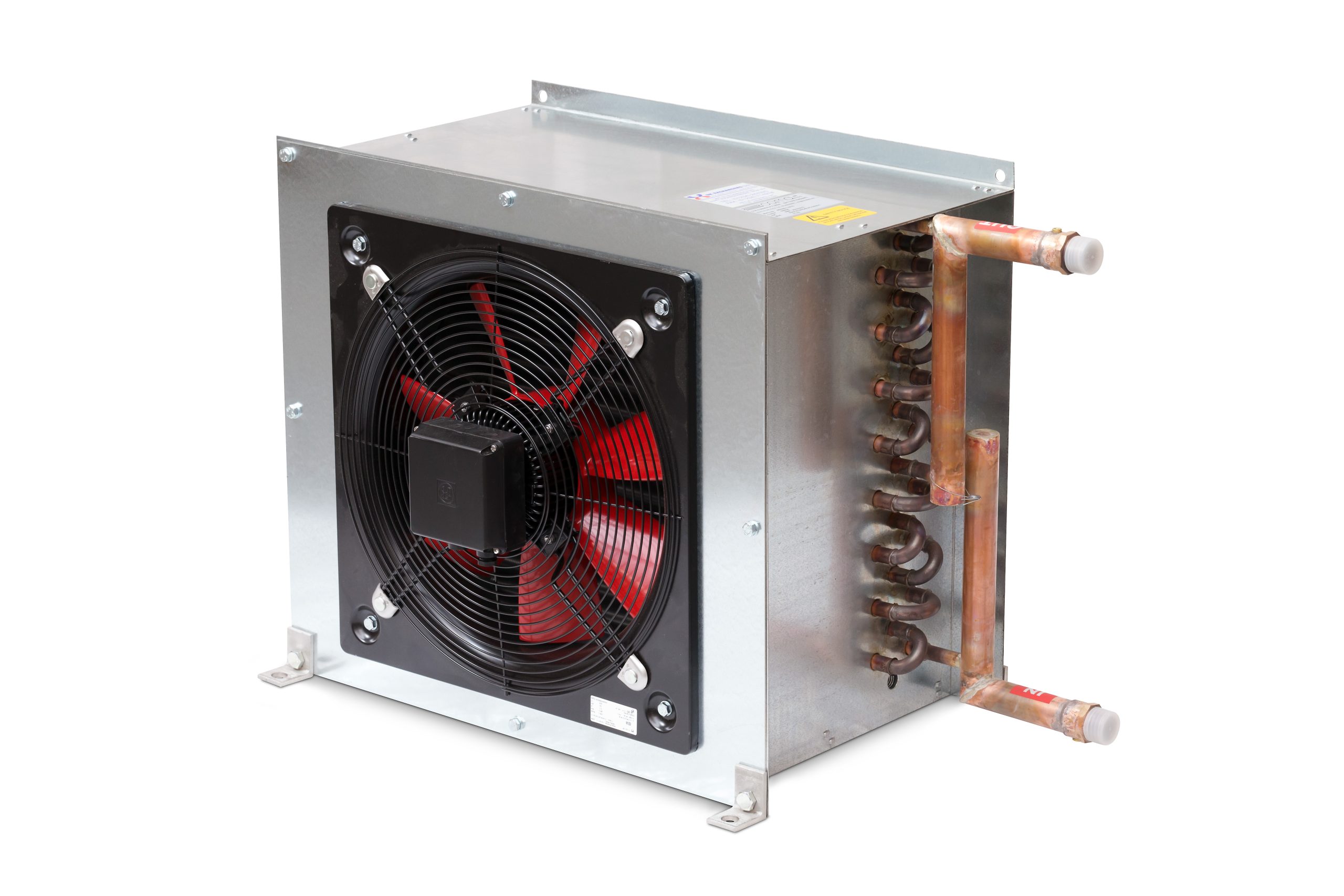
A Closed-Circuit Cooling Tower (often called a Fluid Cooler or a Closed Loop Cooling Tower) is a specialized type of heat exchanger that cools a process fluid (water or a water-glycol mixture) in a closed loop, without exposing it directly to the atmosphere or the outside environment. Here’s a breakdown of how it...
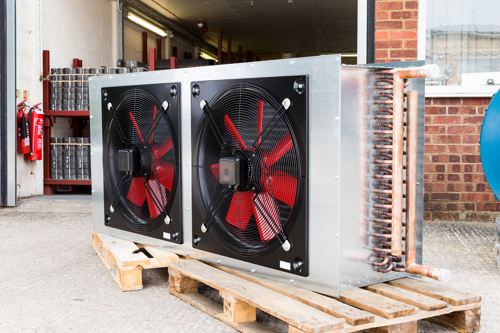
KEY MATERIALS FOR FILLS Material Max Temp Properties Typical Use PVC (Polyvinyl Chloride) ~50-60°C (122-140°F) Low cost, good corrosion resistance, flammable. Standard for most film & splash fills in HVAC and general industry. PP (Polypropylene) ~70-80°C (158-176°F) Higher temp tolerance, good chemical resistance. Hot water processes,...
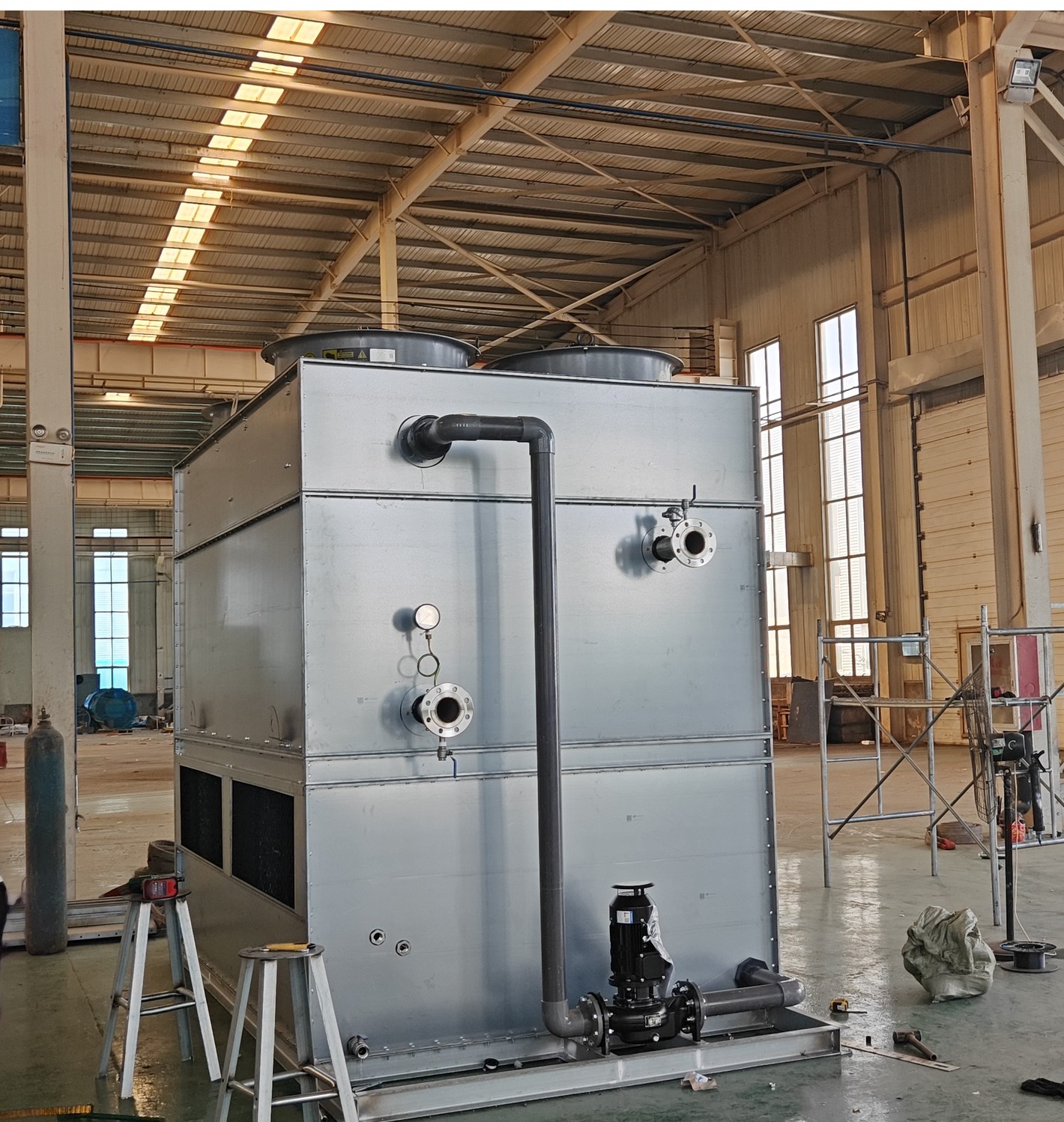
Double Cross flow vs. Other Types Feature Double Cross flow Single Cross flow Induced Draft Counter flow Air Inlets Two opposite sides One side All around the bottom perimeter Plan Area (Footprint) Wider for same capacity Wider (one-sided) More compact Pump Head Required Low (gravity basin) Low Higher (pressurized nozzles) Fill...
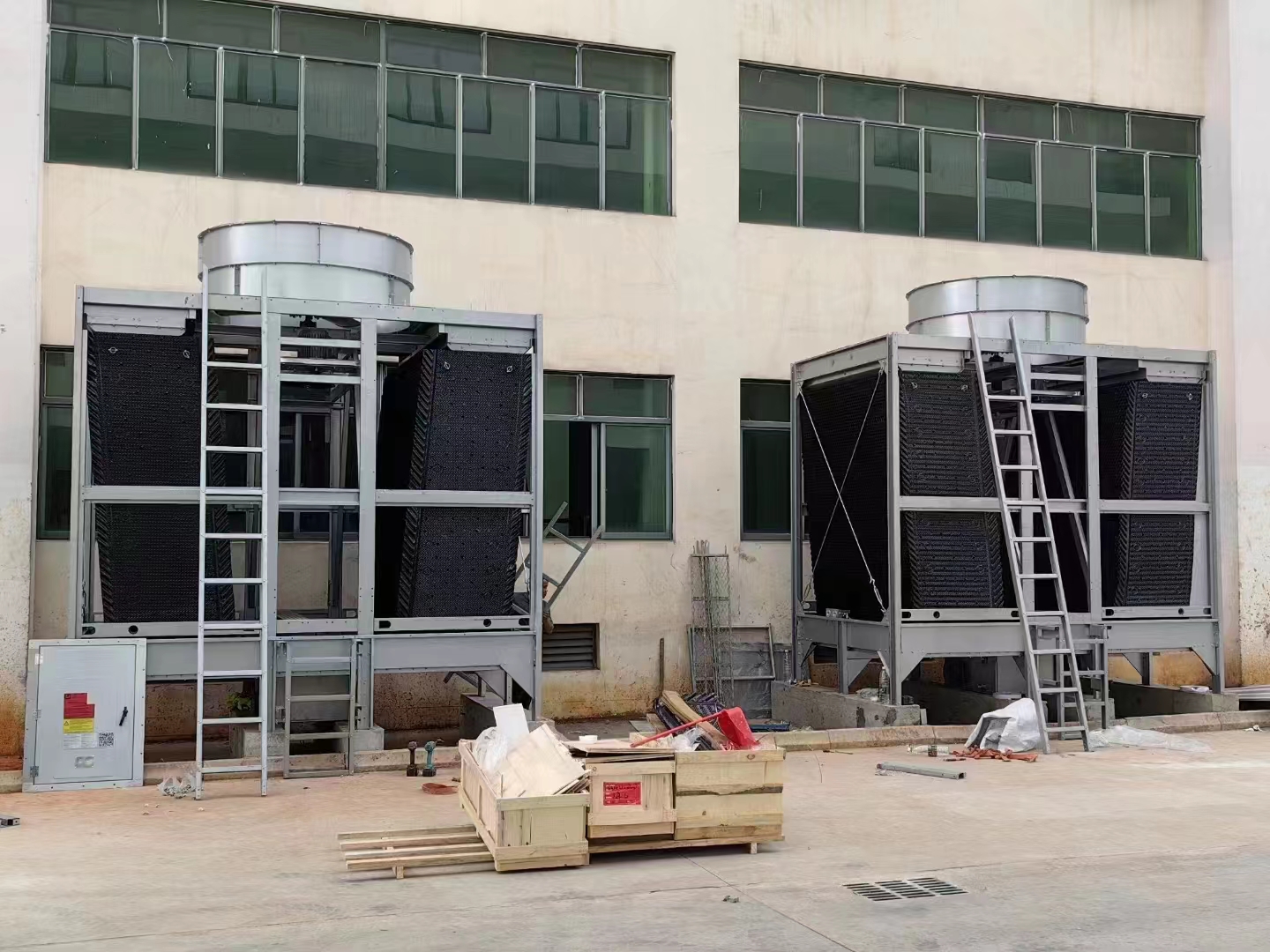
Double Cross Flow Cooling Tower DOUBLE CROSSFLOW COOLING TOWER Definition & Core Concept A Double Crossflow Cooling Tower is a mechanical draft, crossflow design where air is drawn horizontally from two opposite sides of the tower, passes through two separate fill sections, and converges into a common...
COOLING TOWER WATER TREATMENT Purpose & Importance Water treatment is critical to: Untreated water leads to reduced heat transfer, increased energy consumption, equipment damage, downtime, and health hazards. . COMMON PROBLEMS IN COOLING SYSTEMS A. Scaling B. Corrosion C. Biological Fouling & Growth D. Fouling (Suspended...
SIZING A COOLING TOWER Core Concept Sizing a cooling tower involves determining its required thermal capacity (heat rejection rate) and physical dimensions to meet specific process cooling needs under design ambient conditions, while balancing capital and operating costs. 1. KEY INPUTS FOR SIZING (Design Parameters) A. Thermal...
Advanced Fill Technologies High-Efficiency/Low-Clog Film Fill Zero Drift Fills Fire-Retardant Fills Installation Considerations Economic Impact Fill represents 15-25% of tower cost but determines 60-80% of cooling performance Industry Trends
A Vertical Spray Tower (also called a Spray Pond in a Tower or No-Fill Tower) is a simplified, robust type of evaporative cooling tower that operates without traditional fill media. Instead, it relies entirely on spray nozzles to create the water-air interface for heat transfer through evaporation. Core...
Hybrid/Dry-Wet Operation Many closed-circuit towers can operate in three modes for maximum efficiency: Key Design Considerations In summary: A closed-circuit cooling tower sacrifices some thermal efficiency and adds cost to achieve complete protection of the process cooling fluid. It’s the preferred choice when water quality, system...
Comparison with Open (Direct-Contact) Towers Parameter Closed-Circuit (Indirect) Tower Open (Direct-Contact) Tower Process Fluid Isolated in sealed coils Exposed directly to air Heat Transfer Fluid → Coil → Water Film → Air (Indirect) Water → Air (Direct Contact) Water Treatment Only for small spray loop Required for entire system...
Indirect-Contact or Closed-Circuit Evaporative Cooling Tower An Indirect-Contact or Closed-Circuit Cooling Tower is a hybrid system that combines the efficiency of evaporative cooling with the cleanliness of a closed-loop process. It physically separates the process fluid from the atmospheric air and spray water, while still using...
OPERATIONAL & CONTROL STRATEGIES 11. Waterside Free Cooling (Water-Side Economizer) • Opportunity: When ambient wet-bulb is low enough, use the cooling tower directly to produce chilled water, bypassing the chiller. • Savings: Chiller...
Evaporation Loss vs. Drift Loss: Fundamental Differences Both are forms of water loss in a cooling tower, but they differ fundamentally in mechanism, purpose, controllability, and impact. Evaporation Loss vs. Drift Loss: Fundamental Differences Both are forms of water loss in a cooling tower, but they differ fundamentally in mechanism,...
Energy Conservation Opportunities (ECOs) in Cooling Tower Systems Cooling tower systems offer significant energy savings through fan/pump optimization, water management, and intelligent control. Here are the key opportunities, categorized for clarity: I. FAN SYSTEM OPTIMIZATION (Largest Savings Potential) 1. Variable Frequency Drives...
Critical Considerations for Fill Selection & Maintenance Summary: The Fill’s Role in the Cooling Process Imagine the fill as an intensely engineered rainforest inside the tower: The fill is the dense canopy and leaves that break the rain into fine mist and spread itout. The air is the wind blowing upward through this misty...
Function of Fill Media The fill media (also called packing or wet deck) is the heart of the heat transfer process in a cooling tower. Its primary function is to maximize the surface area and contact time between the hot water and the cooling air, thereby enabling efficient evaporative cooling. Detailed Breakdown of...
The Fundamental Heat Rejection Process To understand these terms, visualize the process: a) Approach b) Cooling Duty (or Cooling Capacity) c) Range d) Cooling Tower Effectiveness (or Thermal Efficiency) Visual Summary & Relationship Imagine a cooling tower with these conditions: Calculations: Practical Analogy: Think of cooling a hot cup of...
Purpose of a Cooling Tower: To reject waste heat from a process (like HVAC or industrial cooling) to the atmosphere by evaporating a small portion of the circulating water, thereby cooling the remaining water. Major Components & Their Functions 1. Structure & Casing 2. Fill (or Packing) – The “Heart” of Heat Transfer 3....
Common Types of Nozzles in Field-Erected Towers Type How It Works Best For Spray Nozzle (Hollow Cone) Creates a circular, ring-shaped spray pattern. Water is directed through tangential slots or a swirl chamber, creating a centrifugal “hollow cone” effect. Cross Flow towers (common) and older Counter Flow systems. Good coverage...
Drift Eliminators are a critical, often under-appreciated component of a cooling tower. They are the final line of defense for water conservation and environmental protection. Core Function To capture and return entrained water droplets from the exhaust air stream before they escape the tower. This minimizes water loss and prevents...
The Two Fundamental Types of Fill Fills are categorized by how they create water surface area: Type How It Works Best For Material Splash Fill Breaks water into droplets. As water falls, it hits staggered splash bars (grids, beams, or laths), continuously breaking into smaller droplets. • Water with high suspended solids/silt• Applications...
Cooling Tower Fills (also called “packing” or “wet-decking”) are the heart of the heat transfer process. They are the engineered medium inside the tower that maximizes contact surface area and contact time between the hot water and the cooling air. Think of them as the radiator core of the cooling tower. Primary...
Typical Applications of Field-Erected Cooling Towers Advantages vs. Factory-Assembled Towers Advantages of FEP Disadvantages of FEP Customization: Tailored to exact site/process needs. Longer Installation Time: Significant on-site labor and construction schedule. High Capacity & Scalability: Virtually no upper size limit. Higher...
A Field-Erected Cooling Tower (FEP) is a large-scale, custom-engineered cooling tower that is assembled entirely on-site from individual components delivered to the project location. Due to their size and capacity, they cannot be factory-built as a single unit and are designed for heavy-duty industrial applications requiring long service...
Forced Draft vs. Induced Draft Parameter Forced Draft Induced Draft Fan Position Bottom or air inlet side Top (discharge) Air Movement Fan pushes air in Fan pulls air through Internal Pressure Positive pressure below fan Negative pressure (suction) Common Fan Type Centrifugal (pressure blowers) Axial (propeller) fans...
Counter flow vs. Cross flow Comparison Parameter Counter flow Tower Cross flow Tower Flow Direction Air ↑ vs Water ↓ (opposite) Air → vs Water ↓ (perpendicular) Water Distribution Pressurized spray nozzles Gravity basins with orifices Air Pressure Drop Higher (air fights upward against water) Lower (horizontal path) Pumping Head...
Cross flow vs. Counter flow Design Feature Cross flow Cooling Tower Counter flow Cooling Tower Air/Water Direction Air horizontal, water vertical (90° cross). Air upward, water downward (opposite directions). Water Distribution Gravity basins (low pressure). Pressurized spray nozzles (higher pressure). Air Pressure...
Cross Flow Cooling Tower Components & Their Roles Component Function Hot Water Distribution Basins Hold water at top; gravity distribution via metering orifices. Louvers Side openings that guide air into the fill, prevent water splash-out. Fill/Packing Creates large surface area for air-water contact (usually PVC splash bars or film fill). Cold...