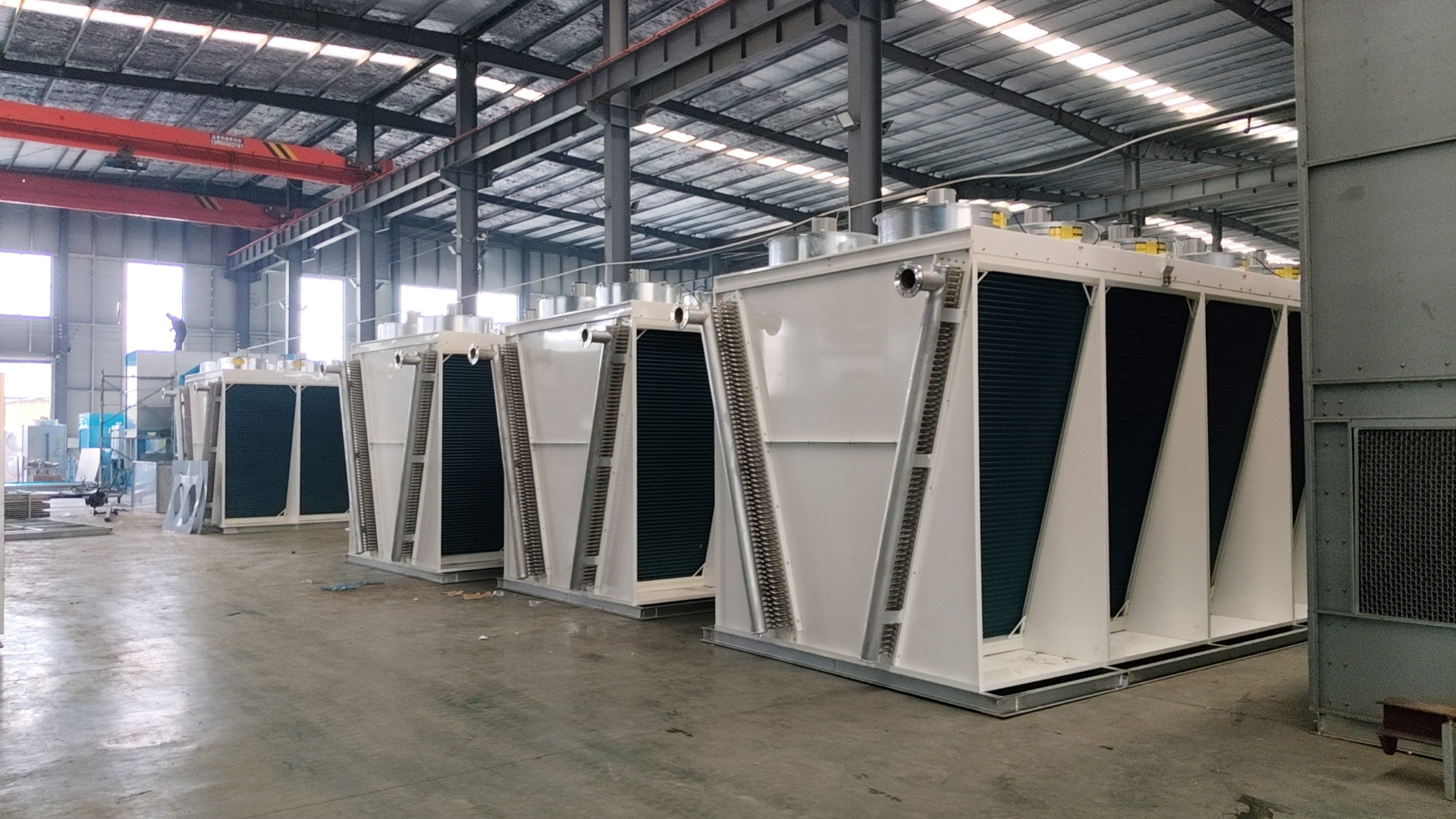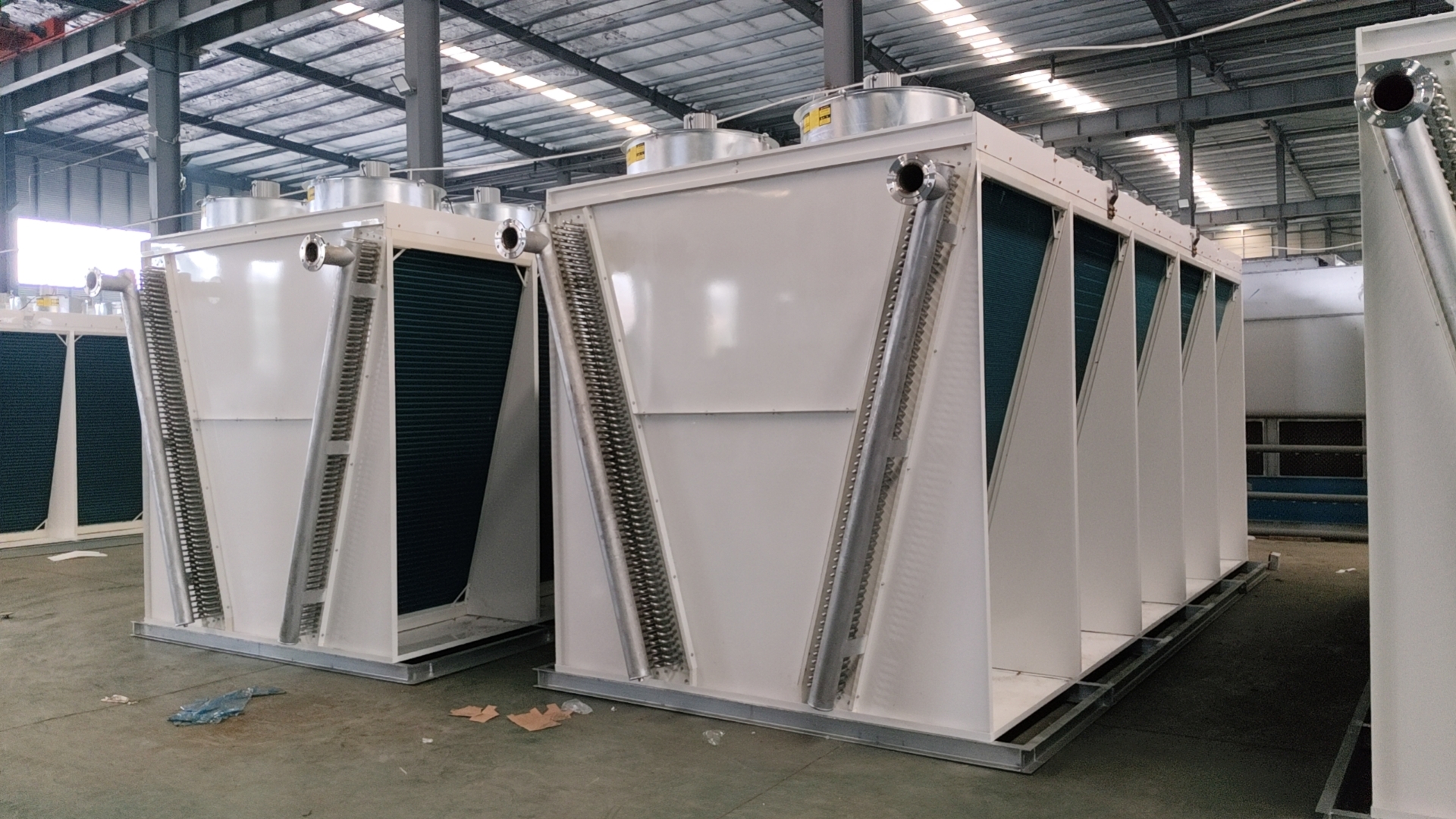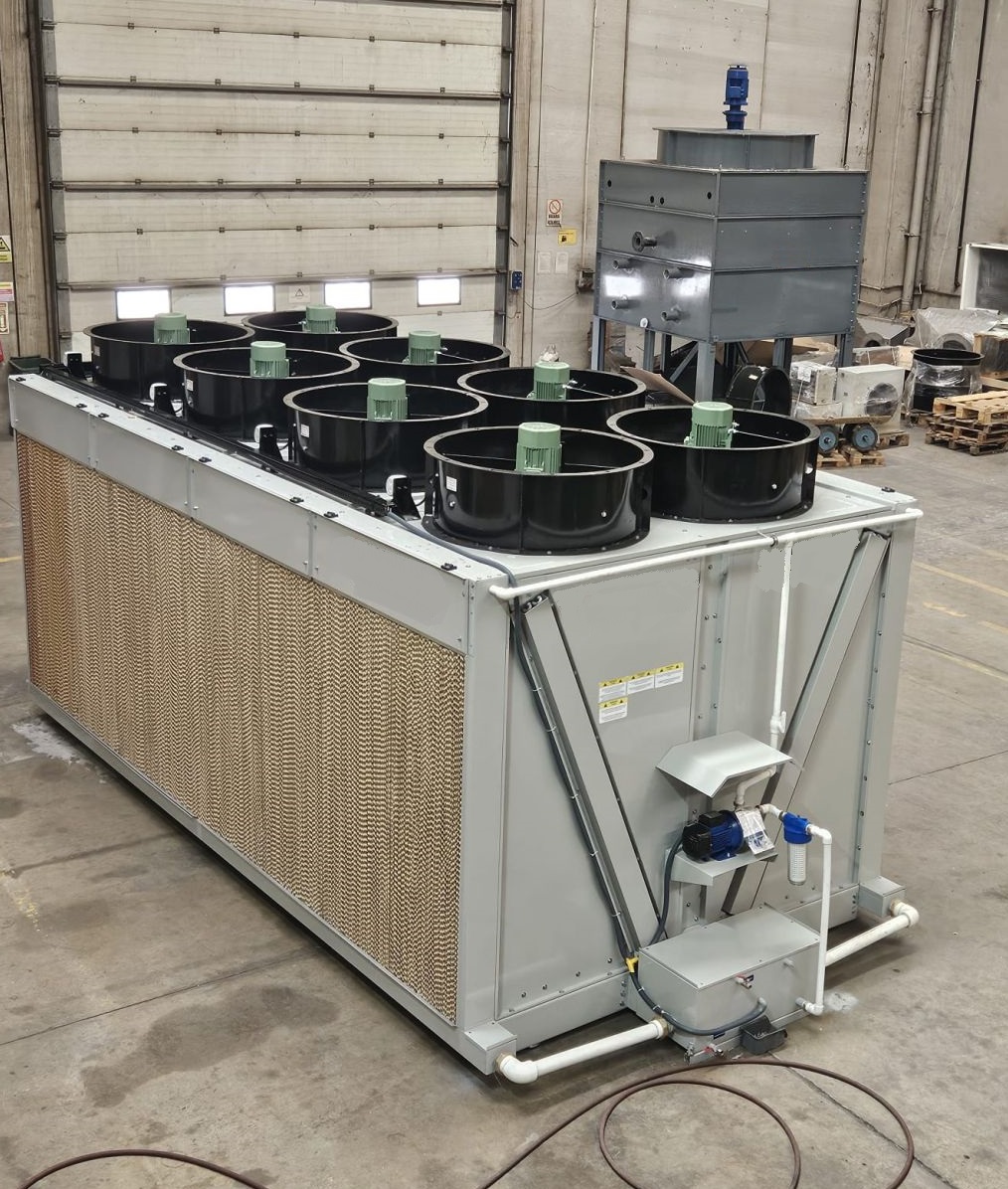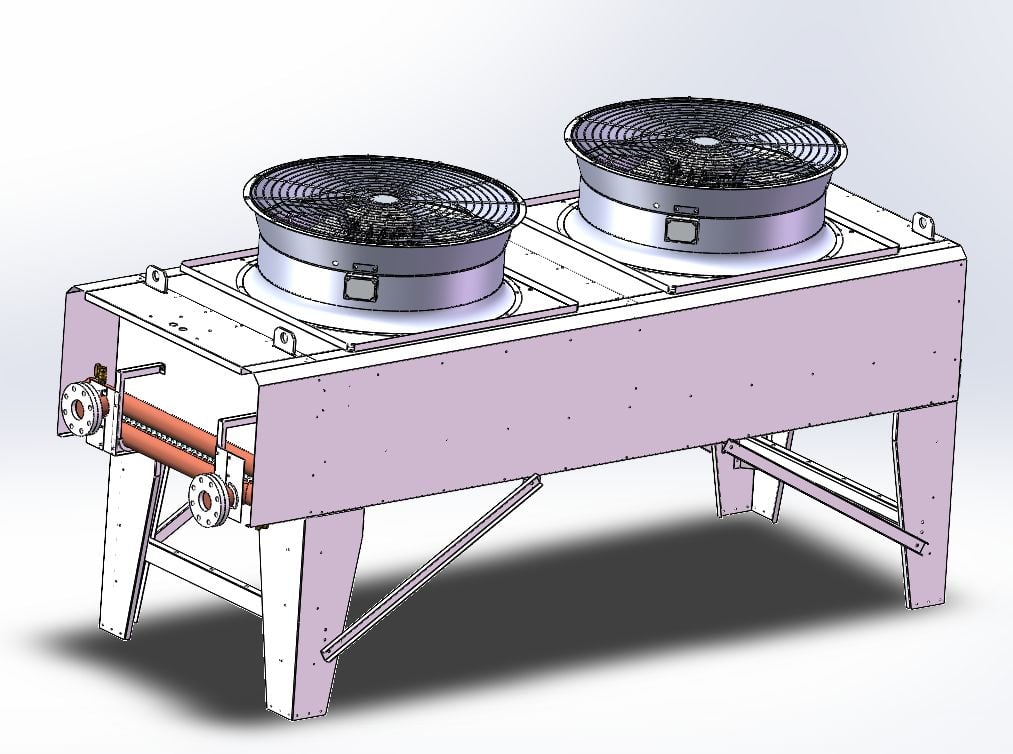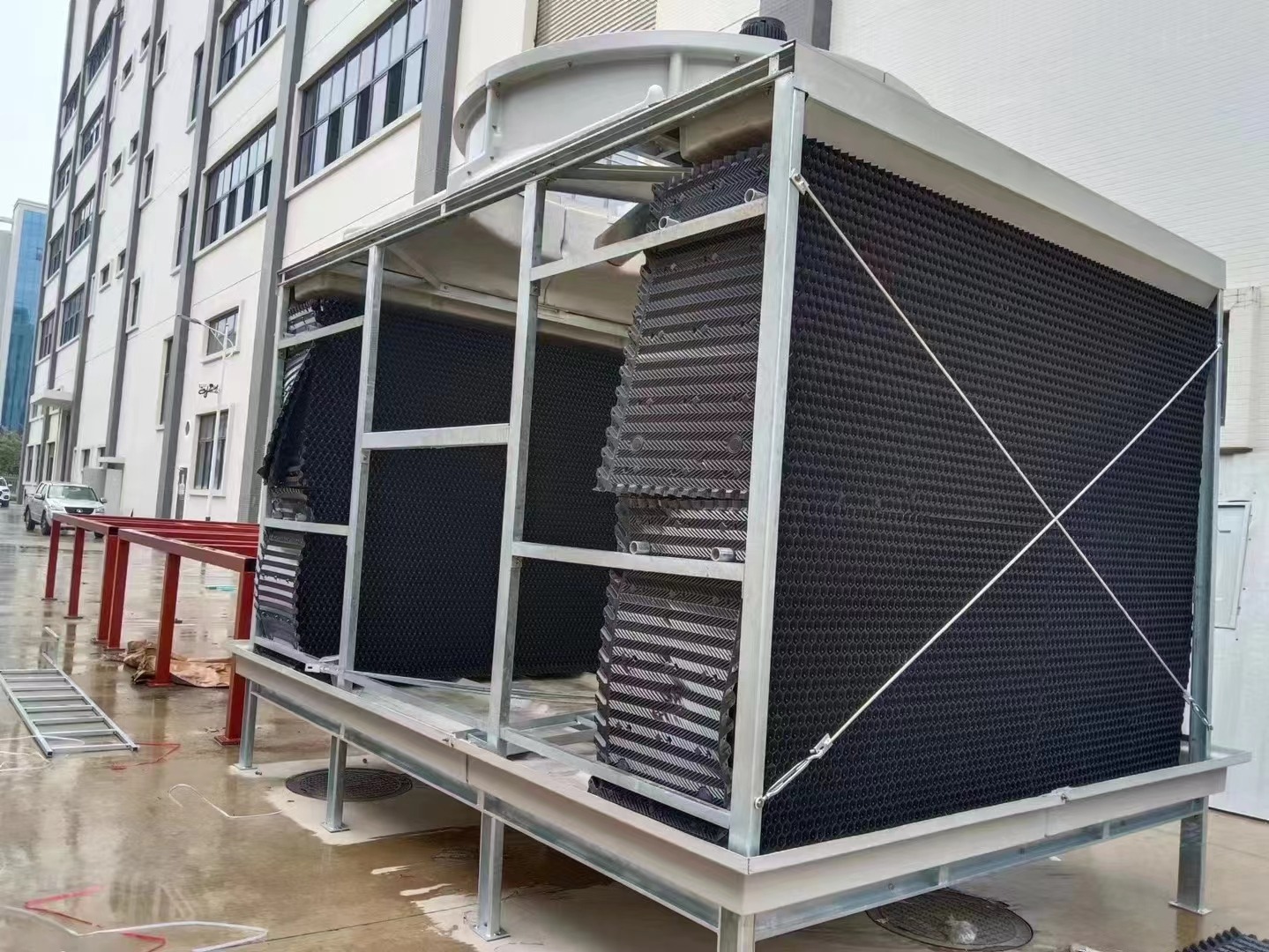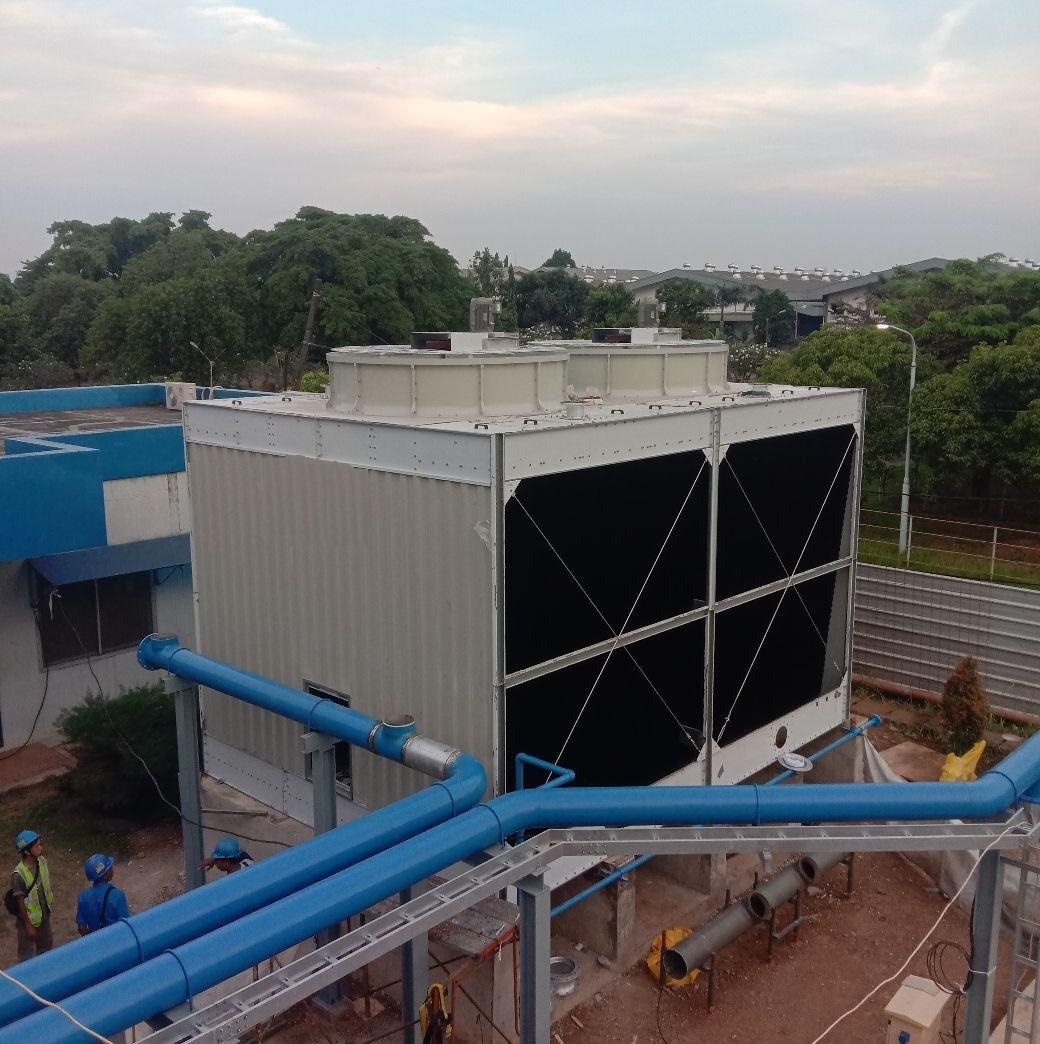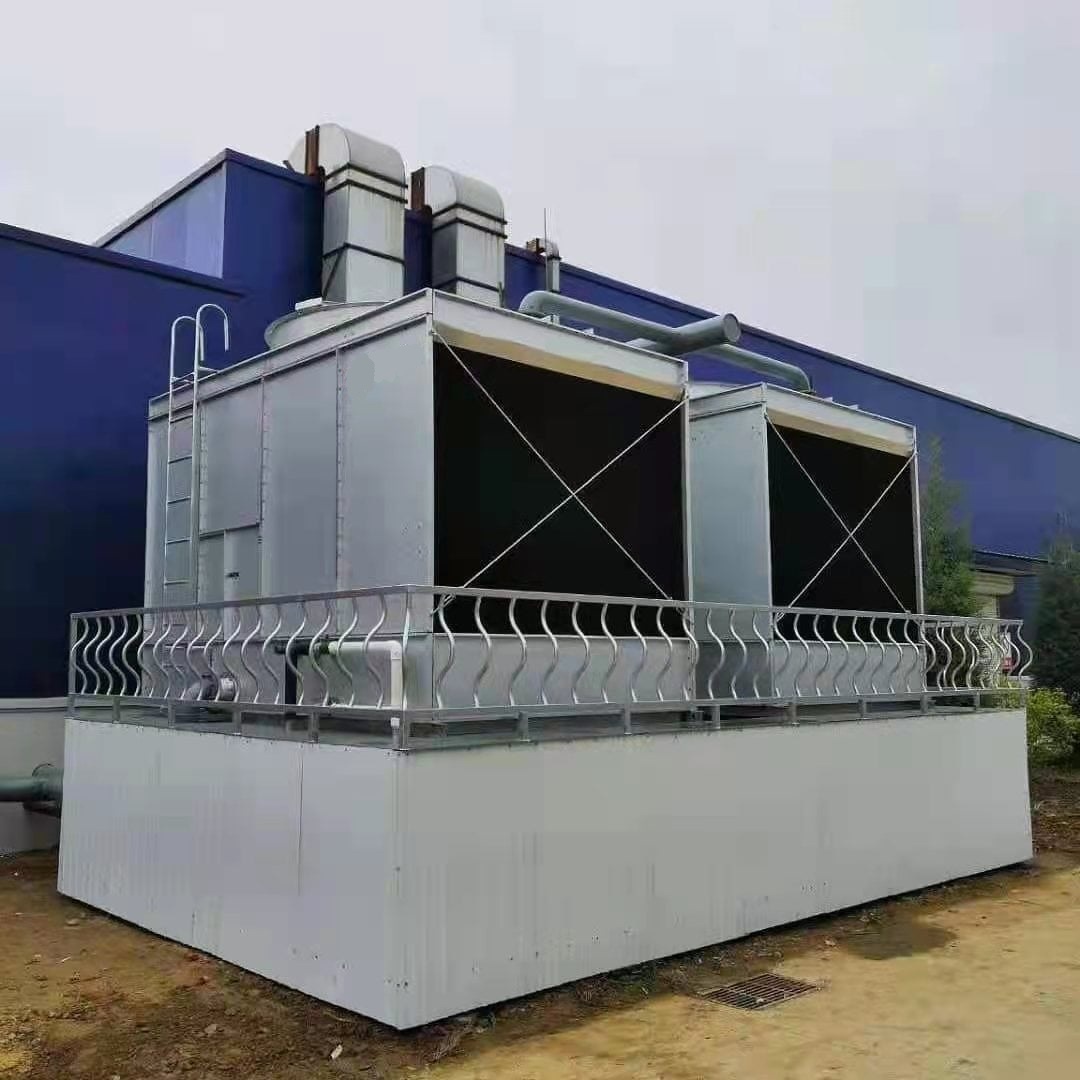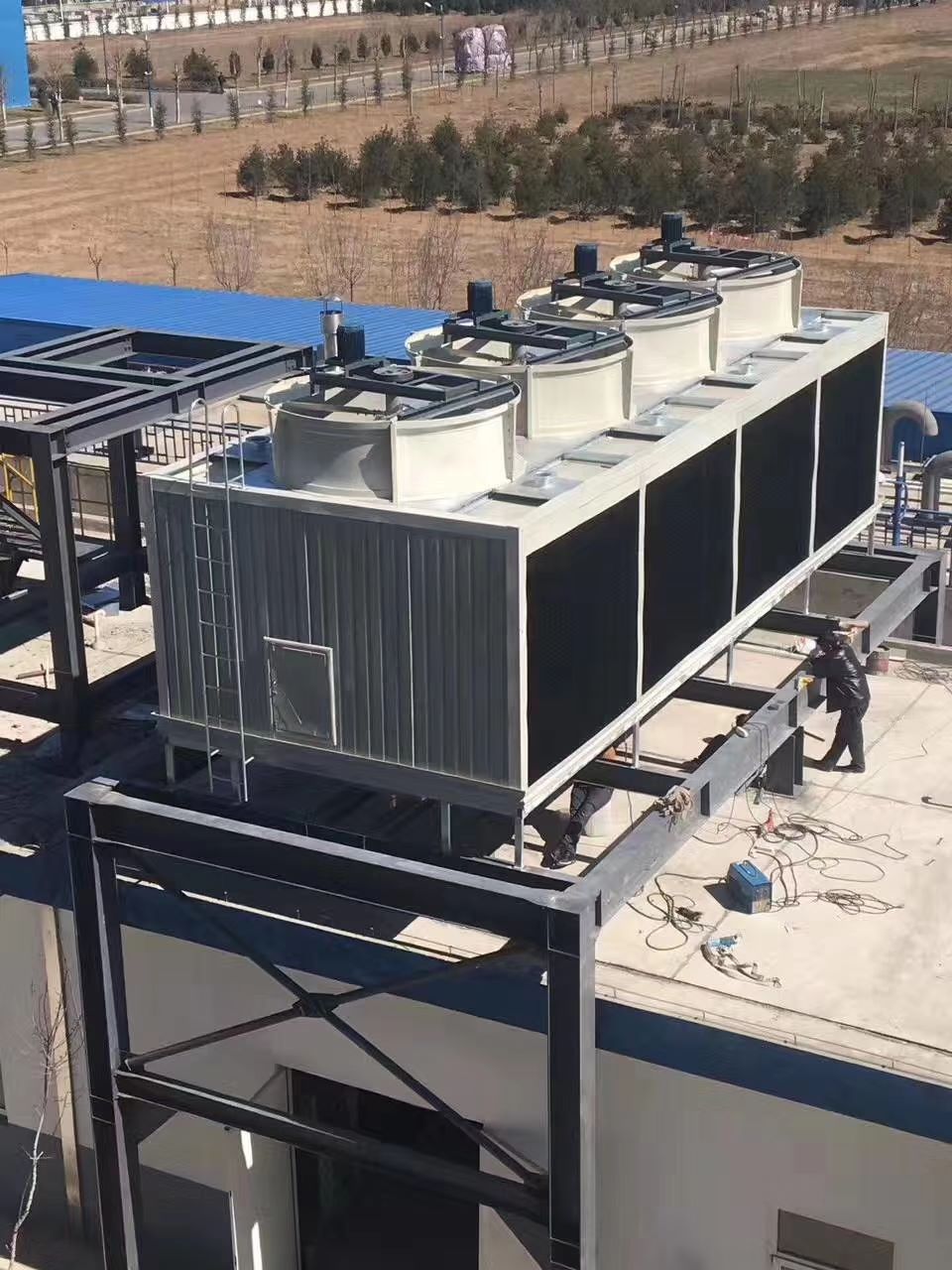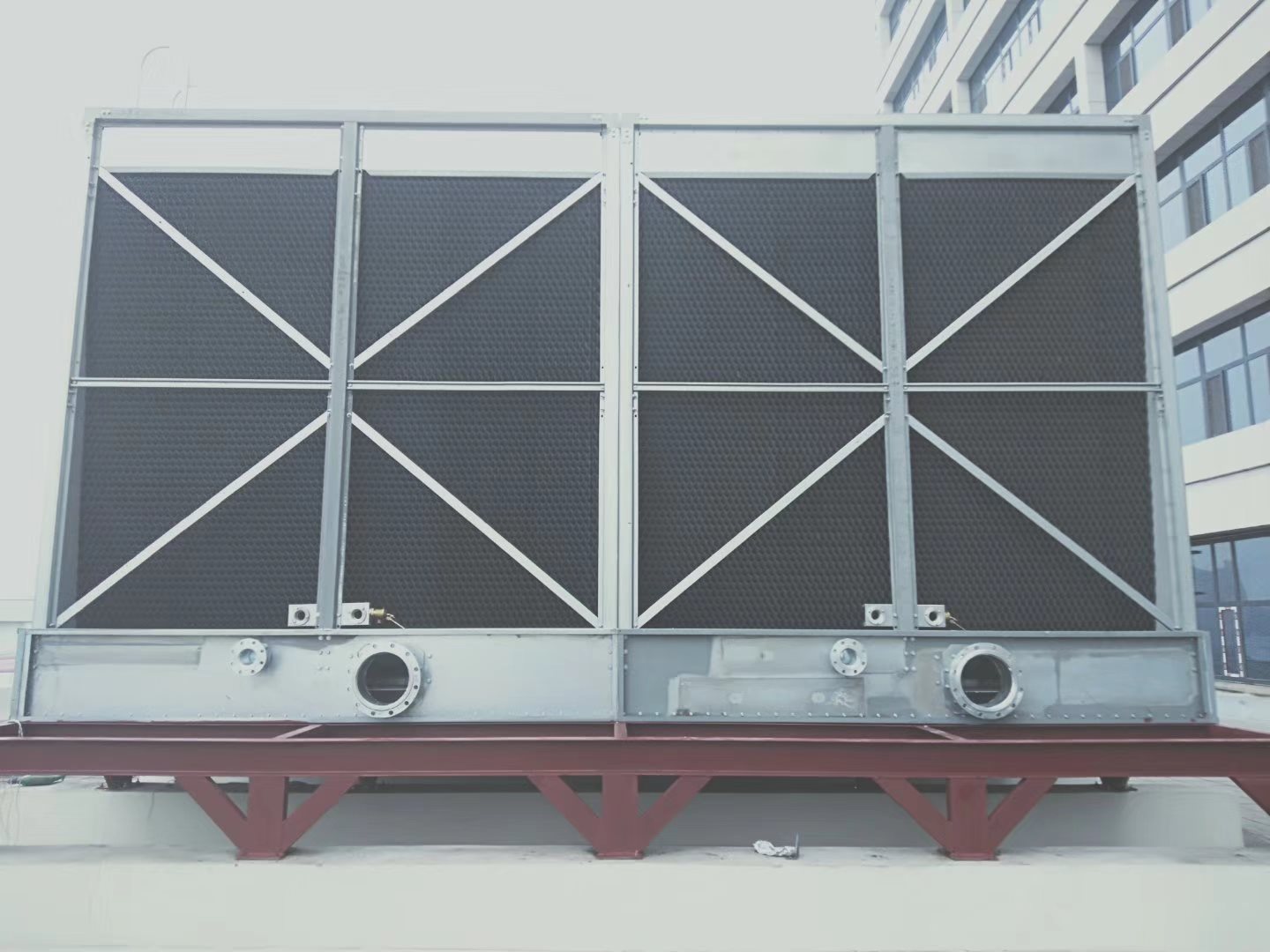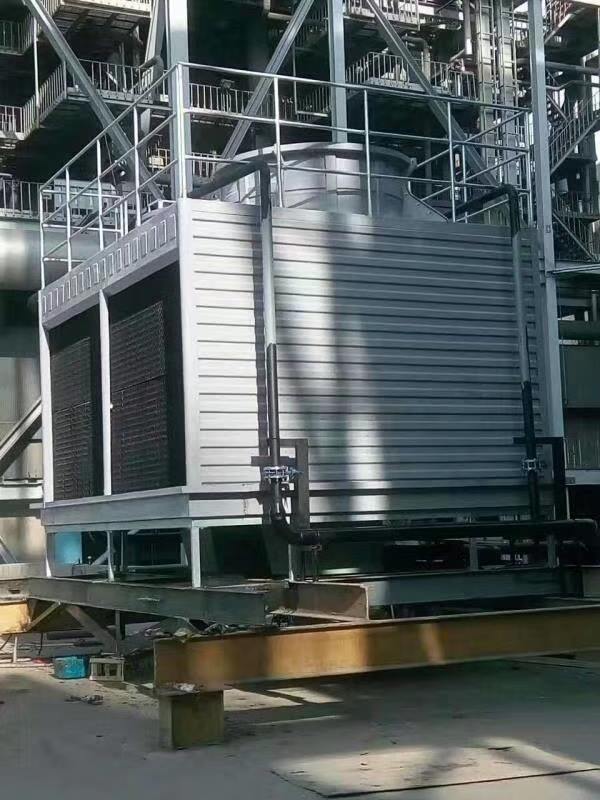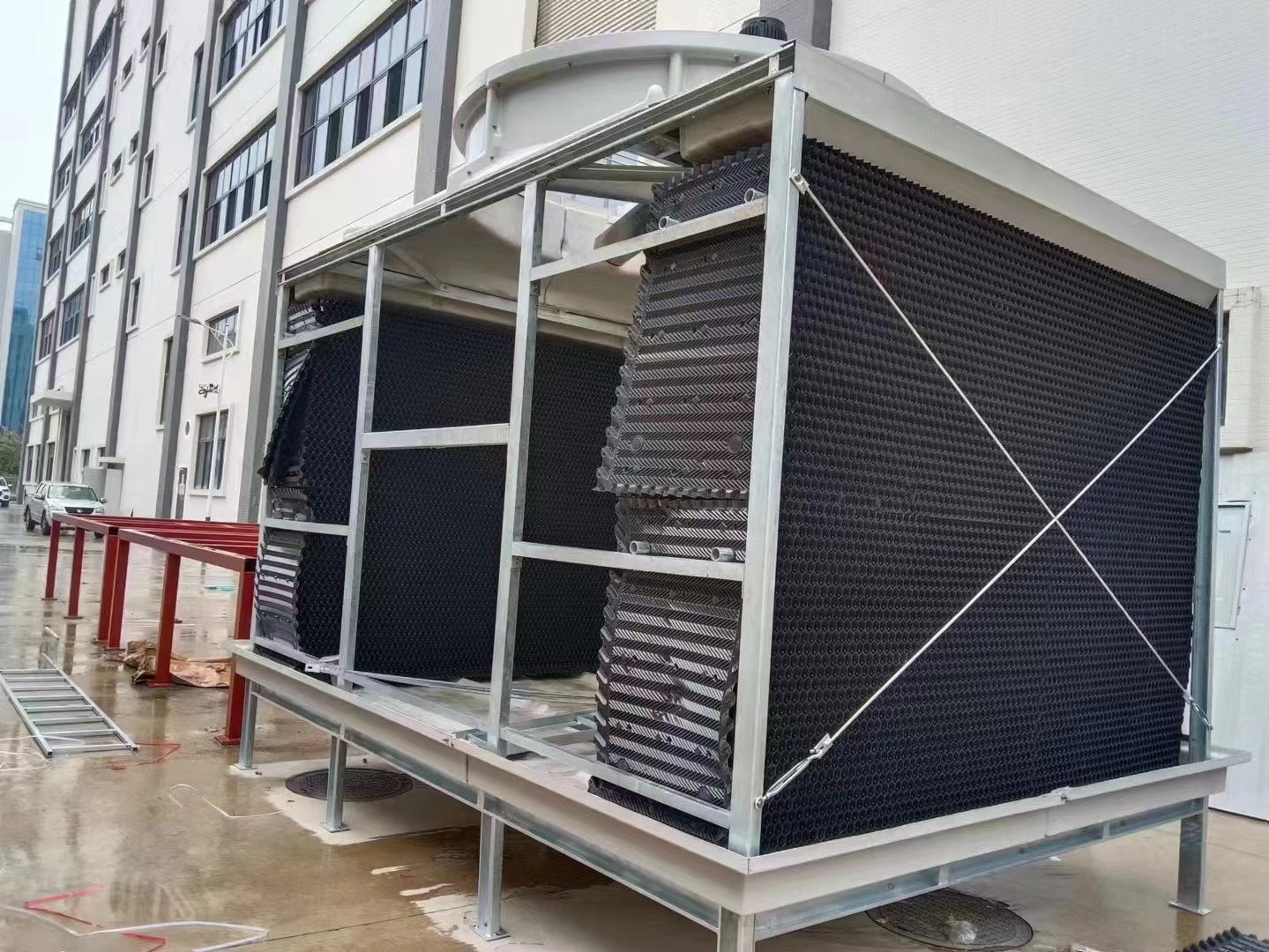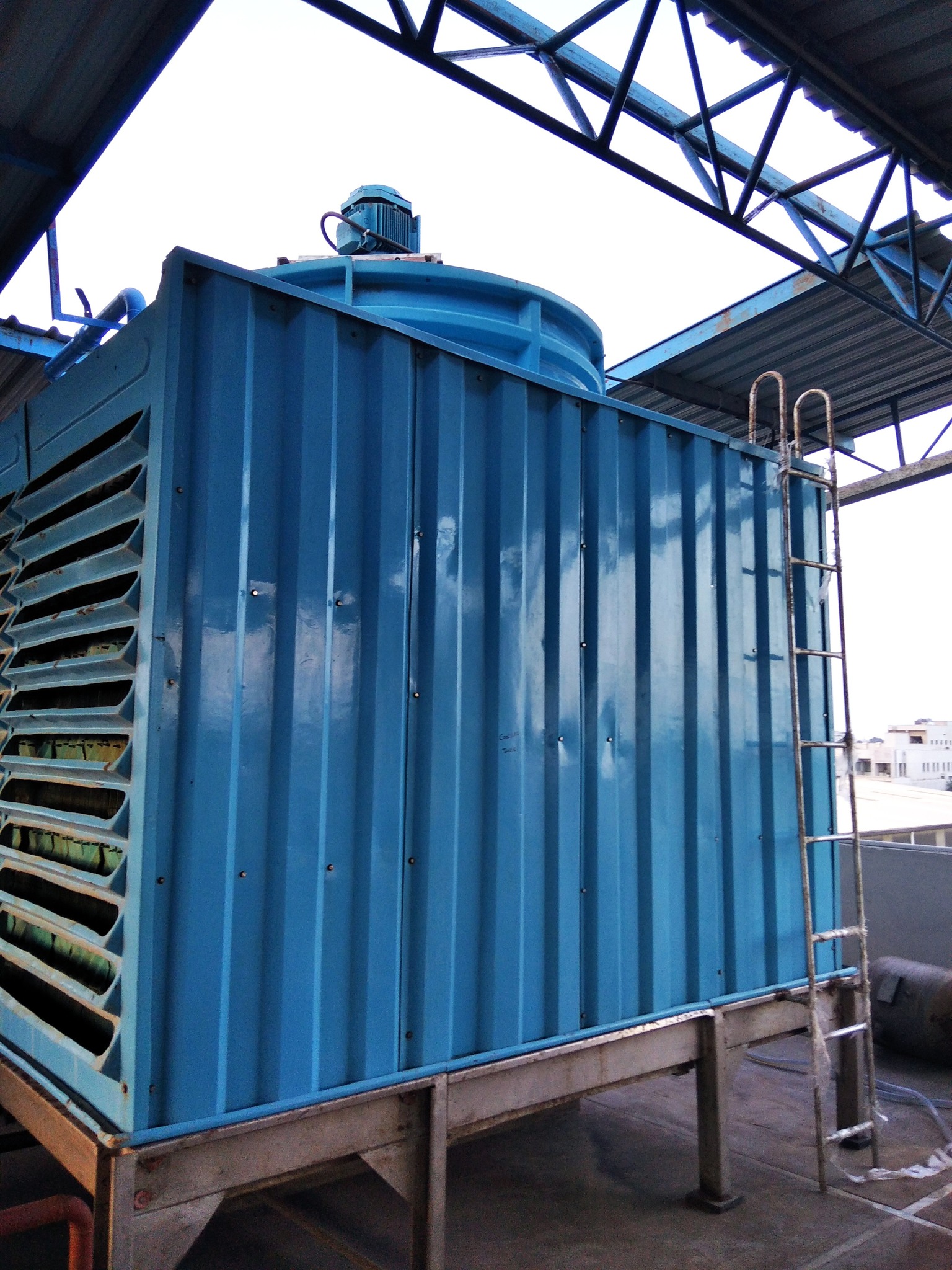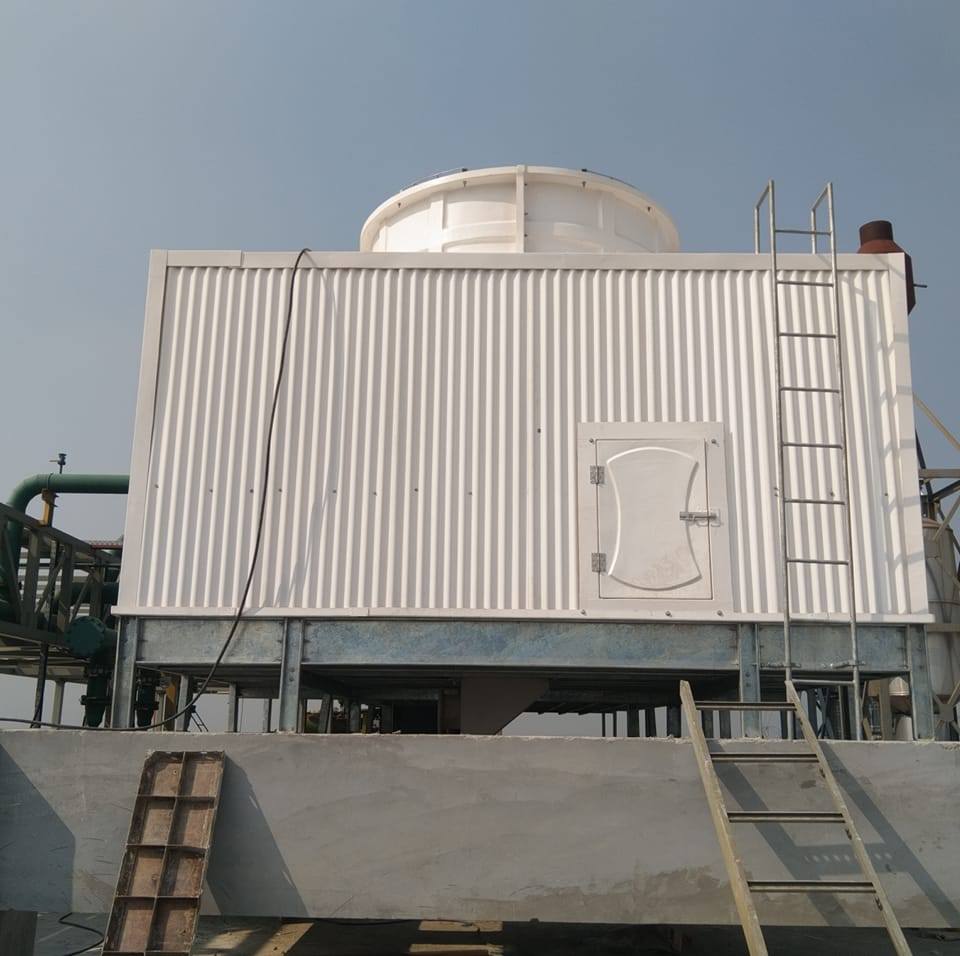
Tags: dry fluid cooler

  • Tag:

Plate Heat Exchanger Manufacturer in Bahrain

The Brazed Plate Heat Exchanger (BPHE) A popular variant is the Brazed Plate Heat Exchanger. In this type, the plates are brazed together in a vacuum furnace using copper or nickel as the brazing material. This creates a permanent, sealed unit without gaskets or a frame.
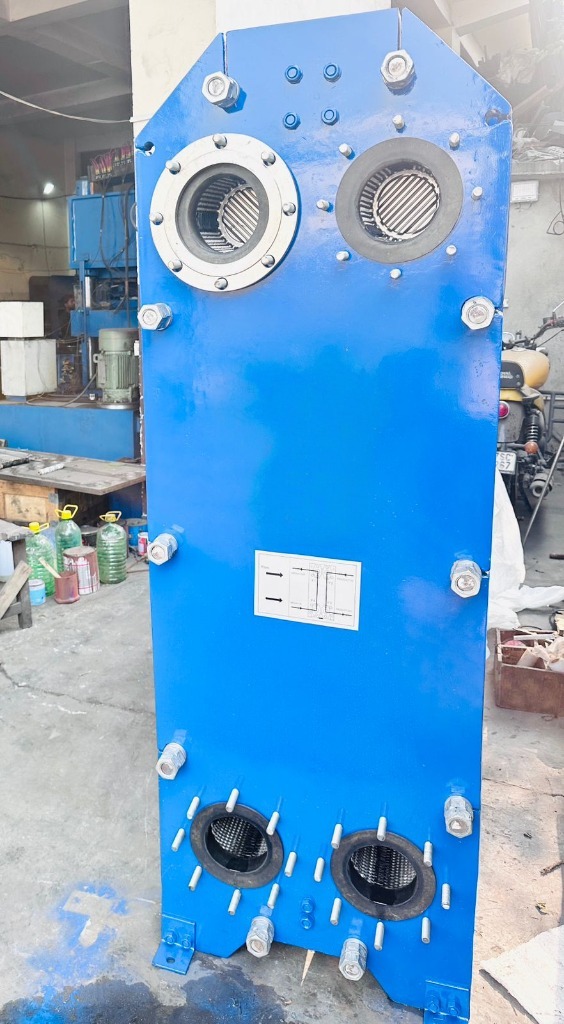
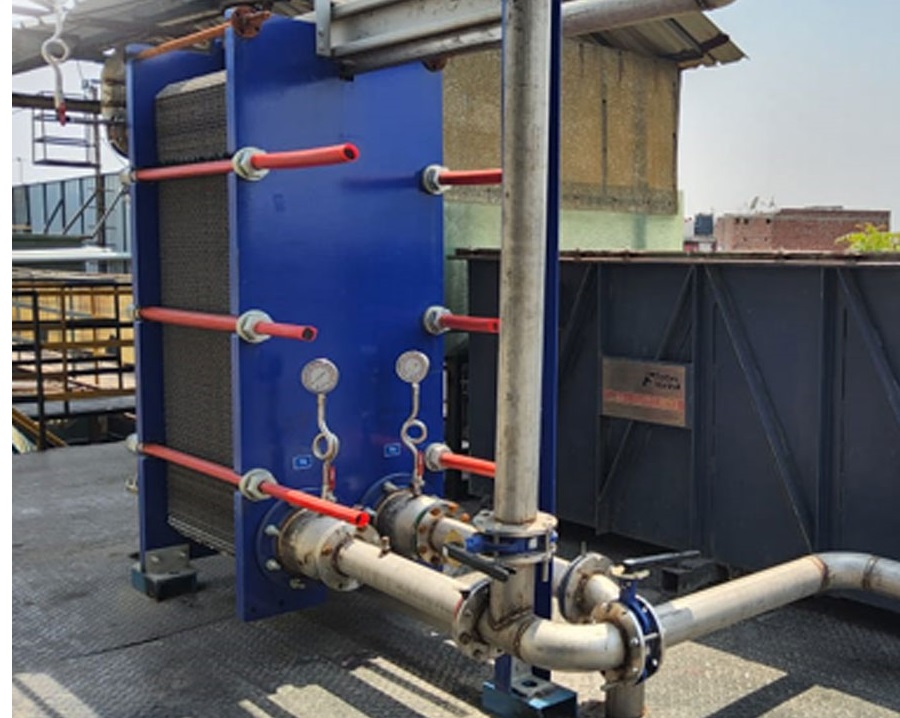
Plate Heat Exchanger Manufacturer in Yemen

Common Applications of Plate Heat Exchanger You will find Plate Heat Exchangers in many every day and industrial systems:

Plate Heat Exchanger Manufacturer in Oman

Advantages of Plate Heat Exchangers

Plate Heat Exchanger Manufacturer in United Arab Emirates

Components of Plate Heat Exchanger

Plate Heat Exchanger Manufacturer in Saudi Arabia

The fundamental principle is indirect heat transfer. The two fluids flow on opposite sides of each plate, and heat moves from the hotter fluid to the colder one through the plate material without the fluids ever mixing. Here’s a step-by-step breakdown:

Plate Heat Exchanger Manufacturer in India

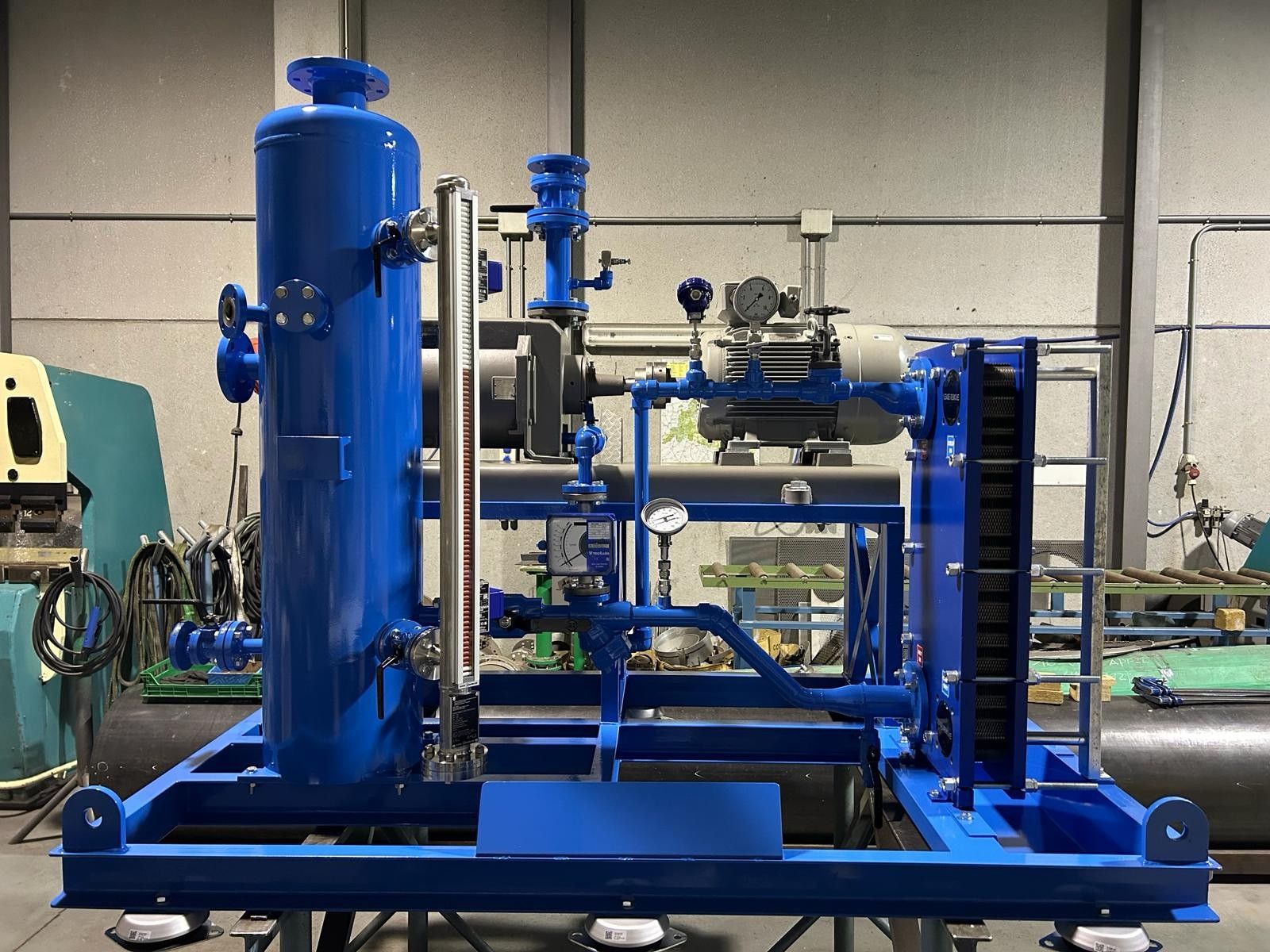
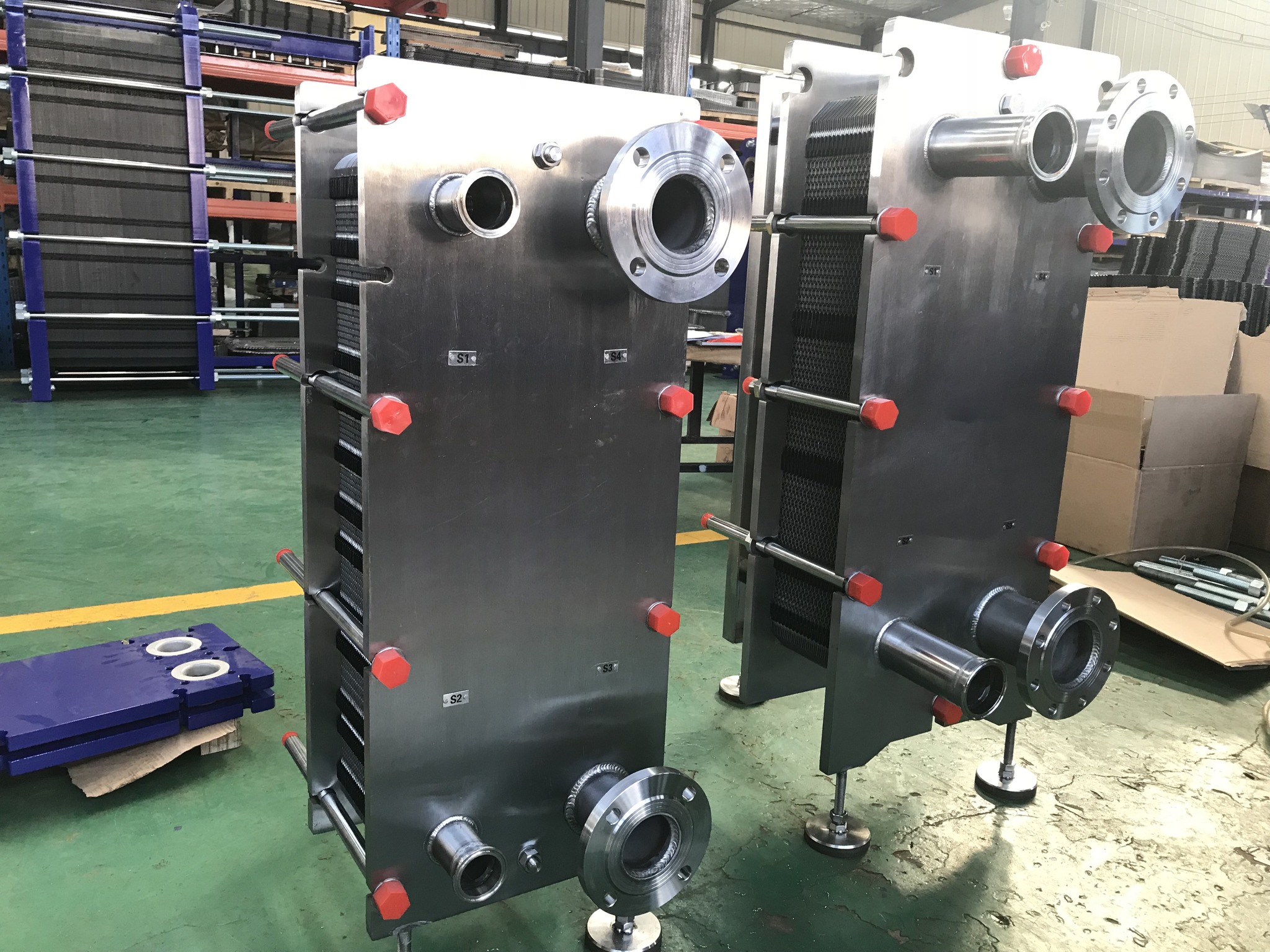
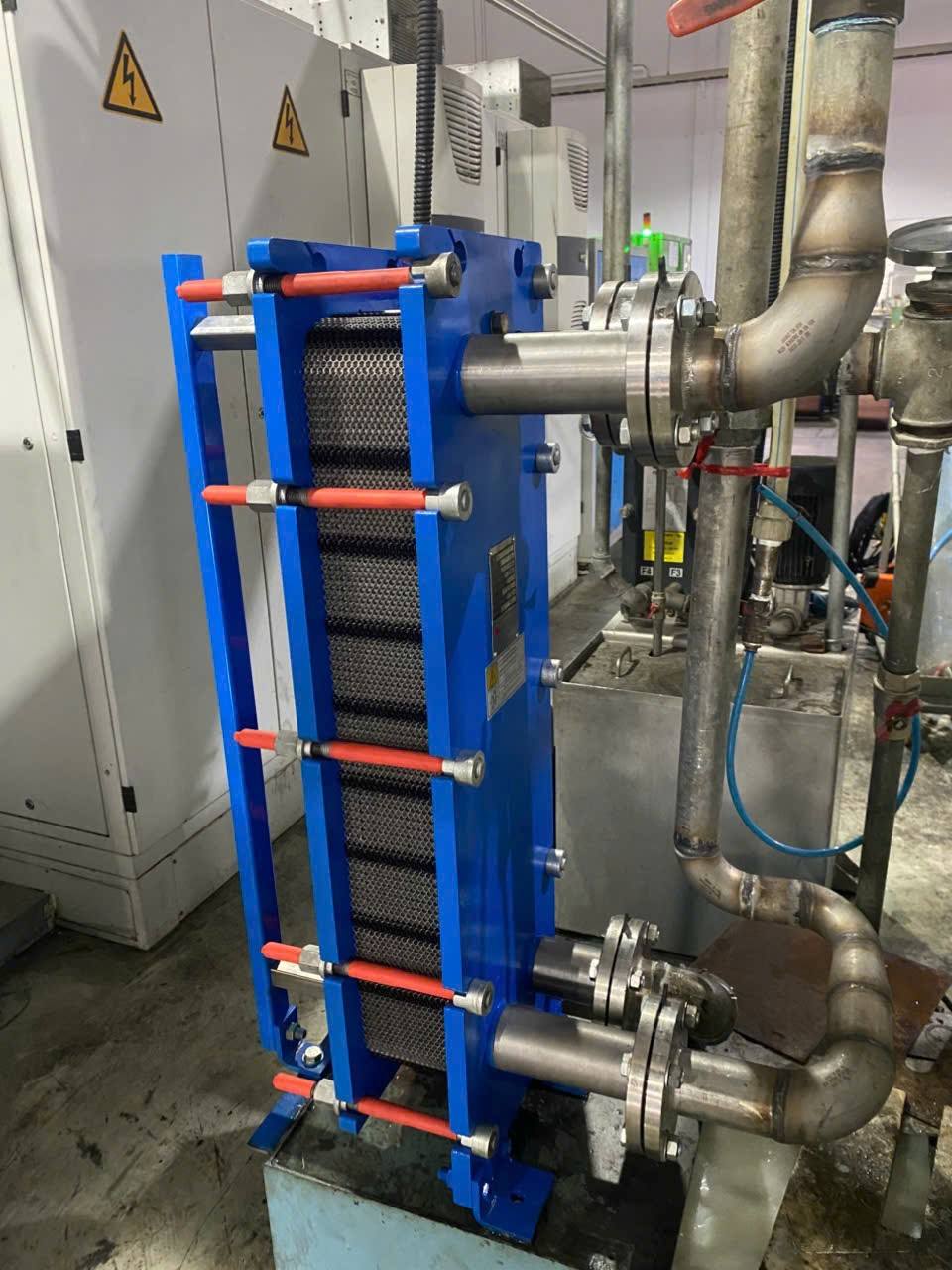
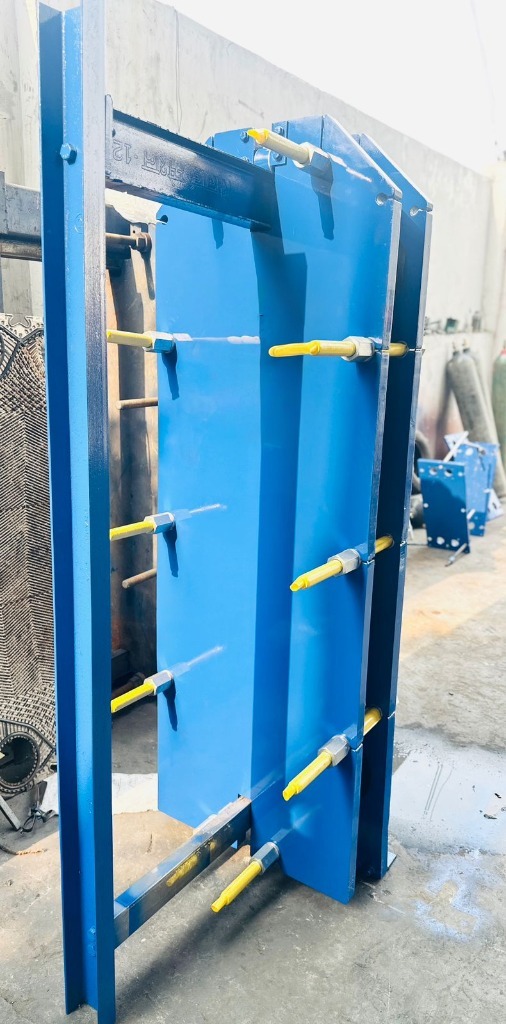
A Plate Heat Exchanger (PHE) is a compact type of heat exchanger that uses a series of thin, corrugated metal plates to transfer heat between two fluids. These plates are stacked together, creating alternating channels for the hot and cold fluids to flow through. The close proximity and large surface area of the plates allow for highly...

Dry Cooling tower manufacturer in Visakhapatnam

Effect of Wet bulb temperature in Dry cooling tower performance The direct effect of Wet Bulb Temperature on a pure Dry Cooling Tower is essentially ZERO. However, it has a major indirect effect that becomes critical for system design and comparison. Let’s break this down. The Direct Effect: Why It Doesn’t...

Dry Cooling tower manufacturer in Odisha

Effect of Dry bulb temperature in Dry cooling tower performance The Dry Bulb Temperature is the single most critical environmental factor affecting the performance of a dry cooling tower. In simple terms: As the Dry Bulb Temperature increases, the performance and efficiency of a dry cooling tower decrease significantly....

Dry Cooling tower manufacturer in Andhra Pradesh

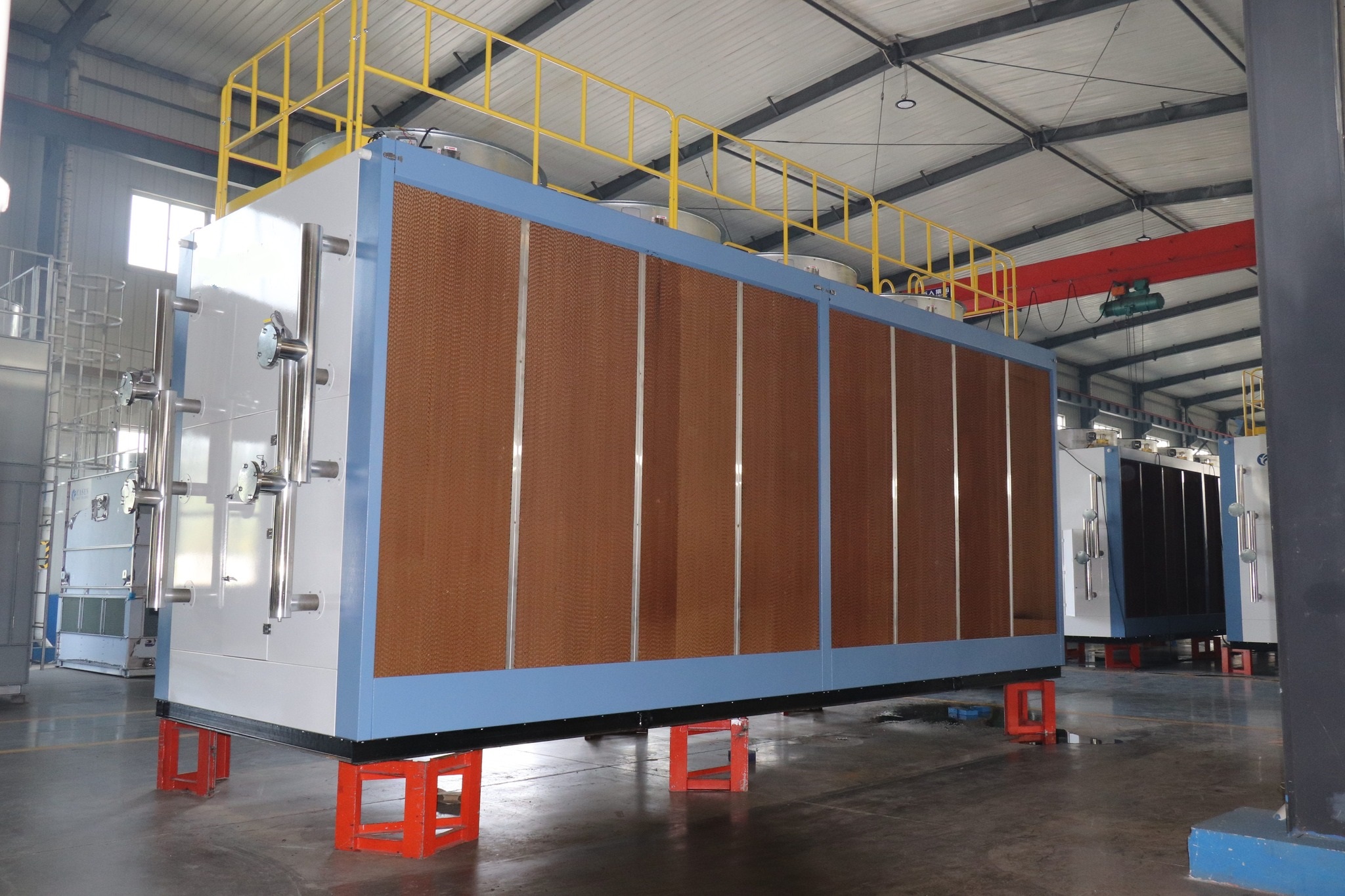
Comparison: Pad vs. Misting Nozzles Feature Cellulose Pad High-Pressure Misting Nozzles Efficiency Very High High Water Drift Very Low Can be high if not properly designed Risk of Clogging Lower (large passages) Higher (very small orifice) Coil Fouling Low risk (air is filtered by pad) Higher risk (minerals in water can deposit on coil) Maintenance...

Dry Cooling tower manufacturer in Zambia

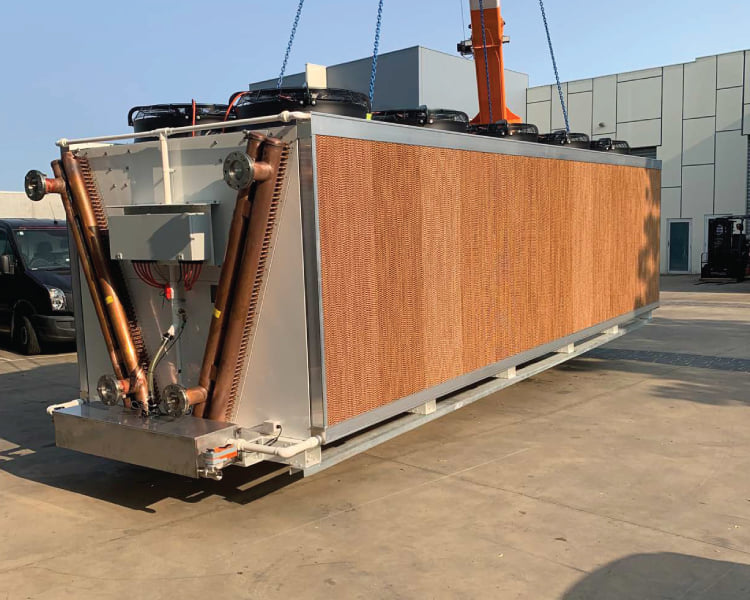
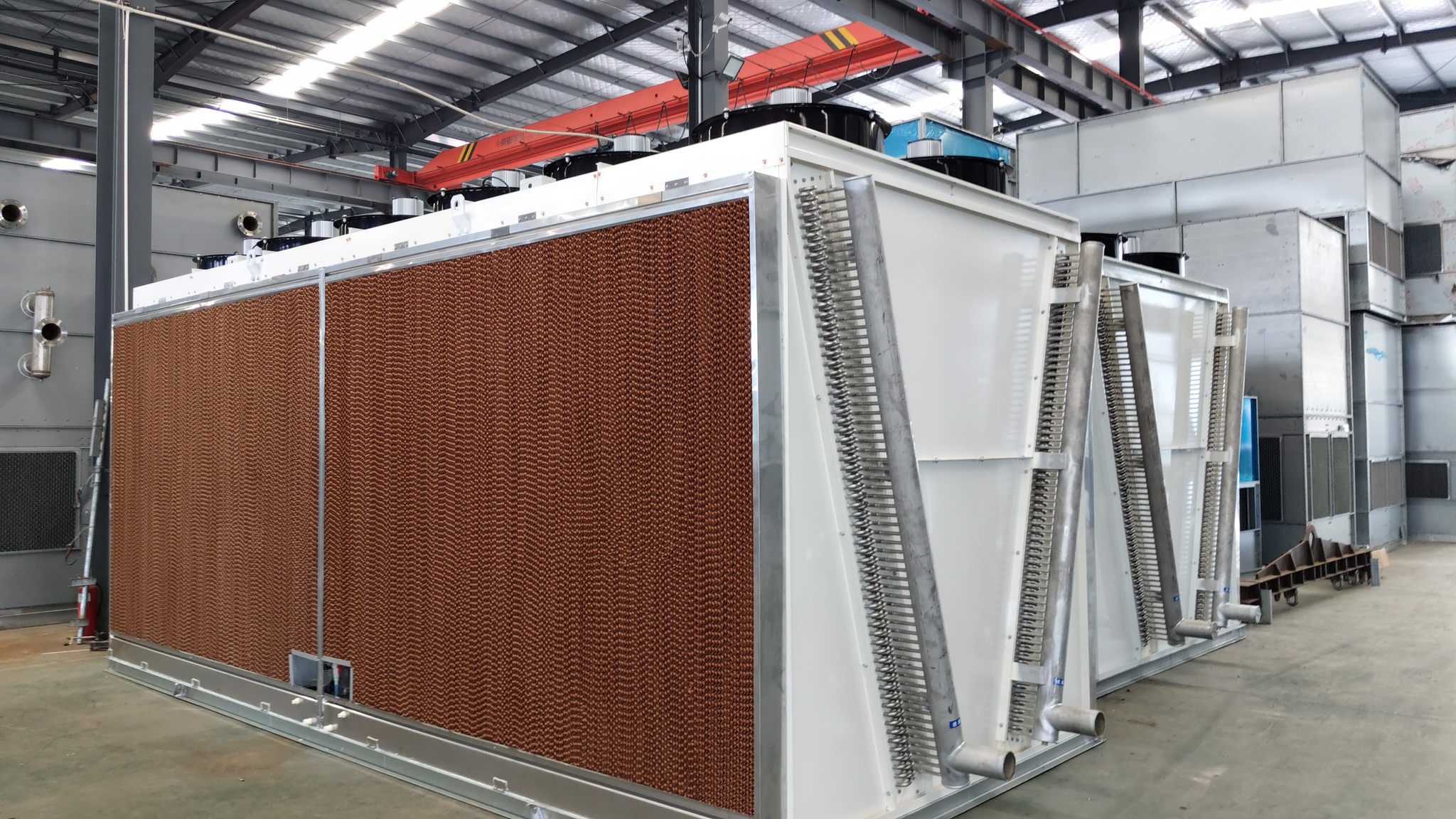
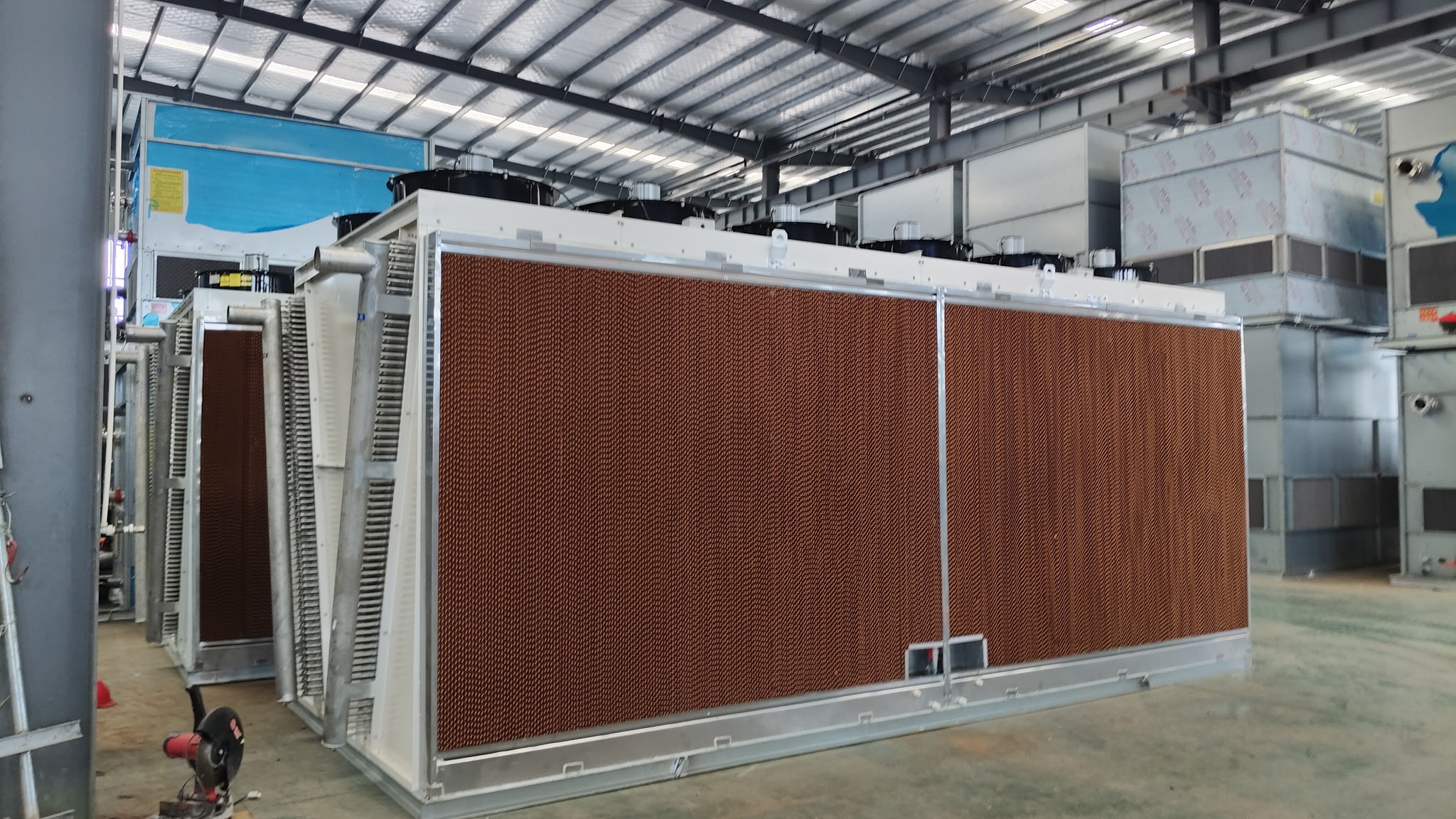
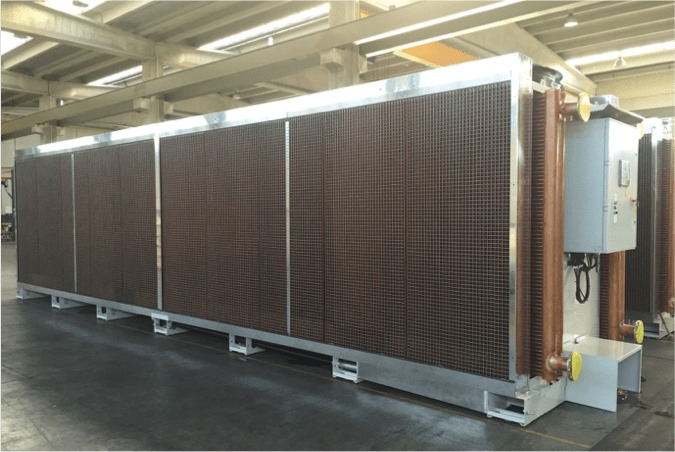
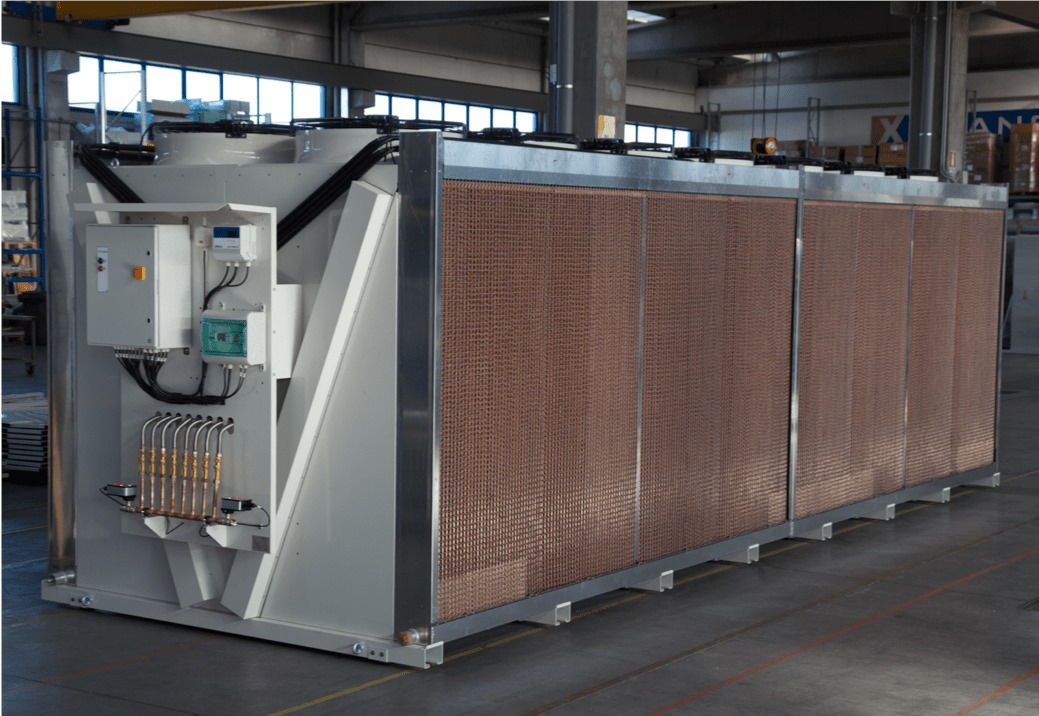
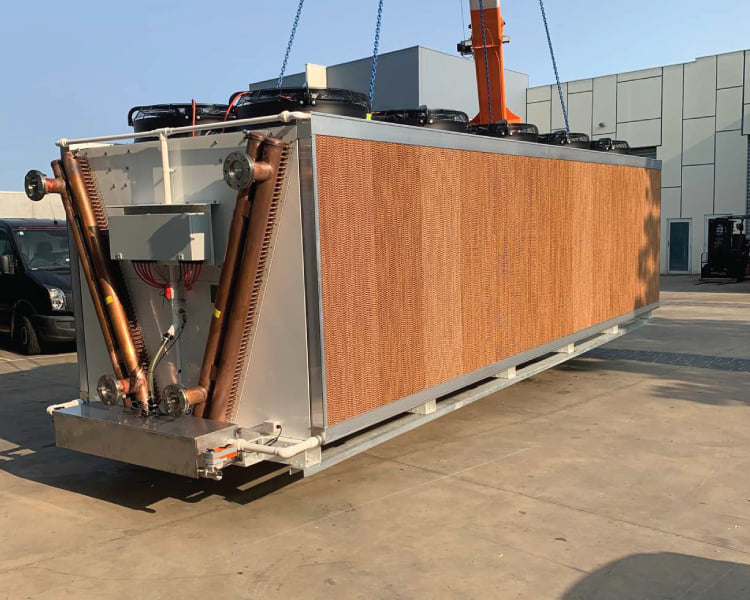
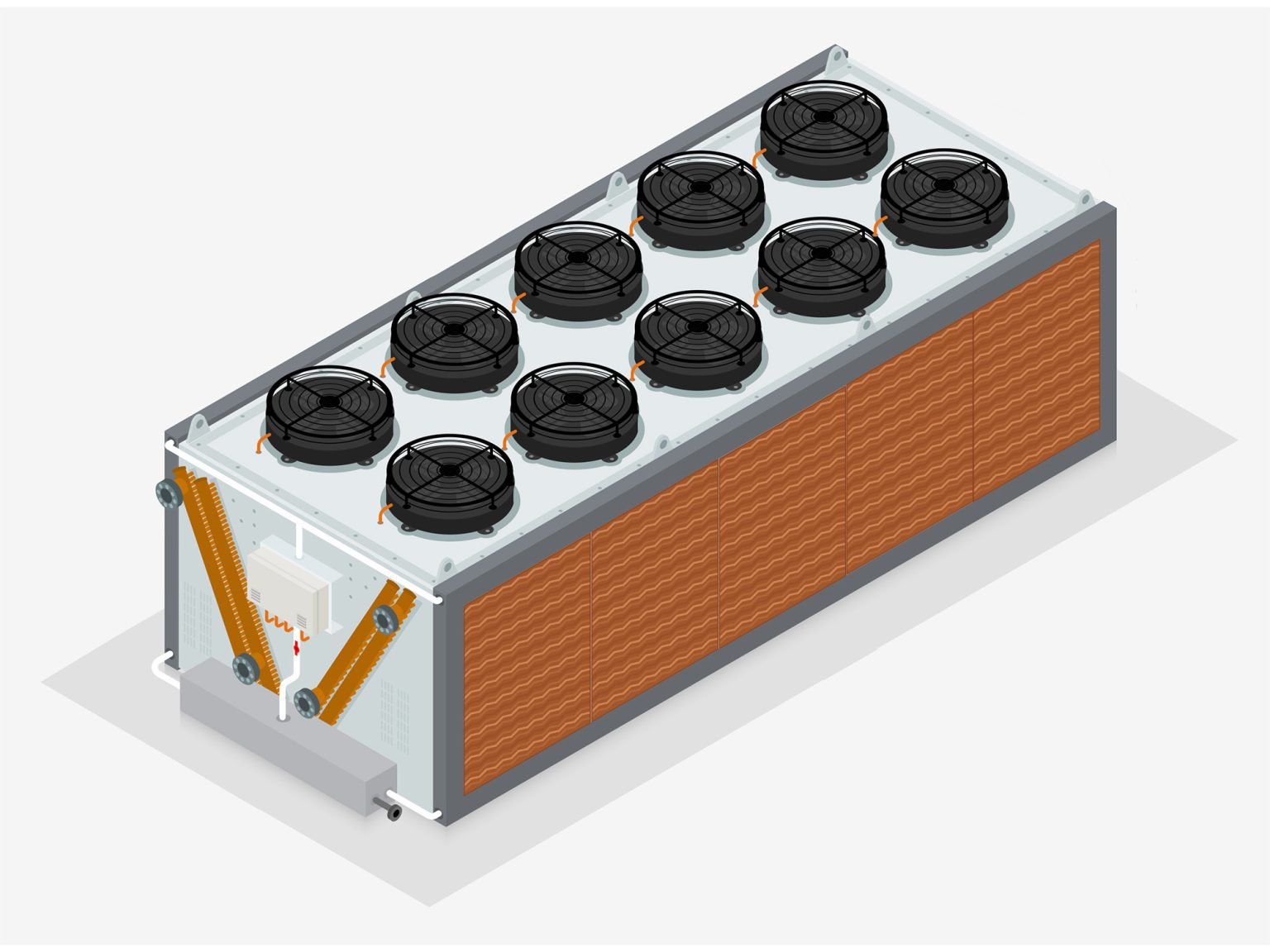
The reason for using a cellulose pad in a dry cooling tower is to create an efficient and controlled adiabatic pre-cooling system, transforming a standard dry cooler into a more powerful and efficient adiabatic hybrid cooler during hot weather. The cellulose pad is not part of the dry circuit itself; it’s an add-on component that operates...

Dry Cooling tower manufacturer in Ghana

Comparison with Other Coolers Feature Pure Dry Cooler Adiabatic Hybrid Cooler Wet Cooling Tower Water Use Zero Low (Intermittent) Very High (Continuous) Energy Use Highest (on hot days) Lower Lowest Cooling Efficiency Low (on hot days) High & Stable Highest & Stable Plume None None Visible Plume Maintenance Low Medium High

Dry Cooling tower manufacturer in Tunisia

Dry cooling tower with Adiabatic fluid cooler A Dry Cooling Tower with an Adiabatic Fluid Cooler (often called an Adiabatic Hybrid Cooler) is a system that combines the water-saving benefits of a dry cooler with the high efficiency of evaporative cooling, but only when needed. It’s designed to get the “best of both...

Dry Cooling tower manufacturer in Ethiopia

Material Selection Factors Factor Ideal Material Trade-off Thermal Conductivity Copper > Aluminum > Steel Copper is expensive and less strong. Corrosion Resistance Stainless Steel > Copper > Aluminum > Carbon Steel Stainless Steel has lower thermal conductivity and higher cost. Mechanical Strength Steel > Stainless Steel >...

Dry Cooling tower manufacturer in Algeria

Common Material Combinations The most efficient and cost-effective combinations leverage the strength of one material and the thermal conductivity of another. Common Material Combinations The most efficient and cost-effective combinations leverage the strength of one material and the thermal conductivity of another. Tube Material Fin Material...

Dry Cooling tower manufacturer in Nigeria

Material of Construction of cooling coil in Dry cooling tower Their Common Materials 1. Tubes (The Primary Pressure Boundary) The tubes carry the hot process fluid and must withstand its pressure and temperature. 2. Fins (The Extended Surface for Heat Transfer) The fins are attached to the outside of the tubes to dramatically increase the...
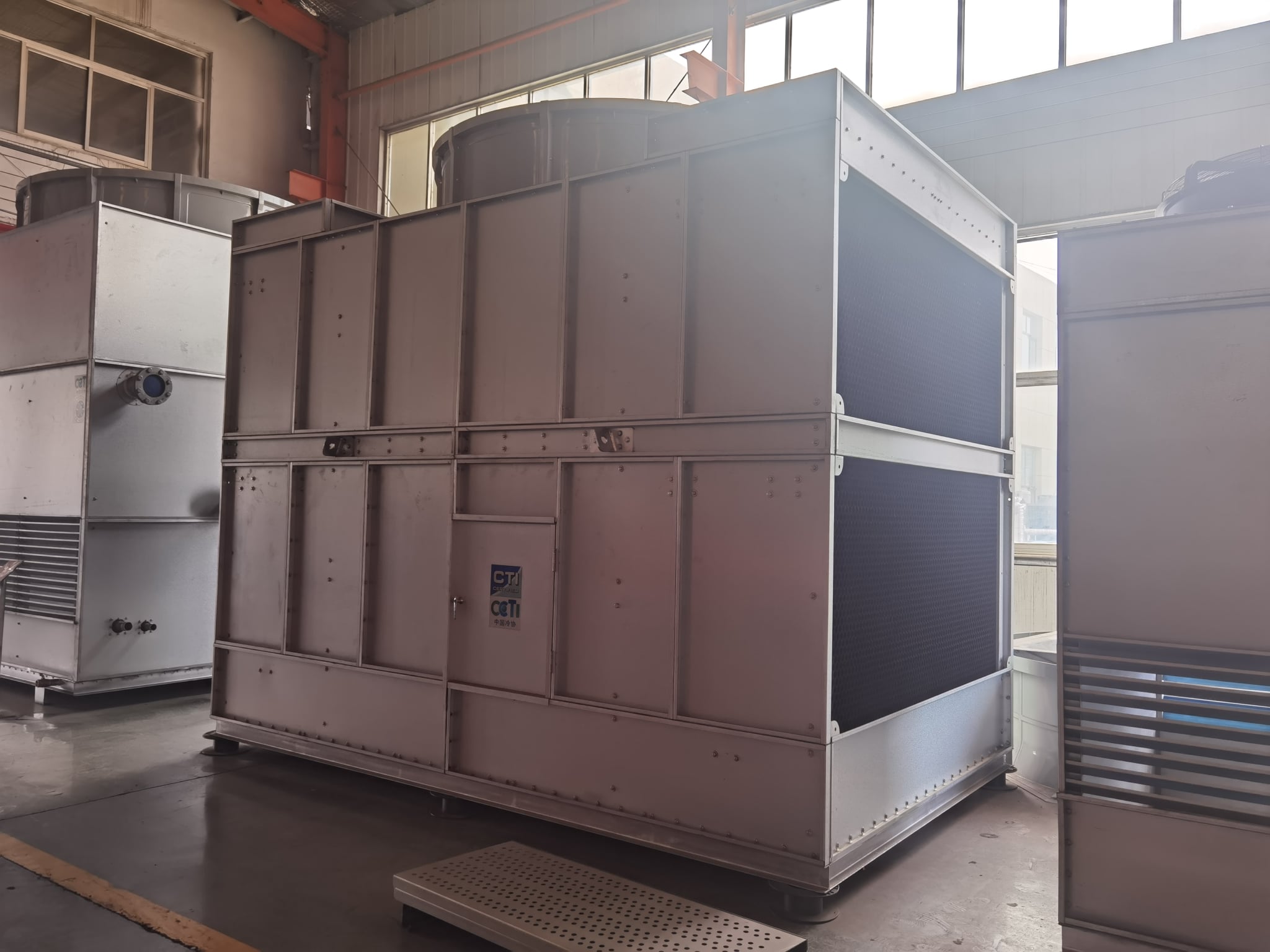
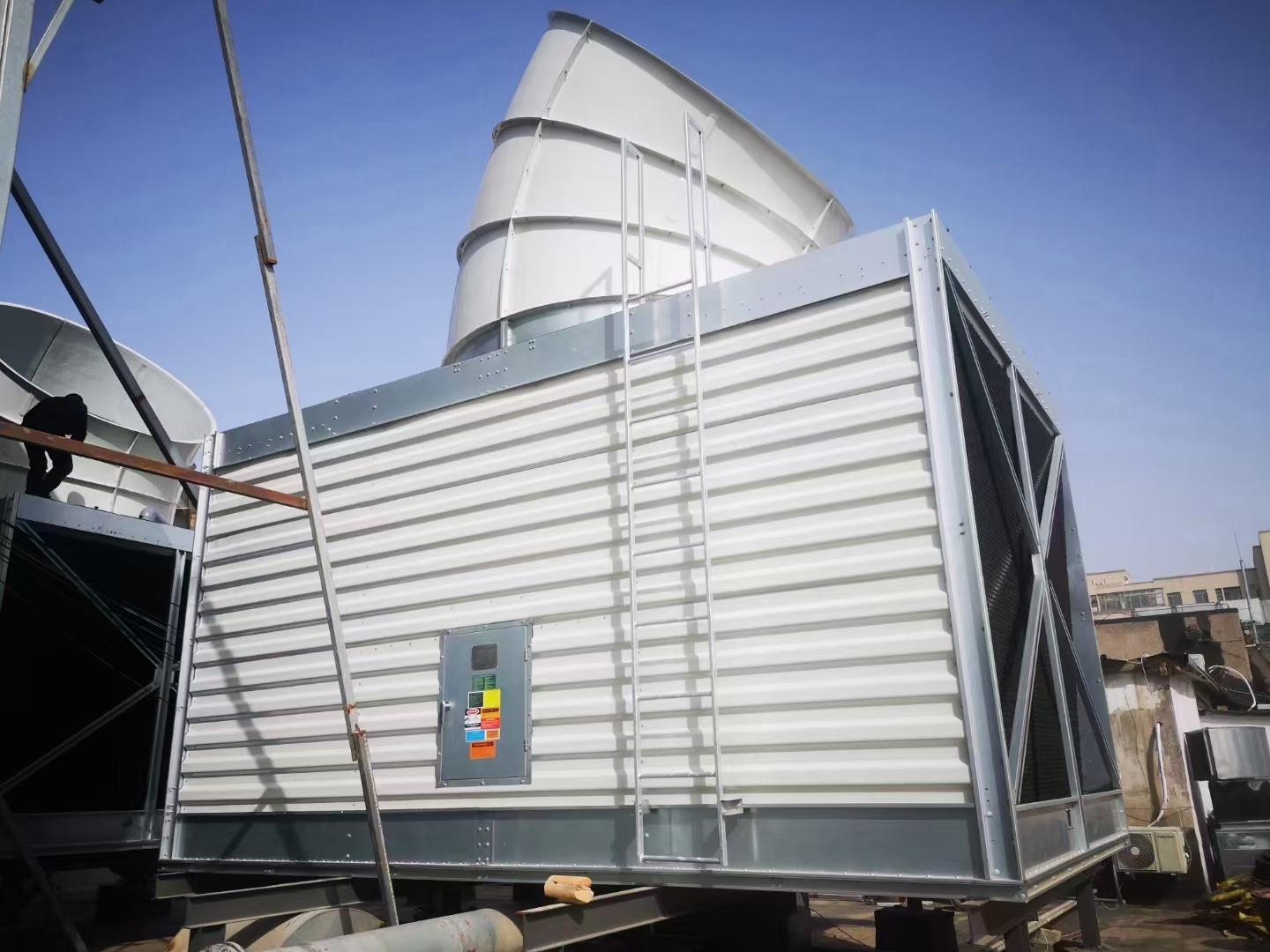
Dry Cooling tower manufacturer in Australia

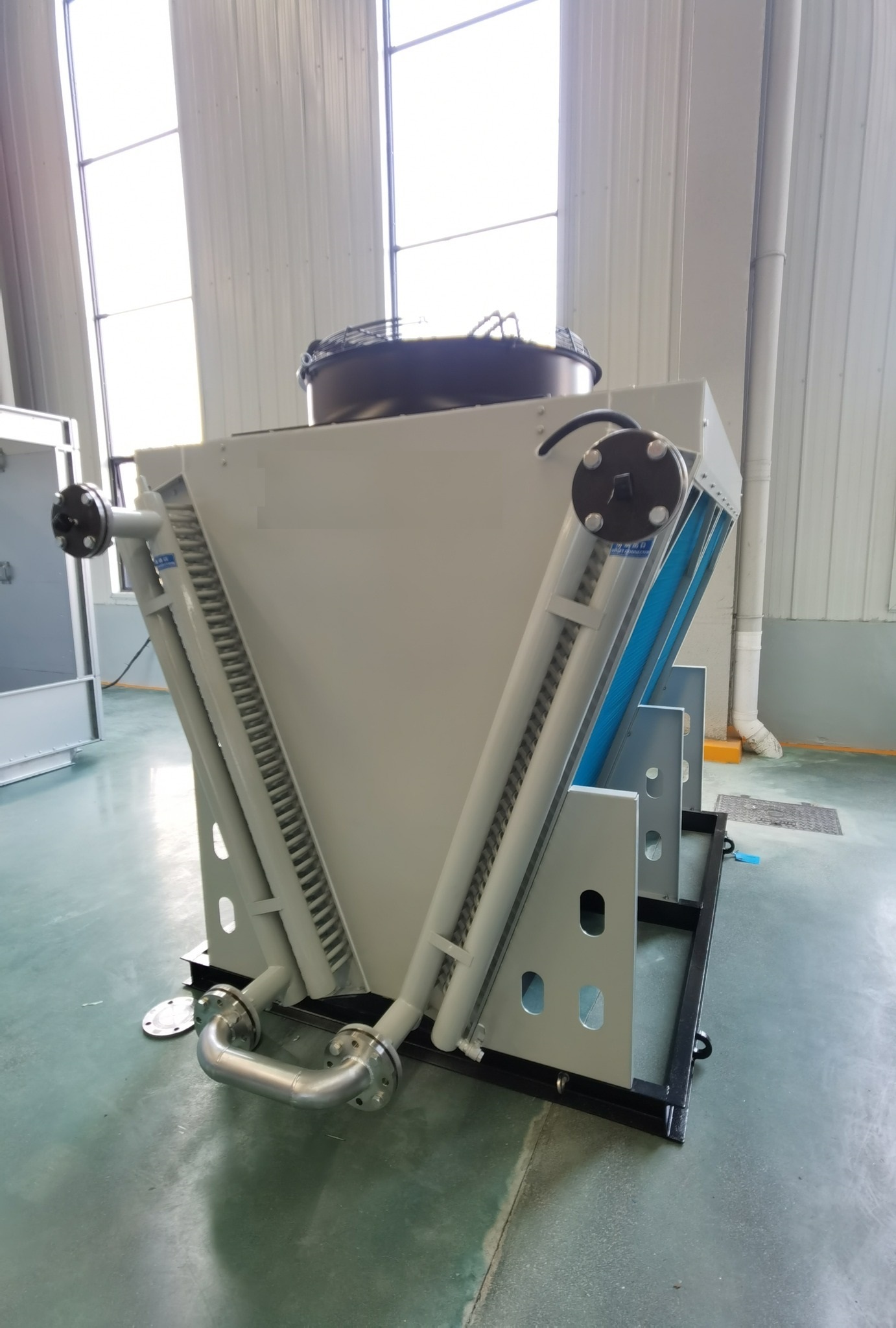
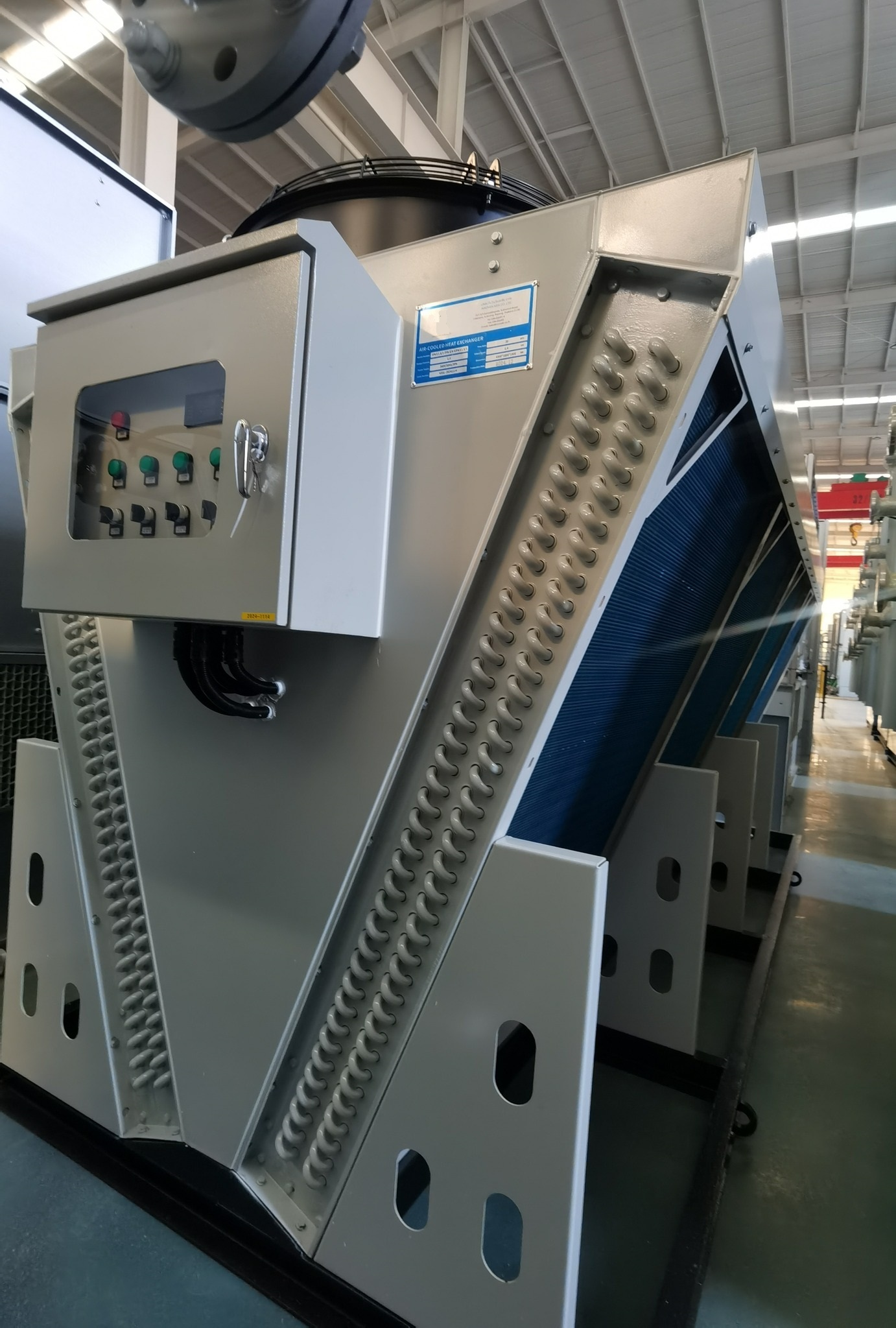
Use of Heat exchanger coil in Dry cooling tower The heat exchanger coil is the absolute core component of a dry cooling tower, and its use is fundamental to the tower’s entire operation. In simple terms, the use of the heat exchanger coil in a dry cooling tower is to transfer heat from the hot internal […]

Dry Cooling tower manufacturer in Egypt

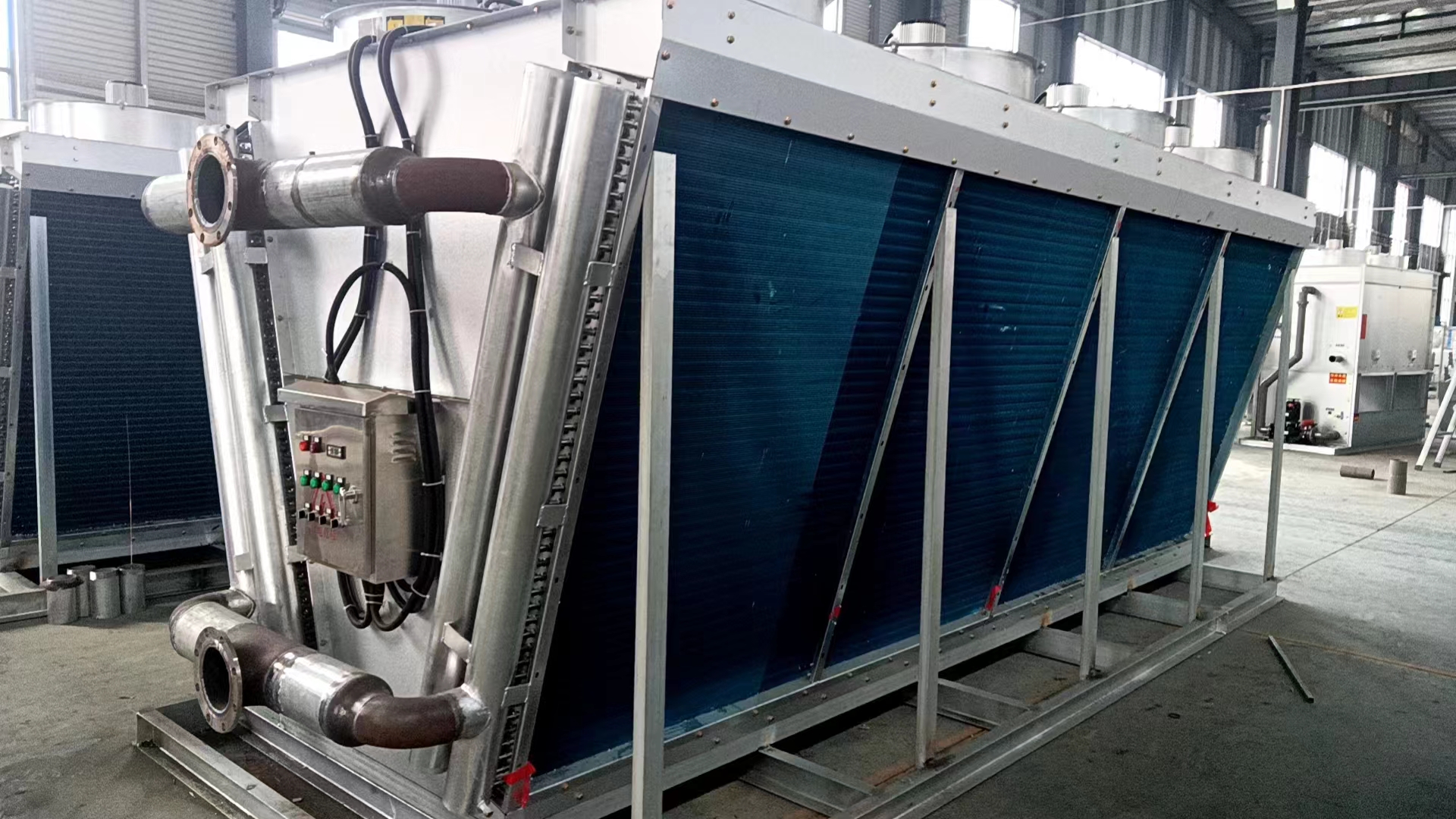
Part Functions: Part Primary Function Finned Tubes Transfers heat from the hot fluid to the cool air. Fans & Motors Creates the forced airflow for heat exchange. Headers Distributes and collects the process fluid. Support Structure Provides structural integrity for all components. Louvers Directs airflow and minimizes recirculation.

Dry Cooling tower manufacturer in Kuwait

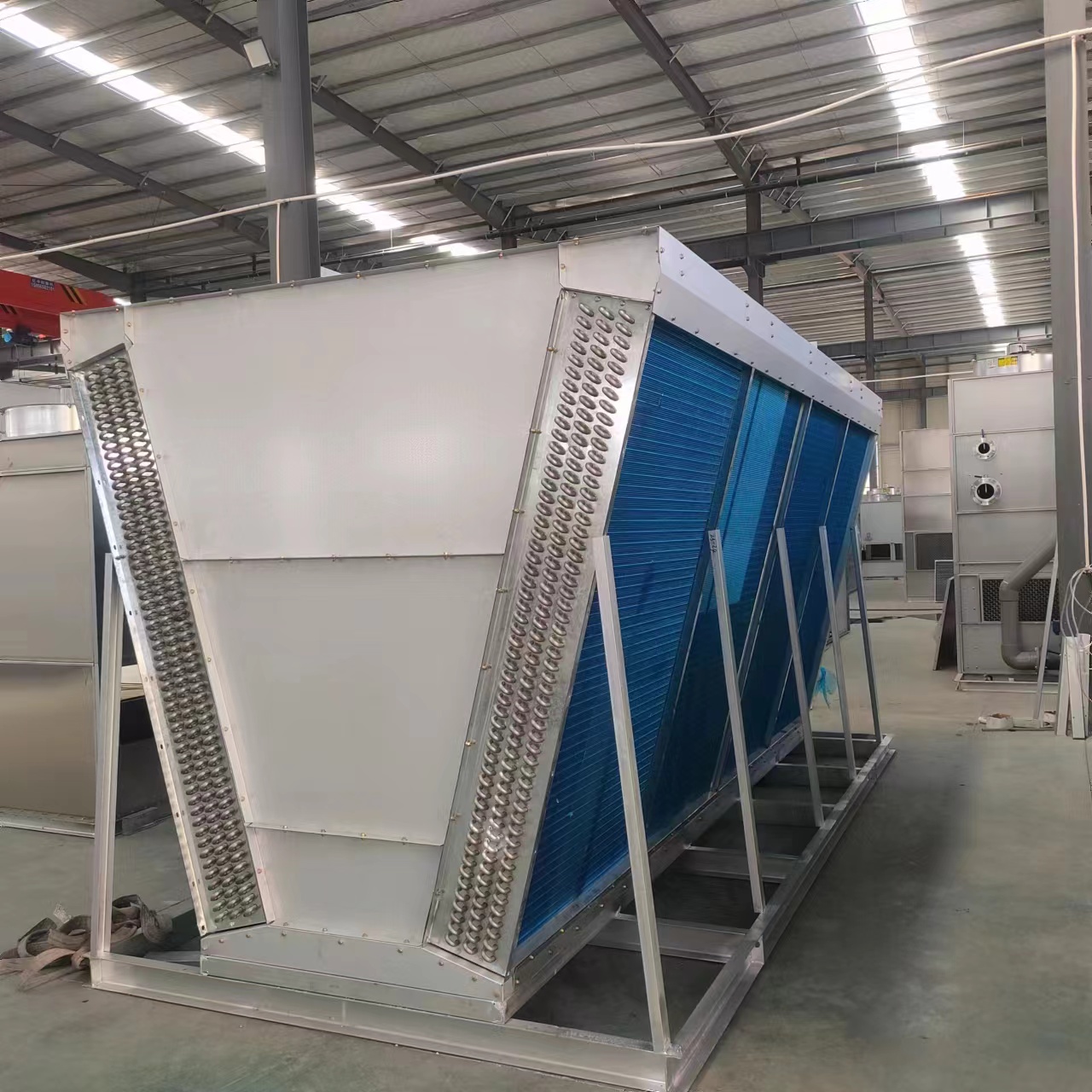
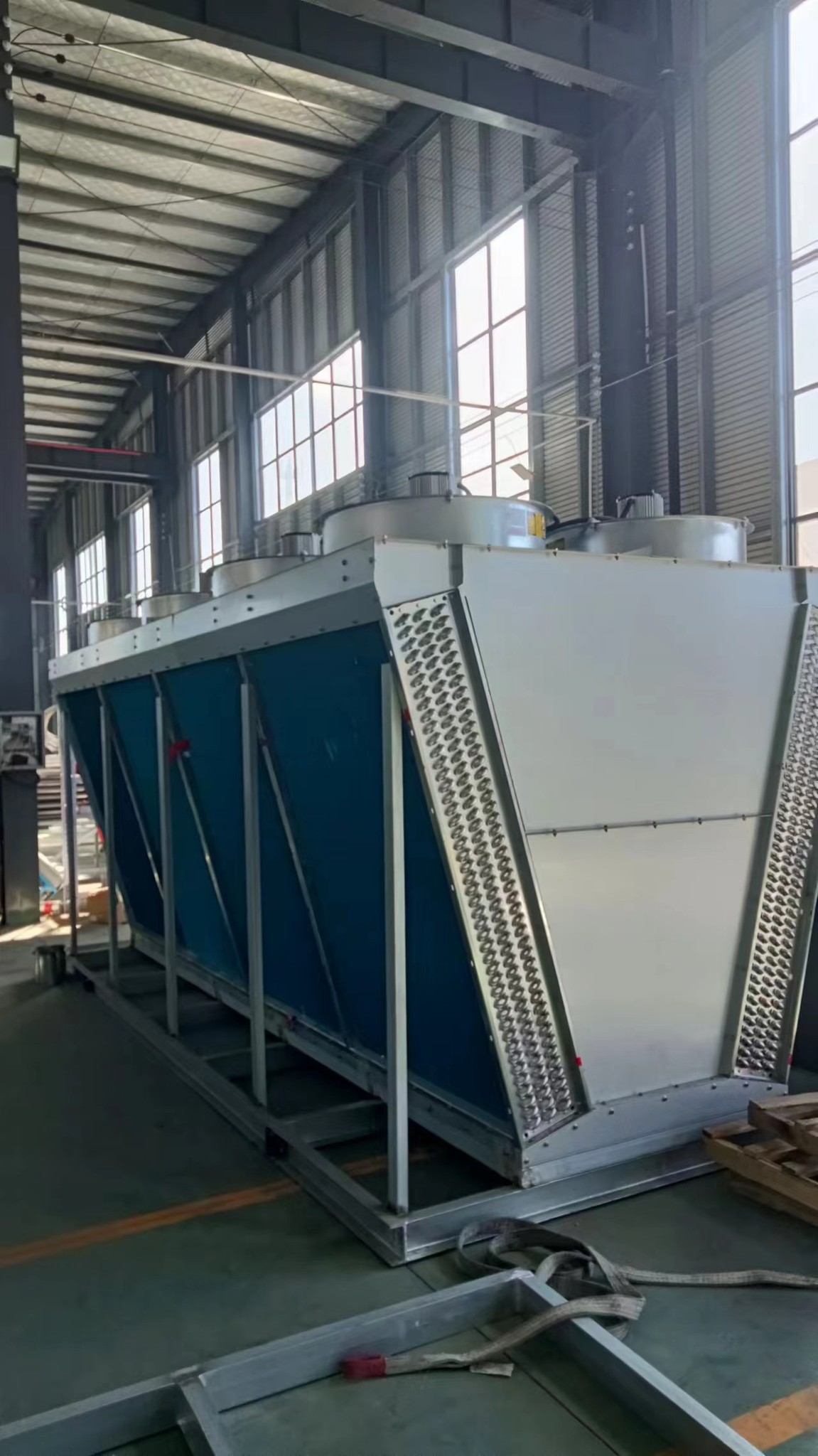
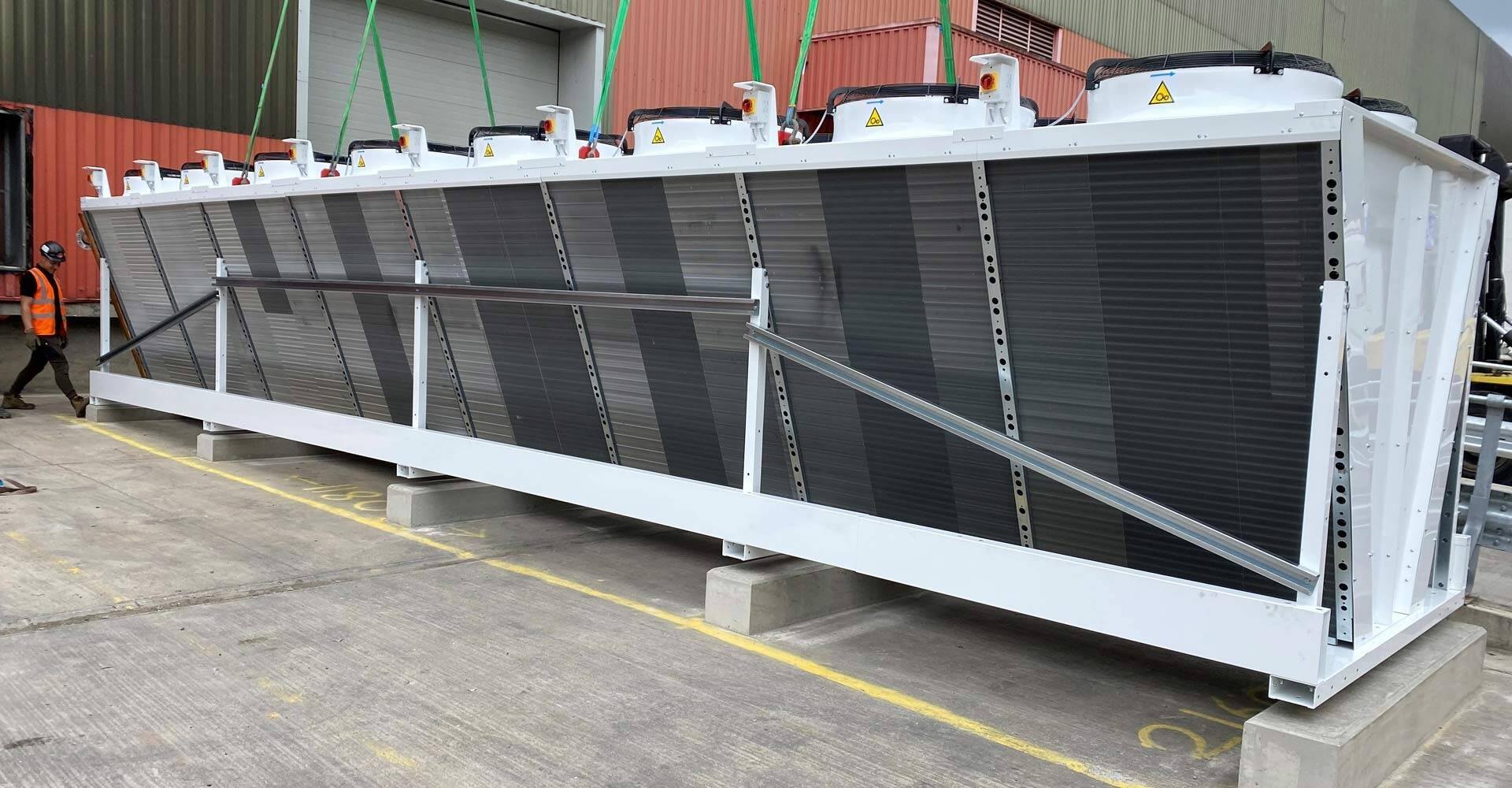
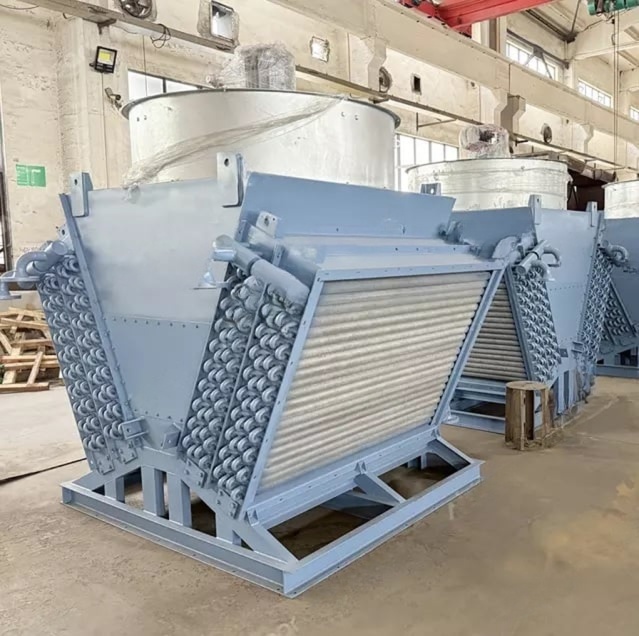
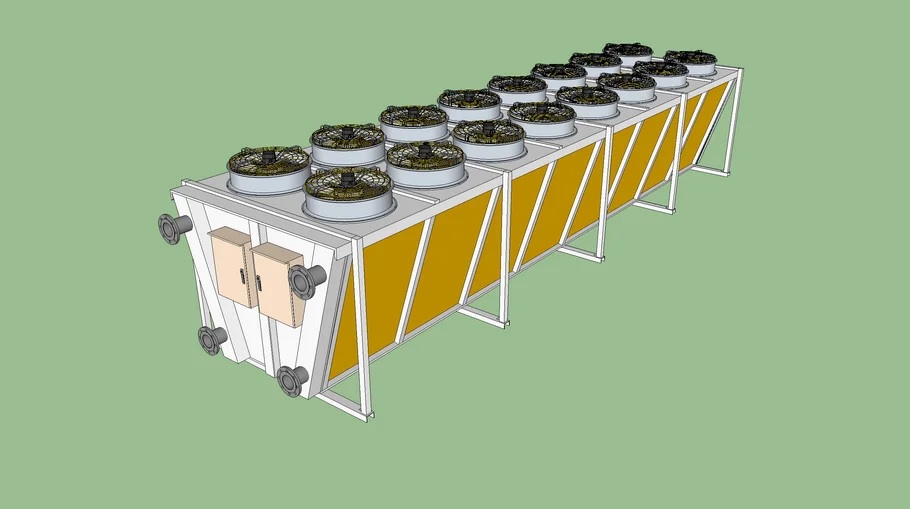
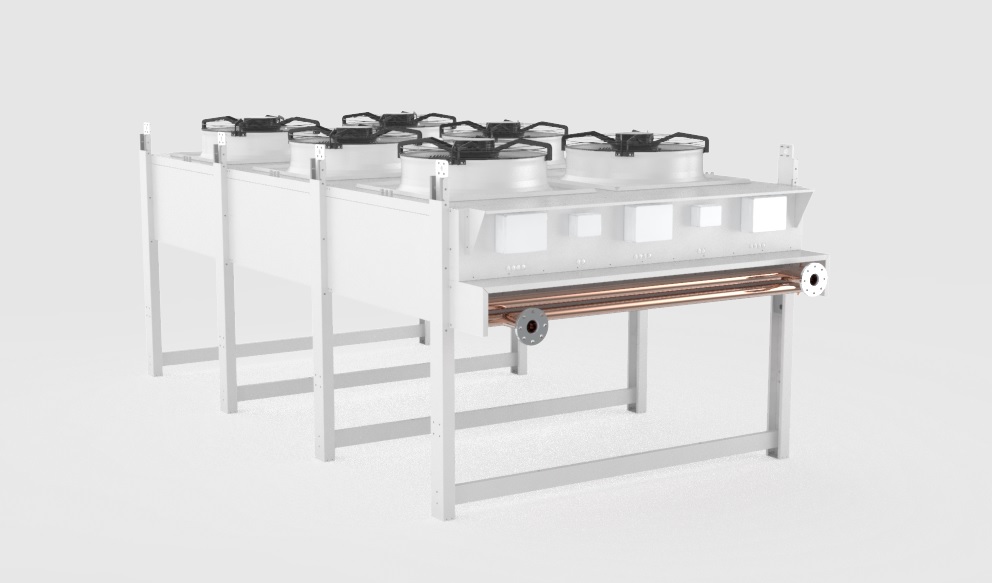
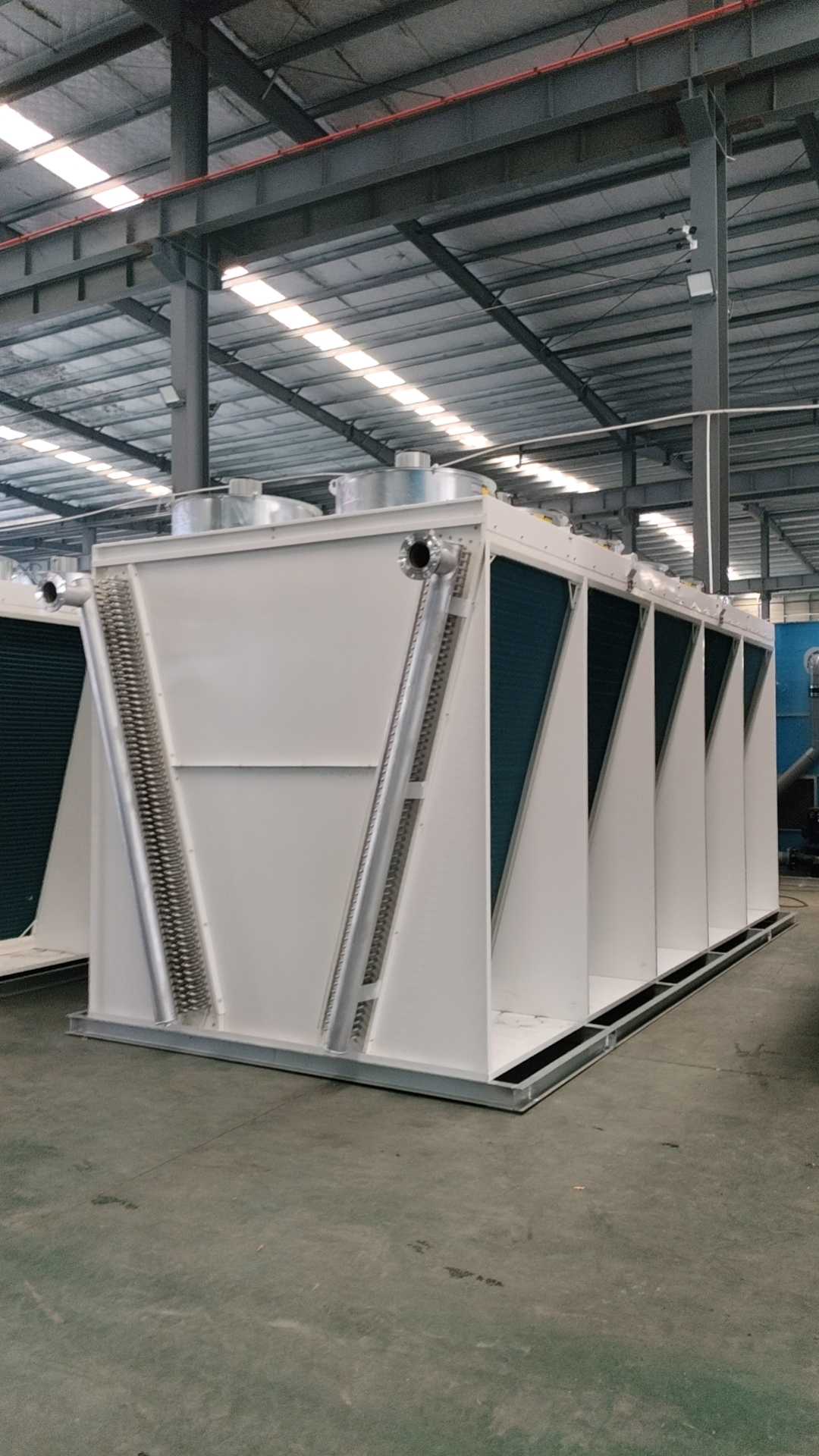
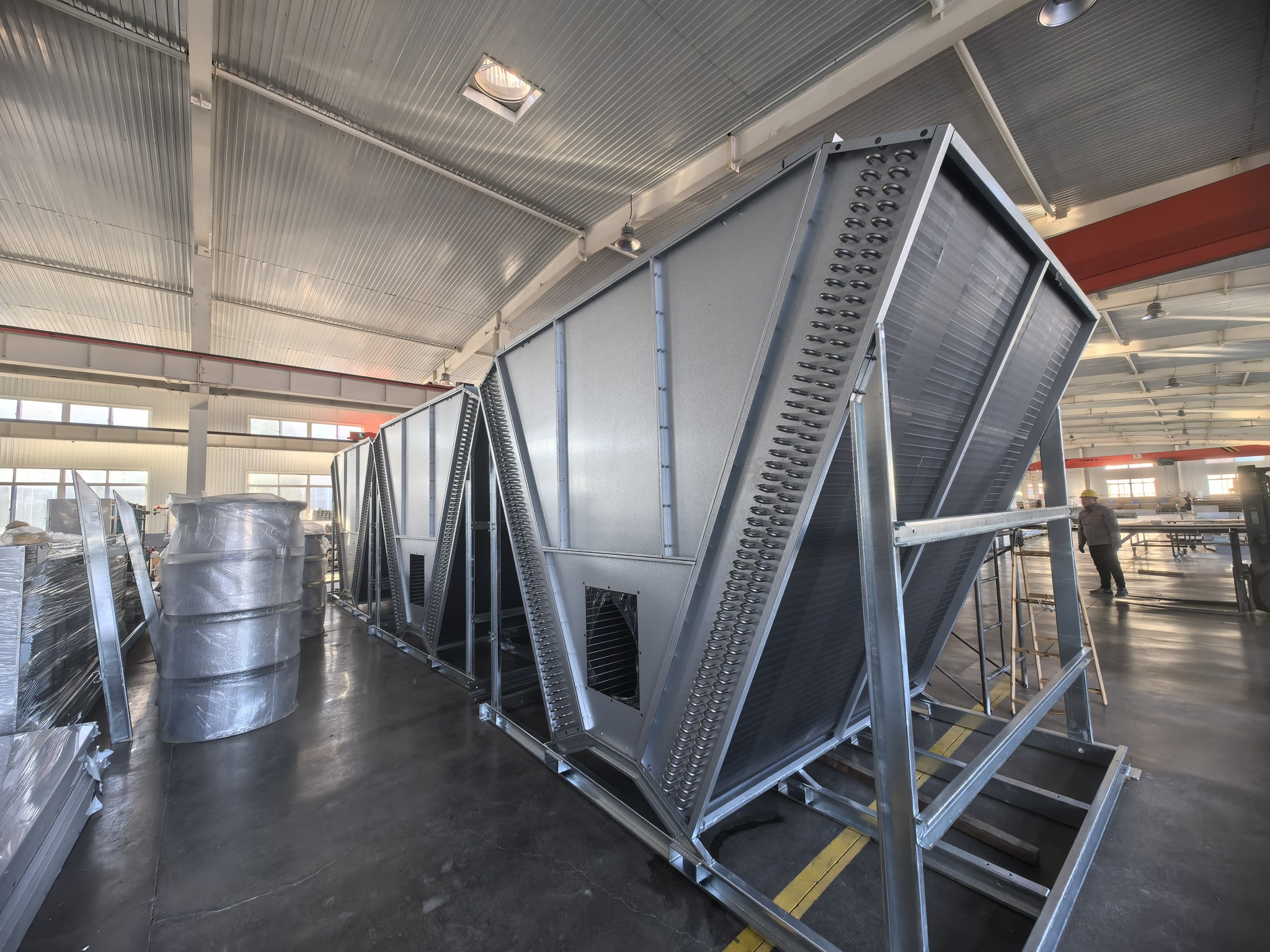
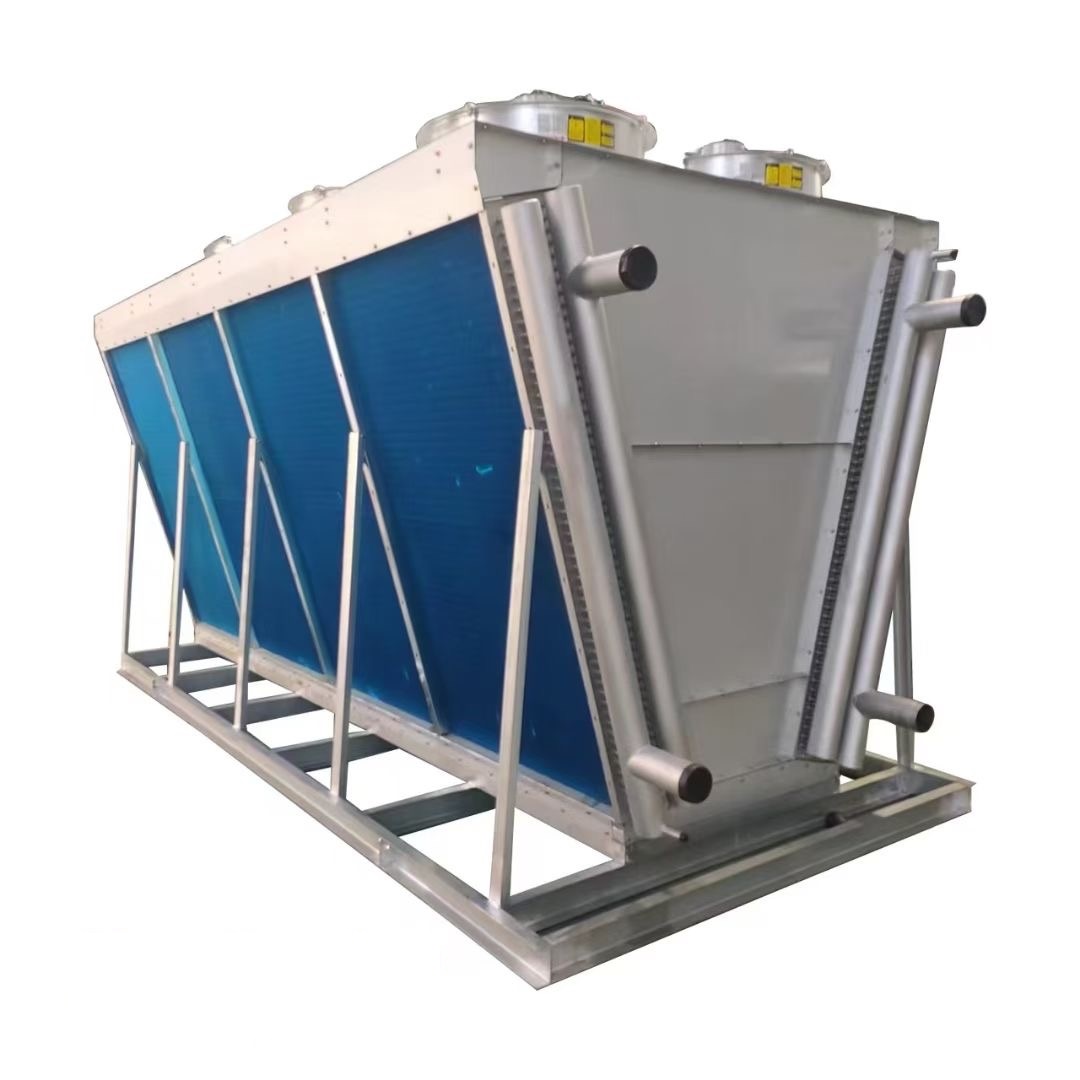
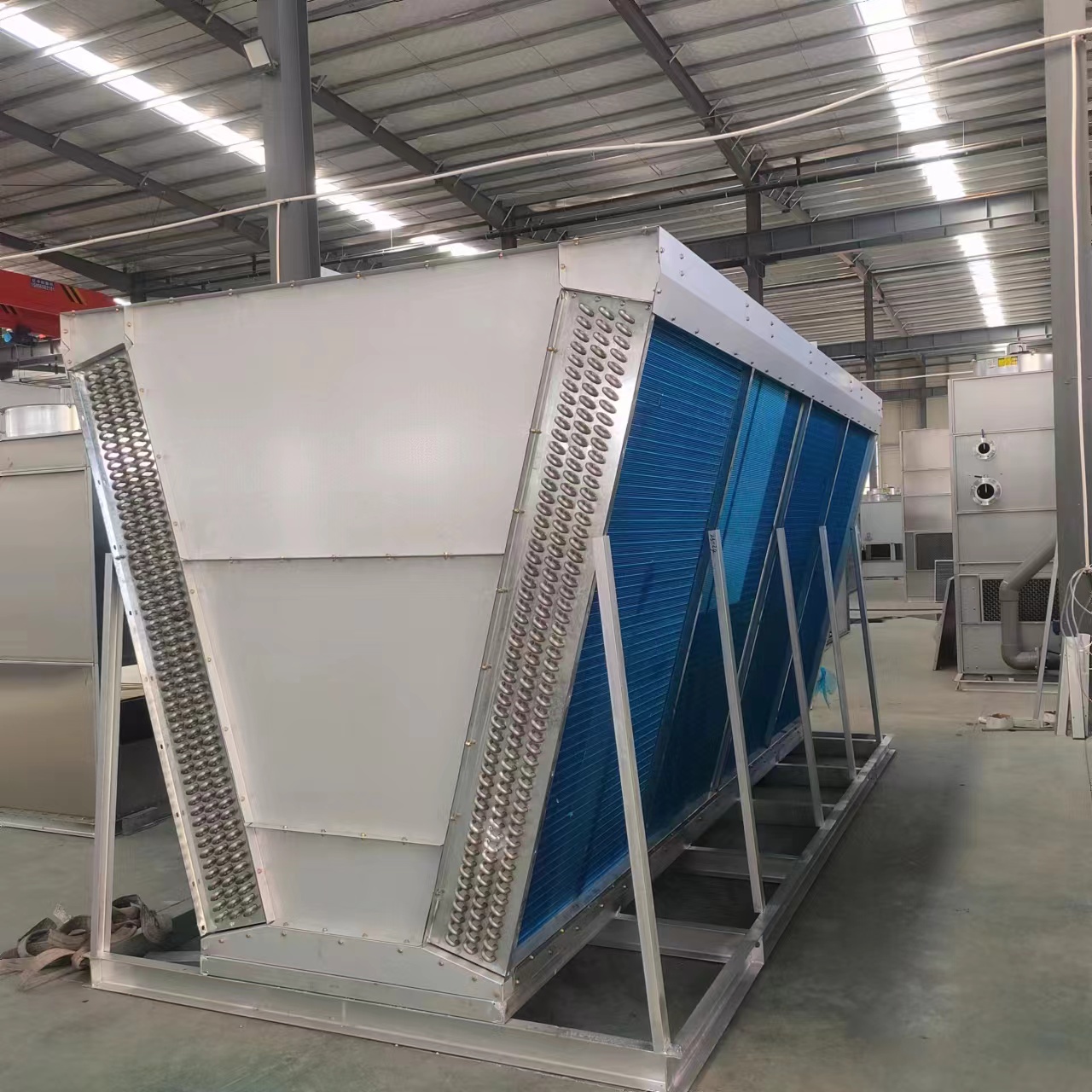
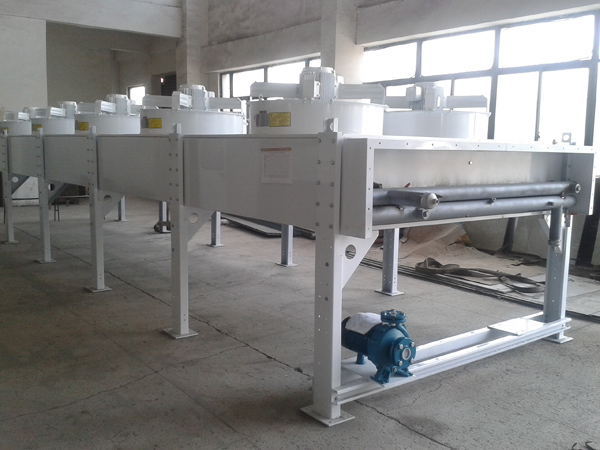
Parts of Dry cooling Tower?  A dry cooling tower is a complex system composed of several key components that work together to reject heat through sensible heat transfer. Here are the main parts of a typical mechanical draft dry cooling tower, broken down by their function: 1. Heat Exchanger Bundle (The Core) This is the […]

Dry Cooling tower manufacturer in Bahrain

Where Dry Cooling tower used. Dry cooling towers are the technology of choice in locations where water is scarce or environmental regulations restrict water usage and vapor plumes. Dry Cooling Tower is a water-saving cooling system that trades off higher cost and lower efficiency for the crucial benefit of minimal water consumption, making it...

Dry Cooling tower manufacturer in United Arab Emirates

Dry Cooling Tower vs. Wet Cooling Tower Feature Dry Cooling Tower Wet Cooling Tower (Evaporative) Principle Sensible Heat Transfer (like a car radiator) Latent Heat Transfer (evaporation) Water Usage Very Low. Only minor makeup water for the closed loop. Very High. Continuous water loss due to evaporation, drift, and blowdown....

Dry Cooling tower manufacturer in India

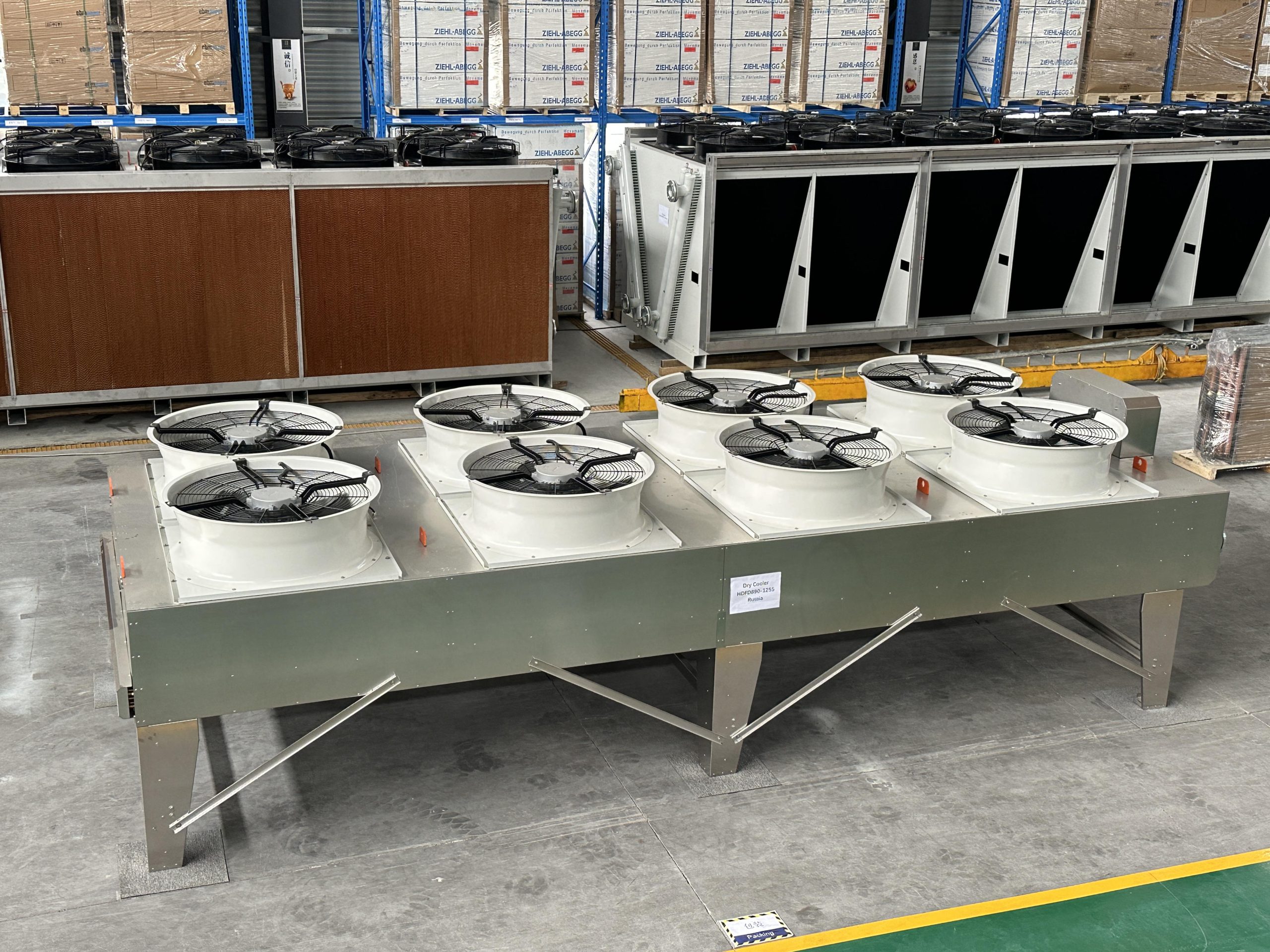
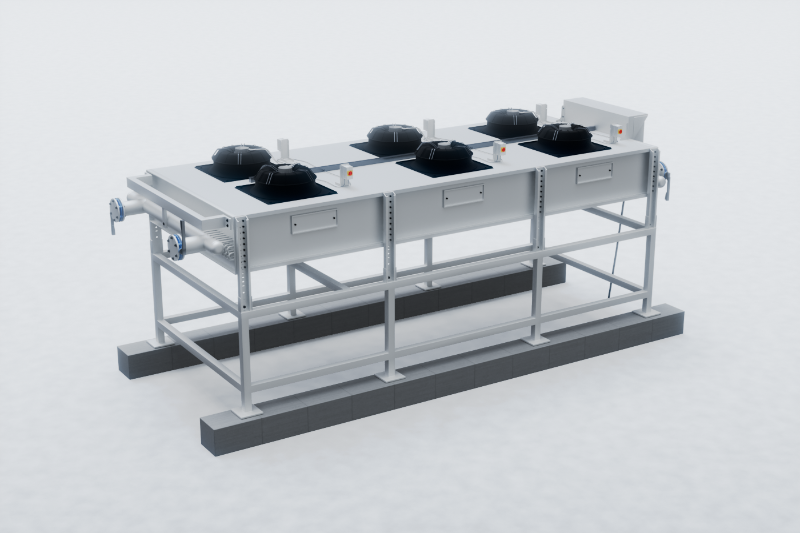
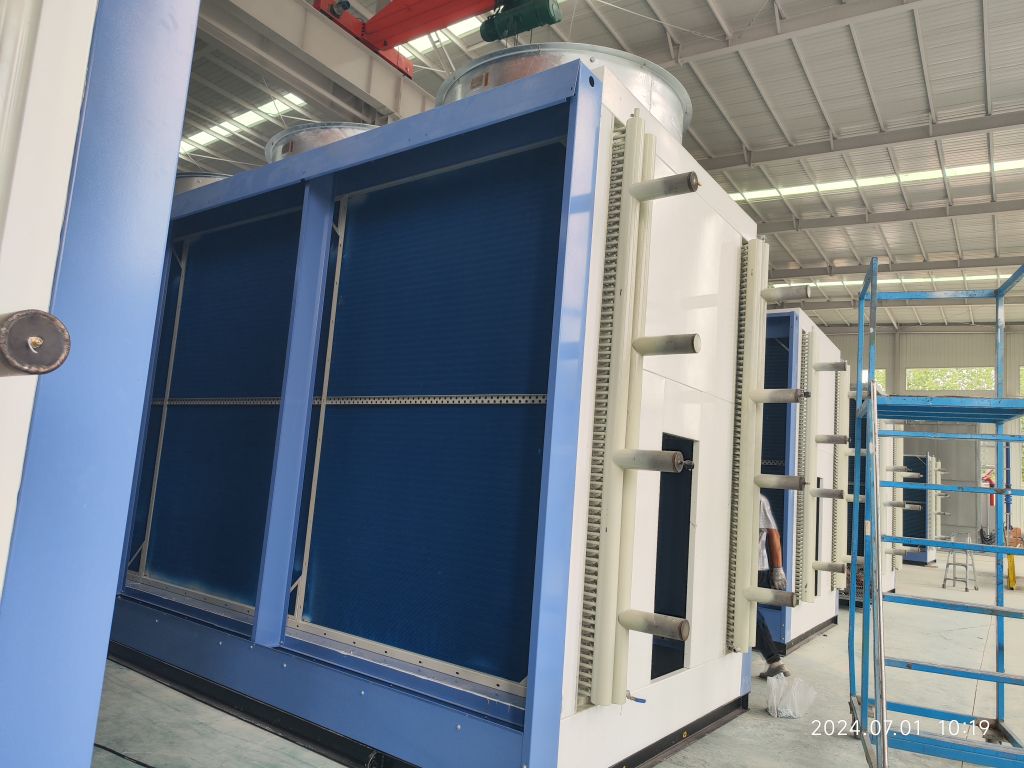
A Dry Cooling Tower is a heat rejection device that cools a working fluid (most often water or a water-glycol mixture) without direct contact with the air and without any water loss through evaporation. Think of it as a giant, industrial-sized radiator, similar in principle to the radiator in your car. It uses the principles...

Cross Flow Cooling Tower Manufacturer in Egypt

In manufacturing and process cooling, the cooling tower is the beating heart of the heat rejection system. It is a critical piece of infrastructure that directly impacts: Without a reliable cooling tower, the speed, quality, and cost-effectiveness of modern manufacturing would be impossible to maintain.

Cross Flow Cooling Tower Manufacturer in Oman

Why Cooling Towers are the Preferred Choice in Manufacturing Practical Example: An Automotive Parts Factory A single cooling tower system in an auto parts plant might serve all these functions simultaneously:

Cross Flow Cooling Tower Manufacturer in united Arab Emirates

The use of cooling towers in manufacturing and process cooling is a cornerstone of modern industrial production. They are not merely for comfort cooling but are integral to the very processes that create products. In this context, the cooling tower’s role shifts from a general utility to a direct enabler of production, quality control,...

Cross Flow Cooling Tower Manufacturer in India

Industrial Cooling Tower Use Cases Industry Primary Cooling Needs Why it’s Critical Steel & Metal Furnaces, Casters, Rolling Mills Prevents equipment meltdown, ensures product consistency. Oil & Gas Distillation, Catalytic Cracking Maintains process control, safety, and product yield. Chemical Reactors, Condensers Controls volatile...

Cross Flow Cooling Tower Manufacturer in UAE

The use of cooling towers in heavy and general industry The use of cooling towers in heavy and general industry is extensive and critical. They are not just auxiliary equipment but are often integral to the core manufacturing process, safety, and profitability. Here’s a detailed look at their uses, categorized by function and industry. The...

Cross Flow Cooling Tower Manufacturer in Saudi Arabia

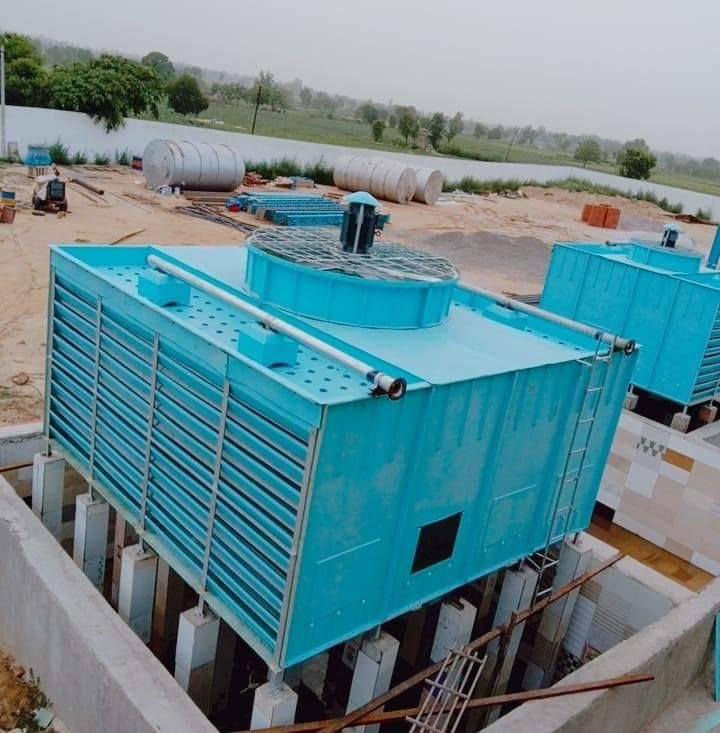
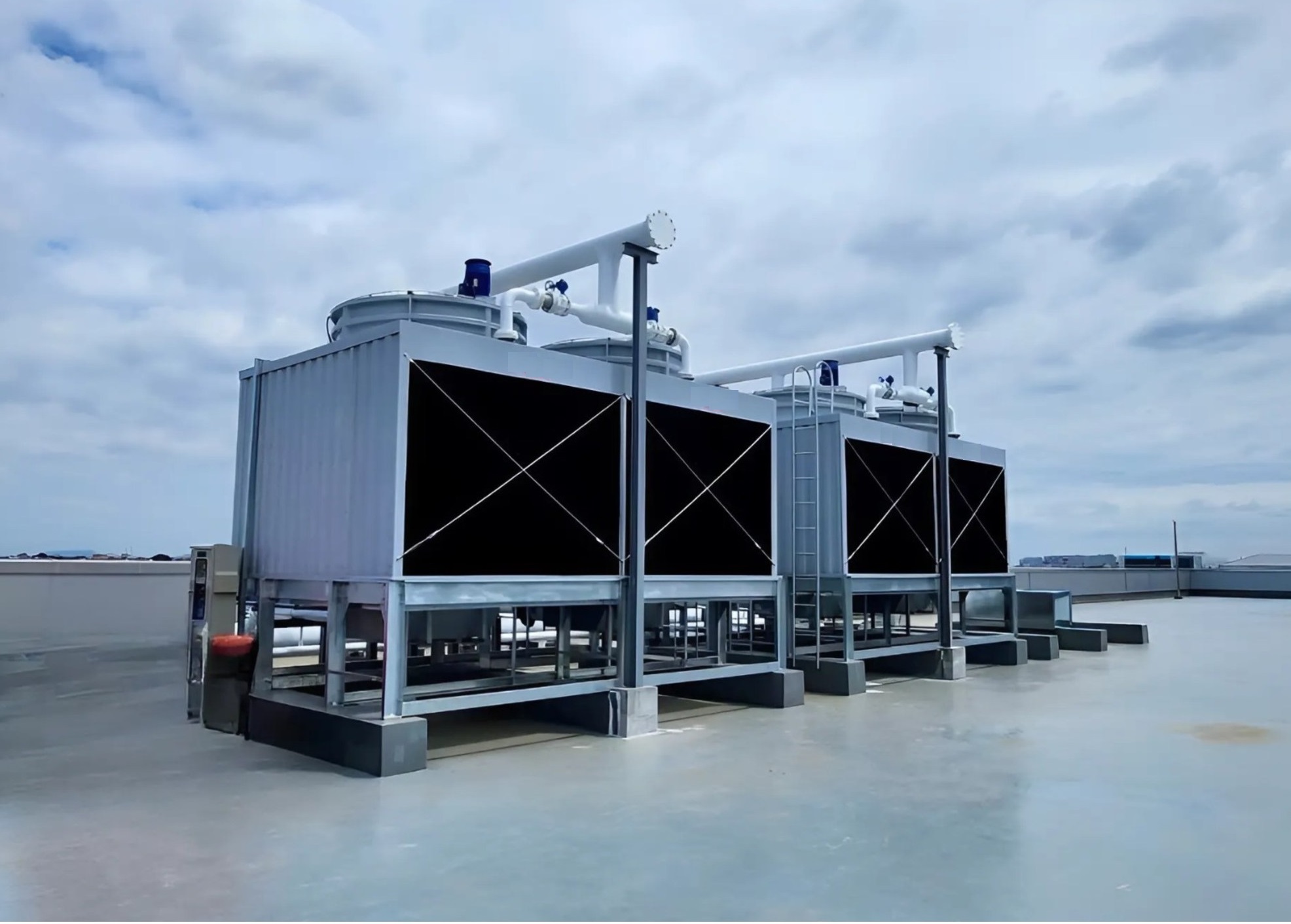
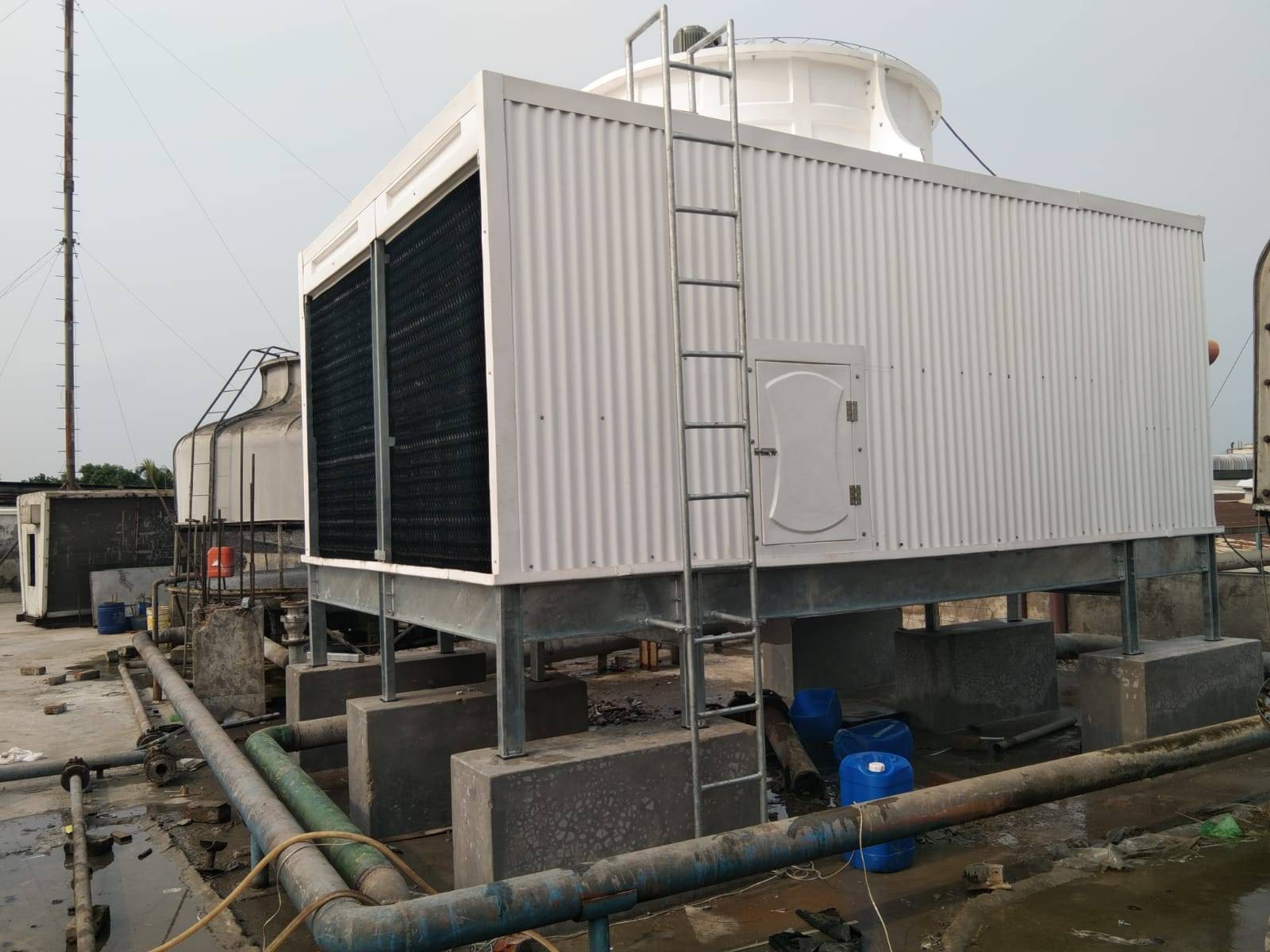
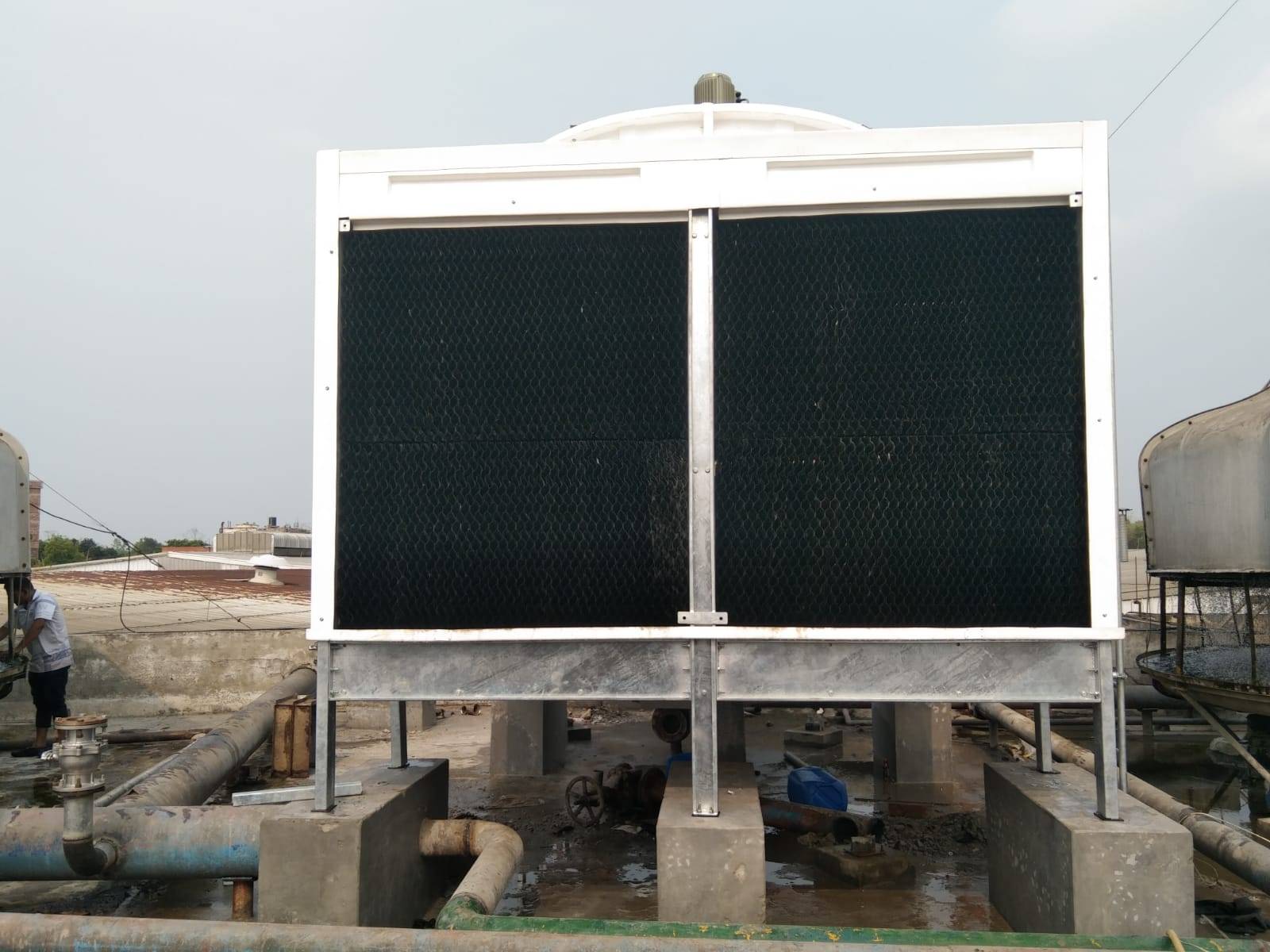
Cross flow cooling towers are widely used for their balance of efficiency, ease of maintenance, and quiet operation, especially in:

Cross Flow Cooling Tower Manufacturer in Zambia

he role of a cooling tower in power generation is absolutely fundamental and can be summarized in one core concept: It is the primary device that enables the thermodynamic cycle to repeat continuously, thereby allowing for constant electricity production. In a thermal power plant (coal, natural gas, nuclear, geothermal, etc.), the cooling...

Cross Flow Cooling Tower Manufacturer in Ghana

In the Food & Beverage industry, the cooling tower is not a peripheral utility but a critical piece of process infrastructure. Its roles are: Safety-Critical: To be managed as a potential source of microbiological hazard, requiring strict water treatment and control.

Cross Flow Cooling Tower Manufacturer in Tunisia

Why Cross Flow is the Right Fit for These Applications Application Primary Reason for Choosing Cross Flow Large HVAC Systems Ease of Maintenance & Low Pumping Energy Power Generation Large Capacity & Durability Heavy Industry Clog Resistance & Robustness General Manufacturing Reliability & Operational Cost Savings In essence,...

Cross Flow Cooling Tower Manufacturer in Ethiopia

1. HVAC (Heating, Ventilation, and Air Conditioning) for Large Buildings This is one of the most common applications. 2. Power Generation Both conventional and renewable power plants require massive heat rejection. 3. Heavy and General Industry This is a broad category where reliability is paramount. 4. Manufacturing and Process Cooling This covers...

Cross Flow Cooling Tower Manufacturer in Algeria

Visualizing the Flow with the Parts To understand how these parts work together, let’s follow the paths of water and air: Water Path (Falls Vertically): Air Path (Flows Horizontally, then Up):

Cross Flow Cooling Tower Manufacturer in Nigeria

Major Applications of Cross Flow Cooling Towers A cross flow cooling tower is a type of heat rejection device where air flows horizontally across the falling water (which moves vertically). This design is efficient, accessible for maintenance, and relatively quiet, making it popular in many industries. Here are the major applications of cross flow...

Cross Flow Cooling Tower Manufacturer in South Africa

Major Parts of a Cross Flow Cooling Tower 1. Structure and Casing 2. Cold Water Basin (Sump) 3. Water Distribution System This is a defining feature of cross flow design. 4. Fill (or Packing) 5. Air Inlet Louvers 6. Drift Eliminators 7. Fan and Drive Assembly 8. Mechanical Equipment Support

Cross Flow Cooling Tower Manufacturer in Morocco

Fill Types in Cross Flow Cooling Towers Feature Splash Fill Film Fill Hybrid Fill Primary Mechanism Breaks water into droplets Spreads water into a thin film Combines splash and film Thermal Efficiency Lower Highest High Fouling/Clogging Resistance Excellent Poor Good Air-Side Pressure Drop Low Higher Moderate Water Quality Suitability Dirty,...

Cross Flow Cooling Tower Manufacturer in Lebanon

Hybrid Fill As the name implies, this is a combination designed to get the “best of both worlds.” High Efficiency: It still achieves most of the high-efficiency benefits of a full film fill.
1 4 5 6 8