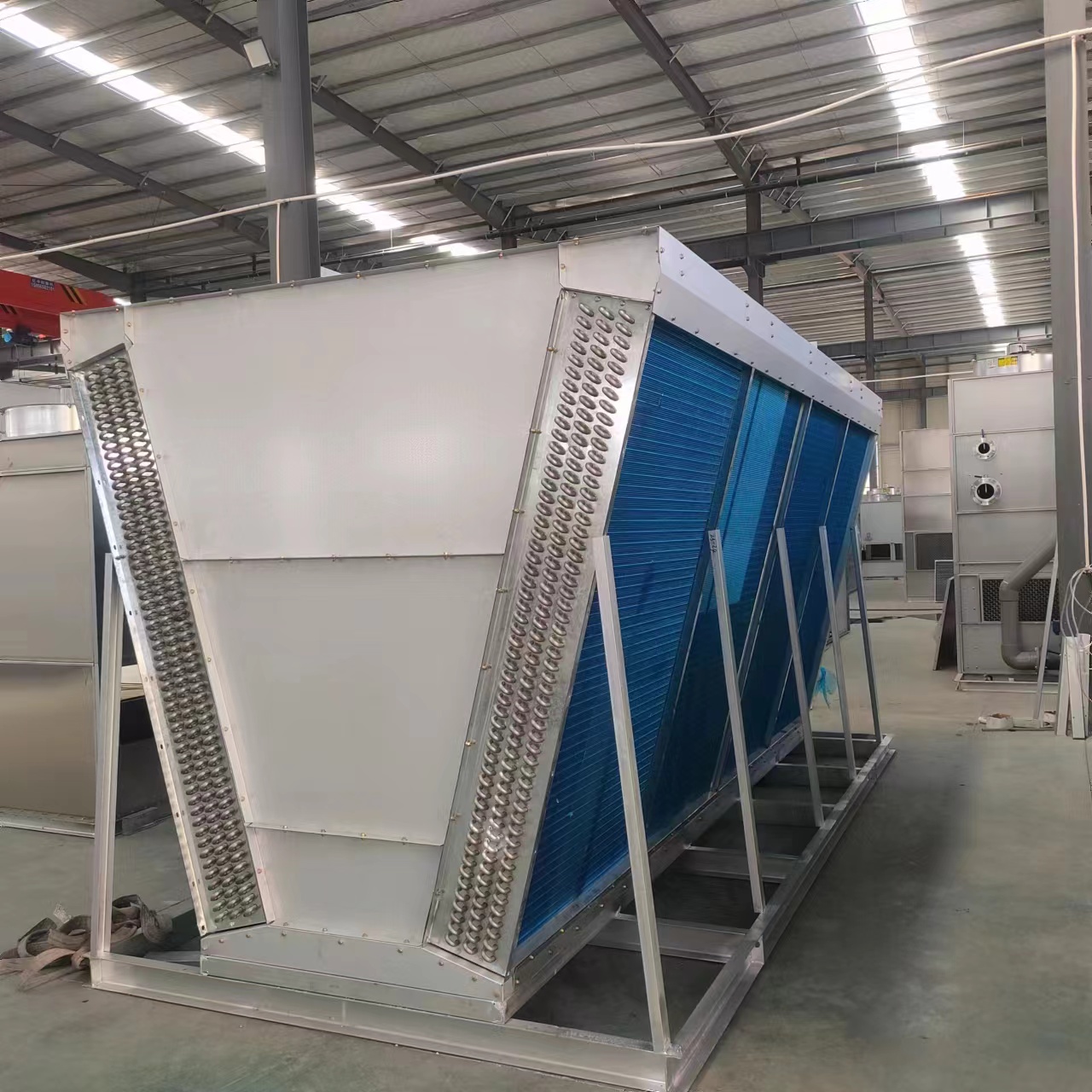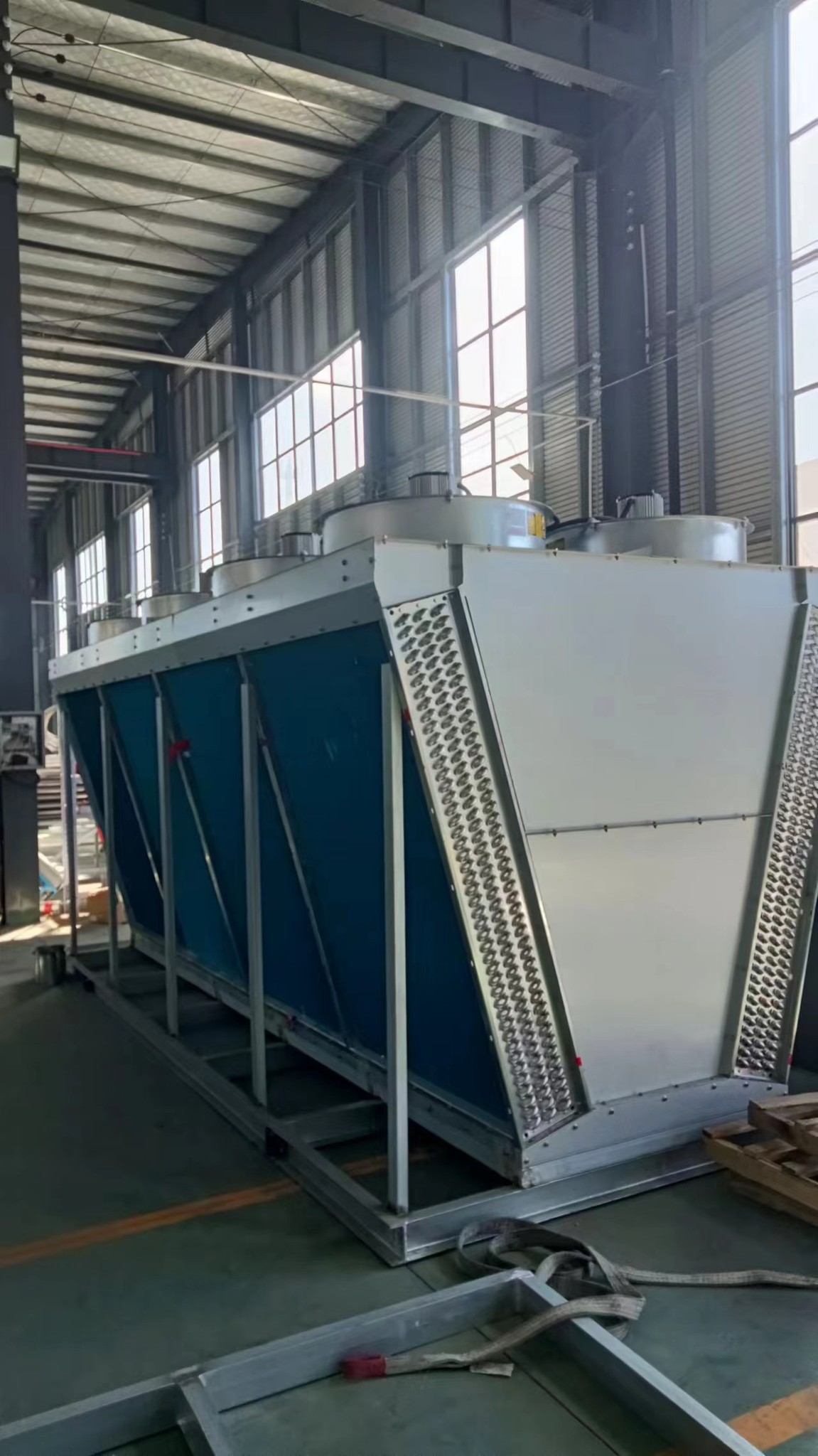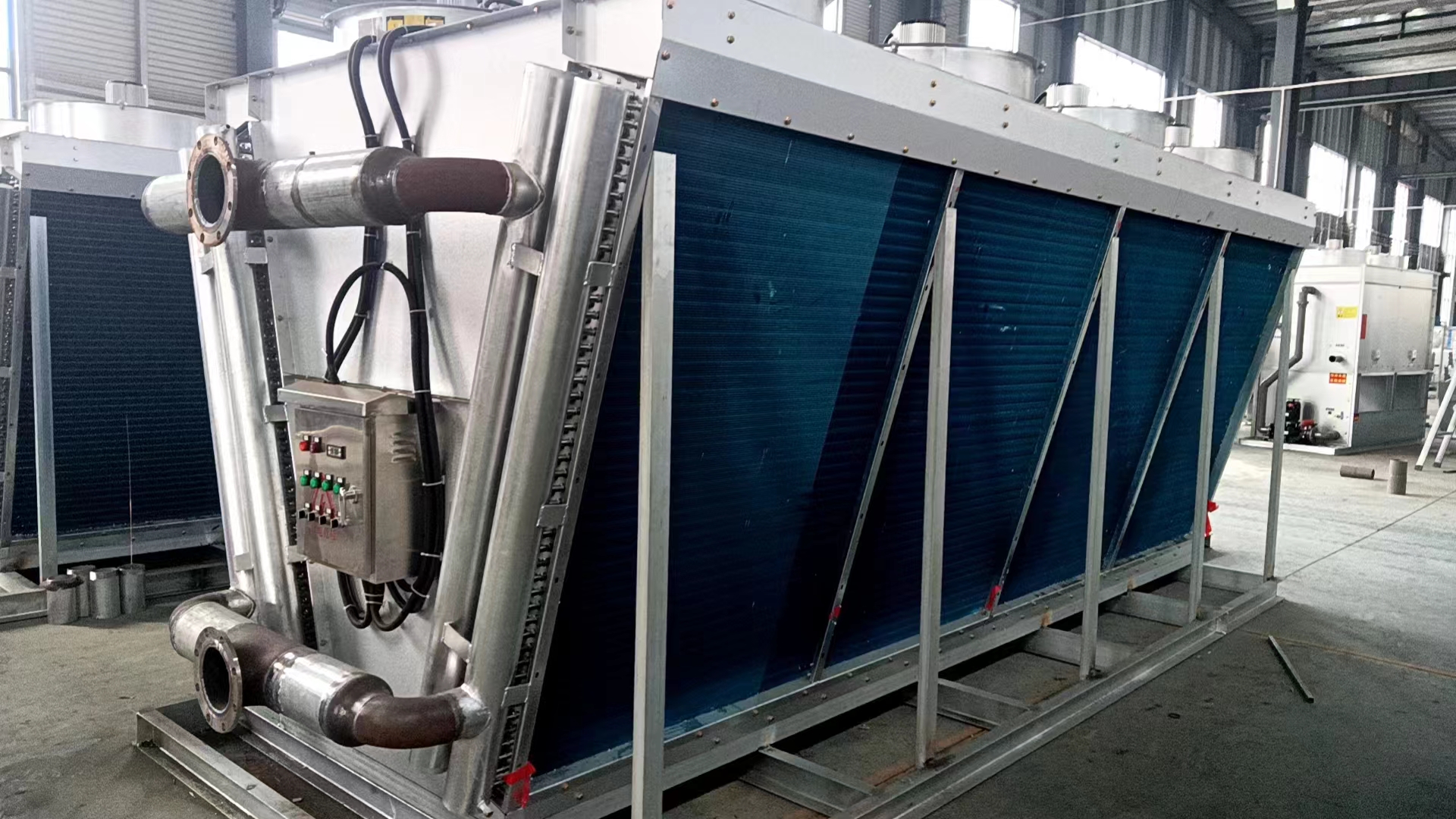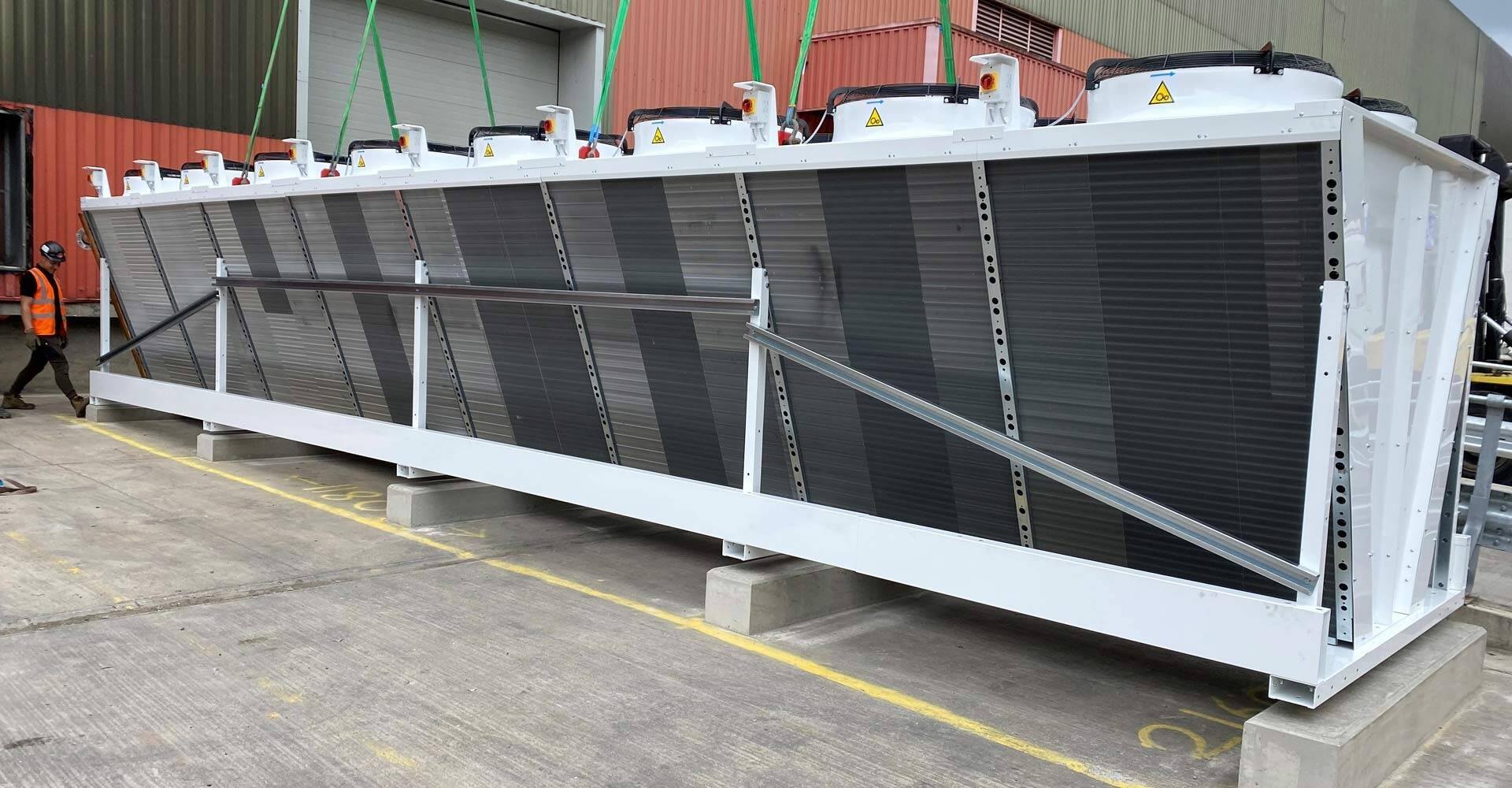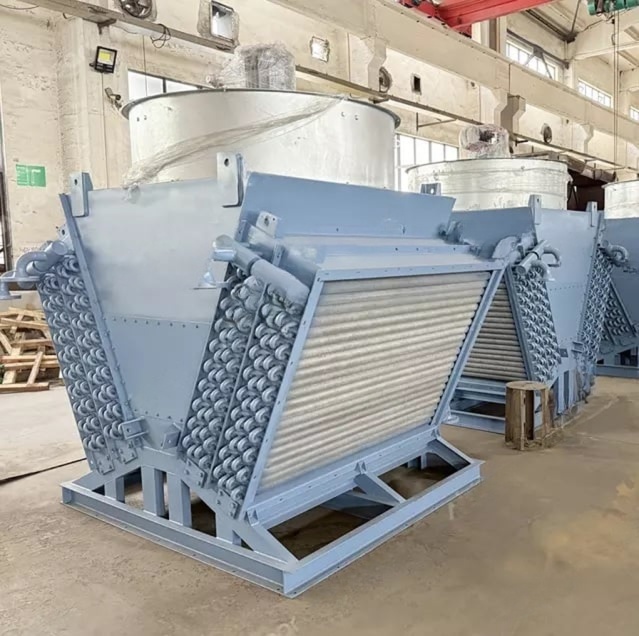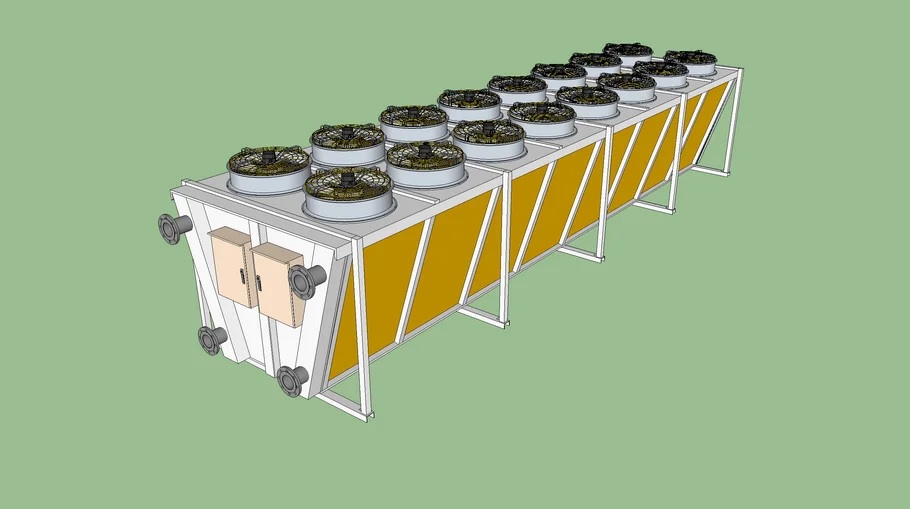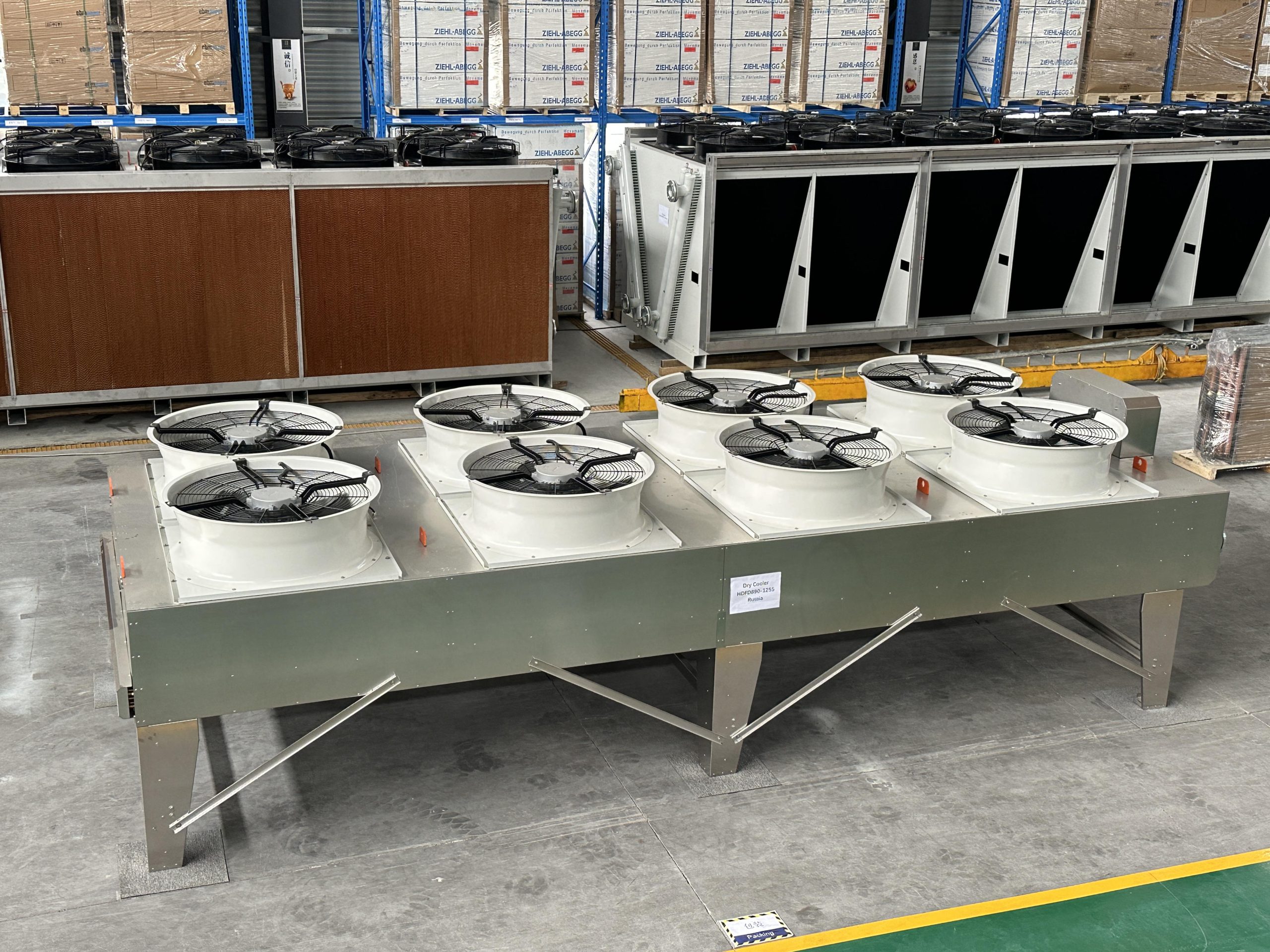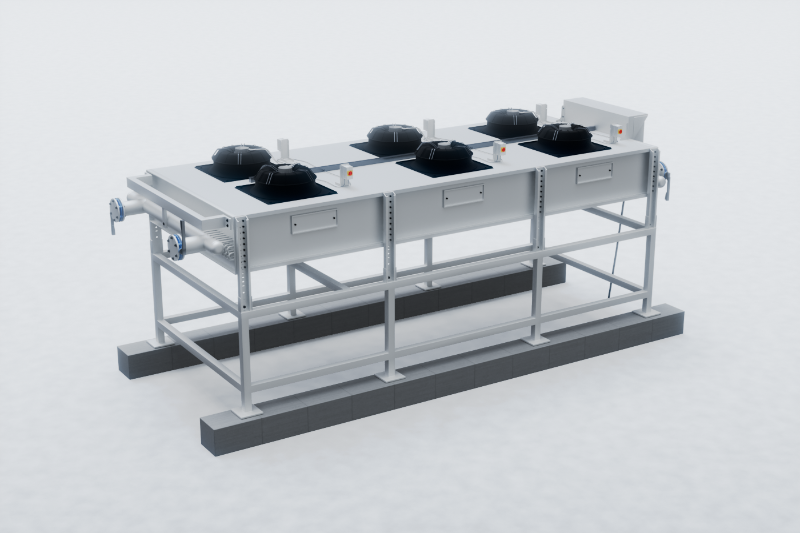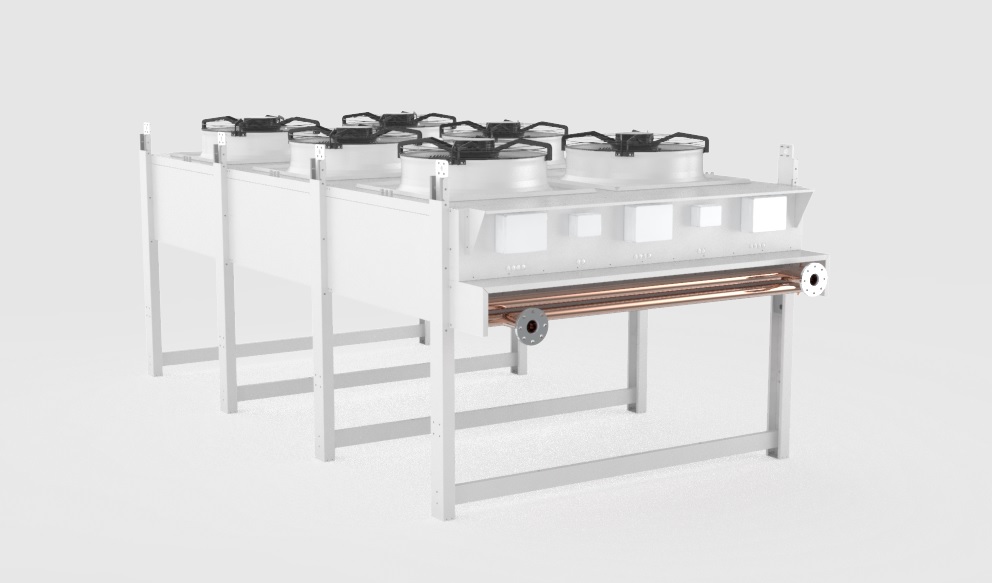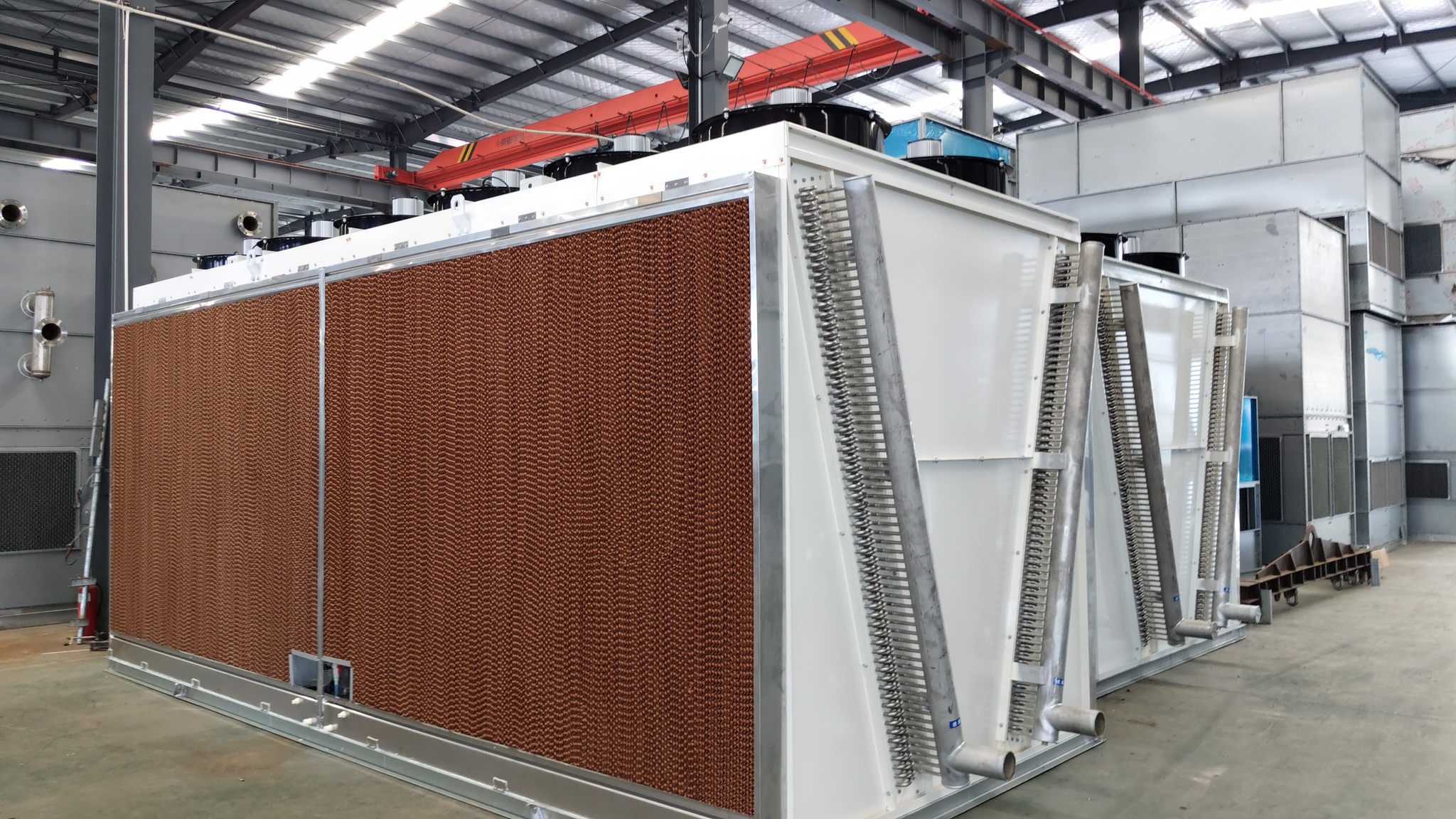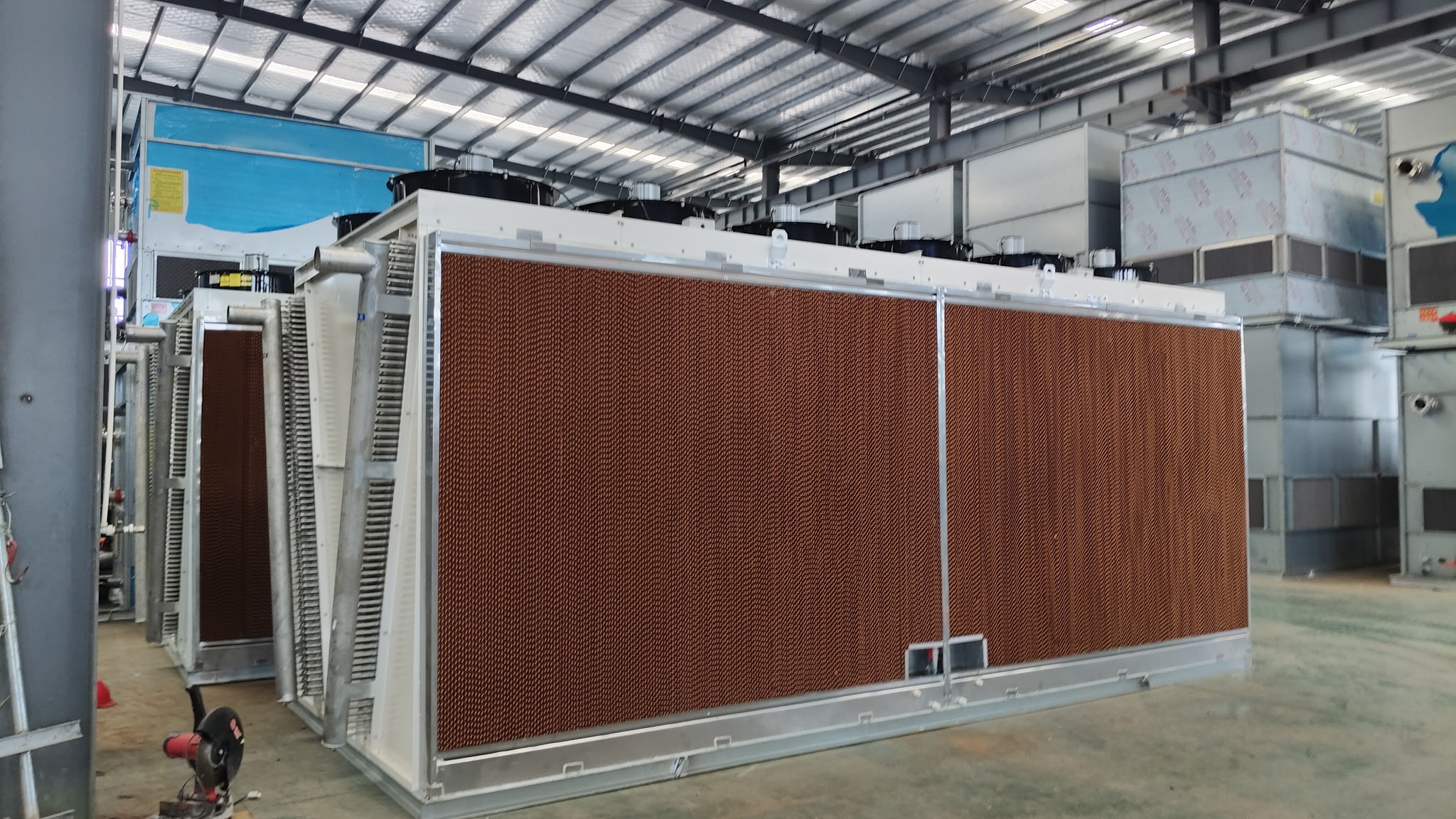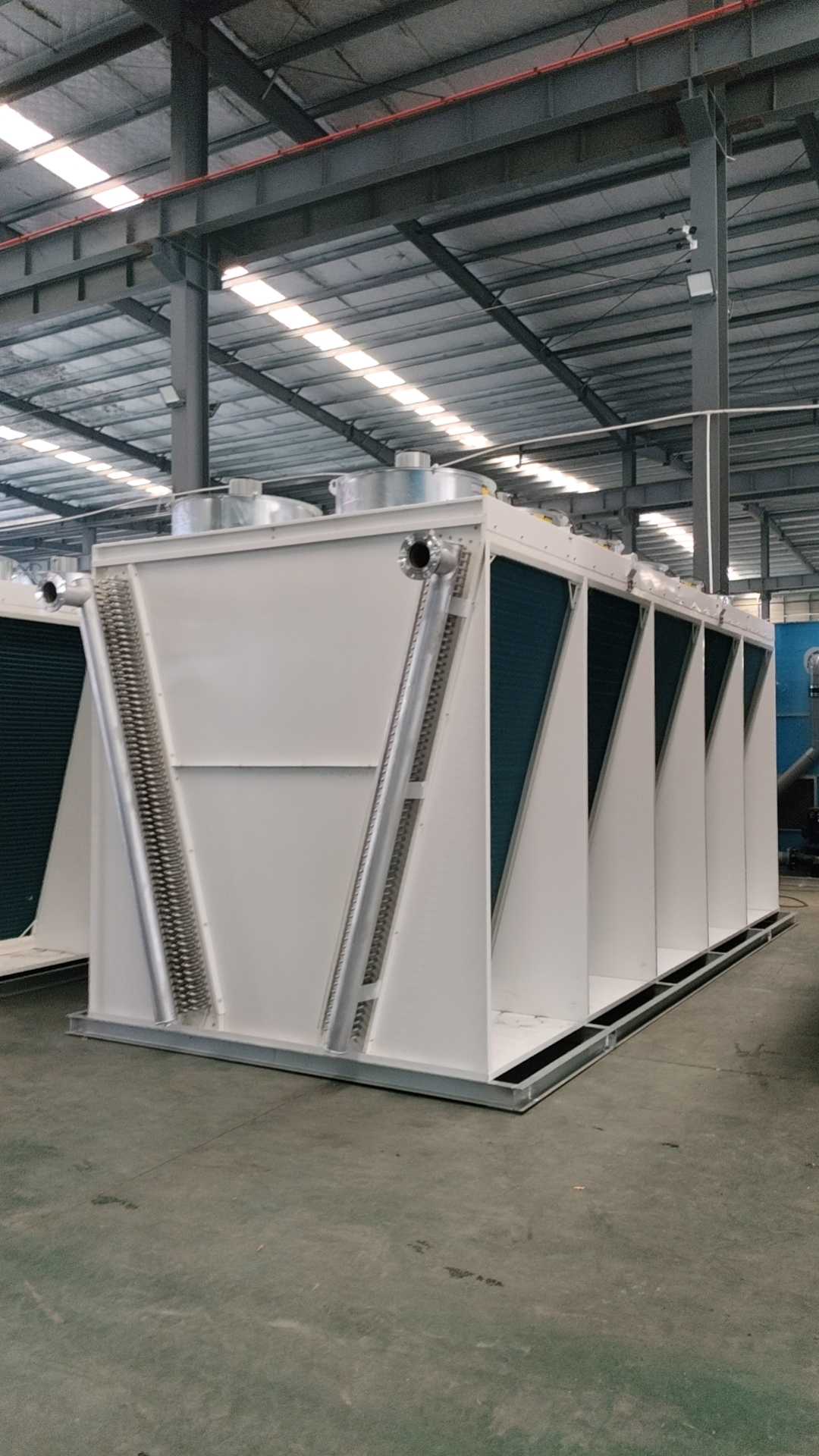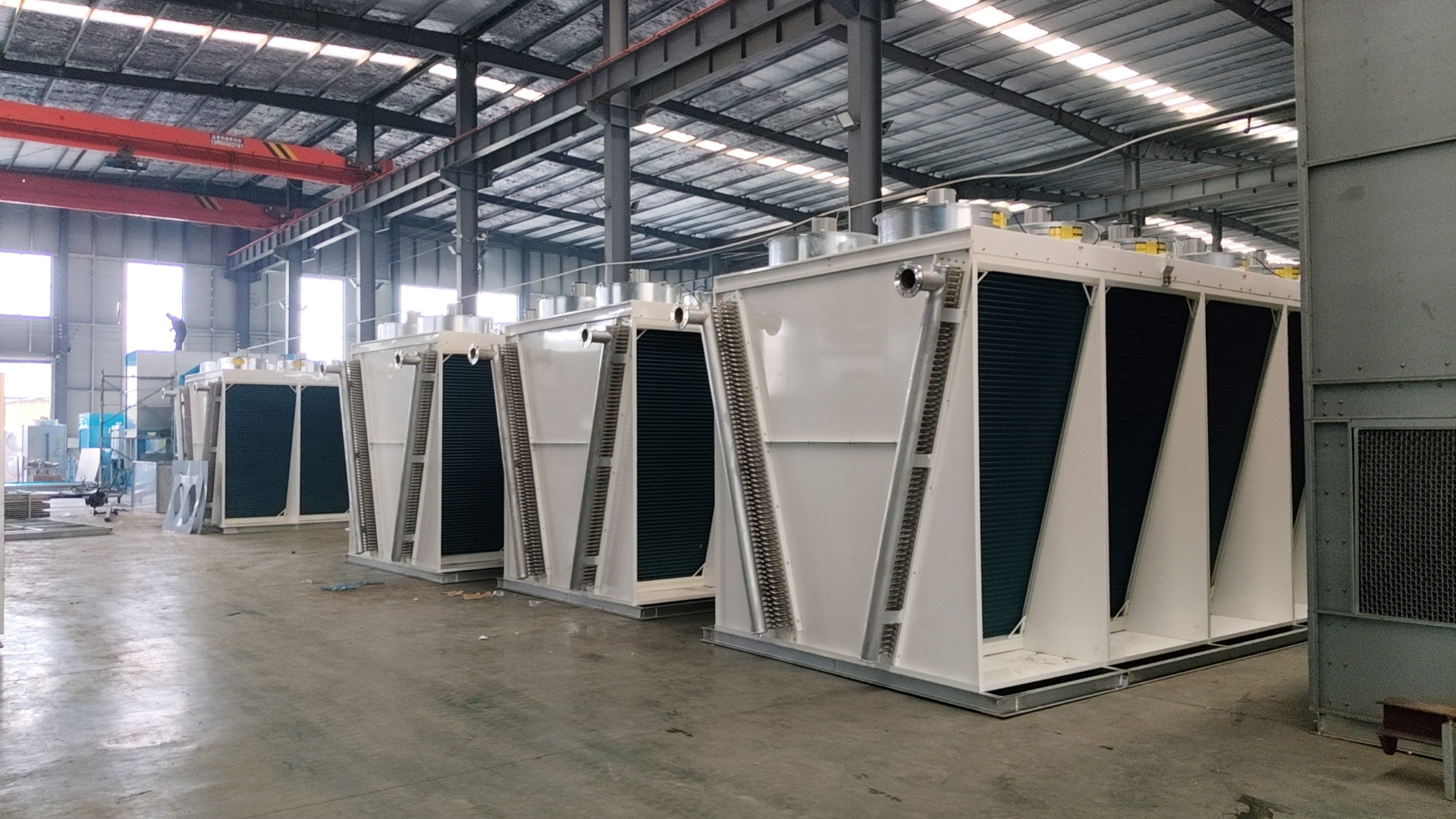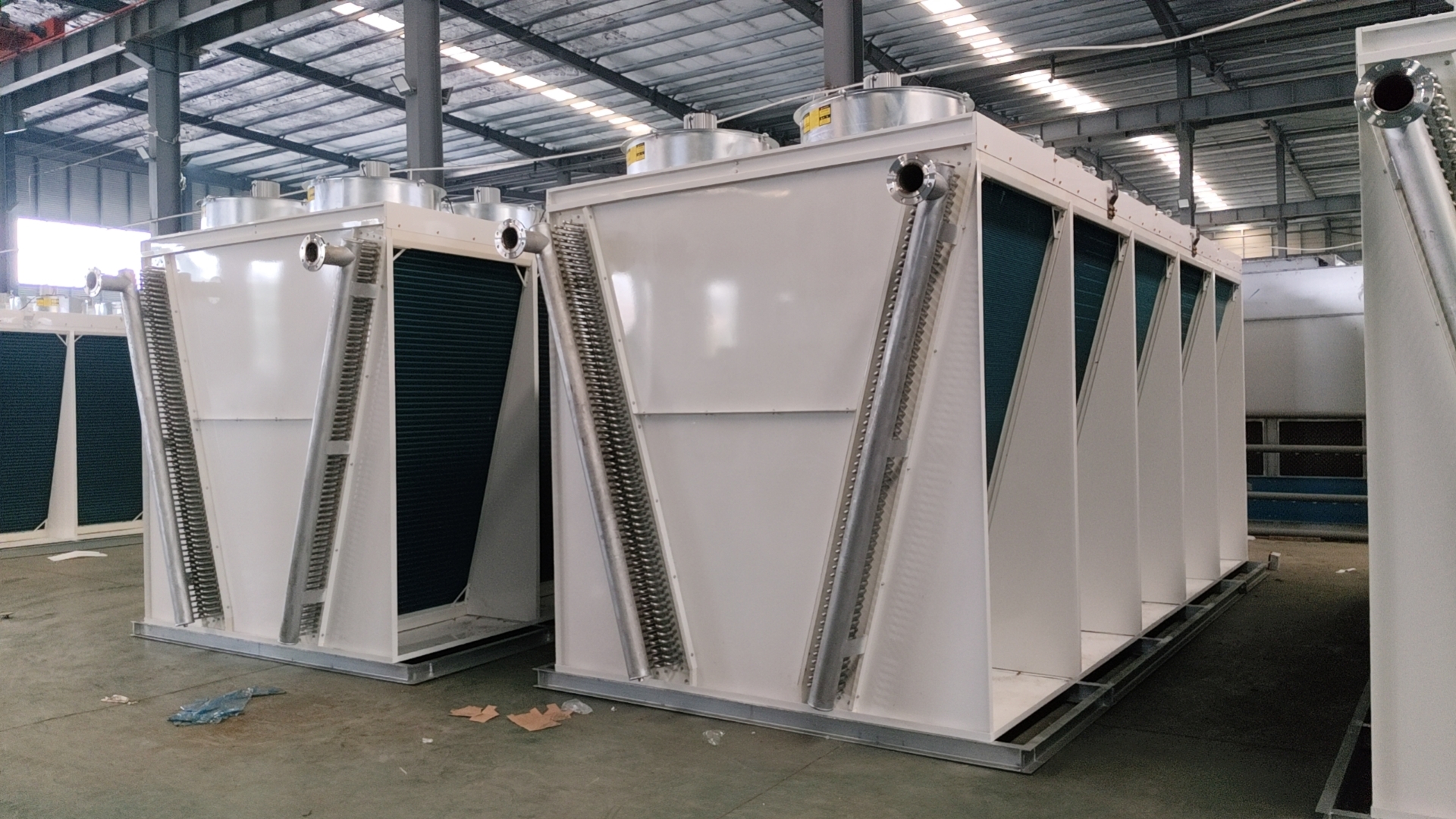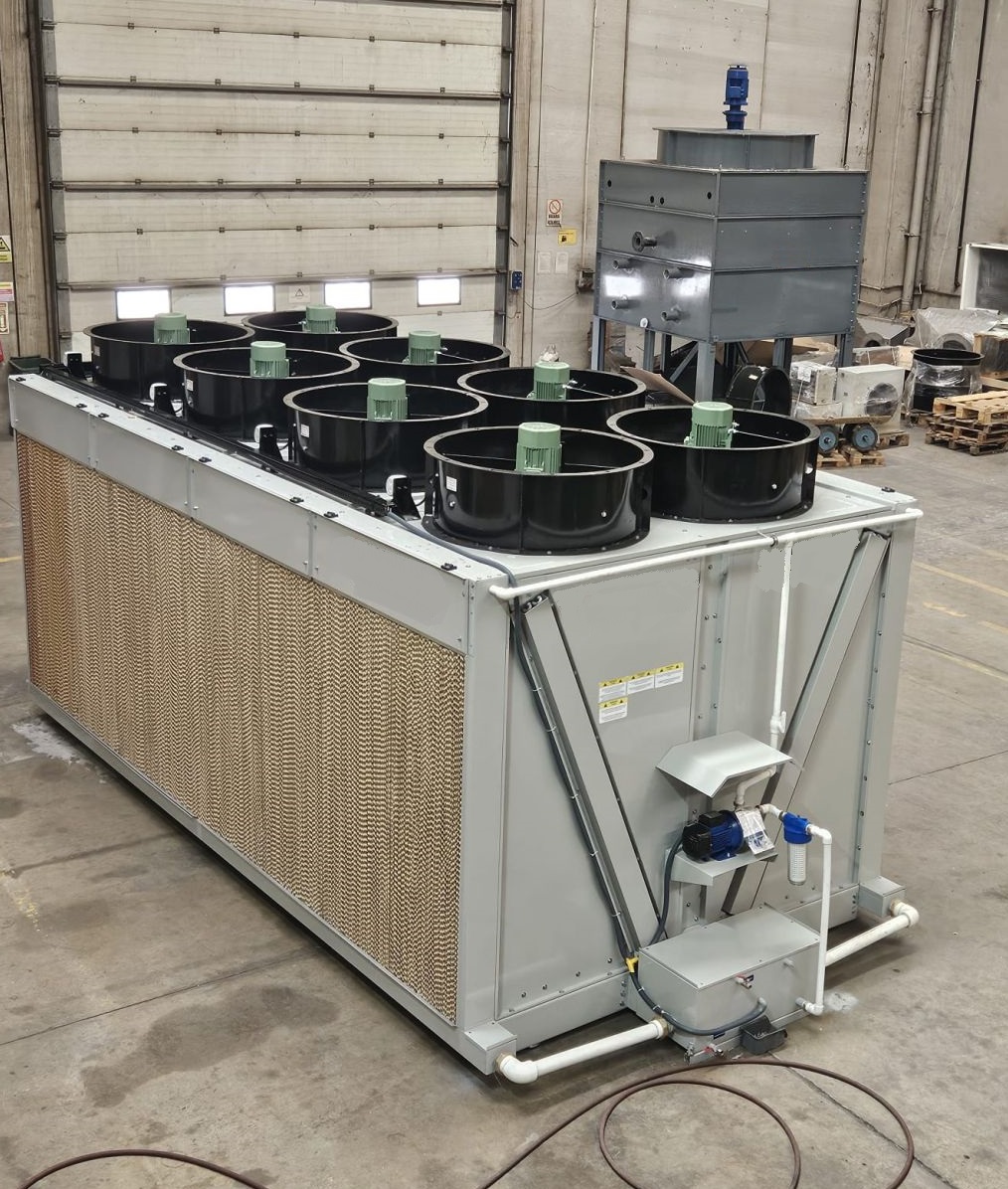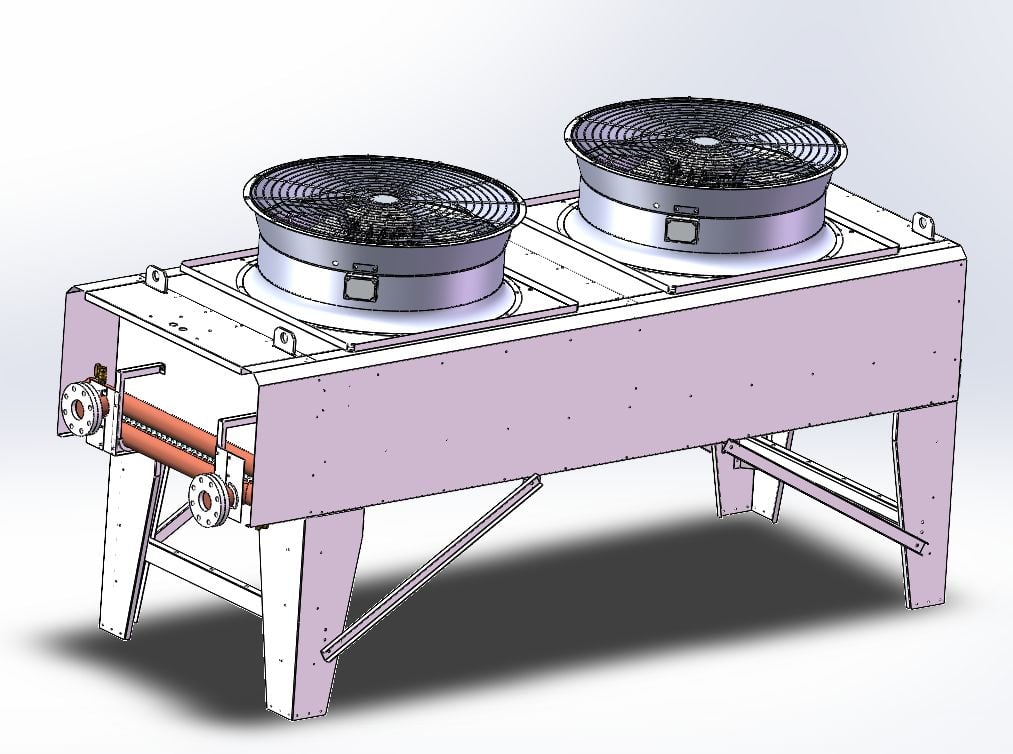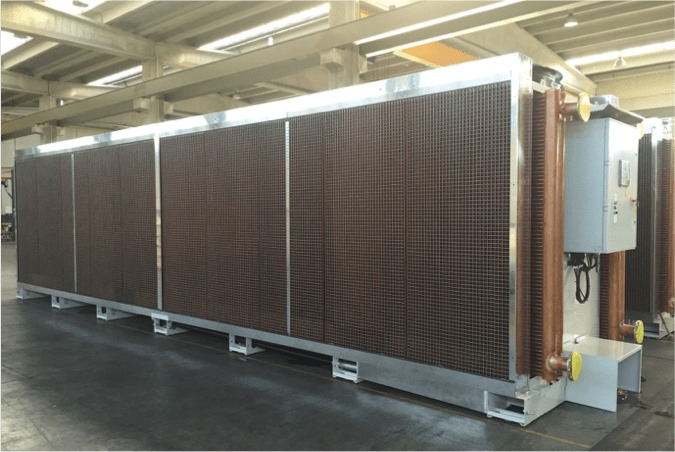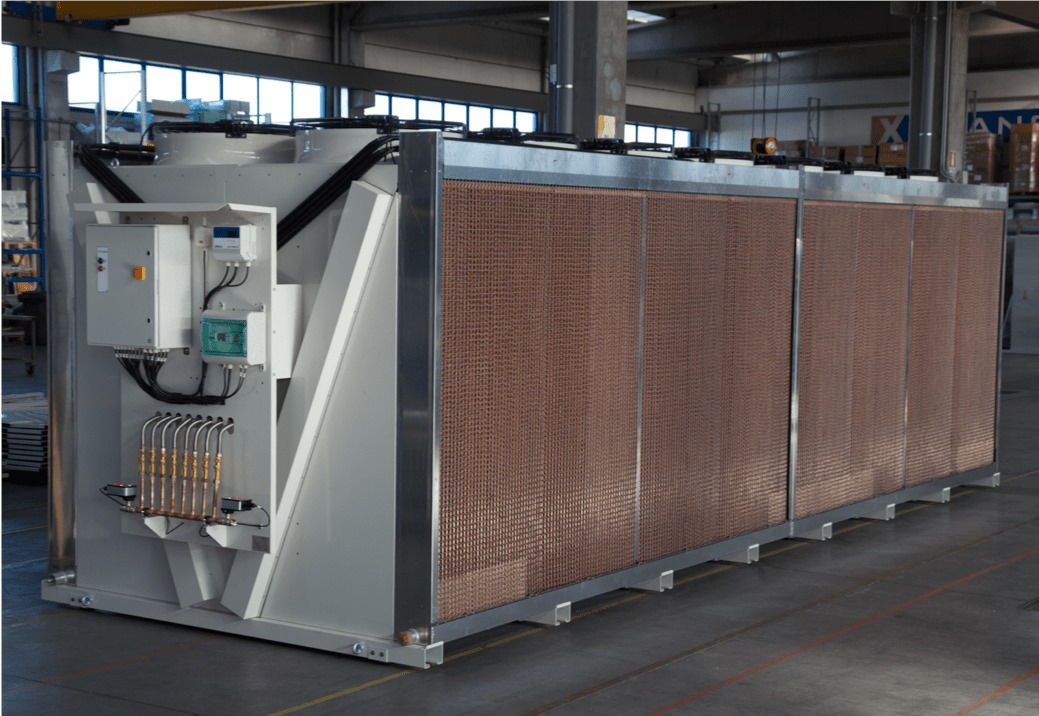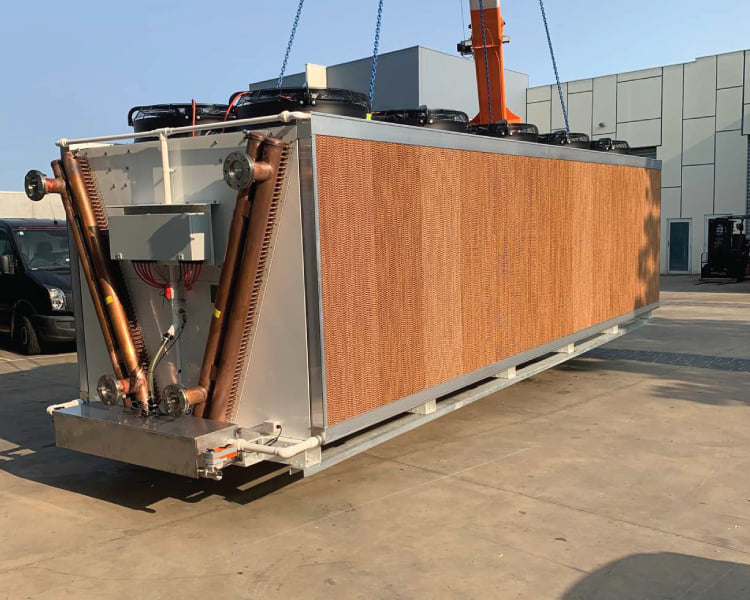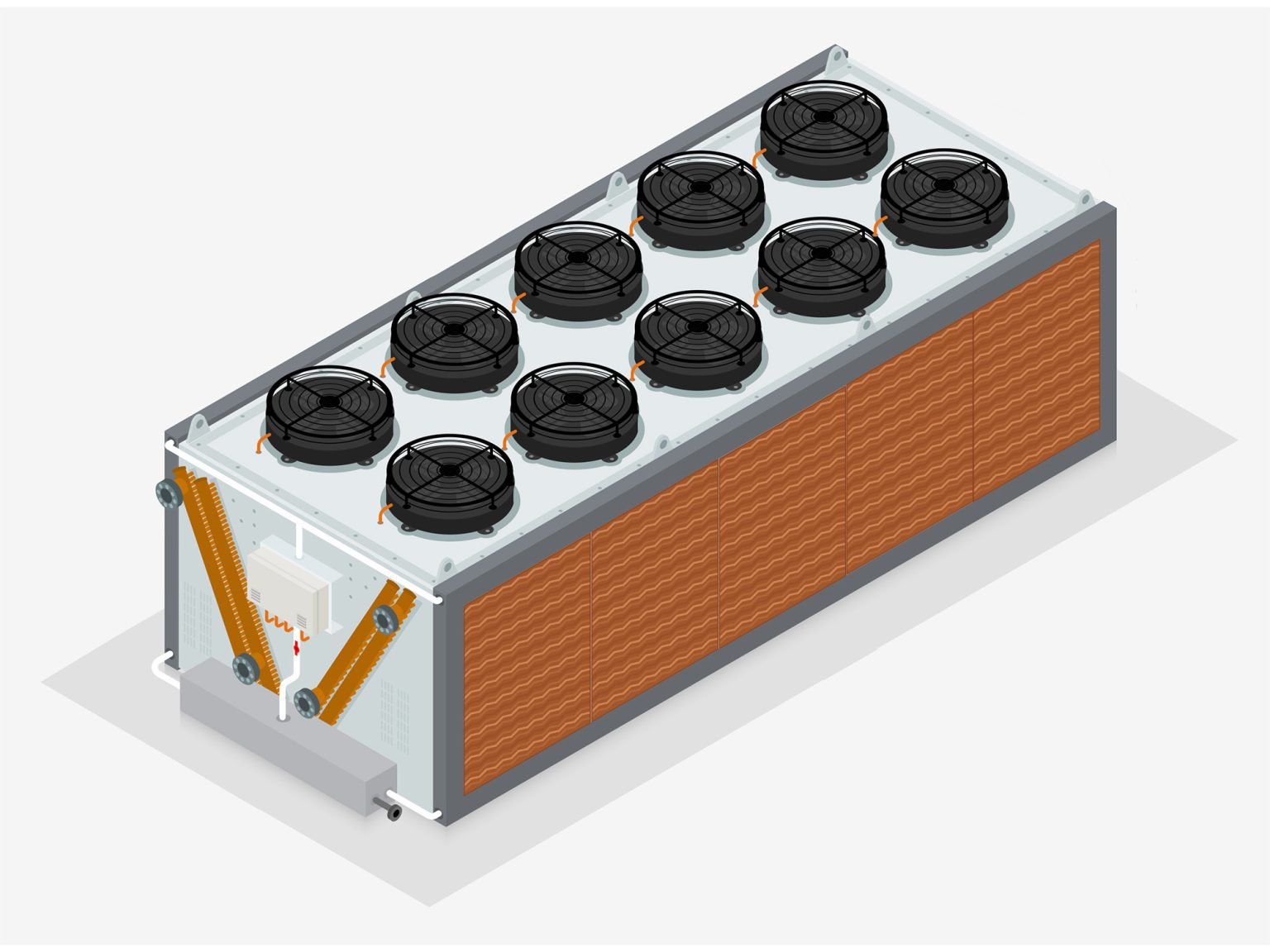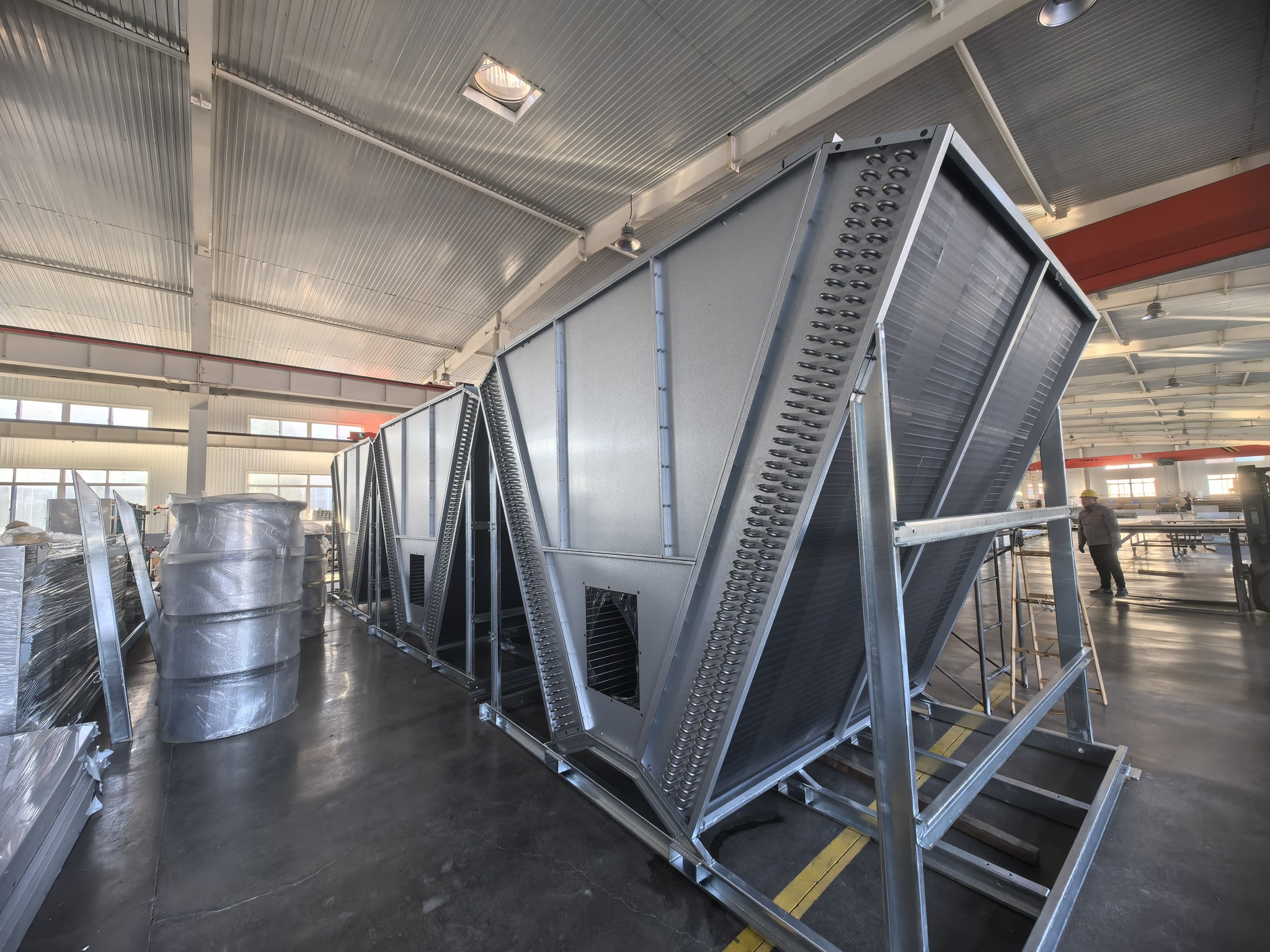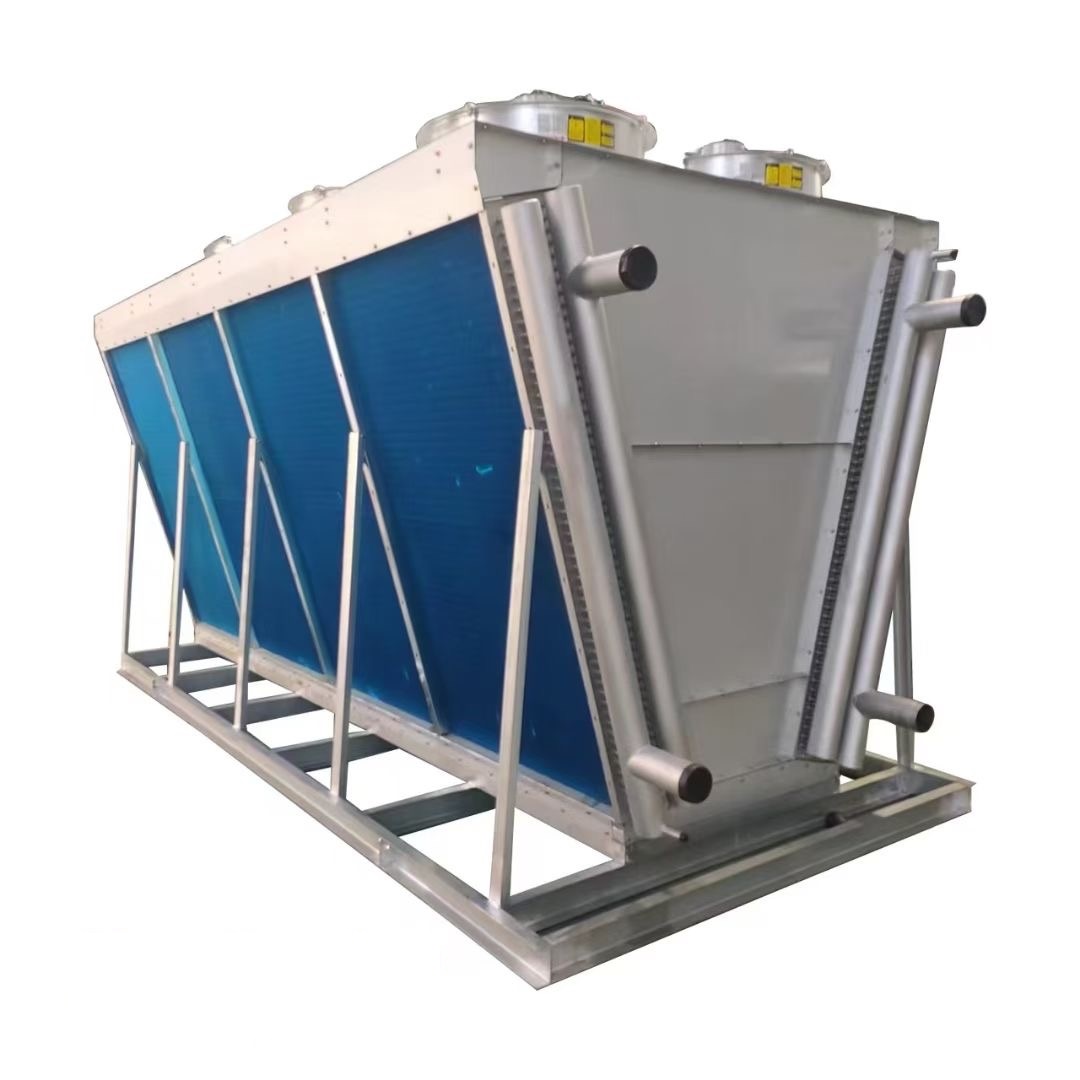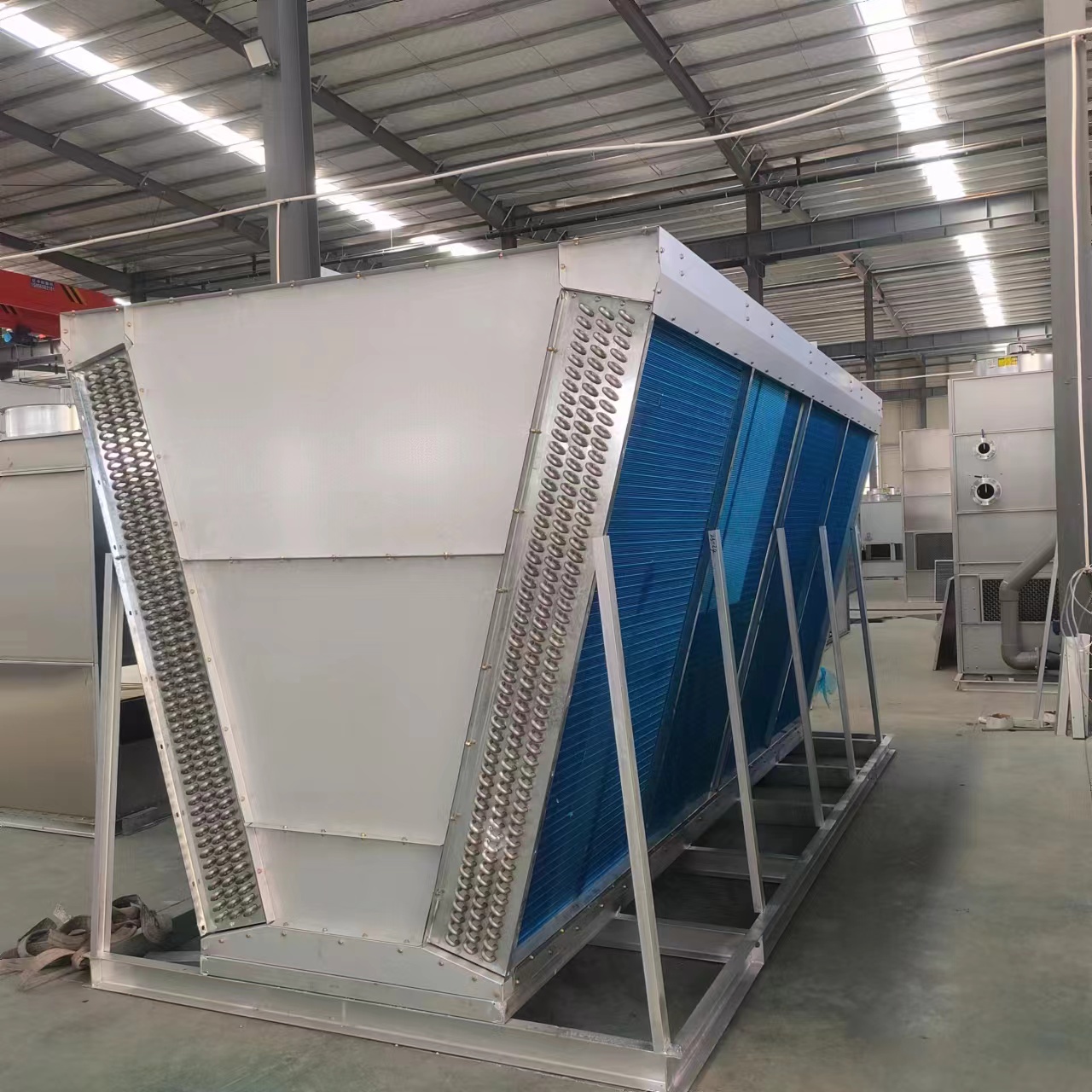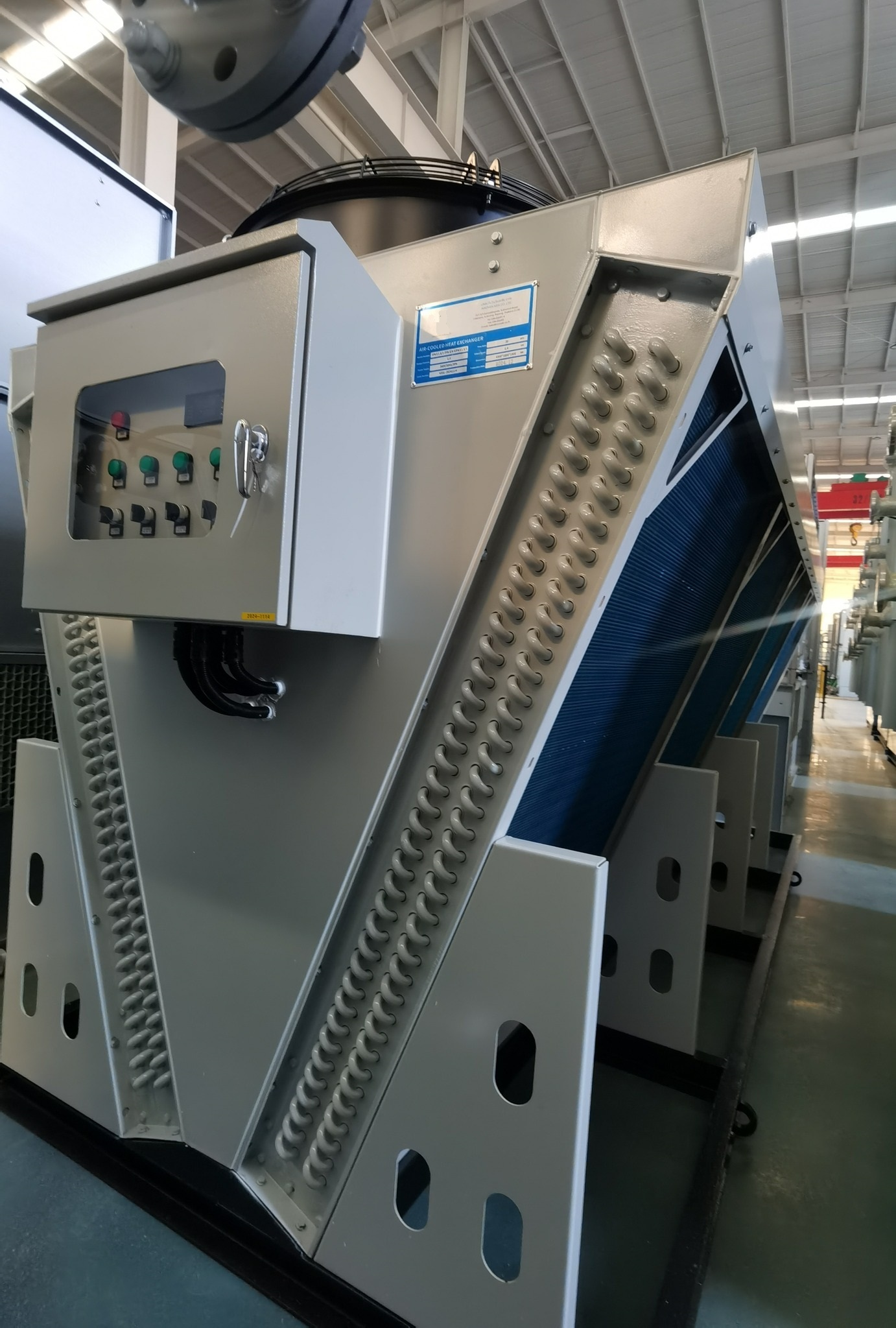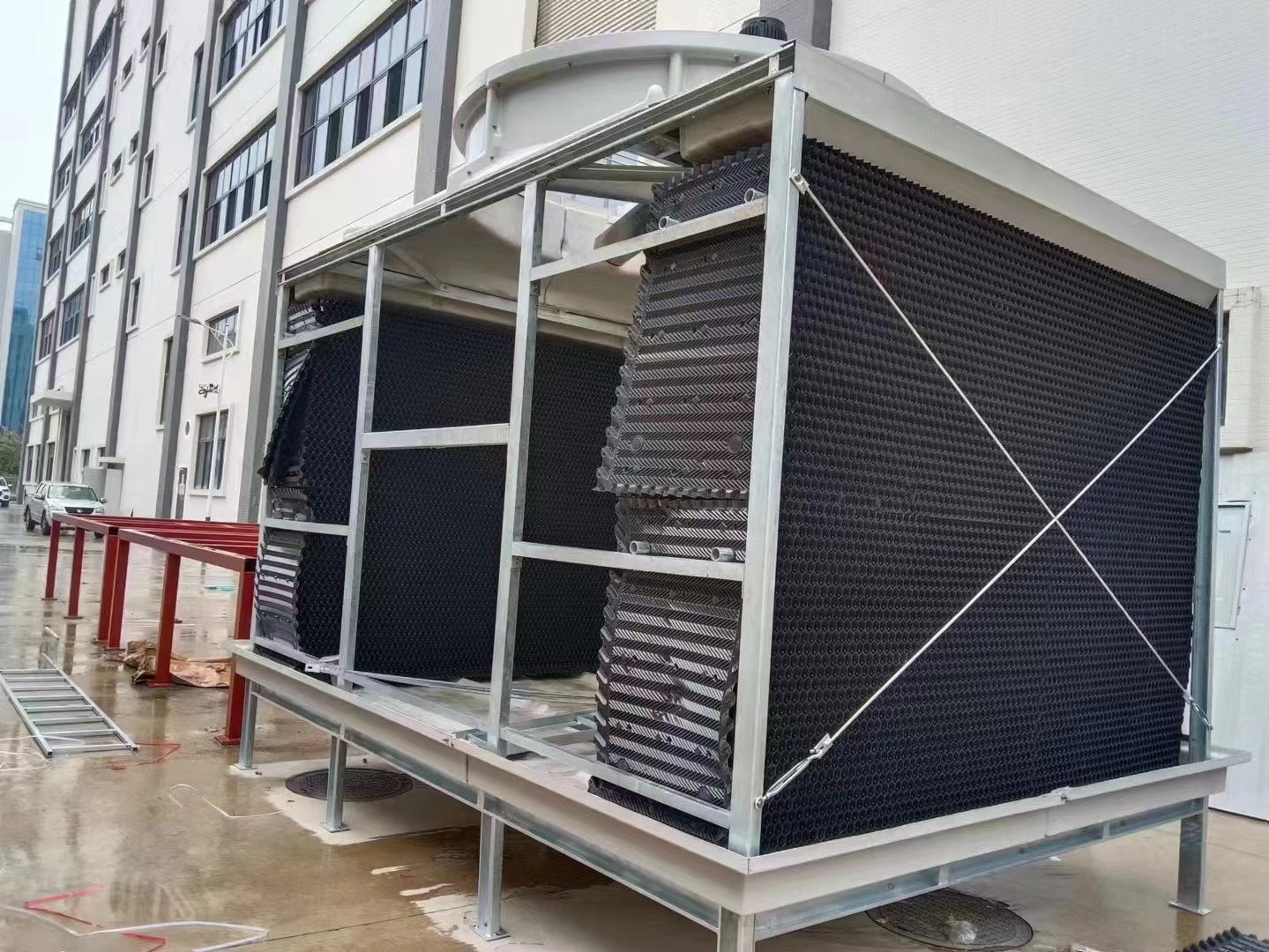
Dry Cooling Tower vs. Wet Cooling Tower Feature Dry Cooling Tower Wet Cooling Tower (Evaporative) Principle Sensible Heat Transfer (like a car radiator) Latent Heat Transfer (evaporation) Water Usage Very Low. Only minor makeup water for the closed loop. Very High. Continuous water loss due to evaporation, drift, and blowdown....
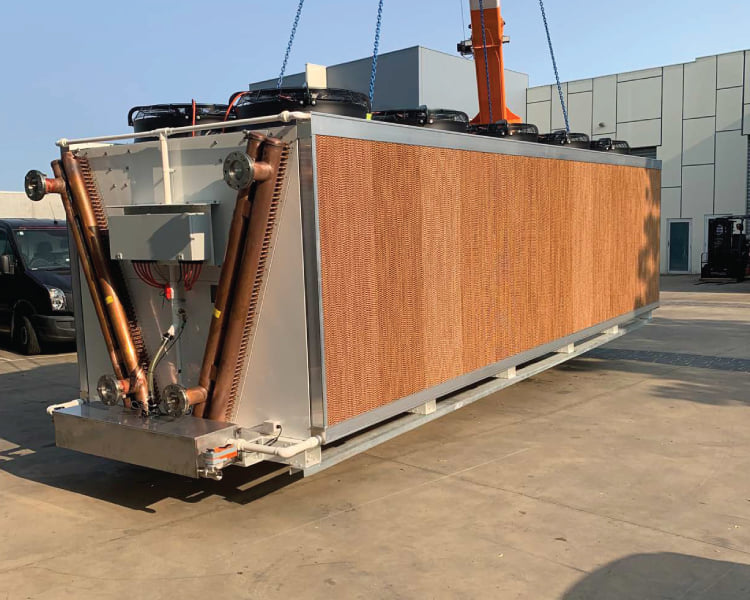
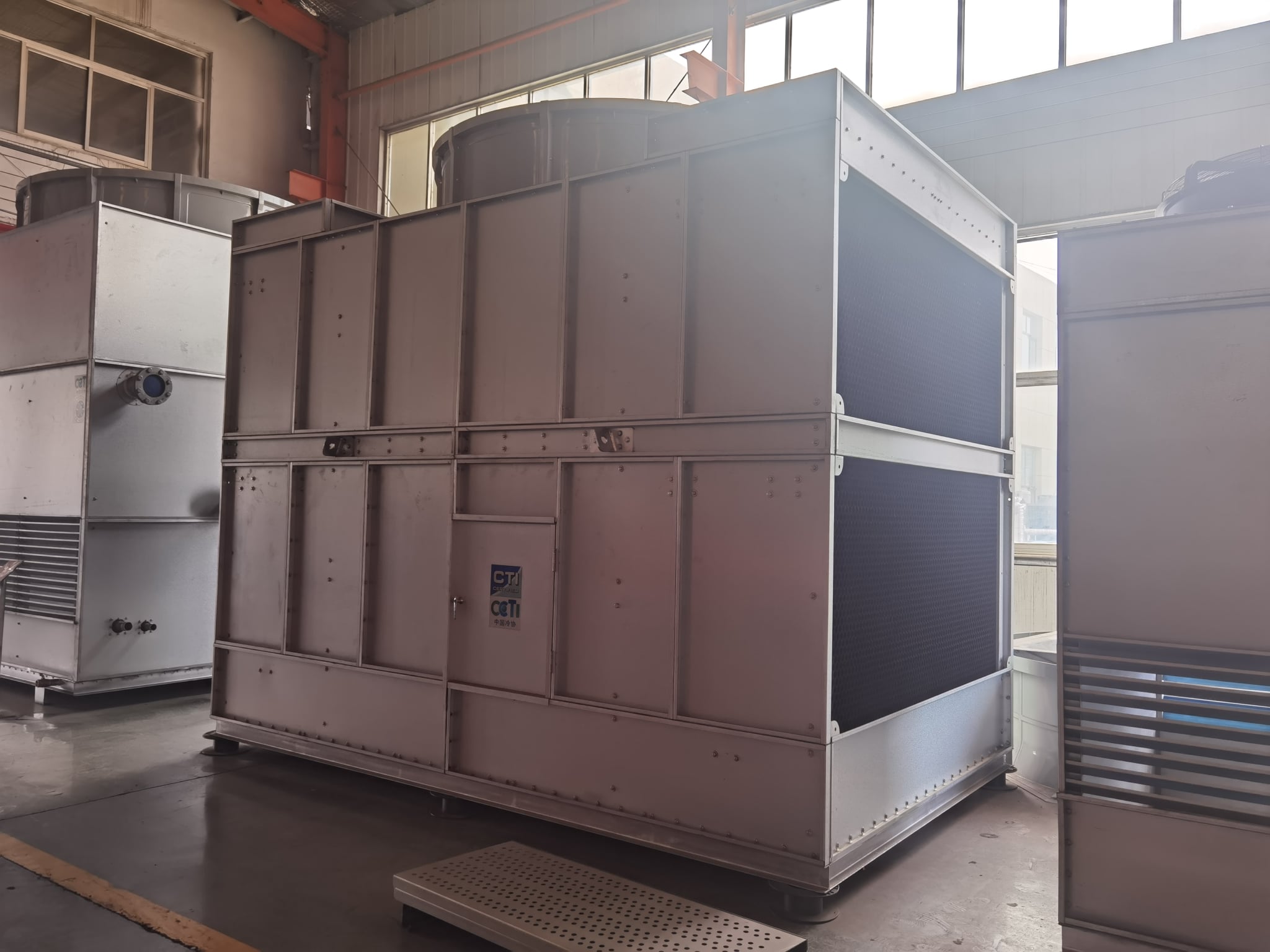
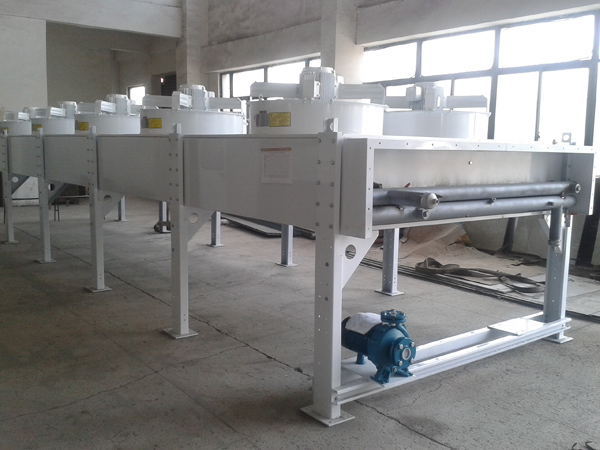
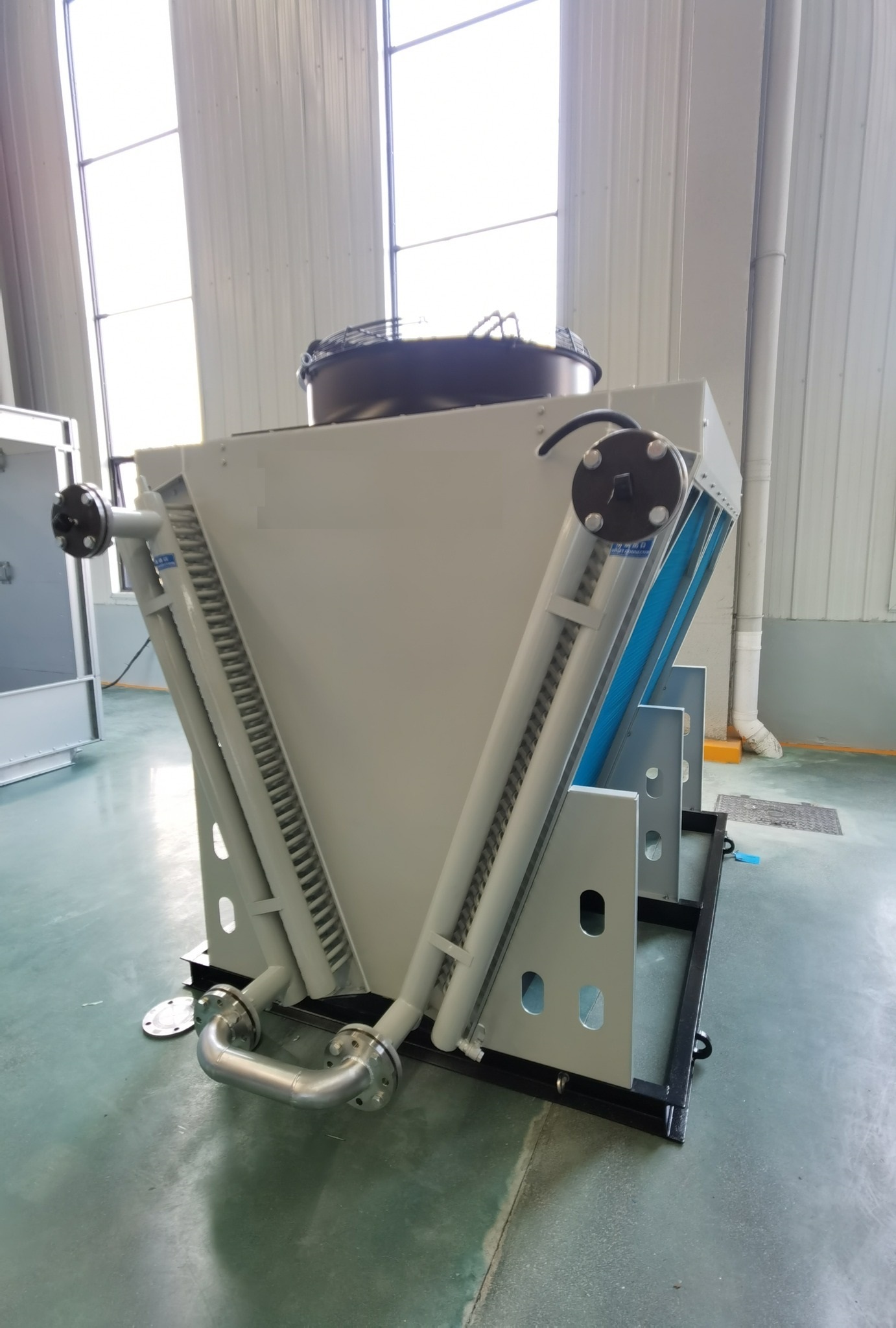
A Dry Cooling Tower is a heat rejection device that cools a working fluid (most often water or a water-glycol mixture) without direct contact with the air and without any water loss through evaporation. Think of it as a giant, industrial-sized radiator, similar in principle to the radiator in your car. It uses the principles...
In manufacturing and process cooling, the cooling tower is the beating heart of the heat rejection system. It is a critical piece of infrastructure that directly impacts: Without a reliable cooling tower, the speed, quality, and cost-effectiveness of modern manufacturing would be impossible to maintain.
Why Cooling Towers are the Preferred Choice in Manufacturing Practical Example: An Automotive Parts Factory A single cooling tower system in an auto parts plant might serve all these functions simultaneously:
The use of cooling towers in manufacturing and process cooling is a cornerstone of modern industrial production. They are not merely for comfort cooling but are integral to the very processes that create products. In this context, the cooling tower’s role shifts from a general utility to a direct enabler of production, quality control,...
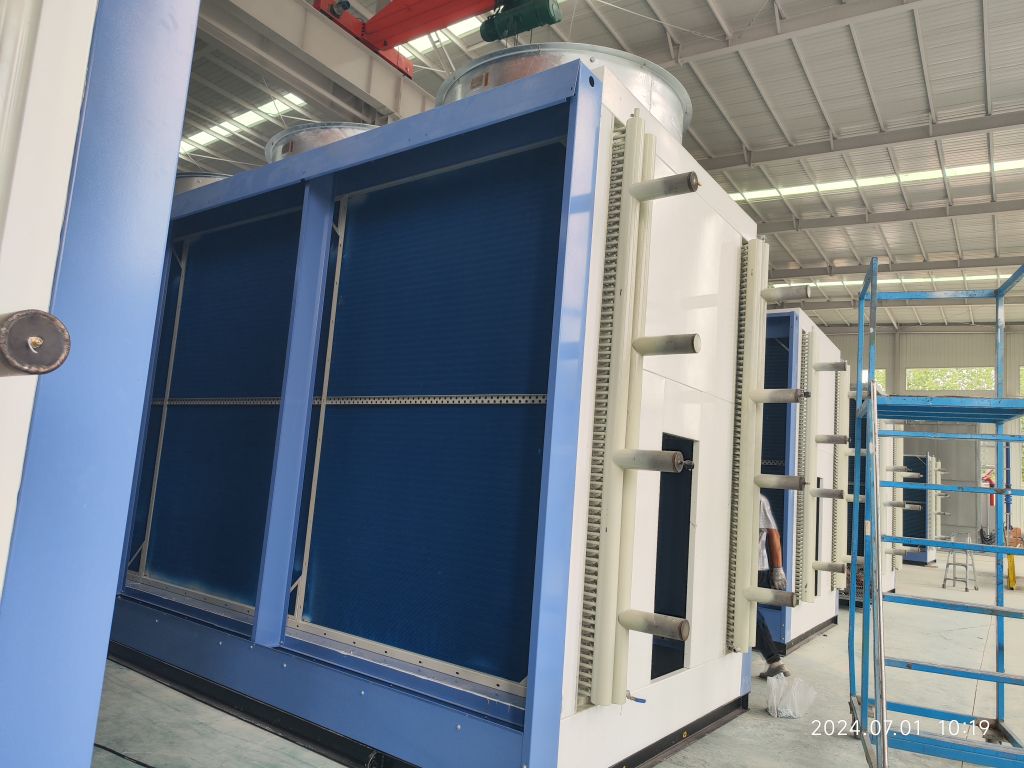
The use of cooling towers in heavy and general industry The use of cooling towers in heavy and general industry is extensive and critical. They are not just auxiliary equipment but are often integral to the core manufacturing process, safety, and profitability. Here’s a detailed look at their uses, categorized by function and industry. The...
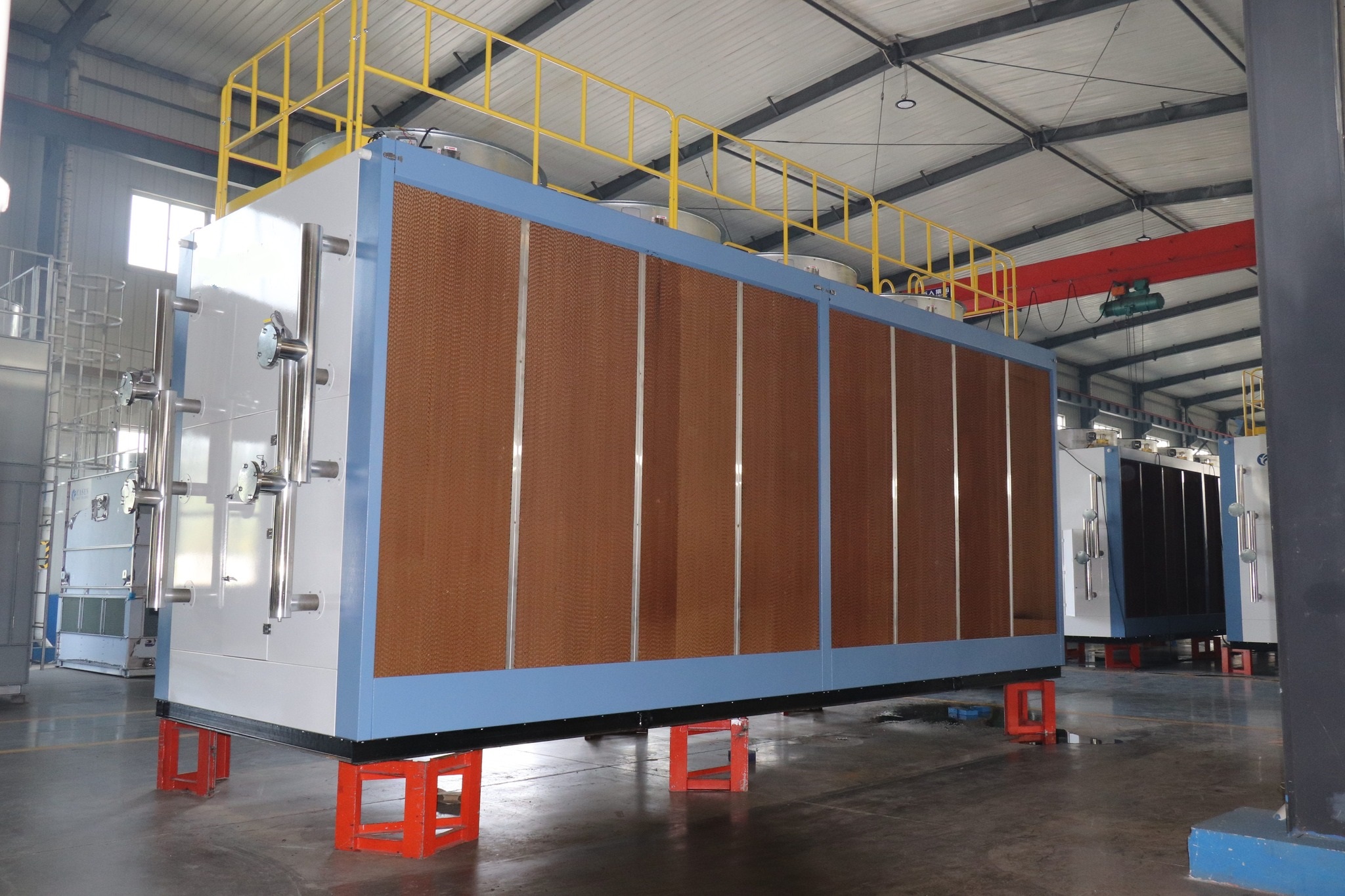
he role of a cooling tower in power generation is absolutely fundamental and can be summarized in one core concept: It is the primary device that enables the thermodynamic cycle to repeat continuously, thereby allowing for constant electricity production. In a thermal power plant (coal, natural gas, nuclear, geothermal, etc.), the cooling...
In the Food & Beverage industry, the cooling tower is not a peripheral utility but a critical piece of process infrastructure. Its roles are: Safety-Critical: To be managed as a potential source of microbiological hazard, requiring strict water treatment and control.
Why Cross Flow is the Right Fit for These Applications Application Primary Reason for Choosing Cross Flow Large HVAC Systems Ease of Maintenance & Low Pumping Energy Power Generation Large Capacity & Durability Heavy Industry Clog Resistance & Robustness General Manufacturing Reliability & Operational Cost Savings In essence,...
1. HVAC (Heating, Ventilation, and Air Conditioning) for Large Buildings This is one of the most common applications. 2. Power Generation Both conventional and renewable power plants require massive heat rejection. 3. Heavy and General Industry This is a broad category where reliability is paramount. 4. Manufacturing and Process Cooling This covers...
Visualizing the Flow with the Parts To understand how these parts work together, let’s follow the paths of water and air: Water Path (Falls Vertically): Air Path (Flows Horizontally, then Up):
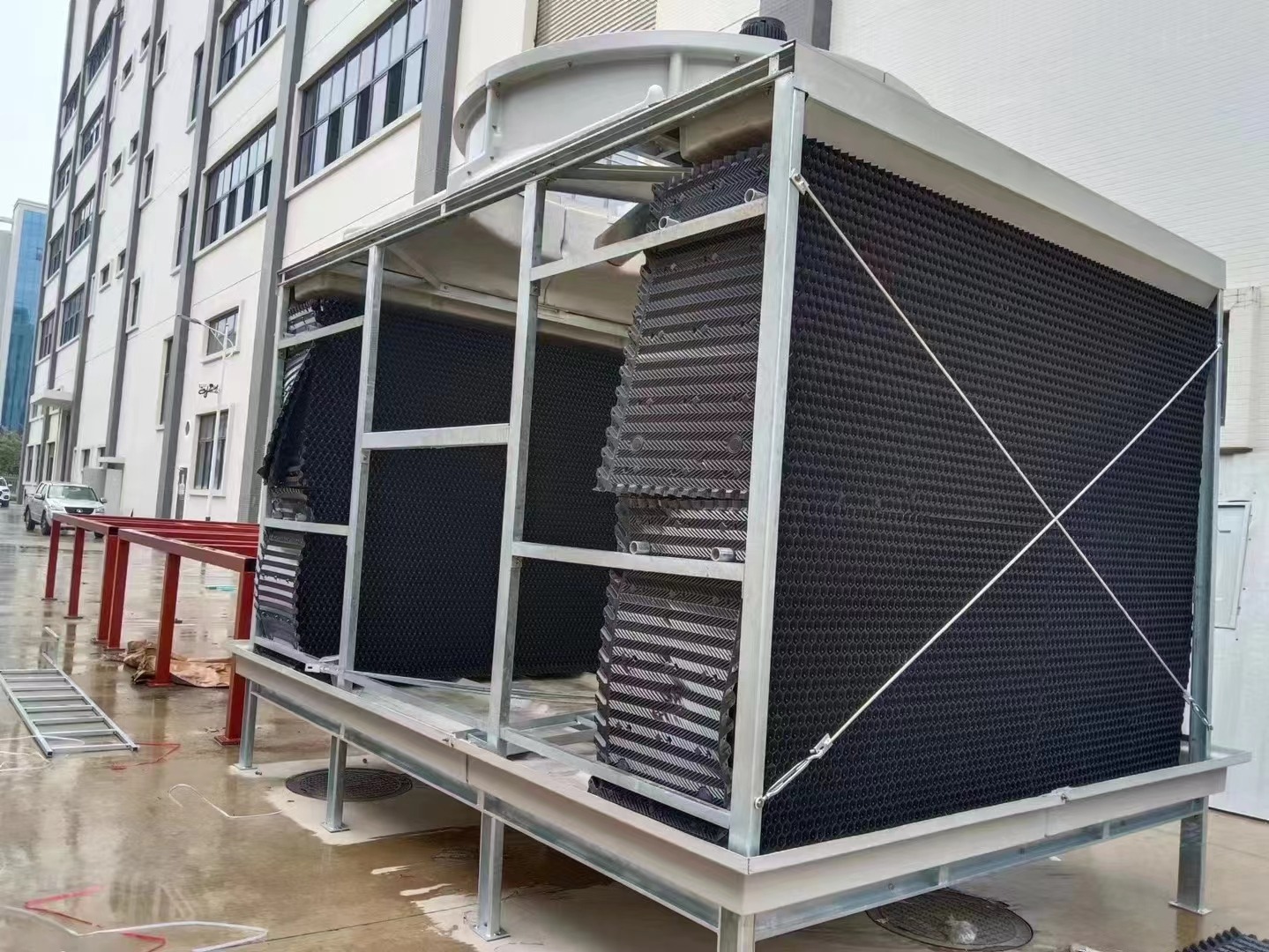
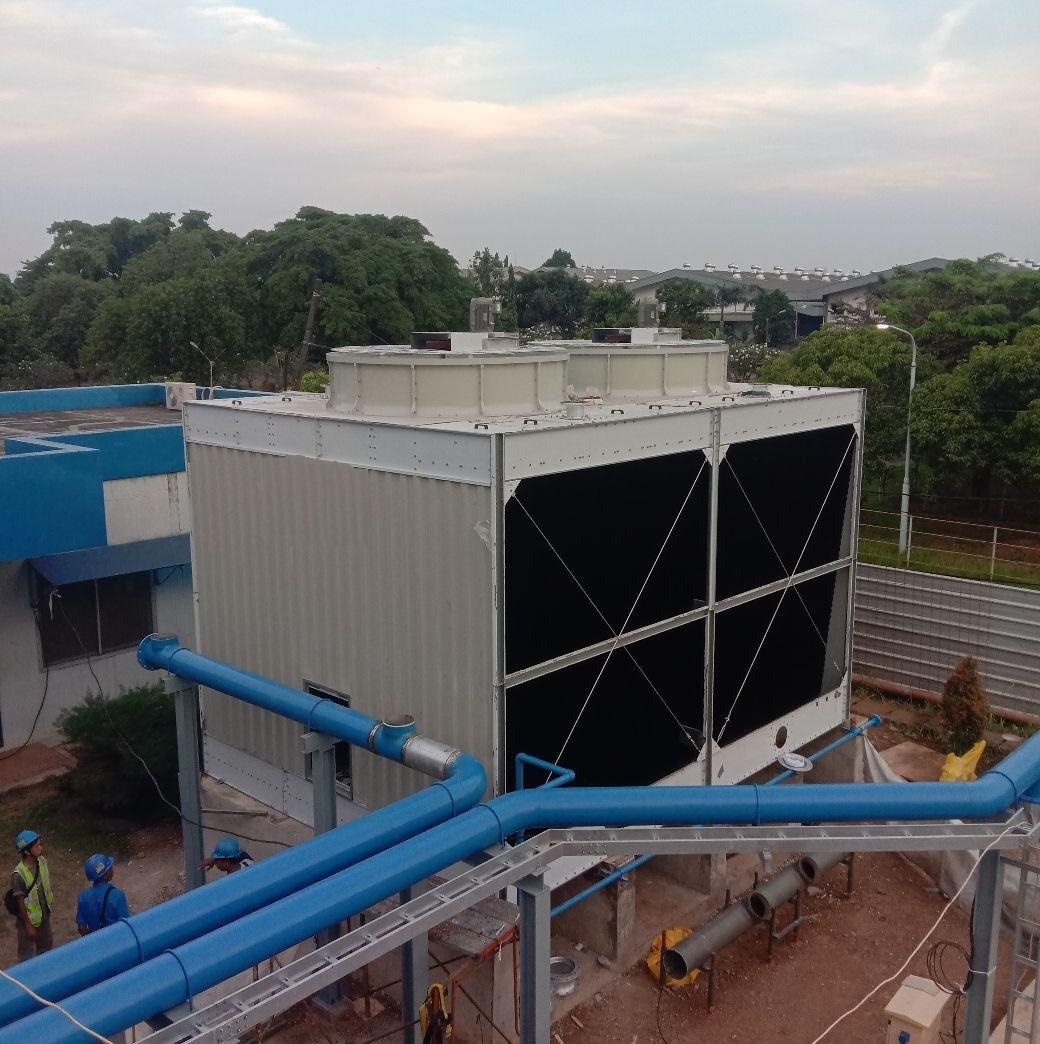
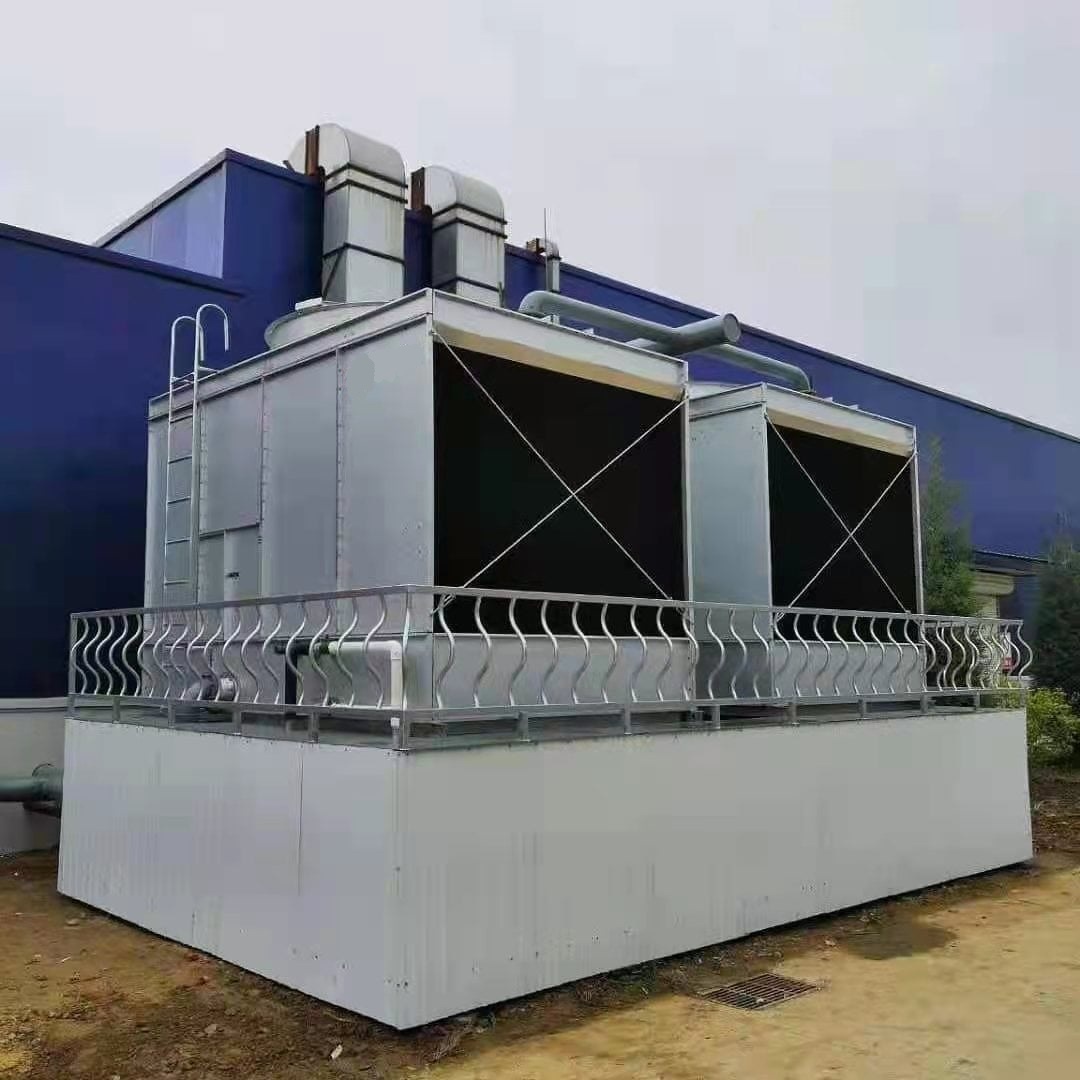
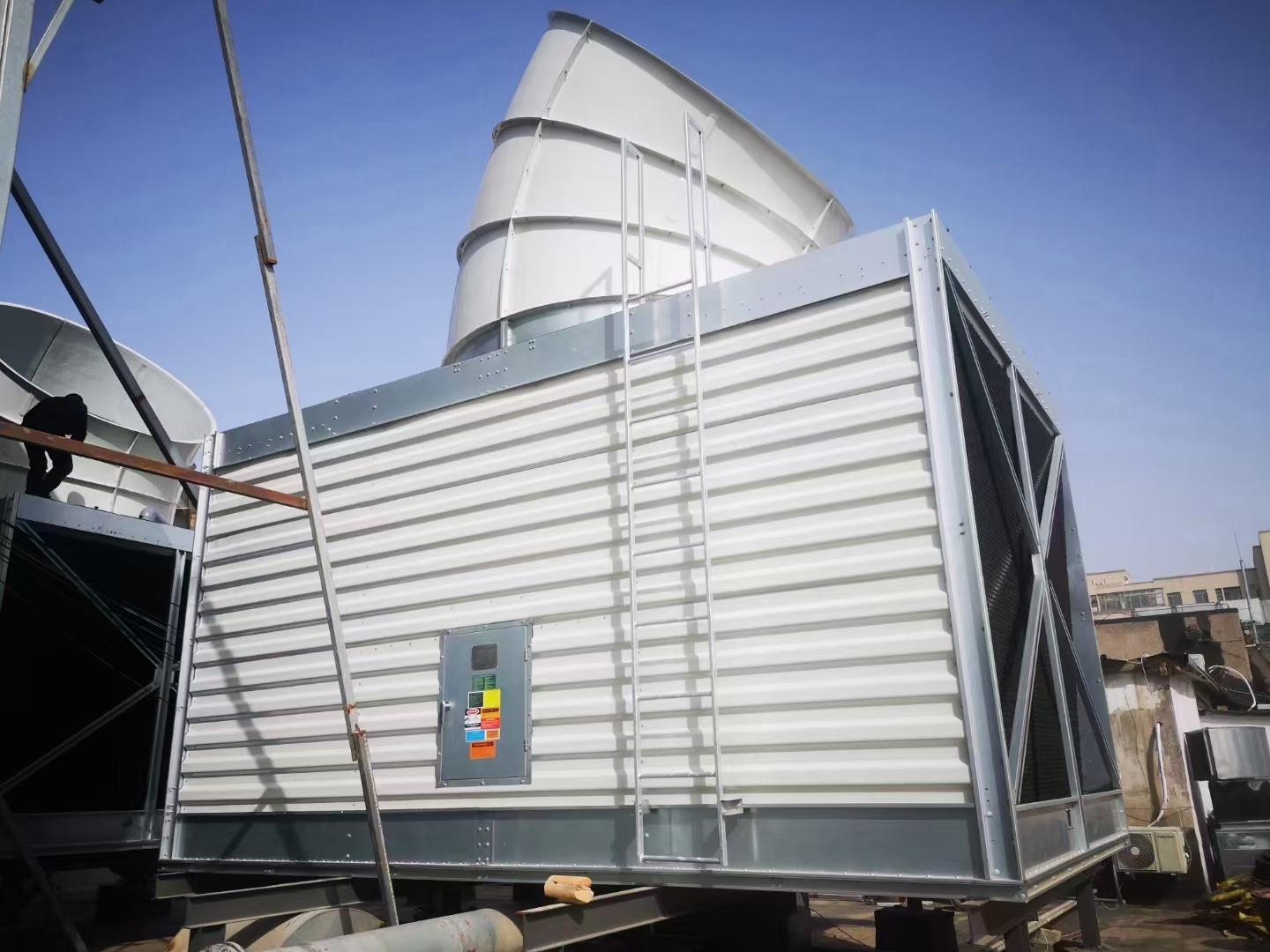
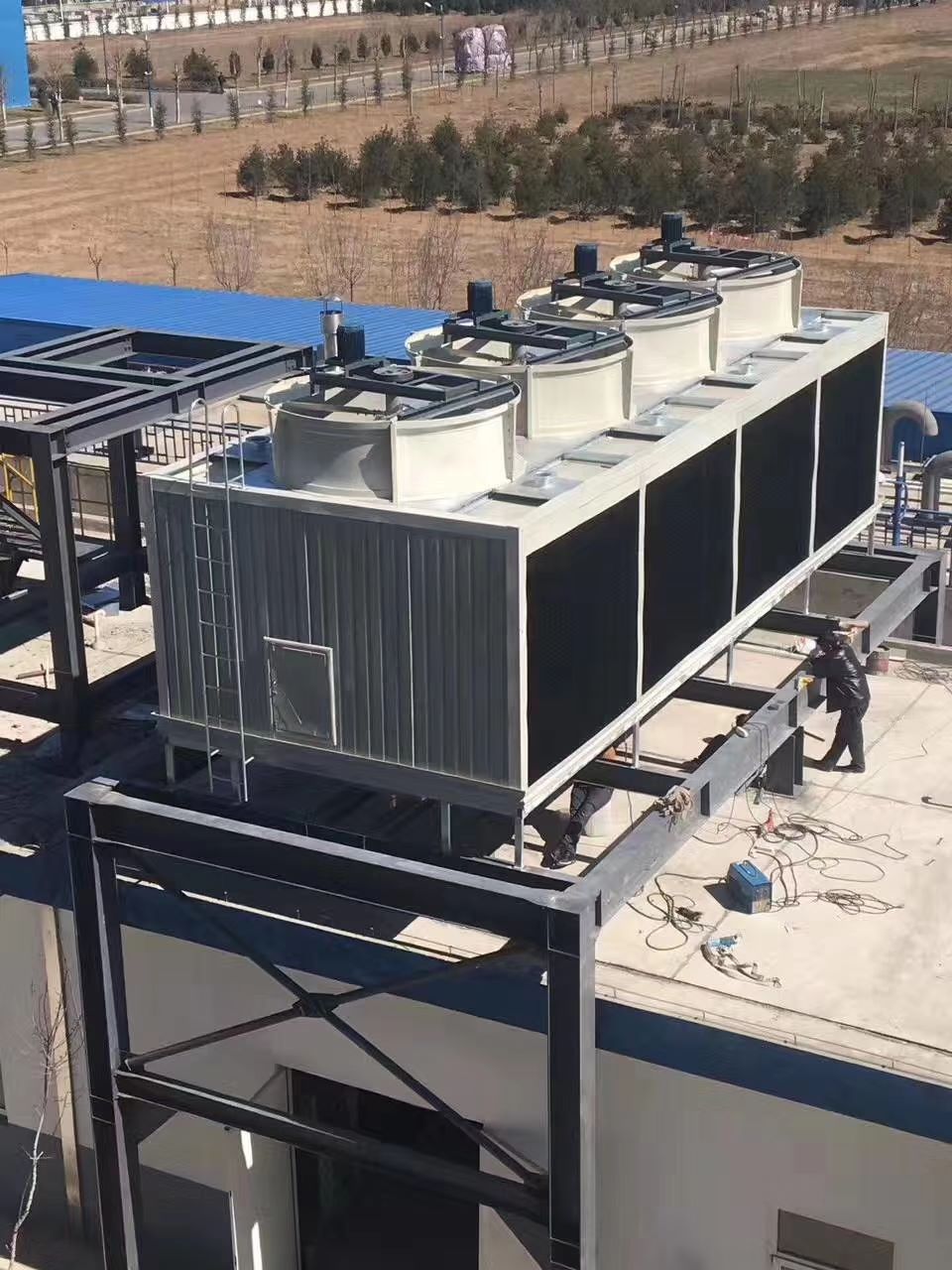
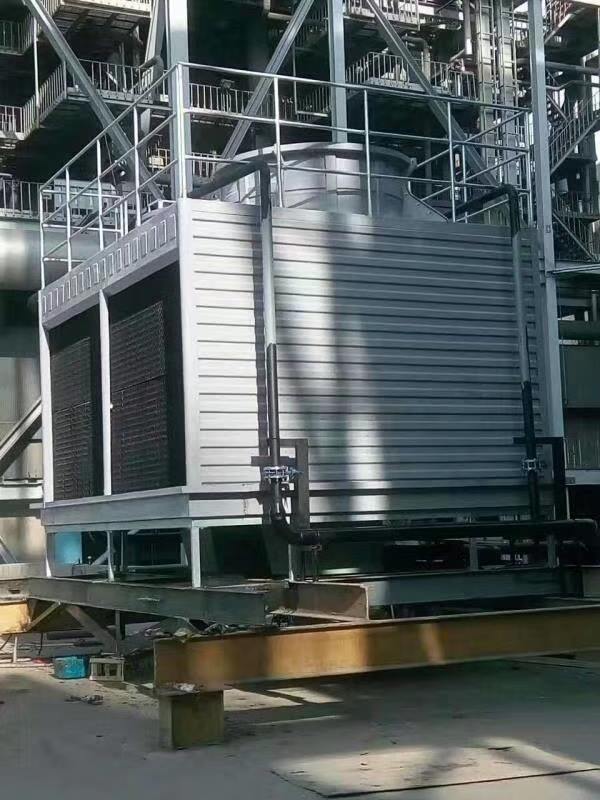
Major Applications of Cross Flow Cooling Towers A cross flow cooling tower is a type of heat rejection device where air flows horizontally across the falling water (which moves vertically). This design is efficient, accessible for maintenance, and relatively quiet, making it popular in many industries. Here are the major applications of cross flow...
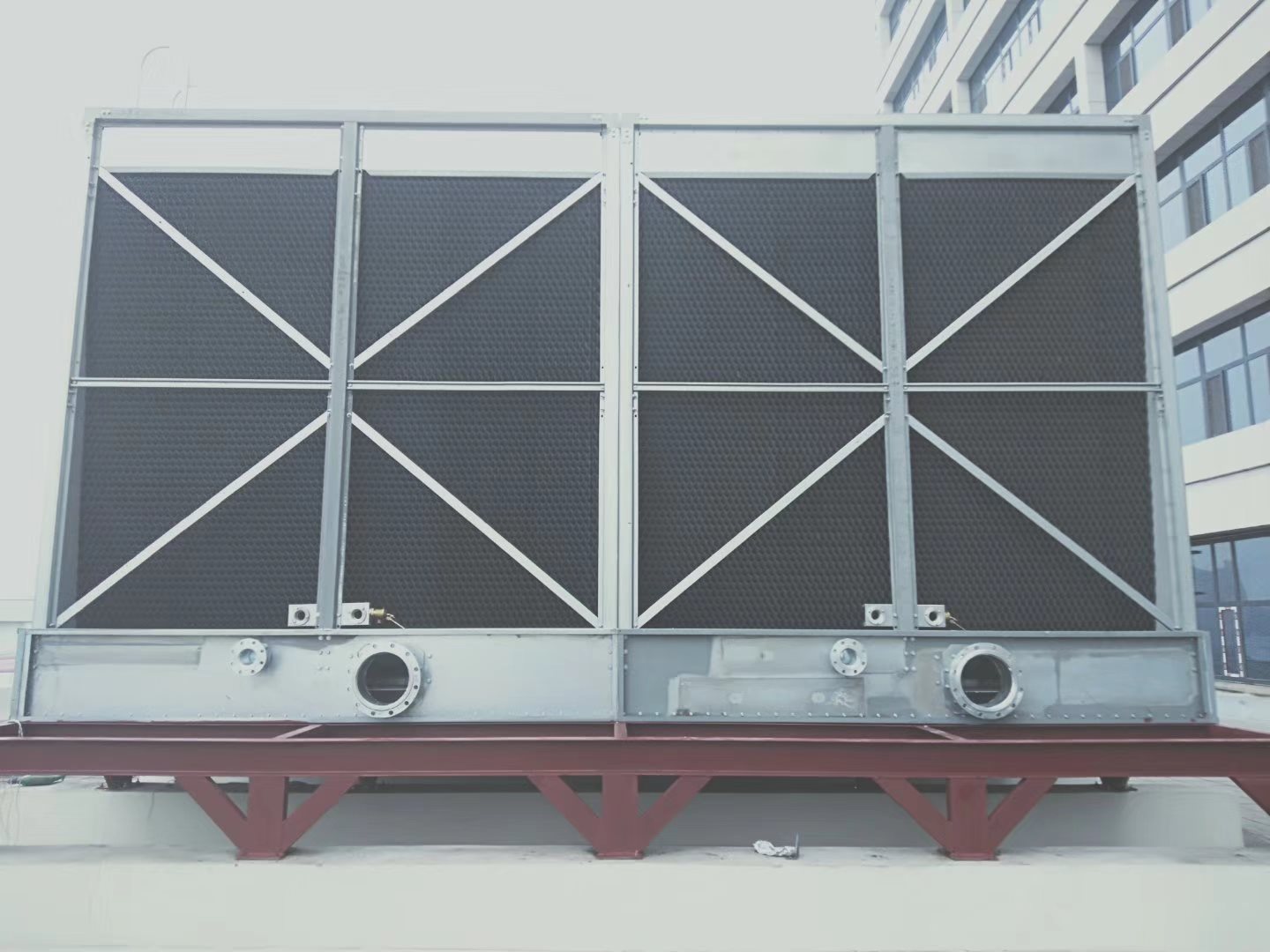
Major Parts of a Cross Flow Cooling Tower 1. Structure and Casing 2. Cold Water Basin (Sump) 3. Water Distribution System This is a defining feature of cross flow design. 4. Fill (or Packing) 5. Air Inlet Louvers 6. Drift Eliminators 7. Fan and Drive Assembly 8. Mechanical Equipment Support
Fill Types in Cross Flow Cooling Towers Feature Splash Fill Film Fill Hybrid Fill Primary Mechanism Breaks water into droplets Spreads water into a thin film Combines splash and film Thermal Efficiency Lower Highest High Fouling/Clogging Resistance Excellent Poor Good Air-Side Pressure Drop Low Higher Moderate Water Quality Suitability Dirty,...
Hybrid Fill As the name implies, this is a combination designed to get the “best of both worlds.” High Efficiency: It still achieves most of the high-efficiency benefits of a full film fill.
Role of Cooling tower in Mining industry. Primary Role of Cooling Towers in Mining: To remove excess heat generated by mining operations and maintain optimal operating conditions for equipment and processes. 🔧 Key Applications of Cooling Towers in Mining 1. Cooling Process Water 2. Cooling for Air Compressors 3. HVAC and Environmental Control 4....
Type of Fills used in cross flow cooling Tower? The fill (or packing) is the heart of a cooling tower, where the critical heat and mass transfer occurs. In a cross flow cooling tower, the specific type of fill used is optimized for its horizontal airflow and vertical water fall. The primary types of fills […]
Priority / Condition Recommended Choice Key Reason Ease of Maintenance Cross Flow Accessible open distribution basins. Poor Water Quality Cross Flow Large gravity orifices resist clogging. Minimize Pumping Energy Cross Flow Lower pumping head (gravity distribution). Limited Ground Space Counter Flow Smaller footprint for the same capacity. Maximum...
When to Prefer Cross Flow Cooling Tower You should strongly consider a Cross Flow cooling tower in the following scenarios: 1. Priority on Low Maintenance and Serviceability This is often the single biggest advantage of cross flow design. 2. Water with High Suspended Solids or Scaling Potential 3. Energy Efficiency Focus on the Water...
Cross Flow vs. Counter Flow Cooling Tower (The Main Alternative) This is the most important comparison. The other common design is the Counter Flow Cooling Tower. Feature Cross Flow Cooling Tower Counter Flow Cooling Tower Flow Direction Air flows horizontally, water falls vertically. Air flows vertically upward, water...
What is a Cross Flow Cooling Tower? A Cross Flow Cooling Tower is a type of heat rejection device that removes waste heat from a process system (like an HVAC system for a building or a industrial process) and releases it to the atmosphere. Its defining characteristic is the flow path of air and water. In a […]
What is Cross Flow cooling tower? A Cross Flow Cooling Tower is a type of cooling tower where the air flows horizontally across the falling water. It is designed so that air and water cross paths at a 90-degree angle, hence the name “cross flow.” How It Works: Key Characteristics: Feature Description Air Flow Direction […]
. Double-pipe heat exchanger When one fluid flows through the smaller pipe, the other flows through the annular gap between the two pipes. These flows may be parallel or counter-flows in a double pipe heat exchanger. (a) Parallel flow, where both hot and cold liquids enter the heat exchanger from the same side, flow in […]
By maximum operating temperature, heat exchangers can be divided into low-temperature and high-temperature ones. The former work up to 500–650°C depending on the industry and generally don’t require special design and material considerations. The latter work up to 1000 or even 1400°C.[4][5][6] Double pipe heat exchangers are the simplest...
heat exchangers are designed to maximize the surface area of the wall between the two fluids, while minimizing resistance to fluid flow through the exchanger. The exchanger’s performance can also be affected by the addition of fins or corrugations in one or both directions, which increase surface area and may channel fluid flow or...
There are three primary classifications of heat exchangers according to their flow arrangement. In parallel-flow heat exchangers, the two fluids enter the exchanger at the same end, and travel in parallel to one another to the other side. In counter-flow heat exchangers the fluids enter the exchanger from opposite ends. The counter current...
A heat exchanger is a system used to transfer heat between a source and a working fluid. Heat exchangers are used in both cooling and heating processes.[1] The fluids may be separated by a solid wall to prevent mixing or they may be in direct contact.[2] They are widely used in space heating, refrigeration, air conditioning, power...
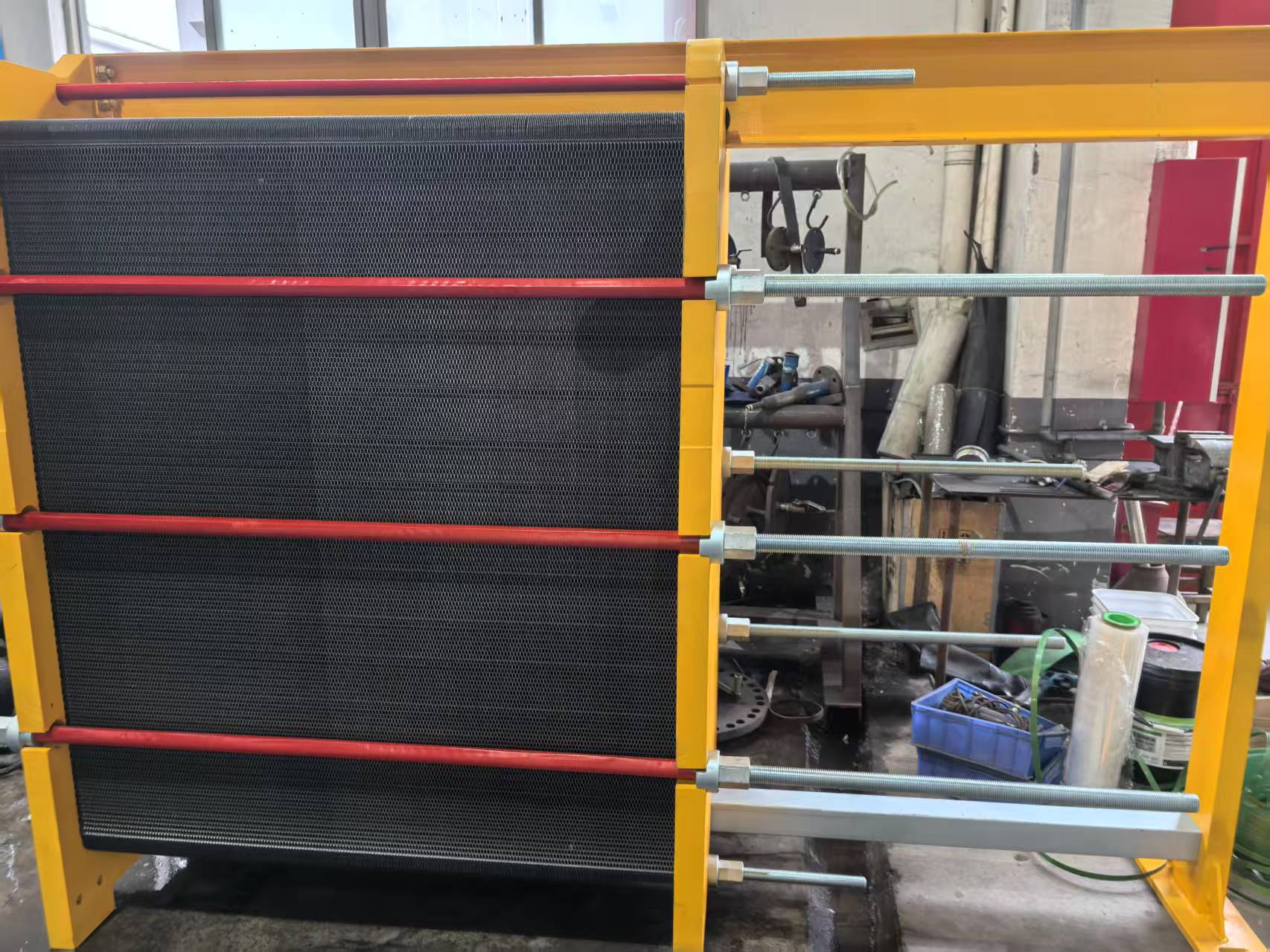
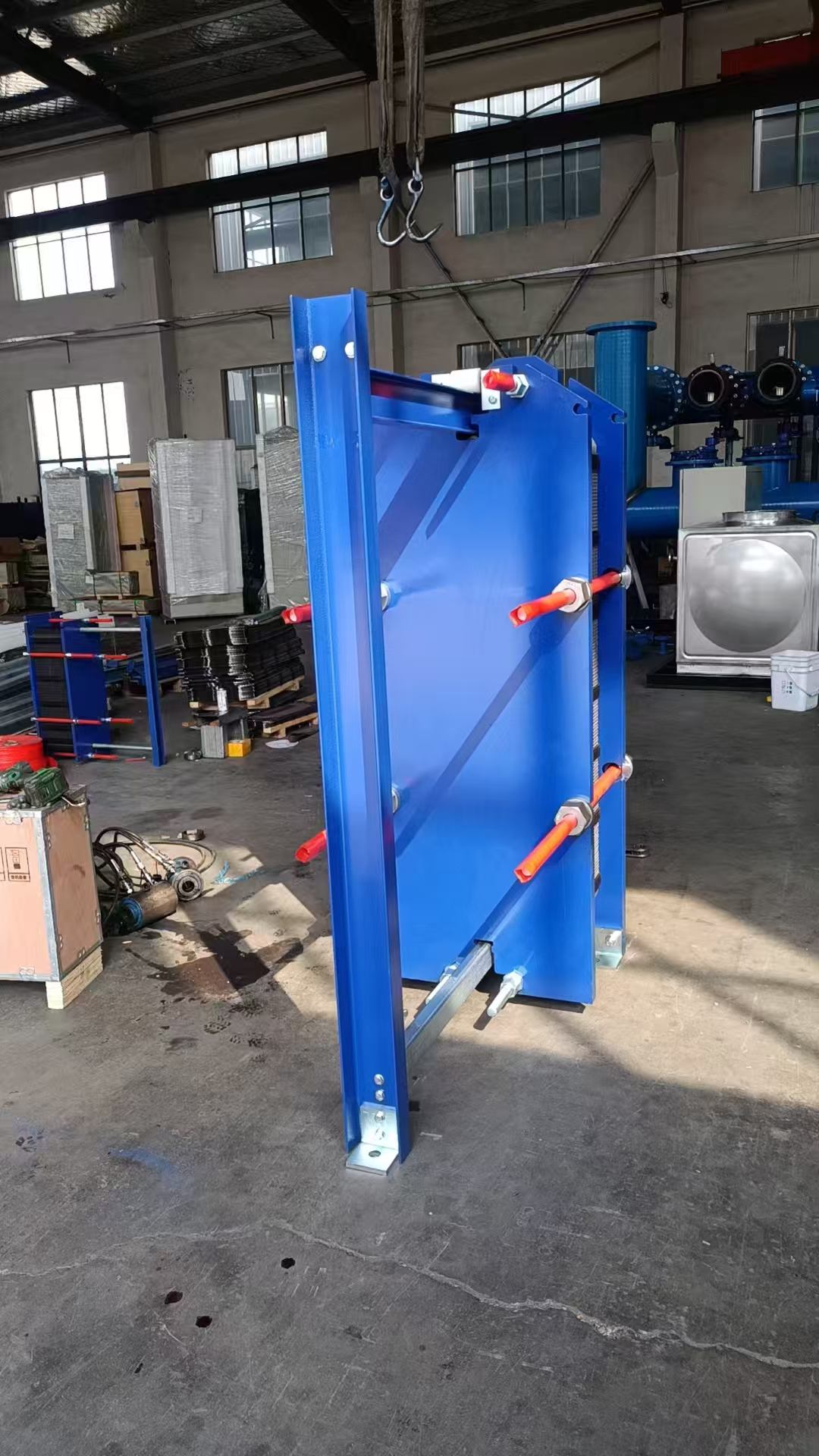
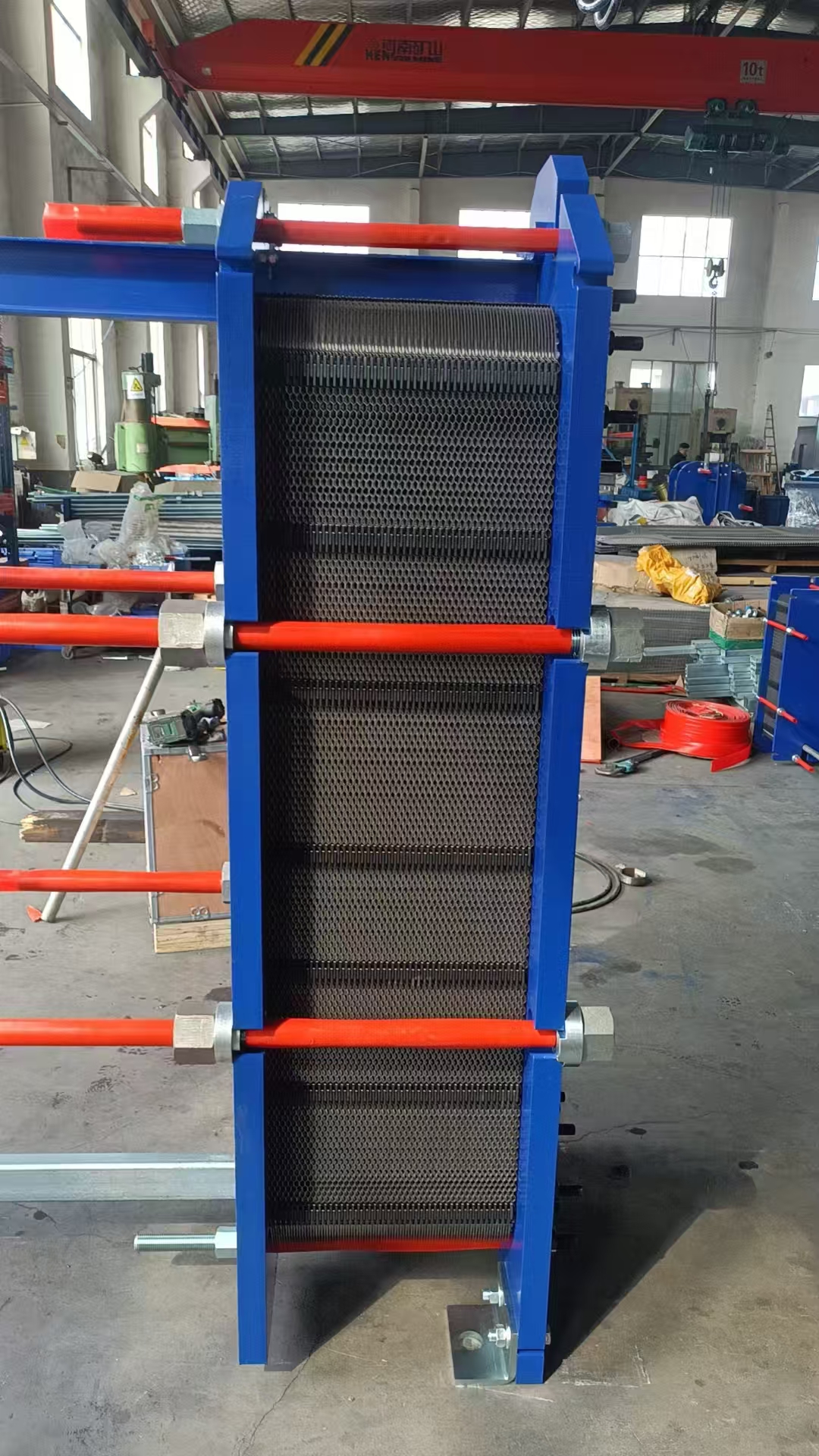
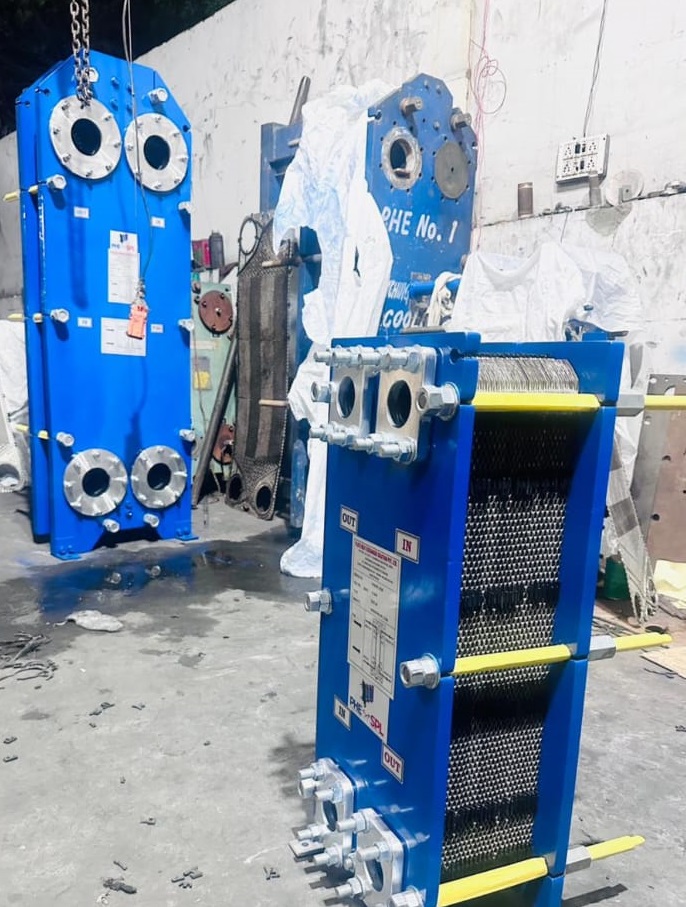
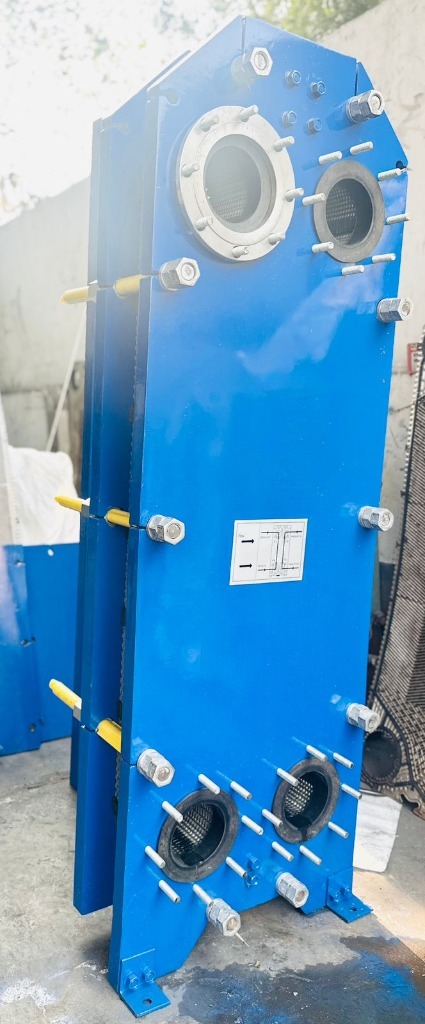
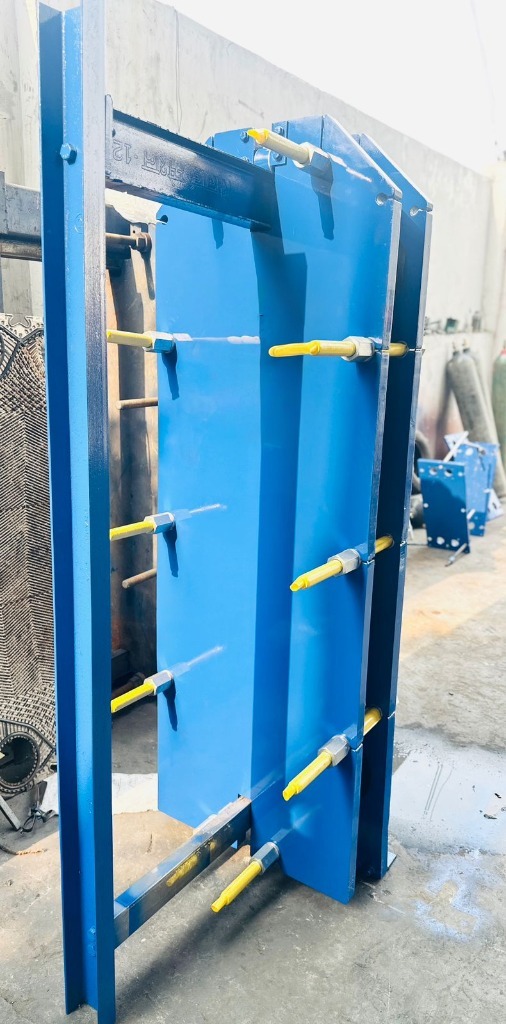
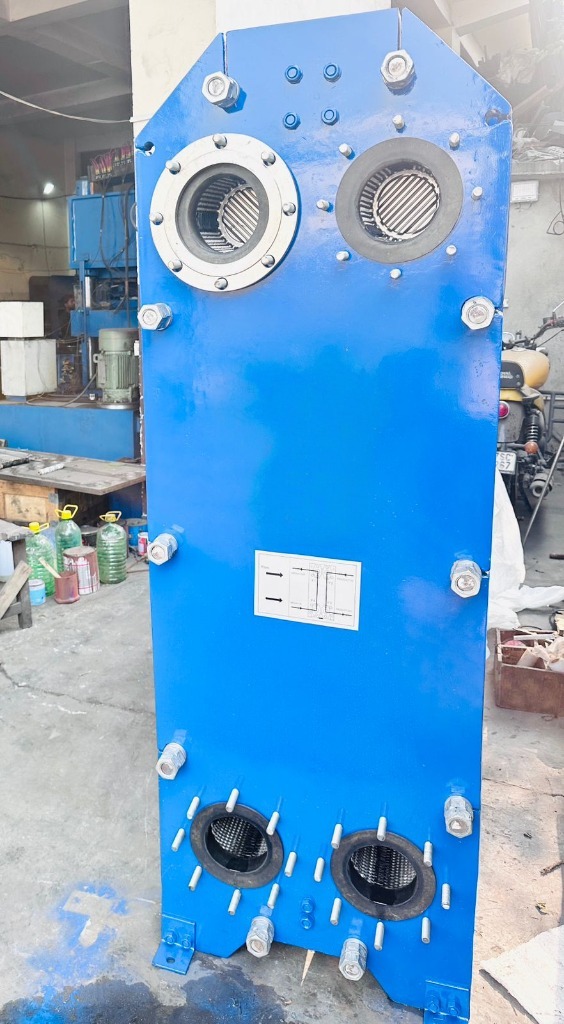
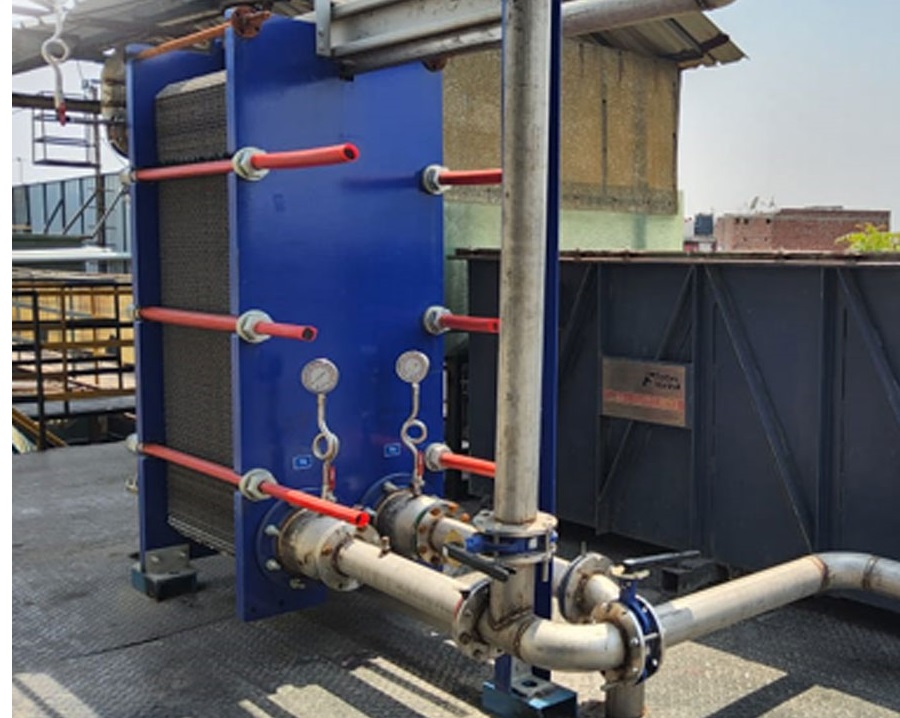
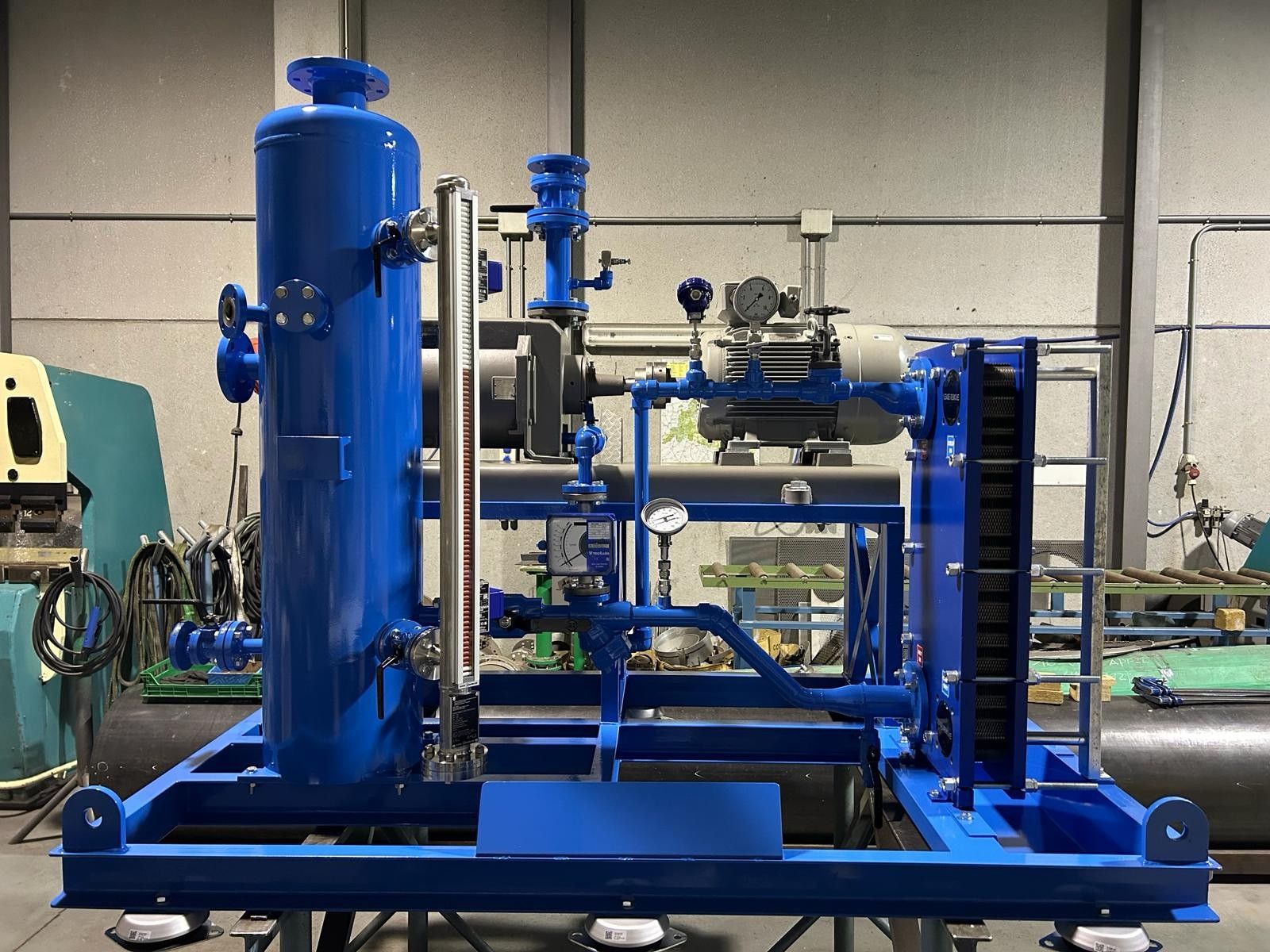
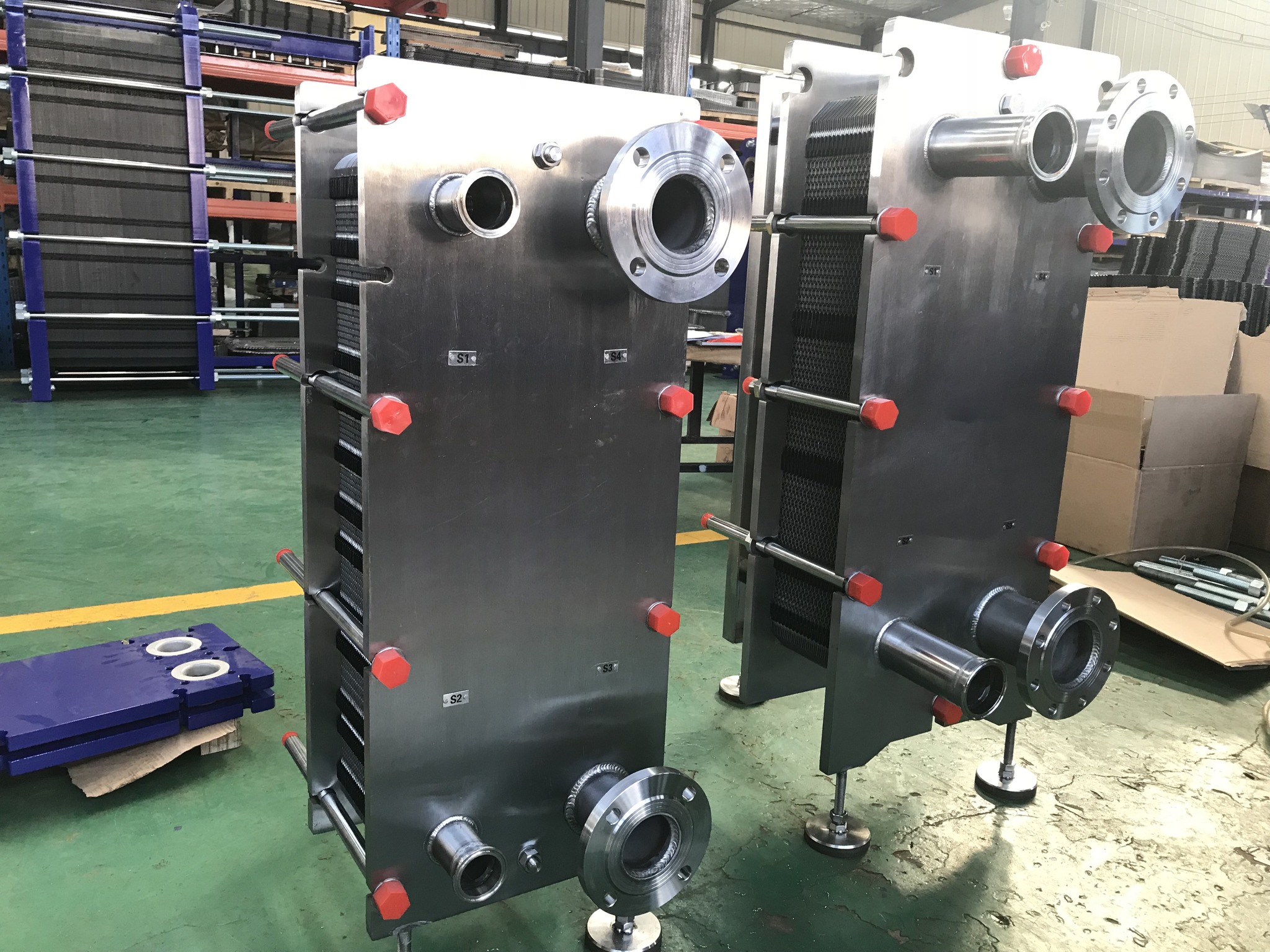
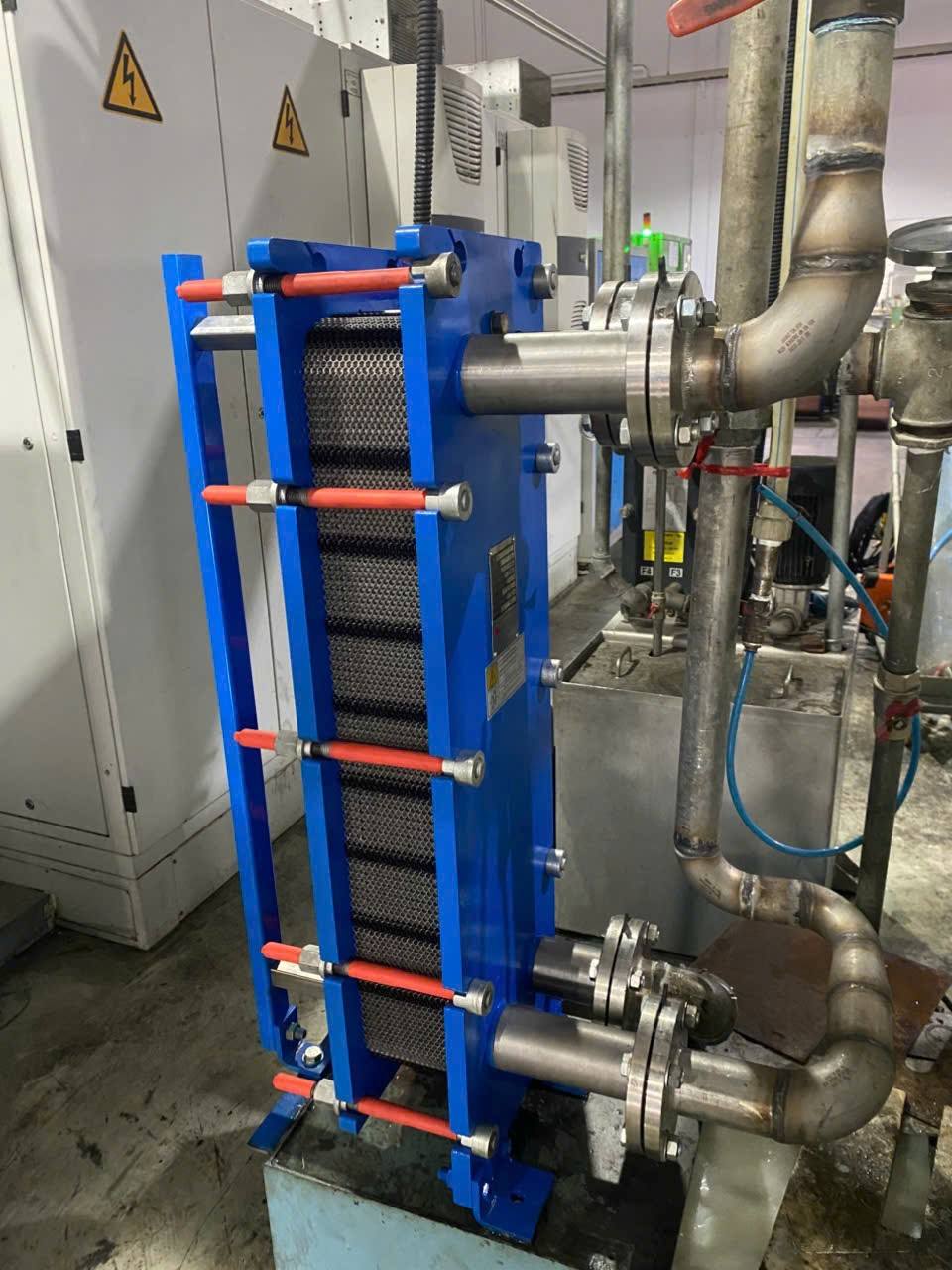
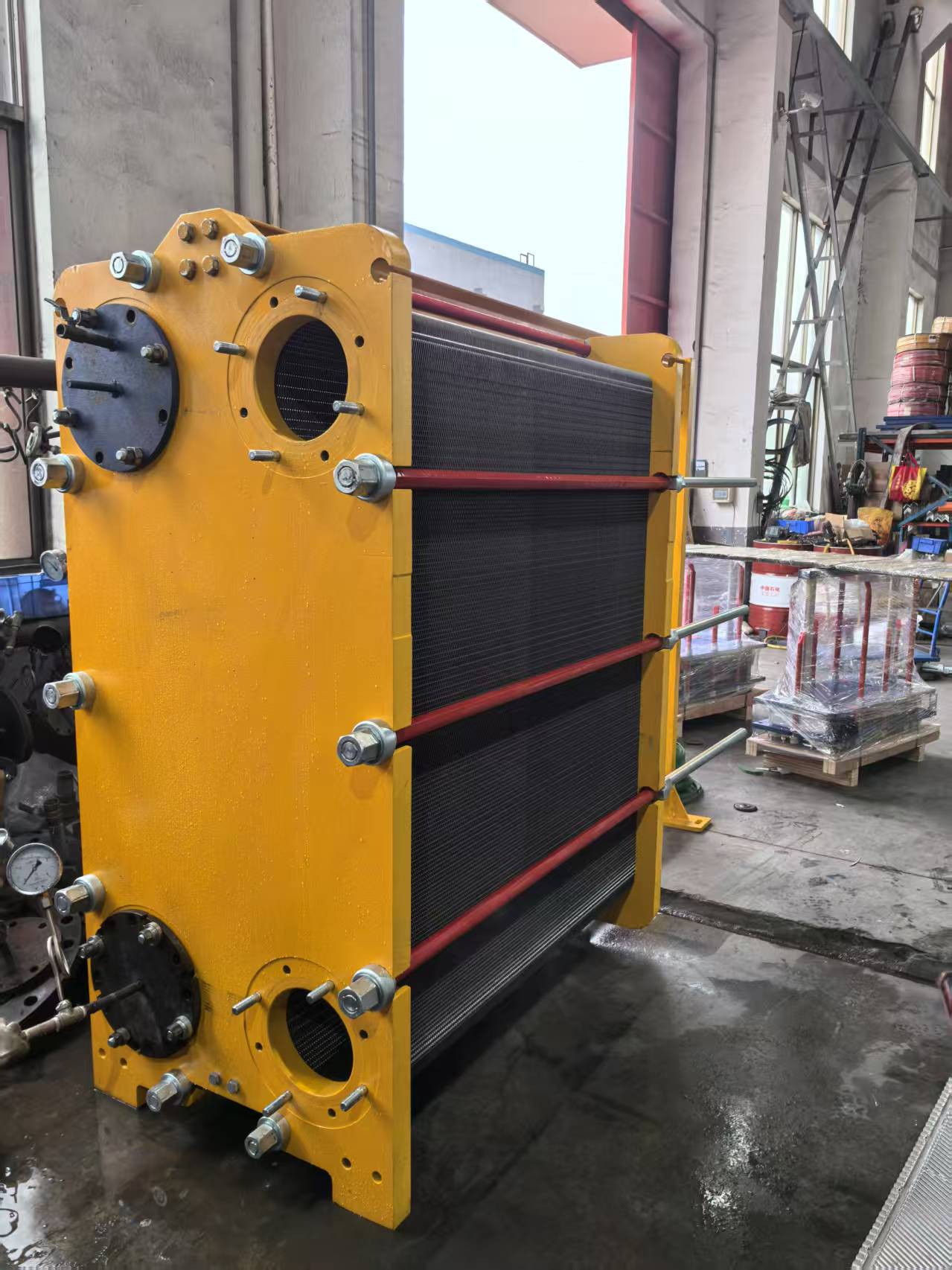
A plate heat exchanger functions as a specialized device for transferring thermal energy between two fluid streams using a series of metal plates. One of its primary advantages over traditional heat exchangers lies in the substantial increase in surface area for heat exchange, achieved by spreading the fluids across these plates. This...
Plate heat exchanger is composed of several key parts, including plates, gaskets, a frame, and inlet/outlet ports. The plates are thin, corrugated metal sheets that facilitate heat transfer between two fluids. Gaskets seal the space between plates, preventing leaks and directing fluid flow. The Plates: These are the core components where heat...
Cooling System Design Requirements The primary purpose of the engine cooling system is to reject heat from the jacket water coolant and auxiliary circuit if equipped, at greatest engine load, highest ambient temperature, and altitude. This section will outline the proper methods to be used for cooling system sizing. Heat Rejection Before a cooling...
Compressor Oil Coolers A compressor oil cooler (or other external heat load) should be connected into the after cooler circuit after the water has left the after cooler. The return line back into the circuit should be placed before the thermostat. If full flow is not needed to the compressor oil cooler, a bypass line […]
Two-Stage After cooler Cooling Systems The two-stage after cooler, currently offered for some gas engines, is intended to provide high temperature heat recovery for Electric Power Generation (EPG) applications and Reduce overall radiator sizing for Gas Compression applications. There are two coolant stages on the two-stage after cooler; the first...
All internal combustion engines produce heat as a byproduct of combustion andfriction. This heat can reach temperatures up to 1925°C (3500°F) and can havecatastrophic effects on engine components. Pistons, valves and cylinder headsmust be cooled to reduce the risk of detonation. Cylinder temperatures need to becontrolled so lubricating oil can...
Working Principles of Heat Exchanger Heat exchanger functions by transferring heat from higher to lower temperatures. Heat can thus be transferred from the hot fluid to the cold fluid if a hot fluid and a cold fluid are separated by a heat-conducting surface. The operation of a heat exchanger is governed by thermodynamics. Heat can […]
Common materials used in heat exchangers Selecting the materials used in a heat exchanger is a pivotal part of the design. They need to be heat conductive whilst withstanding any corrosive properties of the mediums involved. Some materials will wear or get dirty faster than others, so upkeep and durability is another consideration. Conductive...
Plate heat exchangers separate the fluids exchanging heat by the means of plates. These normally have enhanced surfaces such as fins or embossing and are either bolted together, brazed or welded. Plate heat exchangers are mainly found in the cryogenic and food processing industries. However, because of their high surface area to volume ratio,...
Other types of tubular exchanger include: Air Cooled Heat Exchangers consist of bundle of tubes, a fan system and supporting structure. The tubes can have various type of fins in order to provide additional surface area on the air side. Air is either sucked up through the tubes by a fan mounted above the bundle (induced […]
A Shell and Tube Exchanger consists of a number of tubes mounted inside acylindrical shell. typical unit that may be found in a petrochemicalplant. Two fluids can exchange heat, one fluid flows over the outside of thetubes while the second fluid flows through the tubes. The fluids can be singleor two phase and can flow in […]