Effect of Wet Bulb Temperature in Cooling Tower The Wet Bulb Temperature (WBT) is the most critical environmental factor governing the fundamental physics and ultimate limit of a cooling tower’s performance. It is not just an influence; it is the thermodynamic boundary. Here’s a detailed breakdown of its effect, from core...
Types of Cooling Towers Used in Food & Beverage Processing The Unseen Guardian of Safety and Efficiency In the Food & Beverage industry, the cooling tower is an unseen but critical utility. It directly supports: Its reliable operation is essential for producing safe, high-quality food and beverages consistently and sustainably.
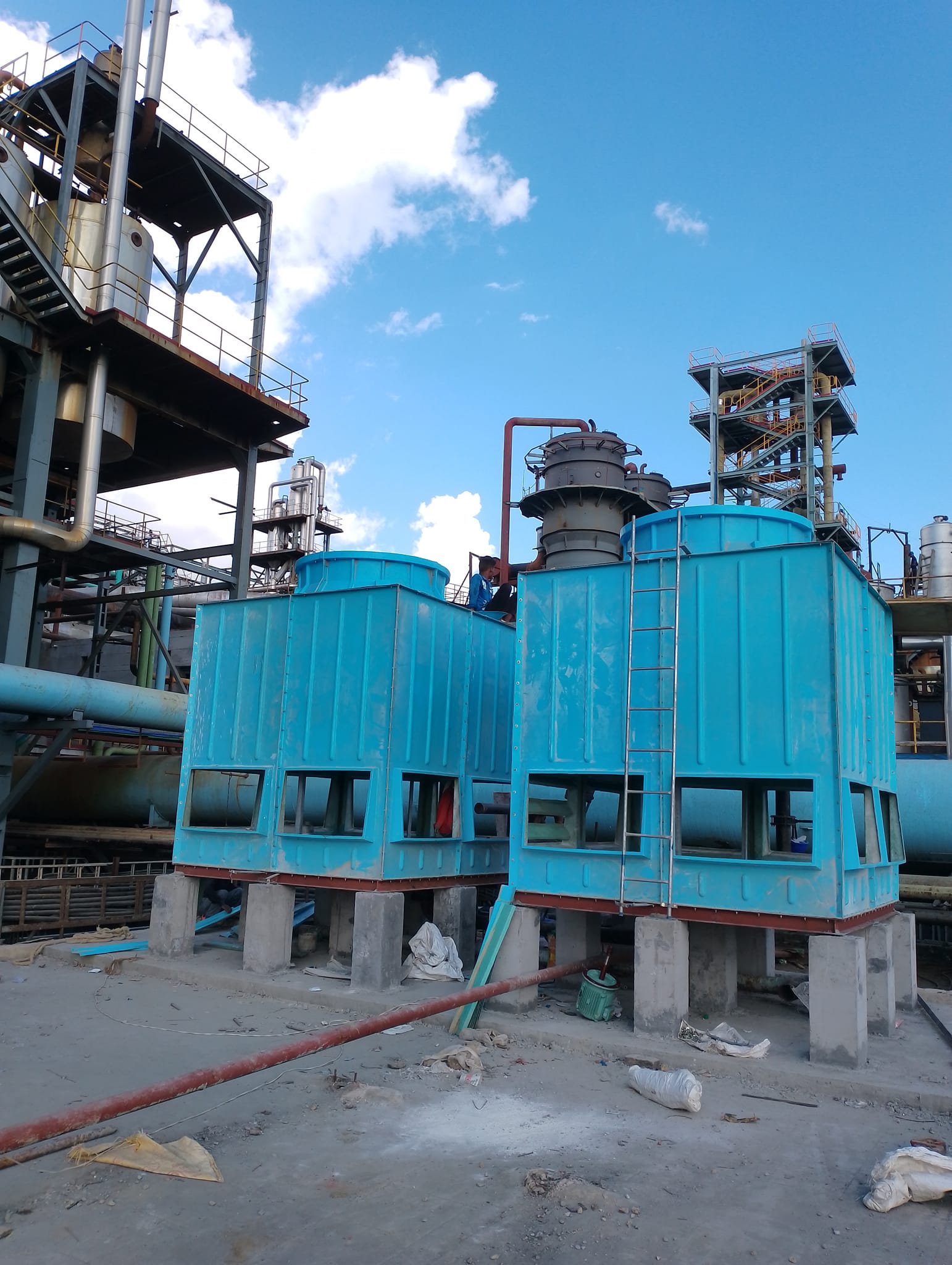
Why Cooling Towers Are Indispensable in Food & Beverage Processing Critical Operational Considerations & Unique Challenges in F&B The F&B industry has stricter hygienic requirements than most industrial settings, making cooling tower management particularly sensitive. Sanitation & Documentation: Cooling towers are subject...
Type of Cooling Towers in Steel Mills Why It’s Indispensable: Consequences of Failure A cooling tower system failure is a plant-wide emergency that leads to an immediate shutdown (“tripping”) of production. The consequences are severe: Operational Challenges & Management Managing the cooling tower system is a...
Types of Cooling Towers Used 4. Key Operational Considerations & Challenges Summary: The Vital Supporting Role Think of the cooling tower as the “heart” of the plant’s non-contact cooling circulatory system. It doesn’t directly touch the metal, but it is absolutely essential for:
cooling tower for Metals Production While not always the first thing people think of in metals production, cooling towers are critical, enabling infrastructure for the entire industry. Their primary role is heat rejection and water conservation in large-scale industrial cooling systems. Here’s a detailed breakdown of their...
Industry Applications for cooling tower Process Role of Cooling Tower API Synthesis Controls temperature in reactors for selective chemical reactions. Fermentation (Antibiotics) Removes metabolic heat from bioreactors to keep microorganisms at optimal growth temperature. Lyophilization (Freeze-Drying) Cools the condenser that captures ice sublimed...
Cooling tower for Chemical & Pharmaceutical Chemical & Pharma Manufacturing A. Safety: Preventing Runaway Reactions This is the most critical role in chemical plants. B. Product Quality & Yield: Controlling Kinetics and Selectivity Temperature dictates everything in chemistry. C. Condensation & Recovery of Volatile...
Cooling tower Industrial Manufacturing & Processing The role of cooling towers in industrial manufacturing and processing is vast and foundational. While power generation uses them to condense steam for the thermodynamic cycle, industry uses them to remove process heat for safety, quality, efficiency, and to enable core chemical and...
. Power Generation (Electricity Production) This is the largest and most critical sector for cooling tower use, measured by water volume and thermal duty. Why: The Carnot efficiency of thermal cycles mandates rejecting >50% of the heat input. Cooling towers provide the only practical, scalable method to do this. 2....
Use of cooling tower in Geothermal plants The use of cooling towers in geothermal power plants is fundamental, but it differs in key ways from fossil fuel or nuclear plants. Here, the cooling tower is not an auxiliary component; it is often the primary and sometimes the only heat rejection cycle for the entire plant. Its role is...
Use of cooling tower in Power plant auxiliary cooling In a power plant, the main condenser (cooled by a massive circulating water system, often with its own huge cooling towers) gets most of the attention. However, auxiliary cooling systems are the critical lifeblood that keeps the plant’s support equipment operating...
Use of cooling tower in Medium-capacity industrial cooling Moving from commercial HVAC to medium-capacity industrial cooling shifts the focus from human comfort to process cooling, where reliability, precise temperature control, and handling unique thermal loads become paramount. While the core thermodynamic principle (rejecting heat...
a cooling tower is the heart of the heat rejection process for large Commercial & Institutional HVAC systems. Its primary use is to efficiently dispose of massive amounts of unwanted heat from inside a building to the outside atmosphere. Here’s a detailed breakdown of its use, why it’s essential, and how it fits into the...
Advantage Technical Reason & Impact 1. Maximum Thermal Efficiency The thin film maximizes the interfacial surface area and minimizes internal thermal resistance. Result: More cooling per unit volume. 2. Compact Tower Design High efficiency allows for a smaller fill volume and lower tower height for a given cooling duty,...
Splash Fill: A Detailed Explanation Splash fill is a type of cooling tower packing designed to maximize heat transfer by repeatedly breaking the falling water stream into smaller droplets, creating a large surface area for air-water contact. How It Works: The Core Principle Unlike film fill (which spreads water into a thin film), splash fill...
Selection Criteria for type of Packing for cooling tower. The choice depends on the specific application: In summary, for counterflow cooling towers, vertical film fill is the standard for efficiency where water quality permits, while splash or trickle/grid packings are chosen for rugged industrial applications with...
Comparison Table of types of packing in cooling tower Feature Splash Packing Film Packing Trickle/Grid Packing Primary Action Creates droplets Spreads thin film Hybrid: film & splash Efficiency Moderate Very High High Fouling Resistance Excellent Poor Good to Very Good Air Pressure Drop Moderate to High Low Low to Moderate Water Pressure...
In counterflow cooling towers, where air moves vertically upward against the falling water, the packing (also called fill) is the critical component that maximizes heat and mass transfer. Its primary functions are to create a large surface area for water-to-air contact and to delay water fall to increase contact time. Here are the main...
Induced Draft Cross Flow Cooling Tower An Induced Draft Cross Flow Cooling Tower is the most common configuration of crossflow design, where a fan at the top creates negative pressure to draw air horizontally across falling water, producing perpendicular air-water contact for efficient cooling. Process Flow:
Which to Choose in Closed Circuit cooling tower Types? Choose FORCED DRAFT (V-Flow) if your priorities are: Choose INDUCED DRAFT (Counter-Flow) if your priorities are: Industry Trend & Bottom Line Final Recommendation: Always: Get detailed submittals and lifecycle cost analyses from manufacturers of both types for your specific duty point,...
Forced Draft vs. Induced Draft (Closed Circuit) Feature Forced Draft (V-Flow) Induced Draft (Typical) Fan Location At air inlet (bottom/side) At air discharge (top) Air Pressure Positive inside tower Negative inside tower Airflow Path Horizontal across coil Vertical through coil Fan Energy Fan handles cooler, drier air Fan handles warm, saturated...
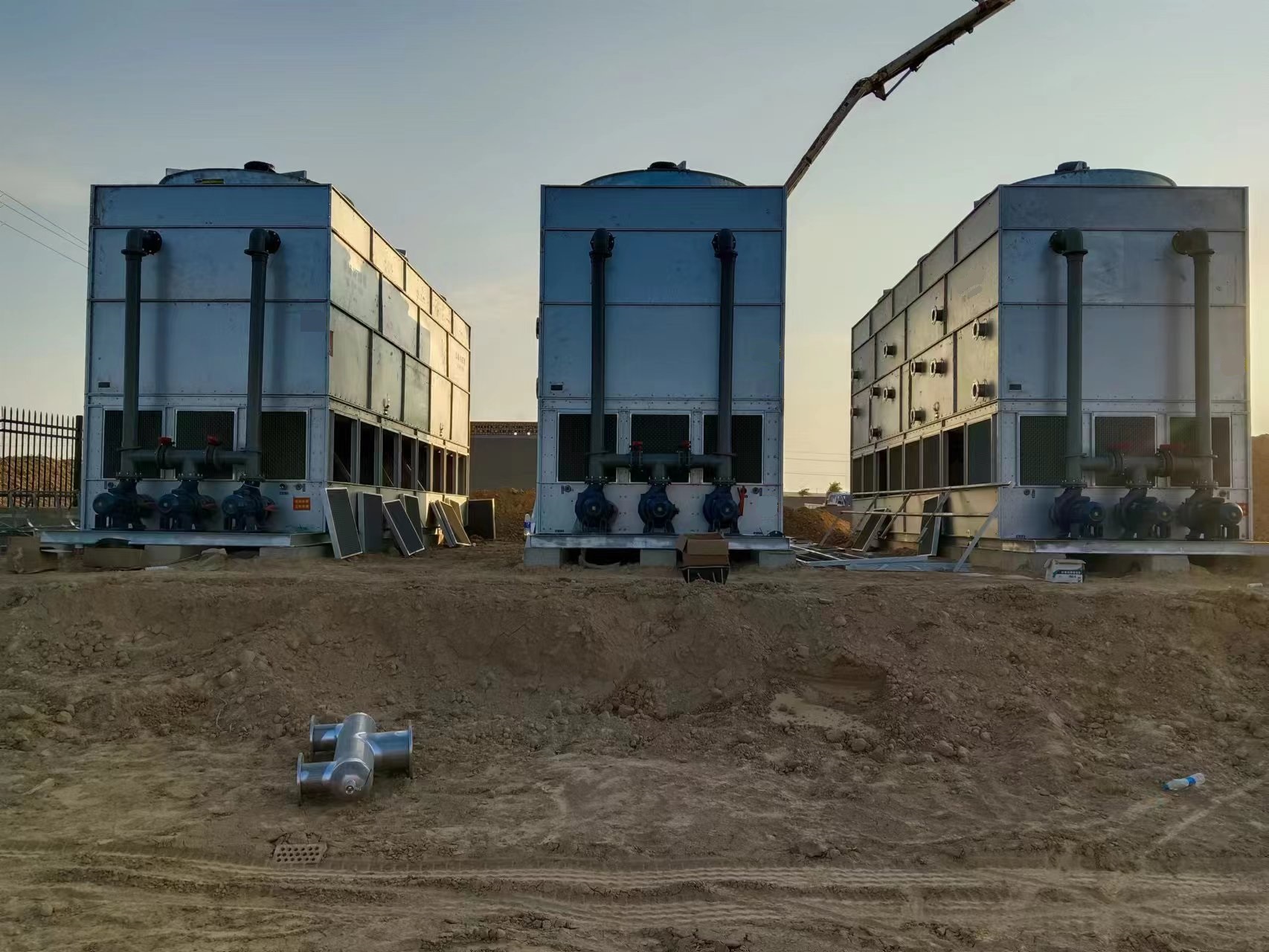
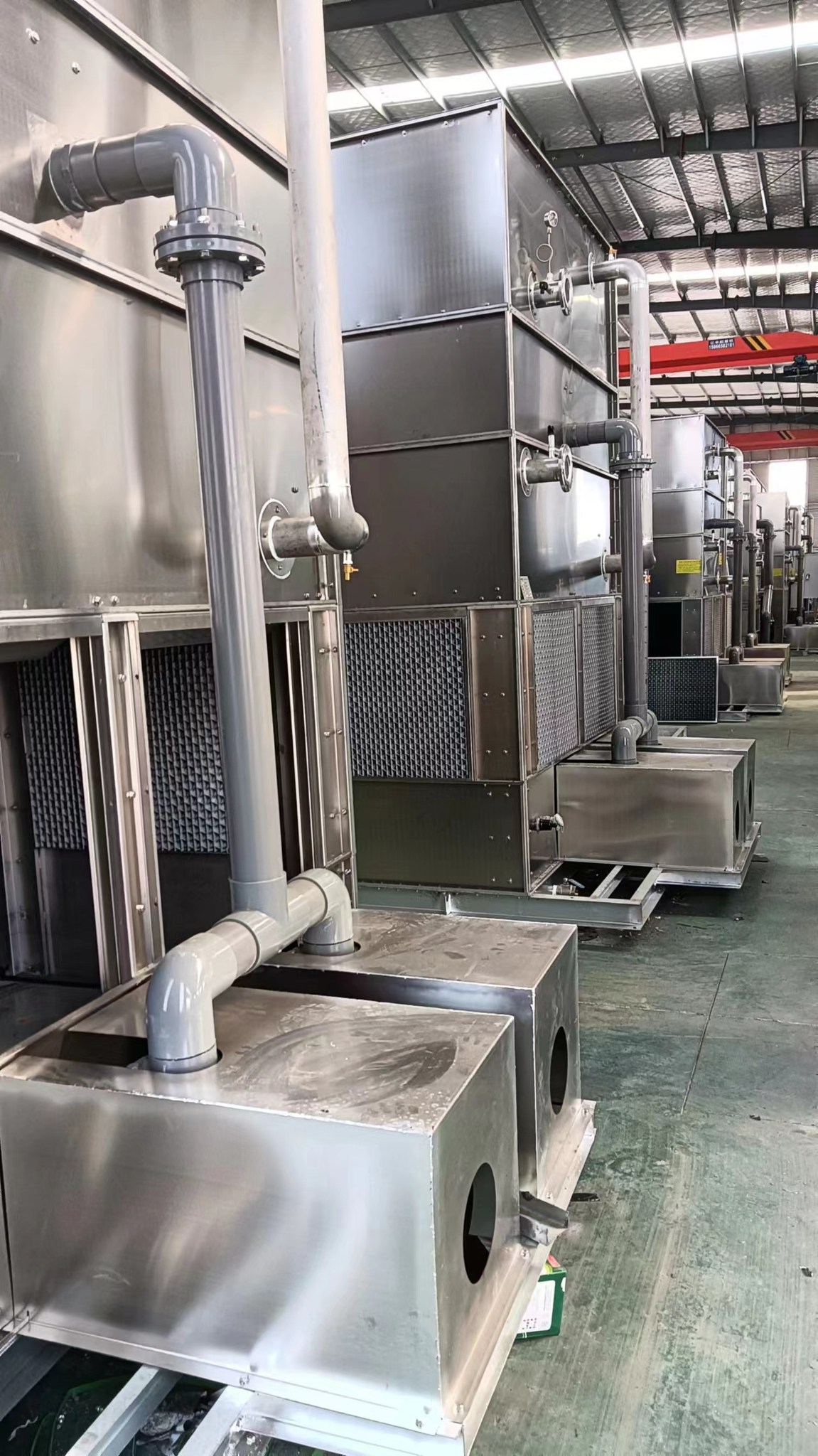
Forced Draft (V-Flow) Closed Circuit Cooling Tower Forced Draft V-Flow Closed Circuit Cooling Tower by explaining each part of its name and how it works. V-Flow (or Vertical Flow): This describes the path of the spray water (the separate, external water loop) and air. The spray water is pumped to the top and...
Common Applications of Closed-Circuit Cooling Towers (All Types) the choice between Forced Draft, Induced Draft, or Hybrid depends on the specific priorities: footprint, maintenance access, water availability, plume visibility concerns, and local climate conditions. The closed circuit design itself is selected when fluid purity and system...
Types of Closed Circuit Cooling Towers 1. By Air/Water Flow Path & Construction 2. By Heat Rejection Method & Coil Design c) Fluid Coolers with Integral Freeze Protection
When to Choose Closed Circuit Cooling Tower When to Choose a Closed-Circuit Cooling Tower: A Decision Guide Choosing a Closed-Circuit Cooling Tower (CCT) is a strategic decision that prioritizes system protection, reliability, and lower lifecycle costs over minimal initial investment. Here are the key scenarios where a CCT is the clear...
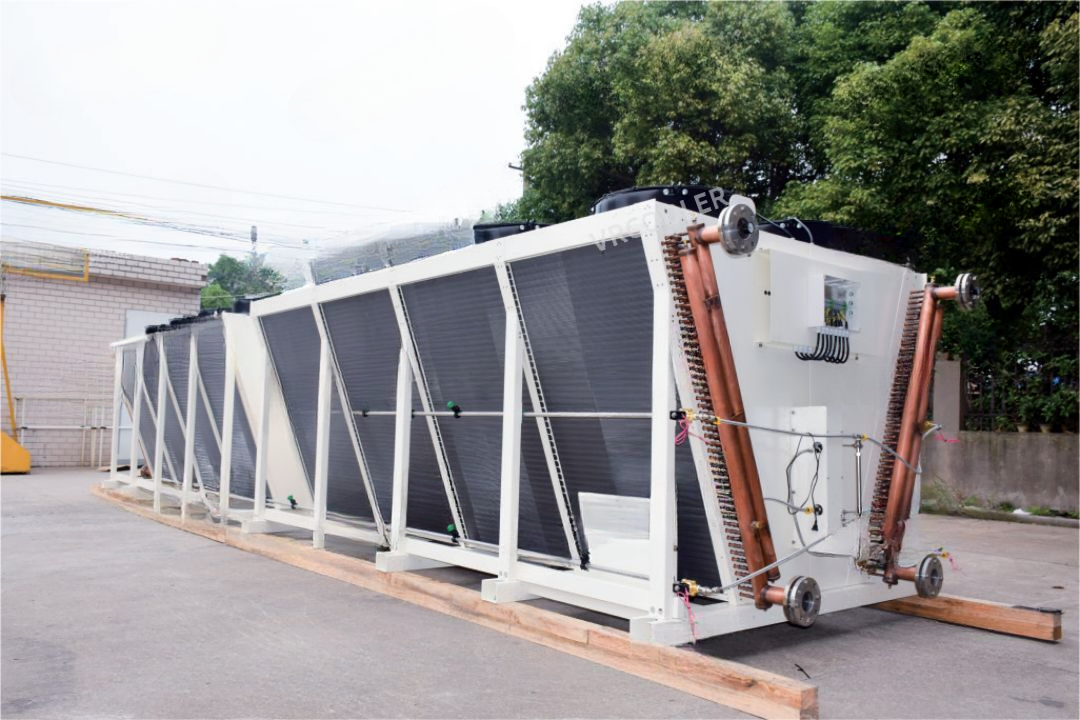
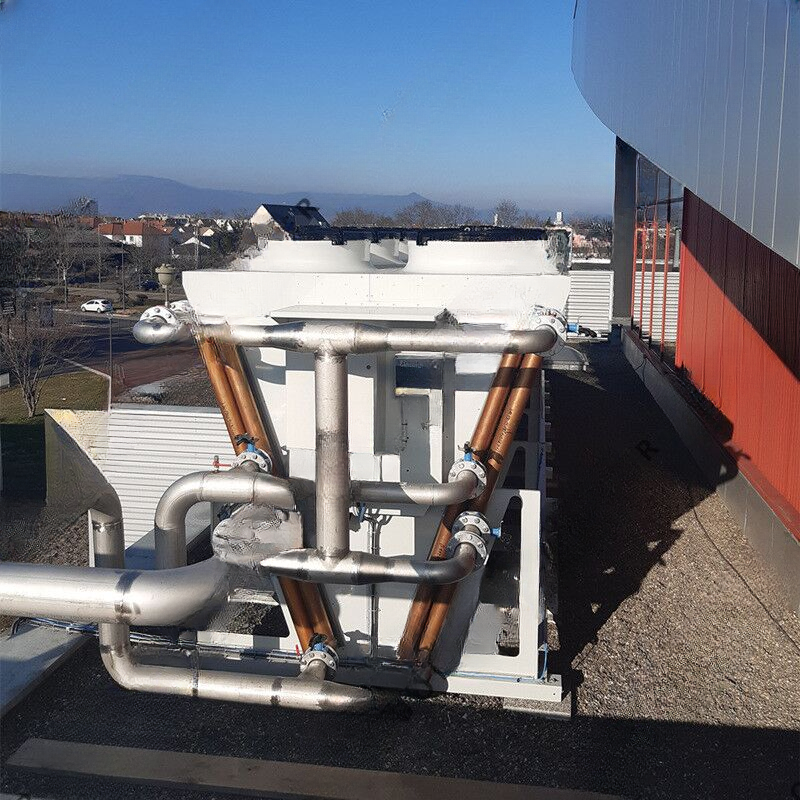
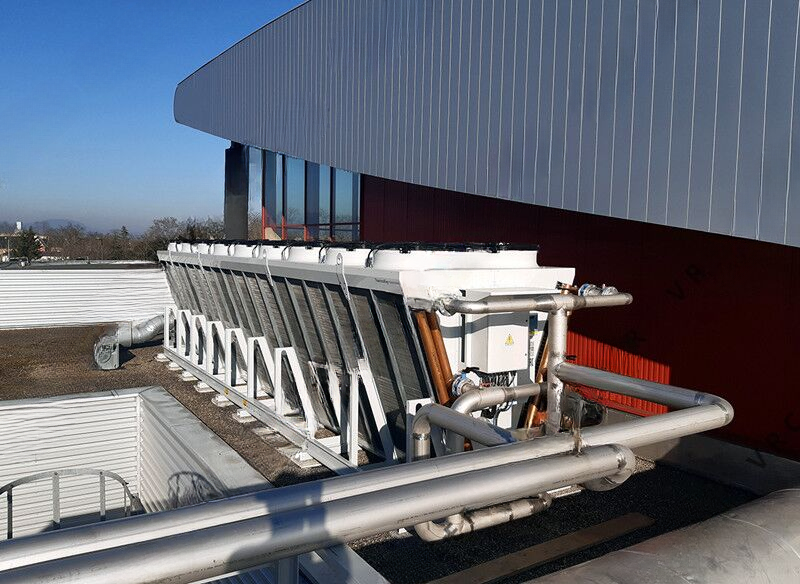
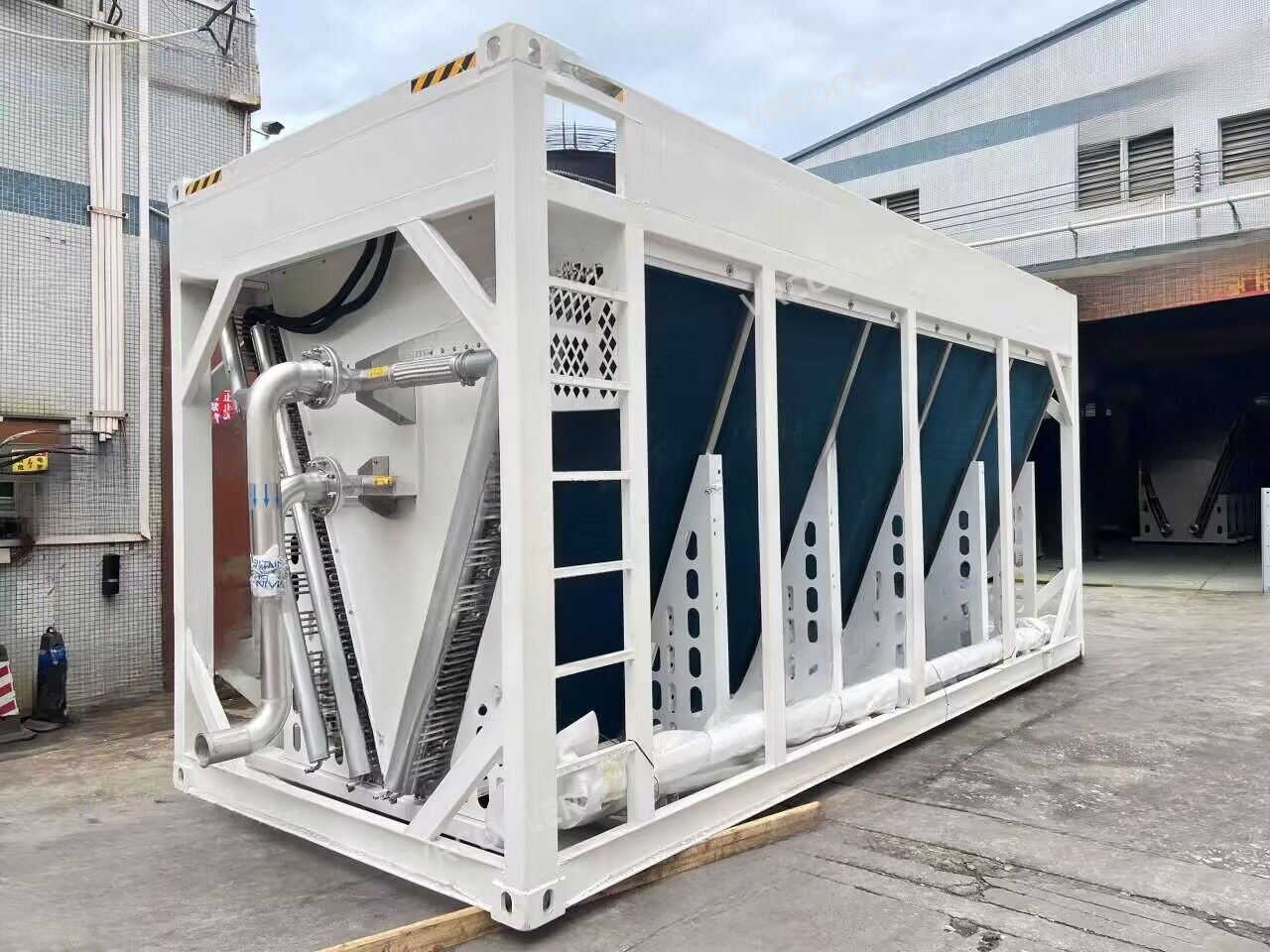
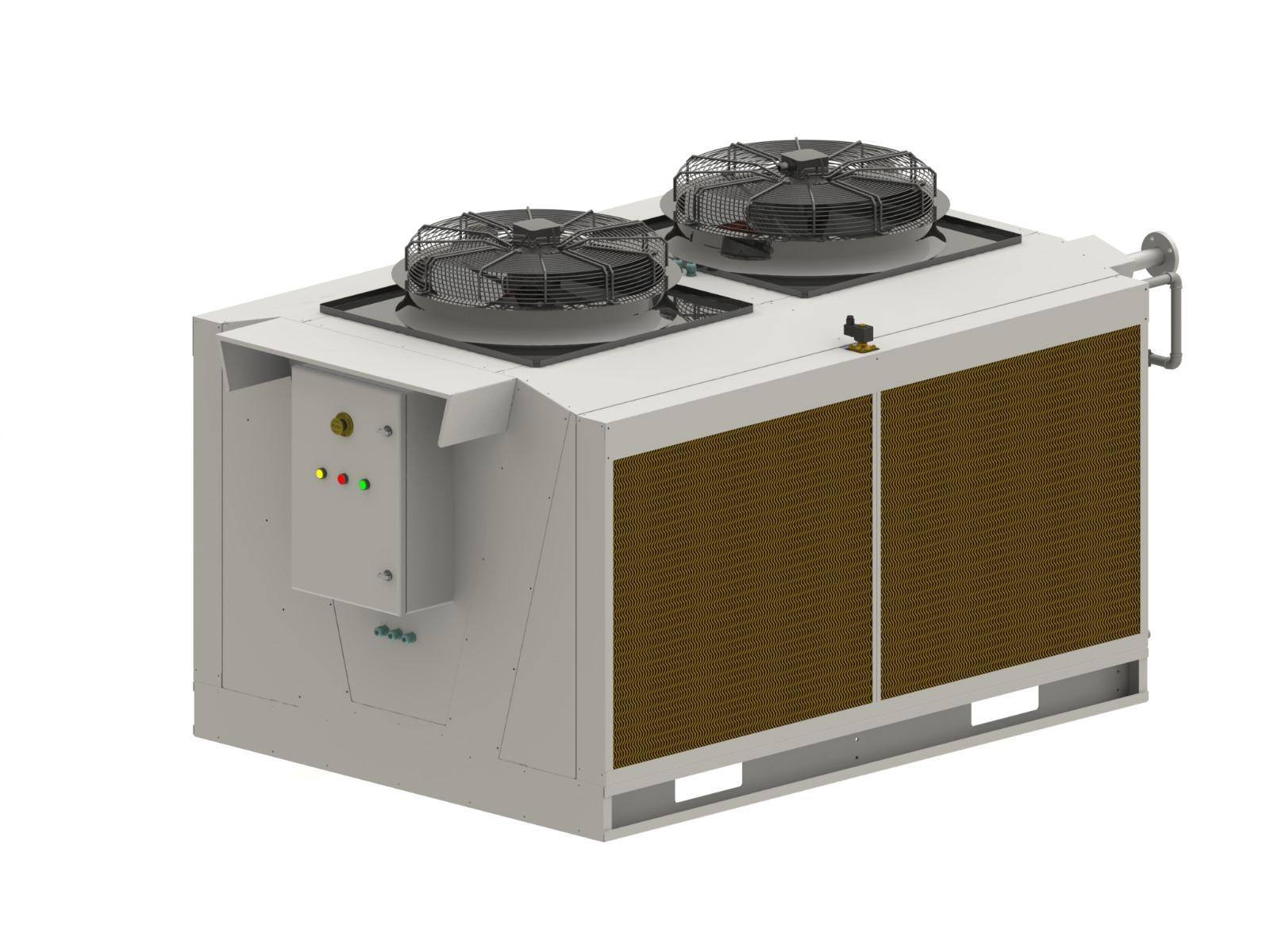
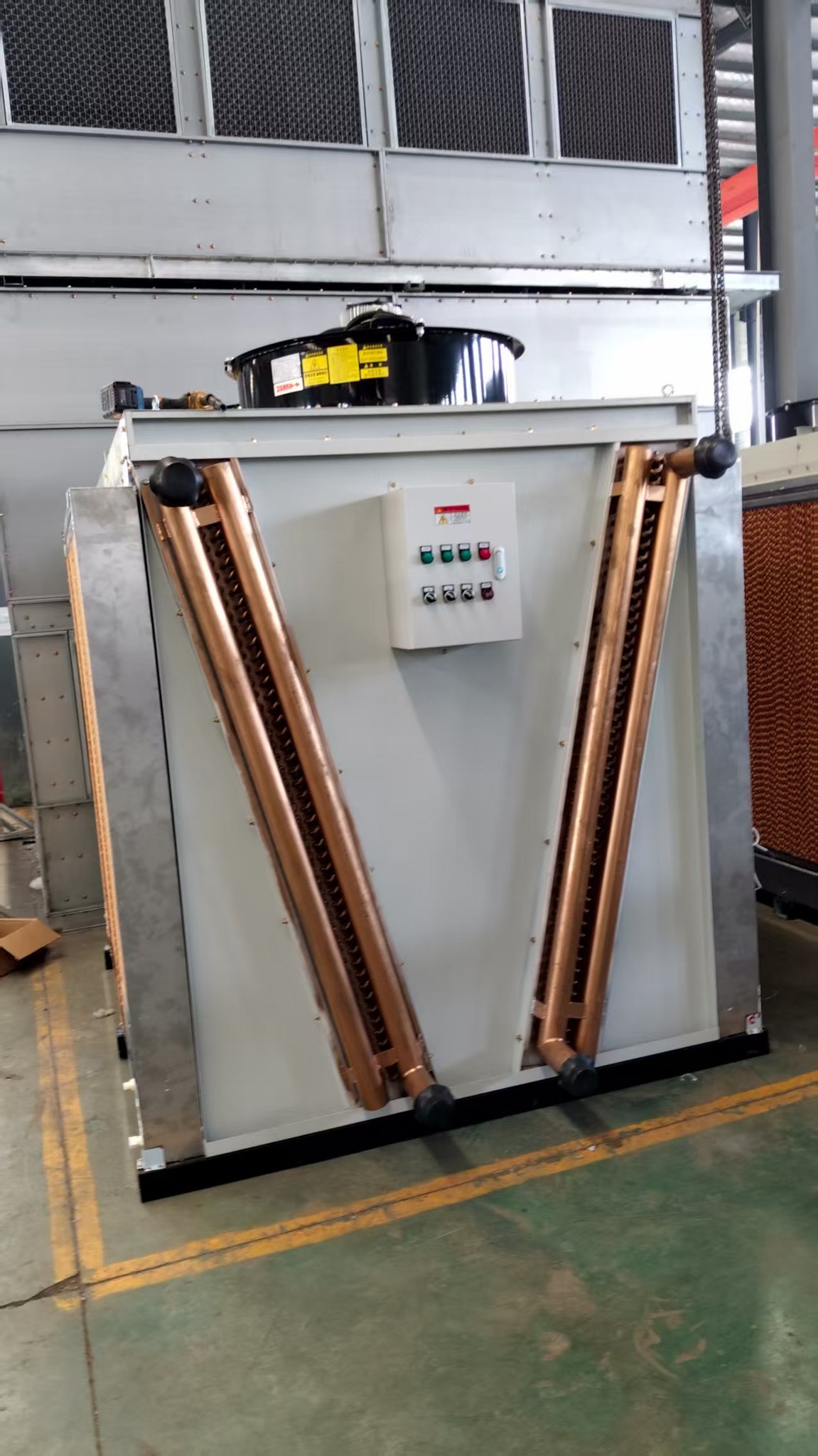
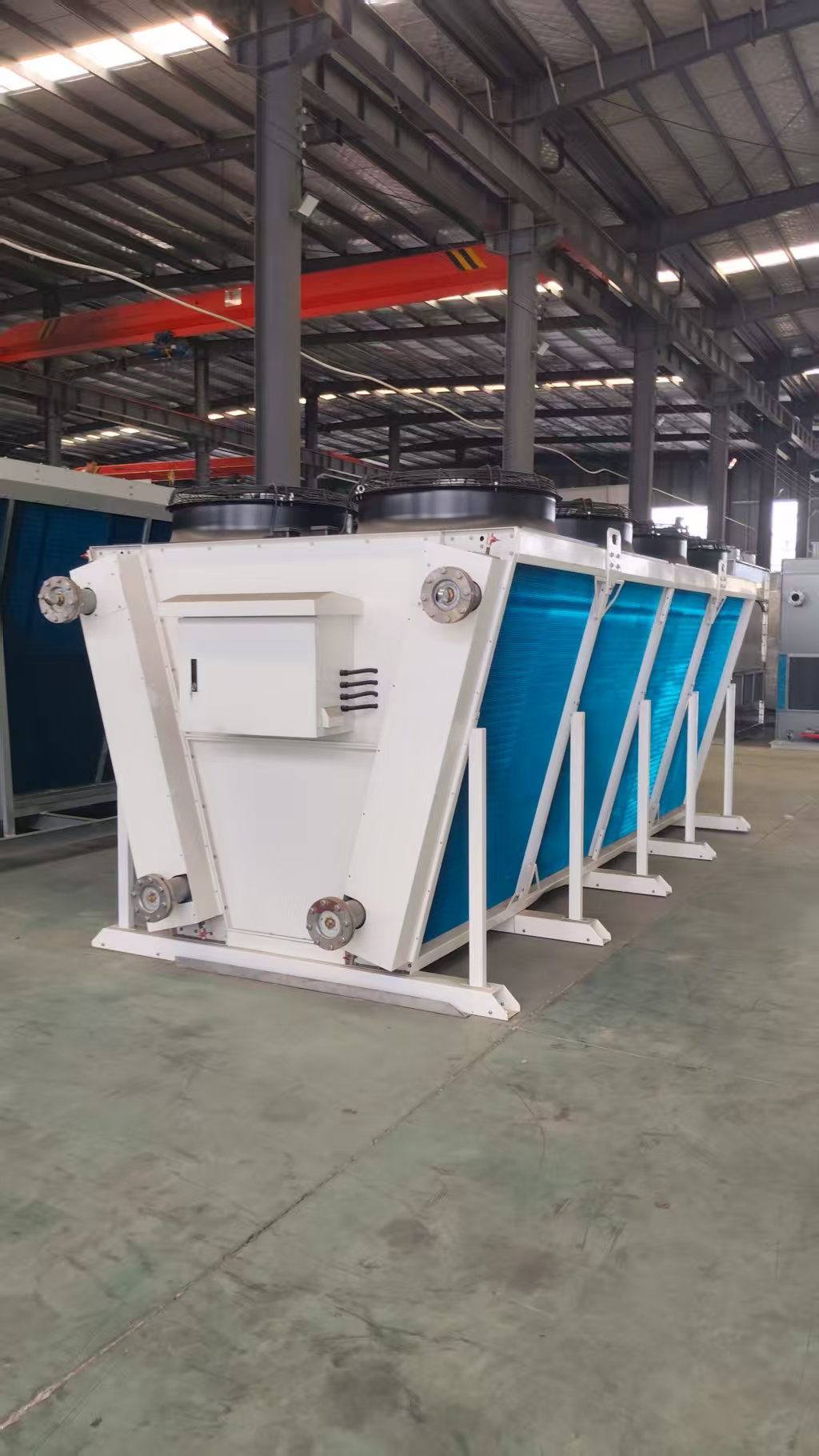
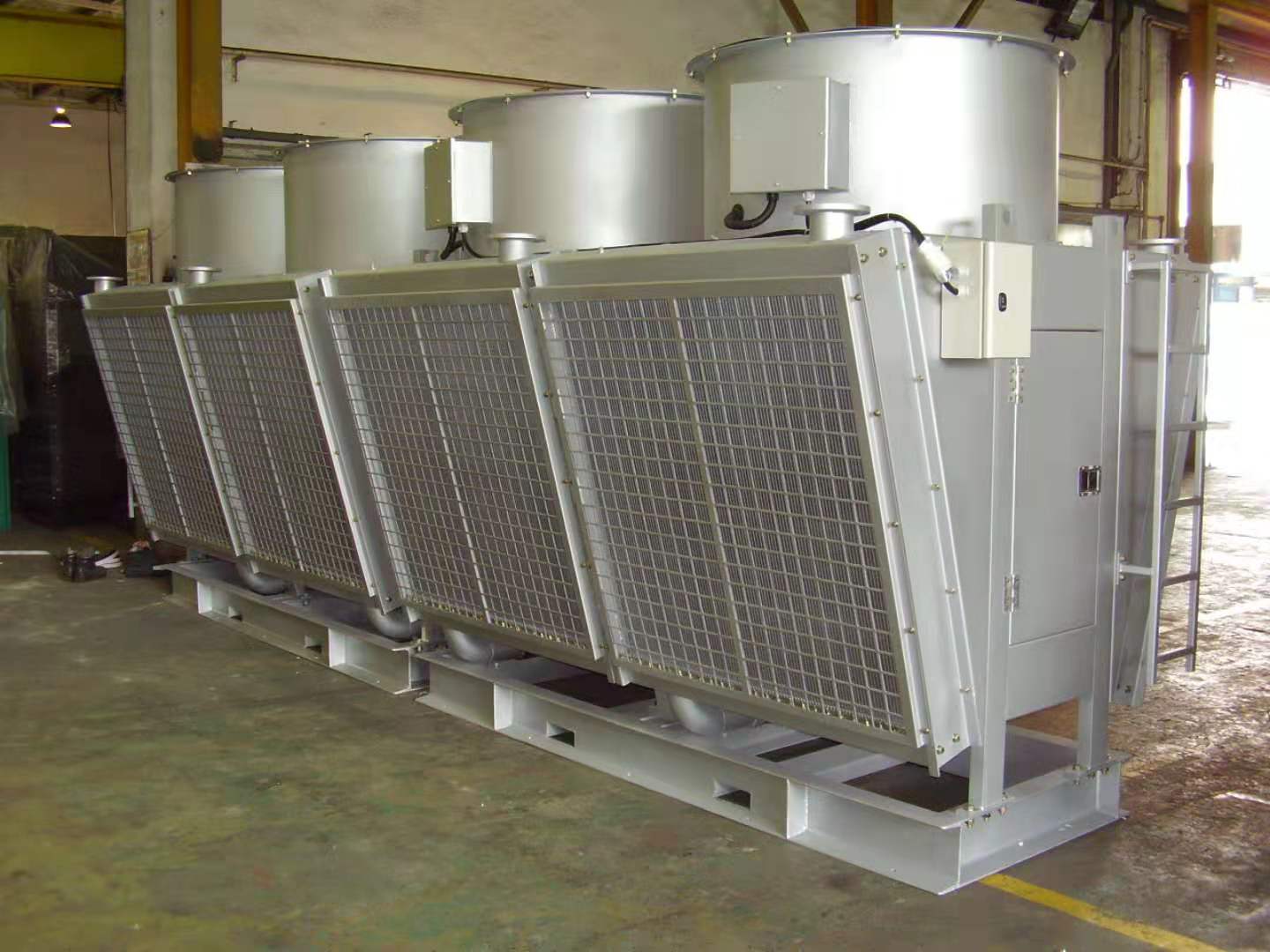
CLOSED-CIRCUIT Cooling Tower – Hybrid/Dry Cooler: The Third Option It’s worth noting a third common option that fits between these: Efficiency Spectrum:Open Tower (cools to wet-bulb temp) > Closed Circuit Tower (cools close to wet-bulb) > Dry Cooler (cools to dry-bulb temp).
Key Decision for Selection of Closed-circuit cooling tower In summary, Closed Circuit Cooling Towers are applied wherever the reliability, purity, and precise control of the cooling fluid are as important as the cooling capacity itself. They are the engineering solution for marrying the high efficiency of evaporative cooling with the...
Applications of Closed-Circuit Cooling Tower The applications of Closed Circuit Cooling Towers (CCTs) are driven by their core advantage: protecting a clean, pressurized, and precisely controlled process fluid loop. They are the preferred choice wherever cooling water contamination, scaling, or freezing would cause operational...
Advantages of Closed-Circuit cooling tower at a Glance Advantage Impact Clean Process Fluid Protects sensitive equipment, ensures consistent performance. Lower Water Treatment Reduces chemical cost, complexity, and environmental impact. Easy Freeze Protection Ideal for cold climates; operational with glycol. Energy-Efficient Pumping Lower pump head...
. Superior Process Fluid Protection (The Primary Advantage) This is the most significant benefit and the core reason for choosing a CCT. 2. Reduced Water Treatment Costs & Complexity 3. Excellent Freeze Protection 4. Lower System Pumping Energy 5. Consistent Hydraulic Performance & Pressure 6. Reduced Risk of Legionella & Environmental...
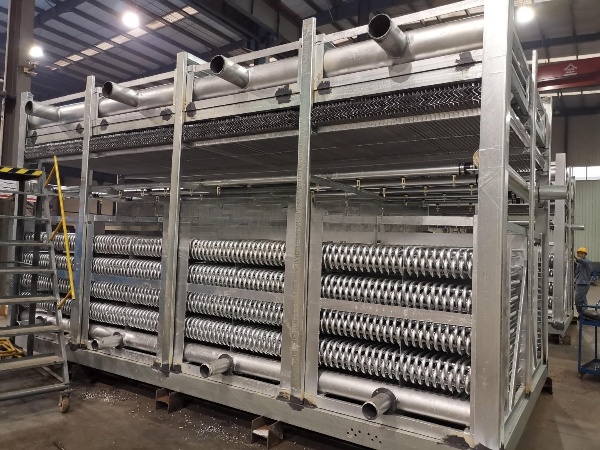
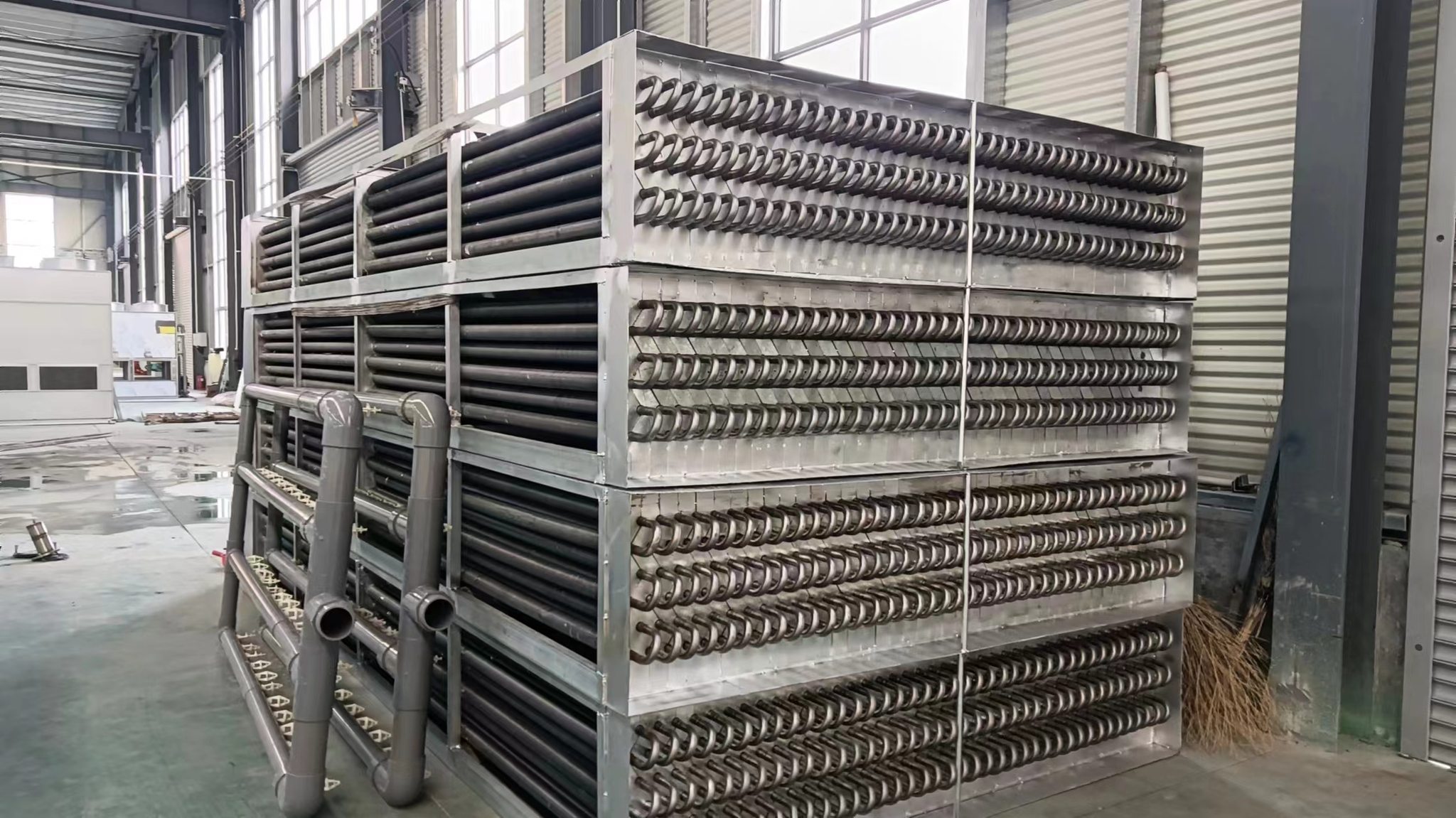
A Closed-Circuit Cooling Tower (often called a Fluid Cooler or a Closed Loop Cooling Tower) is a specialized type of heat exchanger that cools a process fluid (water or a water-glycol mixture) in a closed loop, without exposing it directly to the atmosphere or the outside environment. Here’s a breakdown of how it...
KEY MATERIALS FOR FILLS Material Max Temp Properties Typical Use PVC (Polyvinyl Chloride) ~50-60°C (122-140°F) Low cost, good corrosion resistance, flammable. Standard for most film & splash fills in HVAC and general industry. PP (Polypropylene) ~70-80°C (158-176°F) Higher temp tolerance, good chemical resistance. Hot water processes,...
Double Cross flow vs. Other Types Feature Double Cross flow Single Cross flow Induced Draft Counter flow Air Inlets Two opposite sides One side All around the bottom perimeter Plan Area (Footprint) Wider for same capacity Wider (one-sided) More compact Pump Head Required Low (gravity basin) Low Higher (pressurized nozzles) Fill...
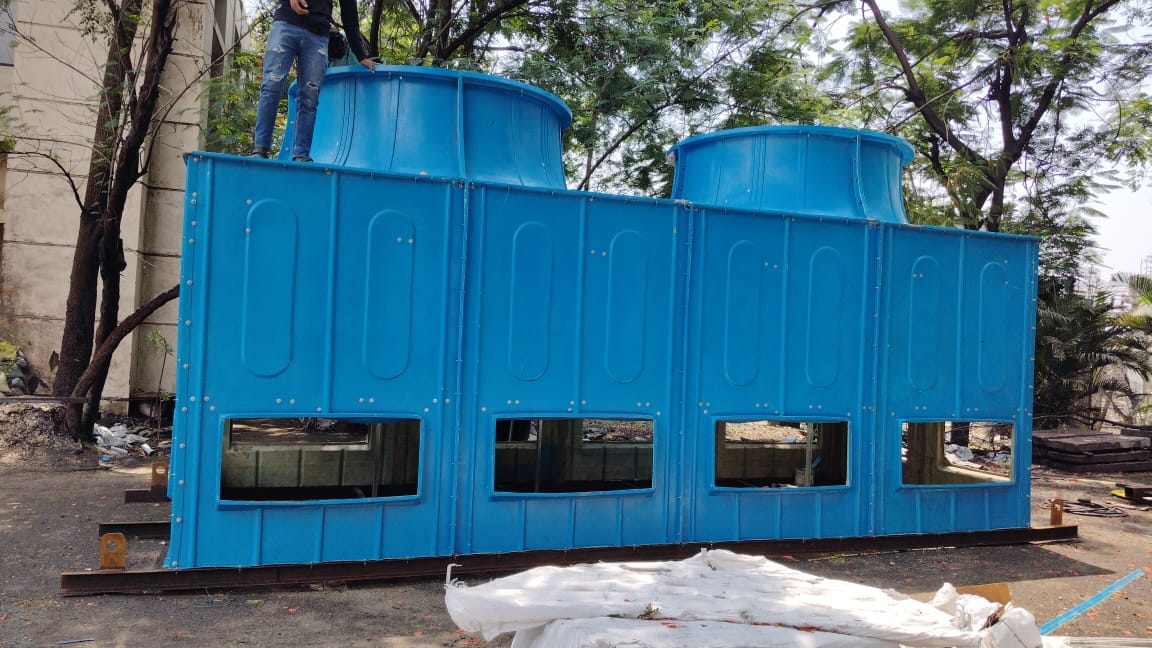
Double Cross Flow Cooling Tower DOUBLE CROSSFLOW COOLING TOWER Definition & Core Concept A Double Crossflow Cooling Tower is a mechanical draft, crossflow design where air is drawn horizontally from two opposite sides of the tower, passes through two separate fill sections, and converges into a common...