

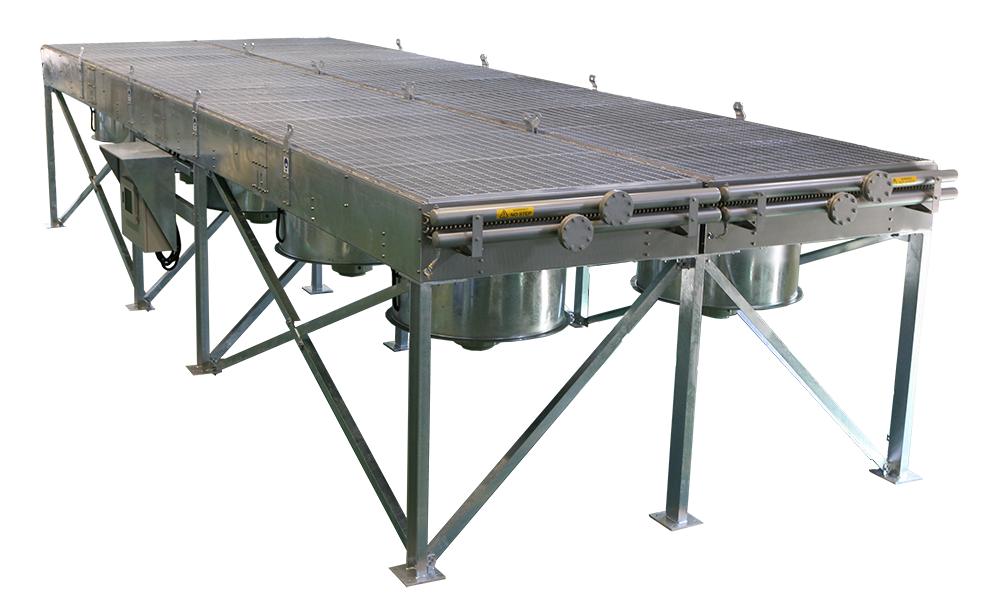
The role and context of a radiator for a genset in the Cook Islands is a critical component tied directly to the islands’ reliance on diesel generation and challenging environment.
Here’s a detailed breakdown covering its function, importance, and specific challenges in the Cook Islands context.
1. The Primary Function of the Radiator
In a diesel genset, the engine converts fuel into power, generating immense heat as a byproduct. The radiator is a key part of the cooling system, whose job is to prevent the engine from overheating and seizing. Its specific function is to transfer heat from the engine’s coolant fluid to the surrounding air.
. Why it is Absolutely Critical in the Cook Islands
The Cook Islands, like other Pacific nations, depends heavily on gensets. A radiator failure doesn’t just mean a minor repair; it can lead to a catastrophic engine failure and a complete loss of power.
- Primary Power Source: On most of the outer islands (like Aitutaki, Atiu, Mangaia), gensets are the sole source of utility power. A failure means a blackout for the entire community.
- Essential Services: Hospitals, clinics, water pumping stations, and telecommunications towers rely on gensets. An overheated genset failing during a cyclone or medical emergency is a dire situation.
- Economic Activity: Tourism (resorts, hotels), fishing, and refrigeration for businesses all hinge on a reliable power supply. Downtime is lost revenue.
3. Specific Challenges for Radiators in the Cook Islands Environment
The tropical environment of the Cook Islands presents unique challenges that directly impact radiator performance and lifespan.
| Challenge | Impact on the Radiator |
| 1. High Ambient Temperature & Humidity | The radiator’s job is to reject heat to the air. When the surrounding air is already hot and humid (common in Rarotonga), its cooling efficiency drops significantly. Gensets must often be derated (operated at lower than maximum capacity) to avoid overheating. |
| 2. Salt-Laden Air (Marine Environment) | This is the biggest enemy. Salt is highly corrosive. It attacks the radiator’s aluminum fins and copper tubes, causing them to corrode, weaken, and eventually develop leaks. A corroded radiator has reduced heat transfer capability. |
| 3. Dust, Sand, and Debris | Radiators work by having air drawn through fine fins. In the Cook Islands, airborne sand, dust, and organic debris (like leaves and seeds) can quickly clog the radiator core. This acts as an insulator, trapping heat and causing the engine to overheat. |
| 4. Continuous Operation | Unlike in countries with a stable grid where gensets are only for backup, gensets on the outer islands may run for 18-24 hours a day. This puts continuous thermal and mechanical stress on the radiator and its components (like fans and water pumps). |