

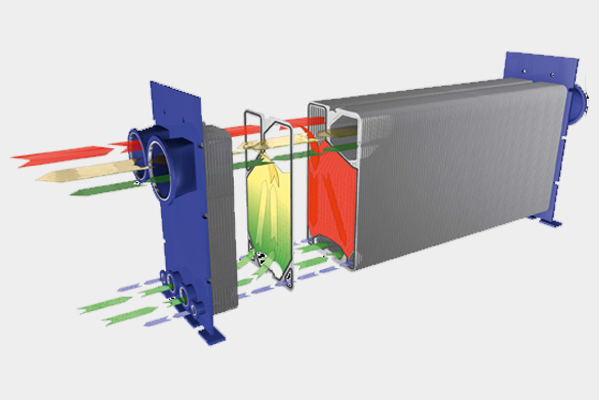
When to Choose EDPM Gasket in plate heat Exchanger?
when to choose an EPDM (Ethylene Propylene Diene Monomer) Gasket for a plate heat exchanger.
The decision is primarily driven by the presence of hot water, steam, alkalis, or the need for weather resistance.
The Primary Rule of Thumb
Choose an EPDM Gasket when the heat exchanger is used with hot water, steam, or alkaline fluids, or when it is installed in an outdoor environment.
If you see heat, water, and weather, think EPDM.
Specific Criteria for Selection
You should choose an EPDM Gasket in the following specific scenarios:
1. For Hot Water and Low-Pressure Steam Systems
This is the most common and ideal application for EPDM. It retains its elasticity and sealing properties at high temperatures far better than NBR.
- HVAC Heating Systems: For heating water in boilers and distributing it throughout buildings.
- District Heating Systems: Transporting hot water from a central plant.
- Domestic Hot Water (DHW) Generation: Heating potable water.
- Low-Pressure Steam Services: Such as heating a process fluid with steam.
. When the Fluid is Alkaline (Caustic)
EPDM has excellent resistance to weak and strong alkalis, making it the default choice in these industries.
- Chemical Processing: Handling caustic soda (sodium hydroxide) and other alkaline solutions.
- Pulp & Paper Industry: In processes involving kraft liquors and other alkaline pulping chemicals.
- Food & Beverage Cleaning: For Clean-in-Place (CIP) systems that use caustic cleaning solutions.
3. For Cooling Tower Water and Geothermal Fluids
These waters often contain treatment chemicals that EPDM resists well.
- Cooling Tower Water: Resists chlorination and other oxidizing biocides used to control biological growth.
- Geothermal Systems: Handles the often oxygen-rich and mineral-laden water from ground loops.
- Brine Systems: With calcium chloride or other salts.
4. In Outdoor or Ozone-Rich Environments
EPDM is highly resistant to degradation from ozone and weathering, unlike NBR.
- Rooftop-Mounted HVAC Units.
- Any heat exchanger located outdoors where it is exposed to sunlight and the elements.
5. For Certain Food and Beverage Applications
EPDM is approved for many food-grade applications, especially those involving heat.
- Beverage Production: For heating and cooling water.
- Pasteurizers: On the service side (hot water).
Critical Considerations and Warnings
Before selecting an EPDM Gasket, you must ensure your application does NOT fall into these categories, where EPDM fails rapidly:
- Oils, Fats, Greases, and Fuels: This is the most critical rule. EPDM is destroyed by oils. It will absorb oil-based fluids, swell dramatically, become soft and mushy, and fail completely. This includes:
- Hydraulic oil, lubricating oil, gasoline, diesel, kerosene.
- Animal and vegetable fats and oils.
- Aromatic and Aliphatic Hydrocarbons:
- EPDM has poor resistance to solvents like benzene, toluene, xylene, and hexane.
- Concentrated Acids and Strong Solvents:
- While it handles mild acids, it is not suitable for concentrated sulfuric, nitric, or other strong acids, or for ketones and esters.
Decision Checklist
Choose an EPDM Gasket if you answer “YES” to the following question:
Is the primary fluid hot water, steam, an alkaline (caustic) solution, or cooling tower water?
And, can you answer “NO” to all the following?
- Is there any possibility of contact with oil, grease, or fuel?
- Is the fluid a strong acid, ketone, or aromatic solvent?
- Is the primary application for cooling mineral oils or hydrocarbons?
If your application passes this checklist, EPDM is likely the correct, high-performance gasket material for your plate heat exchanger. It is the undisputed champion for hot water and steam duties. When in doubt, always consult the manufacturer’s chemical resistance guide.