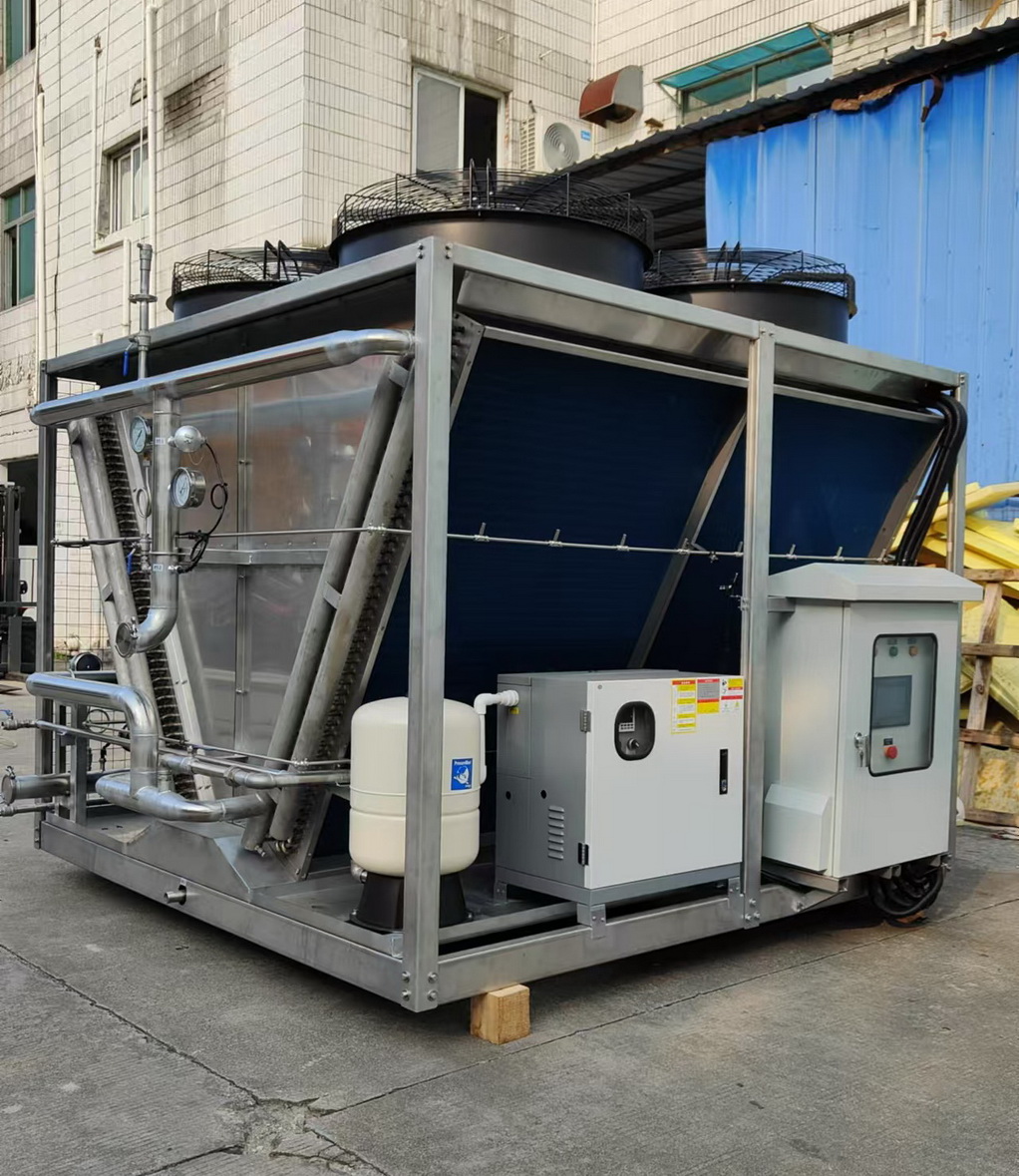
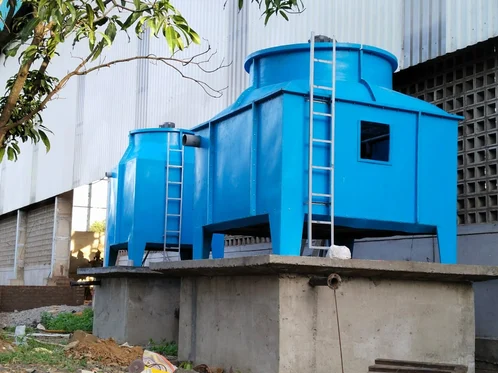
Tags: FRP cooling tower

  • Tag:

Cooling tower Manufacturer in Kollam

By AIR-WATER FLOW DIRECTION (within Mechanical Draft Towers) Type Airflow vs. Water Flow Characteristics Counter flow Air flows upward, opposite to falling water. – Higher thermal efficiency– Smaller footprint– Higher pumping head (pressure)– More prone to fouling Cross flow Air flows horizontally, water falls...

Cooling tower Manufacturer in Palakkad

Cross flow vs. Counter flow Design Feature Cross flow Cooling Tower Counter flow Cooling Tower Air/Water Direction Air horizontal, water vertical (90° cross). Air upward, water downward (opposite directions). Water Distribution Gravity basins (low pressure). Pressurized spray nozzles (higher pressure). Air Pressure...
Cooling tower Manufacturer in Viruthunagar

Plastic and synthetic fiber production (PVC, nylon, polyester 5. Heavy Industry & Manufacturing 6. Data Centers & Telecommunications 7. Miscellaneous & Specialized Applications

Cooling Tower Manufacturer in Villupurum

Core Functions & Benefits Function Benefit Heat Rejection Removes large heat loads (often 10-1000+ MW) efficiently. Water Conservation Recycles 95-98% of cooling water (vs. once-through systems). Energy Efficiency Lower power consumption than air-cooled systems for same duty. Space Efficiency Smaller footprint than air-cooled heat exchangers...
Cooling Tower Manufacturer in Sivagangai

Components of cooling tower

Cooling Tower Manufacturer and Supplier in Ranipet

Main Types of Cooling Towers 1. By Air Flow Generation 2. By Construction 3. By Air-Water Contact

Cooling Tower Manufacturer in United Pudukkottai

What is a Cooling Tower? A cooling tower is a specialized heat exchanger that removes waste heat from a system (like an industrial process or an HVAC system) by transferring it to the atmosphere through the cooling of water. It uses evaporation to cool down water, which is then reused in the process. How It Works (Basic […]

Cooling Tower Manufacturer in Kanchipuram

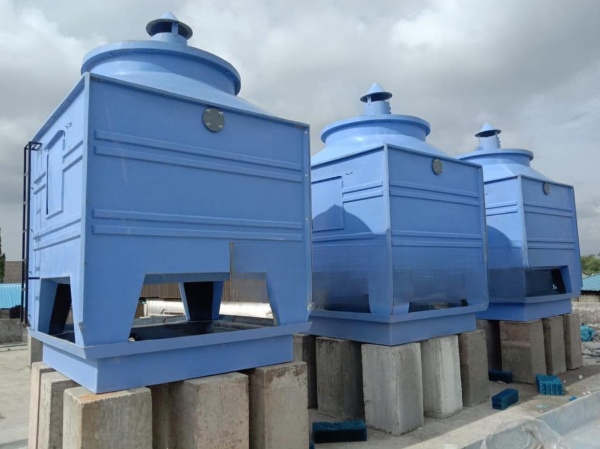
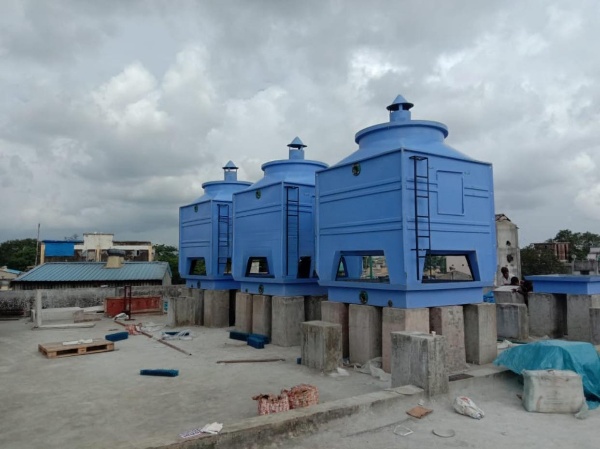
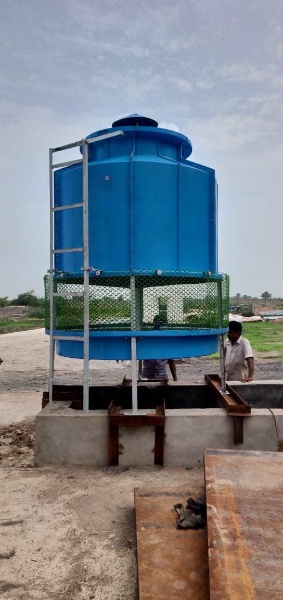
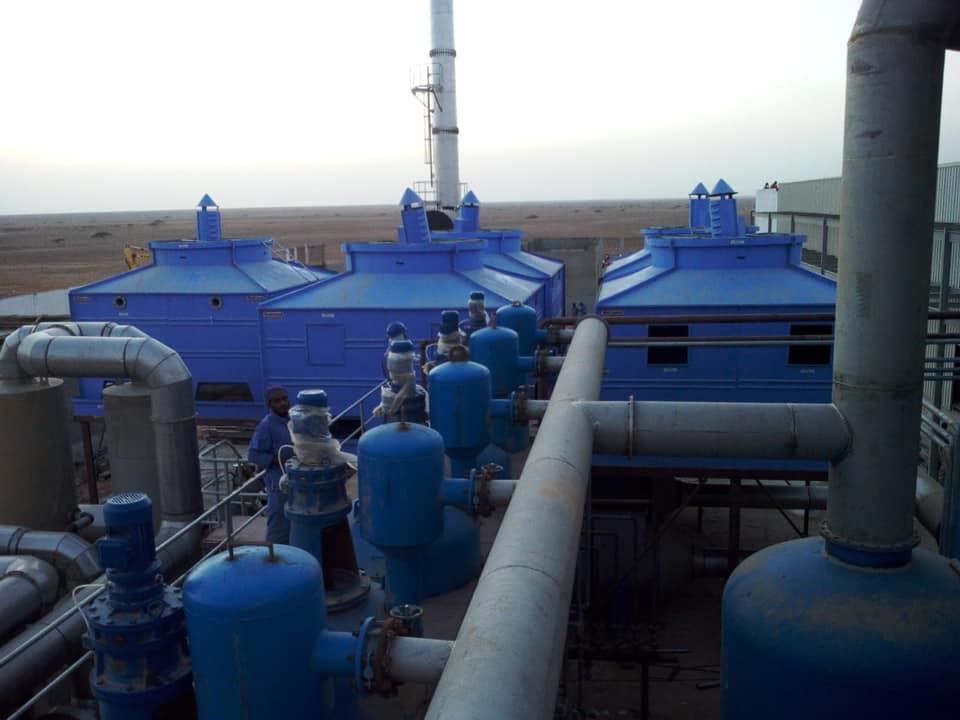
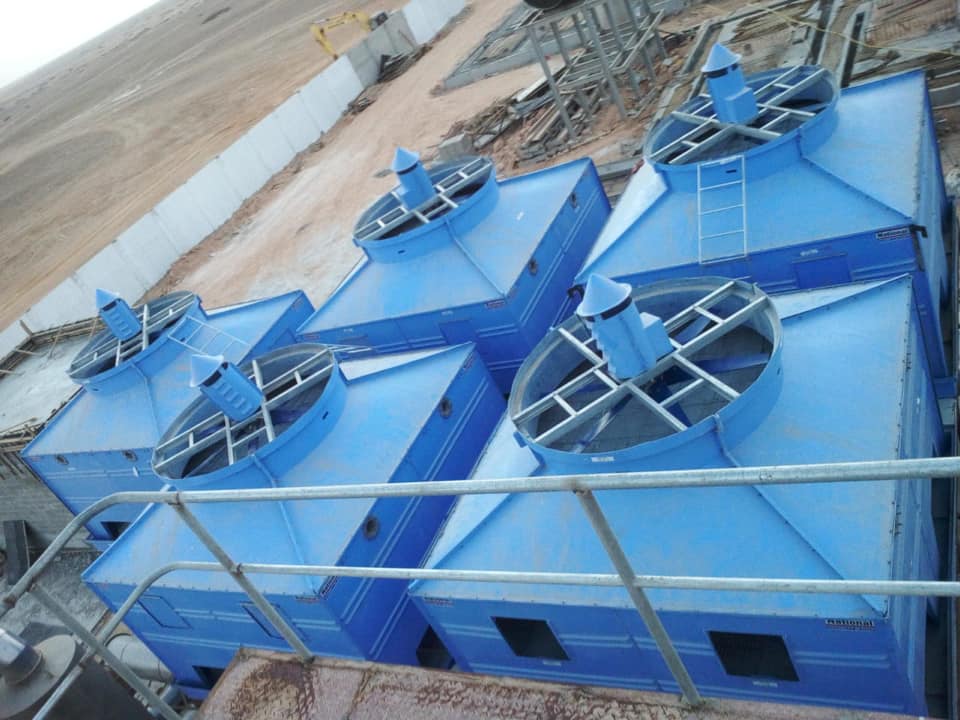
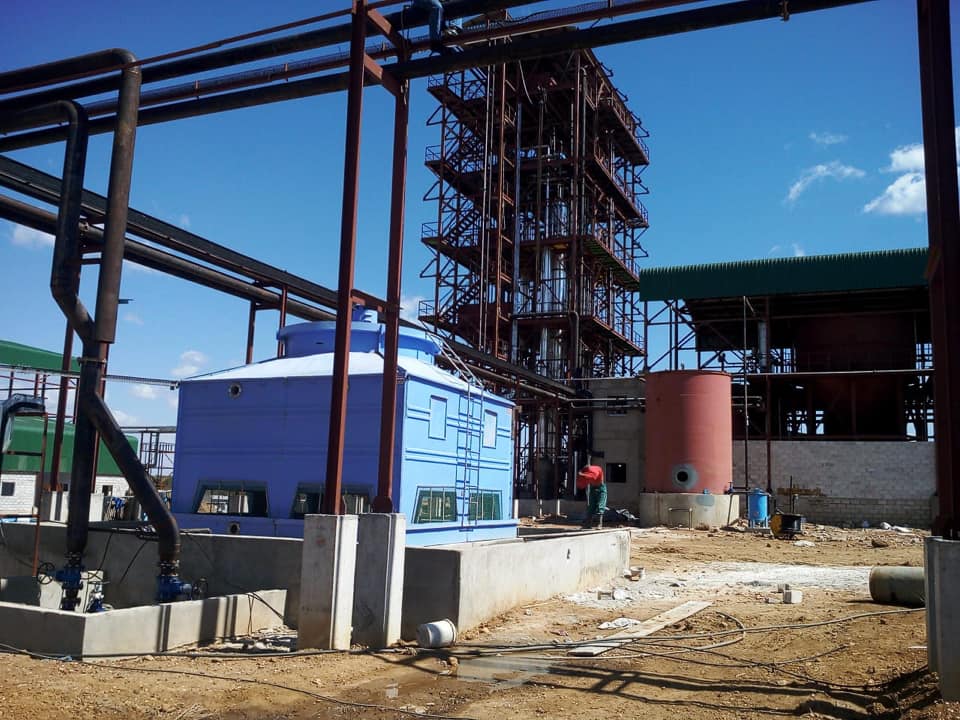
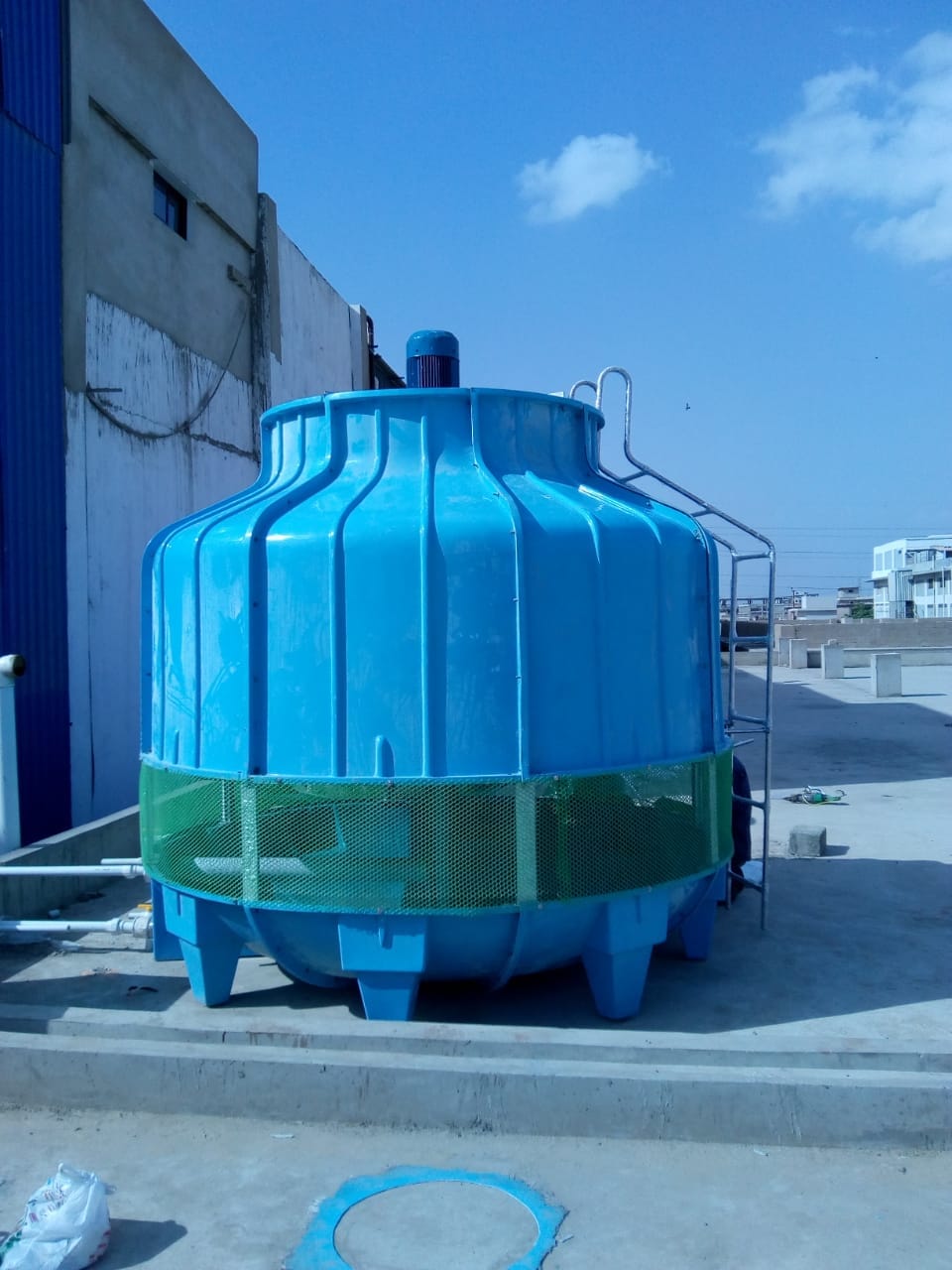
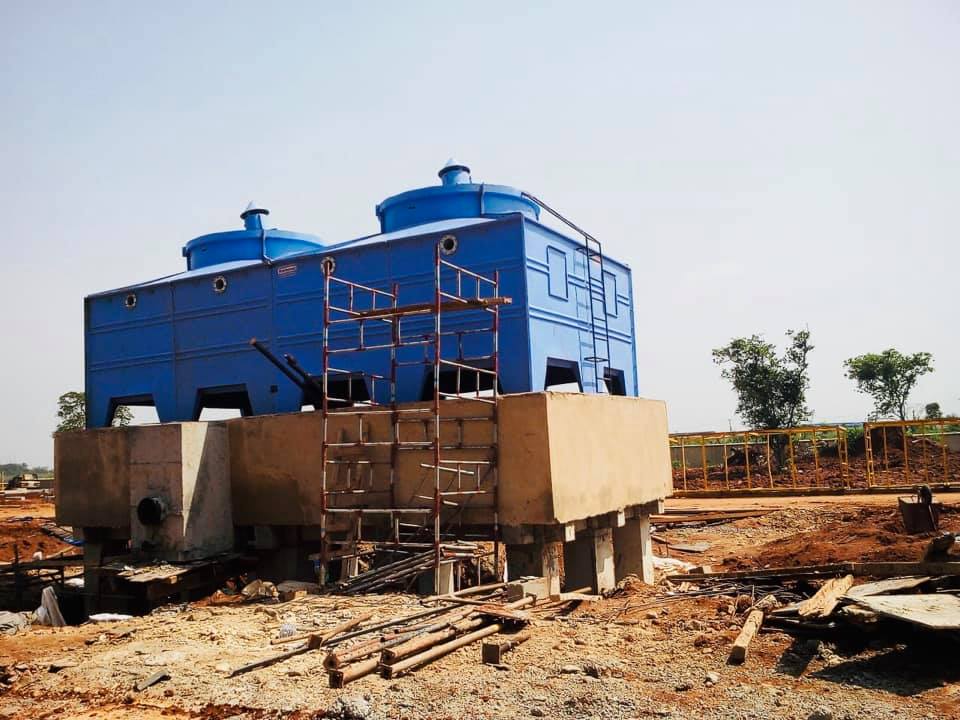
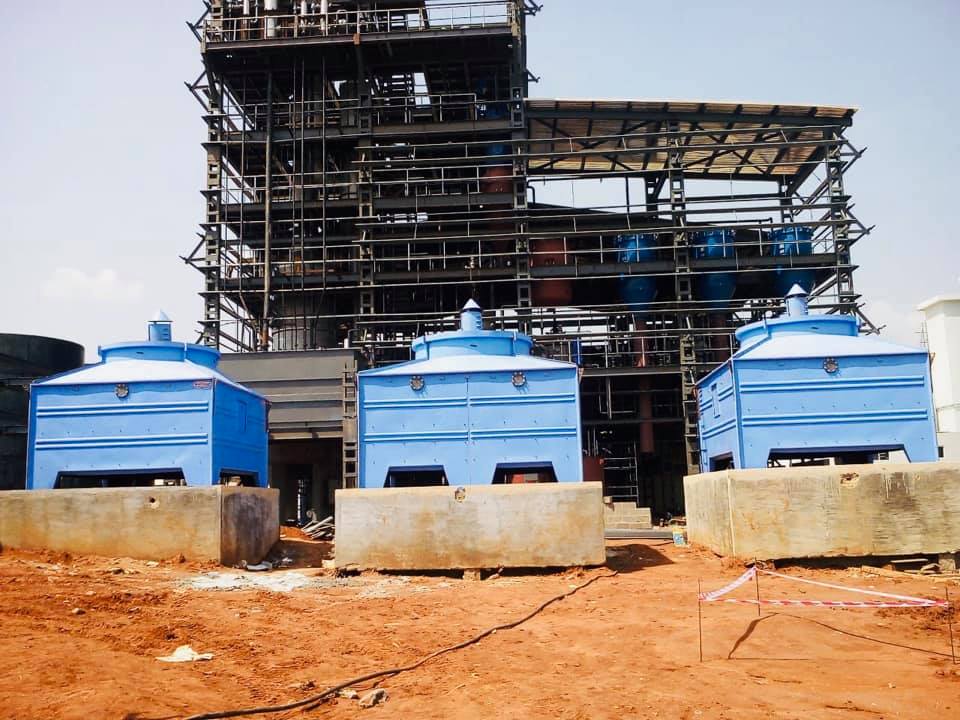
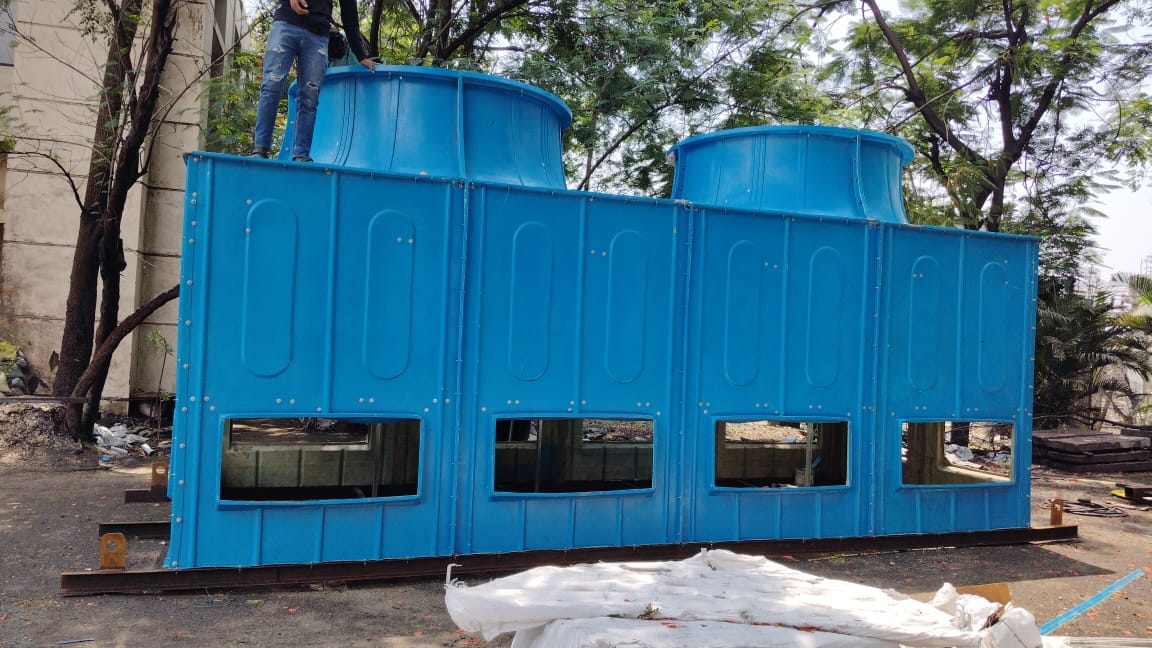
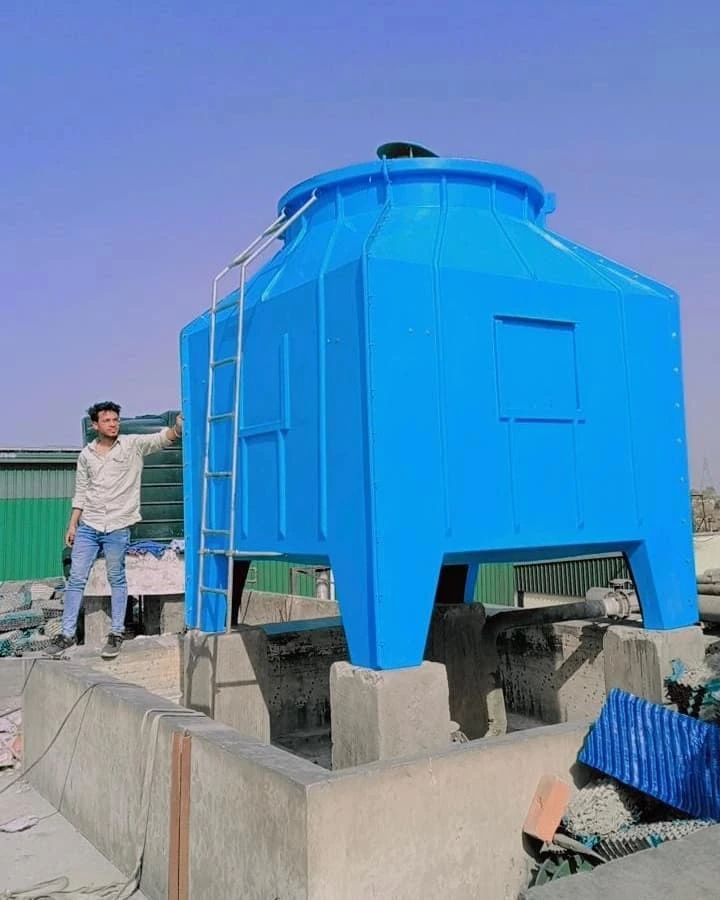
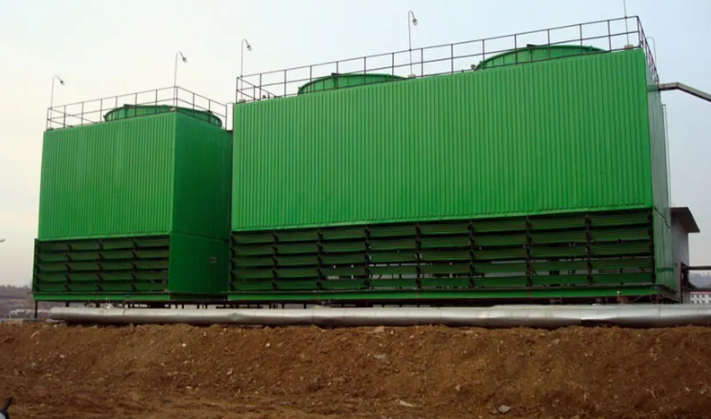
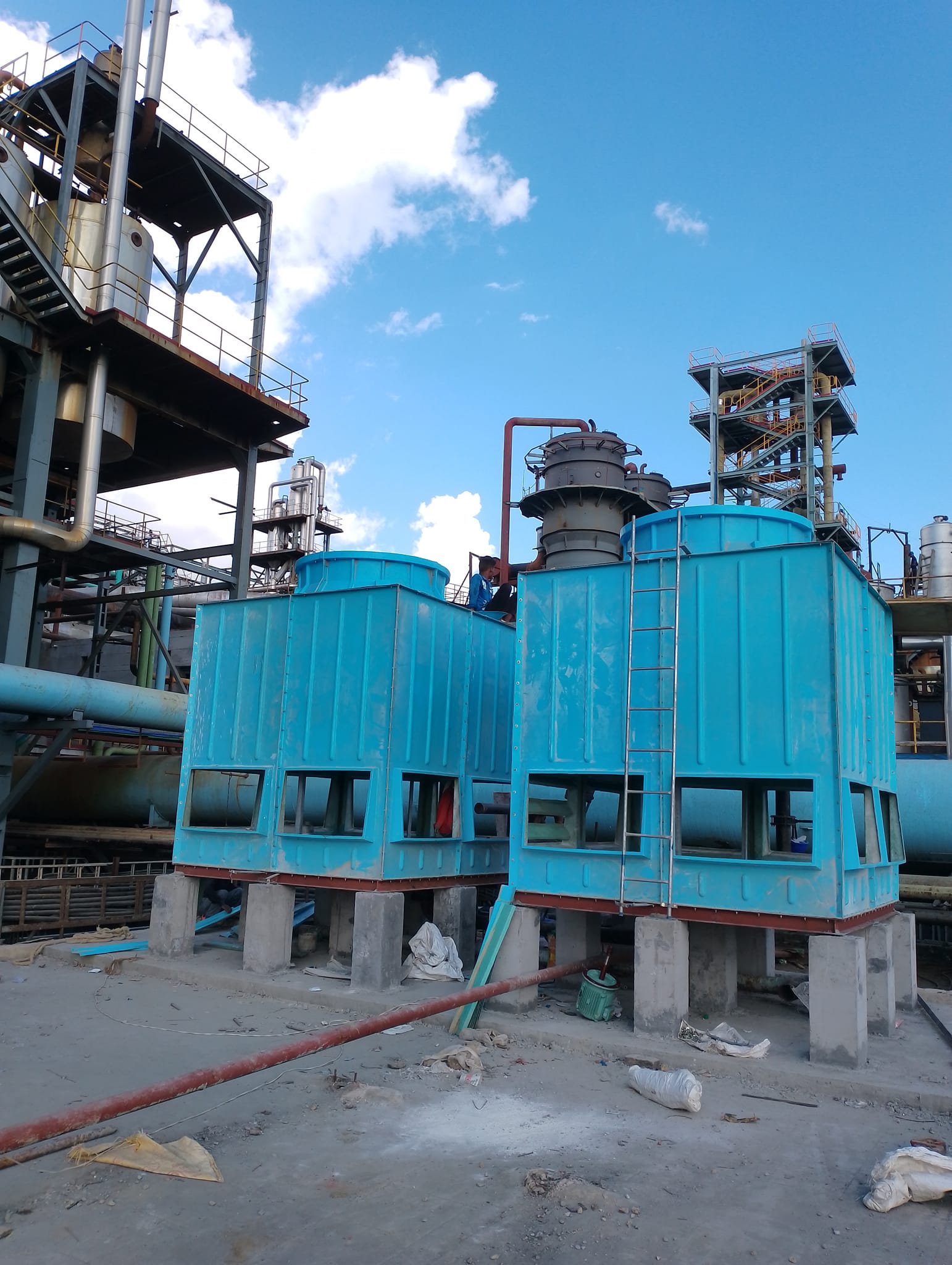
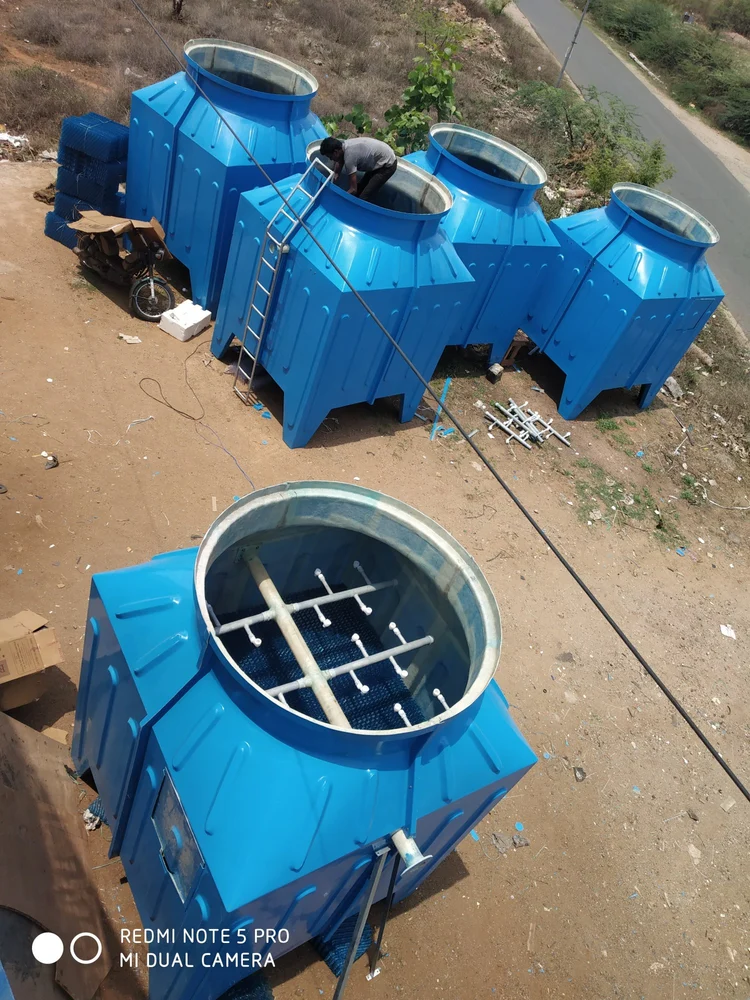
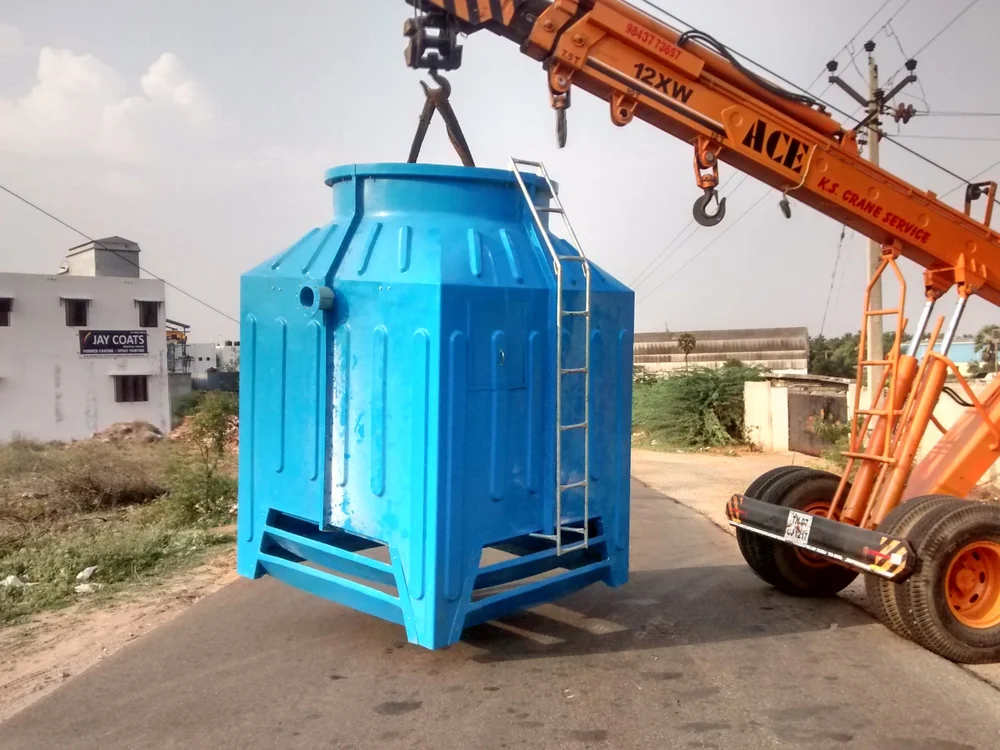
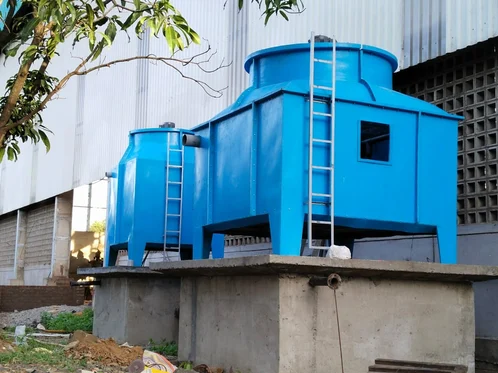
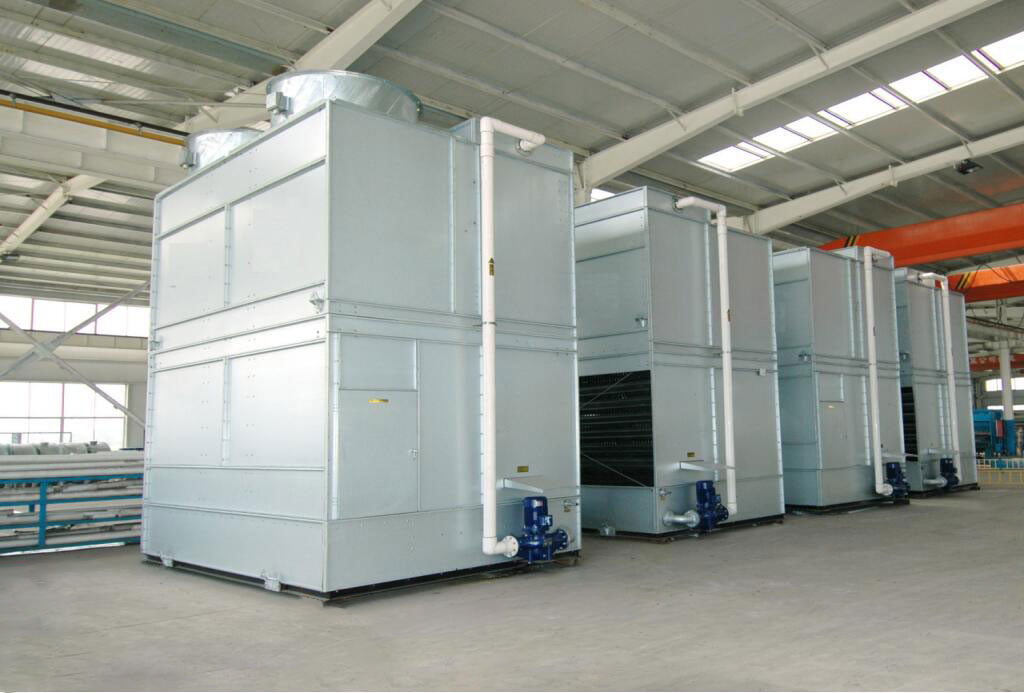
What is meant by FRP Cooling Tower? RP Cooling Tower is a cooling tower whose major components—primarily the casing (outer shell), cold water basin, and often structural supports—are constructed from Fiberglass Reinforced Plastic (FRP). It’s important to understand that “FRP” doesn’t refer to the...
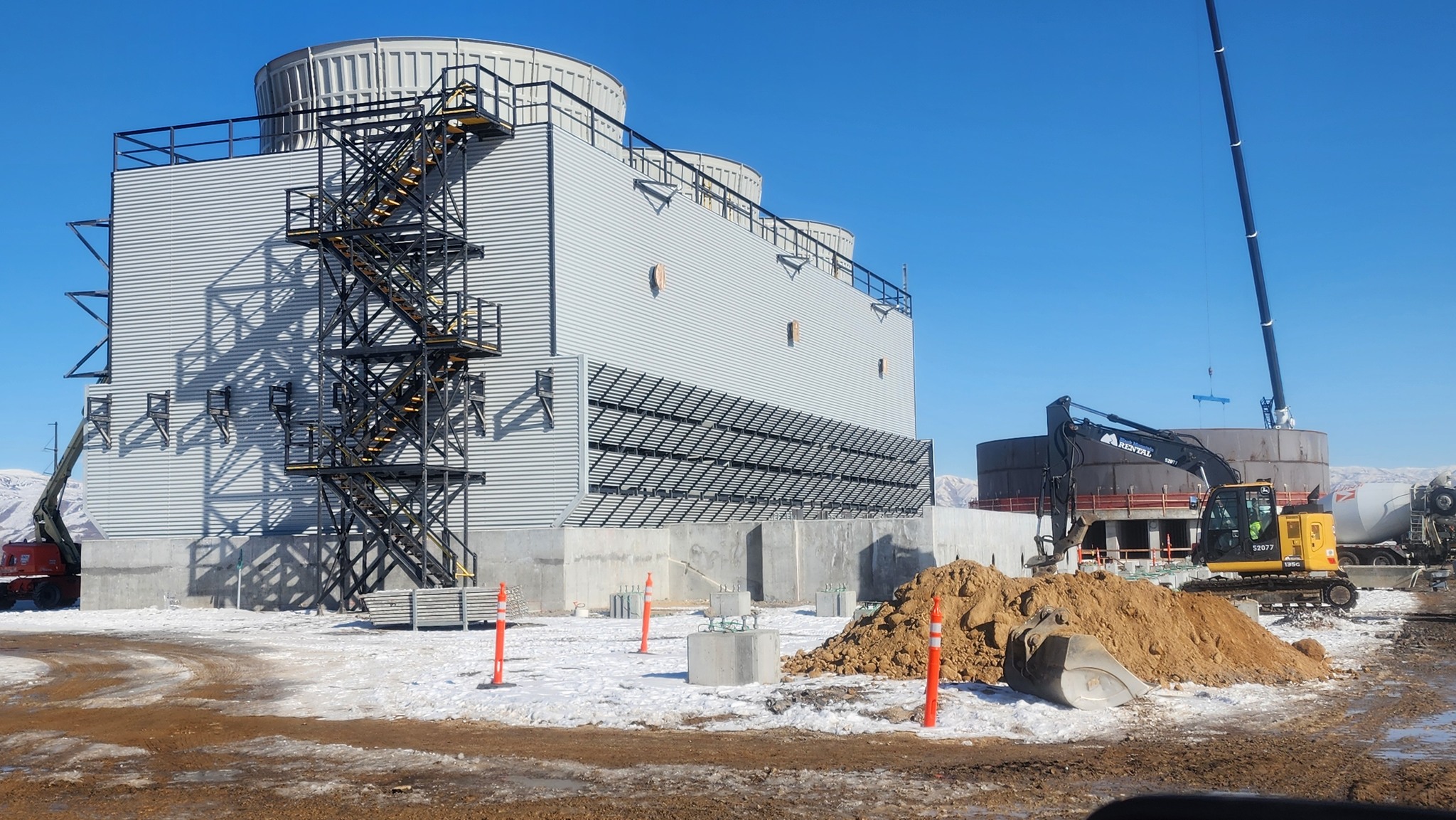
Cooling Tower Supplier and Manufacturer in Kallakurichi

Materials of Cooling Tower Parts   1. Casing and Structural Framework This is the tower’s exterior shell and internal support structure.Galvanized Steel (G.S.): The most common material for industrial and large HVAC tower frameworks and casings. The zinc coating provides excellent 2. Fill (or Packing) This is the...
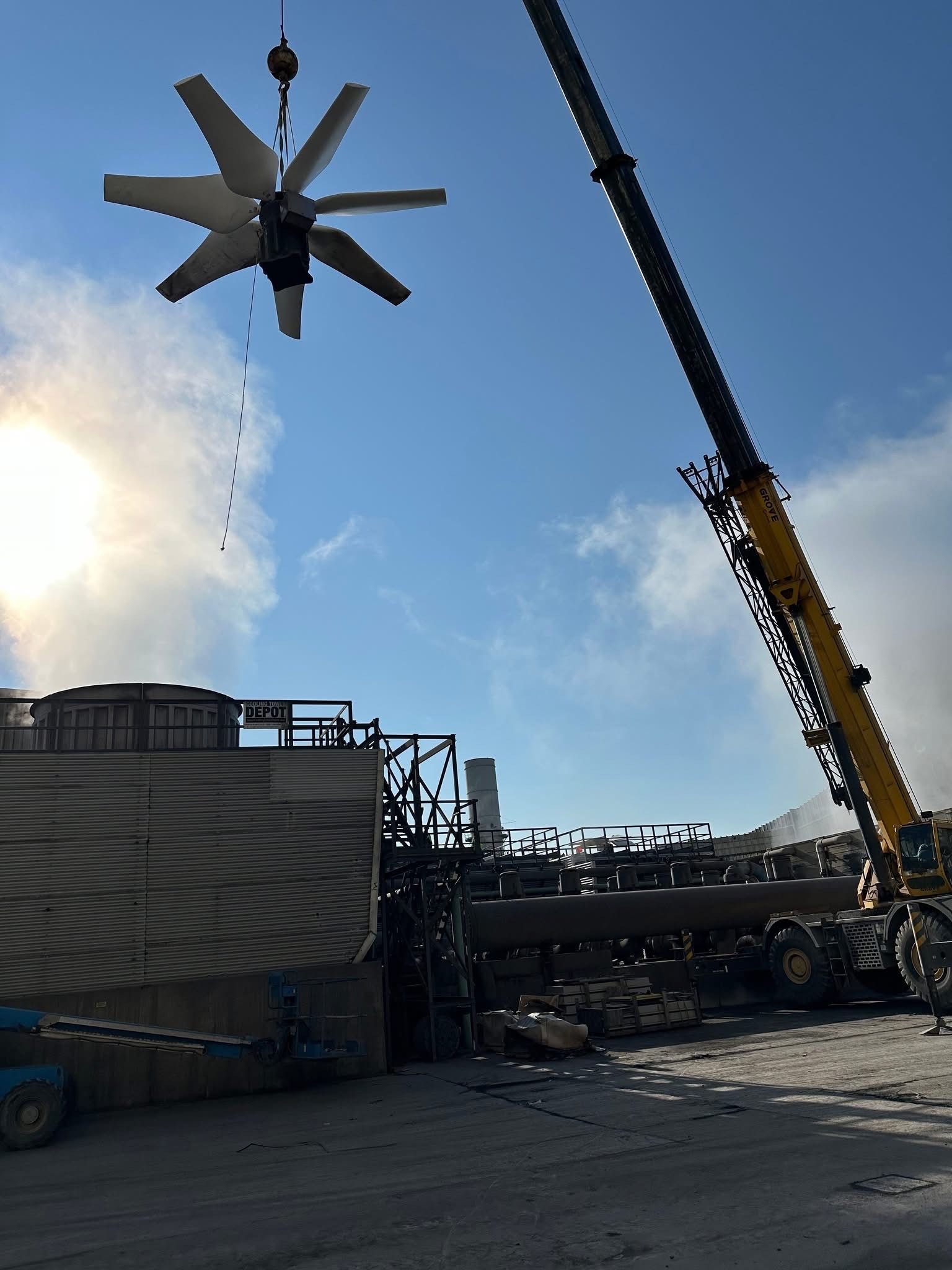
Cooling Tower Supplier in Erode

Material of Construction of Cooling Tower Component Common Materials Key Reasons Casing/Structure Galvanized Steel (G.S.), Stainless Steel, FRP Strength, corrosion resistance, durability. Fill (The Heart) PVC, PP, Wood, Ceramic, PP High surface area, corrosion resistance, lightweight. Cold Water Basin Reinforced Concrete, G.S. with lining, FRP Must...

Cooling Tower Manufacturer in Dindugal

Parts of Cooling Tower Main Components of a Cooling Tower: 1. Frame and Casing 2. Fill (or Packing) 3. Cold Water Basin 4. Drift Eliminators 5. Inlet Louvres 6. Nozzles & Distribution System 7. Fan and Drive Assembly 8. Intake (Fan Cylinder) Supporting & Auxiliary Parts:

Cooling tower Manufacturer in Cuddalore

How These Functions Are Achieved: The Process To fulfill these functions, a cooling tower performs a specific process:

Cooling Tower Manufacturer Coimbatore

The primary function of a cooling tower is to remove waste heat from a water-based system and reject it to the atmosphere. This is achieved primarily through the principle of evaporative cooling. Here is a detailed breakdown of the key functions of a cooling tower: . Primary Function: Heat Rejection This is the core reason cooling towers...

Cooling Tower Manufacturer in Chennai

Main Types of Cooling Towers Cooling towers are primarily categorized by how they move air: 1. Mechanical Draft TowersThese use large mechanical fans to force or draw air through the tower. They are the most common type. 2. Natural Draft TowersThese massive, hyperbolic (hourglass-shaped) towers use the natural principle of convection—hot air...

Closed Circuit cooling tower in UAE

Advantages of Counter Flow Closed Circuit Design: Applications: This type of tower is specified for applications where efficiency, space savings, and cold-weather operation are critical: Freeze-Sensitive Applications: Any process in a cold climate that operates year-round, as the design mitigates ice formation.

Closed Circuit Cooling Tower Supplier in Egypt

Counter Flow vs. Cross Flow in Closed Circuit Towers This is a crucial distinction. The following table highlights the differences specific to closed-circuit designs: Feature Counter Flow Closed Circuit Tower Cross Flow Closed Circuit Tower Air/Spray Water Flow Vertical, opposite directions. Air up, water down....

Closed Circuit Cooling Tower Supplier in Saudi Arabia

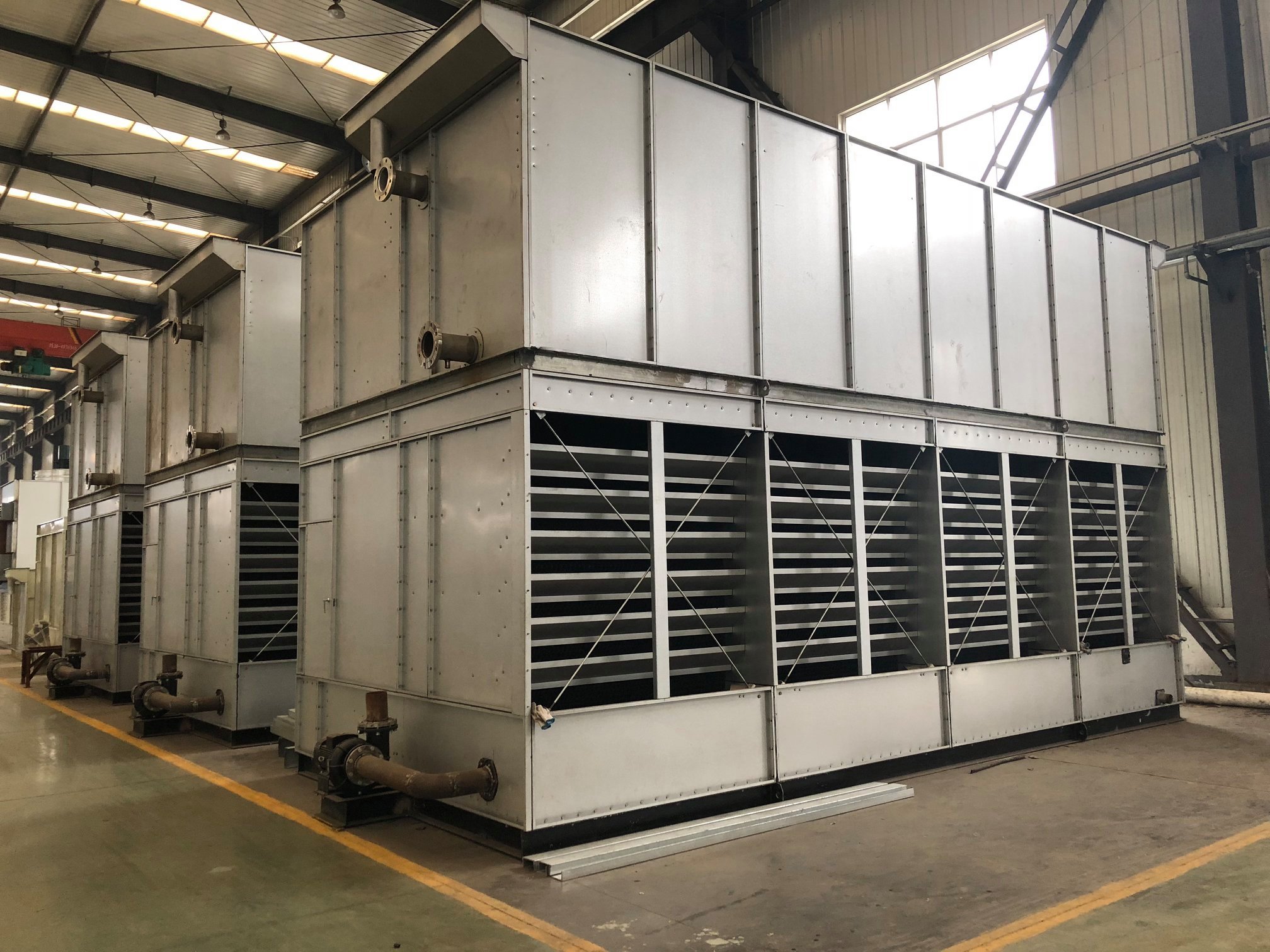
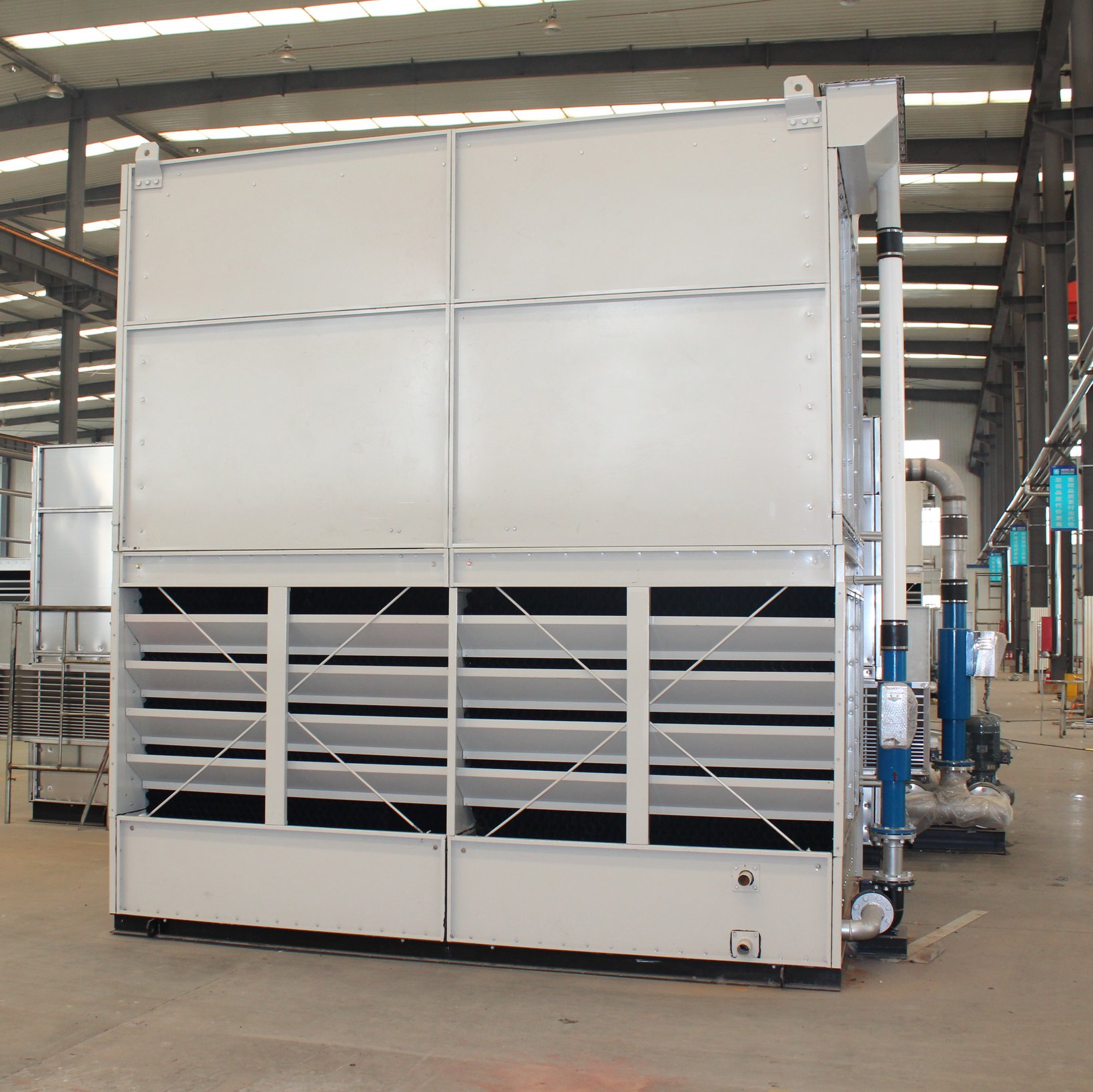
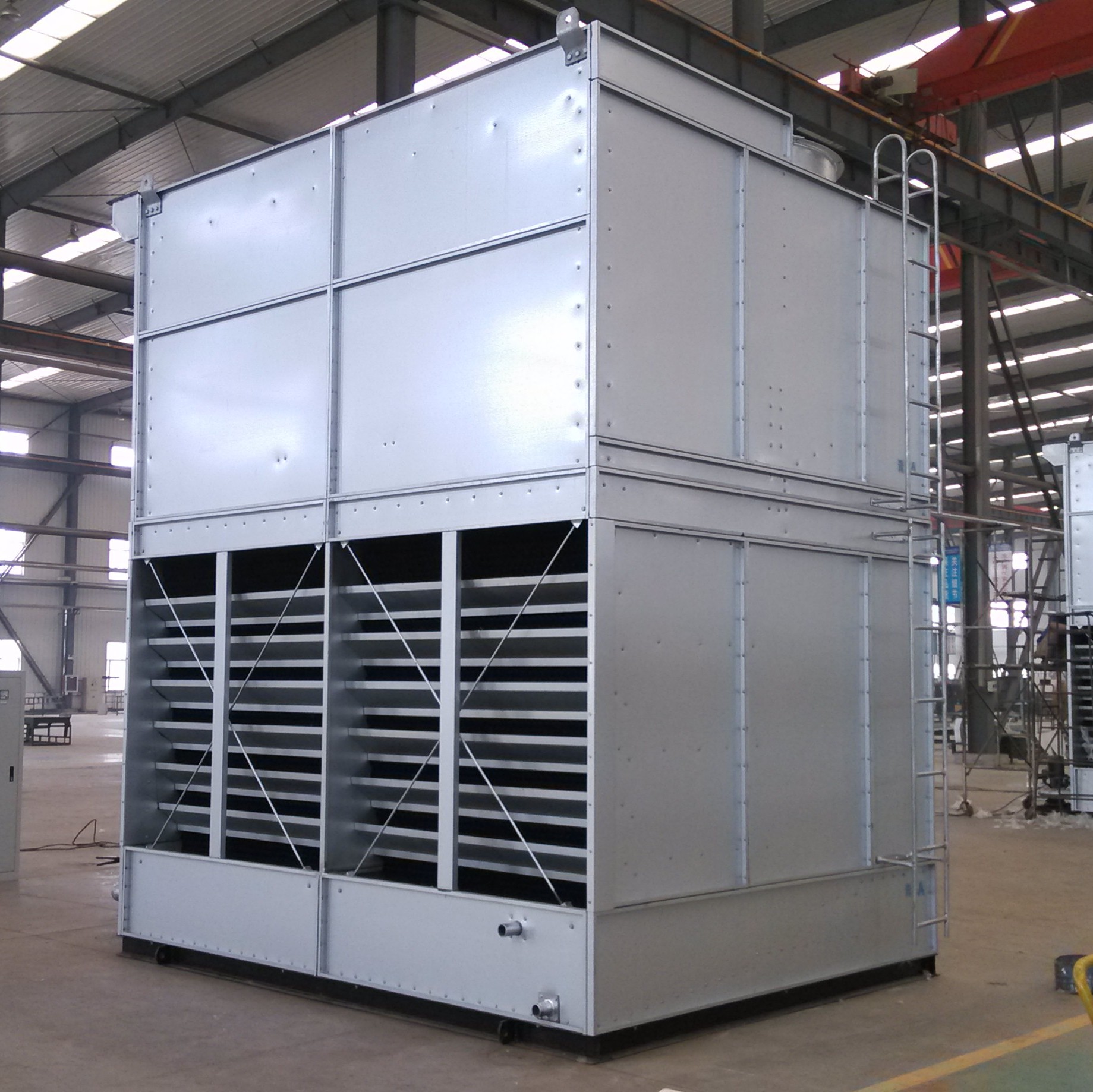
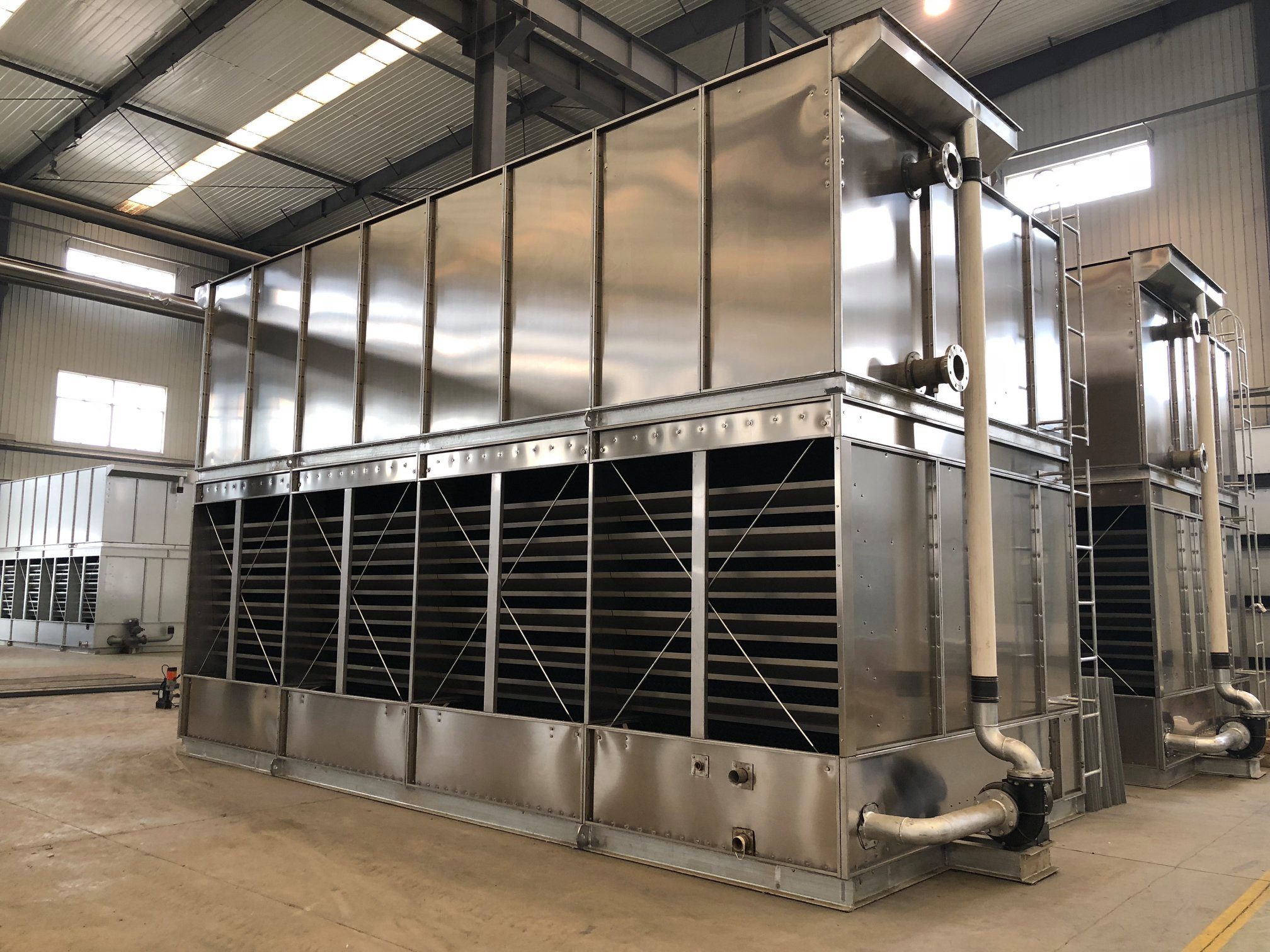
Counter Flow Closed Circuit cooling Tower Counter Flow Closed Circuit Cooling Tower is a highly efficient hybrid cooling system that combines the process protection of a closed loop with the thermal efficiency of evaporative cooling and the design advantages of counter-flow air/water contact. In this design: This...

Closed Circuit Cooling Tower Manufacturer in UAE

Advantages of Cross Flow Design: Applications: Cross flow cooling towers are used in the same vast array of applications as other cooling towers, including:

Closed Circuit Cooling Tower Manufacturer in Kuwait

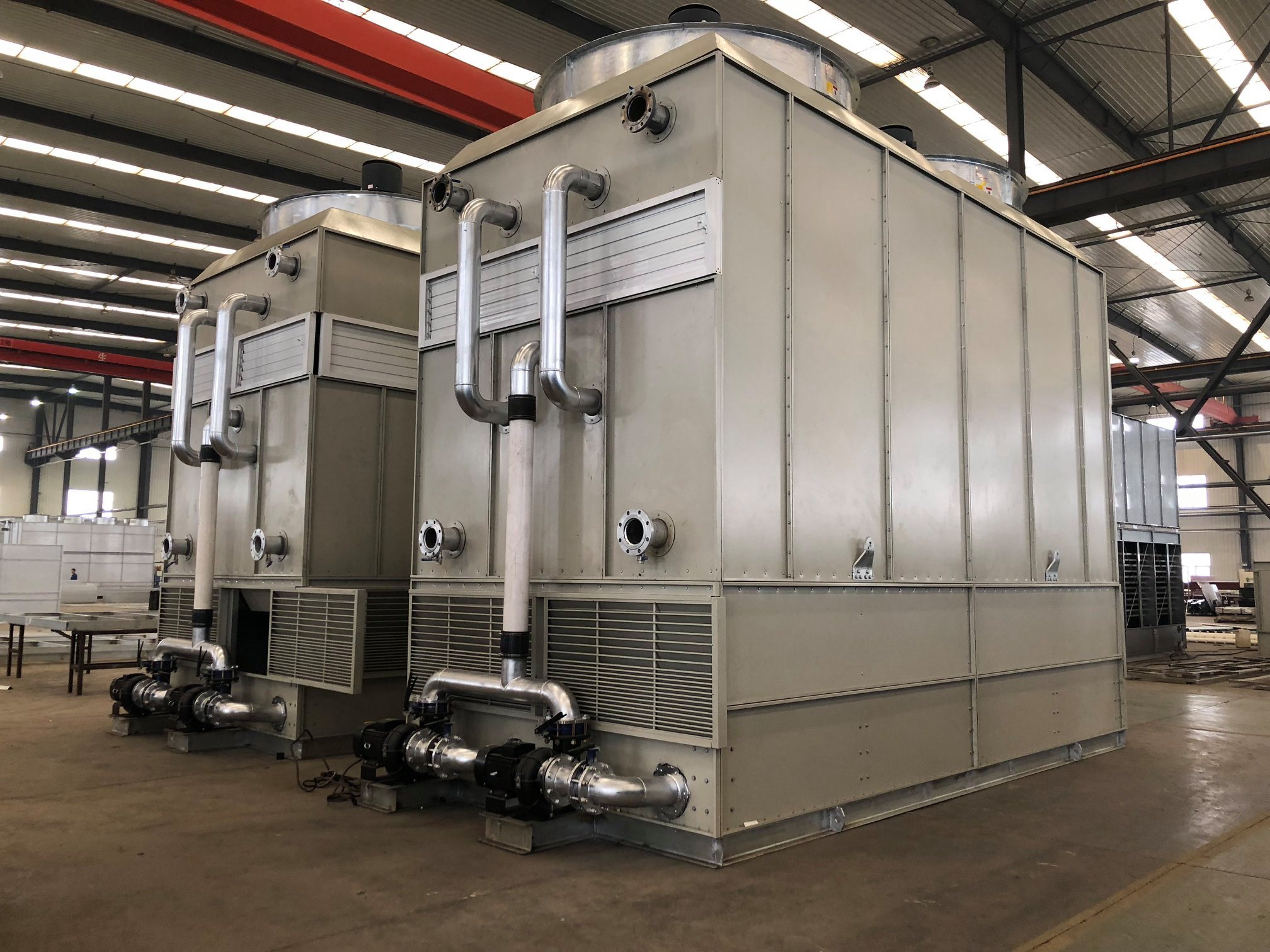
Cross Flow Evaporative Cooling Tower In a cross-flow cooling tower, the flow of air is directed perpendicular (across) the downward flow of the water being cooled. This is in contrast to a counter flow design, where air moves directly upward against the downward flow of water. This cross-flow arrangement defines the...

Closed Circuit Cooling Tower Supplier in Kuwait

Applications of Evaporative Condenser Evaporative condensers are ideal for systems where energy efficiency is a top priority and water is available. Common applications include:

Dry Cooling Tower Manufacturer in Oman

Direct vs. Indirect Dry Cooling Tower: Feature Indirect Dry Cooling Direct Dry Cooling (for context) Process Fluid Never enters the tower. Stays in the condenser. Directly enters the tower’s heat exchangers (steam). System Complexity More complex due to the extra loop, pumps, and heat exchanger. Simpler, more direct system. Tower...

Dry Cooling Tower Manufacturer in Jordan

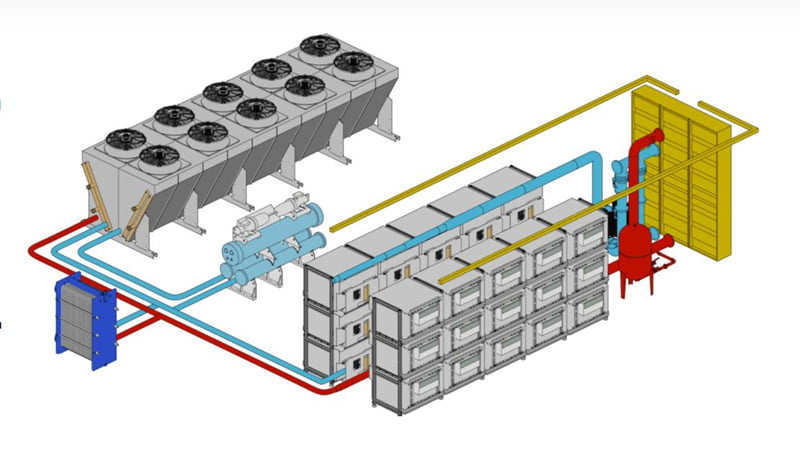
An Indirect Dry Cooling Tower is a system that uses two separate fluid loops to reject heat. The process fluid is first cooled by water in a conventional heat exchanger, and then that water is itself cooled by air in a dry cooling tower. The key concept is the word “indirect”—the primary hot fluid (e.g.,...

Dry Cooling Tower Manufacturer in Djibouti

A Direct Dry Cooling Tower is a system where the primary process fluid (e.g., the steam from a power plant turbine) is sent directly to the large air-cooled heat exchangers (the finned tubes) in the tower. There is no intermediate heat exchanger or water loop. Think of it as connecting your car’s engine directly...

Dry Cooling Tower Manufacturer in Bahrain

Dry Cooling Tower vs. Wet Cooling Tower This comparison highlights the key differences: Feature Dry Cooling Tower Wet Cooling Tower Principle Sensible Heat Transfer (like a radiator) Evaporative Cooling (latent heat) Water Usage Minimal to zero (only for minor makeup) Very High (constant evaporation and blow down) Cooling Efficiency...

Dry Cooling Tower Manufacturer in India

A Dry Cooling Tower is a heat rejection device that cools a working fluid (almost always water) without direct contact with the air and without the process of evaporation. Instead, it operates solely through sensible heat transfer, where heat moves from the hot fluid to the cooler air through a solid barrier (metal fins). This...

Dry Fluid Cooler Manufacturer in Tunisia

The materials of construction for a Dry Fluid Cooler are critical for its performance, longevity, and suitability for a specific environment and fluid. They are selected to balance corrosion resistance, heat transfer efficiency, mechanical strength, and cost. Here is a breakdown of the common materials used for key components: 1. Heat Exchanger...

Dry Fluid Cooler Manufacturer in Ghana

Application of Hybrid Dry Fluid cooler Hybrid coolers are the superior choice for applications that require the lowest possible operating costs and high reliability. High-Efficiency HVAC Systems: For cooling condenser water in large commercial buildings, In summary, a Hybrid Dry Cooler is an intelligent, multi-mode system that...

Dry Fluid Cooler Manufacturer in Ethiopia

A Hybrid Dry Cooler (also known as a Fluid Cooler or Closed-Circuit Cooling Tower in some contexts) is a highly efficient heat rejection system that seamlessly switches between three operating modes: dry, adiabatic, and full evaporative. It is the ultimate “best of both worlds” solution, designed...

Dry Fluid Cooler Manufacturer in Algeria

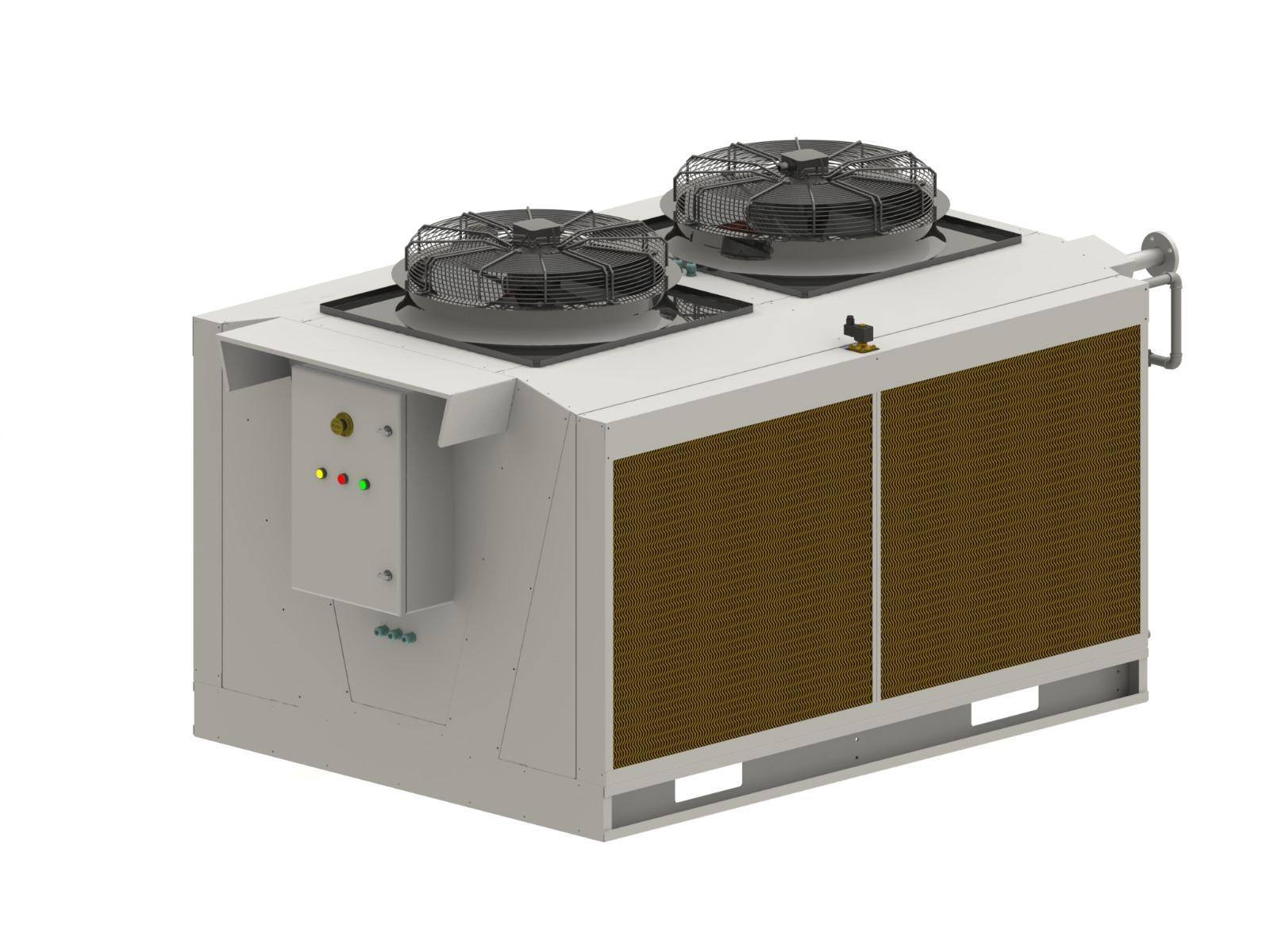
Applications of Dry Cooler with adiabatic pre-cooling This technology is perfect for scenarios where you need the best of both worlds: dry operation most of the time, with peak wet performance.Data Centers: The premier application. They require strict temperature control 24/7/365 In summary, a Dry Cooler with Adiabatic Pre-Cooling is...

Dry Fluid Cooler Manufacturer in Morocco

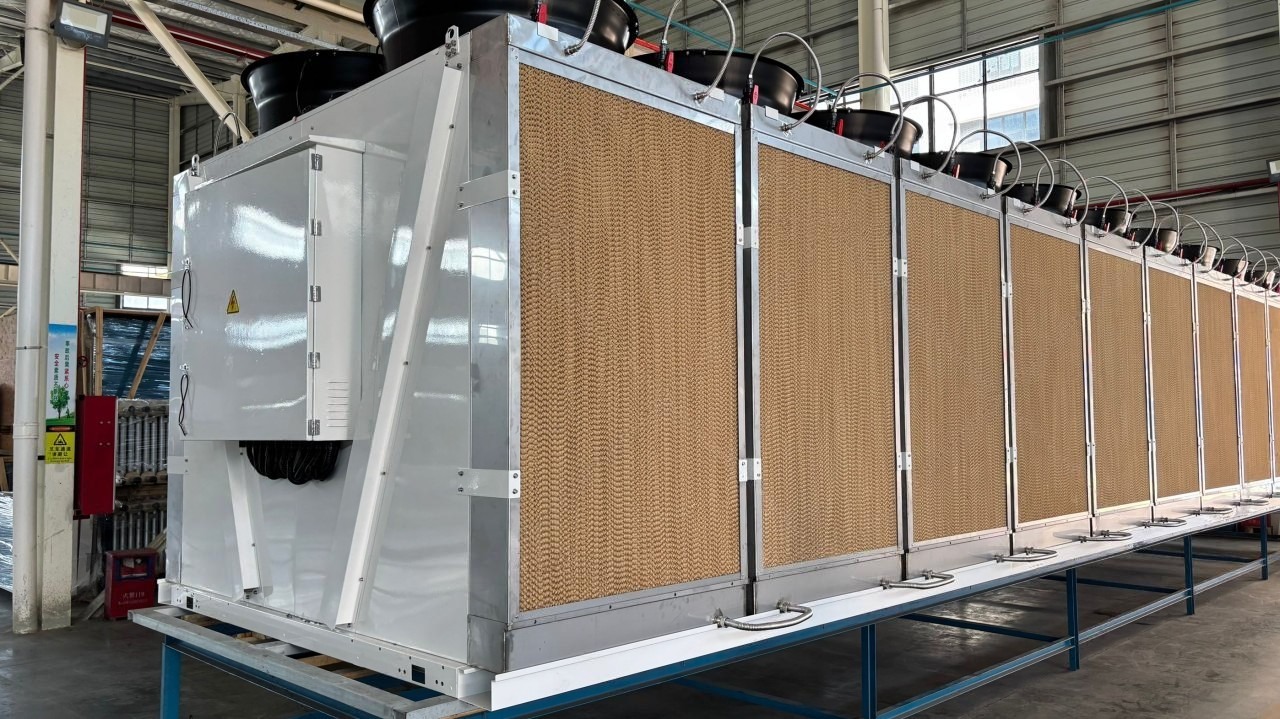
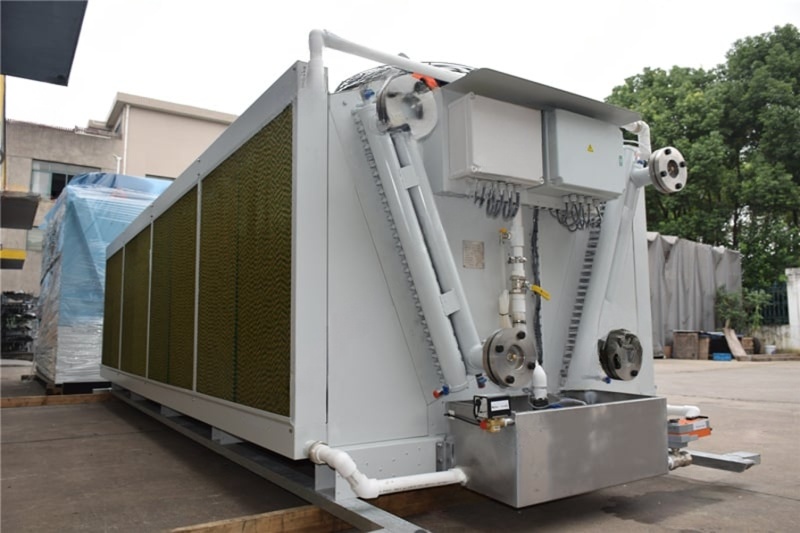
A Dry Cooler with Adiabatic Pre-Cooling (often called a Hybrid Dry Cooler) is a highly efficient system that combines the standard operation of a dry cooler with the peak-performance benefits of evaporative cooling. It uses a minimal amount of water only when necessary to pre-cool the incoming air, allowing the unit to achieve...

Dry Fluid Cooler Manufacturer in Nigeria

Forced Draft Dry Fluid Cooler Vs. Induced Draft Dry Fluid Cooler Feature Forced Draft Cooler Induced Draft Cooler Fan Position On the intake (inlet) side On the discharge (exit) side Air Movement Pushes air through the coil Pulls air through the coil Air Distribution Can be less uniform (potential for dead zones) Highly...

Dry Fluid Cooler Manufacturer in Qatar

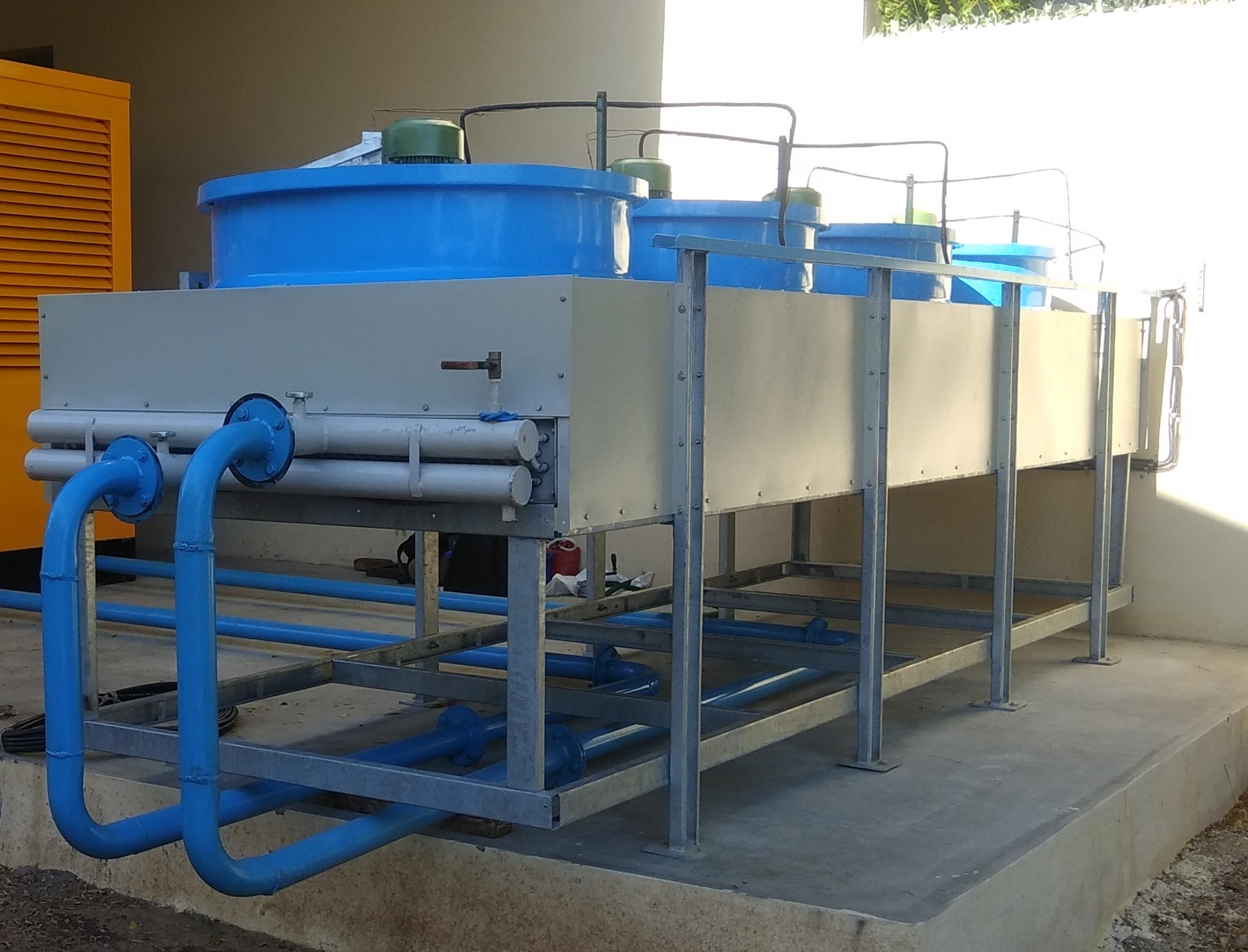
Forced Draft Dry Cooler What is a Forced Draft Dry Cooler? A Forced Draft Dry Cooler is defined by the placement of its fan on the intake (inlet) side of the heat exchanger coil. In this design, the fan pushes or forces ambient air through the coil, creating a positive pressure on the upstream side of the finned-tube...

Dry Fluid Cooler Manufacturer in Oman

Applications of Induced Draft Dry Fluid Cooler Induced draft coolers are an excellent choice for a wide range of applications, particularly where efficiency and stable performance are critical: Data Center Cooling: In water-side economizer loops where minimizing recirculation and maximizing efficiency directly translate to energy...

Dry Fluid Cooler Manufacturer in Djibouti

What is a Horizontal (H-Type) Dry Fluid Cooler? A Horizontal Dry Fluid Cooler, often called an H-Type or Horizontal Discharge cooler, is characterized by its design where fans are mounted on the sides to move air horizontally through a vertical core. Unlike the V-flow design, its coils are typically arranged in a...

Dry Fluid Cooler Manufacturer in Bahrain

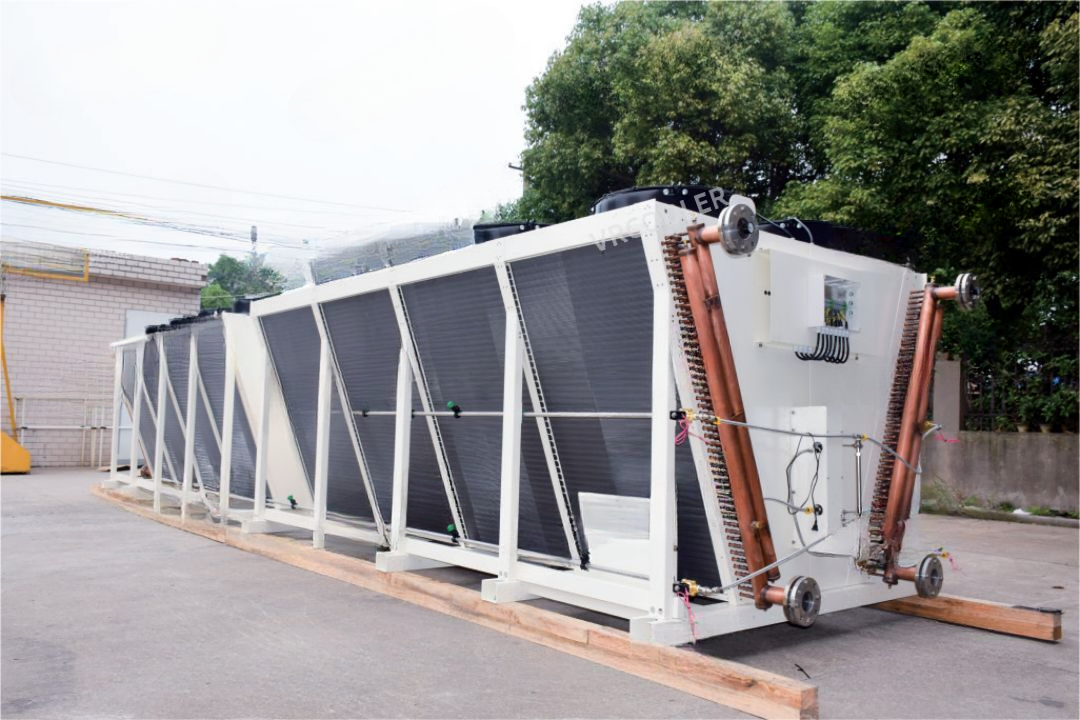
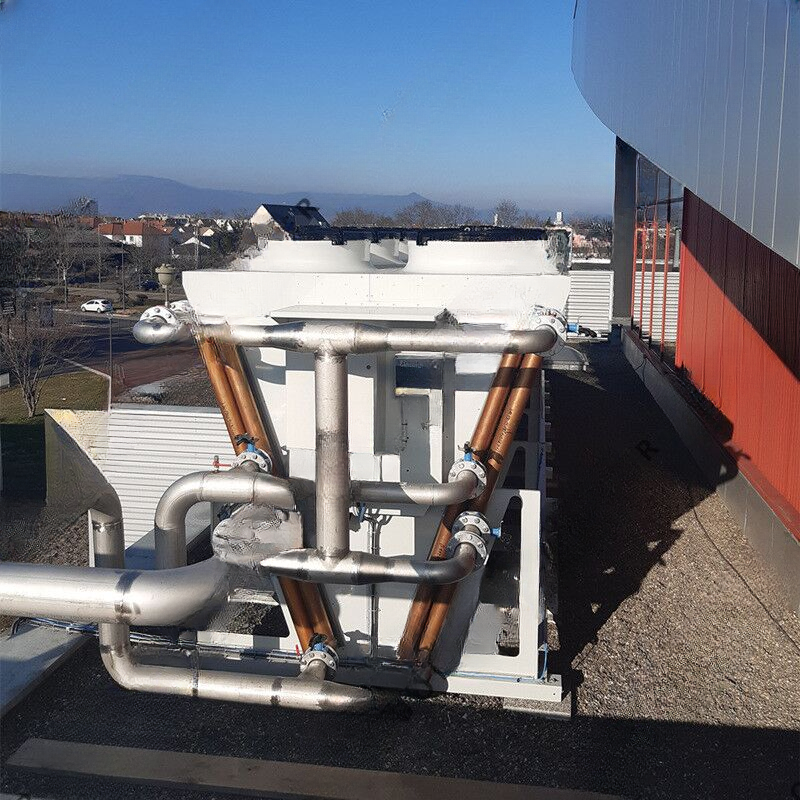
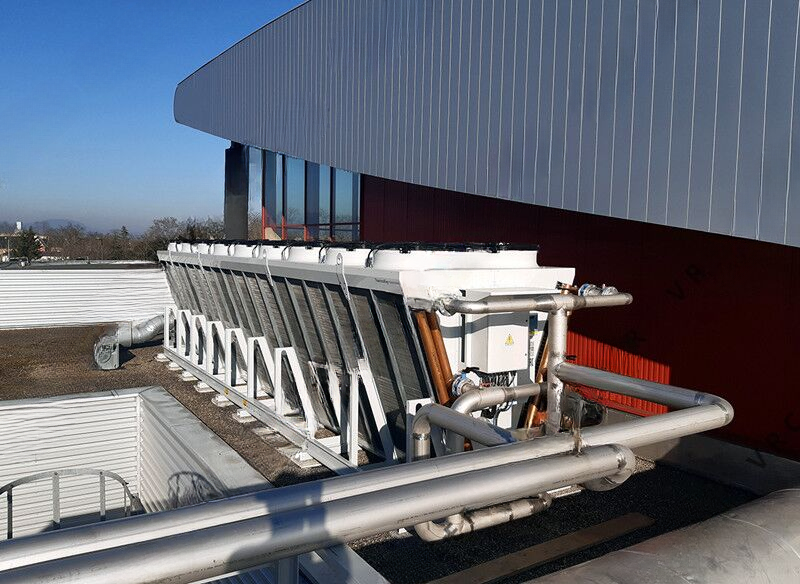
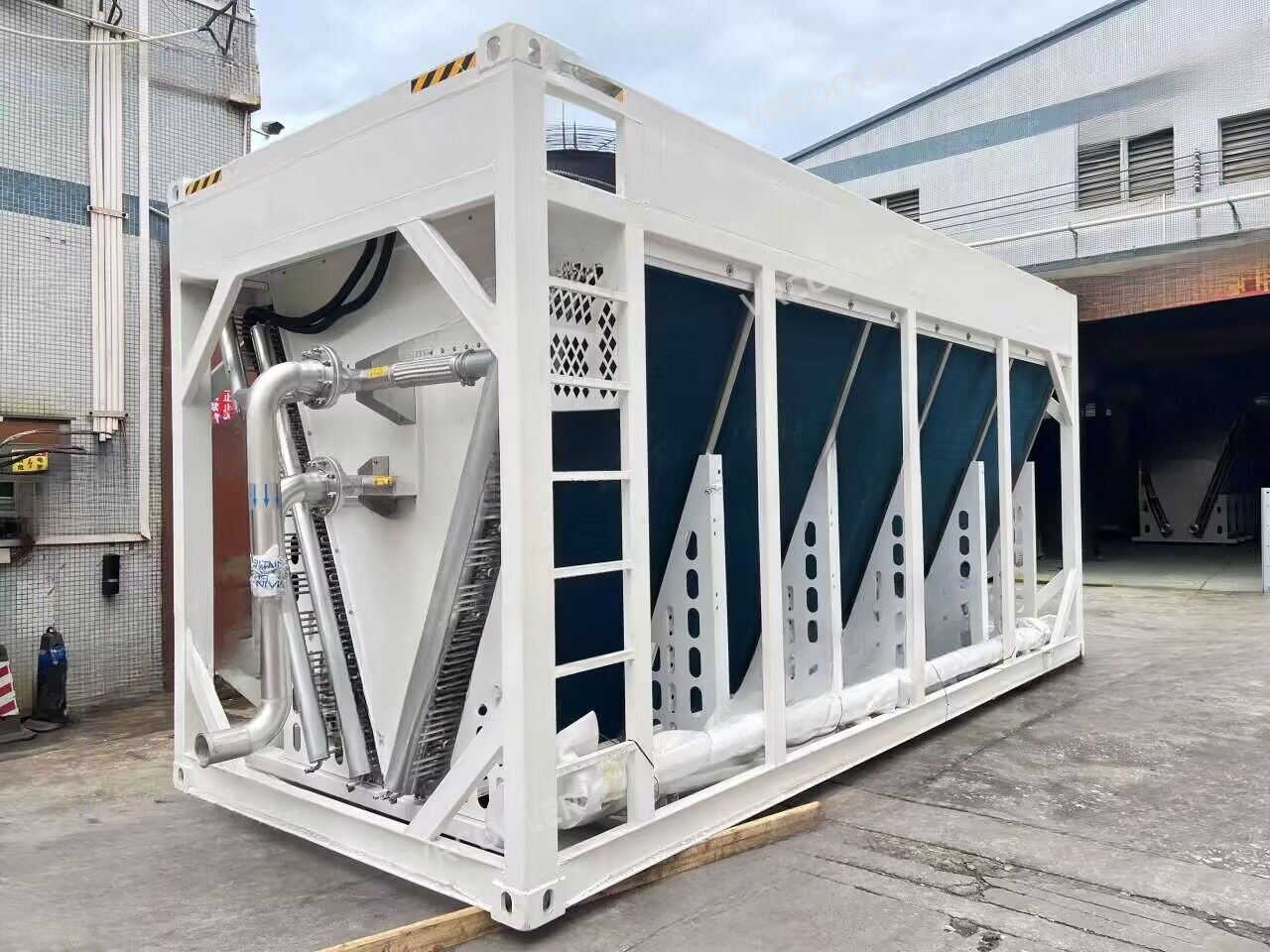
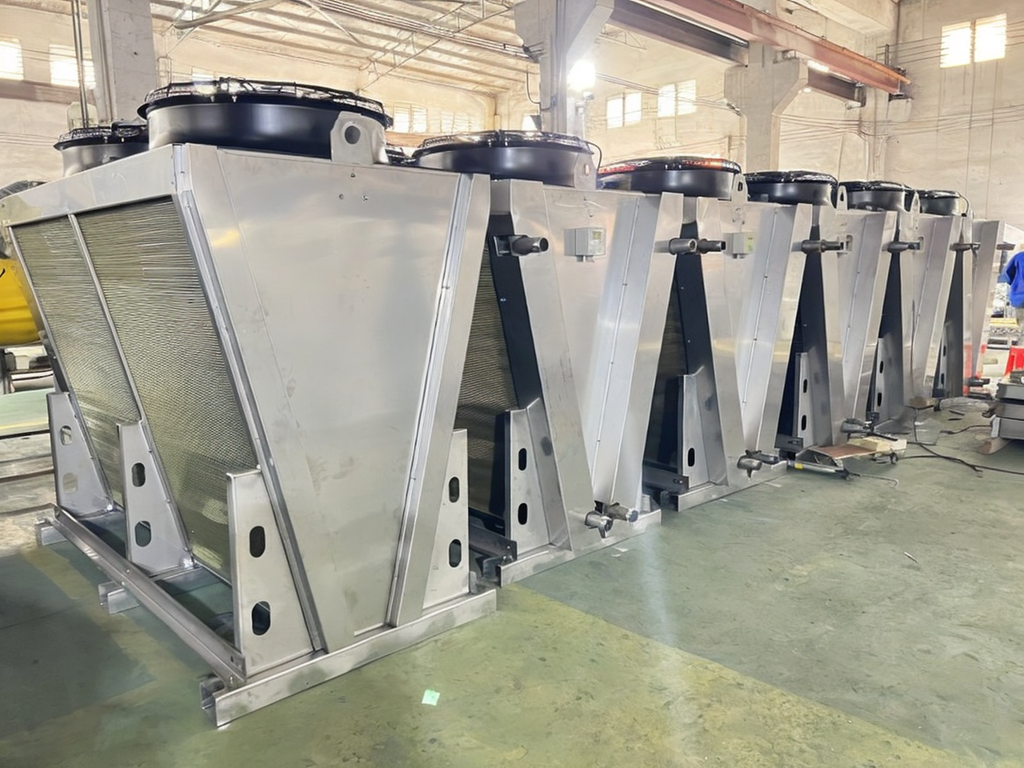
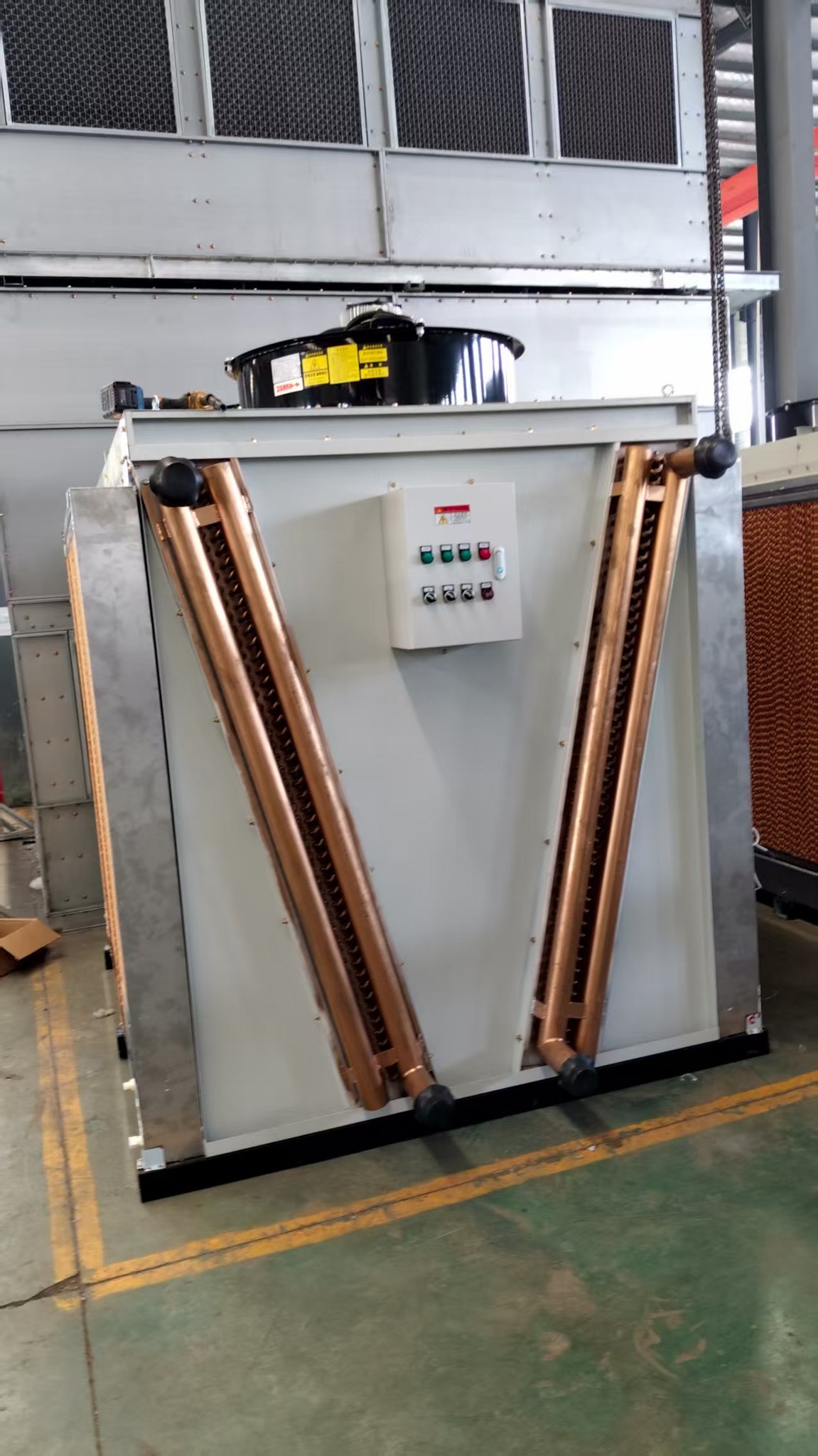
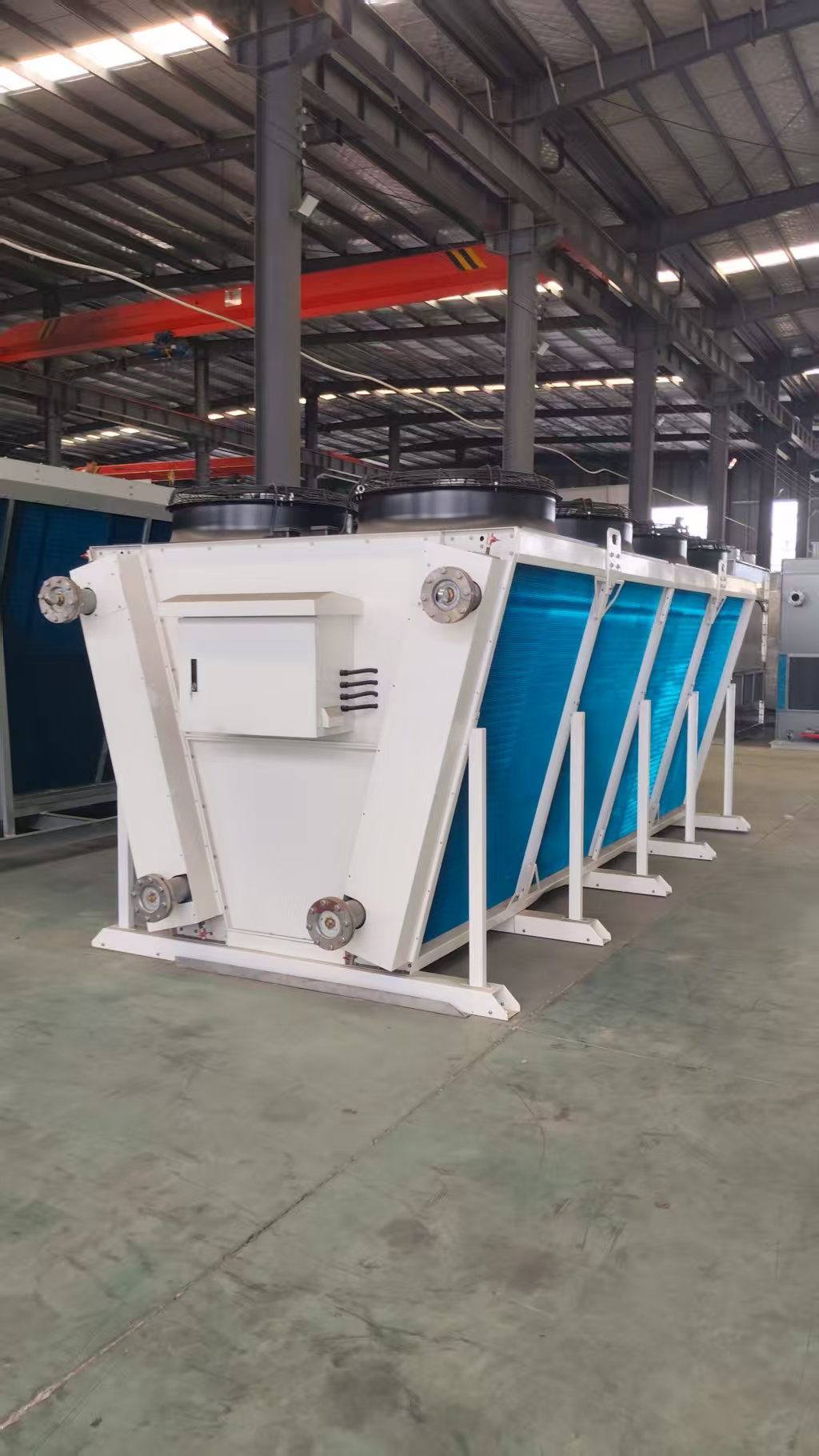
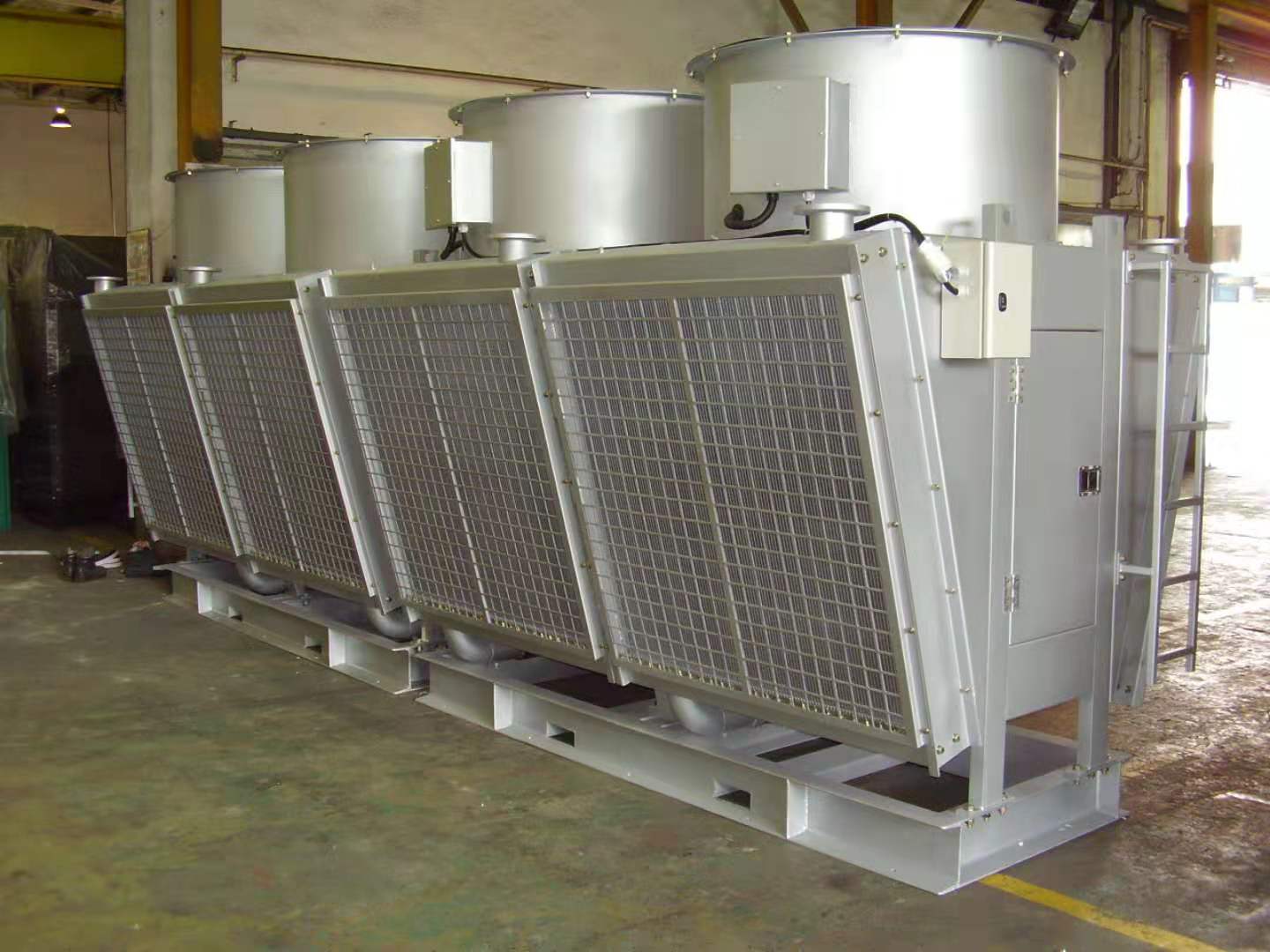
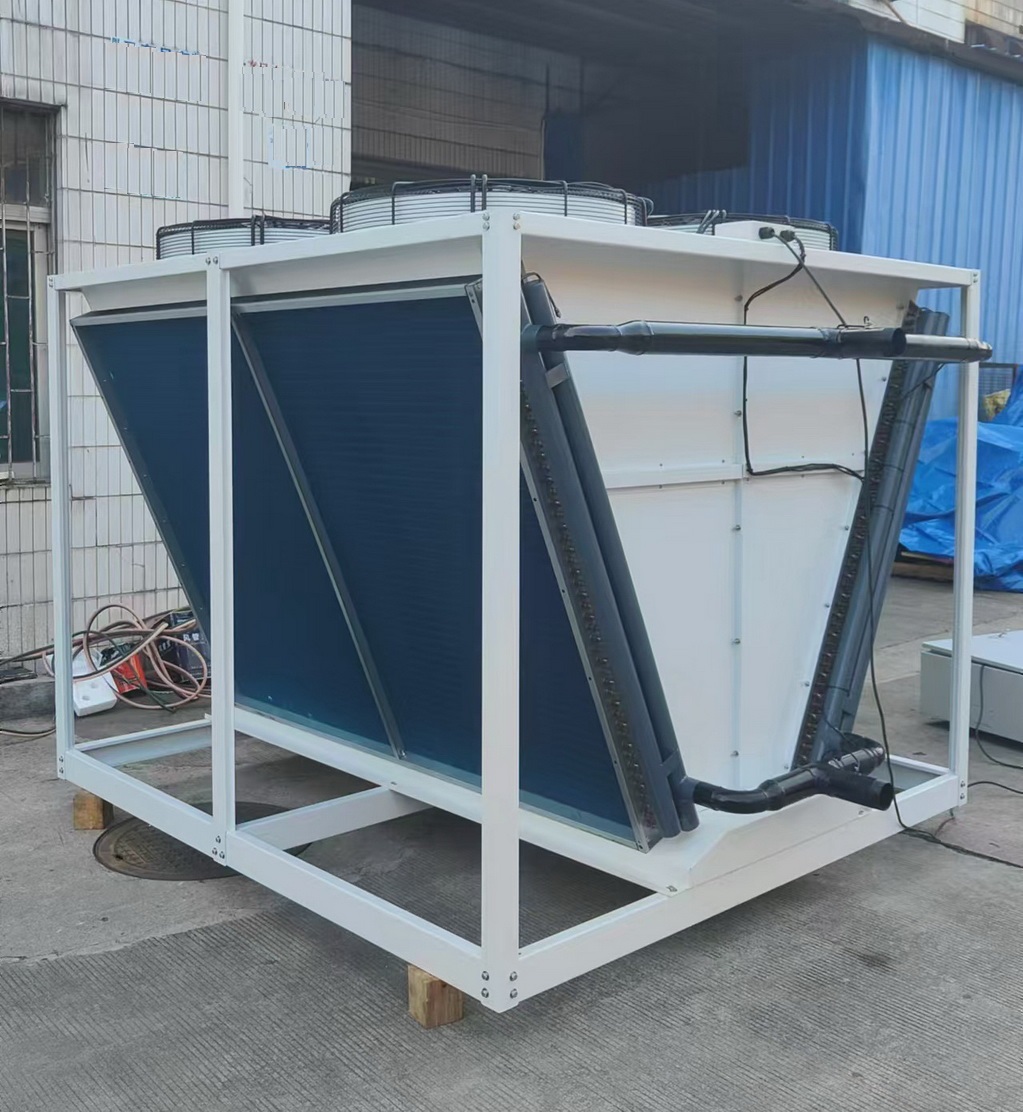
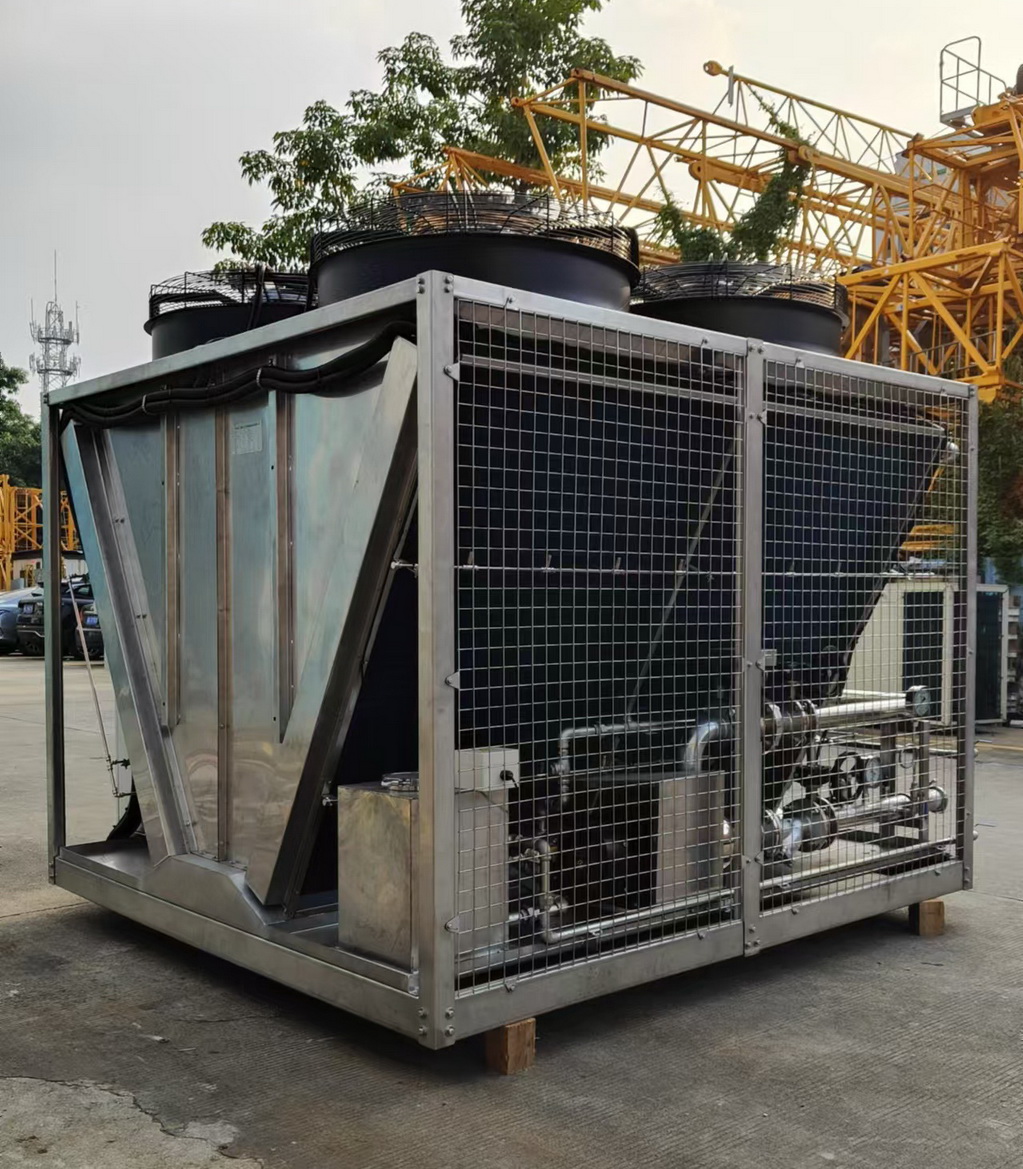
V Type Dry Fluid Cooler What is a Vertical (V-Flow) Dry Fluid Cooler? A Vertical Dry Fluid Cooler, most commonly recognized by its V-shaped coil configuration, is a type of heat rejection equipment where ambient air is drawn vertically upward through two angled coil banks and discharged out the top of the unit by one or more fans....

Dry Fluid Cooler Manufacturer in Egypt

Here are the primary types of Dry Fluid Coolers: 1. Classification by Airflow Design This is the most common way to categorize dry coolers. a) Vertical Airflow (V-Flow or Up/Down Flow) Space-Efficient Footprint: Ideal for installations where floor space is limited but height is b) Horizontal Airflow (Horizontal Discharge) 2. Classification by...

Dry Fluid Cooler Manufacturer in Saudi Arabia

Dry Fluid Cooler vs. Cooling Tower vs. Fluid Cooler This is a common point of confusion. Here’s the breakdown: Feature Dry Fluid Cooler Evaporative (Open) Cooling Tower Fluid Cooler (Closed-Circuit Cooling Tower) Heat Transfer Method Sensible Only (air cools fluid) Latent (Evaporative) (water evaporates) Sensible + Latent (Hybrid)...

Dry Fluid Cooler Manufacturer in UAE

A Dry Fluid Cooler works on the principle of sensible heat transfer. It uses ambient air to cool a process fluid without the fluid and air ever coming into direct contact. The heat is rejected solely through the transfer of thermal energy (sensible heat) from the hot fluid to the cooler air across a metal barrier. […]

Dry Fluid Cooler Manufacturer in India

A Dry Fluid Cooler (also known as a Dry Cooler or Air Cooled Heat Exchanger) is a device that cools a process fluid (most commonly water or a water-glycol mixture) using ambient air. The key characteristic is that the process fluid never directly contacts the cooling air; it remains contained within a closed-loop coil....

Adiabatic cooling tower Manufacturer in Tunisia

Comparison of Adiabatic Cooling Tower Vs Evaporative (Wet) Cooling Tower Vs  Dry Cooler / Air Cooler Feature Adiabatic Cooling Tower Evaporative (Wet) Cooling Tower Dry Cooler / Air Cooler Principle Hybrid: Adiabatic pre-cooling + sensible heat transfer Full evaporative cooling Sensible heat transfer only Process Circuit Closed-loop (fluid is...

Adiabatic cooling tower Manufacturer in Ghana

Why Choose an Adiabatic Cooler for These Applications? (Summary of Advantages) Application Need How Adiabatic Cooling Meets It High Efficiency in Hot Weather Pre-cooling air allows for heat rejection near the wet-bulb temperature. Water Conservation Uses up to 80% less water than an open evaporative tower. System Protection Closed loop prevents...
1 2 14