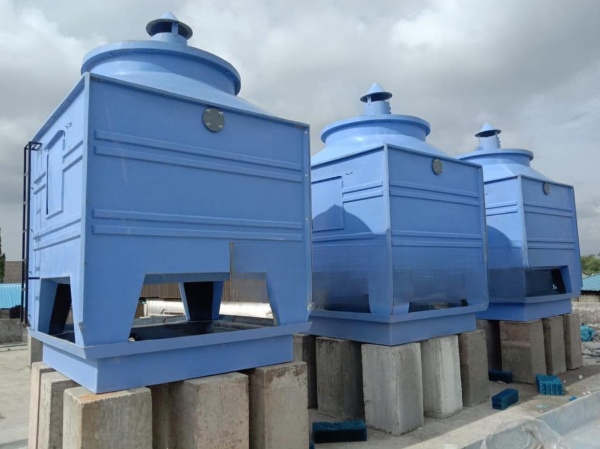
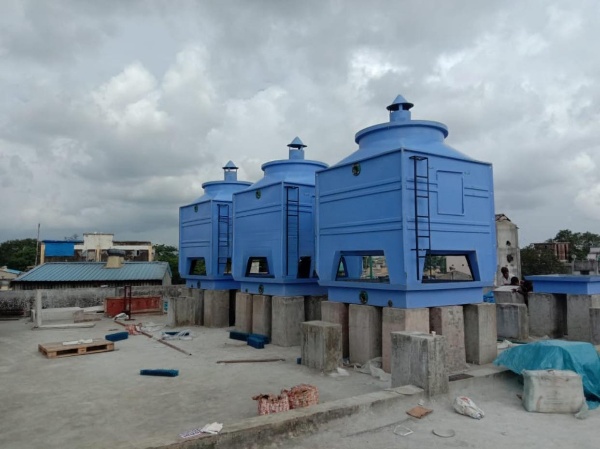
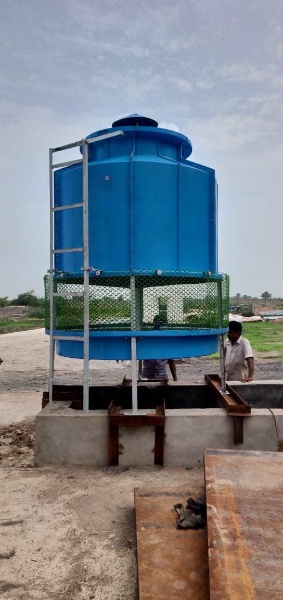
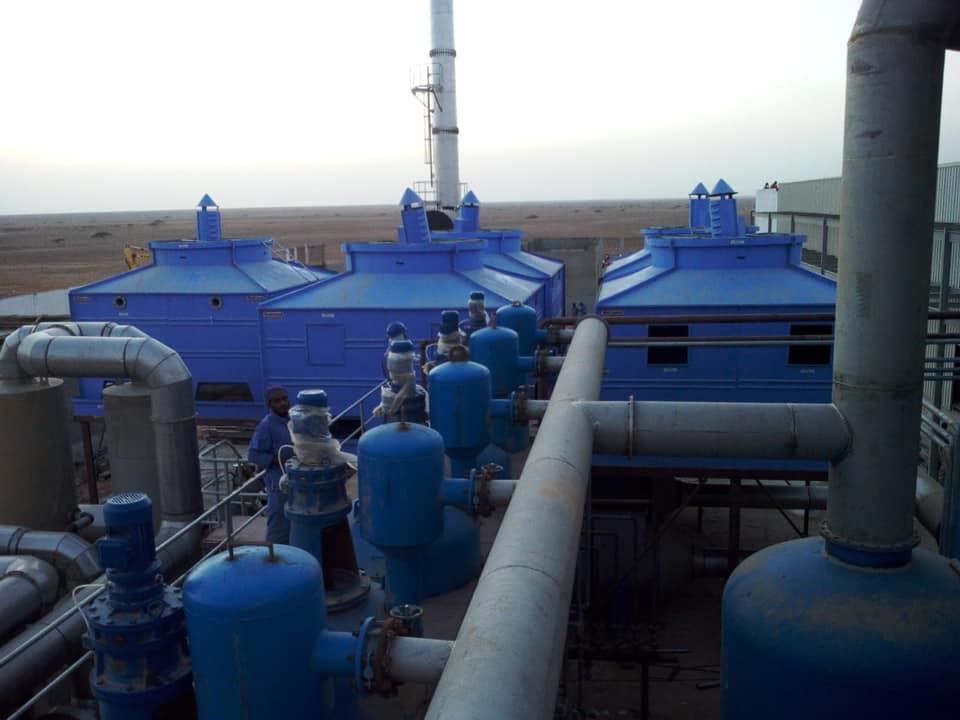
Working Principle of Natural Draft Cooling Tower The natural draft cooling tower works on the principle of natural convection (chimney effect) and evaporative cooling. Step-by-Step Process:
atural Draft Cooling Tower A natural draft cooling tower is a type of cooling tower that relies on the natural convection of air (without fans) to circulate air through the tower for cooling. Working Principle Features Advantages
A mechanical draft cooling tower is a type of cooling tower where airflow is produced by fans (mechanical means), instead of relying on natural convection like in natural draft towers. Working Principle Types of Mechanical Draft Towers Advantages
Types of Water Loss in a Cooling Tower E≈0.001×C×ΔTE \approx 0.001 \times C \times \Delta TE≈0.001×C×ΔT where: B=E(CoC−1)B = \frac{E}{(CoC – 1)}B=(CoC−1)E Total Water Loss Total Loss=E+D+B+(Misc. Losses)\text{Total Loss} = E + D + B + \text{(Misc. Losses)}Total Loss=E+D+B+(Misc. Losses) ...
Applications of Cooling Towers 1. Power Generation 2. HVAC Systems (Heating, Ventilation, Air Conditioning) They cool water in chiller systems, which helps maintain indoor comfort by 3. Industrial Applications 4. Renewable & Data Centers 5. District Cooling Systems
Working Principle of a Cooling Tower The cooling tower works on the principle of heat transfer through evaporation (and partly convection). Step-by-Step Working:
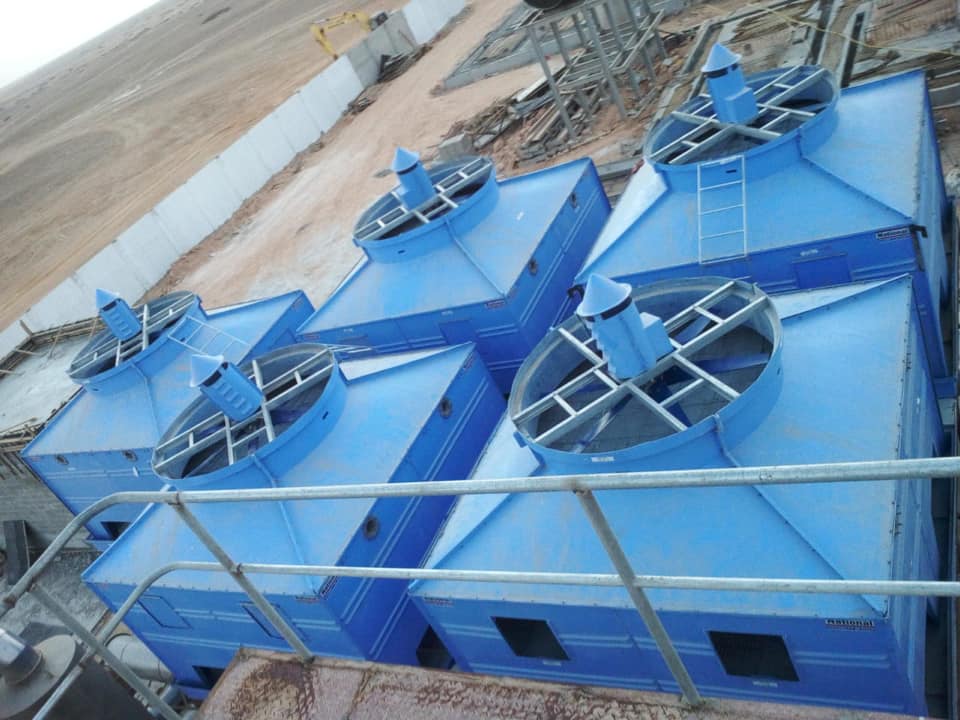
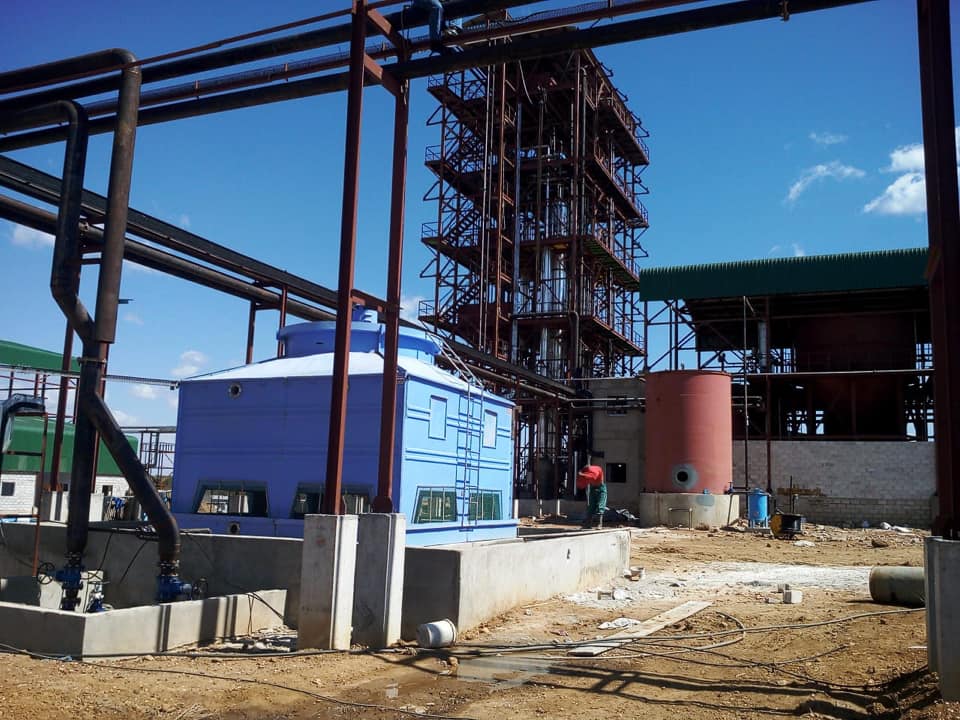
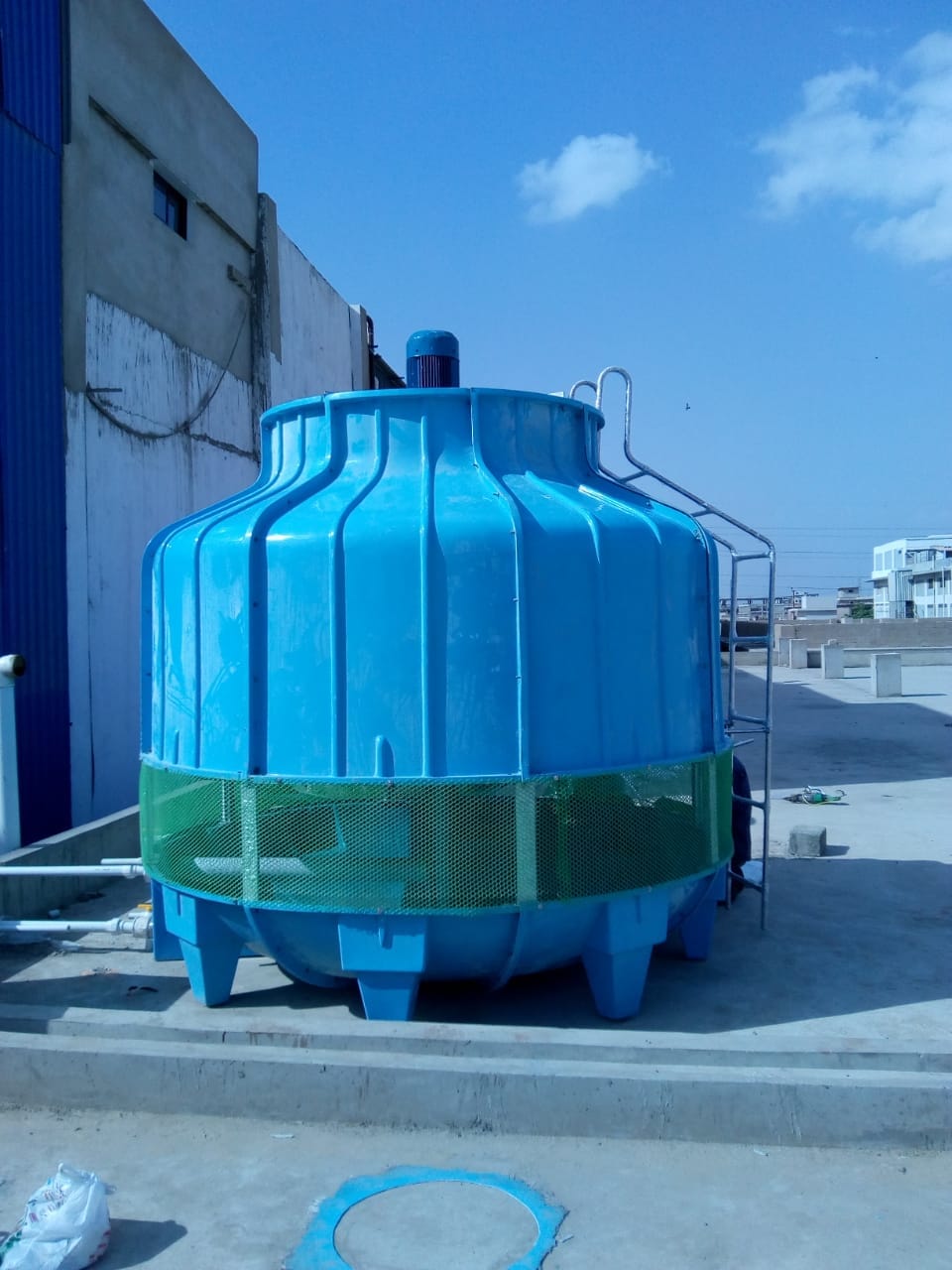
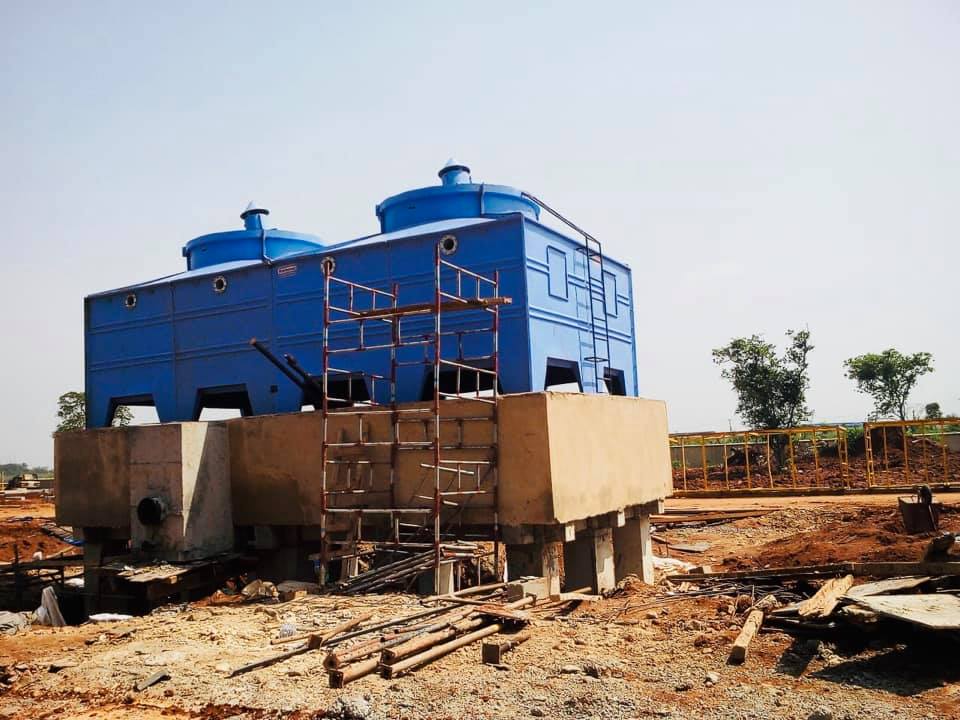
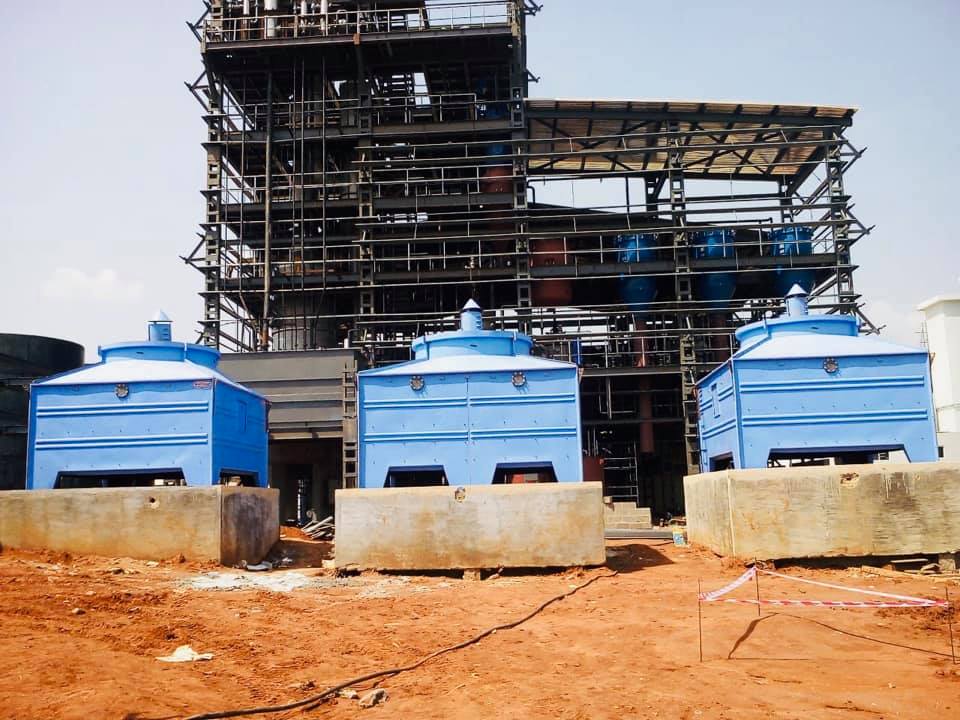
A cooling tower is a heat rejection device that removes waste heat from water (or another process fluid) by transferring it to the atmosphere, usually through evaporation. In simple terms: Types of Cooling Towers: Applications:
Advantages of Forced Draft Dry Fluid Cooler Applications of Forced Draft Dry Fluid Cooler Forced draft coolers are extremely common and are an excellent choice where reliability and ease of maintenance are top priorities: Situations with Easy Access: Facilities where maintenance staff prioritize easy and safe access for routine...
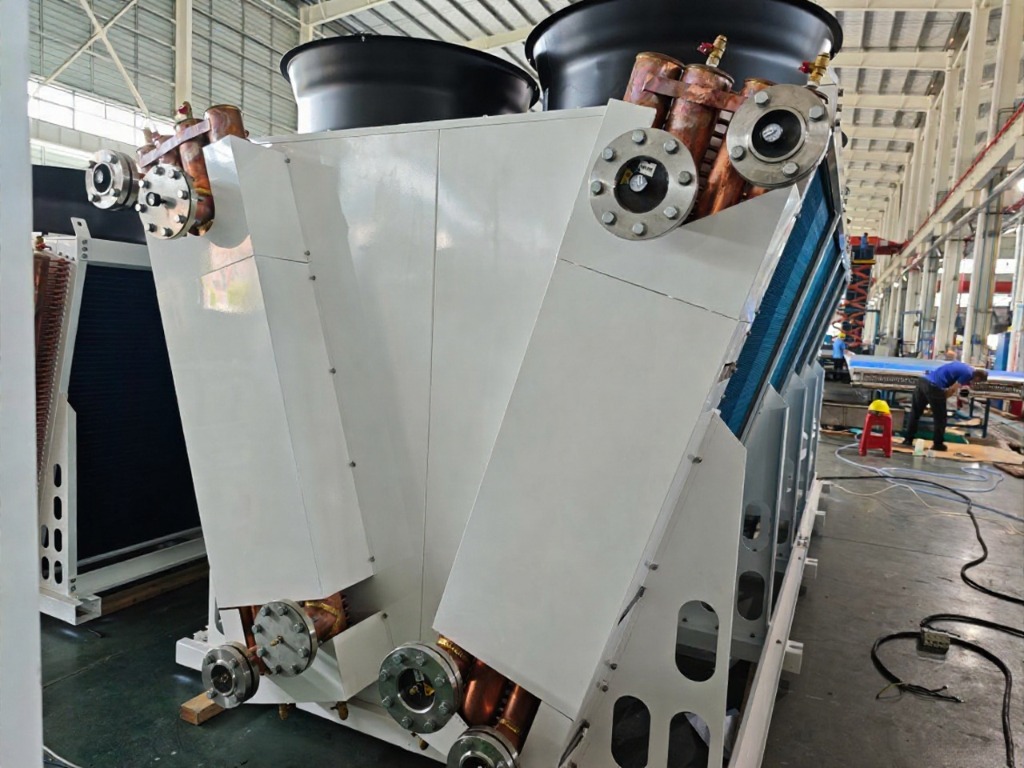
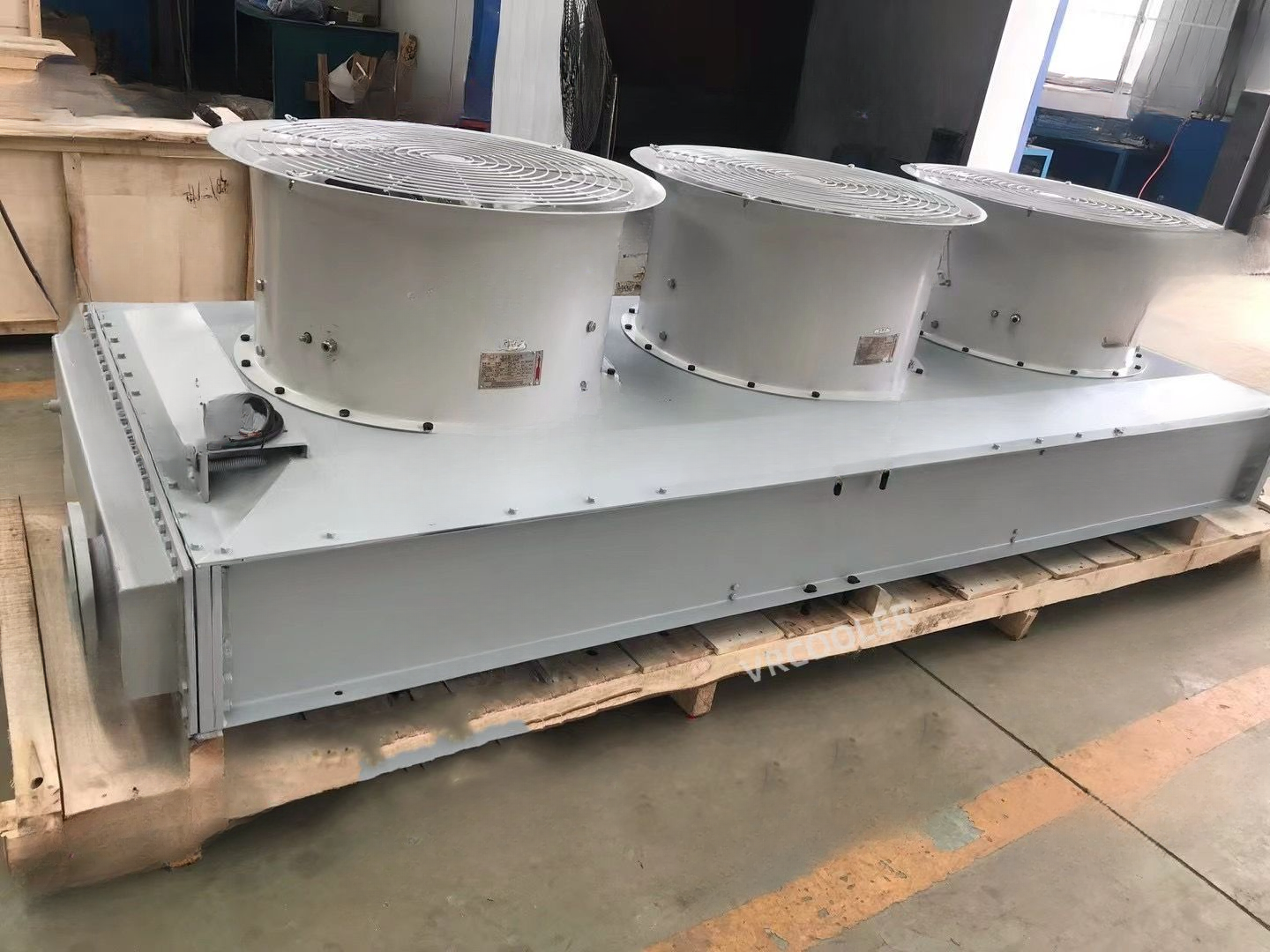
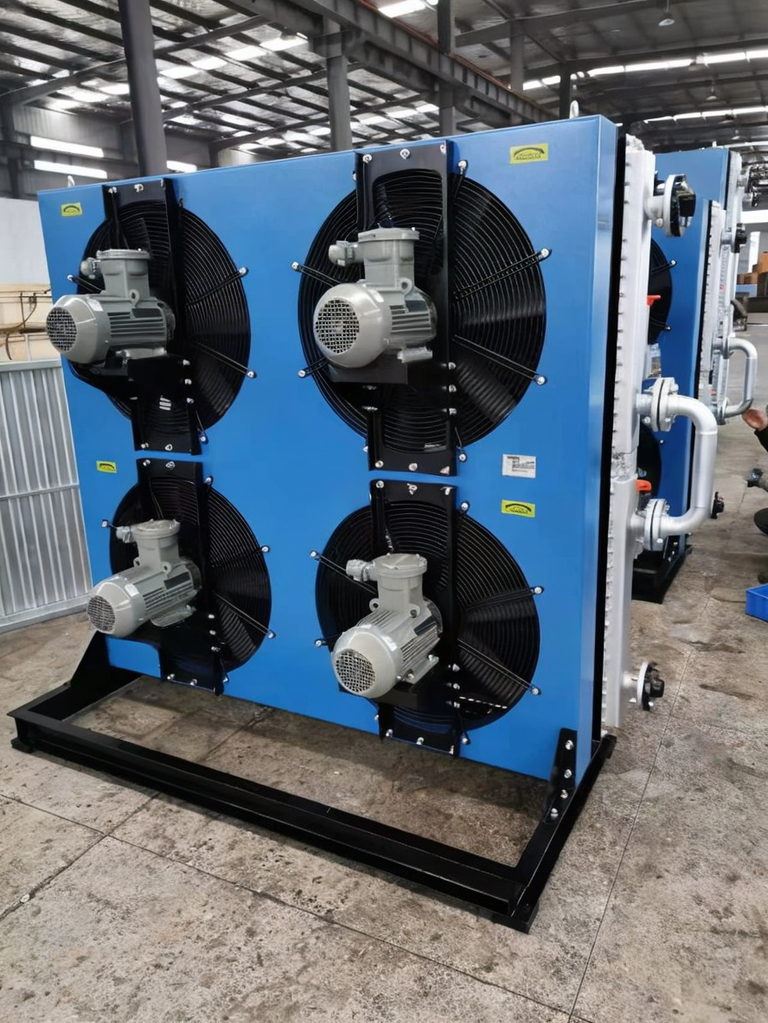
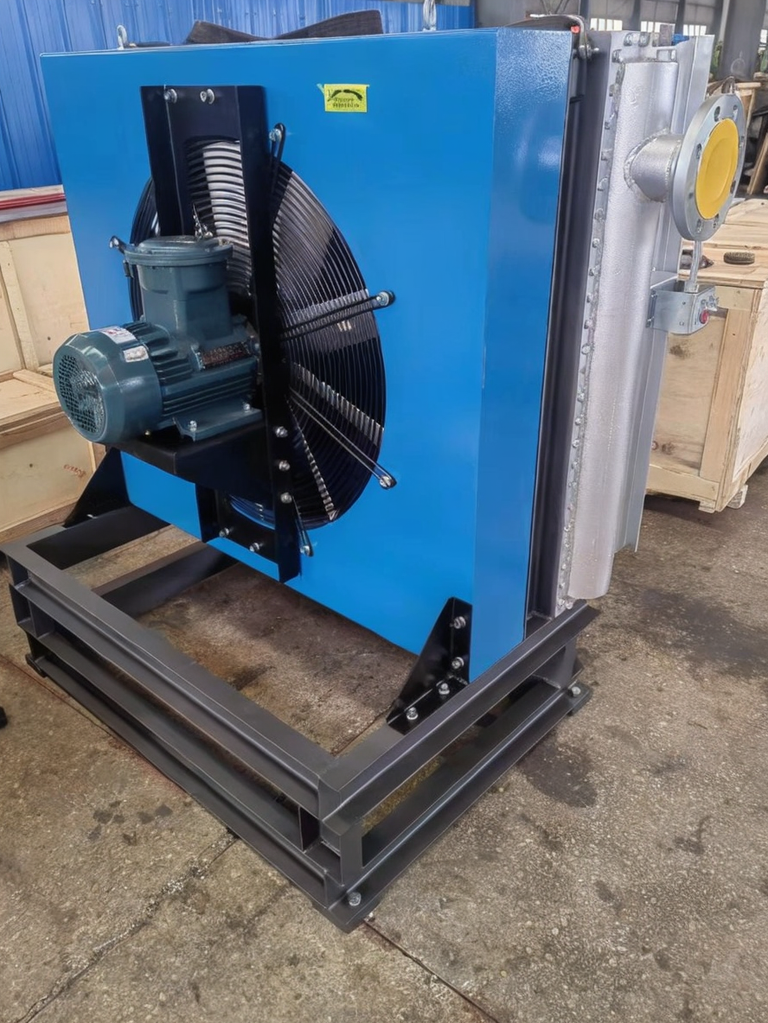
Forced Draft Dry Cooler What is a Forced Draft Dry Cooler? A Forced Draft Dry Cooler is defined by the placement of its fan on the intake (inlet) side of the heat exchanger coil. In this design, the fan pushes or forces ambient air through the coil, creating a positive pressure on the upstream side of the finned-tube...
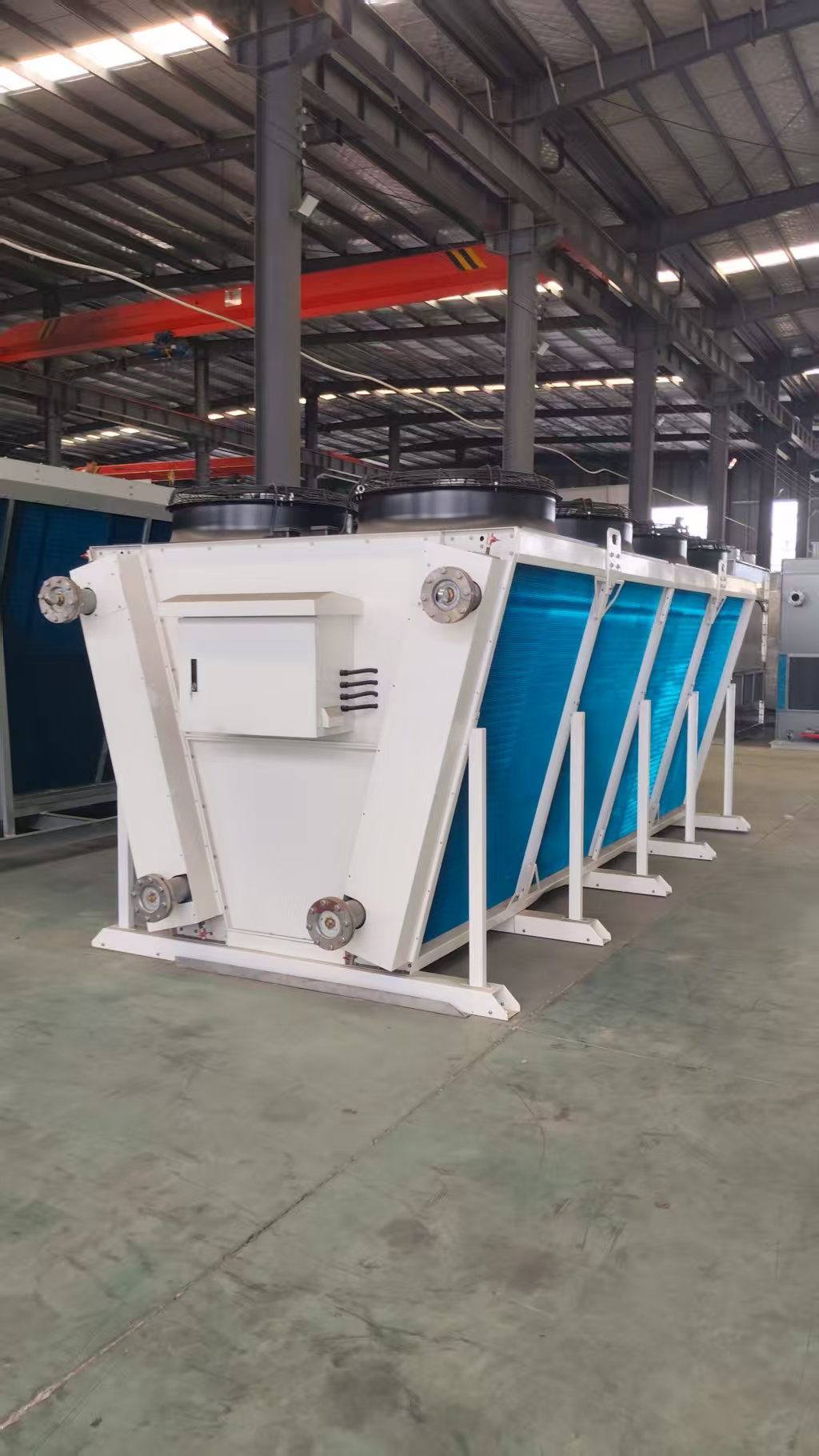
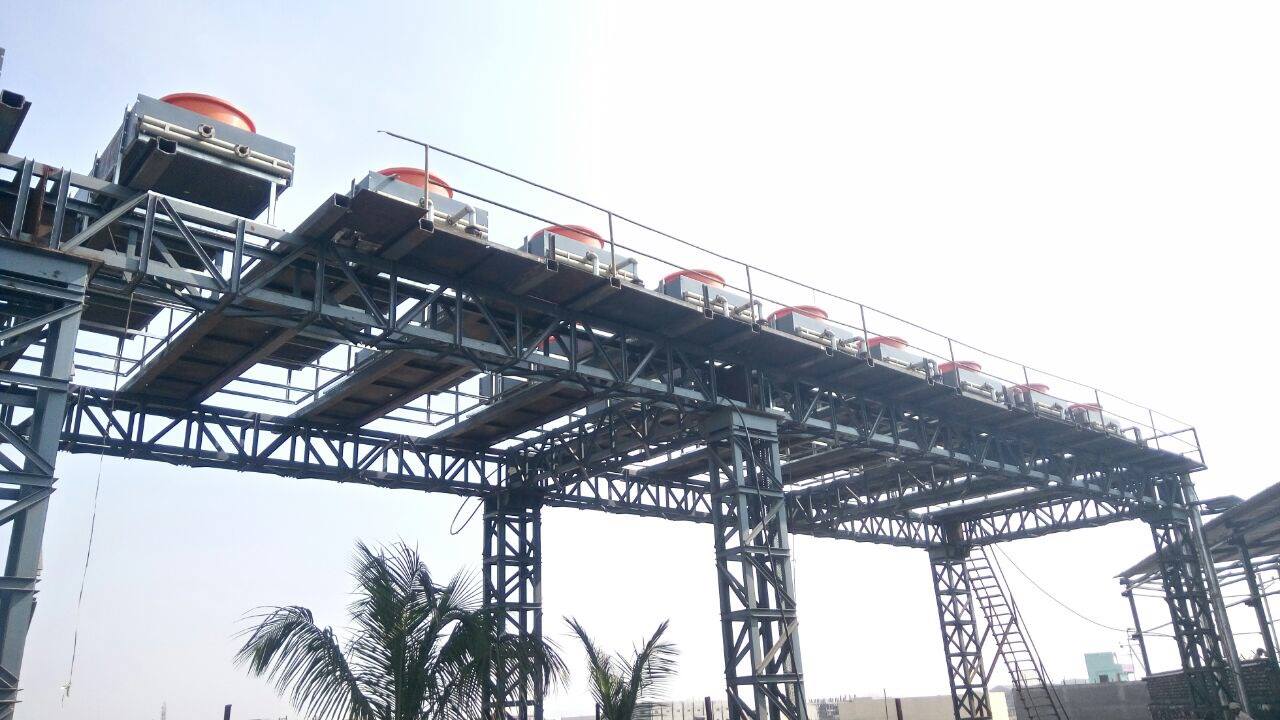
Induced Draft Dry Fluid Cooler What is an Induced Draft Dry Fluid Cooler? An Induced Draft Dry Fluid Cooler is defined by the placement of its fan. In this design, the fan(s) are mounted on the discharge (exit) side of the heat exchanger coil. The fan pulls or induces air through the coil, creating a negative...
Why Choose an Adiabatic Cooler for These Applications? (Summary of Advantages) Application Need How Adiabatic Cooling Meets It High Efficiency in Hot Weather Pre-cooling air allows for heat rejection near the wet-bulb temperature. Water Conservation Uses up to 80% less water than an open evaporative tower. System Protection Closed loop prevents...
Effect of high Ambient Temperature in Adiabatic cooling tower The effect of high ambient temperature on an adiabatic cooling tower is significant and is the primary reason this technology is chosen. However, it introduces specific operational challenges. Here’s a detailed breakdown of the effects, both on performance and system operation. The...
Material of Construction of heat exchanger coil in Adiabatic cooling tower? The material of construction for the heat exchanger coil in an adiabatic cooling tower is a critical engineering decision, balancing factors like corrosion resistance, thermal conductivity, pressure rating, cost, and the specific environment it will operate in. The coil is...
Direct vs. Indirect Cooling Feature Direct Cooling Indirect Cooling Circuit Type Open Closed Process Fluid Exposed to atmosphere Contained and protected Heat Transfer Direct Evaporation Through a Heat Exchanger Cooling Limit Ambient Wet-Bulb Temperature Slightly above Wet-Bulb Temperature Water Usage High Low to Zero Water Treatment Intensive...
Direct Cooling Vs Indirect Cooling The core difference lies in whether the process fluid being cooled is directly exposed to the atmosphere and the cooling air. Direct Cooling (Open Circuit) In a direct cooling system, the fluid that needs to be cooled (typically water) is directly exposed to the cooling air and the...
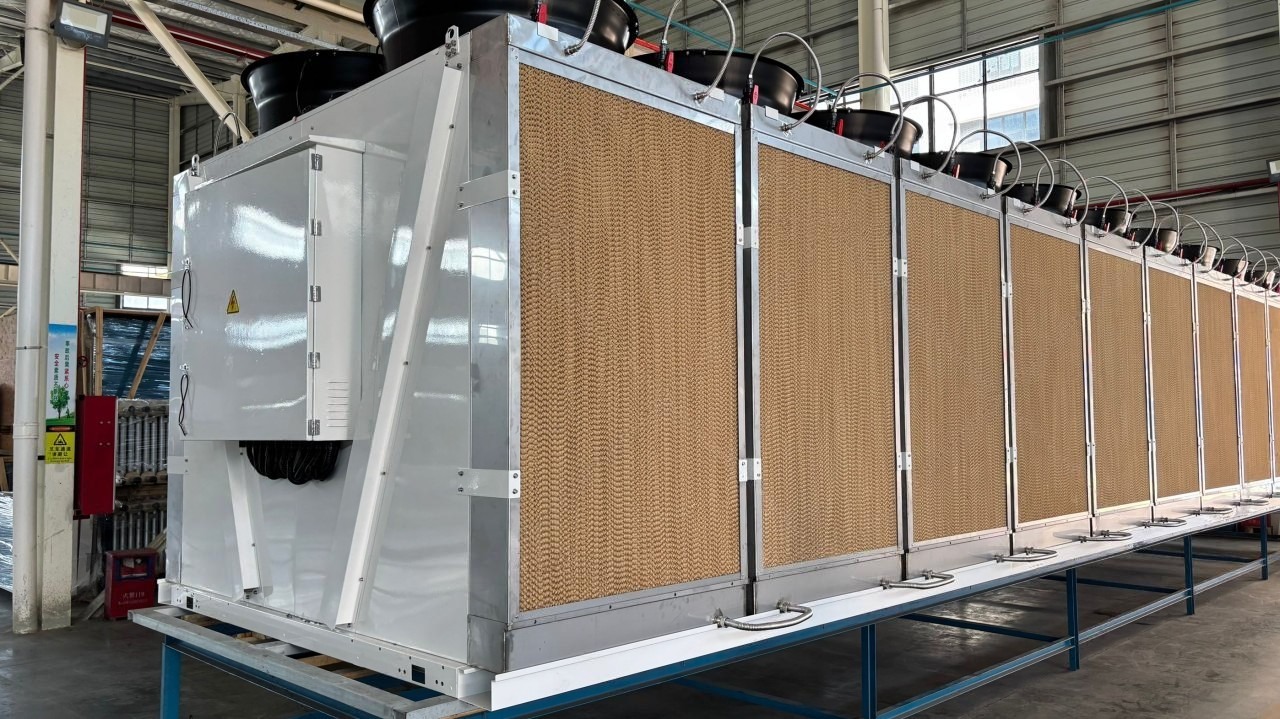
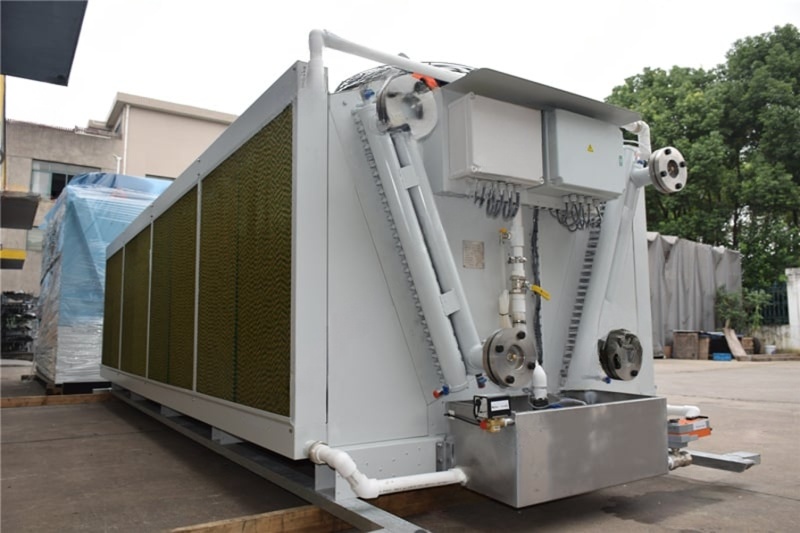
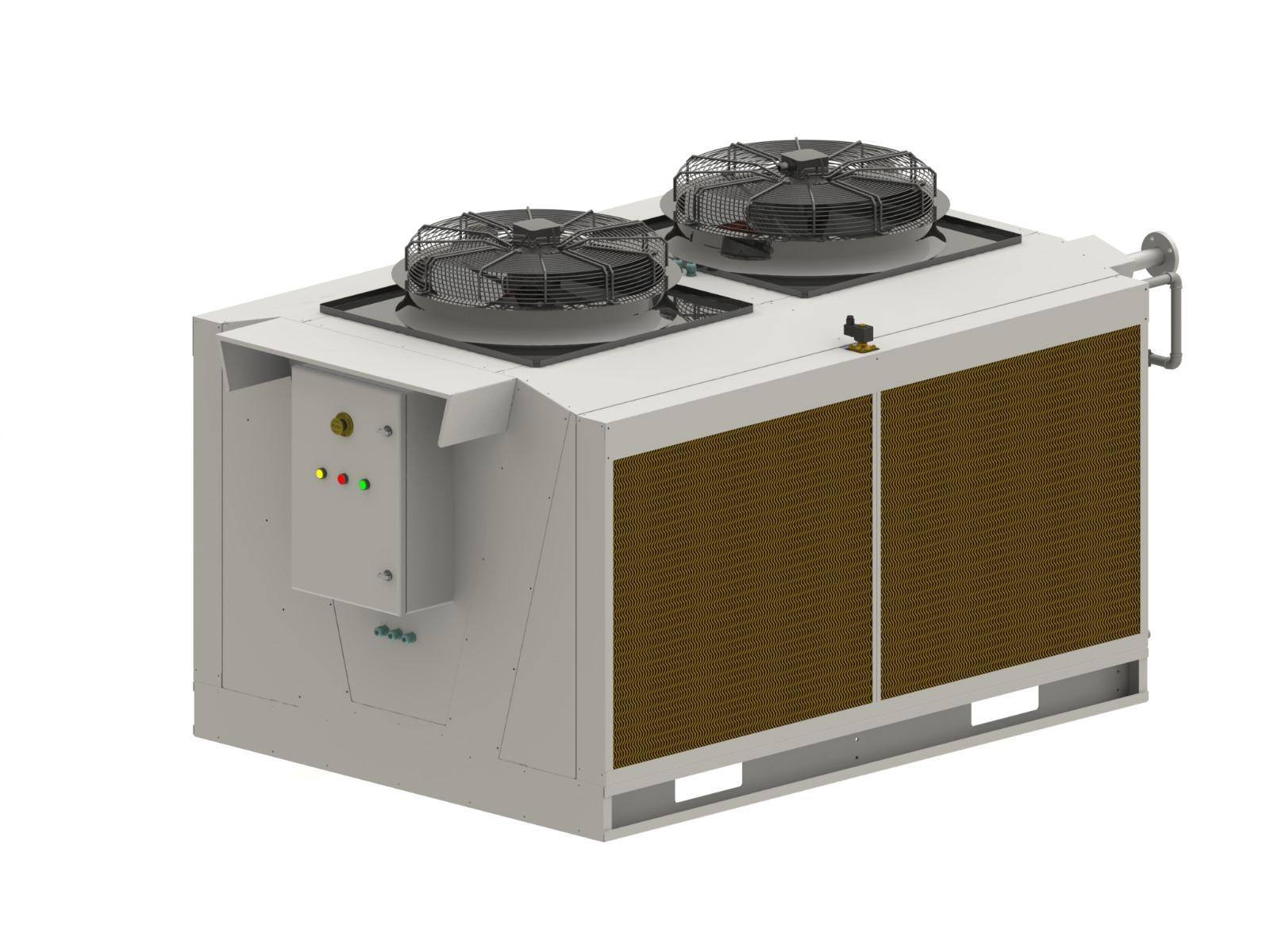
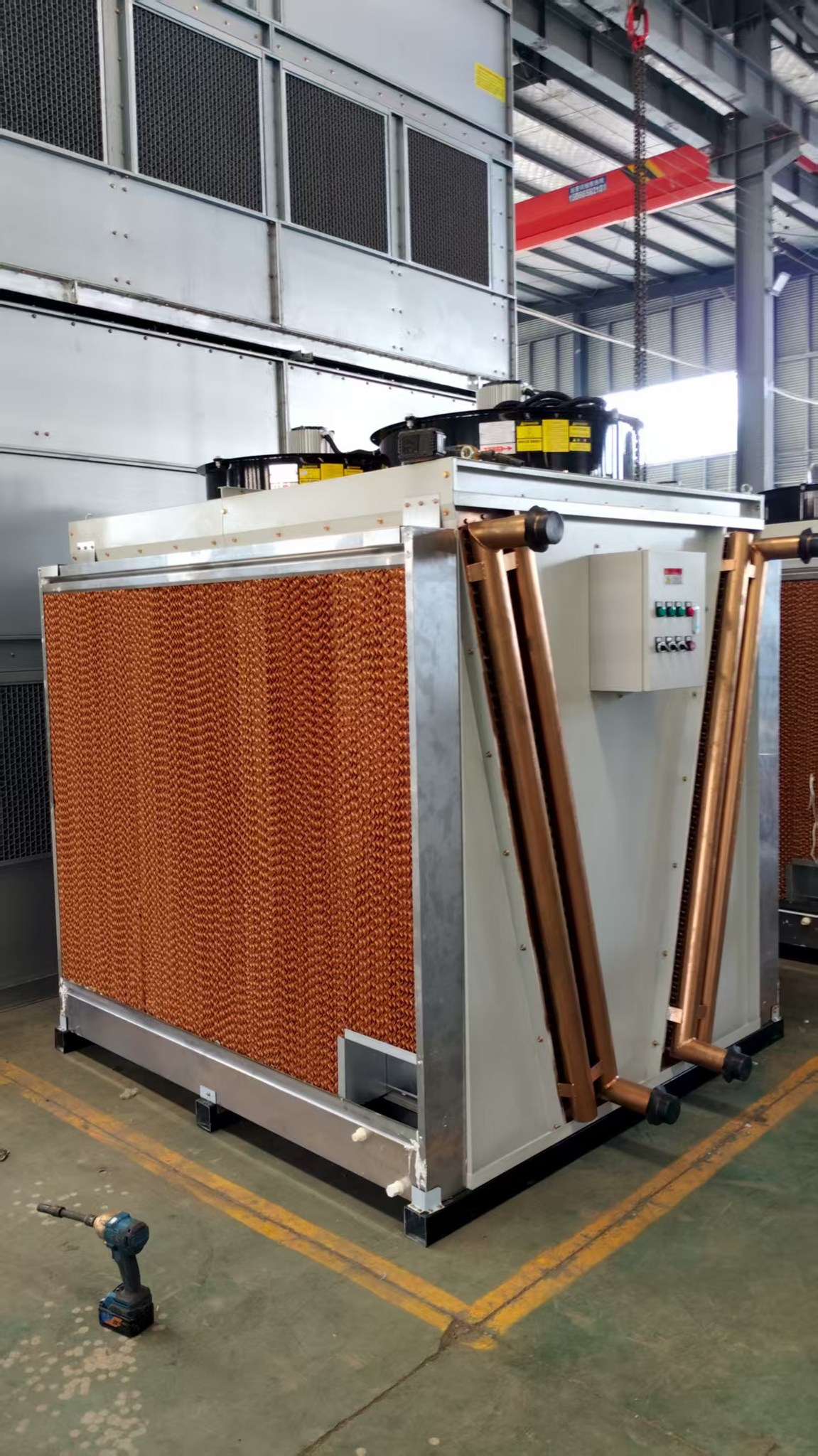
What is a Cellulose Pad? A cellulose pad is a specially engineered, rigid sheet made primarily from plant-based cellulose fibers (often from aspen or other hardwood trees) that are bonded together using special resins and then corrugated and laminated into a thick, multi-layered block Its primary function is to maximize the surface...
Typical Applications of Adiabatic cooling Tower Adiabatic coolers are ideal where high efficiency is needed but water use must be minimized and the process fluid must be kept clean.
An adiabatic cooling tower is a hybrid cooling system that uses the adiabatic cooling effect of water evaporation to pre-cool the air before it passes over a heat exchanger. This dramatically increases the efficiency of the main heat rejection process. Its key feature is that it combines the principles of a dry cooler (with a closed...
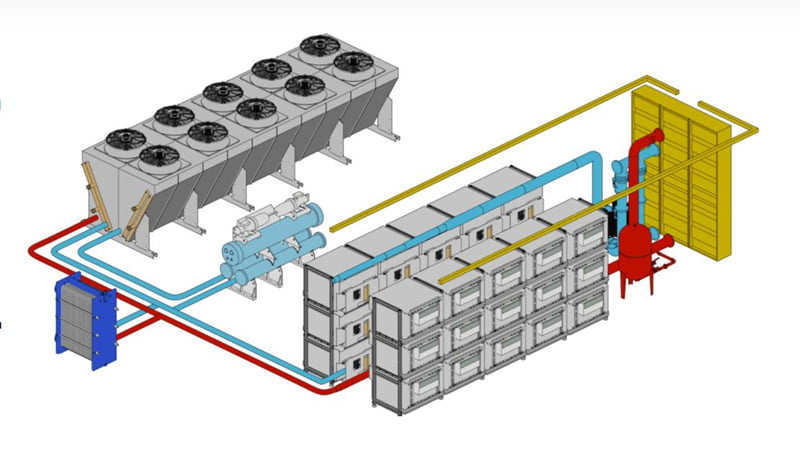
Direct vs. Indirect Dry Cooling Tower: Feature Indirect Dry Cooling Direct Dry Cooling (for context) Process Fluid Never enters the tower. Stays in the condenser. Directly enters the tower’s heat exchangers (steam). System Complexity More complex due to the extra loop, pumps, and heat exchanger. Simpler, more direct system. Tower...
An Indirect Dry Cooling Tower is a system that uses two separate fluid loops to reject heat. The process fluid is first cooled by water in a conventional heat exchanger, and then that water is itself cooled by air in a dry cooling tower. The key concept is the word “indirect”—the primary hot fluid (e.g.,...
A Direct Dry Cooling Tower is a system where the primary process fluid (e.g., the steam from a power plant turbine) is sent directly to the large air-cooled heat exchangers (the finned tubes) in the tower. There is no intermediate heat exchanger or water loop. Think of it as connecting your car’s engine directly...
Dry Cooling Tower vs. Wet Cooling Tower This comparison highlights the key differences: Feature Dry Cooling Tower Wet Cooling Tower Principle Sensible Heat Transfer (like a radiator) Evaporative Cooling (latent heat) Water Usage Minimal to zero (only for minor makeup) Very High (constant evaporation and blow down) Cooling Efficiency...
Application of Dry Cooling Tower Dry cooling towers are the technology of choice when water is more valuable than energy or when environmental regulations prohibit water use or vapor plumes.
A Dry Cooling Tower is a heat rejection device that cools a working fluid (almost always water) without direct contact with the air and without the process of evaporation. Instead, it operates solely through sensible heat transfer, where heat moves from the hot fluid to the cooler air through a solid barrier (metal fins). This...
The materials of construction for a Dry Fluid Cooler are critical for its performance, longevity, and suitability for a specific environment and fluid. They are selected to balance corrosion resistance, heat transfer efficiency, mechanical strength, and cost. Here is a breakdown of the common materials used for key components: 1. Heat Exchanger...
Application of Hybrid Dry Fluid cooler Hybrid coolers are the superior choice for applications that require the lowest possible operating costs and high reliability. High-Efficiency HVAC Systems: For cooling condenser water in large commercial buildings, In summary, a Hybrid Dry Cooler is an intelligent, multi-mode system that...
A Hybrid Dry Cooler (also known as a Fluid Cooler or Closed-Circuit Cooling Tower in some contexts) is a highly efficient heat rejection system that seamlessly switches between three operating modes: dry, adiabatic, and full evaporative. It is the ultimate “best of both worlds” solution, designed...
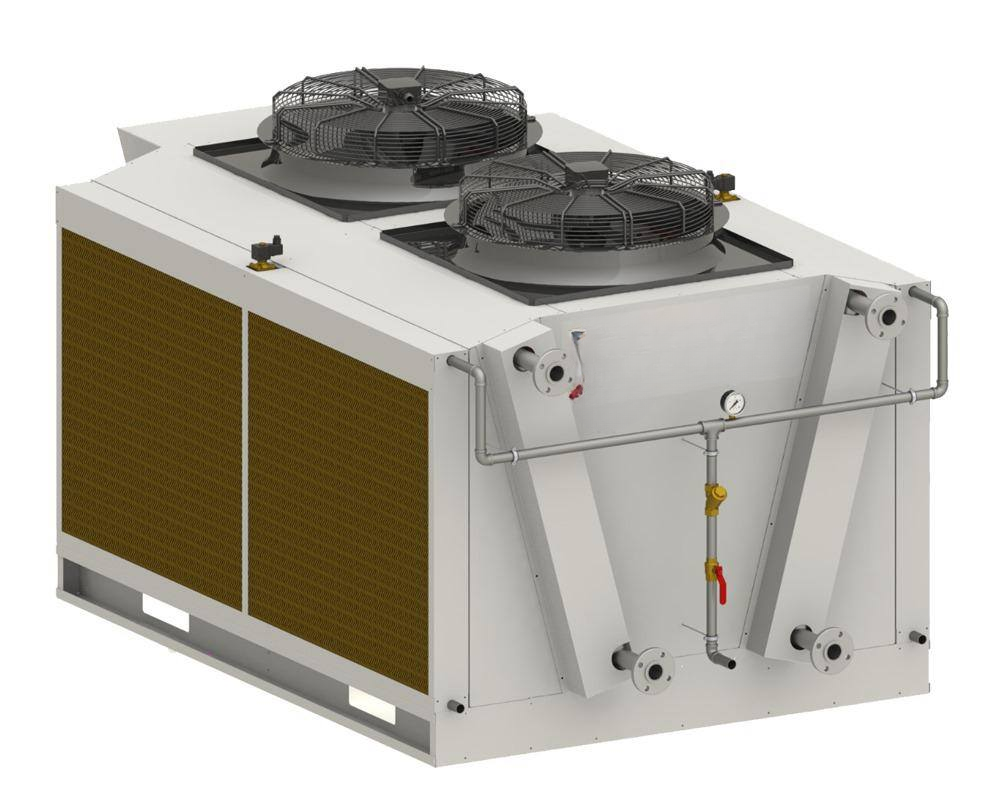
Applications of Dry Cooler with adiabatic pre-cooling This technology is perfect for scenarios where you need the best of both worlds: dry operation most of the time, with peak wet performance.Data Centers: The premier application. They require strict temperature control 24/7/365 In summary, a Dry Cooler with Adiabatic Pre-Cooling is...
A Dry Cooler with Adiabatic Pre-Cooling (often called a Hybrid Dry Cooler) is a highly efficient system that combines the standard operation of a dry cooler with the peak-performance benefits of evaporative cooling. It uses a minimal amount of water only when necessary to pre-cool the incoming air, allowing the unit to achieve...
Forced Draft Dry Fluid Cooler Vs. Induced Draft Dry Fluid Cooler Feature Forced Draft Cooler Induced Draft Cooler Fan Position On the intake (inlet) side On the discharge (exit) side Air Movement Pushes air through the coil Pulls air through the coil Air Distribution Can be less uniform (potential for dead zones) Highly...
Forced Draft Dry Cooler What is a Forced Draft Dry Cooler? A Forced Draft Dry Cooler is defined by the placement of its fan on the intake (inlet) side of the heat exchanger coil. In this design, the fan pushes or forces ambient air through the coil, creating a positive pressure on the upstream side of the finned-tube...
Applications of Induced Draft Dry Fluid Cooler Induced draft coolers are an excellent choice for a wide range of applications, particularly where efficiency and stable performance are critical: Data Center Cooling: In water-side economizer loops where minimizing recirculation and maximizing efficiency directly translate to energy...
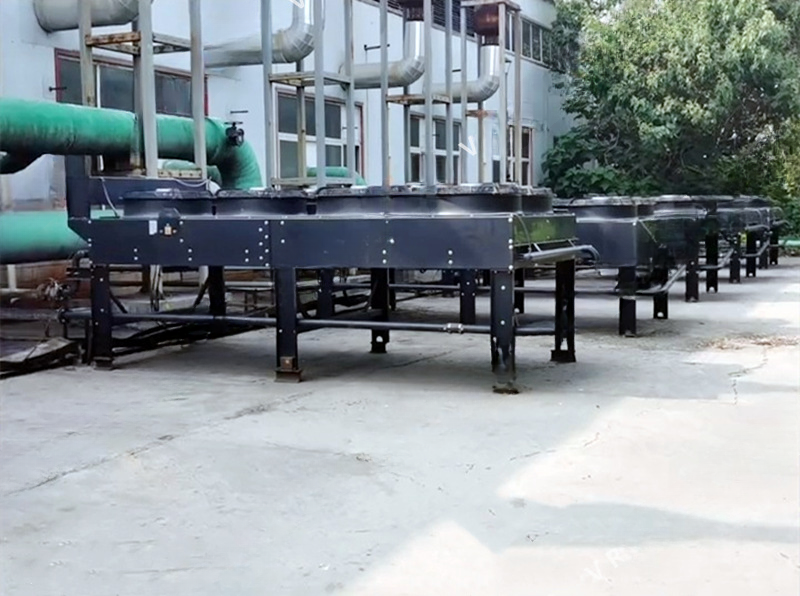
What is a Horizontal (H-Type) Dry Fluid Cooler? A Horizontal Dry Fluid Cooler, often called an H-Type or Horizontal Discharge cooler, is characterized by its design where fans are mounted on the sides to move air horizontally through a vertical core. Unlike the V-flow design, its coils are typically arranged in a...
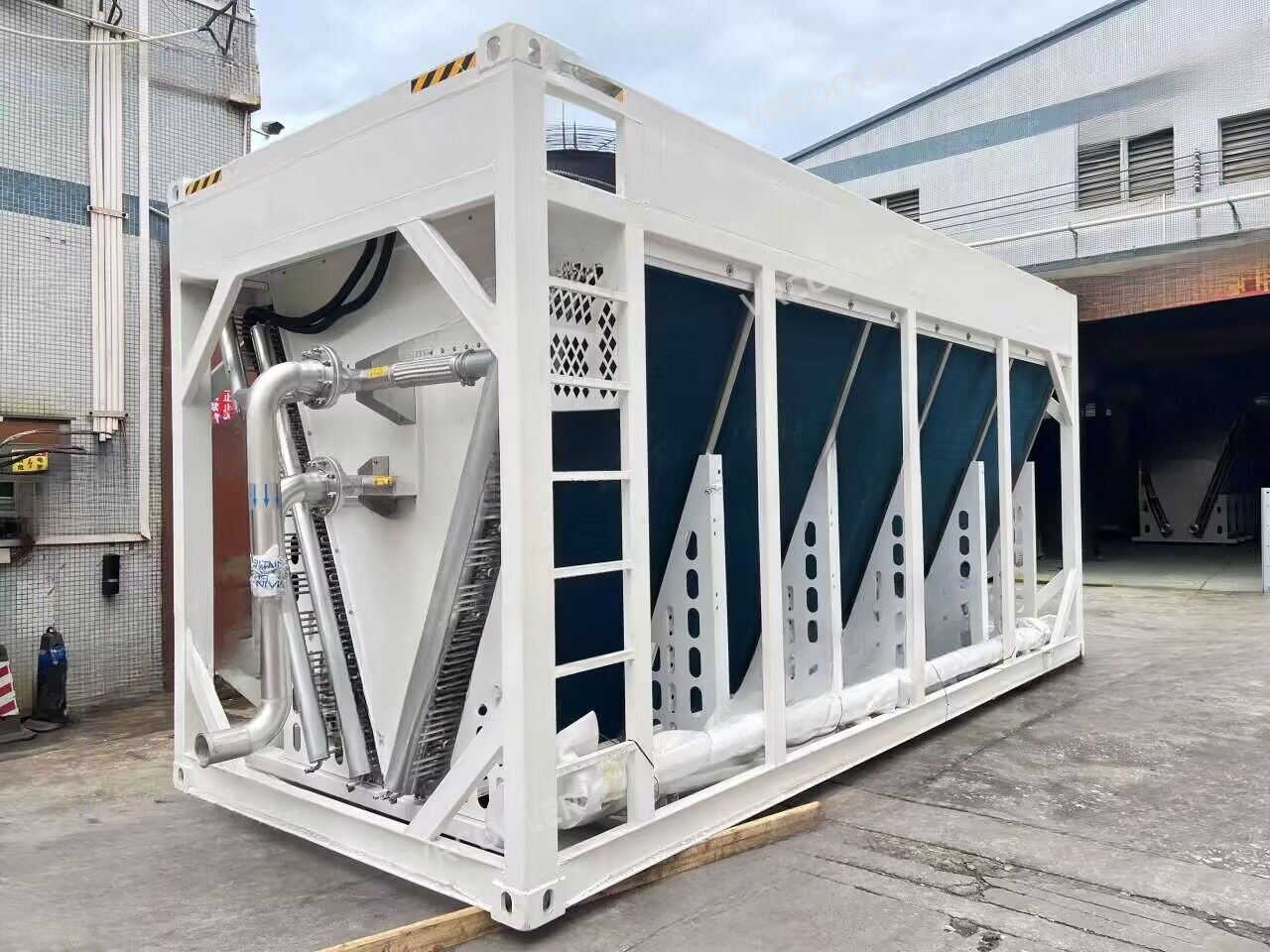
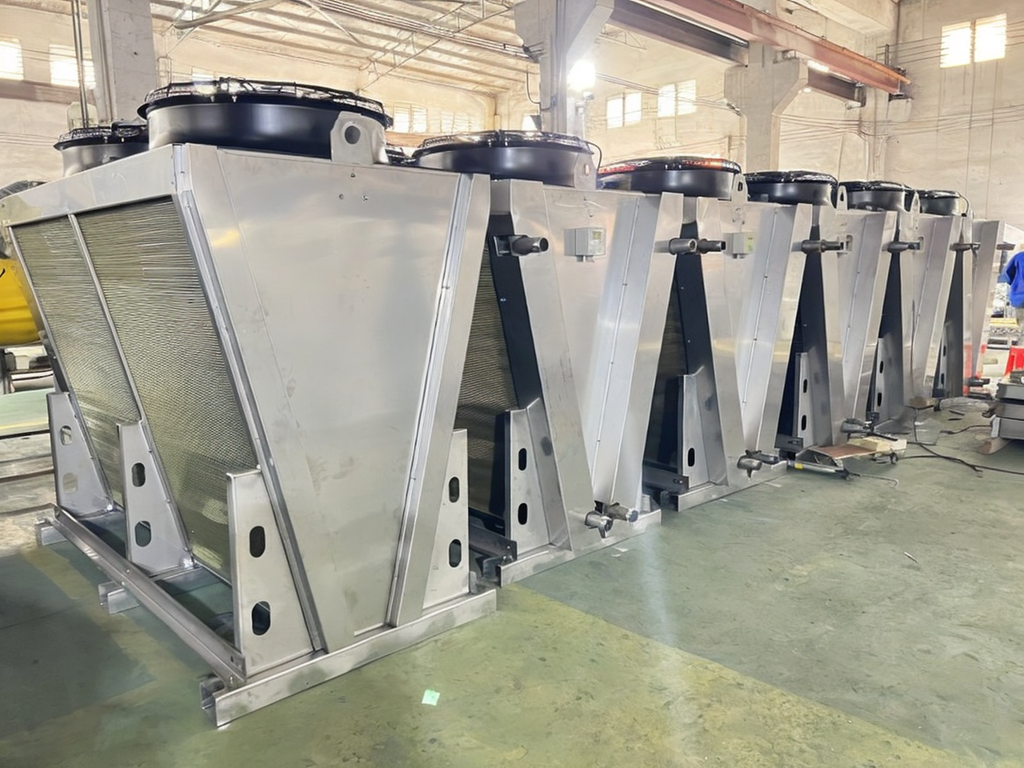
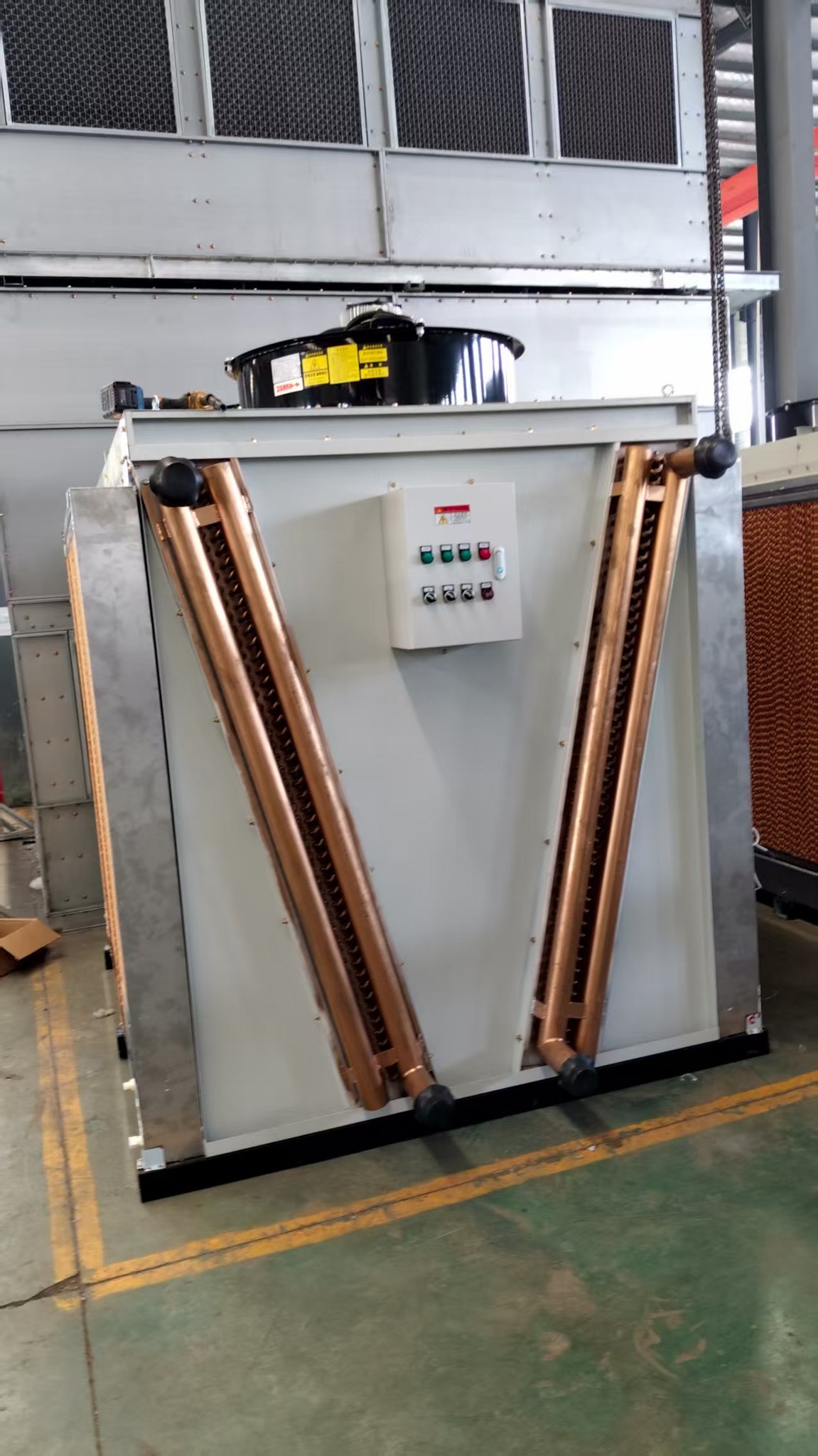
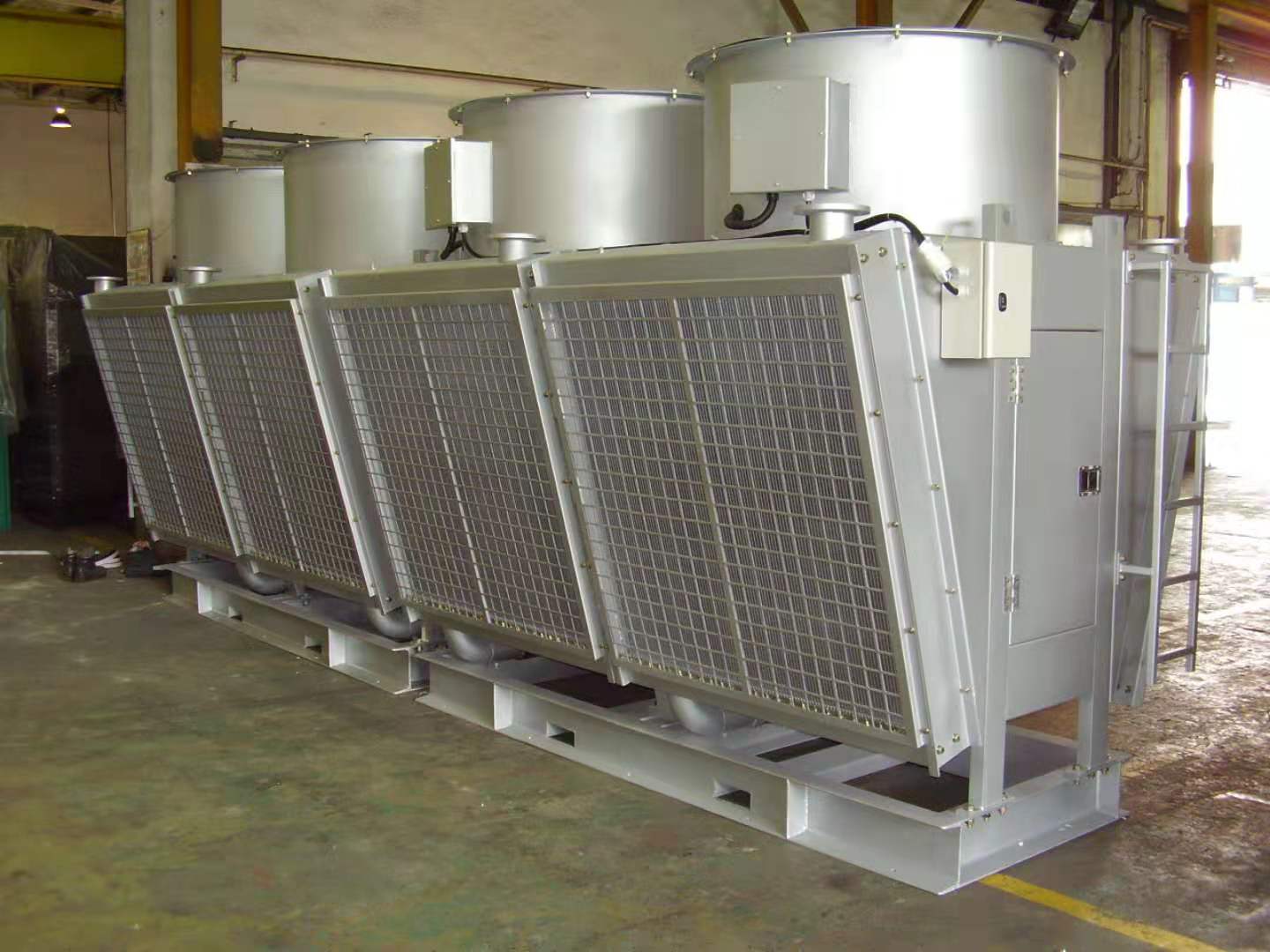
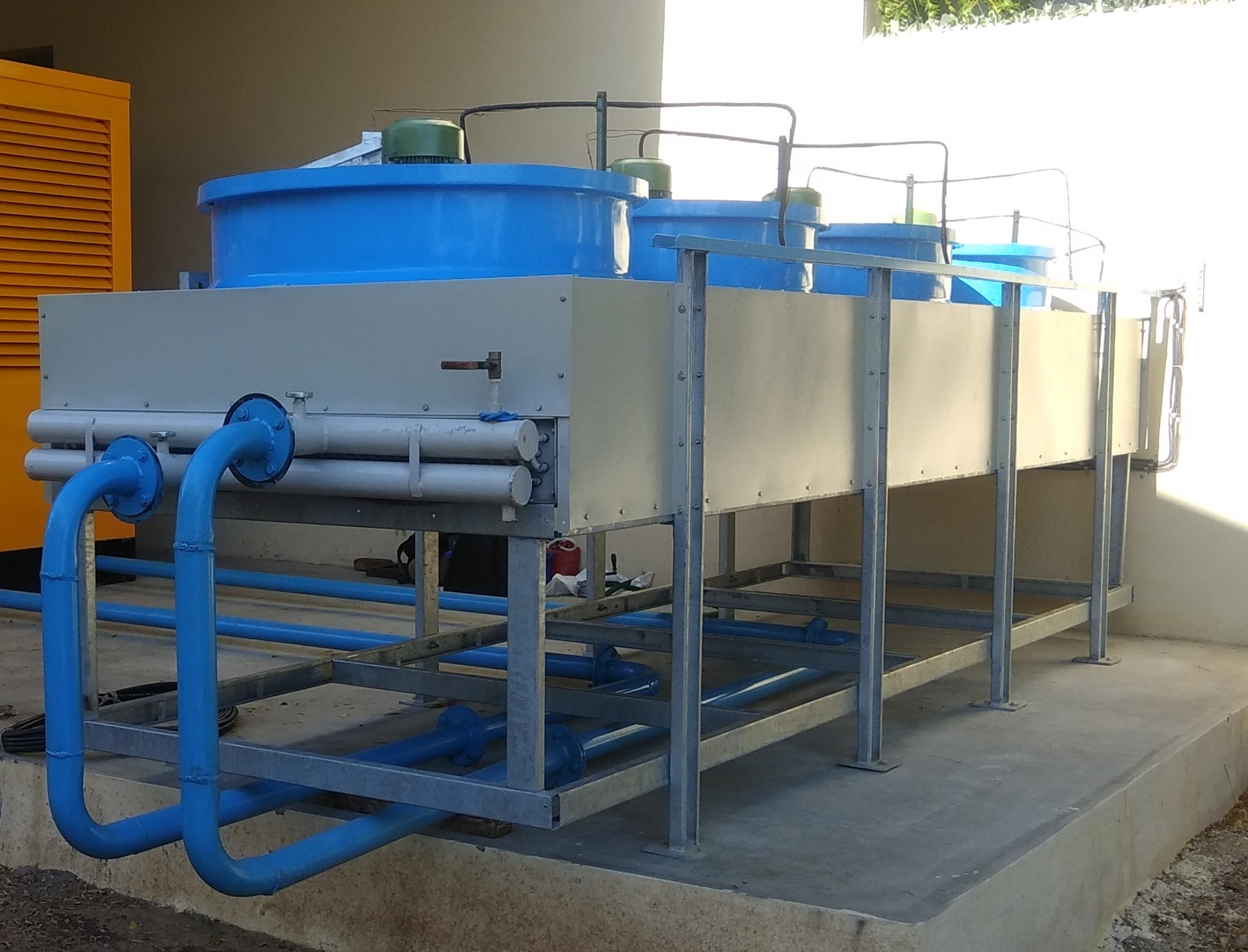
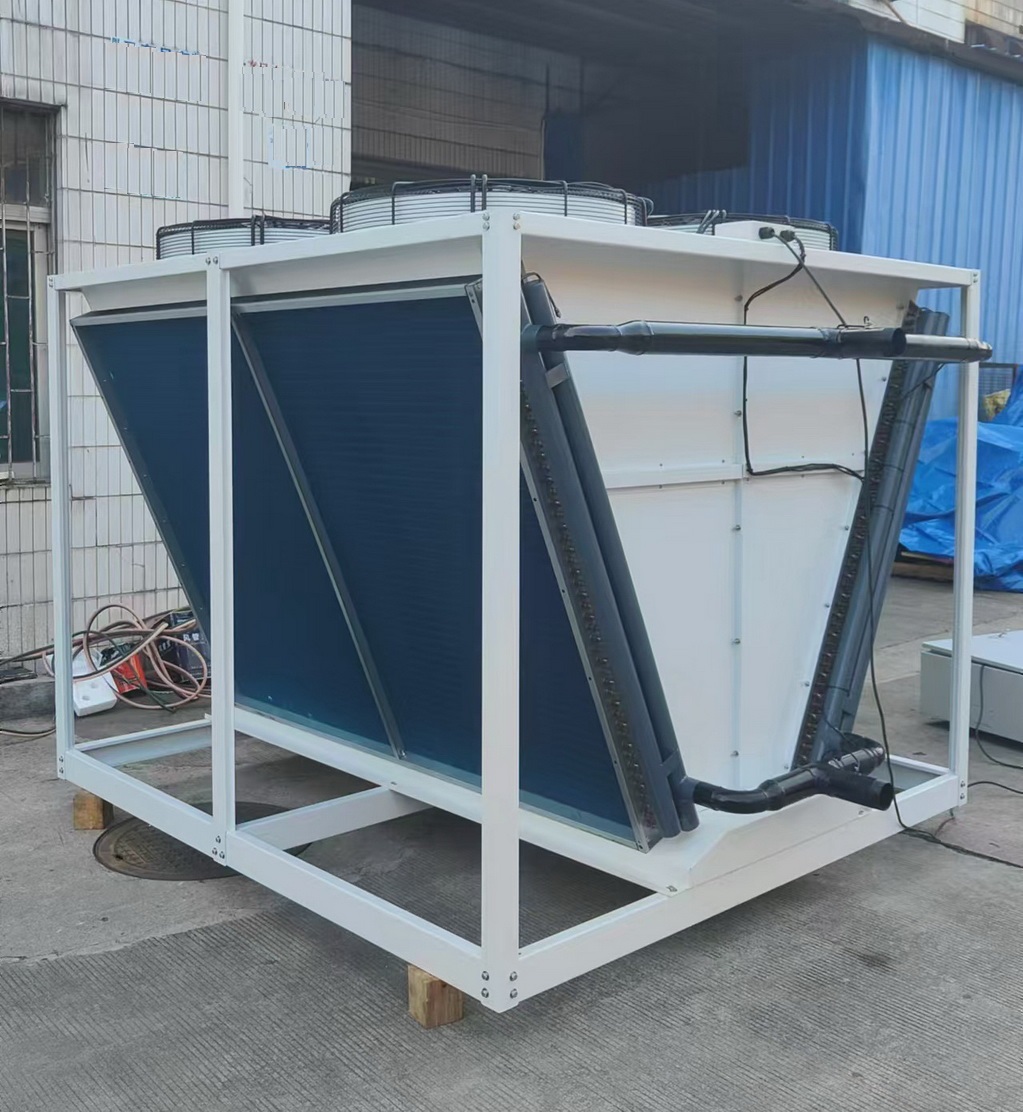
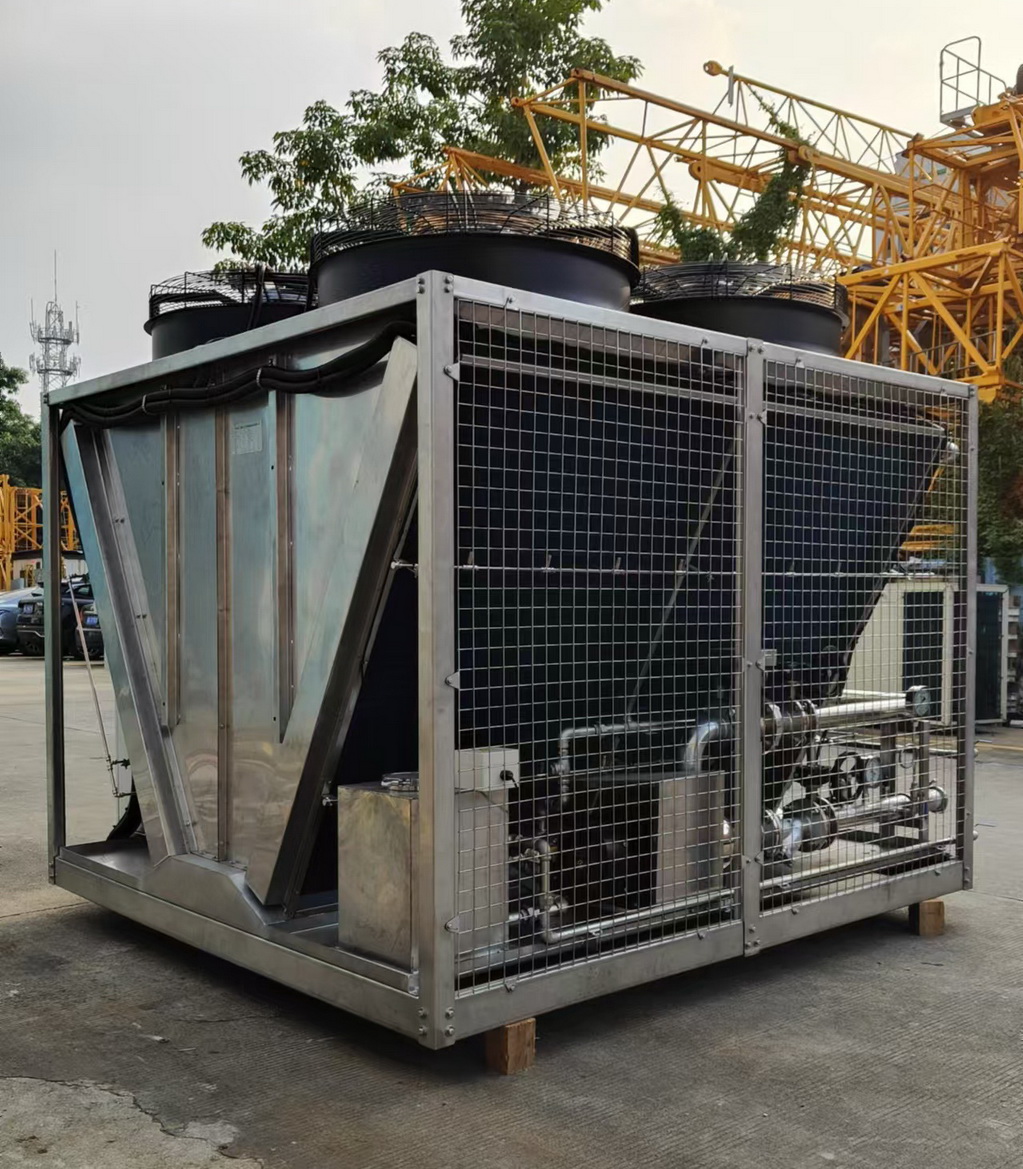
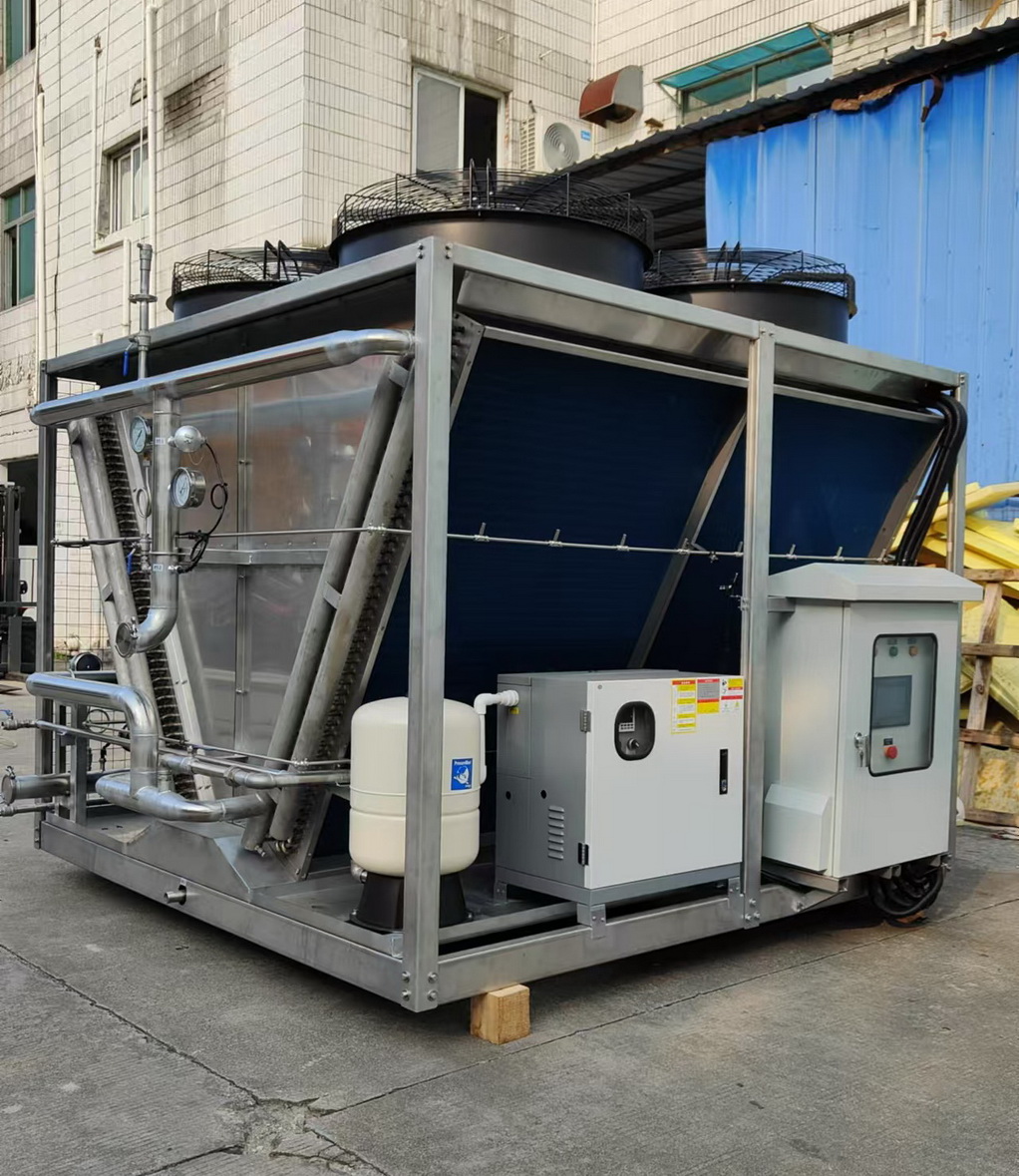
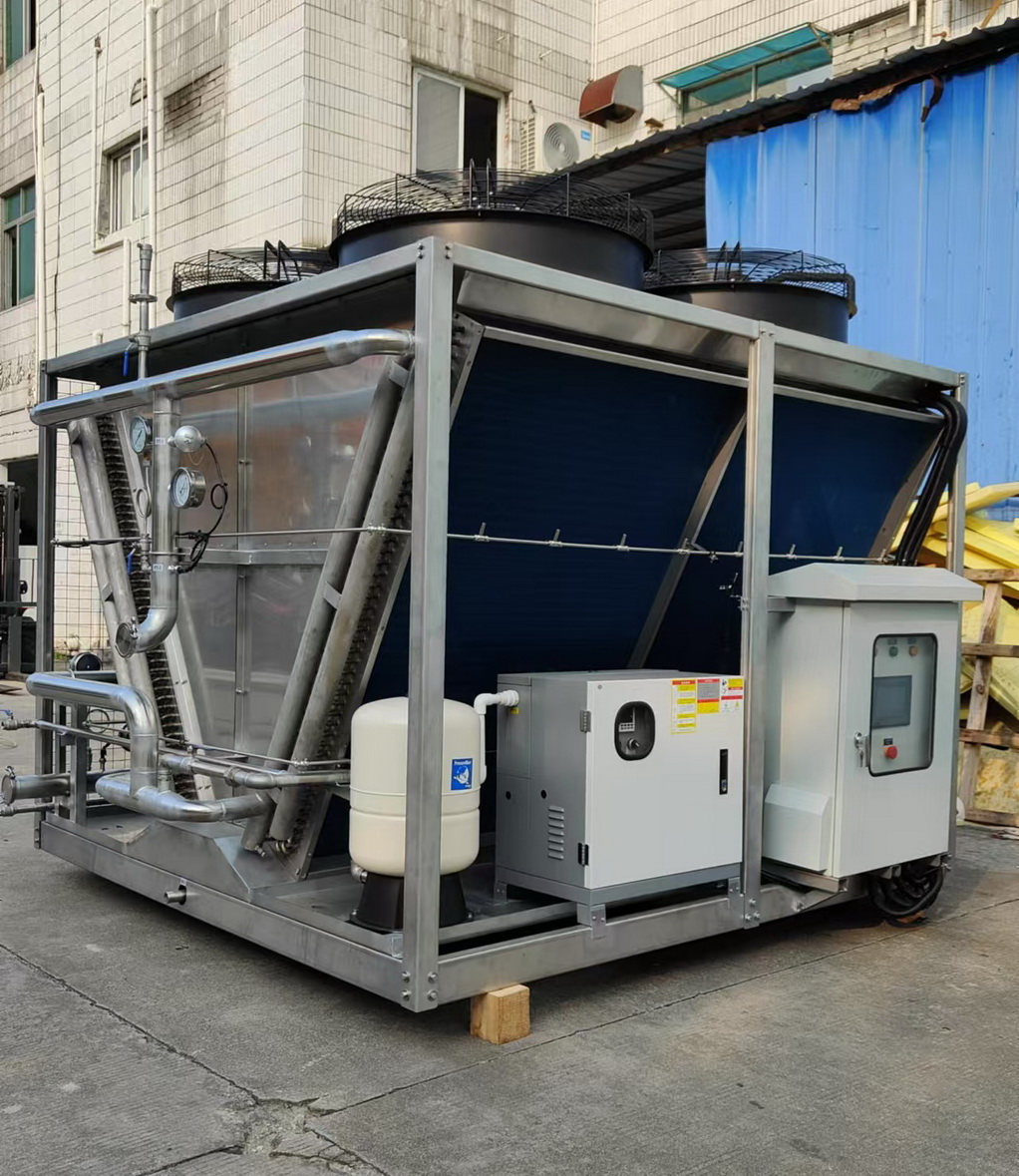
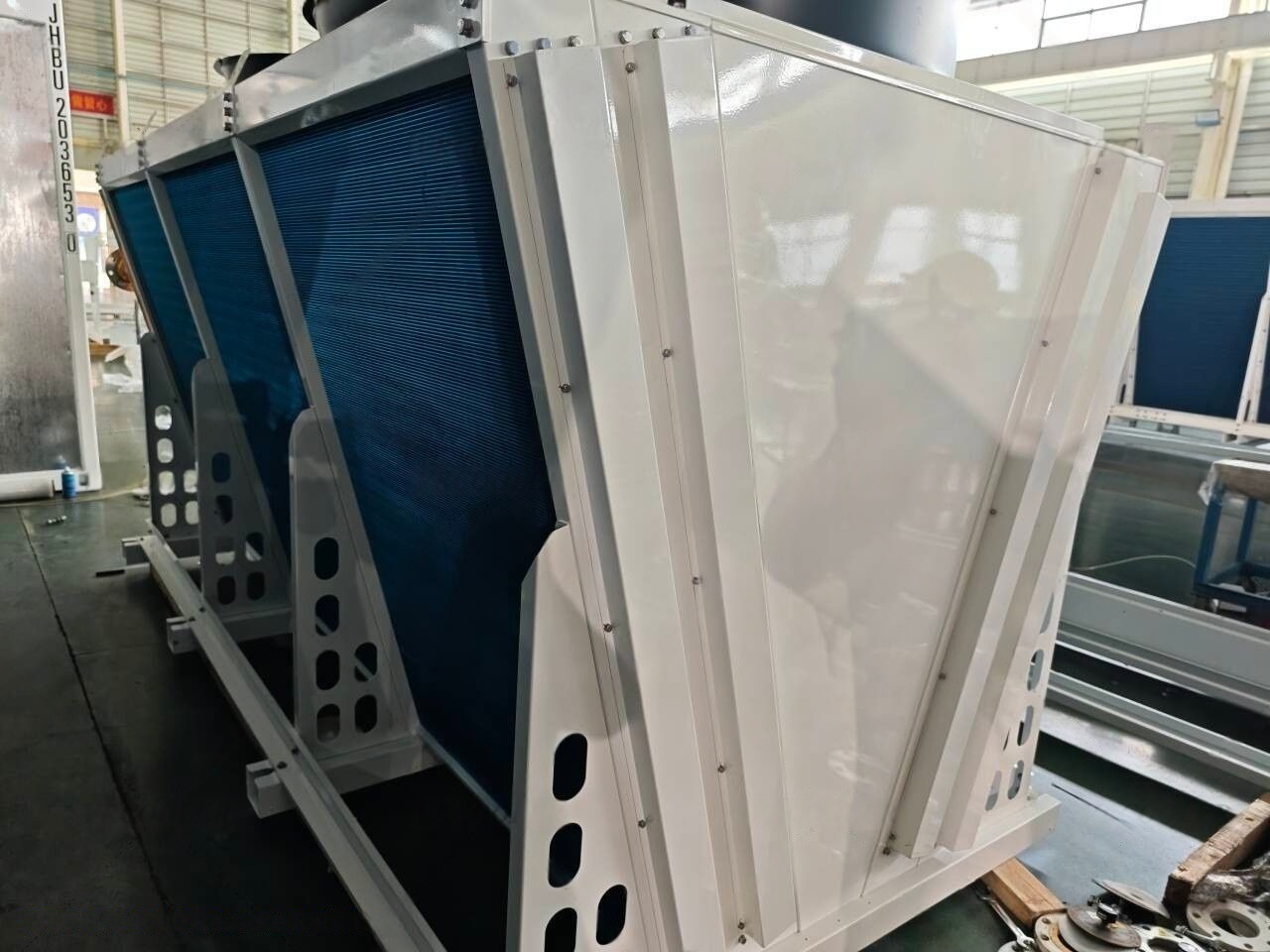
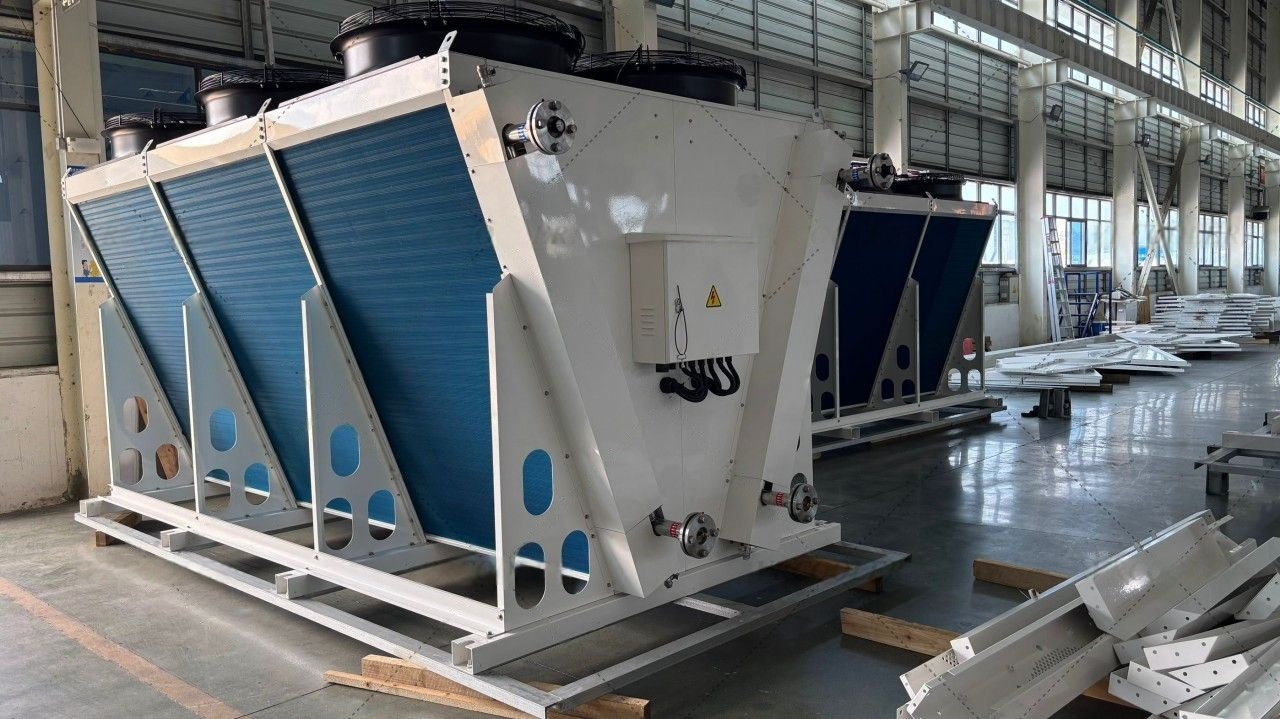
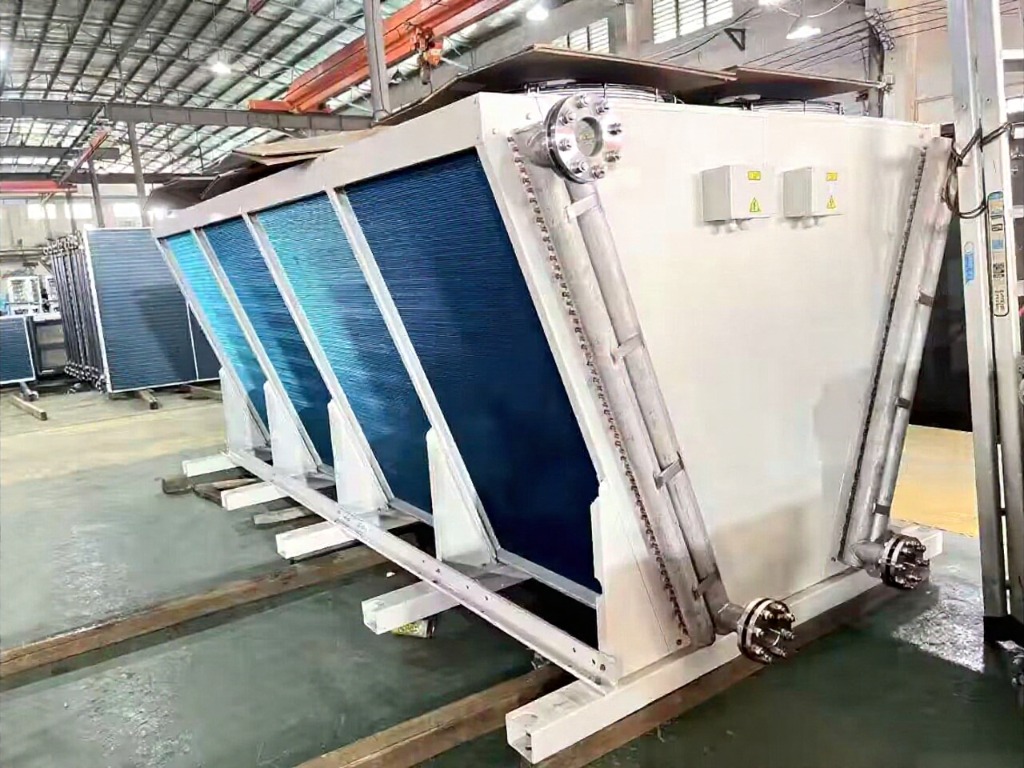
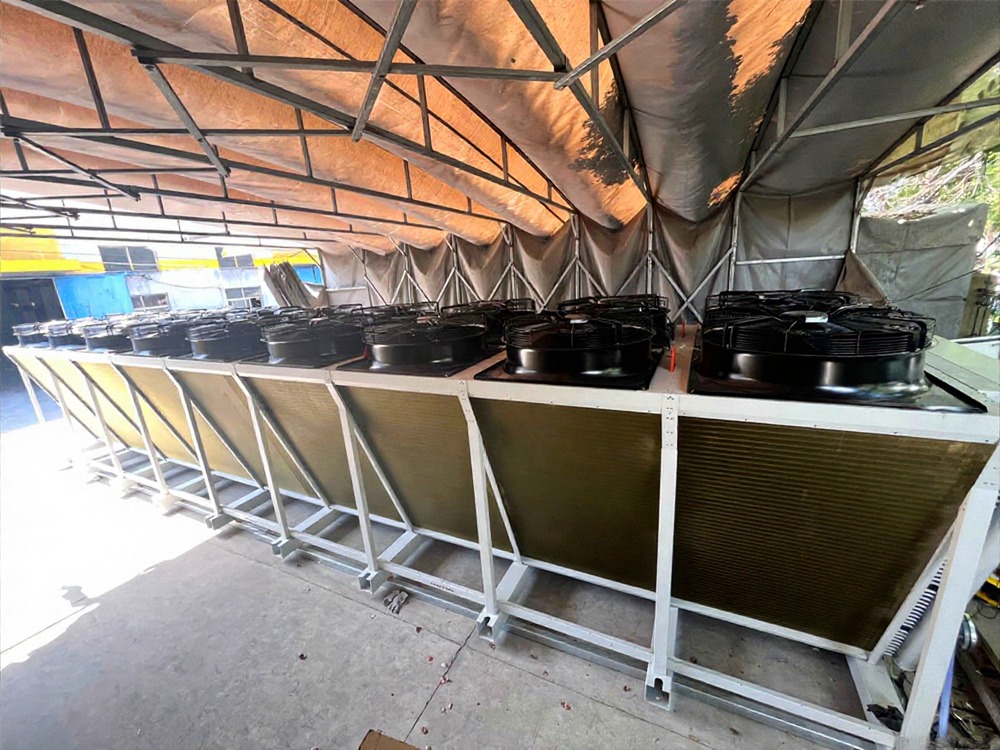
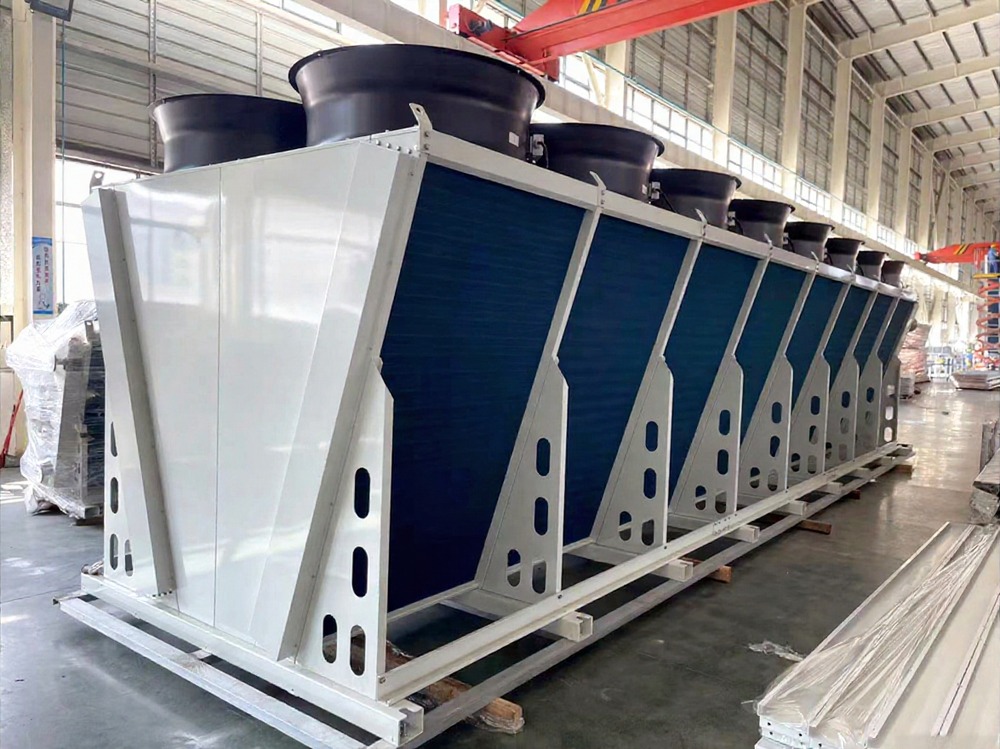
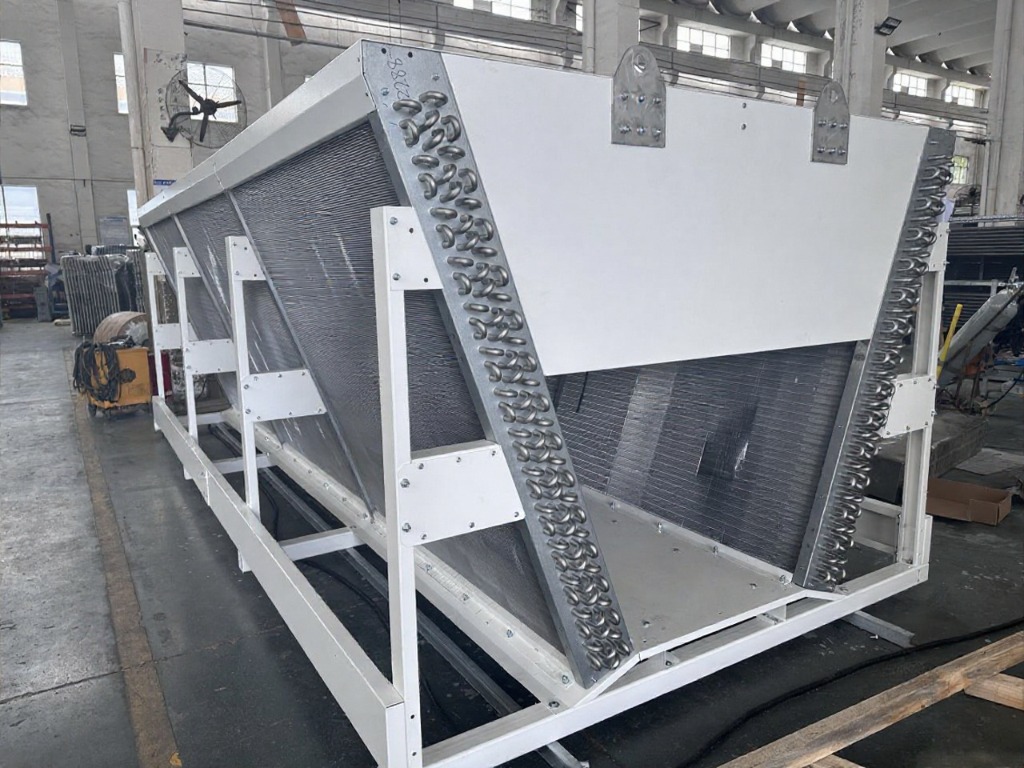
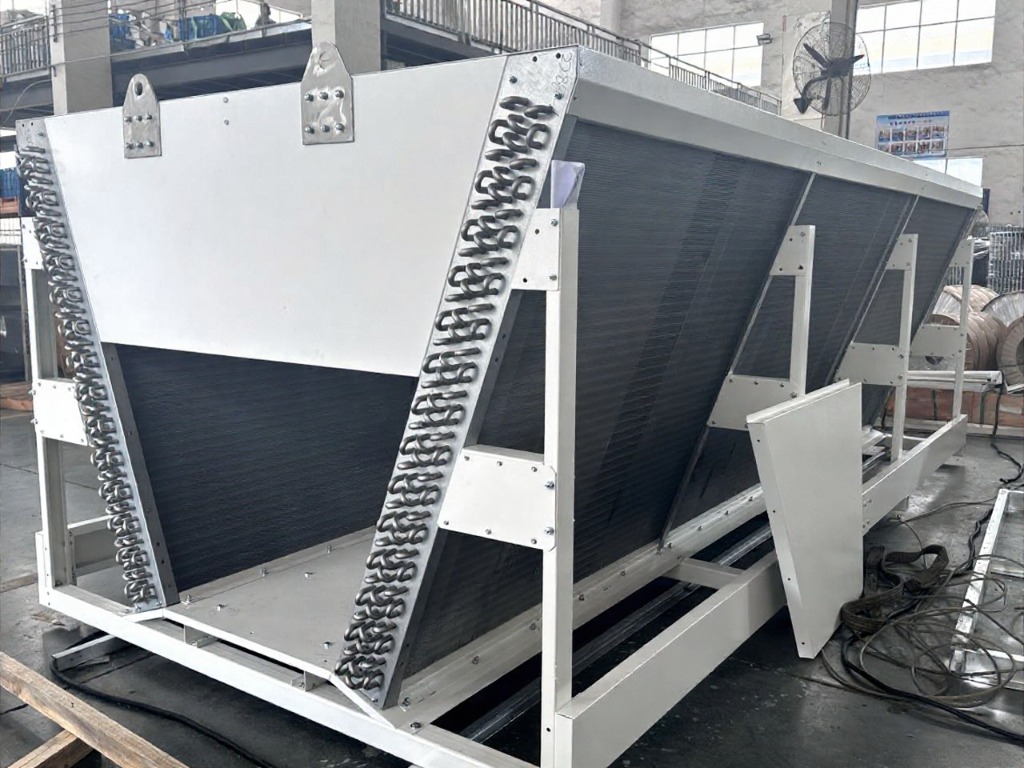
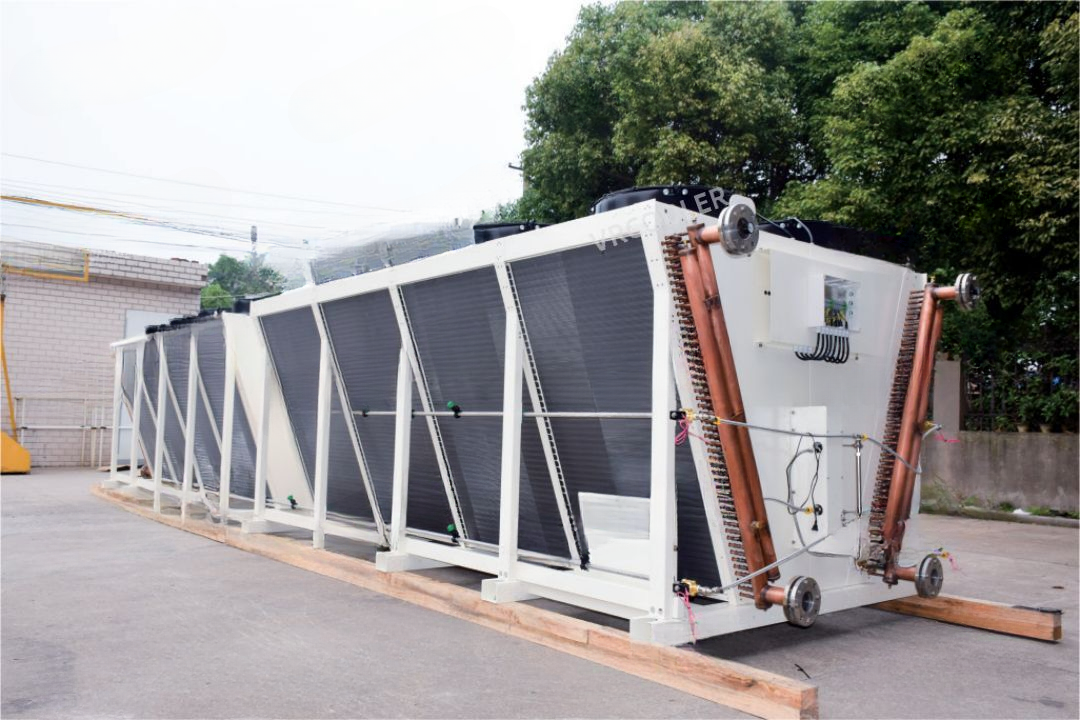
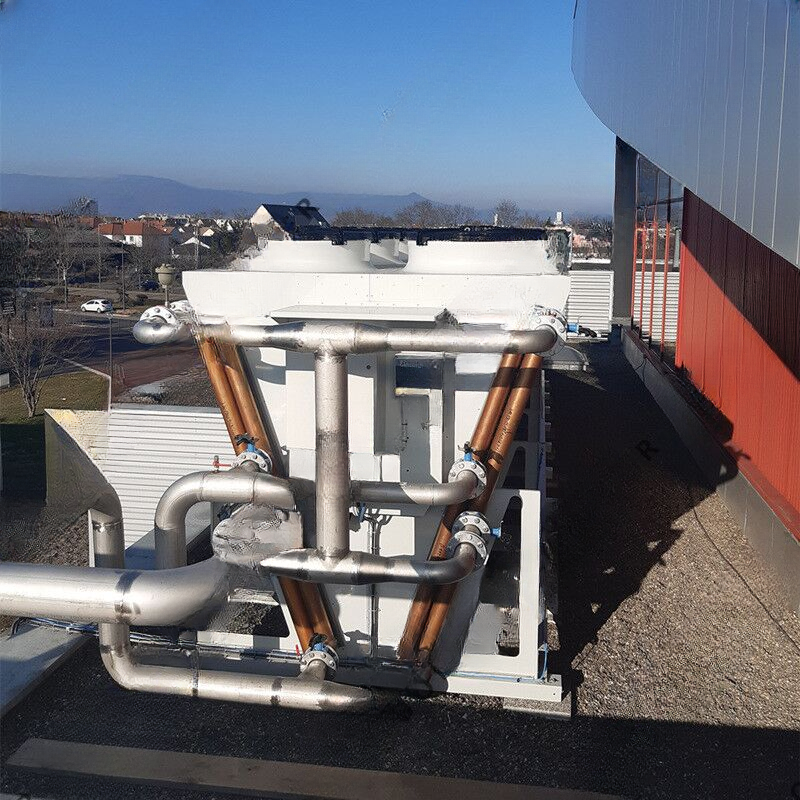
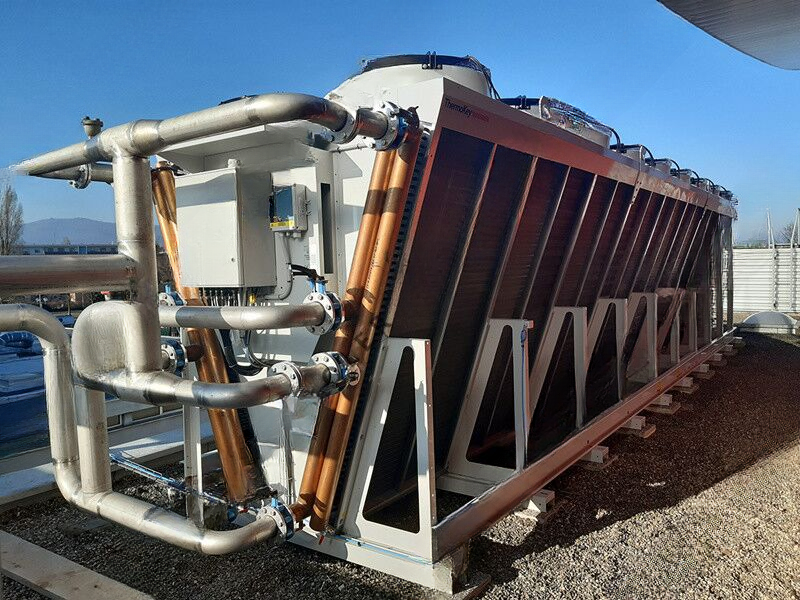
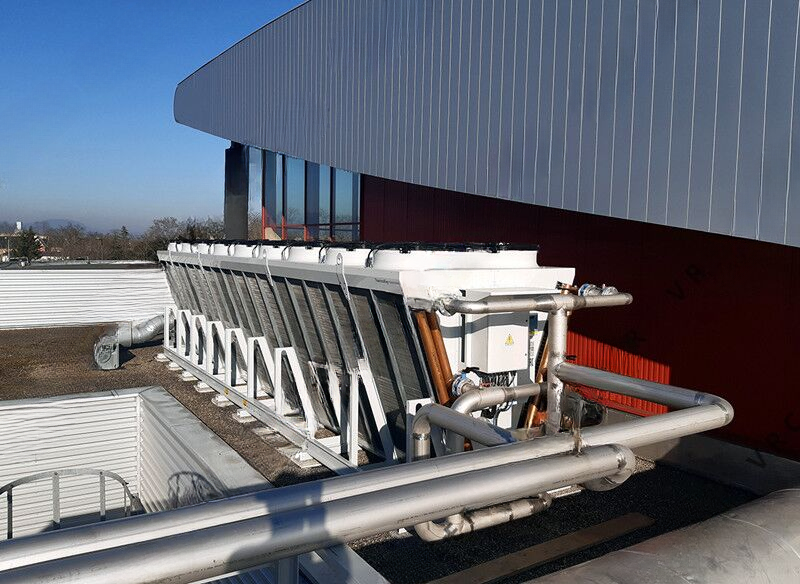
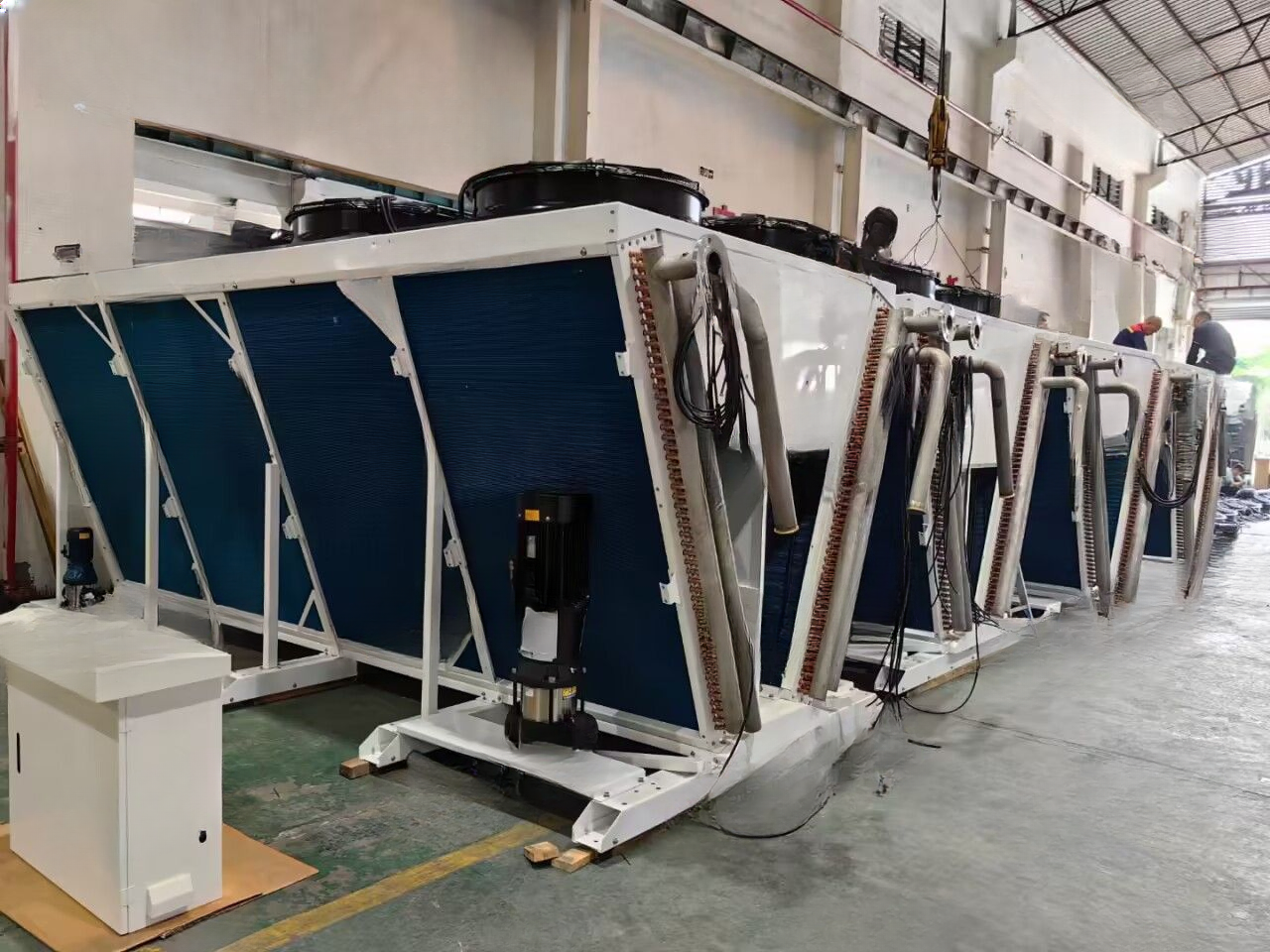
V Type Dry Fluid Cooler What is a Vertical (V-Flow) Dry Fluid Cooler? A Vertical Dry Fluid Cooler, most commonly recognized by its V-shaped coil configuration, is a type of heat rejection equipment where ambient air is drawn vertically upward through two angled coil banks and discharged out the top of the unit by one or more fans....
Here are the primary types of Dry Fluid Coolers: 1. Classification by Airflow Design This is the most common way to categorize dry coolers. a) Vertical Airflow (V-Flow or Up/Down Flow) Space-Efficient Footprint: Ideal for installations where floor space is limited but height is b) Horizontal Airflow (Horizontal Discharge) 2. Classification by...
Dry Fluid Cooler vs. Cooling Tower vs. Fluid Cooler This is a common point of confusion. Here’s the breakdown: Feature Dry Fluid Cooler Evaporative (Open) Cooling Tower Fluid Cooler (Closed-Circuit Cooling Tower) Heat Transfer Method Sensible Only (air cools fluid) Latent (Evaporative) (water evaporates) Sensible + Latent (Hybrid)...
A Dry Fluid Cooler works on the principle of sensible heat transfer. It uses ambient air to cool a process fluid without the fluid and air ever coming into direct contact. The heat is rejected solely through the transfer of thermal energy (sensible heat) from the hot fluid to the cooler air across a metal barrier. […]
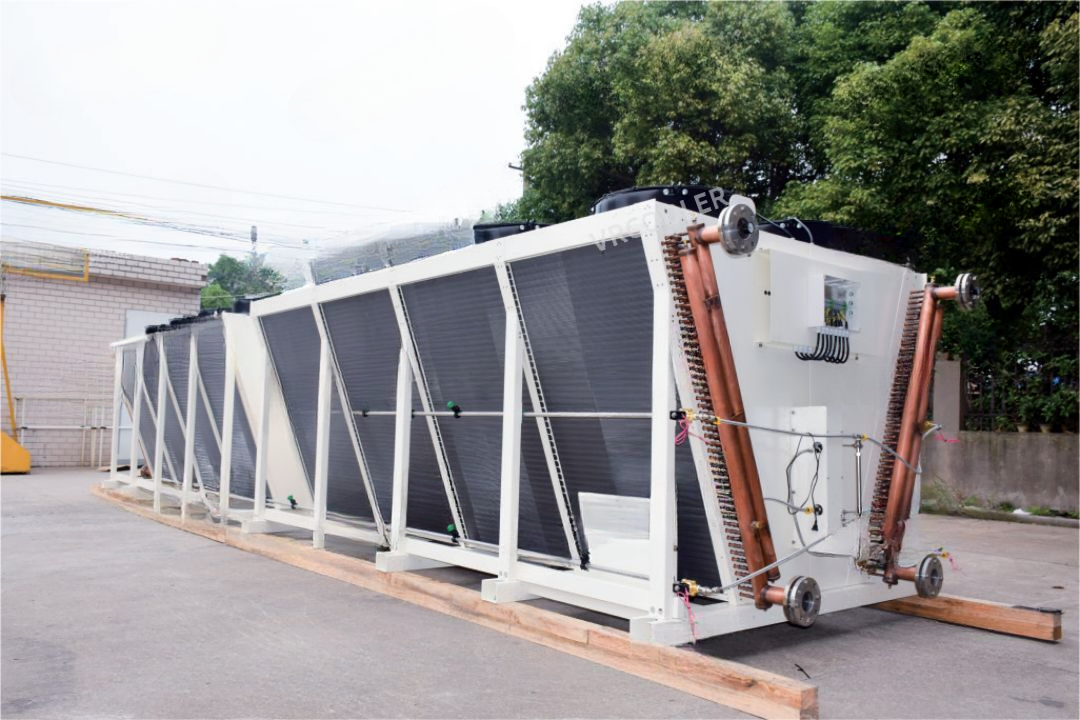
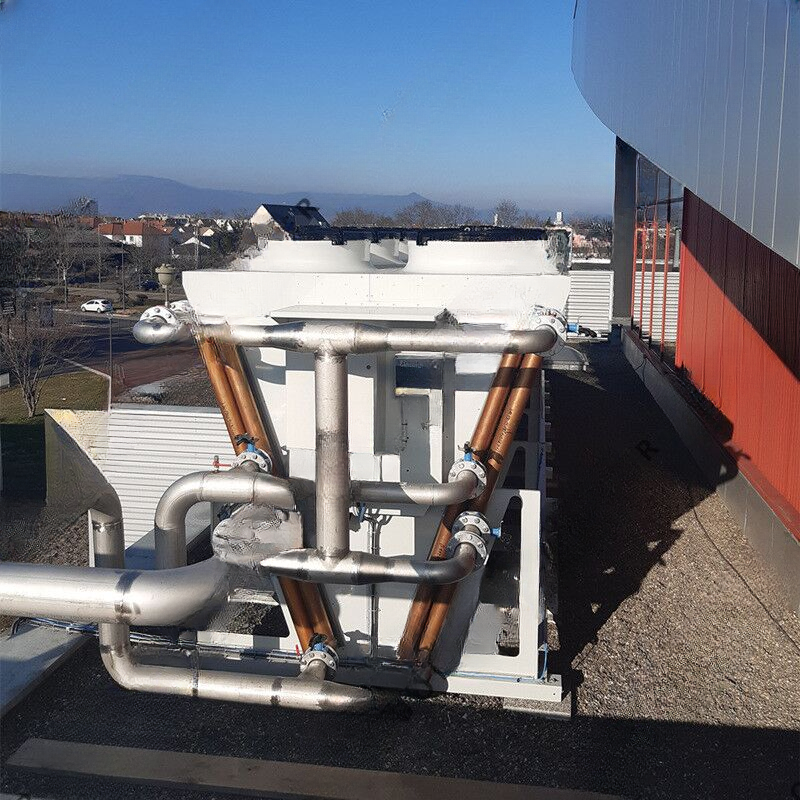
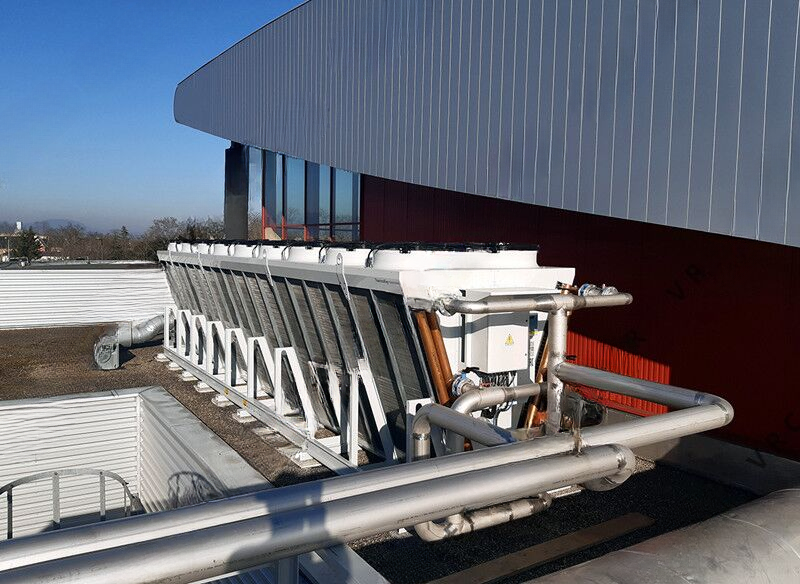
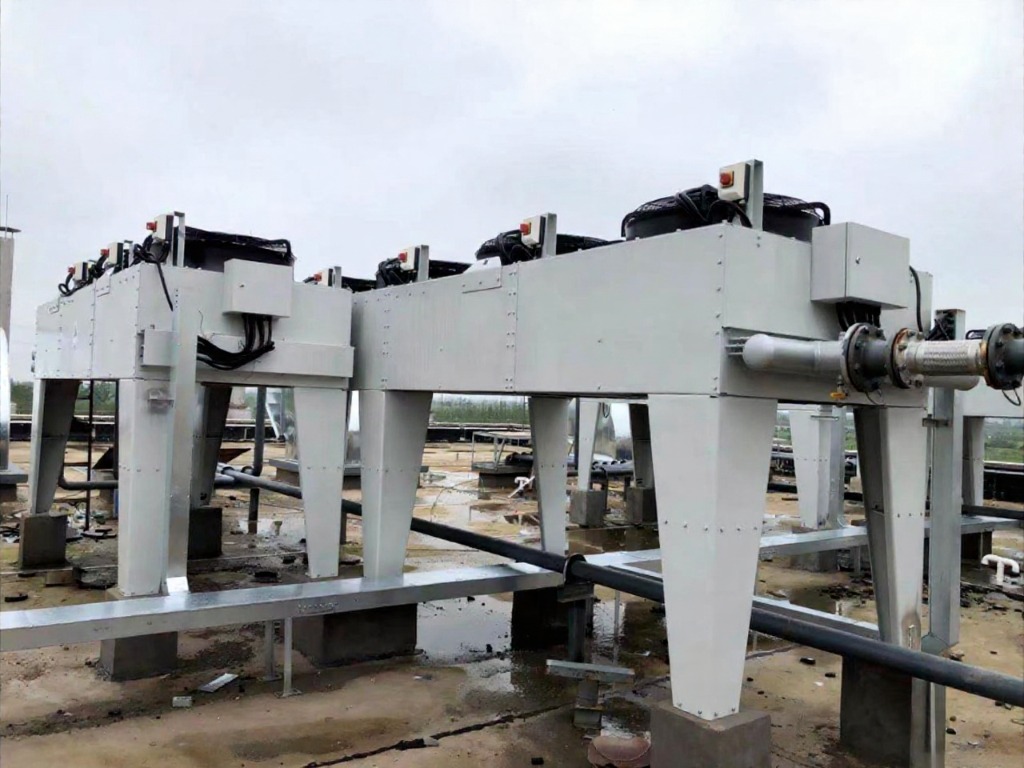
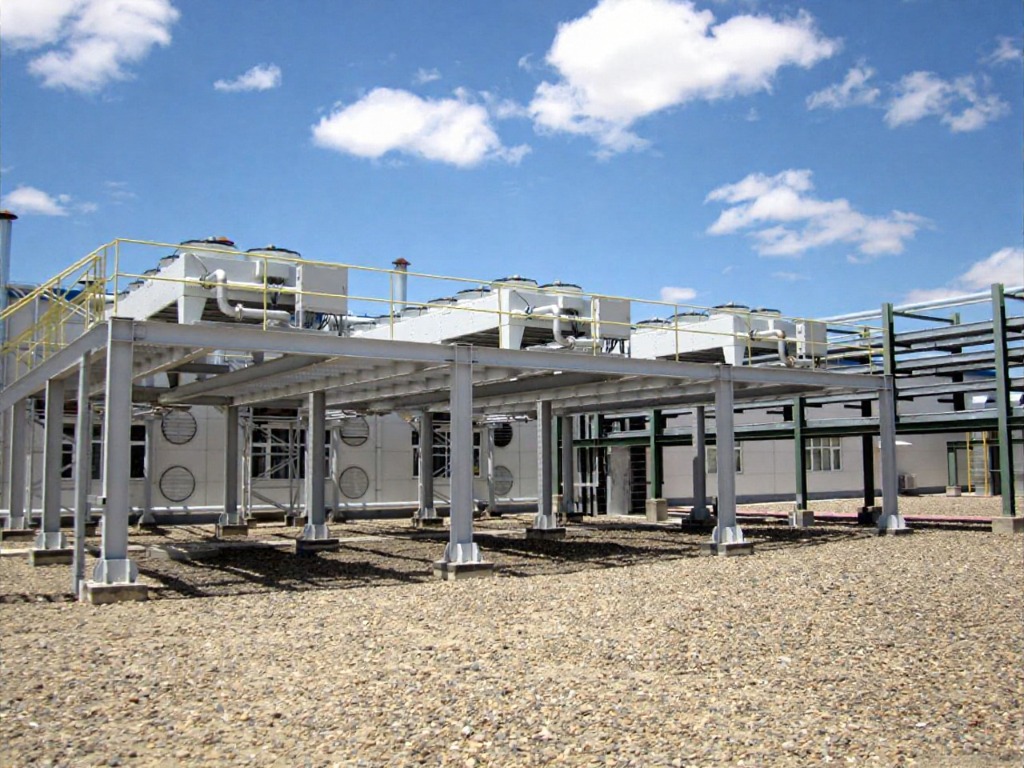
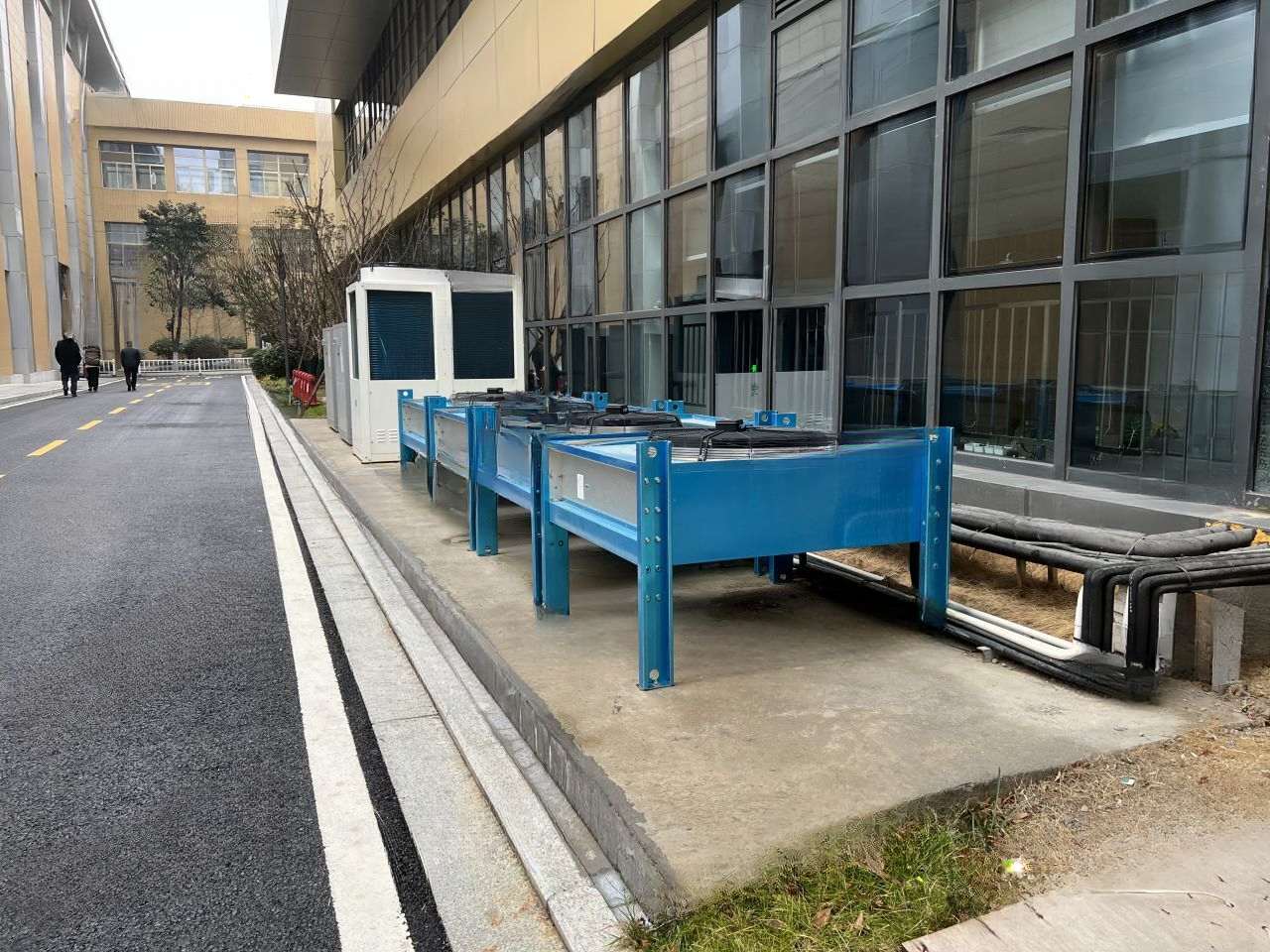
A Dry Fluid Cooler (also known as a Dry Cooler or Air Cooled Heat Exchanger) is a device that cools a process fluid (most commonly water or a water-glycol mixture) using ambient air. The key characteristic is that the process fluid never directly contacts the cooling air; it remains contained within a closed-loop coil....