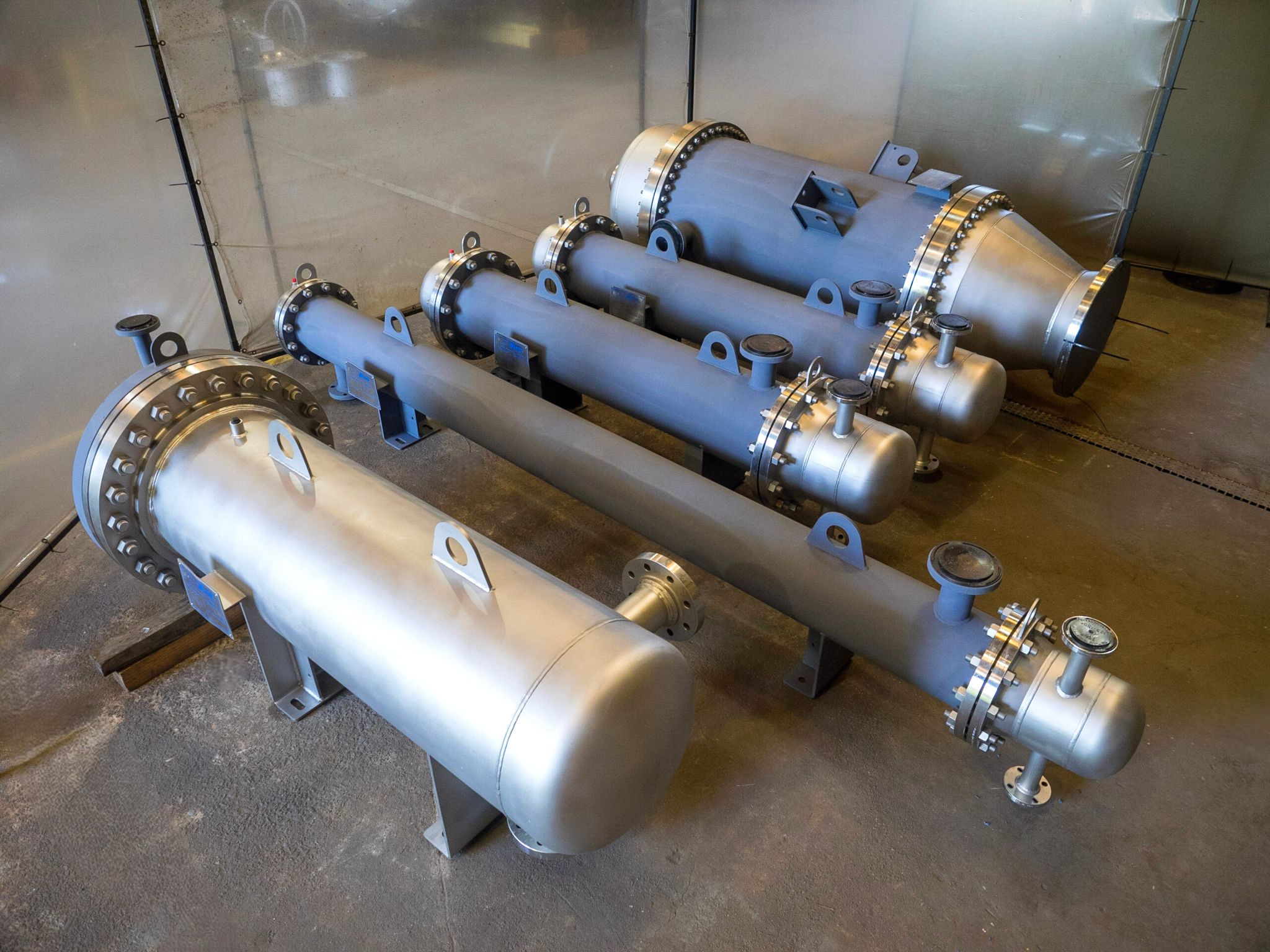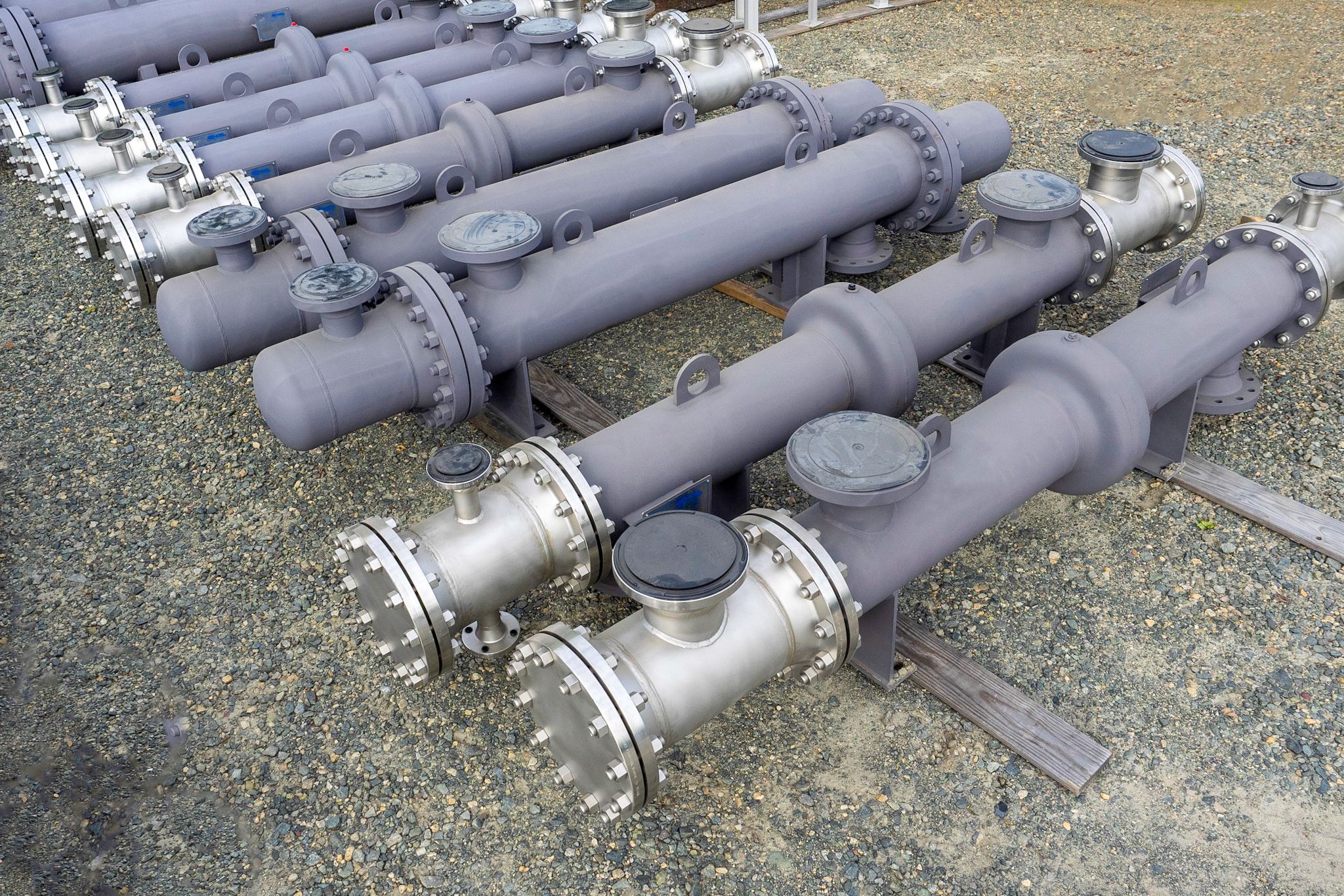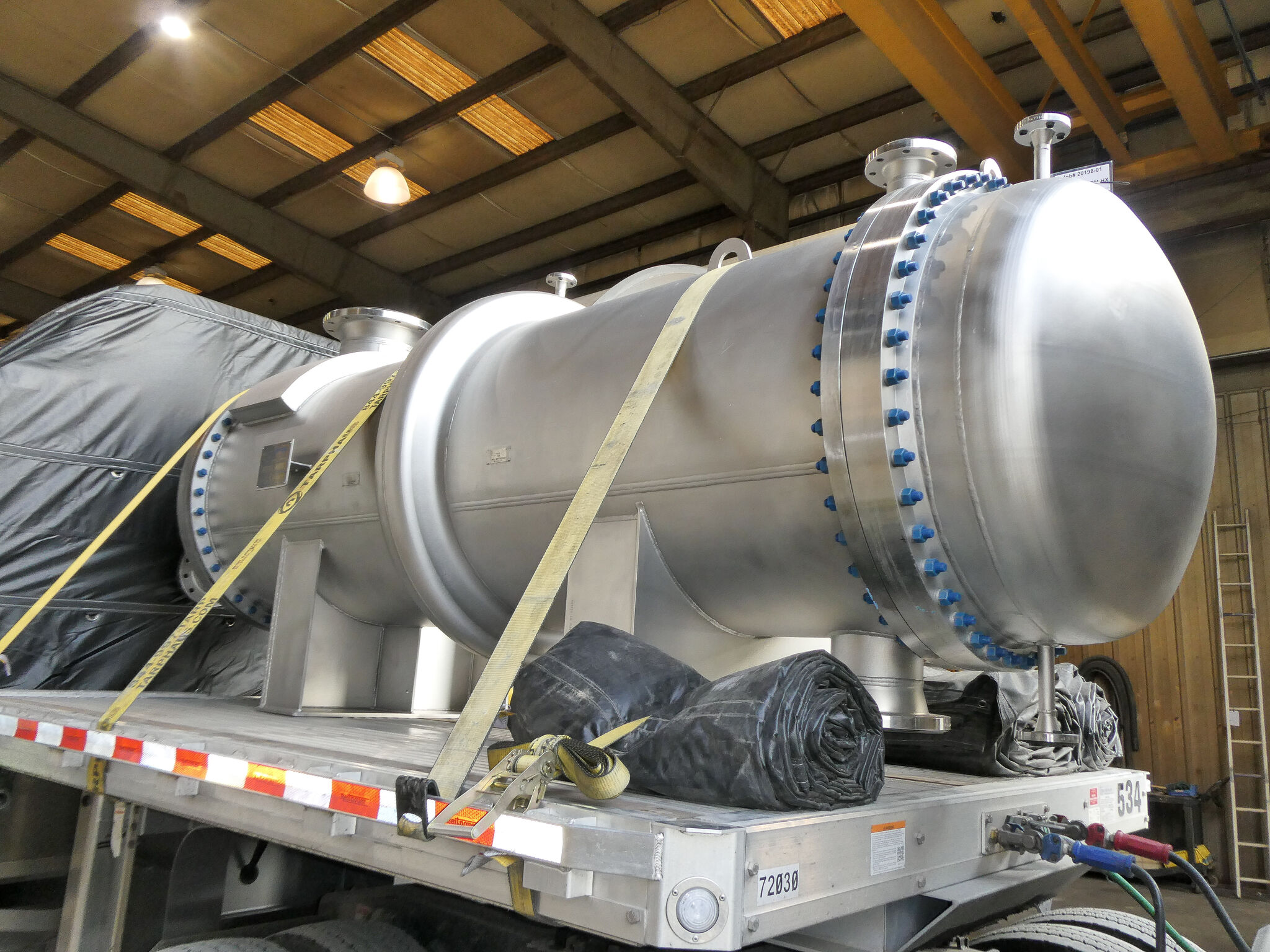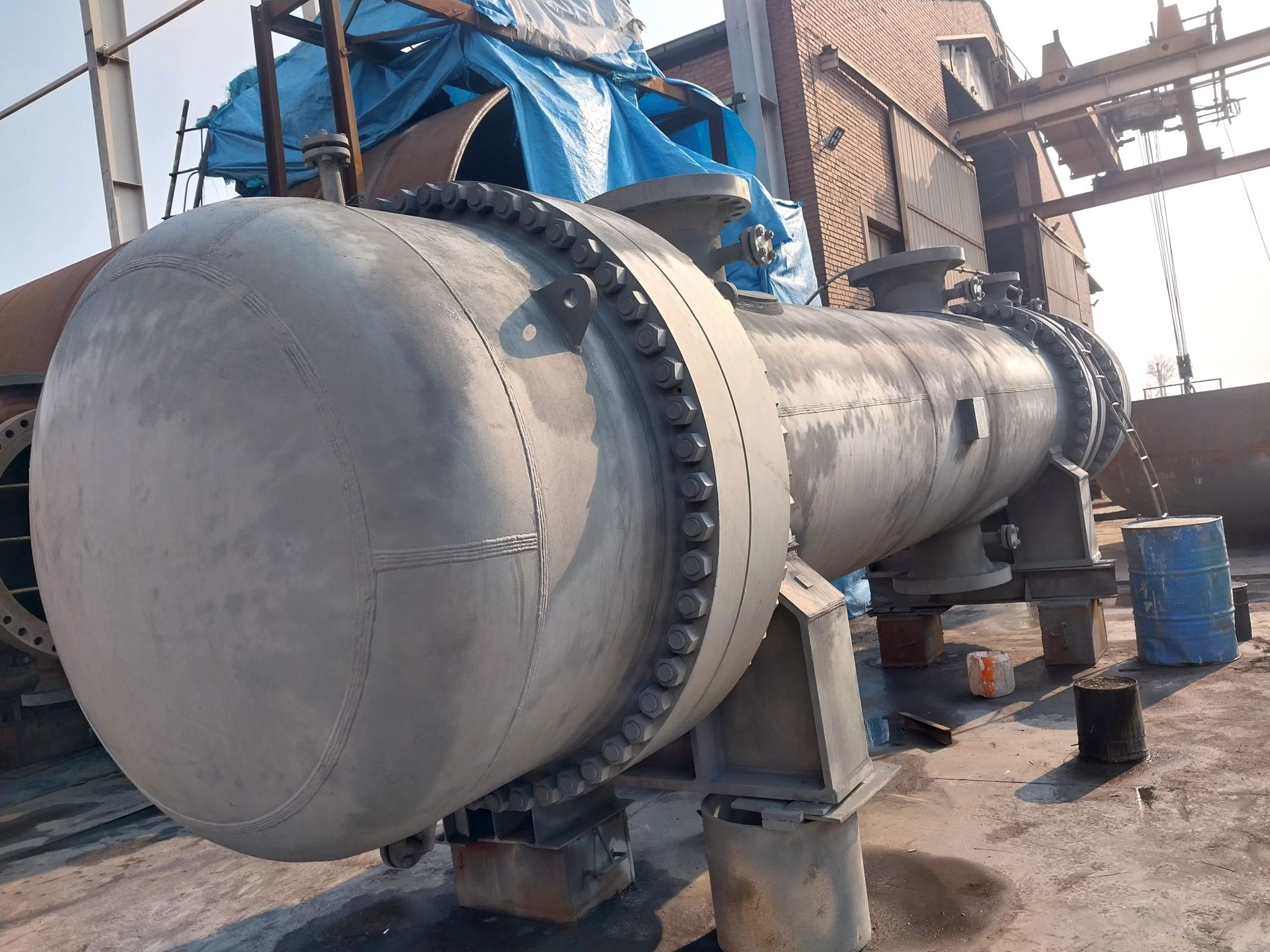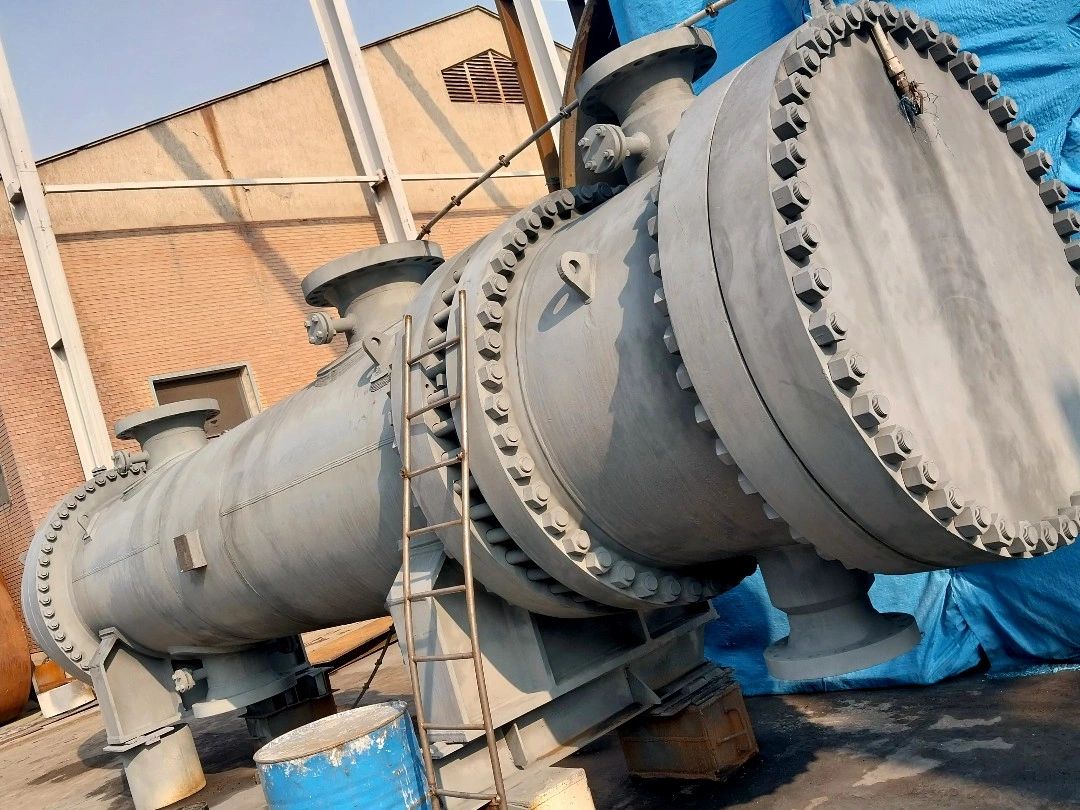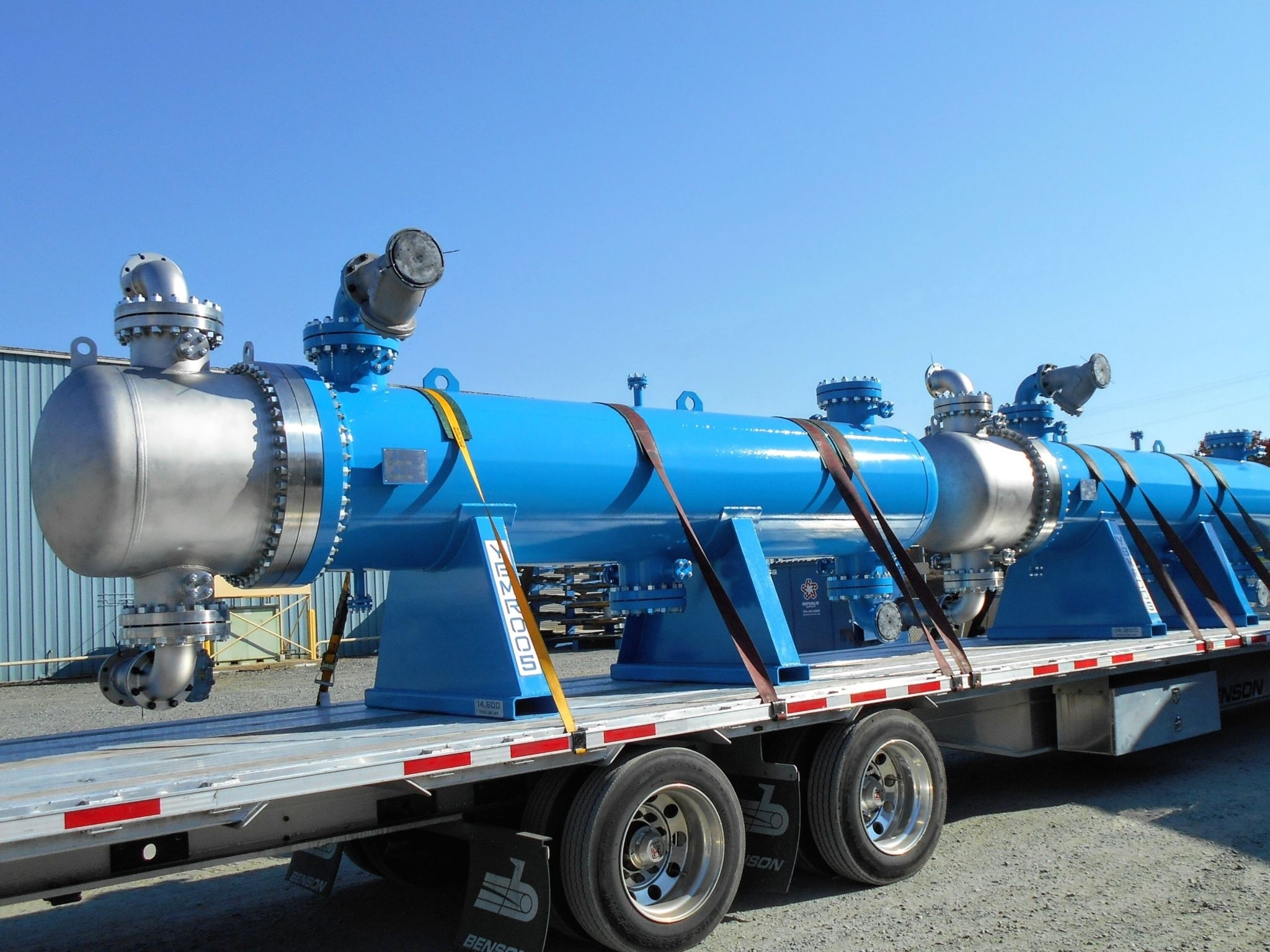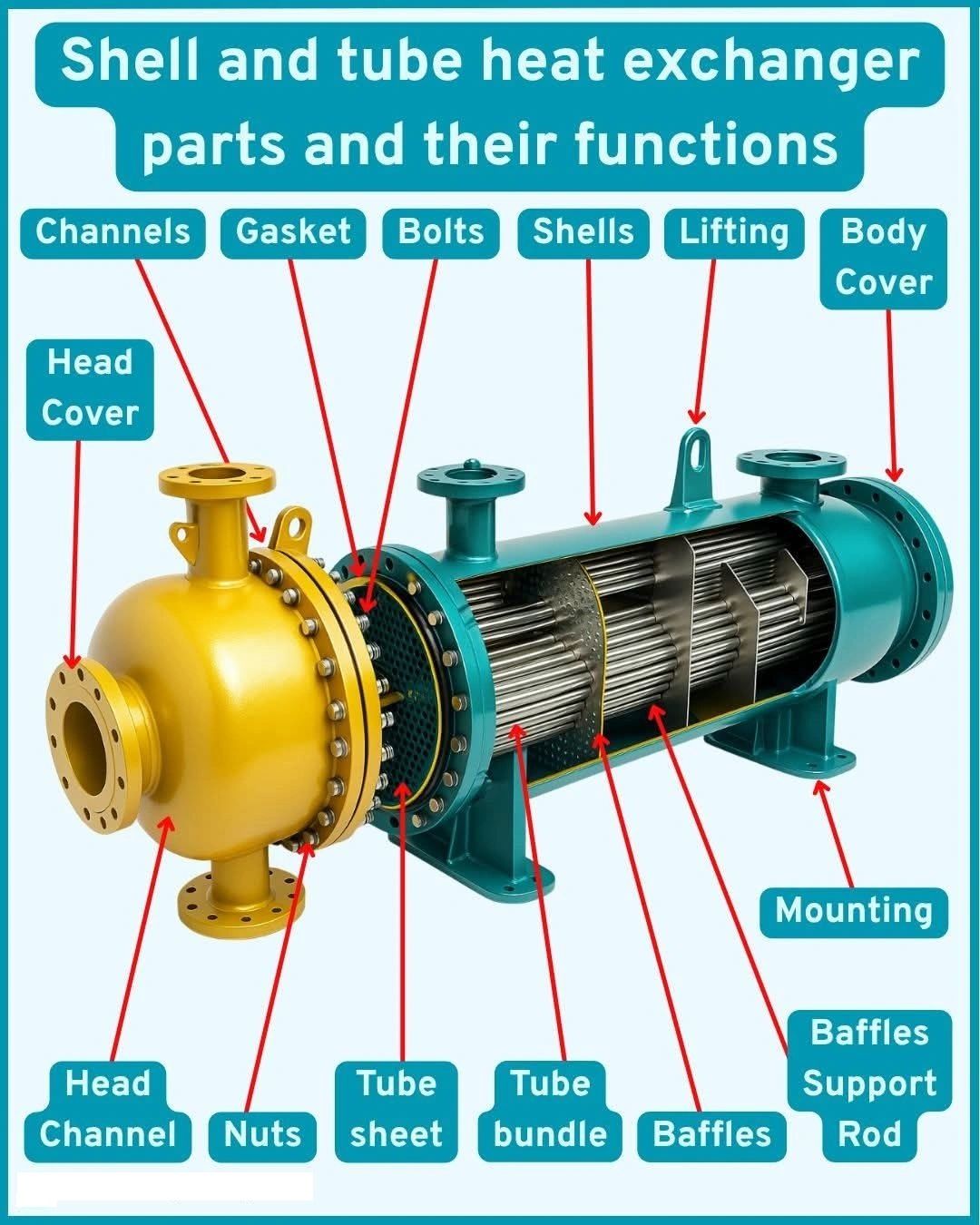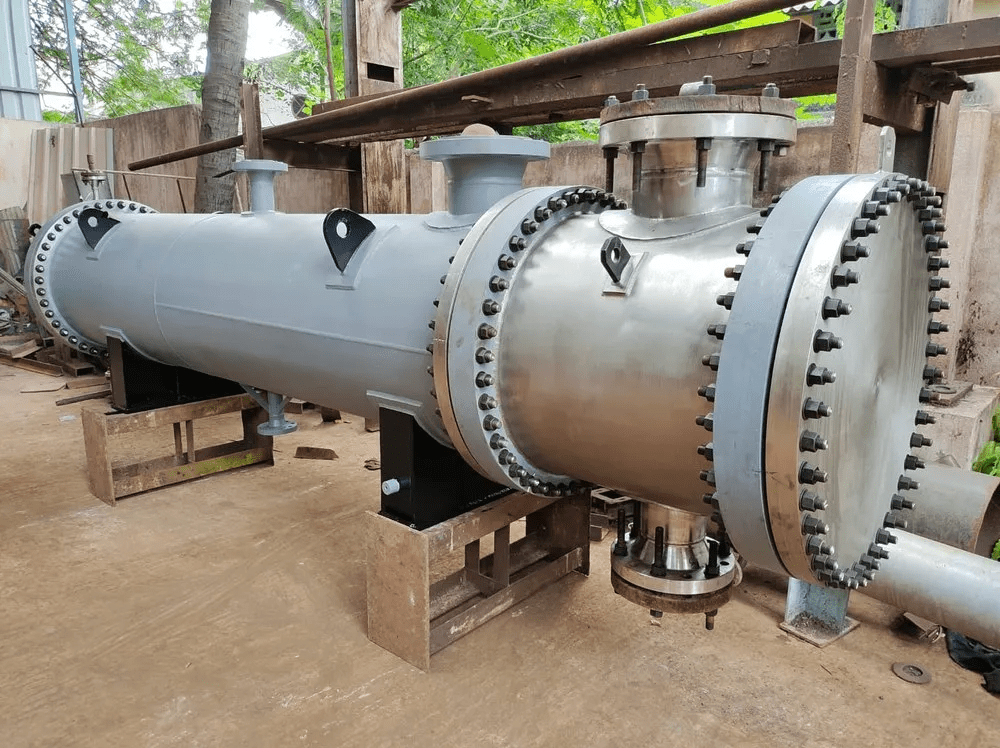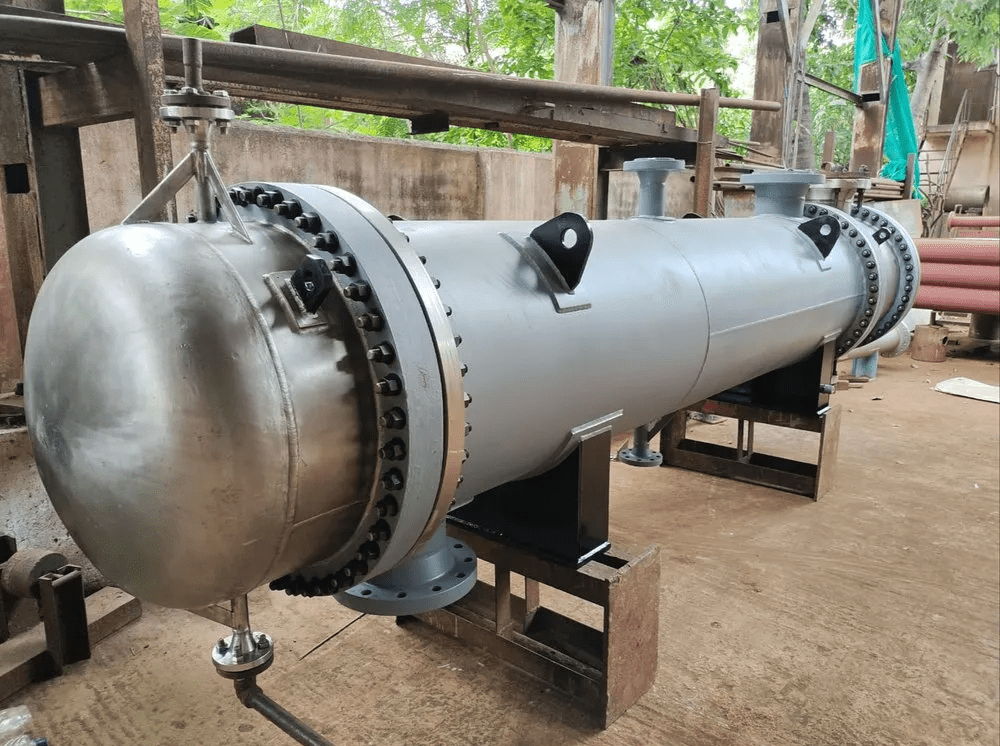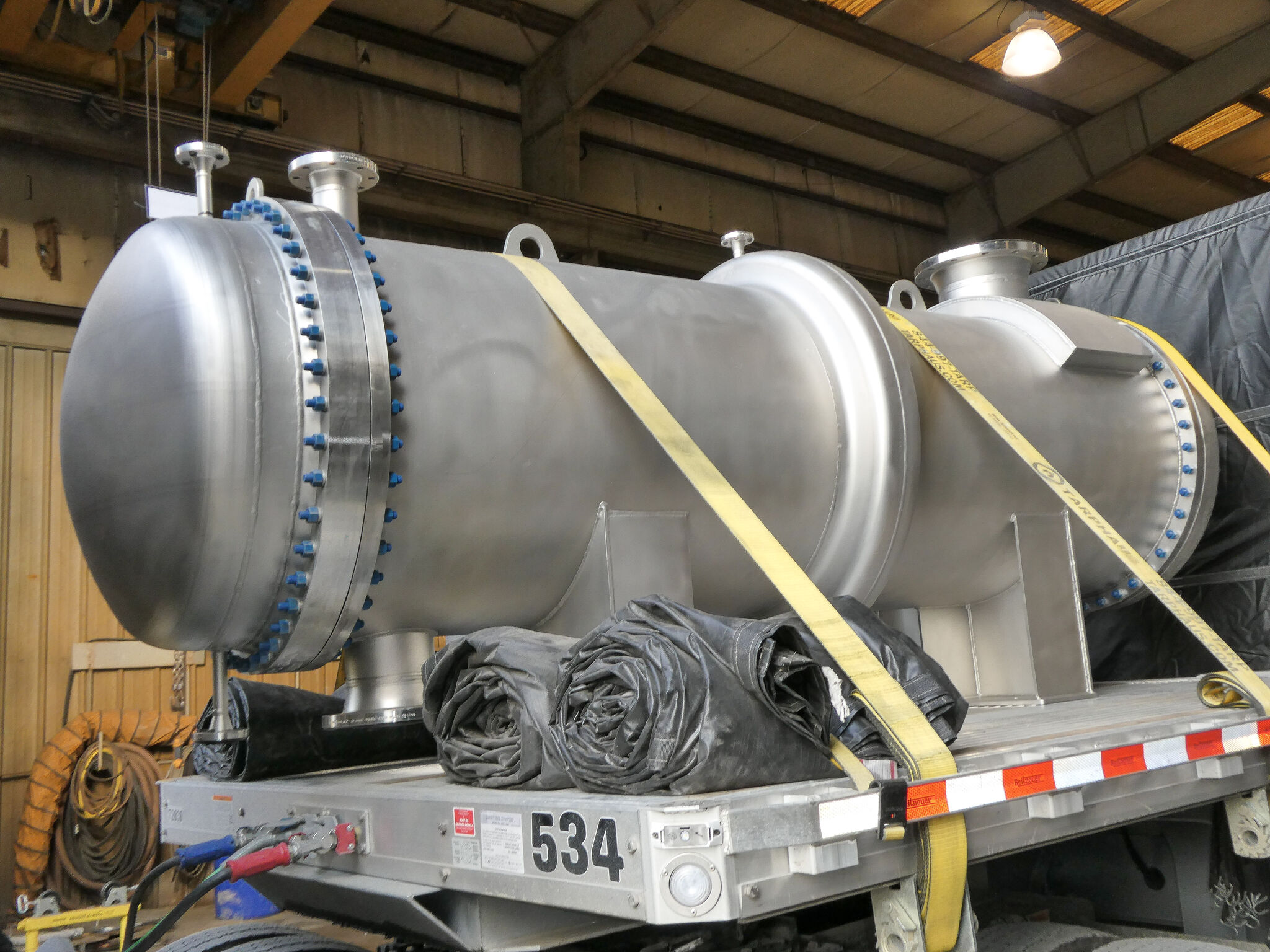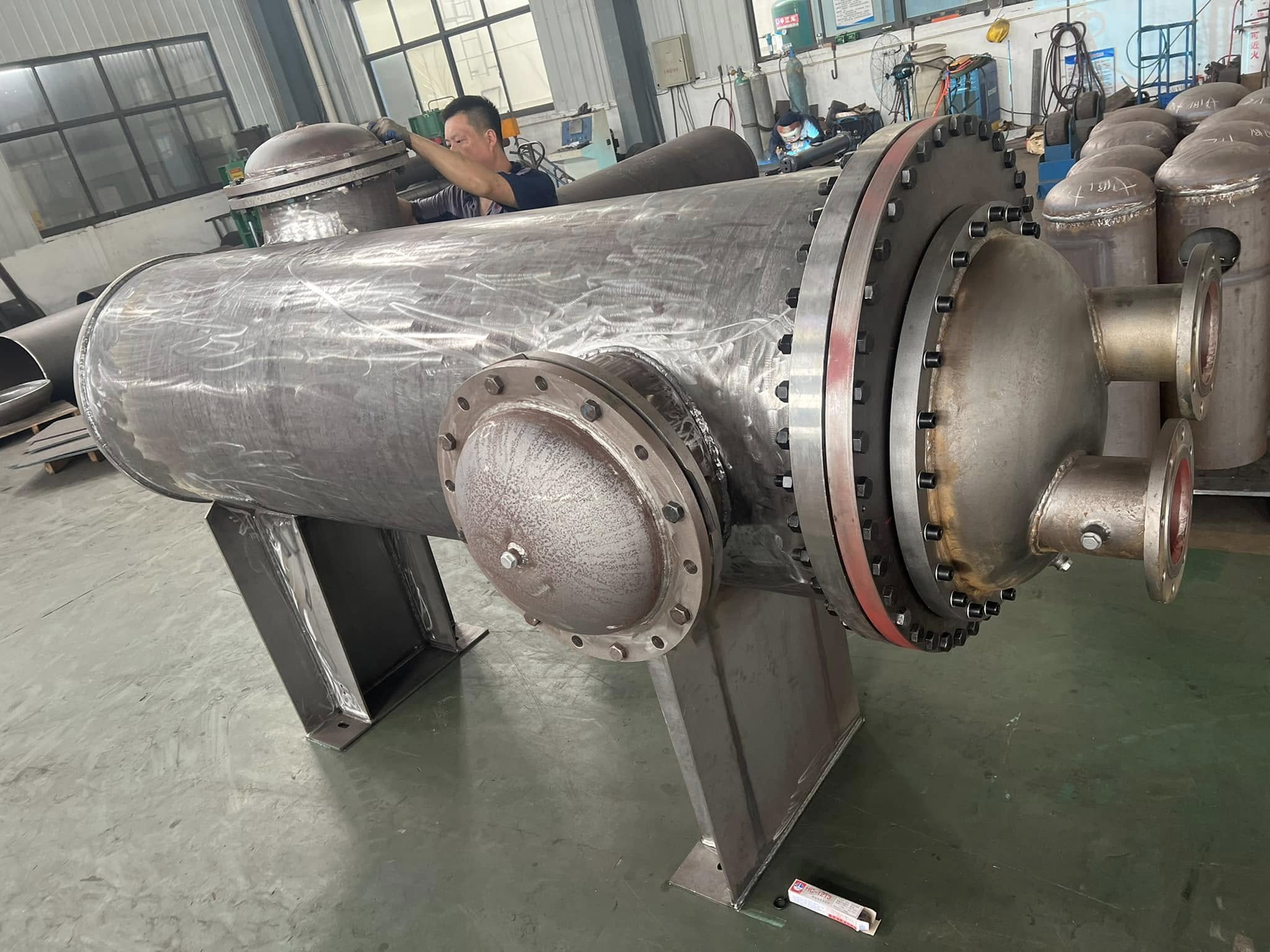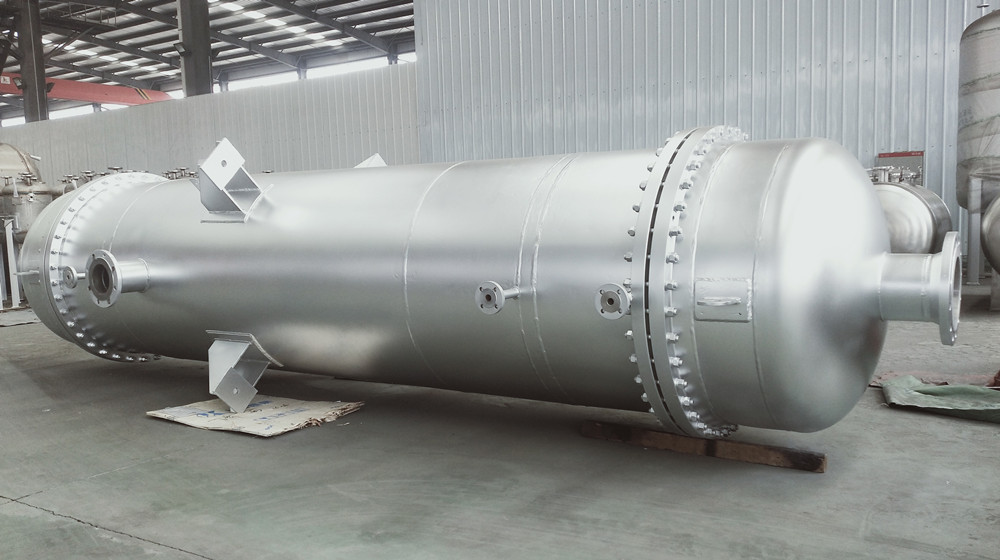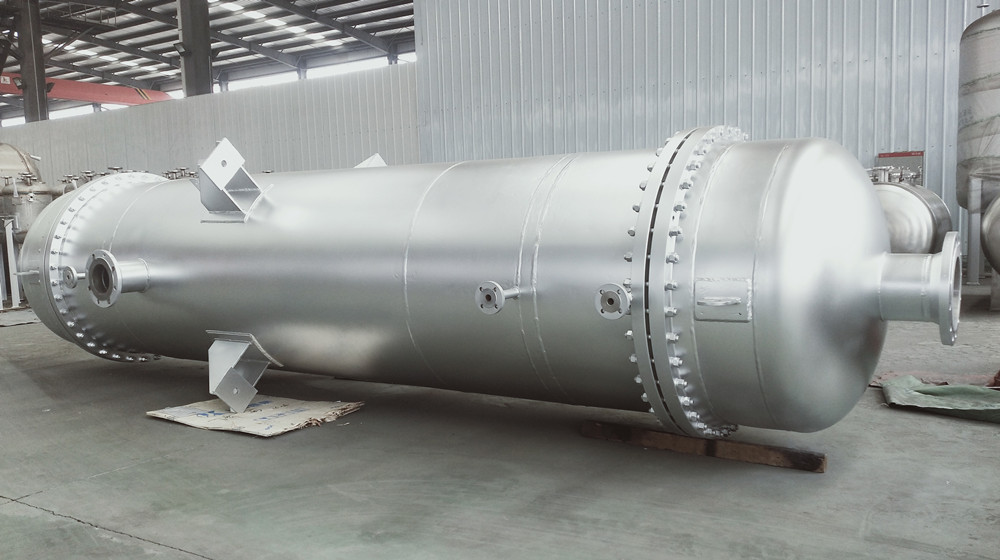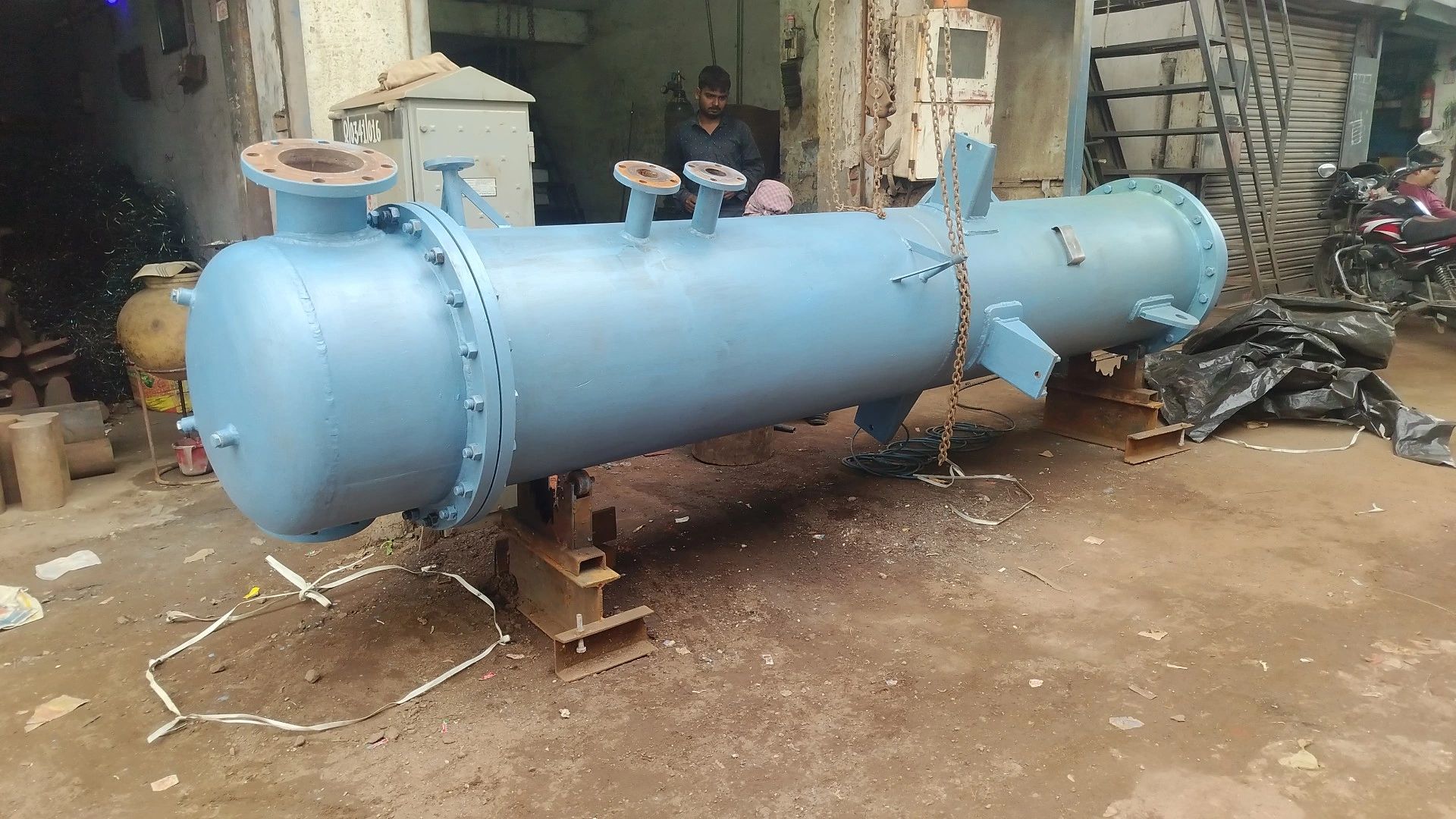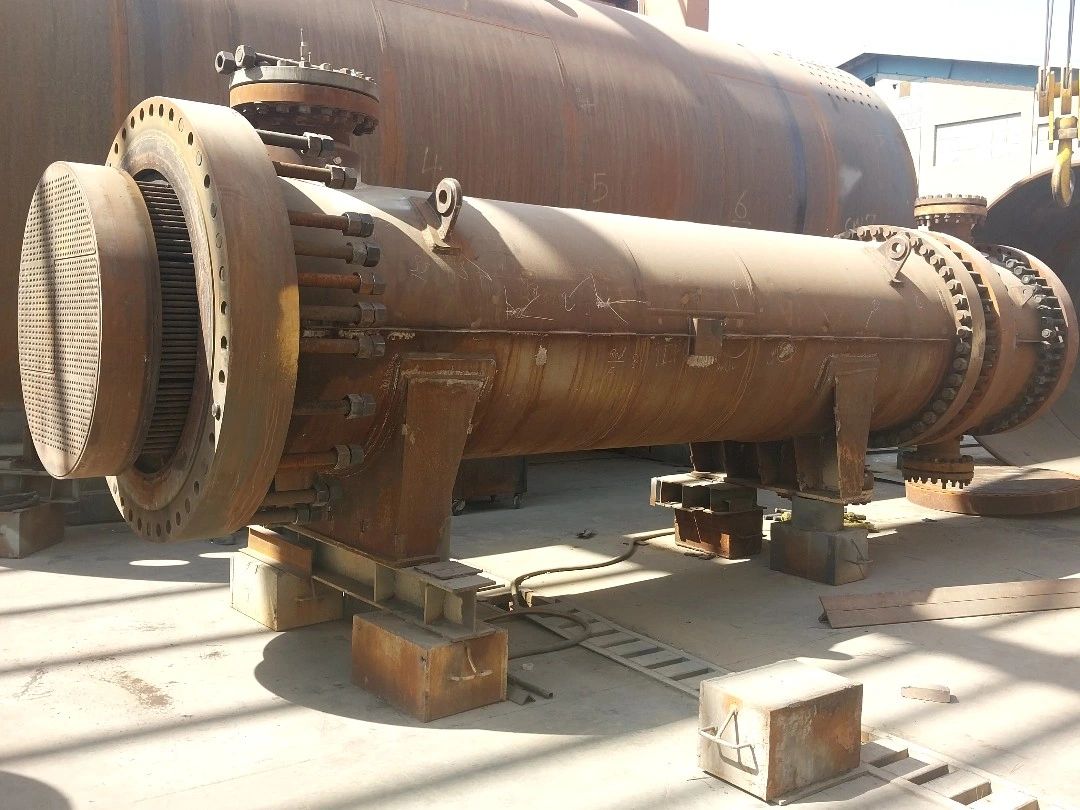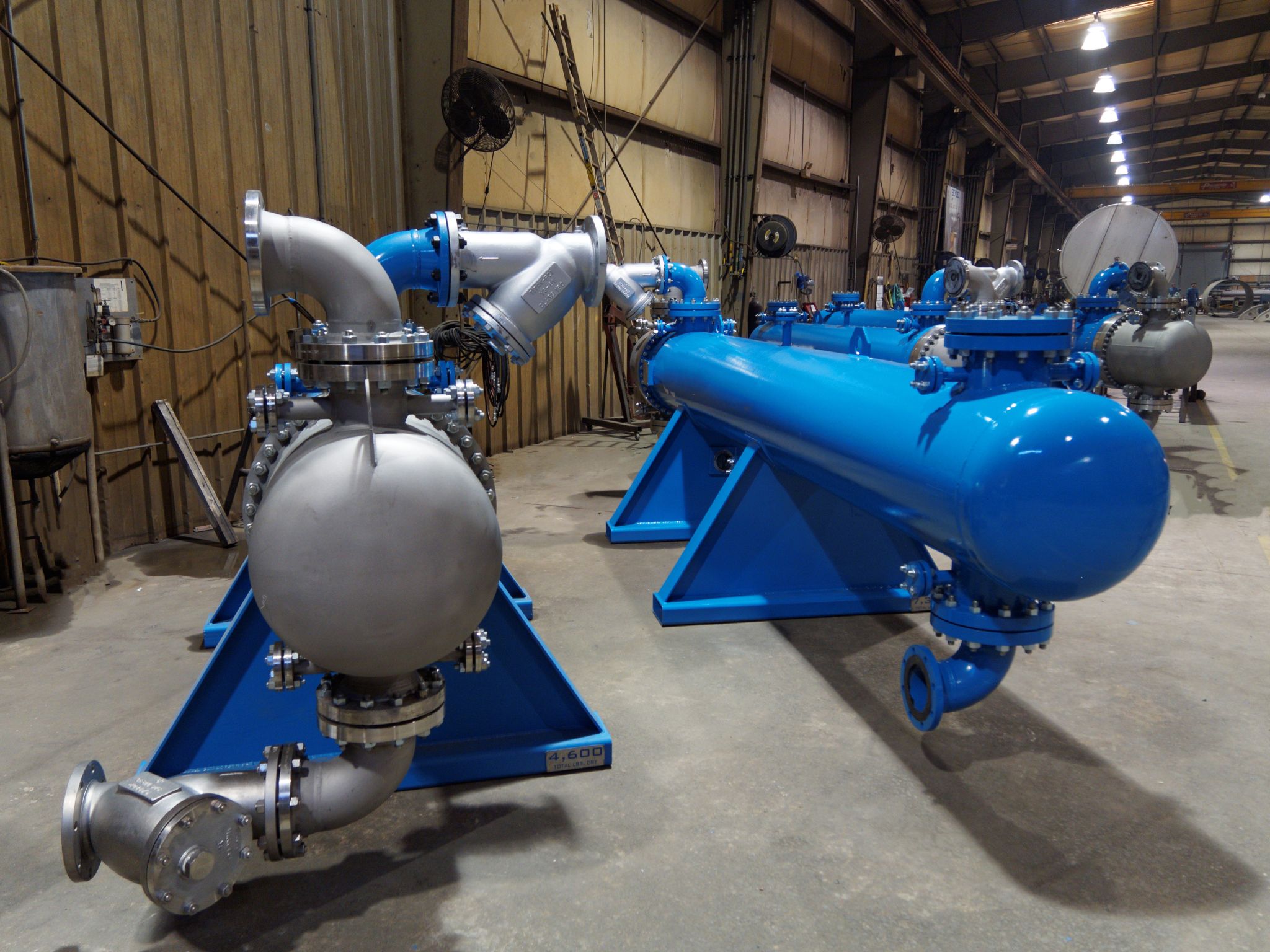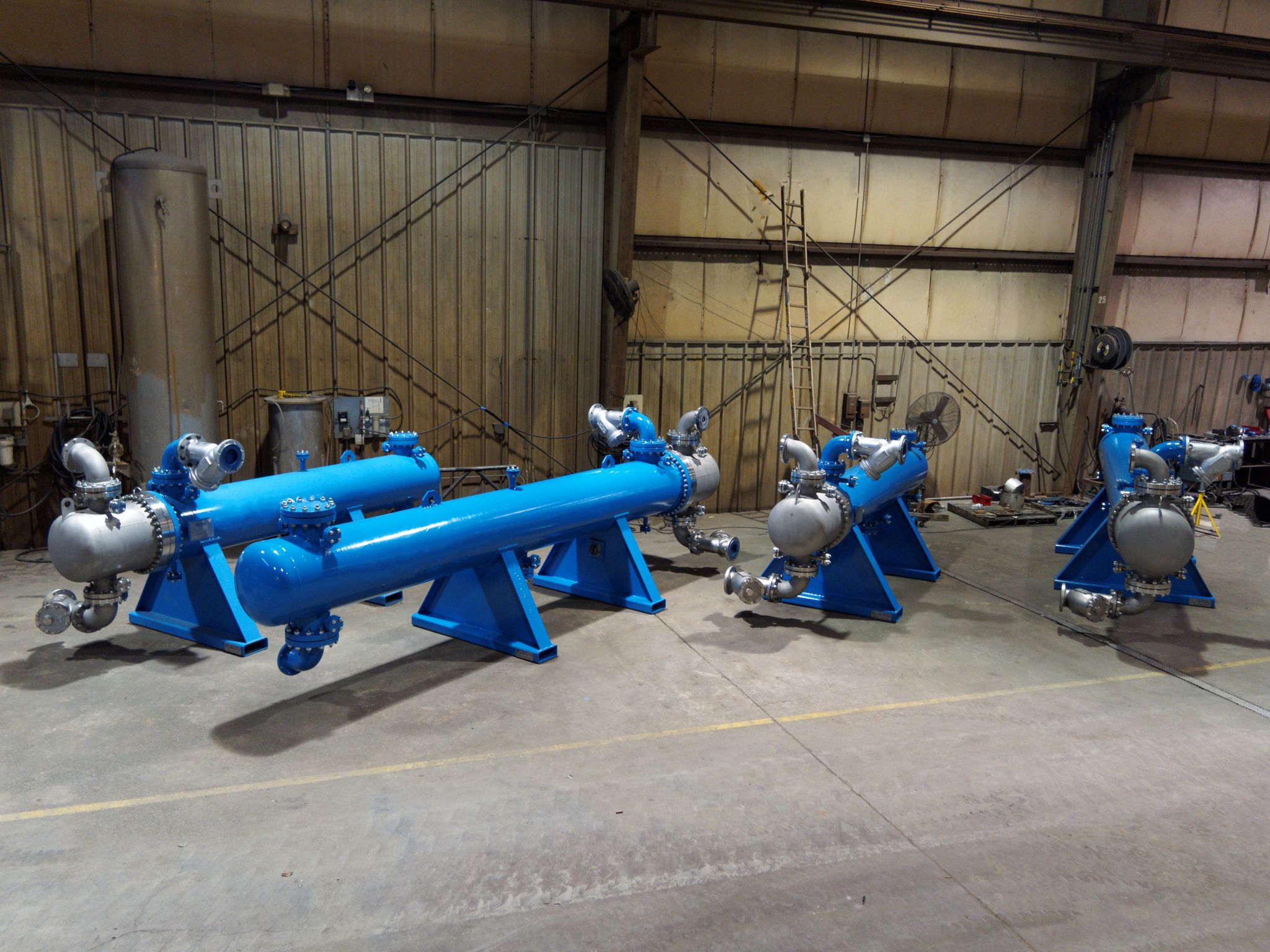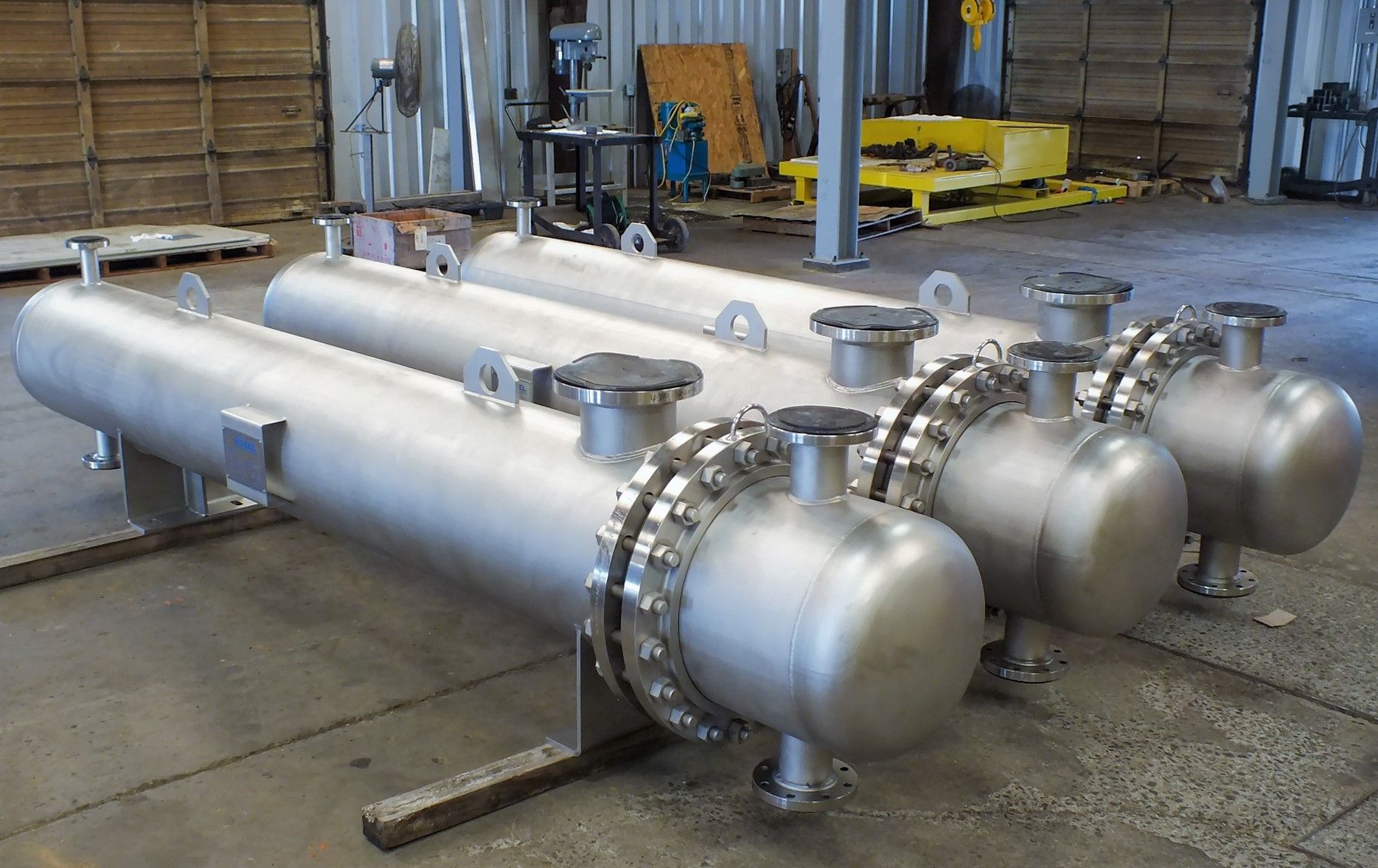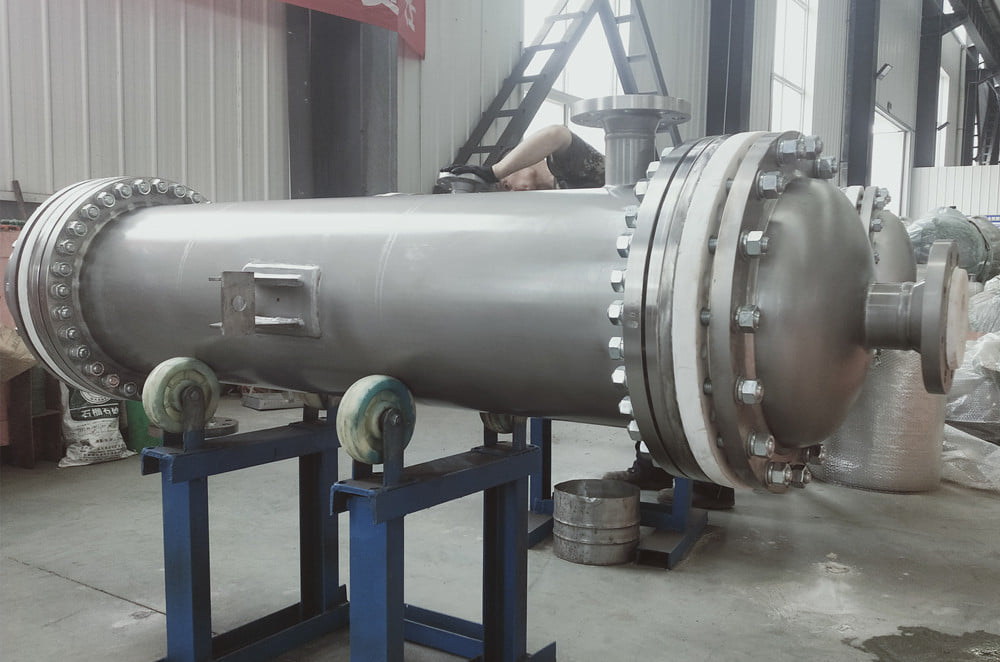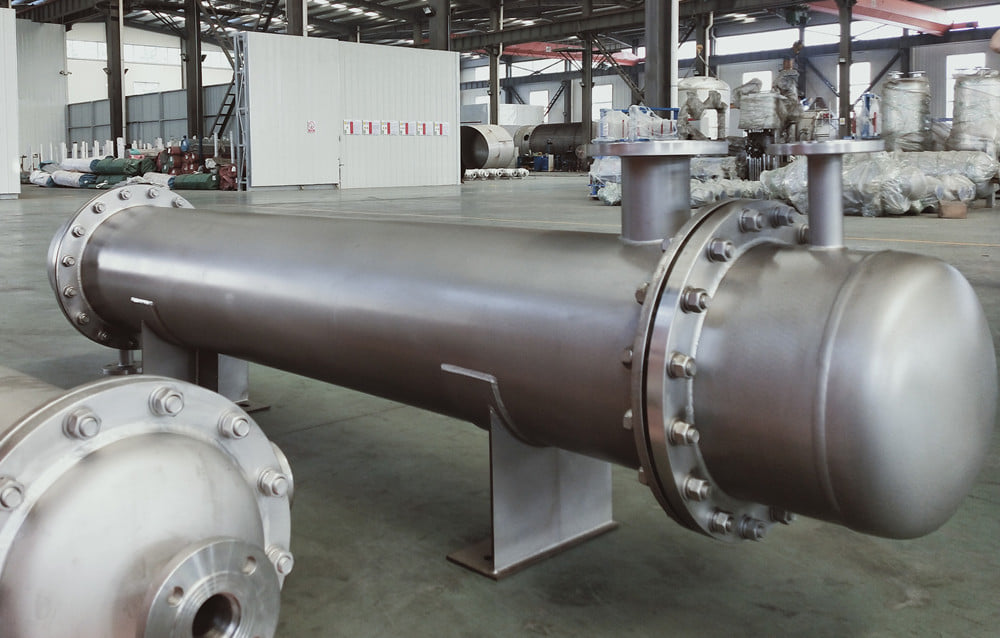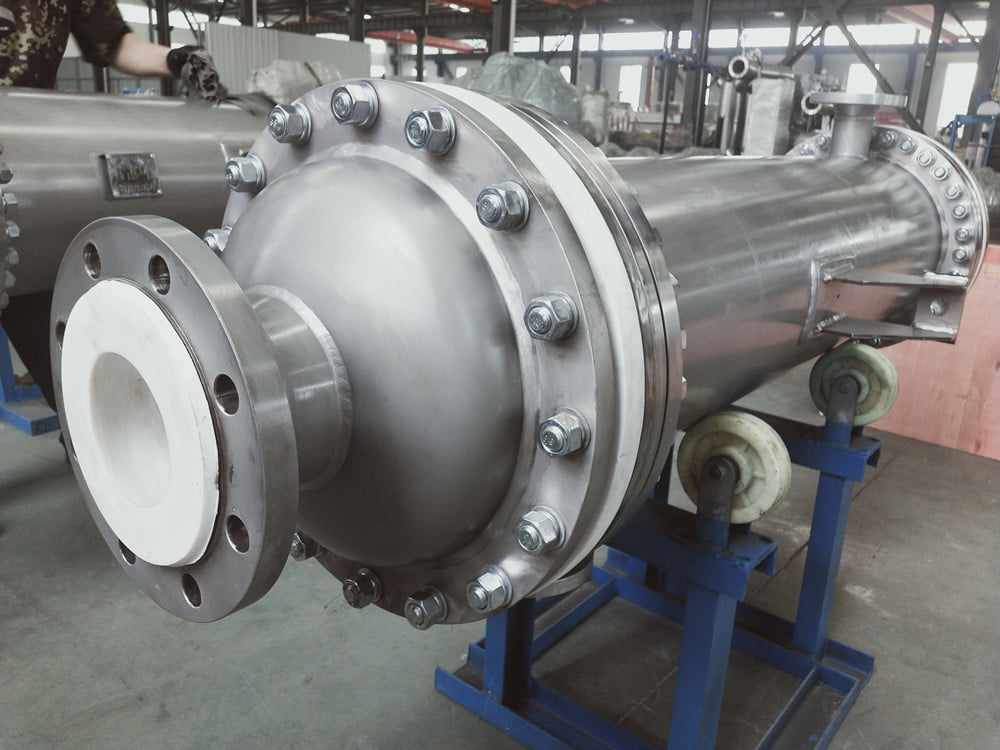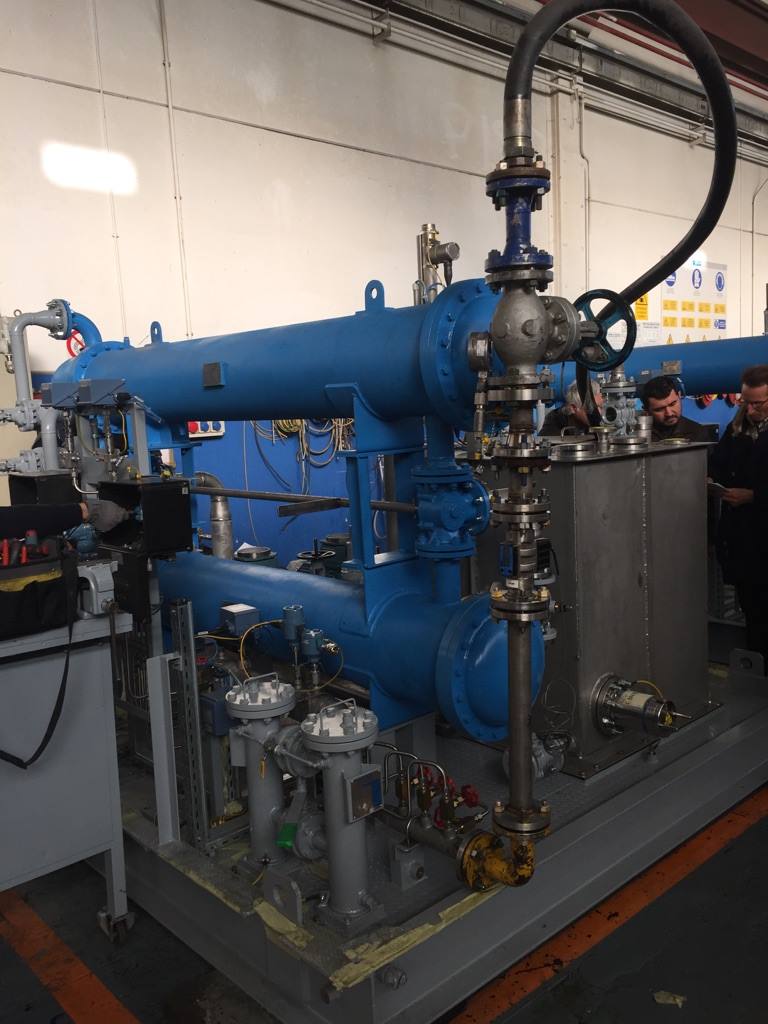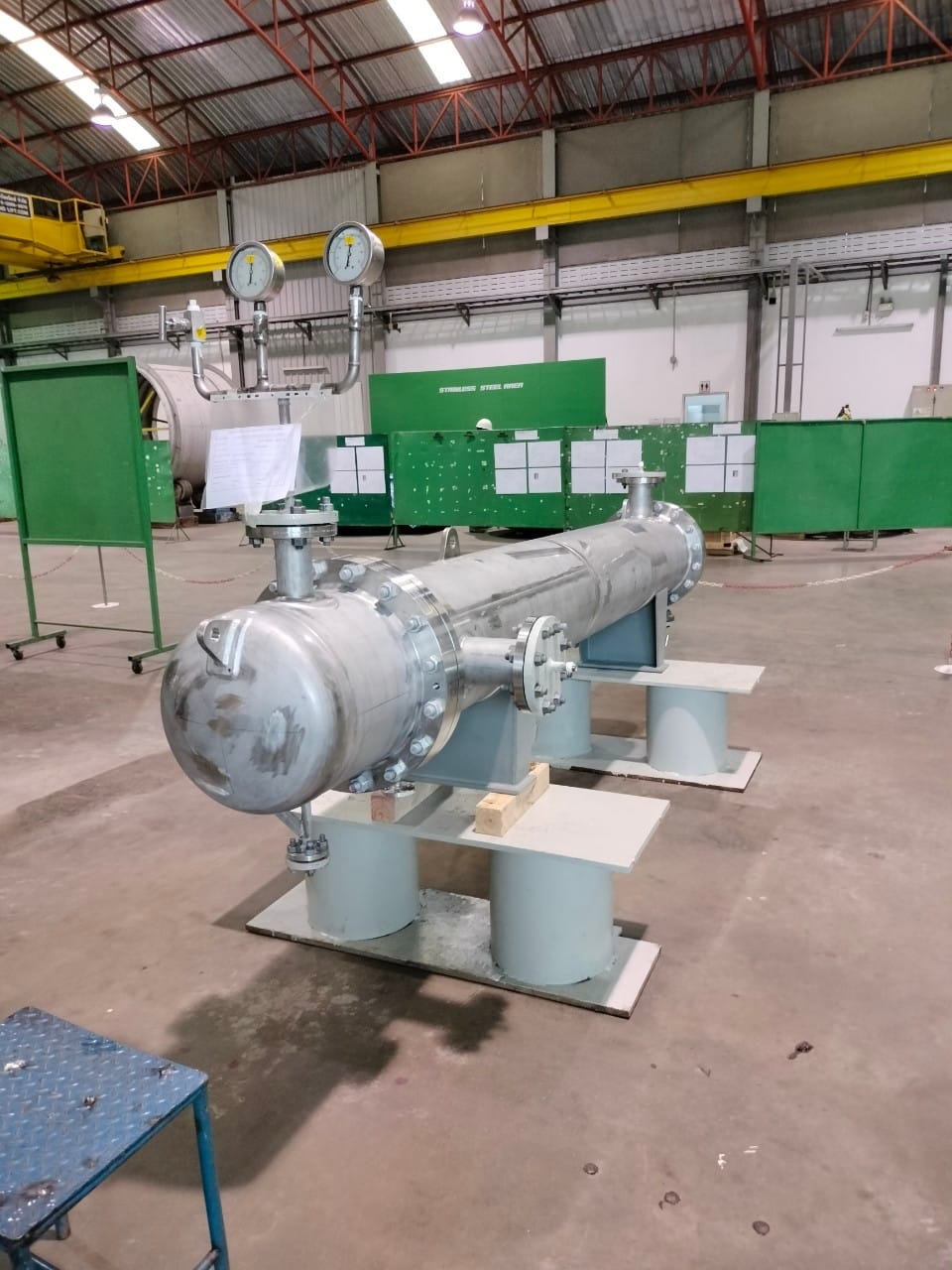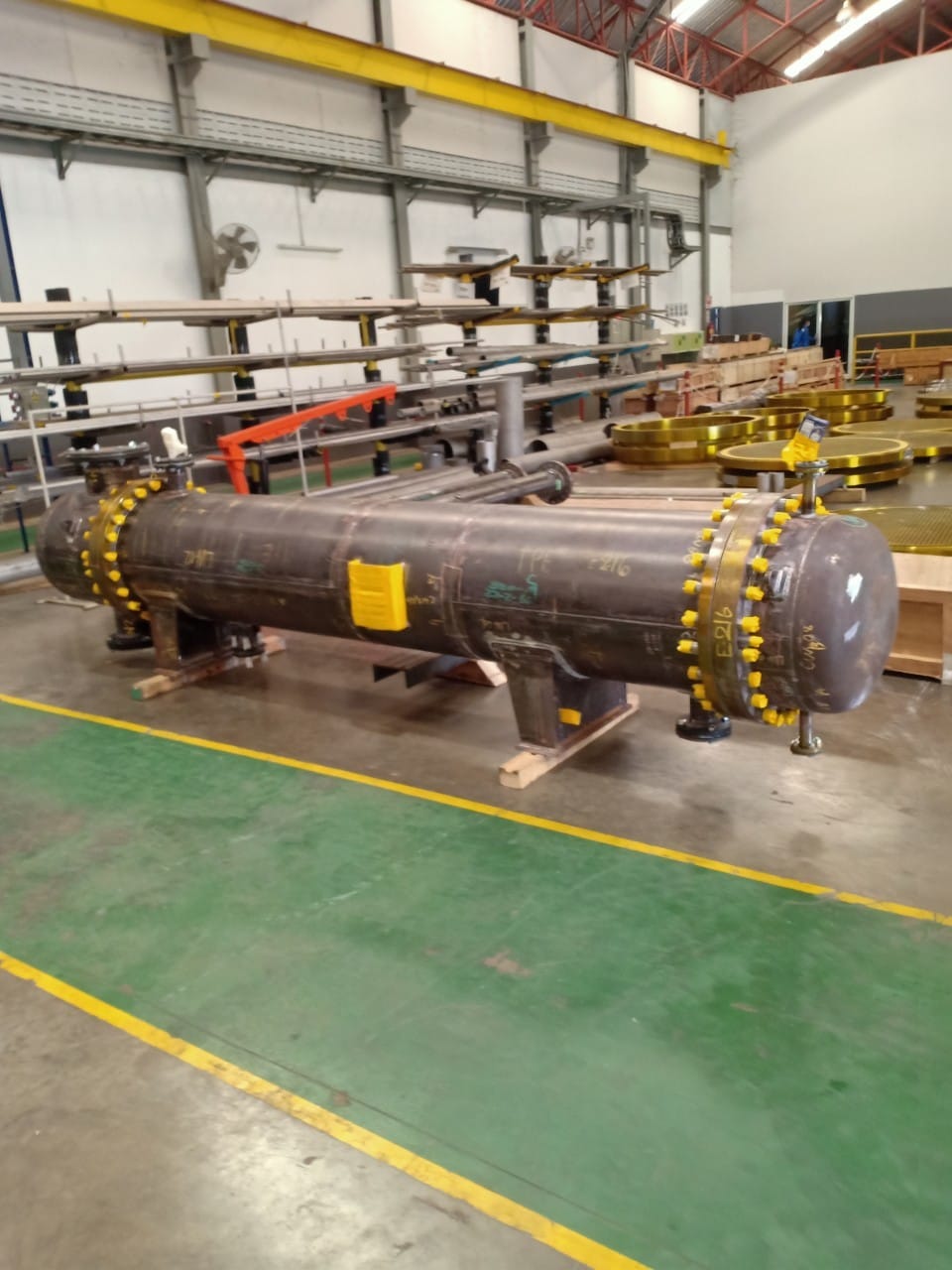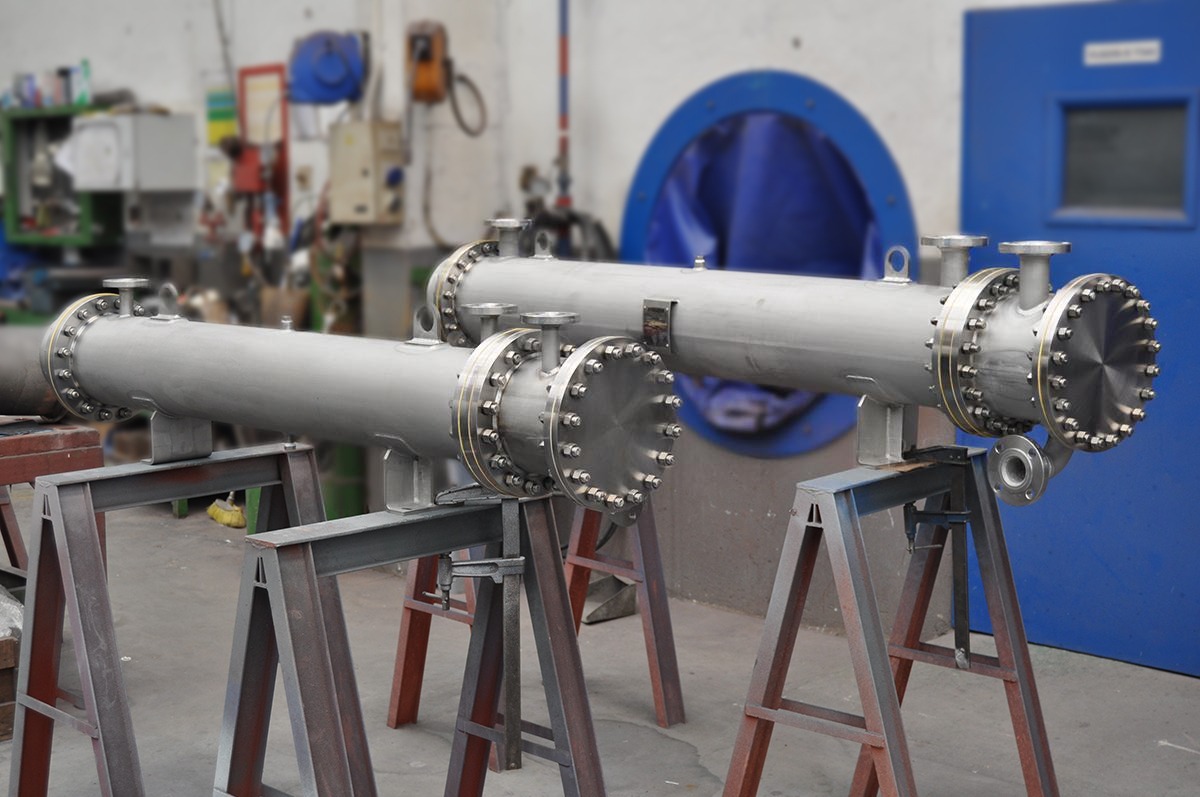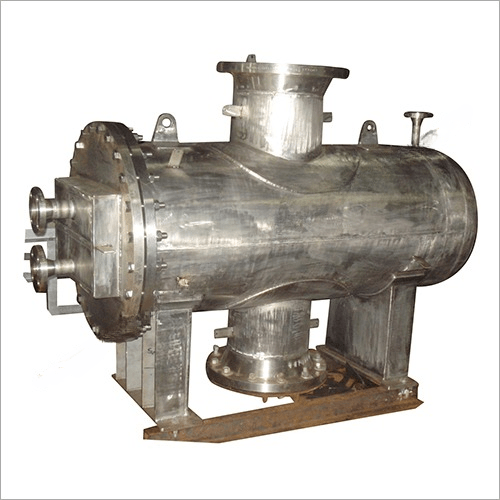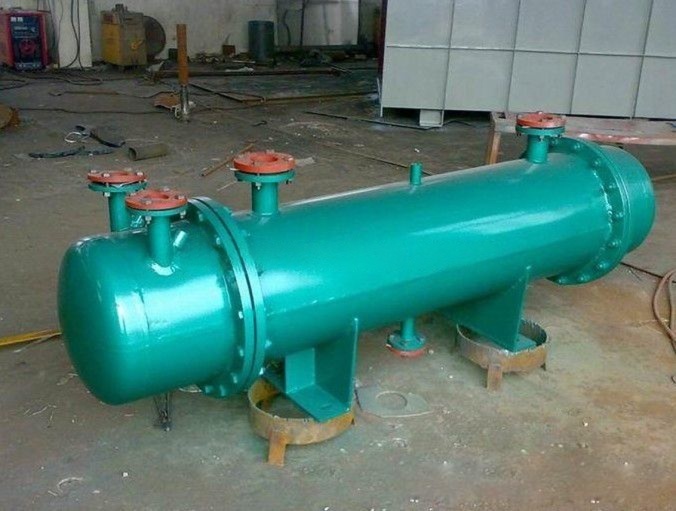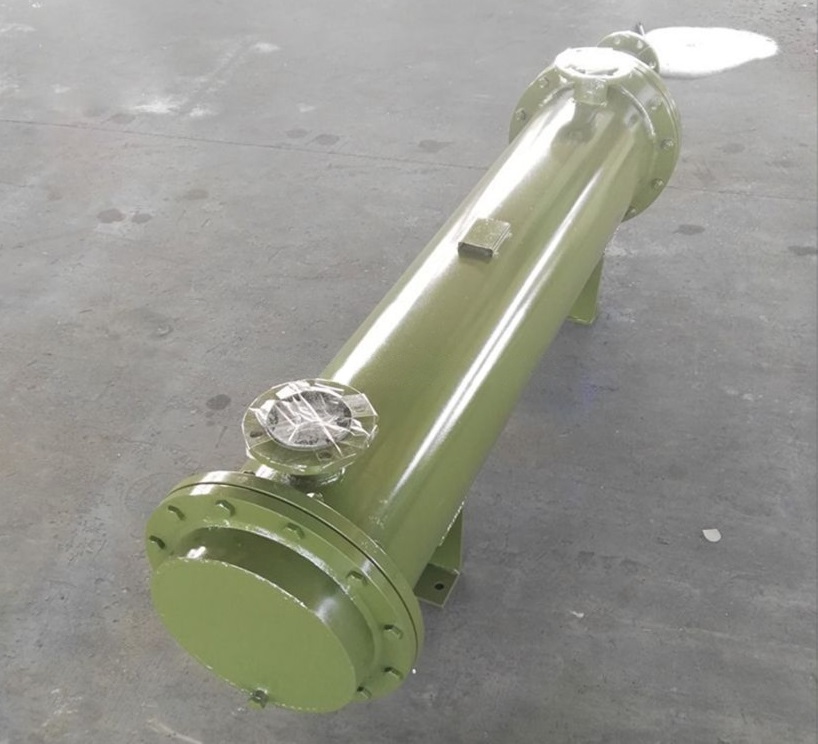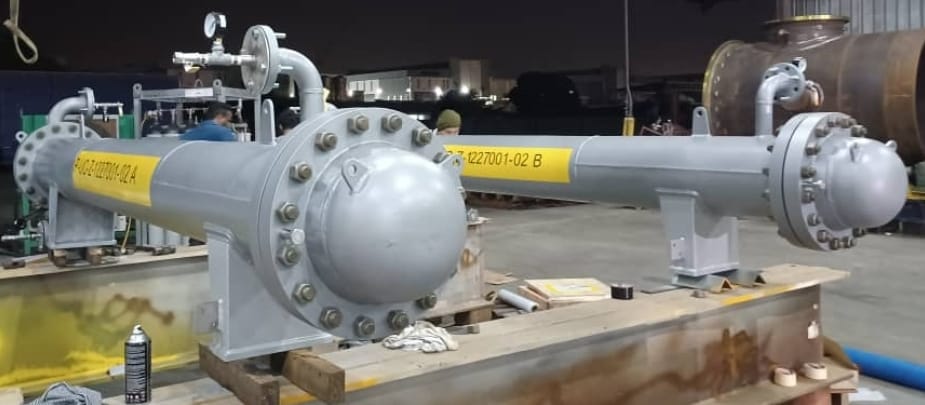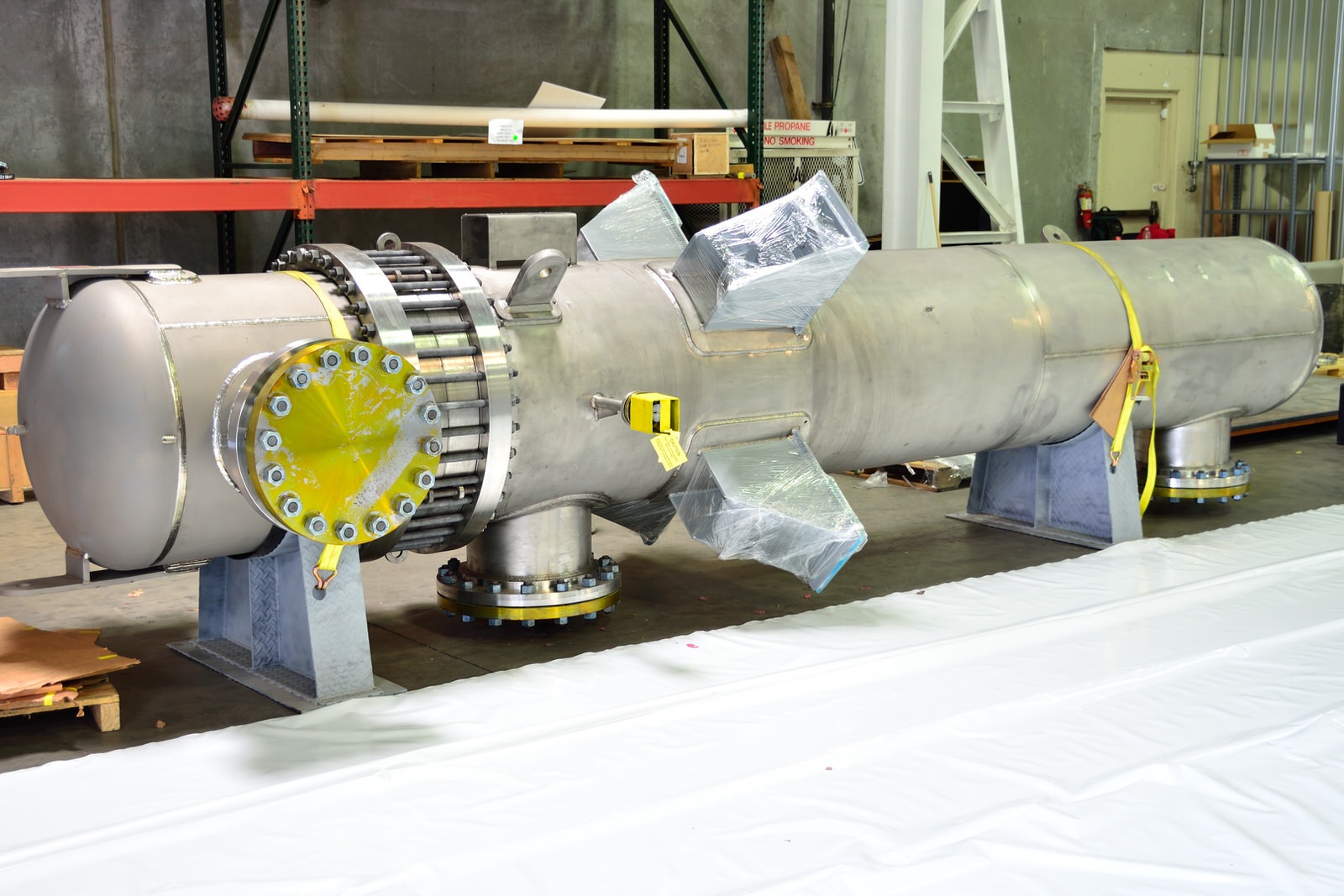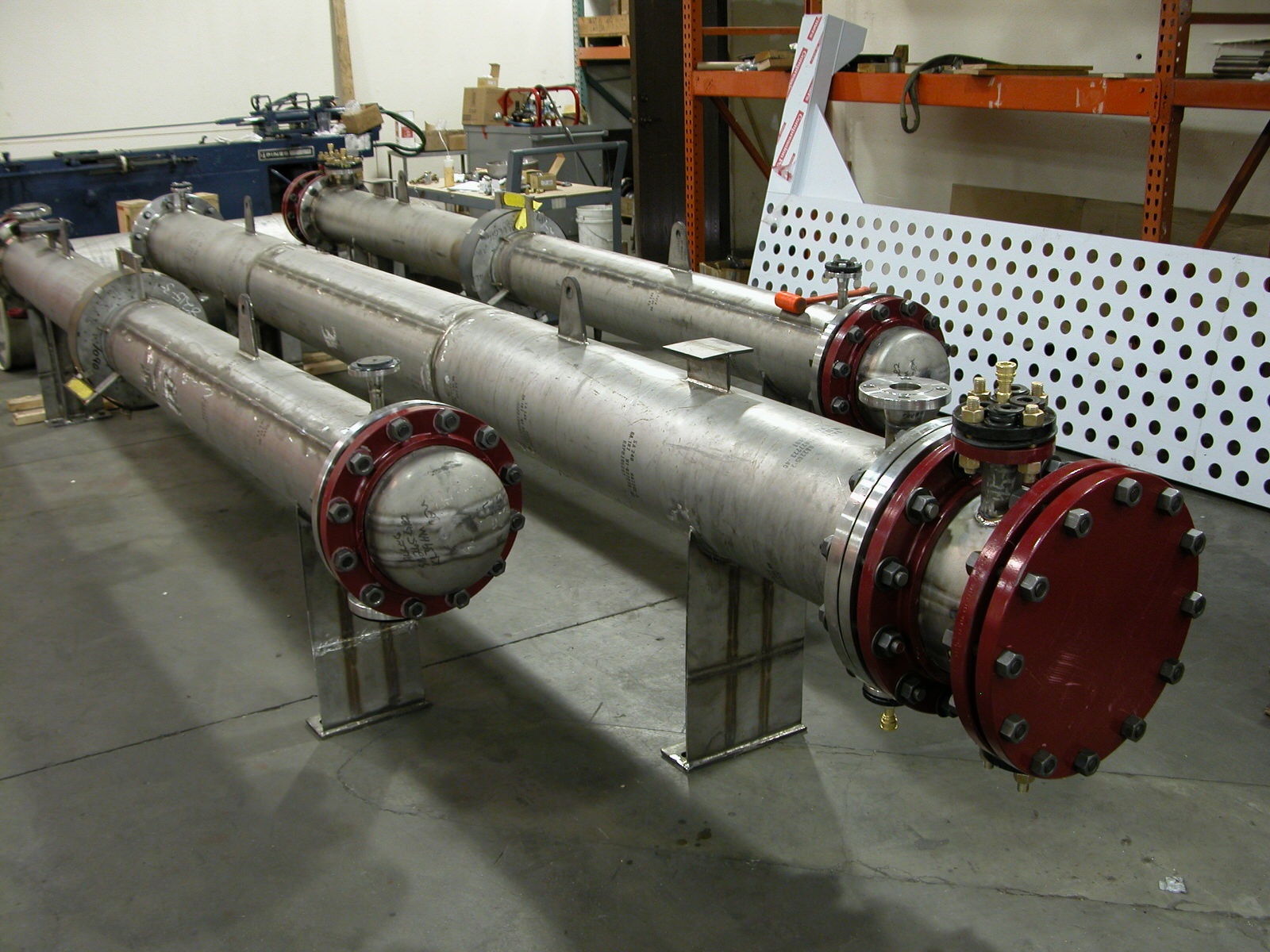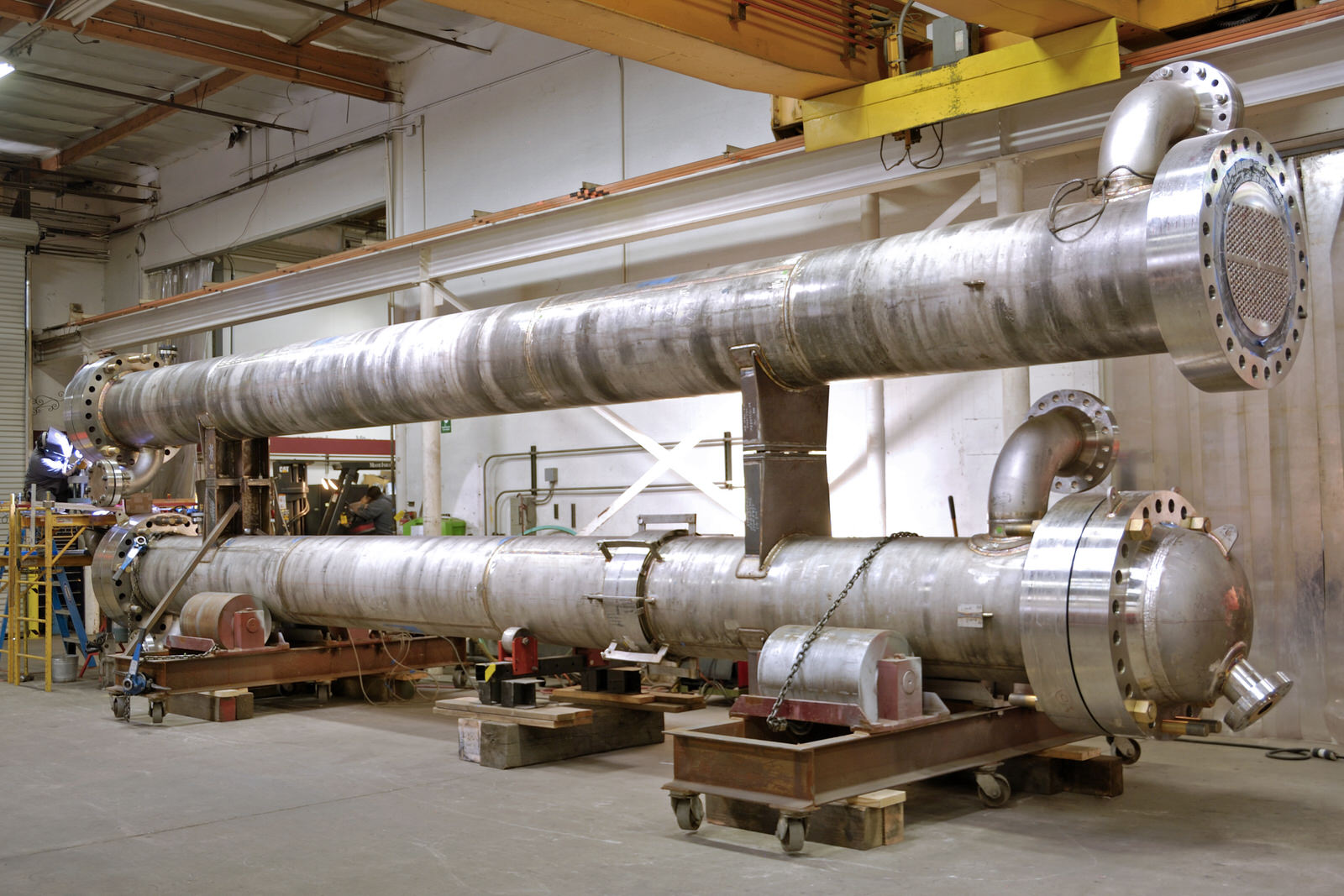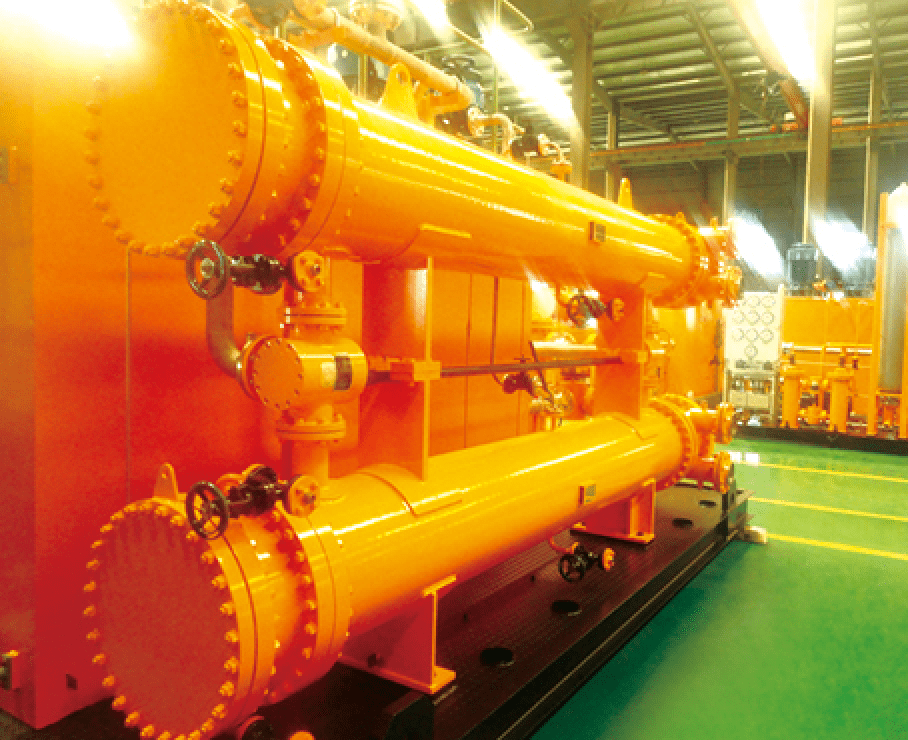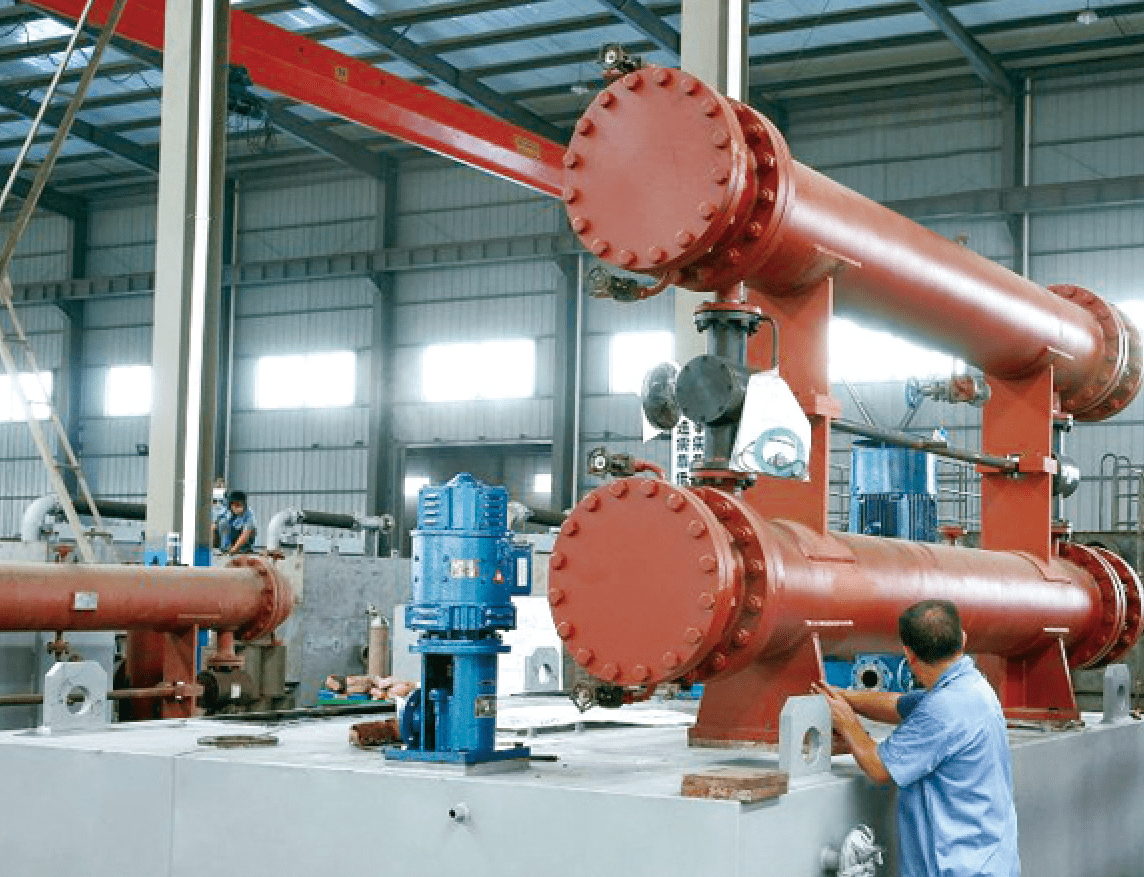
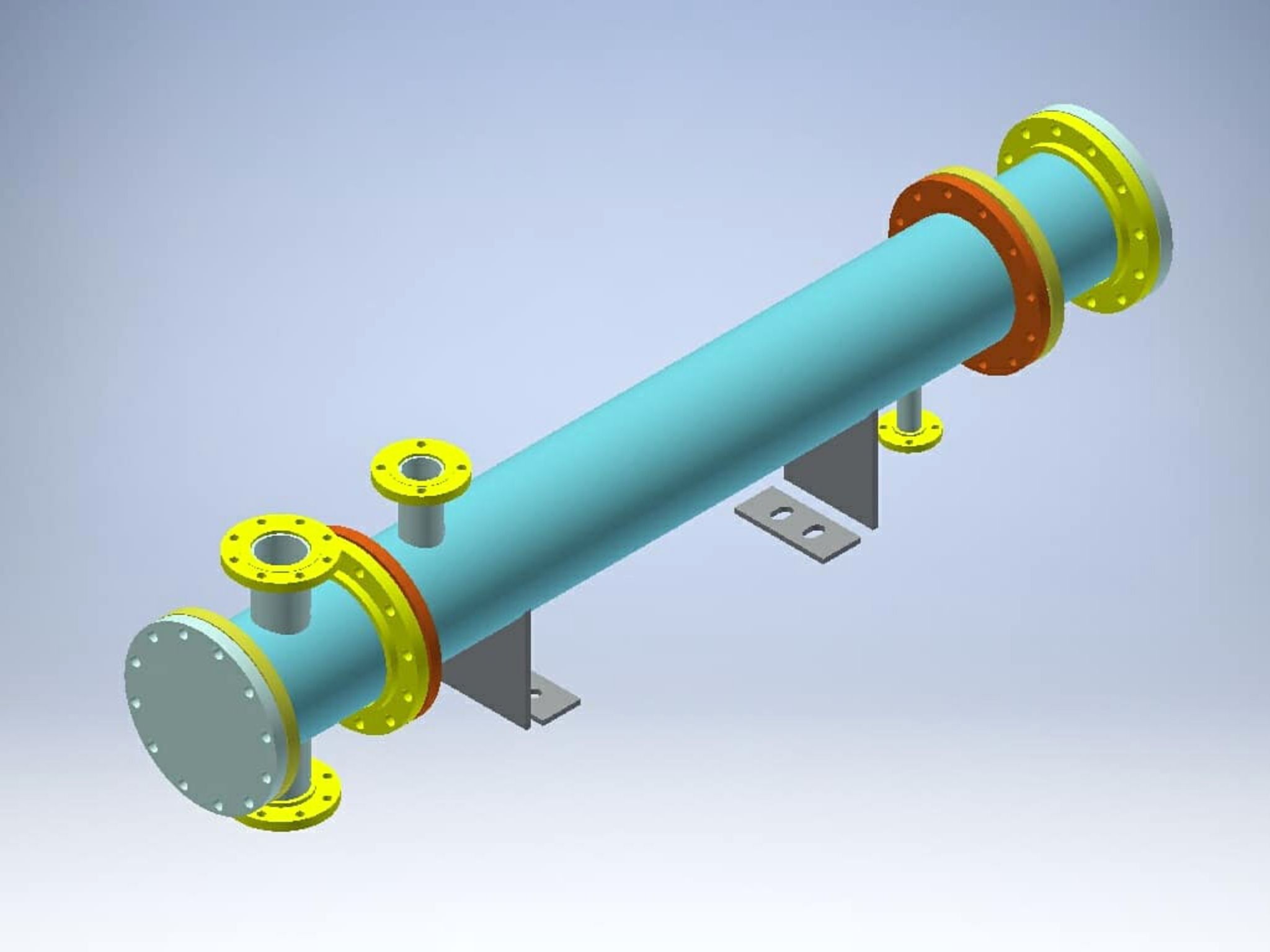
Types of Lube Oil Coolers There are two main designs, differentiated by their cooling method: Additionally, they can be categorized by what removes the heat:
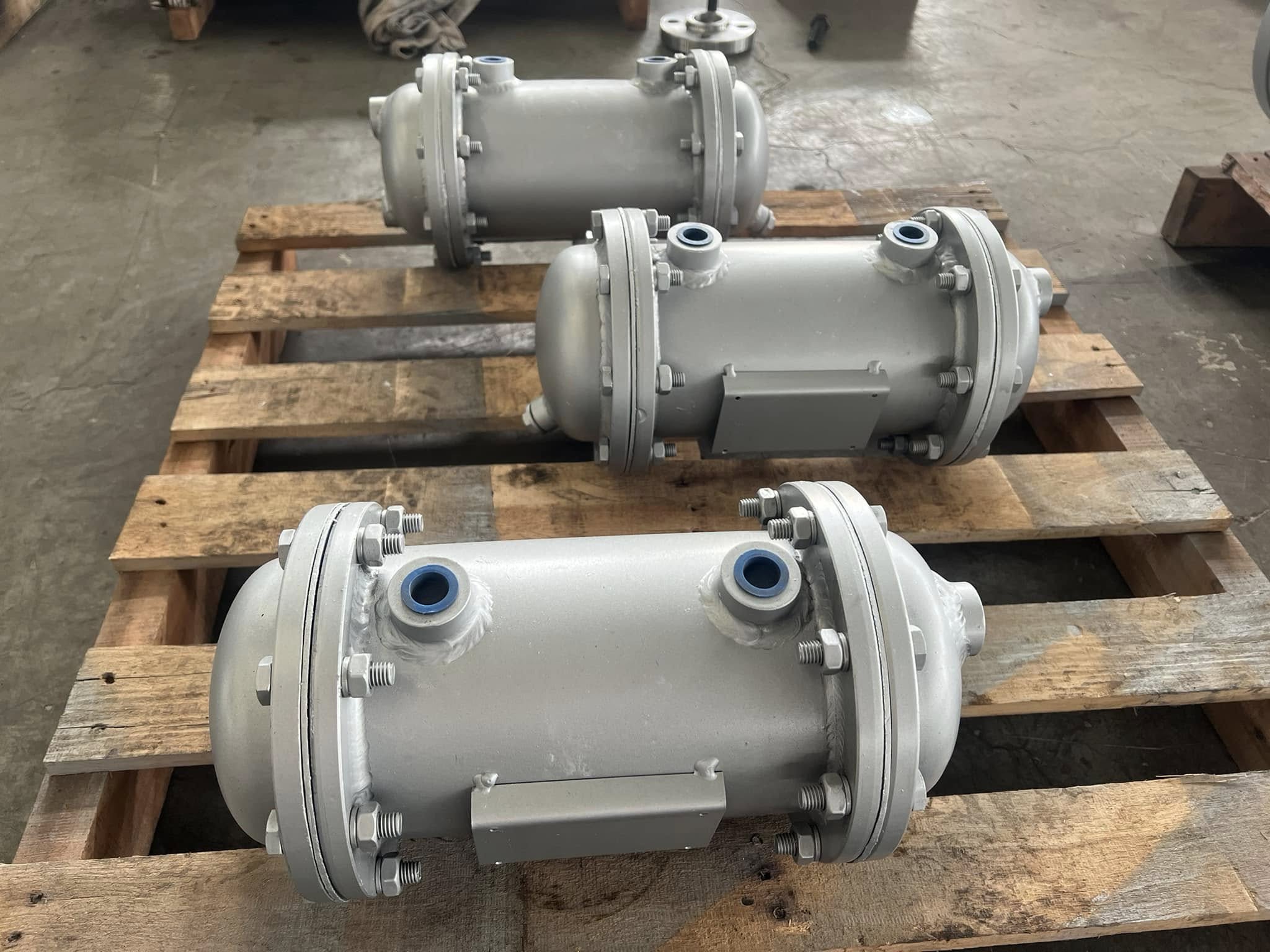
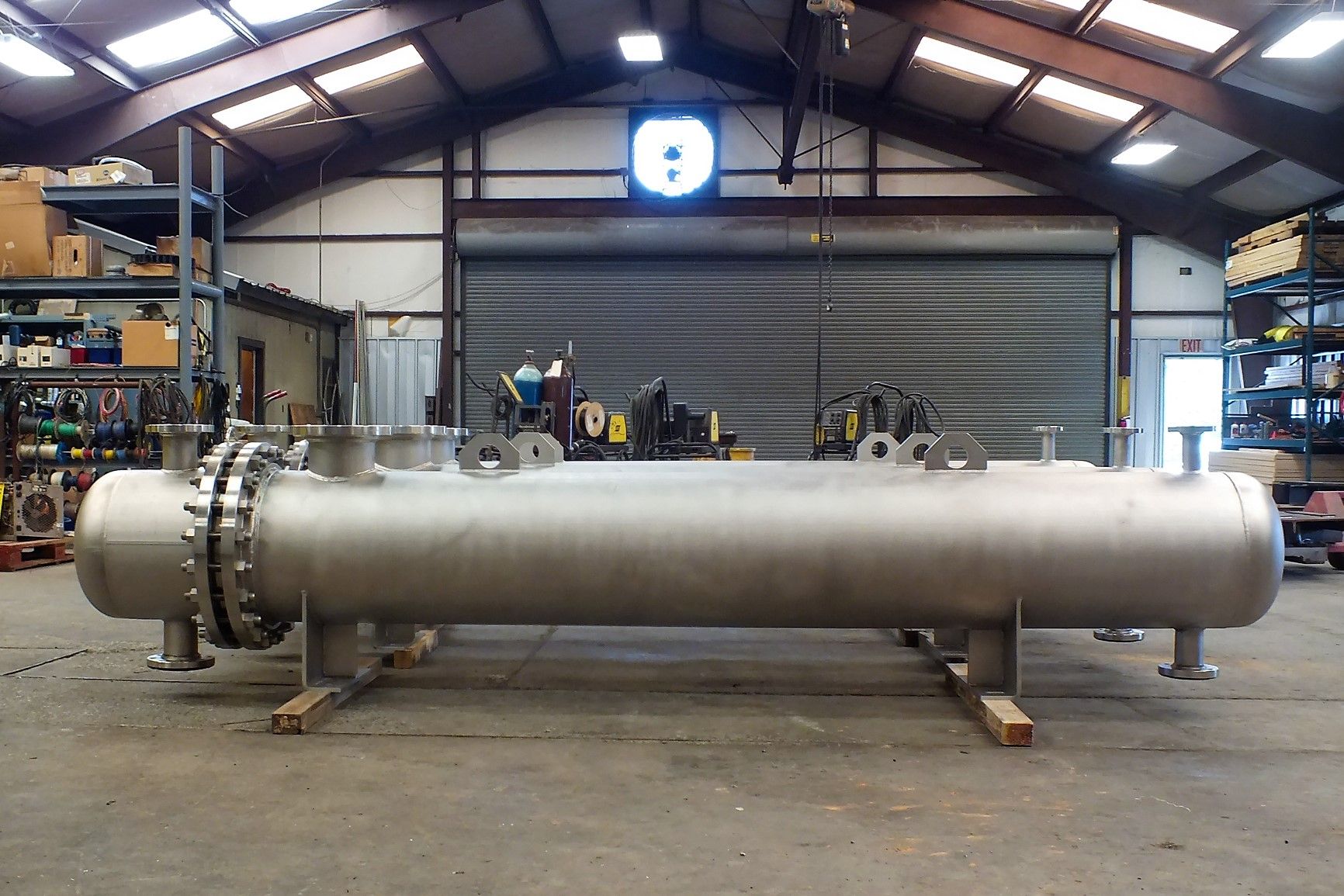
What is Lube Oil Cooler? A Lube Oil Cooler (also known as an engine oil cooler or lubricating oil cooler) is a heat exchanger designed to remove excess heat from engine oil, transmission fluid, or other lubricants in machinery. Its primary job is to maintain the oil within its optimal temperature range, ensuring it can...
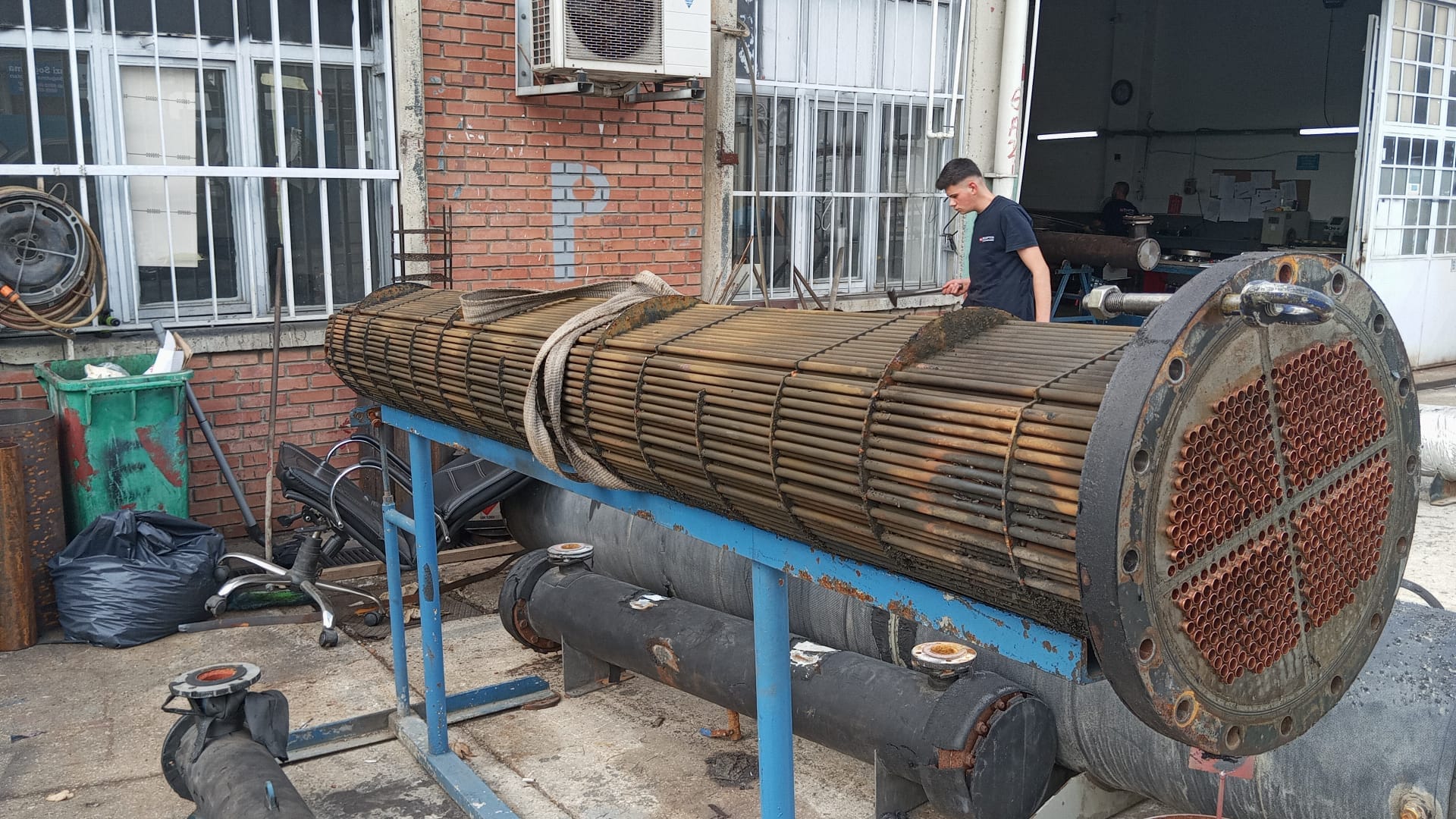
Applications of oil cooler Copper tube bundle coolers are the industry standard for a vast range of applications using fresh water or glycol-based coolants:
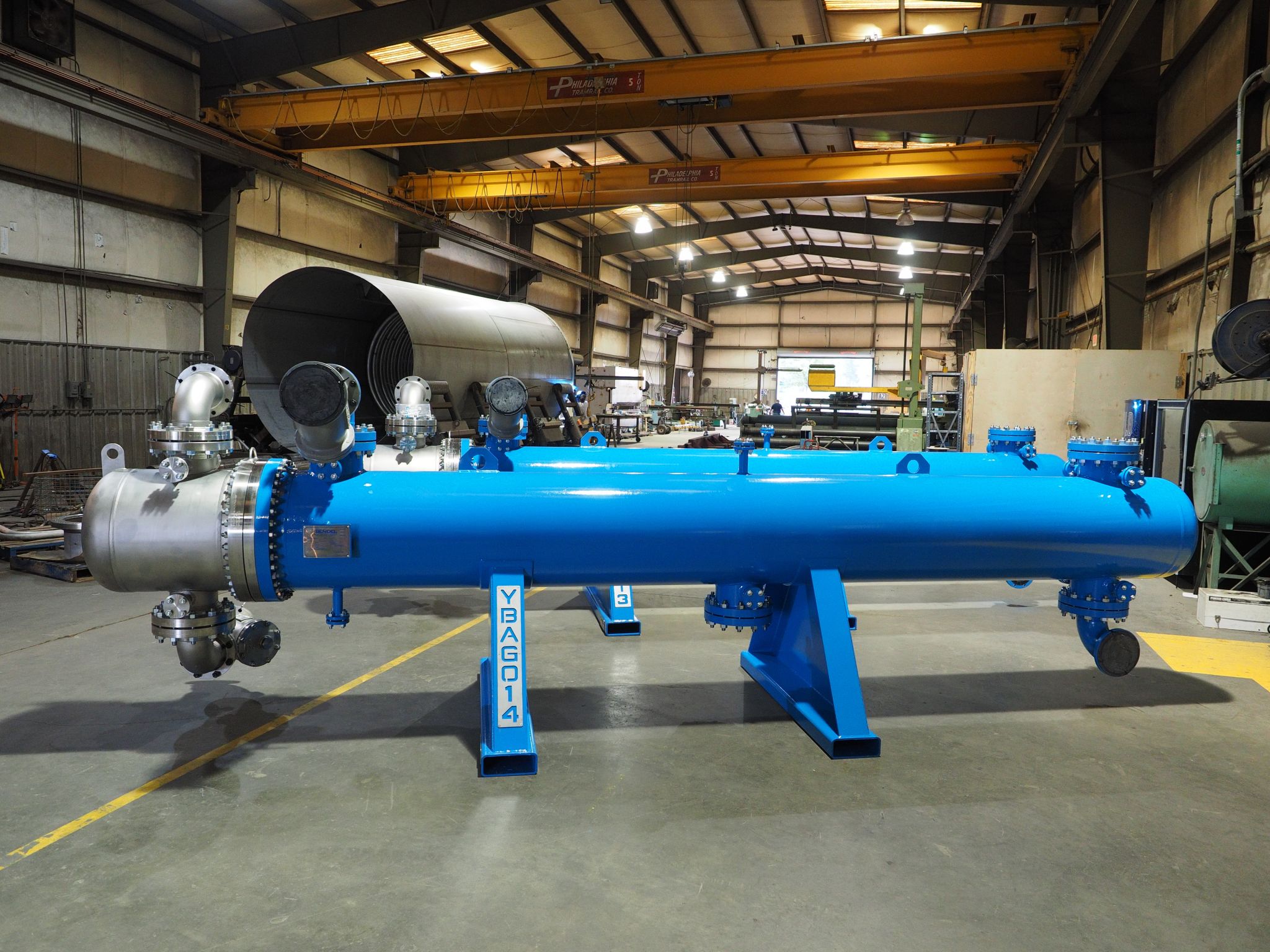
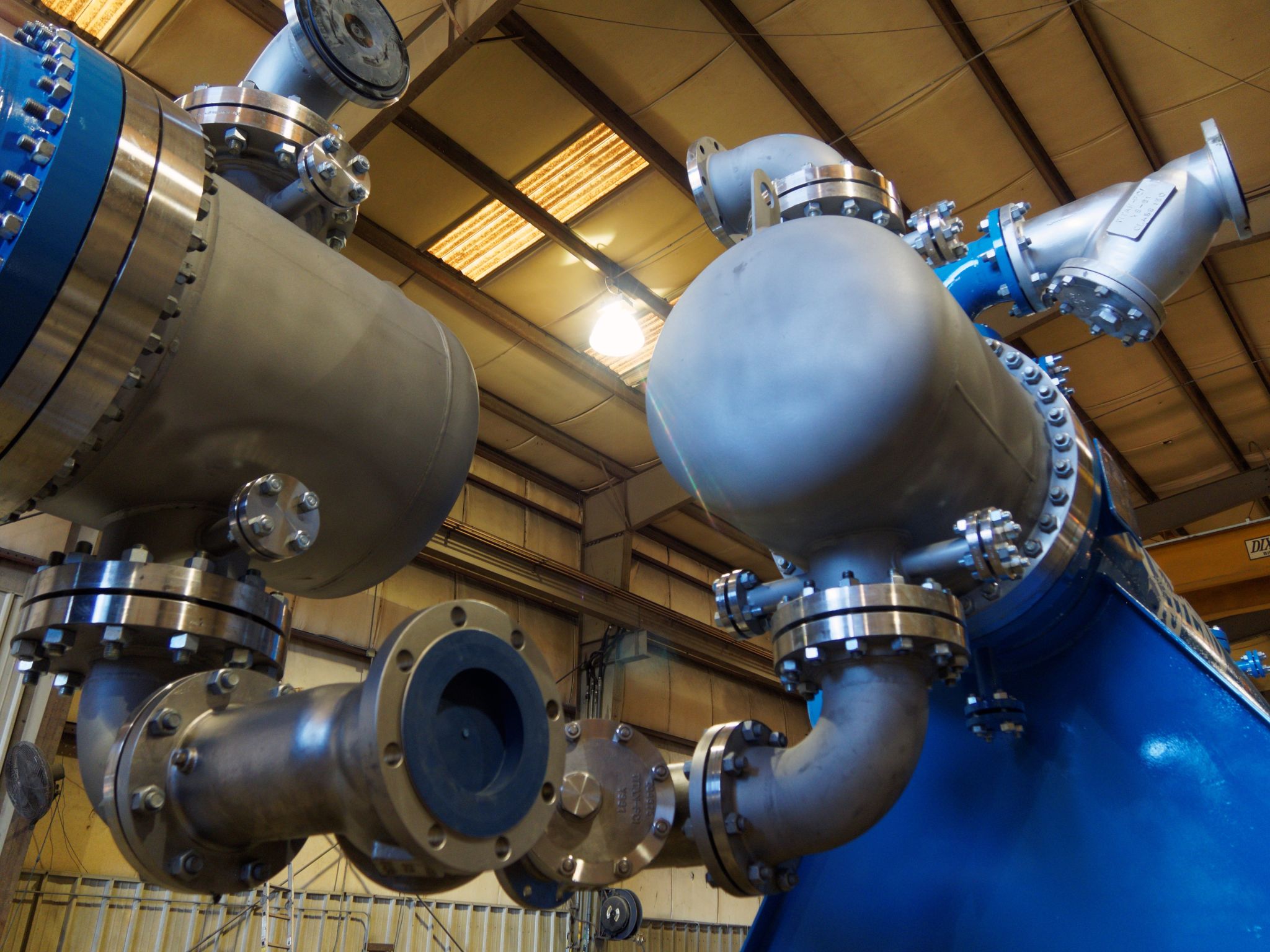
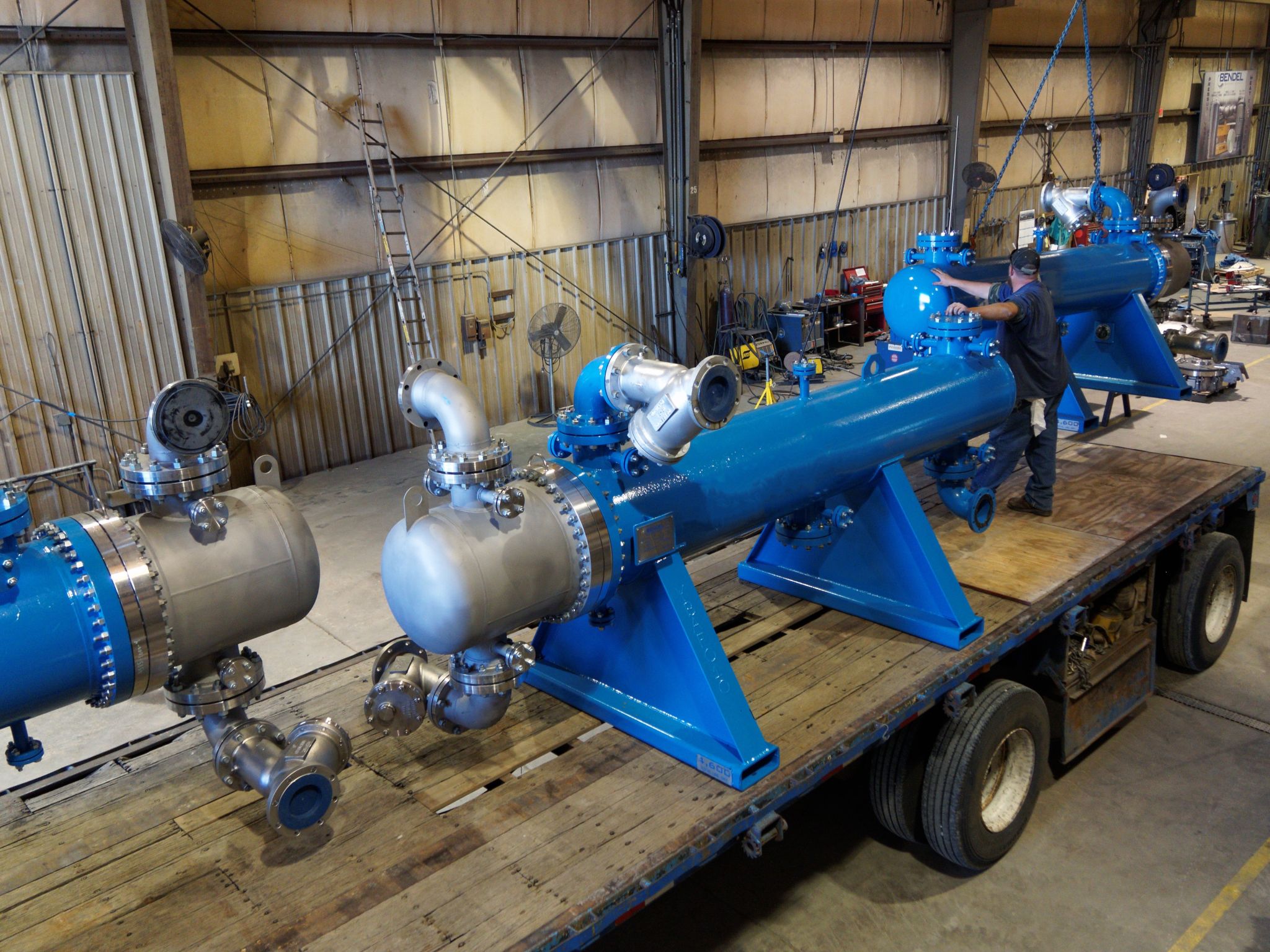
Stainless Steel tube bundle oil cooler What is a Stainless-Steel Tube Bundle Oil Cooler? It is a water-cooled oil cooler where the internal tube bundle is made from stainless steel tubes. In this design: Key Advantages of Stainless-Steel Tubes: Typical Applications: Stainless steel tube bundles are specified where their specific...
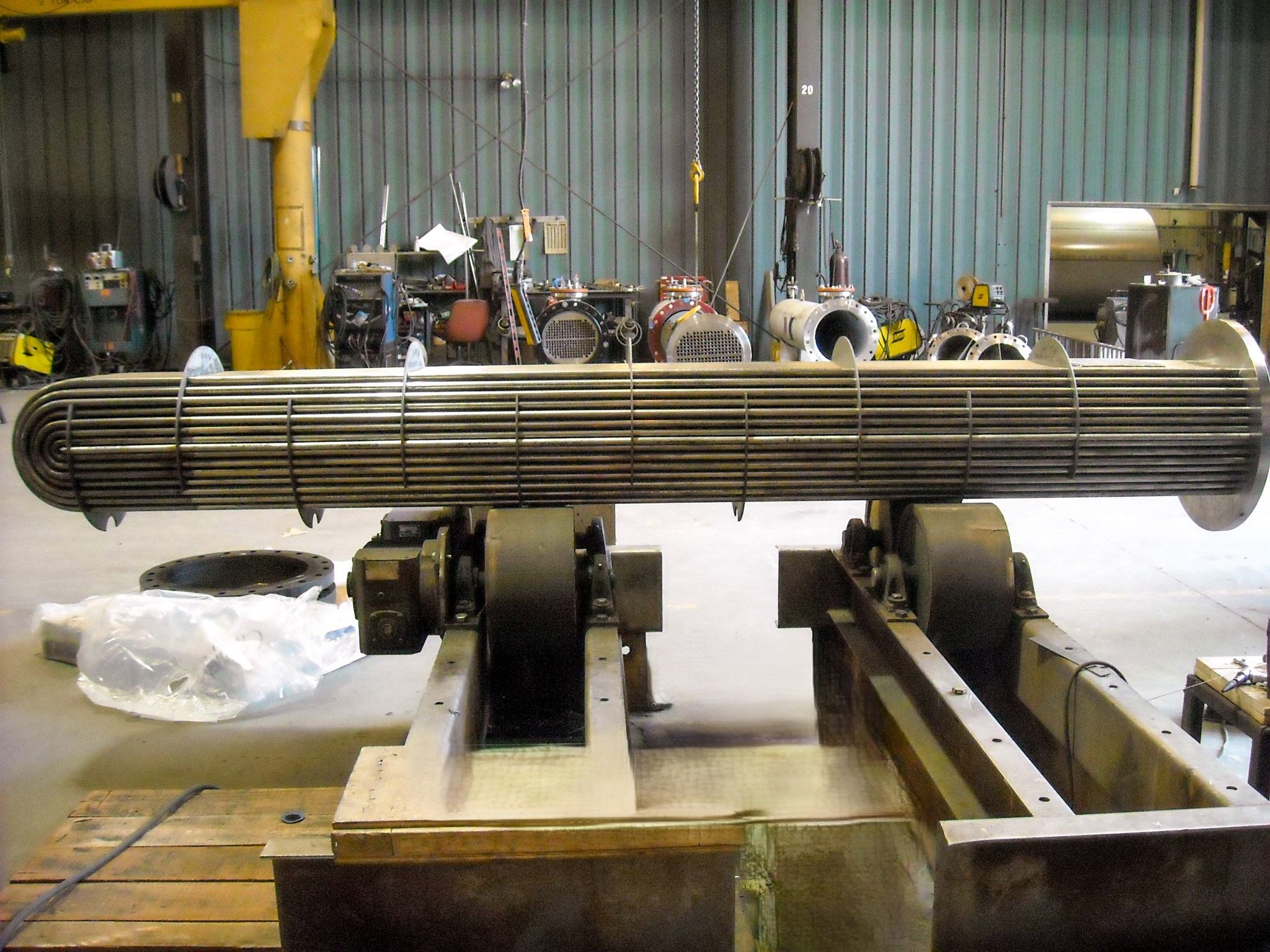
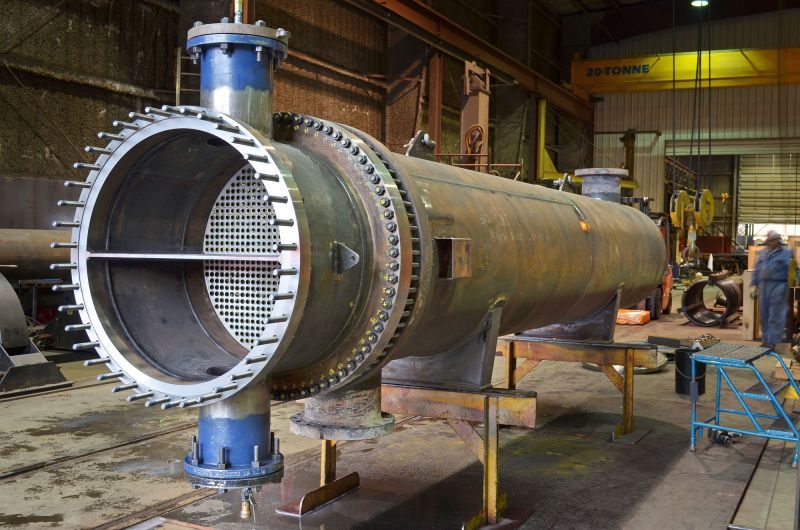
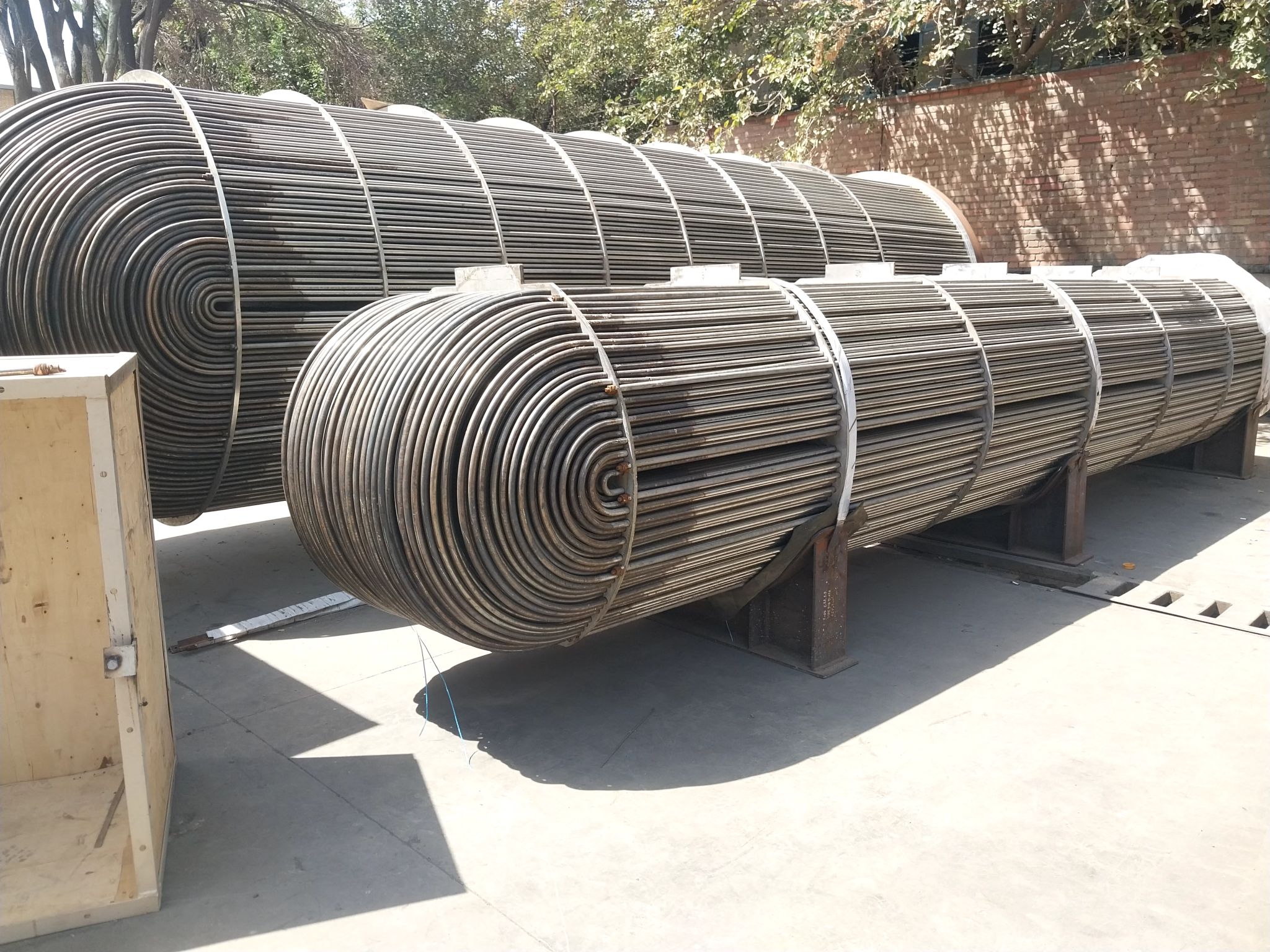
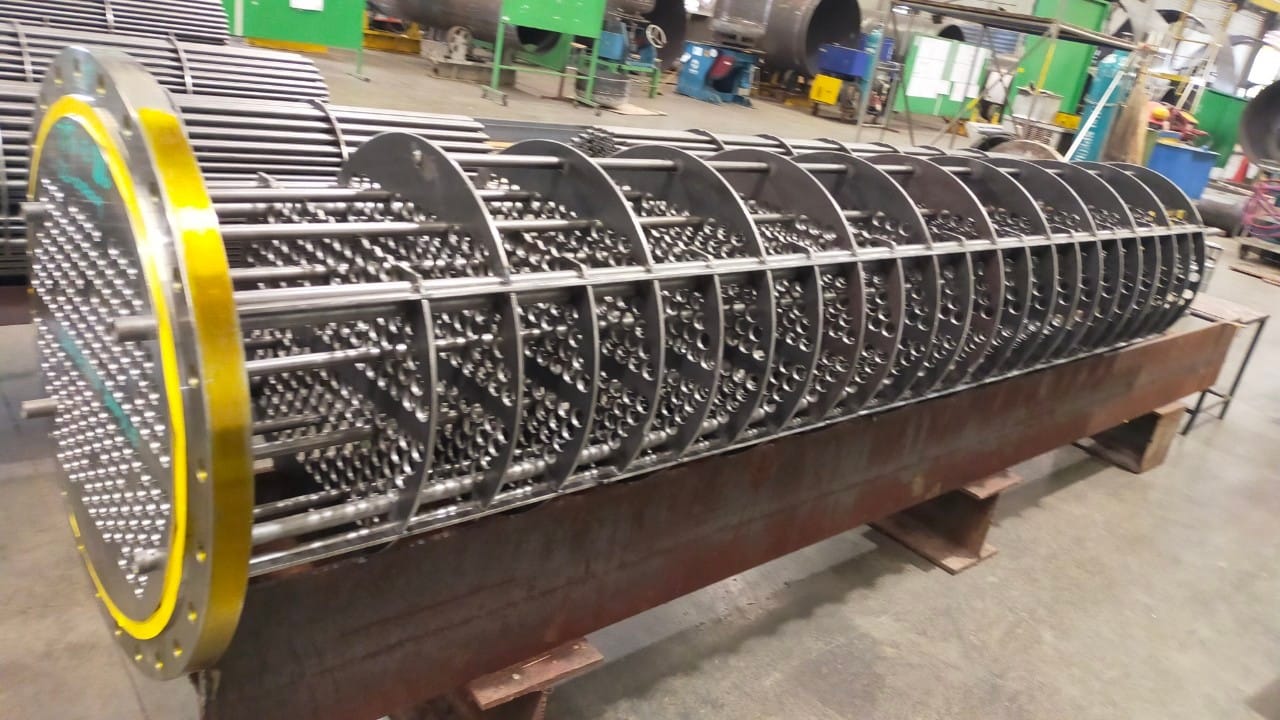
Tube bundle oil cooler A tube bundle oil cooler is a specific, common type of heat exchanger design used primarily for water-cooled applications. It is the core component that makes this efficient heat transfer possible. What is a Tube Bundle? A tube bundle is not the entire cooler; it is the central, internal assembly of parts...
Air cooled oil cooler Vs Water cooled oil cooler Comparison Table Feature Air Cooled Water Cooled Cooling Medium Ambient Air Engine Coolant Temperature Control Varies with ambient air Very consistent Size Larger for same capacity More compact Risk of Fluid Mixing None Yes (catastrophic if leaks) Complexity Simple, independent Integrated with engine...
Air cooled oil cooler Vs Water cooled oil cooler Air Cooled Oil Cooler Best For: Applications where a separate water circuit is unavailable or undesirable. Common in: Water Cooled Oil Cooler Best For: Applications where precise temperature control is critical. Ubiquitous in:
Comparison table of tube material. Material Thermal Conductivity Corrosion Resistance Mechanical Strength Relative Cost Primary Application Copper Excellent Fair (Good in clean water) Low $$ High-efficiency, clean water systems Admiralty Brass Very Good Very Good (Fresh water) Medium $ Industrial Standard (Fresh water/Glycol) 90/10 Cu-Ni Good...
The Key Benefits of Effective Oil Cooling By maintaining oil within its ideal temperature window (typically 180°F – 220°F or 82°C – 105°C), an oil cooler provides these critical benefits: Benefit Description Extended Oil Life Prevents thermal breakdown, allowing the oil and its additives to last much longer between...
Why oil Cooling is important? Oil cooling is critically important because oil is the lifeblood of any engine or gearbox. Its job goes far beyond just lubrication, and its ability to perform that job depends entirely on staying within a specific temperature range. Here’s a breakdown of why oil cooling is so essential, moving from […]
list of parts in Air cooled oil cooler These are the essential parts responsible for transferring heat from the oil to the air. Enclosure & Air Flow Components These parts manage the flow of air over the core. Fittings & Connections These parts integrate the cooler into the oil system. Optional & Auxiliary Components
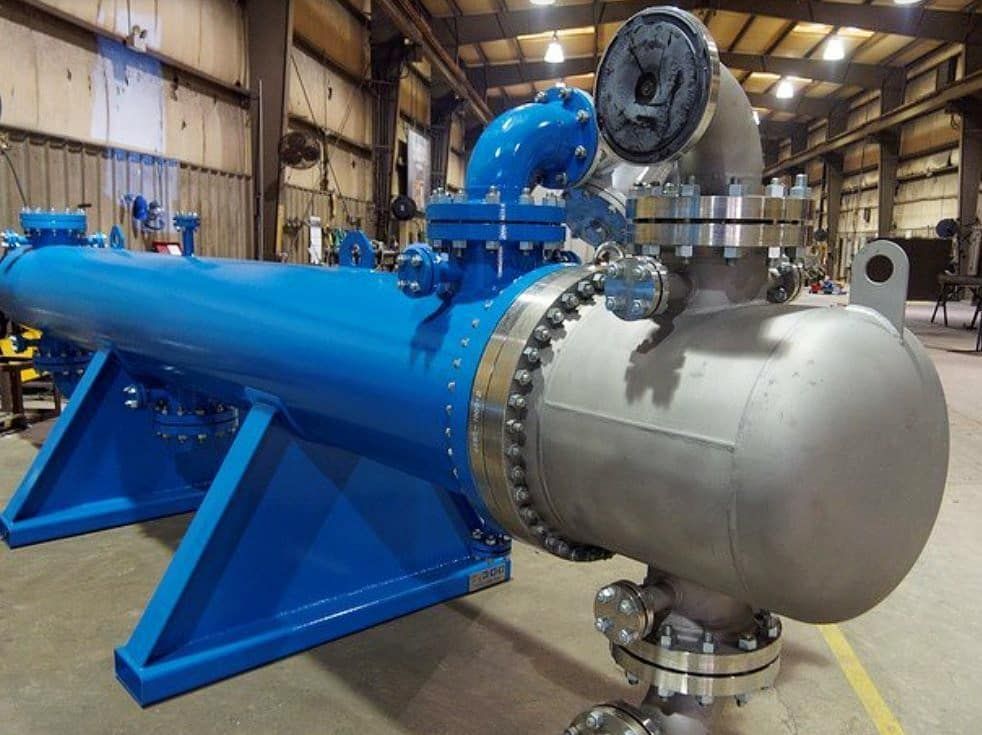
List of parts in Water cooled oil cooler These are the essential parts that directly facilitate the heat transfer. Connections & Fittings These parts allow the cooler to be integrated into the larger system.
Components & Structure The model consists of two separate but interconnected fluid circuits housed within a single unit: Component Description Material (Typical) 1. Outer Shell (Coolant Jacket) The main body of the cooler that acts as a reservoir for engine coolant. It encapsulates the core. Aluminum or Brass (corrosion-resistant) 2. Inner Core...
How an Oil Cooler Works (The Basic Principle)The principle is heat exchange. Hot oil flows through the cooler, and its heat is transferred to a cooler medium. There are two main types based on the cooling medium: . Key Components of a Typical Aftermarket Oil Cooler Kit 5. Signs You Might Need an Oil Cooler […]
Application Oil Cooler What is an Oil Cooler? An oil cooler is a heat exchanger designed to remove excess heat from engine oil, transmission fluid, hydraulic oil, or other lubricants in a mechanical system. Its primary purpose is to maintain the oil within its optimal operating temperature range, ensuring proper lubrication, reducing wear, and...
Advantages of Air-Cooled oil Cooler Advantages of an Air-Cooled Oil Cooler Air-cooled oil coolers are prized for their simplicity and effectiveness, especially in high-performance and heavy-duty applications. Their advantages stem from their direct method of heat rejection. 1. Ultimate Cooling Capacity and Efficiency This is the primary...
Types of oil Cooler There are two main types: 1. Air-Cooled Oil Cooler (Most Common)This is the type you’ll typically see on performance cars, motorcycles, and heavy-duty trucks. It looks like a small, metallic radiator. 2. Water-Cooled Oil CoolerThis type is often integrated into the engine’s cooling system and is common in many modern...
What is oil Cooler? An oil cooler is a device that functions like a radiator, but for engine oil (or transmission/gear oil). Its sole purpose is to remove excess heat from the oil, keeping it within its optimal temperature range. The Core Problem: Why Does Oil Need Cooling? Engine oil is the lifeblood of an engine. It lubricates,...
A lube oil cooler is a heat exchanger used to maintain the lubricating oil in machinery, engines, and industrial systems at an optimal temperature. Here’s a breakdown of its key aspects: 1. Function Temperature Regulation: Removes excess heat generated during operation, preventing oil from overheating and degrading its properties. Viscosity...
Heat Exchanger A heat exchanger is a device that transfers thermal energy between two or more fluids (liquids, gases, or a combination) without mixing them. They are widely used in industries like power generation, HVAC, refrigeration, chemical processing, and automotive systems. Types of Heat Exchangers 1. Based on Construction &...
A surface condenser is a type of heat exchanger used primarily in steam power plants to condense exhaust steam from turbines into water (condensate) for reuse in the boiler. It operates by transferring heat from the steam to a cooling medium (usually water or air) without direct contact between the two fluids. Key Features of a Surface...
What is a Steam Condenser? A steam condenser is a closed vessel heat exchanger that converts exhaust steam from turbines or engines back into water (condensate) by removing latent heat, creating a vacuum that improves system efficiency. These are critical in: Core Functions Types of Steam Condensers 1. Surface Condensers (Shell &...
What is a Power Pack Oil Cooler? A power pack oil cooler is a specialized heat exchanger designed to regulate hydraulic oil temperature in power pack units, which combine pumps, motors, reservoirs, and controls into compact systems. These coolers prevent overheating in hydraulic circuits that power: Key Functions Types of Power Pack Oil...
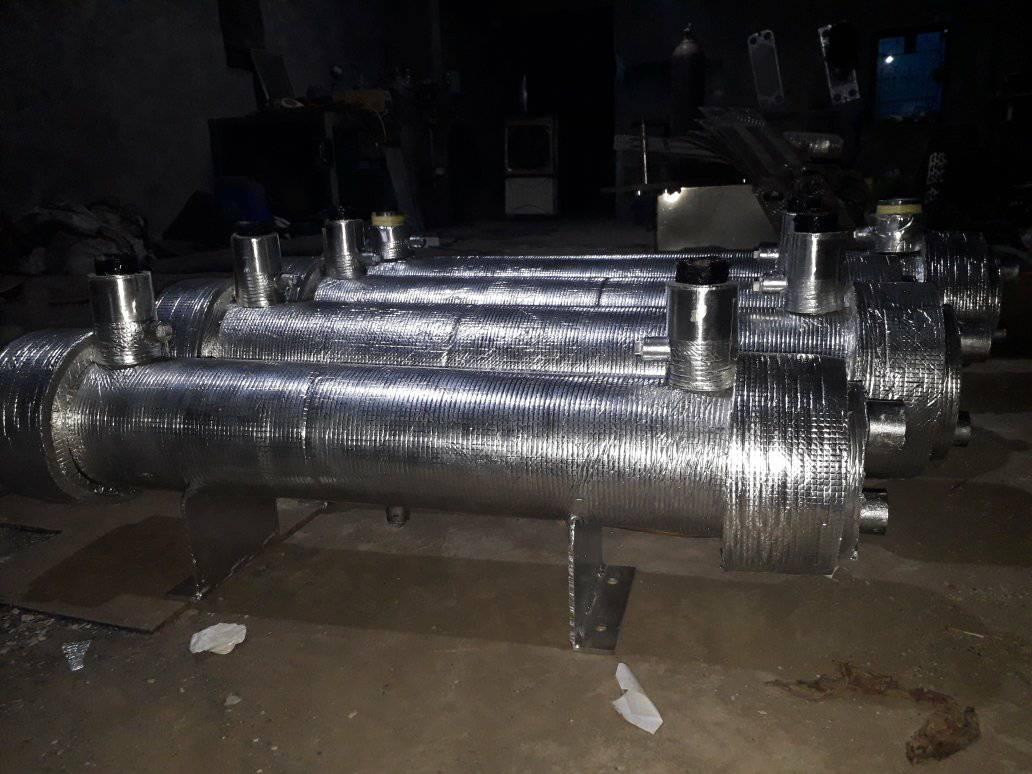
Marine Oil Cooler A marine oil cooler is a heat exchanger designed to cool lubricating oil, hydraulic oil, or fuel oil in marine engines and machinery. It prevents overheating, maintains optimal viscosity, and ensures smooth operation of ship propulsion systems, gearboxes, and hydraulic systems. Types of Marine Oil Coolers 1. Based on...
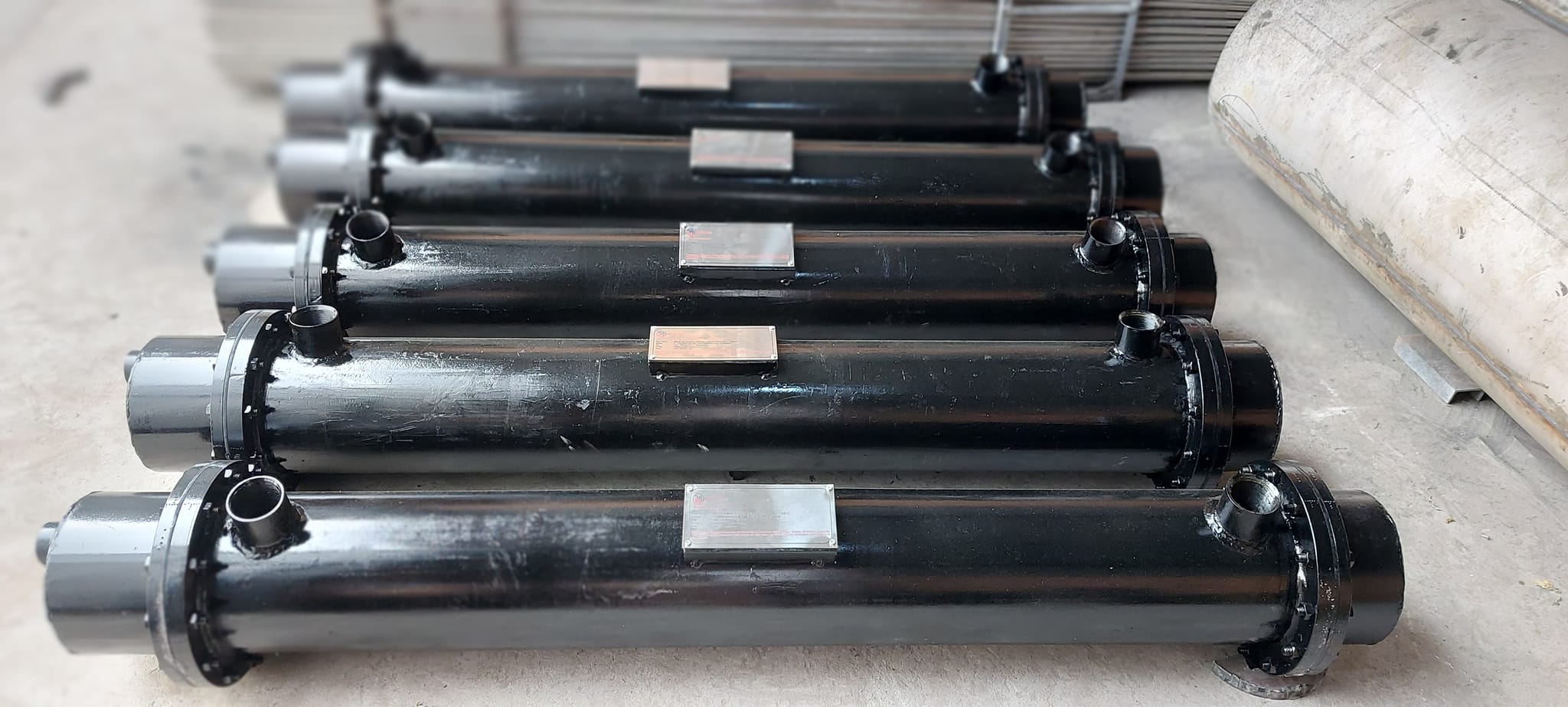
What is an Aftercooler? An aftercooler is a heat exchanger that cools compressed air immediately after it exits an air compressor, reducing its temperature by 50-200°F (30-110°C). This process: Key Differences: Aftercooler vs. Intercooler Feature Aftercooler Intercooler Location After the final compressor stage Between compressor...
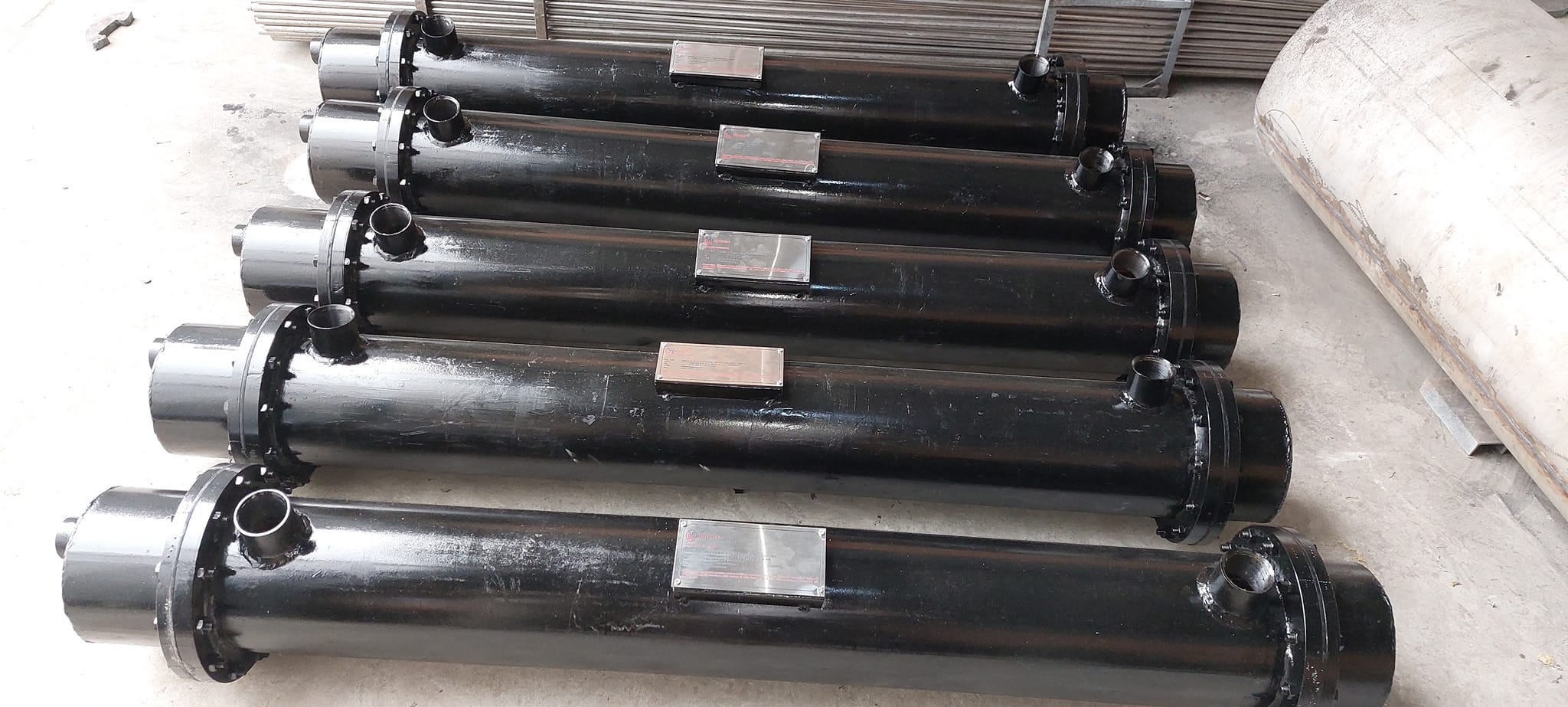
What is an Intercooler? An intercooler is a heat exchanger that cools compressed intake air (charge air) in turbocharged/supercharged engines, improving combustion efficiency and power output. It reduces intake air temperature by 50-100°C, increasing air density for better engine performance. How an Intercooler Works Types of...
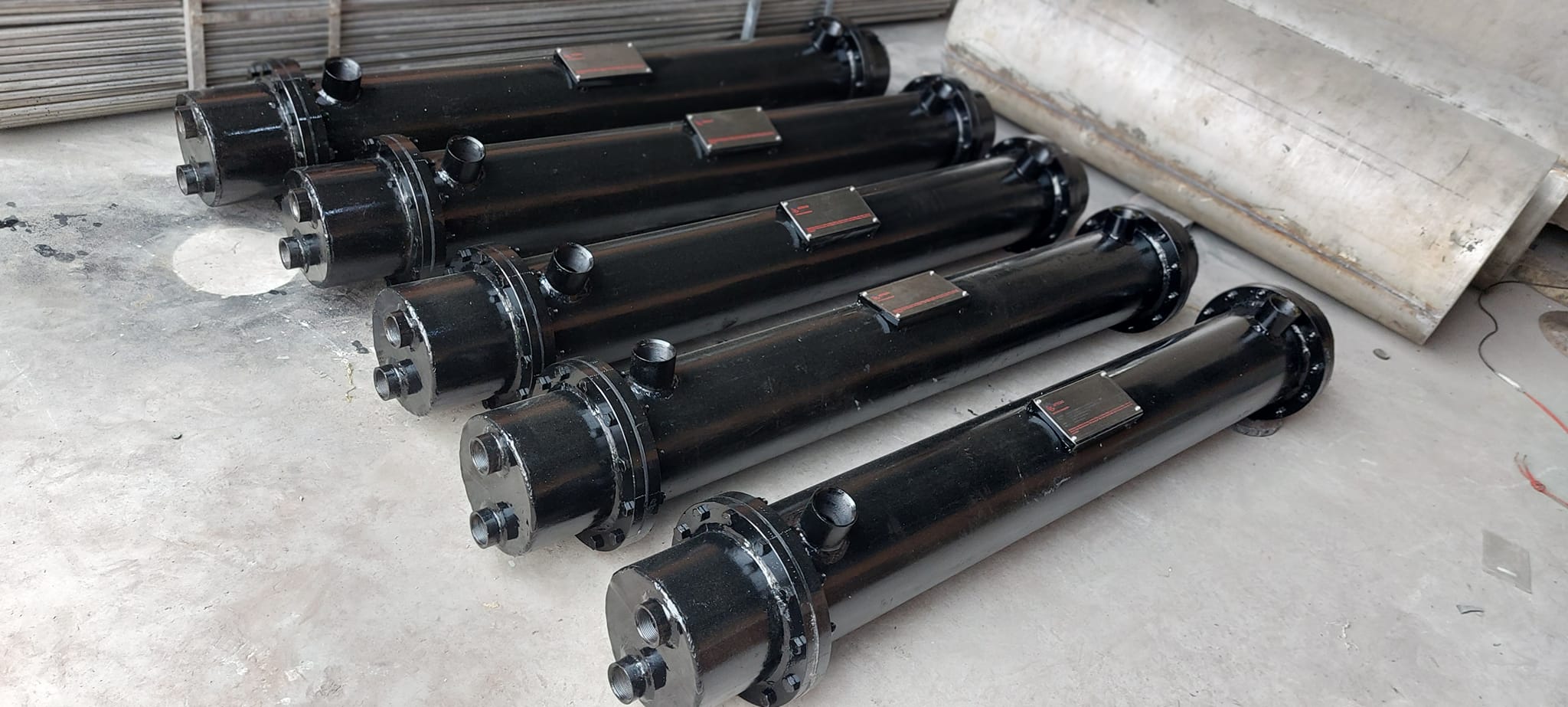
What is an Extended Surface Heat Exchanger? An extended surface heat exchanger enhances heat transfer efficiency by increasing the surface area exposed to the fluid using fins, spines, or other protrusions. This design is ideal for applications with low heat transfer coefficients (e.g., gas-to-gas or gas-to-liquid heat exchange). How...
What is an Air Preheater? An air preheater (APH) is a heat exchanger that recovers waste heat from flue gases and uses it to preheat combustion air entering boilers, furnaces, or kilns. This improves combustion efficiency and reduces fuel consumption by 5-15%. How Air Preheaters Work Types of Air Preheaters 1....
Heat Transfer Fluid (HTF) Cooler: Comprehensive Guide A heat transfer fluid cooler is a critical component in thermal systems that regulates the temperature of thermal oils, synthetic fluids, or glycol-based coolants used in industrial processes. These coolers maintain optimal operating temperatures, prevent fluid degradation, and improve...
Flue Gas Heat Exchanger: Complete Guide A flue gas heat exchanger is a thermal recovery device that captures waste heat from exhaust gases (flue gases) and transfers it to another medium (water, air, or process fluid), improving energy efficiency and reducing fuel costs. How Flue Gas Heat Exchangers Work Types of Flue Gas Heat Exchangers...
Syngas Dehumidifier: Moisture Removal for Cleaner Syngas A syngas dehumidifier removes water vapor from syngas (synthesis gas) produced from gasification, pyrolysis, or waste-to-energy processes. Dry syngas improves combustion efficiency, prevents corrosion, and meets quality standards for downstream applications (e.g., power...
Quenching Oil Cooler: Overview & Function A quenching oil cooler is a specialized heat exchanger designed to rapidly cool quenching oil used in metal heat treatment processes (e.g., hardening, tempering). It maintains optimal oil temperature, ensuring consistent quenching performance and prolonging oil life. How a Quenching...
A boiler economizer is a heat exchanger device that recovers waste heat from boiler flue gases and uses it to preheat the feedwater entering the boiler. This improves the overall efficiency of the boiler system by reducing fuel consumption and lowering emissions How a Boiler Economizer Works Types of Boiler Economizers Non-Condensing Economizer...
A recuperator is a type of heat exchanger that recovers waste heat from exhaust gases to preheat incoming air or gas, improving energy efficiency in combustion systems. It is commonly used in biogas systems, industrial furnaces, gas turbines, and HVAC applications How a Recuperator Works Types of Recuperators Benefits in Biogas Systems...
A biogas dehumidifier is a device used to remove moisture (water vapor) from biogas to improve its quality and efficiency for storage or use in engines, boilers, or other applications. Why Dehumidify Biogas? Biogas, produced from anaerobic digestion of organic matter (e.g., food waste, manure, agricultural residues), typically contains:...
U-Tube Bundle Heat Exchanger A U-tube bundle heat exchanger is a type of shell and tube heat exchanger where the tubes are bent into a U-shape, allowing both ends to connect to the same tube sheet. This design provides thermal expansion flexibility, making it ideal for high-temperature and high-pressure applications....