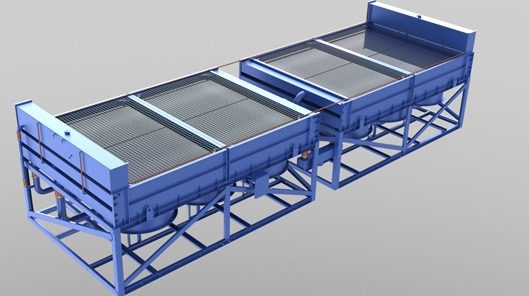
Tags: bottle shape cooling tower

  • Tag:

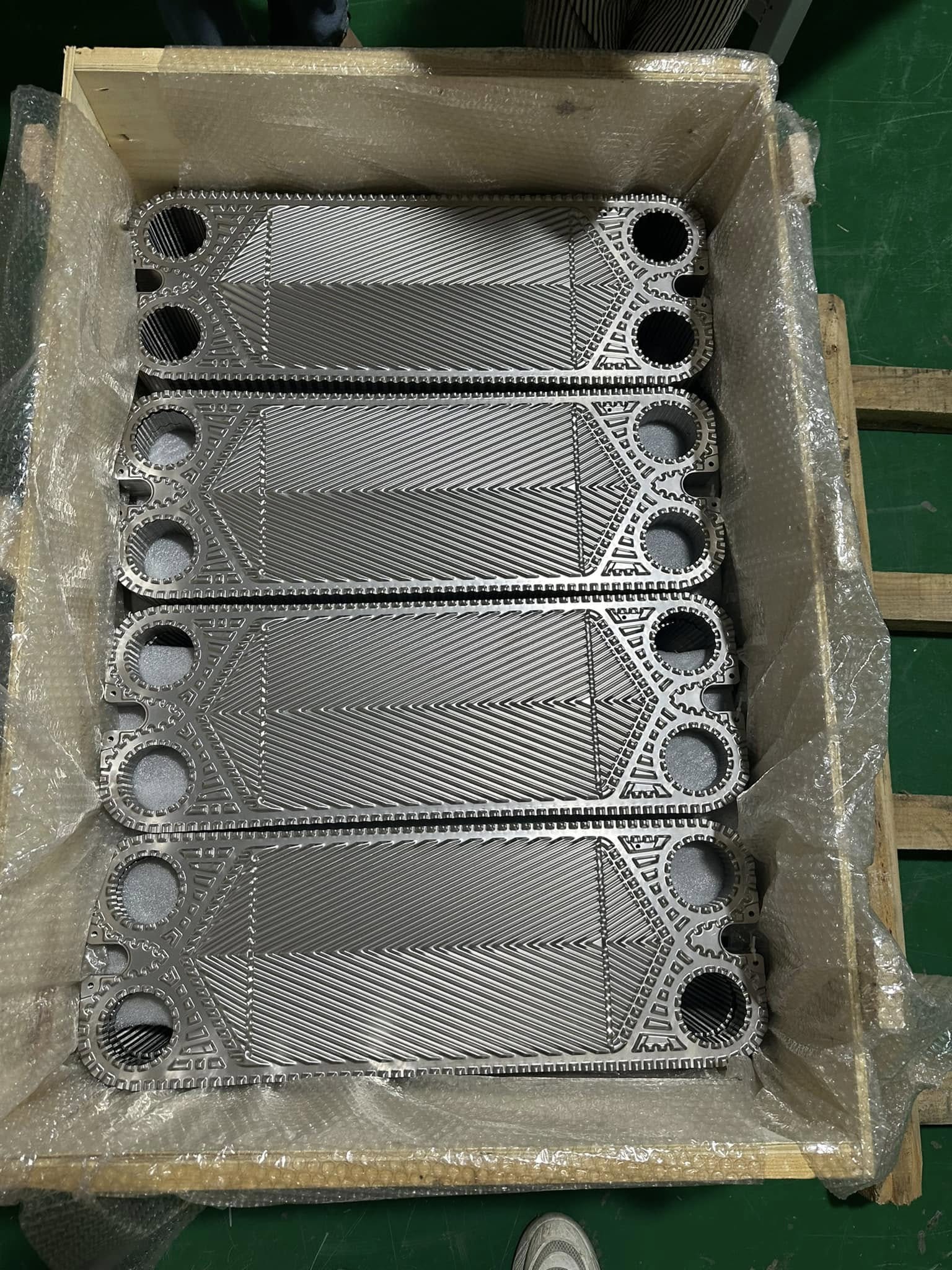
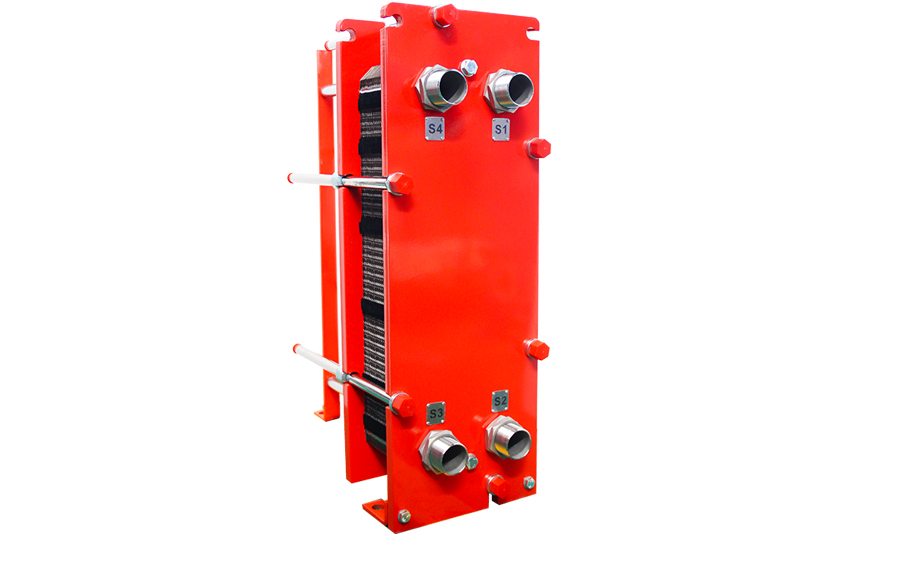
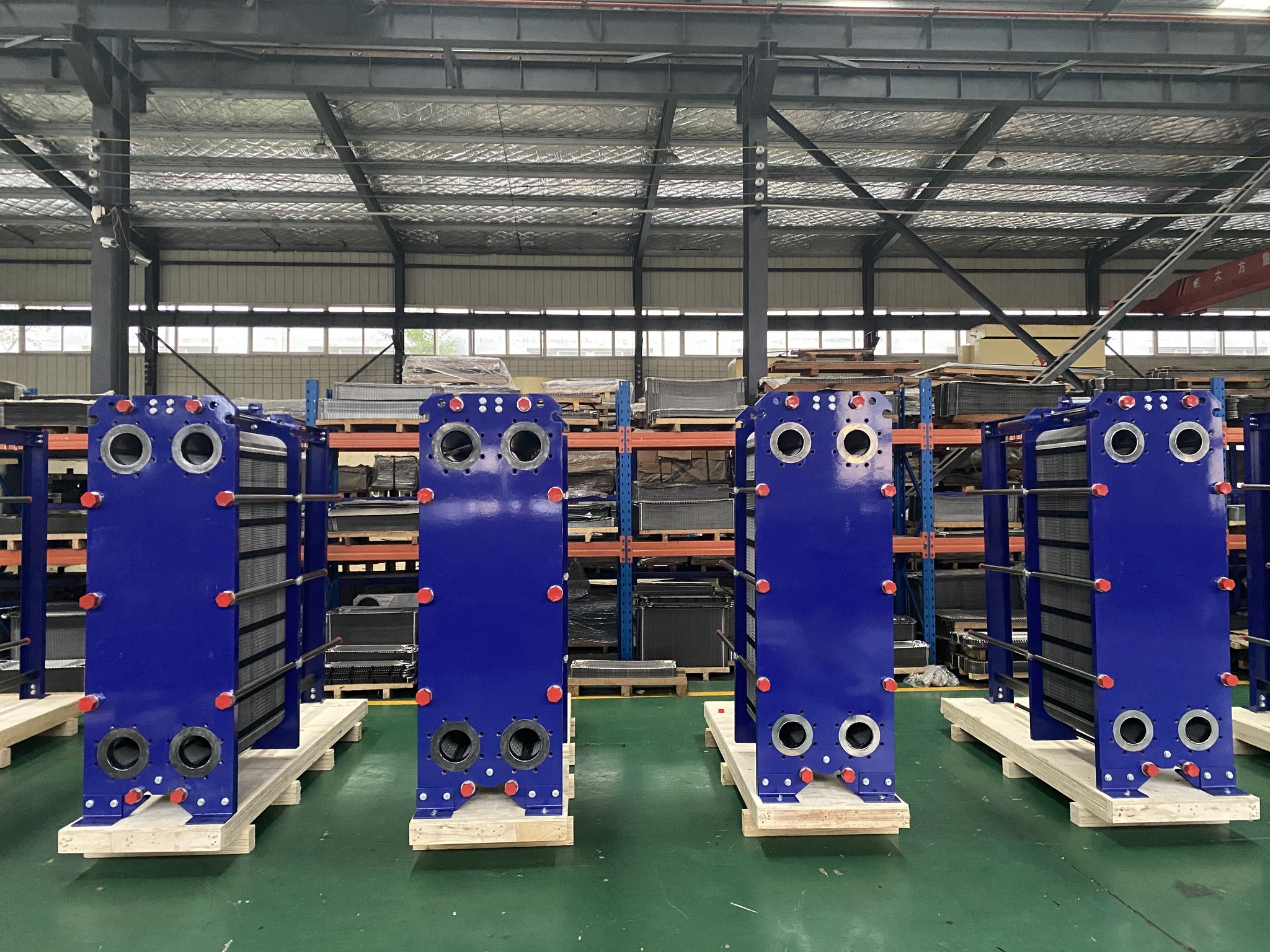
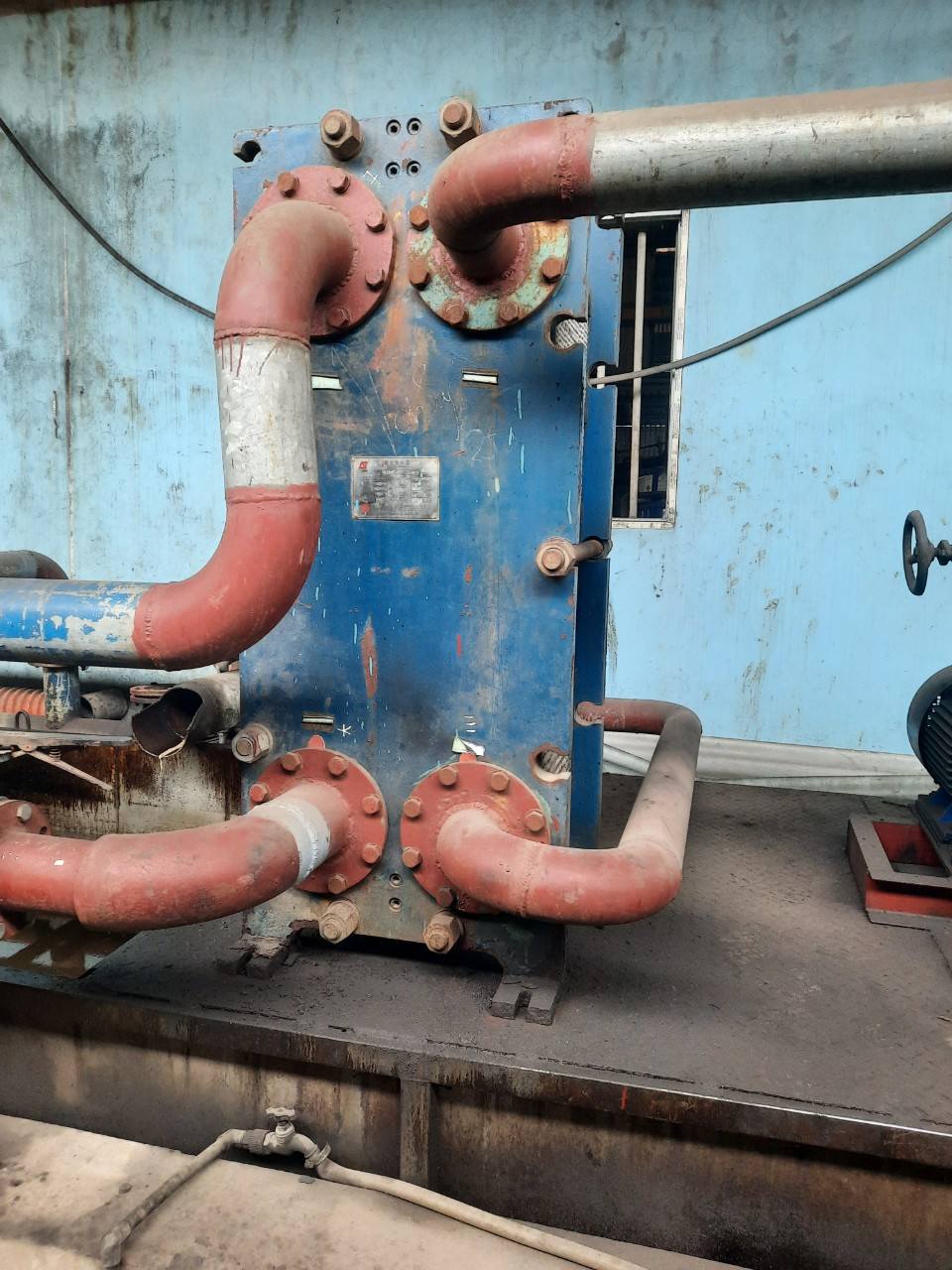
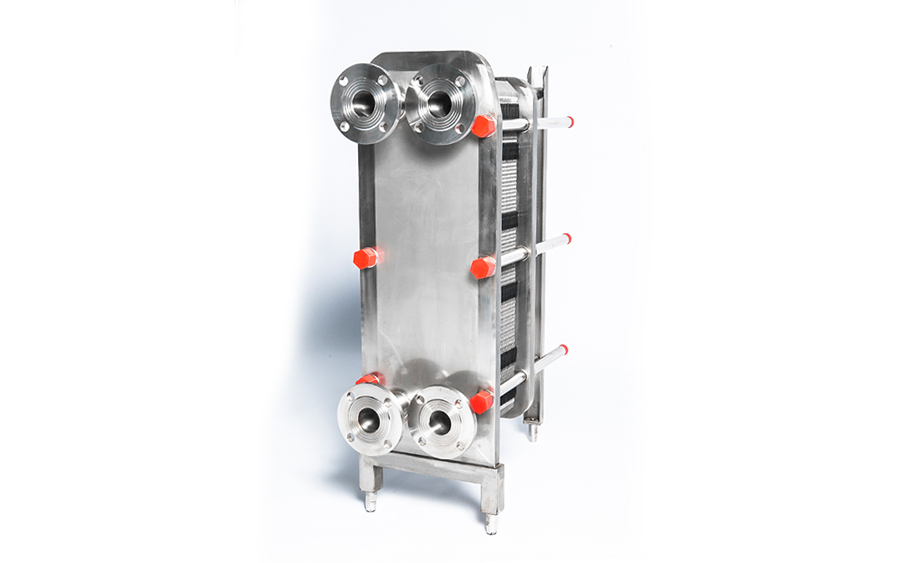
Plate Heat Exchanger Manufacturer in India

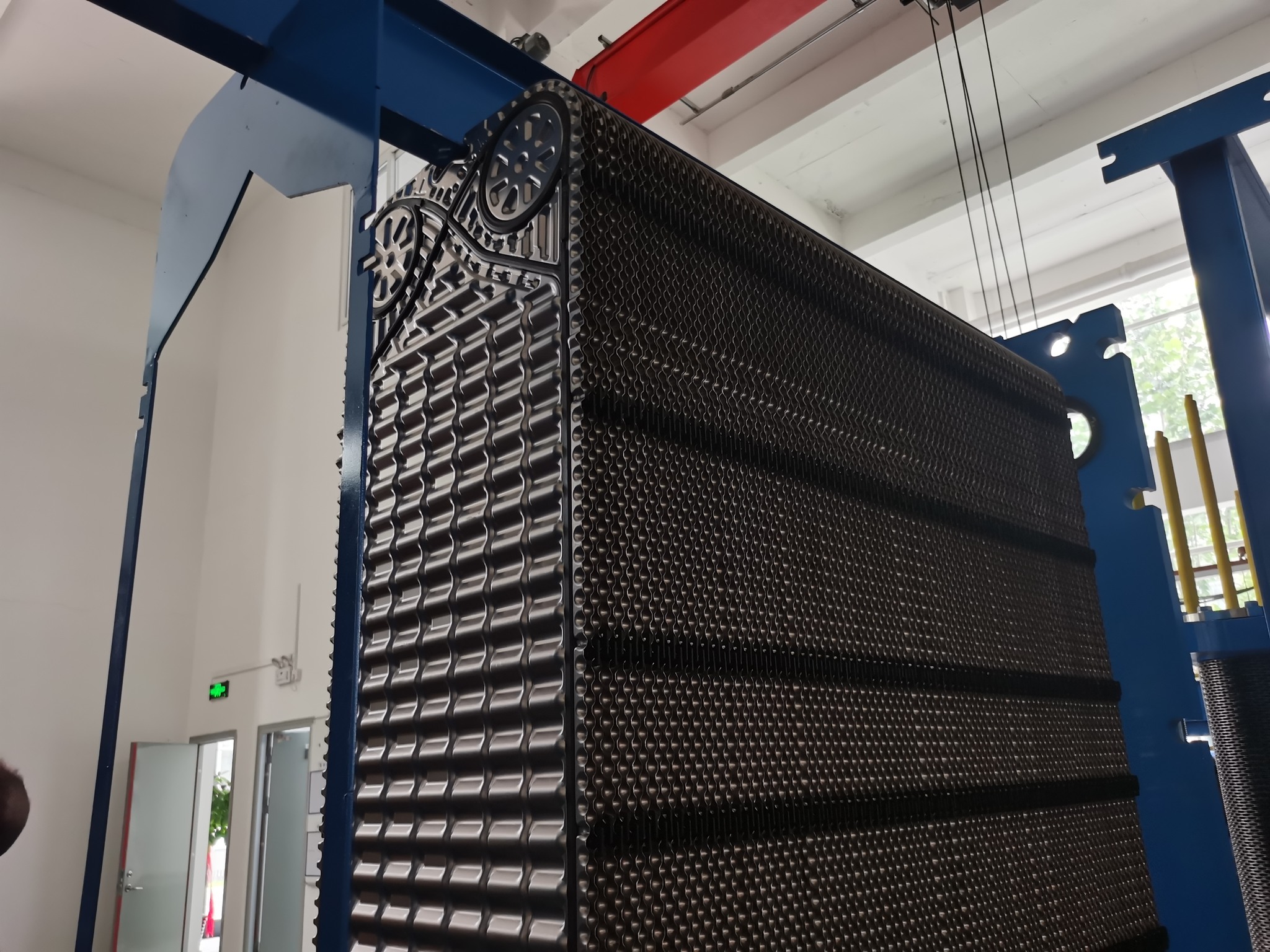
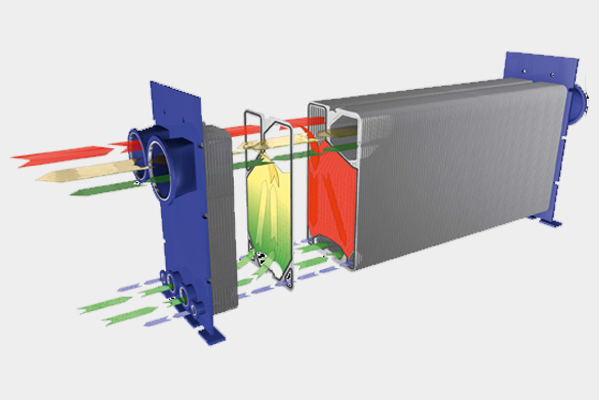
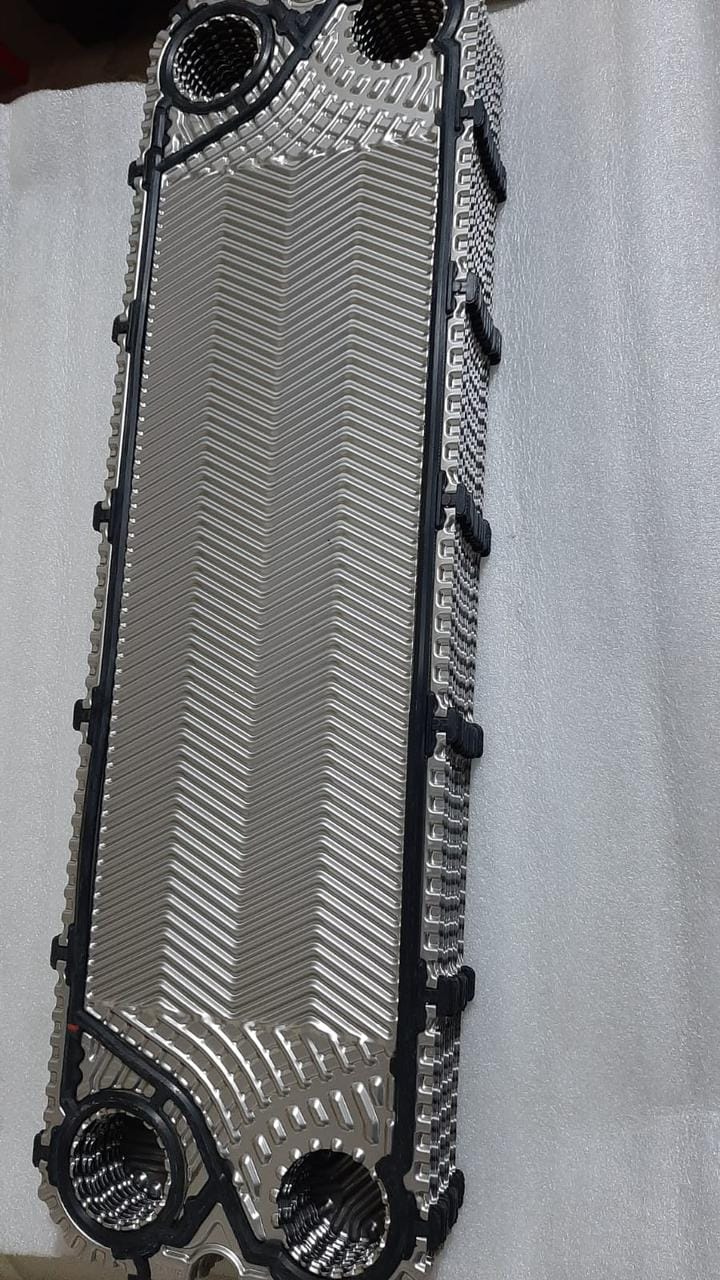
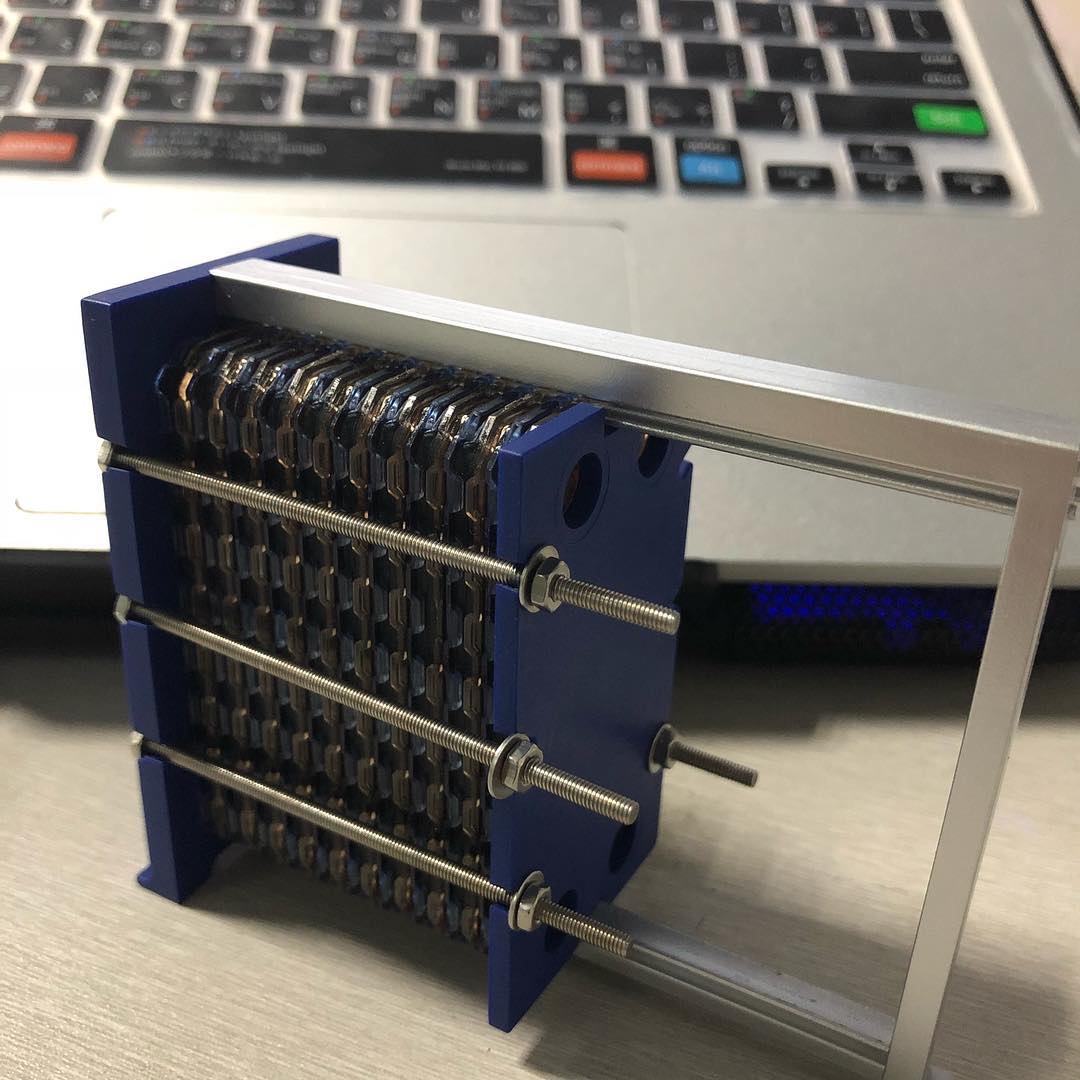
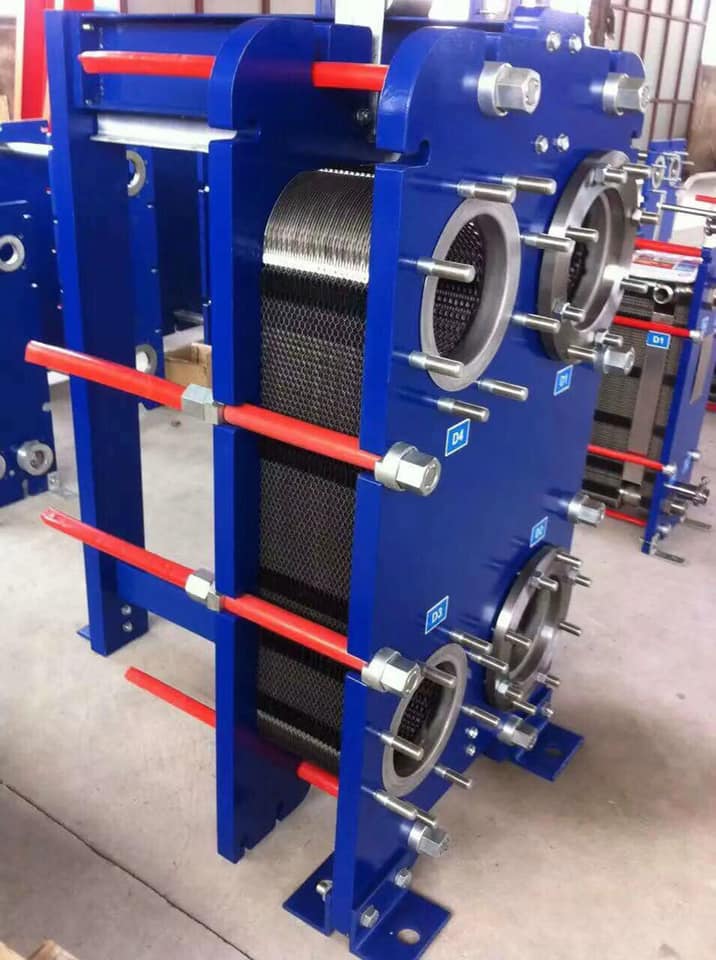
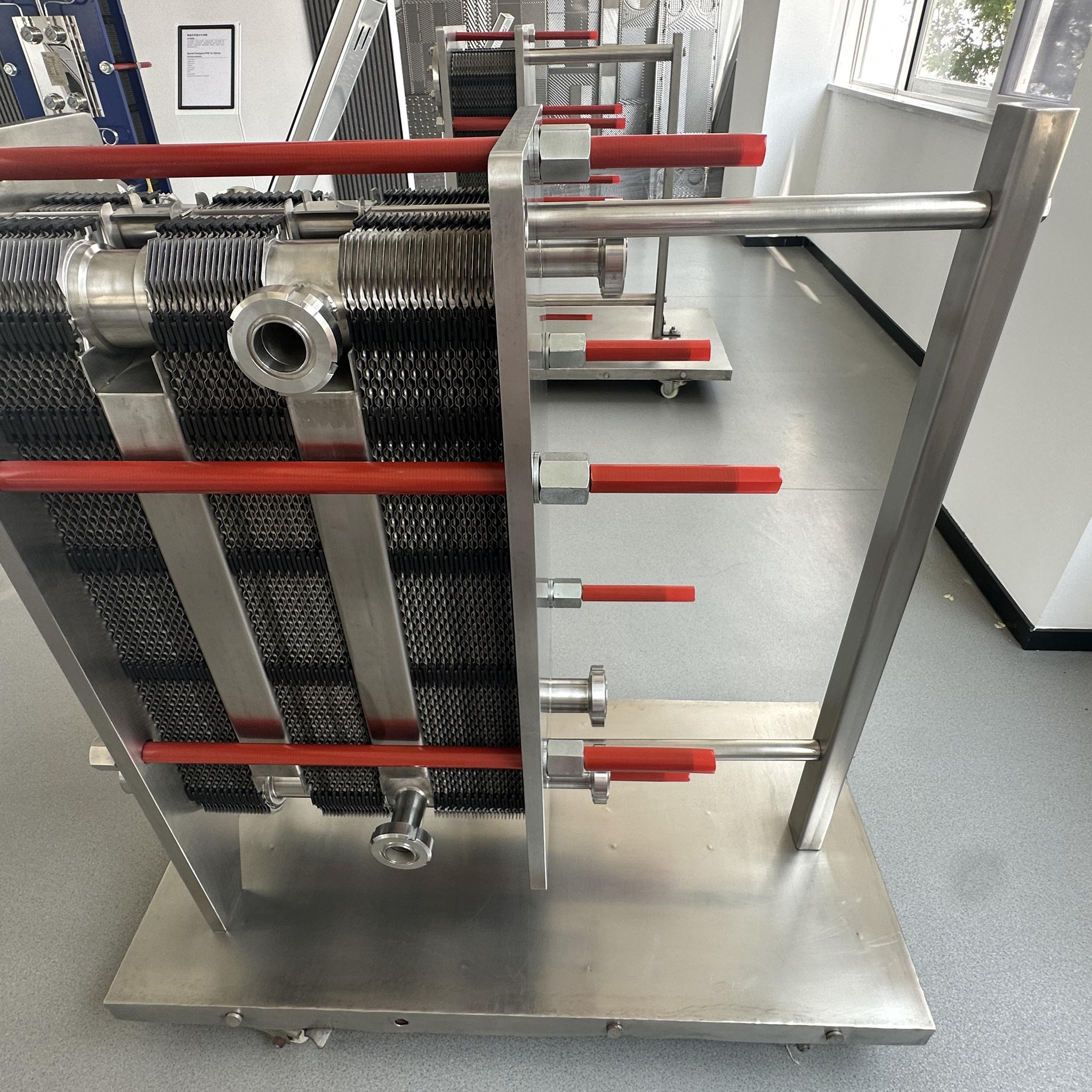
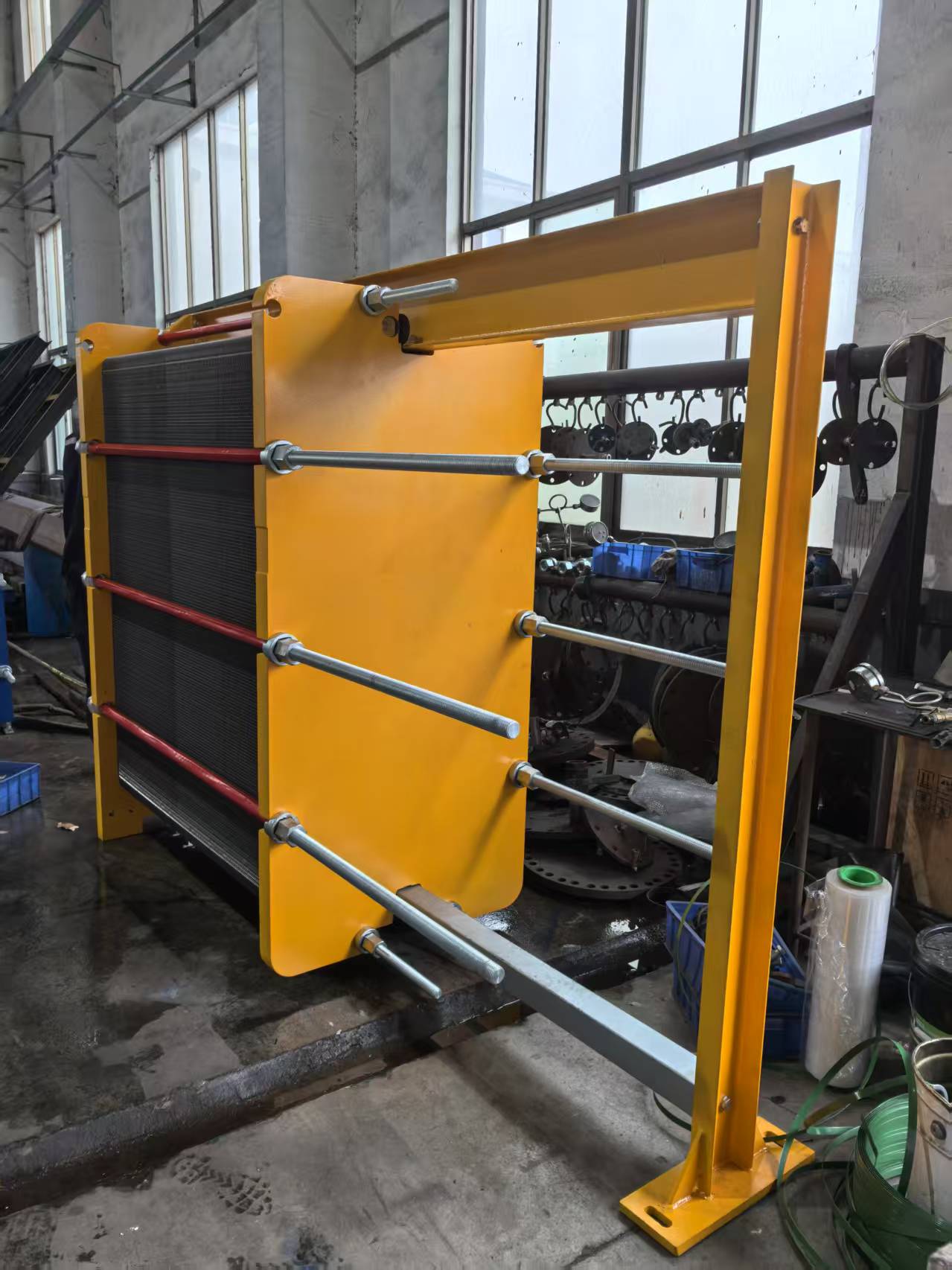
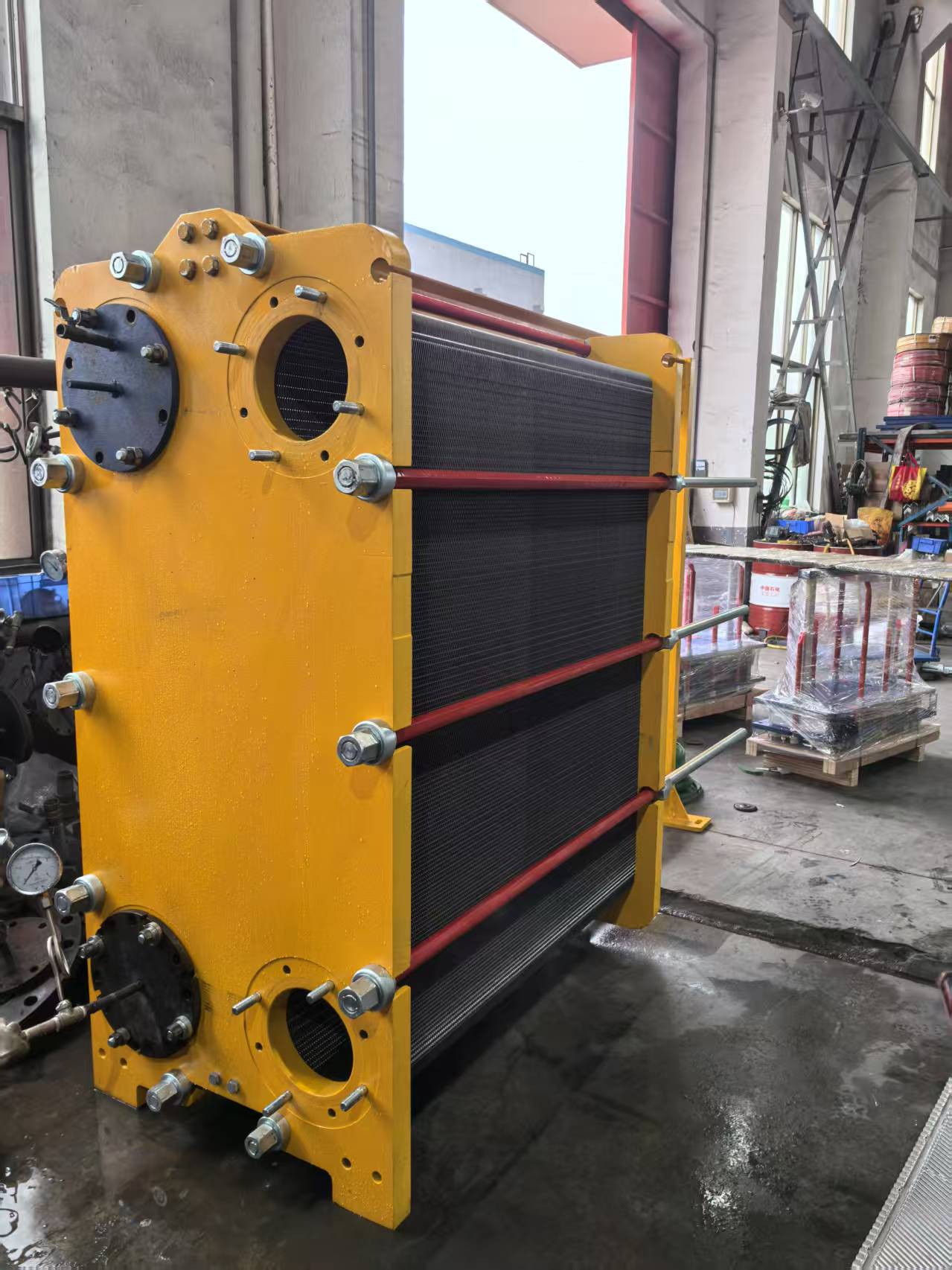
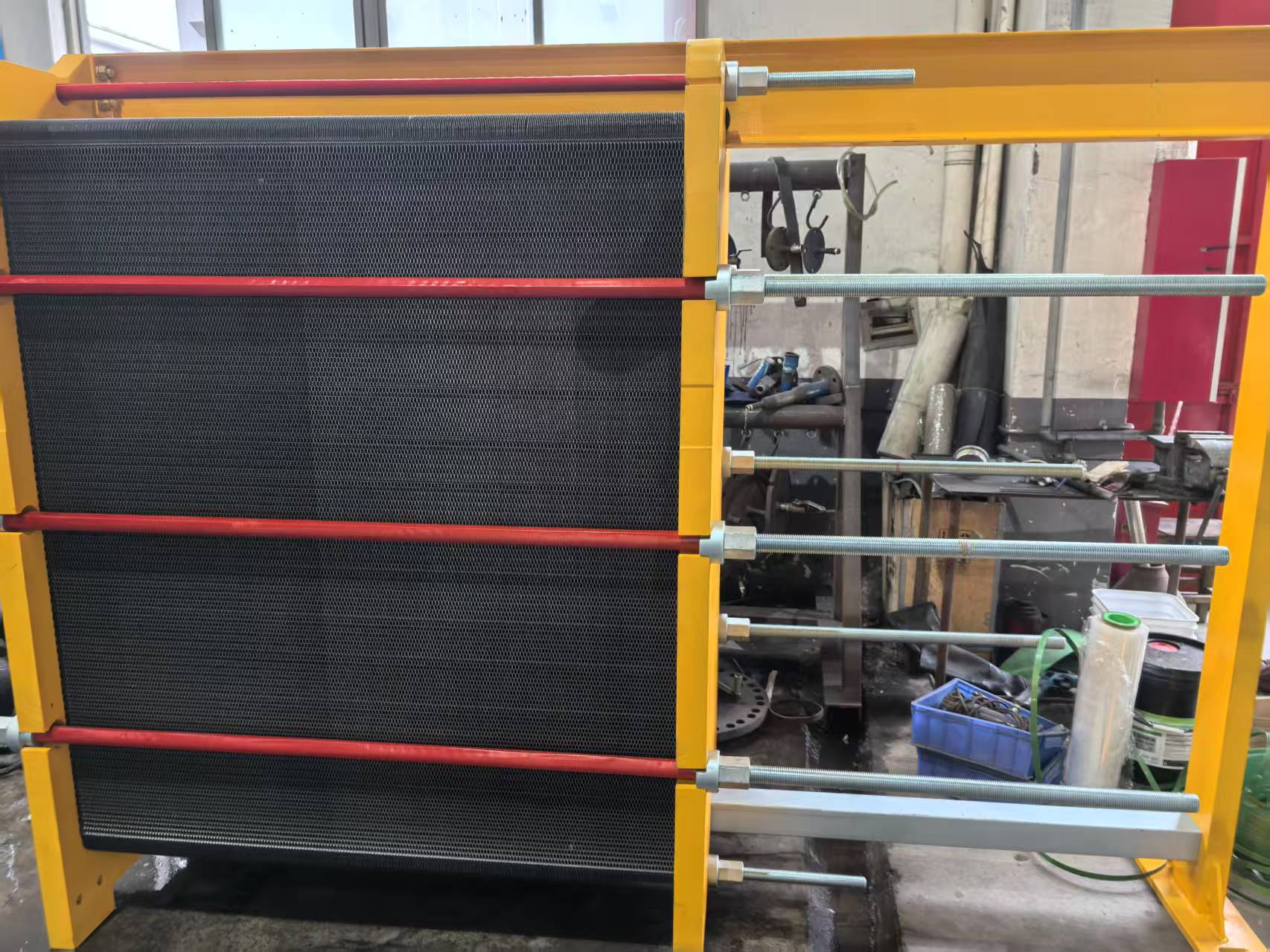
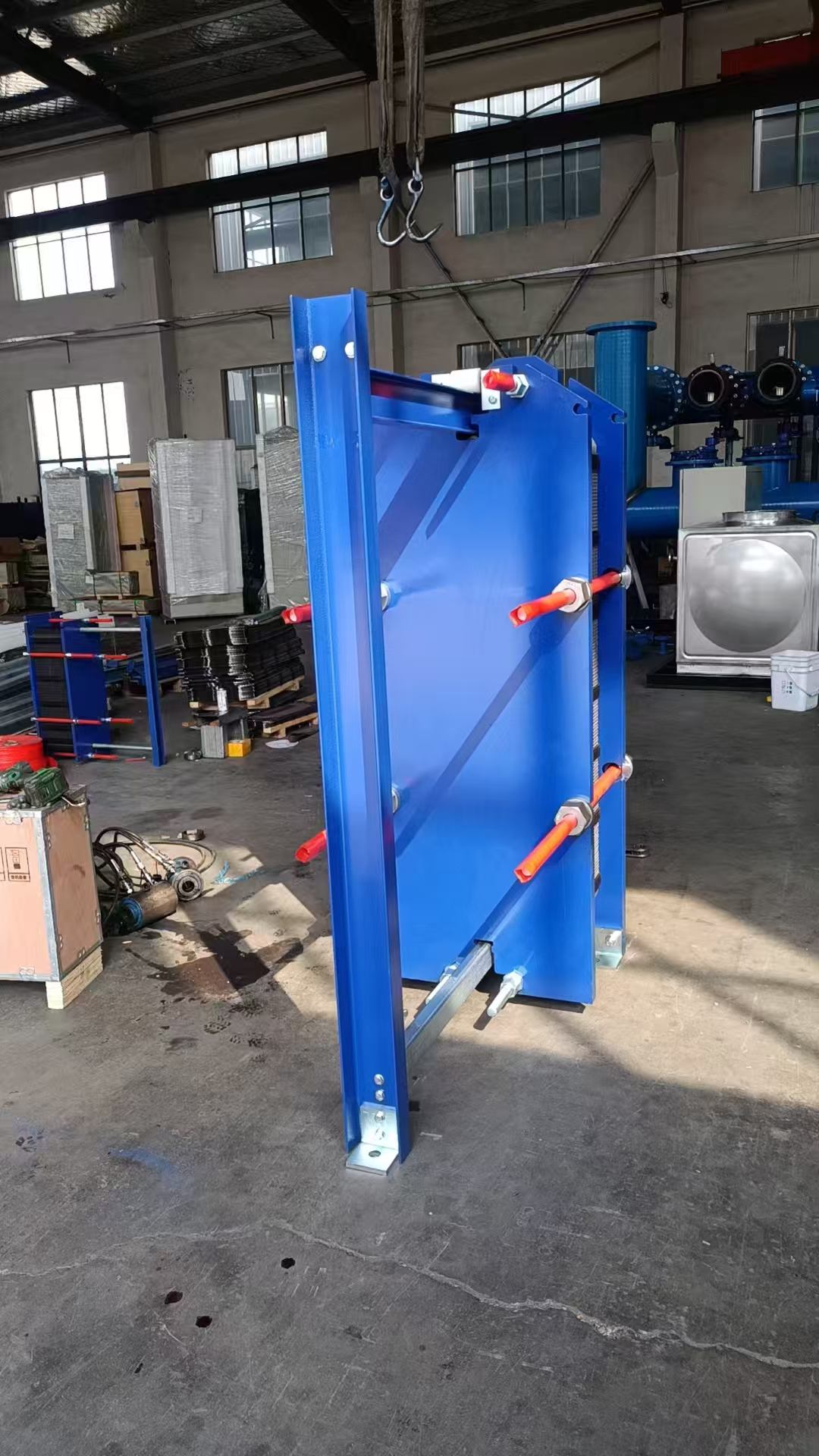
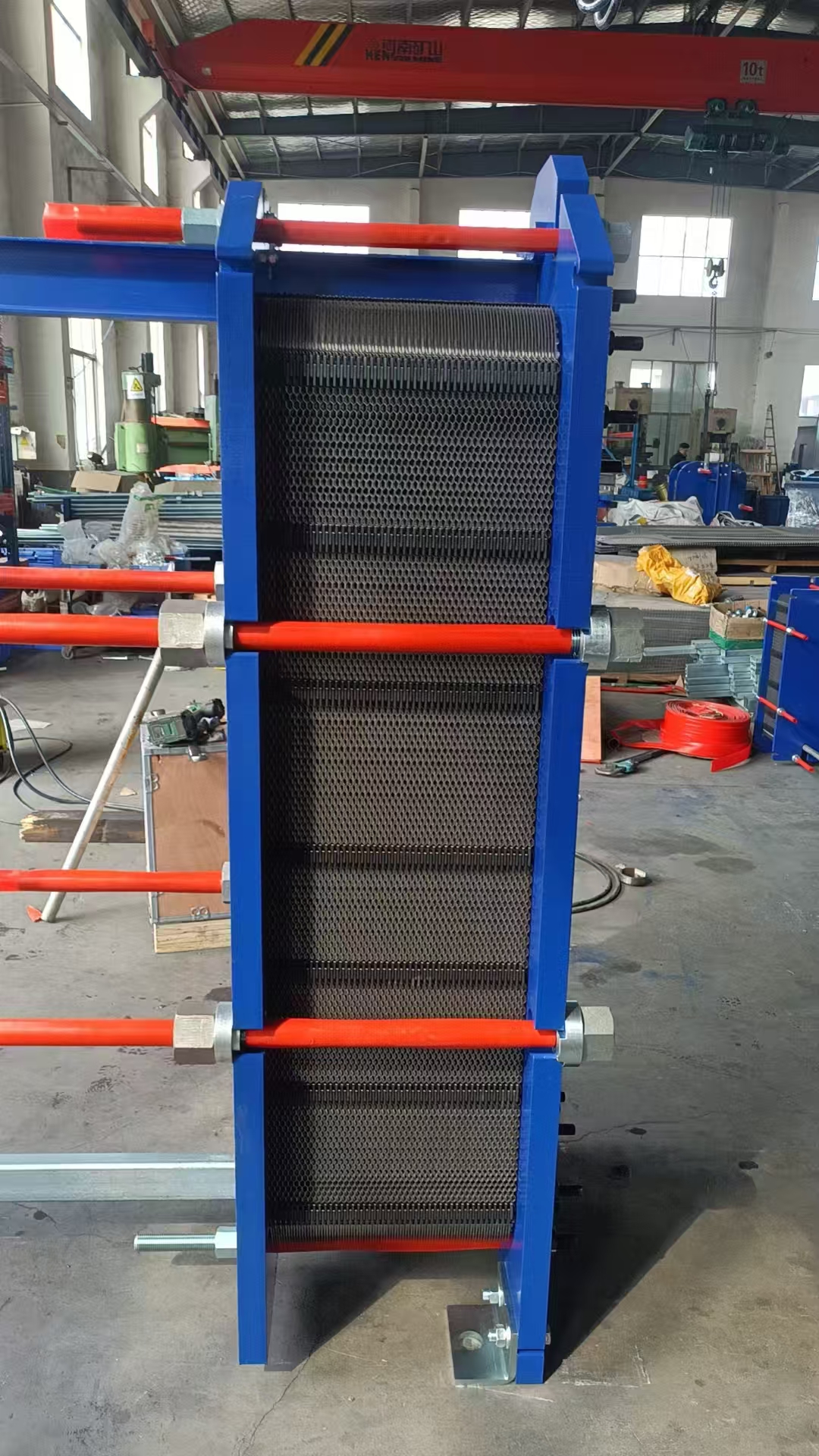
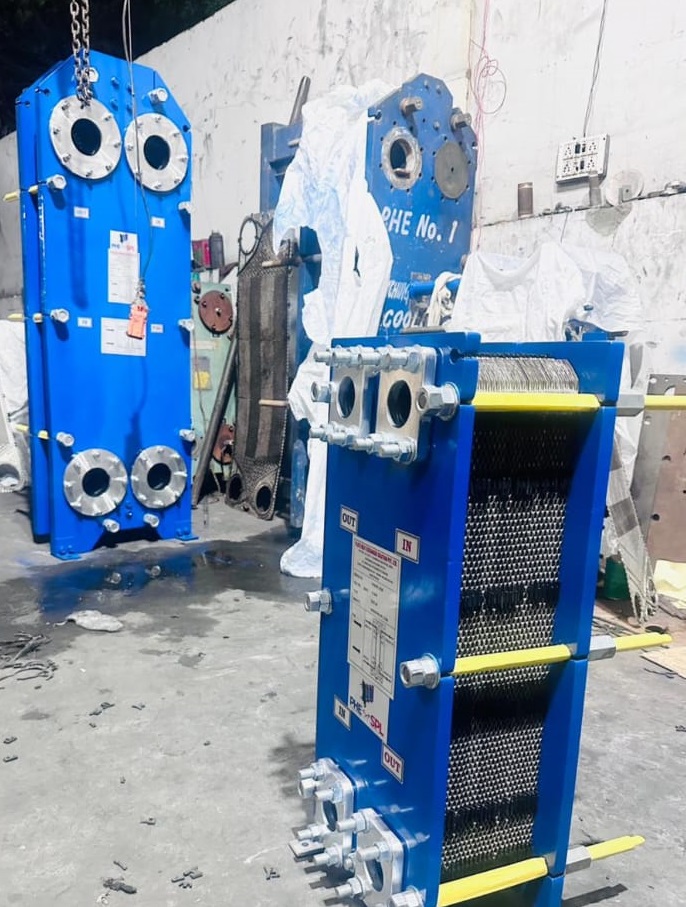
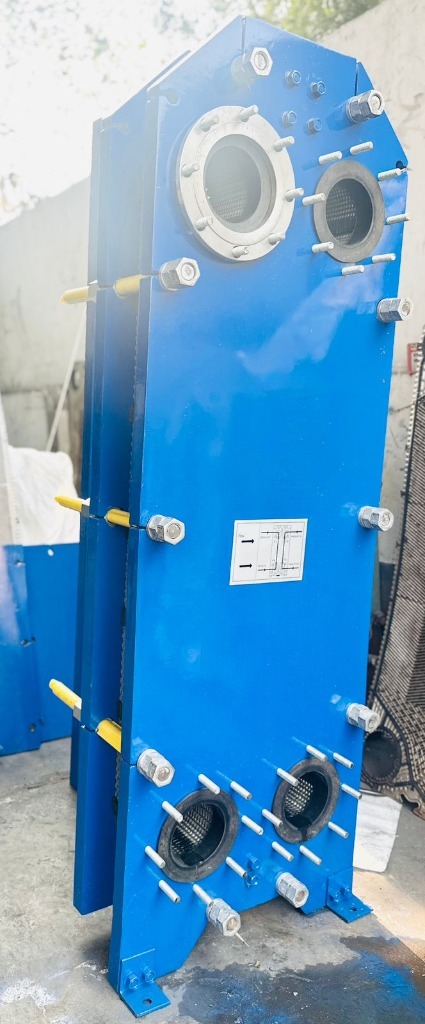
A Plate Heat Exchanger (PHE) is a compact type of heat exchanger that uses a series of thin, corrugated metal plates to transfer heat between two fluids. These plates are stacked together, creating alternating channels for the hot and cold fluids to flow through. The close proximity and large surface area of the plates allow for highly...

Dry Cooling tower manufacturer in Visakhapatnam

Effect of Wet bulb temperature in Dry cooling tower performance The direct effect of Wet Bulb Temperature on a pure Dry Cooling Tower is essentially ZERO. However, it has a major indirect effect that becomes critical for system design and comparison. Let’s break this down. The Direct Effect: Why It Doesn’t...

Dry Cooling tower manufacturer in Odisha

Effect of Dry bulb temperature in Dry cooling tower performance The Dry Bulb Temperature is the single most critical environmental factor affecting the performance of a dry cooling tower. In simple terms: As the Dry Bulb Temperature increases, the performance and efficiency of a dry cooling tower decrease significantly....

Dry Cooling tower manufacturer in Andhra Pradesh

Comparison: Pad vs. Misting Nozzles Feature Cellulose Pad High-Pressure Misting Nozzles Efficiency Very High High Water Drift Very Low Can be high if not properly designed Risk of Clogging Lower (large passages) Higher (very small orifice) Coil Fouling Low risk (air is filtered by pad) Higher risk (minerals in water can deposit on coil) Maintenance...

Dry Cooling tower manufacturer in Zambia

The reason for using a cellulose pad in a dry cooling tower is to create an efficient and controlled adiabatic pre-cooling system, transforming a standard dry cooler into a more powerful and efficient adiabatic hybrid cooler during hot weather. The cellulose pad is not part of the dry circuit itself; it’s an add-on component that operates...

Dry Cooling tower manufacturer in Ghana

Comparison with Other Coolers Feature Pure Dry Cooler Adiabatic Hybrid Cooler Wet Cooling Tower Water Use Zero Low (Intermittent) Very High (Continuous) Energy Use Highest (on hot days) Lower Lowest Cooling Efficiency Low (on hot days) High & Stable Highest & Stable Plume None None Visible Plume Maintenance Low Medium High

Dry Cooling tower manufacturer in Tunisia

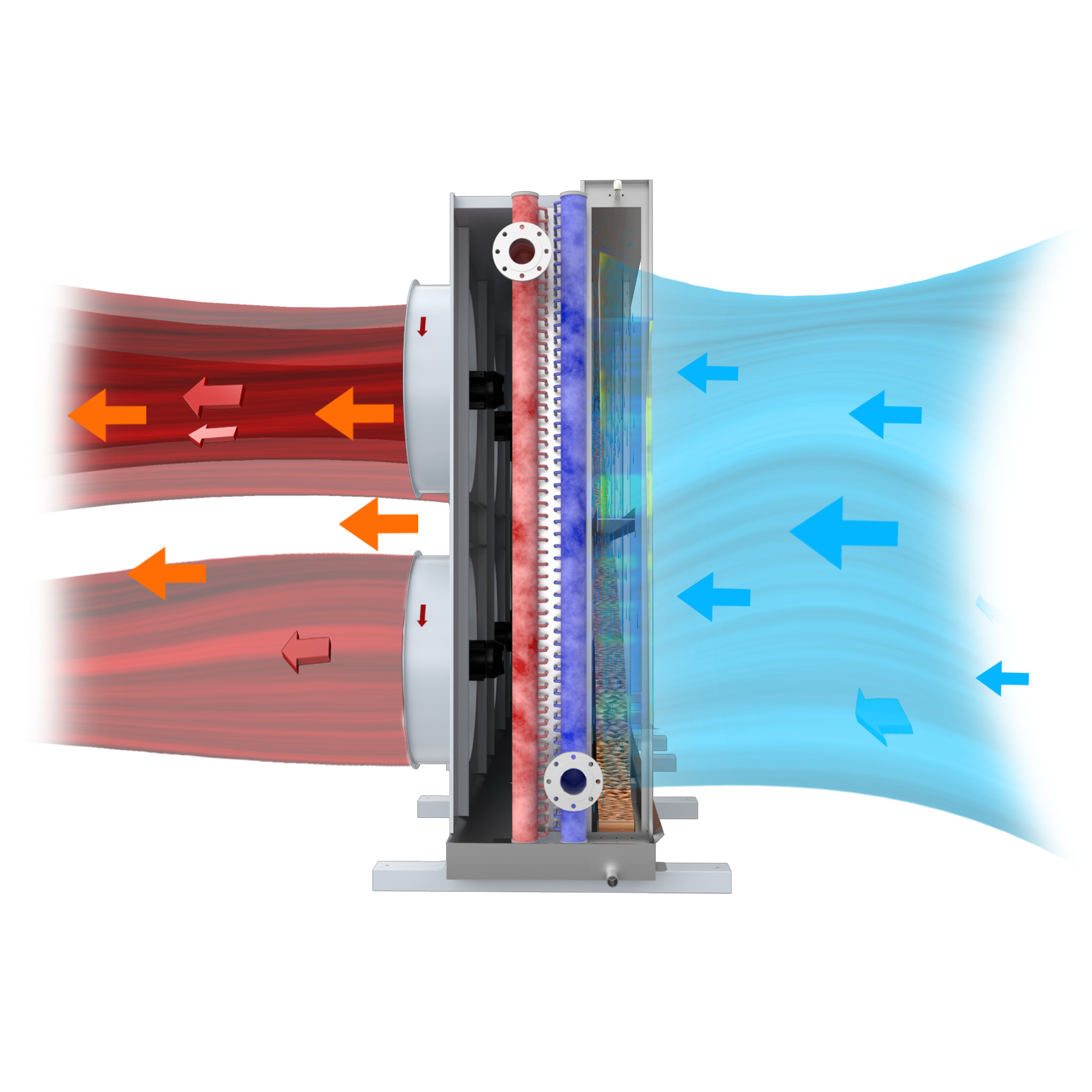
Dry cooling tower with Adiabatic fluid cooler A Dry Cooling Tower with an Adiabatic Fluid Cooler (often called an Adiabatic Hybrid Cooler) is a system that combines the water-saving benefits of a dry cooler with the high efficiency of evaporative cooling, but only when needed. It’s designed to get the “best of both...

Dry Cooling tower manufacturer in Ethiopia

Material Selection Factors Factor Ideal Material Trade-off Thermal Conductivity Copper > Aluminum > Steel Copper is expensive and less strong. Corrosion Resistance Stainless Steel > Copper > Aluminum > Carbon Steel Stainless Steel has lower thermal conductivity and higher cost. Mechanical Strength Steel > Stainless Steel >...

Dry Cooling tower manufacturer in Algeria

Common Material Combinations The most efficient and cost-effective combinations leverage the strength of one material and the thermal conductivity of another. Common Material Combinations The most efficient and cost-effective combinations leverage the strength of one material and the thermal conductivity of another. Tube Material Fin Material...

Dry Cooling tower manufacturer in Nigeria

Material of Construction of cooling coil in Dry cooling tower Their Common Materials 1. Tubes (The Primary Pressure Boundary) The tubes carry the hot process fluid and must withstand its pressure and temperature. 2. Fins (The Extended Surface for Heat Transfer) The fins are attached to the outside of the tubes to dramatically increase the...

Dry Cooling tower manufacturer in Australia

Use of Heat exchanger coil in Dry cooling tower The heat exchanger coil is the absolute core component of a dry cooling tower, and its use is fundamental to the tower’s entire operation. In simple terms, the use of the heat exchanger coil in a dry cooling tower is to transfer heat from the hot internal […]

Dry Cooling tower manufacturer in Egypt

Part Functions: Part Primary Function Finned Tubes Transfers heat from the hot fluid to the cool air. Fans & Motors Creates the forced airflow for heat exchange. Headers Distributes and collects the process fluid. Support Structure Provides structural integrity for all components. Louvers Directs airflow and minimizes recirculation.

Dry Cooling tower manufacturer in Kuwait

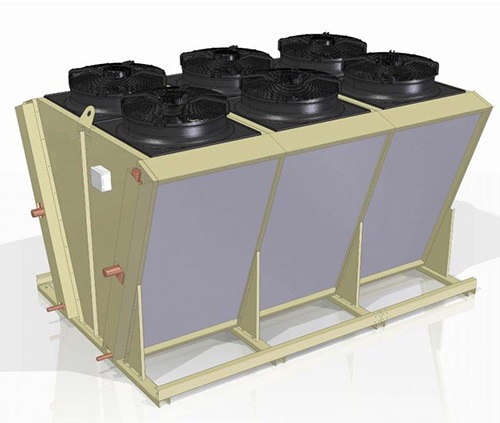
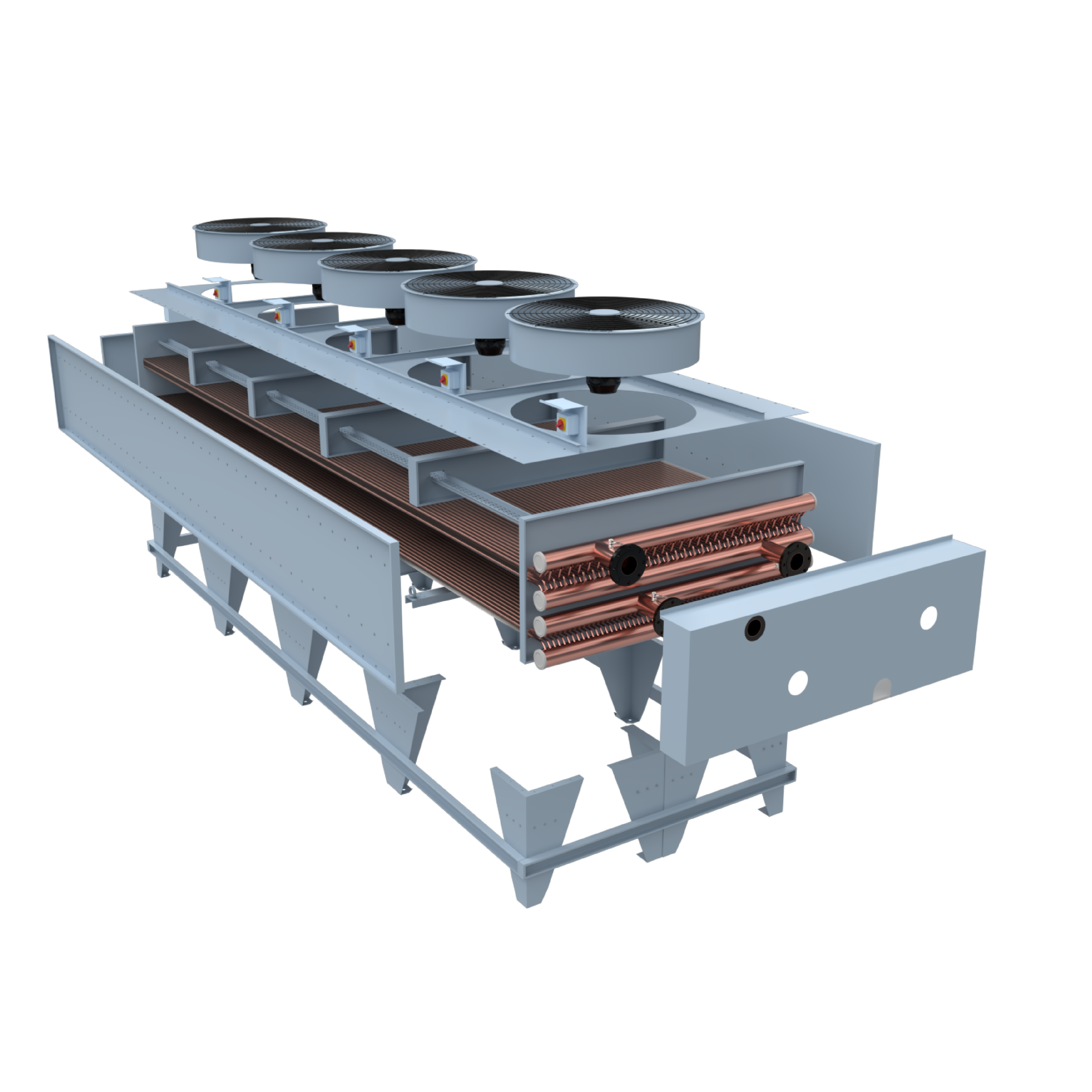
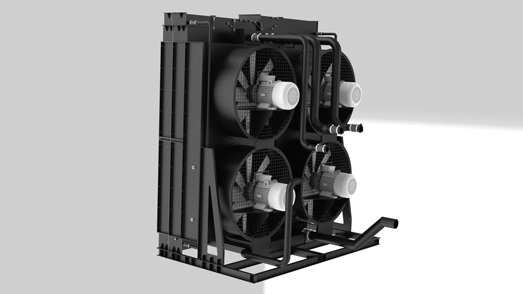
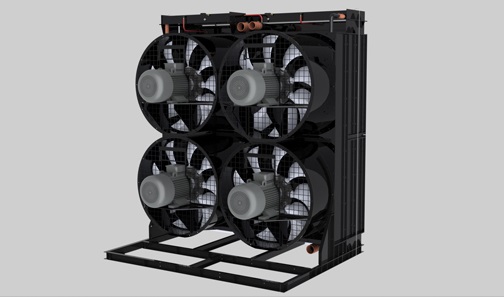
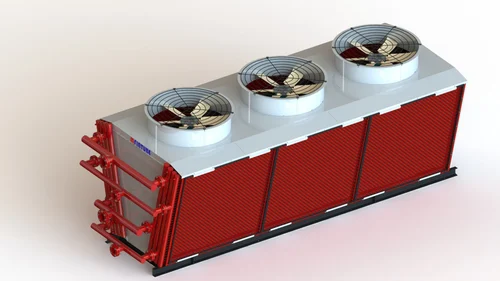
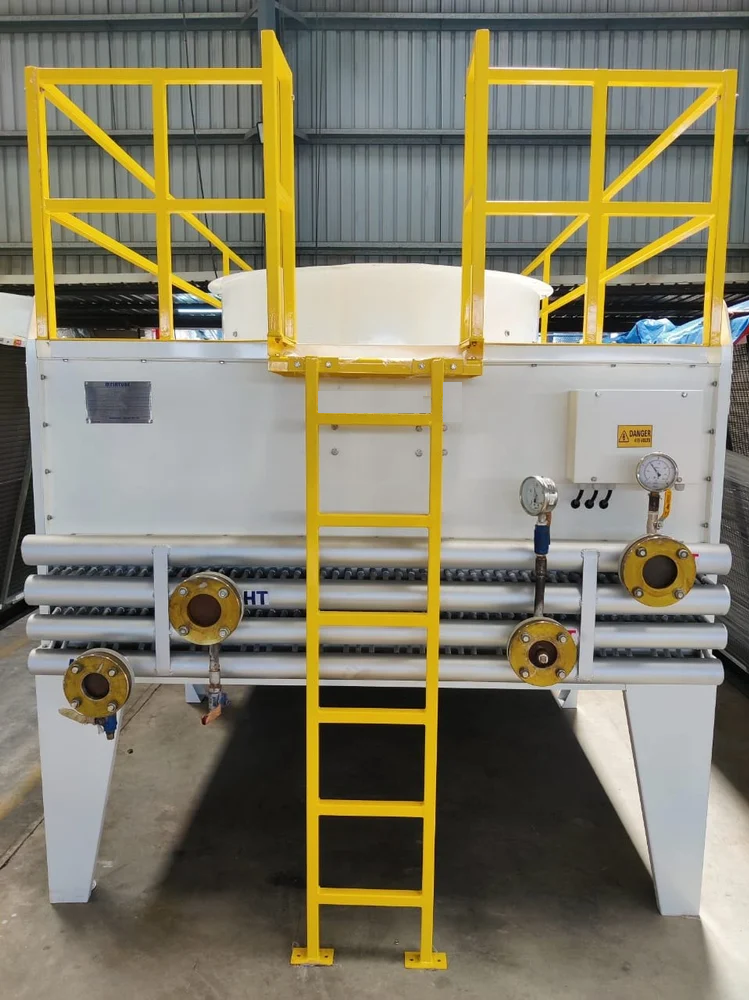
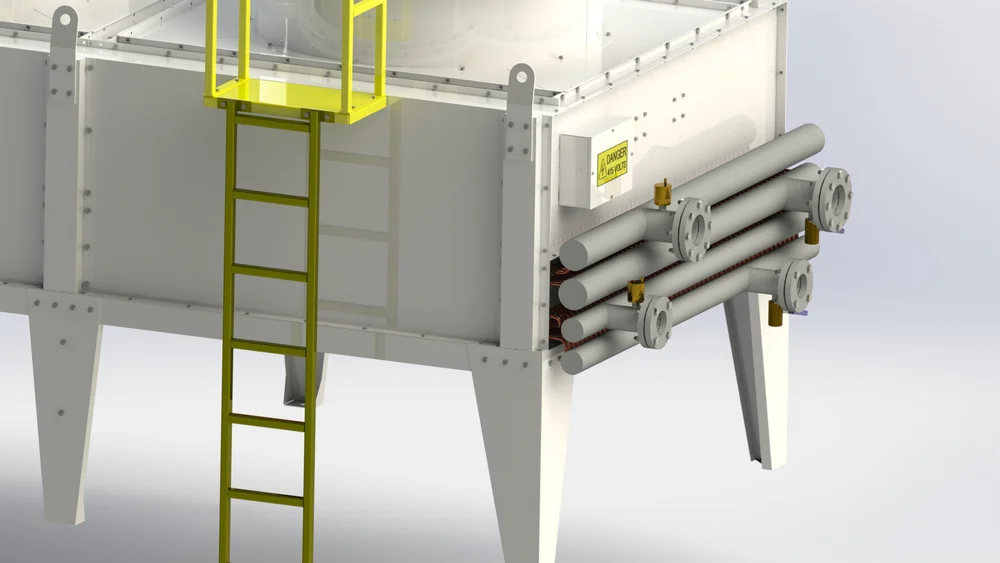
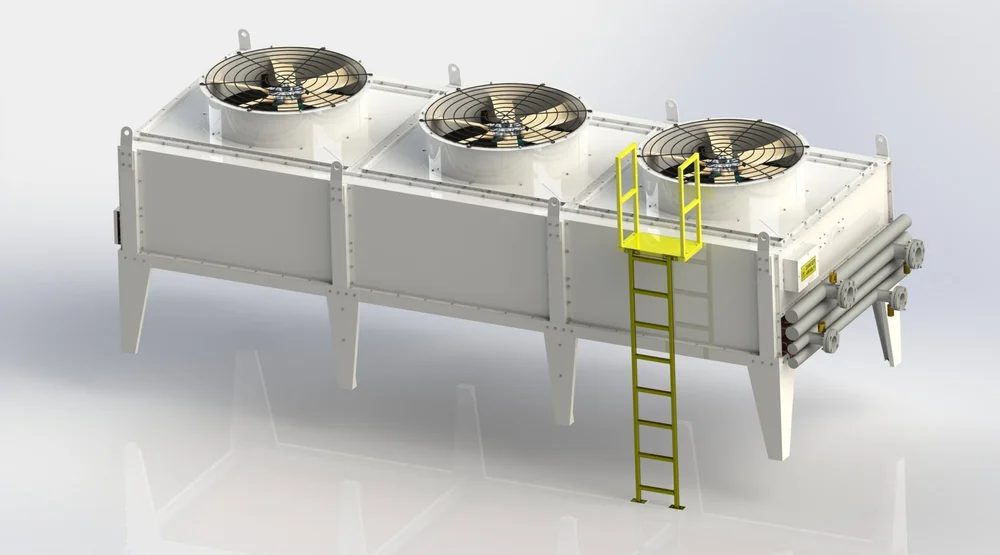
Parts of Dry cooling Tower?  A dry cooling tower is a complex system composed of several key components that work together to reject heat through sensible heat transfer. Here are the main parts of a typical mechanical draft dry cooling tower, broken down by their function: 1. Heat Exchanger Bundle (The Core) This is the […]

Dry Cooling tower manufacturer in Bahrain

Where Dry Cooling tower used. Dry cooling towers are the technology of choice in locations where water is scarce or environmental regulations restrict water usage and vapor plumes. Dry Cooling Tower is a water-saving cooling system that trades off higher cost and lower efficiency for the crucial benefit of minimal water consumption, making it...

Dry Cooling tower manufacturer in United Arab Emirates

Dry Cooling Tower vs. Wet Cooling Tower Feature Dry Cooling Tower Wet Cooling Tower (Evaporative) Principle Sensible Heat Transfer (like a car radiator) Latent Heat Transfer (evaporation) Water Usage Very Low. Only minor makeup water for the closed loop. Very High. Continuous water loss due to evaporation, drift, and blowdown....

Dry Cooling tower manufacturer in India

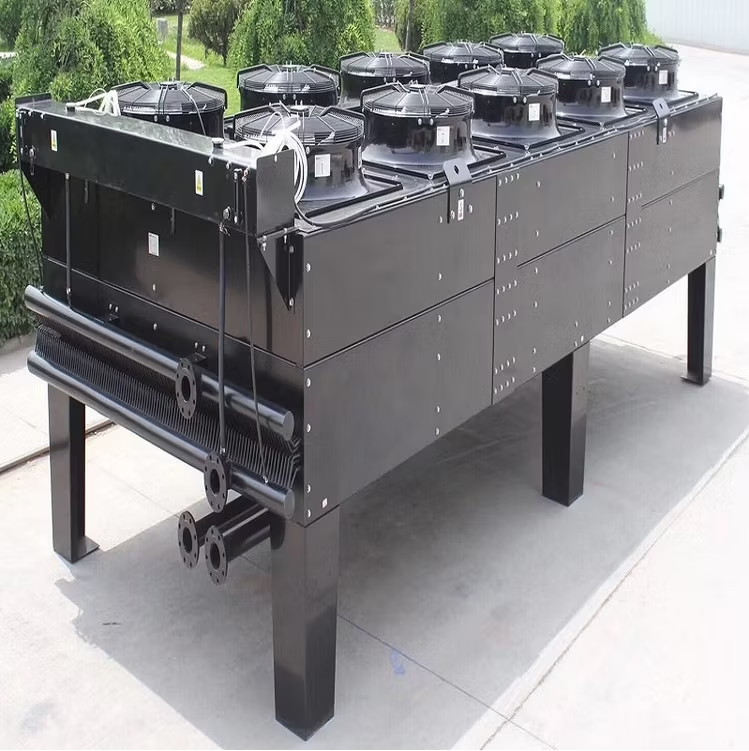
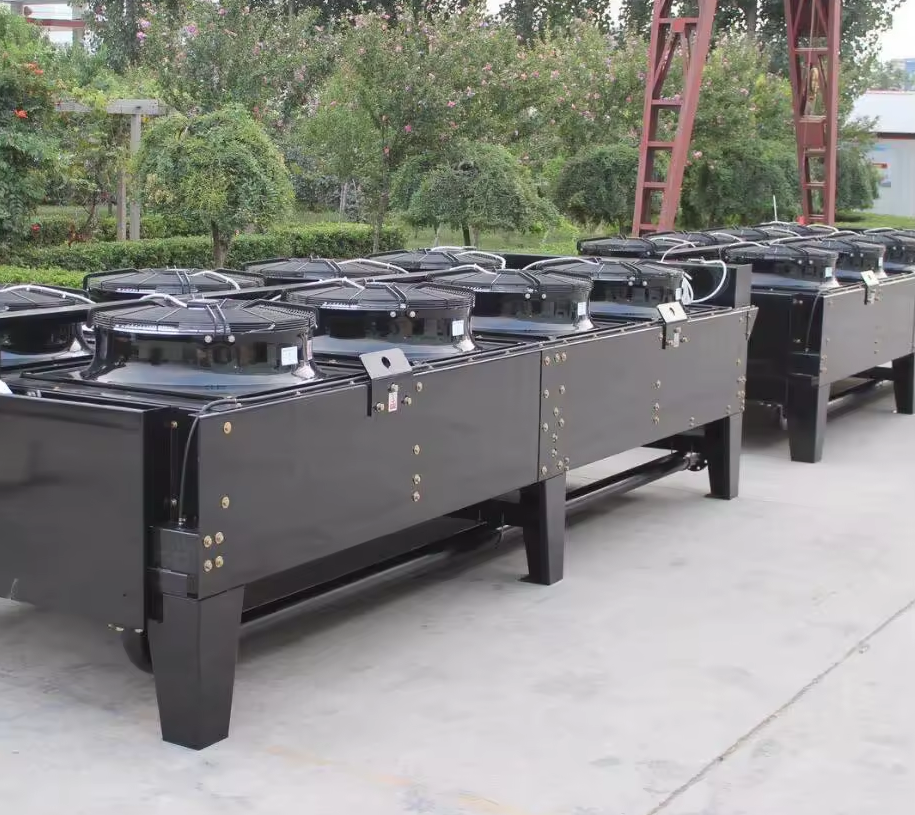
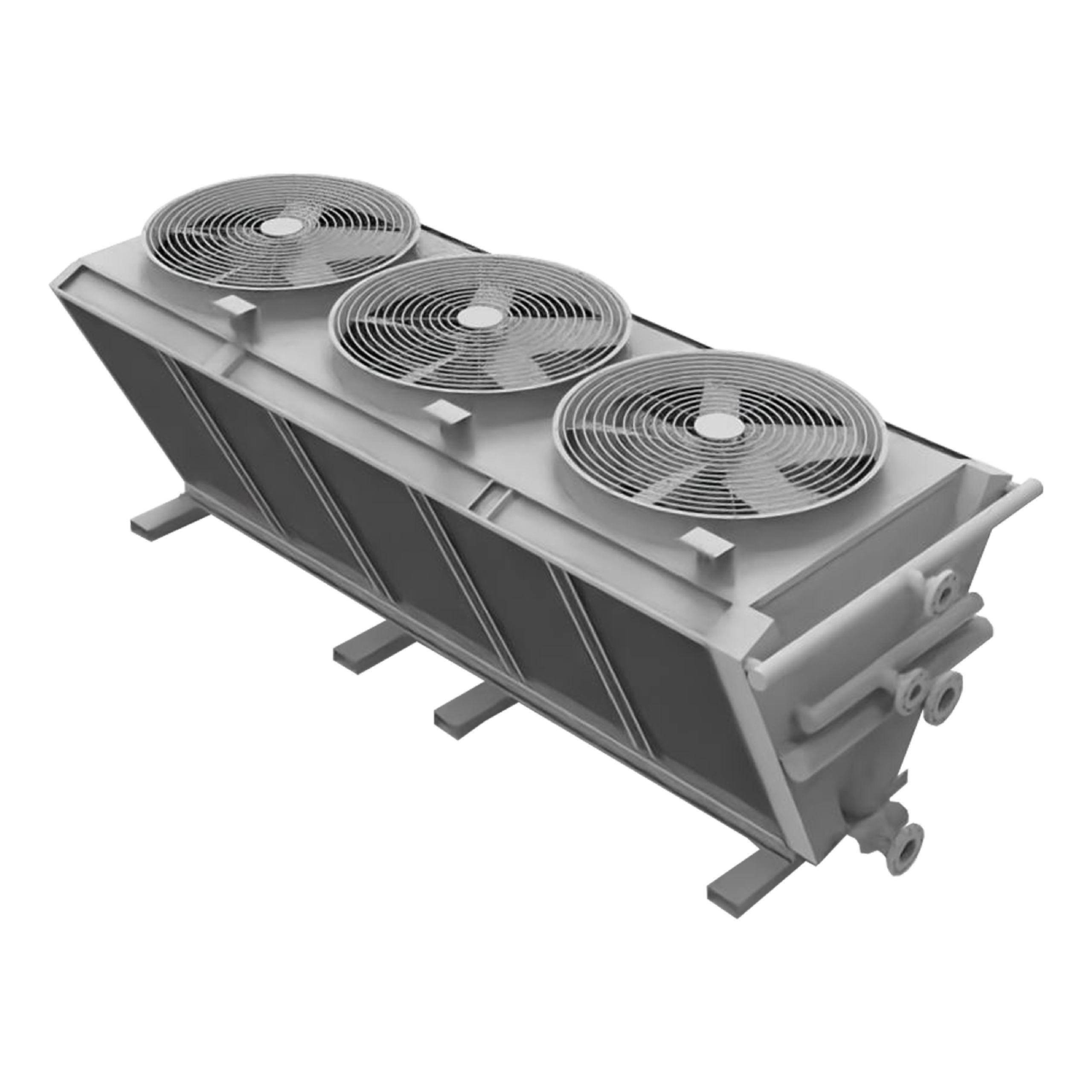
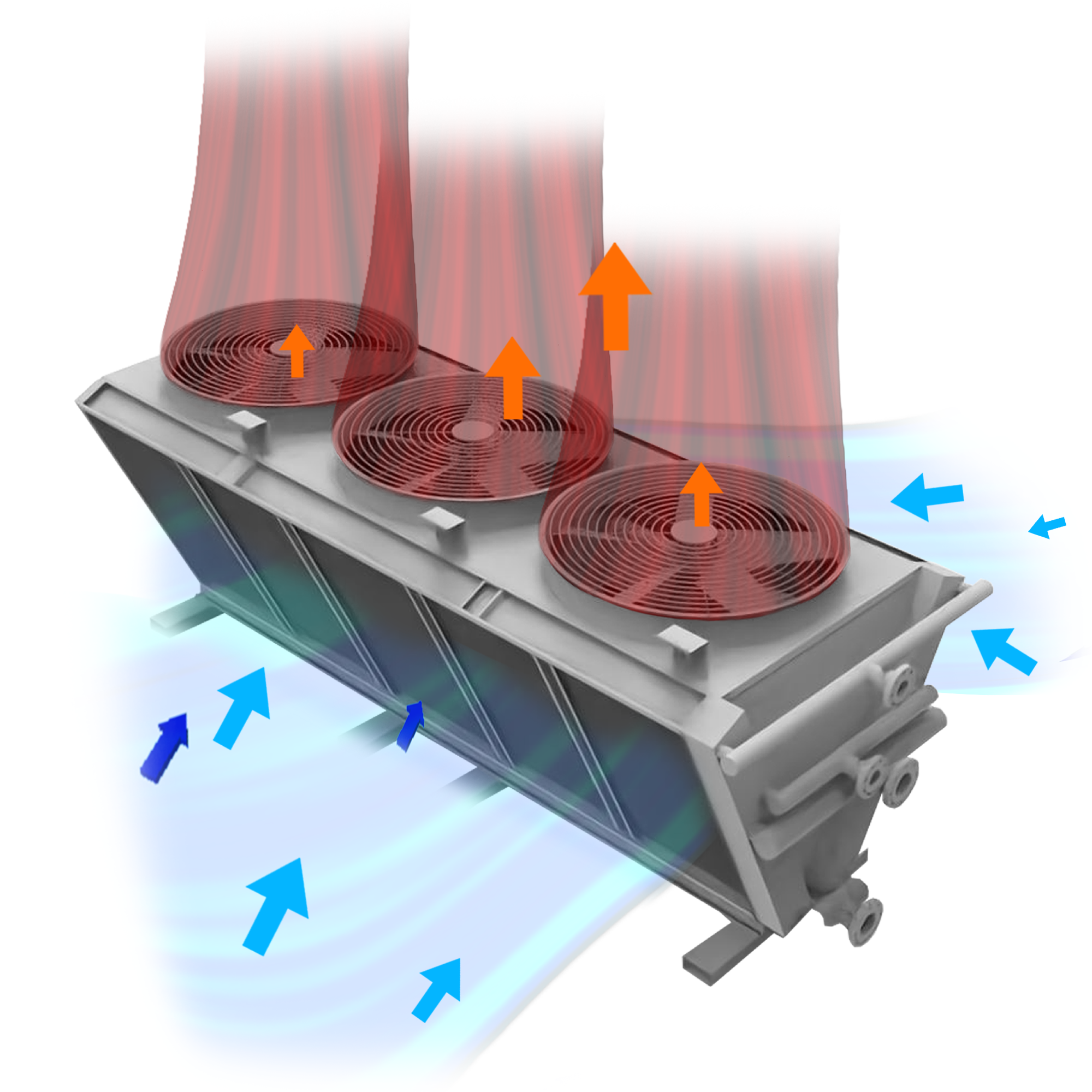
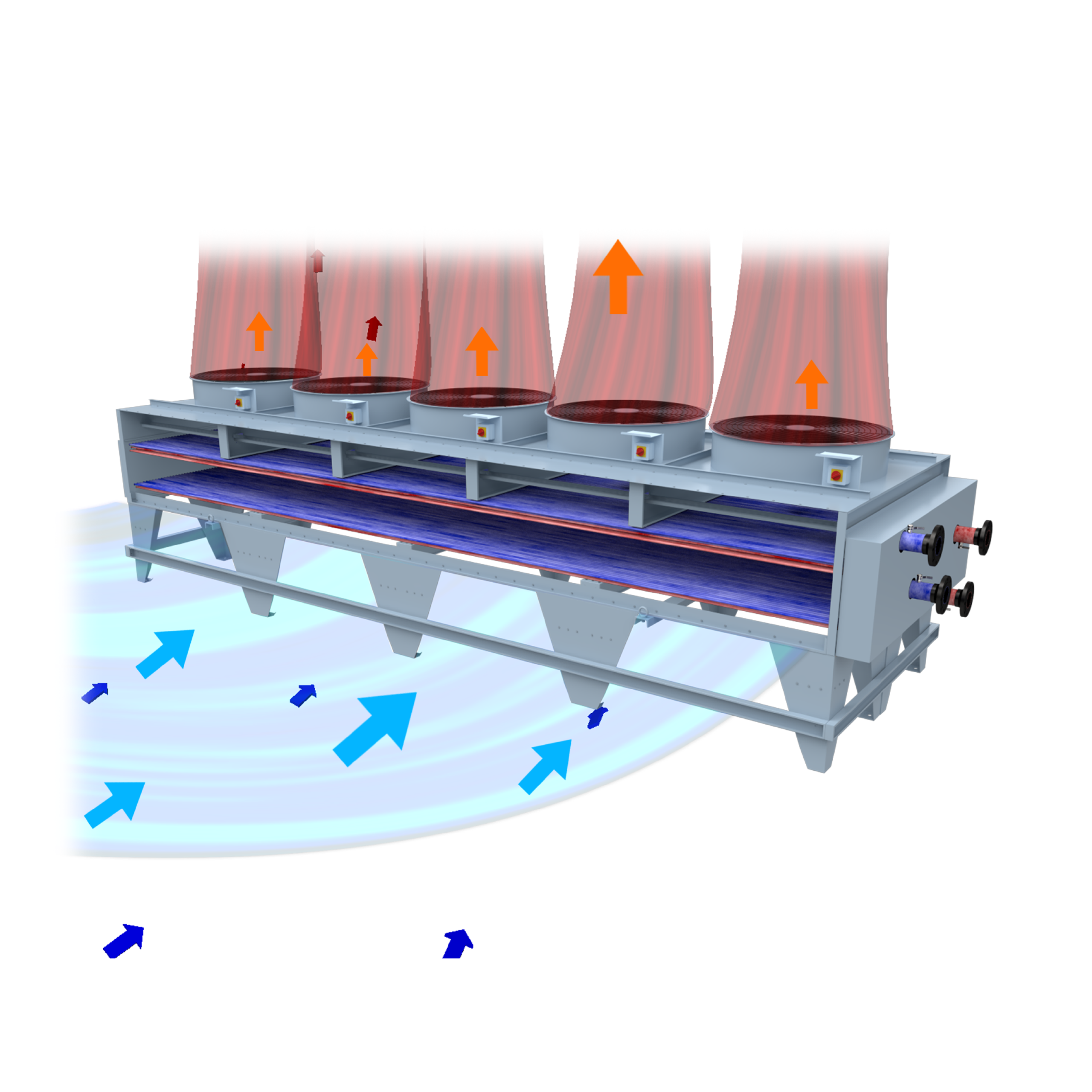
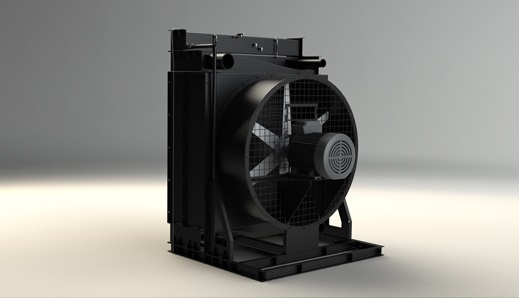
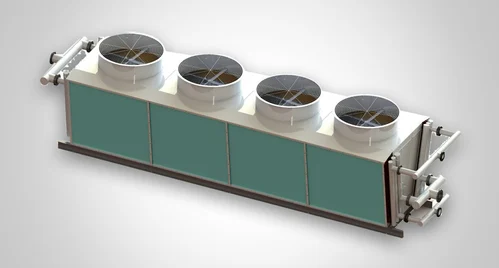
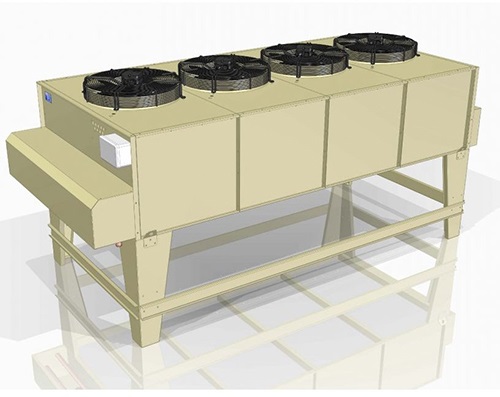
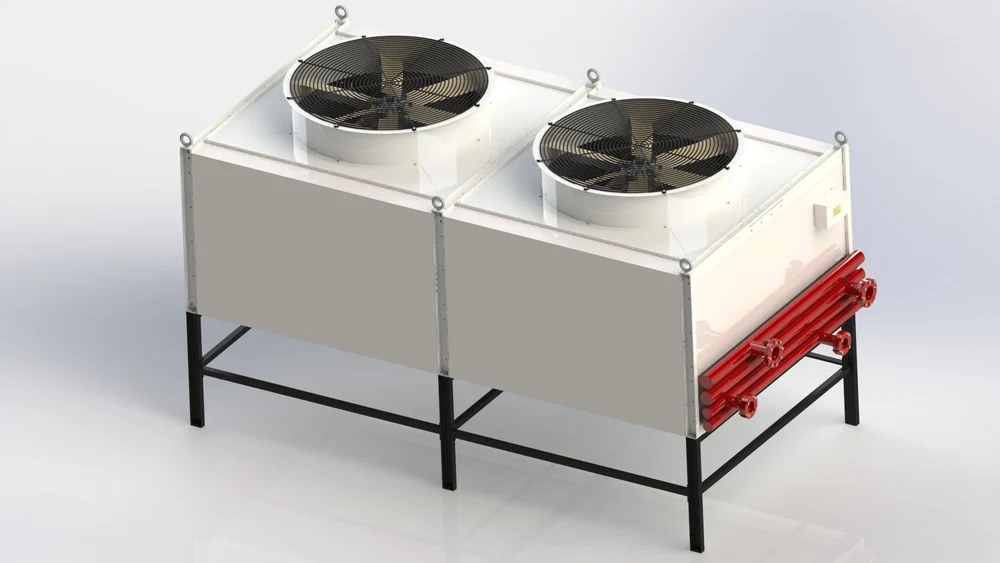
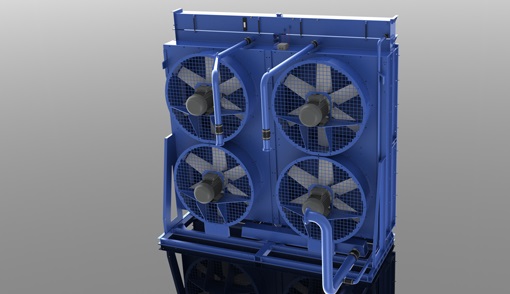
A Dry Cooling Tower is a heat rejection device that cools a working fluid (most often water or a water-glycol mixture) without direct contact with the air and without any water loss through evaporation. Think of it as a giant, industrial-sized radiator, similar in principle to the radiator in your car. It uses the principles...

Pultruded cooling tower Manufacturer in Saudi Arabia

Dry Cooling Towers vs. Wet Cooling Towers: Key Differences Cooling towers are essential for rejecting waste heat in industrial and HVAC systems. The two main types—dry (air-cooled) and wet (evaporative) cooling towers—differ in operation, efficiency, and applications. Below is a detailed comparison. 1. Basic Working Principle Parameter Dry...

Pultruded cooling tower Manufacturer in United Arab Emirates

Effect of Wet Bulb Temperature (WBT) and Dry Bulb Temperature (DBT) on Cooling Tower Performance Cooling towers rely on evaporative cooling, making wet bulb temperature (WBT) and dry bulb temperature (DBT) critical factors in their efficiency and design. Here’s how they impact cooling tower operation: 1. Wet Bulb...

Pultruded cooling tower Manufacturer in Tunisia

Wet Bulb Temperature vs. Ambient (Dry Bulb) Temperature Understanding the difference between wet bulb temperature (WBT) and ambient (dry bulb) temperature (DBT) is crucial for cooling tower performance, HVAC design, and industrial cooling processes. 1. Definitions Parameter Definition How It’s Measured Ambient Temperature (Dry...

Pultruded cooling tower Manufacturer in Zambia

How Flow Rate Impacts Cooling Tower Design A. Cross-Sectional Area (Air-Water Contact Zone) B. Fan & Motor Sizing C. Basin Volume Basin Capacity (m³)=Flow Rate (m³/hr)×560Basin Capacity (m³)=60Flow Rate (m³/hr)×5​ 3. Cooling Tower Sizing Example Given: Calculations: Estimated Tower...
Pultruded cooling tower Manufacturer in Ethiopia

Cooling Tower Water Flow Rate vs. Size: Key Factors & Sizing Guide The size of a cooling tower is directly influenced by the water flow rate (measured in m³/hr or GPM) it needs to handle. Below is a breakdown of how flow rate affects cooling tower dimensions, capacity, and selection.  Flow Rate vs. Cooling Tower...
Pultruded cooling tower Manufacturer in Morocco

For cooling towers handling high-contaminant water (high TDS, suspended solids, oils, or biological growth), selecting the right fill media is crucial to prevent clogging, fouling, and efficiency loss. Here are the best fill types for such conditions: Fill Selection Guide Based on Contaminant Type 1. Splash Fill...
Pultruded cooling tower Manufacturer in Kenya

Water Quality Requirements for Cooling Towers Proper water quality is critical for cooling tower efficiency, longevity, and prevention of scaling, corrosion, and microbiological growth. Below are the key water quality parameters and their recommended limits: **1. Physical & Chemical Parameters Parameter Recommended Range Impact...
Pultruded cooling tower Manufacturer in Nigeria

Modular Cooling Towers Vs Pultruded Cooling Towers . Definition & Construction Feature Modular Cooling Tower Pultruded Cooling Tower Design Prefabricated, stackable units for scalability Made from pultruded FRP (Fiberglass Reinforced Polymer) components Material Galvanized steel, FRP panels, PVC/ABS fills Entire structure uses pultruded FRP...

Pultruded cooling tower Manufacturer in South Africa

Modular Cooling Tower: Components, Design & Benefits A modular cooling tower is a prefabricated, scalable cooling system made up of multiple standardized units that can be combined to meet varying cooling demands. These are commonly used in HVAC, industrial processes, and data centers due to their flexibility, ease of installation,...

Pultruded cooling tower Manufacturer in Qatar

A pultruded cooling tower is made from fiber-reinforced polymer (FRP) components manufactured using the pultrusion process, offering high strength, corrosion resistance, and lightweight properties. Below is a detailed list of parts used in a pultruded cooling tower: 1. Structural Components 2. Heat Transfer Components...

Pultruded cooling tower Manufacturer in Kuwait

The recommended capacity of an RCC (Reinforced Cement Concrete) basin for a cooling tower depends on several factors, including: General Guidelines for RCC Basin Capacity: Design Recommendations:

Pultruded cooling tower Manufacturer in Jordan

Thermal Balancing in Cooling Towers: Definition, Importance & Methods Thermal balancing ensures uniform heat distribution across a cooling tower’s fill media and water flow, maximizing efficiency, performance, and lifespan. An unbalanced system leads to hot spots, scaling, corrosion, and reduced cooling capacity. 1. What...

Pultruded cooling tower Manufacturer in Iraq

Why Use Multi-Cell Cooling Towers? Key Reasons & Benefits Multi-cell cooling towers are preferred in industrial and large-scale cooling applications due to their flexibility, efficiency, and reliability. Below are the top reasons why they are widely used: 1. Scalability & Load Adaptability Example: A power plant can start...

Pultruded cooling tower Manufacturer in Djibouti

Multi-Cell Cooling Tower: Definition, Design, and Applications A multi-cell cooling tower is a modular cooling system consisting of multiple independent cooling cells housed within a single structure. Each cell operates as a separate cooling unit but works in conjunction with others to provide scalable, efficient, and redundant cooling...

Pultruded cooling tower Manufacturer in Bahrain

Pultruded FRP vs. Galvanized Steel: Key Comparison for Cooling Towers & Industrial Applications When choosing between pultruded Fiber-Reinforced Polymer (FRP) and galvanized steel for cooling towers, structural supports, or corrosive environments, several factors must be considered—corrosion resistance, weight, strength,...

Pultruded cooling tower Manufacturer in Egypt

Pultruded FRP channels are an ideal choice for cooling towers, offering superior corrosion resistance, lightweight strength, and long-term durability compared to steel, aluminum, or wood. They are particularly valuable in:◉ Chemical plants◉ Power plants◉ Marine environments HVAC cooling systems For optimal performance:

Pultruded cooling tower Manufacturer in Oman

Cost Comparison vs. Traditional Materials Material Initial Cost Lifespan Maintenance Cost Pultruded FRP Higher 30-50+ years Very Low Galvanized Steel Lower 10-20 years High (rust prevention) Stainless Steel Very High 20-30 years Medium (cleaning, inspection) Wood Low 5-15 years High (rot treatment, replacement) → FRP is cost-effective long-term...

Pultruded cooling tower Manufacturer in Saudi Arabia

Use of Pultruded FRP Channels in Cooling Towers Pultruded Fiber-Reinforced Polymer (FRP) channels are increasingly used in cooling tower structures due to their corrosion resistance, high strength-to-weight ratio, and long-term durability. These profiles replace traditional materials like steel, aluminum, or wood,...

Pultruded cooling tower Manufacturer in United Arab Emirates

Pultruded Fiber-Reinforced Polymer (FRP) Composites: A Detailed Overview Pultruded fiber-reinforced polymer (FRP) composites are high-performance materials manufactured through the pultrusion process, combining fiber reinforcement (e.g., glass, carbon, or basalt fibers) with a polymer resin matrix (e.g.,...

Pultruded cooling tower Manufacturer in India

A Pultruded cooling tower refers to a cooling tower constructed using pultruded fiber-reinforced polymer (FRP) composites instead of traditional materials like wood, metal, or conventional molded FRP. Pultrusion is a continuous manufacturing process that produces high-strength, lightweight, and corrosion-resistant profiles,...
1 3 4 5