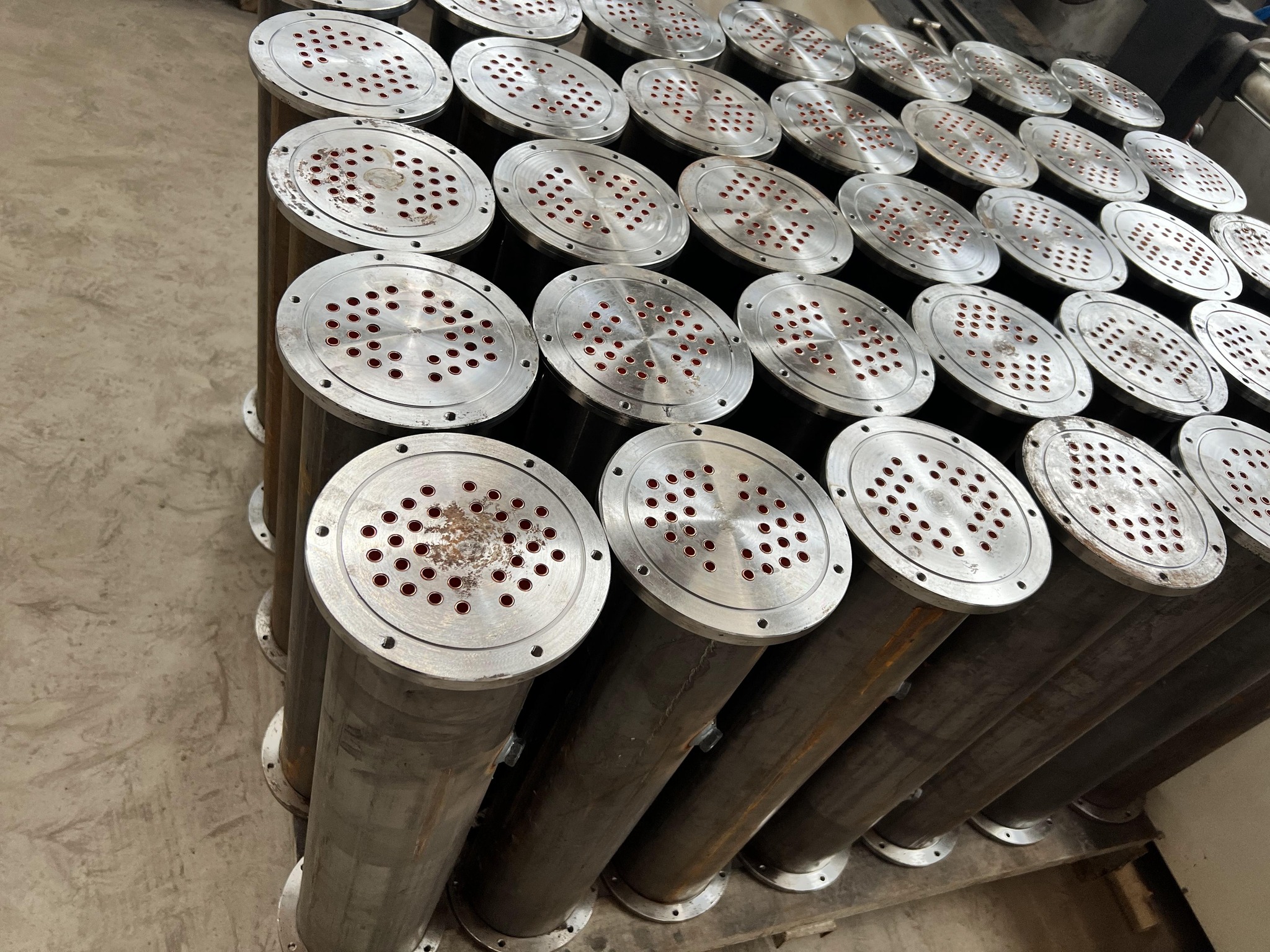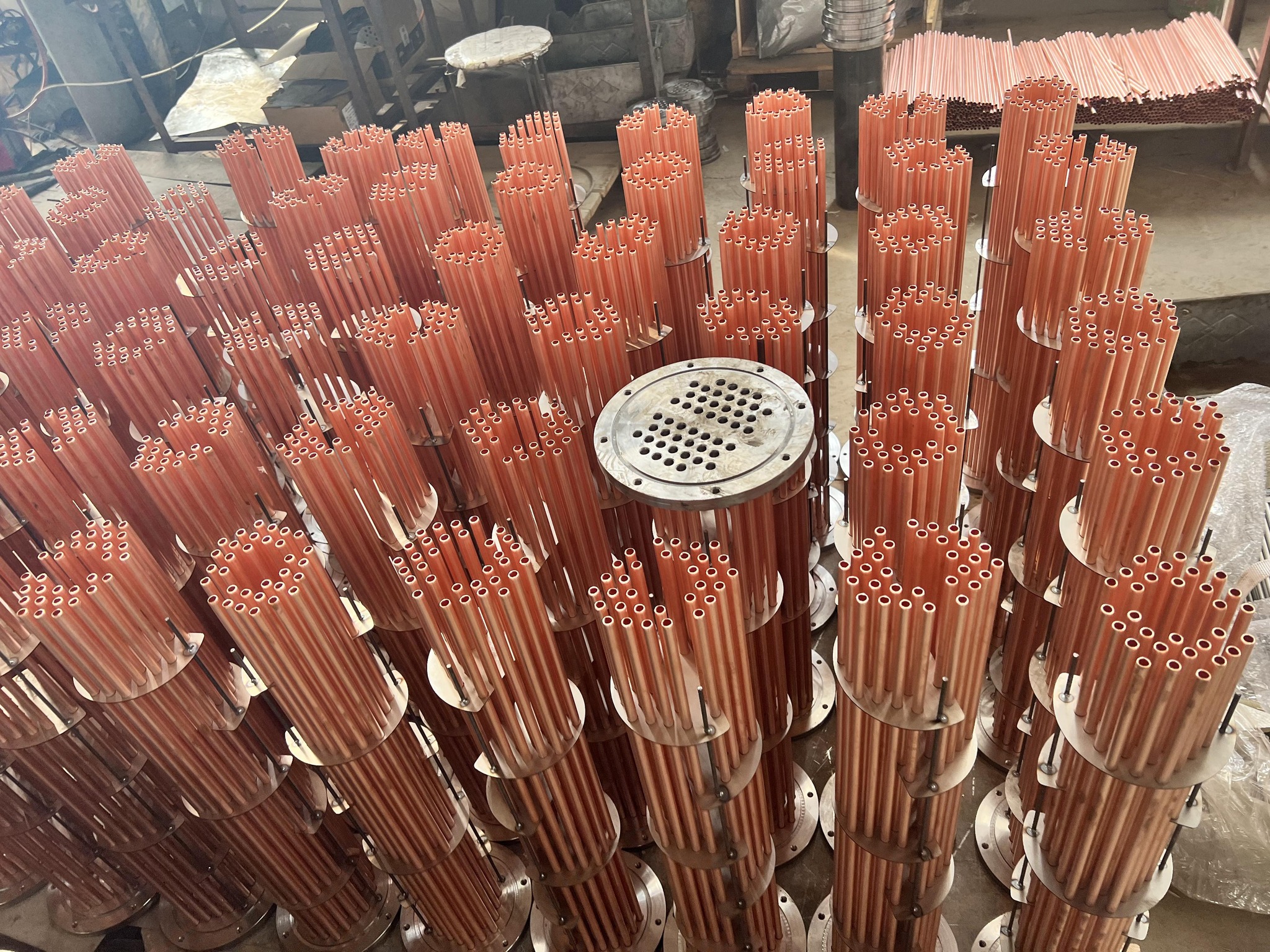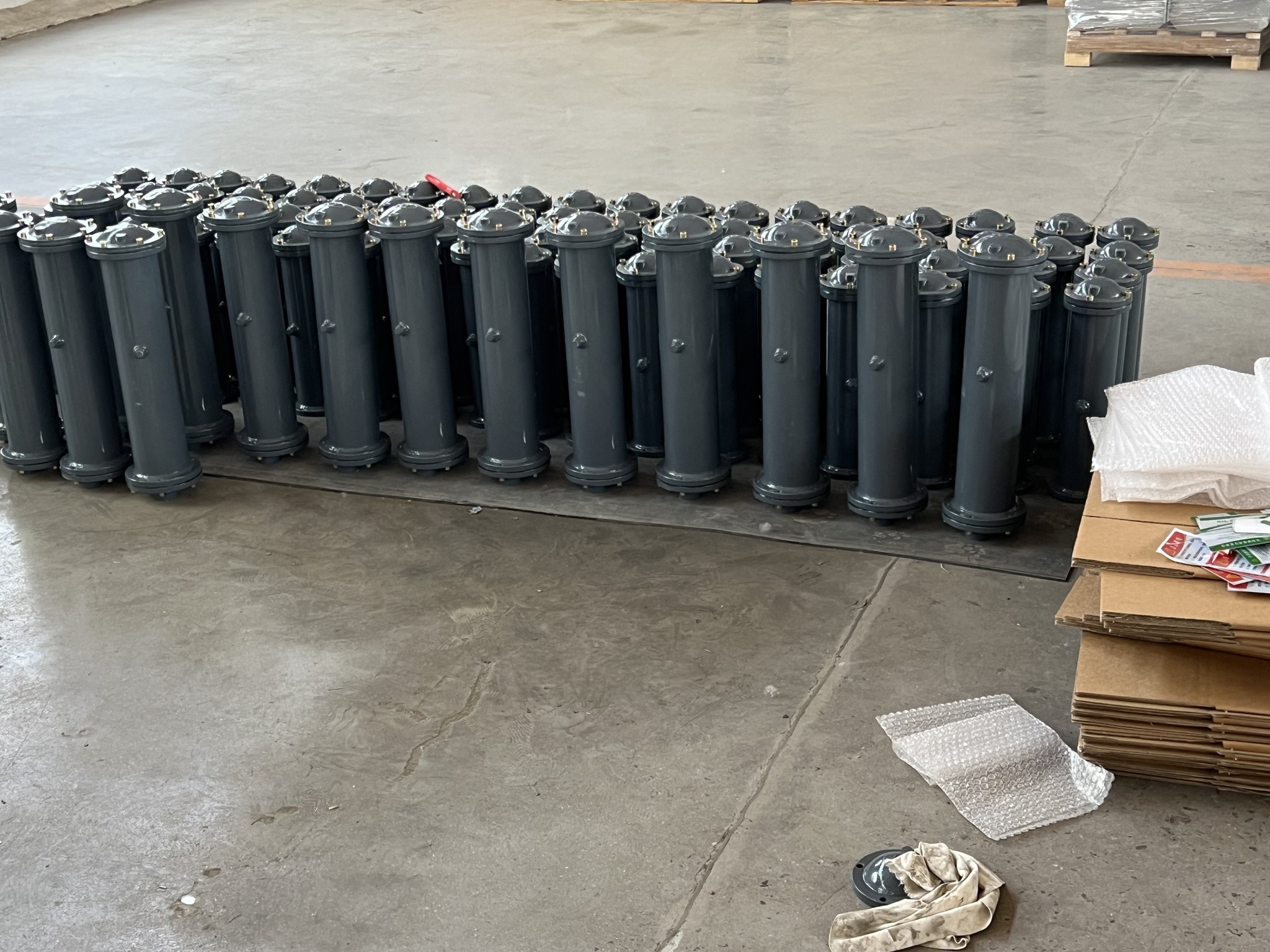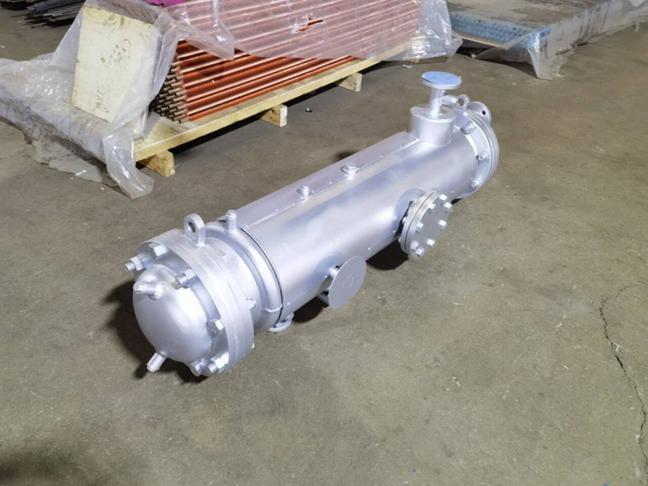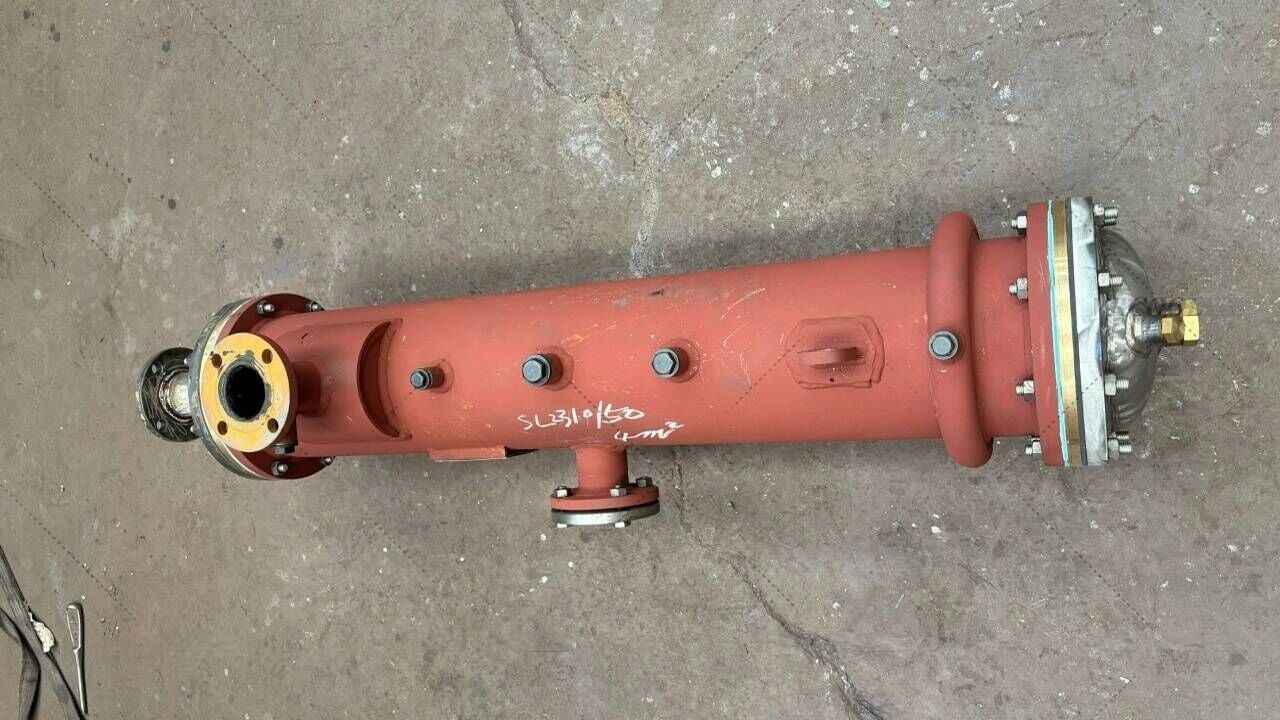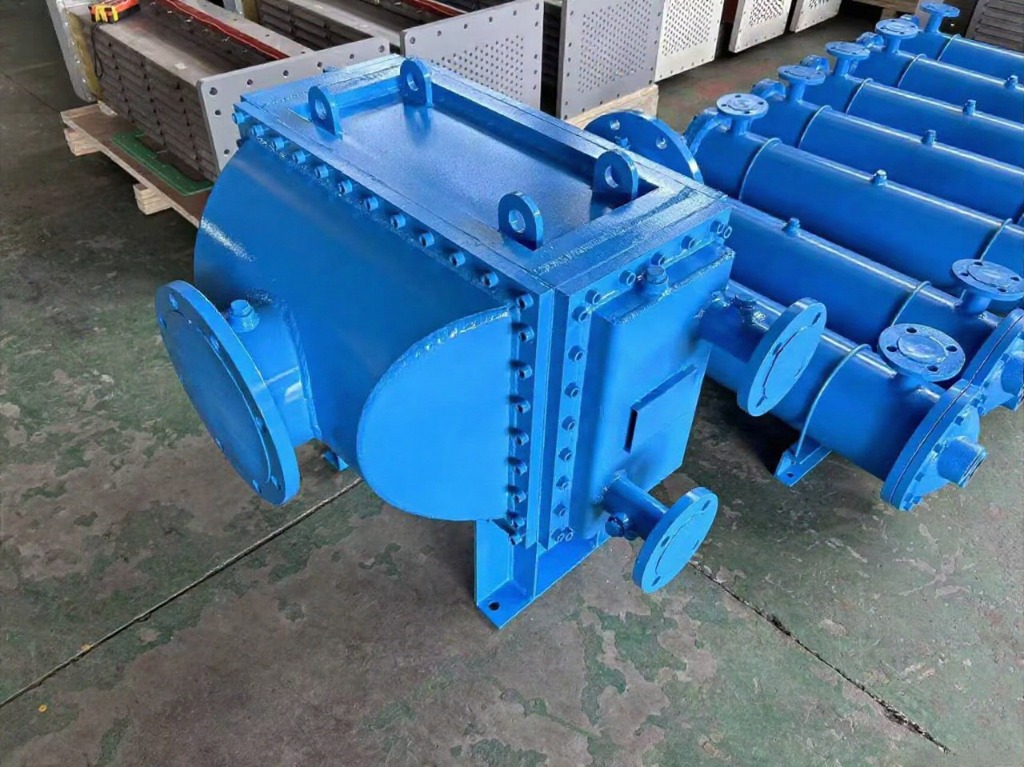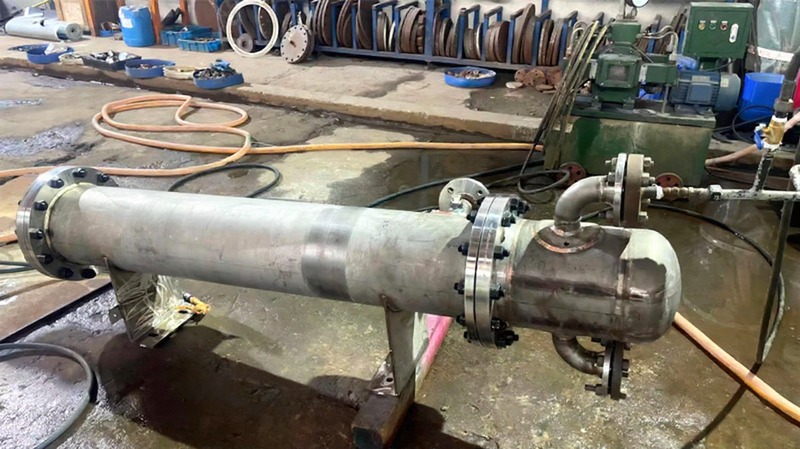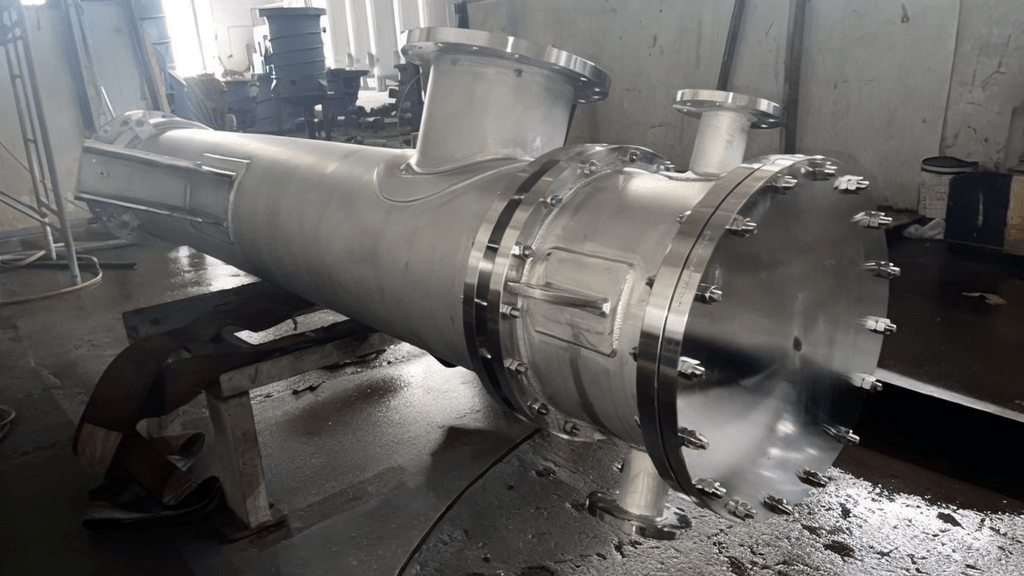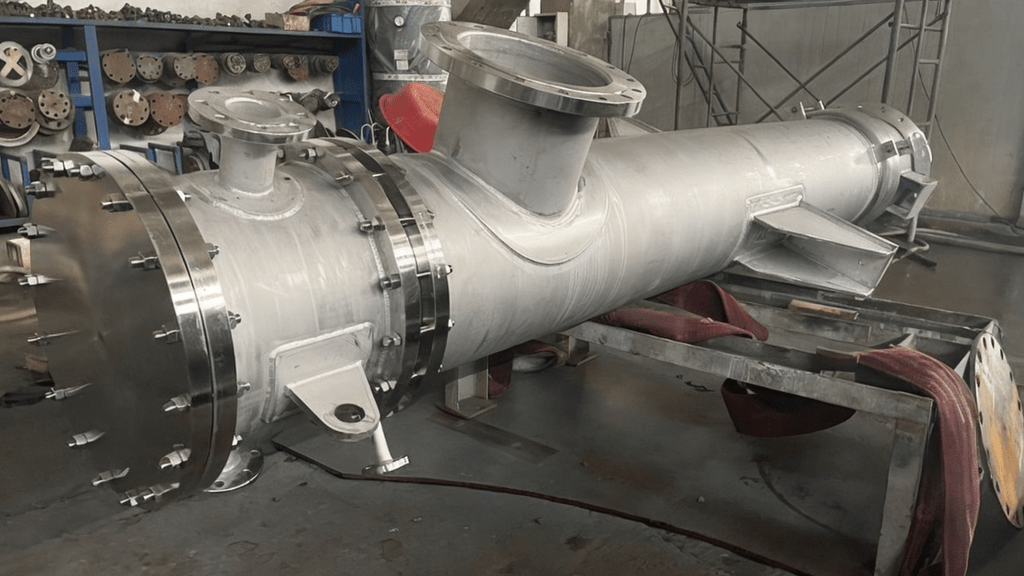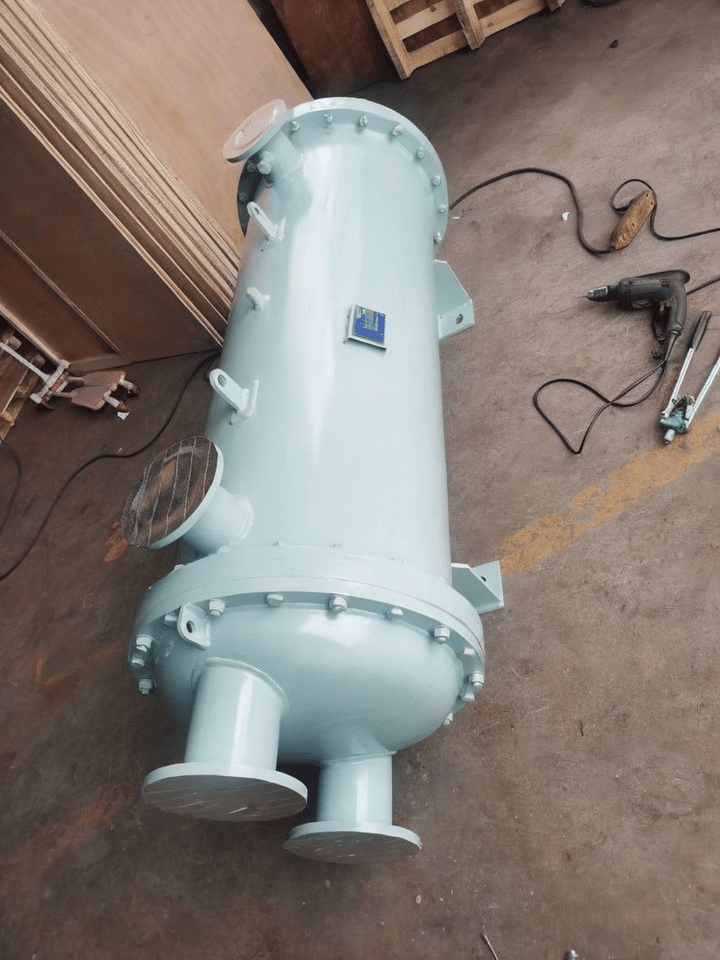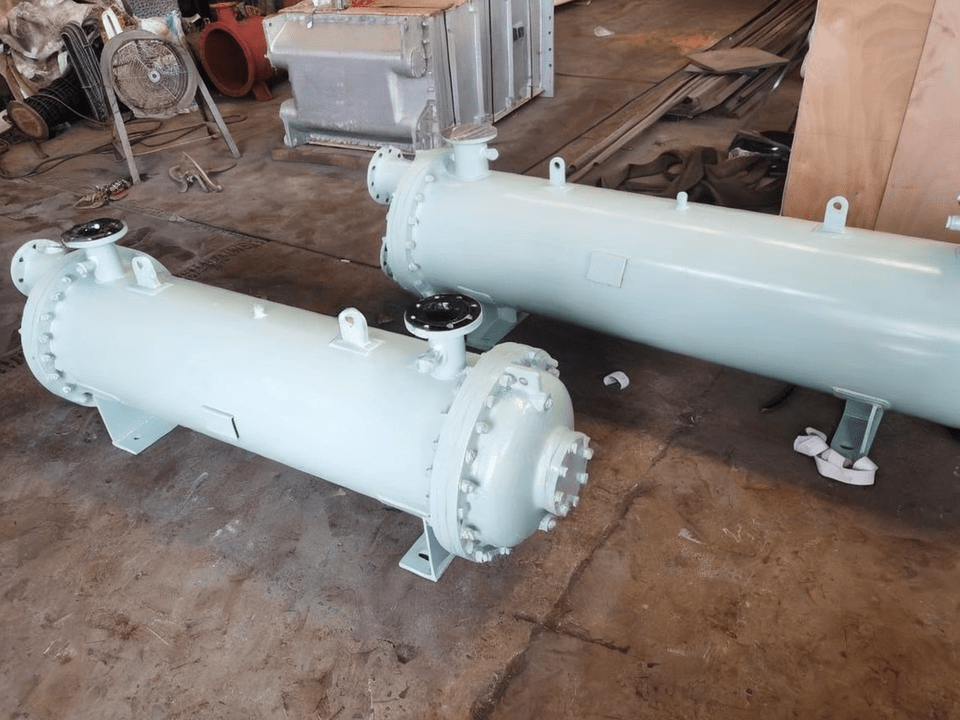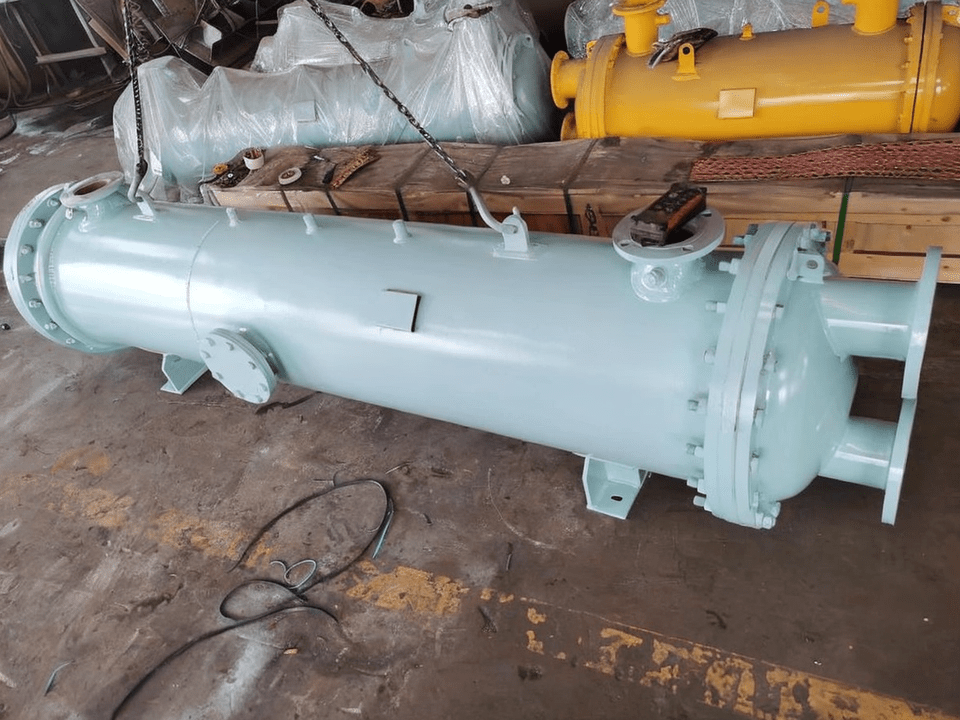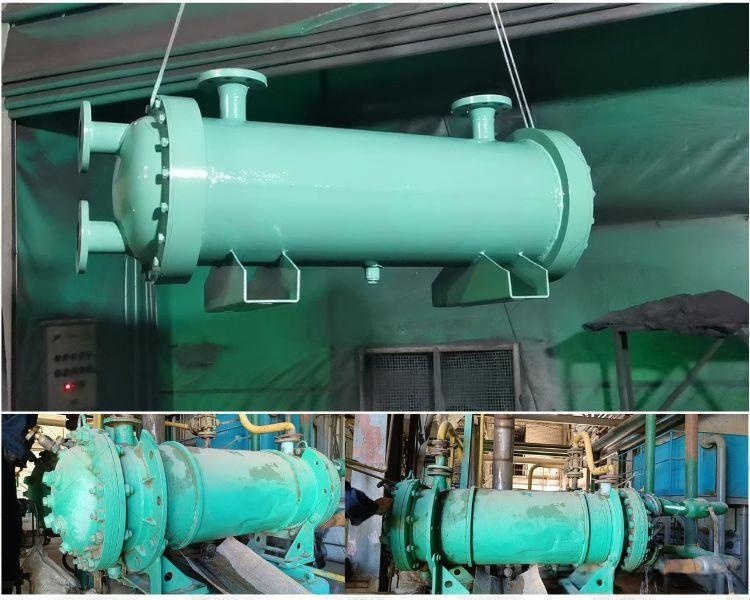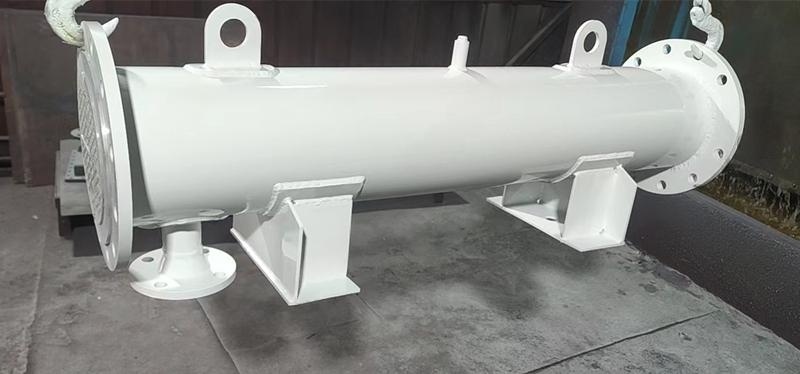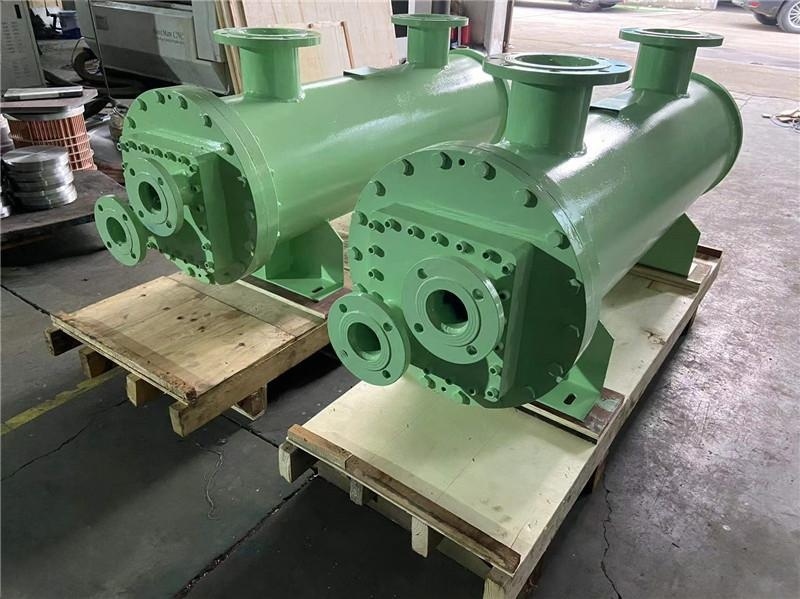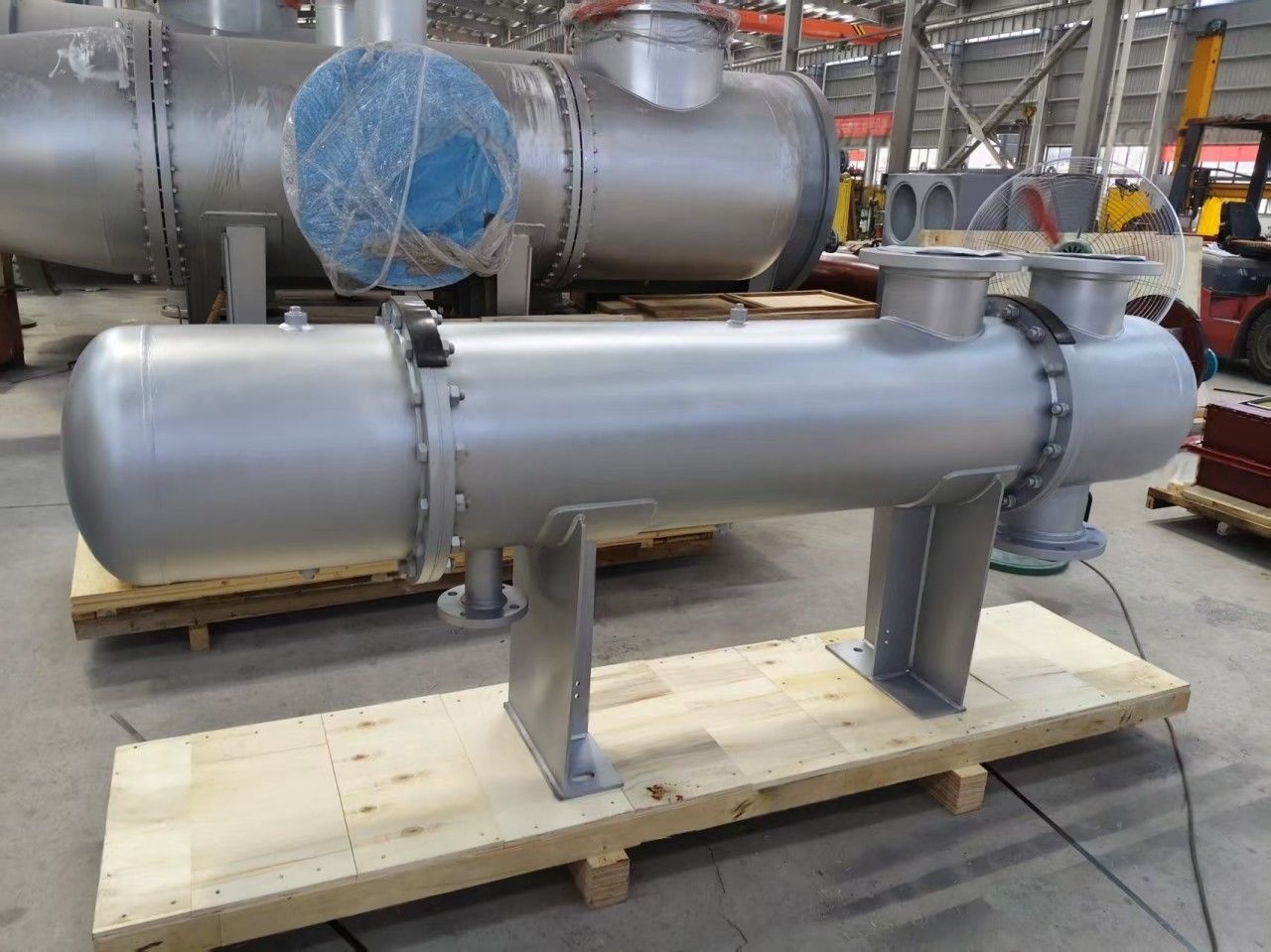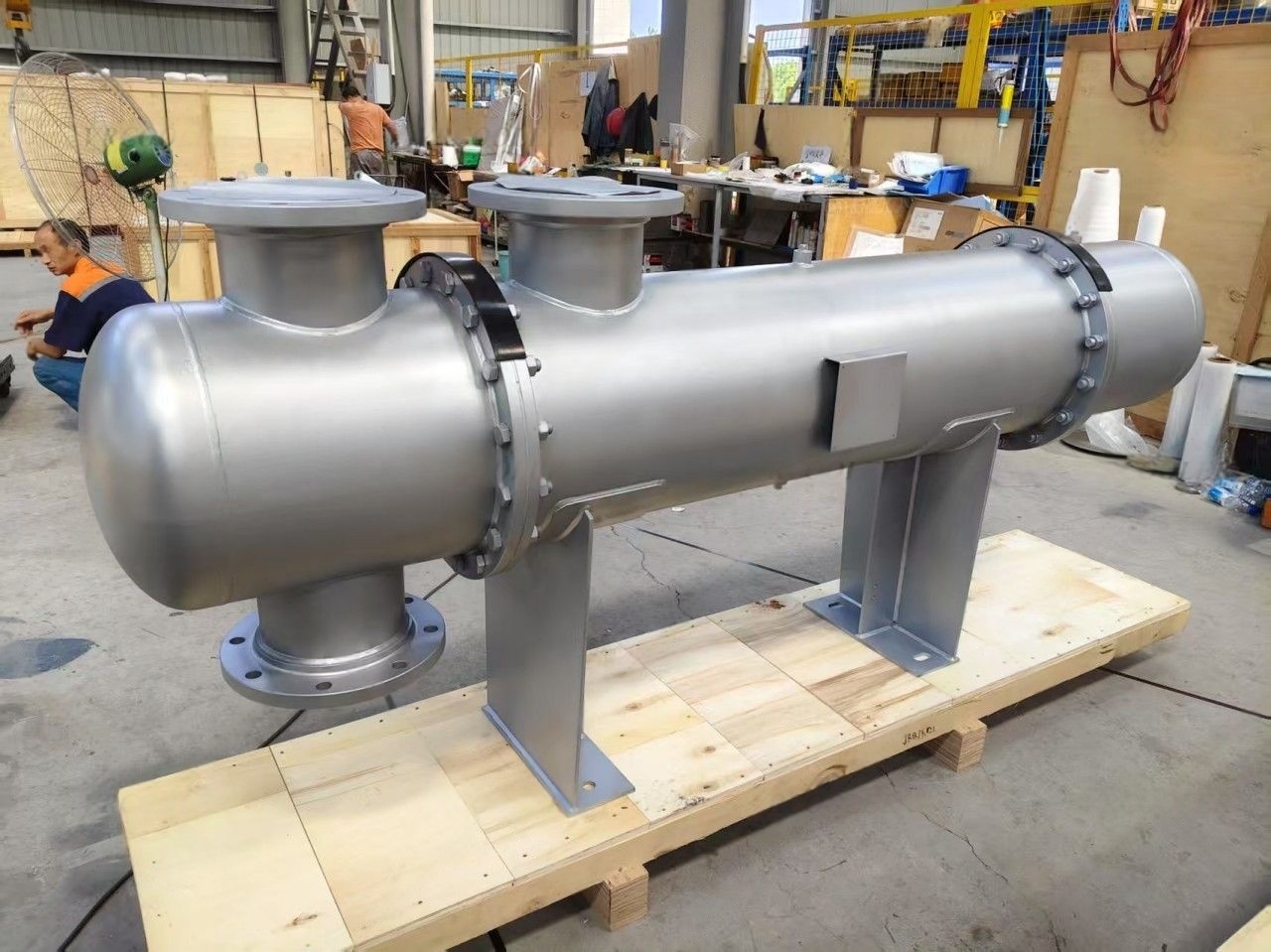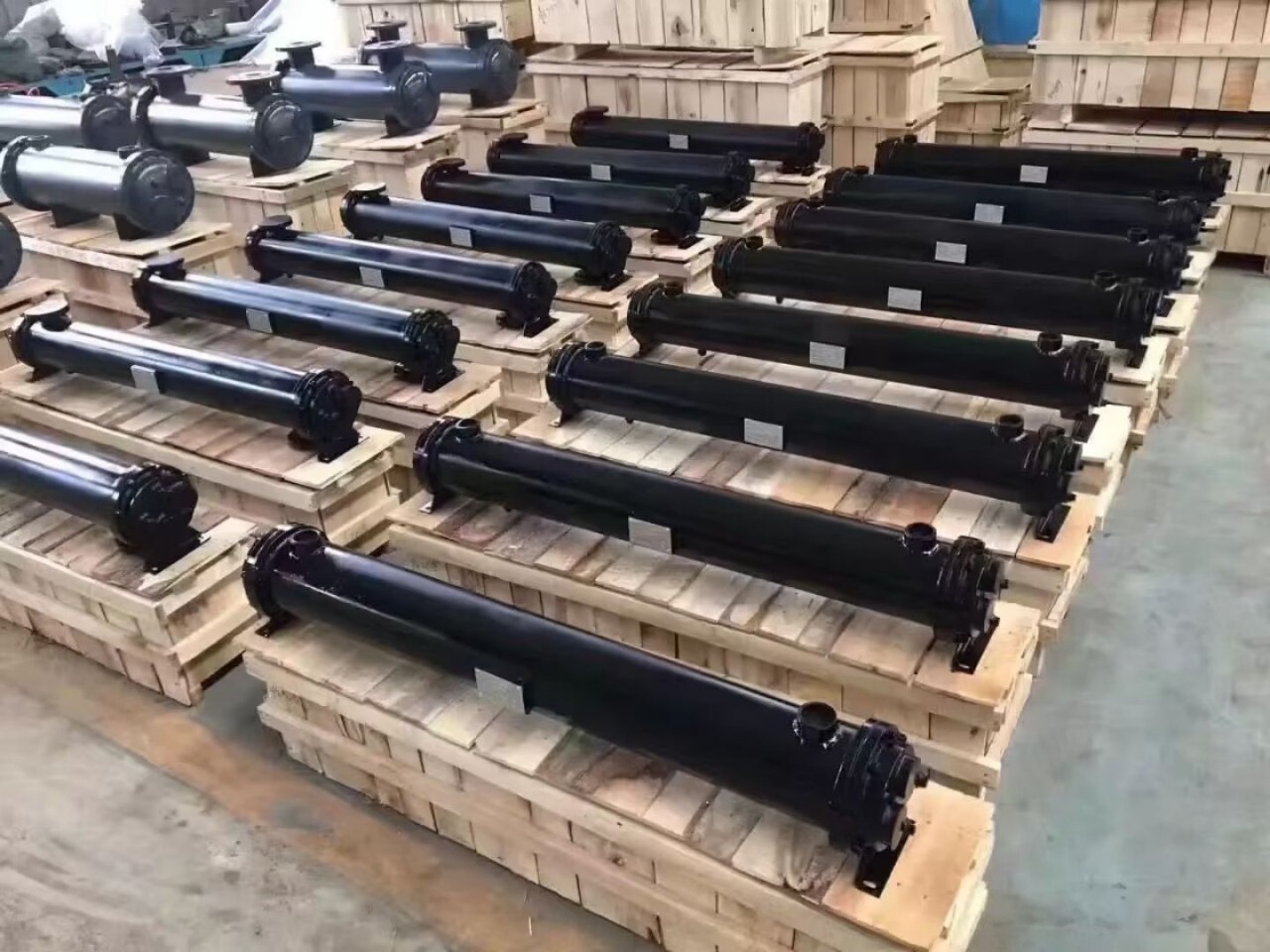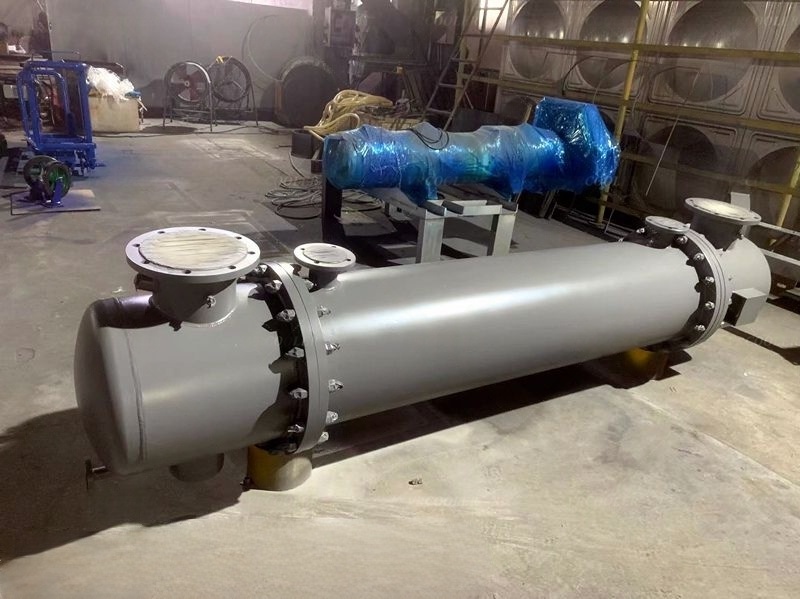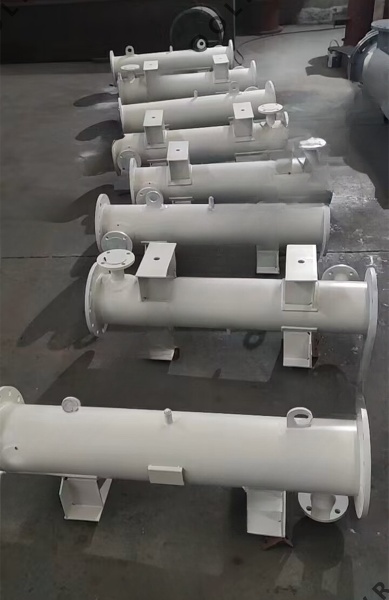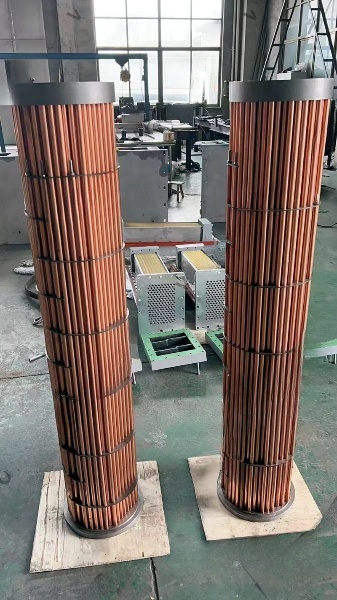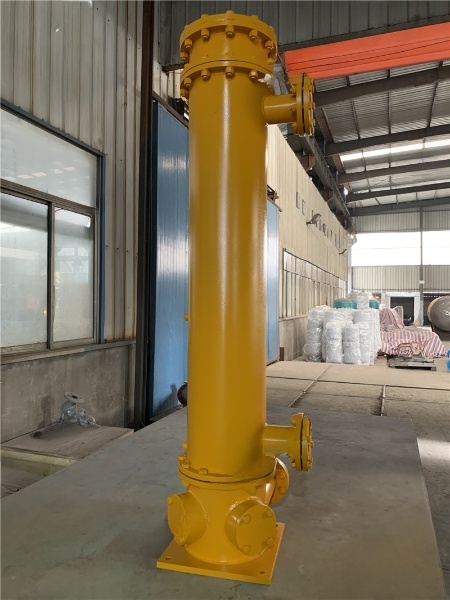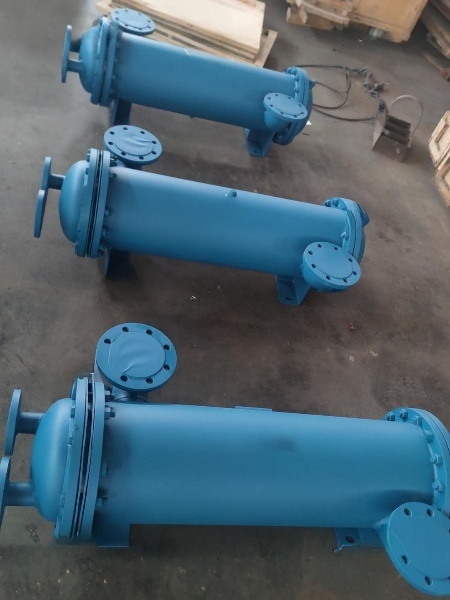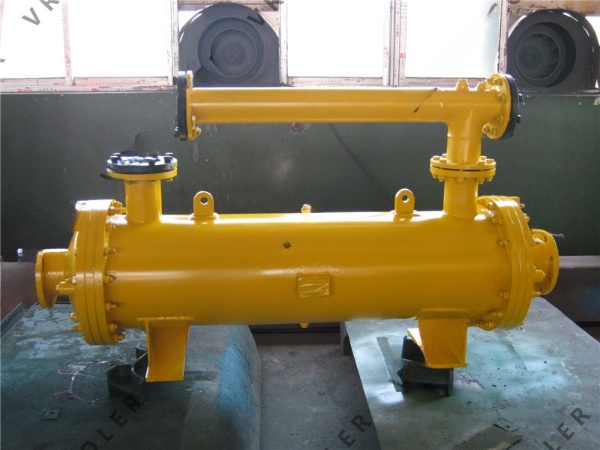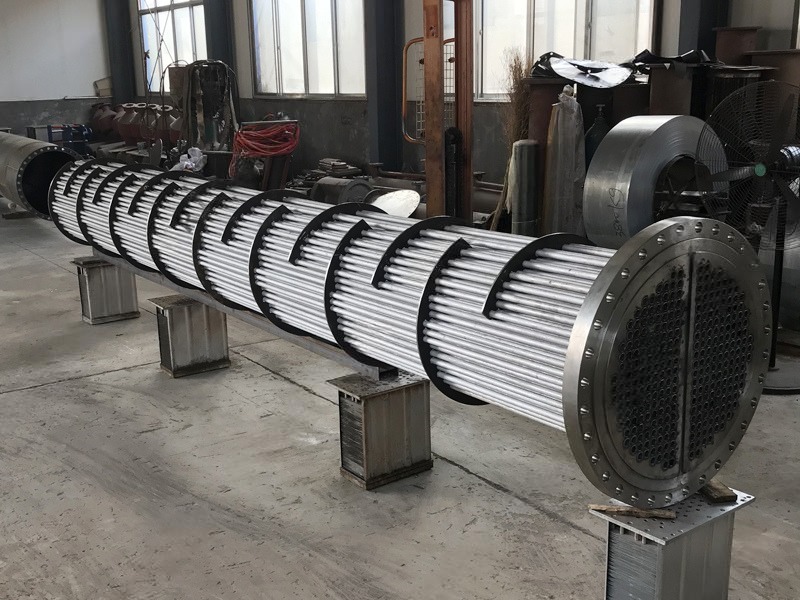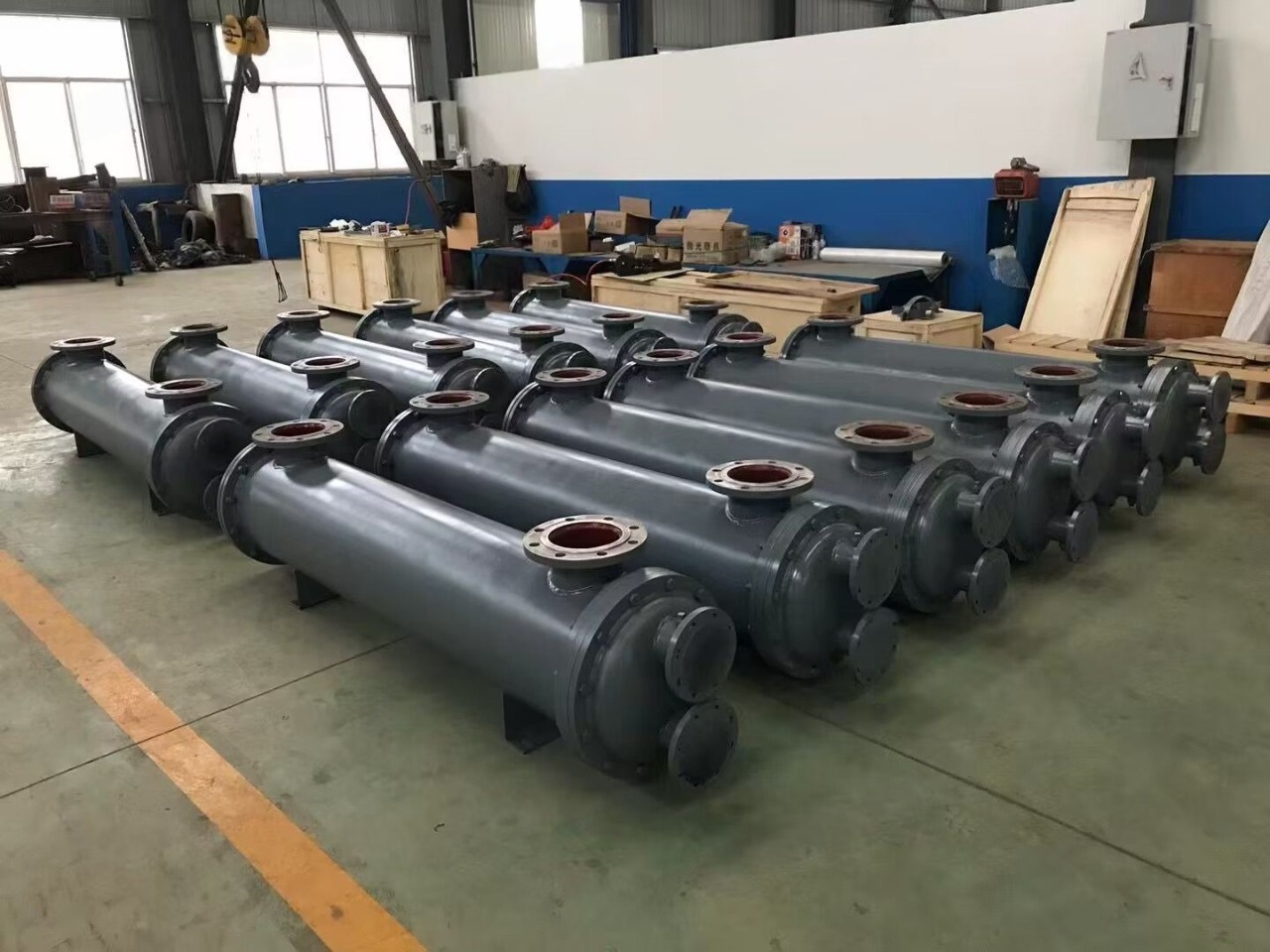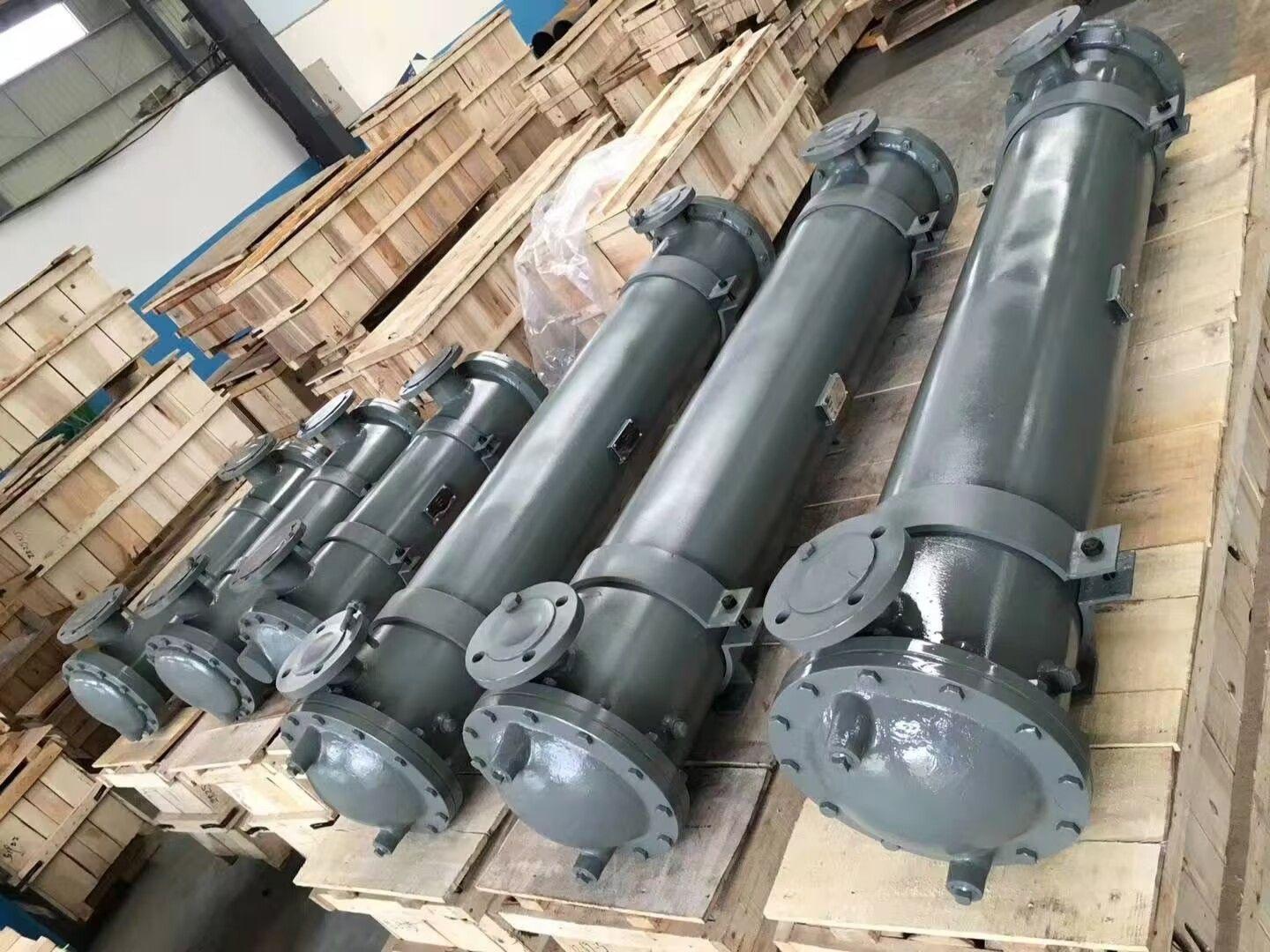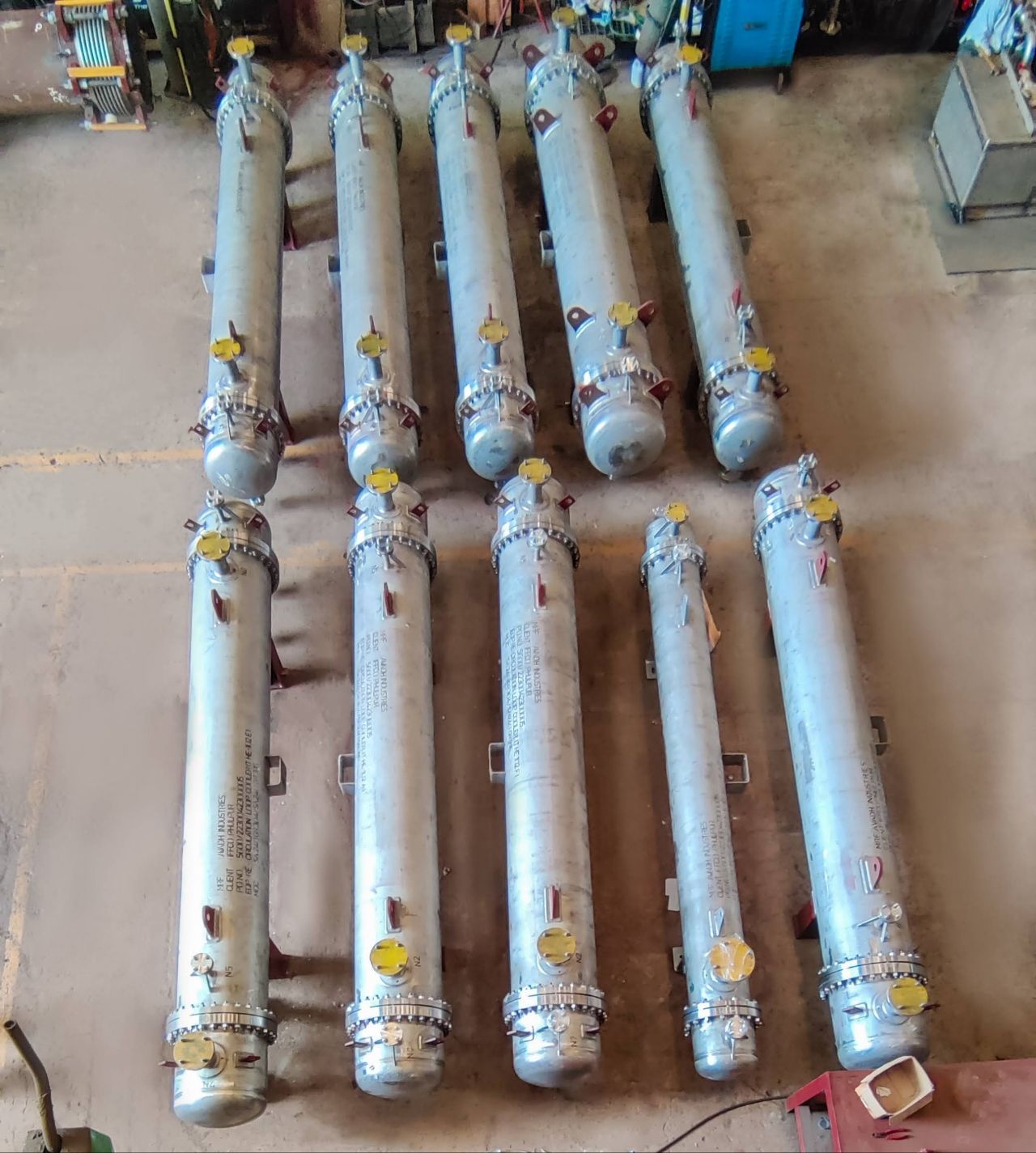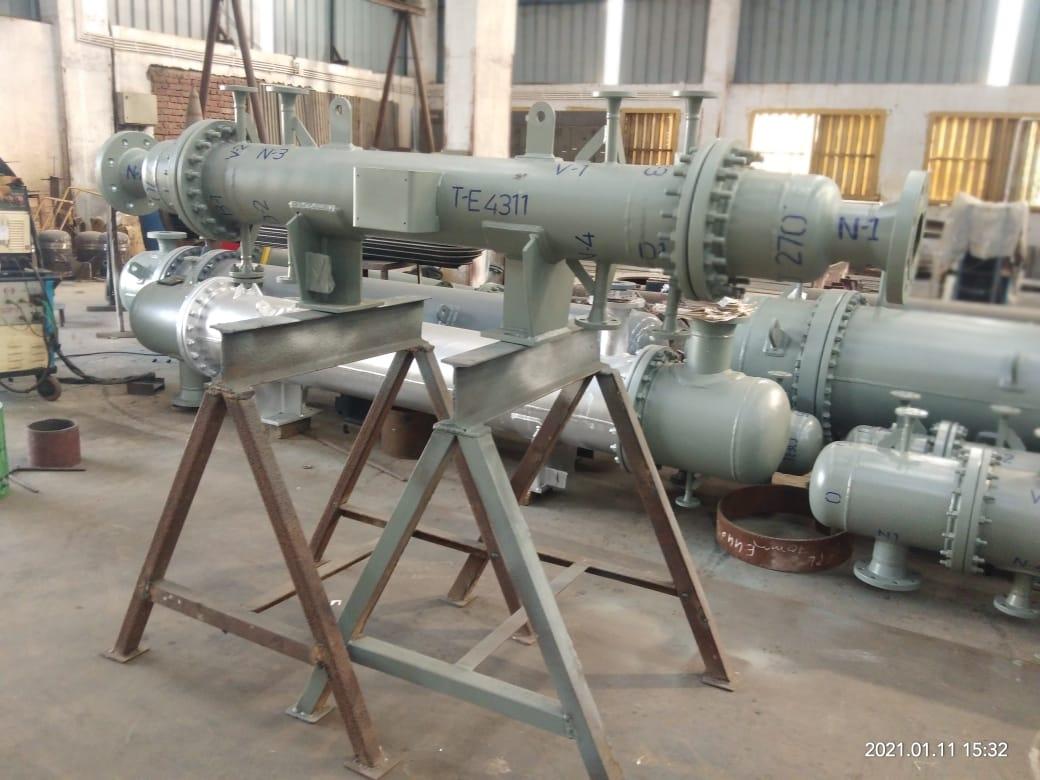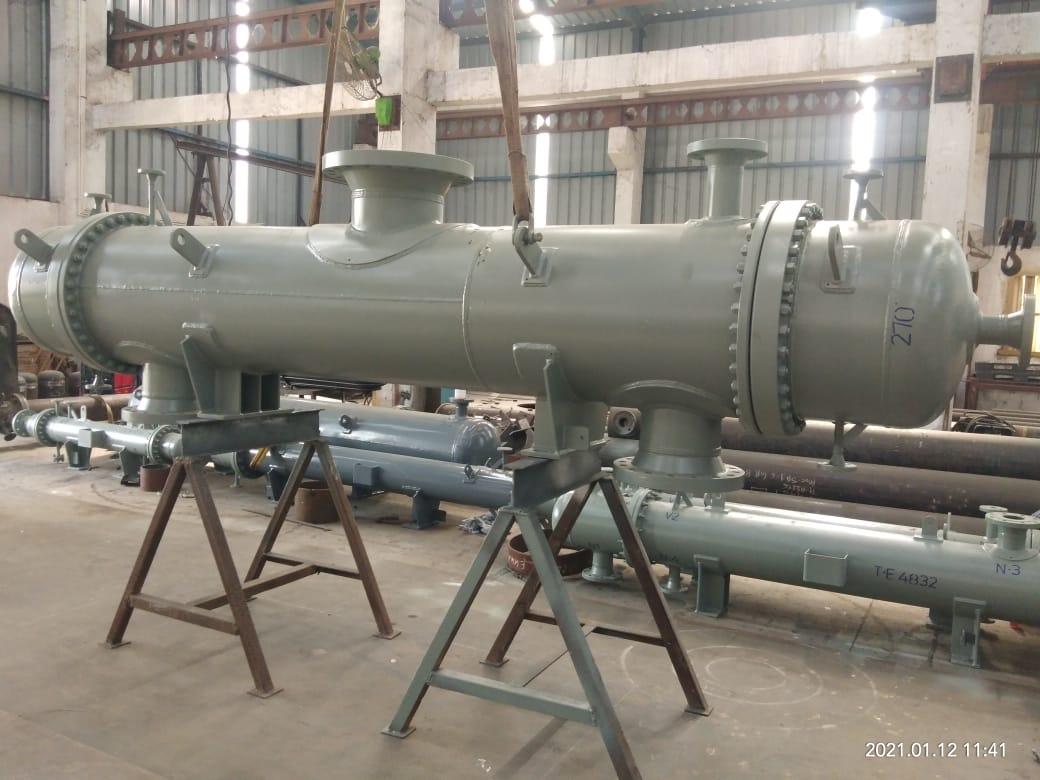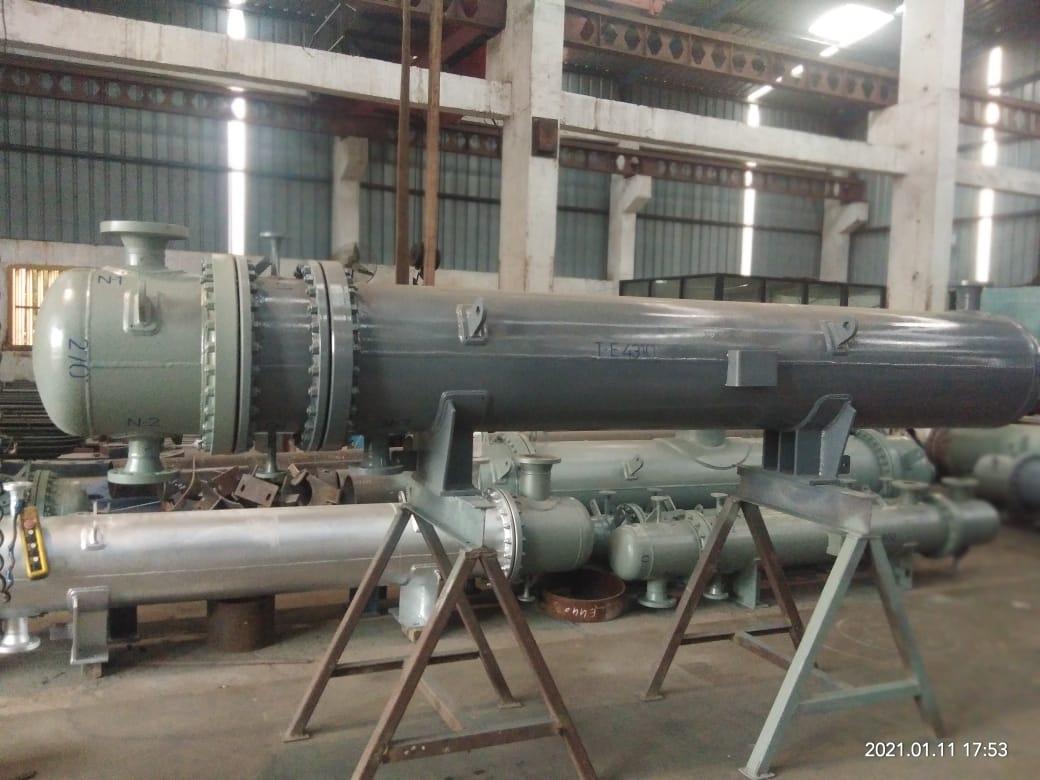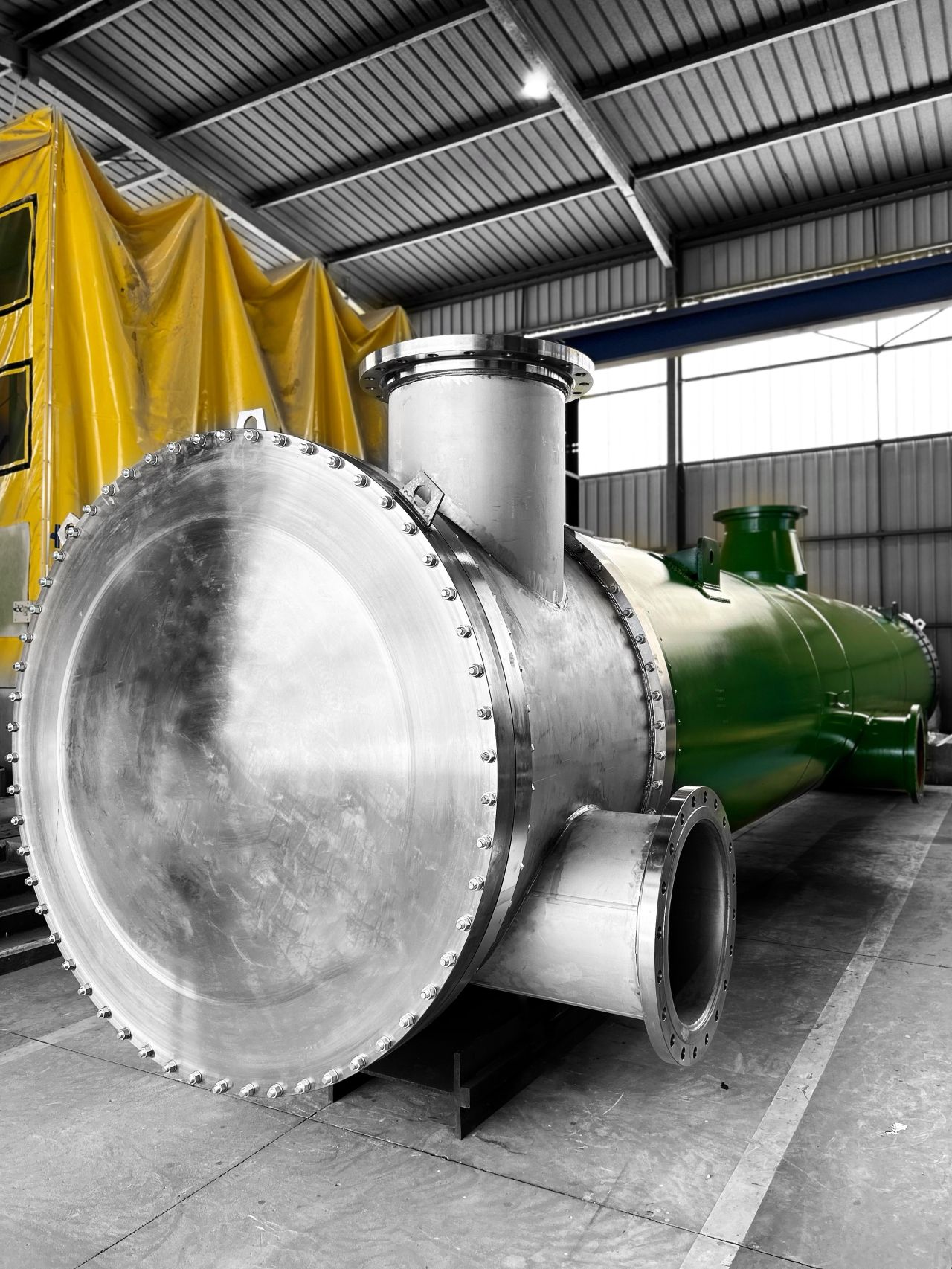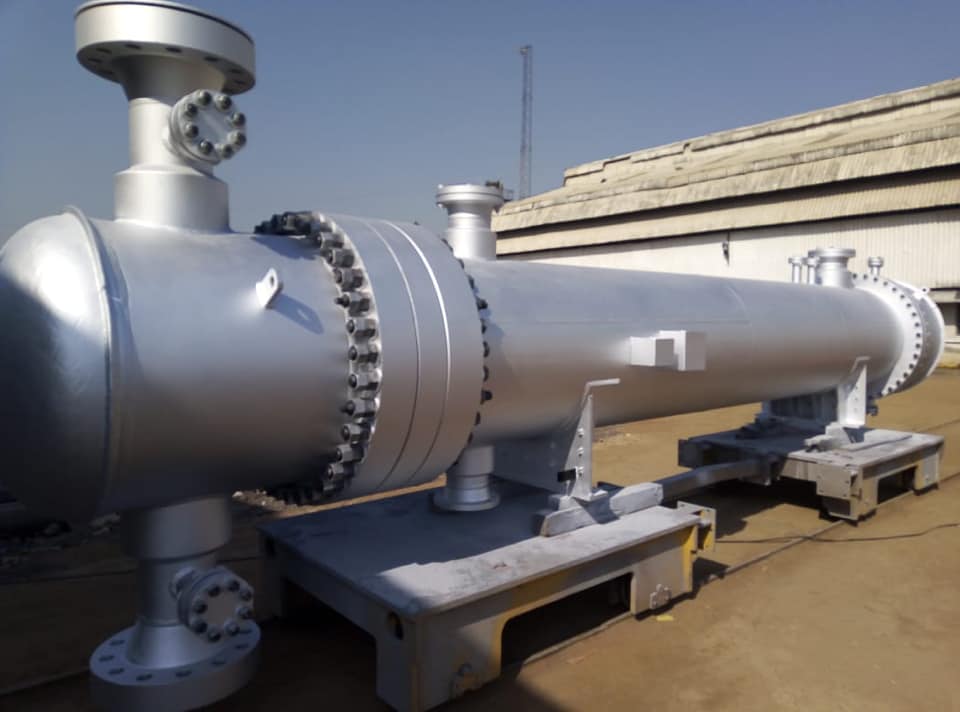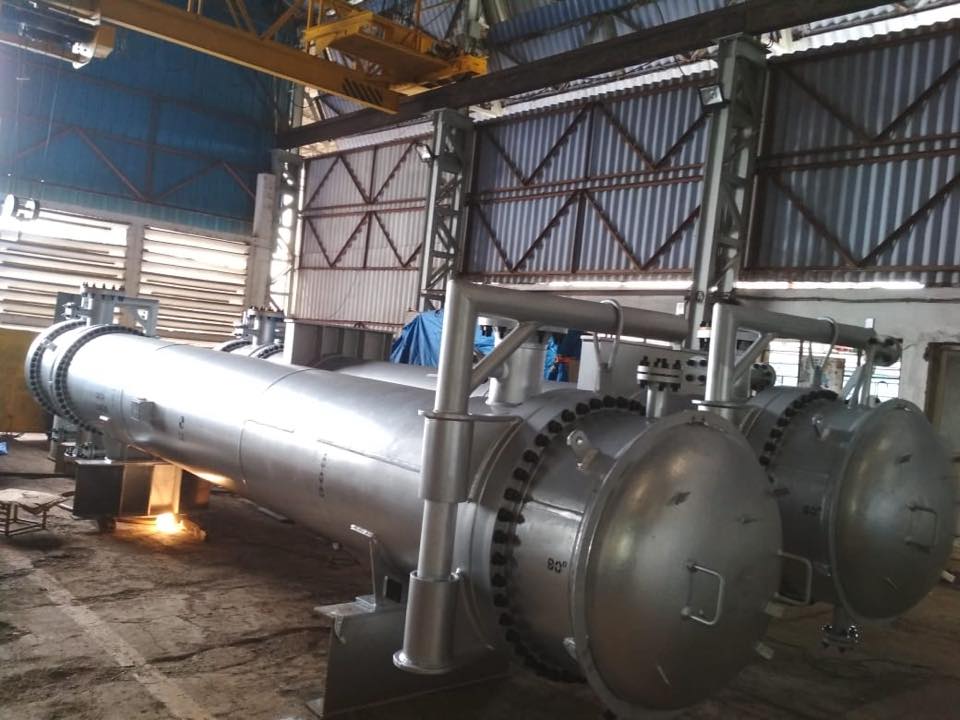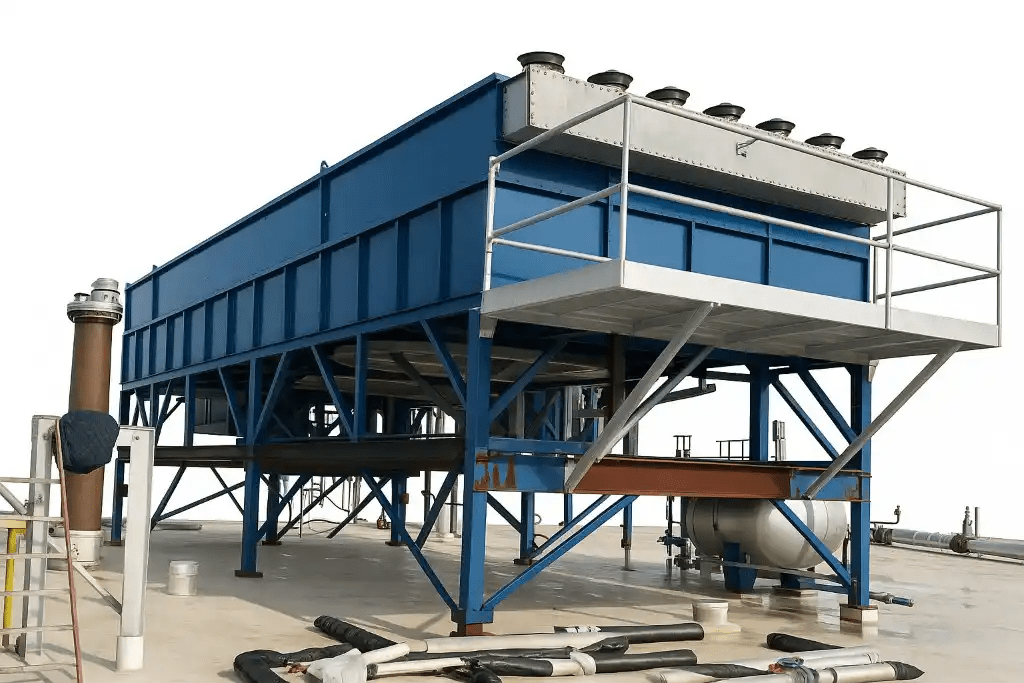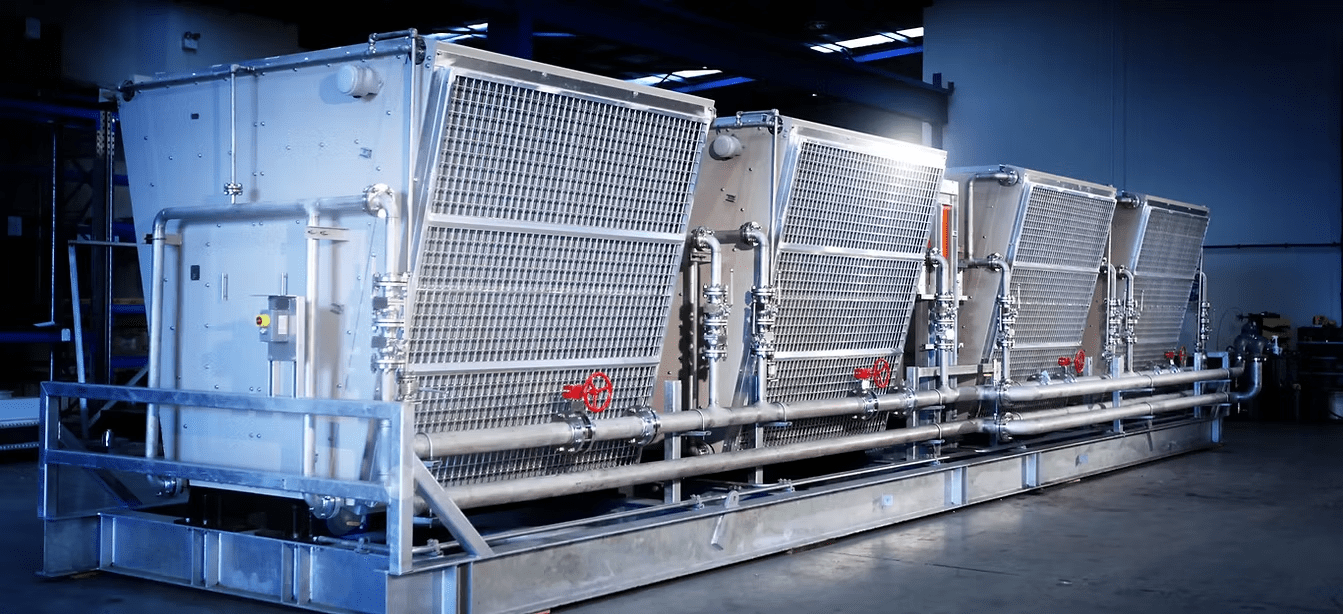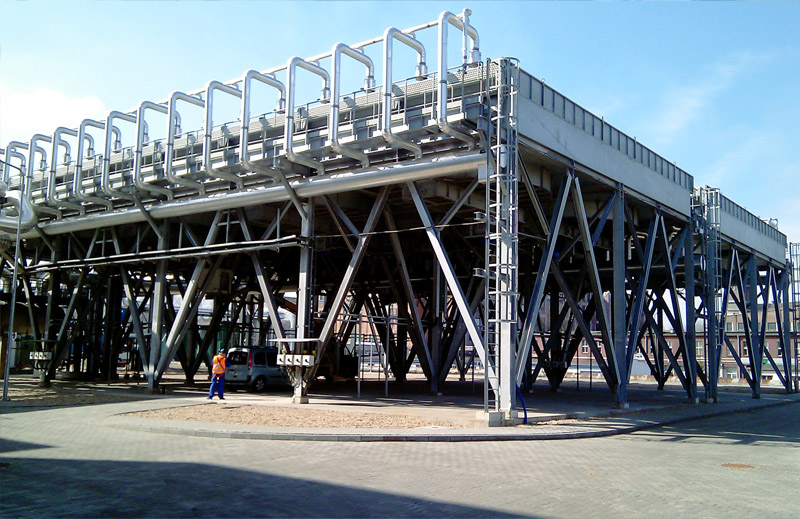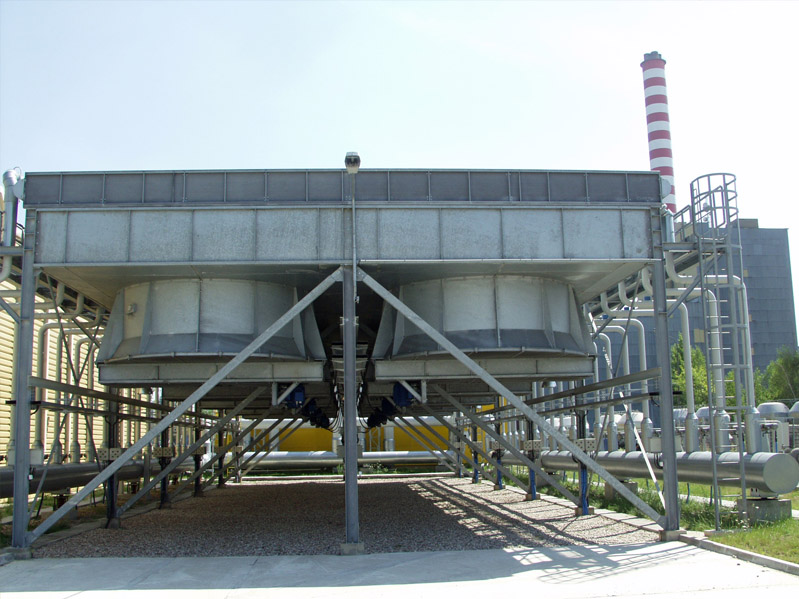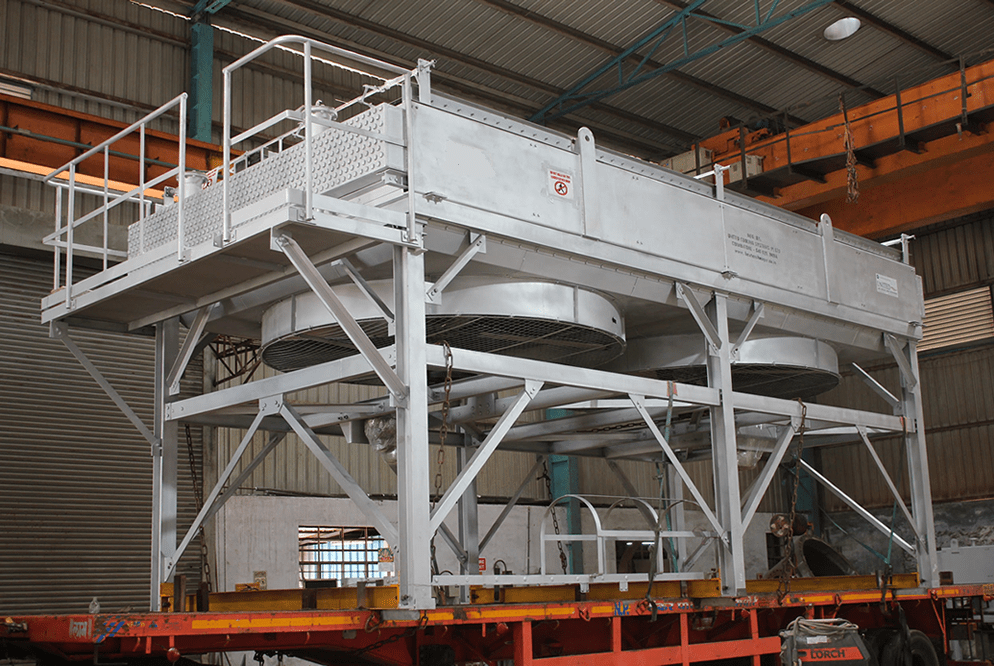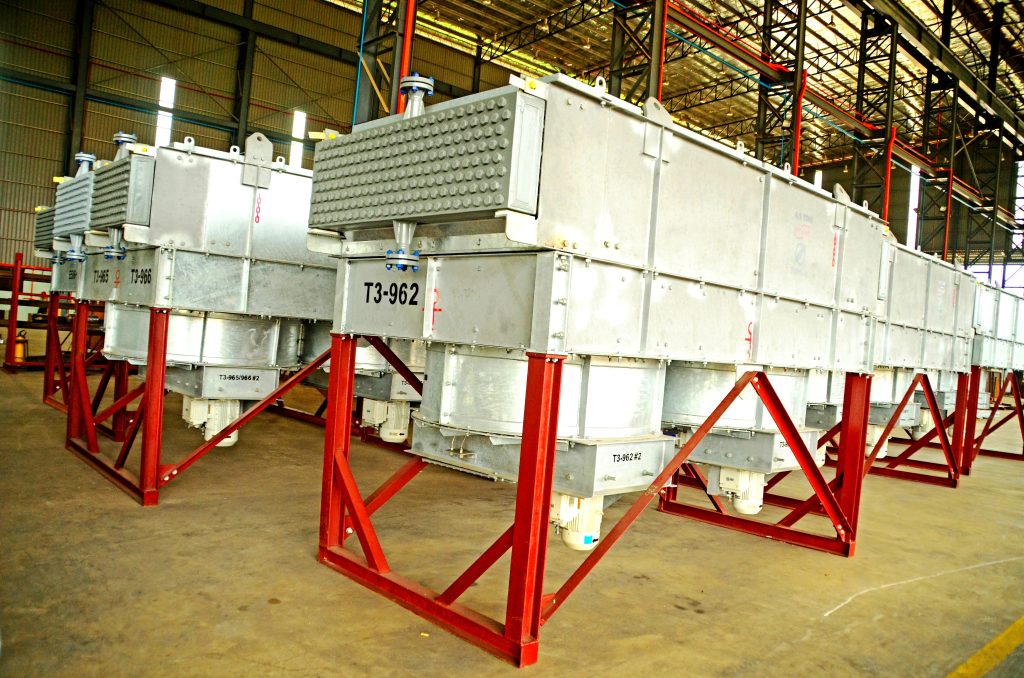
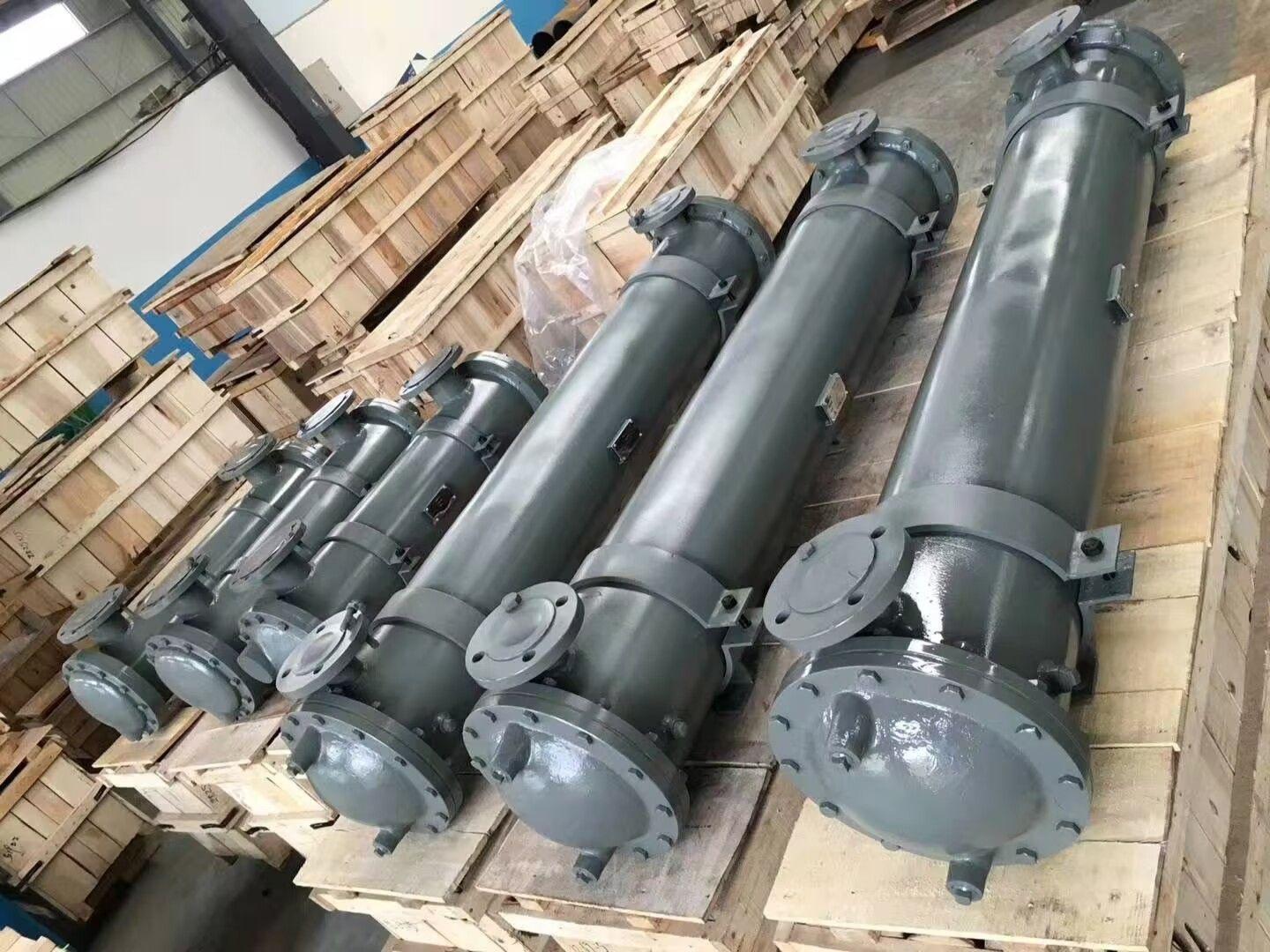
Tags: Air cooled oil cooler

  • Tag:

Air Cooled oil Cooler Manufacturer in Oman

When to Avoid Air-Cooled Oil Coolers? Air-cooled oil coolers are practical for many applications, but certain conditions make them unsuitable. Here’s when you should avoid them and consider alternatives (like water-cooled or hybrid systems): 1. High Ambient Temperature Environments Hot climates (deserts, tropical regions) – If...

Air Cooled oil Cooler Manufacturer in Lebanon

Limitations of Air-Cooled Oil Coolers While air-cooled oil coolers are cost-effective and simple, they have several limitations that make them unsuitable for certain applications. Below are the key drawbacks: . Limited Cooling Efficiency in High Temperatures Impact: Risk of oil overheating in high-load or high-temperature conditions....

Air Cooled oil Cooler Manufacturer in Egypt

Cost Comparison: Air-Cooled vs. Water-Cooled Oil Coolers When choosing between air-cooled and water-cooled oil coolers, several cost factors come into play, including initial purchase price, installation, maintenance, energy consumption, and operational efficiency. Below is a detailed breakdown of the cost differences. 1....

Air Cooled oil Cooler Manufacturer in Djibouti

Air cooled oil coolers are used to regulate the temperature of lubricating oil in various applications by transferring heat from the oil to the surrounding air. They are commonly employed in engines, hydraulic systems, and other machinery where heat build-up can be detrimental to performance and longevity.  Here’s a more...

Air Cooled oil Cooler Manufacturer in Bahrain

Air-Cooled Oil Cooler Maintenance Guide Air-cooled oil coolers are essential for maintaining optimal oil temperatures in engines, hydraulic systems, and industrial machinery. Proper maintenance ensures efficiency, longevity, and prevents overheating. Below is a step-by-step maintenance checklist: 1. Regular Inspection 2. Cleaning the Cooler A....

Air Blast oil Cooler Manufacturer in United Arab Emirates

Performance of Air-Cooled Oil Coolers: With Fins vs. Without Fins The presence of fins dramatically impacts the cooling efficiency, size, and overall performance of an air-cooled oil cooler. Below is a detailed comparison: 1. Heat Transfer Efficiency Factor With Fins Without Fins Surface Area High (5-10x more than bare tubes)....

Air Blast Cooler Manufacturer in United Arab Emirates

Air-Cooled vs. Water-Cooled Oil Coolers: Key Differences   When choosing between air-cooled and water-cooled oil coolers, factors like cooling efficiency, maintenance, installation, and operating environment play a crucial role. Below is a detailed comparison 1. Cooling Mechanism Feature Air-Cooled Oil Cooler...

Air oil Cooler Manufacturer in United Arab Emirates

Induced Draft Oil Cooler vs. Forced Draft Oil Cooler Air-cooled oil coolers rely on airflow to dissipate heat, and the method of air movement defines their efficiency. The two main types are Induced Draft and Forced Draft coolers. Below is a detailed comparison: 1. Airflow Mechanism Feature Induced Draft Oil Cooler Forced Draft...

Air Cooled oil Cooler Manufacturer in United Arab Emirates

Types of Air-Cooled Oil Coolers Air-cooled oil coolers come in different designs, each suited for specific applications based on cooling efficiency, space constraints, airflow conditions, and industry requirements. Below are the main types: 1. Tube & Fin Oil Coolers (Most Common Type) . Plate & Fin Oil Coolers (Compact &...

Air Blast oil Cooler Manufacturer in UAE

Aluminum Fins vs. Stainless Steel Fins in Air-Cooled Oil Coolers The choice between aluminum and stainless-steel fins depends on factors like heat transfer efficiency, corrosion resistance, weight, cost, and application environment. Below is a detailed comparison: 1. Heat Transfer Efficiency Material Thermal Conductivity...

Air Blast Cooler Manufacturer in UAE

Purpose of Fins in an Air-Cooled Oil Cooler Fins play a critical role in enhancing the cooling efficiency of air-cooled oil coolers. They are designed to maximize heat dissipation from the oil to the surrounding air. Here’s how they work and why they are essential: 1. Primary Functions of Fins  Increase Surface Area for...

Air oil Cooler Manufacturer in UAE

Advantages of Using Air oil Cooler in Industrial Use Common Industrial Air-Cooled Oil Cooler Types Type Application Finned Tube Coolers General industrial oil cooling. Plate-Fin Coolers Compact, high-efficiency cooling. Forced-Draft Coolers Uses fans for better airflow (high heat loads). Natural Draft Passive cooling (low maintenance). Selection...

Air Cooled oil Cooler Manufacturer in UAE

Key Industrial Applications of Air-Cooled oil Cooler 1. Power Generation 2. Heavy Machinery & Construction Equipment 3. Oil & Gas Industry 4. Manufacturing & Processing Plants 5. Marine & Offshore Applications 6. Compressed Air Systems 7. Food & Pharmaceutical Industry Used where water contamination must be avoided (hygienic...

Air Blast oil Cooler Manufacturer in Saudi Arabia

Air-cooled oil coolers are widely used in industrial applications where efficient cooling of lubricating oils, hydraulic oils, or process fluids is required without relying on water-based cooling systems. Their robust design, low maintenance, and reliability make them ideal for harsh environments.

Air Blast Cooler Manufacturer in Saudi Arabia

Use of Air-Cooled Oil Coolers in Vehicles Air-cooled oil coolers are essential in vehicles to maintain optimal oil temperatures, prevent overheating, and extend engine/transmission life. They are widely used in: 1. Engine Oil Cooling 2. Transmission Oil Cooling 3. Differential & Gearbox Cooling 4. Power Steering Oil Cooling 5. Turbocharger...

Air oil Cooler Manufacturer in Saudi Arabia

Material of construction of Heat Exchanger Coil in Air Oil Cooler The heat exchanger coil (core) in an air-cooled oil cooler is typically made from materials that offer high thermal conductivity, corrosion resistance, and mechanical strength. The most common materials used are: 1. Aluminum (Most Common) 2. Copper (Less...

Air Cooled oil Cooler Manufacturer in Saudi Arabia

Air-cooled oil coolers are widely used in industries where efficient cooling of lubricating oil, hydraulic oil, or other process oils is required without relying on water-based cooling systems. Here are some common industrial applications: 1. Power Generation 2. Heavy Machinery & Construction Equipment 3. Automotive & Transportation 4....

Air Blast oil Cooler Manufacturer in India

An Air Blast Oil Cooler is a specific type of air-cooled oil cooler that uses a powerful fan (blast of air) to force air over the cooler’s surface, significantly improving the cooling performance. What Is an Air Blast Oil Cooler? It’s a heat exchanger that cools down hot oil by blasting ambient air (using a […]

Air Blast Cooler Manufacturer in India

Air Blast Cooler What Is an Air Blast Oil Cooler? It’s a heat exchanger that cools down hot oil by blasting ambient air (using a fan or blower) across a fin-and-tube radiator, where the oil flows inside the tubes. How It Works: Cooled oil exits the cooler and goes back into the system Components: Thermostatic […]

Air Cooled oil Cooler Manufacturer in India

Air-Cooled Oil Cooler An air-cooled oil cooler is a type of heat exchanger that uses air to reduce the temperature of oil in machinery, engines, or hydraulic systems. Here’s a breakdown of what that means:  Purpose: Its main job is to remove excess heat from oil, which is essential for keeping equipment running efficiently and […]

Heat Exchanger Manufacturer in Djibouti

. Double-pipe heat exchanger When one fluid flows through the smaller pipe, the other flows through the annular gap between the two pipes. These flows may be parallel or counter-flows in a double pipe heat exchanger. (a) Parallel flow, where both hot and cold liquids enter the heat exchanger from the same side, flow in […]

Heat Exchanger Manufacturer in Egypt

By maximum operating temperature, heat exchangers can be divided into low-temperature and high-temperature ones. The former work up to 500–650°C depending on the industry and generally don’t require special design and material considerations. The latter work up to 1000 or even 1400°C.[4][5][6] Double pipe heat exchangers are the simplest...

Heat Exchanger Manufacturer in Iraq

 heat exchangers are designed to maximize the surface area of the wall between the two fluids, while minimizing resistance to fluid flow through the exchanger. The exchanger’s performance can also be affected by the addition of fins or corrugations in one or both directions, which increase surface area and may channel fluid flow or...

Heat Exchanger Manufacturer in Jordan

There are three primary classifications of heat exchangers according to their flow arrangement. In parallel-flow heat exchangers, the two fluids enter the exchanger at the same end, and travel in parallel to one another to the other side. In counter-flow heat exchangers the fluids enter the exchanger from opposite ends. The counter current...

Heat Exchanger Manufacturer in Kuwait

A heat exchanger is a system used to transfer heat between a source and a working fluid. Heat exchangers are used in both cooling and heating processes.[1] The fluids may be separated by a solid wall to prevent mixing or they may be in direct contact.[2] They are widely used in space heating, refrigeration, air conditioning, power...

Heat Exchanger Manufacturer in Lebanon

A plate heat exchanger functions as a specialized device for transferring thermal energy between two fluid streams using a series of metal plates. One of its primary advantages over traditional heat exchangers lies in the substantial increase in surface area for heat exchange, achieved by spreading the fluids across these plates. This...

Heat Exchanger Manufacturer in Yemen

 Plate heat exchanger is composed of several key parts, including plates, gaskets, a frame, and inlet/outlet ports. The plates are thin, corrugated metal sheets that facilitate heat transfer between two fluids. Gaskets seal the space between plates, preventing leaks and directing fluid flow. The Plates: These are the core components where heat...

Heat Exchanger Manufacturer in United Arab Emirates

Cooling System Design Requirements The primary purpose of the engine cooling system is to reject heat from the jacket water coolant and auxiliary circuit if equipped, at greatest engine load, highest ambient temperature, and altitude. This section will outline the proper methods to be used for cooling system sizing. Heat Rejection Before a cooling...

Heat Exchanger Manufacturer in Sudan

Compressor Oil Coolers A compressor oil cooler (or other external heat load) should be connected into the after cooler circuit after the water has left the after cooler. The return line back into the circuit should be placed before the thermostat. If full flow is not needed to the compressor oil cooler, a bypass line […]
Heat Exchanger Manufacturer in Saudi Arabia

Two-Stage After cooler Cooling Systems The two-stage after cooler, currently offered for some gas engines, is intended to provide high temperature heat recovery for Electric Power Generation (EPG) applications and Reduce overall radiator sizing for Gas Compression applications. There are two coolant stages on the two-stage after cooler; the first...

Heat Exchanger Manufacturer in Qatar

Types of Cooling Systems • Radiator • Heat Exchanger • Submerged Pipe • Cooling Tower • Keel & Box Coolers • Seawater Systems • Electrochemical Series

Heat Exchanger Manufacturer in Oman

All internal combustion engines produce heat as a byproduct of combustion andfriction. This heat can reach temperatures up to 1925°C (3500°F) and can havecatastrophic effects on engine components. Pistons, valves and cylinder headsmust be cooled to reduce the risk of detonation. Cylinder temperatures need to becontrolled so lubricating oil can...

Heat Exchanger Manufacturer in Bahrain

Working Principles of Heat Exchanger Heat exchanger functions by transferring heat from higher to lower temperatures. Heat can thus be transferred from the hot fluid to the cold fluid if a hot fluid and a cold fluid are separated by a heat-conducting surface. The operation of a heat exchanger is governed by thermodynamics. Heat can […]
Quenching Oil Cooler Manufacturer in UAE

Common materials used in heat exchangers Selecting the materials used in a heat exchanger is a pivotal part of the design. They need to be heat conductive whilst withstanding any corrosive properties of the mediums involved. Some materials will wear or get dirty faster than others, so upkeep and durability is another consideration. Conductive...

Recuperator Manufacturer in UAE

Plate heat exchangers separate the fluids exchanging heat by the means of plates. These normally have enhanced surfaces such as fins or embossing and are either bolted together, brazed or welded. Plate heat exchangers are mainly found in the cryogenic and food processing industries. However, because of their high surface area to volume ratio,...

Flue gas Cooler Manufacturer in UAE

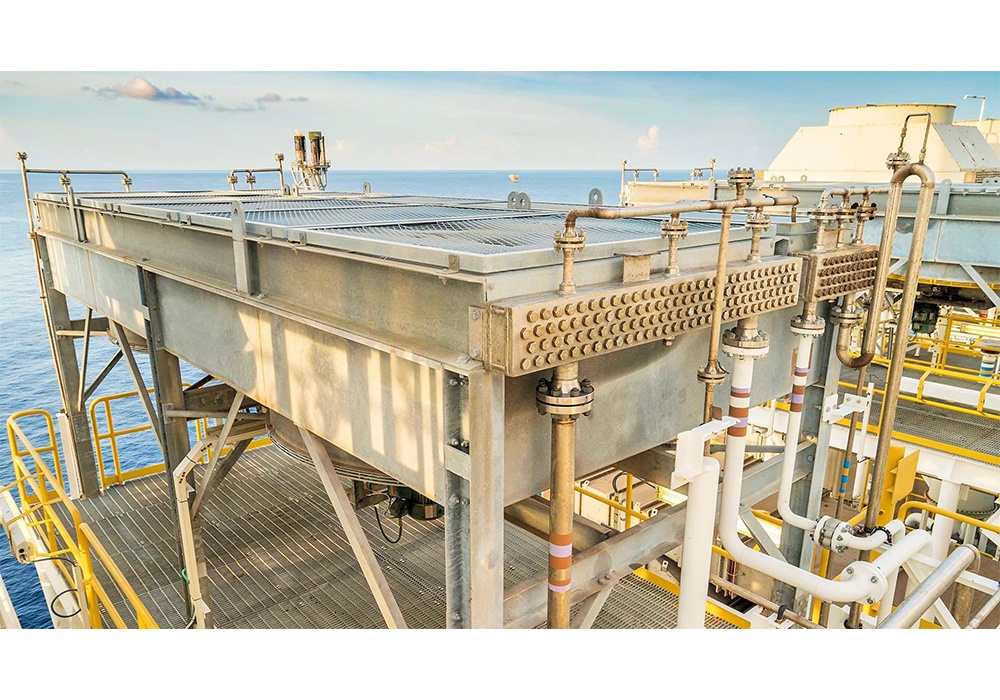
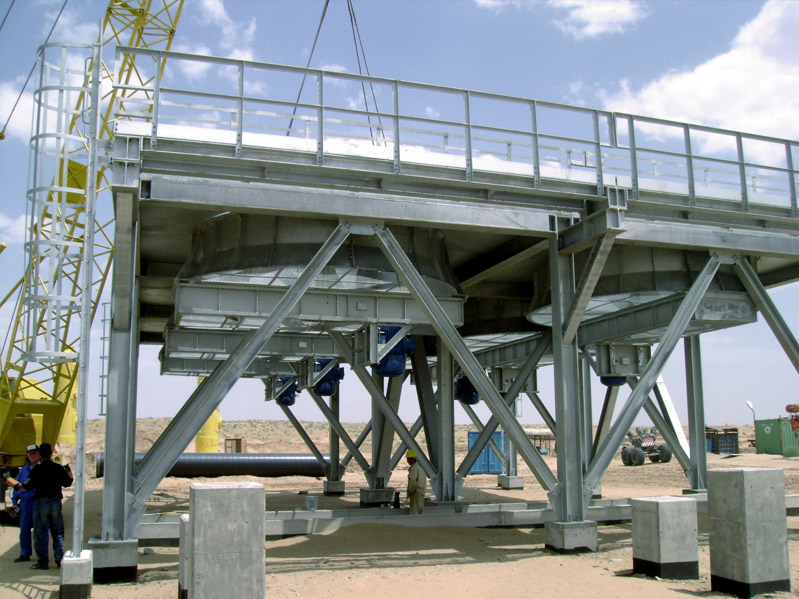
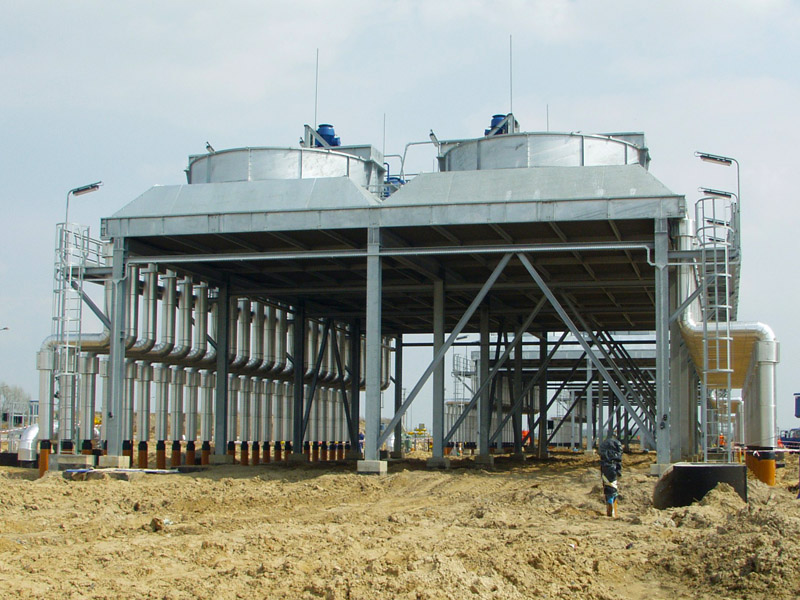
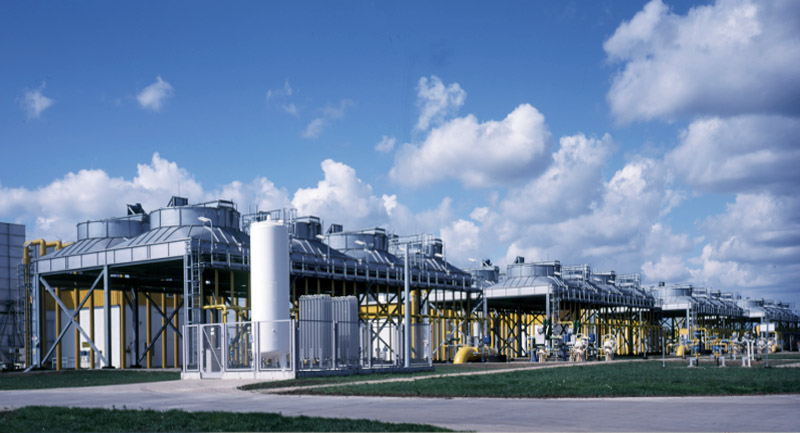
Other types of tubular exchanger include: Air Cooled Heat Exchangers consist of bundle of tubes, a fan system and supporting structure. The tubes can have various type of fins in order to provide additional surface area on the air side. Air is either sucked up through the tubes by a fan mounted above the bundle (induced […]
Steam Condenser Manufacturer in UAE

A Shell and Tube Exchanger consists of a number of tubes mounted inside acylindrical shell.  typical unit that may be found in a petrochemicalplant. Two fluids can exchange heat, one fluid flows over the outside of thetubes while the second fluid flows through the tubes. The fluids can be singleor two phase and can flow in […]
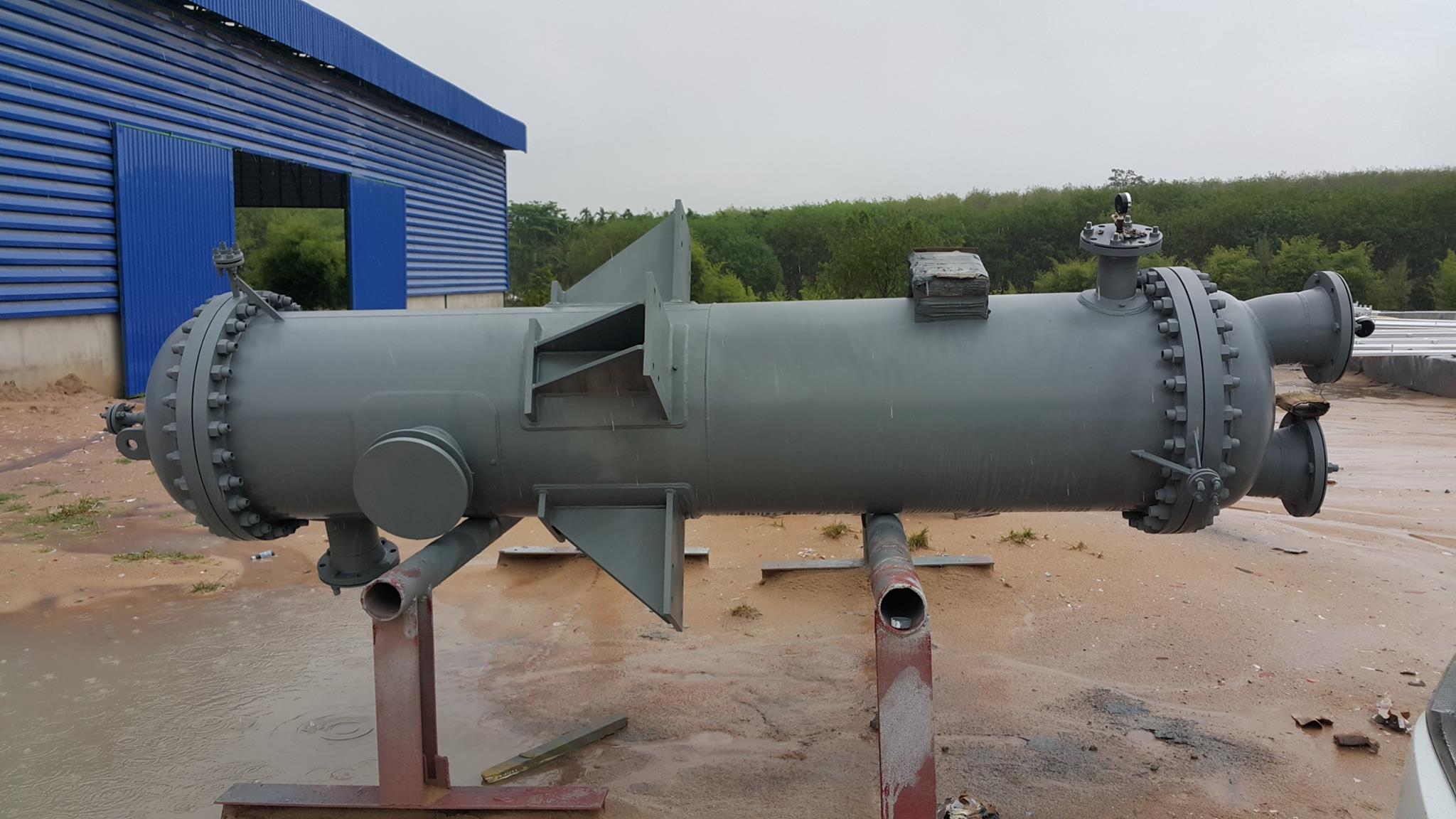
Marine oil cooler Manufacturer in UAE

Heat Exchanger Types   This section briefly describes some of the more common types of heat exchanger and is arranged according to the classification Indirect heat exchangers   In this type, the steams are separated by a wall, usually metal. Examples of these are tubular exchangers, plate exchangers, Tubular heat exchangers are very...

Condenser Manufacturer in UAE

Recuperative heat exchangers   There are many types of recuperative exchangers, which can broadly be grouped into indirect contact, direct contact and specials. Indirect contact heat exchangers keep the fluids exchanging heat separate by the use of tubes or plates etc. Direct contact exchangers do not separate the fluids exchanging heat and in...

Thermic Fluid Cooler Manufacturer in UAE

Regenerative heat exchangers In a regenerative heat exchanger, the flow path normally consists of a matrix, which is heated when the hot fluid passes through it (this is known as the “hot blow”). This heat is then released to the cold fluid when this flows through the matrix (the “cold blow”). Regenerative Heat Exchangers...

Lube oil cooler Manufacturer in UAE

Classification of Heat Exchangers by Construction heat exchangers are classified mainly by their construction, The first level of classification is to divide heat exchanger types into recuperative or regenerative. A Recuperative Heat Exchanger has separate flow paths for each fluid and fluids flow simultaneously through the exchanger...

Oil Cooler Manufacturer in UAE

Cross flow heat exchangers are intermediate in efficiency between counter current flow and parallel flow exchangers. In these units, the streams flow at right angles to each other

Shell and Tube Heat Exchanger Manufacturer in UAE

In co current flow heat exchangers, the streams flow parallel to each other and in the same direction This is less efficient than counter current flow but does provide more uniform wall temperatures. Process 1. Process fluid assignments to shell side or tube side. 2. Selection of stream temperature specifications. 3. Setting shell side and...

Heat Exchanger Manufacturer in UAE

Counter flow exchanger in which the two fluids flow parallel to each other but in opposite directions. This type of flow arrangement allows the largest change in temperature of both fluids and is therefore most efficient (where efficiency is the amount of actual heat transferred compared with the theoretical maximum amount of heat that can...

Quenching Oil Cooler Manufacturer in Saudi Arabia

A heat exchanger is a device used to transfer heat between two or more fluids. The fluids can be single or two phase and, depending on the exchanger type, may be separated or in direct contact. Devices involving energy sources such as nuclear fuel pins or fired heaters are not normally regarded as heat exchangers […]
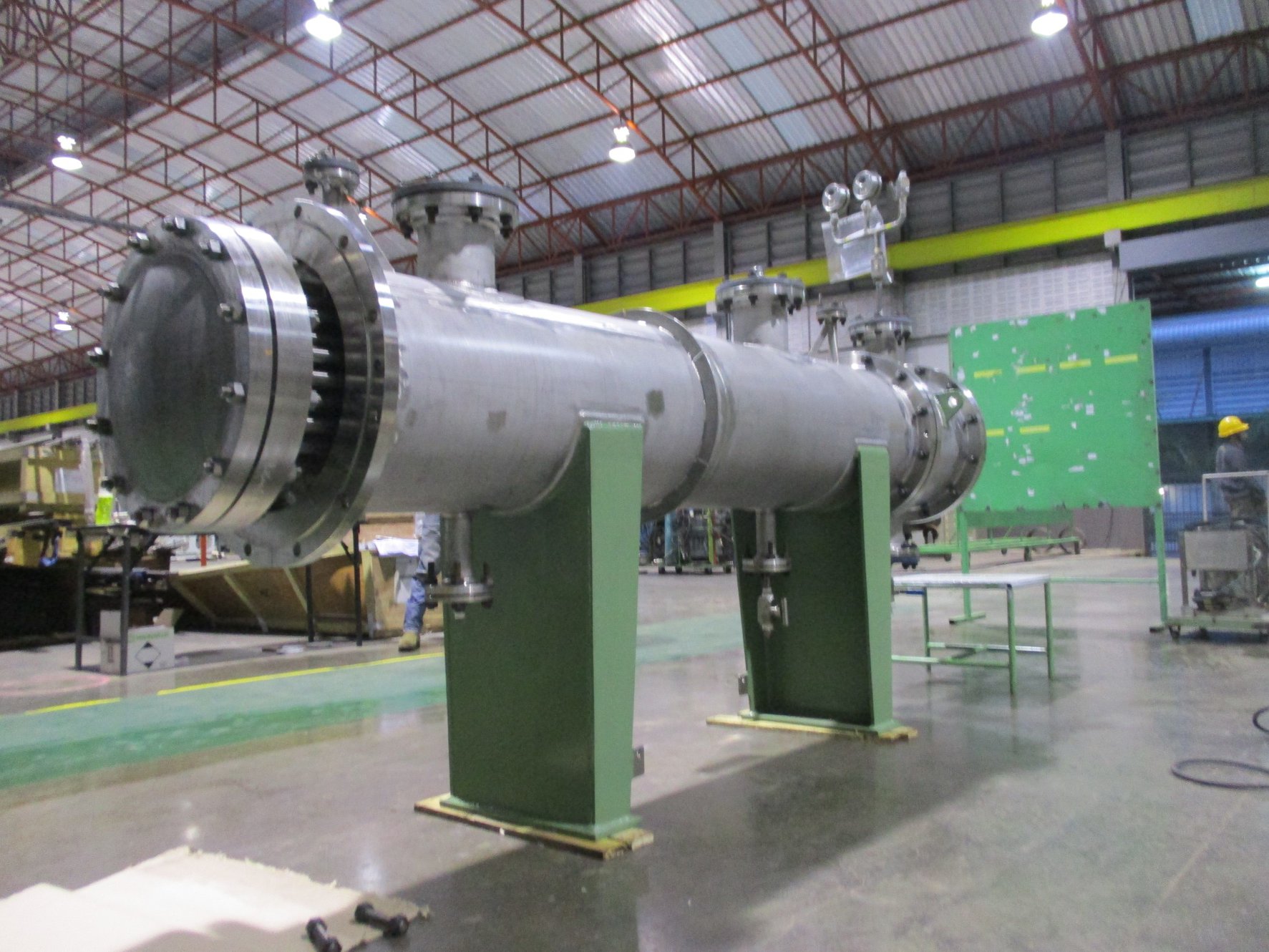
Recuperator Manufacturer in Saudi Arabia

Shell and tube heat exchangers are used extensively throughout the process industry and as such a basic understanding of their design, construction and performance is important to the practicing engineer. The objective of this paper is to provide a concise review of the key issues involved in their thermal design without having to refer to...

Flue gas Cooler Manufacturer in Saudi Arabia

Tube metal is usually: Low carbon steel Low alloy steel Stainless steel Copper Admiralty Cupronickel Inconel Aluminum (in the form of alloys), or titanium. Tube diameters (8–15 mm) are preferred for greater area/volume density but are limited, for purposes of in-tube cleaning larger tube diameters are often required for condensers and boilers....
1 7 8 9 10