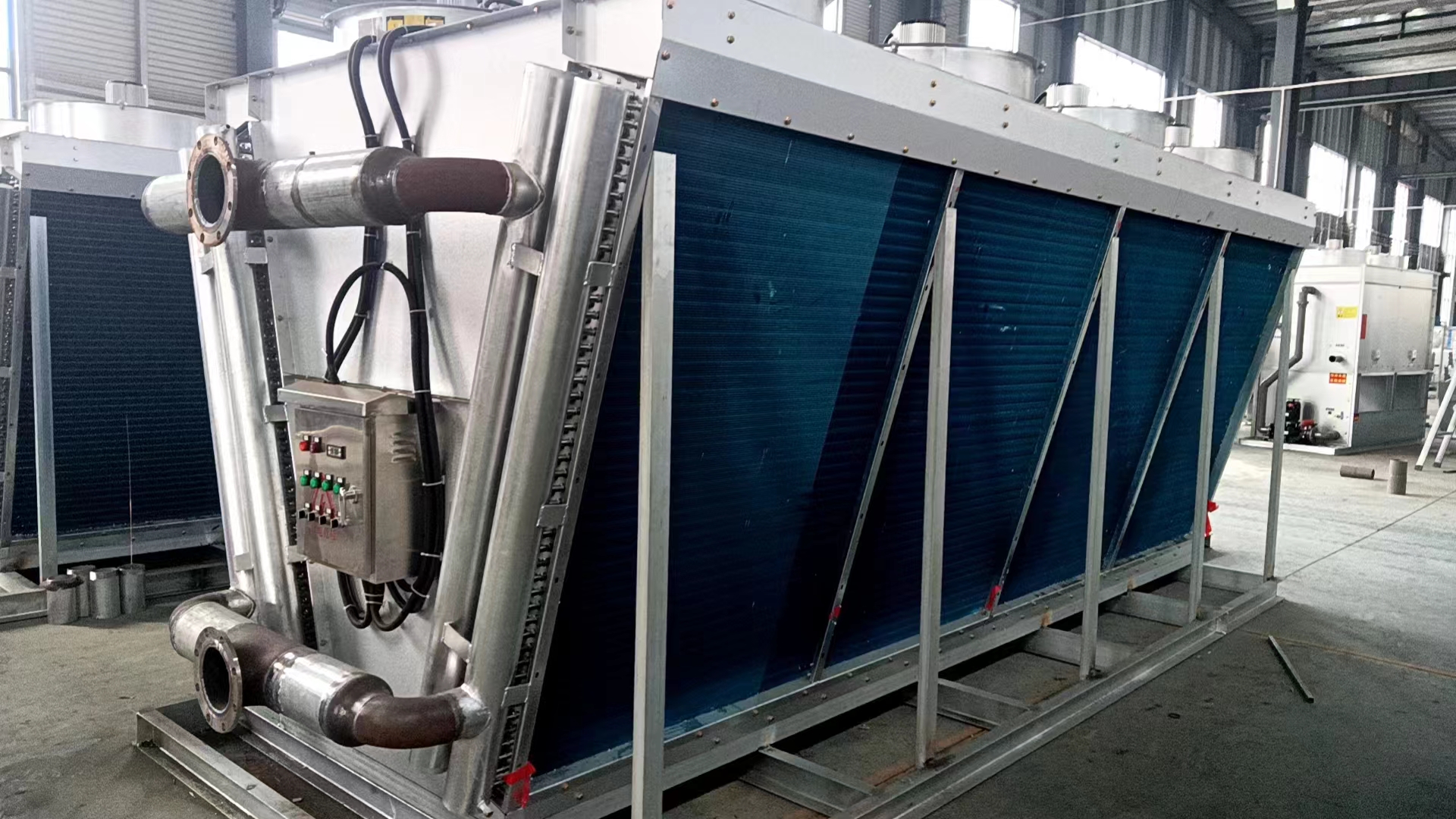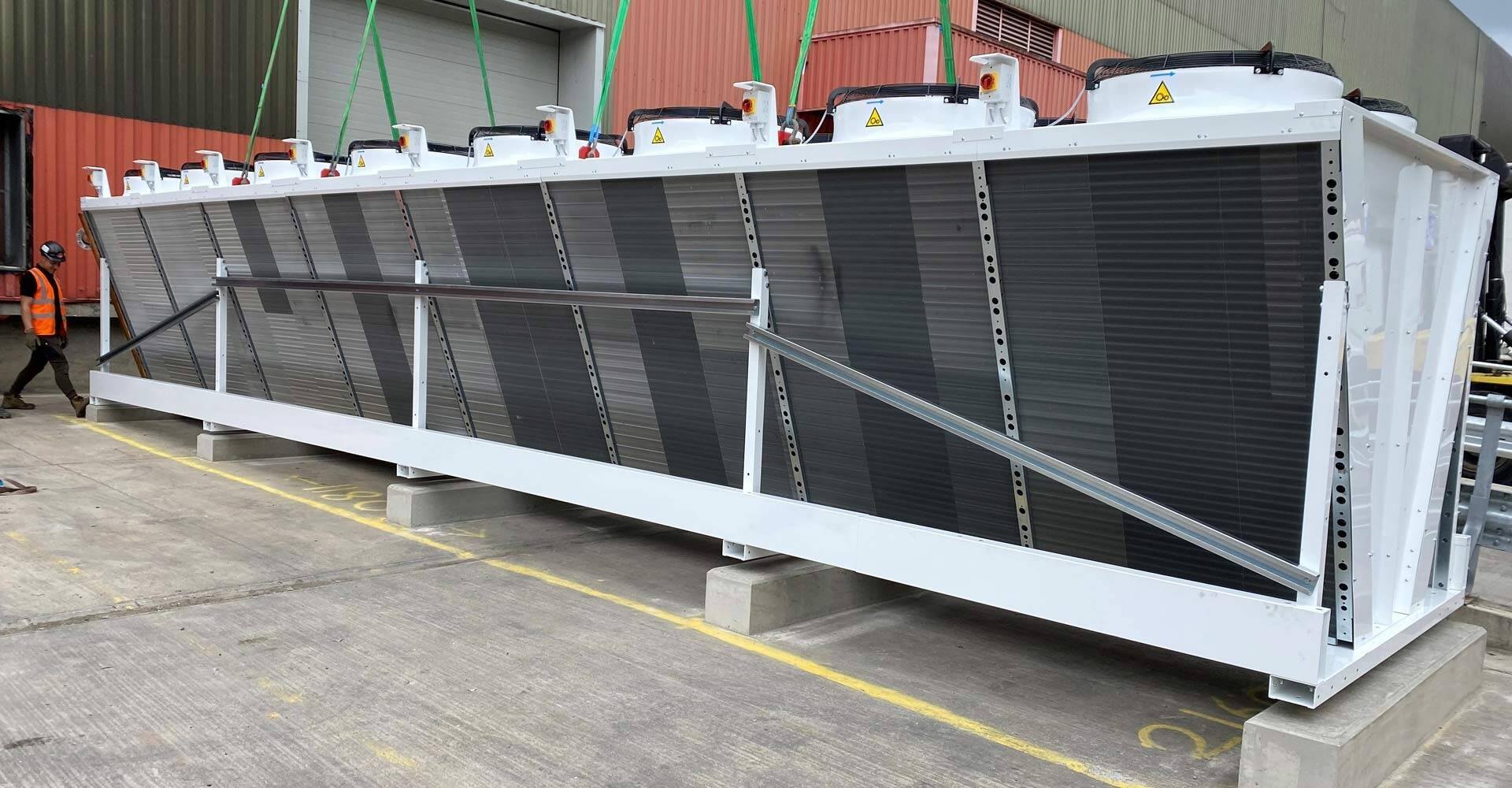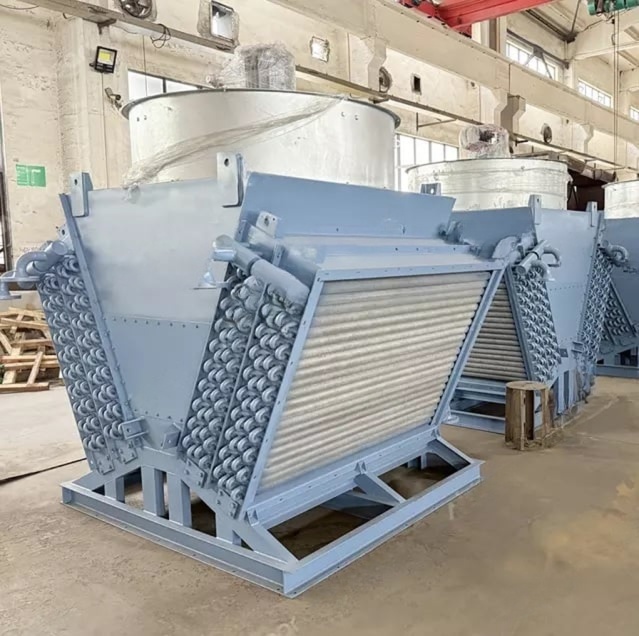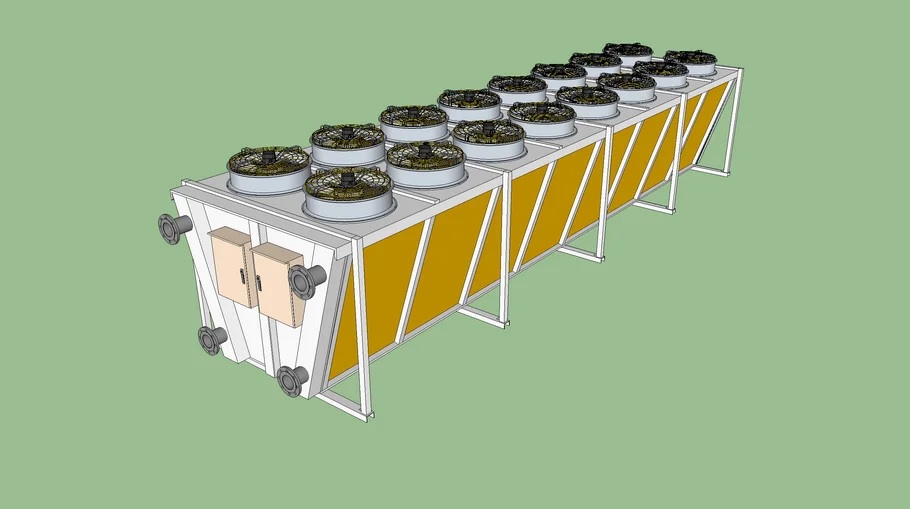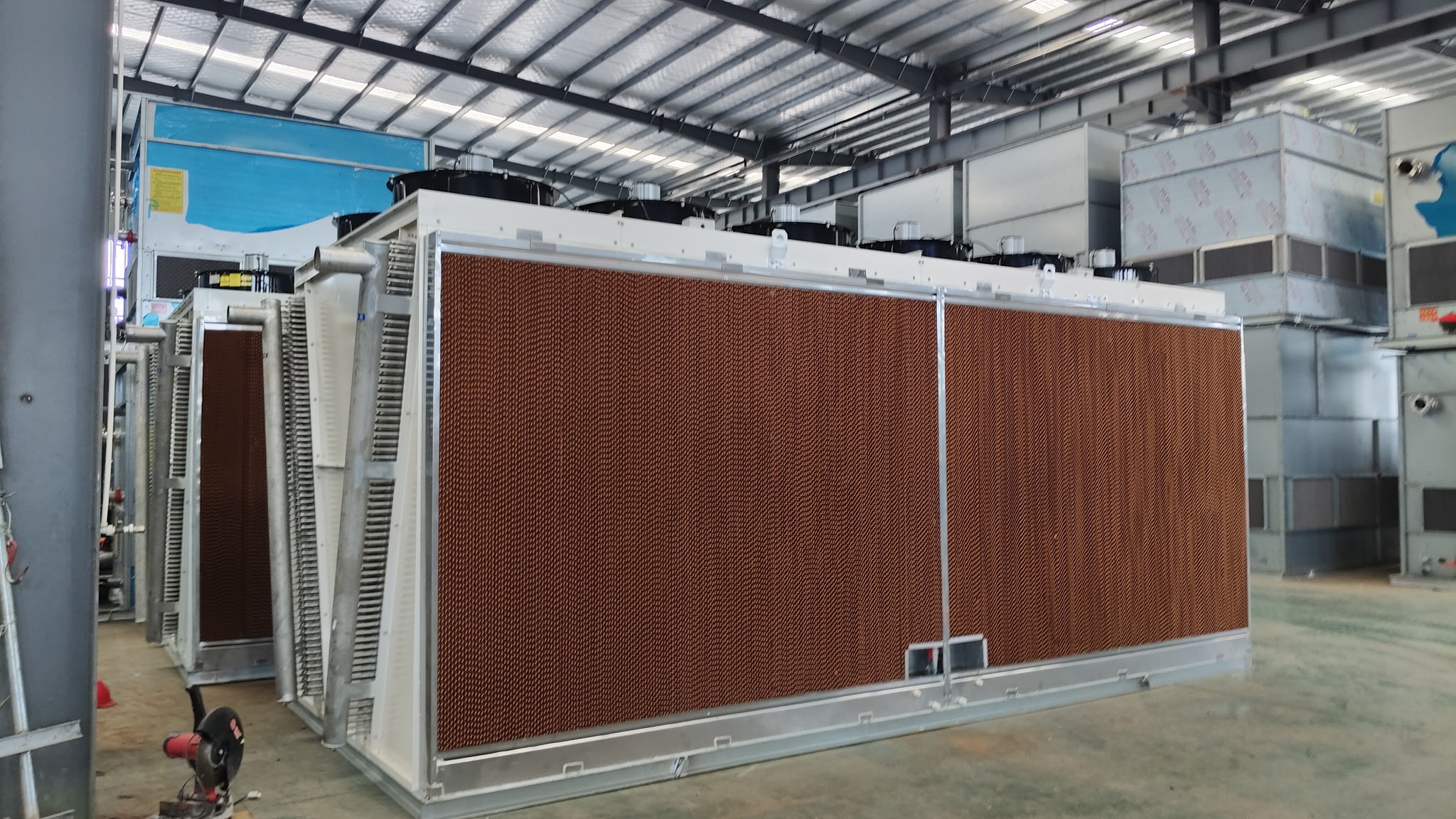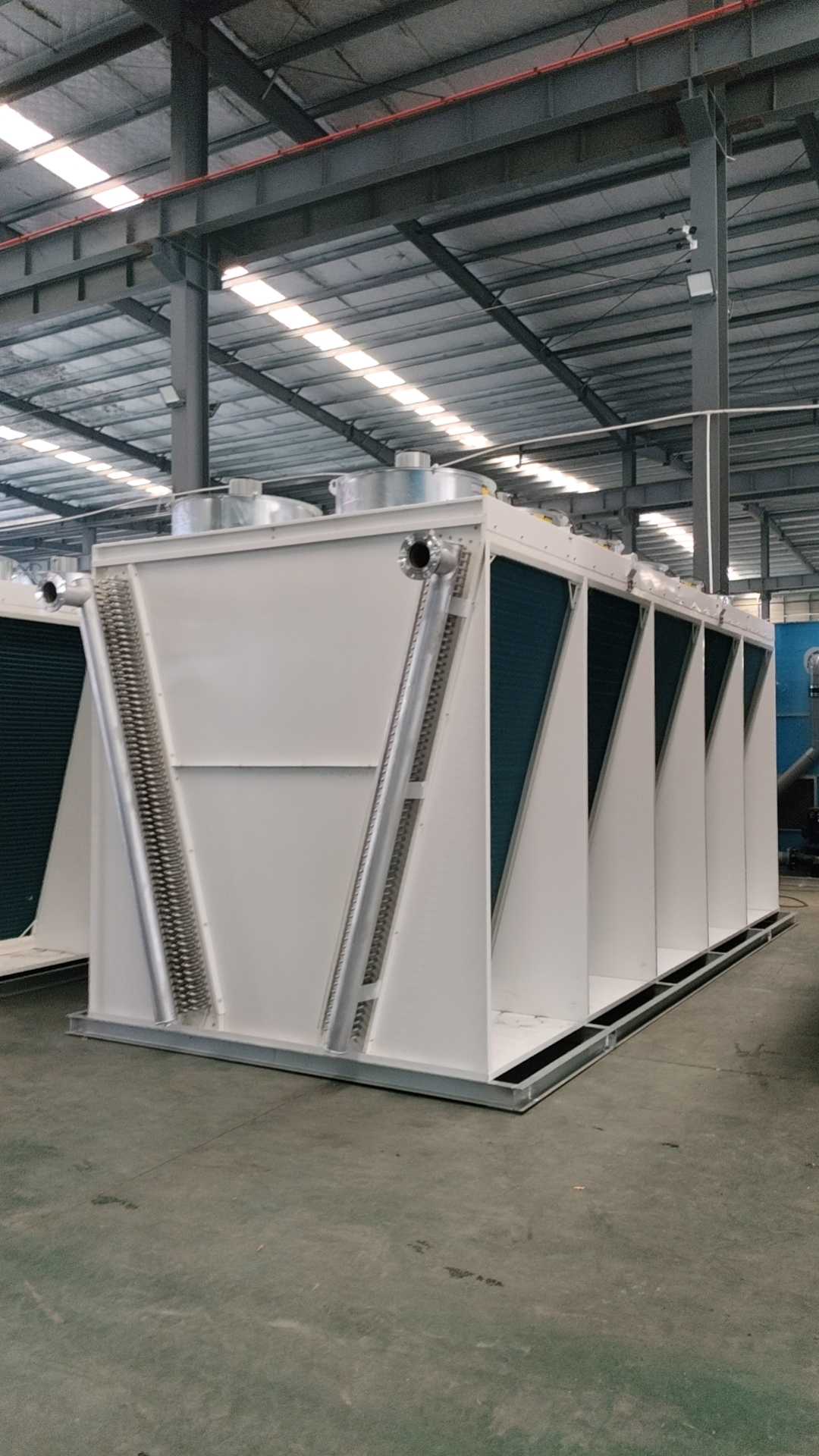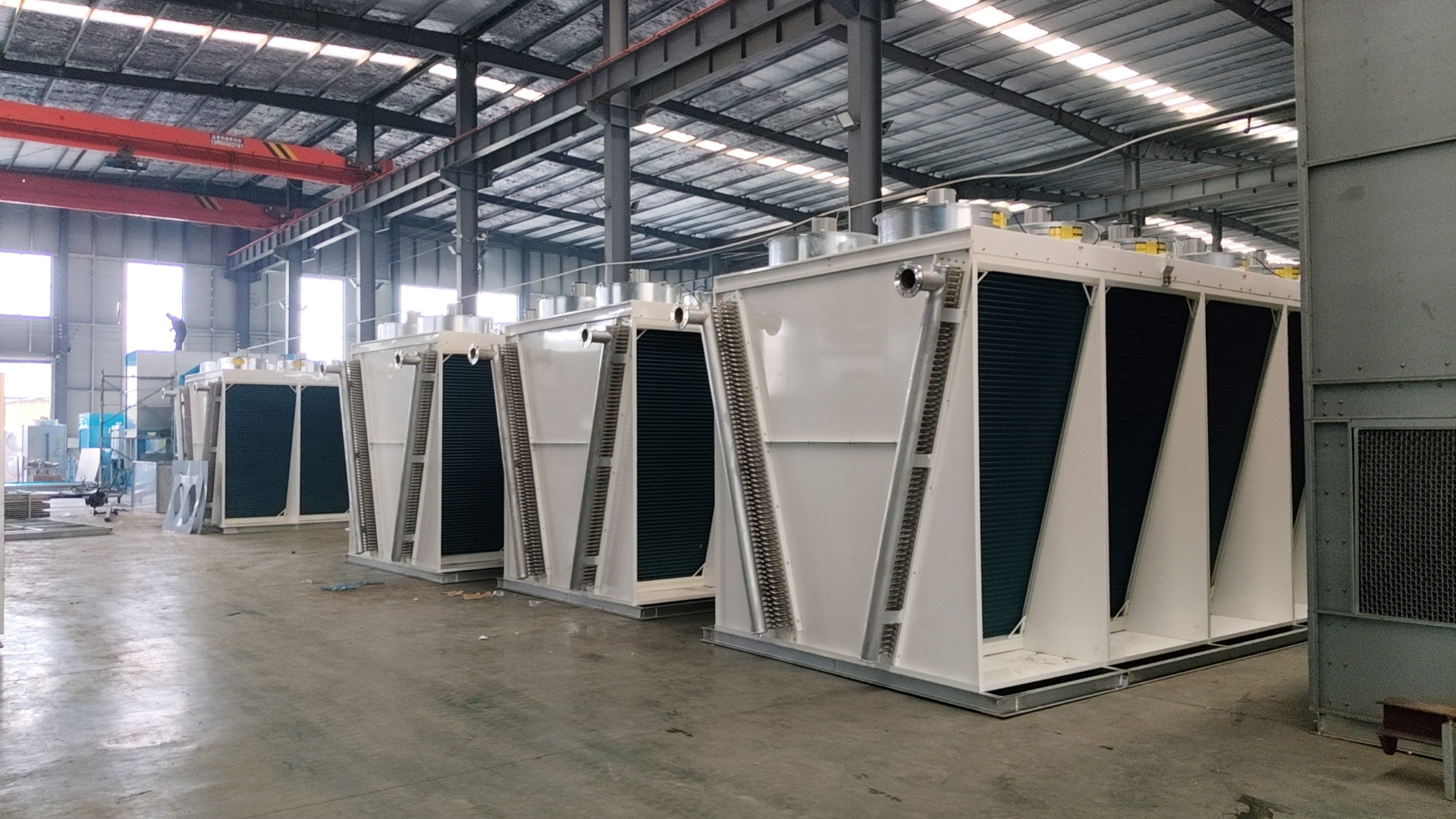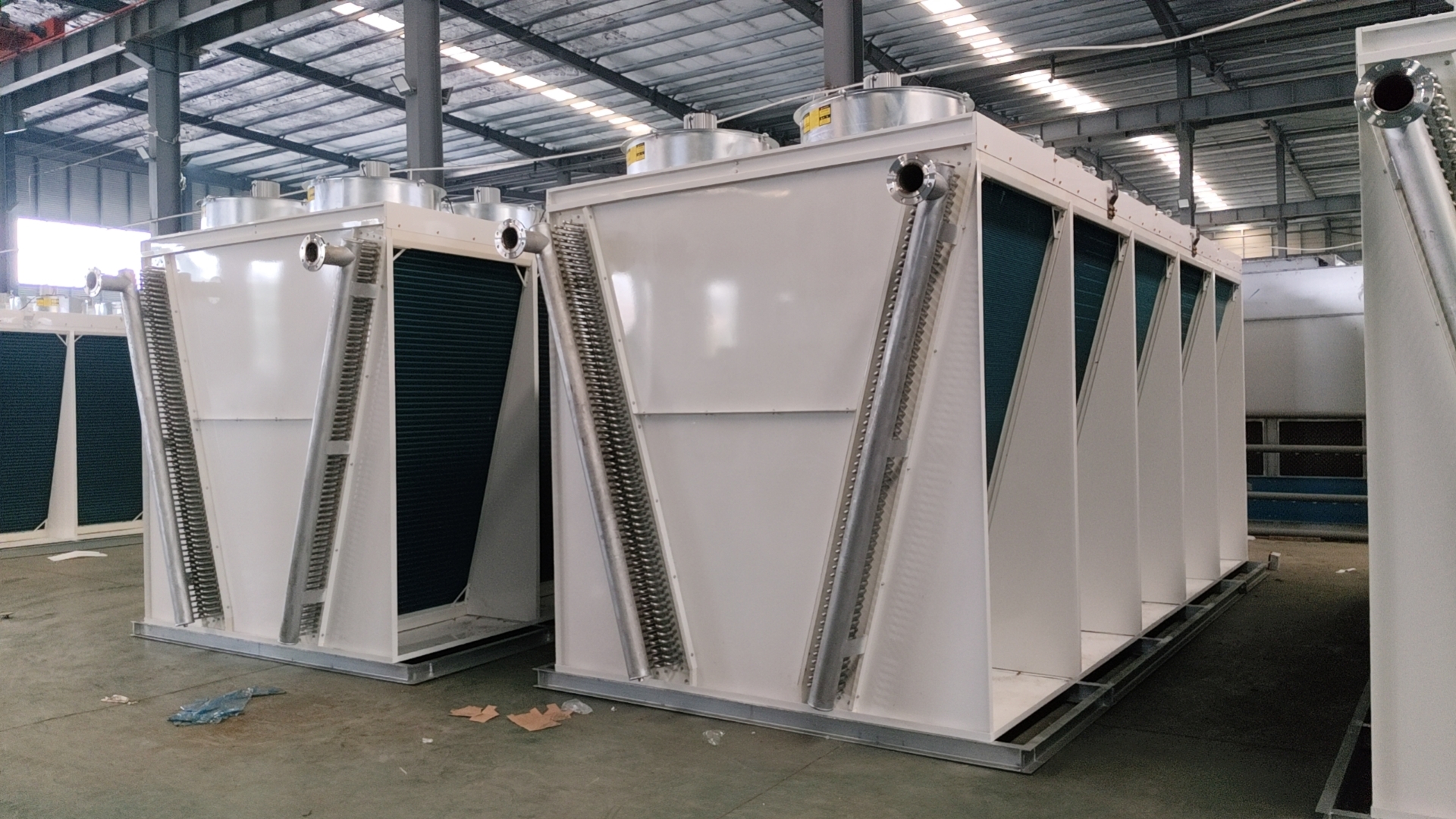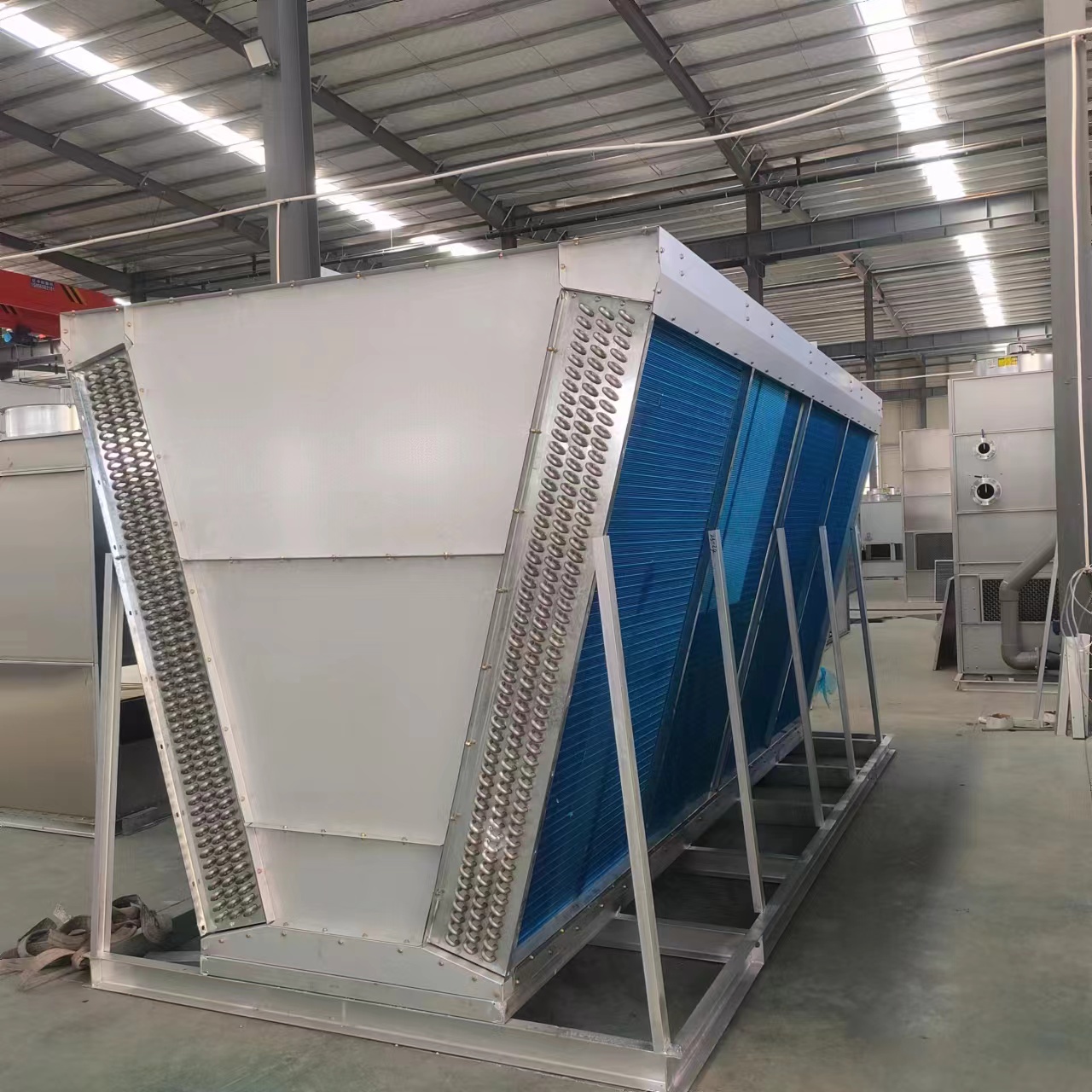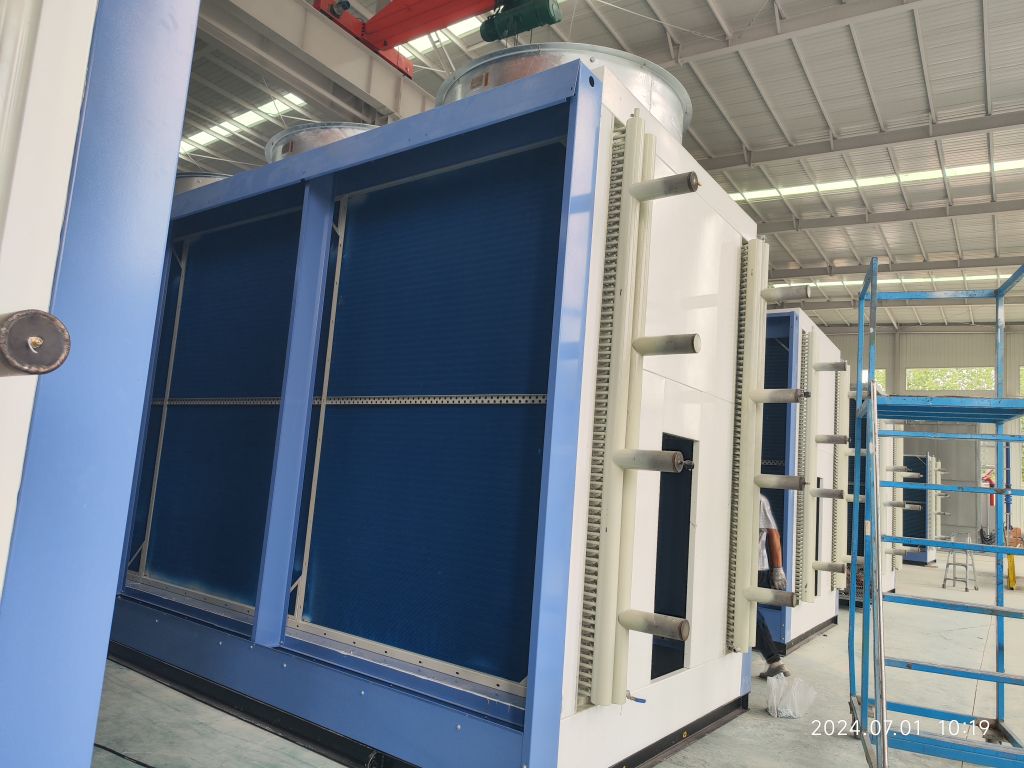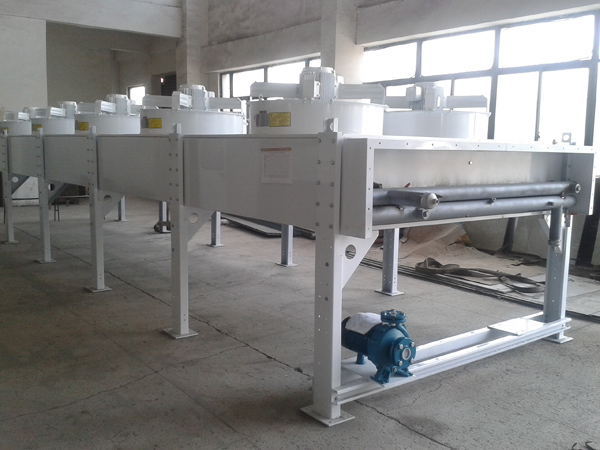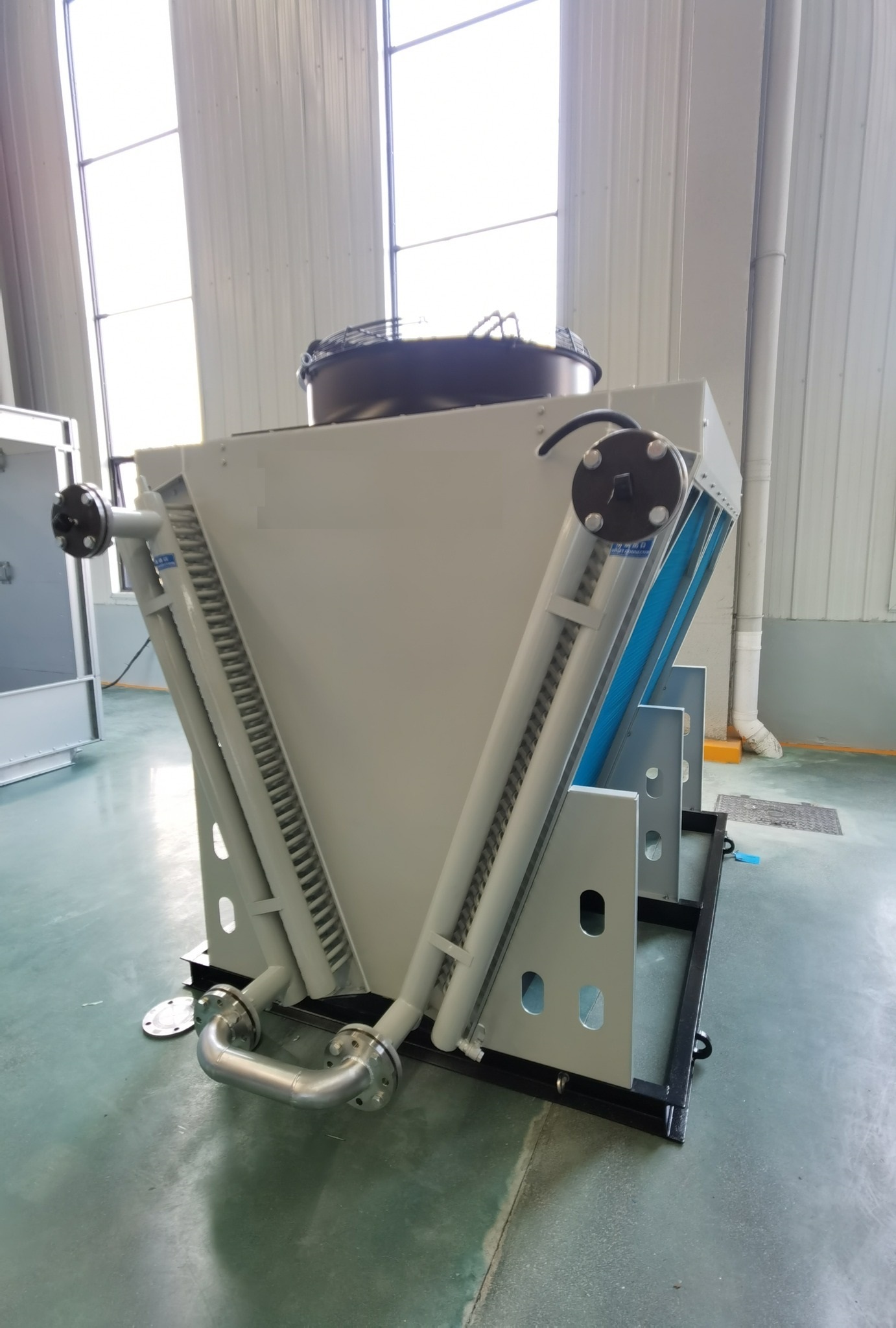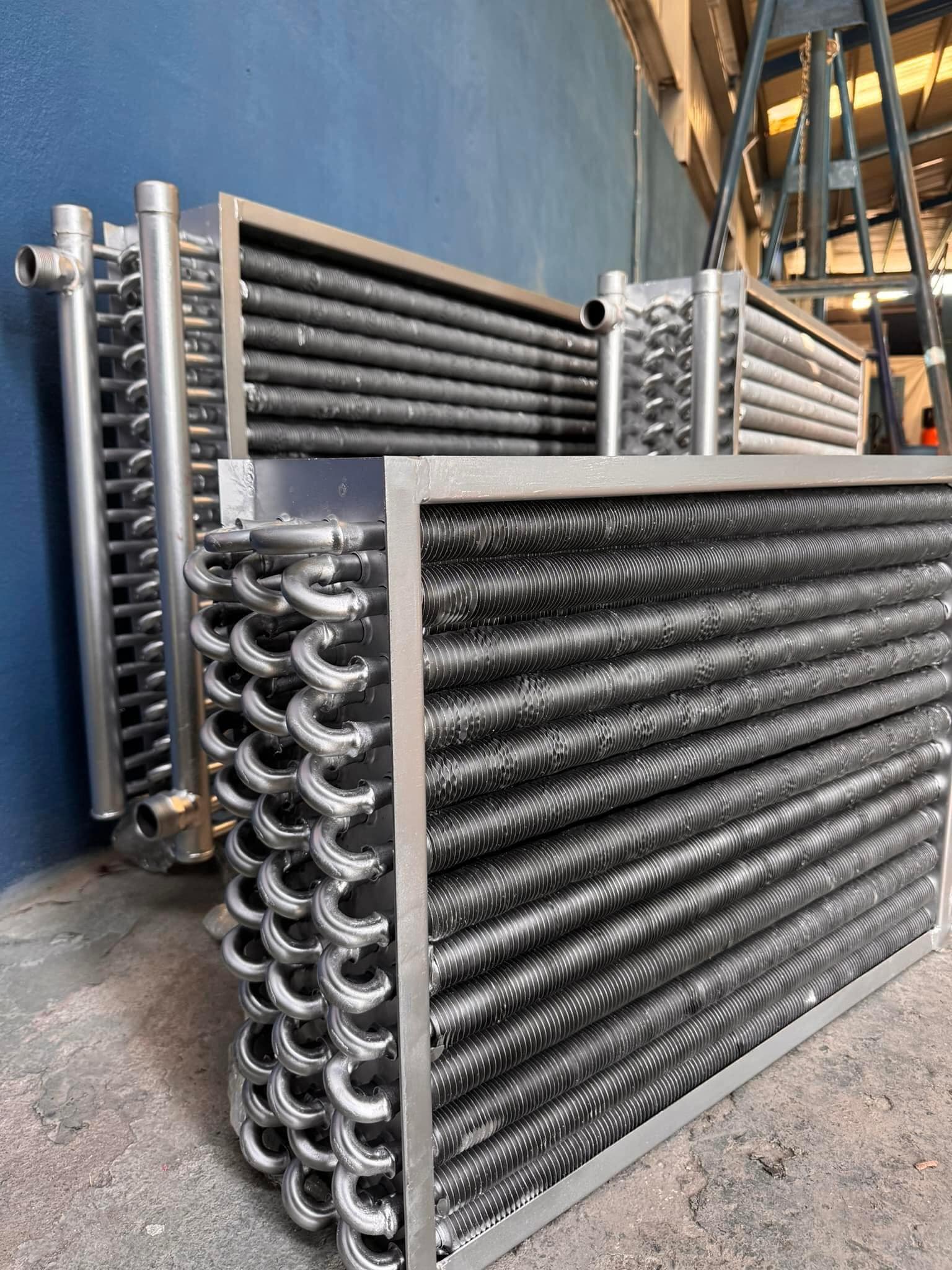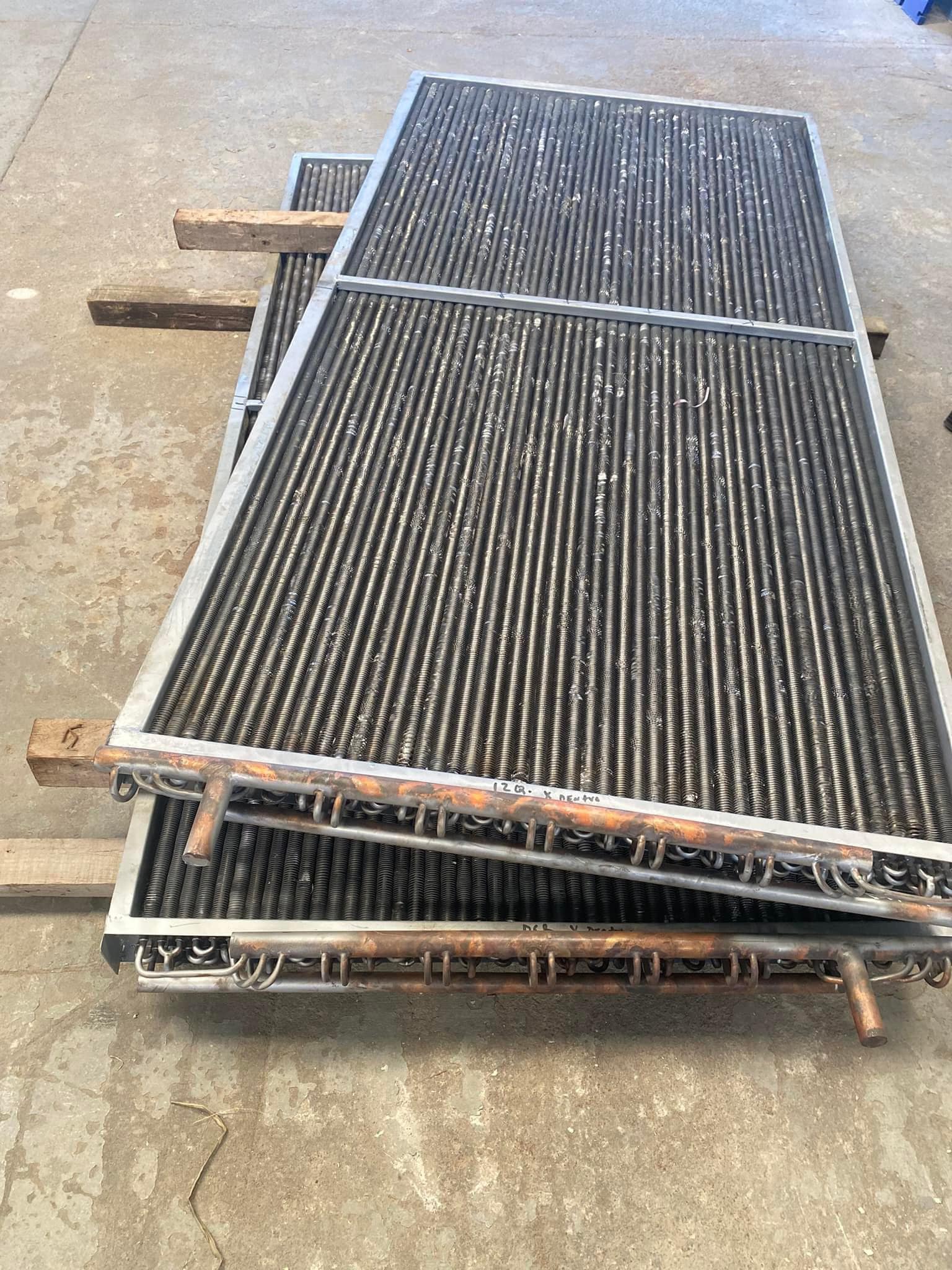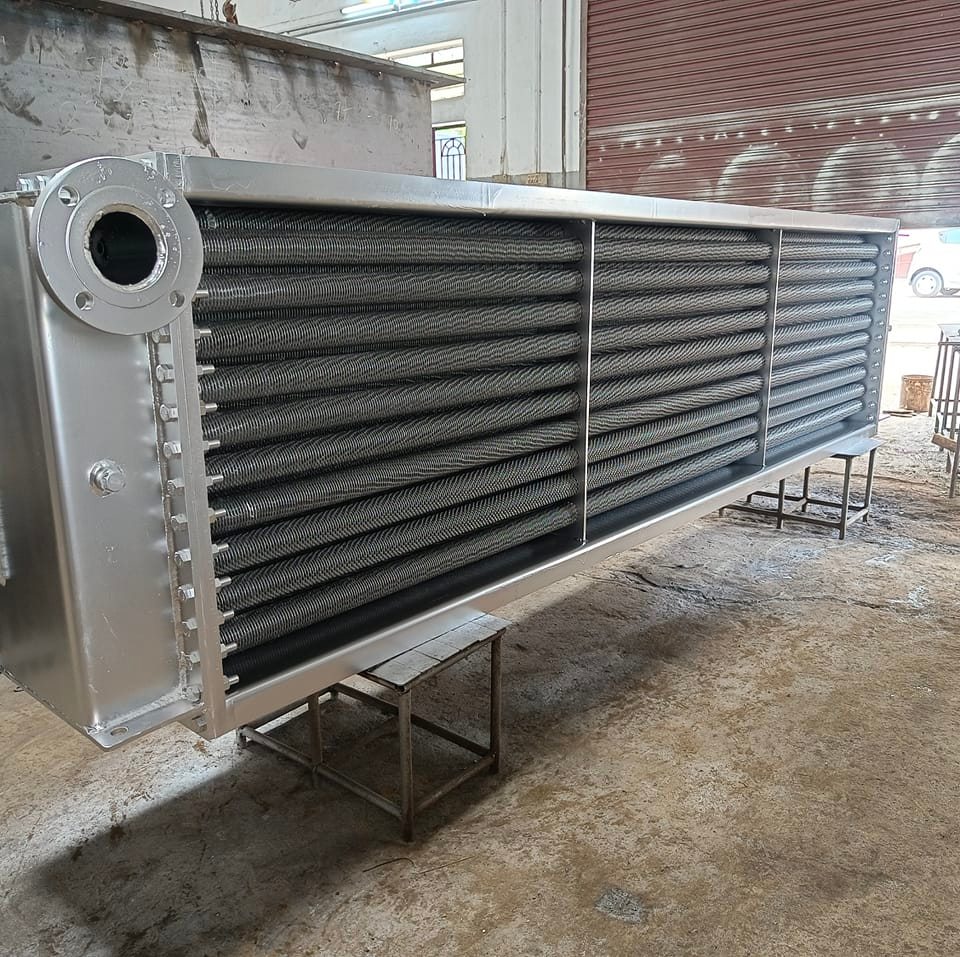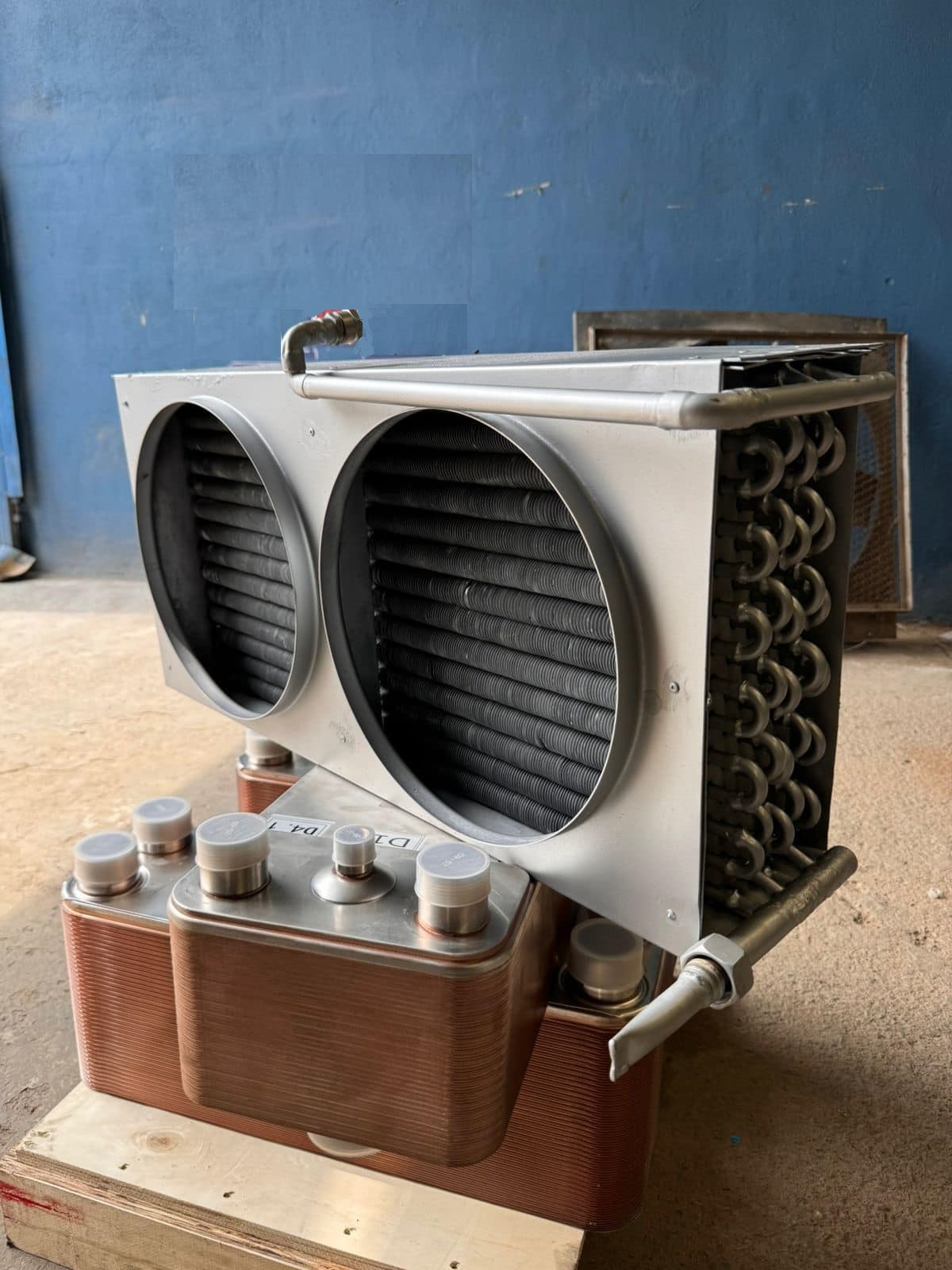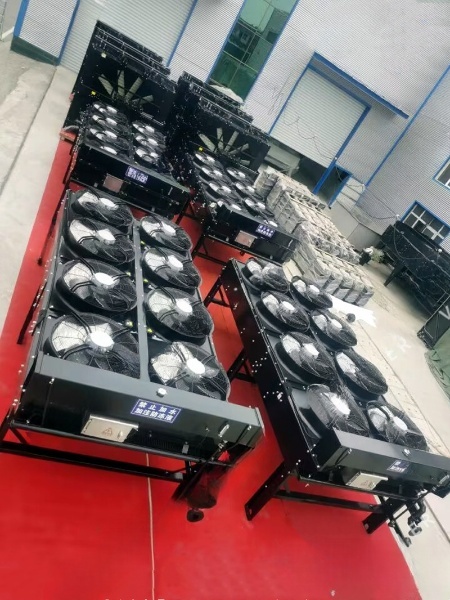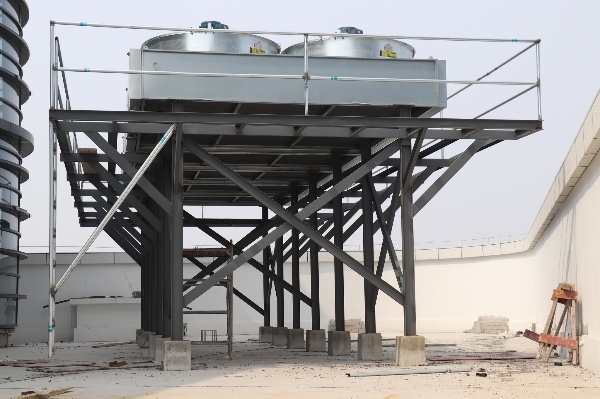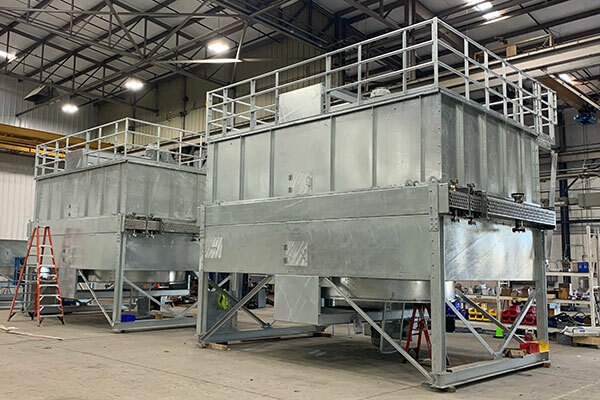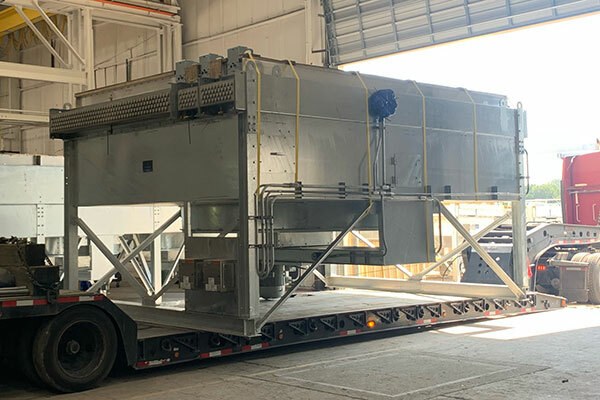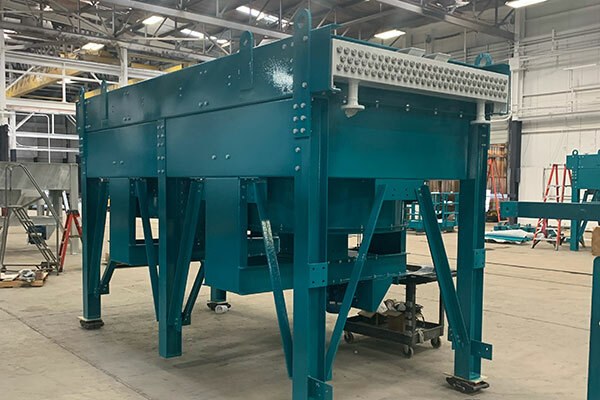
Tags: Air cooled oil cooler

  • Tag:

Plate Heat Exchanger Manufacturer in Bangladesh

Choose a Plate Heat Exchanger when: Choose a Shell and Tube Heat Exchanger when:

Plate Heat Exchanger Manufacturer in Sri Lanka

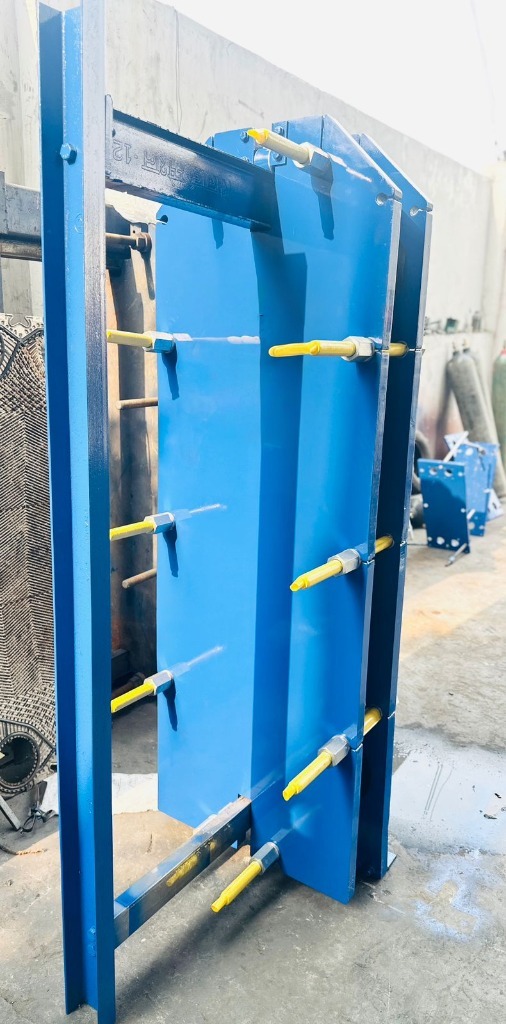
1. Plate Heat Exchanger (PHE) A PHE consists of a series of thin, corrugated metal plates clamped together in a frame. Gaskets seal the plates and direct the fluids into alternating channels. Advantages: 2. Shell and Tube Heat Exchanger (STHE) A STHE consists of a bundle of tubes enclosed in a cylindrical shell. One fluid […]
Plate Heat Exchanger Manufacturer in South Sudan

Plate heat exchanger vs Shell and tube heat exchanger Feature Plate Heat Exchanger (PHE) Shell and Tube Heat Exchanger (STHE) Compactness & Space Very compact. High surface area to volume ratio. Saves significant space. Bulky and large. Requires more floor space and headroom. Heat Transfer Efficiency Very high. Turbulent flow at...
Plate Heat Exchanger Manufacturer in South Africa

Key Advantages of Titanium Plates Choose titanium plates when:

Plate Heat Exchanger Manufacturer in Nigeria

When to choose titanium plate in heat exchanger Titanium plates in a heat exchanger primarily when you need outstanding resistance to corrosion, especially from chlorides, seawater, and other aggressive media, and the cost is justified by the extended equipment life and reliability. The decision is rarely based on strength or weight,...

Plate Heat Exchanger Manufacturer in Zambia

When to Choose Which Type? Scenario Recommended Type Reason Clean fluids (water, oils), moderate T&P, need for cleaning/inspection Gasketed Plate (PHE) Cost-effective, serviceable, and flexible. High pressure/temperature, corrosive media, no fouling Brazed Plate (BPHE) Compact, sealed, and cost-effective for its duty. Very high P/T, aggressive...

Plate Heat Exchanger Manufacturer in Tunisia

When to Choose Welded plate heat exchanger? You choose a Welded Plate Heat Exchanger when your application demands the efficiency and compactness of a plate design but operates under conditions that are too severe for gaskets. It is the robust, heavy-duty solution that bridges the gap between gasketed plate exchangers and...

Plate Heat Exchanger Manufacturer in Ghana

Brazed (BPHE) vs. Gasketed (PHE): Feature Brazed Plate Heat Exchanger (BPHE) Gasketed Plate Heat Exchanger (PHE) Construction Permanently brazed plates. Plates held by bolts in a frame with gaskets. Serviceability Cannot be opened. Unrepairable. Fully serviceable. Plates can be cleaned, gaskets replaced. Pressure/ Temp Very High (e.g., 45...

Plate Heat Exchanger Manufacturer in Ethiopia

Applications of Brazed Plate Heat Exchanger Brazed Plate Heat Exchangers are ubiquitous in applications requiring a compact, sealed, and efficient heat transfer solution.

Plate Heat Exchanger Manufacturer in Algeria

Advantages of Brazed Plate Heat Exchangers BPHEs inherit the core advantages of the plate heat exchanger design and add several more due to their brazed construction.

Plate Heat Exchanger Manufacturer in Kenya

Constructed of Brazed Plate Heat Exchanger The construction process is key to its properties: This process creates two separate, leak-proof channel systems for the hot and cold fluids to flow through, exactly like in a gasketed plate exchanger.

Plate Heat Exchanger Manufacturer in Egypt

What is Brazed plate heat exchanger? What is a Brazed Plate Heat Exchanger? A Brazed Plate Heat Exchanger (BPHE) is a compact, durable type of heat exchanger made by permanently fusing together multiple thin, corrugated metal plates using a brazing material in a high-temperature vacuum furnace. Unlike the gasketed plate heat...

Plate Heat Exchanger Manufacturer in United Arab Emirates

How to Select the Right Material for Plate Heat Exchanger? Selection is a systematic process: Typical Examples:

Plate Heat Exchanger Manufacturer in Saudi Arabia

Material of Construction of plate heat exchanger? The Material of Construction (MOC) for a plate heat exchanger is a critical selection criteria, as it directly impacts the unit’s performance, longevity, and cost. The choice is primarily driven by the fluids being processed, their temperature, concentration, and presence of...

Plate Heat Exchanger Manufacturer in Qatar

Primary Advantages of Plate Heat Exchangers 1. Superior Heat Transfer Efficiency & High Thermal Performance This is their single biggest advantage. 2. Compact Size and Small Footprint 3. Easy Maintenance and Serviceability (Gasketed Type) This is a key operational advantage. 4. Extreme Flexibility and Scalability...

Plate Heat Exchanger Manufacturer in Oman

Common Applications of Plate Heat Exchanger Plate Heat Exchangers are ubiquitous across many industries due to their efficiency and compactness.

Plate Heat Exchanger Manufacturer in Iraq

Main Types of Plate Heat Exchangers

Plate Heat Exchanger Manufacturer in Kuwait

Key Components of a Plate Heat Exchanger

Plate Heat Exchanger Manufacturer in Bahrain

How Does a Plate Heat Exchanger Work? The fundamental principle is indirect heat transfer through conduction. Here’s a step-by-step breakdown: The corrugated or wavy pattern on the plates (often called “herringbone”) is crucial. It serves three main purposes:

Plate Heat Exchanger Manufacturer in India

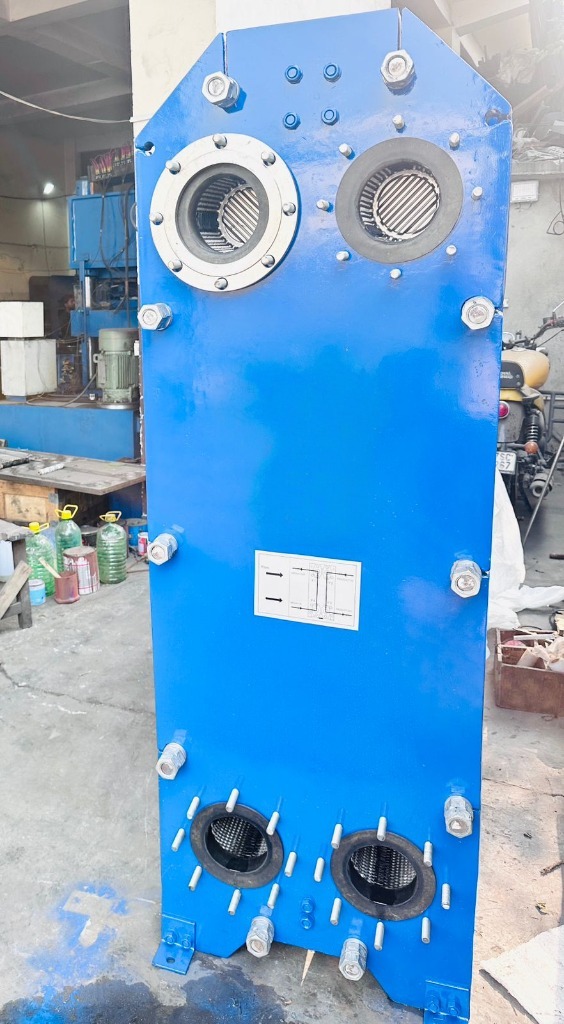
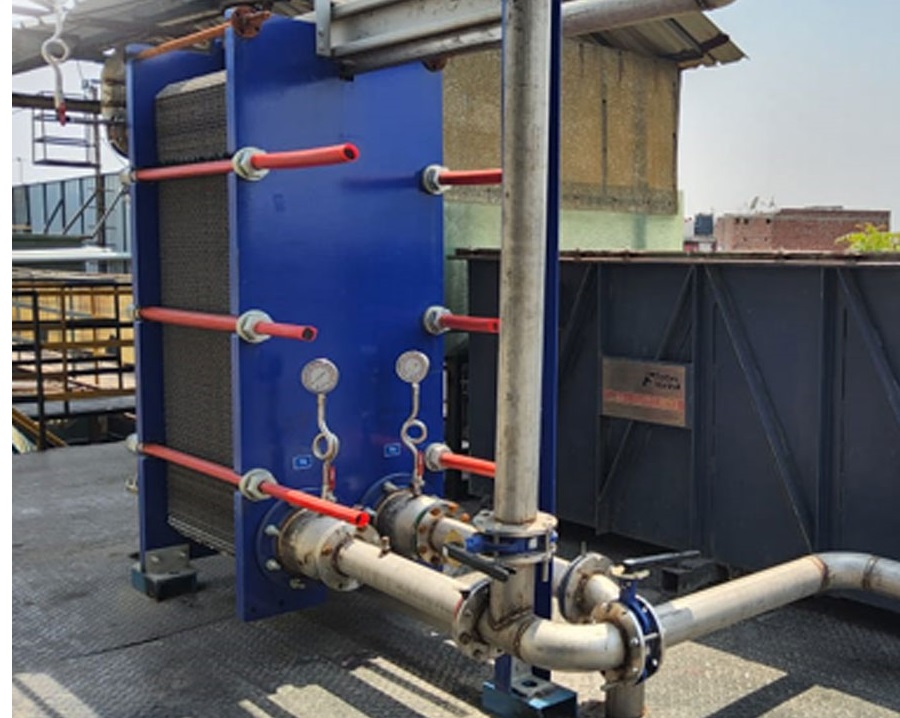
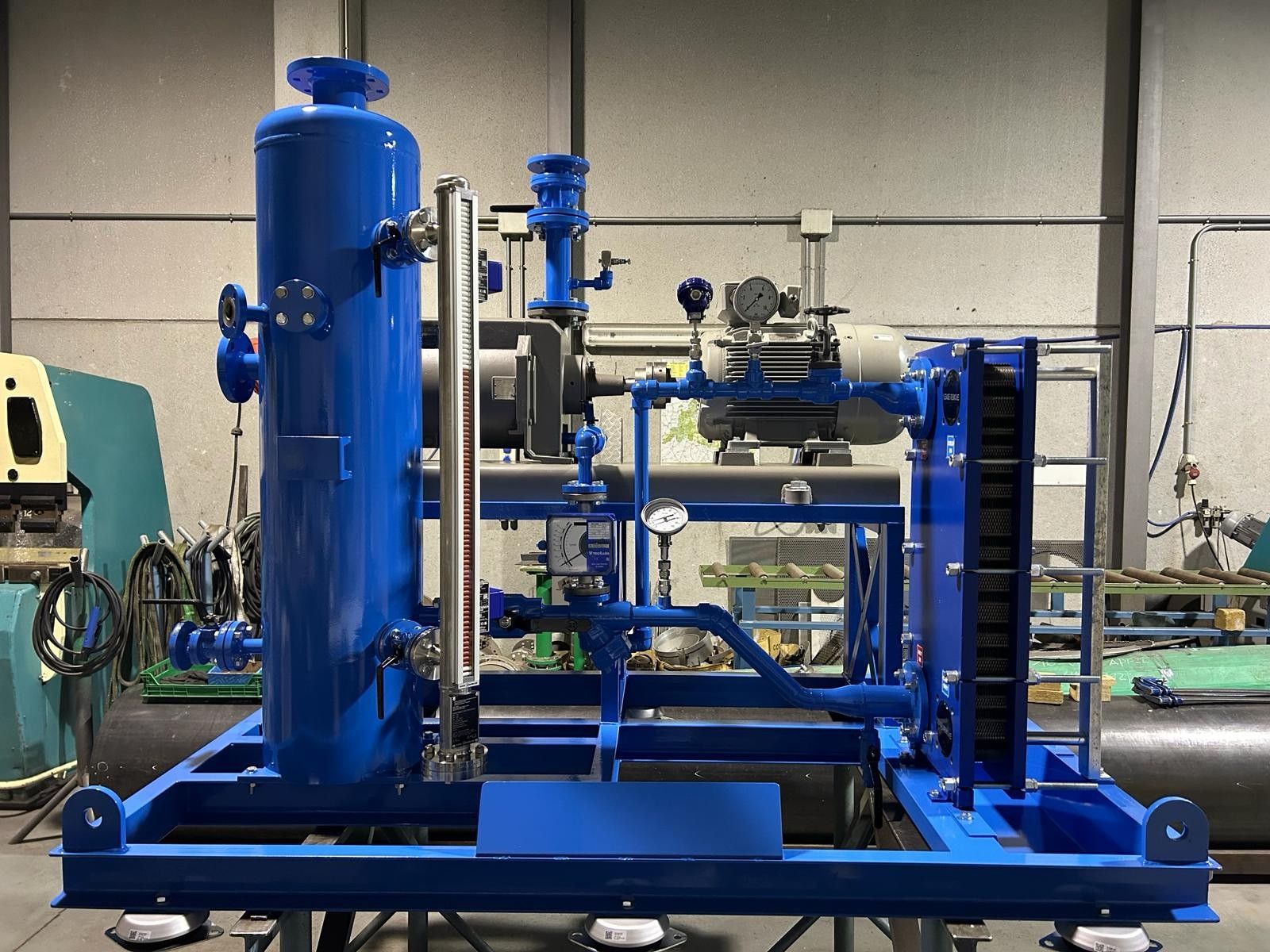
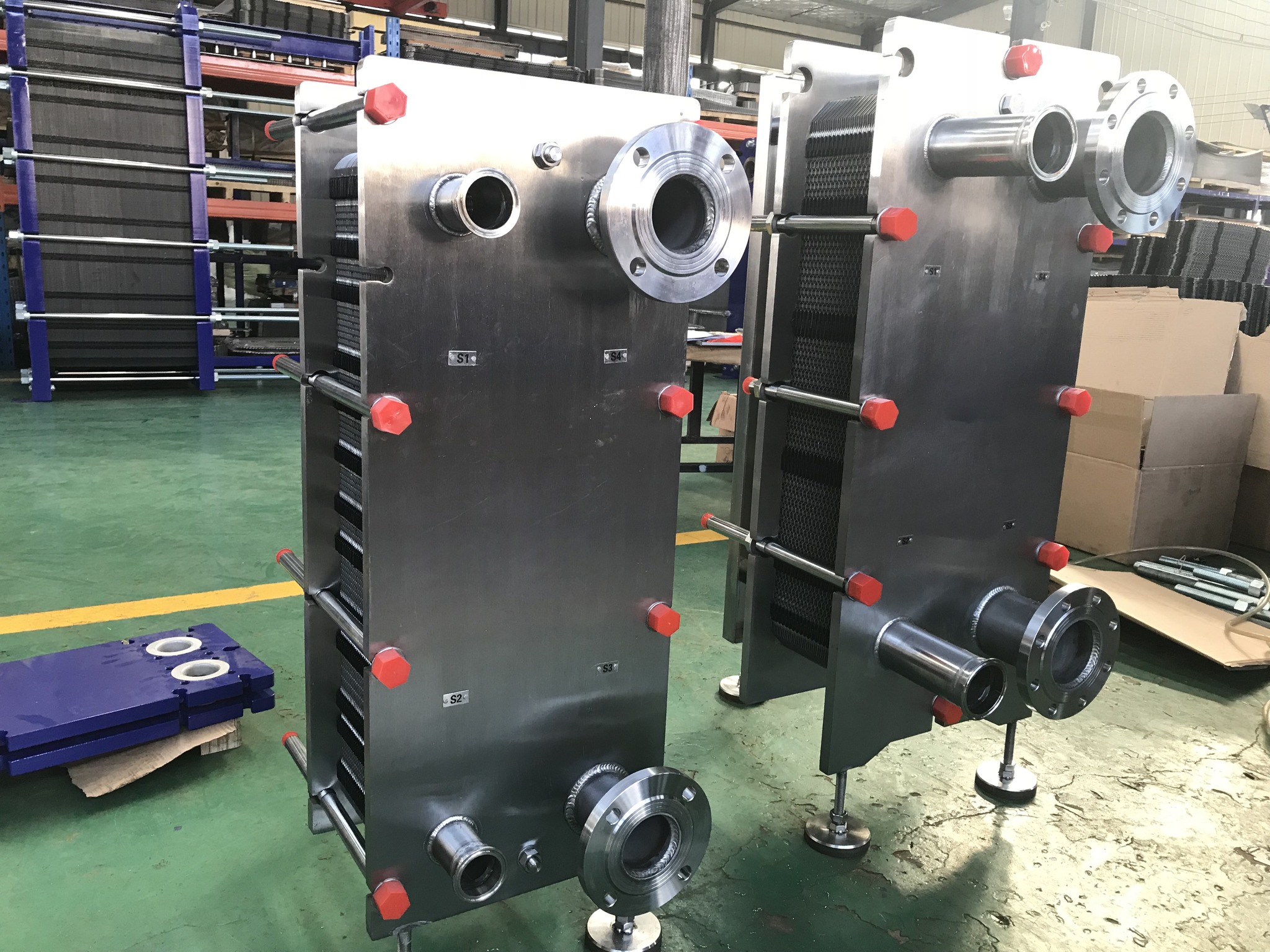
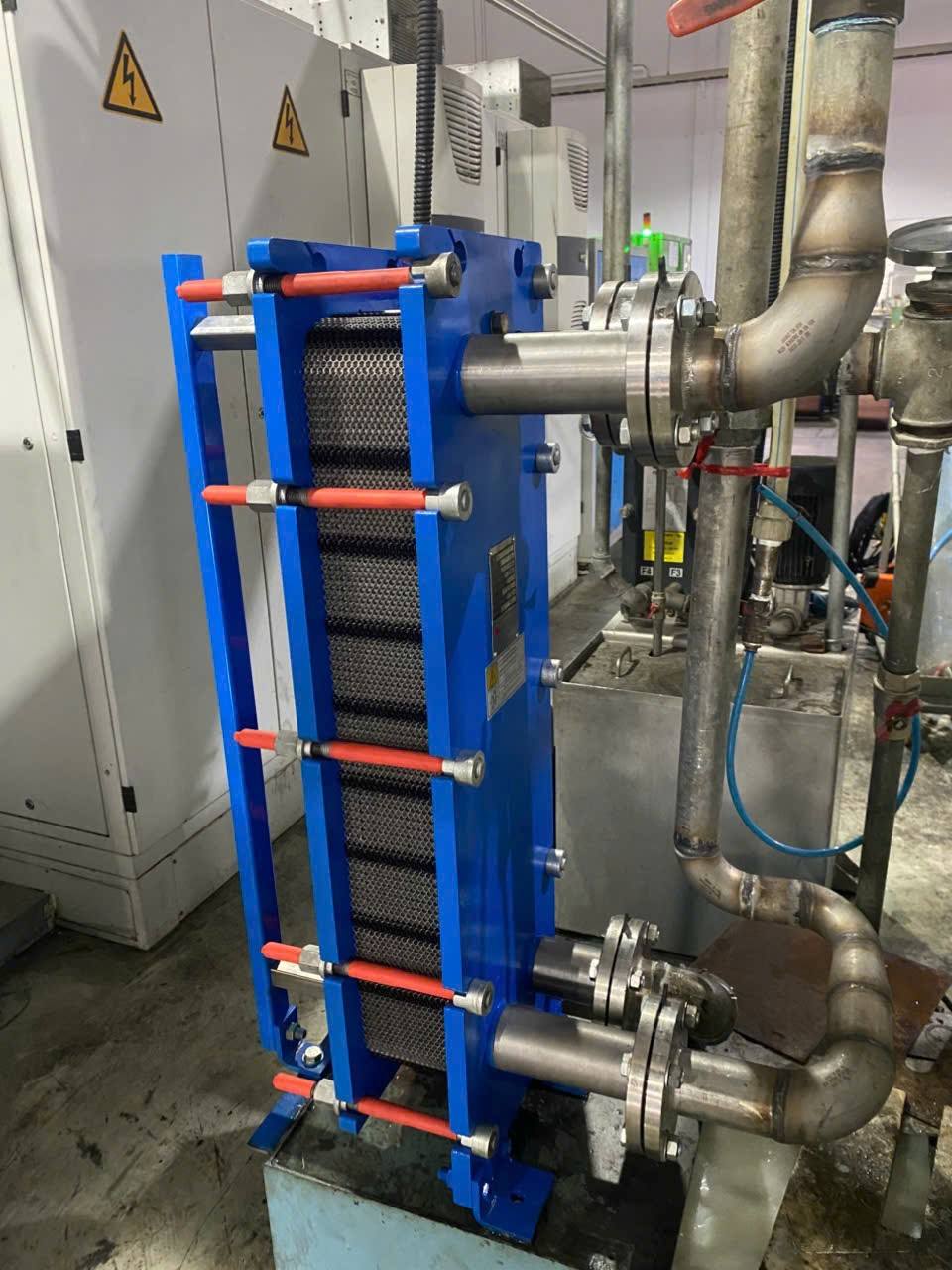
What is a Plate Heat Exchanger (PHE)? A Plate Heat Exchanger (PHE) is a compact, efficient type of heat exchanger that uses a series of thin, corrugated metal plates to transfer heat between two fluids. These plates are stacked together, creating alternating channels for the hot and cold fluids to flow through. The design allows for a...

Lube Oil Cooler Manufacturer in Tanzania

Transformer Cooling (A Different Type of “Oil”) This is a special case where the “oil” is a dielectric insulating fluid, not a lubricant.

Lube Oil Cooler Manufacturer in Lebanon

Use of oil cooler in power Generation? The use of oil coolers in power generation is absolutely critical and non-negotiable across all major technologies. They are a fundamental component for ensuring reliability, efficiency, and longevity of multi-million dollar assets. 1. Gas Turbine Power Plants This is one of the most demanding applications. A...

Lube Oil Cooler Manufacturer in Australia

Admiralty brass vs Navel Brass, which one is best for Sea water Application? For seawater application, especially in critical heat exchanger tubes, Admiralty Brass is generally the superior and more reliable choice. Naval Brass is better suited for shafts, valves, and fasteners. Here’s a detailed breakdown of why: Key Differences at aGlance...

Lube Oil Cooler Manufacturer in Tunisia

How to increase the efficiency of shell and tube oil cooler On the Oil Side (Tube Side, typically): On the Water/Coolant Side (Shell Side, typically): Fouling layers act as a massive insulator. Keeping surfaces clean is the single most effective maintenance action. 2. Maximize the Effective Heat Transfer Area (A)

Lube Oil Cooler Manufacturer in Ethiopia

Marine Oil Cooler Vs Normal” Oil Cooler (Automotive/Industrial) Feature Marine Oil Cooler “Normal” Oil Cooler (Automotive/Industrial) Cooling Medium Almost always seawater (or sometimes freshwater from a keel cooler). Air (air-cooled) or freshwater/ coolant (water-cooled). Material & Construction...

Lube Oil Cooler Manufacturer in Nigeria

How the Lube Oil Cooler Works in a Turbine System The cooler is a central component of the closed-loop lube oil system. The typical flow is: This cycle is continuous, maintaining a stable and safe oil temperature. Types of Coolers Used in Turbines Due to the critical nature of turbines, their cooling systems are highly […]

Lube Oil Cooler Manufacturer in Kenya

Use of Lube oil cooler in Turbine The use of a lube oil cooler in a turbine—whether it’s a gas turbine (jet engine, power generation) or a steam turbine—is absolutely critical and non-negotiable for safe and efficient operation. The Critical Role of Lube Oil in a Turbine Before understanding the cooler, it’s essential...

Lube Oil Cooler Manufacturer in South Africa

Benefits Beyond Just Cooling While heat removal is the primary goal, an effective cooling system provides secondary crucial benefits: Maintenance Considerations for Gearbox Oil Coolers

Lube Oil Cooler Manufacturer in Morocco

Use of Lube Oil Cooler in Gear Box The use of a lube oil cooler in a gearbox is a critical aspect of ensuring reliability and longevity, especially in high-power, high-speed, or continuous-duty applications. Here’s a detailed explanation of its role, how it works, and why it’s necessary. 1. The Primary Purpose: Managing Heat The […]

Lube Oil Cooler Manufacturer in Iraq

e best way to deal with fouling is to prevent it from happening.

Lube Oil Cooler Manufacturer in Djibouti

Fouling in oil cooler What is Fouling? In the context of an oil cooler, fouling is the accumulation of deposits on either the inner surfaces of the tubes (oil side) or the outer surfaces of the fins (air/water side). This layer of deposit has very poor thermal conductivity, creating a barrier between the hot oil and the cooling...

Lube Oil Cooler Manufacturer in Algeria

Troubleshooting Common Problems Problem Symptom Likely Cause Solution External Clogging High oil temp (air-cooled), reduced efficiency. Dirt, bugs, debris on fins. Clean exterior as described above. Internal Clogging High oil temp, low oil pressure, overheating. Sludge, carbon deposits, old broken-down oil. Flush internally or replace cooler....

Lube Oil Cooler Manufacturer in Bahrain

Cleaning Procedures A. Cleaning an Air-Cooled Oil Cooler (Exterior Fins) Goal: Remove dirt, bugs, and debris to restore airflow. B. Cleaning a Water-Cooled Oil Cooler (Interior Passages) This is more complex and often requires professional cleaning. The goal is to dissolve sludge, varnish, and carbon deposits.

Lube Oil Cooler Manufacturer in Egypt

Maintenance of oil cooler  maintenance of an oil cooler, covering both air-cooled (common in engines) and water-cooled (common in industrial applications) types. SAFETY FIRST: Critical Precautions Understanding the Two Main Types of Oil Coolers Maintenance procedures differ slightly based on the type: Water-Cooled (or Shell-and-Tube) Oil...

Lube Oil Cooler Manufacturer in Jordan

Types of Oil Cooled in a Marine System System Function Why it Needs Cooling Main Engine Lube Oil Lubricates pistons, bearings, camshaft Prevents breakdown under extreme heat from combustion and friction. Types of Oil Cooled in a Marine System System Function Why it Needs Cooling Main Engine Lube Oil Lubricates pistons, bearings, camshaft Prevents...

Lube Oil Cooler Manufacturer in Kuwait

How Does a Marine Oil Cooler Work? (The Standard Design) The most common type is the Shell and Tube Heat Exchanger. Here’s how it works: The Components: The Process: A thermostatic valve (or bypass valve) automatically regulates the flow of oil either through the cooler or around it to maintain a perfectly consistent oil...

Lube Oil Cooler Manufacturer in Qatar

Marine oil cooler A marine oil cooler is a critical piece of equipment on any vessel, designed to manage the intense heat generated by a ship’s engine and other systems. It is a type of heat exchanger specifically engineered for the harsh marine environment. What is a Marine Oil Cooler? A marine oil cooler is a heat...

Lube Oil Cooler Manufacturer in Yemen

The use of lube oil cooling in a marine engine is not just beneficial—it is absolutely critical for the engine’s survival and operational efficiency. Marine engines are among the most demanding applications for lubrication systems. The Core Function: More Than Just Cooling In a massive marine diesel engine (whether a high-speed ferry...

Lube Oil Cooler Manufacturer in Oman

Applications Industry/System Component Being Cooled Why Cooling is Critical Automotive Engine Oil Prevents engine wear, maintains power & efficiency Transmission Fluid Prevents slippage, burning, and transmission failure Marine Marine Diesel Engine Oil Ensures reliability and prevents seizure during long voyages Gearbox Oil Protects gears under...

Lube Oil Cooler Manufacturer in United Arab Emirates

Application of Lube oil cooler e key applications of lube oil coolers, categorized by industry and system. 1. Automotive Applications This is the most common application most people encounter. 2. Marine Applications 3. Industrial & Manufacturing Applications This is where lube oil coolers are found in their most varied and heavy-duty forms. 4....

Lube Oil Cooler Manufacturer in Saudi Arabia

Where Are They Used? Lube oil coolers are critical components in almost any machinery where oil is used under high-stress conditions:

Lube Oil Cooler Manufacturer in India

Types of Lube Oil Coolers There are two main designs, differentiated by their cooling method: Additionally, they can be categorized by what removes the heat:

Lube Oil Cooler Manufacturer in Tamil Nadu

How Does a Lube Oil Cooler Work? It operates on the principle of heat exchange. The basic components and process are: Coolant Flow (or Air Flow): A cooler fluid, called a coolant, flows around these tubes. In most vehicles and industrial engines, this coolant is the same engine coolant (a mixture of water and antifreeze) that cools...

Lube Oil Cooler Manufacturer in Coimbatore

What is Lube Oil Cooler? A Lube Oil Cooler (also known as an engine oil cooler or lubricating oil cooler) is a heat exchanger designed to remove excess heat from engine oil, transmission fluid, or other lubricants in machinery. Its primary job is to maintain the oil within its optimal temperature range, ensuring it can...

Oil Cooler Manufacturer in Lebanon

Applications of oil cooler Copper tube bundle coolers are the industry standard for a vast range of applications using fresh water or glycol-based coolants:

Oil Cooler Manufacturer in Tanzania

Stainless Steel tube bundle oil cooler What is a Stainless-Steel Tube Bundle Oil Cooler? It is a water-cooled oil cooler where the internal tube bundle is made from stainless steel tubes. In this design: Key Advantages of Stainless-Steel Tubes: Typical Applications: Stainless steel tube bundles are specified where their specific...

Oil Cooler Manufacturer in Zambia

Tube bundle oil cooler A tube bundle oil cooler is a specific, common type of heat exchanger design used primarily for water-cooled applications. It is the core component that makes this efficient heat transfer possible. What is a Tube Bundle? A tube bundle is not the entire cooler; it is the central, internal assembly of parts...

Oil Cooler Manufacturer in Ethiopia

Air cooled oil cooler Vs Water cooled oil cooler Comparison Table Feature Air Cooled Water Cooled Cooling Medium Ambient Air Engine Coolant Temperature Control Varies with ambient air Very consistent Size Larger for same capacity More compact Risk of Fluid Mixing None Yes (catastrophic if leaks) Complexity Simple, independent Integrated with engine...

Oil Cooler Manufacturer in Nigeria

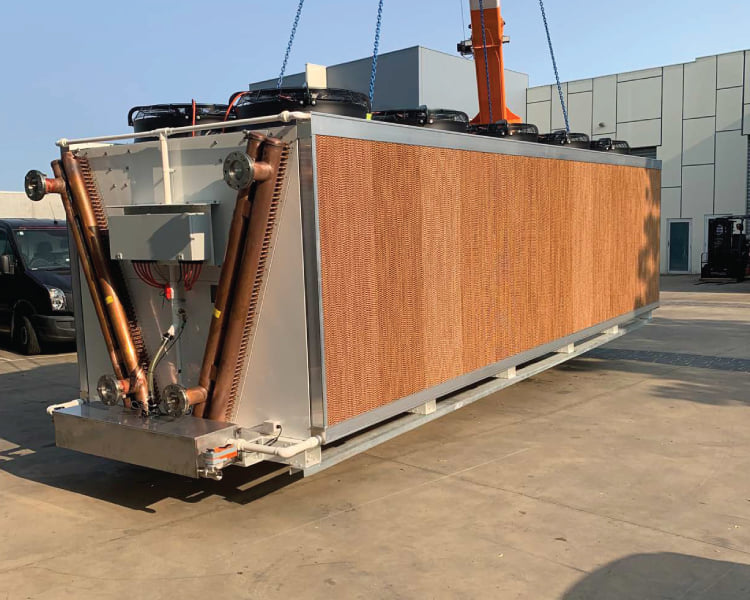
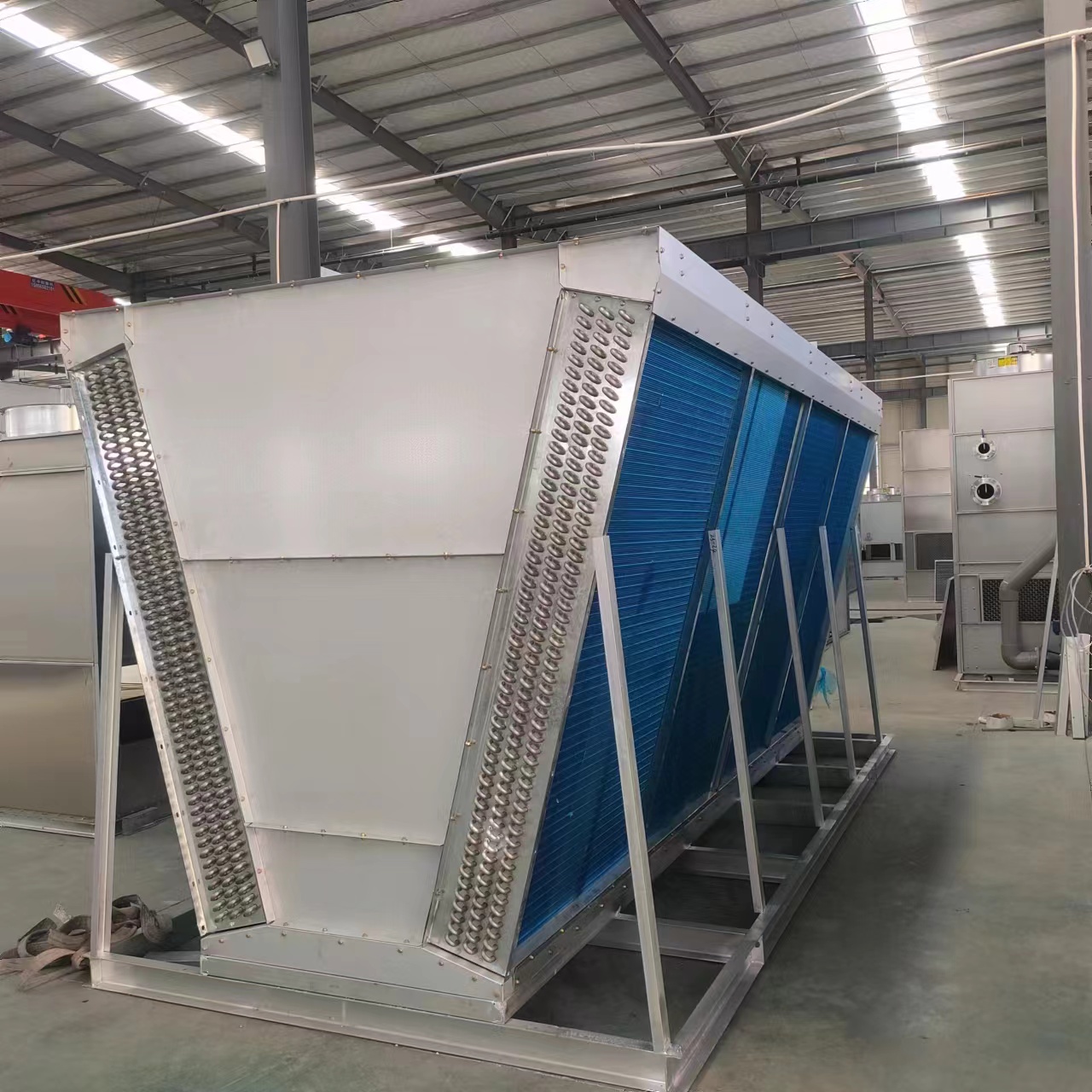
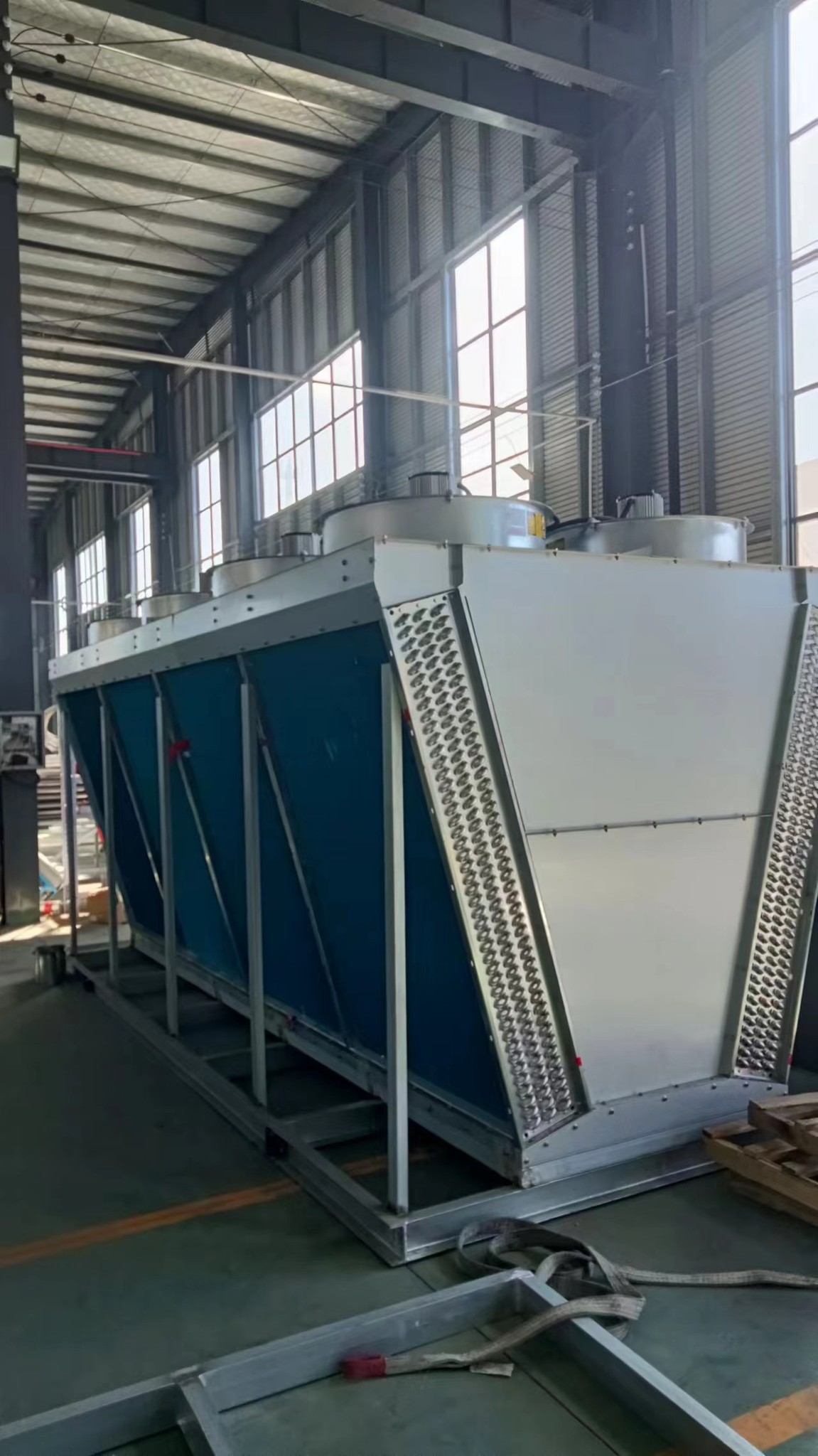
Air cooled oil cooler Vs Water cooled oil cooler Air Cooled Oil Cooler Best For: Applications where a separate water circuit is unavailable or undesirable. Common in: Water Cooled Oil Cooler Best For: Applications where precise temperature control is critical. Ubiquitous in:

Oil Cooler Manufacturer in Kenya

Comparison table of tube material. Material Thermal Conductivity Corrosion Resistance Mechanical Strength Relative Cost Primary Application Copper Excellent Fair (Good in clean water) Low $$ High-efficiency, clean water systems Admiralty Brass Very Good Very Good (Fresh water) Medium $ Industrial Standard (Fresh water/Glycol) 90/10 Cu-Ni Good...
1 4 5 6 10