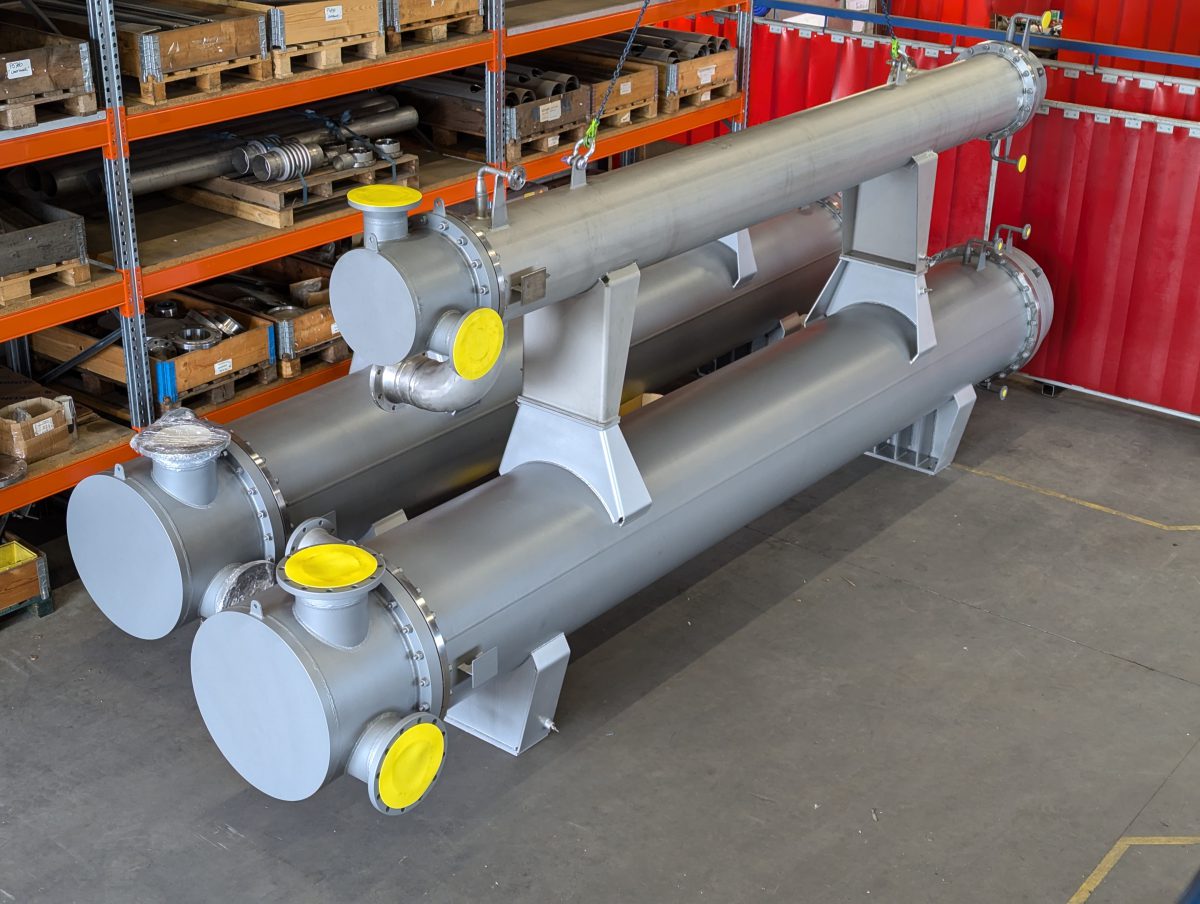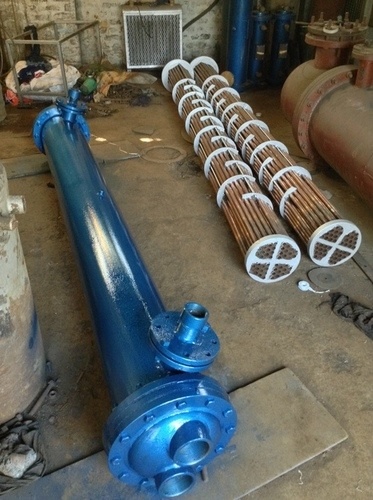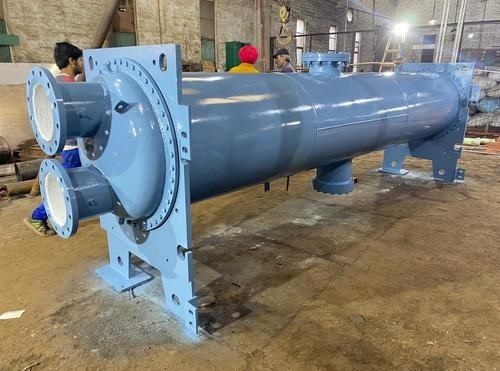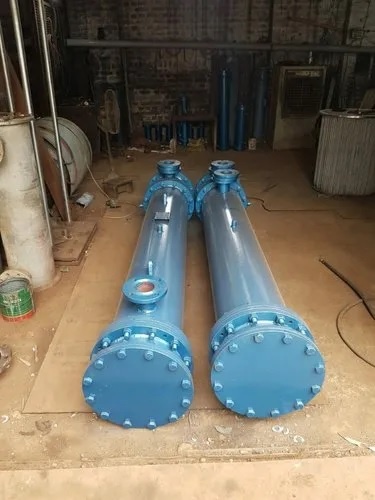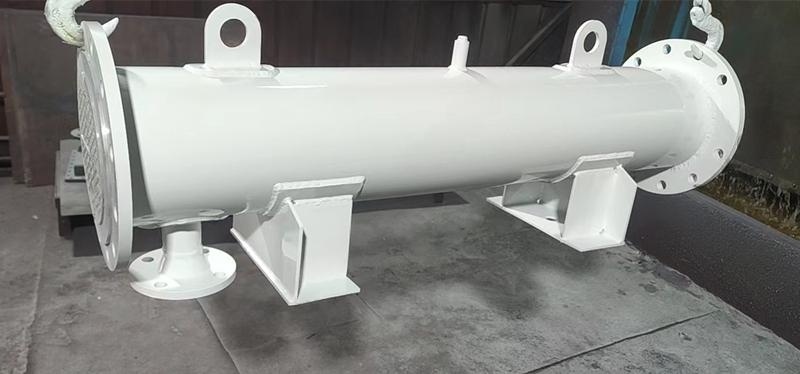
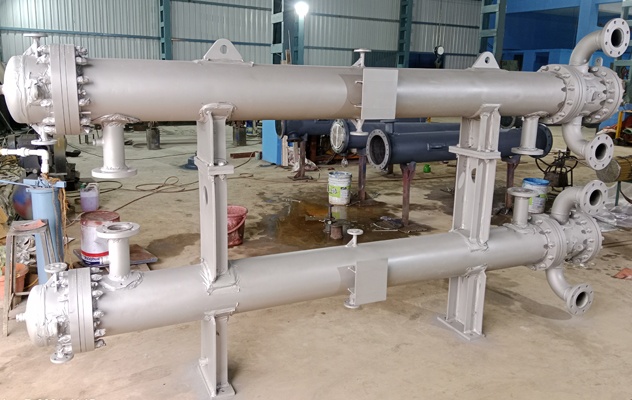
Heat Exchangers

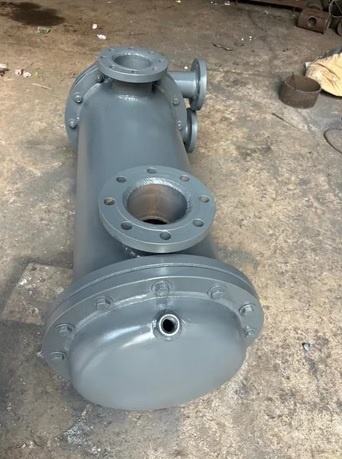
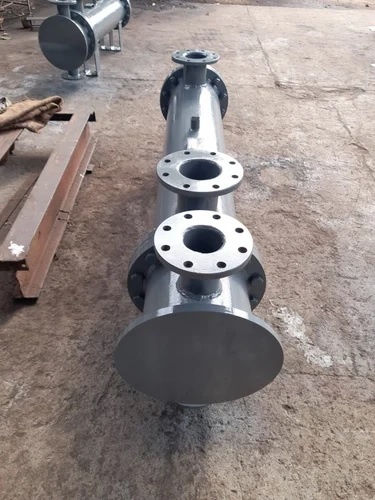
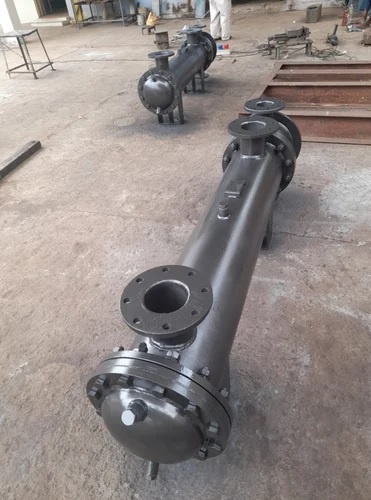
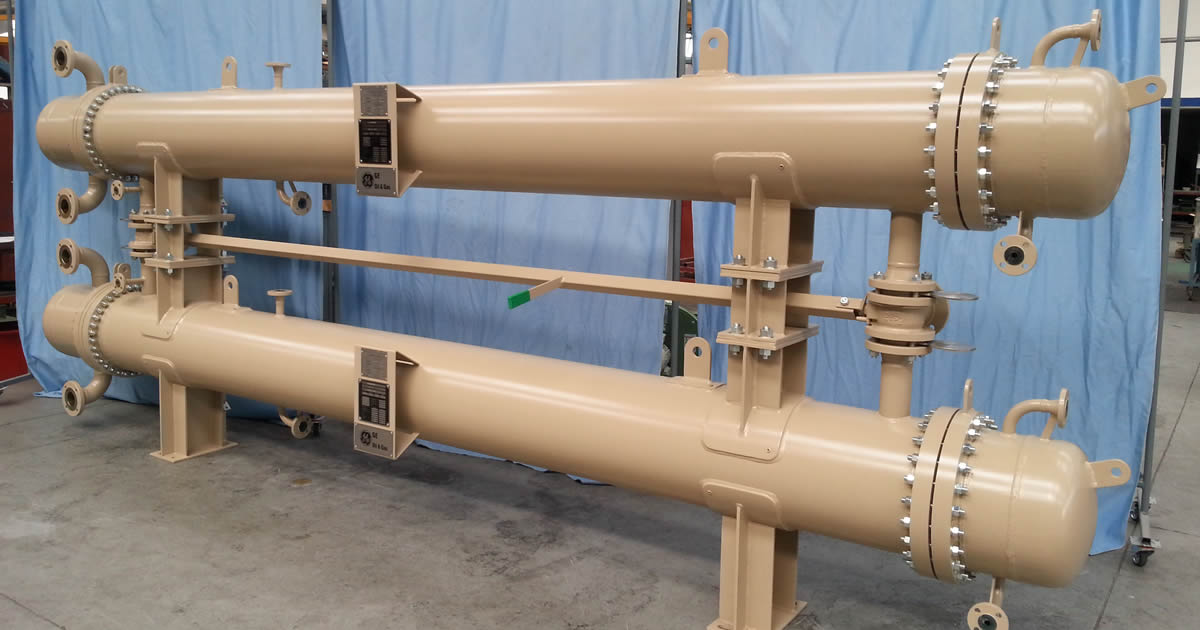
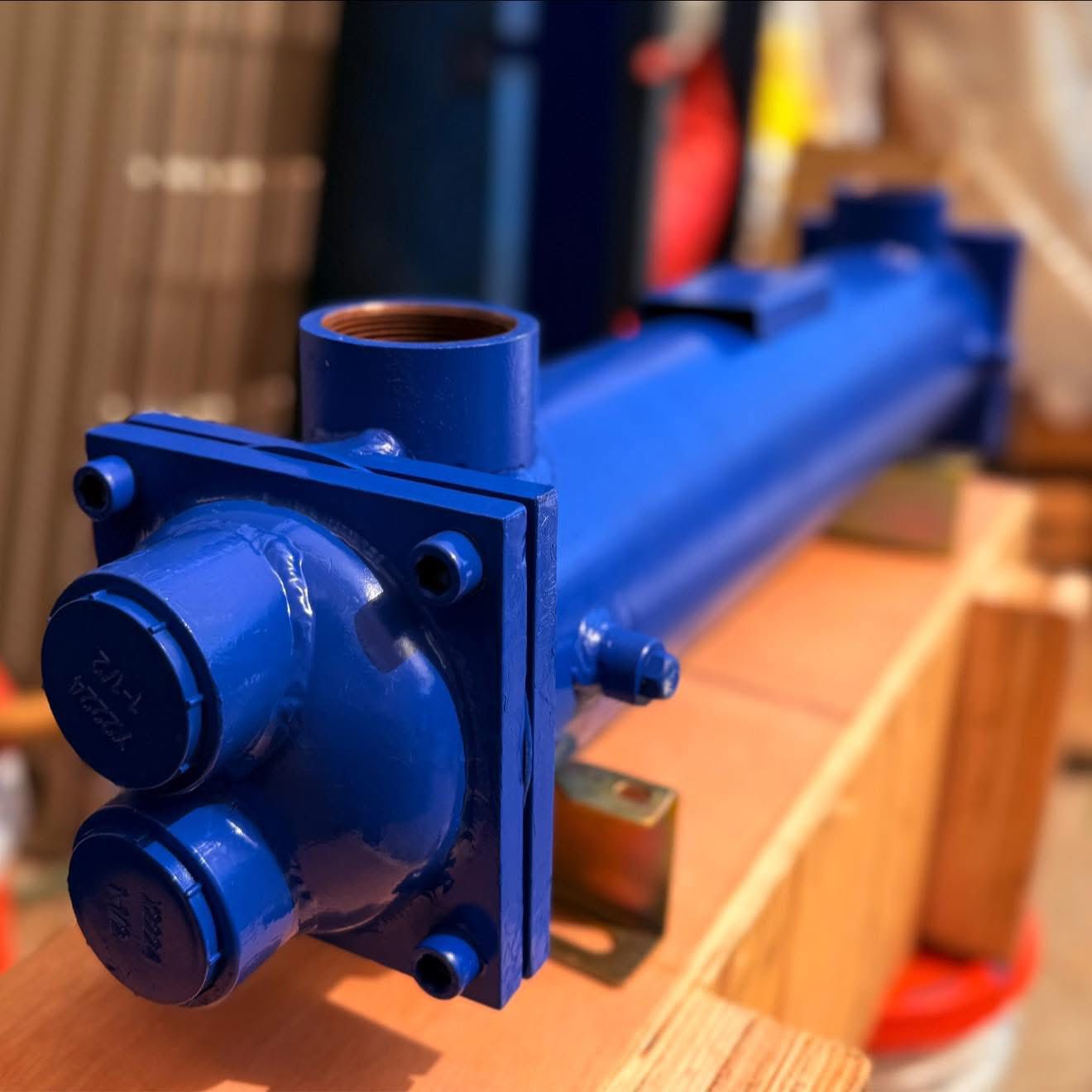
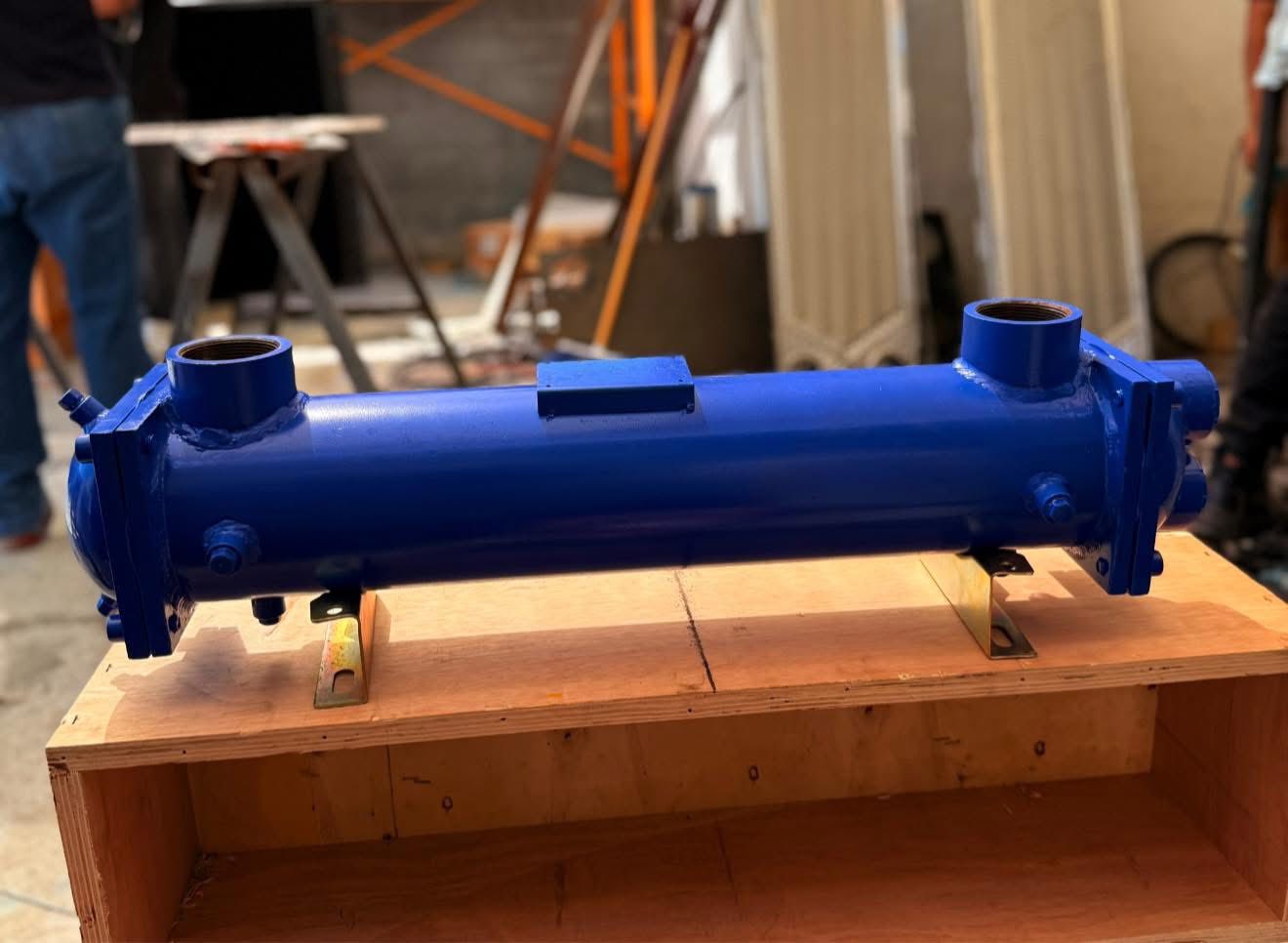
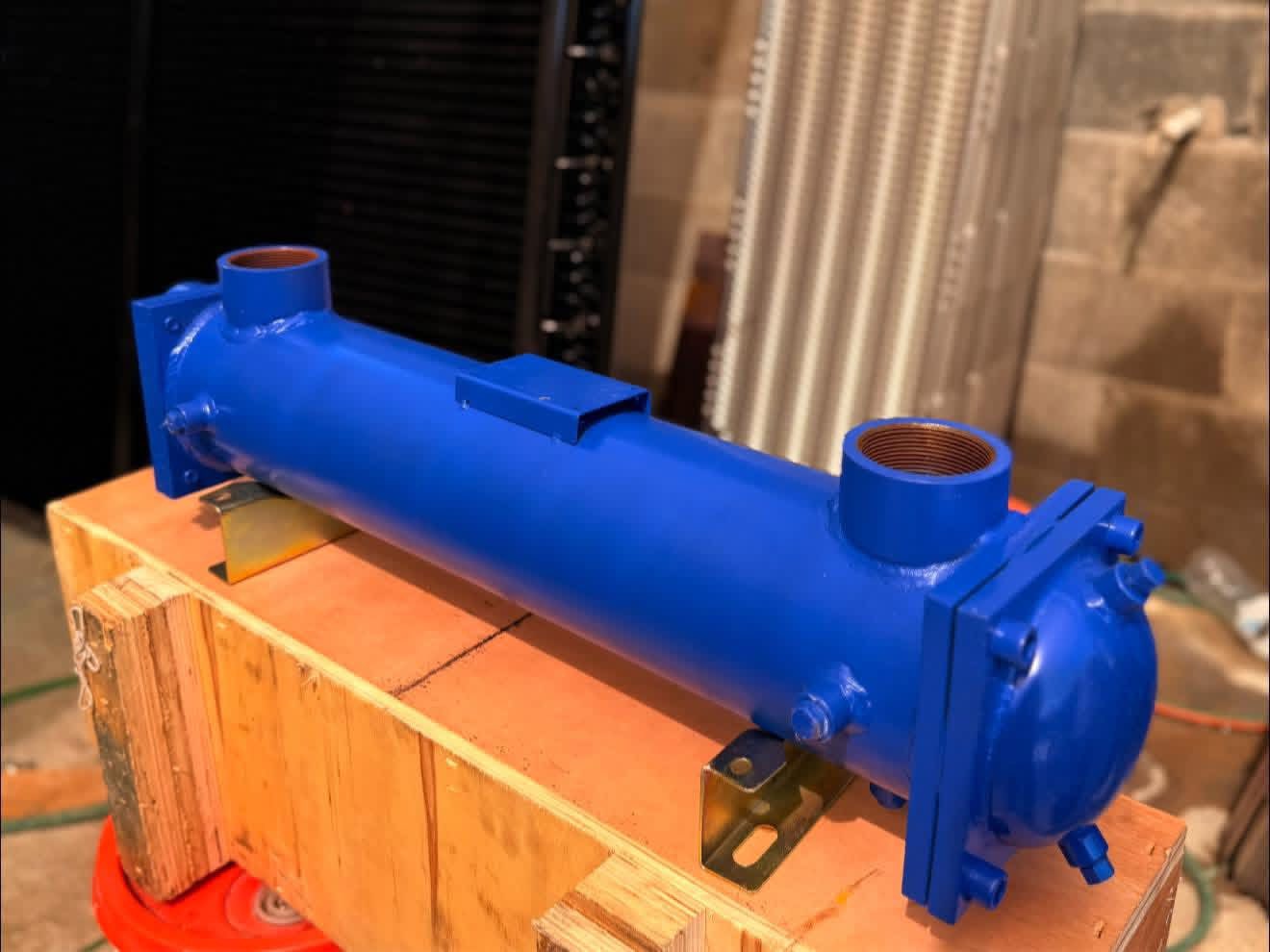
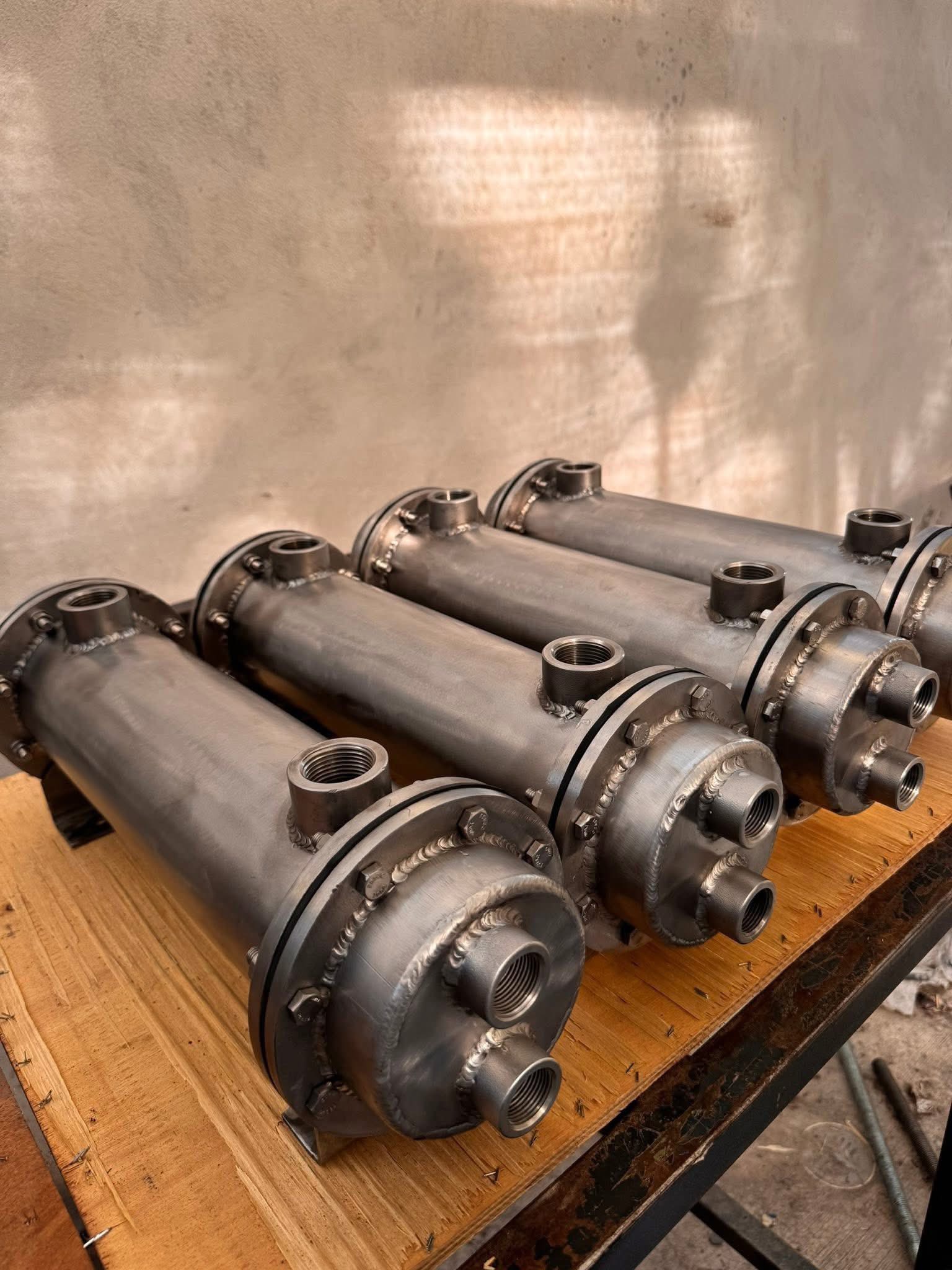
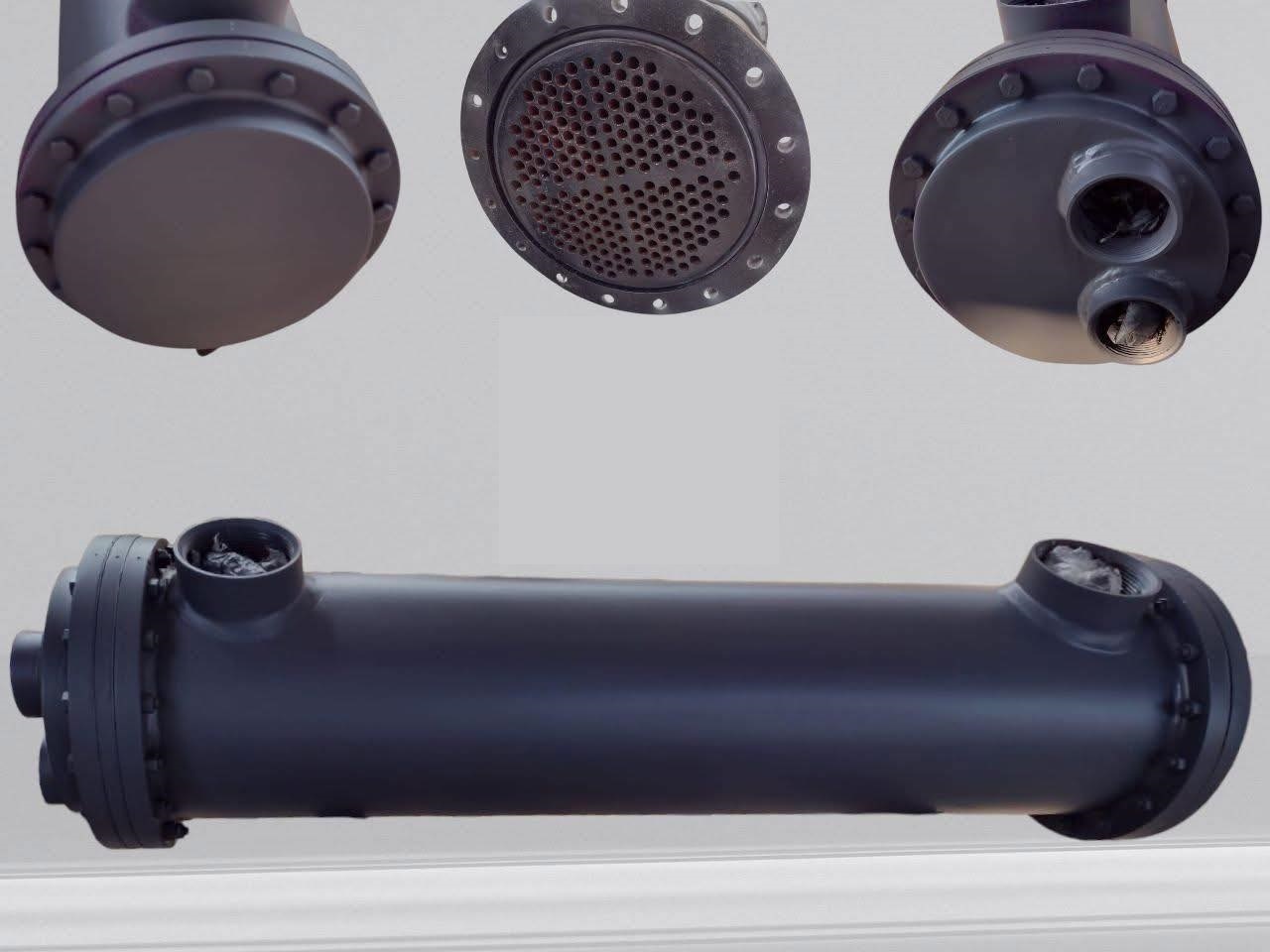
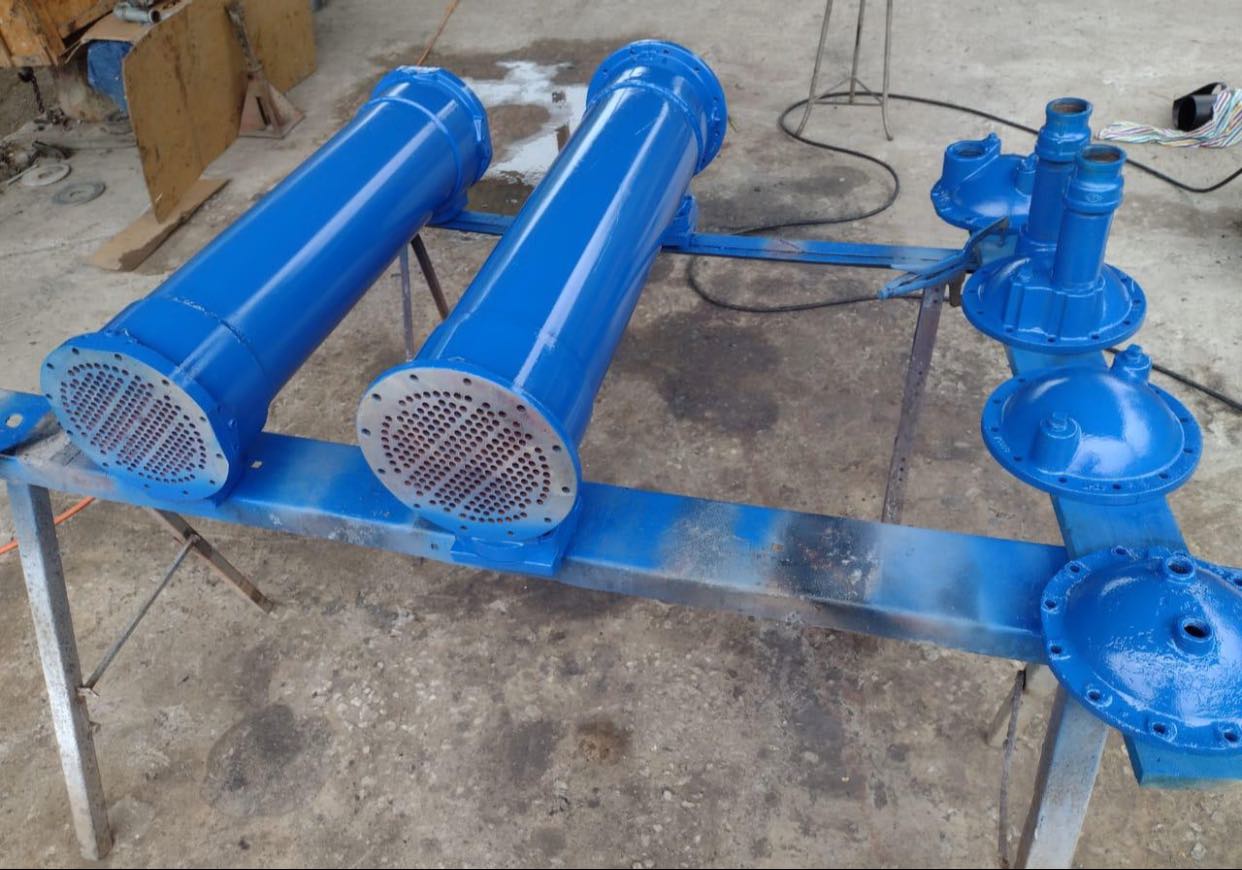
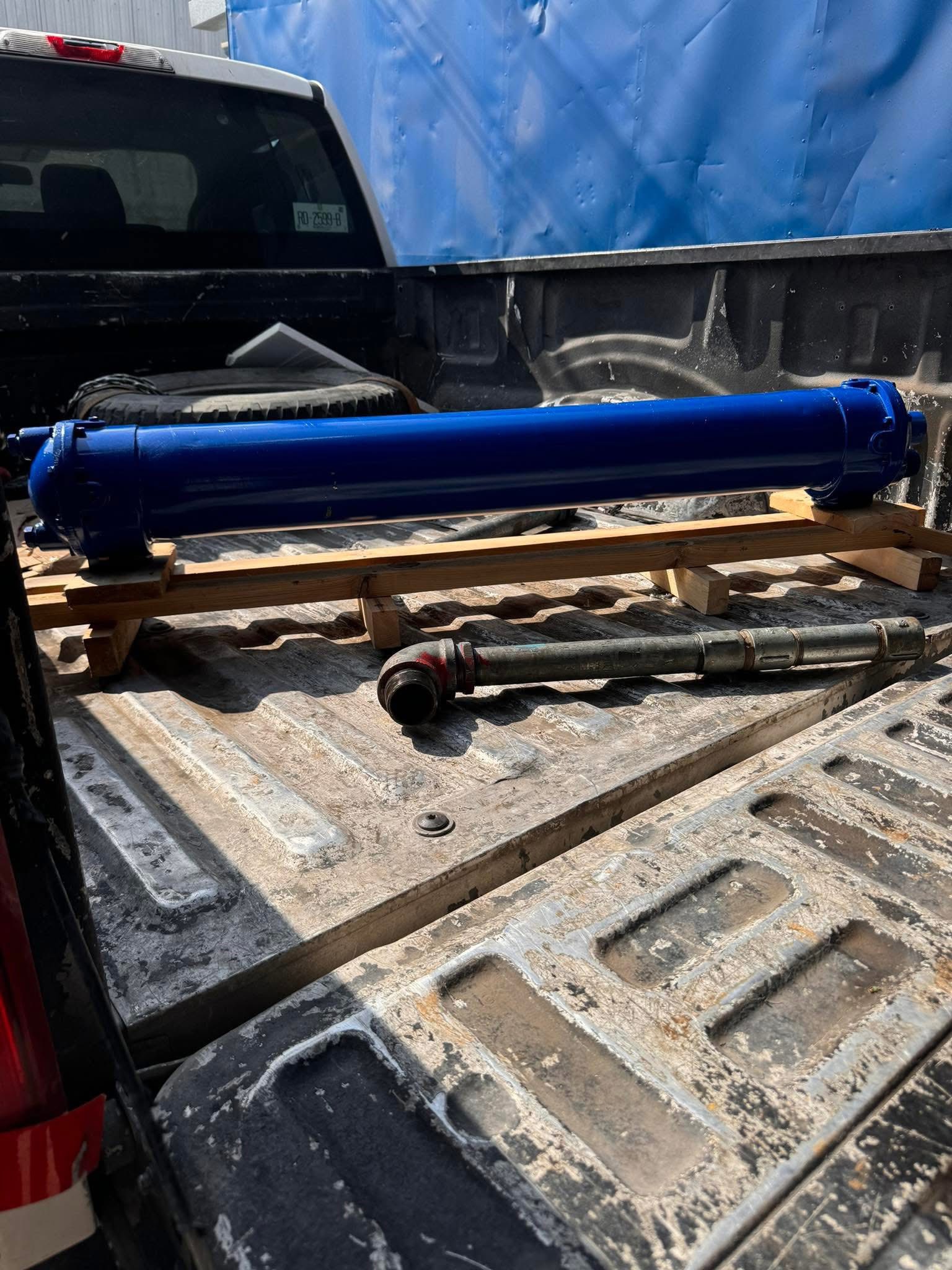
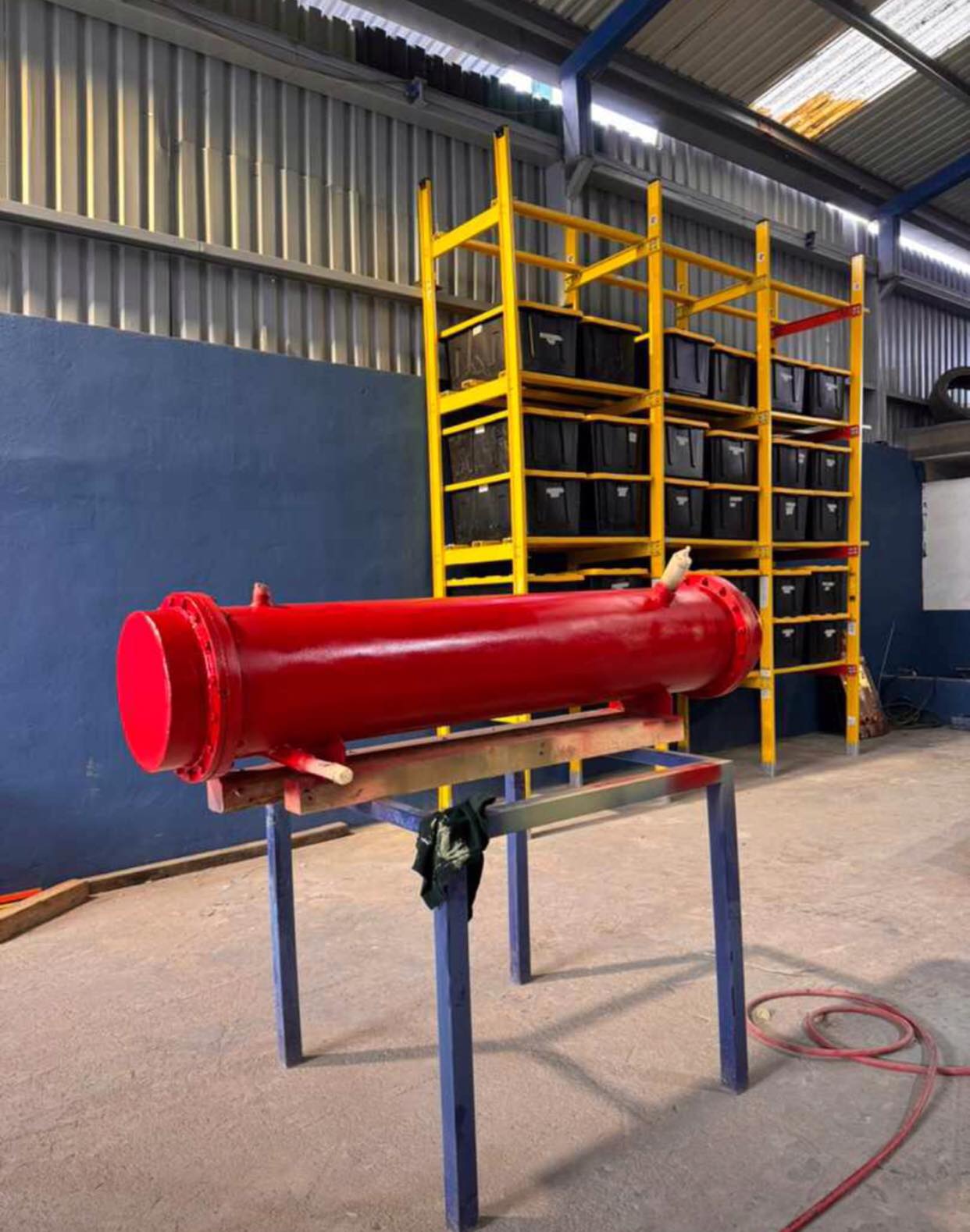
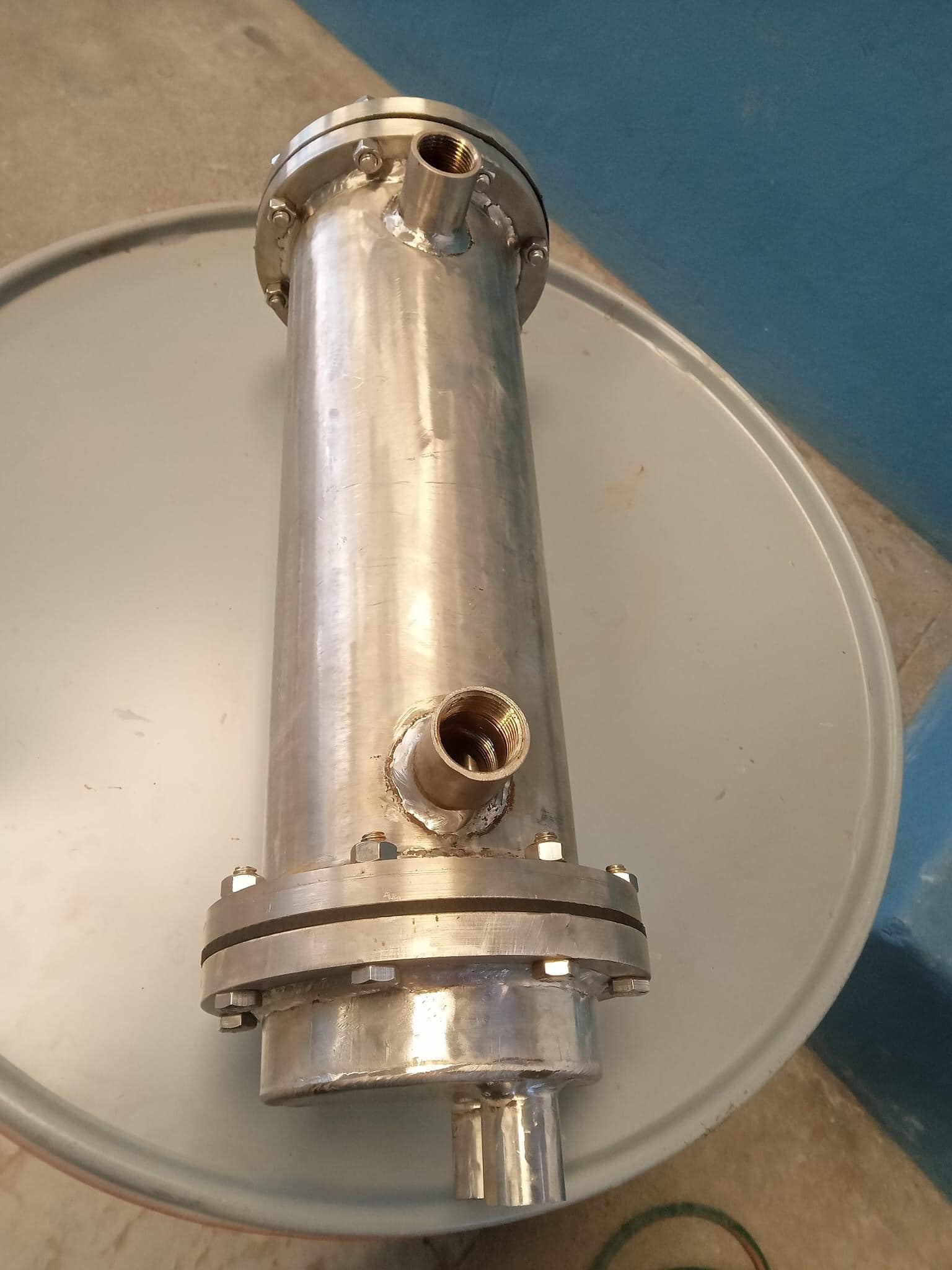
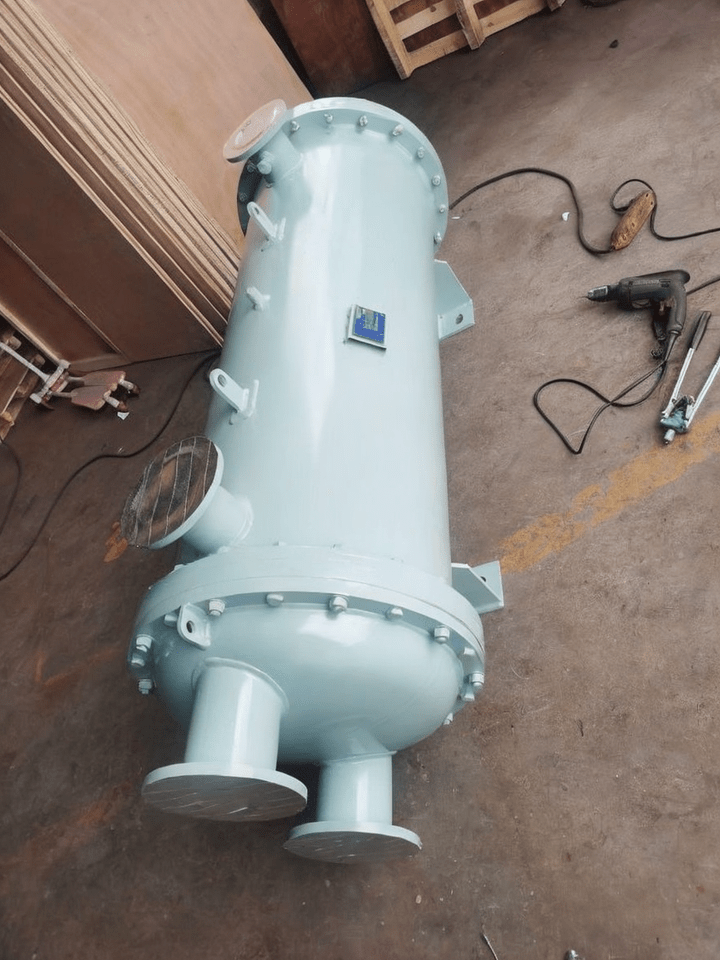
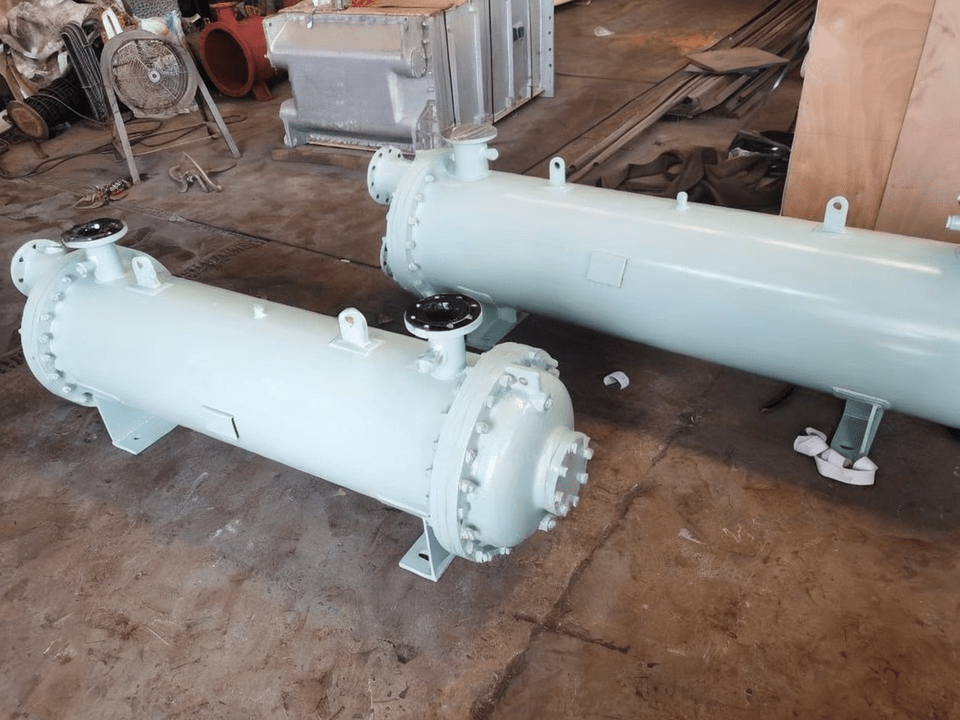
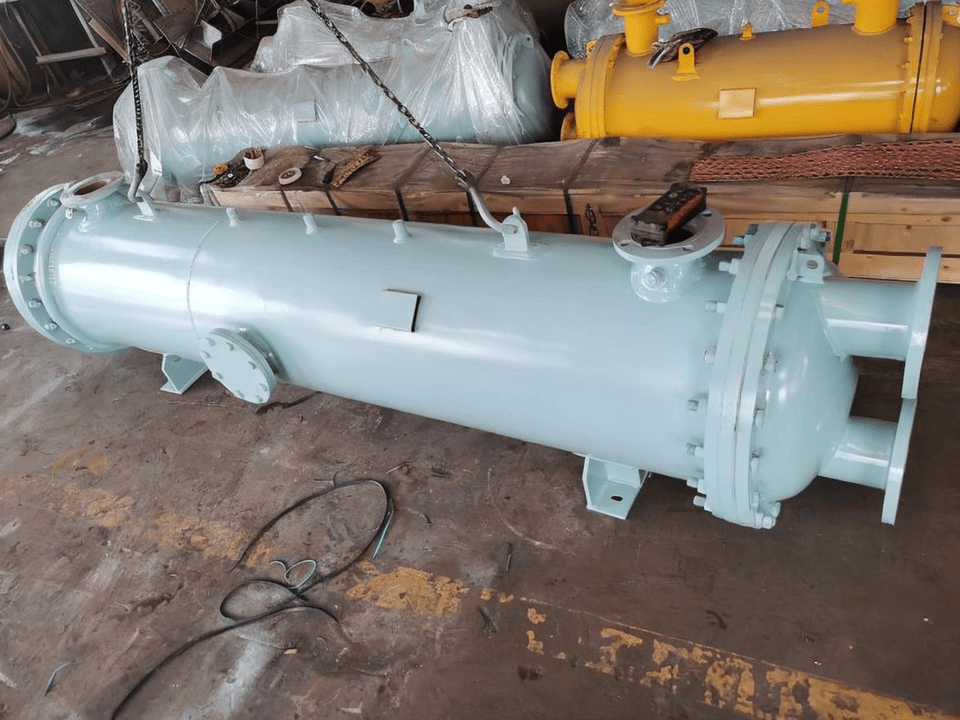
Shell and Tube Heat Exchanger Manufacturer in Yemen

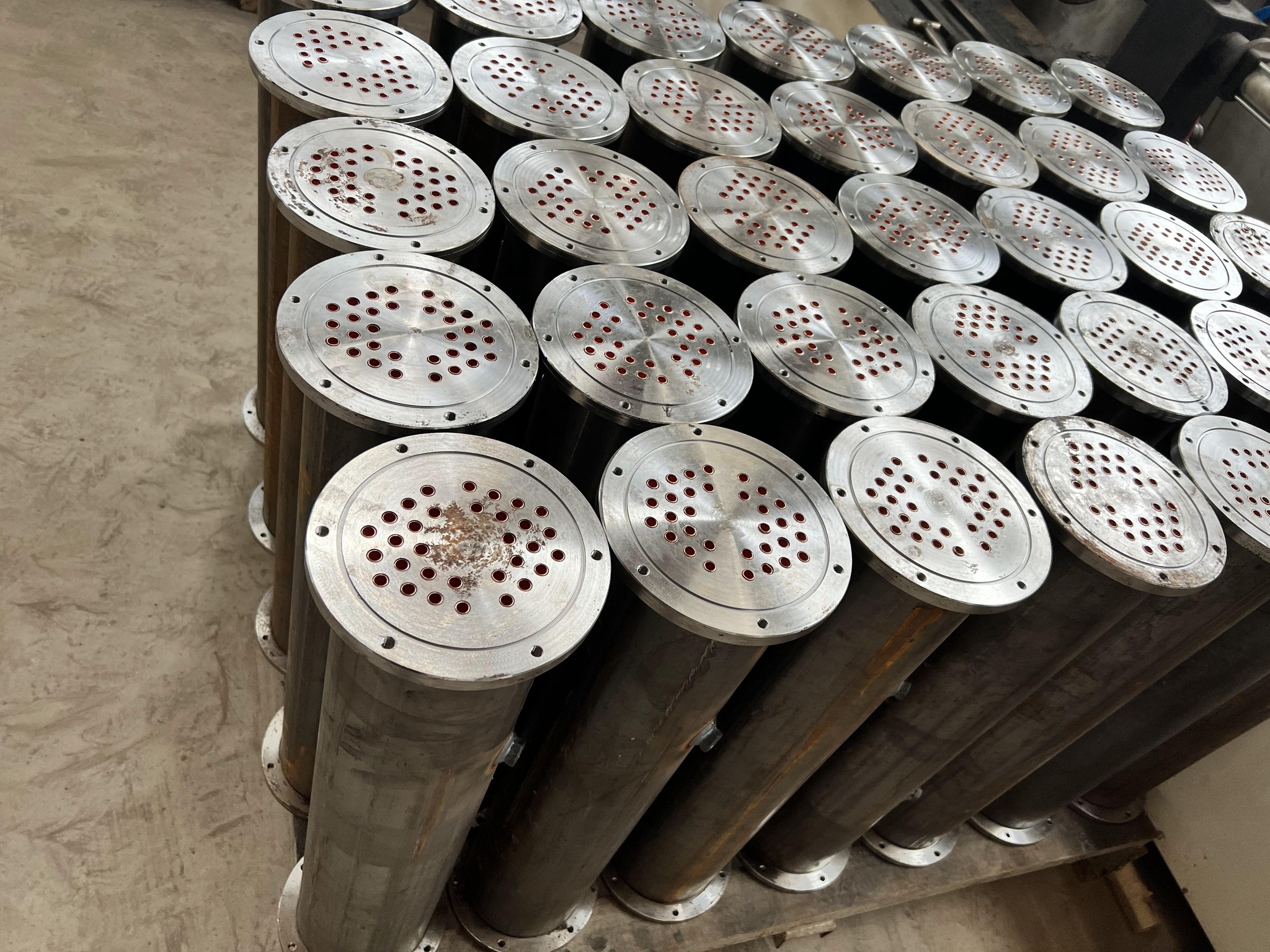
Copper Tubes vs. Stainless Steel Tubes in Heat Exchangers When selecting between copper and stainless steel (SS) tubes for a shell and tube heat exchanger, key factors include thermal conductivity, corrosion resistance, cost, and application requirements. Below is a detailed comparison: 1. Thermal Conductivity Material...

Shell and Tube Heat Exchanger Manufacturer in United Arab Emirates

Suitable Materials for Shell and Tube Heat Exchangers in the Food Industry The food industry requires materials that are:Corrosion-resistant (to withstand cleaning chemicals like CIP solutions).Non-toxic & FDA-compliant (no leaching of harmful substances).Smooth & non-porous (to prevent bacterial growth, easy to...

Shell and Tube Heat Exchanger Manufacturer in Sudan

Different Types of TEMA Classes for Shell and Tube Heat Exchangers The Tubular Exchanger Manufacturers Association (TEMA) classifies shell and tube heat exchangers into three main designations based on service conditions, mechanical robustness, and industry requirements: 1. TEMA Class R – Refinery & Severe Service...

Shell and Tube Heat Exchanger Manufacturer in Saudi Arabia

The Code of Construction for Shell and Tube Heat Exchangers (STHE) is governed by international and national standards to ensure safety, reliability, and performance. Below are the key codes and standards used in their design, fabrication, and testing: 1. ASME (American Society of Mechanical Engineers) – Most Widely Used...

Shell and Tube Heat Exchanger Manufacturer in Qatar

Advantages of Shell and Tube Heat Exchangers (STHE) Shell and Tube Heat Exchangers are among the most widely used heat exchangers in industries due to their robust design, versatility, and efficiency. Here are their key advantages: 1. High Pressure & Temperature Resistance 2. Suitable for a Wide Range of Fluids 3. Robust &...

Shell and Tube Heat Exchanger Manufacturer in Oman

In Shell and Tube Heat Exchangers (STHE), the tube material is selected based on corrosion resistance, thermal conductivity, mechanical strength, and cost. Below are the most commonly used tube materials, along with their key properties and applications: 1. Carbon Steel (CS) Tubes 2. Stainless Steel (SS) Tubes 3. Copper...
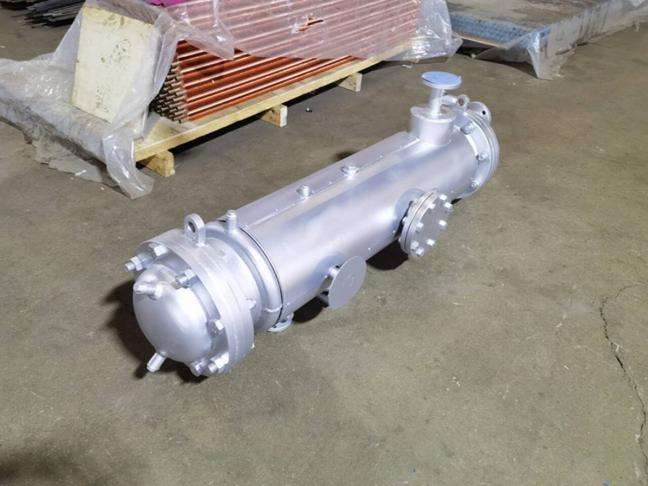
Shell and Tube Heat Exchanger Manufacturer in Lebanon

Material of Construction (MOC) of Shell and Tube Heat Exchanger Shell and Tube Heat Exchanger (STHE) MOC depends on factors like: Common Materials Used in STHE Components 1. Shell Material Nickel Alloys (Inconel 625, Hastelloy C276) – Extreme corrosion/heat resistance (chemical processing 2. Tube Material 3. Tube Sheet...
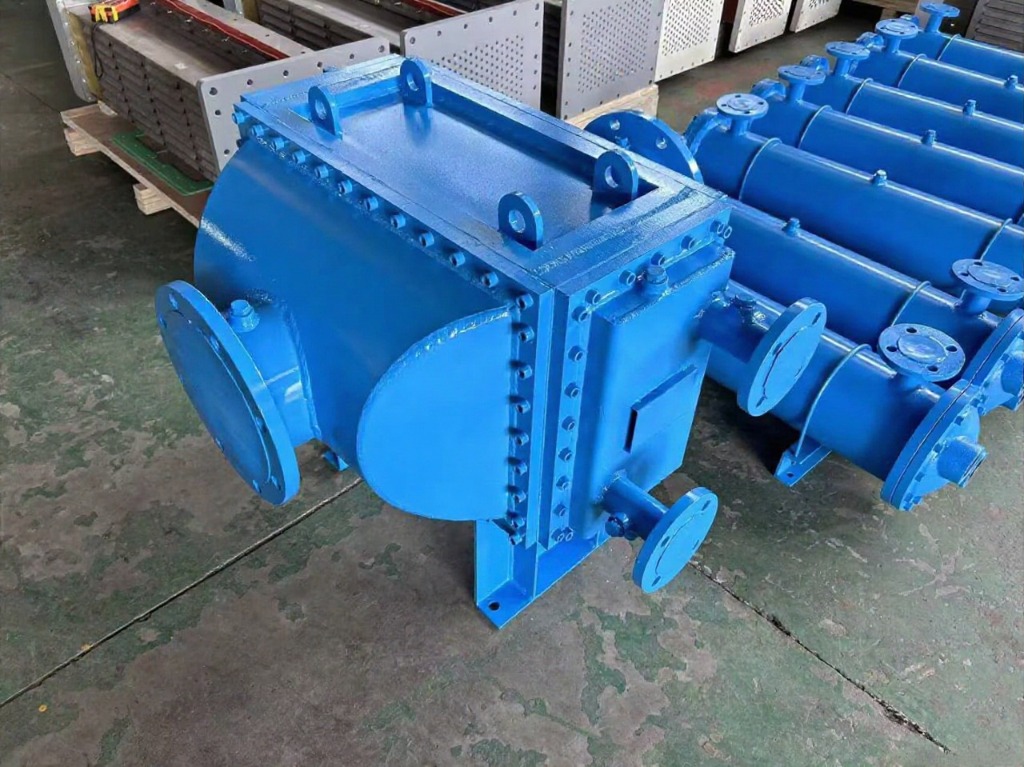
Shell and Tube Heat Exchanger Manufacturer in Kuwait

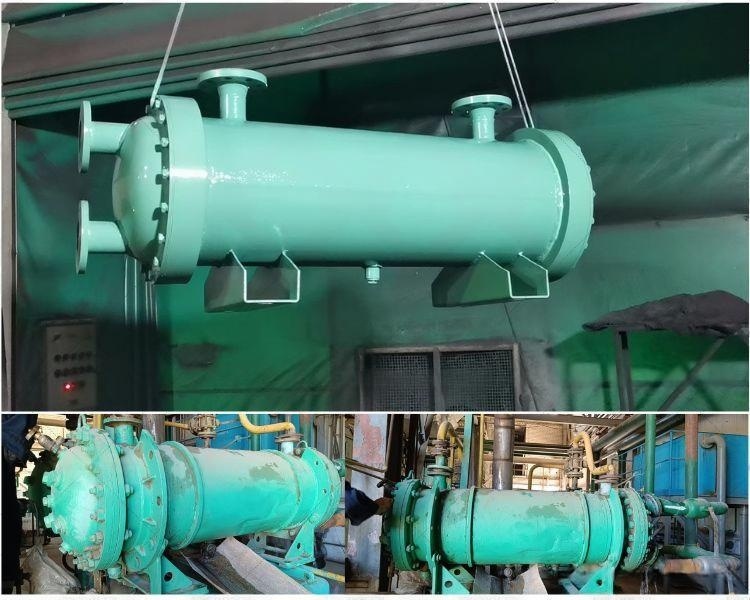
Common Applications Shell and Tube Heat Exchanger Marine & industrial cooling systems

Shell and Tube Heat Exchanger Manufacturer in Jordan

Working Principle of Shell and Tube Heat Exchanger Advantages of Shell and Tube Heat Exchanger

Shell and Tube Heat Exchanger Manufacturer in Iraq

Components of a Shell and Tube Heat Exchanger

Shell and Tube Heat Exchanger Manufacturer in Djibouti

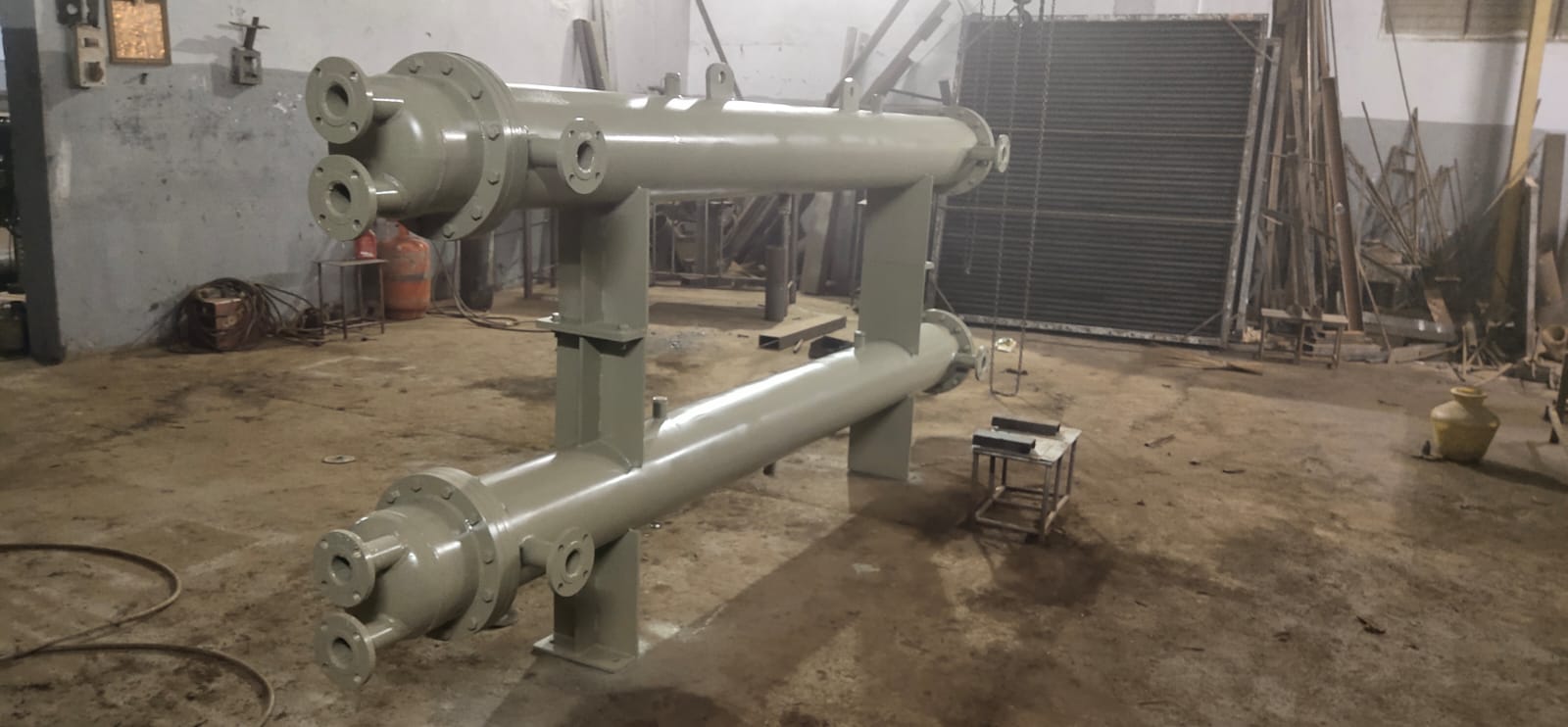
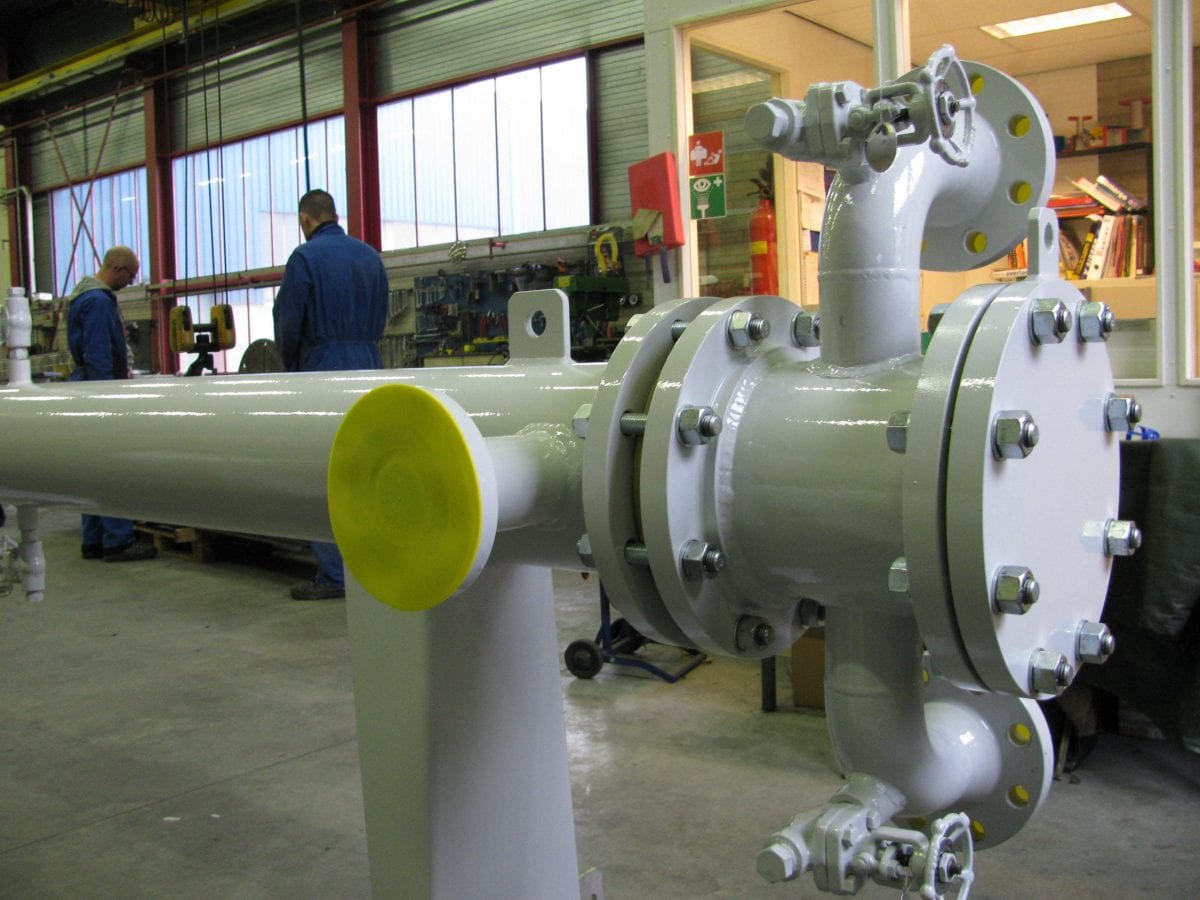
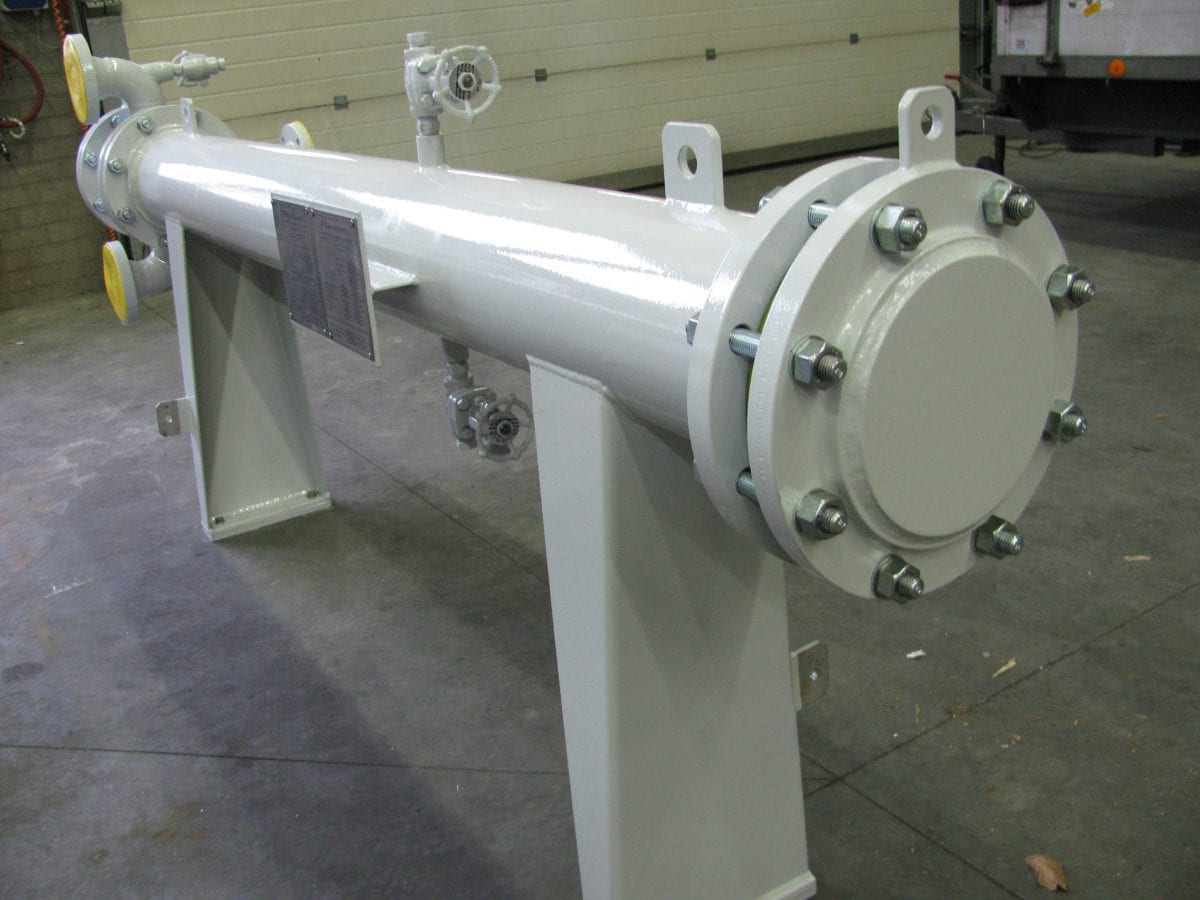
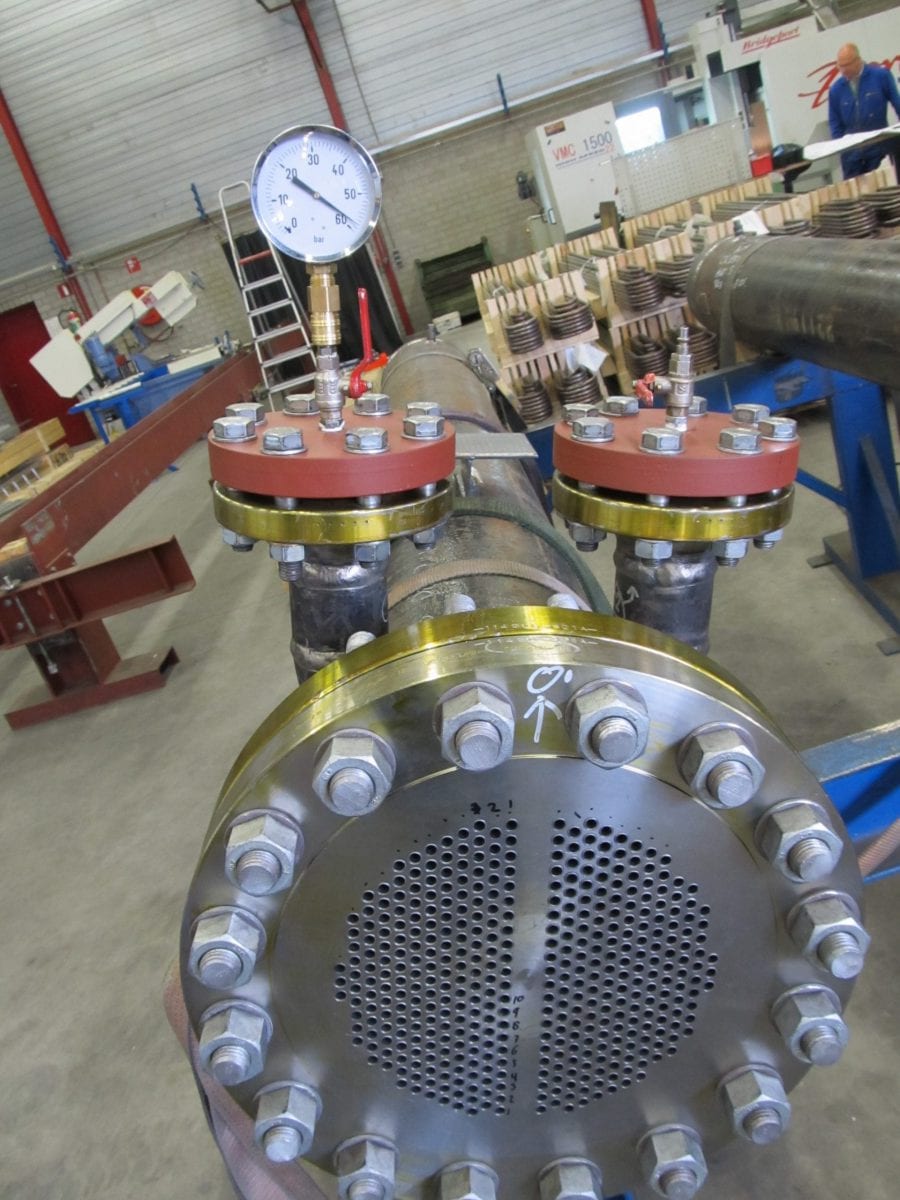
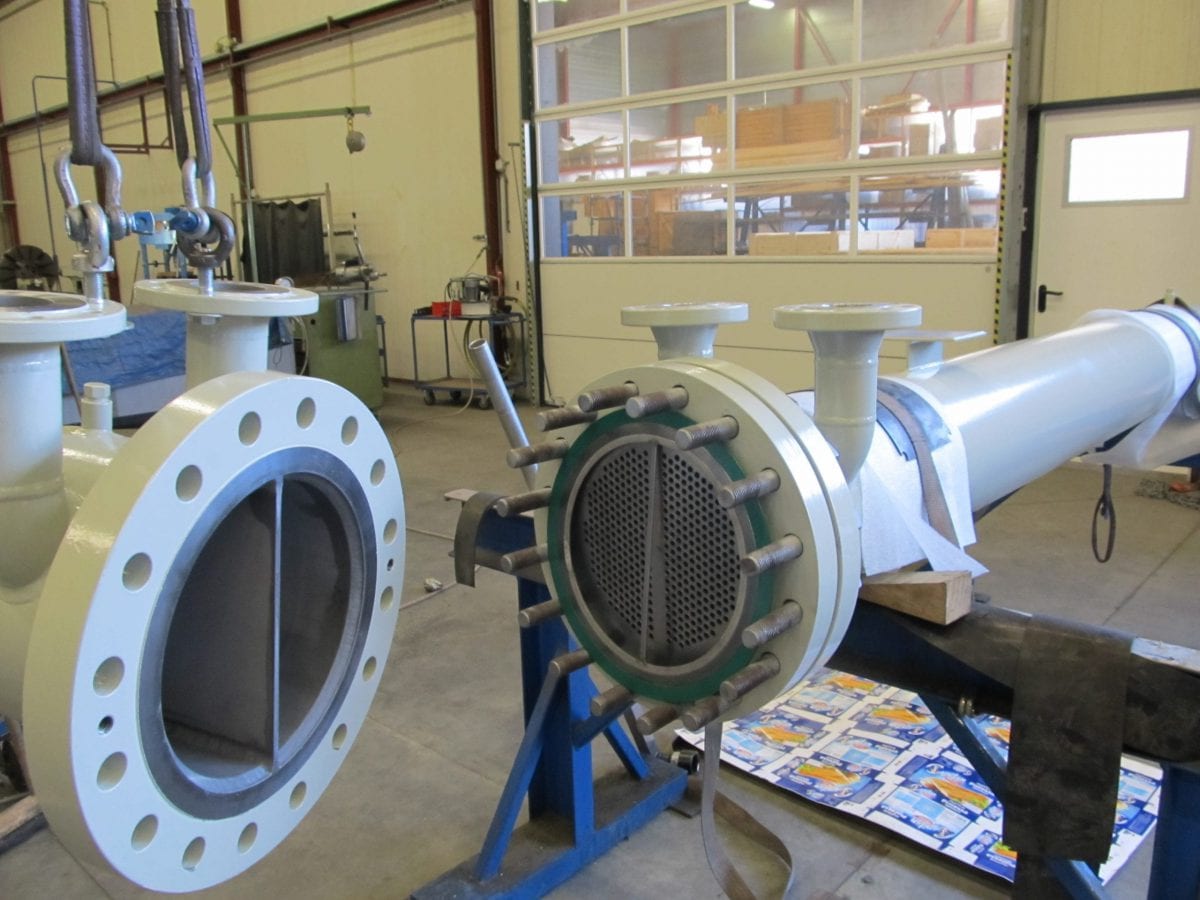
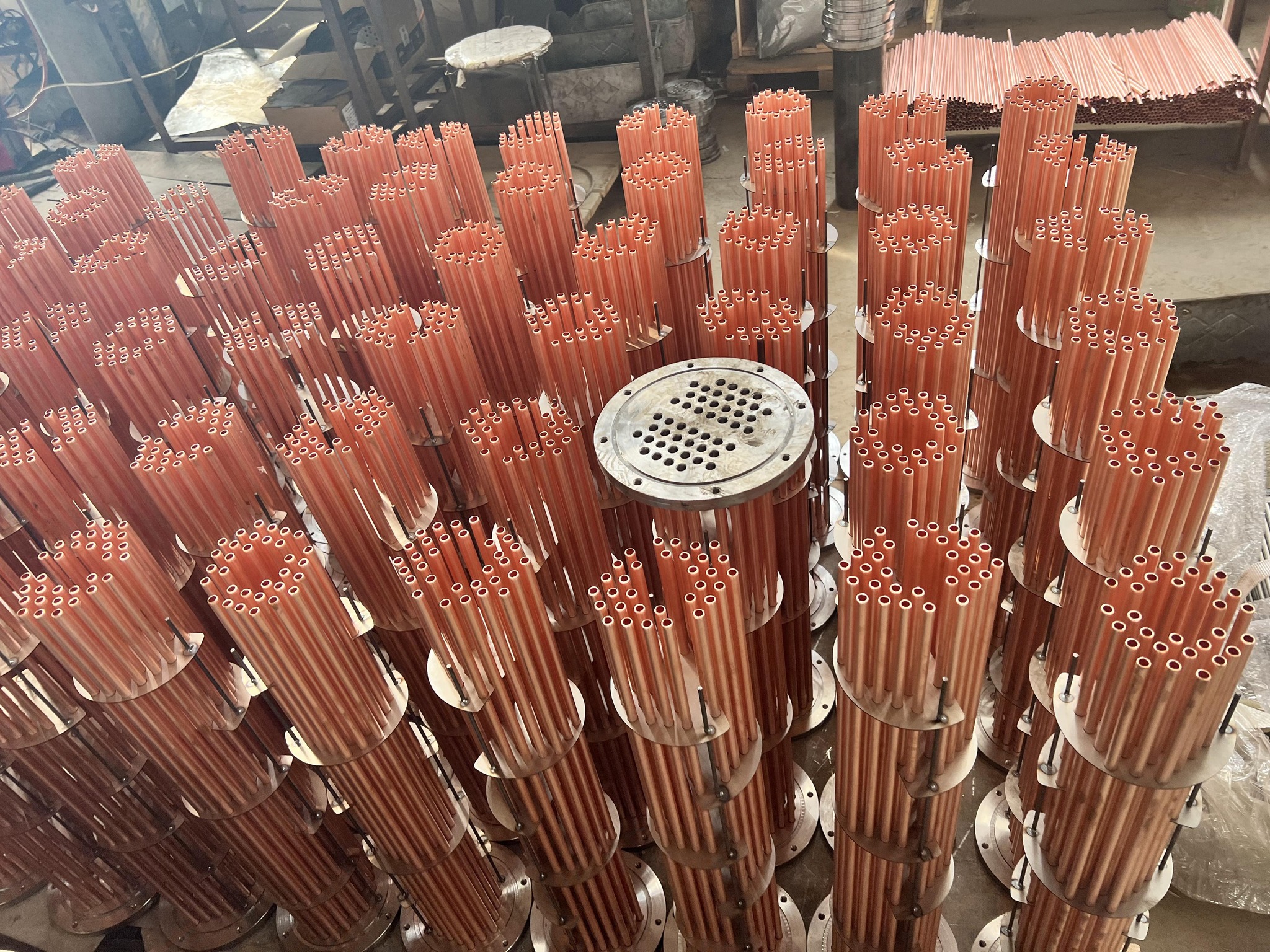
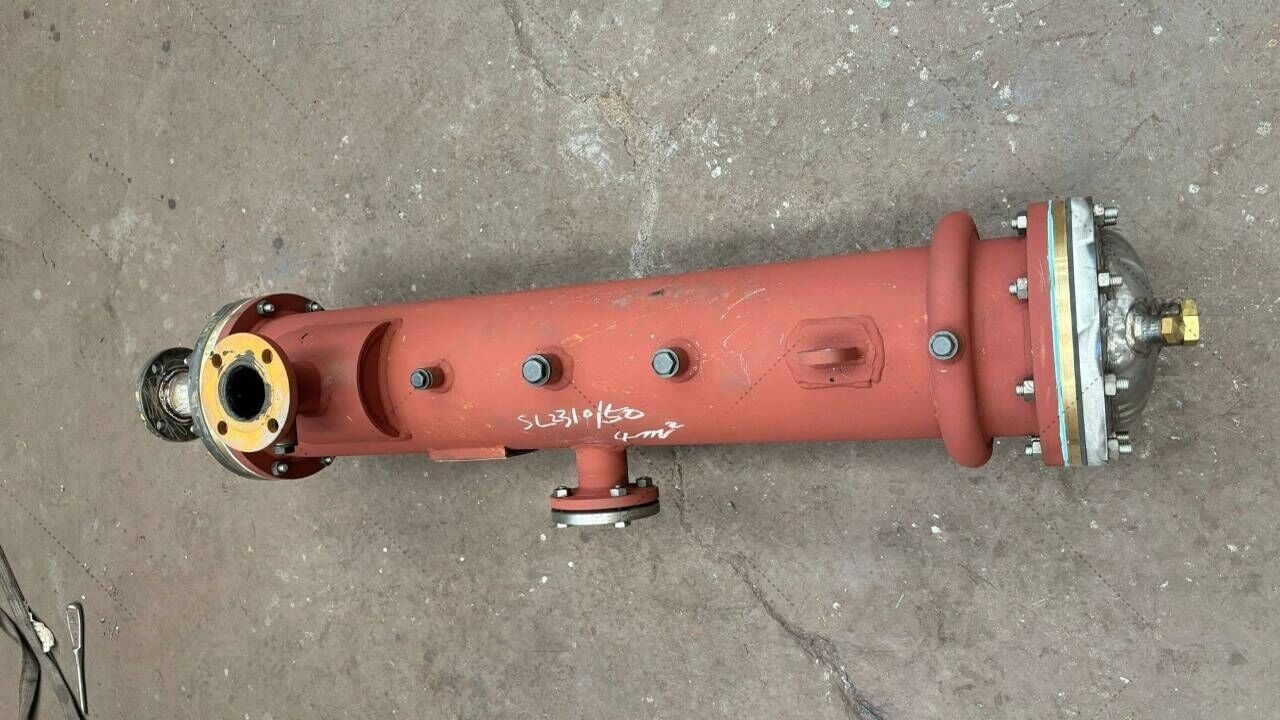
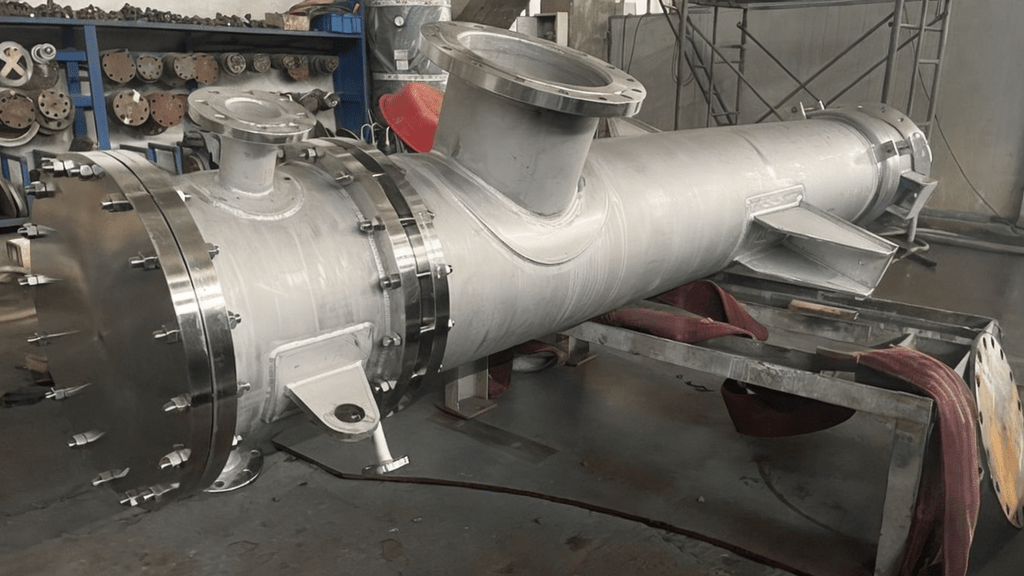
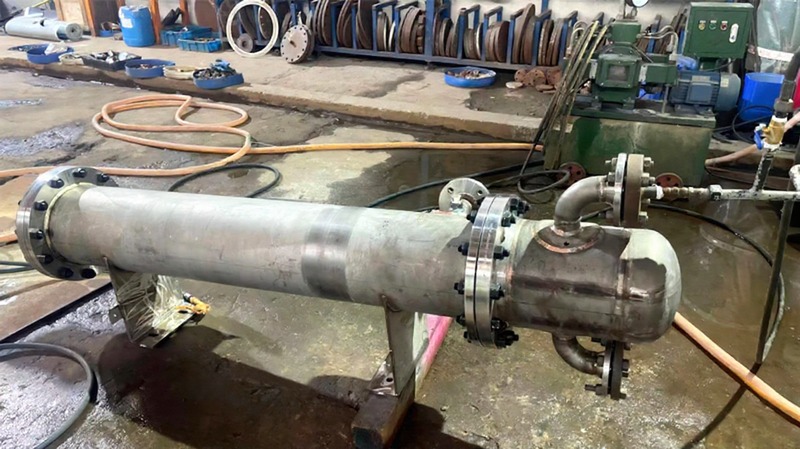
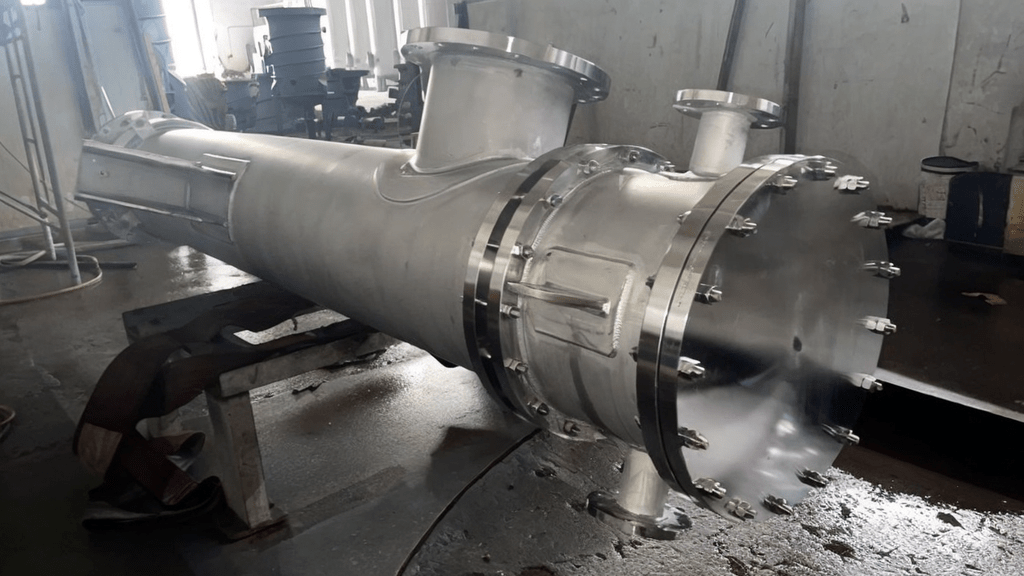
A Shell and Tube Heat Exchanger (STHE) is one of the most widely used types of heat exchangers in industrial applications. It consists of a shell (a large pressure vessel) with a bundle of tubes inside it. One fluid flows through the tubes (tube side), while another fluid flows outside the tubes but inside the shell (shell side), allowing...
Shell and Tube Heat Exchanger Manufacturer in Bahrain

Types Of Heat Exchangers  1. Based on Construction & Design 2. Based on Flow Arrangement 3. Based on Heat Transfer Mechanism 4. Specialized Types Pillow Plate Heat Exchanger
Shell and Tube Heat Exchanger Manufacturer in India

A heat exchanger is a device used to transfer heat between two or more fluids (liquids or gases) without them mixing. It’s widely used in engineering applications where heating or cooling is required, such as in power plants, chemical processing, refrigeration, and HVAC systems. How It Works Heat flows from the hotter fluid to the […]

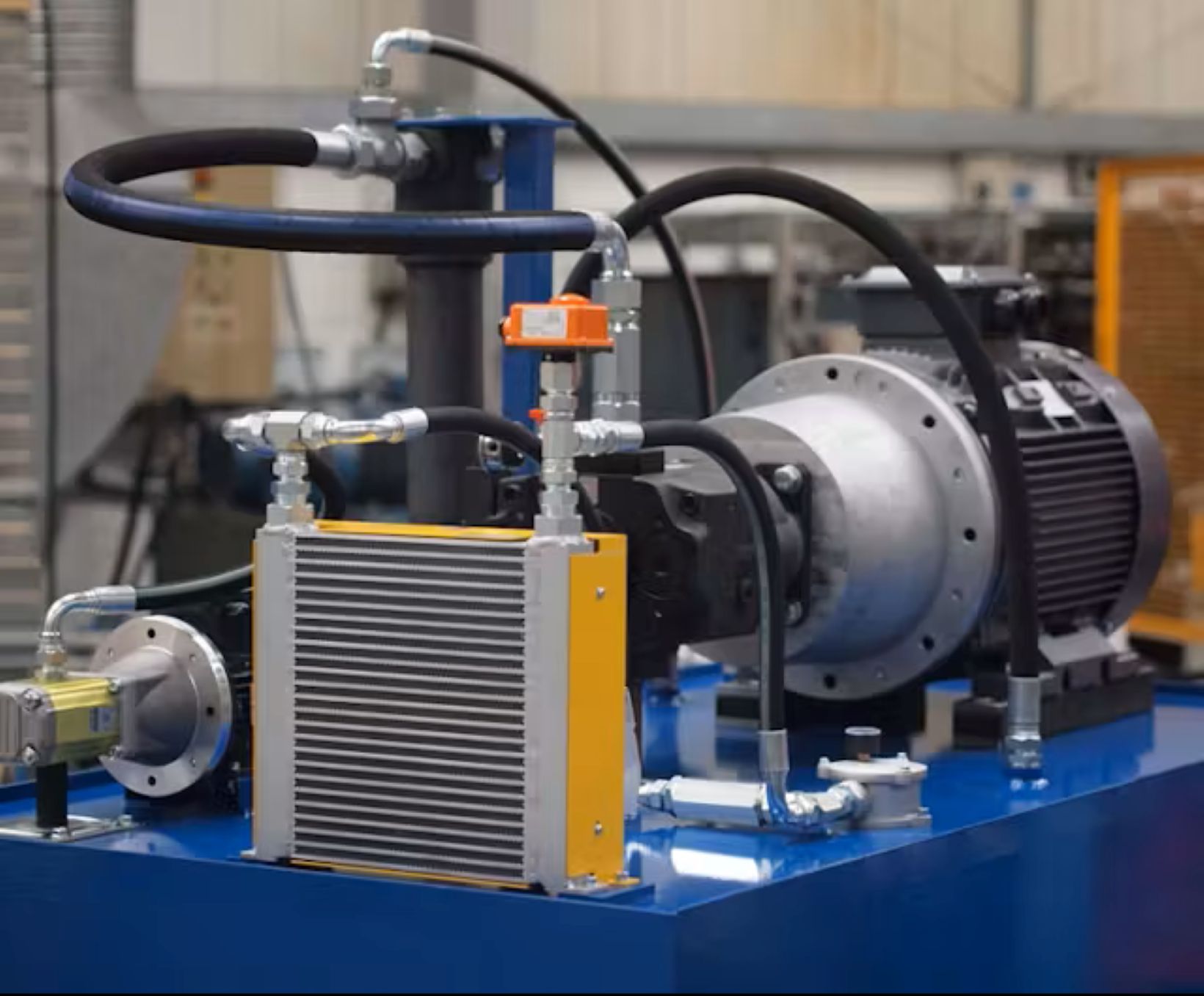
Air Cooled Heat Exchanger Manufacturer in Angola

Air-Cooled Steam Condensers (ACSCs) in Power Plants & Industrial Systems Air-cooled steam condensers (ACSCs) are specialized heat exchangers that convert exhaust steam from turbines back into water using ambient air cooling instead of water-cooled systems. They’re increasingly important in power generation and industrial processes where...

Air Cooled Heat Exchanger Manufacturer in Morocco

Air-Cooled Heat Exchangers (ACHEs) in the Aerospace Industry Air-cooled heat exchangers play a critical role in aircraft, spacecraft, and aviation systems, where weight savings, reliability, and thermal efficiency are crucial. Unlike liquid-cooled systems, ACHEs use ambient air to dissipate heat, making them ideal for aerospace...

Air Cooled Heat Exchanger Manufacturer in Sudan

Air Cooled Heat Exchangers in the Oil & Gas Industry Air cooled heat exchangers (ACHEs), also called fin-fan coolers, are critical components in oil and gas operations where water cooling isn’t practical or economical. They use ambient air to cool process fluids through forced or induced draft mechanisms. Key Applications Design Features...

Air Cooled Heat Exchanger Manufacturer in Djibouti Iraq

Comparison between Air-Cooled Heat Exchangers (ACHEs) and Water-Cooled Heat Exchangers (WCHEs) Cooling Medium & Mechanism Feature Air-Cooled (ACHE) Water-Cooled (WCHE) Cooling Medium Ambient air Water (river, sea, cooling tower, or chilled water) Heat Transfer Air blown over finned tubes Water flows through tubes/shell Efficiency...
1 9 10 11 31