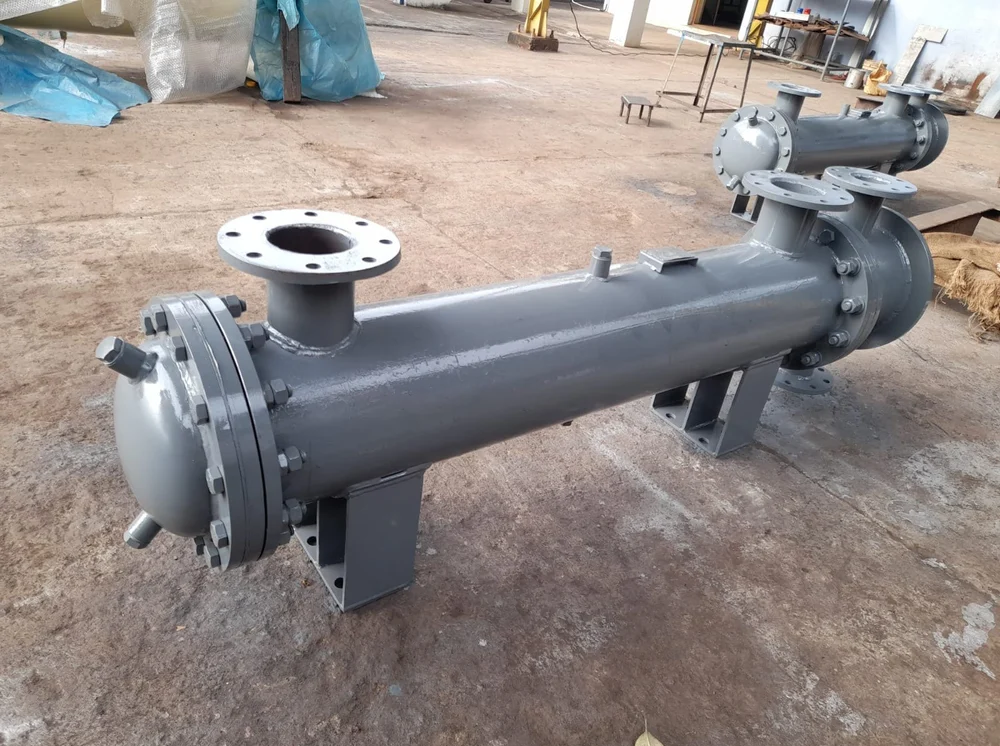
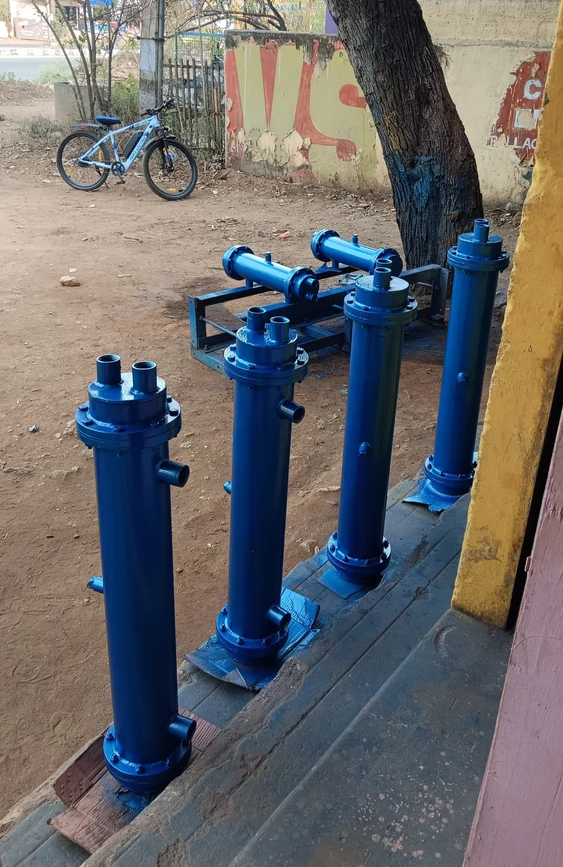
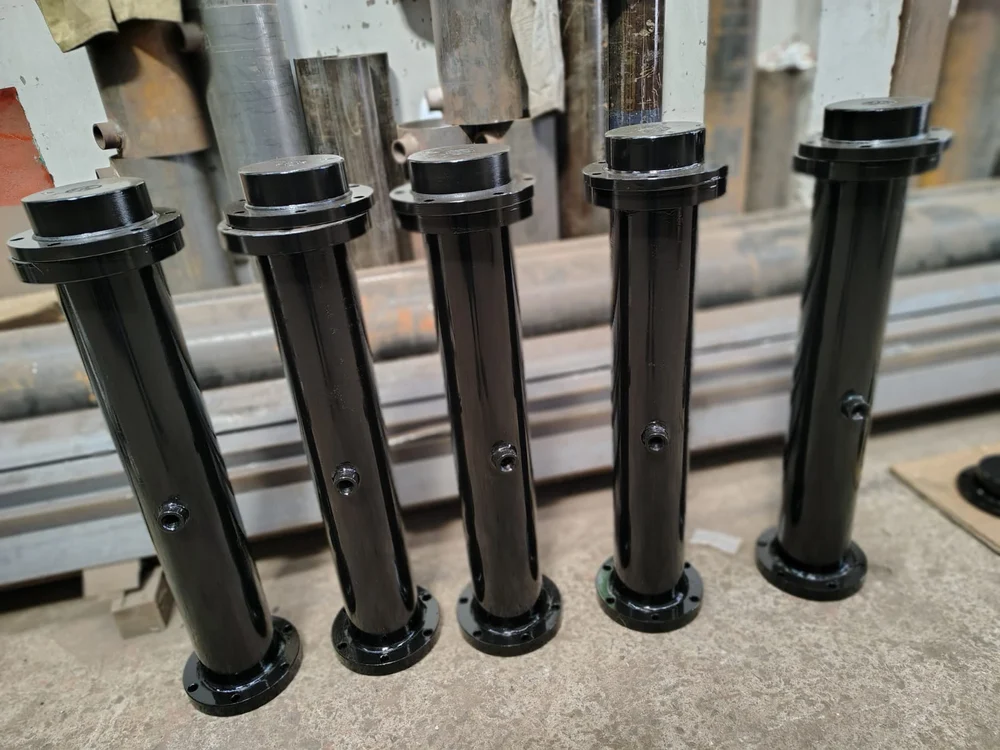
Types of Oil Coolers: Typically involve a radiator-like structure with fins for air to pass over. Use a heat exchanger where hot oil and coolant flow in separate paths, transferring heat through the walls.
An oil cooler’s primary function is to remove excess heat from lubricating oil, ensuring it stays within an optimal temperature range for efficient operation and longevity. It works by transferring heat from the hot oil to a cooling medium, either air or a liquid like coolant, which then carries the heat away.
Practical Implications of the Relationship The Fixed Relationship: If You Know Two, You Know the Third Given the equation H = Q × R × C, these relationships are mathematically locked: If This Changes… And This Is Held Constant… Then This Must… Heat Load (H) ↑ Flow Rate (Q) Range (R) ↑ Heat Load (H) ↑ Range...
Effect of Low Approach vs High Approach in Cooling Tower Approach is one of the most critical performance indicators for a cooling tower. It’s defined as: text Approach = Cold Water Temperature (CWT) – Wet Bulb Temperature (WBT) Where: This simple difference has profound implications for design, operation, and economics. LOW...
Effect of Wet Bulb Temperature in Cooling Tower The Wet Bulb Temperature (WBT) is the most critical environmental factor governing the fundamental physics and ultimate limit of a cooling tower’s performance. It is not just an influence; it is the thermodynamic boundary. Here’s a detailed breakdown of its effect, from core...
Factors Affecting Cooling Tower Performance The performance of a cooling tower is measured by its ability to cool water to a temperature as close as possible to the ambient wet-bulb temperature, while doing so reliably and cost-effectively. The factors affecting performance can be grouped into Ambient Conditions, Design &...
how to Fix Air inlet Height in cooling tower Fixing or optimizing the air inlet height in a cooling tower is a critical design and maintenance issue that directly impacts performance, efficiency, and safety. It involves balancing airflow, water containment, and access. Here’s a comprehensive guide on how to approach fixing the air inlet...
The Mechanics of Drift Eliminator for cooling tower Drift eliminators don’t “filter” like a screen. They work by inertial impaction. Key Performance Metrics
Role of Drift eliminators in Cooling tower Drift Eliminators are a critical, yet often overlooked, component in a cooling tower. Their primary role is economic and environmental: to minimize water loss and prevent pollution. Here’s a detailed breakdown of their role, function, and importance. Primary Role: Capture Water Droplets The...
Key Considerations for Selection & Operation of mechanical Draft cooling tower In summary, mechanical draft towers are the workhorses of controlled heat rejection where performance, space, and capital cost are primary concerns, and where the ongoing operational energy and maintenance costs are justified.
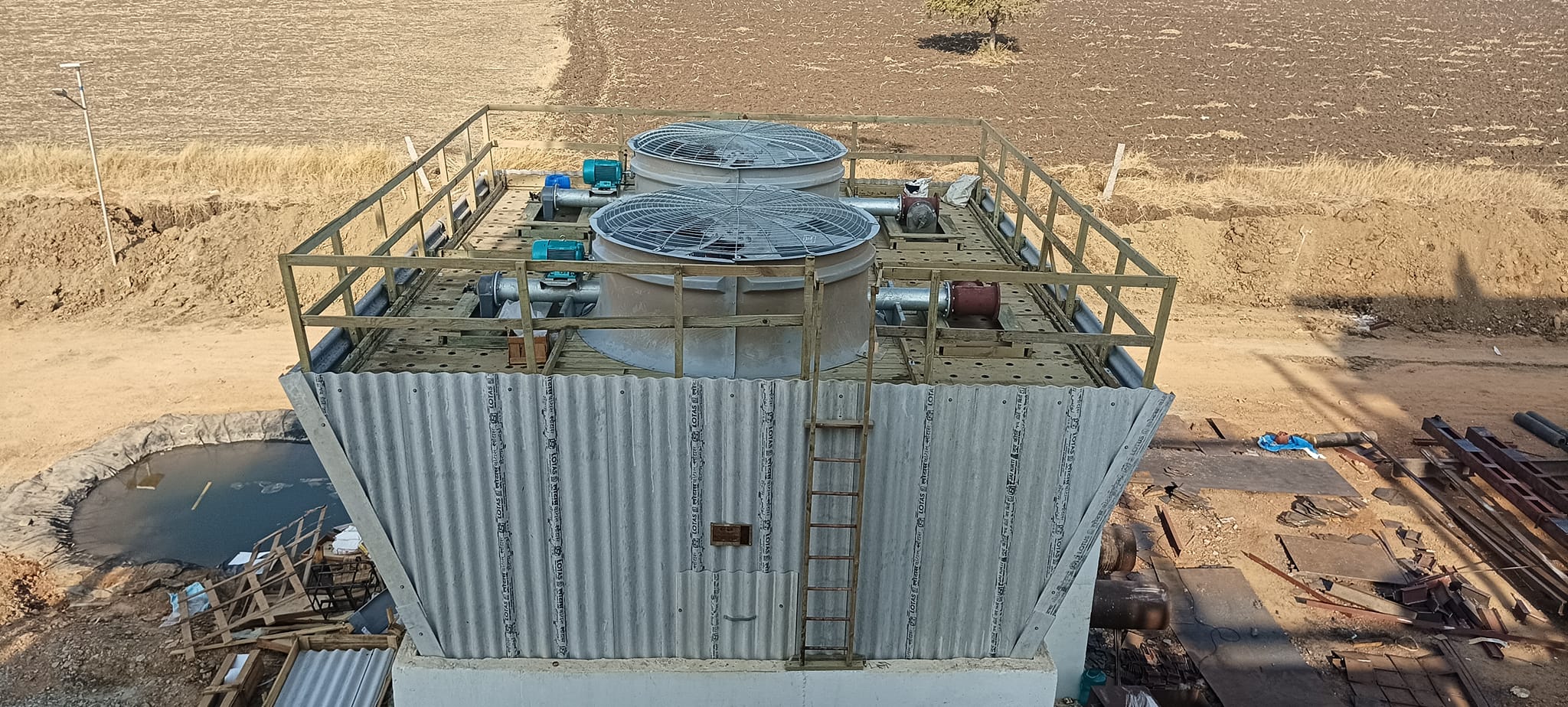
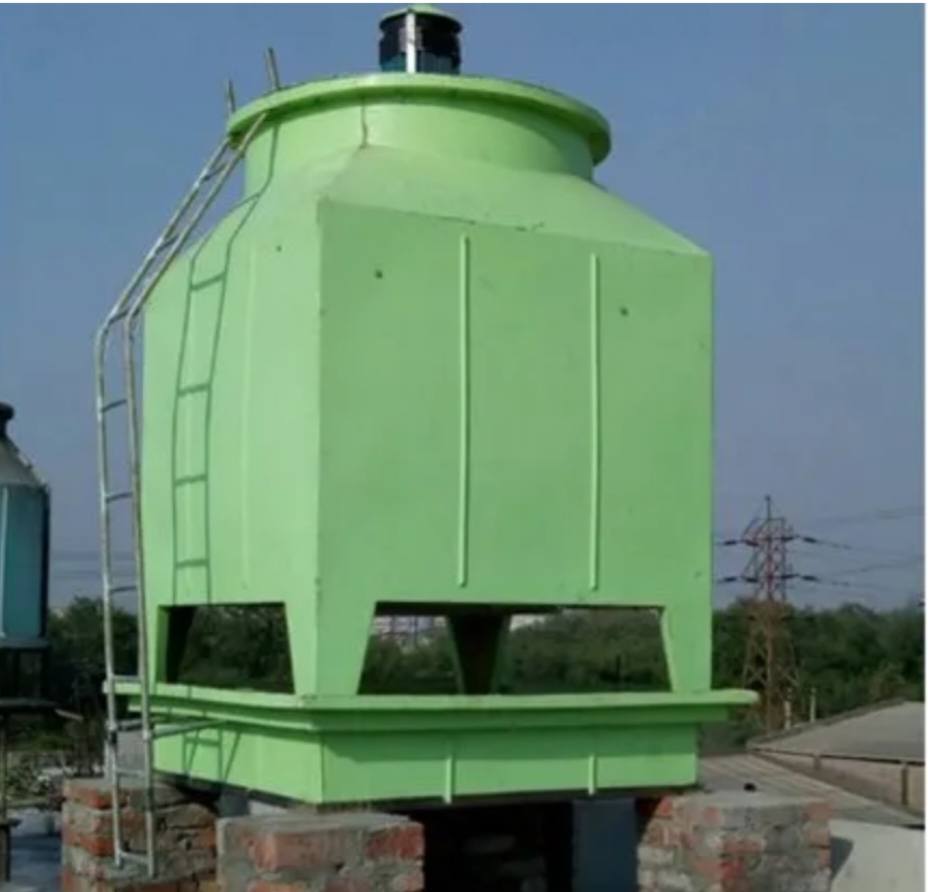
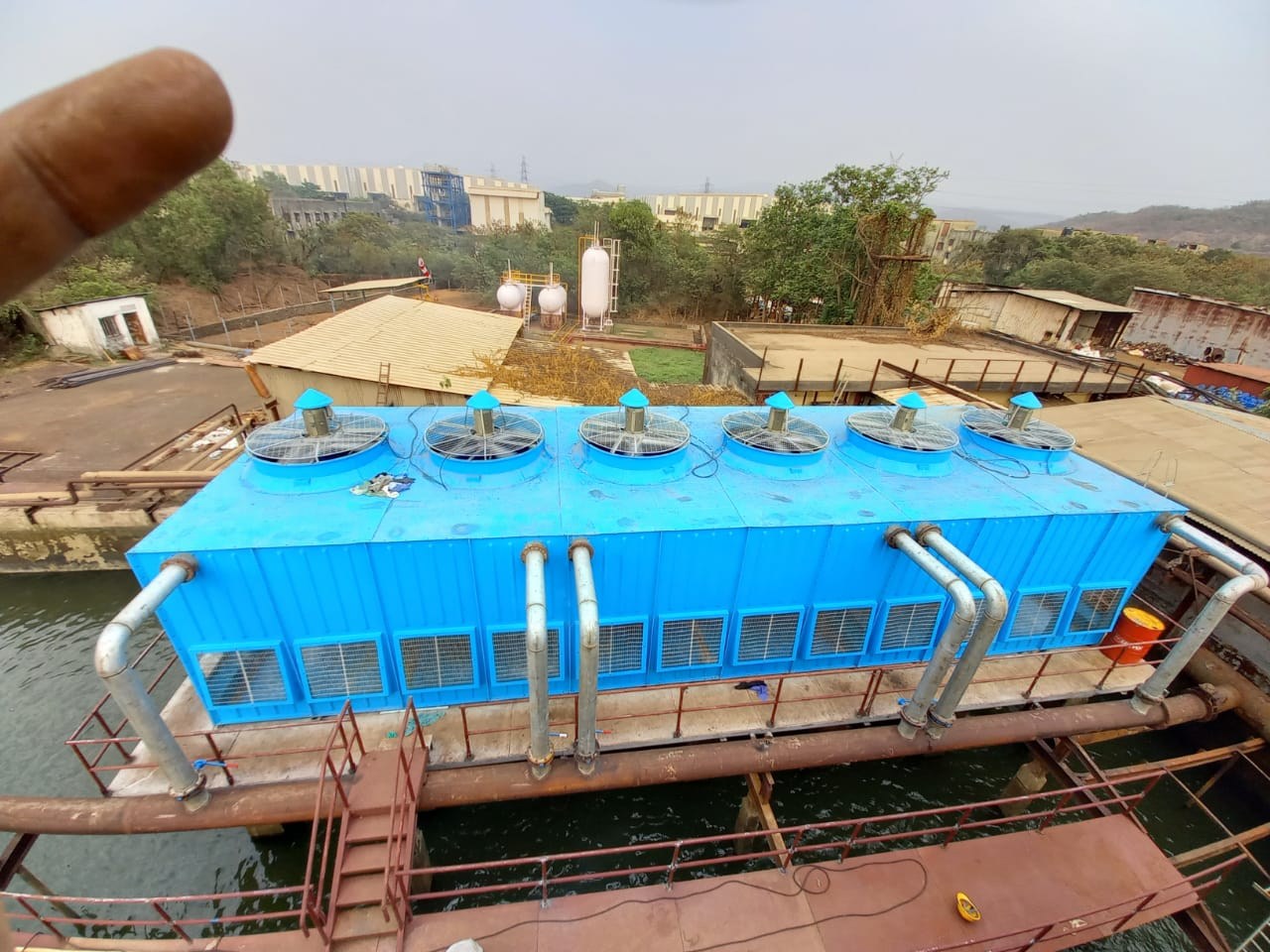
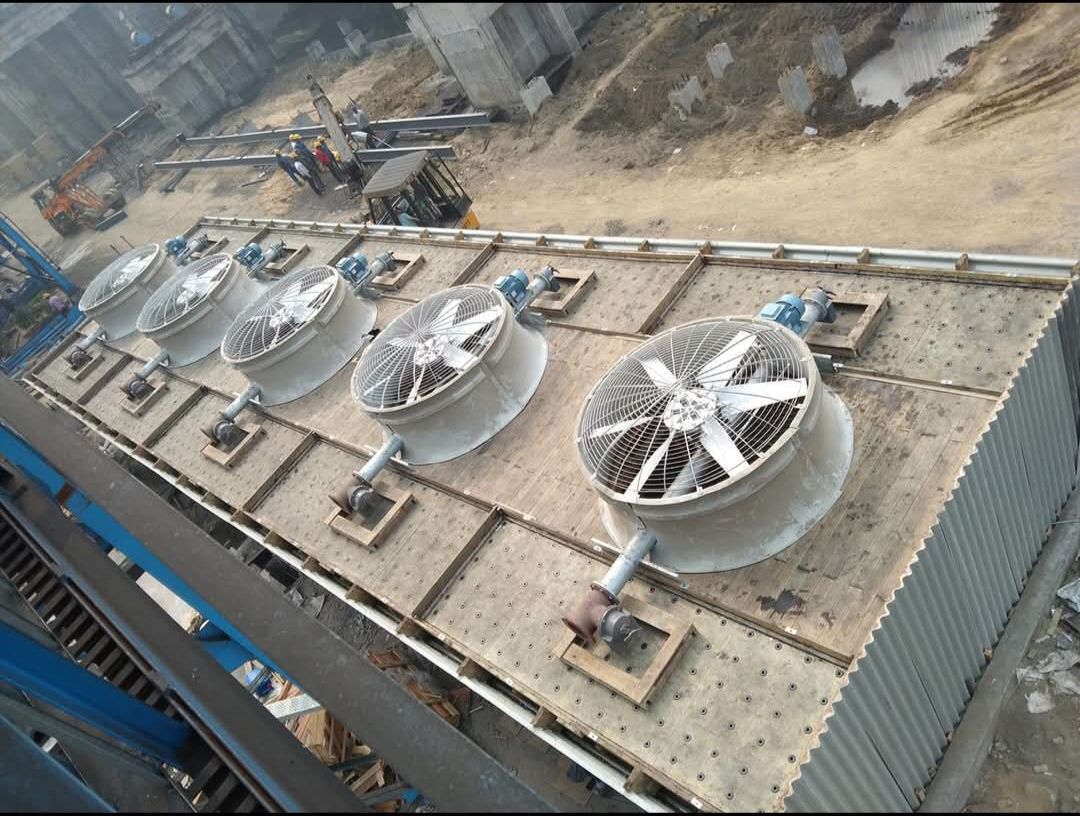
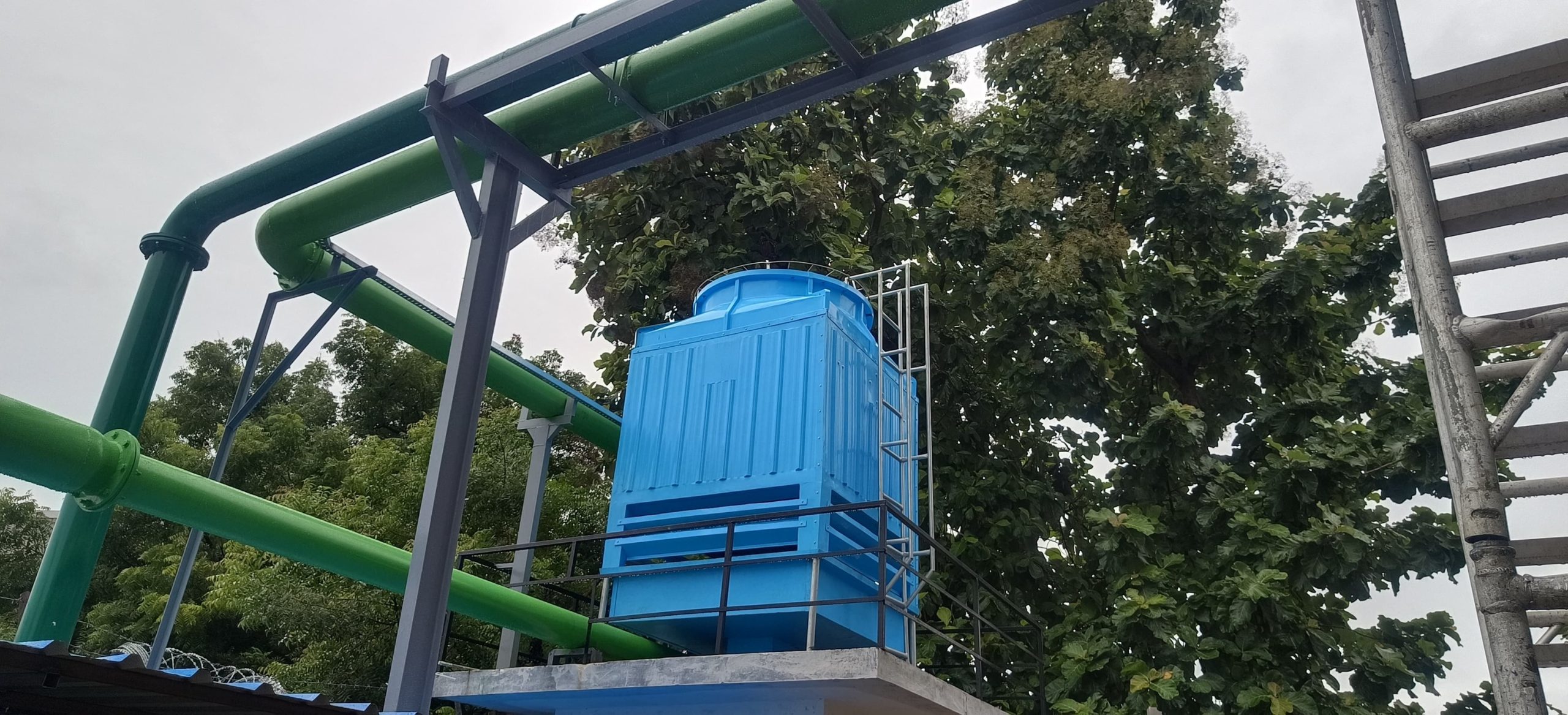
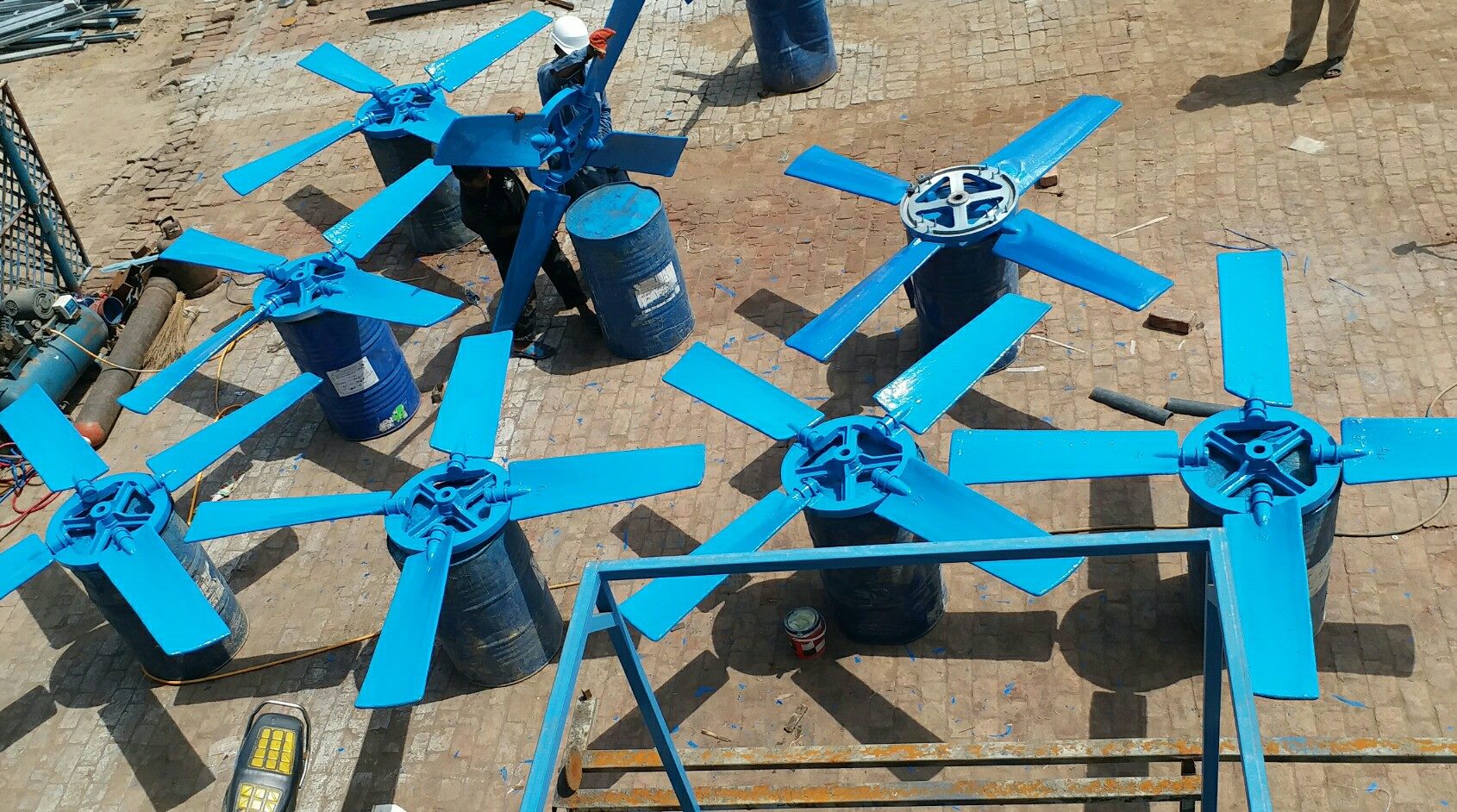
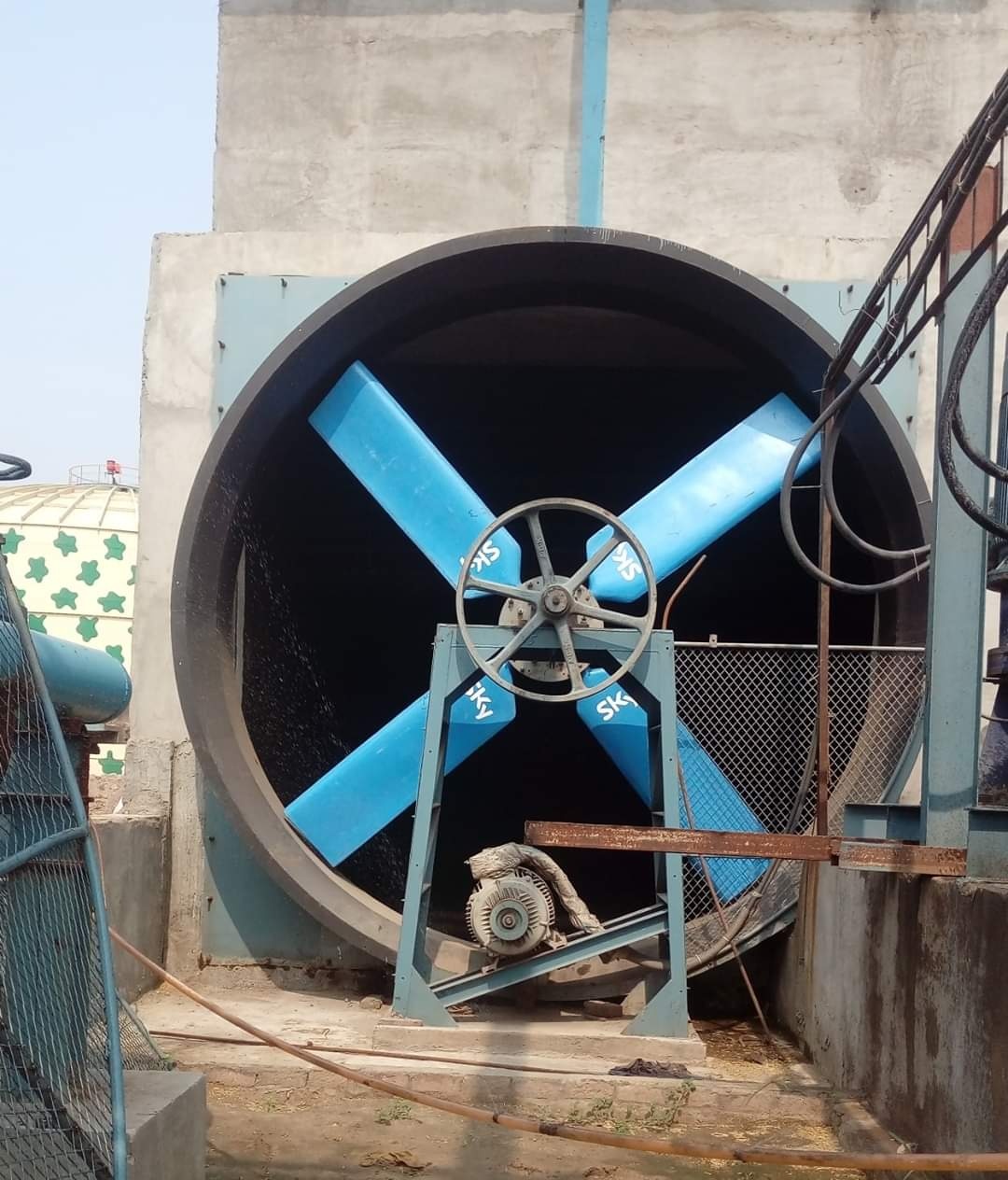
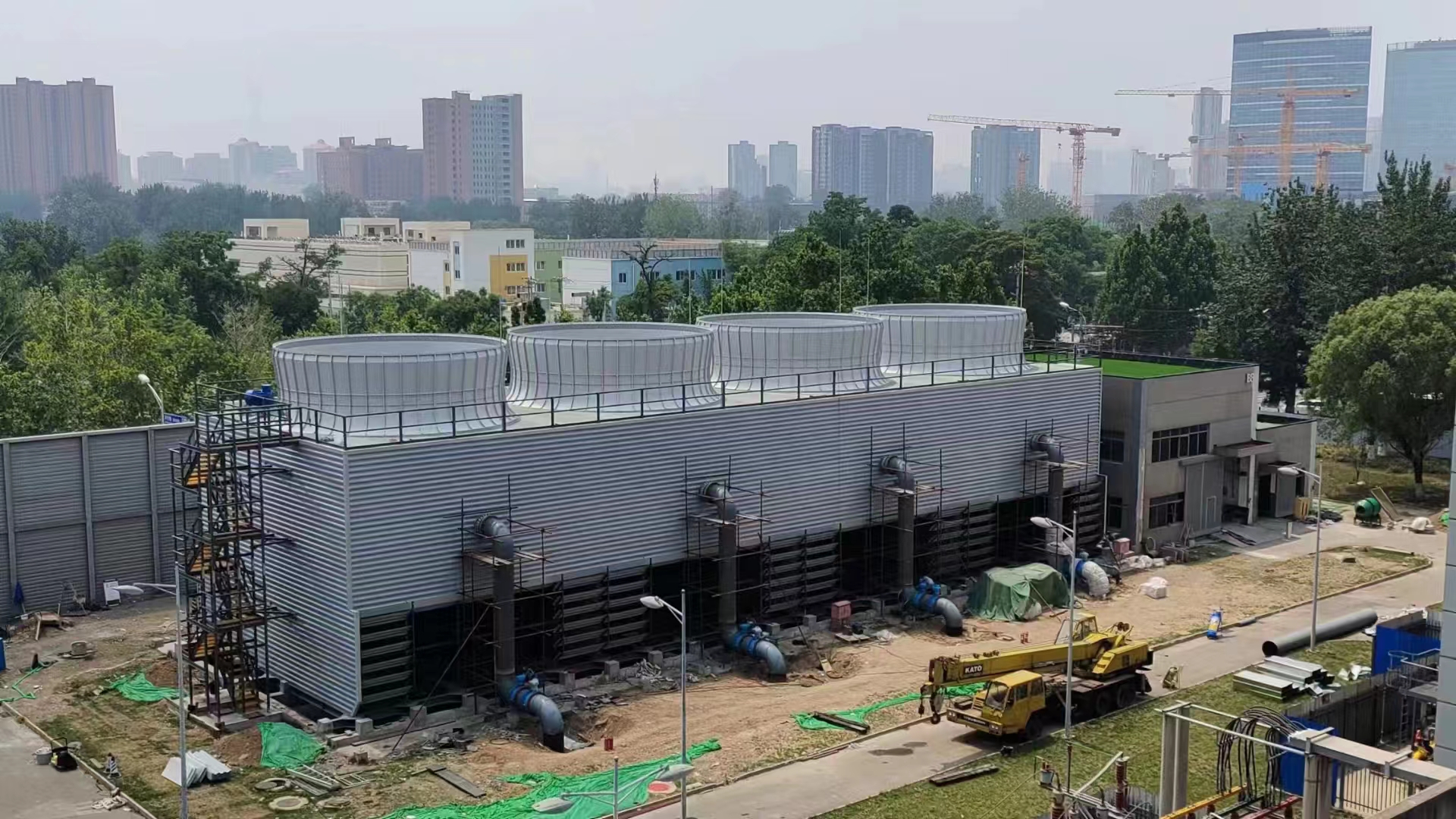
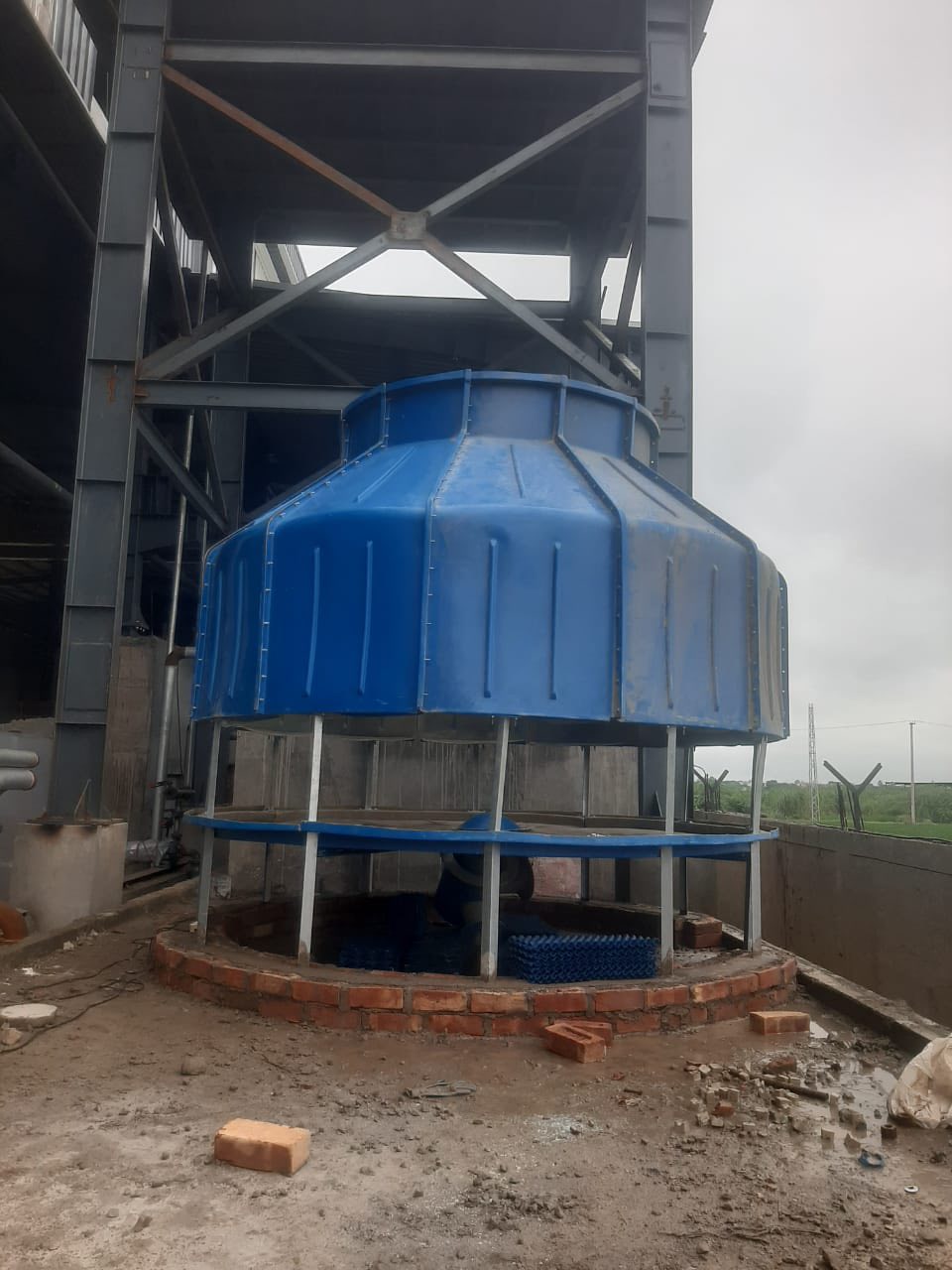
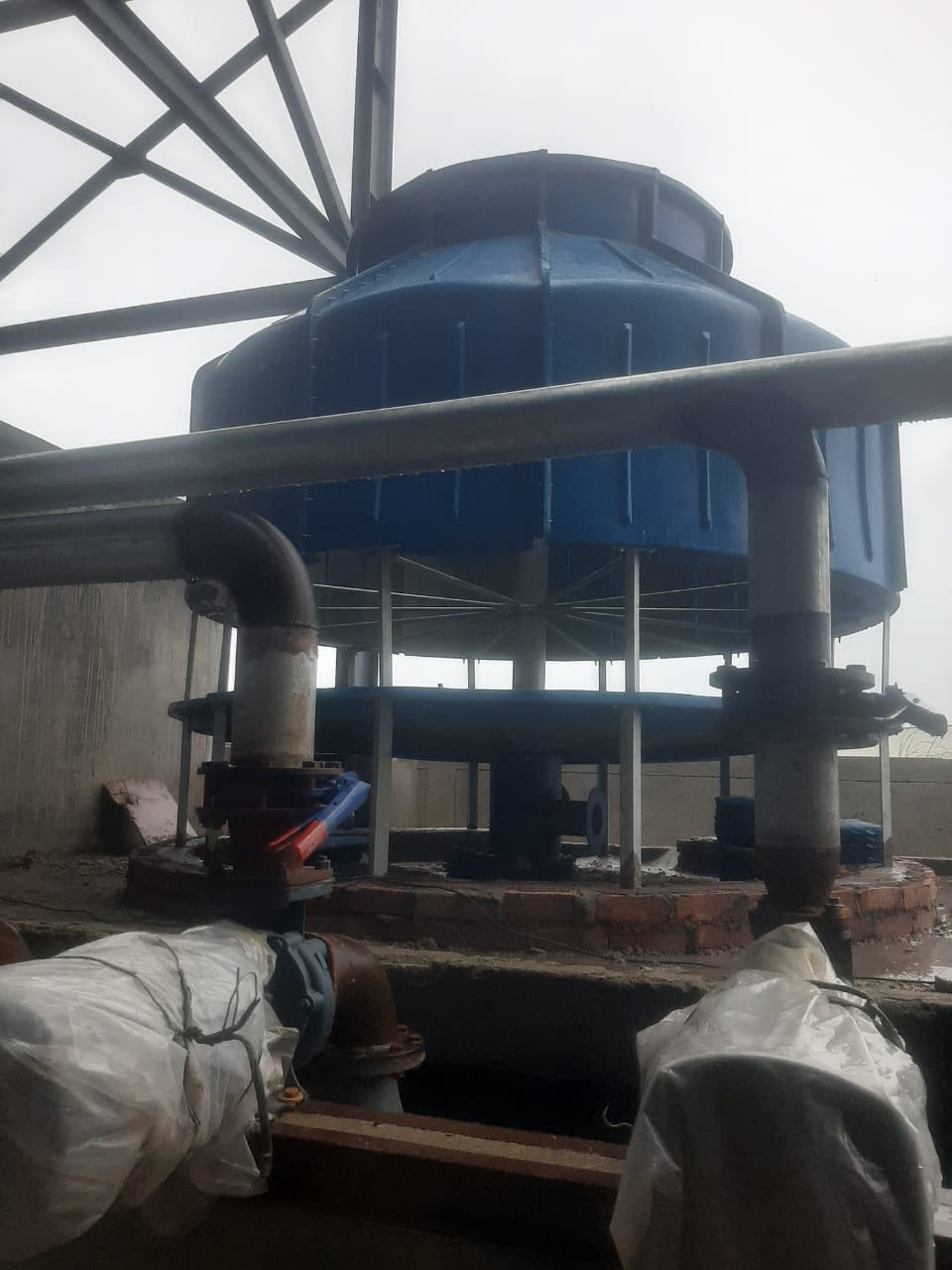
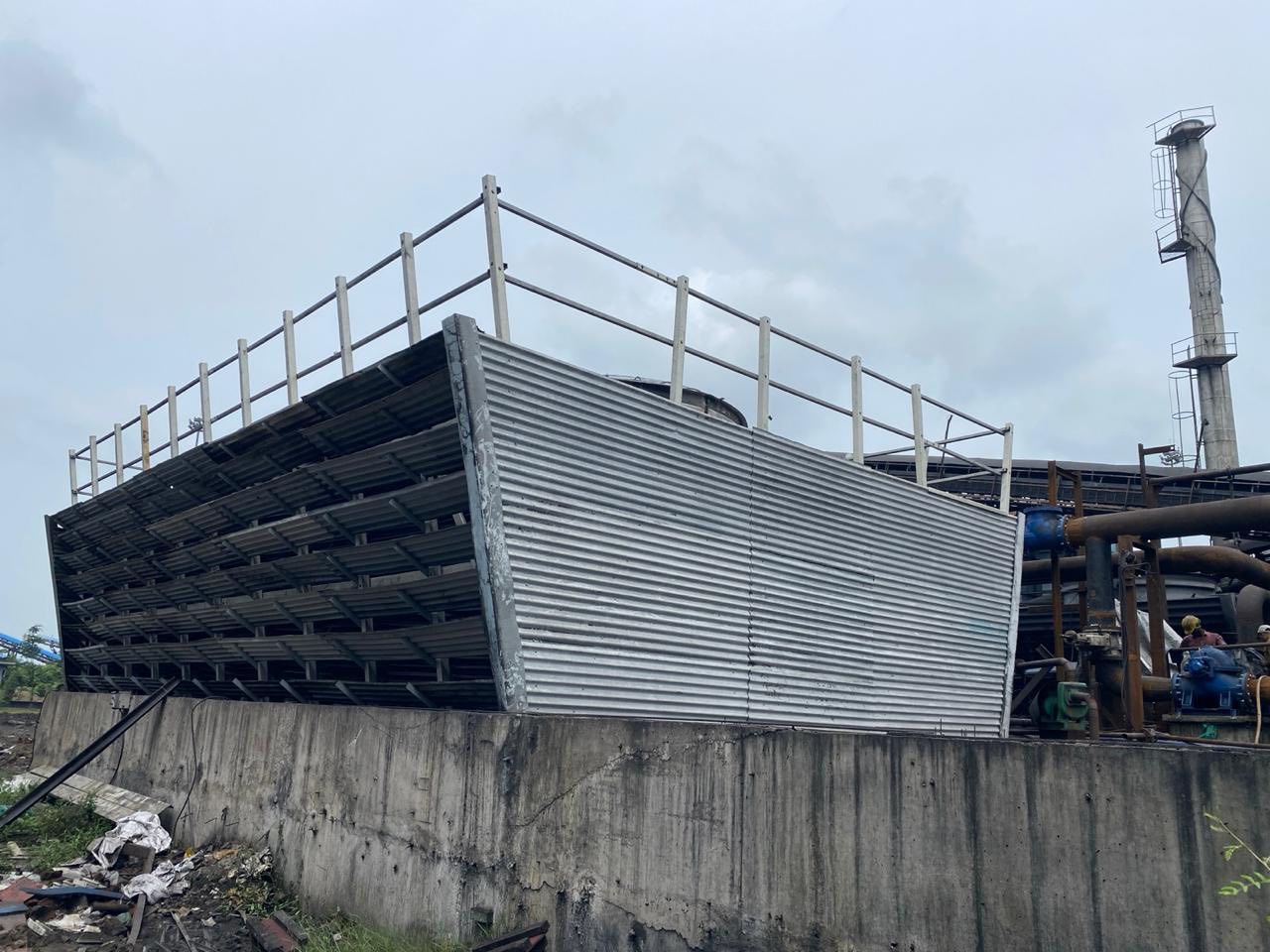
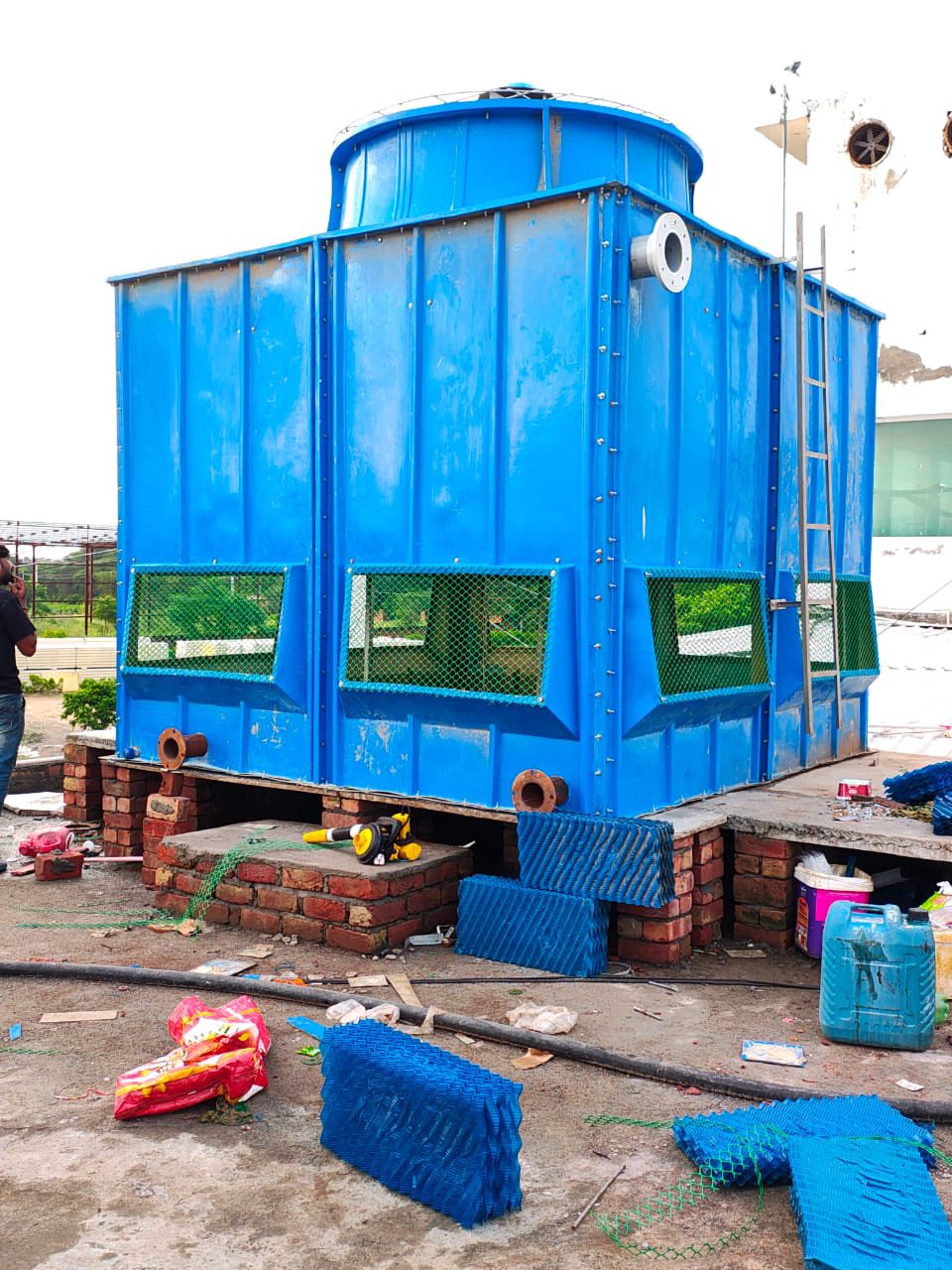
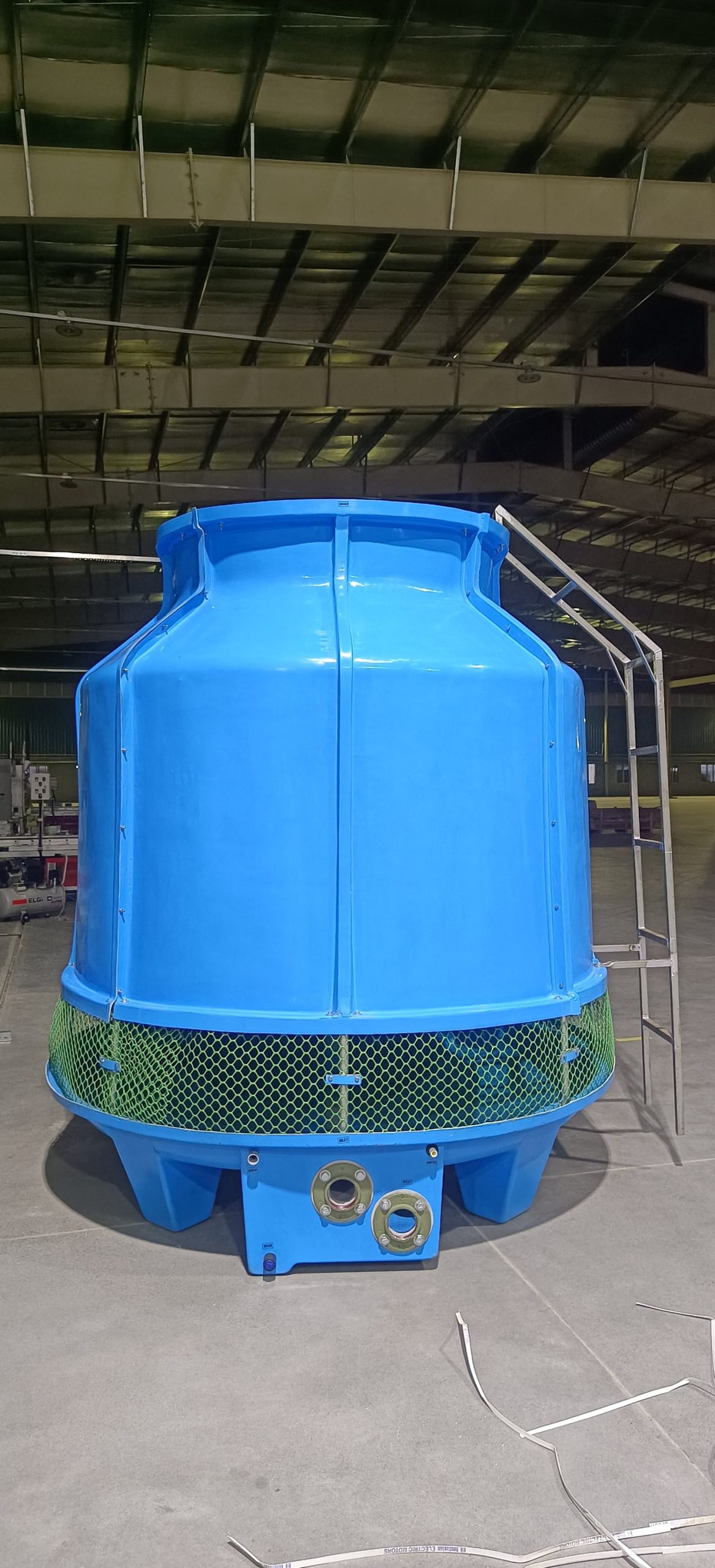
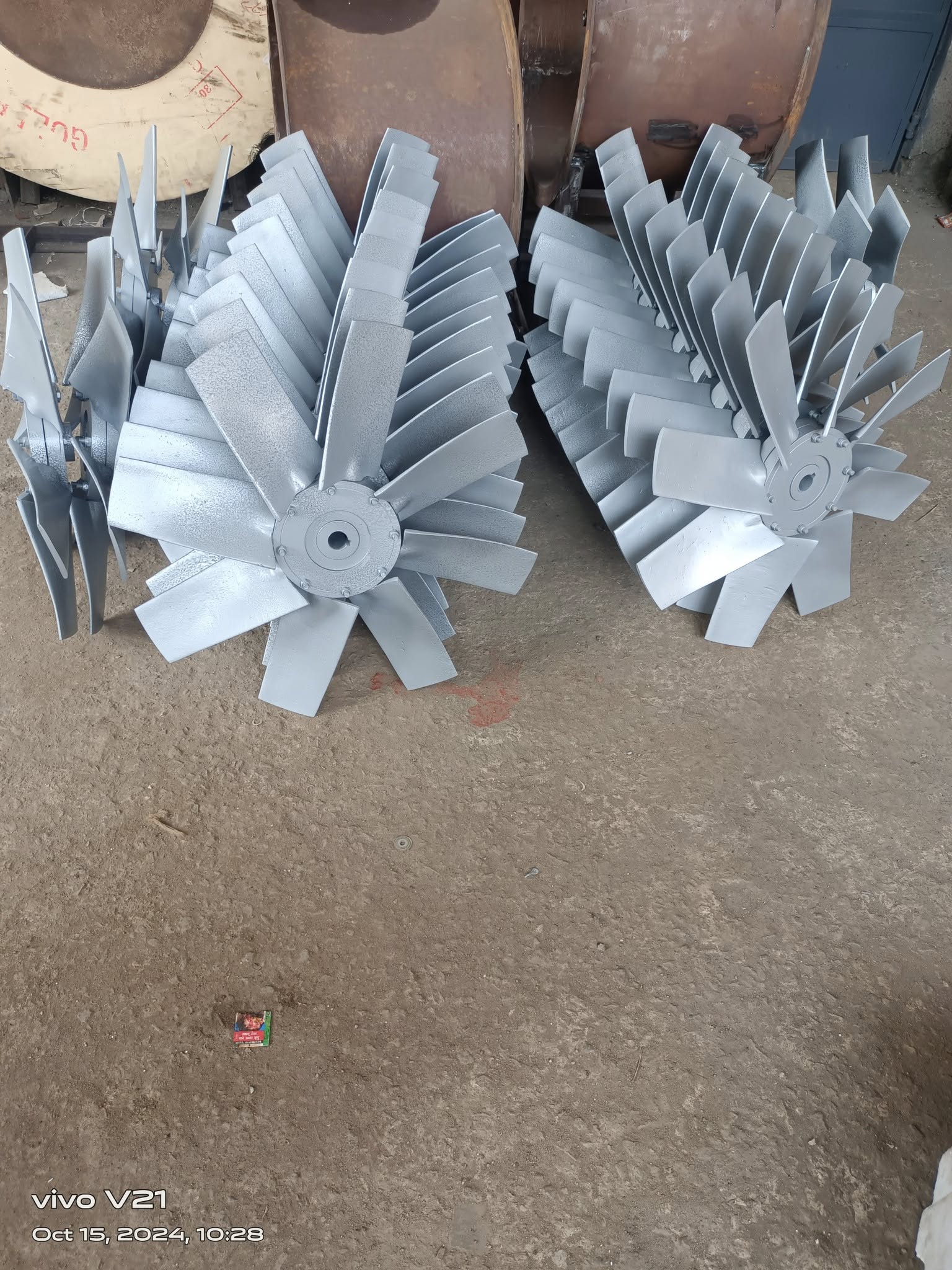
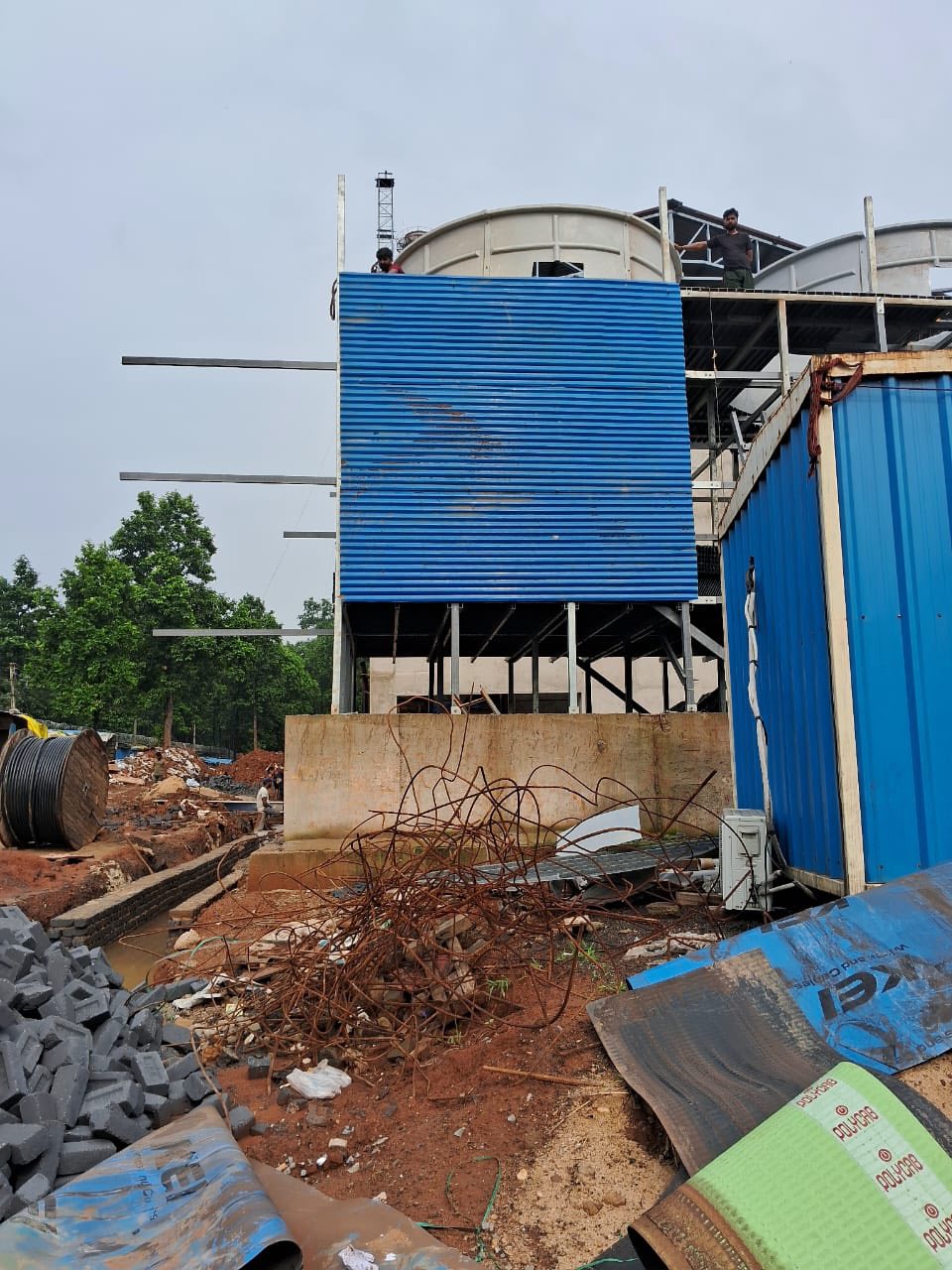
Mechanical Draft Towers Mechanical Draft Towers are the most common type of cooling tower in industrial and large HVAC applications. They use one or more mechanical fans to force or draw air through the tower, providing precise control over cooling. Here’s a detailed breakdown of their function, types, components, and applications. Unlike...
Types of Cooling Towers Used in Food & Beverage Processing The Unseen Guardian of Safety and Efficiency In the Food & Beverage industry, the cooling tower is an unseen but critical utility. It directly supports: Its reliable operation is essential for producing safe, high-quality food and beverages consistently and sustainably.
Why Cooling Towers Are Indispensable in Food & Beverage Processing Critical Operational Considerations & Unique Challenges in F&B The F&B industry has stricter hygienic requirements than most industrial settings, making cooling tower management particularly sensitive. Sanitation & Documentation: Cooling towers are subject...
Cooling tower for Food & Beverage Processing industry cooling towers are essential for efficiency, food safety, and operational continuity in the Food & Beverage (F&B) processing industry. They play a critical role in removing process heat and enabling precise temperature control, which is paramount in this sector. Here’s a...
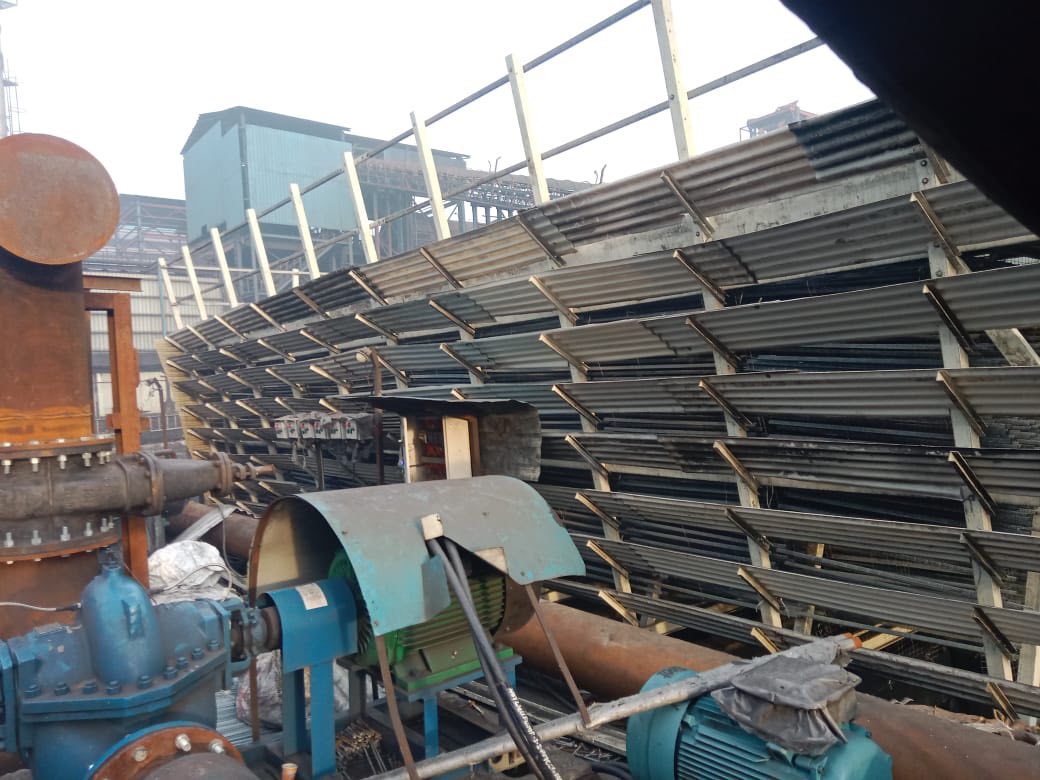
Type of Cooling Towers in Steel Mills Why It’s Indispensable: Consequences of Failure A cooling tower system failure is a plant-wide emergency that leads to an immediate shutdown (“tripping”) of production. The consequences are severe: Operational Challenges & Management Managing the cooling tower system is a...
cooling tower for Steel Mills In a steel mill, the cooling tower is not a peripheral component but a core utility system essential for safety, efficiency, and continuity of production. Its role is to manage the massive waste heat generated and enable water reuse on a gigantic scale. Here’s a detailed breakdown of its role in a...
Types of Cooling Towers Used 4. Key Operational Considerations & Challenges Summary: The Vital Supporting Role Think of the cooling tower as the “heart” of the plant’s non-contact cooling circulatory system. It doesn’t directly touch the metal, but it is absolutely essential for:
cooling tower for Metals Production While not always the first thing people think of in metals production, cooling towers are critical, enabling infrastructure for the entire industry. Their primary role is heat rejection and water conservation in large-scale industrial cooling systems. Here’s a detailed breakdown of their...
PROCESS-SPECIFIC COOLING DEMANDS IN COOLING TOWER Temperature Ranges & Precision: Critical Thermal Parameters: SPECIALIZED COOLING SYSTEMS 1. Cascade Cooling Systems Multiple cooling loops at different temperatures for complex processes: text High-temp process → Primary cooling (30°C) → Secondary cooling (20°C) → Tertiary cooling...
Use of Cooling Tower in Synthetic Materials Manufacturing Cooling towers are absolutely critical in the synthetic materials industry, which includes advanced polymers, composites, fibers, and specialty chemicals. This industry requires precise thermal control for complex chemical syntheses and material processing. Core Function: Precision...
Types of Cooling Towers Common in Plastics Critical Industry-Specific Considerations 1. Water Quality is Paramount 2. Temperature Stability & Control 3. Energy Efficiency = Direct Cost Savings 4. Environmental, Health & Safety (EHS) Economic Impact
cooling tower for Plastics manufacturing industry The use of cooling towers in the plastics manufacturing industry is just as critical as in refining, but with a distinct focus on the polymerization and plastic-forming processes. Cooling towers are the indispensable workhorses that manage the intense heat generated during these reactions...
Economic Importance of cooling tower Efficiency Impact: The temperature of the cold water returning from the tower (approach to wet bulb temperature) directly affects condensation temperatures and pressures, influencing column efficiency, compressor loads, and ultimately, product yields and fuel consumption
Cooling towers are absolutely critical, ubiquitous, and often massive components in petroleum refineries and petrochemical plants. Their role is fundamental to safety, efficiency, and profitability. Here’s a detailed breakdown of their use: Core Function: Heat Rejection The primary purpose is to remove excess heat from process streams and...
Industry Applications for cooling tower Process Role of Cooling Tower API Synthesis Controls temperature in reactors for selective chemical reactions. Fermentation (Antibiotics) Removes metabolic heat from bioreactors to keep microorganisms at optimal growth temperature. Lyophilization (Freeze-Drying) Cools the condenser that captures ice sublimed...
Unique Requirements & Challenges in Chem/Pharma for cooling tower 1. Water Quality: The Purity Imperative 2. Reliability & Redundancy: “Zero Failures” Mentality 3. Corrosion & Materials of Construction Legionella & Biofilm Control: A Major Risk 5. Temperature Stability Over Absolute Coldness
Cooling tower for Chemical & Pharmaceutical Chemical & Pharma Manufacturing A. Safety: Preventing Runaway Reactions This is the most critical role in chemical plants. B. Product Quality & Yield: Controlling Kinetics and Selectivity Temperature dictates everything in chemistry. C. Condensation & Recovery of Volatile...
Power Plant Cooling Towers Aspect Power Generation Cooling Tower Industrial Processing Cooling Tower Primary Goal Reject waste heat to complete the thermodynamic (Rankine) cycle. Control temperature to ensure product quality, process stability, and equipment safety. Heat Load Profile Relatively steady, tied to electrical load....
Cooling tower Industrial Manufacturing & Processing The role of cooling towers in industrial manufacturing and processing is vast and foundational. While power generation uses them to condense steam for the thermodynamic cycle, industry uses them to remove process heat for safety, quality, efficiency, and to enable core chemical and...
The role of a cooling tower in Concentrated Solar Power (CSP) is fundamentally similar to its role in conventional thermal power plants, but with unique challenges and opportunities due to the nature of solar energy. In CSP plants that use a steam Rankine cycle (the most common type, like parabolic troughs and power towers), the...
Cooling tower for Thermal Power Plants Here is a detailed look at Cooling Towers for Thermal Power Plants, building on the foundational role they play. In thermal power plants (coal, gas, nuclear, biomass), cooling towers are not an optional add-on but a critical component of the heat rejection system. They directly determine plant...
Role of Cooling tower in Power Generation ? Cooling towers play a critical and non-negotiable role in most thermal power plants (coal, natural gas, nuclear, and even some geothermal and concentrated solar). Their primary function is to reject waste heat into the atmosphere so that the power cycle can operate efficiently....
. Power Generation (Electricity Production) This is the largest and most critical sector for cooling tower use, measured by water volume and thermal duty. Why: The Carnot efficiency of thermal cycles mandates rejecting >50% of the heat input. Cooling towers provide the only practical, scalable method to do this. 2....
Hybrid fill is the pragmatic engineering solution for the real-world challenge of maintaining efficiency in the face of imperfect water. It moves beyond the pure theory of ideal heat transfer to address operational robustness and maintenance practicality. The choice isn’t about “film vs. splash,” but about “how much of...
Selection & Maintenance Considerations for Hybrid Fill for cooling tower Monitoring: A performance drop is often the first sign of film fill fouling. Regular inspection of the upper film layers is crucial
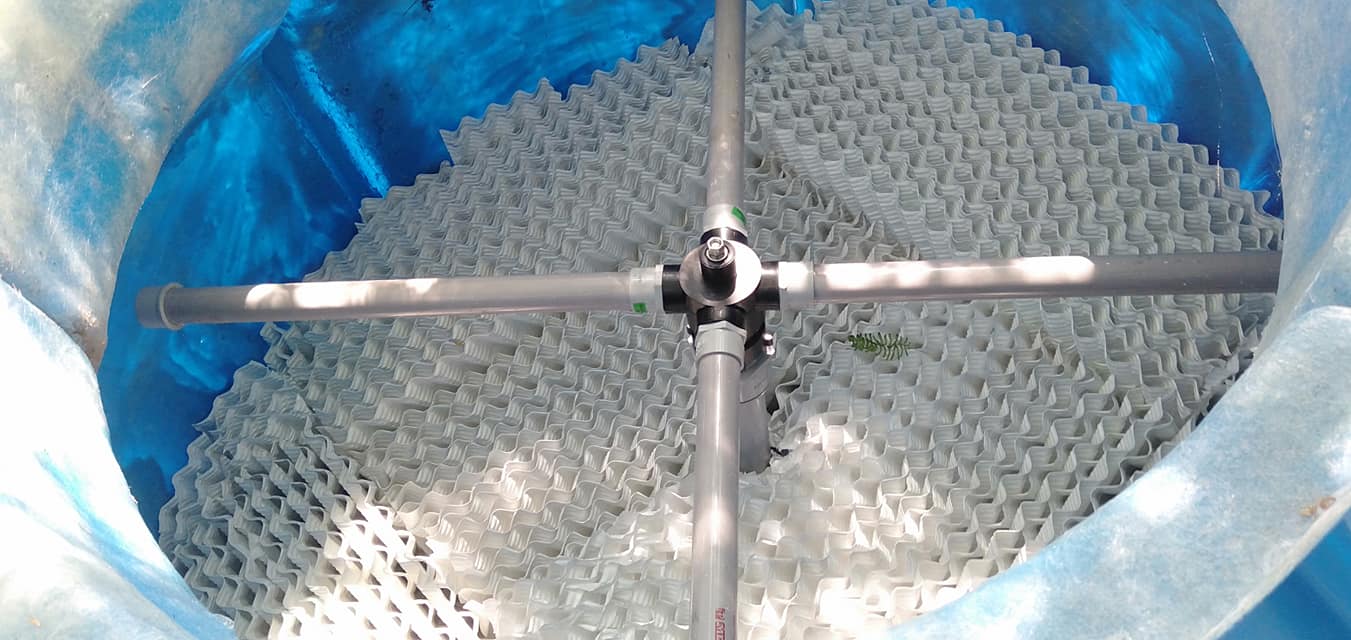
Types of Hybrid Fill Used in Cooling Towers Hybrid fill represents an engineering optimization where two distinct types of fill media (or materials) are strategically combined within a single cooling tower to balance thermal performance, fouling resistance, water distribution, and maintenance requirements. It aims to leverage...
Water Treatment in Cooling Towers: A Comprehensive Guide Water treatment is absolutely critical for the safe, efficient, and reliable operation of any cooling tower system, regardless of industry. Without proper treatment, cooling towers become sources of bacterial hazards, equipment failure, and operational inefficiency Why Water...
Use of cooling tower in Geothermal plants The use of cooling towers in geothermal power plants is fundamental, but it differs in key ways from fossil fuel or nuclear plants. Here, the cooling tower is not an auxiliary component; it is often the primary and sometimes the only heat rejection cycle for the entire plant. Its role is...
Why a Separate Cooling Tower for Auxiliary Cooling? This is the crucial distinction from the main condenser cooling system:Reliability & Independence: The auxiliary cooling system must remain operational even when the main turbine is tripped or offline. A dedicated, independent cooling tower Typical System Configuration: A...
Use of cooling tower in Power plant auxiliary cooling In a power plant, the main condenser (cooled by a massive circulating water system, often with its own huge cooling towers) gets most of the attention. However, auxiliary cooling systems are the critical lifeblood that keeps the plant’s support equipment operating...
Use of cooling tower in Medium-capacity industrial cooling Moving from commercial HVAC to medium-capacity industrial cooling shifts the focus from human comfort to process cooling, where reliability, precise temperature control, and handling unique thermal loads become paramount. While the core thermodynamic principle (rejecting heat...