When to Choose a Shell & Tube Oil Cooler? When to Use an Air-Cooled Oil Cooler? Critical Considerations Final Verdict Shell & tube oil coolers win in: Air-cooled oil coolers win in: Lower upfront cost
Parts of A shell and tube oil cooler A shell and tube oil cooler consists of several key components, each playing a critical role in heat transfer, structural integrity, and fluid flow. Below is a detailed breakdown of its major parts, their functions, and common materials used in marine/industrial applications. 1. Shell...
The oil cooler in an engine serves a critical purpose in maintaining optimal engine performance and longevity. Its primary functions are: 1. Cooling the Engine Oil 2. Maintaining Oil Viscosity 3. Preventing Engine Overheating . Extending Oil Life 5. Protecting Turbocharged Engines 6. Enhancing Performance & Efficiency Types of Oil...
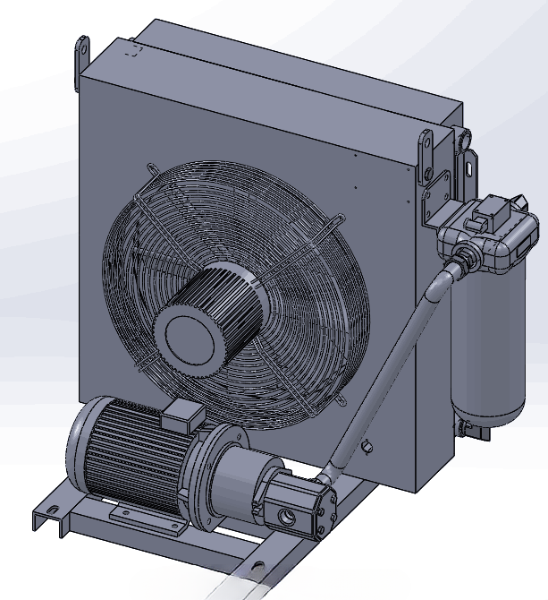
purpose of an Oil Cooler in a Hydraulic Power Pack An oil cooler (or hydraulic cooler) in a hydraulic power pack is essential for maintaining optimal system performance and reliability. Its primary functions include: 1. Temperature Control 2. Preventing Oil Degradation 3. Maintaining System Efficiency 4. Protecting Seals...
Materials Used in Shell & Tube Oil Cooler Tubes The tubes in a shell and tube oil cooler are critical for heat transfer efficiency, corrosion resistance, and durability. The choice of material depends on factors like fluid compatibility, temperature, pressure, and cost. Below are the most common materials used: 1....
Copper Tube vs. Stainless Steel Tube Oil Coolers: When choosing between copper and stainless steel (SS) tubes for an oil cooler, factors like thermal efficiency, corrosion resistance, durability, and cost play a crucial role. Below is a detailed comparison: 1. Thermal Conductivity & Heat Transfer Efficiency...
Why Aluminum Brass Tubes Are Used in Marine Oil Coolers Aluminum brass (CuZn20Al, UNS C68700) is a copper alloy specifically engineered for marine and seawater cooling applications. It is widely used in shell-and-tube oil coolers for ships, offshore platforms, and desalination plants due to its unique...
By AIR-WATER FLOW DIRECTION (within Mechanical Draft Towers) Type Airflow vs. Water Flow Characteristics Counter flow Air flows upward, opposite to falling water. – Higher thermal efficiency– Smaller footprint– Higher pumping head (pressure)– More prone to fouling Cross flow Air flows horizontally, water falls...
Types of Cooling Tower Systems Cooling towers are classified in several ways based on their design, airflow method, construction, and heat transfer principles. Here’s a comprehensive breakdown of the main types: 1. By AIR FLOW GENERATION Method This is the most common classification. A. Natural Draft Cooling Towers B. Mechanical Draft Cooling...
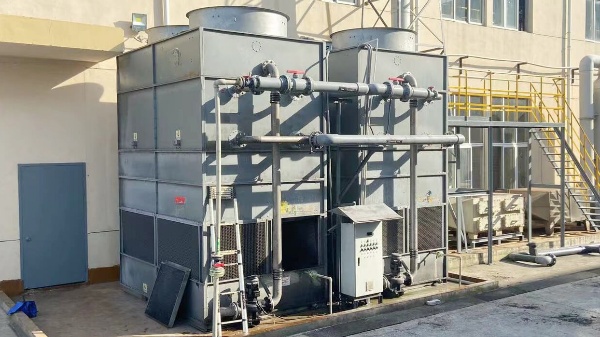
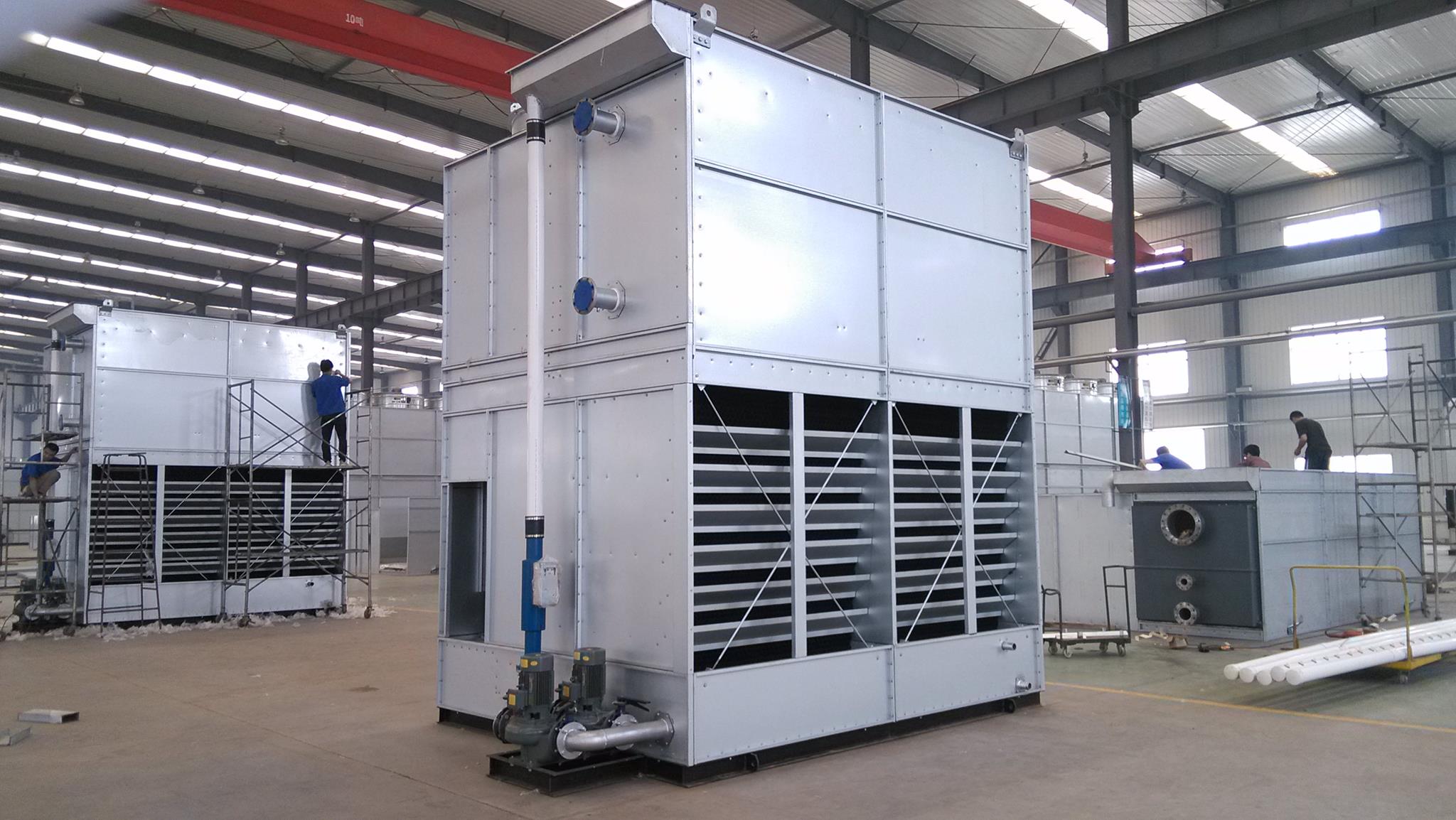
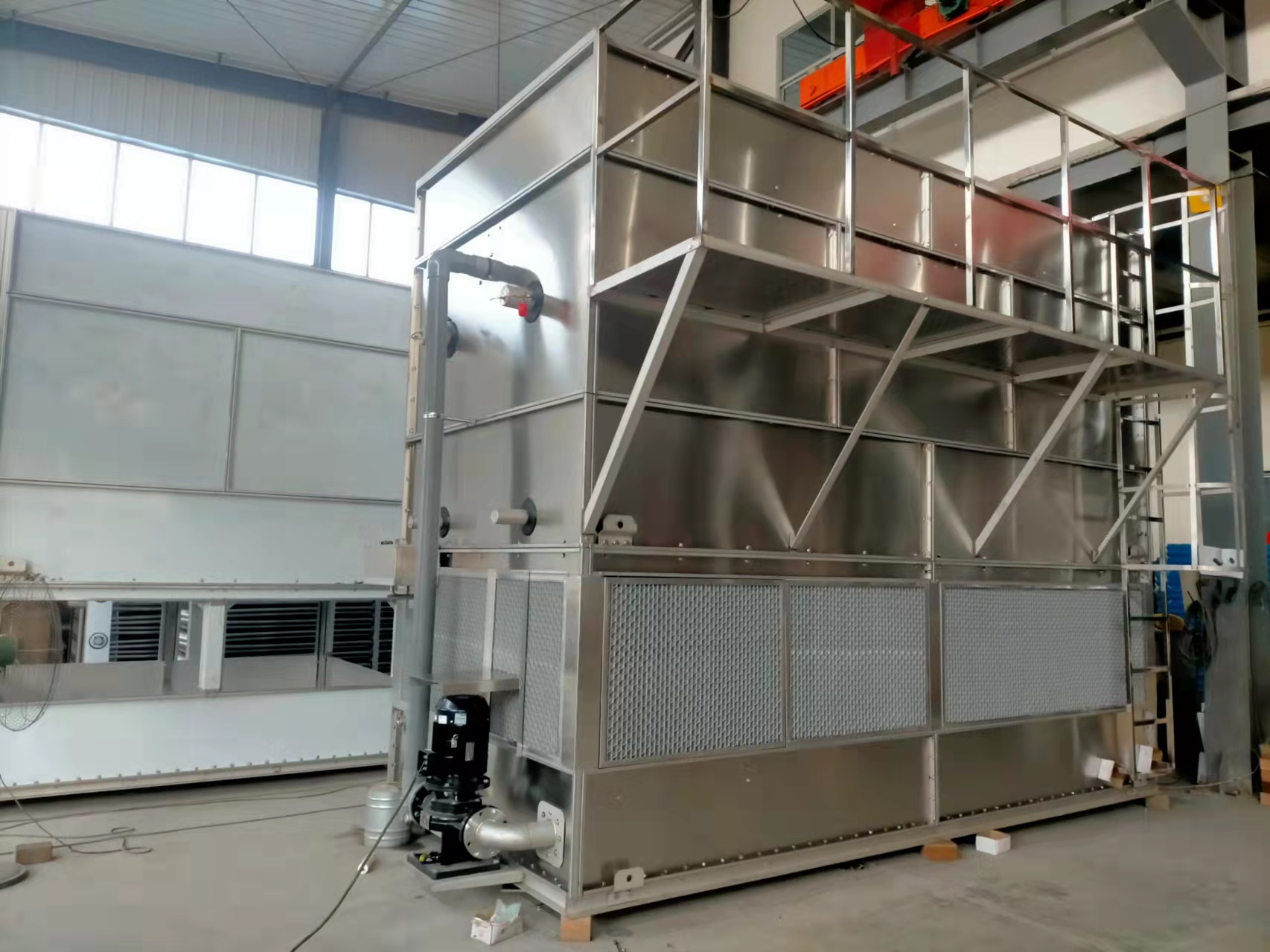
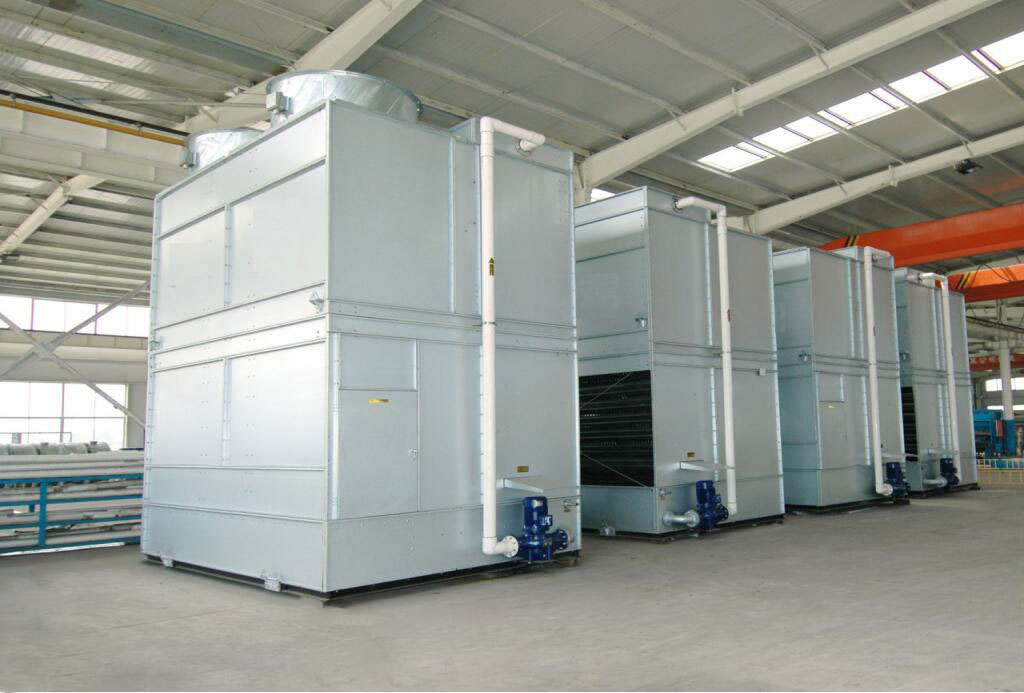
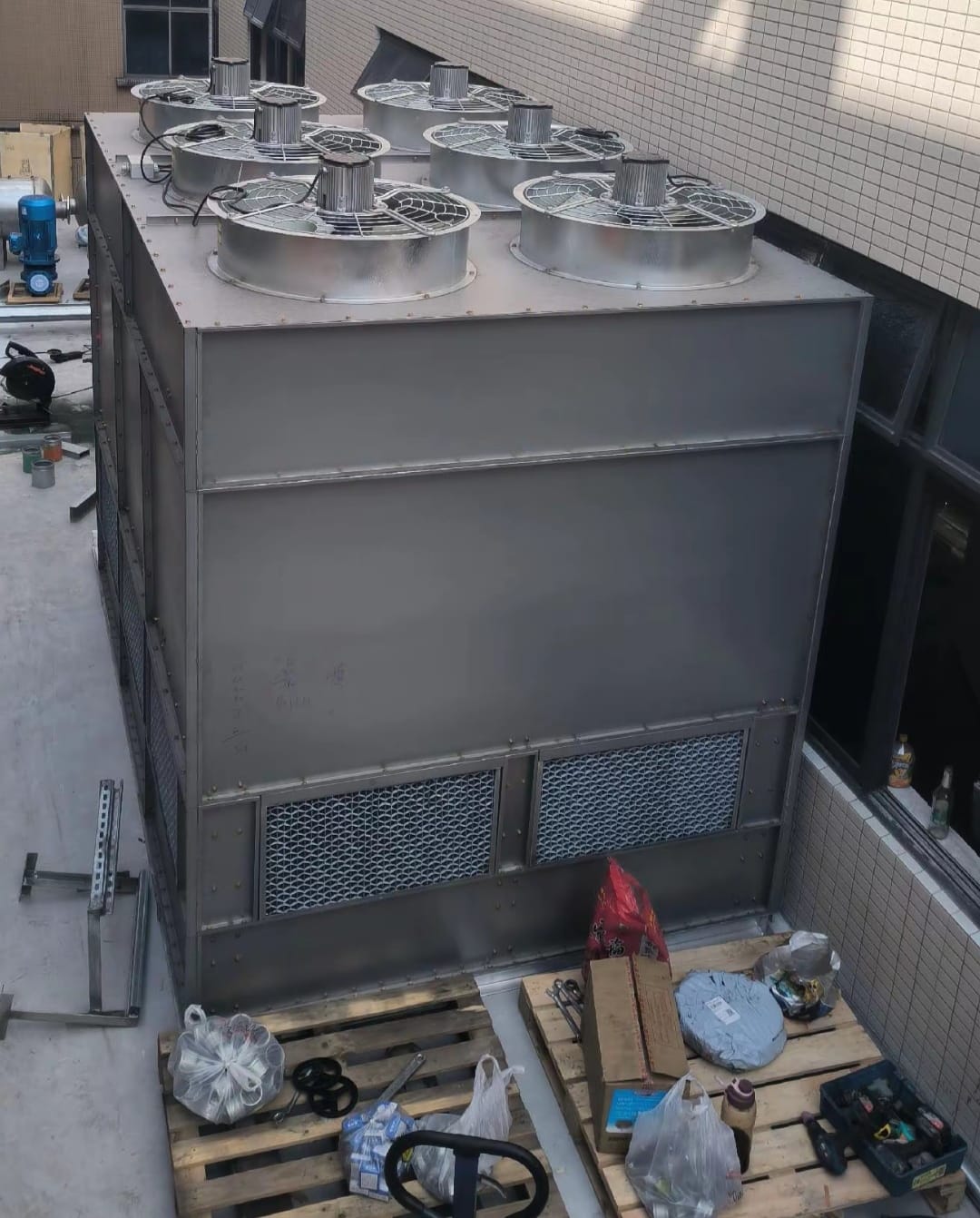
A Cross flow Cooling Tower is a type of mechanical draft, wet cooling tower where the flow of air is horizontal (side to side), perpendicular to the vertical fall of the water. This creates a distinct “cross” pattern of air and water flows. Step-by-Step Working Principle 1. Hot Water Inlet & Distribution 2....
Cross flow vs. Counter flow Design Feature Cross flow Cooling Tower Counter flow Cooling Tower Air/Water Direction Air horizontal, water vertical (90° cross). Air upward, water downward (opposite directions). Water Distribution Gravity basins (low pressure). Pressurized spray nozzles (higher pressure). Air Pressure...
Advantages of Cross flow Design Typical Applications Why Choose a Cross flow Tower? In summary, a cross flow cooling tower operates on a simple gravity-fed, perpendicular flow principle, offering reliability and ease of maintenance, making it a popular choice for many commercial and industrial cooling applications.
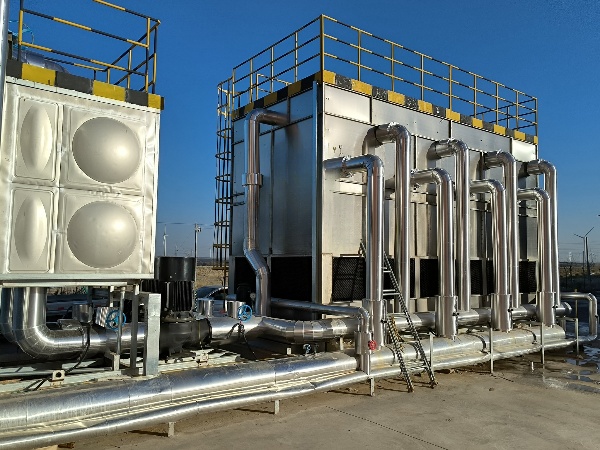
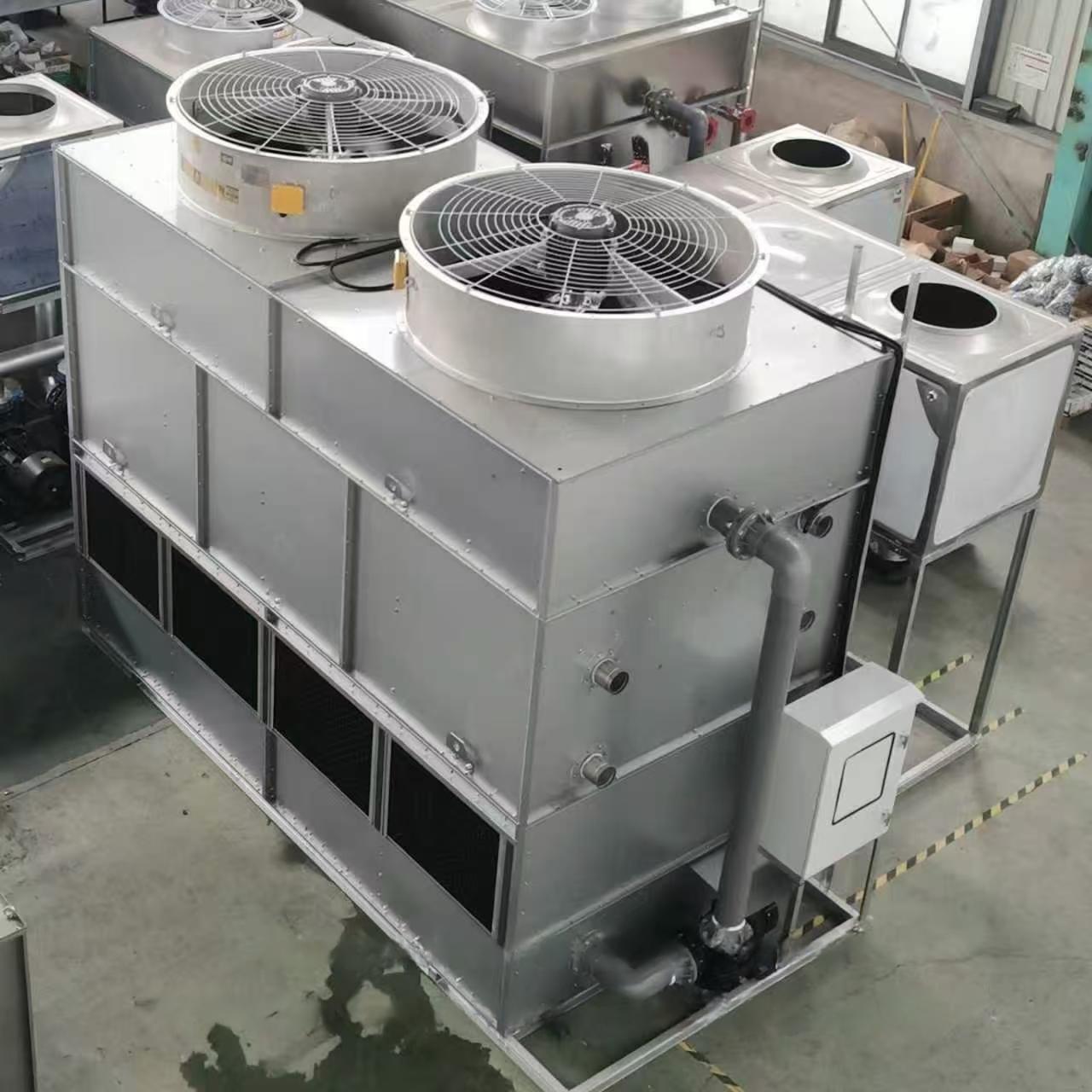
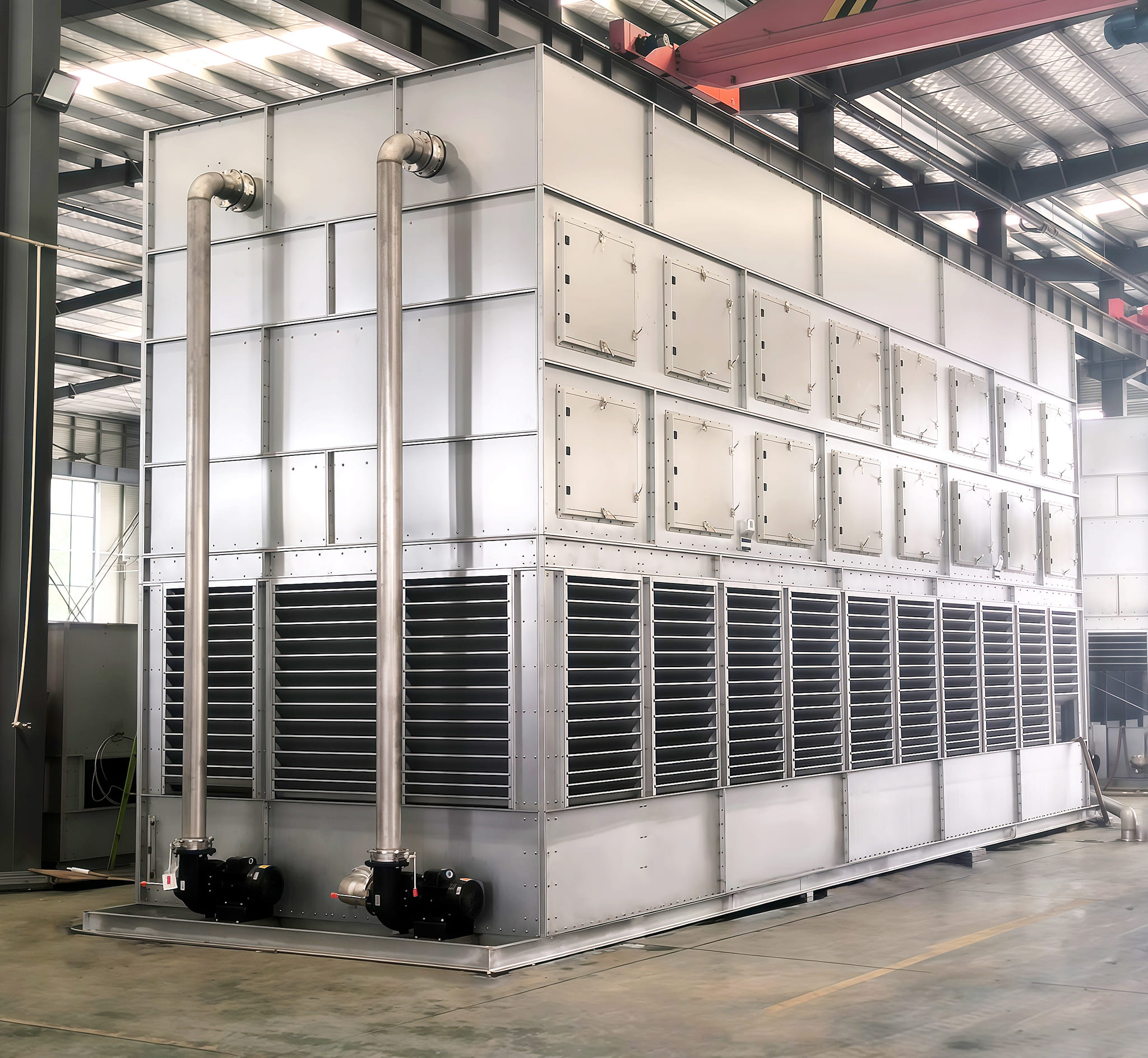
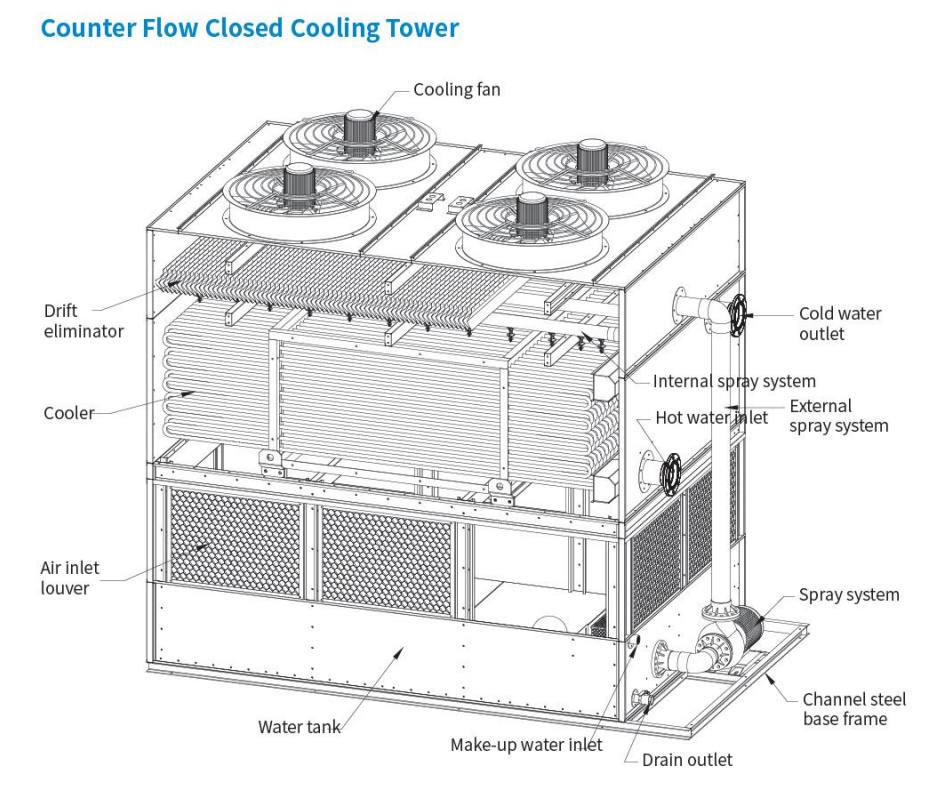
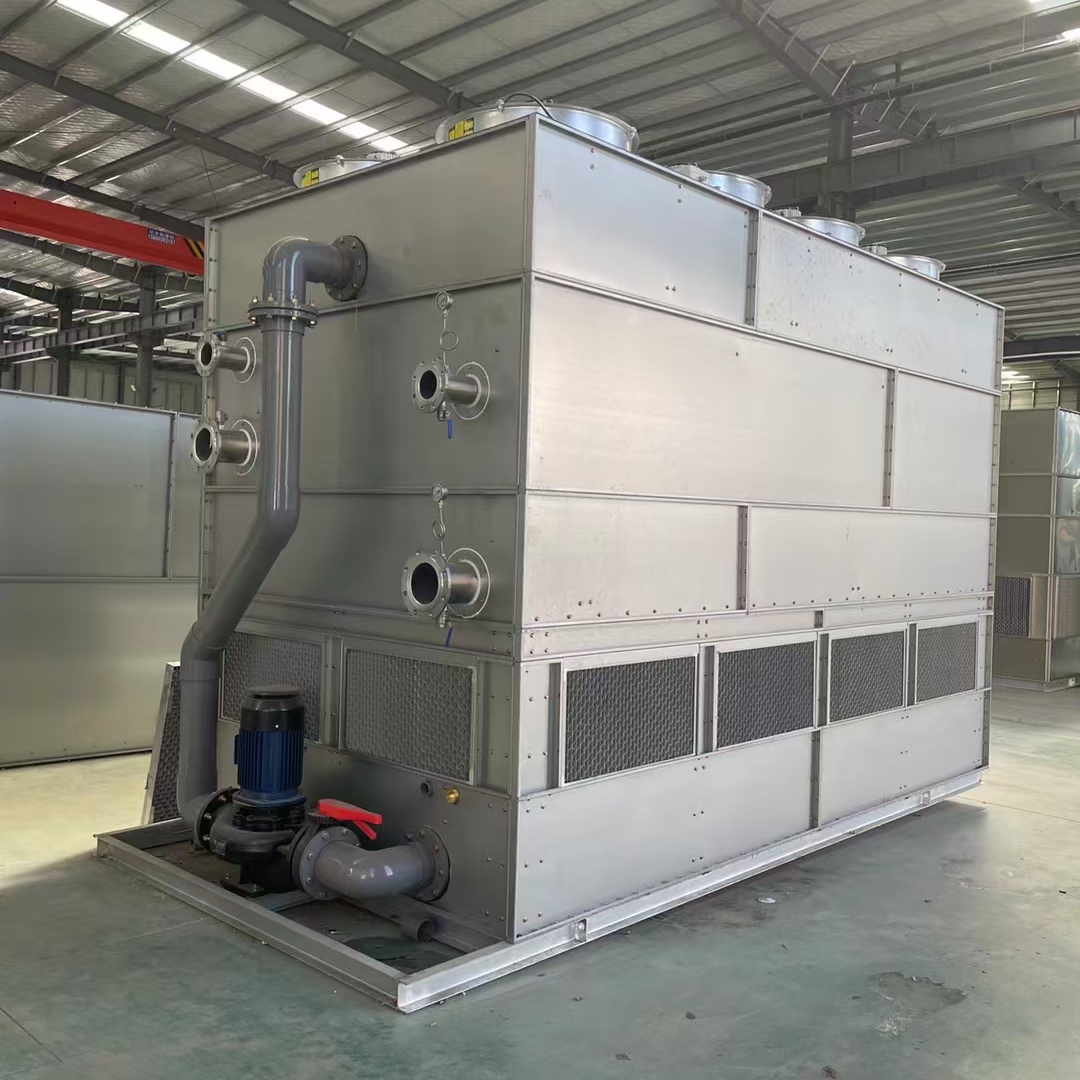
How Counter flow Cooling Towers Work A Counter flow Cooling Tower is a type of mechanical draft, wet cooling tower where air flows vertically upward, directly opposite to the downward flow of hot water. This counter-current arrangement creates highly efficient heat and mass transfer. Step-by-Step Working Principle...
Counter flow vs. Cross flow Comparison Parameter Counter flow Tower Cross flow Tower Flow Direction Air ↑ vs Water ↓ (opposite) Air → vs Water ↓ (perpendicular) Water Distribution Pressurized spray nozzles Gravity basins with orifices Air Pressure Drop Higher (air fights upward against water) Lower (horizontal path) Pumping Head...
Application-Based Selection of Tower Type Application Typical Cooling Tower Type Key Reason for Choice Large Power Plant Natural Draft (Hyperbolic) Massive capacity, no fan power, very reliable. Commercial HVAC Factory-Assembled Induced Draft Cross flow or Counter flow Compact, cost-effective, easy to maintain, good part-load performance....
Plastic and synthetic fiber production (PVC, nylon, polyester 5. Heavy Industry & Manufacturing 6. Data Centers & Telecommunications 7. Miscellaneous & Specialized Applications
Core Functions & Benefits Function Benefit Heat Rejection Removes large heat loads (often 10-1000+ MW) efficiently. Water Conservation Recycles 95-98% of cooling water (vs. once-through systems). Energy Efficiency Lower power consumption than air-cooled systems for same duty. Space Efficiency Smaller footprint than air-cooled heat exchangers...
What Are Cooling Towers Used For? Cooling towers are primarily used to reject waste heat from industrial processes and air conditioning systems by evaporative cooling of water. Their main purpose is to provide a cost-effective and efficient method for dissipating large amounts of heat into the atmosphere, conserving water, and...
Why It’s Important Cooling Range vs. Approach Two key terms are often confused: Term Meaning Depends on Cooling Range Thot in−Tcold outThot in−Tcold out Process heat load and water flow rate Approach Tcold out−Twet bulbTcold out−Twet bulb Tower’s cooling efficiency and...
Cooling Range in a Cooling Tower Simple Definition The Cooling Range (also called Temperature Range or simply Range) is the temperature difference between the hot water entering the cooling tower and the cold water leaving it. It is expressed as:...
What is a Cooling Tower? A cooling tower is a specialized heat exchanger that removes waste heat from a system (like an industrial process or an HVAC system) by transferring it to the atmosphere through the cooling of water. It uses evaporation to cool down water, which is then reused in the process. How It Works (Basic […]
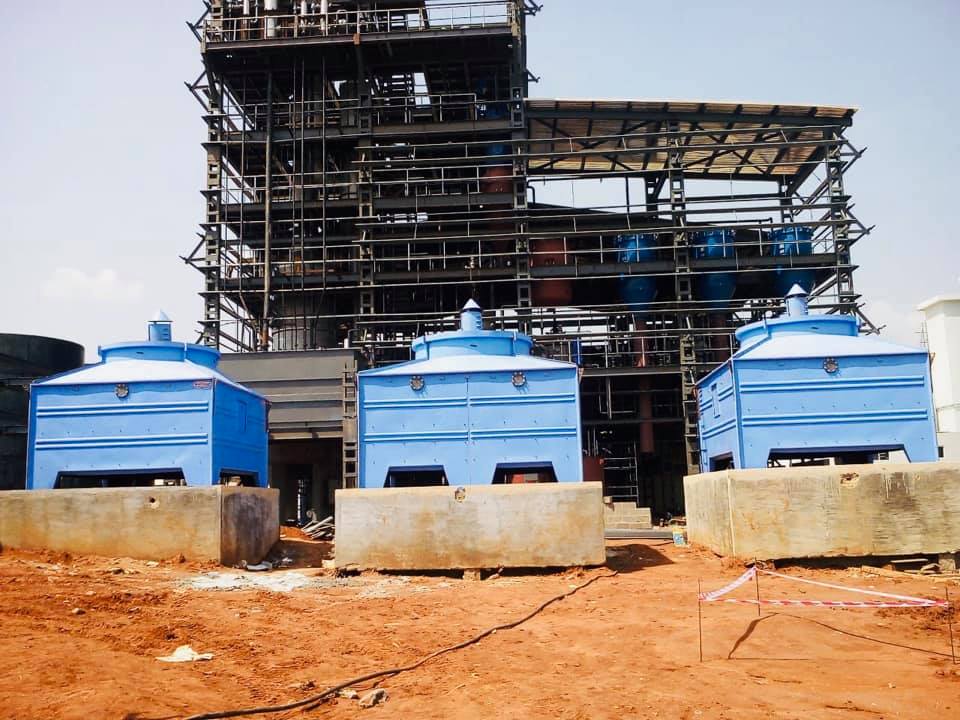
Advantages of FRP Cooling Tower FRP (Fiberglass Reinforced Plastic) Cooling Towers are significant and make them the preferred choice for a wide range of applications, particularly where corrosion, longevity, and low maintenance are priorities. 1. Exceptional Corrosion Resistance (The #1 Advantage) 2. Lightweight yet Extremely Strong 3. Low...
What Parts of the Tower are FRP? In a typical “FRP package tower,” the following are made from FRP: The internal components are usually still made of other highly efficient materials: An FRP cooling tower is a premium, corrosion-resistant, and low-maintenance unit where the main structure is built from molded fiberglass. It is the...
What is meant by FRP Cooling Tower? RP Cooling Tower is a cooling tower whose major components—primarily the casing (outer shell), cold water basin, and often structural supports—are constructed from Fiberglass Reinforced Plastic (FRP). It’s important to understand that “FRP” doesn’t refer to the...
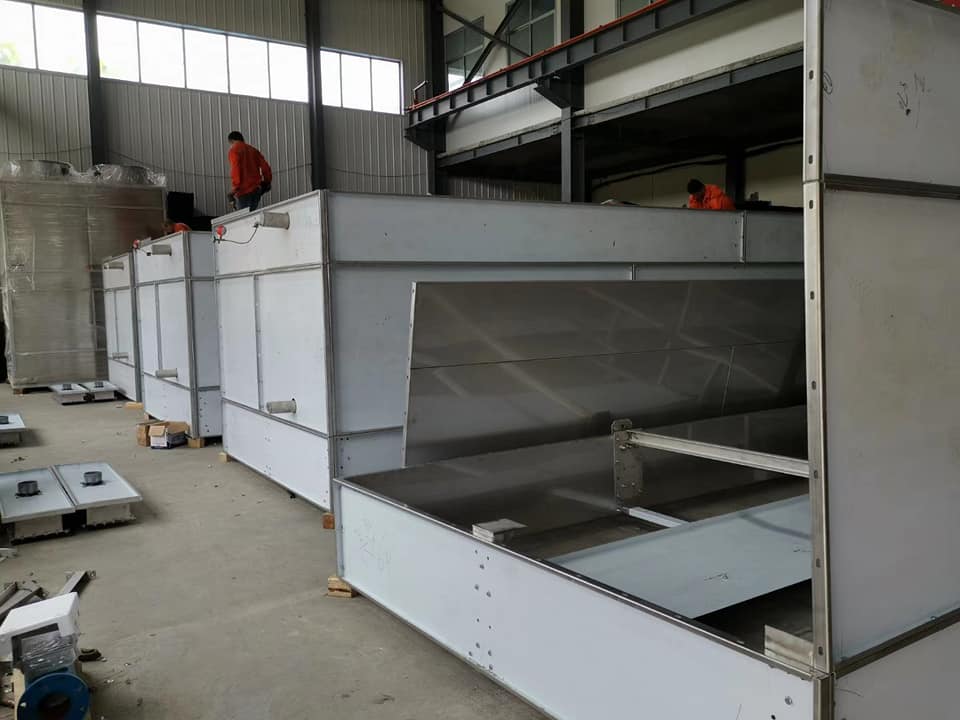
Materials of Cooling Tower Parts 1. Casing and Structural Framework This is the tower’s exterior shell and internal support structure.Galvanized Steel (G.S.): The most common material for industrial and large HVAC tower frameworks and casings. The zinc coating provides excellent 2. Fill (or Packing) This is the...
Material of Construction of Cooling Tower Component Common Materials Key Reasons Casing/Structure Galvanized Steel (G.S.), Stainless Steel, FRP Strength, corrosion resistance, durability. Fill (The Heart) PVC, PP, Wood, Ceramic, PP High surface area, corrosion resistance, lightweight. Cold Water Basin Reinforced Concrete, G.S. with lining, FRP Must...
Major Application of Cooling Tower Major application of a cooling tower is to reject waste heat to the atmosphere from industrial processes and building cooling systems. This core function makes them indispensable in a wide range of industries. Here’s a breakdown of the major applications, from most common to most critical. 1....
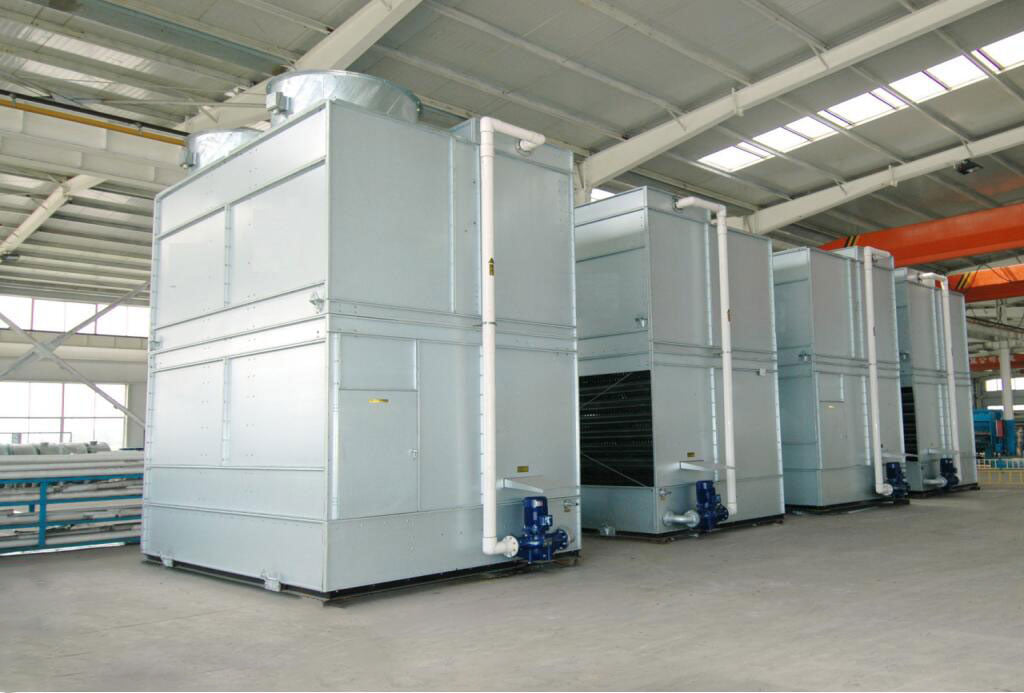
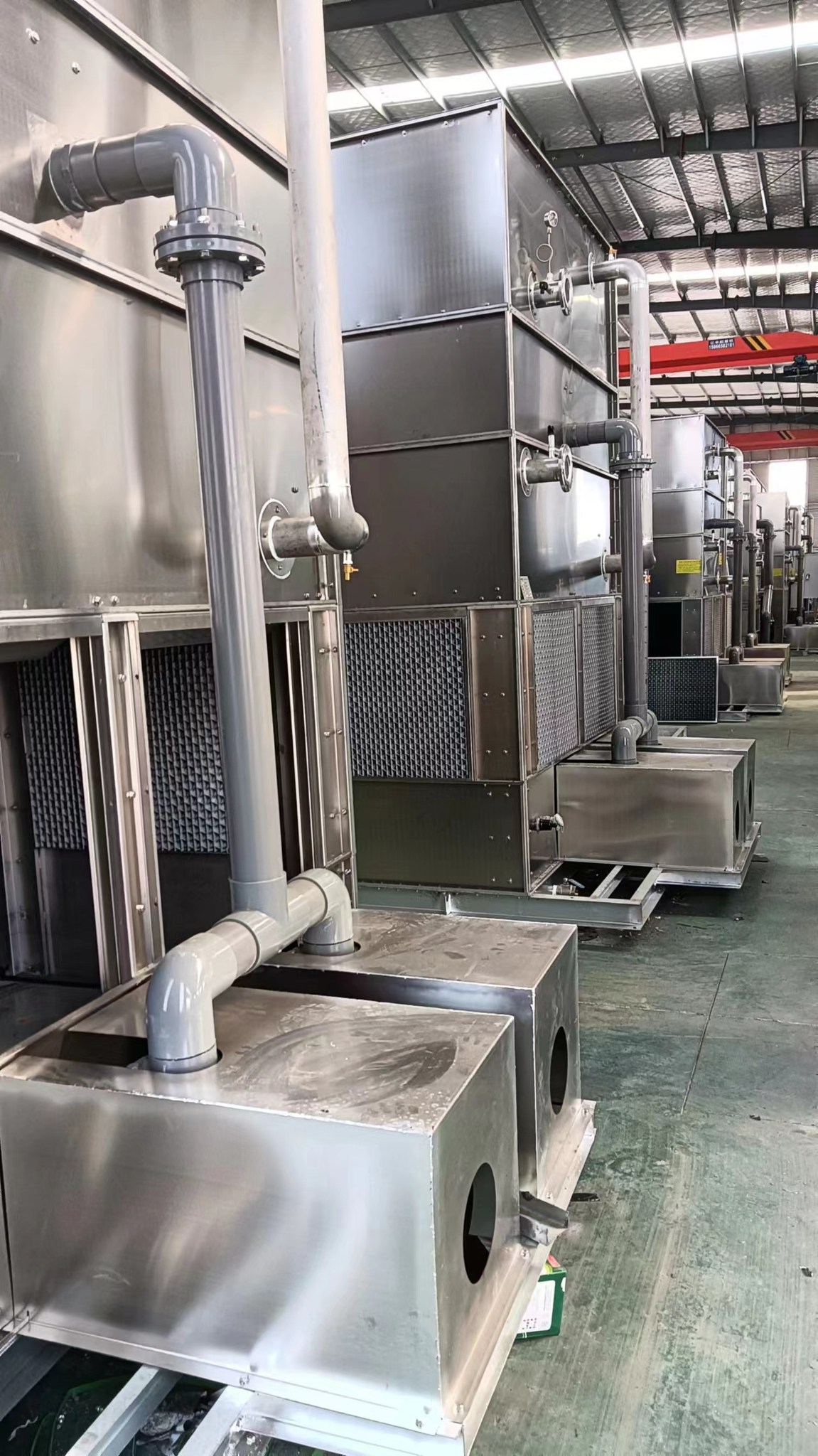
Parts of Cooling Tower Main Components of a Cooling Tower: 1. Frame and Casing 2. Fill (or Packing) 3. Cold Water Basin 4. Drift Eliminators 5. Inlet Louvres 6. Nozzles & Distribution System 7. Fan and Drive Assembly 8. Intake (Fan Cylinder) Supporting & Auxiliary Parts:
The primary function of a cooling tower is to remove waste heat from a water-based system and reject it to the atmosphere. This is achieved primarily through the principle of evaporative cooling. Here is a detailed breakdown of the key functions of a cooling tower: . Primary Function: Heat Rejection This is the core reason cooling towers...
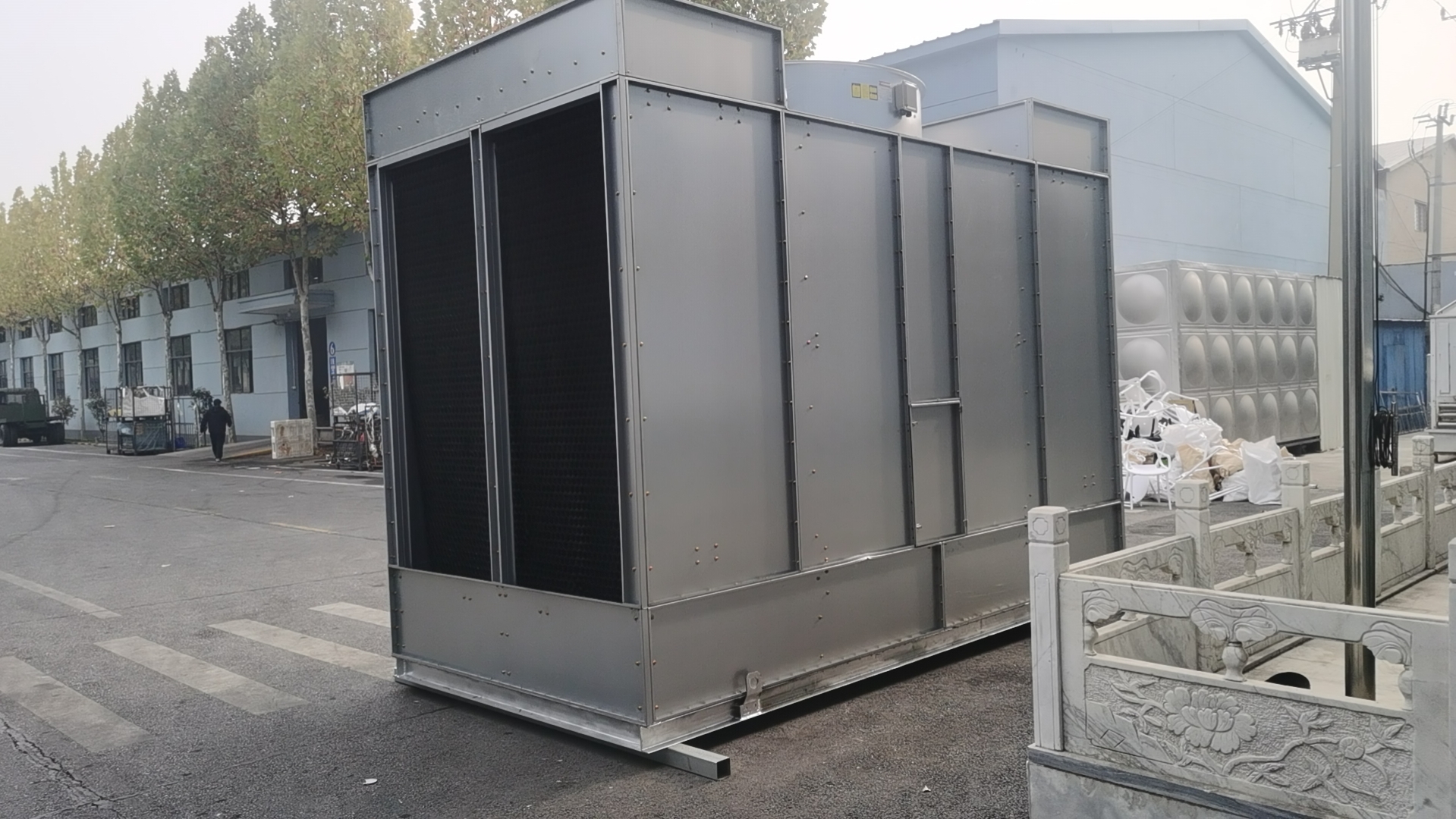
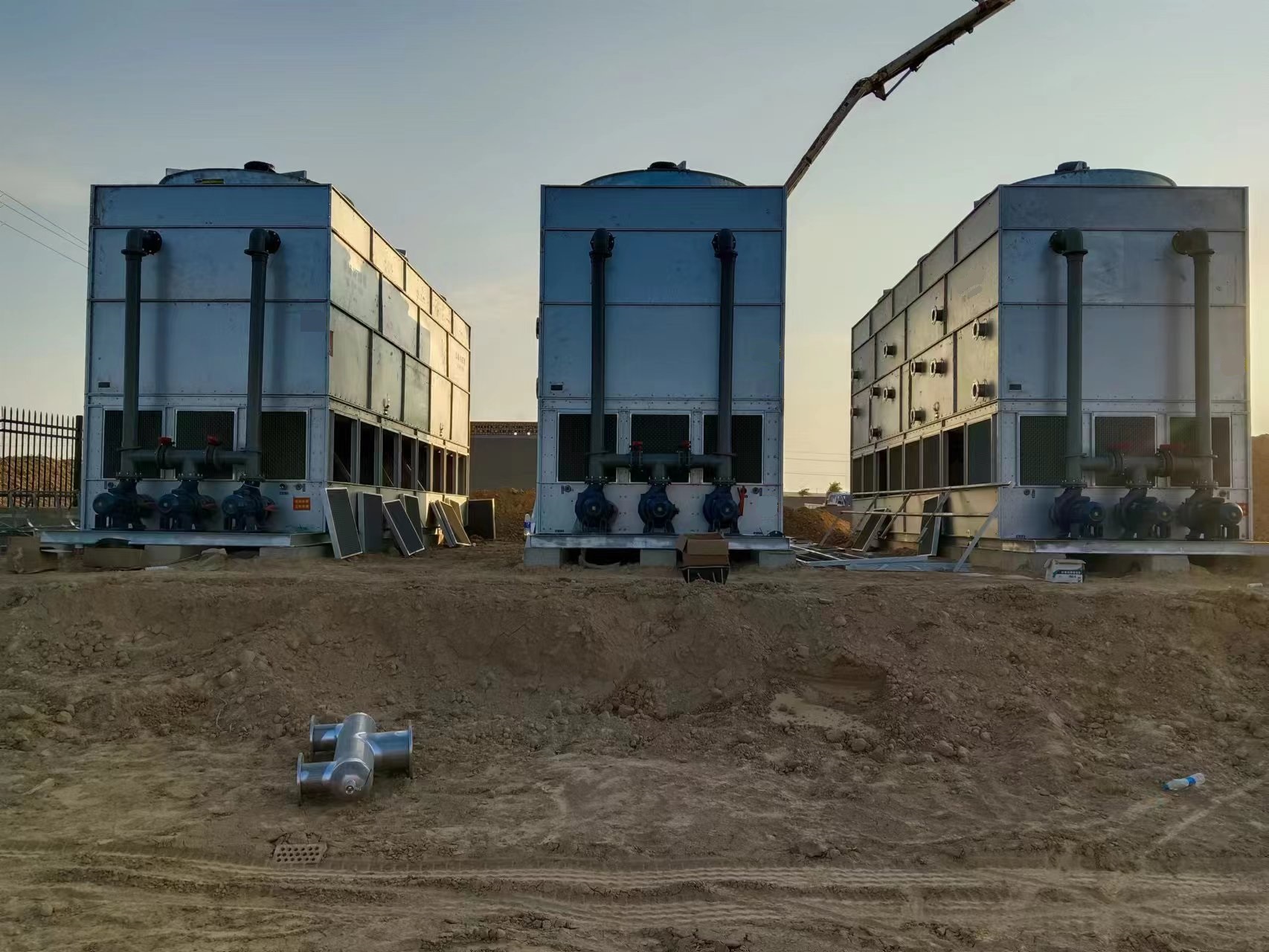
Main Types of Cooling Towers Cooling towers are primarily categorized by how they move air: 1. Mechanical Draft TowersThese use large mechanical fans to force or draw air through the tower. They are the most common type. 2. Natural Draft TowersThese massive, hyperbolic (hourglass-shaped) towers use the natural principle of convection—hot air...
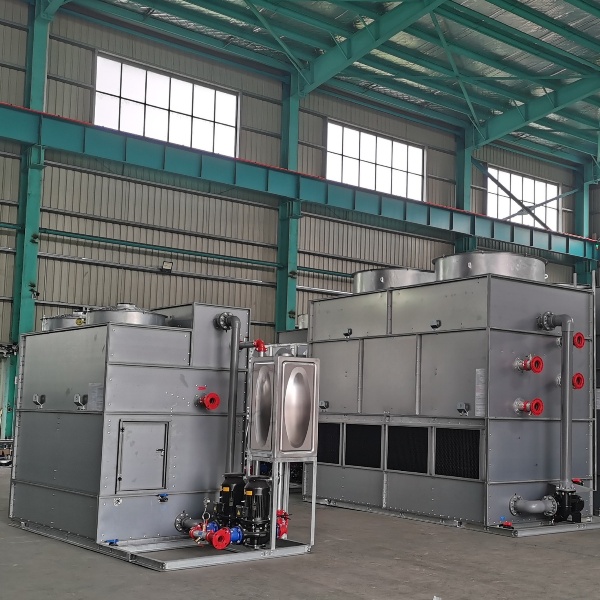
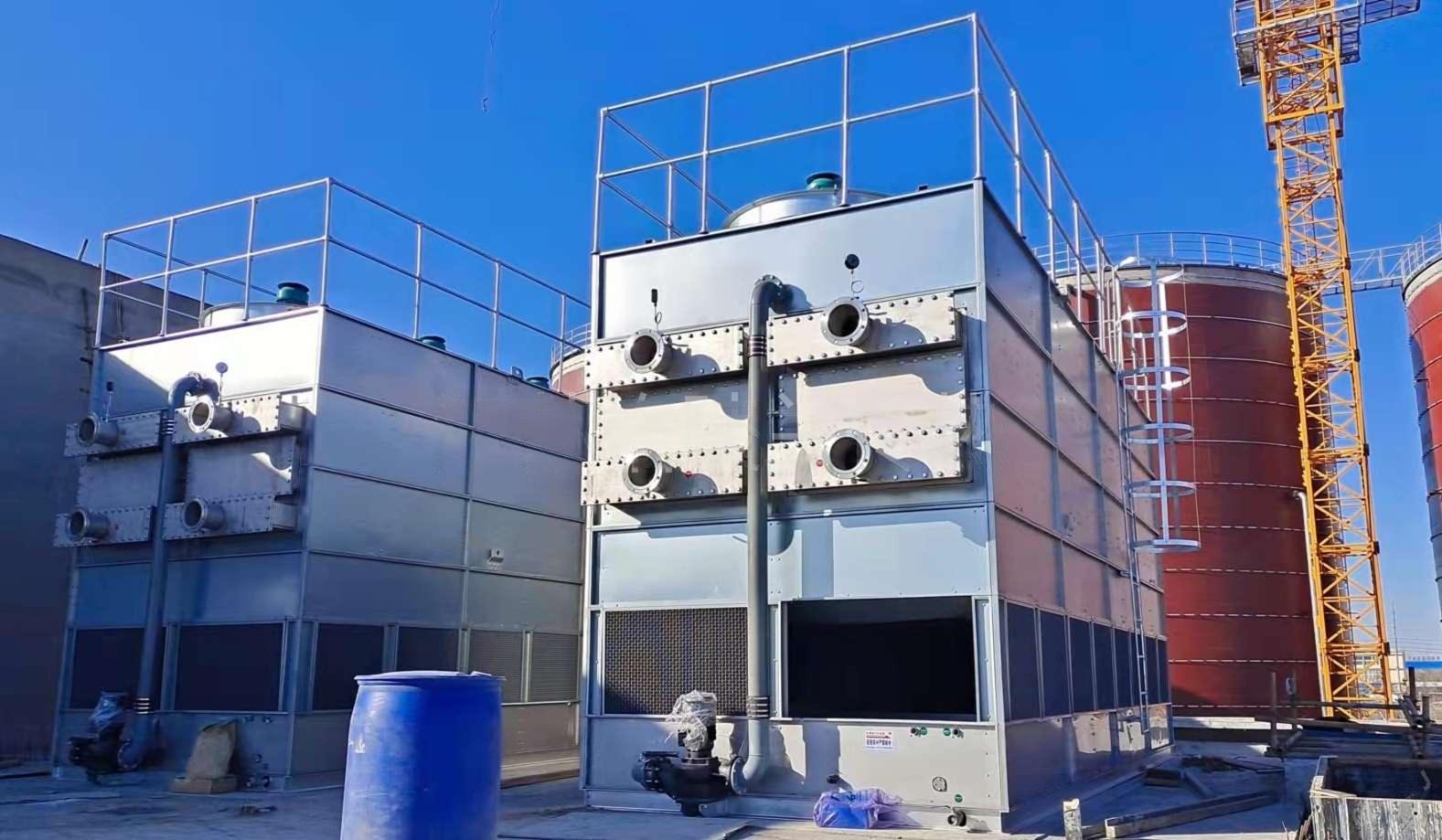
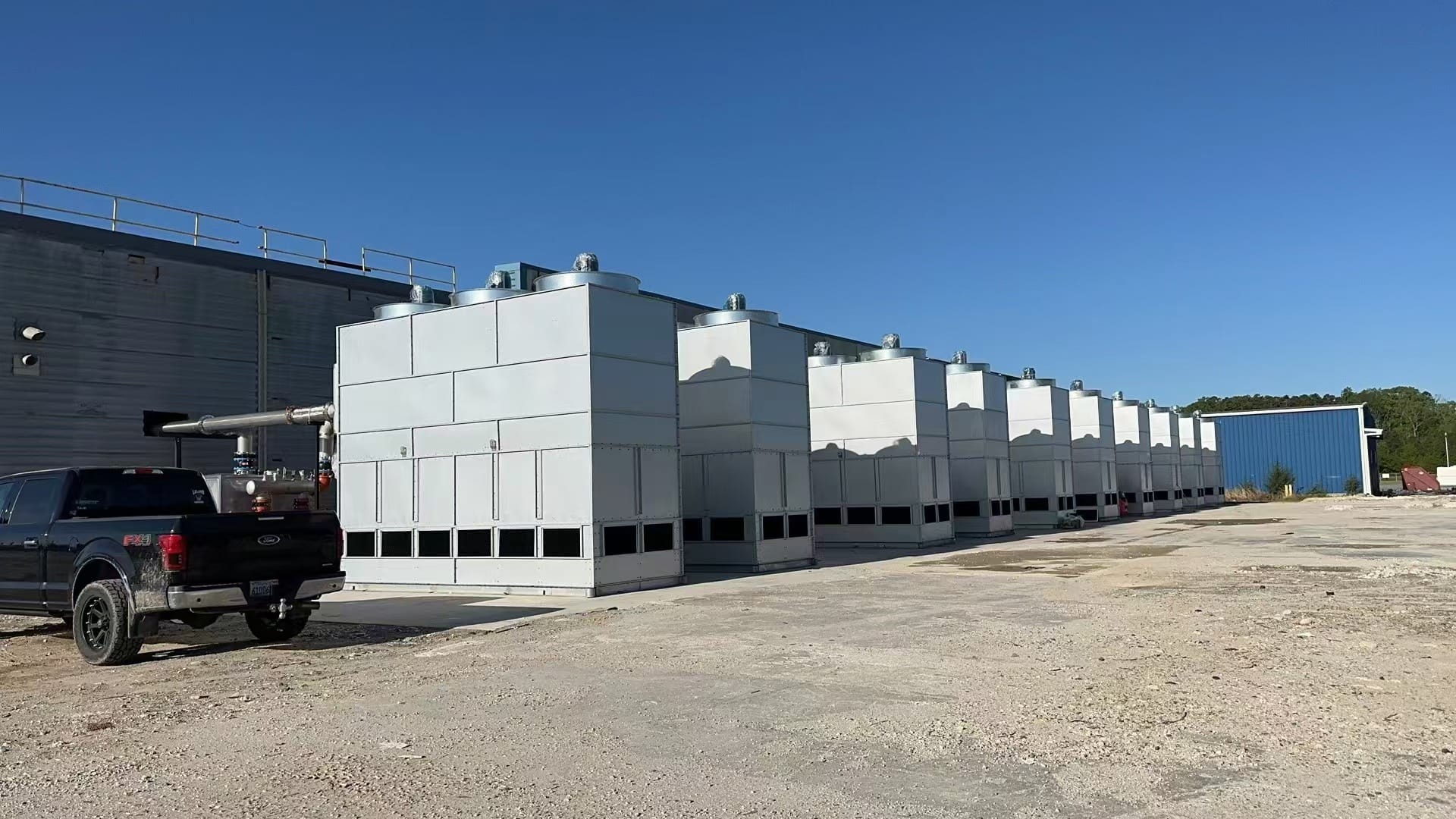
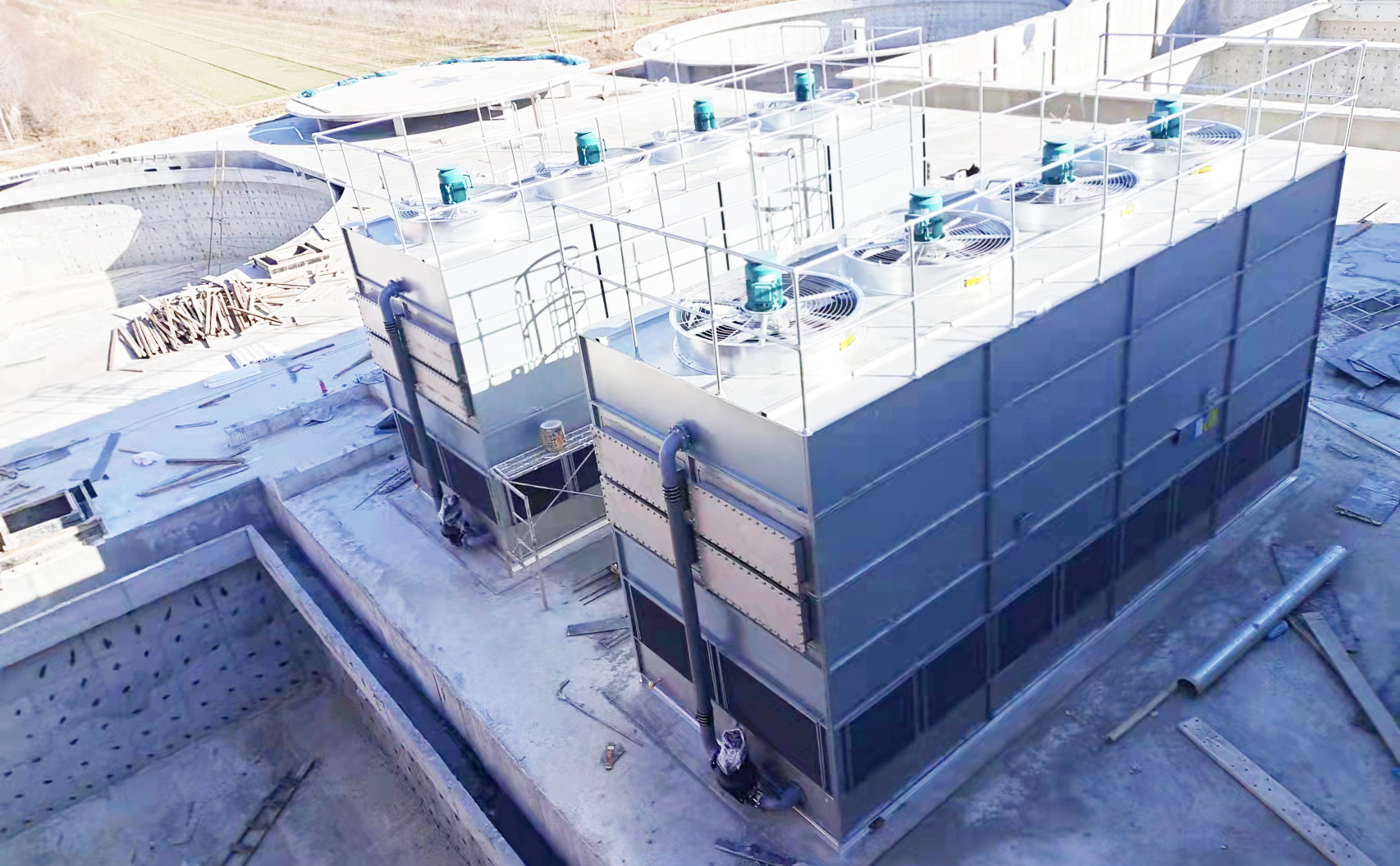
What is Cooling Tower? A cooling tower is a specialized heat exchanger that removes waste heat from a building or industrial process by transferring it to the atmosphere primarily through the process of evaporation. Think of it as a large, industrial-scale version of the simple act of sweating. When you sweat, evaporation cools your...
Limitations of Air-Cooled Oil Coolers While air-cooled oil coolers are cost-effective and simple, they have several limitations that make them unsuitable for certain applications. Below are the key drawbacks: Limited Cooling Efficiency in High Temperatures Impact: Risk of oil overheating in high-load or high-temperature conditions....
Cost Comparison: Air-Cooled vs. Water-Cooled Oil Coolers When choosing between air-cooled and water-cooled oil coolers, several cost factors come into play, including initial purchase price, installation, maintenance, energy consumption, and operational efficiency. Below is a detailed breakdown of the cost differences. 1....
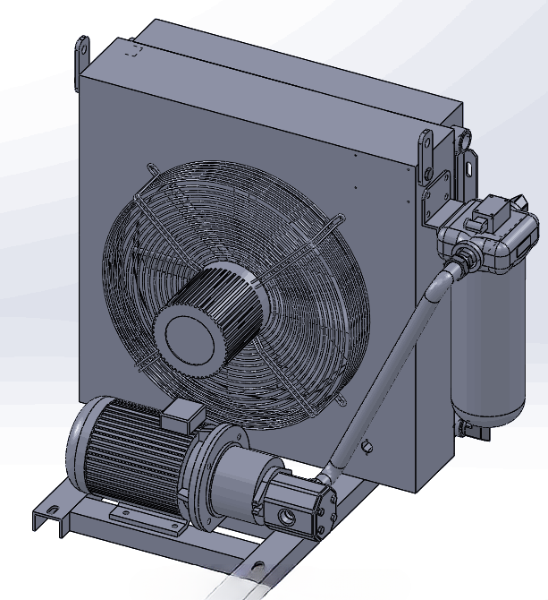
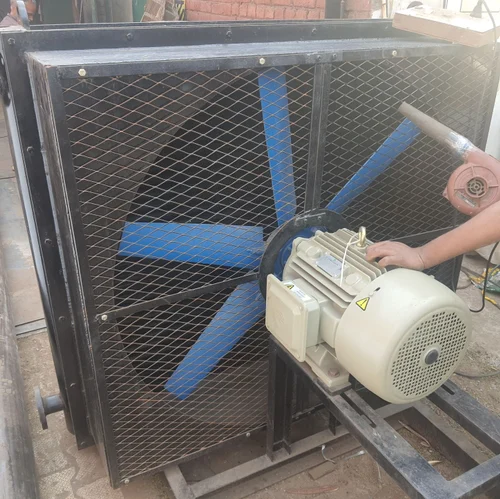
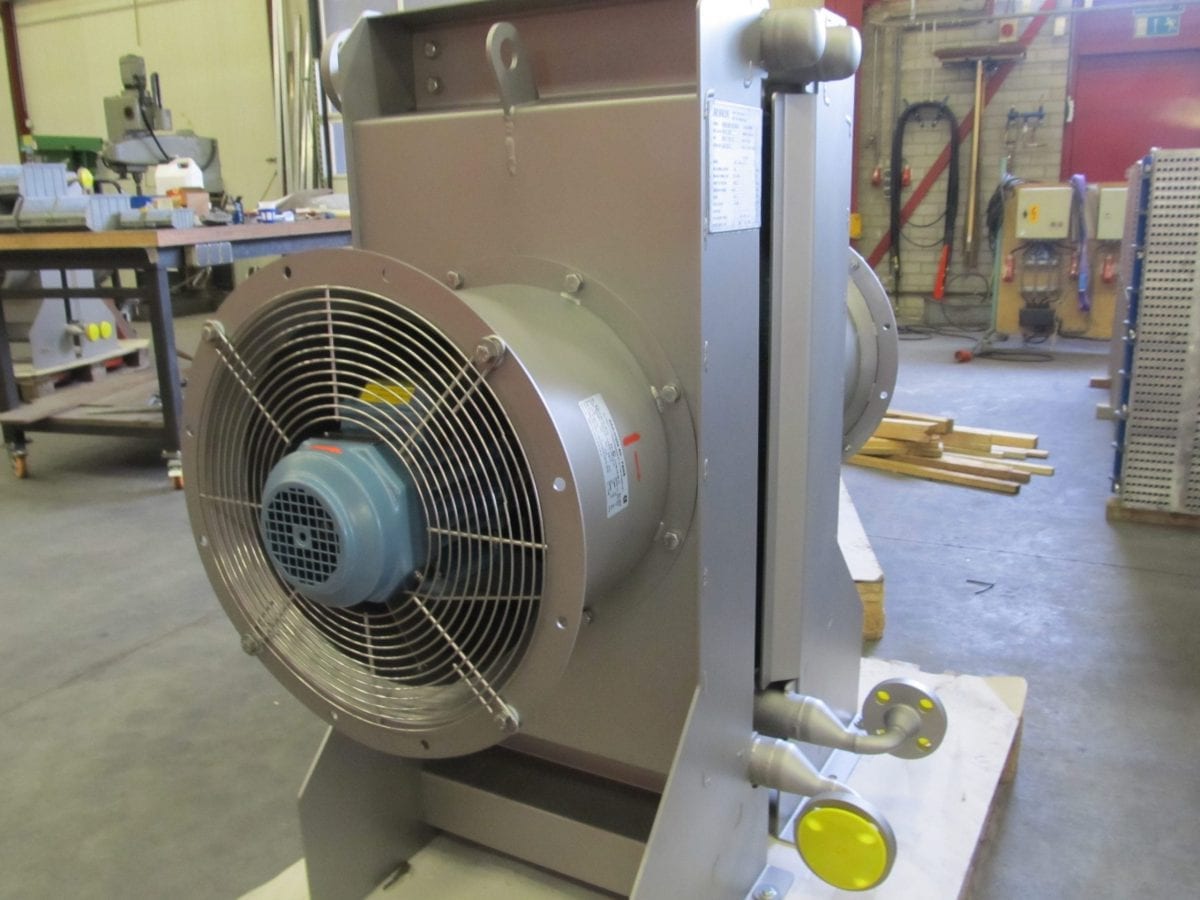
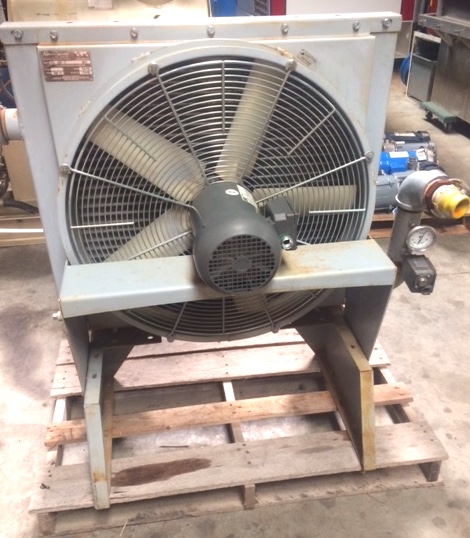
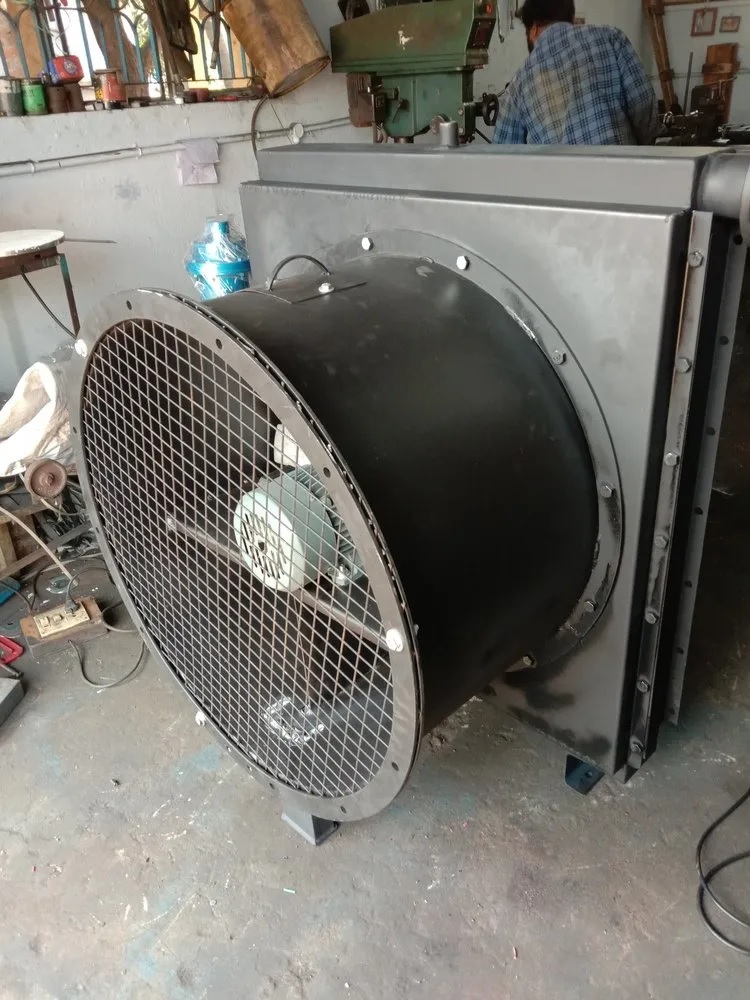
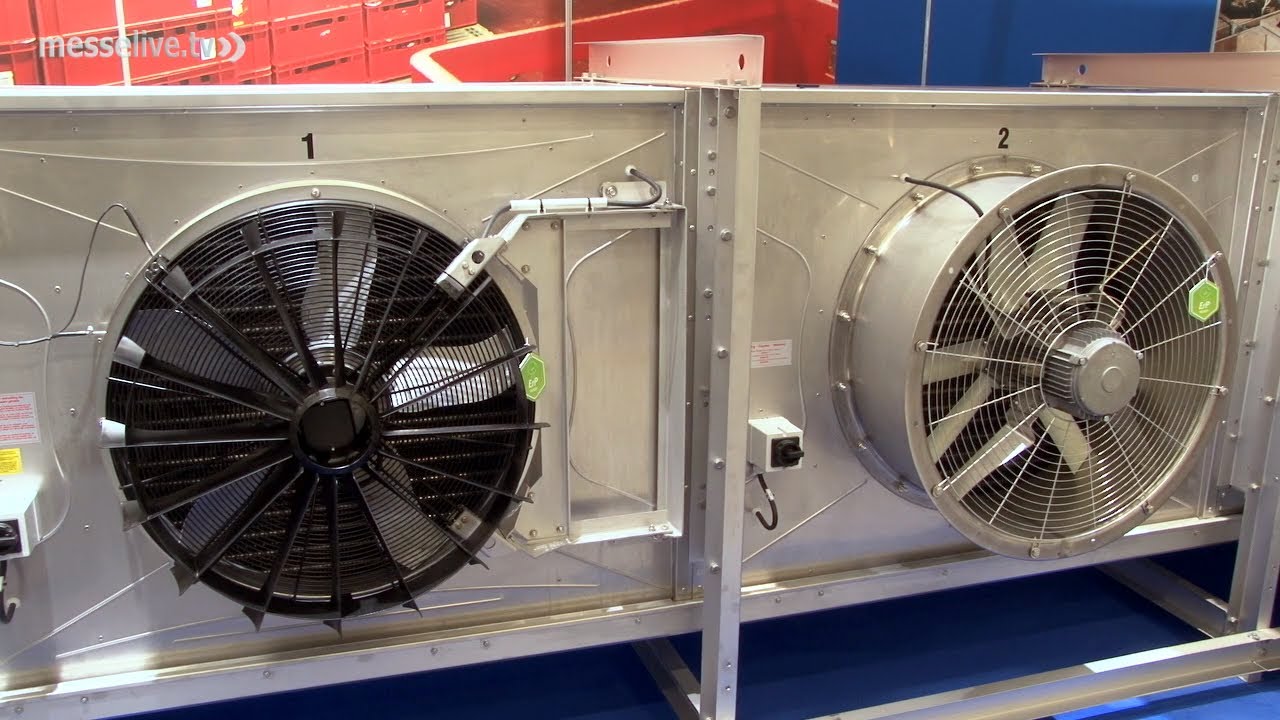
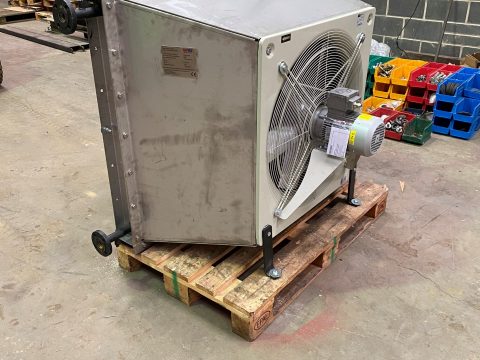
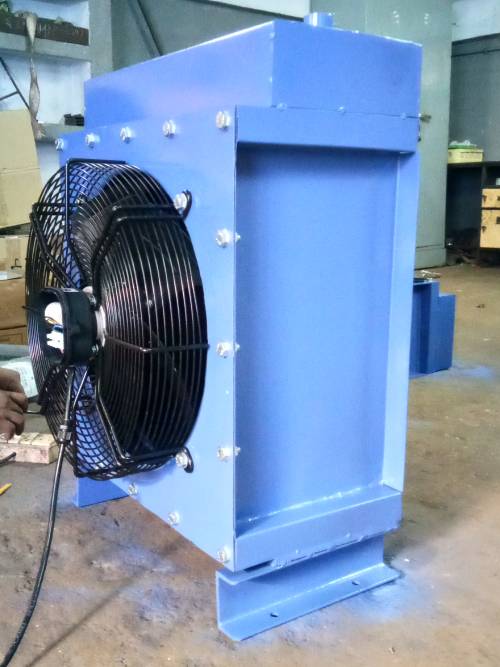
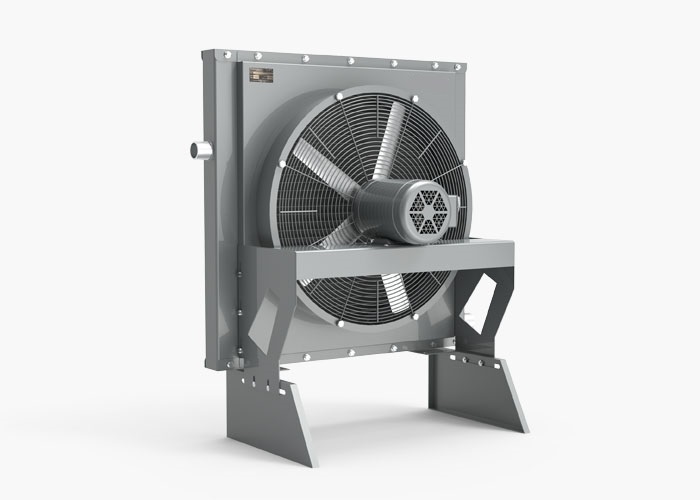
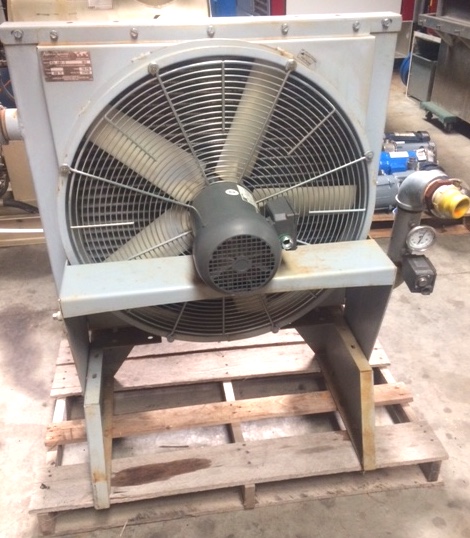
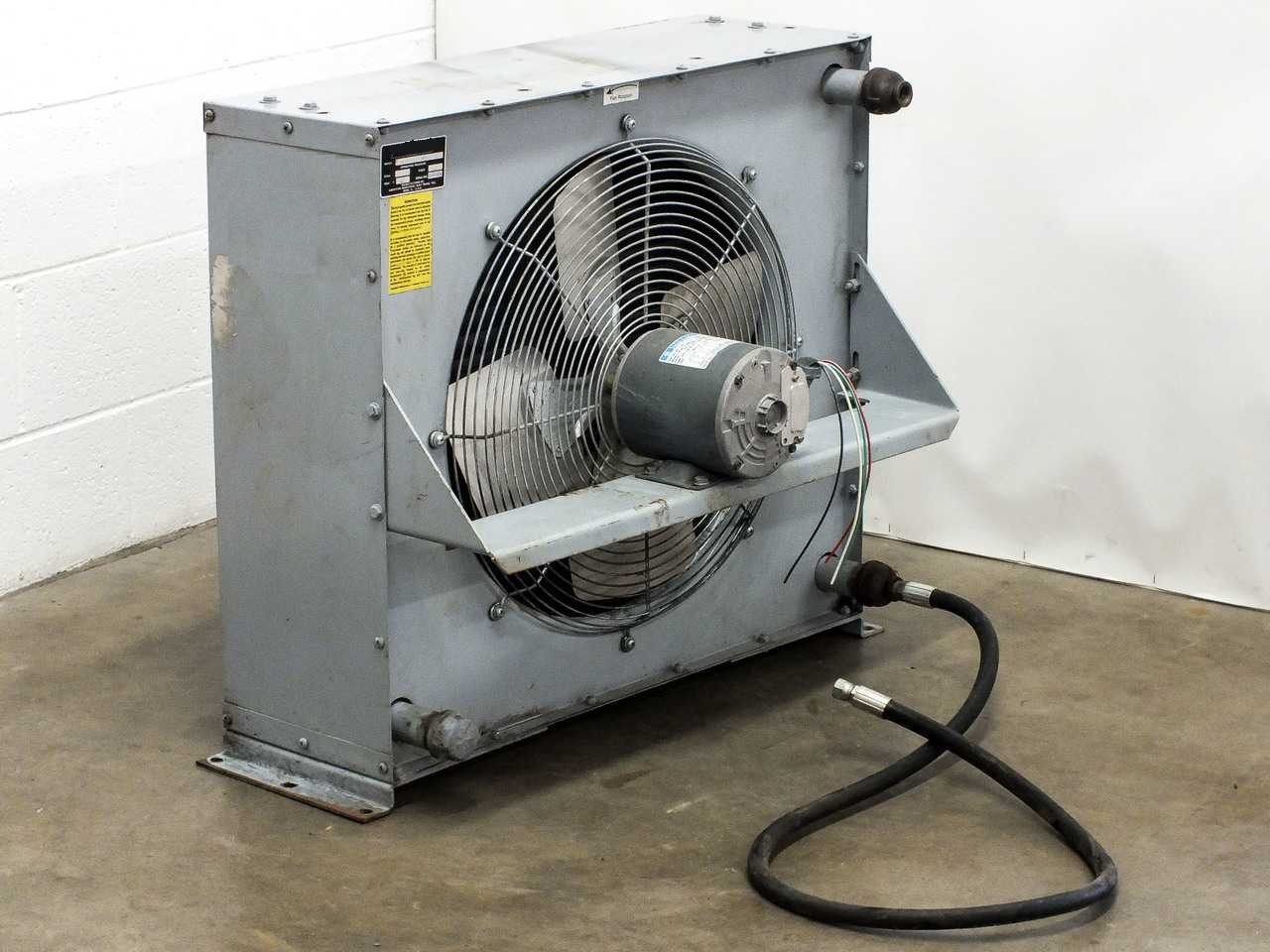
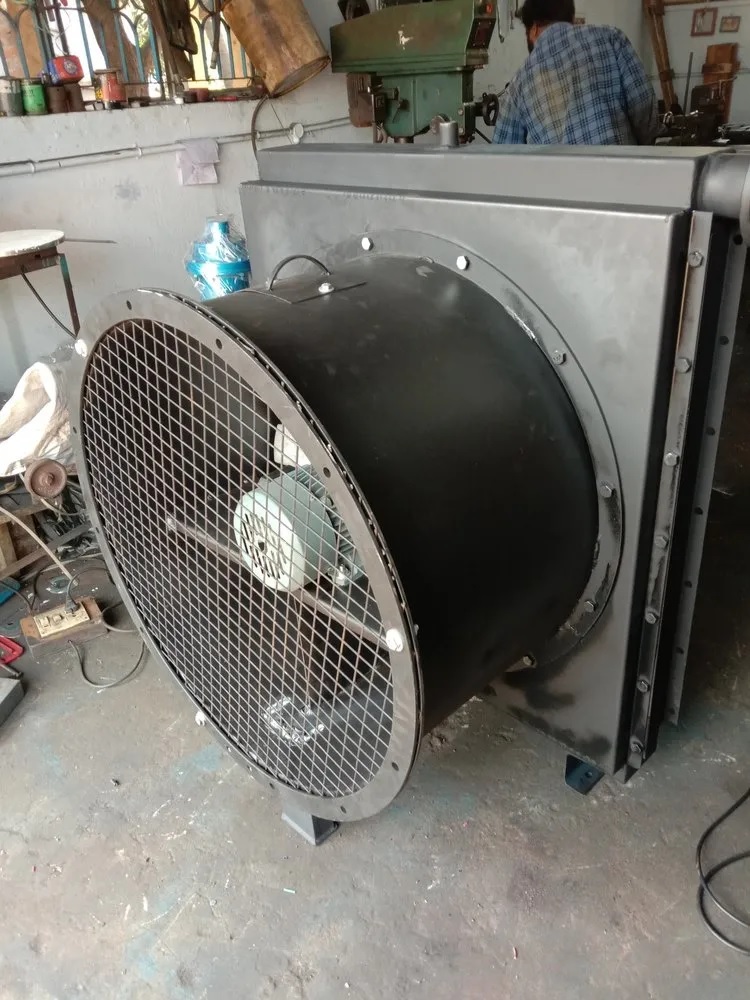
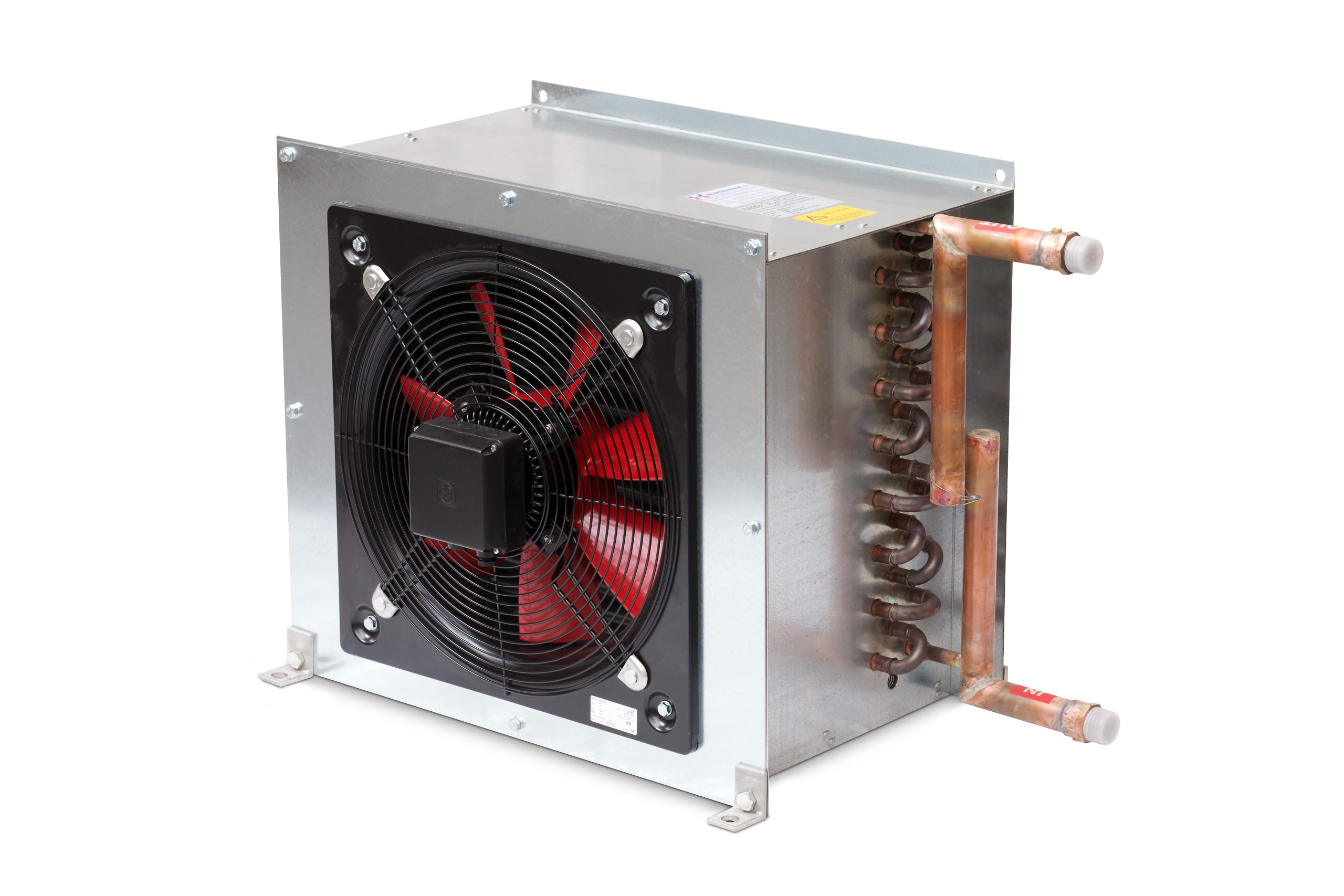
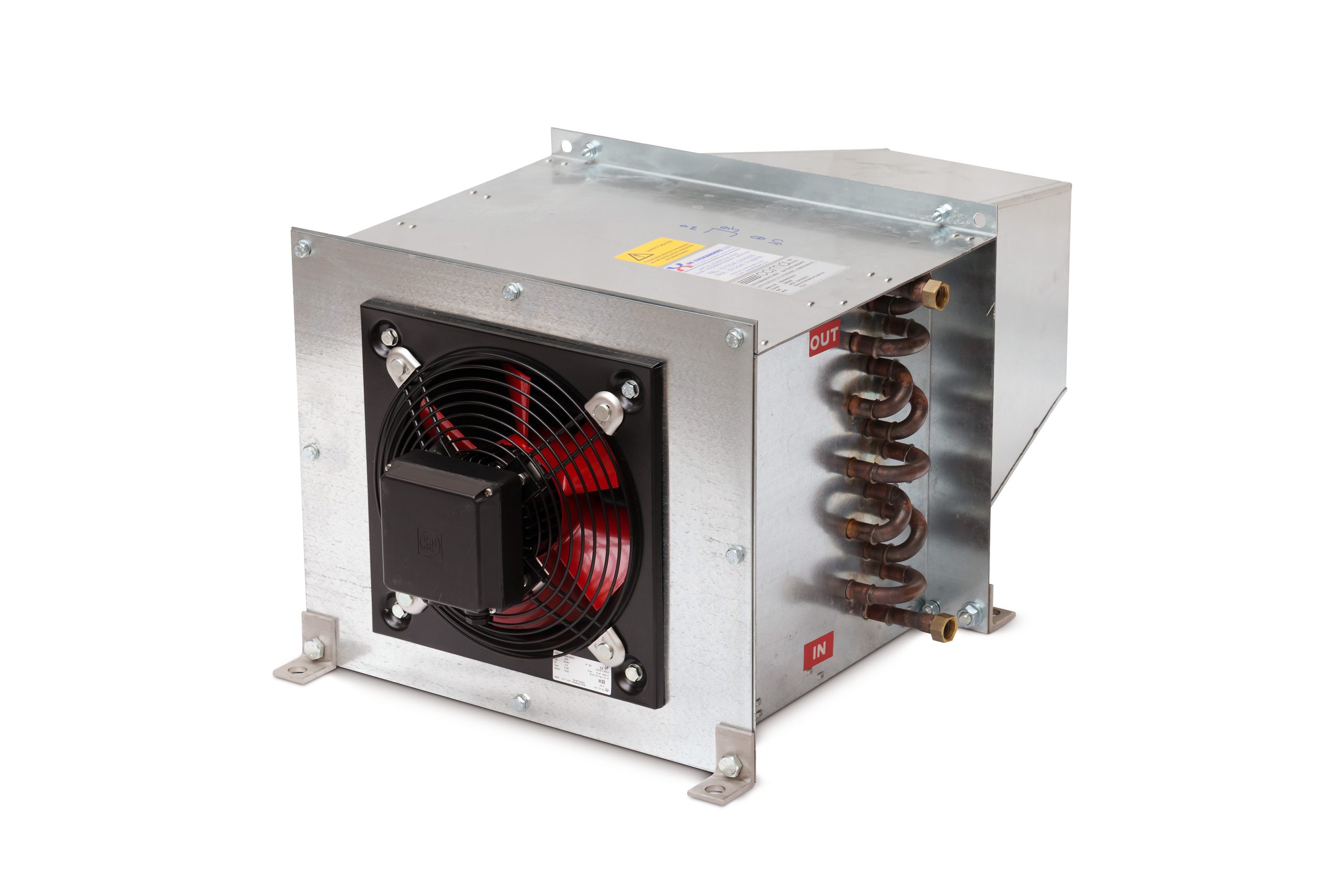
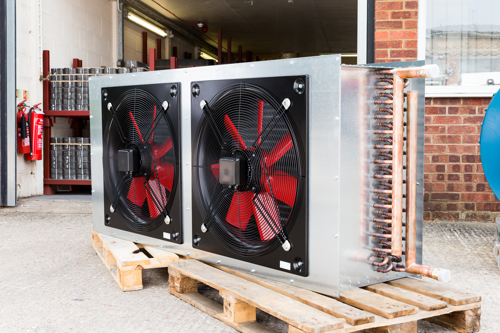
Air cooled oil coolers are used to regulate the temperature of lubricating oil in various applications by transferring heat from the oil to the surrounding air. They are commonly employed in engines, hydraulic systems, and other machinery where heat build-up can be detrimental to performance and longevity. Here’s a more...
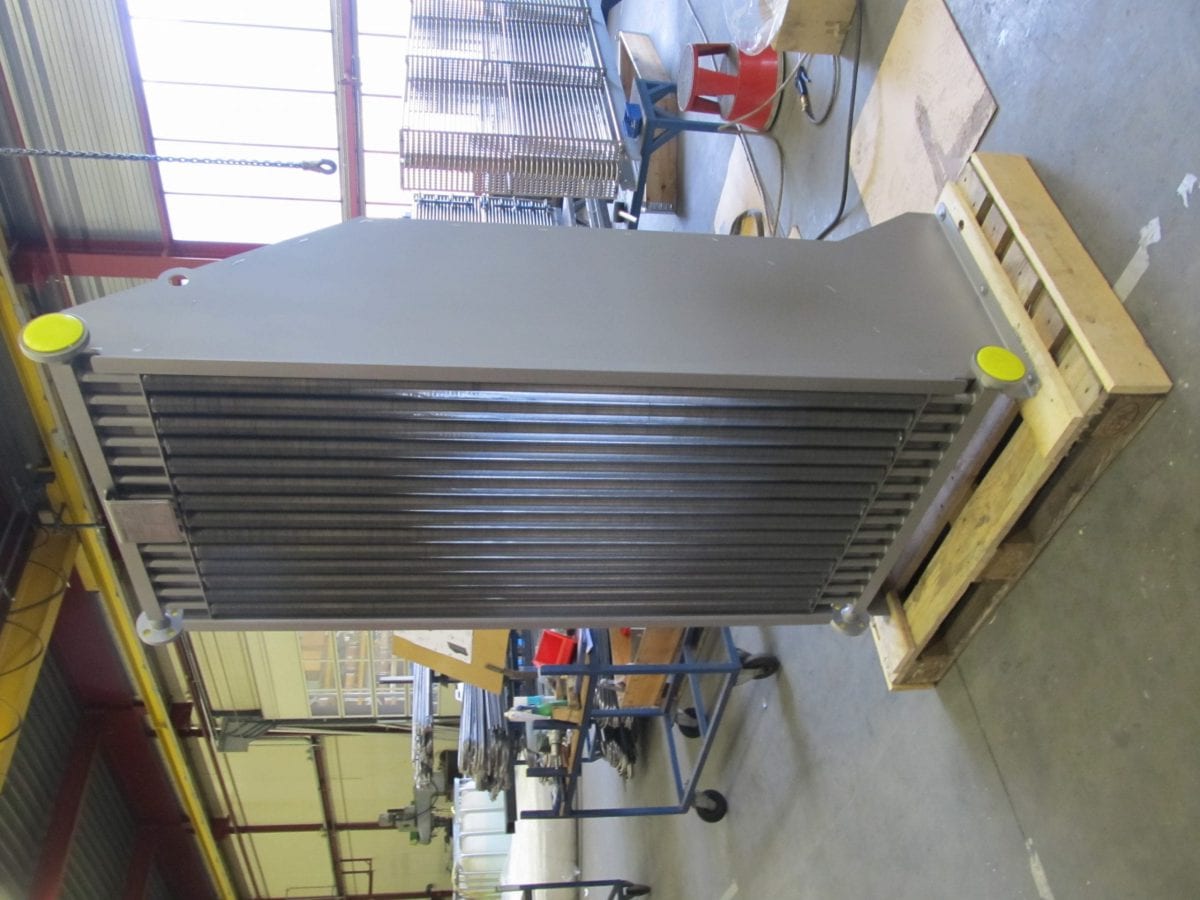
Performance of Air-Cooled Oil Coolers: With Fins vs. Without Fins The presence of fins dramatically impacts the cooling efficiency, size, and overall performance of an air-cooled oil cooler. Below is a detailed comparison: 1. Heat Transfer Efficiency Factor With Fins Without Fins Surface Area High (5-10x more than bare tubes)....
Air-Cooled vs. Water-Cooled Oil Coolers: Key Differences When choosing between air-cooled and water-cooled oil coolers, factors like cooling efficiency, maintenance, installation, and operating environment play a crucial role. Below is a detailed comparison 1. Cooling Mechanism Feature Air-Cooled Oil Cooler...
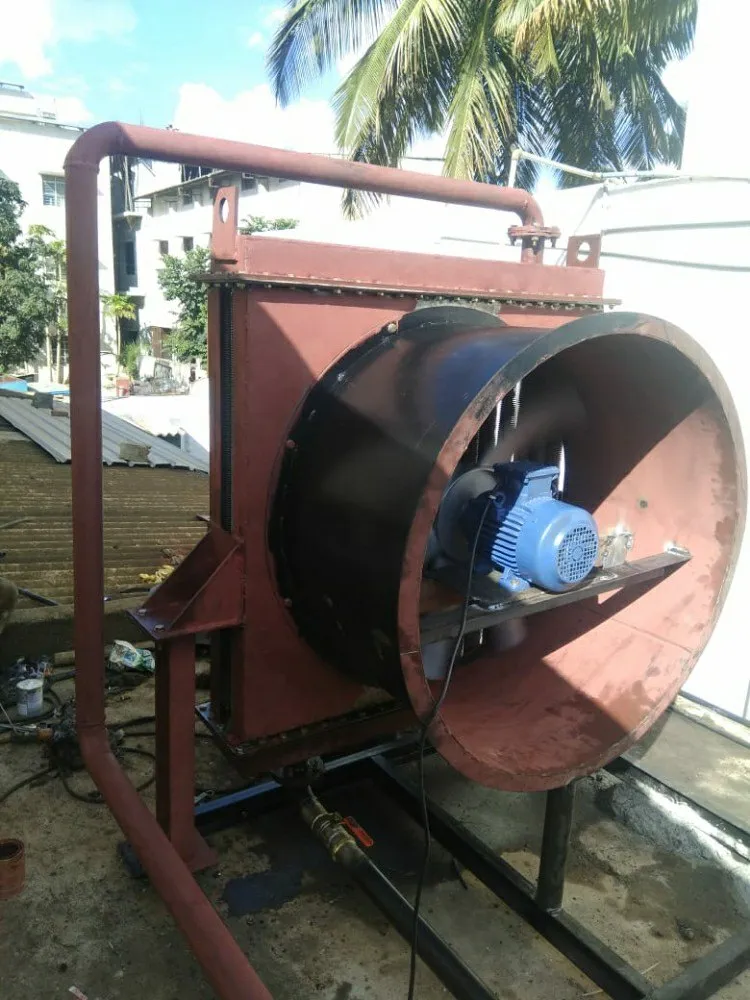
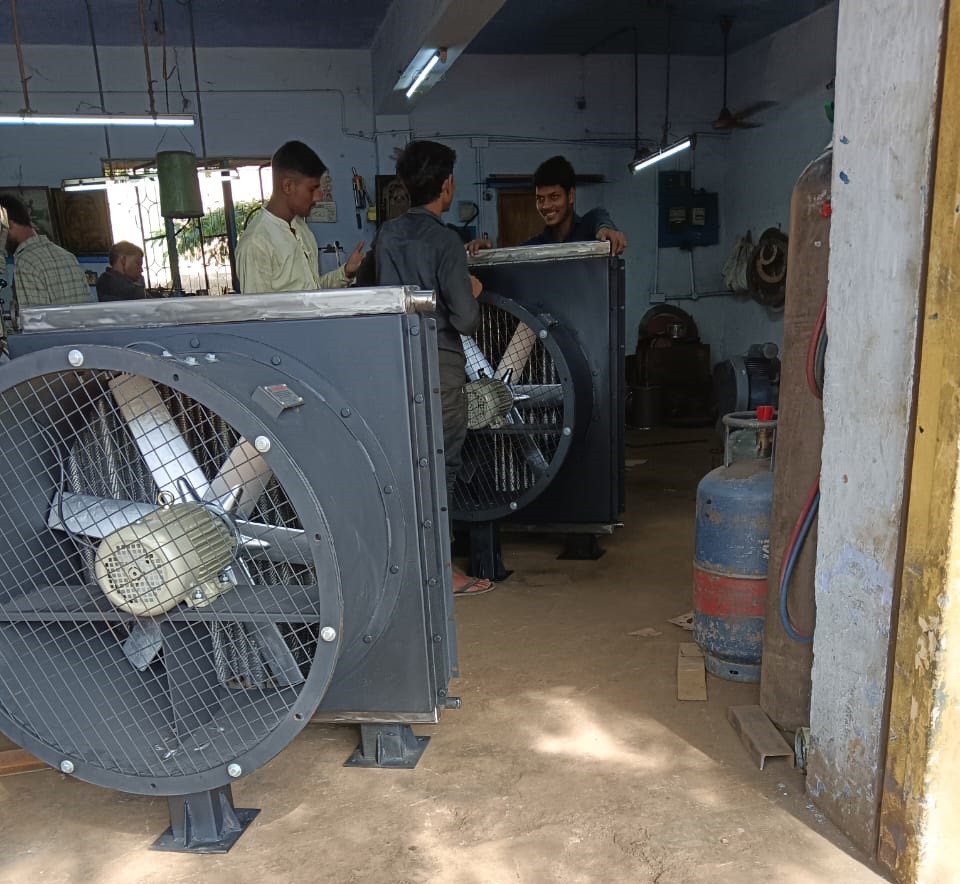
Induced Draft Oil Cooler vs. Forced Draft Oil Cooler Air-cooled oil coolers rely on airflow to dissipate heat, and the method of air movement defines their efficiency. The two main types are Induced Draft and Forced Draft coolers. Below is a detailed comparison: 1. Airflow Mechanism Feature Induced Draft Oil Cooler Forced Draft...
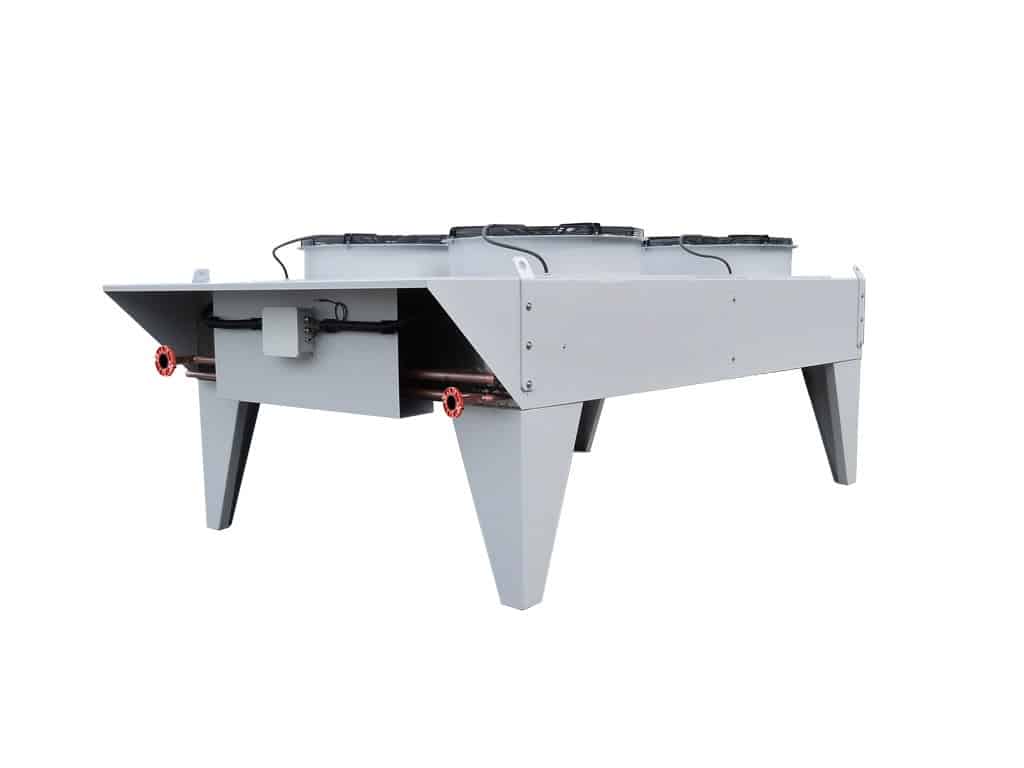
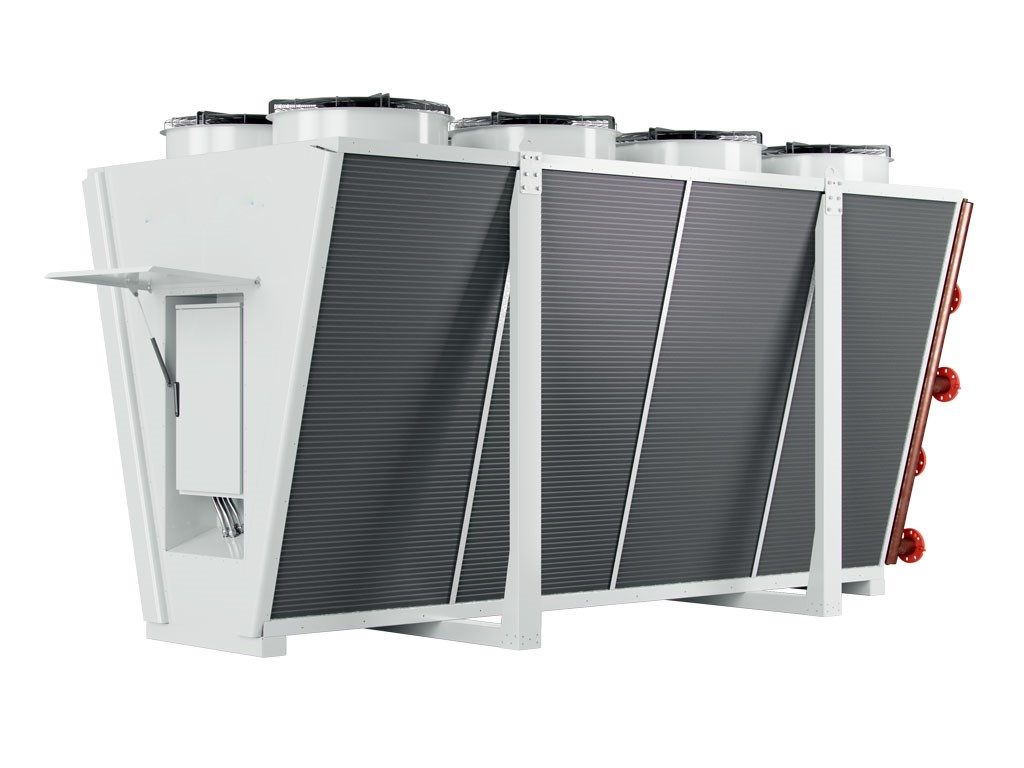
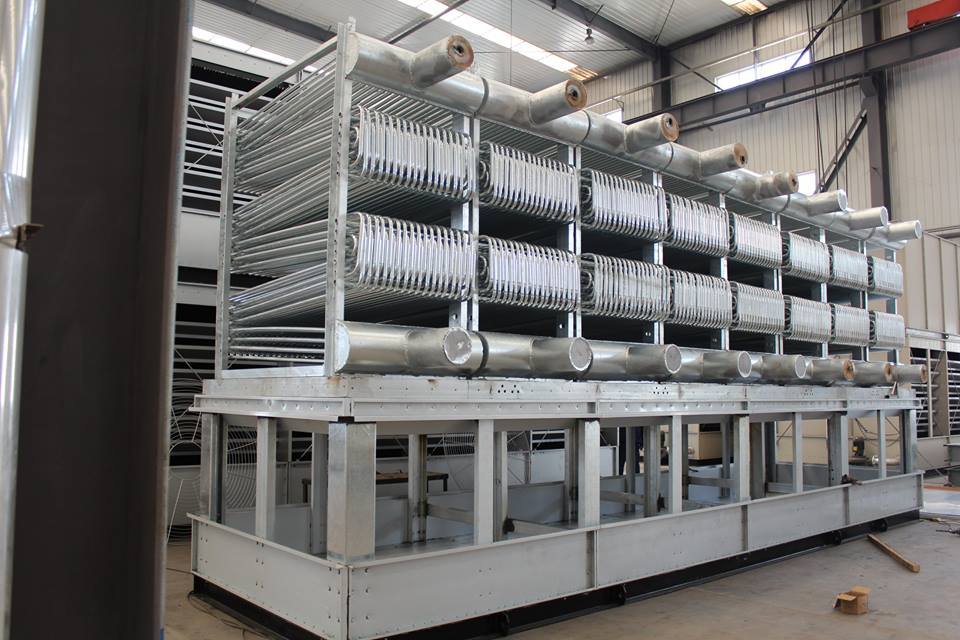
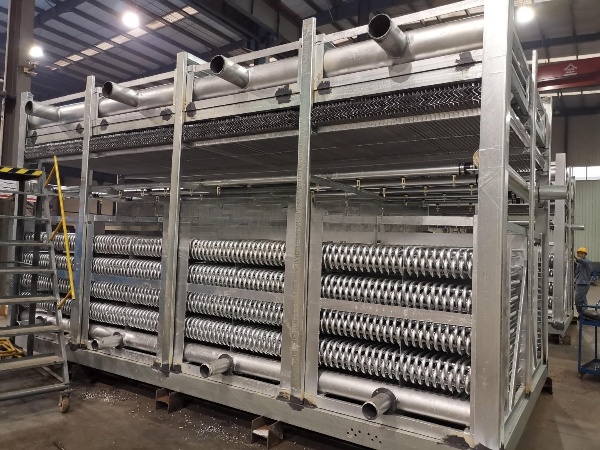
Types of Air-Cooled Oil Coolers Air-cooled oil coolers come in different designs, each suited for specific applications based on cooling efficiency, space constraints, airflow conditions, and industry requirements. Below are the main types: 1. Tube & Fin Oil Coolers (Most Common Type) . Plate & Fin Oil Coolers (Compact &...
Aluminum Fins vs. Stainless Steel Fins in Air-Cooled Oil Coolers The choice between aluminum and stainless-steel fins depends on factors like heat transfer efficiency, corrosion resistance, weight, cost, and application environment. Below is a detailed comparison: 1. Heat Transfer Efficiency Material Thermal Conductivity...
Purpose of Fins in an Air-Cooled Oil Cooler Fins play a critical role in enhancing the cooling efficiency of air-cooled oil coolers. They are designed to maximize heat dissipation from the oil to the surrounding air. Here’s how they work and why they are essential: 1. Primary Functions of Fins Increase Surface Area for...
Key Industrial Applications of Air-Cooled oil Cooler 1. Power Generation 2. Heavy Machinery & Construction Equipment 3. Oil & Gas Industry 4. Manufacturing & Processing Plants Ensures stable oil temperature for precision operations 5. Marine & Offshore Applications 6. Compressed Air Systems 7. Food & Pharmaceutical Industry Used...
Air-cooled oil coolers are widely used in industrial applications where efficient cooling of lubricating oils, hydraulic oils, or process fluids is required without relying on water-based cooling systems. Their robust design, low maintenance, and reliability make them ideal for harsh environments.