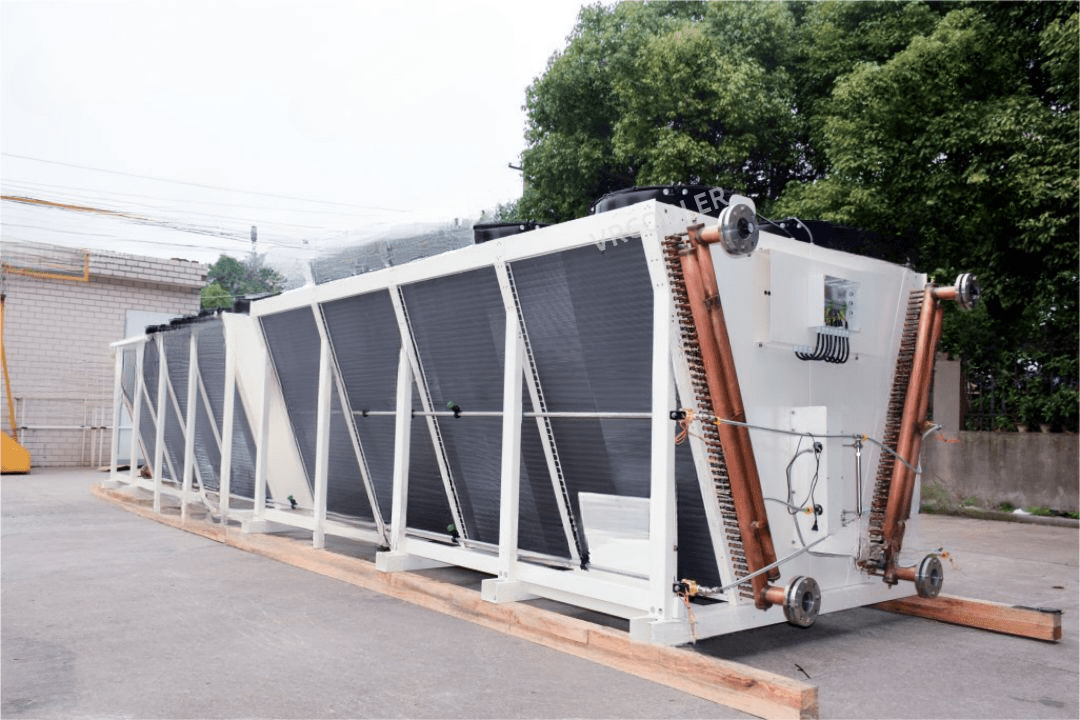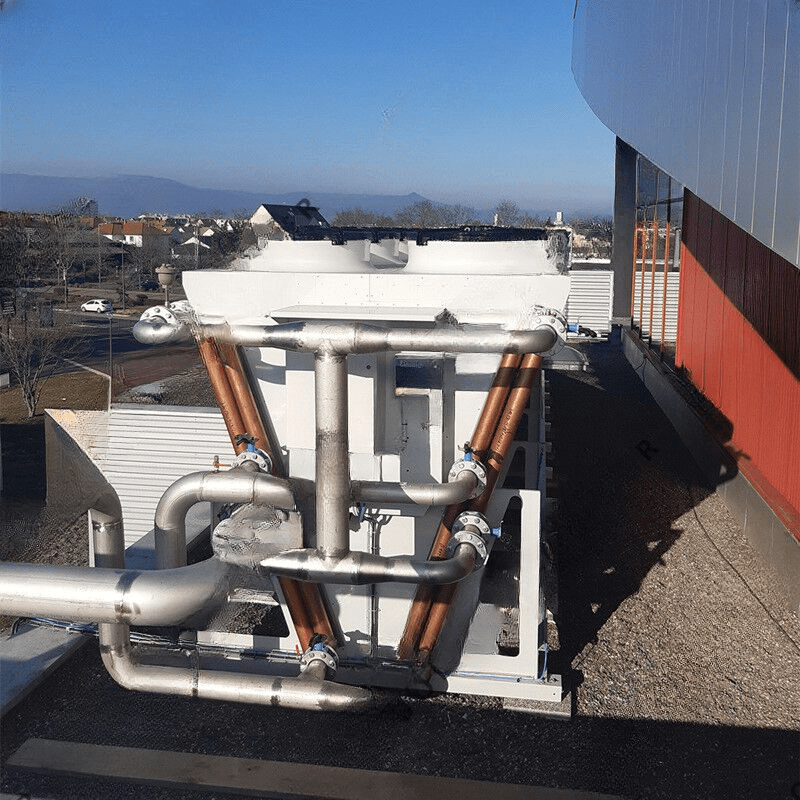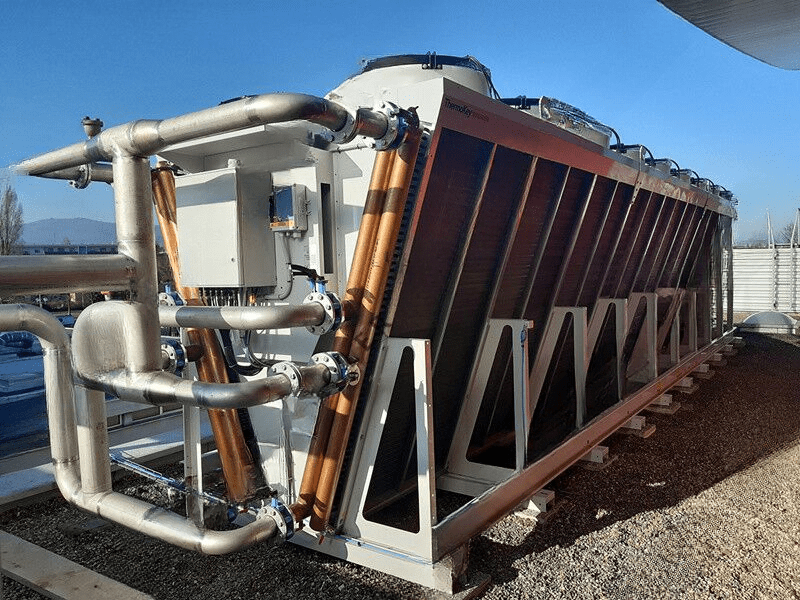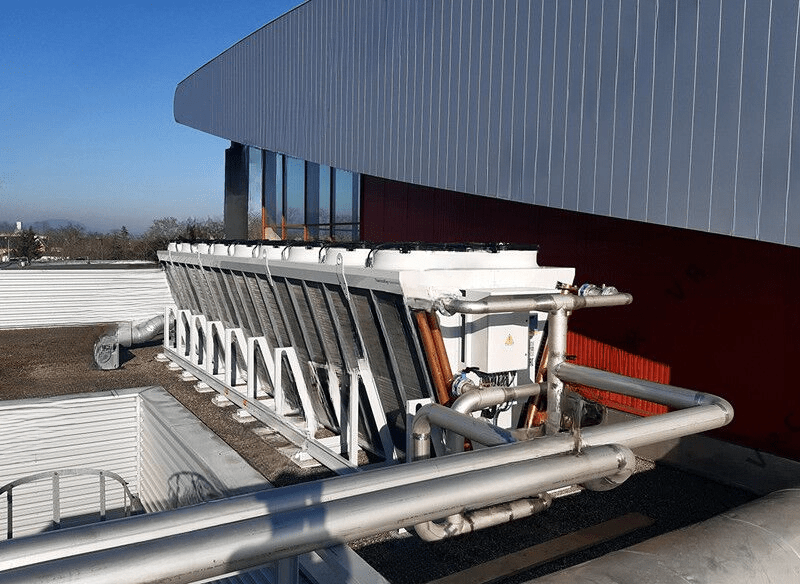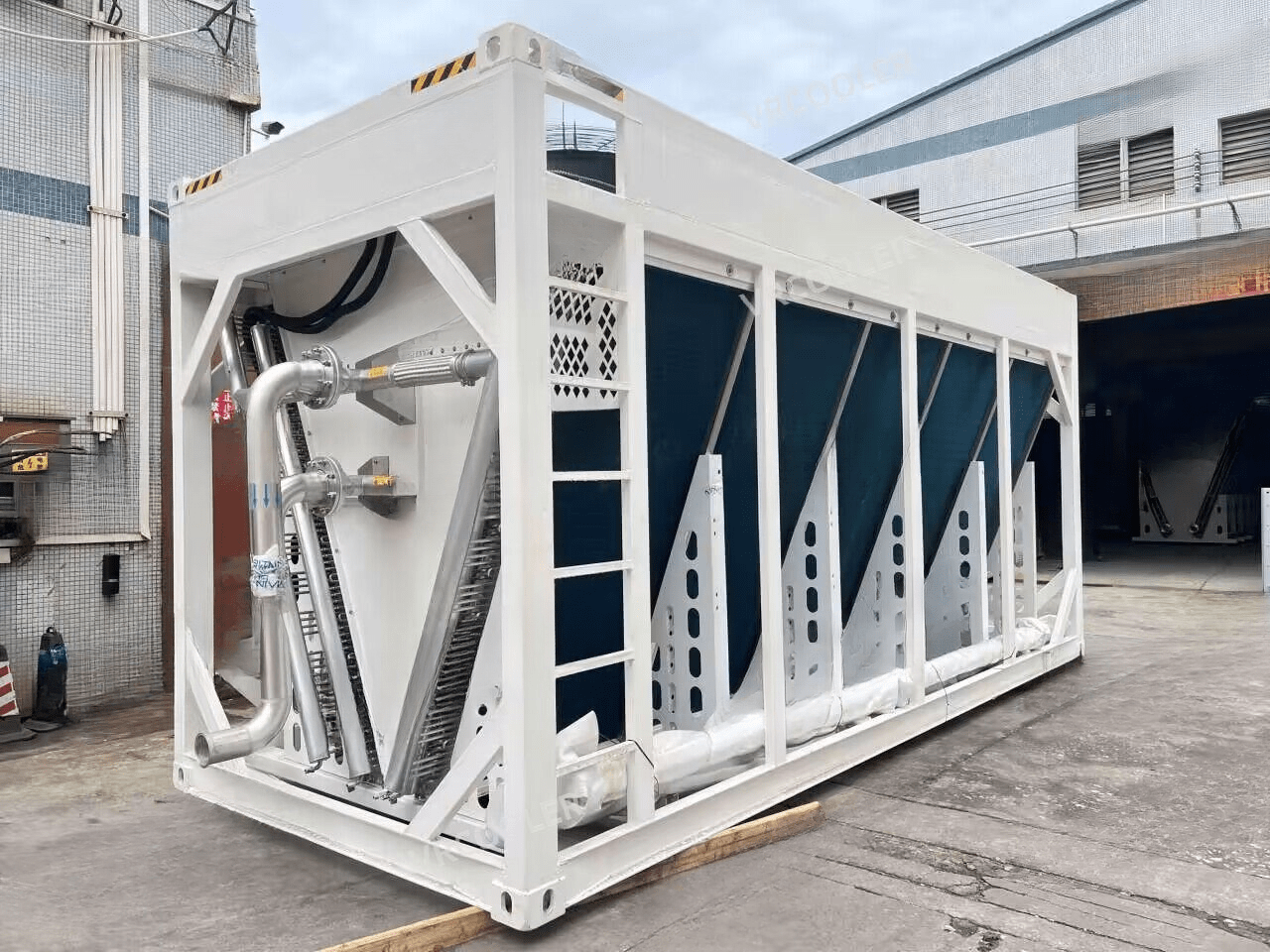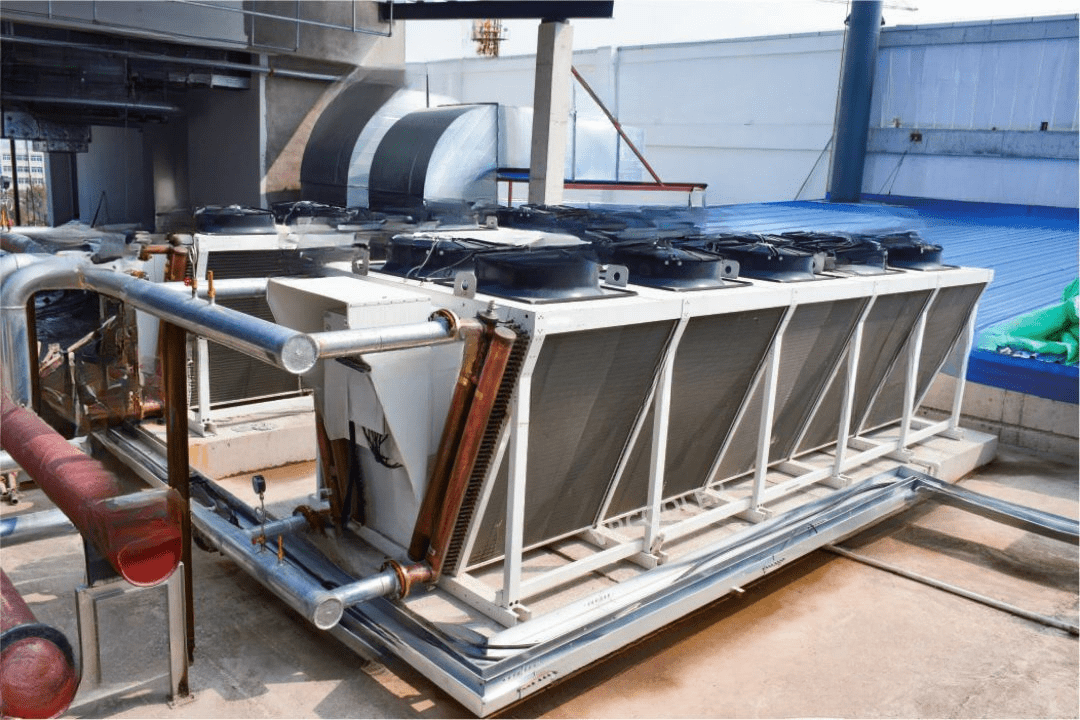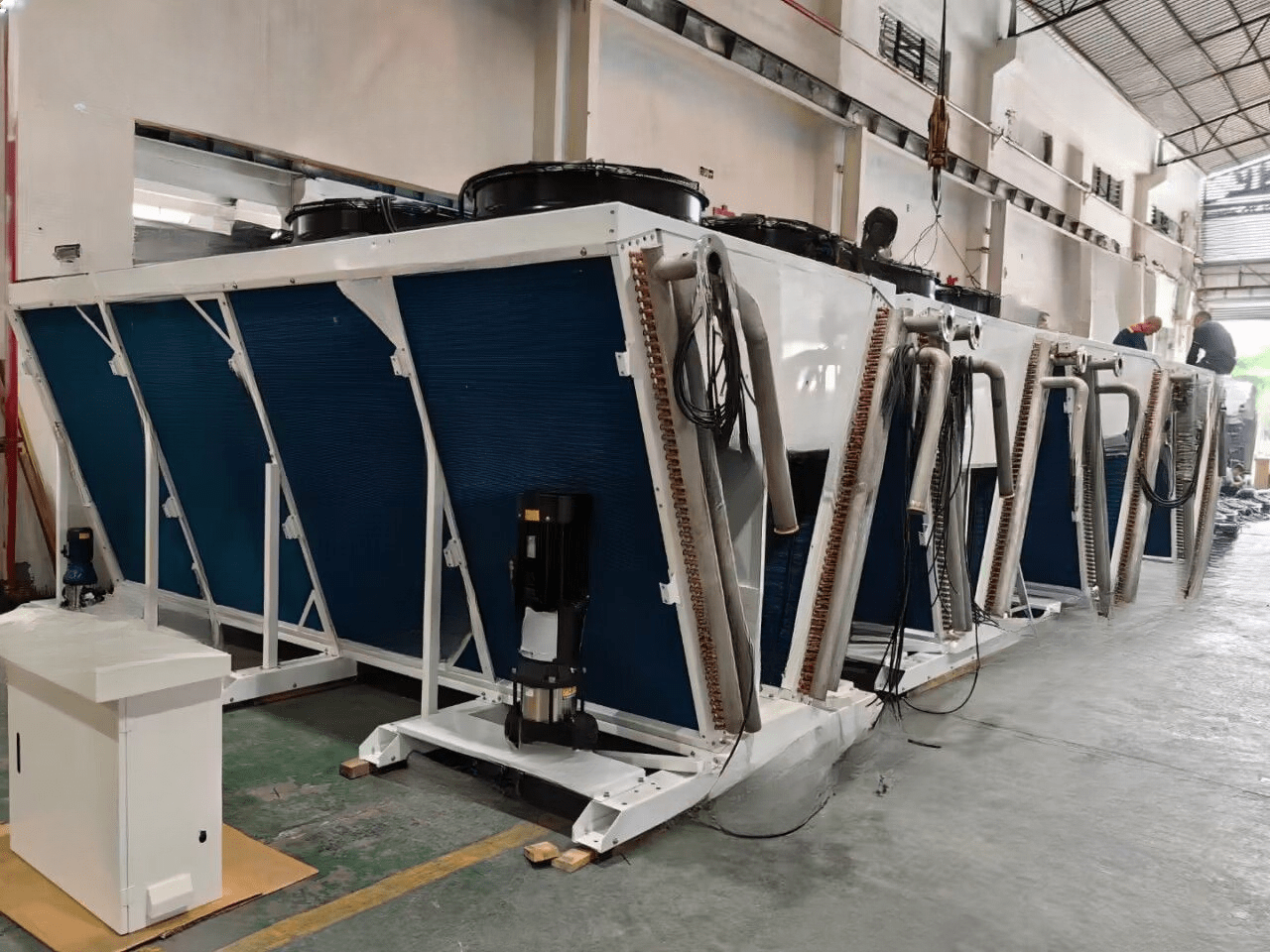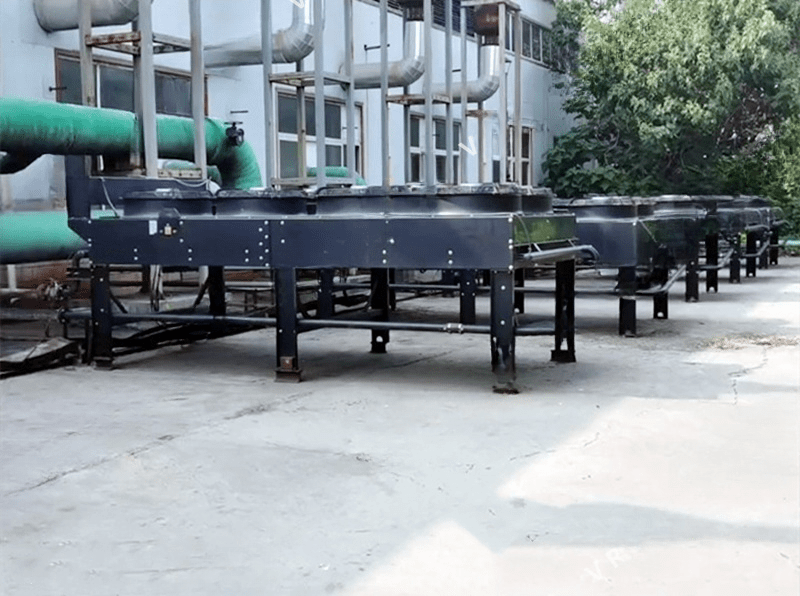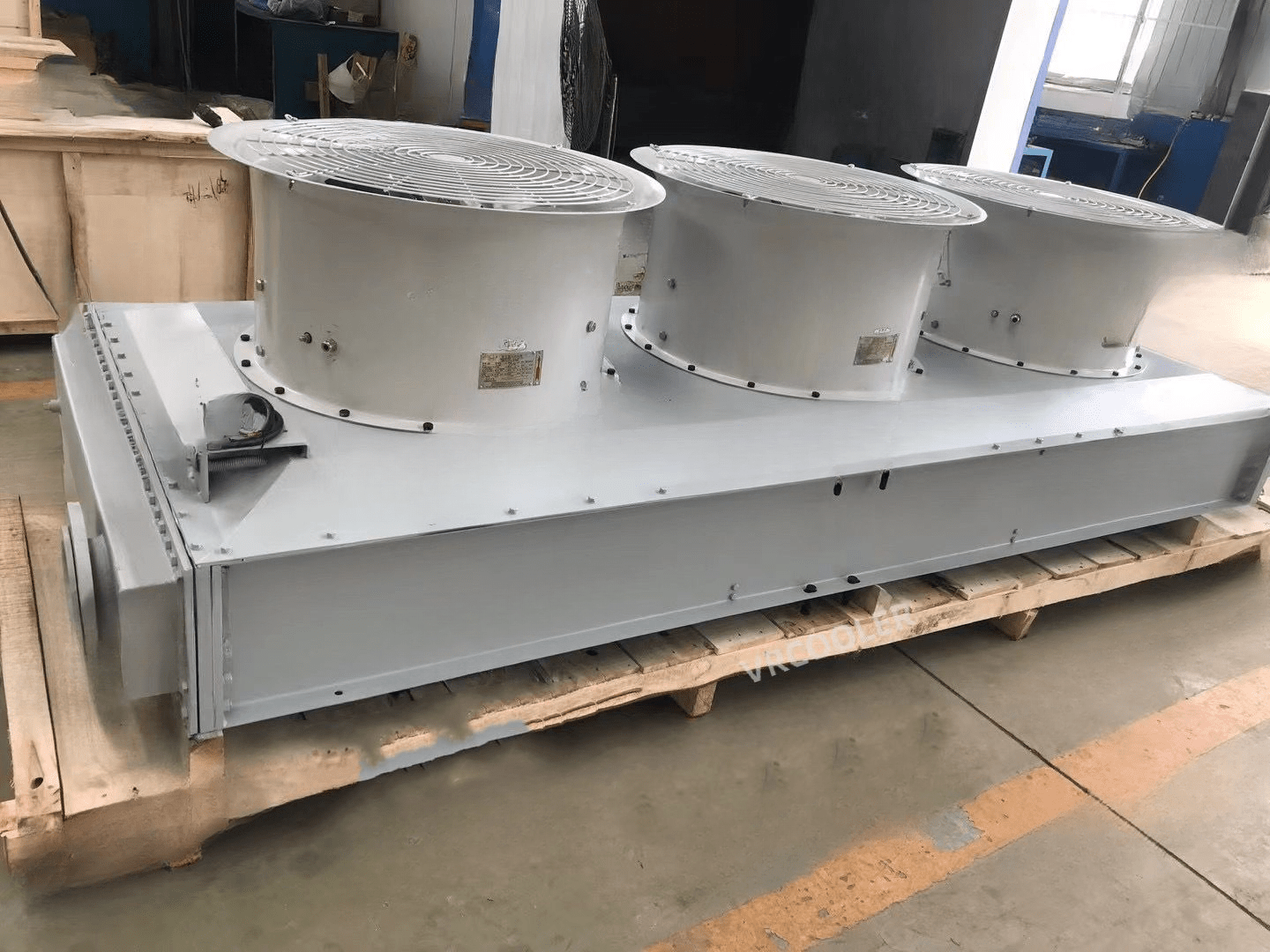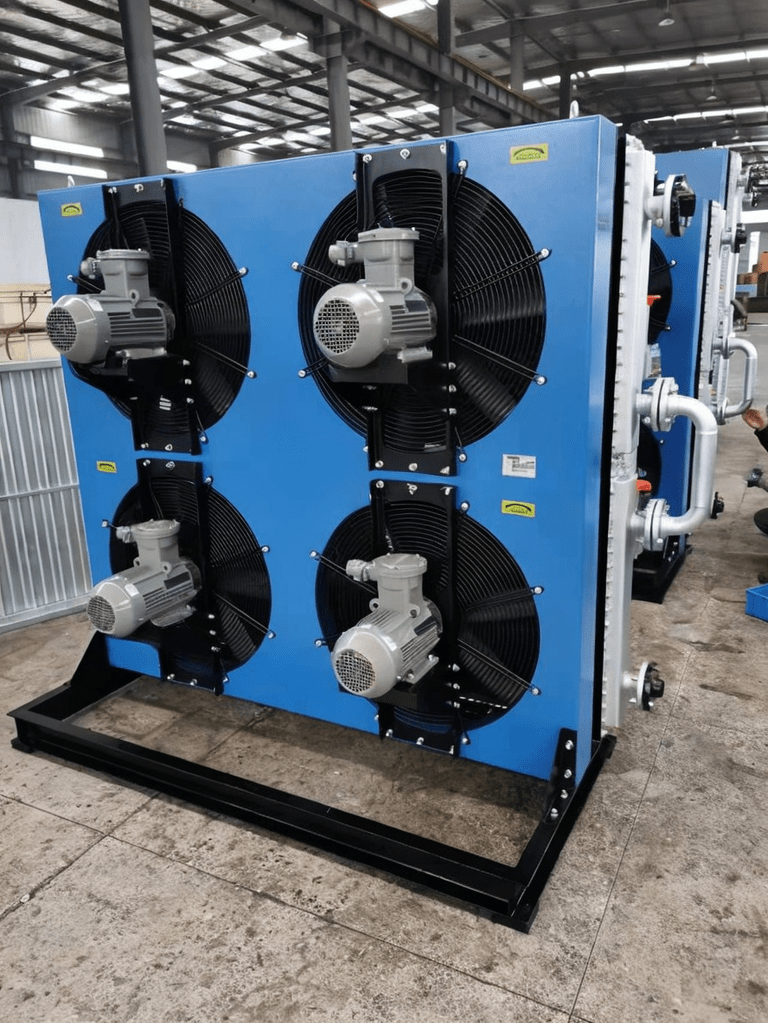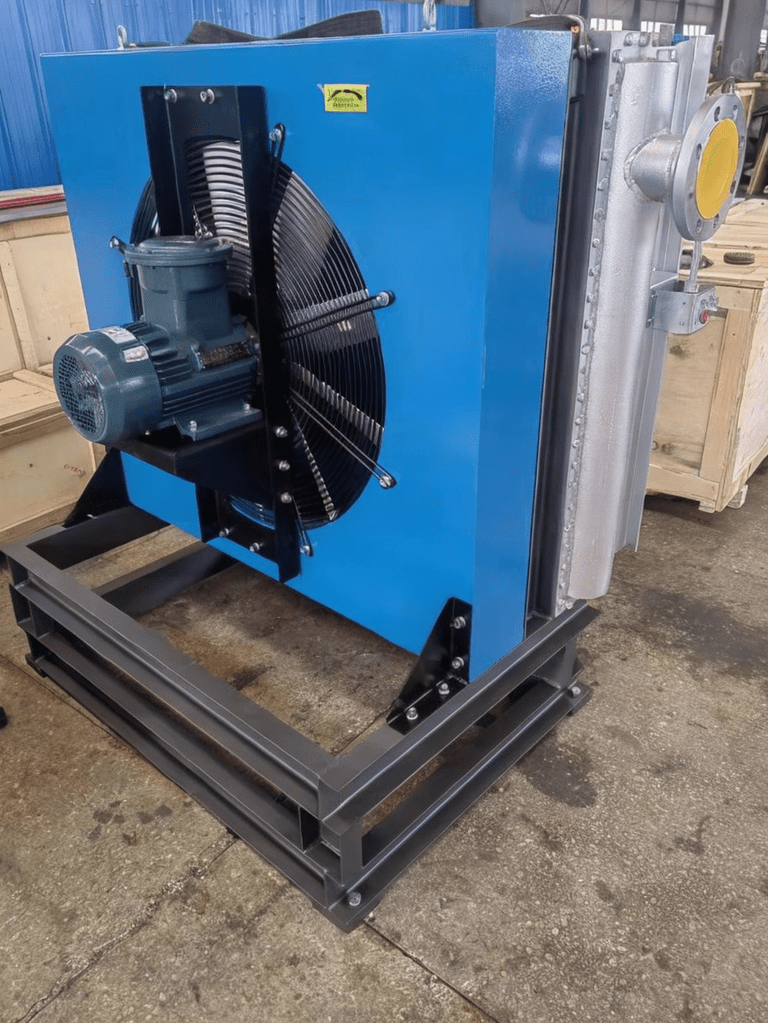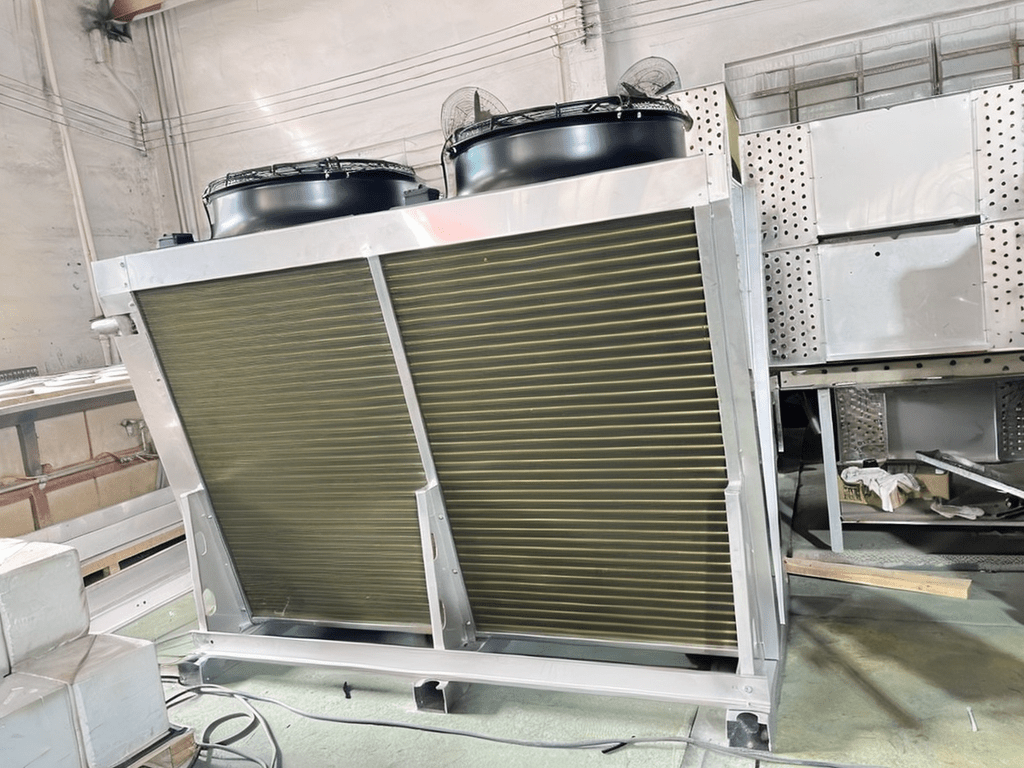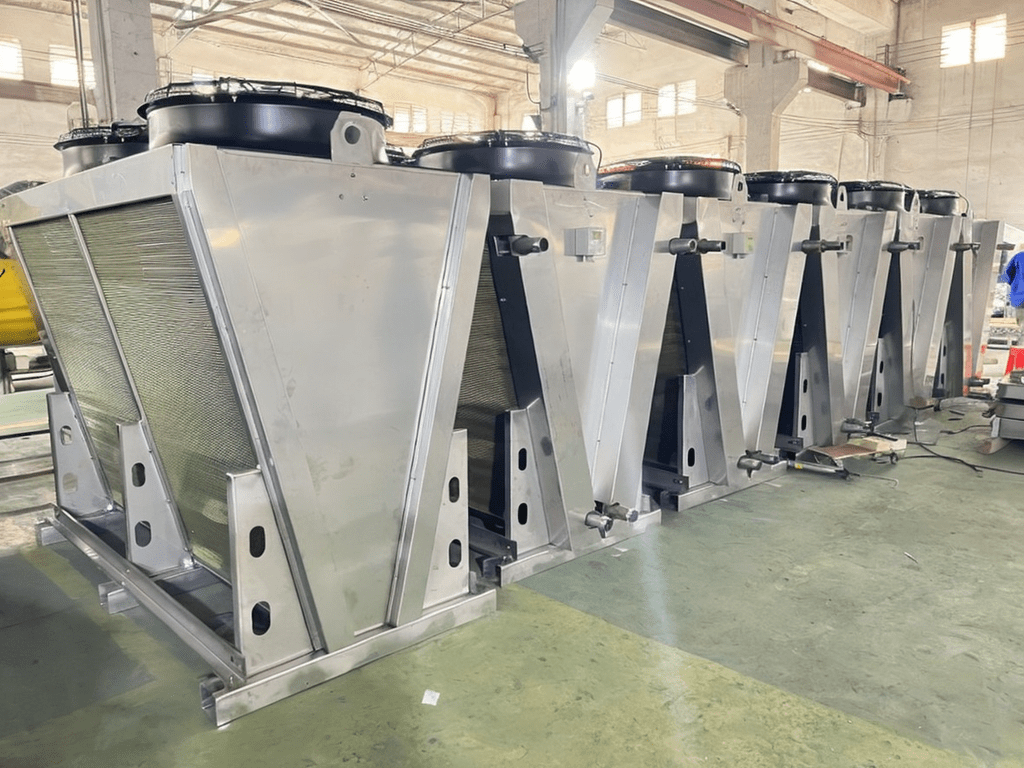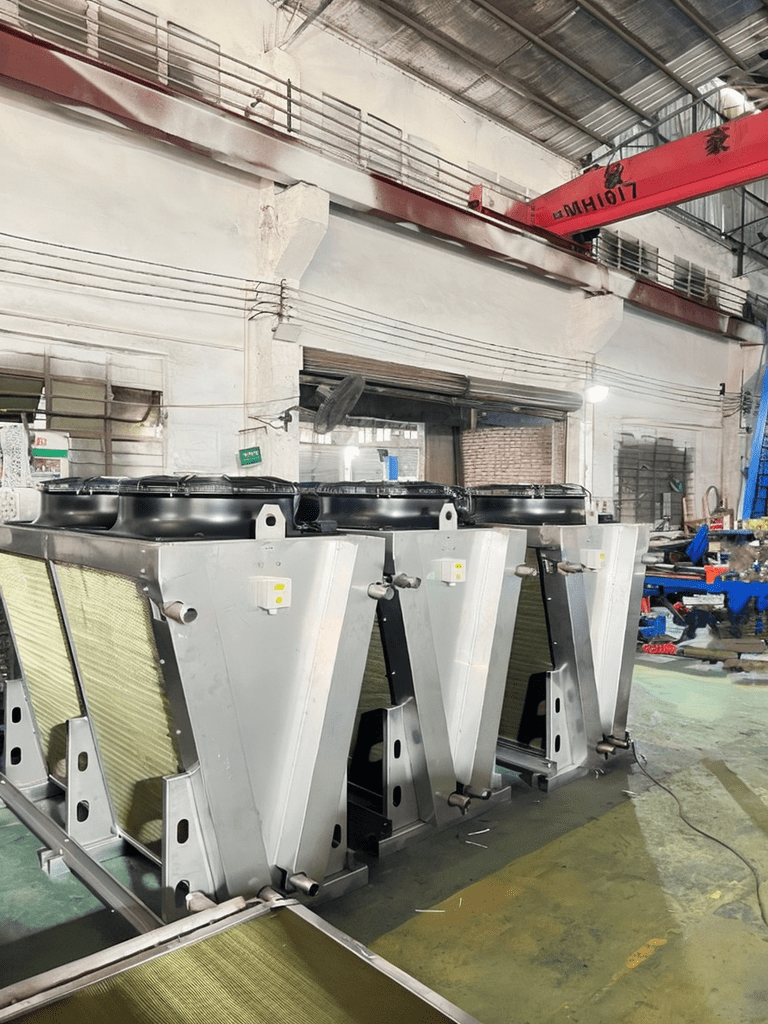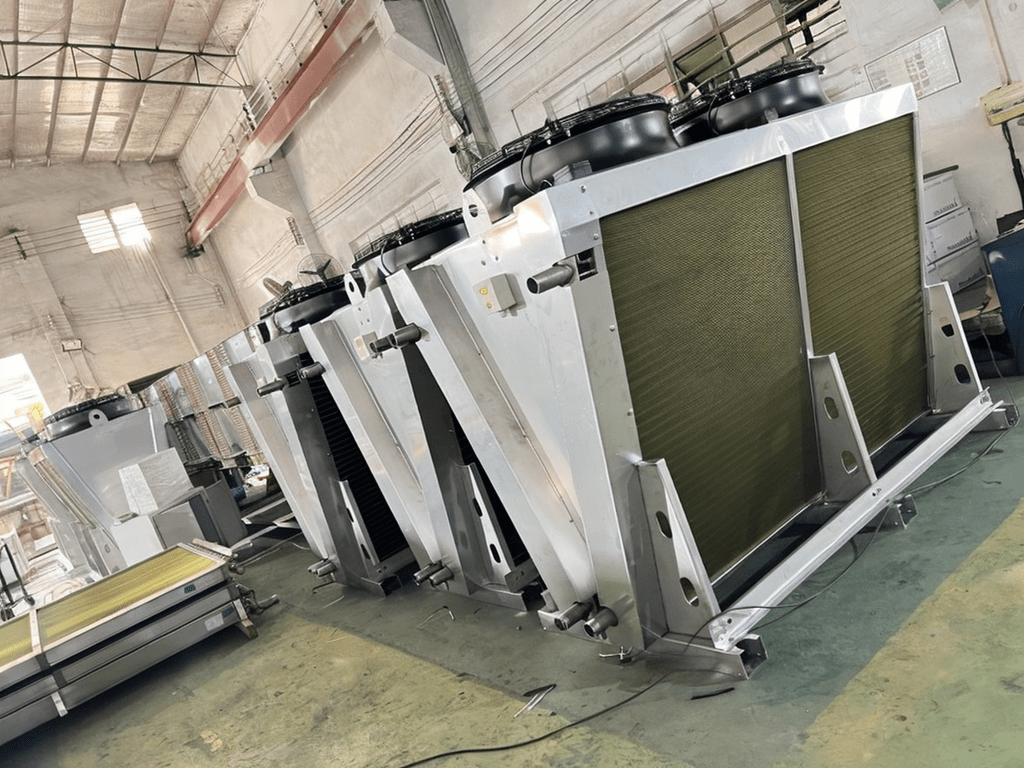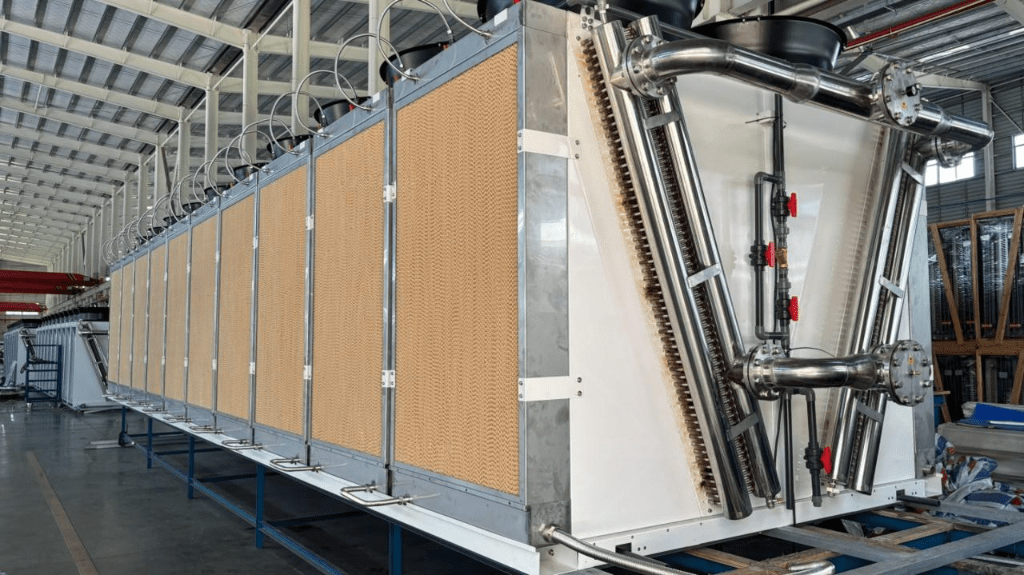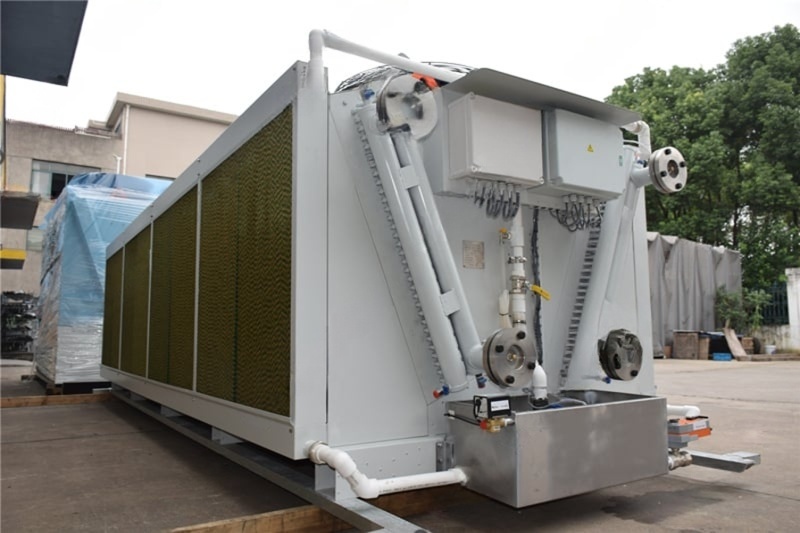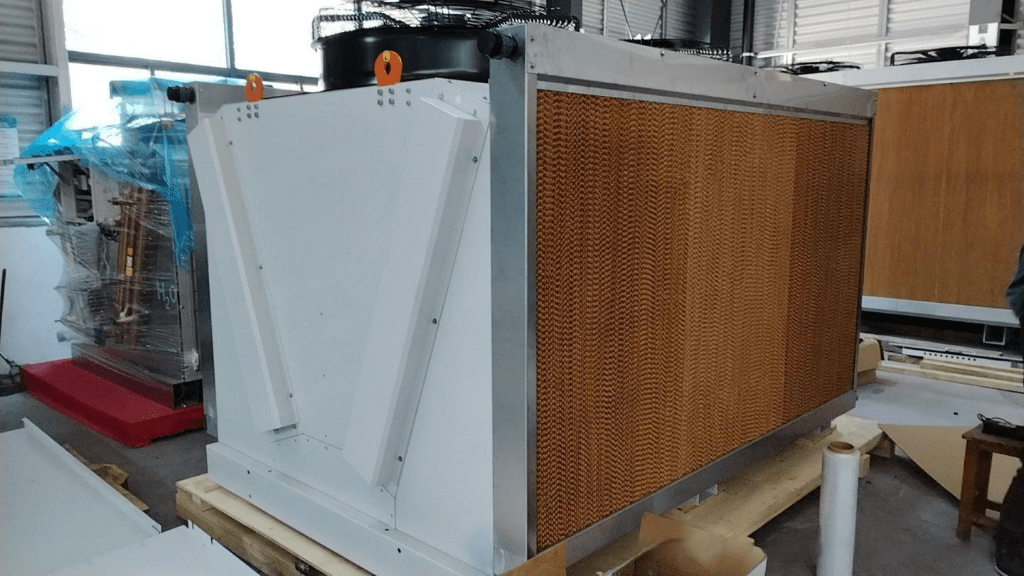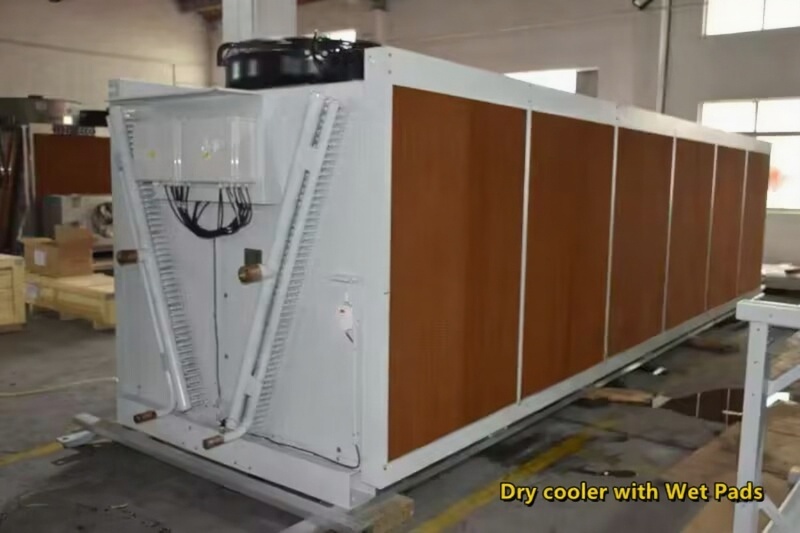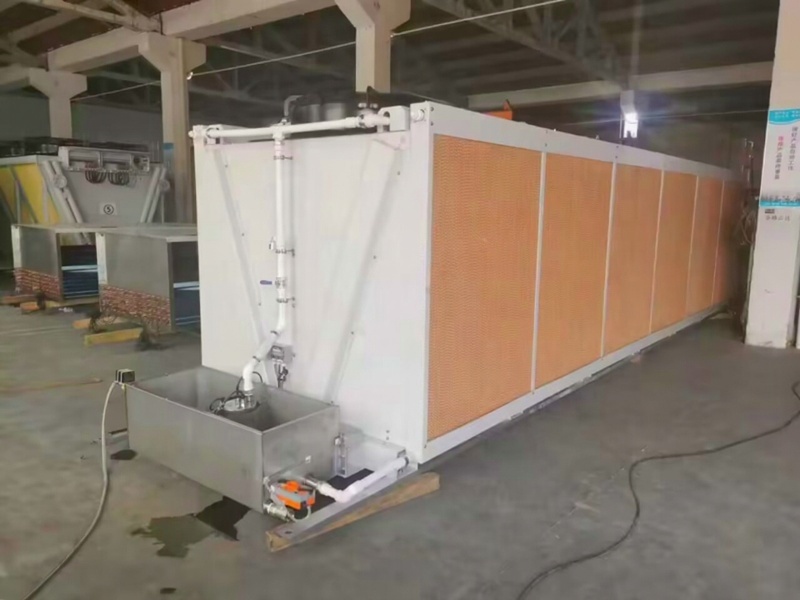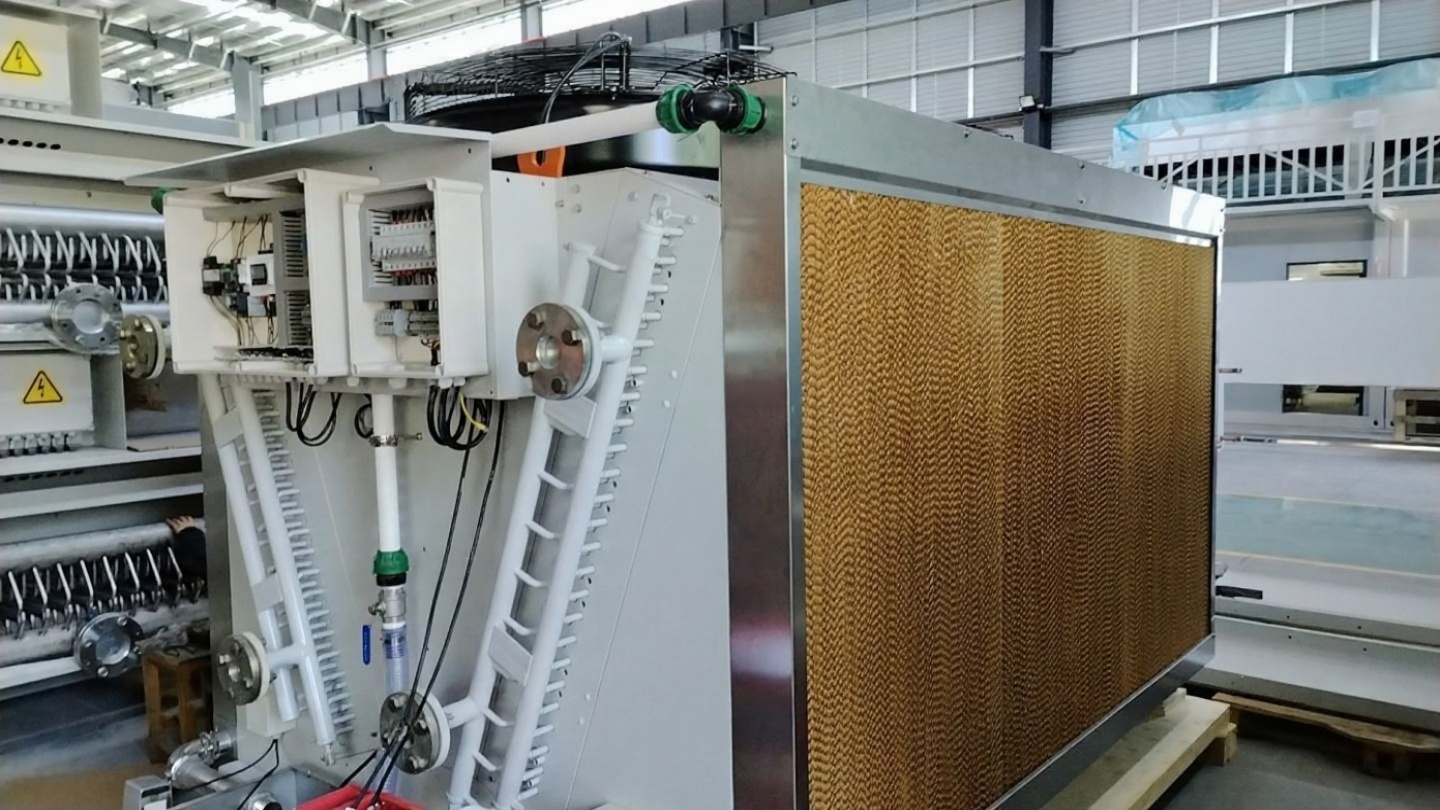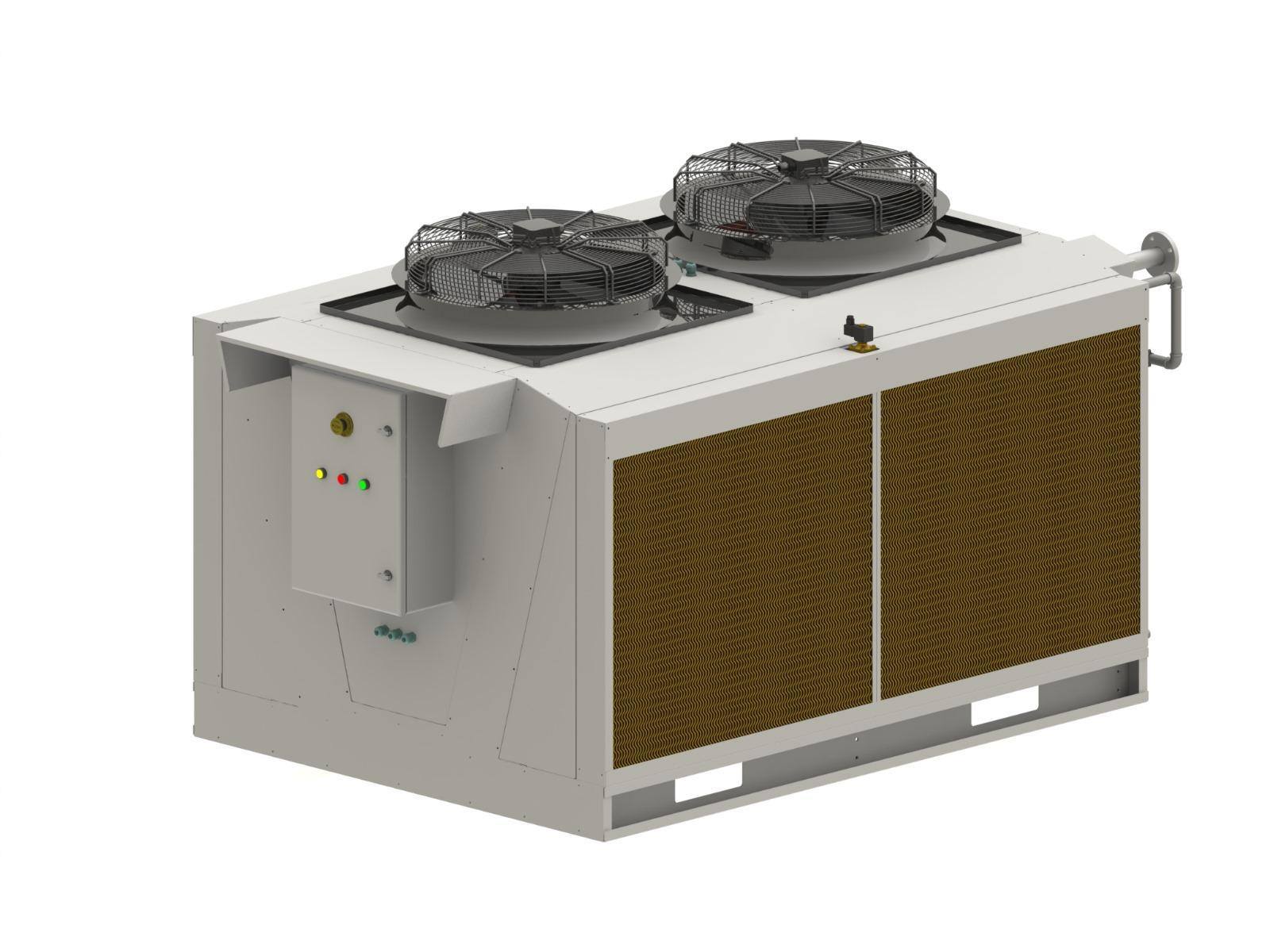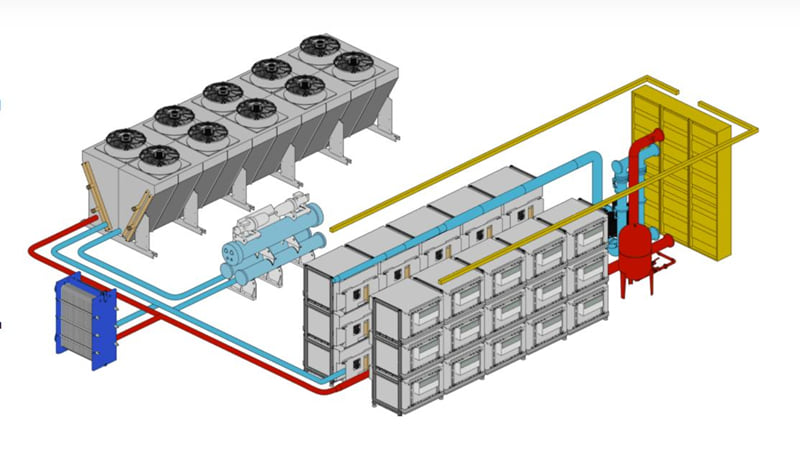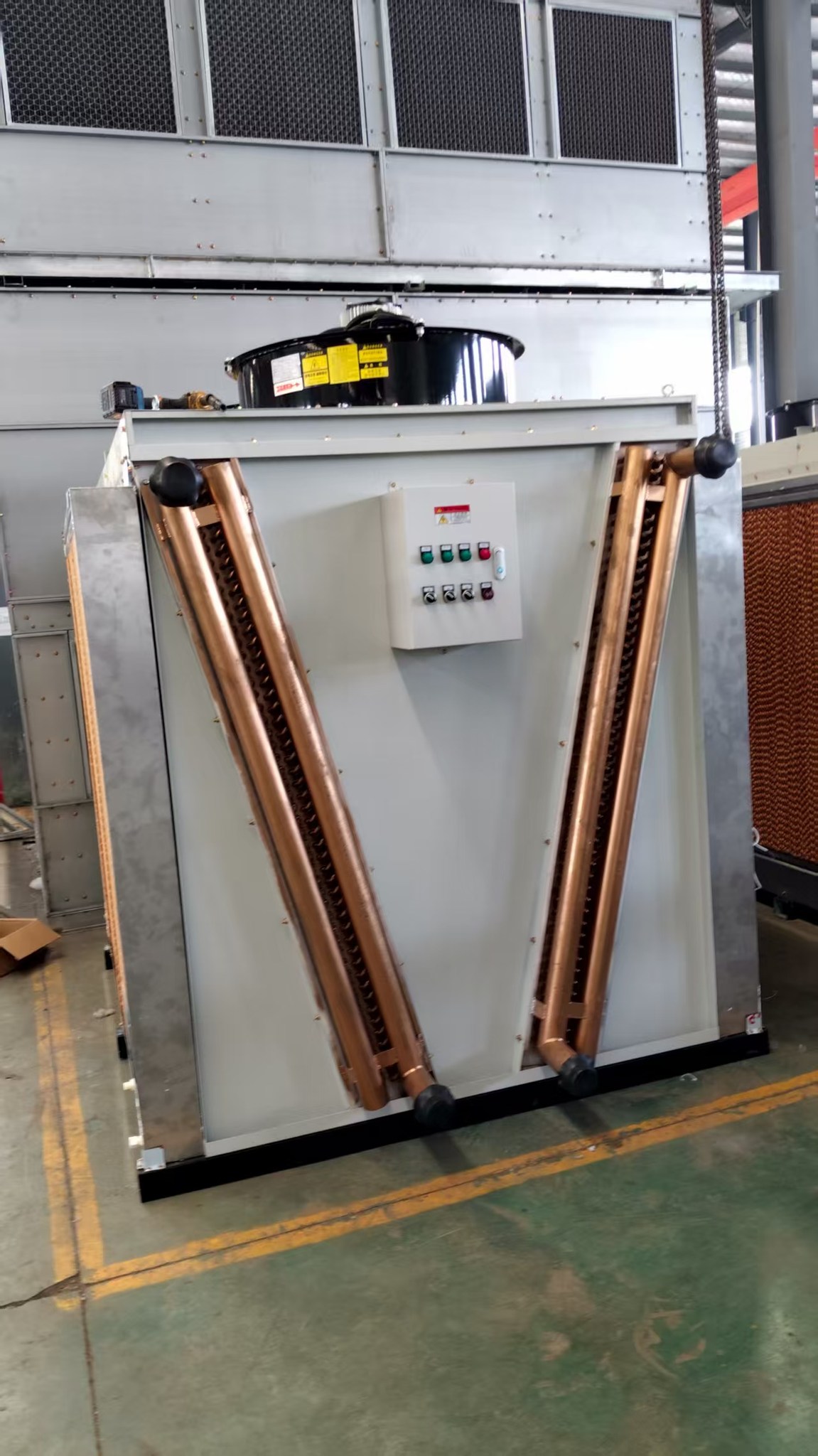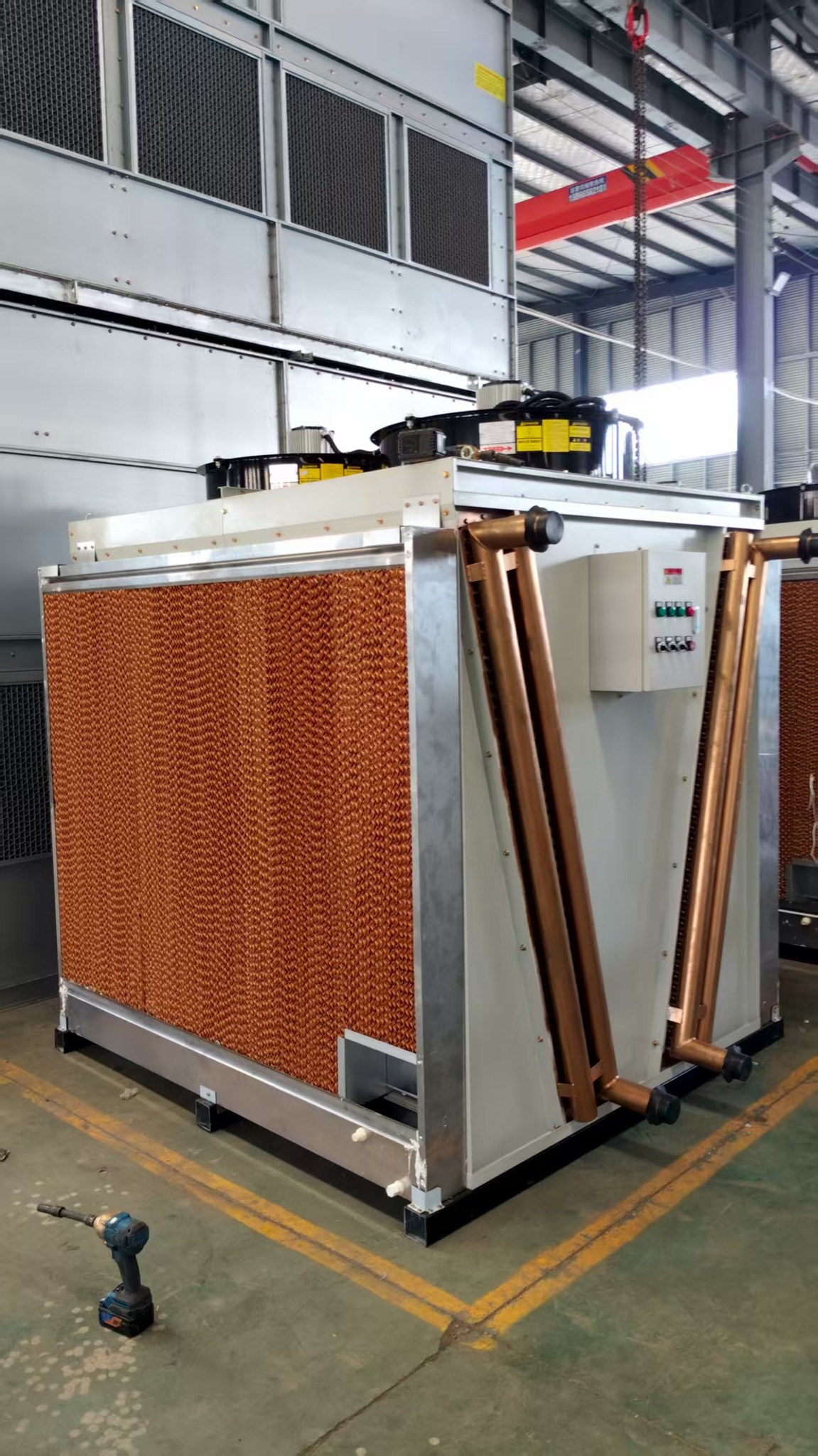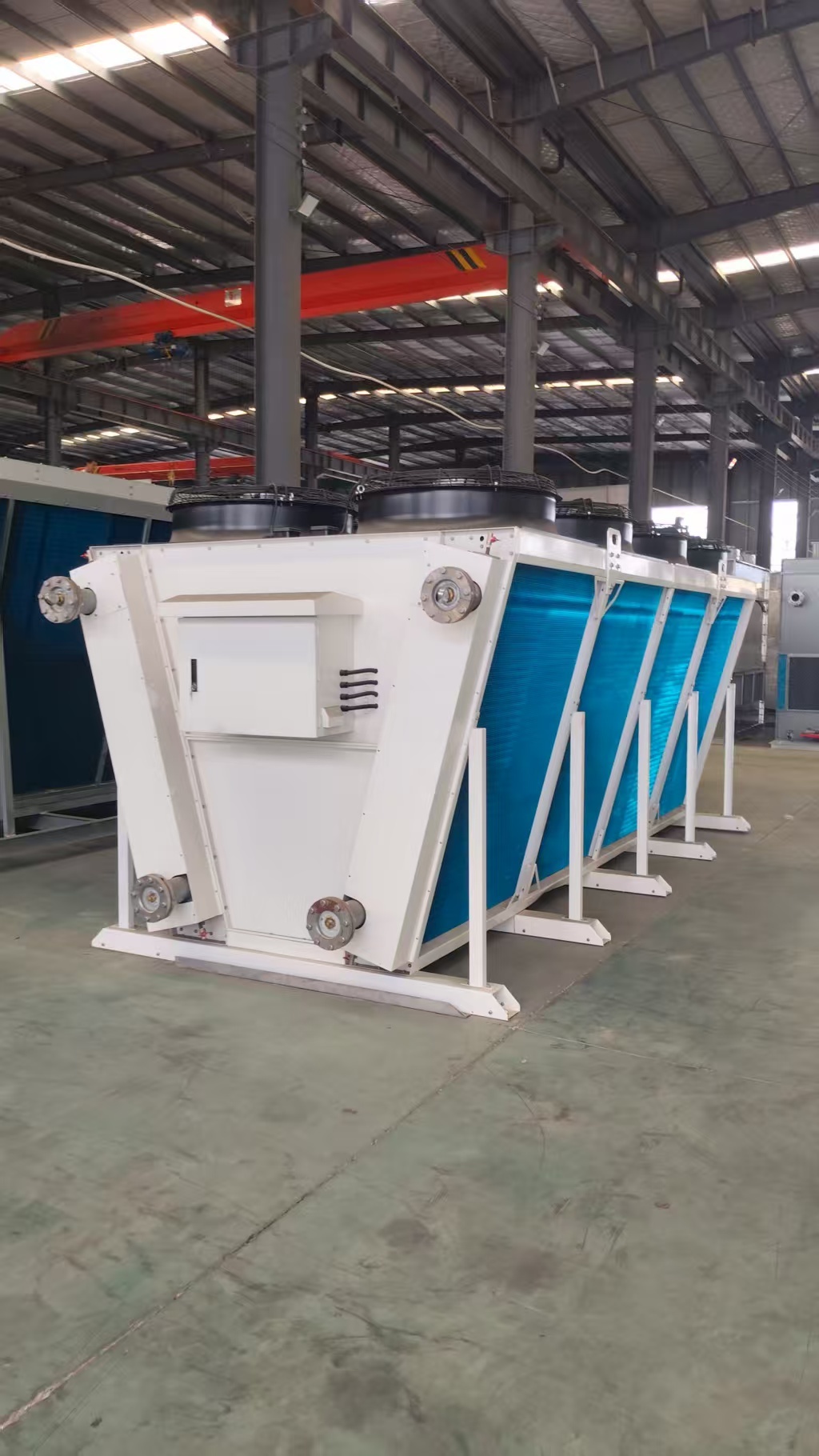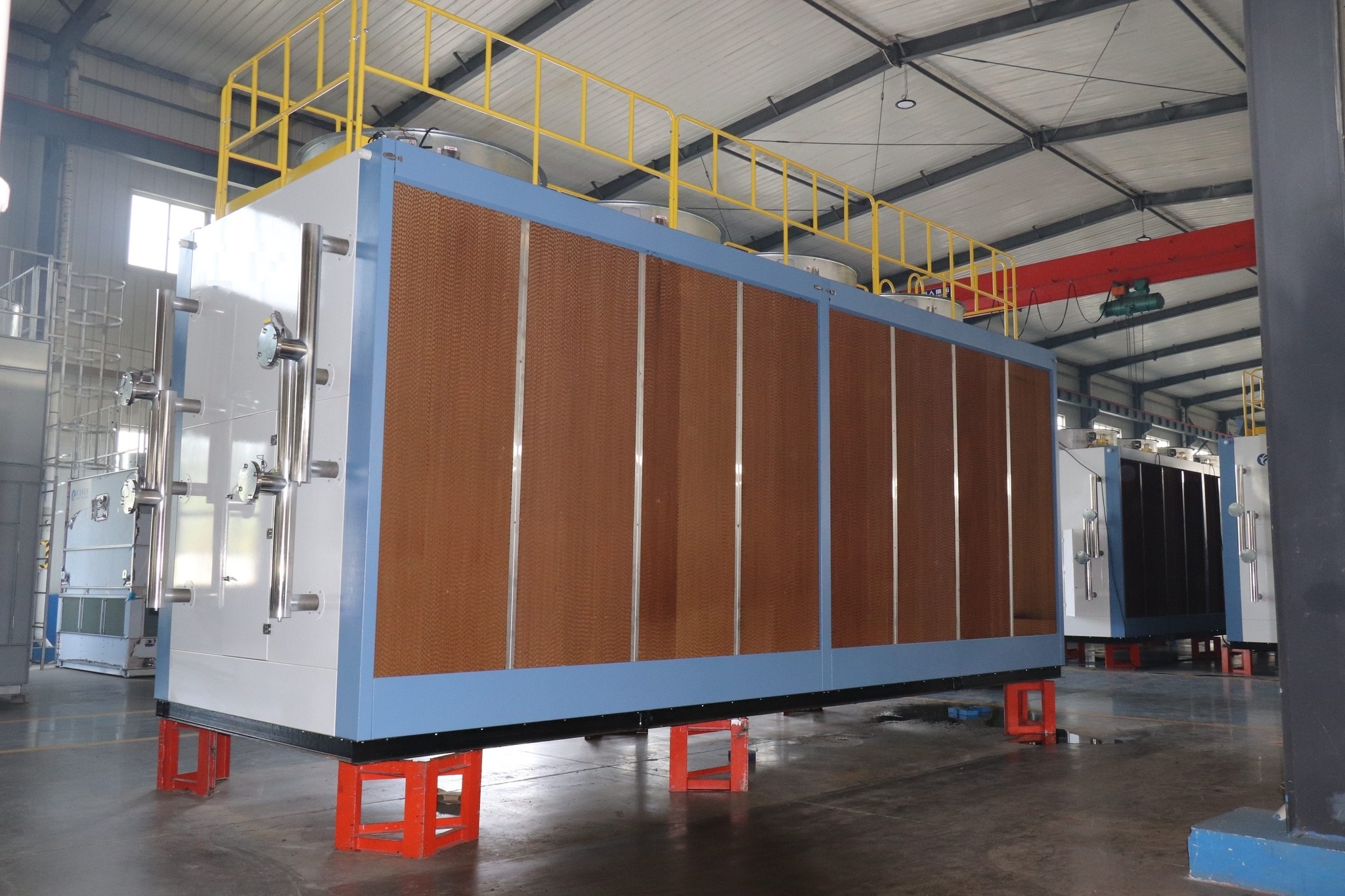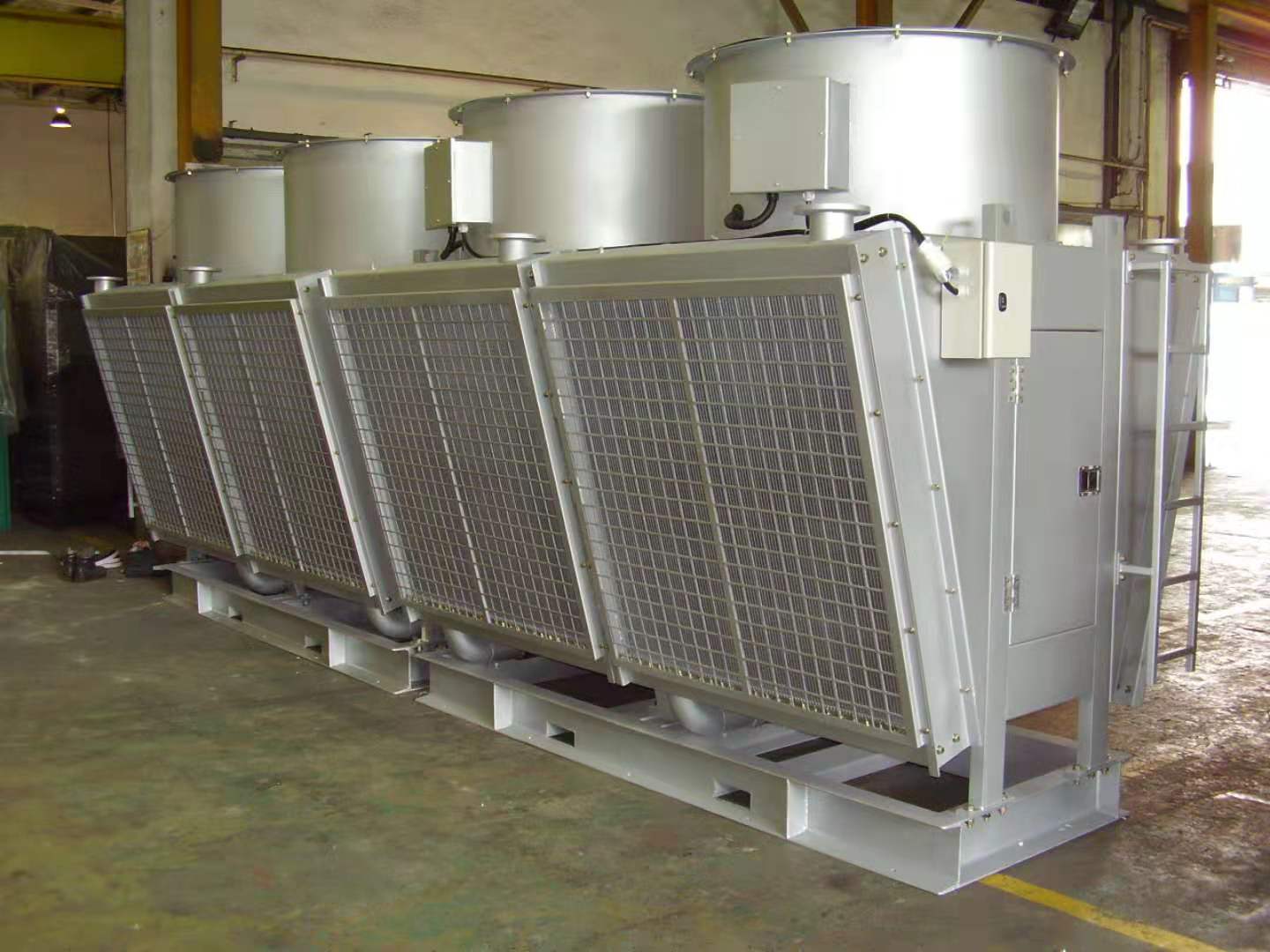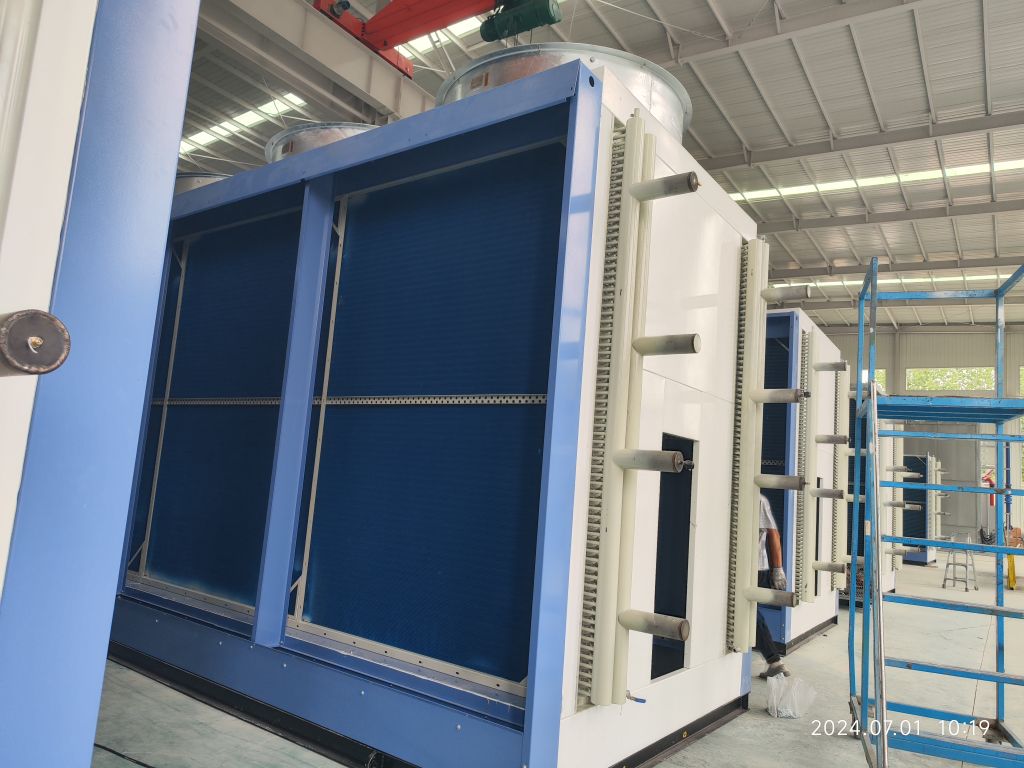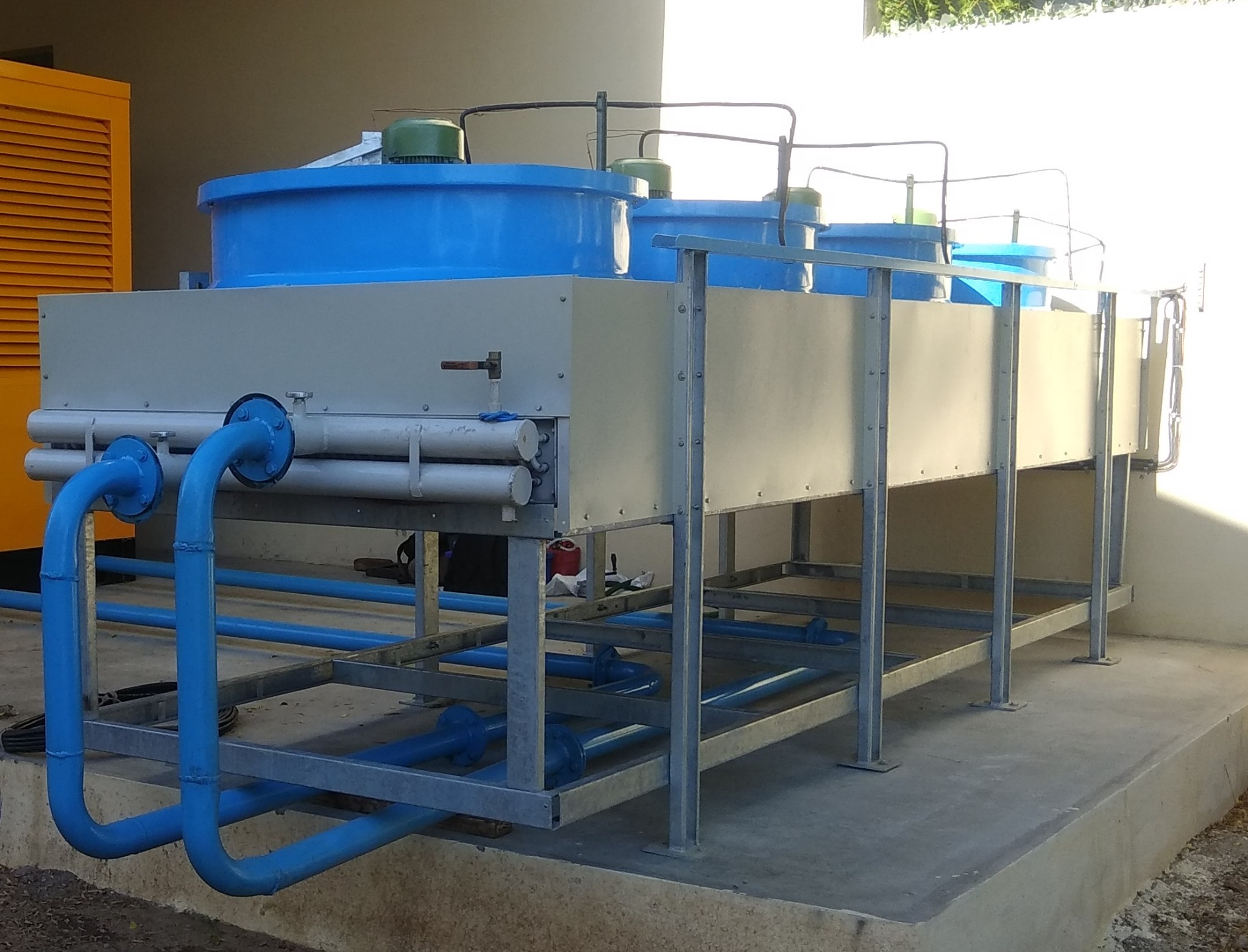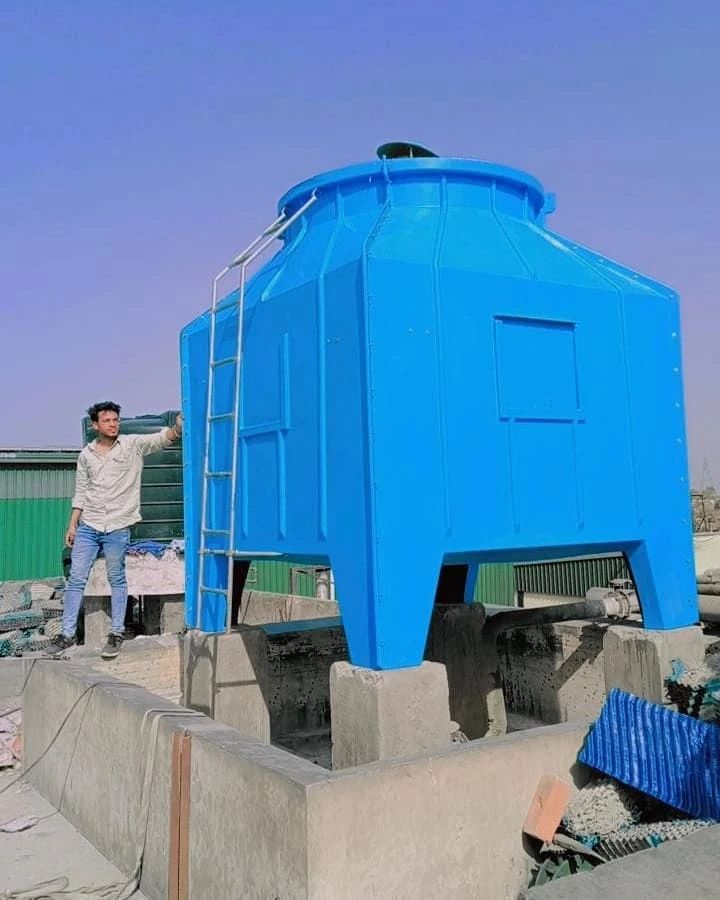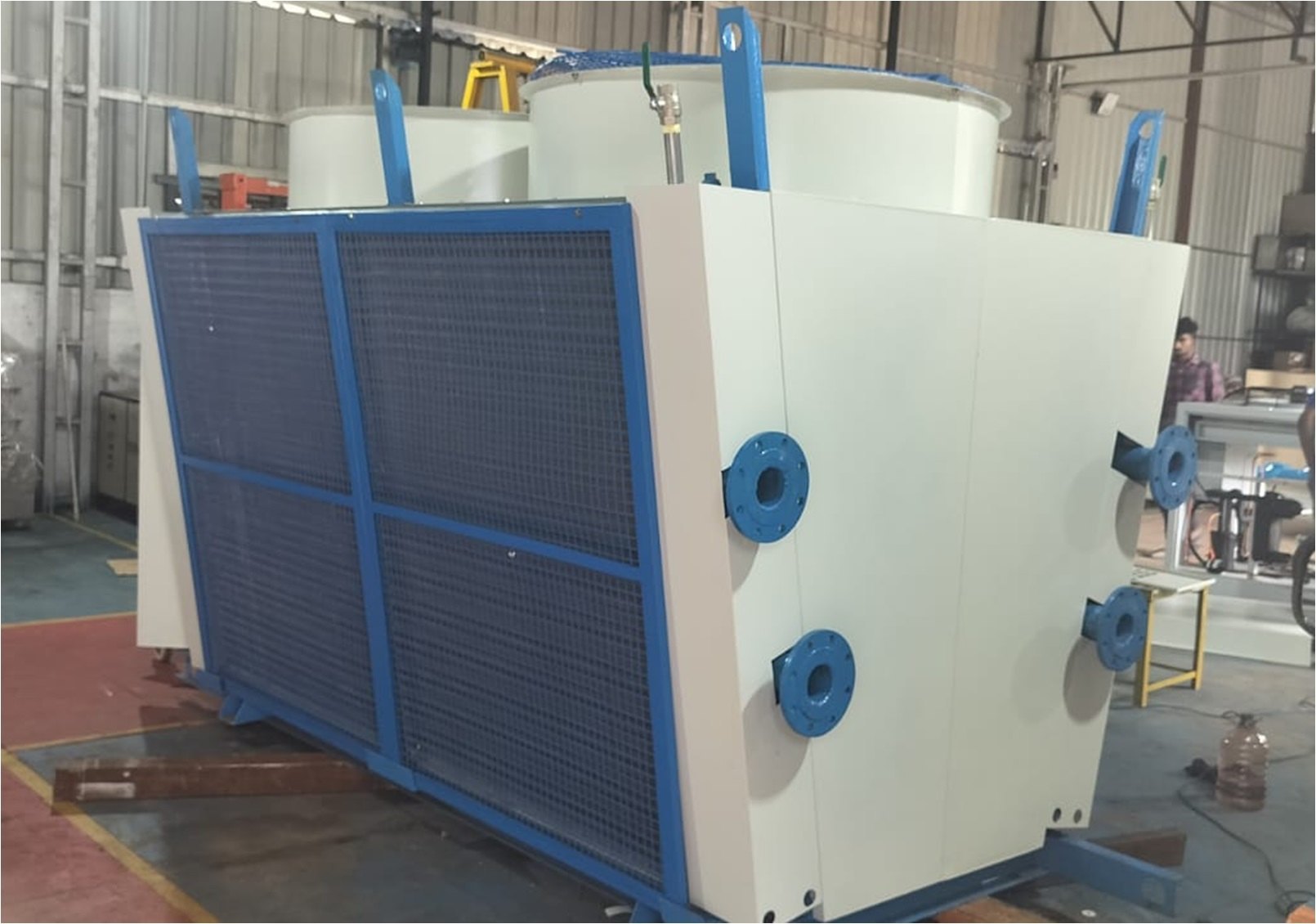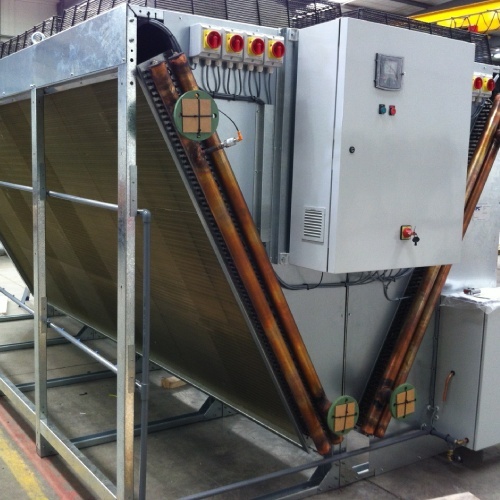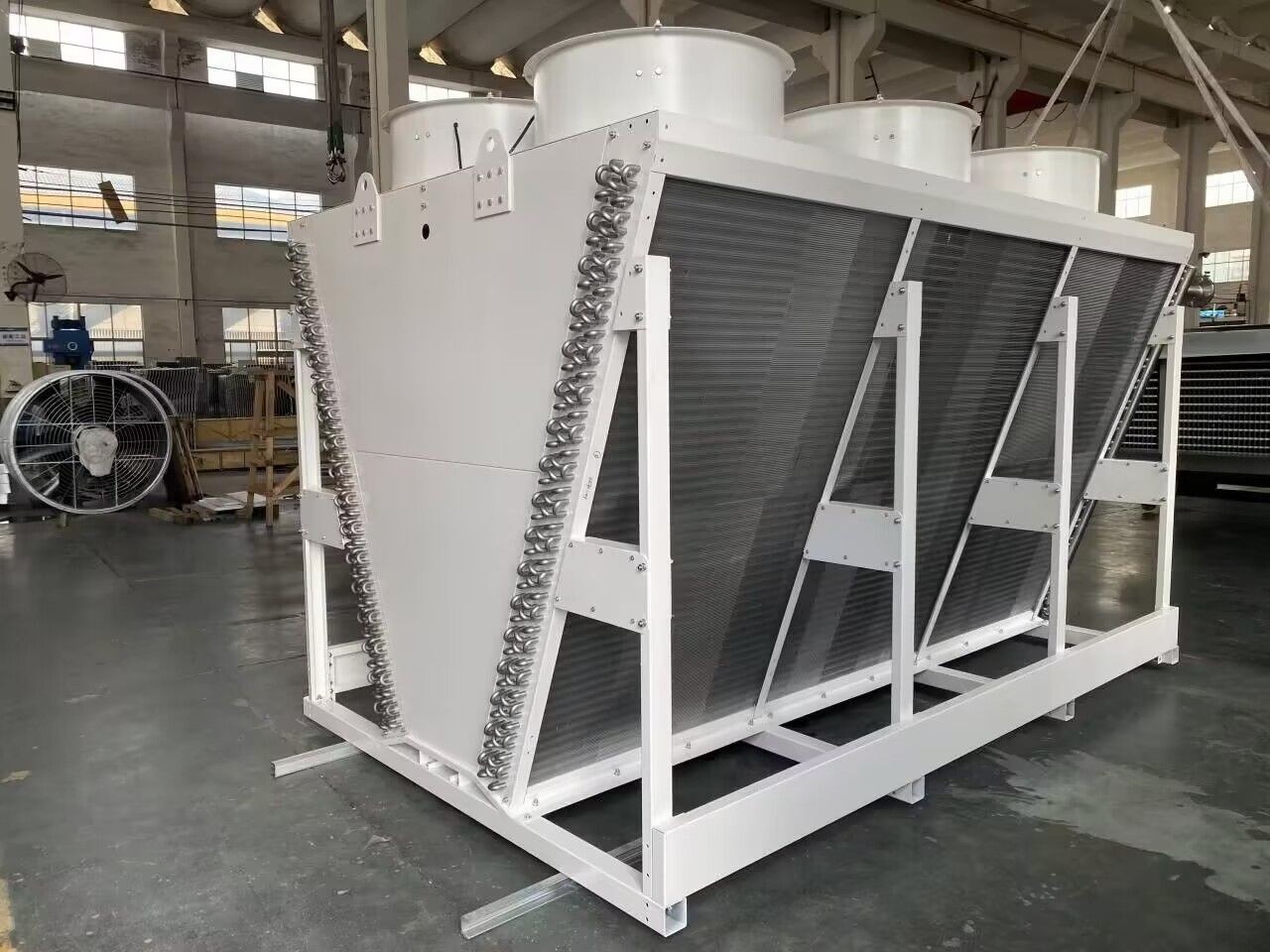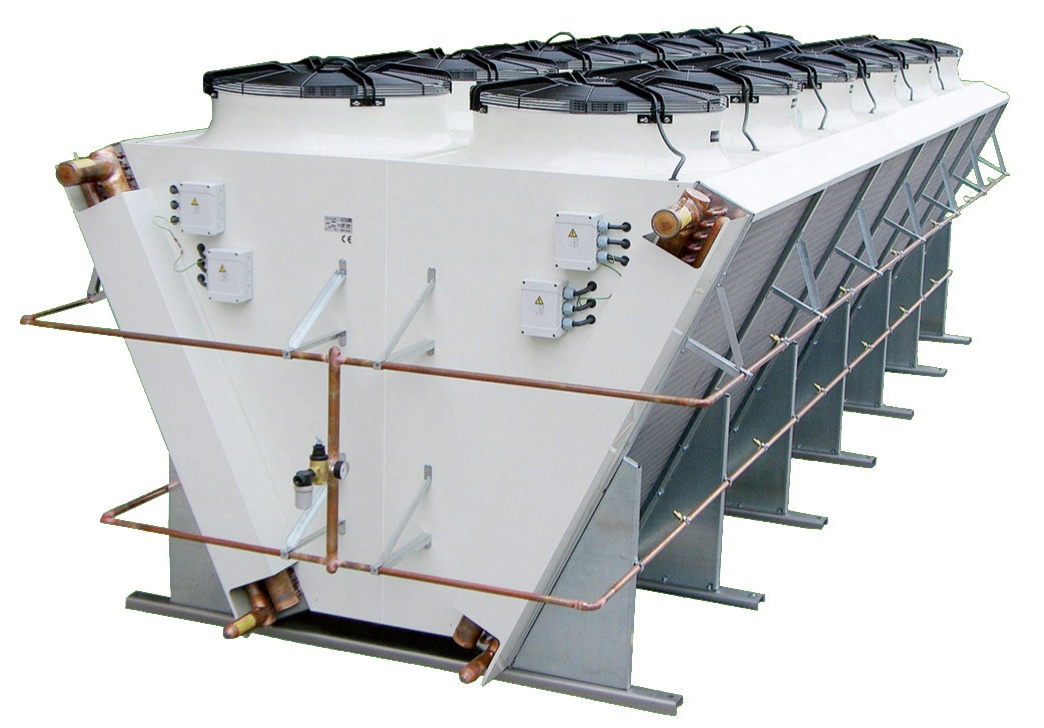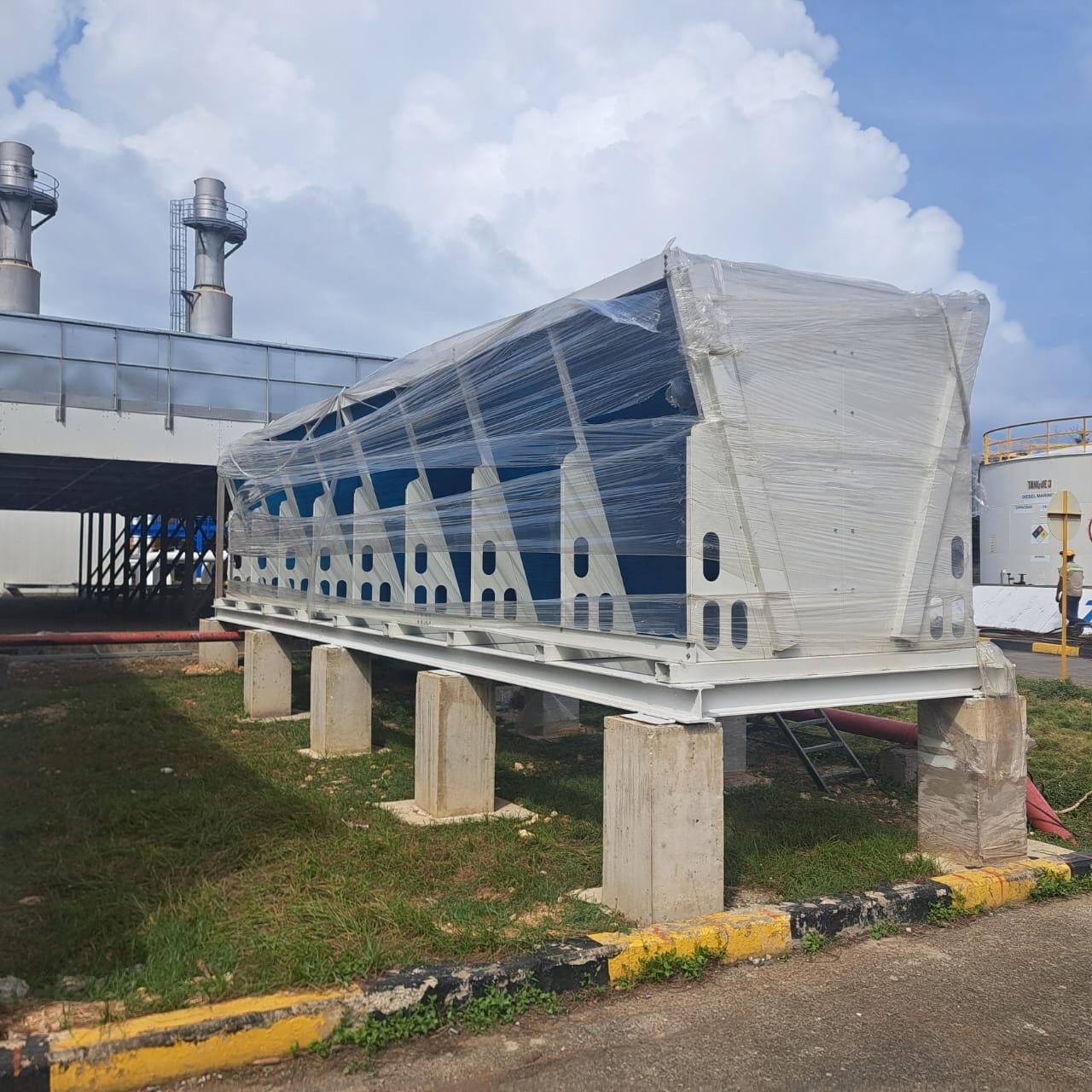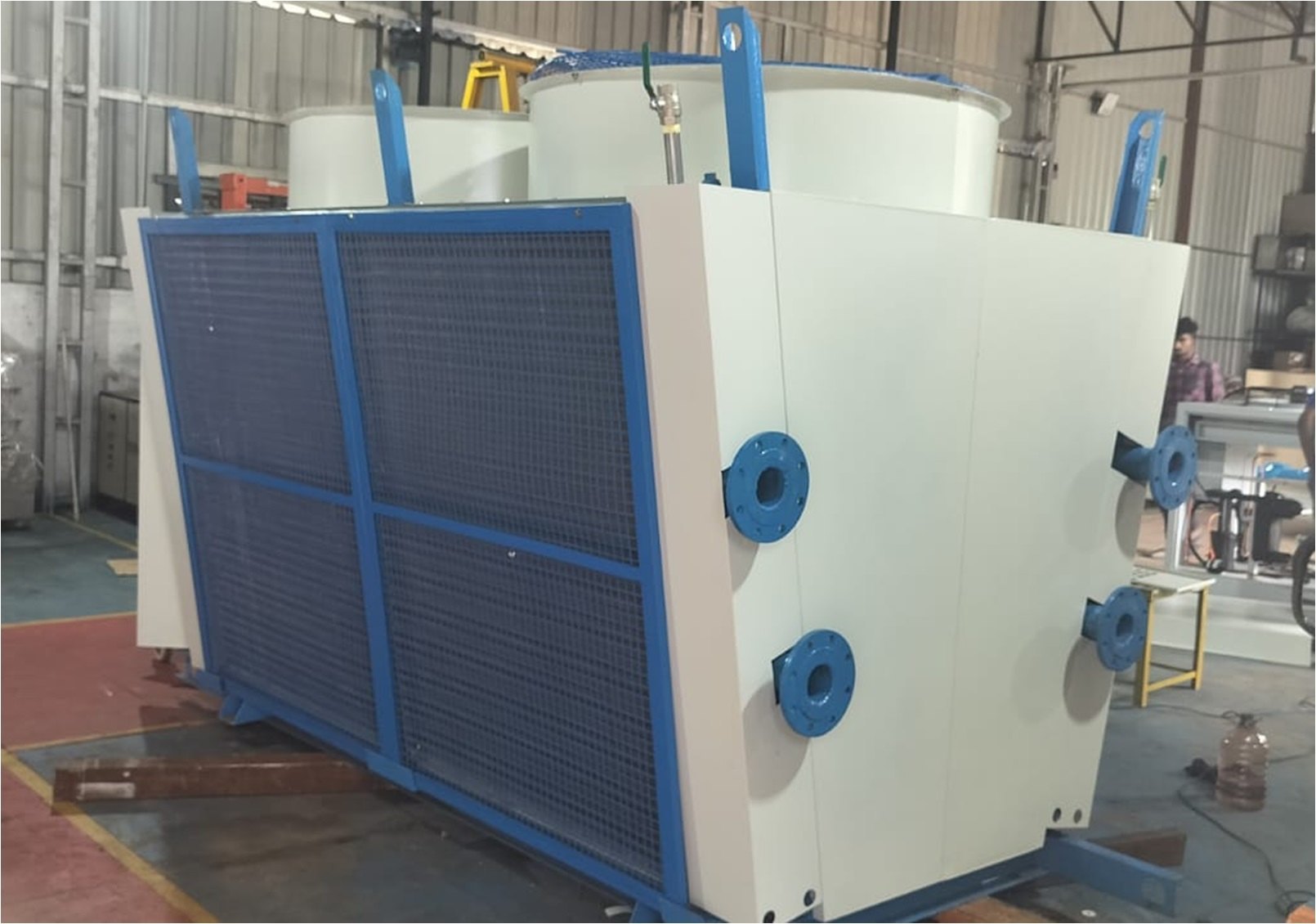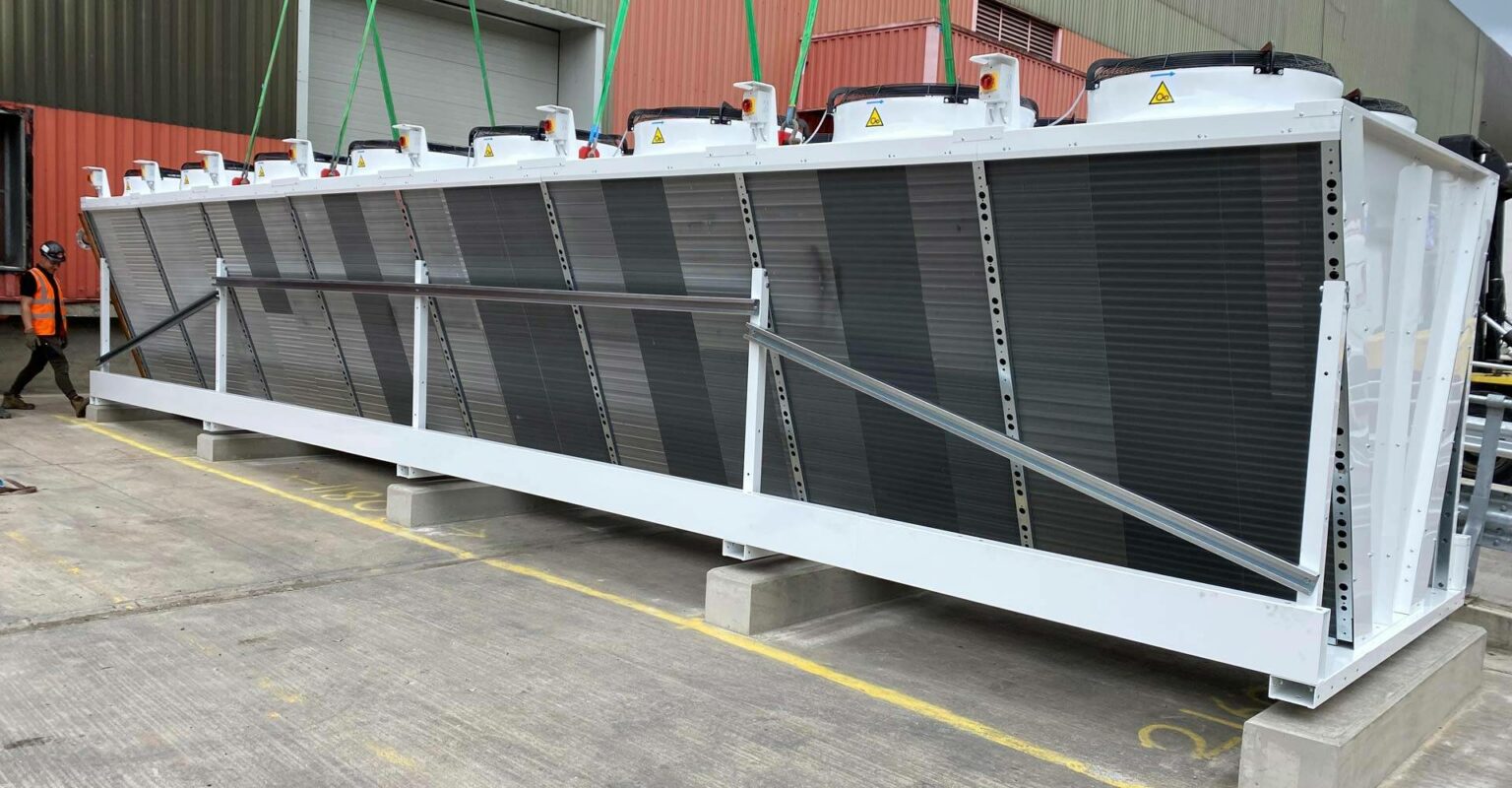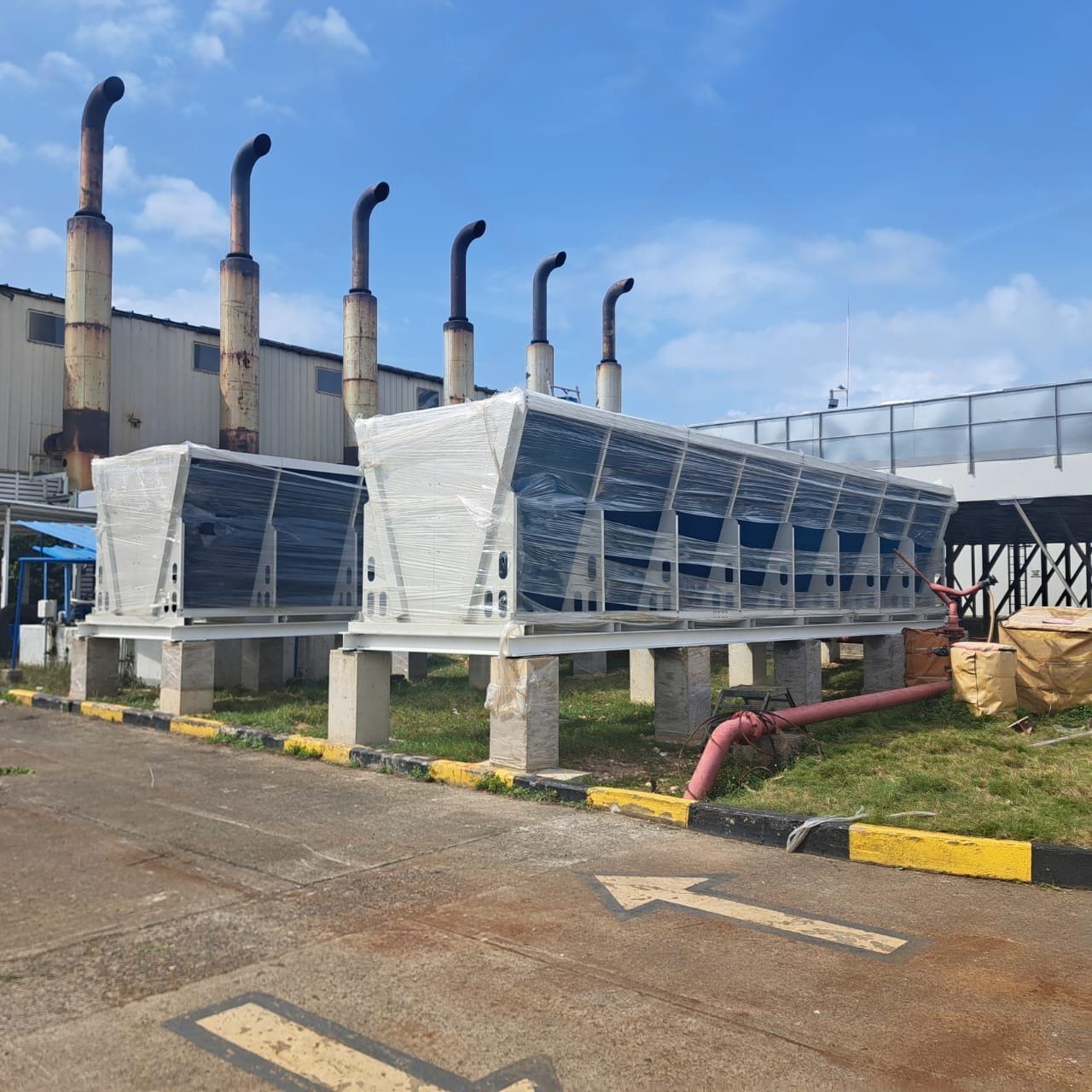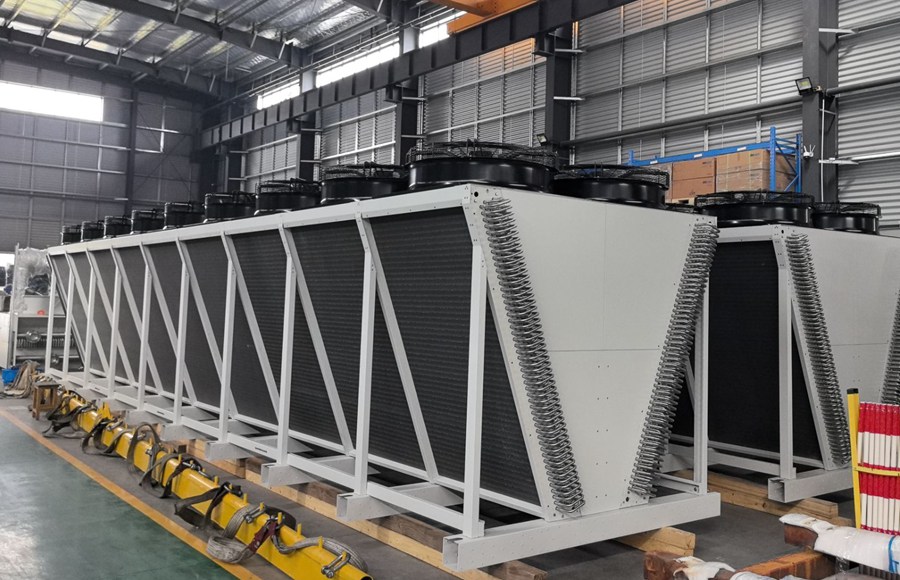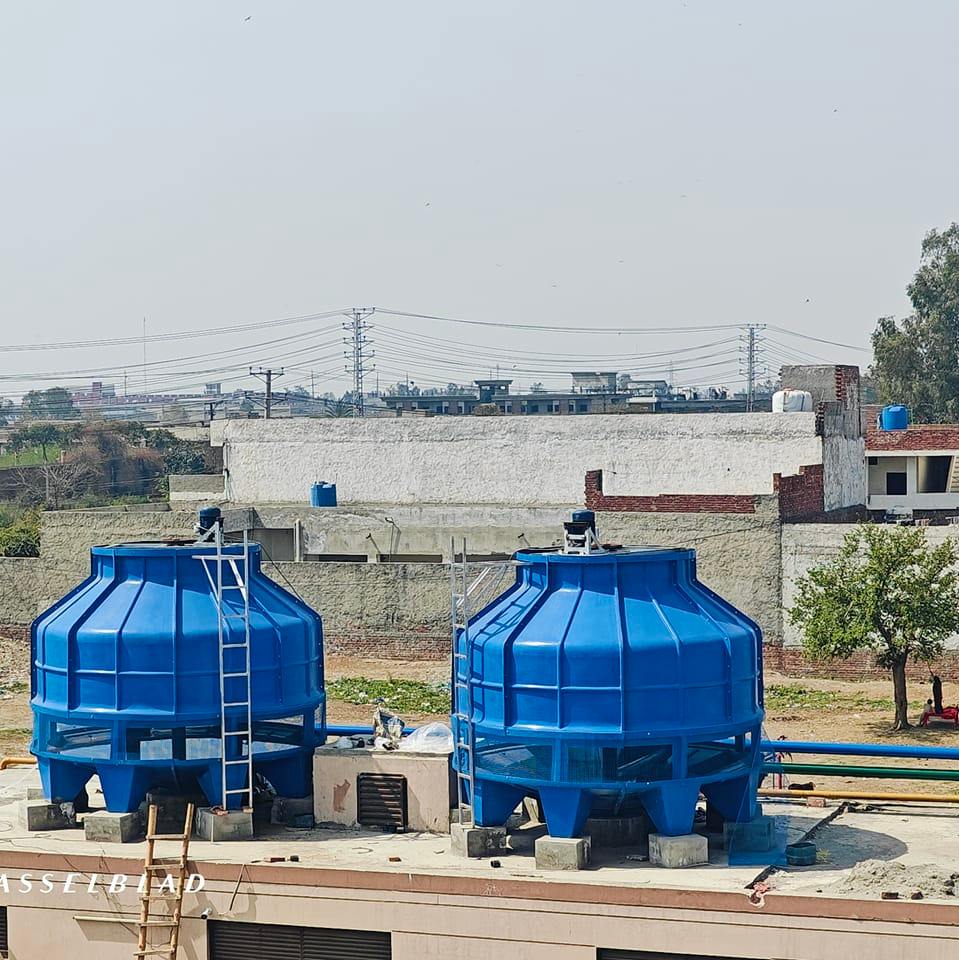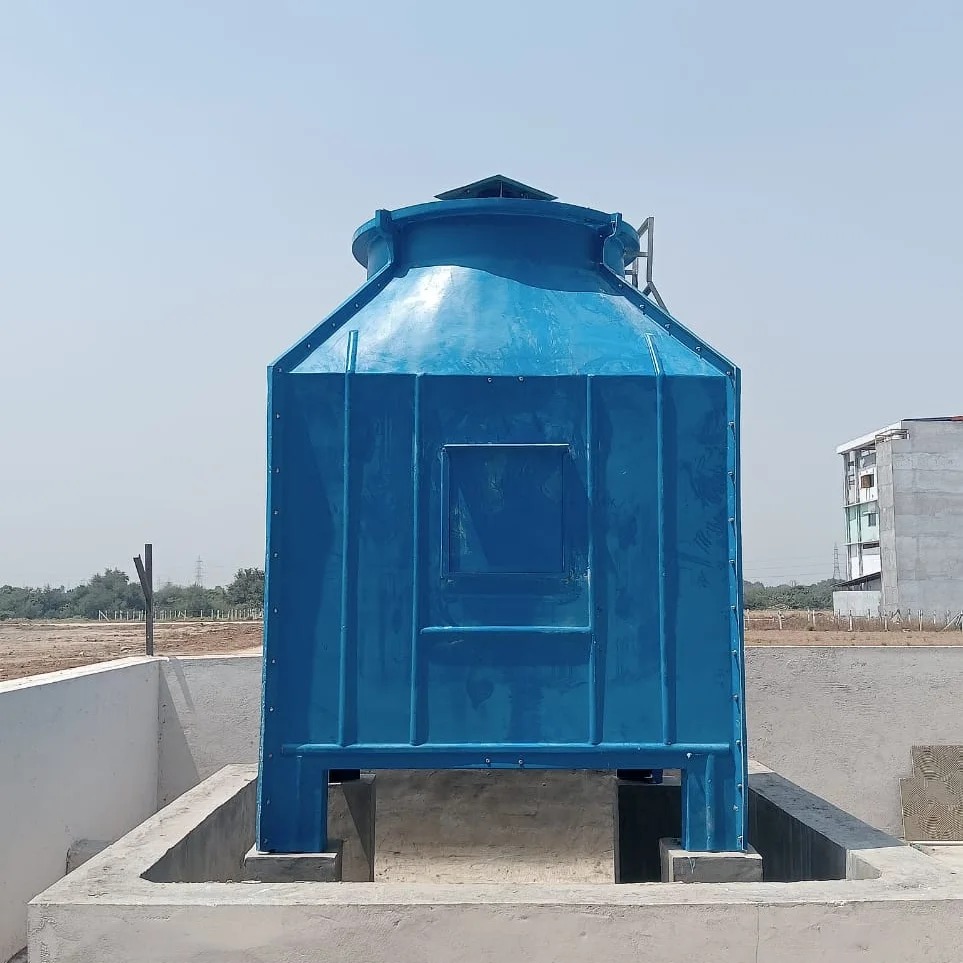
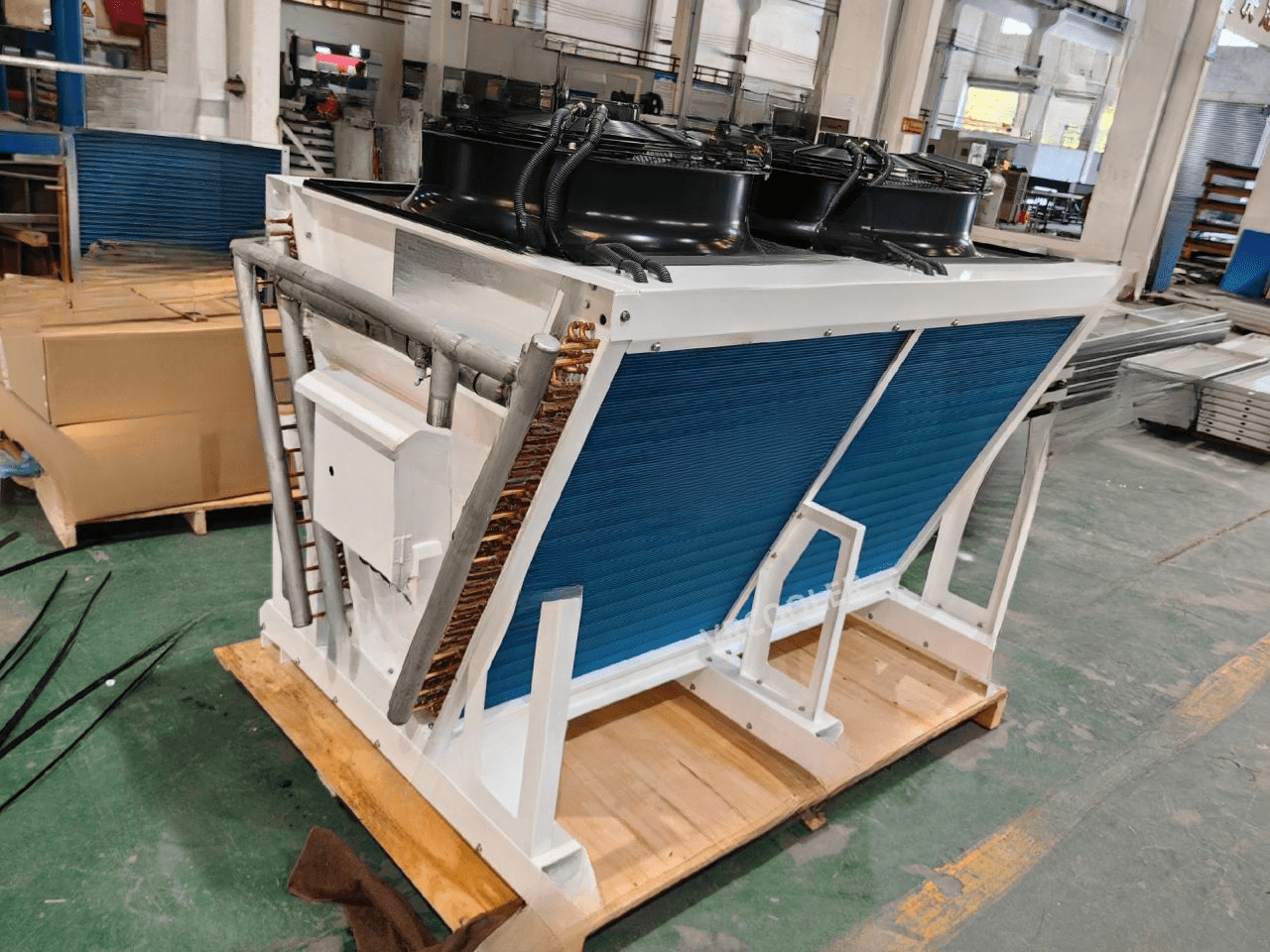
Dry Fluid Cooler

Adiabatic cooling tower Manufacturer in Qatar

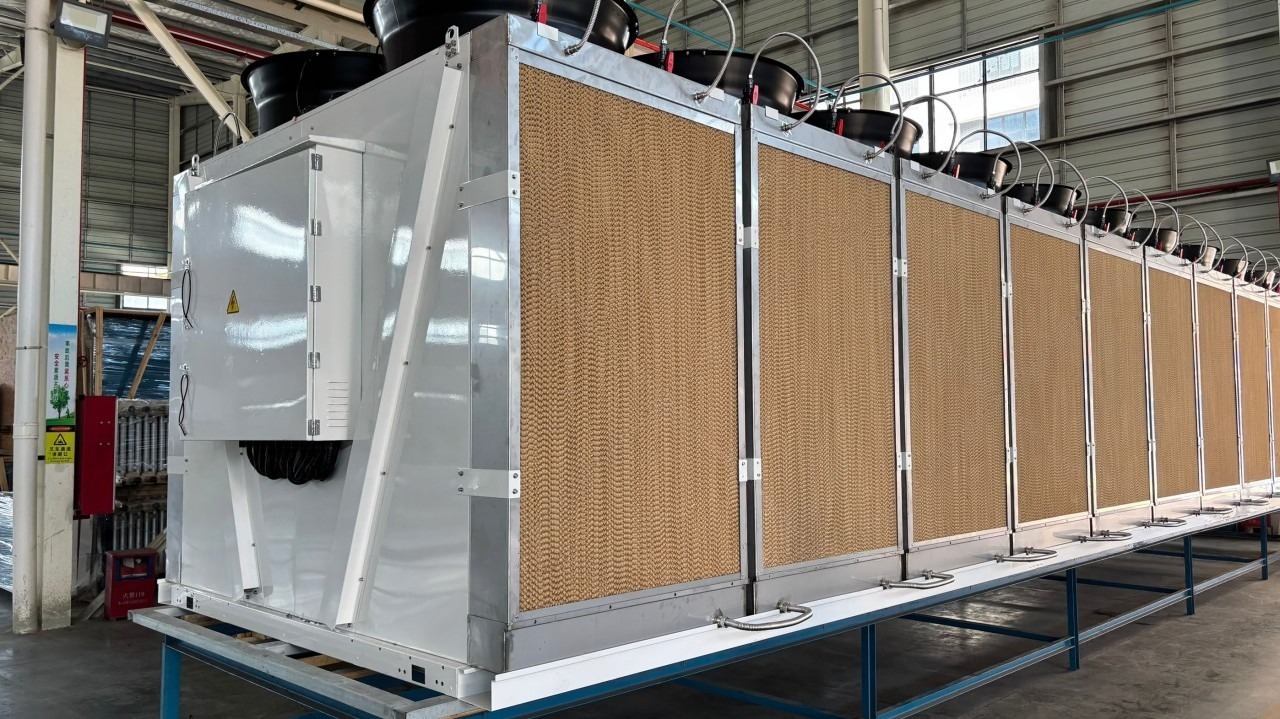
The use of cellulose pads in adiabatic cooling towers is a deliberate and common engineering choice, driven by a balance of performance, cost, and environmental factors. Here are the key reasons for using cellulose pads, broken down by their advantages and the trade-offs involved. Primary Reasons for Using Cellulose Pads 1. Superior Evaporative...

Adiabatic cooling tower Manufacturer in Oman

Direct vs. Indirect Cooling Feature Direct Cooling Indirect Cooling Circuit Type Open Closed Process Fluid Exposed to atmosphere Contained and protected Heat Transfer Direct Evaporation Through a Heat Exchanger Cooling Limit Ambient Wet-Bulb Temperature Slightly above Wet-Bulb Temperature Water Usage High Low to Zero Water Treatment Intensive...

Adiabatic cooling tower Manufacturer in Kuwait

Direct Cooling Vs Indirect Cooling The core difference lies in whether the process fluid being cooled is directly exposed to the atmosphere and the cooling air. Direct Cooling (Open Circuit) In a direct cooling system, the fluid that needs to be cooled (typically water) is directly exposed to the cooling air and the...

Adiabatic cooling tower Manufacturer in Jordan

Comparison to Alternative: PVC (Synthetic) Pads Feature Cellulose Pad PVC Pad Material Natural plant-based fibers Plastic (Polyvinyl Chloride) Cooling Efficiency Higher (better wicking and evaporation) Slightly Lower Lifespan Shorter (2-5 years) Longer (5-10+ years) Maintenance Higher (prone to clogging, organic growth) Lower (easy...

Adiabatic cooling tower Manufacturer in Bahrain

What is a Cellulose Pad? A cellulose pad is a specially engineered, rigid sheet made primarily from plant-based cellulose fibers (often from aspen or other hardwood trees) that are bonded together using special resins and then corrugated and laminated into a thick, multi-layered block. Its primary function is to maximize the surface...

Adiabatic cooling tower Manufacturer in Egypt

Core Components of an Adiabatic Cooling Tower 1. Heat Exchanger Core (The “Dry” Section) This is the primary component where the actual cooling of the process fluid happens. 2. Adiabatic Pre-Cooling System (The “Wet” Section) This section is responsible for cooling the incoming air before it hits the coils. 3. Air Movement...

Adiabatic cooling tower Manufacturer in India

What is an Adiabatic Cooling Tower? An adiabatic cooling tower is a hybrid cooling system that uses the adiabatic cooling effect of water evaporation to pre-cool the air before it passes over a heat exchanger. This dramatically increases the efficiency of the main heat rejection process. Its key feature is that it combines the...
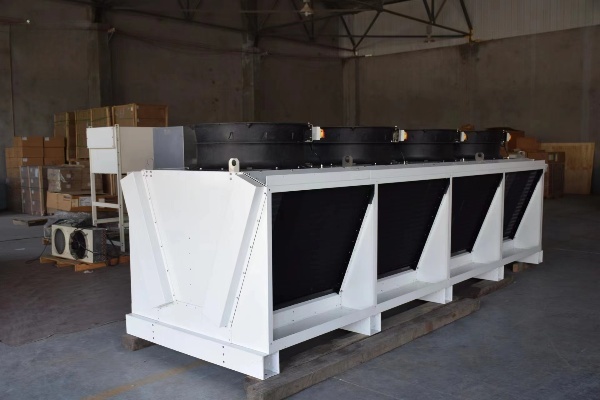
Cooling Tower Manufacturer in Ghana

Pultruded Cooling Tower A Pultruded Cooling Tower is a cooling tower whose structural framework is made from pultruded FRP (Fiberglass Reinforced Plastic) sections instead of traditional materials like wood, steel, or concrete. Pultrusion – Quick Note Key Features of Pultruded Cooling Towers Applications

Dry Cooling Tower Manufacturer in Tanzania

The best materials for a dry cooling tower depend on factors like heat transfer efficiency, corrosion resistance, structural strength, cost, and environmental conditions. Below is a comparison of key materials and recommendations for optimal performance:   1. Heat Exchanger Tubes & Fins (Most Critical Component)...
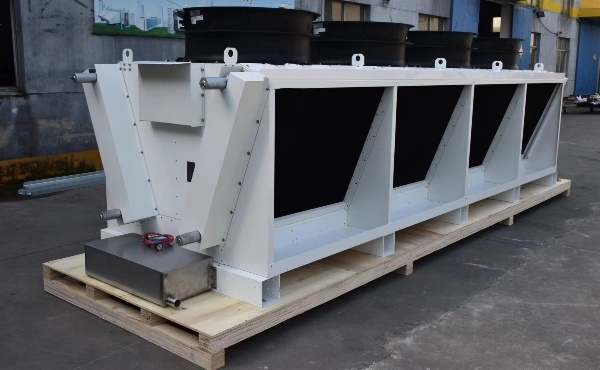
Dry Cooling tower Manufacturer in Zambia

Dry cooling towers are used in power plants and industrial processes to reject waste heat into the atmosphere without significant water consumption (unlike wet cooling towers, which rely on evaporative cooling). The materials used in dry cooling towers must withstand environmental conditions, thermal stresses, and corrosion. Here are the key...
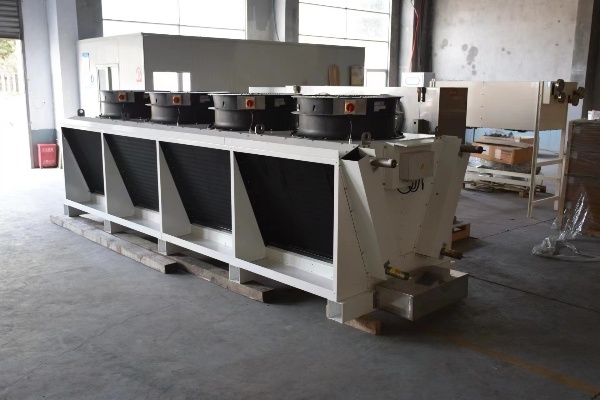
Dry Cooling tower Manufacturer in Sudan

A dry cooling tower (also called an air-cooled heat exchanger) is used to cool process fluids (such as water, oil, or refrigerant) without water evaporation. Instead, it relies on airflow (natural or forced) to remove heat. Below are its primary functions:   1. Heat Rejection from Process Fluids Transfers waste heat from industrial processes,...

Dry cooling tower Manufacturer in Lebanon

Dry cooling towers offer several benefits, especially in water-scarce regions or where environmental regulations restrict water usage. Here are the key advantages:   1. Water Conservation No Water Consumption: Unlike wet cooling towers that rely on evaporative cooling, dry cooling towers use air to cool the process fluid, eliminating water loss....

Dry Cooling tower Manufacturer in Jordan

Dry cooling towers are used in various industries and applications where water conservation, environmental regulations, or operational constraints make traditional wet cooling towers impractical. Below are the key applications of dry cooling towers:   1. Power Generation Thermal Power Plants (Coal, Gas, Nuclear): Used in steam condenser cooling...

Dry Cooling tower Manufacturer in Qatar

A dry cooling tower (also known as an air-cooled heat exchanger) is a type of cooling system that rejects waste heat into the atmosphere without significant water consumption, unlike traditional wet cooling towers that rely on water evaporation.   Key Features of Dry Cooling Towers: No Water Evaporation – Uses air as the cooling medium...

Dry Cooling tower Manufacturer in Yemen

A dry cooling tower (also known as an air-cooled condenser or ACC) is a type of heat exchanger used to cool industrial processes or power plant systems without consuming water. Unlike traditional wet cooling towers that rely on water evaporation, dry cooling towers use air to remove heat from the process fluid (usually water or […]

Dry Cooling tower Manufacturer in Egypt

Dry cooling towers are used in various industries and applications where water conservation is critical or where water resources are scarce. Here are some common use cases:   1. Power Plants Thermal Power Plants (Coal, Gas, Nuclear): Dry cooling towers are used to cool steam condensers when water availability is limited.   Concentrated...

Dry Cooling Tower Manufacturer in Nigeria

The best materials for a dry cooling tower depend on factors like heat transfer efficiency, corrosion resistance, structural strength, cost, and environmental conditions. Below is a comparison of key materials and recommendations for optimal performance:   1. Heat Exchanger Tubes & Fins (Most Critical Component)...

Dry Cooling tower Manufacturer in Kenya

Dry cooling towers are used in power plants and industrial processes to reject waste heat into the atmosphere without significant water consumption (unlike wet cooling towers, which rely on evaporative cooling). The materials used in dry cooling towers must withstand environmental conditions, thermal stresses, and corrosion. Here are the key...

Dry Cooling Tower Manufacturer in South Africa

A dry cooling tower (also called an air-cooled heat exchanger) is used to cool process fluids (such as water, oil, or refrigerant) without water evaporation. Instead, it relies on airflow (natural or forced) to remove heat. Below are its primary functions:   1. Heat Rejection from Process Fluids Transfers waste heat from industrial processes,...

Dry Cooling Tower Manufacturer in Djibouti

Dry cooling towers offer several benefits, especially in water-scarce regions or where environmental regulations restrict water usage. Here are the key advantages:   1. Water Conservation No Water Consumption: Unlike wet cooling towers that rely on evaporative cooling, dry cooling towers use air to cool the process fluid, eliminating water...

Dry Cooling tower Manufacturer in Omen

Dry cooling towers are used in various industries and applications where water conservation, environmental regulations, or operational constraints make traditional wet cooling towers impractical. Below are the key applications of dry cooling towers:   1. Power Generation Thermal Power Plants (Coal, Gas, Nuclear): Used in steam condenser...

Dry Cooling tower Manufacturer in Saudi Arabia

A dry cooling tower (also known as an air-cooled heat exchanger) is a type of cooling system that rejects waste heat into the atmosphere without significant water consumption, unlike traditional wet cooling towers that rely on water evaporation.   Key Features of Dry Cooling Towers: No Water Evaporation – Uses air as the cooling medium...

Dry Cooling tower Manufacturer in UAE

A dry cooling tower (also known as an air-cooled condenser or ACC) is a type of heat exchanger used to cool industrial processes or power plant systems without consuming water. Unlike traditional wet cooling towers that rely on water evaporation, dry cooling towers use air to remove heat from the process fluid (usually water or […]

Cooling Tower Manufacturer in Saudi Arabia

Bottle-Shaped Cooling Tower: Design, Features & Applications A bottle-shaped cooling tower (also called “bottle-type” or “round counterflow” cooling tower) is a type of natural draft cooling tower commonly used in power plants and large industrial facilities. Its distinctive hyperbolic or cylindrical...

Cooling Tower Manufacturer in United Arab Emirates

Types of Fan Blade Materials Used in Cooling Towers Cooling tower fans are critical for airflow and heat exchange efficiency. The choice of fan blade material depends on factors like corrosion resistance, strength, weight, cost, and environmental conditions. Here are the most common materials used: 1. Aluminum Alloy Advantages: Lightweight,...

Cooling Tower Manufacturer in Bahrain

  Field-Erected Cooling Towers (FEP) are the go-to solution for large-scale industrial cooling where high capacity, customization, and durability are critical. While they require a higher upfront investment and longer installation time, their long-term efficiency and adaptability make them ideal for power plants, refineries, and heavy...

Cooling Tower Manufacturer in Kuwait

Field-Erected Cooling Towers (FEP) Field-Erected Cooling Towers (FEP) are large-scale cooling systems constructed on-site, designed for heavy-duty industrial applications where high cooling capacity, customization, and long-term durability are required. Unlike factory-assembled (packaged) cooling towers, FEP towers are built piece-by-piece at the...

Cooling Tower Manufacturer in Qatar

Types of Factories Assembled Cooling Towers 1. Induced Draft vs. Forced Draft Feature Induced Draft FAP Forced Draft FAP Fan Position Top (pulls air) Bottom (pushes air) Efficiency Higher (less recirculation) Lower (fan works against pressure) Noise Level Quieter (fan inside tower) Louder (fan exposed) Maintenance Easier (accessible fan) Harder...

Cooling Tower Manufacturer in Yemen

Factory Assembled Cooling Towers (FAP) – Overview Factory Assembled (Packaged) Cooling Towers (FAP) are pre-engineered, pre-fabricated cooling towers that are manufactured in a controlled factory environment and shipped as complete units to the installation site. They are designed for quick and easy installation, making them ideal for...

Cooling Tower Manufacturer in Egypt

Cooling towers are heat rejection devices used to transfer waste heat to the atmosphere. They are commonly used in HVAC, industrial processes, and power plants. Cooling tower systems can be classified based on various factors, including airflow generation, heat transfer method, and construction design. 1. Based on Airflow Generation Method A....

Cooling Tower Manufacturer in Oman

Why Use Cooling Towers? Energy Savings: Recirculating water cuts power vs. air-cooled systems.Water Efficiency: Evaporative cooling uses less water than once-through systemCompact Footprint: High heat rejection in small spaces (vs. lakes/ponds). Did You Know? A single nuclear plant cooling tower can circulate 500,000+ gallons of water per...

Cooling Tower Manufacturer in Saudi Arabia

Cooling Tower Applications   Cooling towers are critical in industries and systems where efficient heat rejection is required. Below is a detailed breakdown of their key applications, categorized by industry and function: 1. Power Generation Nuclear Power Plants Cools steam from turbines in the condenser (prevents overheating). Hyperboloid...

Cooling Tower Manufacturer in United Arab Emirates

What Are Cooling Towers Used For Cooling towers are essential components in industrial and commercial systems where excess heat needs to be removed from processes or equipment. Here’s a detailed breakdown of their primary uses: 1. Industrial Process Cooling Function: Remove heat generated in manufacturing processes. Industries: Power...

Cooling Tower Manufacturer in Qatar

The water quality in a cooling tower significantly impacts its performance, efficiency, and lifespan. Poor water quality can lead to scale formation, corrosion, microbiological growth (like Legionella), and fouling, which reduce heat transfer efficiency and increase maintenance costs. Here’s a breakdown of the key effects: 1. Scale Formation...

Cooling Tower Manufacturer in Yemen

In cooling towers, the choice between direct drive fans and gear drive fans depends on factors like efficiency, maintenance, noise, and cost. Below is a comparison: 1. Direct Drive Fan No Gearbox: The motor is directly connected to the fan shaft.Higher Efficiency: Fewer mechanical losses (no gearbox friction).Lower Maintenance: No gearbox means...

Cooling Tower Manufacturer in Oman

Gear-driven fans are a critical component in many industrial cooling towers, providing reliable airflow to facilitate heat exchange. Here’s a detailed breakdown of their function, advantages, and considerations: 1. How Gear-Driven Fans Work Power Transmission: A motor drives a speed reducer (gearbox), which adjusts the rotational speed to...

Cooling Tower Manufacturer in Saudi Arabia

Belt-Driven Fans in Cooling Towers Belt-driven fans are a common and cost-effective method of transferring power from the motor to the fan in cooling towers. They use belts and pulleys to control speed and torque, making them a versatile choice for many applications. How Belt-Driven Fans Work Types of Belts Used Advantages of Belt-Driven Fans...

Cooling Tower Manufacturer in United Arab Emirates

Selection Factors for Fan Drives Load Variability → VFD or EC motors for variable loads.Energy Efficiency Goals → Direct-drive, VFD, or EC motors.Maintenance Capability → Belt-driven requires more upkeep.Cooling Tower Size → Gear drives for very large fans.Budget → Belt-driven is cheapest upfront; EC/VFD saves long-term energy costs....

Cooling Tower Manufacturer in India

Cooling Tower Fan Drive Types   Cooling tower fans are critical for airflow generation, and their drive systems impact efficiency, maintenance, and operational flexibility. The main types of fan drives include: 1. Belt-Driven Fans Mechanism: Uses belts (V-belts or synchronous cogged belts) and pulleys to transfer power from the motor to the fan....

Serpentine Coil Dry Cooler

A serpentine coil dry cooler is a highly efficient heat rejection system that uses a serpentine-shaped coil arrangement to maximize heat transfer and airflow contact. Designed for industrial cooling applications, it is widely used in HVAC systems, process cooling, data centers, and power generation plants where water conservation and low...

Oil Cooler Manufacturer in Zambia

Why Aluminum Brass Tubes Are Used in Marine Oil Coolers Aluminum brass (CuZn20Al, UNS C68700) is a copper alloy specifically engineered for marine and seawater cooling applications. It is widely used in shell-and-tube oil coolers for ships, offshore platforms, and desalination plants due to its unique...

Oil Cooler Manufacturer in Tunisia

Copper Tube vs. Stainless Steel Tube Oil Coolers: When choosing between copper and stainless steel (SS) tubes for an oil cooler, factors like thermal efficiency, corrosion resistance, durability, and cost play a crucial role. Below is a detailed comparison: 1. Thermal Conductivity & Heat Transfer Efficiency  ...

Oil Cooler Manufacturer in Ghana

Materials Used in Shell & Tube Oil Cooler Tubes The tubes in a shell and tube oil cooler are critical for heat transfer efficiency, corrosion resistance, and durability. The choice of material depends on factors like fluid compatibility, temperature, pressure, and cost. Below are the most common materials used: 1....

Oil Cooler Manufacturer in Ethiopia

When is a Hydraulic Oil Cooler Necessary? Signs Your Hydraulic System Needs a Cooler Increased noise or leaks from seals/hoses.

Oil Cooler Manufacturer in Algeria

An oil cooler (or hydraulic cooler) in a hydraulic power pack is essential for maintaining optimal system performance and reliability. Its primary functions include: 1. Temperature Control 2. Preventing Oil Degradation 3. Maintaining System Efficiency 5. Preventing Overheating & System Failure

Oil Cooler Manufacturer in Morocco

Types of Hydraulic Oil Coolers When is a Hydraulic Oil Cooler Necessary?

Oil Cooler Manufacturer in Zimbabwe

The oil cooler in an engine serves a critical purpose in maintaining optimal engine performance and longevity. Its primary functions are: 1. Cooling the Engine Oil 2. Maintaining Oil Viscosity 3. Preventing Engine Overheating 4 Extending Oil Life 5. Protecting Turbocharged Engines 6. Enhancing Performance & Efficiency Types of Oil...
1 4 5 6