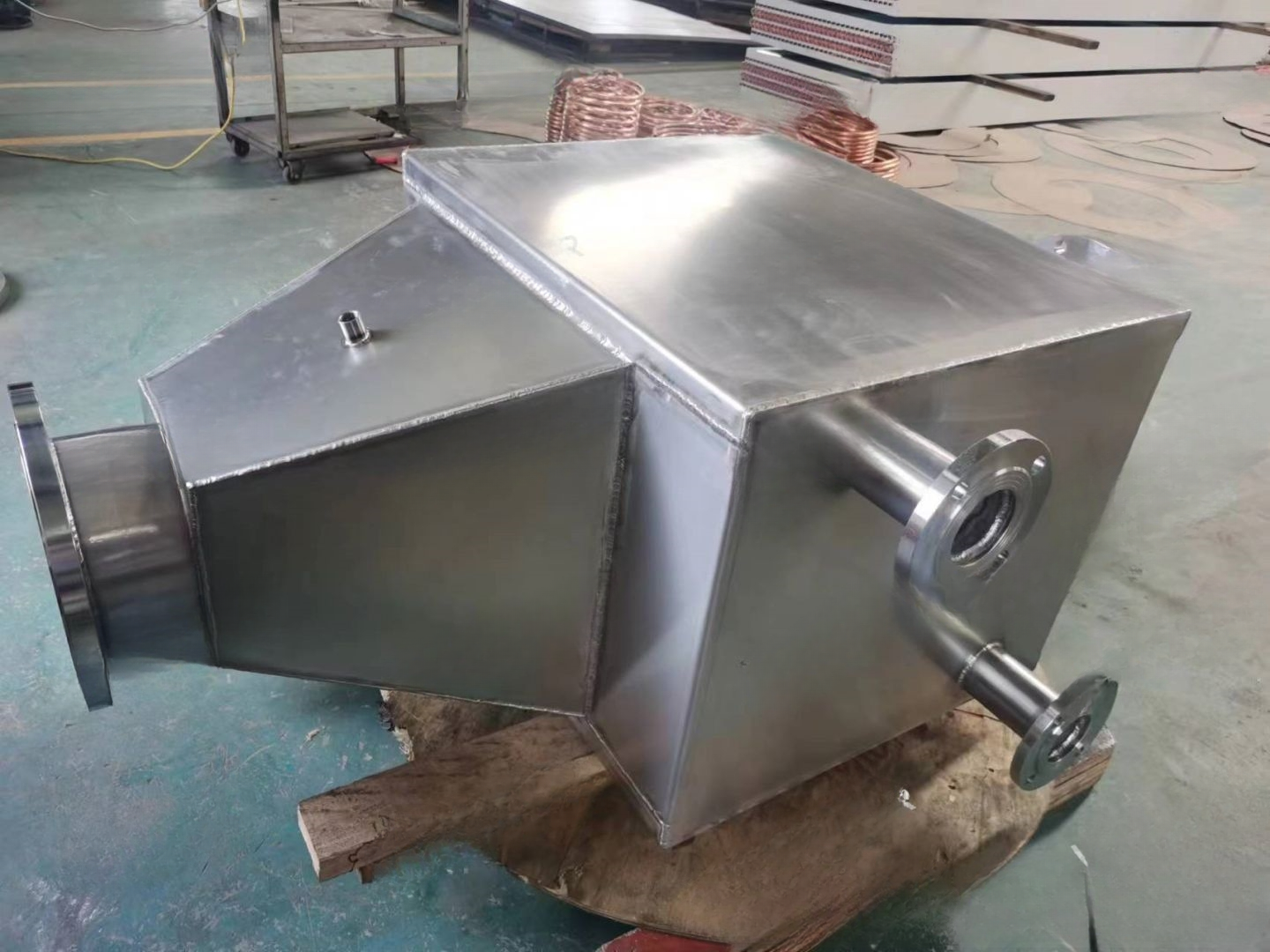
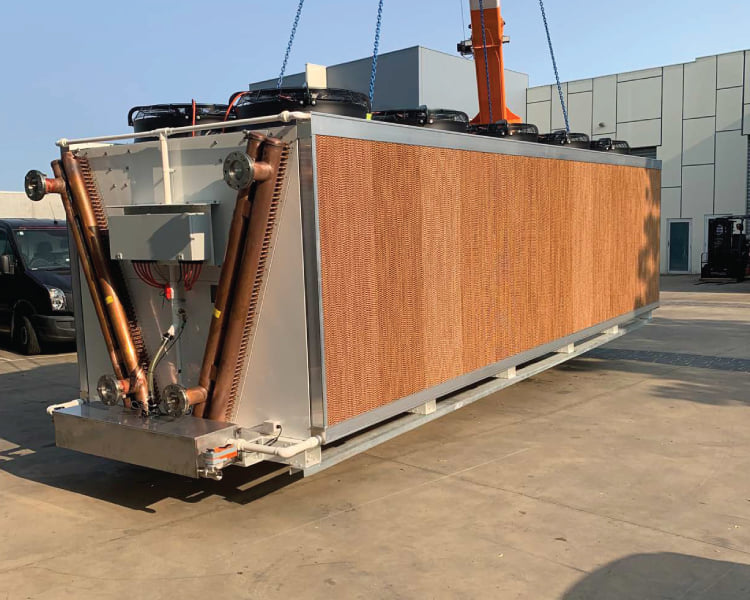
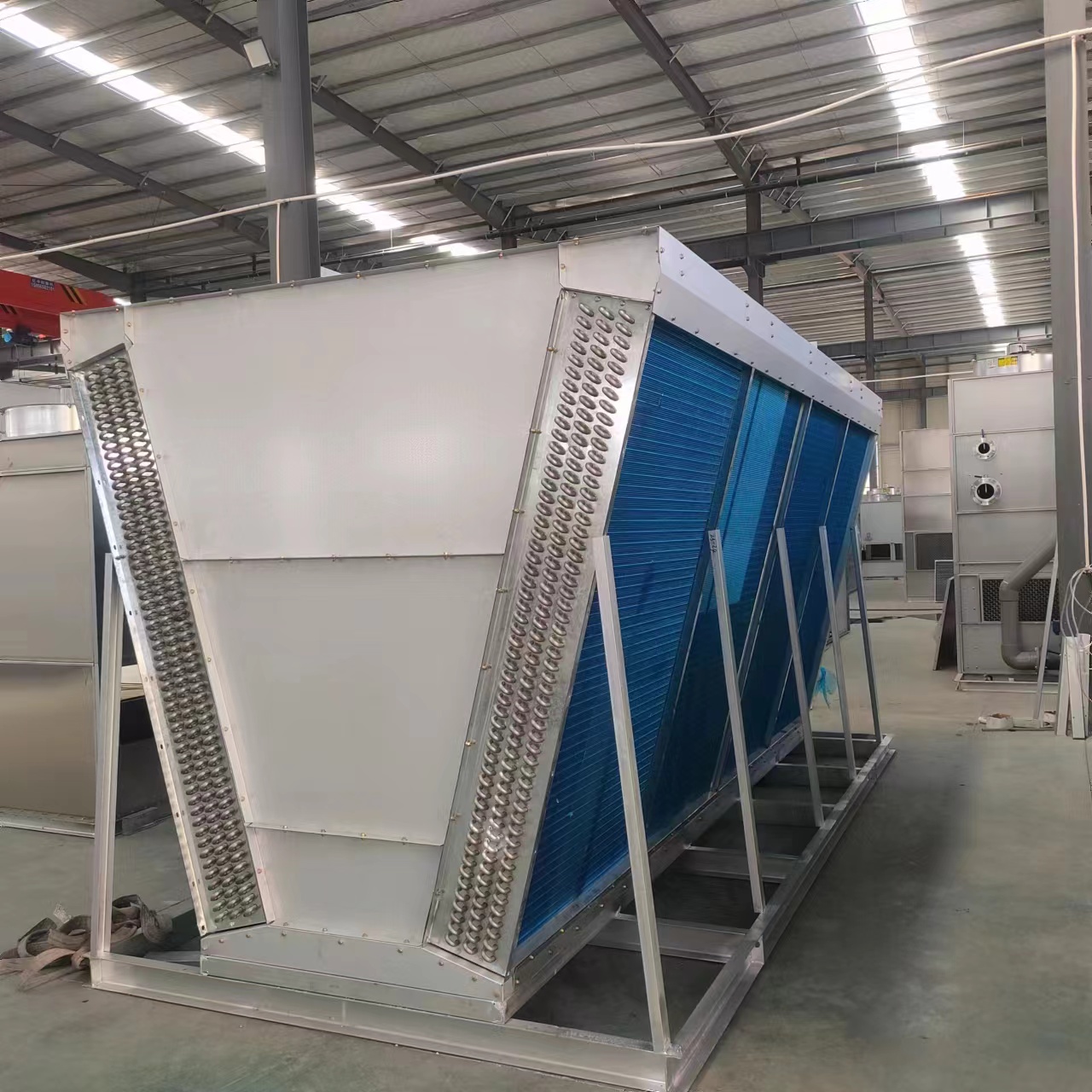
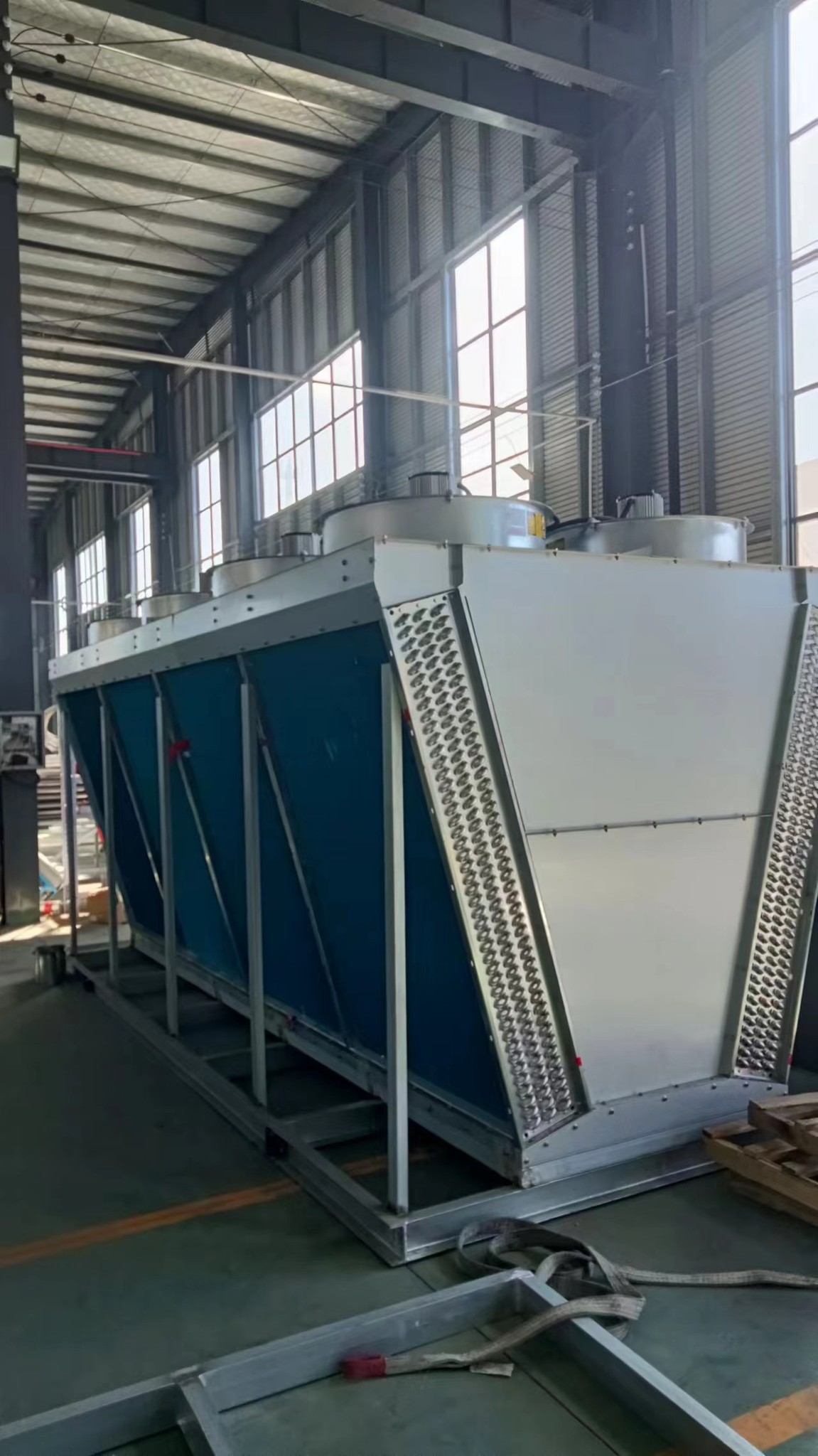
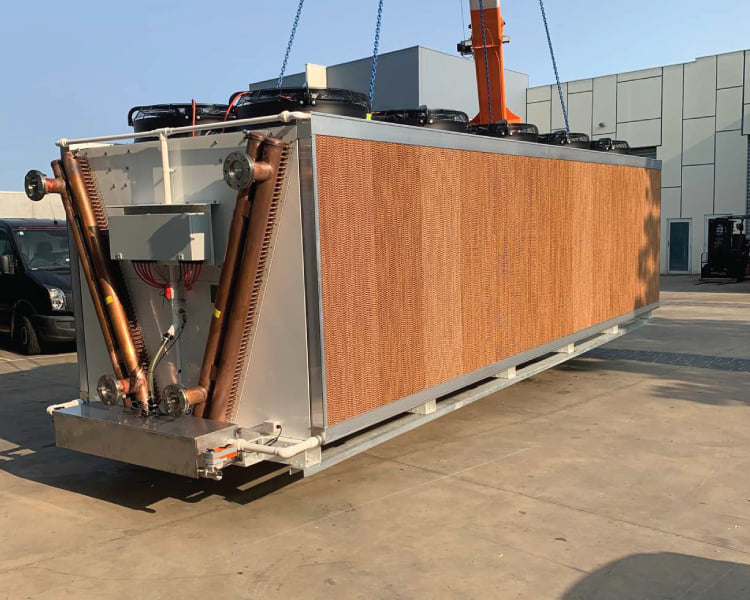
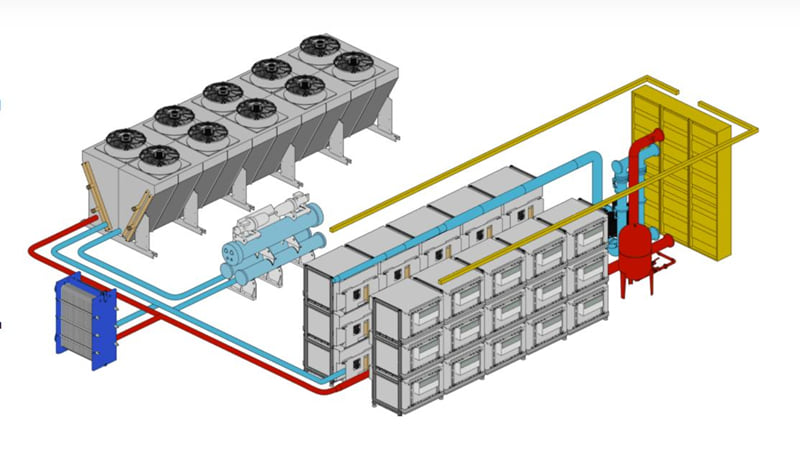
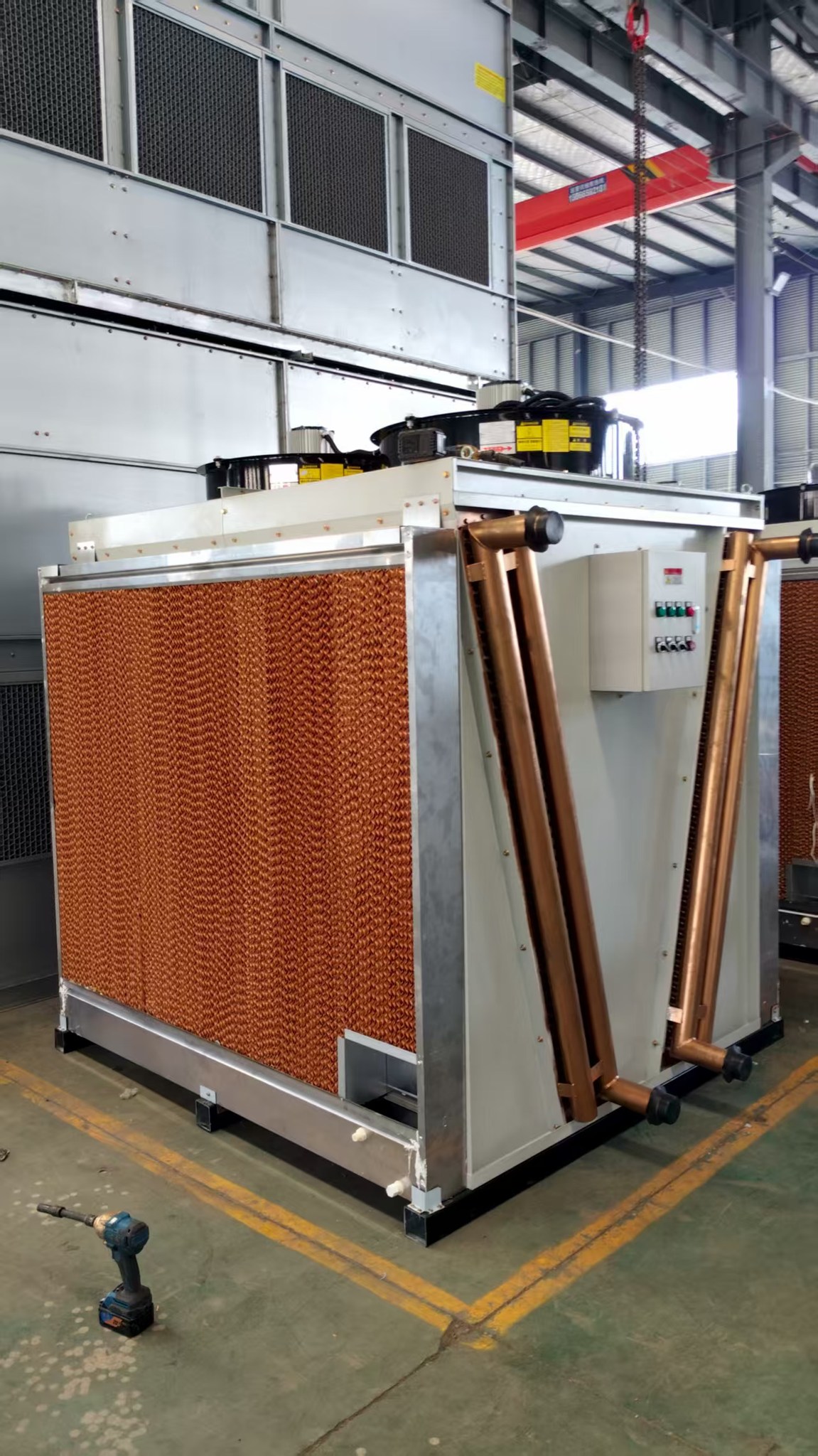
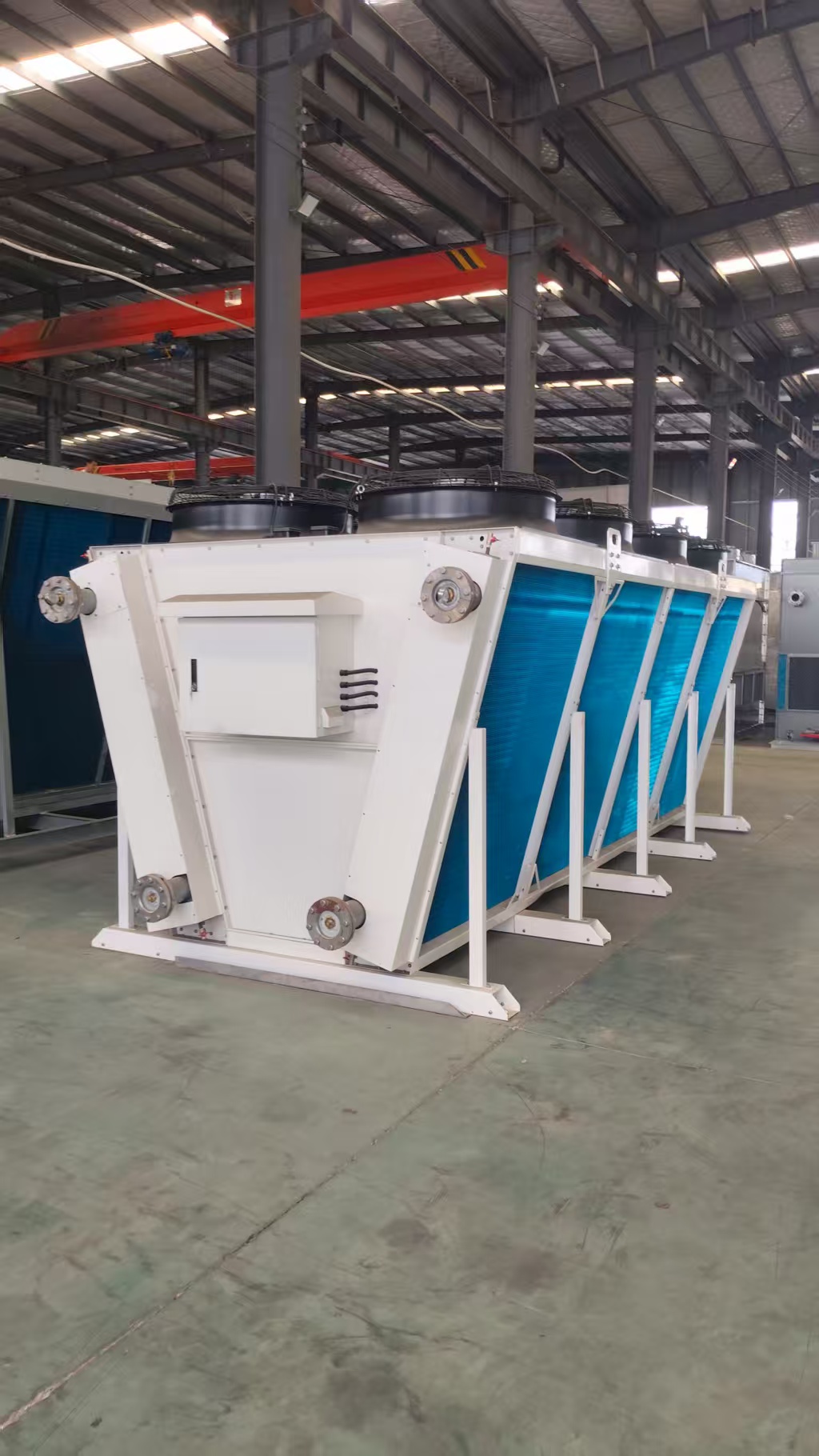
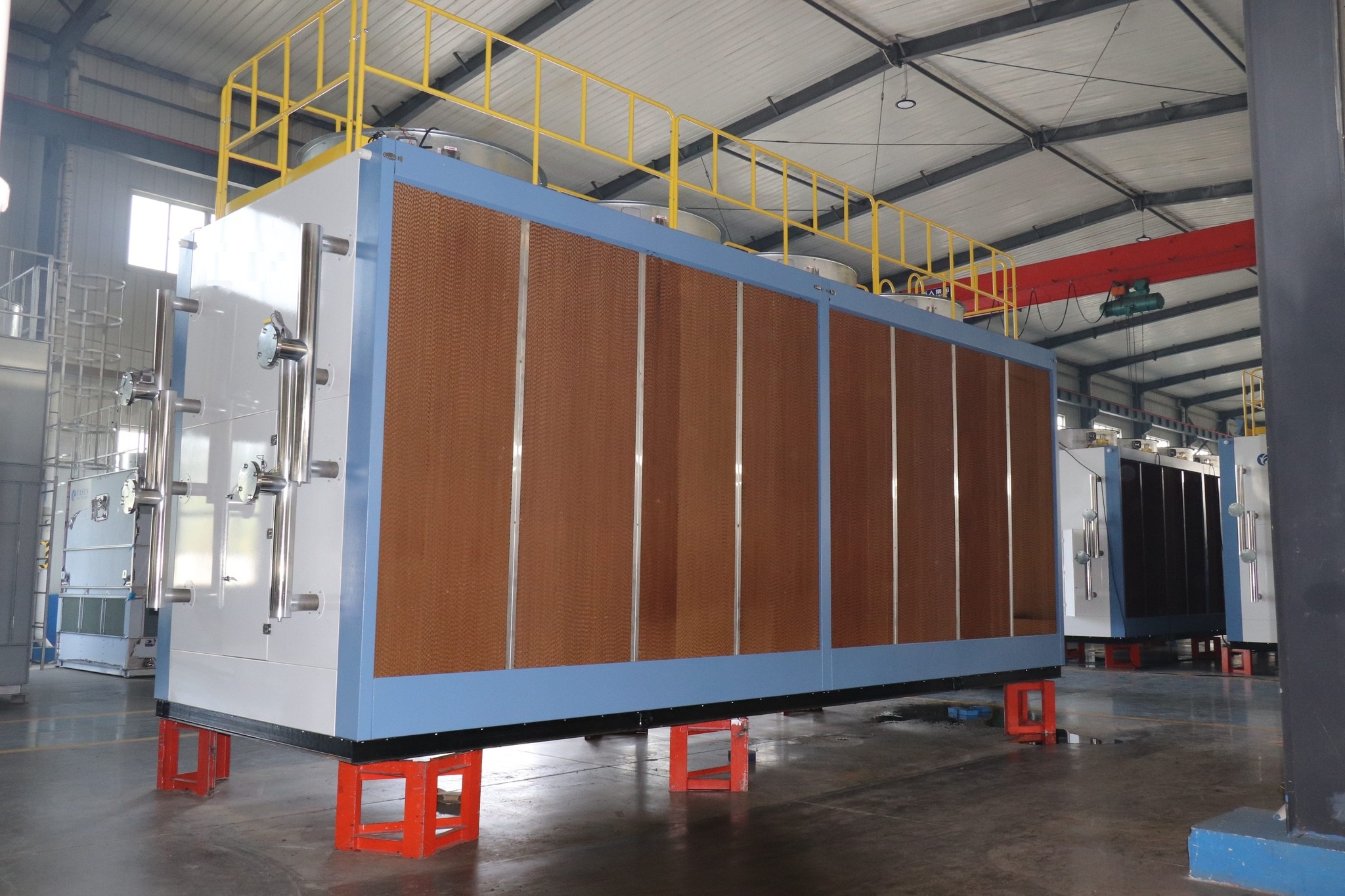
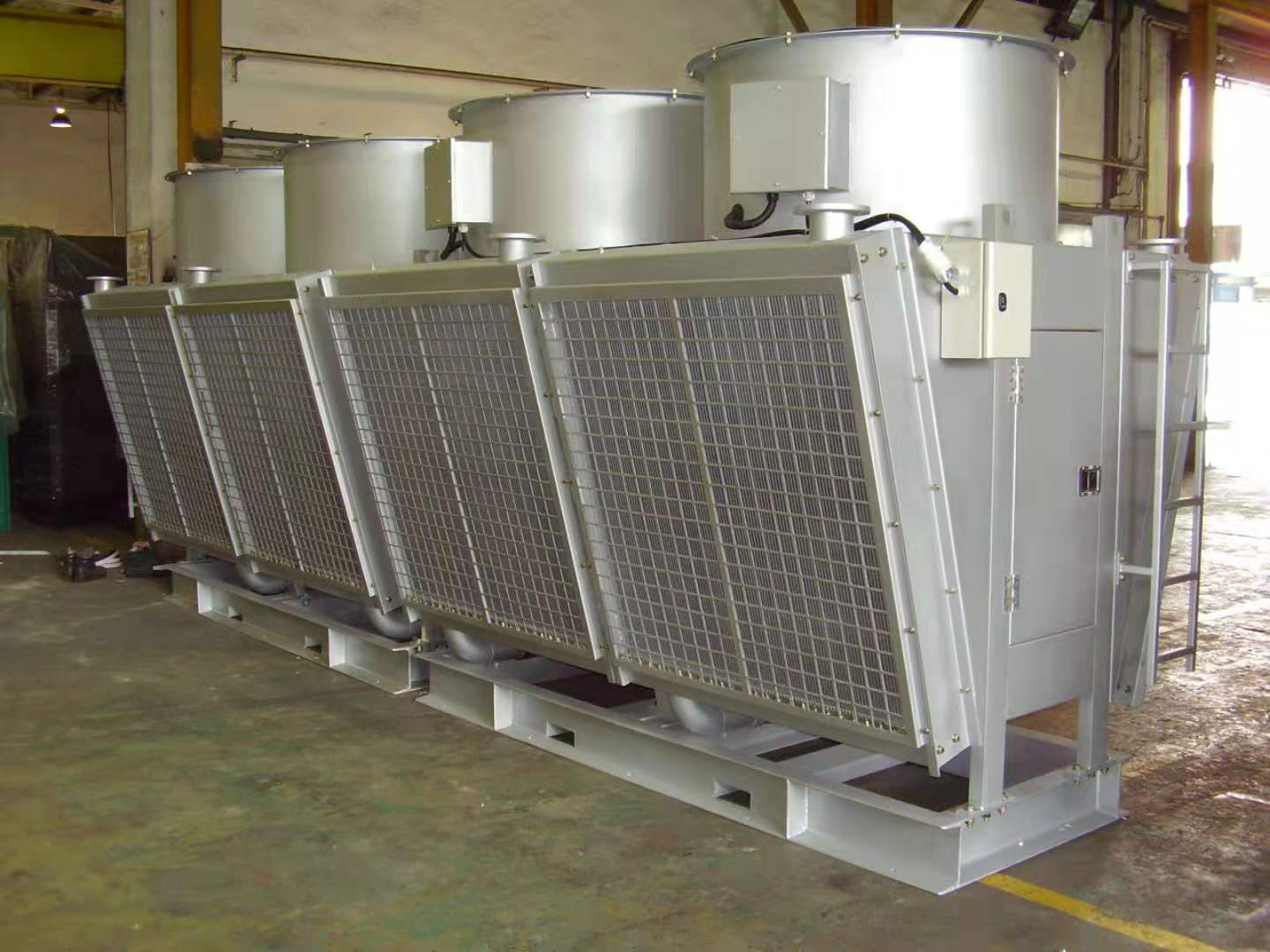
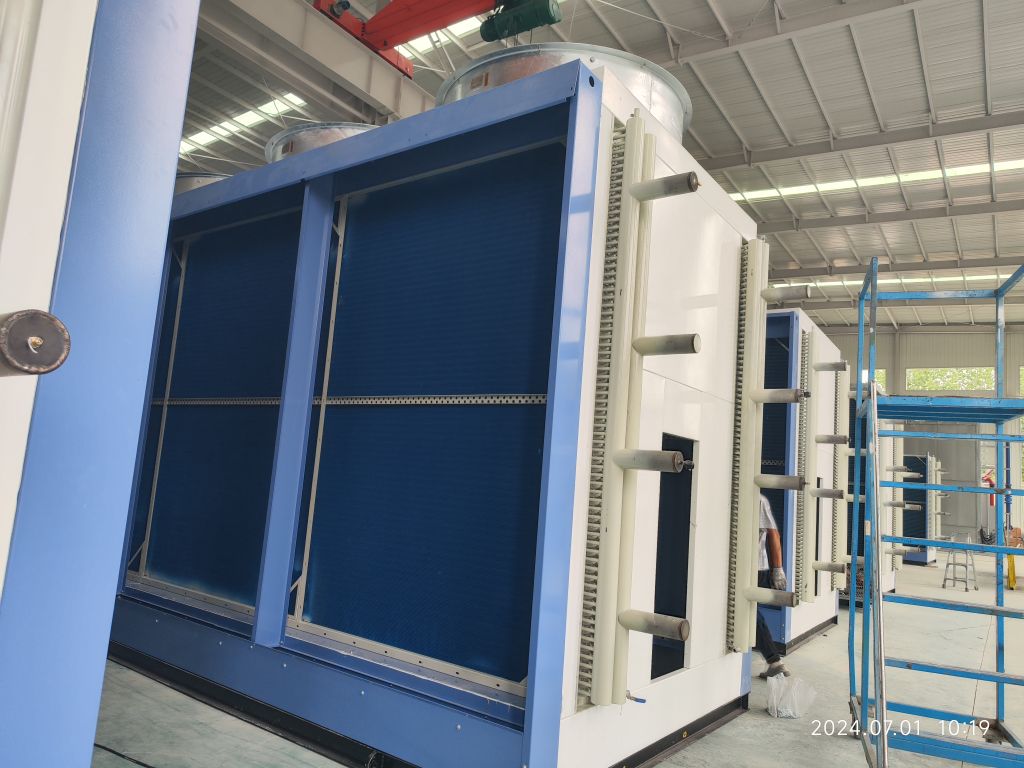
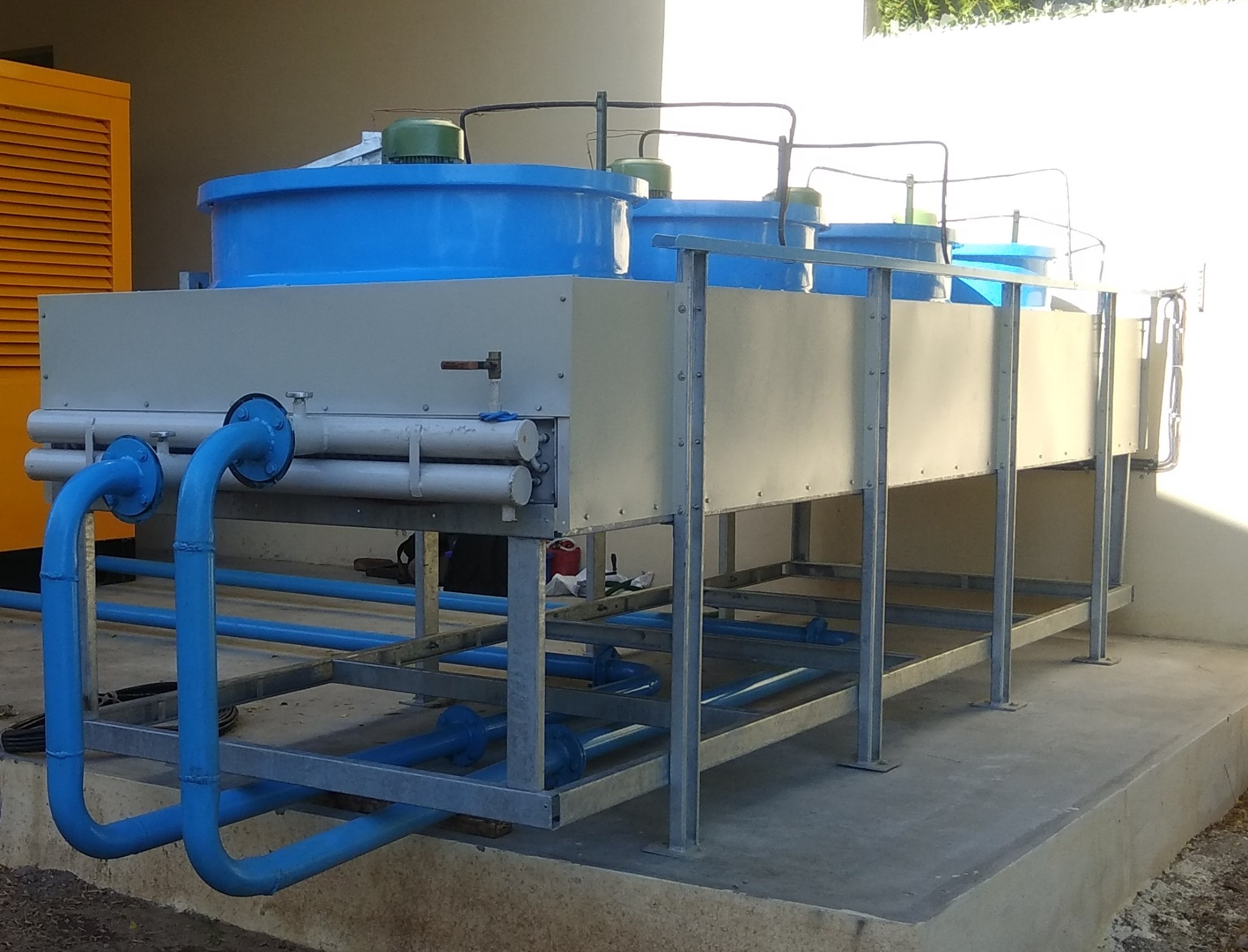
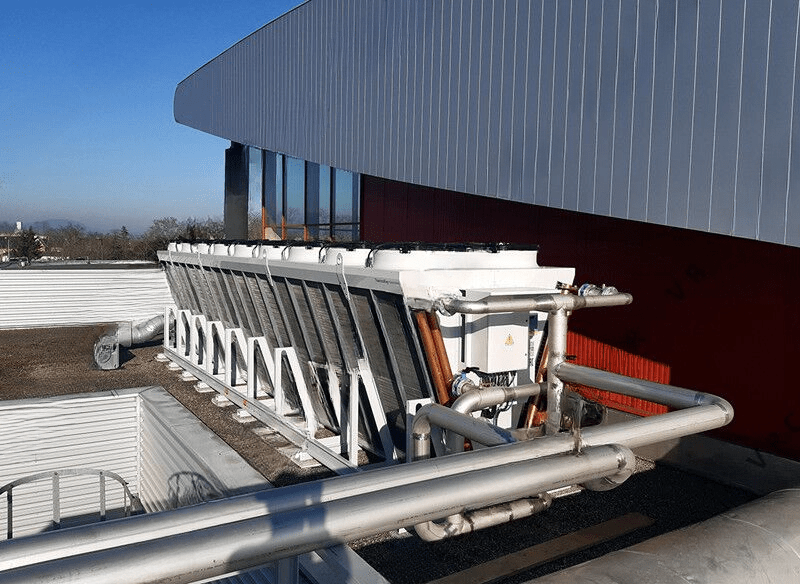
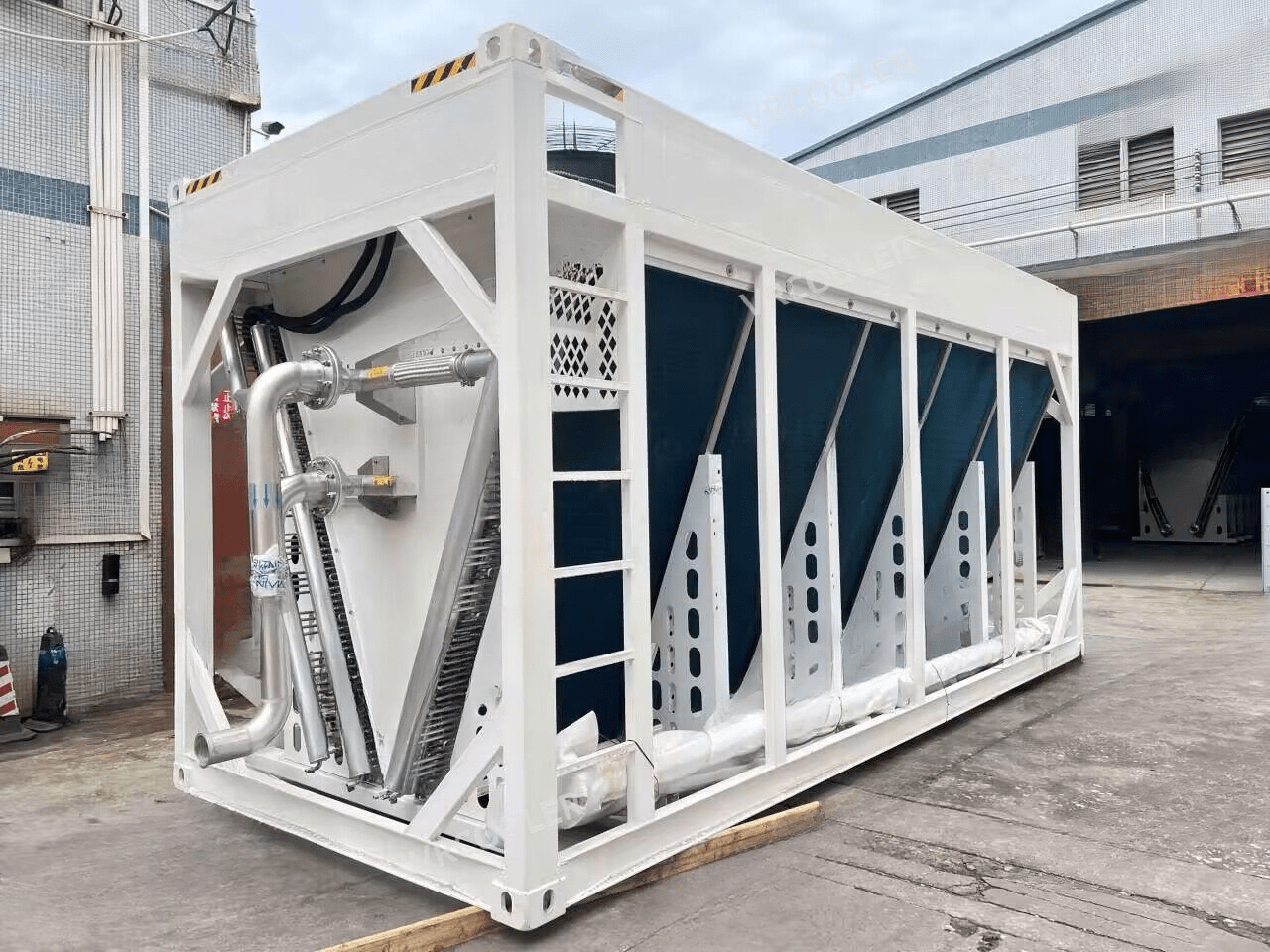
Typical Applications of Adiabatic cooling Tower Adiabatic coolers are ideal where high efficiency is needed but water use must be minimized and the process fluid must be kept clean.
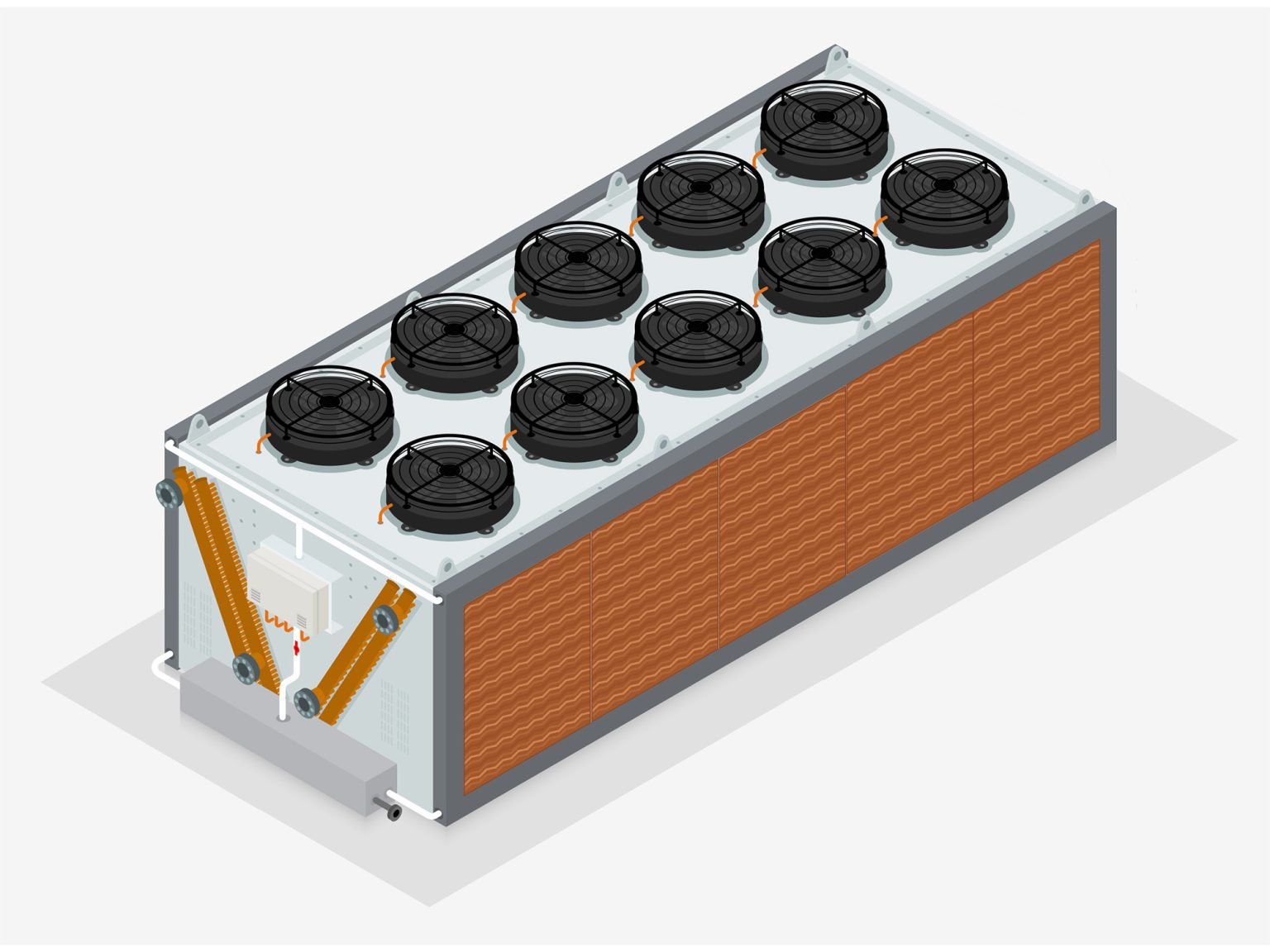
What is an Adiabatic Cooling Tower? An adiabatic cooling tower is a hybrid cooling system that uses the adiabatic cooling effect of water evaporation to pre-cool the air before it passes over a heat exchanger. This dramatically increases the efficiency of the main heat rejection process. Its key feature is that it combines the...
Cooling Range vs. Approach Two key terms are often confused: Term Meaning Depends on Cooling Range Thot in−Tcold outThot in−Tcold out Process heat load and water flow rate Approach Tcold out−Twet bulbTcold out−Twet bulb Tower’s cooling efficiency and ambient conditions Wet...
Effect of Wet bulb temperature in Dry cooling tower performance The direct effect of Wet Bulb Temperature on a pure Dry Cooling Tower is essentially ZERO. However, it has a major indirect effect that becomes critical for system design and comparison. Let’s break this down. The Direct Effect: Why It Doesn’t...
Effect of Dry bulb temperature in Dry cooling tower performance The Dry Bulb Temperature is the single most critical environmental factor affecting the performance of a dry cooling tower. In simple terms: As the Dry Bulb Temperature increases, the performance and efficiency of a dry cooling tower decrease significantly....
In essence, the choice is between investing more money upfront in a robust system (pads) or investing more ongoing labour and risk into a cheaper system (misting). For most critical industrial and HVAC applications, cellulose pads are the more robust and recommended choice.
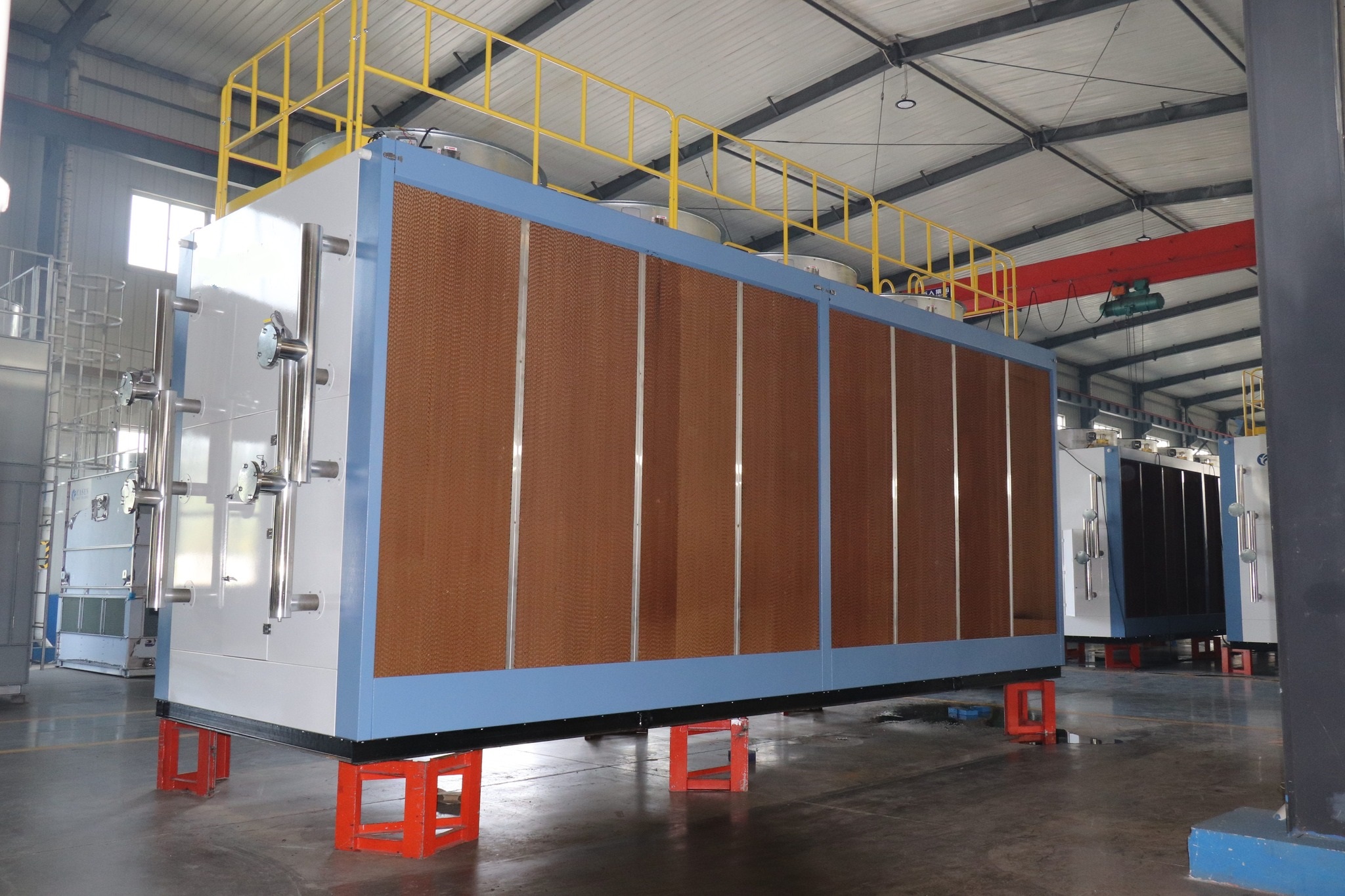
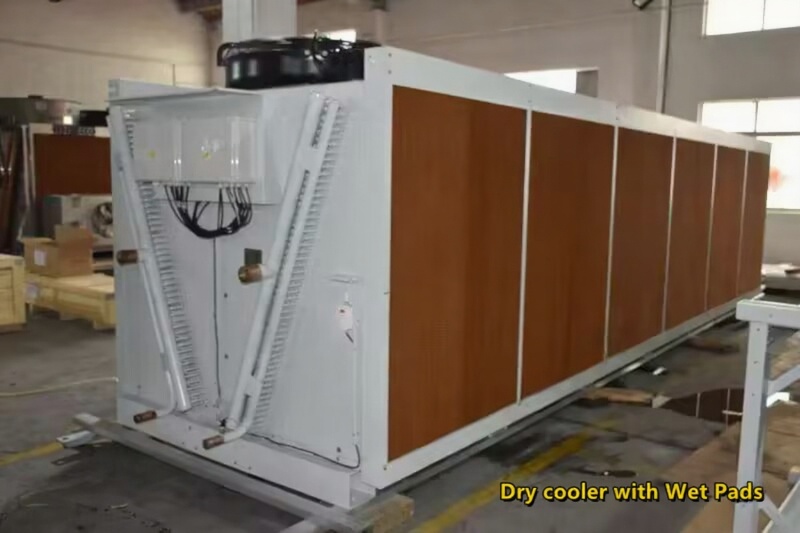
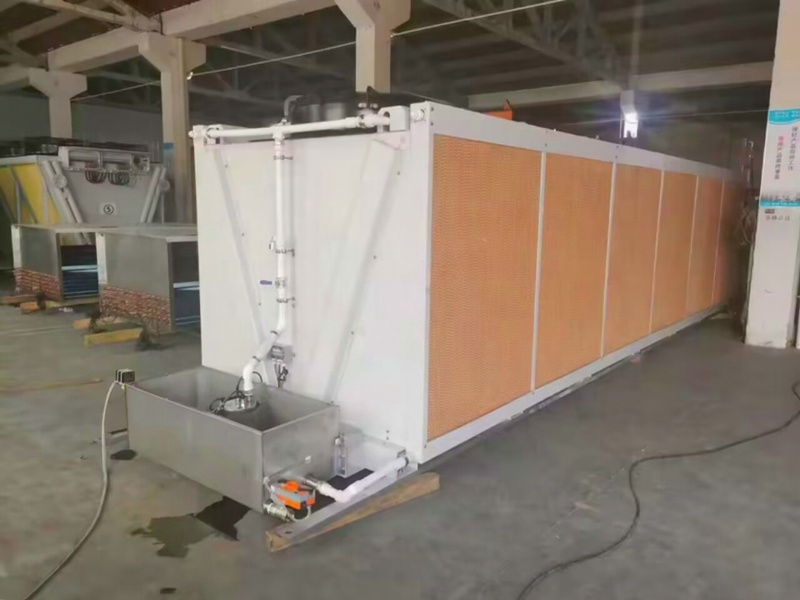
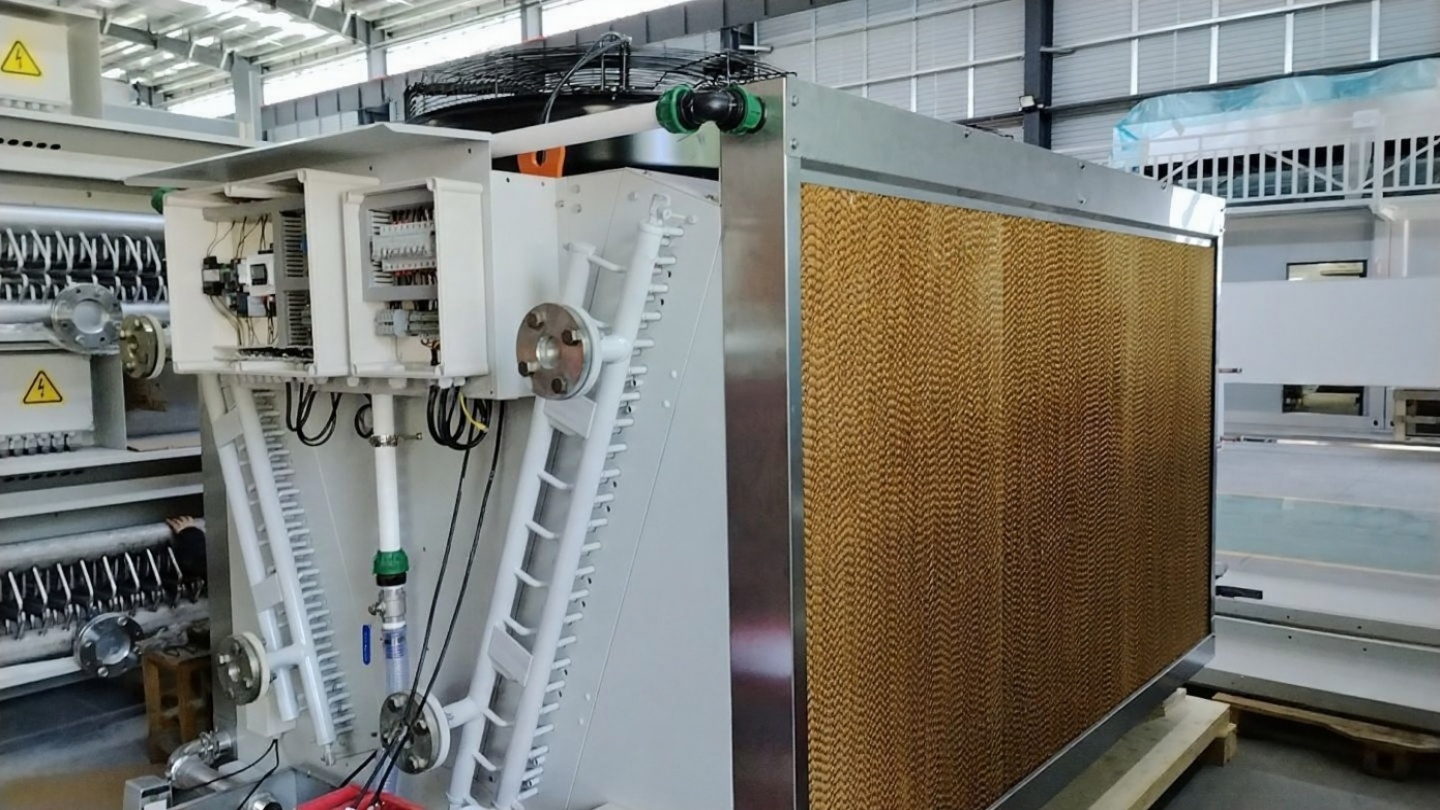
the reason for using a cellulose pad in a dry cooling tower is to create a highly efficient and water-conscious hybrid system. This makes the “dry cooler with cellulose pad” one of the most popular and effective designs for sustainable cooling in water-scarce regions.
Comparison: Pad vs. Misting Nozzles Feature Cellulose Pad High-Pressure Misting Nozzles Efficiency Very High High Water Drift Very Low Can be high if not properly designed Risk of Clogging Lower (large passages) Higher (very small orifice) Coil Fouling Low risk (air is filtered by pad) Higher risk (minerals in water can deposit on coil) Maintenance...
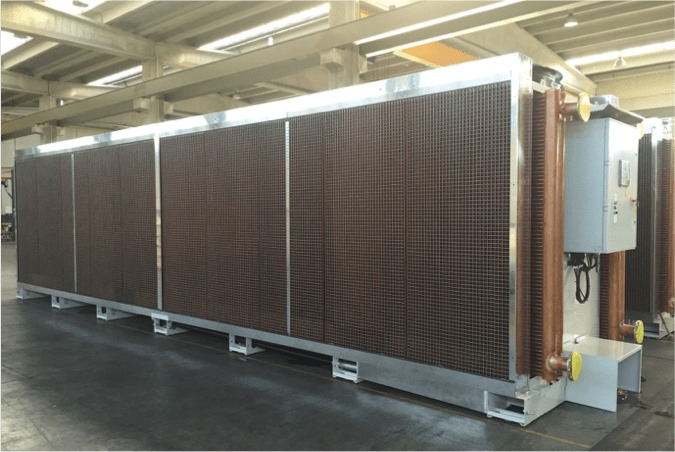
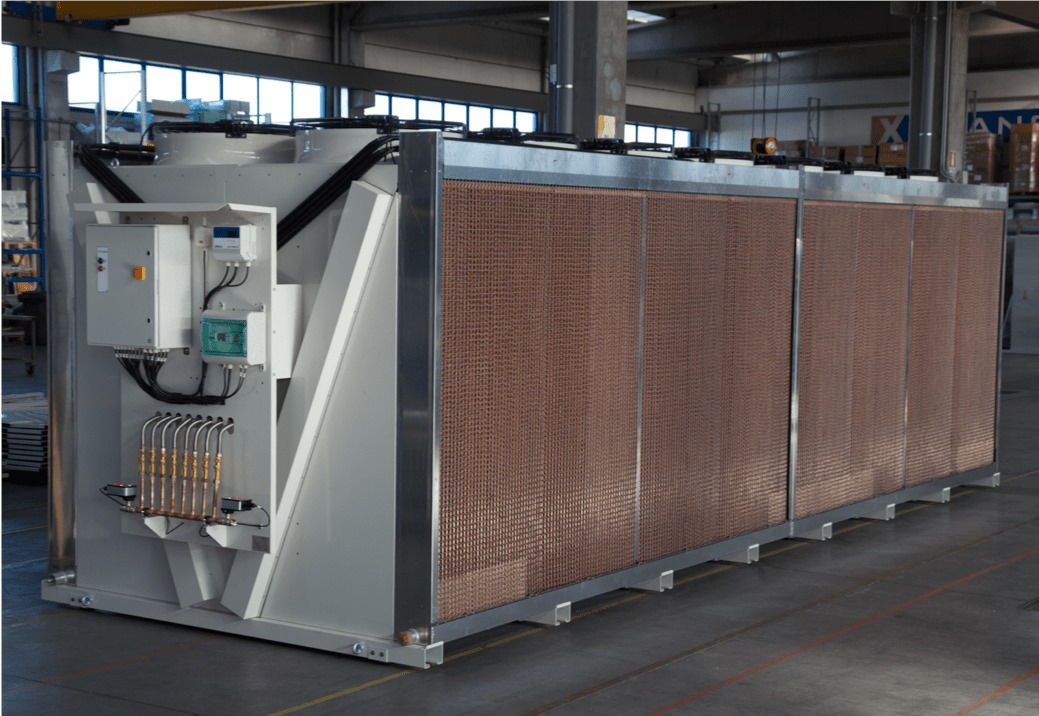
Why Use a Cellulose Pad Specifically? (Advantages over other methods like spray nozzles) Cellulose pads (often called evaporative cooling pads) are the industry standard for this purpose due to their unique properties:
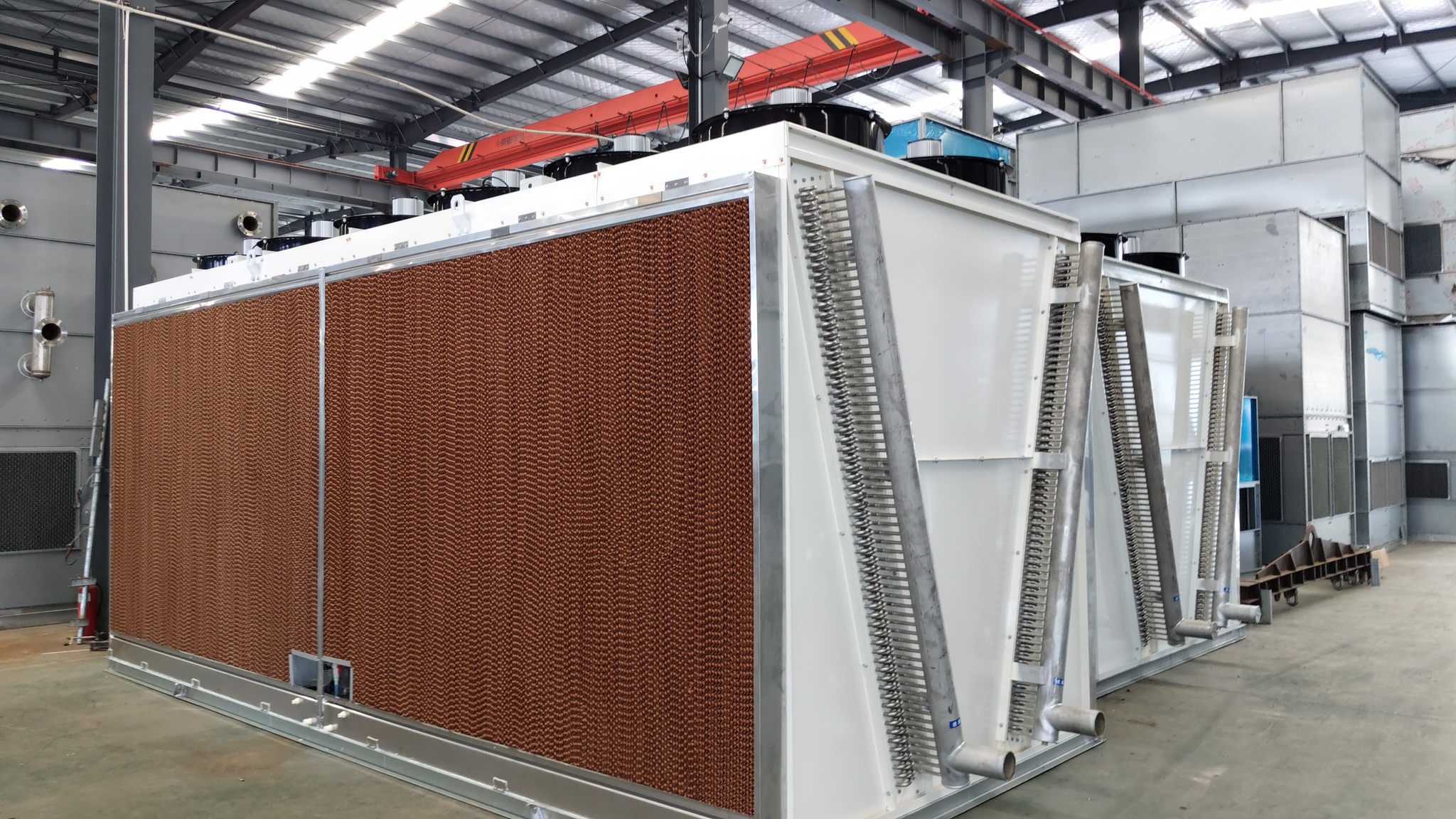
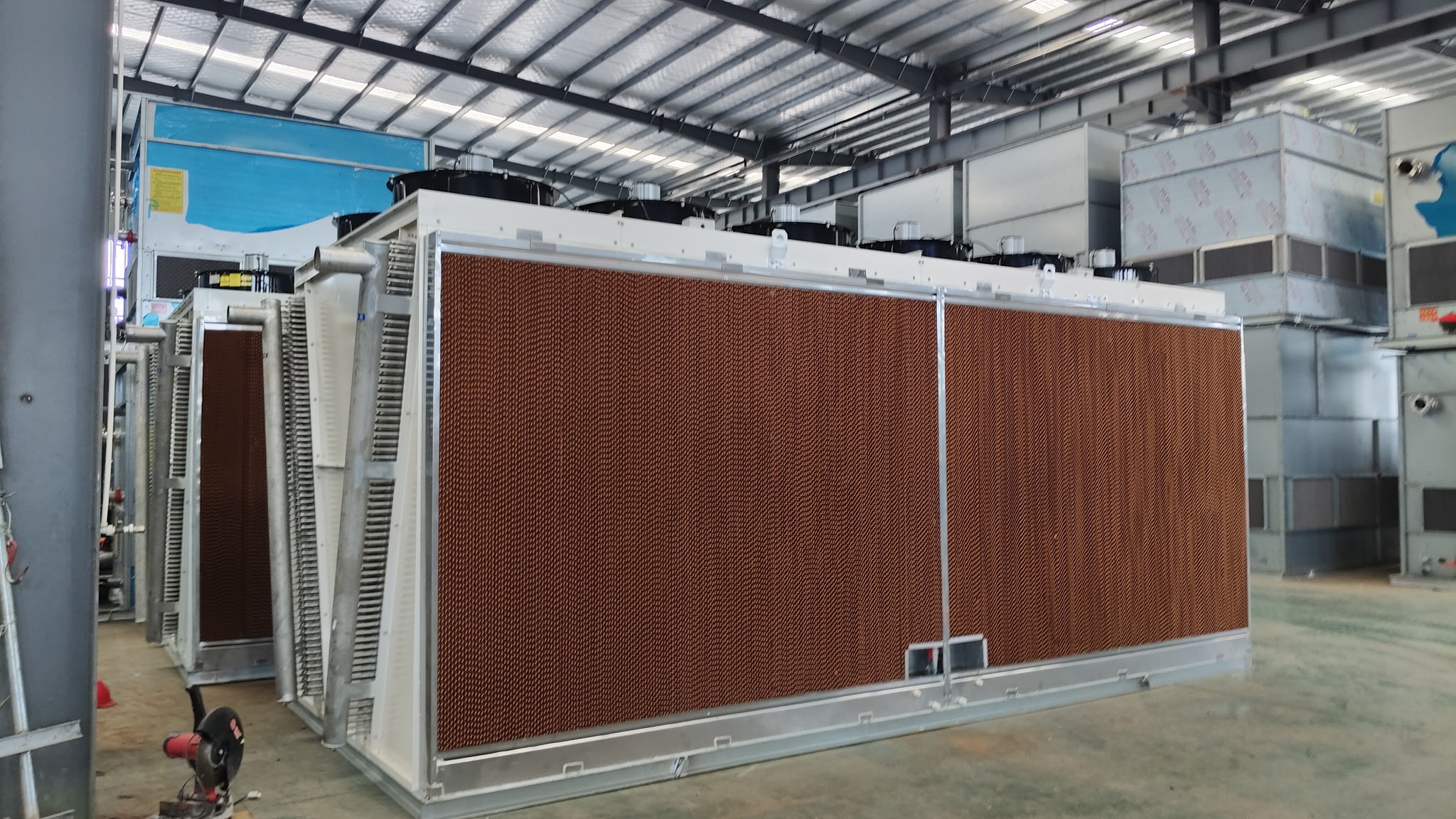
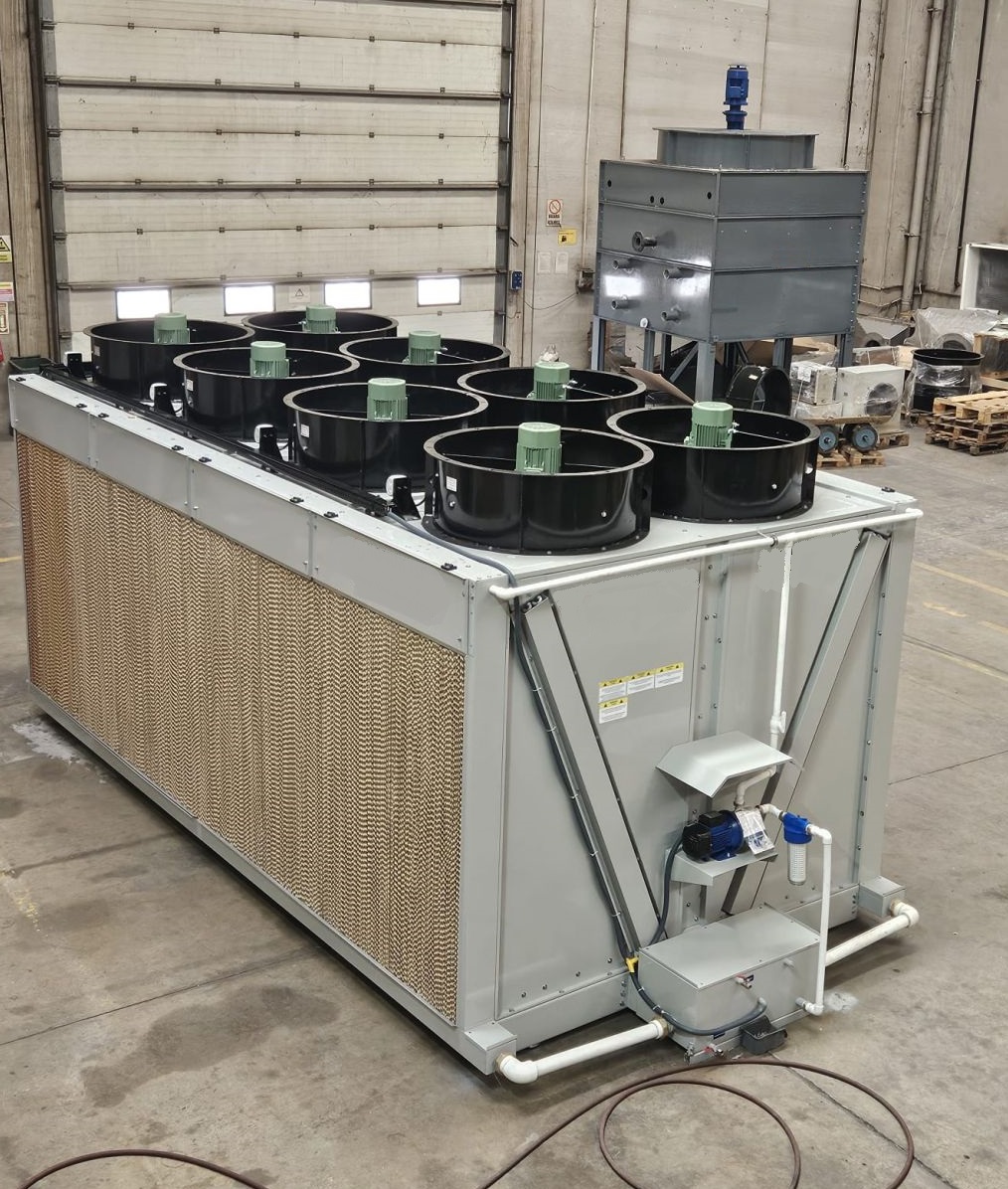
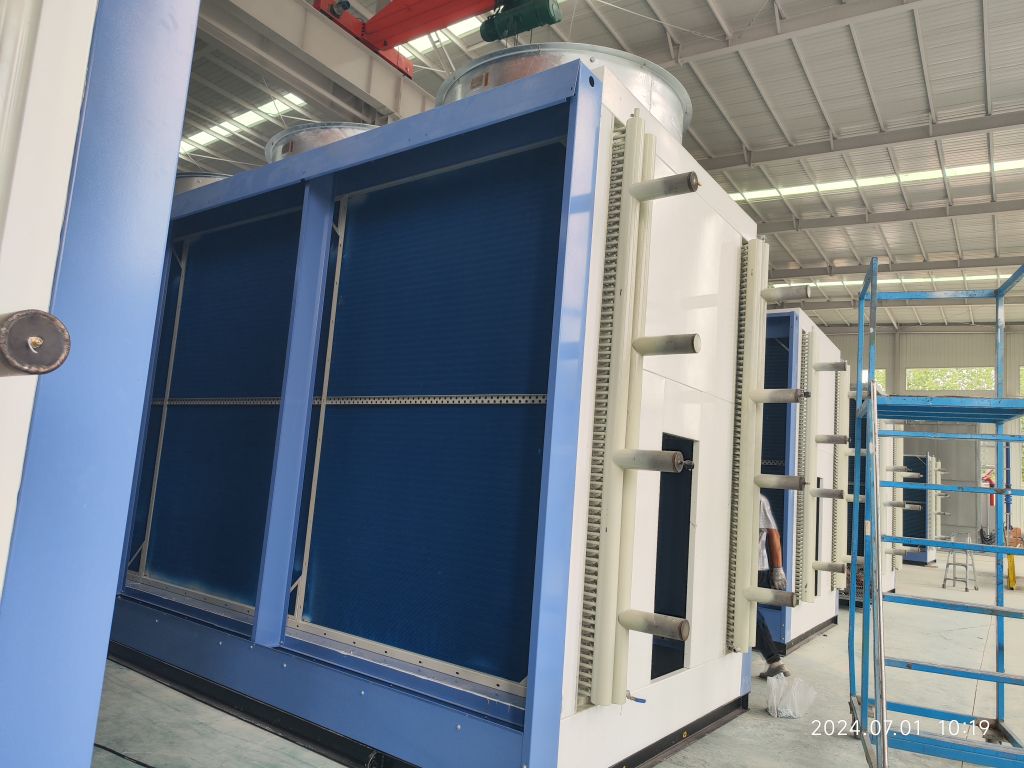
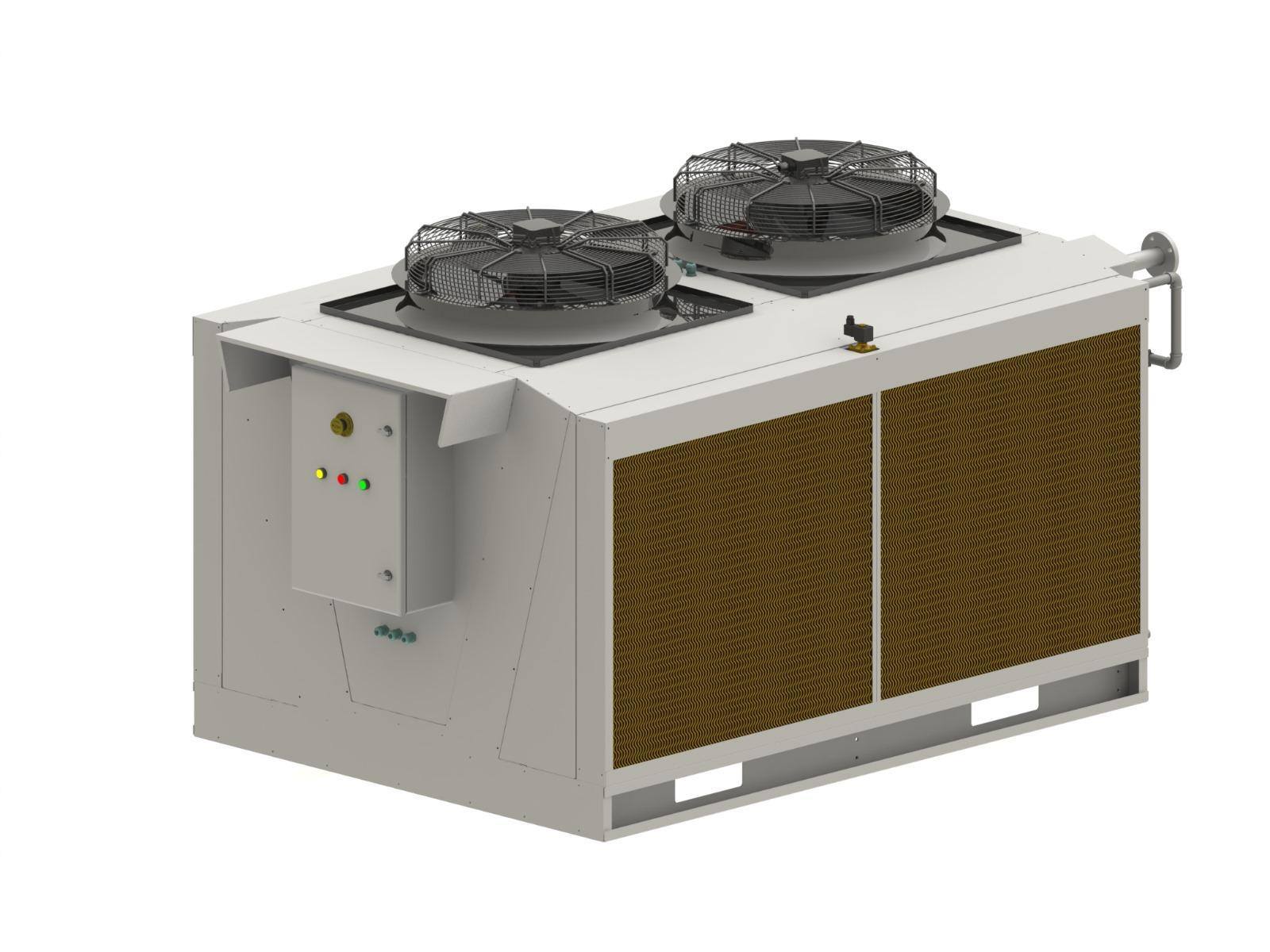
The reason for using a cellulose pad in a dry cooling tower is to create an efficient and controlled adiabatic pre-cooling system, transforming a standard dry cooler into a more powerful and efficient adiabatic hybrid cooler during hot weather. The cellulose pad is not part of the dry circuit itself; it’s an add-on component that operates...
Comparison with Other Coolers Feature Pure Dry Cooler Adiabatic Hybrid Cooler Wet Cooling Tower Water Use Zero Low (Intermittent) Very High (Continuous) Energy Use Highest (on hot days) Lower Lowest Cooling Efficiency Low (on hot days) High & Stable Highest & Stable Plume None None Visible Plume Maintenance Low Medium High
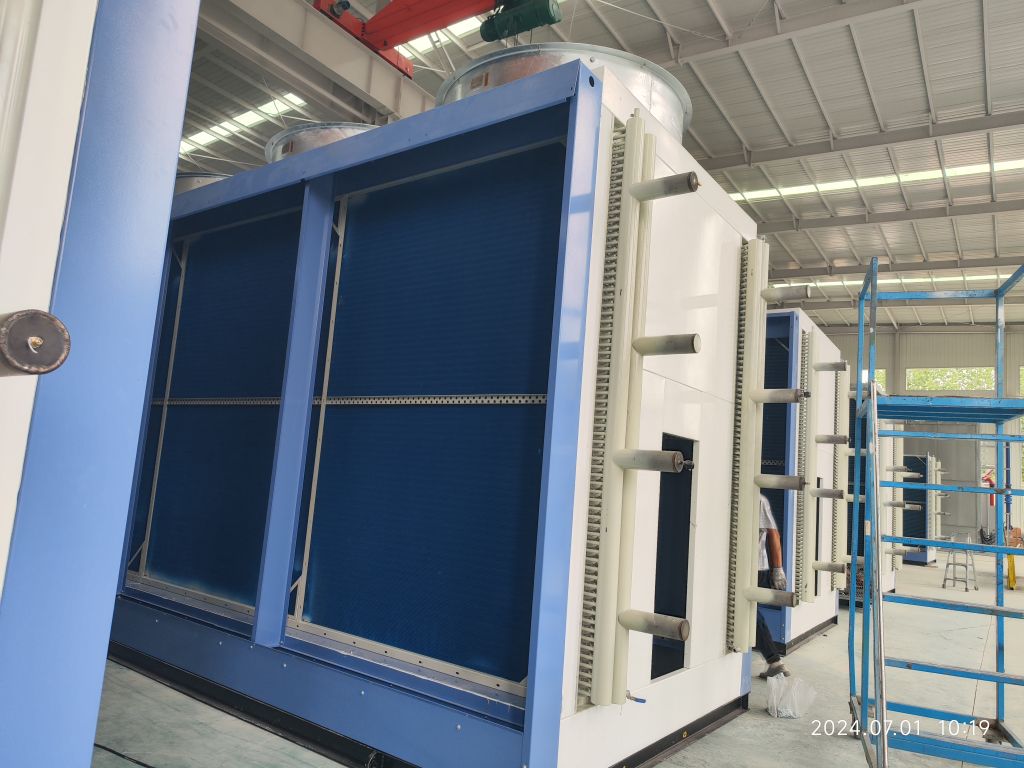
Dry cooling tower with Adiabatic fluid cooler A Dry Cooling Tower with an Adiabatic Fluid Cooler (often called an Adiabatic Hybrid Cooler) is a system that combines the water-saving benefits of a dry cooler with the high efficiency of evaporative cooling, but only when needed. It’s designed to get the “best of both...
Common Material Combinations The most efficient and cost-effective combinations leverage the strength of one material and the thermal conductivity of another. Common Material Combinations The most efficient and cost-effective combinations leverage the strength of one material and the thermal conductivity of another. Tube Material Fin Material...
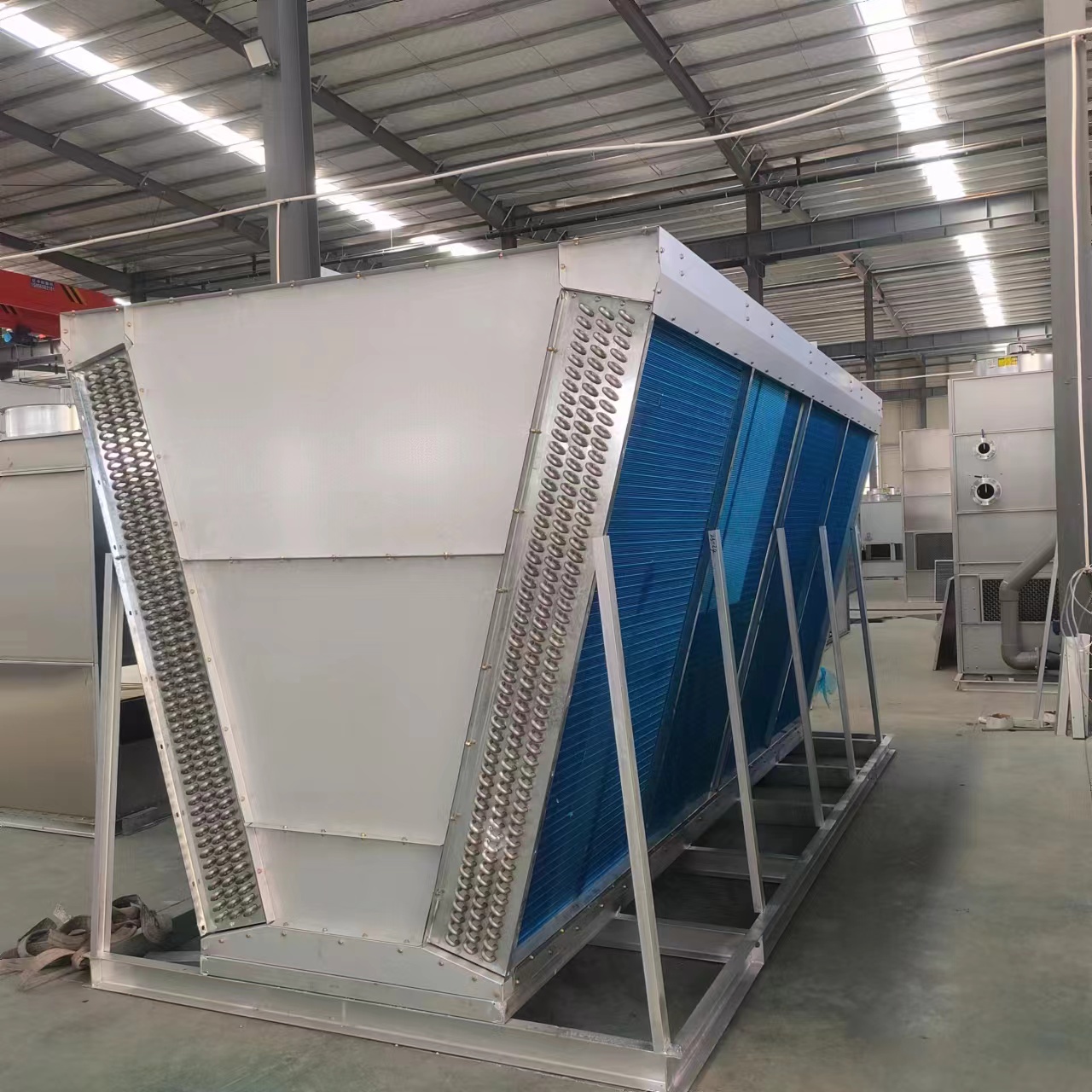
Material of Construction of cooling coil in Dry cooling tower Their Common Materials 1. Tubes (The Primary Pressure Boundary) The tubes carry the hot process fluid and must withstand its pressure and temperature. 2. Fins (The Extended Surface for Heat Transfer) The fins are attached to the outside of the tubes to dramatically increase the...
Detailed Functions and Design Characteristics: 1. Creates a Sealed, Closed Loop: 2. Provides Maximum Surface Area for Heat Transfer: 3. Acts as the Physical Barrier: 4. Dictates the Tower’s Efficiency and Capacity:
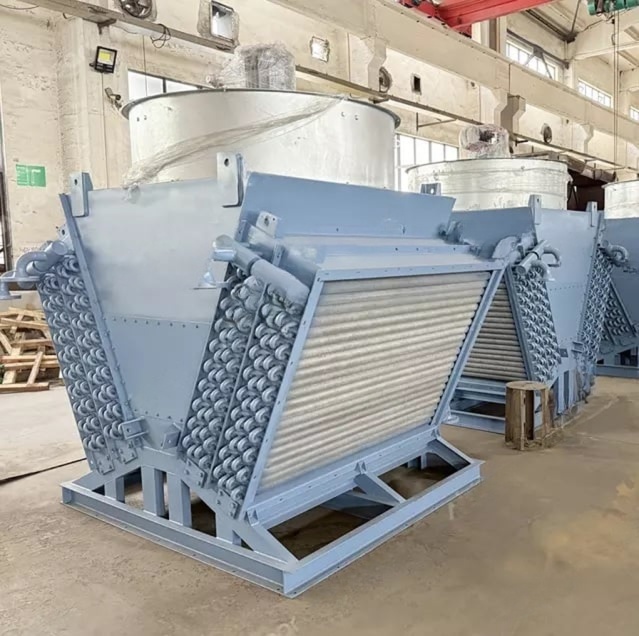
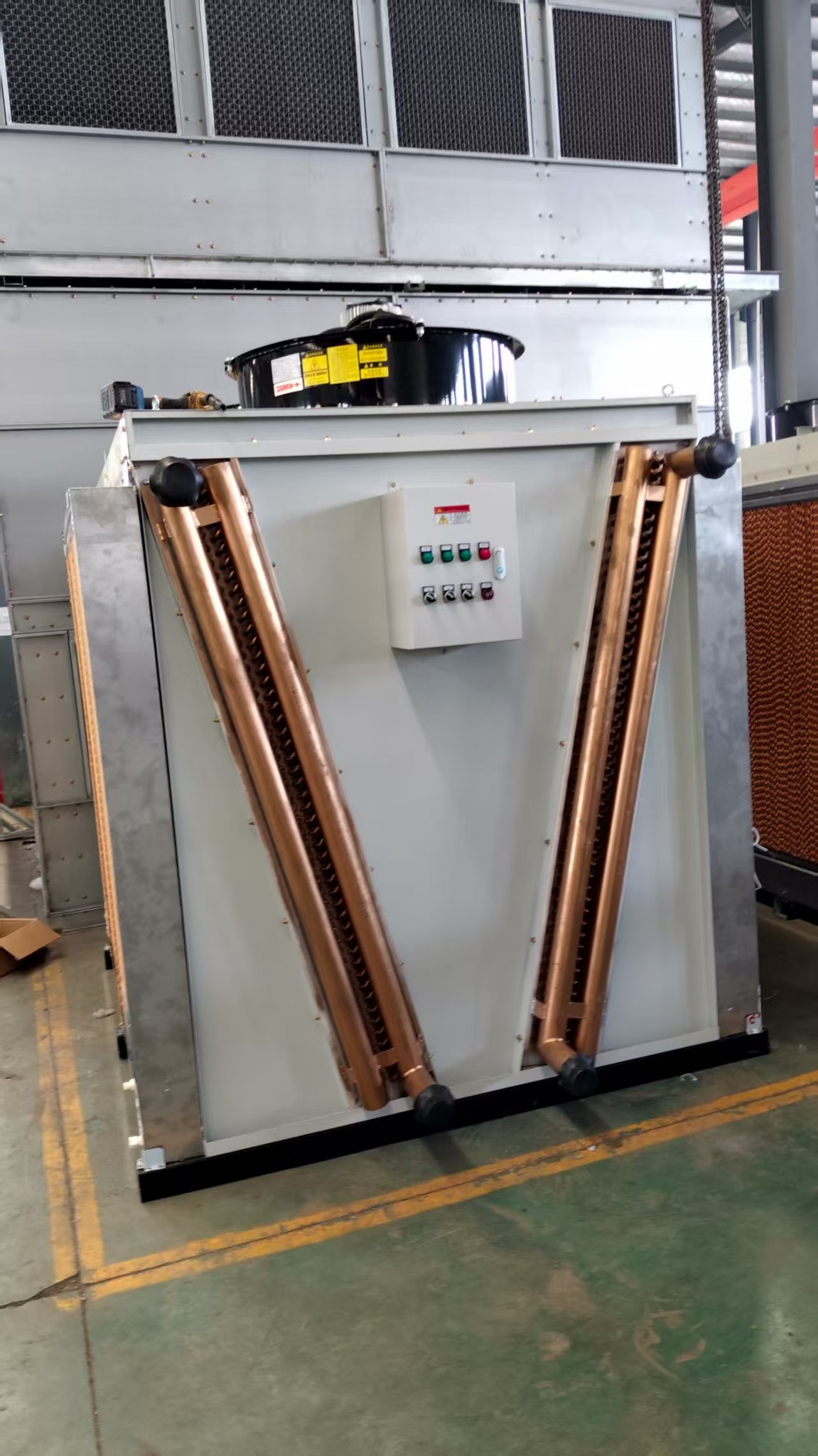
Use of Heat exchanger coil in Dry cooling tower The heat exchanger coil is the absolute core component of a dry cooling tower, and its use is fundamental to the tower’s entire operation. In simple terms, the use of the heat exchanger coil in a dry cooling tower is to transfer heat from the hot internal […]
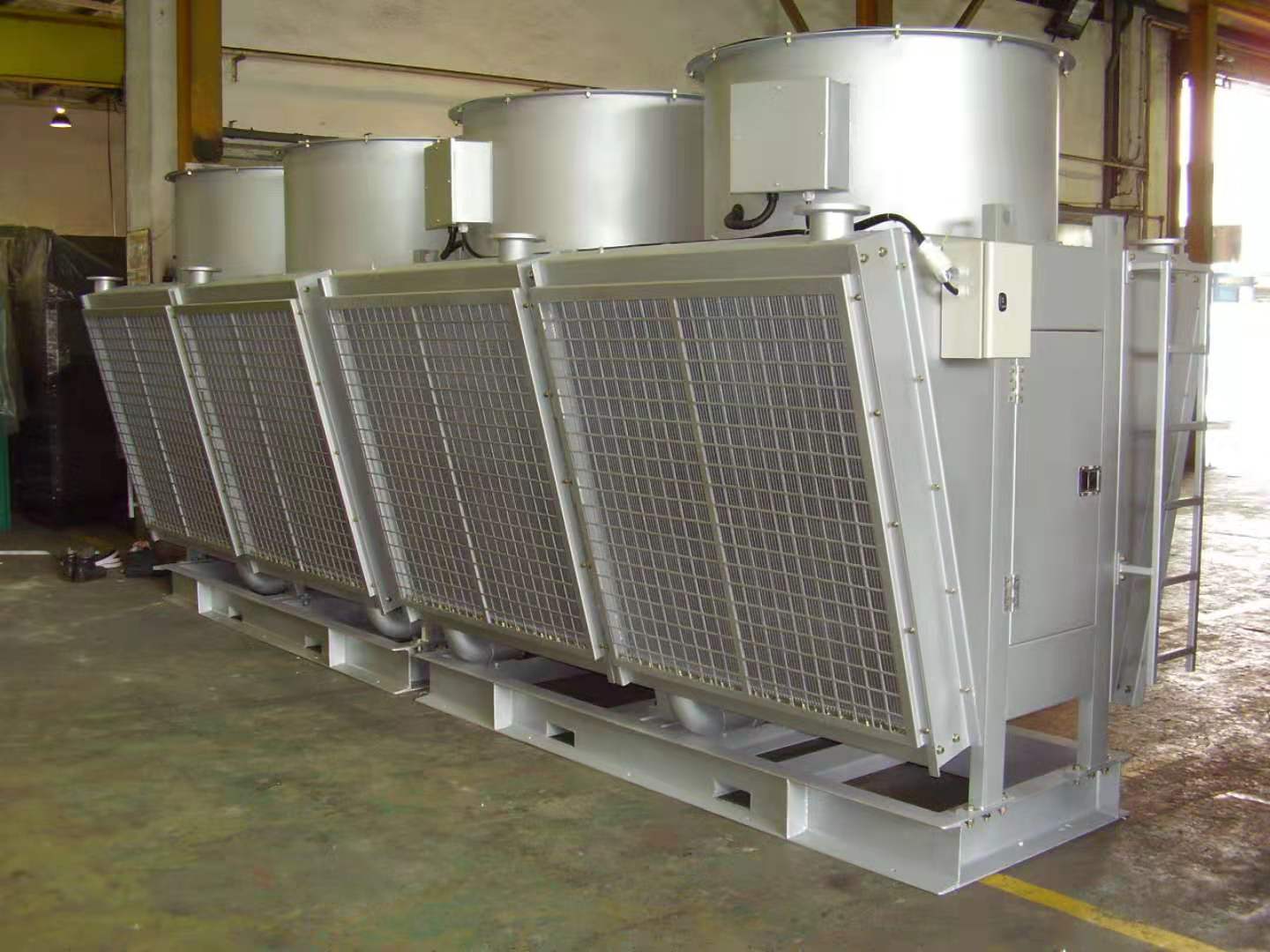
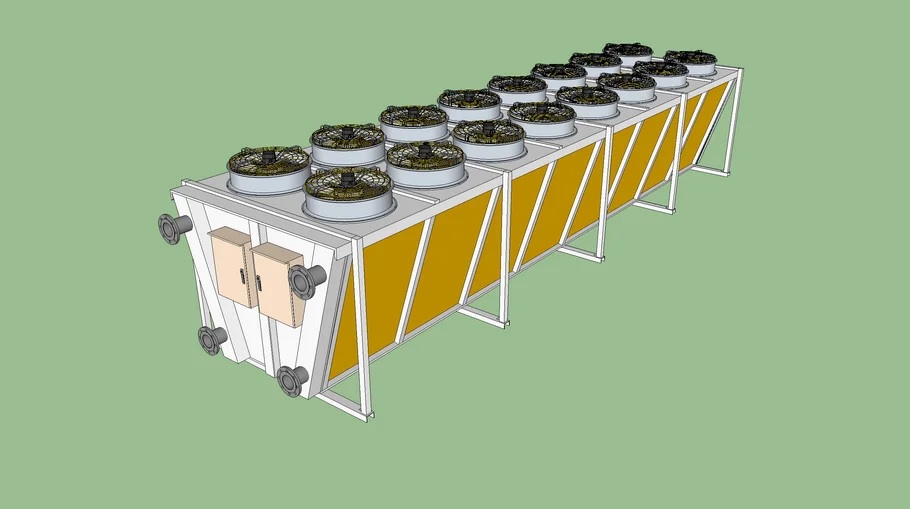
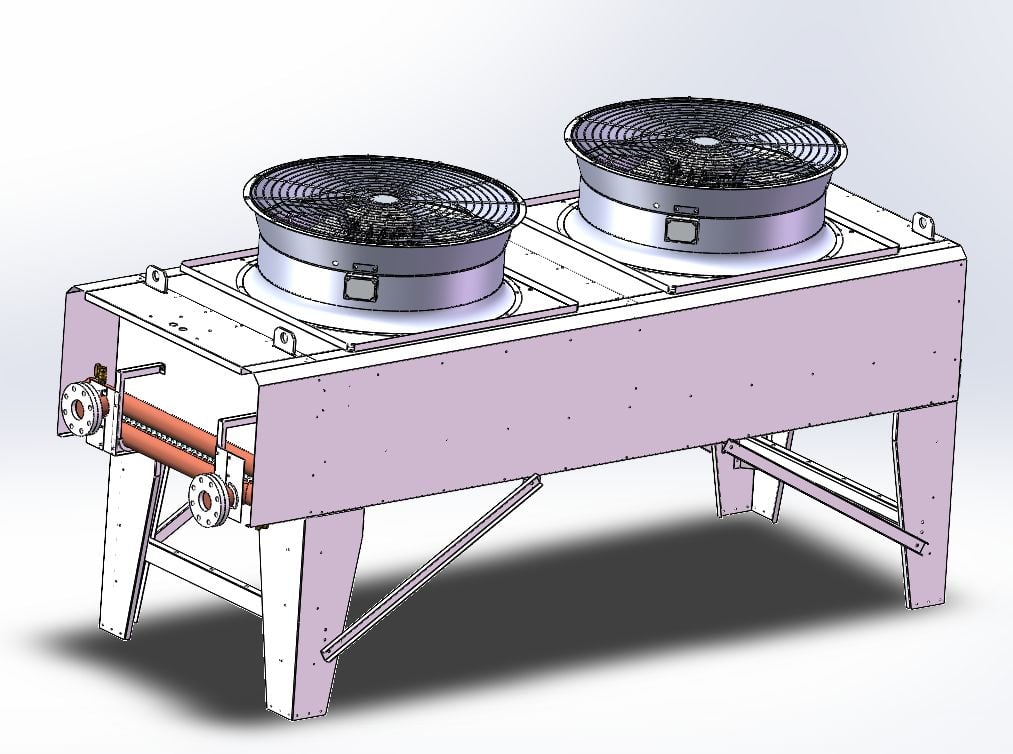
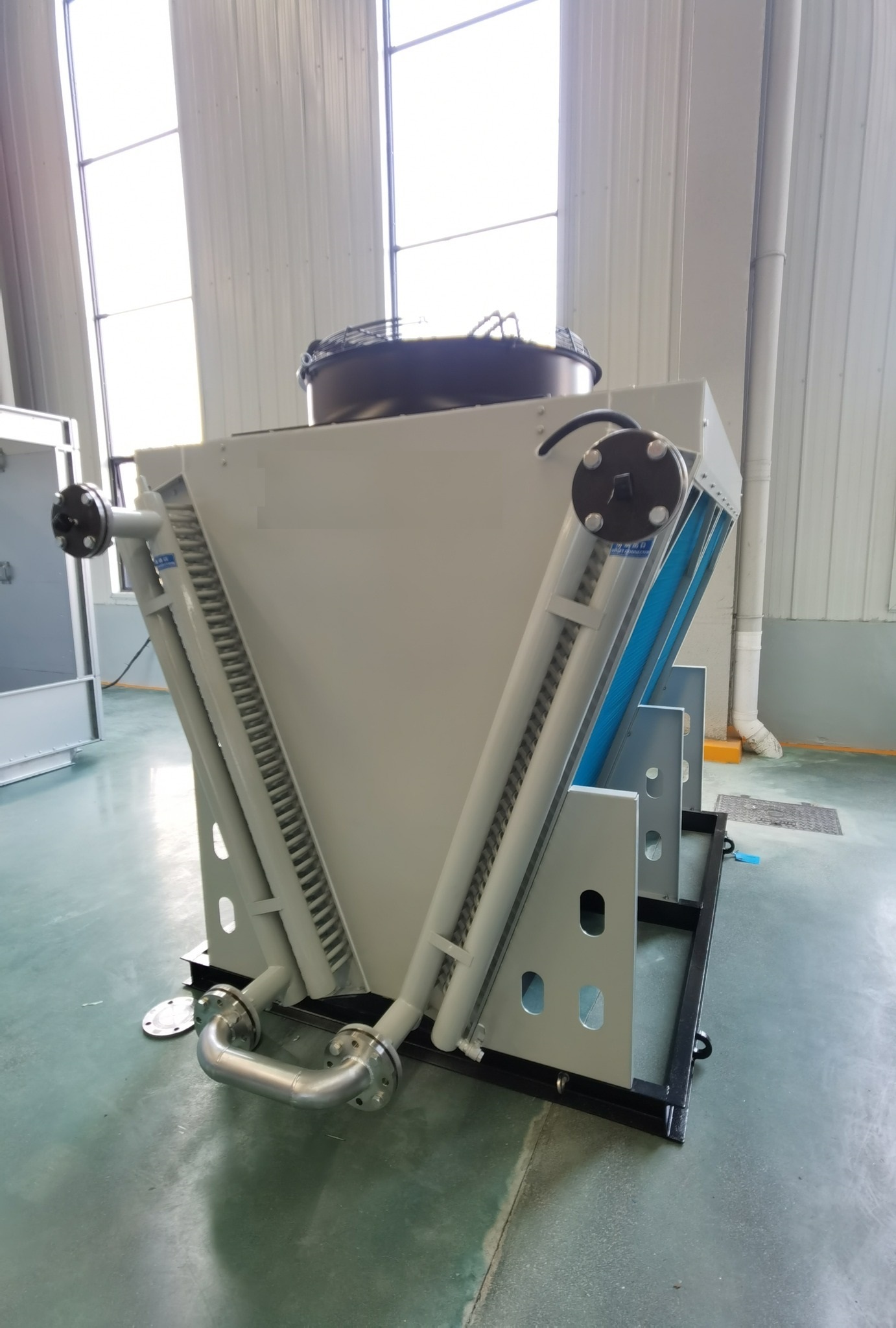
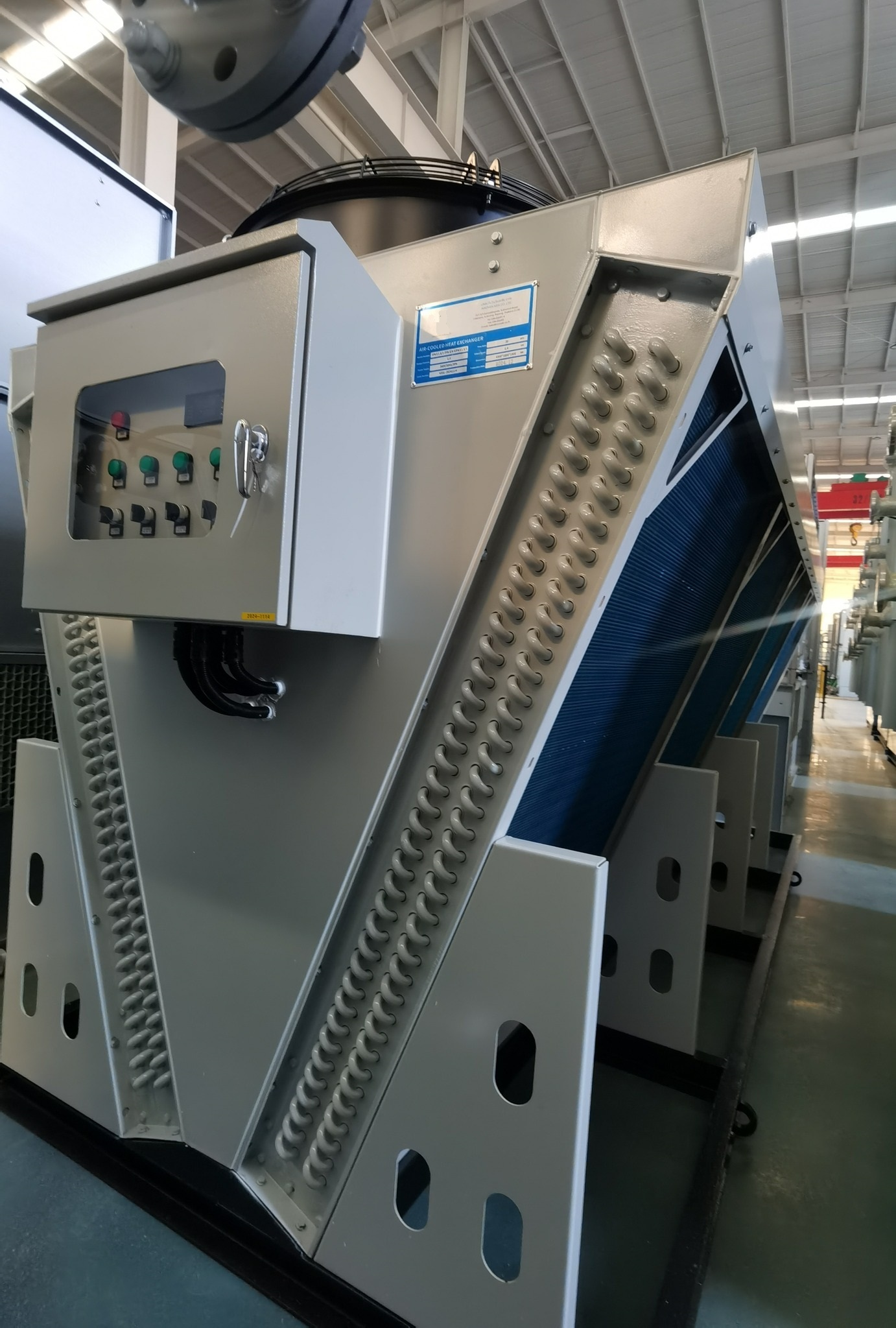
Part Functions: Part Primary Function Finned Tubes Transfers heat from the hot fluid to the cool air. Fans & Motors Creates the forced airflow for heat exchange. Headers Distributes and collects the process fluid. Support Structure Provides structural integrity for all components. Louvers Directs airflow and minimizes recirculation.
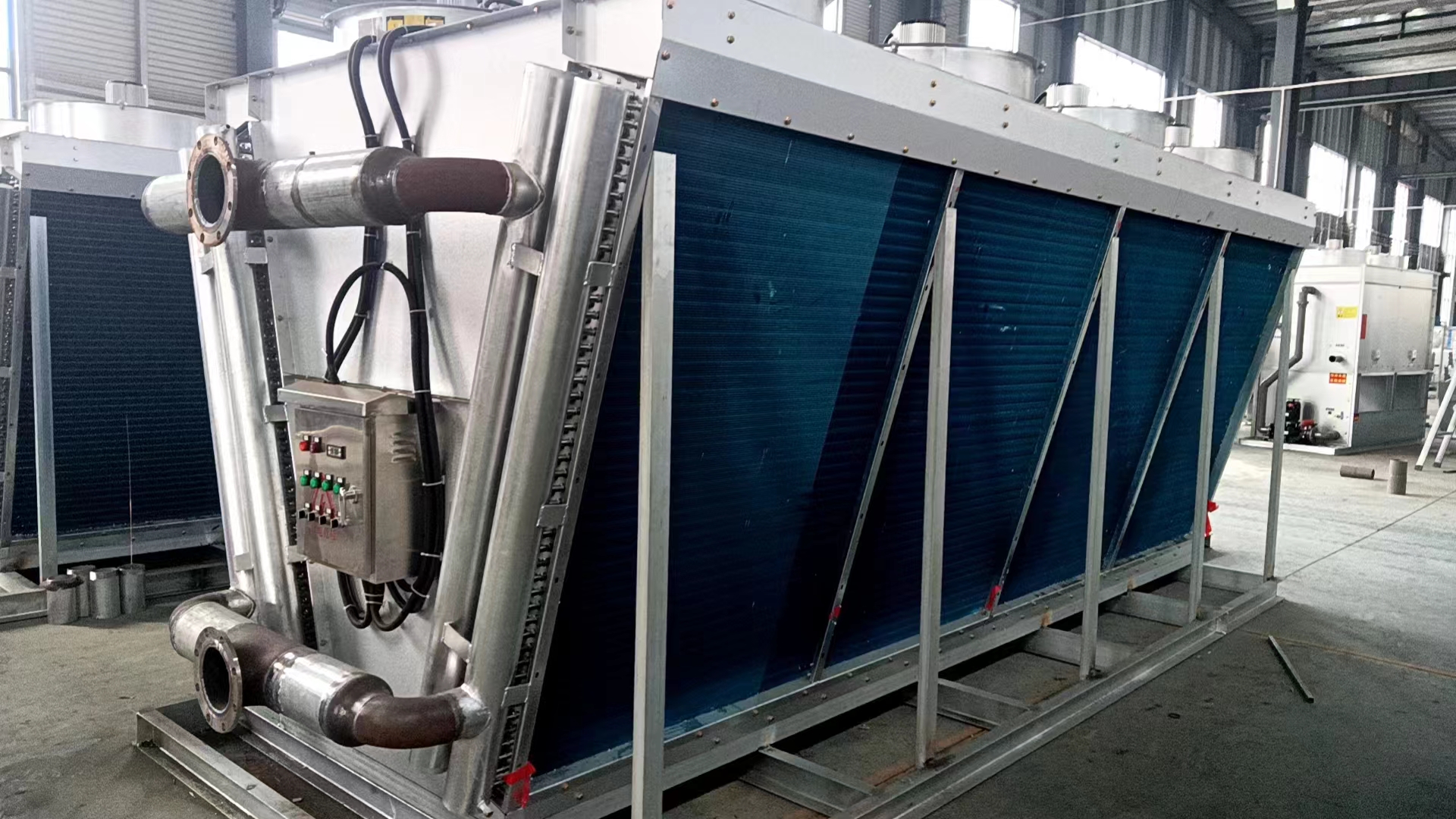
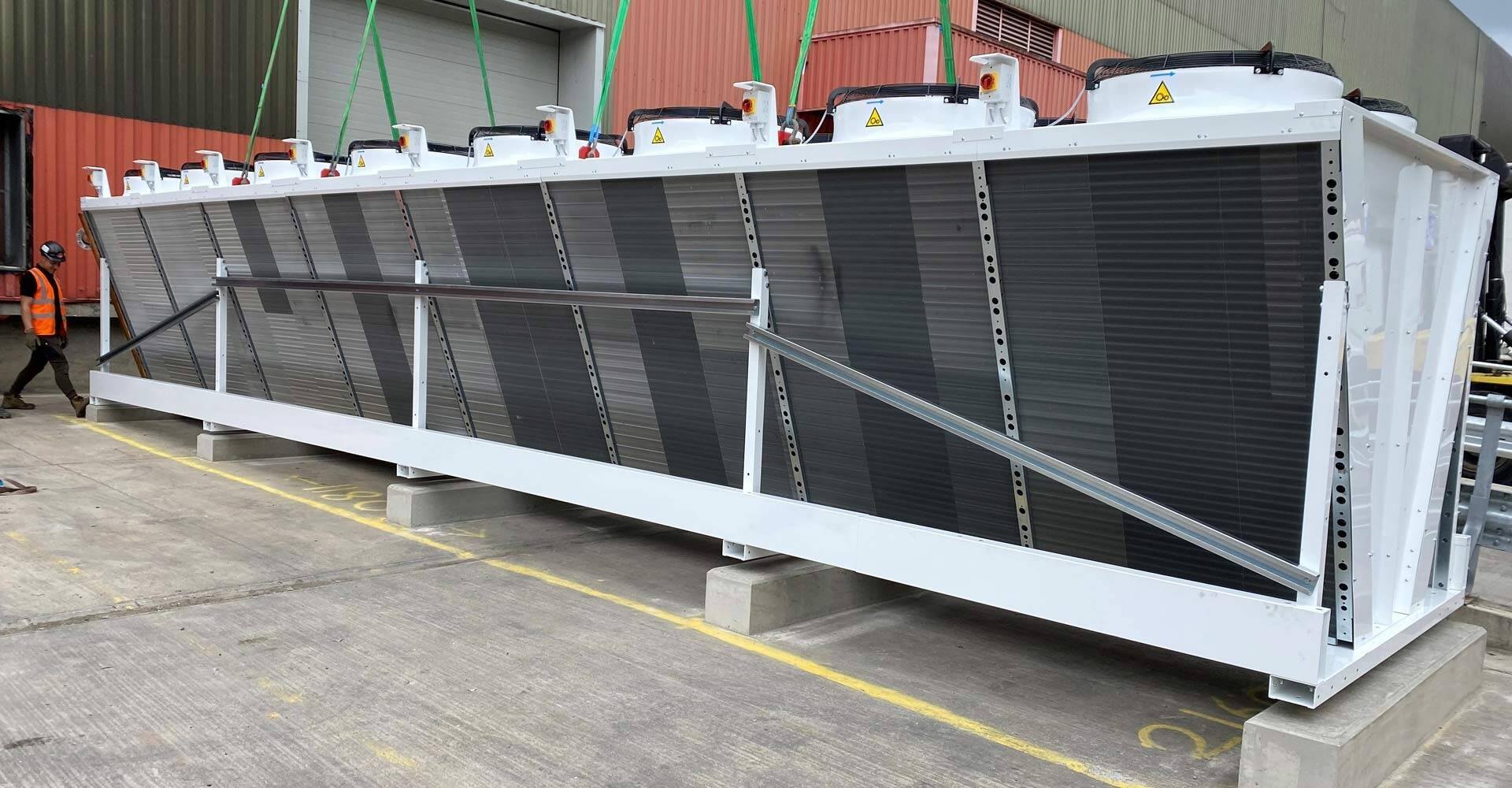
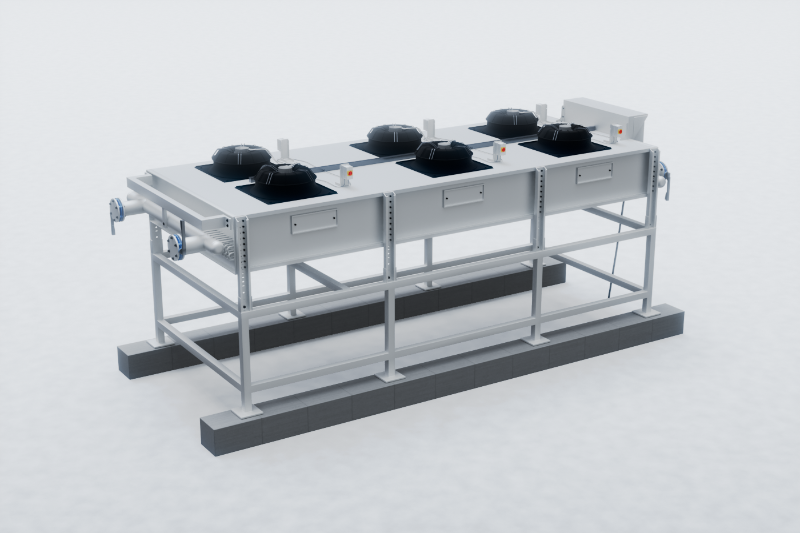
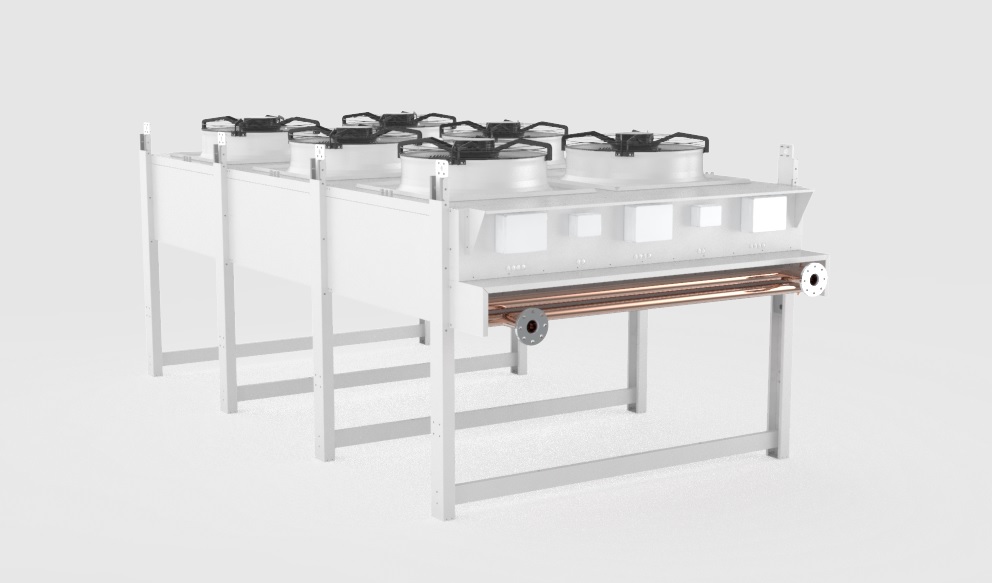
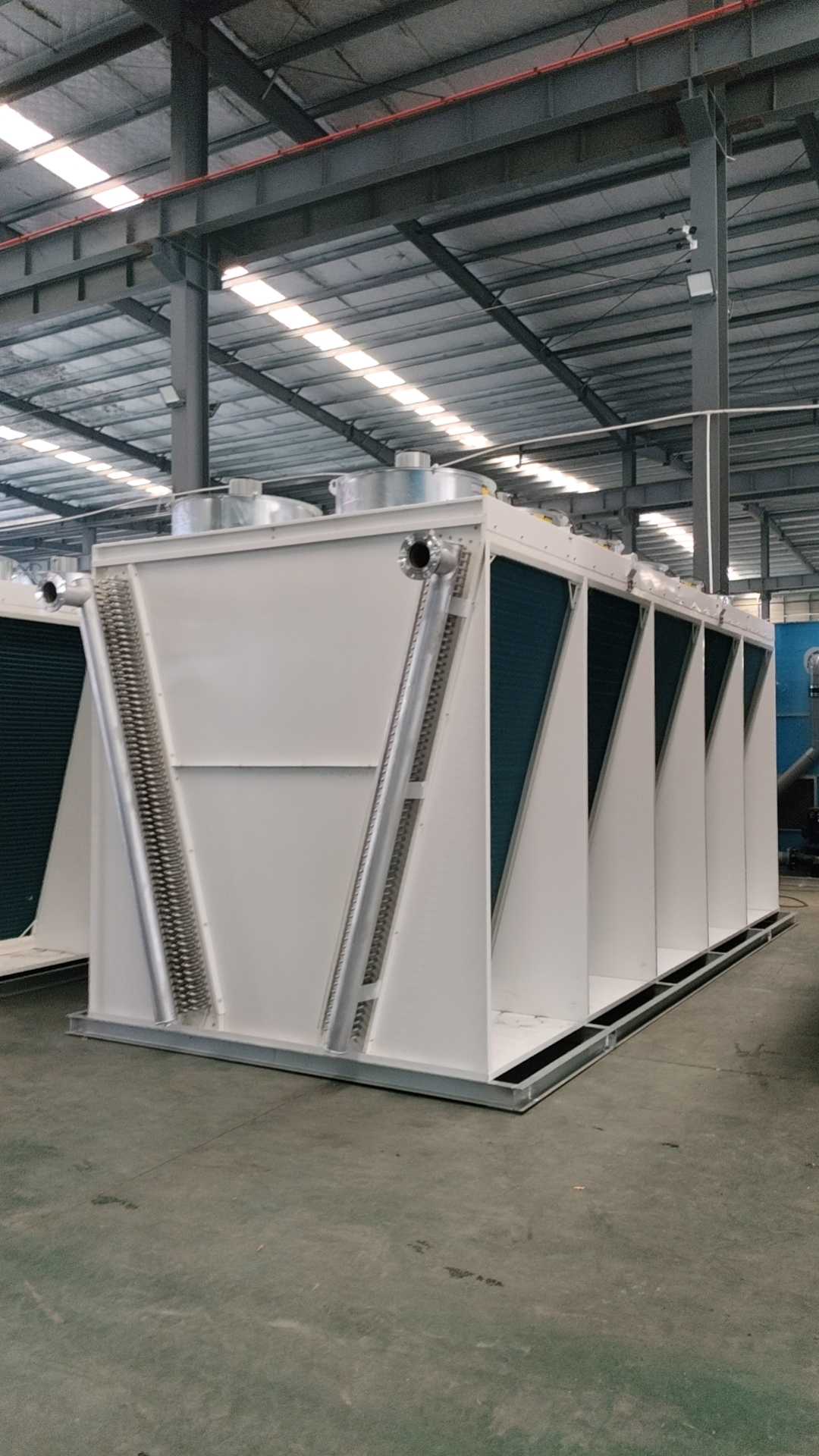
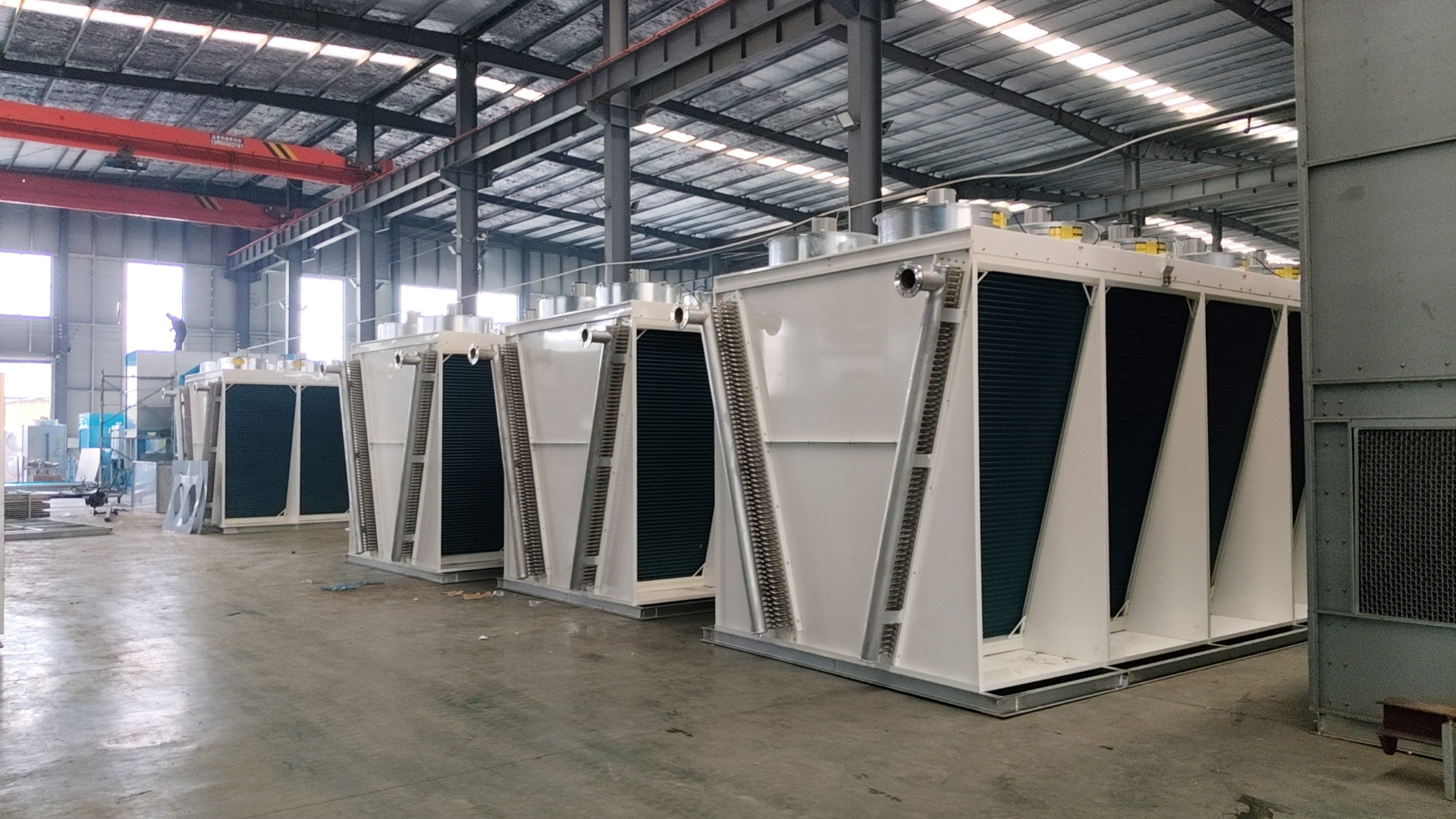
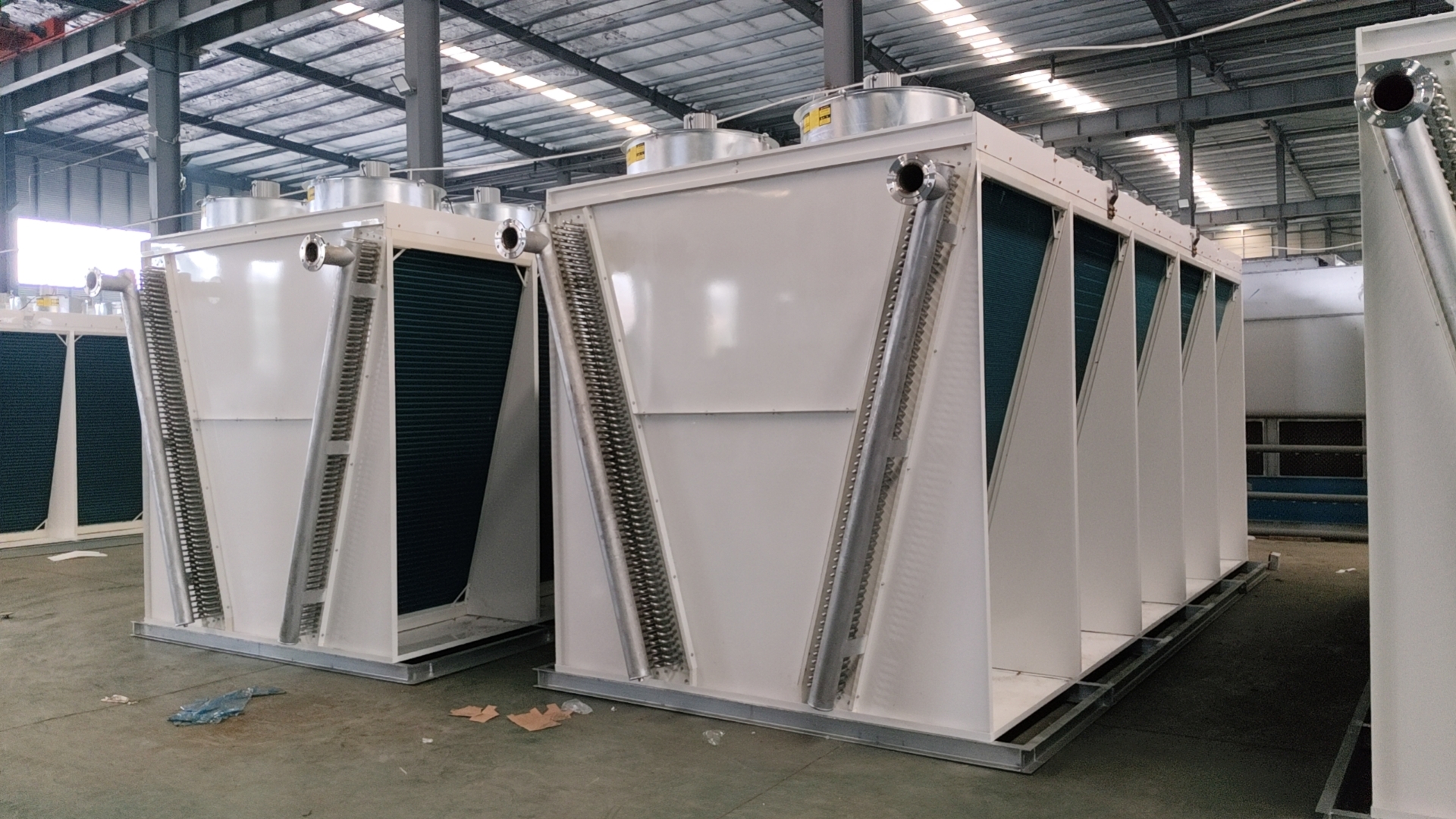
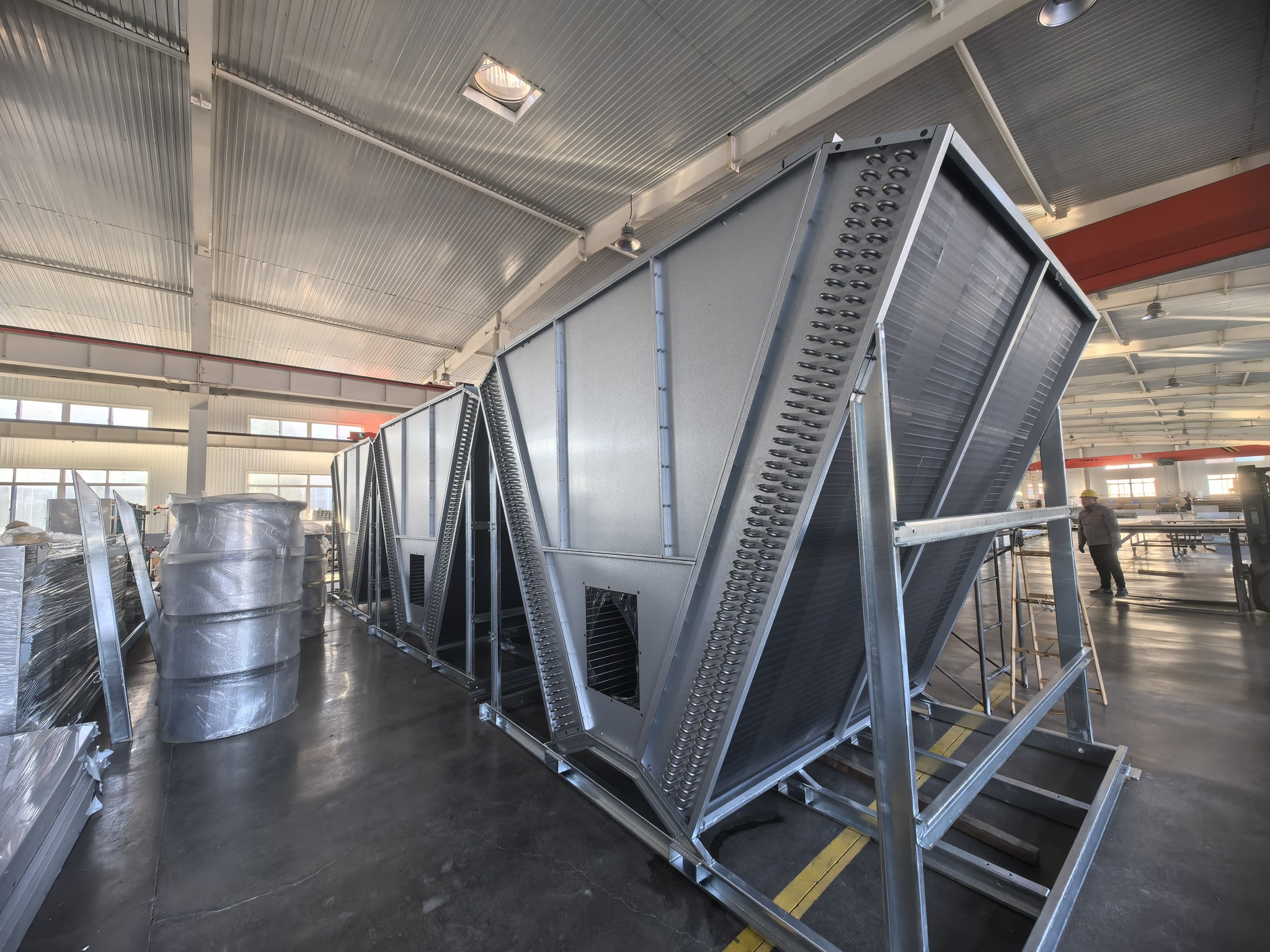
Parts of Dry cooling Tower? A dry cooling tower is a complex system composed of several key components that work together to reject heat through sensible heat transfer. Here are the main parts of a typical mechanical draft dry cooling tower, broken down by their function: 1. Heat Exchanger Bundle (The Core) This is the […]
Where Dry Cooling tower used. Dry cooling towers are the technology of choice in locations where water is scarce or environmental regulations restrict water usage and vapor plumes. Dry Cooling Tower is a water-saving cooling system that trades off higher cost and lower efficiency for the crucial benefit of minimal water consumption, making it...
Dry Cooling Tower vs. Wet Cooling Tower Feature Dry Cooling Tower Wet Cooling Tower (Evaporative) Principle Sensible Heat Transfer (like a car radiator) Latent Heat Transfer (evaporation) Water Usage Very Low. Only minor makeup water for the closed loop. Very High. Continuous water loss due to evaporation, drift, and blowdown....
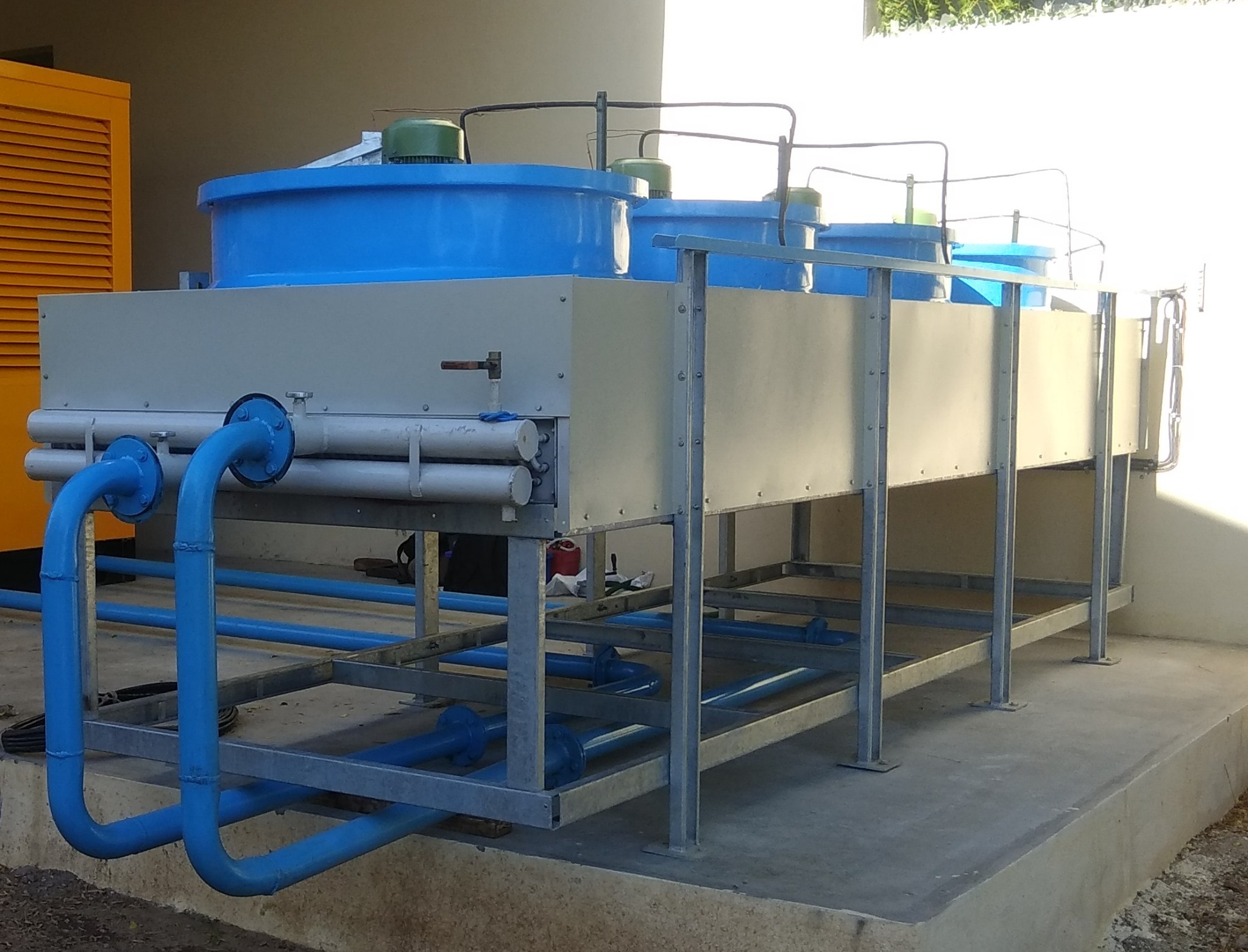
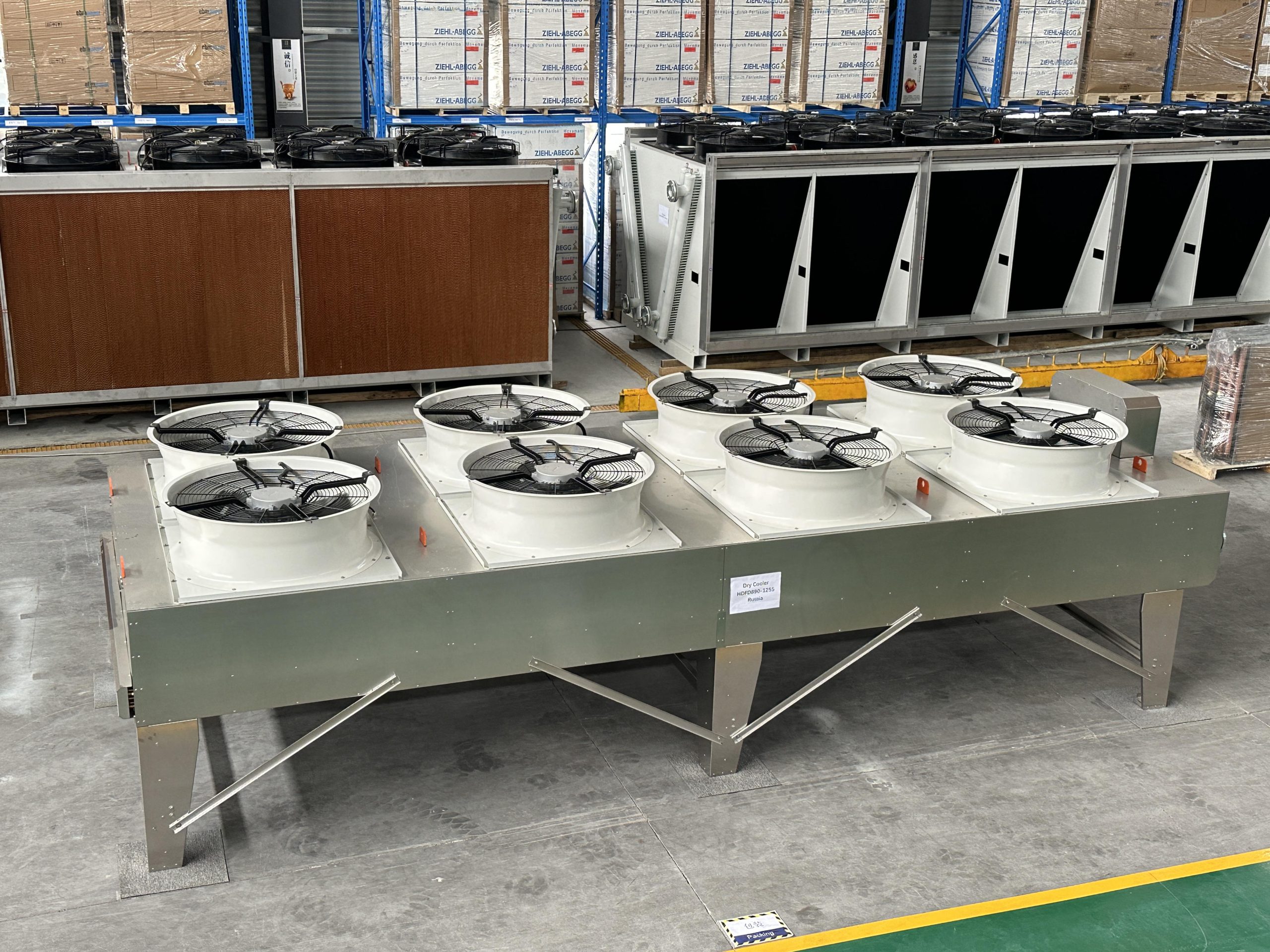
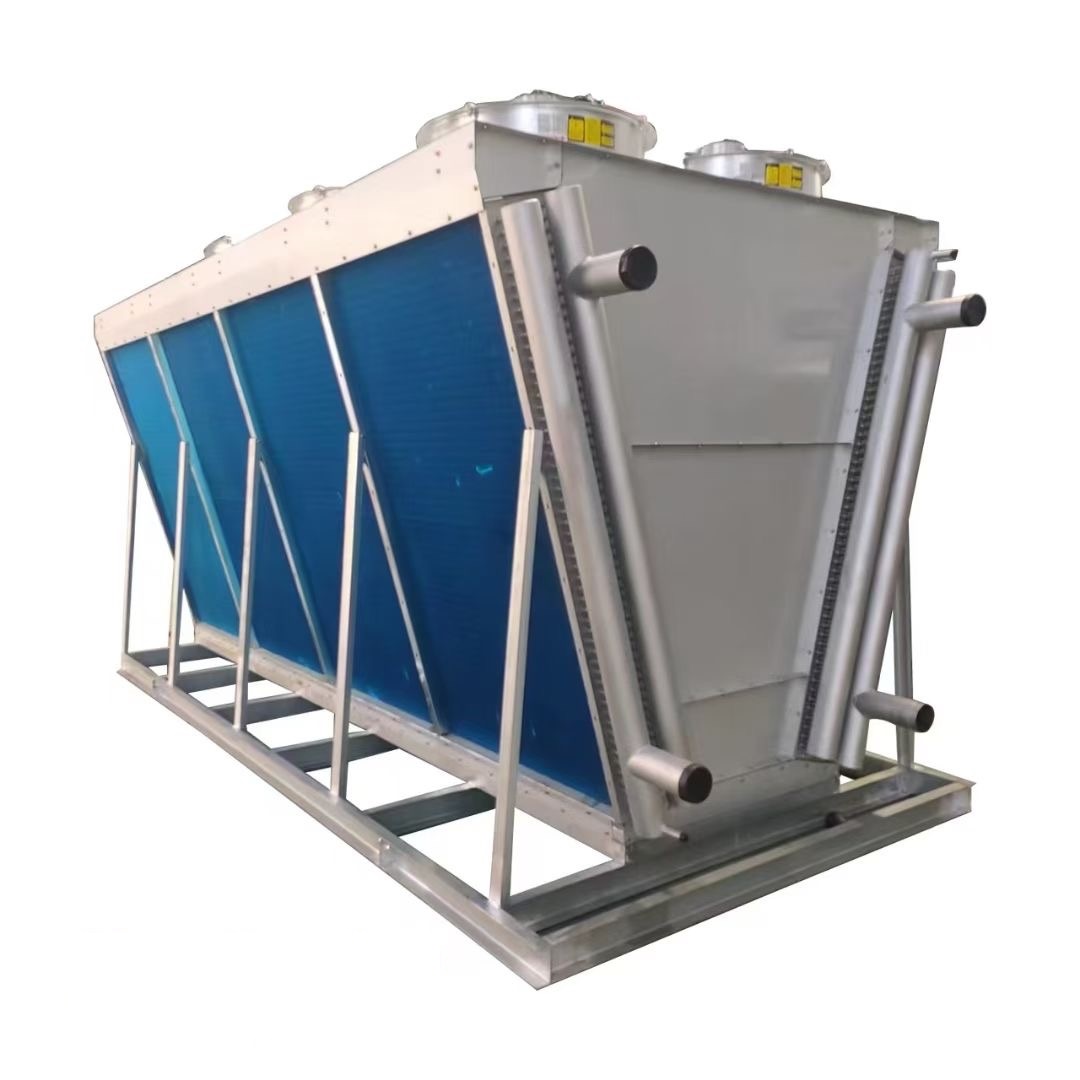
A Dry Cooling Tower is a heat rejection device that cools a working fluid (most often water or a water-glycol mixture) without direct contact with the air and without any water loss through evaporation. Think of it as a giant, industrial-sized radiator, similar in principle to the radiator in your car. It uses the principles...
Concentrated Solar Power (CSP): Almost exclusively built in deserts where water is unavailable. Dry cooling is often a default choice, despite the efficiency penalty. Types of Power Plants Using Dry Cooling Concentrated Solar Power (CSP): Almost exclusively built in deserts where water is unavailable. Dry cooling is often a default choice, despite...
Choosing a cooling system is a critical engineering and business decision. A dry cooling tower (air-cooled heat exchanger) is the preferred option under specific conditions where its advantages outweigh its primary drawback of lower thermal efficiency. The decision can be visualized as a flow chart, where answering “Yes” to the...
The Core Need: Absolute Purity and Precise Control Pharmaceutical manufacturing is governed by strict regulations (e.g., FDA, EMA) and requires an uncompromising commitment to preventing contamination. Processes must be sterile, reproducible, and validated. The cooling system, often used in critical utilities, must support these requirements...
The Core Need: Managing Extreme Heat in a Hazardous Environment Refineries are complex networks of high-temperature and high-pressure processes like crude distillation, catalytic cracking, hydrotreating, and reforming. These processes generate enormous amounts of waste heat that must be rejected continuously and reliably. The cooling system is a...
Heating water to create high-pressure steam. Using that steam to spin a turbine connected to a generator. Condensing the exhausted steam back into water (condensate) to be reused in the cycle. This condensation step is crucial because it creates a massive pressure drop across the turbine, which is what drives it most efficiently. The device...
The Core Need: Rejecting Large, Often High-Temperature, Heat Loads Chemical and petchemical processes are highly exothermic. From cracking and reforming to polymerization and distillation, these facilities generate massive amounts of waste heat that must be continuously and reliably rejected. The cooling system is not a support function; it is a...
Role of Dry cooling tower in Corrosion Resistance This is a nuanced but critical aspect of cooling system design. The role of a dry cooling tower in corrosion resistance is fundamentally about eliminating the primary mechanisms that cause corrosion in wet cooling systems. Here’s a detailed breakdown of its role and how it enhances corrosion...
Role of Dry cooling tower in Data Centres Of course. The role of a dry cooling tower in a data center is a critical one, rooted in the fundamental need for precise and reliable heat rejection. Here’s a detailed breakdown of its role, how it works, and why it’s chosen. The Core Problem: Massive, Sensitive […]
Role of Dry cooling tower in Engine and Generator Set Cooling The role of a dry cooling tower in an engine and generator set cooling system. The Core Problem: Rejecting Waste Heat First, it’s essential to understand that diesel engines and generators are notoriously inefficient at converting fuel energy into mechanical/electrical power. A...
Where the Dry cooling tower is used. A dry cooling tower is a heat rejection system where the process fluid (usually water or a water-glycol mixture) is cooled without direct contact with air. Instead, it passes through a finned-tube heat exchanger over which ambient air is blown. The core principle is sensible cooling—rejecting heat by...
Compassion of Dry cooling tower with wet cooling tower Here is a detailed comparison of dry cooling towers and wet cooling tower, covering their working principles, advantages, disadvantages, and typical applications. Executive Summary The core difference lies in how they reject heat: Wet Cooling Towers: Use the evaporation of water to reject heat....
materials used in dry cooling towers materials used in dry cooling towers, explaining why they are chosen and how they differ from wet cooling towers. Core Principle First A dry cooling tower rejects waste heat directly to the atmosphere using convective heat transfer through a finned-tube heat exchanger (like a car radiator), unlike a wet...
The advantages of dry cooling towers, compared to the more common wet cooling towers. First, A Quick Primer: How Do They Work? A dry cooling tower operates like a giant radiator. The process fluid (water or another coolant) that needs to be cooled flows through closed coils. Large fans blow ambient air across these coils, […]
What are the Functions of Dry Cooling Tower? In the simplest terms, the primary function of a dry cooling tower is to reject waste heat from a process or power cycle directly to the atmosphere, without consuming water or allowing the process fluid to come into contact with the outside air. Let’s break down this core […]
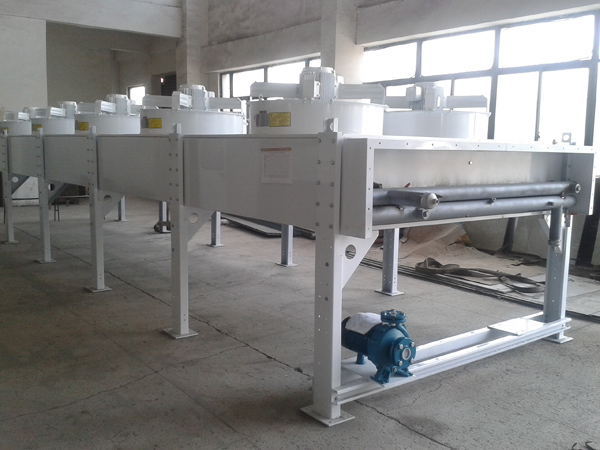
Forced Draft Dry Cooler What is a Forced Draft Dry Cooler? A Forced Draft Dry Cooler is defined by the placement of its fan on the intake (inlet) side of the heat exchanger coil. In this design, the fan pushes or forces ambient air through the coil, creating a positive pressure on the upstream side of the finned-tube...
Applications of Induced Draft Dry Fluid Cooler Induced draft coolers are an excellent choice for a wide range of applications, particularly where efficiency and stable performance are critical: Data Center Cooling: In water-side economizer loops where minimizing recirculation and