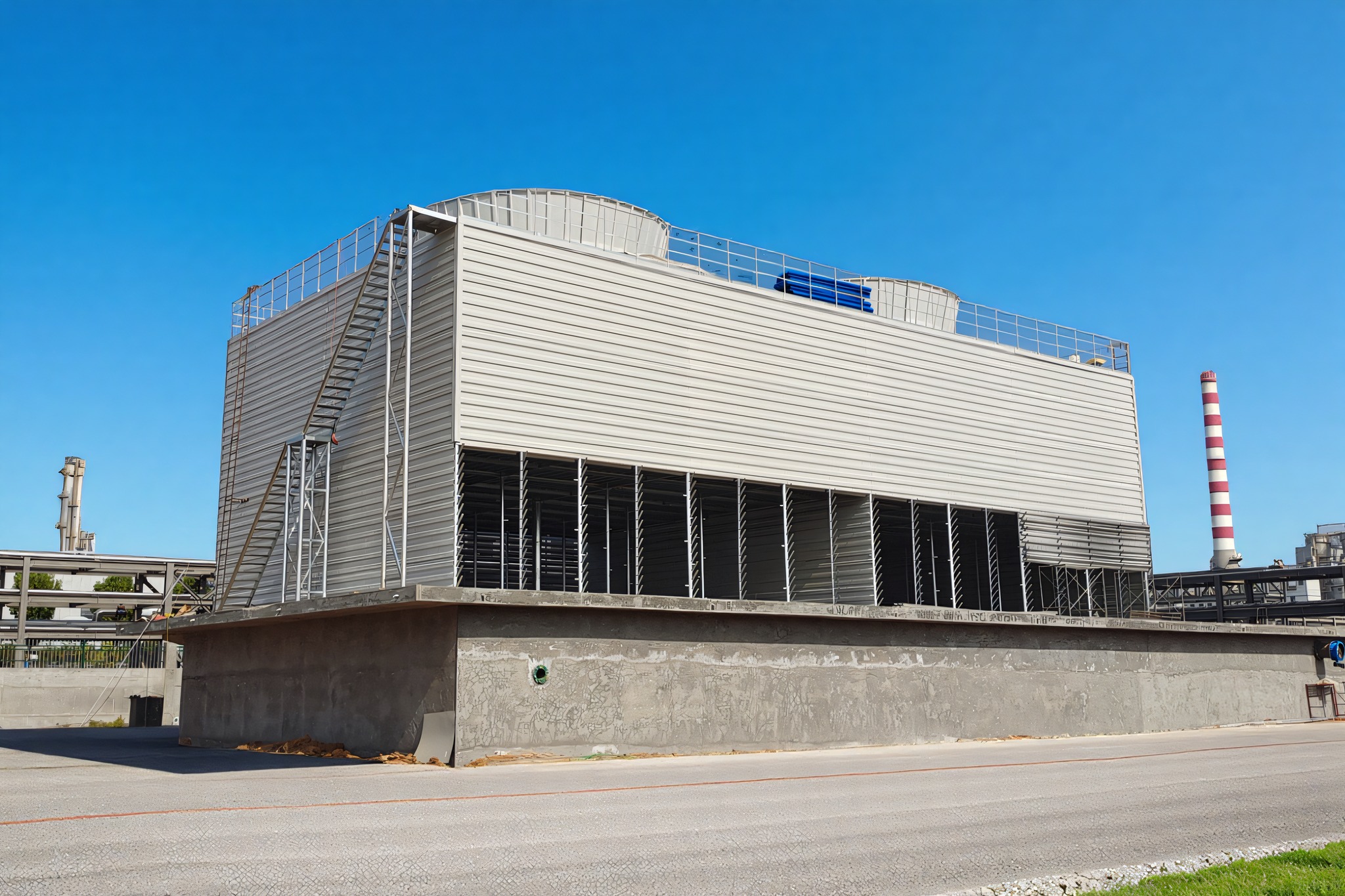
Cooling Systems

Cooling Tower Fills Supplier in United Arab Emirates

Advantages of Cross flow Design

Cooling Tower Fills manufacturer in United Arab Emirates

Cross flow vs. Counter flow Design Feature Cross flow Cooling Tower Counter flow Cooling Tower Air/Water Direction Air horizontal, water vertical (90° cross). Air upward, water downward (opposite directions). Water Distribution Gravity basins (low pressure). Pressurized spray nozzles (higher pressure). Air Pressure...
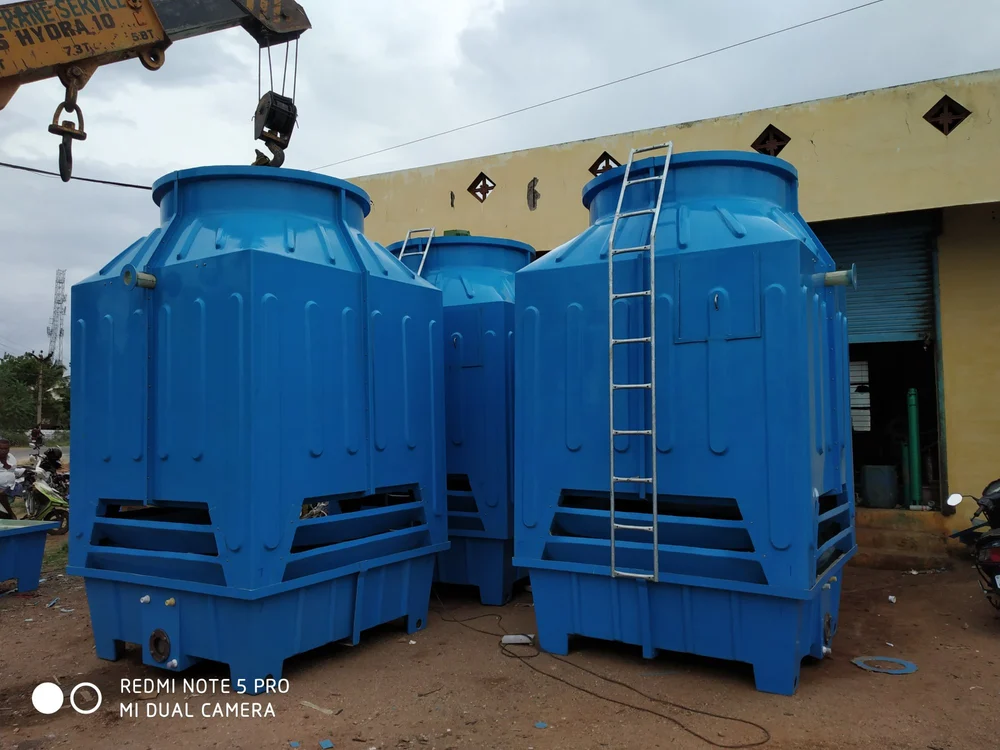
Cooling tower Motor Supplier in United Arab Emirates

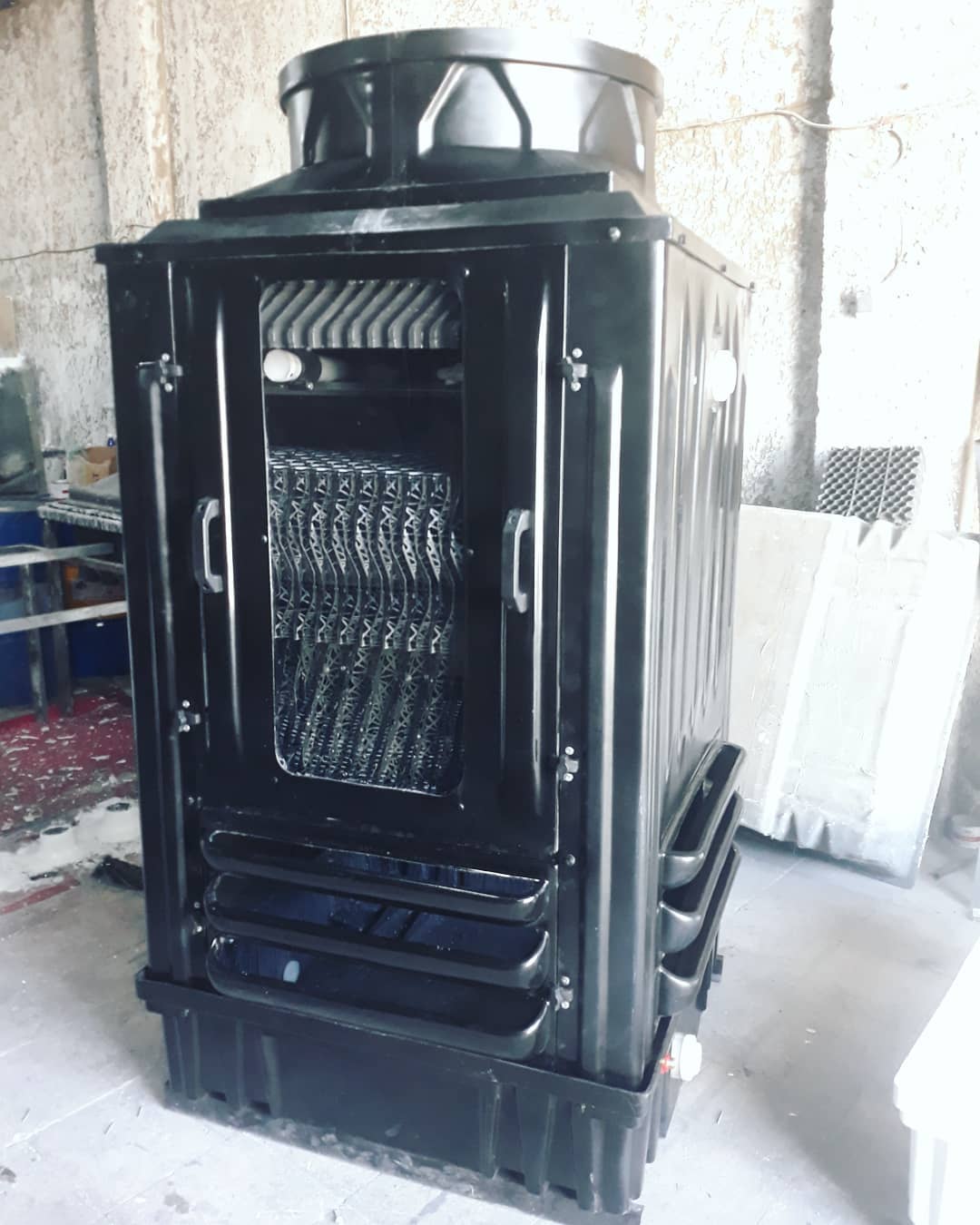
Cross Flow Cooling Tower Components & Their Roles Component Function Hot Water Distribution Basins Hold water at top; gravity distribution via metering orifices. Louvers Side openings that guide air into the fill, prevent water splash-out. Fill/Packing Creates large surface area for air-water contact (usually PVC splash bars or film fill). Cold...
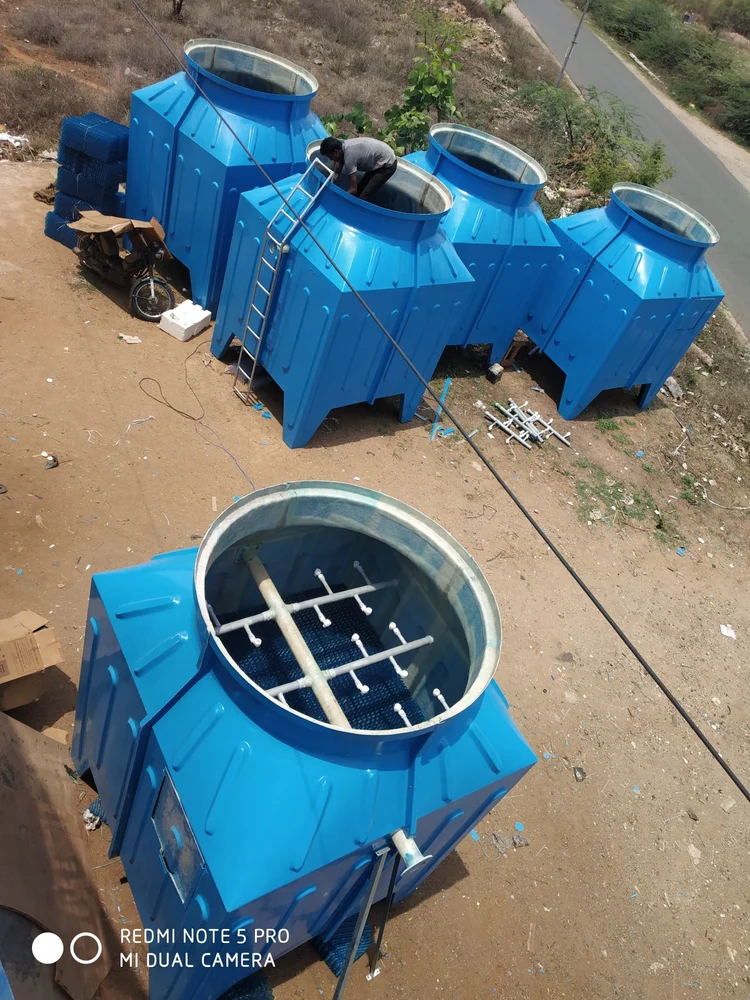
Cooling tower Motor manufacturer in United Arab Emirates

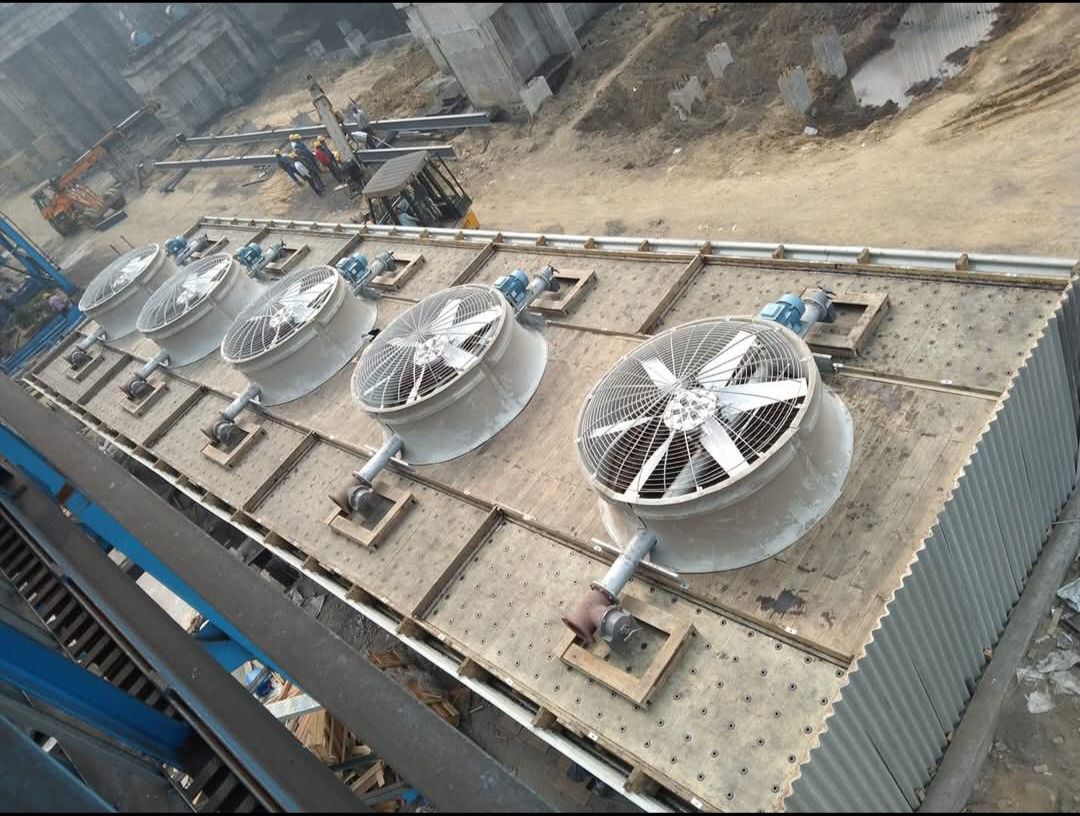
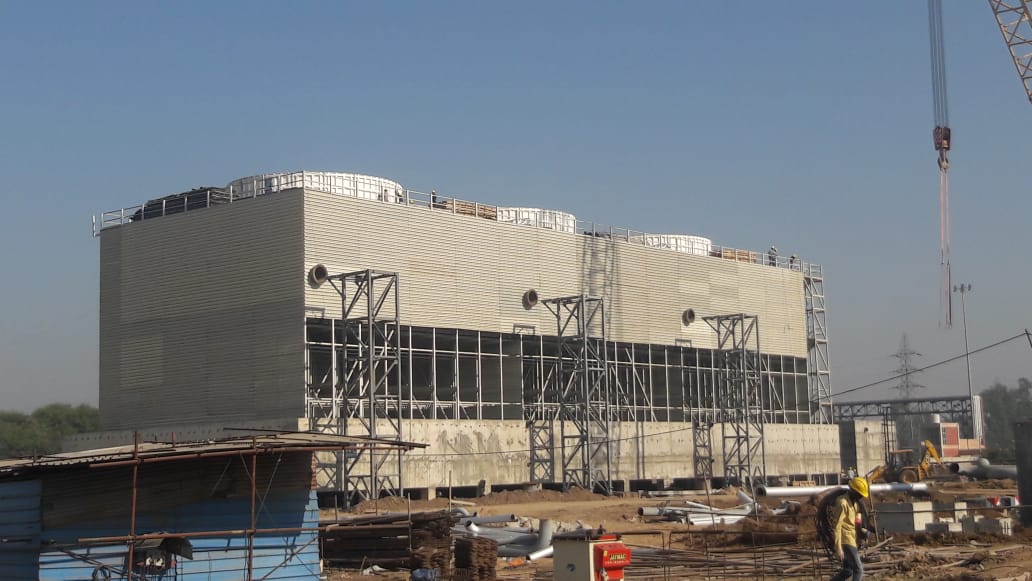
A Cross flow Cooling Tower is a type of mechanical draft, wet cooling tower where the flow of air is horizontal (side to side), perpendicular to the vertical fall of the water. This creates a distinct “cross” pattern of air and water flows. Step-by-Step Working Principle 1. Hot Water Inlet & Distribution 2....
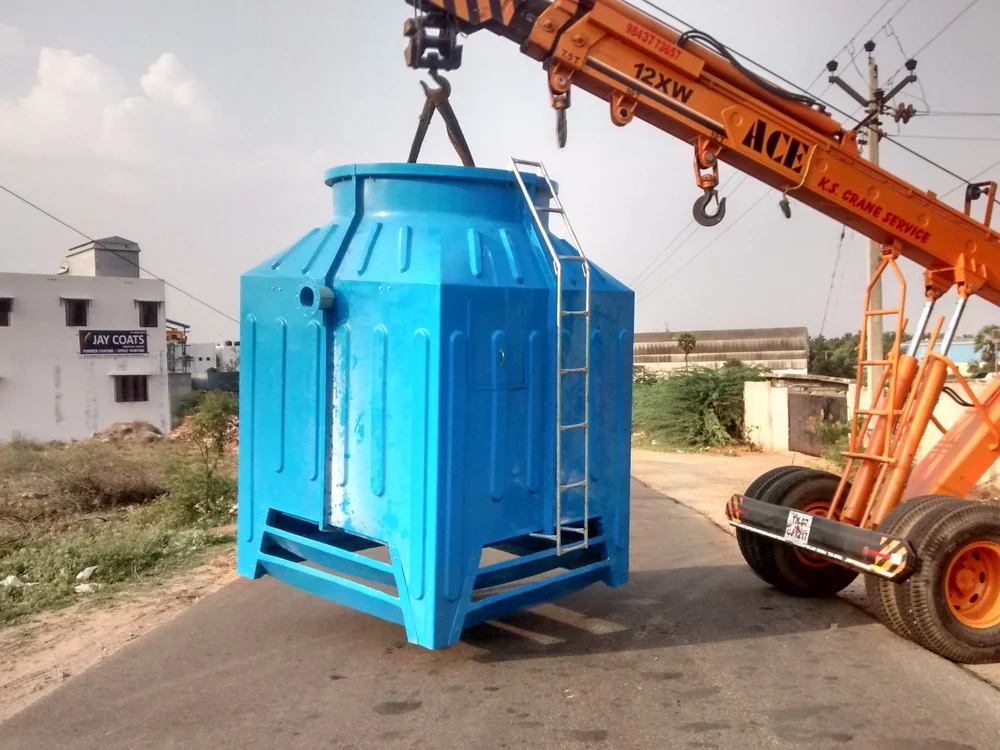
Cooling tower Fan Supplier in United Arab Emirates

Cooling Tower Common System Types Type Typical Size Range Typical Applications Natural Draft (Hyperbolic) 500 – 10,000+ MW (heat rejection) Large power plants Induced Draft, Cross flow (FRP) 100 – 1,000 tons Commercial HVAC, light industry Induced Draft, Counter flow (FRP) 50 – 500 tons Data centers, hospitals, precision cooling...
Cooling tower Fan manufacturer in United Arab Emirates

Cooling Tower Selection Guide: Which Type to Choose? Parameter Favors Wet Tower Favors Dry Tower Favors Hybrid Water Availability Ample Scarce / Expensive Limited Water Discharge Regulations Lenient Strict Moderate Approach Temperature Needed Close (< 7°C) Wide (> 10°C) Variable Ambient Climate Any Prefer cooler/dry Variable Plume...

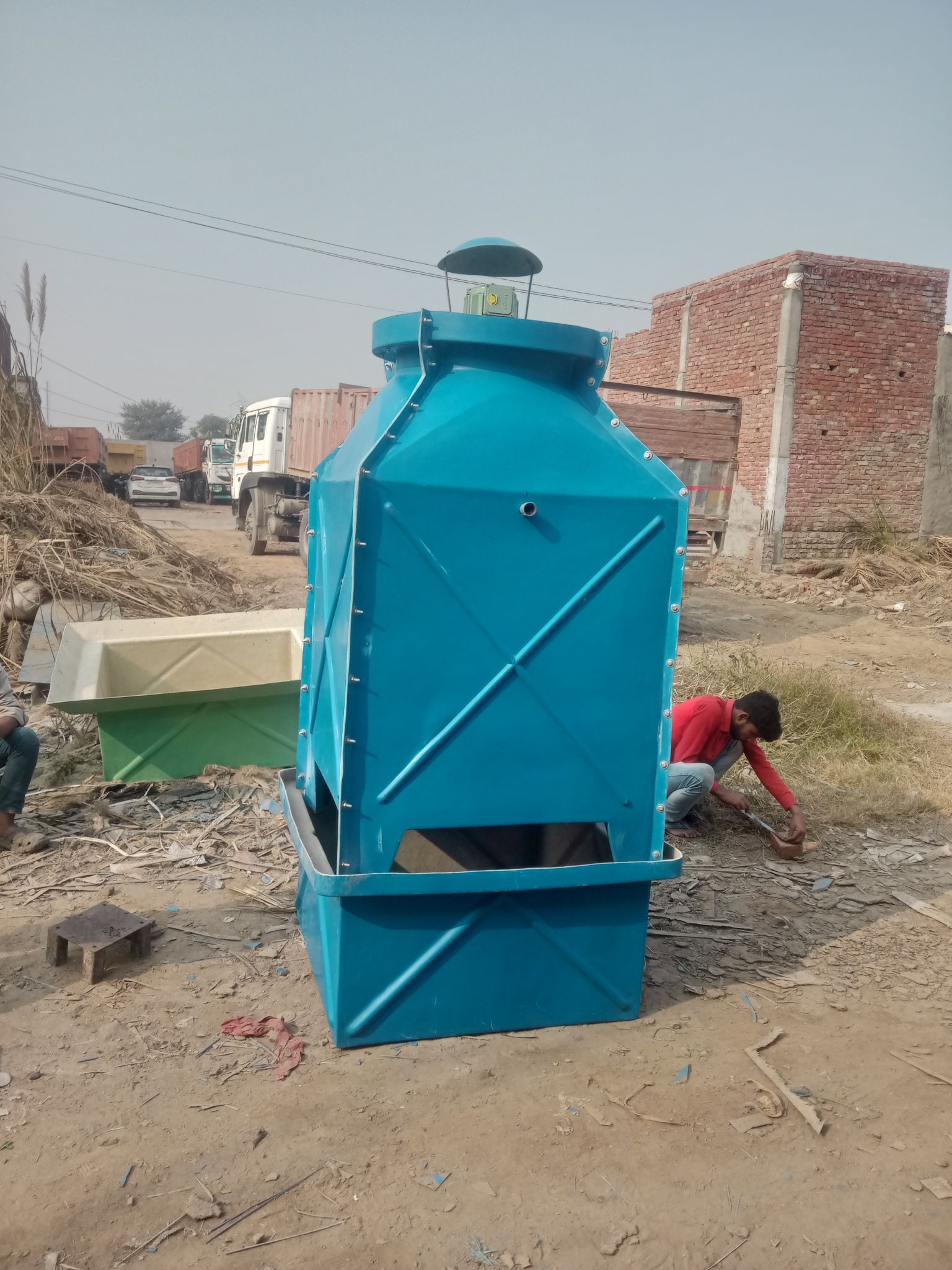
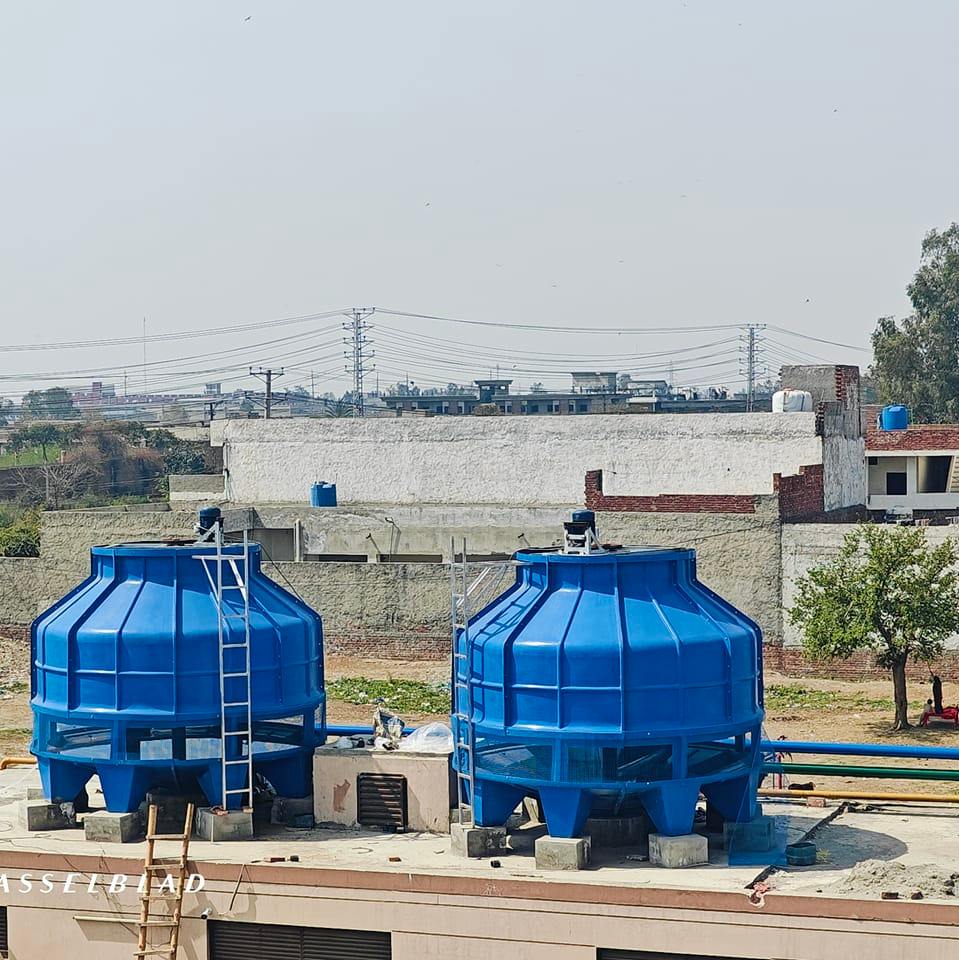
Round Shape cooling tower Manufacturer in United Arab Emirates

Cooling towers are classified in several ways based on their design, airflow method, construction, and heat transfer principles. Here’s a comprehensive breakdown of the main types: 1. By AIR FLOW GENERATION Method This is the most common classification. A. Natural Draft Cooling Towers B. Mechanical Draft Cooling Towers Use fans to force...

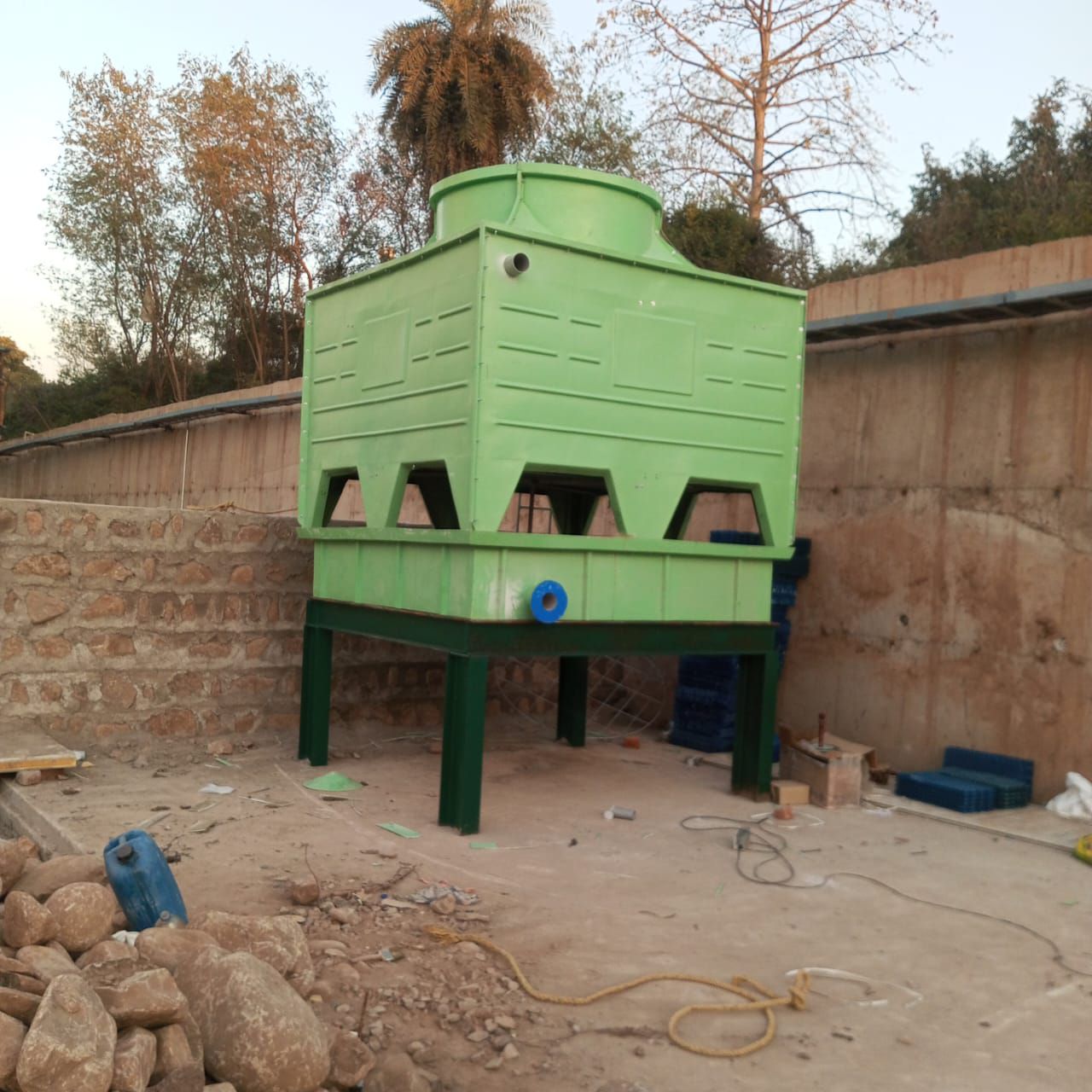
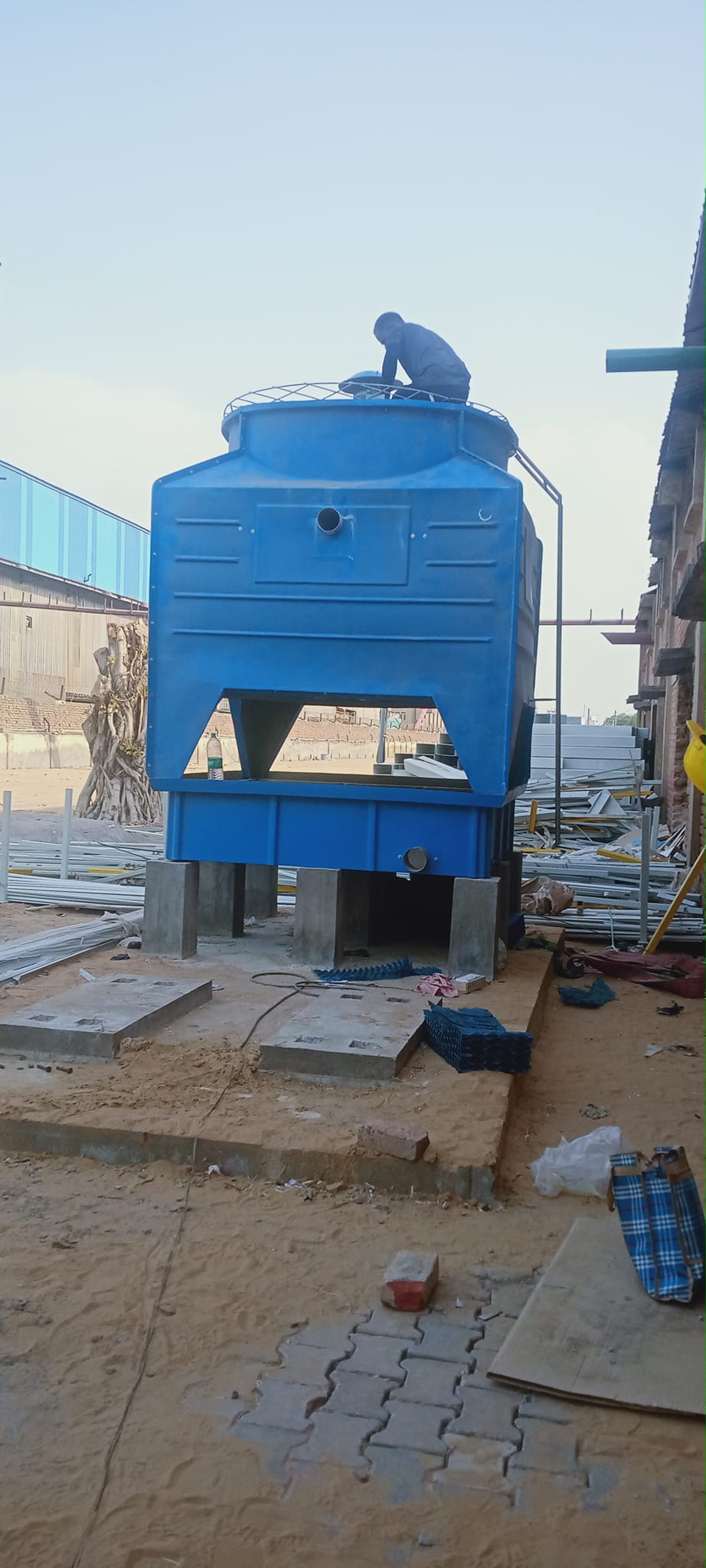
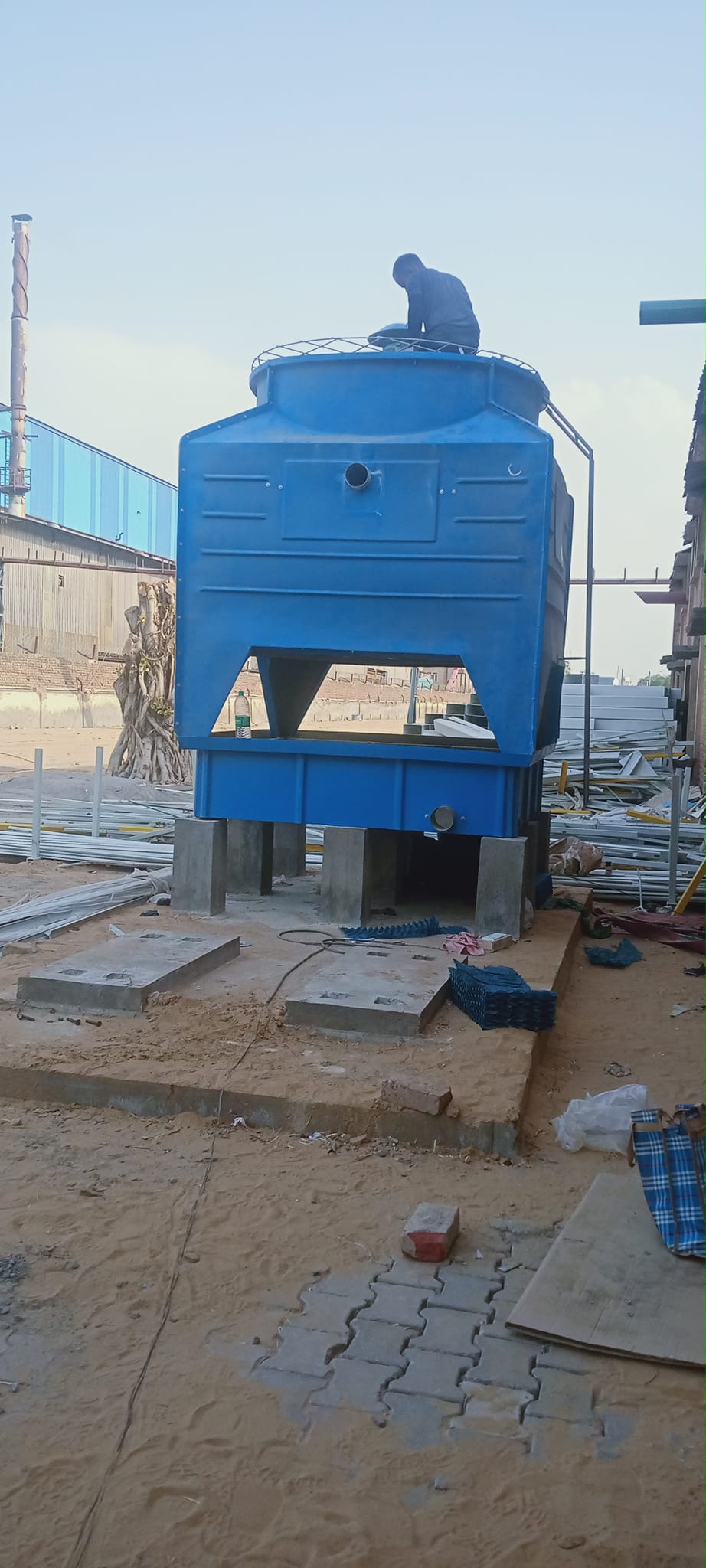
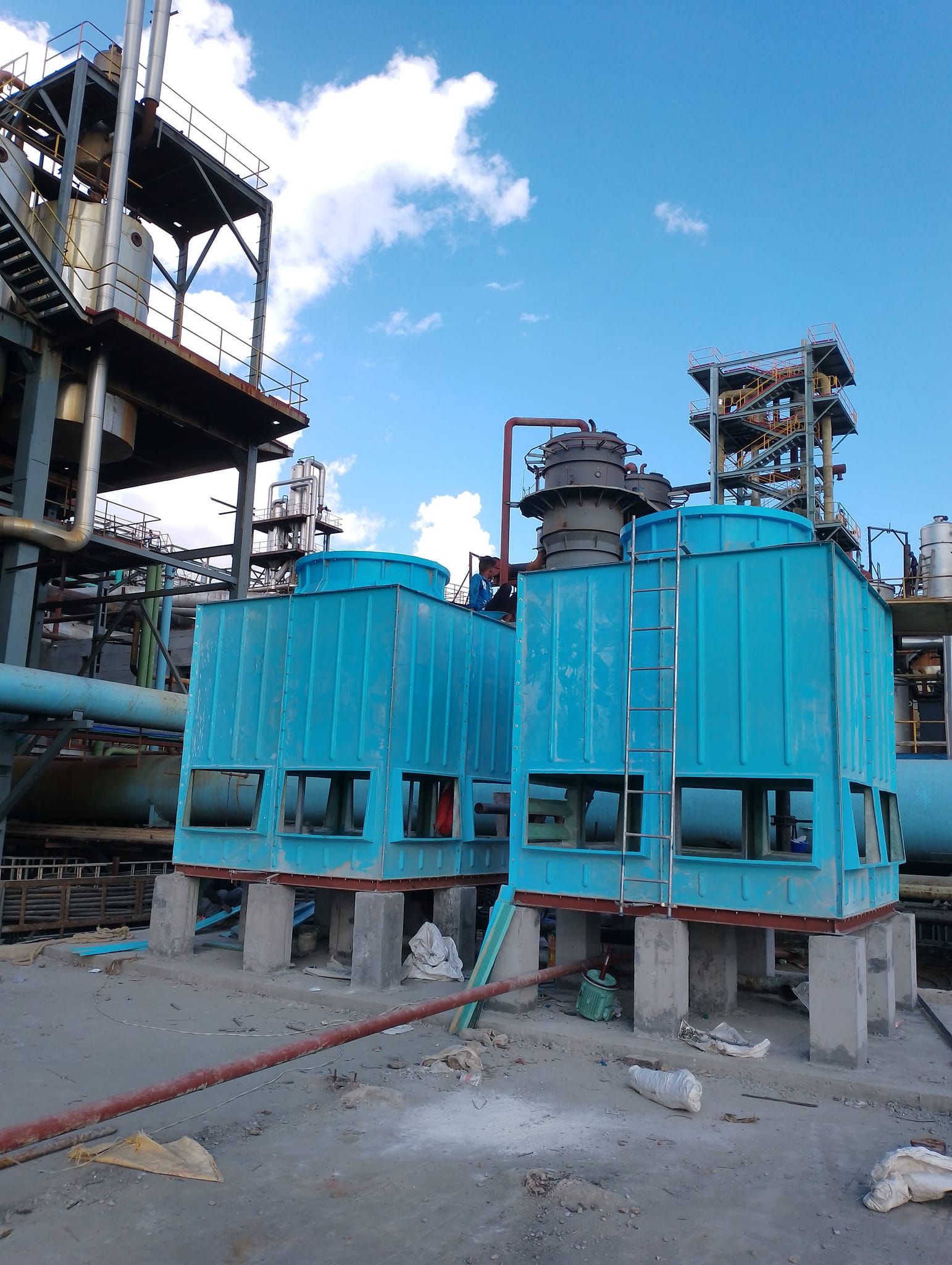
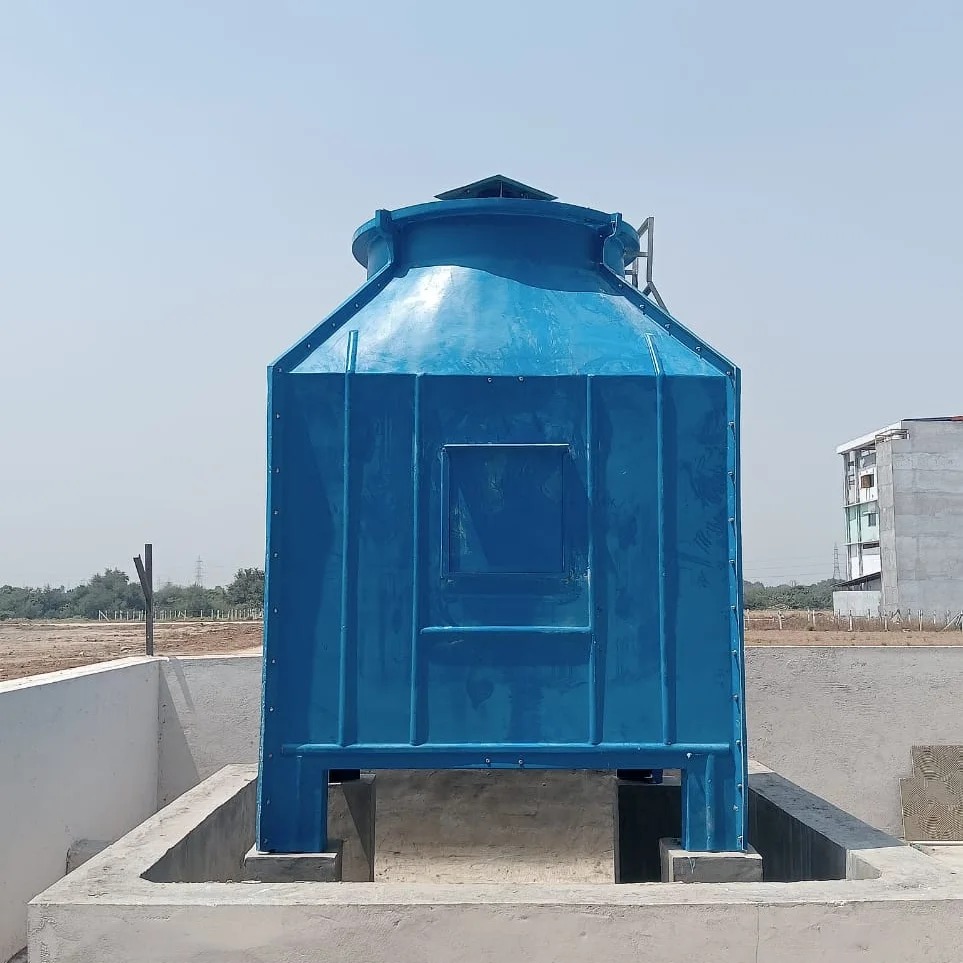
Square Shape Cooling Tower Supplier in United Arab Emirates

Application-Based Selection of Tower Type Application Typical Cooling Tower Type Key Reason for Choice Large Power Plant Natural Draft (Hyperbolic) Massive capacity, no fan power, very reliable. Commercial HVAC Factory-Assembled Induced Draft Cross flow or Counter flow Compact, cost-effective, easy to maintain, good part-load performance....

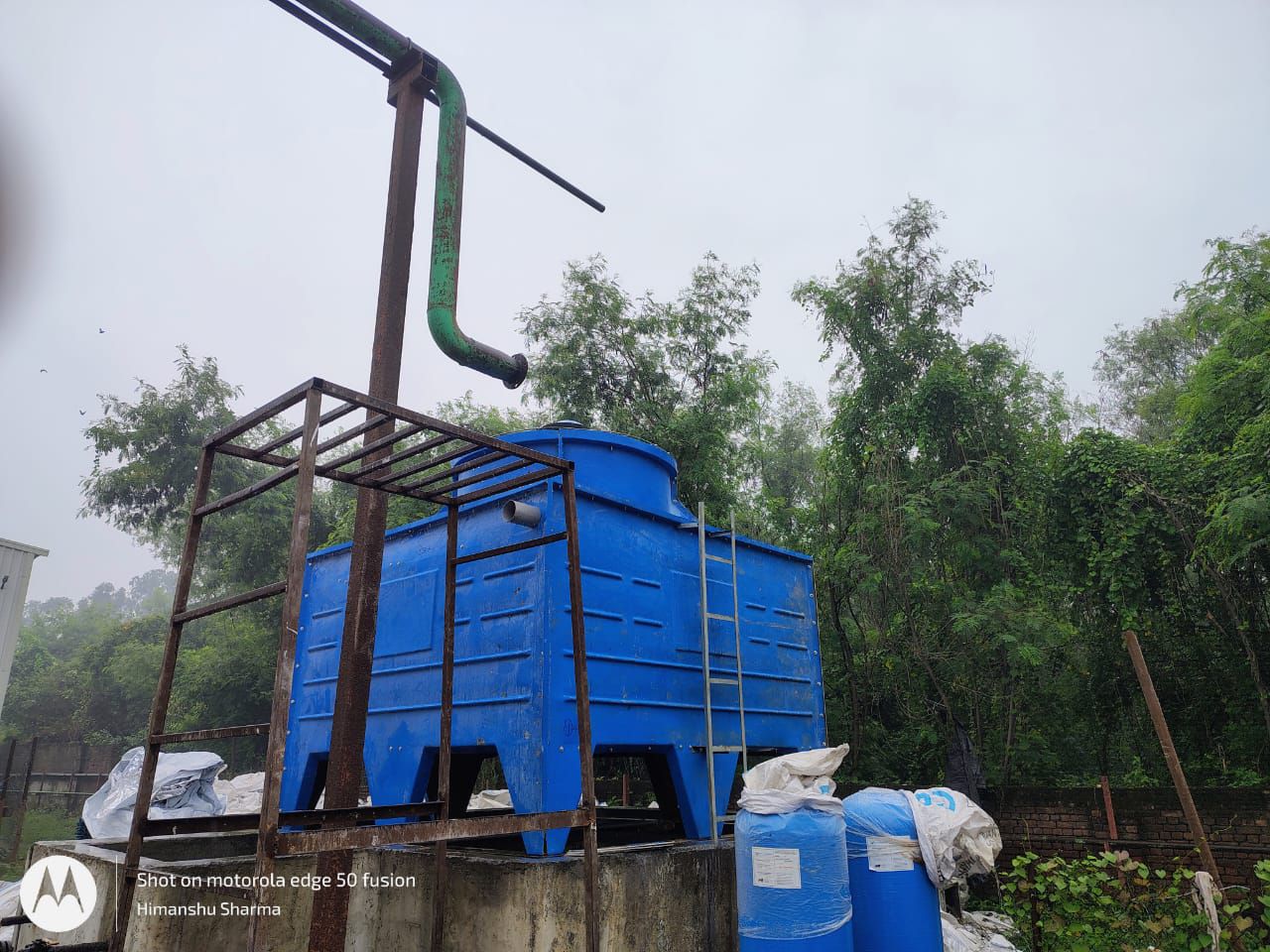
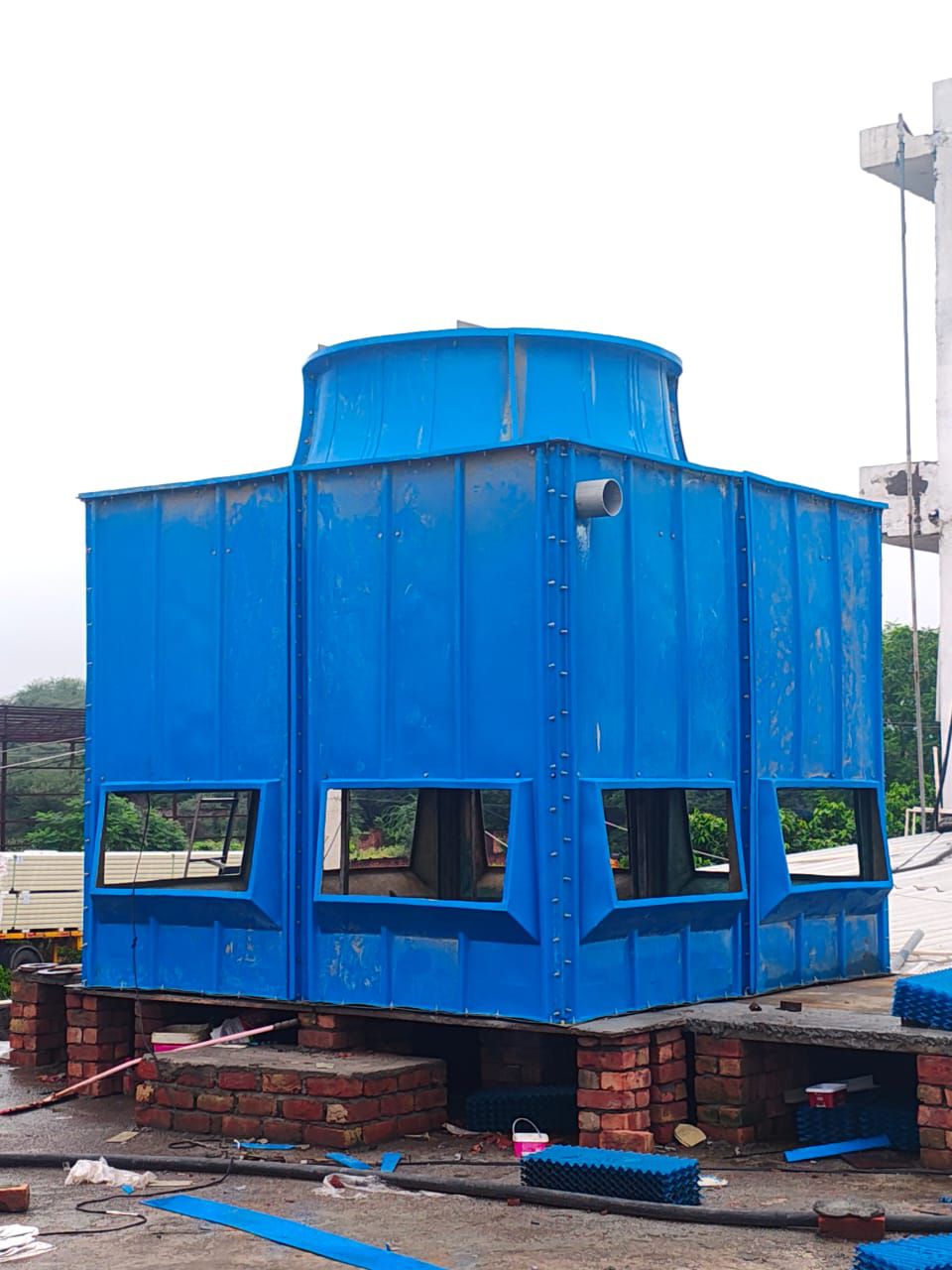
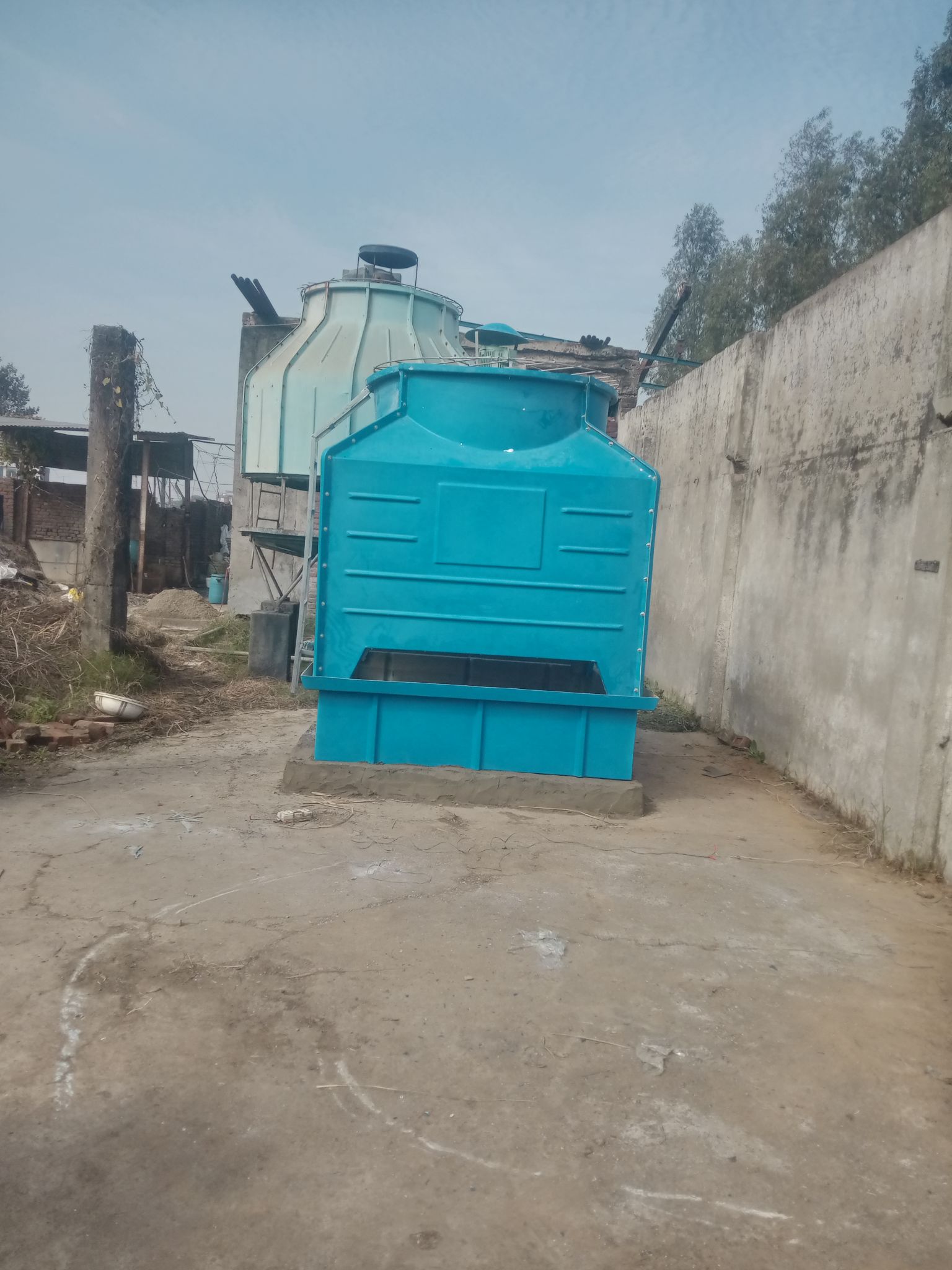
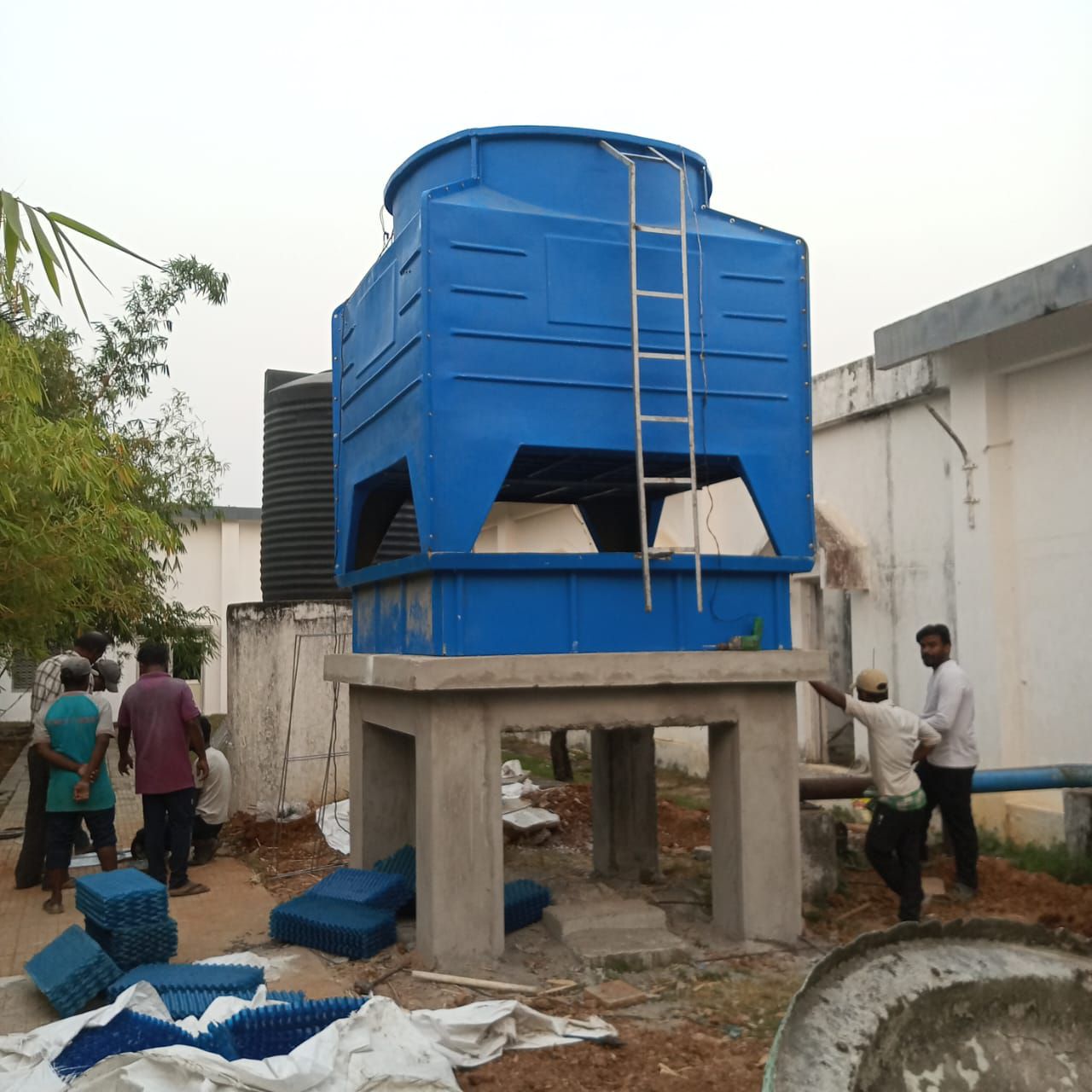
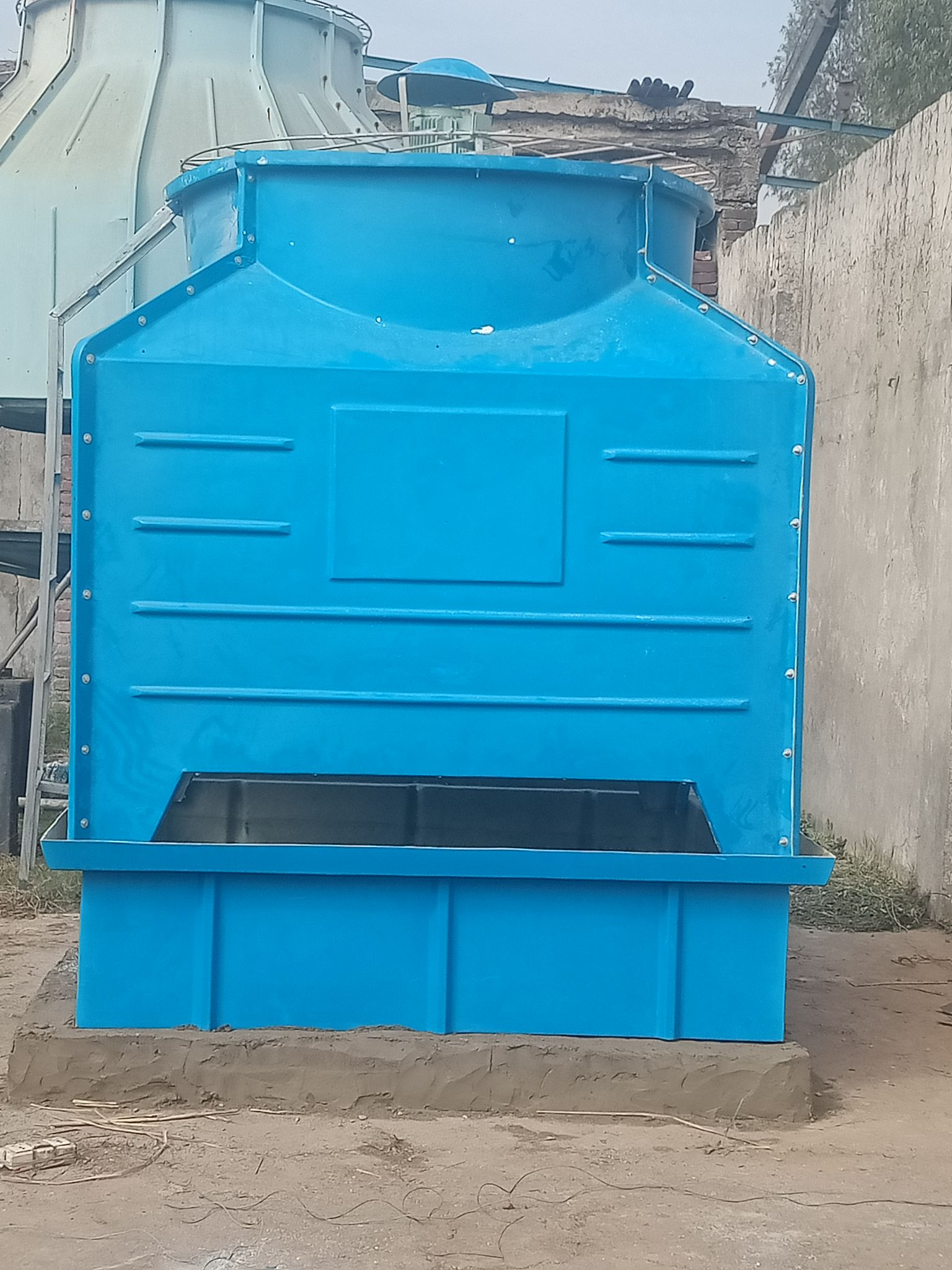
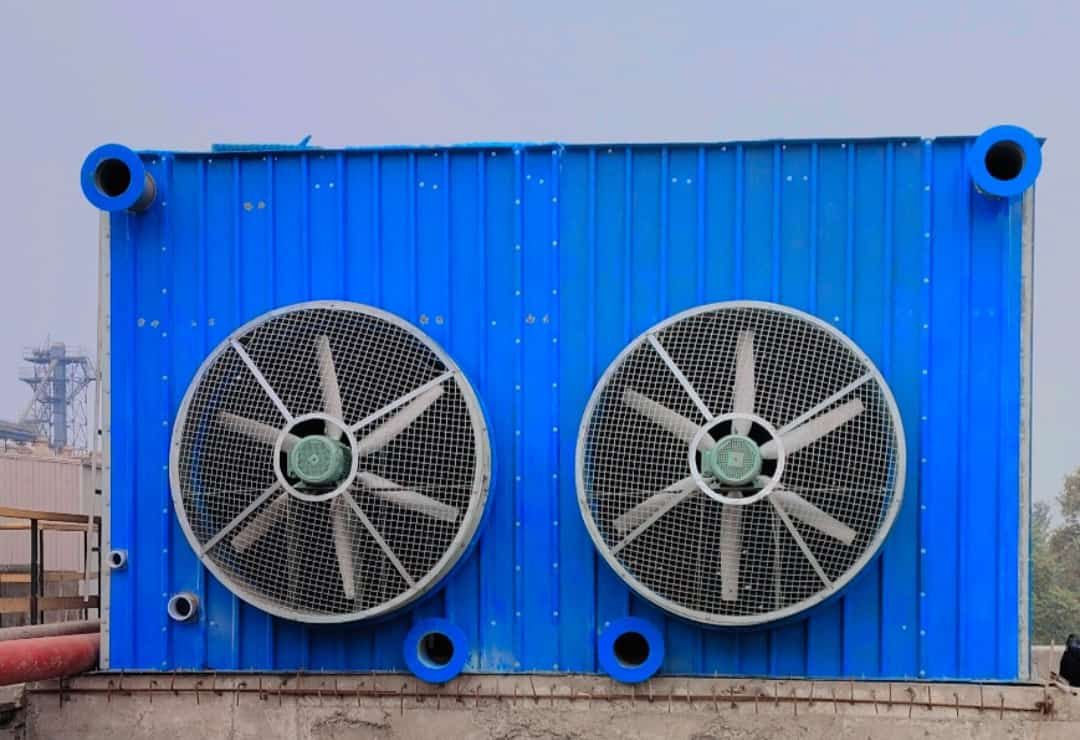
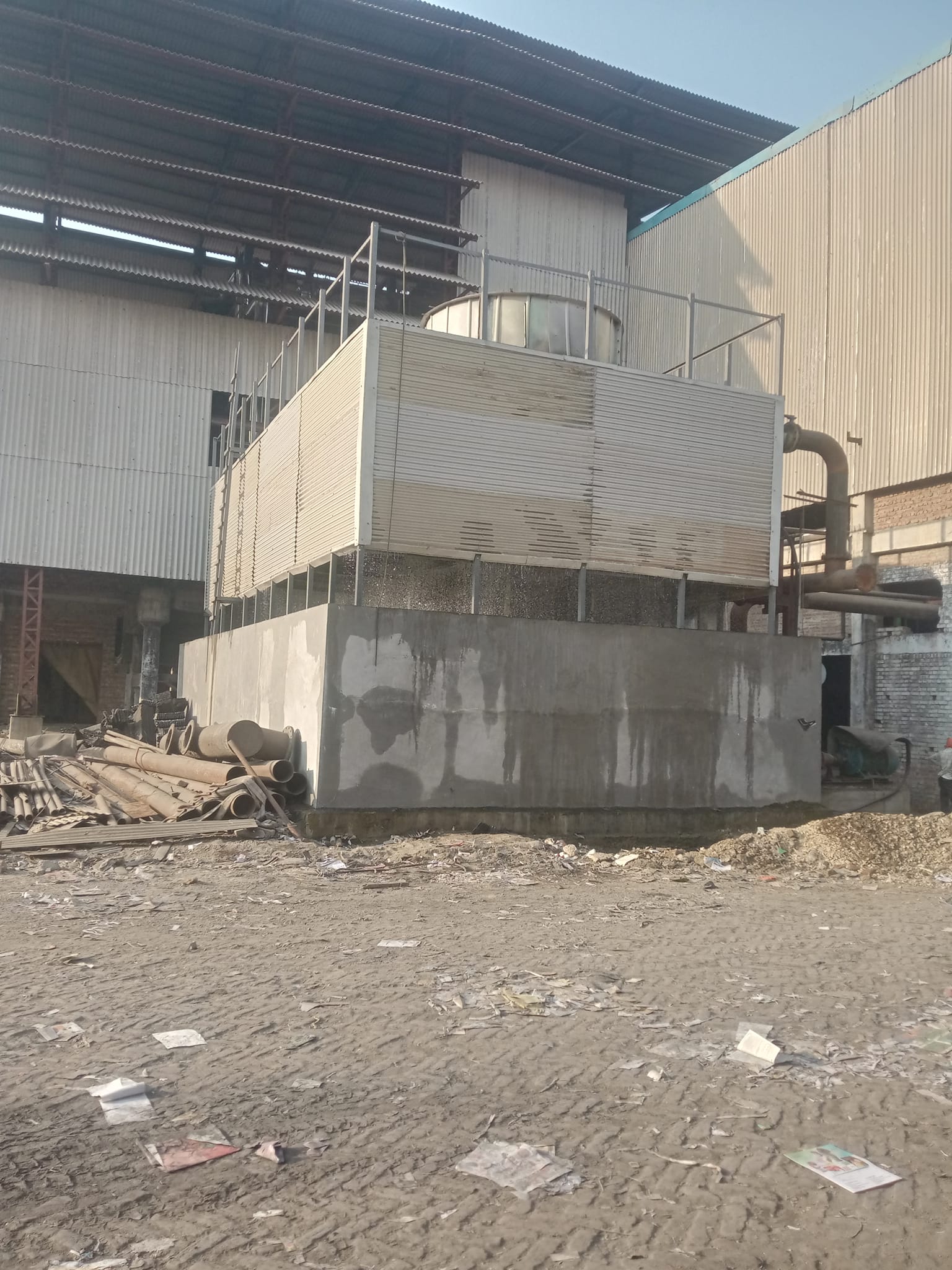
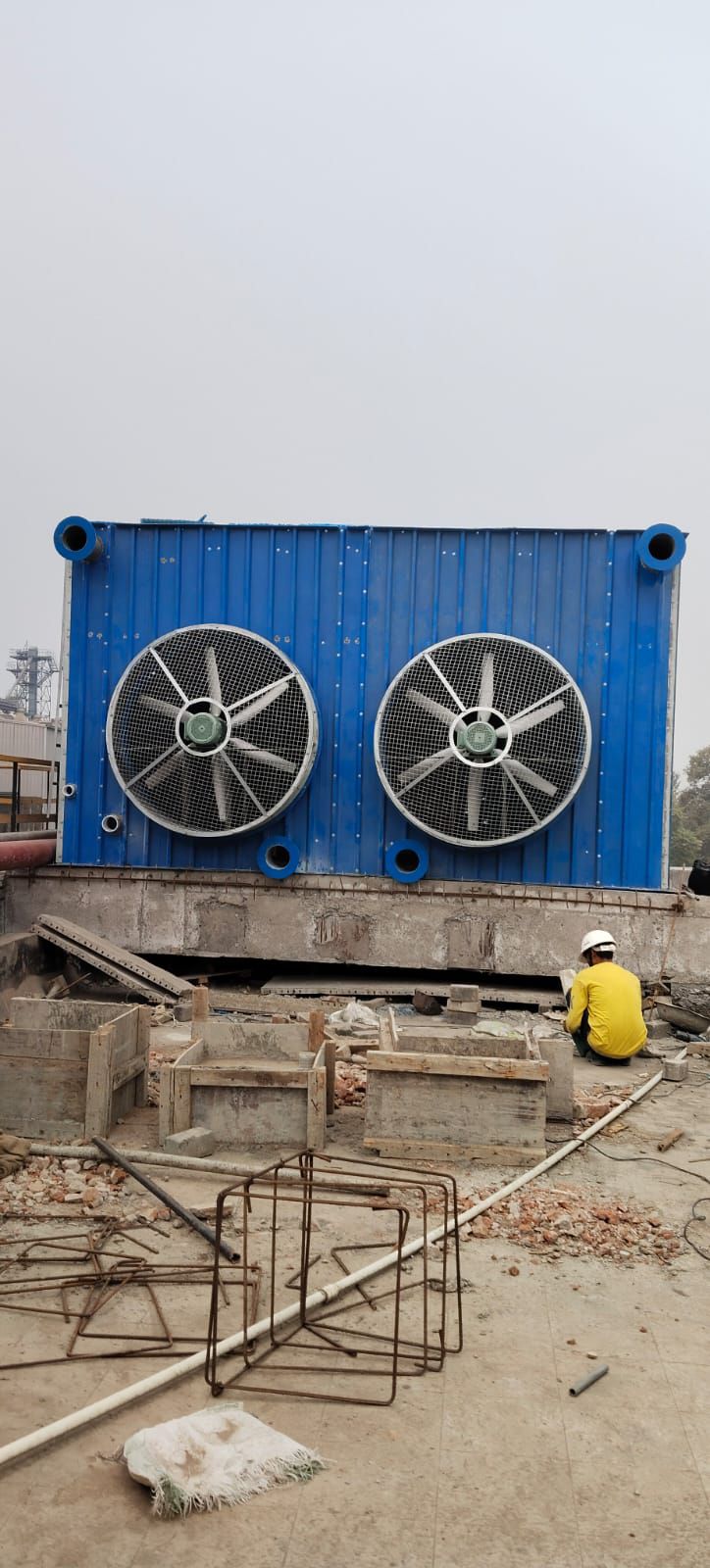
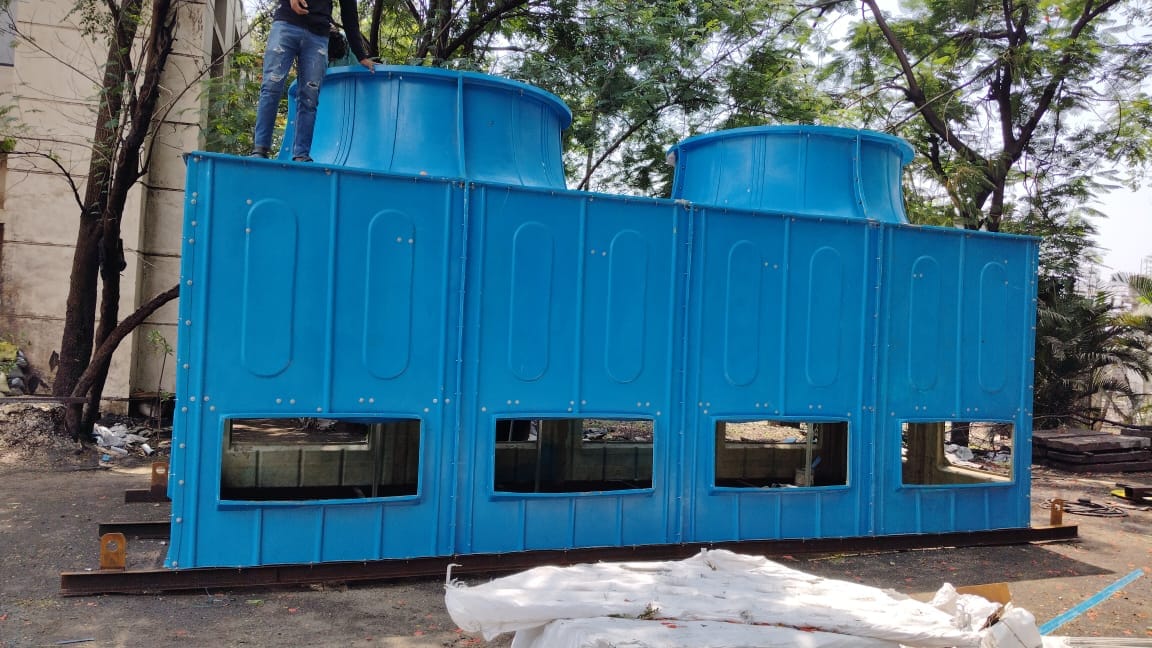
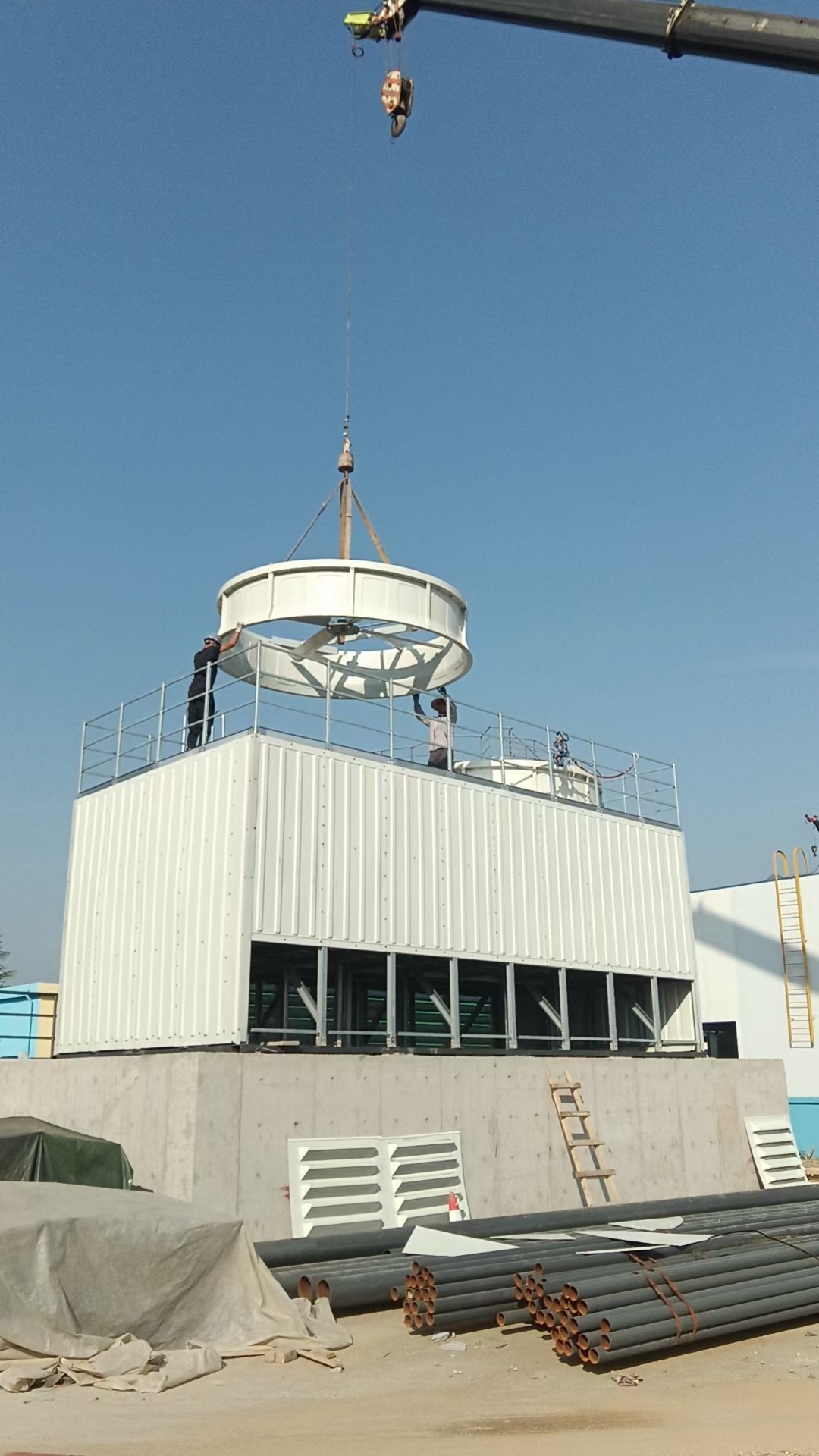
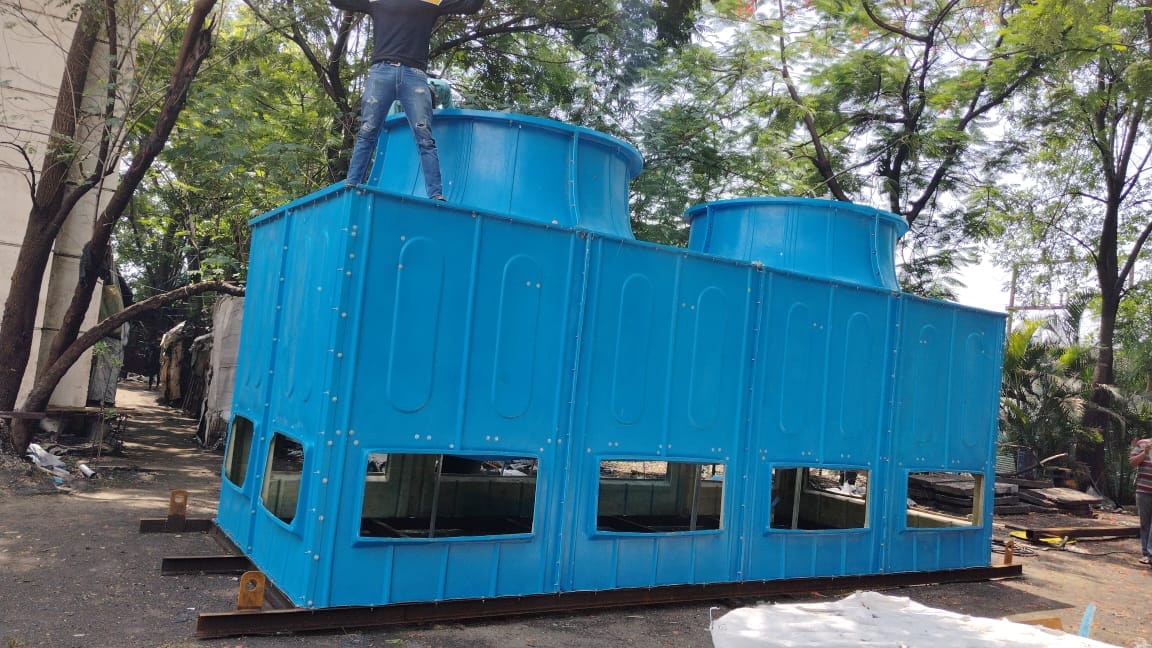
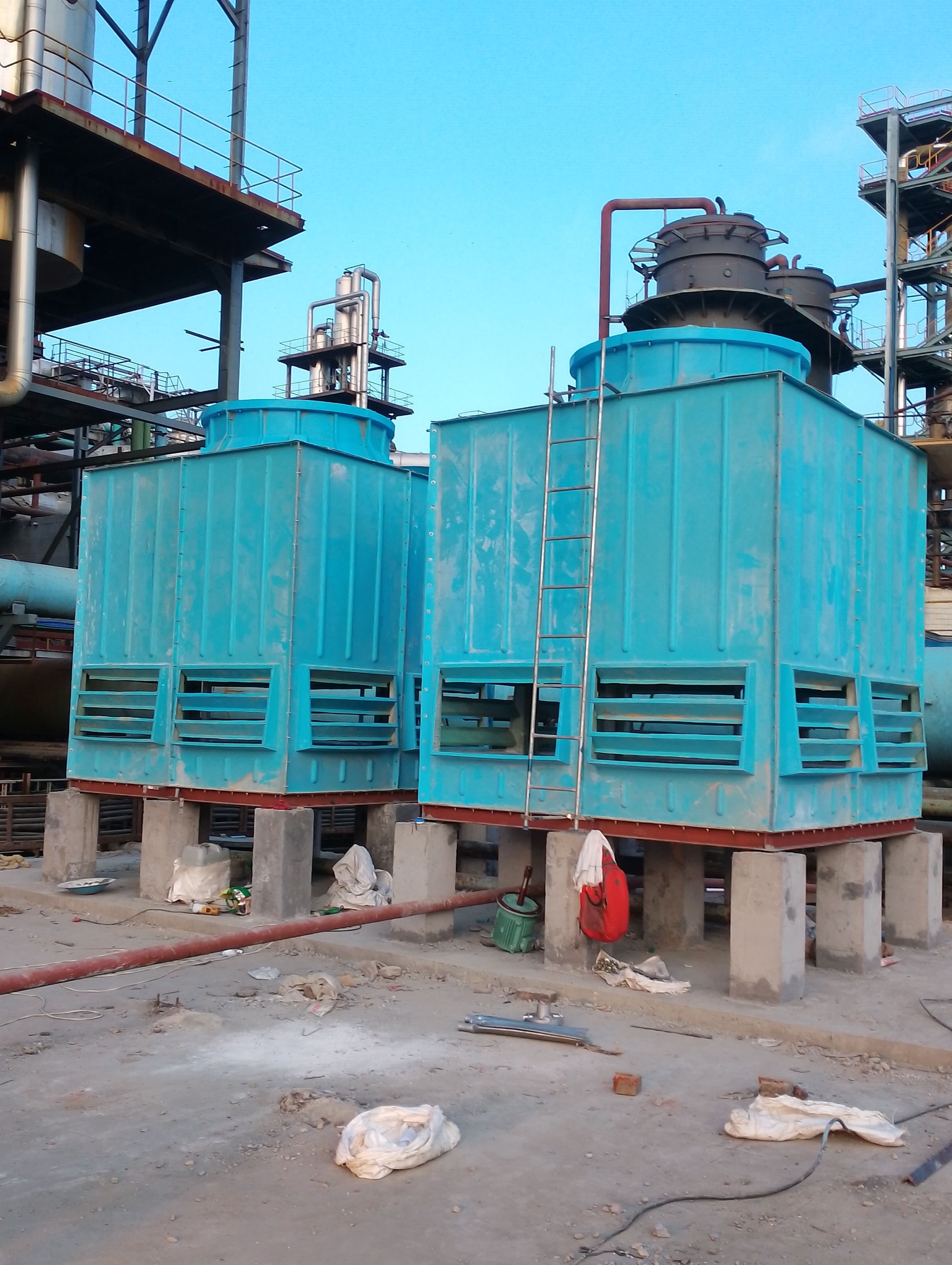
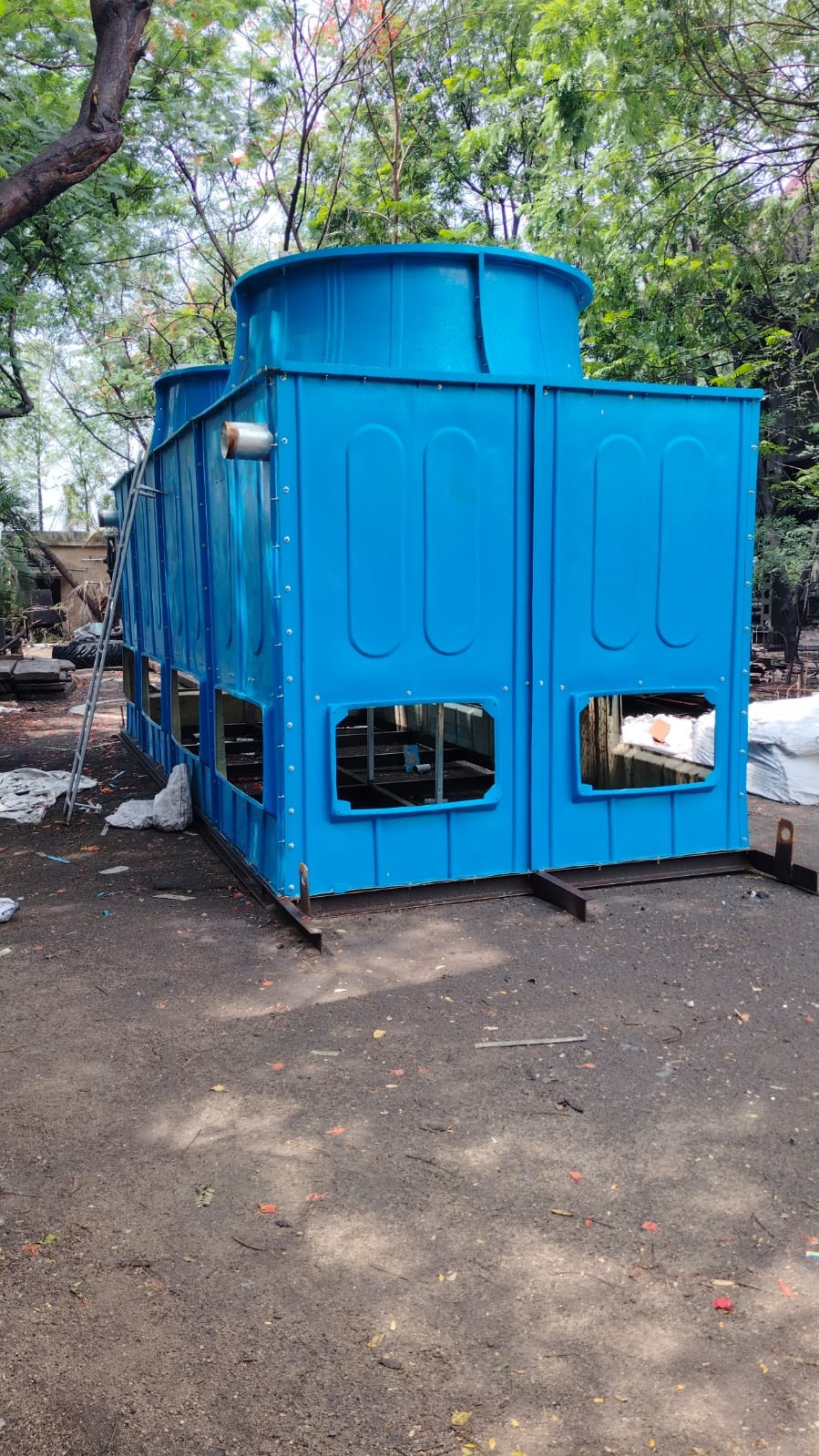
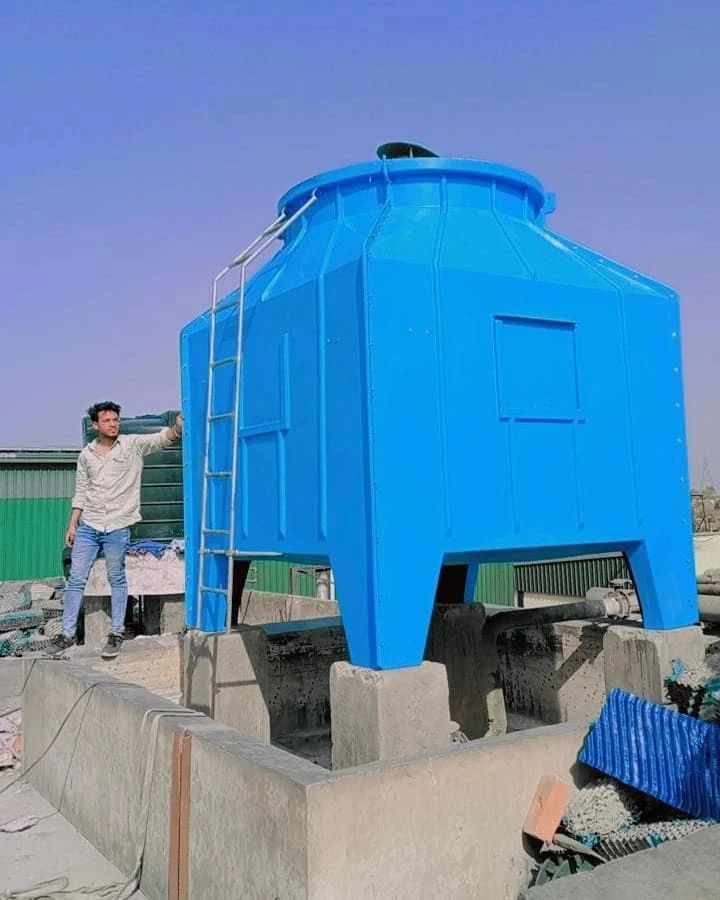
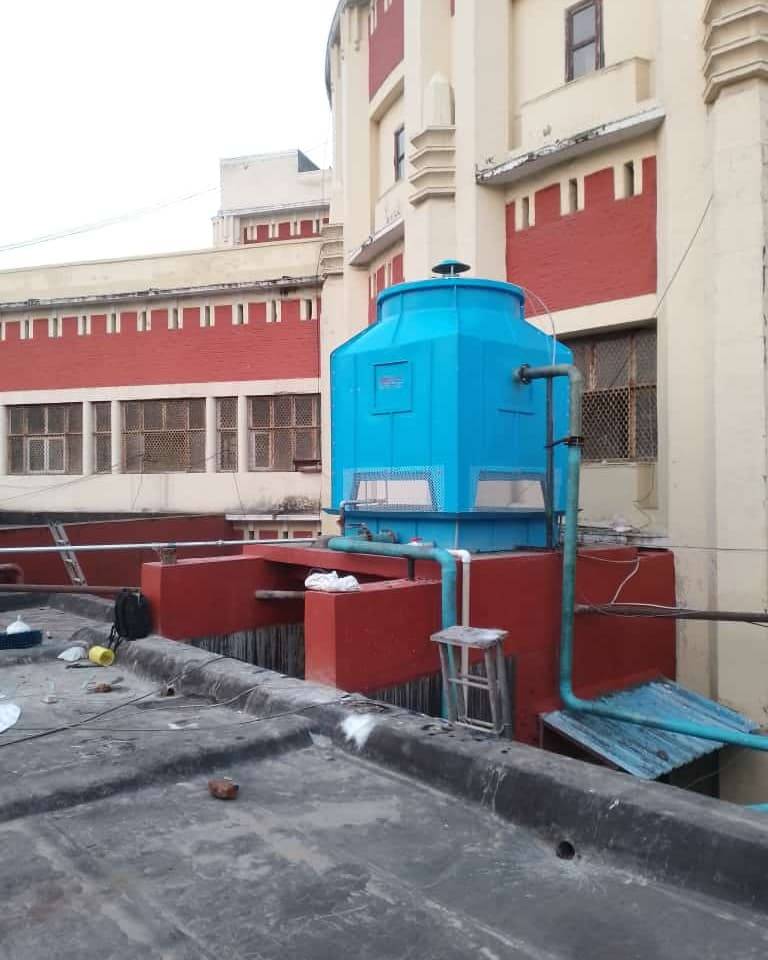
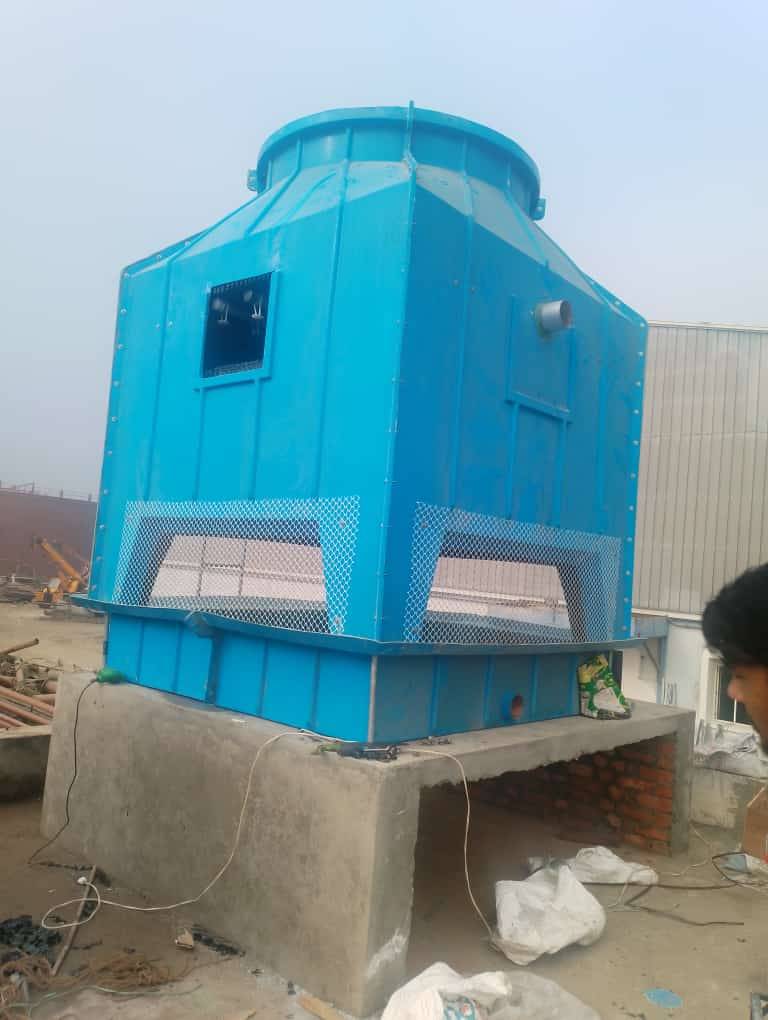
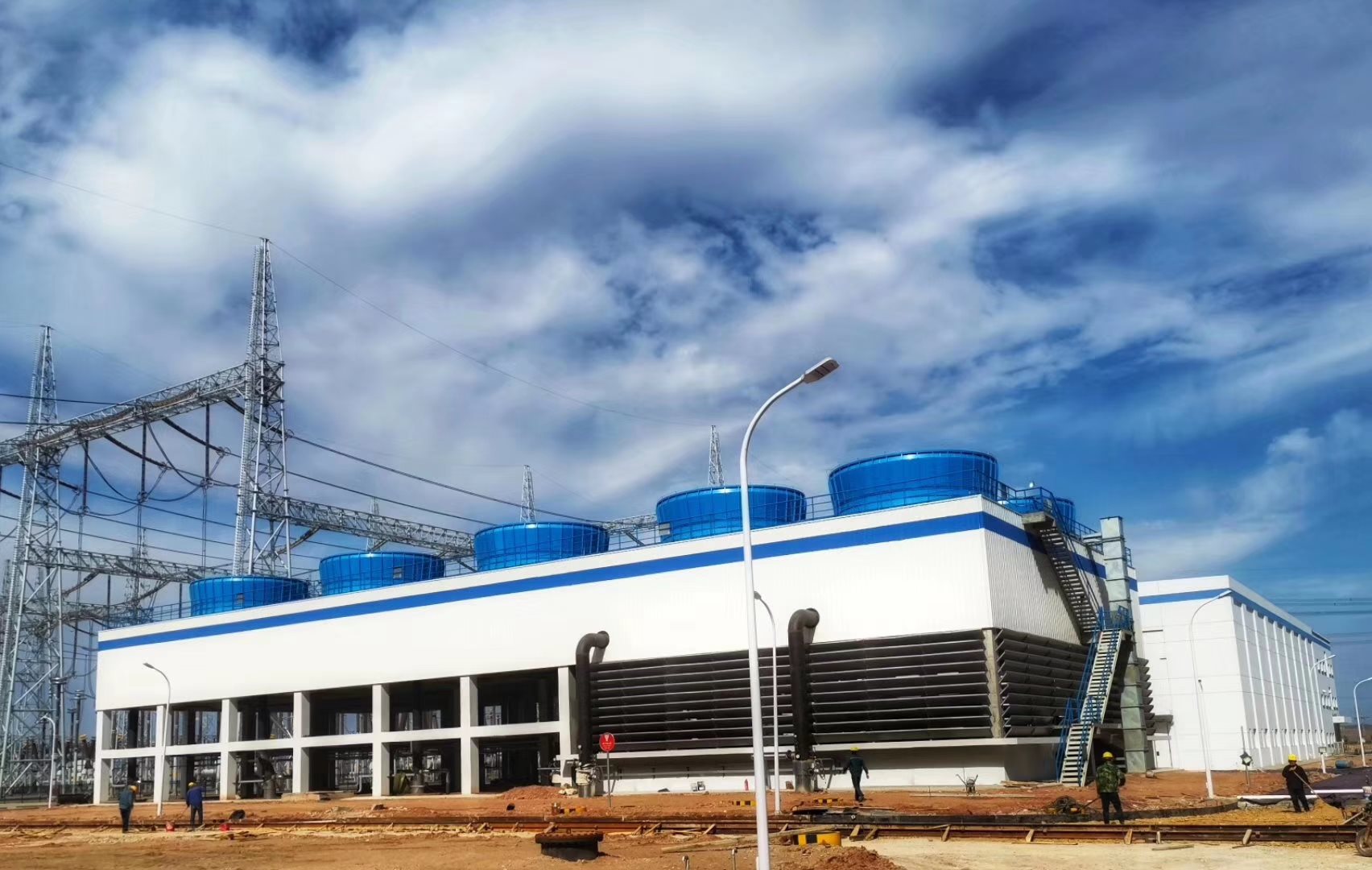
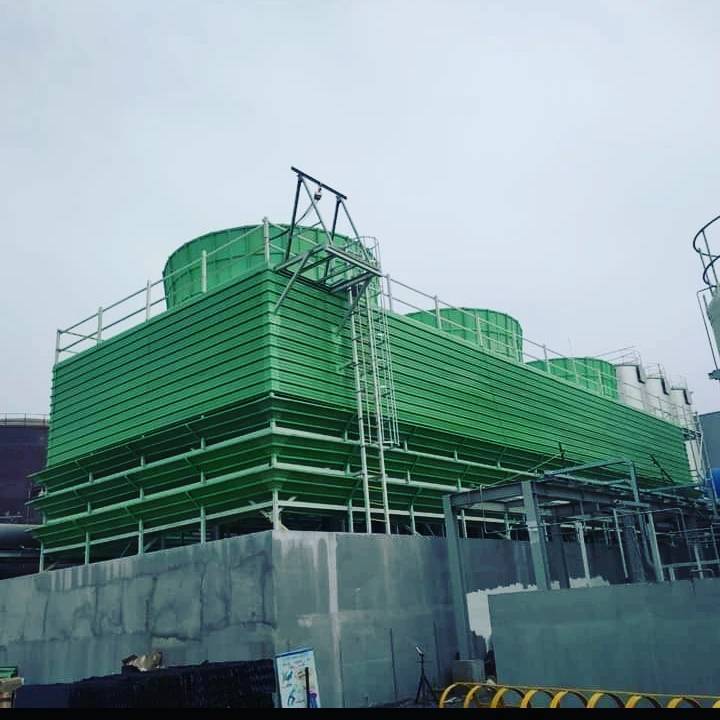
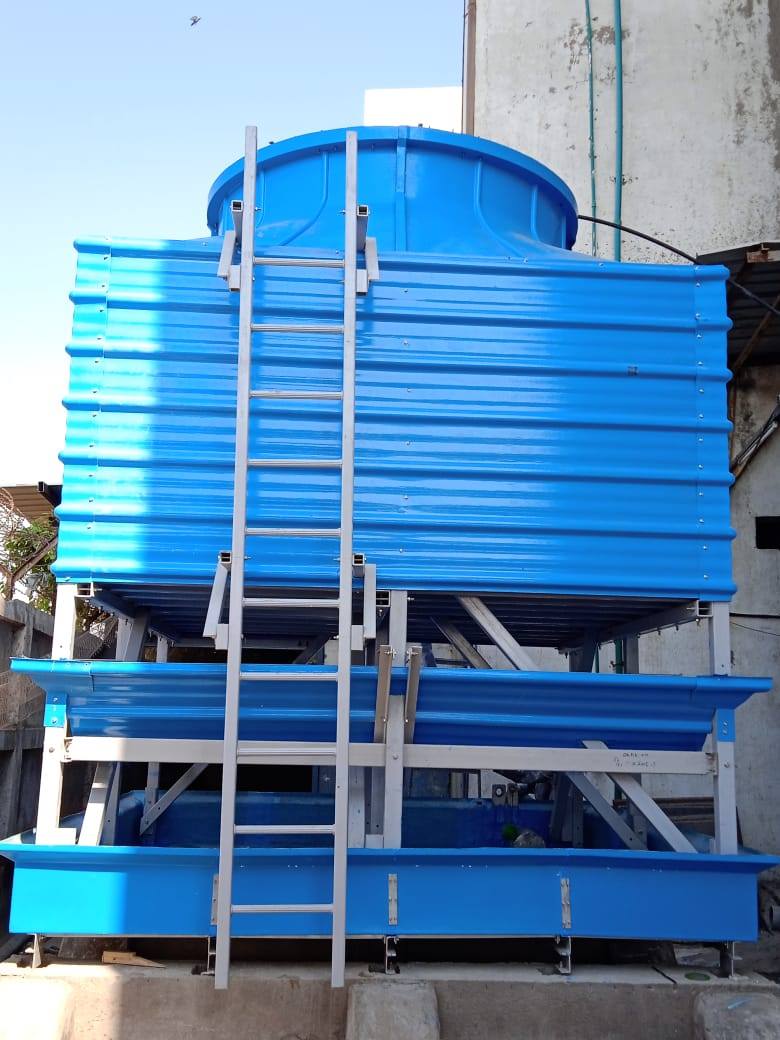
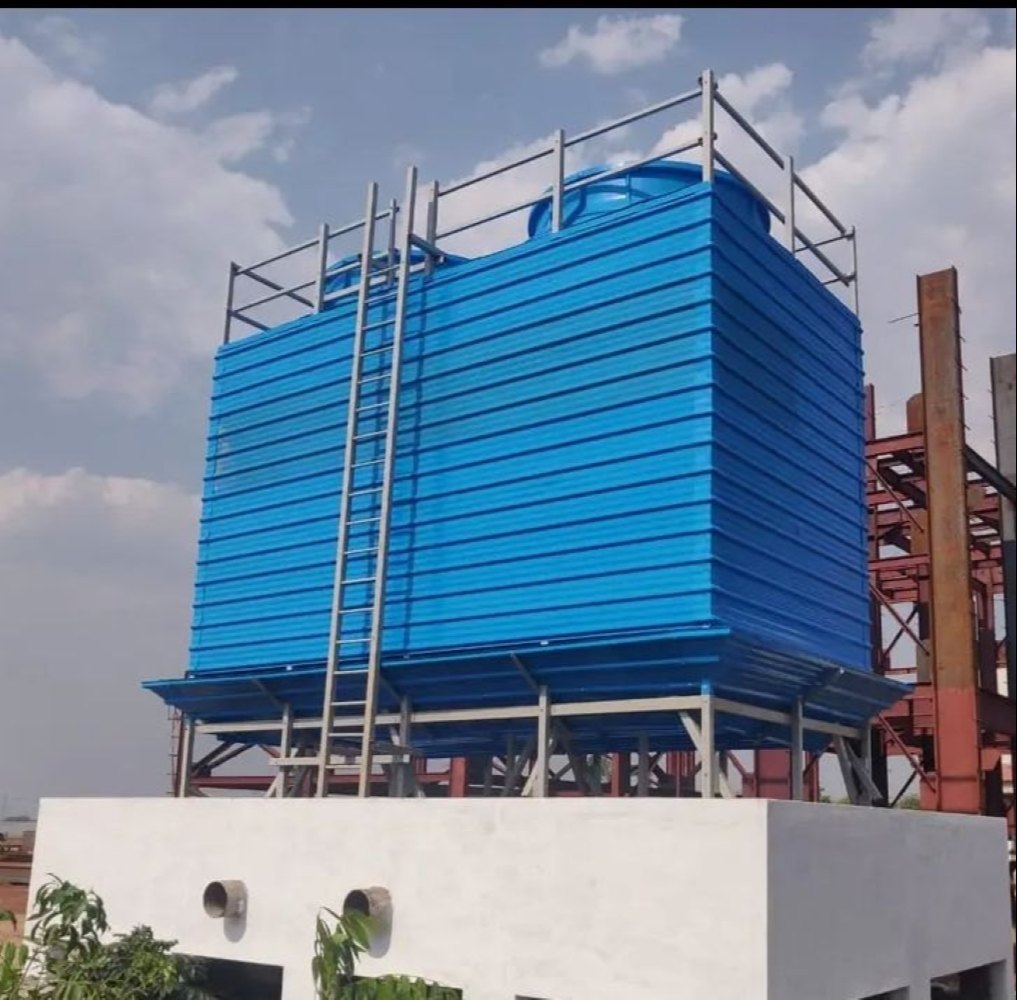
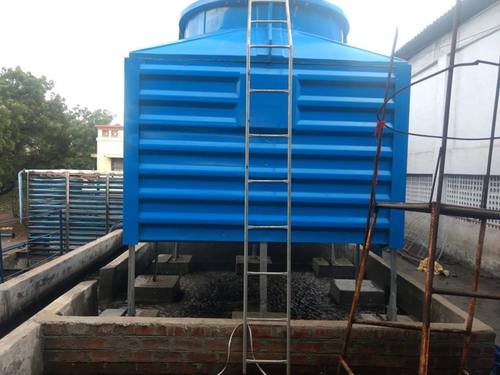
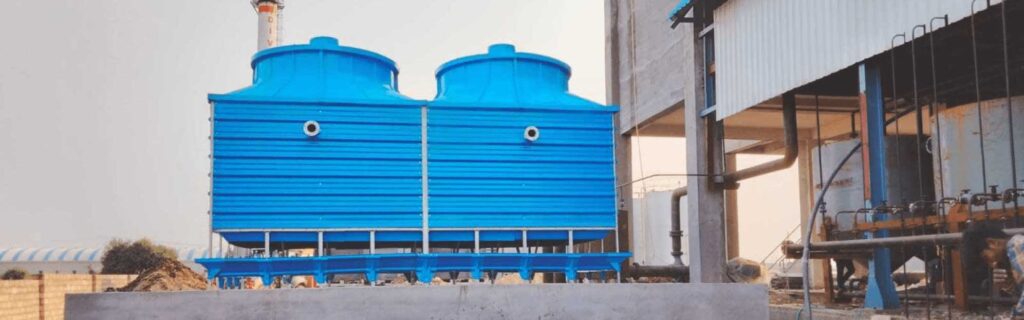
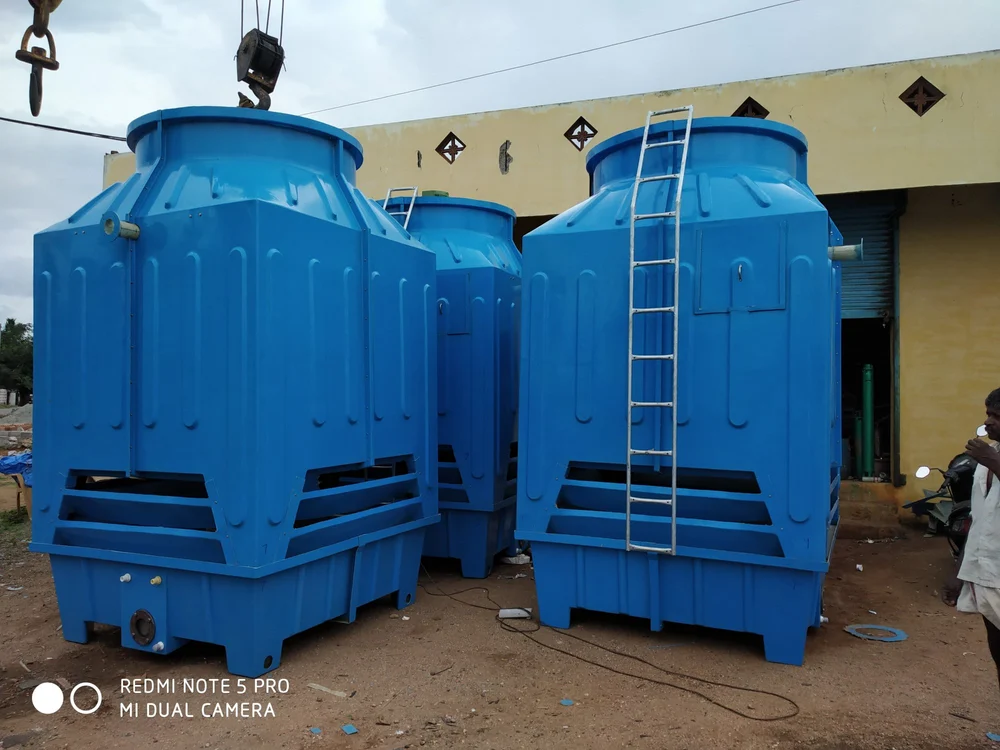
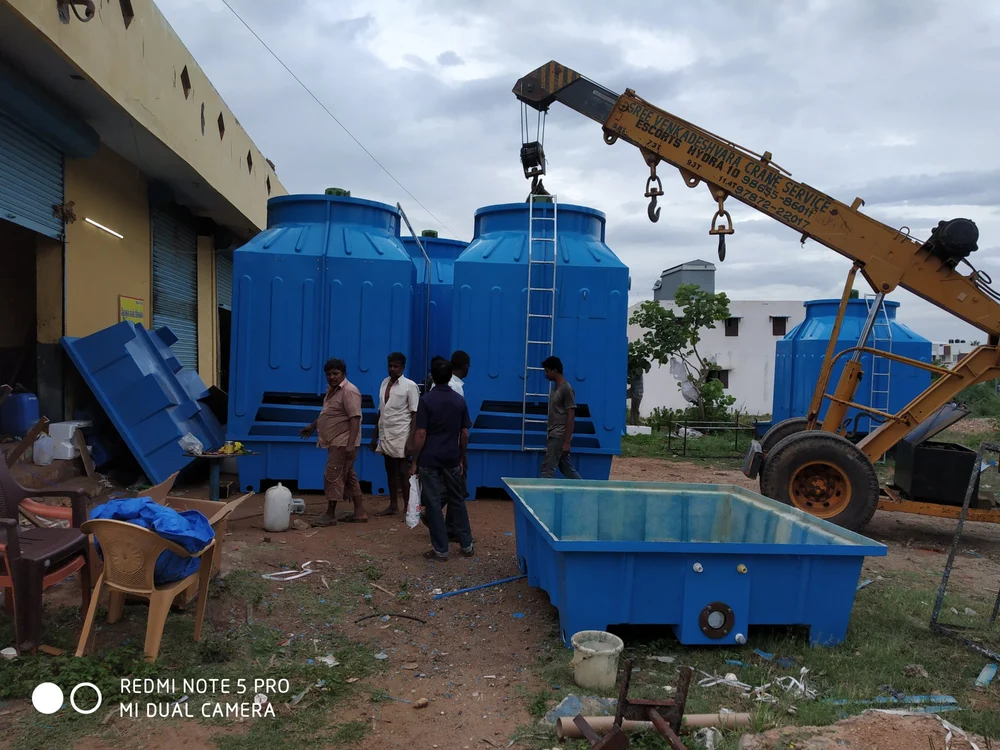
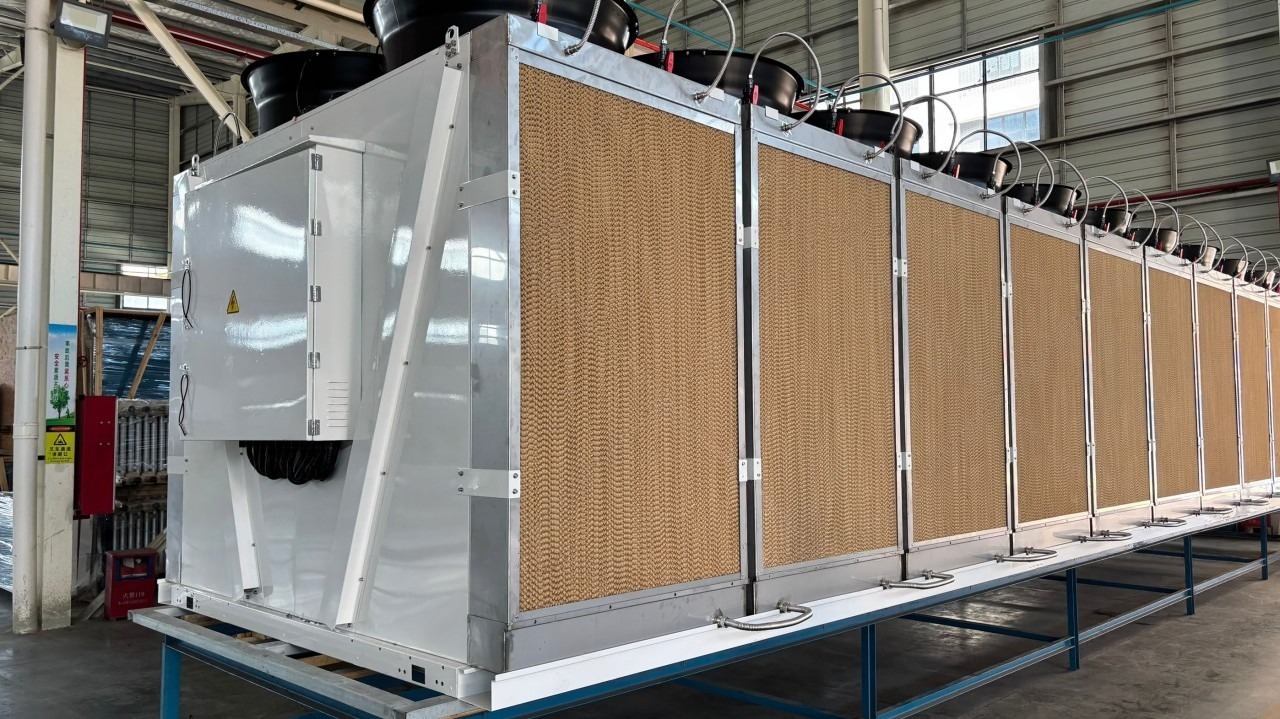
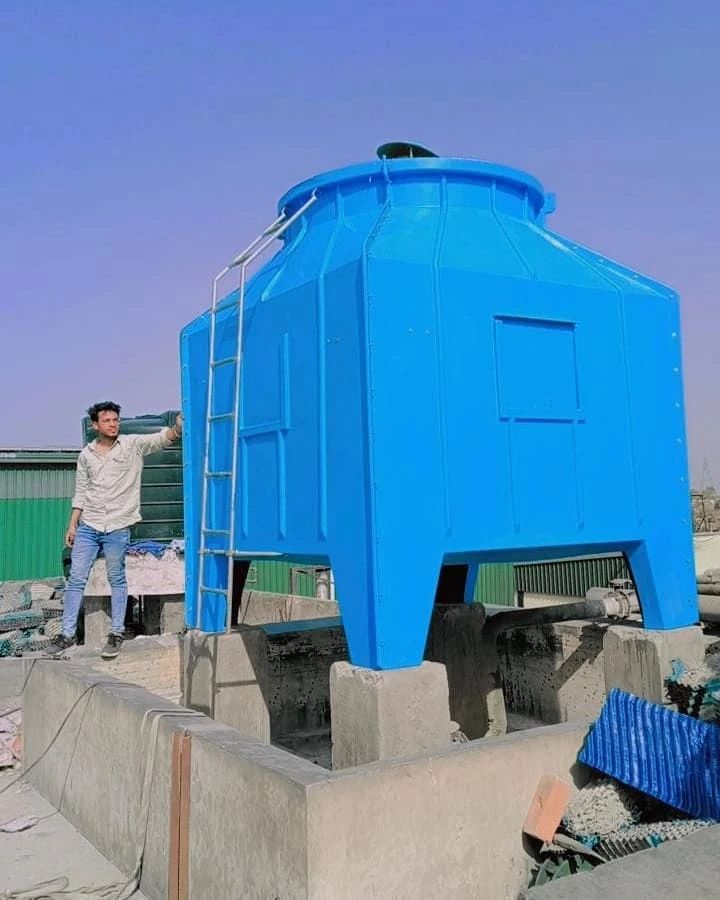
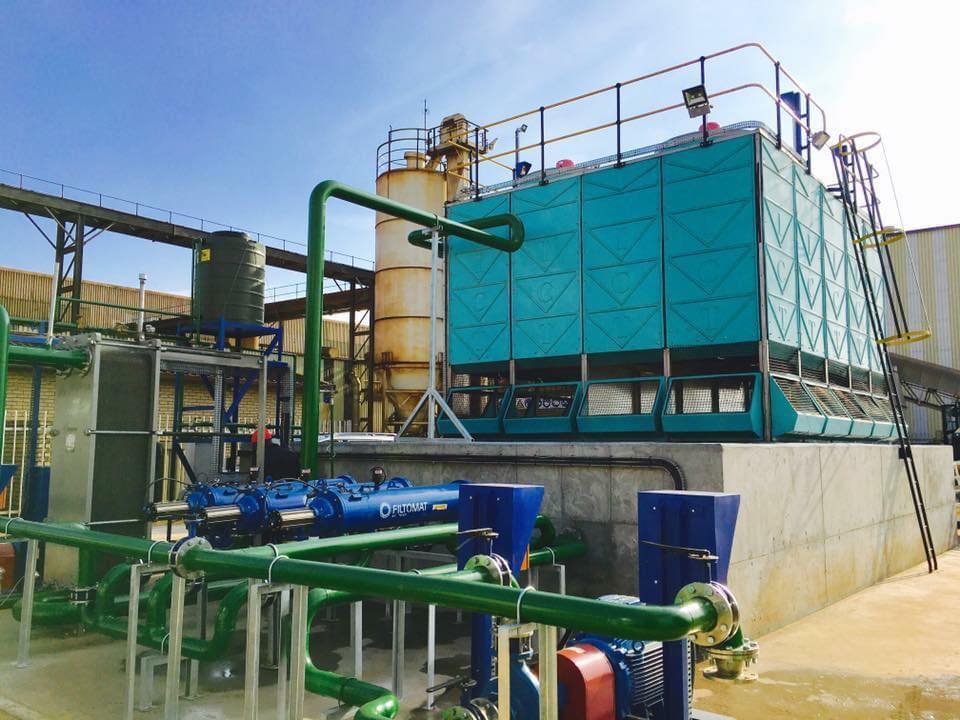
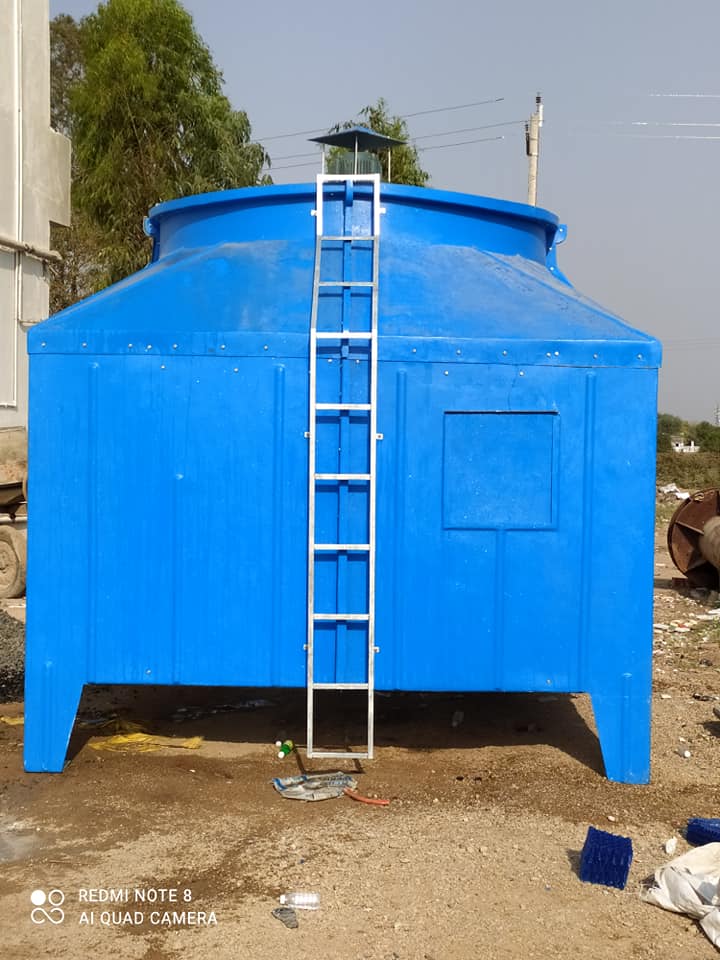
Cross Flow Cooling TowerManufacturer in United Arab Emirates

Cooling Tower Applications by Industry & Sector 1. Power Generation (The Largest Application) 2. Heating, Ventilation, and Air Conditioning (HVAC) 3. Oil Refining & Petrochemical 4. Chemical & Pharmaceutical Manufacturing 5. Heavy Industry & Manufacturing 6. Data Centers & Telecommunications 7. Miscellaneous & Specialized...

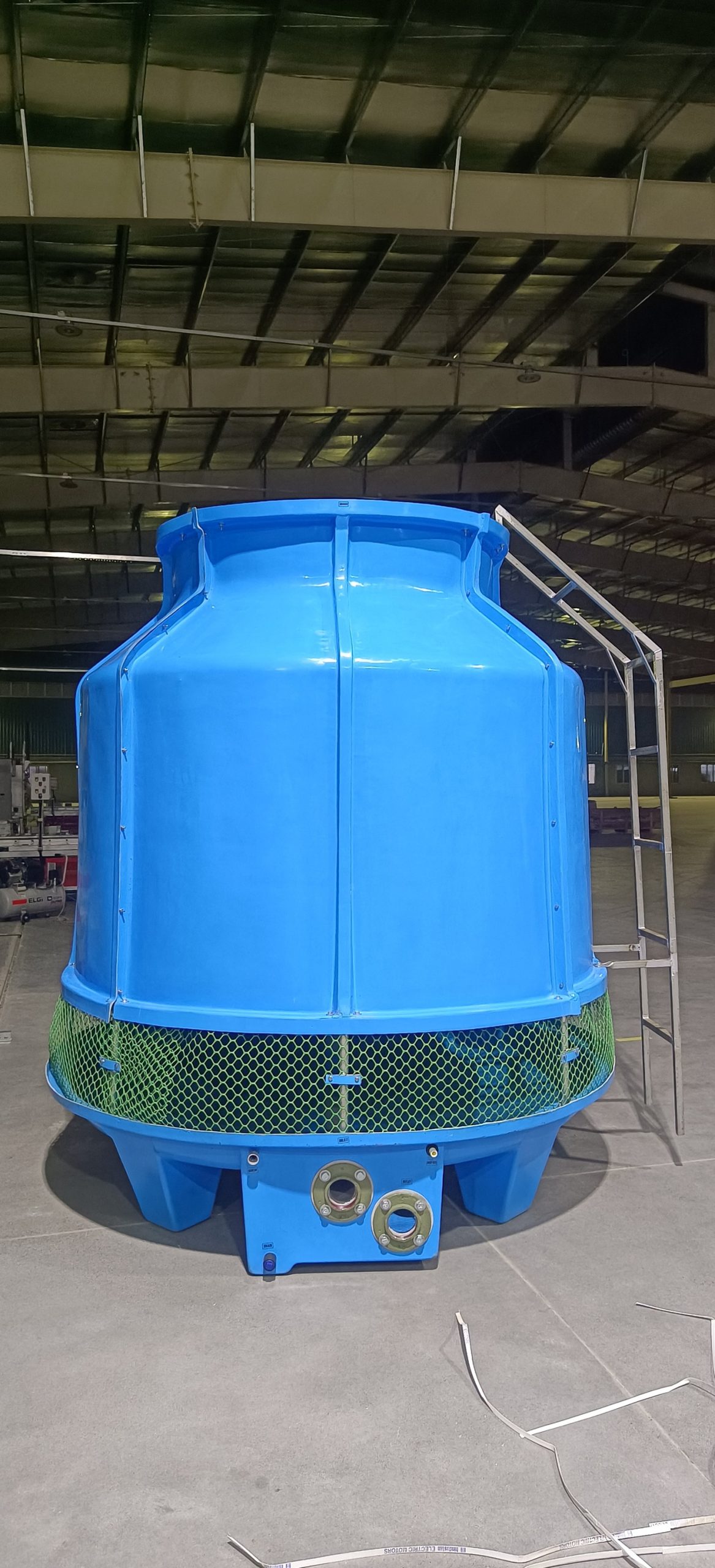
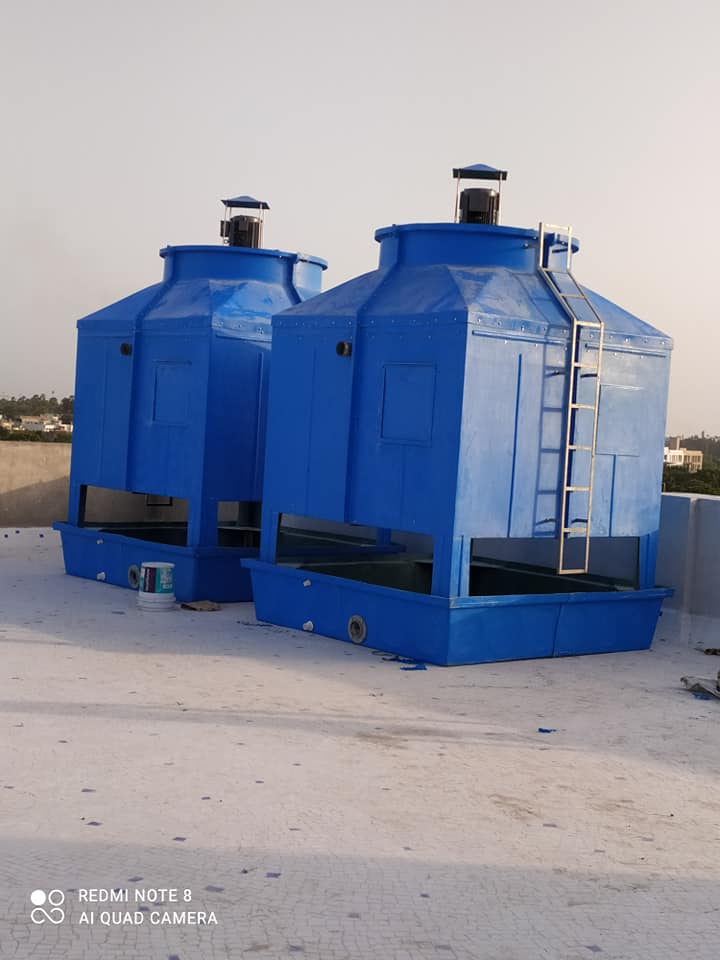
Counter Flow Cooling Tower Manufacturer in United Arab Emirates

Core Functions & Benefits Function Benefit Heat Rejection Removes large heat loads (often 10-1000+ MW) efficiently. Water Conservation Recycles 95-98% of cooling water (vs. once-through systems). Energy Efficiency Lower power consumption than air-cooled systems for same duty. Space Efficiency Smaller footprint than air-cooled heat exchangers...

Cooling tower in UAE

What Are Cooling Towers Used For? Cooling towers are primarily used to reject waste heat from industrial processes and air conditioning systems by evaporative cooling of water. Their main purpose is to provide a cost-effective and efficient method for dissipating large amounts of heat into the atmosphere, conserving water, and...

Cooling tower in United Arab Emirates

Factors Affecting Cooling Range

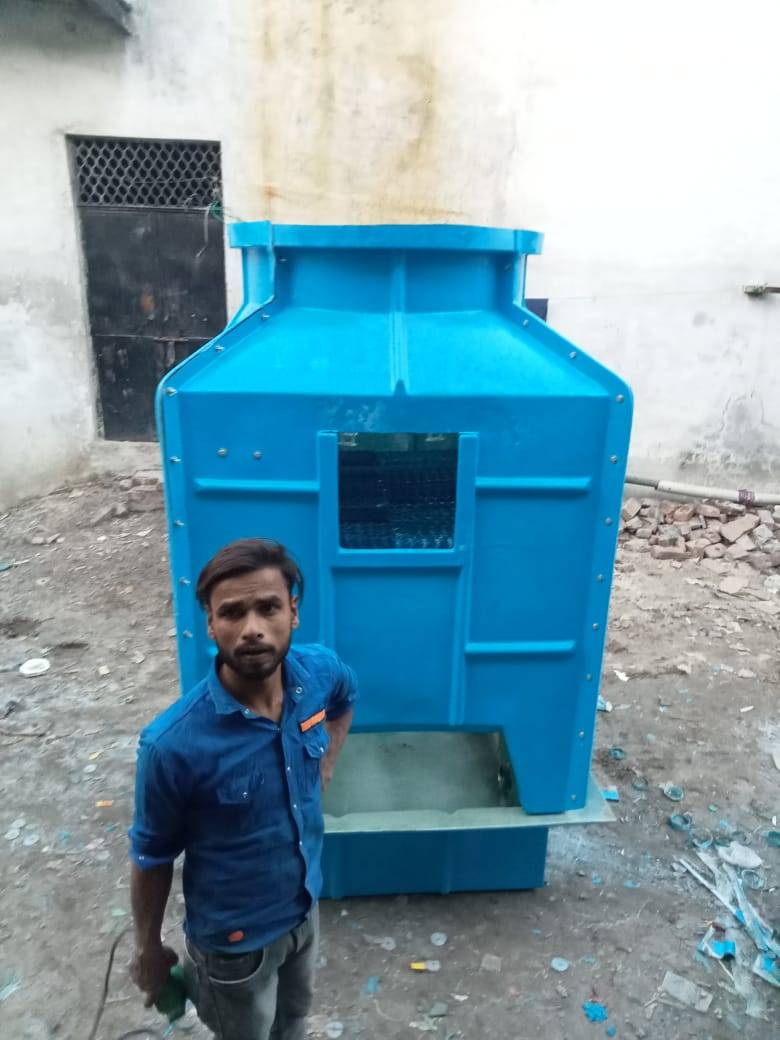
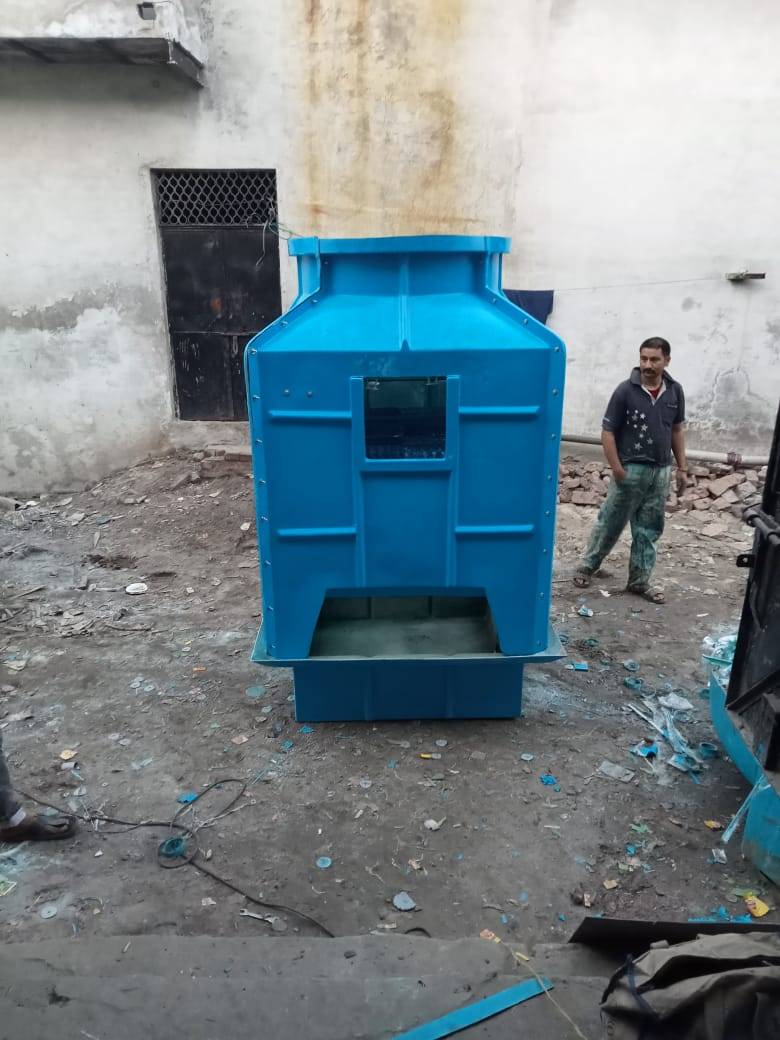
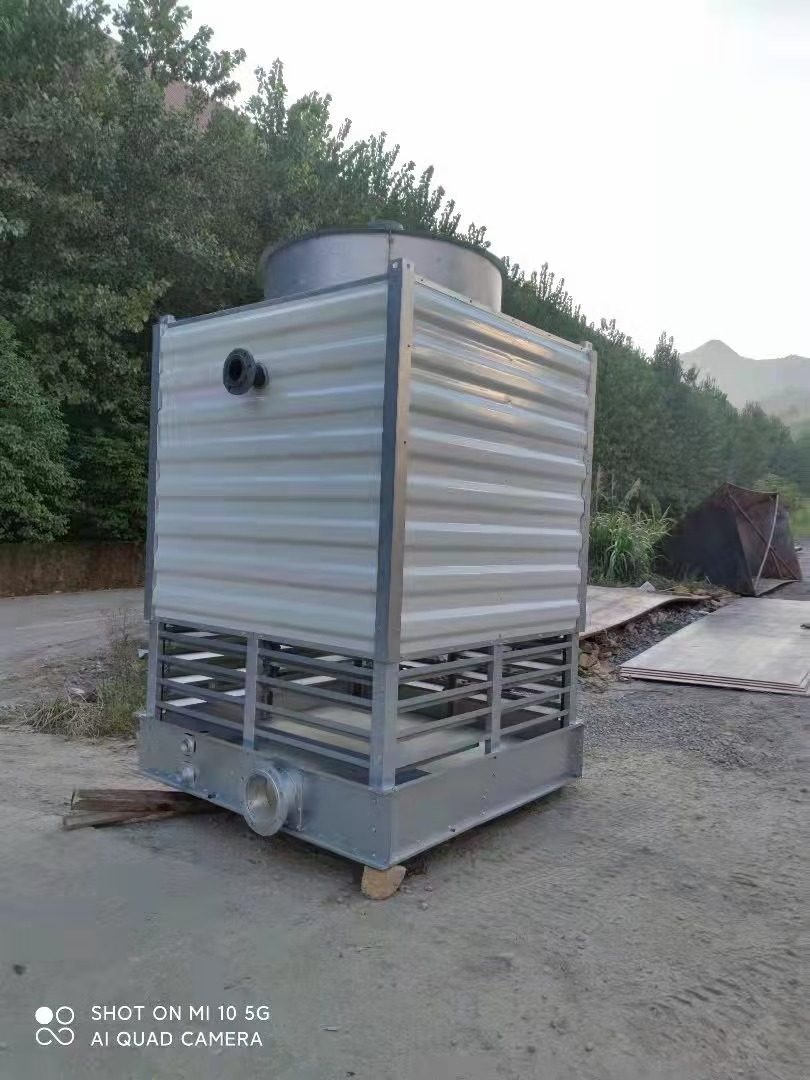
FRP Cooling Tower Supplier in UAE

Cooling Range vs. Approach Two key terms are often confused: Term Meaning Depends on Cooling Range Thot in−Tcold outThot in​−Tcold out​ Process heat load and water flow rate Approach Tcold out−Twet bulbTcold out​−Twet bulb​ Tower’s cooling efficiency and ambient conditions Wet...

FRP Cooling Tower Manufacturer in UAE

Why It’s Important

FRP Cooling Tower Supplier in United Arab Emirates

Cooling Range in a Cooling Tower Simple Definition The Cooling Range (also called Temperature Range or simply Range) is the temperature difference between the hot water entering the cooling tower and the cold water leaving it. It is expressed as:...

FRP Cooling Tower Manufacturer in United Arab Emirates

Cooling Tower Supplier in UAE

Applications of cooling tower

Cooling Tower Manufacturer in UAE

Components of cooling tower

Cooling Tower Supplier in United Arab Emirates

. By Air Flow Generation 2. By Construction 3. By Air-Water Contact

Cooling Tower Manufacturer in United Arab Emirates

A cooling tower is a specialized heat exchanger that removes waste heat from a system (like an industrial process or an HVAC system) by transferring it to the atmosphere through the cooling of water. It uses evaporation to cool down water, which is then reused in the process. How It Works (Basic Principle)

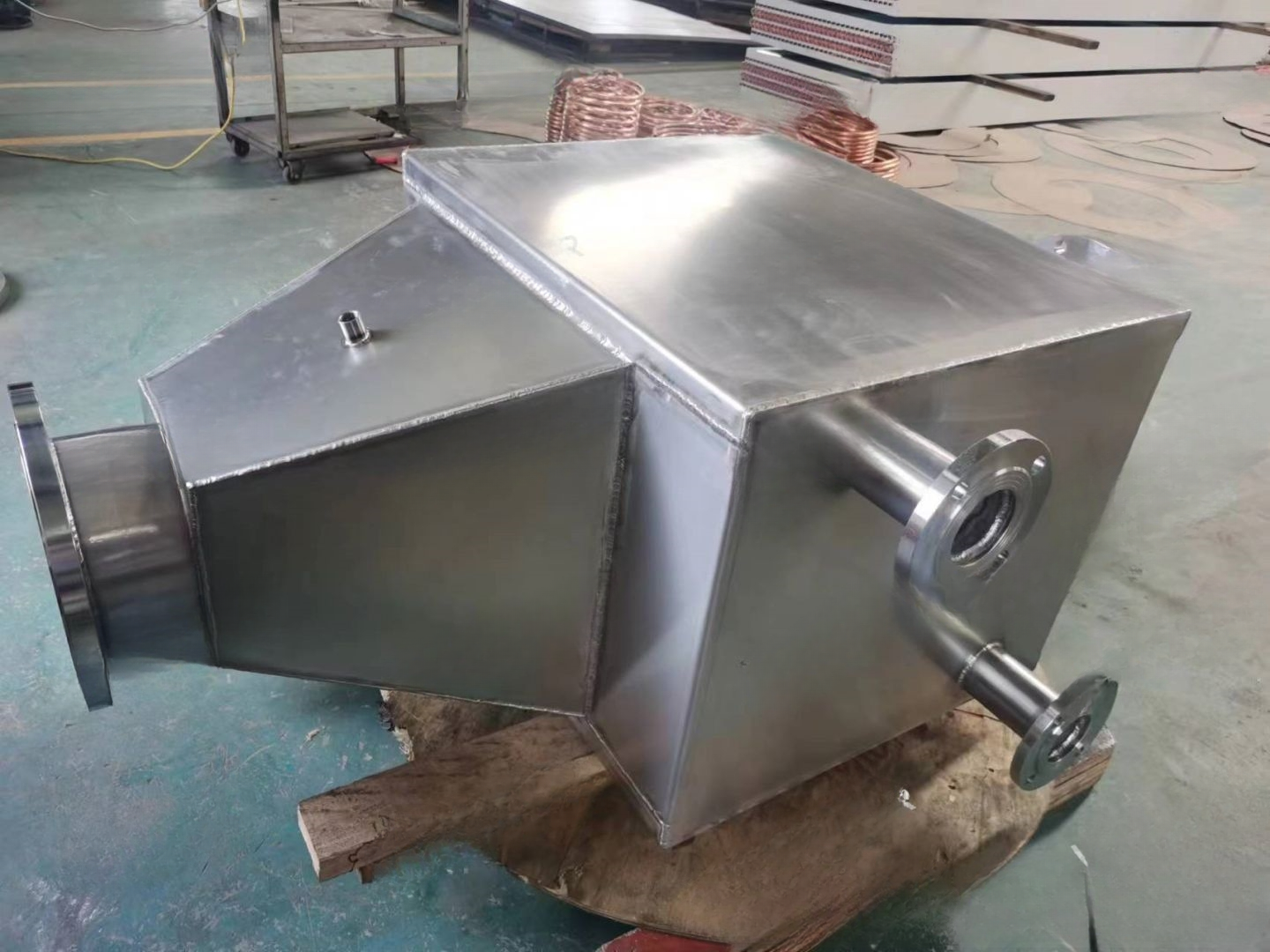
Fin Tube heat exchanger Manufacturer in Bahrain

Types of Finned tubes?  L-Finned Tubes (Wrapped / Helical Fins) Welded Fins  Extruded Fins Plate Fins Integral Low-Fin Embedded (G)

Closed Circuit cooling Tower Supplier in UAE

When to Choose Titanium tubes in heat exchanger? Choosing titanium tubes for a heat exchanger is a strategic decision driven by its unique and exceptional corrosion resistance, albeit at a higher initial cost. Here is a clear guide on when to specify titanium tubes. Primary Reason: Unmatched Corrosion Resistance You choose titanium when the...

Adiabatic cooling tower Manufacturer in Algeria

Effect of high Ambient Temperature in Adiabatic cooling tower The effect of high ambient temperature on an adiabatic cooling tower is significant and is the primary reason this technology is chosen. However, it introduces specific operational challenges. Here’s a detailed breakdown of the effects, both on performance and system operation. The...

Cooling Tower Manufacturer in Jordan

A Hybrid Cooling Tower is a sophisticated cooling system that combines the technologies of both wet (evaporative) and dry (air-cooled) cooling towers into a single unit. Its primary purpose is to optimize performance and efficiency while significantly reducing water consumption compared to a traditional wet tower. The...

Cooling Tower Manufacturer in Ghana

Pultruded Cooling Tower A Pultruded Cooling Tower is a cooling tower whose structural framework is made from pultruded FRP (Fiberglass Reinforced Plastic) sections instead of traditional materials like wood, steel, or concrete. Pultrusion – Quick Note Key Features of Pultruded Cooling Towers Applications

Cooling Tower Manufacturer in Egypt

Cooling Tower Sprinkler System: Purpose, Types & Best Practices Cooling towers rely on efficient water distribution for optimal heat transfer. A sprinkler system (also called water distribution system) ensures even water flow over the fill media to maximize evaporation and cooling. 1. Purpose of Sprinkler Systems in Cooling Towers...

Cooling Tower Manufacturer in Saudi Arabia

Bottle-Shaped Cooling Tower: Design, Features & Applications A bottle-shaped cooling tower (also called “bottle-type” or “round counterflow” cooling tower) is a type of natural draft cooling tower commonly used in power plants and large industrial facilities. Its distinctive hyperbolic or cylindrical...

Cooling Tower Manufacturer in United Arab Emirates

Types of Fan Blade Materials Used in Cooling Towers Cooling tower fans are critical for airflow and heat exchange efficiency. The choice of fan blade material depends on factors like corrosion resistance, strength, weight, cost, and environmental conditions. Here are the most common materials used: 1. Aluminum Alloy Advantages: Lightweight,...

Cooling Tower Manufacturer in Bahrain

  Field-Erected Cooling Towers (FEP) are the go-to solution for large-scale industrial cooling where high capacity, customization, and durability are critical. While they require a higher upfront investment and longer installation time, their long-term efficiency and adaptability make them ideal for power plants, refineries, and heavy...

Cooling Tower Manufacturer in Kuwait

Field-Erected Cooling Towers (FEP) Field-Erected Cooling Towers (FEP) are large-scale cooling systems constructed on-site, designed for heavy-duty industrial applications where high cooling capacity, customization, and long-term durability are required. Unlike factory-assembled (packaged) cooling towers, FEP towers are built piece-by-piece at the...

Cooling Tower Manufacturer in Qatar

Types of Factories Assembled Cooling Towers 1. Induced Draft vs. Forced Draft Feature Induced Draft FAP Forced Draft FAP Fan Position Top (pulls air) Bottom (pushes air) Efficiency Higher (less recirculation) Lower (fan works against pressure) Noise Level Quieter (fan inside tower) Louder (fan exposed) Maintenance Easier (accessible fan) Harder...

Cooling Tower Manufacturer in Yemen

Factory Assembled Cooling Towers (FAP) – Overview Factory Assembled (Packaged) Cooling Towers (FAP) are pre-engineered, pre-fabricated cooling towers that are manufactured in a controlled factory environment and shipped as complete units to the installation site. They are designed for quick and easy installation, making them ideal for...

Cooling Tower Manufacturer in Egypt

Cooling towers are heat rejection devices used to transfer waste heat to the atmosphere. They are commonly used in HVAC, industrial processes, and power plants. Cooling tower systems can be classified based on various factors, including airflow generation, heat transfer method, and construction design. 1. Based on Airflow Generation Method A....

Cooling Tower Manufacturer in Oman

Why Use Cooling Towers? Energy Savings: Recirculating water cuts power vs. air-cooled systems.Water Efficiency: Evaporative cooling uses less water than once-through systemCompact Footprint: High heat rejection in small spaces (vs. lakes/ponds). Did You Know? A single nuclear plant cooling tower can circulate 500,000+ gallons of water per...

Cooling Tower Manufacturer in Saudi Arabia

Cooling Tower Applications   Cooling towers are critical in industries and systems where efficient heat rejection is required. Below is a detailed breakdown of their key applications, categorized by industry and function: 1. Power Generation Nuclear Power Plants Cools steam from turbines in the condenser (prevents overheating). Hyperboloid...

Cooling Tower Manufacturer in India

Cooling Tower Parts & Functions A cooling tower is a heat rejection device that removes waste heat from a water stream and releases it into the atmosphere. It is commonly used in industries, power plants, and HVAC systems. Below are the main parts of a cooling tower and their functions: 1. Cooling Tower Structure (Frame & Casing)...

Cooling Tower Manufacturer in Bahrain

list of cleaning chemicals used for cooling tower descaling, disinfection, and maintenance, categorized by their function: 1. Descaling Chemicals (Mineral Deposit Removal) These remove limescale, calcium, and other hard deposits. Chemical Best For Notes Hydrochloric Acid (HCl) Calcium carbonate (CaCO₃) scale Highly effective but corrosive;...

Cooling Tower Manufacturer in Djibouti

Cooling tower descaling is the process of removing limescale, mineral deposits, and other fouling materials that accumulate over time in cooling towers. These deposits can reduce heat transfer efficiency, increase energy consumption, and lead to corrosion or microbial growth if left untreated. Common Types of Scale in Cooling Towers: Calcium...

Cooling Tower Manufacturer in Qatar

The water quality in a cooling tower significantly impacts its performance, efficiency, and lifespan. Poor water quality can lead to scale formation, corrosion, microbiological growth (like Legionella), and fouling, which reduce heat transfer efficiency and increase maintenance costs. Here’s a breakdown of the key effects: 1. Scale Formation...

Cooling Tower Manufacturer in Yemen

In cooling towers, the choice between direct drive fans and gear drive fans depends on factors like efficiency, maintenance, noise, and cost. Below is a comparison: 1. Direct Drive Fan No Gearbox: The motor is directly connected to the fan shaft.Higher Efficiency: Fewer mechanical losses (no gearbox friction).Lower Maintenance: No gearbox means...

Cooling Tower Manufacturer in Oman

Gear-driven fans are a critical component in many industrial cooling towers, providing reliable airflow to facilitate heat exchange. Here’s a detailed breakdown of their function, advantages, and considerations: 1. How Gear-Driven Fans Work Power Transmission: A motor drives a speed reducer (gearbox), which adjusts the rotational speed to...

Cooling Tower Manufacturer in Saudi Arabia

Belt-Driven Fans in Cooling Towers Belt-driven fans are a common and cost-effective method of transferring power from the motor to the fan in cooling towers. They use belts and pulleys to control speed and torque, making them a versatile choice for many applications. How Belt-Driven Fans Work Types of Belts Used Advantages of Belt-Driven Fans...

Cooling Tower Manufacturer in United Arab Emirates

Selection Factors for Fan Drives Load Variability → VFD or EC motors for variable loads.Energy Efficiency Goals → Direct-drive, VFD, or EC motors.Maintenance Capability → Belt-driven requires more upkeep.Cooling Tower Size → Gear drives for very large fans.Budget → Belt-driven is cheapest upfront; EC/VFD saves long-term energy costs....

Cooling Tower Manufacturer in India

Cooling Tower Fan Drive Types   Cooling tower fans are critical for airflow generation, and their drive systems impact efficiency, maintenance, and operational flexibility. The main types of fan drives include: 1. Belt-Driven Fans Mechanism: Uses belts (V-belts or synchronous cogged belts) and pulleys to transfer power from the motor to the fan....

Gravity Feed Spray System

Gravity Feed Spray System is a type of paint or fluid application method where the material container (typically a cup) is mounted on top of the spray gun, allowing gravity to assist in feeding the material into the nozzle. Unlike siphon-feed systems that rely on vacuum pressure, gravity-fed guns utilize natural downward flow, enabling better...

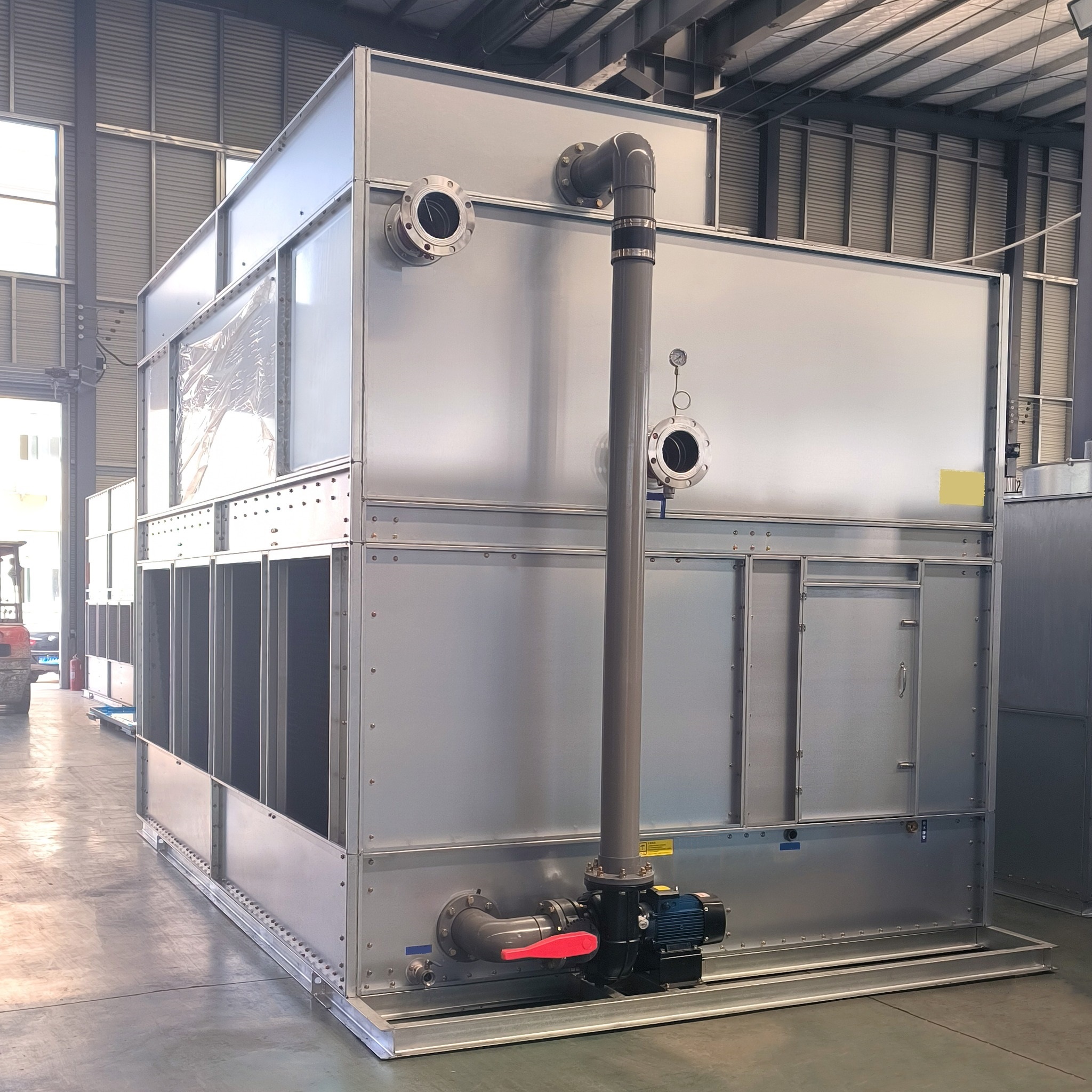
Closed circuit Cooling tower Manufacturer in UAE

Closed circuit cooling towers, also known as evaporative fluid coolers, keep the system clean and contaminant-free in a closed loop. This creates two separate fluid circuits: (1) an external circuit, in which spray water circulates over the coil and mixes with the outside air, and (2) an internal circuit, in which the process fluid to […]

Adiabatic cooling tower manufacturer in India

An adiabatic cooling tower is a type of heat rejection system that combines dry cooling and evaporative cooling principles to efficiently cool water or other process fluids. It’s designed to reduce water consumption and energy usage compared to traditional cooling towers, especially in warmer climates. Key Features: Adiabatic cooling towers...

Cross Flow Cooling Tower Manufacturer in India

The basic components of an evaporative tower are: Frame and casing, fill, cold water basin,  drift eliminators, air inlet, louvers, nozzles and fans.   In the early days of cooling tower manufacture, towers were constructed primarily of wood. Wooden components included the frame, casing, louvers, fill, and often the cold-water basin. If the basin...

Dry Cooling Tower Manufacturer in UAE

Air-cooled heat exchangers represent a growing segment of equipment being applied in the heat transfer field. It is quite common, these days, for air-cooled heat exchangers to handle more than half the heat dissipation load in a refinery or petrdeg Chemical plant. This rapid growth has deg Ccurred because of certain advantages inherent in...

Pultruded Cooling Tower Supplier in United Arab Emirates

1.High heat transfer performance with lower back pressure. Condensation occurs inside the tube, while evaporation occurs outside.Heat transfer performance depends on the wet bulb temperature, which is generally 8-14℃ lower than the dry bulb temperature.Single-stage heat exchange. 2. Water conservation. The circulation water is only 1/5 of the...
1 6 7 8 9