Blog

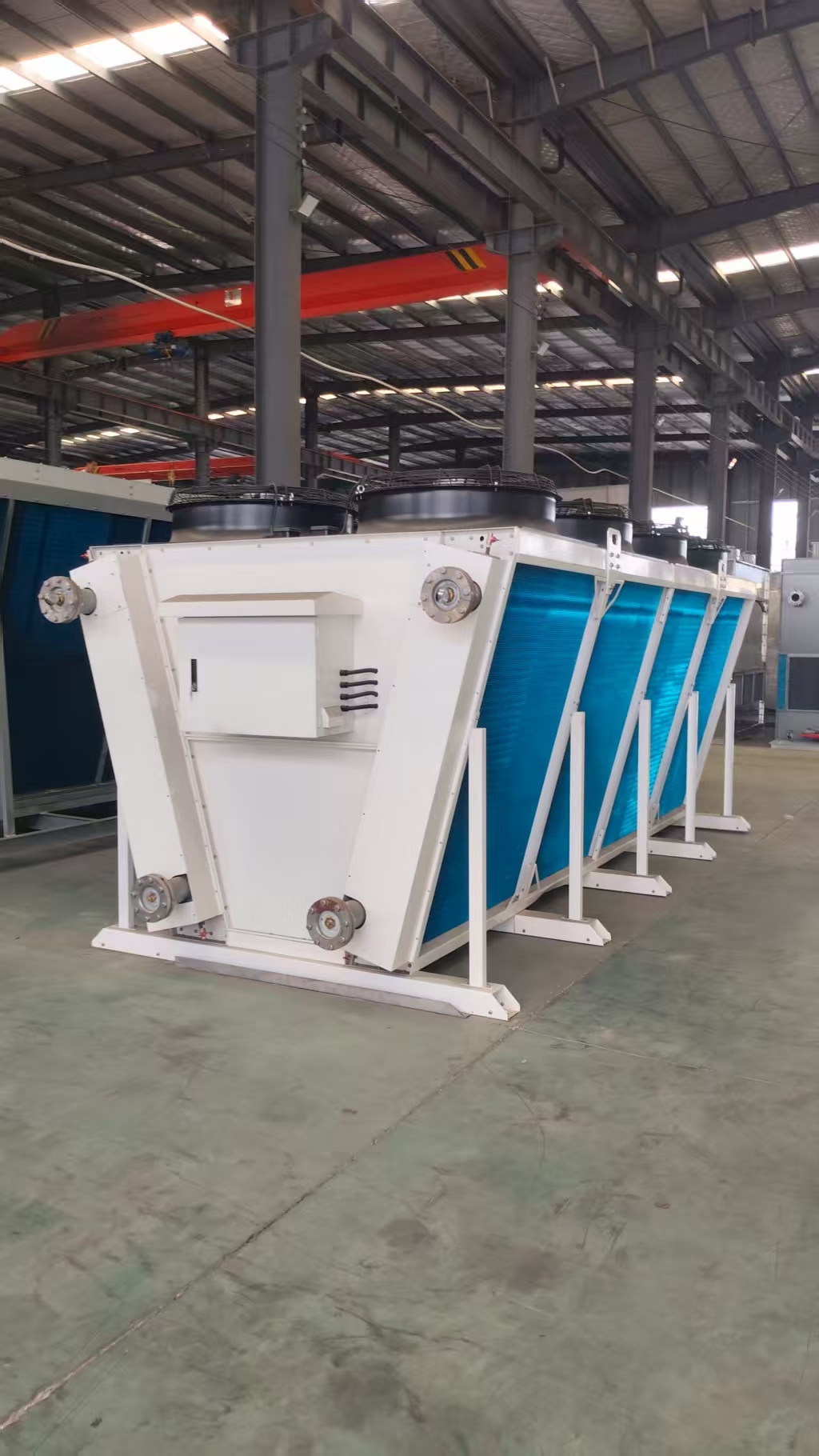
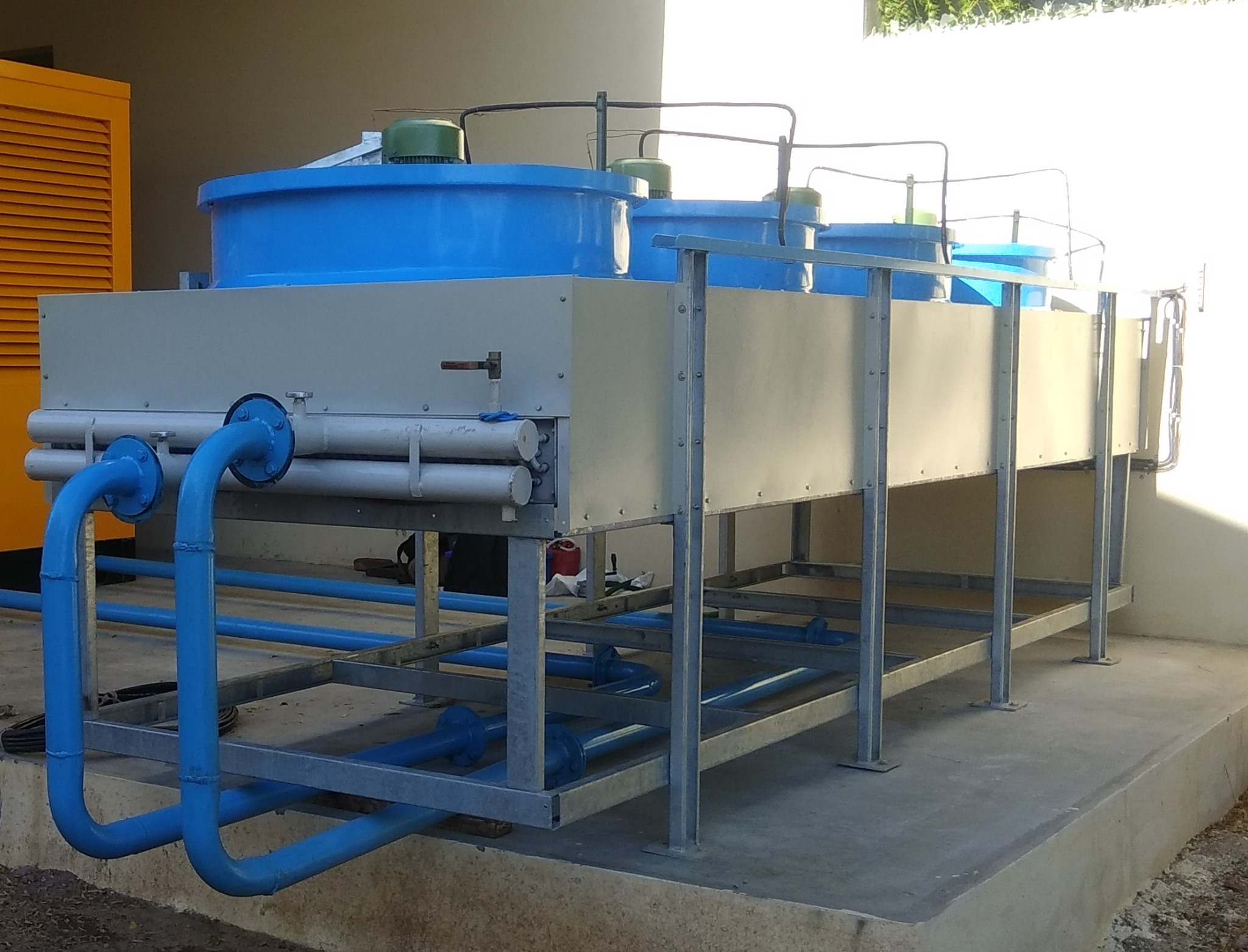
Adiabatic cooling tower Manufacturer in South Africa

Choose a DRY COOLER if: Decision Summary Table Factor Choose Adiabatic Cooler… Choose Wet Tower… Choose Dry Cooler… Water Availability Limited Abundant Scarce / Prohibited Process Fluid Must be kept clean Can be exposed Must be kept clean Climate Variable / Moderate Hot / Dry Cold / Moderate Efficiency Need High, but water-saving...
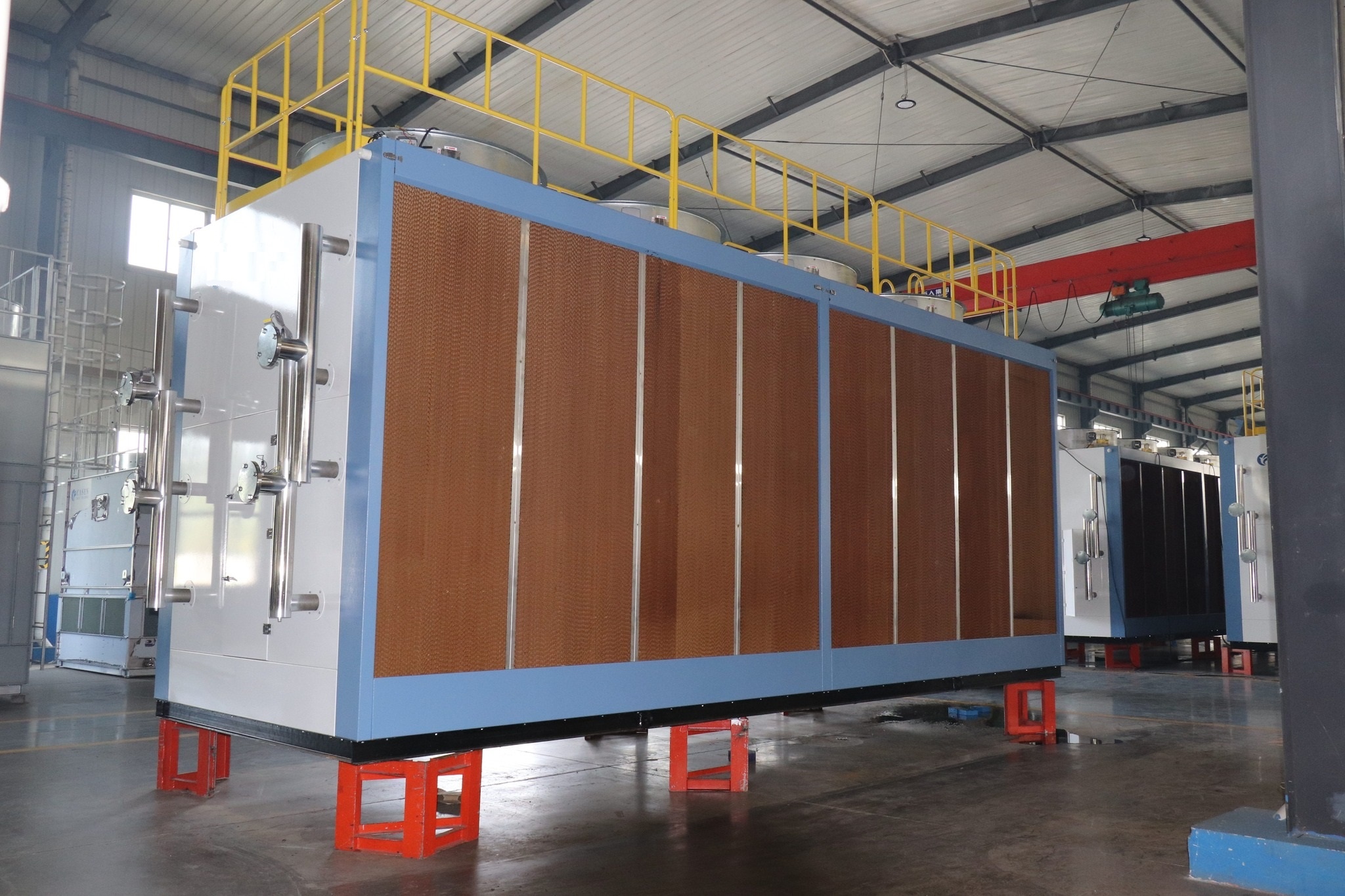
Adiabatic cooling tower Manufacturer in Yemen

When to Choose Adiabatic cooling tower Choosing an adiabatic cooling tower is a strategic decision that hinges on balancing performance, environmental conditions, water availability, and the specific needs of the process being cooled. Here is a clear guide on when to choose an adiabatic cooling tower, broken down into key decision factors. Ideal...

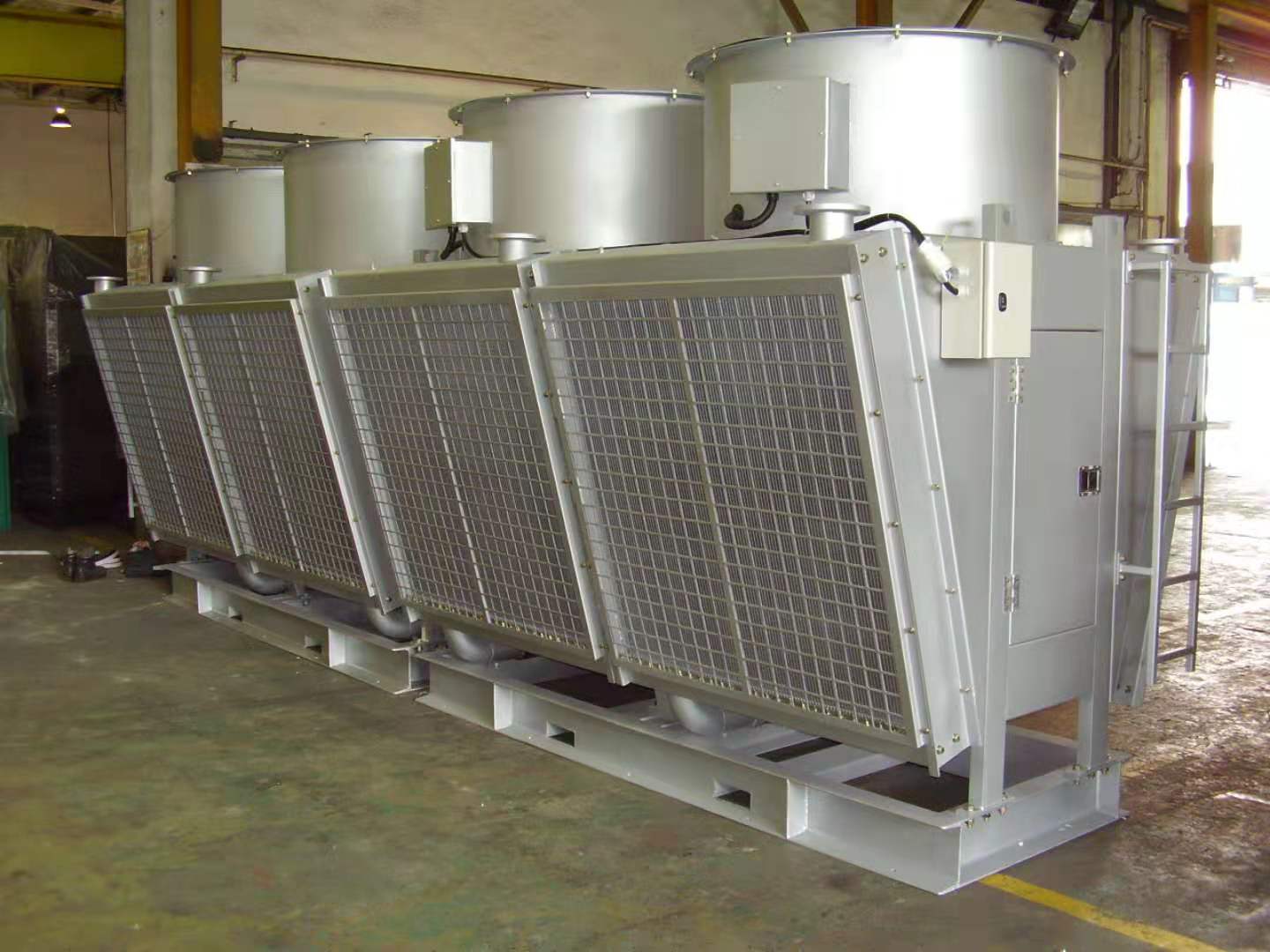
Adiabatic cooling tower Manufacturer in Qatar

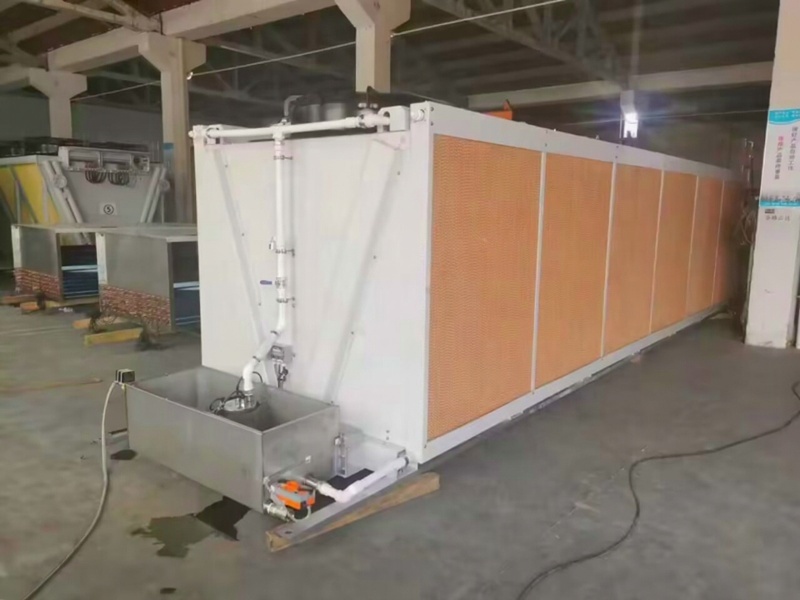
The use of cellulose pads in adiabatic cooling towers is a deliberate and common engineering choice, driven by a balance of performance, cost, and environmental factors. Here are the key reasons for using cellulose pads, broken down by their advantages and the trade-offs involved. Primary Reasons for Using Cellulose Pads 1. Superior Evaporative...

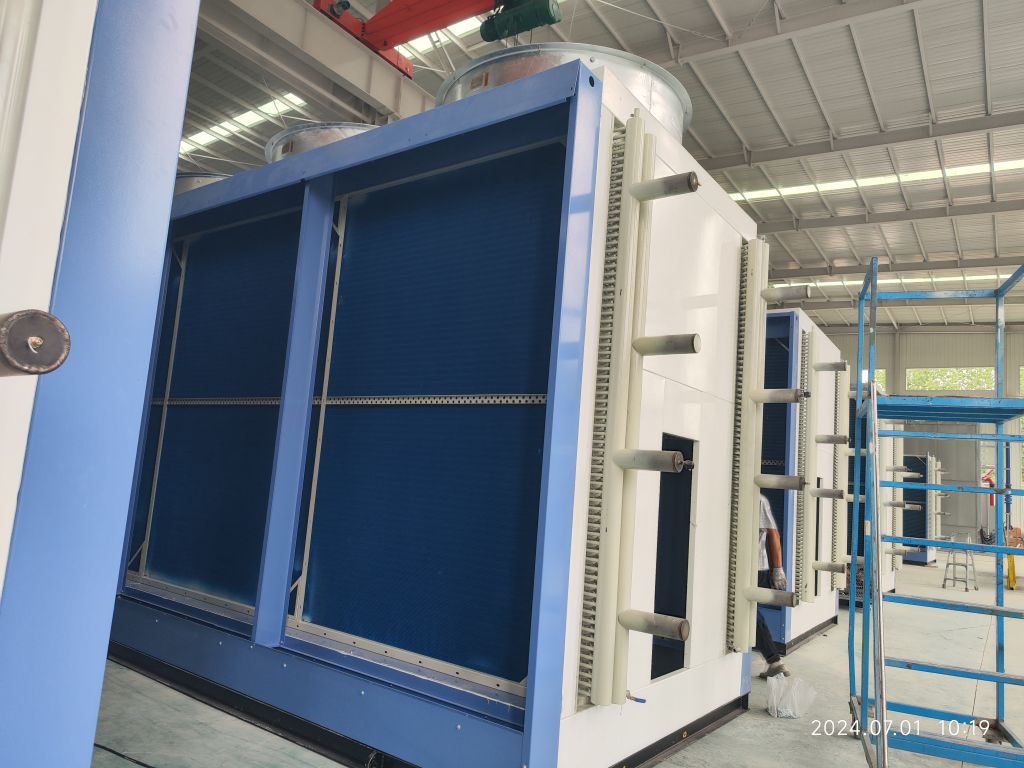
Adiabatic cooling tower Manufacturer in Oman

Direct vs. Indirect Cooling Feature Direct Cooling Indirect Cooling Circuit Type Open Closed Process Fluid Exposed to atmosphere Contained and protected Heat Transfer Direct Evaporation Through a Heat Exchanger Cooling Limit Ambient Wet-Bulb Temperature Slightly above Wet-Bulb Temperature Water Usage High Low to Zero Water Treatment Intensive...

Adiabatic cooling tower Manufacturer in Kuwait

Direct Cooling Vs Indirect Cooling The core difference lies in whether the process fluid being cooled is directly exposed to the atmosphere and the cooling air. Direct Cooling (Open Circuit) In a direct cooling system, the fluid that needs to be cooled (typically water) is directly exposed to the cooling air and the...

Adiabatic cooling tower Manufacturer in Jordan

Comparison to Alternative: PVC (Synthetic) Pads Feature Cellulose Pad PVC Pad Material Natural plant-based fibers Plastic (Polyvinyl Chloride) Cooling Efficiency Higher (better wicking and evaporation) Slightly Lower Lifespan Shorter (2-5 years) Longer (5-10+ years) Maintenance Higher (prone to clogging, organic growth) Lower (easy...

Adiabatic cooling tower Manufacturer in Bahrain

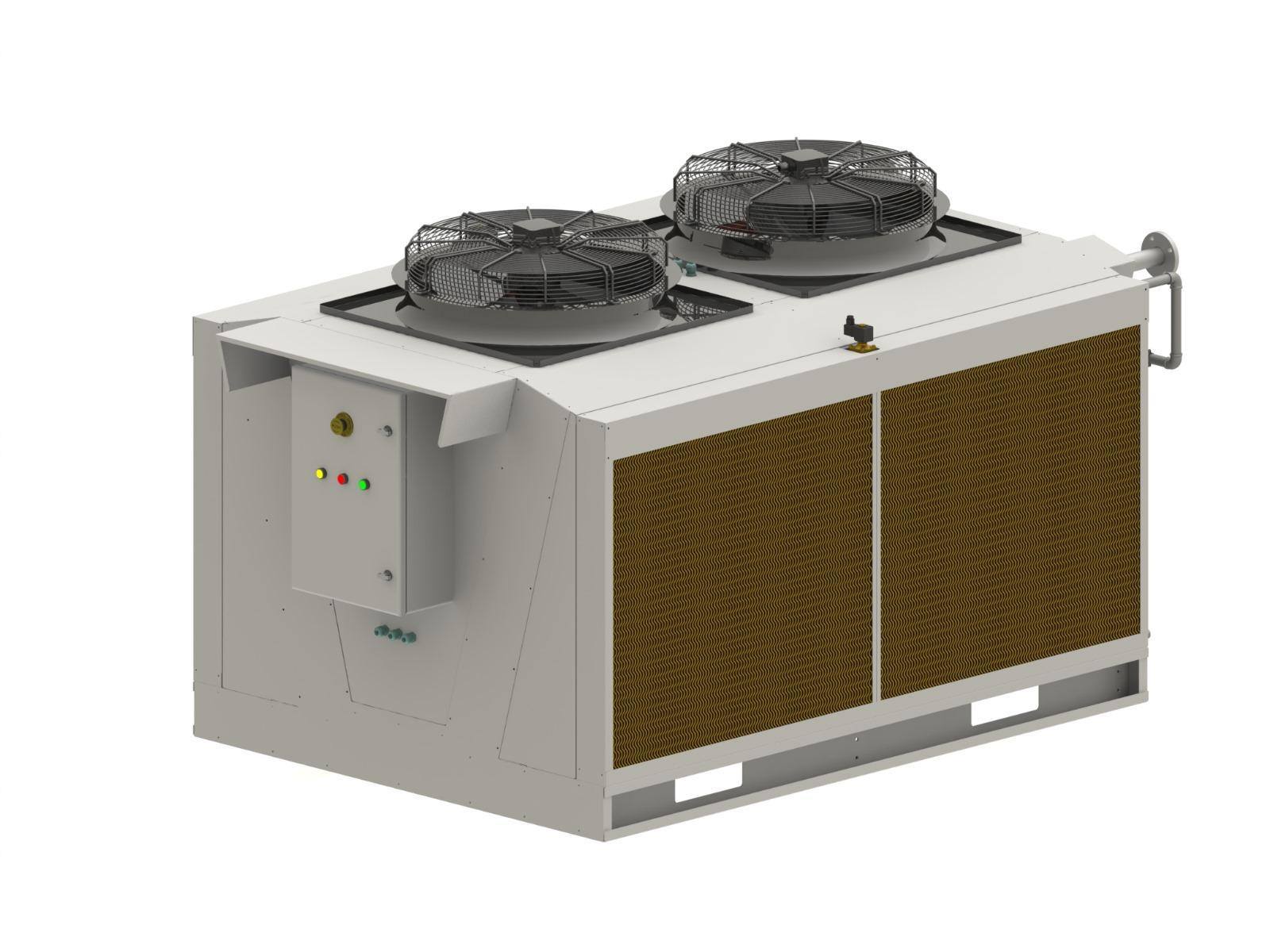
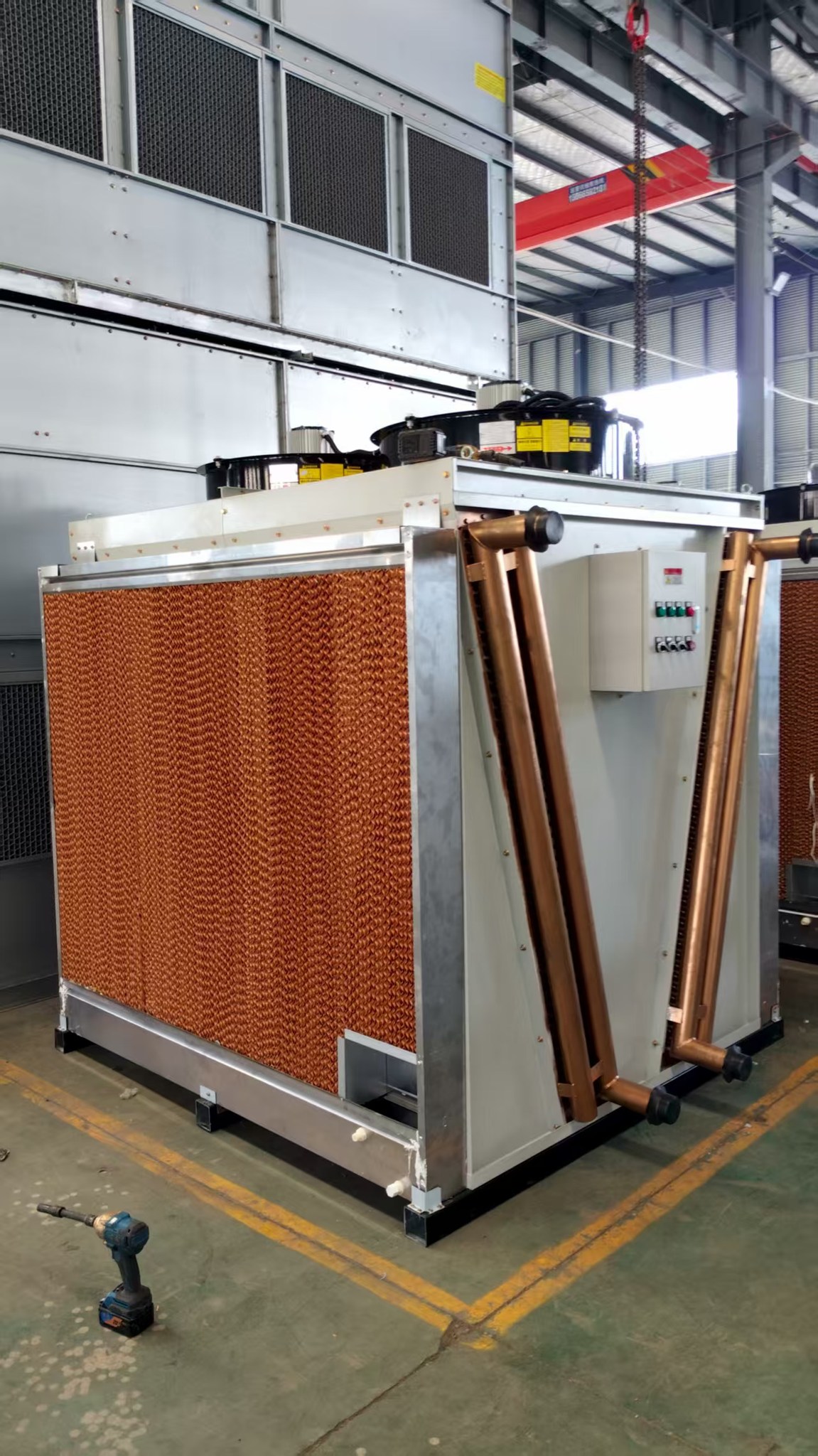
What is a Cellulose Pad? A cellulose pad is a specially engineered, rigid sheet made primarily from plant-based cellulose fibers (often from aspen or other hardwood trees) that are bonded together using special resins and then corrugated and laminated into a thick, multi-layered block Its primary function is to maximize the surface...

Adiabatic cooling tower Manufacturer in Egypt

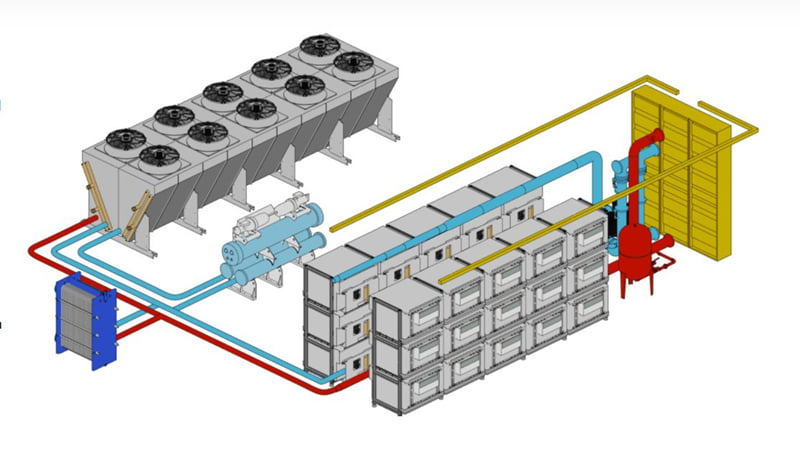
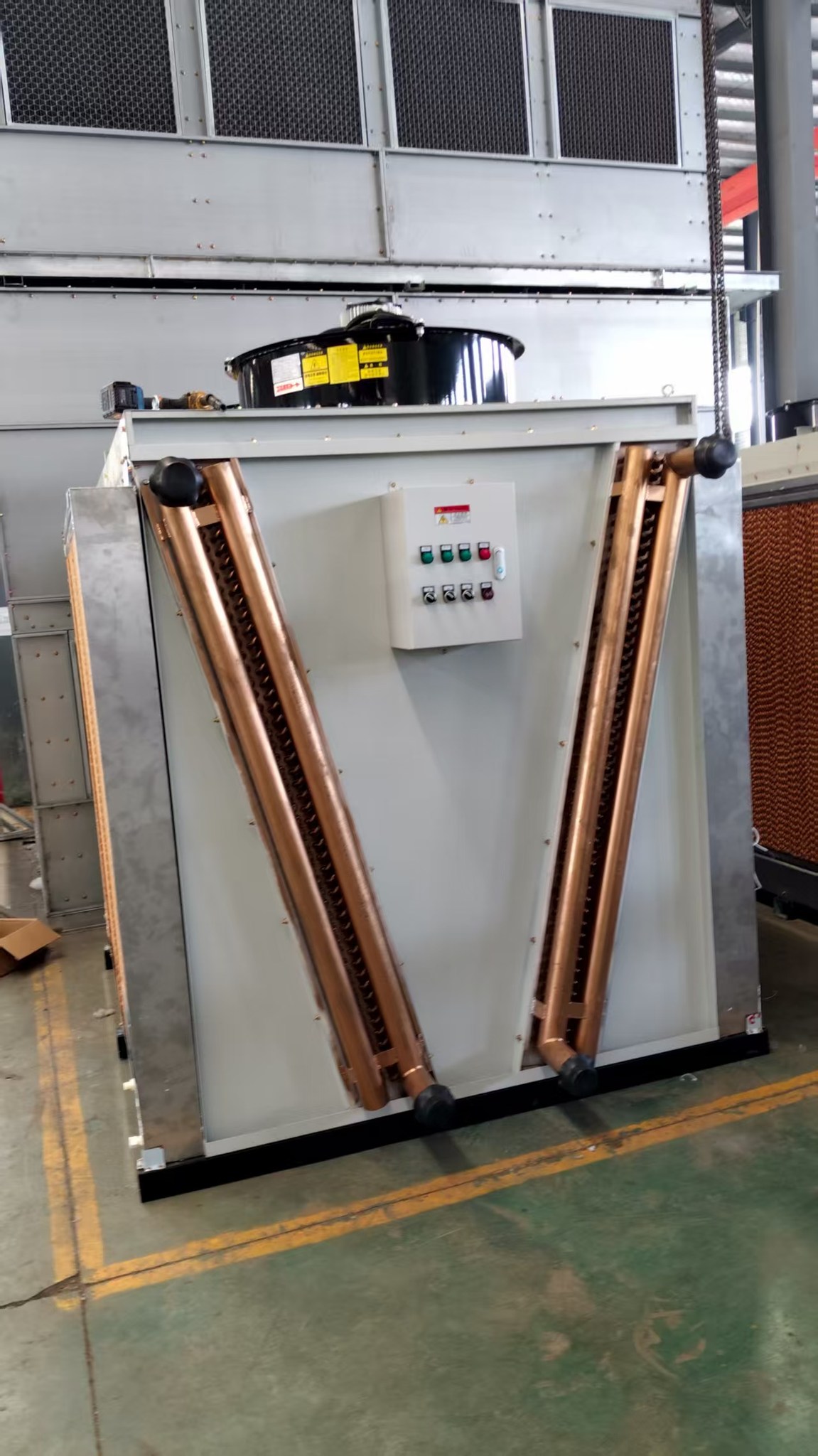
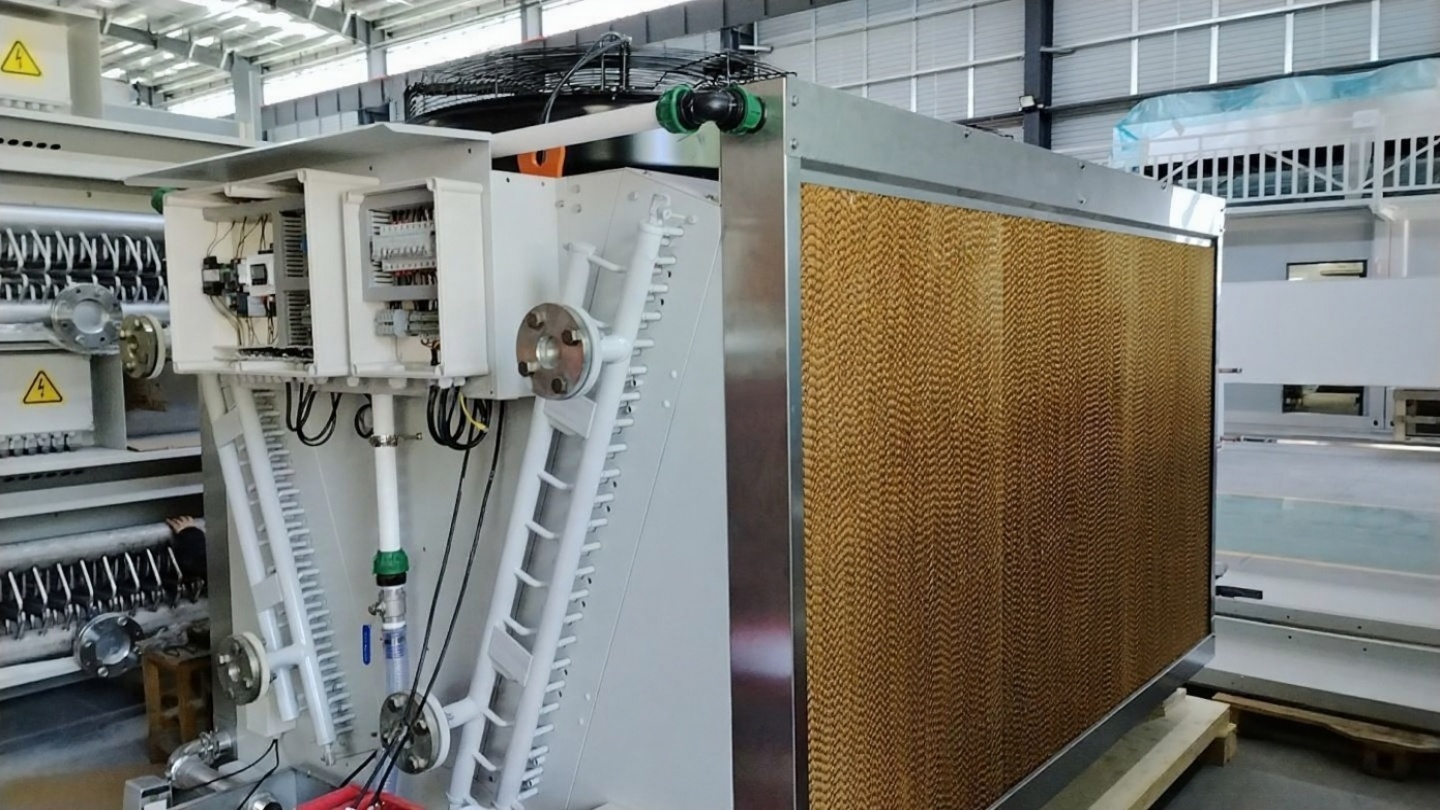
Core Components of an Adiabatic Cooling Tower 1. Heat Exchanger Core (The “Dry” Section) This is the primary component where the actual cooling of the process fluid happens. 2. Adiabatic Pre-Cooling System (The “Wet” Section) This section is responsible for cooling the incoming air before it hits the coils. 3. Air Movement...

Adiabatic cooling tower Manufacturer in India

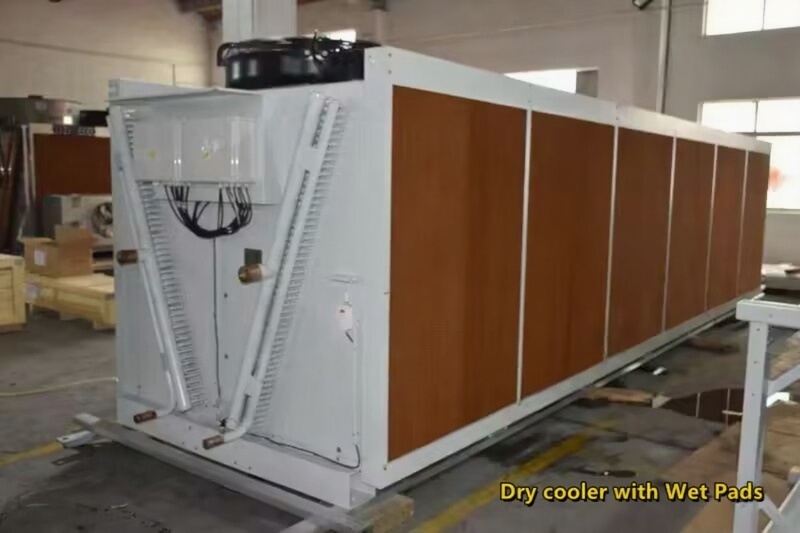
What is an Adiabatic Cooling Tower? An adiabatic cooling tower is a hybrid cooling system that uses the adiabatic cooling effect of water evaporation to pre-cool the air before it passes over a heat exchanger. This dramatically increases the efficiency of the main heat rejection process. Its key feature is that it combines the...

Heat Exchanger Manufacturer in India

Primary Applications of Brazed Plate Heat Exchanger in HVAC/R Brazed plate heat exchangers are ubiquitous in modern systems due to their efficiency and compact size.

Heat Exchanger Supplier in United Arab Emirates

PARTS OF PLATE HEAT EXCHANGER

Heat Exchanger Manufacturer in Saudi Arabia

Applications of Plate Heat Exchanger in HVAC/R In the context of chillers and HVAC systems, Plate Heat Exchangers are used as: Evaporators: Where the cold refrigerant boils and absorbs heat from the chilled water

Heat Exchanger Supplier in South Africa

Advantages vs. Shell-and-Tube Exchangers Feature Plate Heat Exchanger Shell-and-Tube Heat Exchanger Efficiency Very High (Turbulent flow, thin plates) Moderate (Mostly laminar flow, thicker tube walls) Size & Weight Compact (Small footprint for its capacity) Large and Bulky Cost Lower cost for a given duty Often higher cost for same...

Heat Exchanger Manufacturer in South Africa

Types of Plate Heat Exchangers Type Description Common Use Gasketed Plate Uses rubber gaskets to seal plates. The major advantage is that the stack can be easily opened for cleaning, inspection, or adding/removing plates to change capacity. Most common type. Used in chillers (as evaporators/condensers), domestic hot water systems, and...

Heat Exchanger Supplier in Yemen

Advantages of Plate Type Heat Exchanger Plate Heat Exchanger (PHE or PHEX) is a highly efficient type of heat exchanger that uses multiple, thin metal plates to transfer heat between two fluids.  How It Works The fundamental principle is simple: two fluids at different temperatures flow on opposite sides of a thin metal plate. Heat is...

Heat Exchanger Manufacturer in Yemen

Brazed Plate Heat Exchanger – How It Works The operating principle is identical to other plate heat exchangers but in a more robust package:

Heat Exchanger Supplier in Iraq

What is a Brazed Plate Heat Exchanger? A BPHE is constructed from multiple thin, corrugated metal plates (typically stainless steel) stacked together. Unlike a gasketed plate heat exchanger, a BPHE has no rubber gaskets or a frame. Instead, the entire plate pack is assembled and then placed in a vacuum furnace where a brazing material […]

Heat Exchanger Manufacturer in Iraq

Types of Evaporators Evaporators are classified based on two main criteria: How they are constructed and 1. Classification by Construction & How Fluid is Cooled A. Shell and Tube Evaporator This is the most common type in water chiller systems. It consists of a cylindrical shell (a large pressure vessel) with a bundle of tubes inside....

Heat Exchanger Supplier in Kuwait

Types of Condensers How a condenser rejects heat depends on its type. The three main types are: Disadvantages: Less efficient, especially on hot days. Larger physical size and noisier due to the fans. Common in smaller commercial applications or where water is scarce

Heat Exchanger Manufacturer in Kuwait

Role of Condenser in Chiller? To understand its role fully, it’s best to see it in the context of the refrigeration cycle: Key Functions of the Condenser:

Heat Exchanger Supplier in Qatar

Applications Of Evaporator Industry Application Purpose of the Evaporator HVAC&R Refrigerators, Freezers, AC Units Absorb heat from the air or space to be cooled. Food & Beverage Juice, Milk, Sugar Concentration Remove water by boiling it off to concentrate the product. Chemical Solvent Recovery, Acid Concentration Separate...

Heat Exchanger Manufacturer in Qatar

An evaporator is a heat exchanger designed to absorb heat from a surrounding environment or fluid by evaporating a liquid refrigerant (or process fluid) inside it. This process of absorbing latent heat of vaporization provides a powerful cooling effect. 1. Refrigeration and Air Conditioning (HVAC&R) This is the...

Heat Exchanger Supplier in Oman

Shell and Tube Evaporator vs. Condenser Feature Evaporator Condenser Purpose Absorbs heat to boil/evaporate a liquid. Rejects heat to condense a vapor. Phase Change Liquid → Vapor (on one side) Vapor → Liquid (on one side) Common HVAC Use In the chiller to cool water. In the chiller to reject heat to...

Heat Exchanger Manufacturer in Oman

Material of Construction of plate Heat Exchanger he Material of Construction (MOC) for a plate heat exchanger is a critical selection criterion that directly impacts its performance, longevity, and suitability for a specific application. The choice depends on the fluids being used, their temperatures, concentrations, and operating pressures. The...

Heat Exchanger Supplier in Egypt

Applications of Condenser Industry Application Purpose of the Condenser Power Generation Steam Turbine Surface Condenser Create vacuum for efficiency & recycle boiler feedwater. HVAC&R Refrigerator, AC Unit, Heat Pump Reject heat from the system and liquefy the refrigerant. Chemical Processing Distillation Column Overhead Separate chemical...

Heat Exchanger Manufacturer in Egypt

Application of Condenser? A condenser is a device or unit used to condense a substance from its gaseous to its liquid state, typically by cooling it. The latent heat released during this process is transferred to a coolant medium. This fundamental principle is applied across countless industries. 1. Power Generation Industry This is one of the...

Heat Exchanger Supplier in UAE

Shell and Tube Evaporator 1. Basic Definition A Shell and Tube Evaporator is a type of heat exchanger designed to evaporate a liquid into its gaseous state (or cause boiling) by transferring heat from a hot source fluid. It is the functional opposite of a condenser. 2. How It Works Heat is transferred from the hot fluid […]

Heat Exchanger Manufacturer in UAE

Where and Why Shell and Tube Condensers Are Used The Shell and Tube Condenser is a critical component in industries where efficient, reliable condensation of large volumes of vapor is required. Its use is dictated by its unique advantages that match specific industrial needs. Primary Applications (Where They Are Used) 1. Power Generation (Thermal...

Heat Exchanger Supplier in United Arab Emirates

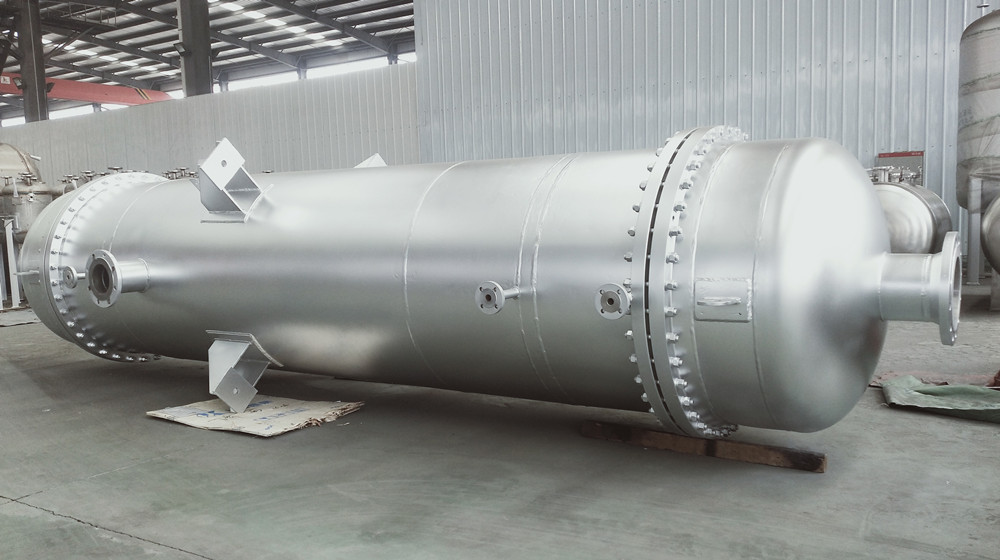
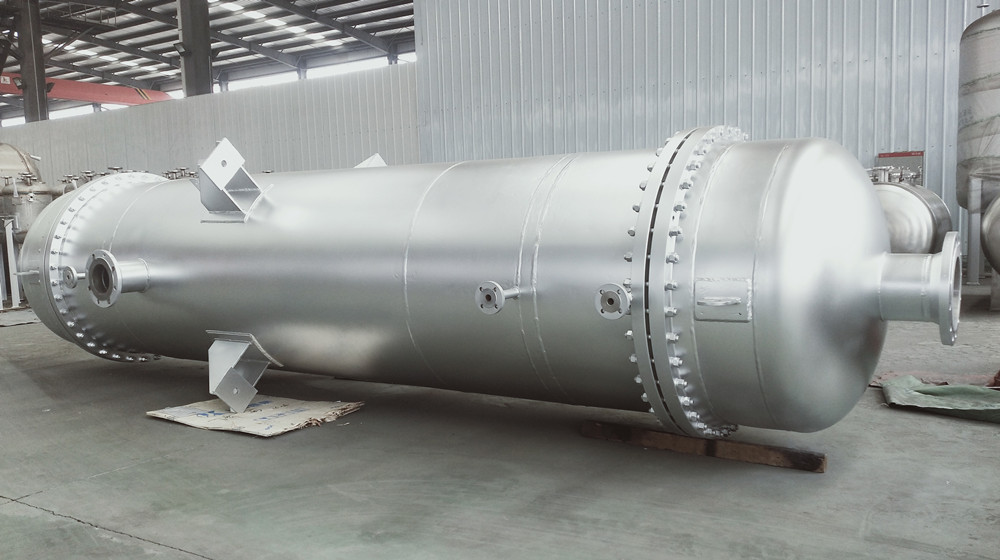
What is Shell and Tube Condenser? Shell and Tube Condenser: Short Notes 1. Basic Definition A Shell and Tube Condenser is a specific type of heat exchanger designed to condense a gaseous substance (vapor) into its liquid state by transferring its latent heat of vaporization to a coolant fluid. It is a direct application of the...

Heat Exchanger Manufacturer in United Arab Emirates

When To Select Shell and Tube Heat Exchanger You would specifically choose a Shell and Tube Heat Exchanger over other types (like Plate or Double-Pipe) when your application involves:

Heat Exchanger Supplier in Saudi Arabia

Advantages of Shell and Tube Heat Exchangers 1. Handles High Pressures and Temperatures 2. Robust and Durable Construction 3. Excellent Thermal Expansion Handling (in certain designs) 4. Easy Maintenance and Cleaning 5. Proven and Familiar Technology 6. Great Design Flexibility and Customization 7. Suitable for a...

Heat Exchanger Manufacturer in Saudi Arabia

Application of Shell and tube Heat Exchanger? 1. Power Generation Industry This is one of the most critical applications, where reliability is paramount. 2. Oil, Gas, and Petrochemical Refineries Refineries are perhaps the largest users of STHEs, with hundreds of units on a single site. 3. Chemical and Process Industries Similar to refineries, they...

Heat Exchanger Supplier in India

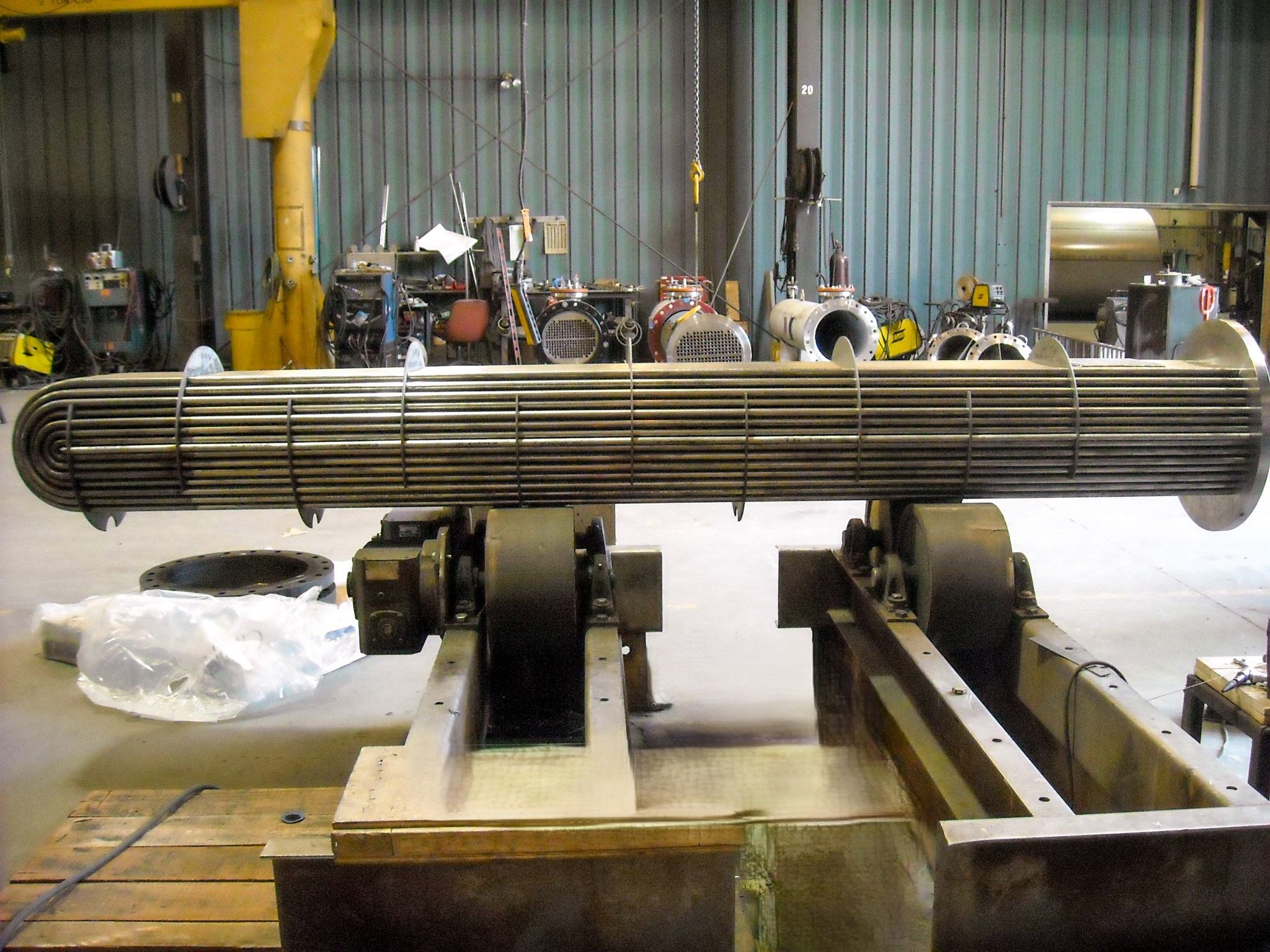
Types of Shell and Tube Heat Exchanger The types of Shell and Tube Heat Exchangers (STHE) are primarily classified based on their construction design, which is largely determined by how they handle thermal stress and the desired flow path. The rear head and baffle design are key differentiators. 1. Classification by Rear...

Heat Exchanger Manufacturer in India

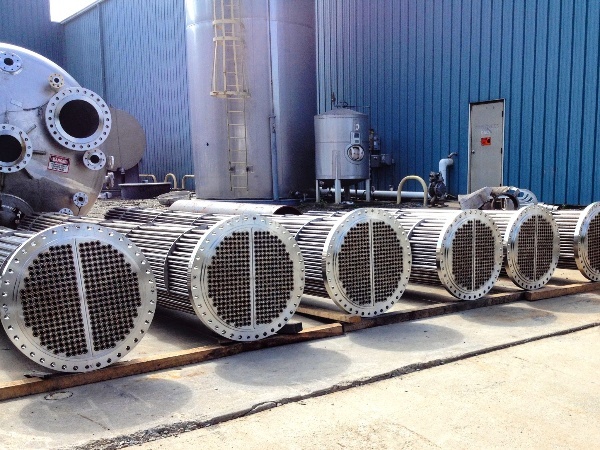
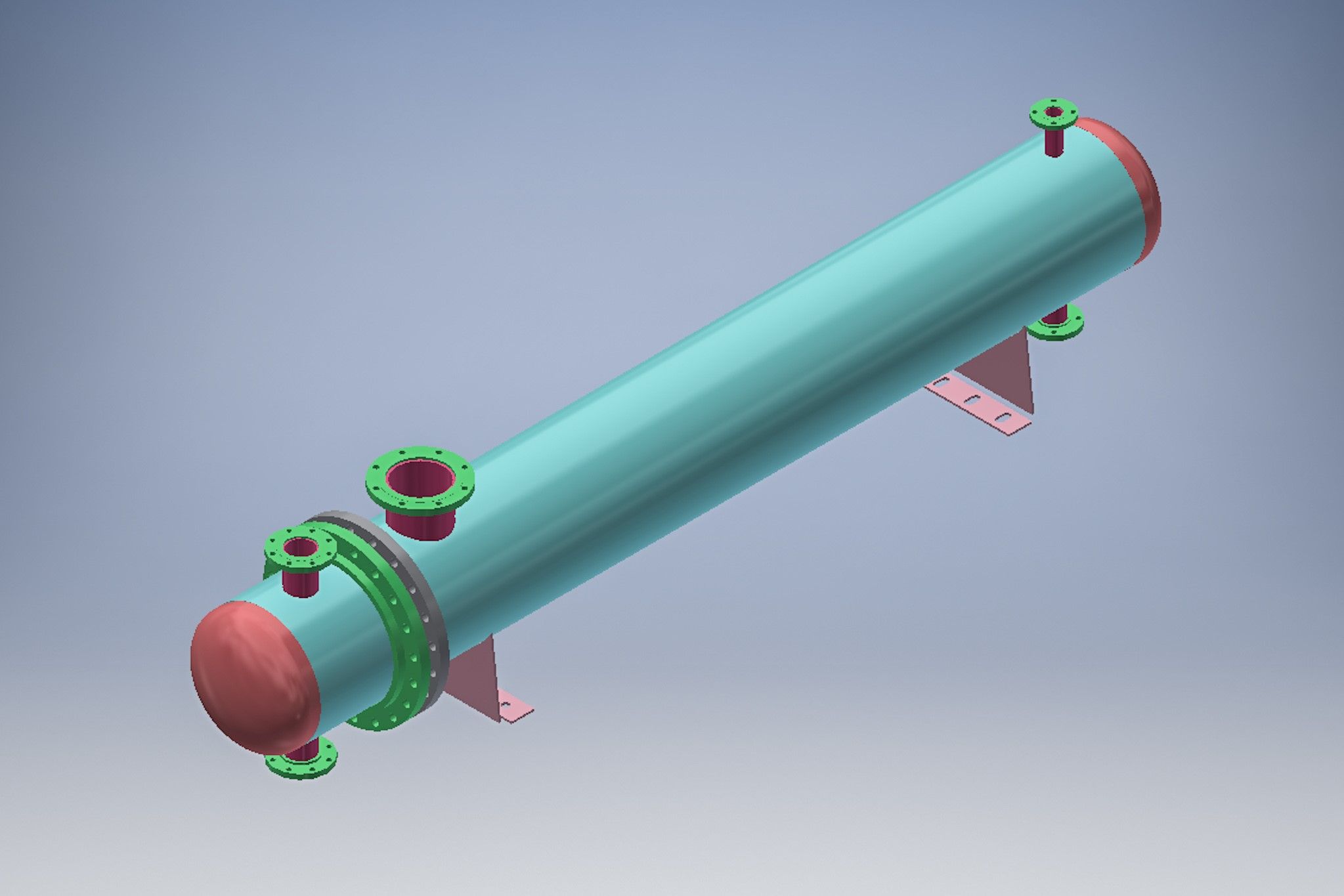
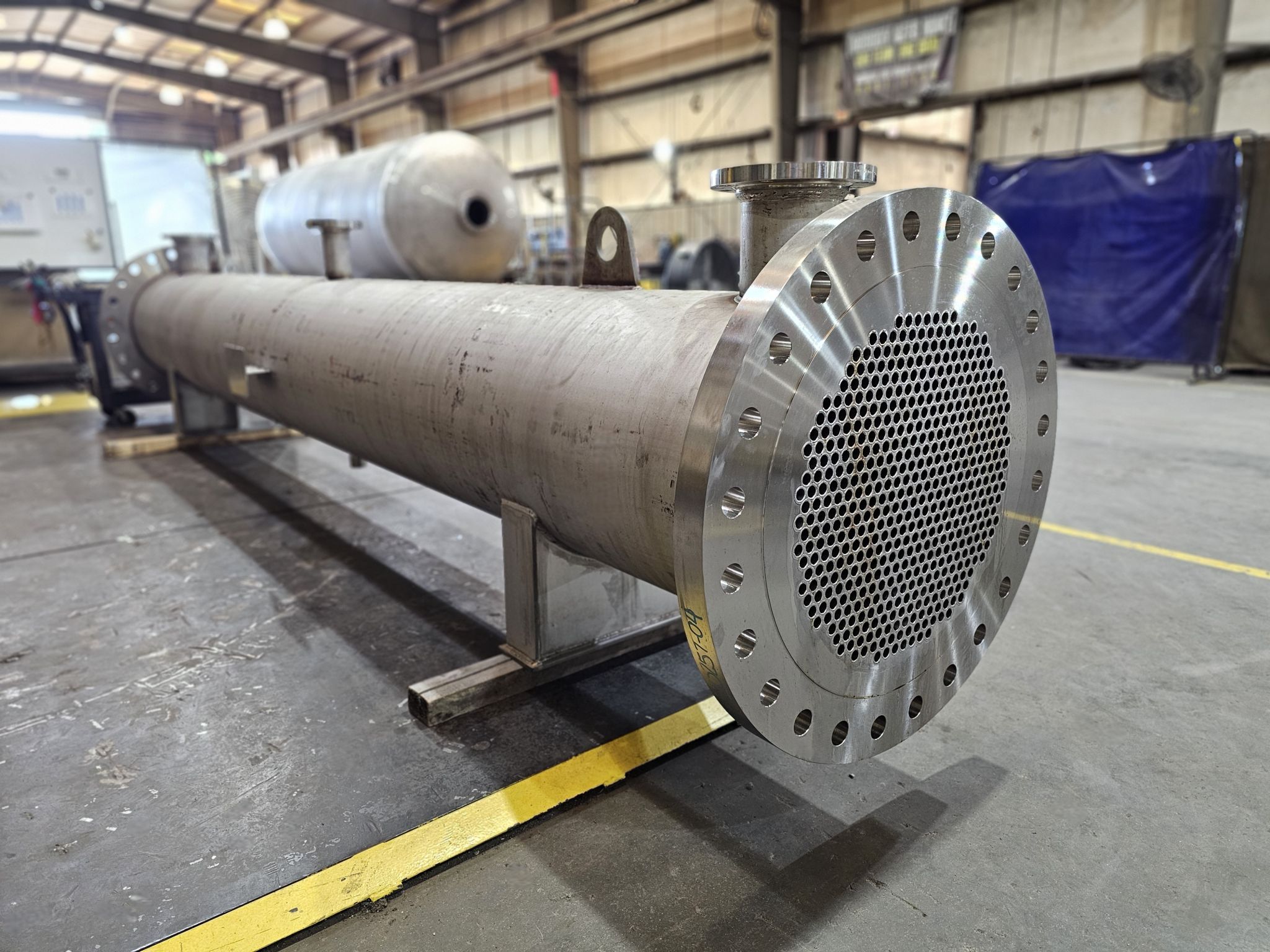
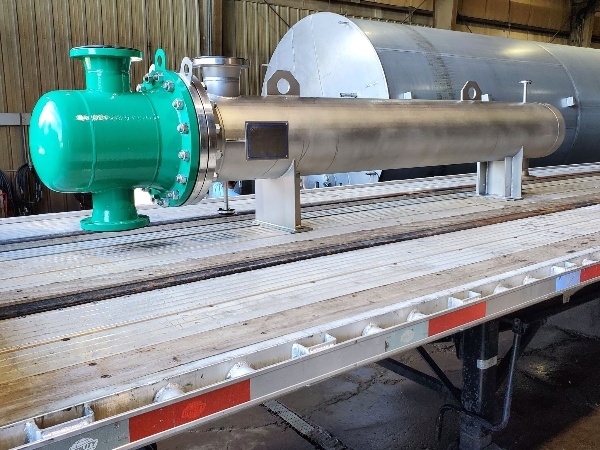
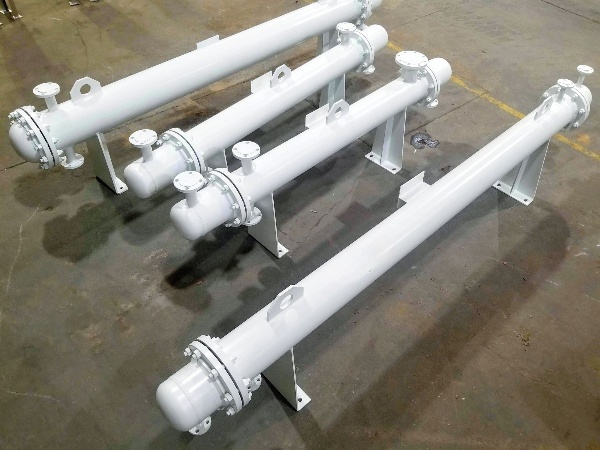
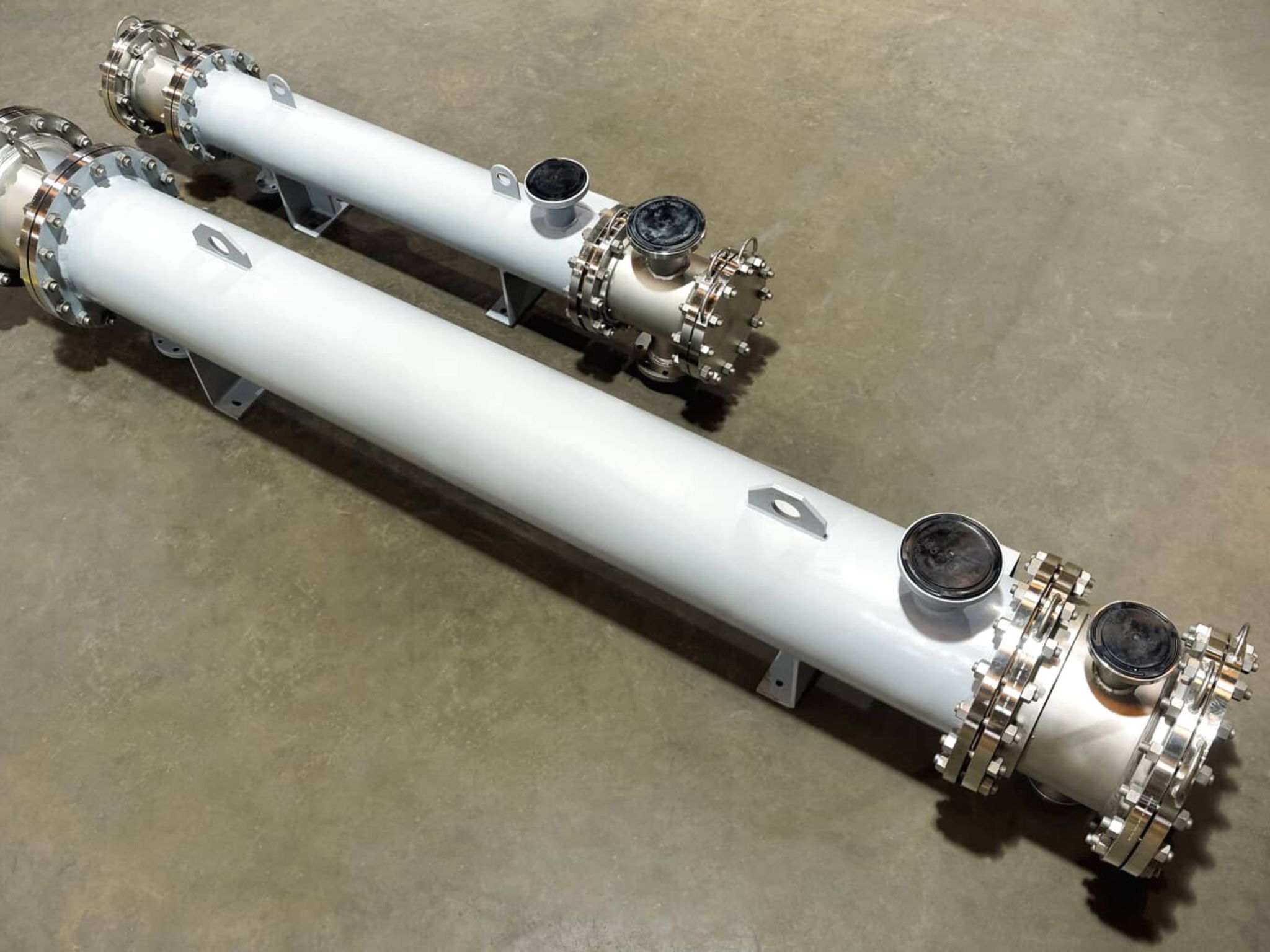
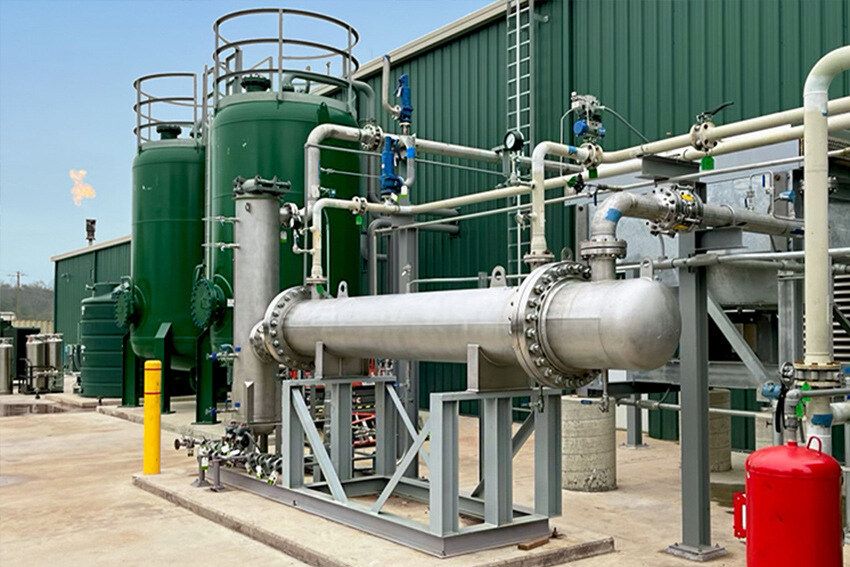
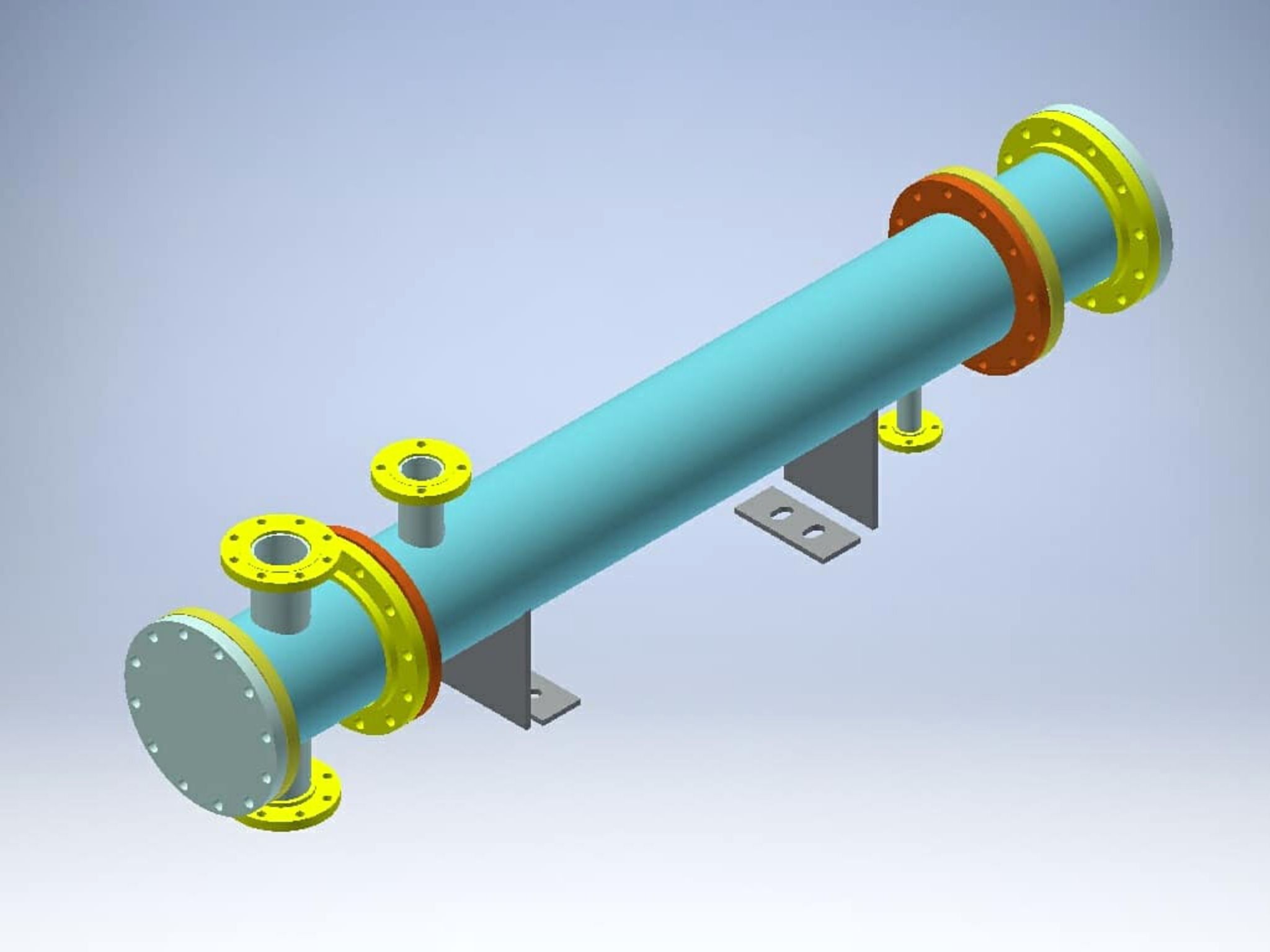
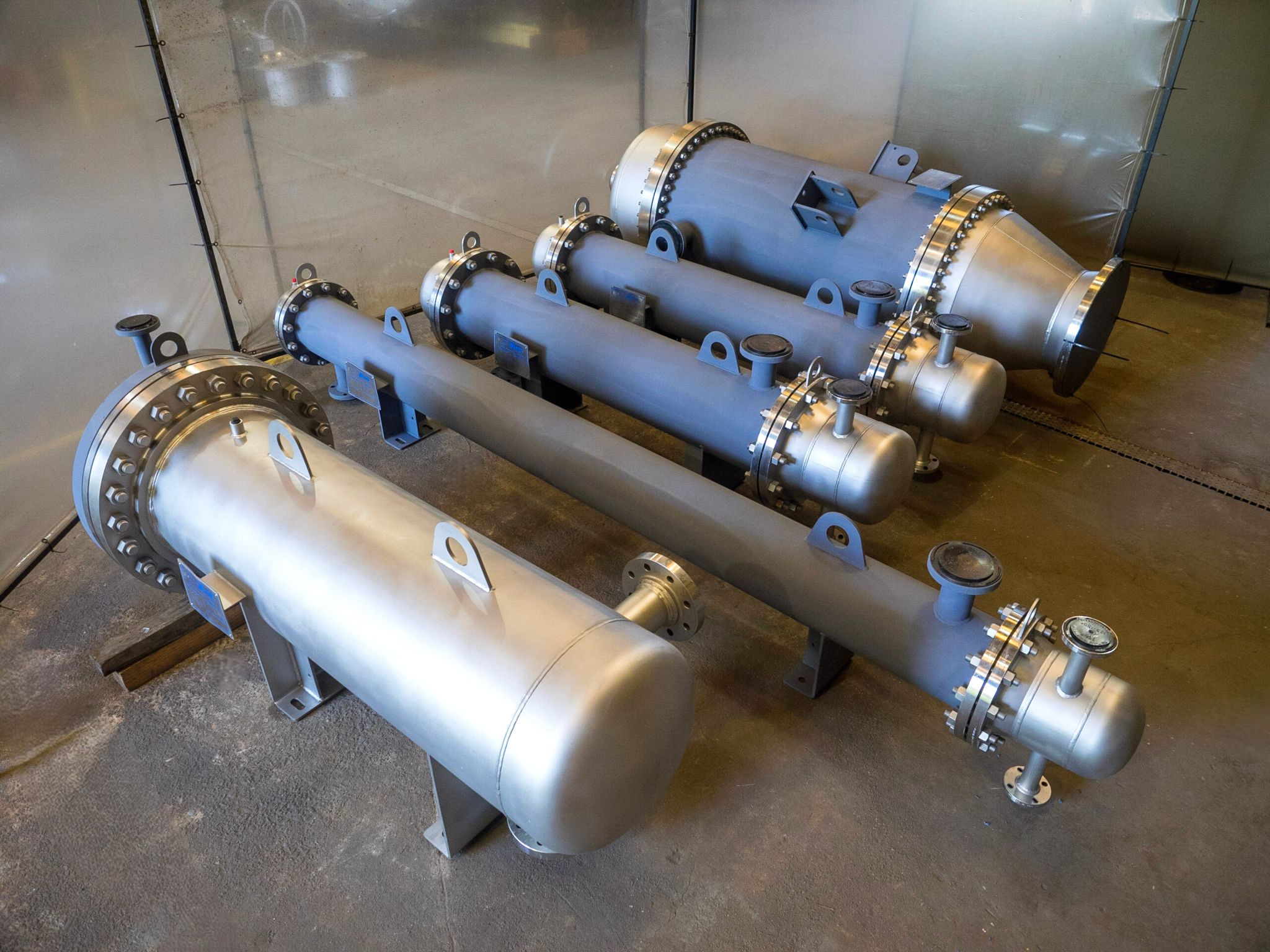
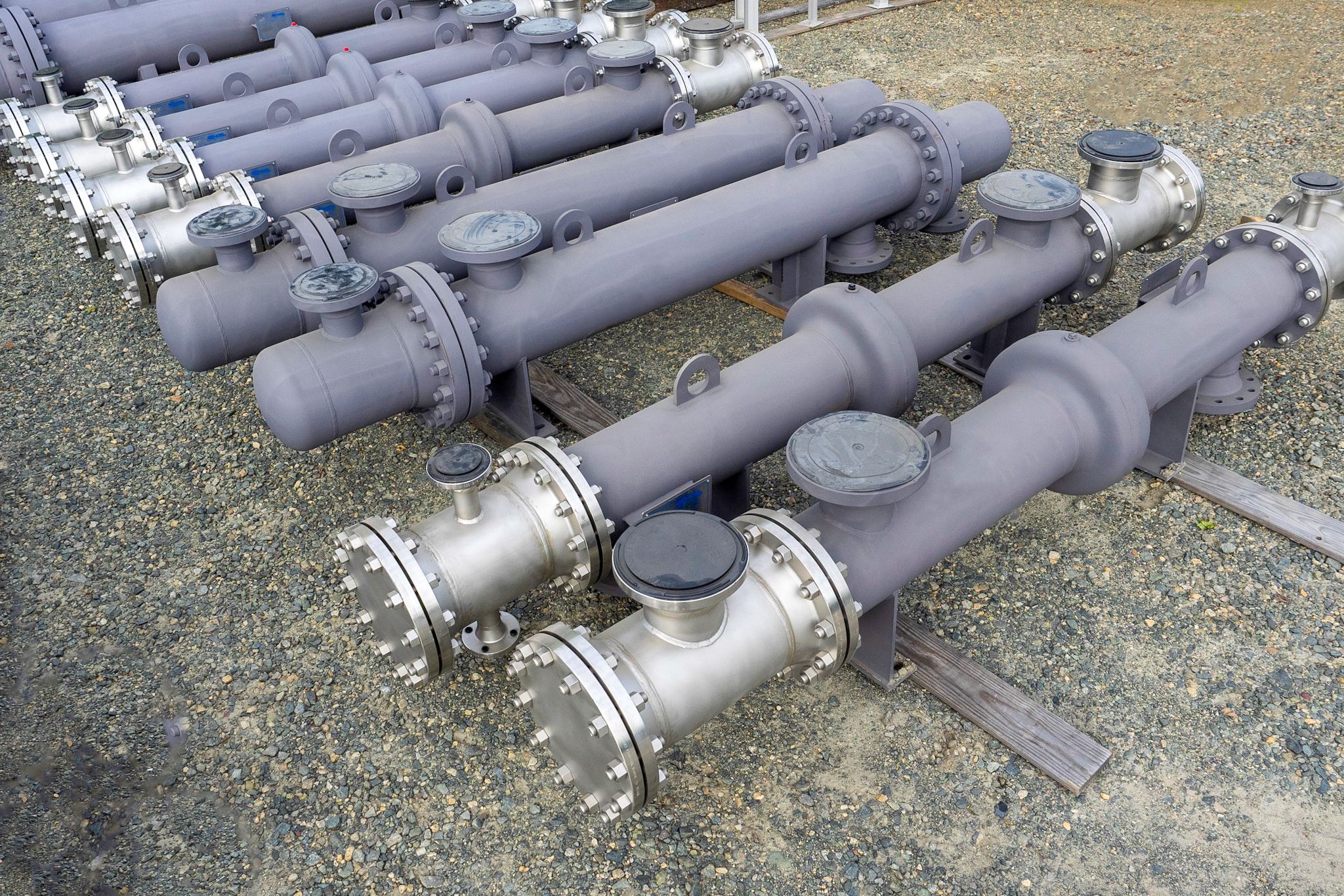
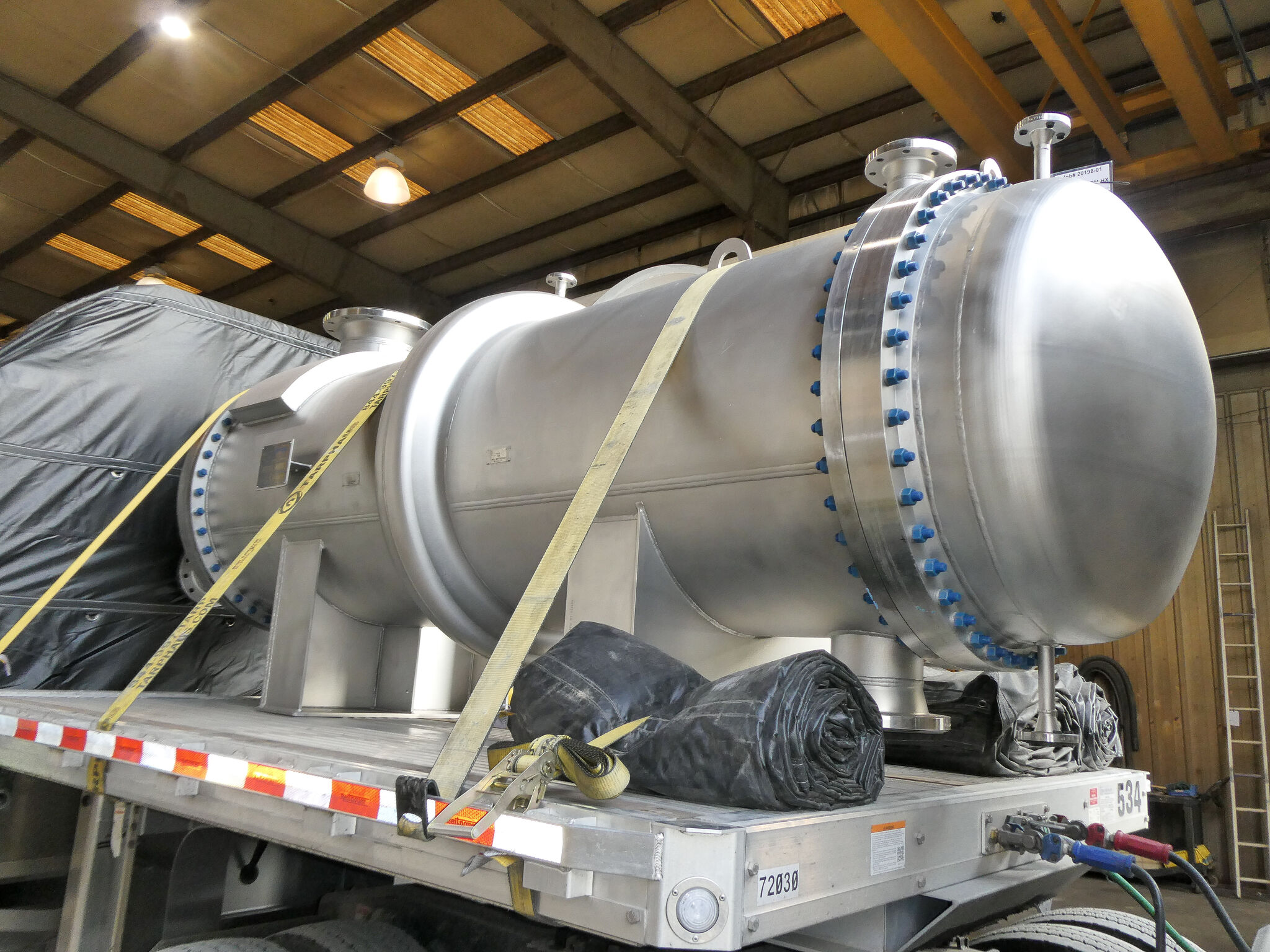
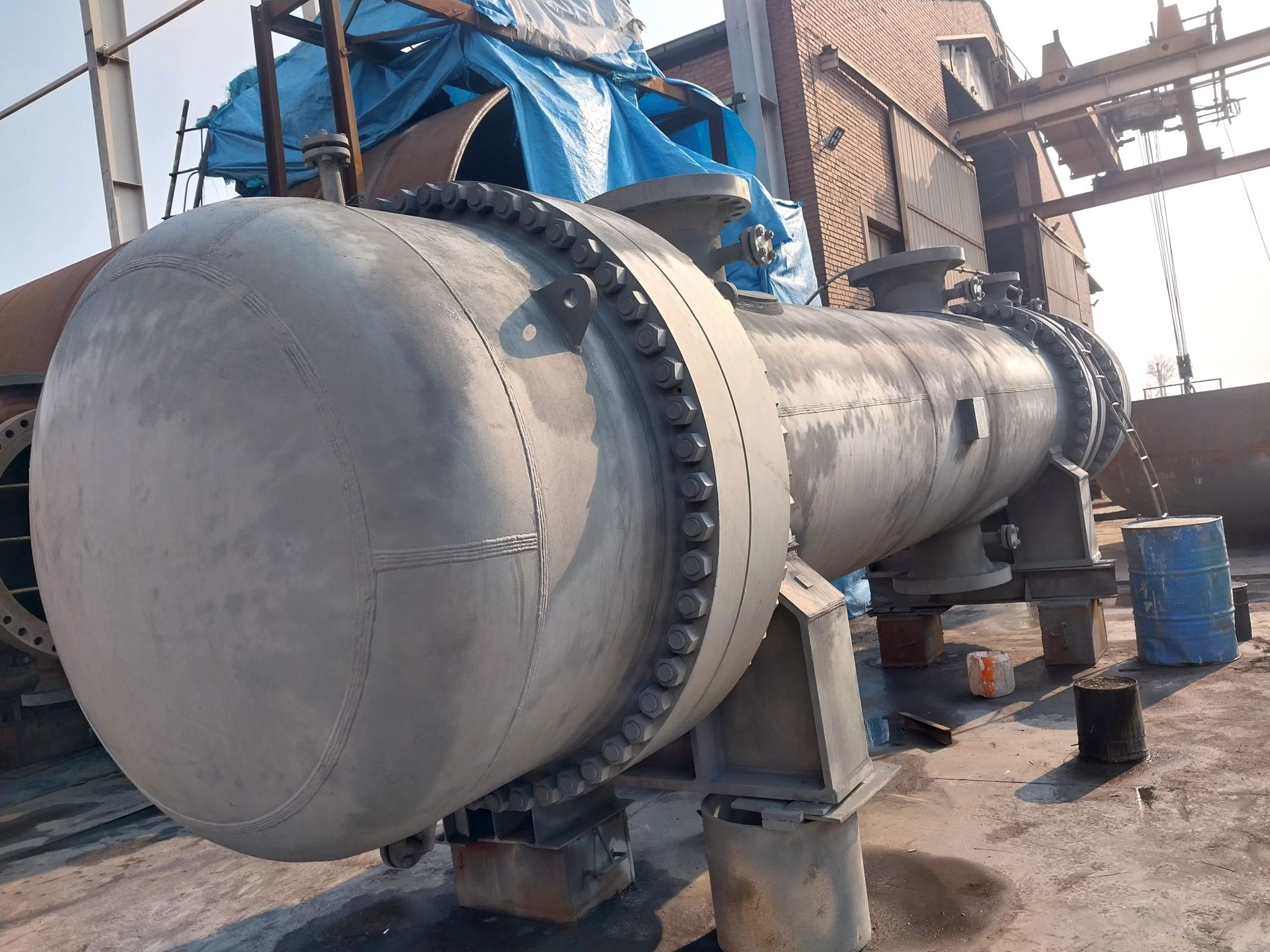
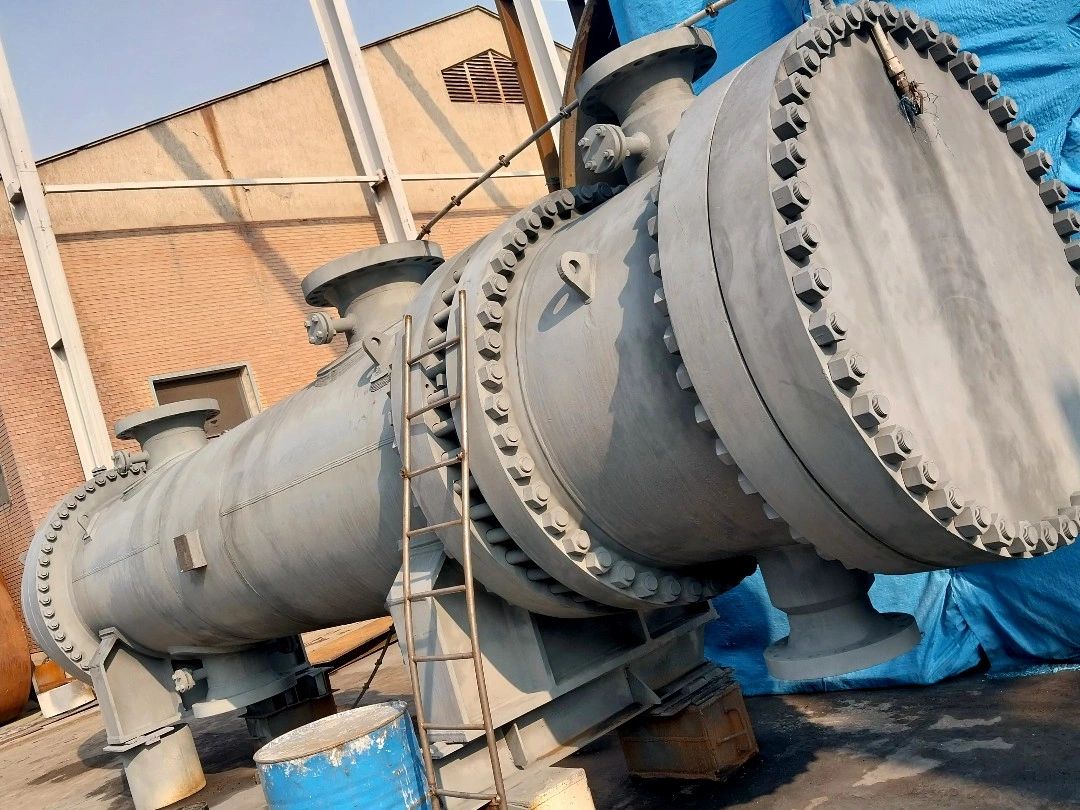
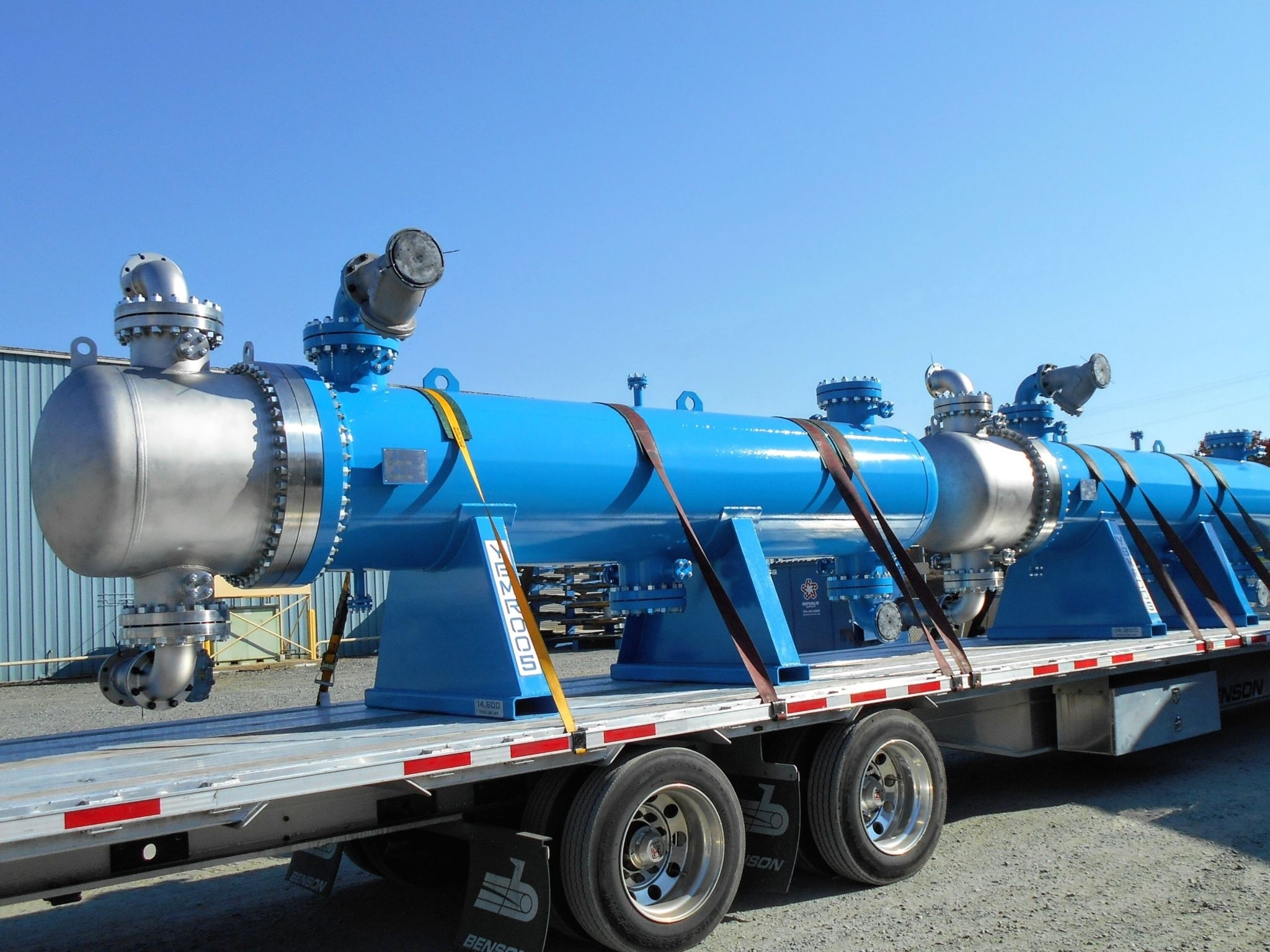
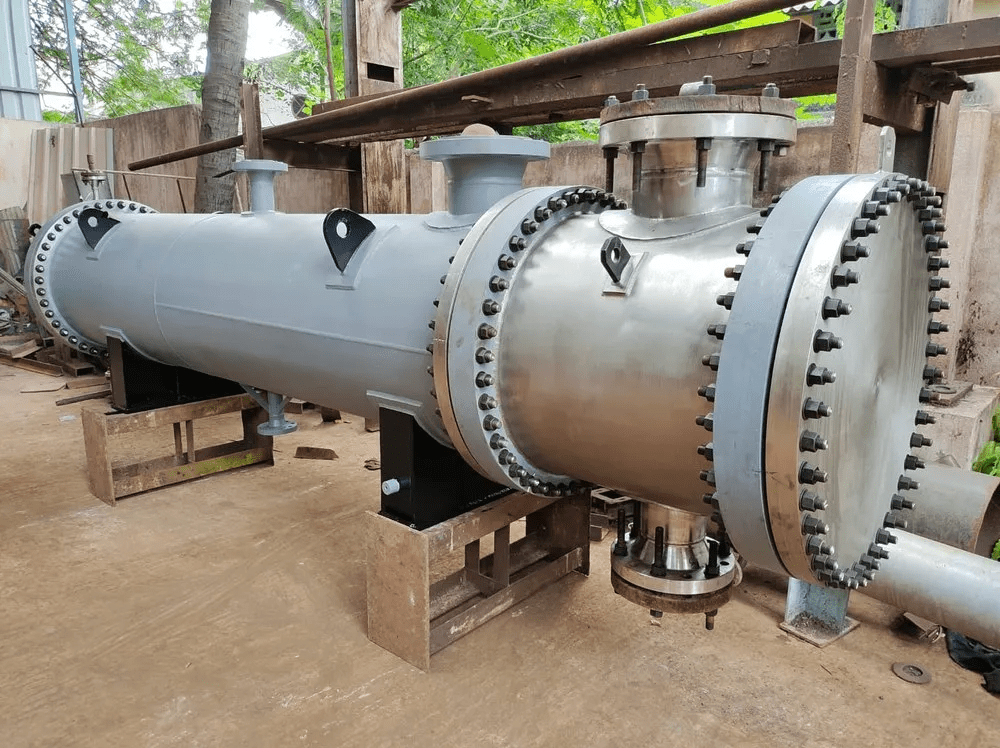
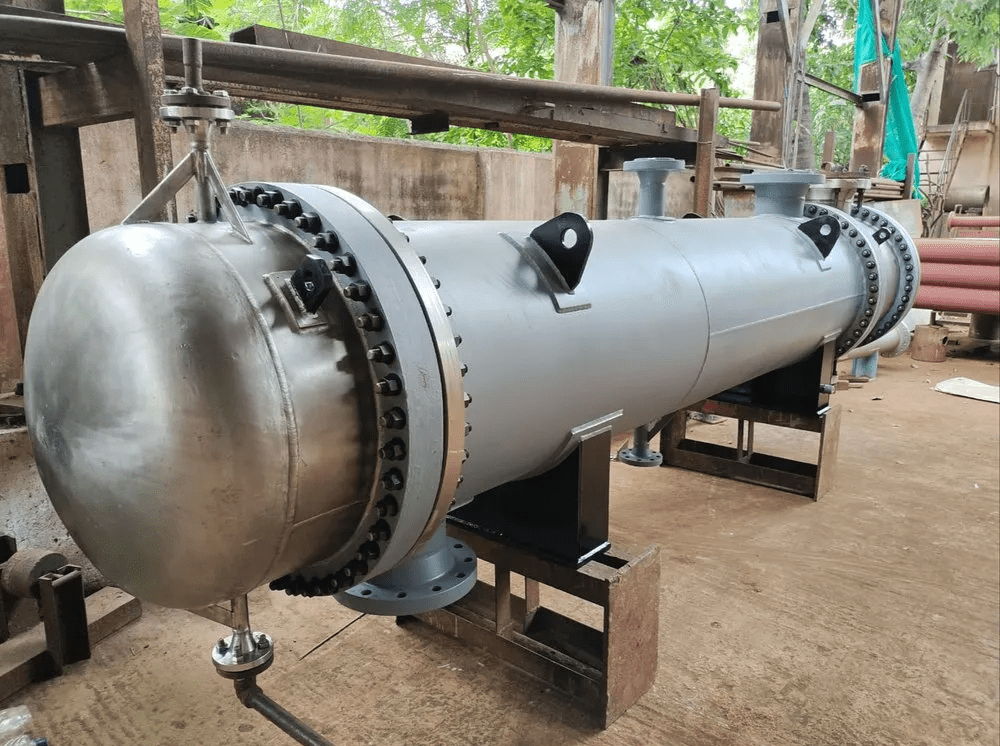
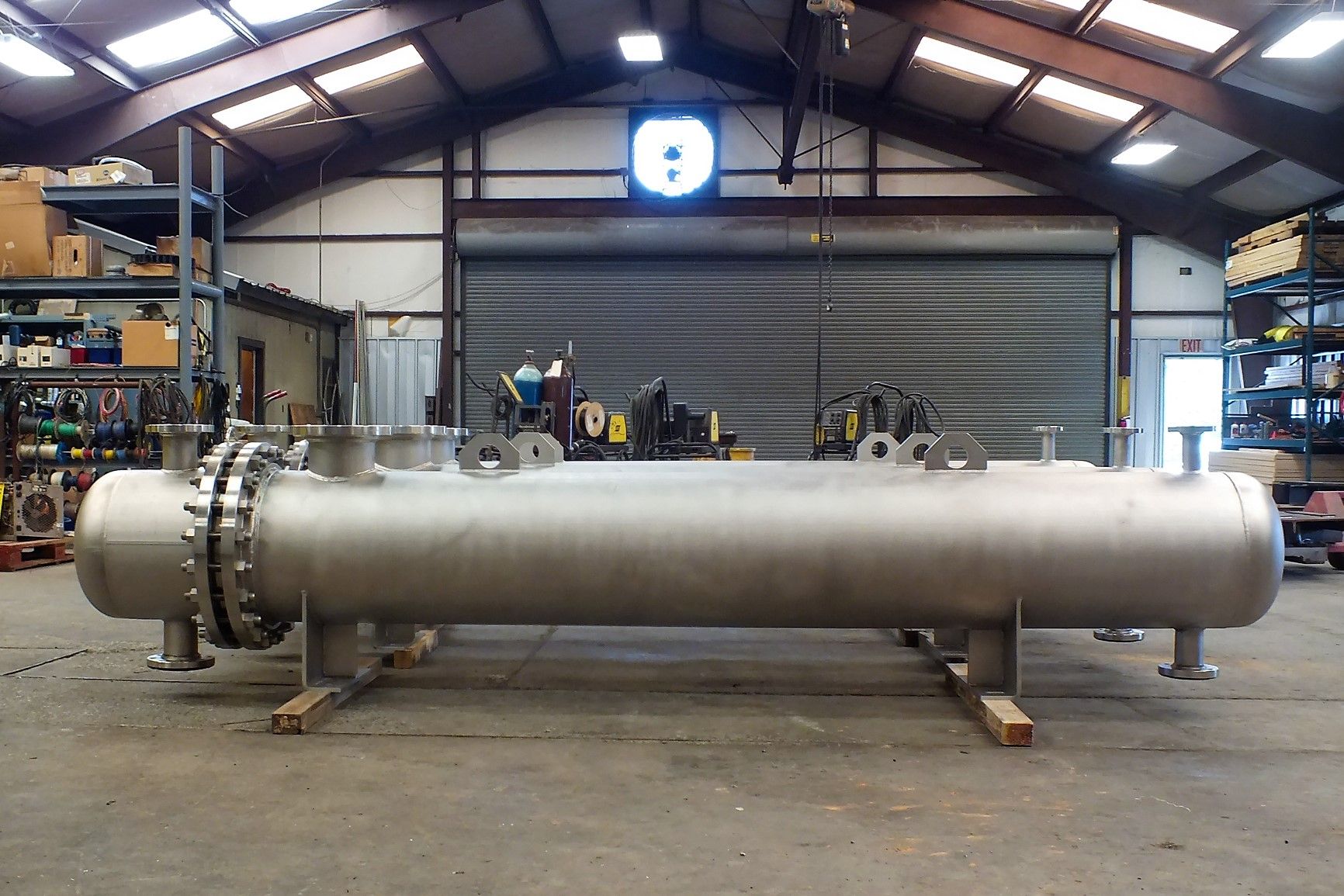
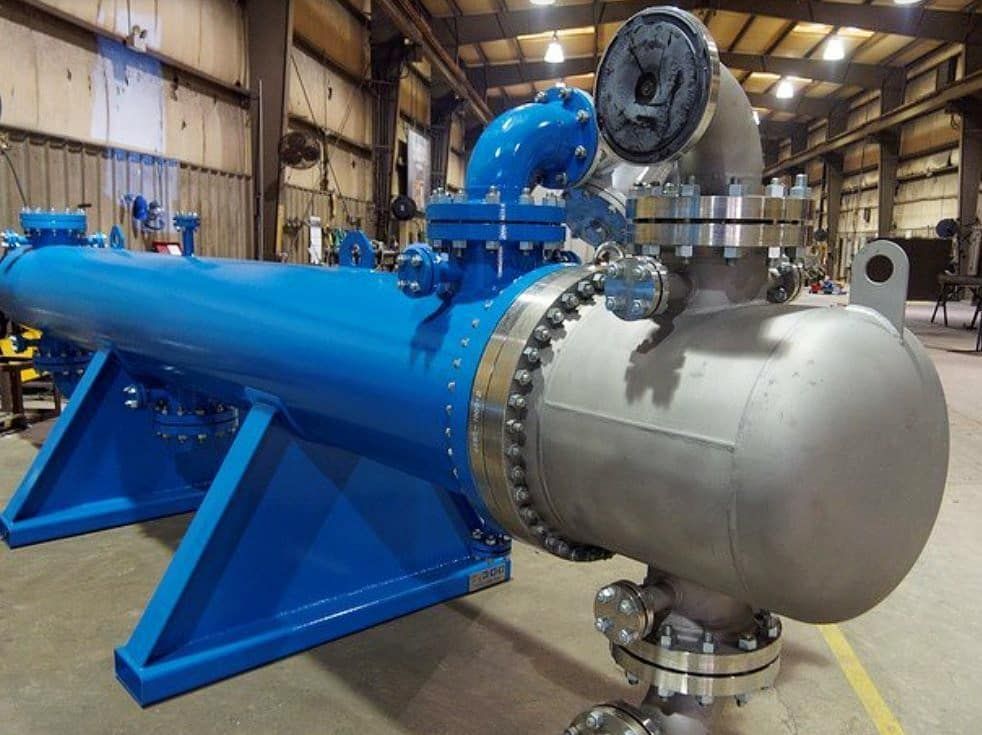
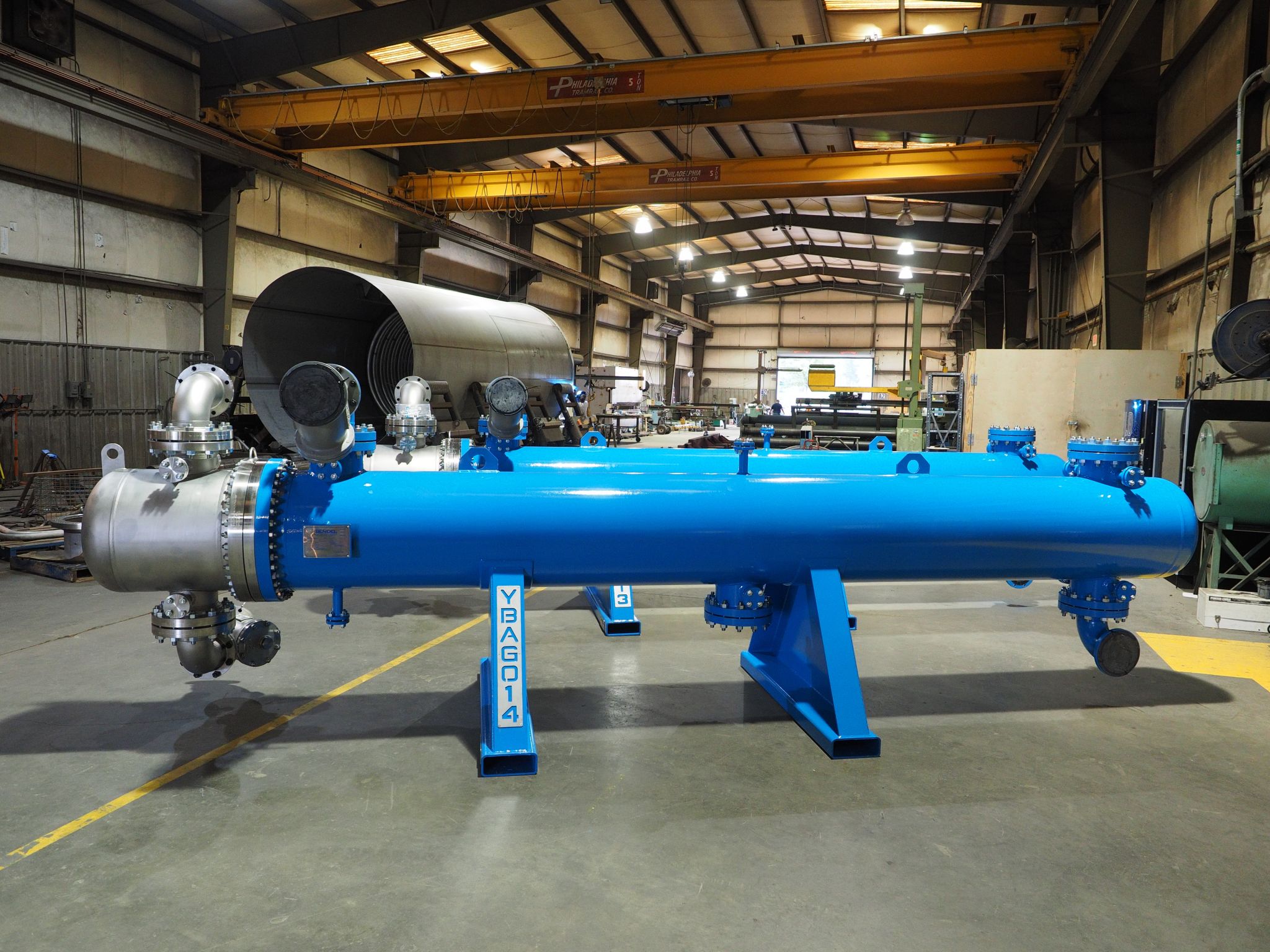
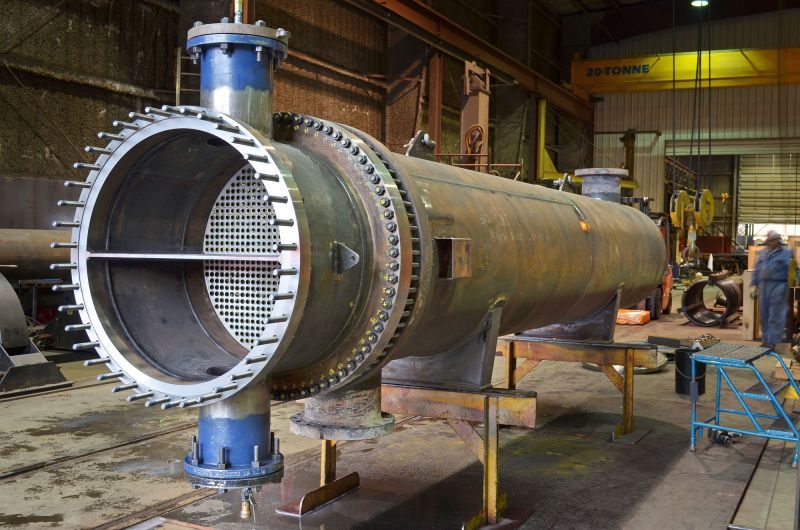
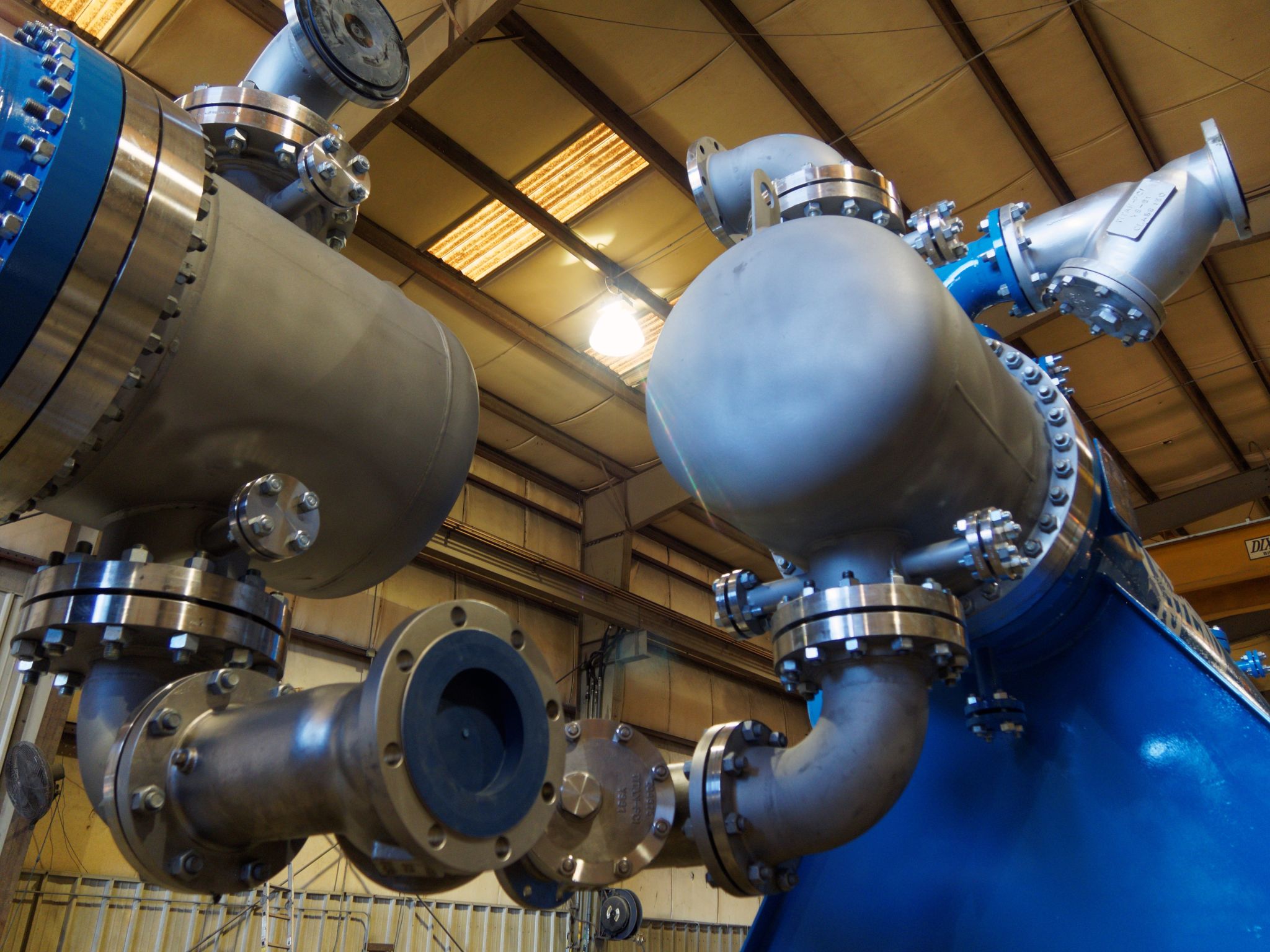
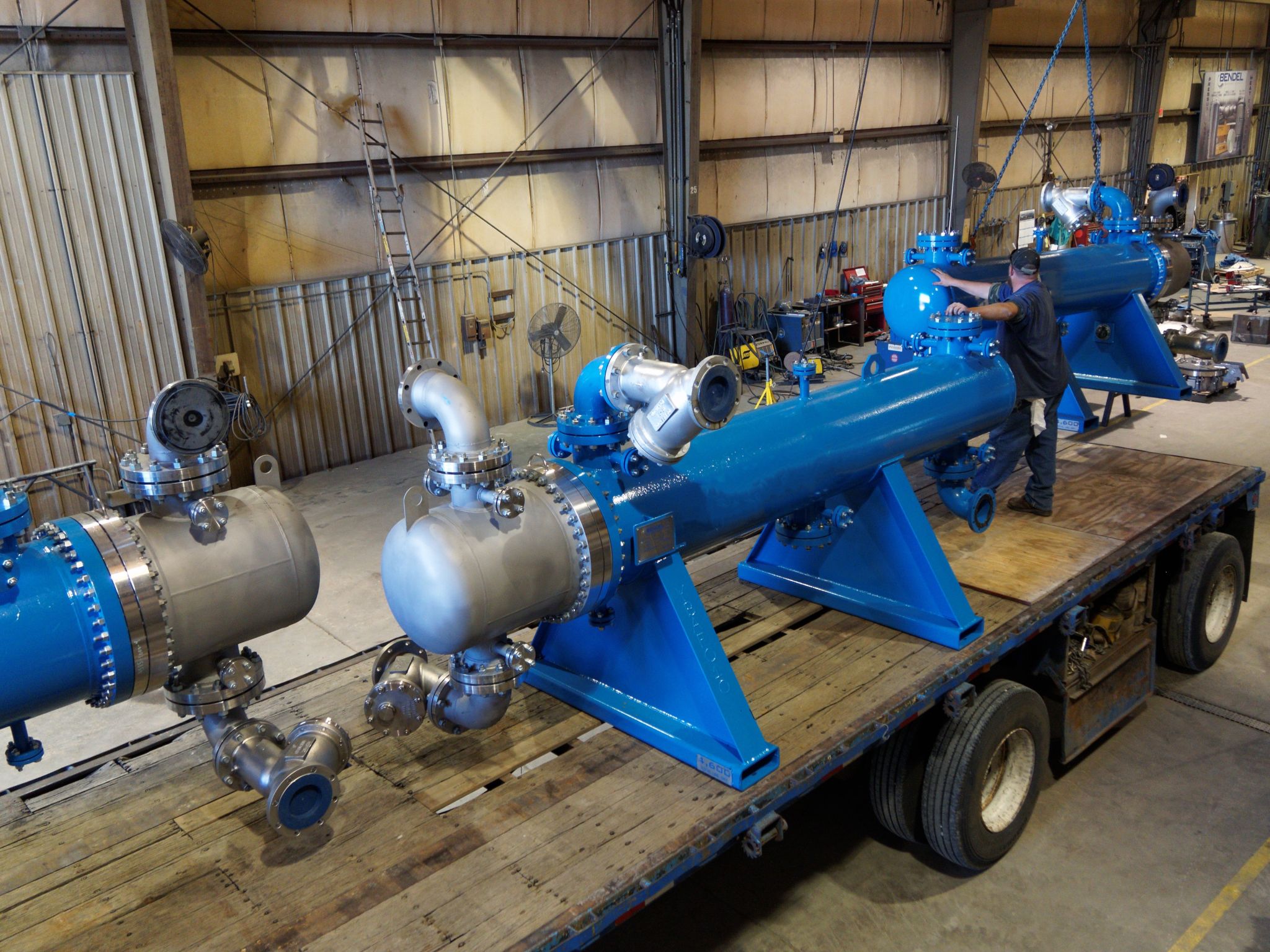
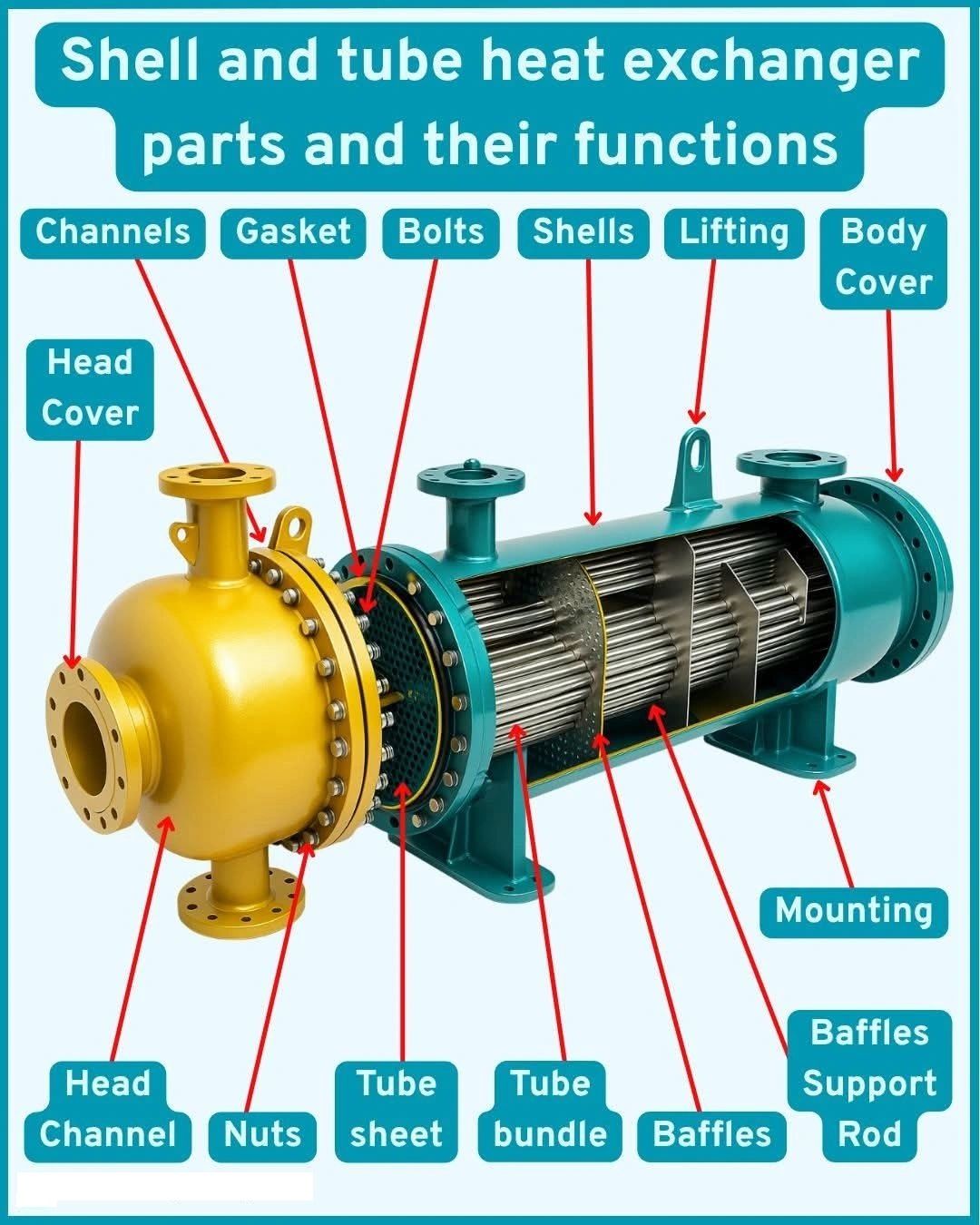
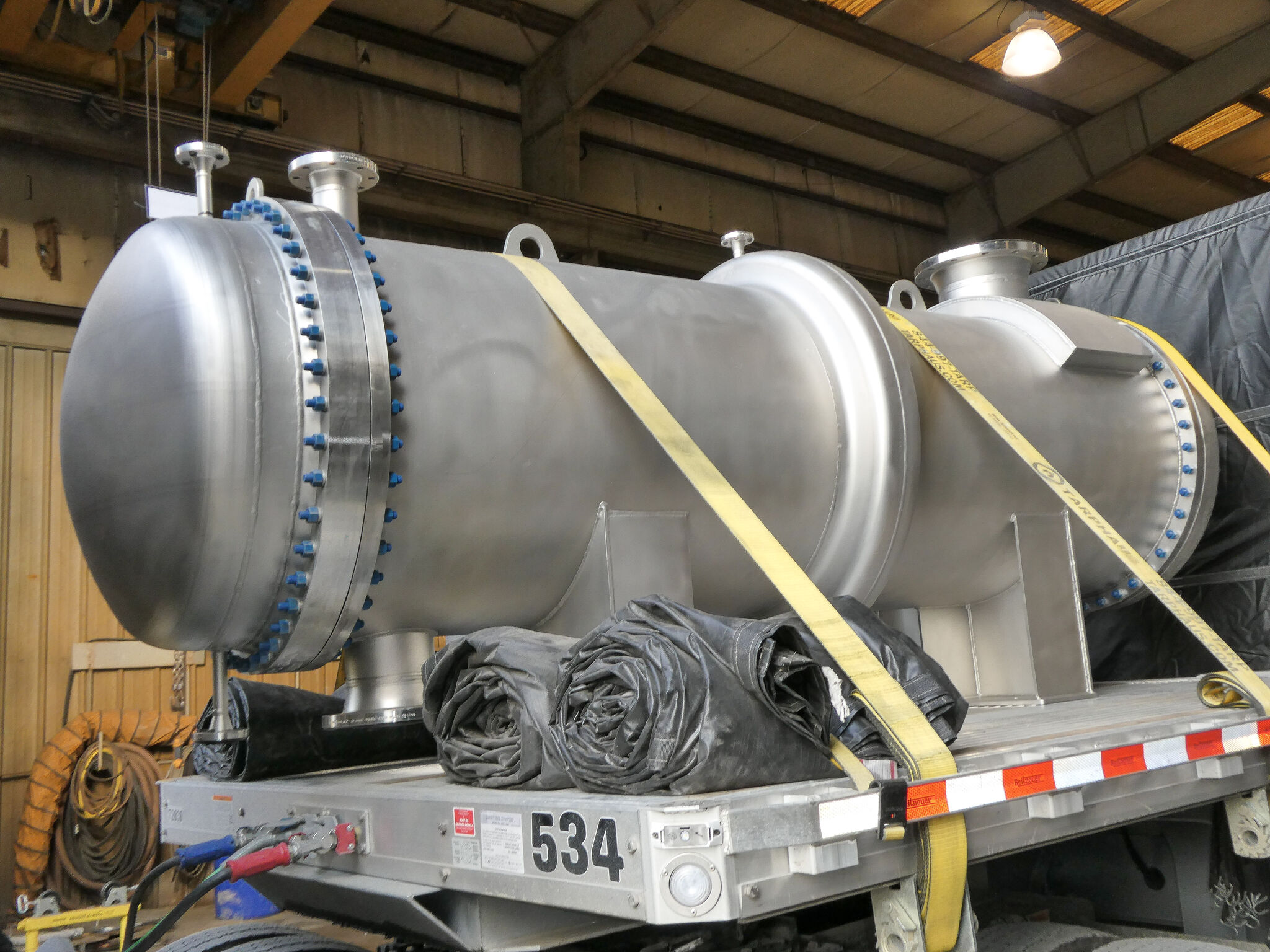
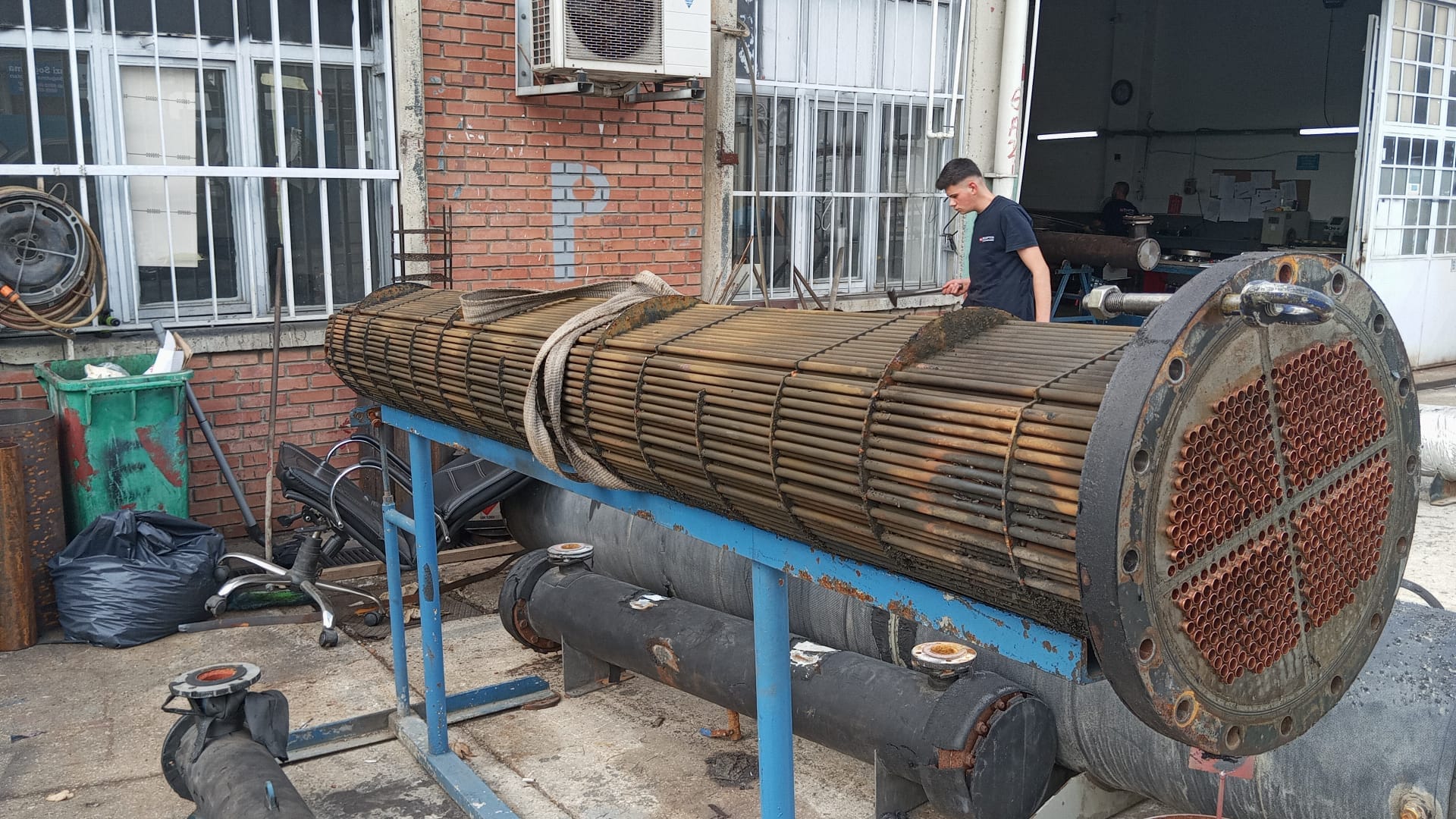
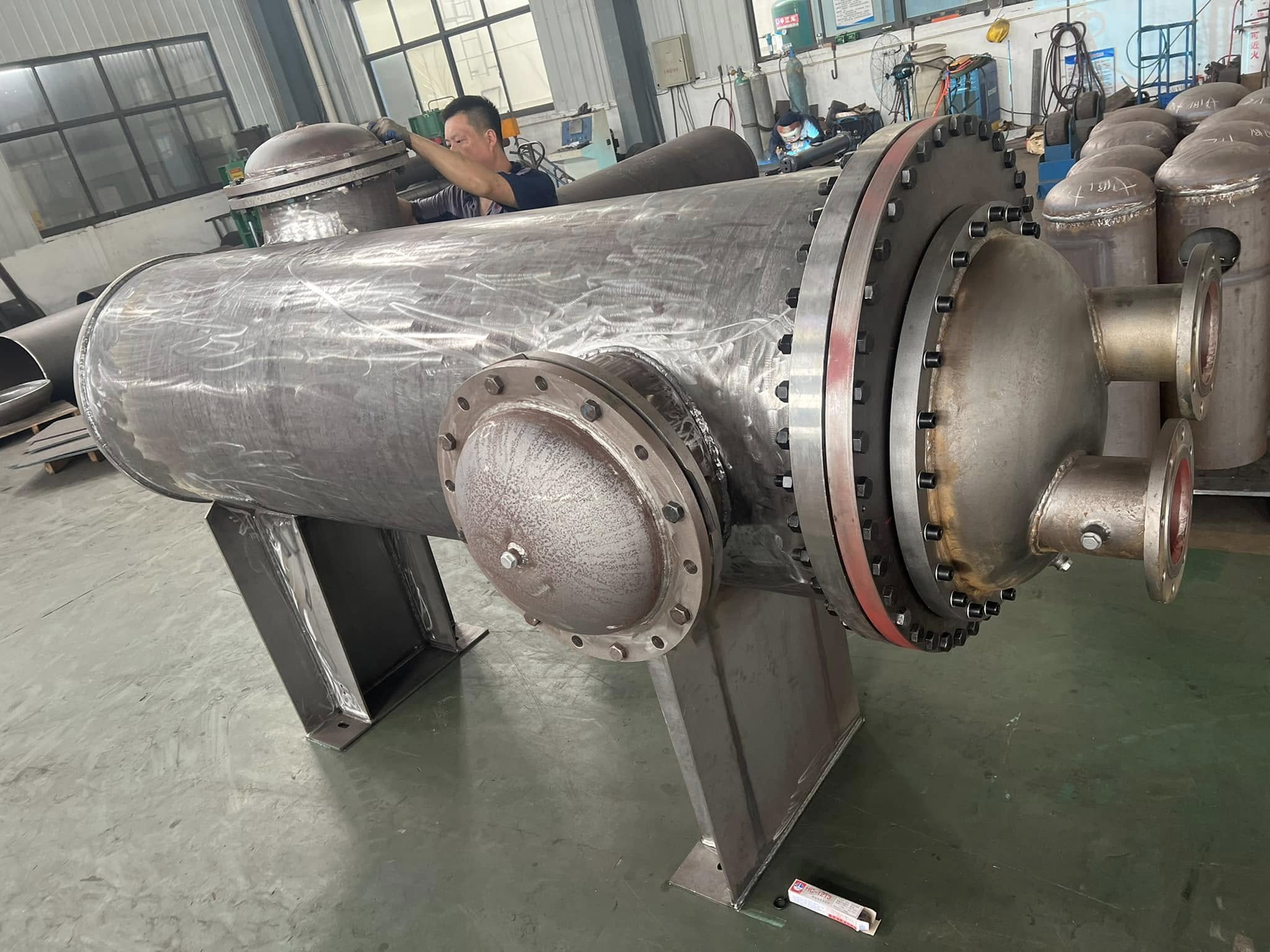
Shell and Tube Heat Exchanger 1. Basic Definition A Shell and Tube Heat Exchanger (STHE) is a classic and versatile type of heat exchanger consisting of a shell (a large pressure vessel) with a bundle of tubes inside it. One fluid runs through the tubes (tube side), and another fluid flows over the tubes (within the...

Heat Exchanger Manufacturer in Saudi Arabia

What is process heating and cooling in heat exchanger? Process Heating and Cooling refers to the use of a heat exchanger to raise or lower the temperature of a fluid (a liquid or gas) to a specific, required value for a subsequent industrial step, reaction, or storage condition. It is the most common and direct application […]

Heat Exchanger Manufacturer in South Africa

Role of Heat Exchanger in Industry? The role of heat exchangers in industry is absolutely fundamental. They are the unsung workhorses of the industrial world, critical for efficiency, safety, process control, and conservation. In essence, a heat exchanger’s role is to transfer thermal energy from one fluid to another without mixing...
Heat Exchanger Manufacturer in Kuwait

Gasket plate Heat Exchanger Vs Brazed Plate Heat Exchanger Feature Brazed Plate (BPHE) Gasketed Plate (PHE) Construction Permanently brazed together Held together by large bolts and gaskets Cleanability Cannot be opened. Chemical cleaning only. Can be fully opened for mechanical cleaning. Gaskets None. Eliminates leak points....
Heat Exchanger Manufacturer in Qatar

Typical Applications BPHEs are ubiquitous in applications where fluids are clean and space is limited:

Heat Exchanger Manufacturer in Egypt

What is Brazed Plate Heat Exchanger? A Brazed Plate Heat Exchanger (BPHE) is a compact, efficient, and robust type of heat exchanger constructed by laser-welding and brazing multiple thin corrugated metal plates together into a single, inseparable unit. It’s a specific subtype of the broader Plate Heat Exchanger...
Heat Exchanger Manufacturer in Yemen

Heat Exchanger Suitable for Cryogenics, multiple streams The undisputed champion for this application is the Plate-Fin Heat Exchanger (PFHE), also known as a Brazed Aluminum Heat Exchanger (BAHX). 1. Brazed Aluminum Plate-Fin Heat Exchanger (BAHX/PFHE) This is the industry standard for almost all large-scale cryogenic applications. 2....
Heat Exchanger Manufacturer in Oman

Heat Exchanger Suitable for Fouling fluids, slurries 1. Scraped Surface Heat Exchanger (SSHE) This is the ultimate solution for severe fouling or products containing large particles. . Wide Gap Plate Heat Exchanger A specialized variant of the standard plate heat exchanger designed for challenging fluids. 3. Spiral Heat Exchanger An excellent...

Heat Exchanger Manufacturer in United Arab Emirates

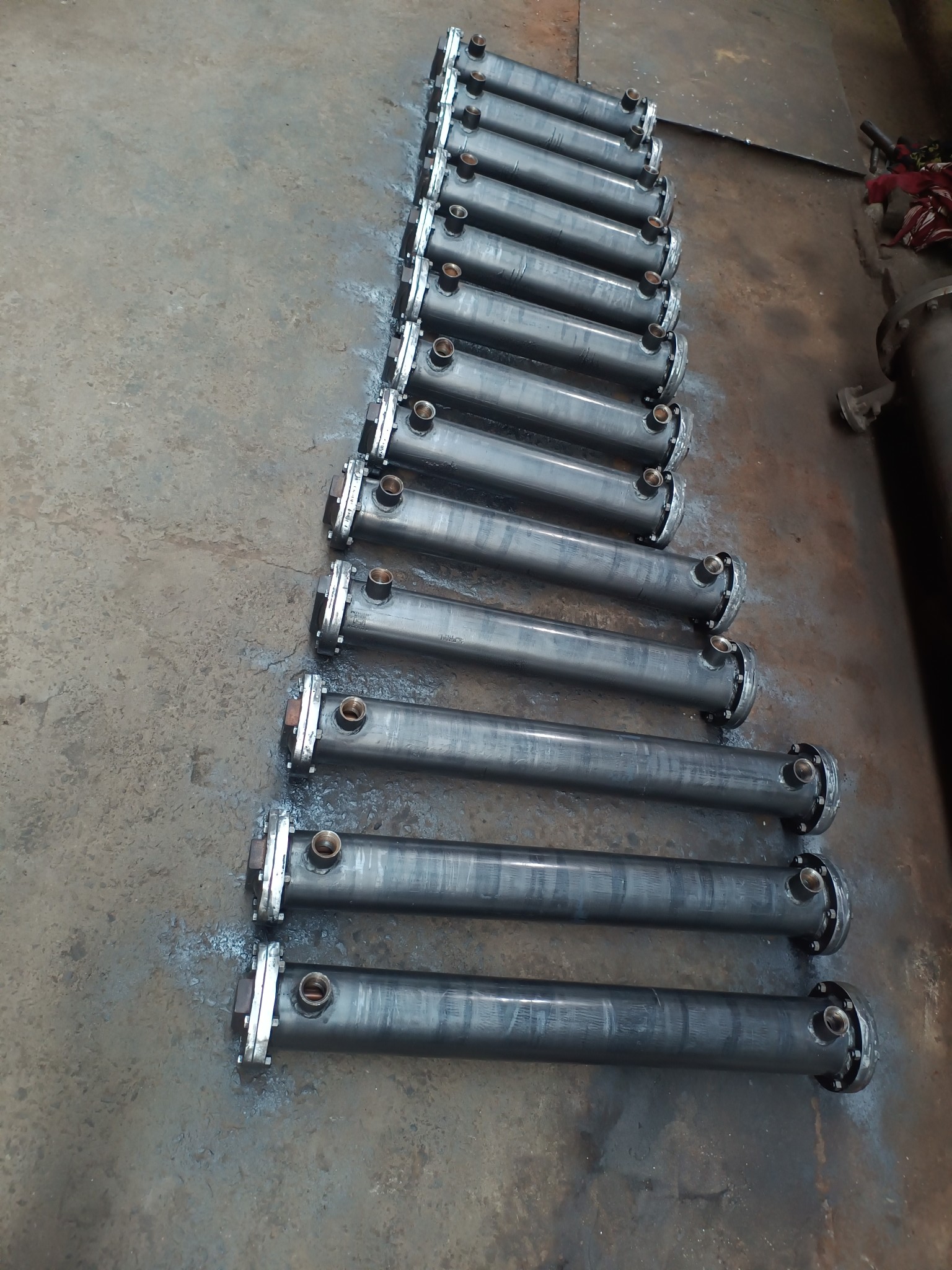
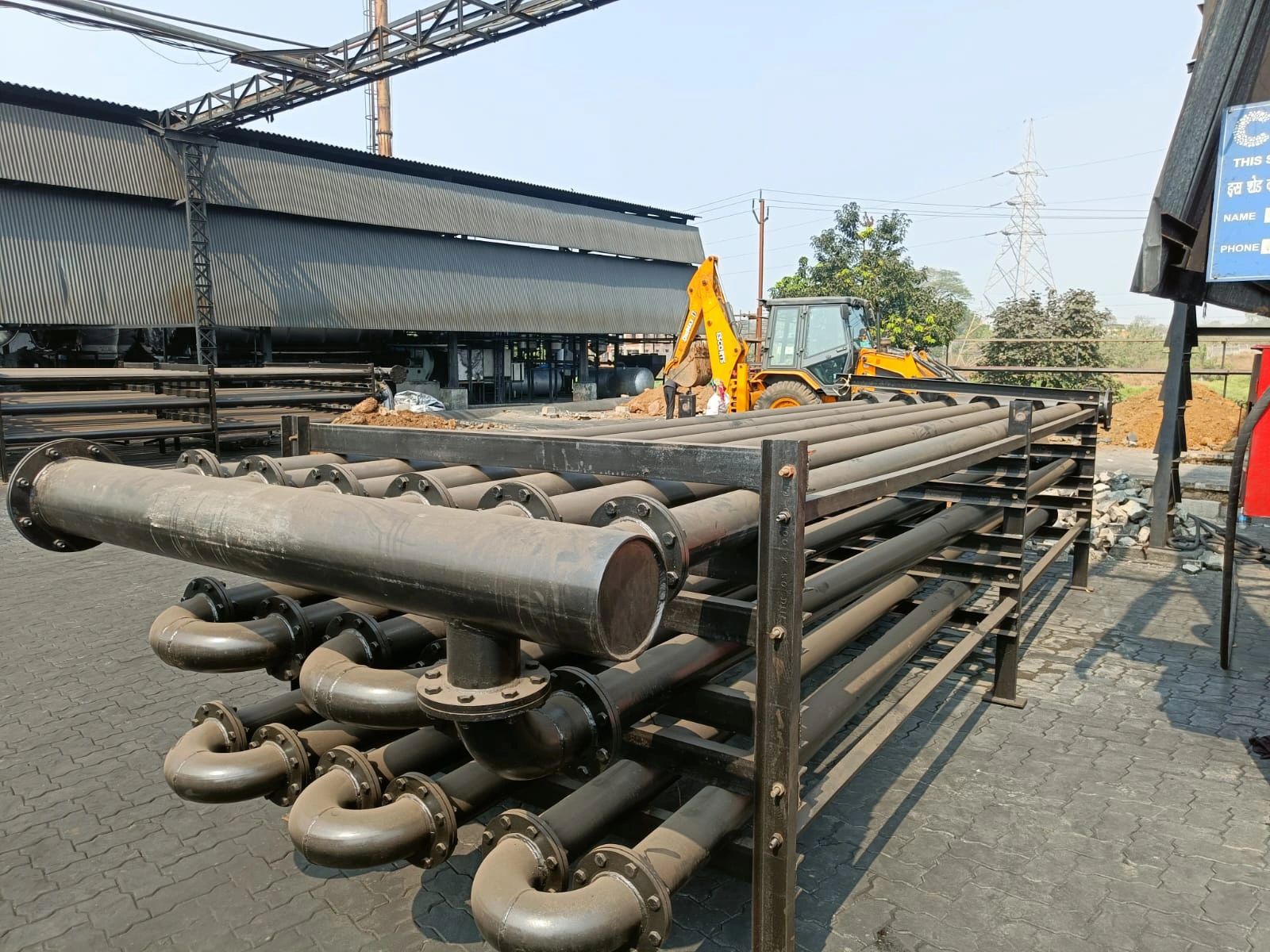
Heat Exchanger Suitable for Small scale, high pressure Double-Pipe (Hairpin) Heat Exchanger This is often the default and most economical choice for this specific niche. It is essentially a pipe within a pipe.Why it’s suitable for high pressure: Its design is fundamentally strong. It contains pressure just like a standard pipe, which can...

Heat Exchanger Manufacturer in Saudi Arabia

Heat Exchanger Suitable for Water conservation, moderate cooling? The most suitable and common type is the Closed-Circuit Cooling Tower (also known as a Fluid Cooler), which is a hybrid device. However, the best choice depends on your specific priorities. Here’s a breakdown of the top options, starting with the most recommended. 1....

Heat Exchanger Manufacturer in India

Heat Exchanger Suitable for Medium pressure/temperature, high efficiency?         Plate Heat Exchangers (PHEs) This is often the go-to choice for high-efficiency duties in medium pressure/temperature ranges. 2. Compact Heat Exchangers (Specifically Plate-Fin) These are the champions of efficiency in...

Heat Exchanger Manufacturer in South Africa

Heat Exchanger Suitable for High pressure, temperature, large duties? Shell and Tube Heat Exchanger This design dominates in severe service conditions for several key reasons: Key Design Considerations for Severe Service Within the category of shell and tube exchangers, you must choose the right type of front head, shell, and rear head to handle...

Heat Exchanger Manufacturer in Kuwait

What is Spiral Heat Exchanger? A Spiral Heat Exchanger is a specialized type of heat exchanger designed around two long, flat plates that are coiled around a central core to form two concentric, spiral flow channels for the two fluids. One fluid flows through the inner channel, and the other fluid flows through the outer channel in...

Heat Exchanger Manufacturer in Kuwait

What is Spiral Heat Exchanger? A Spiral Heat Exchanger is a specialized type of heat exchanger designed around two long, flat plates that are coiled around a central core to form two concentric, spiral flow channels for the two fluids. One fluid flows through the inner channel, and the other fluid flows through the outer channel in...
1 10 11 12 74