Blog

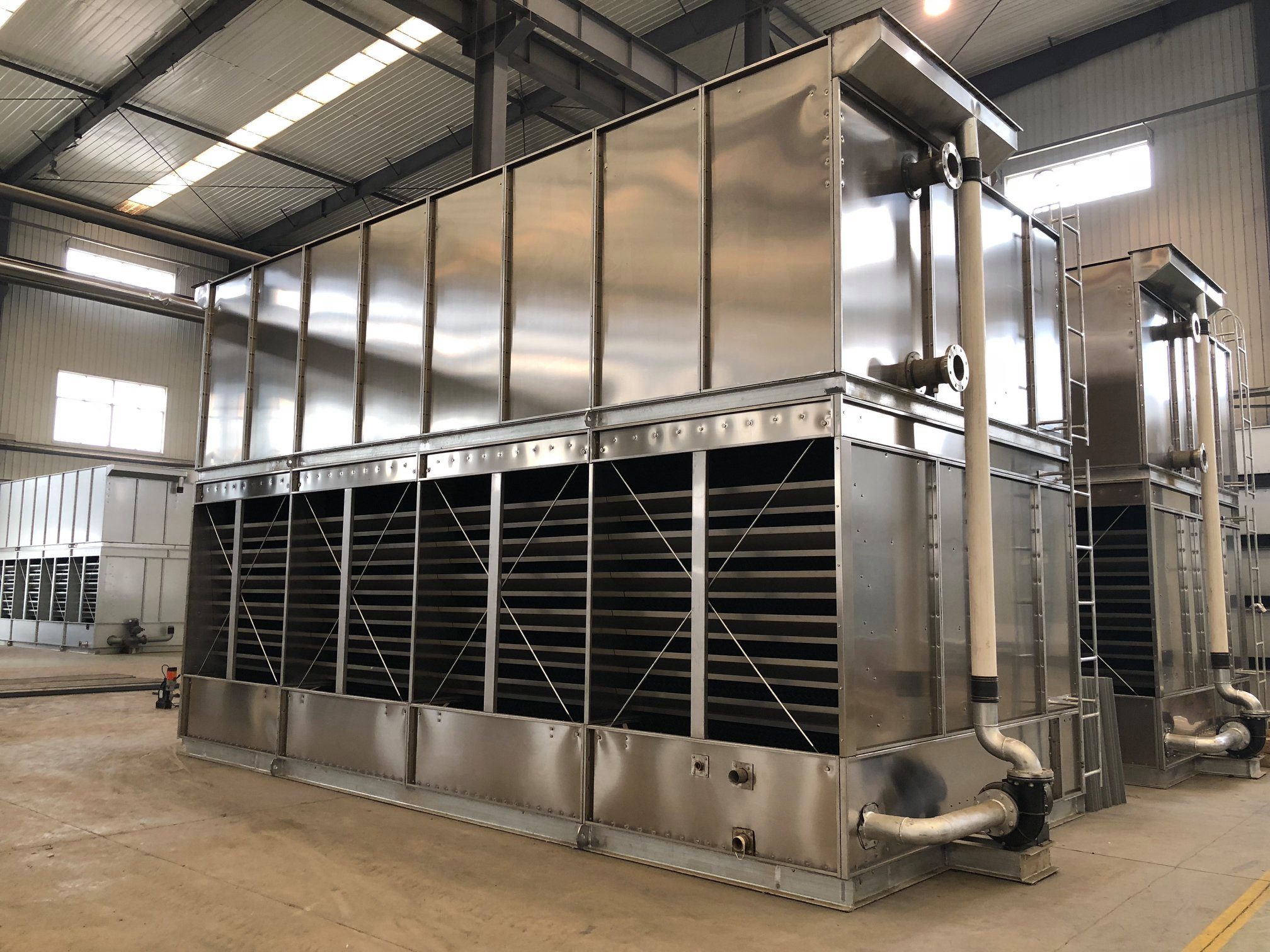
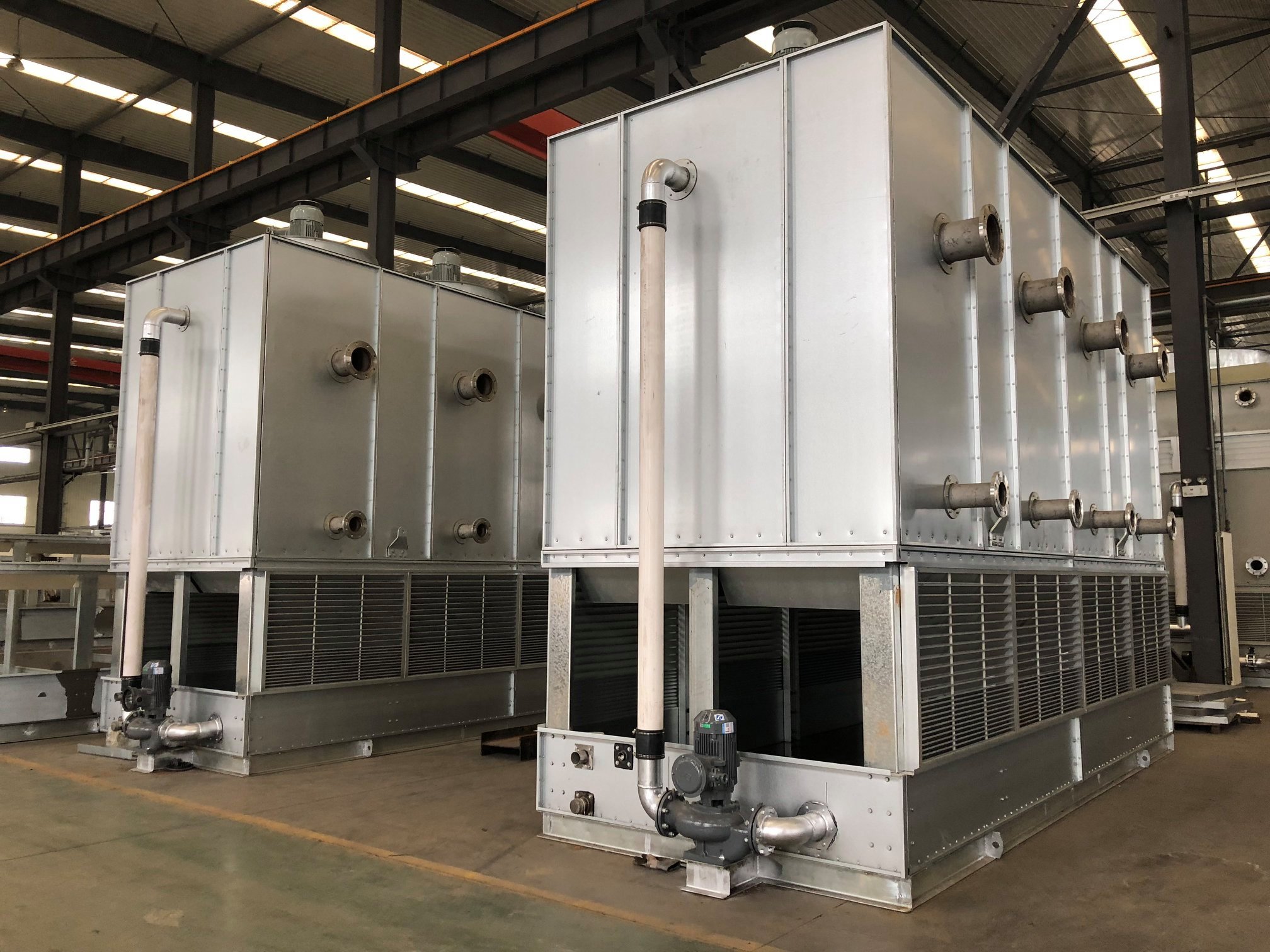
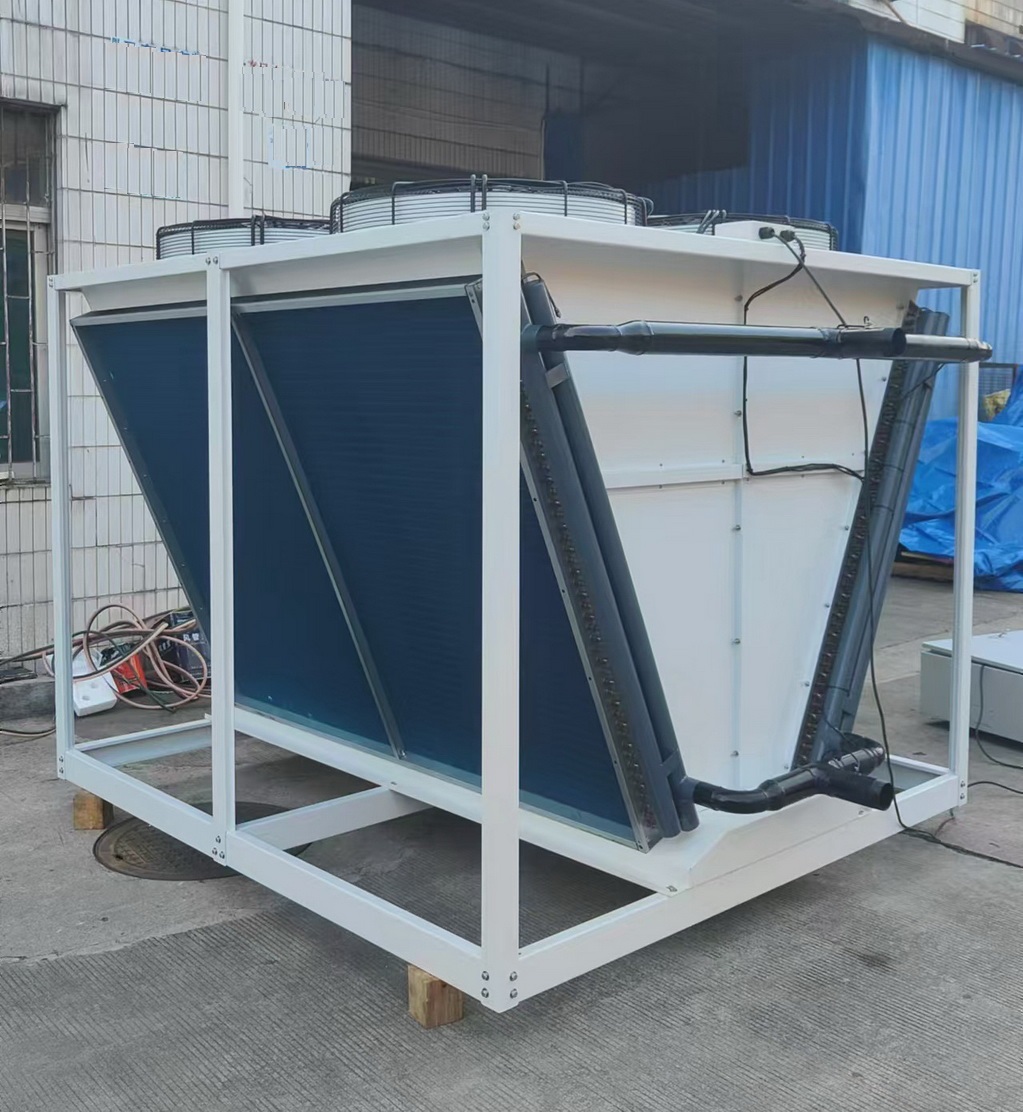
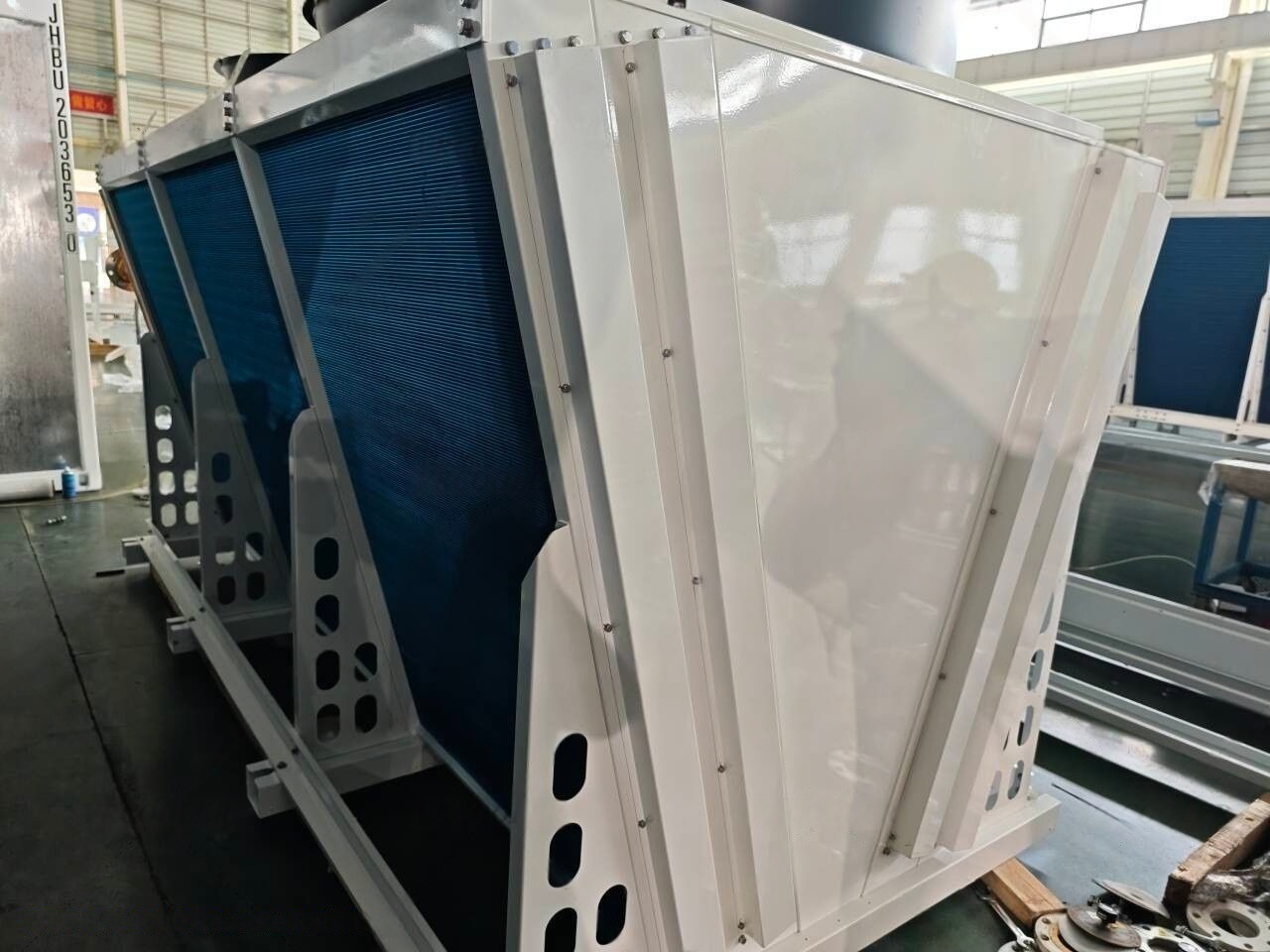
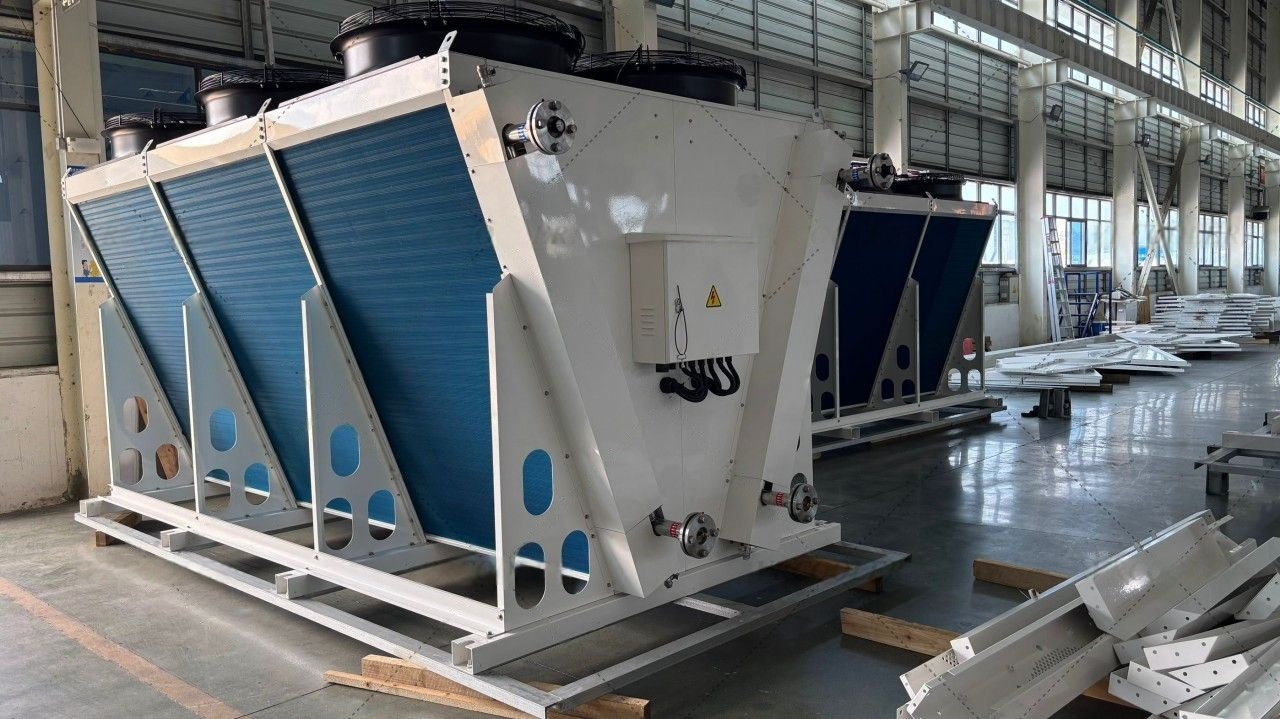
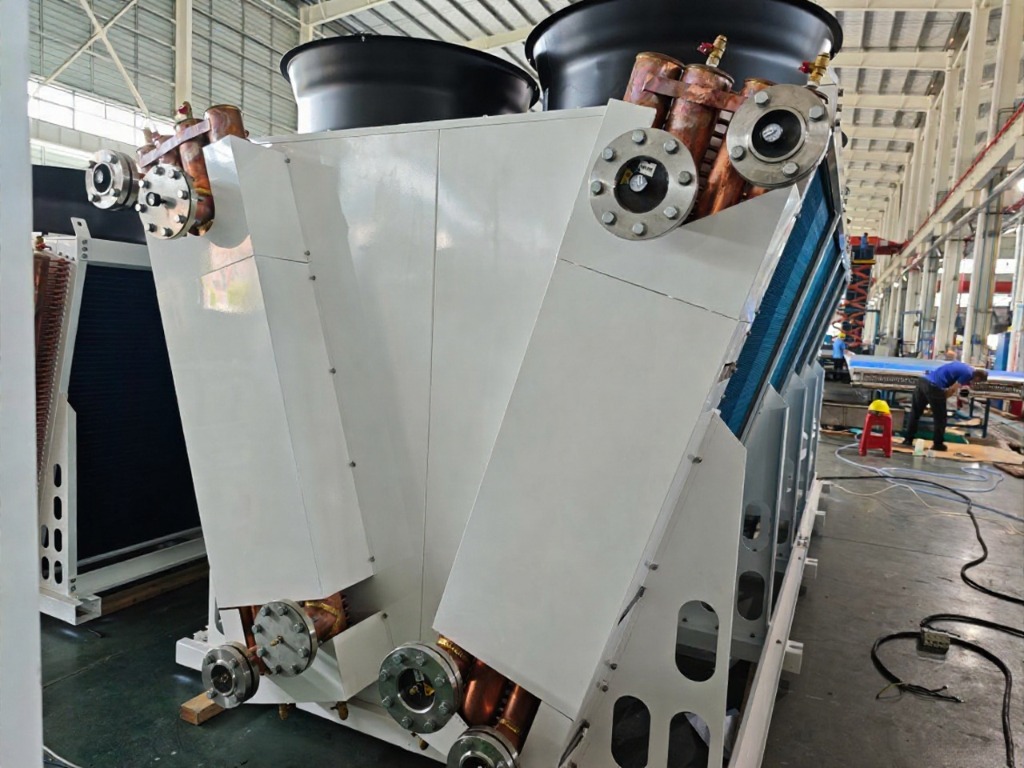
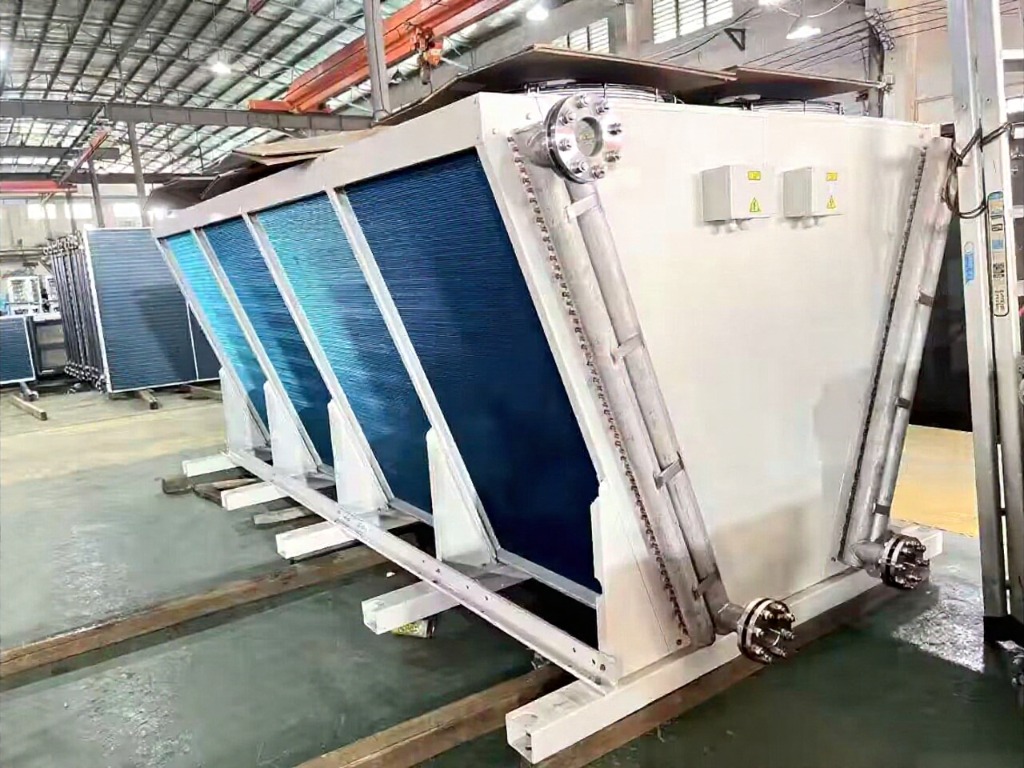
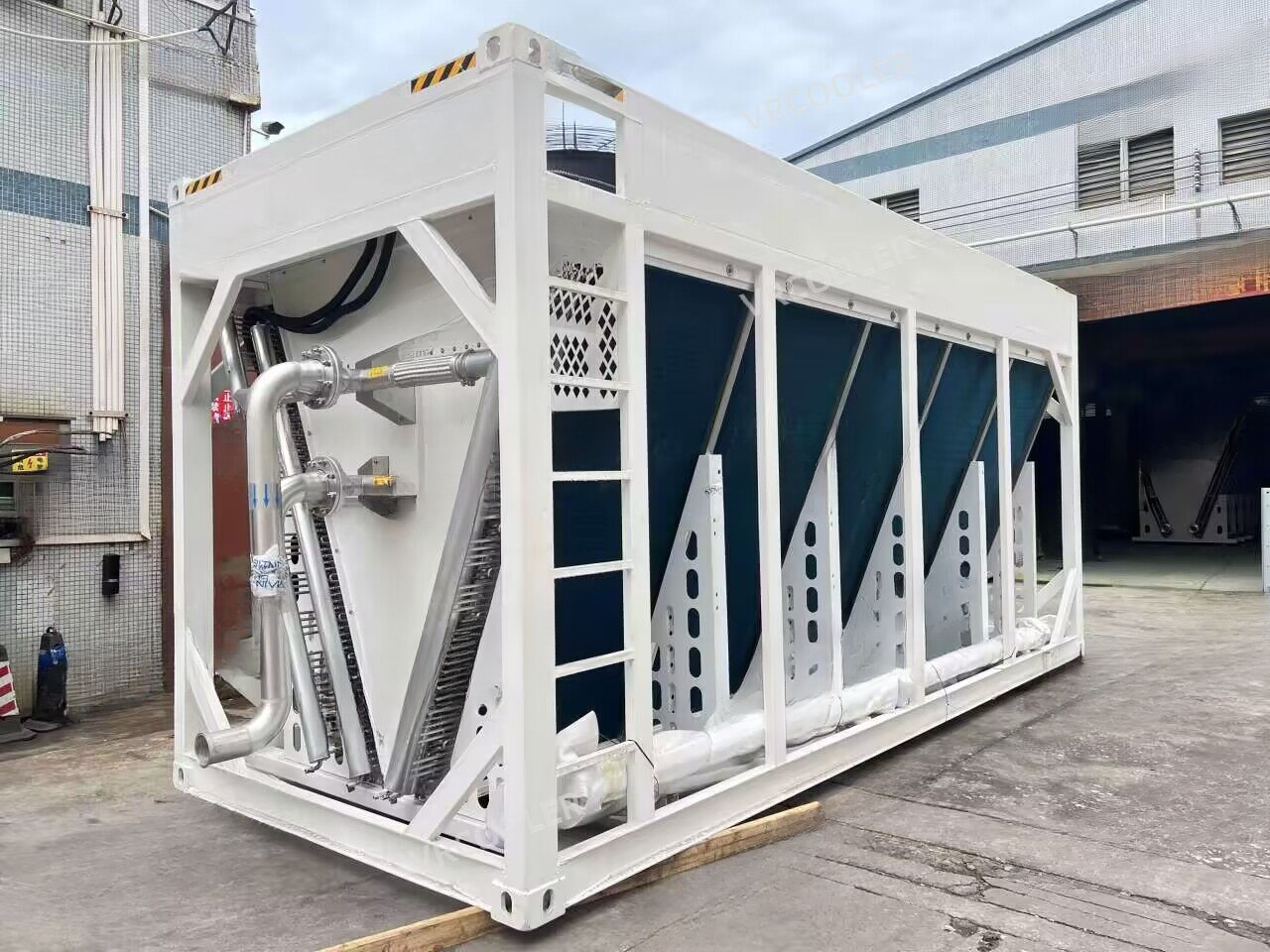
Dry Fluid Cooler Manufacturer in Saudi Arabia

Dry Fluid Cooler vs. Cooling Tower vs. Fluid Cooler This is a common point of confusion. Here’s the breakdown: Feature Dry Fluid Cooler Evaporative (Open) Cooling Tower Fluid Cooler (Closed-Circuit Cooling Tower) Heat Transfer Method Sensible Only (air cools fluid) Latent (Evaporative) (water evaporates) Sensible + Latent (Hybrid)...

Dry Fluid Cooler Manufacturer in UAE

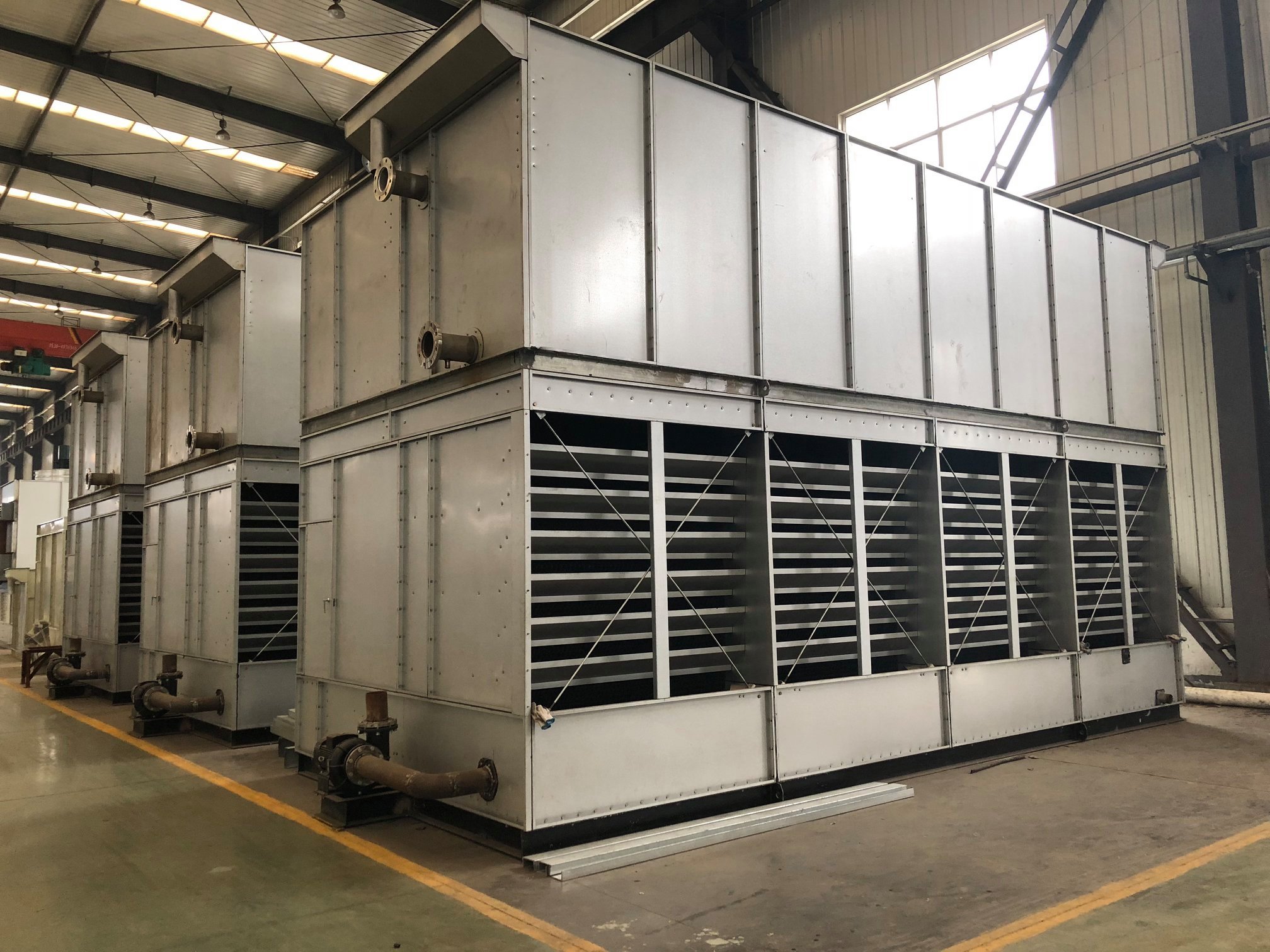
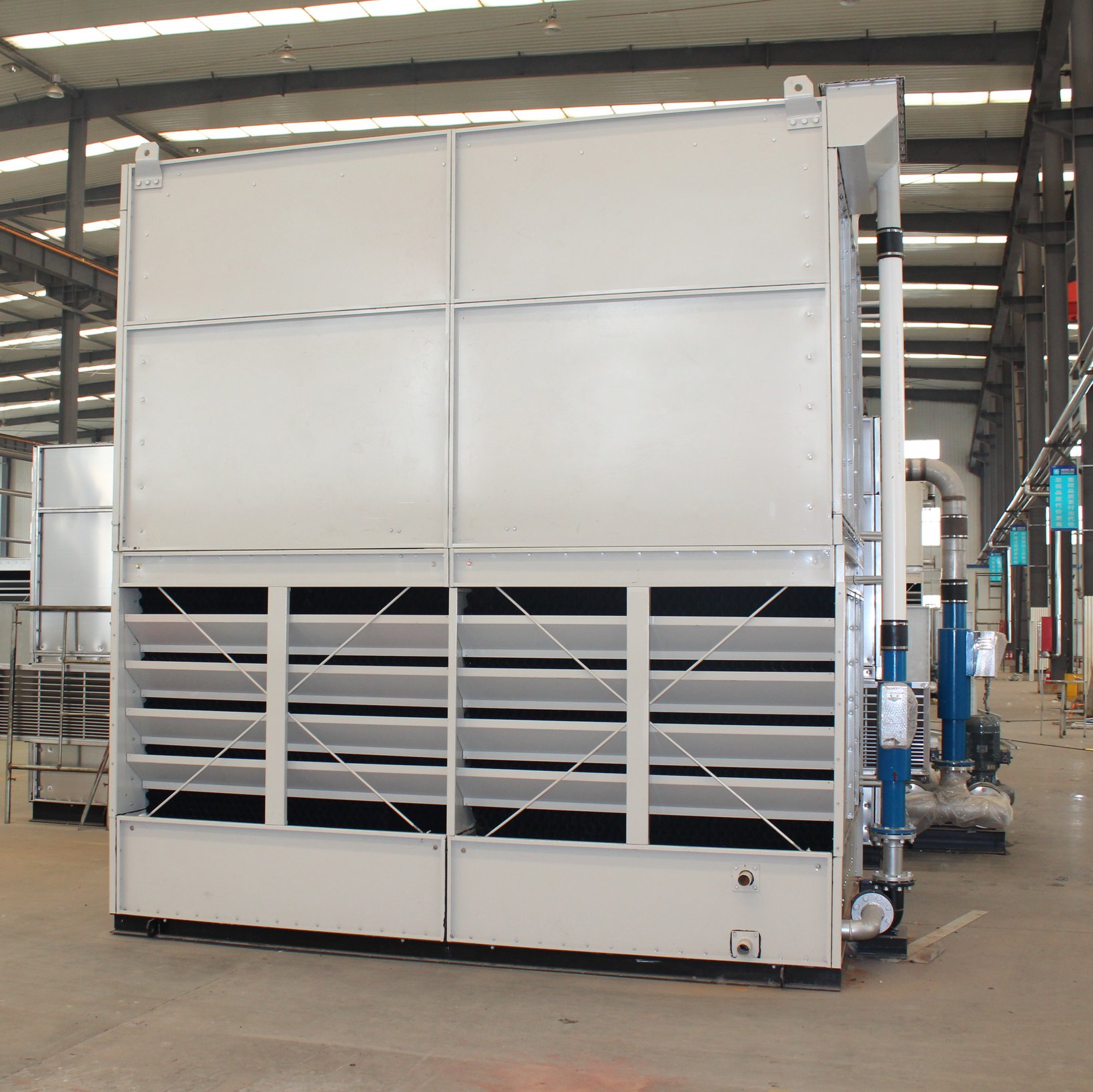
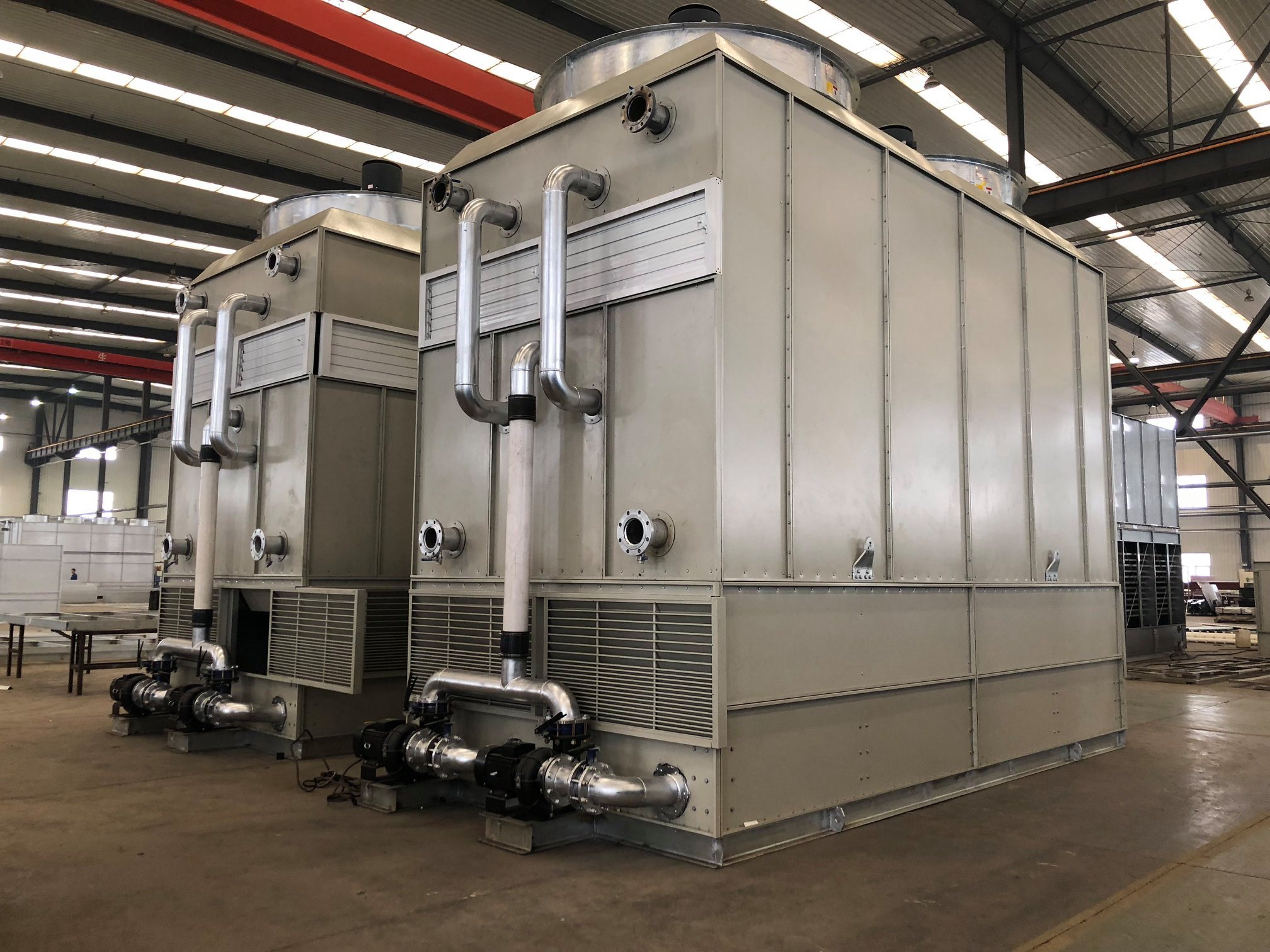
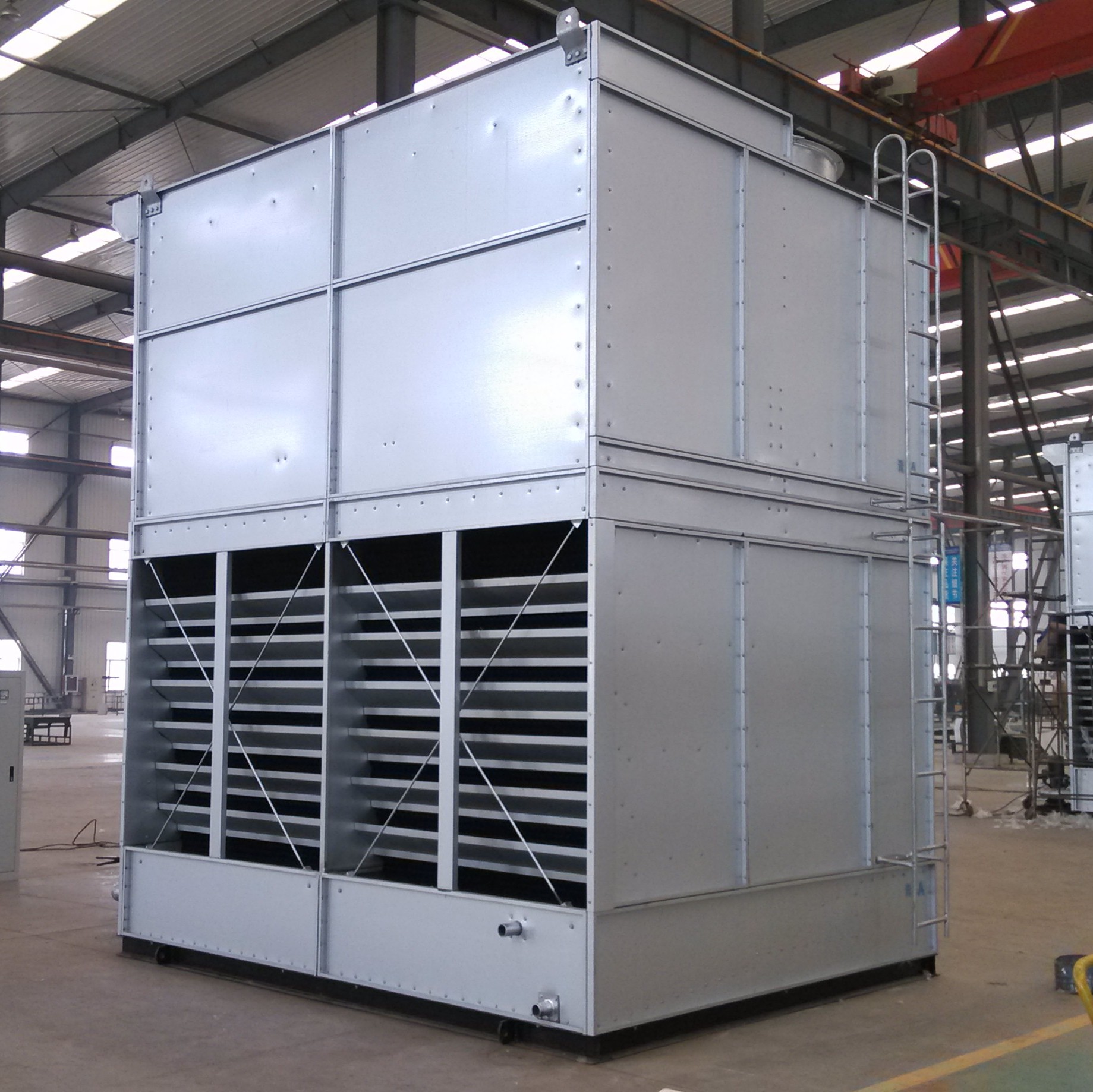
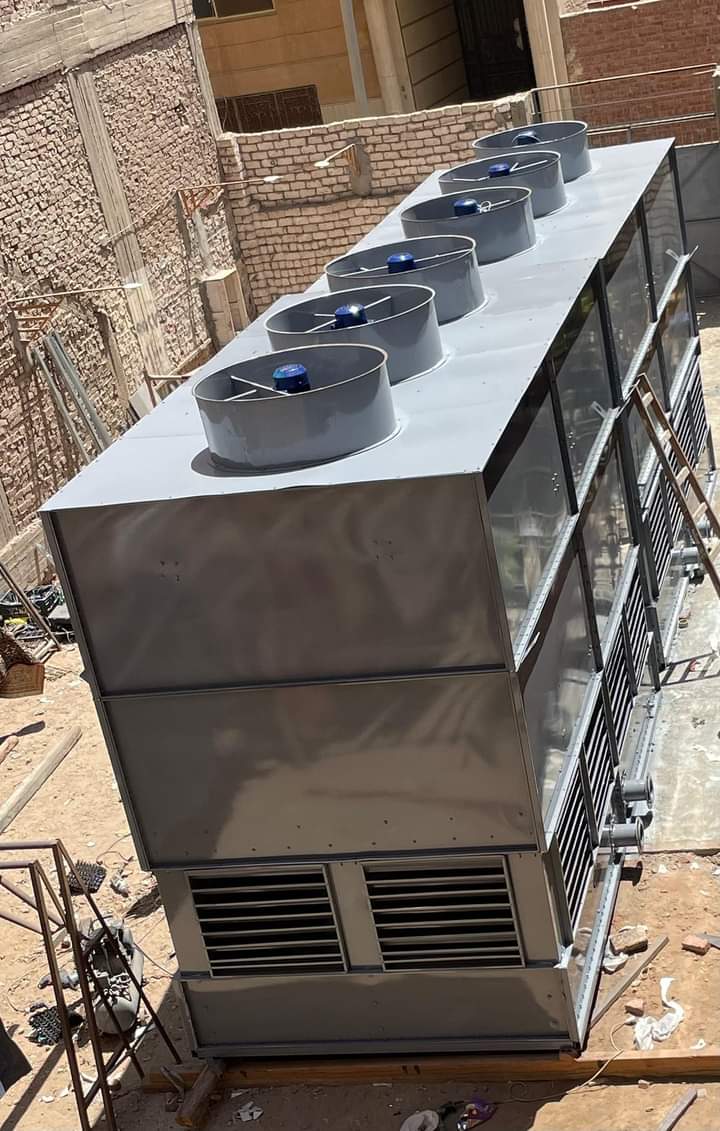
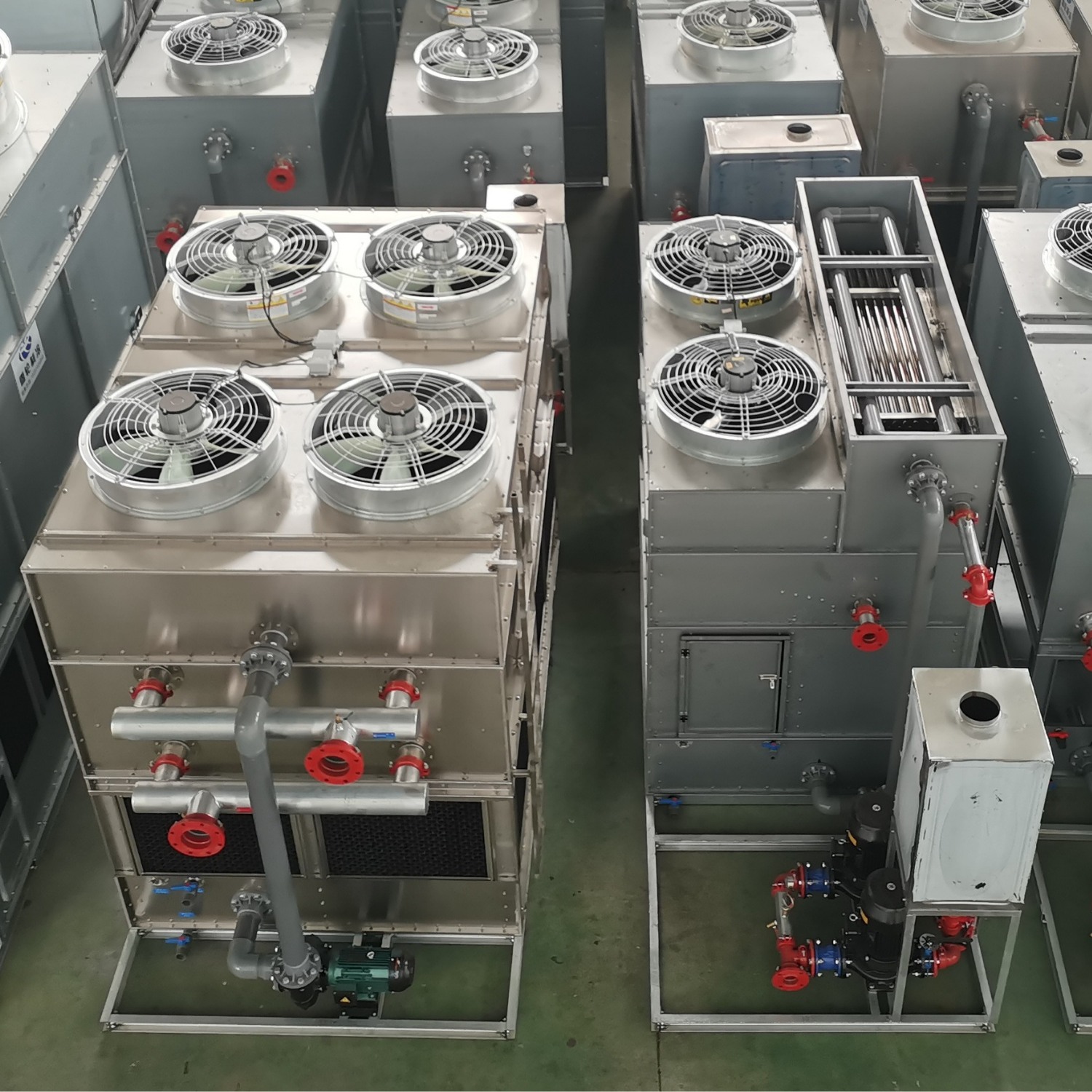
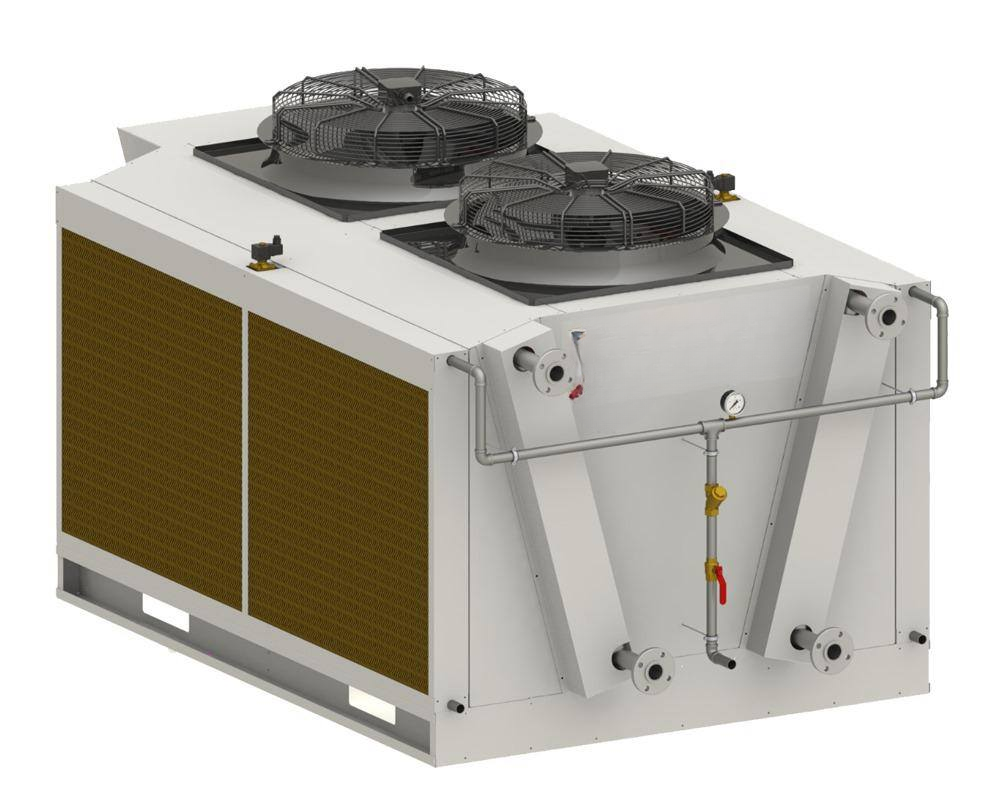
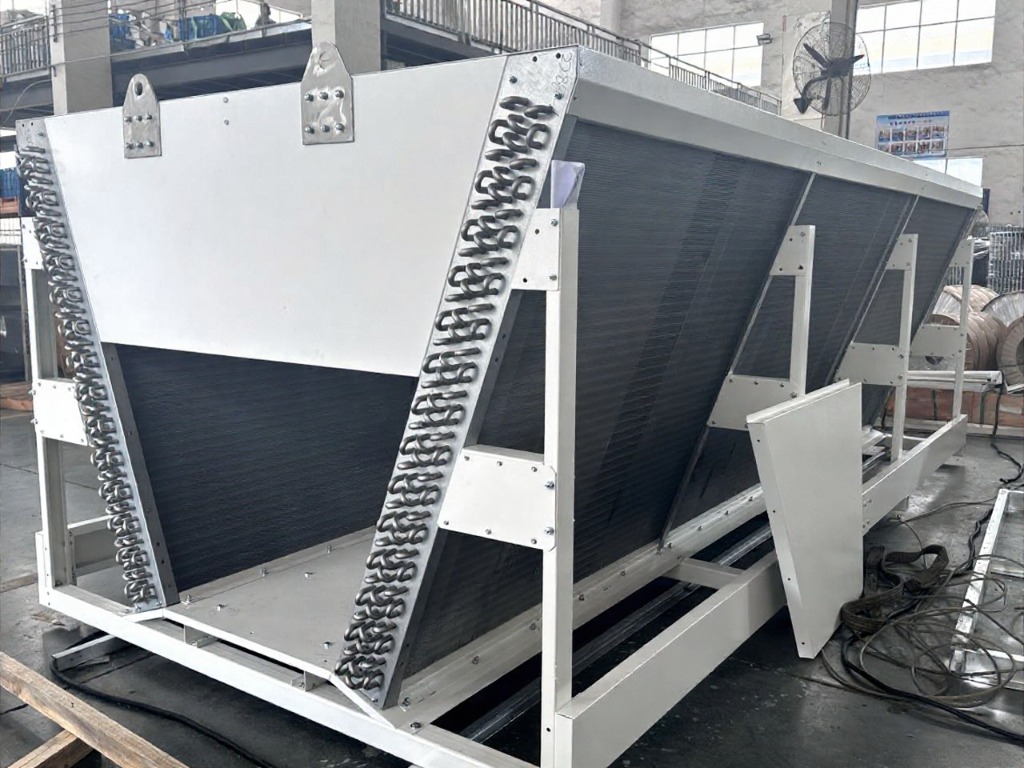
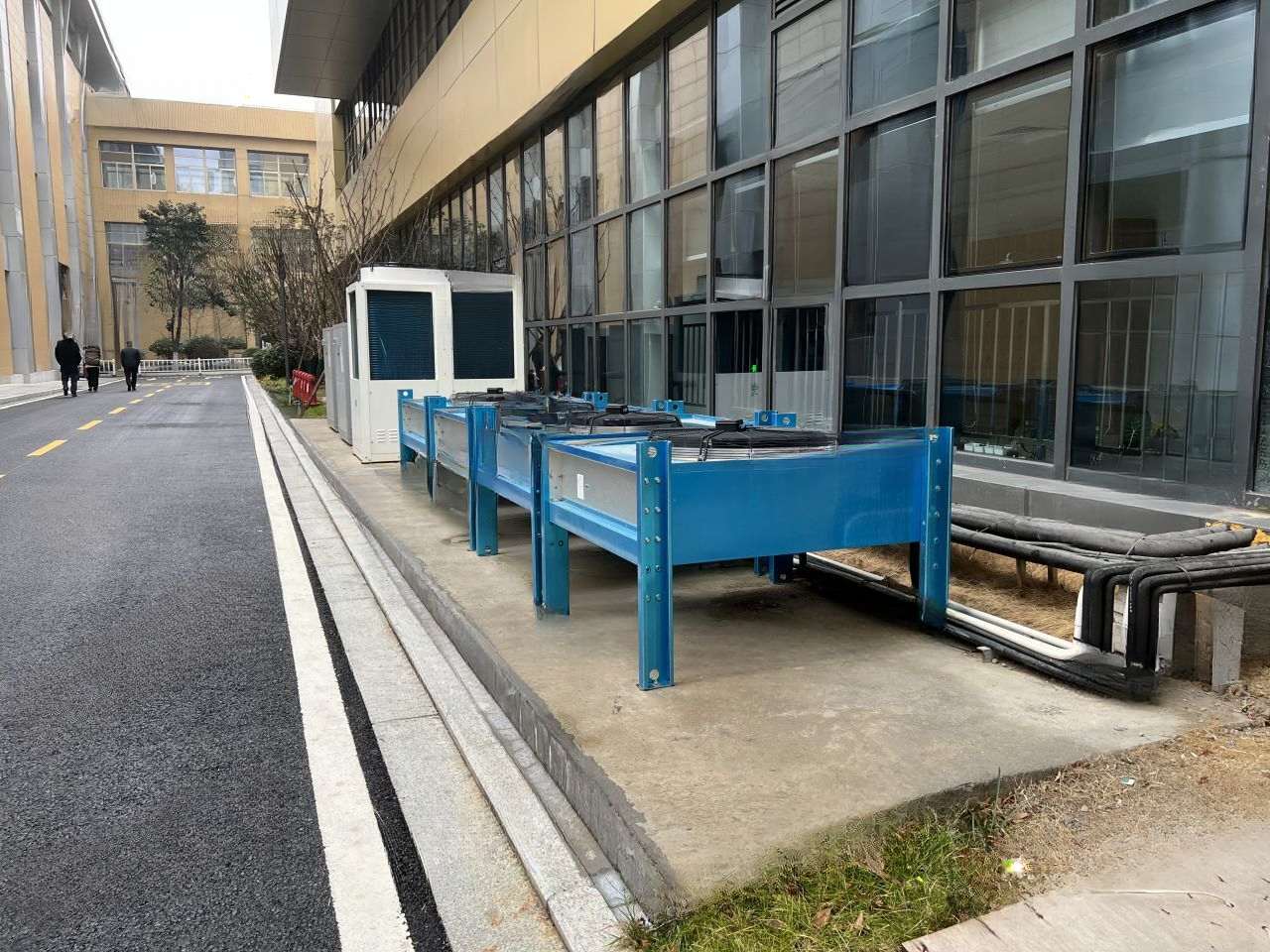
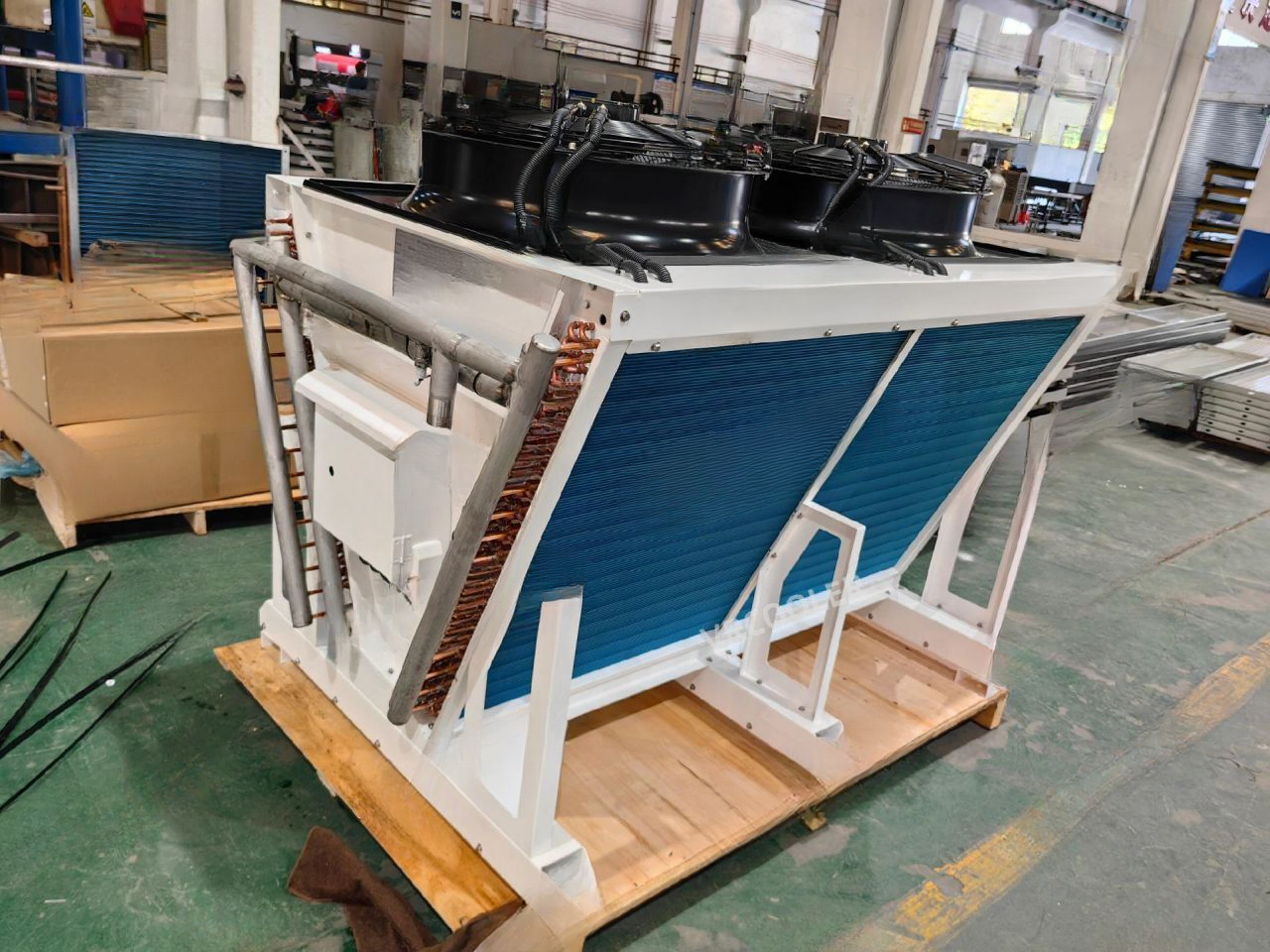
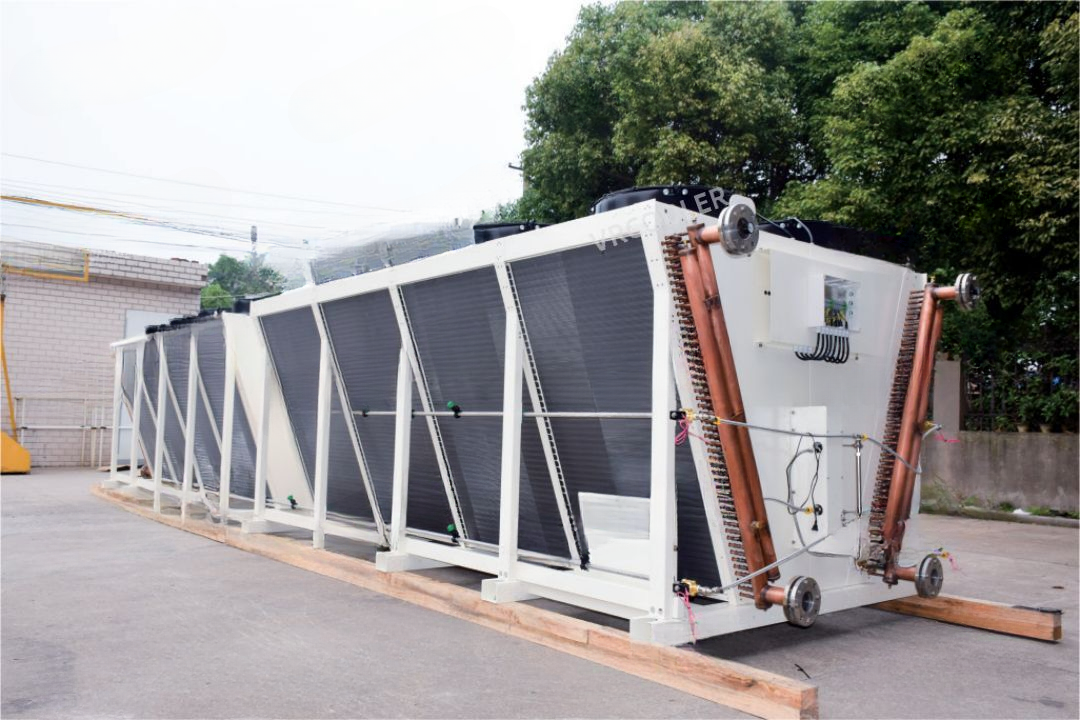
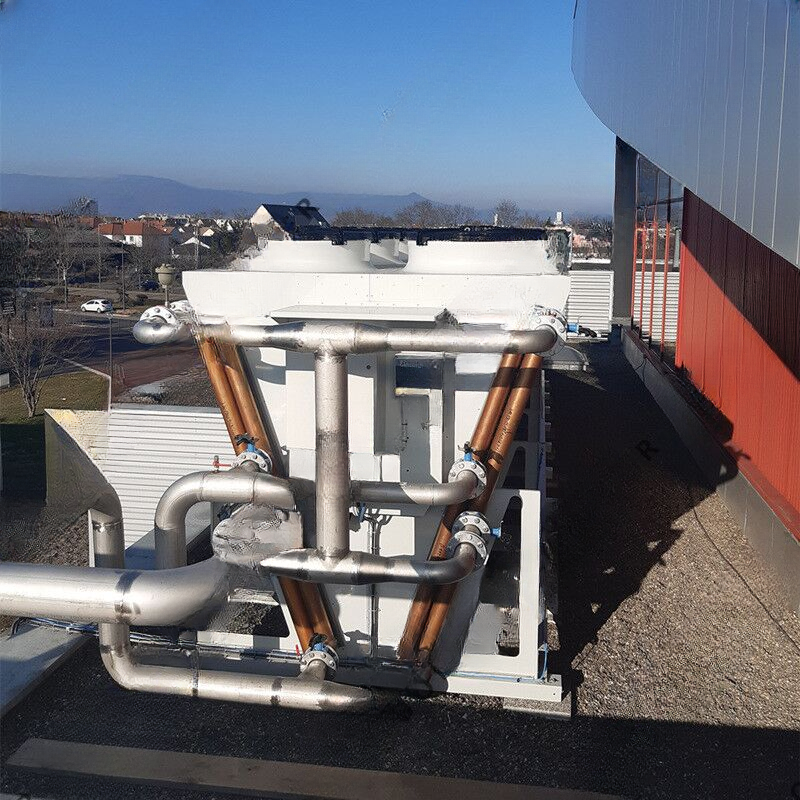
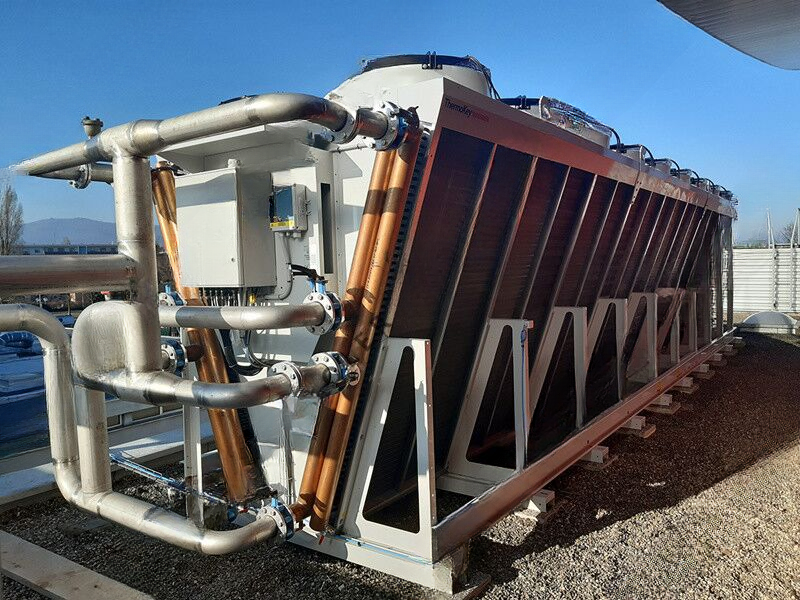
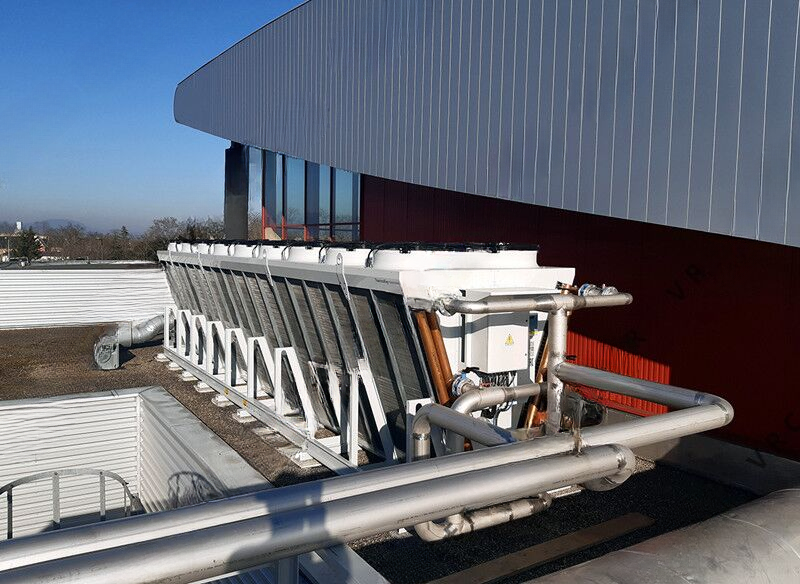
A Dry Fluid Cooler works on the principle of sensible heat transfer. It uses ambient air to cool a process fluid without the fluid and air ever coming into direct contact. The heat is rejected solely through the transfer of thermal energy (sensible heat) from the hot fluid to the cooler air across a metal barrier. […]

Dry Fluid Cooler Manufacturer in India

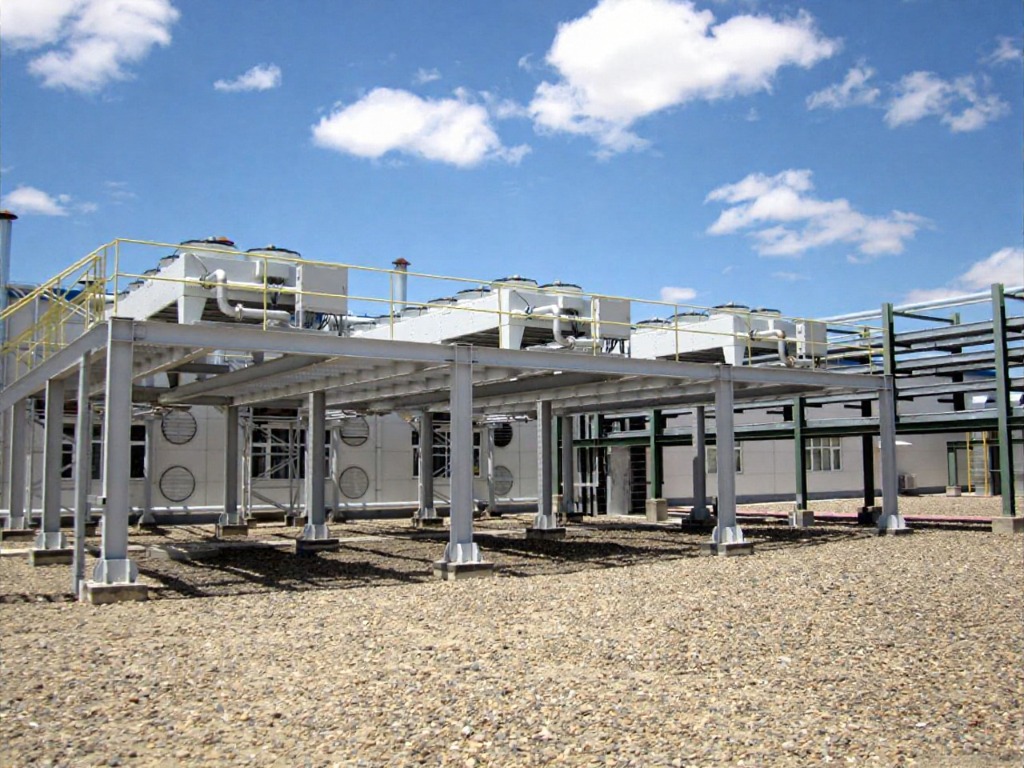
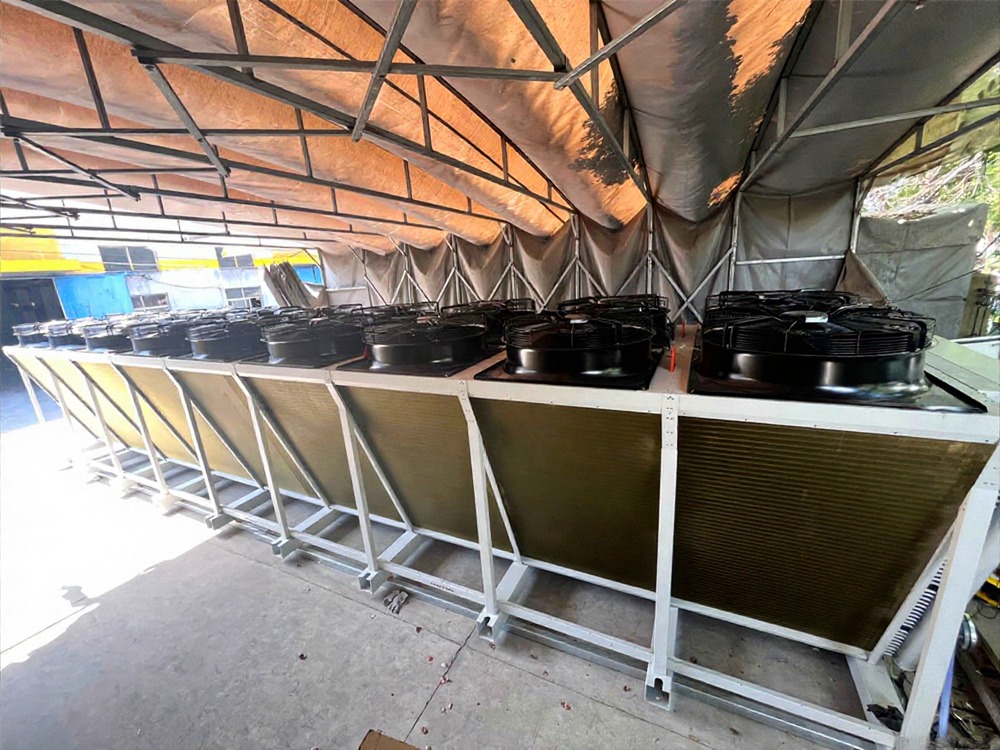
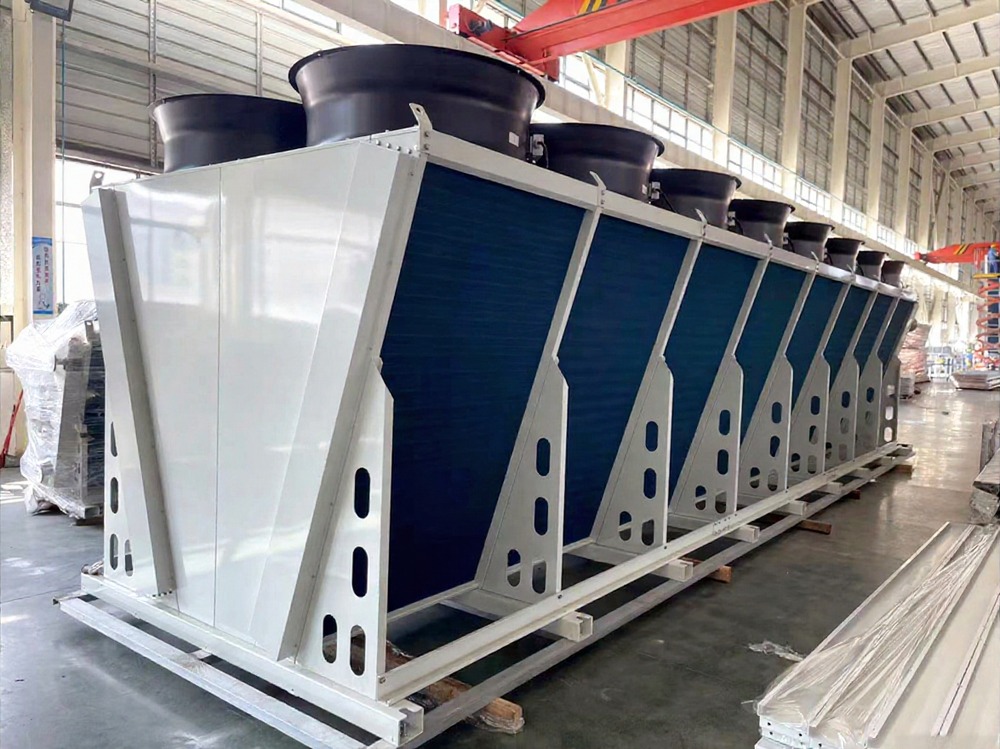
A Dry Fluid Cooler (also known as a Dry Cooler or Air Cooled Heat Exchanger) is a device that cools a process fluid (most commonly water or a water-glycol mixture) using ambient air. The key characteristic is that the process fluid never directly contacts the cooling air; it remains contained within a closed-loop coil....

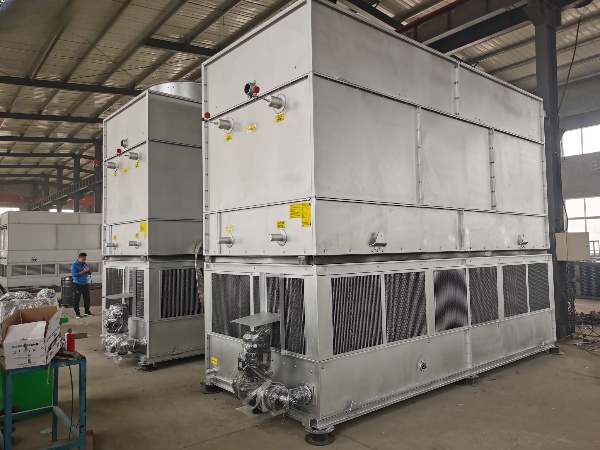
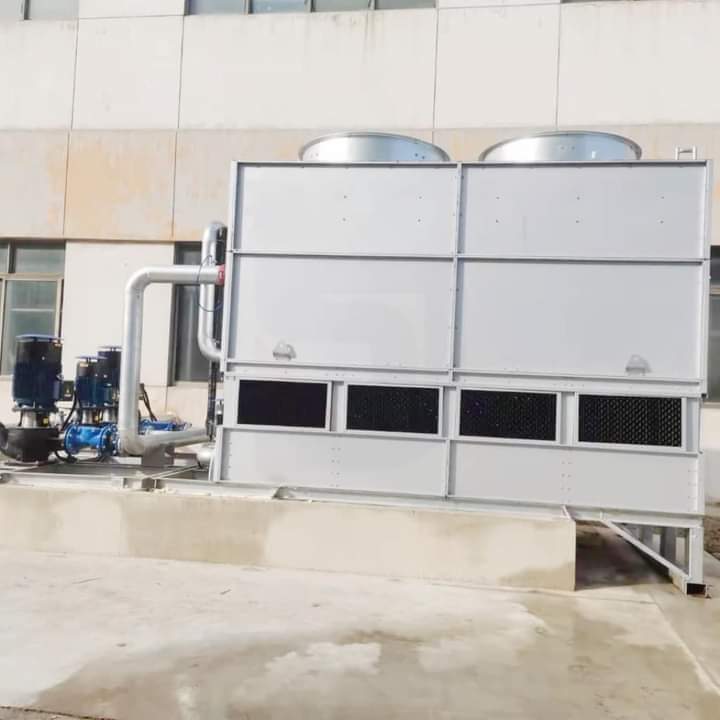
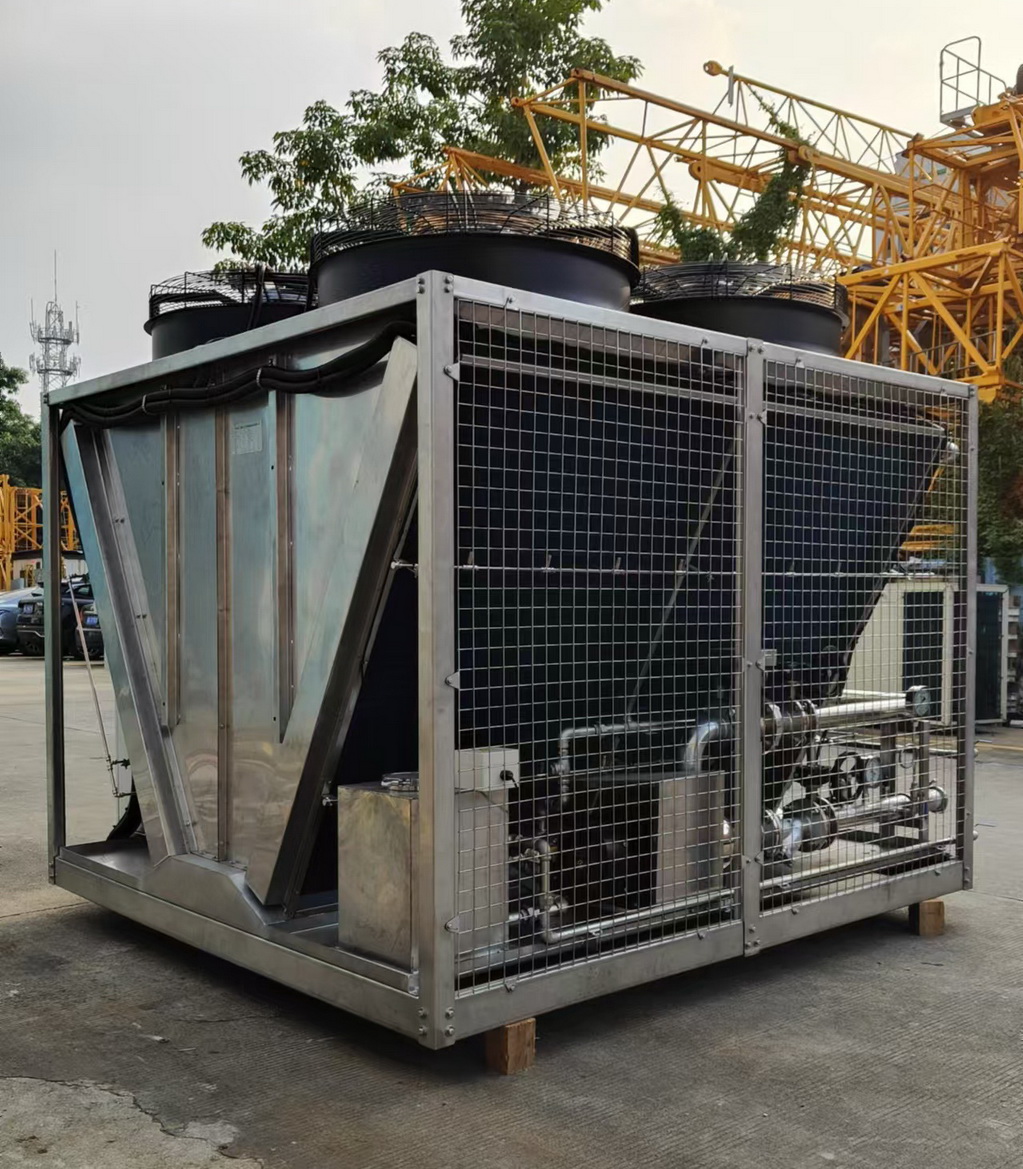
Adiabatic cooling tower Manufacturer in Tunisia

Comparison of Adiabatic Cooling Tower Vs Evaporative (Wet) Cooling Tower Vs  Dry Cooler / Air Cooler Feature Adiabatic Cooling Tower Evaporative (Wet) Cooling Tower Dry Cooler / Air Cooler Principle Hybrid: Adiabatic pre-cooling + sensible heat transfer Full evaporative cooling Sensible heat transfer only Process Circuit Closed-loop (fluid is...

Adiabatic cooling tower Manufacturer in Ghana

Why Choose an Adiabatic Cooler for These Applications? (Summary of Advantages) Application Need How Adiabatic Cooling Meets It High Efficiency in Hot Weather Pre-cooling air allows for heat rejection near the wet-bulb temperature. Water Conservation Uses up to 80% less water than an open evaporative tower. System Protection Closed loop prevents...

Adiabatic cooling tower Manufacturer in Zambia

The application of adiabatic cooling towers is vast and growing, as they offer a superior solution for many modern cooling challenges that balance energy efficiency, water conservation, and system protection. Their core function is to reject heat from a closed-loop system using a hybrid air-and-water approach. Here are the key application areas,...

Adiabatic cooling tower Manufacturer in Ethiopia

Limitations of Adiabatic cooling tower at Extreme High Temperatures Even an adiabatic system has its limits, which are defined by meteorology. Result: The adiabatic cooler will be operating, but its cooling capacity will be reduced because the pre-cooled air is still relatively warm. The system will be running at 100% capacity (fans at full...

Adiabatic cooling tower Manufacturer in Algeria

Effect of high Ambient Temperature in Adiabatic cooling tower The effect of high ambient temperature on an adiabatic cooling tower is significant and is the primary reason this technology is chosen. However, it introduces specific operational challenges. Here’s a detailed breakdown of the effects, both on performance and system operation. The...
Adiabatic cooling tower Manufacturer in Morocco

Material of Construction of heat exchanger coil in Adiabatic cooling tower? The material of construction for the heat exchanger coil in an adiabatic cooling tower is a critical engineering decision, balancing factors like corrosion resistance, thermal conductivity, pressure rating, cost, and the specific environment it will operate in. The coil is...

Adiabatic cooling tower Manufacturer in Nigeria

Material of Construction of cellulose pad The material of construction for cellulose cooling pads is specifically engineered to maximize evaporative efficiency while maintaining structural integrity. The primary material is cellulose, but it is never used in its raw form. It is combined with other materials and treated to create a functional...

Adiabatic cooling tower Manufacturer in South Africa

Decision Summary Table Factor Choose Adiabatic Cooler… Choose Wet Tower… Choose Dry Cooler… Water Availability Limited Abundant Scarce / Prohibited Process Fluid Must be kept clean Can be exposed Must be kept clean Climate Variable / Moderate Hot / Dry Cold / Moderate Efficiency Need High, but water-saving Highest (wet-bulb)...

Adiabatic cooling tower Manufacturer in Yemen

Choosing an adiabatic cooling tower is a strategic decision that hinges on balancing performance, environmental conditions, water availability, and the specific needs of the process being cooled. Here is a clear guide on when to choose an adiabatic cooling tower, broken down into key decision factors. Ideal Scenarios for Choosing an Adiabatic...

Adiabatic cooling tower Manufacturer in Qatar

The use of cellulose pads in adiabatic cooling towers is a deliberate and common engineering choice, driven by a balance of performance, cost, and environmental factors. Here are the key reasons for using cellulose pads, broken down by their advantages and the trade-offs involved. Primary Reasons for Using Cellulose Pads 1. Superior Evaporative...

Adiabatic cooling tower Manufacturer in Oman

Direct vs. Indirect Cooling Feature Direct Cooling Indirect Cooling Circuit Type Open Closed Process Fluid Exposed to atmosphere Contained and protected Heat Transfer Direct Evaporation Through a Heat Exchanger Cooling Limit Ambient Wet-Bulb Temperature Slightly above Wet-Bulb Temperature Water Usage High Low to Zero Water Treatment Intensive...

Adiabatic cooling tower Manufacturer in Kuwait

Direct Cooling Vs Indirect Cooling The core difference lies in whether the process fluid being cooled is directly exposed to the atmosphere and the cooling air. Direct Cooling (Open Circuit) In a direct cooling system, the fluid that needs to be cooled (typically water) is directly exposed to the cooling air and the...

Adiabatic cooling tower Manufacturer in Jordan

Comparison to Alternative: PVC (Synthetic) Pads Feature Cellulose Pad PVC Pad Material Natural plant-based fibers Plastic (Polyvinyl Chloride) Cooling Efficiency Higher (better wicking and evaporation) Slightly Lower Lifespan Shorter (2-5 years) Longer (5-10+ years) Maintenance Higher (prone to clogging, organic growth) Lower (easy...

Adiabatic cooling tower Manufacturer in Bahrain

What is a Cellulose Pad? A cellulose pad is a specially engineered, rigid sheet made primarily from plant-based cellulose fibers (often from aspen or other hardwood trees) that are bonded together using special resins and then corrugated and laminated into a thick, multi-layered block. Its primary function is to maximize the surface...

Adiabatic cooling tower Manufacturer in Egypt

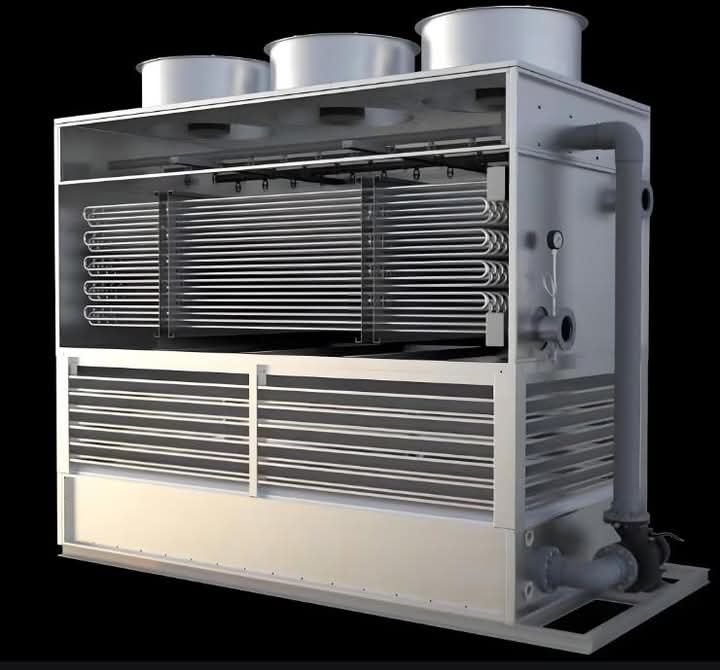
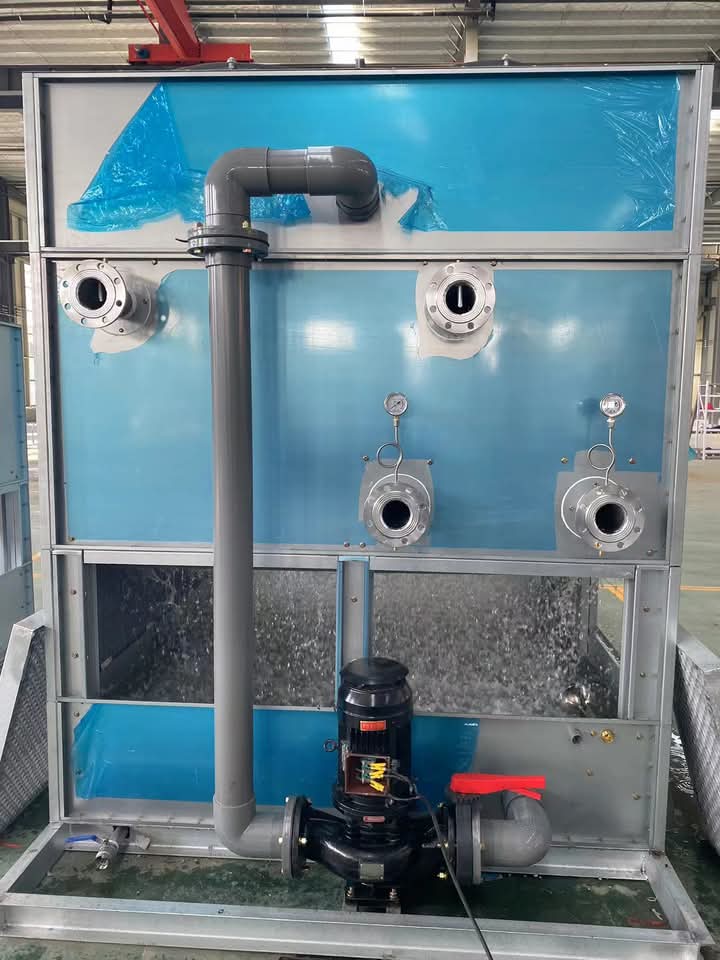
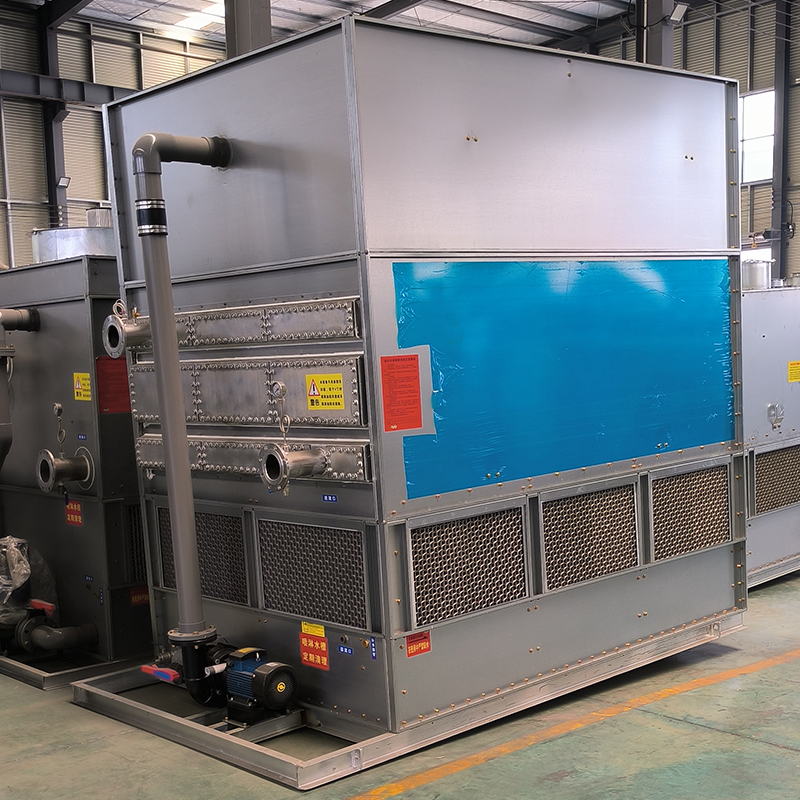
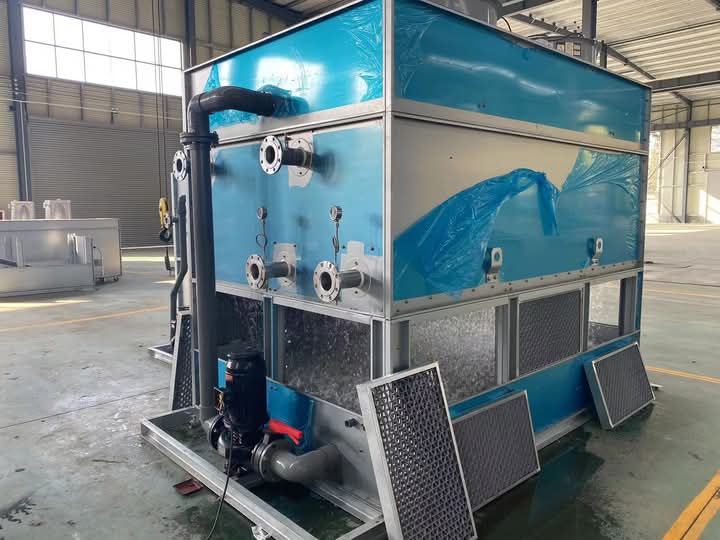
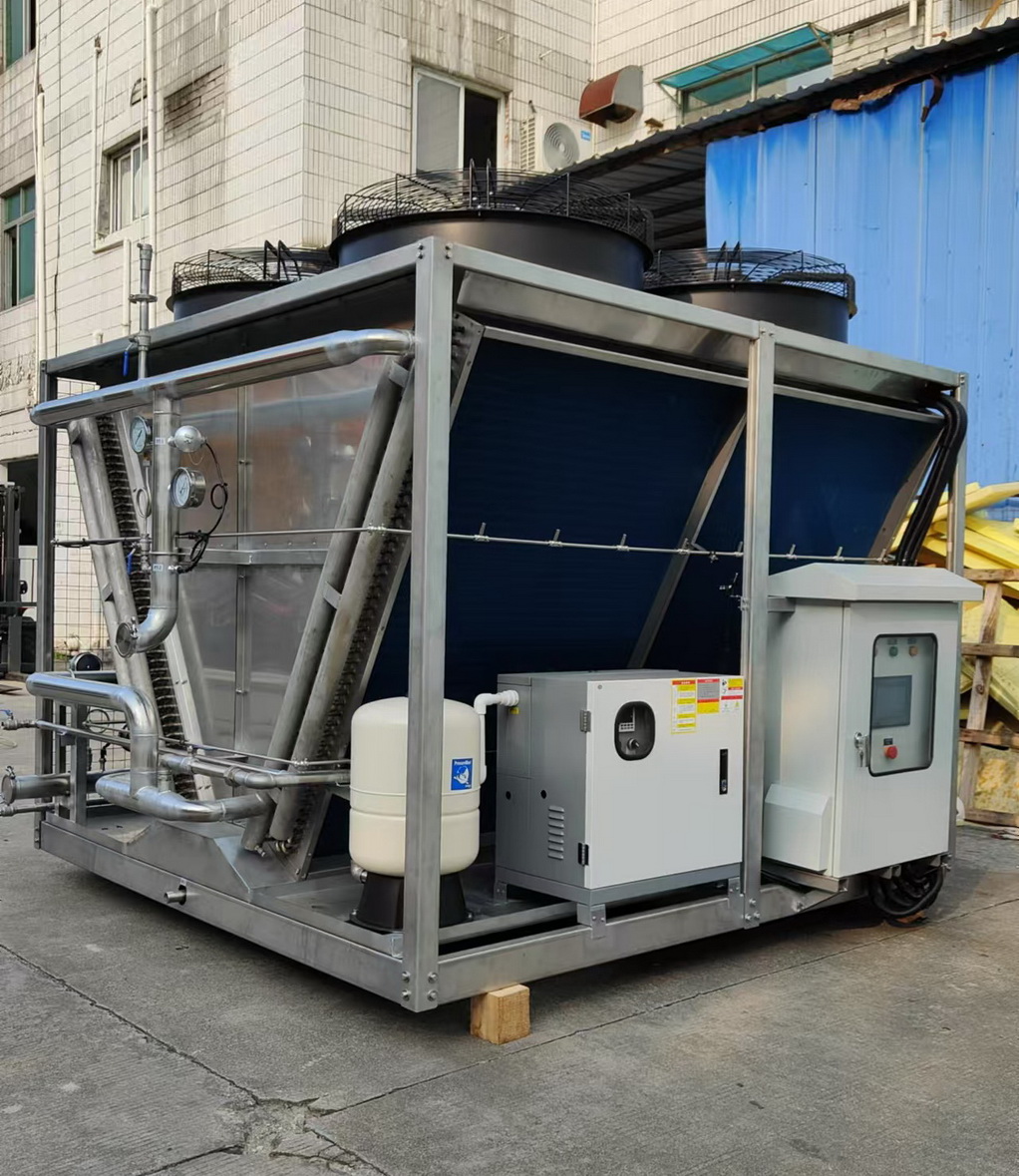
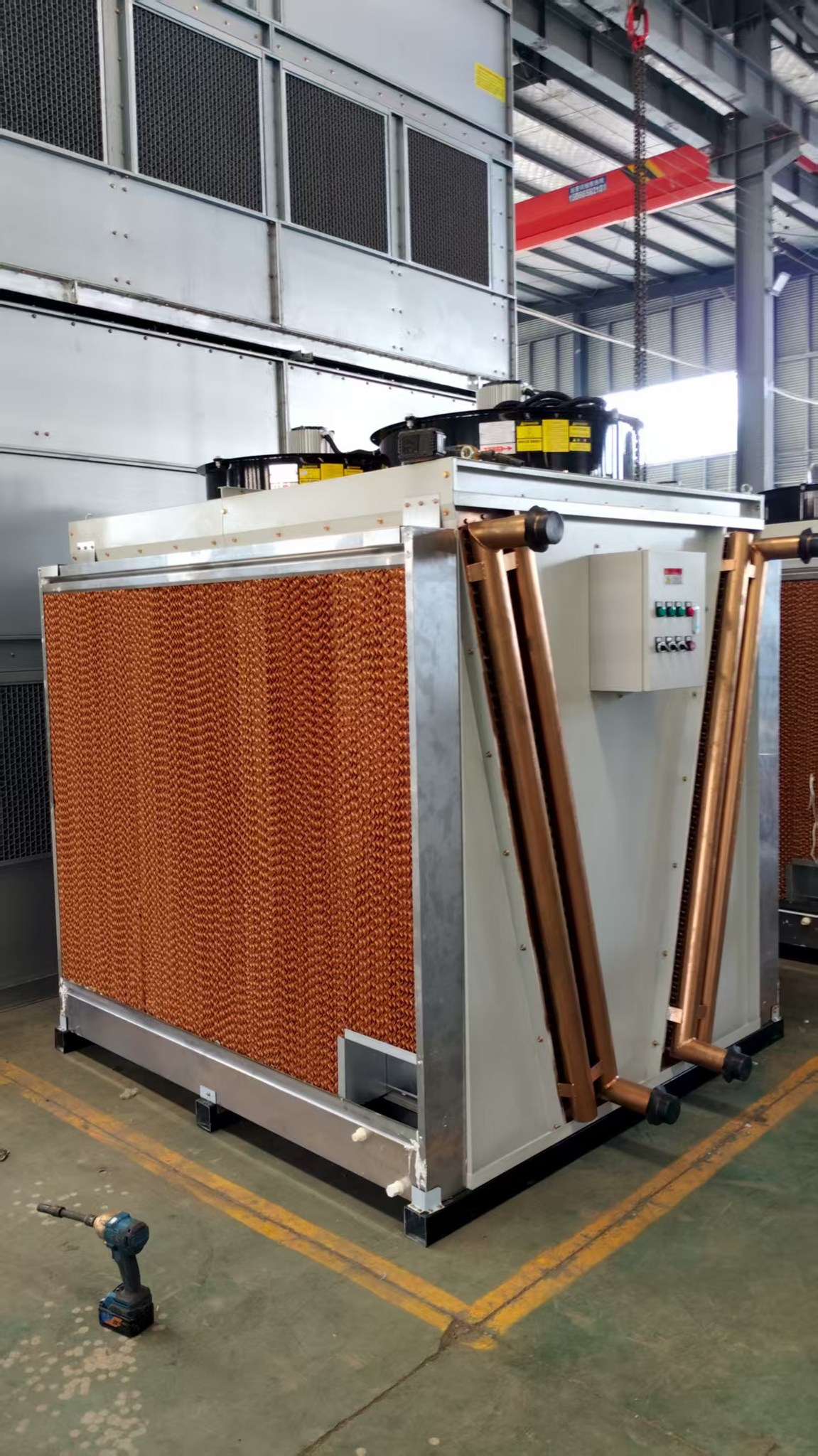
Core Components of an Adiabatic Cooling Tower 1. Heat Exchanger Core (The “Dry” Section) This is the primary component where the actual cooling of the process fluid happens. 2. Adiabatic Pre-Cooling System (The “Wet” Section) This section is responsible for cooling the incoming air before it hits the coils. 3. Air Movement...

Adiabatic cooling tower Manufacturer in India

What is an Adiabatic Cooling Tower? An adiabatic cooling tower is a hybrid cooling system that uses the adiabatic cooling effect of water evaporation to pre-cool the air before it passes over a heat exchanger. This dramatically increases the efficiency of the main heat rejection process. Its key feature is that it combines the...

Heat Exchanger Manufacturer in Oman

U-Tube Bundle Heat Exchanger A U-tube bundle heat exchanger is a type of shell and tube heat exchanger where the tubes are bent into a U-shape, allowing both ends to connect to the same tube sheet. This design provides thermal expansion flexibility, making it ideal for high-temperature and high-pressure applications....

Heat Exchanger Manufacturer in United Arab Emirates

Why Shell & Tube Heat Exchangers? Comparison with Other Shell & Tube Heat Exchangers Feature U-Tube Fixed Tube sheet Floating Head Thermal Expansion  Best (U-bend absorbs stress) Needs expansion joint Good (floating head allows movement) Maintenance Easy (removable bundle) Difficult (fixed tubes) Best (fully removable) Cleaning (Tube...

Heat Exchanger Manufacturer in Saudi Arabia

Use of Shell and Tube Heat Exchanger Water Treatment & Desalination Effluent cooling/heating.

Heat Exchanger Manufacturer in India

Use of Shell and Tube Heat Exchanger Waste Heat Recovery Geothermal energy systems.

Shell and Tube Heat Exchanger Manufacturer in Zambia

Use of Shell and Tube Heat Exchanger Automotive & Aerospace Hydraulic oil temperature control.

Shell and Tube Heat Exchanger Manufacturer in Uganda

Use of Shell and Tube Heat Exchanger Pulp & Paper Industry Steam recovery in paper drying processes.

Shell and Tube Heat Exchanger Manufacturer in Democratic Republic of Congo

Shell and Tube Heat Exchanger Manufacturer in Egypt

Use of Shell and Tube Heat Exchanger in HVAC & Refrigeration System

Shell and Tube Heat Exchanger Manufacturer in Nigeria

Use of Shell and Tube Heat Exchanger in Food & Beverage industry Chocolate tempering & fat crystallization.
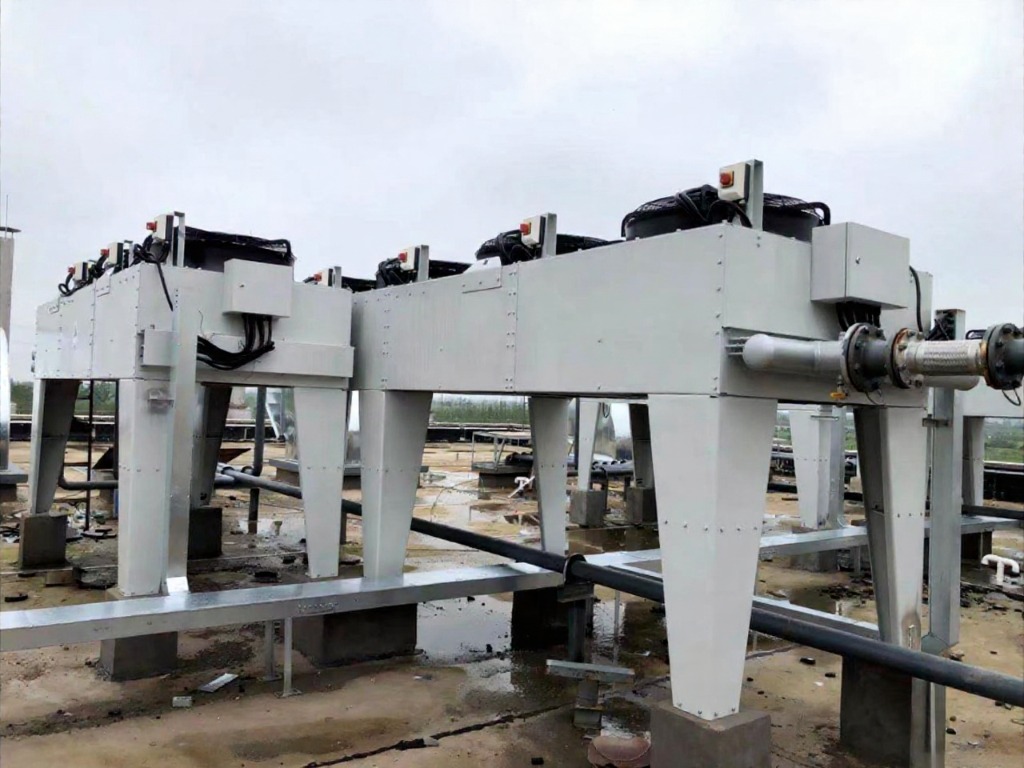
Shell and Tube Heat Exchanger Manufacturer in Ghana

Use of Shell and Tube Heat Exchanger in Chemical & Pharmaceutical Industry Pharmaceutical manufacturing (sterilization, crystallization).
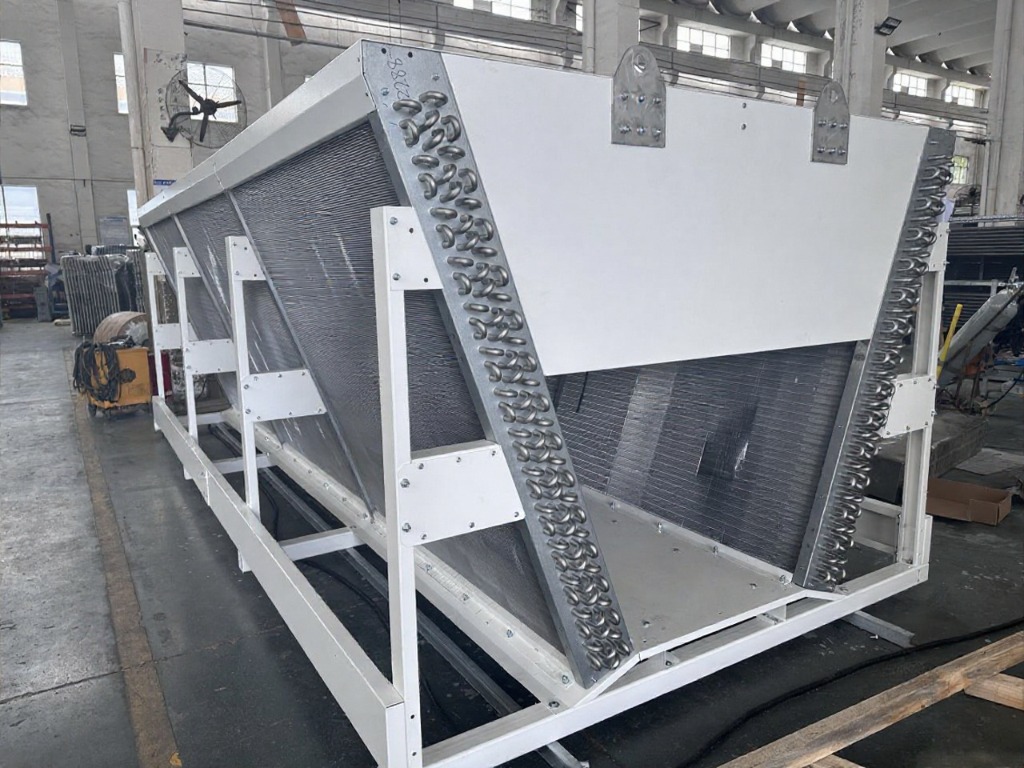
Shell and Tube Heat Exchanger Manufacturer in Tanzania

Use of Shell and Tube Heat Exchanger in Power Generation Nuclear power plants (heat transfer in primary and secondary loops).

Shell and Tube Heat Exchanger Manufacturer in Angola

Use of Shell and Tube Heat Exchanger in Oil & Gas / Petrochemical industry Chemical synthesis (reactor heating/cooling).

Shell and Tube Heat Exchanger Manufacturer in Kenya

Shell and tube heat exchangers are widely used in the food industry due to their efficiency, durability, and versatility. Here are ten key points about their use: 1. Pasteurization 2. Sterilization 3. Cooling Applications 4. Energy Efficiency 5. Sanitary Design 6. Versatility 7. Chocolate and Fat Processing...

Shell and Tube Heat Exchanger Manufacturer in Morocco

Shell and Tube Heat Exchanger vs. Plate Heat Exchanger: Key Differences Choosing between a shell and tube (STHE) and a plate heat exchanger (PHE) depends on application requirements, operating conditions, and cost. Below is a detailed comparison: 1. Design & Construction Feature Shell and Tube (STHE) Plate Heat...

Shell and Tube Heat Exchanger Manufacturer in Ethiopia

Effect of Fouling Factor in Heat Exchangers The fouling factor (or fouling resistance, Rₓ) quantifies the reduction in heat transfer efficiency due to the accumulation of unwanted deposits (scale, sludge, corrosion, biofilms) on heat exchanger surfaces. It significantly impacts performance, energy costs, and...

Shell and Tube Heat Exchanger Manufacturer in Algeria

Effect of Flow Velocity in Shell and Tube Heat Exchangers   Flow velocity plays a critical role in the heat transfer efficiency, pressure drop, fouling, and mechanical integrity of a shell and tube heat exchanger. Below is a detailed breakdown of its effects: 1. Heat Transfer Efficiency Higher Velocity → Better Heat...

Shell and Tube Heat Exchanger Manufacturer in South Africa

Fixed Tube sheet vs. Floating Head Heat Exchanger: Key Differences When choosing between a fixed Tube sheet and a floating head design for a shell and tube heat exchanger, the decision depends on thermal expansion, maintenance needs, pressure/temperature conditions, and cost. Below is a detailed comparison: 1. Basic Design...

Shell and Tube Heat Exchanger Manufacturer in Yemen

Copper Tubes vs. Stainless Steel Tubes in Heat Exchangers When selecting between copper and stainless steel (SS) tubes for a shell and tube heat exchanger, key factors include thermal conductivity, corrosion resistance, cost, and application requirements. Below is a detailed comparison: 1. Thermal Conductivity Material...

Shell and Tube Heat Exchanger Manufacturer in United Arab Emirates

Suitable Materials for Shell and Tube Heat Exchangers in the Food Industry The food industry requires materials that are:Corrosion-resistant (to withstand cleaning chemicals like CIP solutions).Non-toxic & FDA-compliant (no leaching of harmful substances).Smooth & non-porous (to prevent bacterial growth, easy to...

Shell and Tube Heat Exchanger Manufacturer in Sudan

The Tubular Exchanger Manufacturers Association (TEMA) classifies shell and tube heat exchangers into three main designations based on service conditions, mechanical robustness, and industry requirements: 1. TEMA Class R – Refinery & Severe Service Applications: Key Features:Heavy-duty construction (thicker...

Shell and Tube Heat Exchanger Manufacturer in Saudi Arabia

The Code of Construction for Shell and Tube Heat Exchangers (STHE) is governed by international and national standards to ensure safety, reliability, and performance. Below are the key codes and standards used in their design, fabrication, and testing: 1. ASME (American Society of Mechanical Engineers) – Most Widely Used...

Shell and Tube Heat Exchanger Manufacturer in Qatar

Advantages of Shell and Tube Heat Exchangers (STHE) Shell and Tube Heat Exchangers are among the most widely used heat exchangers in industries due to their robust design, versatility, and efficiency. Here are their key advantages: 1. High Pressure & Temperature Resistance 2. Suitable for a Wide Range of Fluids 3. Robust &...

Shell and Tube Heat Exchanger Manufacturer in Oman

In Shell and Tube Heat Exchangers (STHE), the tube material is selected based on corrosion resistance, thermal conductivity, mechanical strength, and cost. Below are the most commonly used tube materials, along with their key properties and applications: 1. Carbon Steel (CS) Tubes 2. Stainless Steel (SS) Tubes 3. Copper...

Shell and Tube Heat Exchanger Manufacturer in Lebanon

Material of Construction (MOC) of Shell and Tube Heat Exchanger Shell and Tube Heat Exchanger (STHE) MOC depends on factors like: Common Materials Used in STHE Components 1. Shell Material 2. Tube Material 3. Tube Sheet Material 4. Baffles & Supports 5. Gaskets & Seals Selection Criteria Industry-Specific Examples

Shell and Tube Heat Exchanger Manufacturer in Kuwait

Common Applications Shell and Tube Heat Exchanger Marine & industrial cooling systems

Shell and Tube Heat Exchanger Manufacturer in Jordan

Working Principle of Shell and Tube Heat Exchanger Advantages of Shell and Tube Heat Exchanger

Shell and Tube Heat Exchanger Manufacturer in Iraq

Components of a Shell and Tube Heat Exchanger
1 9 10 11 85