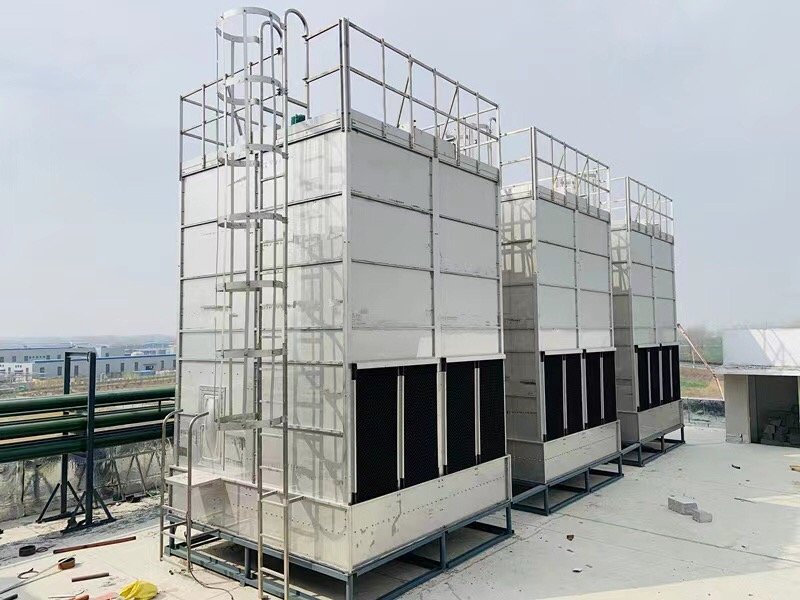
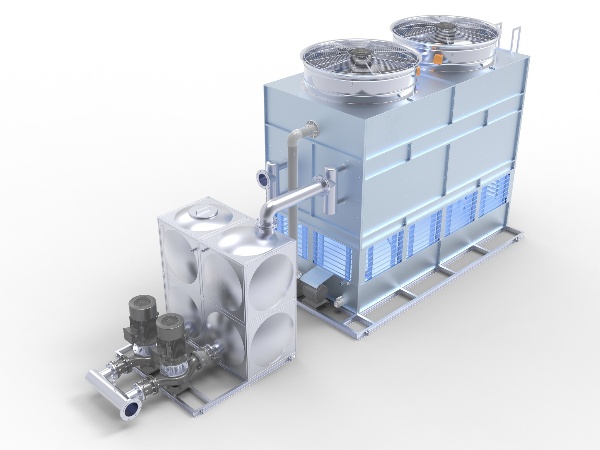
Closed Circuit Cooling Tower Supplier in Qatar
- Adiabatic Cooling Tower, Air Blast Cooling, Bottle shape cooling tower, Brass Nozzle for Cooling Tower, Closed Circuit Cooling Towers, Closed Circuit Evaporative Cooling Towers, Coil cooling towers, Coil in Indirect Cooling Tower, Cooling Coil Heat Exchangers, Cooling Systems, Cooling Tower, cooling tower fan motor, Cooling Tower motor, Cooling Towers, Cooling Towers Principles, cooling towers spare shaft, Cooling Towers Spares, Cross Flow Cooling Towers, Draft Cooling Tower, DRY Cooling Tower, Evaporative Cooling Towers, Fanless Cooling Tower, Forced Draft Cooling Towers, FRP Closed circuit water cooling towers, FRP Cooling Tower, FRP Cooling Towers Spares, FRP Round Shape Cooling Tower, FRP Square Shape Cooling Tower, FRP square type cooling tower, Heat Exchangers, Hybrid cooling towers, Hydraulic Power Pack and Press Cooling, Industrial chiller, Mechanical Draft Cooling Towers, Modular Cooling Towers, Multi Cell Cooling Towers, Natural Draft Cooling Towers, Noise Control Cooling Tower, Open Circuit Cooling Towers, PVC fills cooling tower, RCC Cooling Towers, Rectangle Shape Cooling Towers, Round shape cooling tower, Silent Operation Cooling Towers, single cross flow cooling tower, Skid Mounted Cooling Towers, Square Shape Cooling Towers, Square Type Cooling Towers, Timber Cooling Tower, Timber Cooling Tower Spares, Treated Timber Cooling Tower, Wooden Cooling Towers
- May 9, 2026
Why Choose a Closed-Circuit Tower?