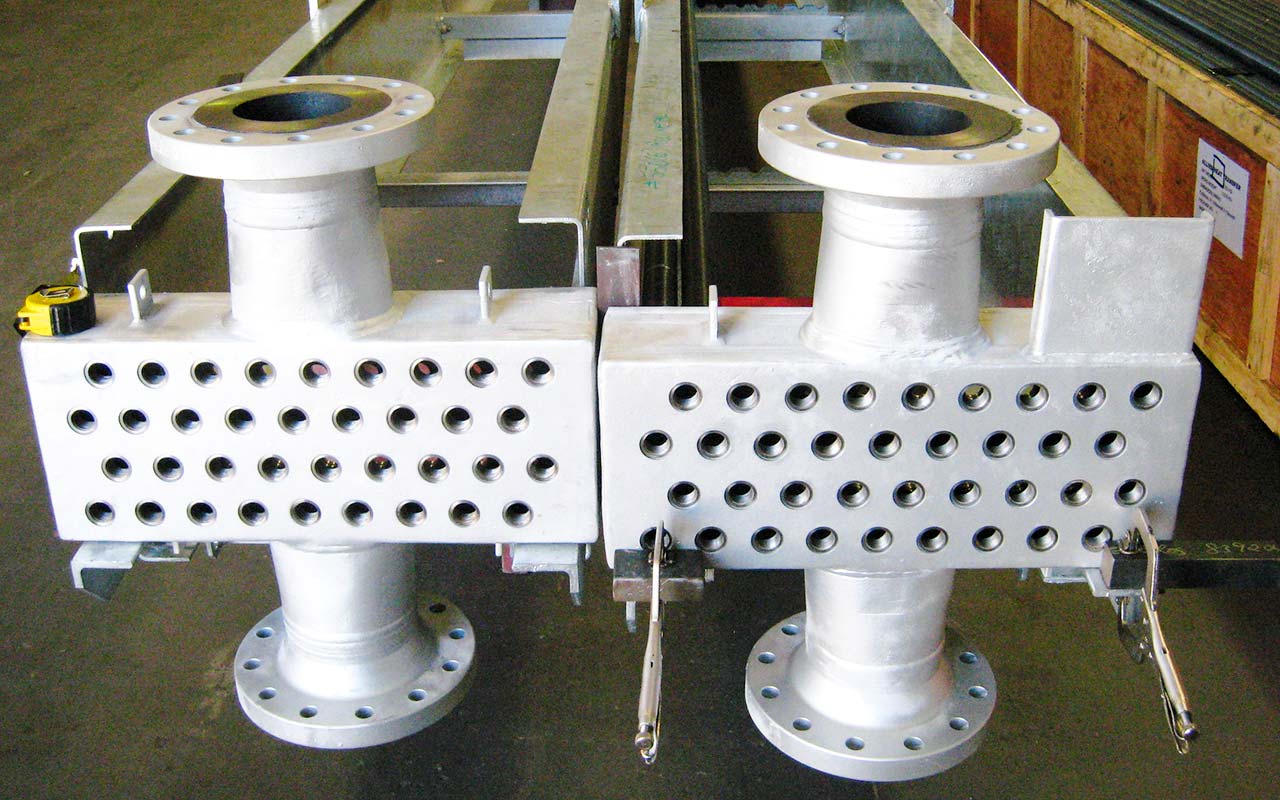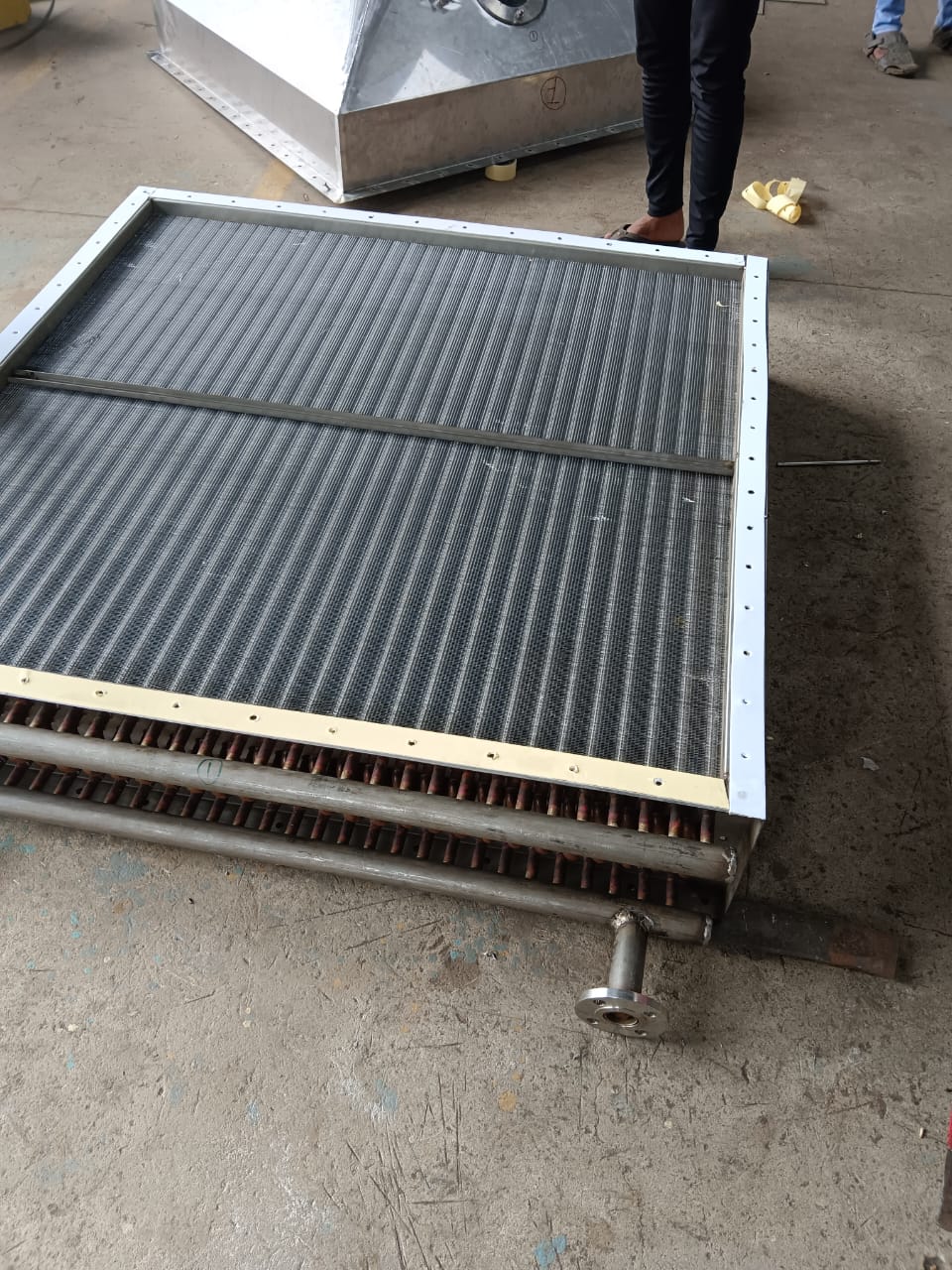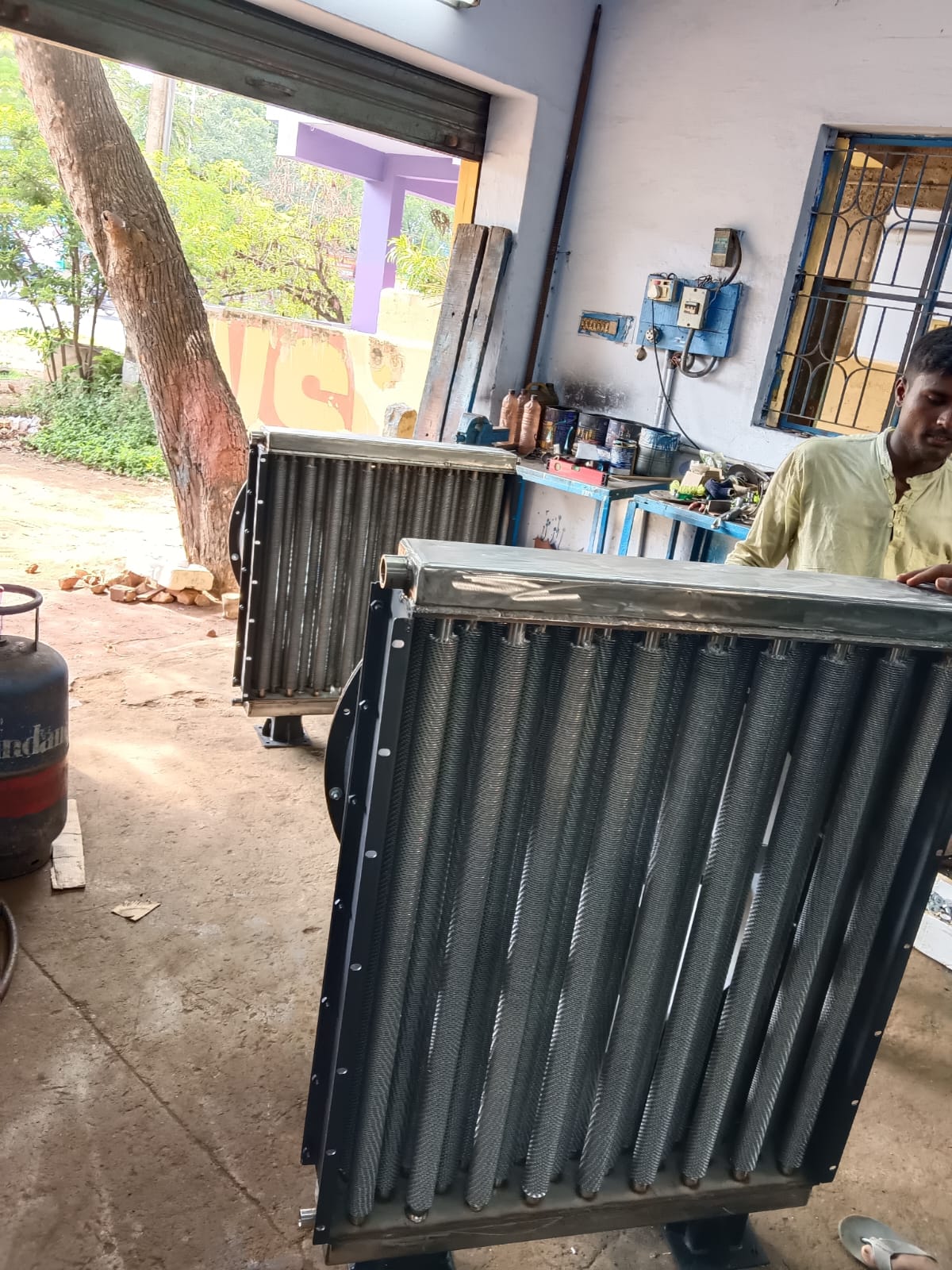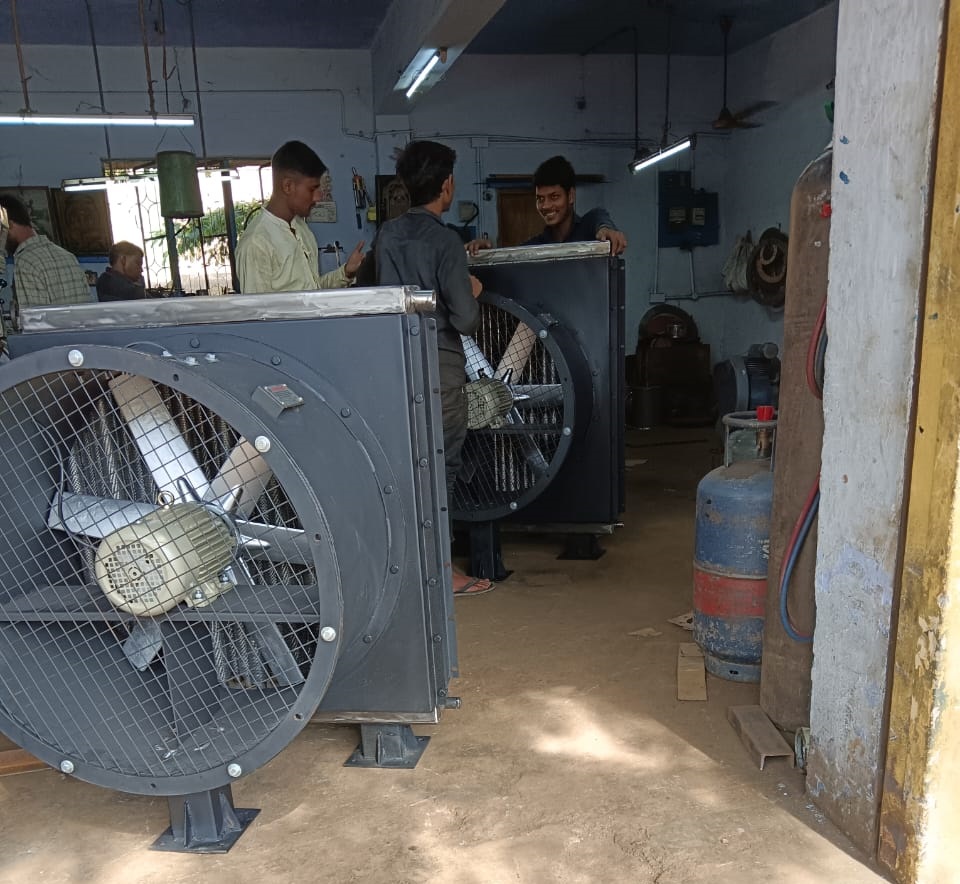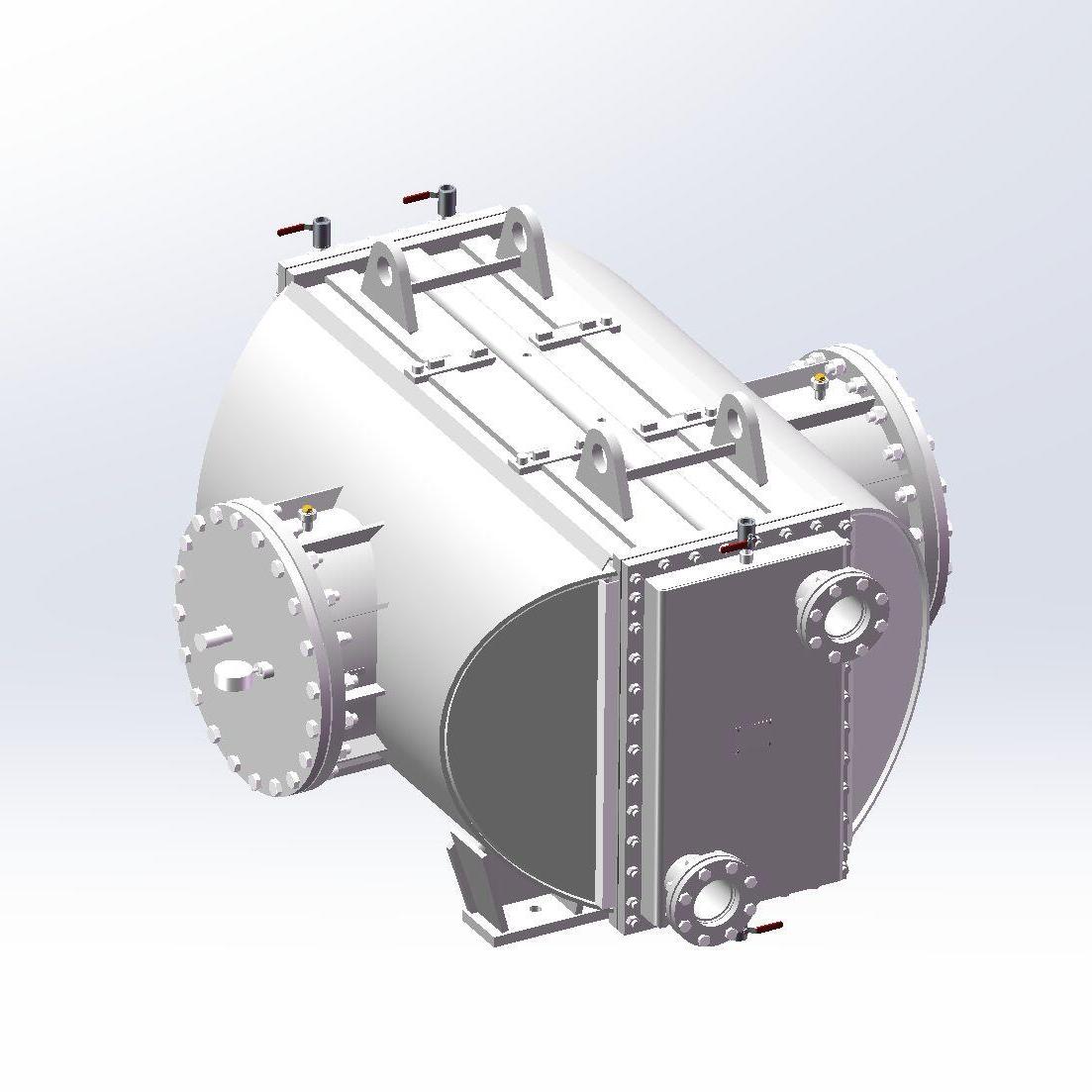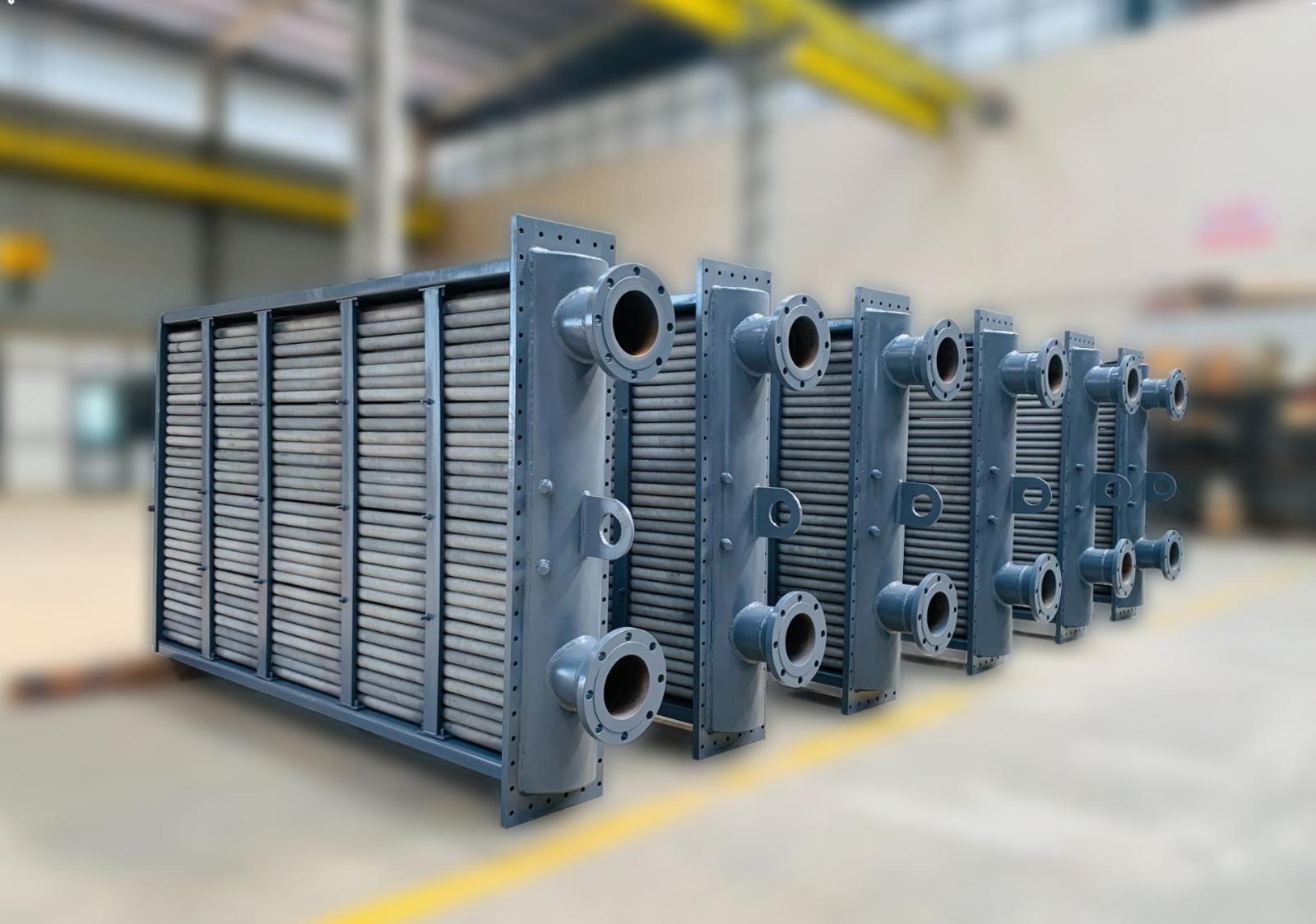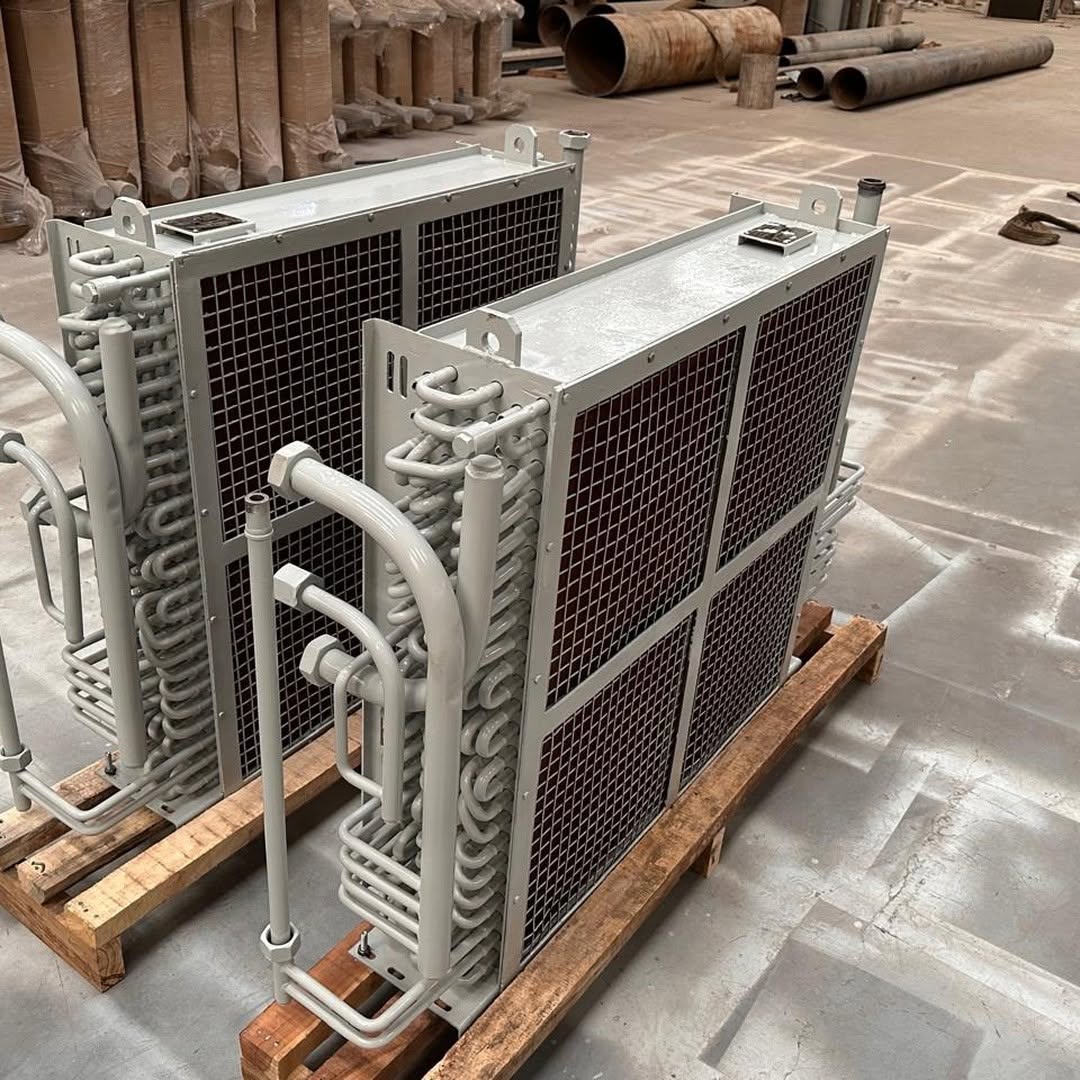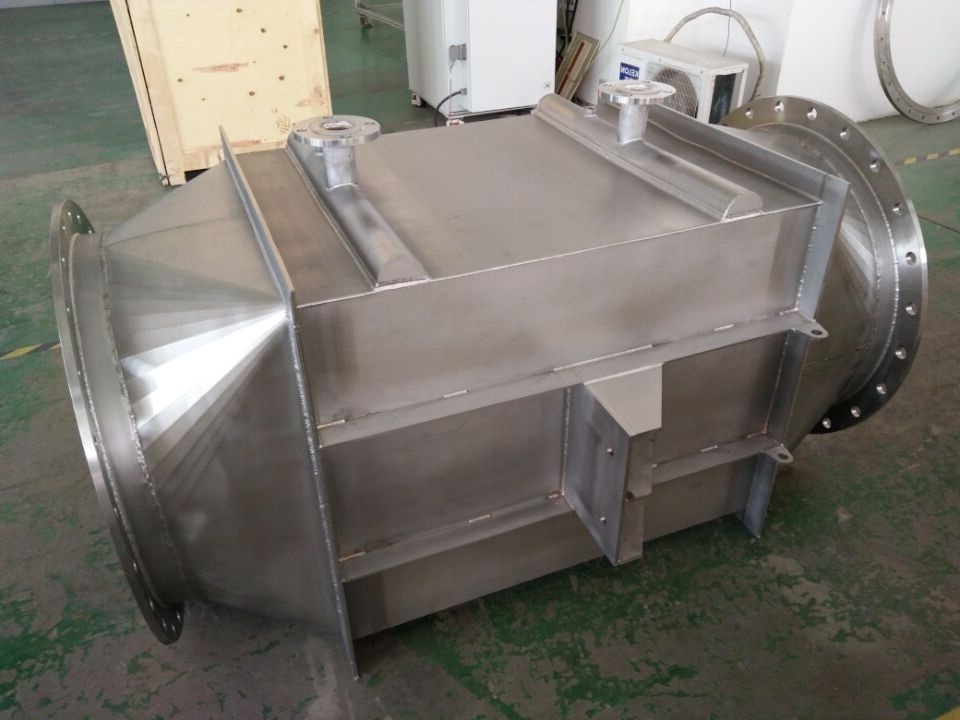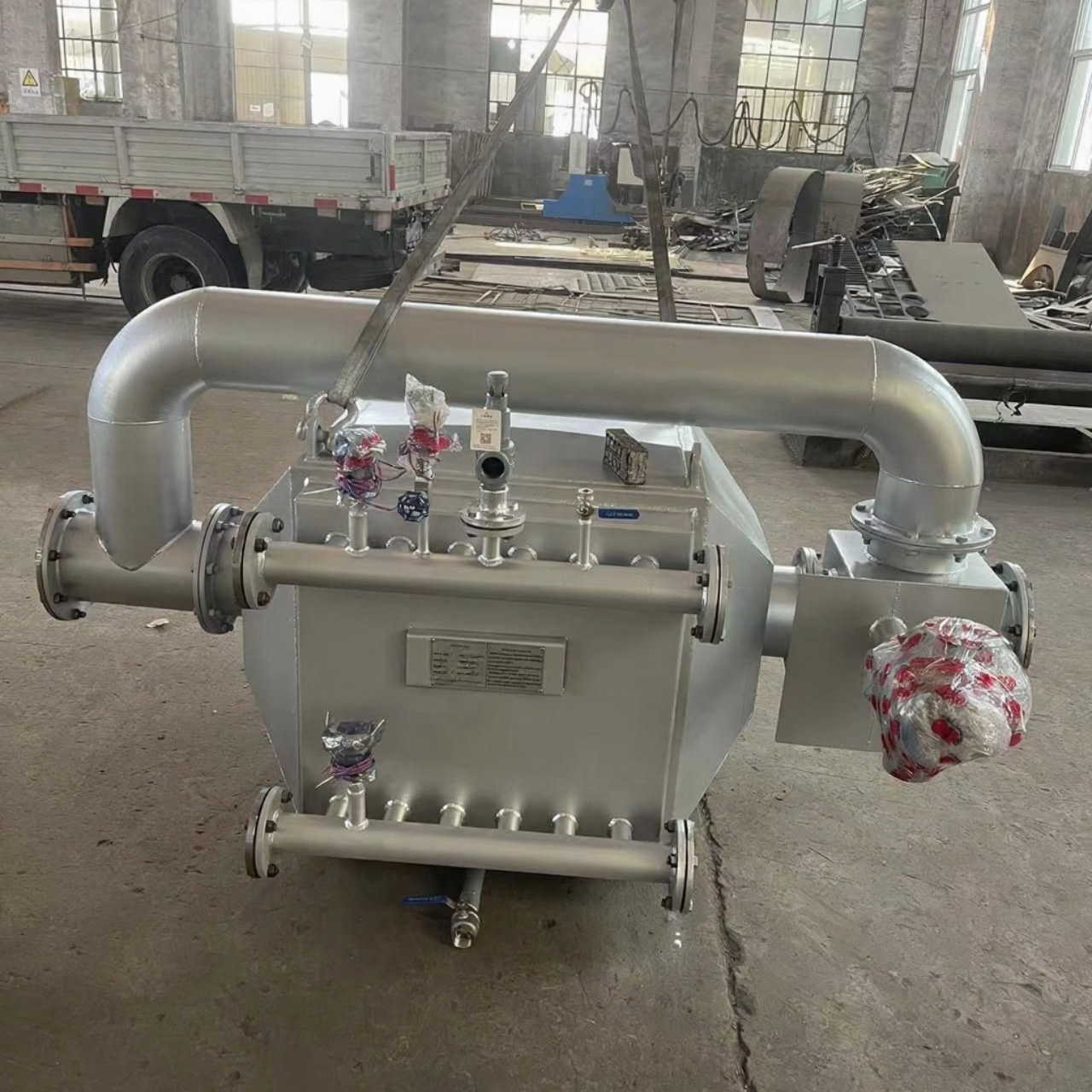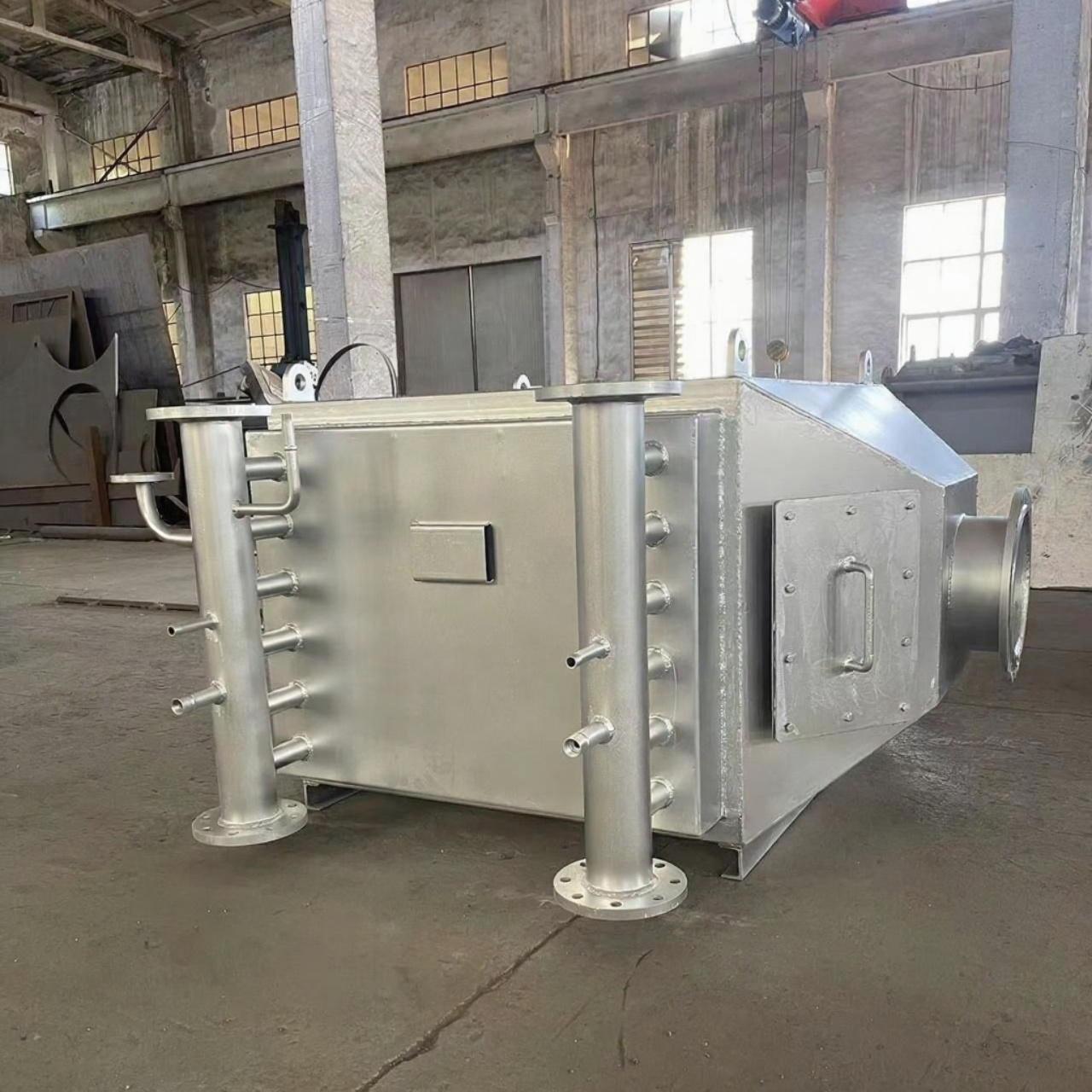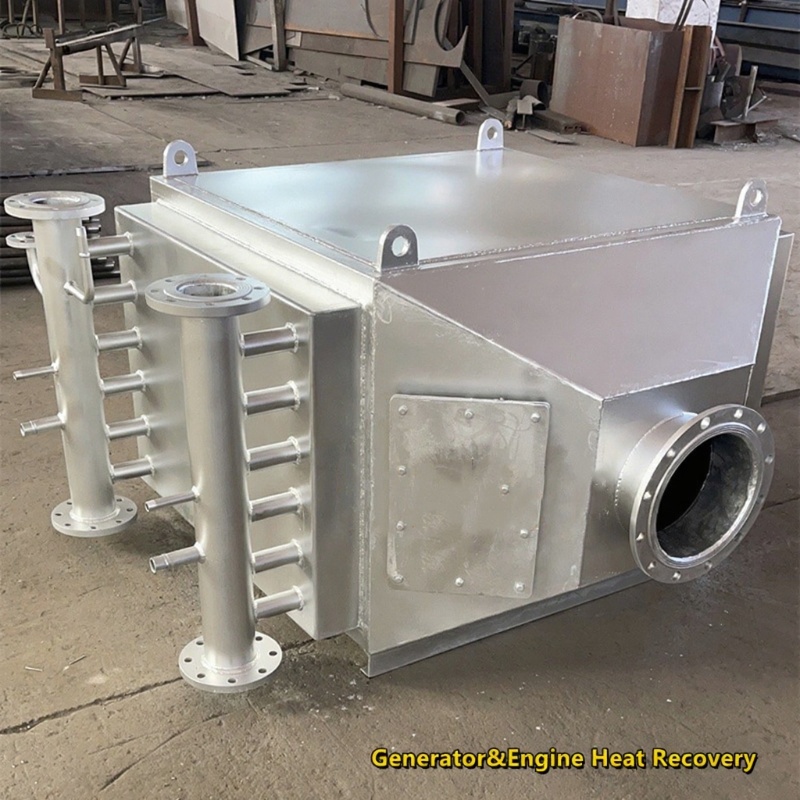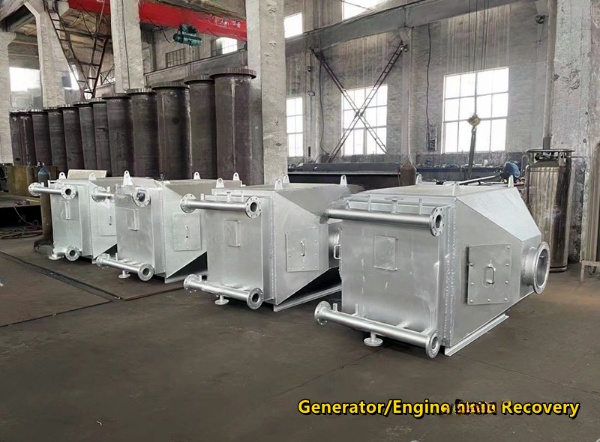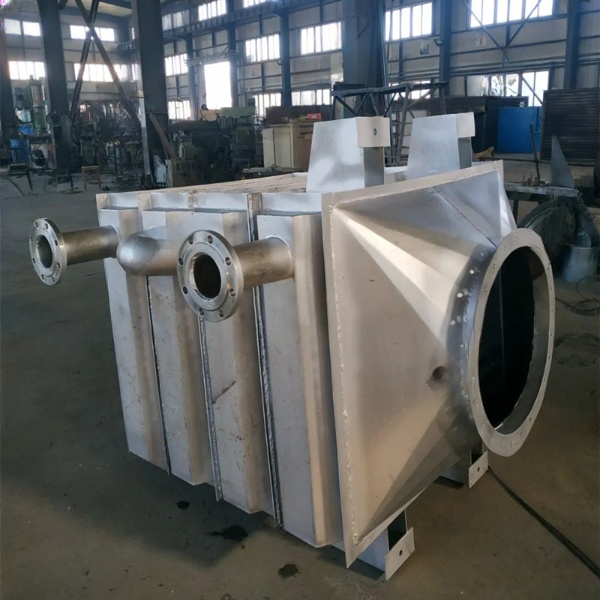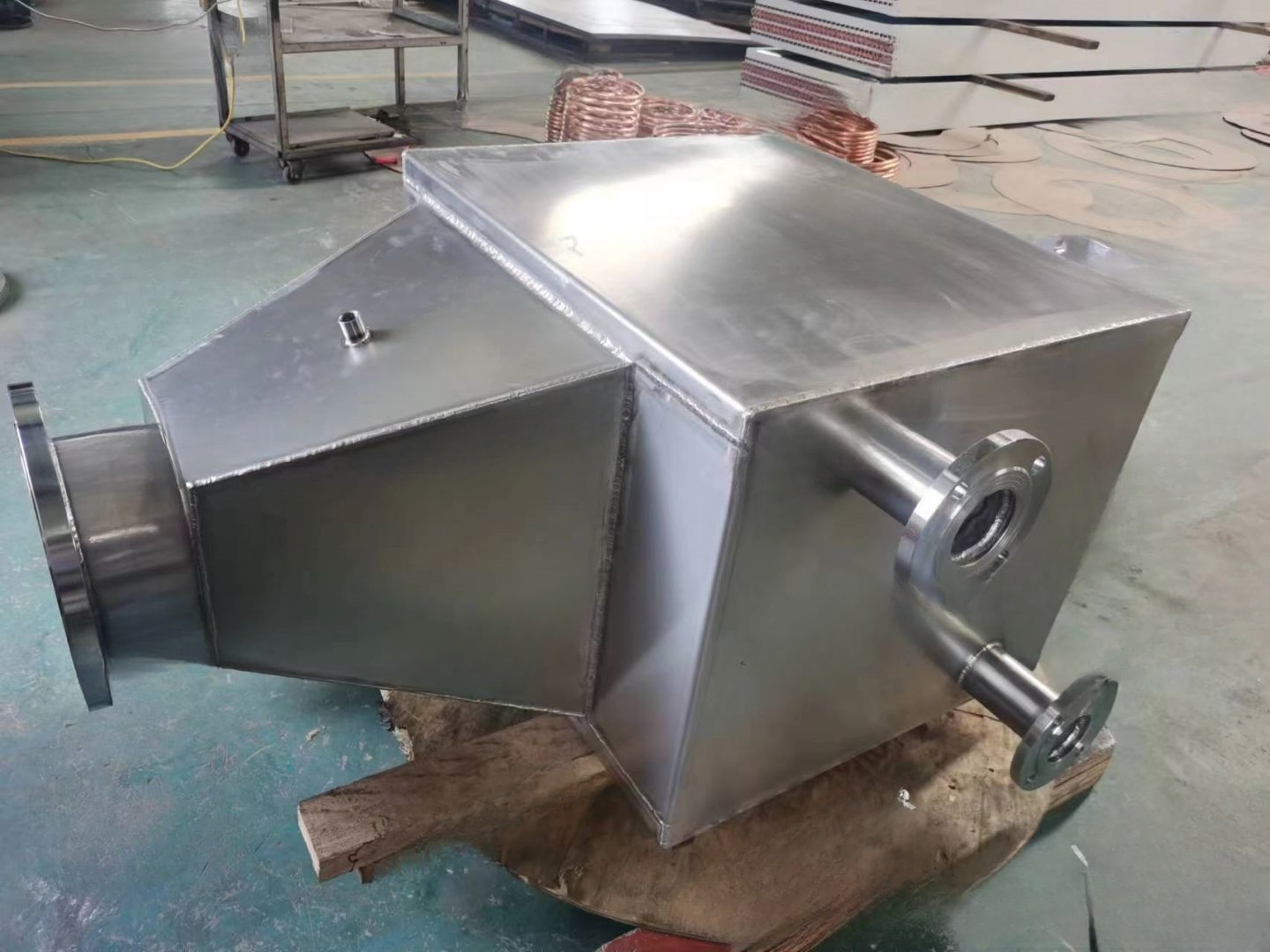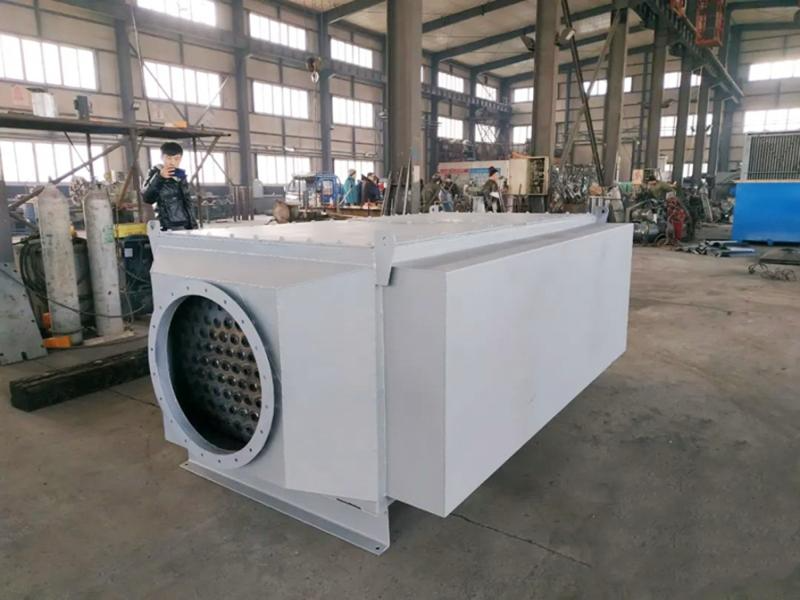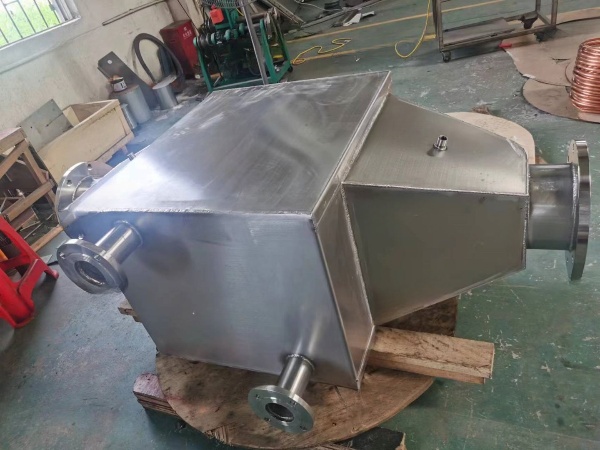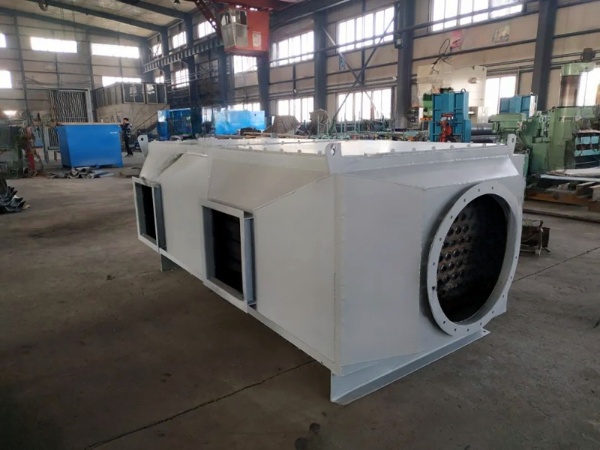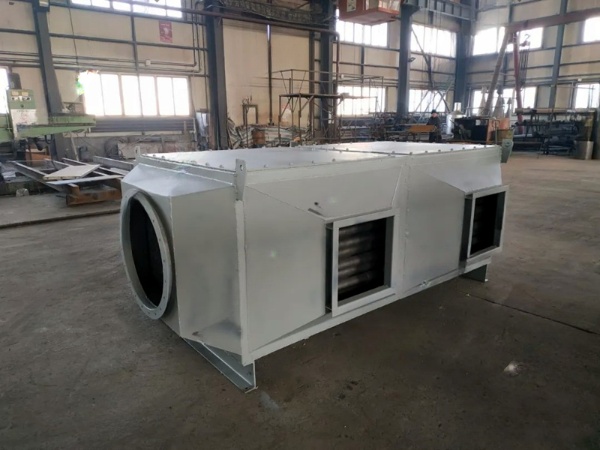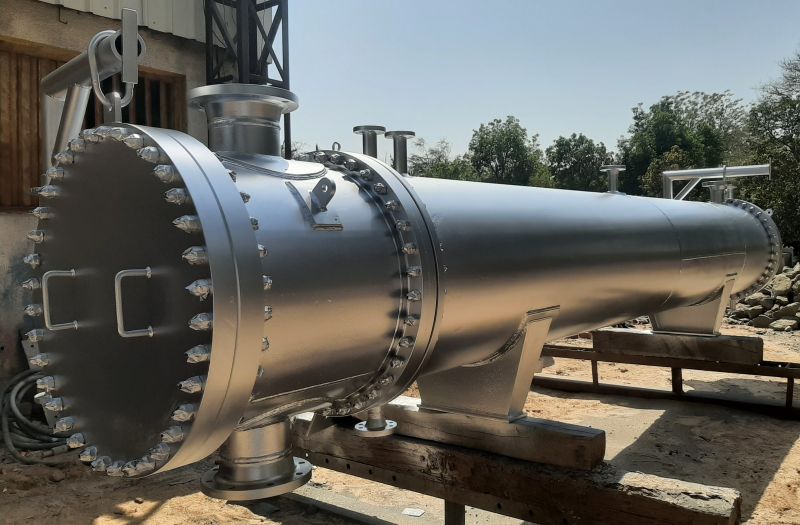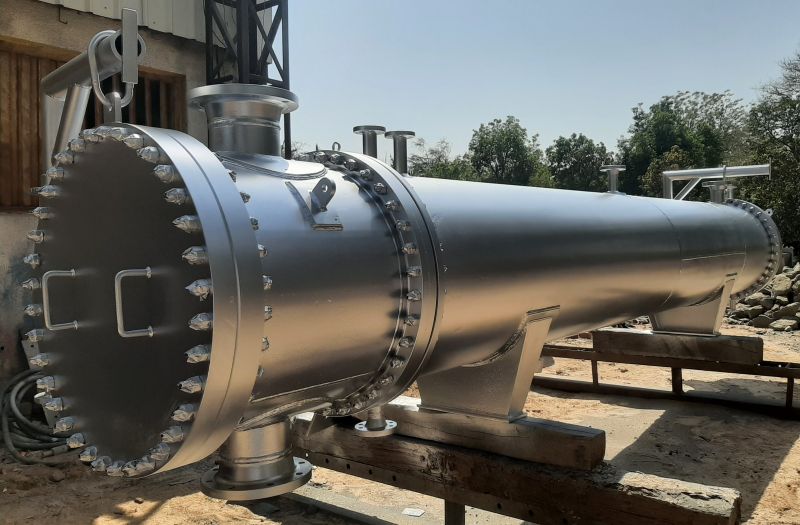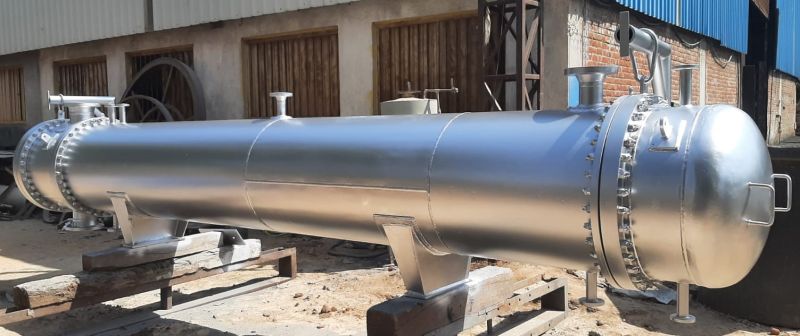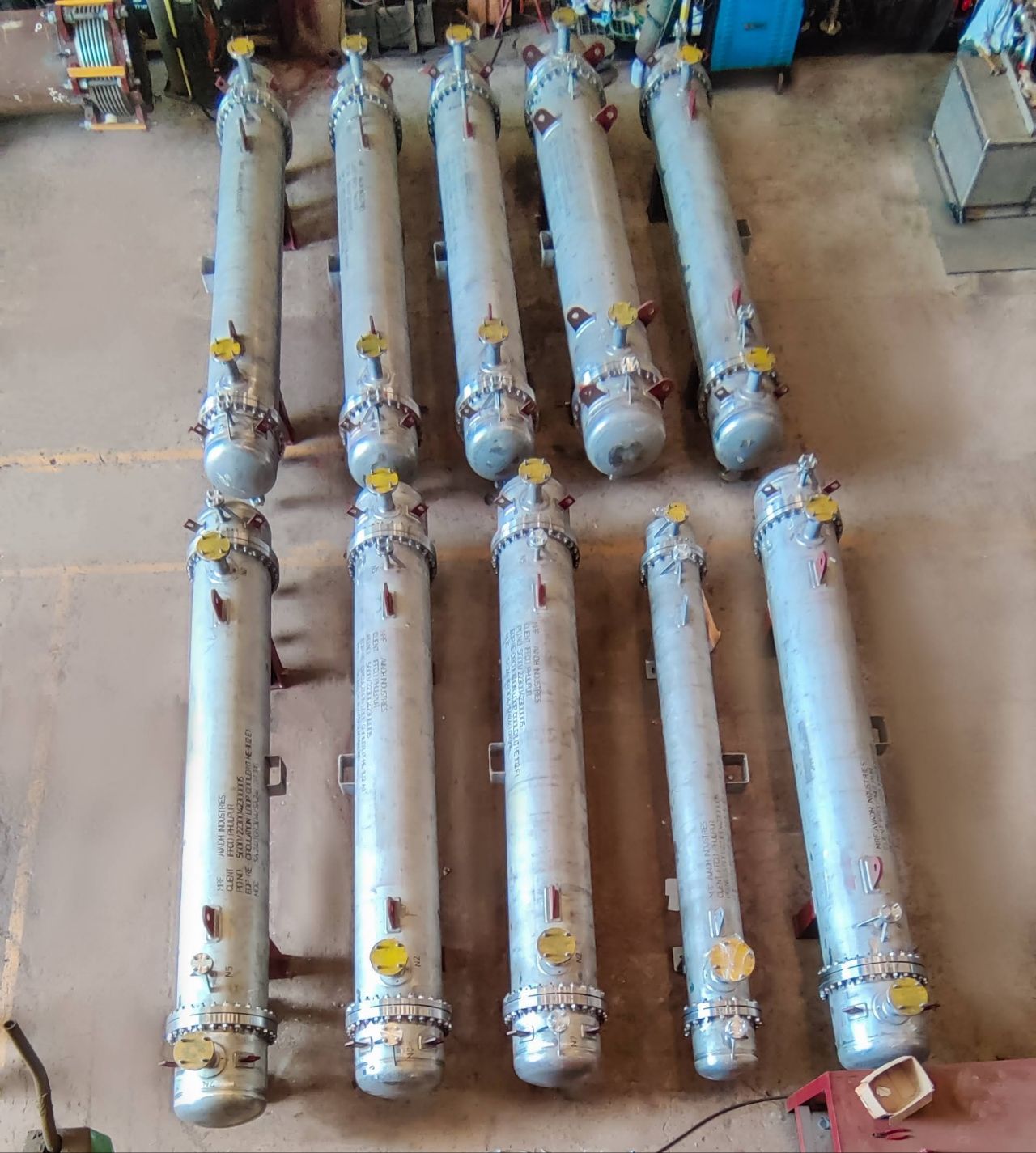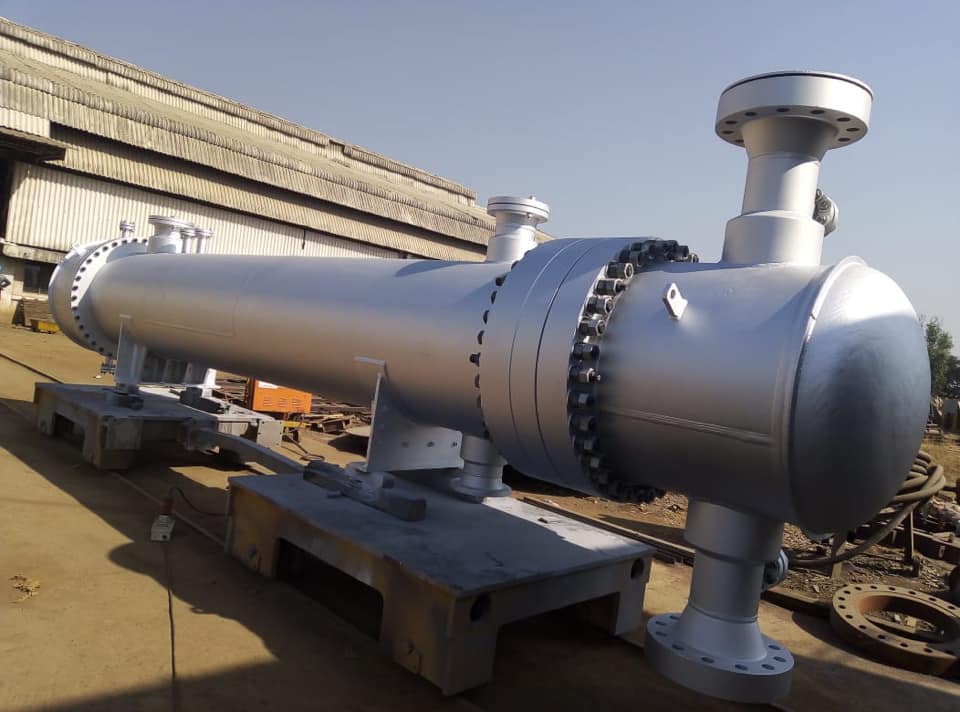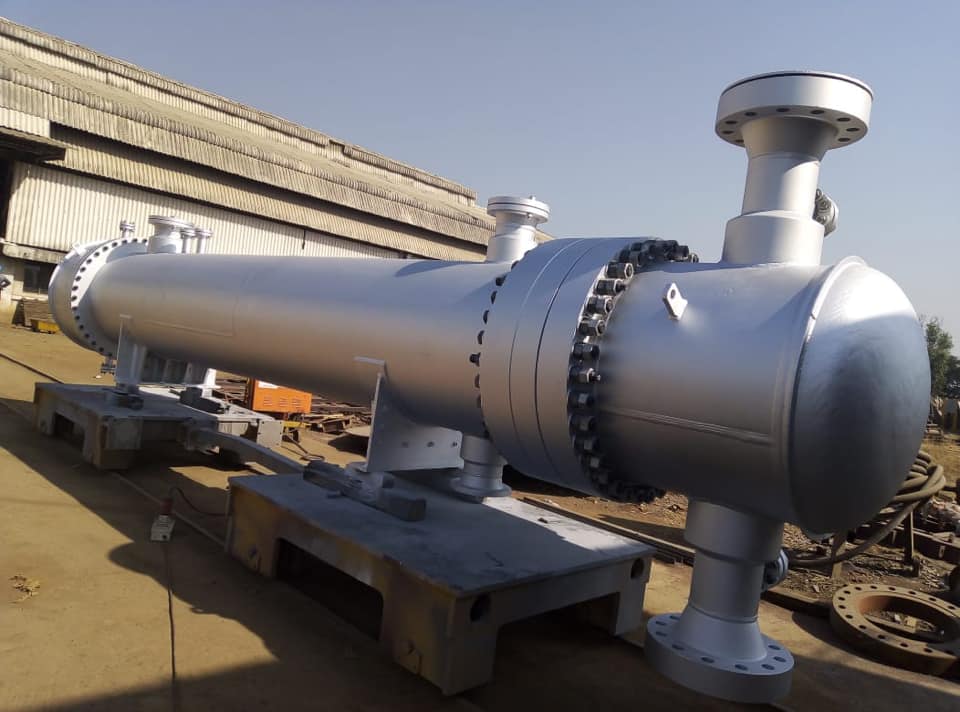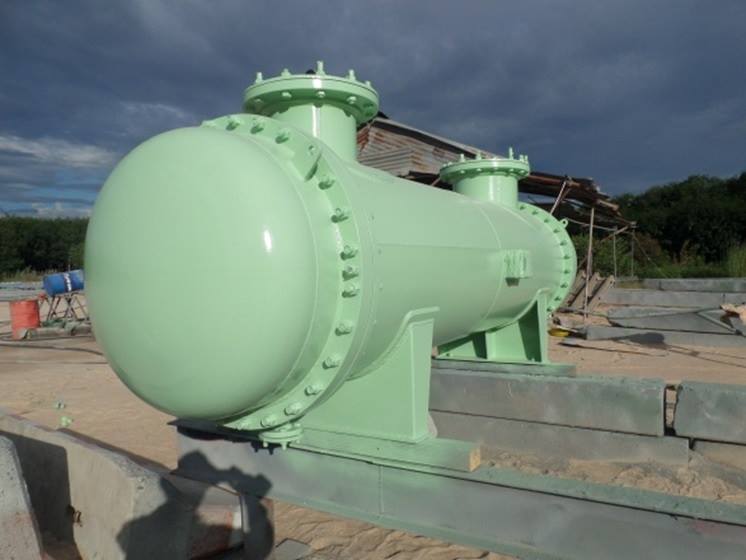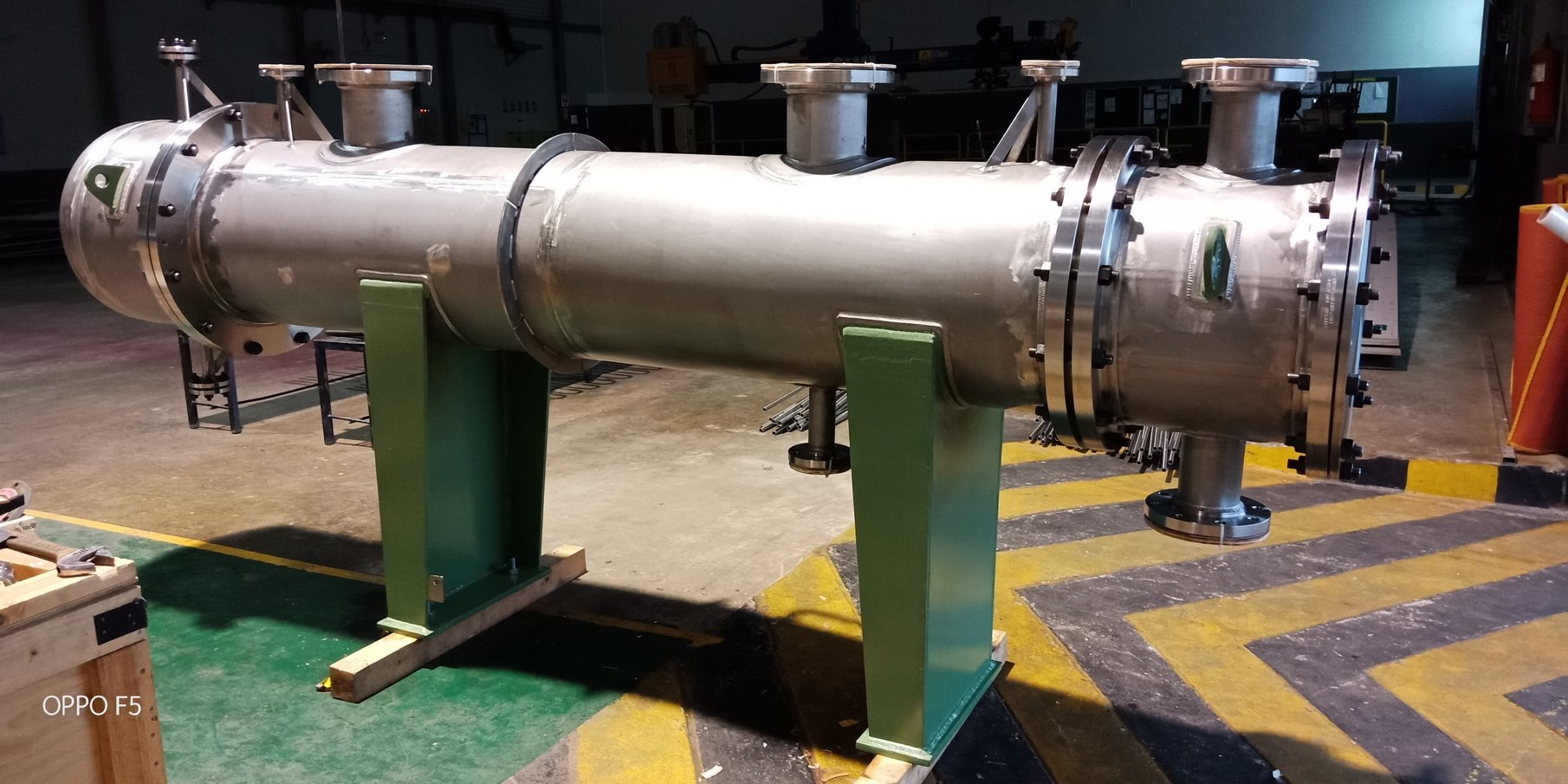
RecuperativeHeat Exchangers

Fin Tube heat exchanger Manufacturer in Zambia

Fin tube heat exchanger Industrial Applications Application Process Function Typical Fluids (Tube side / Shell or Air side) Process Gas Heater/Cooler Condition a gas for reaction or processing Hot Oil/Steam / Process Gas or Cooling Water / Process Gas Compressor Aftercooler Cool compressed gas & remove moisture Cooling Water /...

Fin Tube heat exchanger Manufacturer in Ghana

Key Application Areas in Industrial & Process Industries 1. Process Gas Heating and Cooling This is one of the most common applications. Finned tubes are ideal for adding or removing heat from process gas streams. . Compressor Aftercoolers 3. Heat Recovery and Waste Heat Utilization This is a major area for improving plant efficiency and...

Fin Tube heat exchanger Manufacturer in Kenya

Application Primary Function Why Fin Tubes Are Used Typical Fin Tube Type Air-Cooled Condenser (ACC) Condense turbine exhaust steam Water conservation; uses air instead of water in a cooling tower. Extruded Al on CS, Welded CS Heat Recovery Steam Generator (HRSG) Generate steam from gas turbine exhaust Efficiency & Compactness; efficiently...

Fin Tube heat exchanger Manufacturer in Tunisia

Use of Fin tube heat exchanger in Power Generation? The use of fin tube heat exchangers in power generation is critical for efficiency, water conservation, and operational reliability. They are employed in several key areas, often handling extreme temperatures and pressures. The core advantage they bring to power generation is the ability to reject...

Fin Tube heat exchanger Manufacturer in Ethiopia

Table of Applications for fin tube heat exchanger Sector Specific Application Function Typical Fluids (Tube side / Air side) HVAC&R AC Evaporator Coil Cool & Dehumidify Air Refrigerant / Room Air AC Condenser Coil Reject Heat to Atmosphere Refrigerant / Outside Air Furnace Heat Exchanger Heat Circulating Air Combustion Gas / House Air...

Fin Tube heat exchanger Manufacturer in Algeria

1. Heating, Ventilation, and Air Conditioning (HVAC & R) This is the most common everyday application. Automotive and Aerospace Vehicles rely heavily on compact and lightweight heat exchangers. 3. Power Generation Power plants, both conventional and renewable, use them on a massive scale. . Industrial and Process Industries This is where the...
Fin Tube heat exchanger Manufacturer in Nigeria

Table of Fin Materials Material Thermal Conductivity (W/m·K) Key Advantages Key Disadvantages Typical Applications Aluminum ~237 Best balance: High conductivity, lightweight, low cost, good corrosion resistance. Poor in acidic/alkaline environments; lower temp limit. HVAC, AC, Automotive, General Industrial. Copper ~400 Best...

Fin Tube heat exchanger Manufacturer in South Africa

Selection Factors for Fin Material. When selecting a fin material, engineers consider: Common Fin Materials 1. Aluminum (and its Alloys) The most widely used fin material by far. 2. Copper (and its Alloys) The classic choice for maximum thermal performance. 3. Carbon Steel / Corten Steel Used for high-temperature and specific corrosive...

Fin Tube heat exchanger Manufacturer in Morocco

Finned Tube Types Type Bonding Method Typical Materials Key Advantages Common Applications L-Finned Mechanical (Wrapped) Al on Cu/CS Low Cost, High Fin Ratio HVAC, Air Conditioning Embedded (G) Mechanical (Locked) Al on Cu/CS Good Thermal Cyclability Process Heaters, Heat Recovery Welded Metallurgical (Welded) Steel/SS on CS/SS Highest Strength,...

Fin Tube heat exchanger Manufacturer in Lebanon

) Plate Fins

Fin Tube heat exchanger Manufacturer in Jordan

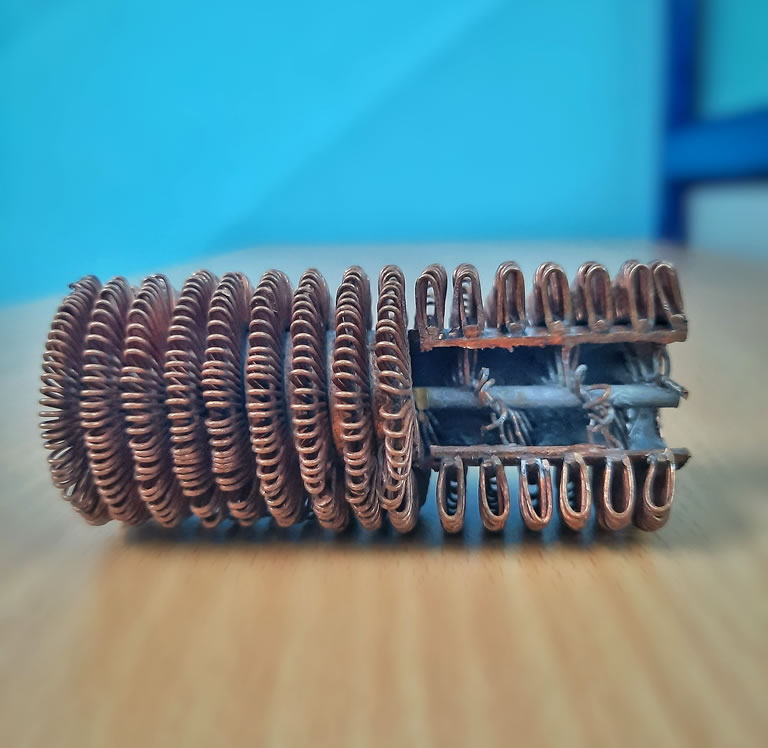
Integral Low-Fin Tubes Manufacturing: The fins are formed from the wall of the tube itself, typically by a rolling or cold-forming process. The fins are much smaller and lower than other types.Bond: The fins and tube are a single, monolithic piece of metal.Advantages:No risk of fin separation or contact resistance.Excellent for...

Fin Tube heat exchanger Manufacturer in Iraq

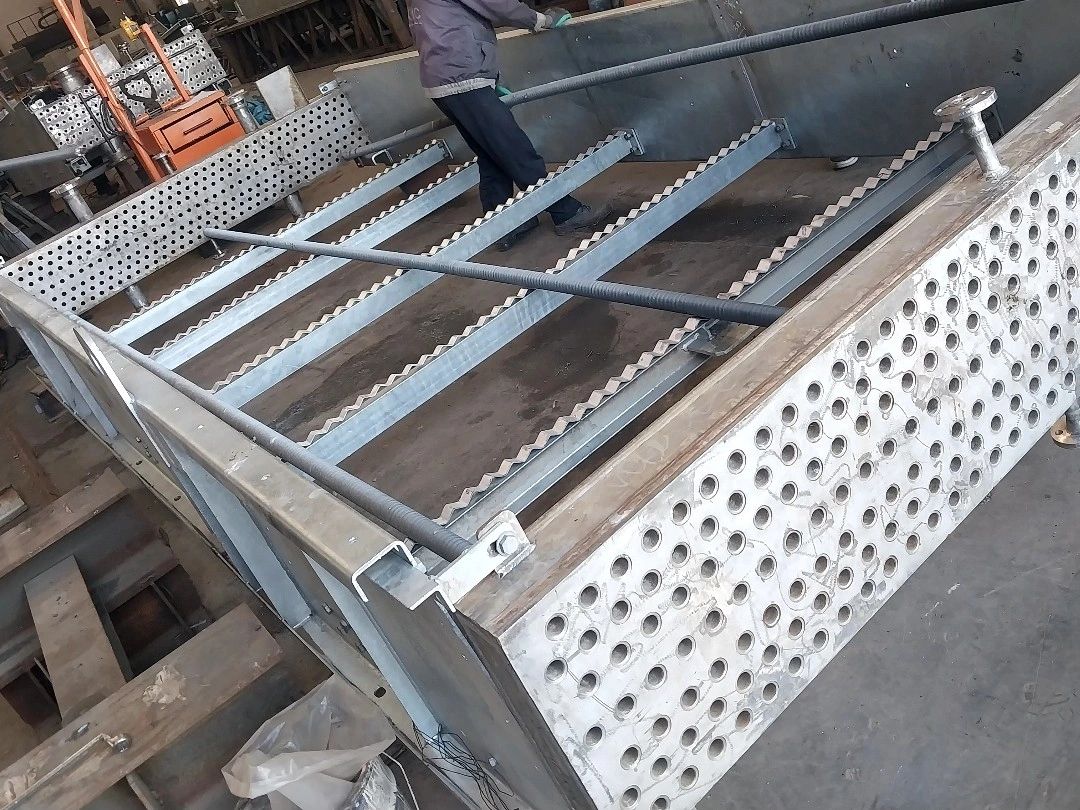
Extruded Fins This category creates a fin that is an integral part of the tube itself. a) Extruded / Integral Finned Tubes Bond: A true “metallurgical interference fit.” The aluminum is forced into the microscopic pores of the base tube, creating an excellent, permanent bond with very low contact resistance

Fin Tube heat exchanger Manufacturer in Egypt

Welded Fins

Fin Tube heat exchanger Manufacturer in Djibouti

Embedded Fins (G-Finned Tubes)

Fin Tube heat exchanger Manufacturer in Qatar

L-Finned Tubes (Wrapped / Helical Fins) This is one of the most common and cost-effective types.

Fin Tube heat exchanger Manufacturer in Kuwait

Primary Applications: Where ultimate heat transfer is critical; marine and coastal applications; industrial processes where water is the external fluid; applications requiring hygienic surfaces (e.g., pharmaceutical, food & beverage). 3. Carbon Steel / Corten Steel Used for high-temperature and specific corrosive environments....

Fin Tube heat exchanger Manufacturer in Bahrain

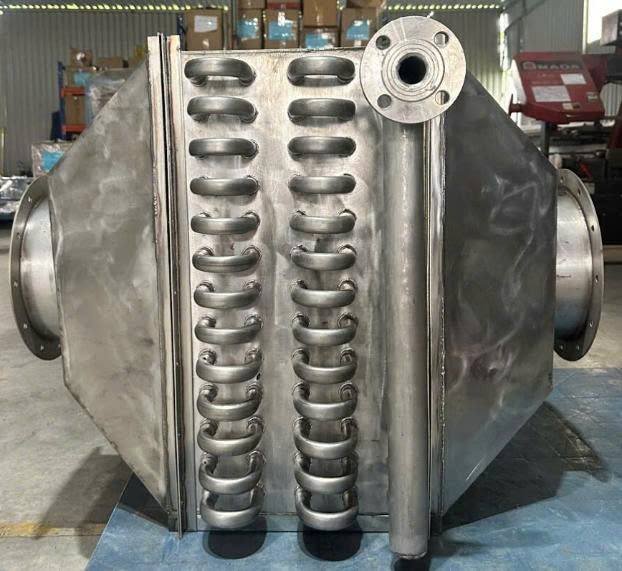
Types of Finned tubes?  L-Finned Tubes (Wrapped / Helical Fins) Welded Fins  Extruded Fins Plate Fins Integral Low-Fin Embedded (G)

Fin Tube heat exchanger Manufacturer in Yemen

 Advantages of fin tube heat exchanger in a Table Advantage Core Reason Practical Benefit High Efficiency Greatly increased surface area for contact with gas. Superior heat transfer performance; smaller temperature approach. Compact Size High surface area-to-volume ratio. Saves valuable space in equipment design and installation....

Fin Tube heat exchanger Manufacturer in Oman

. High Thermal Efficiency with Gases This is the primary reason for their existence. Result: A fin tube exchanger can transfer many times more heat than an identical bare tube exchanger under the same conditions . Compact Size and Space Savings 3. Cost-Effectiveness 4. Design Flexibility and Customization Fin tube exchangers are not...

Fin Tube heat exchanger Manufacturer in United Arab Emirates

Applications of Fin Tube heat exchanger You encounter fin tube heat exchangers everywhere: Automotive

Fin Tube heat exchanger Manufacturer in Saudi Arabia

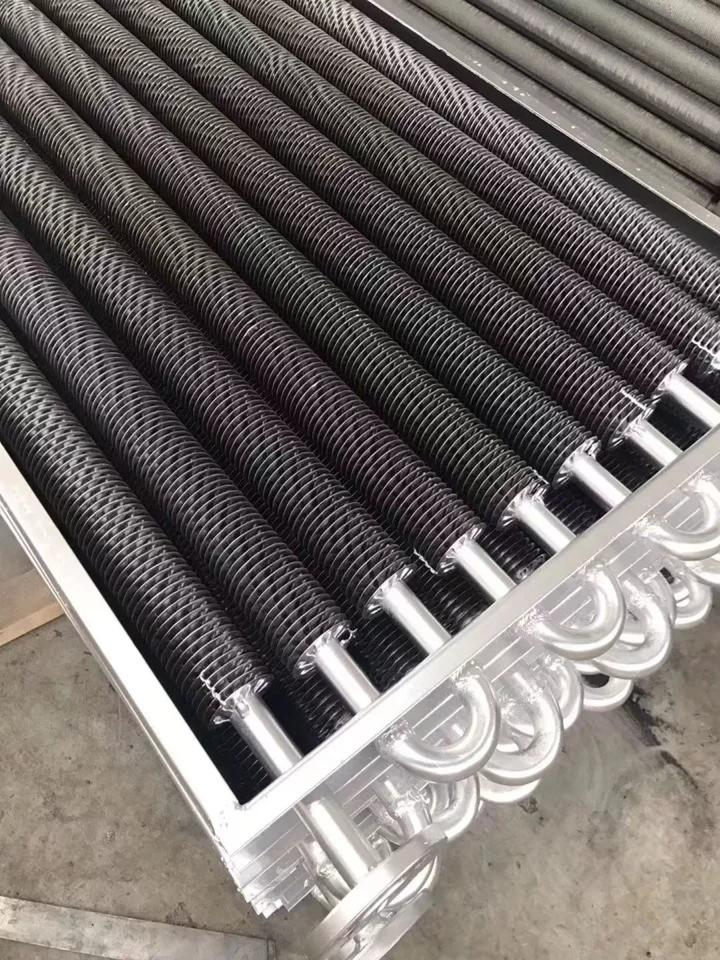
. Key Components 2. How It Works: The Principle The core principle is enhancing surface area. Analogy: Think of a car radiator. The engine coolant (hot liquid) flows through the tubes. The fins on the outside give the air from the fan and the car’s movement a huge surface to blow against, effectively cooling the coolant. 3....

Fin Tube heat exchanger Manufacturer in India

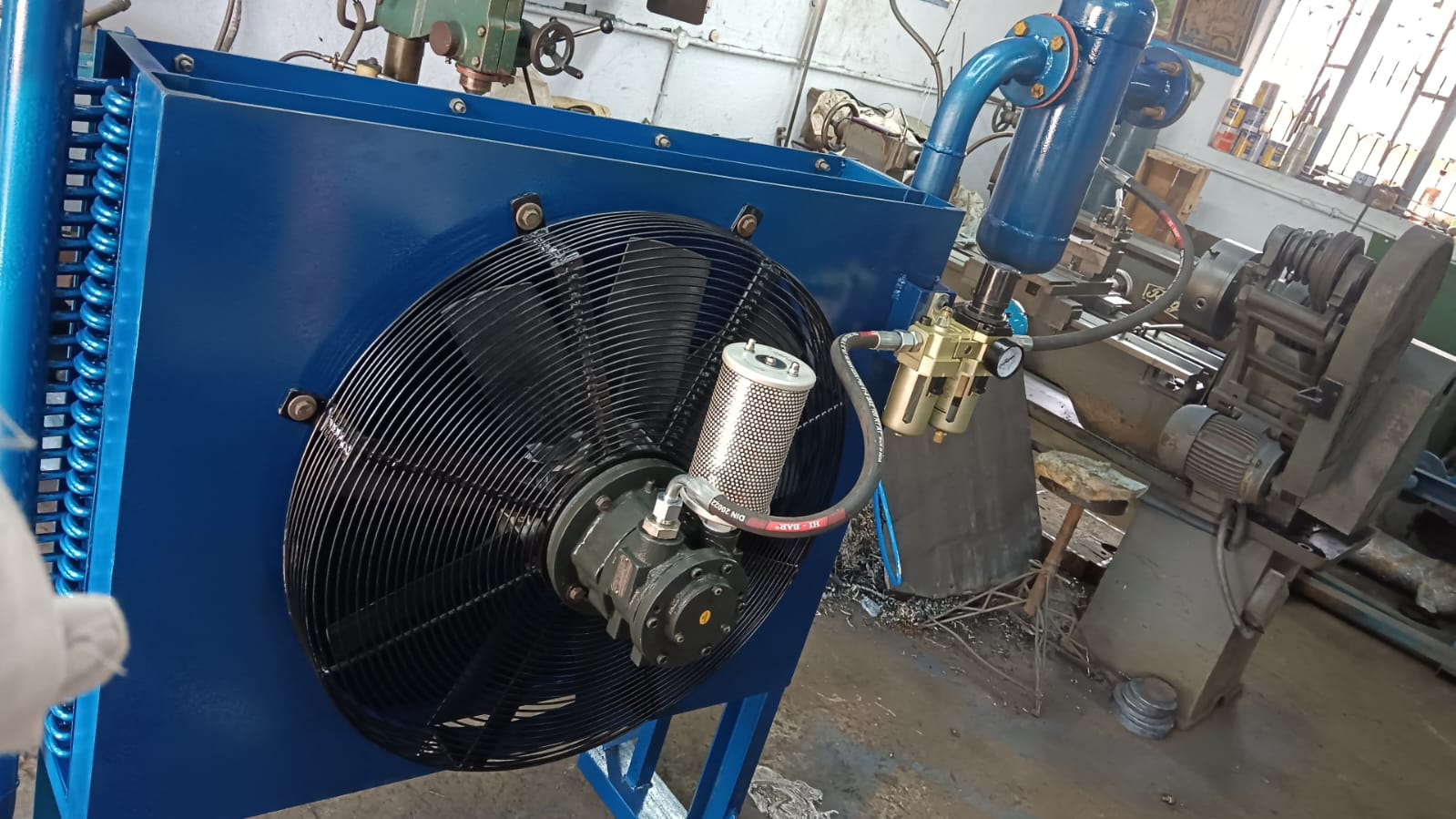
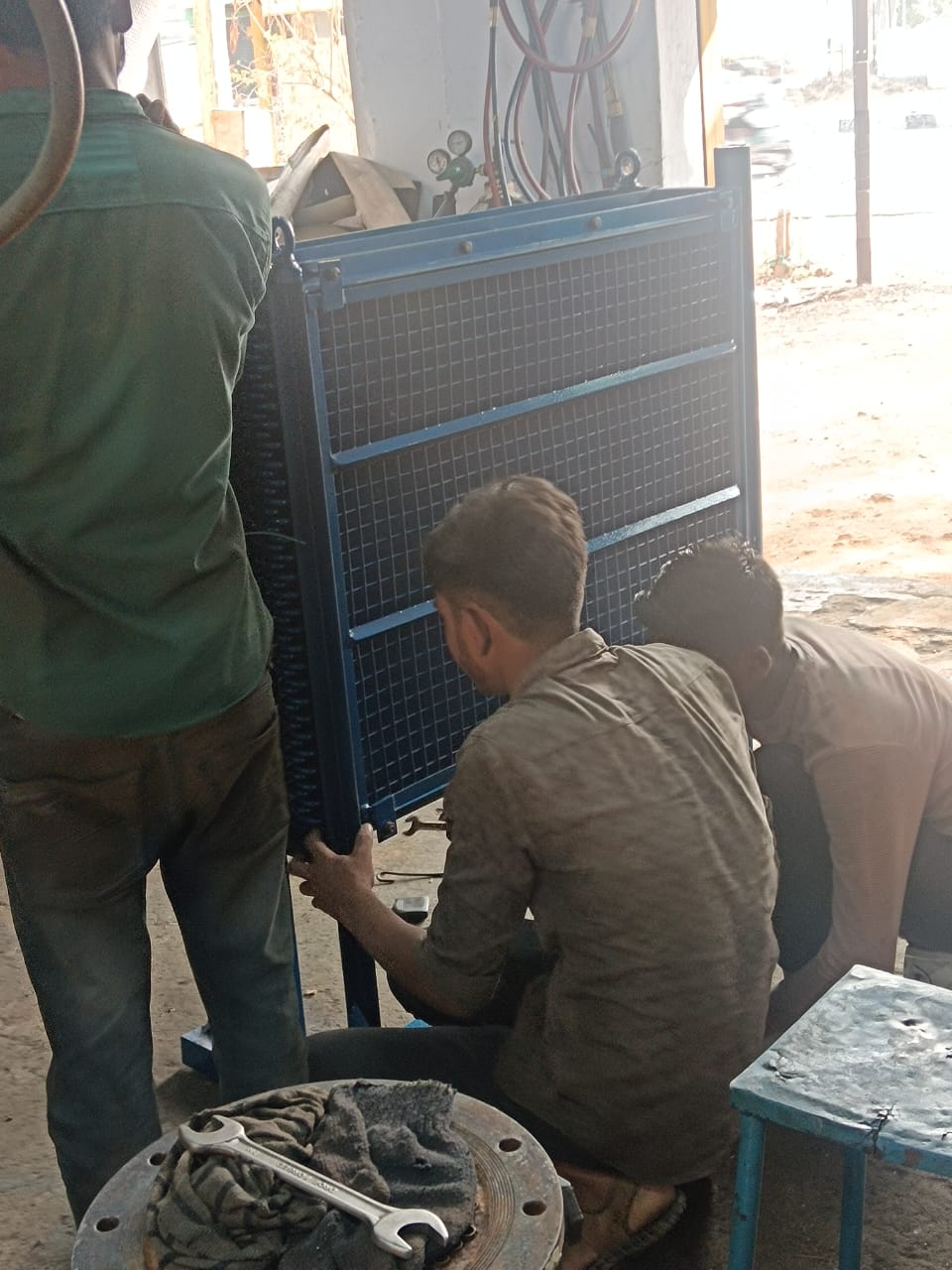
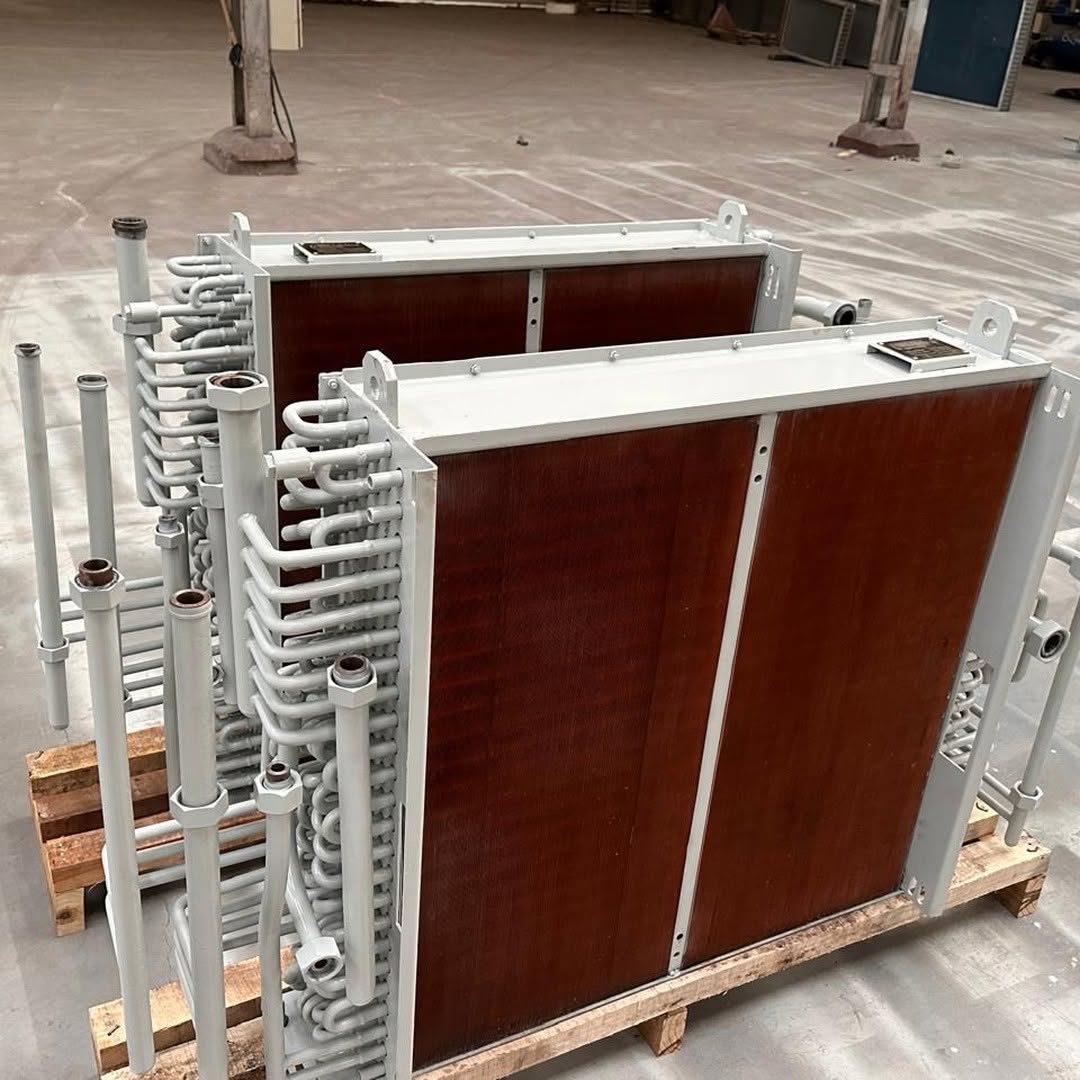
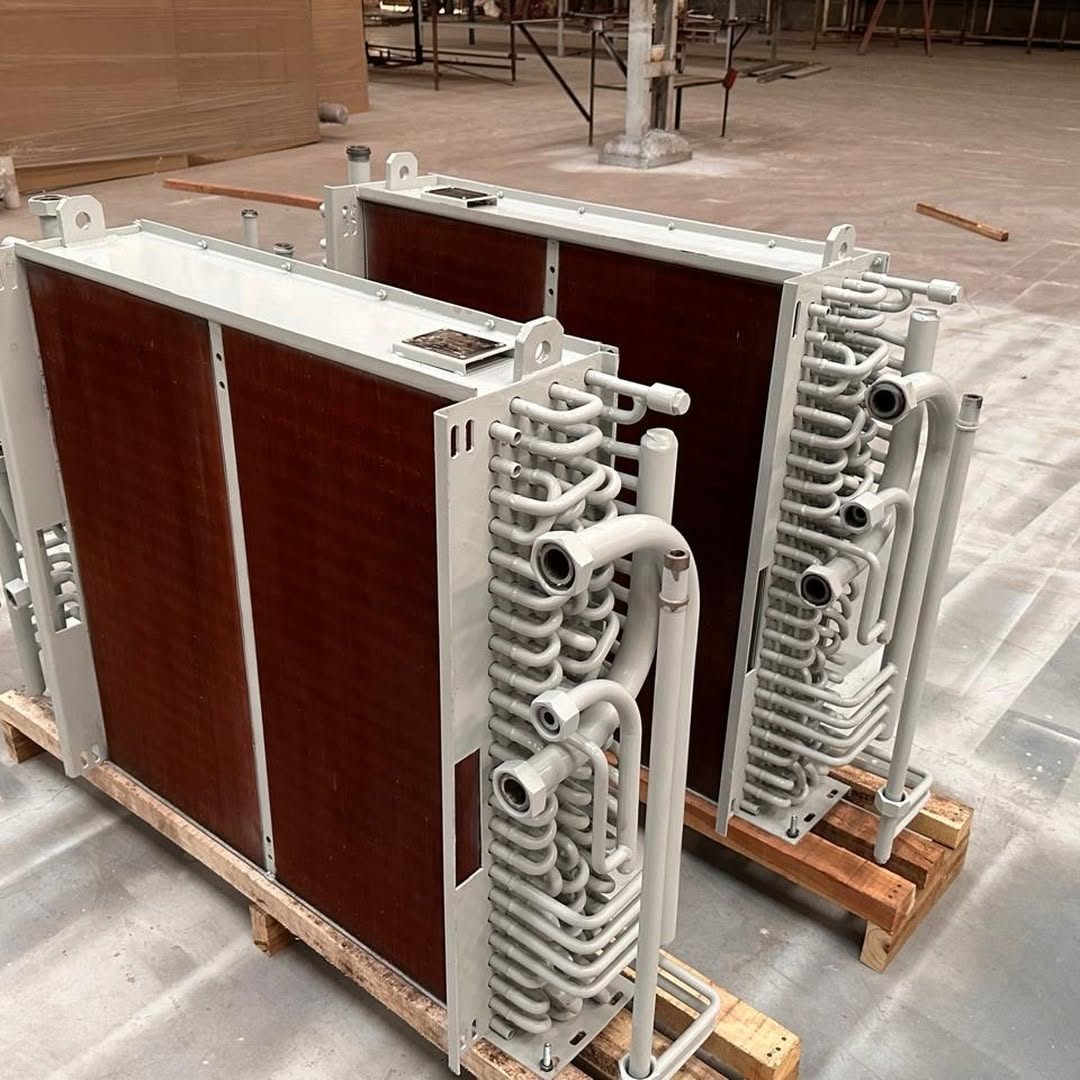
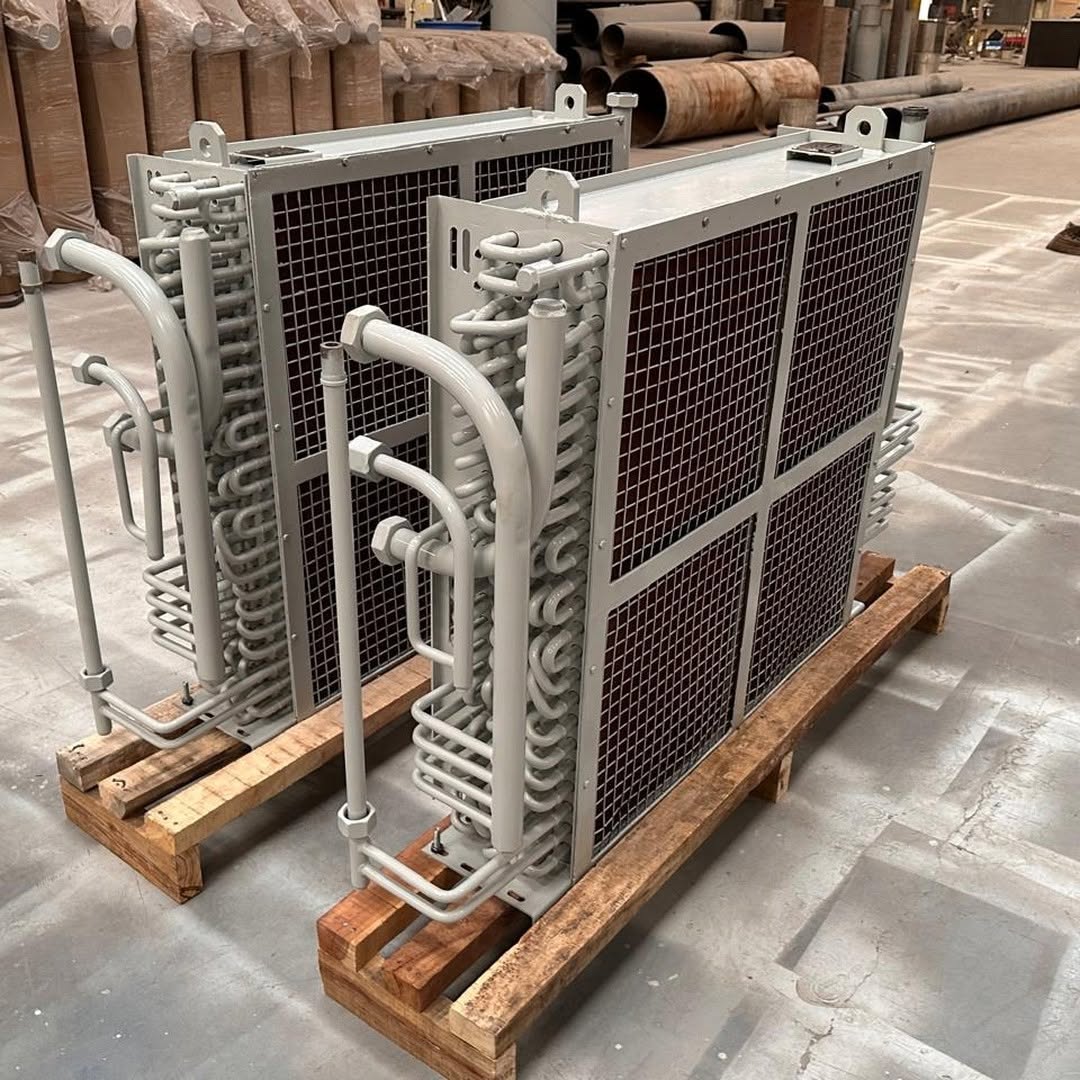
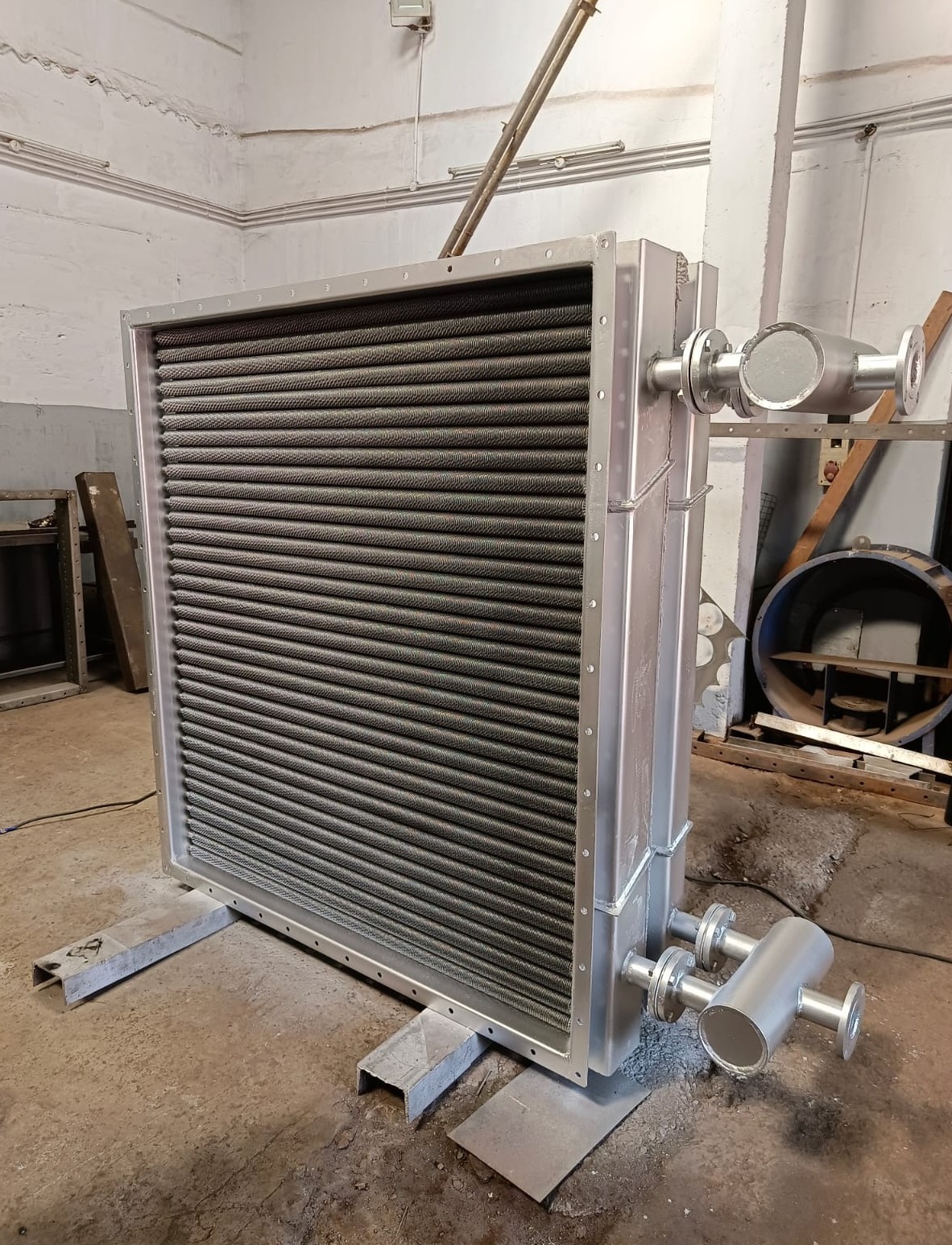
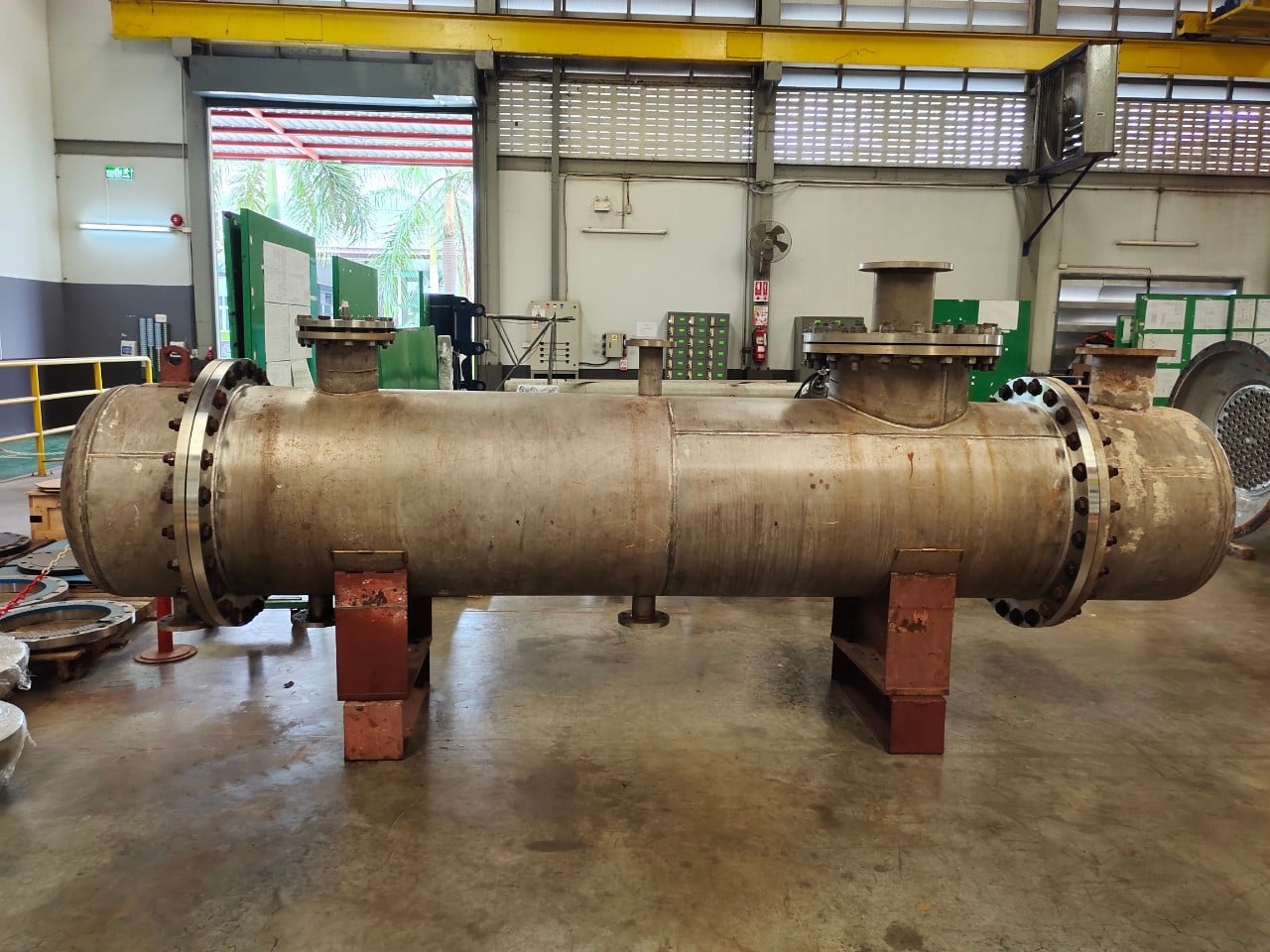
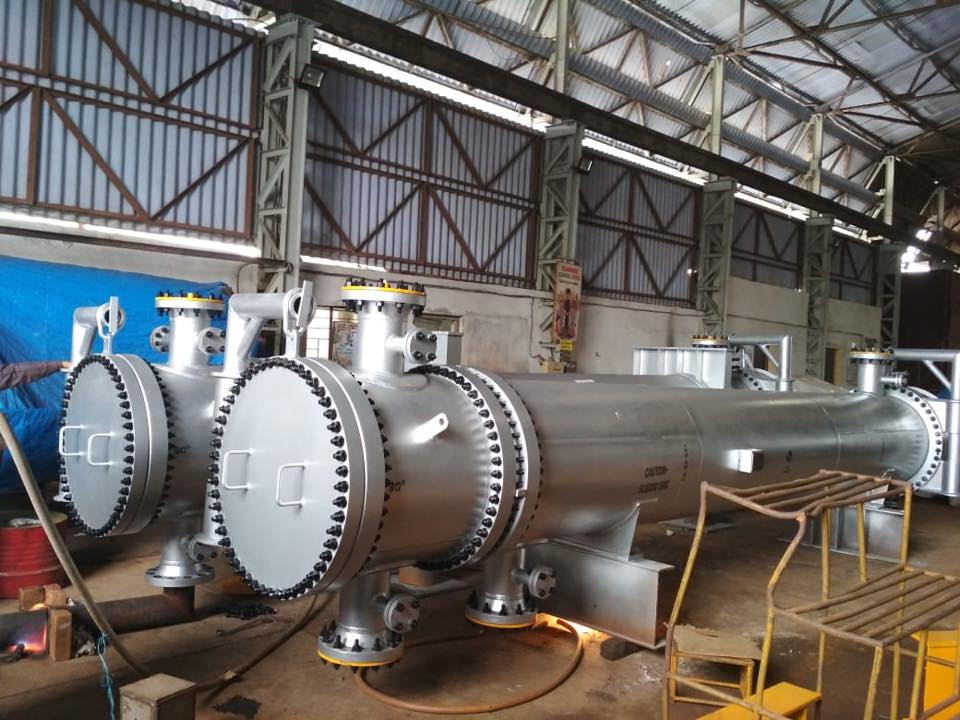
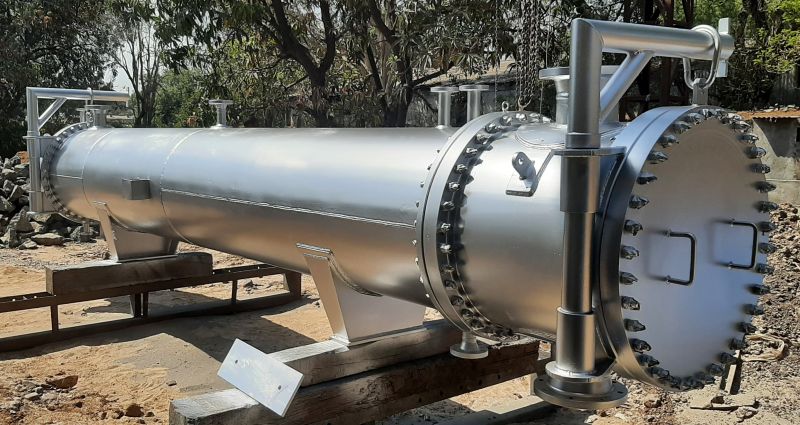
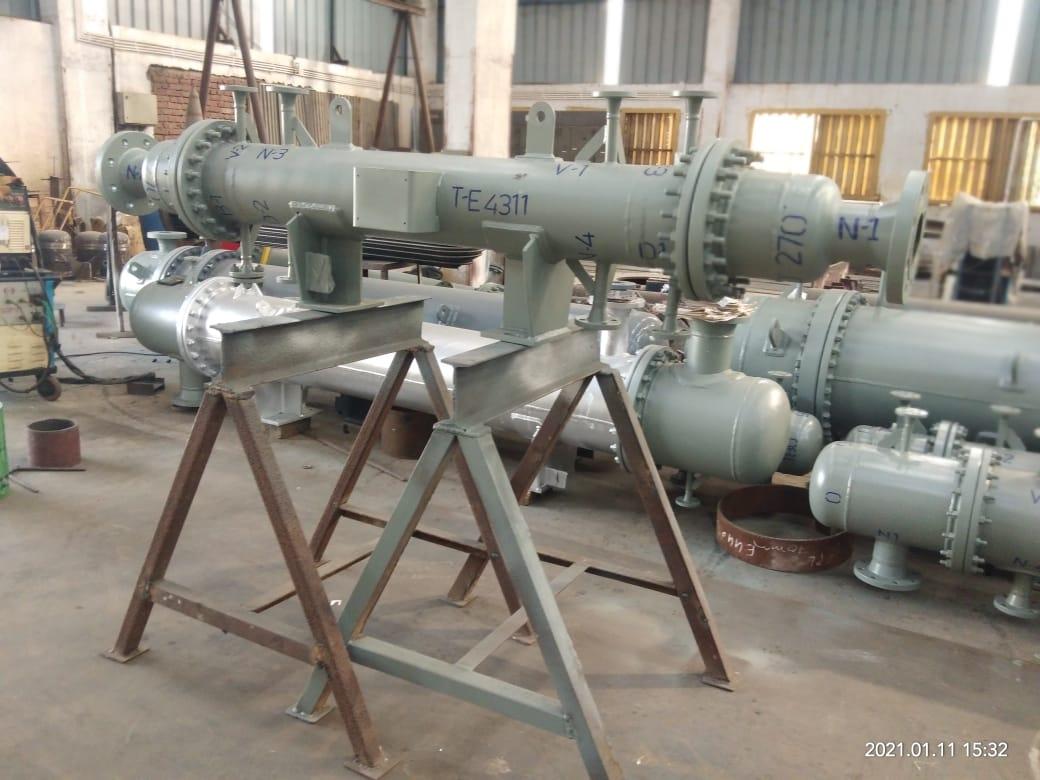
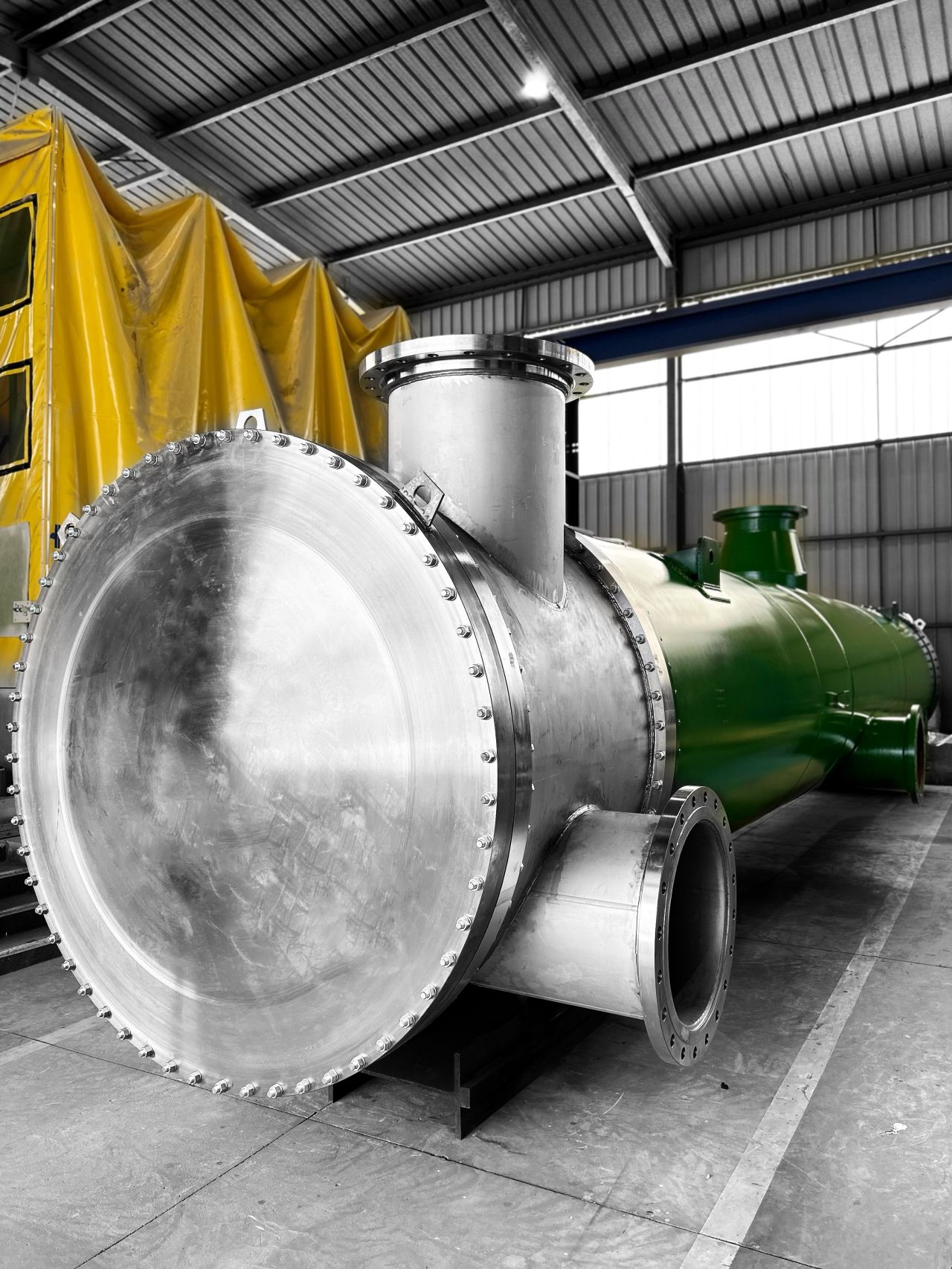
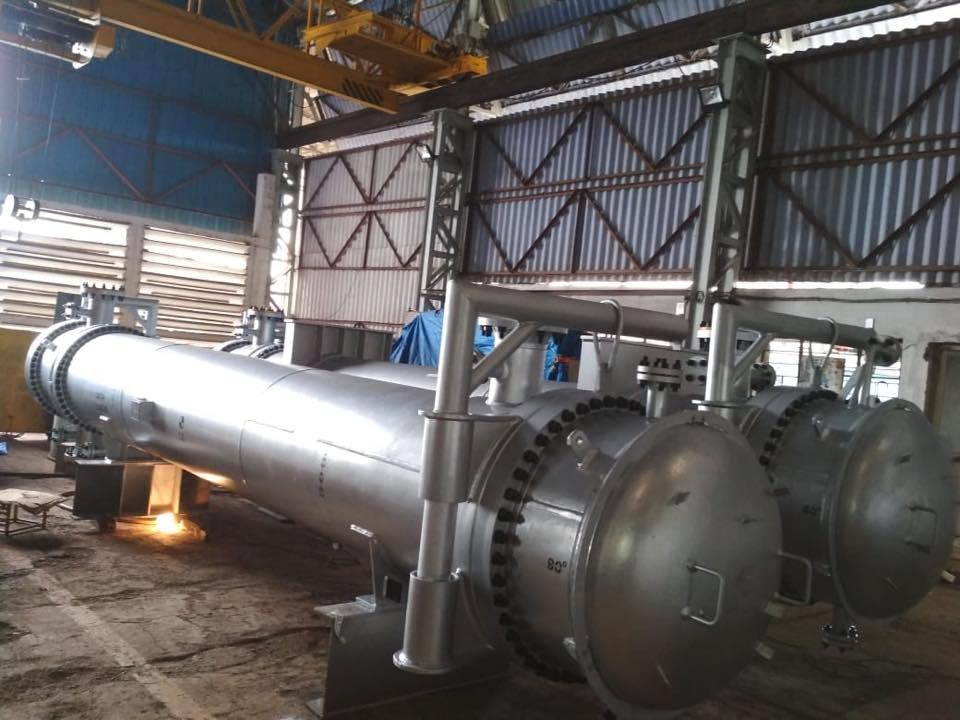
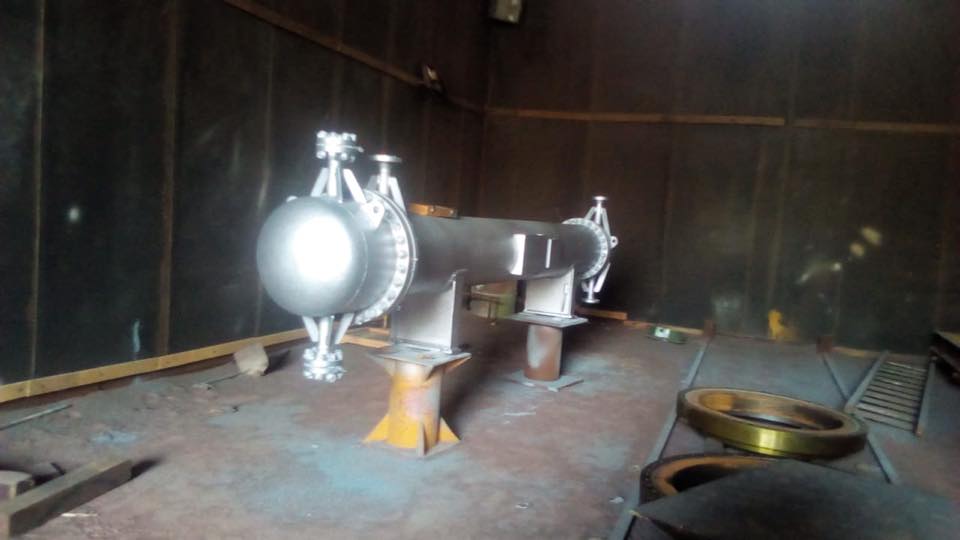
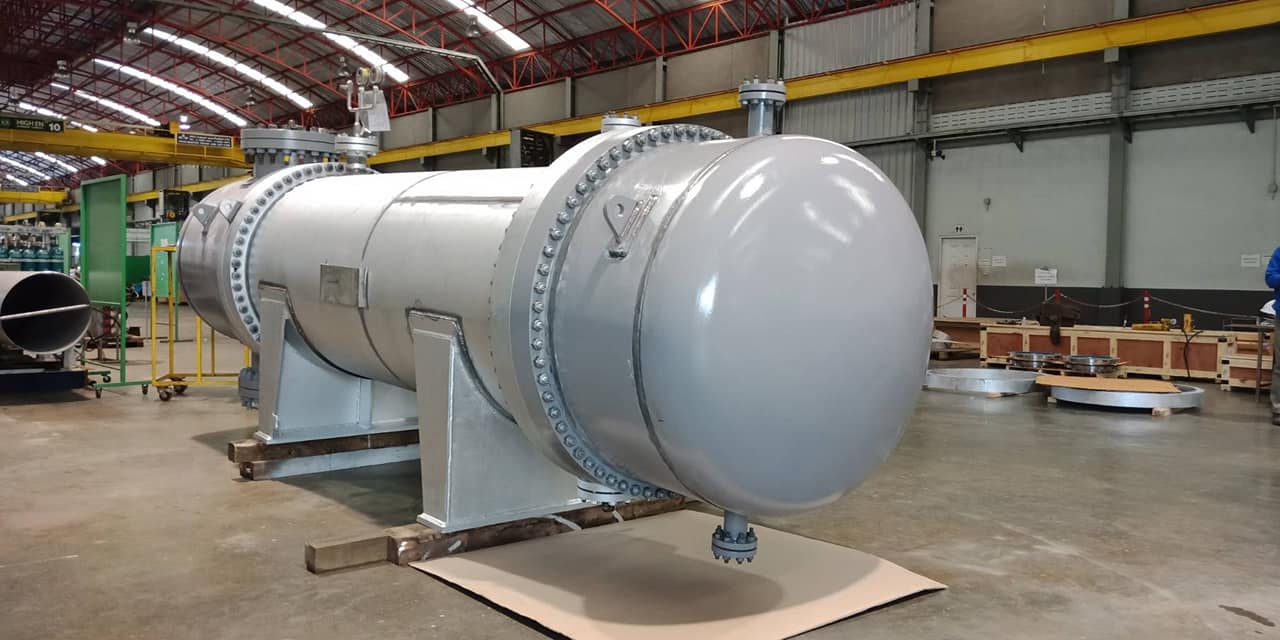
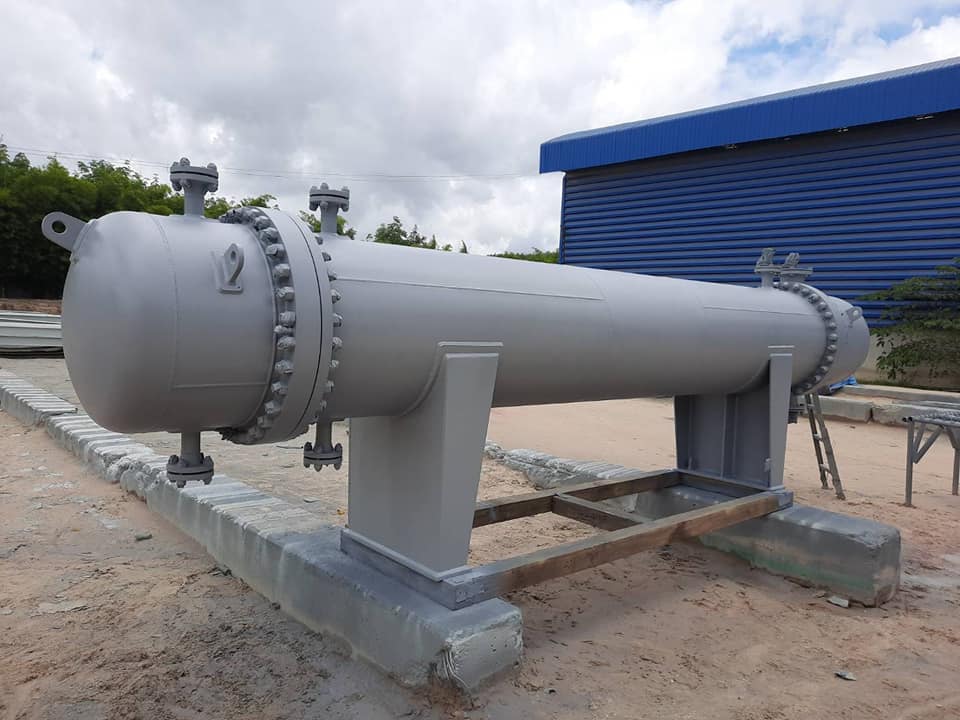
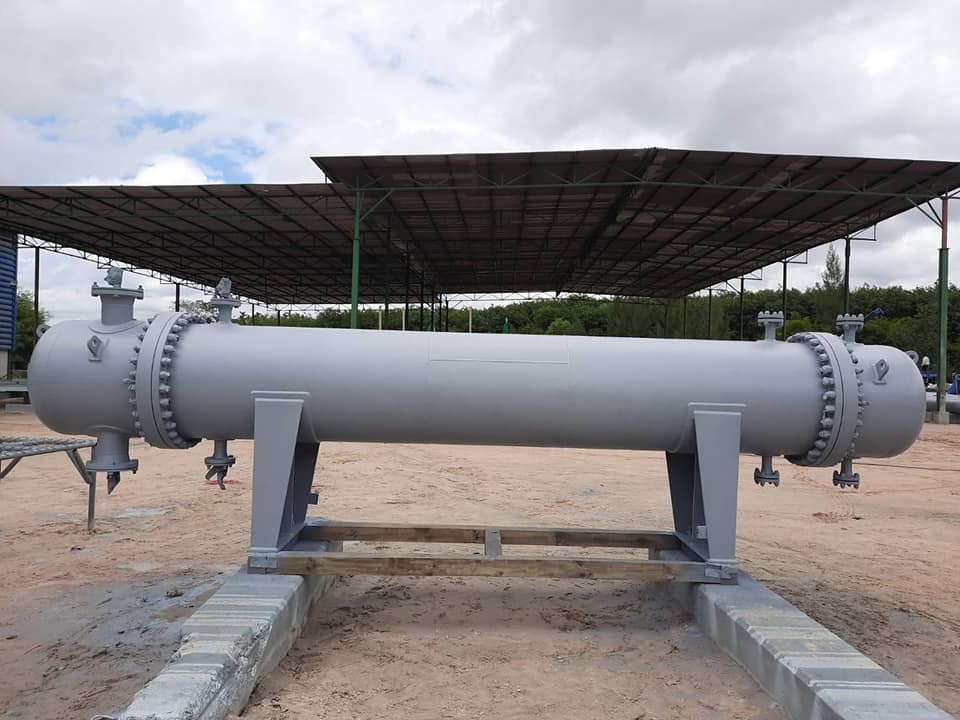
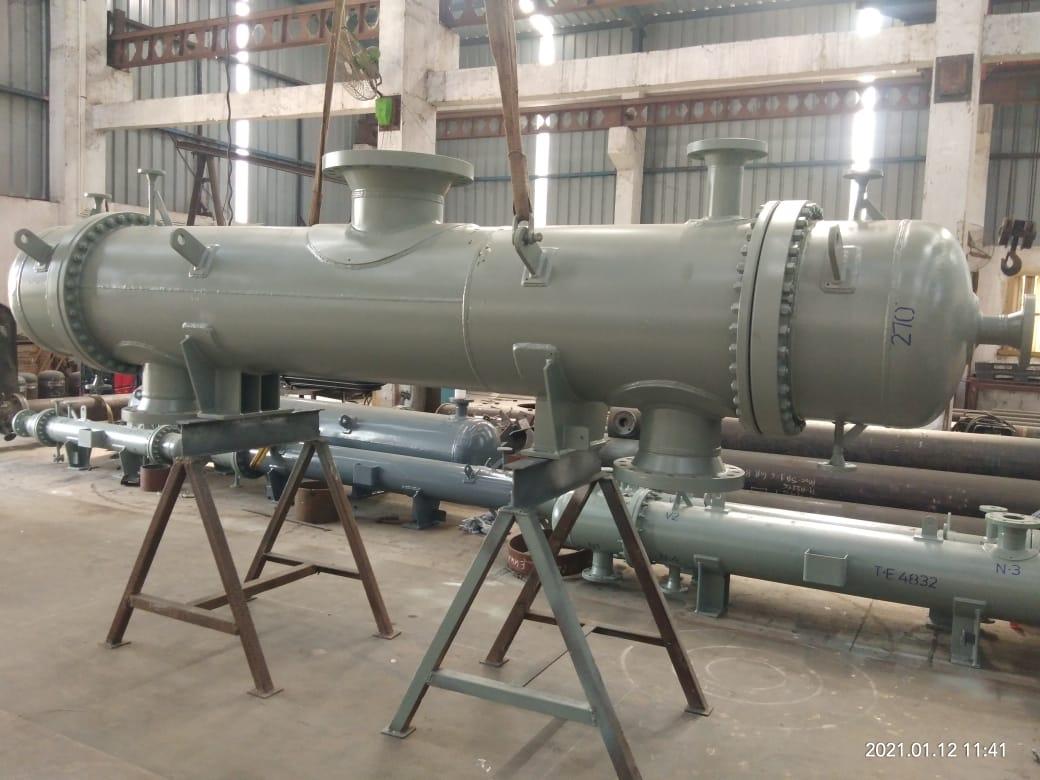
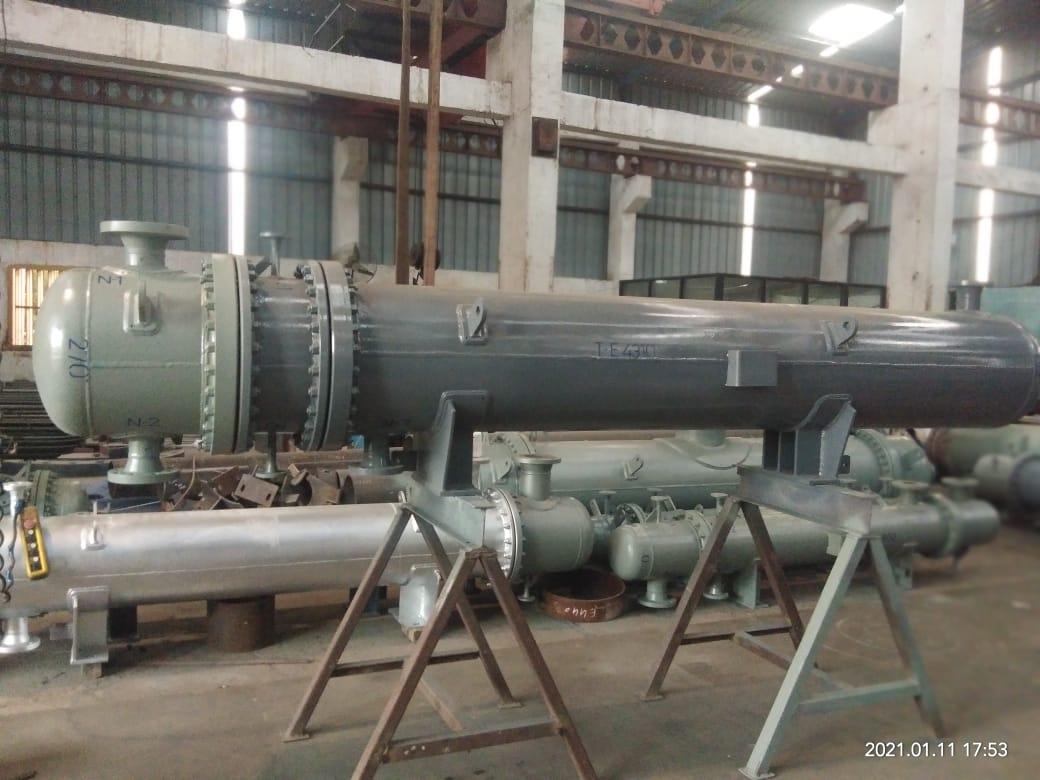
A Fin Tube Heat Exchanger is a type of heat exchanger designed to maximize heat transfer efficiency between a fluid flowing inside tubes and a fluid (usually air or gas) flowing outside the tubes. It does this by adding fins to the exterior of the tubes, which dramatically increases the surface area available for heat exchange. This makes them...

Remote Radiator Manufacturer in American Samoa

The “best” cooling system for a genset engine is not a single answer; it depends entirely on the application, location, and operational priorities (cost, water availability, reliability). Here’s a detailed breakdown of the most common cooling systems, their pros and cons, and a guide to selecting the optimal one. The Two...

Remote Radiator Manufacturer in New Zealand

The role of a Genset (Generator Set) in power generation is fundamental and multifaceted. It acts as a versatile, reliable, and critical source of electrical energy across countless applications. At its core, the role of a genset is to provide electrical power where and when it is needed, independent of a centralized grid. Here is a […]

Remote Radiator Manufacturer in Samoa

Specialized Coatings best of dry cooling tower that used in Sea Shore Area? For a dry cooling tower in a seashore area, specialized coatings are not just an add-on; they are a critical component of the system’s defense, working in tandem with material selection to maximize service life. The goal of these coatings is to […]

Remote Radiator Manufacturer in Tonga

The best balance of performance, longevity, and cost is Aluminum fins mechanically expanded onto Cupronickel 90/10 tubes. If budget is a constraint, Aluminum fins on AISI 316L stainless steel tubes is the next best option. 2. Structure & Casing (The Frame and Panels) This supports the core and directs airflow. . Fans &...

Remote Radiator Manufacturer in Tuvalu

Best material for Construction of Dry cooling tower used in Sea Shore Area Selecting the best material for a dry cooling tower in a sea shore area is a critical engineering decision. The primary enemy is salt-induced corrosion, which aggressively attacks most metals. The single most important factor is protecting the heat exchanger...

Remote Radiator Manufacturer in French Polynesia

Ideal Applications for Dry Cooling Towers on Gensets You will typically find dry cooling towers used in these scenarios:

Remote Radiator Manufacturer in Wallis and Futuna

The decision to use a dry cooling tower is often a trade-off, heavily influenced by environmental and economic factors. Advantages (The “Why”) Disadvantages (The “Trade-Offs”)

Remote Radiator Manufacturer in Niue

The Principle of “Sensible” Cooling The “dry” in its name comes from the fact that it operates purely on sensible heat transfer—cooling the fluid without a phase change (evaporation). This contrasts with “wet” cooling towers that use latent heat of evaporation. Step-by-Step Process:

Remote Radiator Manufacturer in Northern Mariana Islands

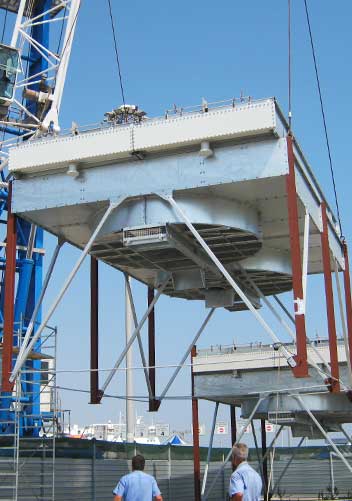
The role of a Dry Cooling Tower in a Genset system is to reject the waste heat from the engine to the atmosphere without using water evaporation. It is a crucial component for maintaining the genset’s operating temperature, ensuring efficiency, and preventing engine damage, especially in locations where water is scarce or...

Remote Radiator Manufacturer in Nauru

A dry cooling tower is an excellent choice for a genset in situations where water conservation is the top priority, even if it comes with a trade-off in peak efficiency, higher initial cost, and a larger footprint. It is a robust, low-water-maintenance solution that is perfectly suited for arid environments, standby power applications, and...

Remote Radiator Manufacturer in Kiribati

Role and Suitability for Gensets Dry cooling towers are not a one-size-fits-all solution for gensets. Their use is dictated by specific site conditions and priorities. Ideal Scenarios for a Dry Cooling Tower on a Genset: Less Suitable Scenarios: 4. Key Considerations for Installation and Maintenance

Remote Radiator Manufacturer in Vanuatu

Comparison: Dry Cooling Tower vs. Wet Cooling Tower Feature Dry Cooling Tower Wet Cooling Tower (Evaporative) Principle Sensible Heat Transfer (Air cools fluid) Latent Heat Transfer (Evaporation cools fluid) Water Usage Zero (except for occasional cleaning) High (continuous evaporation and blowdown) Coolant Circuit Closed Loop Open or...

Remote Radiator Manufacturer in Micronesia

Dry cooling tower for Genset A dry cooling tower for a genset is a specific type of heat rejection system that offers distinct advantages and disadvantages, especially in water-scarce environments. Here’s a detailed explanation of how it works, its role with gensets, and its pros and cons. 1. The Core Function: How a Dry Cooling Tower...

Remote Radiator Manufacturer in Wallis and Futuna

Maintenance is Paramount Given these challenges, a rigorous and proactive maintenance schedule for the radiator is non-negotiable. Key Maintenance Tasks:

Remote Radiator Manufacturer in Cook Islands

The role and context of a radiator for a genset in the Cook Islands is a critical component tied directly to the islands’ reliance on diesel generation and challenging environment. Here’s a detailed breakdown covering its function, importance, and specific challenges in the Cook Islands context. 1. The Primary Function of the...

Remote Radiator Manufacturer in Tokelau

Power Generation in Tokelau using Genset? The story of power generation in Tokelau is a fascinating and unique case study, and the role of the genset there has been fundamentally transformed. Here’s a breakdown of power generation in Tokelau, with a specific focus on the past, present, and future role of gensets. The Historical Context:...

Remote Radiator Manufacturer in Fiji

The Future: A Shift to Hybrid Systems The future of power generation in Micronesia is not the elimination of gensets, but their integration into Renewable Energy (RE) – Diesel Hybrid Systems. This is the current and most promising trend:

Remote Radiator Manufacturer in Marshall Islands

Why Gensets are the Default Choice The reliance on gensets is a direct result of several interconnected factors: 4. Critical Sectors Dependent on Gensets 5. Major Challenges and the Push for Change The heavy reliance on diesel gensets comes with severe drawbacks, which are driving the search for alternatives: 6. The Future: A Shift to […]

Remote Radiator Manufacturer in Micronesia

Power Generation in  Micronesia using Genset Engine. The situation in Micronesia regarding power generation using genset engines is very similar to that of the Solomon Islands, but with its own specific nuances. In the Federated States of Micronesia (FSM), and indeed across most of the Micronesian region, genset engines are the absolute...

Remote Radiator Manufacturer in Palau

The Future and Challenges: The role of gensets is evolving but will remain significant for decades. In conclusion, in the Solomon Islands, the genset is far more than a backup power source. It is the fundamental engine that powers daily life, drives the economy, and supports essential services in a nation where a centralized power […]

Remote Radiator Manufacturer in Papua New Guinea

Remote Radiator Manufacturer in Solomon Islands

Power generation in the Solomon Islands is transitioning from heavy reliance on diesel fuel to a mix that includes emerging renewable sources like solar and hydropower. The country is prioritizing projects like the Tina River Hydropower Project and other solar initiatives to reduce costs, decrease dependence on imported fossil fuels, and...

Remote Radiator Manufacturer in Visakhapatnam

Material of Construction of Remote Radiator  The Material of Construction (MOC) for a remote radiator is critical for its longevity, performance, and compatibility with the environment and coolant. The choice is a balance between thermal conductivity, corrosion resistance, strength, and cost. Here’s a detailed breakdown of the materials used...

Remote Radiator Manufacturer in Odisha

How to Choose the Right Remote System The choice depends on the same factors as the initial cooler selection, but with a focus on the remote aspect: In summary, when you need a “remote radiator,” you are most likely deciding between a Remote Dry Cooler for simplicity and low maintenance or a Remote Fluid Cooler for...

Remote Radiator Manufacturer in Bangalore

Types of Remote Radiators Feature Remote Dry Cooler Remote Fluid Cooler (Closed-Circuit) Cooling Tower (Open-Circuit) Principle Sensible Heat Transfer (Dry) Evaporative (on a closed coil) Direct Evaporative (Open) Process Fluid Water-Glycol (Closed Loop) Water-Glycol (Closed Loop) Raw Water (Open Loop) Heat Rejection To Ambient Dry-Bulb Temperature...

Remote Radiator Manufacturer in Hyderabad

Remote Radiator” is a common term, but in industrial cooling, it’s more accurately broken down into specific types of systems. When people refer to a “remote radiator” for a genset, they are typically talking about moving the heat rejection component away from the engine itself. Here are the primary types of remote radiator...

Remote Radiator Manufacturer in Karnataka

Cooling is required for a genset engine to: Reason Consequence of No Cooling 1. Prevent Mechanical Failure Seizure, melted components, catastrophic engine destruction. 2. Protect Engine Oil Oil breakdown, sludge, acid formation, loss of lubrication. 3. Maintain Efficiency & Power Pre-ignition, knocking, reduced power output. 4. Control...

Remote Radiator Manufacturer in Kerala

Why Cooling is required for Genset engine Cooling is not just beneficial for a genset engine; it is absolutely critical for its survival, efficiency, and longevity. At its core, a genset engine is an internal combustion engine, and it is inherently inefficient. Only about 30-40% of the energy from diesel or gas fuel is converted into...
1 2 9