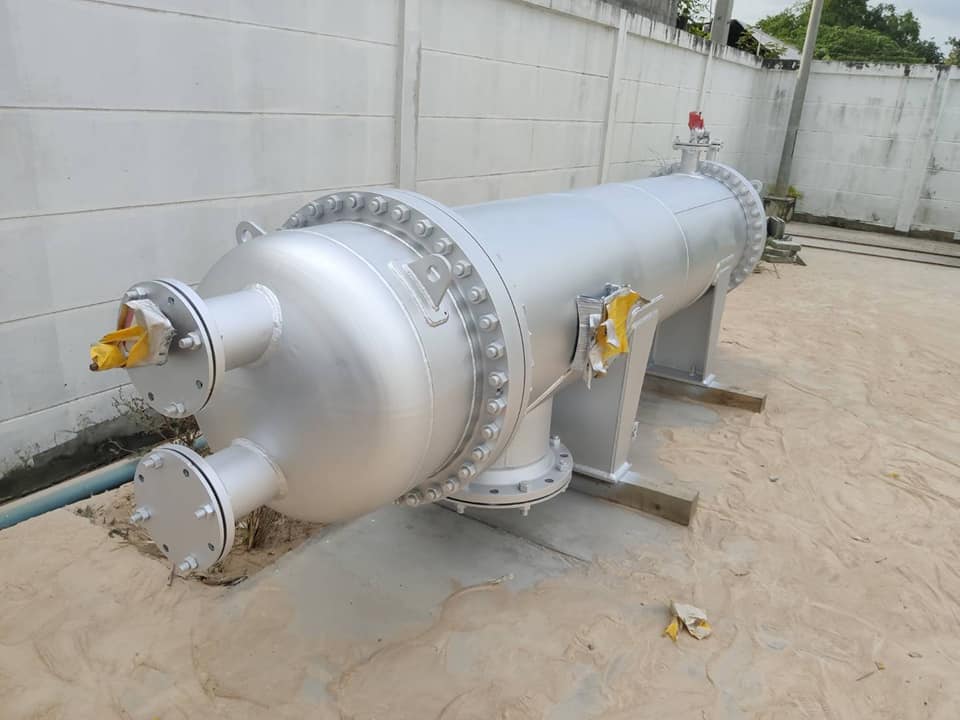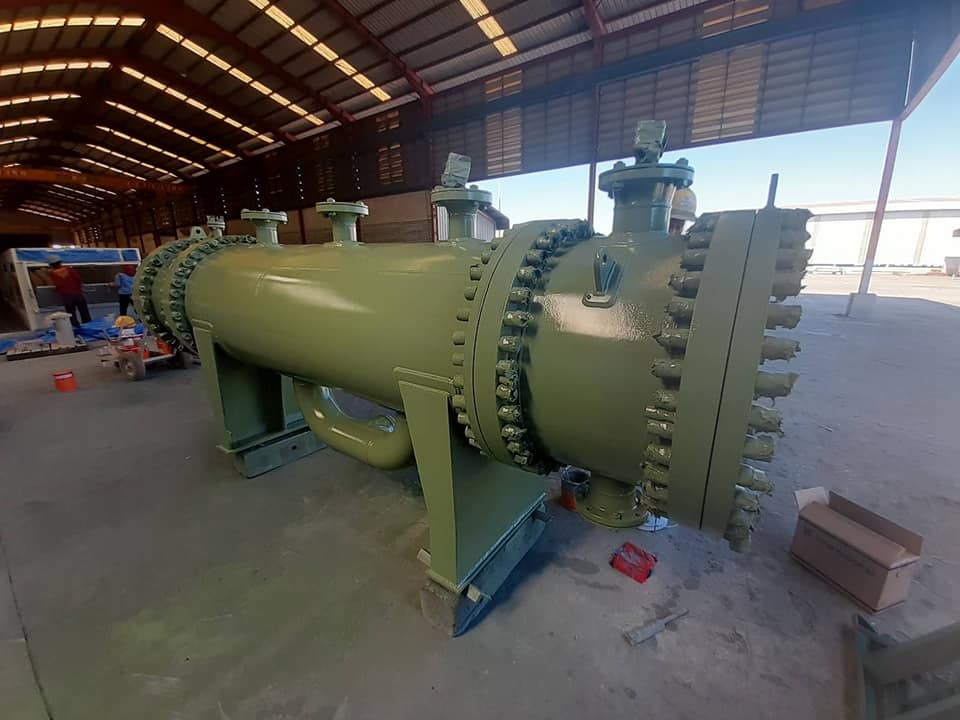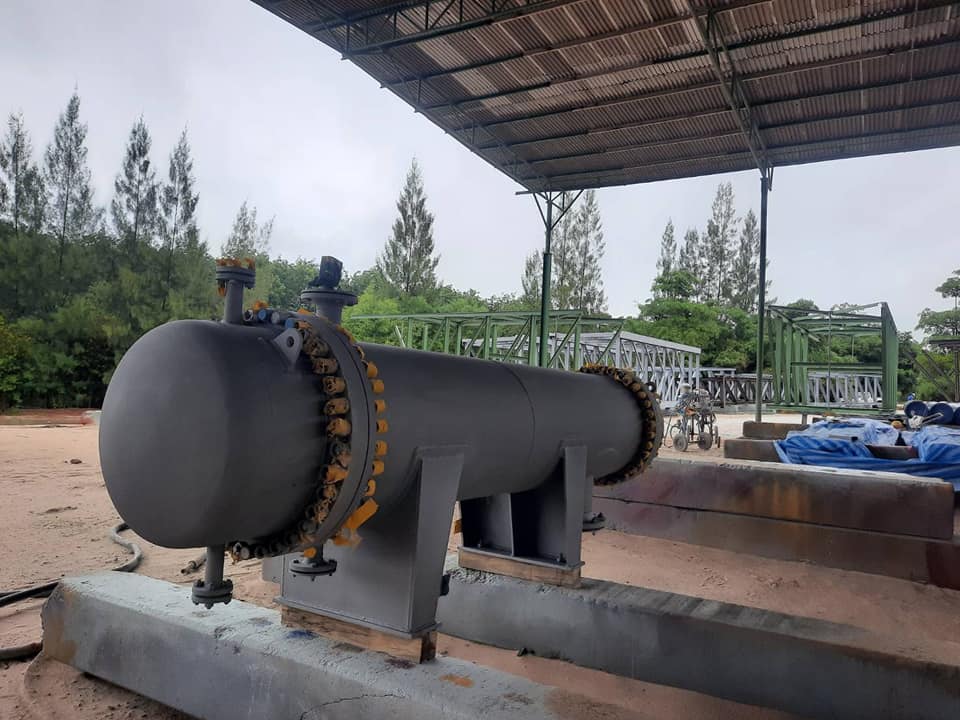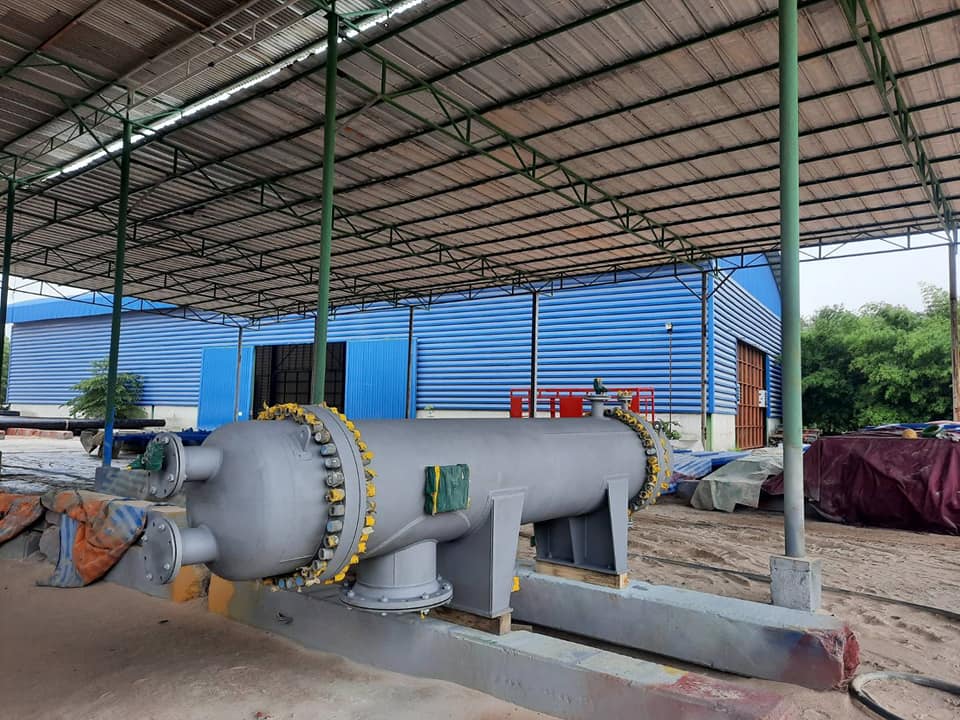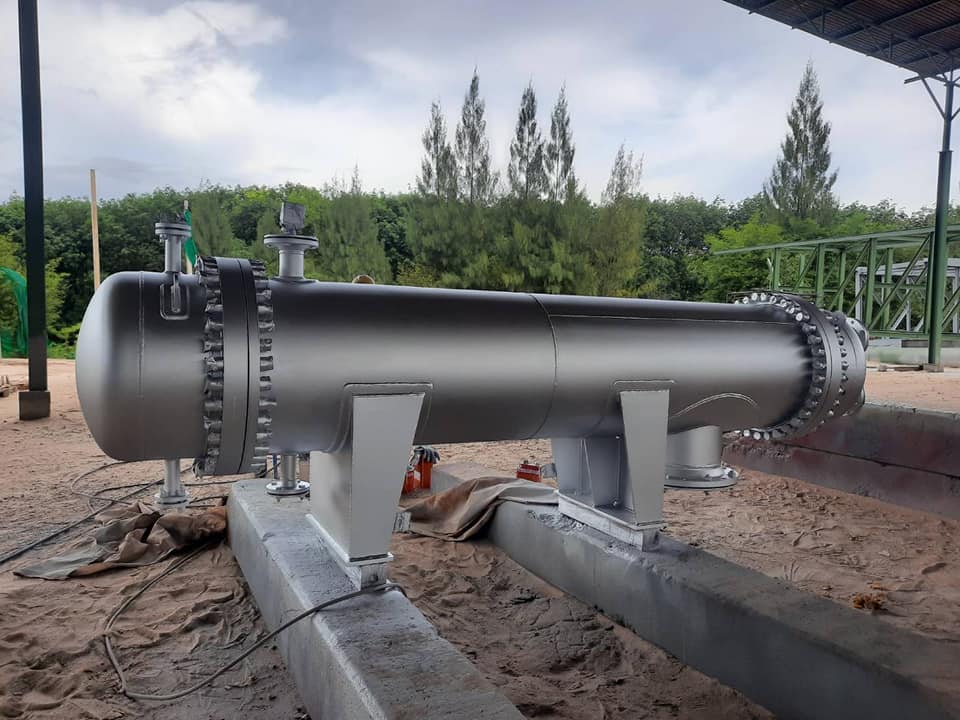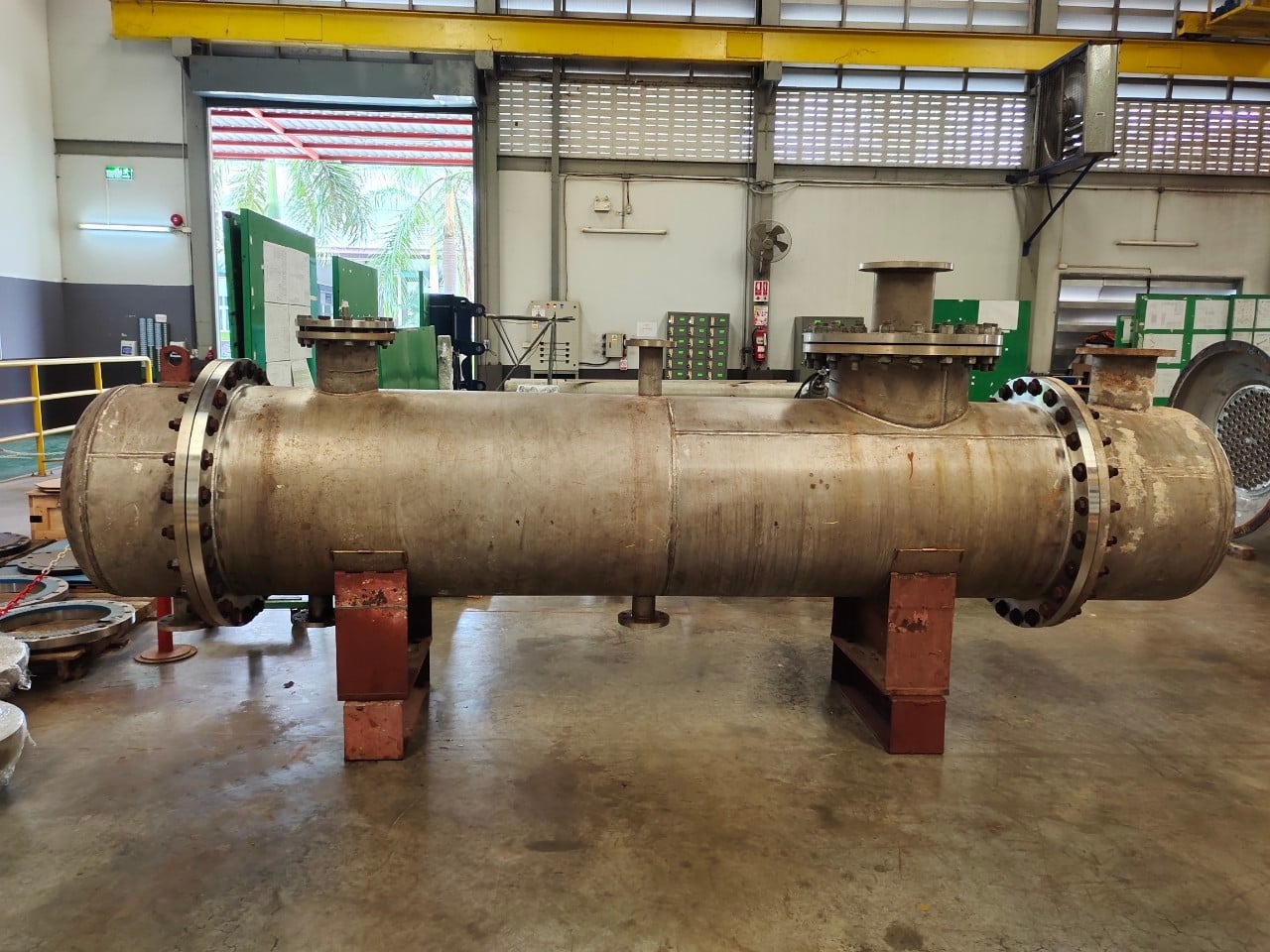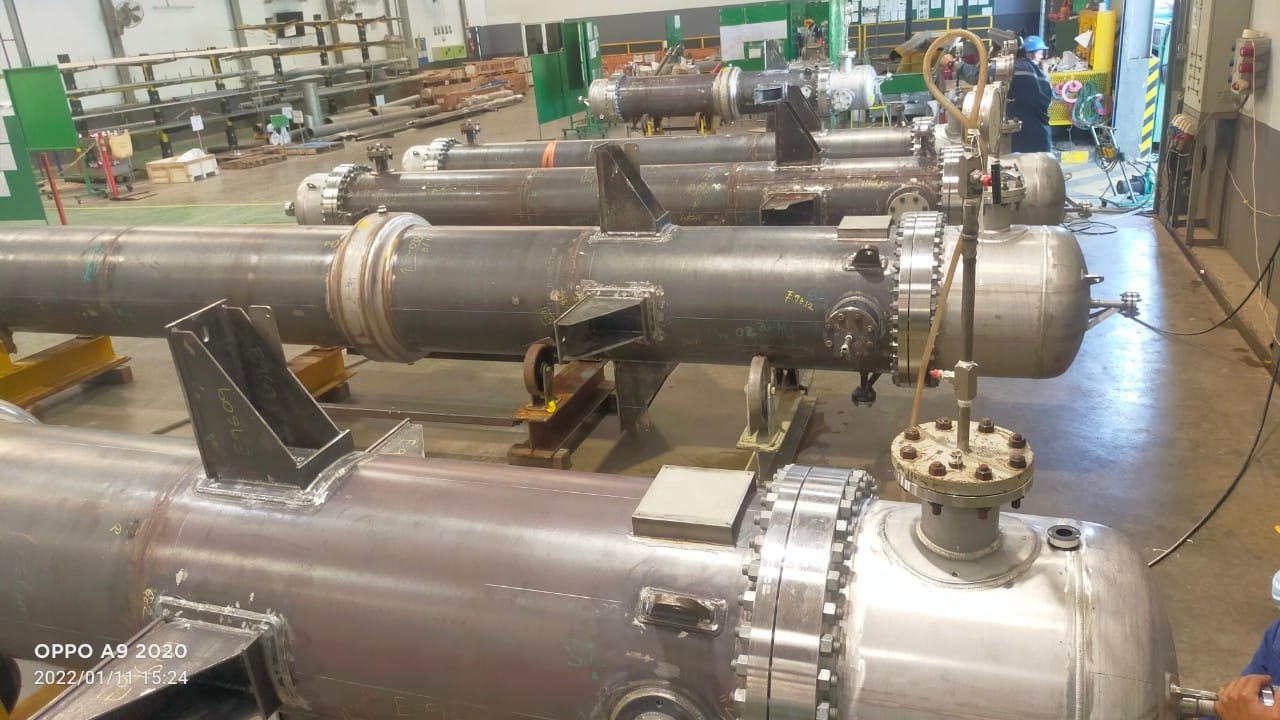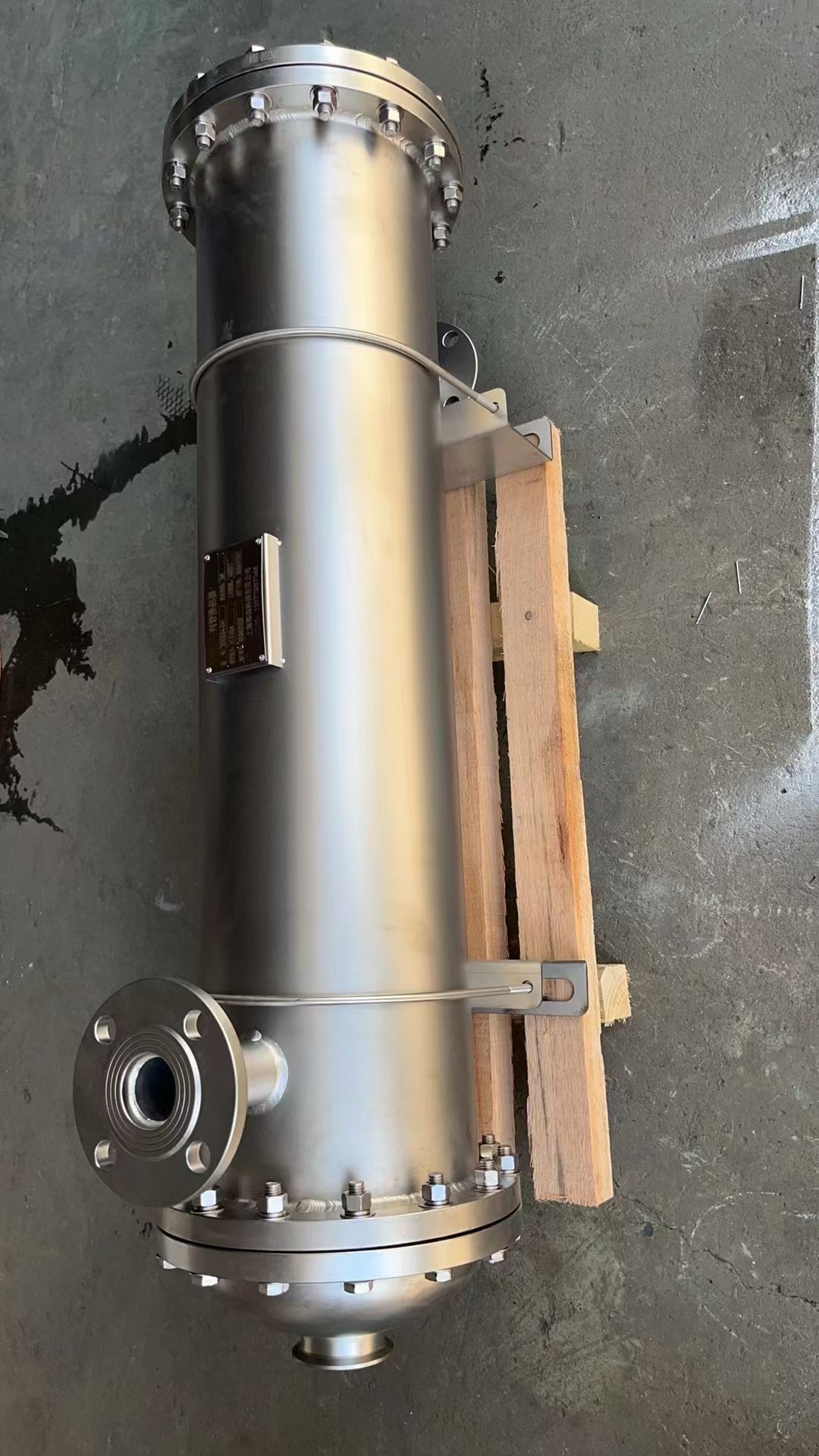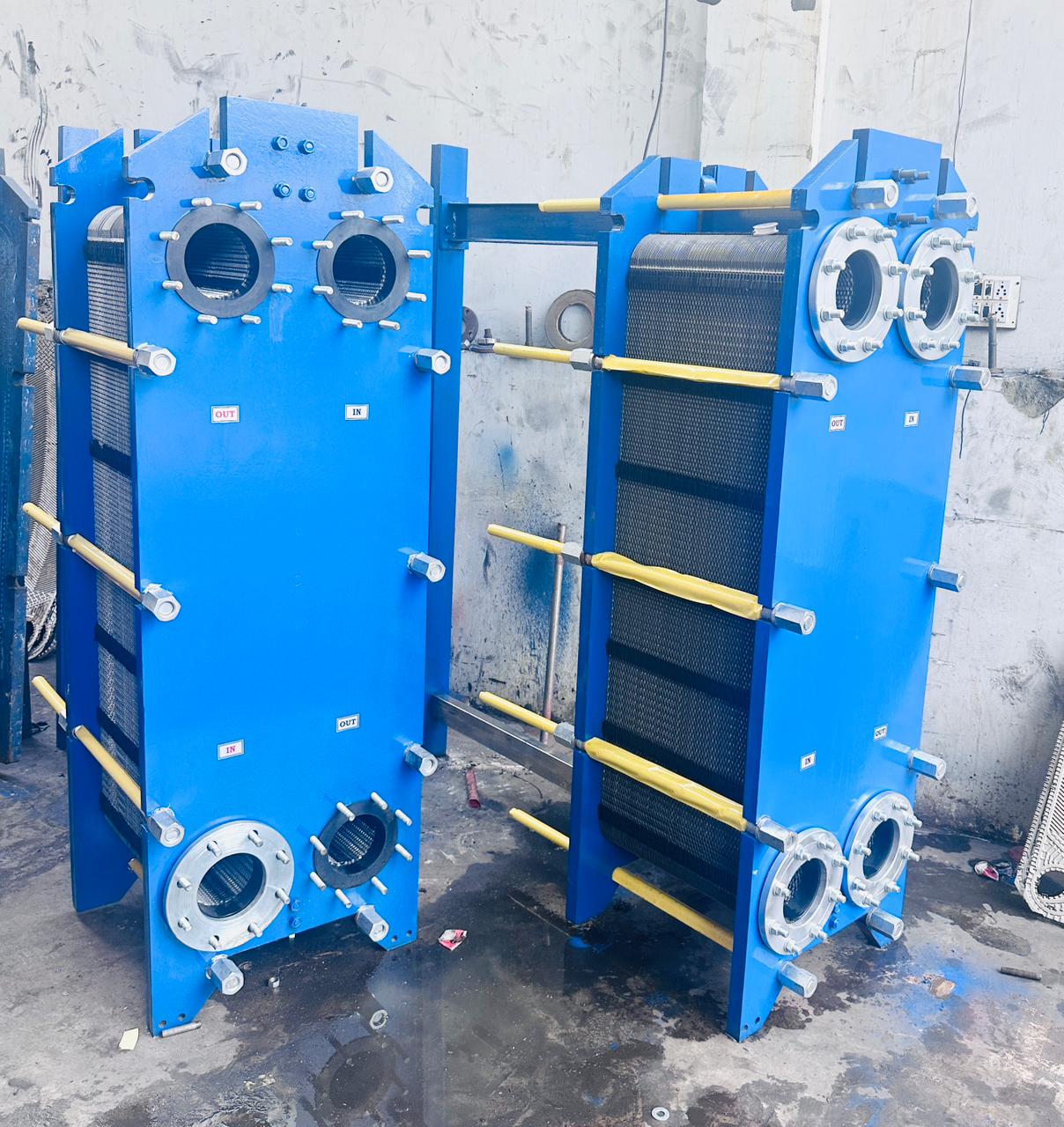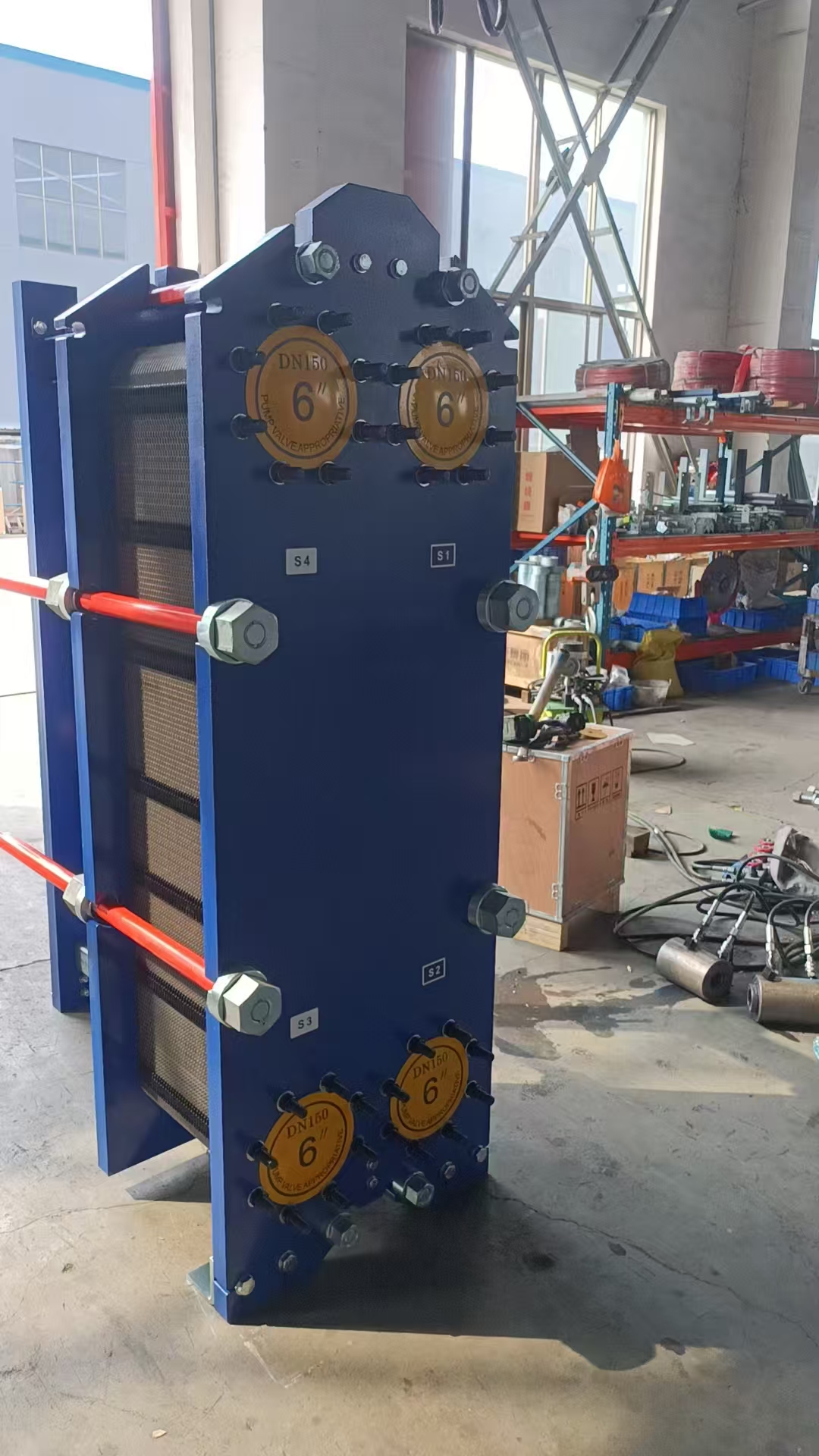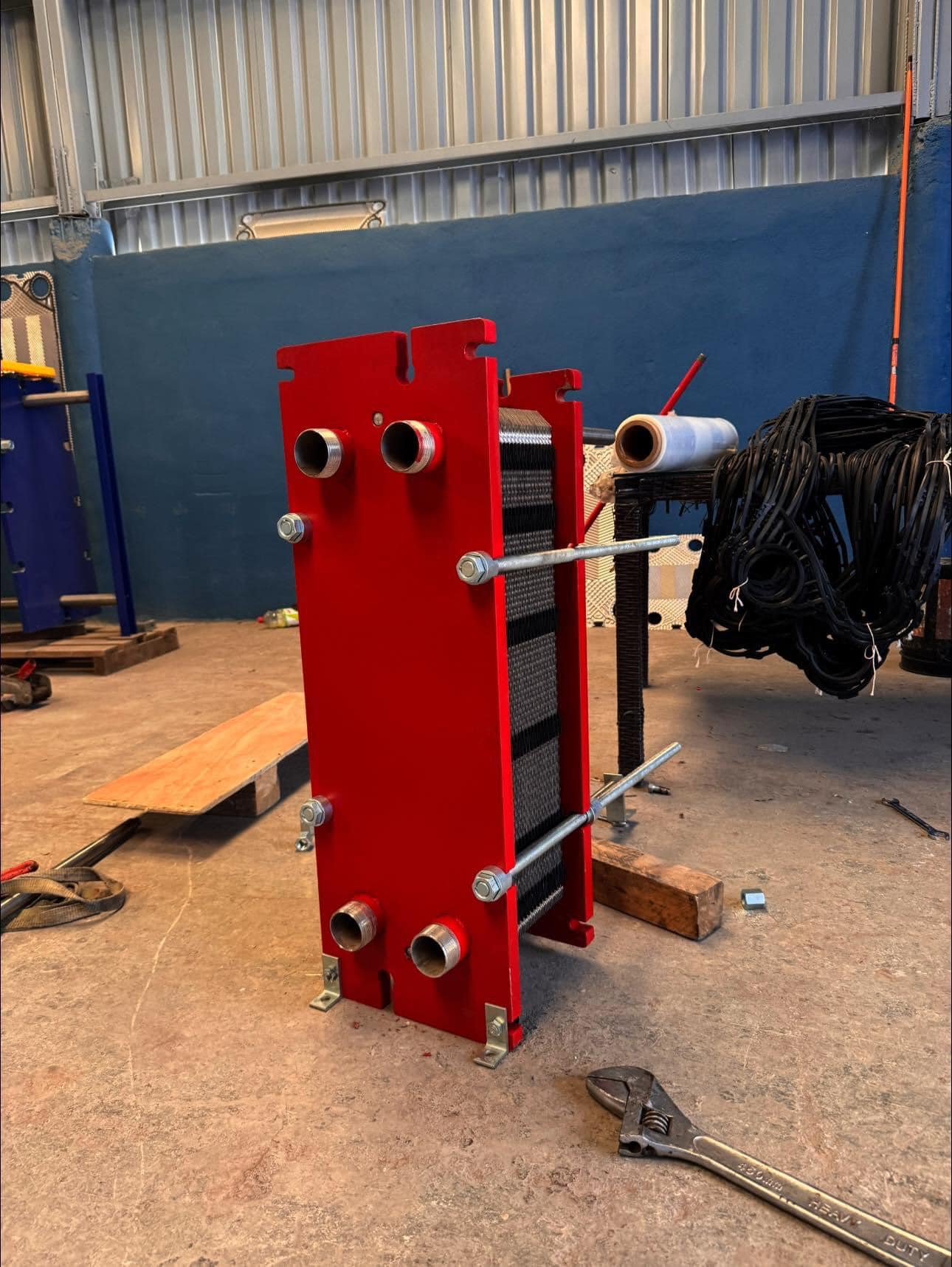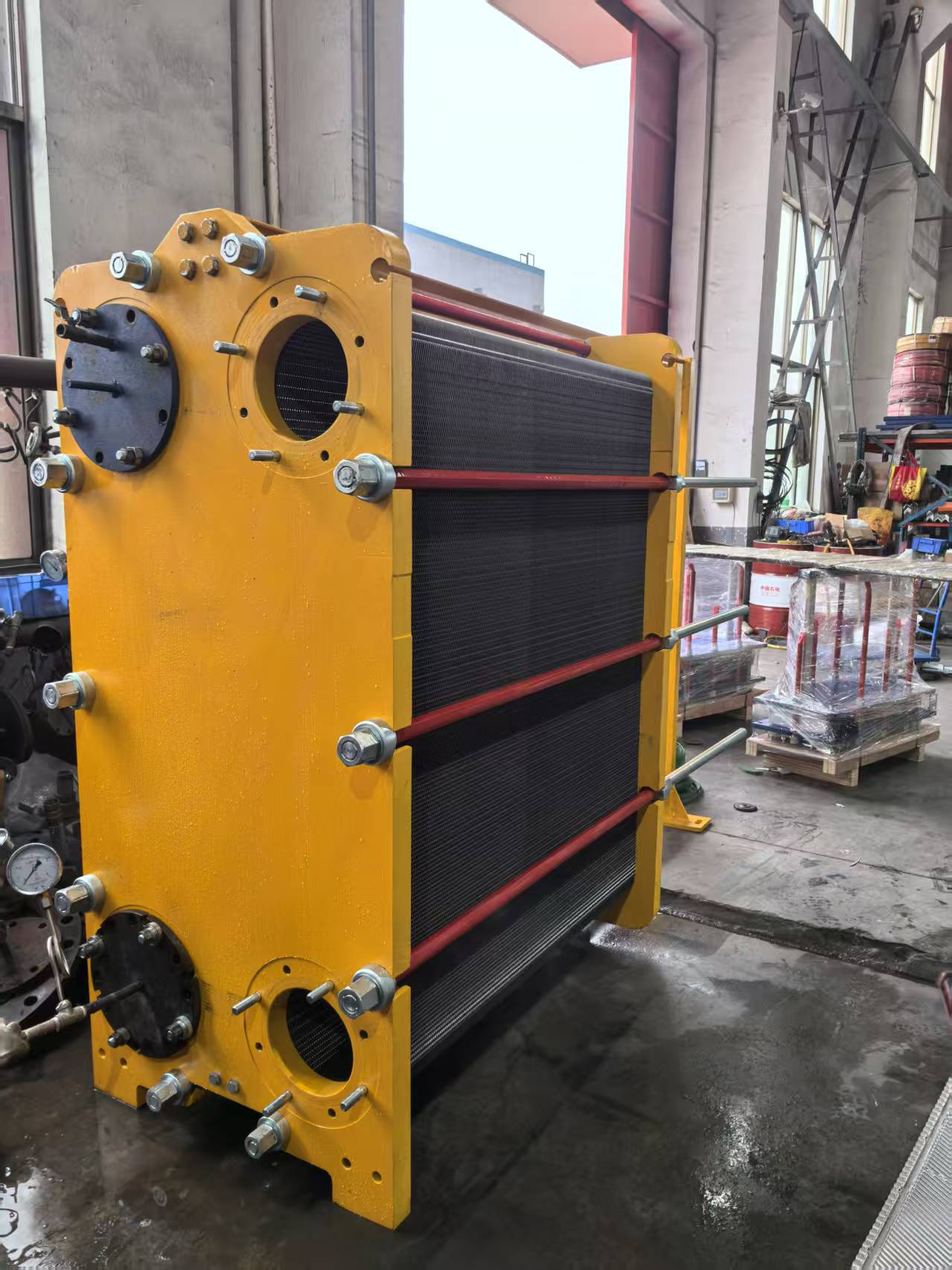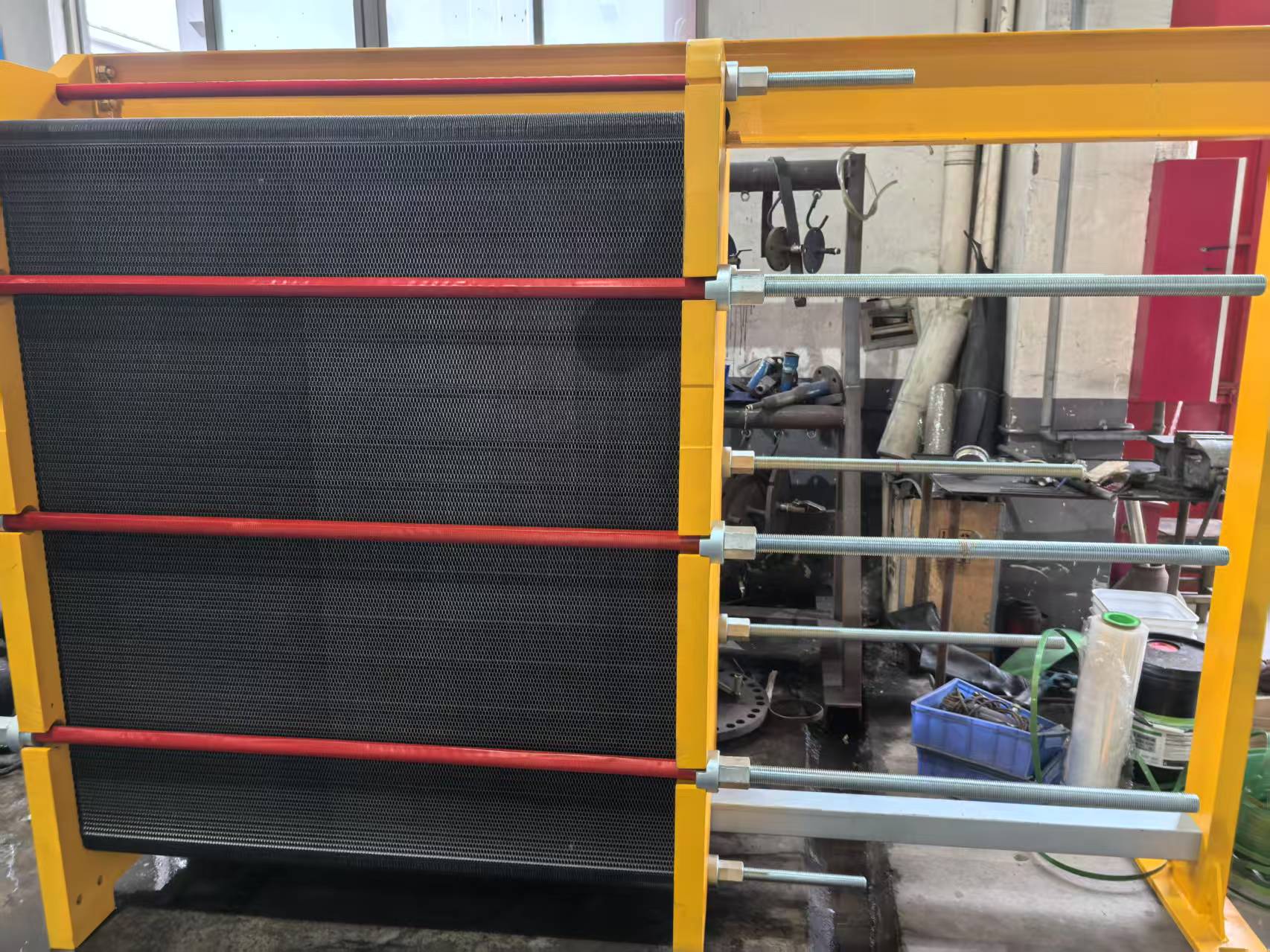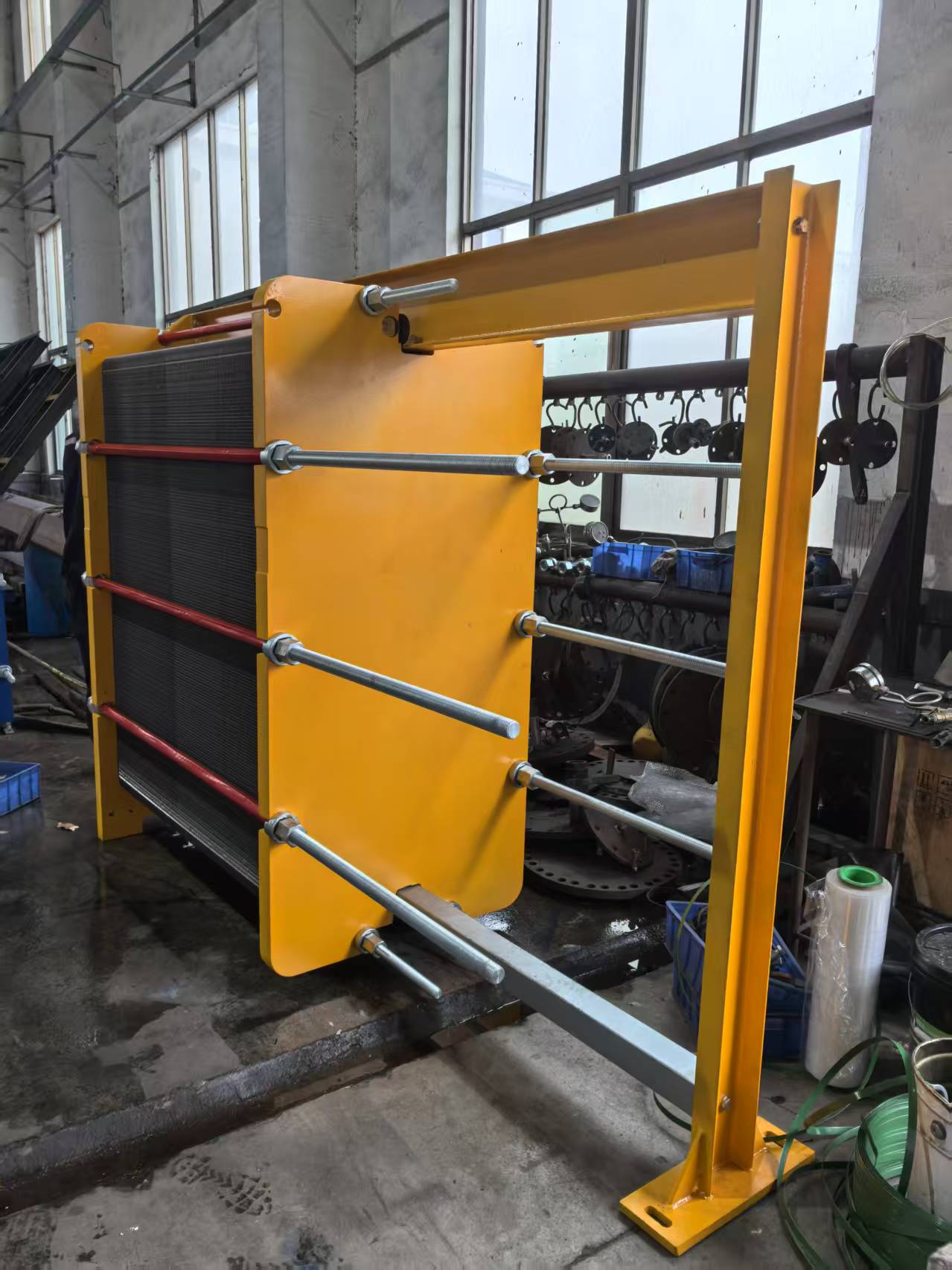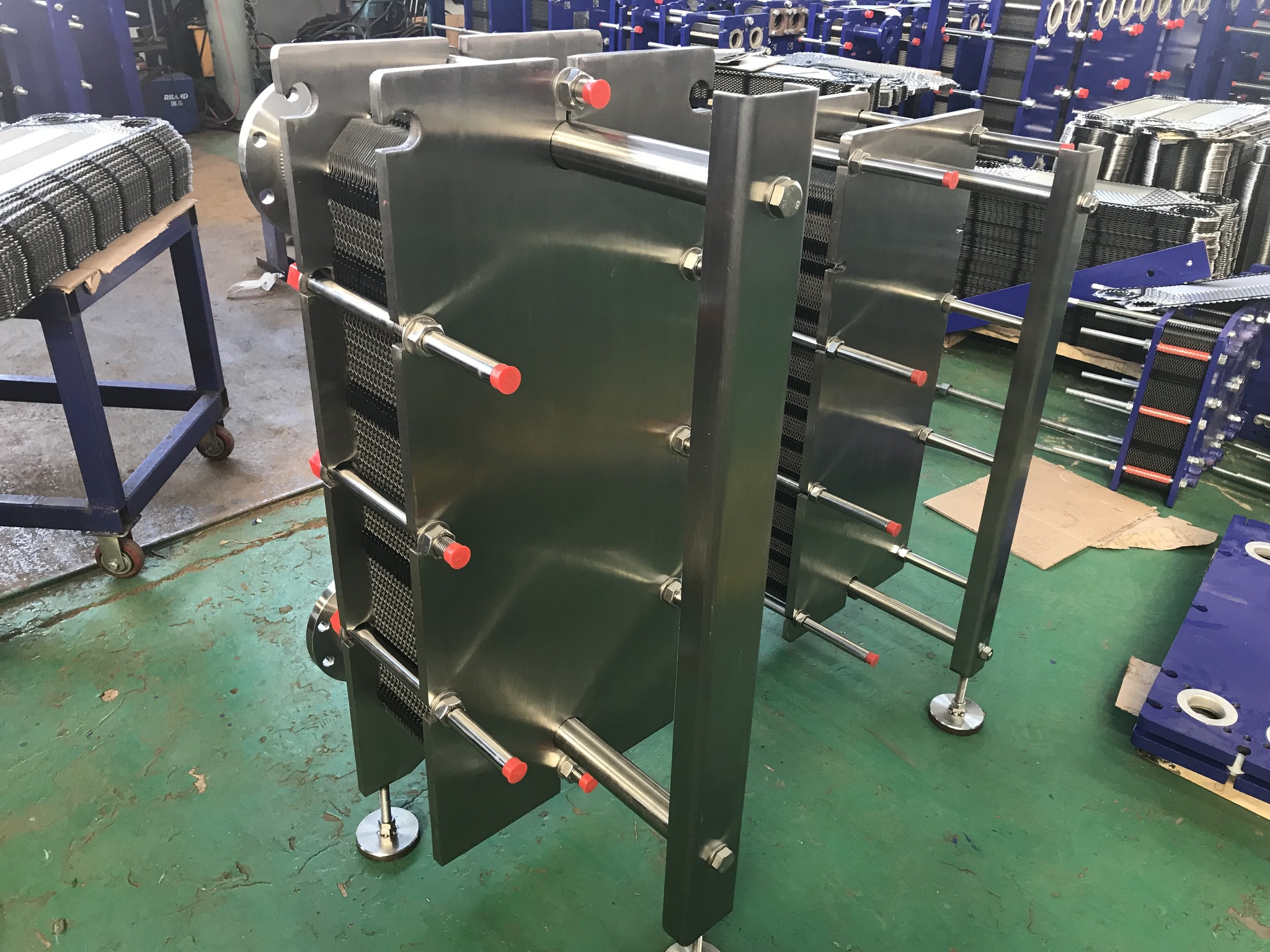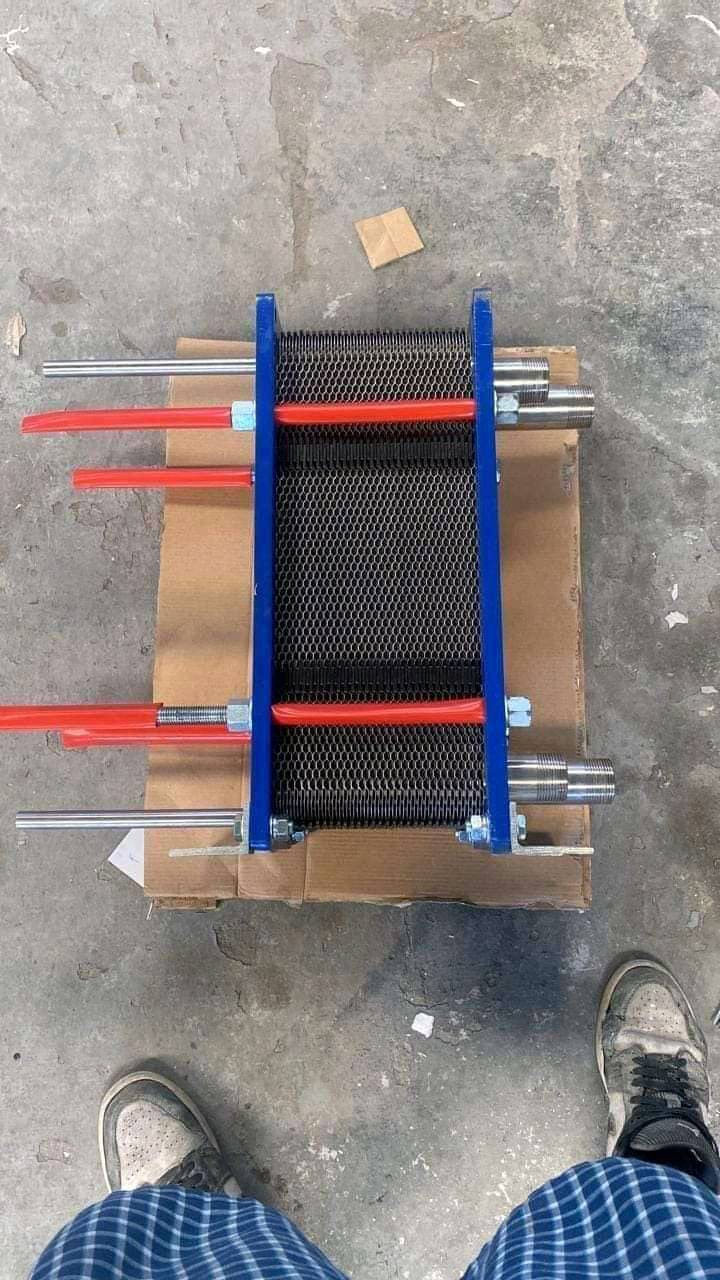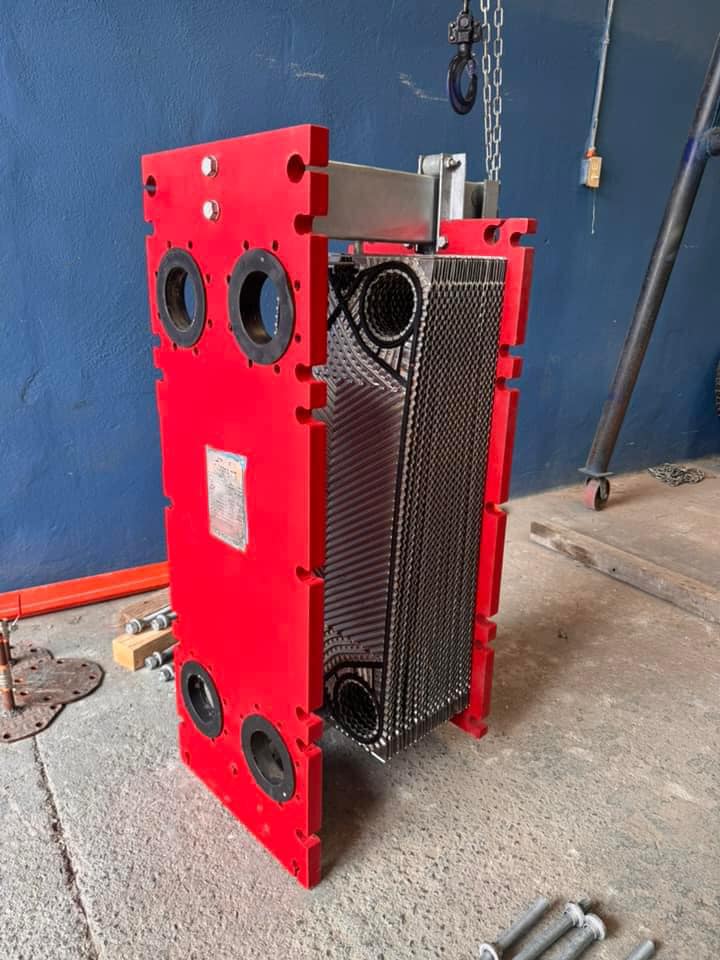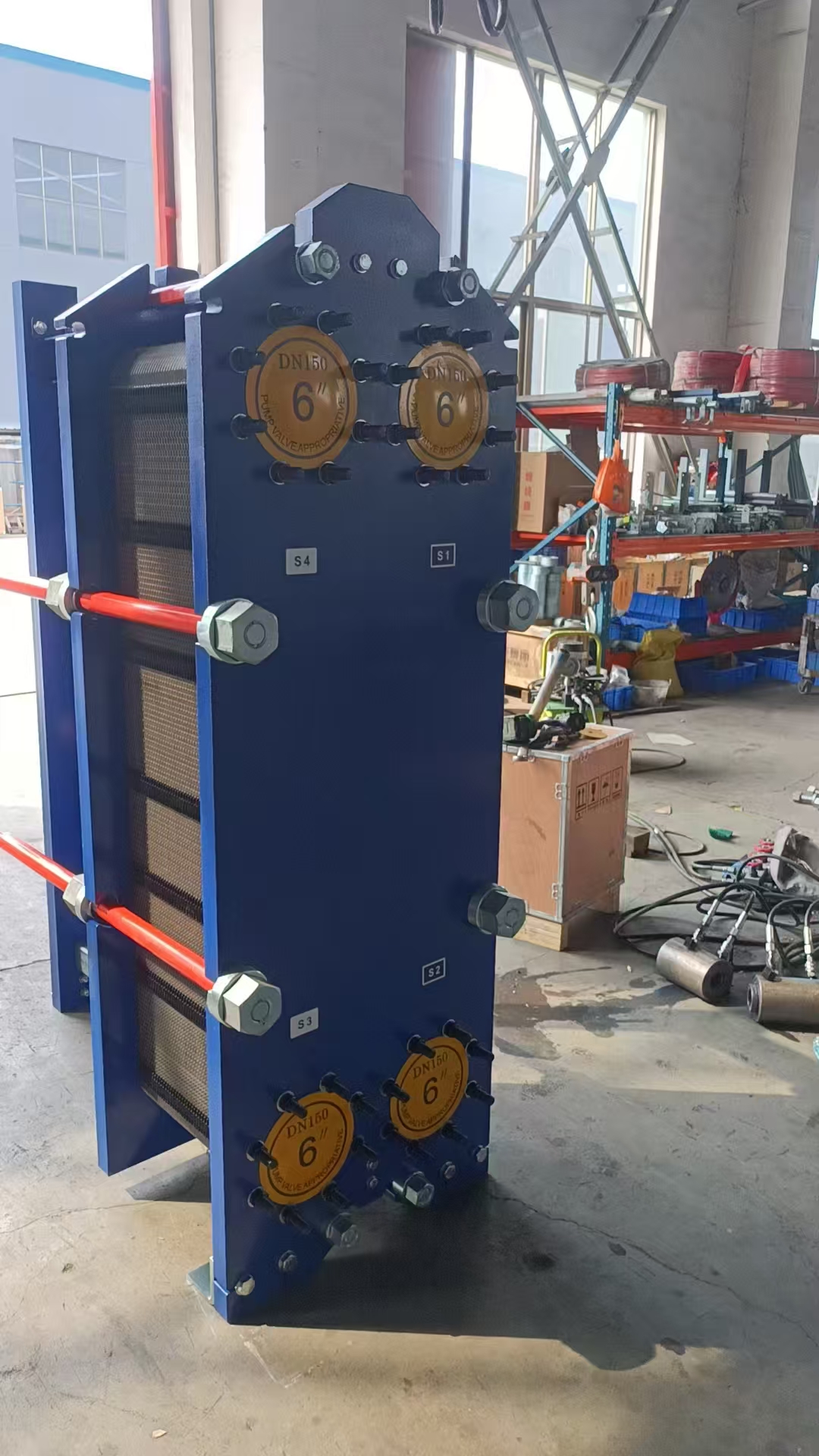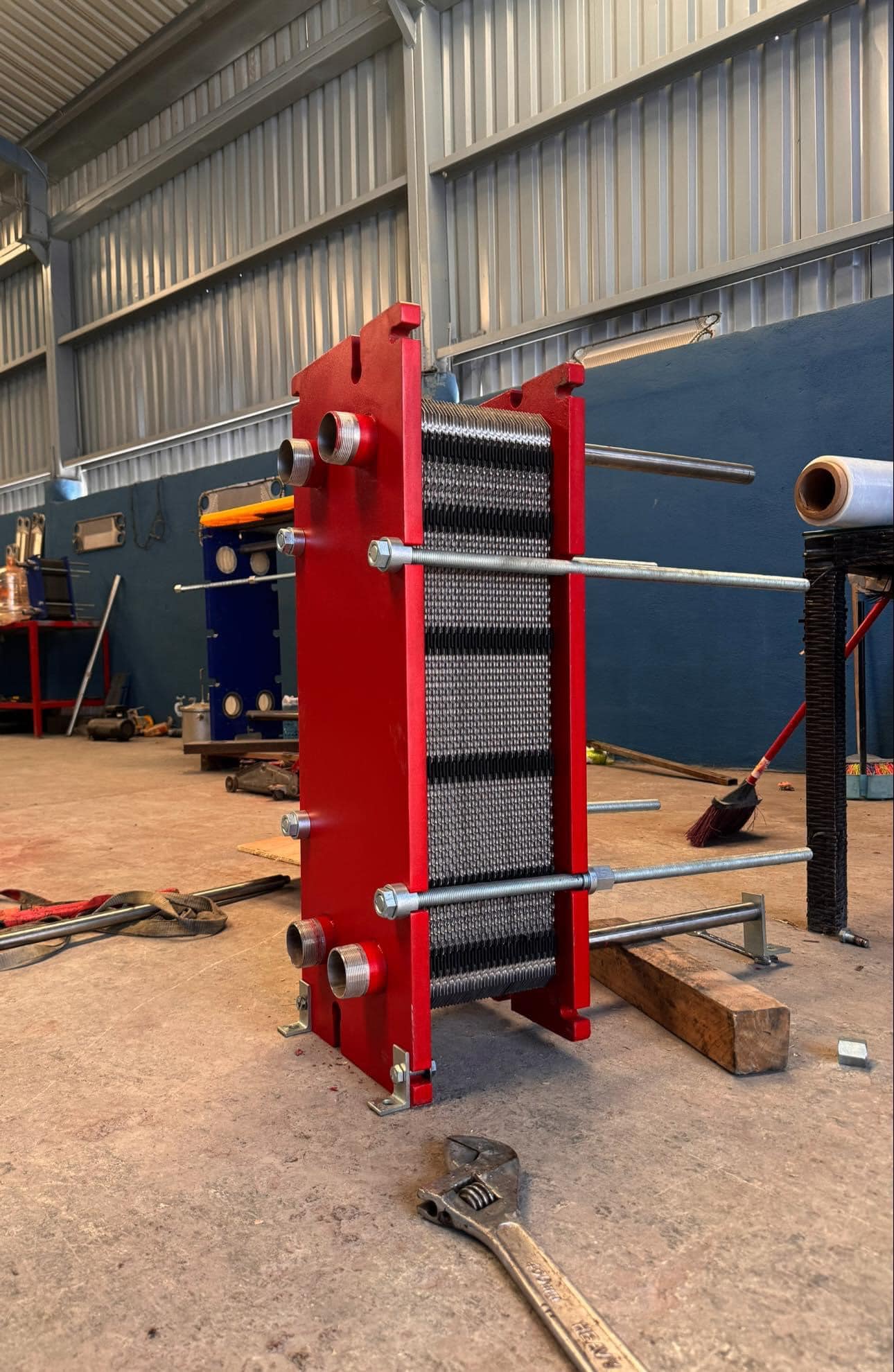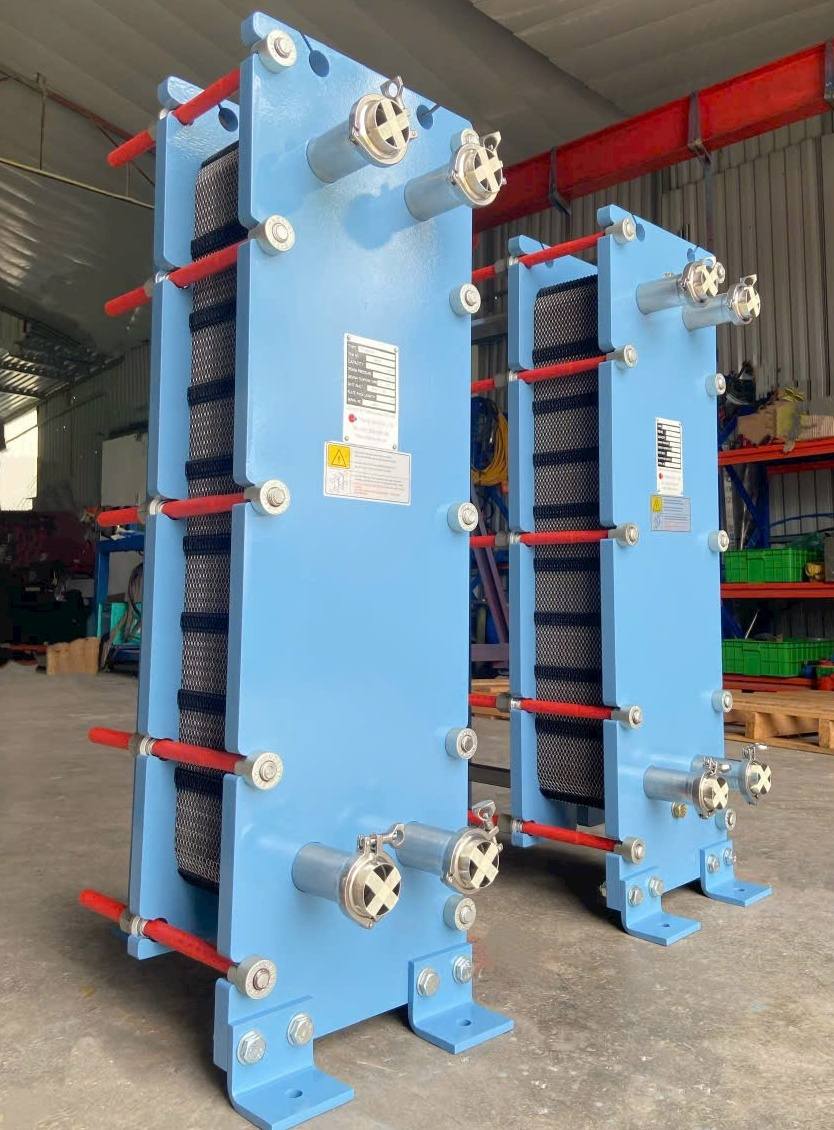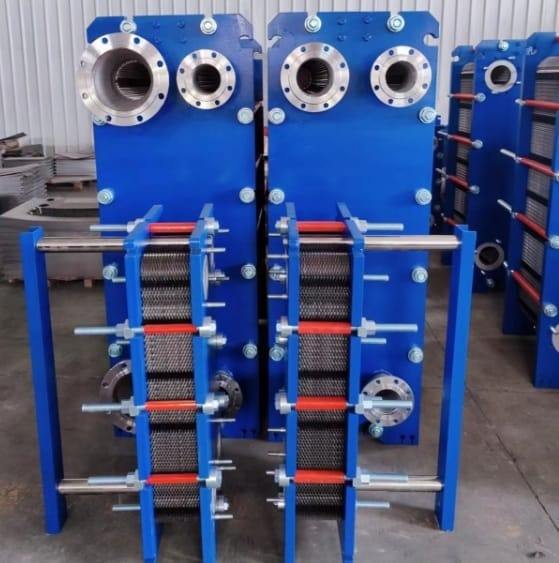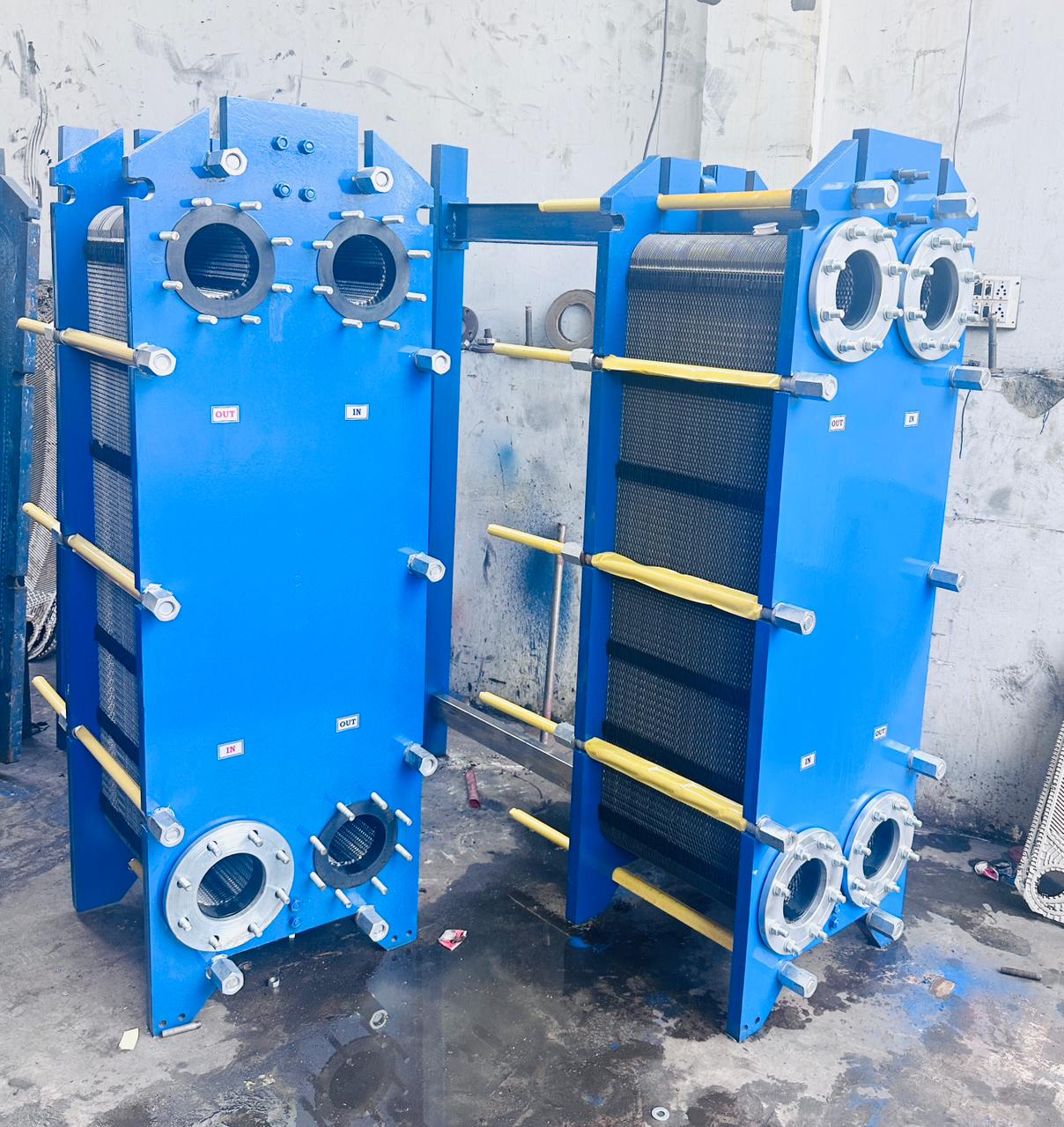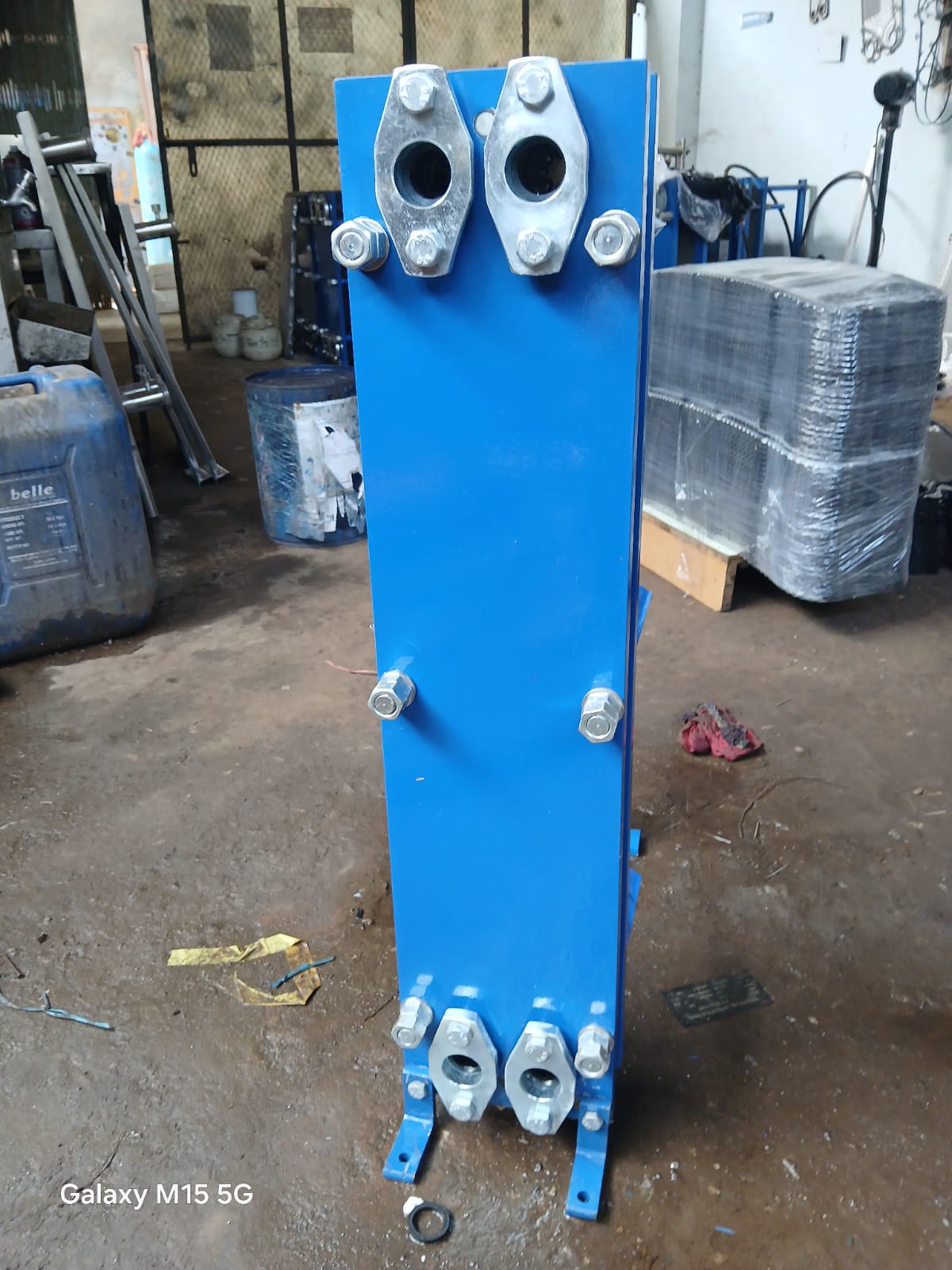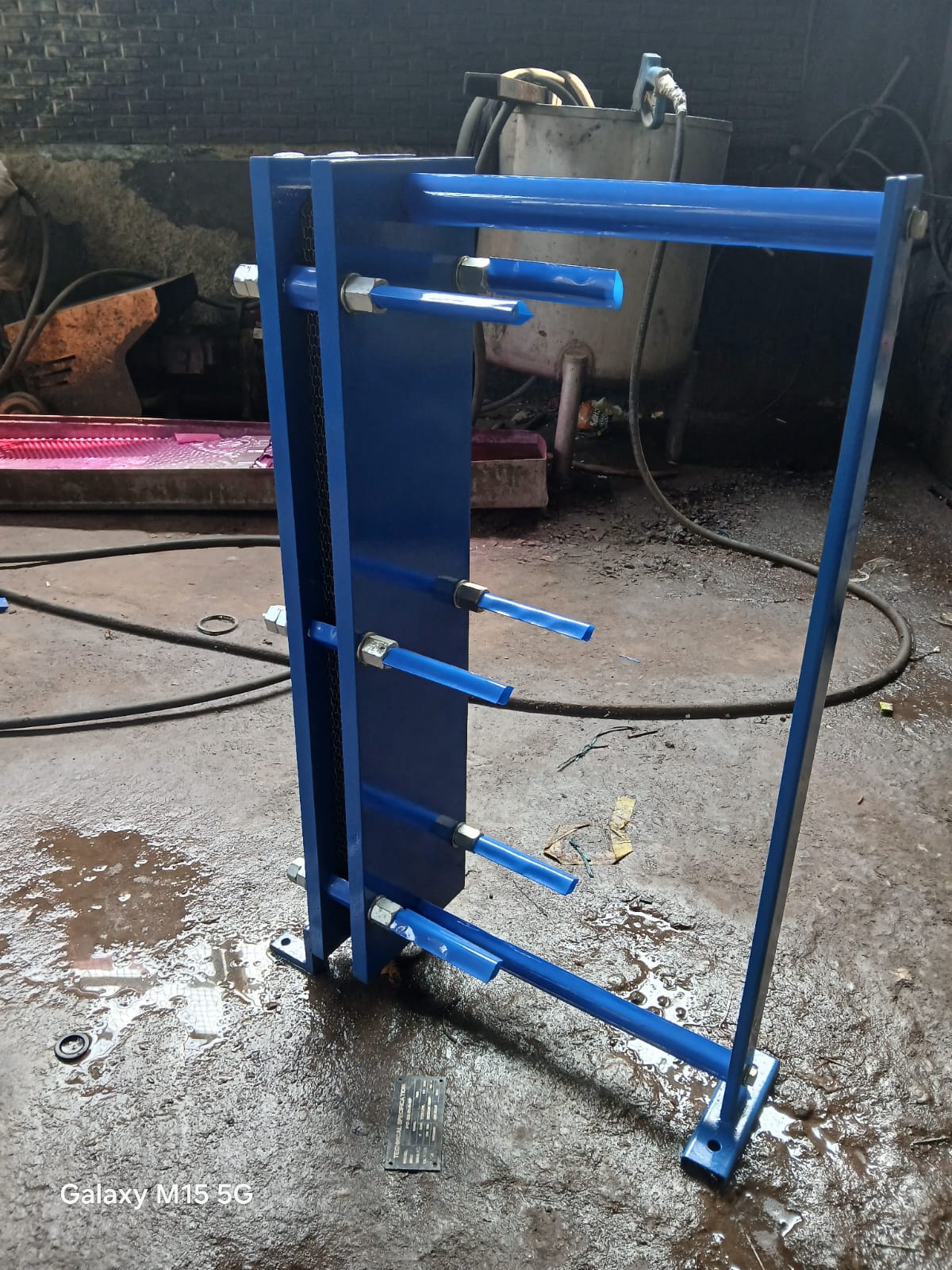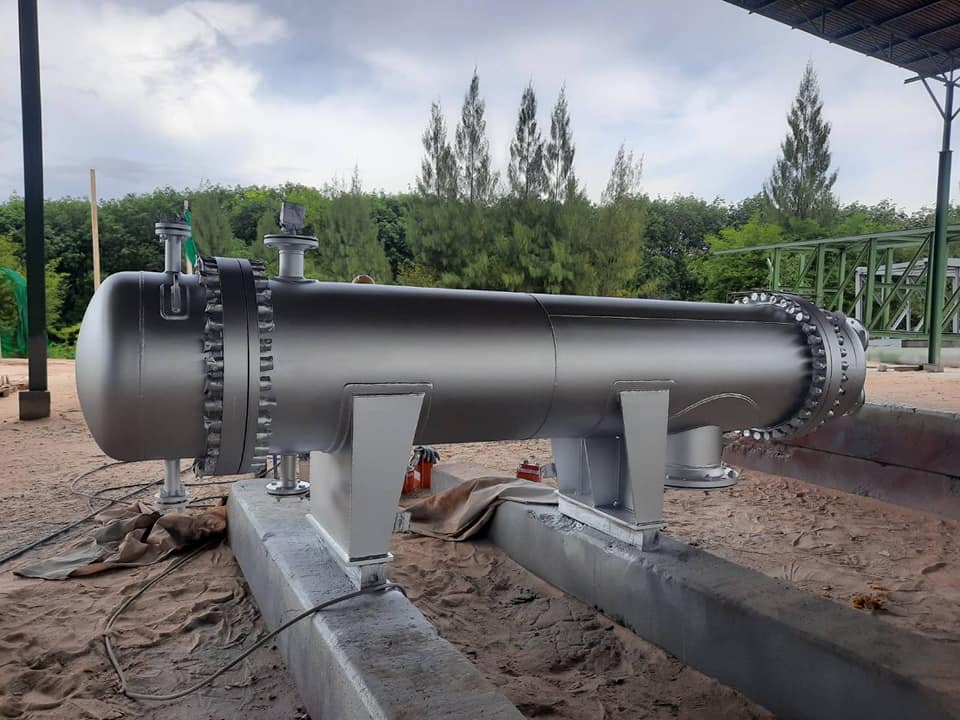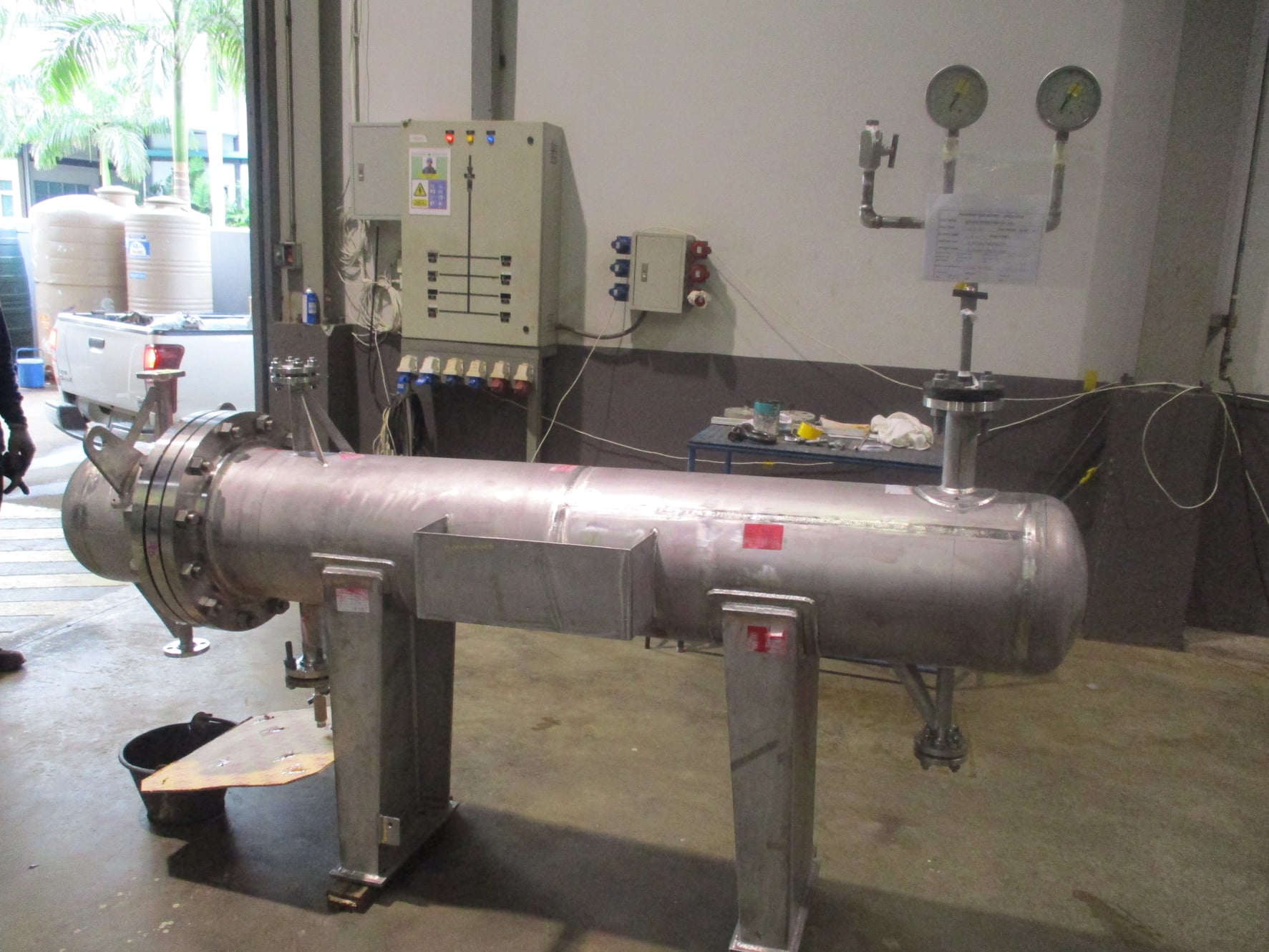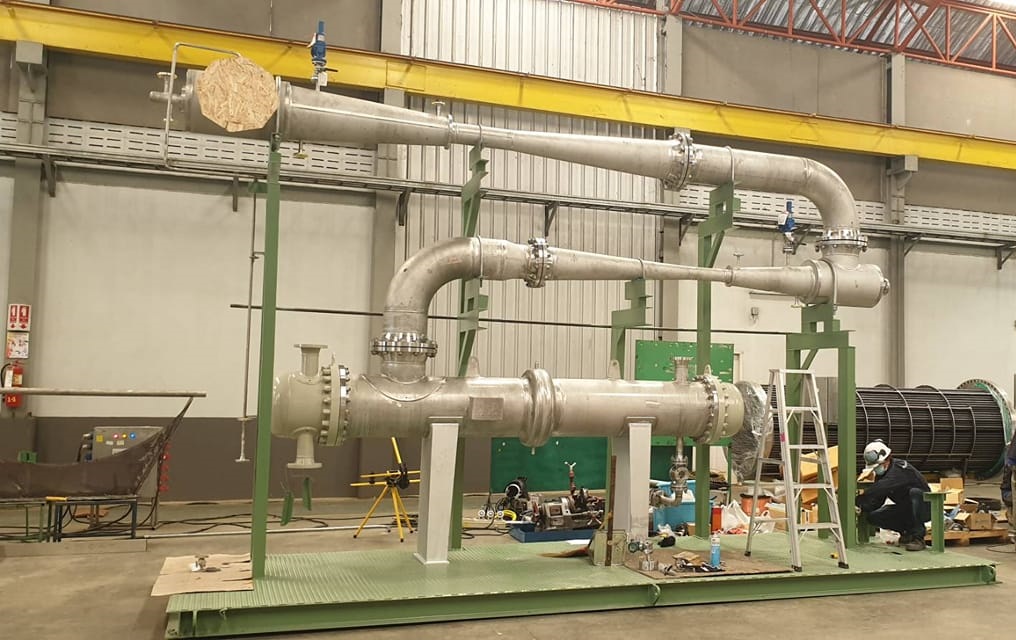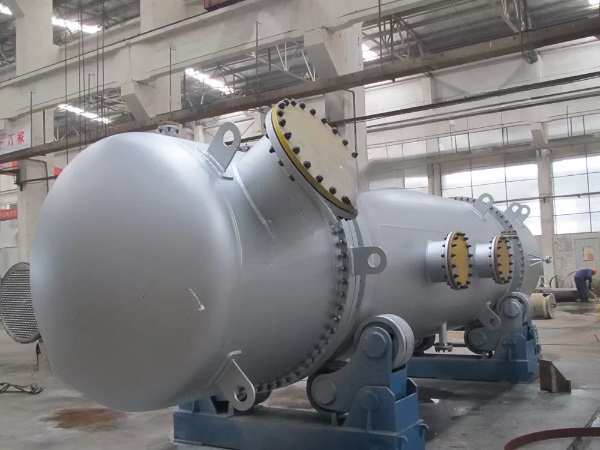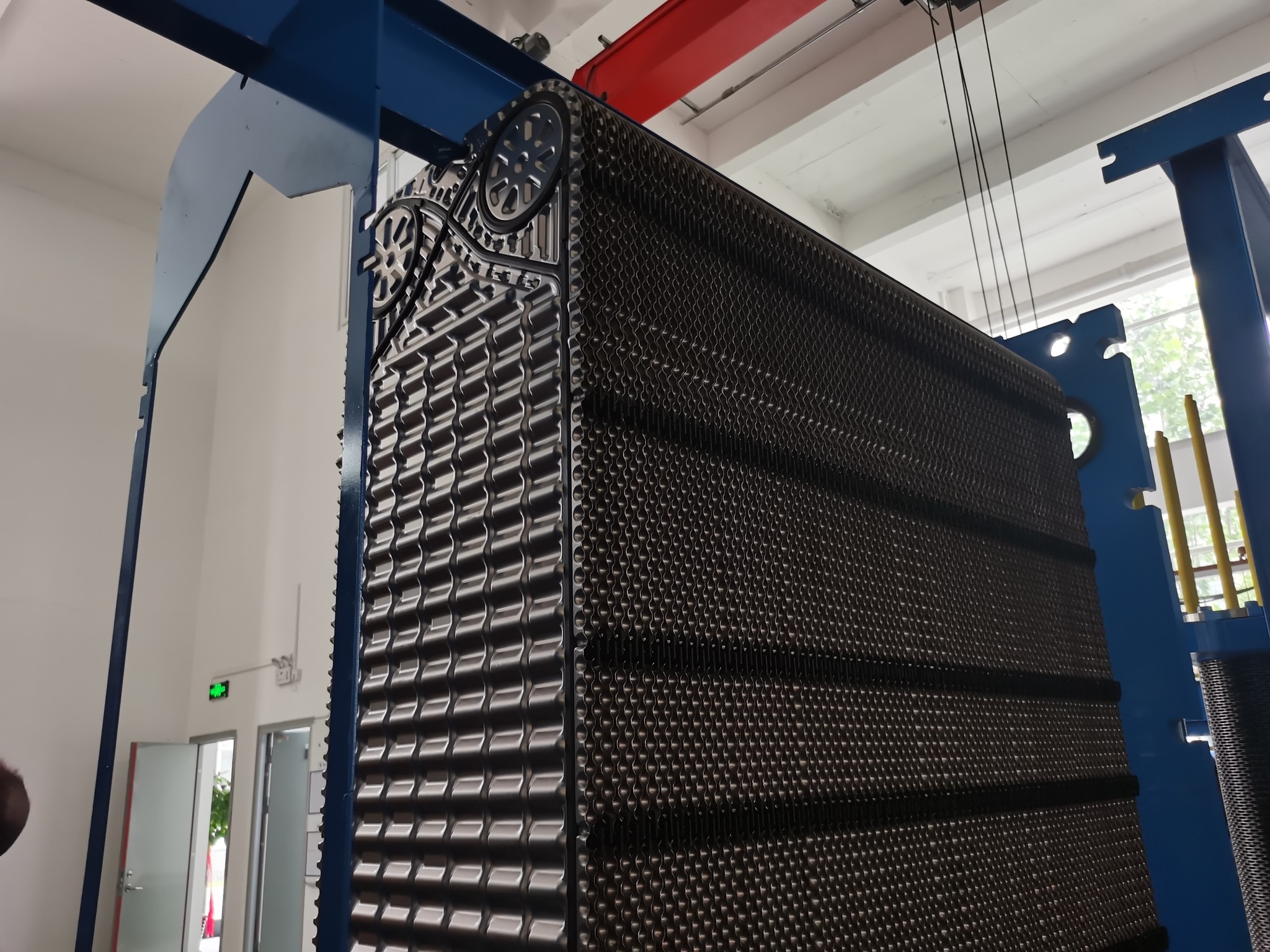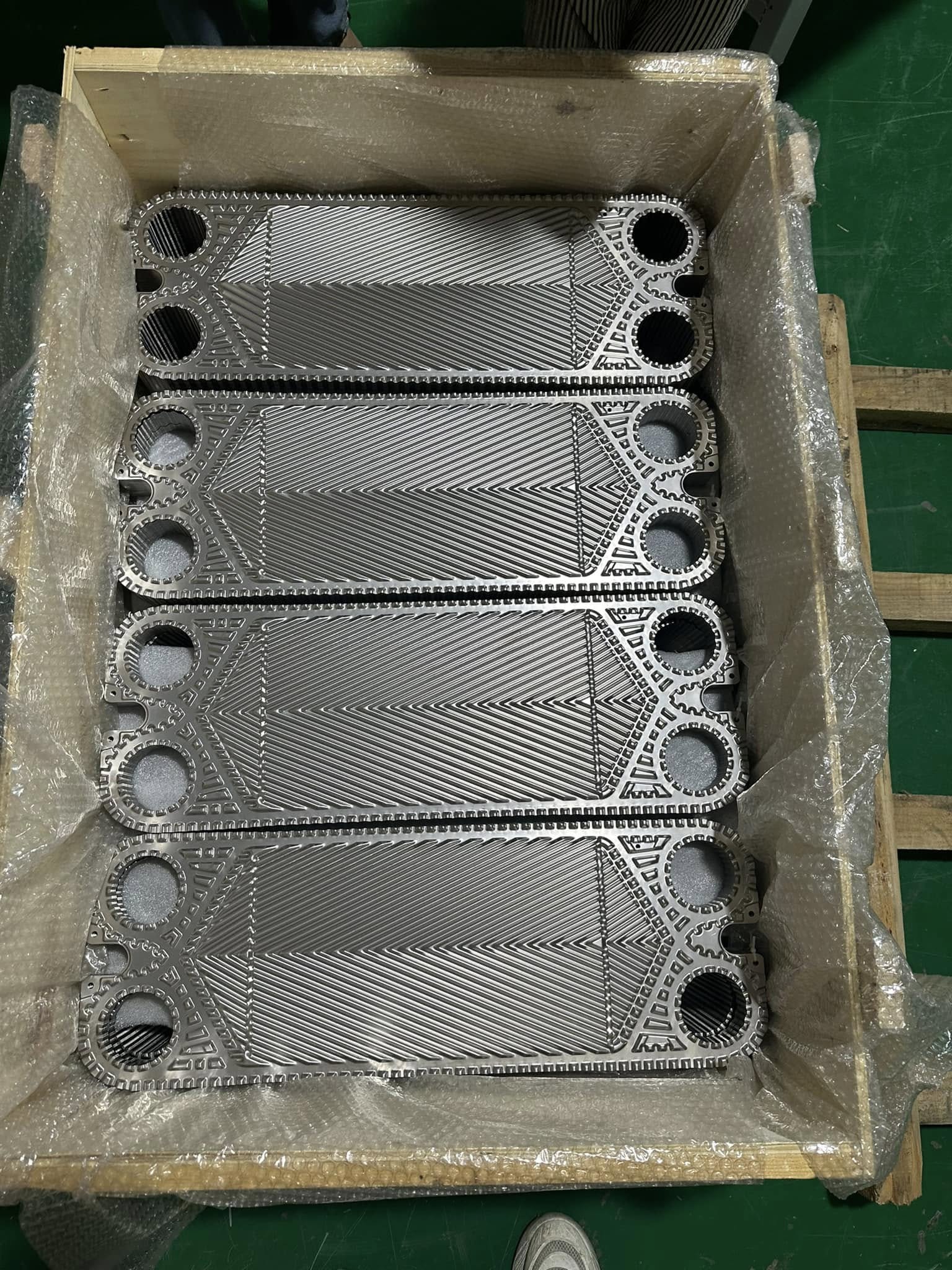
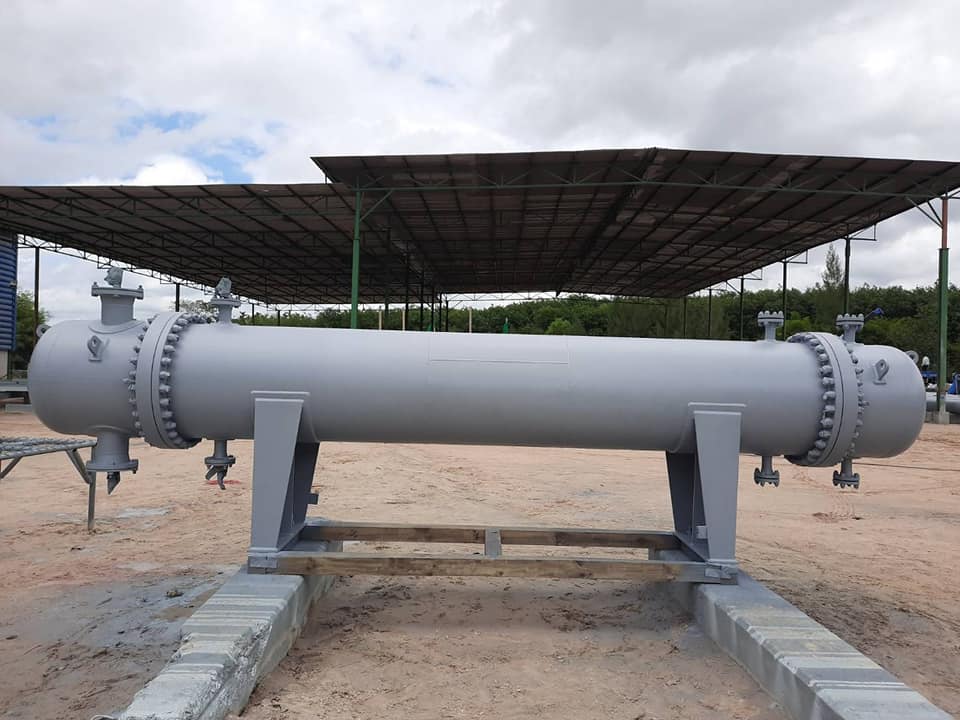
Floating Heat Exchangers

Plate Heat Exchanger Manufacturer in South Africa

Typical Applications of Welded Plate heat exchanger Welded Plate Heat Exchangers are the workhorses for tough industrial jobs:

Plate Heat Exchanger Manufacturer in Morocco

Advantages of Welded Plate Heat Exchangers

Plate Heat Exchanger Manufacturer in Lebanon

Types of Welded Plate Heat Exchangers There are two main configurations: 1. Fully Welded Plate Heat Exchanger This is the most common type referred to as “welded PHE.” The entire plate pack is welded together into a single, rigid block. There are no gaskets whatsoever. Implication: It is a permanent,...

Plate Heat Exchanger Manufacturer in Jordan

Key Features of Welded plate heat exchanger & How It’s Different The core distinction lies in its sealing method: This fundamental difference leads to all its unique characteristics. How It Works The operating principle is the same as other plate heat exchangers: two fluids flow on opposite sides of a metal plate, transferring heat...

Plate Heat Exchanger Manufacturer in Iraq

What is a Welded Plate Heat Exchanger? A Welded Plate Heat Exchanger is a type of heat exchanger where the thin metal plates are permanently welded together, rather than being sealed with gaskets. This construction creates a robust, sealed unit capable of handling temperatures, pressures, and fluids that are beyond the capabilities of...

Plate Heat Exchanger Manufacturer in Egypt

When to Choose a BRAZED Plate Heat Exchanger: Choose a BPHE when cost, compactness, and pressure capability are your top priorities in a clean system. Key Advantage of BPHE: It is a compact, cost-effective, and robust “install-and-forget” component for clean systems

Plate Heat Exchanger Manufacturer in Djibouti

When to Choose a GASKETED Plate Heat Exchanger: Choose a GPHE when serviceability and flexibility are your top priorities. Key Advantage of GPHE: It is a serviceable, flexible, and forgiving system.

Plate Heat Exchanger Manufacturer in Qatar

Gasket Plate Heat Exchanger Vs Brazed plate heat exchanger Gasketed Plate Heat Exchangers (GPHE) vs. Brazed Plate Heat Exchangers (BPHE). The core difference lies in the sealing method, which drives all other differences in application, maintenance, and capability. Head-to-Head Comparison Table Feature Gasketed Plate Heat Exchanger (GPHE)...

Plate Heat Exchanger Manufacturer in Kuwait

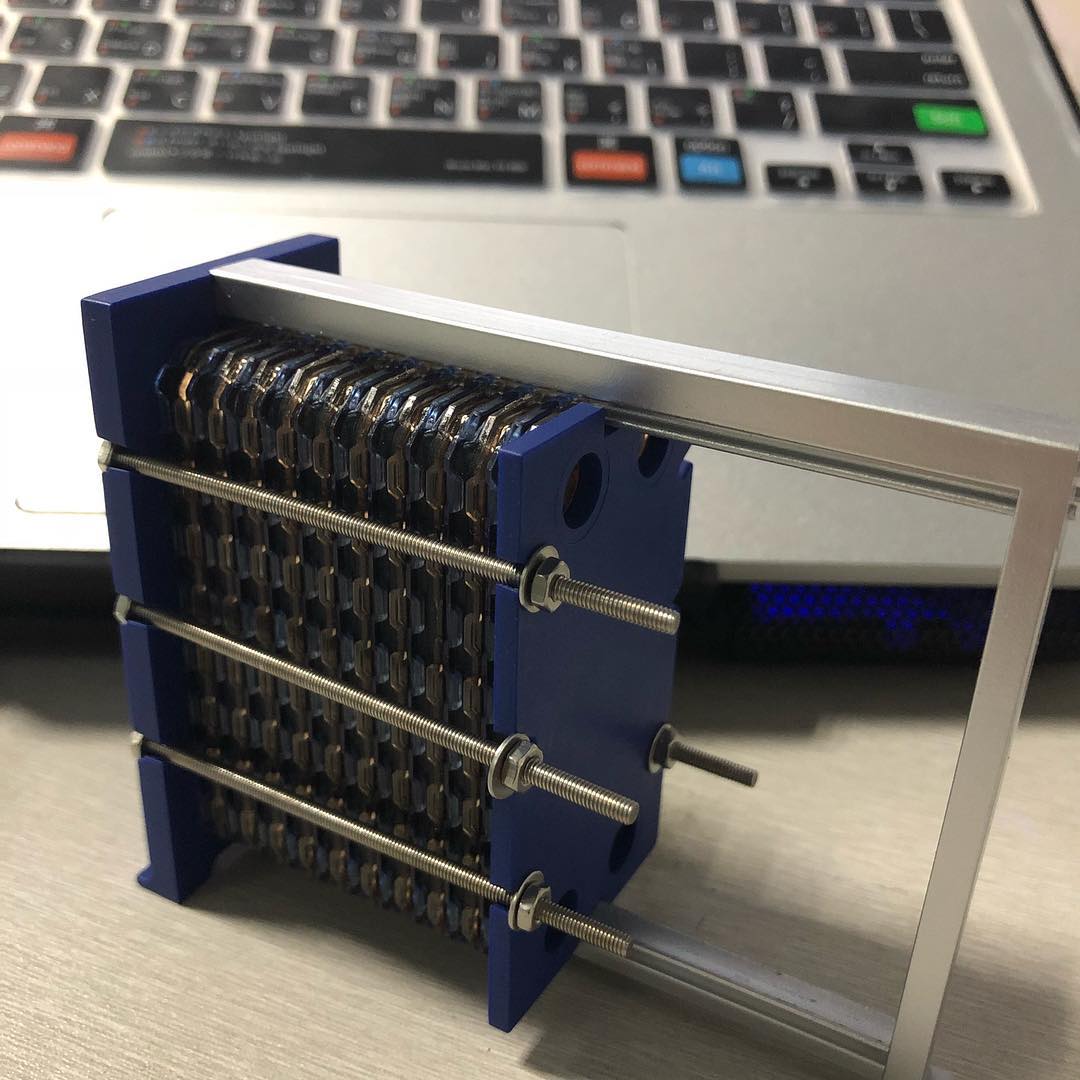
1. Gasketed Plate Heat Exchanger This is the most common and classic type, described in the previous answer. It consists of plates sealed with gaskets and held together in a frame.

Plate Heat Exchanger Manufacturer in Bahrain

The Brazed Plate Heat Exchanger (BPHE) A popular variant is the Brazed Plate Heat Exchanger. In this type, the plates are brazed together in a vacuum furnace using copper or nickel as the brazing material. This creates a permanent, sealed unit without gaskets or a frame.

Plate Heat Exchanger Manufacturer in Yemen

Common Applications of Plate Heat Exchanger You will find Plate Heat Exchangers in many every day and industrial systems:

Plate Heat Exchanger Manufacturer in Oman

Advantages of Plate Heat Exchangers

Plate Heat Exchanger Manufacturer in United Arab Emirates

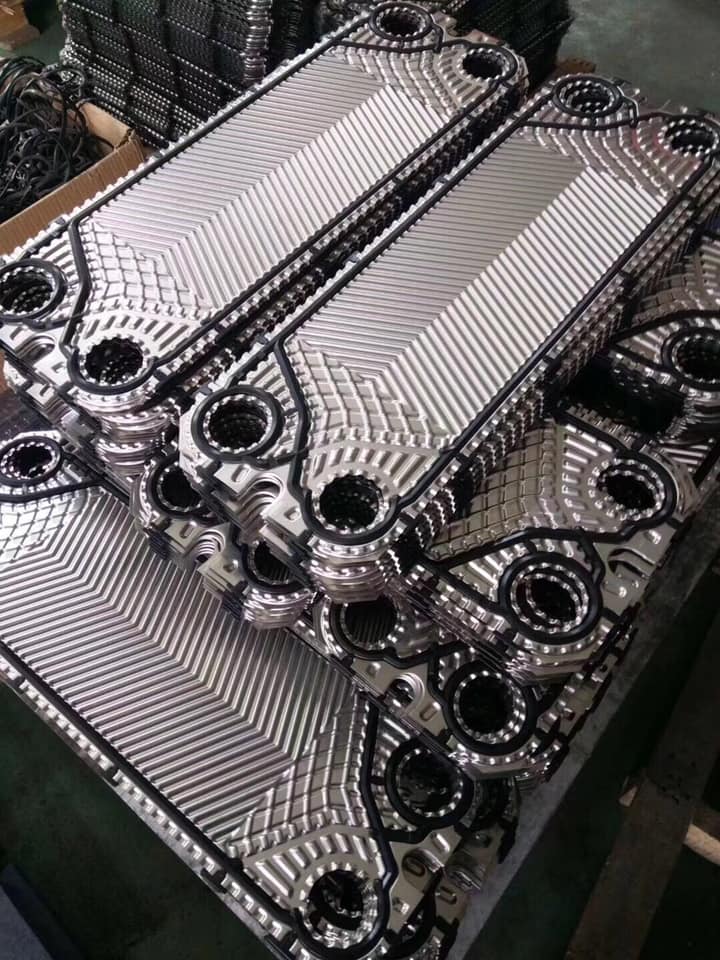
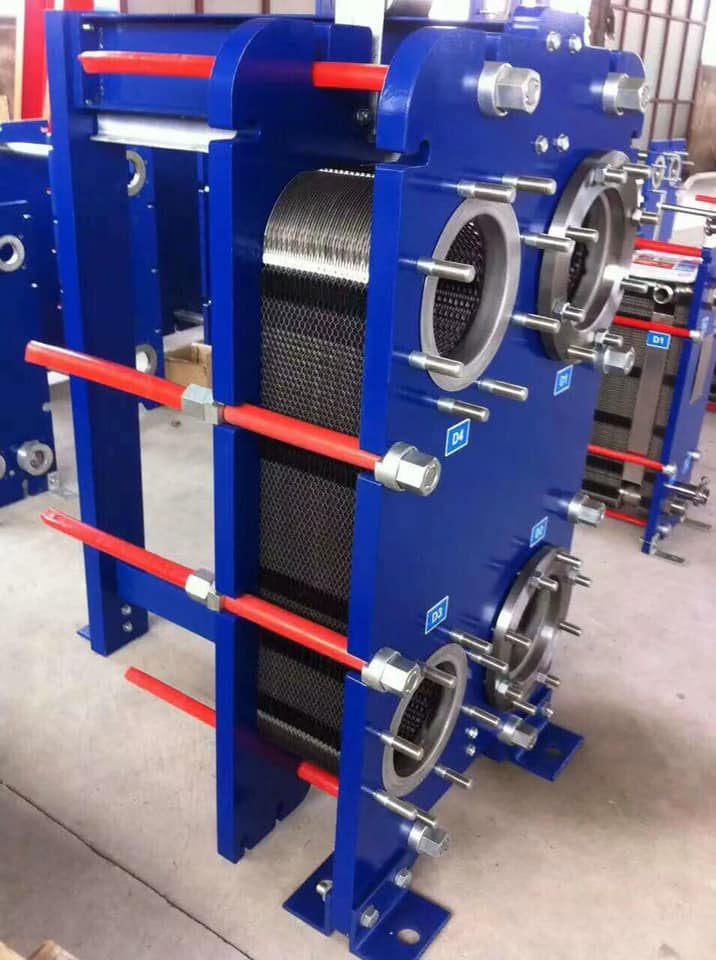
Components of Plate Heat Exchanger

Plate Heat Exchanger Manufacturer in Saudi Arabia

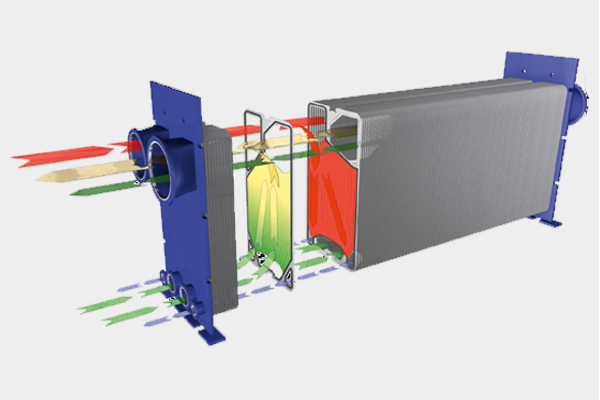
The fundamental principle is indirect heat transfer. The two fluids flow on opposite sides of each plate, and heat moves from the hotter fluid to the colder one through the plate material without the fluids ever mixing. Here’s a step-by-step breakdown:

Plate Heat Exchanger Manufacturer in India

A Plate Heat Exchanger (PHE) is a compact type of heat exchanger that uses a series of thin, corrugated metal plates to transfer heat between two fluids. These plates are stacked together, creating alternating channels for the hot and cold fluids to flow through. The close proximity and large surface area of the plates allow for highly...

Heat exchanger suppliers Tamil Nadu

Precision Thermal Solutions: Heat Exchanger Suppliers in Tamil Nadu Tamil Nadu stands as a powerhouse of industrial manufacturing in India, particularly in engineering, automotive, and chemicals. This robust industrial ecosystem is supported by a large number of Heat Exchanger Suppliers and Manufacturers located primarily in major hubs like Chennai...

Heat Exchanger Manufacturers Coimbatore

🏭 Find Your Thermal Solution: Leading Heat Exchanger Manufacturers in Coimbatore Coimbatore, often recognized as the “Manchester of South India,” is a major industrial hub with a strong presence in engineering, textiles, and manufacturing. This thriving environment has fostered a cluster of specialized Heat Exchanger Manufacturers...

Plate Heat Exchanger Manufacturer in Bangladesh

Choose a Plate Heat Exchanger when: Choose a Shell and Tube Heat Exchanger when:

Plate Heat Exchanger Manufacturer in Sri Lanka

1. Plate Heat Exchanger (PHE) A PHE consists of a series of thin, corrugated metal plates clamped together in a frame. Gaskets seal the plates and direct the fluids into alternating channels. Advantages: 2. Shell and Tube Heat Exchanger (STHE) A STHE consists of a bundle of tubes enclosed in a cylindrical shell. One fluid […]

Plate Heat Exchanger Manufacturer in South Sudan

Plate heat exchanger vs Shell and tube heat exchanger Feature Plate Heat Exchanger (PHE) Shell and Tube Heat Exchanger (STHE) Compactness & Space Very compact. High surface area to volume ratio. Saves significant space. Bulky and large. Requires more floor space and headroom. Heat Transfer Efficiency Very high. Turbulent flow at...

Plate Heat Exchanger Manufacturer in South Africa

Key Advantages of Titanium Plates Choose titanium plates when:

Plate Heat Exchanger Manufacturer in Nigeria

When to choose titanium plate in heat exchanger Titanium plates in a heat exchanger primarily when you need outstanding resistance to corrosion, especially from chlorides, seawater, and other aggressive media, and the cost is justified by the extended equipment life and reliability. The decision is rarely based on strength or weight,...

Plate Heat Exchanger Manufacturer in Zambia

When to Choose Which Type? Scenario Recommended Type Reason Clean fluids (water, oils), moderate T&P, need for cleaning/inspection Gasketed Plate (PHE) Cost-effective, serviceable, and flexible. High pressure/temperature, corrosive media, no fouling Brazed Plate (BPHE) Compact, sealed, and cost-effective for its duty. Very high P/T, aggressive...

Plate Heat Exchanger Manufacturer in Tunisia

When to Choose Welded plate heat exchanger? You choose a Welded Plate Heat Exchanger when your application demands the efficiency and compactness of a plate design but operates under conditions that are too severe for gaskets. It is the robust, heavy-duty solution that bridges the gap between gasketed plate exchangers and...
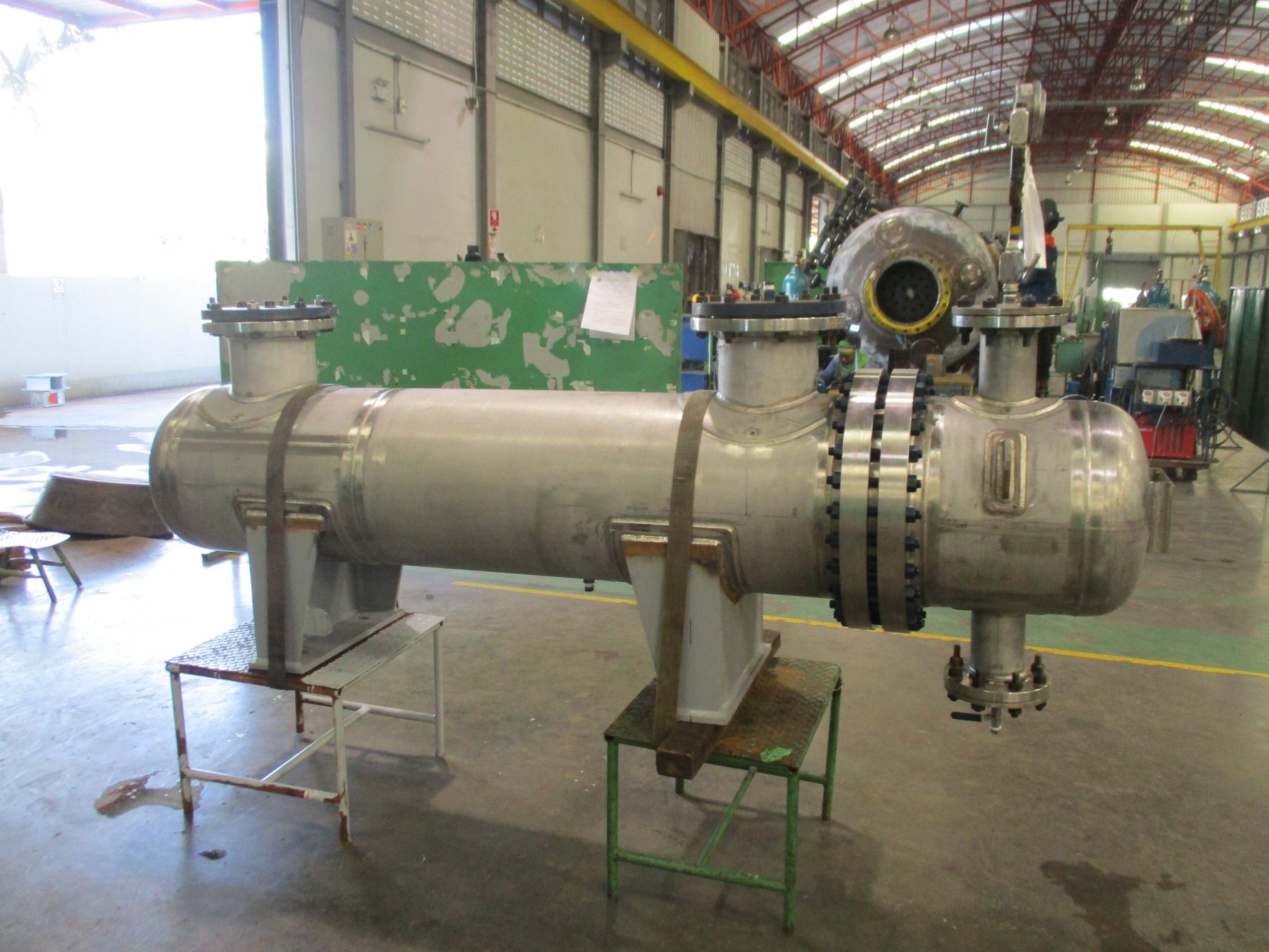
Plate Heat Exchanger Manufacturer in Ghana

Brazed (BPHE) vs. Gasketed (PHE): Feature Brazed Plate Heat Exchanger (BPHE) Gasketed Plate Heat Exchanger (PHE) Construction Permanently brazed plates. Plates held by bolts in a frame with gaskets. Serviceability Cannot be opened. Unrepairable. Fully serviceable. Plates can be cleaned, gaskets replaced. Pressure/ Temp Very High (e.g., 45...
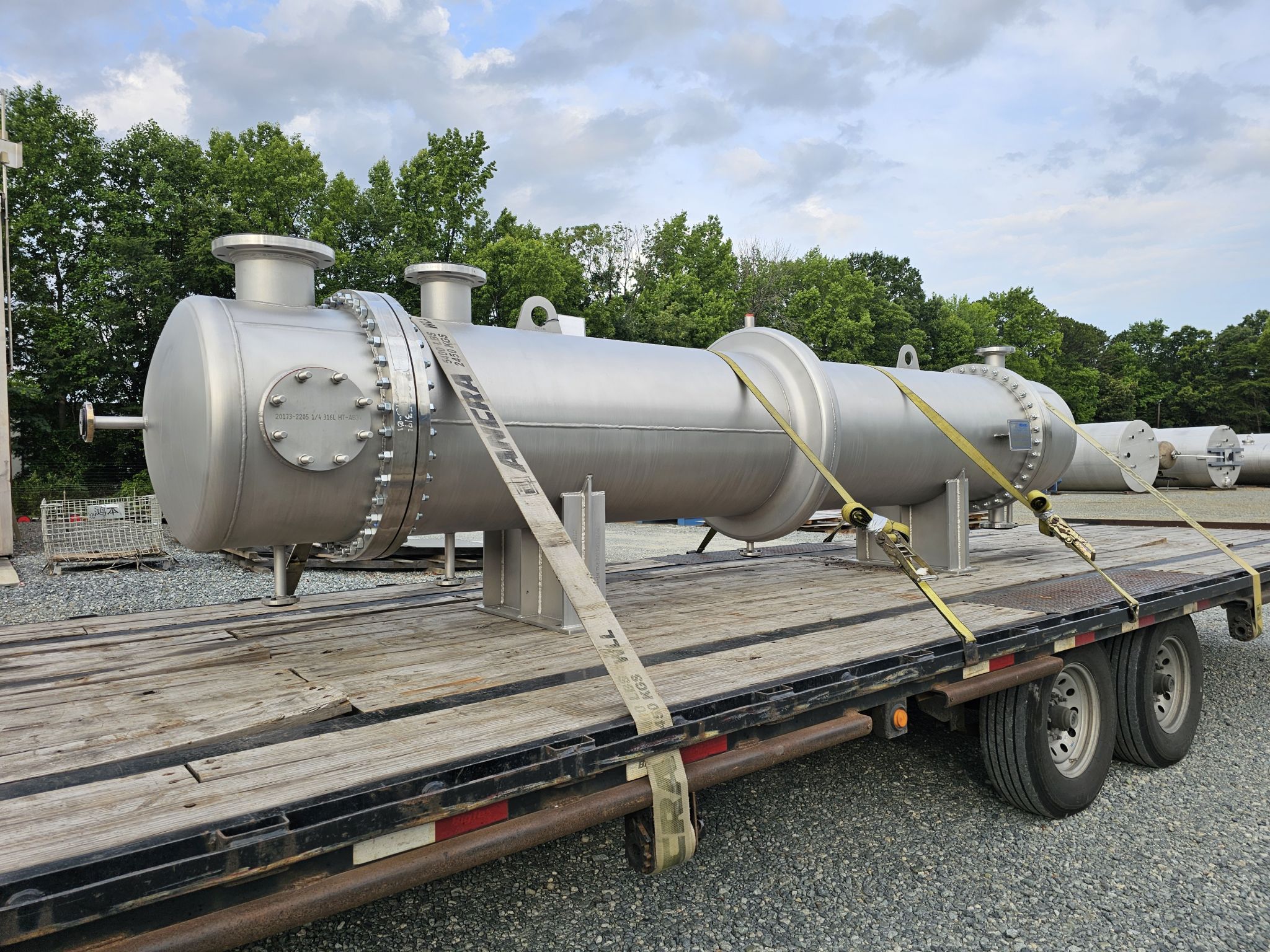
Plate Heat Exchanger Manufacturer in Ethiopia

Applications of Brazed Plate Heat Exchanger Brazed Plate Heat Exchangers are ubiquitous in applications requiring a compact, sealed, and efficient heat transfer solution.

Plate Heat Exchanger Manufacturer in Algeria

Advantages of Brazed Plate Heat Exchangers BPHEs inherit the core advantages of the plate heat exchanger design and add several more due to their brazed construction.

Plate Heat Exchanger Manufacturer in Kenya

Constructed of Brazed Plate Heat Exchanger The construction process is key to its properties: This process creates two separate, leak-proof channel systems for the hot and cold fluids to flow through, exactly like in a gasketed plate exchanger.

Plate Heat Exchanger Manufacturer in Egypt

What is Brazed plate heat exchanger? What is a Brazed Plate Heat Exchanger? A Brazed Plate Heat Exchanger (BPHE) is a compact, durable type of heat exchanger made by permanently fusing together multiple thin, corrugated metal plates using a brazing material in a high-temperature vacuum furnace. Unlike the gasketed plate heat...
Plate Heat Exchanger Manufacturer in United Arab Emirates

How to Select the Right Material for Plate Heat Exchanger? Selection is a systematic process: Typical Examples:

Plate Heat Exchanger Manufacturer in Saudi Arabia

Material of Construction of plate heat exchanger? The Material of Construction (MOC) for a plate heat exchanger is a critical selection criteria, as it directly impacts the unit’s performance, longevity, and cost. The choice is primarily driven by the fluids being processed, their temperature, concentration, and presence of...
Plate Heat Exchanger Manufacturer in Qatar

Primary Advantages of Plate Heat Exchangers 1. Superior Heat Transfer Efficiency & High Thermal Performance This is their single biggest advantage. 2. Compact Size and Small Footprint 3. Easy Maintenance and Serviceability (Gasketed Type) This is a key operational advantage. 4. Extreme Flexibility and Scalability...

Plate Heat Exchanger Manufacturer in Oman

Common Applications of Plate Heat Exchanger Plate Heat Exchangers are ubiquitous across many industries due to their efficiency and compactness.

Plate Heat Exchanger Manufacturer in Iraq

Main Types of Plate Heat Exchangers

Plate Heat Exchanger Manufacturer in Kuwait

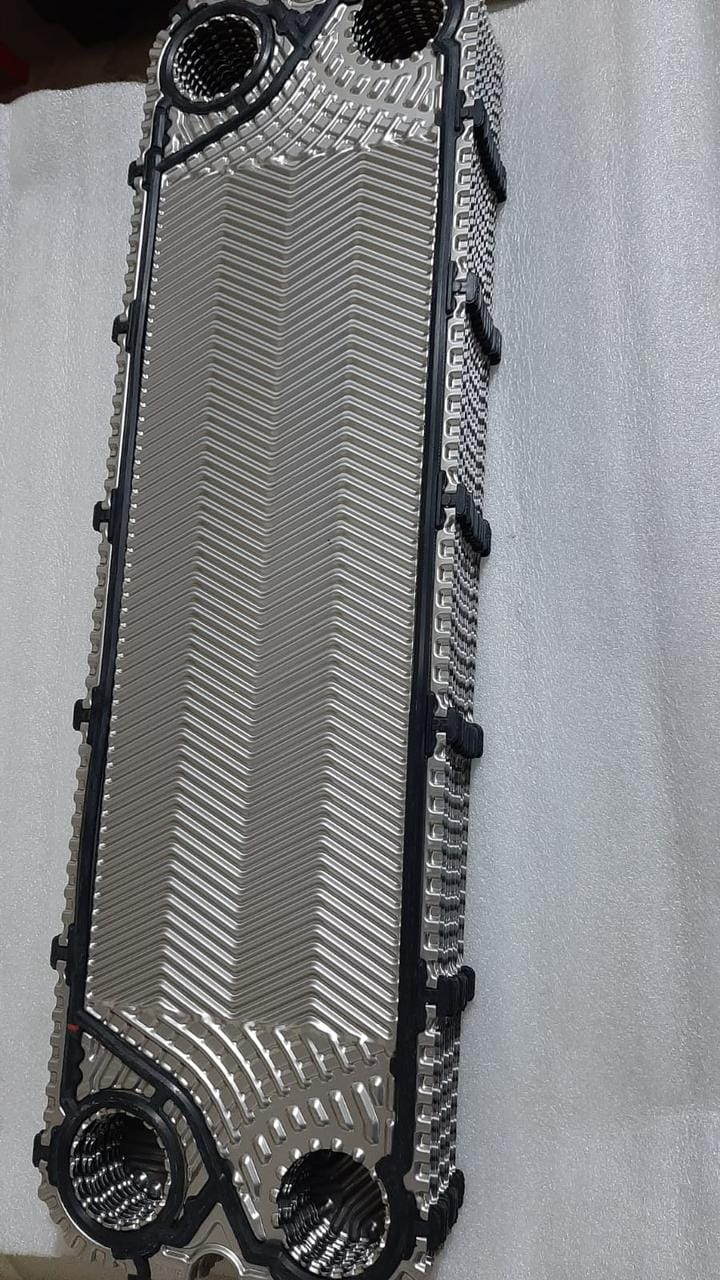
Key Components of a Plate Heat Exchanger

Plate Heat Exchanger Manufacturer in Bahrain

How Does a Plate Heat Exchanger Work? The fundamental principle is indirect heat transfer through conduction. Here’s a step-by-step breakdown: The corrugated or wavy pattern on the plates (often called “herringbone”) is crucial. It serves three main purposes:

Plate Heat Exchanger Manufacturer in India

What is a Plate Heat Exchanger (PHE)? A Plate Heat Exchanger (PHE) is a compact, efficient type of heat exchanger that uses a series of thin, corrugated metal plates to transfer heat between two fluids. These plates are stacked together, creating alternating channels for the hot and cold fluids to flow through. The design allows for a...

Surface Condenser manufacturer in Nigeria

Application of Steam Condenser The application of a steam condenser extends far beyond just power generation, though that is its most critical use. The fundamental principle—creating a vacuum by condensing steam to improve efficiency and recover water—is leveraged in various industries. Here is a detailed breakdown of the applications of a...

Surface Condenser manufacturer in South Africa

Air Cooled Steam Condenser Vs Water Cooled Steam Condenser? Feature Air-Cooled Condenser (ACC) Water-Cooled Condenser (WCC) Cooling Medium Ambient Air Water (River, Sea, Lake, Cooling Tower) Key Driver for Selection Water Scarcity High Thermal Efficiency Water Consumption Zero (Only minor makeup for the steam cycle) Very...

Surface Condenser manufacturer in Qatar

A Water-Cooled Condenser is a heat exchanger that uses water as the primary cooling medium to condense steam or other vapors back into liquid. It is the most common and efficient type of condenser used in large-scale applications where water is readily available. Simple Definition A Water-Cooled Condenser is a device where steam...

Surface Condenser manufacturer in Iraq

Advantages of Air Cooled Condensers (ACCs)

Surface Condenser manufacturer in Kuwait

What is Air cooled Steam Condenser? An Air Cooled Steam Condenser (ACSC) is a type of steam condenser that uses ambient air as the cooling medium instead of water. It is a direct, water-free solution for condensing steam, making it crucial for power plants in areas where water is scarce. Simple Definition An Air Cooled Steam...

Surface Condenser manufacturer in Bahrain

Material of Construction of Surface Condenser? Material of Construction (MOC) for a surface condenser is critical for its longevity, performance, and economics. The selection is primarily driven by the need to resist corrosion and erosion from two main sources: the cooling water inside the tubes and...

Surface Condenser manufacturer in Oman

What is meant by Shell and tube Steam Condenser? Shell and Tube Steam Condenser is the most common and practical type of Surface Condenser used in major power plants and industrial applications. It’s essentially the detailed engineering description of the “surface condenser” we discussed earlier. The name comes from...

Surface Condenser manufacturer in UAE

Main Components of a Surface Condenser Since surface condensers are the most important type for large-scale power generation, their key components are: Air Extraction Unit: A vacuum pump or steam ejector that removes non-condensable gases (like air that has leaked in) to maintain the vacuum.

Surface Condenser manufacturer in United Arab Emirates

Types of Steam Condensers As shown in the chart, condensers are primarily classified by whether the cooling water and steam mix. 1. Surface Condenser (Indirect Contact) 2. Jet Condenser (Direct Contact)

Surface Condenser manufacturer in Saudi Arabia

What is meant by Steam Condenser? A Steam Condenser is a device or heat exchanger that converts low-pressure exhaust steam from a steam turbine or engine back into water (condensate) by cooling it down. The primary function is to create a vacuum at the exhaust outlet of the prime mover, which dramatically improves its...

Surface Condenser manufacturer in India

What is meant by Surface Condenser? A Surface Condenser is a closed vessel-type heat exchanger where steam is condensed by transferring its latent heat of vaporization to a cooling medium (typically water) flowing through a network of tubes. The key point is that the steam and the cooling water do not mix; they are kept separate by...

Heat Exchanger Manufacturer in India

Primary Applications of Brazed Plate Heat Exchanger in HVAC/R Brazed plate heat exchangers are ubiquitous in modern systems due to their efficiency and compact size.

Heat Exchanger Supplier in United Arab Emirates

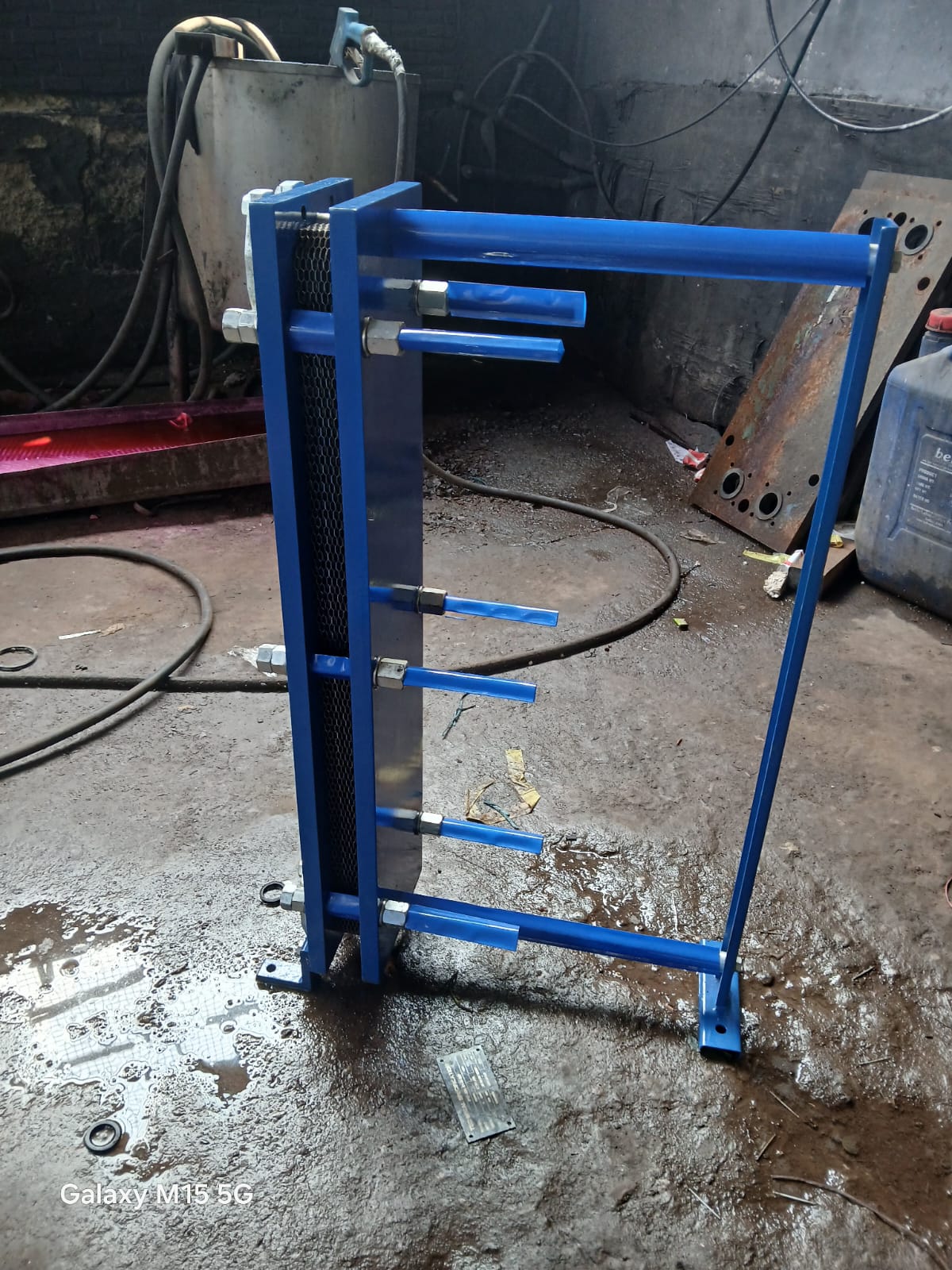
PARTS OF PLATE HEAT EXCHANGER
1 2 7