Tags: Thermic Fluid Cooler

  • Tag:

Plate Heat Exchanger Manufacturer in Bahrain

The Brazed Plate Heat Exchanger (BPHE) A popular variant is the Brazed Plate Heat Exchanger. In this type, the plates are brazed together in a vacuum furnace using copper or nickel as the brazing material. This creates a permanent, sealed unit without gaskets or a frame.
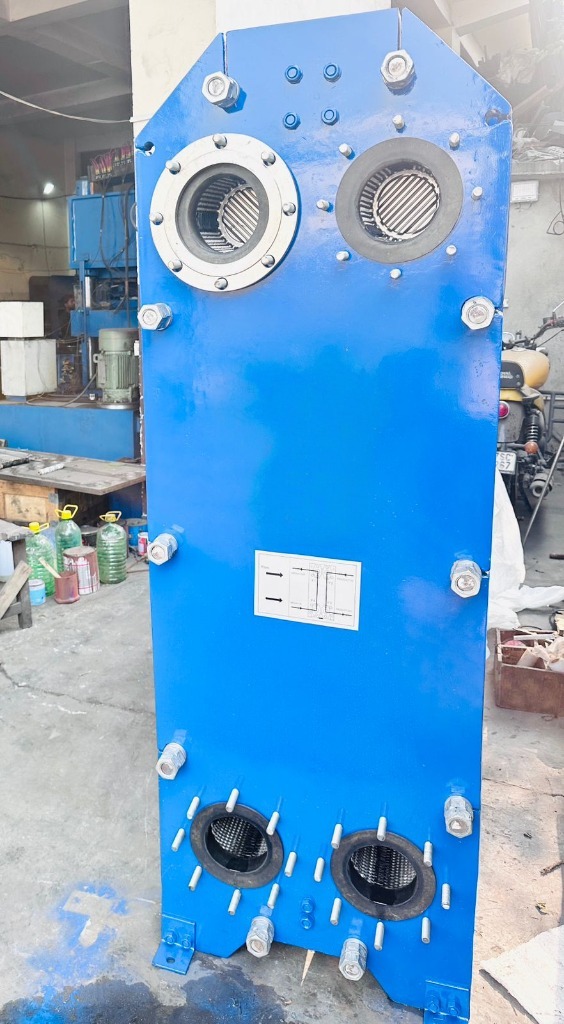
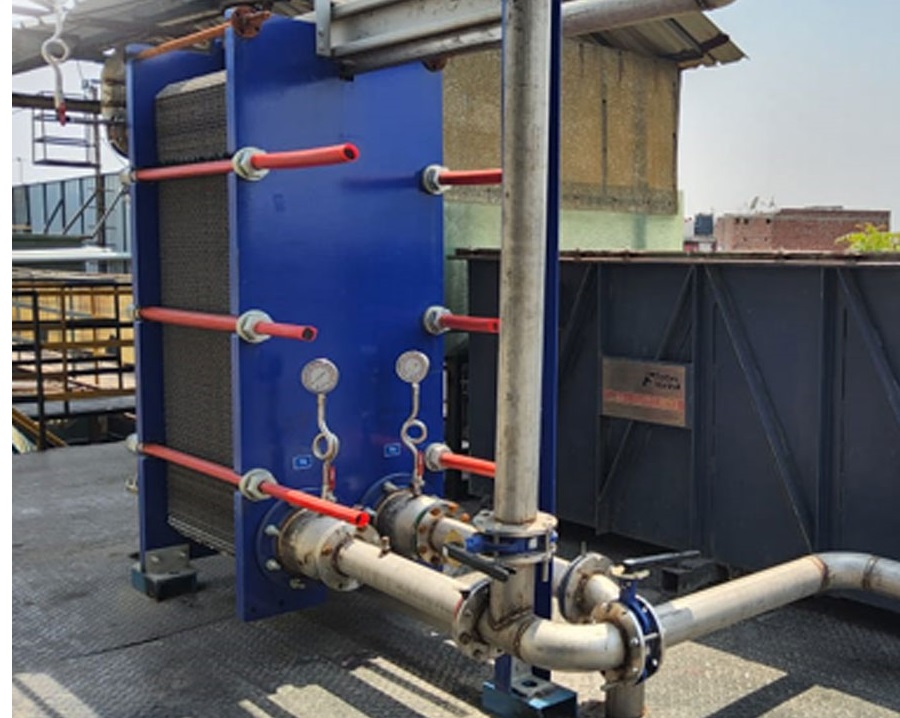
Plate Heat Exchanger Manufacturer in Yemen

Common Applications of Plate Heat Exchanger You will find Plate Heat Exchangers in many every day and industrial systems:

Plate Heat Exchanger Manufacturer in Oman

Advantages of Plate Heat Exchangers

Plate Heat Exchanger Manufacturer in United Arab Emirates

Components of Plate Heat Exchanger

Plate Heat Exchanger Manufacturer in Saudi Arabia

The fundamental principle is indirect heat transfer. The two fluids flow on opposite sides of each plate, and heat moves from the hotter fluid to the colder one through the plate material without the fluids ever mixing. Here’s a step-by-step breakdown:

Plate Heat Exchanger Manufacturer in India

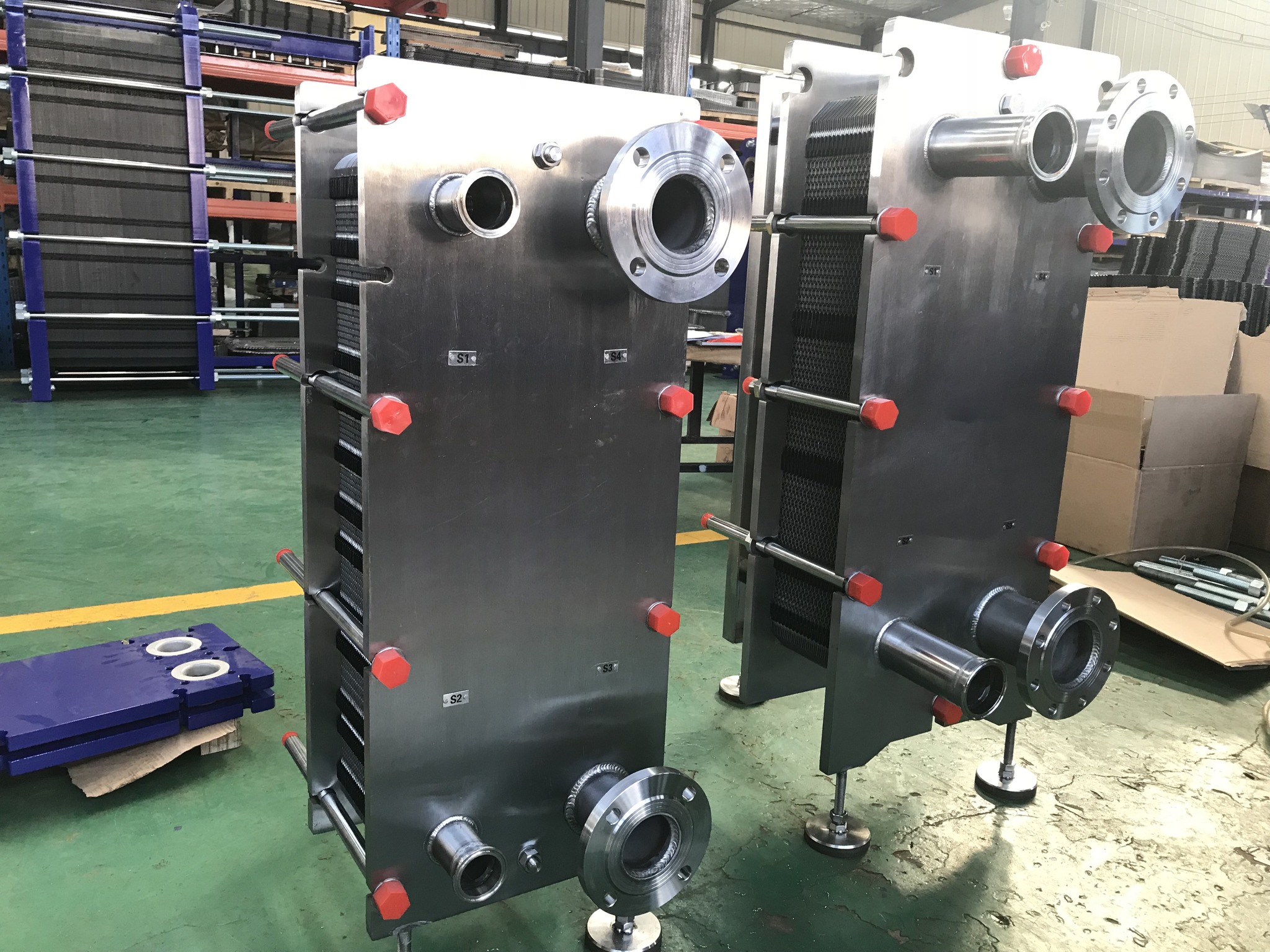
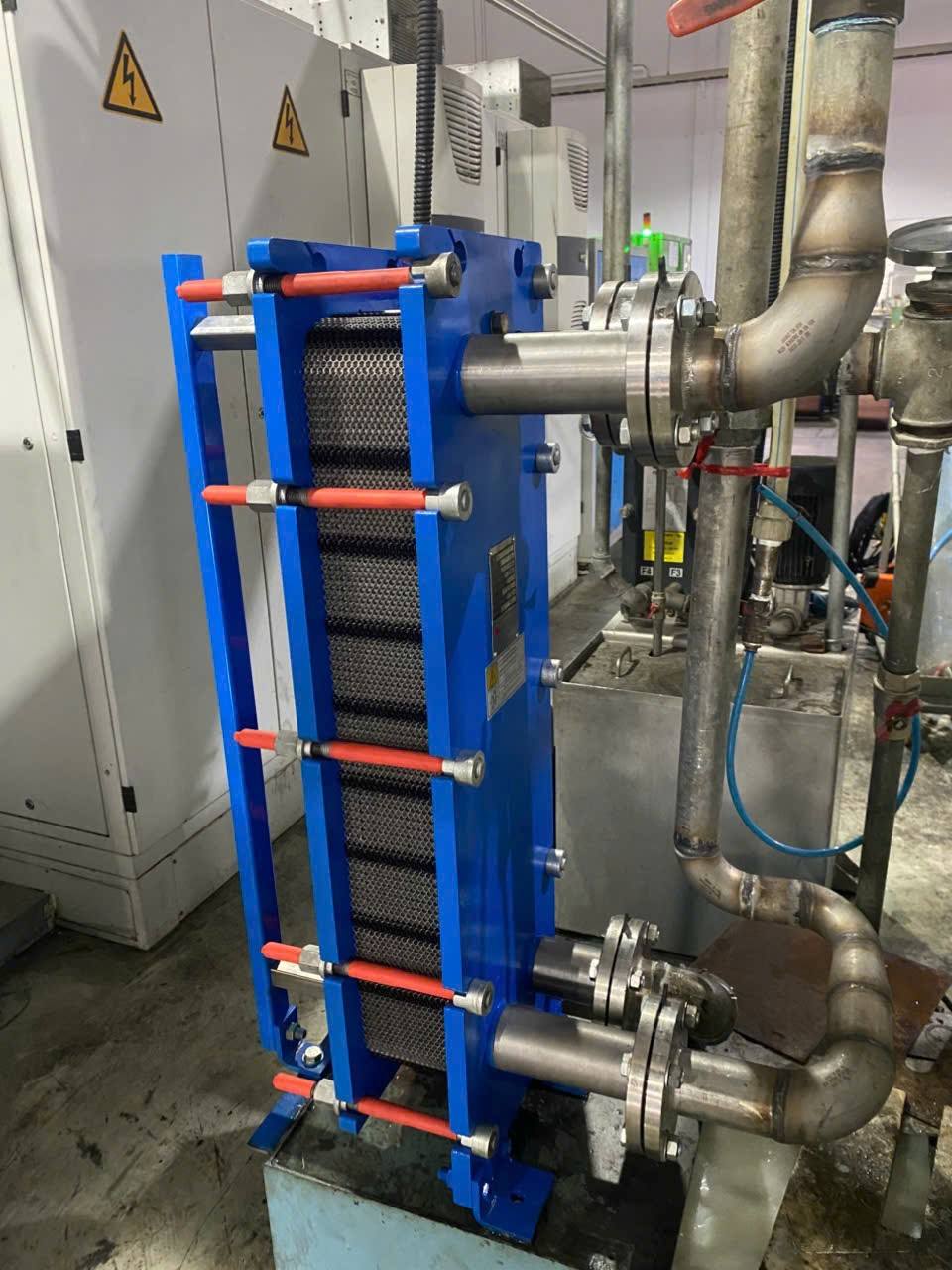
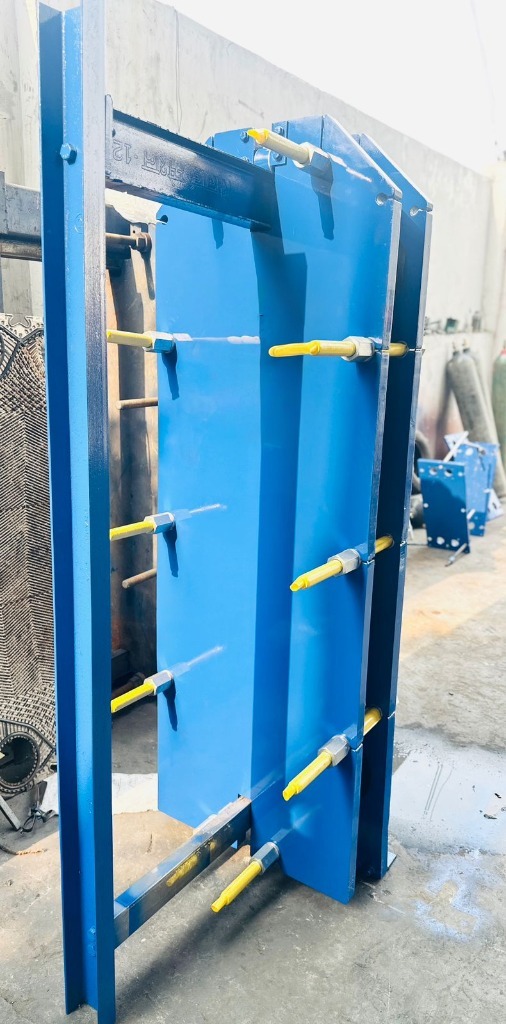
A Plate Heat Exchanger (PHE) is a compact type of heat exchanger that uses a series of thin, corrugated metal plates to transfer heat between two fluids. These plates are stacked together, creating alternating channels for the hot and cold fluids to flow through. The close proximity and large surface area of the plates allow for highly...

Dry Cooling tower manufacturer in Visakhapatnam

Effect of Wet bulb temperature in Dry cooling tower performance The direct effect of Wet Bulb Temperature on a pure Dry Cooling Tower is essentially ZERO. However, it has a major indirect effect that becomes critical for system design and comparison. Let’s break this down. The Direct Effect: Why It Doesn’t...

Dry Cooling tower manufacturer in Odisha

Effect of Dry bulb temperature in Dry cooling tower performance The Dry Bulb Temperature is the single most critical environmental factor affecting the performance of a dry cooling tower. In simple terms: As the Dry Bulb Temperature increases, the performance and efficiency of a dry cooling tower decrease significantly....

Dry Cooling tower manufacturer in Andhra Pradesh

Comparison: Pad vs. Misting Nozzles Feature Cellulose Pad High-Pressure Misting Nozzles Efficiency Very High High Water Drift Very Low Can be high if not properly designed Risk of Clogging Lower (large passages) Higher (very small orifice) Coil Fouling Low risk (air is filtered by pad) Higher risk (minerals in water can deposit on coil) Maintenance...

Dry Cooling tower manufacturer in Zambia

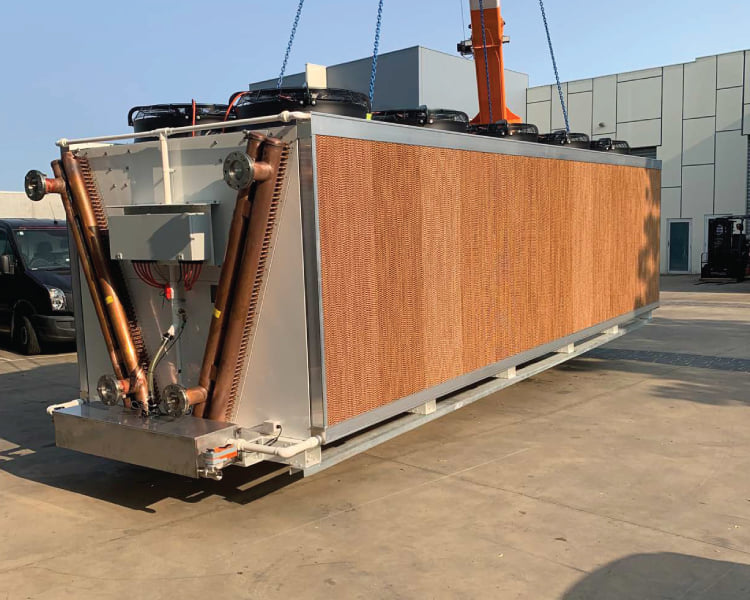
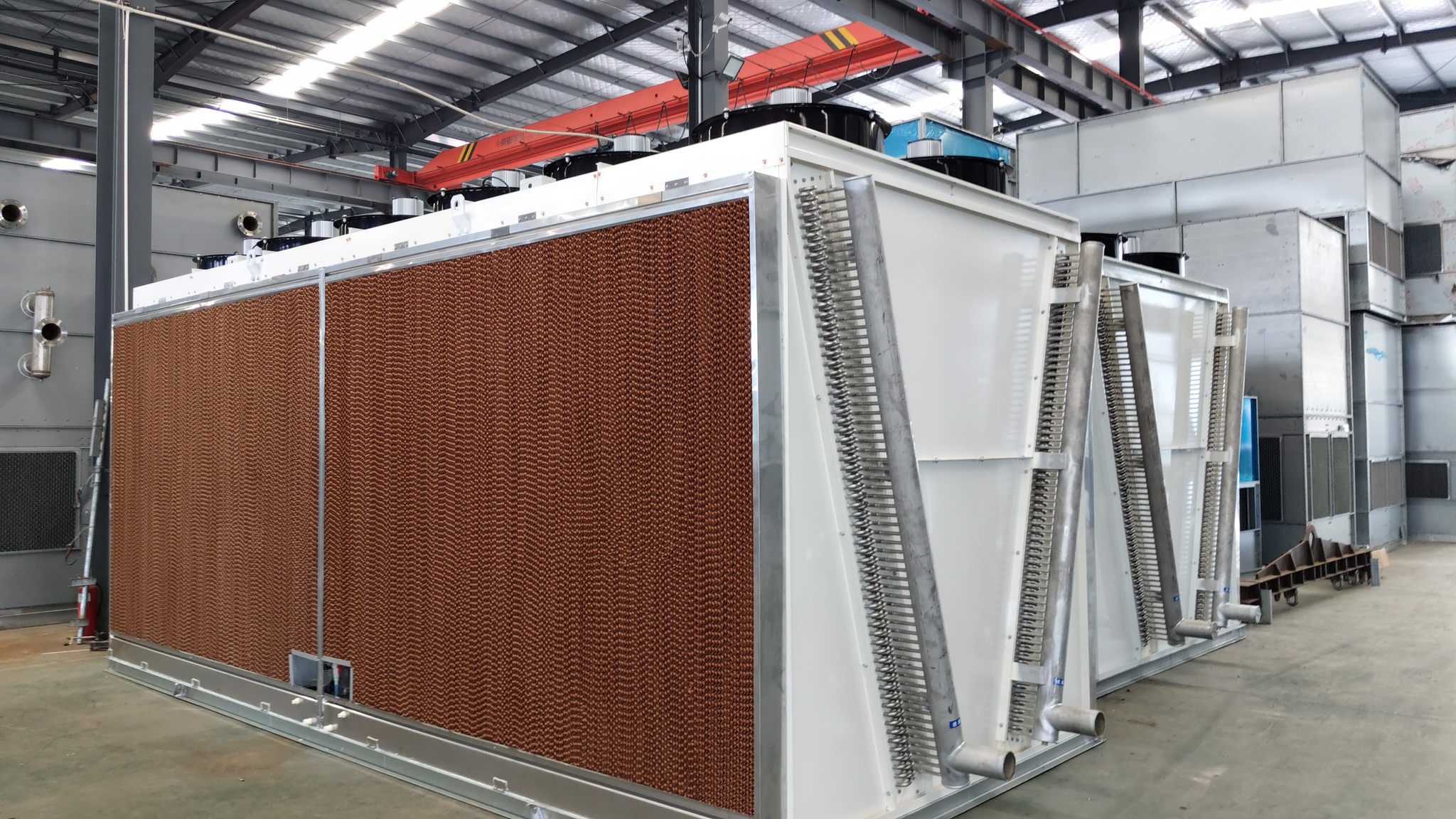
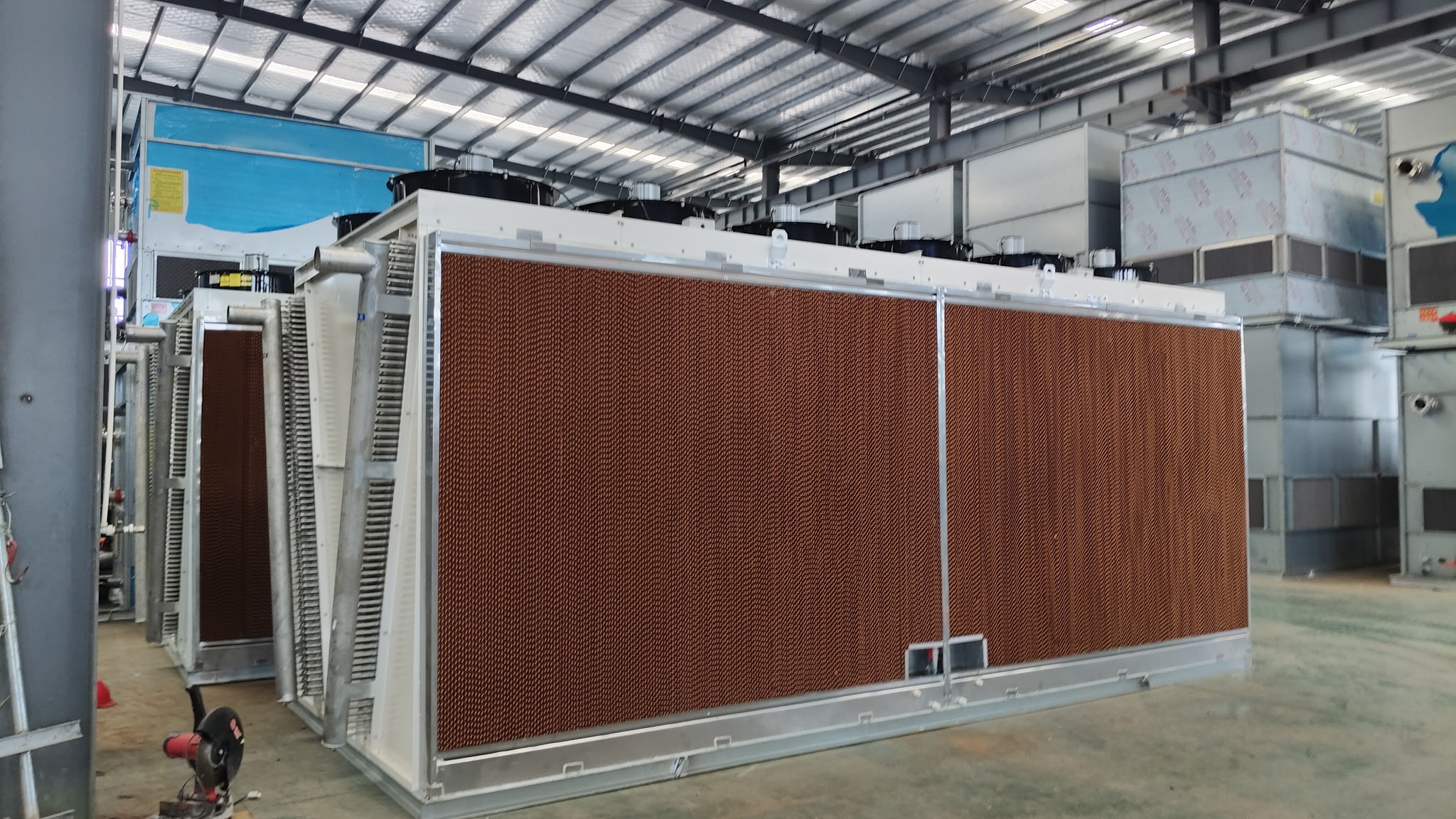
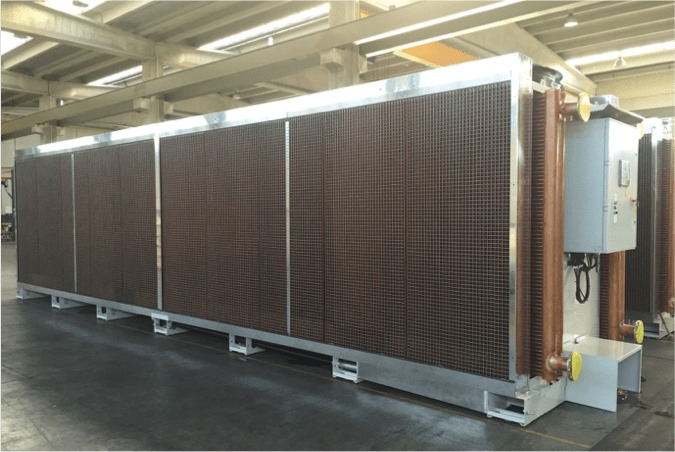
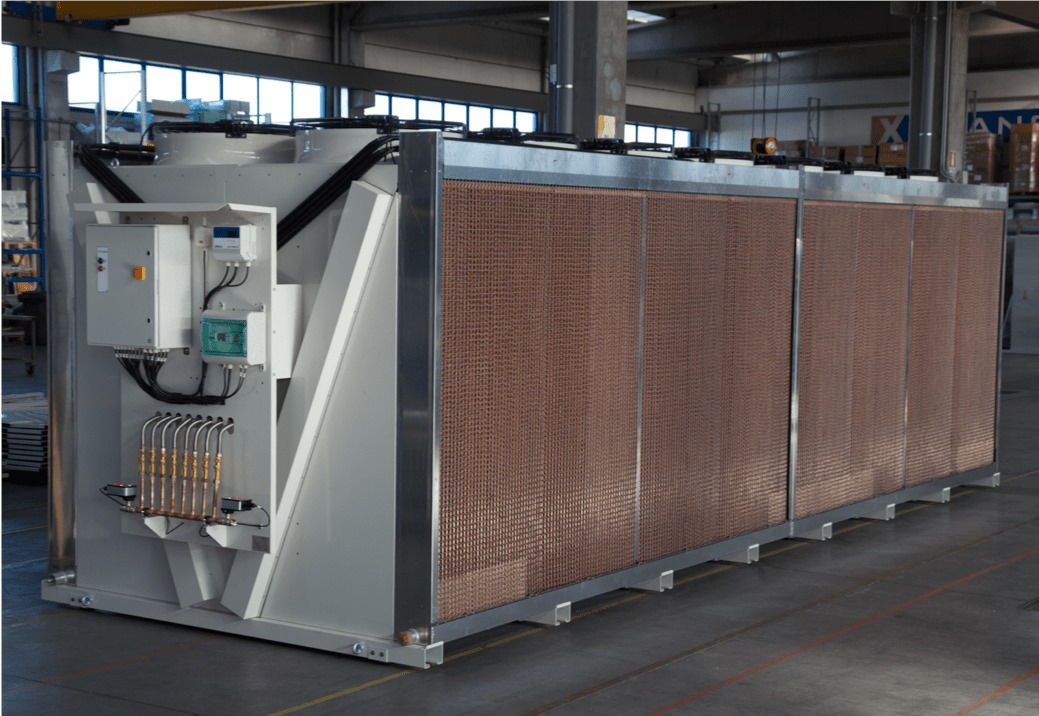
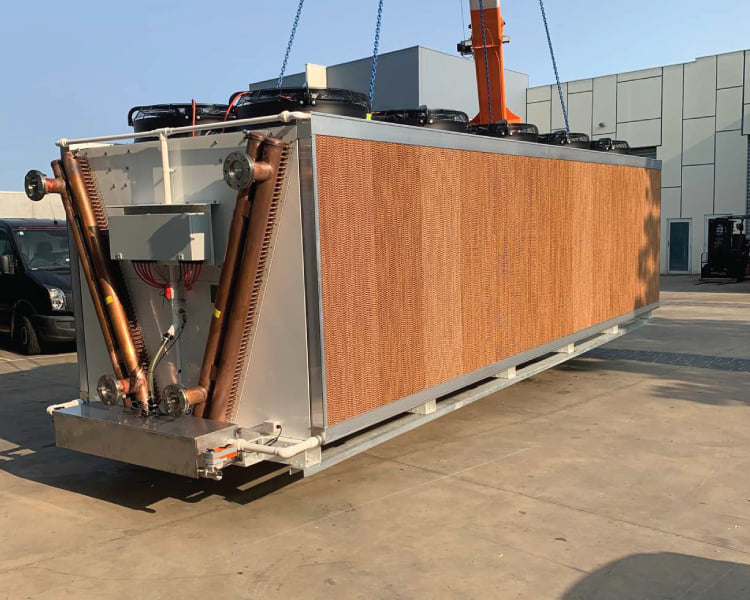
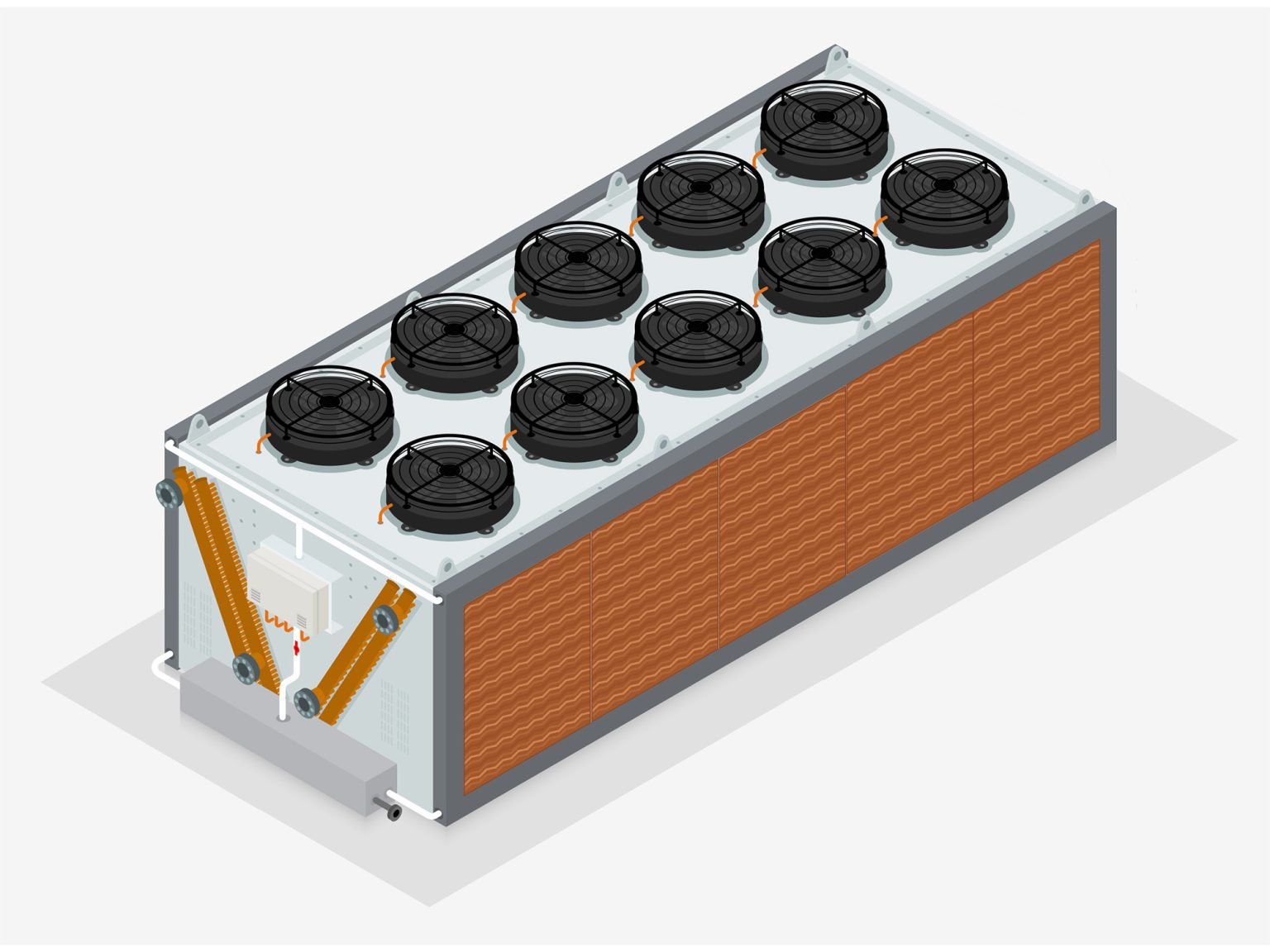
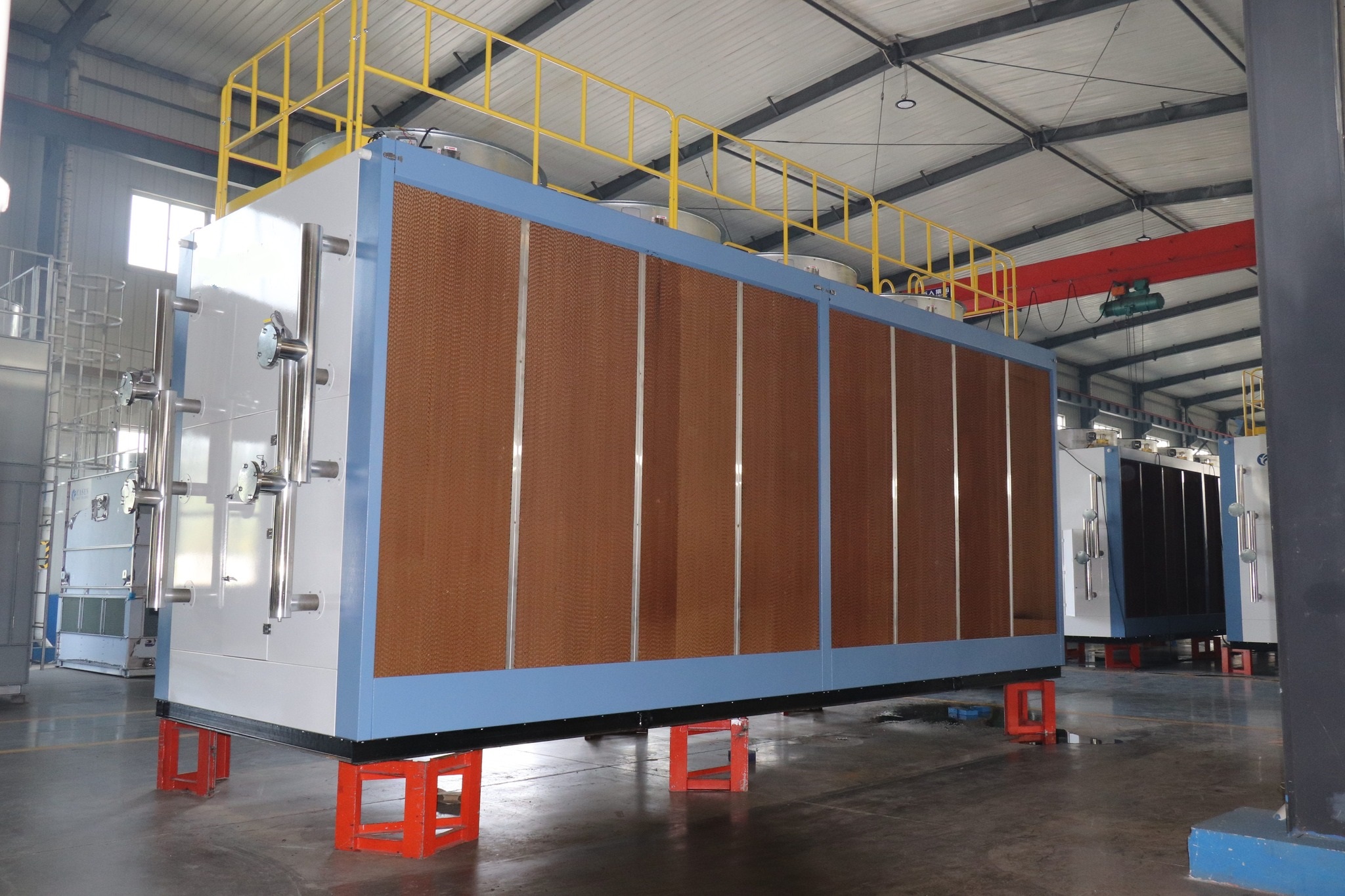
The reason for using a cellulose pad in a dry cooling tower is to create an efficient and controlled adiabatic pre-cooling system, transforming a standard dry cooler into a more powerful and efficient adiabatic hybrid cooler during hot weather. The cellulose pad is not part of the dry circuit itself; it’s an add-on component that operates...

Dry Cooling tower manufacturer in Ghana

Comparison with Other Coolers Feature Pure Dry Cooler Adiabatic Hybrid Cooler Wet Cooling Tower Water Use Zero Low (Intermittent) Very High (Continuous) Energy Use Highest (on hot days) Lower Lowest Cooling Efficiency Low (on hot days) High & Stable Highest & Stable Plume None None Visible Plume Maintenance Low Medium High

Dry Cooling tower manufacturer in Tunisia

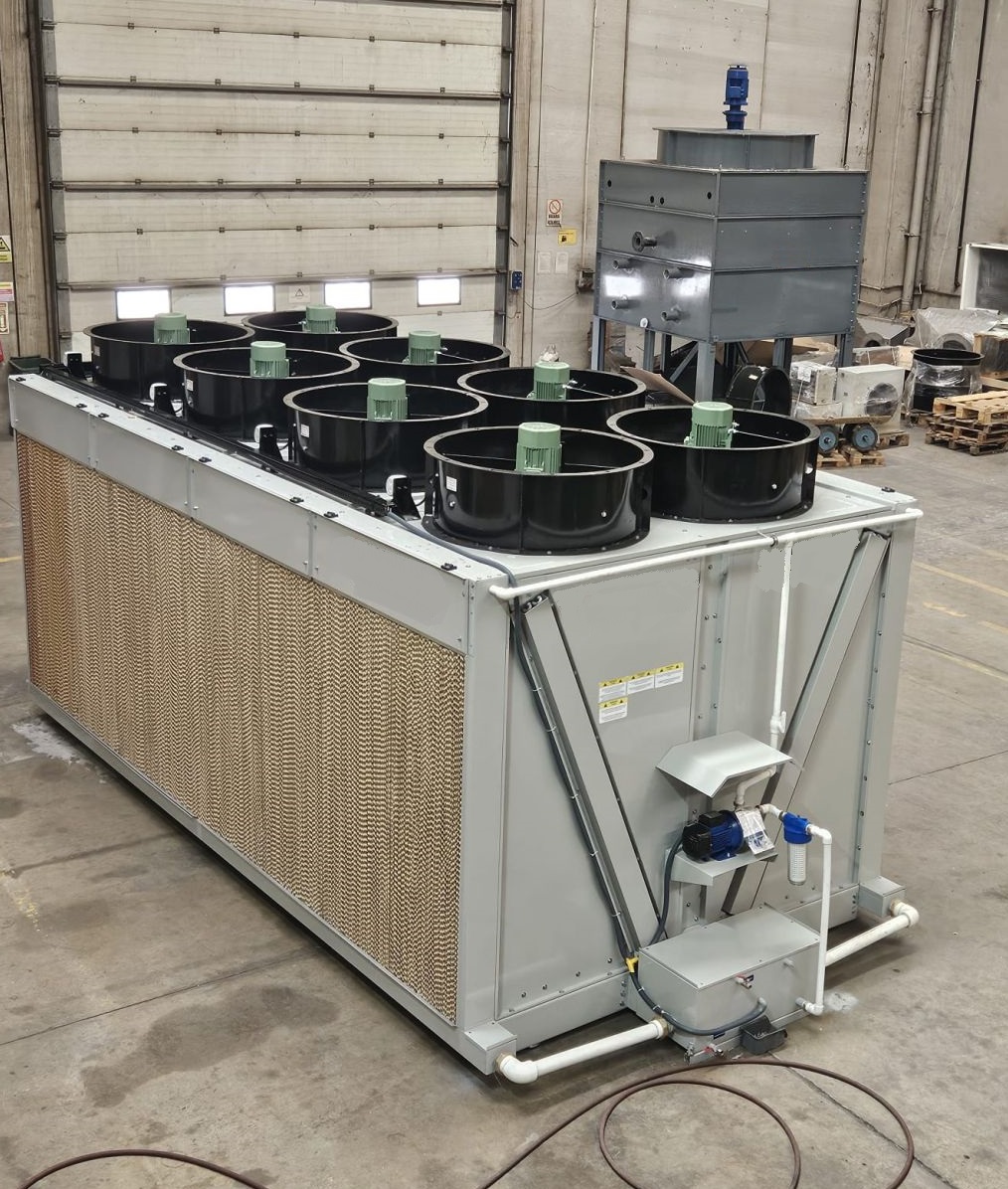
Dry cooling tower with Adiabatic fluid cooler A Dry Cooling Tower with an Adiabatic Fluid Cooler (often called an Adiabatic Hybrid Cooler) is a system that combines the water-saving benefits of a dry cooler with the high efficiency of evaporative cooling, but only when needed. It’s designed to get the “best of both...

Dry Cooling tower manufacturer in Ethiopia

Material Selection Factors Factor Ideal Material Trade-off Thermal Conductivity Copper > Aluminum > Steel Copper is expensive and less strong. Corrosion Resistance Stainless Steel > Copper > Aluminum > Carbon Steel Stainless Steel has lower thermal conductivity and higher cost. Mechanical Strength Steel > Stainless Steel >...

Dry Cooling tower manufacturer in Algeria

Common Material Combinations The most efficient and cost-effective combinations leverage the strength of one material and the thermal conductivity of another. Common Material Combinations The most efficient and cost-effective combinations leverage the strength of one material and the thermal conductivity of another. Tube Material Fin Material...

Dry Cooling tower manufacturer in Nigeria

Material of Construction of cooling coil in Dry cooling tower Their Common Materials 1. Tubes (The Primary Pressure Boundary) The tubes carry the hot process fluid and must withstand its pressure and temperature. 2. Fins (The Extended Surface for Heat Transfer) The fins are attached to the outside of the tubes to dramatically increase the...
Dry Cooling tower manufacturer in Australia

Use of Heat exchanger coil in Dry cooling tower The heat exchanger coil is the absolute core component of a dry cooling tower, and its use is fundamental to the tower’s entire operation. In simple terms, the use of the heat exchanger coil in a dry cooling tower is to transfer heat from the hot internal […]

Dry Cooling tower manufacturer in Egypt

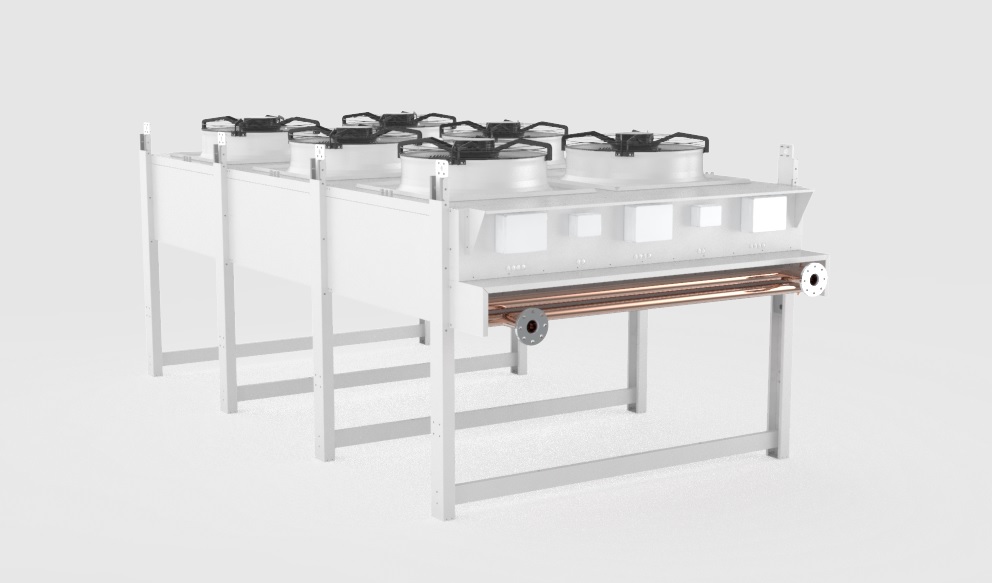
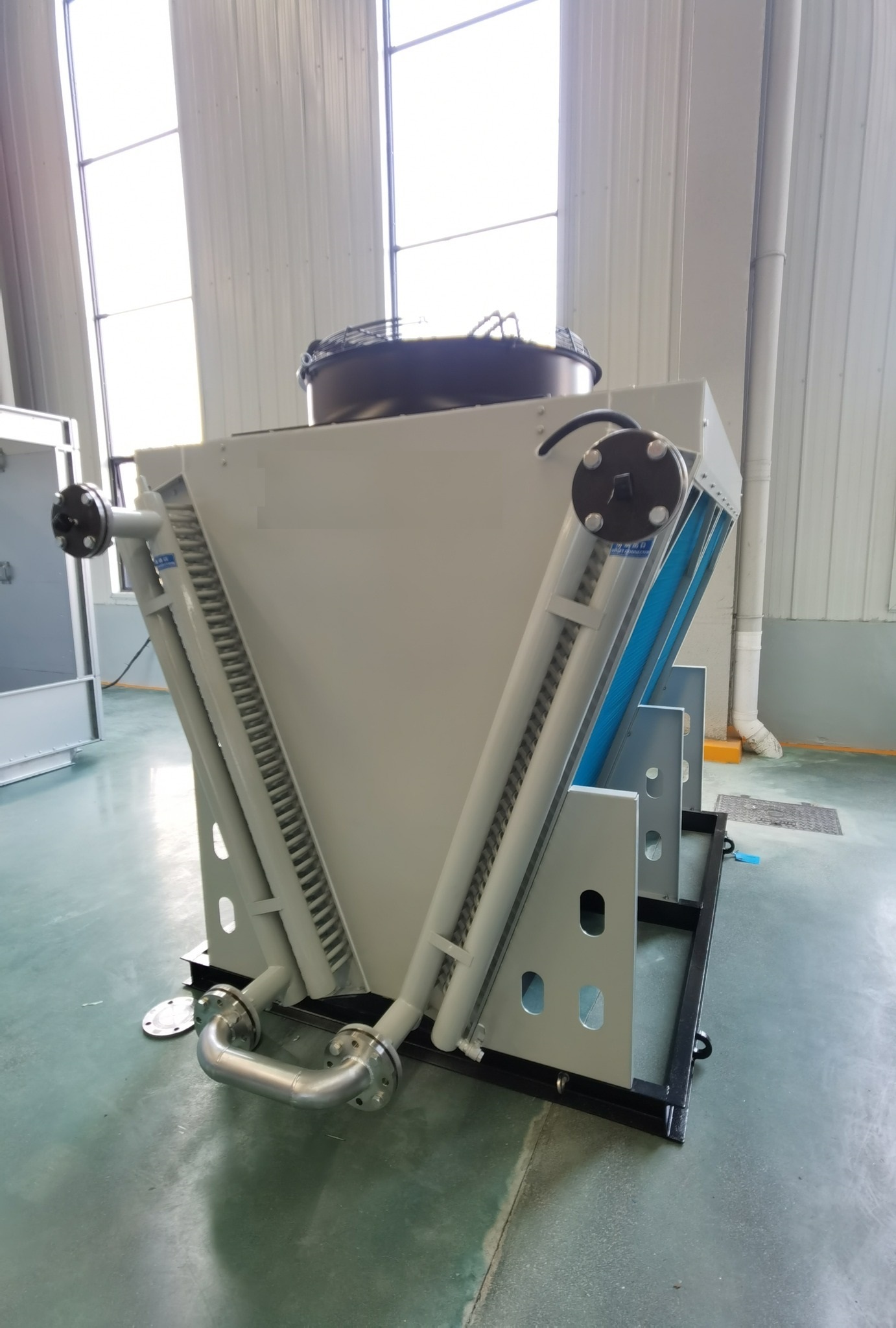
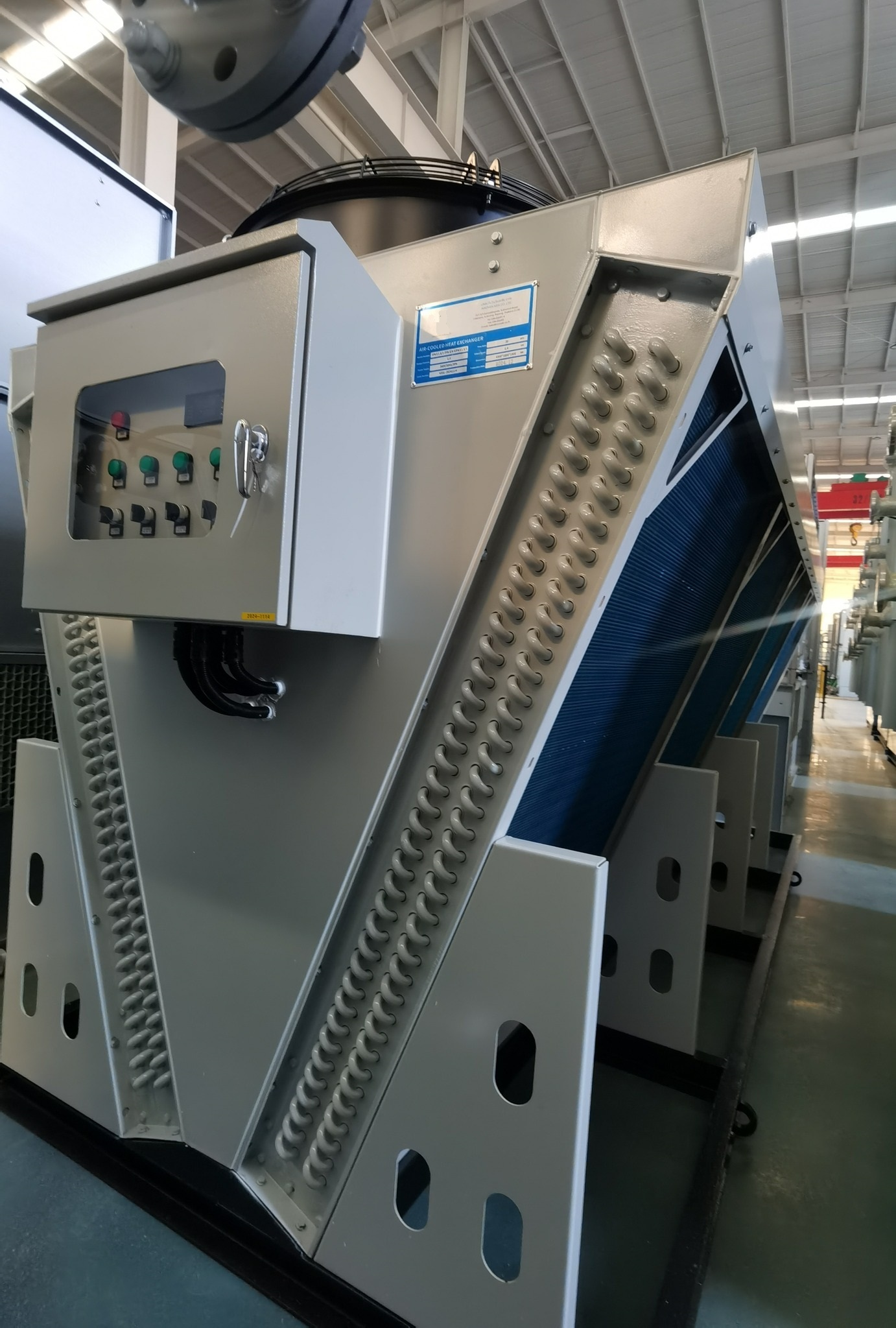
Part Functions: Part Primary Function Finned Tubes Transfers heat from the hot fluid to the cool air. Fans & Motors Creates the forced airflow for heat exchange. Headers Distributes and collects the process fluid. Support Structure Provides structural integrity for all components. Louvers Directs airflow and minimizes recirculation.

Dry Cooling tower manufacturer in Kuwait

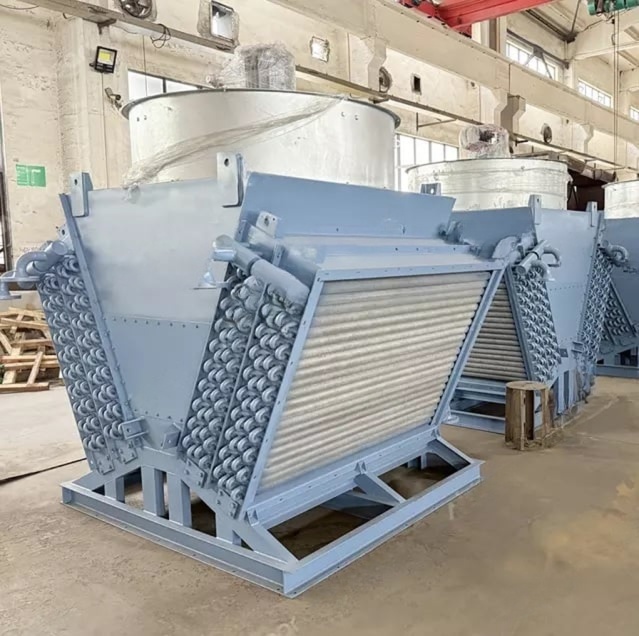
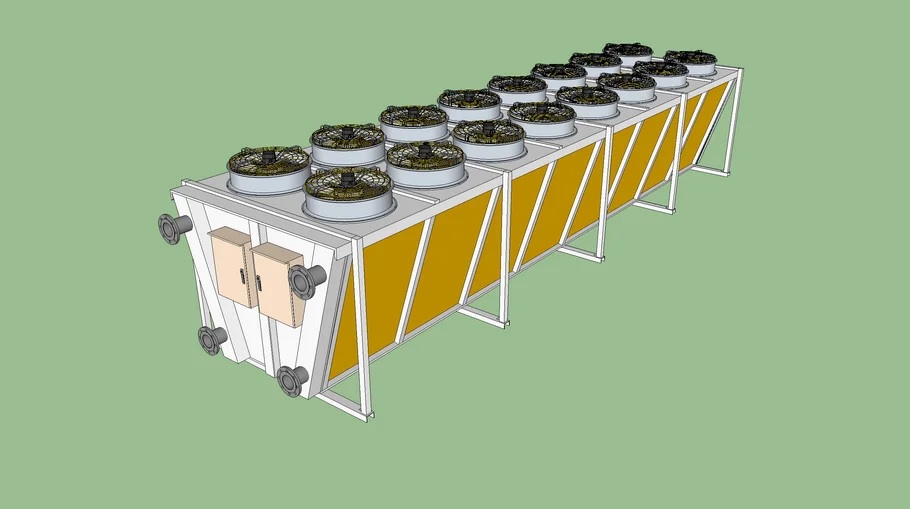
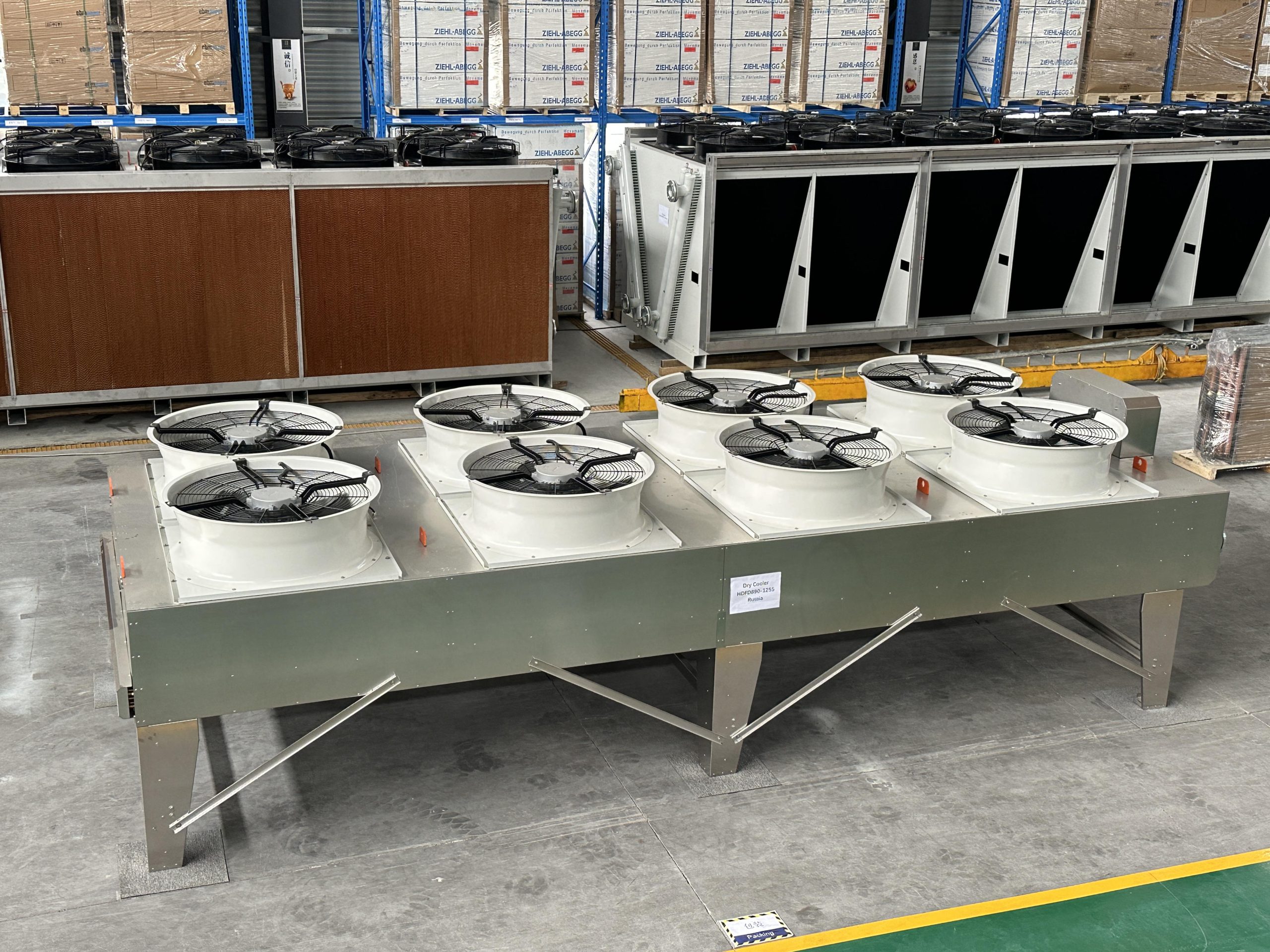
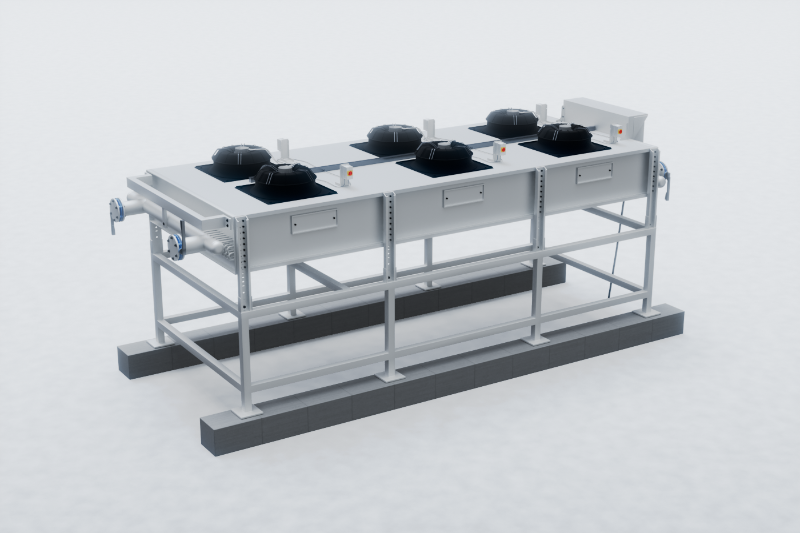
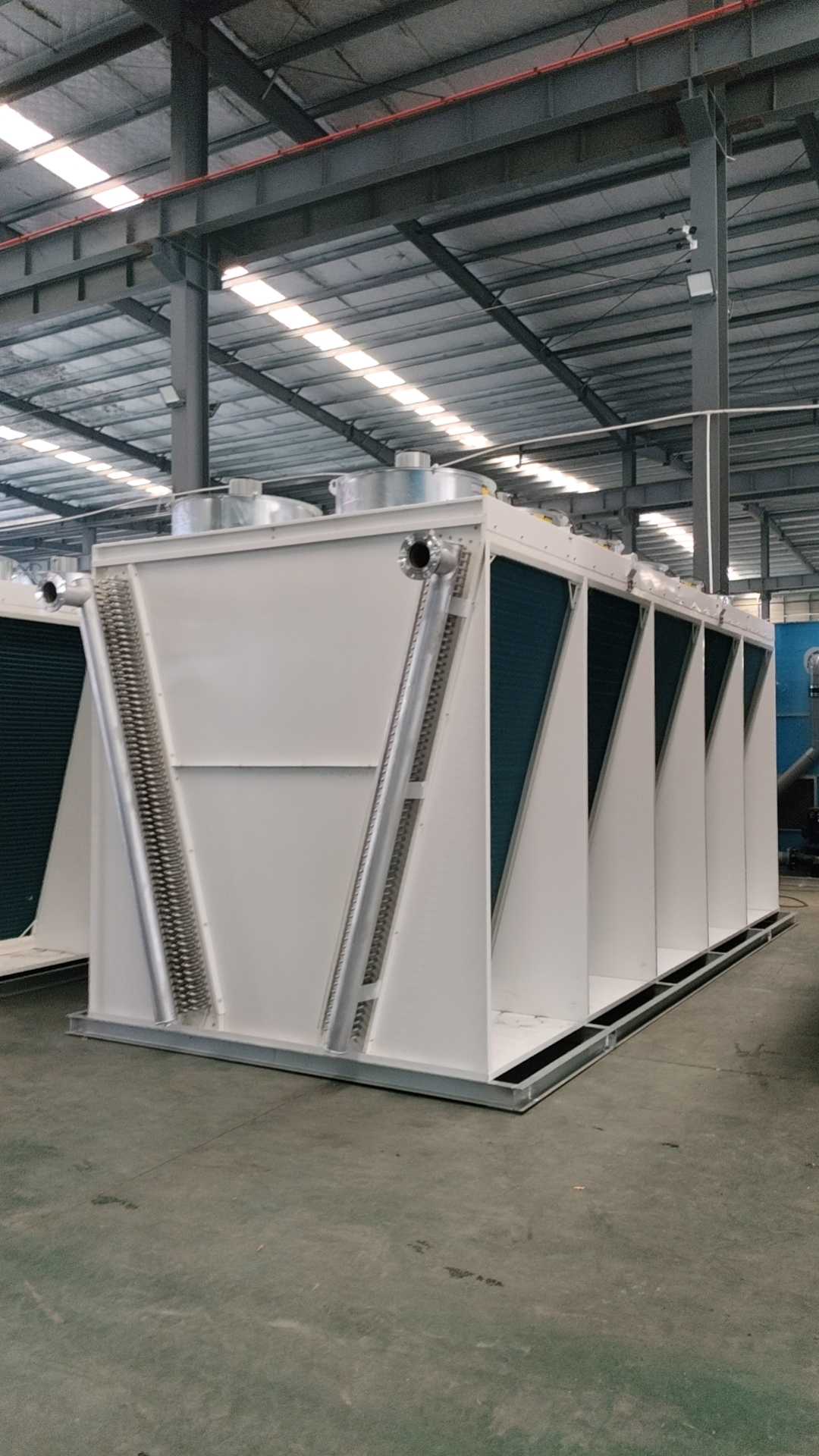
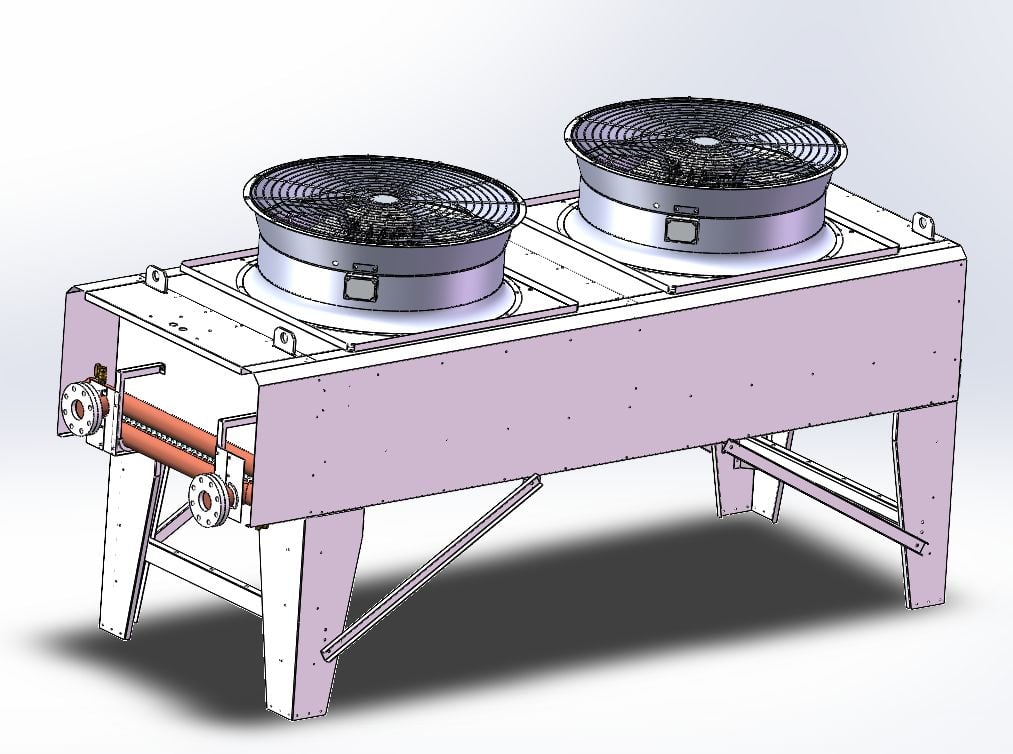
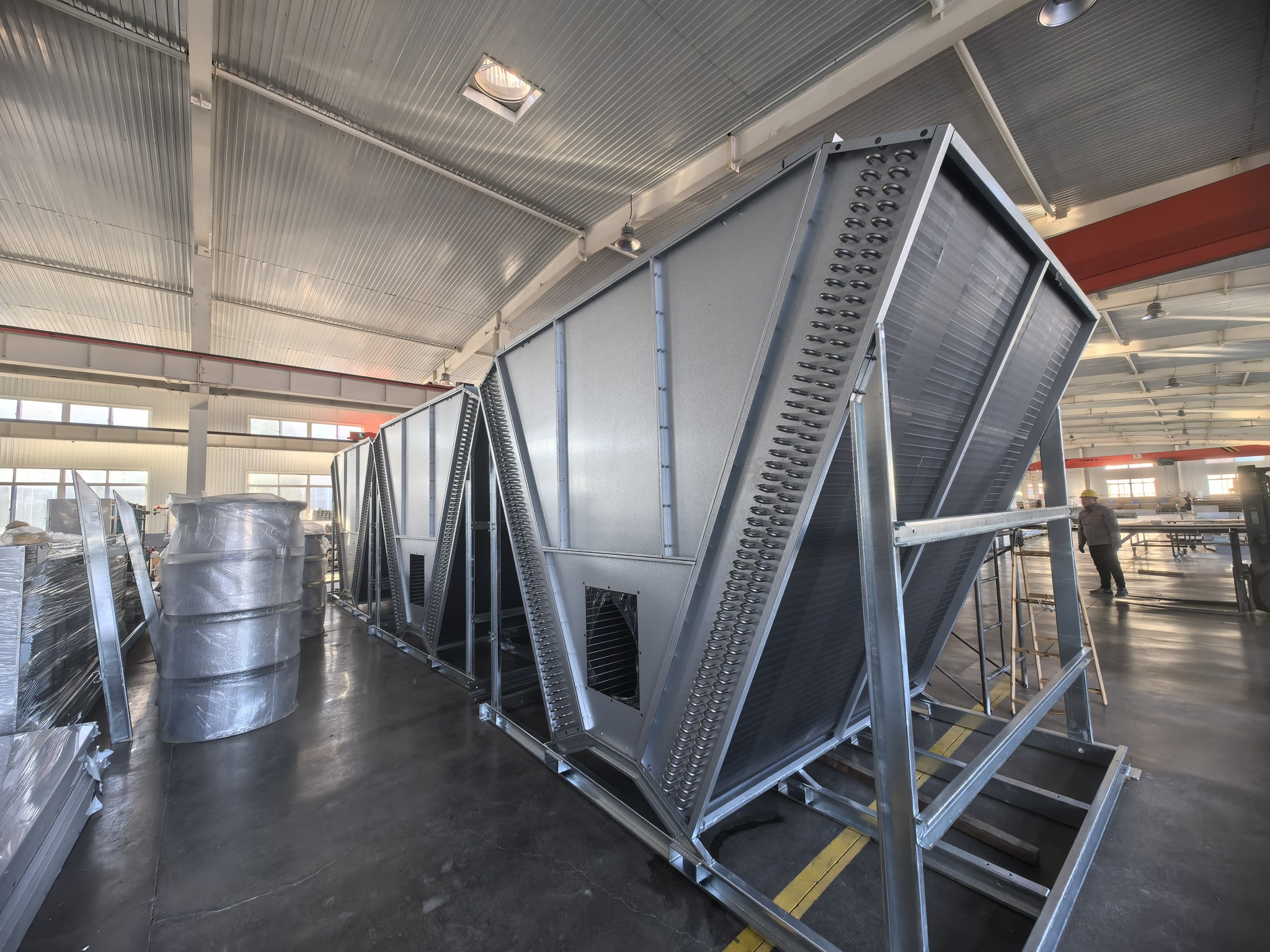
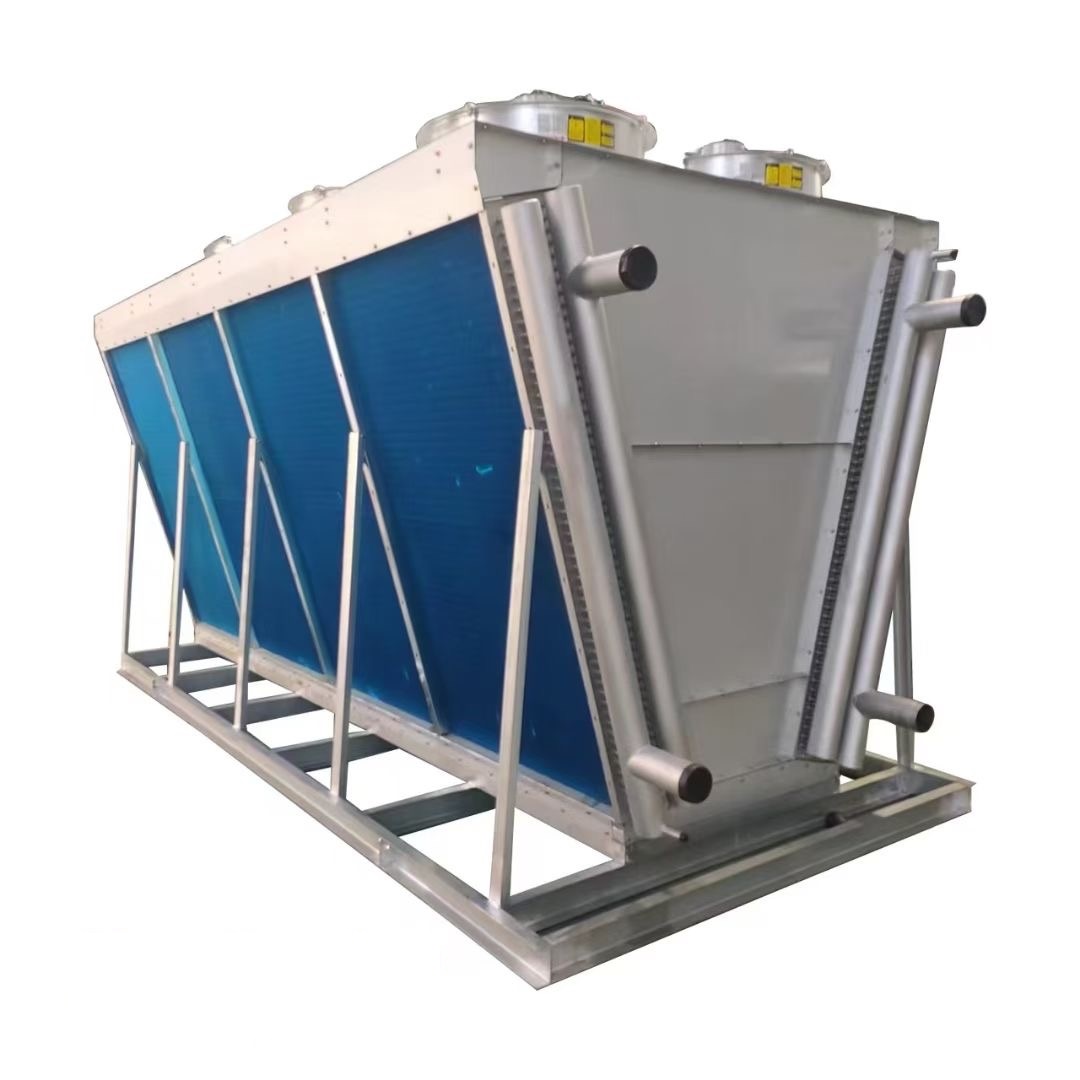
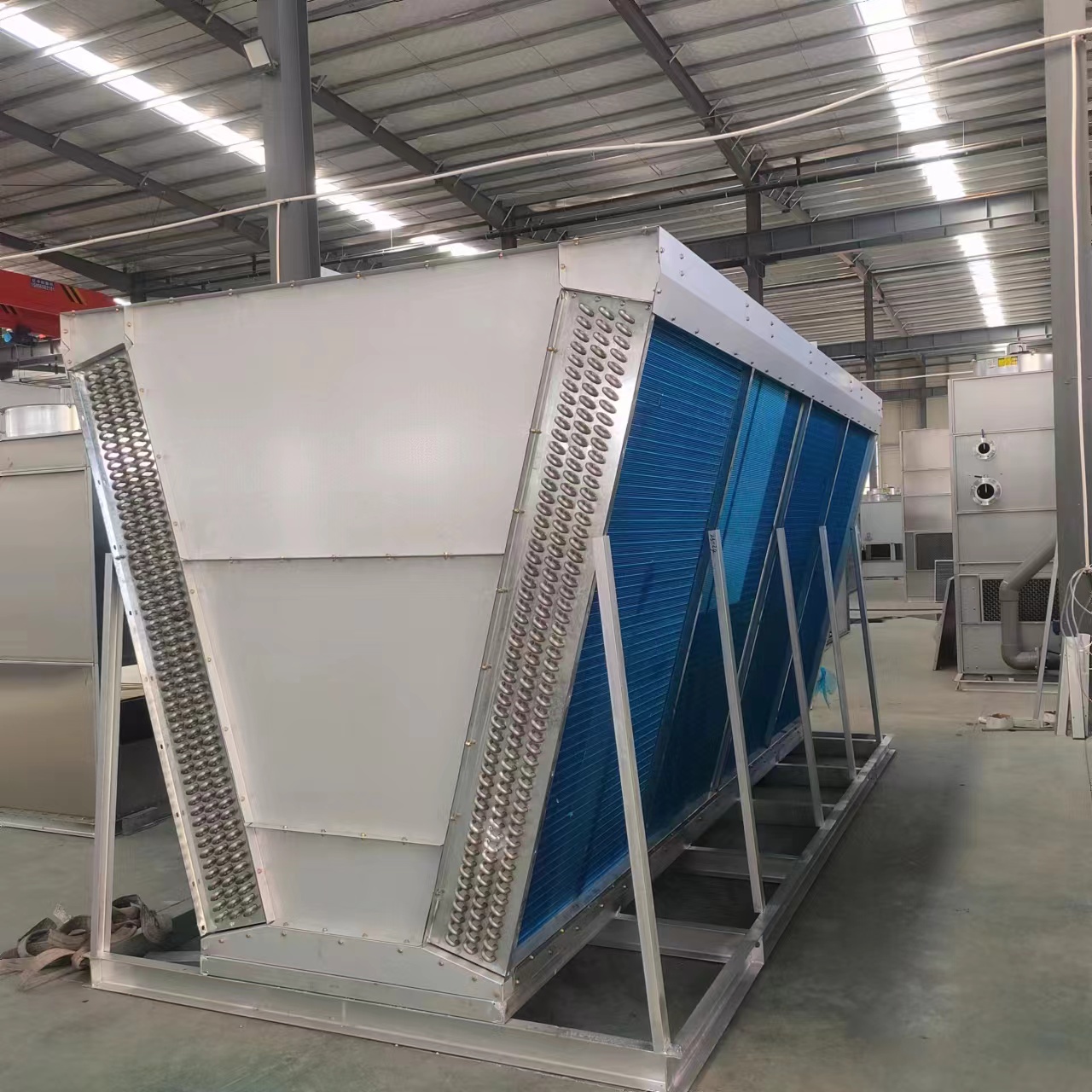
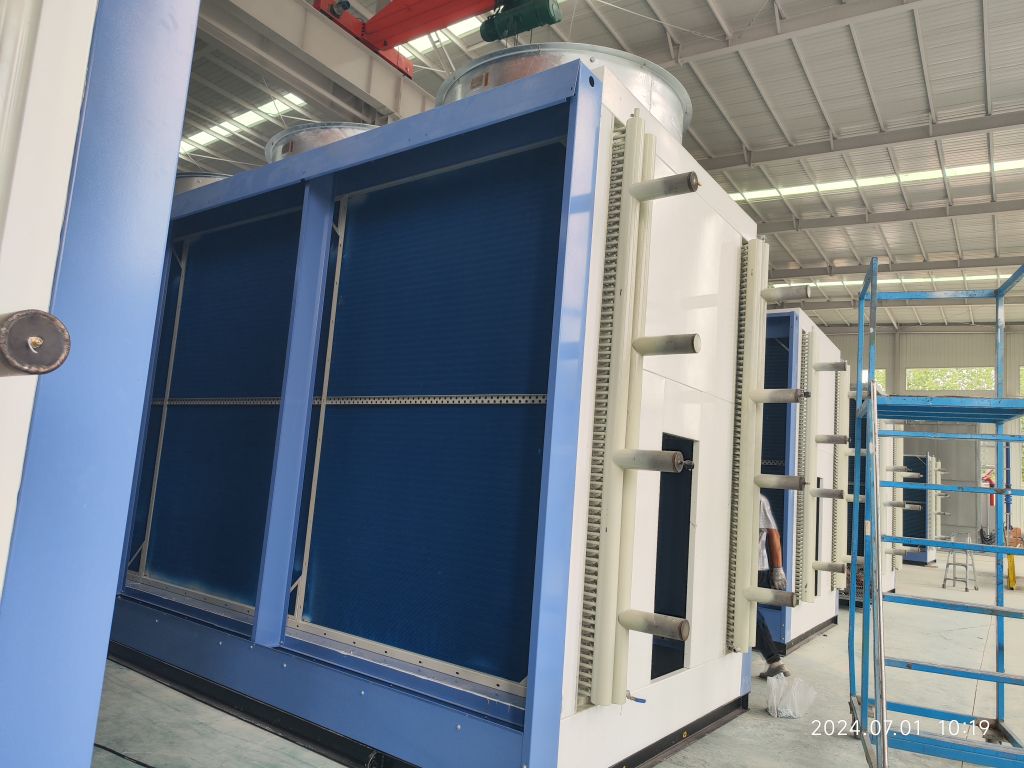
Parts of Dry cooling Tower?  A dry cooling tower is a complex system composed of several key components that work together to reject heat through sensible heat transfer. Here are the main parts of a typical mechanical draft dry cooling tower, broken down by their function: 1. Heat Exchanger Bundle (The Core) This is the […]

Dry Cooling tower manufacturer in Bahrain

Where Dry Cooling tower used. Dry cooling towers are the technology of choice in locations where water is scarce or environmental regulations restrict water usage and vapor plumes. Dry Cooling Tower is a water-saving cooling system that trades off higher cost and lower efficiency for the crucial benefit of minimal water consumption, making it...

Dry Cooling tower manufacturer in United Arab Emirates

Dry Cooling Tower vs. Wet Cooling Tower Feature Dry Cooling Tower Wet Cooling Tower (Evaporative) Principle Sensible Heat Transfer (like a car radiator) Latent Heat Transfer (evaporation) Water Usage Very Low. Only minor makeup water for the closed loop. Very High. Continuous water loss due to evaporation, drift, and blowdown....

Dry Cooling tower manufacturer in India

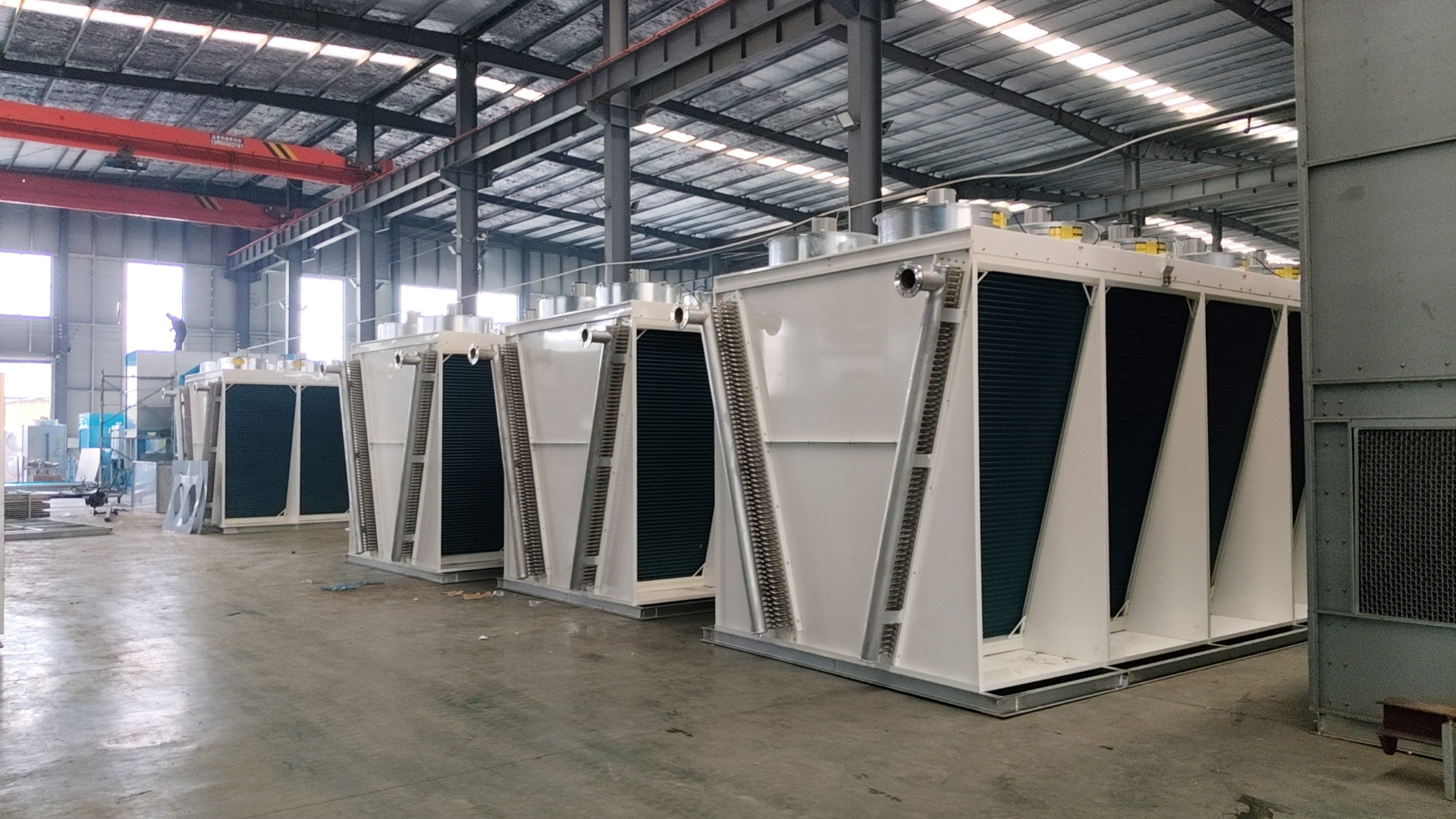
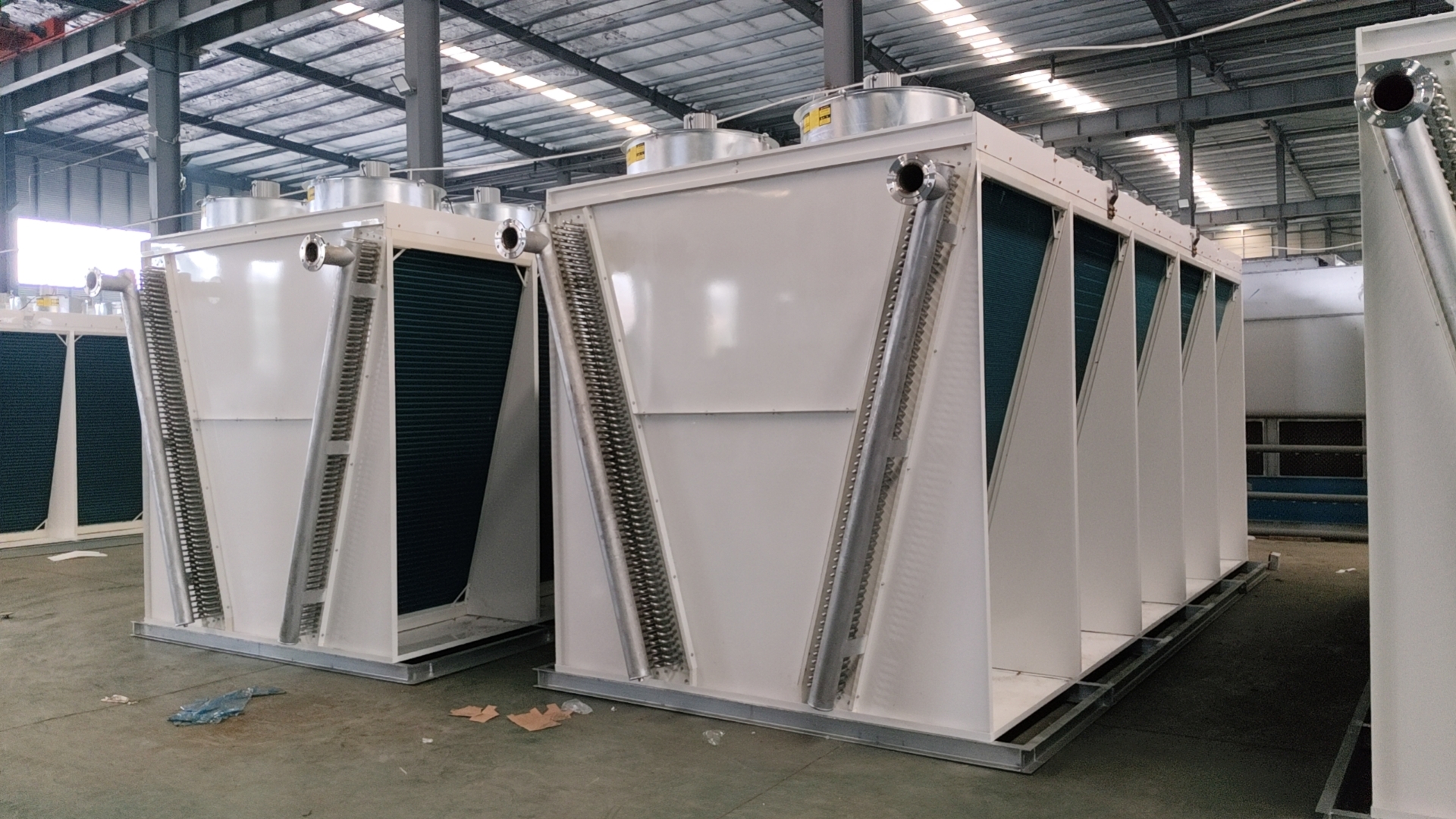
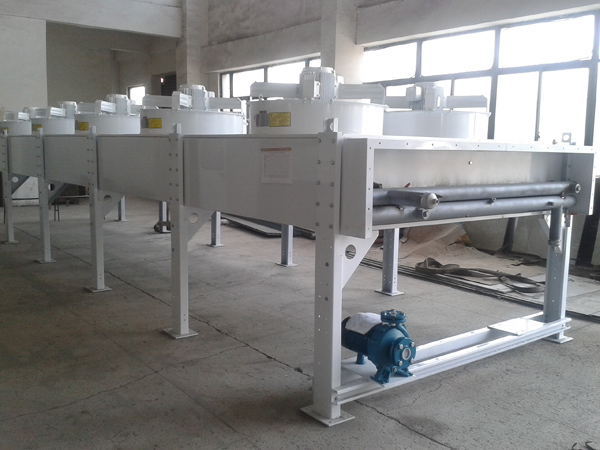
A Dry Cooling Tower is a heat rejection device that cools a working fluid (most often water or a water-glycol mixture) without direct contact with the air and without any water loss through evaporation. Think of it as a giant, industrial-sized radiator, similar in principle to the radiator in your car. It uses the principles...

Heat Exchanger Manufacturer in Djibouti

. Double-pipe heat exchanger When one fluid flows through the smaller pipe, the other flows through the annular gap between the two pipes. These flows may be parallel or counter-flows in a double pipe heat exchanger. (a) Parallel flow, where both hot and cold liquids enter the heat exchanger from the same side, flow in […]

Heat Exchanger Manufacturer in Egypt

By maximum operating temperature, heat exchangers can be divided into low-temperature and high-temperature ones. The former work up to 500–650°C depending on the industry and generally don’t require special design and material considerations. The latter work up to 1000 or even 1400°C.[4][5][6] Double pipe heat exchangers are the simplest...

Heat Exchanger Manufacturer in Iraq

 heat exchangers are designed to maximize the surface area of the wall between the two fluids, while minimizing resistance to fluid flow through the exchanger. The exchanger’s performance can also be affected by the addition of fins or corrugations in one or both directions, which increase surface area and may channel fluid flow or...

Heat Exchanger Manufacturer in Jordan

There are three primary classifications of heat exchangers according to their flow arrangement. In parallel-flow heat exchangers, the two fluids enter the exchanger at the same end, and travel in parallel to one another to the other side. In counter-flow heat exchangers the fluids enter the exchanger from opposite ends. The counter current...

Heat Exchanger Manufacturer in Kuwait

A heat exchanger is a system used to transfer heat between a source and a working fluid. Heat exchangers are used in both cooling and heating processes.[1] The fluids may be separated by a solid wall to prevent mixing or they may be in direct contact.[2] They are widely used in space heating, refrigeration, air conditioning, power...

Heat Exchanger Manufacturer in Lebanon

A plate heat exchanger functions as a specialized device for transferring thermal energy between two fluid streams using a series of metal plates. One of its primary advantages over traditional heat exchangers lies in the substantial increase in surface area for heat exchange, achieved by spreading the fluids across these plates. This...

Heat Exchanger Manufacturer in Yemen

 Plate heat exchanger is composed of several key parts, including plates, gaskets, a frame, and inlet/outlet ports. The plates are thin, corrugated metal sheets that facilitate heat transfer between two fluids. Gaskets seal the space between plates, preventing leaks and directing fluid flow. The Plates: These are the core components where heat...

Heat Exchanger Manufacturer in United Arab Emirates

Cooling System Design Requirements The primary purpose of the engine cooling system is to reject heat from the jacket water coolant and auxiliary circuit if equipped, at greatest engine load, highest ambient temperature, and altitude. This section will outline the proper methods to be used for cooling system sizing. Heat Rejection Before a cooling...

Heat Exchanger Manufacturer in Sudan

Compressor Oil Coolers A compressor oil cooler (or other external heat load) should be connected into the after cooler circuit after the water has left the after cooler. The return line back into the circuit should be placed before the thermostat. If full flow is not needed to the compressor oil cooler, a bypass line […]

Heat Exchanger Manufacturer in Saudi Arabia

Two-Stage After cooler Cooling Systems The two-stage after cooler, currently offered for some gas engines, is intended to provide high temperature heat recovery for Electric Power Generation (EPG) applications and Reduce overall radiator sizing for Gas Compression applications. There are two coolant stages on the two-stage after cooler; the first...

Heat Exchanger Manufacturer in Qatar

Types of Cooling Systems • Radiator • Heat Exchanger • Submerged Pipe • Cooling Tower • Keel & Box Coolers • Seawater Systems • Electrochemical Series

Heat Exchanger Manufacturer in Oman

All internal combustion engines produce heat as a byproduct of combustion andfriction. This heat can reach temperatures up to 1925°C (3500°F) and can havecatastrophic effects on engine components. Pistons, valves and cylinder headsmust be cooled to reduce the risk of detonation. Cylinder temperatures need to becontrolled so lubricating oil can...

Heat Exchanger Manufacturer in Bahrain

Working Principles of Heat Exchanger Heat exchanger functions by transferring heat from higher to lower temperatures. Heat can thus be transferred from the hot fluid to the cold fluid if a hot fluid and a cold fluid are separated by a heat-conducting surface. The operation of a heat exchanger is governed by thermodynamics. Heat can […]

Quenching Oil Cooler Manufacturer in UAE

Common materials used in heat exchangers Selecting the materials used in a heat exchanger is a pivotal part of the design. They need to be heat conductive whilst withstanding any corrosive properties of the mediums involved. Some materials will wear or get dirty faster than others, so upkeep and durability is another consideration. Conductive...

Recuperator Manufacturer in UAE

Plate heat exchangers separate the fluids exchanging heat by the means of plates. These normally have enhanced surfaces such as fins or embossing and are either bolted together, brazed or welded. Plate heat exchangers are mainly found in the cryogenic and food processing industries. However, because of their high surface area to volume ratio,...
1 4 5 6