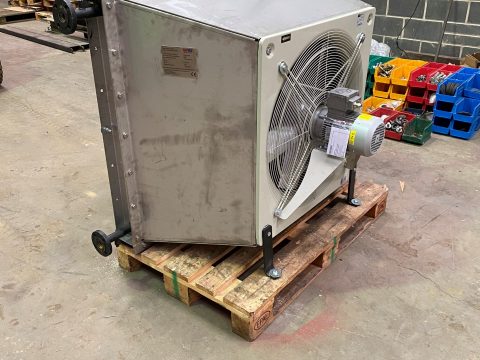
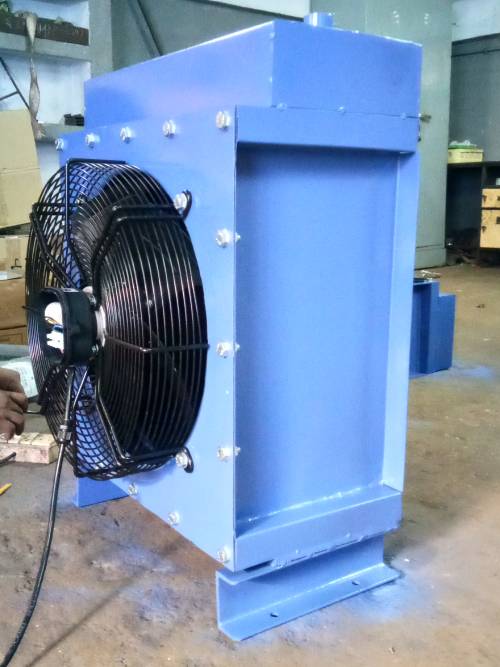
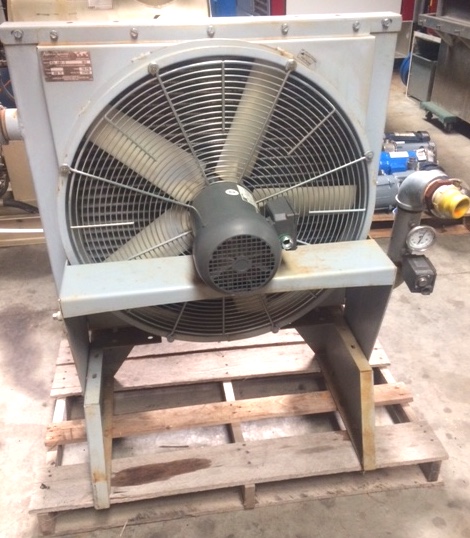
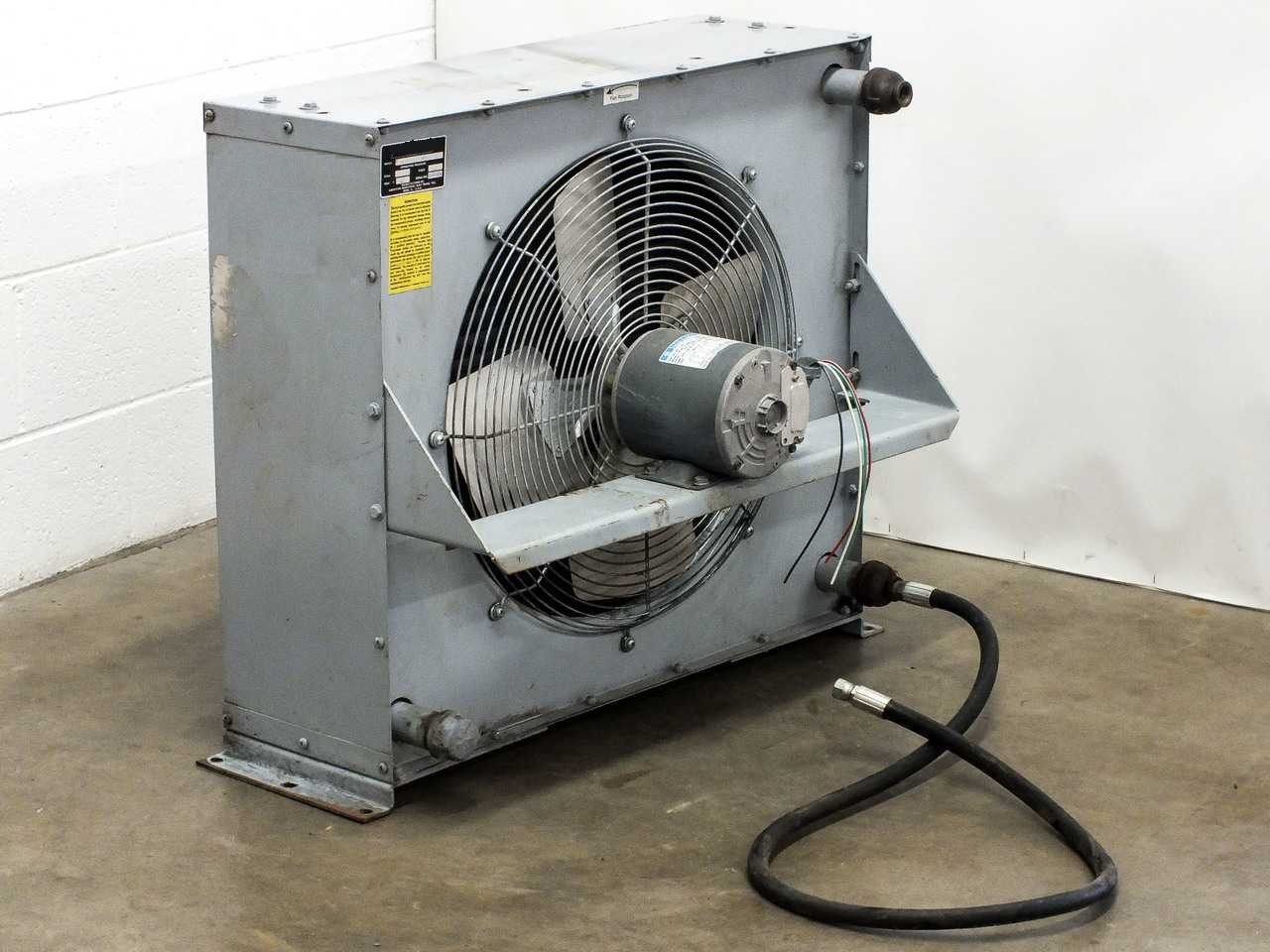
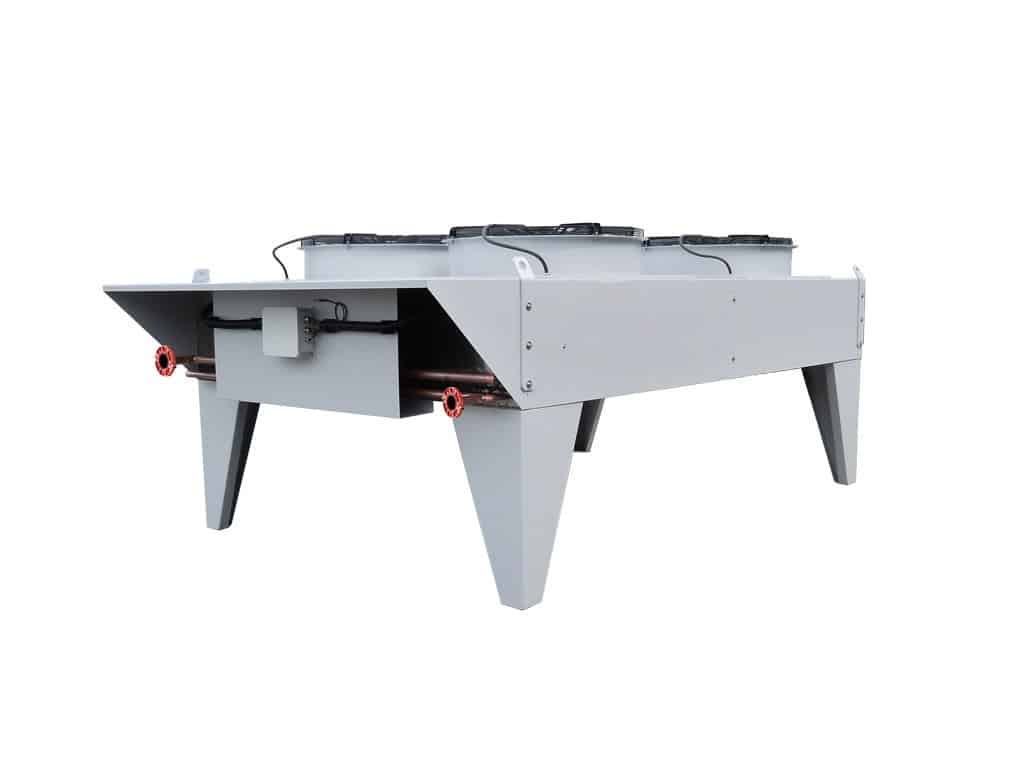
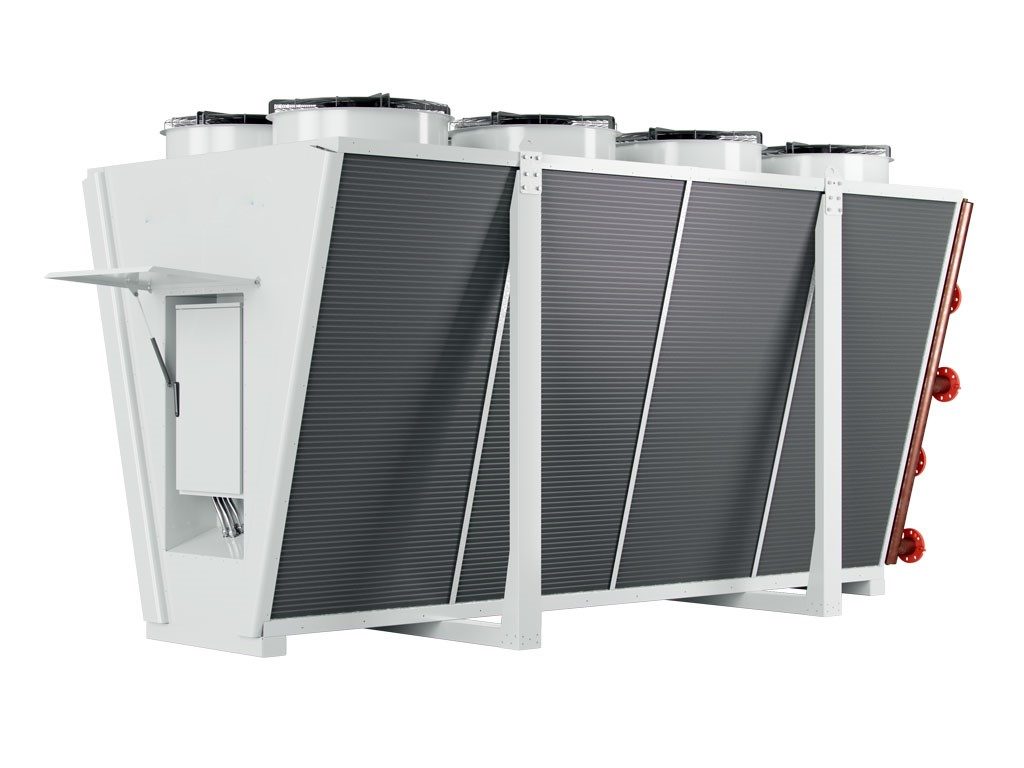
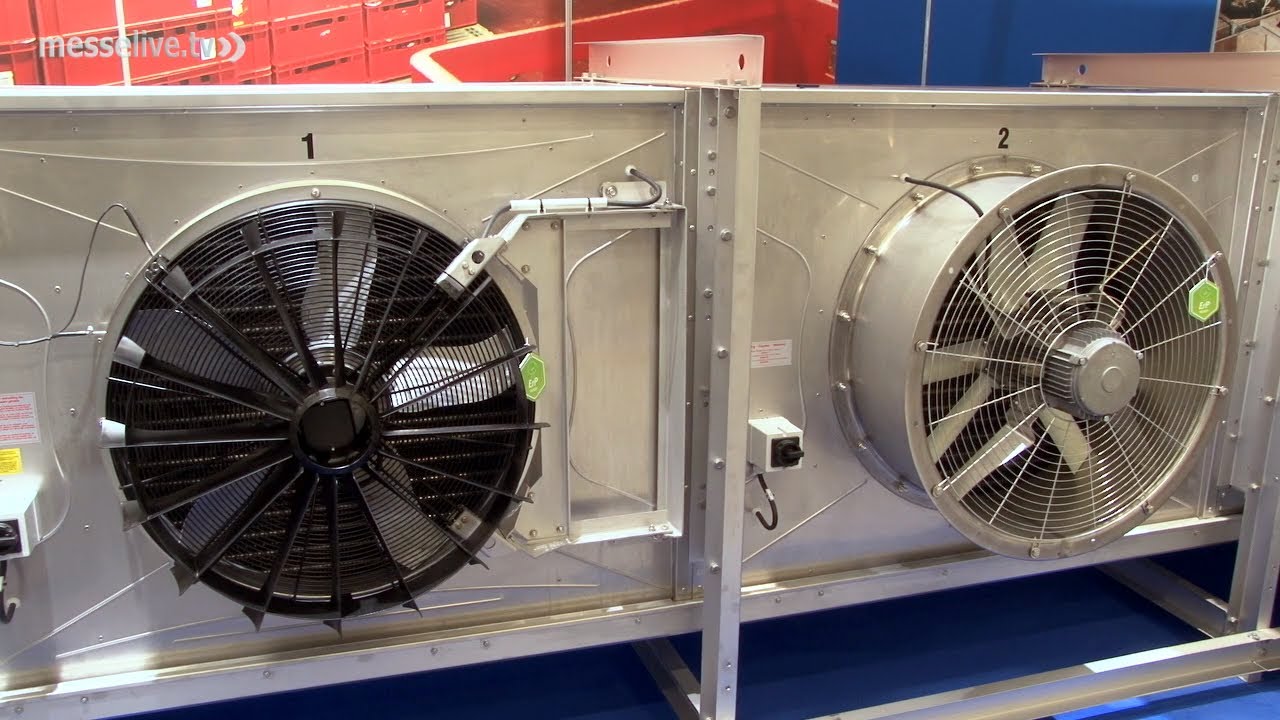
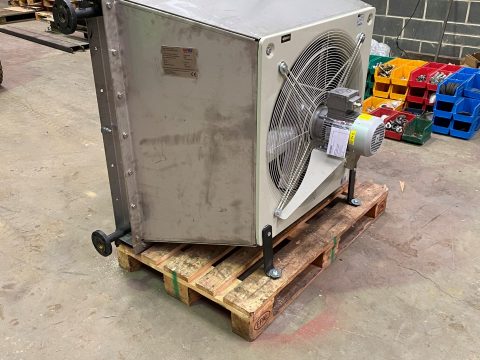
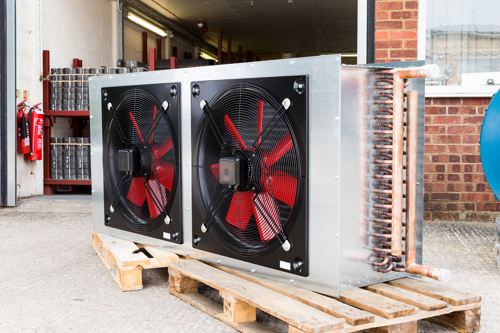
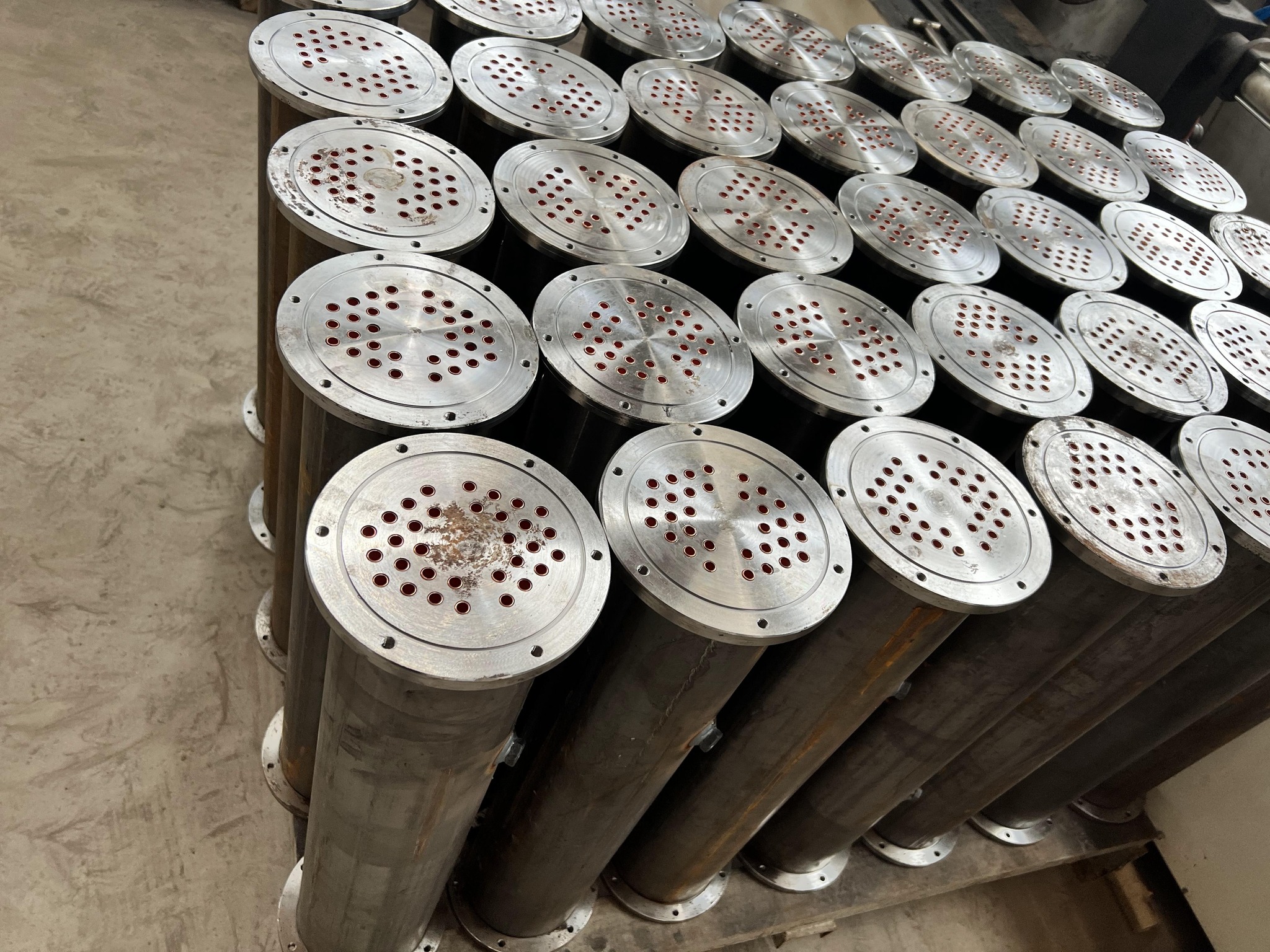
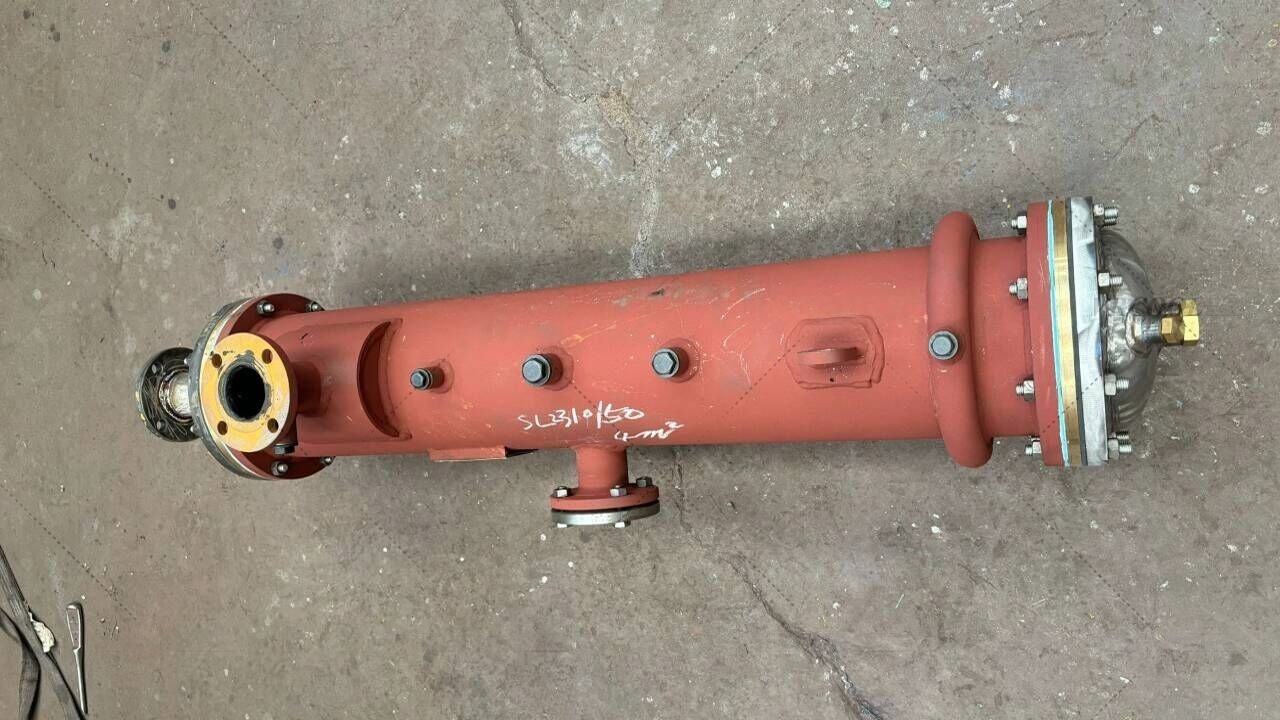
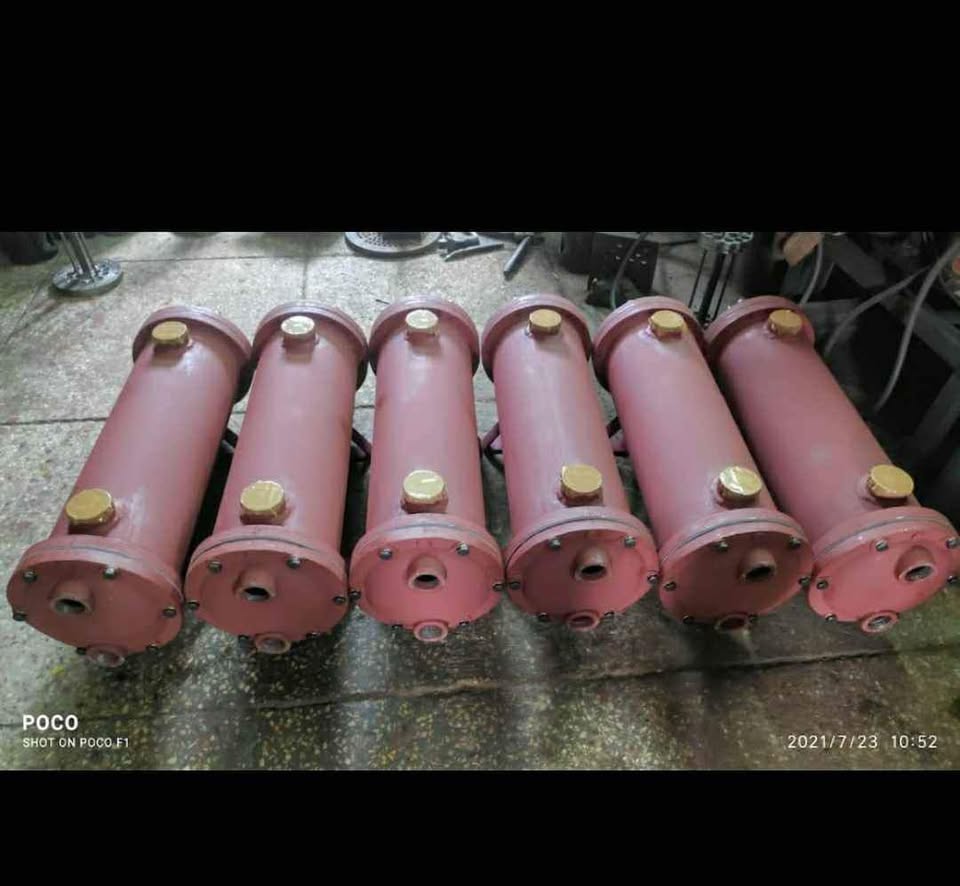
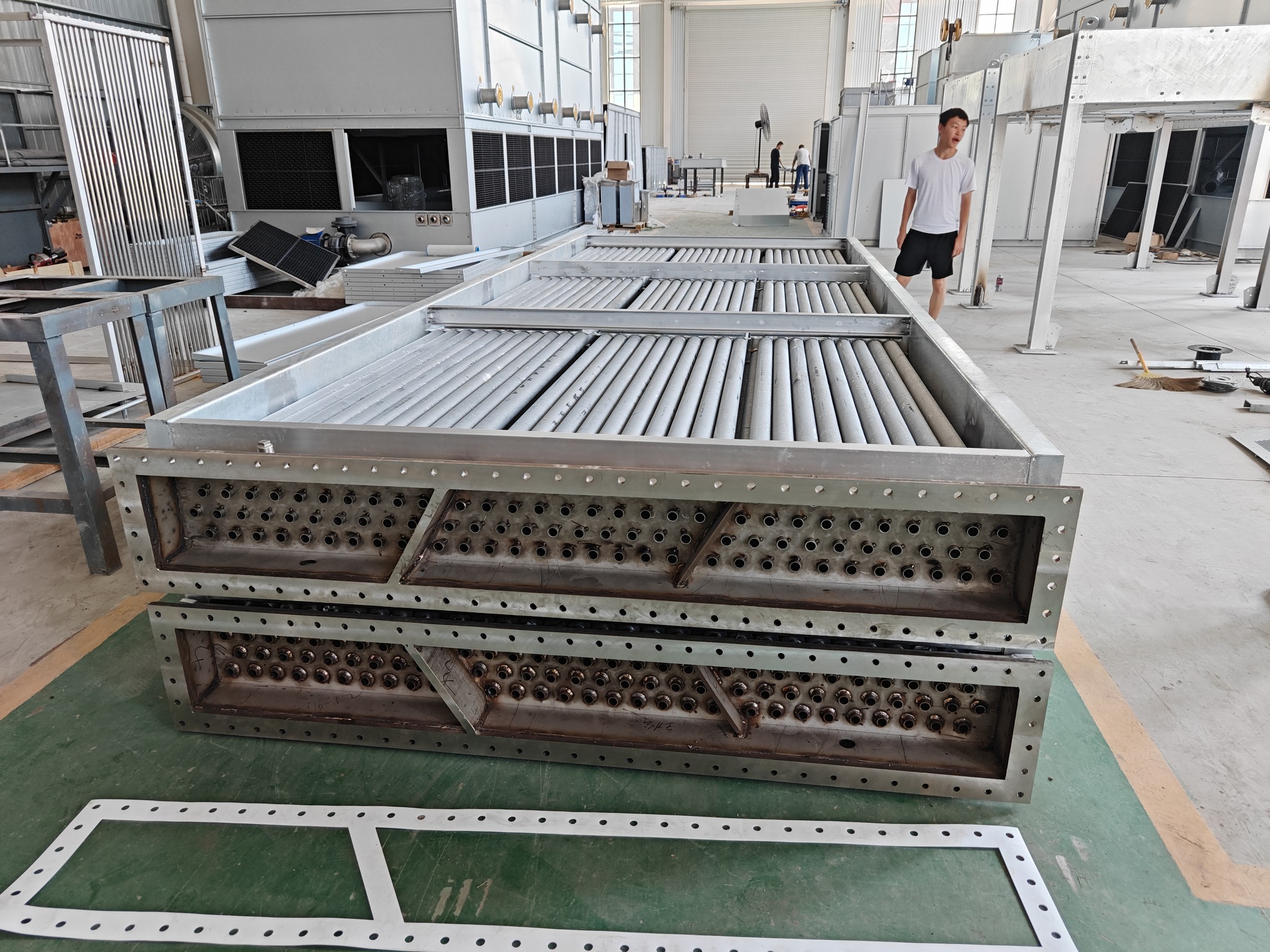
How an Oil Cooler Works (The Basic Principle) The principle is heat exchange. Hot oil flows through the cooler, and its heat is transferred to a cooler medium. There are two main types based on the cooling medium: 1. Air-Cooled Oil Cooler: 2. Water-Cooled Oil Cooler (or Shell-and-Tube): . Key Components of a Typical Aftermarket Oil […]
What is an Oil Cooler? An oil cooler is a heat exchanger designed to remove excess heat from engine oil, transmission fluid, hydraulic oil, or other lubricants in a mechanical system. Its primary purpose is to maintain the oil within its optimal operating temperature range, ensuring proper lubrication, reducing wear, and maximizing the efficiency...
Working Principle of Air-Cooled oil Cooler The core principle is Heat Exchange through Forced Convection. In simple terms, it transfers heat from the hot oil to the cooler ambient air flowing around it. Here’s a step-by-step breakdown of how it works: 1. Hot Oil Inlet The process begins when hot oil, having circulated through the engine...
An oil cooler is a device that functions like a radiator, but for engine oil (or transmission/gear oil). Its sole purpose is to remove excess heat from the oil, keeping it within its optimal temperature range. The Core Problem: Why Does Oil Need Cooling? Engine oil is the lifeblood of an engine. It lubricates, cleans, and helps cool...
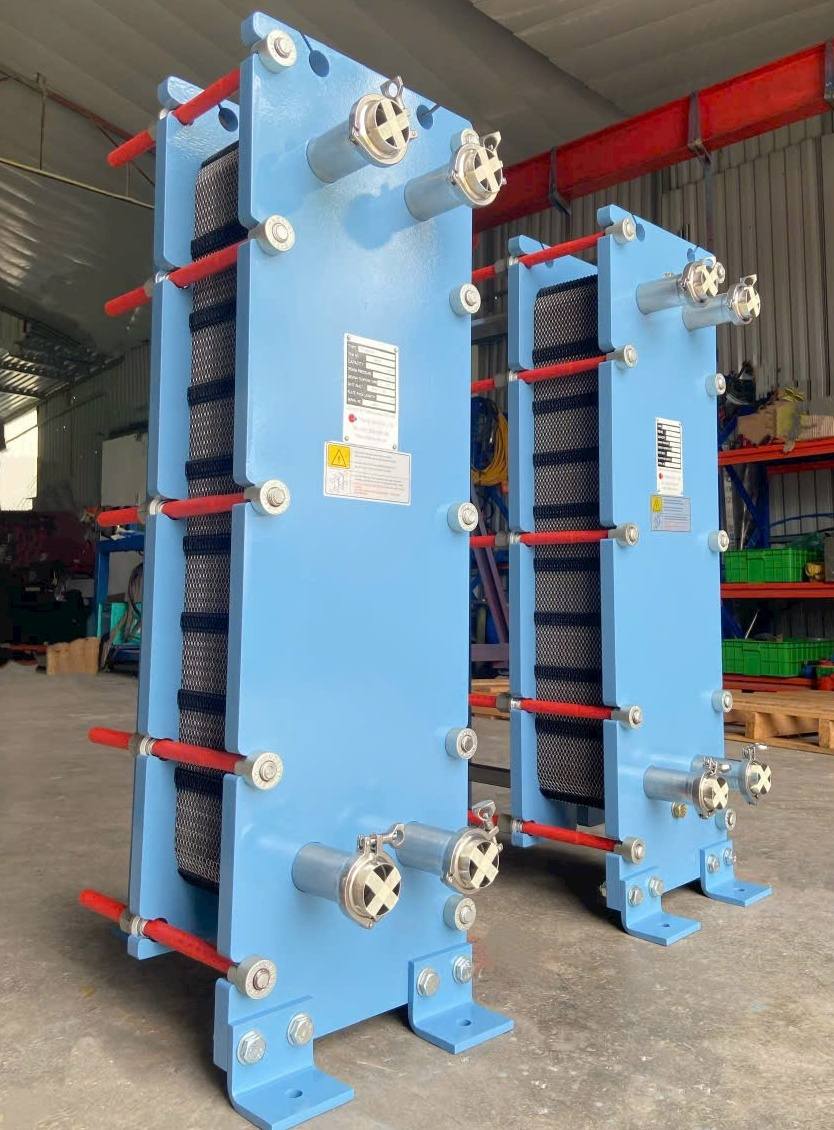
Primary Advantages of Plate Heat Exchangers 1. Superior Heat Transfer Efficiency & High Thermal Performance This is their single biggest advantage. 2. Compact Size and Small Footprint Easy Maintenance and Serviceability (Gasketed Type) This is a key operational advantage. 4. Extreme Flexibility and Scalability...
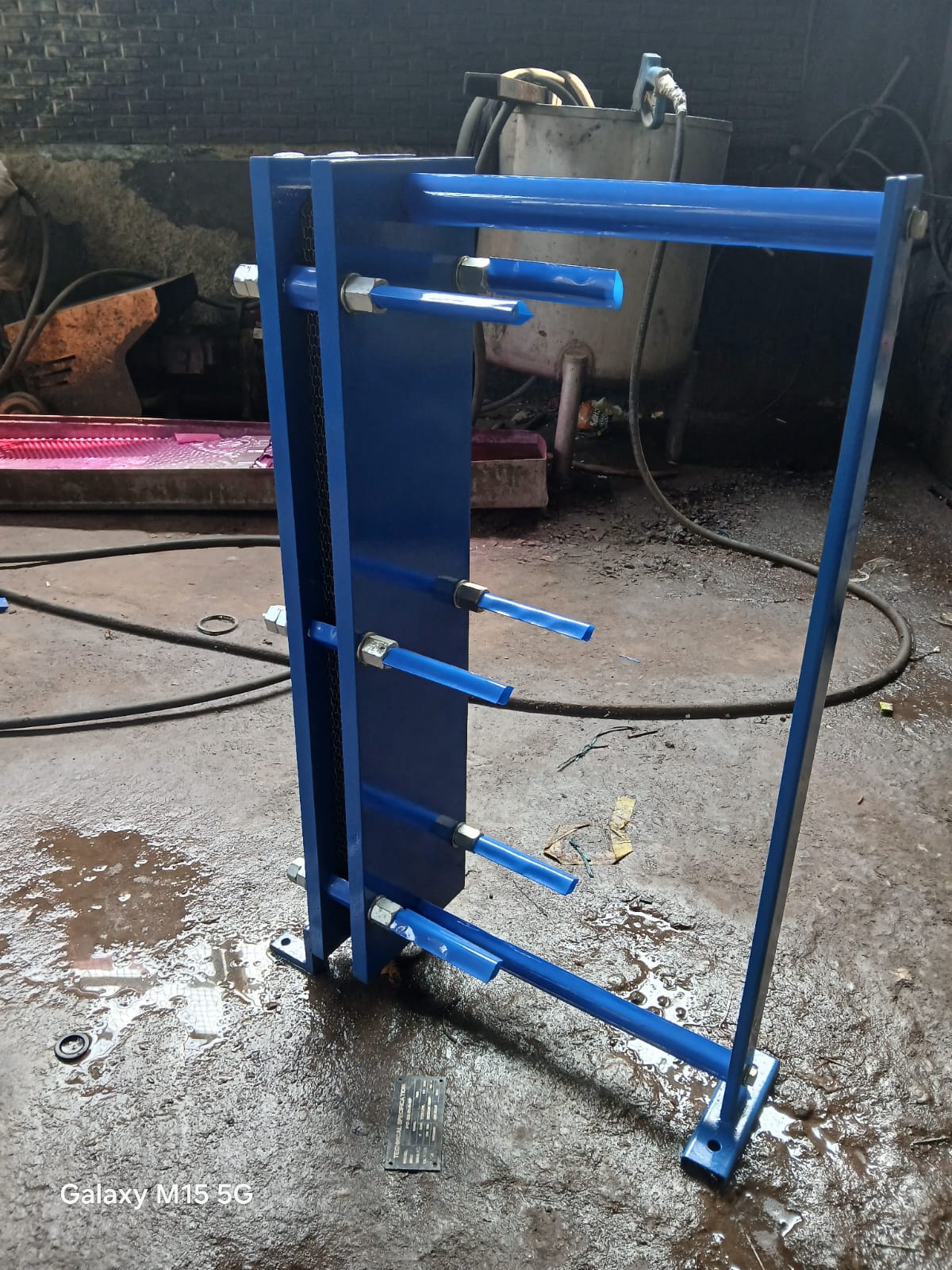
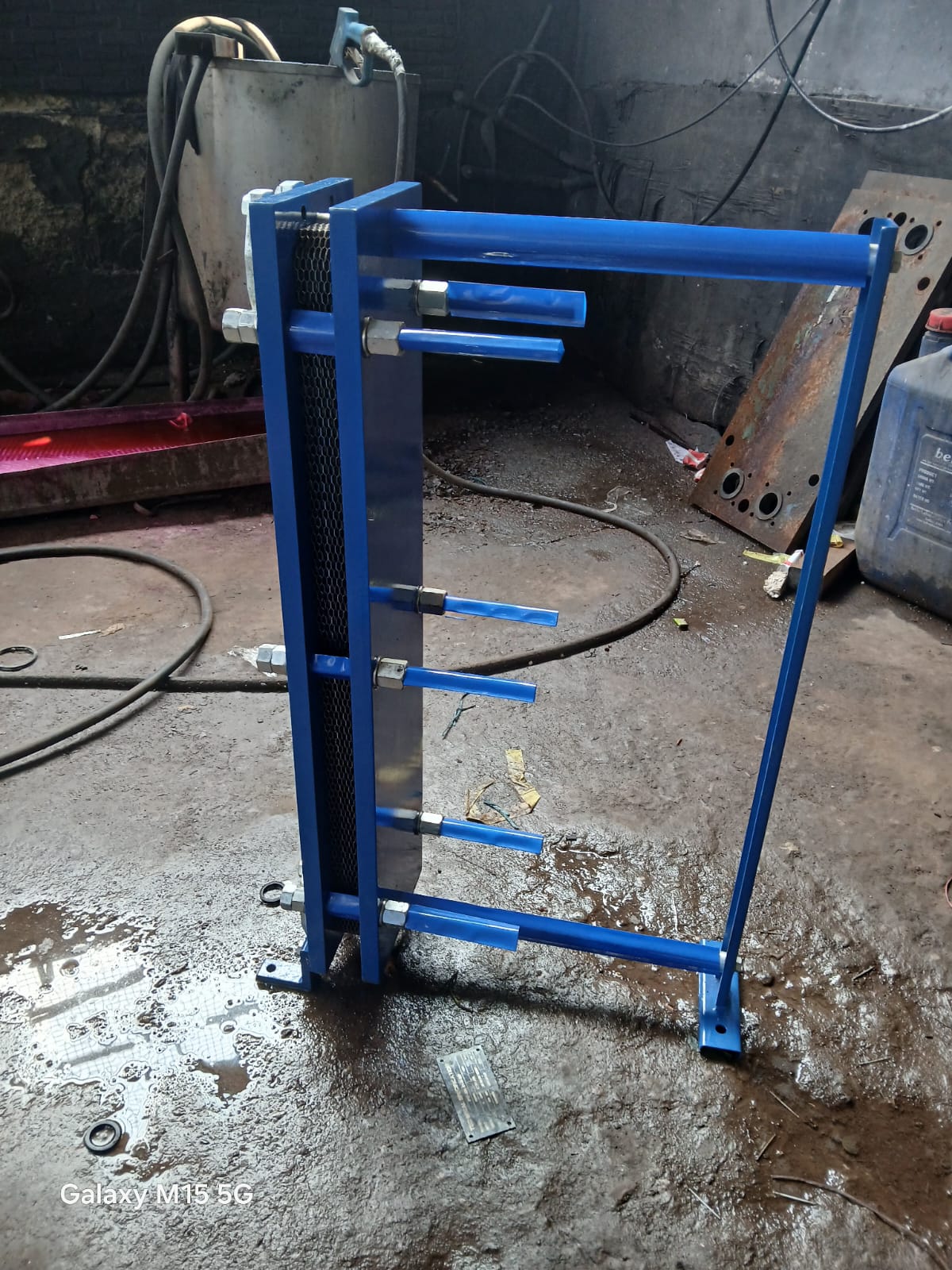
The fundamental principle is indirect heat transfer through conduction. Here’s a step-by-step breakdown: The corrugated or wavy pattern on the plates (often called “herringbone”) is crucial. It serves three main purposes:
What is a Plate Heat Exchanger (PHE)? A Plate Heat Exchanger (PHE) is a compact, efficient type of heat exchanger that uses a series of thin, corrugated metal plates to transfer heat between two fluids. These plates are stacked together, creating alternating channels for the hot and cold fluids to flow through. The design allows for a...
Aluminum Fins vs. Stainless Steel Fins in Air-Cooled Oil Coolers The choice between aluminum and stainless-steel fins depends on factors like heat transfer efficiency, corrosion resistance, weight, cost, and application environment. Below is a detailed comparison: 1. Heat Transfer Efficiency Material Thermal Conductivity...
Purpose of Fins in an Air-Cooled Oil Cooler Fins play a critical role in enhancing the cooling efficiency of air-cooled oil coolers. They are designed to maximize heat dissipation from the oil to the surrounding air. Here’s how they work and why they are essential: 1. Primary Functions of Fins Increase Surface Area for...
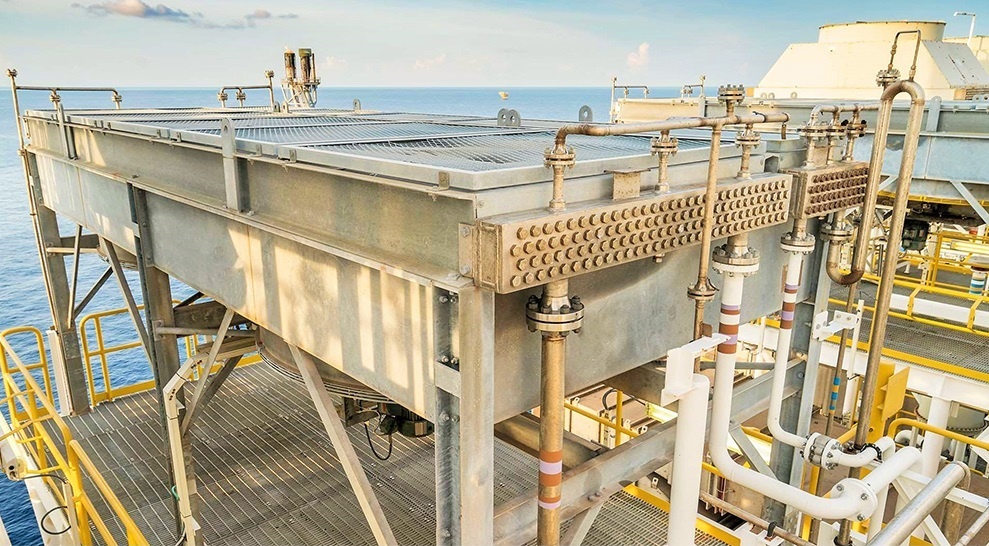
Key Industrial Applications of Air-Cooled oil Cooler 1. Power Generation 2. Heavy Machinery & Construction Equipment 3. Oil & Gas Industry 4. Manufacturing & Processing Plants 5. Marine & Offshore Applications 6. Compressed Air Systems 7. Food & Pharmaceutical Industry Used where water contamination must be avoided (hygienic...
Use of Air-Cooled Oil Coolers in Vehicles Air-cooled oil coolers are essential in vehicles to maintain optimal oil temperatures, prevent overheating, and extend engine/transmission life. They are widely used in: 1. Engine Oil Cooling 2. Transmission Oil Cooling 3. Differential & Gearbox Cooling 4. Power Steering Oil Cooling 5. Turbocharger...
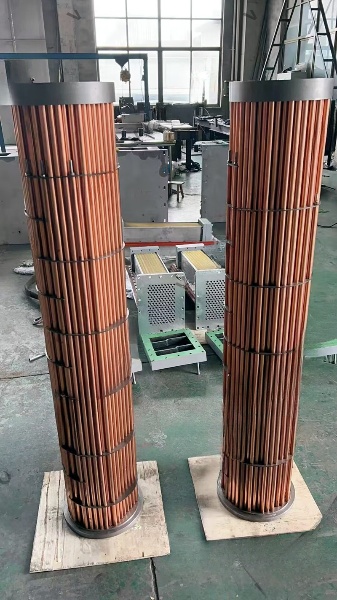
Material of construction of Heat Exchanger Coil in Air Oil Cooler The heat exchanger coil (core) in an air-cooled oil cooler is typically made from materials that offer high thermal conductivity, corrosion resistance, and mechanical strength. The most common materials used are: 1. Aluminum (Most Common) 2. Copper (Less...
Air-cooled oil coolers are widely used in industries where efficient cooling of lubricating oil, hydraulic oil, or other process oils is required without relying on water-based cooling systems. Here are some common industrial applications: 1. Power Generation 2. Heavy Machinery & Construction Equipment 3. Automotive & Transportation 4....
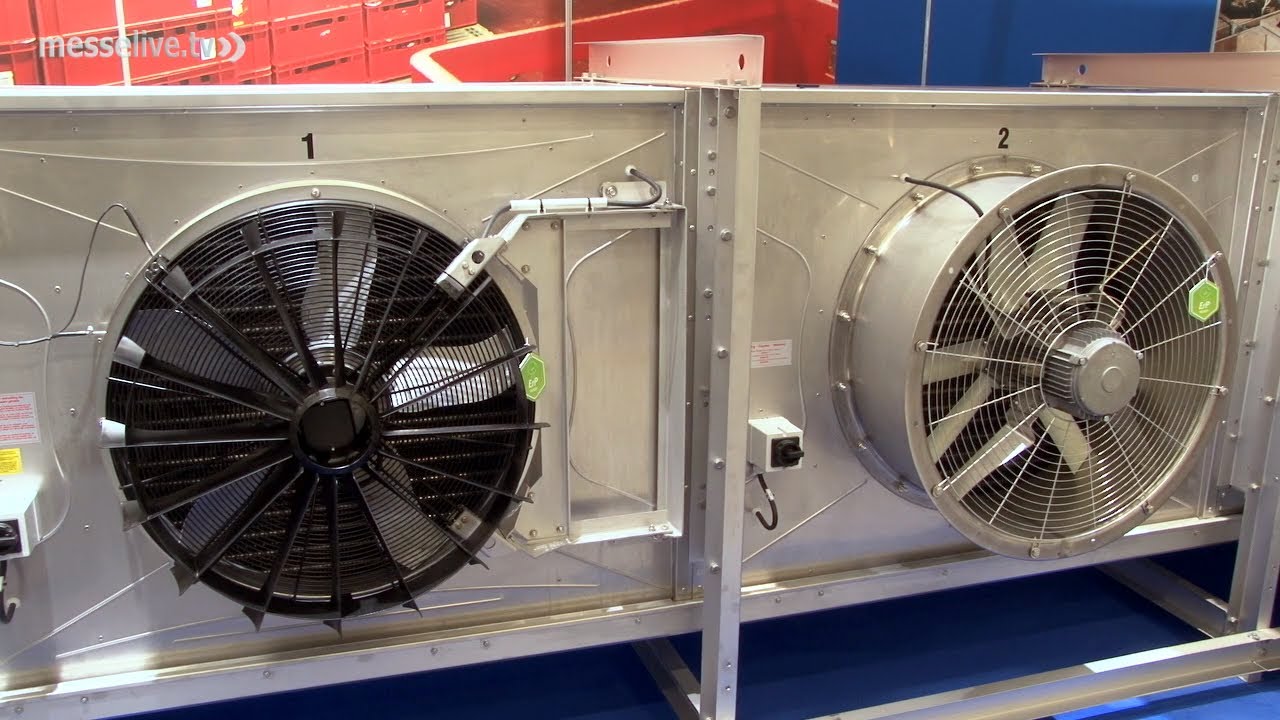
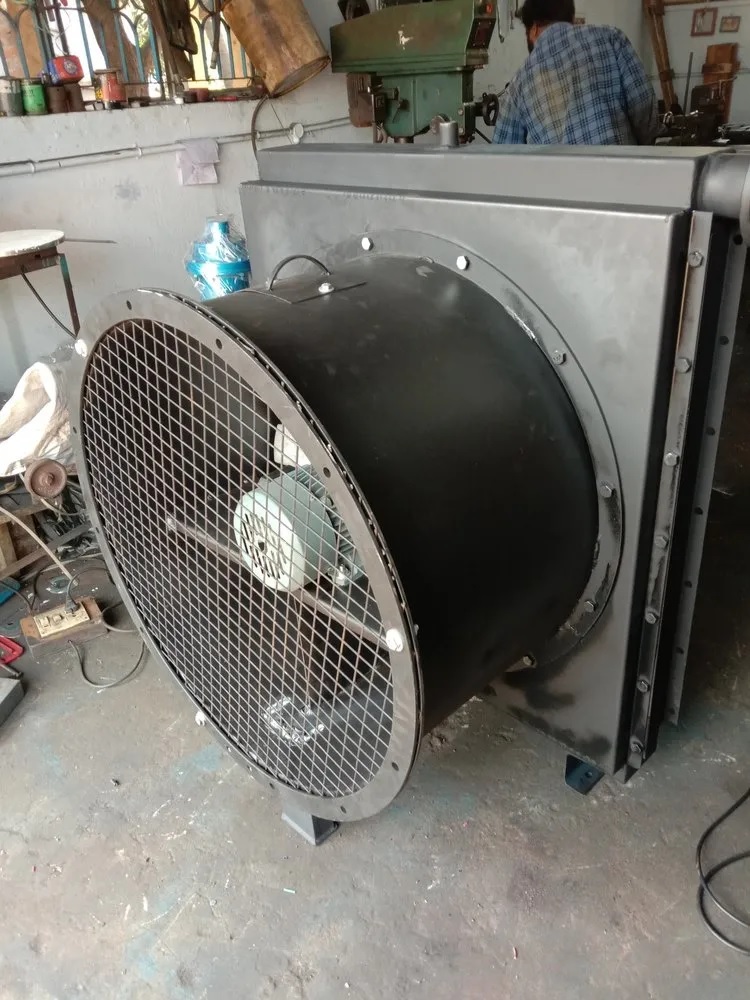
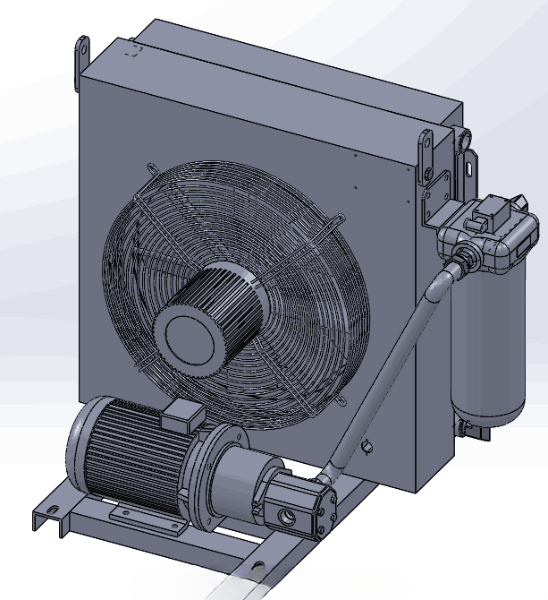
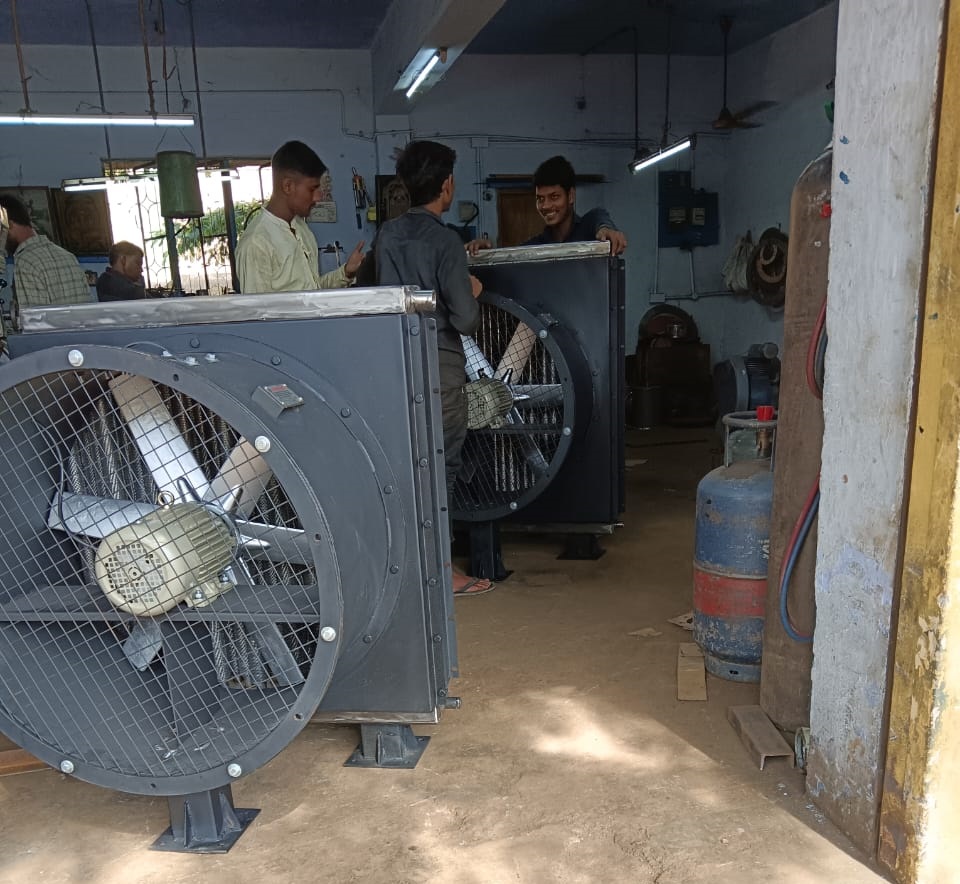
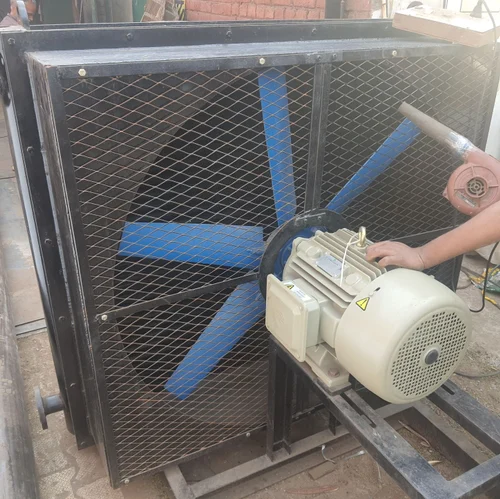
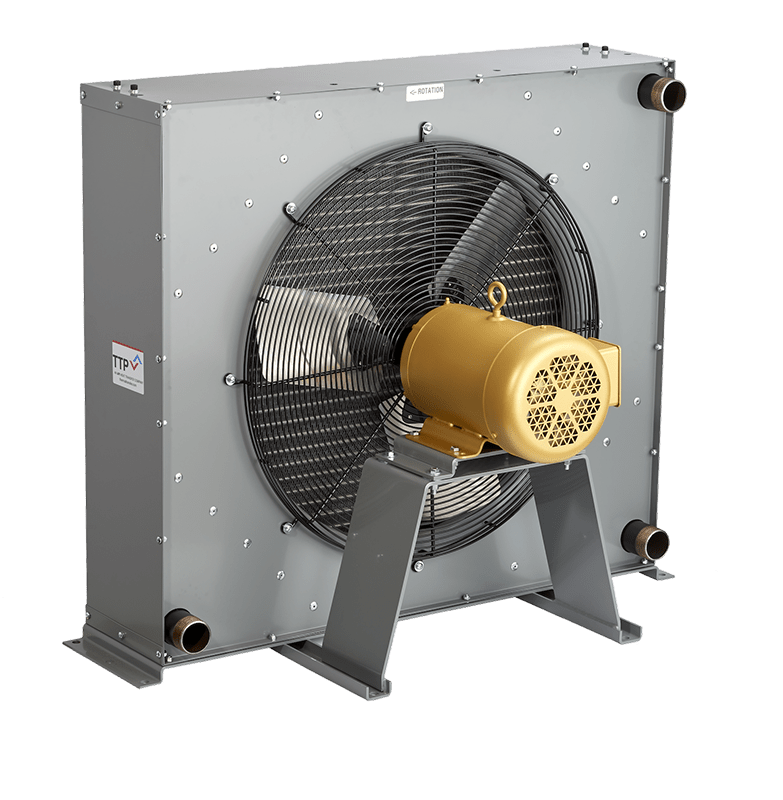
Air Blast Cooler What Is an Air Blast Oil Cooler? It’s a heat exchanger that cools down hot oil by blasting ambient air (using a fan or blower) across a fin-and-tube radiator, where the oil flows inside the tubes. How It Works: Components: Thermostatic control (optional): To regulate fan operation based on oil temperature
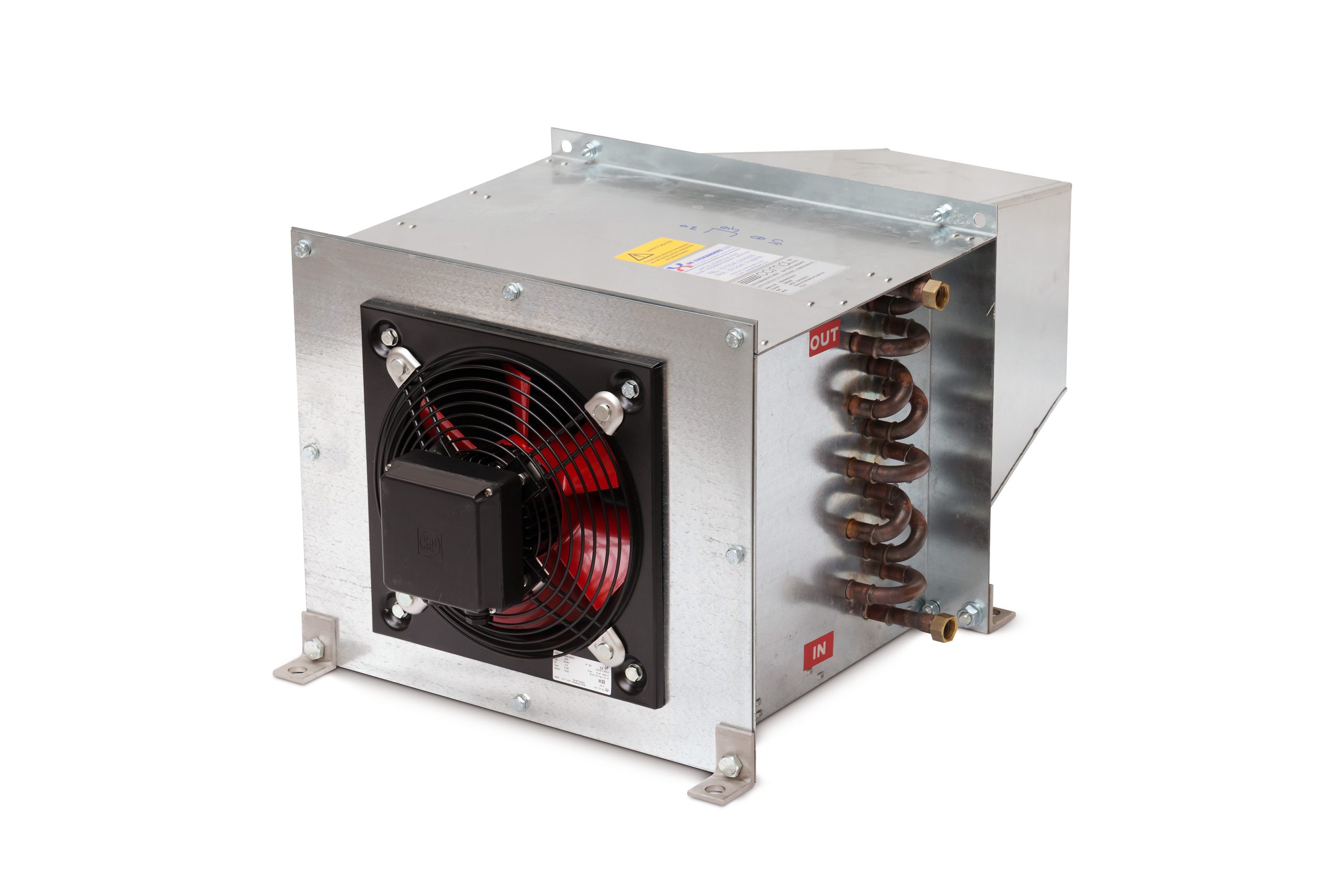
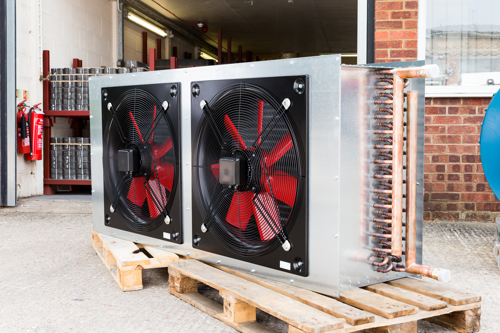
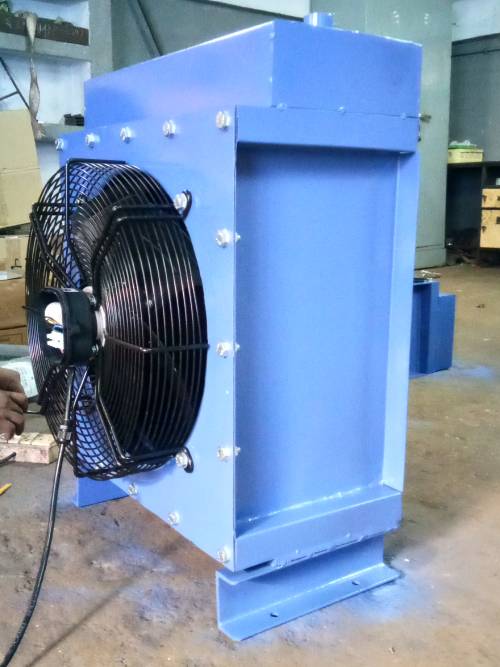
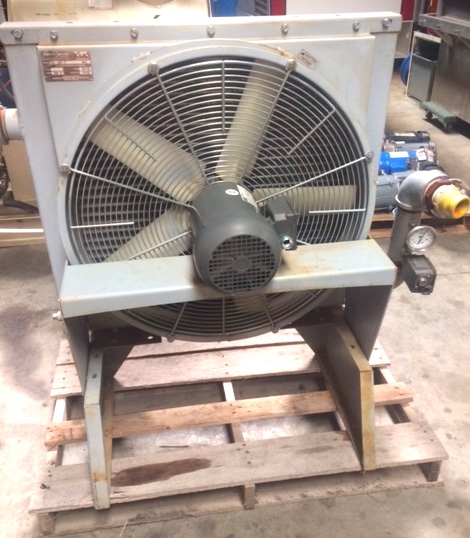
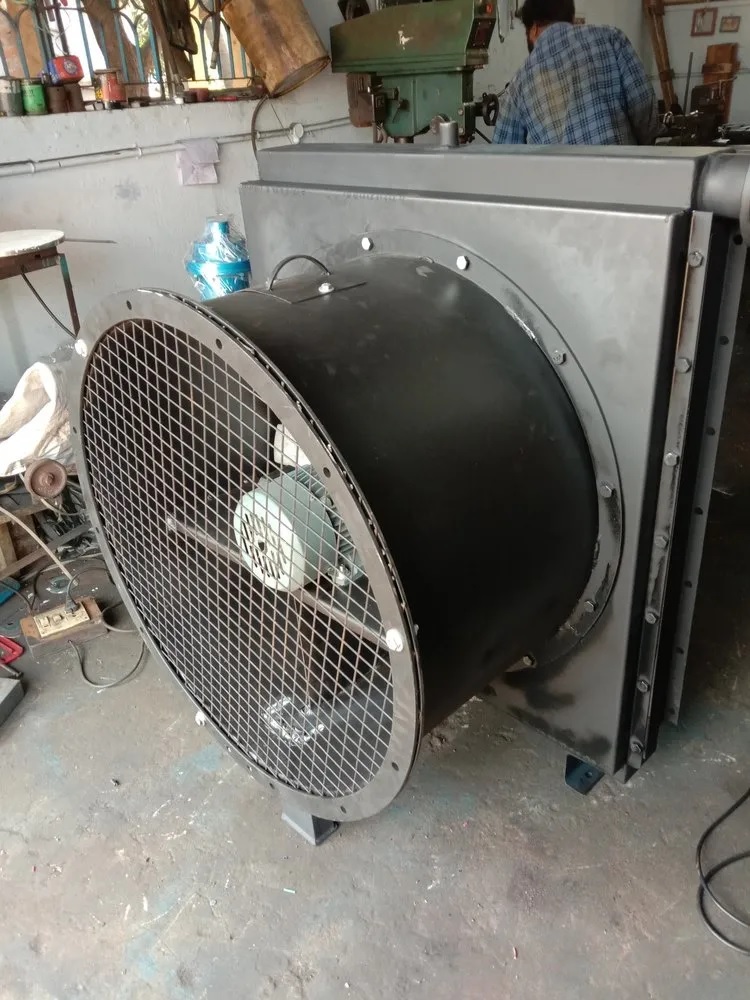
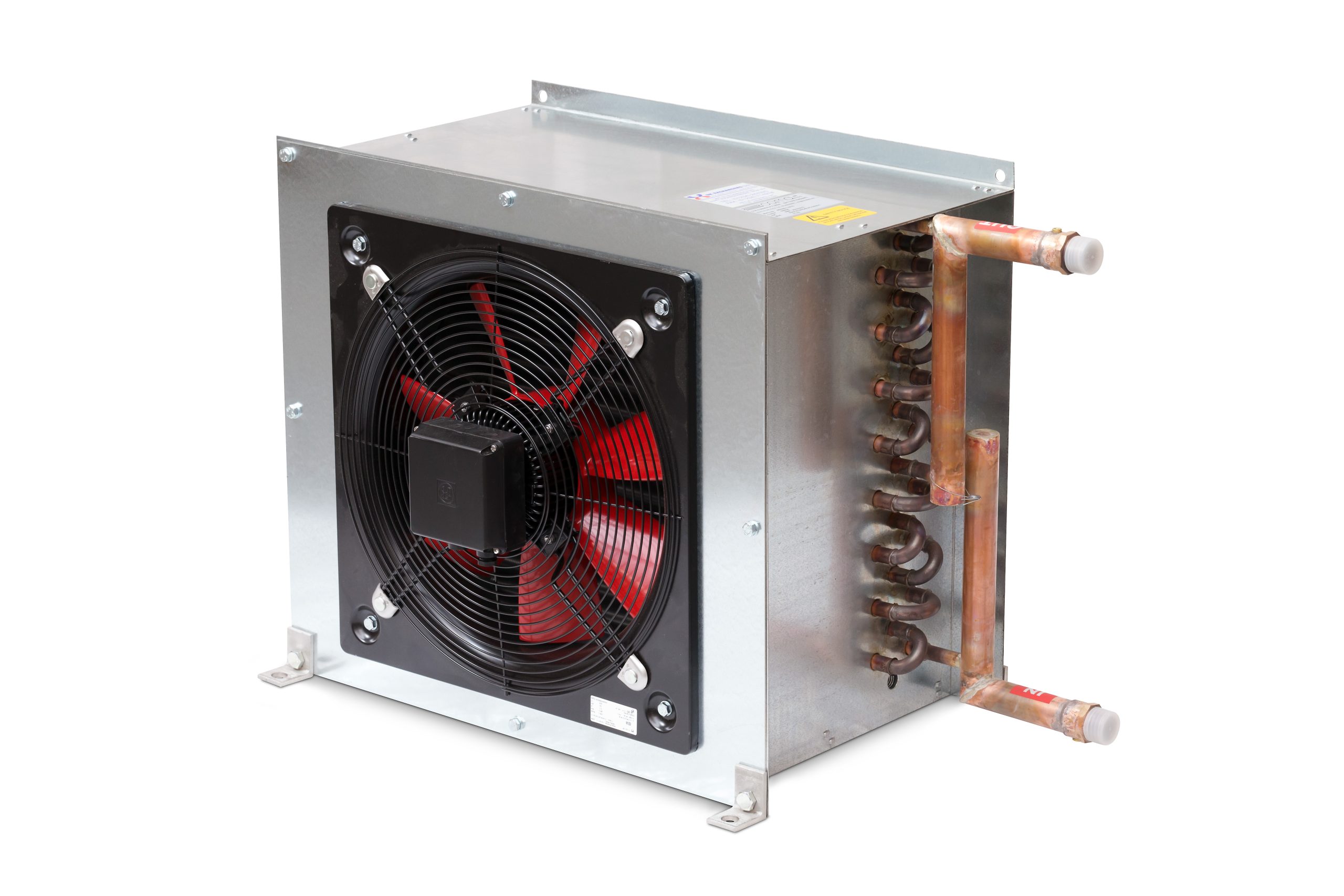
Air-Cooled Oil Cooler An air-cooled oil cooler is a type of heat exchanger that uses air to reduce the temperature of oil in machinery, engines, or hydraulic systems. Here’s a breakdown of what that means: Purpose: Its main job is to remove excess heat from oil, which is essential for keeping equipment running efficiently and...
A heat exchanger can be defined as any device that transfers heat from one fluid to another or from or to a fluid and the environment. They are specifically designed for the efficient transfer of heat from one fluid to another fluid over a solid surface They have the function to transfer heat as efficiently […]
Limitations of Air-Cooled Oil Coolers While air-cooled oil coolers are cost-effective and simple, they have several limitations that make them unsuitable for certain applications. Below are the key drawbacks: Limited Cooling Efficiency in High Temperatures Impact: Risk of oil overheating in high-load or high-temperature conditions....
Performance of Air-Cooled Oil Coolers: With Fins vs. Without Fins The presence of fins dramatically impacts the cooling efficiency, size, and overall performance of an air-cooled oil cooler. Below is a detailed comparison: 1. Heat Transfer Efficiency Factor With Fins Without Fins Surface Area High (5-10x more than bare tubes)....
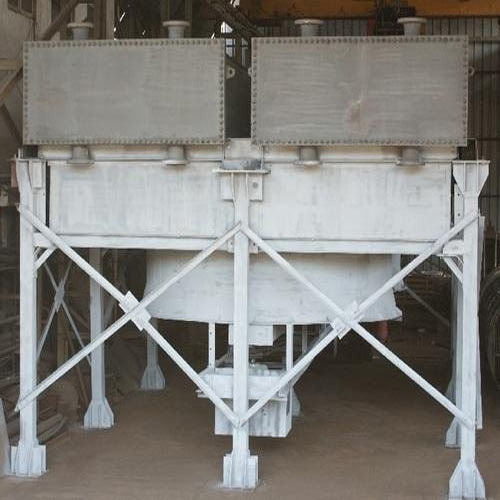
Induced Draft Oil Cooler vs. Forced Draft Oil Cooler Air-cooled oil coolers rely on airflow to dissipate heat, and the method of air movement defines their efficiency. The two main types are Induced Draft and Forced Draft coolers. Below is a detailed comparison: 1. Airflow Mechanism Feature Induced Draft Oil Cooler Forced Draft...
Types of Air-Cooled Oil Coolers Air-cooled oil coolers come in different designs, each suited for specific applications based on cooling efficiency, space constraints, airflow conditions, and industry requirements. Below are the main types: 1. Tube & Fin Oil Coolers (Most Common Type) . Plate & Fin Oil Coolers (Compact &...
Purpose of Fins in an Air-Cooled Oil Cooler Fins play a critical role in enhancing the cooling efficiency of air-cooled oil coolers. They are designed to maximize heat dissipation from the oil to the surrounding air. Here’s how they work and why they are essential: 1. Primary Functions of Fins Increase Surface Area for...
Air-cooled oil coolers are widely used in industrial applications where efficient cooling of lubricating oils, hydraulic oils, or process fluids is required without relying on water-based cooling systems. Their robust design, low maintenance, and reliability make them ideal for harsh environments.
Material of construction of Heat Exchanger Coil in Air Oil Cooler The heat exchanger coil (core) in an air-cooled oil cooler is typically made from materials that offer high thermal conductivity, corrosion resistance, and mechanical strength. The most common materials used are: 1. Aluminum (Most Common) 2. Copper (Less...
An Air Blast Oil Cooler is a specific type of air-cooled oil cooler that uses a powerful fan (blast of air) to force air over the cooler’s surface, significantly improving the cooling performance. What Is an Air Blast Oil Cooler? It’s a heat exchanger that cools down hot oil by blasting ambient air (using a […]
It’s a heat exchanger that cools down hot oil by blasting ambient air (using a fan or blower) across a fin-and-tube radiator, where the oil flows inside the tubes. How It Works: Components: Thermostatic control (optional): To regulate fan operation based on oil temperature
Air-Cooled Oil Cooler An air-cooled oil cooler is a type of heat exchanger that uses air to reduce the temperature of oil in machinery, engines, or hydraulic systems. Here’s a breakdown of what that means: Purpose: Its main job is to remove excess heat from oil, which is essential for keeping equipment running efficiently and […]
Applications of Lube Oil Cooler A lube oil cooler is a vital component used in various mechanical systems to maintain the optimal temperature and viscosity of lubricating oil. It’s essential for the protection, performance, and longevity of machines with moving parts. Here are the main applications of lube oil coolers: 1. Internal...
Benefits of using Lube Oil Cooler in Gearboxes? Using a lube oil cooler in gearboxes provides several key benefits, especially in high-power, high-load, or continuous-operation systems. Gearboxes generate significant heat during operation due to friction between gears, and cooling the lubricating oil is crucial to maintain system reliability and...
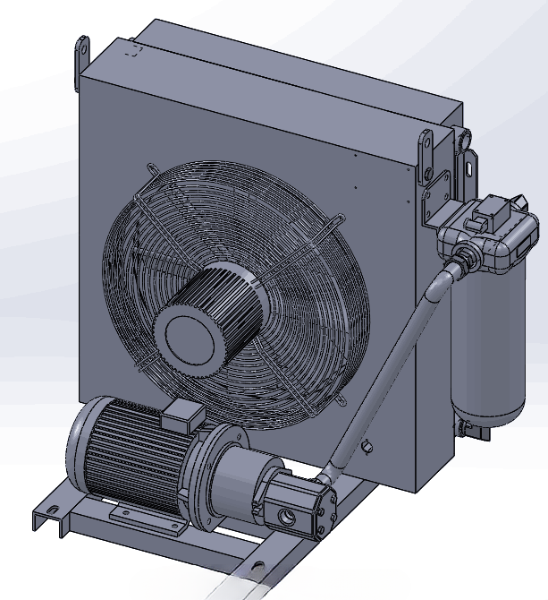
An air-cooled oil cooler is a heat exchanger designed to reduce the temperature of oil (engine oil, hydraulic oil, or transmission oil) using ambient air as the cooling medium. It is commonly used in automotive, industrial, and aerospace applications where liquid cooling is impractical. Working Principle: Key Components: Advantages: ◉...
Air-Cooled Oil Cooler: Definition & Working Principle An air-cooled oil cooler is a heat exchanger that uses ambient air (instead of water) to cool hot oil in engines, hydraulic systems, and industrial machinery. It relies on finned tubes or plate-fin designs to maximize heat dissipation into the air. How...
Shell and Tube Oil Coolers and Plate-Type Oil Coolers to help you choose the right one for your application: 1. Design & Construction Feature Shell and Tube Oil Cooler Plate-Type Oil Cooler Structure Cylindrical shell with tubes inside. Stacked corrugated plates with gaskets/brazing. Material Heavy-duty metals (steel, copper,...
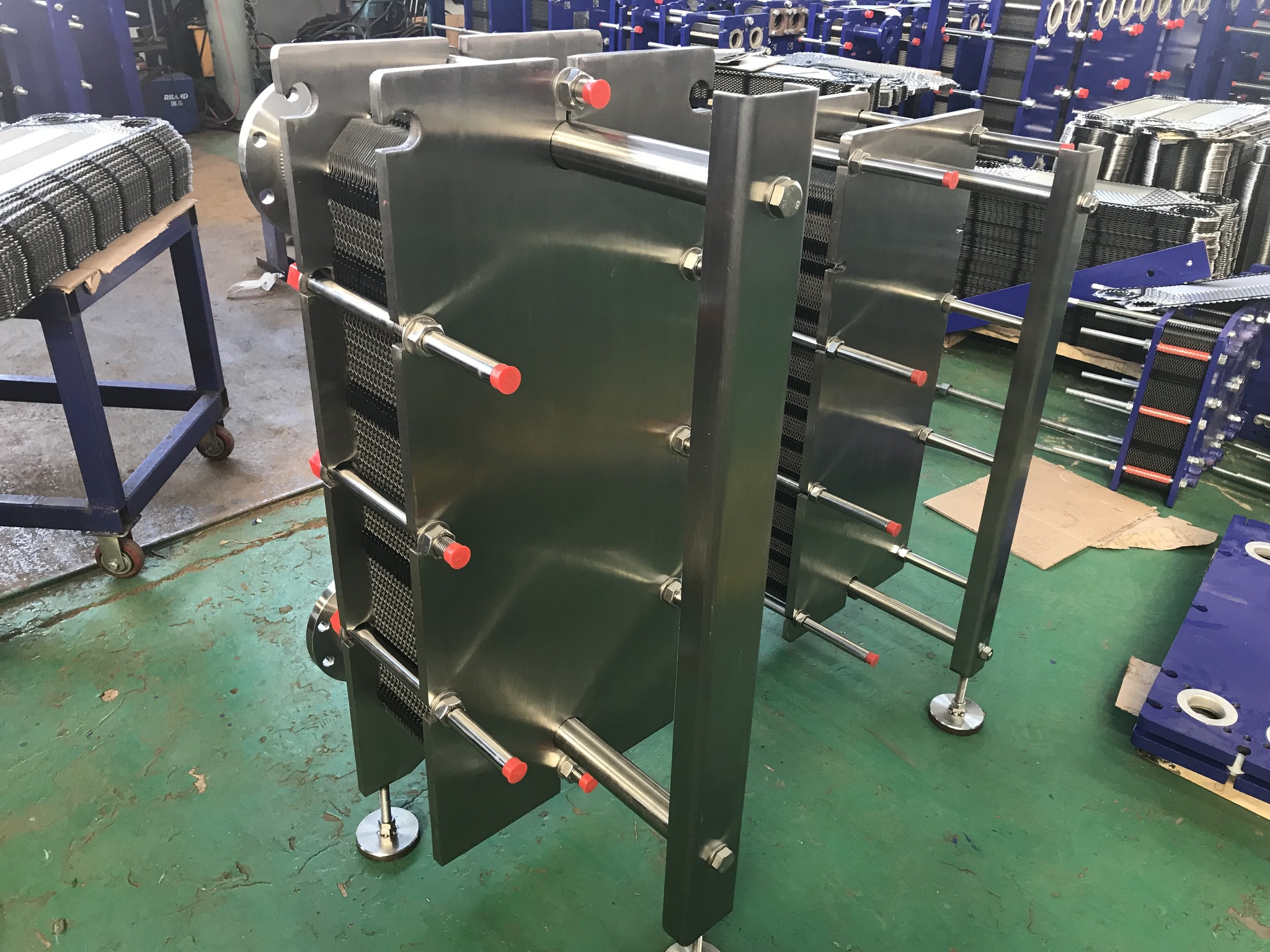
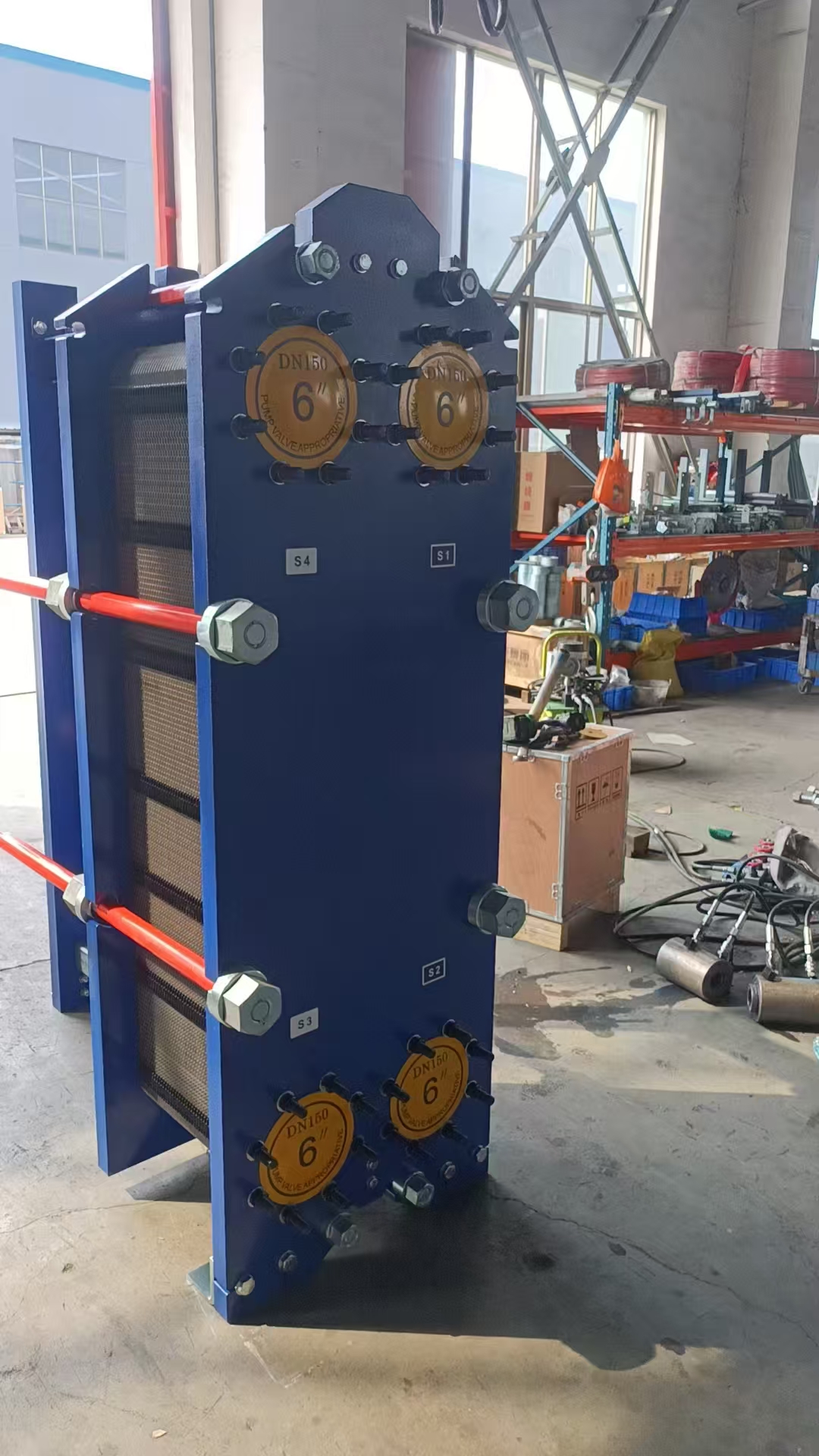
A plate-type oil cooler is a compact, high-efficiency heat exchanger that cools oil (hydraulic, lubricating, or industrial oil) using water or coolant. It consists of multiple thin, corrugated metal plates stacked together, providing a large surface area for heat transfer. Working Principle Key Components Component Function Heat...
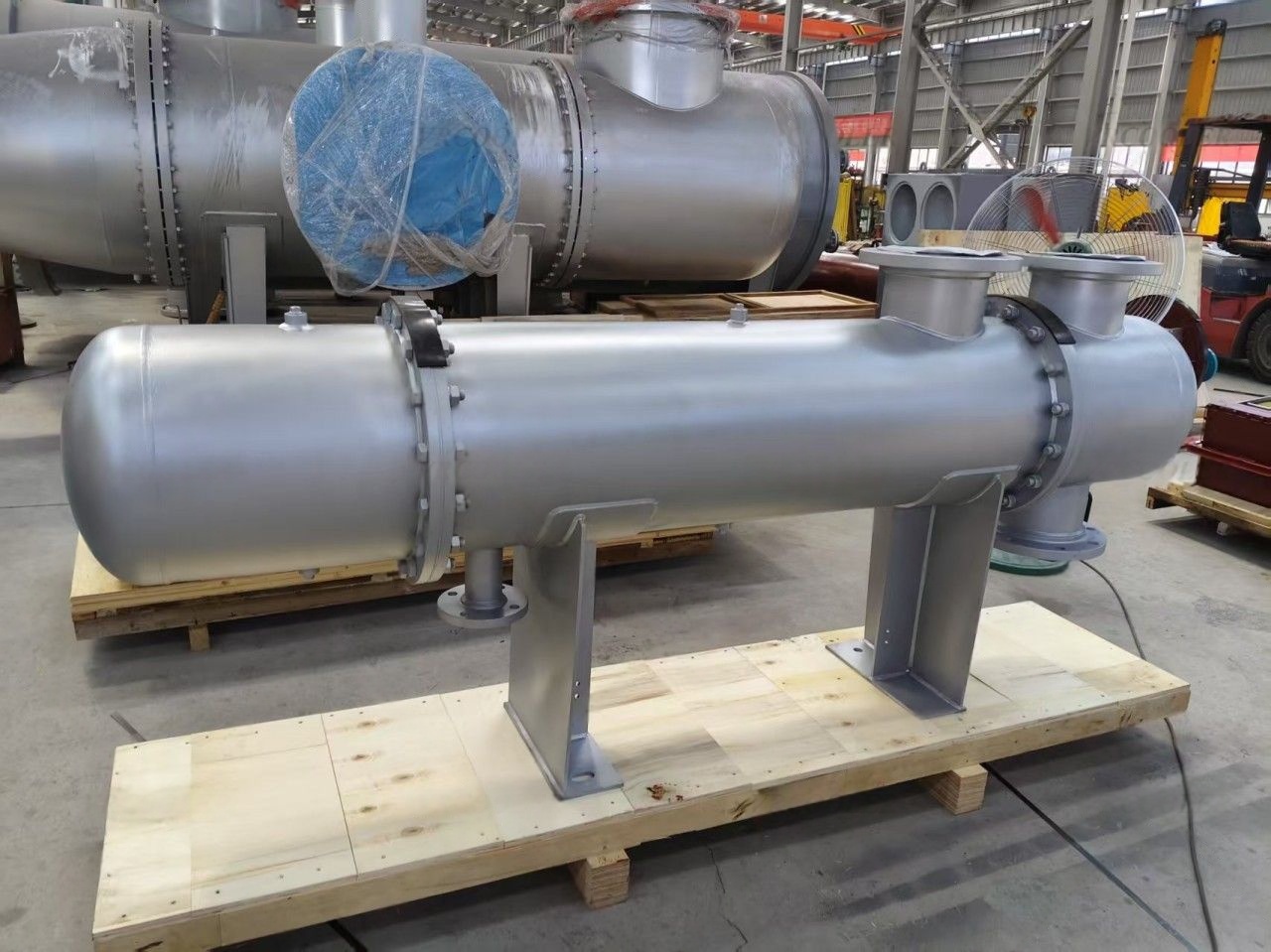
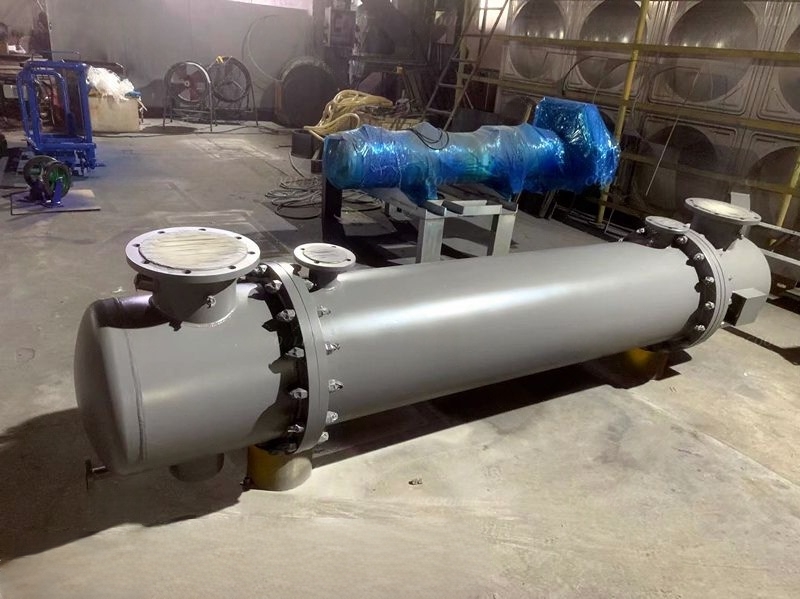
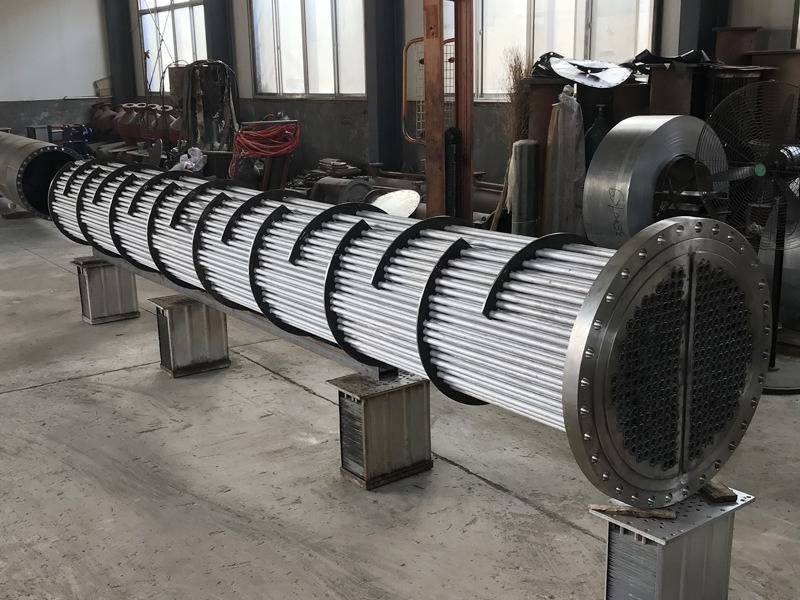
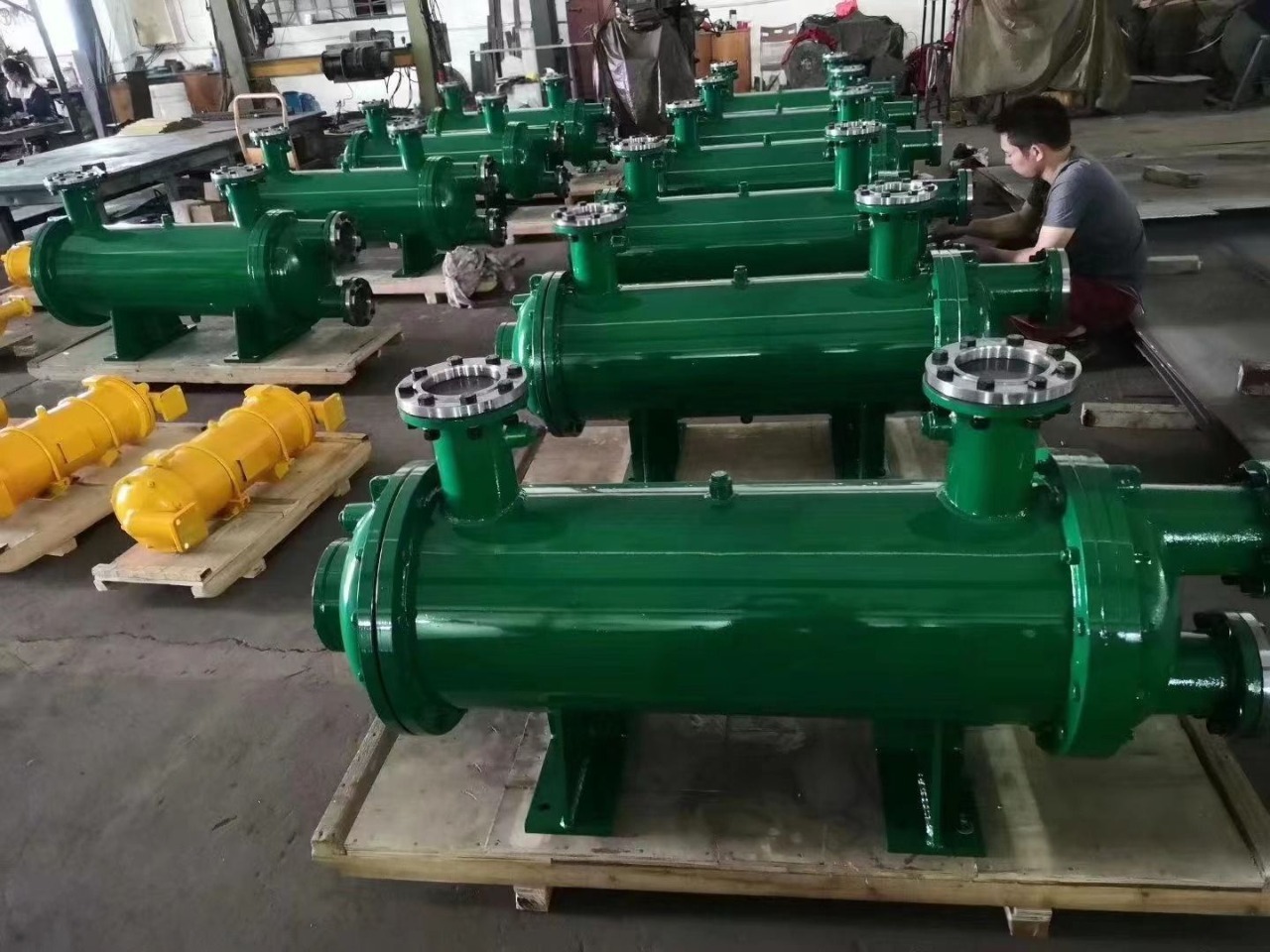
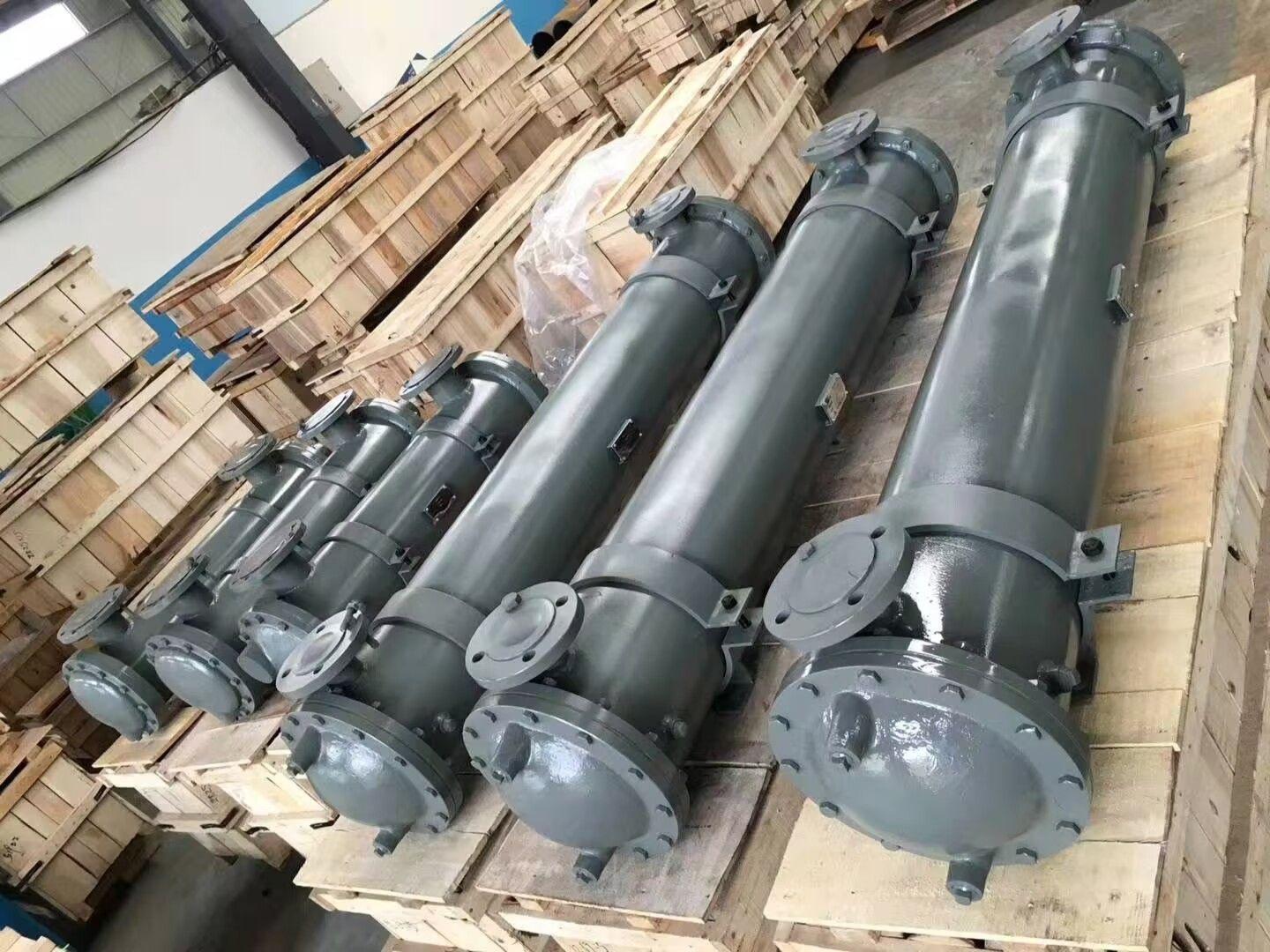
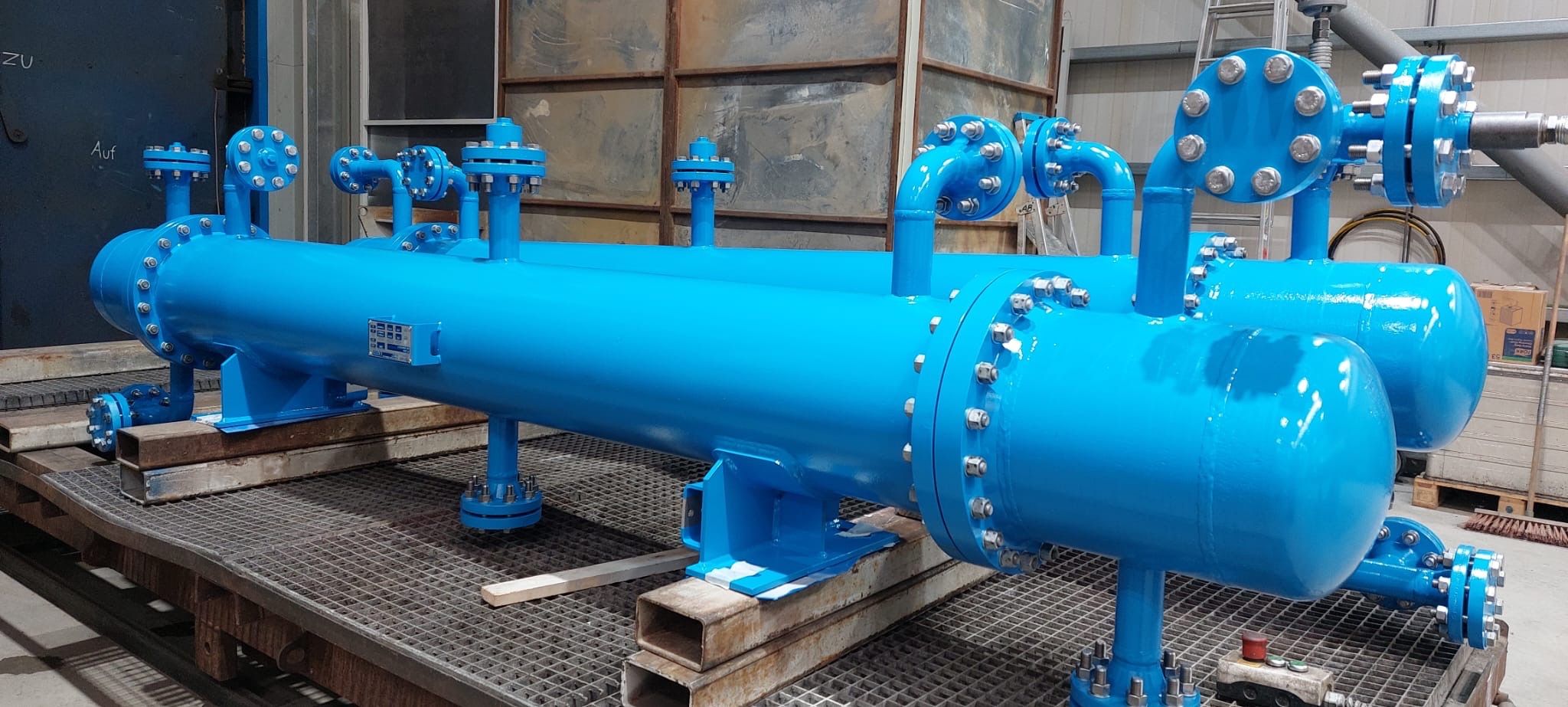
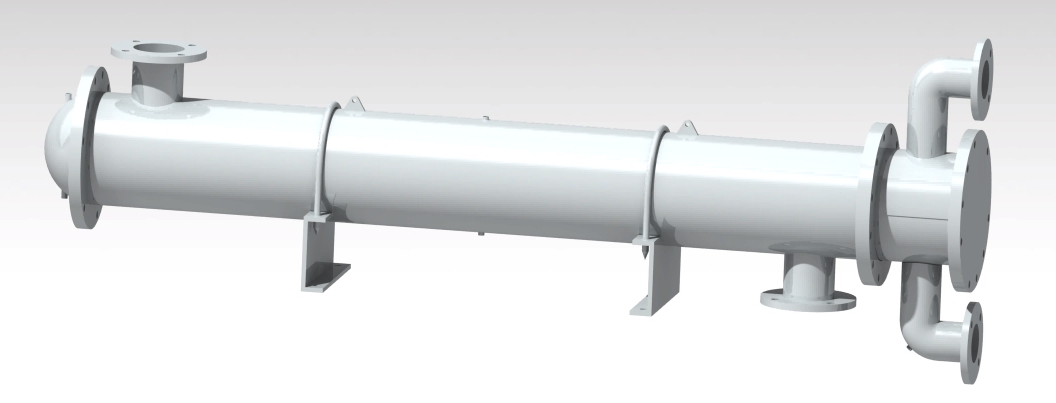
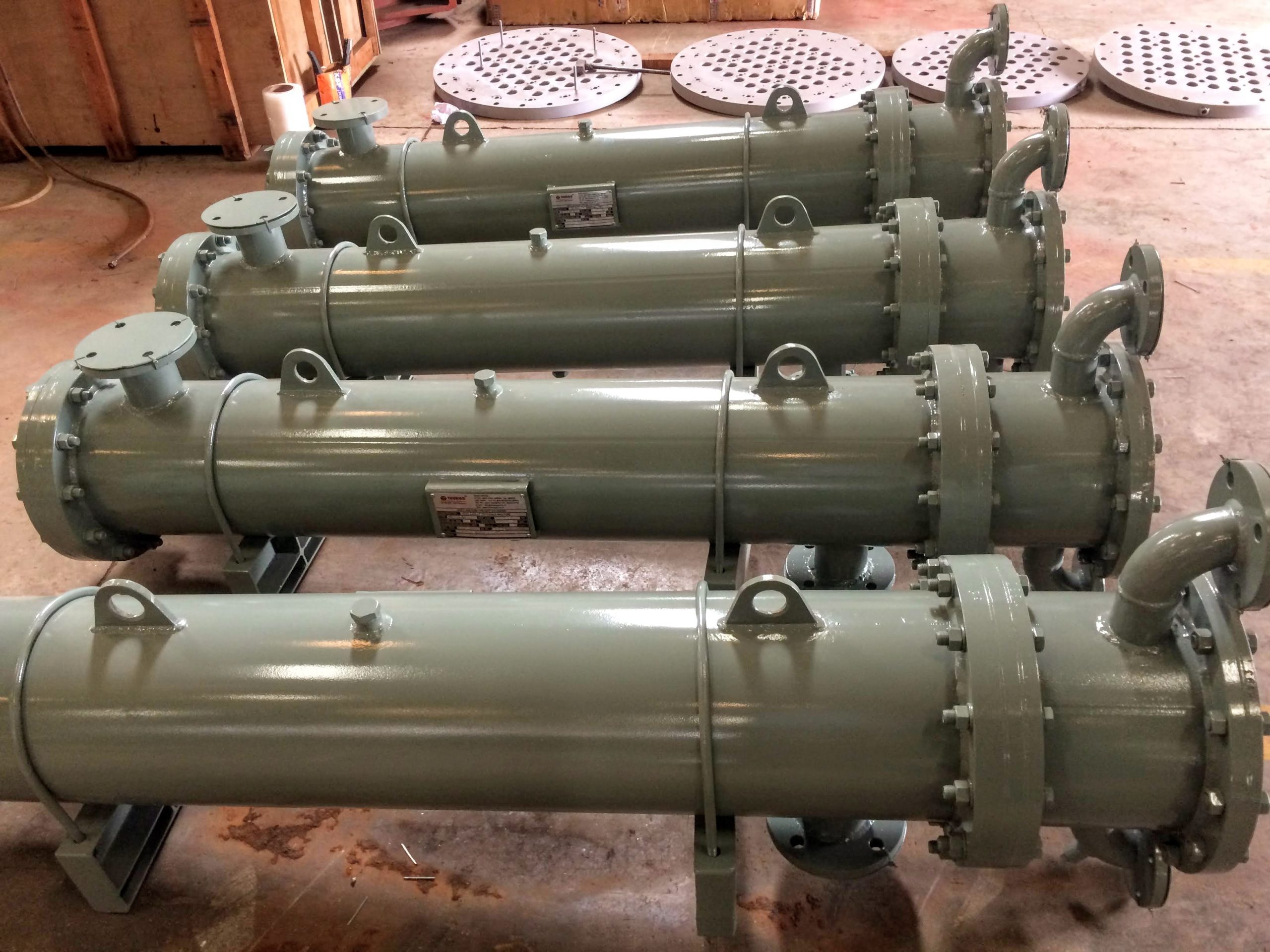
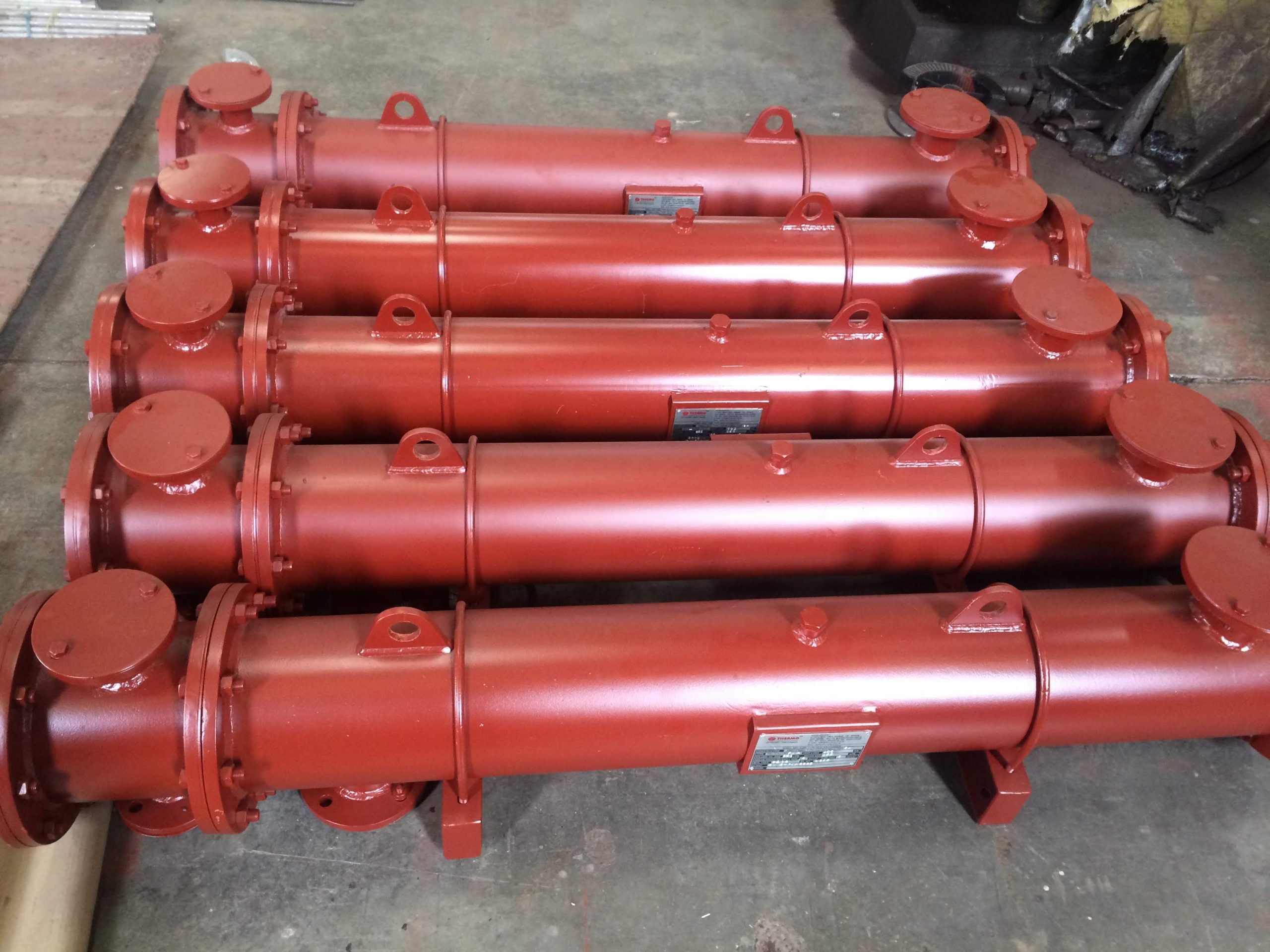
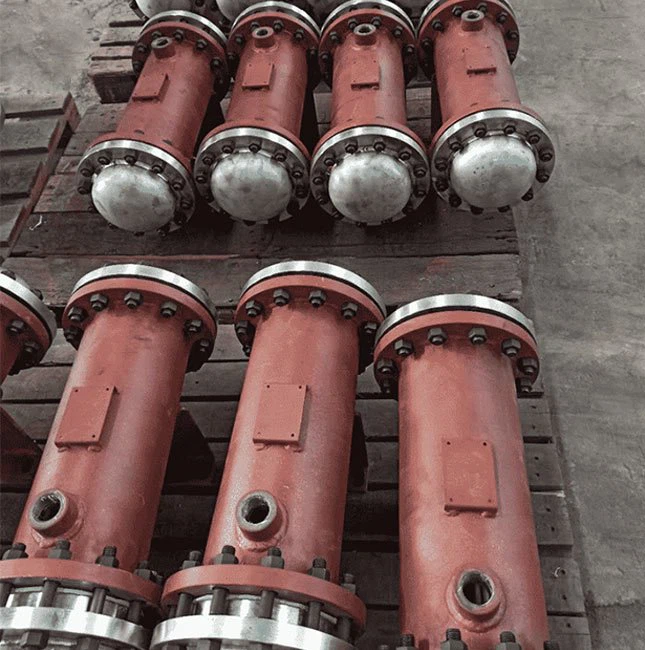
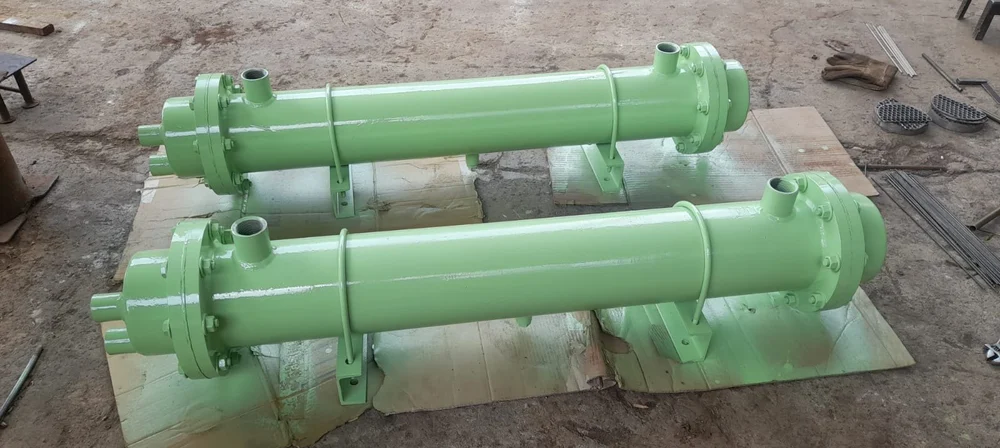
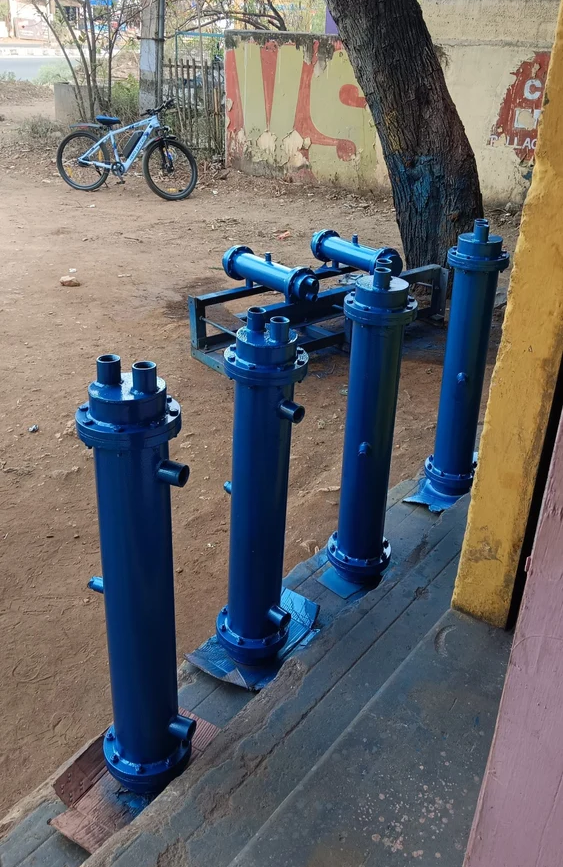
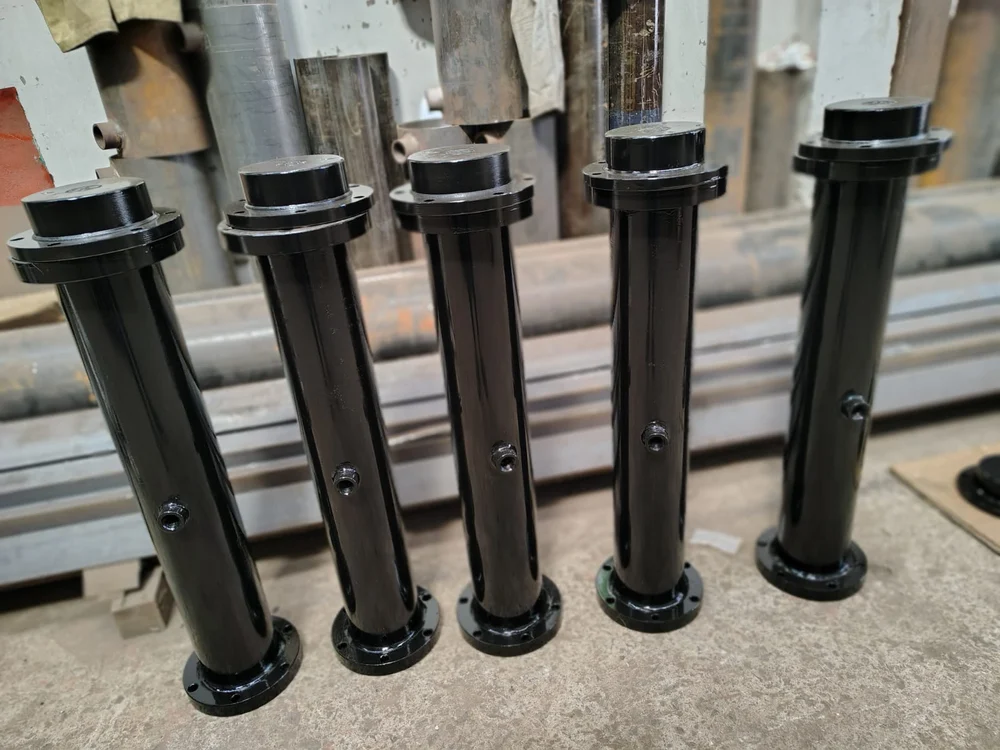
Shell and Tube Oil Cooler – Detailed Overview A shell and tube oil cooler is a robust and widely used heat exchanger designed to cool oil (hydraulic oil, lubricating oil, or industrial process oil) using water as the coolant. It is highly efficient for high-pressure and high-temperature applications. Working Principle Key Components...
Water-cooled oil coolers come in different designs, each suited for specific applications based on efficiency, space constraints, pressure requirements, and maintenance needs. Here are the main types: 1. Shell and Tube Oil Cooler 2. Plate-Type Oil Cooler
The water-cooled oil cooler is a heat exchanger designed to cool hot oil using water as the cooling medium. Its working principle is based on heat transfer from the hot oil to the cooler water through a conductive barrier (typically metal tubes or plates). Here’s a step-by-step breakdown: Working Principle: The oil and water...
Oil coolers come in various types depending on their design, cooling method, and application. Here’s a breakdown of the main types of oil coolers: ◉ Types of Oil Coolers 1. Air-Cooled Oil Cooler ◉ Example: Oil cooler mounted in front of a car radiator or on the side of a motorcycle engine. 2. Water-Cooled (Liquid-Cooled) […]
An oil cooler is a mechanical device used to cool down engine oil or hydraulic oil. It acts like a small radiator and helps maintain the oil at an optimal temperature, especially in engines, transmissions, or hydraulic systems that generate a lot of heat. ◉ Purpose of an Oil Cooler: 🛠️ Where Oil Coolers Are […]
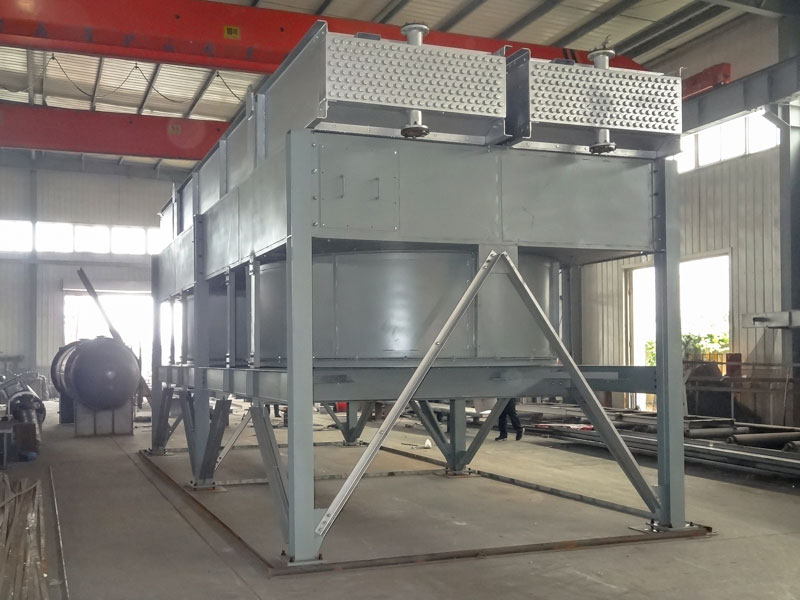
Air cooled heat exchanger vs water cooled heat exchanger? This is a fundamental comparison in engineering. The choice between an Air-Cooled Heat Exchanger (ACHE) and a Water-Cooled Heat Exchanger (WCHE) is a critical design decision with significant implications for cost, operation, and the environment. Here is a detailed, point-by-point...
Major Application of Air-cooled Heat Exchanger? Air-Cooled Heat Exchangers (ACHEs) are workhorse components in many industries where reliable, water-conserving, and safe heat rejection is required. Their major applications are driven by a few key advantages: they eliminate water consumption, minimize maintenance related to water-side fouling and...
When to Choose Air cooled heat exchanger for Specific Application? Deciding when to choose an Air-Cooled Heat Exchanger (ACHE) over a water-cooled system (like a shell and tube with a cooling tower) is a fundamental engineering and economic decision. The choice isn’t just about technical feasibility; it involves a careful analysis of...
How to Select the Fin type required for Specific Application in Air Cooled Heat Exchanger? Selecting the correct fin type for a specific application in an Air-Cooled Heat Exchanger (ACHE) is a critical engineering decision that balances thermal performance, mechanical integrity, environmental factors, and cost. It’s not a single-step process...
Fin Type Typical Materials Key Advantage Key Disadvantage Common Application Wrapped (L-Fin) Aluminum on CS Cost-effective, versatile Potential corrosion at fin root General purpose, oil & gas Embedded (G-Fin) Aluminum on CS Excellent bond, reliable More expensive than L-fin High-vibration, reliable service Extruded (Integral) Copper, Aluminum...