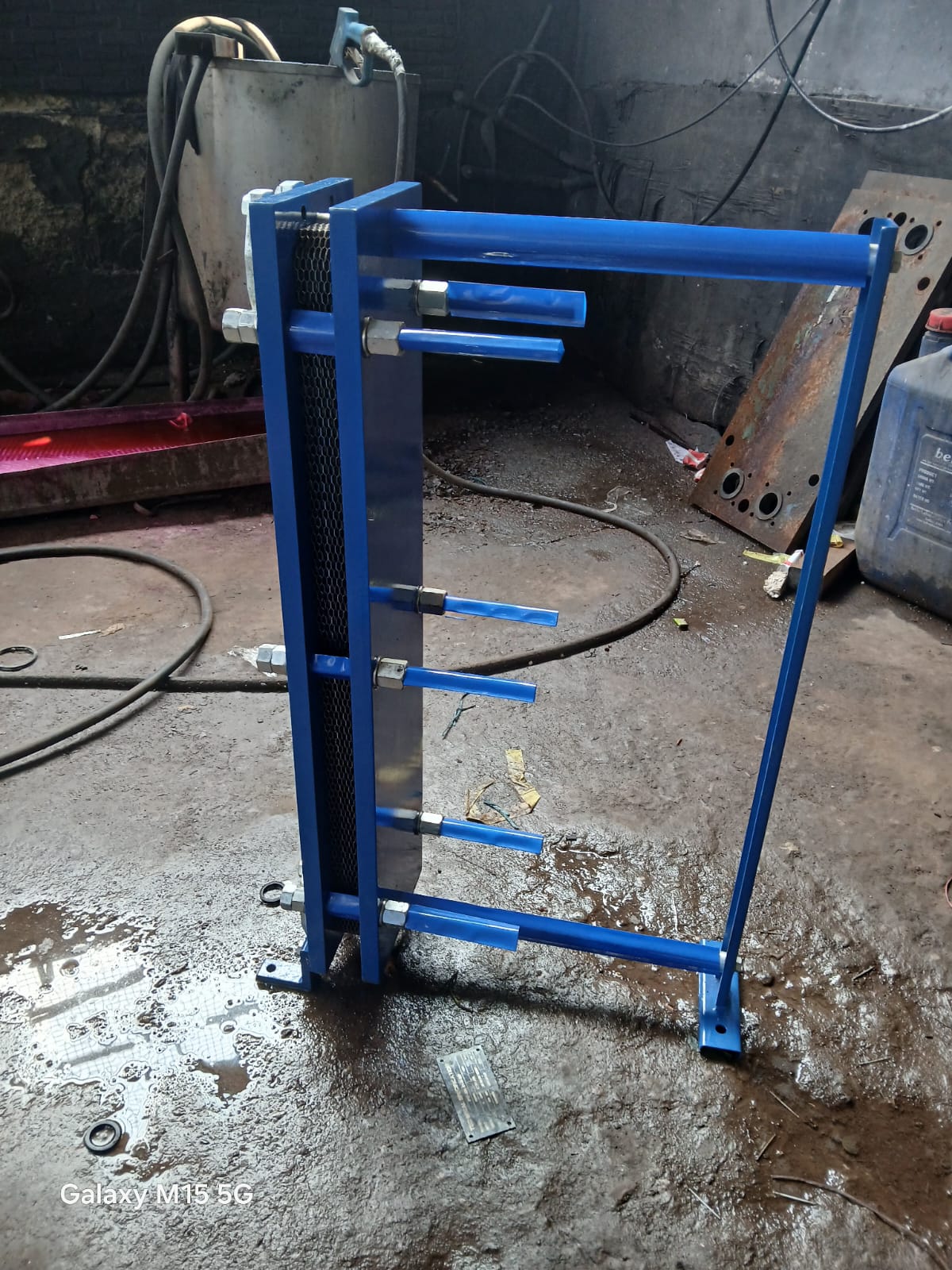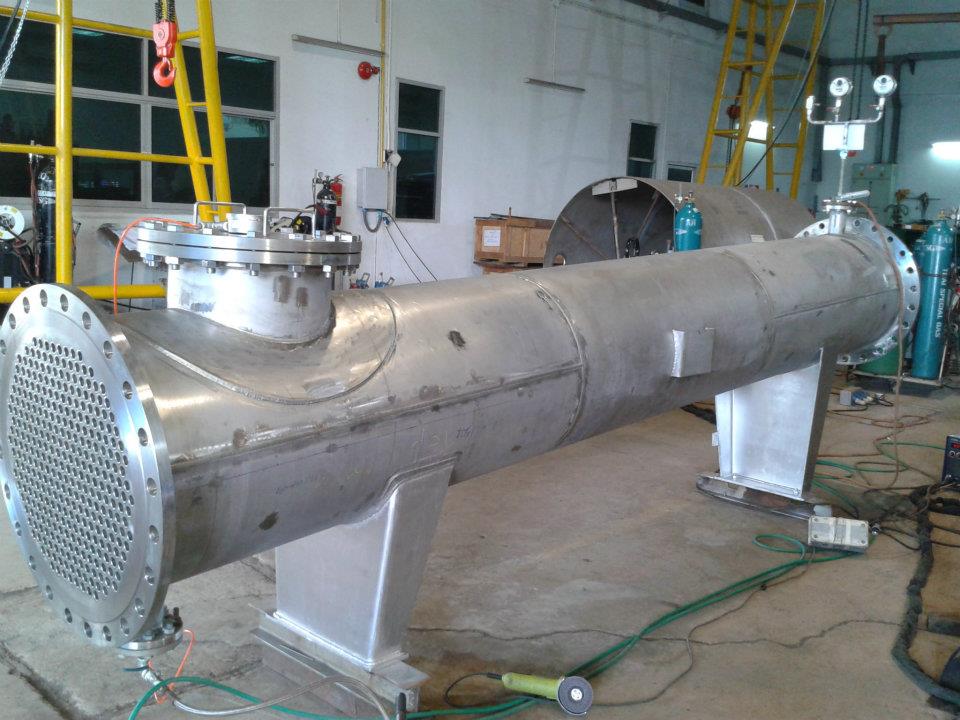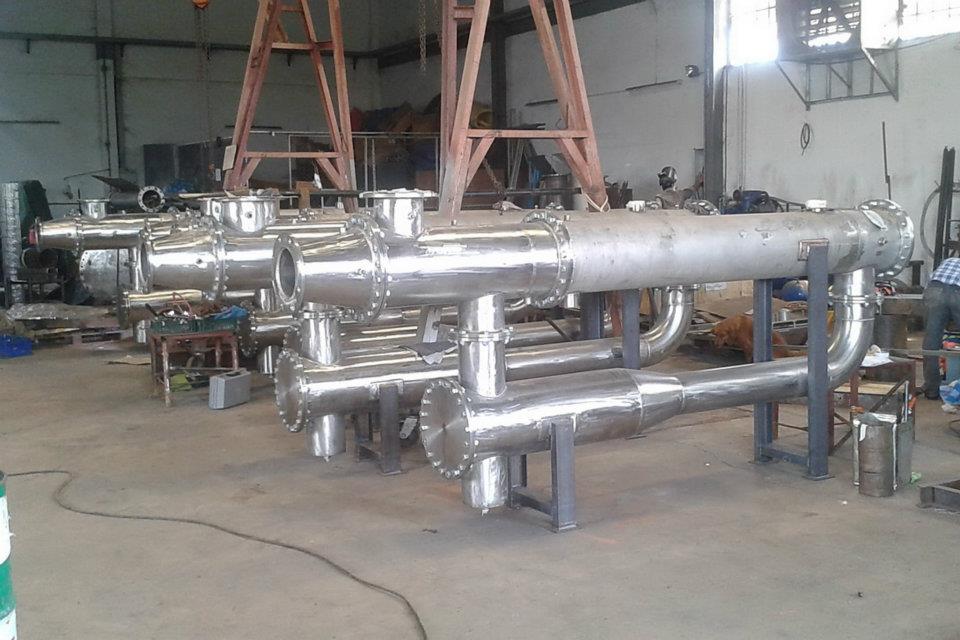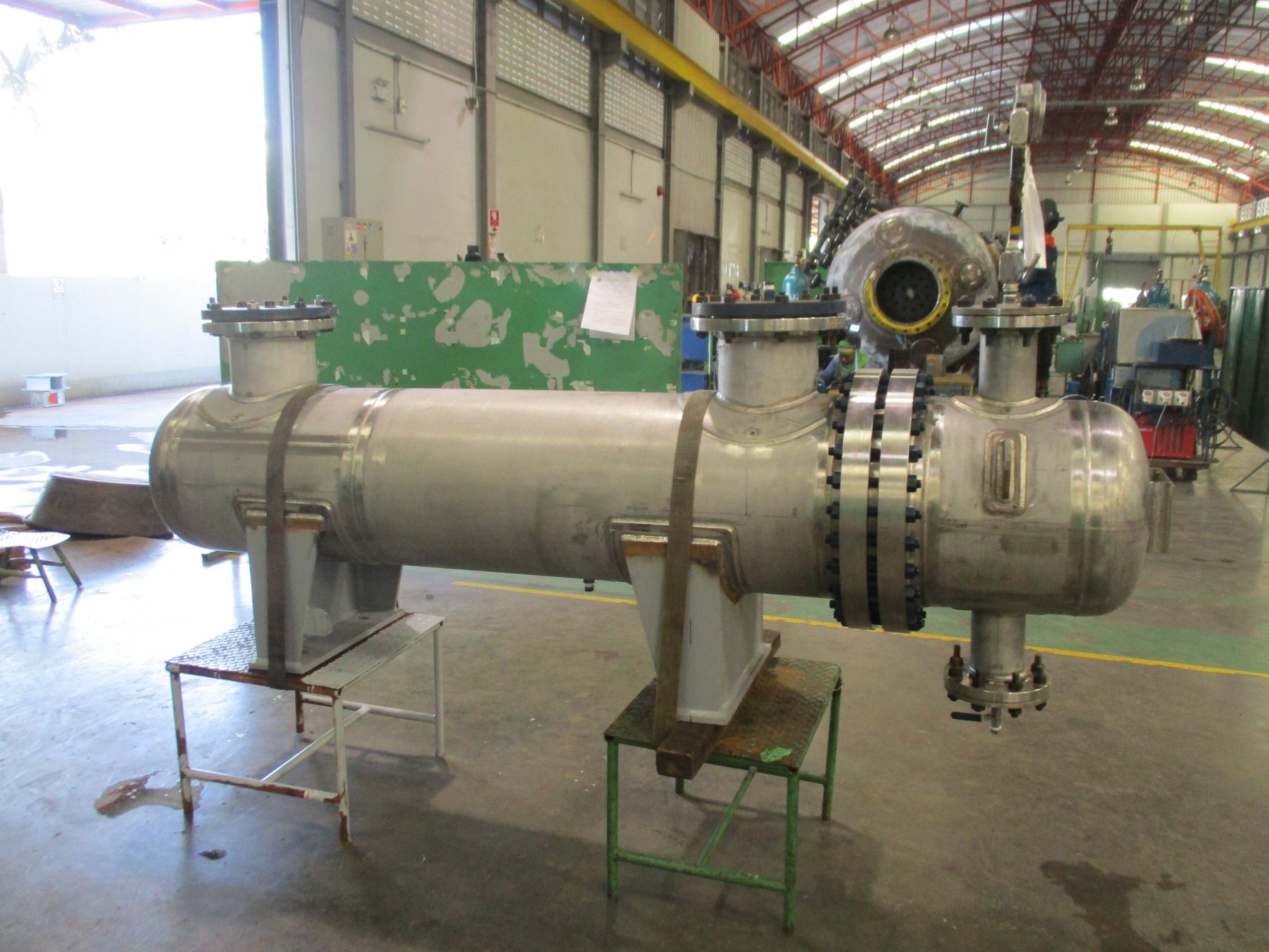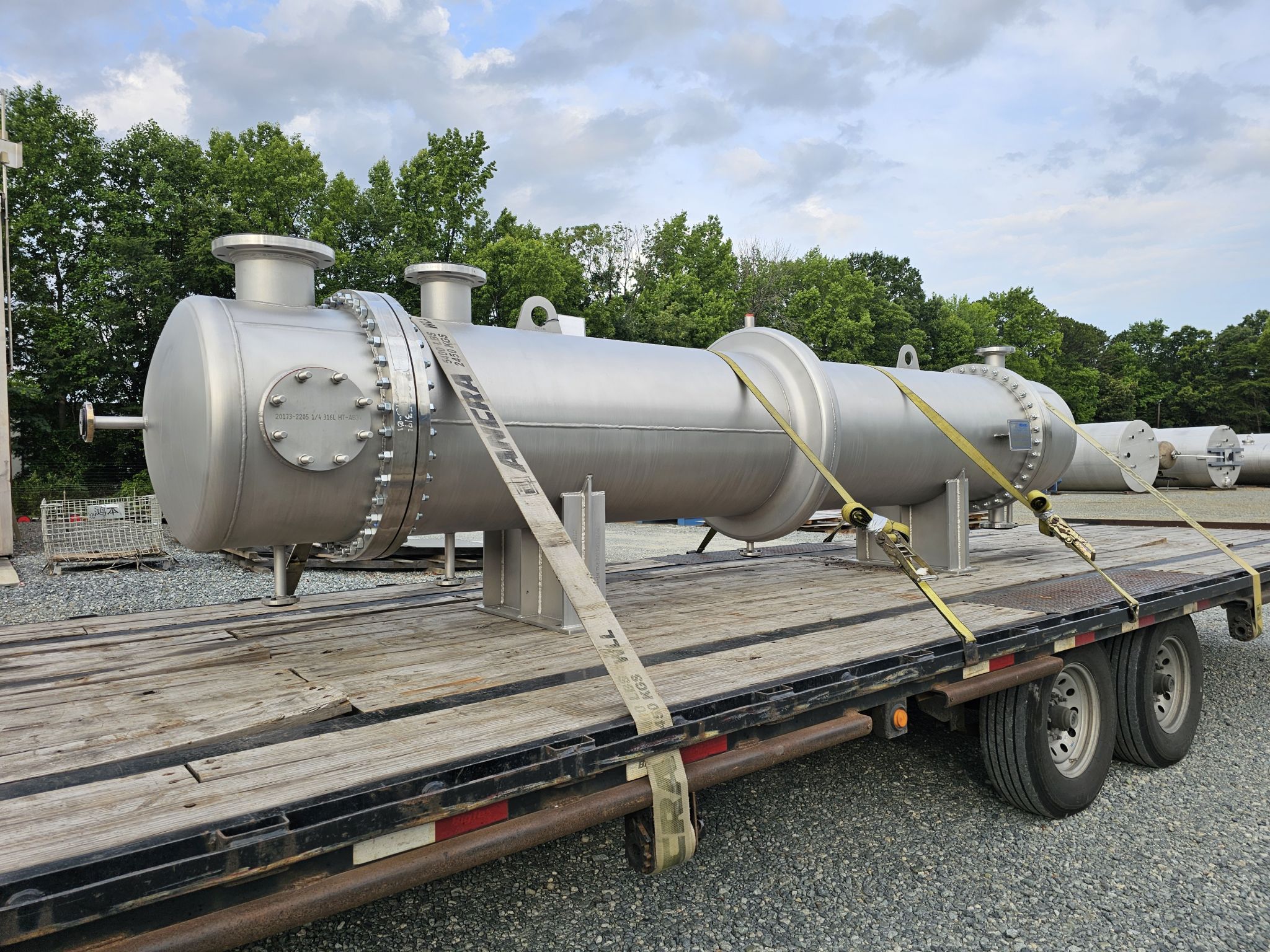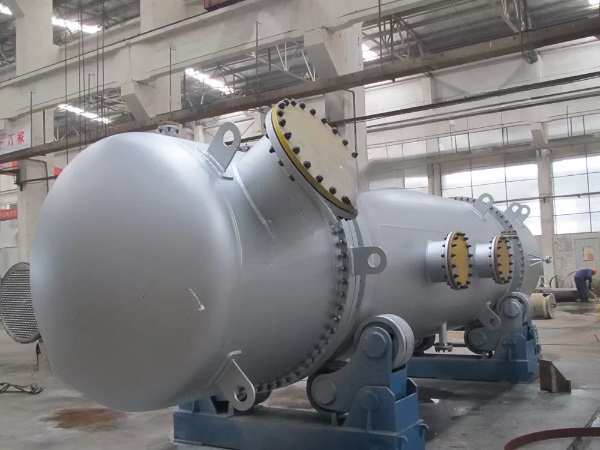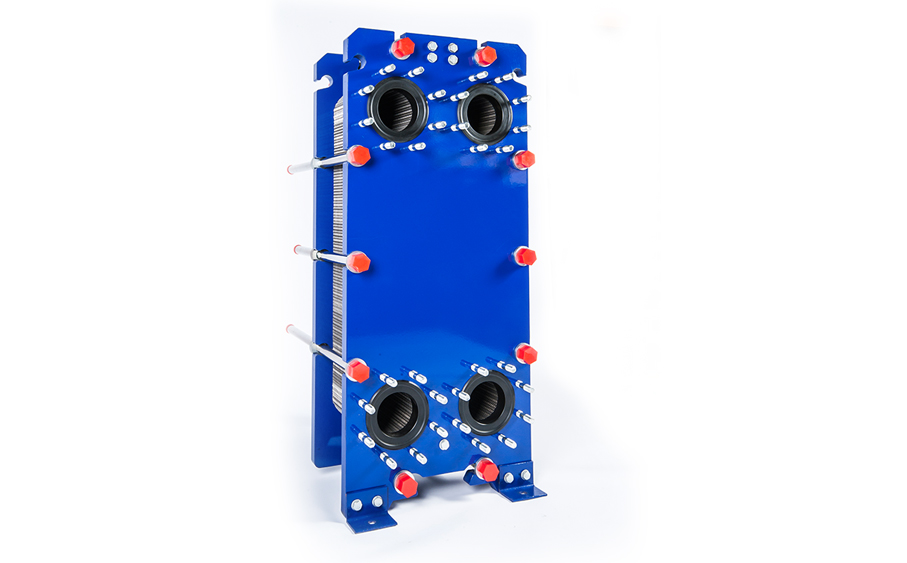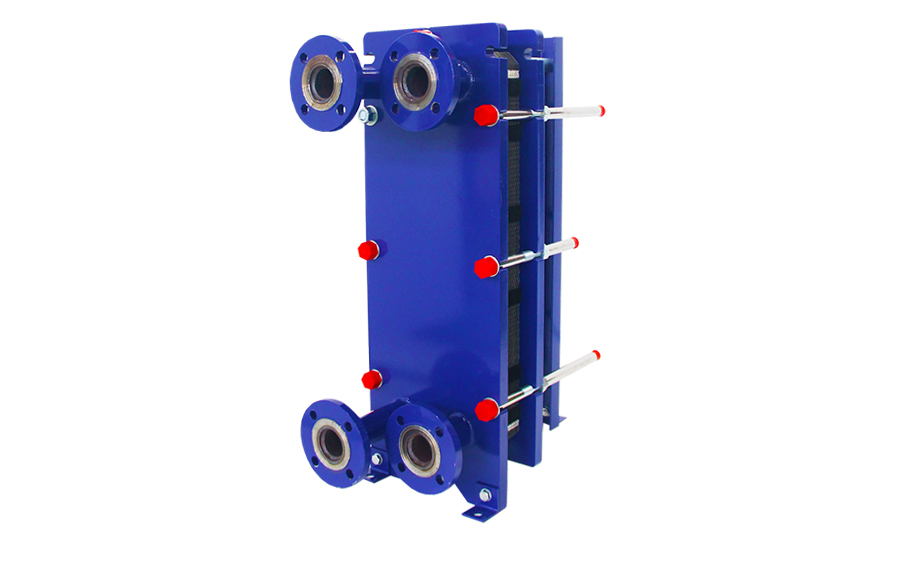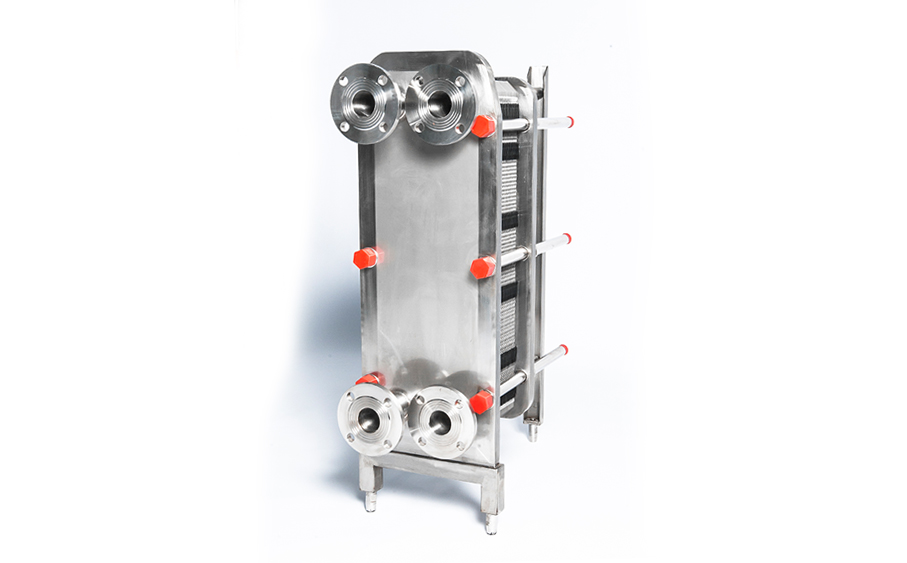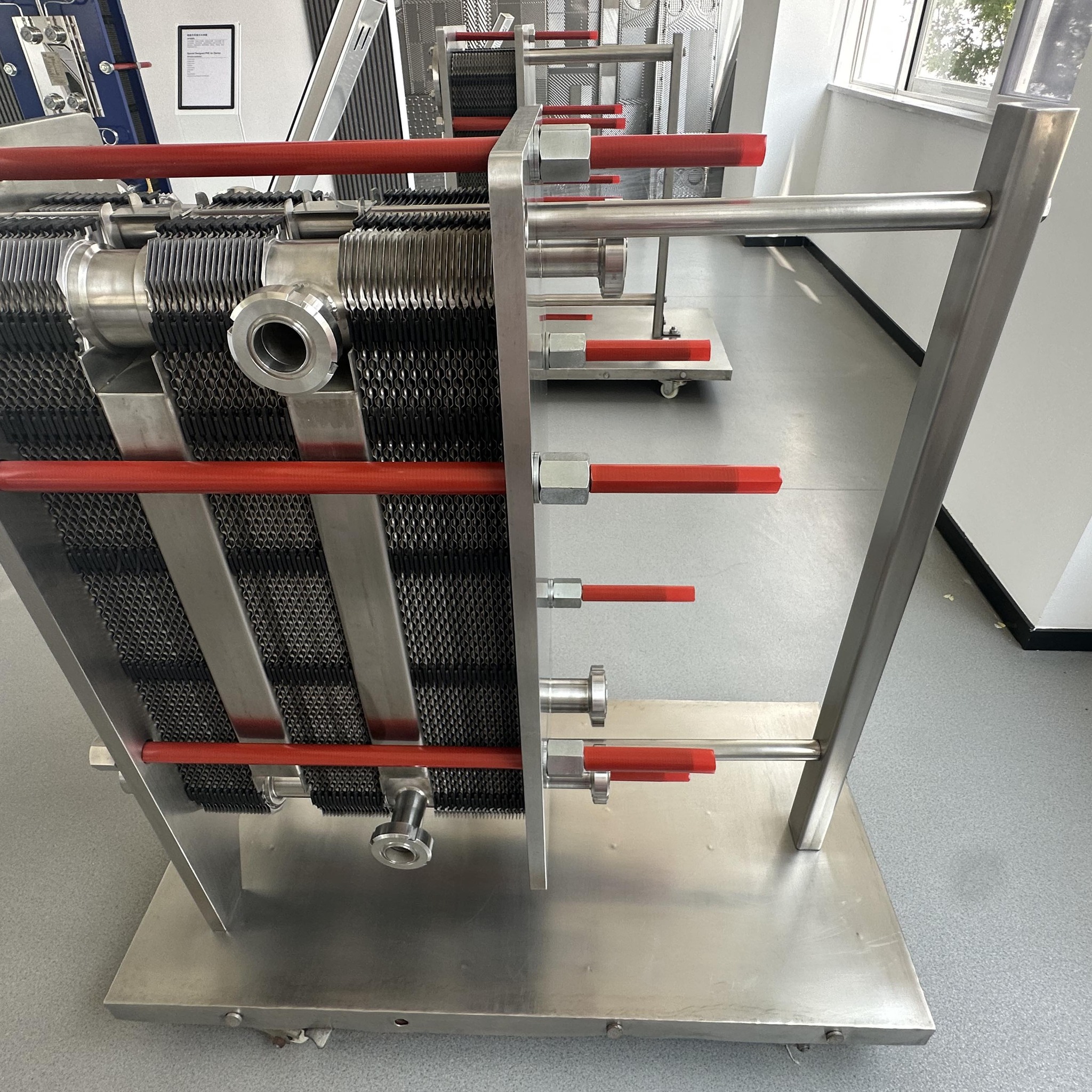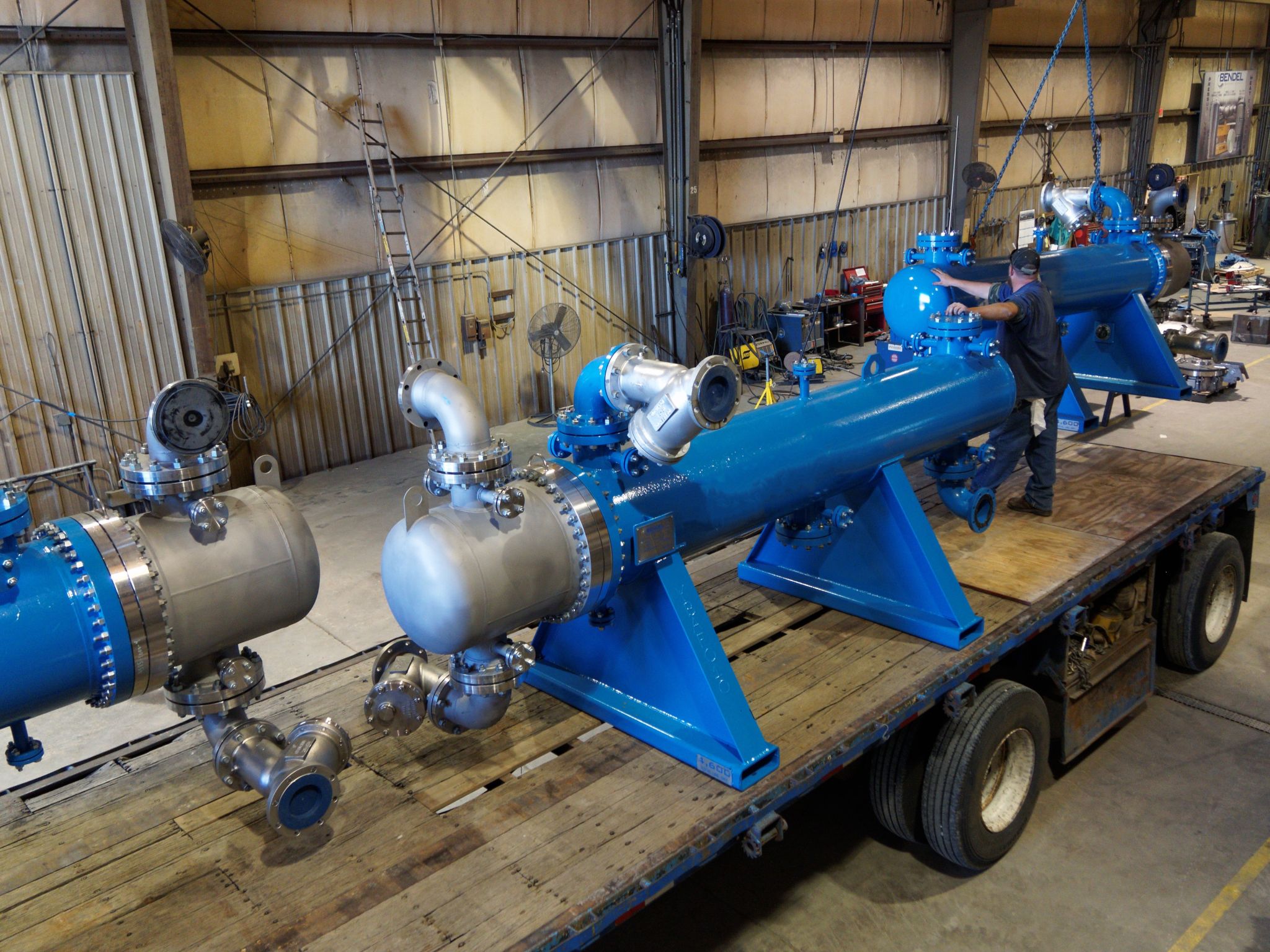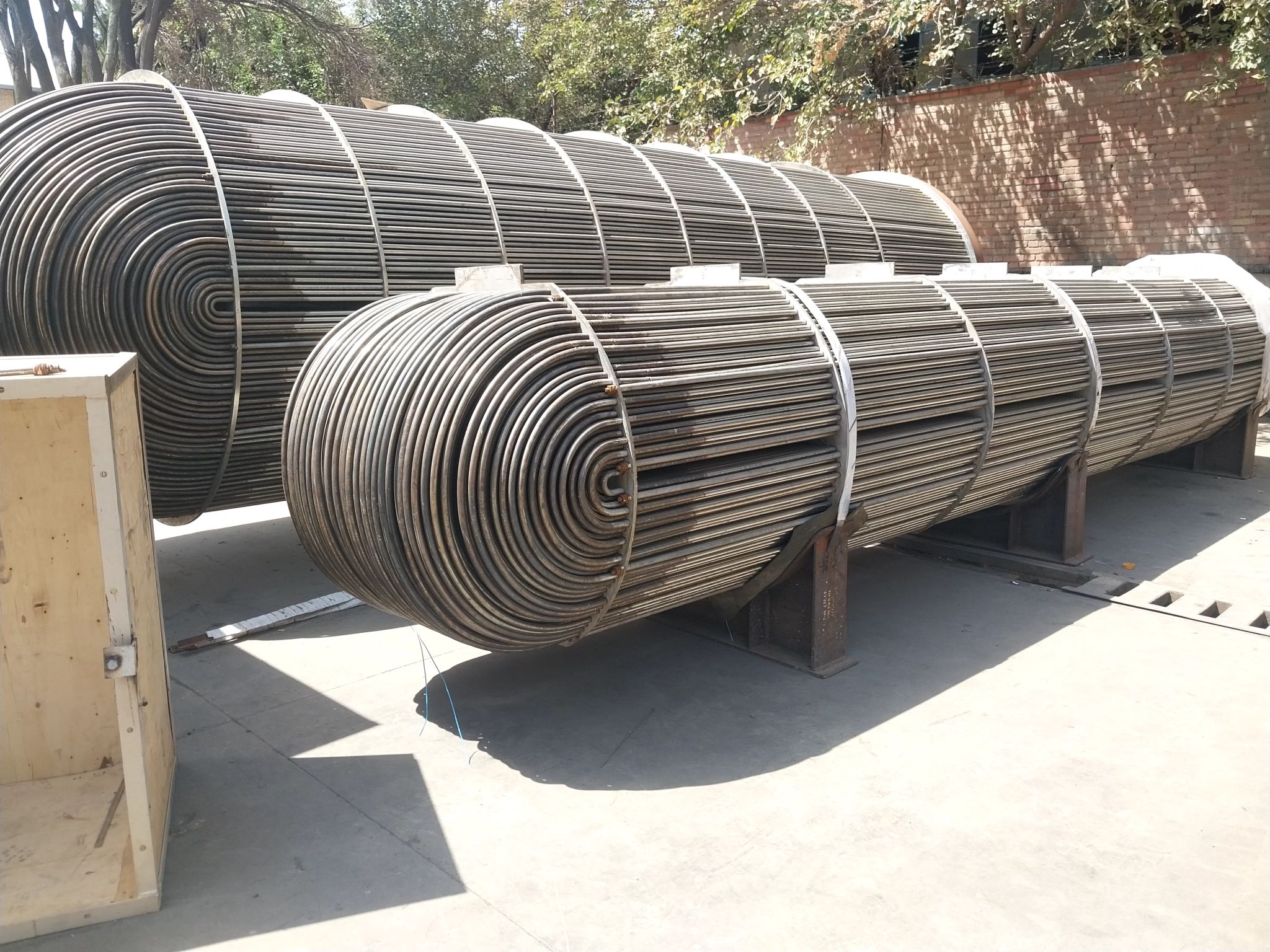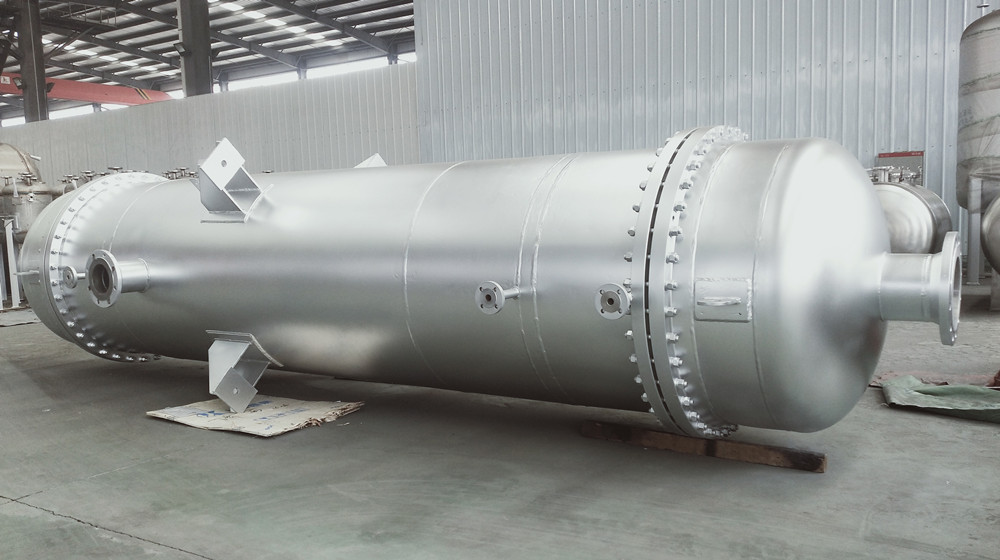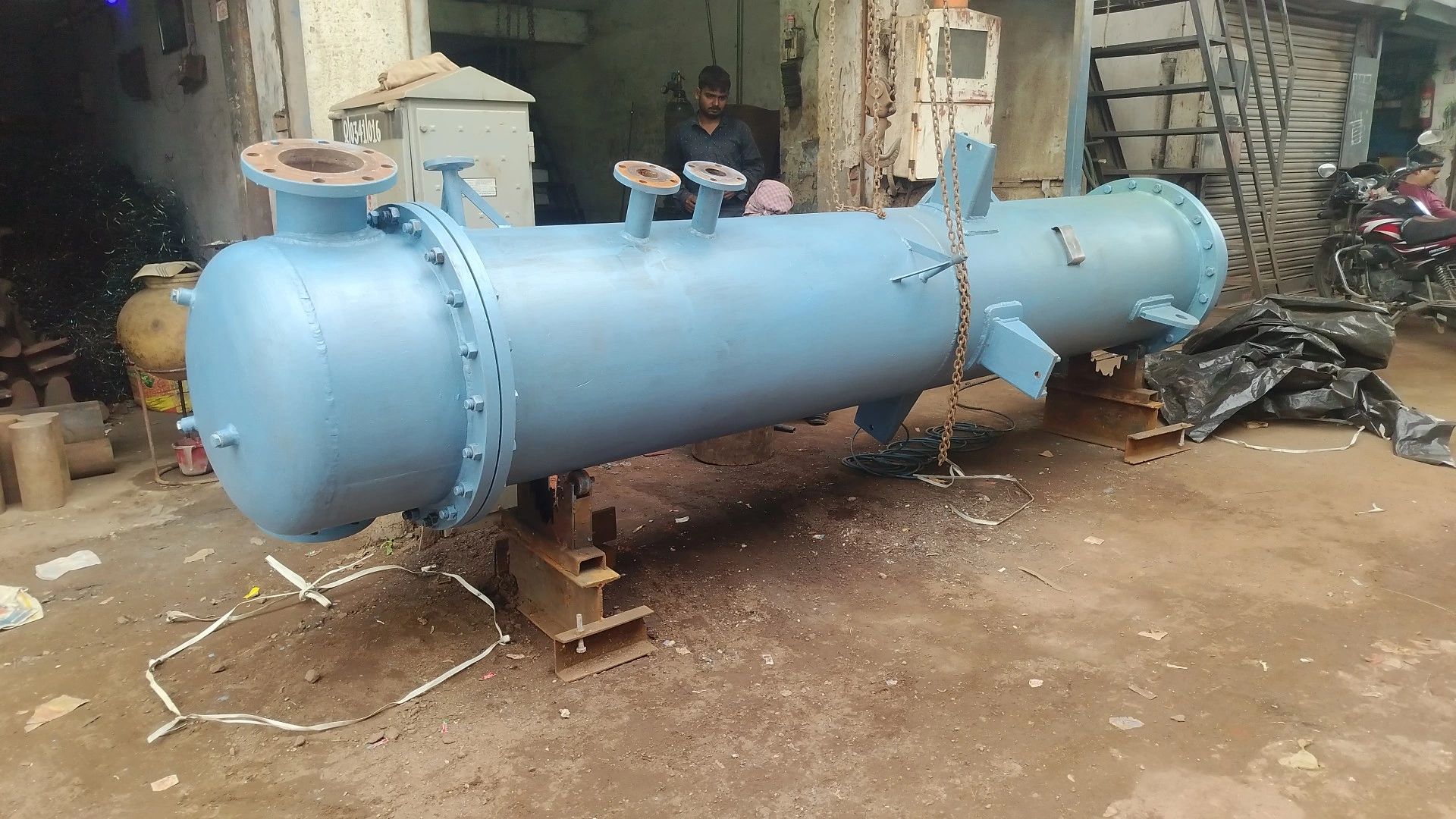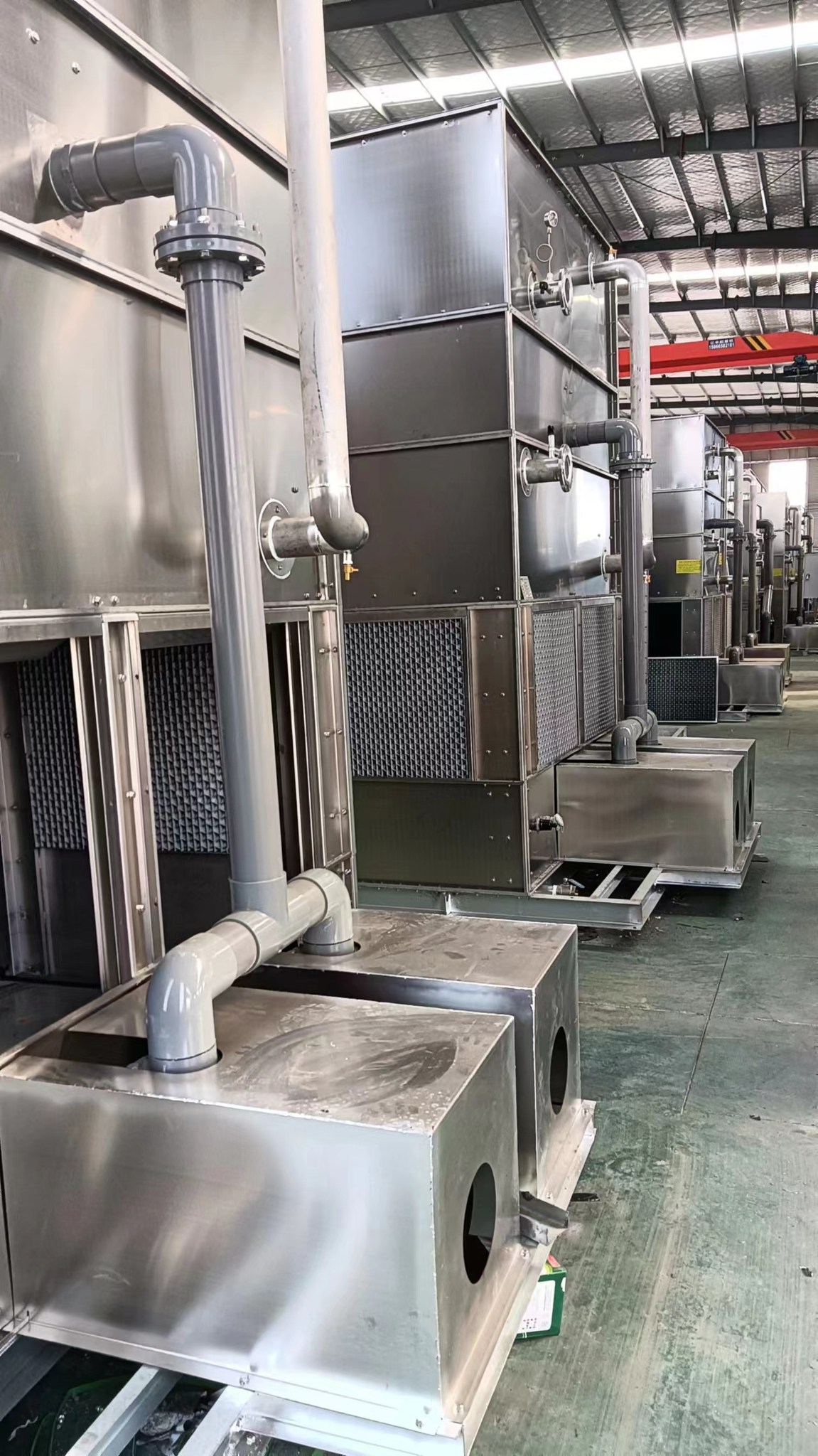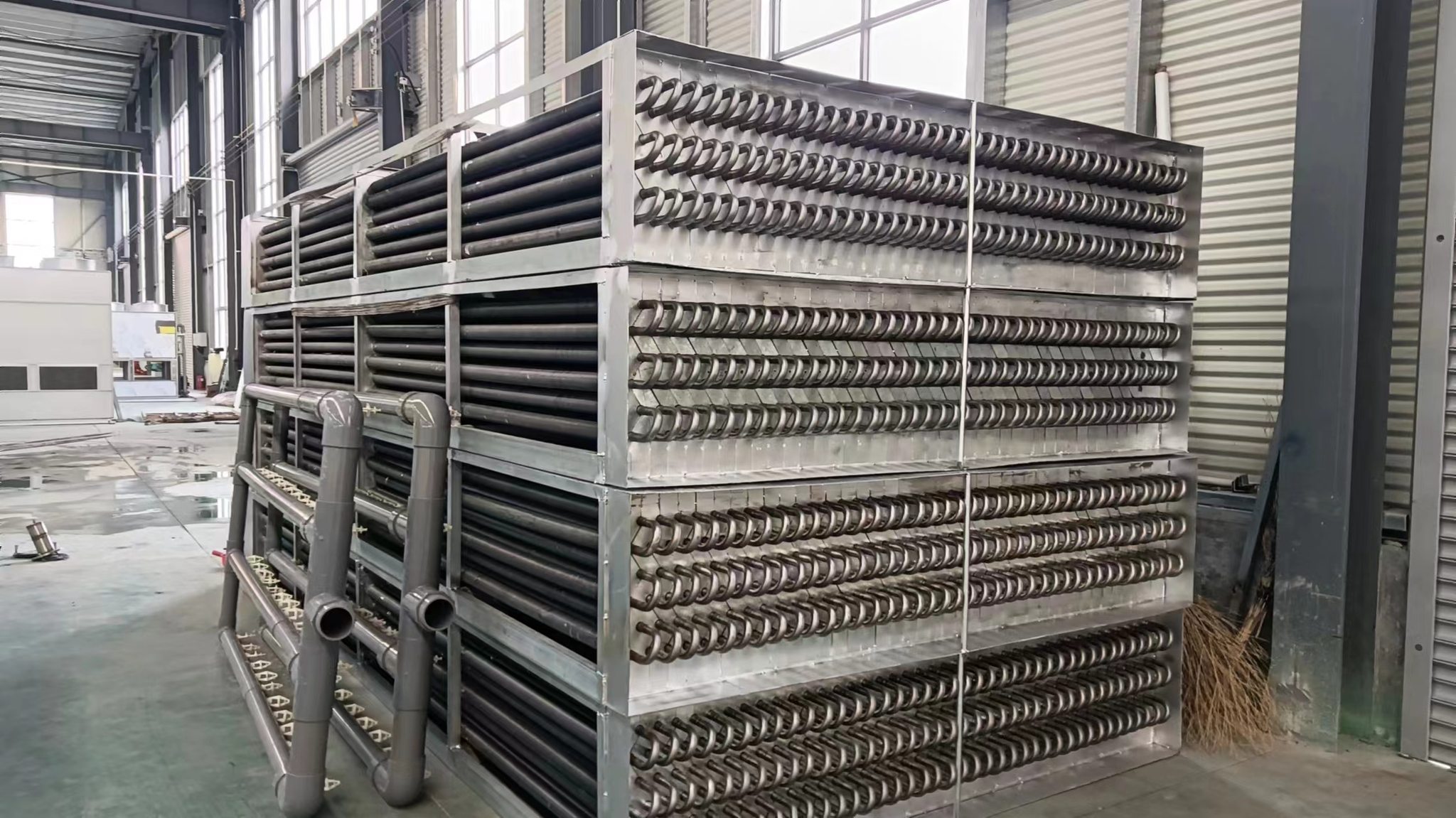
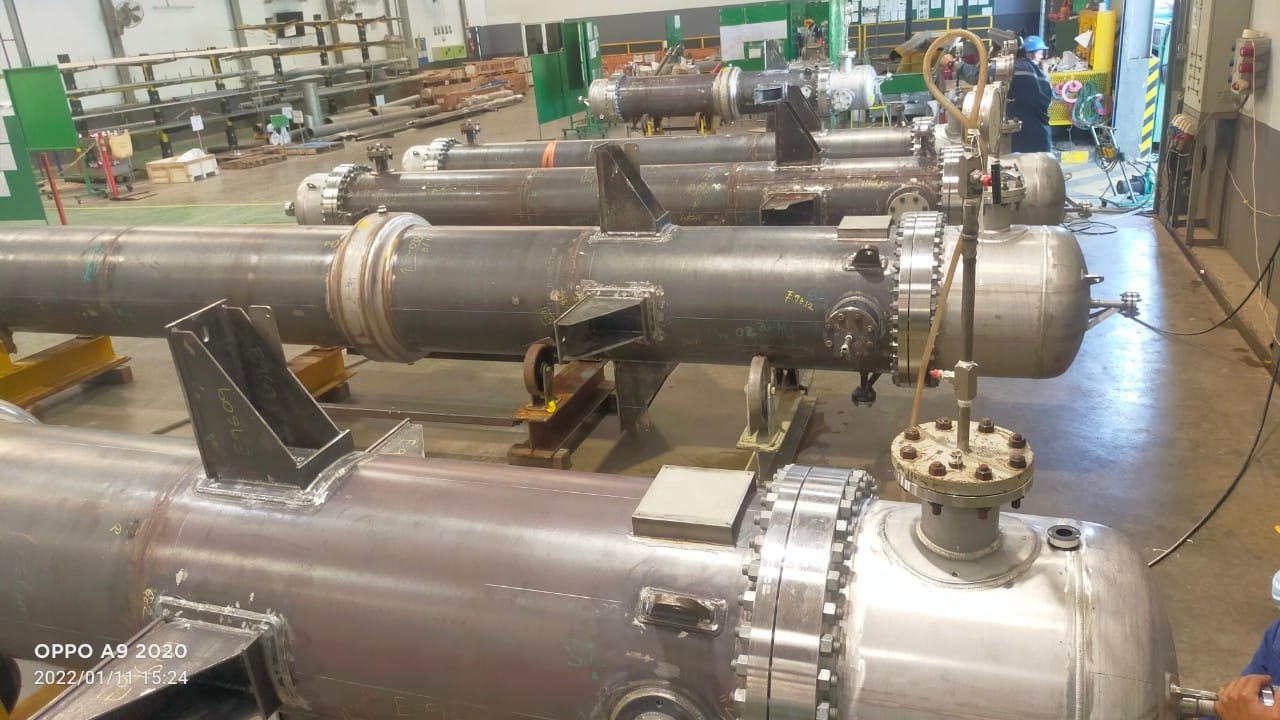
Tags: Shell and tube heat exchanger

  • Tag:

Dry Cooling tower manufacturer in Andhra Pradesh

Comparison: Pad vs. Misting Nozzles Feature Cellulose Pad High-Pressure Misting Nozzles Efficiency Very High High Water Drift Very Low Can be high if not properly designed Risk of Clogging Lower (large passages) Higher (very small orifice) Coil Fouling Low risk (air is filtered by pad) Higher risk (minerals in water can deposit on coil) Maintenance...
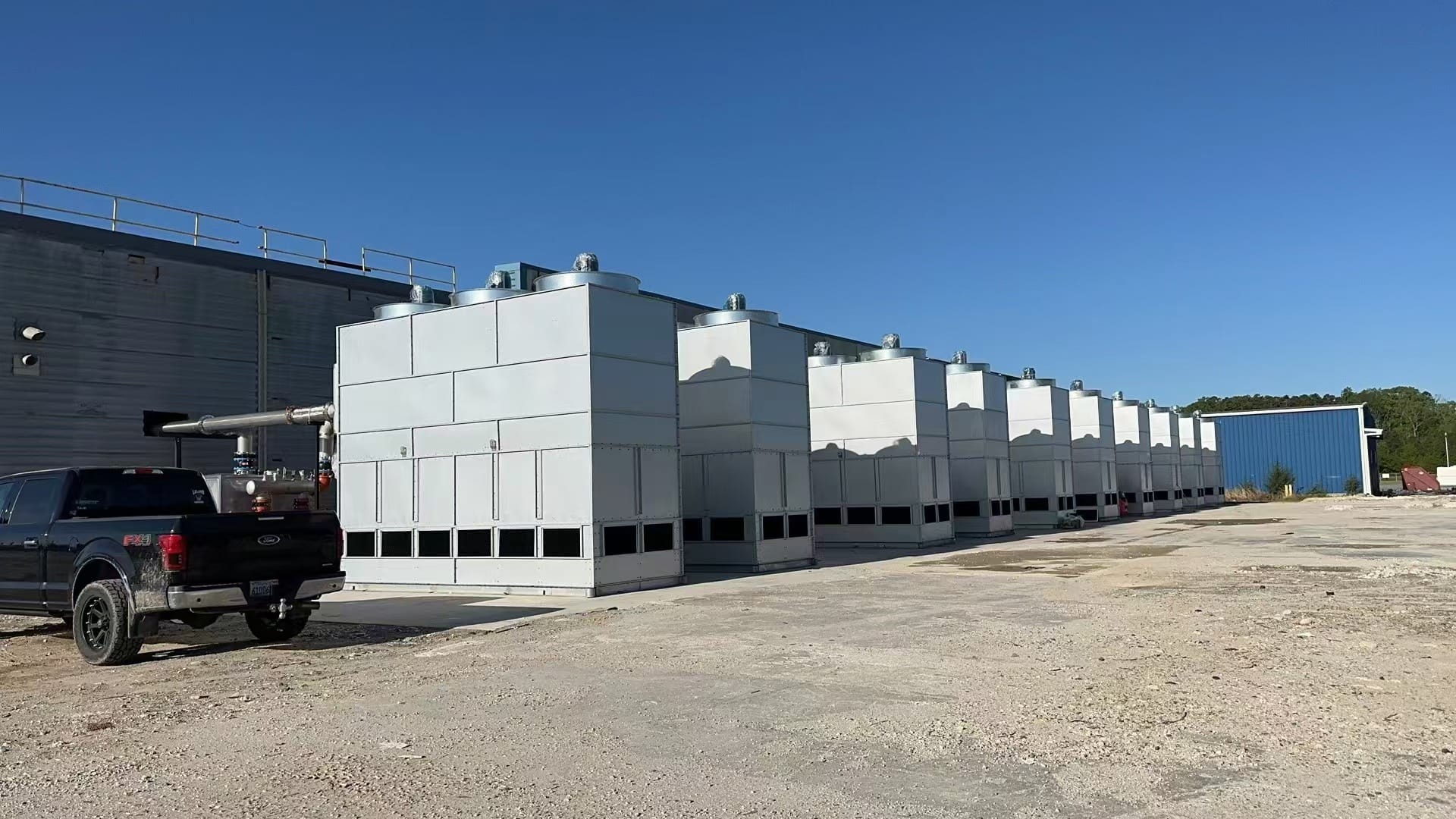
Dry Cooling tower manufacturer in Zambia

The reason for using a cellulose pad in a dry cooling tower is to create an efficient and controlled adiabatic pre-cooling system, transforming a standard dry cooler into a more powerful and efficient adiabatic hybrid cooler during hot weather. The cellulose pad is not part of the dry circuit itself; it’s an add-on component that operates...
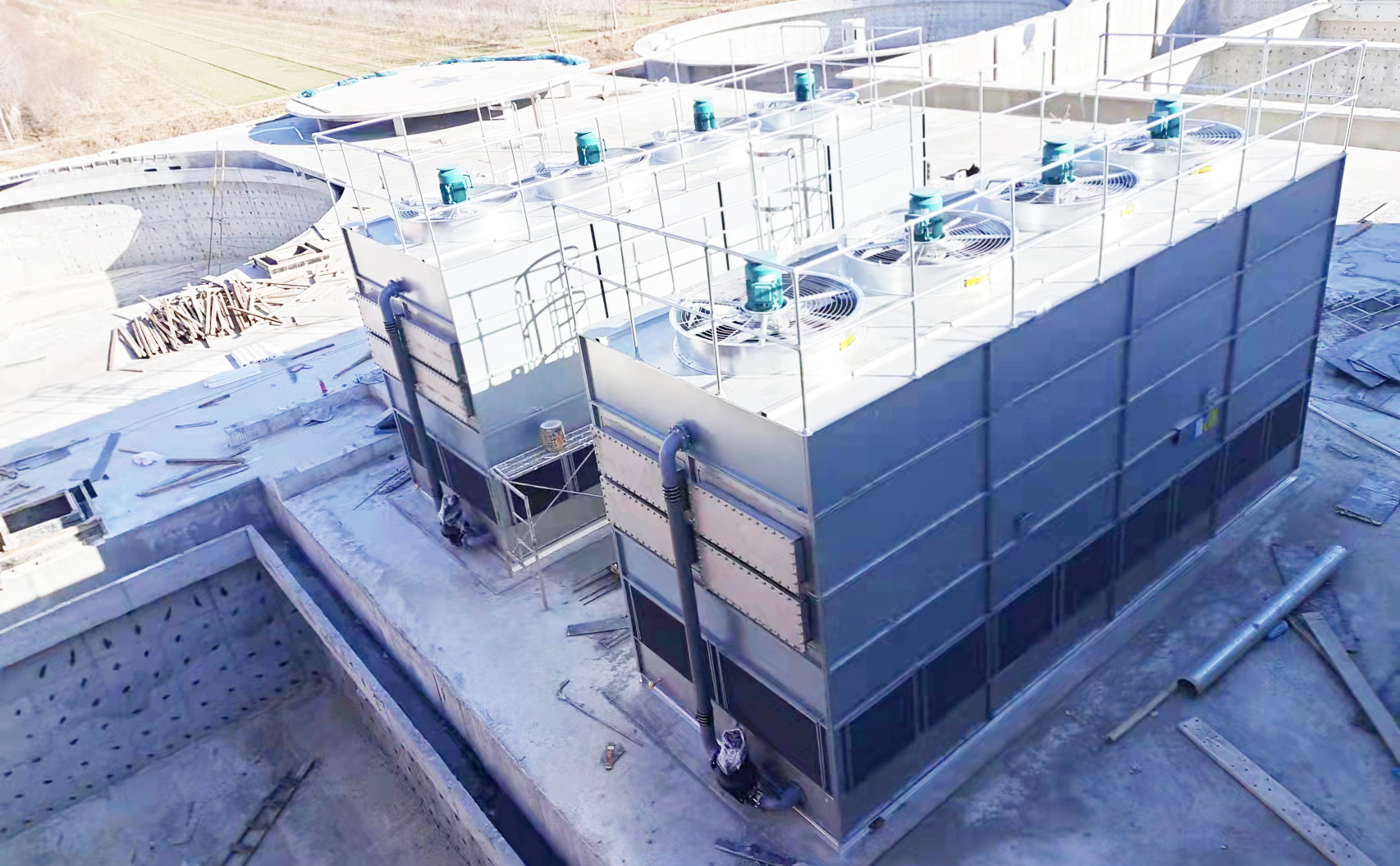
Dry Cooling tower manufacturer in Ghana

Comparison with Other Coolers Feature Pure Dry Cooler Adiabatic Hybrid Cooler Wet Cooling Tower Water Use Zero Low (Intermittent) Very High (Continuous) Energy Use Highest (on hot days) Lower Lowest Cooling Efficiency Low (on hot days) High & Stable Highest & Stable Plume None None Visible Plume Maintenance Low Medium High

Dry Cooling tower manufacturer in Tunisia

Dry cooling tower with Adiabatic fluid cooler A Dry Cooling Tower with an Adiabatic Fluid Cooler (often called an Adiabatic Hybrid Cooler) is a system that combines the water-saving benefits of a dry cooler with the high efficiency of evaporative cooling, but only when needed. It’s designed to get the “best of both...
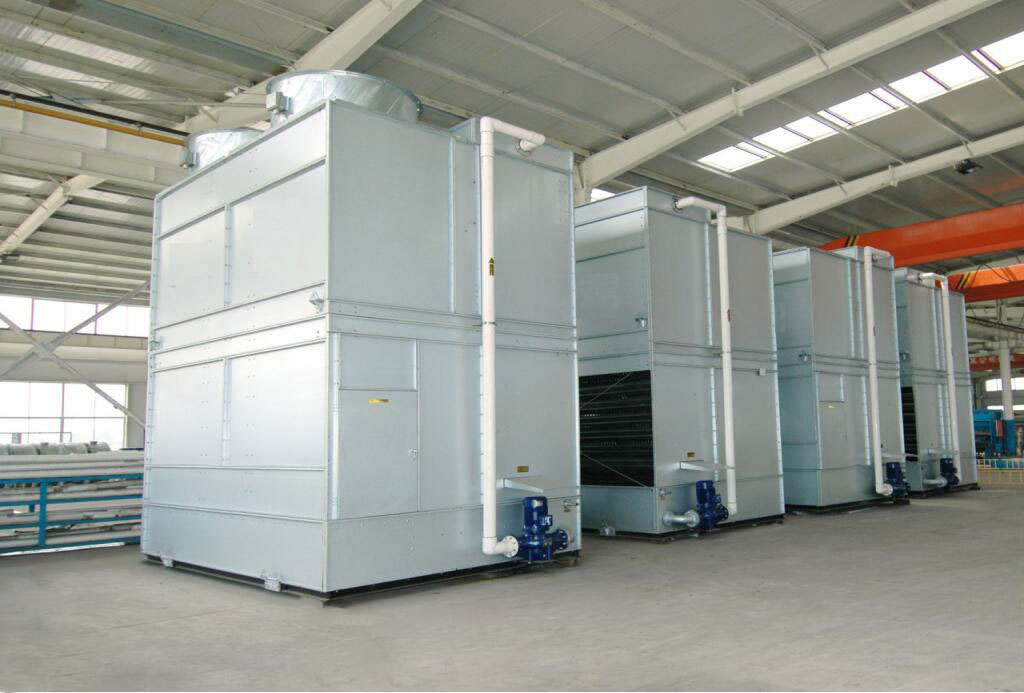
Dry Cooling tower manufacturer in Ethiopia

Material Selection Factors Factor Ideal Material Trade-off Thermal Conductivity Copper > Aluminum > Steel Copper is expensive and less strong. Corrosion Resistance Stainless Steel > Copper > Aluminum > Carbon Steel Stainless Steel has lower thermal conductivity and higher cost. Mechanical Strength Steel > Stainless Steel >...

Dry Cooling tower manufacturer in Algeria

Common Material Combinations The most efficient and cost-effective combinations leverage the strength of one material and the thermal conductivity of another. Common Material Combinations The most efficient and cost-effective combinations leverage the strength of one material and the thermal conductivity of another. Tube Material Fin Material...

Dry Cooling tower manufacturer in Nigeria

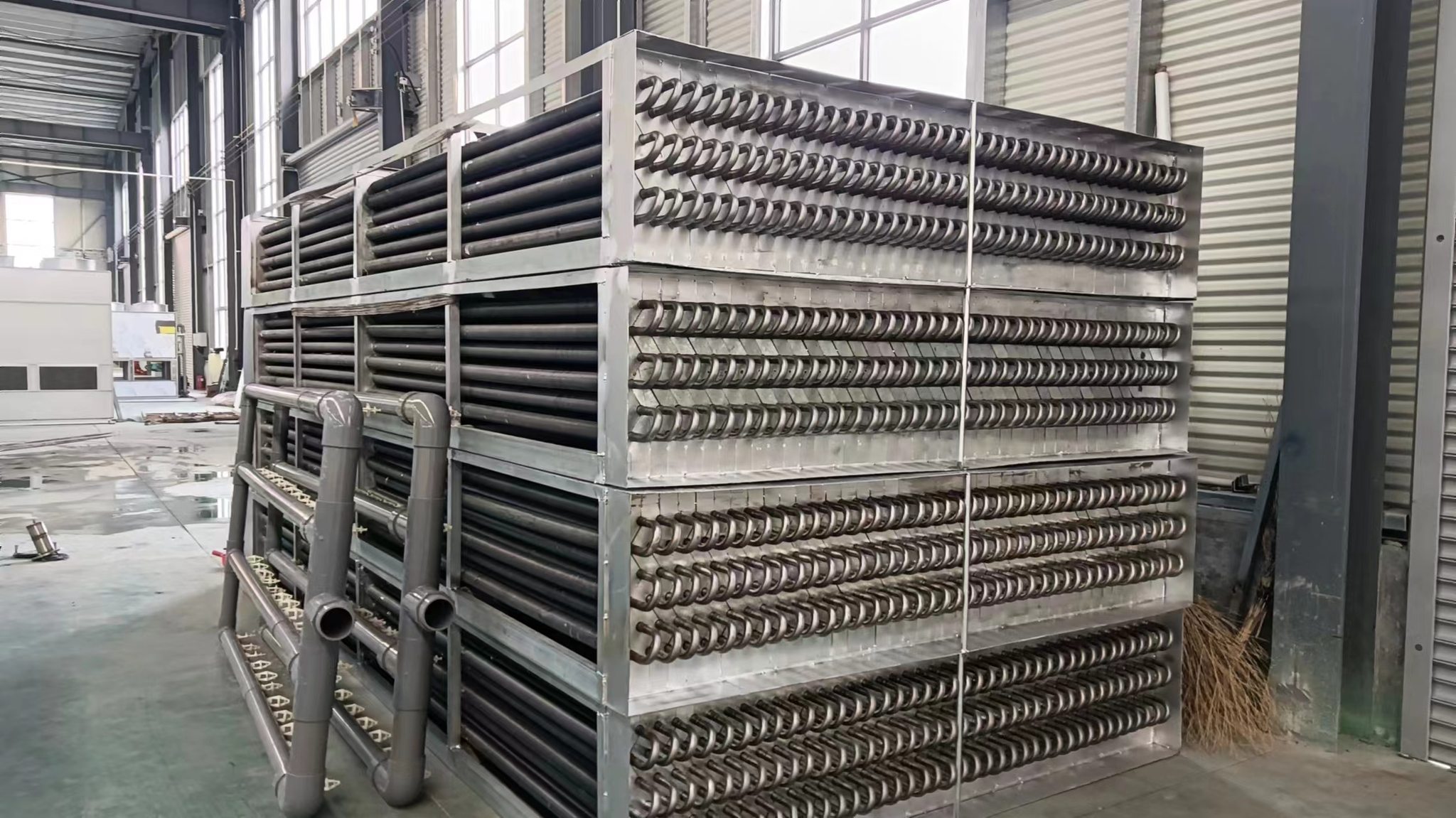
Material of Construction of cooling coil in Dry cooling tower Their Common Materials 1. Tubes (The Primary Pressure Boundary) The tubes carry the hot process fluid and must withstand its pressure and temperature. 2. Fins (The Extended Surface for Heat Transfer) The fins are attached to the outside of the tubes to dramatically increase the...

Dry Cooling tower manufacturer in Australia

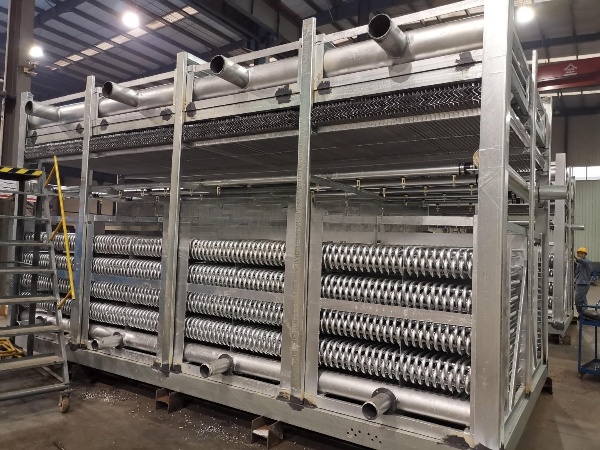
Use of Heat exchanger coil in Dry cooling tower The heat exchanger coil is the absolute core component of a dry cooling tower, and its use is fundamental to the tower’s entire operation. In simple terms, the use of the heat exchanger coil in a dry cooling tower is to transfer heat from the hot internal […]

Dry Cooling tower manufacturer in Egypt

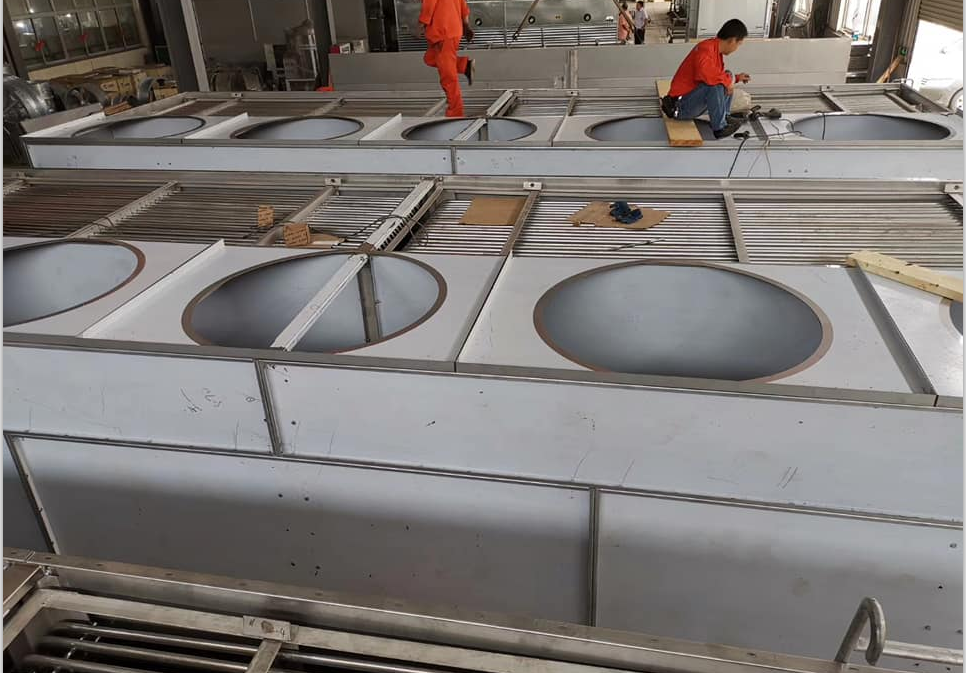
Part Functions: Part Primary Function Finned Tubes Transfers heat from the hot fluid to the cool air. Fans & Motors Creates the forced airflow for heat exchange. Headers Distributes and collects the process fluid. Support Structure Provides structural integrity for all components. Louvers Directs airflow and minimizes recirculation.

Dry Cooling tower manufacturer in Kuwait

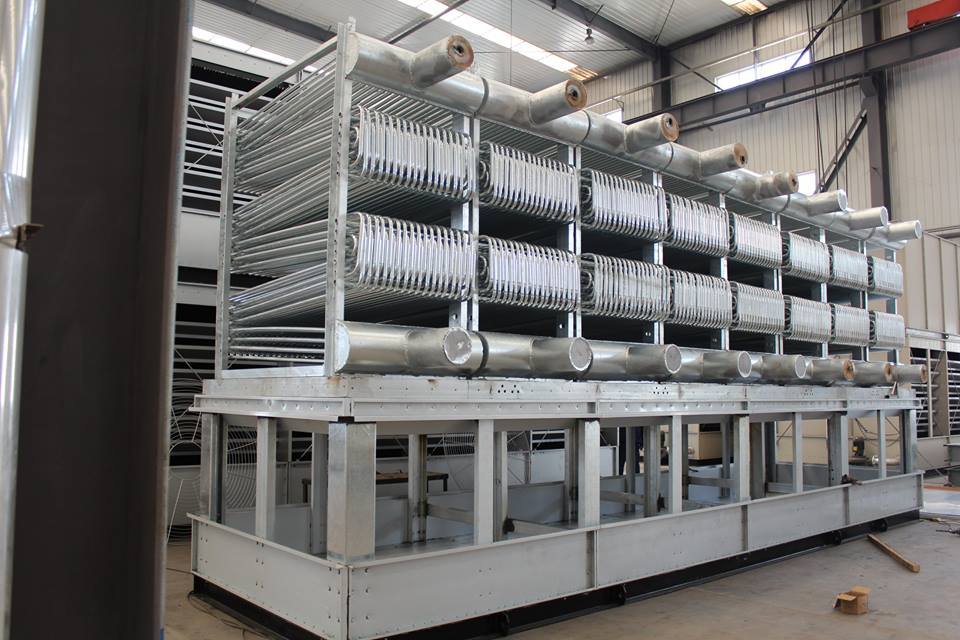
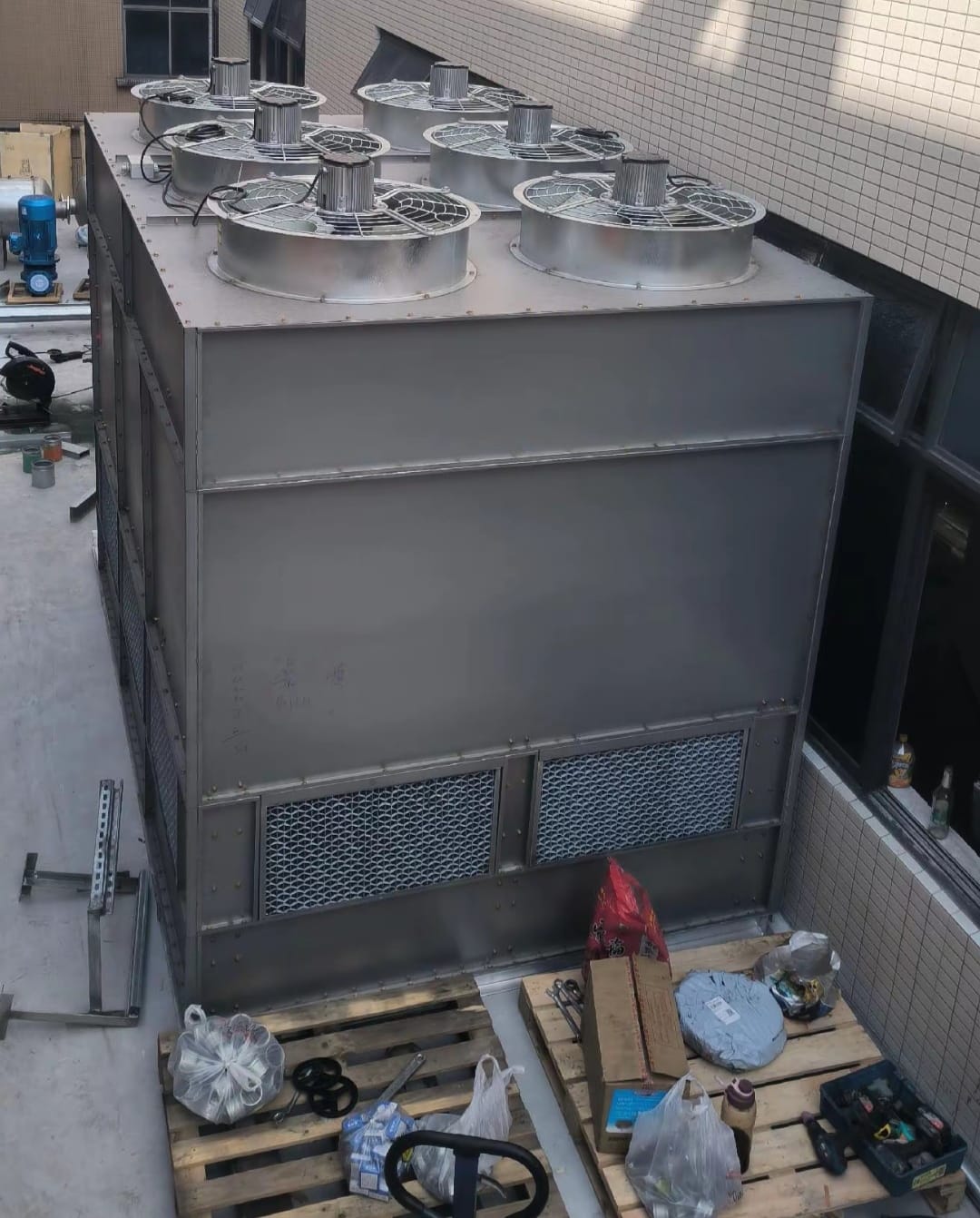
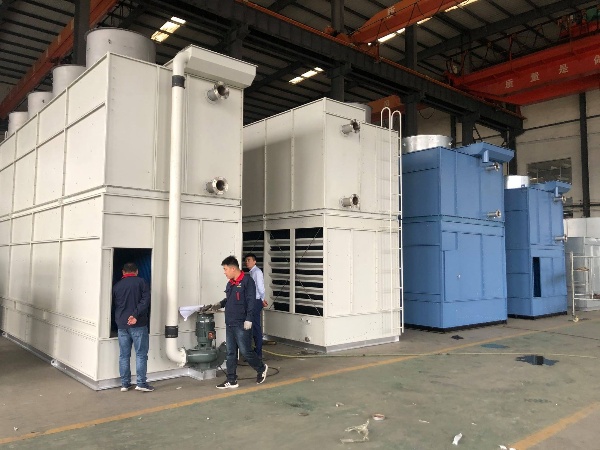
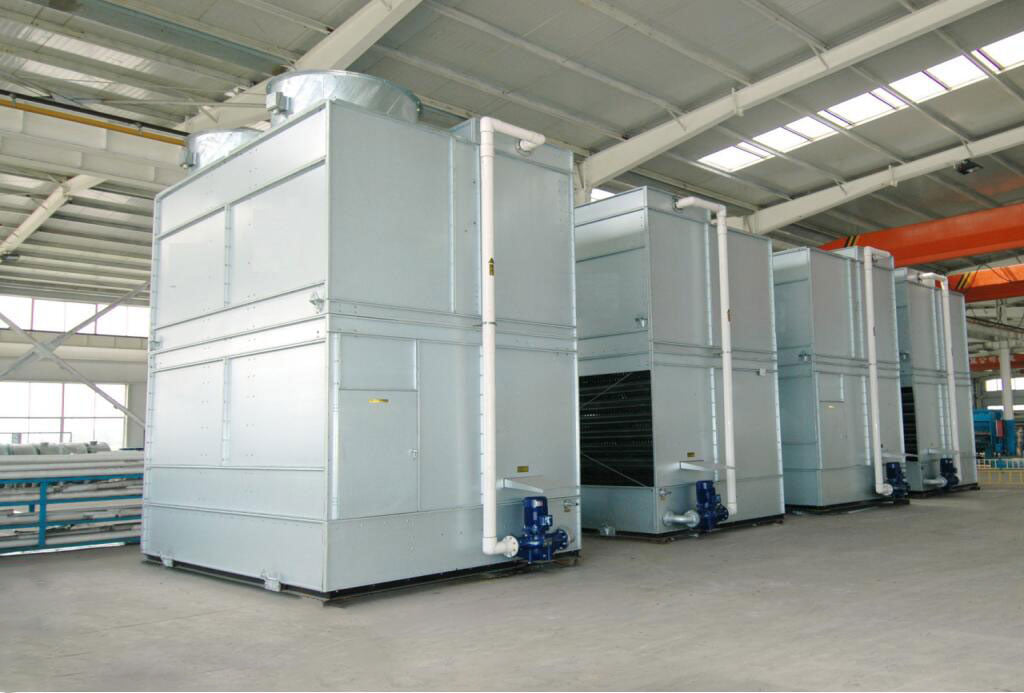
Parts of Dry cooling Tower?  A dry cooling tower is a complex system composed of several key components that work together to reject heat through sensible heat transfer. Here are the main parts of a typical mechanical draft dry cooling tower, broken down by their function: 1. Heat Exchanger Bundle (The Core) This is the […]

Dry Cooling tower manufacturer in Bahrain

Where Dry Cooling tower used. Dry cooling towers are the technology of choice in locations where water is scarce or environmental regulations restrict water usage and vapor plumes. Dry Cooling Tower is a water-saving cooling system that trades off higher cost and lower efficiency for the crucial benefit of minimal water consumption, making it...

Dry Cooling tower manufacturer in United Arab Emirates

Dry Cooling Tower vs. Wet Cooling Tower Feature Dry Cooling Tower Wet Cooling Tower (Evaporative) Principle Sensible Heat Transfer (like a car radiator) Latent Heat Transfer (evaporation) Water Usage Very Low. Only minor makeup water for the closed loop. Very High. Continuous water loss due to evaporation, drift, and blowdown....

Dry Cooling tower manufacturer in India

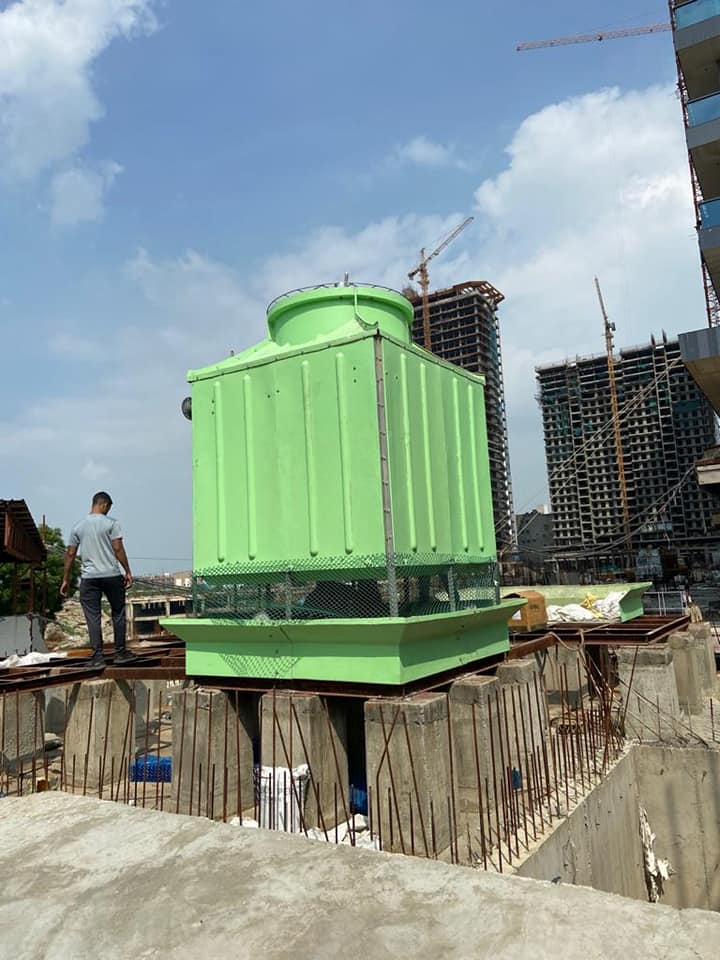
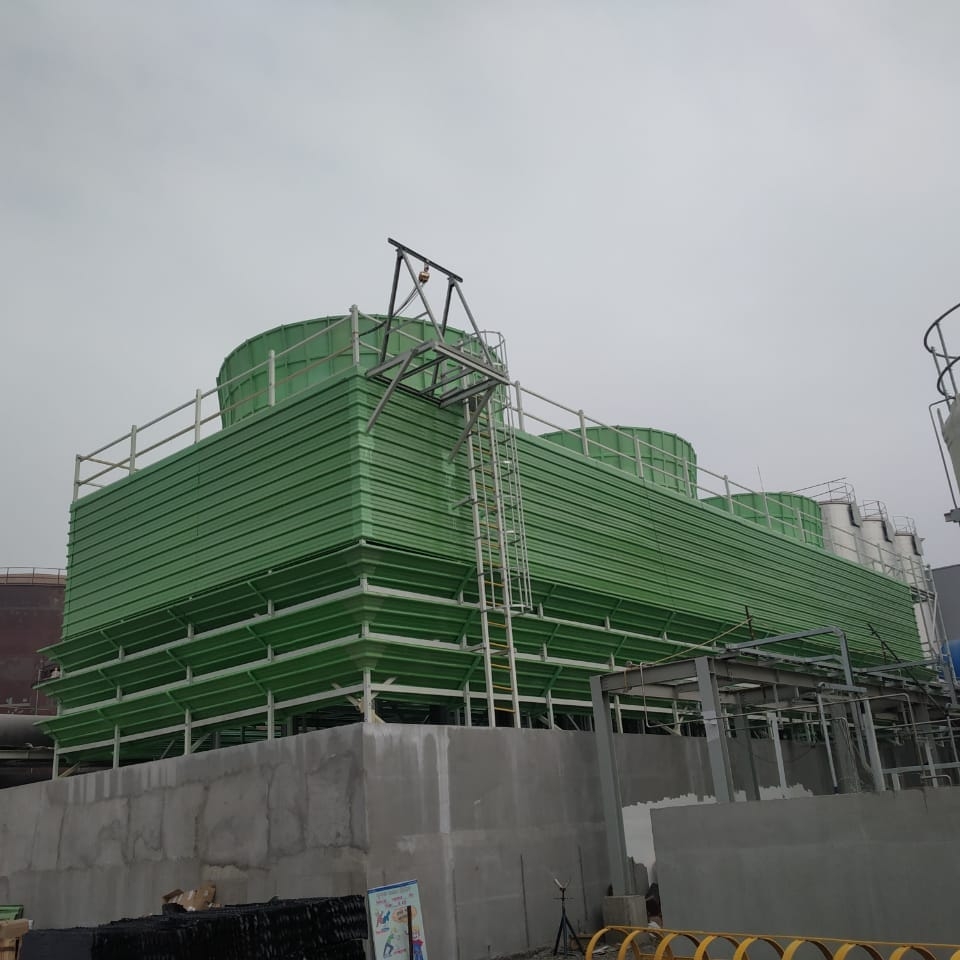
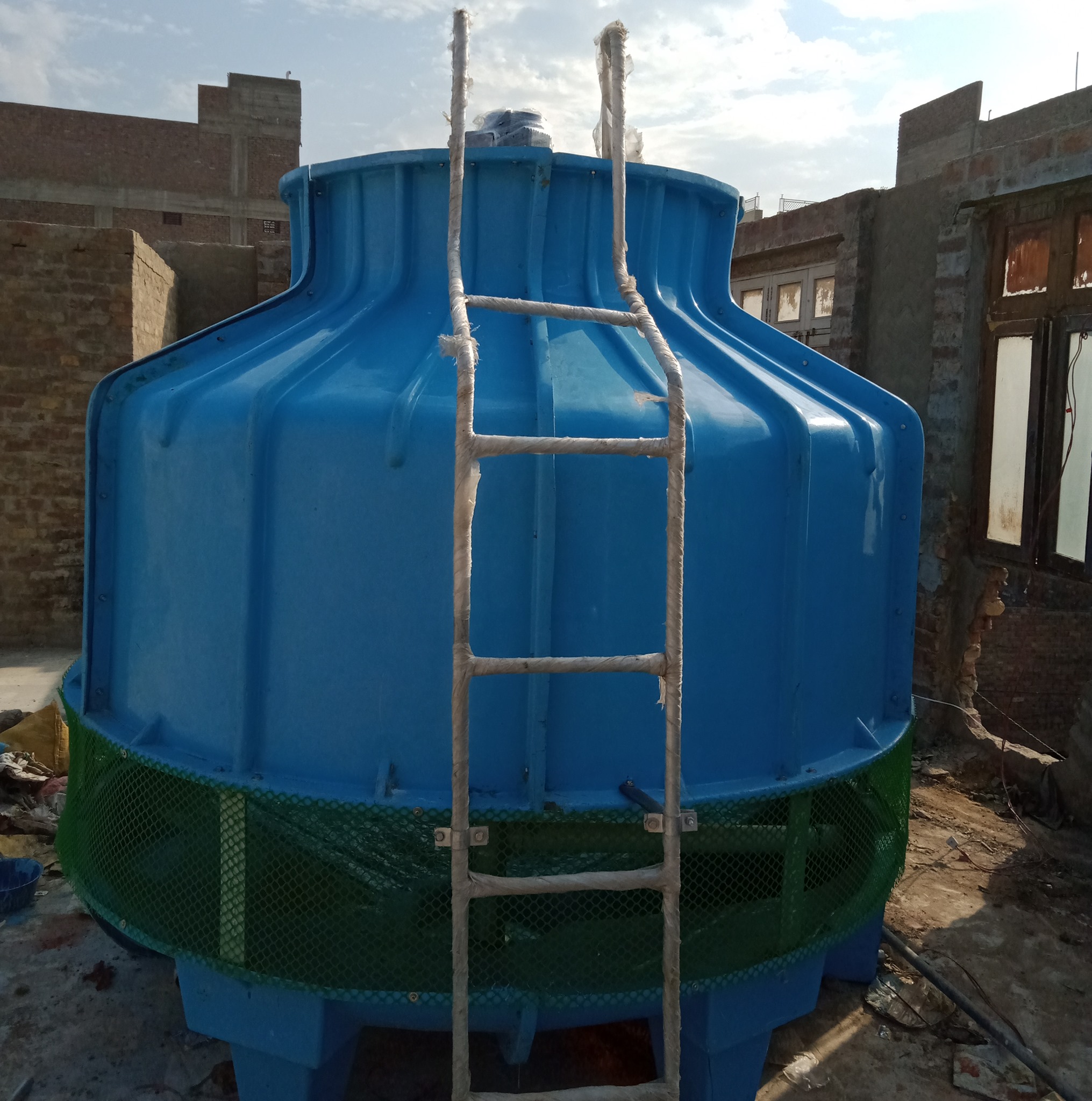
A Dry Cooling Tower is a heat rejection device that cools a working fluid (most often water or a water-glycol mixture) without direct contact with the air and without any water loss through evaporation. Think of it as a giant, industrial-sized radiator, similar in principle to the radiator in your car. It uses the principles...

Plate Heat Exchanger Manufacturer in Bangladesh

Choose a Plate Heat Exchanger when: Choose a Shell and Tube Heat Exchanger when:

Plate Heat Exchanger Manufacturer in Sri Lanka

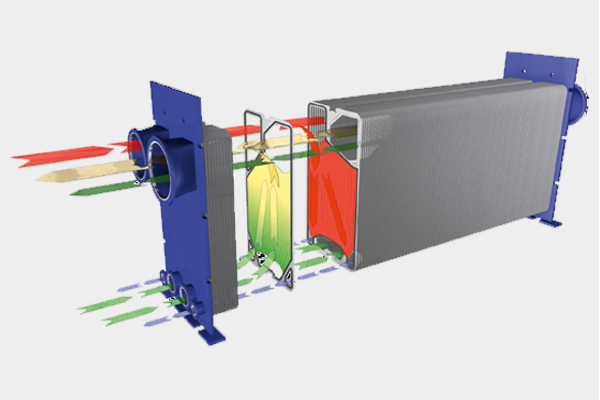
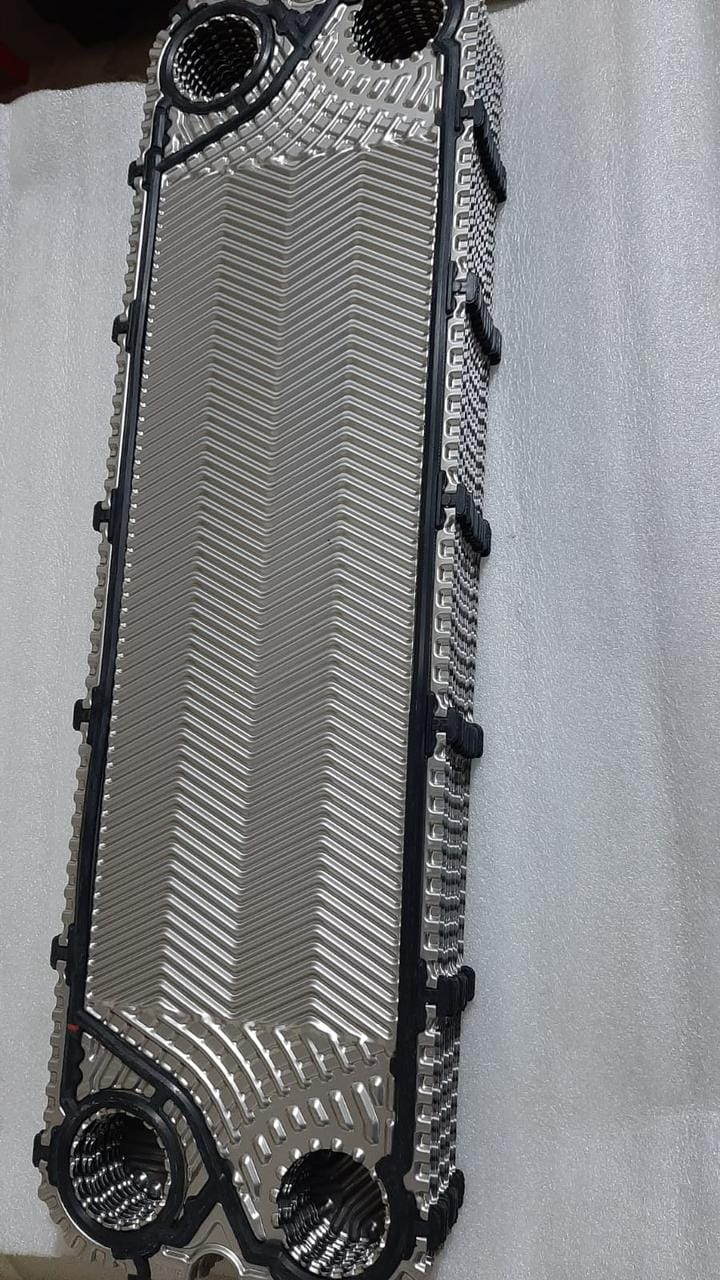
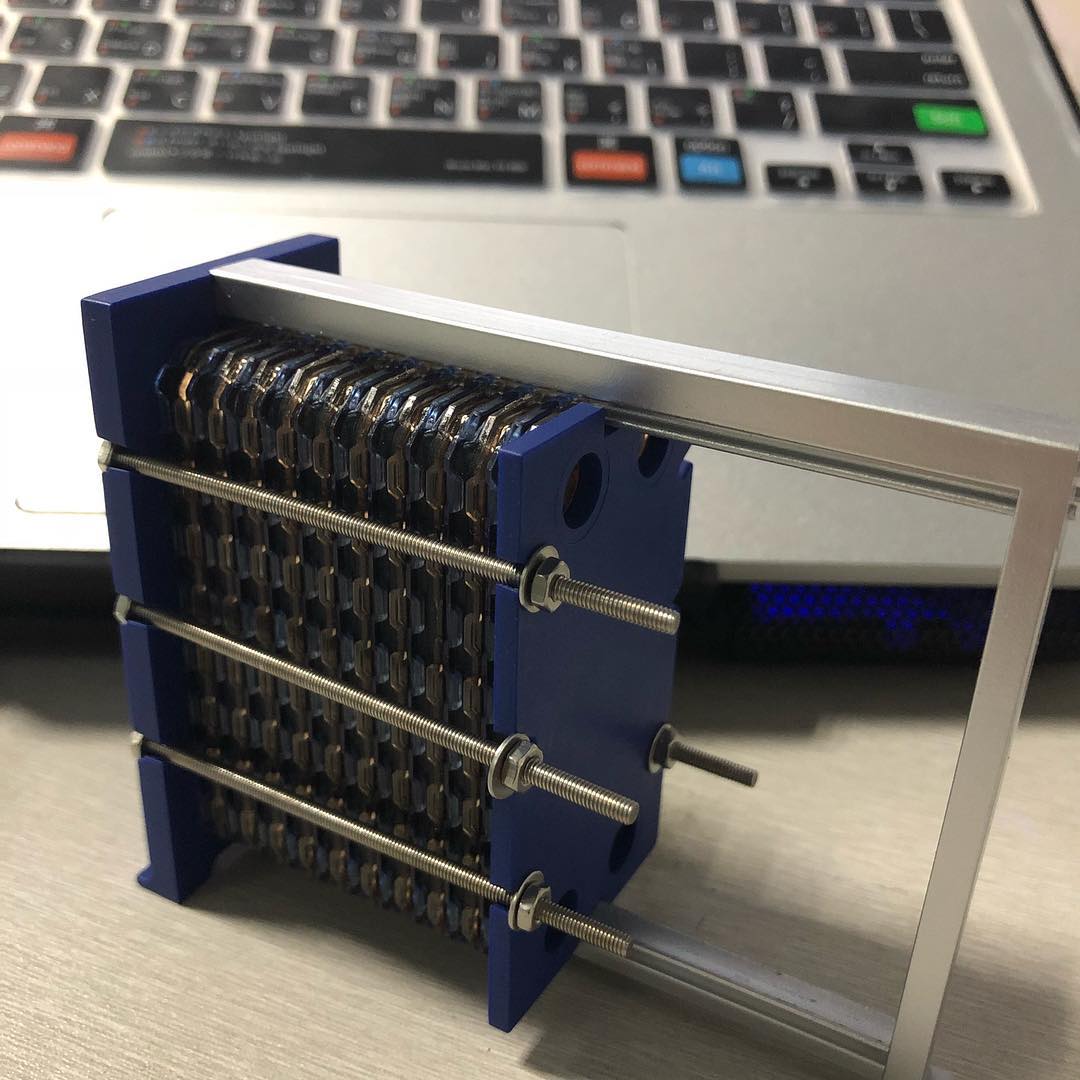
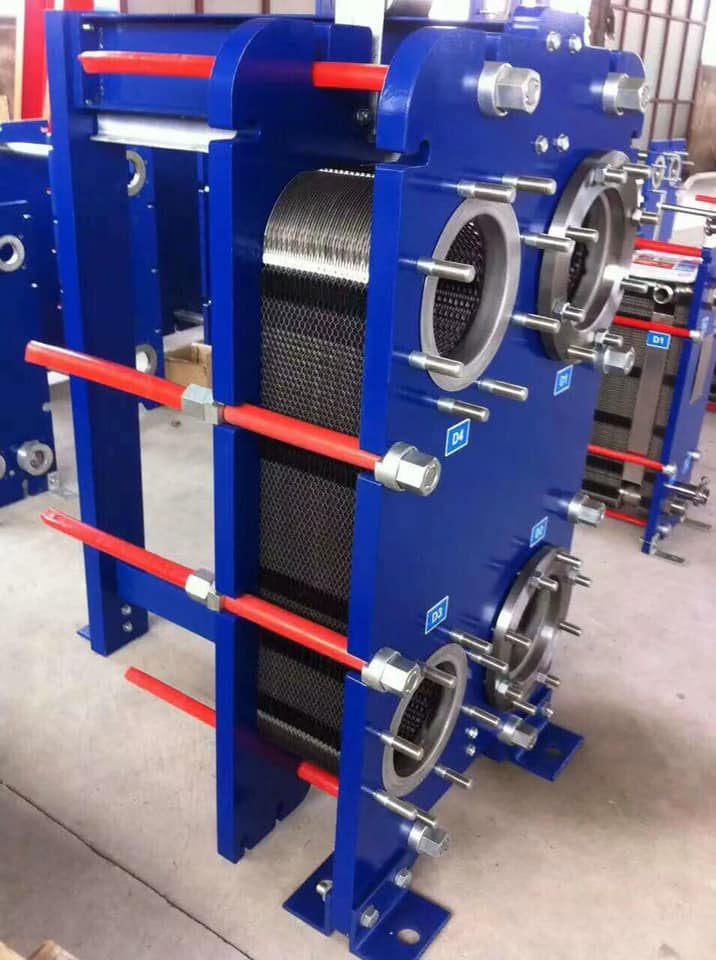
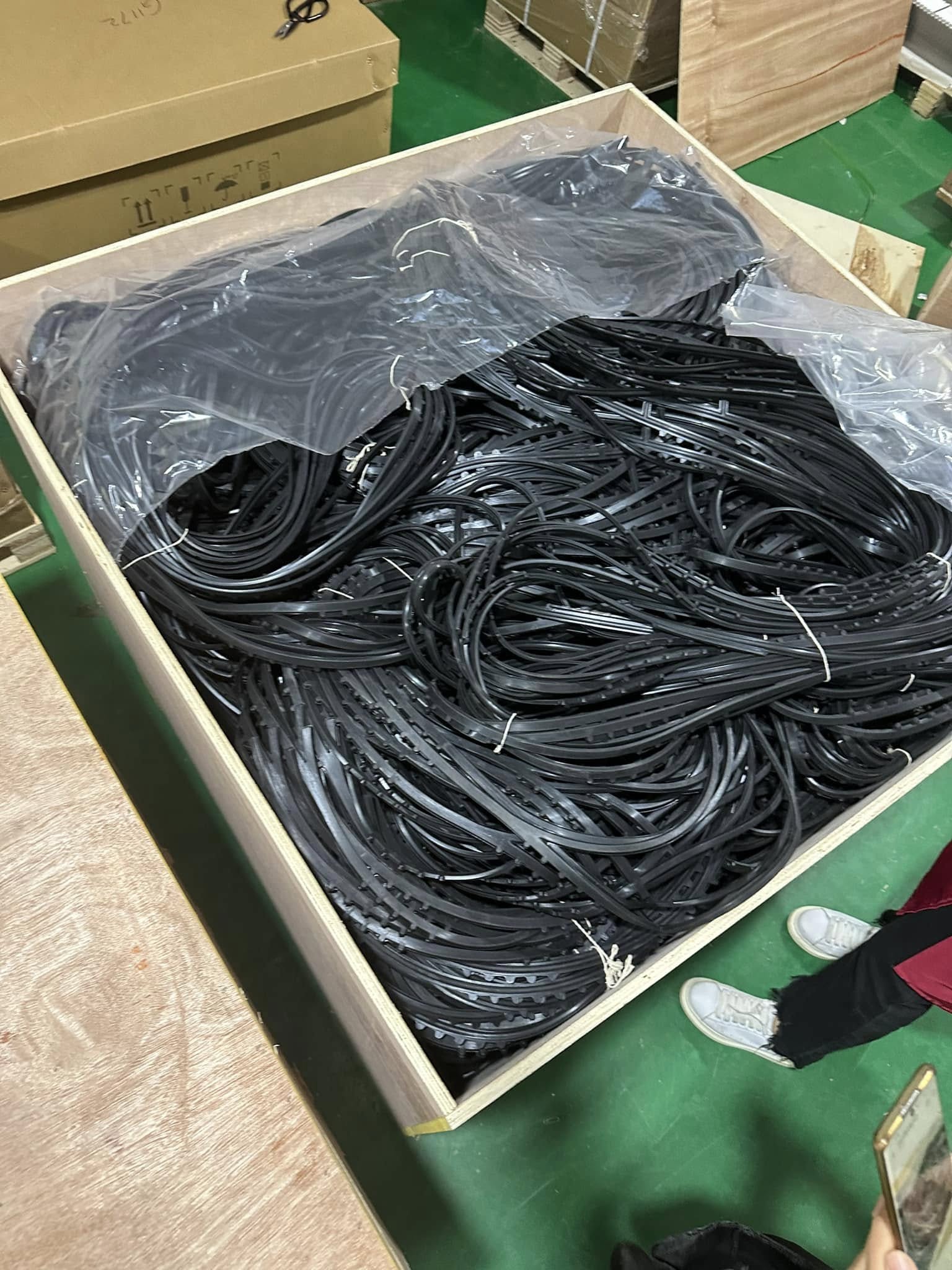
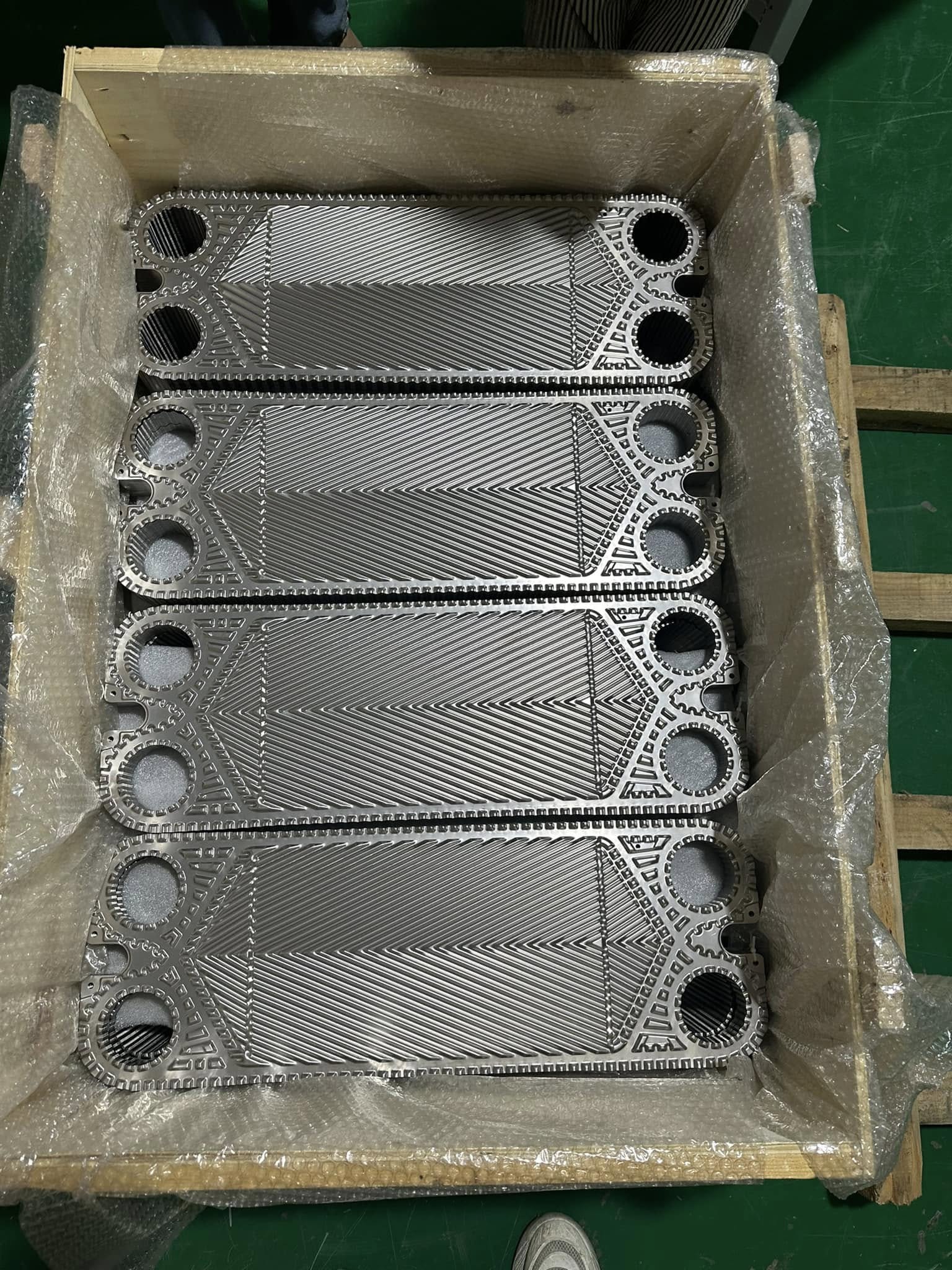
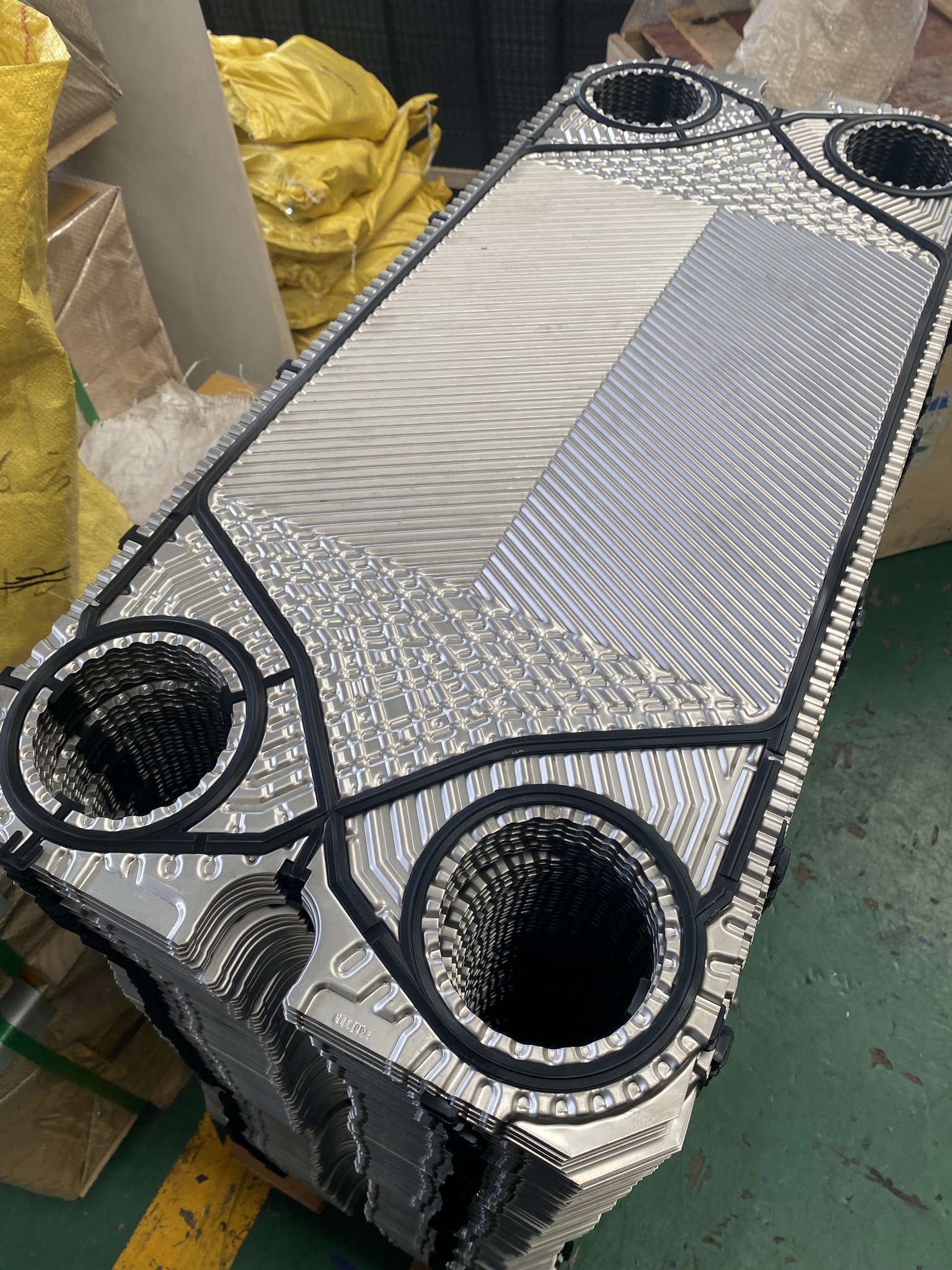
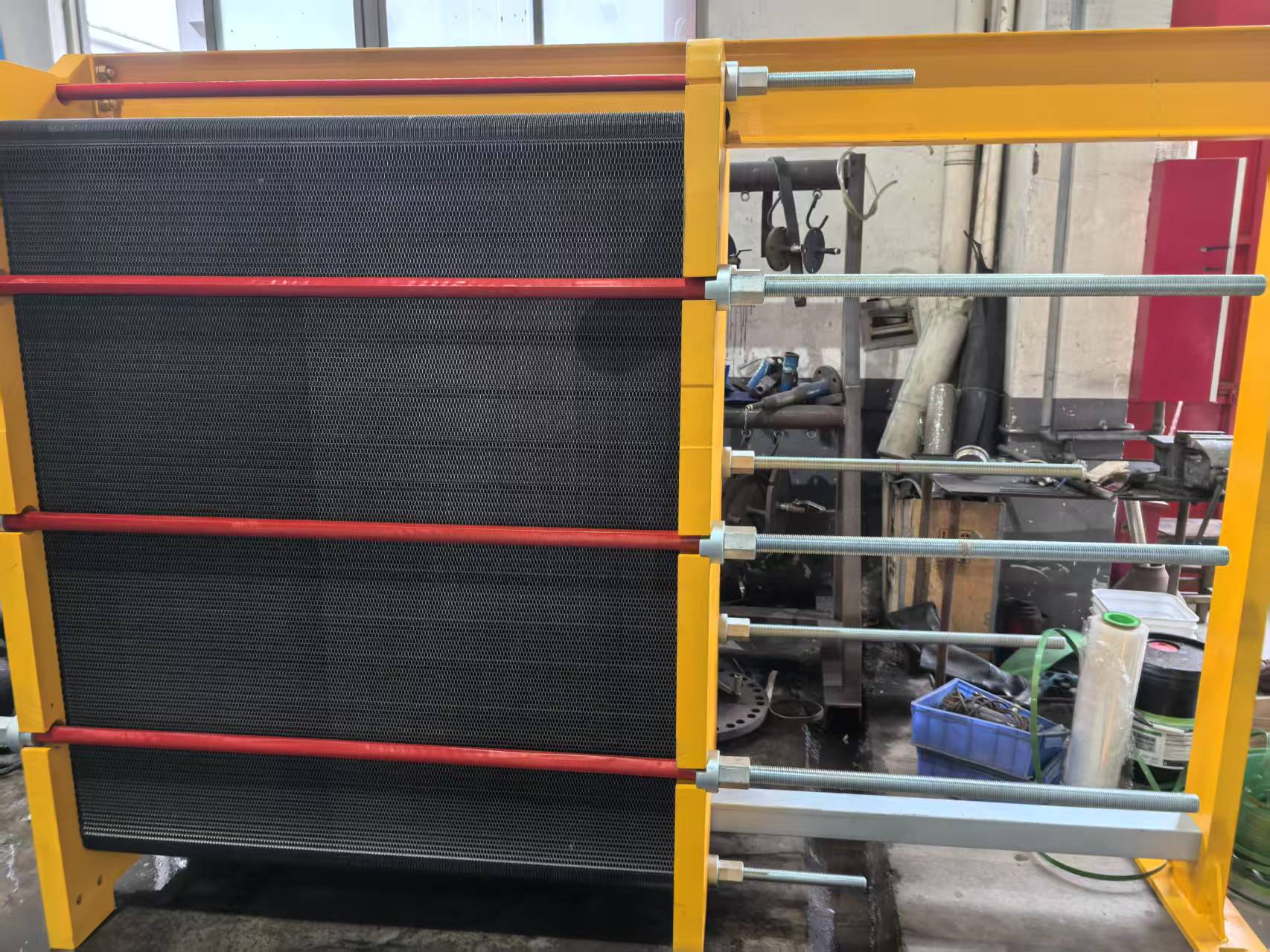
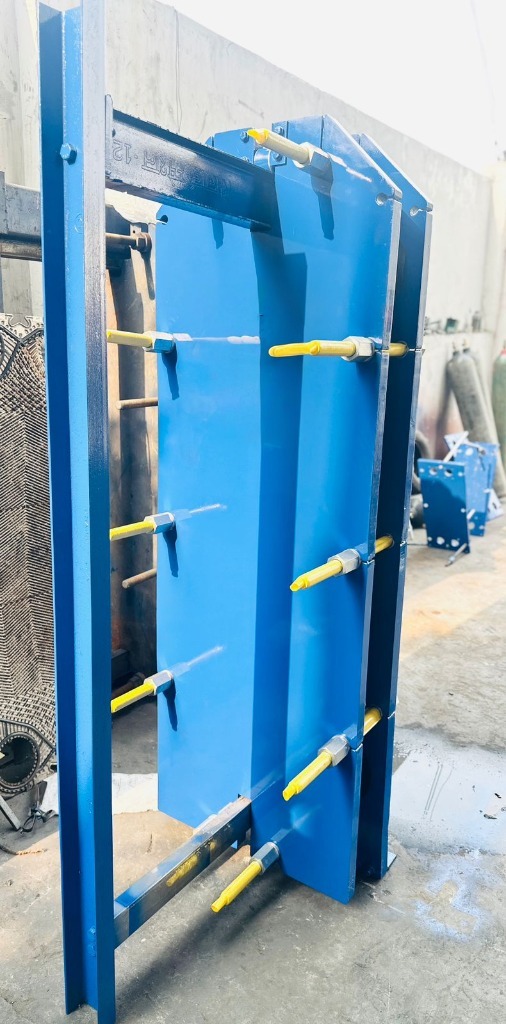
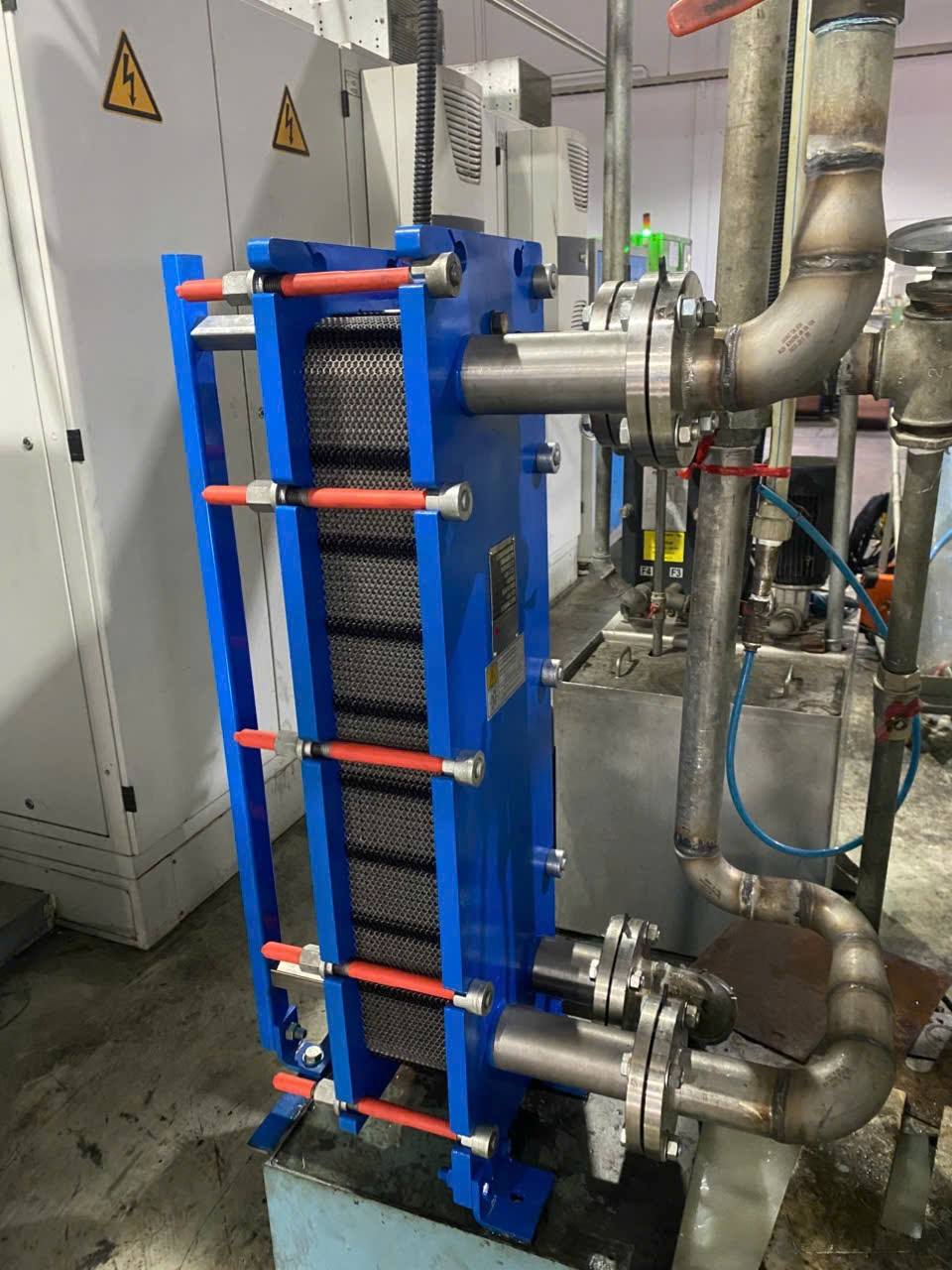
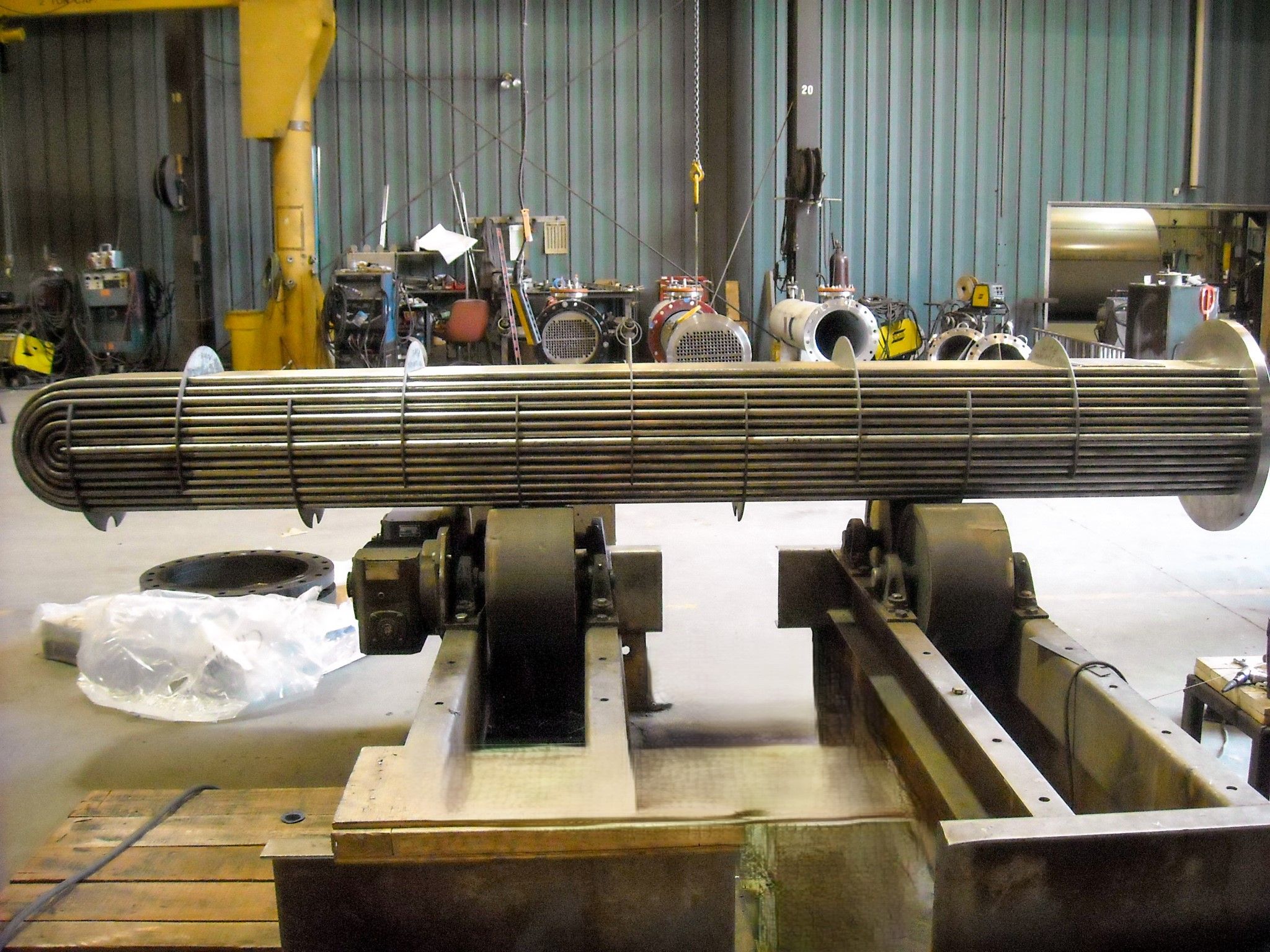
1. Plate Heat Exchanger (PHE) A PHE consists of a series of thin, corrugated metal plates clamped together in a frame. Gaskets seal the plates and direct the fluids into alternating channels. Advantages: 2. Shell and Tube Heat Exchanger (STHE) A STHE consists of a bundle of tubes enclosed in a cylindrical shell. One fluid […]

Plate Heat Exchanger Manufacturer in South Sudan

Plate heat exchanger vs Shell and tube heat exchanger Feature Plate Heat Exchanger (PHE) Shell and Tube Heat Exchanger (STHE) Compactness & Space Very compact. High surface area to volume ratio. Saves significant space. Bulky and large. Requires more floor space and headroom. Heat Transfer Efficiency Very high. Turbulent flow at...

Plate Heat Exchanger Manufacturer in South Africa

Key Advantages of Titanium Plates Choose titanium plates when:

Plate Heat Exchanger Manufacturer in Nigeria

When to choose titanium plate in heat exchanger Titanium plates in a heat exchanger primarily when you need outstanding resistance to corrosion, especially from chlorides, seawater, and other aggressive media, and the cost is justified by the extended equipment life and reliability. The decision is rarely based on strength or weight,...
1 2 7