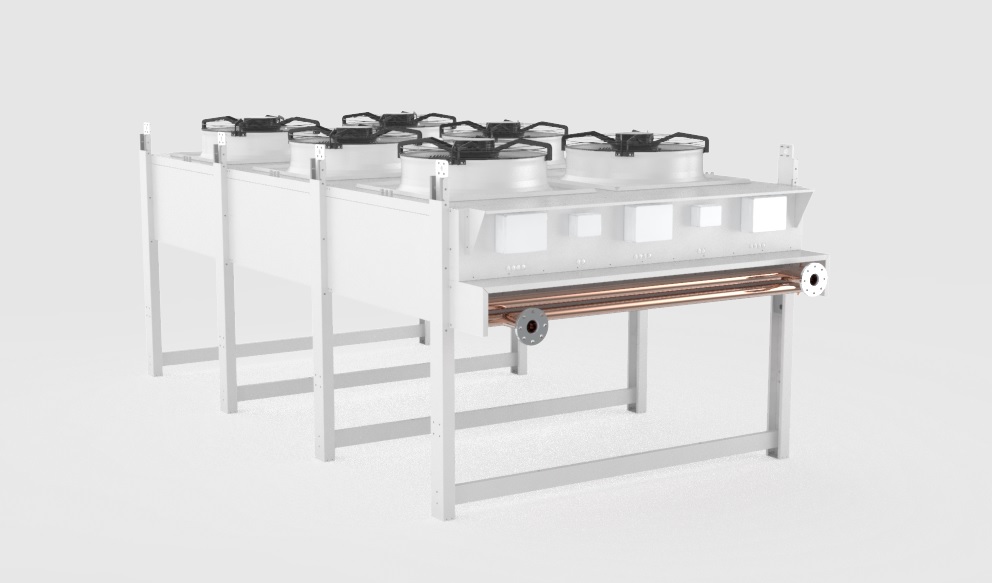
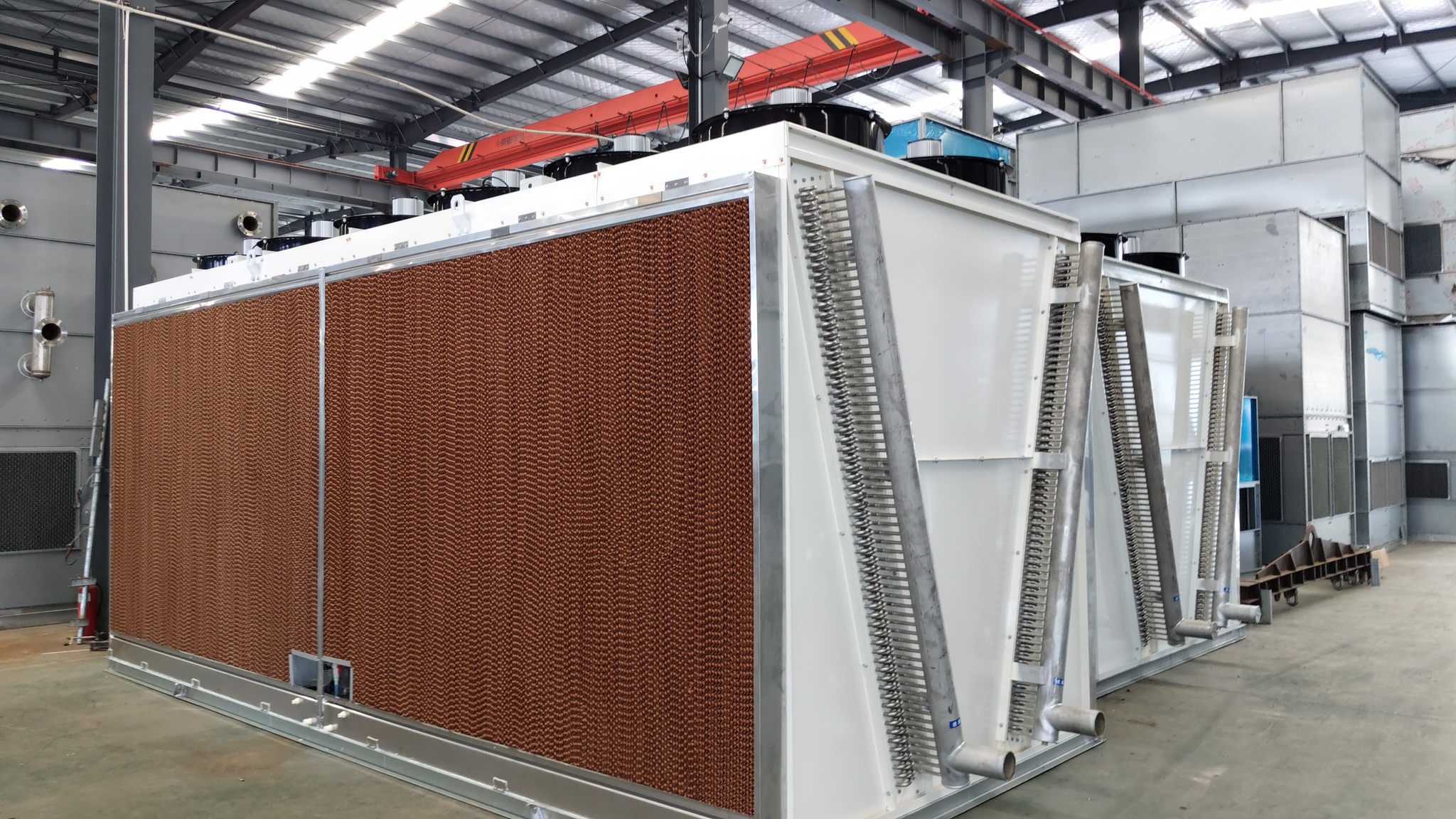
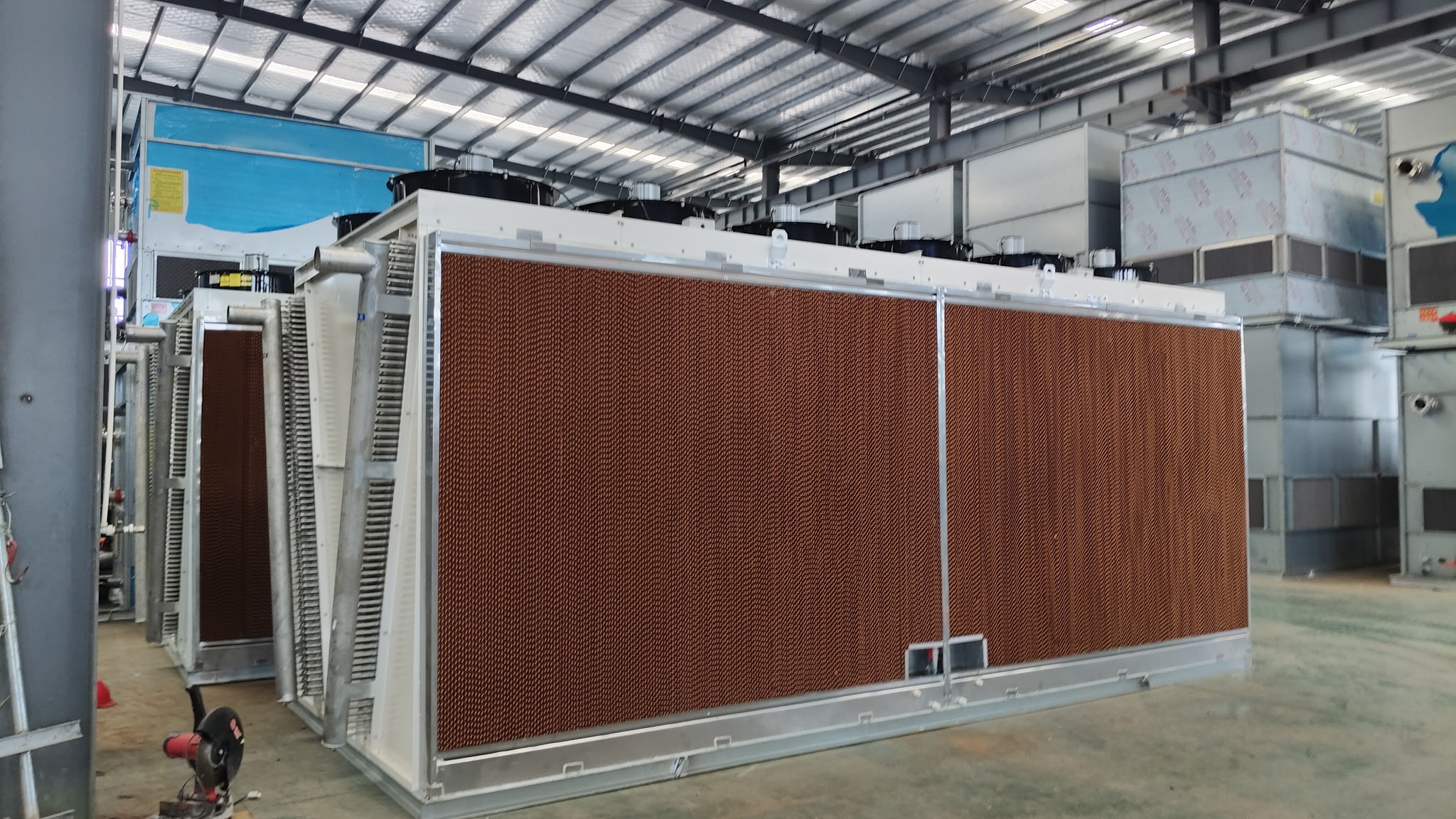
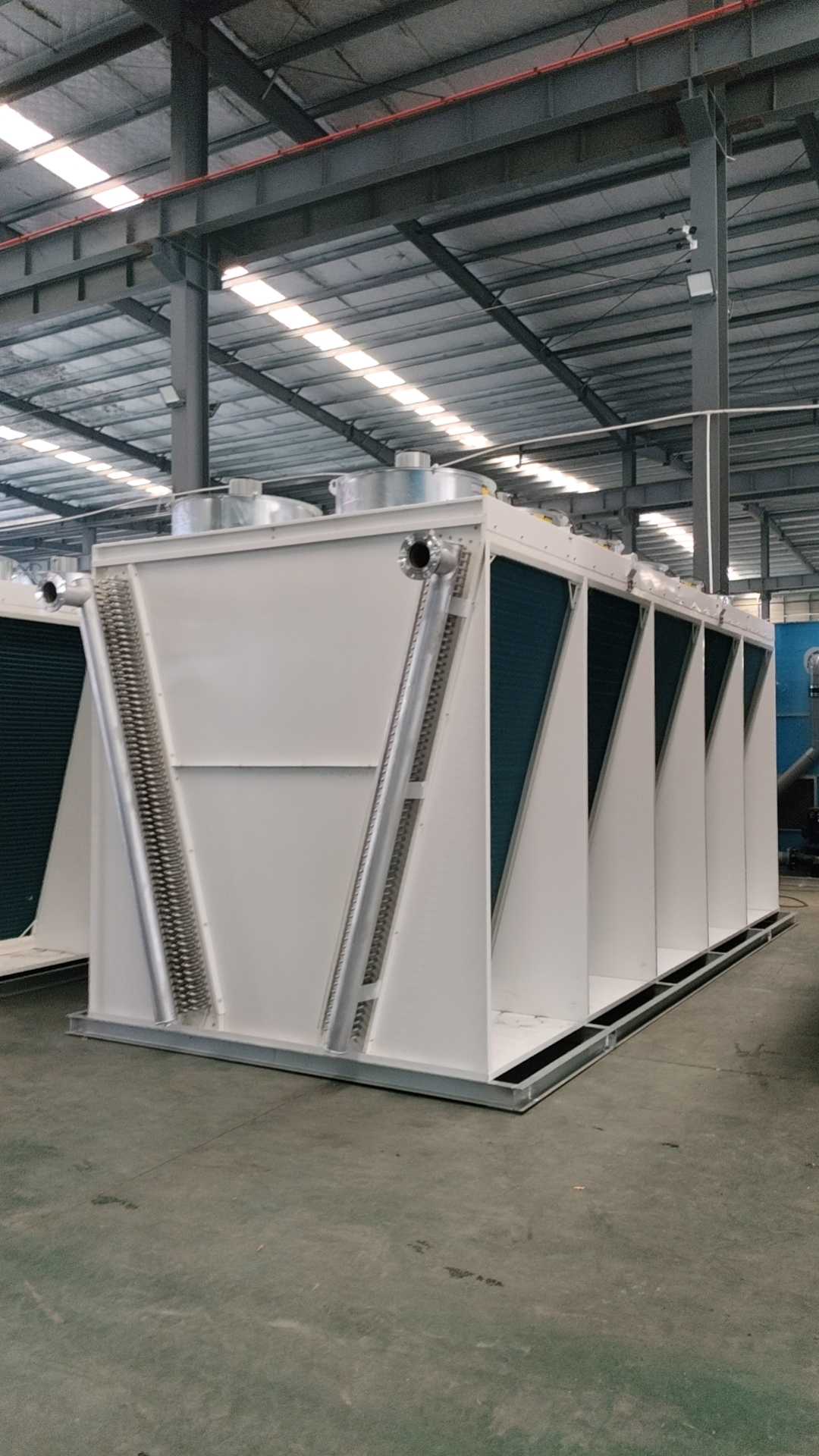
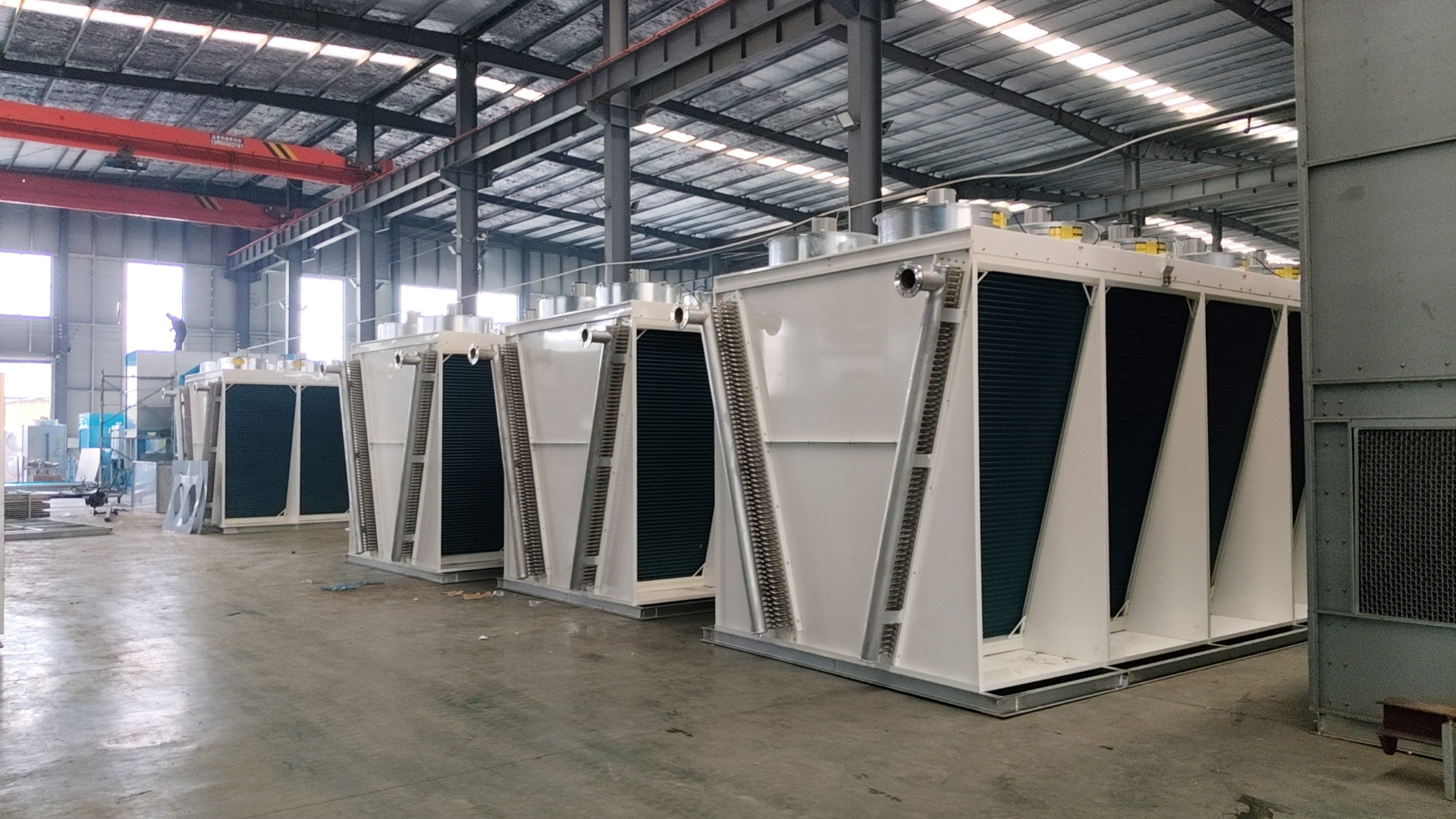
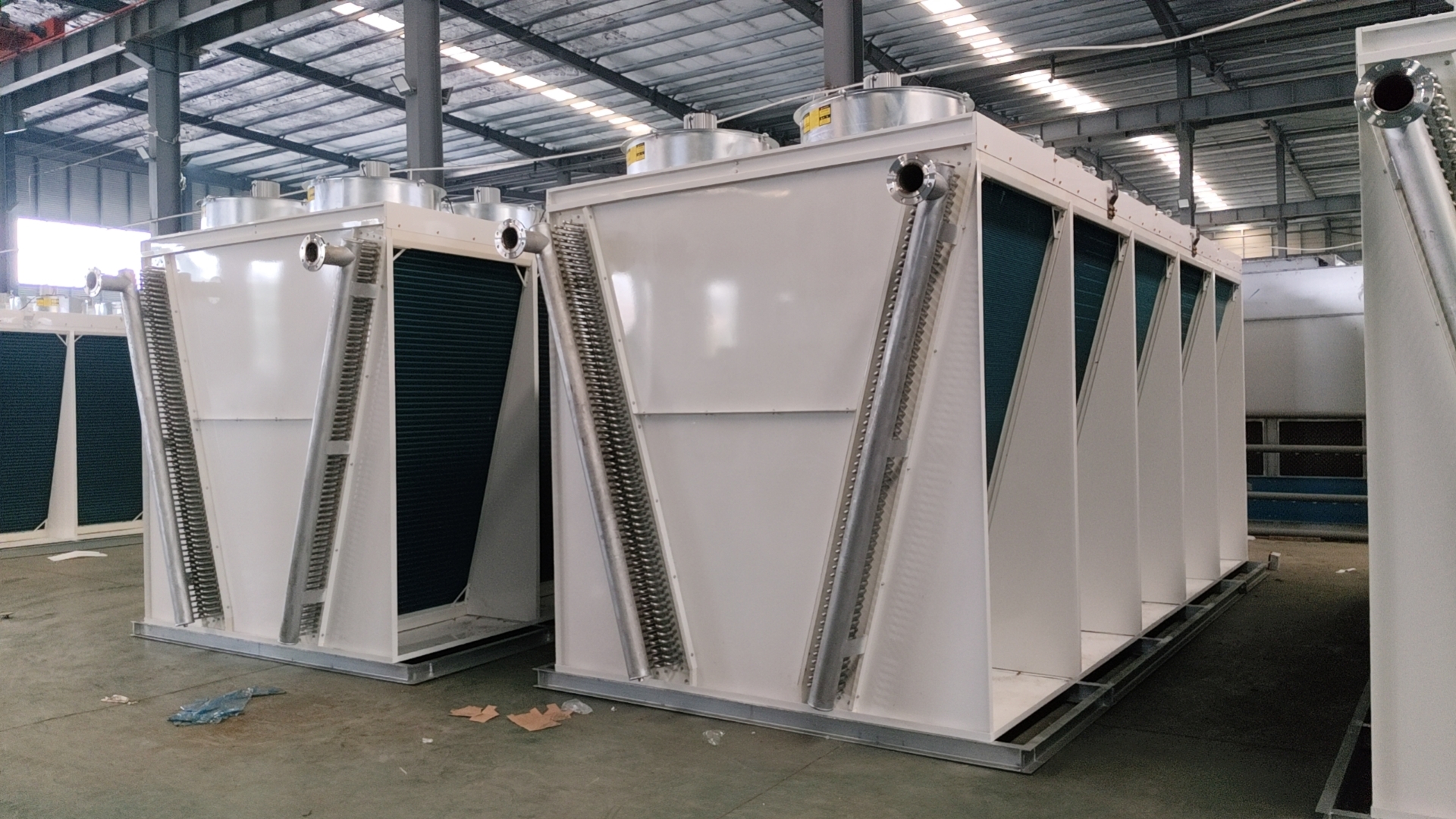
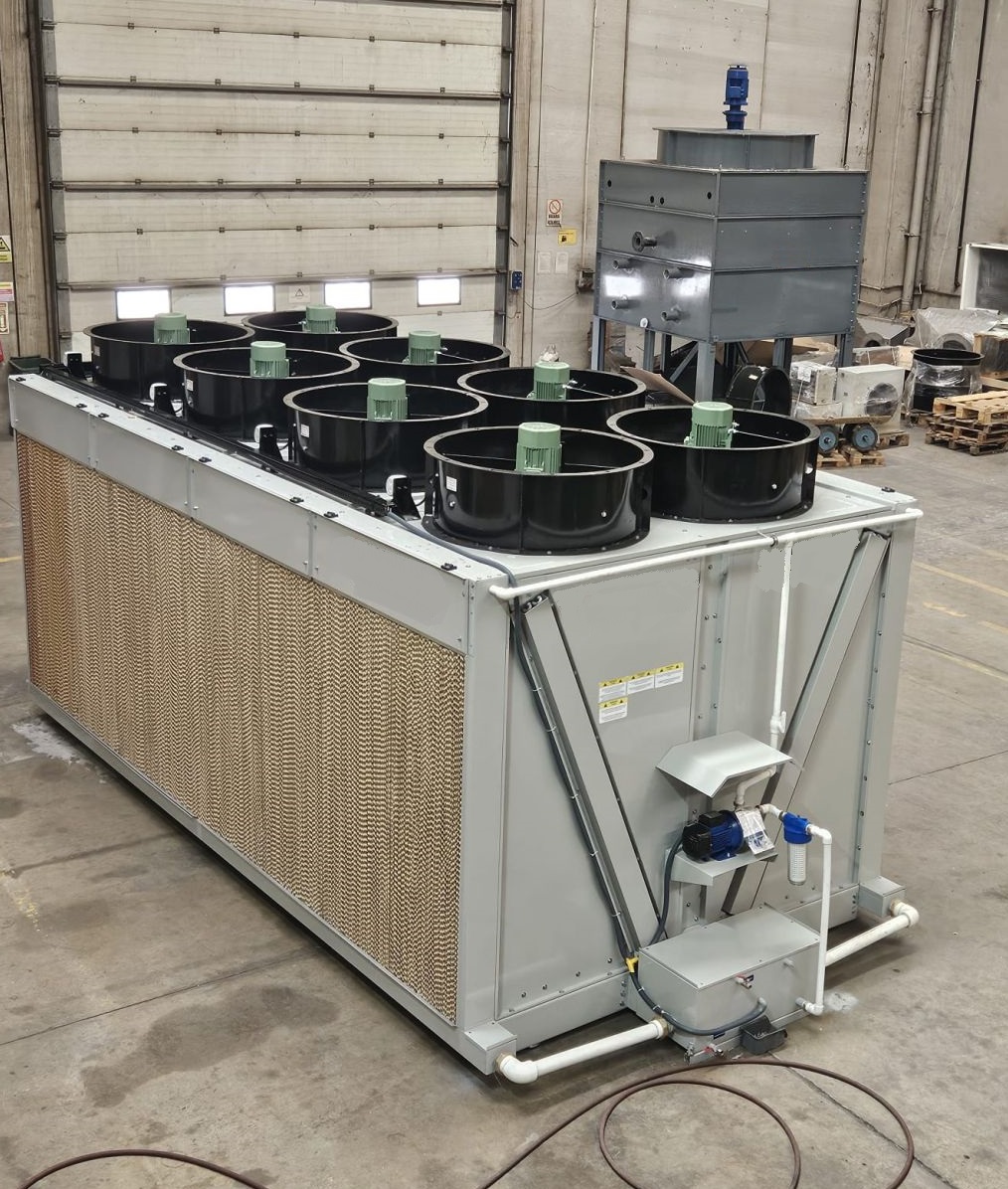
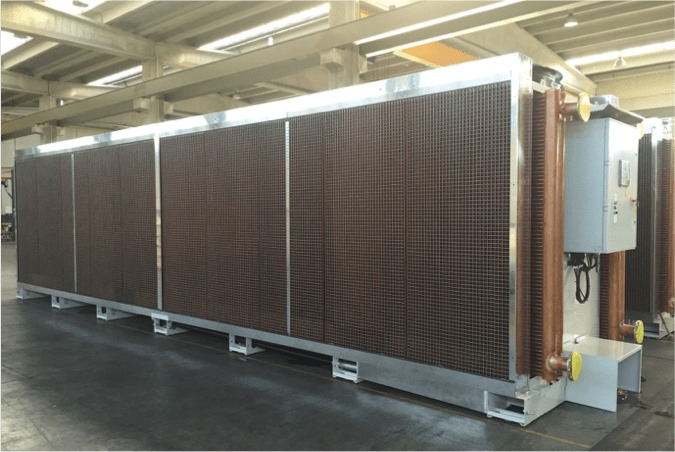
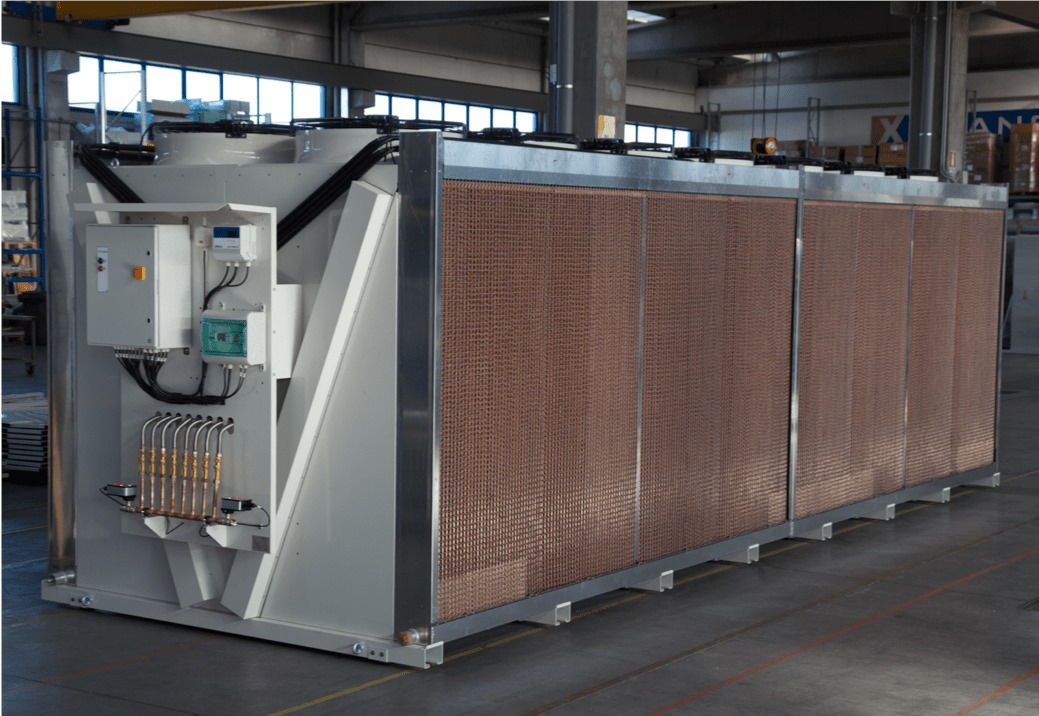
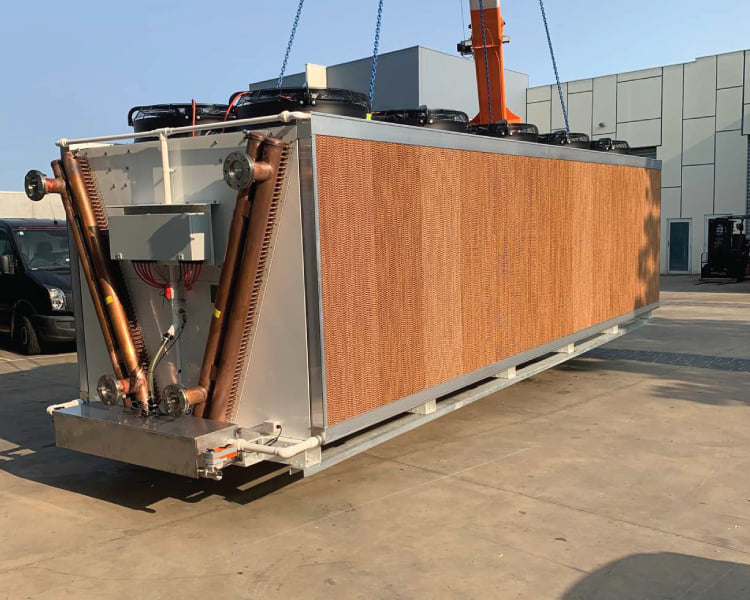
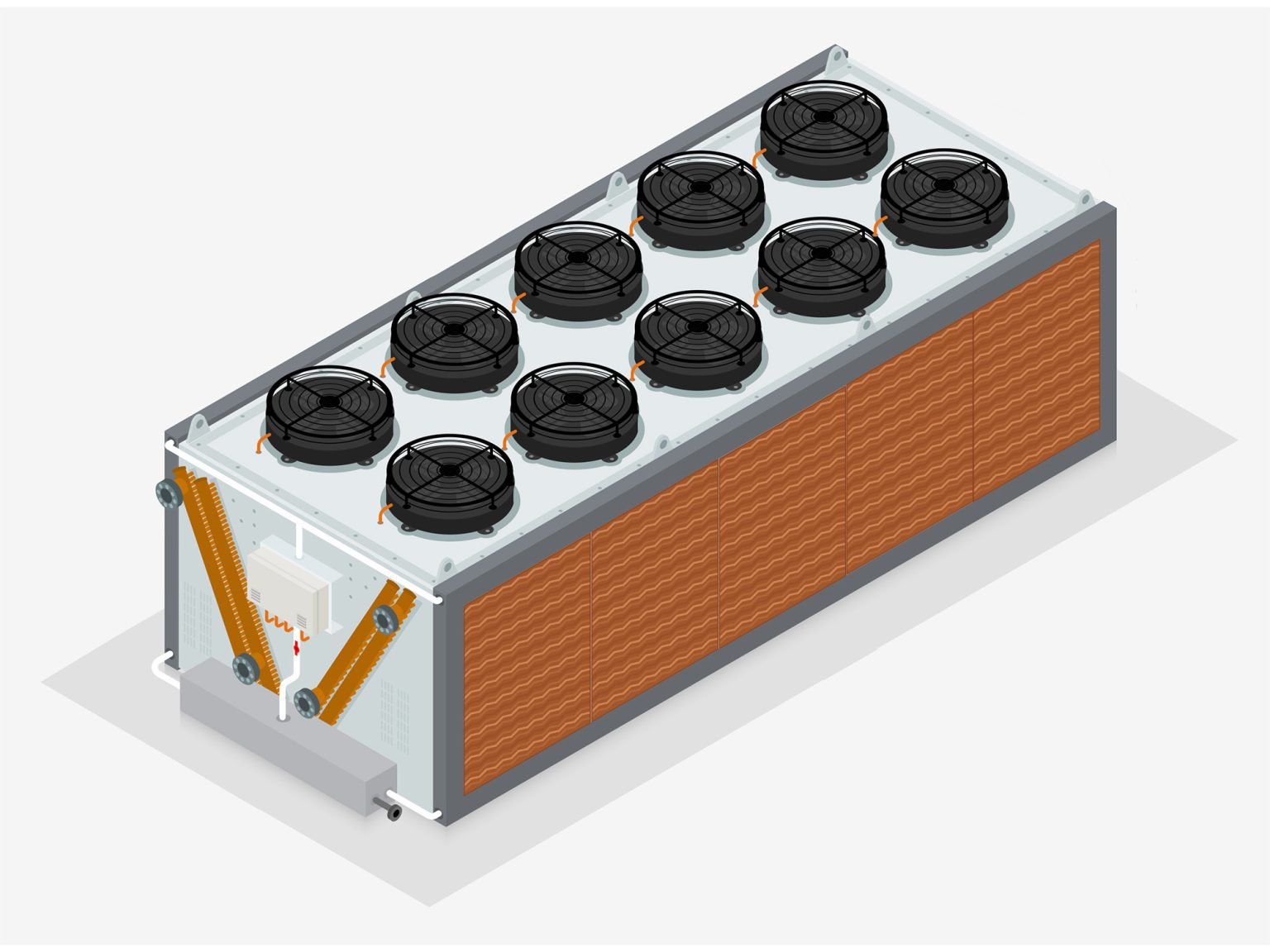
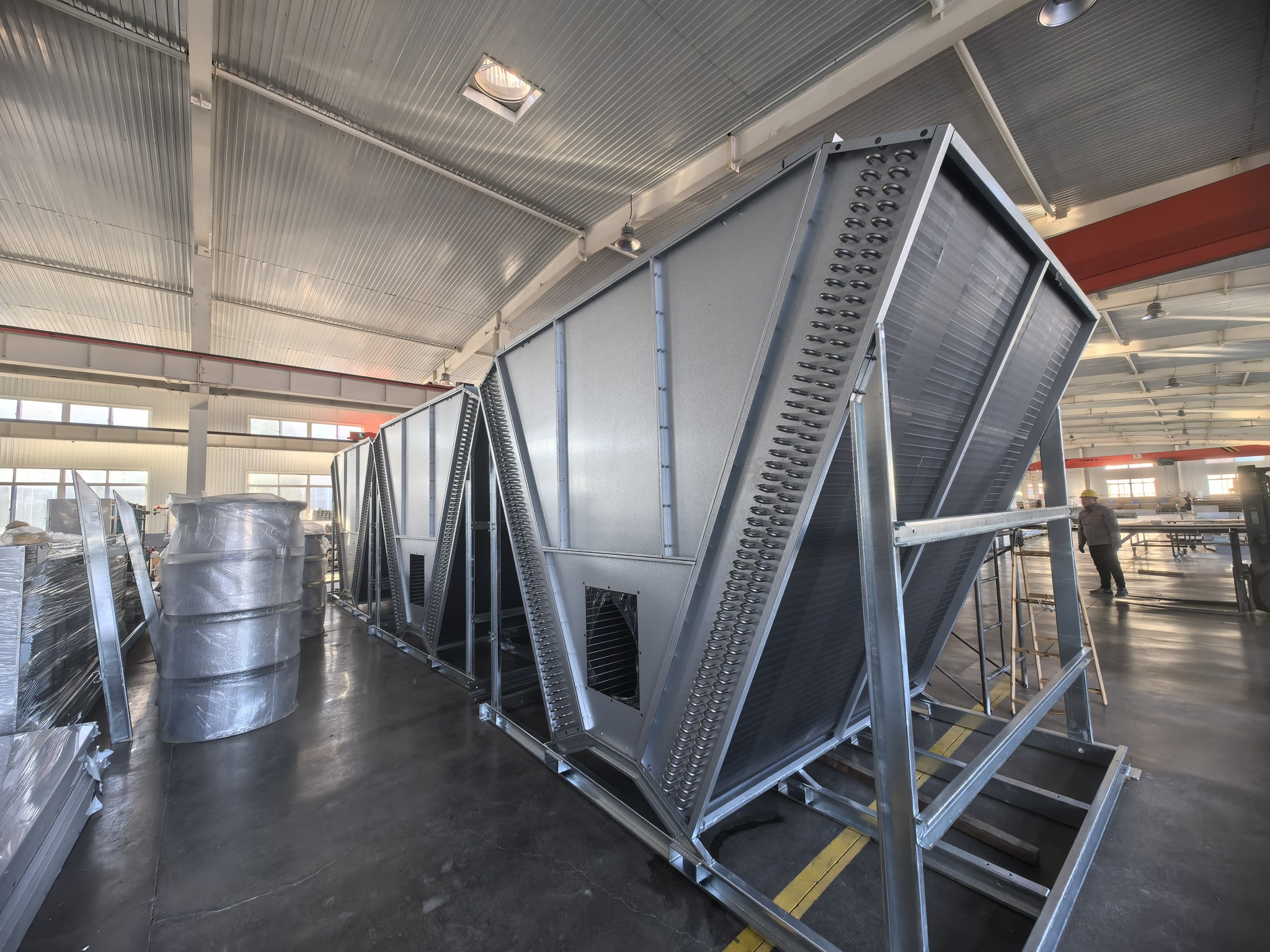
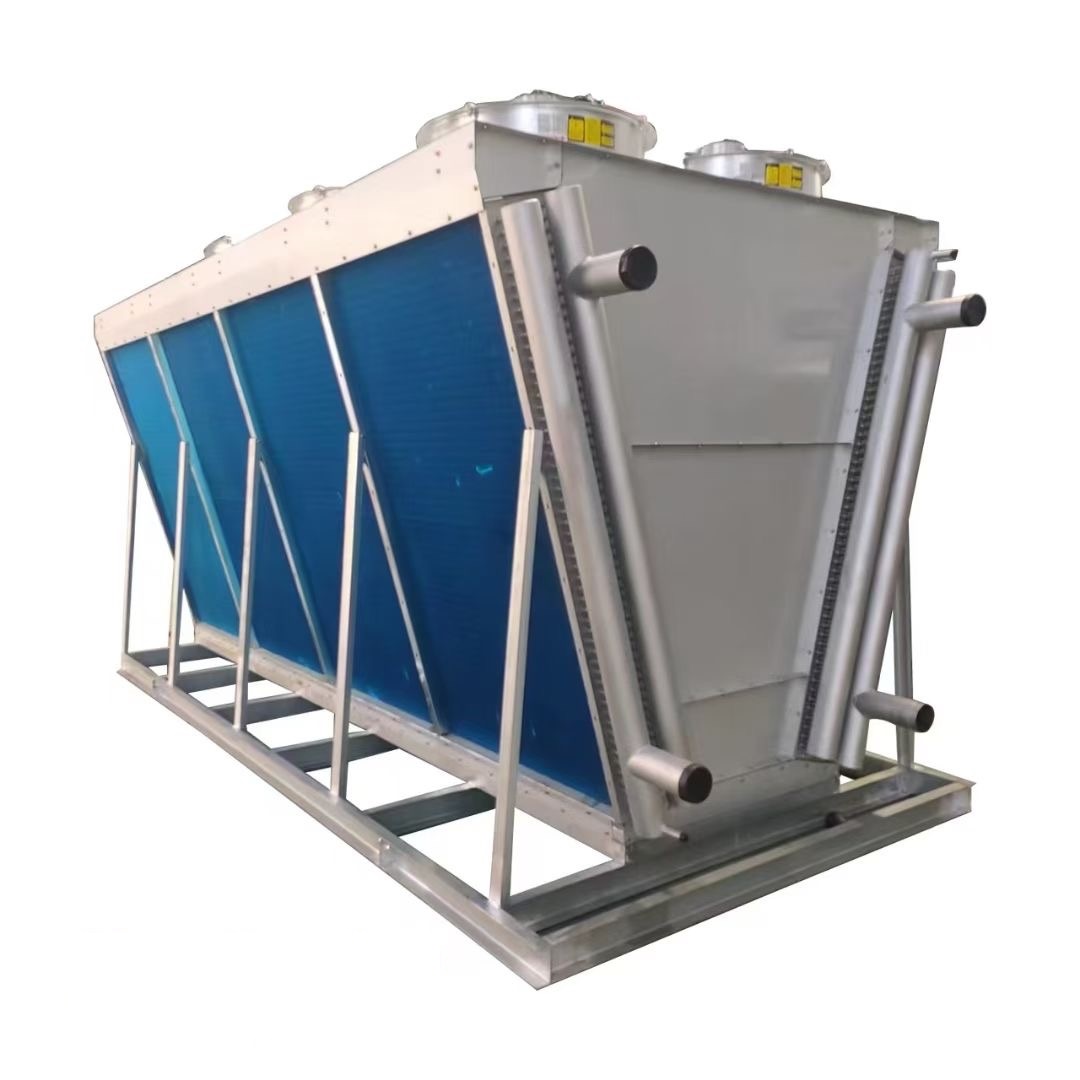
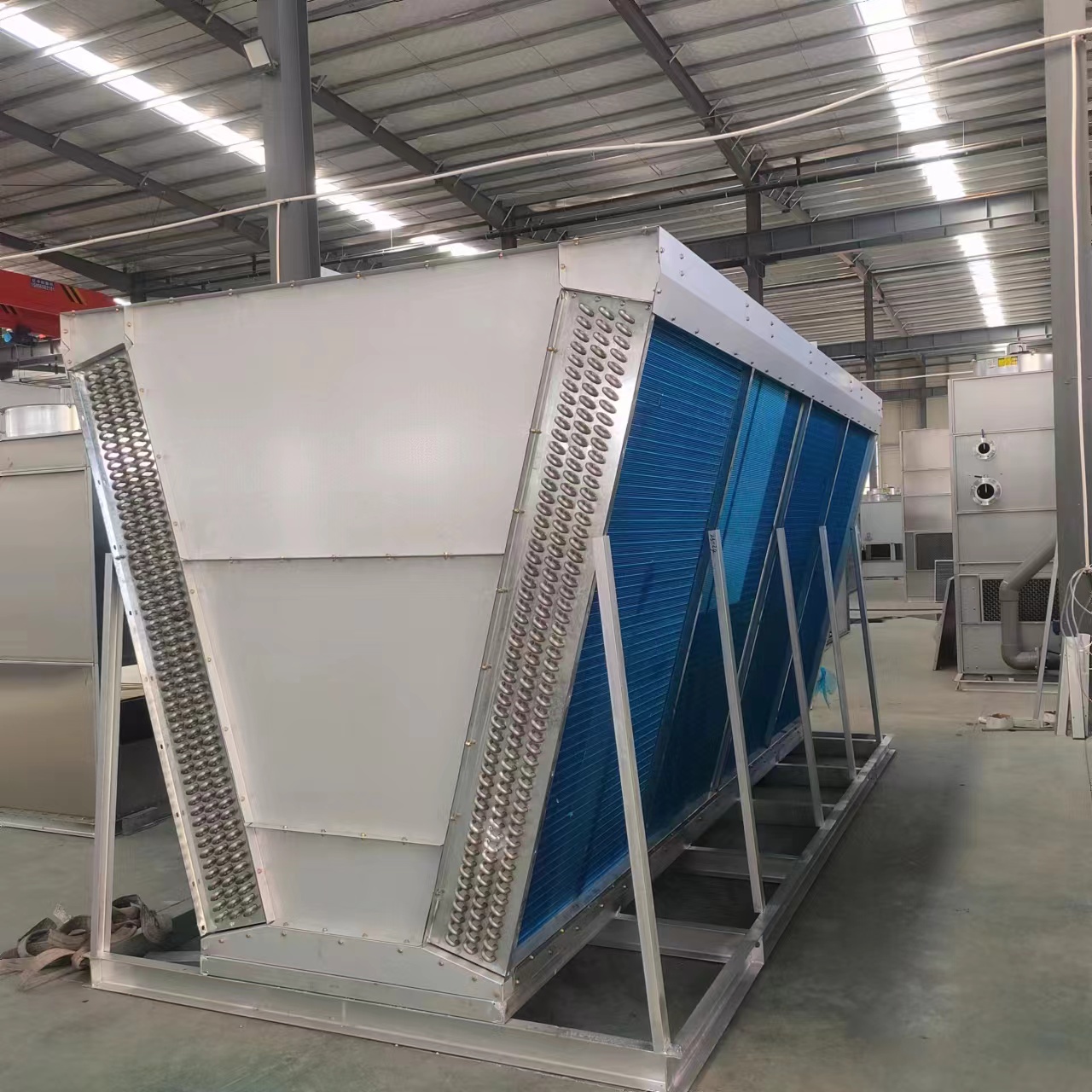
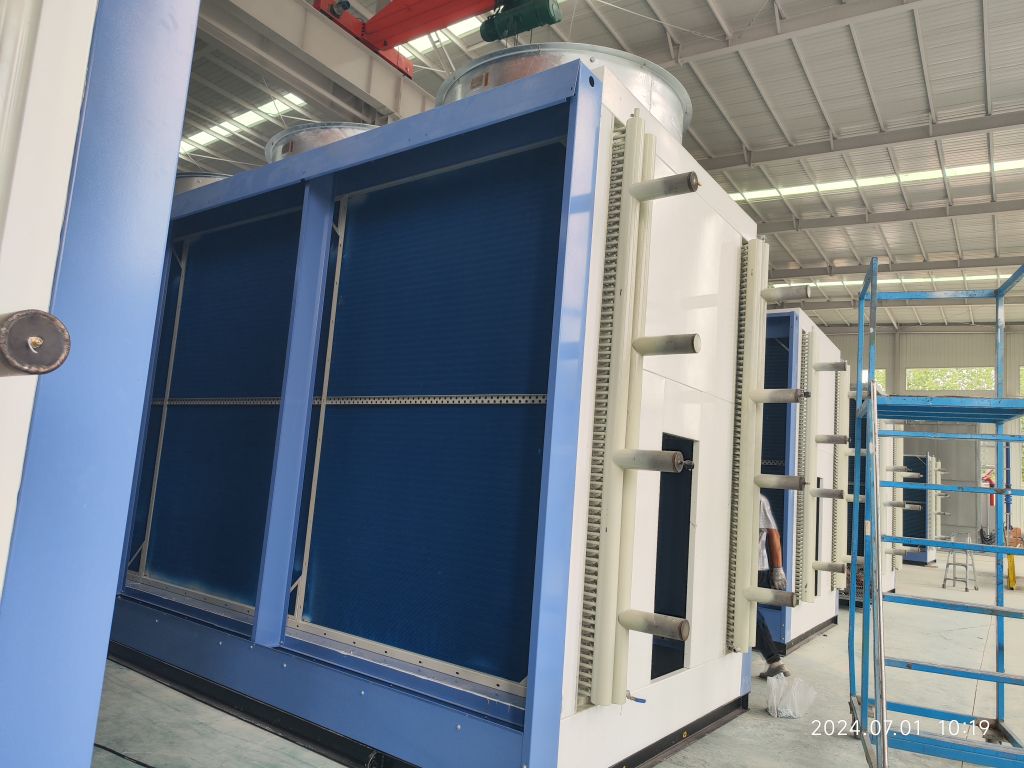
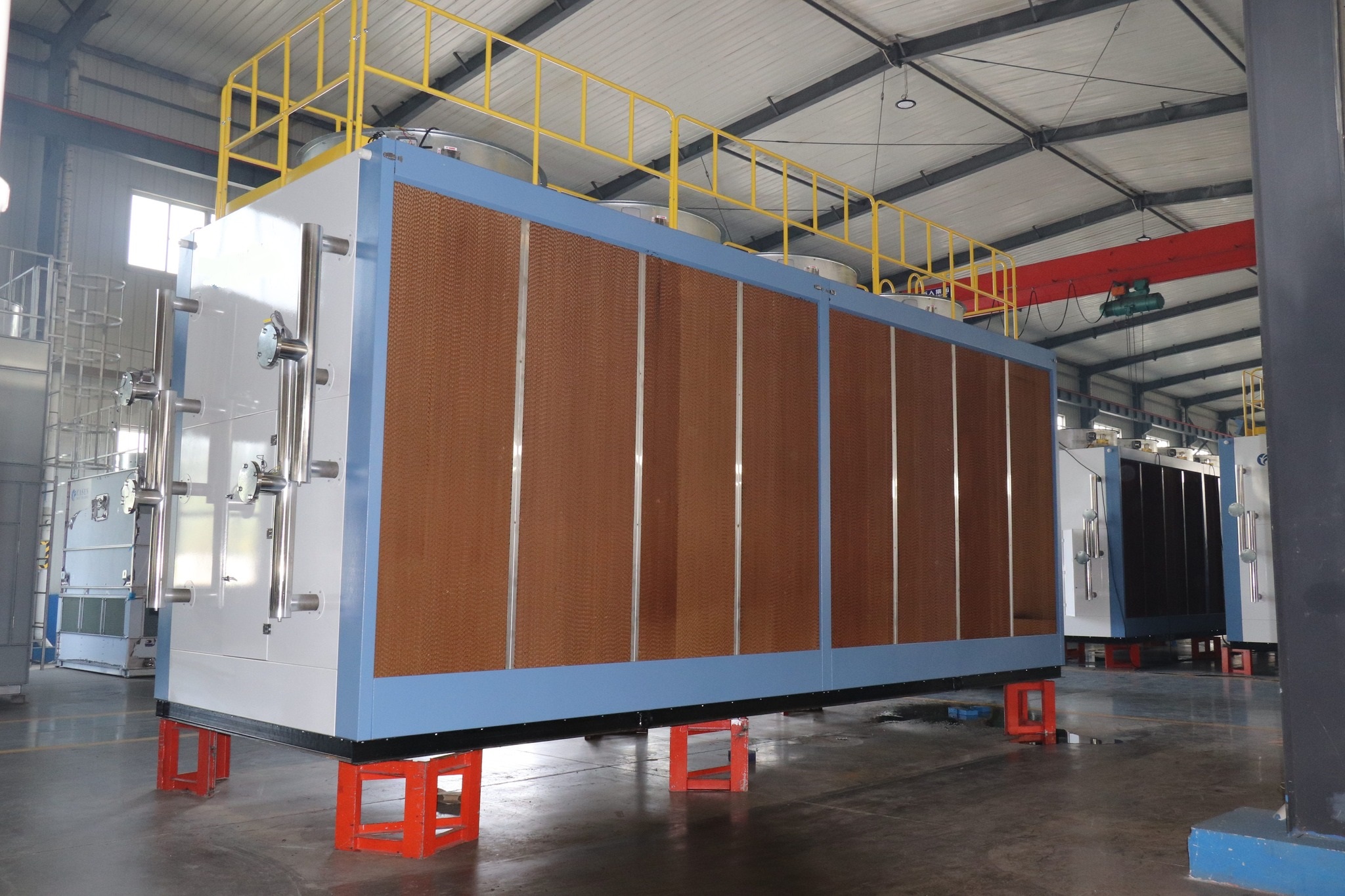
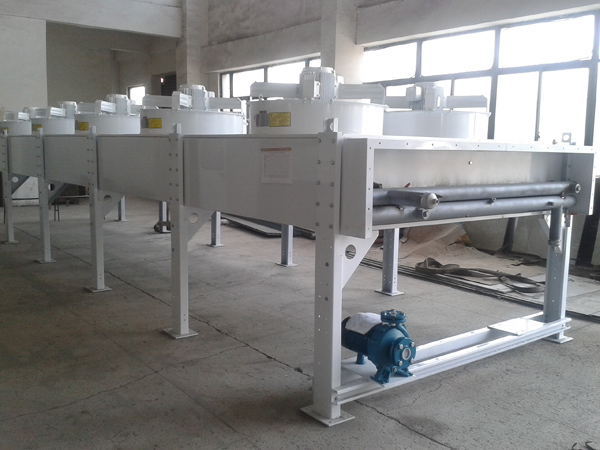
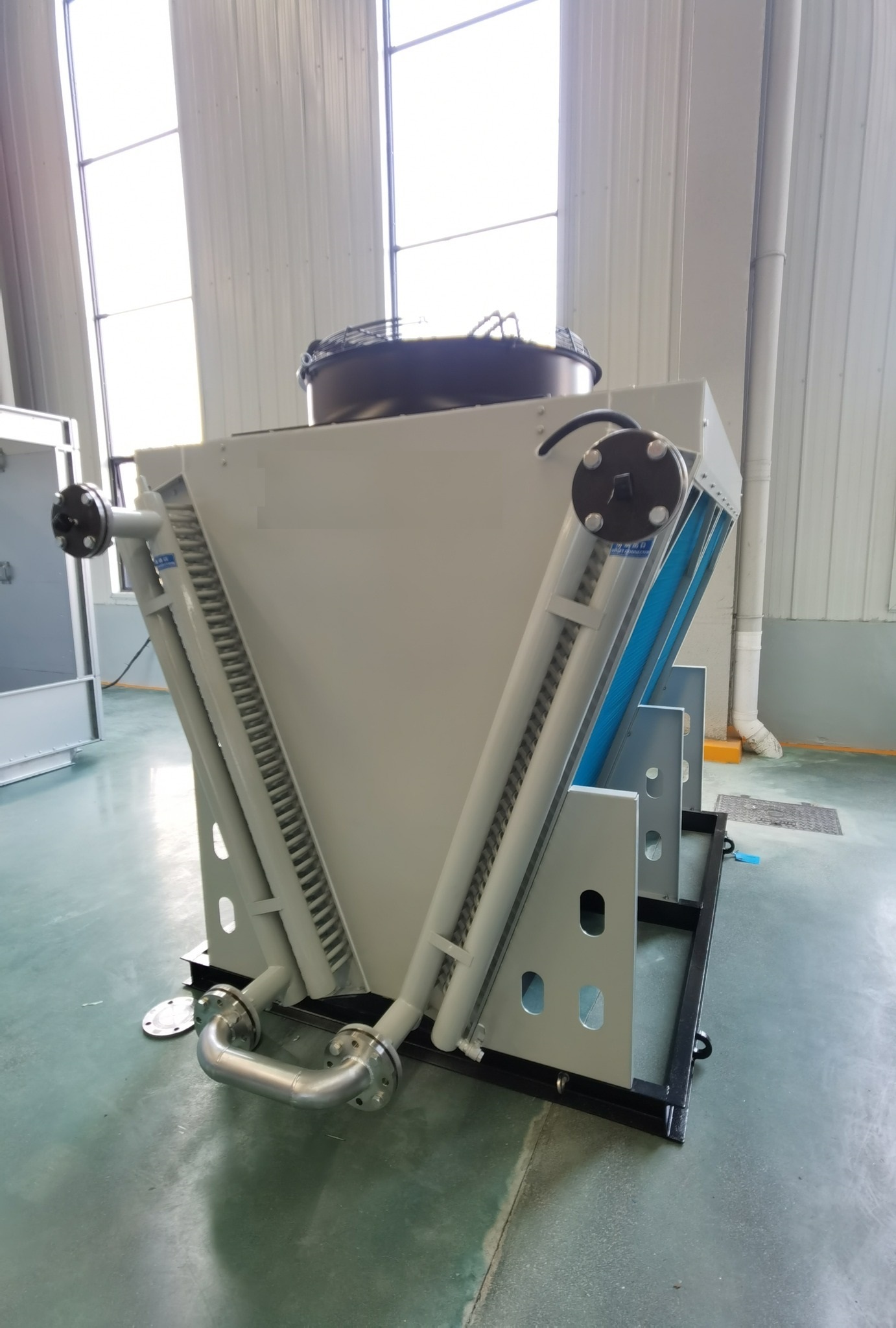
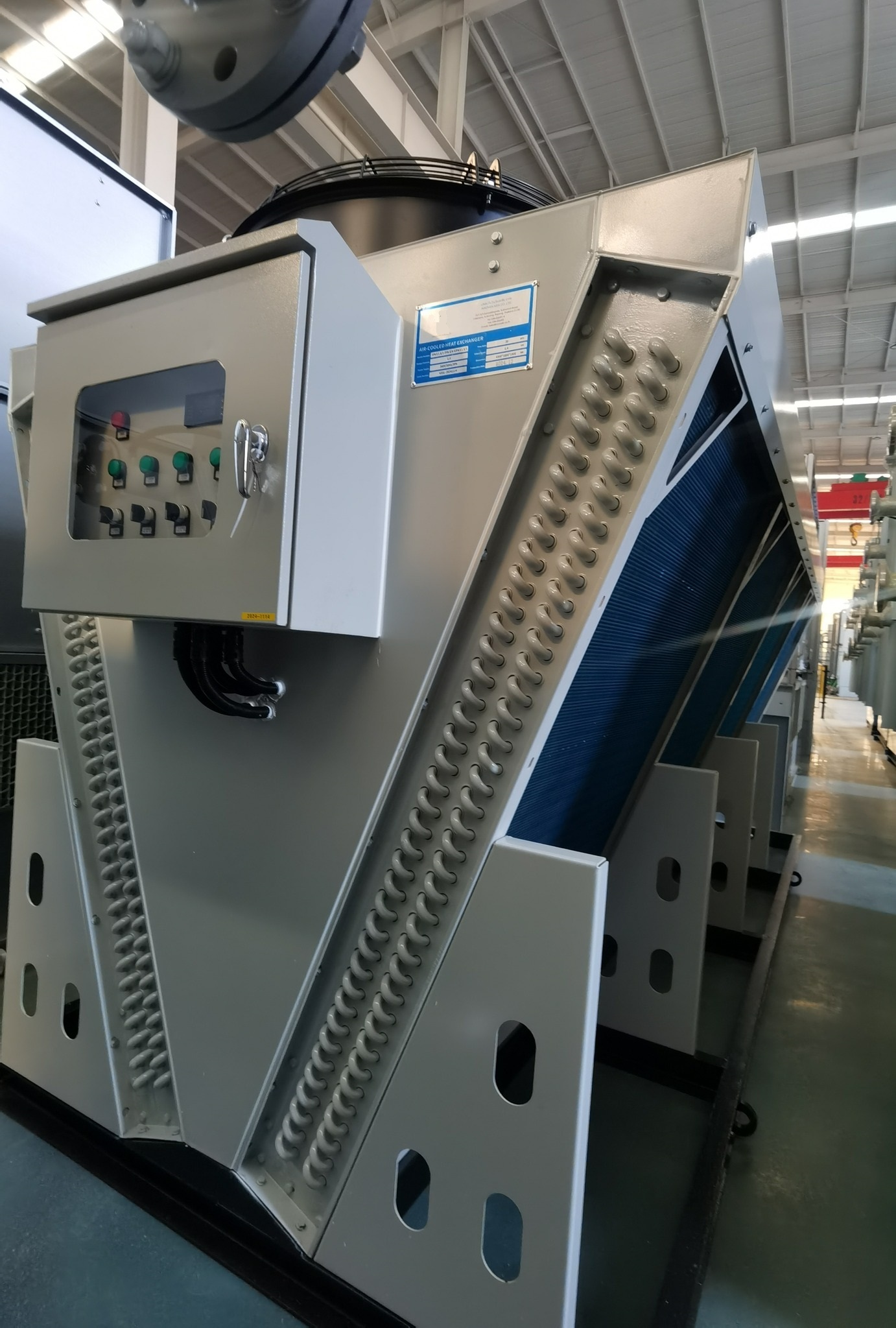
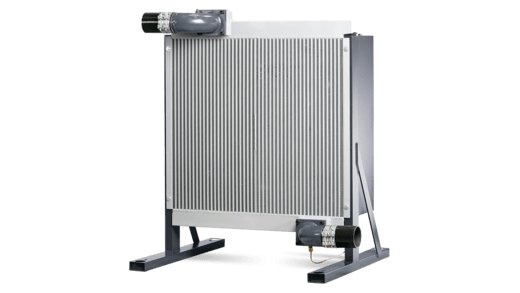
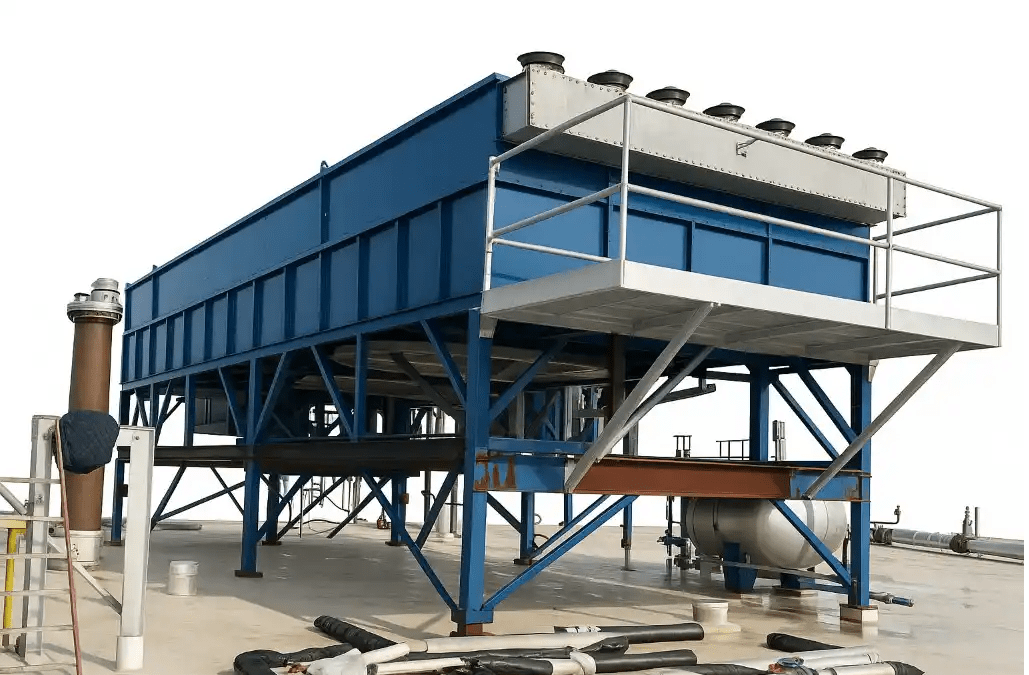
Dry cooling tower with Adiabatic fluid cooler A Dry Cooling Tower with an Adiabatic Fluid Cooler (often called an Adiabatic Hybrid Cooler) is a system that combines the water-saving benefits of a dry cooler with the high efficiency of evaporative cooling, but only when needed. It’s designed to get the “best of both...
Common Material Combinations The most efficient and cost-effective combinations leverage the strength of one material and the thermal conductivity of another. Common Material Combinations The most efficient and cost-effective combinations leverage the strength of one material and the thermal conductivity of another. Tube Material Fin Material...
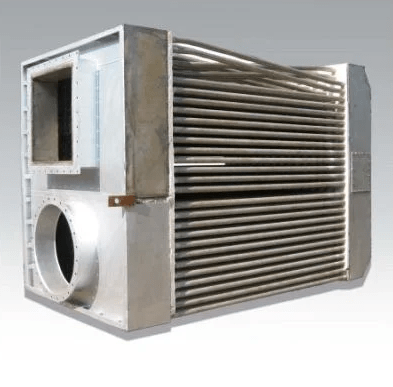
Material of Construction of cooling coil in Dry cooling tower Their Common Materials 1. Tubes (The Primary Pressure Boundary) The tubes carry the hot process fluid and must withstand its pressure and temperature. 2. Fins (The Extended Surface for Heat Transfer) The fins are attached to the outside of the tubes to dramatically increase the...
Detailed Functions and Design Characteristics: 1. Creates a Sealed, Closed Loop: 2. Provides Maximum Surface Area for Heat Transfer: 3. Acts as the Physical Barrier: 4. Dictates the Tower’s Efficiency and Capacity:
Use of Heat exchanger coil in Dry cooling tower The heat exchanger coil is the absolute core component of a dry cooling tower, and its use is fundamental to the tower’s entire operation. In simple terms, the use of the heat exchanger coil in a dry cooling tower is to transfer heat from the hot internal […]
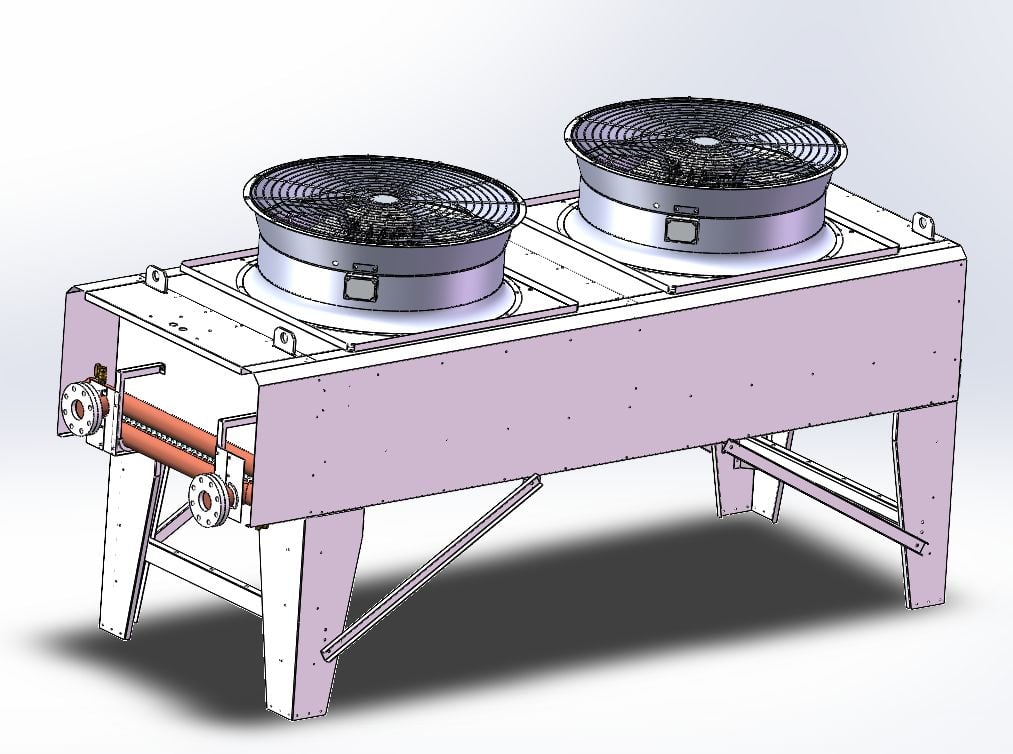
Part Functions: Part Primary Function Finned Tubes Transfers heat from the hot fluid to the cool air. Fans & Motors Creates the forced airflow for heat exchange. Headers Distributes and collects the process fluid. Support Structure Provides structural integrity for all components. Louvers Directs airflow and minimizes recirculation.
Parts of Dry cooling Tower? A dry cooling tower is a complex system composed of several key components that work together to reject heat through sensible heat transfer. Here are the main parts of a typical mechanical draft dry cooling tower, broken down by their function: 1. Heat Exchanger Bundle (The Core) This is the […]
Where Dry Cooling tower used. Dry cooling towers are the technology of choice in locations where water is scarce or environmental regulations restrict water usage and vapor plumes. Dry Cooling Tower is a water-saving cooling system that trades off higher cost and lower efficiency for the crucial benefit of minimal water consumption, making it...
Dry Cooling Tower vs. Wet Cooling Tower Feature Dry Cooling Tower Wet Cooling Tower (Evaporative) Principle Sensible Heat Transfer (like a car radiator) Latent Heat Transfer (evaporation) Water Usage Very Low. Only minor makeup water for the closed loop. Very High. Continuous water loss due to evaporation, drift, and blowdown....
A Dry Cooling Tower is a heat rejection device that cools a working fluid (most often water or a water-glycol mixture) without direct contact with the air and without any water loss through evaporation. Think of it as a giant, industrial-sized radiator, similar in principle to the radiator in your car. It uses the principles...
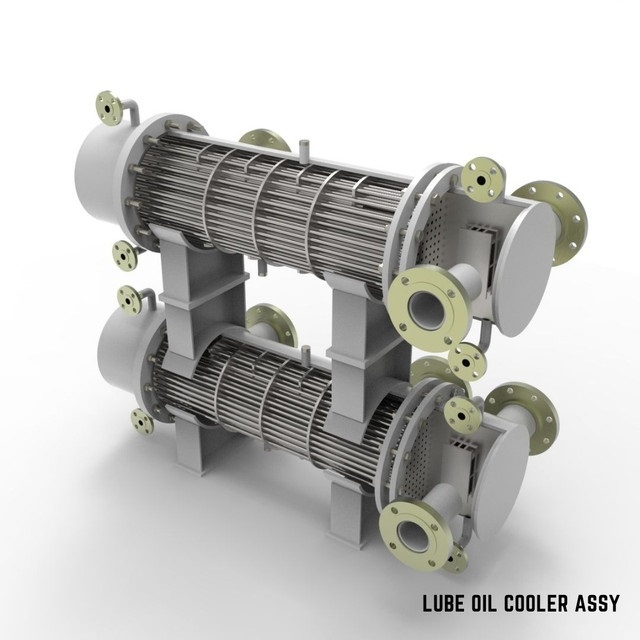
A lube oil cooler is a heat exchanger used to maintain the lubricating oil in machinery, engines, and industrial systems at an optimal temperature. Here’s a breakdown of its key aspects: 1. Function Temperature Regulation: Removes excess heat generated during operation, preventing oil from overheating and degrading its properties. Viscosity...
Heat Exchanger A heat exchanger is a device that transfers thermal energy between two or more fluids (liquids, gases, or a combination) without mixing them. They are widely used in industries like power generation, HVAC, refrigeration, chemical processing, and automotive systems. Types of Heat Exchangers 1. Based on Construction &...
A surface condenser is a type of heat exchanger used primarily in steam power plants to condense exhaust steam from turbines into water (condensate) for reuse in the boiler. It operates by transferring heat from the steam to a cooling medium (usually water or air) without direct contact between the two fluids. Key Features of a Surface...
What is a Steam Condenser? A steam condenser is a closed vessel heat exchanger that converts exhaust steam from turbines or engines back into water (condensate) by removing latent heat, creating a vacuum that improves system efficiency. These are critical in: Core Functions Types of Steam Condensers 1. Surface Condensers (Shell &...
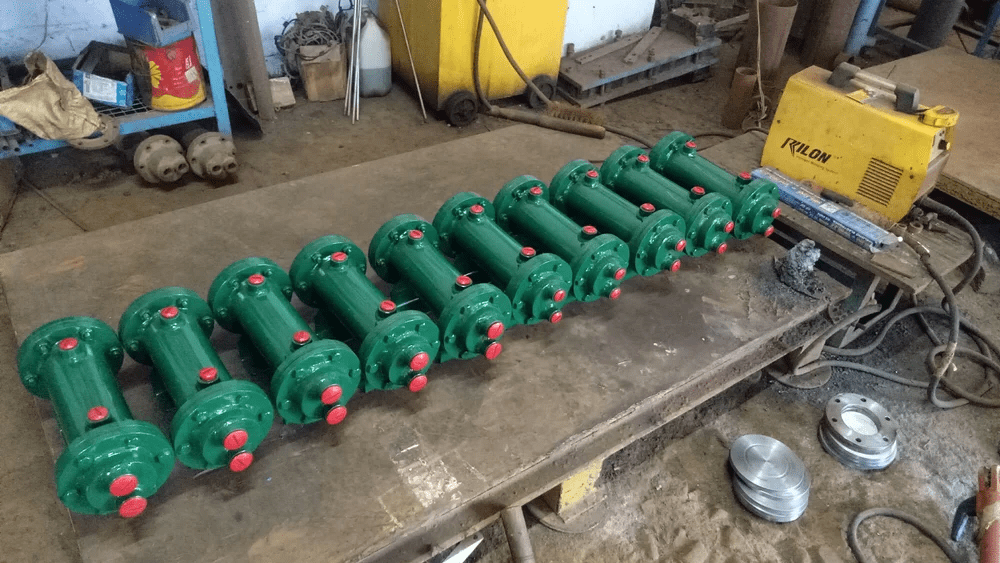
What is a Power Pack Oil Cooler? A power pack oil cooler is a specialized heat exchanger designed to regulate hydraulic oil temperature in power pack units, which combine pumps, motors, reservoirs, and controls into compact systems. These coolers prevent overheating in hydraulic circuits that power: Key Functions Types of Power Pack Oil...
Marine Oil Cooler A marine oil cooler is a heat exchanger designed to cool lubricating oil, hydraulic oil, or fuel oil in marine engines and machinery. It prevents overheating, maintains optimal viscosity, and ensures smooth operation of ship propulsion systems, gearboxes, and hydraulic systems. Types of Marine Oil Coolers 1. Based on...
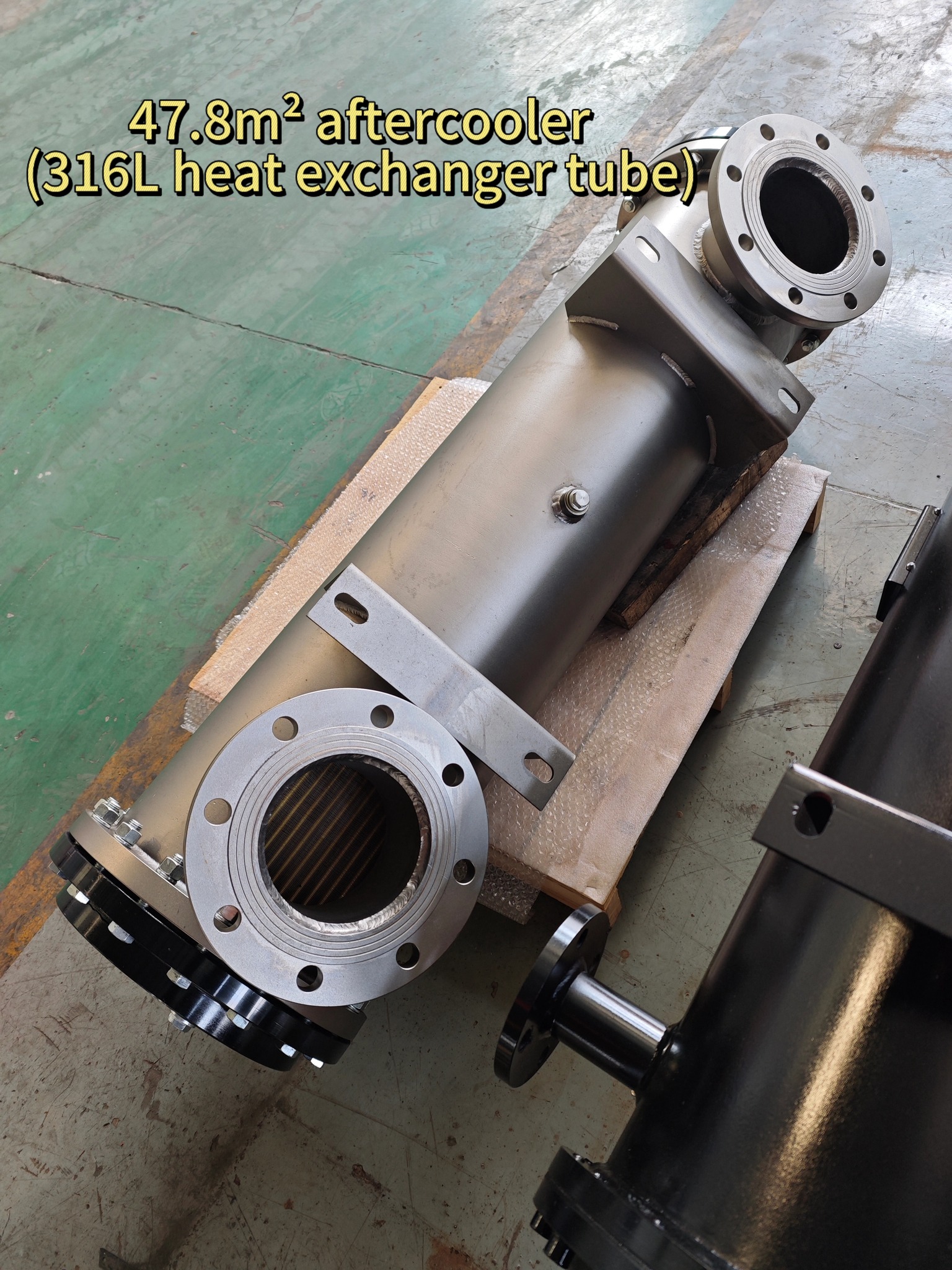
What is an Aftercooler? An aftercooler is a heat exchanger that cools compressed air immediately after it exits an air compressor, reducing its temperature by 50-200°F (30-110°C). This process: Key Differences: Aftercooler vs. Intercooler Feature Aftercooler Intercooler Location After the final compressor stage Between compressor...
What is an Intercooler? An intercooler is a heat exchanger that cools compressed intake air (charge air) in turbocharged/supercharged engines, improving combustion efficiency and power output. It reduces intake air temperature by 50-100°C, increasing air density for better engine performance. How an Intercooler Works Types of...
What is an Extended Surface Heat Exchanger? An extended surface heat exchanger enhances heat transfer efficiency by increasing the surface area exposed to the fluid using fins, spines, or other protrusions. This design is ideal for applications with low heat transfer coefficients (e.g., gas-to-gas or gas-to-liquid heat exchange). How...
What is an Air Preheater? An air preheater (APH) is a heat exchanger that recovers waste heat from flue gases and uses it to preheat combustion air entering boilers, furnaces, or kilns. This improves combustion efficiency and reduces fuel consumption by 5-15%. How Air Preheaters Work Types of Air Preheaters 1....
Heat Transfer Fluid (HTF) Cooler: Comprehensive Guide A heat transfer fluid cooler is a critical component in thermal systems that regulates the temperature of thermal oils, synthetic fluids, or glycol-based coolants used in industrial processes. These coolers maintain optimal operating temperatures, prevent fluid degradation, and improve...
Flue Gas Heat Exchanger: Complete Guide A flue gas heat exchanger is a thermal recovery device that captures waste heat from exhaust gases (flue gases) and transfers it to another medium (water, air, or process fluid), improving energy efficiency and reducing fuel costs. How Flue Gas Heat Exchangers Work Types of Flue Gas Heat Exchangers...
Syngas Dehumidifier: Moisture Removal for Cleaner Syngas A syngas dehumidifier removes water vapor from syngas (synthesis gas) produced from gasification, pyrolysis, or waste-to-energy processes. Dry syngas improves combustion efficiency, prevents corrosion, and meets quality standards for downstream applications (e.g., power...
Quenching Oil Cooler: Overview & Function A quenching oil cooler is a specialized heat exchanger designed to rapidly cool quenching oil used in metal heat treatment processes (e.g., hardening, tempering). It maintains optimal oil temperature, ensuring consistent quenching performance and prolonging oil life. How a Quenching...
A boiler economizer is a heat exchanger device that recovers waste heat from boiler flue gases and uses it to preheat the feedwater entering the boiler. This improves the overall efficiency of the boiler system by reducing fuel consumption and lowering emissions How a Boiler Economizer Works Types of Boiler Economizers Non-Condensing Economizer...
A recuperator is a type of heat exchanger that recovers waste heat from exhaust gases to preheat incoming air or gas, improving energy efficiency in combustion systems. It is commonly used in biogas systems, industrial furnaces, gas turbines, and HVAC applications How a Recuperator Works Types of Recuperators Benefits in Biogas Systems...
A biogas dehumidifier is a device used to remove moisture (water vapor) from biogas to improve its quality and efficiency for storage or use in engines, boilers, or other applications. Why Dehumidify Biogas? Biogas, produced from anaerobic digestion of organic matter (e.g., food waste, manure, agricultural residues), typically contains:...
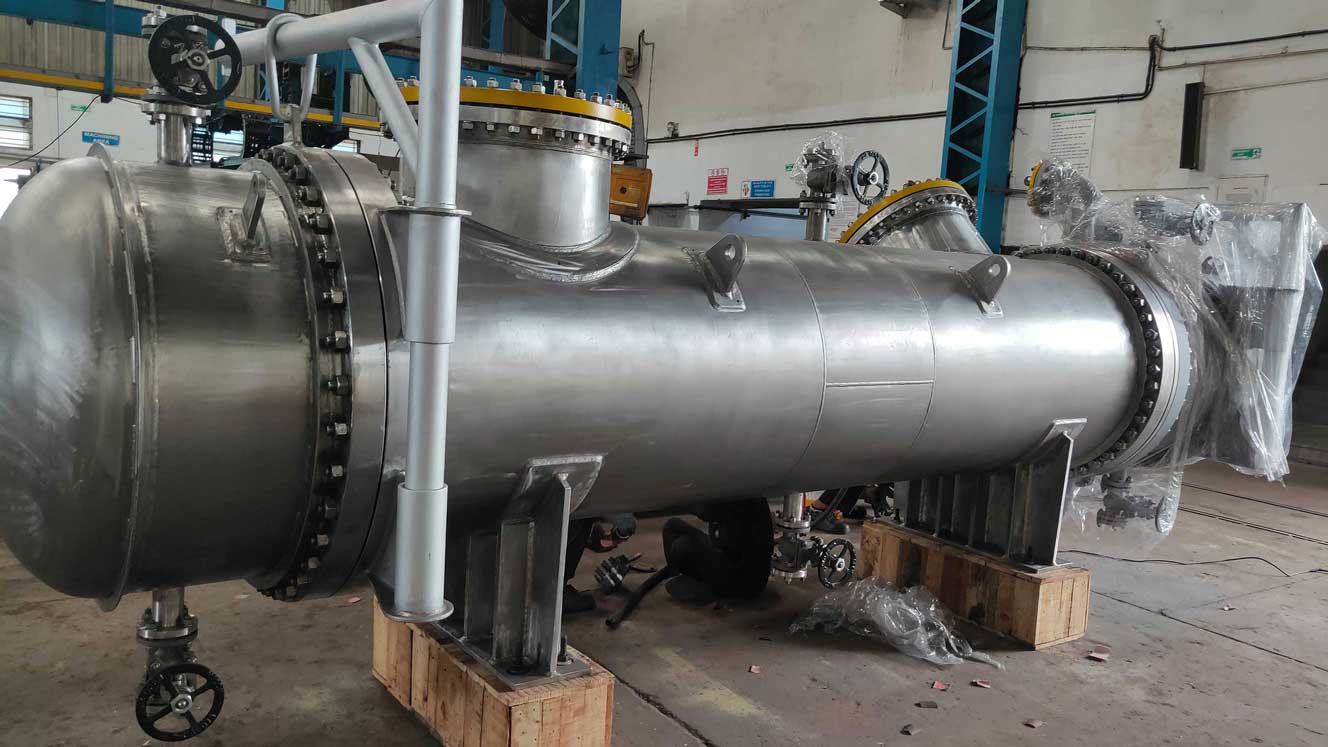
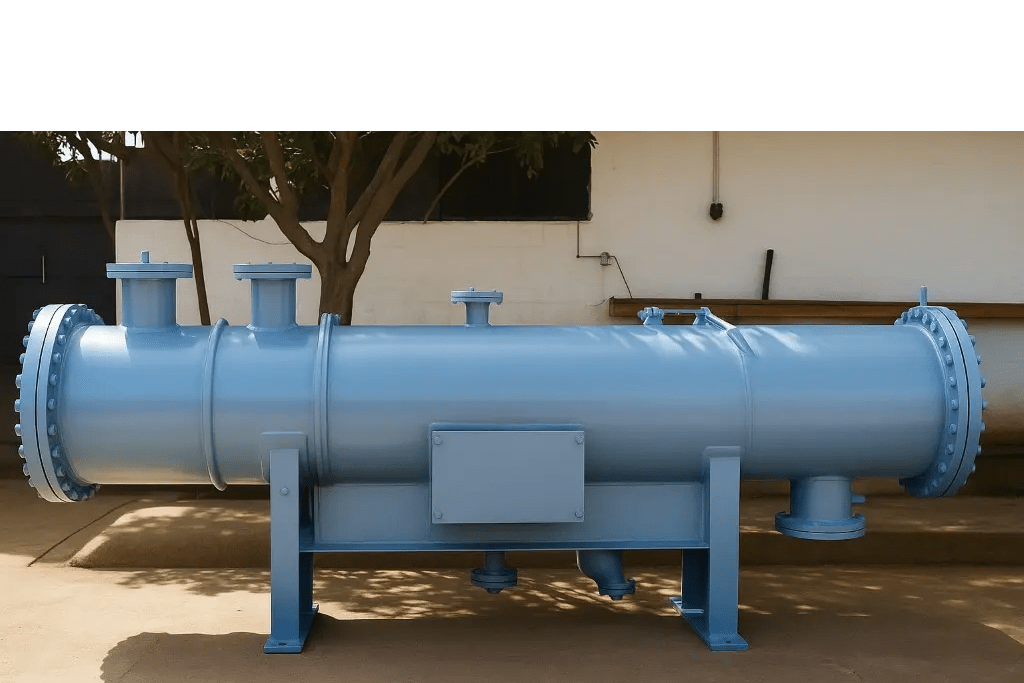
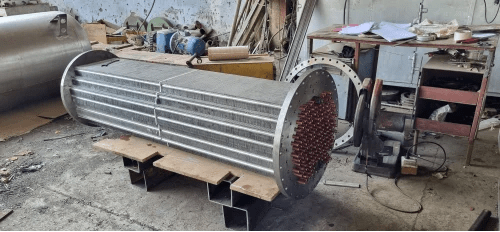
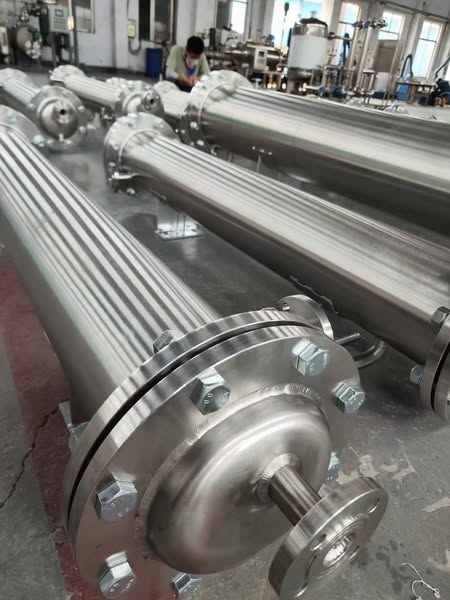
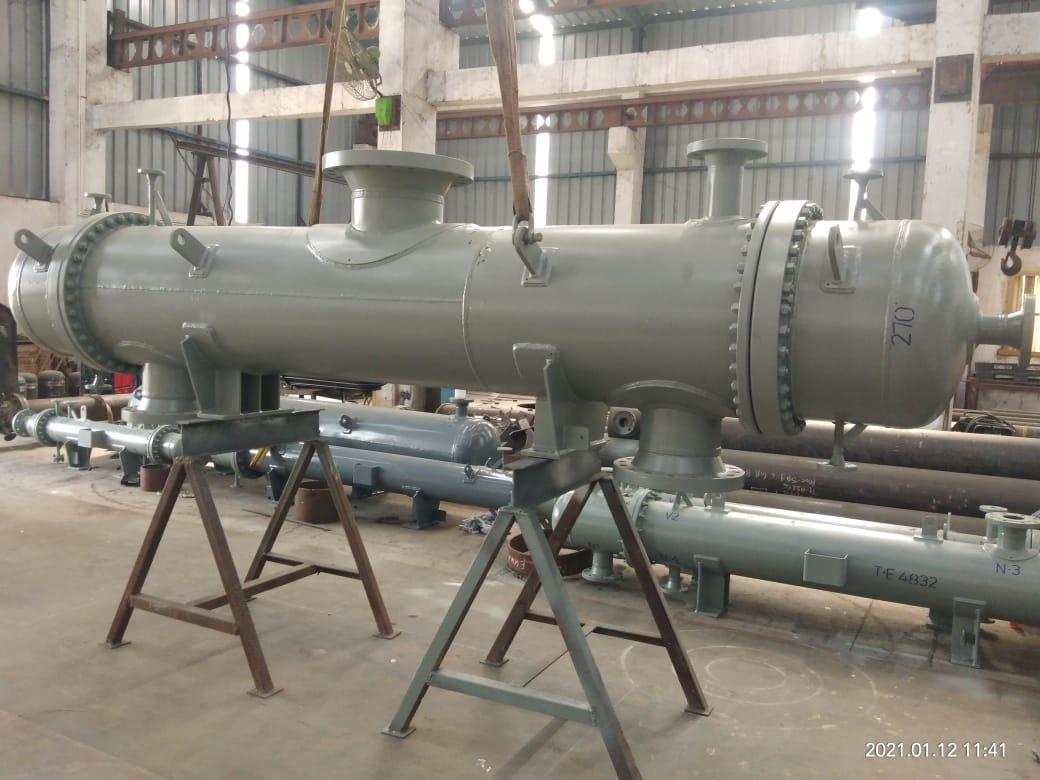
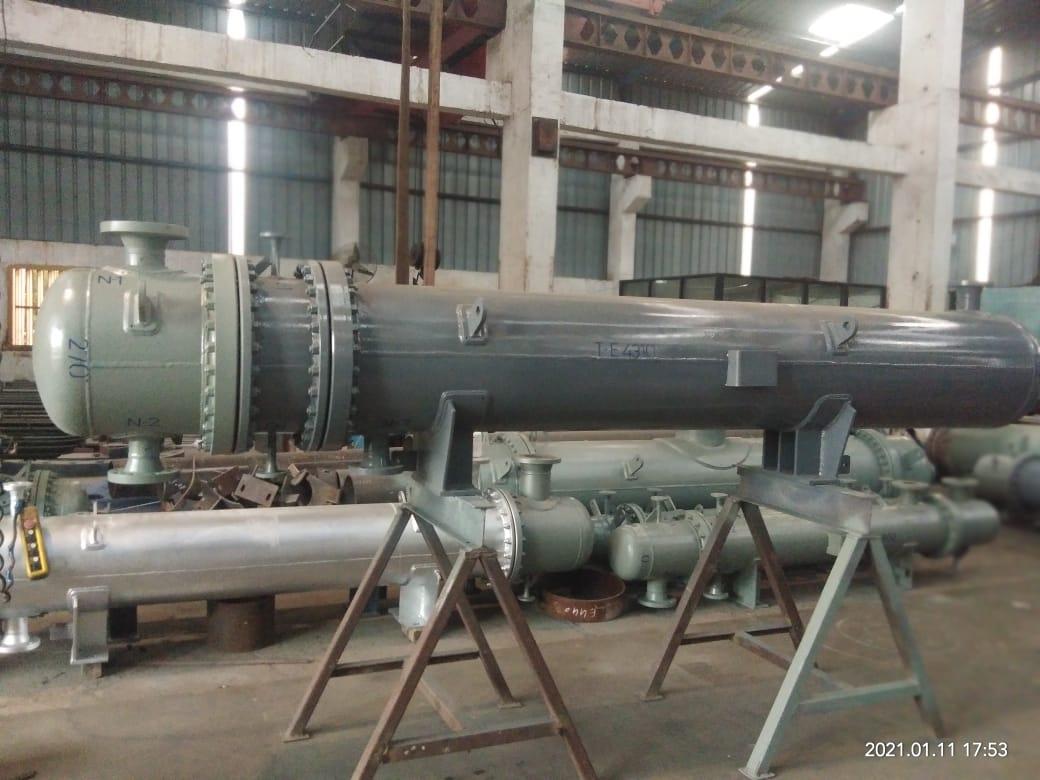
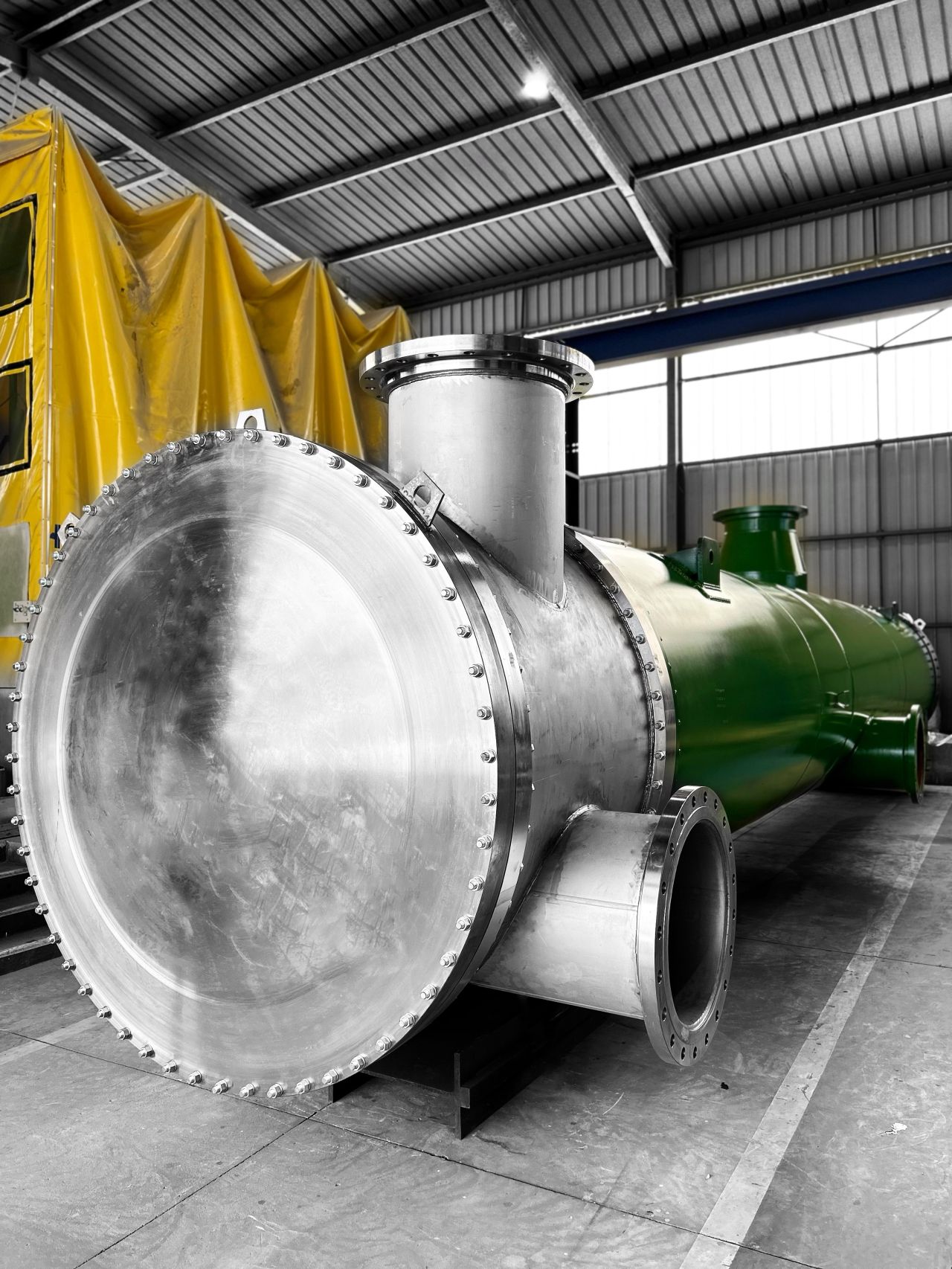
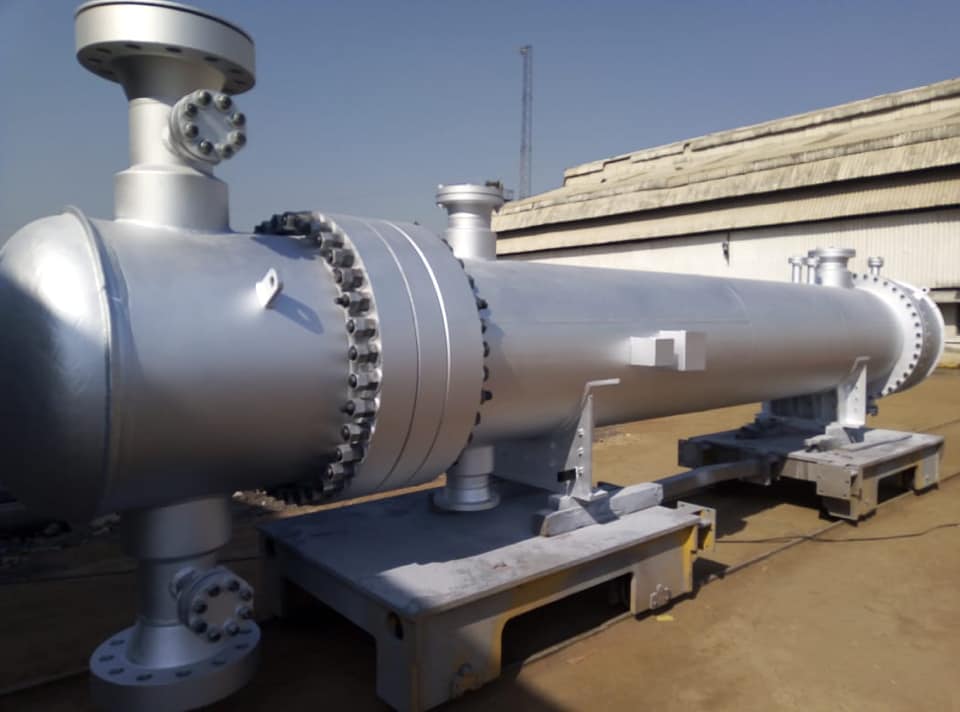
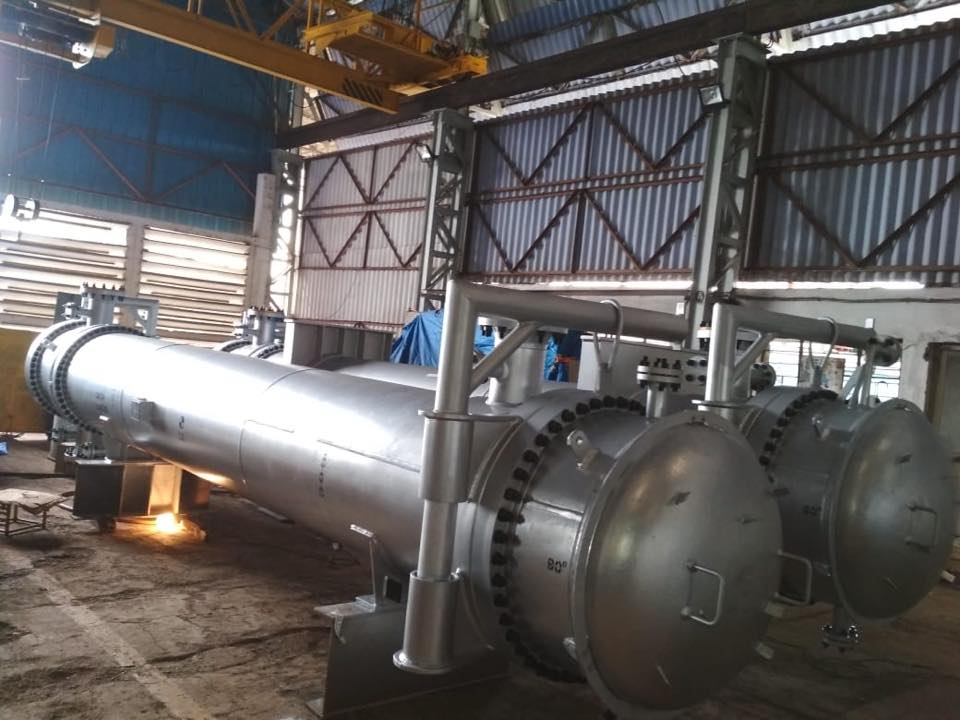
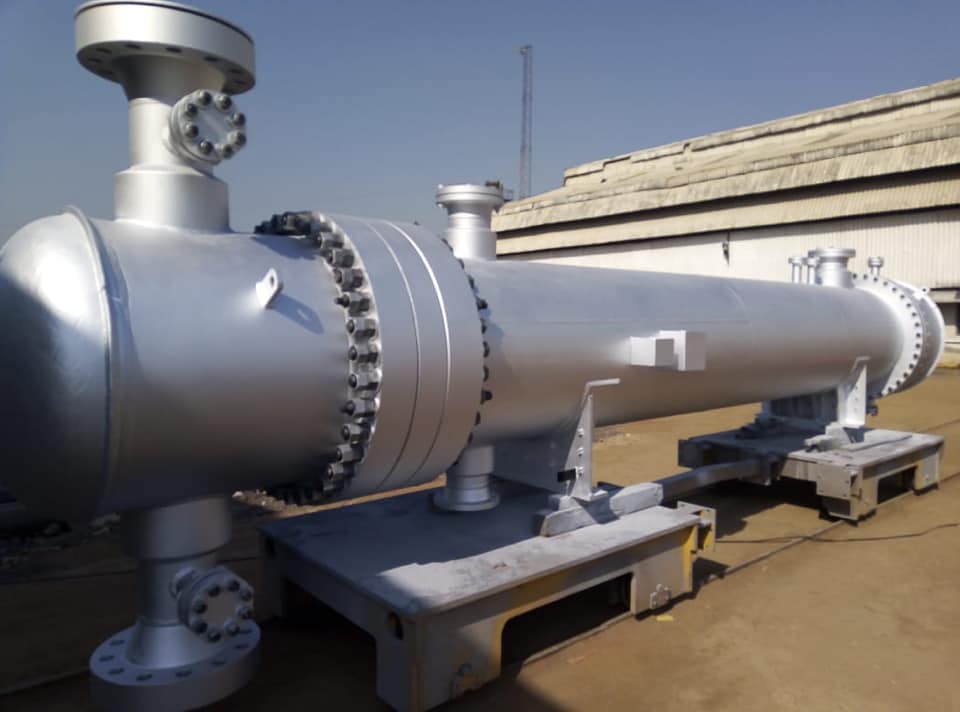
U-Tube Bundle Heat Exchanger A U-tube bundle heat exchanger is a type of shell and tube heat exchanger where the tubes are bent into a U-shape, allowing both ends to connect to the same tube sheet. This design provides thermal expansion flexibility, making it ideal for high-temperature and high-pressure applications....