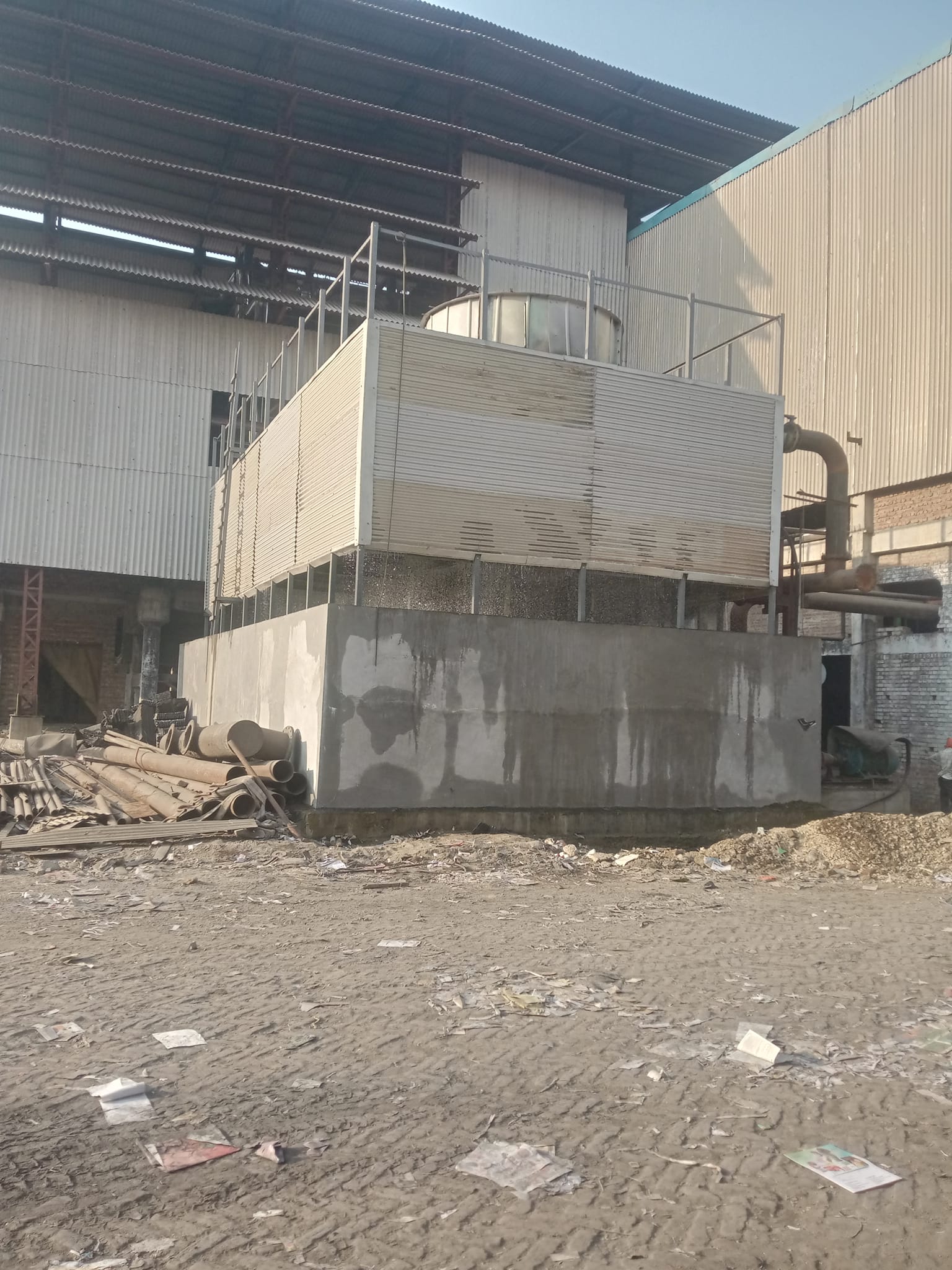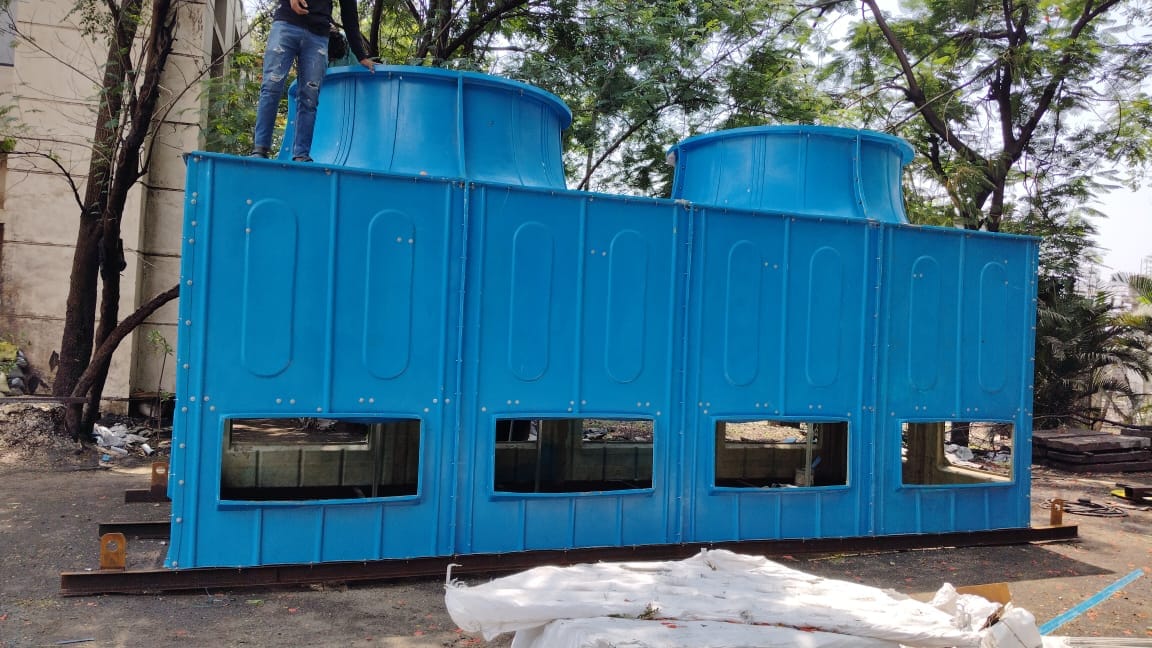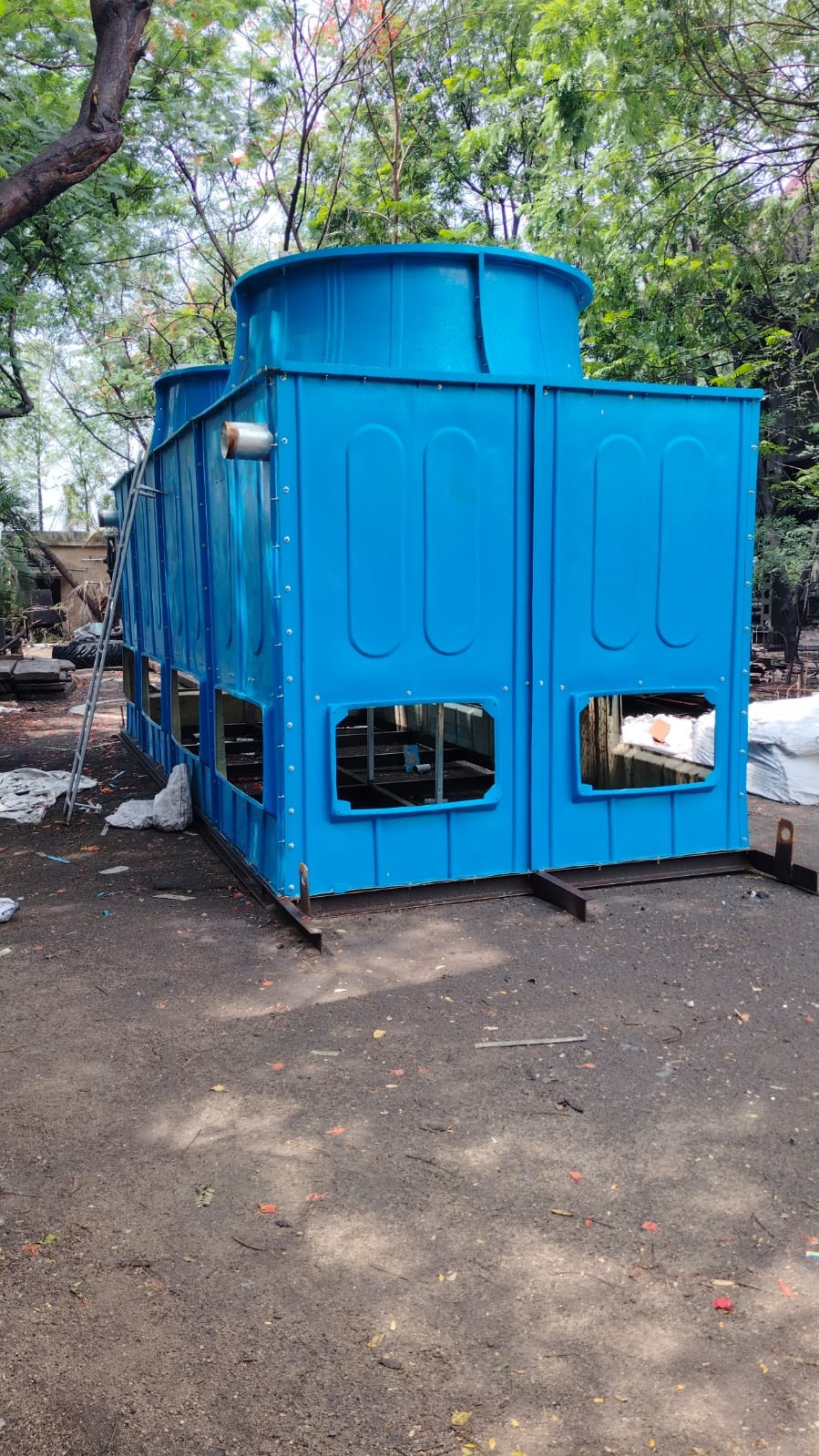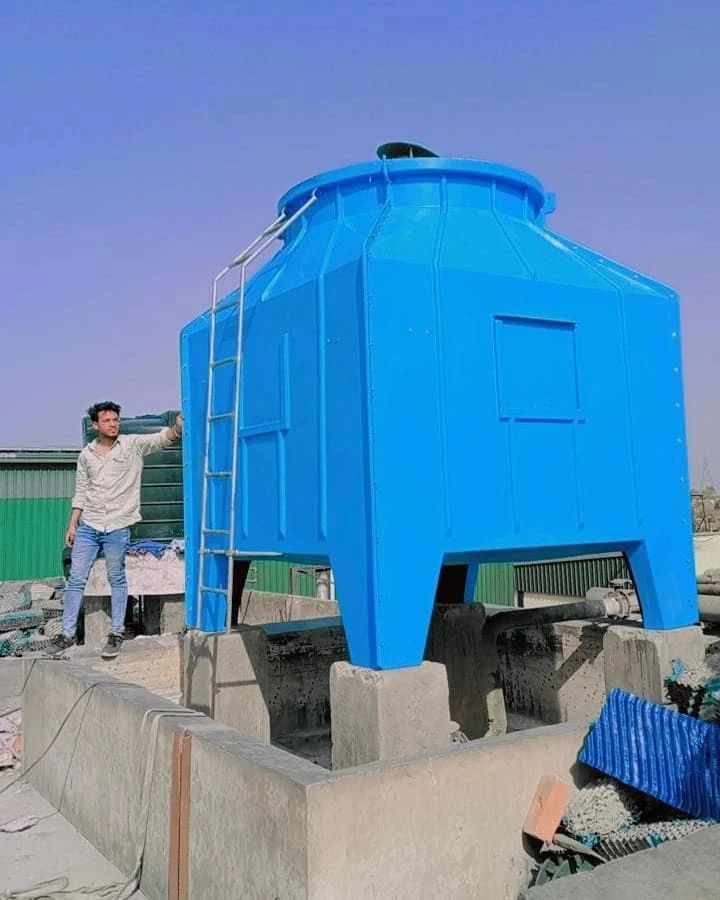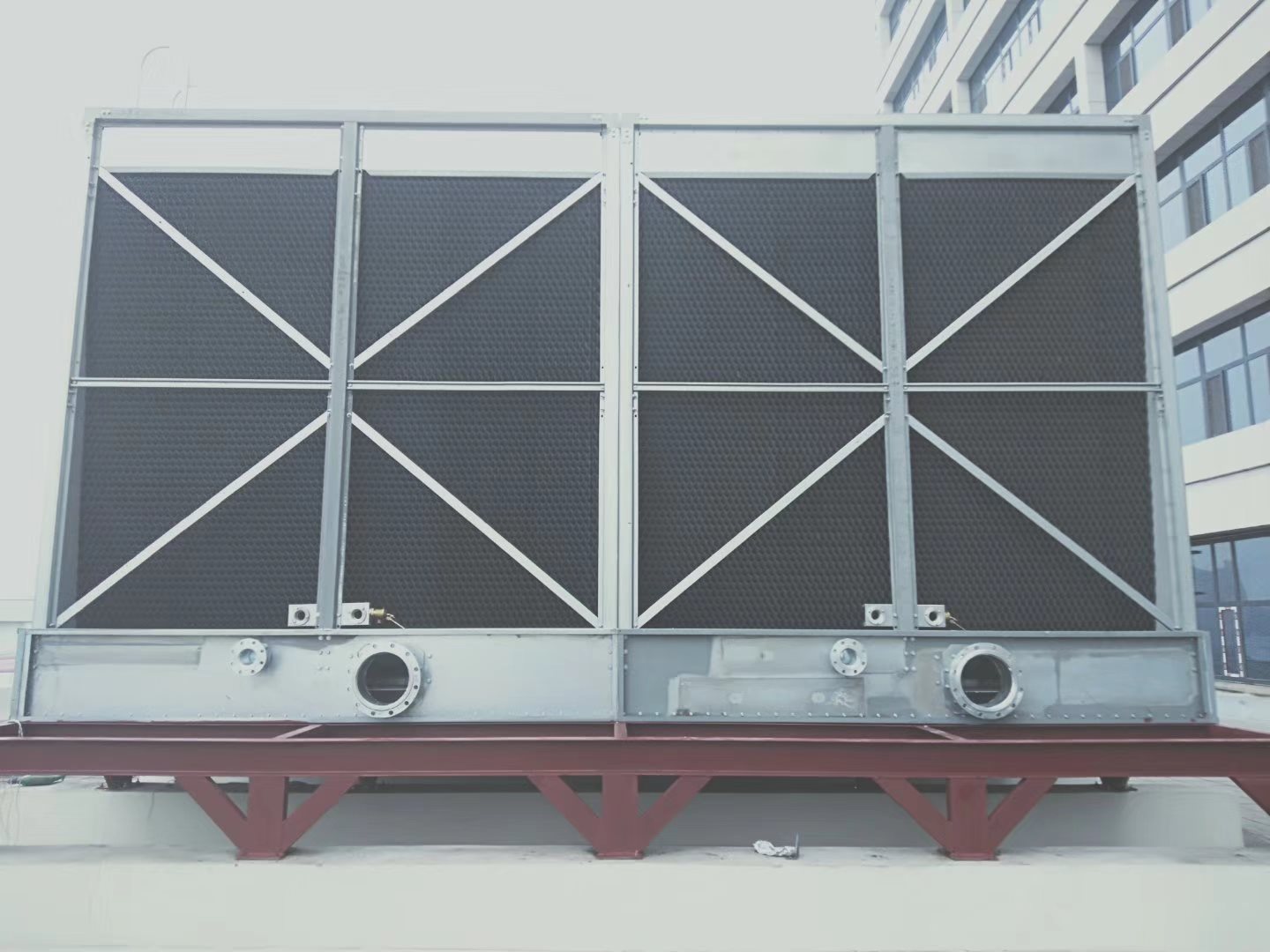
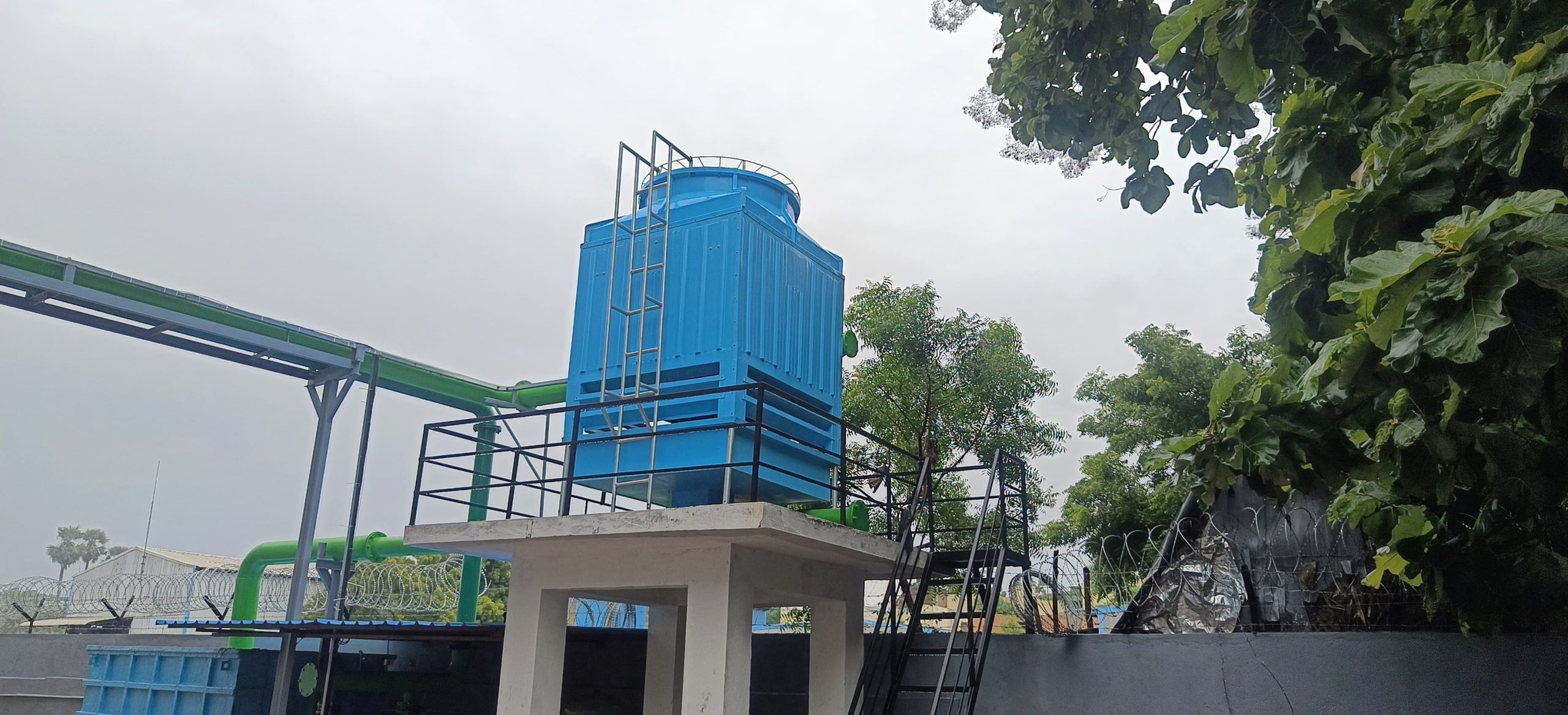
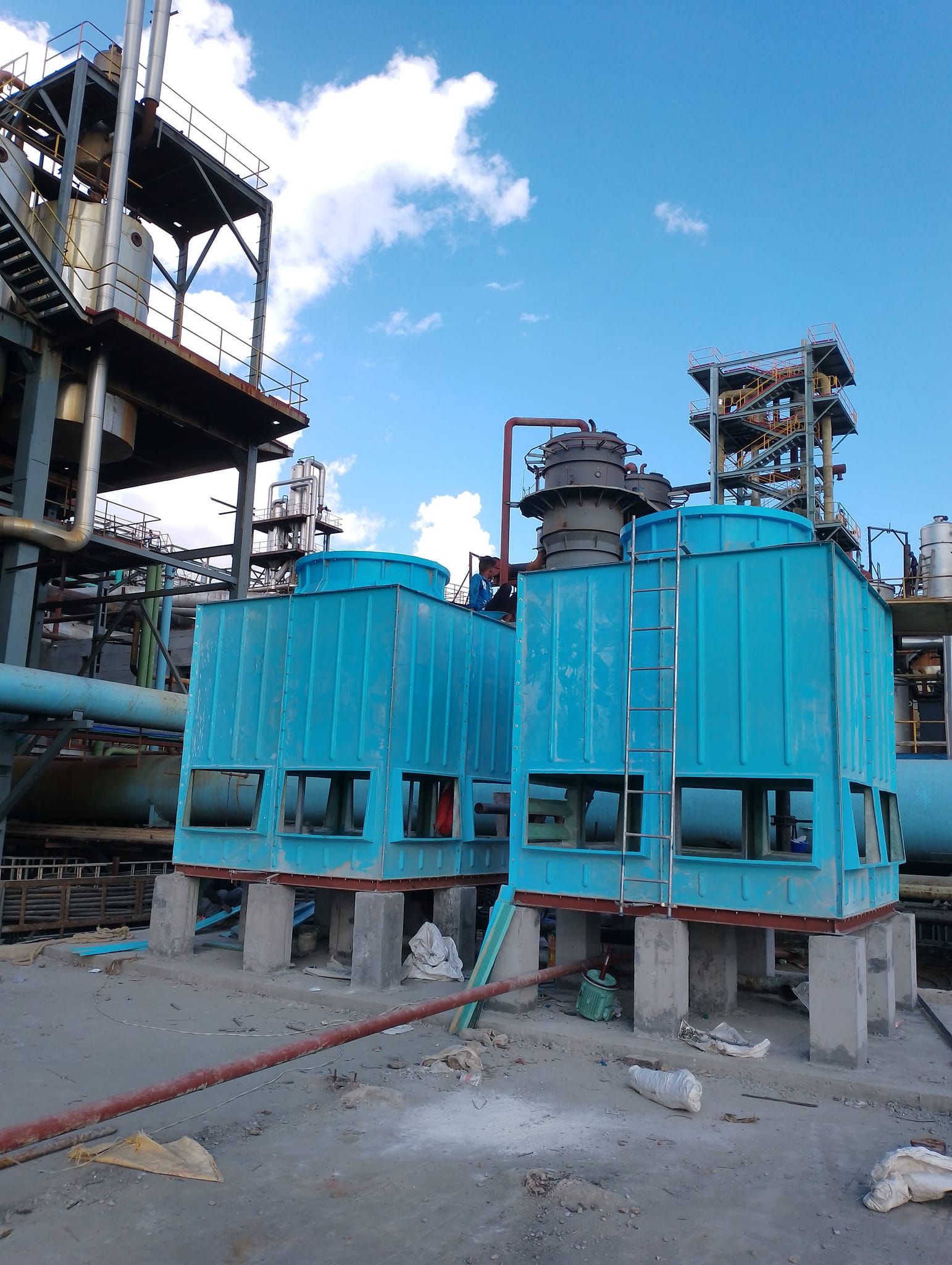
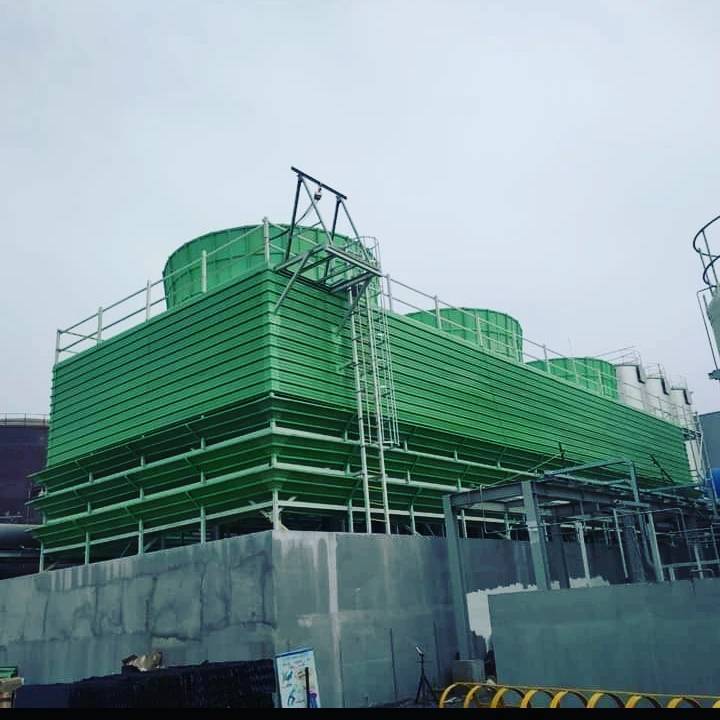
Tags: Cross Flow Cooling Tower

  • Tag:

Cross Flow Cooling Tower Manufacturer in Nigeria

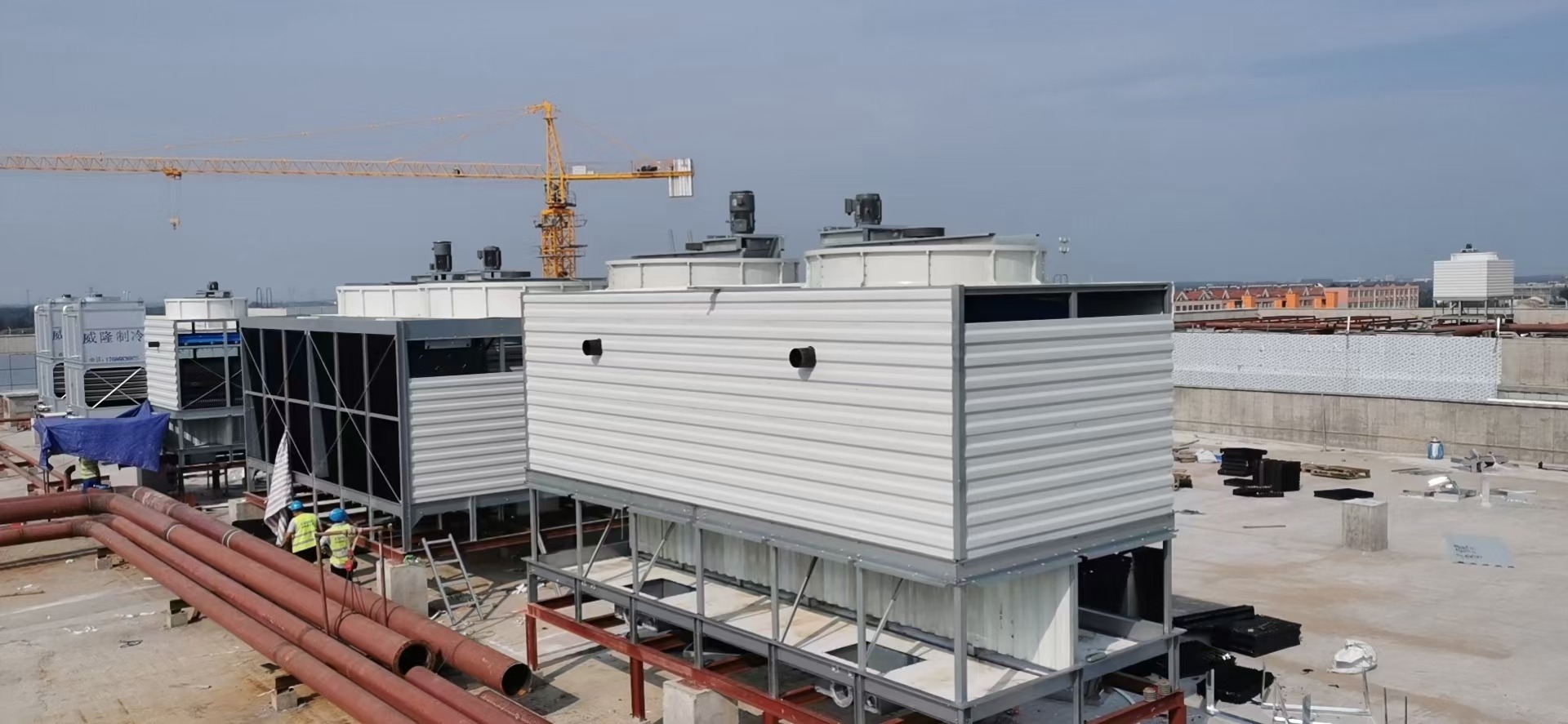
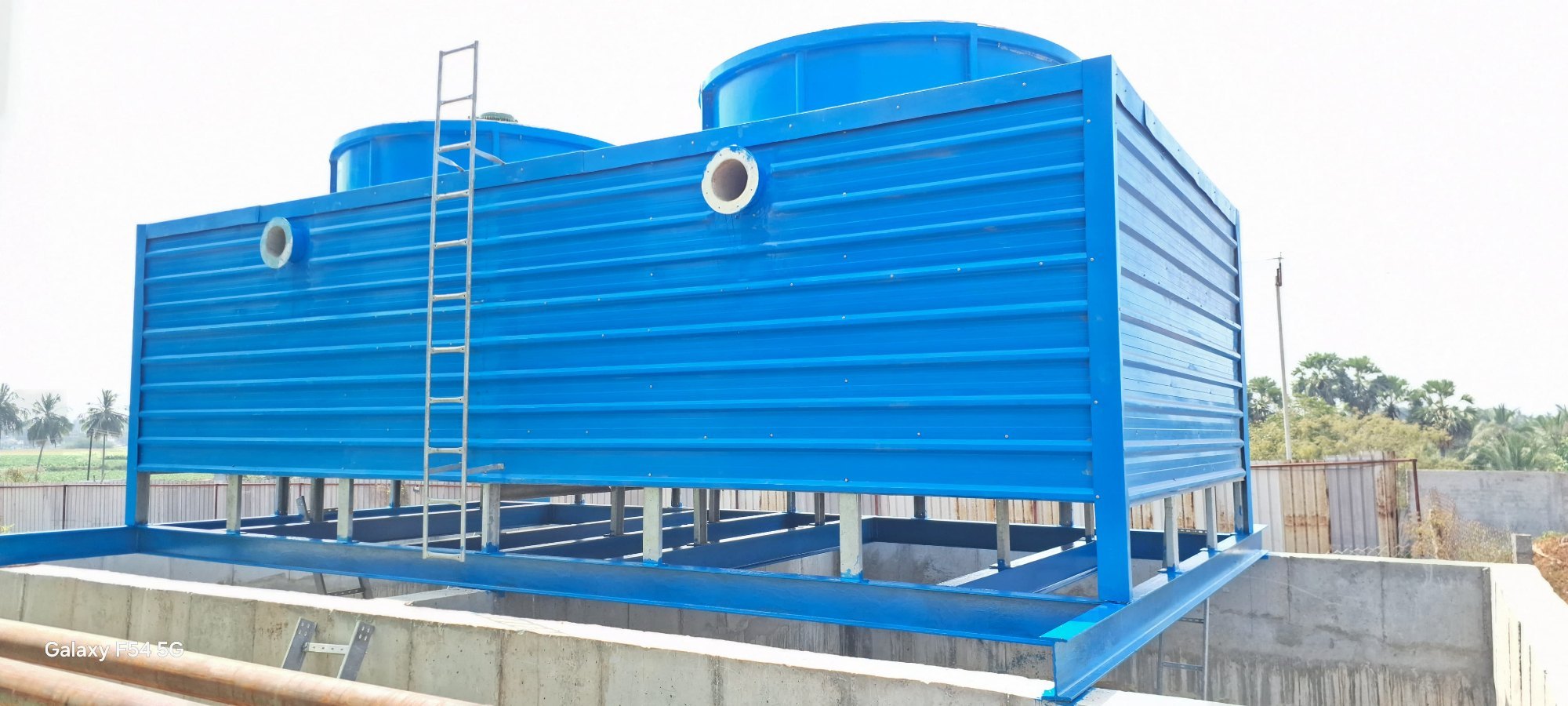
Major Applications of Cross Flow Cooling Towers A cross flow cooling tower is a type of heat rejection device where air flows horizontally across the falling water (which moves vertically). This design is efficient, accessible for maintenance, and relatively quiet, making it popular in many industries. Here are the major applications of cross flow...

Cross Flow Cooling Tower Manufacturer in South Africa

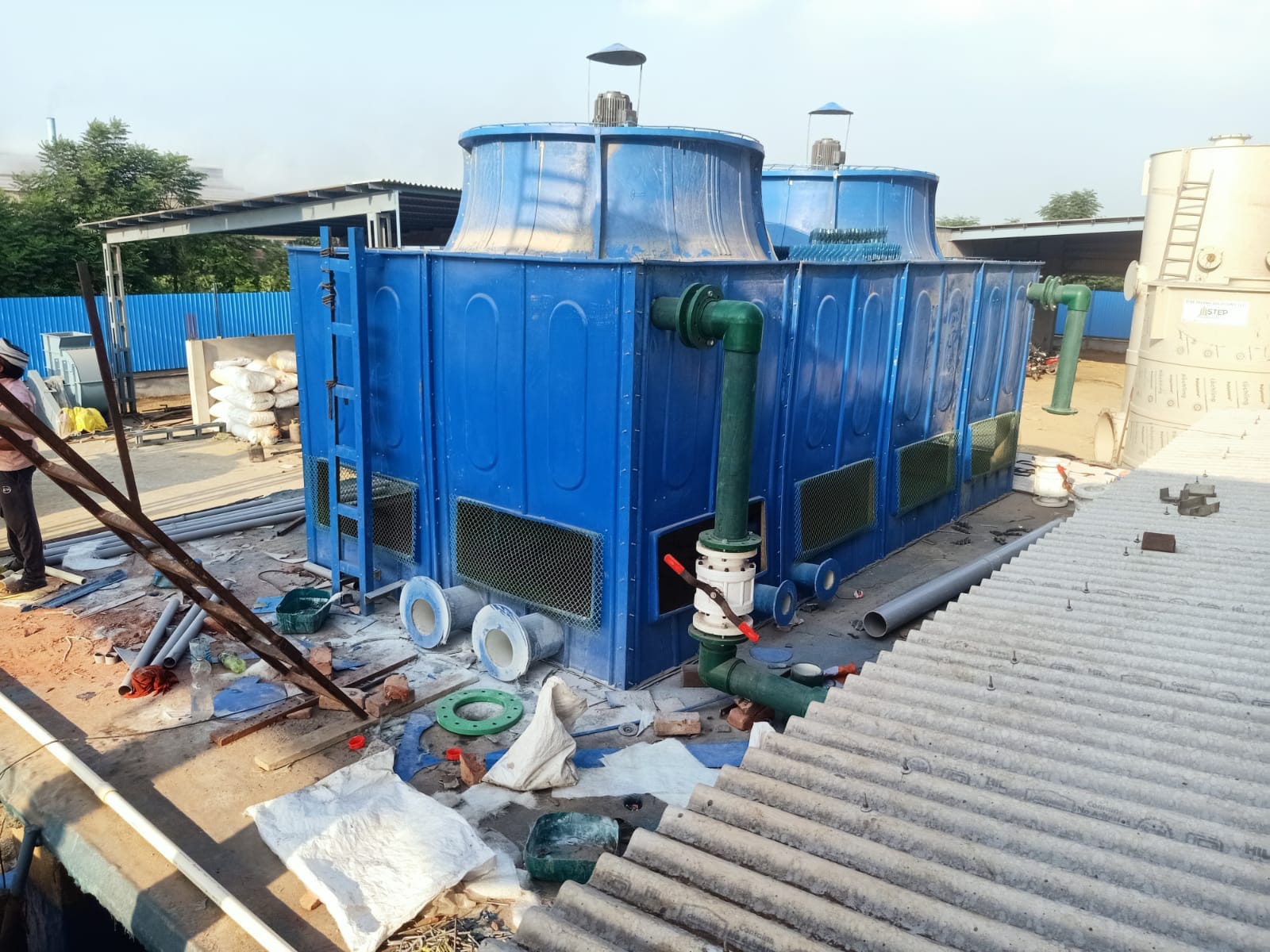
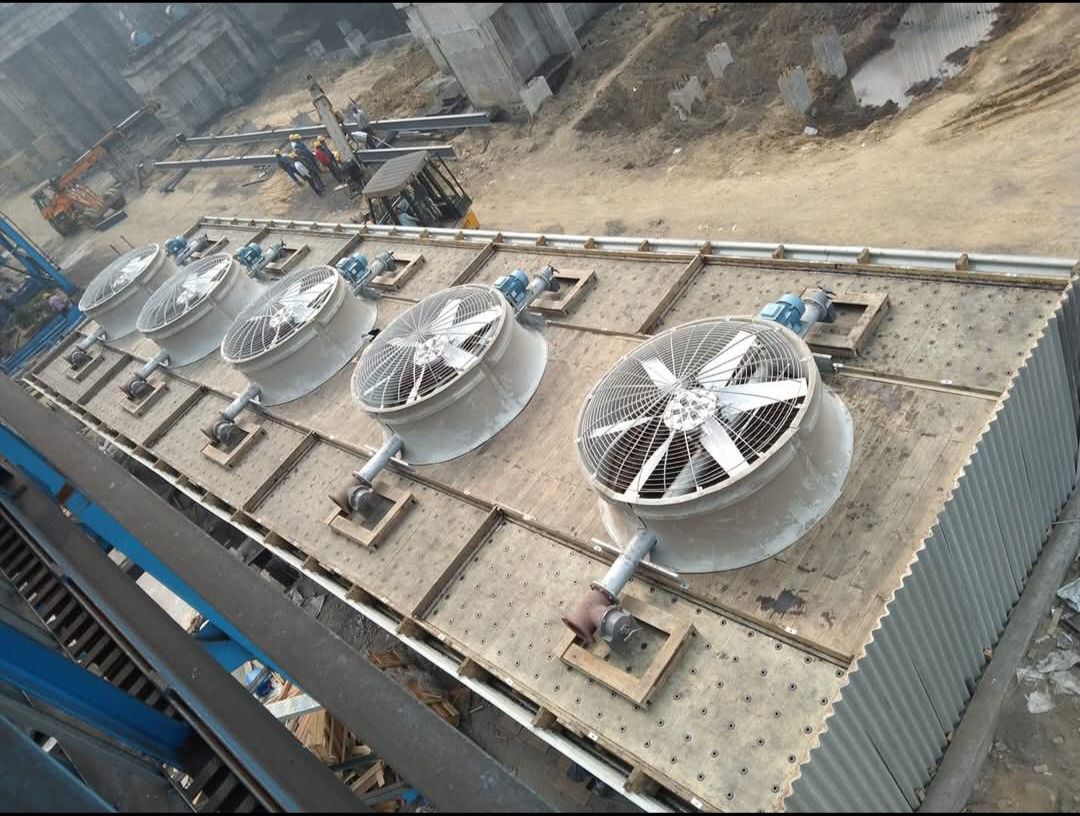
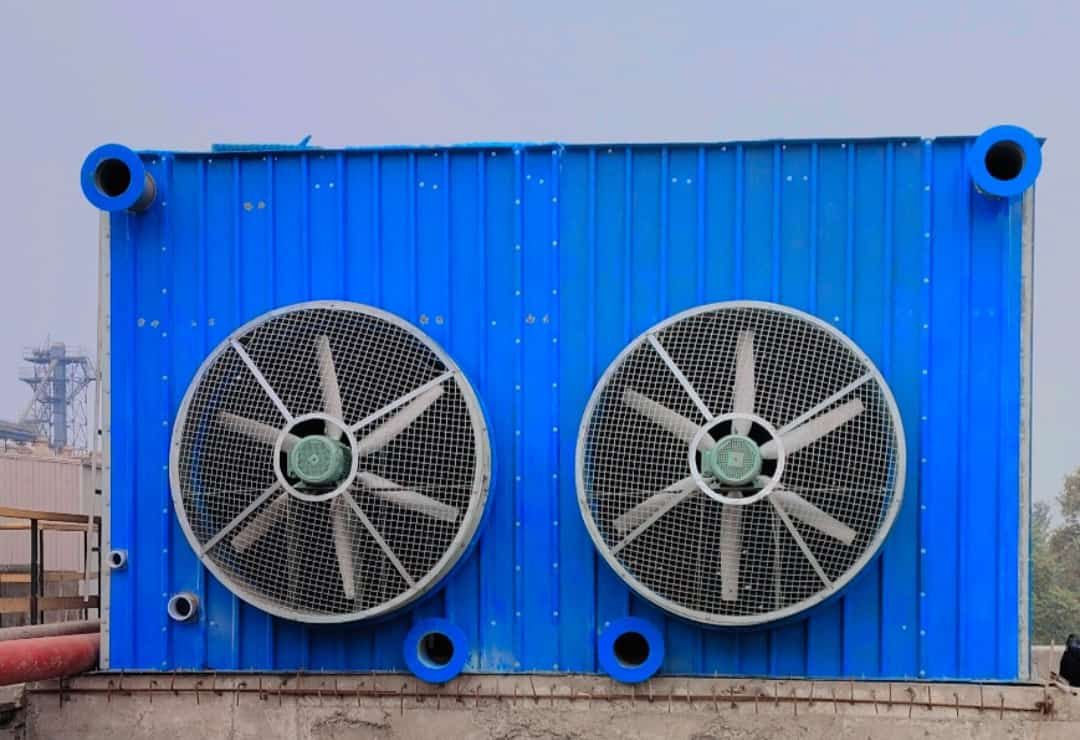
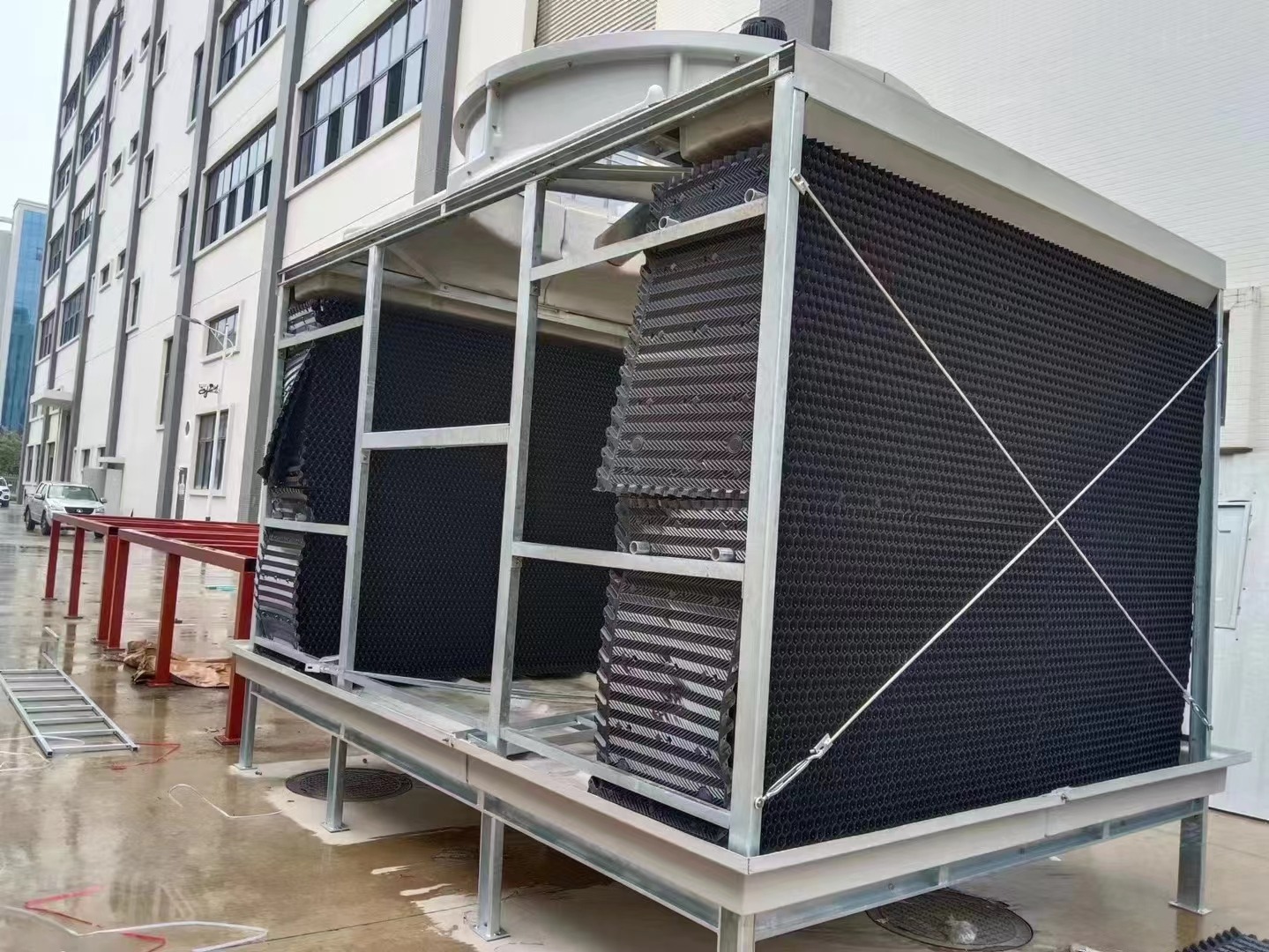
Major Parts of a Cross Flow Cooling Tower 1. Structure and Casing 2. Cold Water Basin (Sump) 3. Water Distribution System This is a defining feature of cross flow design. 4. Fill (or Packing) 5. Air Inlet Louvers 6. Drift Eliminators 7. Fan and Drive Assembly 8. Mechanical Equipment Support

Cross Flow Cooling Tower Manufacturer in Morocco

Fill Types in Cross Flow Cooling Towers Feature Splash Fill Film Fill Hybrid Fill Primary Mechanism Breaks water into droplets Spreads water into a thin film Combines splash and film Thermal Efficiency Lower Highest High Fouling/Clogging Resistance Excellent Poor Good Air-Side Pressure Drop Low Higher Moderate Water Quality Suitability Dirty,...

Cross Flow Cooling Tower Manufacturer in Lebanon

Hybrid Fill As the name implies, this is a combination designed to get the “best of both worlds.” High Efficiency: It still achieves most of the high-efficiency benefits of a full film fill.

Cross Flow Cooling Tower Manufacturer in Jordan

This is the most common and efficient type of fill used in modern cooling towers, including cross flow designs.

Cross Flow Cooling Tower Manufacturer in Iraq

Role of Cooling tower in Mining industry. Primary Role of Cooling Towers in Mining: To remove excess heat generated by mining operations and maintain optimal operating conditions for equipment and processes. 🔧 Key Applications of Cooling Towers in Mining 1. Cooling Process Water 2. Cooling for Air Compressors 3. HVAC and Environmental Control 4....

Cross Flow Cooling Tower Manufacturer in Australia

Type of Fills used in cross flow cooling Tower? The fill (or packing) is the heart of a cooling tower, where the critical heat and mass transfer occurs. In a cross flow cooling tower, the specific type of fill used is optimized for its horizontal airflow and vertical water fall. The primary types of fills […]

Cross Flow Cooling Tower Manufacturer in Egypt

Cross Flow Cooling Tower Manufacturer in Djibouti

Priority / Condition Recommended Choice Key Reason Ease of Maintenance Cross Flow Accessible open distribution basins. Poor Water Quality Cross Flow Large gravity orifices resist clogging. Minimize Pumping Energy Cross Flow Lower pumping head (gravity distribution). Limited Ground Space Counter Flow Smaller footprint for the same capacity. Maximum...

Cross Flow Cooling Tower Manufacturer in Qatar

When to Stick with Counter Flow (The Alternative) To provide a balanced view, you should choose a Counter Flow cooling tower when:

Cross Flow Cooling Tower Manufacturer in Kuwait

When to Prefer Cross Flow Cooling Tower You should strongly consider a Cross Flow cooling tower in the following scenarios: 1. Priority on Low Maintenance and Serviceability This is often the single biggest advantage of cross flow design. 2. Water with High Suspended Solids or Scaling Potential 3. Energy Efficiency Focus on the Water...

Cross Flow Cooling Tower Manufacturer in Bahrain

Cross Flow vs. Counter Flow Cooling Tower (The Main Alternative) This is the most important comparison. The other common design is the Counter Flow Cooling Tower. Feature Cross Flow Cooling Tower Counter Flow Cooling Tower Flow Direction Air flows horizontally, water falls vertically. Air flows vertically upward, water...

Cross Flow Cooling Tower Manufacturer in Yemen

Advantages of Cross Flow Cooling Towers

Cross Flow Cooling Tower Manufacturer in Oman

Components of cross flow Cooling Tower and Their Roles

Cross Flow Cooling Tower Manufacturer in United Arab Emirates

Working Principle of Cross Flow Cooling Tower.

Cross Flow Cooling Tower Manufacturer in Saudi Arabia.

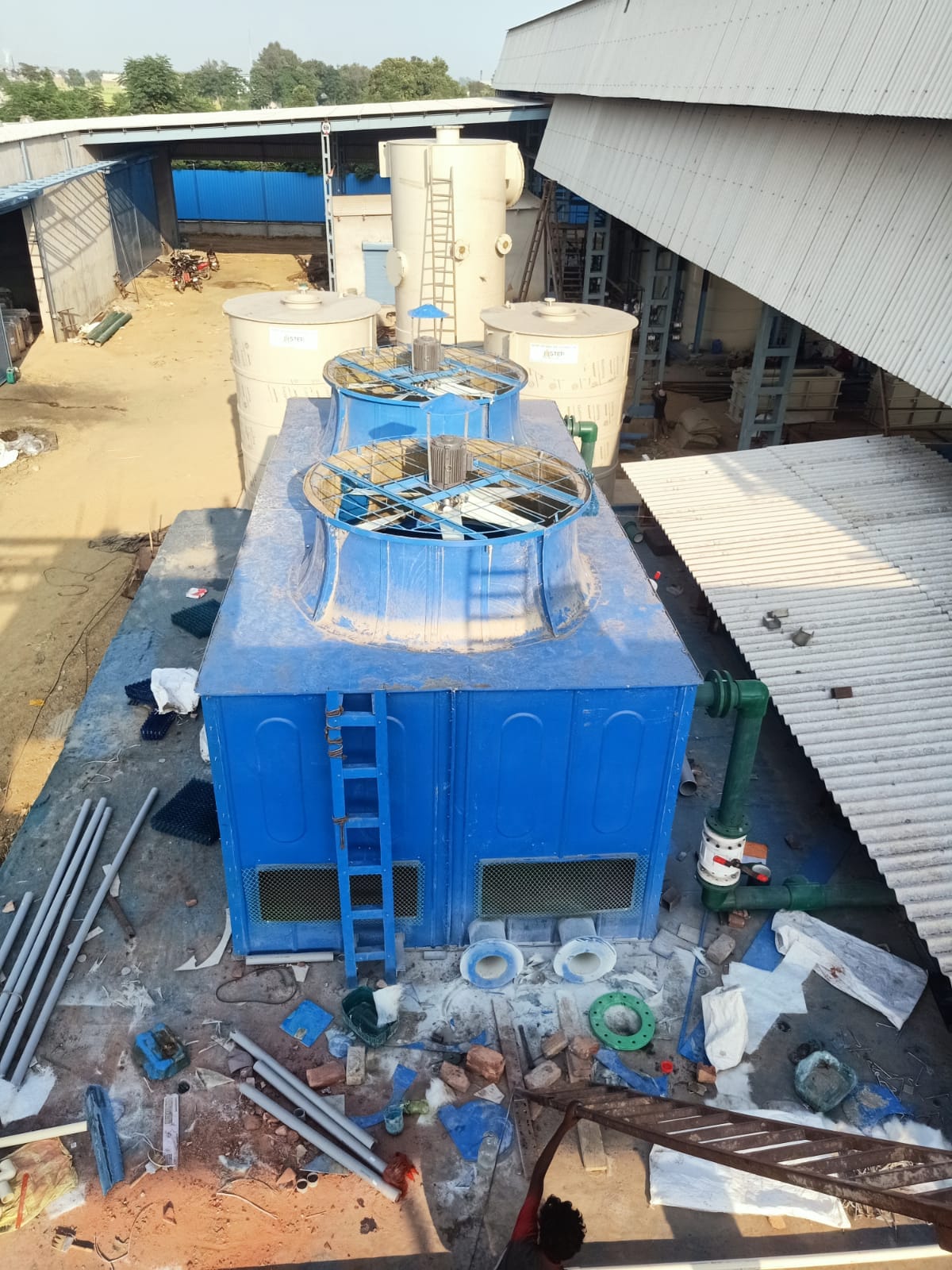
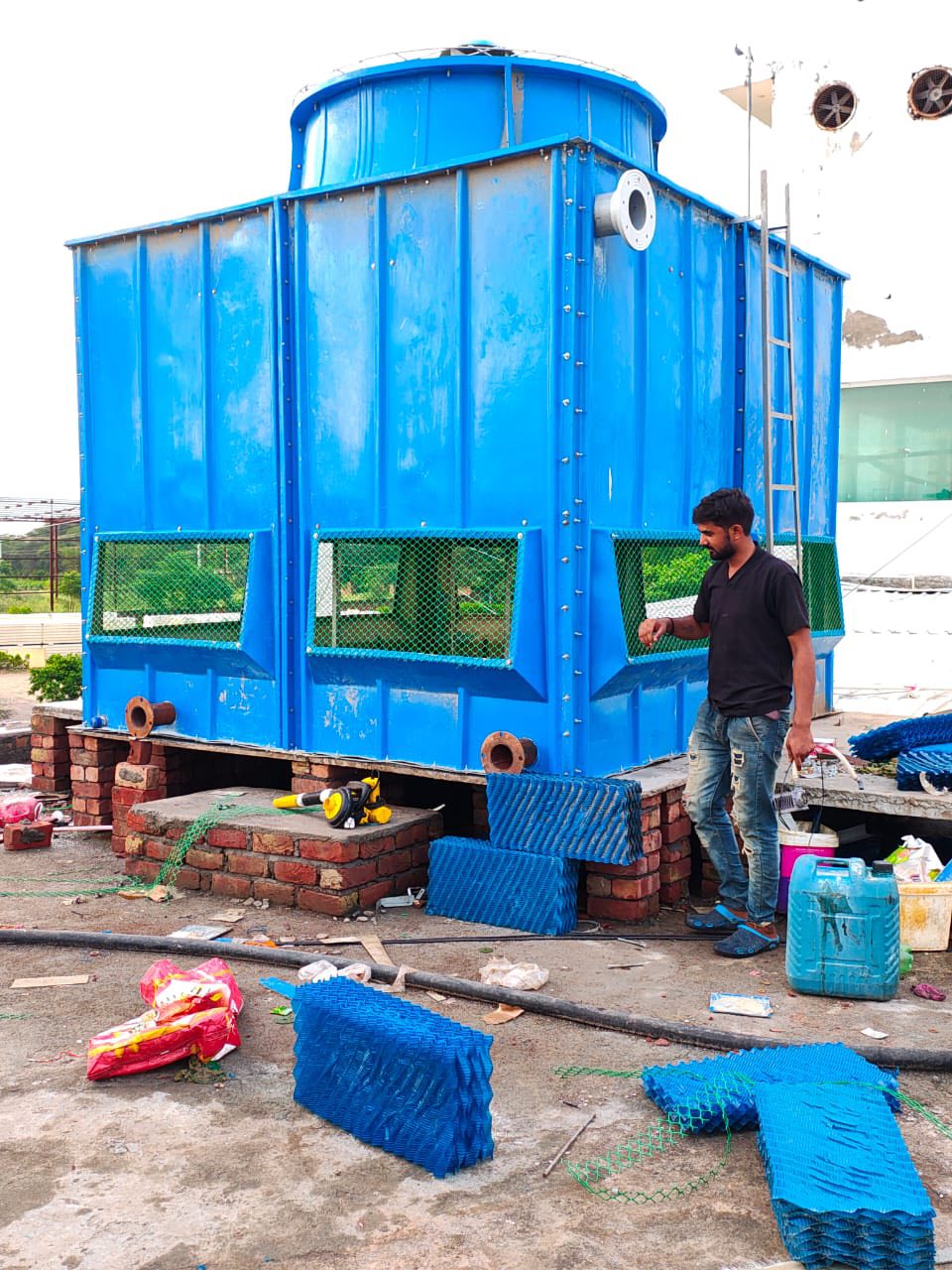
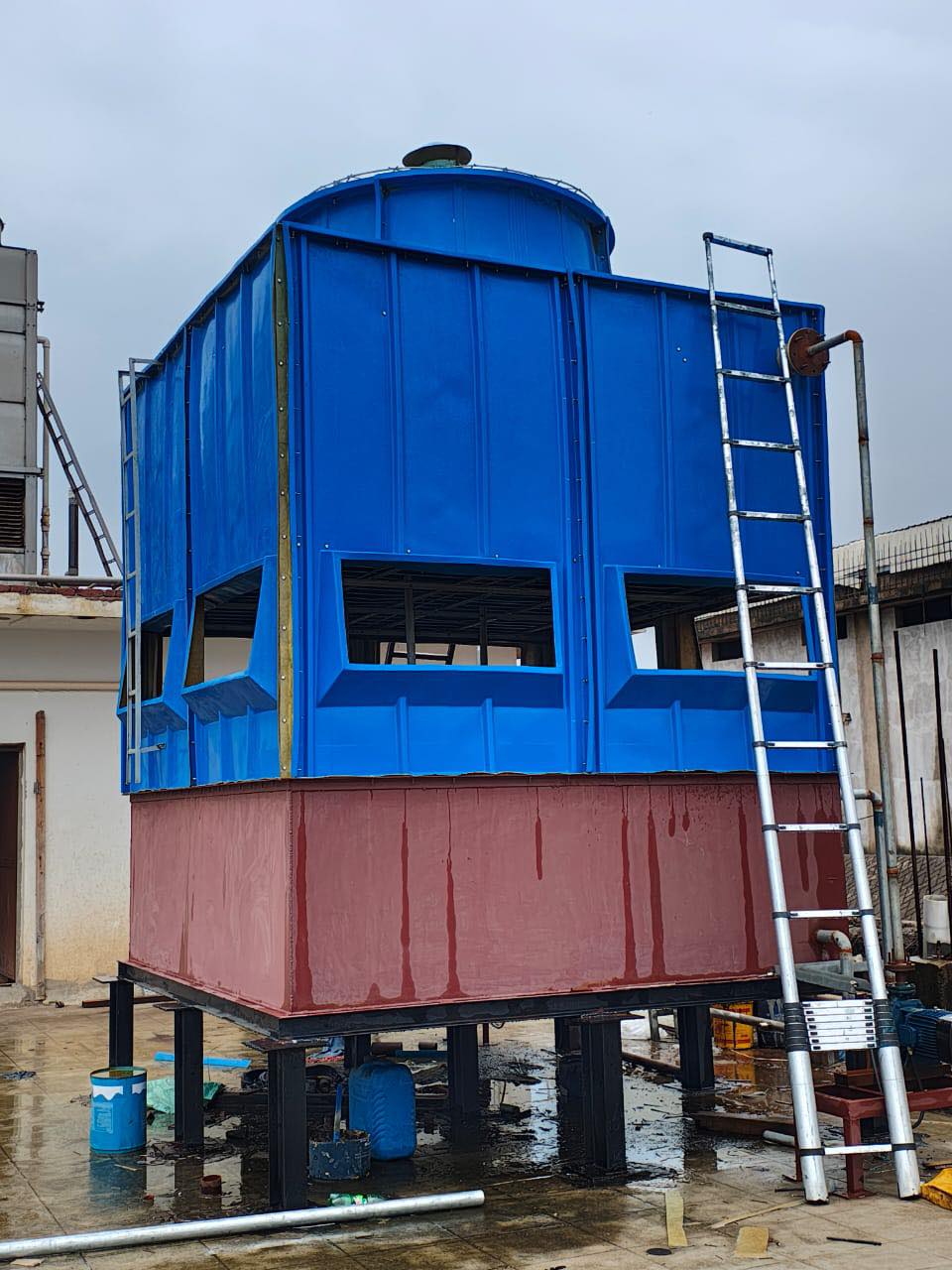
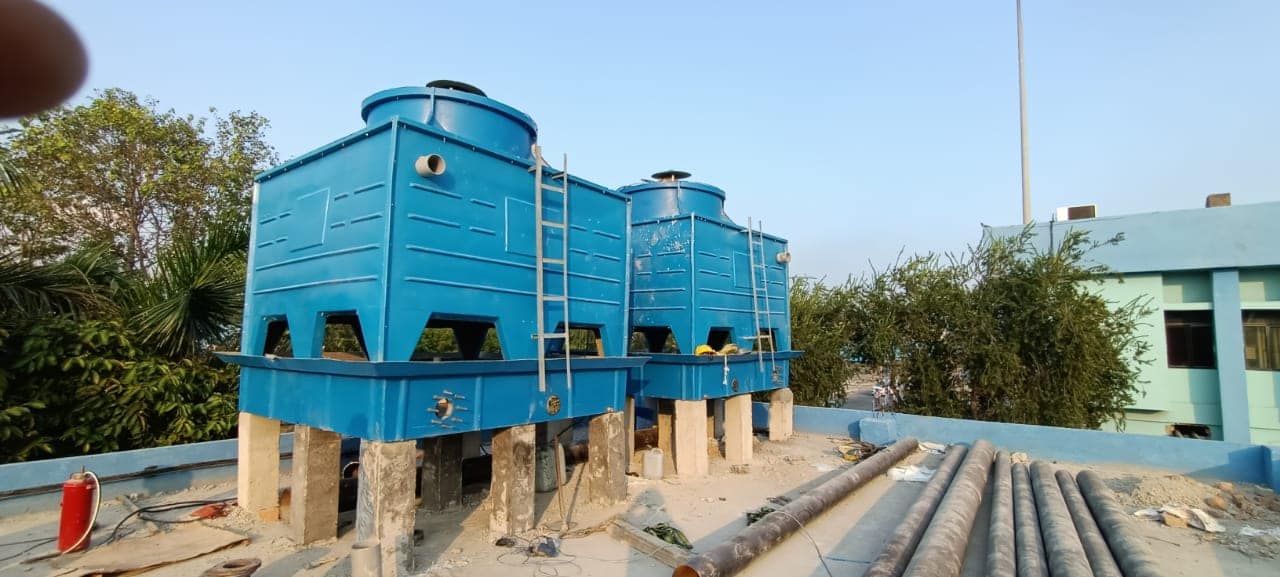
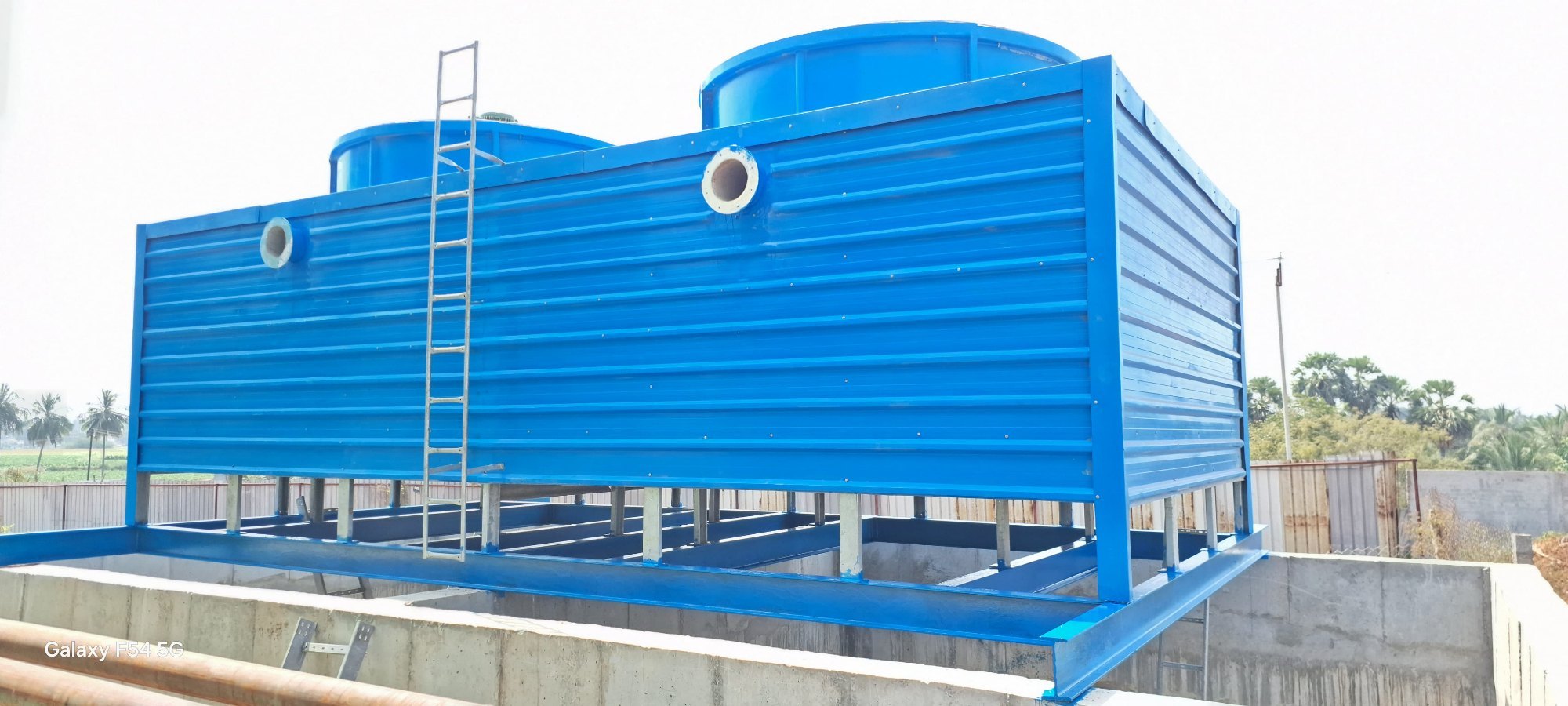
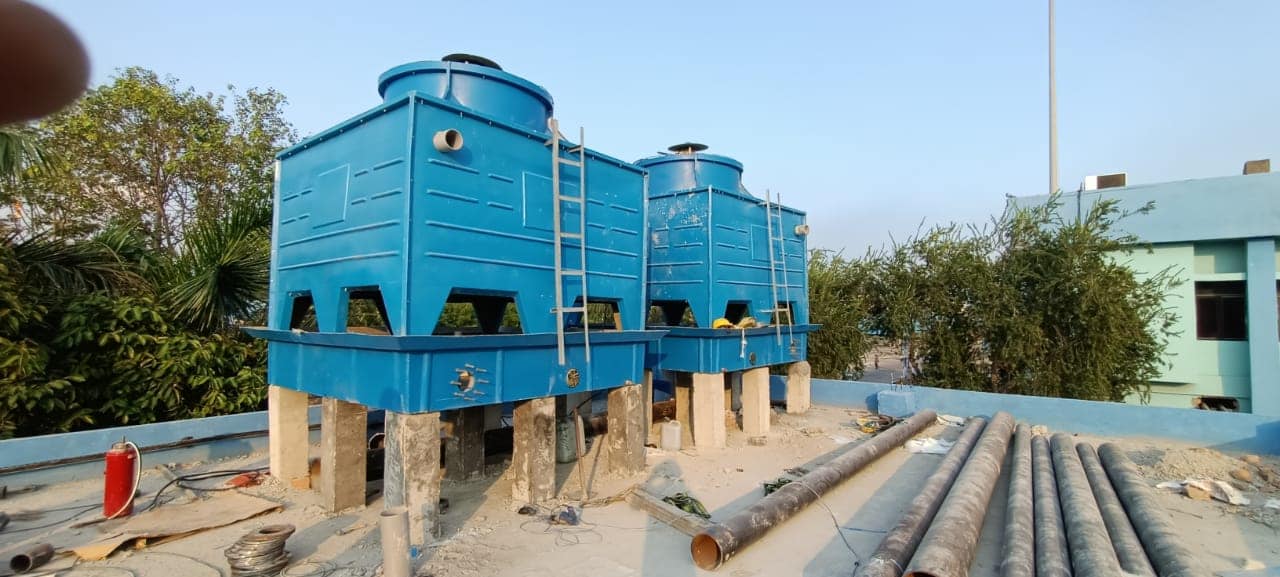
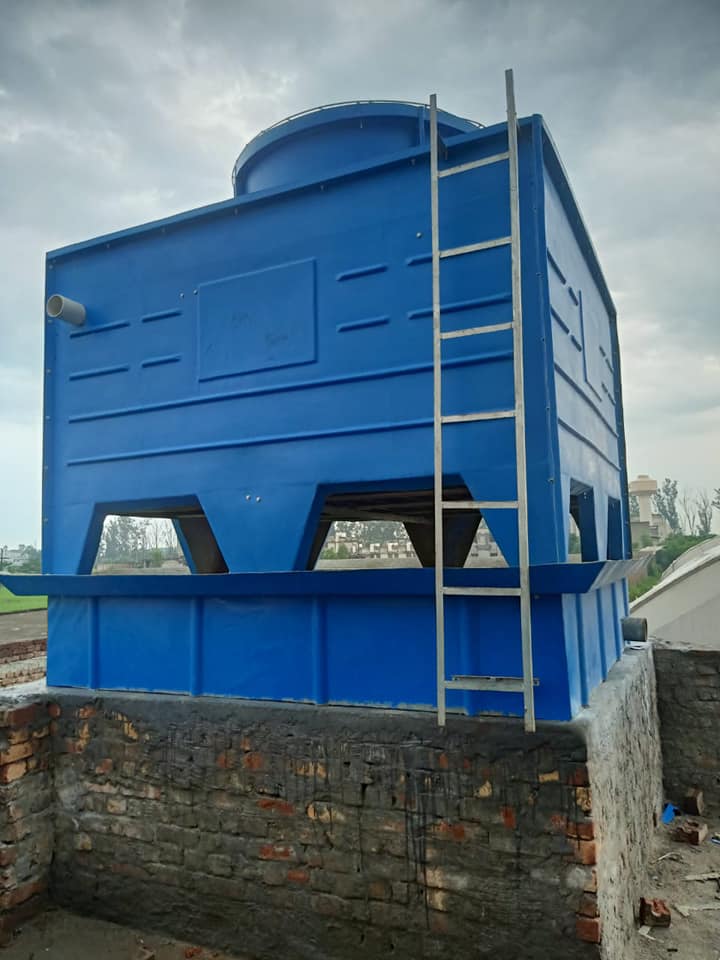
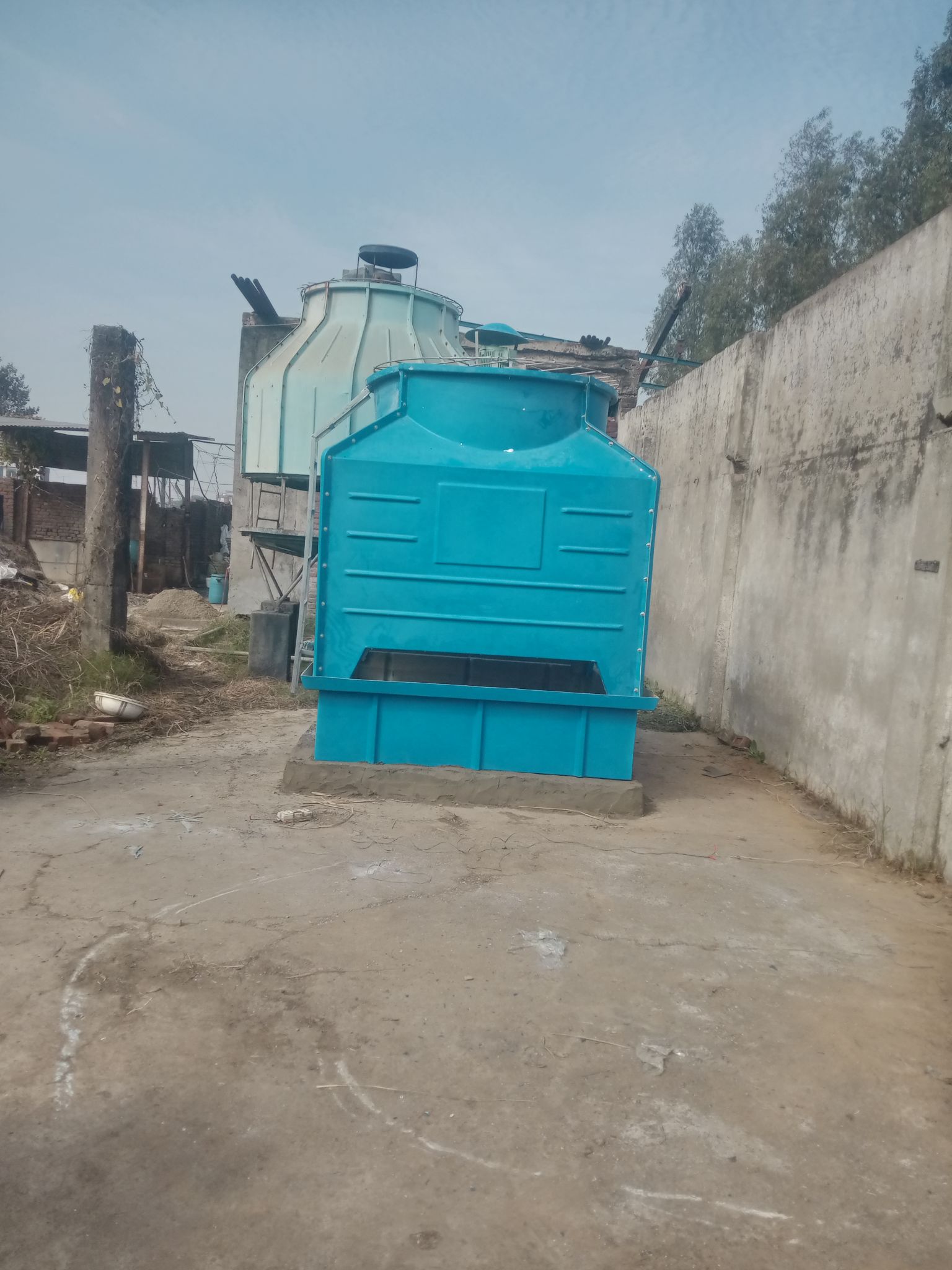
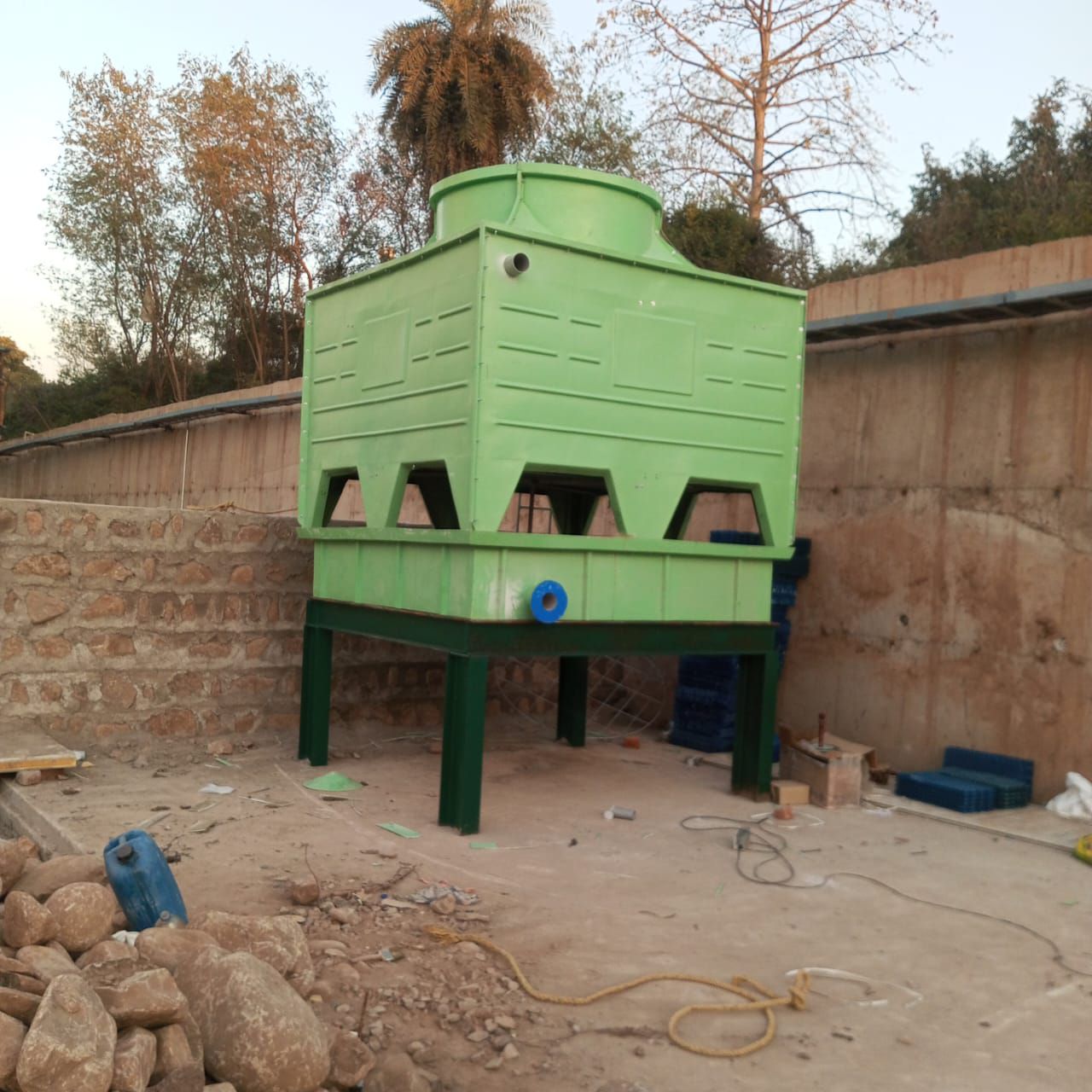
What is a Cross Flow Cooling Tower?   A Cross Flow Cooling Tower is a type of heat rejection device that removes waste heat from a process system (like an HVAC system for a building or a industrial process) and releases it to the atmosphere. Its defining characteristic is the flow path of air and water. In a […]

Cross Flow Cooling Tower Manufacturer in India

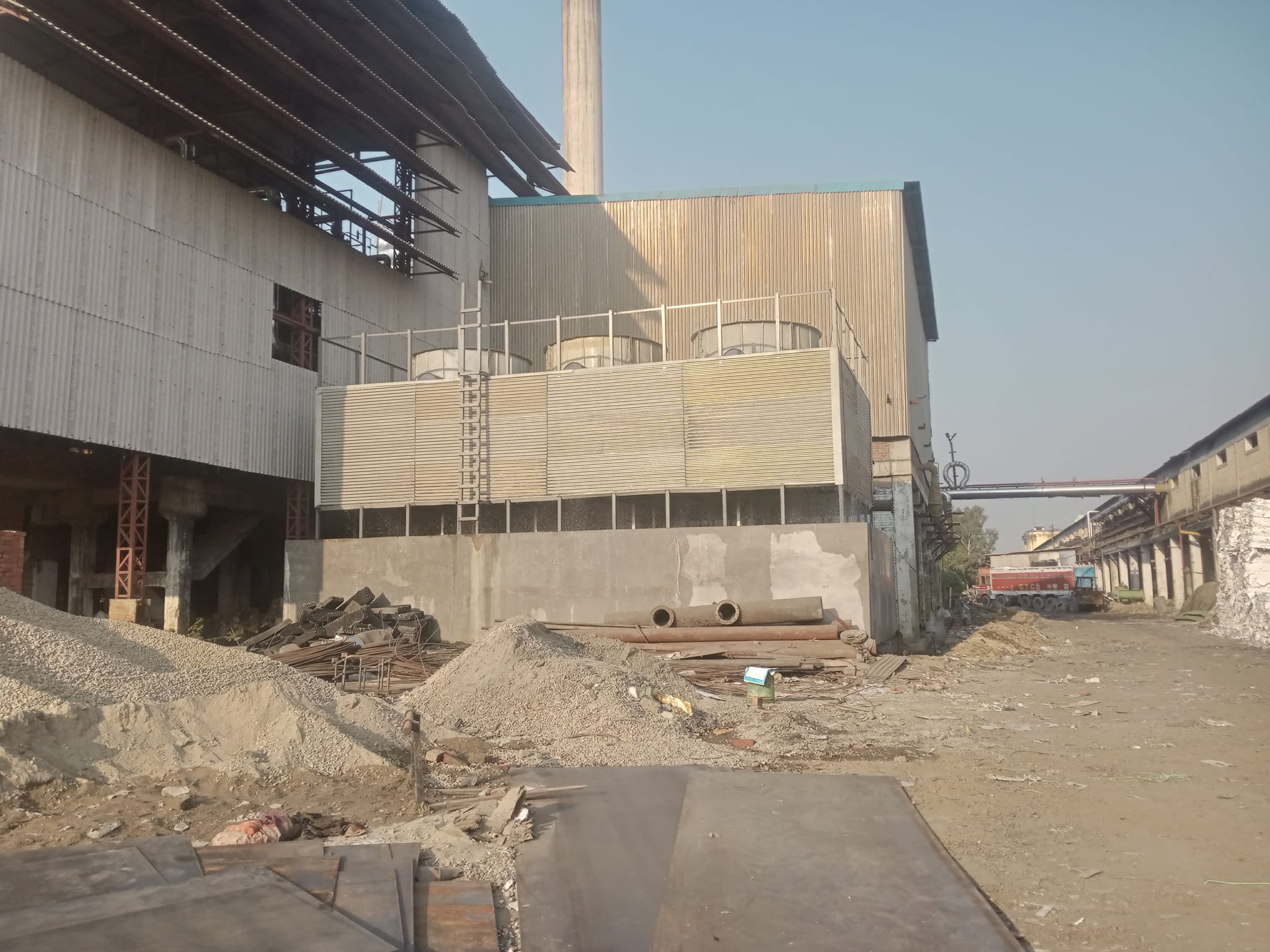
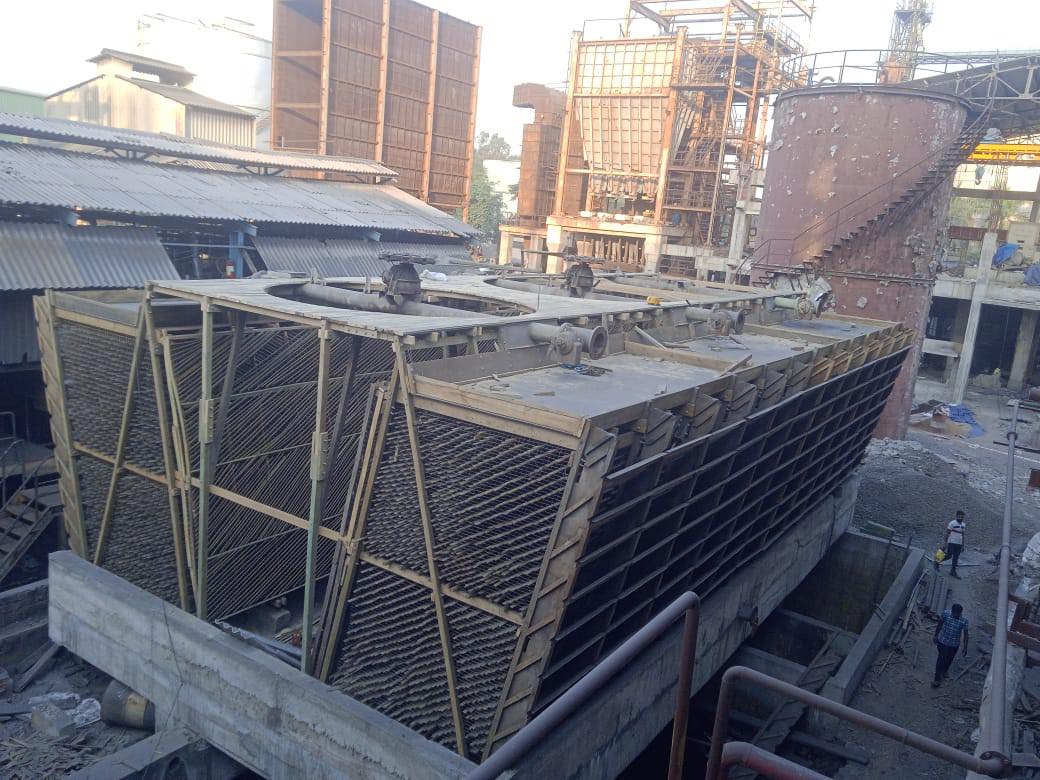
What is Cross Flow cooling tower? A Cross Flow Cooling Tower is a type of cooling tower where the air flows horizontally across the falling water. It is designed so that air and water cross paths at a 90-degree angle, hence the name “cross flow.” How It Works: Key Characteristics: Feature Description Air Flow Direction […]

Cooling Tower Supplier in Qatar

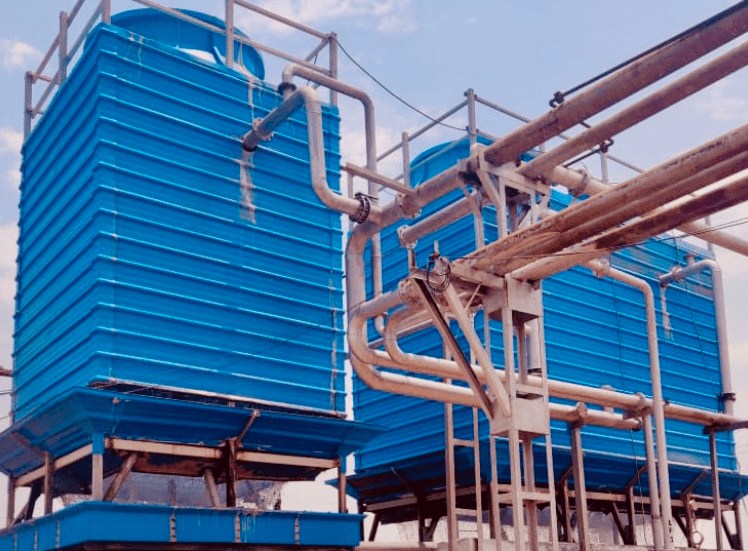
Advantages of FRP Cooling Tower FRP (Fiberglass Reinforced Plastic) Cooling Towers are significant and make them the preferred choice for a wide range of applications, particularly where corrosion, longevity, and low maintenance are priorities. 1. Exceptional Corrosion Resistance (The #1 Advantage) 2. Lightweight yet Extremely Strong 3. Low...

Cooling Tower Manufacturer in Oman

What Parts of the Tower are FRP? In a typical “FRP package tower,” the following are made from FRP: The internal components are usually still made of other highly efficient materials: An FRP cooling tower is a premium, corrosion-resistant, and low-maintenance unit where the main structure is built from molded...

Cooling Tower Manufacturer in Egypt

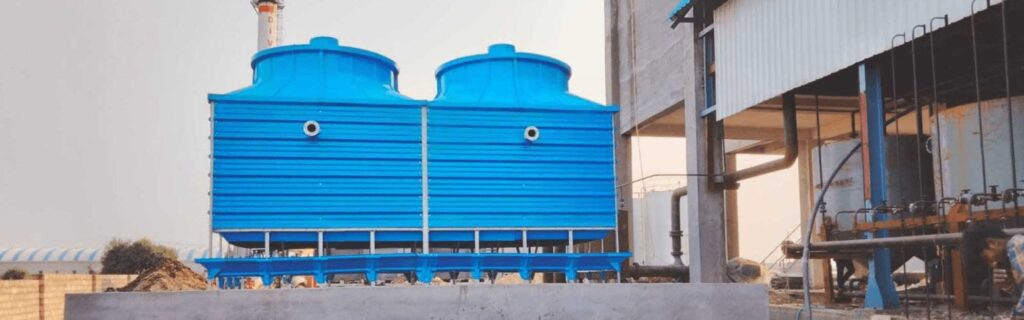
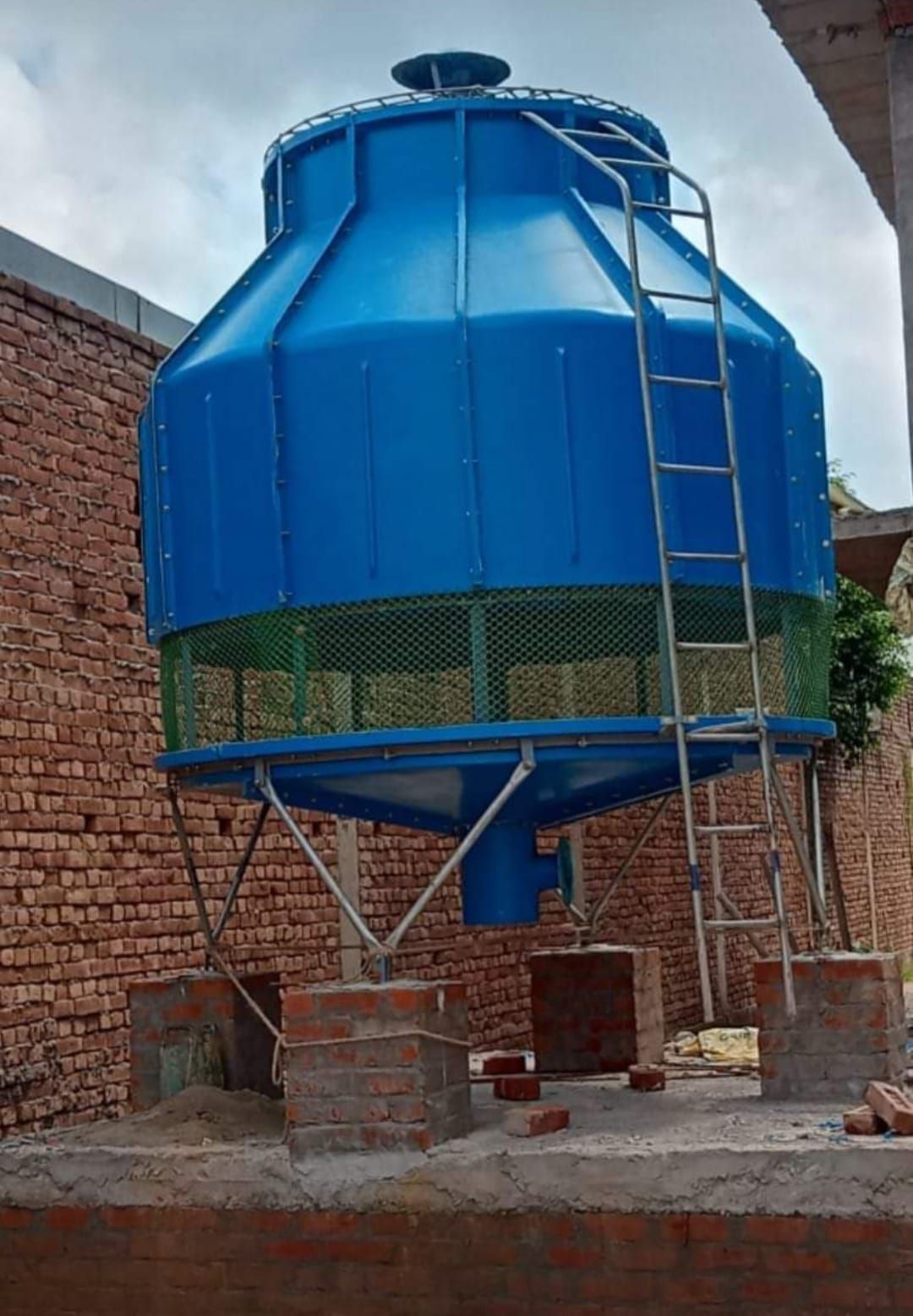
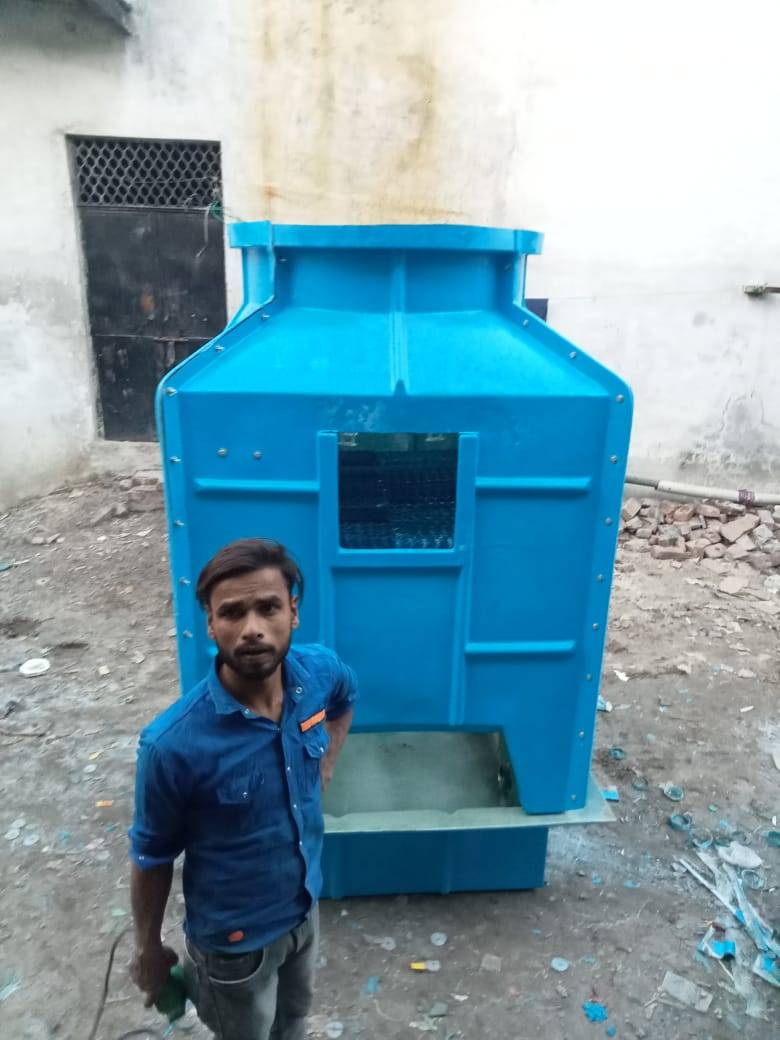
What is meant by FRP Cooling Tower? RP Cooling Tower is a cooling tower whose major components—primarily the casing (outer shell), cold water basin, and often structural supports—are constructed from Fiberglass Reinforced Plastic (FRP). It’s important to understand that “FRP” doesn’t refer to the...

Cooling Tower Supplier in UAE

Materials of Cooling Tower Parts   1. Casing and Structural Framework This is the tower’s exterior shell and internal support structure. 2. Fill (or Packing) This is the internal component that maximizes water-to-air contact. It is the heart of the heat transfer process. 3. Cold Water Basin This is the tank at the bottom...

Cooling Tower Supplier in United Arab Emirates

Material of Construction of Cooling Tower Component Common Materials Key Reasons Casing/Structure Galvanized Steel (G.S.), Stainless Steel, FRP Strength, corrosion resistance, durability. Fill (The Heart) PVC, PP, Wood, Ceramic, PP High surface area, corrosion resistance, lightweight. Cold Water Basin Reinforced Concrete, G.S. with lining, FRP Must...

Cooling Tower Supplier in Saudi Arabia

Major Application of Cooling Tower Major application of a cooling tower is to reject waste heat to the atmosphere from industrial processes and building cooling systems. This core function makes them indispensable in a wide range of industries. Here’s a breakdown of the major applications, from most common to most critical. 1....

Cooling Tower Manufacturer in United Arab Emirates

Use of Cooling Tower  The primary function of a coolingtower is to remove waste heat from a water-based system and reject itto the atmosphere. This is achieved primarily through the principle ofevaporative cooling. Here is a detailed breakdown of the key functions of a cooling tower: 1. Primary Function: Heat Rejection This is the core reason...

Cooling Tower Manufacturer in Saudi Arabia

Main Types of Cooling Towers Cooling towers are primarily categorized by how they move air: 1. Mechanical Draft TowersThese use large mechanical fans to force or draw air through the tower. They are the most common type. 2. Natural Draft TowersThese massive, hyperbolic (hourglass-shaped) towers use the natural principle of convection—hot air...

Pultruded cooling tower Manufacturer in Saudi Arabia

Dry Cooling Towers vs. Wet Cooling Towers: Key Differences Cooling towers are essential for rejecting waste heat in industrial and HVAC systems. The two main types—dry (air-cooled) and wet (evaporative) cooling towers—differ in operation, efficiency, and applications. Below is a detailed comparison. 1. Basic Working Principle Parameter Dry...

Pultruded cooling tower Manufacturer in United Arab Emirates

Effect of Wet Bulb Temperature (WBT) and Dry Bulb Temperature (DBT) on Cooling Tower Performance Cooling towers rely on evaporative cooling, making wet bulb temperature (WBT) and dry bulb temperature (DBT) critical factors in their efficiency and design. Here’s how they impact cooling tower operation: 1. Wet Bulb...

Pultruded cooling tower Manufacturer in Tunisia

Wet Bulb Temperature vs. Ambient (Dry Bulb) Temperature Understanding the difference between wet bulb temperature (WBT) and ambient (dry bulb) temperature (DBT) is crucial for cooling tower performance, HVAC design, and industrial cooling processes. 1. Definitions Parameter Definition How It’s Measured Ambient Temperature (Dry...

Pultruded cooling tower Manufacturer in Zambia

How Flow Rate Impacts Cooling Tower Design A. Cross-Sectional Area (Air-Water Contact Zone) B. Fan & Motor Sizing C. Basin Volume Basin Capacity (m³)=Flow Rate (m³/hr)×560Basin Capacity (m³)=60Flow Rate (m³/hr)×5​ 3. Cooling Tower Sizing Example Given: Calculations: Estimated Tower...

Pultruded cooling tower Manufacturer in Ethiopia

Cooling Tower Water Flow Rate vs. Size: Key Factors & Sizing Guide The size of a cooling tower is directly influenced by the water flow rate (measured in m³/hr or GPM) it needs to handle. Below is a breakdown of how flow rate affects cooling tower dimensions, capacity, and selection.  Flow Rate vs. Cooling Tower...

Pultruded cooling tower Manufacturer in Morocco

For cooling towers handling high-contaminant water (high TDS, suspended solids, oils, or biological growth), selecting the right fill media is crucial to prevent clogging, fouling, and efficiency loss. Here are the best fill types for such conditions: Fill Selection Guide Based on Contaminant Type 1. Splash Fill...
Pultruded cooling tower Manufacturer in Kenya

Water Quality Requirements for Cooling Towers Proper water quality is critical for cooling tower efficiency, longevity, and prevention of scaling, corrosion, and microbiological growth. Below are the key water quality parameters and their recommended limits: **1. Physical & Chemical Parameters Parameter Recommended Range Impact...
Pultruded cooling tower Manufacturer in Nigeria

Modular Cooling Towers Vs Pultruded Cooling Towers . Definition & Construction Feature Modular Cooling Tower Pultruded Cooling Tower Design Prefabricated, stackable units for scalability Made from pultruded FRP (Fiberglass Reinforced Polymer) components Material Galvanized steel, FRP panels, PVC/ABS fills Entire structure uses pultruded FRP...
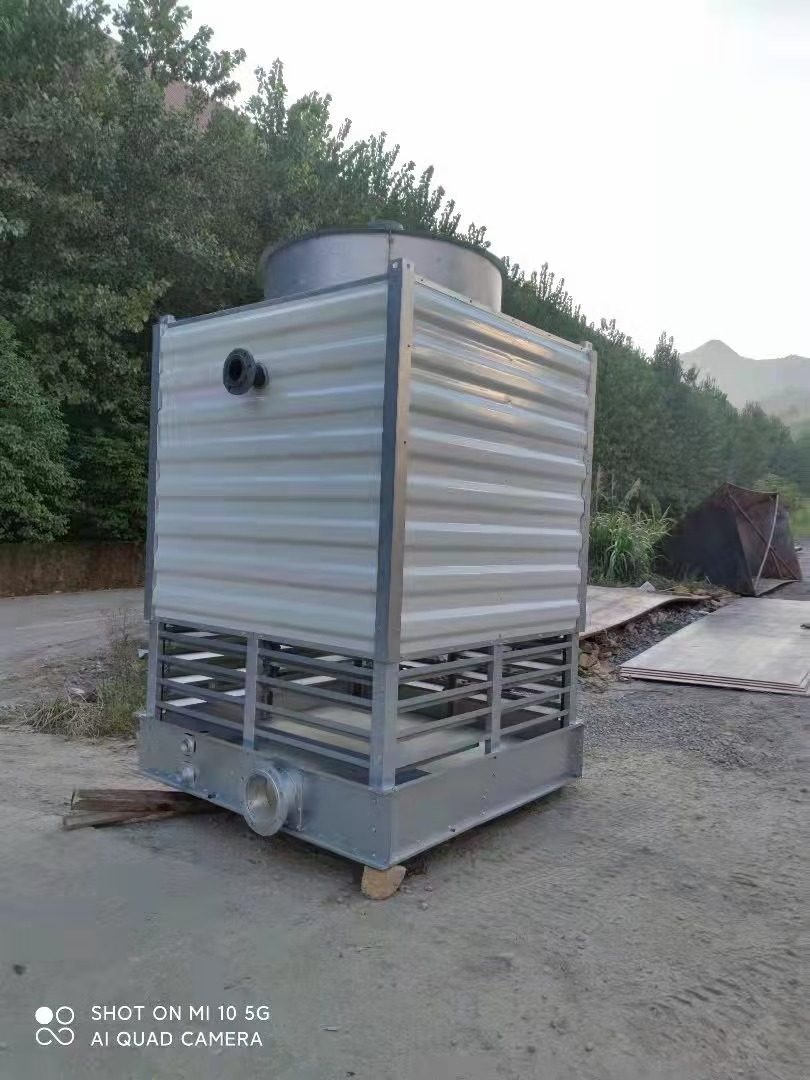
Pultruded cooling tower Manufacturer in South Africa

Modular Cooling Tower: Components, Design & Benefits A modular cooling tower is a prefabricated, scalable cooling system made up of multiple standardized units that can be combined to meet varying cooling demands. These are commonly used in HVAC, industrial processes, and data centers due to their flexibility, ease of installation,...
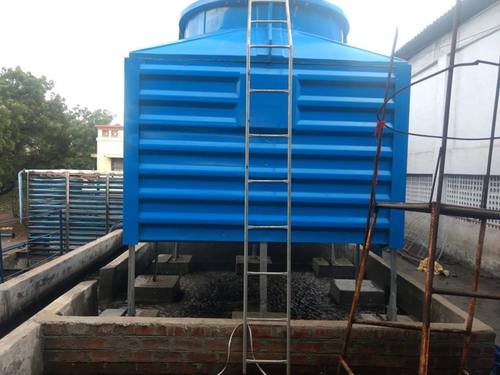
Pultruded cooling tower Manufacturer in Qatar

A pultruded cooling tower is made from fiber-reinforced polymer (FRP) components manufactured using the pultrusion process, offering high strength, corrosion resistance, and lightweight properties. Below is a detailed list of parts used in a pultruded cooling tower: 1. Structural Components 2. Heat Transfer Components...

Pultruded cooling tower Manufacturer in Kuwait

The recommended capacity of an RCC (Reinforced Cement Concrete) basin for a cooling tower depends on several factors, including: General Guidelines for RCC Basin Capacity: Design Recommendations:

Pultruded cooling tower Manufacturer in Jordan

Thermal Balancing in Cooling Towers: Definition, Importance & Methods Thermal balancing ensures uniform heat distribution across a cooling tower’s fill media and water flow, maximizing efficiency, performance, and lifespan. An unbalanced system leads to hot spots, scaling, corrosion, and reduced cooling capacity. 1. What...

Pultruded cooling tower Manufacturer in Iraq

Why Use Multi-Cell Cooling Towers? Key Reasons & Benefits Multi-cell cooling towers are preferred in industrial and large-scale cooling applications due to their flexibility, efficiency, and reliability. Below are the top reasons why they are widely used: 1. Scalability & Load Adaptability Example: A power plant can start...

Pultruded cooling tower Manufacturer in Djibouti

Multi-Cell Cooling Tower: Definition, Design, and Applications A multi-cell cooling tower is a modular cooling system consisting of multiple independent cooling cells housed within a single structure. Each cell operates as a separate cooling unit but works in conjunction with others to provide scalable, efficient, and redundant cooling...

Pultruded cooling tower Manufacturer in Bahrain

Pultruded FRP vs. Galvanized Steel: Key Comparison for Cooling Towers & Industrial Applications When choosing between pultruded Fiber-Reinforced Polymer (FRP) and galvanized steel for cooling towers, structural supports, or corrosive environments, several factors must be considered—corrosion resistance, weight, strength,...

Pultruded cooling tower Manufacturer in Egypt

Pultruded FRP channels are an ideal choice for cooling towers, offering superior corrosion resistance, lightweight strength, and long-term durability compared to steel, aluminum, or wood. They are particularly valuable in:◉ Chemical plants◉ Power plants◉ Marine environments HVAC cooling systems For optimal performance:

Pultruded cooling tower Manufacturer in Oman

Cost Comparison vs. Traditional Materials Material Initial Cost Lifespan Maintenance Cost Pultruded FRP Higher 30-50+ years Very Low Galvanized Steel Lower 10-20 years High (rust prevention) Stainless Steel Very High 20-30 years Medium (cleaning, inspection) Wood Low 5-15 years High (rot treatment, replacement) → FRP is cost-effective long-term...

Pultruded cooling tower Manufacturer in Saudi Arabia

Use of Pultruded FRP Channels in Cooling Towers Pultruded Fiber-Reinforced Polymer (FRP) channels are increasingly used in cooling tower structures due to their corrosion resistance, high strength-to-weight ratio, and long-term durability. These profiles replace traditional materials like steel, aluminum, or wood,...

Pultruded cooling tower Manufacturer in United Arab Emirates

Pultruded Fiber-Reinforced Polymer (FRP) Composites: A Detailed Overview Pultruded fiber-reinforced polymer (FRP) composites are high-performance materials manufactured through the pultrusion process, combining fiber reinforcement (e.g., glass, carbon, or basalt fibers) with a polymer resin matrix (e.g.,...

Pultruded cooling tower Manufacturer in India

A Pultruded cooling tower refers to a cooling tower constructed using pultruded fiber-reinforced polymer (FRP) composites instead of traditional materials like wood, metal, or conventional molded FRP. Pultrusion is a continuous manufacturing process that produces high-strength, lightweight, and corrosion-resistant profiles,...

Wooden Cooling Tower Manufacturer inTunisia

The quality of wood used in a wooden cooling tower is critical for ensuring durability, efficiency, and resistance to decay in harsh operating conditions (constant water exposure, heat, and biological growth). Below are the key quality requirements for wood in cooling towers: 1. Type of Wood (Best Choices)...

Wooden Cooling Tower Manufacturer inGhana

Increasing the efficiency of a wooden cooling tower involves optimizing various factors related to design, maintenance, and operation. Here are key strategies to enhance its performance . Improve Airflow Efficiency 2. Enhance Heat Transfer 3. Water Treatment & Quality Control 4. Structural Maintenance 5. Optimize Cooling Tower Operation 6....

Wooden Cooling Tower Manufacturer inZambia

Double Cross flow vs. Single Cross flow Wooden Cooling Towers: Key Differences Both single and double Cross flow wooden cooling towers are used in industrial applications, but they differ in design, efficiency, footprint, and cost. Below is a detailed comparison to help determine which is best for your needs. 1. Air &...

Wooden Cooling Tower Manufacturer inEthiopia

Wooden cooling towers are preferred in several industries due to their cost-effectiveness, natural corrosion resistance (in certain environments), and ease of repair. They are commonly used in applications where water chemistry is mild, temperatures are moderate, and fire risk is low. Below are the industries that typically prefer wooden...

Wooden Cooling Tower Manufacturer inAlgeria

Wooden cooling towers are cost-effective and suitable for many industrial applications, but there are certain scenarios where they should be avoided due to material limitations, environmental factors, or operational requirements. Here are key applications where wooden cooling towers may not be the best choice: 1. High-Temperature Applications 2....
1 2 3 7