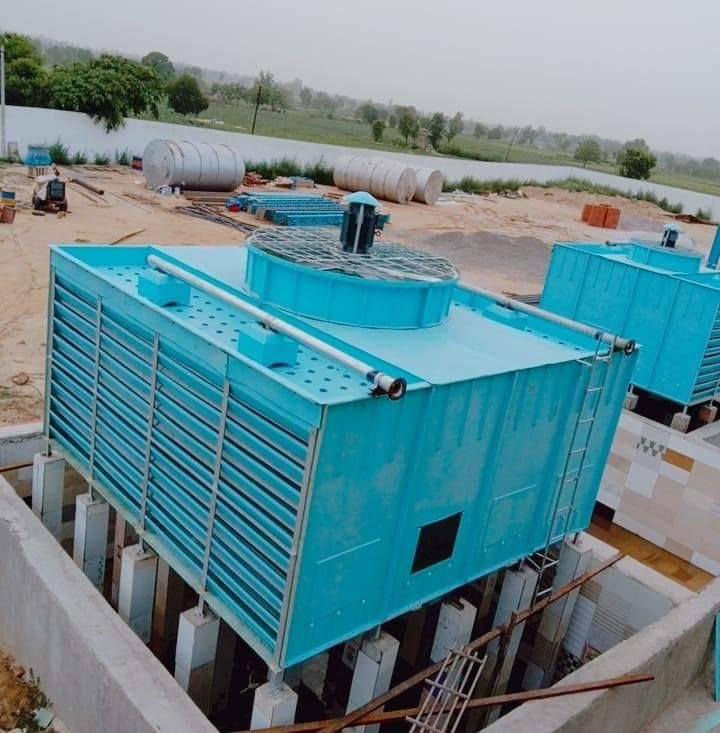
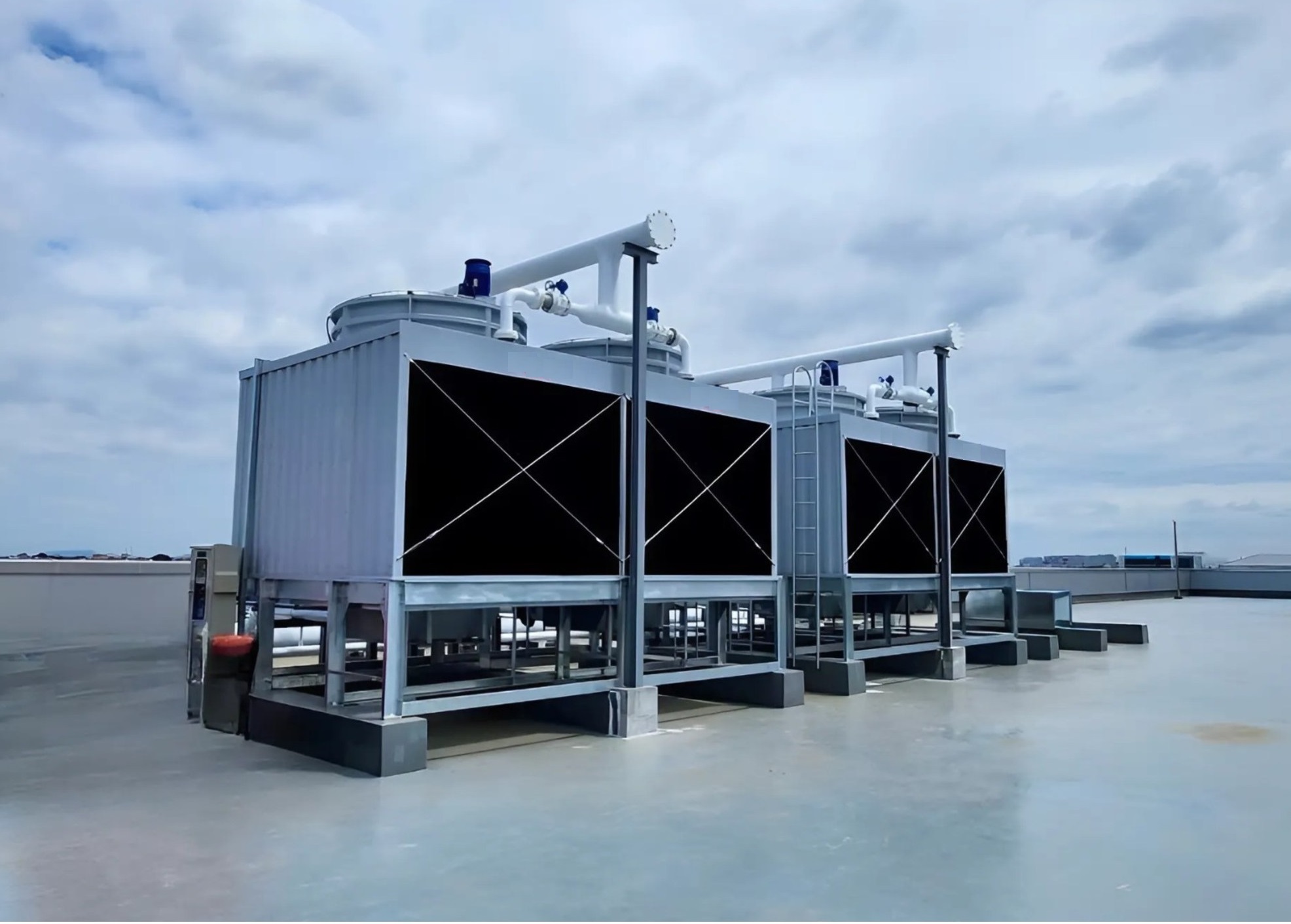
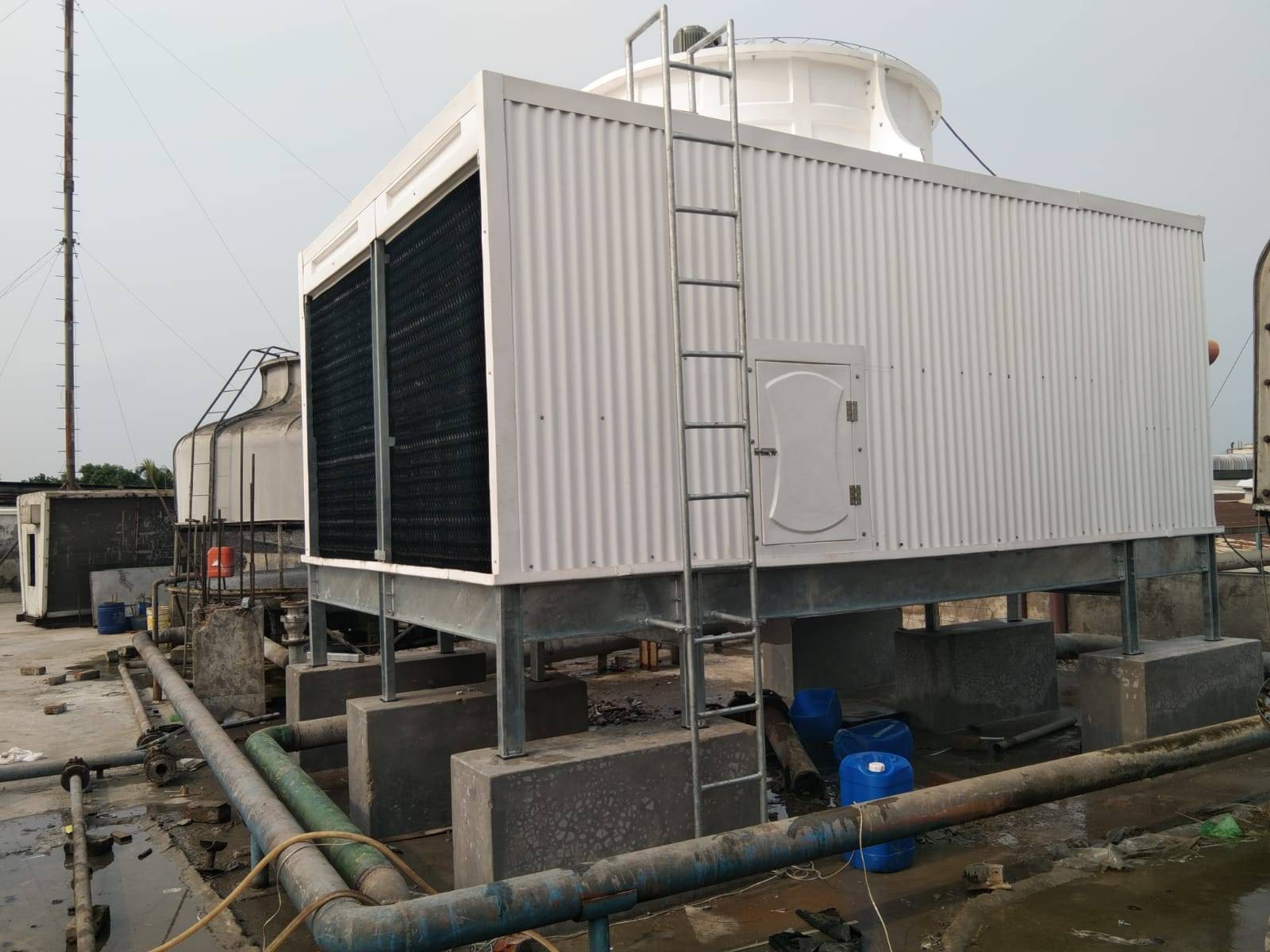
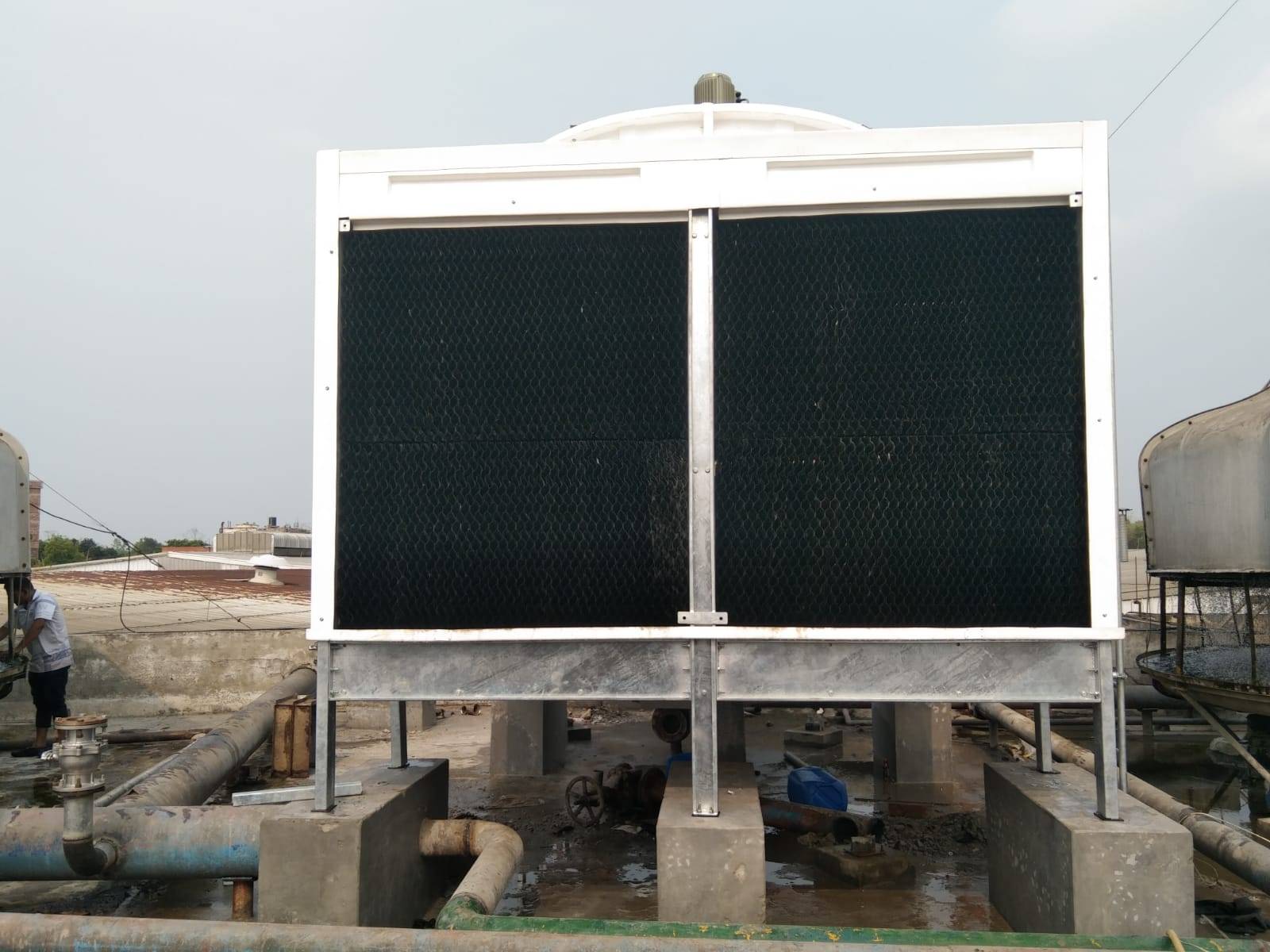
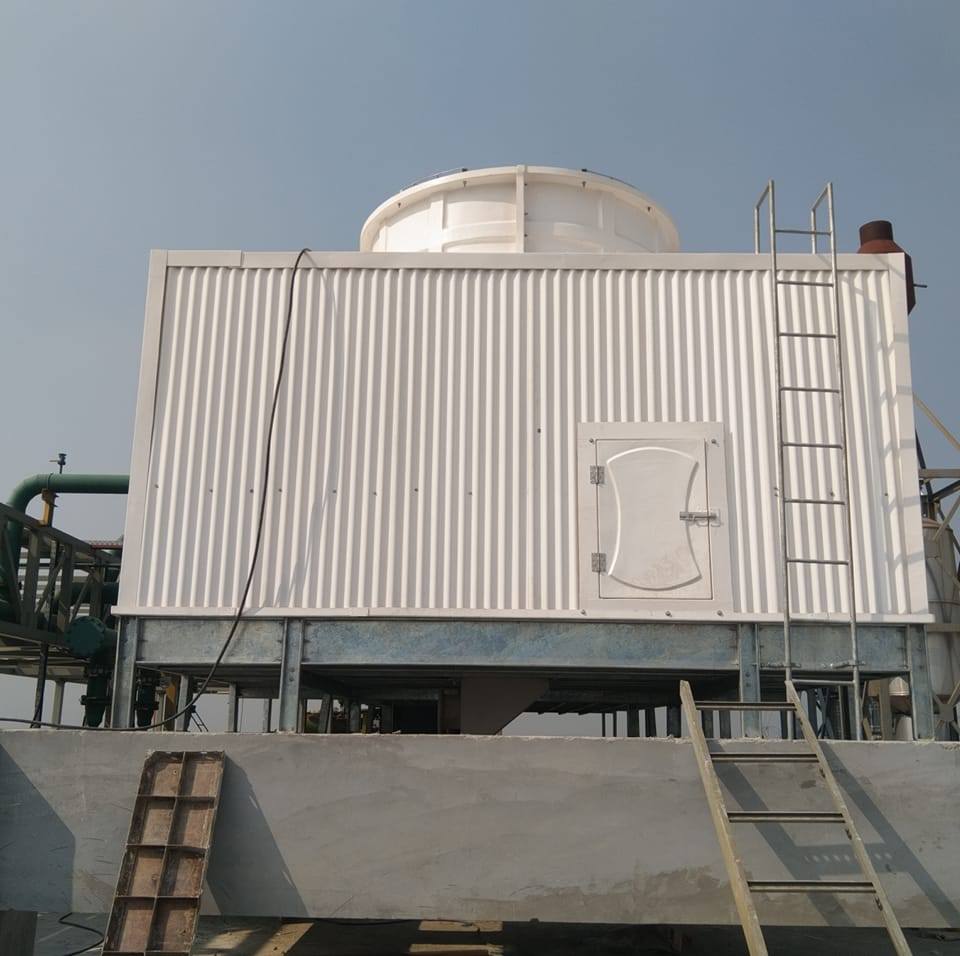
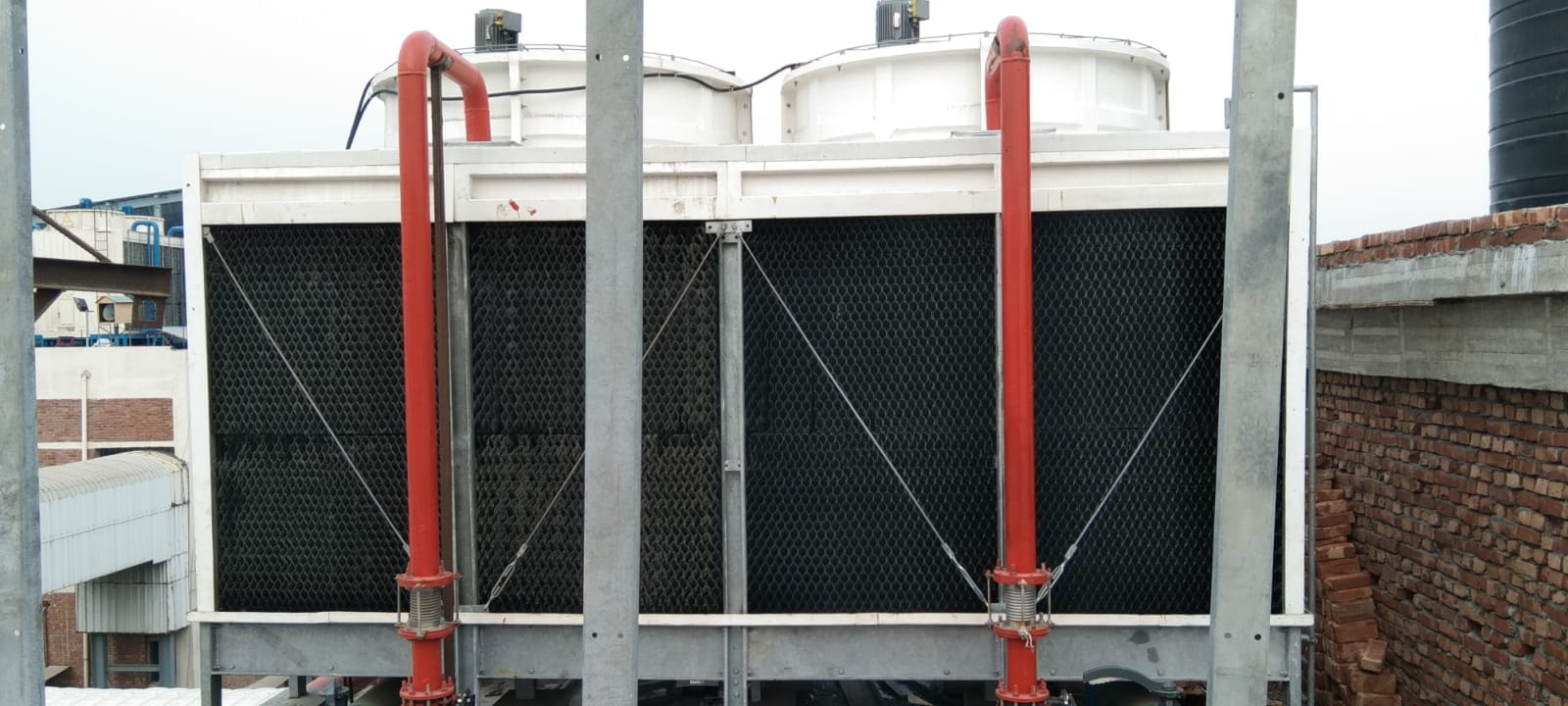
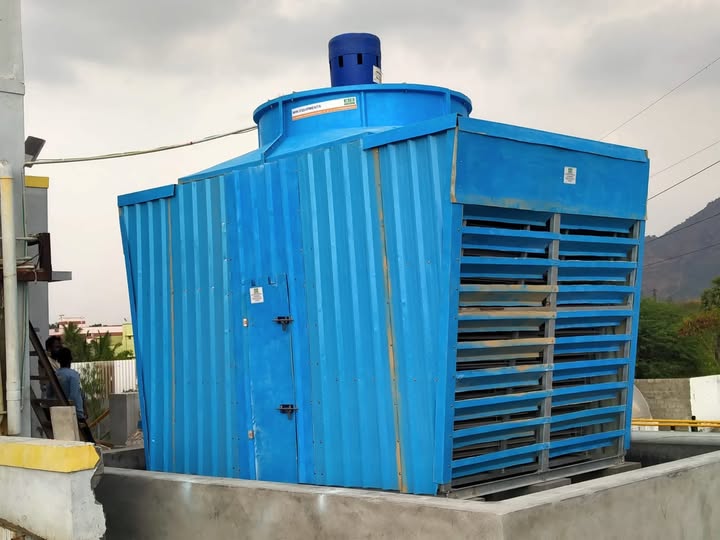
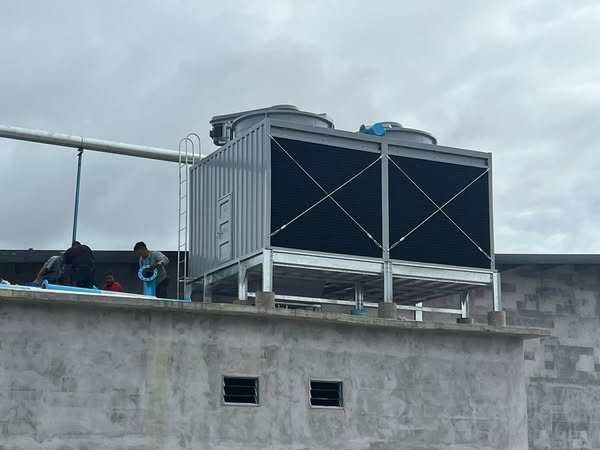
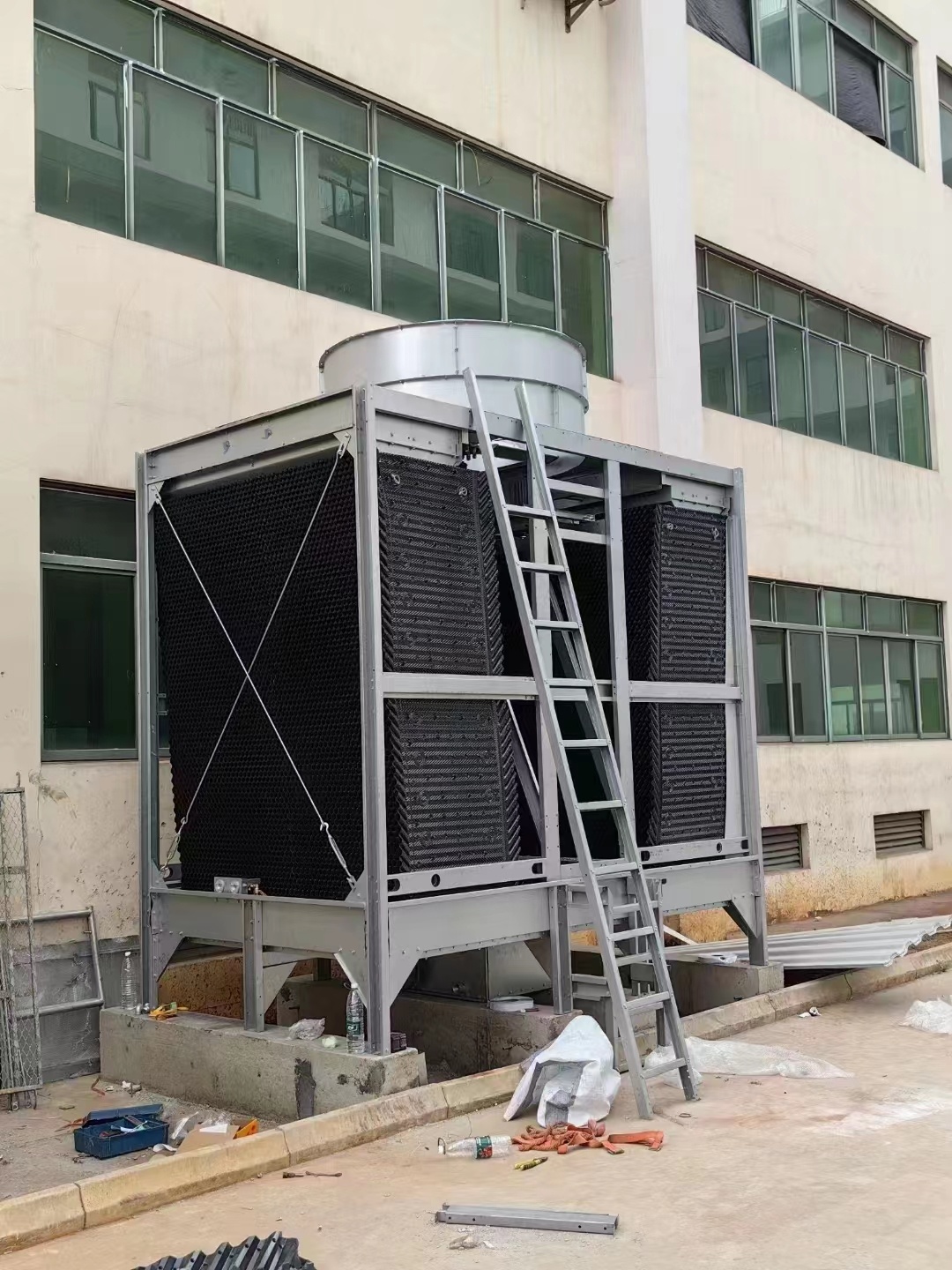
Visualizing the Flow with the Parts To understand how these parts work together, let’s follow the paths of water and air: Water Path (Falls Vertically): Air Path (Flows Horizontally, then Up):
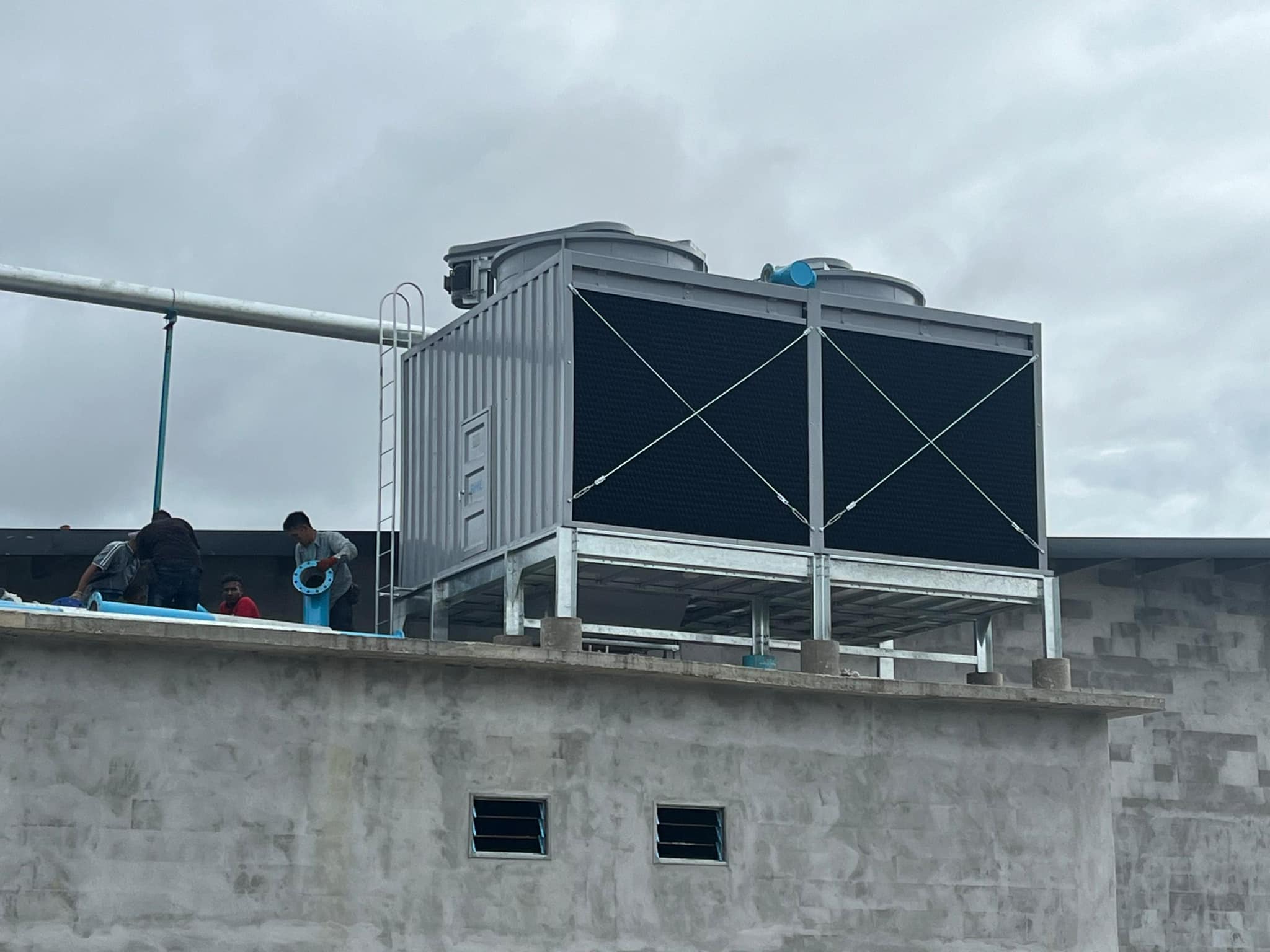
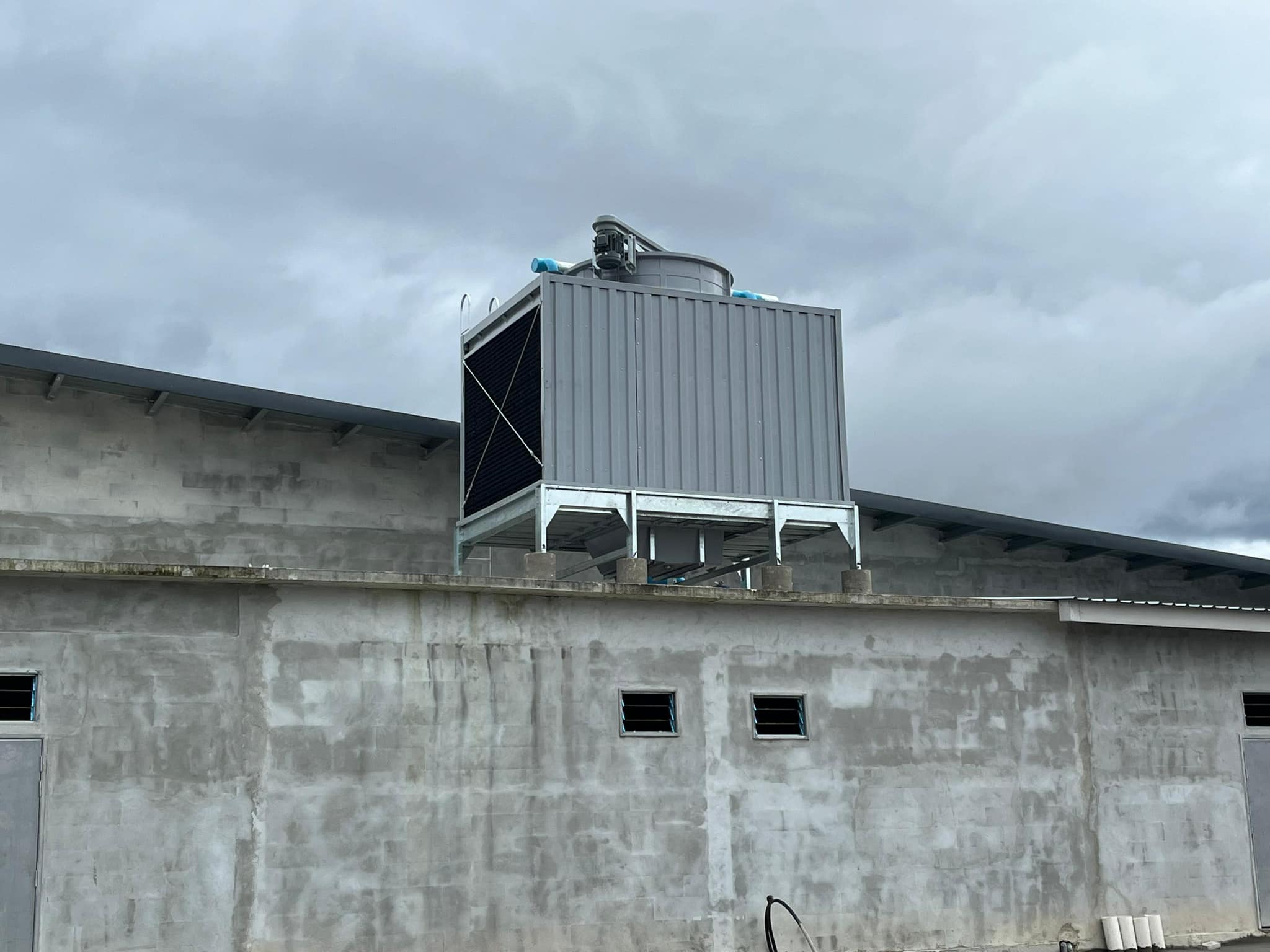
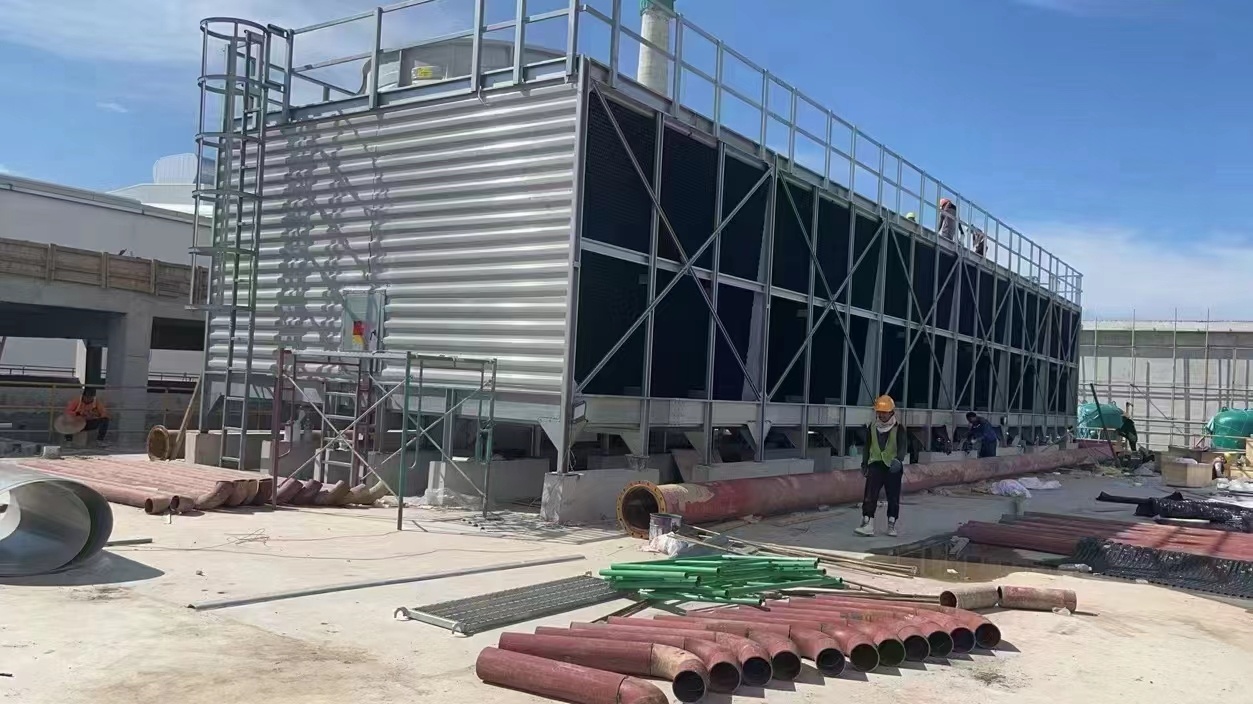
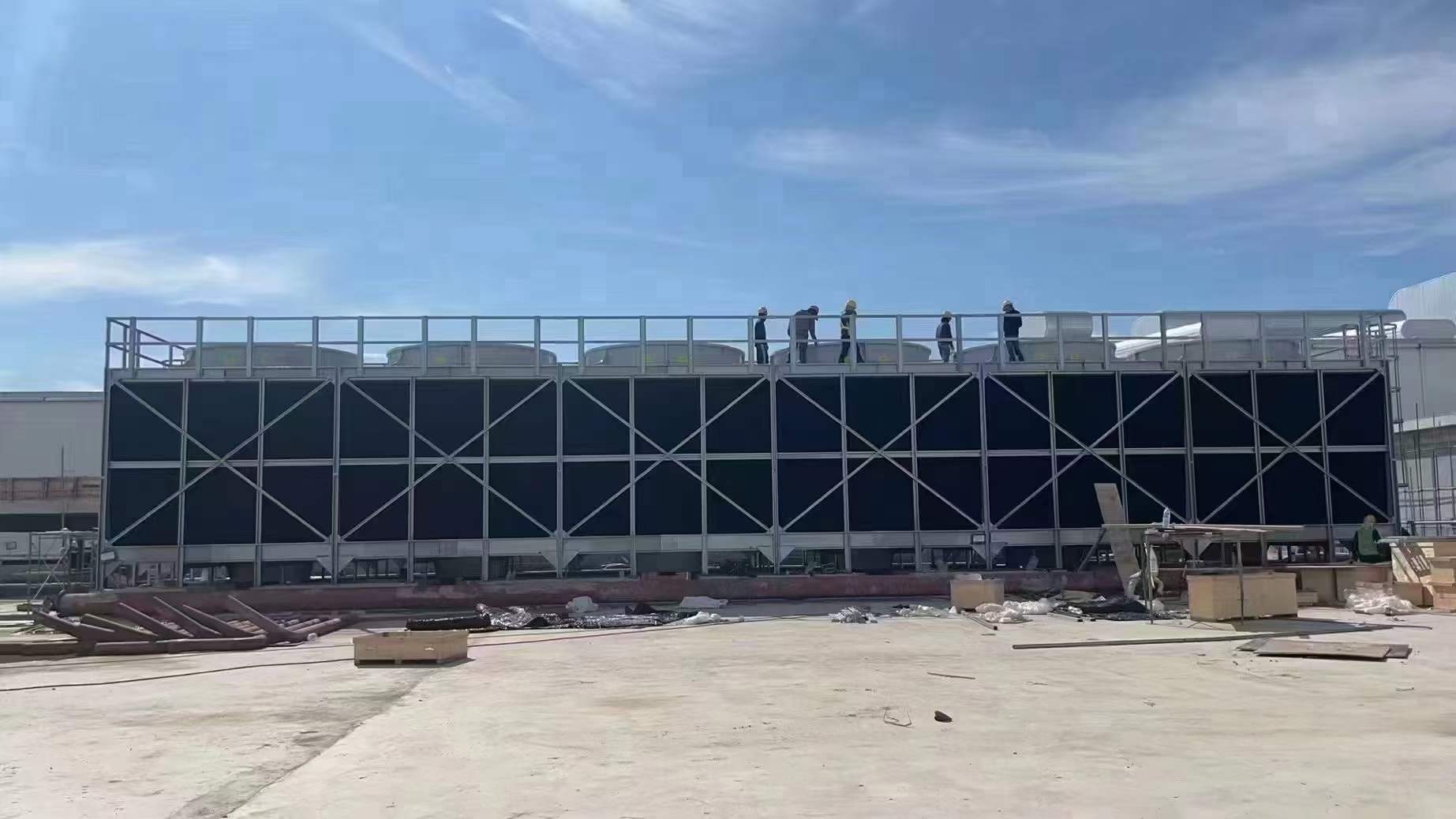
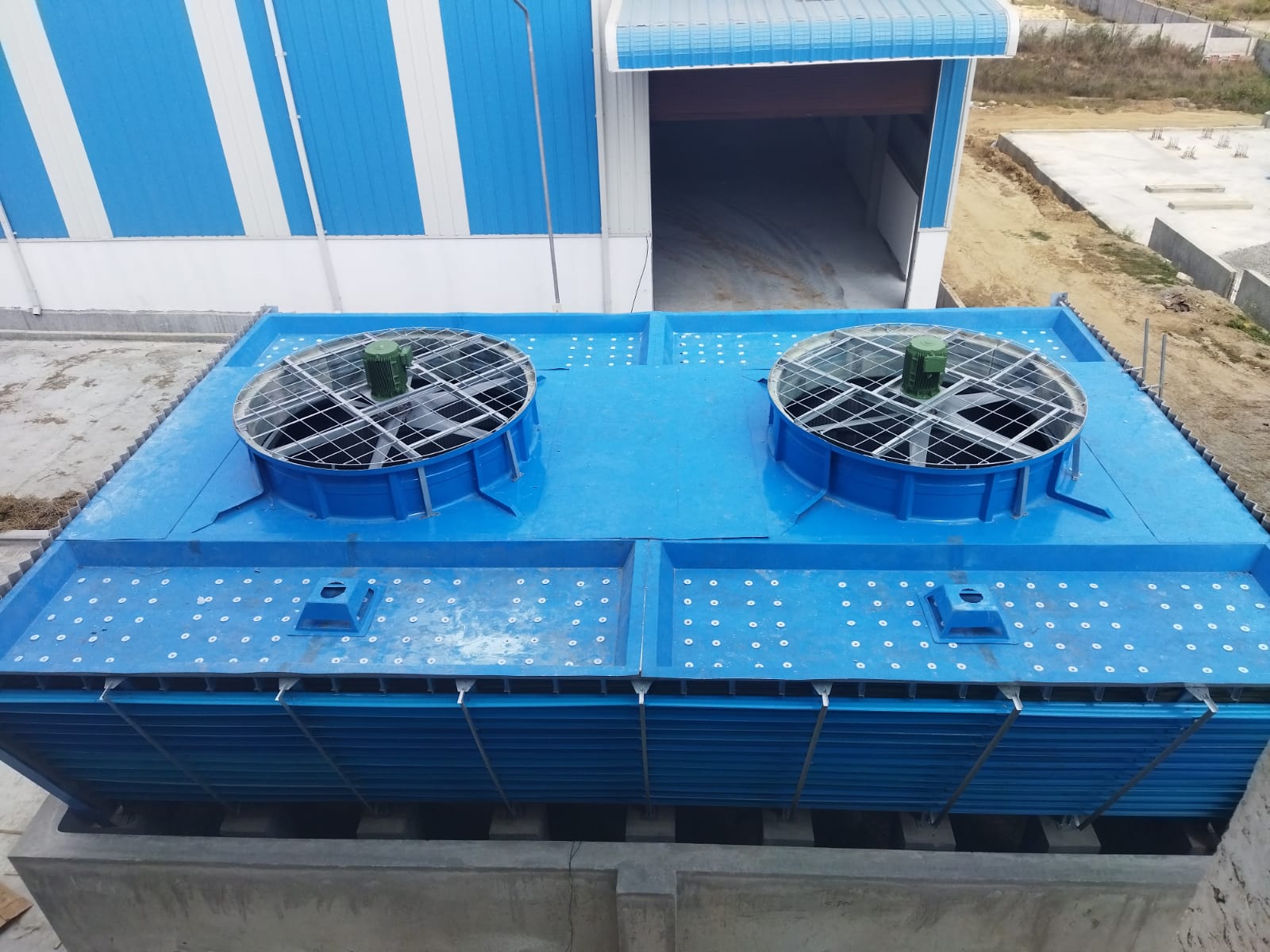
Major Applications of Cross Flow Cooling Towers A cross flow cooling tower is a type of heat rejection device where air flows horizontally across the falling water (which moves vertically). This design is efficient, accessible for maintenance, and relatively quiet, making it popular in many industries. Here are the major applications of cross flow...
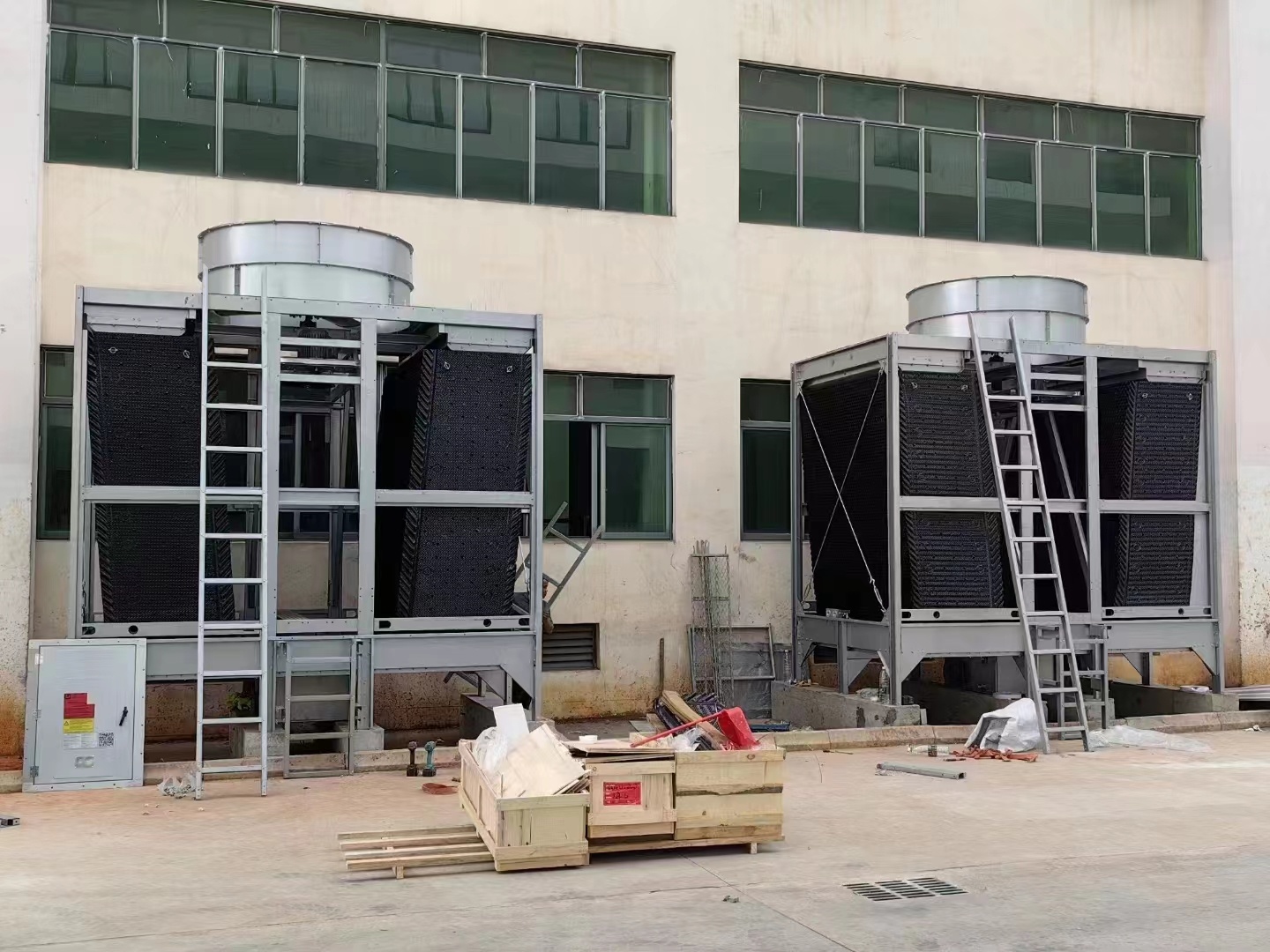
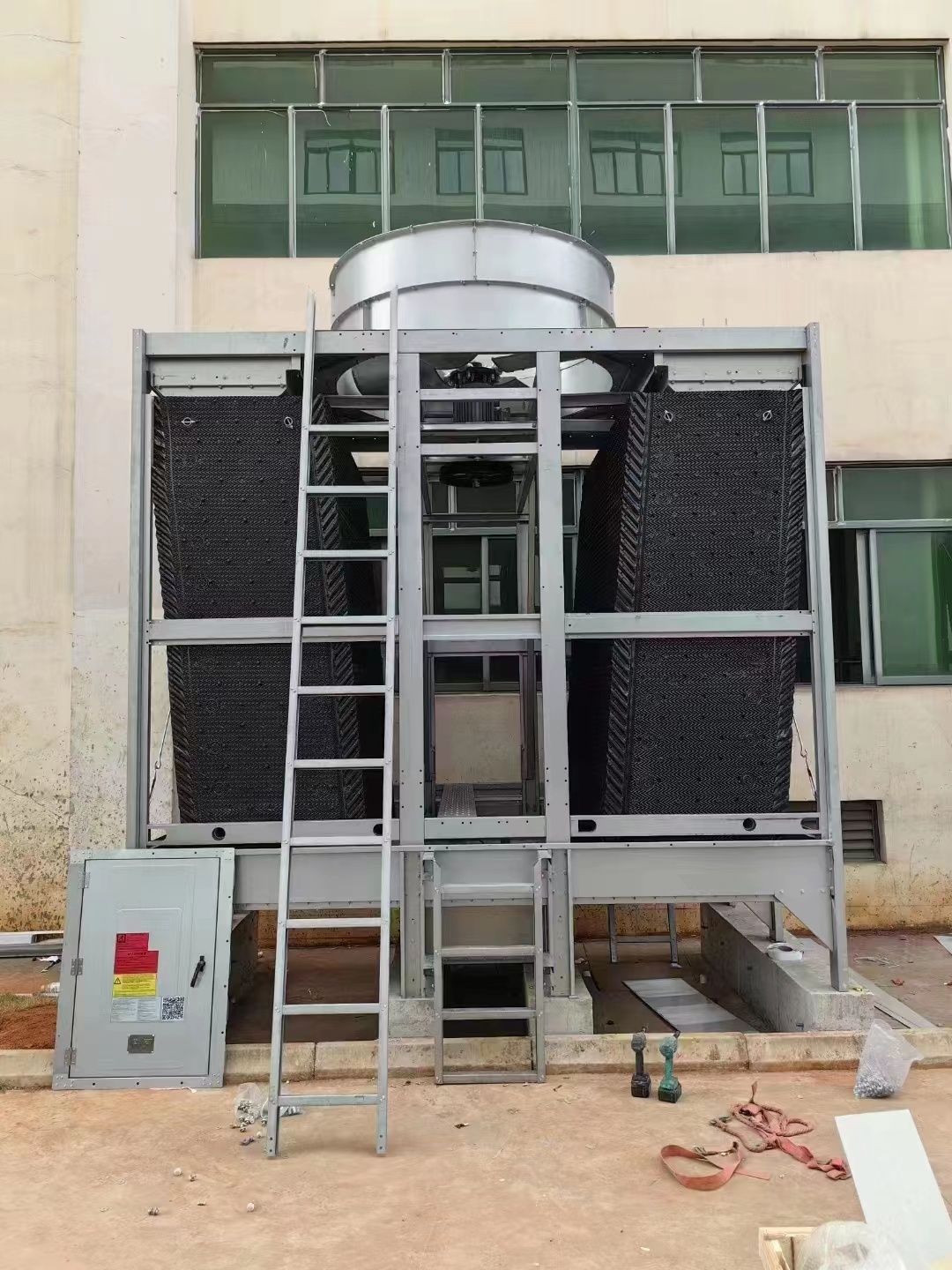
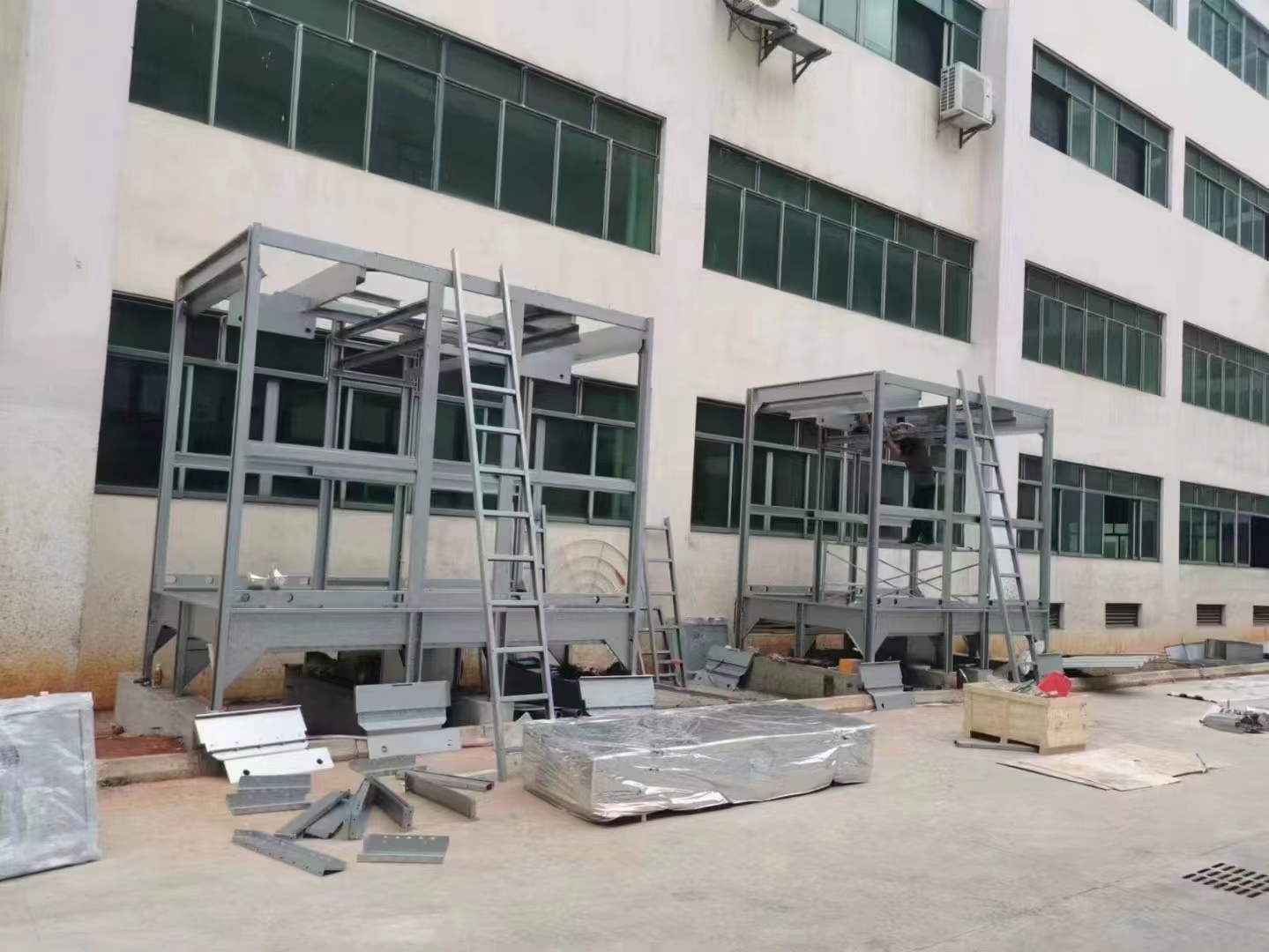
Major Parts of a Cross Flow Cooling Tower 1. Structure and Casing 2. Cold Water Basin (Sump) 3. Water Distribution System This is a defining feature of cross flow design. 4. Fill (or Packing) 5. Air Inlet Louvers 6. Drift Eliminators 7. Fan and Drive Assembly 8. Mechanical Equipment Support
Fill Types in Cross Flow Cooling Towers Feature Splash Fill Film Fill Hybrid Fill Primary Mechanism Breaks water into droplets Spreads water into a thin film Combines splash and film Thermal Efficiency Lower Highest High Fouling/Clogging Resistance Excellent Poor Good Air-Side Pressure Drop Low Higher Moderate Water Quality Suitability Dirty,...
Hybrid Fill As the name implies, this is a combination designed to get the “best of both worlds.” High Efficiency: It still achieves most of the high-efficiency benefits of a full film fill.
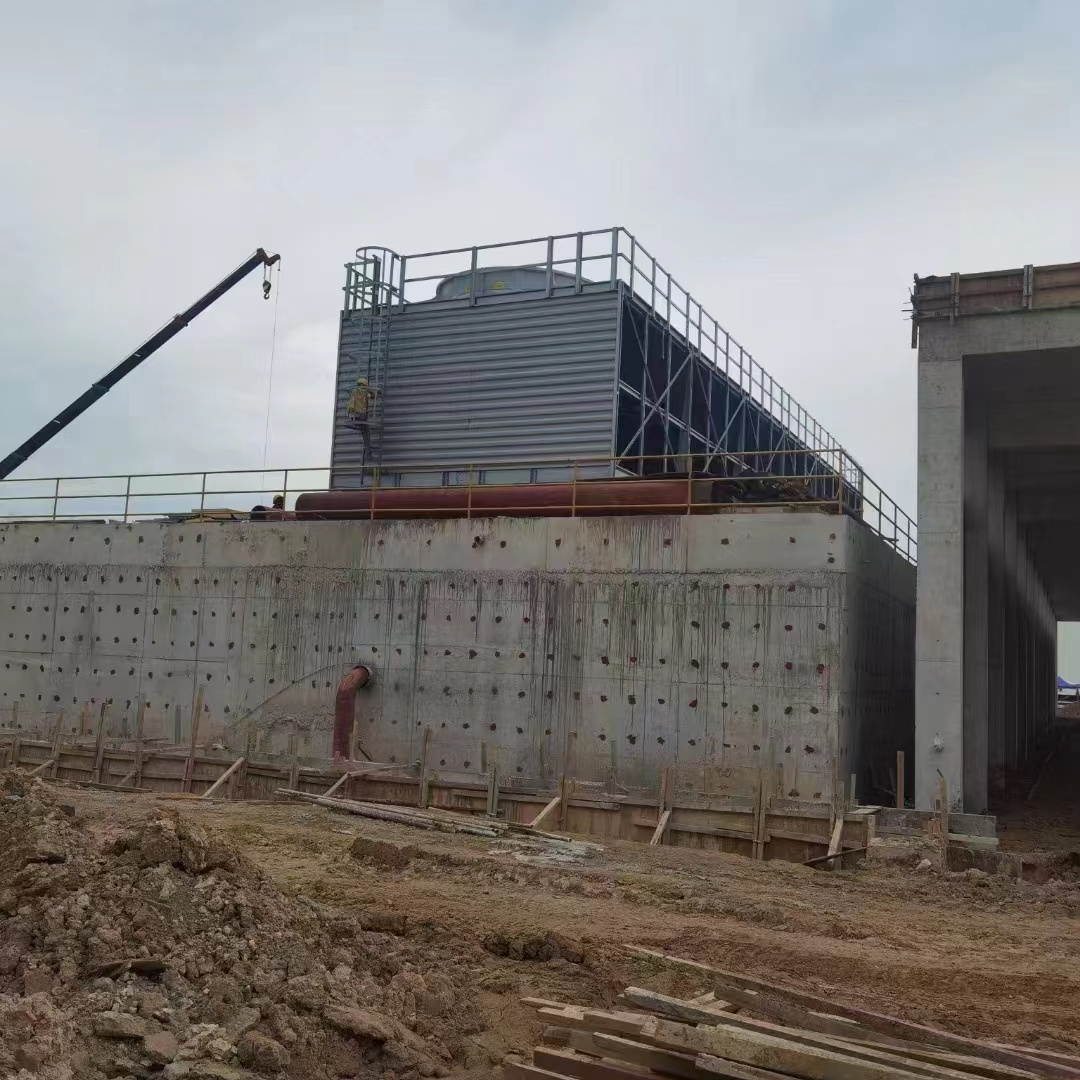
Role of Cooling tower in Mining industry. Primary Role of Cooling Towers in Mining: To remove excess heat generated by mining operations and maintain optimal operating conditions for equipment and processes. 🔧 Key Applications of Cooling Towers in Mining 1. Cooling Process Water 2. Cooling for Air Compressors 3. HVAC and Environmental Control 4....
Type of Fills used in cross flow cooling Tower? The fill (or packing) is the heart of a cooling tower, where the critical heat and mass transfer occurs. In a cross flow cooling tower, the specific type of fill used is optimized for its horizontal airflow and vertical water fall. The primary types of fills […]
Priority / Condition Recommended Choice Key Reason Ease of Maintenance Cross Flow Accessible open distribution basins. Poor Water Quality Cross Flow Large gravity orifices resist clogging. Minimize Pumping Energy Cross Flow Lower pumping head (gravity distribution). Limited Ground Space Counter Flow Smaller footprint for the same capacity. Maximum...
When to Prefer Cross Flow Cooling Tower You should strongly consider a Cross Flow cooling tower in the following scenarios: 1. Priority on Low Maintenance and Serviceability This is often the single biggest advantage of cross flow design. 2. Water with High Suspended Solids or Scaling Potential 3. Energy Efficiency Focus on the Water...
Cross Flow vs. Counter Flow Cooling Tower (The Main Alternative) This is the most important comparison. The other common design is the Counter Flow Cooling Tower. Feature Cross Flow Cooling Tower Counter Flow Cooling Tower Flow Direction Air flows horizontally, water falls vertically. Air flows vertically upward, water...
What is a Cross Flow Cooling Tower? A Cross Flow Cooling Tower is a type of heat rejection device that removes waste heat from a process system (like an HVAC system for a building or a industrial process) and releases it to the atmosphere. Its defining characteristic is the flow path of air and water. In a […]
What is Cross Flow cooling tower? A Cross Flow Cooling Tower is a type of cooling tower where the air flows horizontally across the falling water. It is designed so that air and water cross paths at a 90-degree angle, hence the name “cross flow.” How It Works: Key Characteristics: Feature Description Air Flow Direction […]
Air cooled heat exchanger vs water cooled heat exchanger? This is a fundamental comparison in engineering. The choice between an Air-Cooled Heat Exchanger (ACHE) and a Water-Cooled Heat Exchanger (WCHE) is a critical design decision with significant implications for cost, operation, and the environment. Here is a detailed, point-by-point...
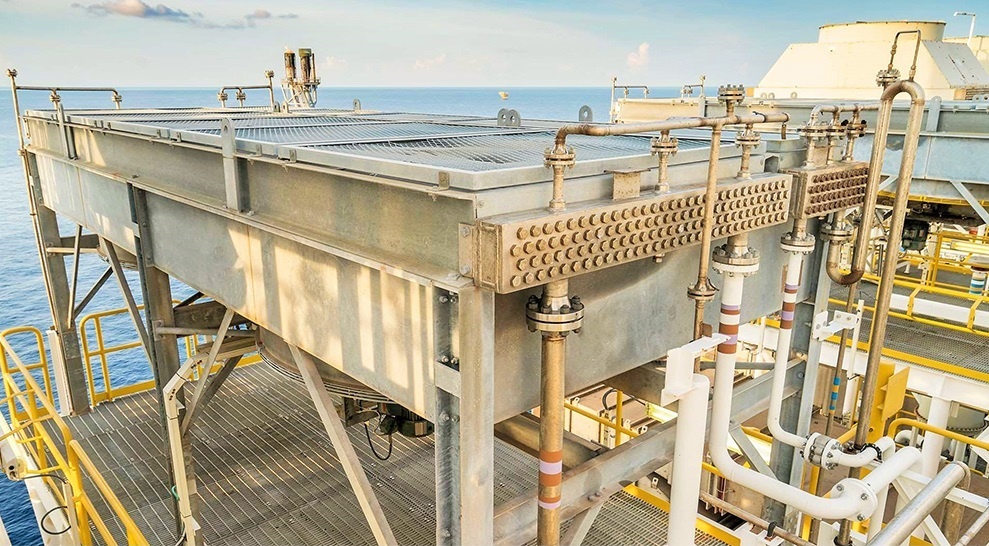
Major Application of Air-cooled Heat Exchanger? Air-Cooled Heat Exchangers (ACHEs) are workhorse components in many industries where reliable, water-conserving, and safe heat rejection is required. Their major applications are driven by a few key advantages: they eliminate water consumption, minimize maintenance related to water-side fouling and...
When to Choose Air cooled heat exchanger for Specific Application? Deciding when to choose an Air-Cooled Heat Exchanger (ACHE) over a water-cooled system (like a shell and tube with a cooling tower) is a fundamental engineering and economic decision. The choice isn’t just about technical feasibility; it involves a careful analysis of...
How to Select the Fin type required for Specific Application in Air Cooled Heat Exchanger? Selecting the correct fin type for a specific application in an Air-Cooled Heat Exchanger (ACHE) is a critical engineering decision that balances thermal performance, mechanical integrity, environmental factors, and cost. It’s not a single-step process...
Fin Type Typical Materials Key Advantage Key Disadvantage Common Application Wrapped (L-Fin) Aluminum on CS Cost-effective, versatile Potential corrosion at fin root General purpose, oil & gas Embedded (G-Fin) Aluminum on CS Excellent bond, reliable More expensive than L-fin High-vibration, reliable service Extruded (Integral) Copper, Aluminum...
Types of Fin material used in Air Cooled Heat Exchanger? 1. Wrapped Fins (L-Fins) This is one of the most common and cost-effective types. 2. Embedded Fins (G-Fins or I-Fins) Similar to L-fins but with a different fin foot profile. 3. Extruded Fins (Integral Fins) This type is monolithic, meaning the fin and tube are […]
Common Applications of forced draft air cooled heat exchanger Forced Draft coolers are often selected for specific applications where their advantages are critical:
Forced Draft vs. Induced Draft: A Direct Comparison Feature Forced Draft (FD) Induced Draft (ID) Fan Location Below the bundle On top of the bundle Airflow Mechanism Pushes air across tubes Pulls air across tubes Air Pressure in Bundle Positive pressure Negative pressure (vacuum) Air Distribution Less even, can have dead zones Excellent and even...
Forced Draft Air-Cooled Heat Exchanger (FD Fan ACE). This is the other primary design, alongside the Induced Draft, for using air to cool process fluids. The core distinction is in its fundamental operating principle. The Core Concept: “Forced Draft” “Forced Draft” means the fan is located at the base of the unit, below...
Common Applications of induced draft Air cooled Heat Exchanger Induced Draft Air Coolers are preferred in a wide range of industries, especially where precise temperature control and minimal recirculation are critical:
Advantages of Induced Draft Design Advantage Explanation Better Air Distribution The plenum chamber helps create a more uniform airflow across the entire tube bundle face, improving heat transfer efficiency. Reduced Hot Air Recirculation Because the fan discharges the hot air vertically at a high velocity, it is less likely to be sucked back into...
Induced Draft Air-Cooled Heat Exchanger induced Draft Air-Cooled Heat Exchanger (ID Fan ACE) in detail. This is a common type of heat exchanger used in industrial applications to cool a process fluid (like water, oil, or a process stream) using air. The Core Concept: “Induced Draft” The key differentiator is in the...
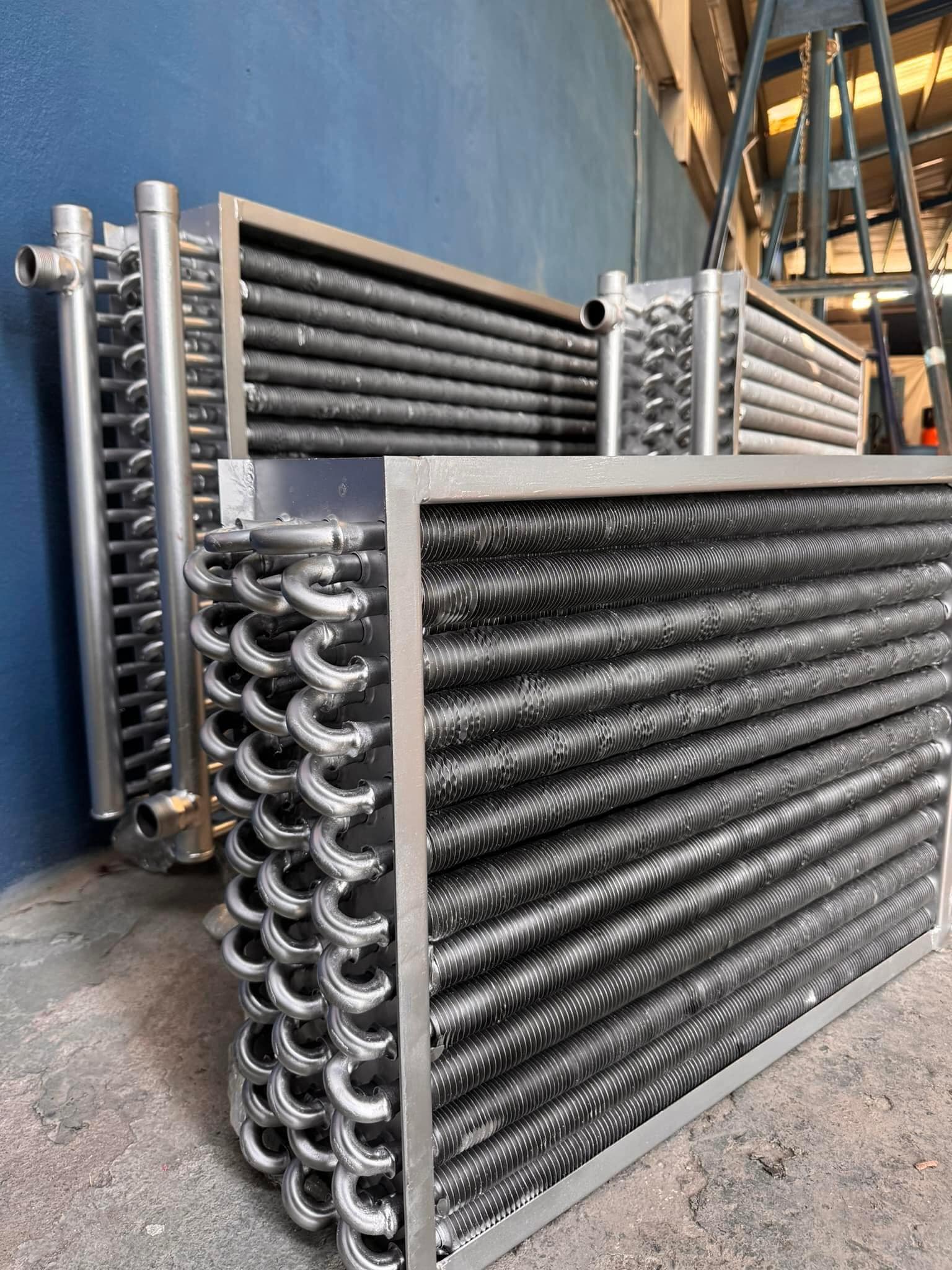
Types of Fins used in Finned tube? Fins are primarily categorized by how they are attached to the base tube, which determines their mechanical strength, thermal performance, and suitable applications. 1. Extruded Fins / Integral Fins This is considered the premium, high-performance option. Advantages: 2. Embedded Fins / Tension-Wrapped Fins A very...
Use of fins in Finned tube? The use of fins in a finned tube is a fundamental aspect of heat exchanger design, especially when one fluid is much harder to heat or cool than the other. Here’s a detailed explanation of why fins are used, how they work, and the different types available. The Core […]
Effect of Dry bulb Temperature in Air cooled heat exchanger he Dry Bulb Temperature is the single most critical environmental factor affecting the performance of an Air Cooled Heat Exchanger (ACHE). In simple terms: The Dry Bulb Temperature is the ambient air temperature measured by a standard thermometer. It’s the...
Advantages of Air-Cooled Heat Exchangers• Water Conservation: They use virtually no water, making them ideal for arid regions or locations with strict environmental regulations on water usage and discharge.• Environmental Compliance: Eliminate the need for water treatment chemicals and the concerns of thermal pollution (discharging hot water...
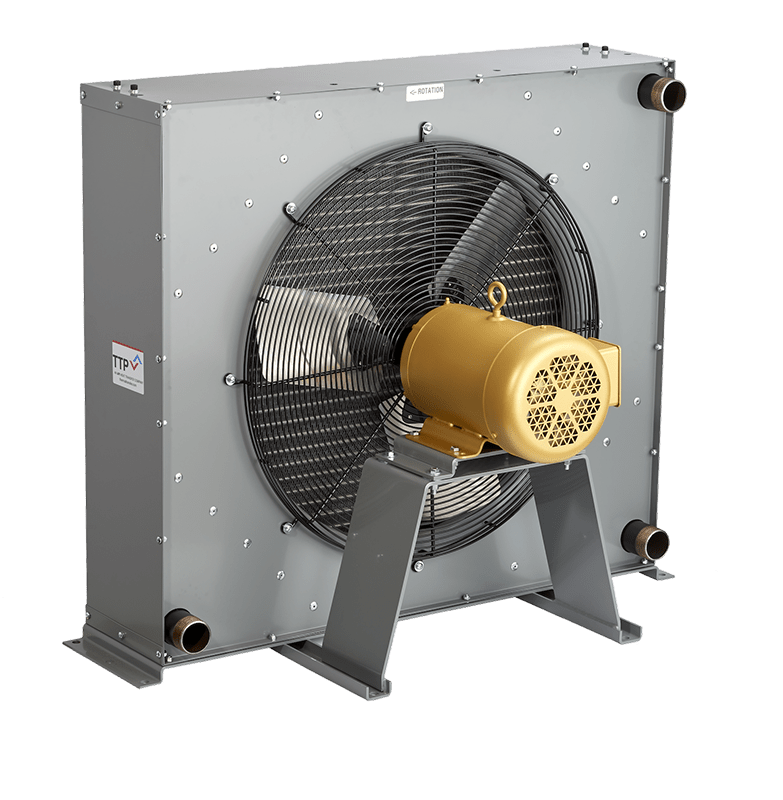
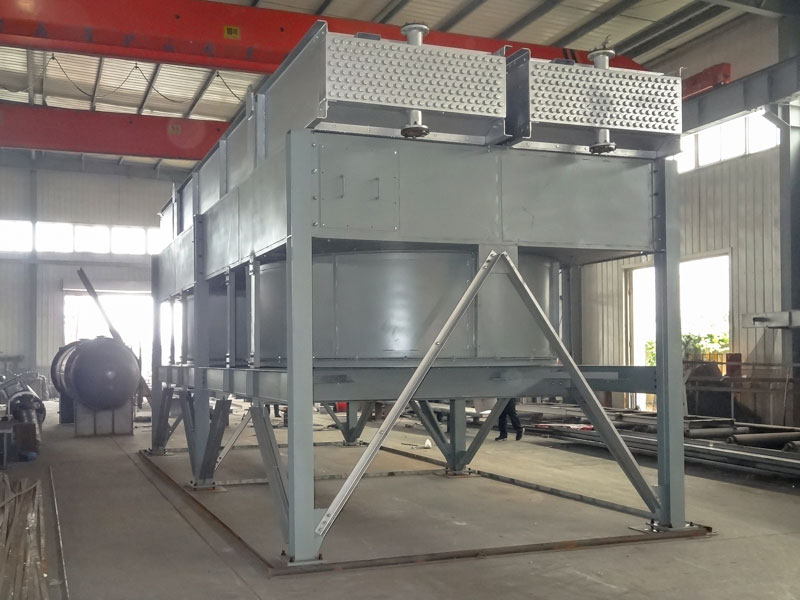
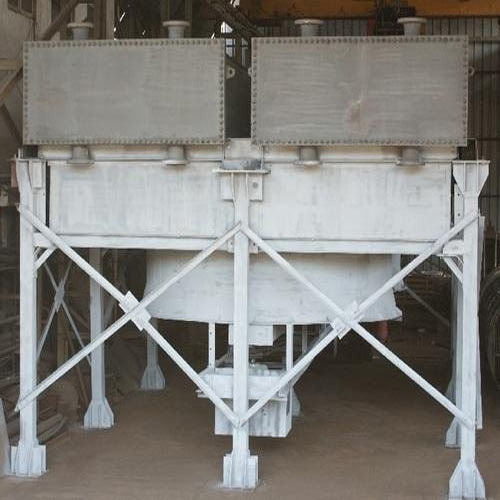
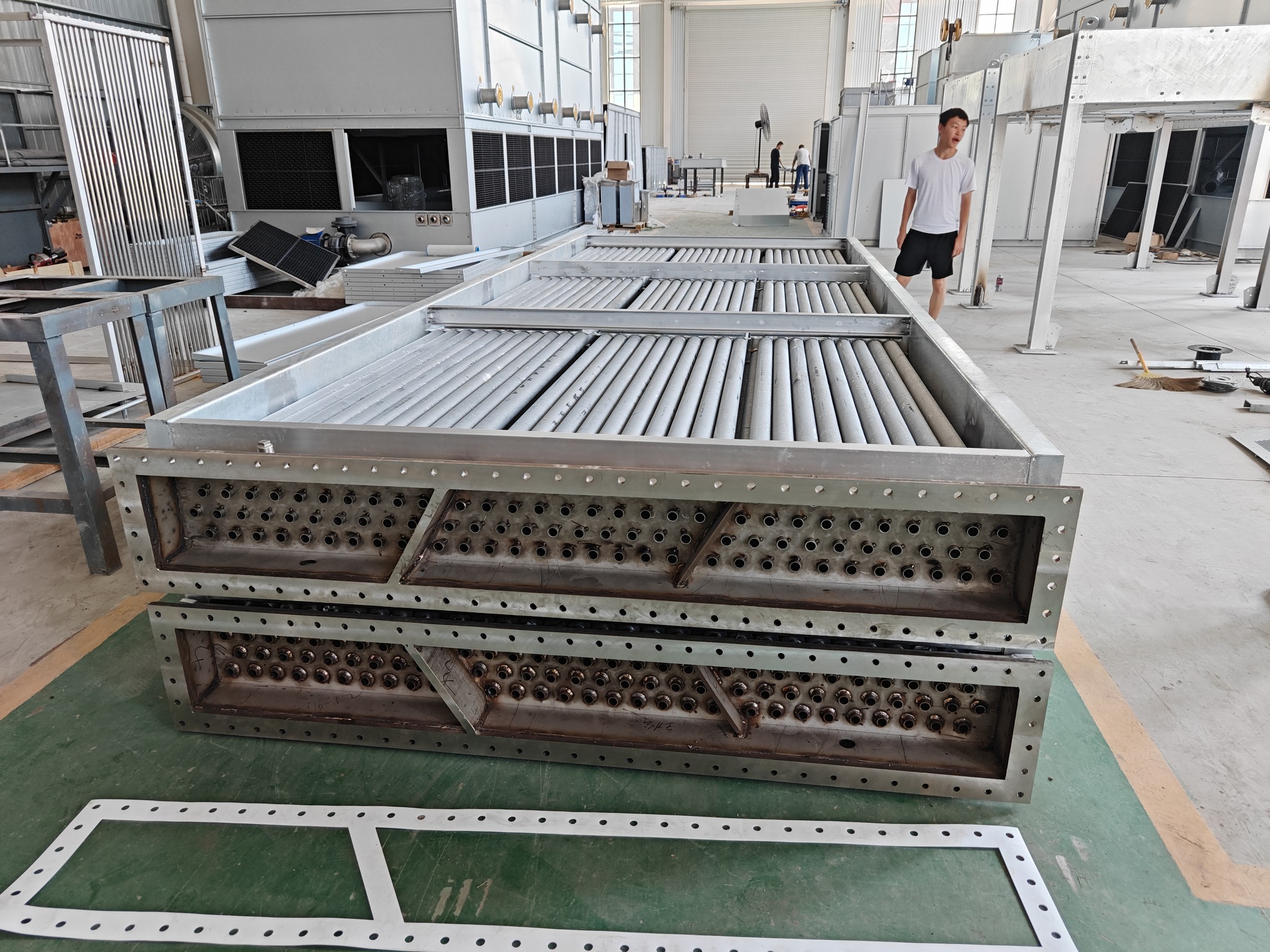
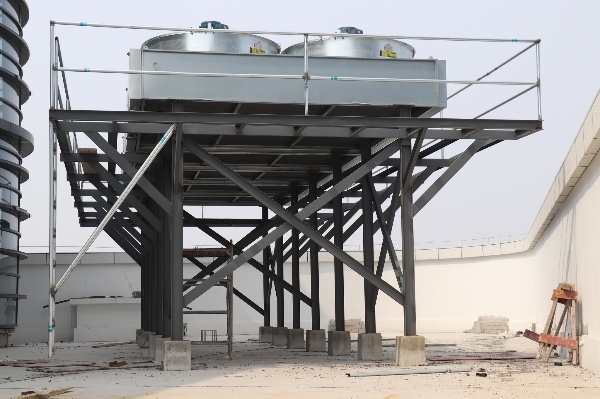
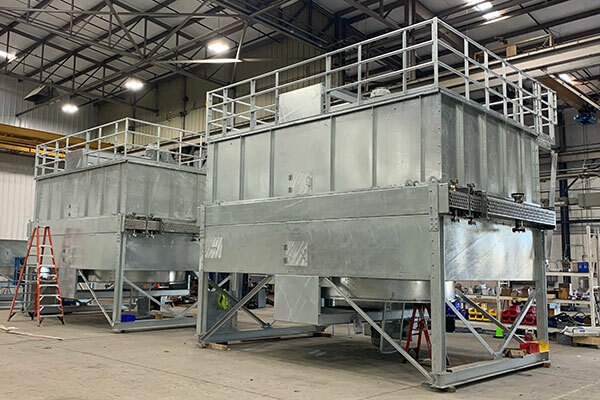
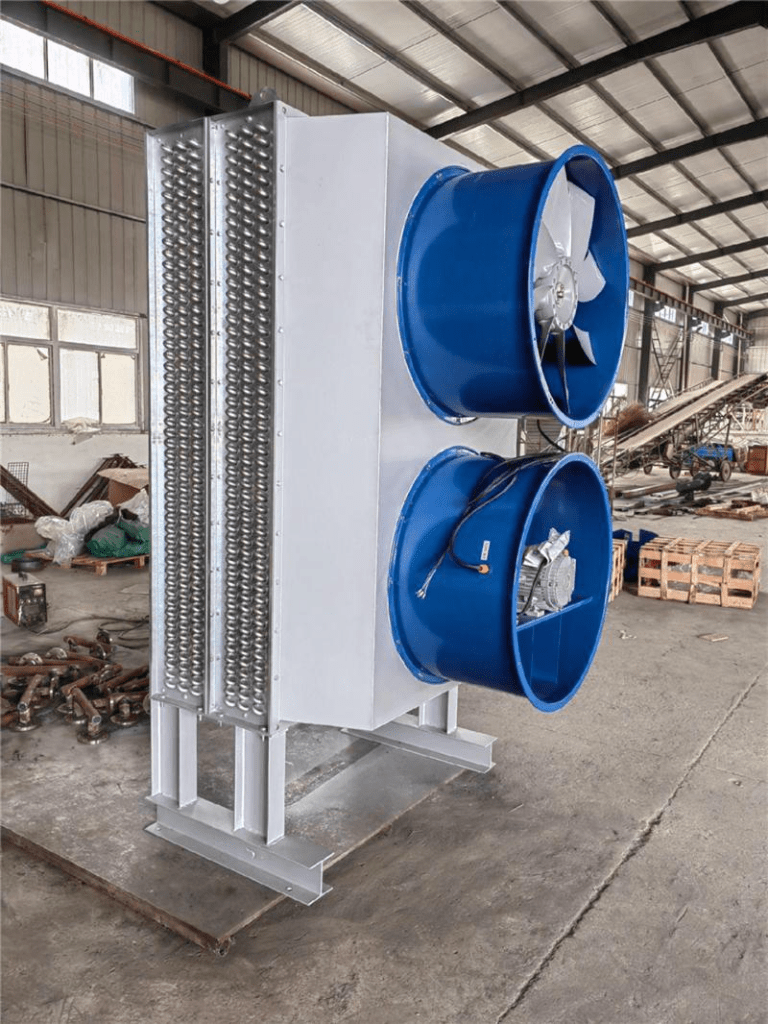
What is Air Cooled Heat Exchanger? An Air Cooled Heat Exchanger (ACHE) is a device that rejects heat from a fluid or gas directly to the ambient air. It operates on the principle of sensible heat transfer, where one or more fans force or induce air flow across a bundle of finned tubes, through which the hot […]
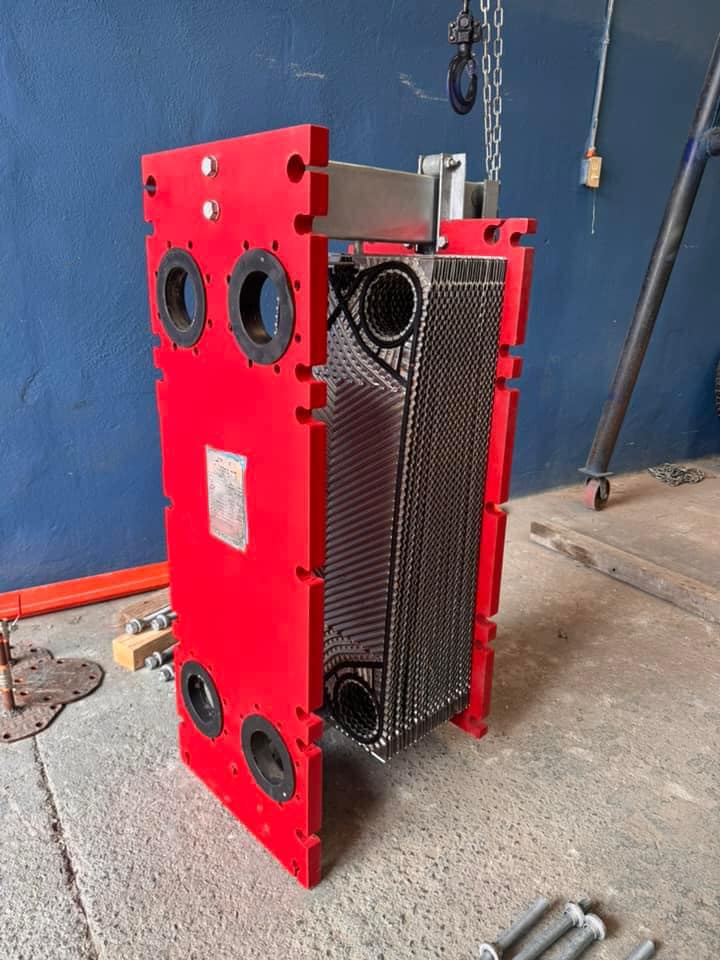
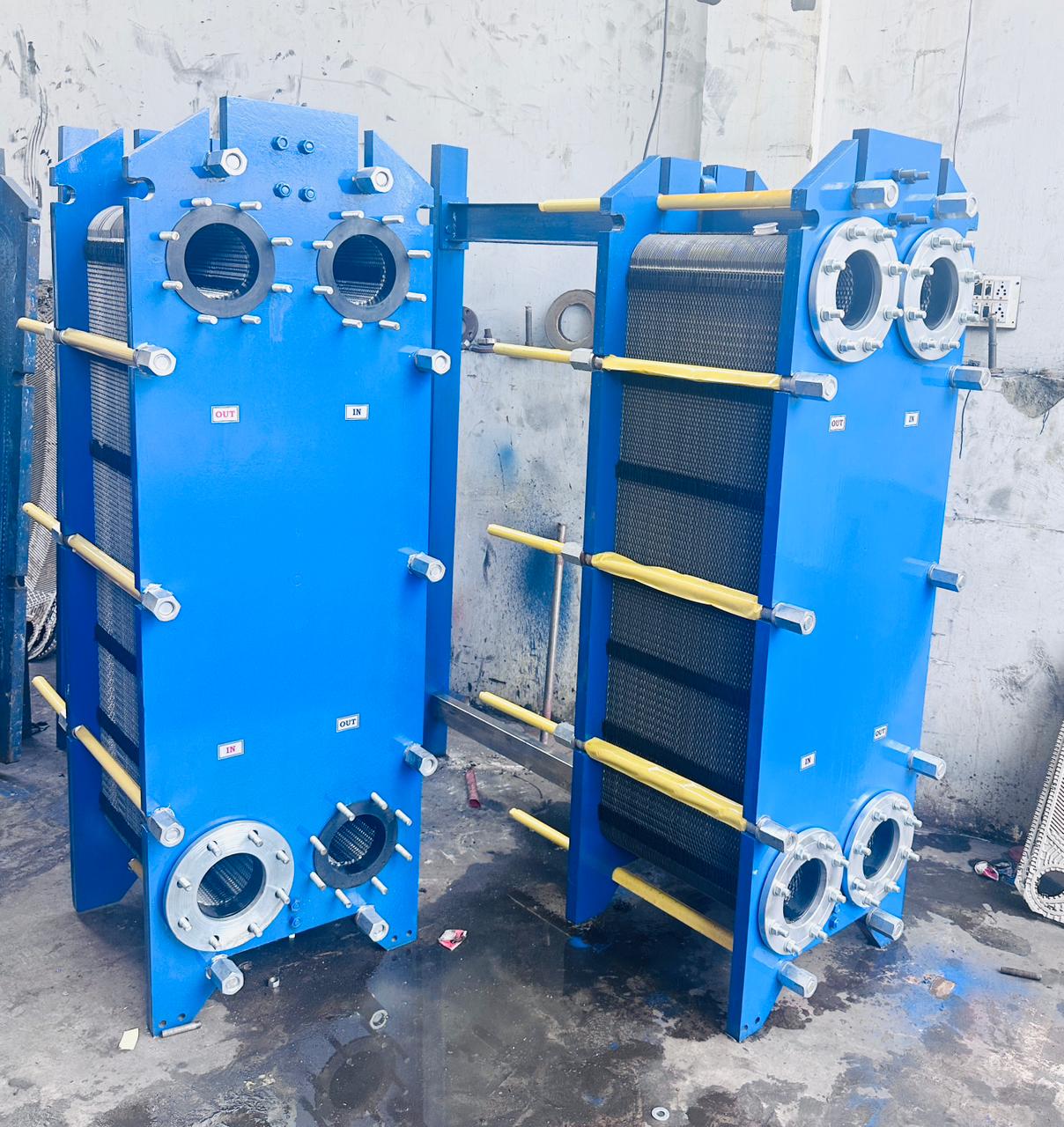
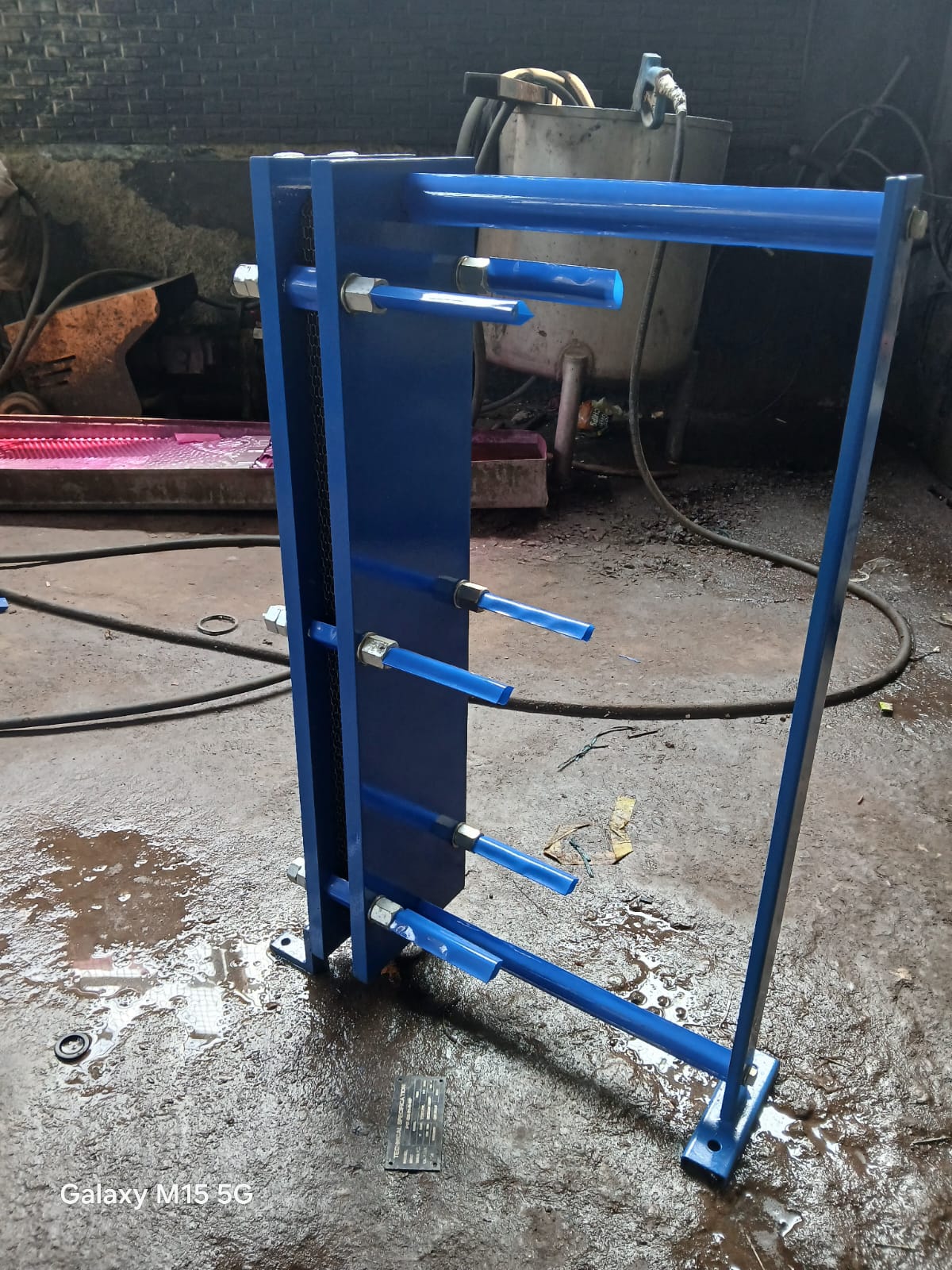
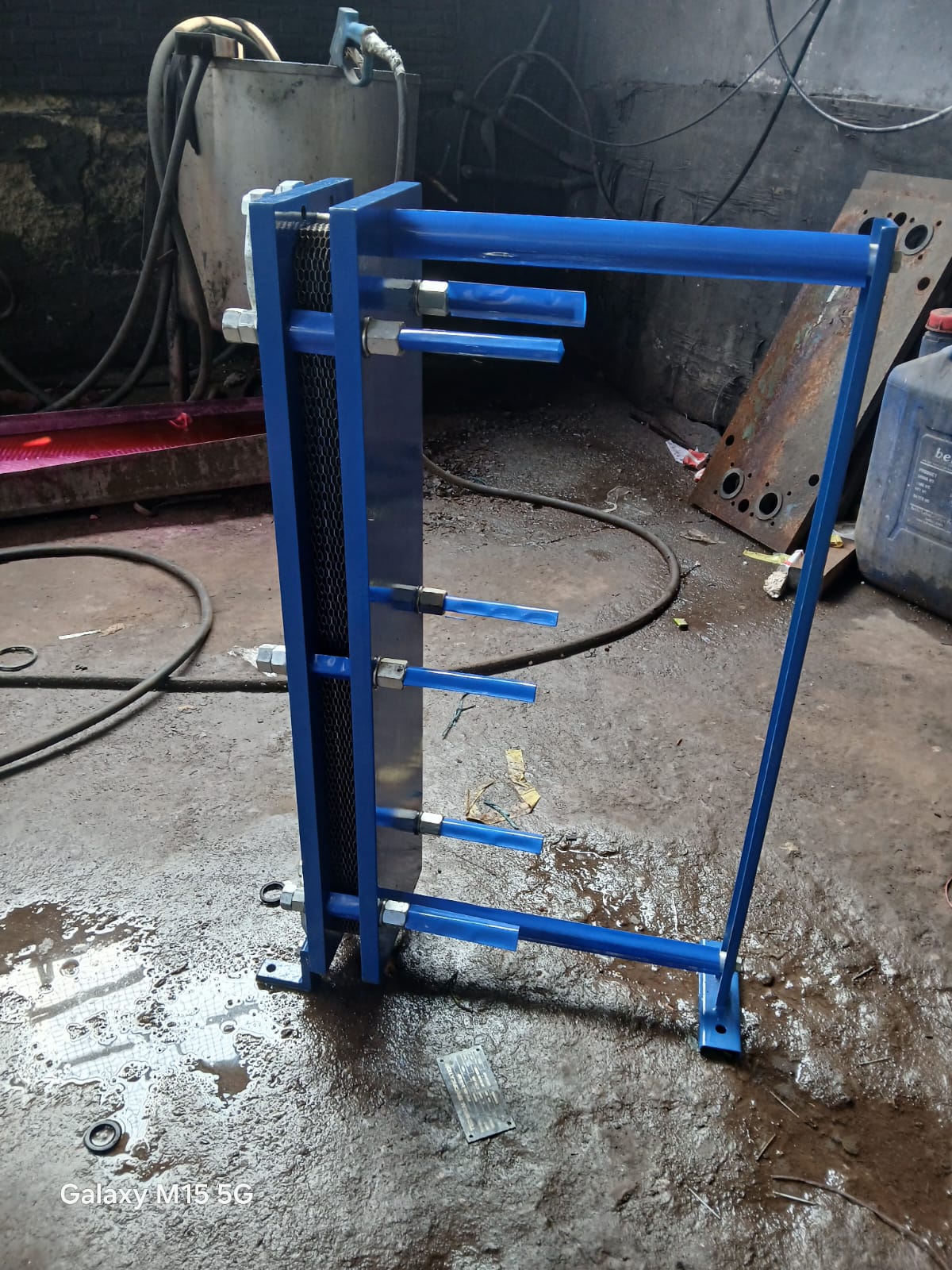
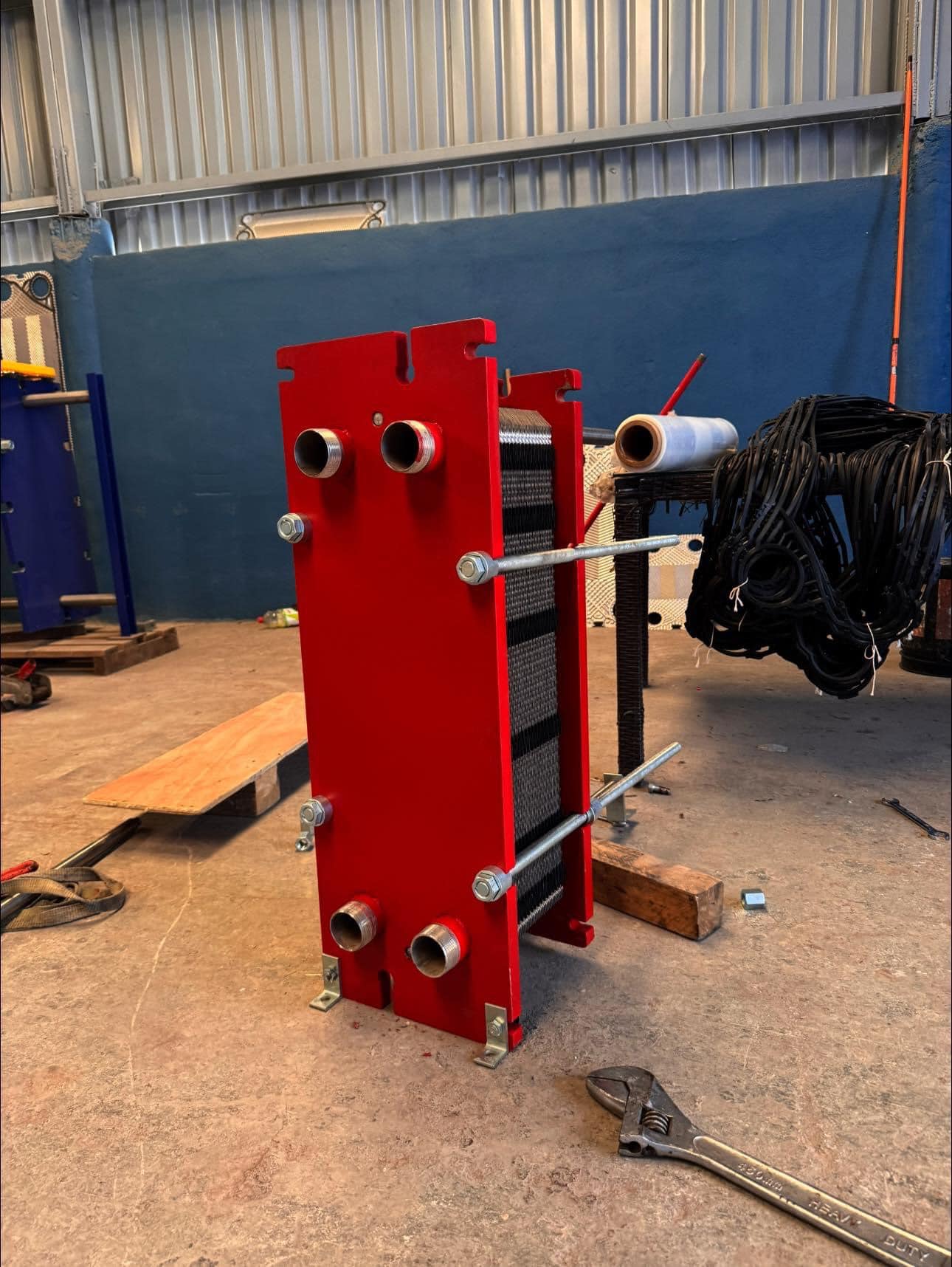
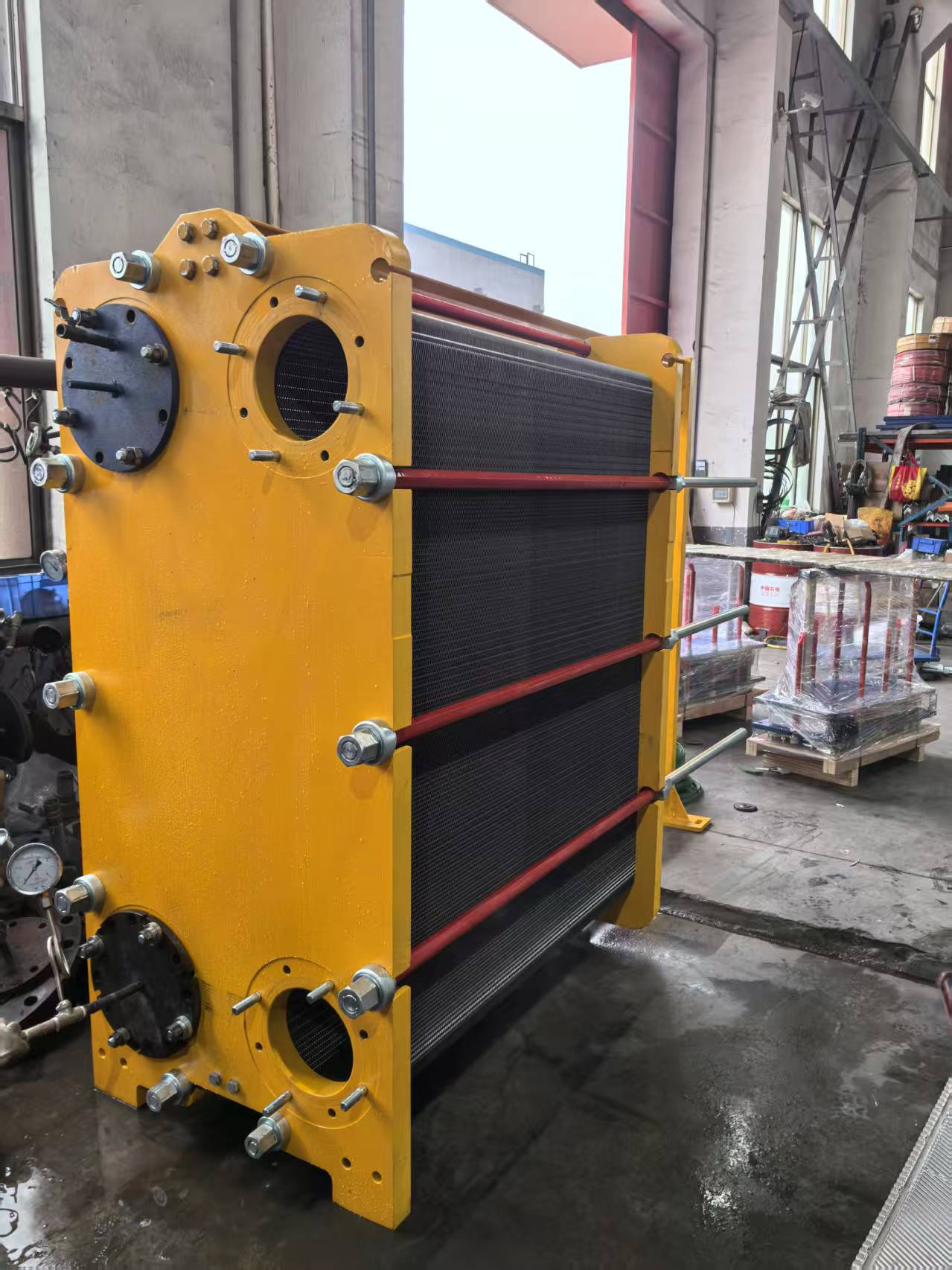
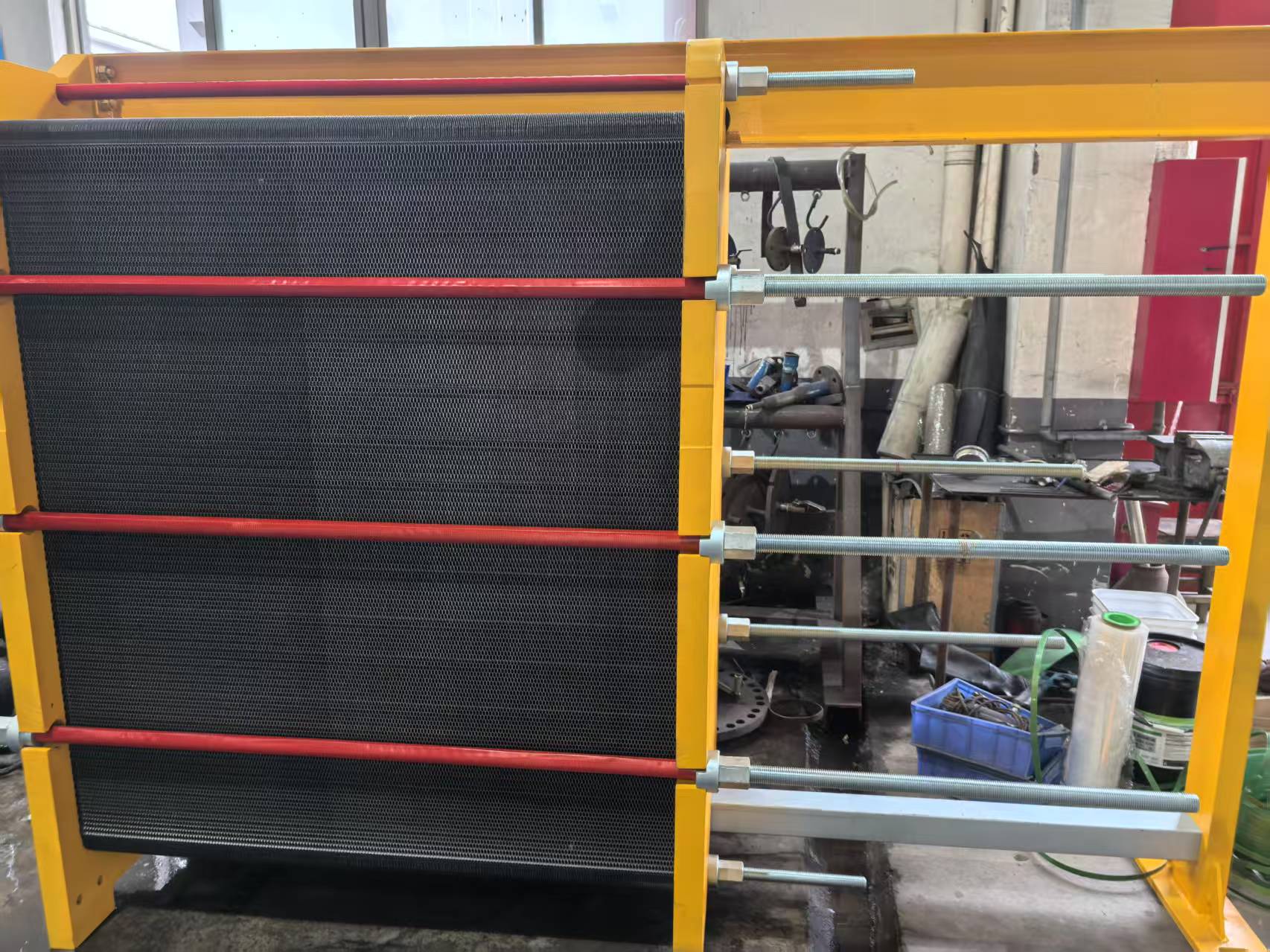
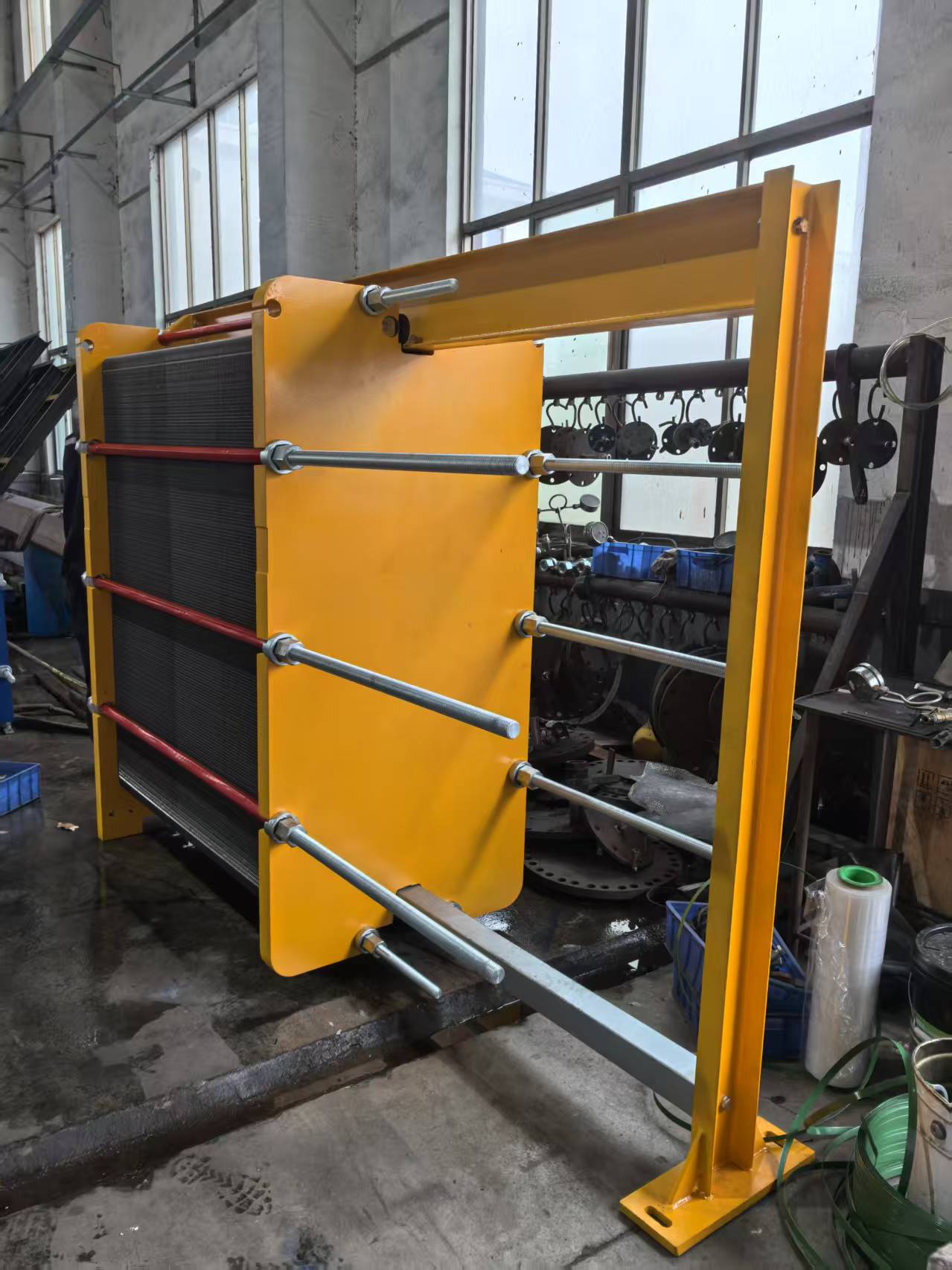
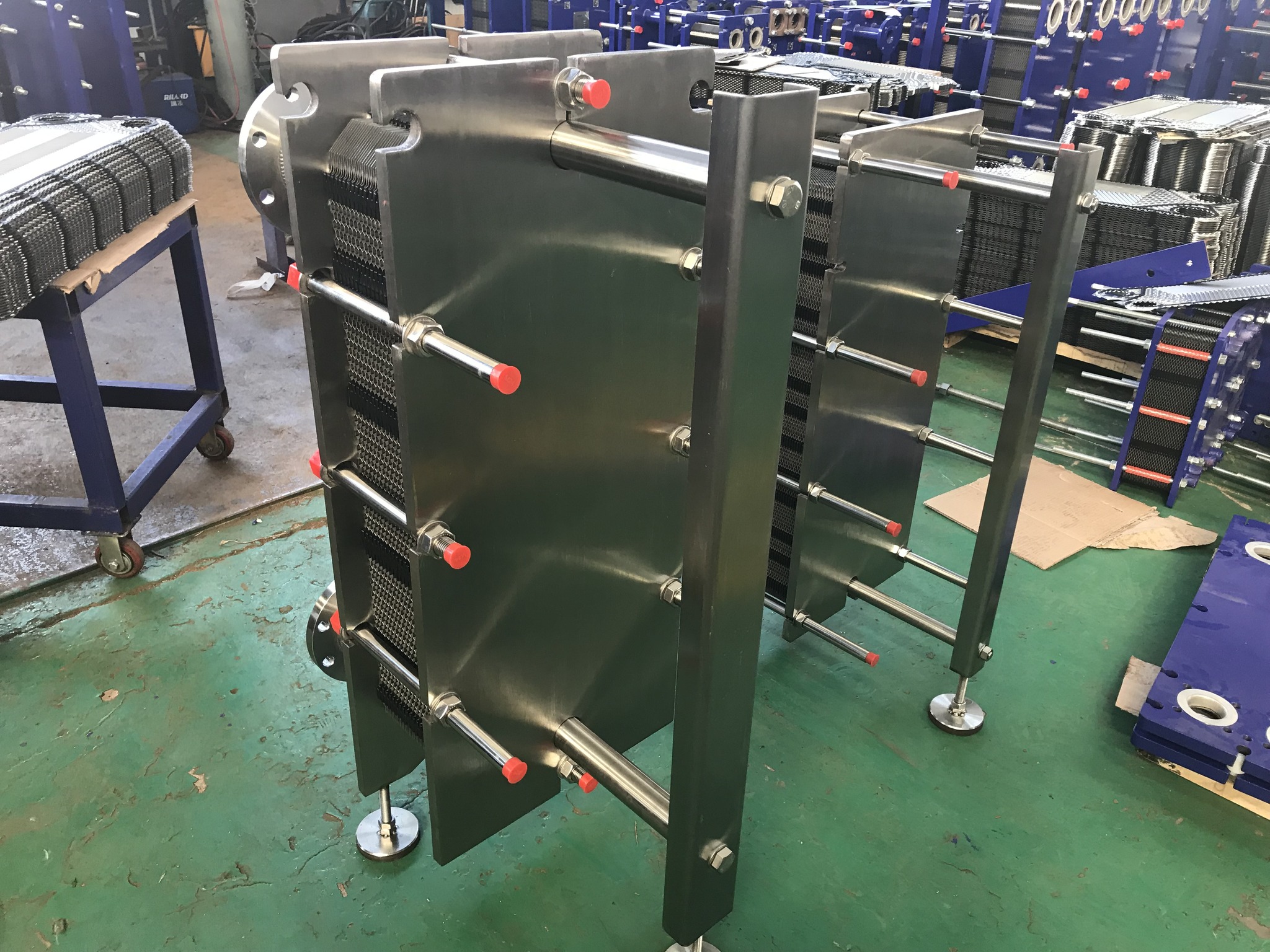
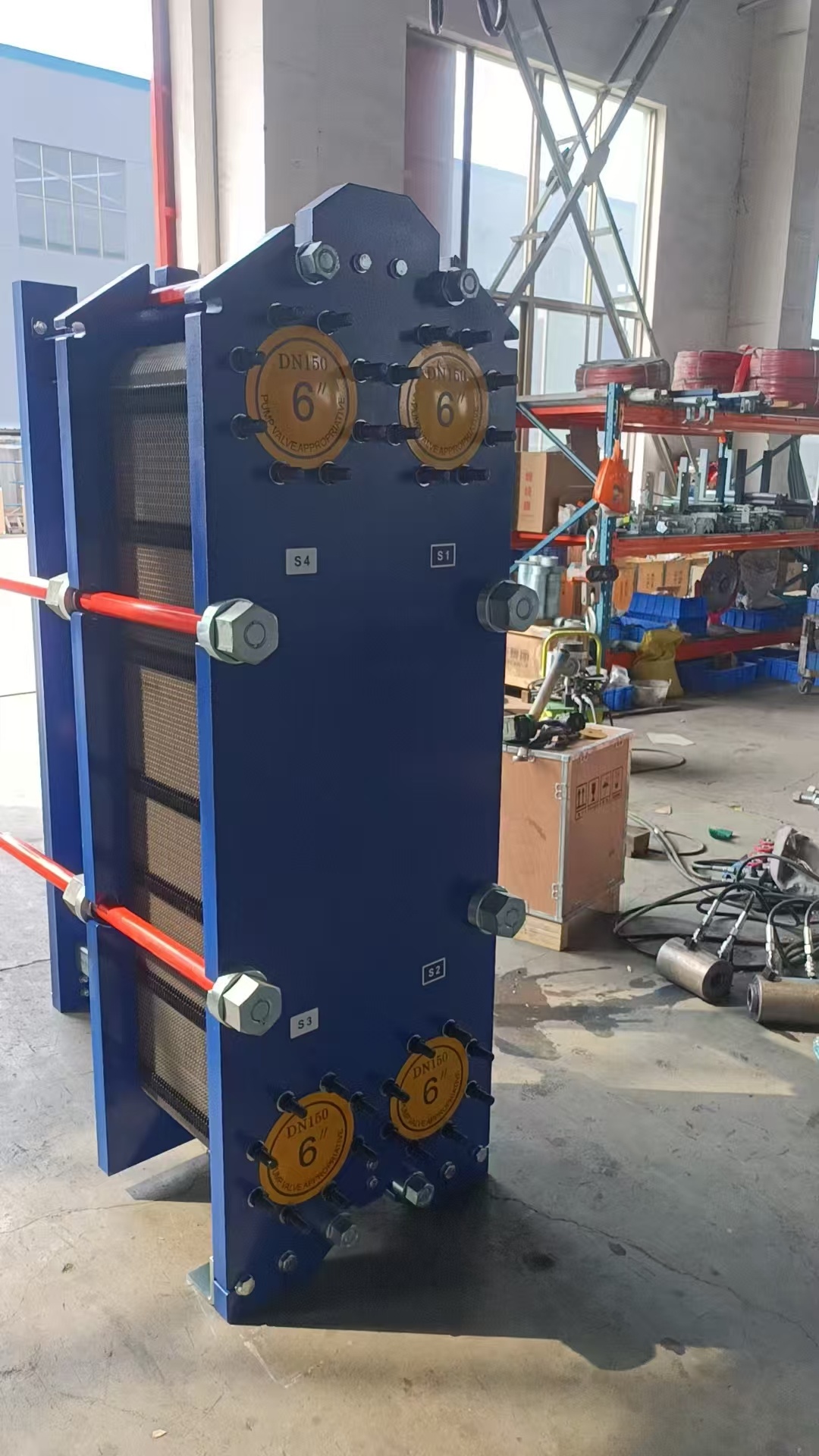
1. Plate Heat Exchanger (PHE) A PHE consists of a series of thin, corrugated metal plates clamped together in a frame. Gaskets seal the plates and direct the fluids into alternating channels. Advantages: 2. Shell and Tube Heat Exchanger (STHE) A STHE consists of a bundle of tubes enclosed in a cylindrical shell. One fluid […]
Plate heat exchanger vs Shell and tube heat exchanger Feature Plate Heat Exchanger (PHE) Shell and Tube Heat Exchanger (STHE) Compactness & Space Very compact. High surface area to volume ratio. Saves significant space. Bulky and large. Requires more floor space and headroom. Heat Transfer Efficiency Very high. Turbulent flow at...
When to choose titanium plate in heat exchanger Titanium plates in a heat exchanger primarily when you need outstanding resistance to corrosion, especially from chlorides, seawater, and other aggressive media, and the cost is justified by the extended equipment life and reliability. The decision is rarely based on strength or weight,...
When to Choose Which Type? Scenario Recommended Type Reason Clean fluids (water, oils), moderate T&P, need for cleaning/inspection Gasketed Plate (PHE) Cost-effective, serviceable, and flexible. High pressure/temperature, corrosive media, no fouling Brazed Plate (BPHE) Compact, sealed, and cost-effective for its duty. Very high P/T, aggressive...
When to Choose Welded plate heat exchanger? You choose a Welded Plate Heat Exchanger when your application demands the efficiency and compactness of a plate design but operates under conditions that are too severe for gaskets. It is the robust, heavy-duty solution that bridges the gap between gasketed plate exchangers and...
Brazed (BPHE) vs. Gasketed (PHE): Feature Brazed Plate Heat Exchanger (BPHE) Gasketed Plate Heat Exchanger (PHE) Construction Permanently brazed plates. Plates held by bolts in a frame with gaskets. Serviceability Cannot be opened. Unrepairable. Fully serviceable. Plates can be cleaned, gaskets replaced. Pressure/ Temp Very High (e.g., 45...
Applications of Brazed Plate Heat Exchanger Brazed Plate Heat Exchangers are ubiquitous in applications requiring a compact, sealed, and efficient heat transfer solution.
Advantages of Brazed Plate Heat Exchangers BPHEs inherit the core advantages of the plate heat exchanger design and add several more due to their brazed construction.
Constructed of Brazed Plate Heat Exchanger The construction process is key to its properties: This process creates two separate, leak-proof channel systems for the hot and cold fluids to flow through, exactly like in a gasketed plate exchanger.
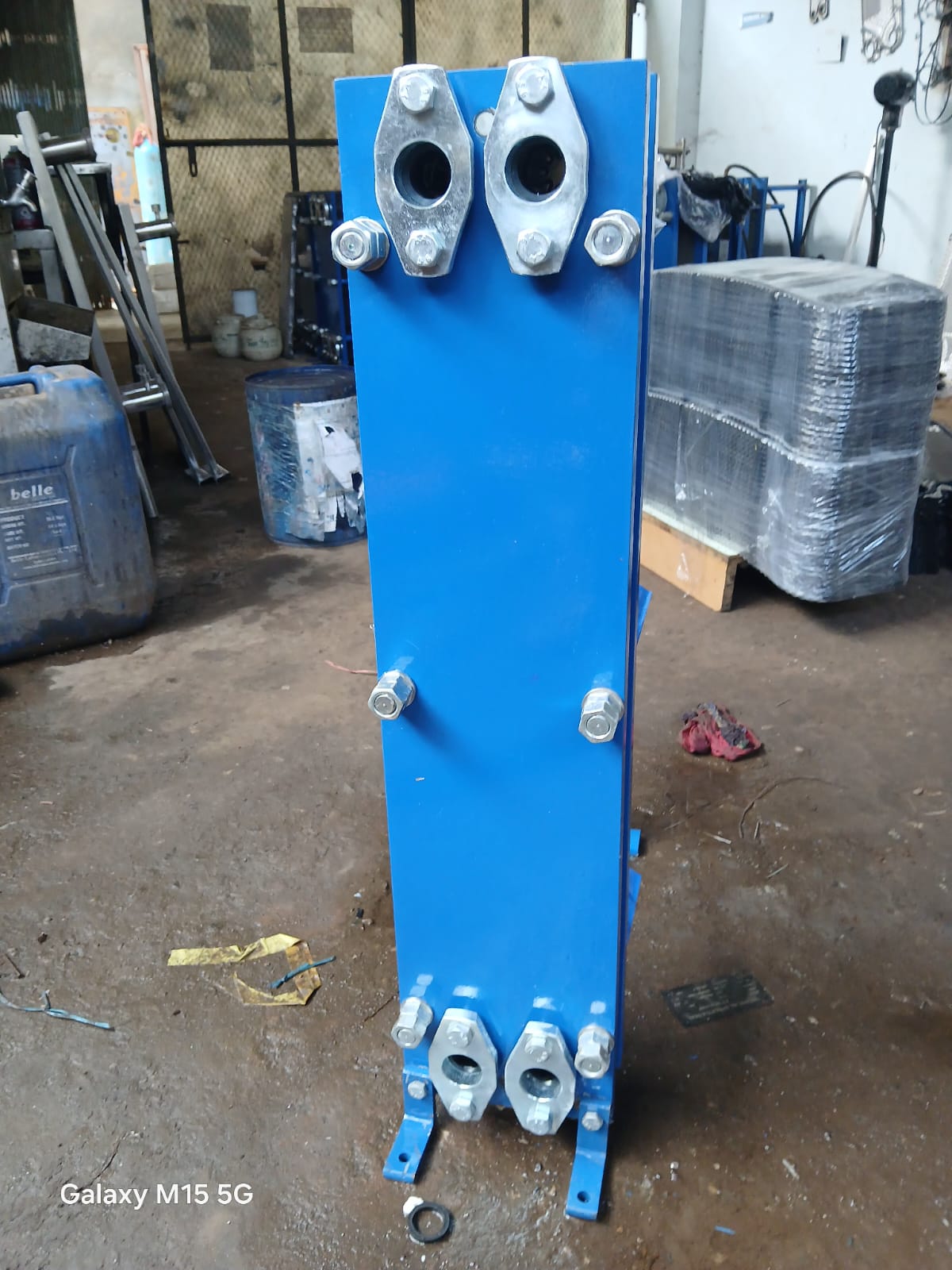
What is Brazed plate heat exchanger? What is a Brazed Plate Heat Exchanger? A Brazed Plate Heat Exchanger (BPHE) is a compact, durable type of heat exchanger made by permanently fusing together multiple thin, corrugated metal plates using a brazing material in a high-temperature vacuum furnace. Unlike the gasketed plate heat...