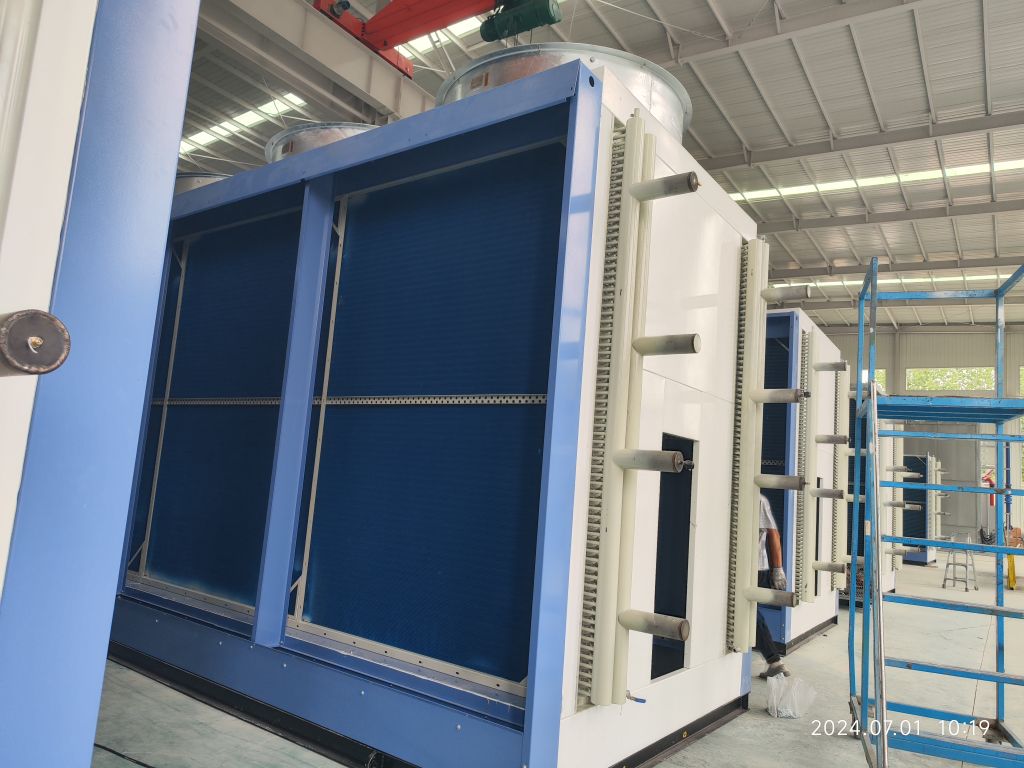
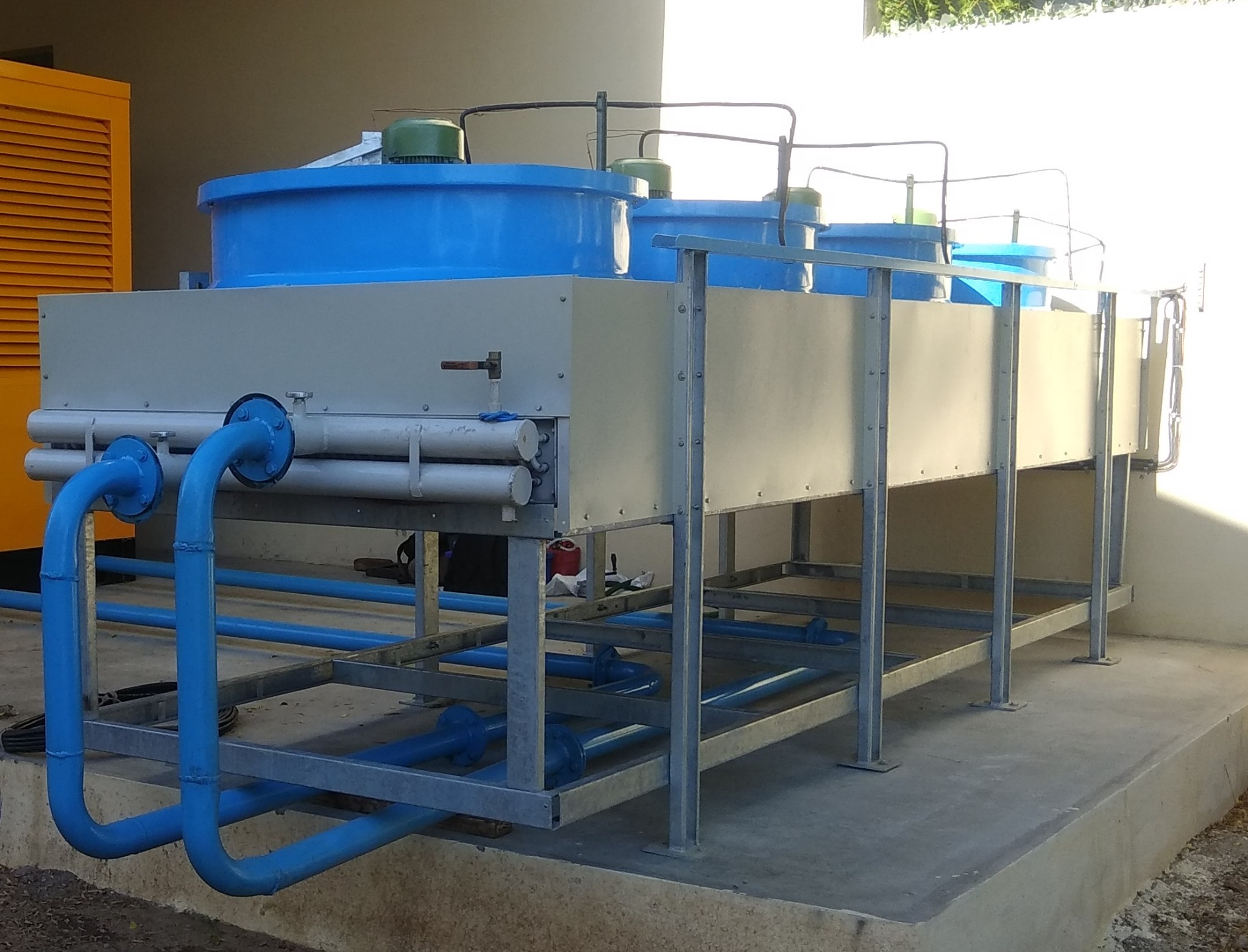
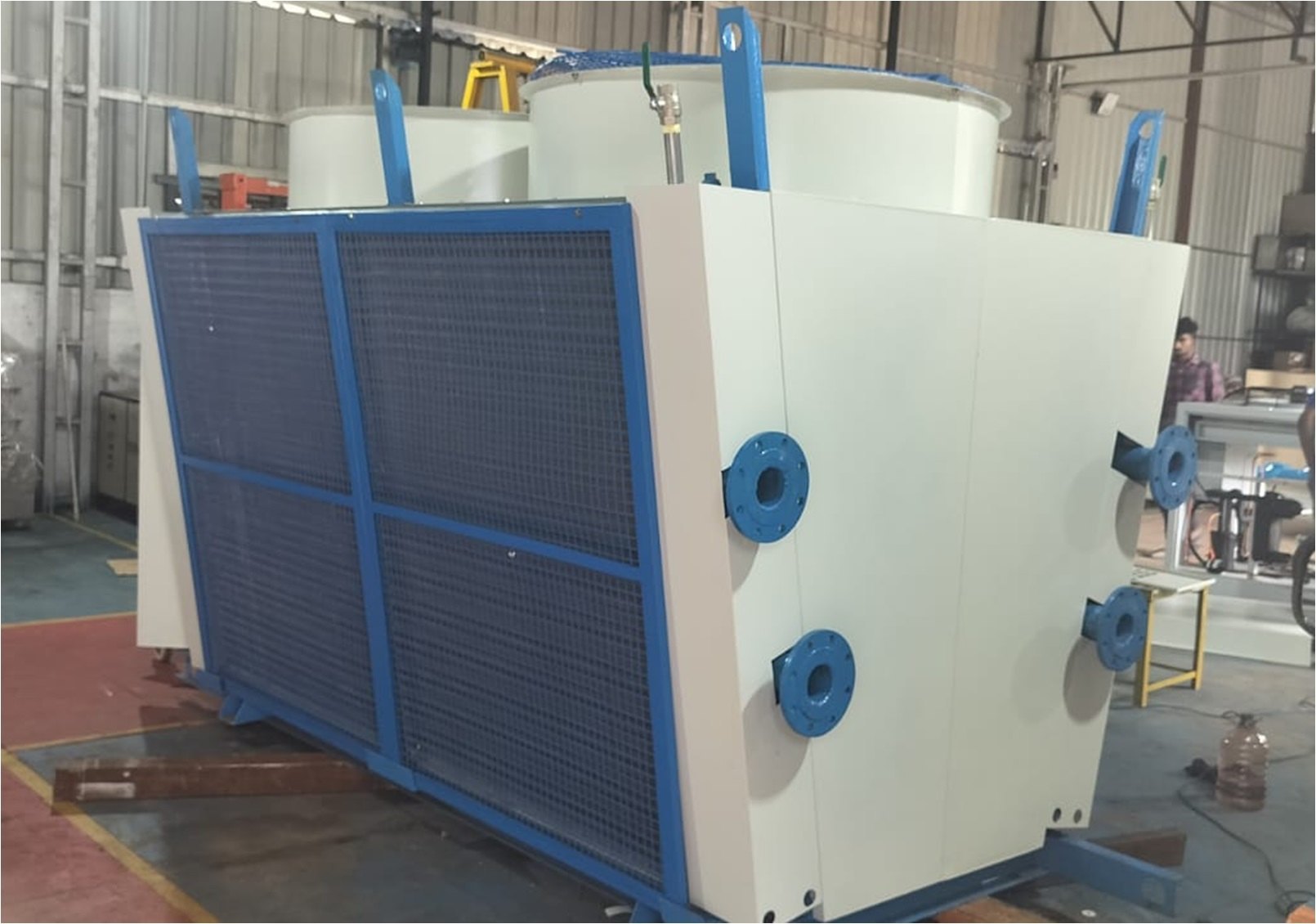
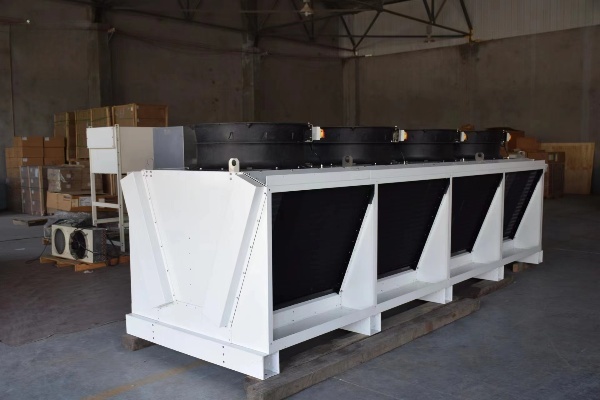
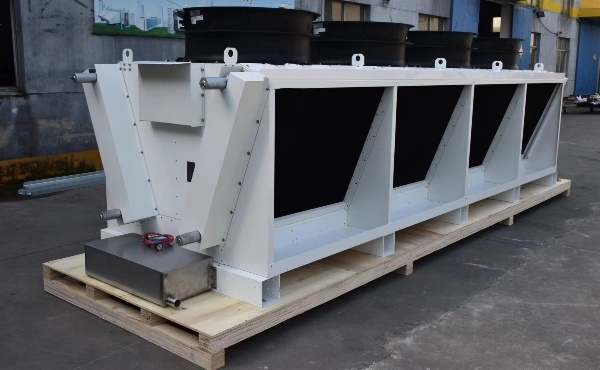
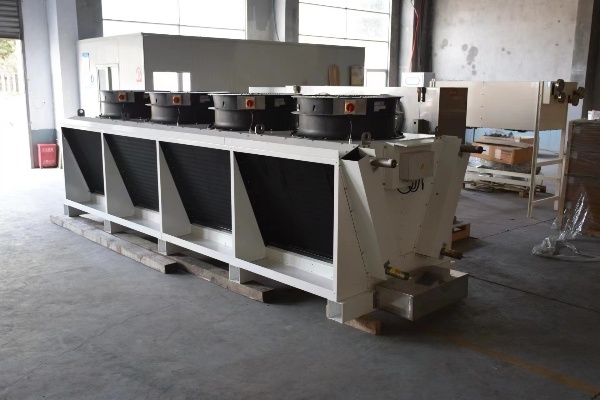
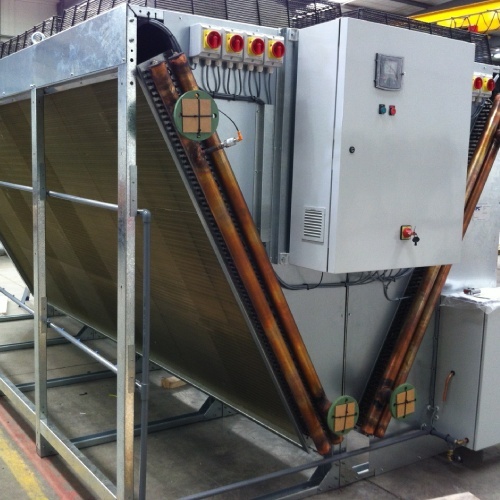
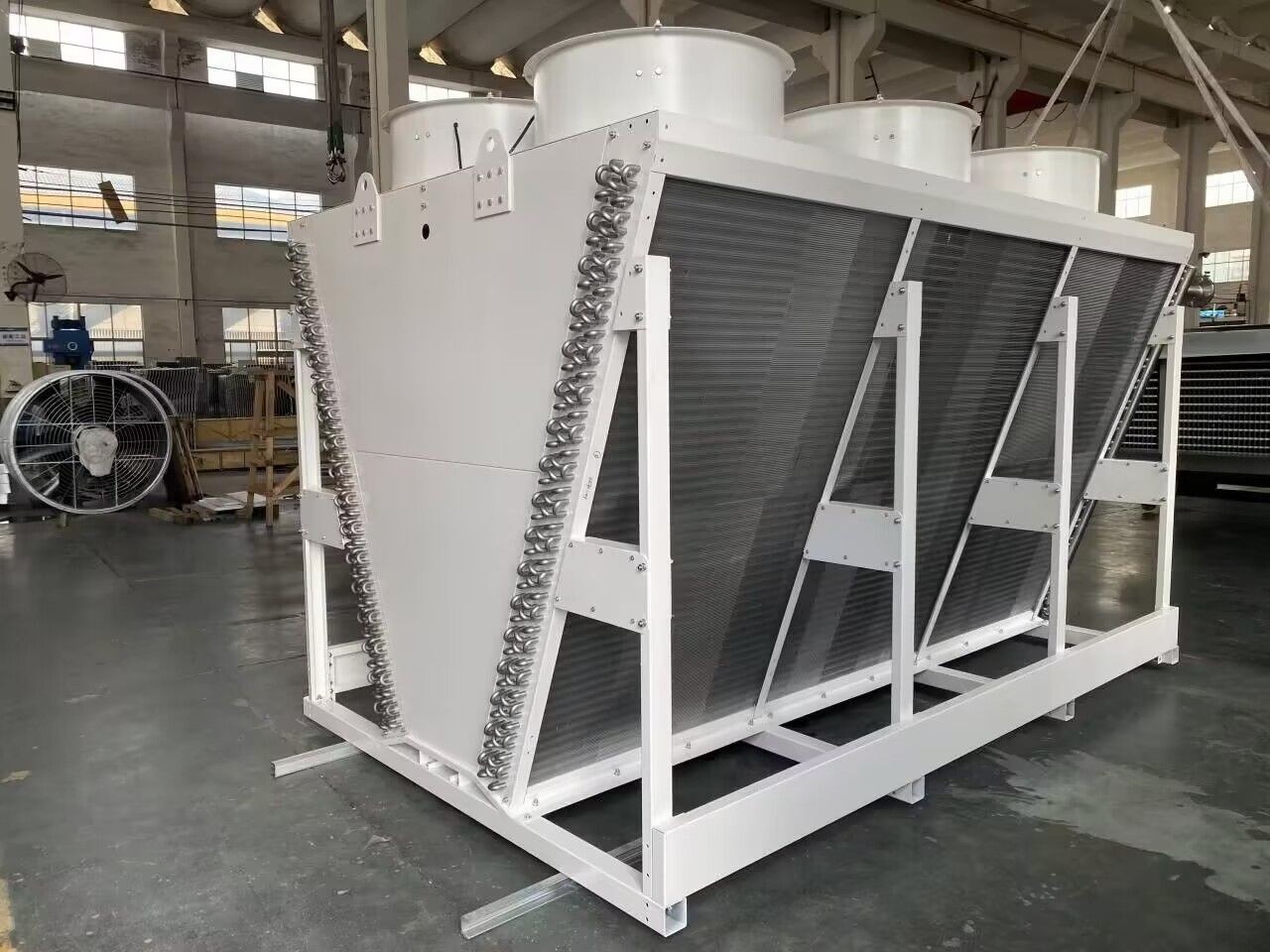
What is an Adiabatic Cooling Tower? An adiabatic cooling tower is a hybrid cooling system that uses the adiabatic cooling effect of water evaporation to pre-cool the air before it passes over a heat exchanger. This dramatically increases the efficiency of the main heat rejection process. Its key feature is that it combines the...
The best materials for a dry cooling tower depend on factors like heat transfer efficiency, corrosion resistance, structural strength, cost, and environmental conditions. Below is a comparison of key materials and recommendations for optimal performance: 1. Heat Exchanger Tubes & Fins (Most Critical Component)...
Dry cooling towers are used in power plants and industrial processes to reject waste heat into the atmosphere without significant water consumption (unlike wet cooling towers, which rely on evaporative cooling). The materials used in dry cooling towers must withstand environmental conditions, thermal stresses, and corrosion. Here are the key...
A dry cooling tower (also called an air-cooled heat exchanger) is used to cool process fluids (such as water, oil, or refrigerant) without water evaporation. Instead, it relies on airflow (natural or forced) to remove heat. Below are its primary functions: 1. Heat Rejection from Process Fluids Transfers waste heat from industrial processes,...
Dry cooling towers offer several benefits, especially in water-scarce regions or where environmental regulations restrict water usage. Here are the key advantages: 1. Water Conservation No Water Consumption: Unlike wet cooling towers that rely on evaporative cooling, dry cooling towers use air to cool the process fluid, eliminating water loss....
Dry cooling towers are used in various industries and applications where water conservation, environmental regulations, or operational constraints make traditional wet cooling towers impractical. Below are the key applications of dry cooling towers: 1. Power Generation Thermal Power Plants (Coal, Gas, Nuclear): Used in steam condenser cooling...
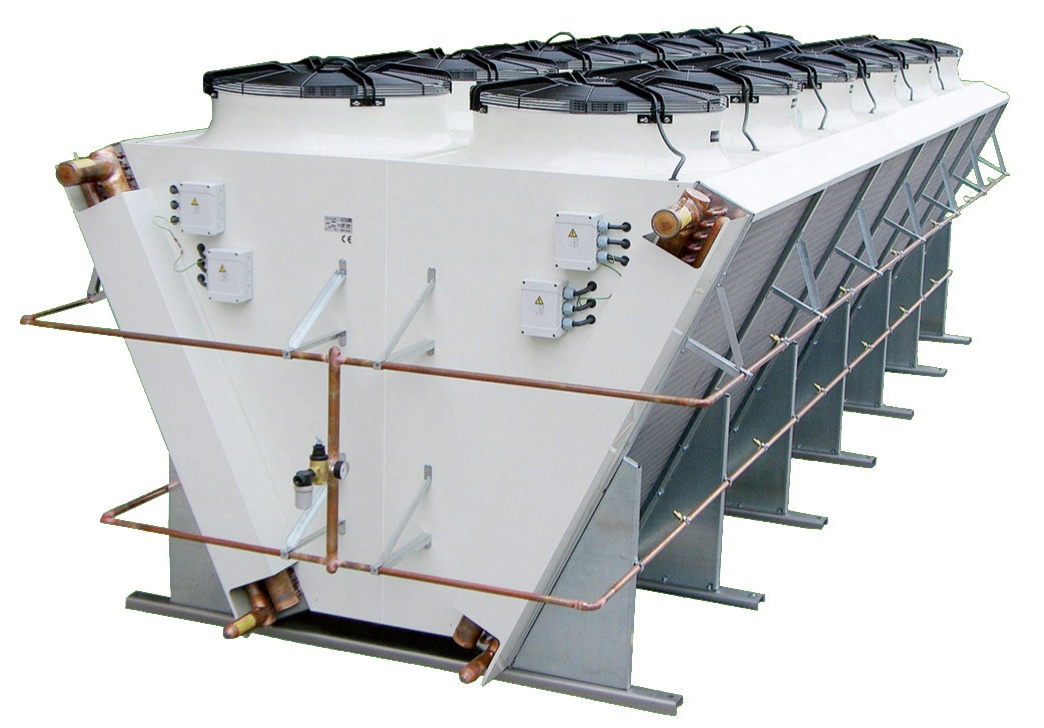
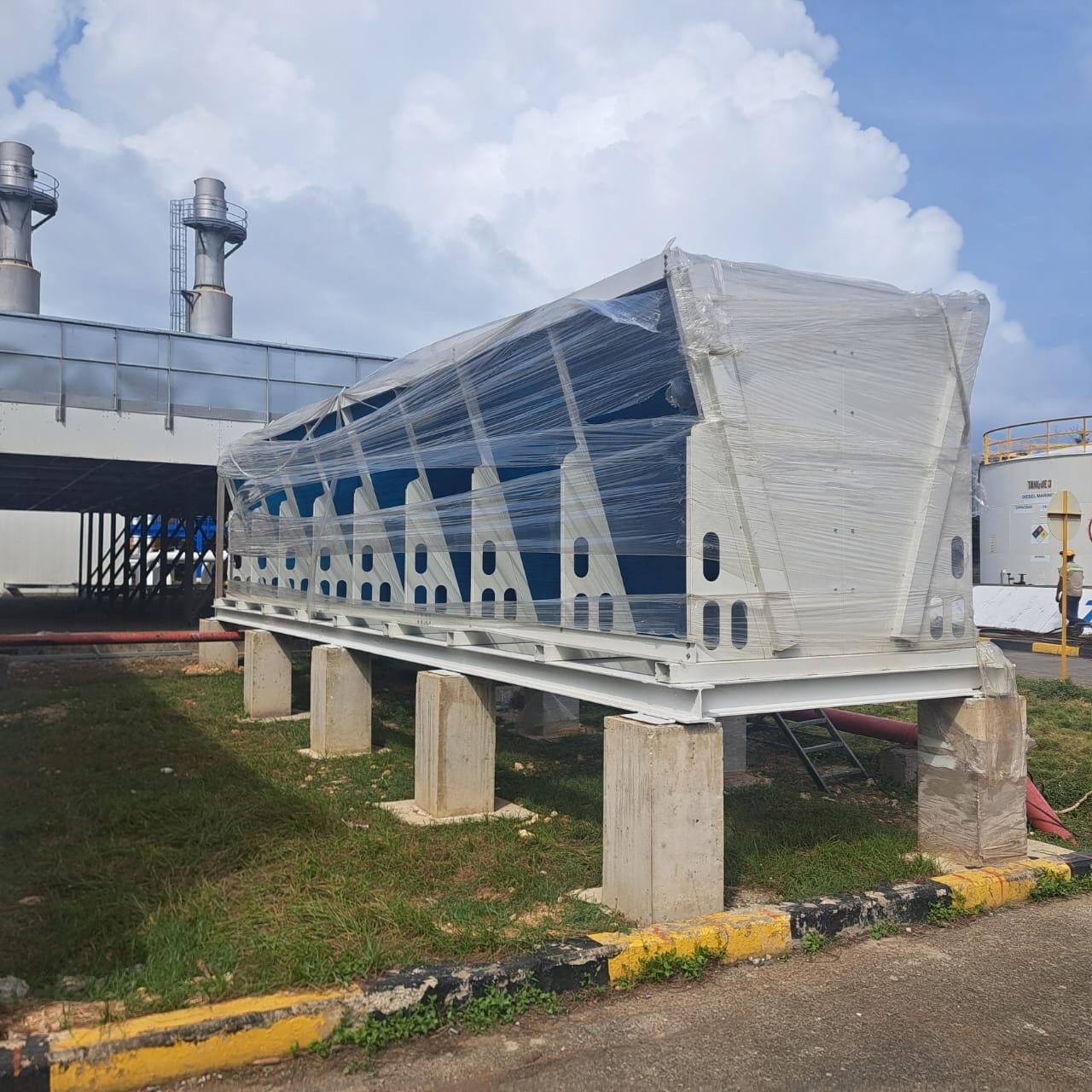
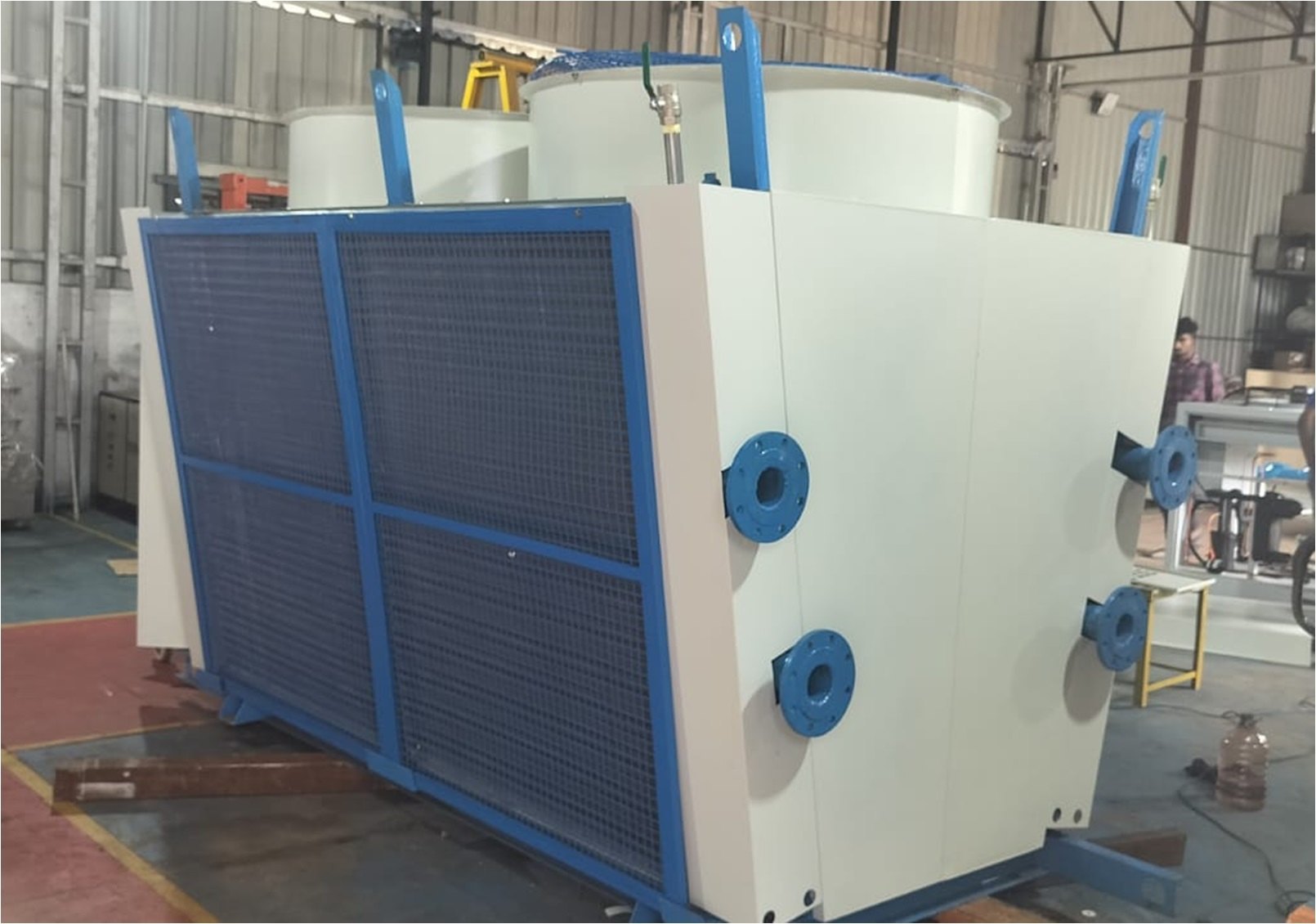
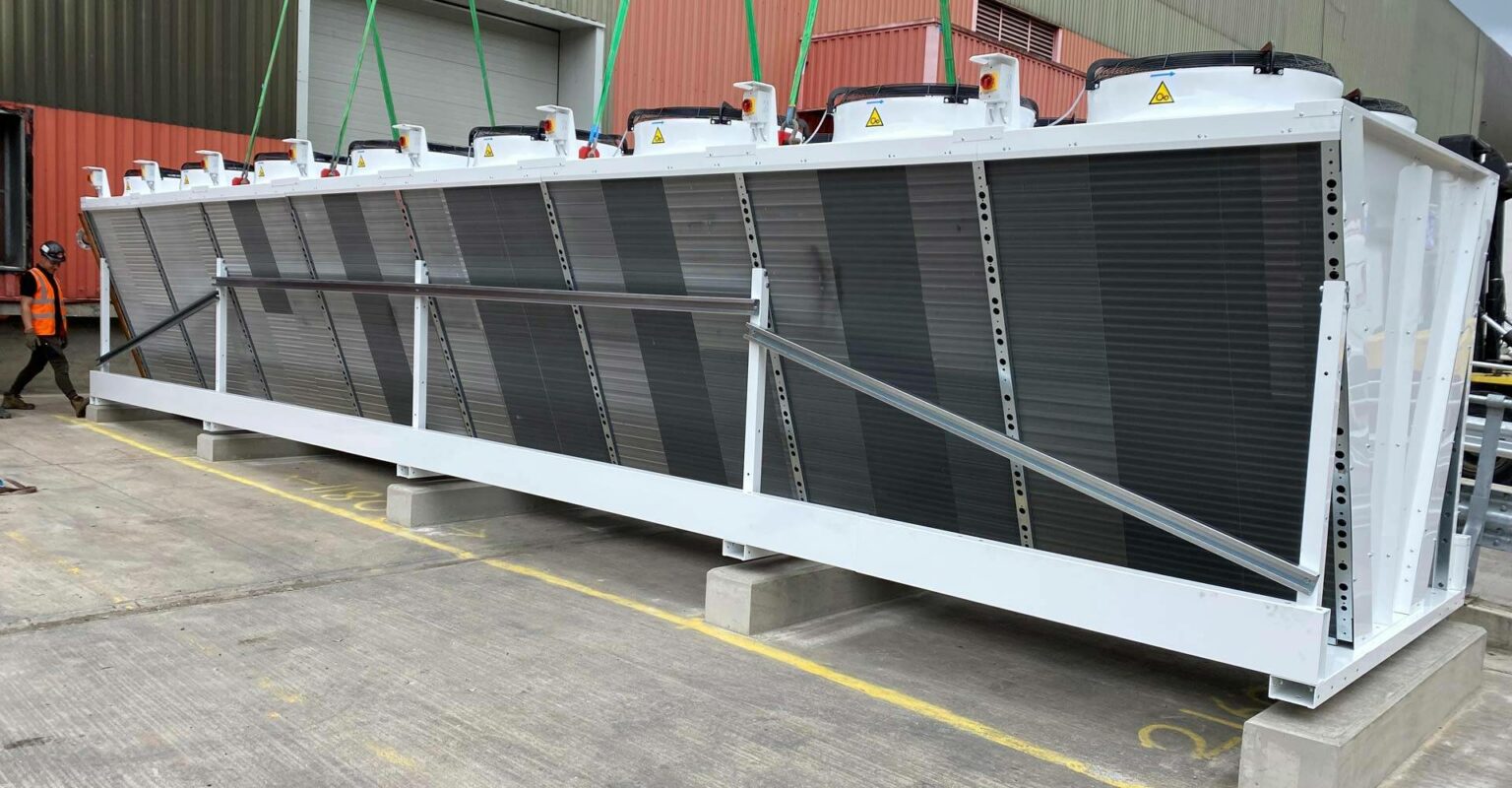
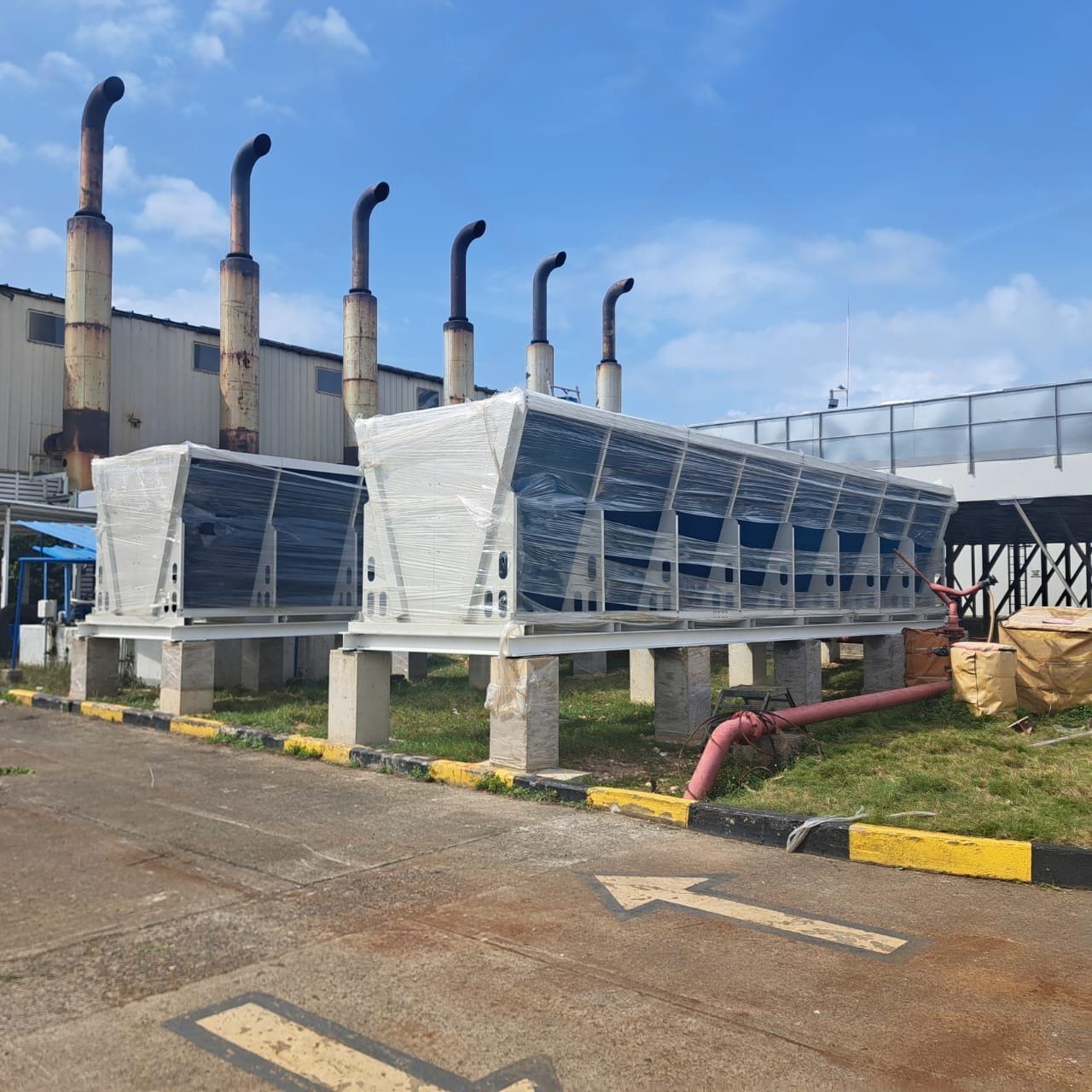
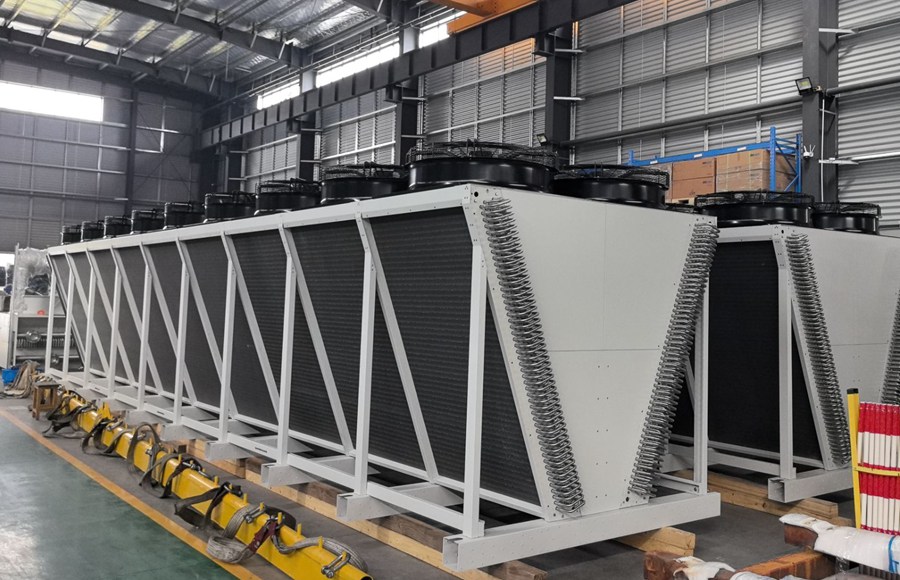
A dry cooling tower (also known as an air-cooled heat exchanger) is a type of cooling system that rejects waste heat into the atmosphere without significant water consumption, unlike traditional wet cooling towers that rely on water evaporation. Key Features of Dry Cooling Towers: No Water Evaporation – Uses air as the cooling medium...
A dry cooling tower (also known as an air-cooled condenser or ACC) is a type of heat exchanger used to cool industrial processes or power plant systems without consuming water. Unlike traditional wet cooling towers that rely on water evaporation, dry cooling towers use air to remove heat from the process fluid (usually water or […]
Dry cooling towers are used in various industries and applications where water conservation is critical or where water resources are scarce. Here are some common use cases: 1. Power Plants Thermal Power Plants (Coal, Gas, Nuclear): Dry cooling towers are used to cool steam condensers when water availability is limited. Concentrated...
The best materials for a dry cooling tower depend on factors like heat transfer efficiency, corrosion resistance, structural strength, cost, and environmental conditions. Below is a comparison of key materials and recommendations for optimal performance: 1. Heat Exchanger Tubes & Fins (Most Critical Component)...
Dry cooling towers are used in power plants and industrial processes to reject waste heat into the atmosphere without significant water consumption (unlike wet cooling towers, which rely on evaporative cooling). The materials used in dry cooling towers must withstand environmental conditions, thermal stresses, and corrosion. Here are the key...
A dry cooling tower (also called an air-cooled heat exchanger) is used to cool process fluids (such as water, oil, or refrigerant) without water evaporation. Instead, it relies on airflow (natural or forced) to remove heat. Below are its primary functions: 1. Heat Rejection from Process Fluids Transfers waste heat from industrial processes,...
Dry cooling towers offer several benefits, especially in water-scarce regions or where environmental regulations restrict water usage. Here are the key advantages: 1. Water Conservation No Water Consumption: Unlike wet cooling towers that rely on evaporative cooling, dry cooling towers use air to cool the process fluid, eliminating water...
Dry cooling towers are used in various industries and applications where water conservation, environmental regulations, or operational constraints make traditional wet cooling towers impractical. Below are the key applications of dry cooling towers: 1. Power Generation Thermal Power Plants (Coal, Gas, Nuclear): Used in steam condenser...
A dry cooling tower (also known as an air-cooled heat exchanger) is a type of cooling system that rejects waste heat into the atmosphere without significant water consumption, unlike traditional wet cooling towers that rely on water evaporation. Key Features of Dry Cooling Towers: No Water Evaporation – Uses air as the cooling medium...
A dry cooling tower (also known as an air-cooled condenser or ACC) is a type of heat exchanger used to cool industrial processes or power plant systems without consuming water. Unlike traditional wet cooling towers that rely on water evaporation, dry cooling towers use air to remove heat from the process fluid (usually water or […]
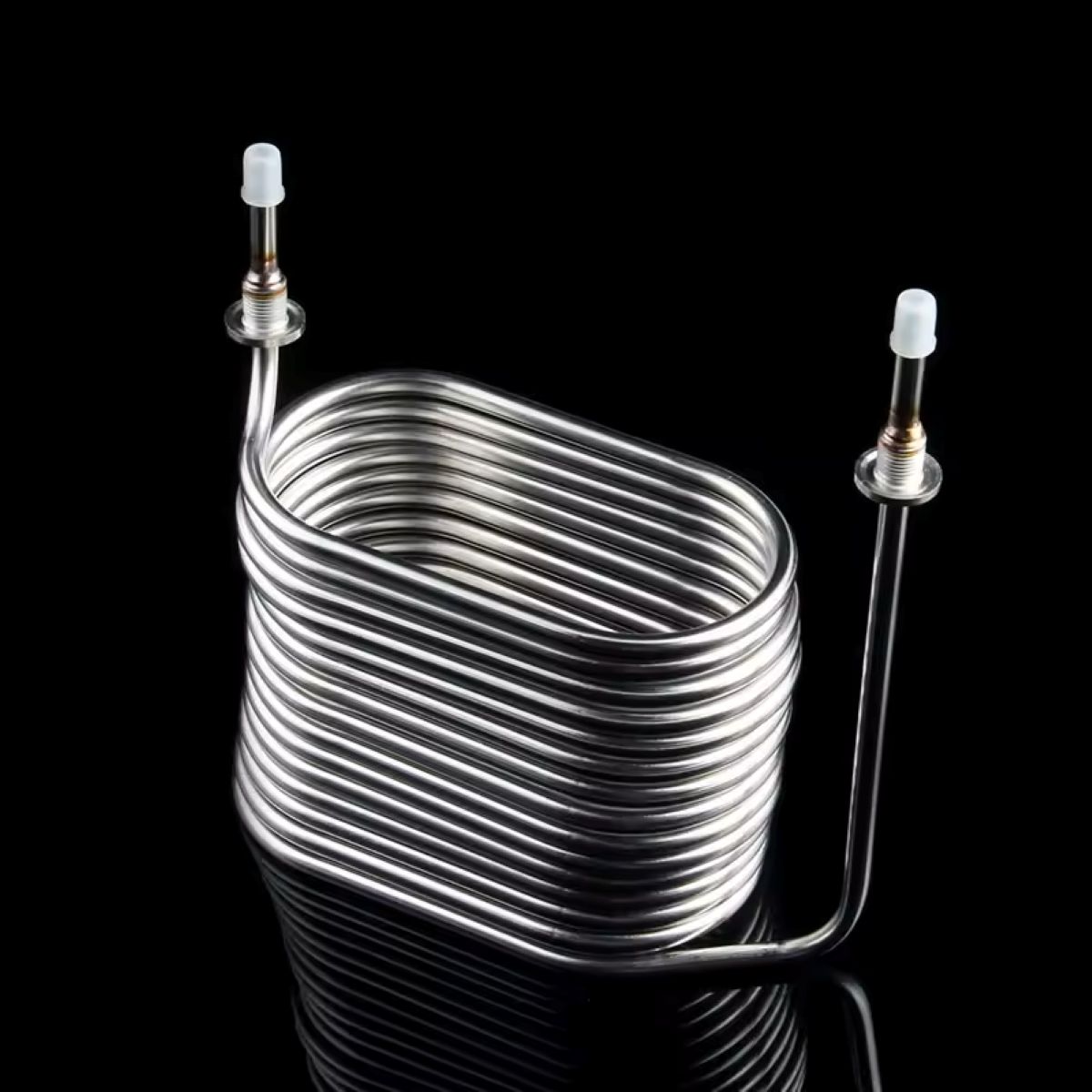
A serpentine coil dry cooler is a highly efficient heat rejection system that uses a serpentine-shaped coil arrangement to maximize heat transfer and airflow contact. Designed for industrial cooling applications, it is widely used in HVAC systems, process cooling, data centers, and power generation plants where water conservation and low...