Air Cooled lube oil cooler or Water Cooled lube oil cooler, Which one is best ? choosing between an air-cooled and a water-cooled lube oil cooler depends on several factors, including application, environment, space, cooling requirements, and availability of cooling resources. Let’s break it down to help you decide which is best for your specific...
Benefits of using Lube Oil Cooler in Gearboxes? Using a lube oil cooler in gearboxes provides several key benefits, especially in high-power, high-load, or continuous-operation systems. Gearboxes generate significant heat during operation due to friction between gears, and cooling the lubricating oil is crucial to maintain system reliability and...
Benefits of using Lube Oil Cooler in Internal combustion engines Using a lube oil cooler in internal combustion engines offers several important benefits that enhance engine performance, reliability, and lifespan. Here’s a breakdown: 1. Maintains Optimal Oil Temperature 2. Reduces Engine Component Wear 3. Increases Lubricating Oil Life 4....
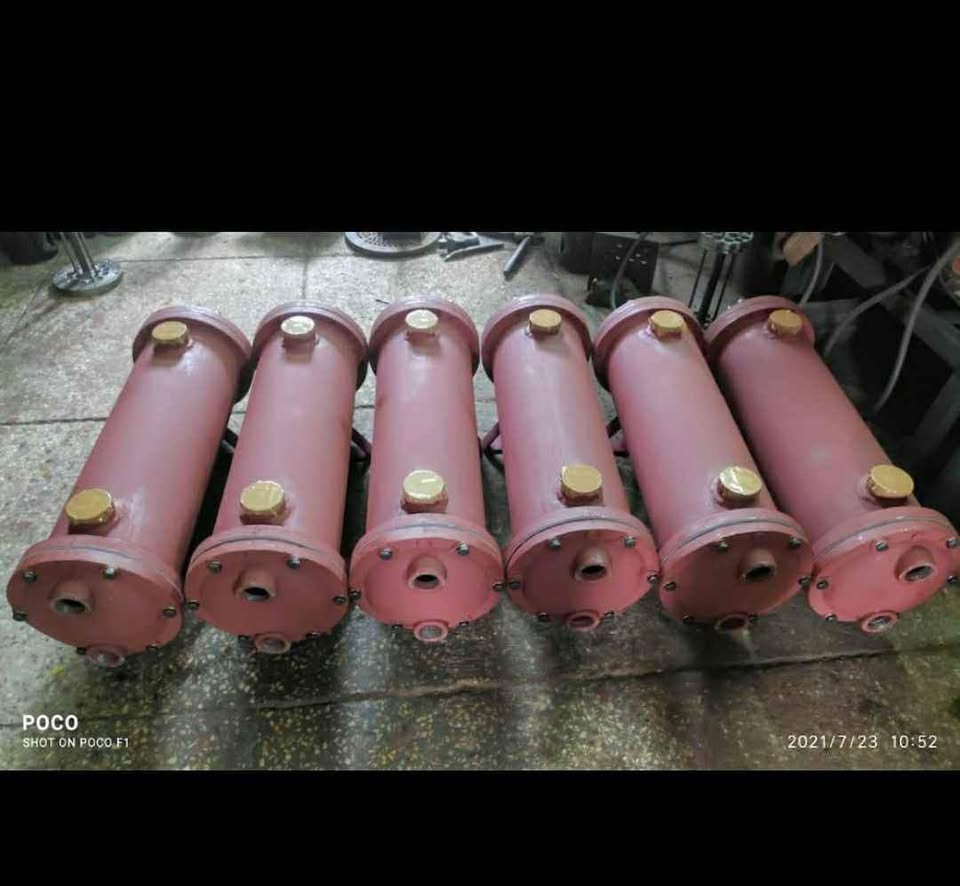
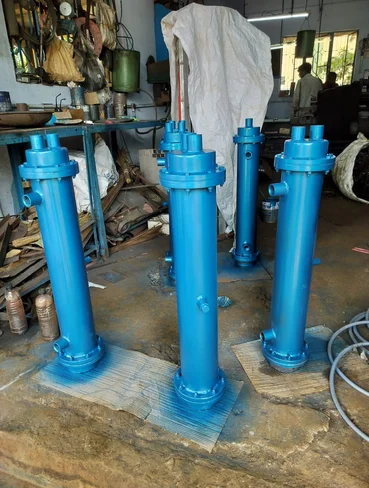
A lube oil cooler (lubricating oil cooler) is a heat exchanger used to cool the lubricating oil in engines, turbines, compressors, and other rotating machinery. Purpose: Lubricating oil absorbs heat during operation as it reduces friction between moving parts. If the oil gets too hot, it can lose its lubricating properties, degrade, or cause damage...
Effect of Ambient Temperature on Air-Cooled Oil Coolers Ambient (surrounding) air temperature significantly impacts the cooling efficiency, oil temperature stability, and overall performance of air-cooled oil coolers. Below is a detailed breakdown of its effects: 1. Cooling Efficiency & Heat Dissipation ◉ In Cool/Moderate...
When to Choose an Air-Cooled Oil Cooler Over a Water-Cooled One? The choice between air-cooled and water-cooled (liquid-cooled) oil coolers depends on the application, environment, and performance needs. Below are key scenarios where air-cooled oil coolers are the better choice: 1. When Weight and Simplicity Are Critical...
Advantages of Air-Cooled Oil Coolers Air-cooled oil coolers are widely preferred in various industries due to their simplicity, reliability, and efficiency. Below are the key advantages: 1. No Coolant Required (Self-Contained System) 2. Lightweight & Compact Design 3. Lower Maintenance & Fewer Failure Points 4. Better Performance in...
Applications of Air-Cooled Oil Coolers Air-cooled oil coolers are widely used in industries and vehicles where efficient oil temperature control is crucial. Below are the key applications categorized by sector: 1. Automotive & Transportation a) Passenger & Commercial Vehicles b) Motorcycles & ATVs Engine & Clutch Oil...
Materials used in air-cooled oil coolers are selected based on thermal conductivity, durability, weight, and corrosion resistance. Here’s a breakdown of the key components and their typical materials: 1. Core / Heat Exchanger a) Finned Tubes or Cooling Plates b) Fins c) Headers / Manifolds (Oil Flow Channels) 2. Housing / Frame 3. Inlet &...
list of parts in a typical air-cooled oil cooler, along with their functions: 1. Core / Heat Exchanger Assembly 2. Housing / Frame 3. Inlet & Outlet Ports 4. Cooling Fan (Optional – in Forced-Air Systems) 5. Airflow Guide / Ducting (If Applicable) 6. Baffles / Flow Diverters (In Some Designs) 7. Thermal Bypass Valve (In Some...
An air-cooled oil cooler is a heat exchanger designed to reduce the temperature of oil (engine oil, hydraulic oil, or transmission oil) using ambient air as the cooling medium. It is commonly used in automotive, industrial, and aerospace applications where liquid cooling is impractical. Working Principle: Key Components: Advantages: ◉...
When to Choose a Plate-Type Oil Cooler? A plate-type oil cooler is ideal for applications prioritizing compact size, high efficiency, and clean fluids. Here’s when to consider one: 1. Space Constraints (Compact Design Needed) ◉ Why? 2. High Efficiency (Rapid Heat Transfer) ◉ Why? . Clean, Low-Viscosity Oils...
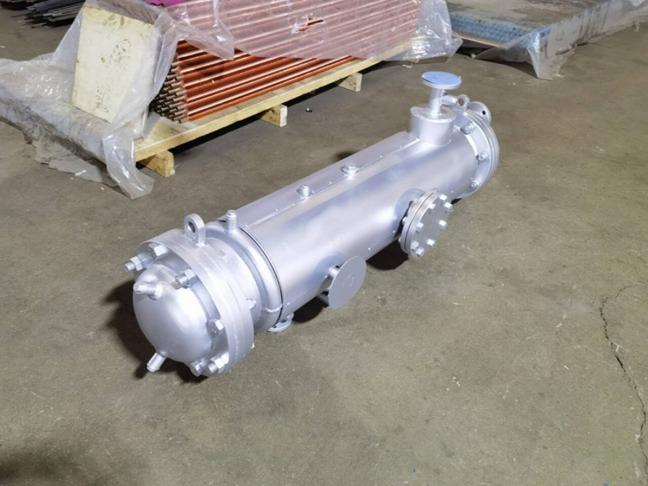
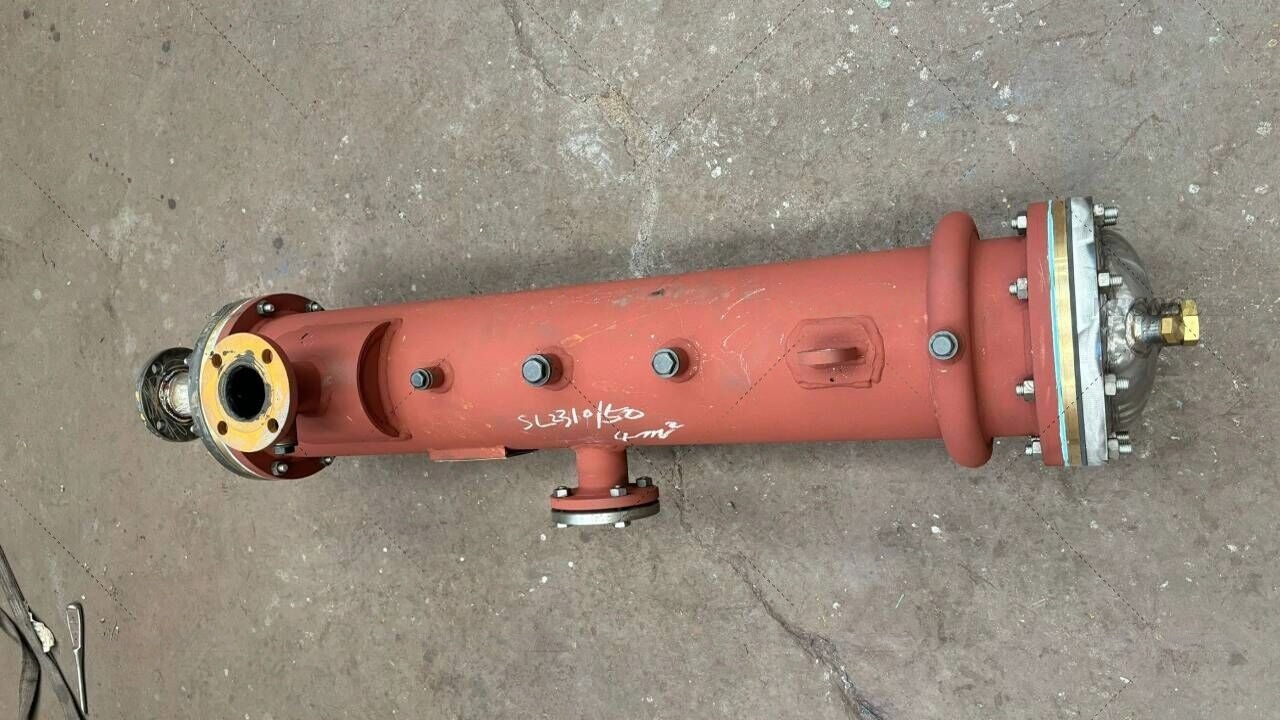
When to Choose a Shell and Tube Oil Cooler? A shell and tube oil cooler is ideal for specific applications where durability, high pressure and harsh conditions are key factors. Here’s when you should consider one: 1. High-Pressure Applications (300+ psi) ◉ Why? 2. High-Temperature Environments ◉ Why? 3. Corrosive or Dirty...
Air-Cooled Oil Cooler: Definition & Working Principle An air-cooled oil cooler is a heat exchanger that uses ambient air (instead of water) to cool hot oil in engines, hydraulic systems, and industrial machinery. It relies on finned tubes or plate-fin designs to maximize heat dissipation into the air. How...
The Shell and Tube Oil Cooler is constructed using materials chosen for thermal conductivity, corrosion resistance, and mechanical strength. Here’s a breakdown of the typical materials of construction (MOC) for each component: 1. Shell (Outer Casing) 2. Tubes (Heat Transfer Surface) 3. Tube Sheets (Holds Tubes in Place)...
Oil coolers are essential for maintaining optimal temperatures in machinery and engines by dissipating excess heat from oil. Here’s a breakdown of their key applications across industries: 1. Automotive & Transportation 2. Industrial Machinery 3. Marine & Offshore 4. Power Generation 5. Aerospace & Defense 6. Renewable Energy 7. Oil...
Shell and Tube Oil Coolers and Plate-Type Oil Coolers to help you choose the right one for your application: 1. Design & Construction Feature Shell and Tube Oil Cooler Plate-Type Oil Cooler Structure Cylindrical shell with tubes inside. Stacked corrugated plates with gaskets/brazing. Material Heavy-duty metals (steel, copper,...
A plate-type oil cooler is a compact, high-efficiency heat exchanger that cools oil (hydraulic, lubricating, or industrial oil) using water or coolant. It consists of multiple thin, corrugated metal plates stacked together, providing a large surface area for heat transfer. Working Principle Key Components Component Function Heat...
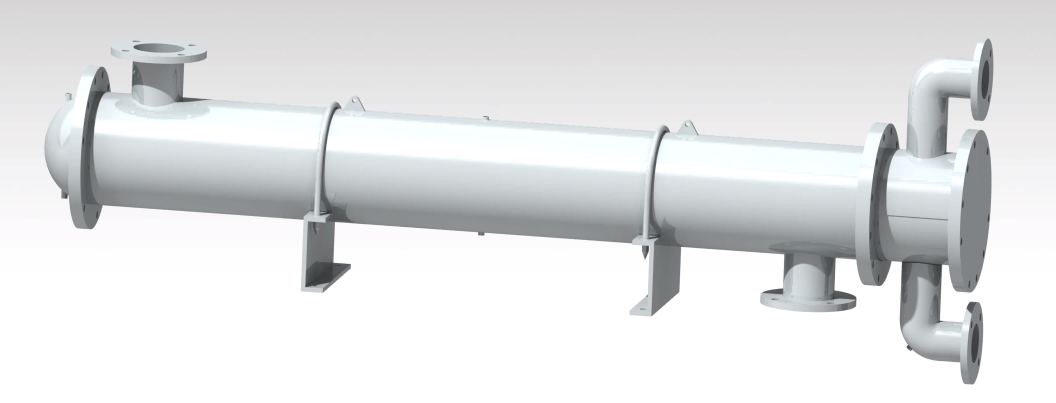
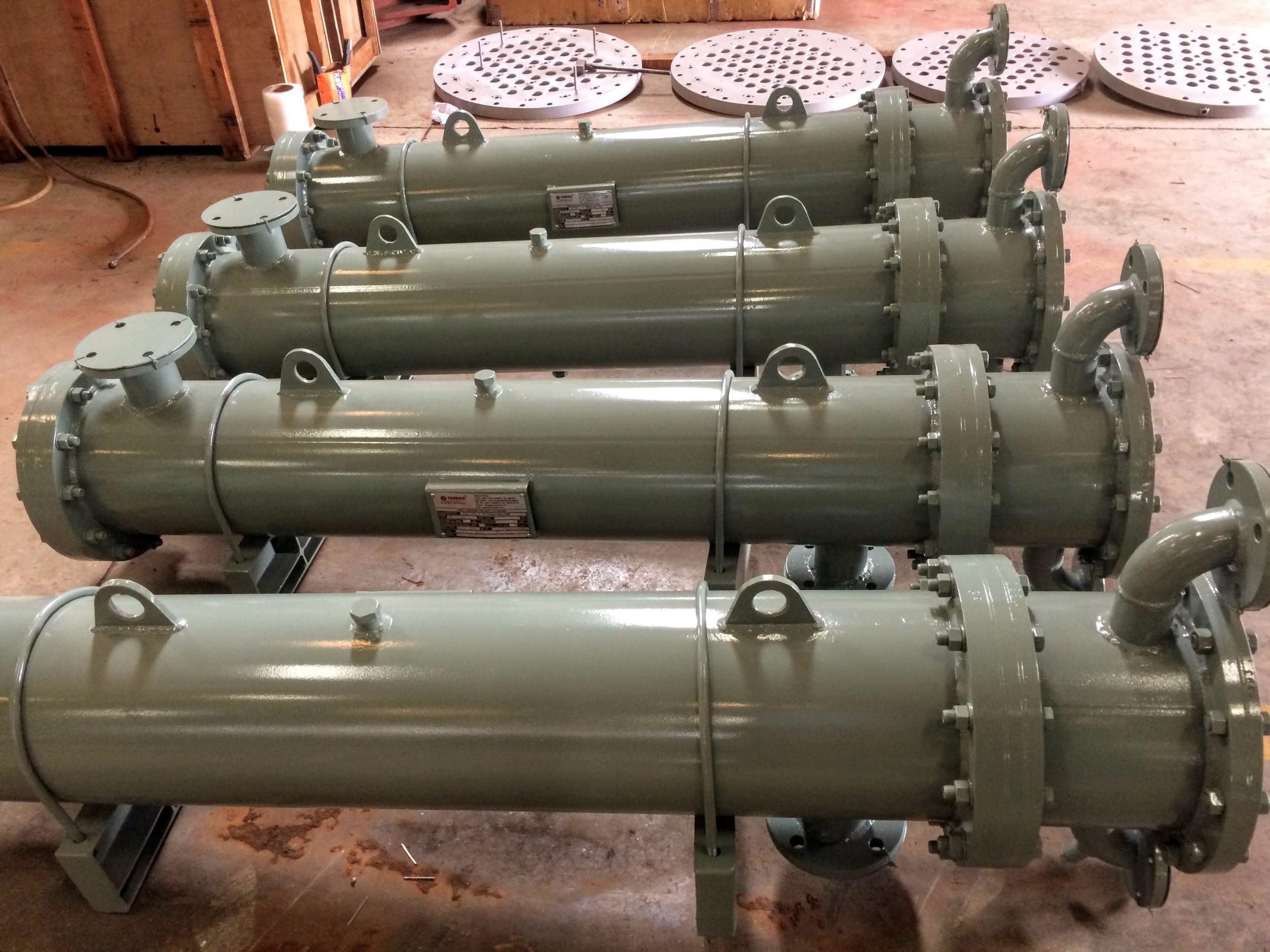
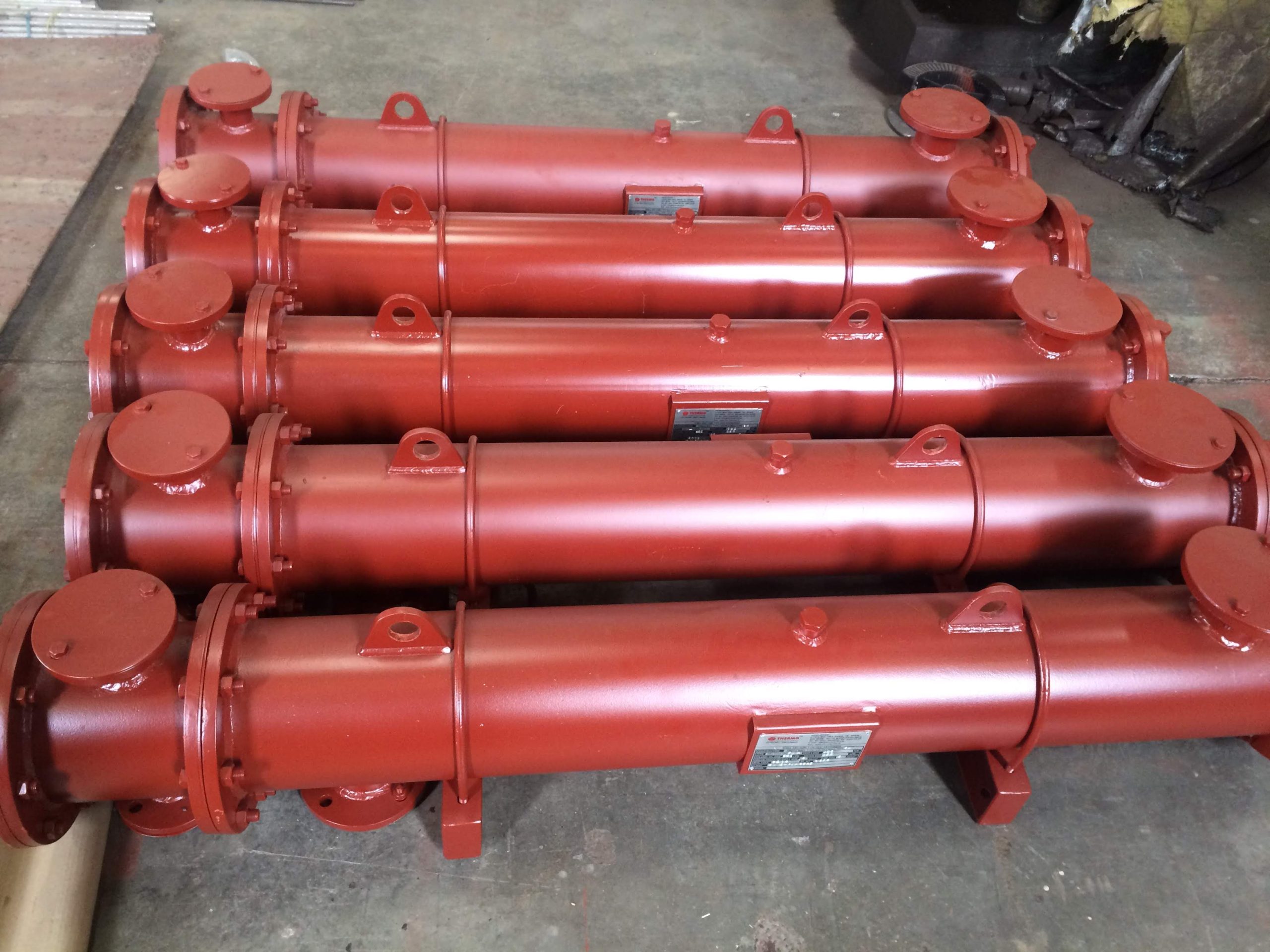
Shell and Tube Oil Cooler – Detailed Overview A shell and tube oil cooler is a robust and widely used heat exchanger designed to cool oil (hydraulic oil, lubricating oil, or industrial process oil) using water as the coolant. It is highly efficient for high-pressure and high-temperature applications. Working Principle Key Components...
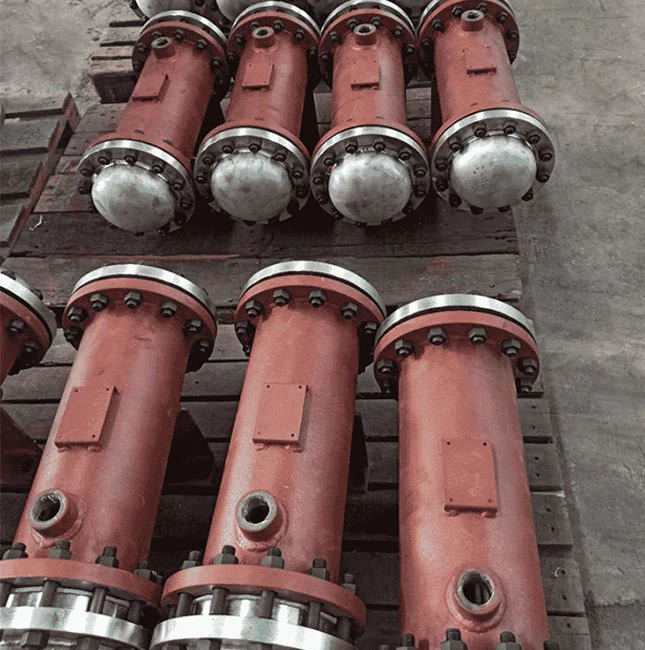
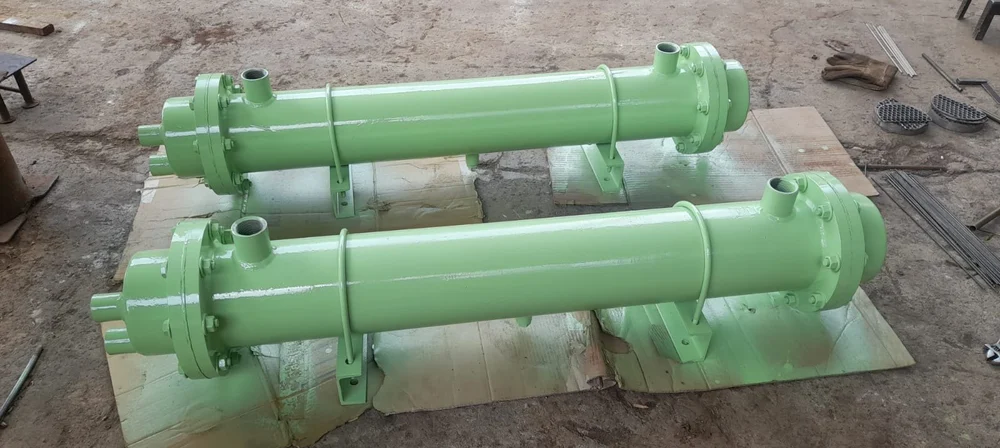
Water-cooled oil coolers come in different designs, each suited for specific applications based on efficiency, space constraints, pressure requirements, and maintenance needs. Here are the main types: 1. Shell and Tube Oil Cooler 2. Plate-Type Oil Cooler
The water-cooled oil cooler is a heat exchanger designed to cool hot oil using water as the cooling medium. Its working principle is based on heat transfer from the hot oil to the cooler water through a conductive barrier (typically metal tubes or plates). Here’s a step-by-step breakdown: Working Principle: The oil and water...
A water-cooled oil cooler is a type of heat exchanger that uses engine coolant (water mixed with antifreeze) to remove heat from oil. It’s designed to keep the oil temperature within safe limits in systems like engines, transmissions, or hydraulic units. ◉ How It Works: 🧰 Common Applications: ◉ Advantages: 📦 Example Design: A...
Oil coolers come in various types depending on their design, cooling method, and application. Here’s a breakdown of the main types of oil coolers: ◉ Types of Oil Coolers 1. Air-Cooled Oil Cooler ◉ Example: Oil cooler mounted in front of a car radiator or on the side of a motorcycle engine. 2. Water-Cooled (Liquid-Cooled) […]
An oil cooler is a mechanical device used to cool down engine oil or hydraulic oil. It acts like a small radiator and helps maintain the oil at an optimal temperature, especially in engines, transmissions, or hydraulic systems that generate a lot of heat. ◉ Purpose of an Oil Cooler: 🛠️ Where Oil Coolers Are […]
Copper Coil Heat Exchanger vs. Stainless Steel Heat Exchanger Coil Heat exchanger coils are critical components in cooling towers, HVAC systems, and industrial processes. The choice between copper and stainless steel coils depends on factors like thermal efficiency, corrosion resistance, cost, and application...
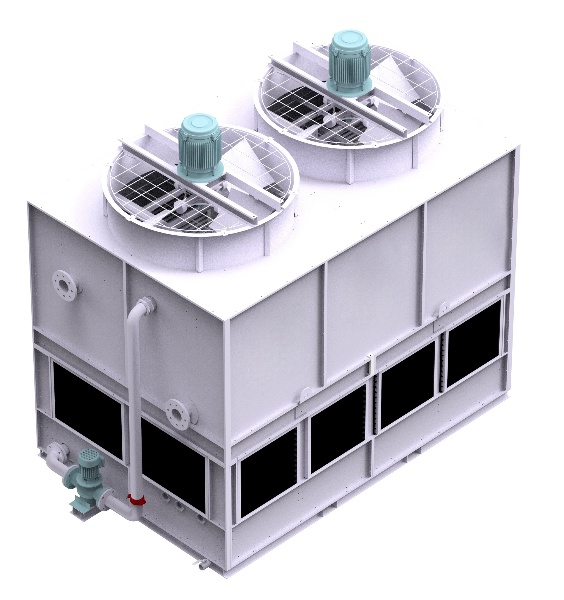
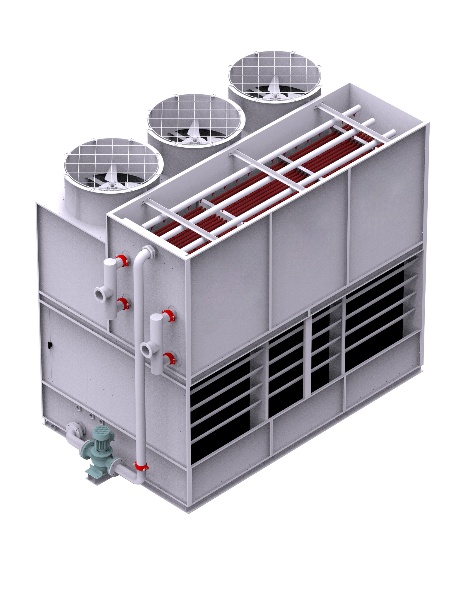
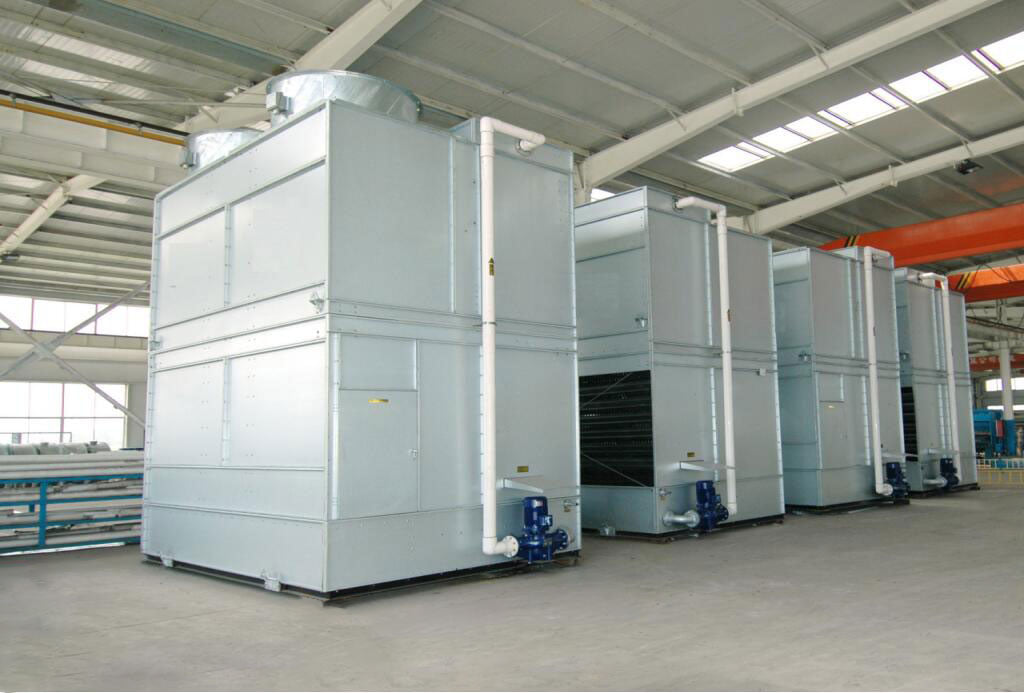
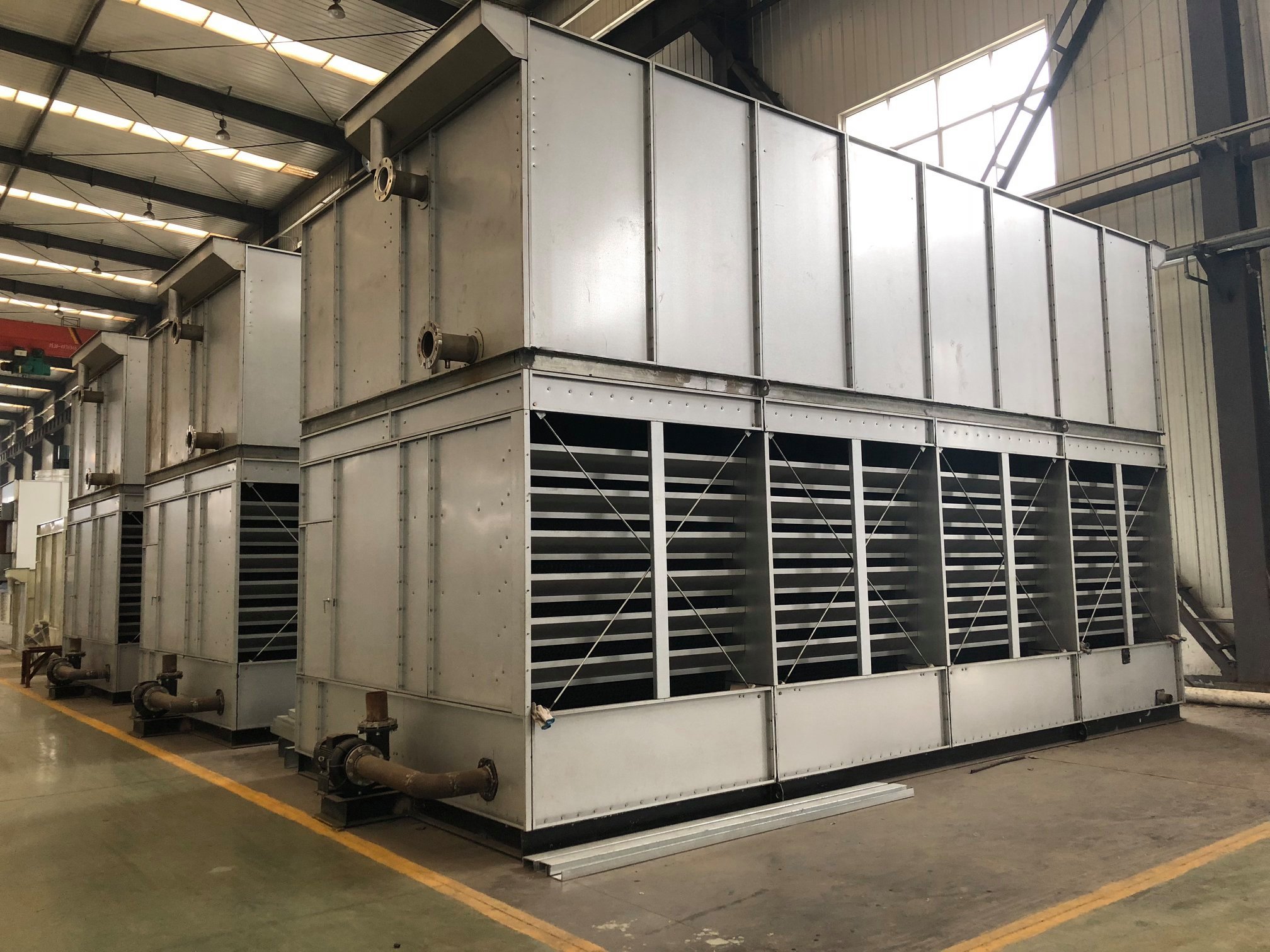
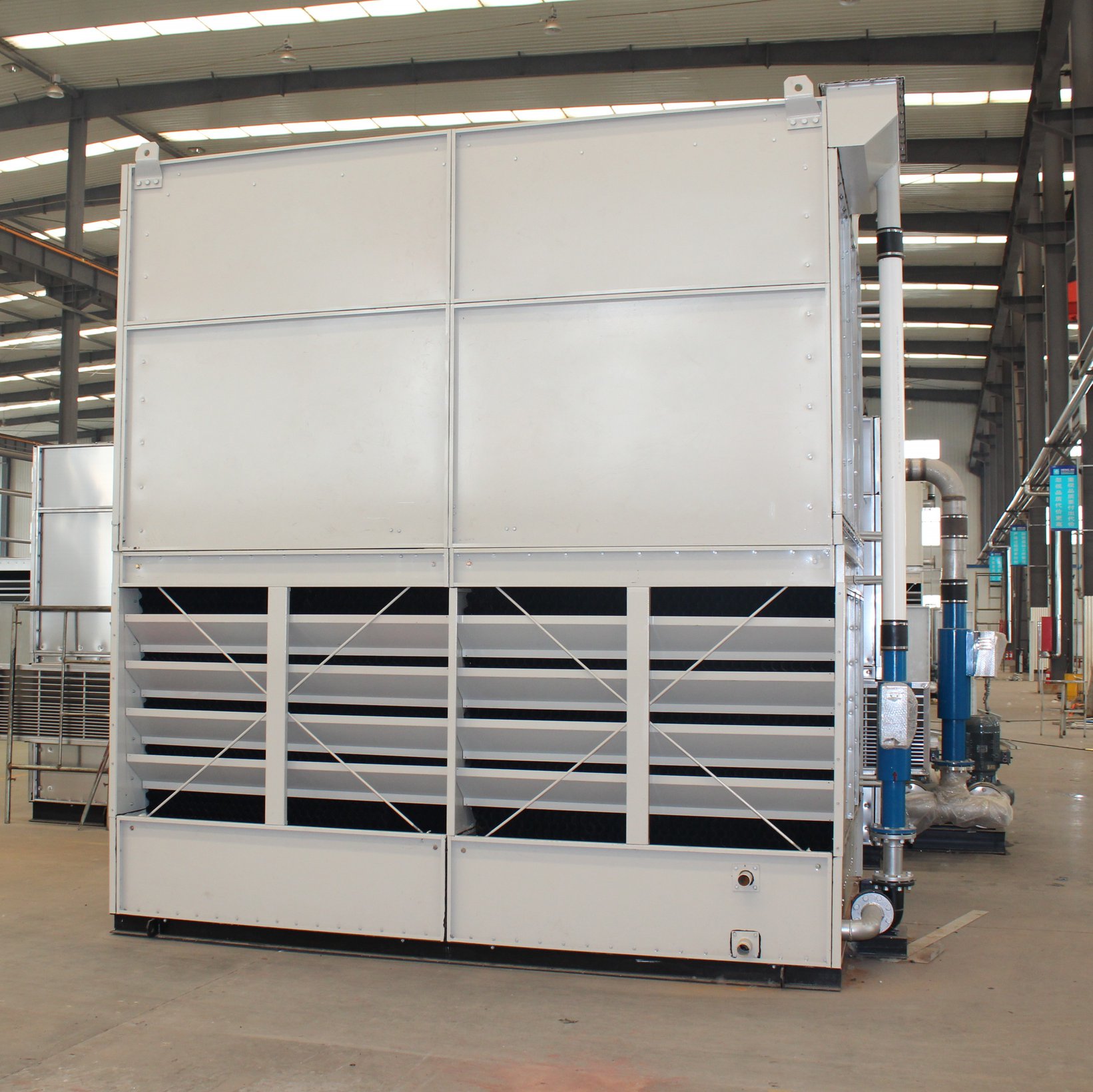
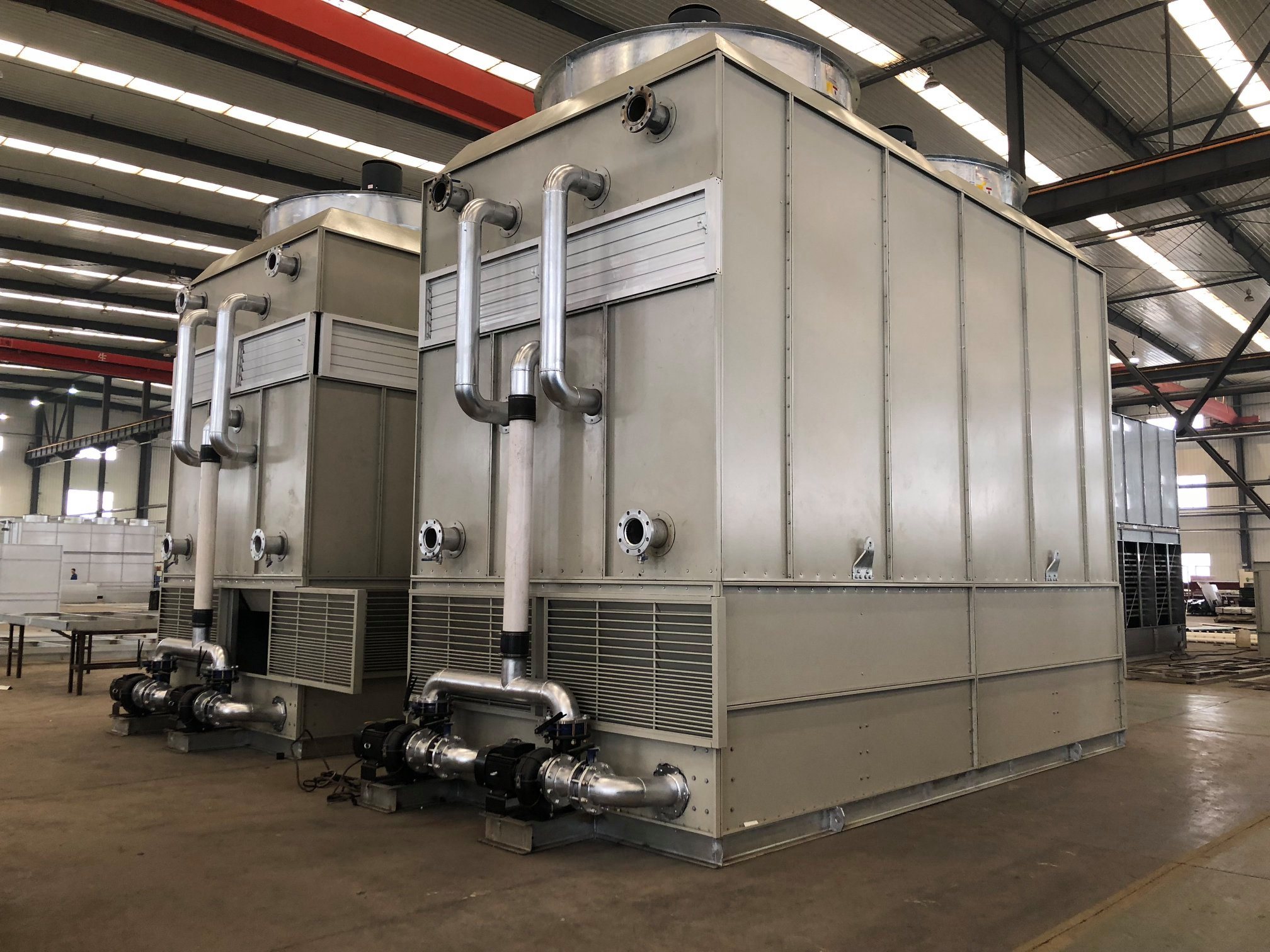
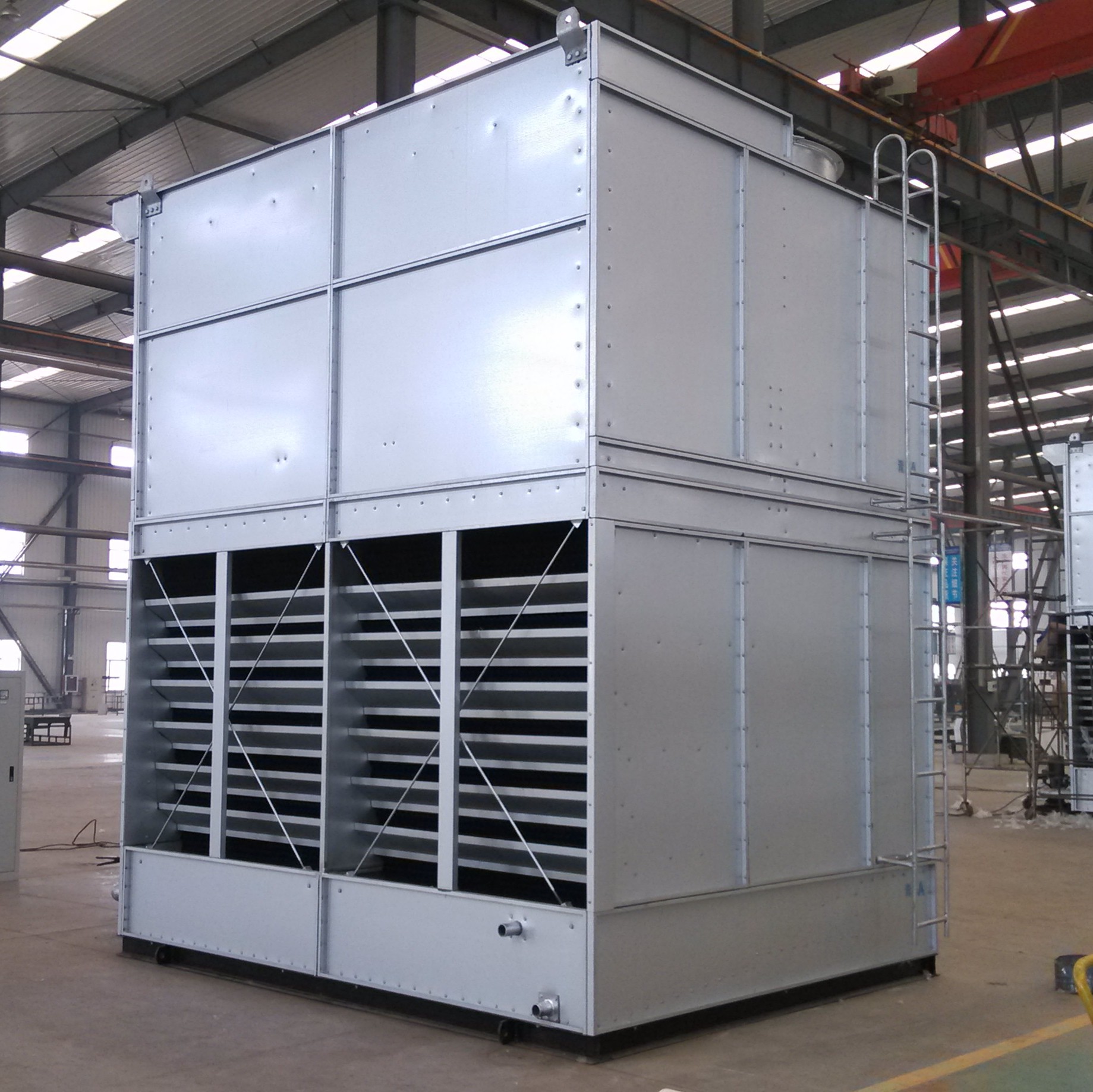
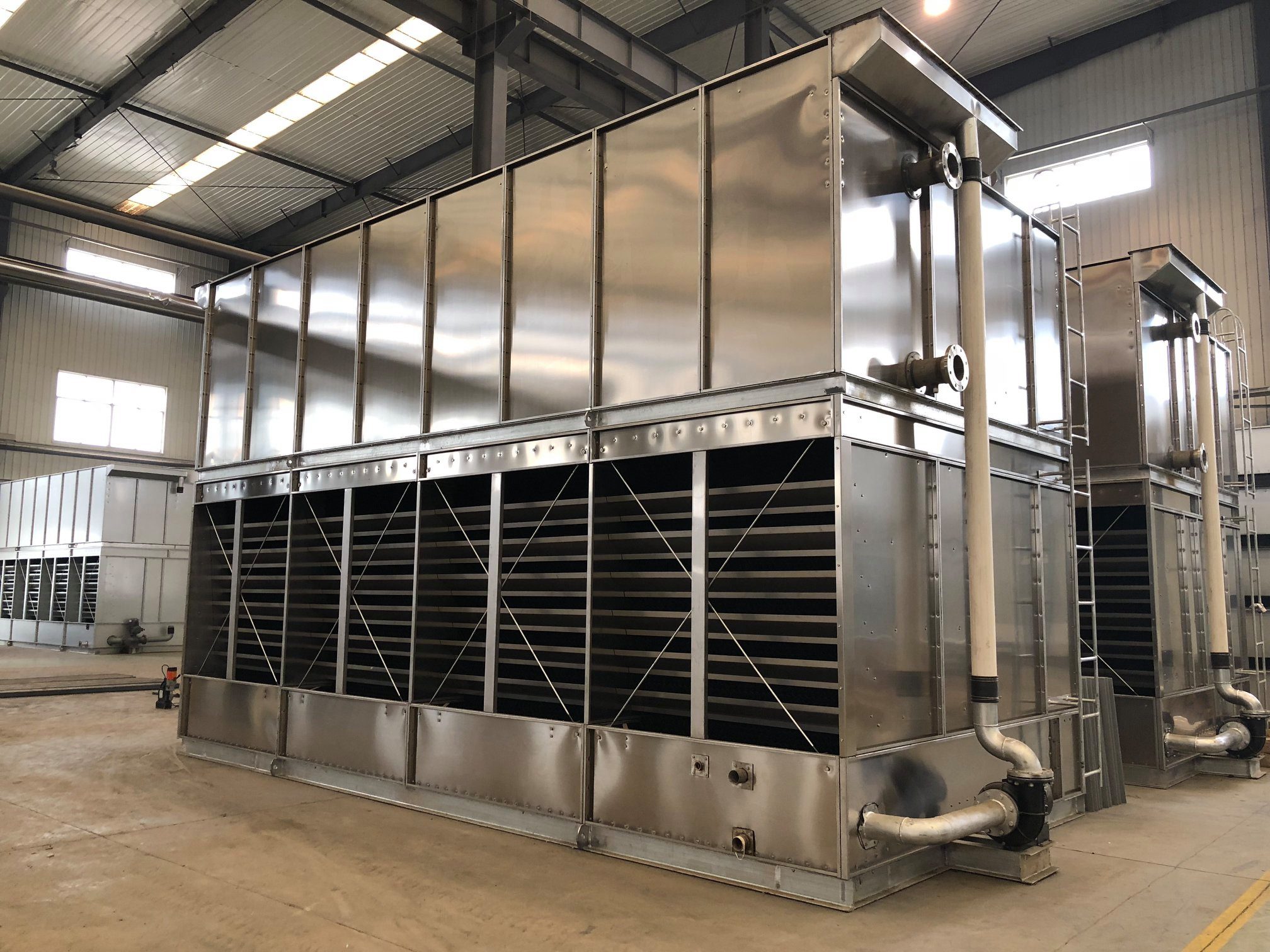
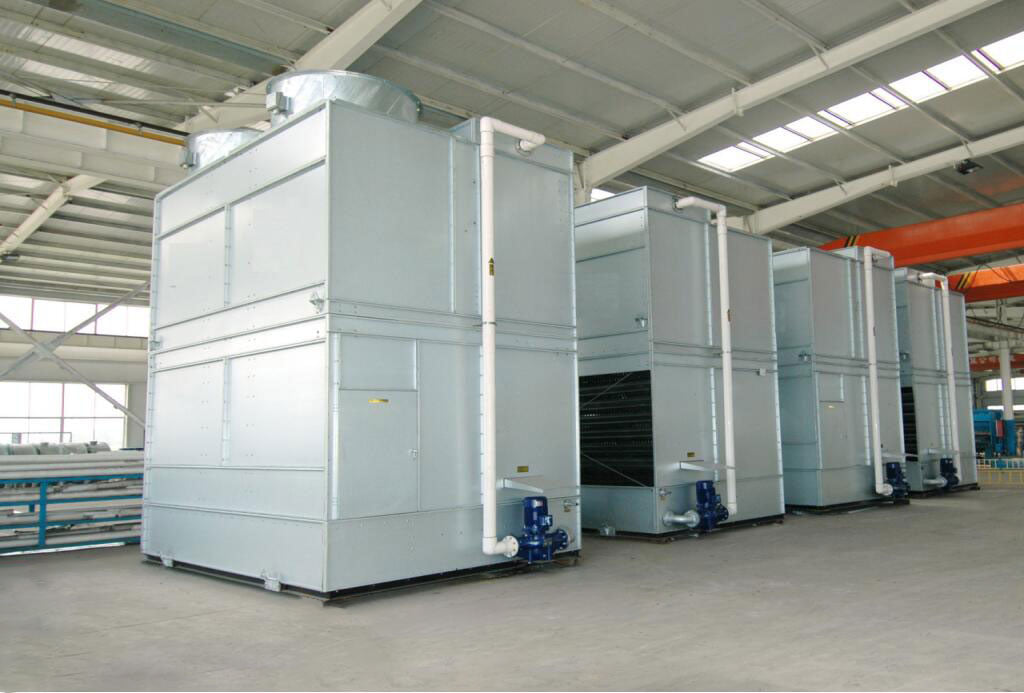
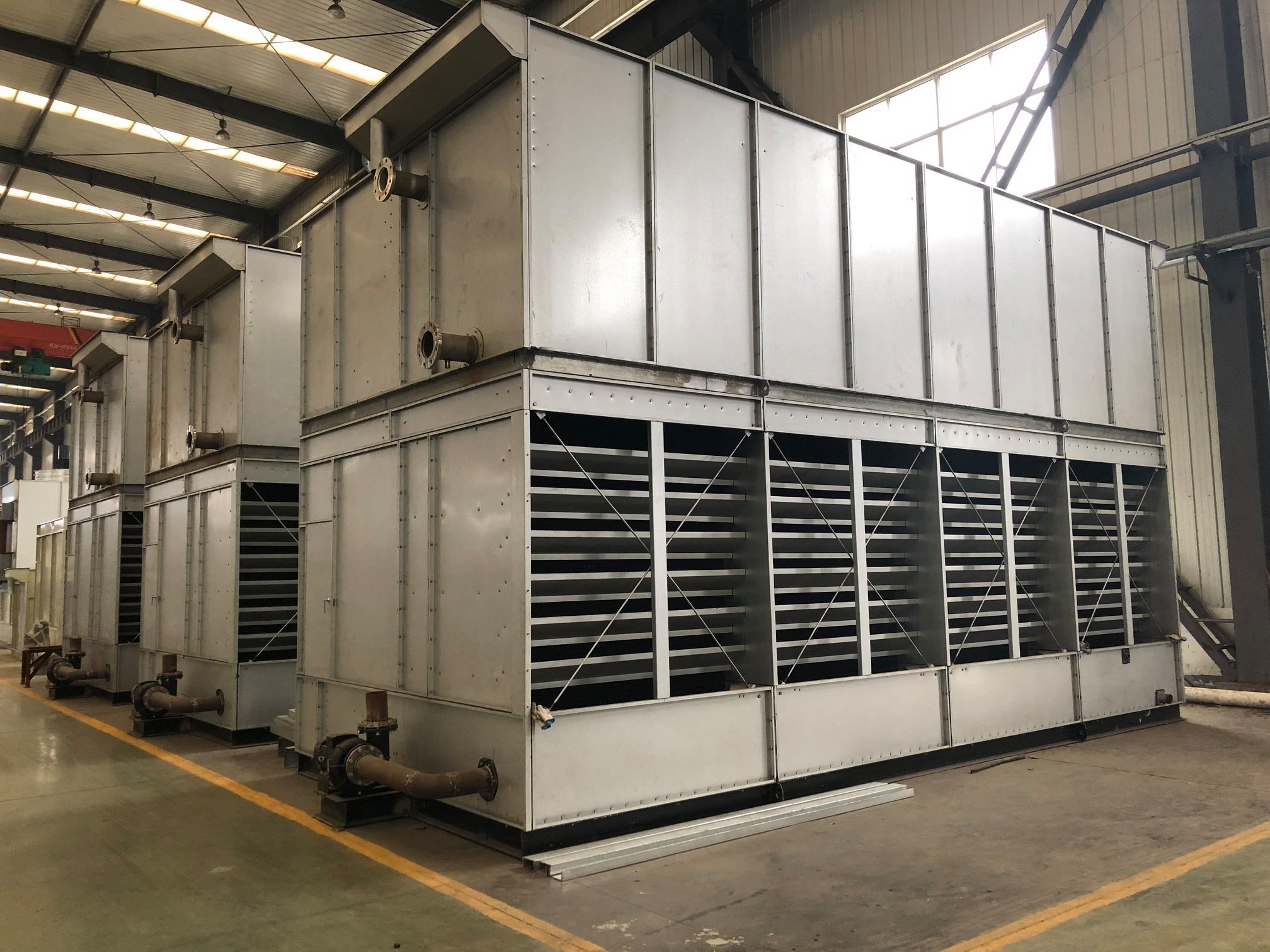
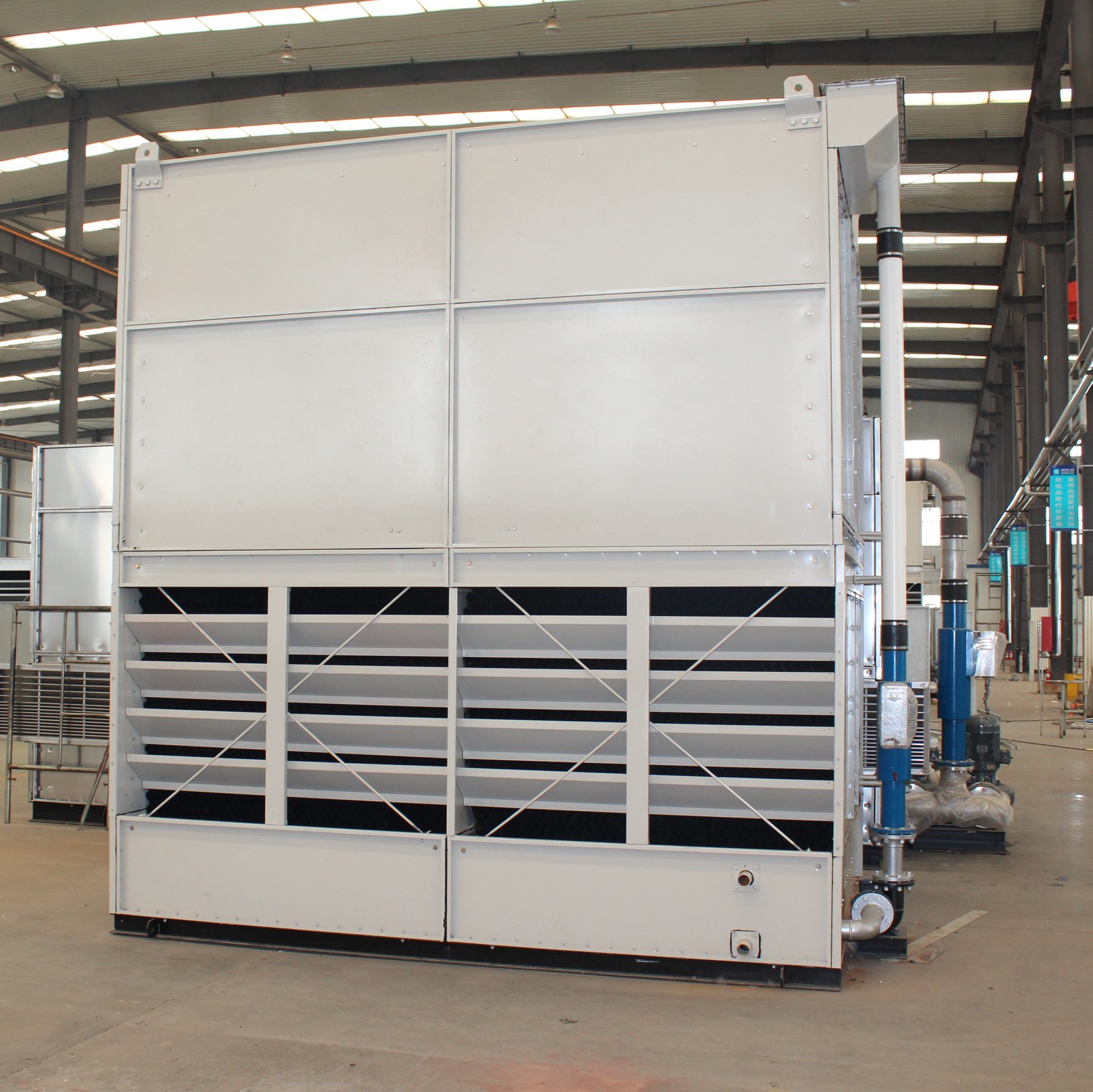
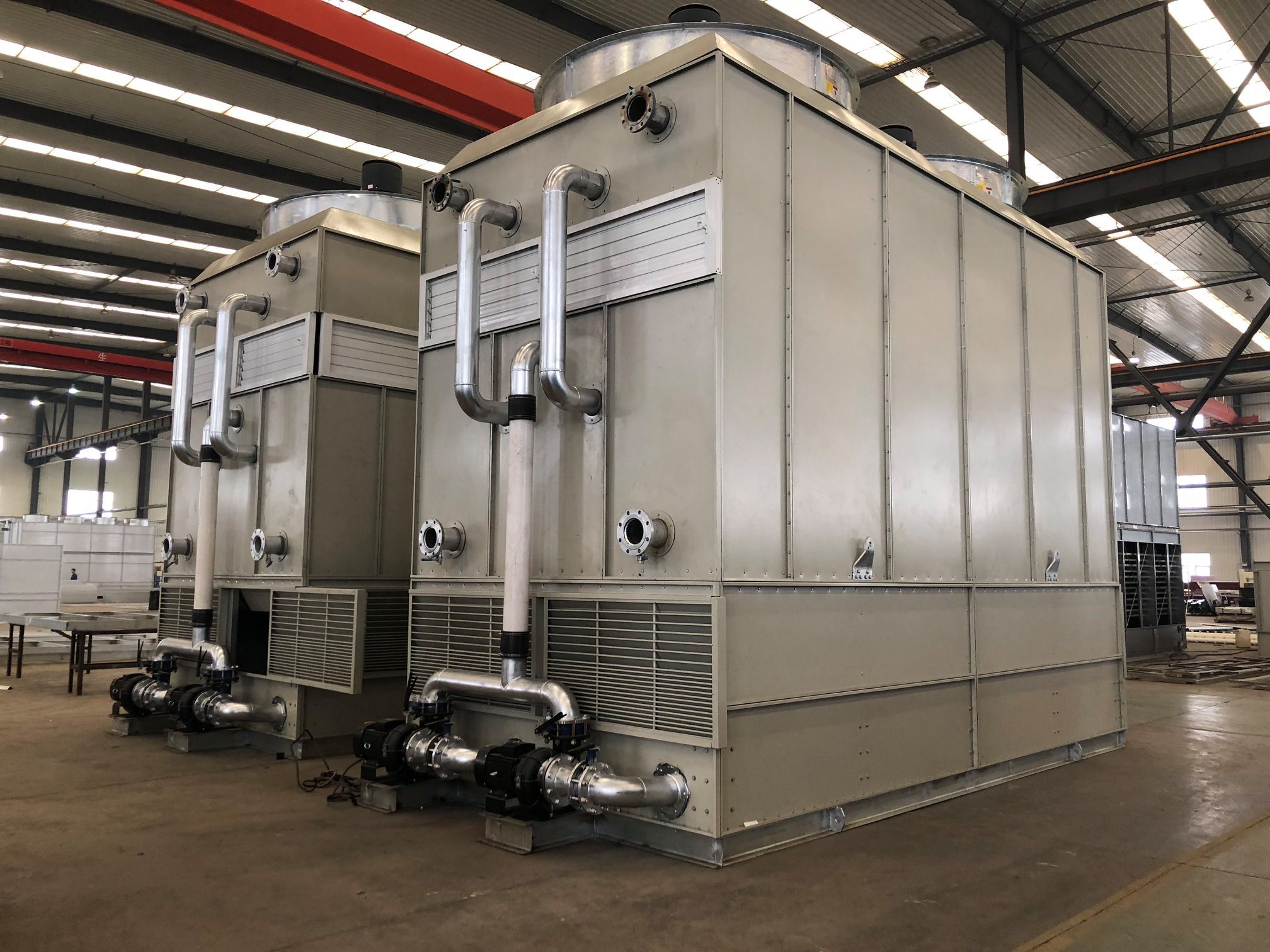
Advantages of Closed-Circuit Cooling Towers Over Open-Circuit Cooling Towers Closed-circuit cooling towers (also called fluid coolers or hybrid cooling towers) offer several key benefits compared to open-circuit cooling towers, making them ideal for applications requiring clean, efficient, and low-maintenance cooling. 1. Prevents...
Closed-Circuit Cooling Tower vs. Open-Circuit Cooling Tower Cooling towers are essential for rejecting heat in industrial and HVAC systems. The key difference between closed-circuit and open-circuit cooling towers lies in how they handle the process fluid (water or coolant). 1. Closed-Circuit Cooling Tower 2. Open-Circuit Cooling Tower Key...
Role of Fills in Closed Circuit Cooling Towers (CCCTs) Unlike open cooling towers, which rely heavily on fills for heat exchange, Closed Circuit Cooling Towers (CCCTs) primarily use heat exchanger coils to cool the process fluid in a closed loop. However, some advanced CCCT designs incorporate fills (also...
Proper water treatment is critical to prevent corrosion, scaling, biological growth, and fouling in closed-loop cooling systems. Since CCCTs recirculate the same water (unlike open towers), maintenance focuses on long-term stability rather than constant bleed-off. 1. Key Water Quality Parameters for CCCTs Parameter Target Range...
. Routine Maintenance Tasks A. Daily/Weekly Checks Visual Inspections – Look for leaks, corrosion, or damaged components. Water Levels – Ensure proper water levels in the sump (if applicable) Fan & Motor Operation – Check for unusual noise/vibration. Strainers & Filters – Clean if clogged to...
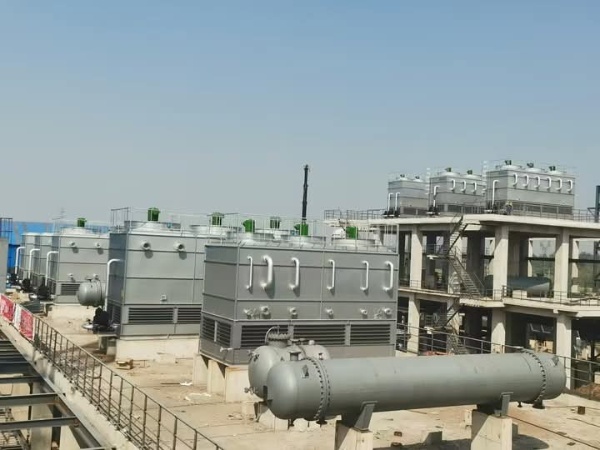
Closed Circuit Cooling Towers (CCCTs) are increasingly being used in data centres for efficient and reliable cooling. Here’s how they are applied and their key benefits: 1. How CCCTs Work in Data Centres 2. Key Benefits for Data Centres 3. Common Configurations 4. Challenges & Considerations 5. Industry Trends
The material of construction (MOC) for a closed-circuit cooling tower (CCT) depends on factors like durability, corrosion resistance, environmental conditions, and budget. Below is a detailed breakdown of materials used for key components: 1. Casing/Structure (Frame & Enclosure) a) Galvanized Steel (Most Common) b)...
The heat exchanger coil (primary cooling coil) in a closed-circuit cooling tower (CCT) is a critical component, and its material must balance thermal efficiency, corrosion resistance, durability, and cost. Below are the most common materials used, along with their pros, cons, and typical applications: . Copper (Cu) – Most Common for HVAC...
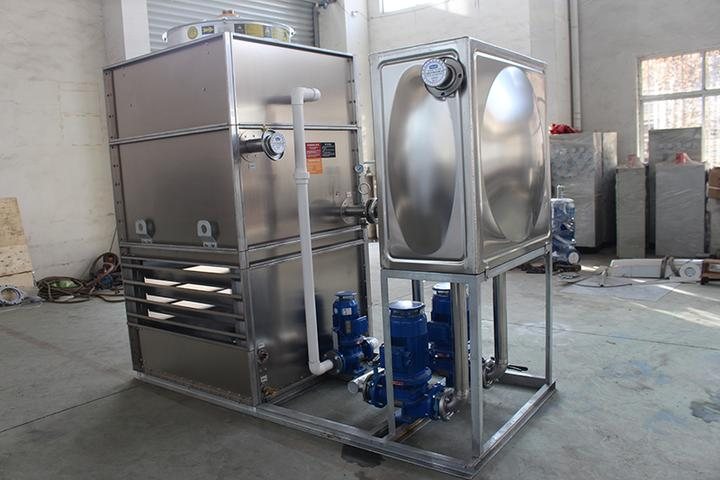
A Closed-Circuit Cooling Tower (CCT) consists of several key components that work together to provide efficient cooling while keeping the process fluid isolated from the external environment. Here’s a breakdown of the main parts: . Heat Exchanger Coil (Primary Cooling Coil) Function: Contains the process fluid (water/glycol) that needs...
Advantages of Counter Flow Closed Circuit Design: Applications: This type of tower is specified for applications where efficiency, space savings, and cold-weather operation are critical: Freeze-Sensitive Applications: Any process in a cold climate that operates year-round, as the design mitigates ice formation.
Counter Flow vs. Cross Flow in Closed Circuit Towers This is a crucial distinction. The following table highlights the differences specific to closed-circuit designs: Feature Counter Flow Closed Circuit Tower Cross Flow Closed Circuit Tower Air/Spray Water Flow Vertical, opposite directions. Air up, water down....
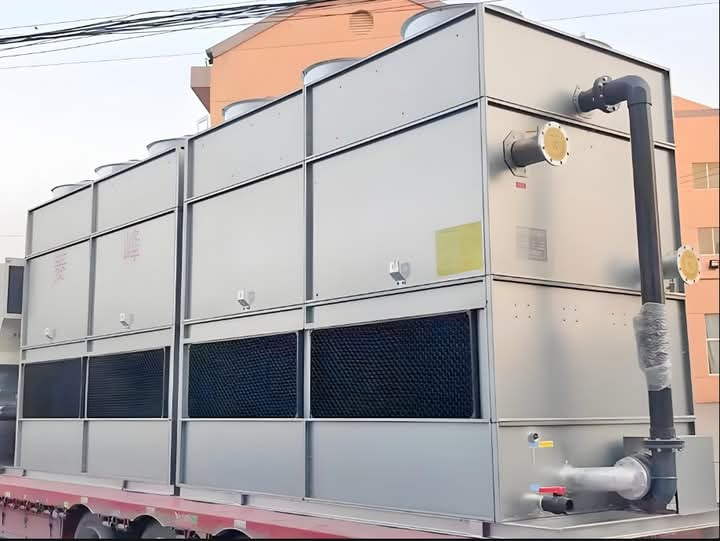
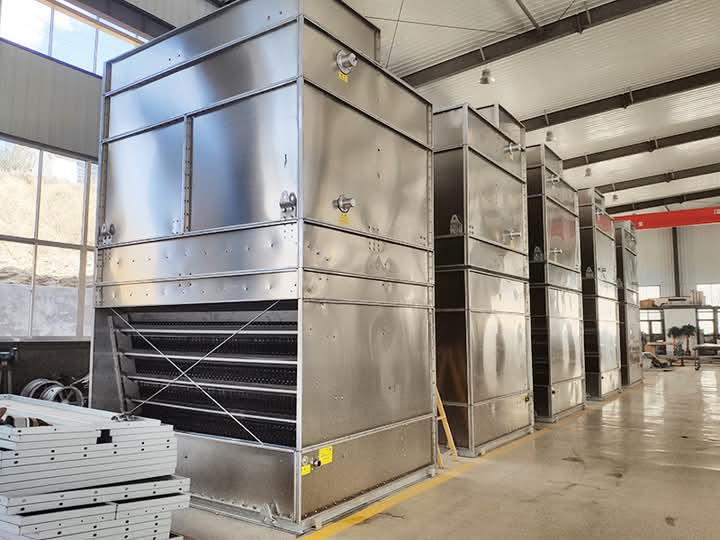
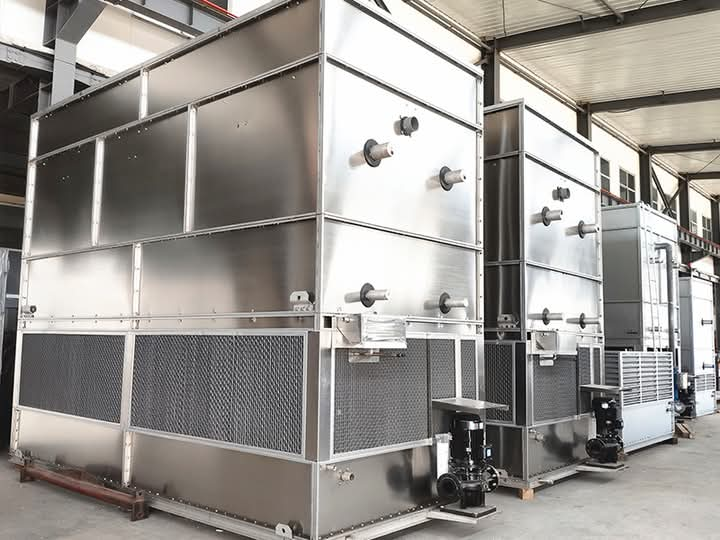
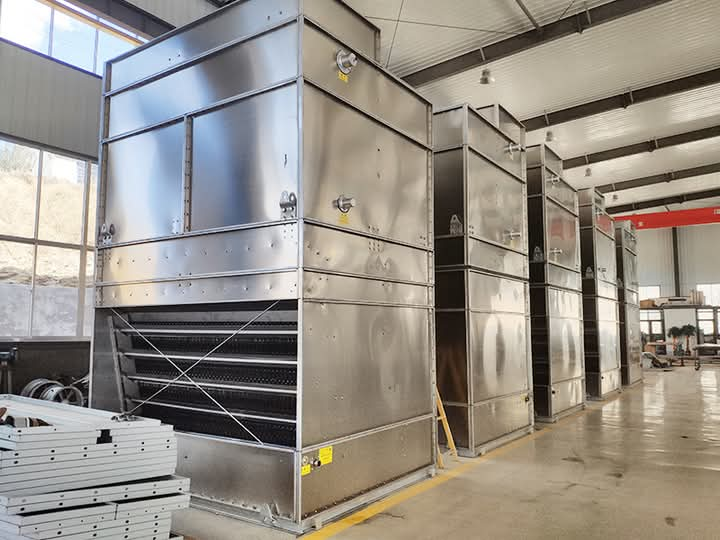
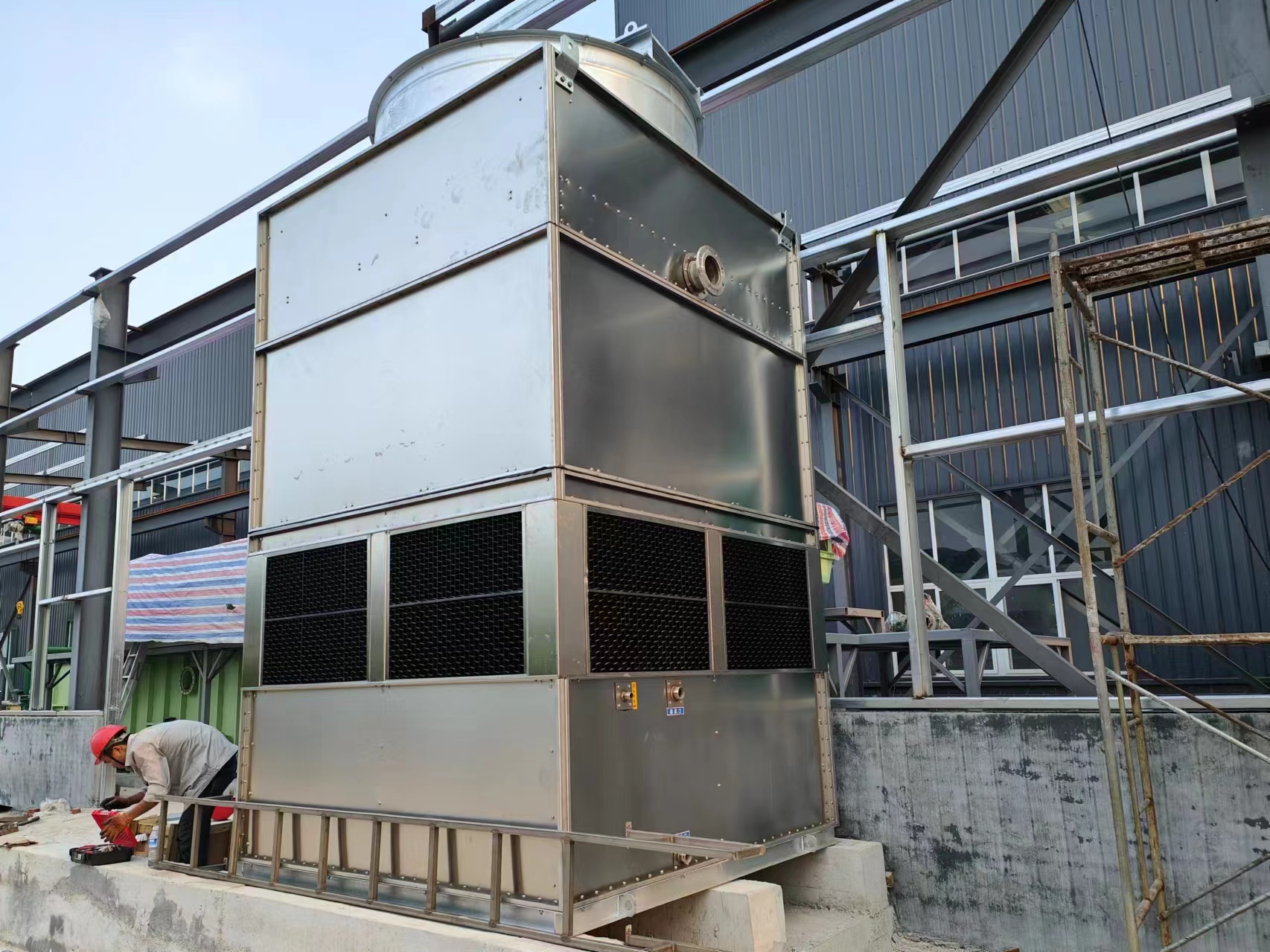
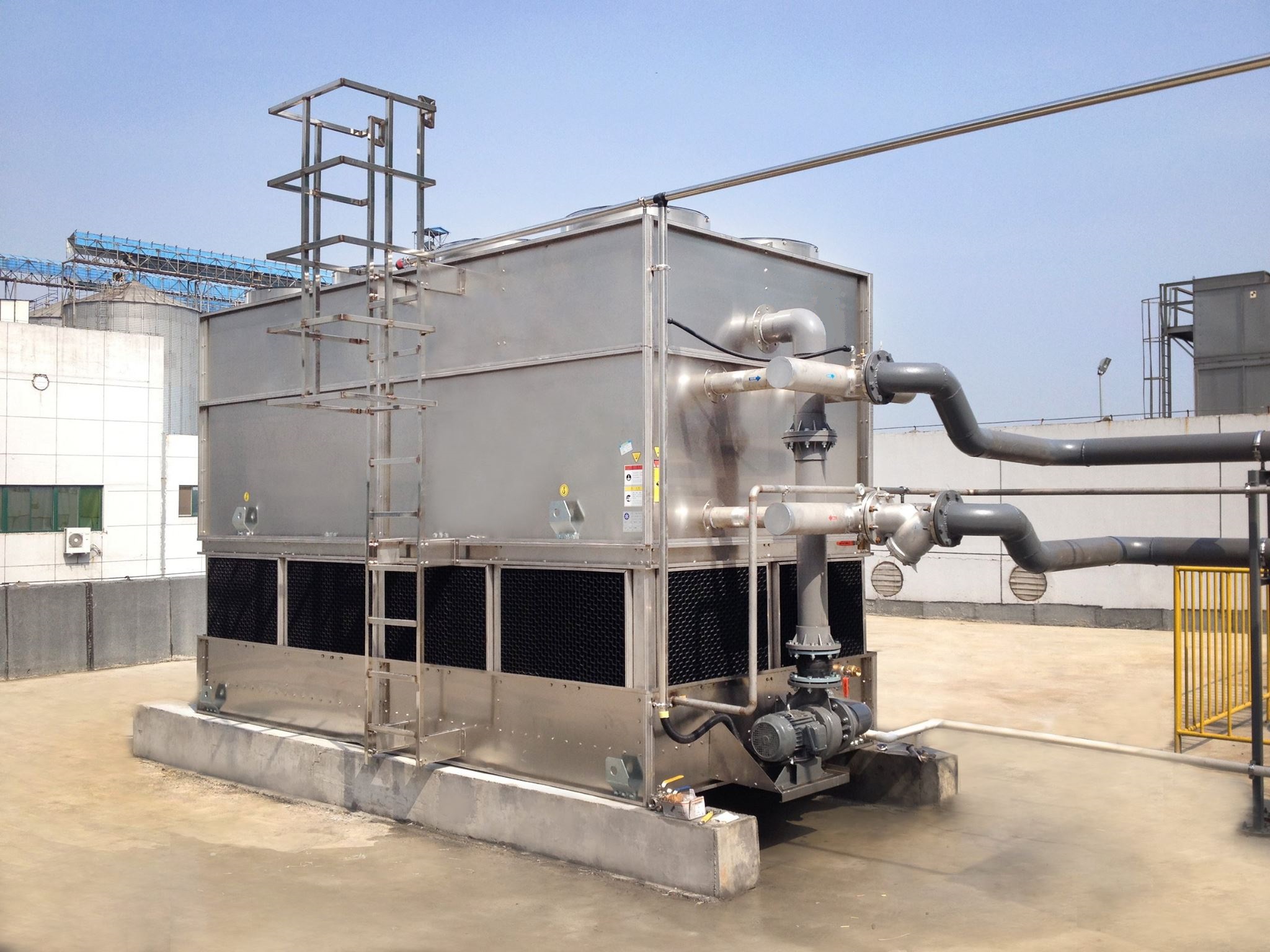
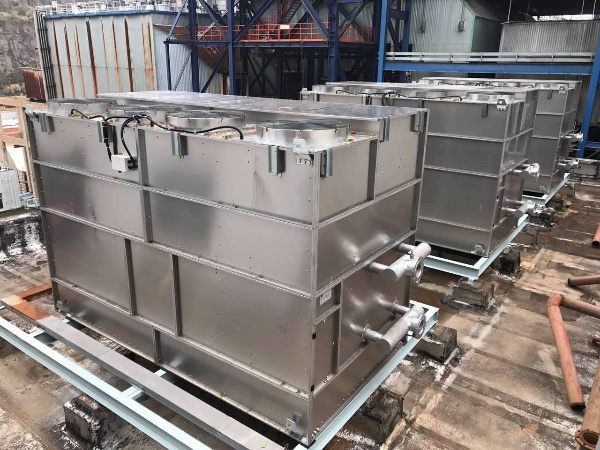
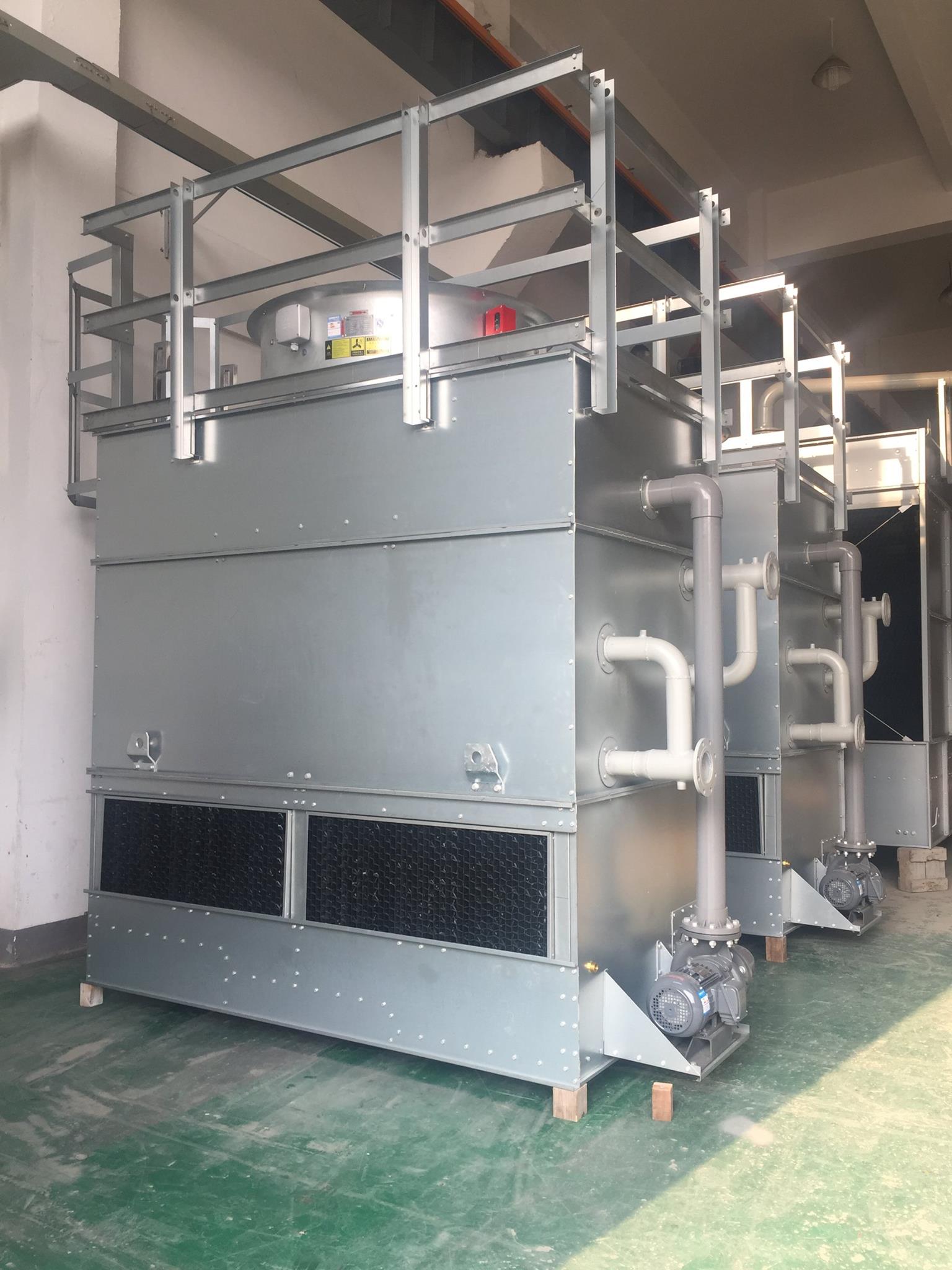
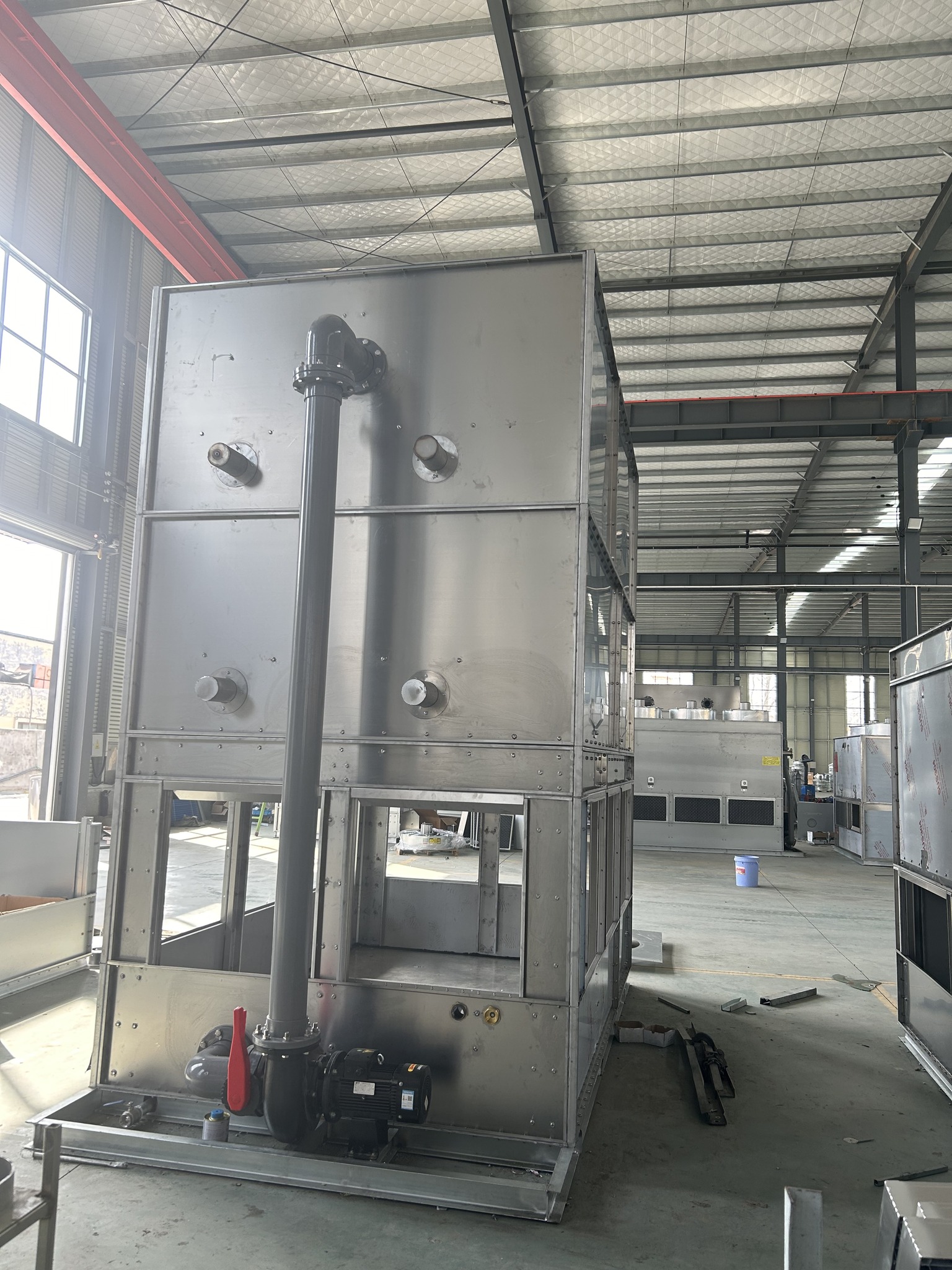
Counter Flow Closed Circuit cooling Tower Counter Flow Closed Circuit Cooling Tower is a highly efficient hybrid cooling system that combines the process protection of a closed loop with the thermal efficiency of evaporative cooling and the design advantages of counter-flow air/water contact. In this design: This...
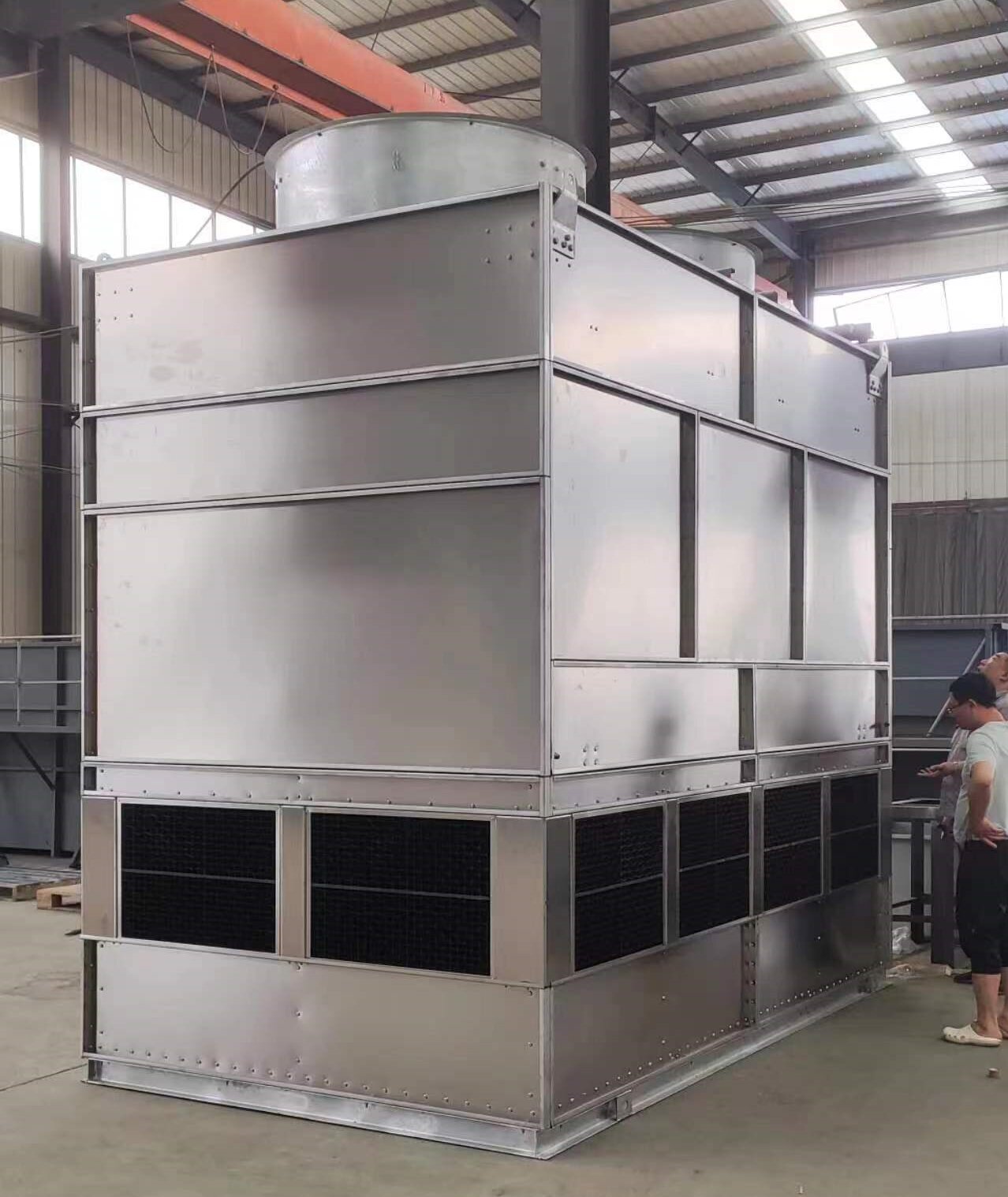
Advantages of Cross Flow Design: Applications: Cross flow cooling towers are used in the same vast array of applications as other cooling towers, including: