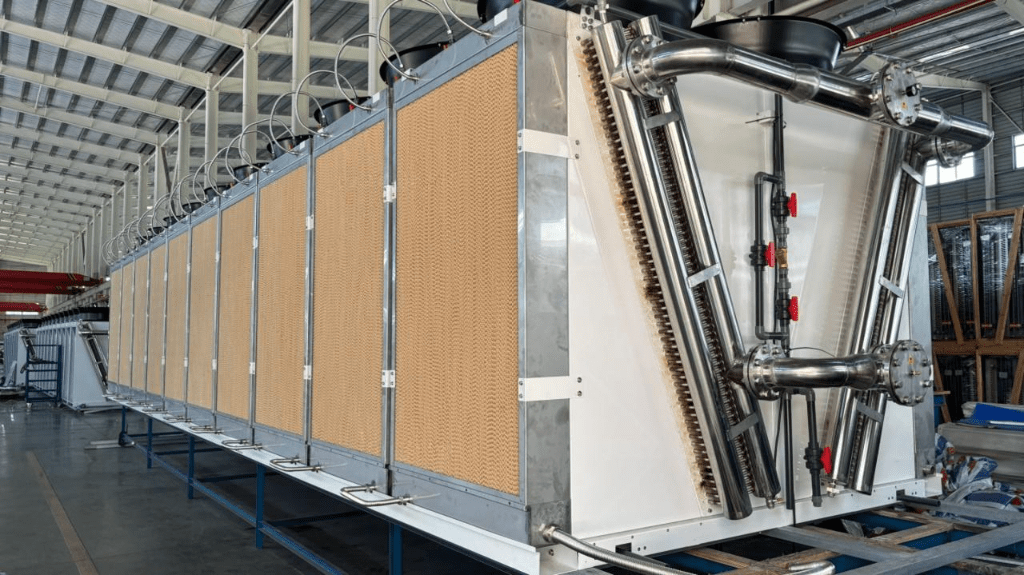
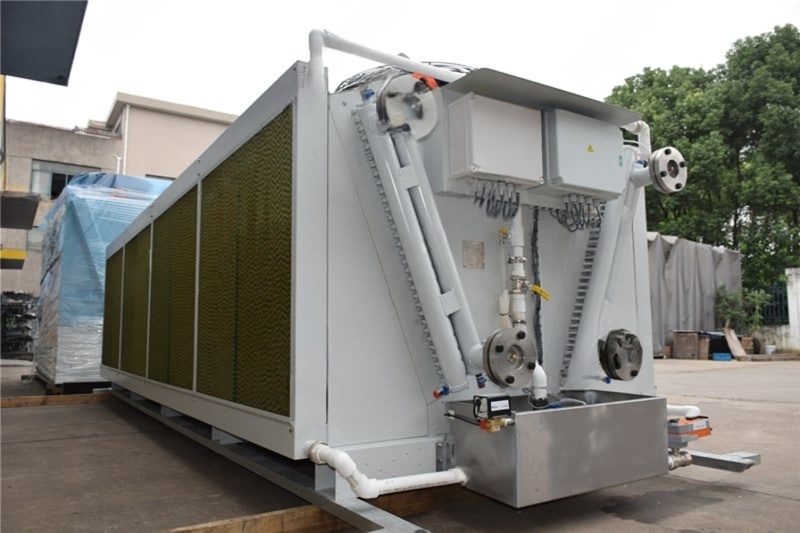
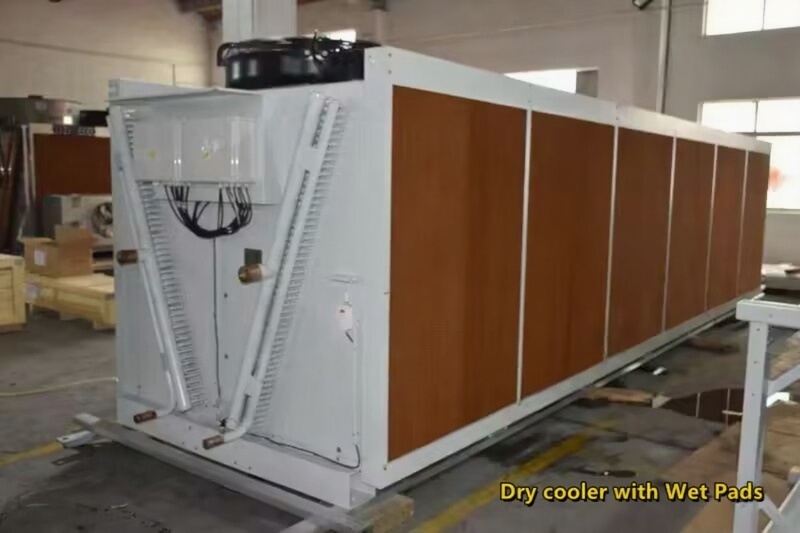
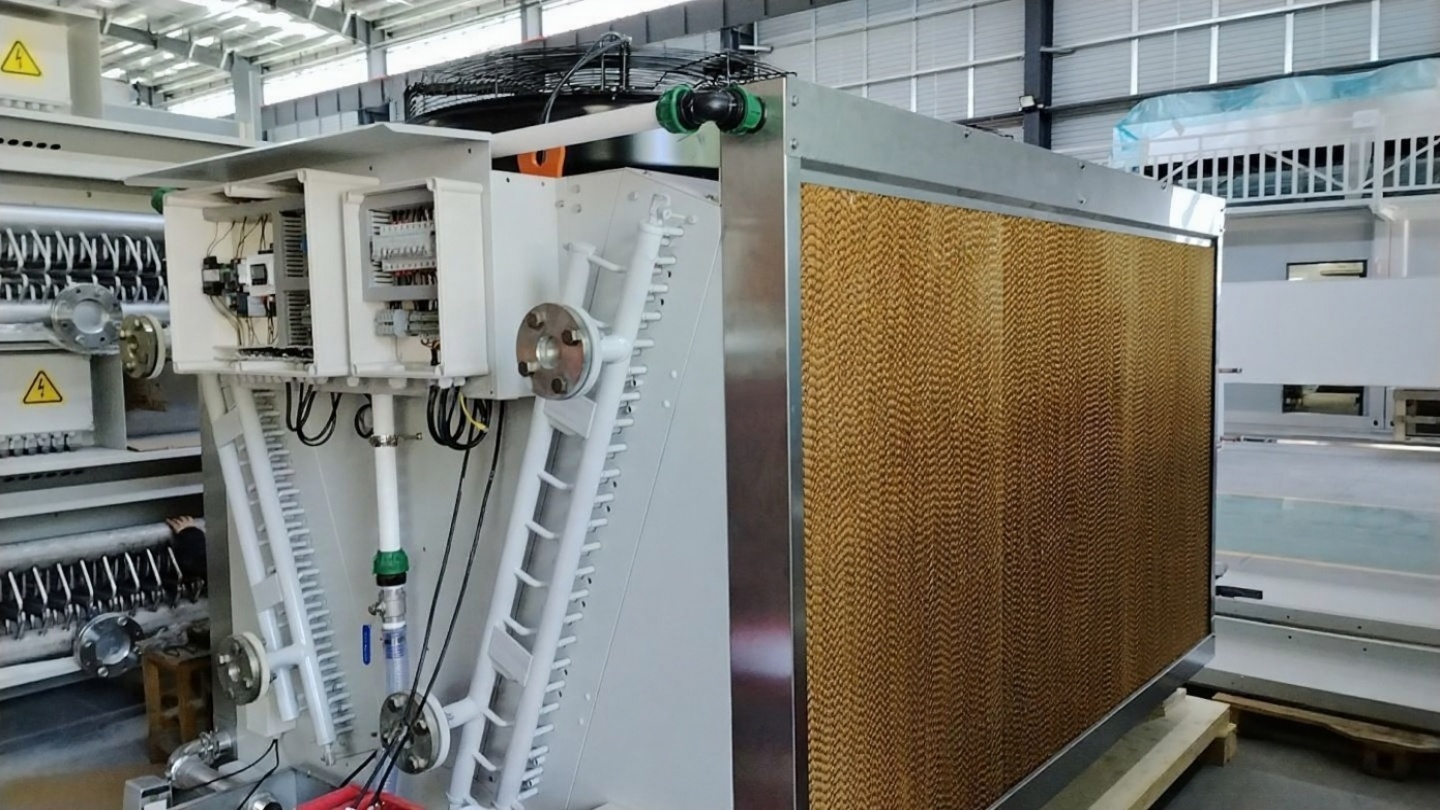
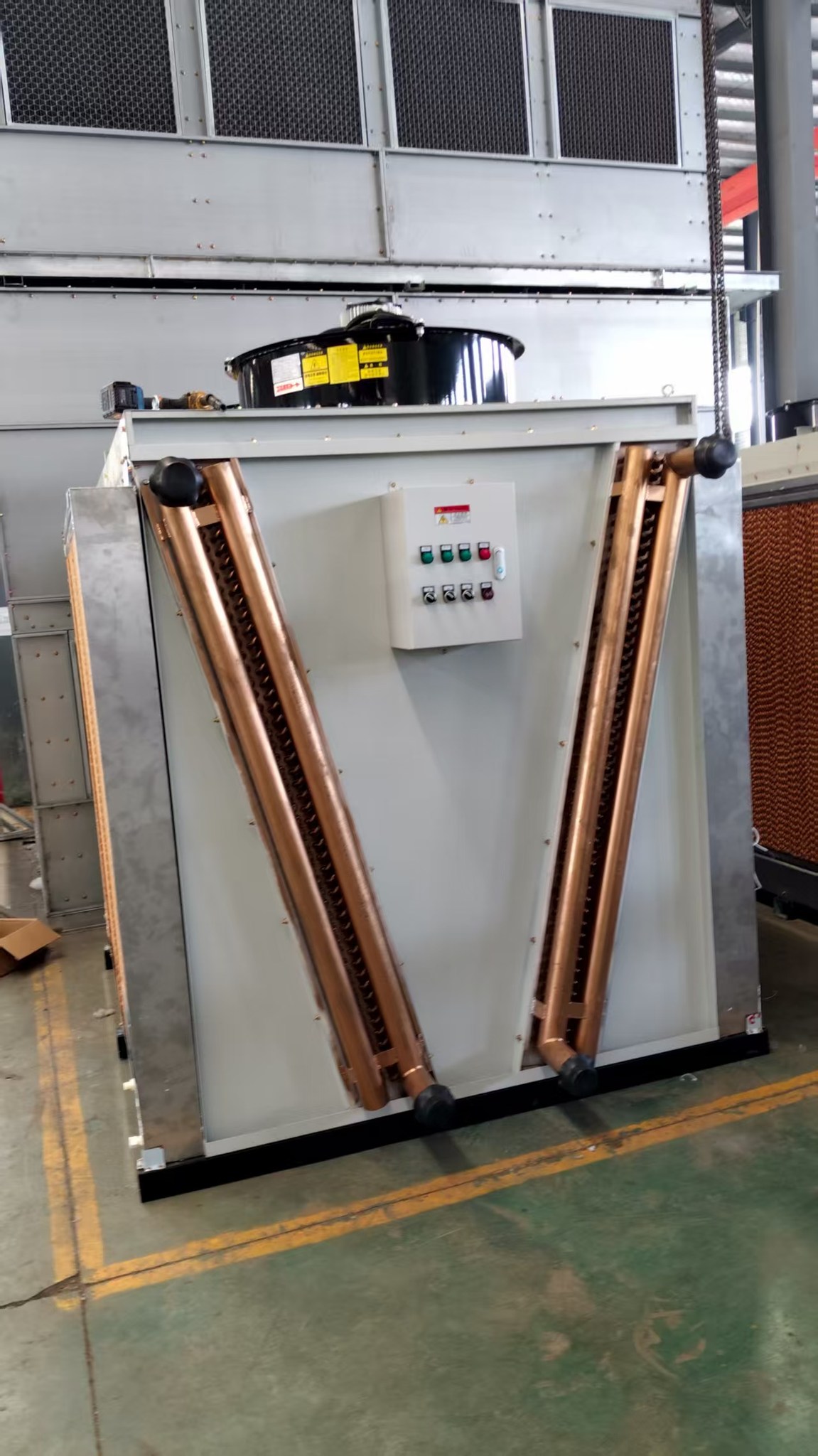
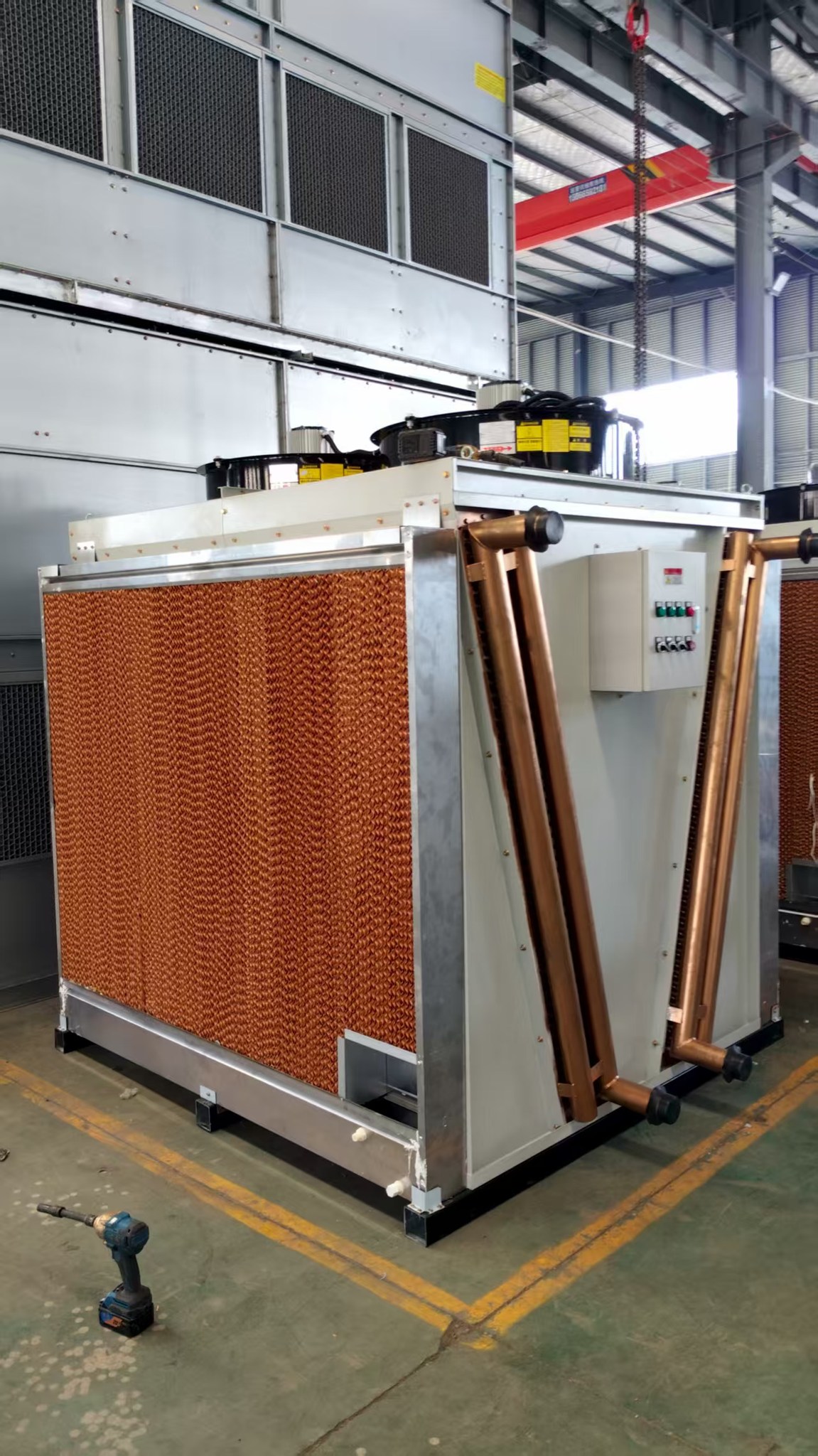
Material of Construction of heat exchanger coil in Adiabatic cooling tower? The material of construction for the heat exchanger coil in an adiabatic cooling tower is a critical engineering decision, balancing factors like corrosion resistance, thermal conductivity, pressure rating, cost, and the specific environment it will operate in. The coil is...
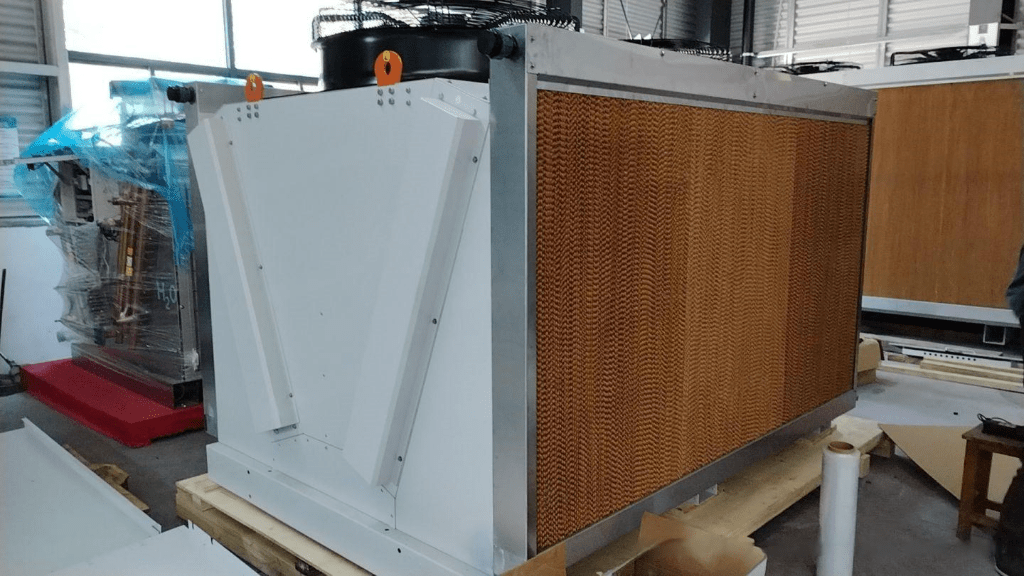
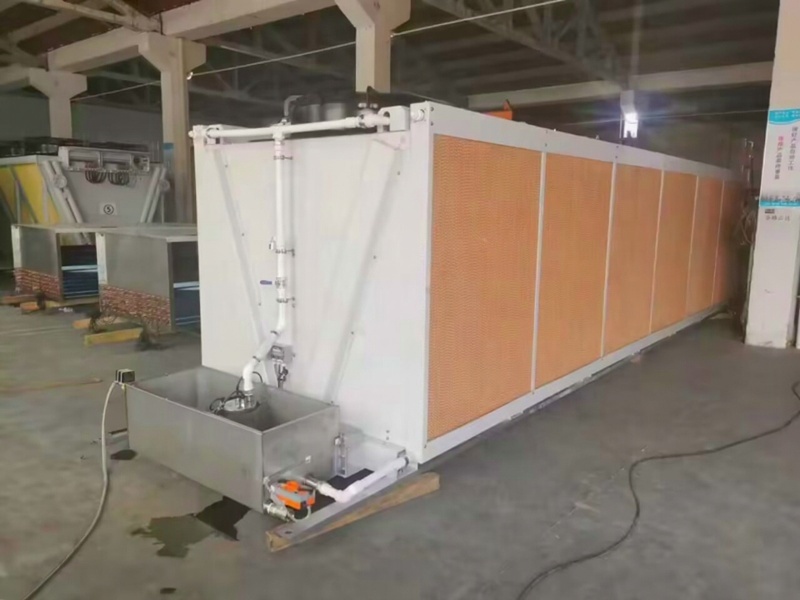
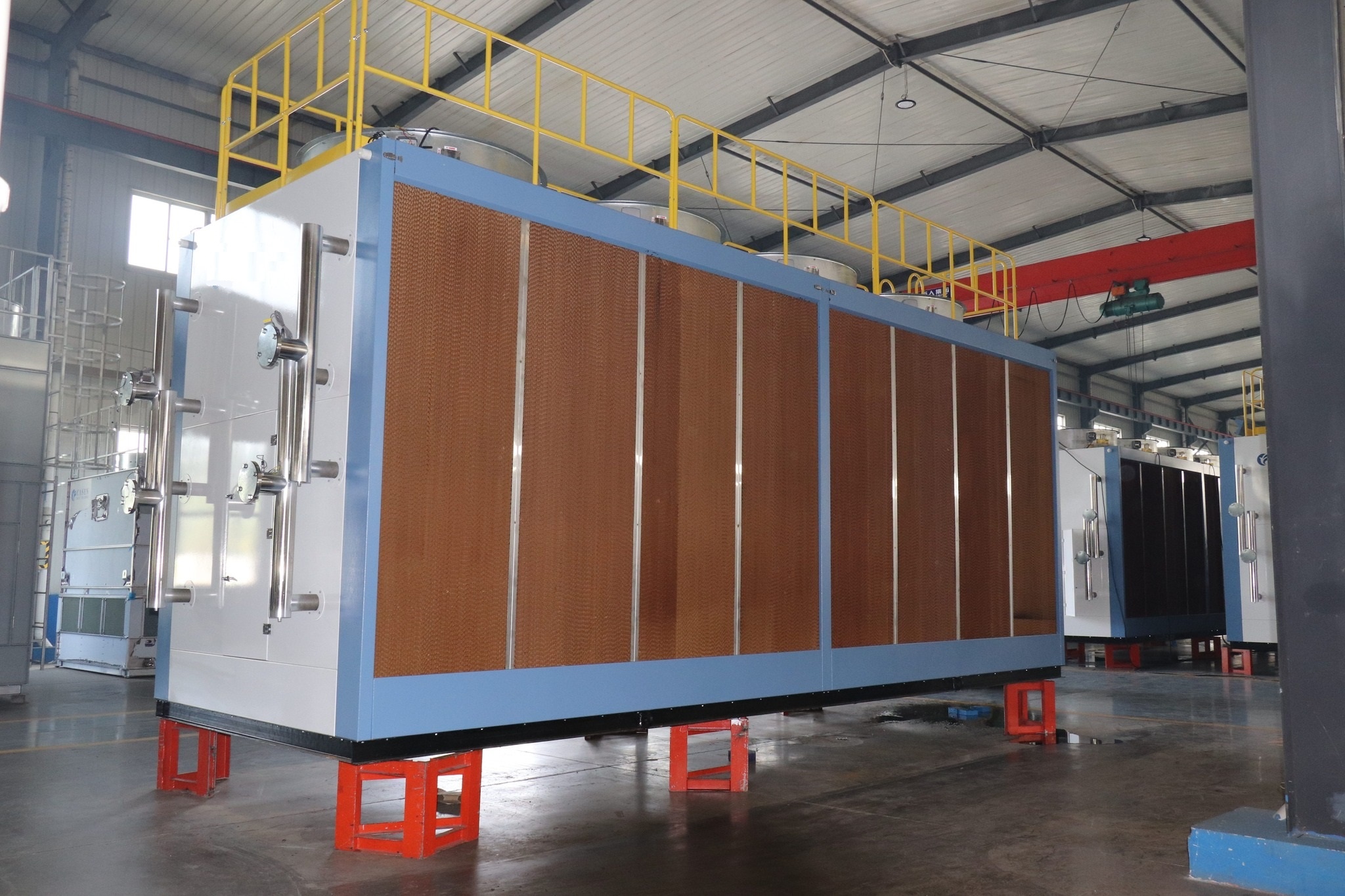
Material of Construction of cellulose pad The material of construction for cellulose cooling pads is specifically engineered to maximize evaporative efficiency while maintaining structural integrity. The primary material is cellulose, but it is never used in its raw form. It is combined with other materials and treated to create a functional...
Choose a DRY COOLER if: Decision Summary Table Factor Choose Adiabatic Cooler… Choose Wet Tower… Choose Dry Cooler… Water Availability Limited Abundant Scarce / Prohibited Process Fluid Must be kept clean Can be exposed Must be kept clean Climate Variable / Moderate Hot / Dry Cold / Moderate Efficiency Need High, but water-saving...
When to Choose Adiabatic cooling tower Choosing an adiabatic cooling tower is a strategic decision that hinges on balancing performance, environmental conditions, water availability, and the specific needs of the process being cooled. Here is a clear guide on when to choose an adiabatic cooling tower, broken down into key decision factors. Ideal...
The use of cellulose pads in adiabatic cooling towers is a deliberate and common engineering choice, driven by a balance of performance, cost, and environmental factors. Here are the key reasons for using cellulose pads, broken down by their advantages and the trade-offs involved. Primary Reasons for Using Cellulose Pads 1. Superior Evaporative...
Direct vs. Indirect Cooling Feature Direct Cooling Indirect Cooling Circuit Type Open Closed Process Fluid Exposed to atmosphere Contained and protected Heat Transfer Direct Evaporation Through a Heat Exchanger Cooling Limit Ambient Wet-Bulb Temperature Slightly above Wet-Bulb Temperature Water Usage High Low to Zero Water Treatment Intensive...
Direct Cooling Vs Indirect Cooling The core difference lies in whether the process fluid being cooled is directly exposed to the atmosphere and the cooling air. Direct Cooling (Open Circuit) In a direct cooling system, the fluid that needs to be cooled (typically water) is directly exposed to the cooling air and the...
What is a Cellulose Pad? A cellulose pad is a specially engineered, rigid sheet made primarily from plant-based cellulose fibers (often from aspen or other hardwood trees) that are bonded together using special resins and then corrugated and laminated into a thick, multi-layered block Its primary function is to maximize the surface...
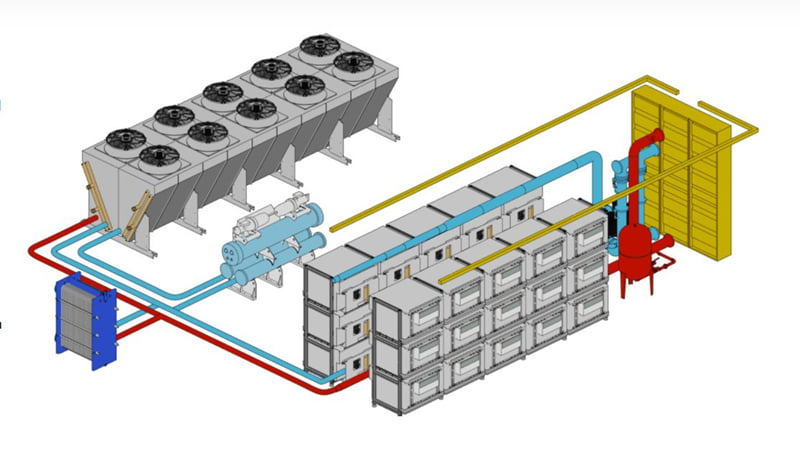
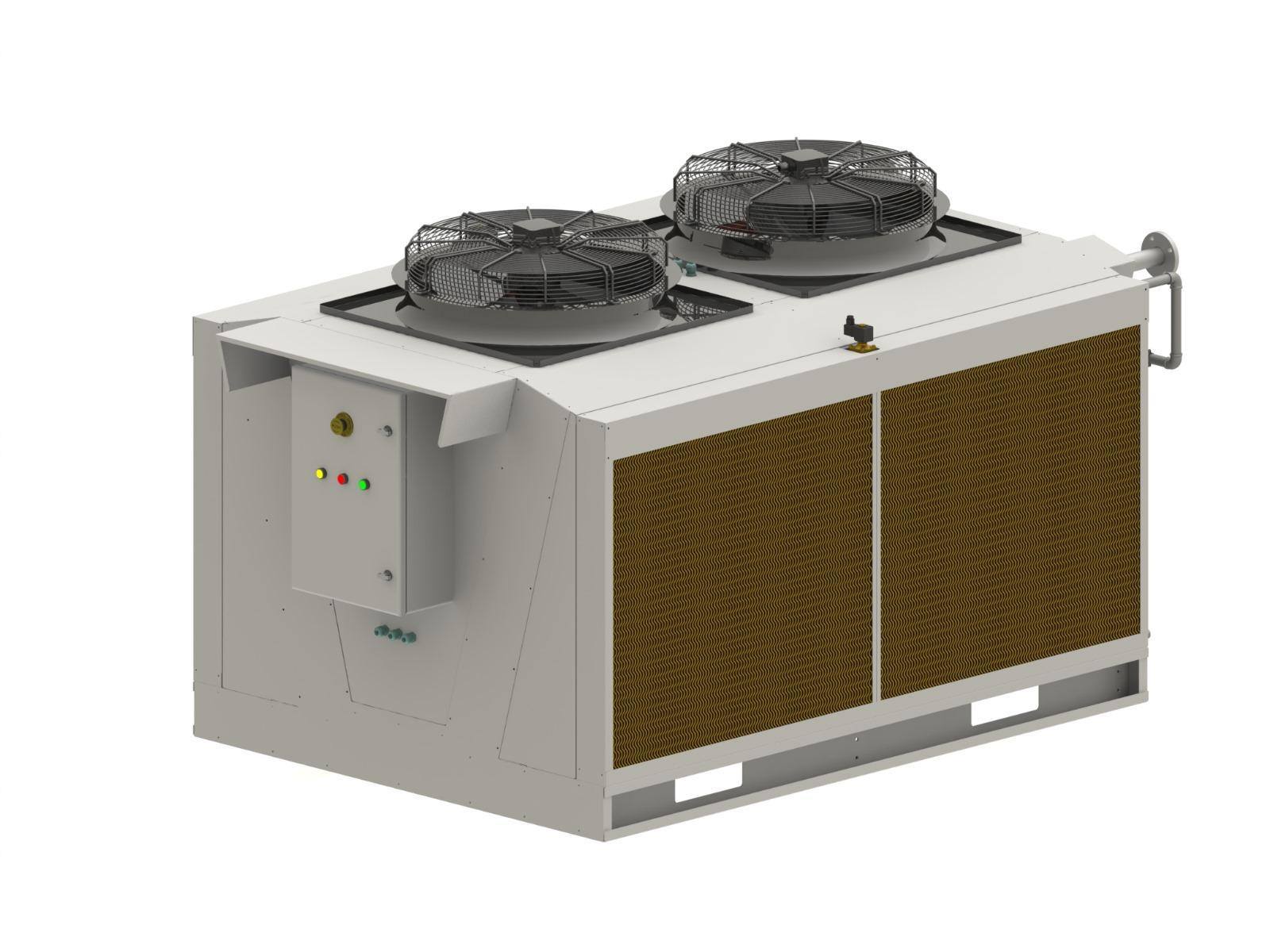
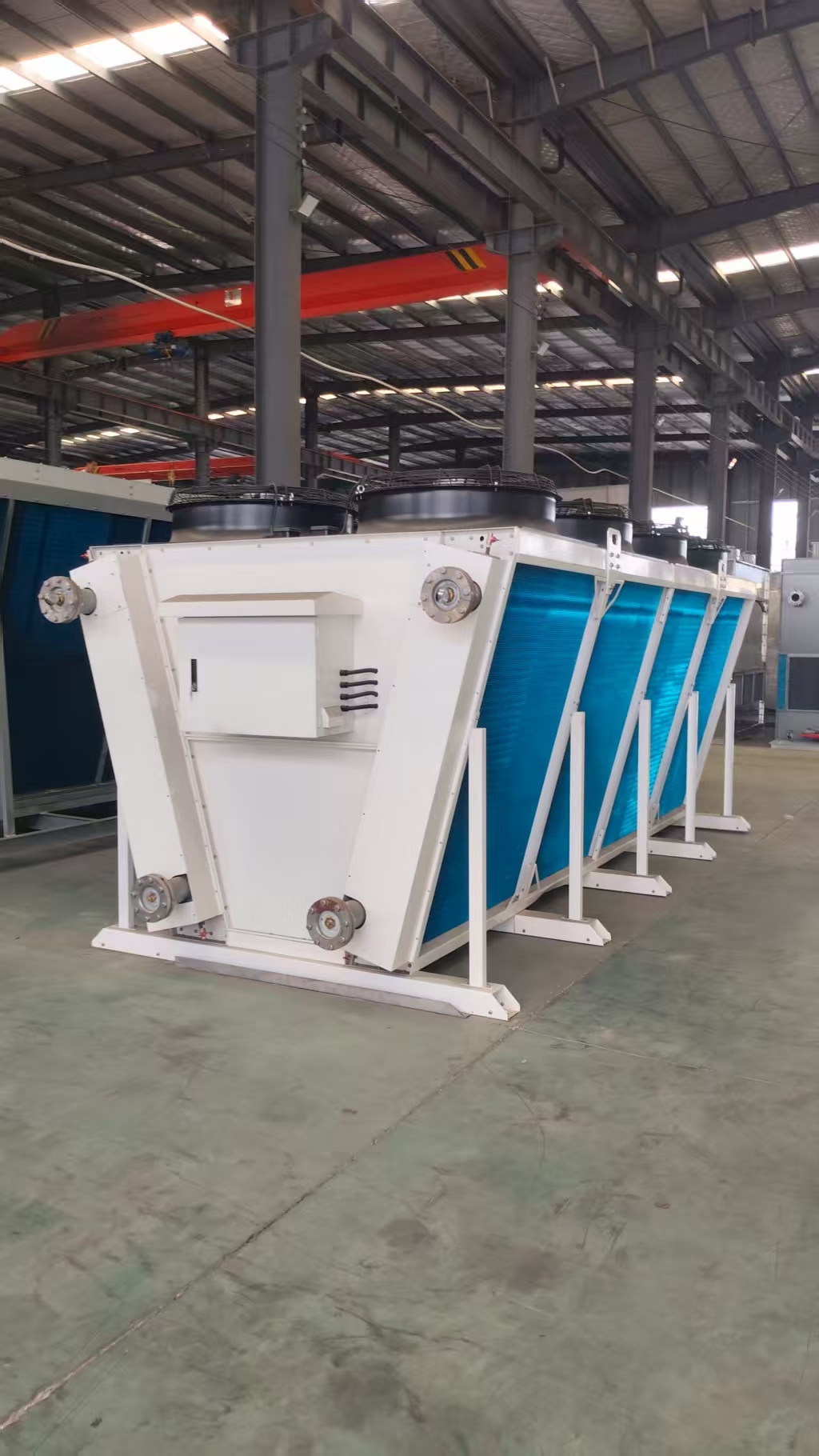
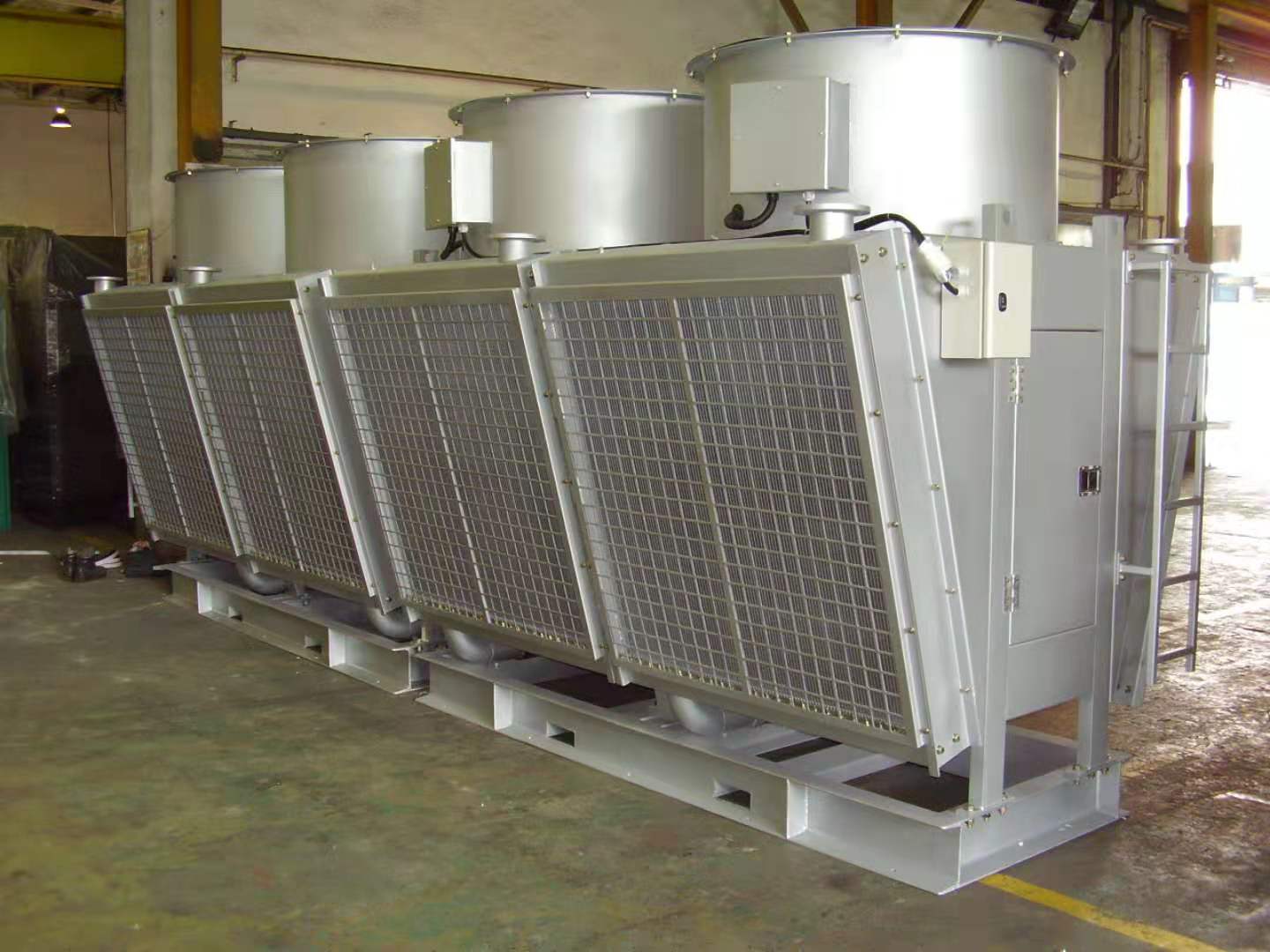
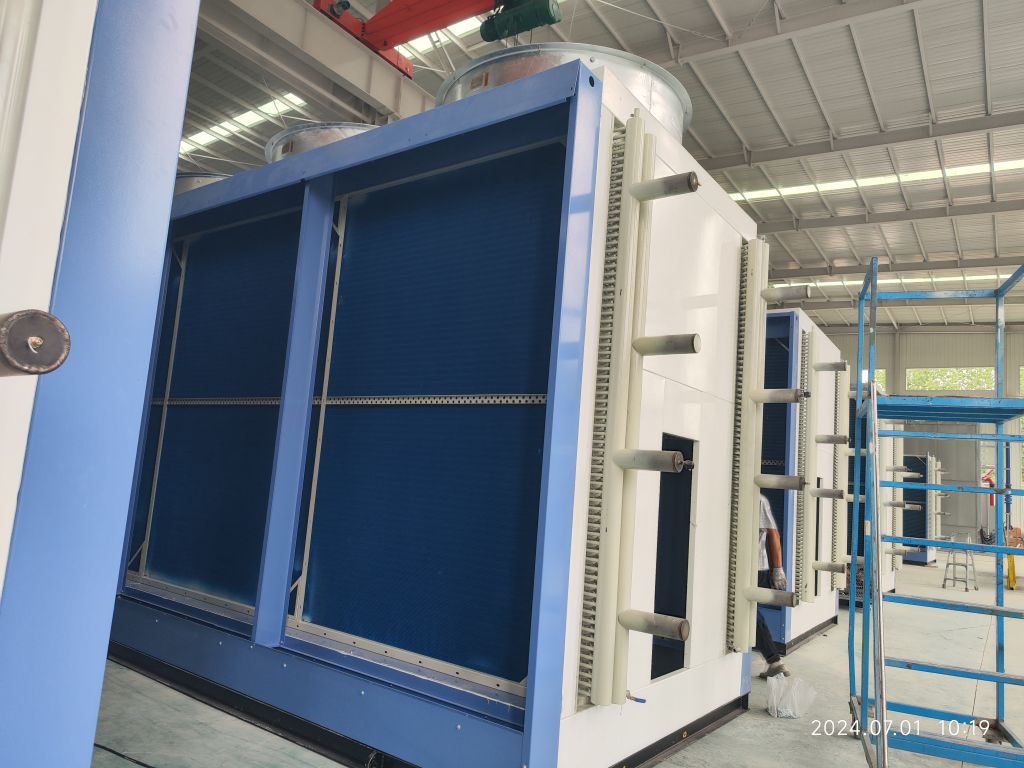
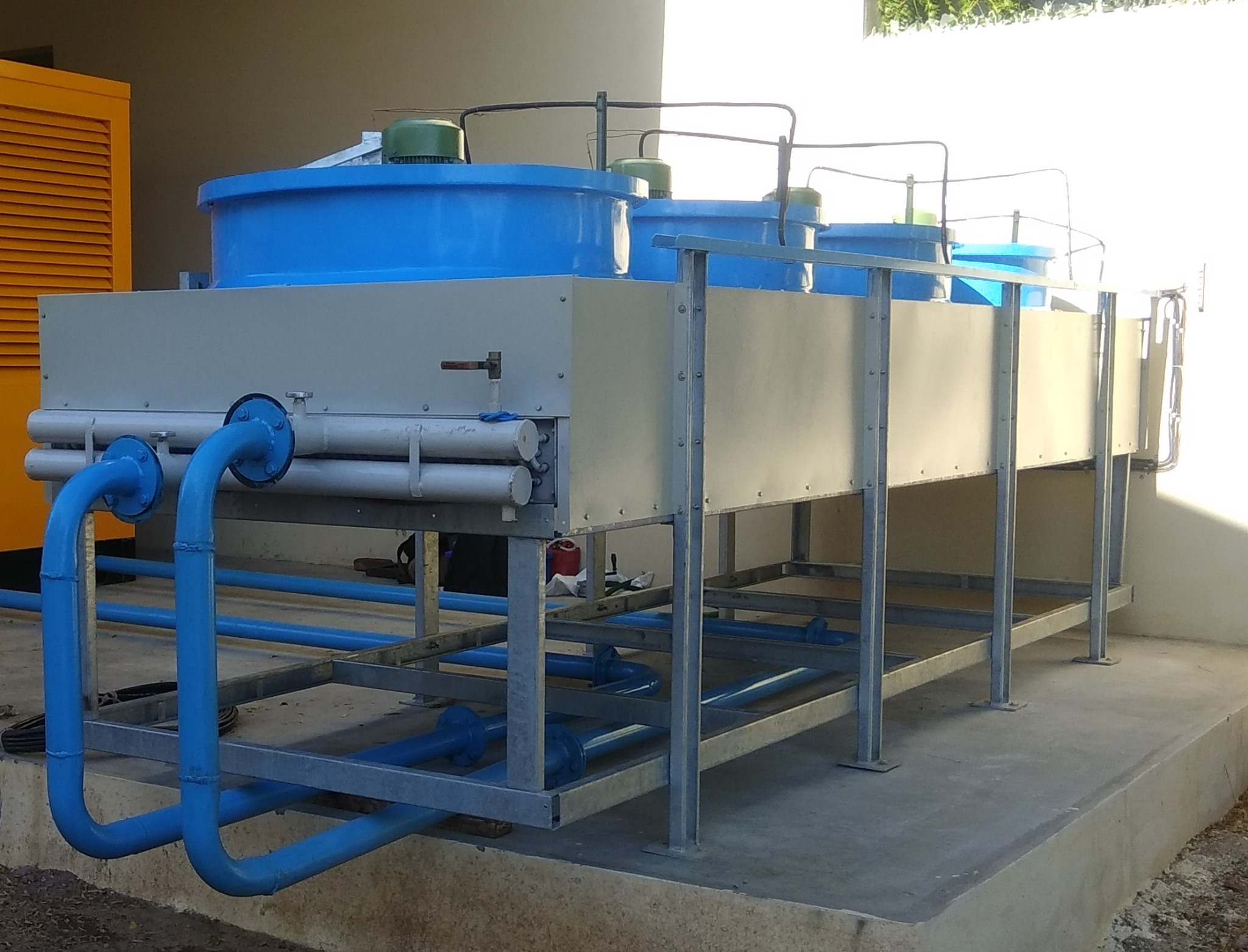
Core Components of an Adiabatic Cooling Tower 1. Heat Exchanger Core (The “Dry” Section) This is the primary component where the actual cooling of the process fluid happens. 2. Adiabatic Pre-Cooling System (The “Wet” Section) This section is responsible for cooling the incoming air before it hits the coils. 3. Air Movement...
Typical Applications of Adiabatic cooling Tower Adiabatic coolers are ideal where high efficiency is needed but water use must be minimized and the process fluid must be kept clean.
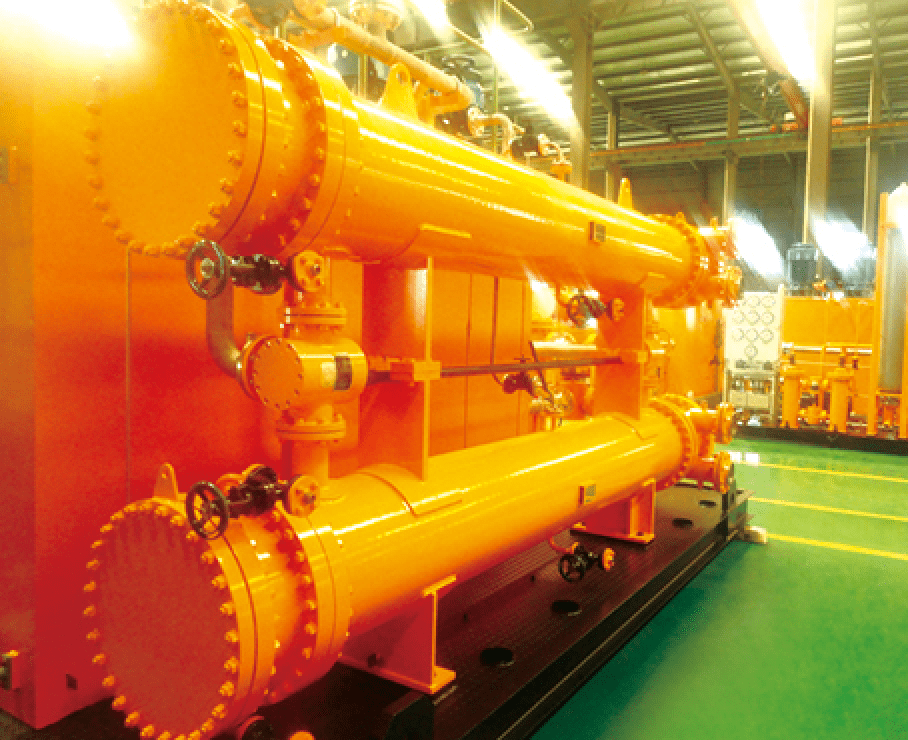
What is an Adiabatic Cooling Tower? An adiabatic cooling tower is a hybrid cooling system that uses the adiabatic cooling effect of water evaporation to pre-cool the air before it passes over a heat exchanger. This dramatically increases the efficiency of the main heat rejection process. Its key feature is that it combines the...
Use of oil cooler in power Generation? The use of oil coolers in power generation is absolutely critical and non-negotiable across all major technologies. They are a fundamental component for ensuring reliability, efficiency, and longevity of multi-million dollar assets. 1. Gas Turbine Power Plants This is one of the most demanding applications. A...
Admiralty brass vs Navel Brass, which one is best for Sea water Application? For seawater application, especially in critical heat exchanger tubes, Admiralty Brass is generally the superior and more reliable choice. Naval Brass is better suited for shafts, valves, and fasteners. Here’s a detailed breakdown of why: Key Differences at aGlance...
How to increase the efficiency of shell and tube oil cooler On the Oil Side (Tube Side, typically): On the Water/Coolant Side (Shell Side, typically): Fouling layers act as a massive insulator. Keeping surfaces clean is the single most effective maintenance action. 2. Maximize the Effective Heat Transfer Area (A)
Marine Oil Cooler Vs Normal” Oil Cooler (Automotive/Industrial) Feature Marine Oil Cooler “Normal” Oil Cooler (Automotive/Industrial) Cooling Medium Almost always seawater (or sometimes freshwater from a keel cooler). Air (air-cooled) or freshwater/ coolant (water-cooled). Material & Construction...
How the Lube Oil Cooler Works in a Turbine System The cooler is a central component of the closed-loop lube oil system. The typical flow is: This cycle is continuous, maintaining a stable and safe oil temperature. Types of Coolers Used in Turbines Due to the critical nature of turbines, their cooling systems are highly […]
Use of Lube oil cooler in Turbine The use of a lube oil cooler in a turbine—whether it’s a gas turbine (jet engine, power generation) or a steam turbine—is absolutely critical and non-negotiable for safe and efficient operation. The Critical Role of Lube Oil in a Turbine Before understanding the cooler, it’s essential...
Benefits Beyond Just Cooling While heat removal is the primary goal, an effective cooling system provides secondary crucial benefits: Maintenance Considerations for Gearbox Oil Coolers
Use of Lube Oil Cooler in Gear Box The use of a lube oil cooler in a gearbox is a critical aspect of ensuring reliability and longevity, especially in high-power, high-speed, or continuous-duty applications. Here’s a detailed explanation of its role, how it works, and why it’s necessary. 1. The Primary Purpose: Managing Heat The […]
Fouling in oil cooler What is Fouling? In the context of an oil cooler, fouling is the accumulation of deposits on either the inner surfaces of the tubes (oil side) or the outer surfaces of the fins (air/water side). This layer of deposit has very poor thermal conductivity, creating a barrier between the hot oil and the cooling...
Troubleshooting Common Problems Problem Symptom Likely Cause Solution External Clogging High oil temp (air-cooled), reduced efficiency. Dirt, bugs, debris on fins. Clean exterior as described above. Internal Clogging High oil temp, low oil pressure, overheating. Sludge, carbon deposits, old broken-down oil. Flush internally or replace cooler....
Cleaning Procedures A. Cleaning an Air-Cooled Oil Cooler (Exterior Fins) Goal: Remove dirt, bugs, and debris to restore airflow. B. Cleaning a Water-Cooled Oil Cooler (Interior Passages) This is more complex and often requires professional cleaning. The goal is to dissolve sludge, varnish, and carbon deposits.
Maintenance of oil cooler maintenance of an oil cooler, covering both air-cooled (common in engines) and water-cooled (common in industrial applications) types. SAFETY FIRST: Critical Precautions Understanding the Two Main Types of Oil Coolers Maintenance procedures differ slightly based on the type: Water-Cooled (or Shell-and-Tube) Oil...
Types of Oil Cooled in a Marine System System Function Why it Needs Cooling Main Engine Lube Oil Lubricates pistons, bearings, camshaft Prevents breakdown under extreme heat from combustion and friction. Types of Oil Cooled in a Marine System System Function Why it Needs Cooling Main Engine Lube Oil Lubricates pistons, bearings, camshaft Prevents...
How Does a Marine Oil Cooler Work? (The Standard Design) The most common type is the Shell and Tube Heat Exchanger. Here’s how it works: The Components: The Process: A thermostatic valve (or bypass valve) automatically regulates the flow of oil either through the cooler or around it to maintain a perfectly consistent oil...
Marine oil cooler A marine oil cooler is a critical piece of equipment on any vessel, designed to manage the intense heat generated by a ship’s engine and other systems. It is a type of heat exchanger specifically engineered for the harsh marine environment. What is a Marine Oil Cooler? A marine oil cooler is a heat...
The use of lube oil cooling in a marine engine is not just beneficial—it is absolutely critical for the engine’s survival and operational efficiency. Marine engines are among the most demanding applications for lubrication systems. The Core Function: More Than Just Cooling In a massive marine diesel engine (whether a high-speed ferry...
Application of Lube oil cooler e key applications of lube oil coolers, categorized by industry and system. 1. Automotive Applications This is the most common application most people encounter. 2. Marine Applications 3. Industrial & Manufacturing Applications This is where lube oil coolers are found in their most varied and heavy-duty forms. 4....
Types of Lube Oil Coolers There are two main designs, differentiated by their cooling method: Additionally, they can be categorized by what removes the heat:
How Does a Lube Oil Cooler Work? It operates on the principle of heat exchange. The basic components and process are: Coolant Flow (or Air Flow): A cooler fluid, called a coolant, flows around these tubes. In most vehicles and industrial engines, this coolant is the same engine coolant (a mixture of water and antifreeze) that cools...
What is Lube Oil Cooler? A Lube Oil Cooler (also known as an engine oil cooler or lubricating oil cooler) is a heat exchanger designed to remove excess heat from engine oil, transmission fluid, or other lubricants in machinery. Its primary job is to maintain the oil within its optimal temperature range, ensuring it can...
Applications of oil cooler Copper tube bundle coolers are the industry standard for a vast range of applications using fresh water or glycol-based coolants:
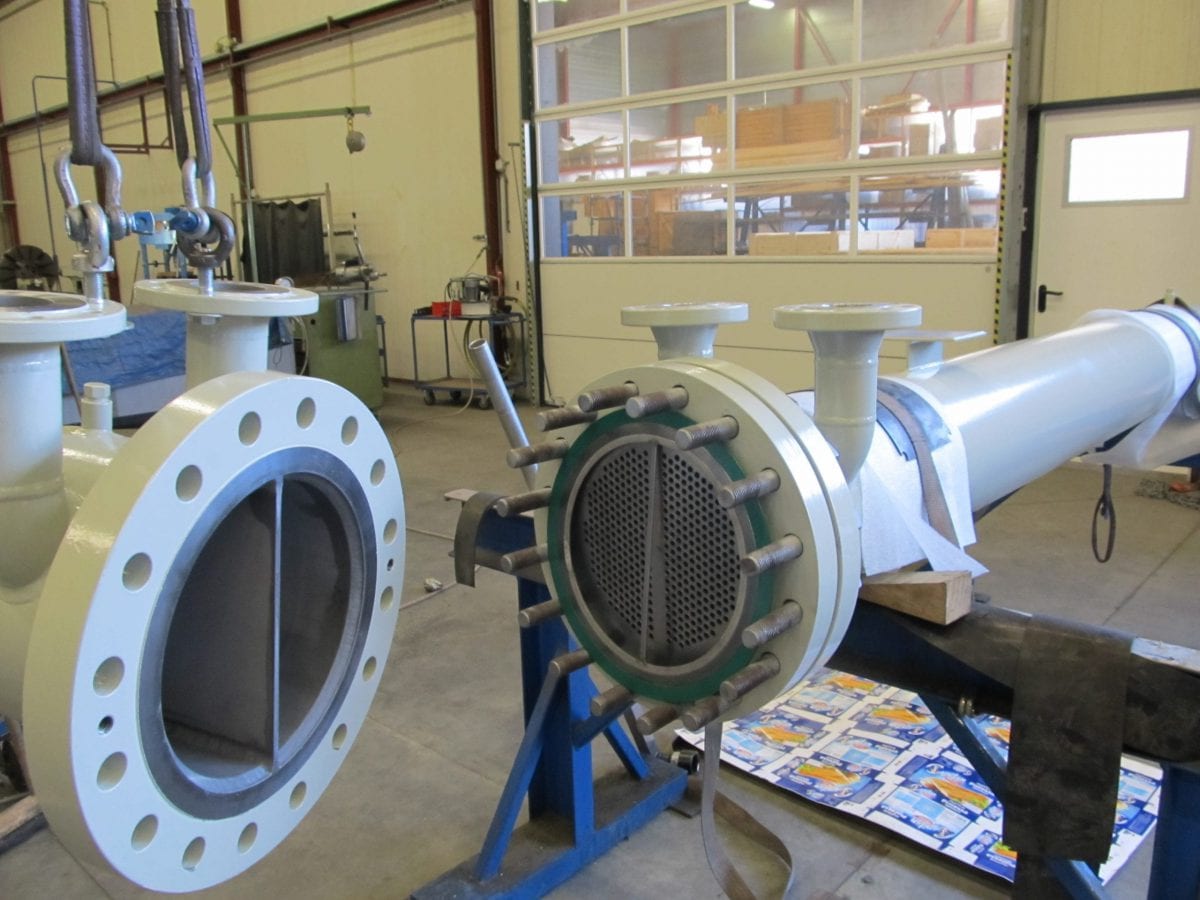
Stainless Steel tube bundle oil cooler What is a Stainless-Steel Tube Bundle Oil Cooler? It is a water-cooled oil cooler where the internal tube bundle is made from stainless steel tubes. In this design: Key Advantages of Stainless-Steel Tubes: Typical Applications: Stainless steel tube bundles are specified where their specific...
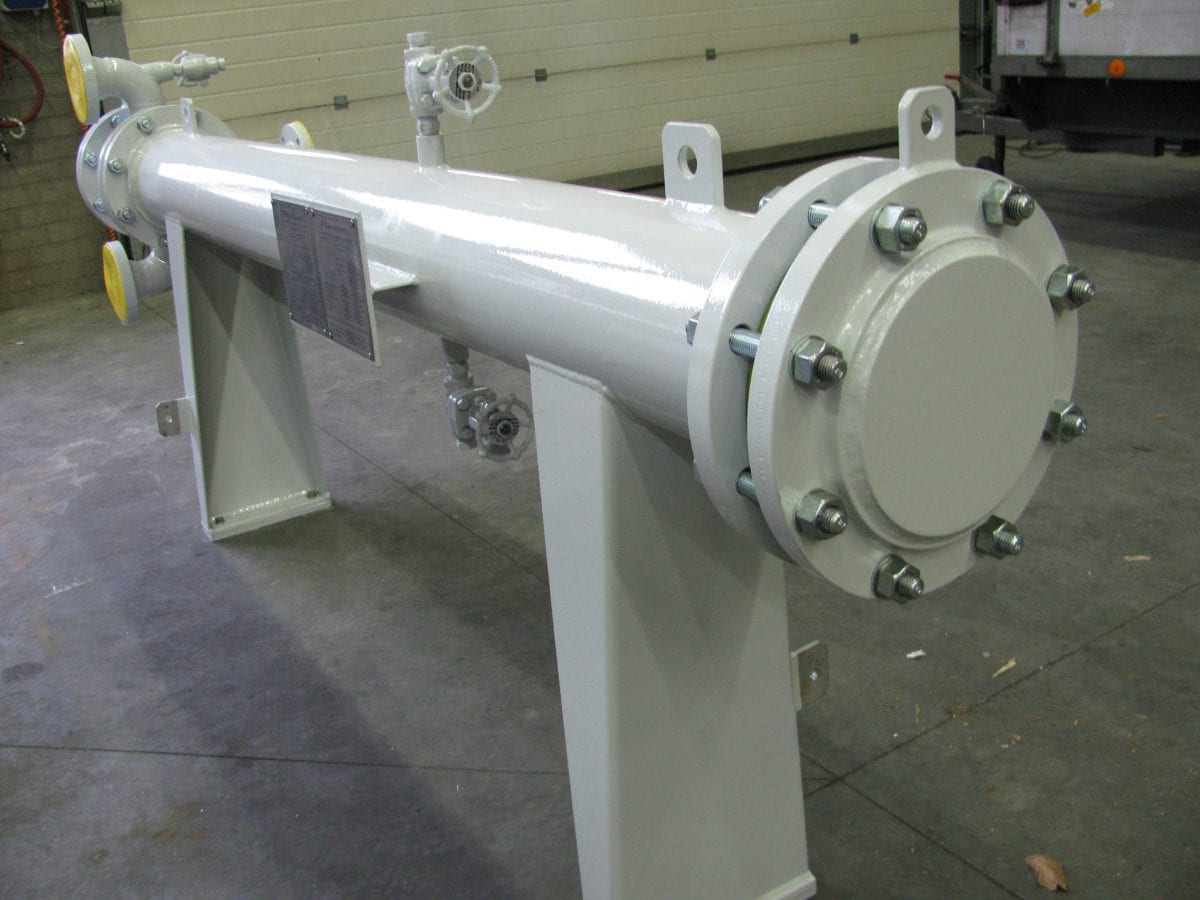
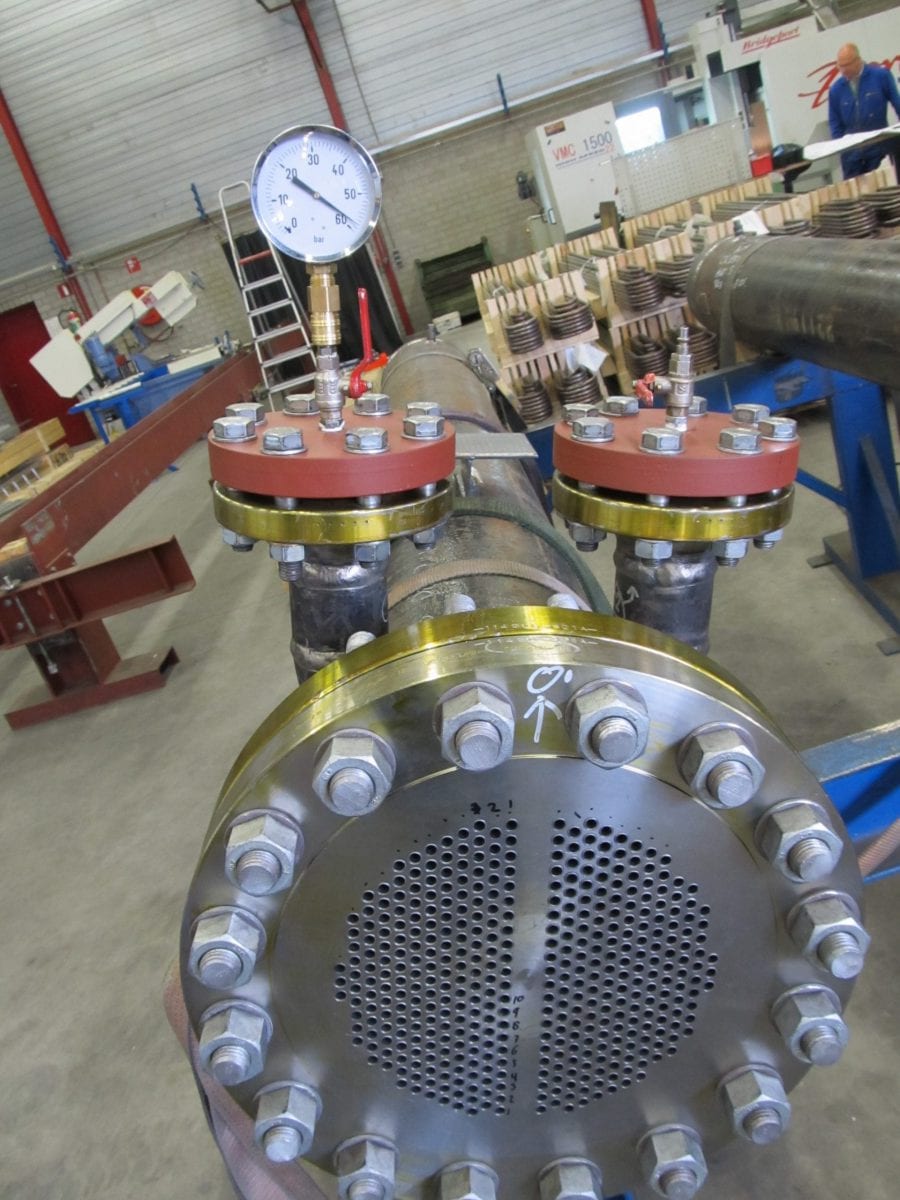
Copper tube bundle oil cooler What is a Copper Tube Bundle Oil Cooler? It is a water-cooled oil cooler where the internal tube bundle is made from copper or copper alloy tubes. The hot oil flows around the outside of the tubes (the shell side), while the cooler water or coolant flows inside the tubes (the tube side). Heat...
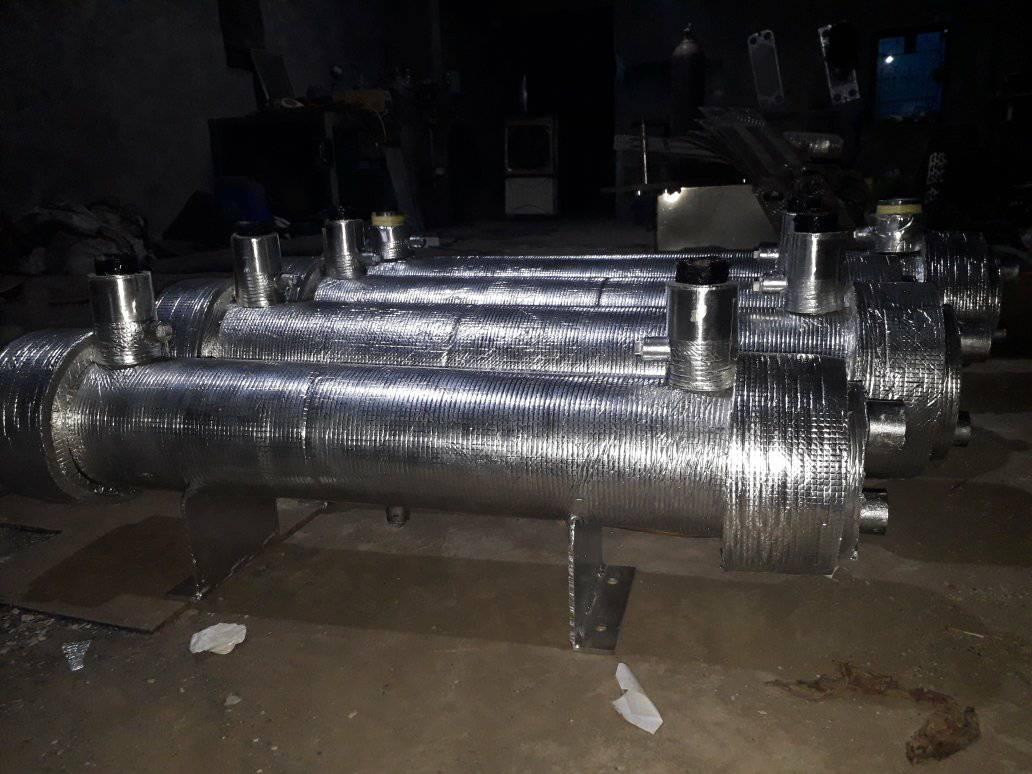
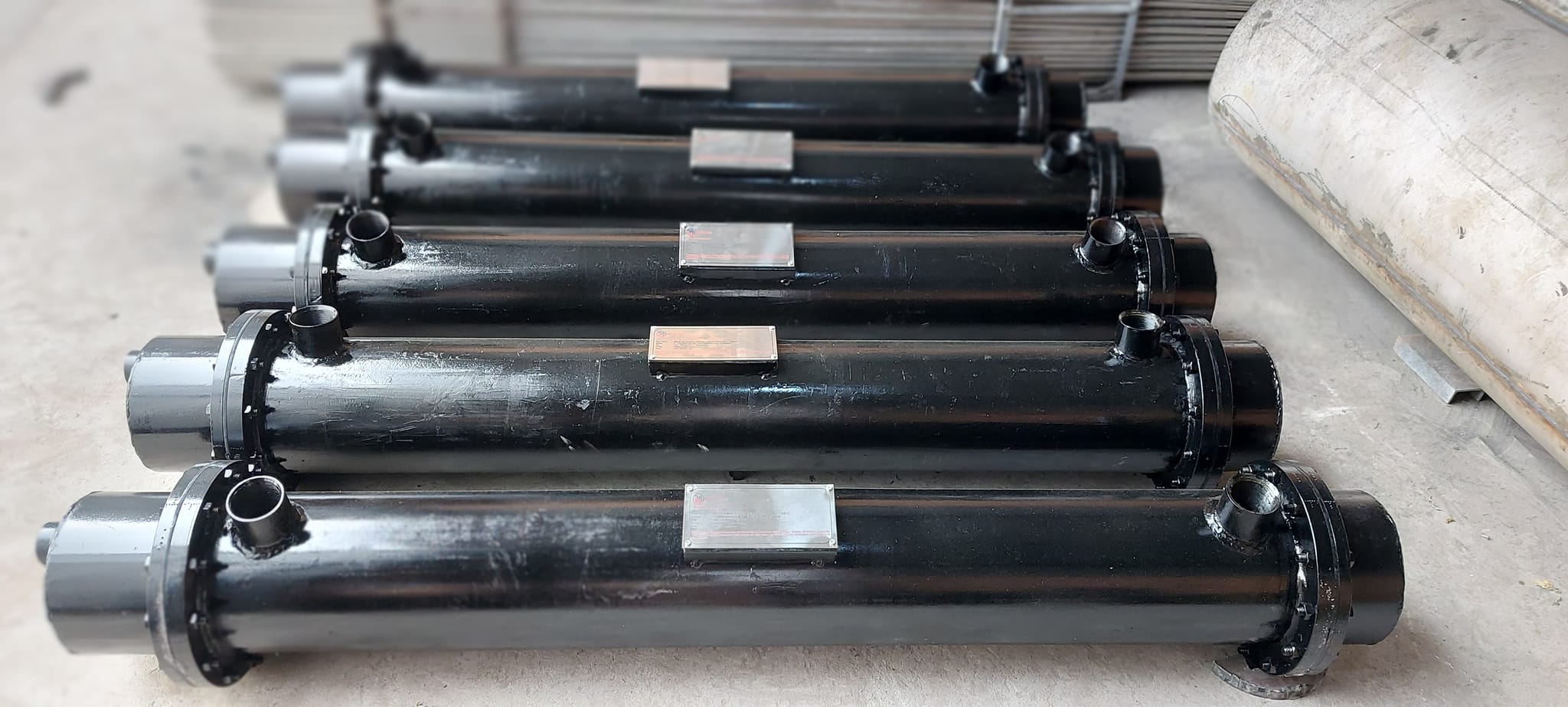
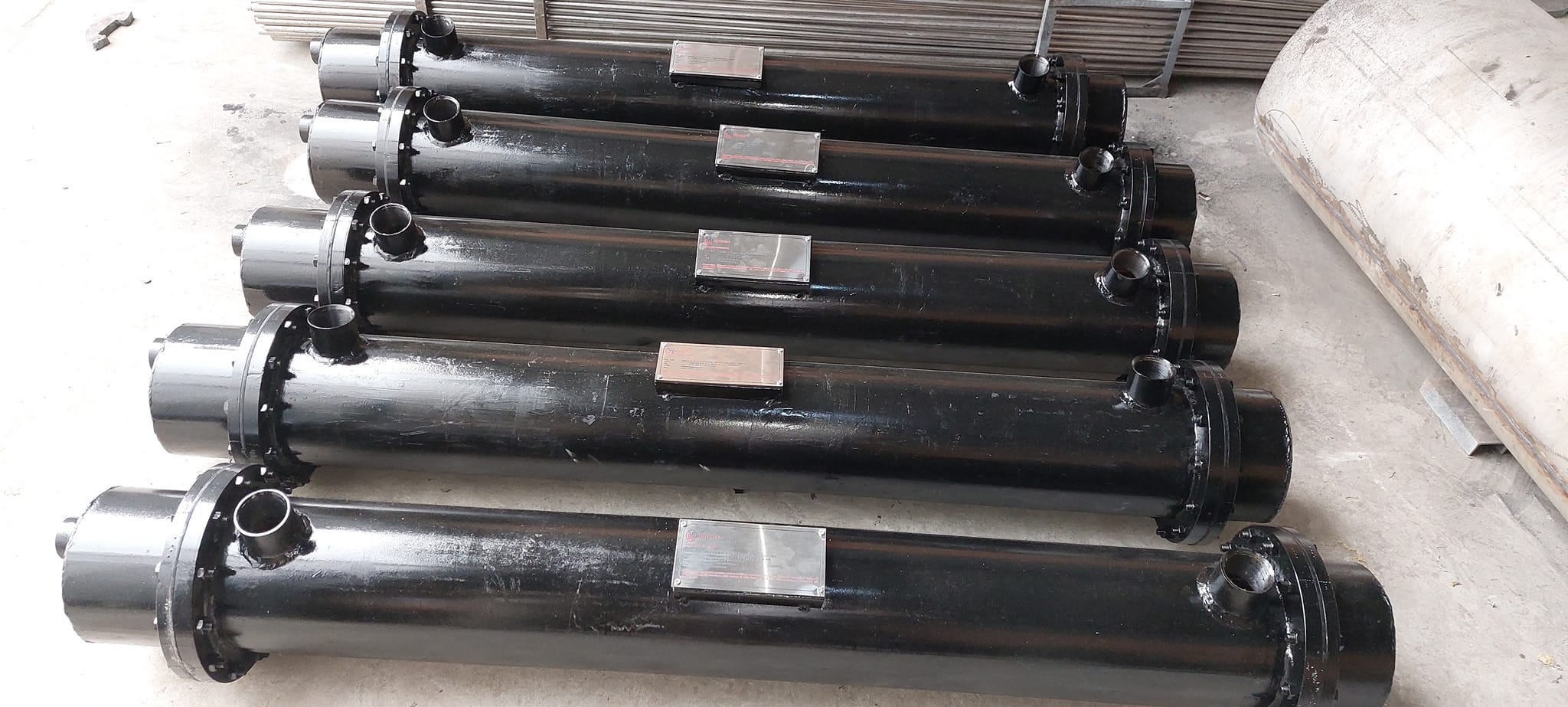
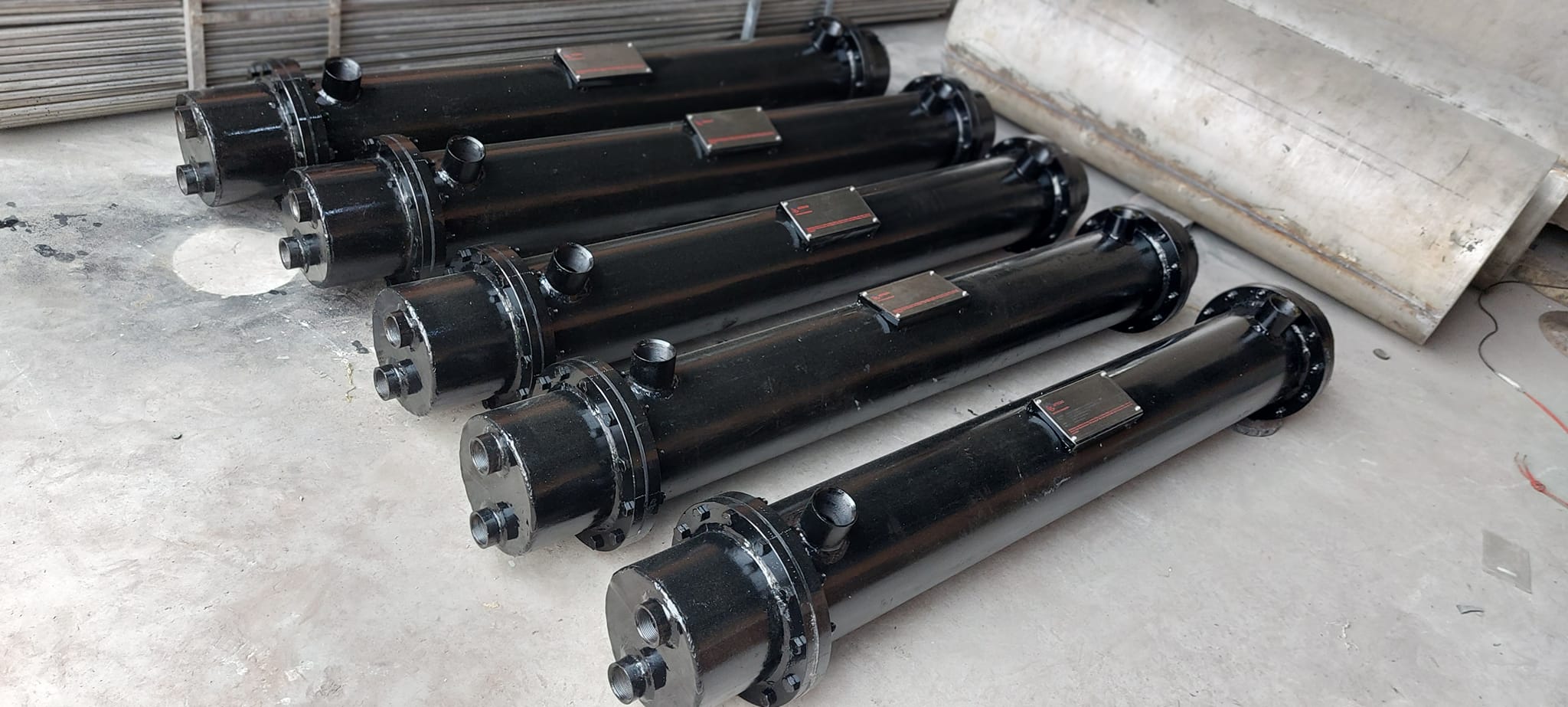
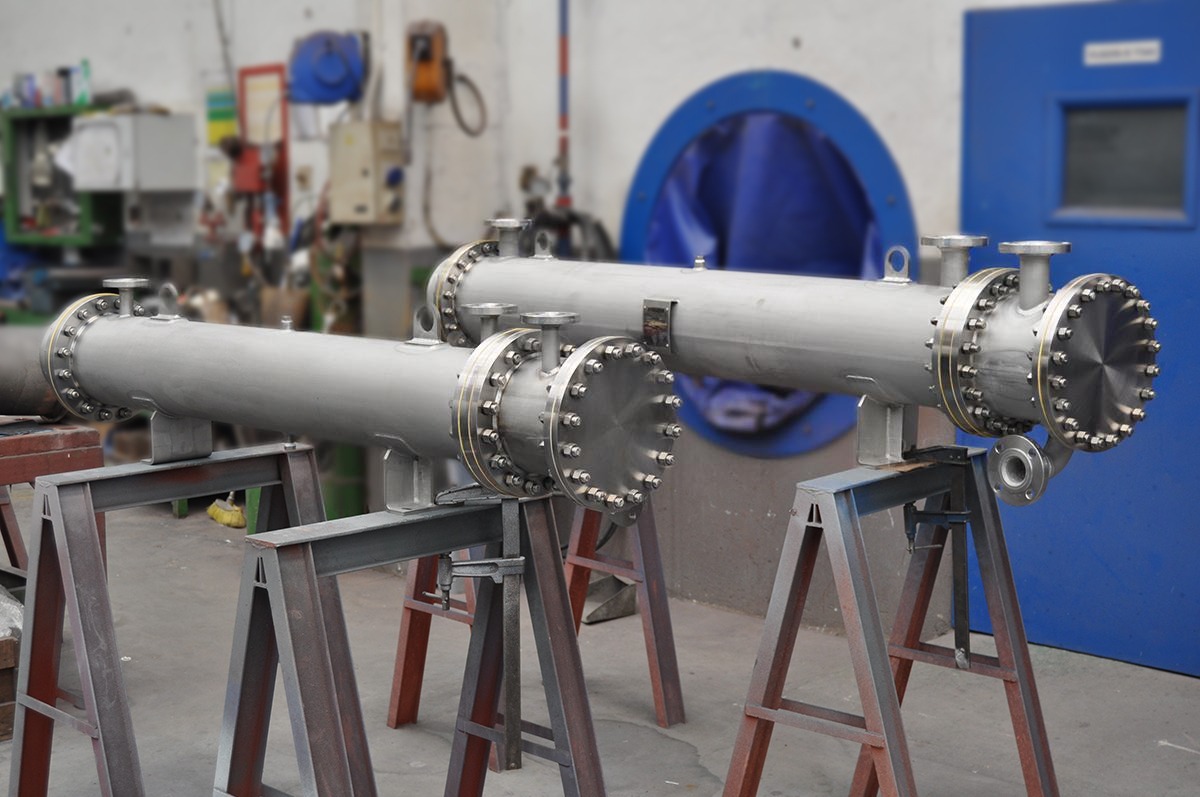
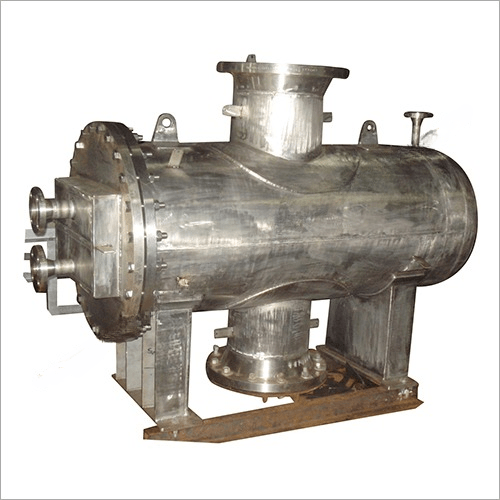
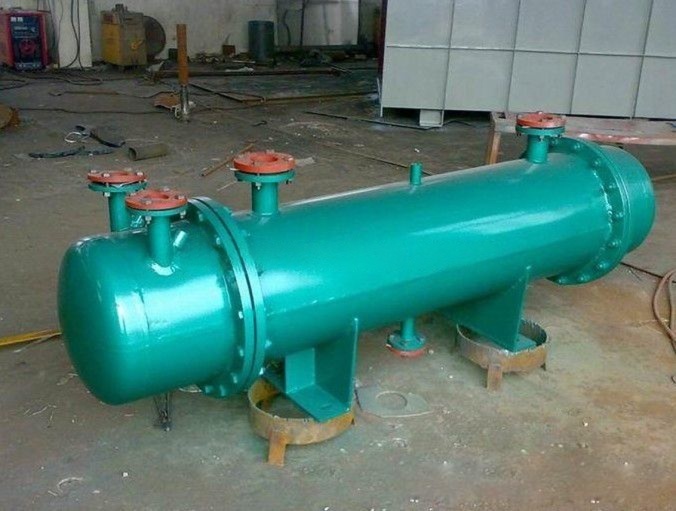
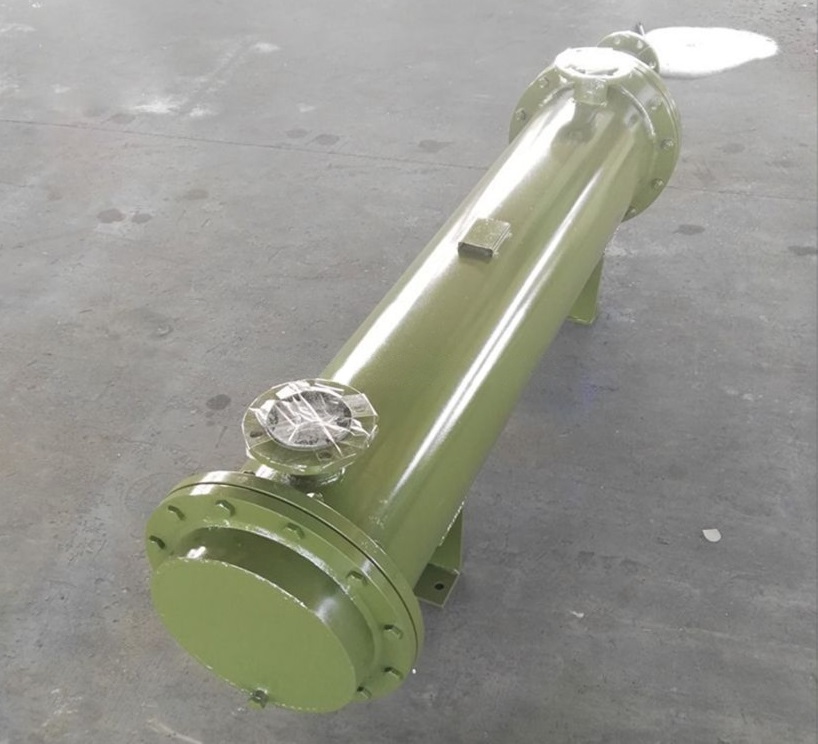
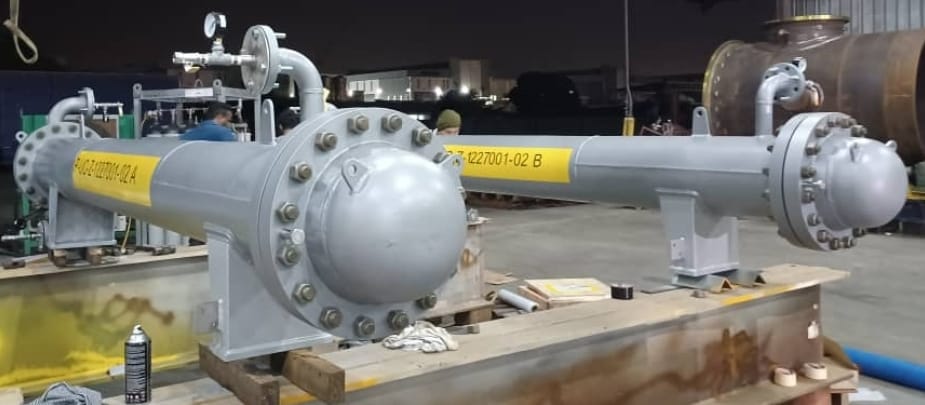
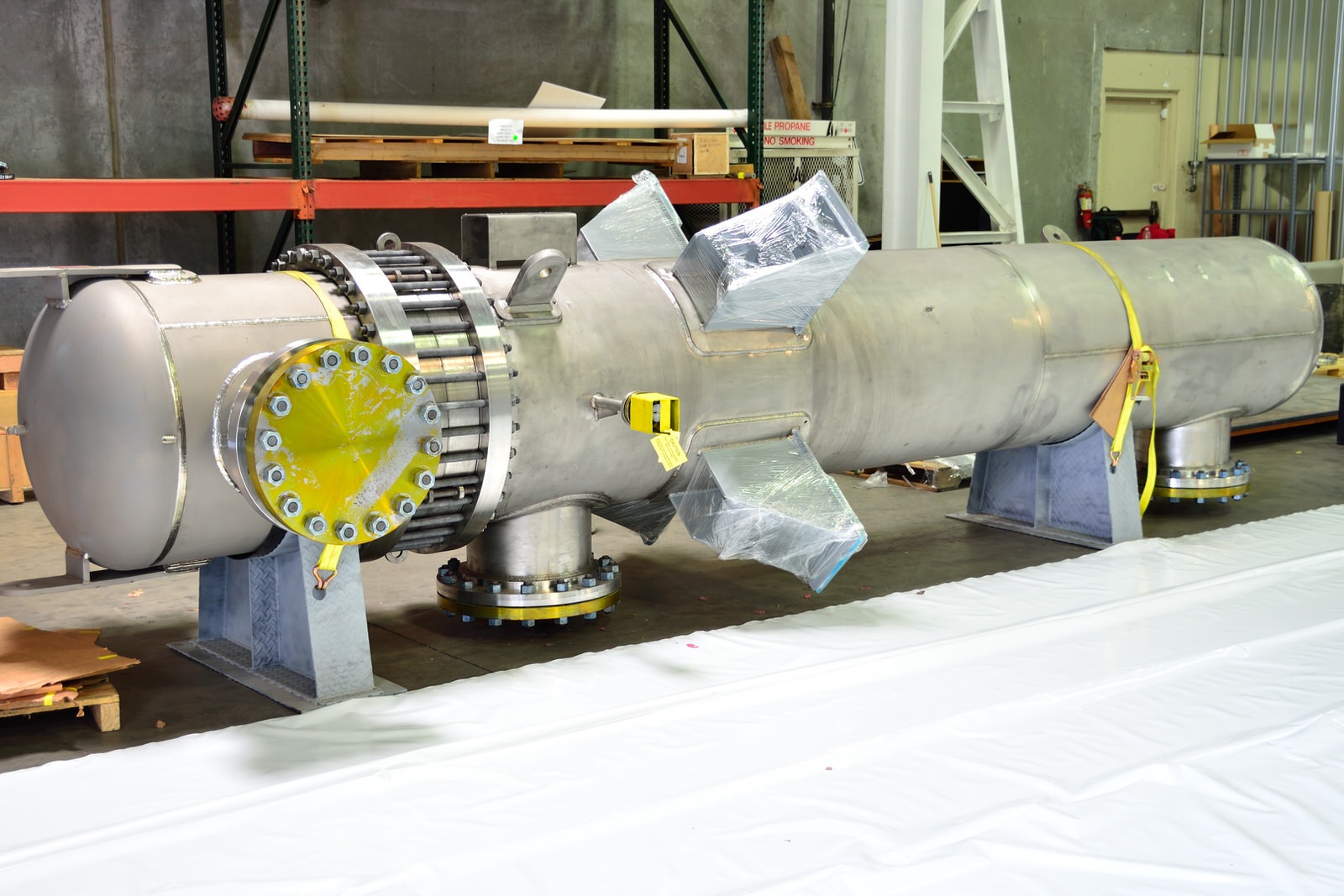
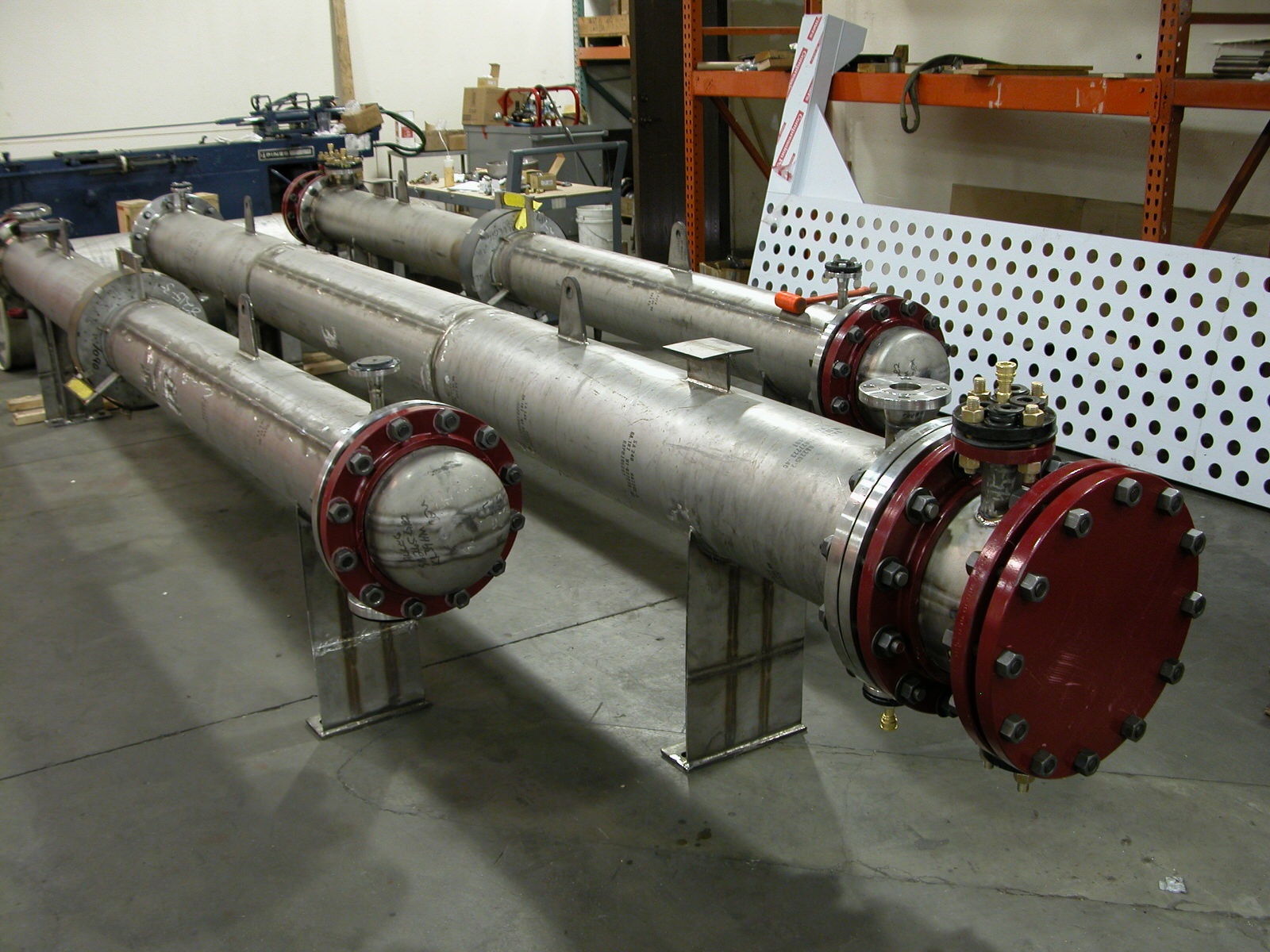
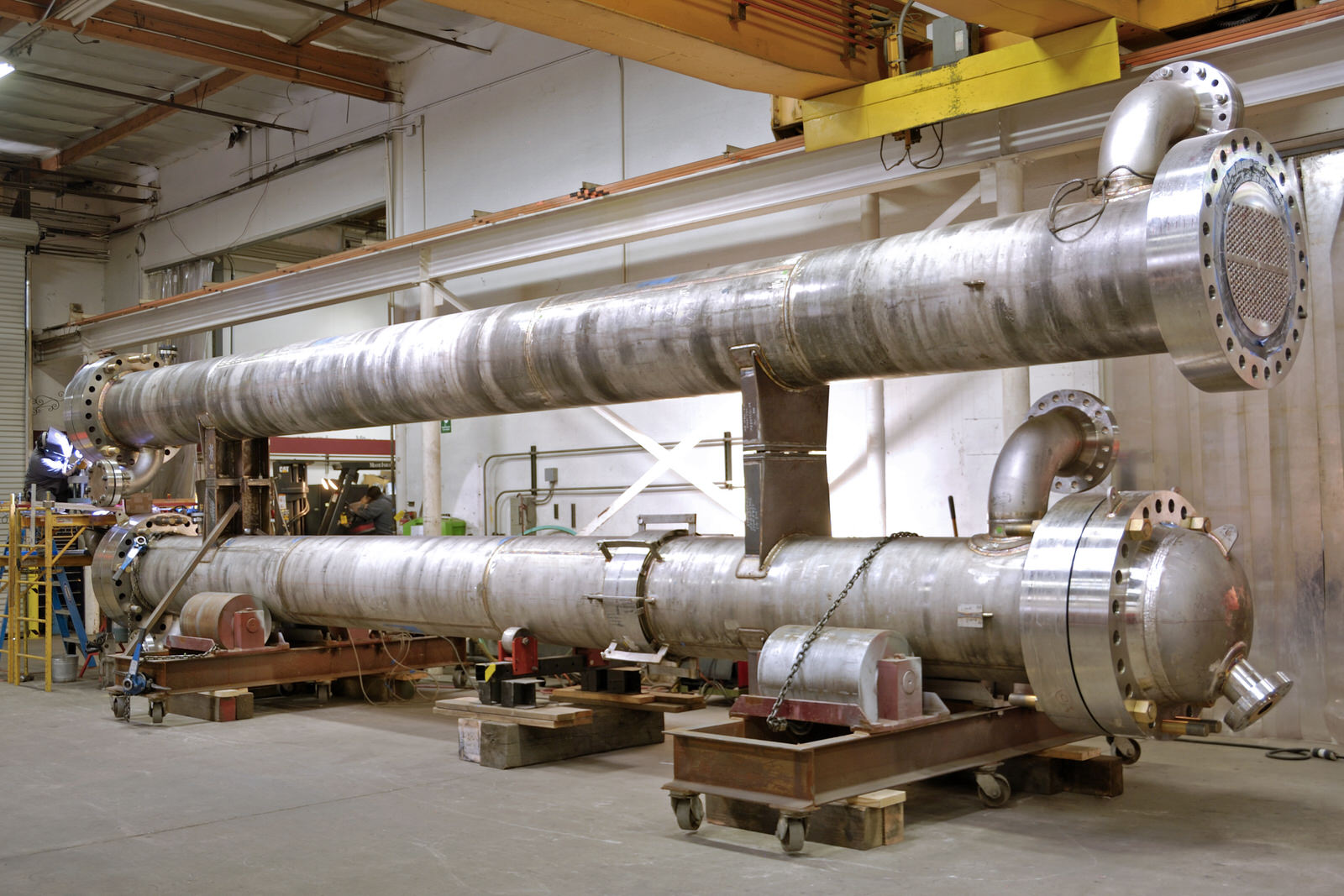
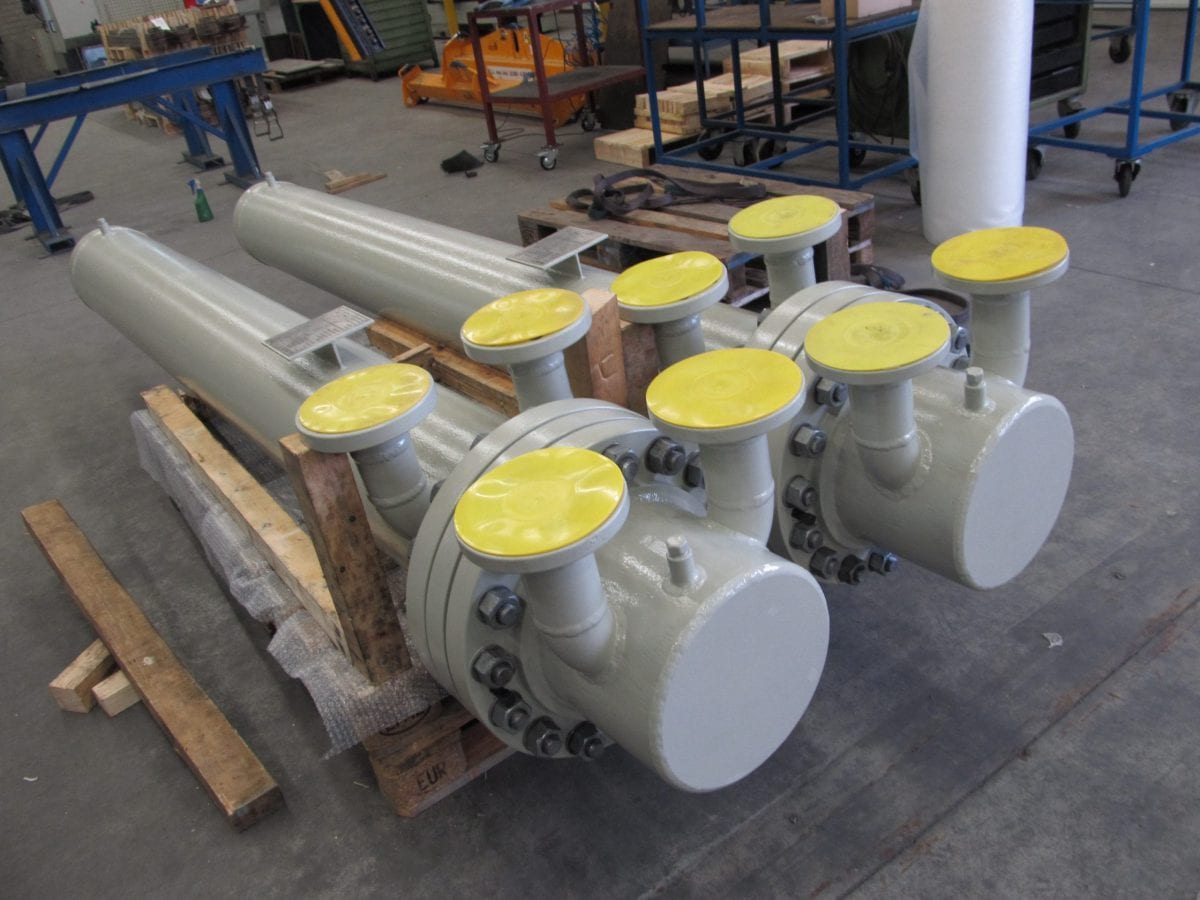
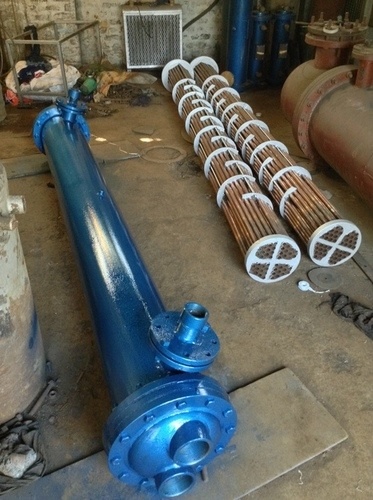
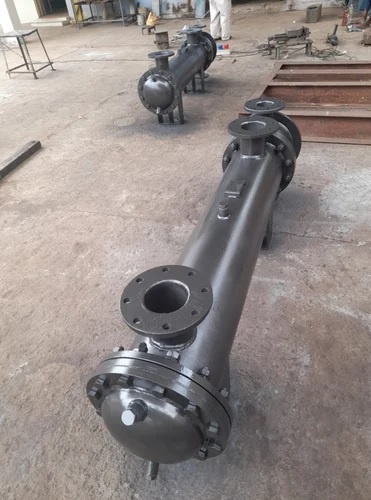
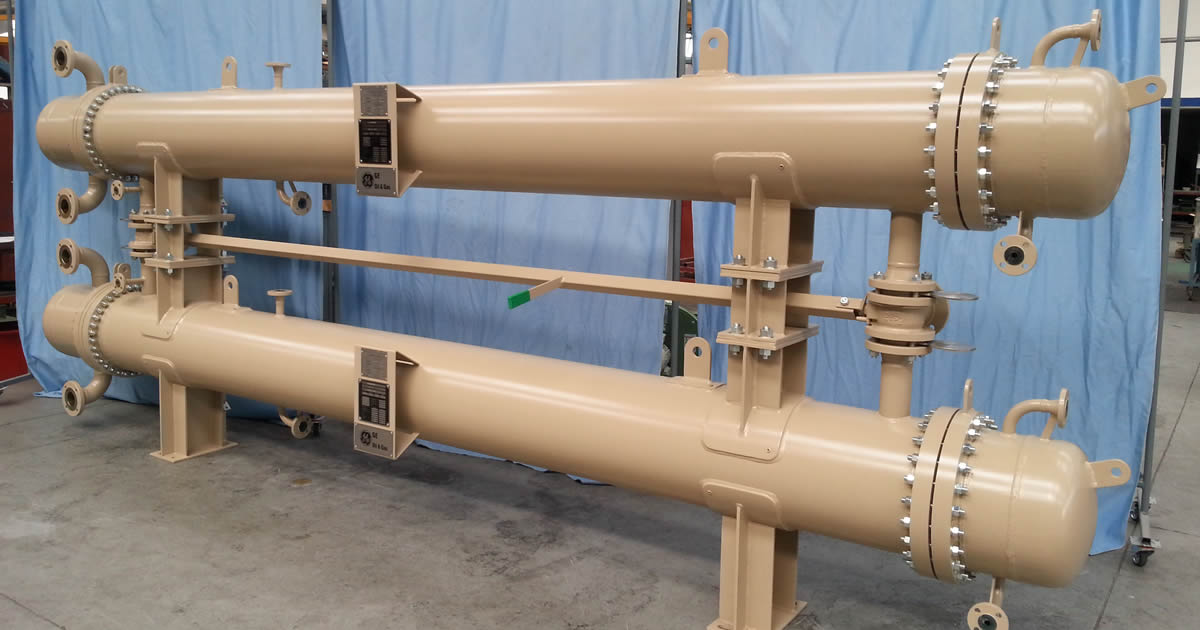
Tube bundle oil cooler A tube bundle oil cooler is a specific, common type of heat exchanger design used primarily for water-cooled applications. It is the core component that makes this efficient heat transfer possible. What is a Tube Bundle? A tube bundle is not the entire cooler; it is the central, internal assembly of parts...
Air cooled oil cooler Vs Water cooled oil cooler Comparison Table Feature Air Cooled Water Cooled Cooling Medium Ambient Air Engine Coolant Temperature Control Varies with ambient air Very consistent Size Larger for same capacity More compact Risk of Fluid Mixing None Yes (catastrophic if leaks) Complexity Simple, independent Integrated with engine...
Air cooled oil cooler Vs Water cooled oil cooler Air Cooled Oil Cooler Best For: Applications where a separate water circuit is unavailable or undesirable. Common in: Water Cooled Oil Cooler Best For: Applications where precise temperature control is critical. Ubiquitous in:
Comparison table of tube material. Material Thermal Conductivity Corrosion Resistance Mechanical Strength Relative Cost Primary Application Copper Excellent Fair (Good in clean water) Low $$ High-efficiency, clean water systems Admiralty Brass Very Good Very Good (Fresh water) Medium $ Industrial Standard (Fresh water/Glycol) 90/10 Cu-Ni Good...
Types of tube material used in water cooled oil cooler Most Common Tube Materials 1. Admiralty Brass (C44300) Copper 3. 90/10 Copper-Nickel (C70600) 4. Stainless Steel (304/316) 5. Titanium
The Key Benefits of Effective Oil Cooling By maintaining oil within its ideal temperature window (typically 180°F – 220°F or 82°C – 105°C), an oil cooler provides these critical benefits: Benefit Description Extended Oil Life Prevents thermal breakdown, allowing the oil and its additives to last much longer between...
Why oil Cooling is important? Oil cooling is critically important because oil is the lifeblood of any engine or gearbox. Its job goes far beyond just lubrication, and its ability to perform that job depends entirely on staying within a specific temperature range. Here’s a breakdown of why oil cooling is so essential, moving from […]