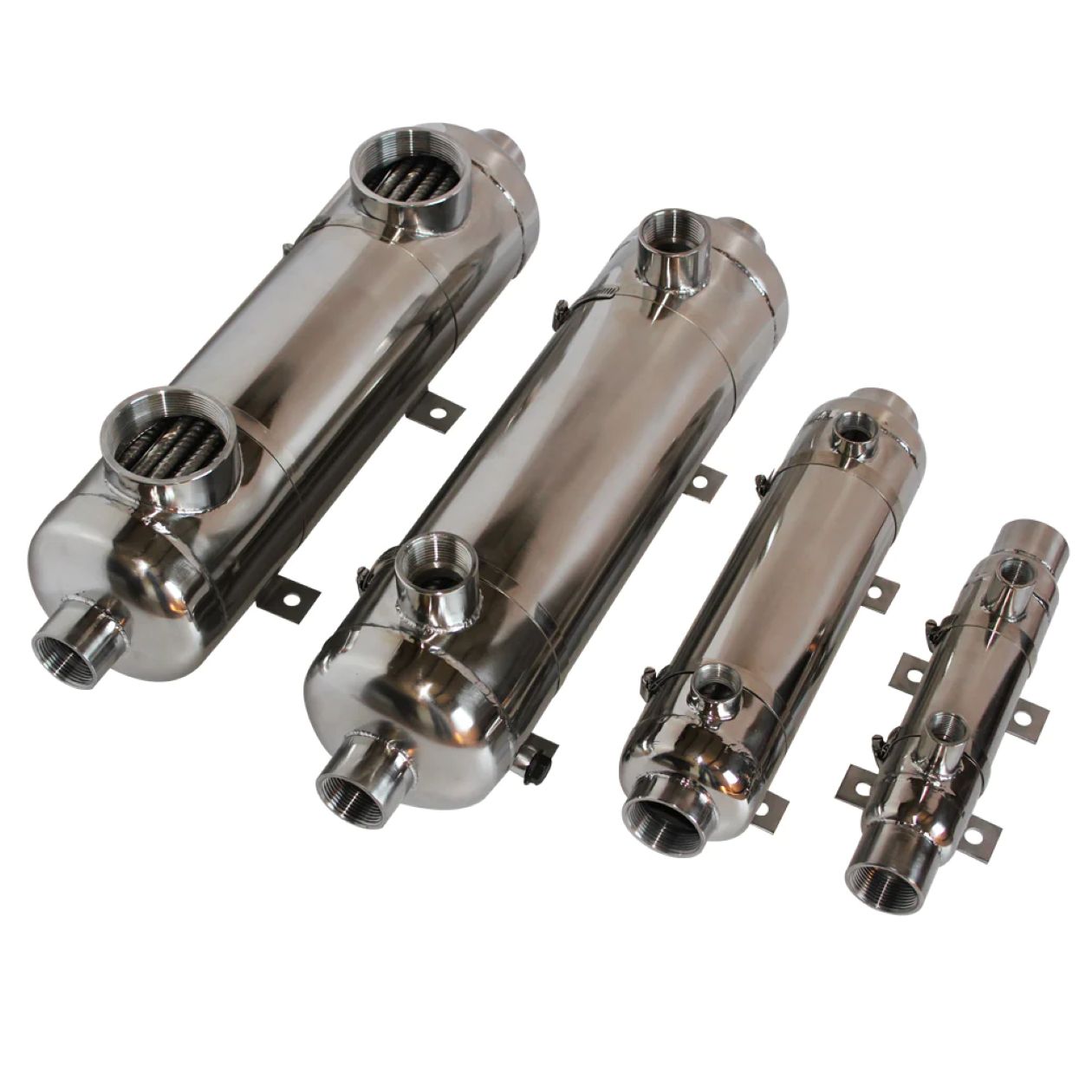
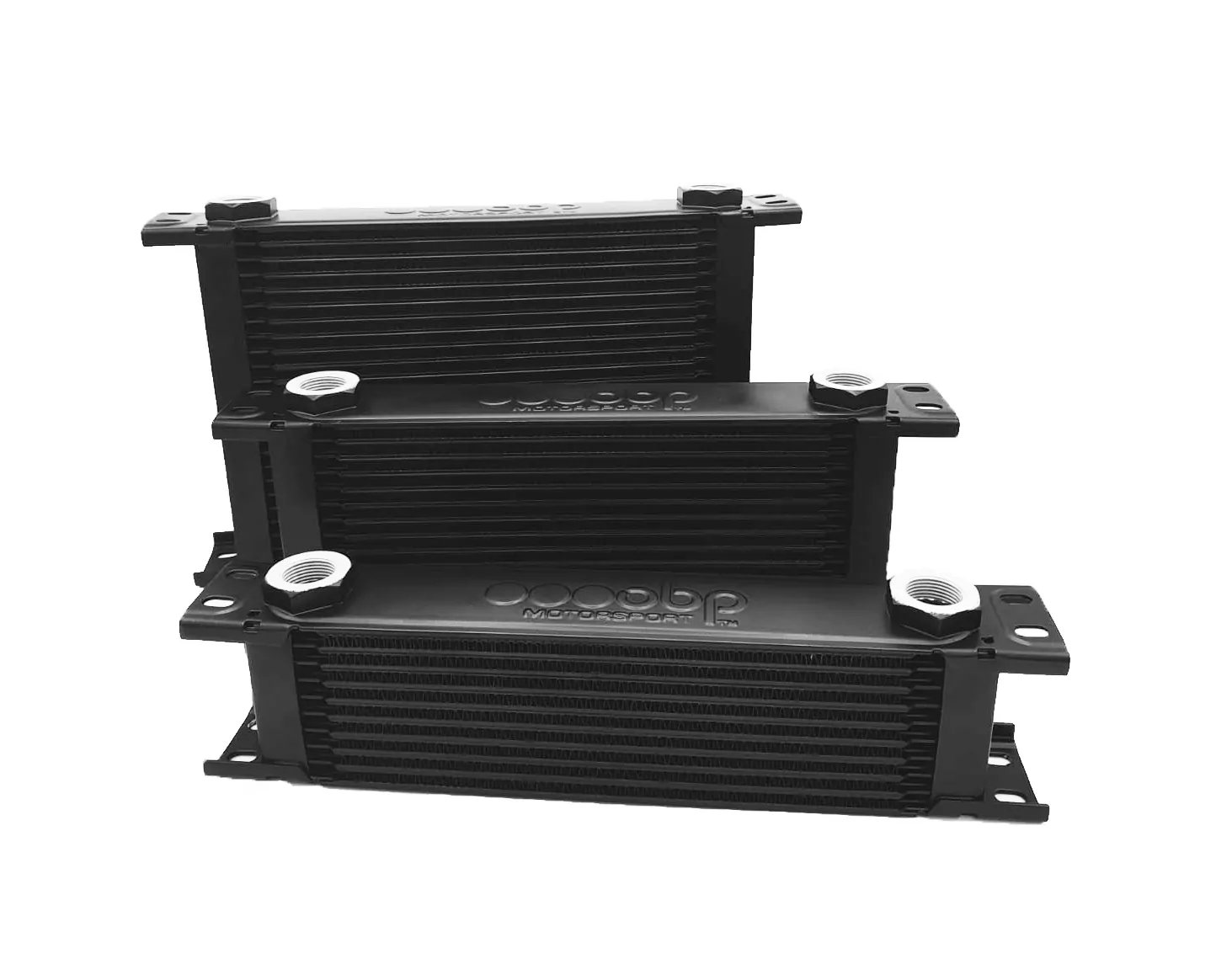
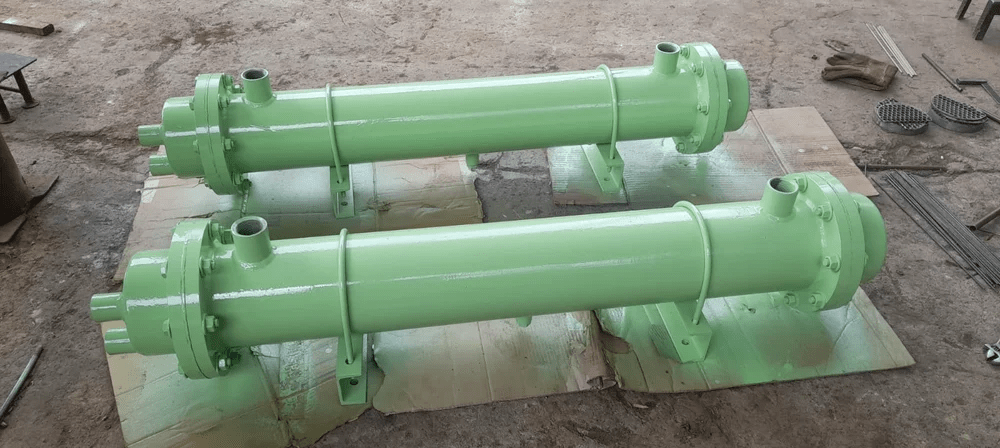
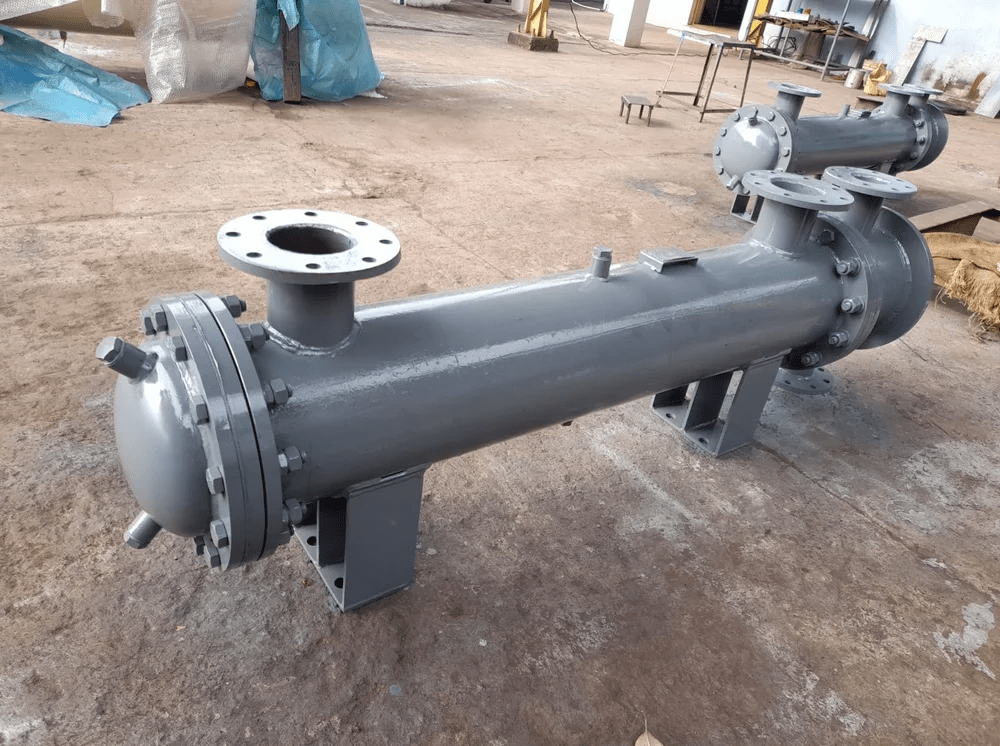
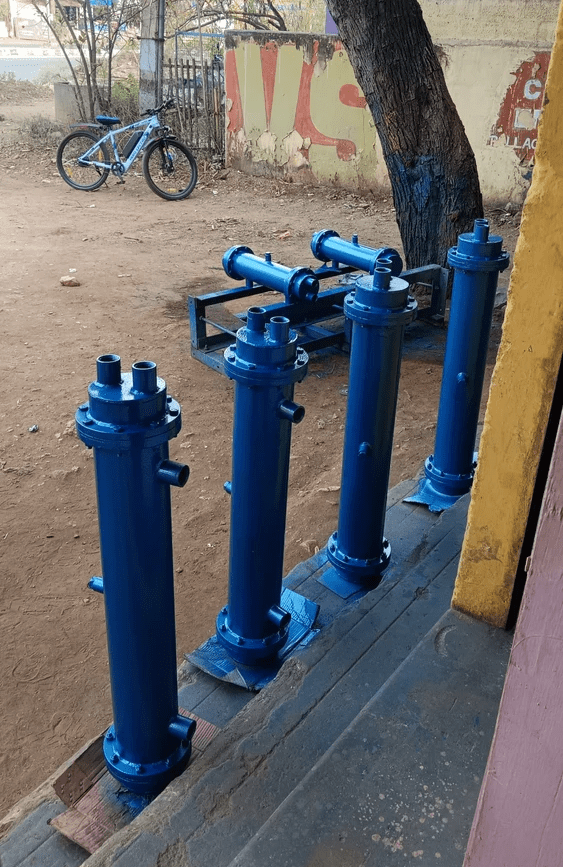
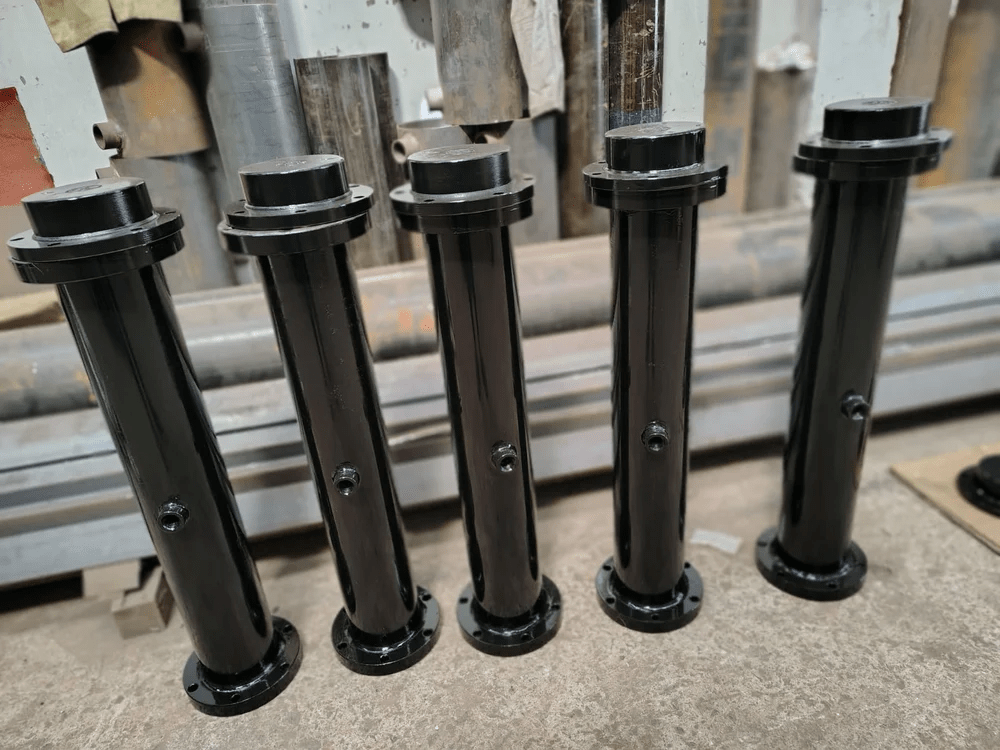
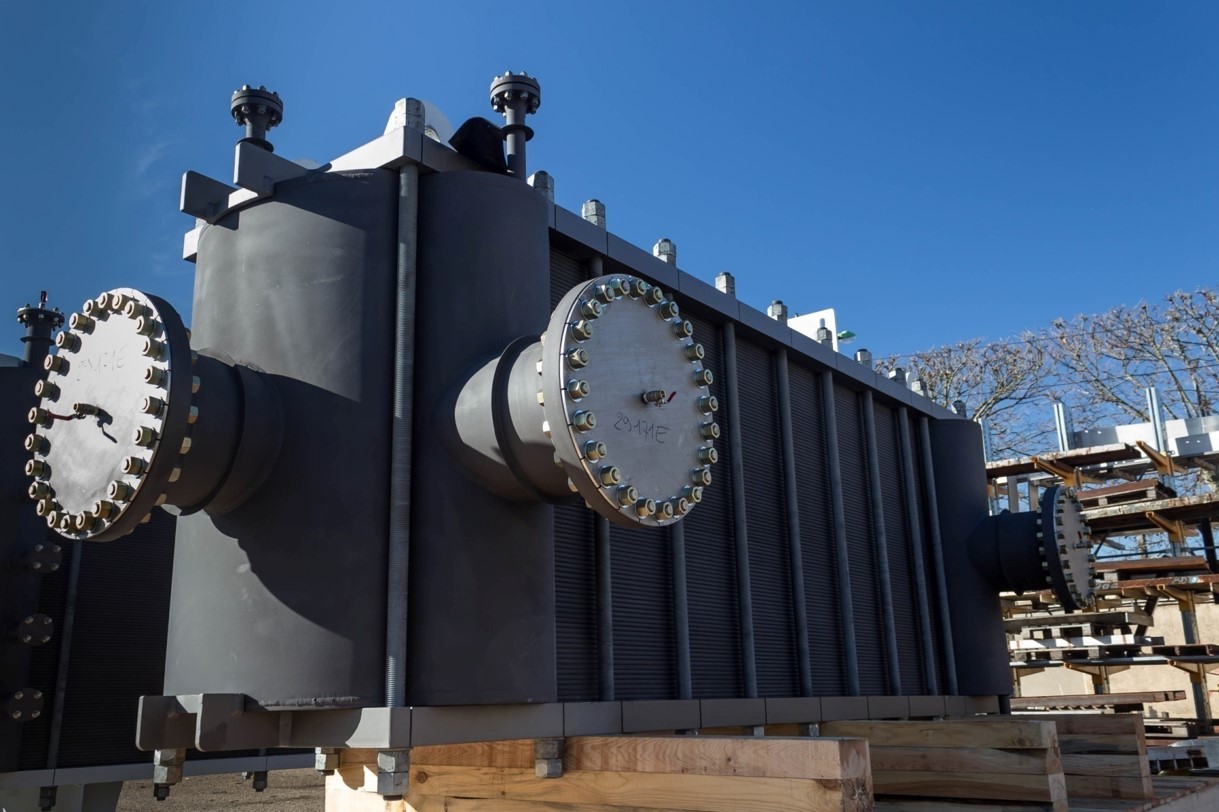
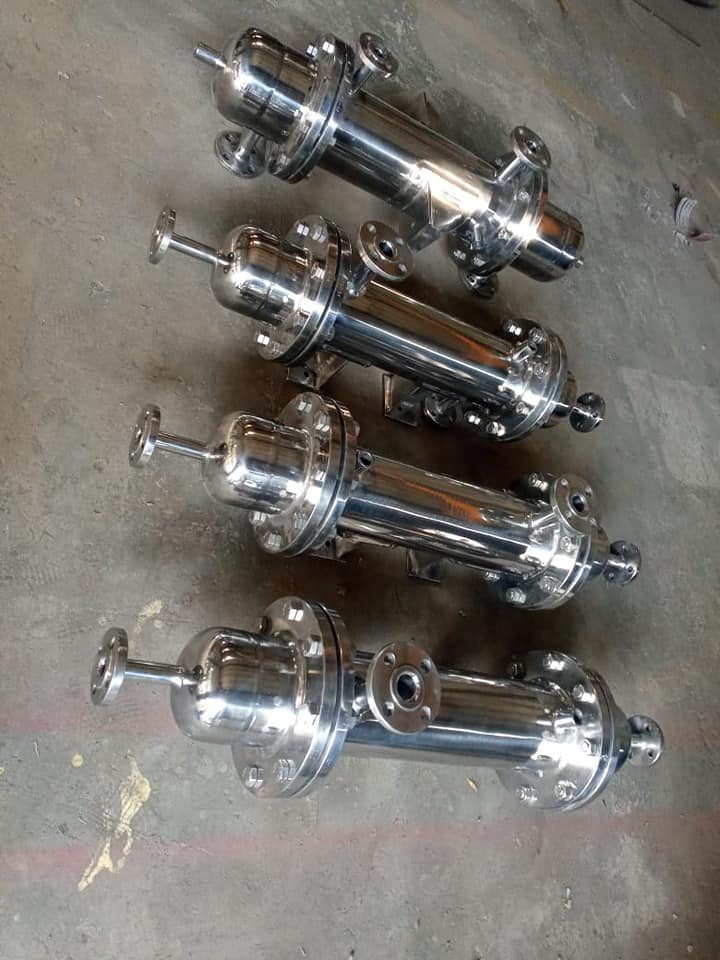
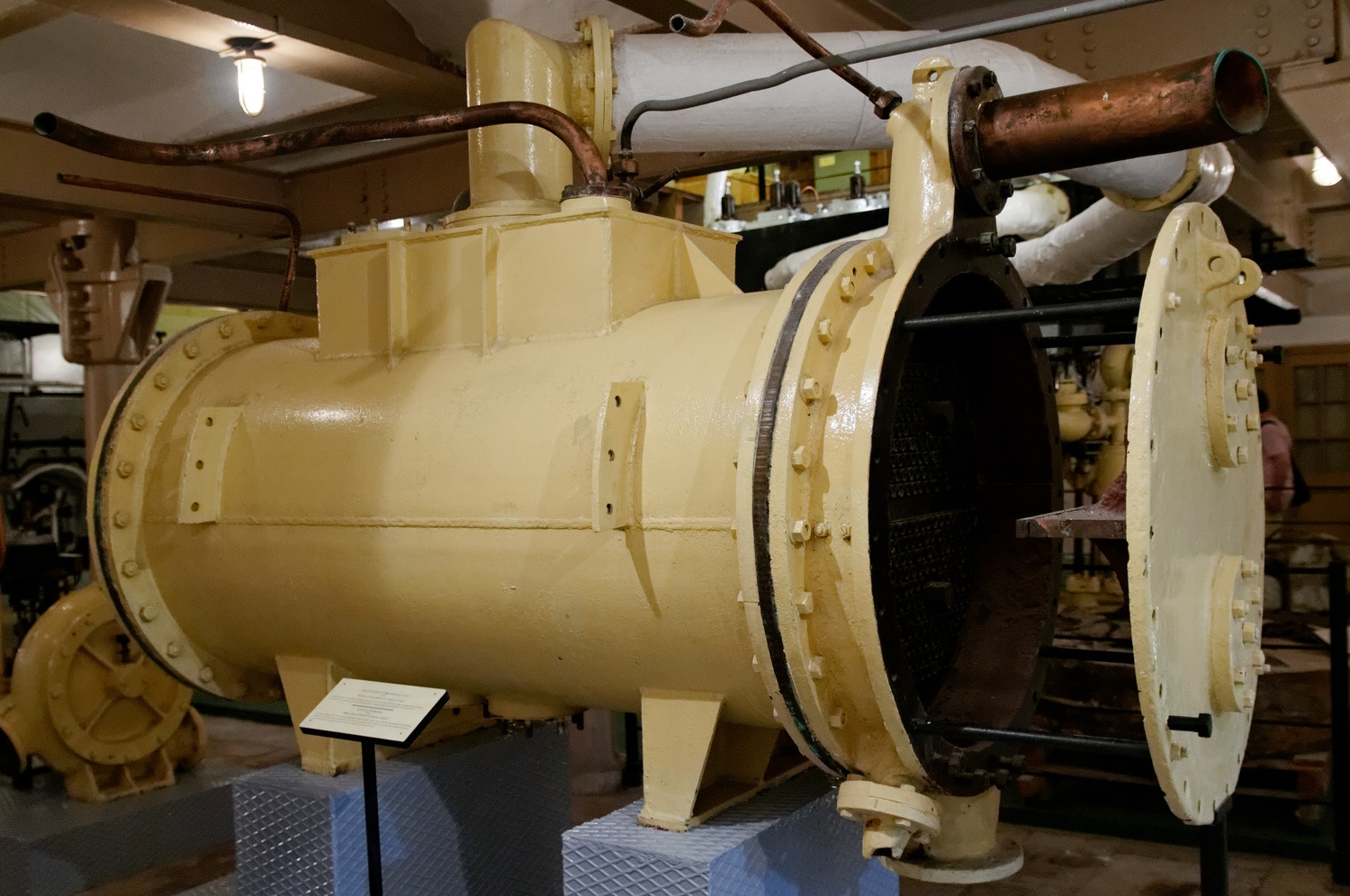
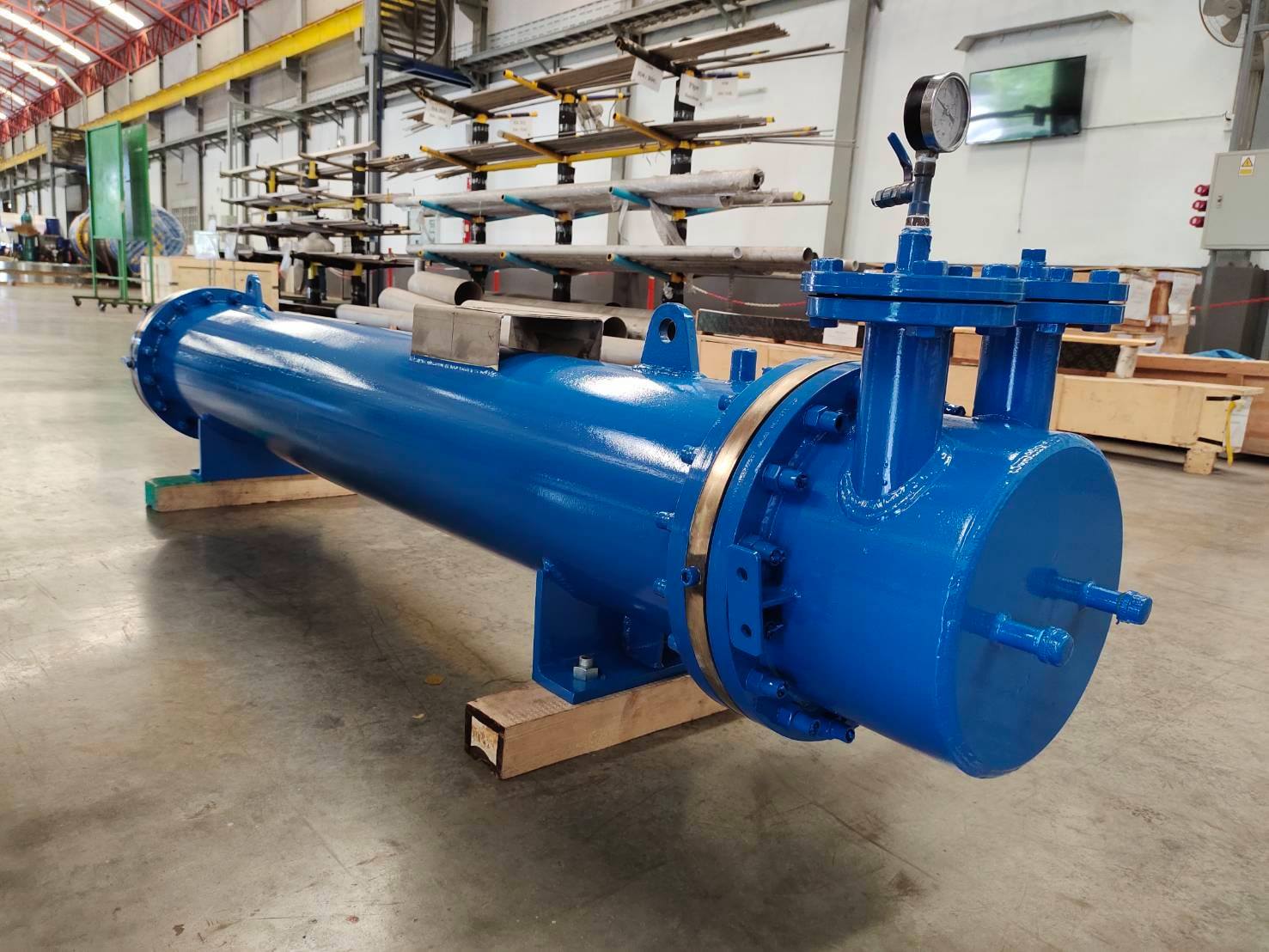
When to Choose a Shell & Tube Oil Cooler? When to Use an Air-Cooled Oil Cooler? Critical Considerations Final Verdict Shell & tube oil coolers win in: Air-cooled oil coolers win in: Lower upfront cost
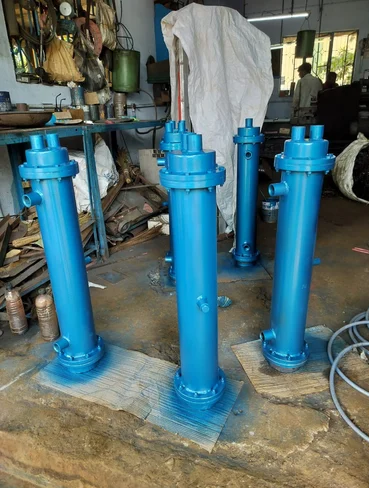
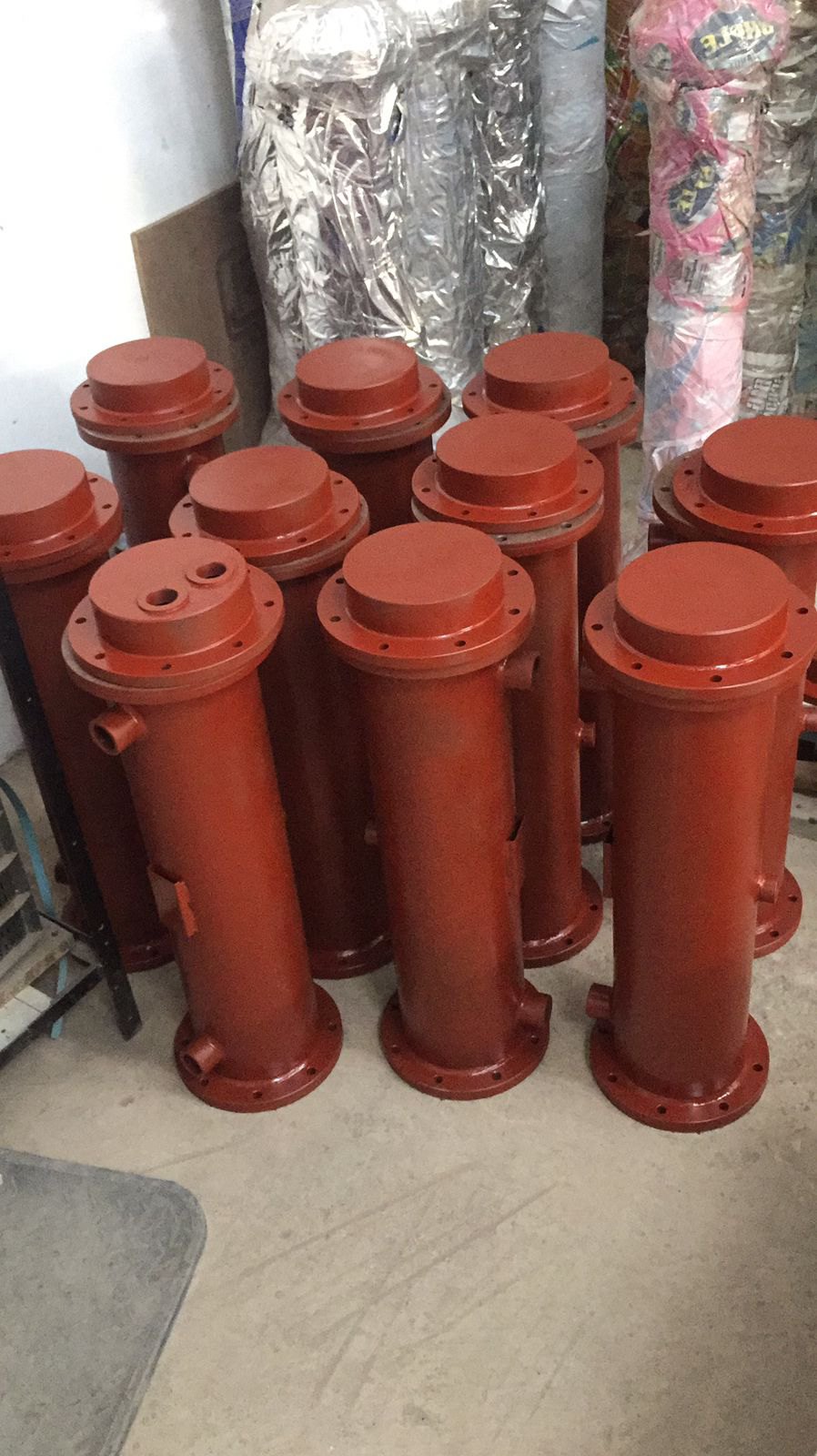
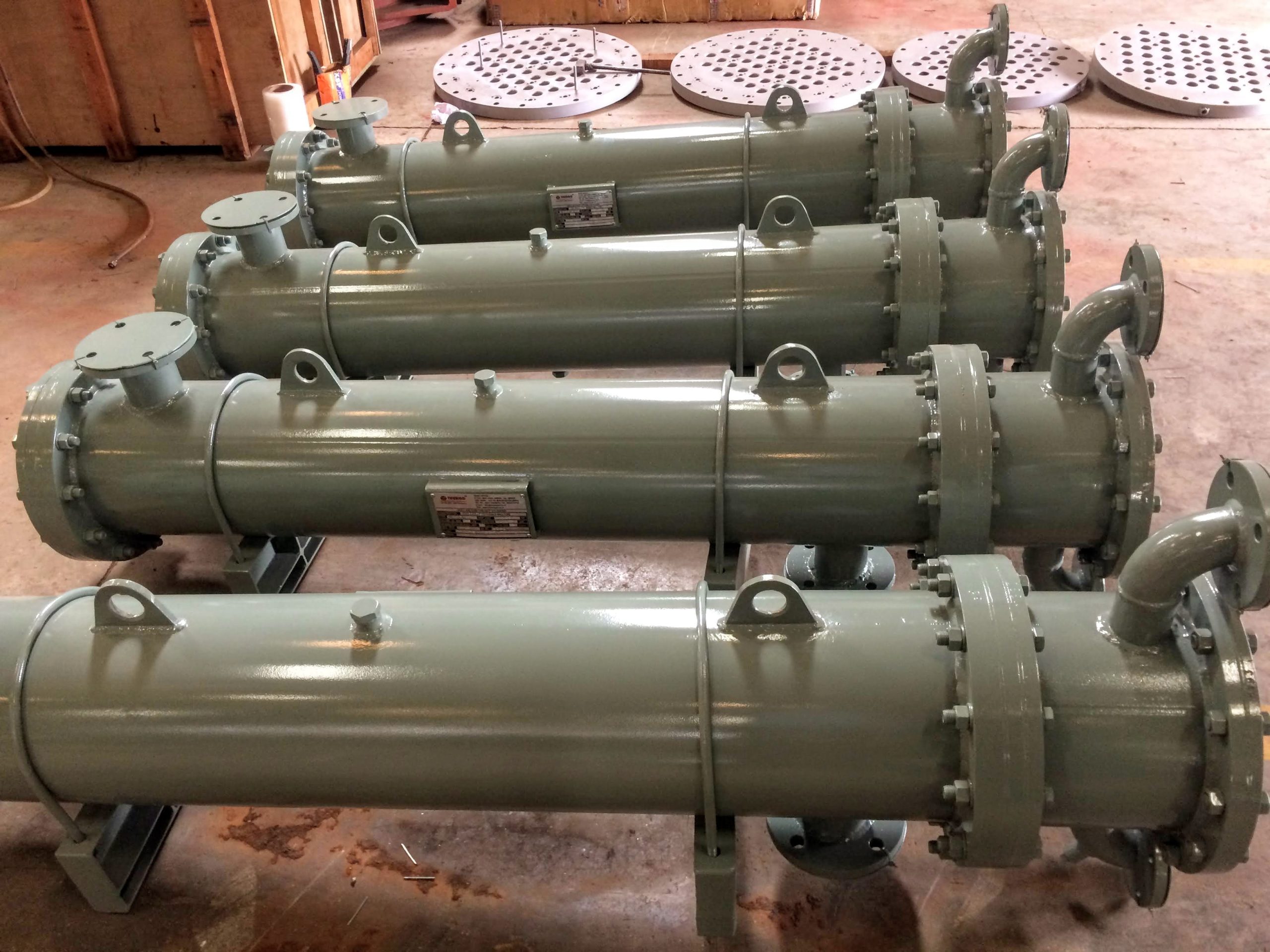
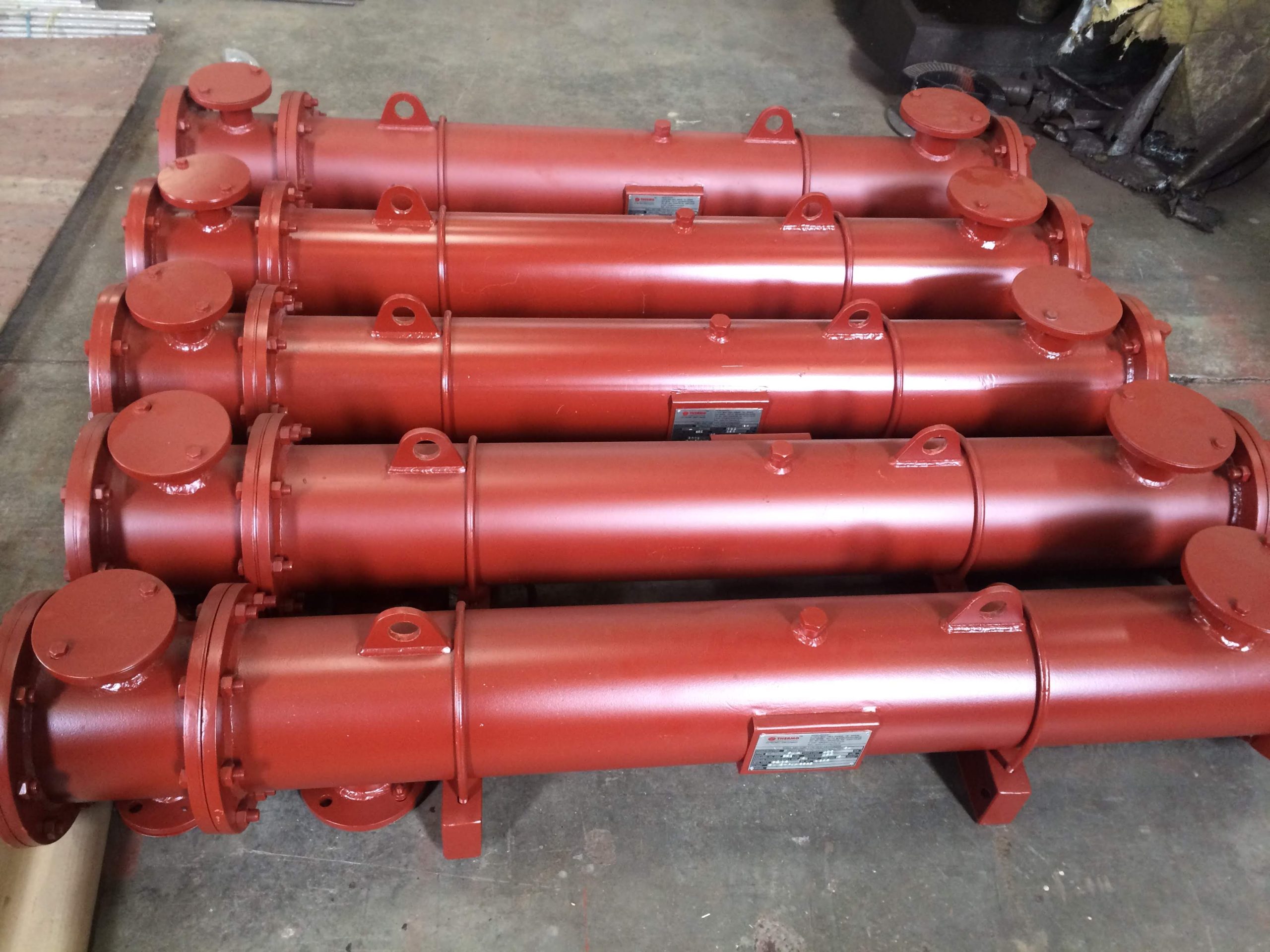
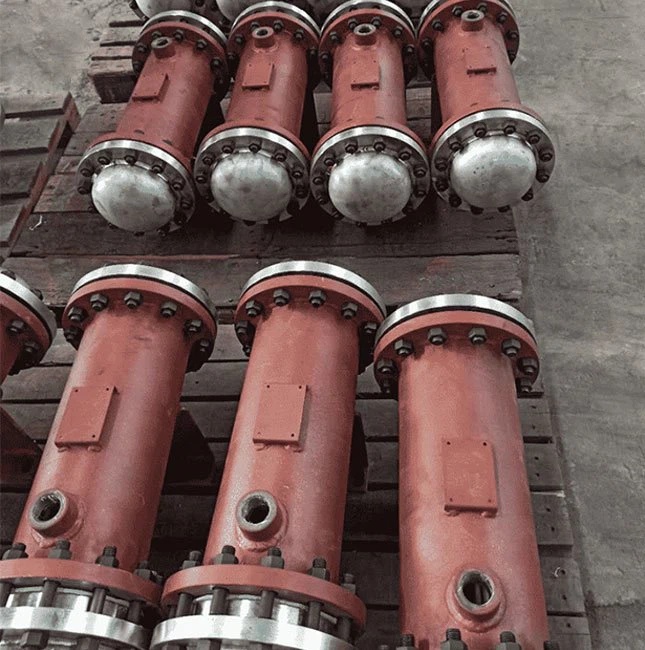
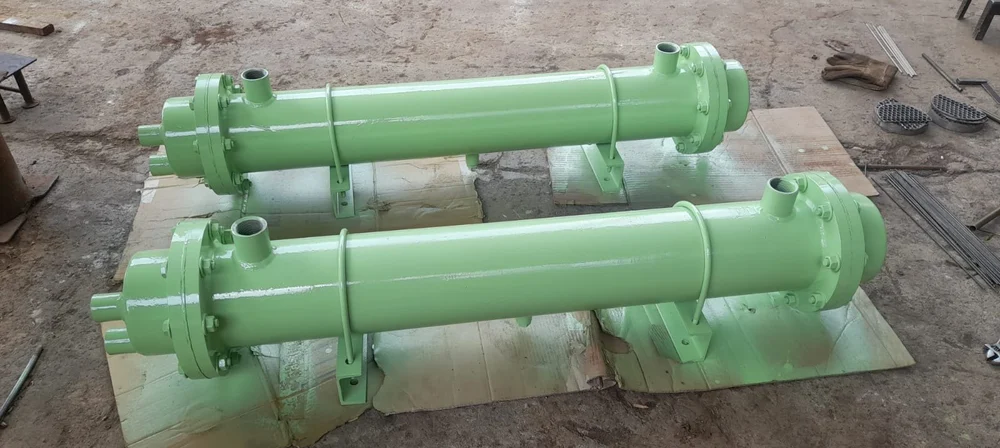
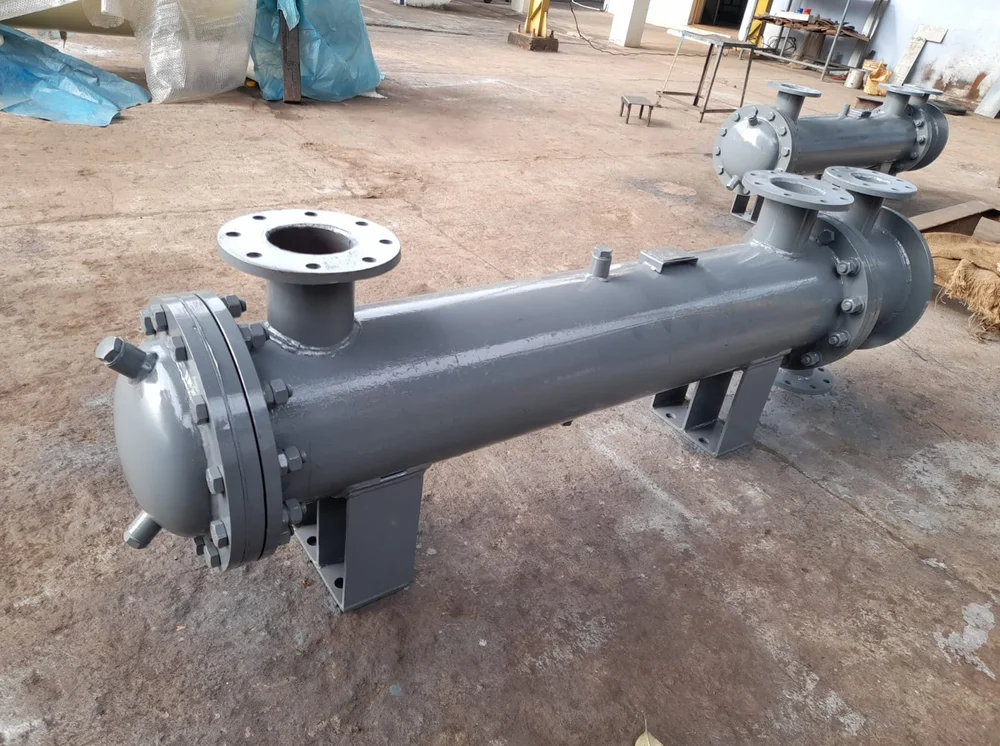
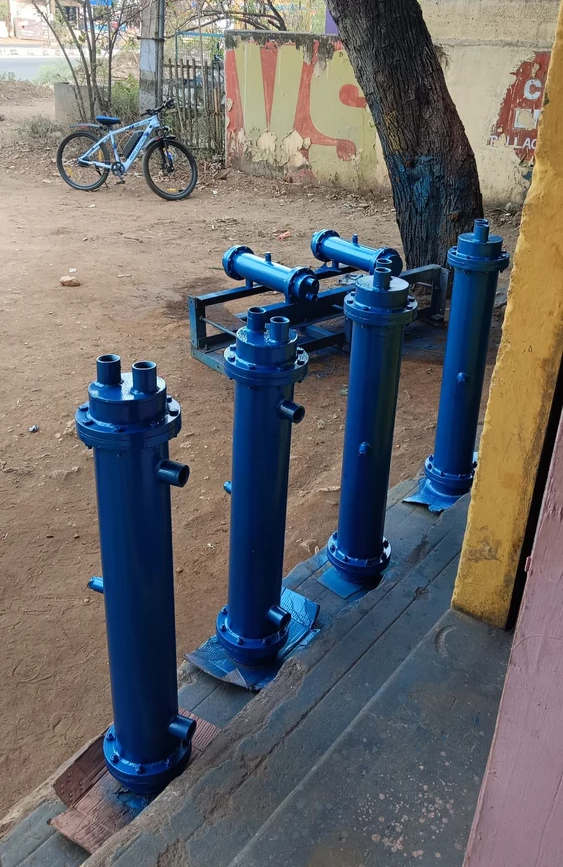
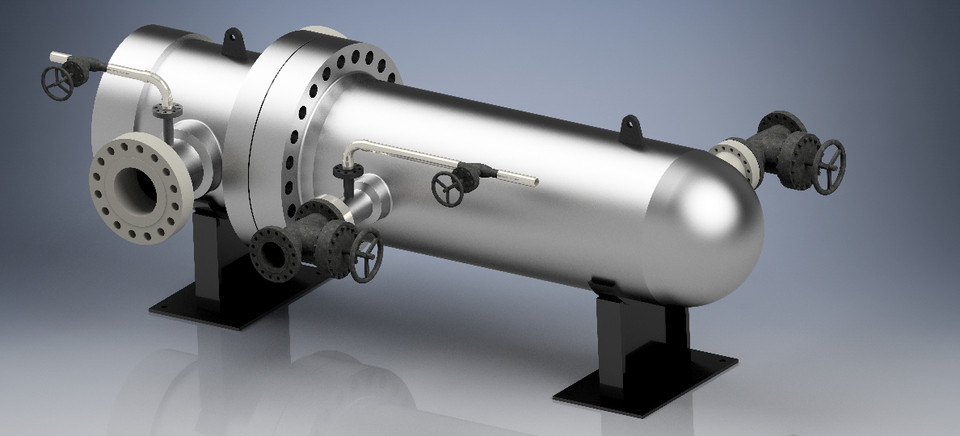
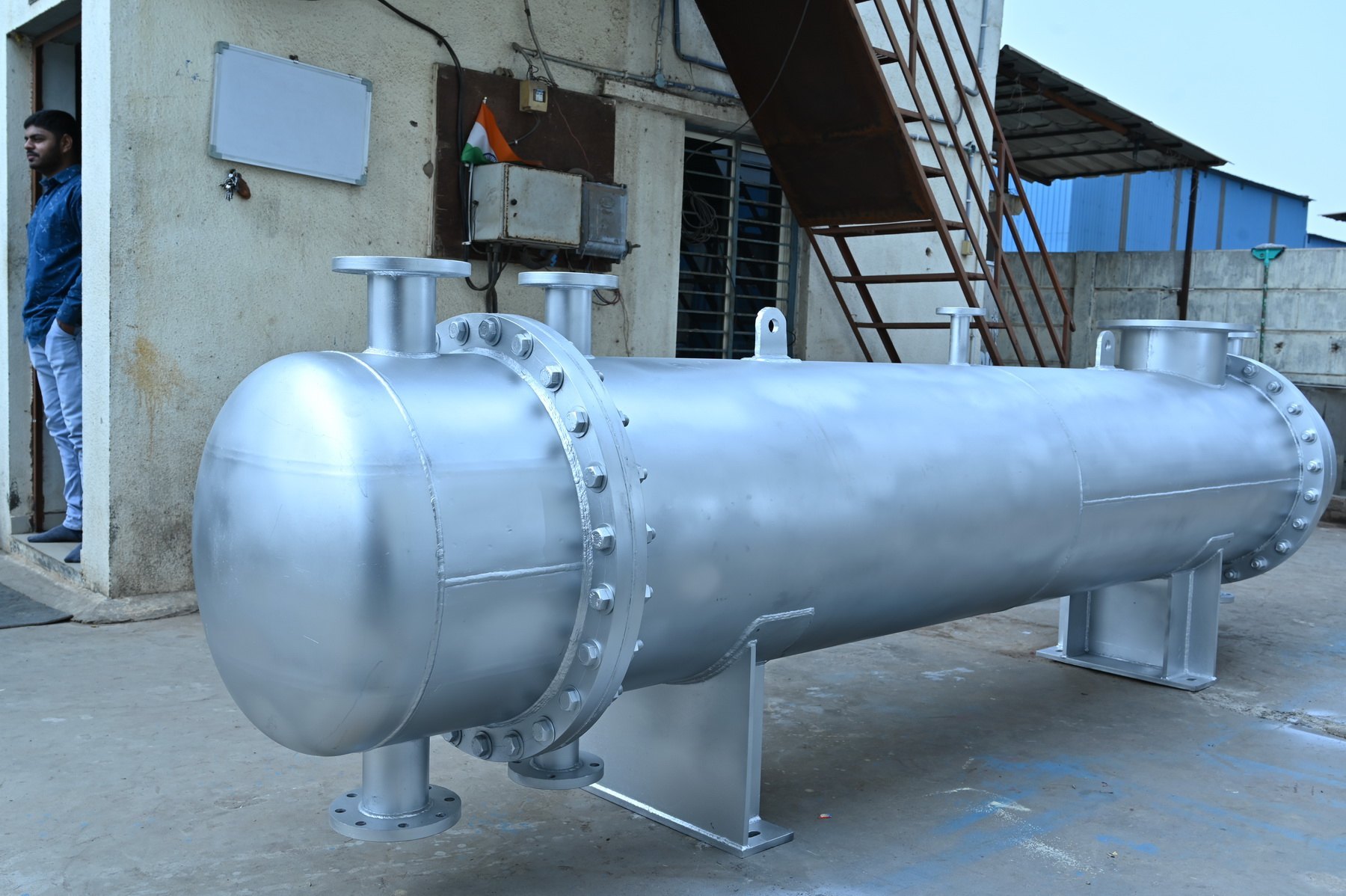
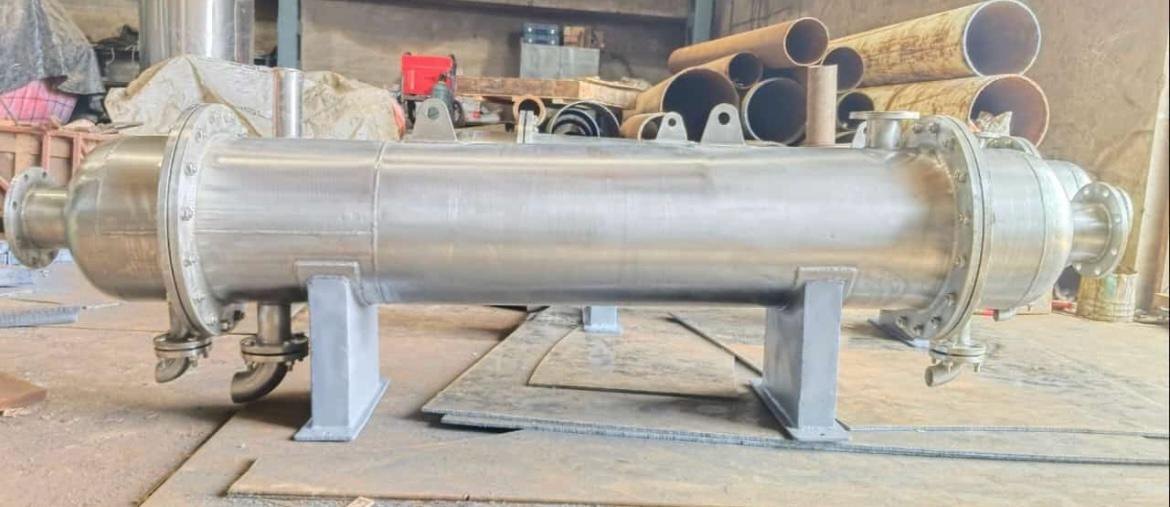
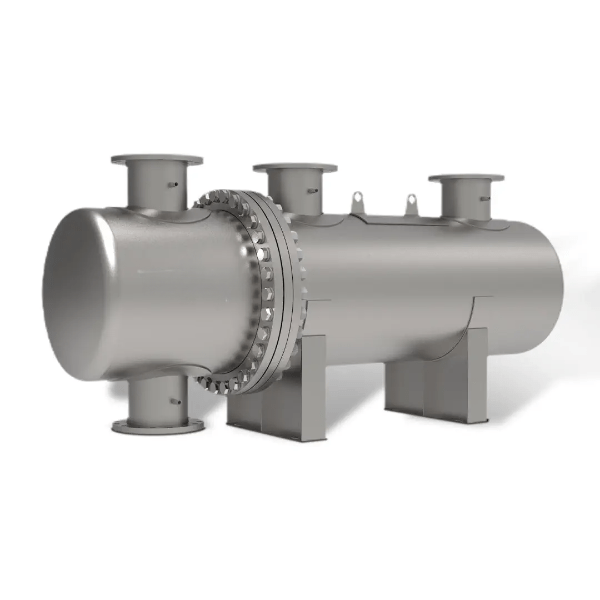
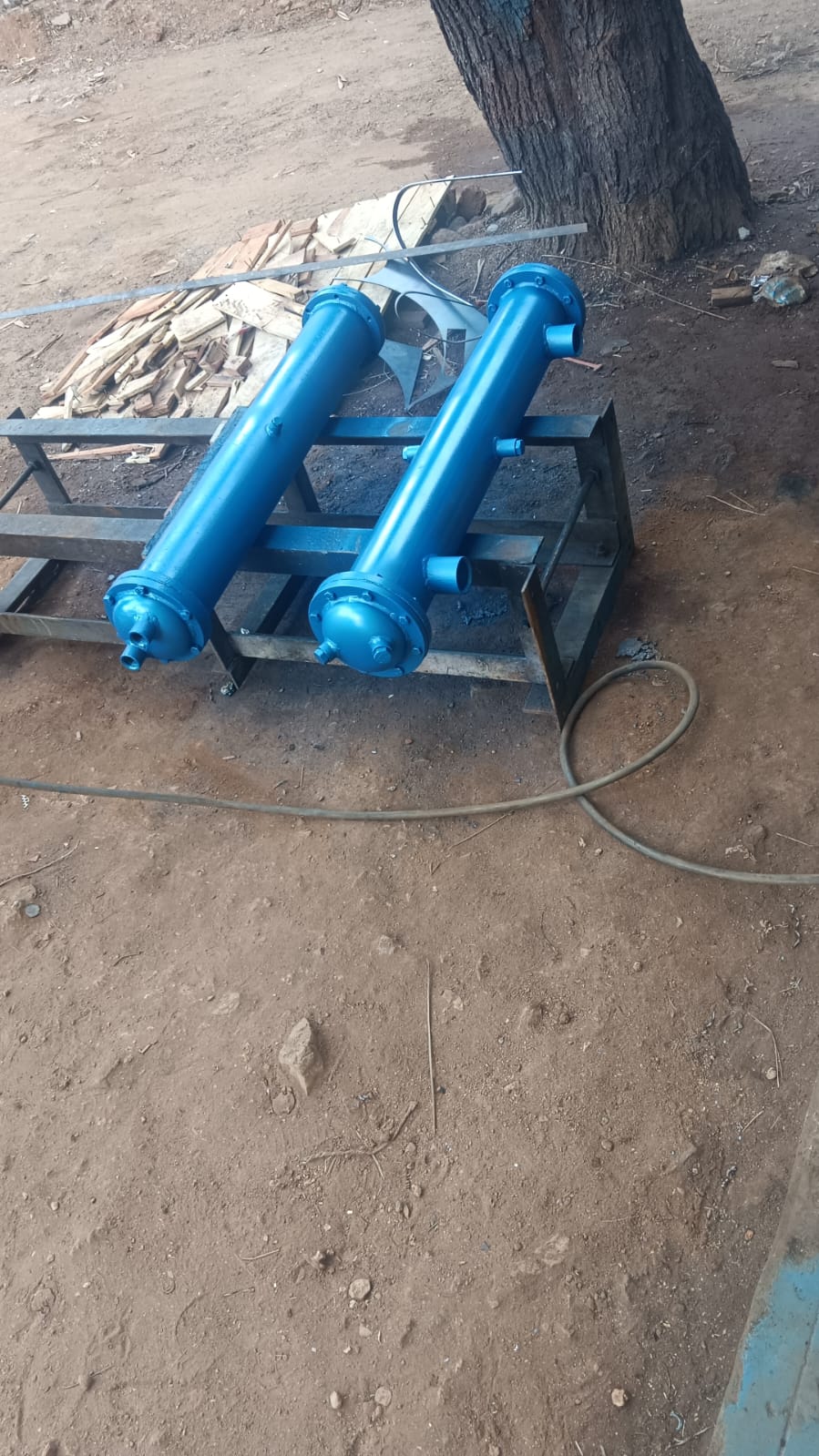
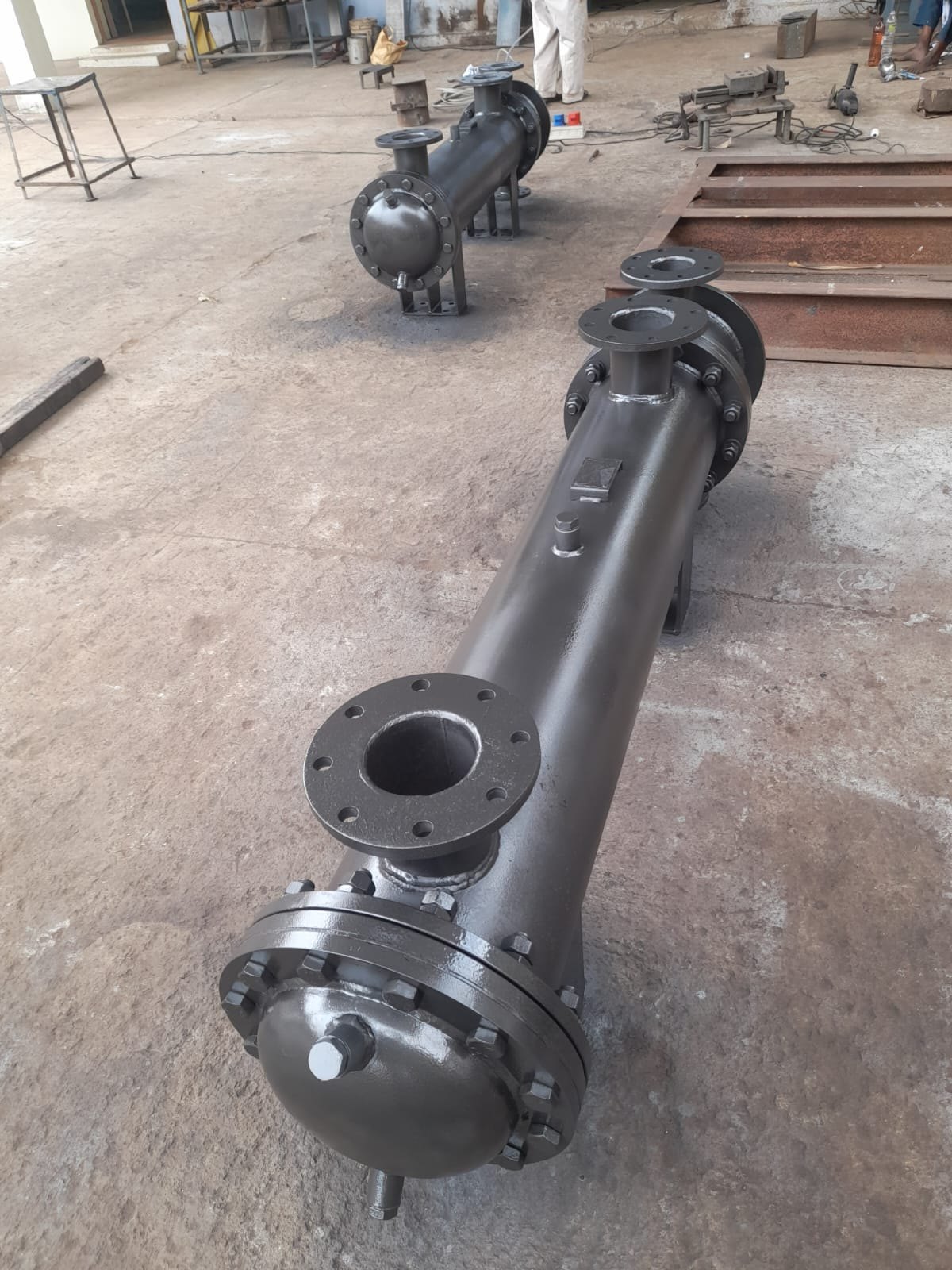
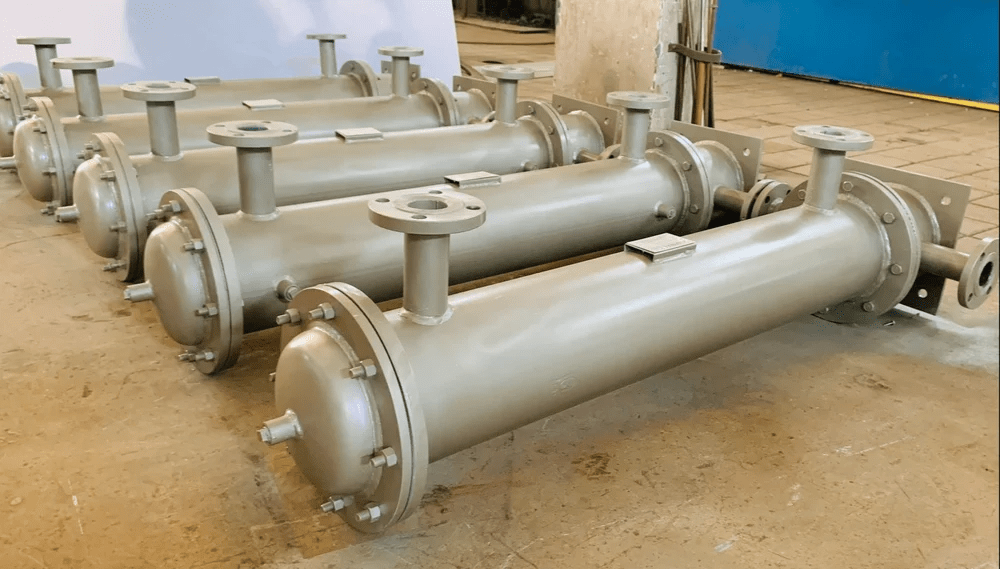
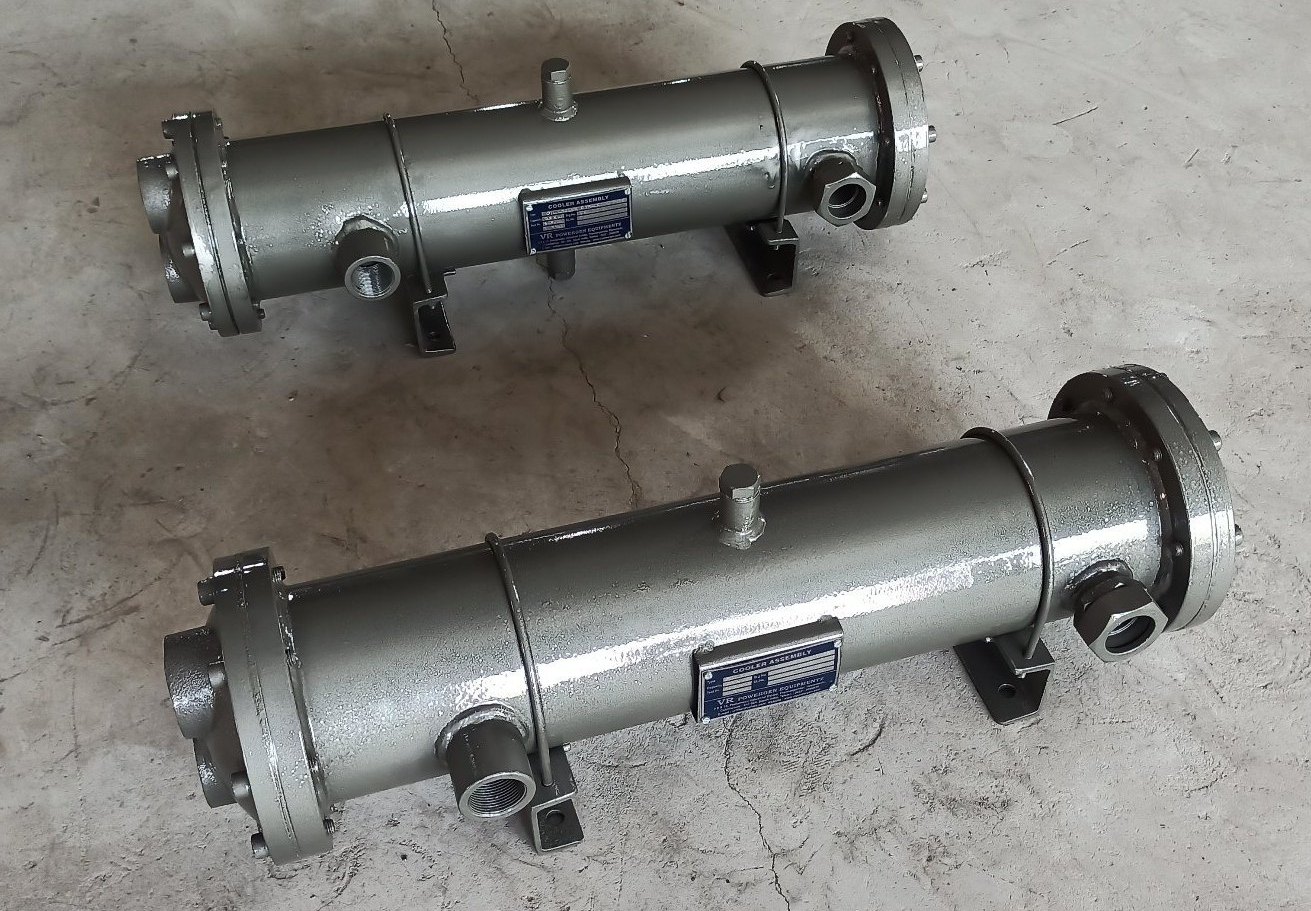
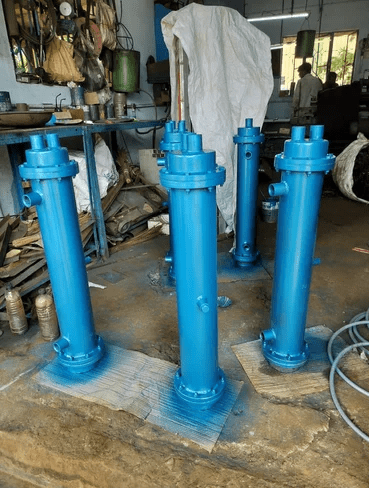
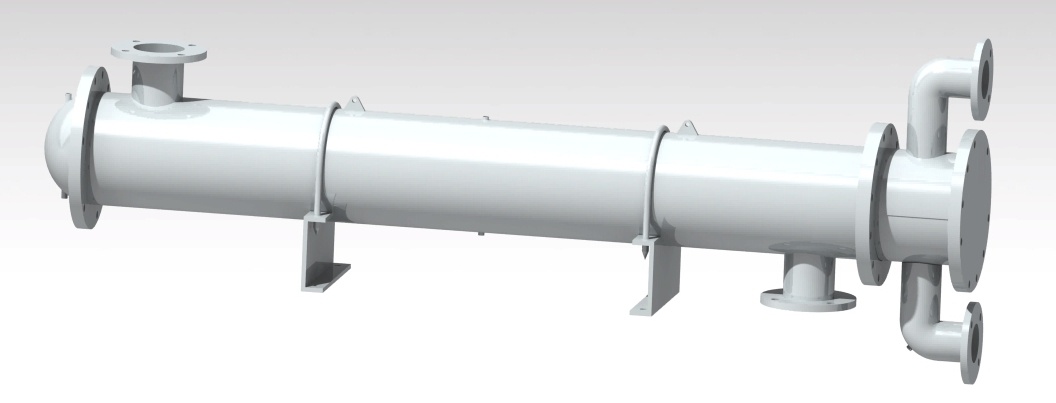
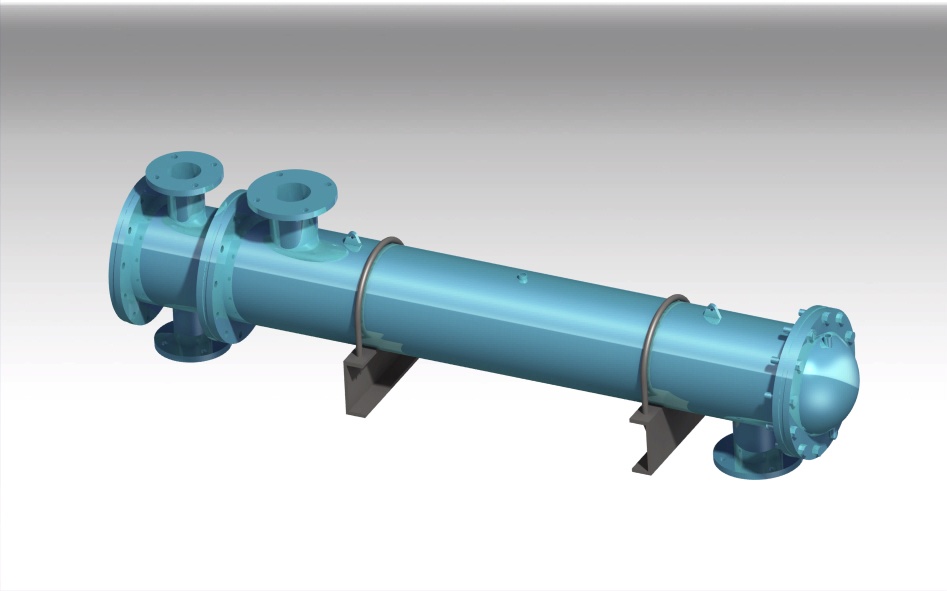
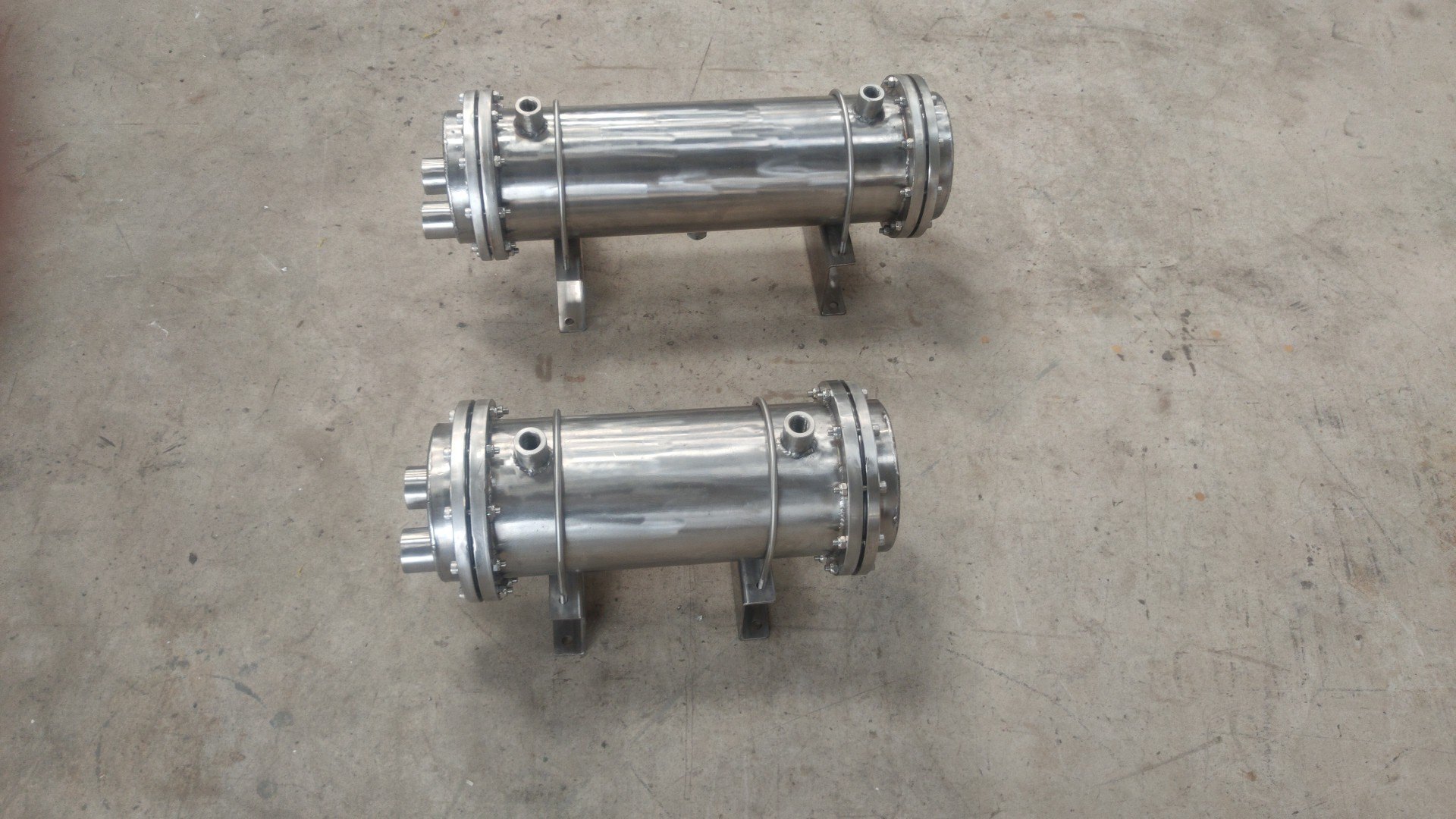
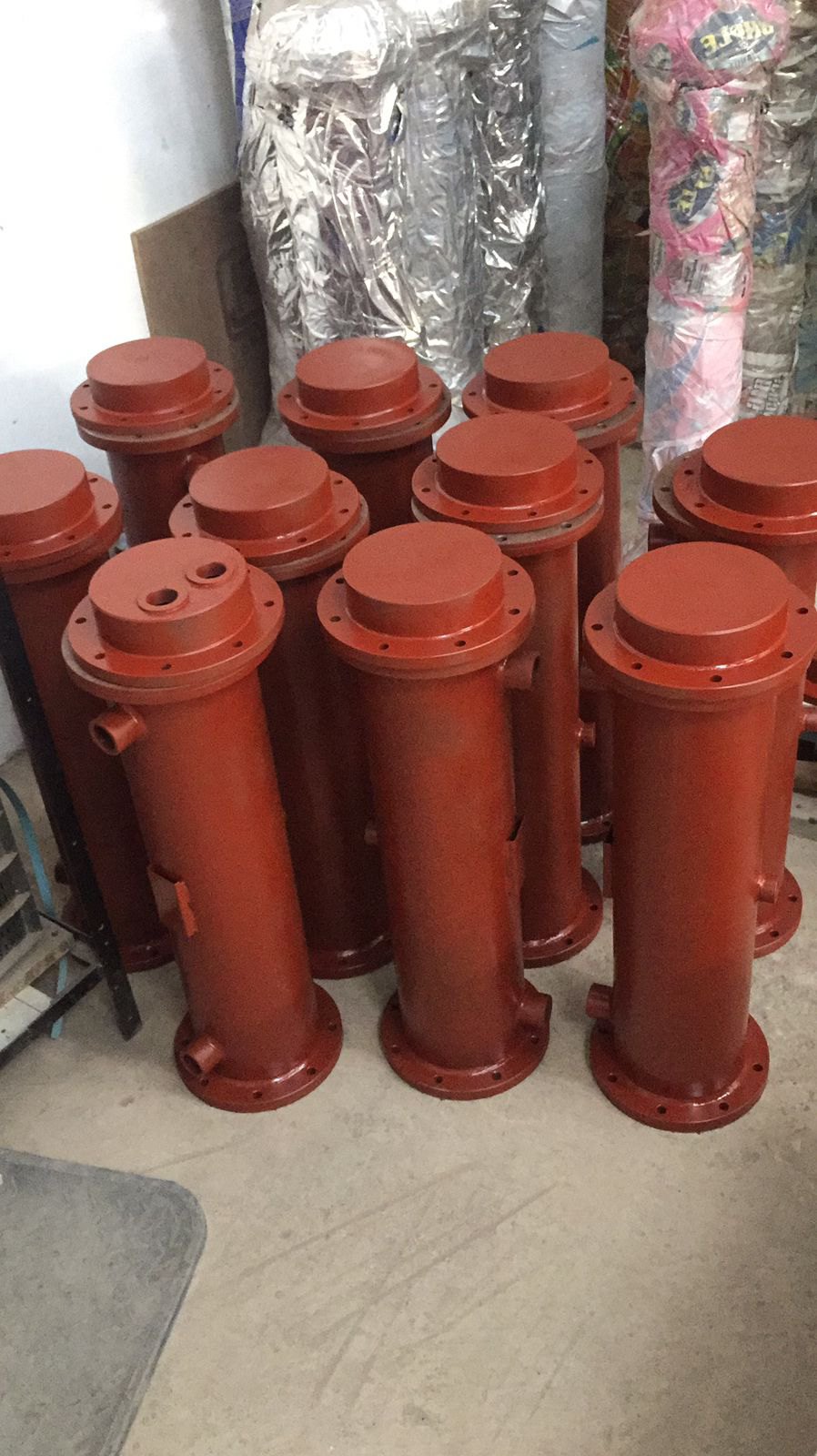
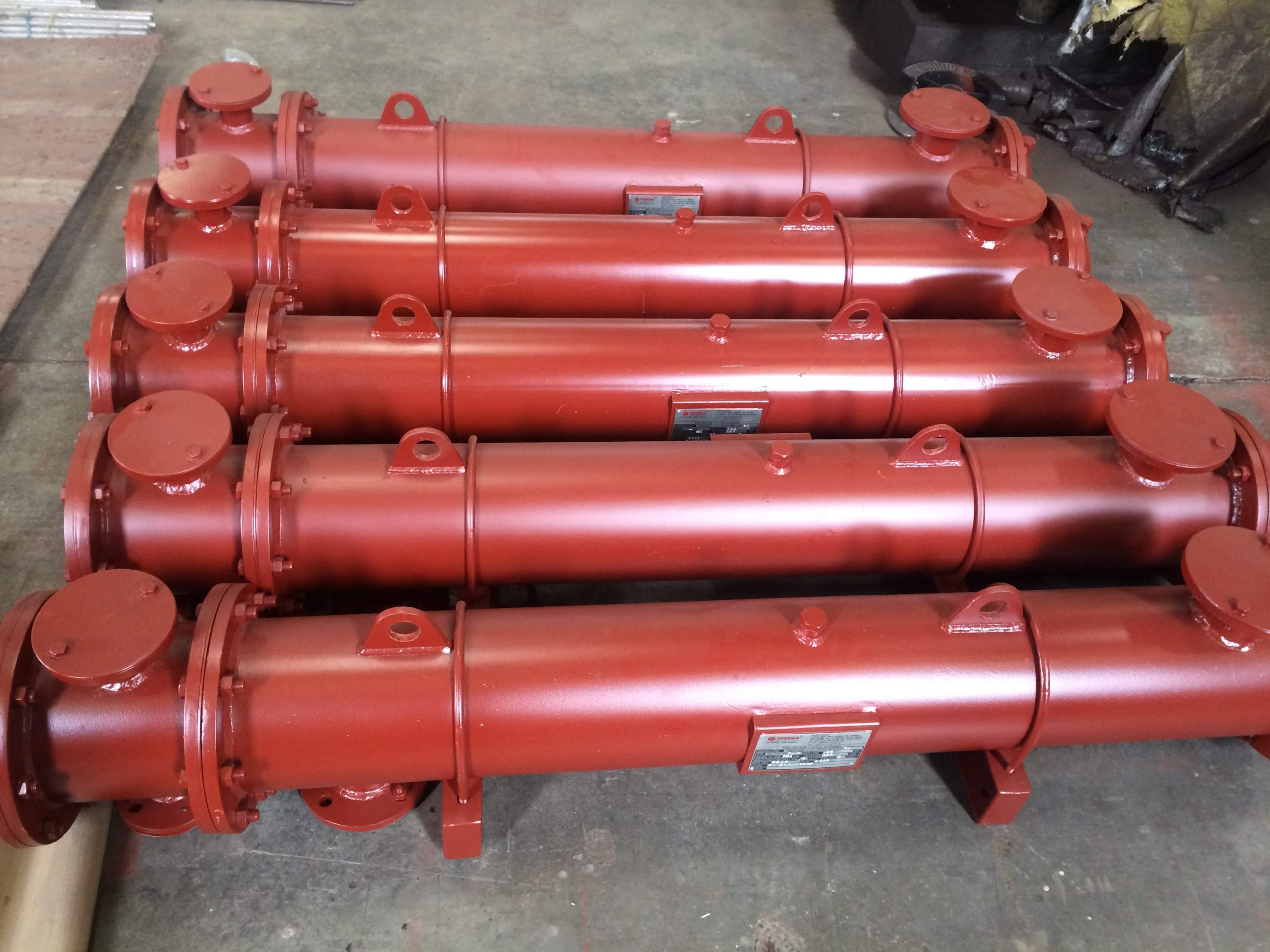
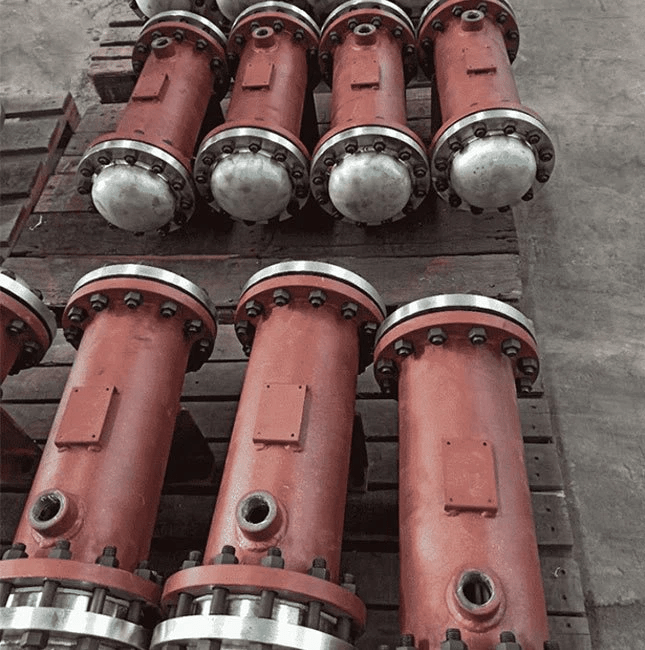
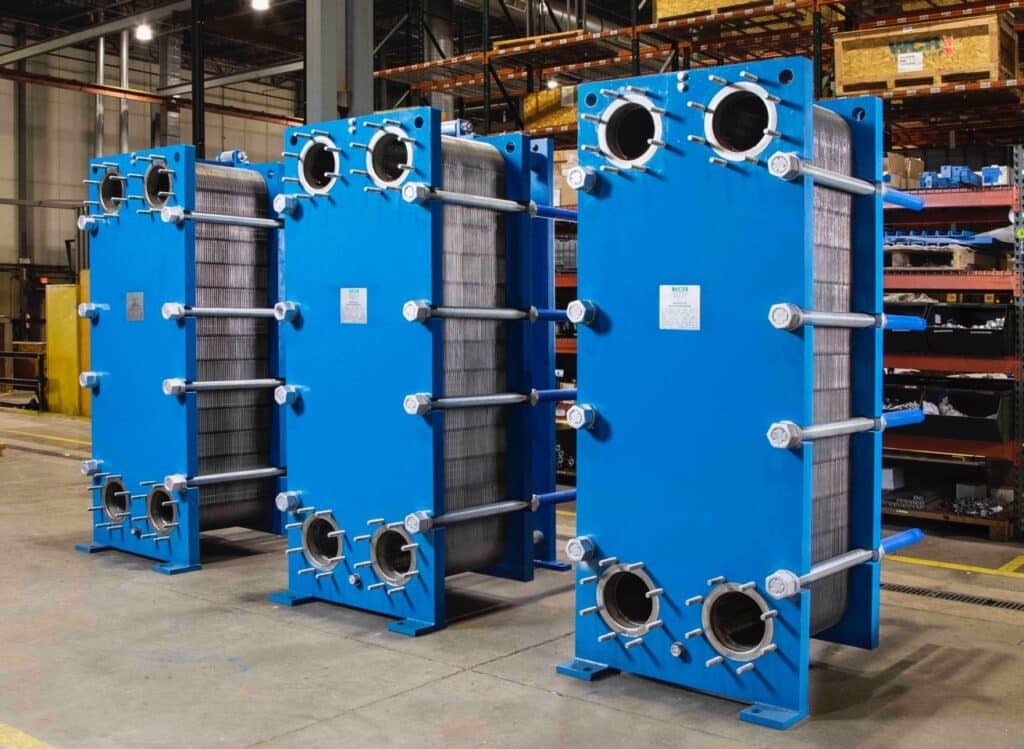
Parts of A shell and tube oil cooler A shell and tube oil cooler consists of several key components, each playing a critical role in heat transfer, structural integrity, and fluid flow. Below is a detailed breakdown of its major parts, their functions, and common materials used in marine/industrial applications. 1....
The oil cooler in an engine serves a critical purpose in maintaining optimal engine performance and longevity. Its primary functions are: 1. Cooling the Engine Oil 2. Maintaining Oil Viscosity 3. Preventing Engine Overheating 4. Extending Oil Life 5. Protecting Turbocharged Engines 6. Enhancing Performance & Efficiency Types of Oil...
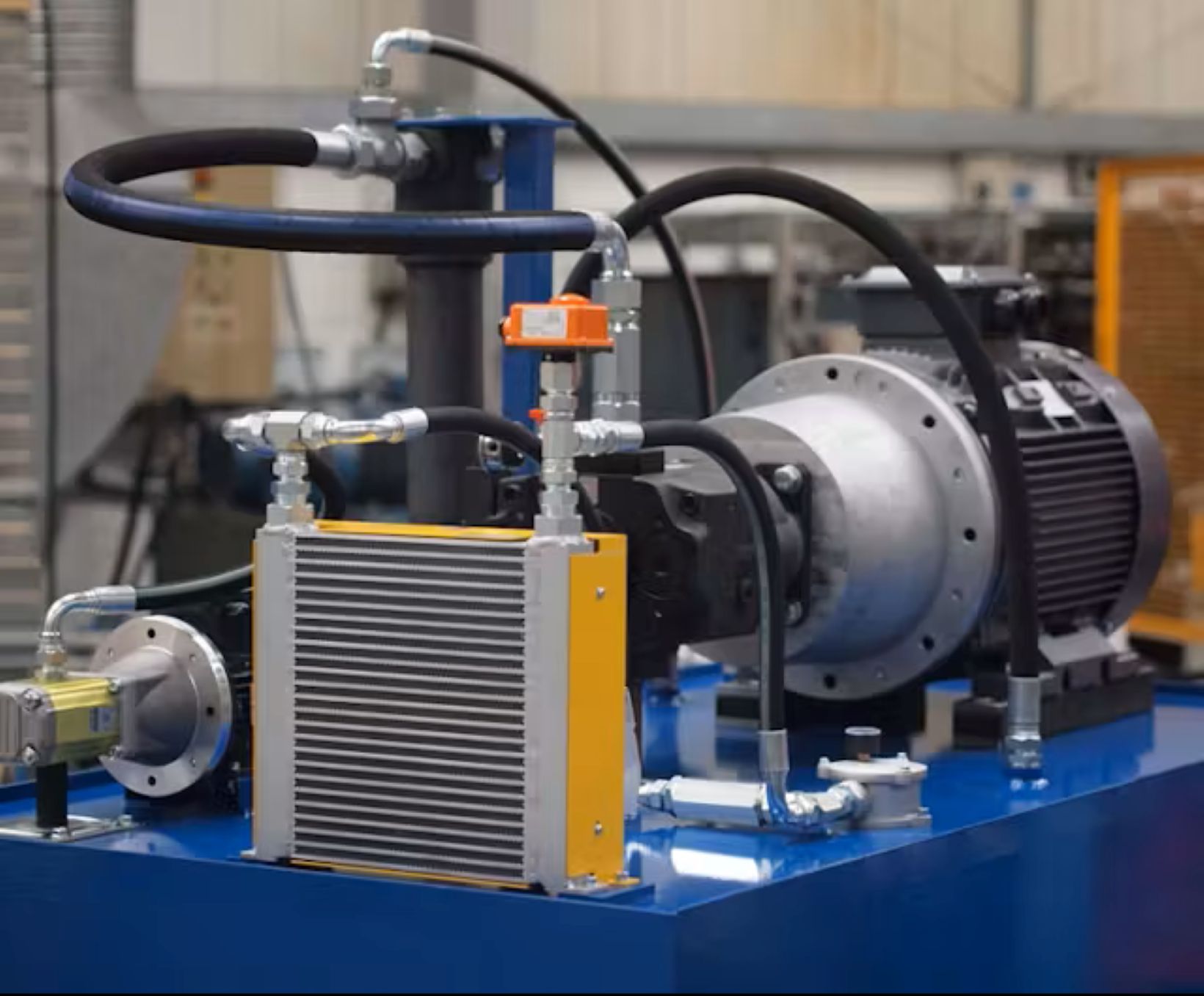
purpose of an Oil Cooler in a Hydraulic Power Pack An oil cooler (or hydraulic cooler) in a hydraulic power pack is essential for maintaining optimal system performance and reliability. Its primary functions include: 1. Temperature Control 2. Preventing Oil Degradation 3. Maintaining System Efficiency 4. Protecting Seals...
Materials Used in Shell & Tube Oil Cooler Tubes The tubes in a shell and tube oil cooler are critical for heat transfer efficiency, corrosion resistance, and durability. The choice of material depends on factors like fluid compatibility, temperature, pressure, and cost. Below are the most common materials used: 1....
Copper Tube vs. Stainless Steel Tube Oil Coolers: When choosing between copper and stainless steel (SS) tubes for an oil cooler, factors like thermal efficiency, corrosion resistance, durability, and cost play a crucial role. Below is a detailed comparison: 1. Thermal Conductivity & Heat Transfer Efficiency...
hy Aluminum Brass Tubes Are Used in Marine Oil Coolers Aluminum brass (CuZn20Al, UNS C68700) is a copper alloy specifically engineered for marine and seawater cooling applications. It is widely used in shell-and-tube oil coolers for ships, offshore platforms, and desalination plants due to its unique...
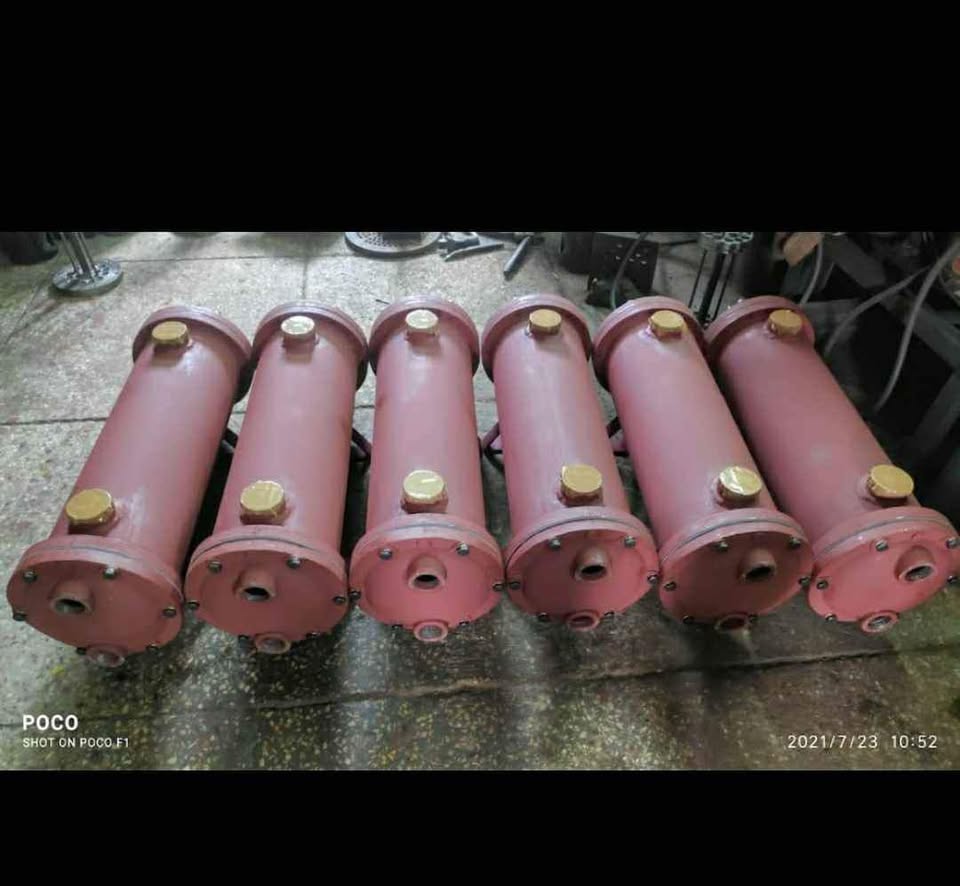
Hydraulic oil cooler is an essential component in modern hydraulic systems, designed to remove excess heat generated during operation and maintain the oil at an optimal working temperature. Hydraulic systems often operate under high pressure, and as the oil flows through pumps, valves, and actuators, it generates significant heat due to friction...
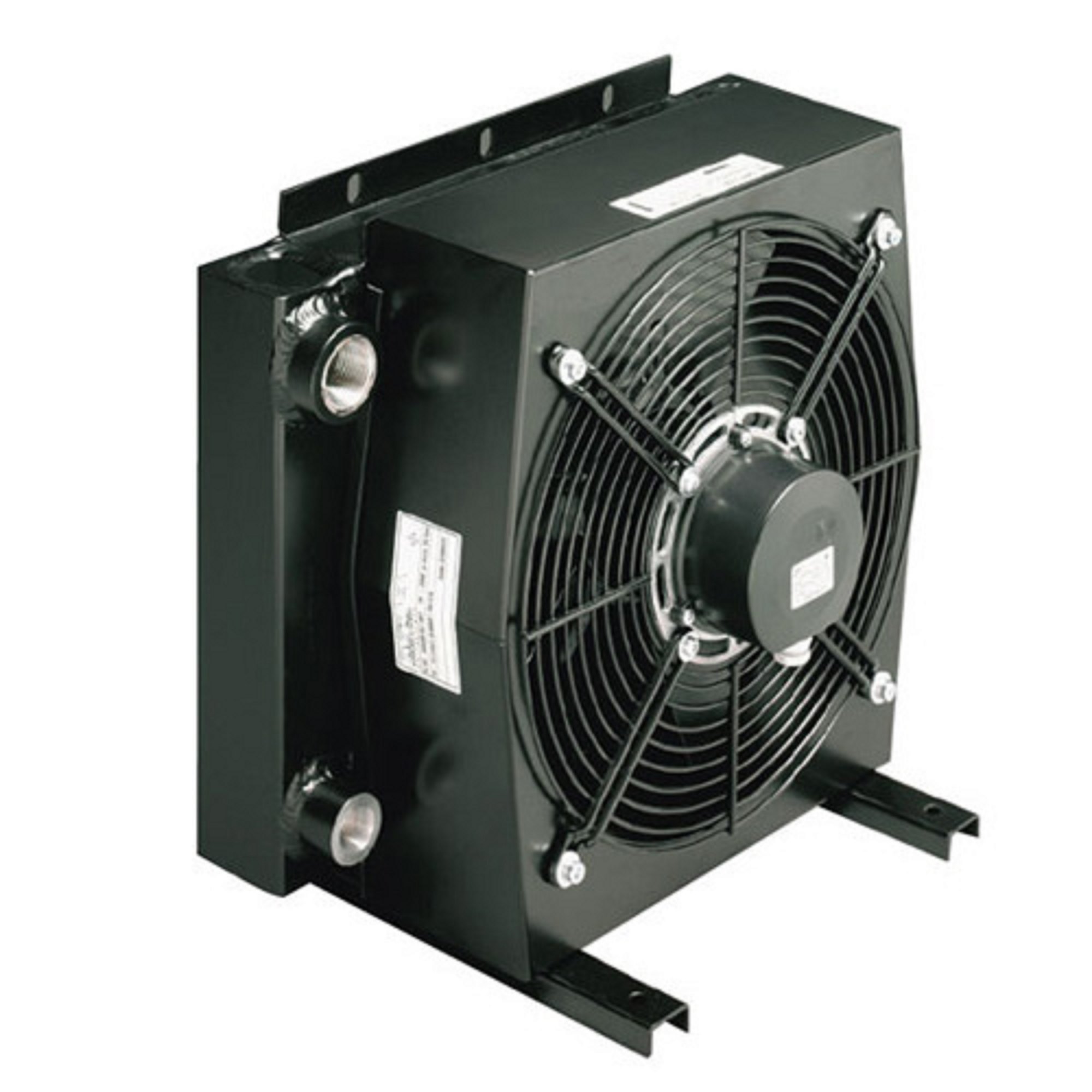
Air Blast Oil Cooler is a highly efficient solution for managing oil temperatures in hydraulic systems, engines, compressors, gearboxes, and industrial equipment. In these systems, oil is critical for both lubrication and power transmission, but excessive heat buildup can reduce its viscosity, cause component wear, and even lead to equipment...
Air Blast Oil Cooler is one of the most efficient solutions for maintaining safe oil temperatures in hydraulic systems, compressors, engines, and industrial machinery. In any oil-based system, heat generation is unavoidable, and if the oil is not cooled properly, it can lose its viscosity, damage seals, and accelerate the wear of pumps, bearings,...
copper-nickel oil cooler is one of the most reliable and durable solutions for marine, industrial, and automotive cooling applications. Known for its superior resistance to saltwater corrosion, copper-nickel alloys are widely used in environments where traditional materials would quickly degrade. In oil cooling systems, the copper-nickel...
In the demanding marine industry, fishing vessel oil coolers play a critical role in maintaining engine performance, efficiency, and reliability during long voyages. Fishing boats operate under tough conditions, often running continuously for hours or even days. This heavy-duty usage generates significant heat in the engine and hydraulic systems,...
Lightweight oil coolers are becoming the preferred choice in modern industrial and automotive applications due to their high efficiency, compact size, and ease of installation. Designed to regulate oil temperatures in engines, hydraulic systems, and heavy-duty equipment, these coolers ensure that machinery runs smoothly without overheating. By...
Titanium oil coolers are becoming a preferred choice across industries that demand superior performance, durability, and resistance to extreme environments. Unlike traditional aluminum oil coolers or stainless steel oil coolers, titanium oil coolers offer unmatched corrosion resistance, making them ideal for applications exposed to saltwater,...
portable oil cooler is a highly versatile solution designed to manage the heat generated in engines, hydraulic systems, compressors, and other heavy-duty machinery. Unlike fixed cooling systems, portable oil coolers offer mobility, adaptability, and space-saving advantages. They are widely used in industrial plants, automotive workshops, marine...
A serpentine coil dry cooler is a highly efficient heat rejection system that uses a serpentine-shaped coil arrangement to maximize heat transfer and airflow contact. Designed for industrial cooling applications, it is widely used in HVAC systems, process cooling, data centers, and power generation plants where water conservation and low...
Why Aluminum Brass Tubes Are Used in Marine Oil Coolers Aluminum brass (CuZn20Al, UNS C68700) is a copper alloy specifically engineered for marine and seawater cooling applications. It is widely used in shell-and-tube oil coolers for ships, offshore platforms, and desalination plants due to its unique...
Copper Tube vs. Stainless Steel Tube Oil Coolers: When choosing between copper and stainless steel (SS) tubes for an oil cooler, factors like thermal efficiency, corrosion resistance, durability, and cost play a crucial role. Below is a detailed comparison: 1. Thermal Conductivity & Heat Transfer Efficiency ...
An oil cooler (or hydraulic cooler) in a hydraulic power pack is essential for maintaining optimal system performance and reliability. Its primary functions include: 1. Temperature Control 2. Preventing Oil Degradation 3. Maintaining System Efficiency 5. Preventing Overheating & System Failure
The oil cooler in an engine serves a critical purpose in maintaining optimal engine performance and longevity. Its primary functions are: 1. Cooling the Engine Oil 2. Maintaining Oil Viscosity 3. Preventing Engine Overheating 4 Extending Oil Life 5. Protecting Turbocharged Engines 6. Enhancing Performance & Efficiency Types of Oil...
When to Choose a Shell & Tube Oil Cooler? When to Use an Air-Cooled Oil Cooler? Critical Considerations Final Verdict Shell & tube oil coolers win in: Air-cooled oil coolers win in: Lower upfront cost
Shell and Tube Oil Coolers vs. Air-Cooled Oil Coolers, Here’s a detailed comparison of Shell and Tube Oil Coolers vs. Air-Cooled Oil Coolers, highlighting the advantages of shell and tube designs in industrial and marine applications: Key Advantages of Shell & Tube Oil Coolers Over Air-Cooled Coolers Factor...
Maintaining a shell and tube oil cooler in marine or industrial applications is crucial for efficient heat transfer, preventing leaks, and avoiding costly downtime. Below is a comprehensive maintenance checklist: 1. Routine Inspection & Monitoring 2. Cleaning Procedures A. Tube Side (Coolant Side – Usually...
For a shell and tube marine oil cooler, material selection is critical due to seawater corrosion, fouling, and high mechanical stresses. Below are the recommended materials for different components: 1. Shell (Oil Side) 2. Tubes (Cooling Medium Side – Usually Seawater)
A marine oil cooler is a type of heat exchanger specifically designed for use in marine (shipboard) applications to cool lubricating oil, hydraulic oil, or gear oil in engines, gearboxes, and other machinery. Since marine environments are highly corrosive due to saltwater exposure, these coolers are built to...
The material of construction (MOC) for a water-cooled oil cooler depends on factors like the type of oil, operating temperature, pressure, and corrosion resistance requirements. Common materials include: 1. Shell & Tube Heat Exchanger (Common for Large Oil Coolers)
Applications of Water-Cooled Oil Coolers Water-cooled oil coolers are widely used in industries and machinery where efficient heat dissipation from oil (lubricating oil, hydraulic oil, or transmission oil) is required. Their ability to handle high heat loads makes them preferable over air-cooled systems in many applications. 1. Industrial Machinery...
The water-cooled oil cooler is a heat exchanger designed to cool oil (hydraulic oil, lubricating oil, etc.) using water as the cooling medium. It is commonly used in industrial machinery, engines, power plants, and hydraulic systems to maintain optimal oil temperature. Working Principle: Applications:
FEATURES OF TIPO OIL COOLER Whilst cupronickel is the standard tube material on all units, but titanium tube stacks are also available as options to suit customer requirements. For deep underground mining applications, where ambient air temperatures are high, Bowman offer a range of oil coolers suitable for use with water pressures up to 35...
Application of oil Cooler Premium quality heat exchangers and oil coolers for precise temperature control of engines under test cell development conditions. Recovering waste heat energy from engine powered generating sets for biogas, diesel and natural gas applications up to 1 MW. Efficient cooling for stationary / land-based engines where air...
Significance of Hydraulic Oil Coolers Hydraulic oil coolers are designed to maintain the proper temperature of hydraulic oil, ensuring that the system performs optimally. They’re a critical component in the machinery operating in demanding environments, and failure to regulate temperature within the system can lead to worn parts or even...
How Do Hydraulic Oil Coolers Work? Hydraulic oil coolers are designed to function by providing a temperature difference between two fluids – the hydraulic oil and the ambient air. Take hydraulic oil cooler as an example. Typically, they operate on a heat exchange principle. They work by drawing hot hydraulic oil from an operating system...
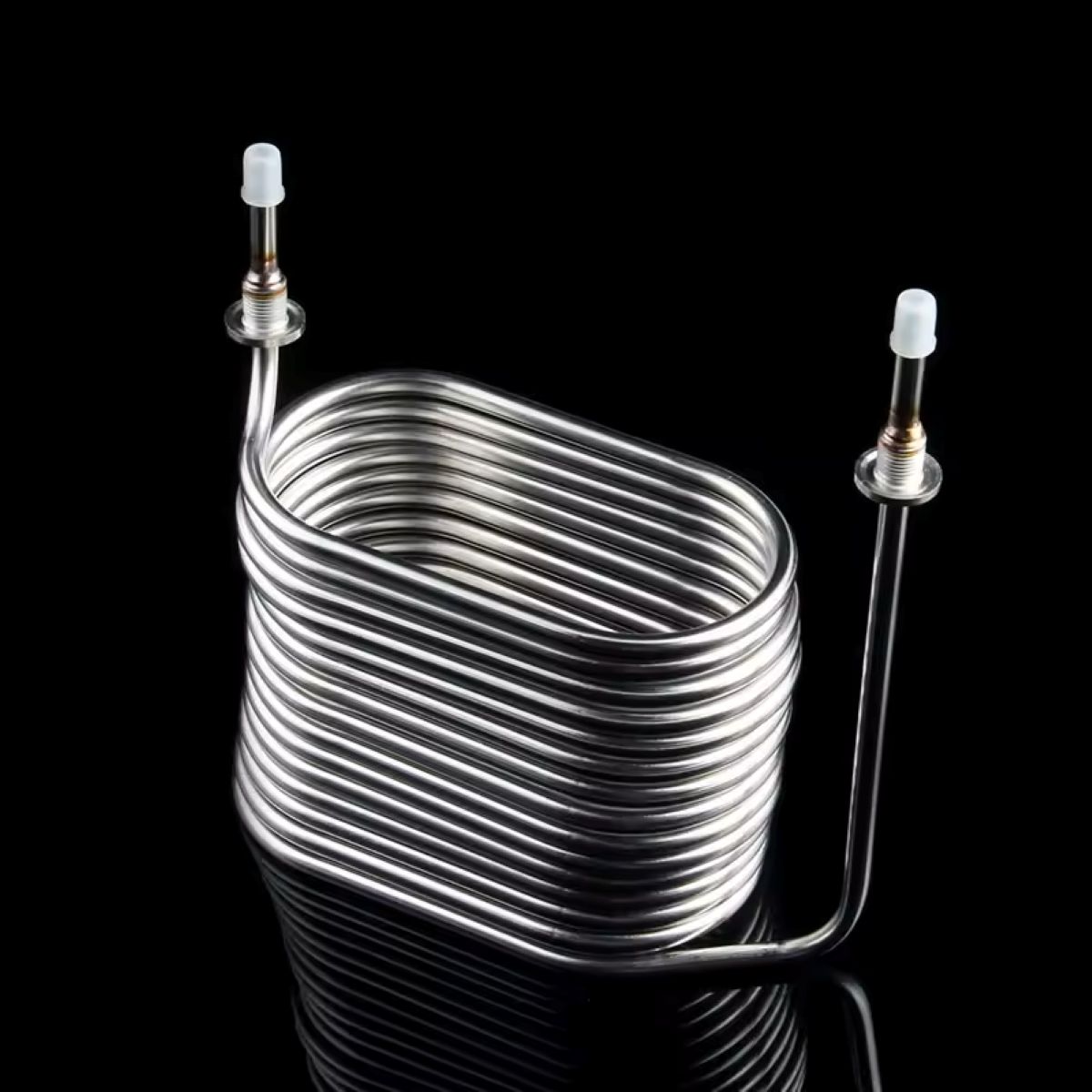
What are Hydraulic Oil Coolers? Hydraulic oil coolers are heat exchangers that are designed to remove excess heat from the hydraulic oil in a system. They are typically made up of a series of tightly packed tubes which are arranged in a manner that facilitates the transfer of heat from the hydraulic oil to the […]
Types of Oil Coolers: Typically involve a radiator-like structure with fins for air to pass over. Use a heat exchanger where hot oil and coolant flow in separate paths, transferring heat through the walls.
An oil cooler’s primary function is to remove excess heat from lubricating oil, ensuring it stays within an optimal temperature range for efficient operation and longevity. It works by transferring heat from the hot oil to a cooling medium, either air or a liquid like coolant, which then carries the heat away.
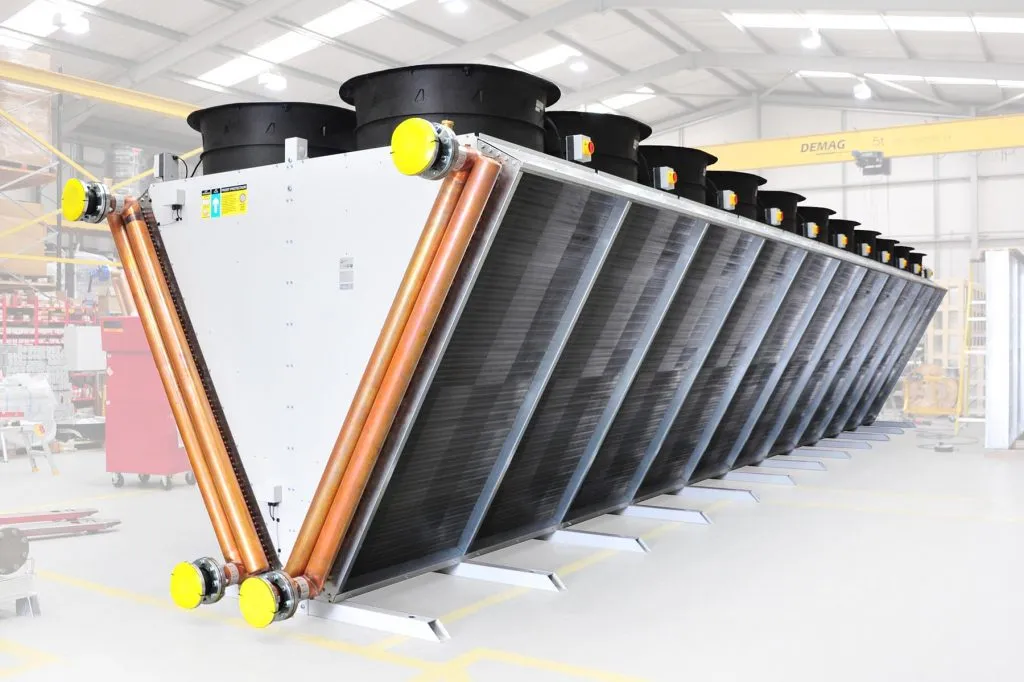
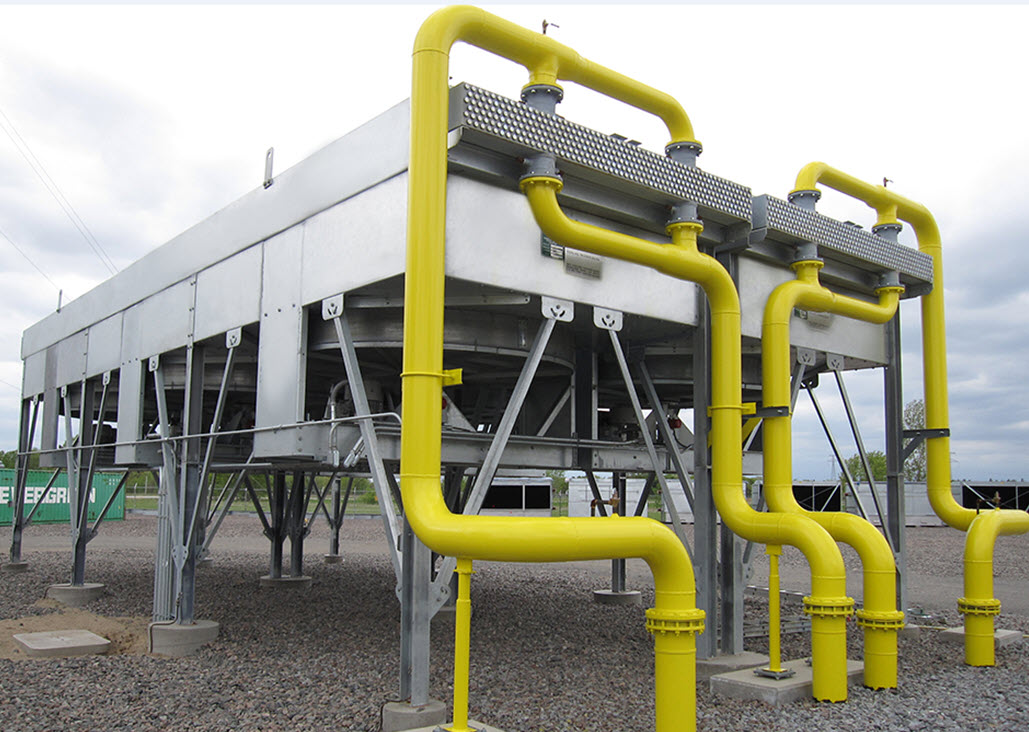
We design and manufacture air cooled thermic fluid coolers for cooling thermic fluids. Exothermic reactions and processes require heat dissipation from the system. This can be achieved by circulating thermic fluids through the fluids or in the jacket around the reaction vessel. The thermic fluid is then cooled in an air cooled heat exchanger using...
Terminal D-12 is a synthetic, liquid phase heat transfer fluid with excellent heat transfer properties over a wide temperature range. This fluid is ideally suited for applications that require efficient cooling and heating.
Thermic fluid coolers, also known as thermoelectric coolers or TECs, are solid-state devices that use the Peltier effect to transfer heat from one side to the other. They operate by passing a direct current (DC) through a material, which causes one side to become cooler and the other side to become hotter. Here’s a more […]
Thermic fluid coolers are also known as thermal oil coolers, heat exchangers, or oil coolers. They are used to transfer heat from one fluid to another without the fluids directly mixing, often for cooling hydraulic oil or other industrial processes. Here’s a more detailed breakdown: Thermal Oil Cooler: This is a very common and direct...
Terminal D-12 is a synthetic, liquid phase heat transfer fluid with excellent heat transfer properties over a wide temperature range. This fluid is ideally suited for applications that require efficient cooling and heating.
Thermic fluid coolers are also known as thermal oil coolers, heat exchangers, or oil coolers. They are used to transfer heat from one fluid to another without the fluids directly mixing, often for cooling hydraulic oil or other industrial processes. Here’s a more detailed breakdown: Thermal Oil Cooler: This is a very common and direct...
We design and manufacture air cooled thermic fluid coolers for cooling thermic fluids. Exothermic reactions and processes require heat dissipation from the system. This can be achieved by circulating thermic fluids through the fluids or in the jacket around the reaction vessel. The thermic fluid is then cooled in an air cooled heat exchanger using...
Thermic fluid coolers, also known as thermoelectric coolers or TECs, are solid-state devices that use the Peltier effect to transfer heat from one side to the other. They operate by passing a direct current (DC) through a material, which causes one side to become cooler and the other side to become hotter. Here’s a more […]