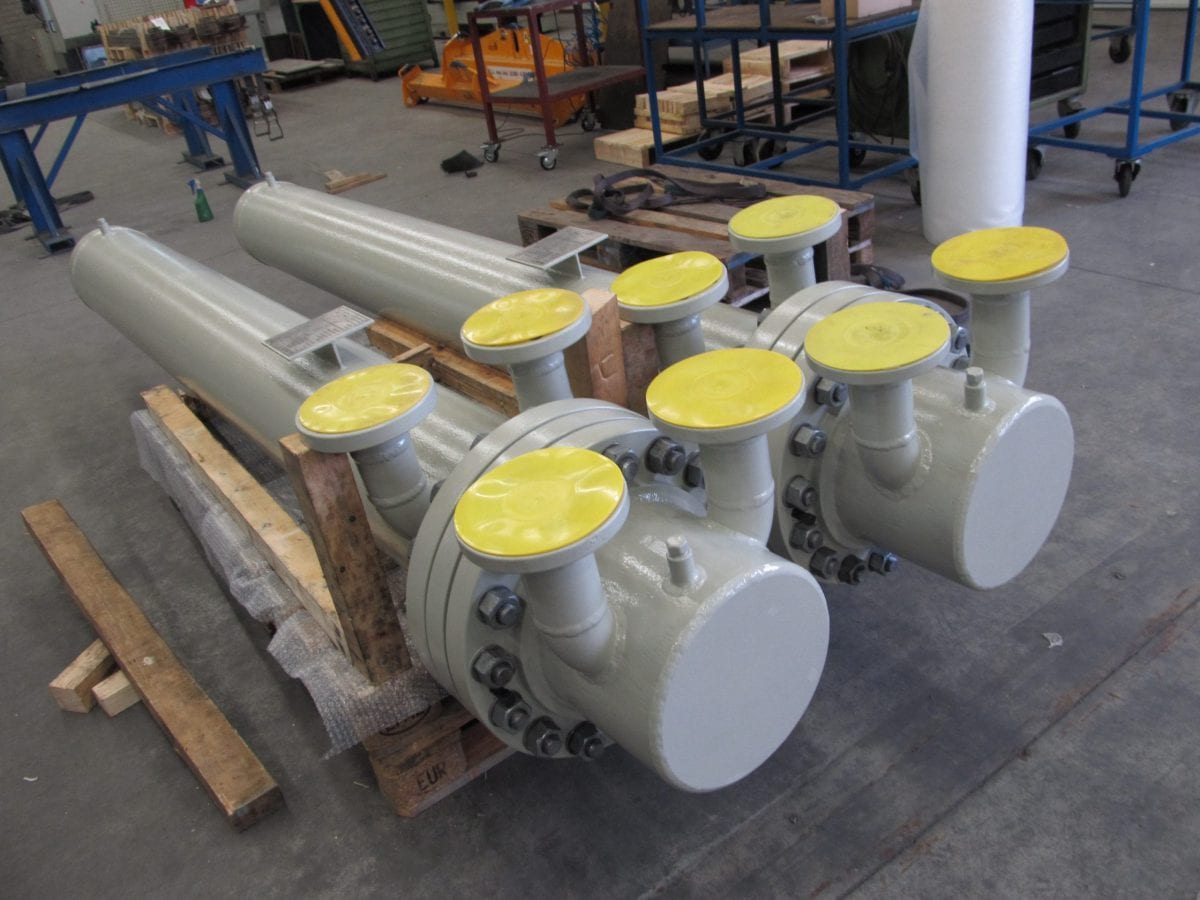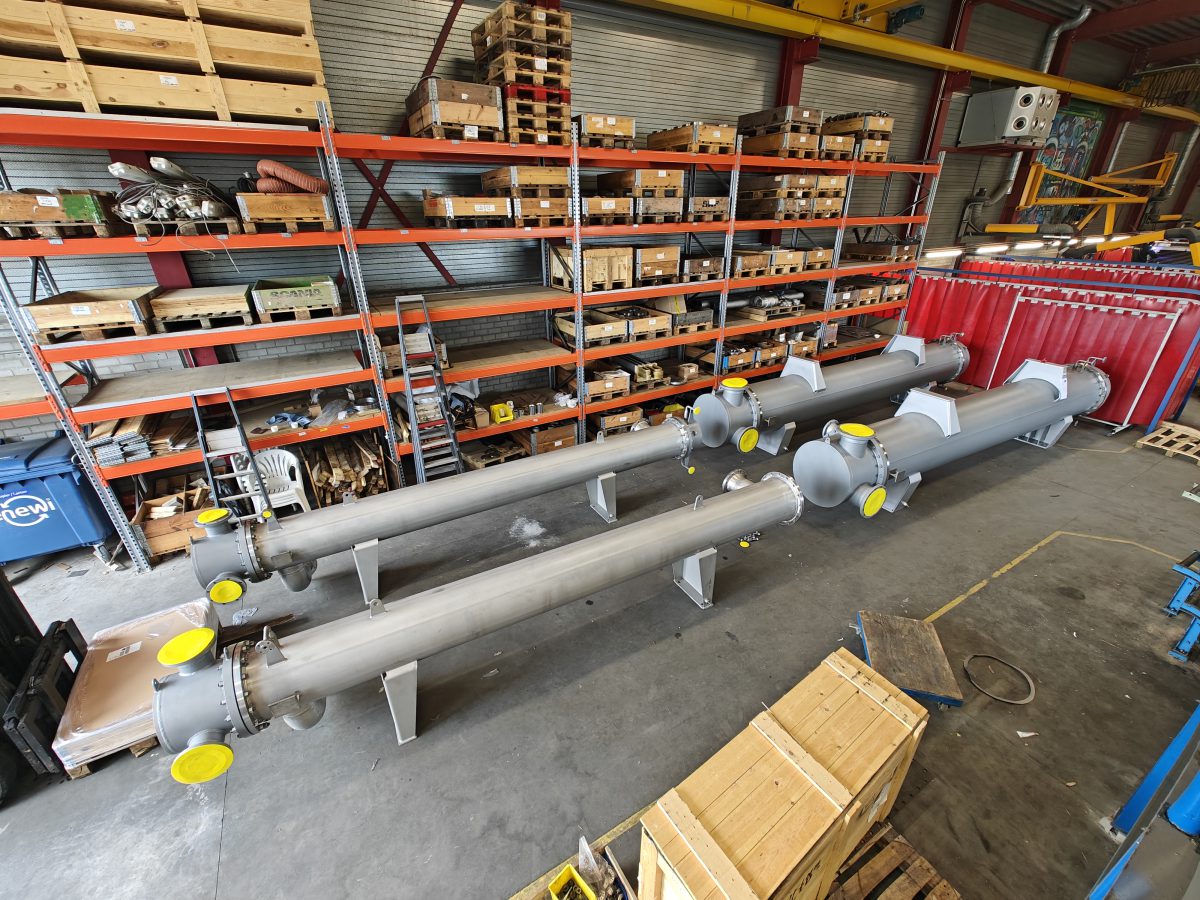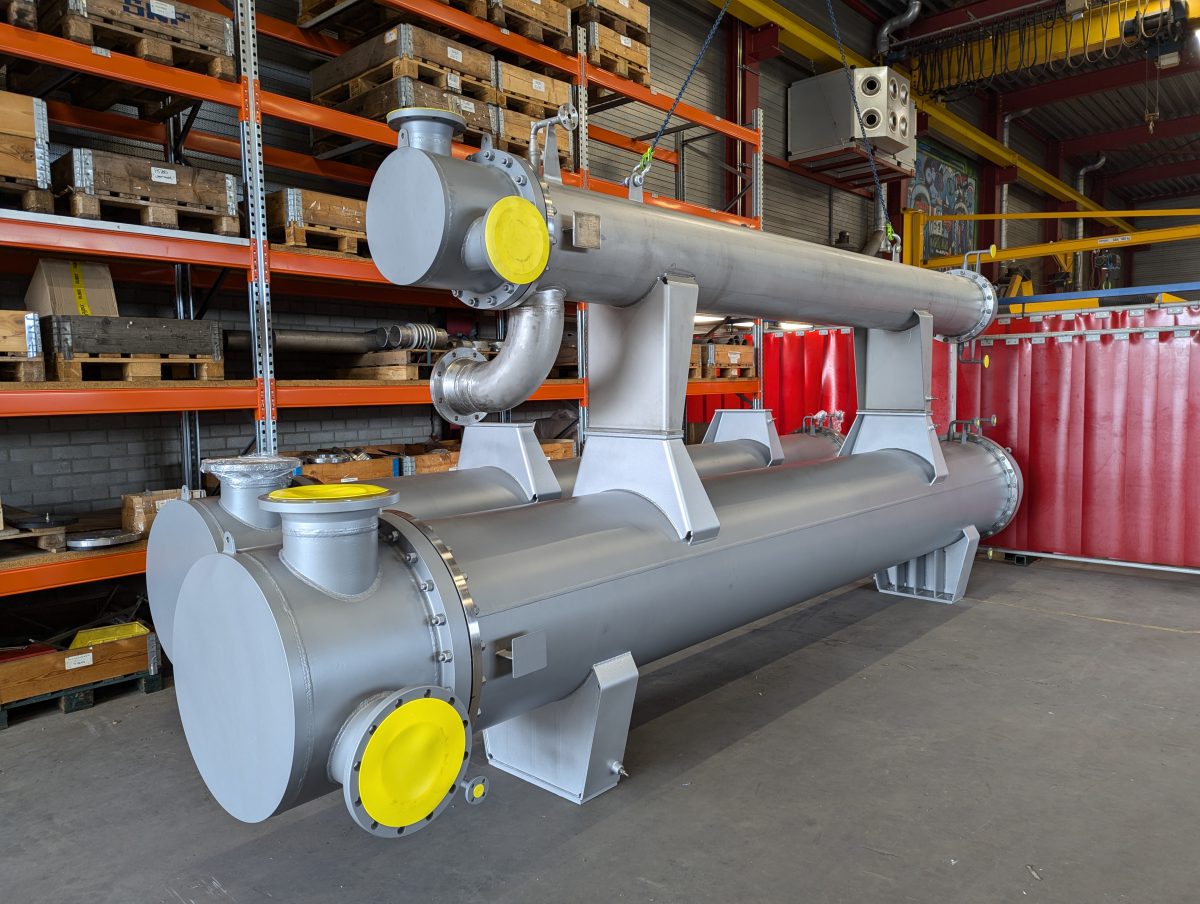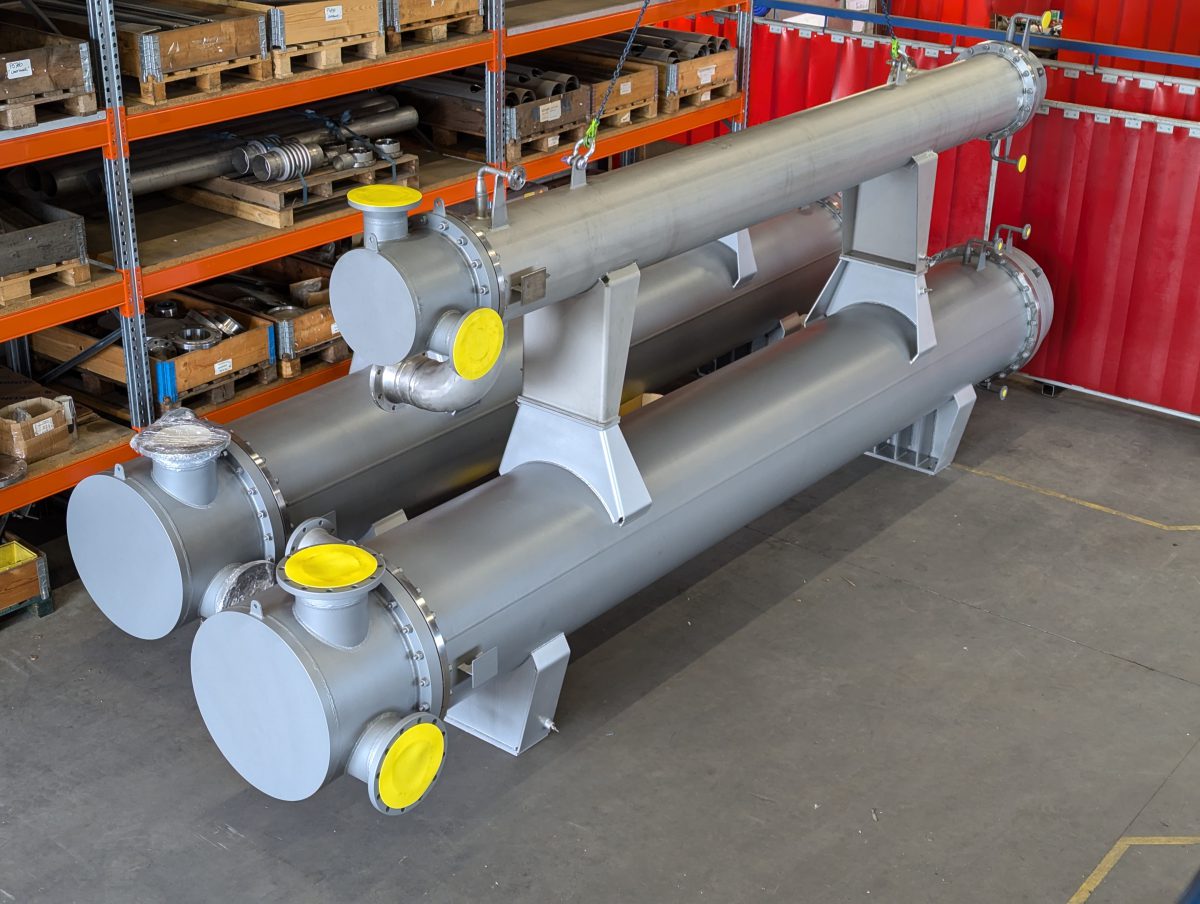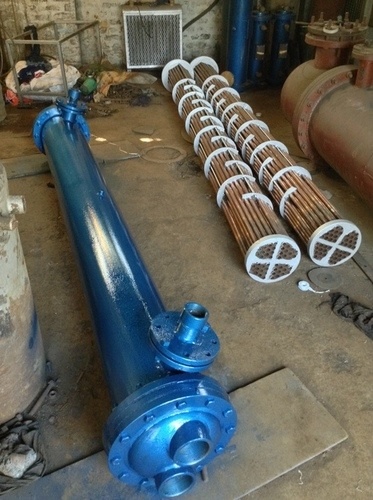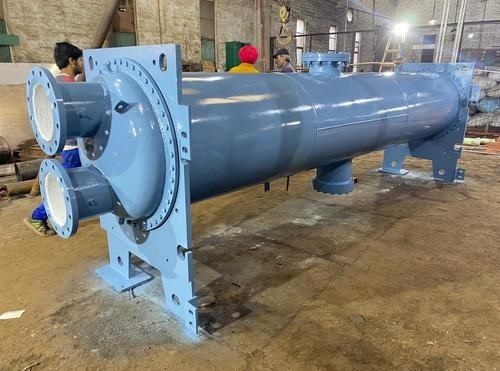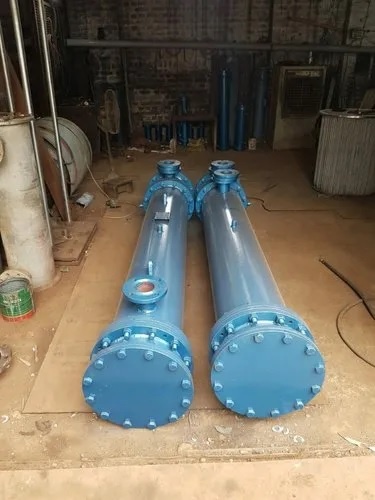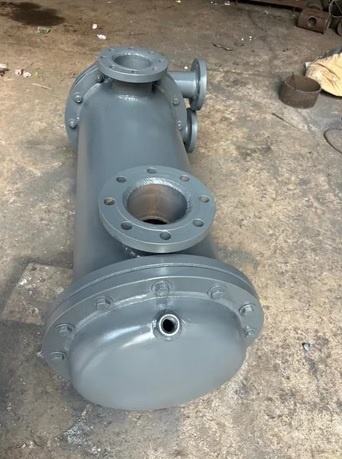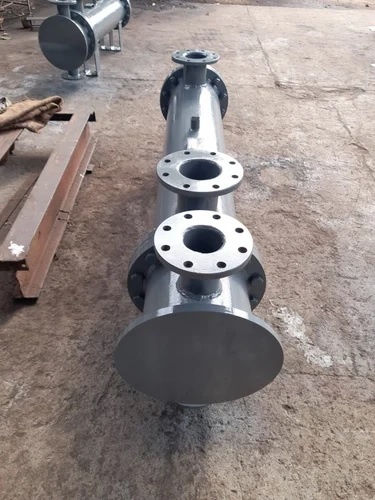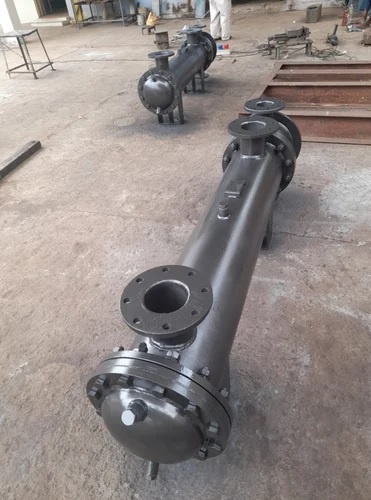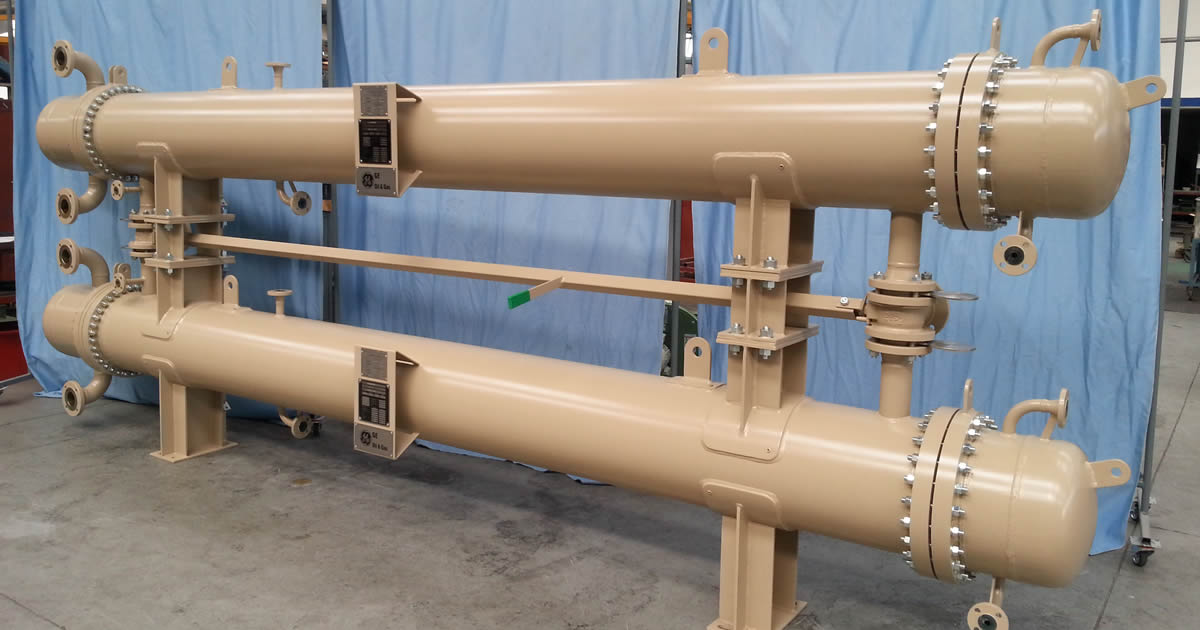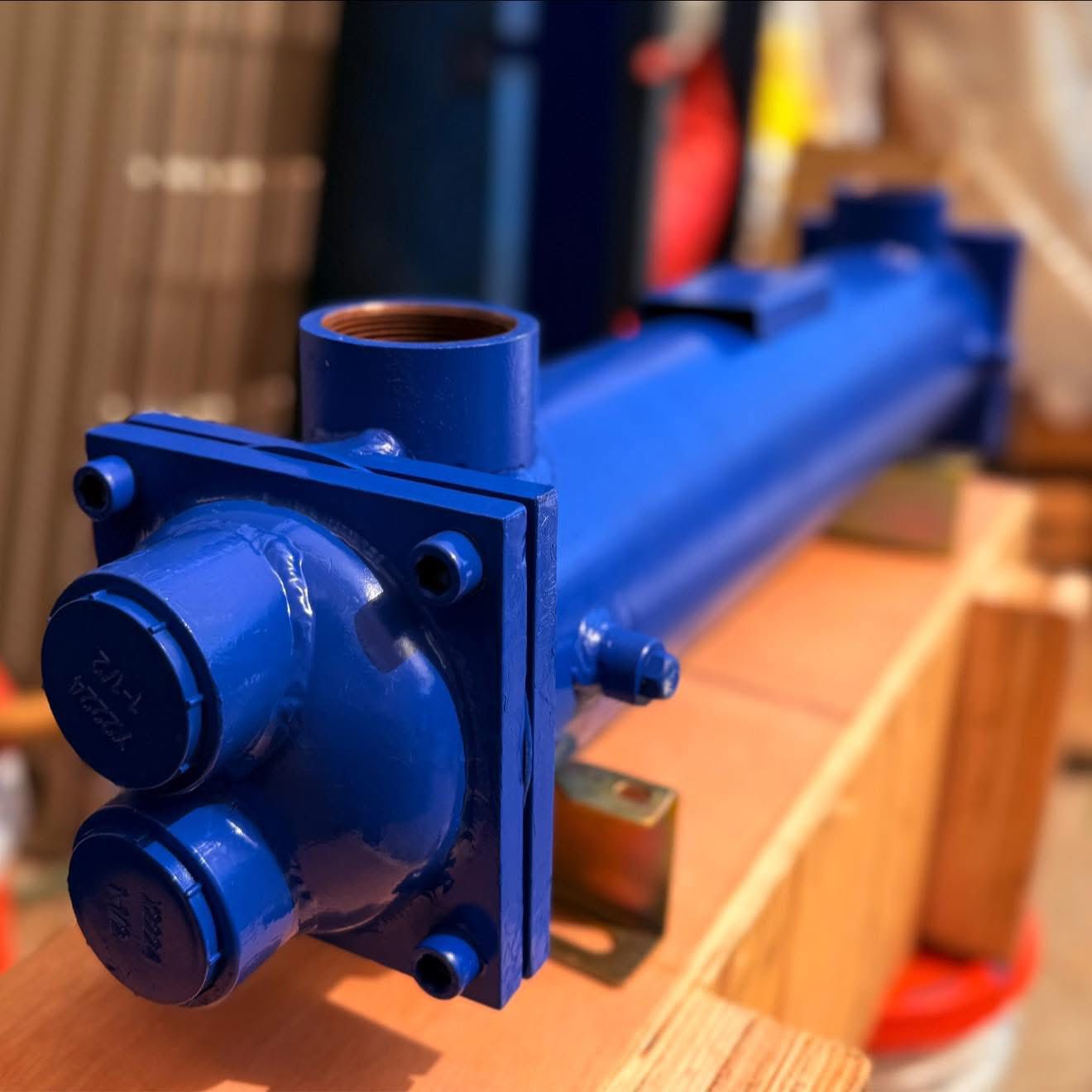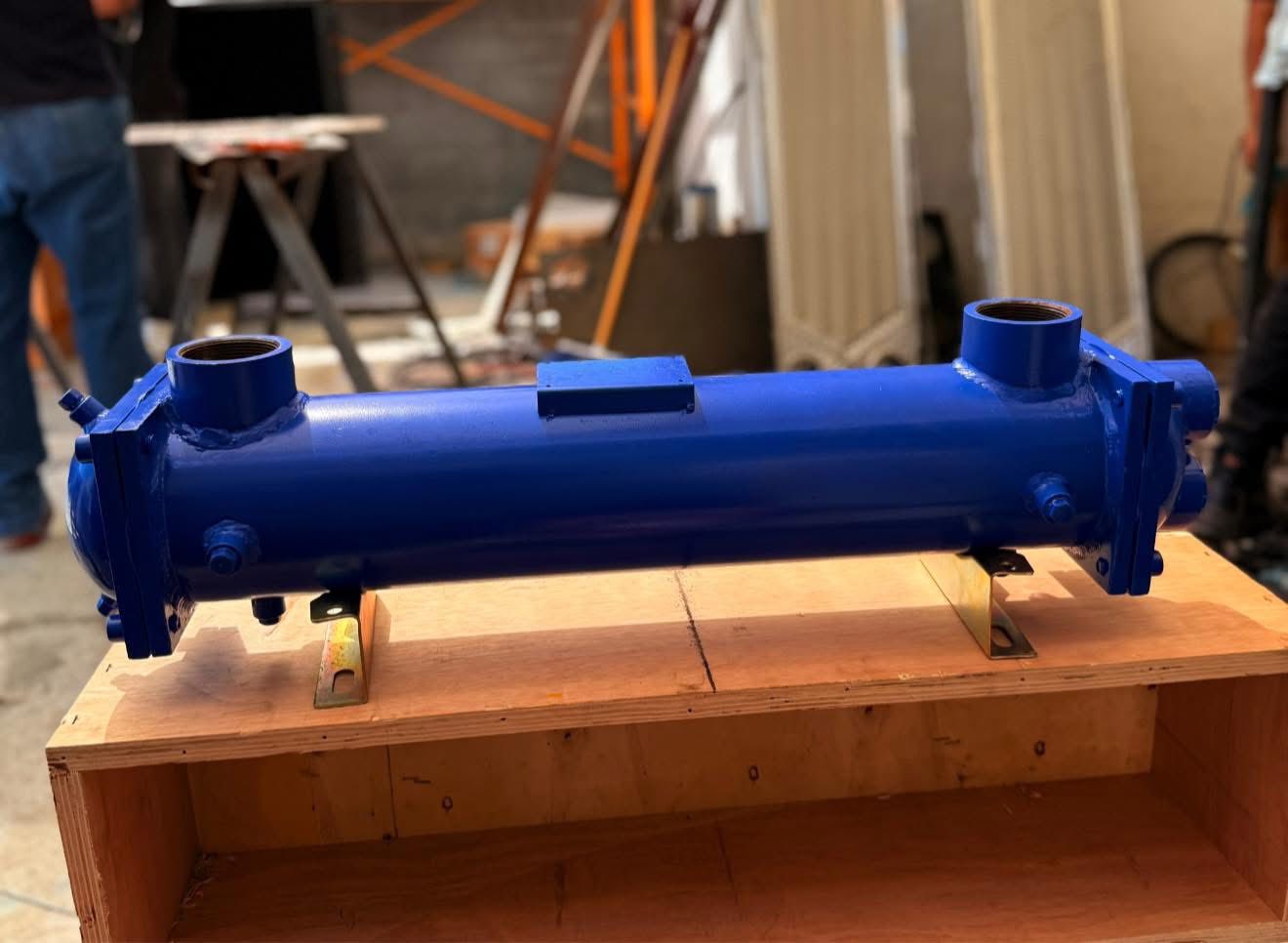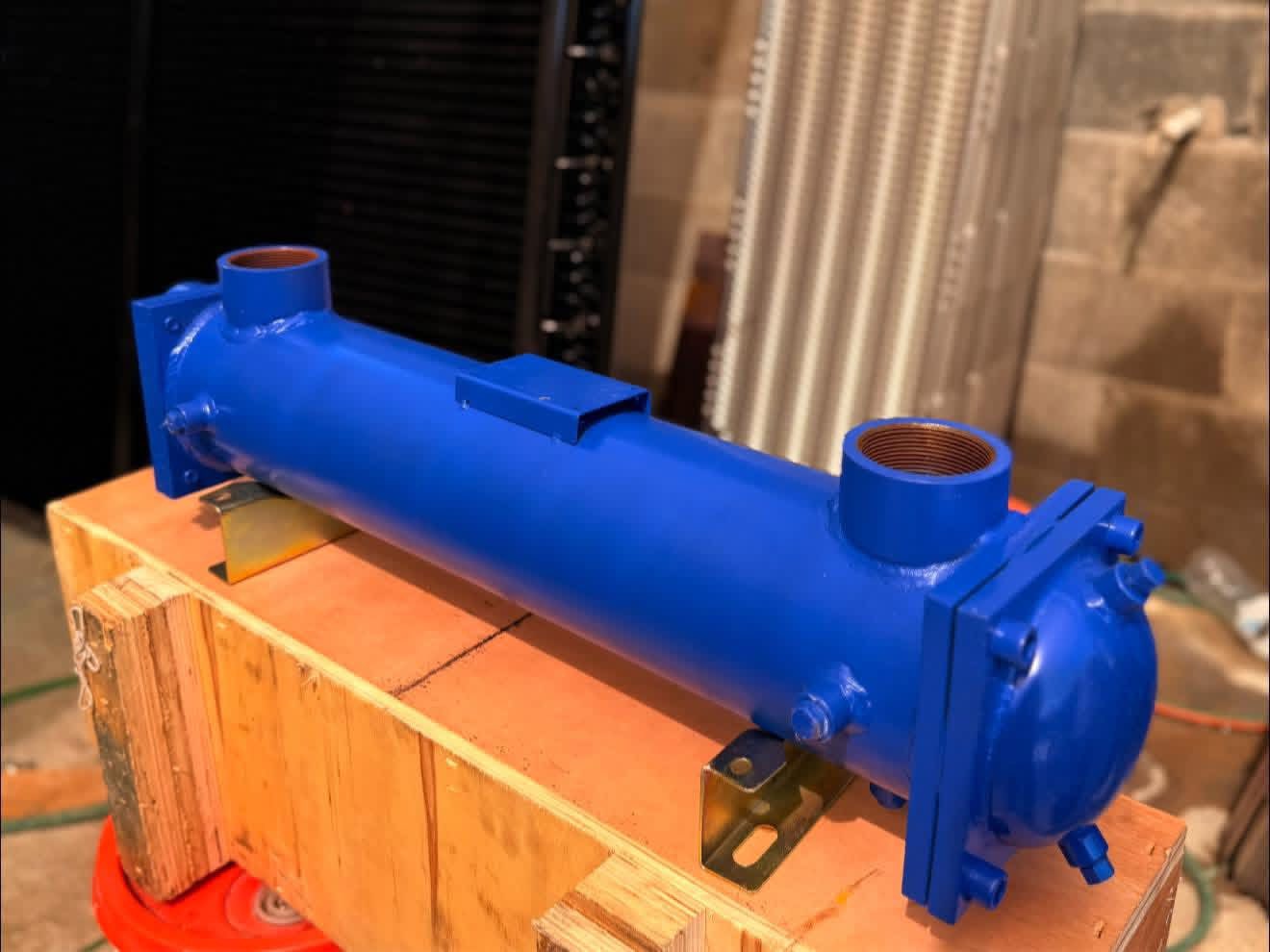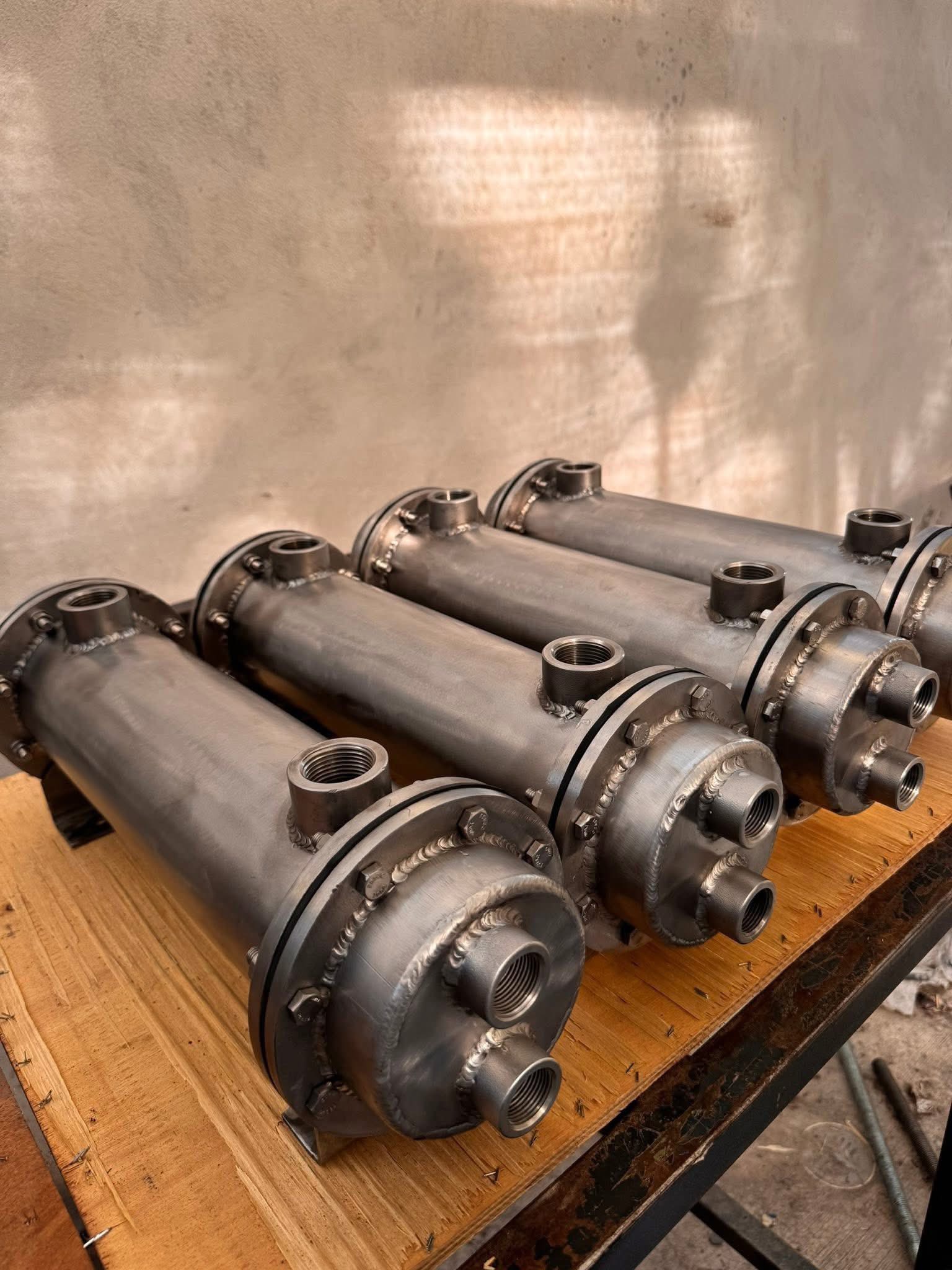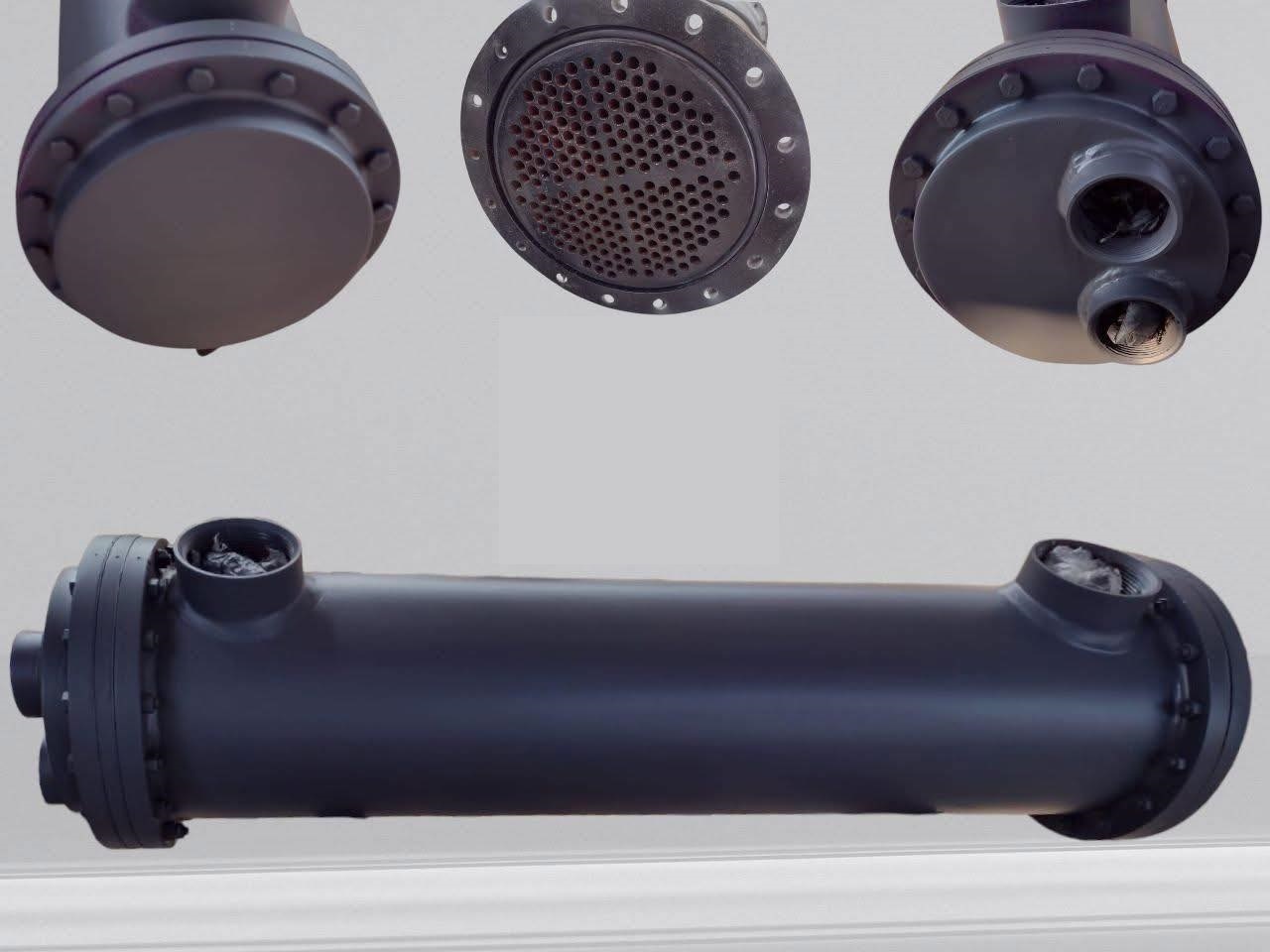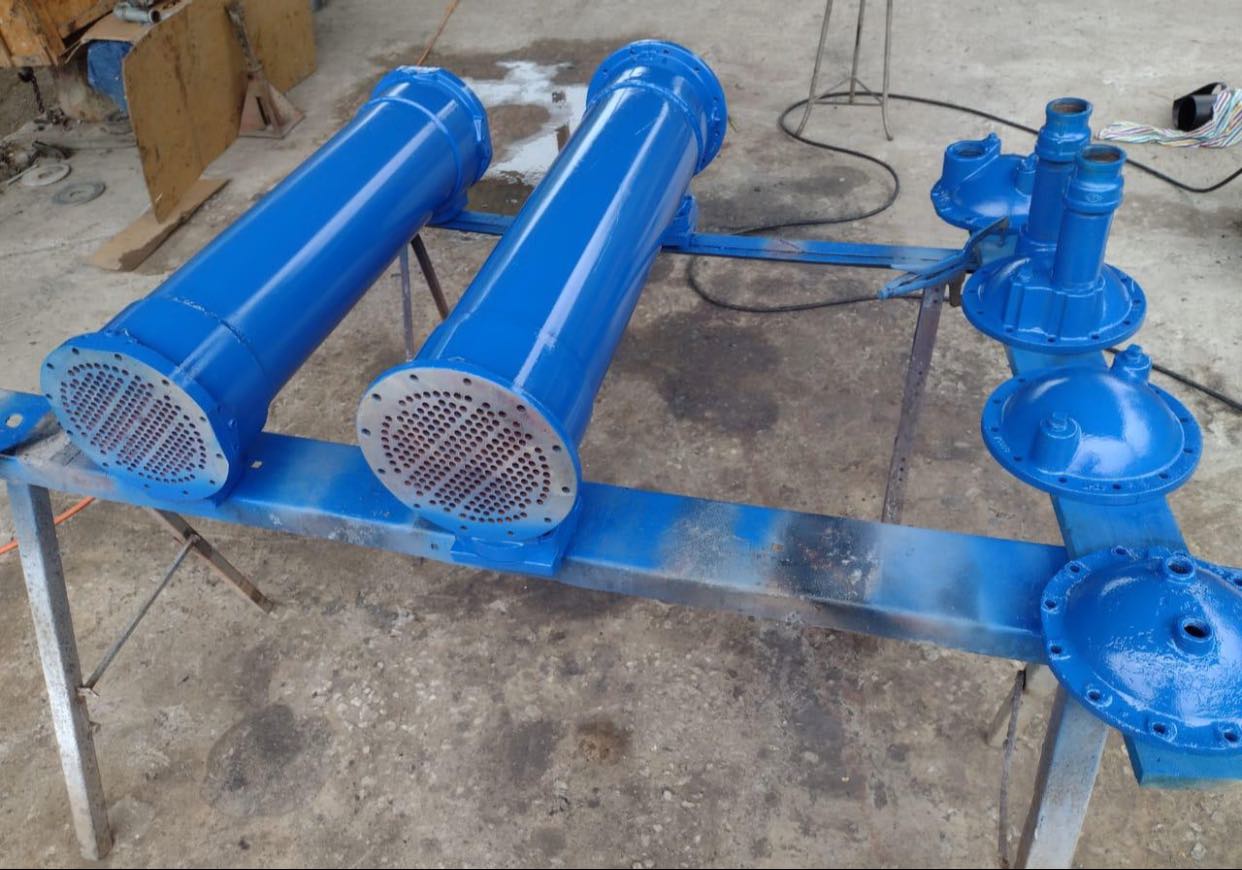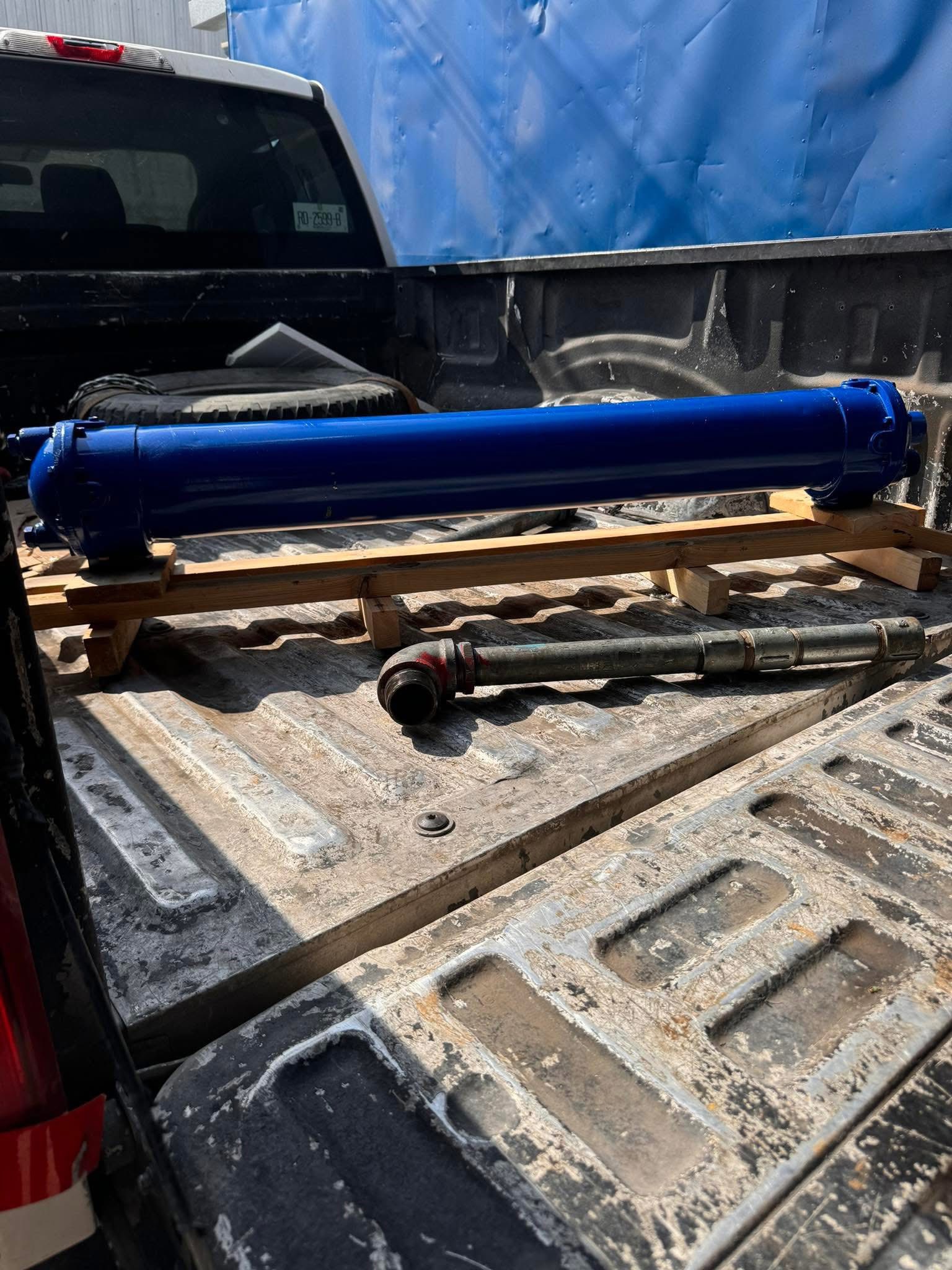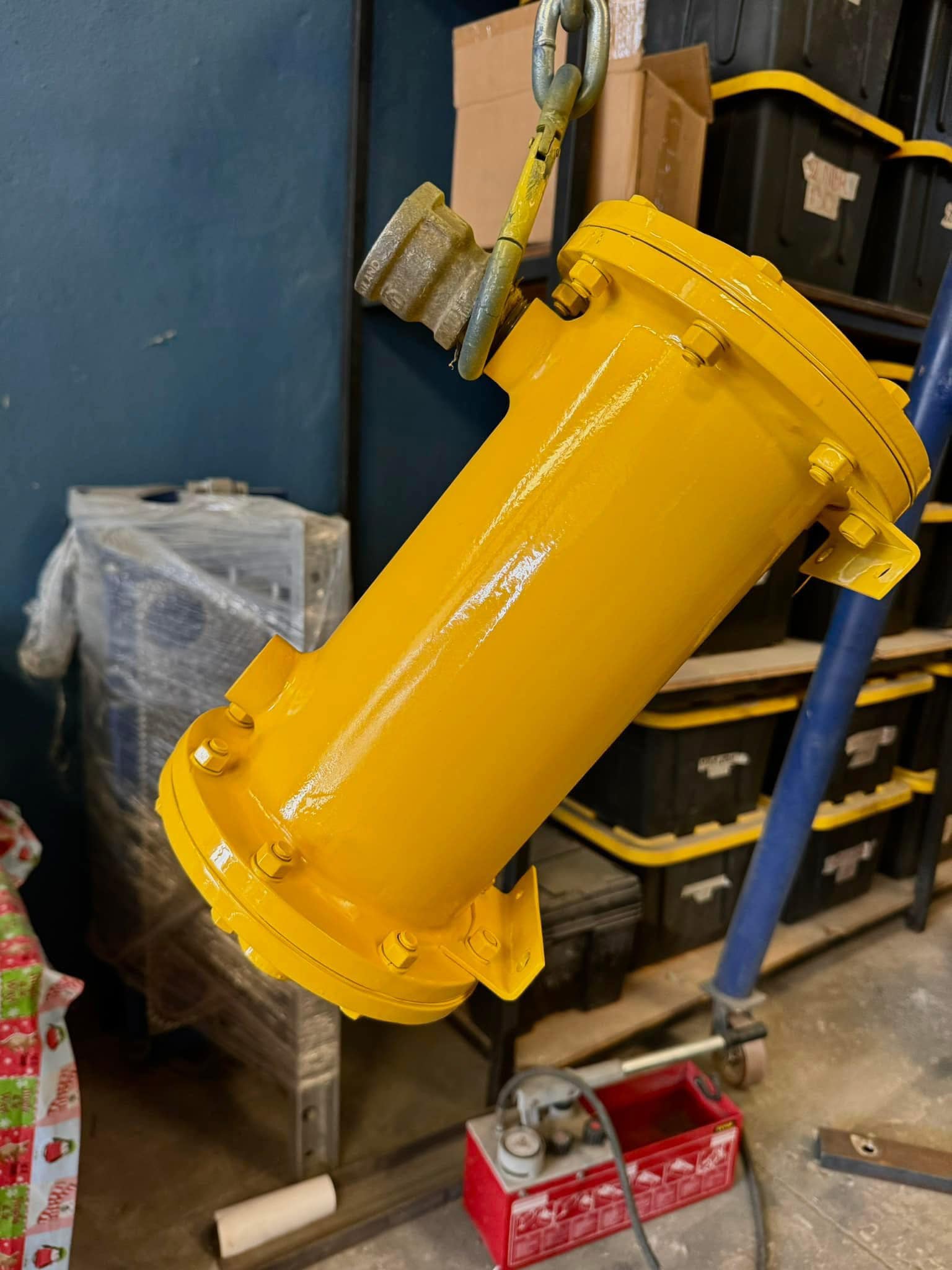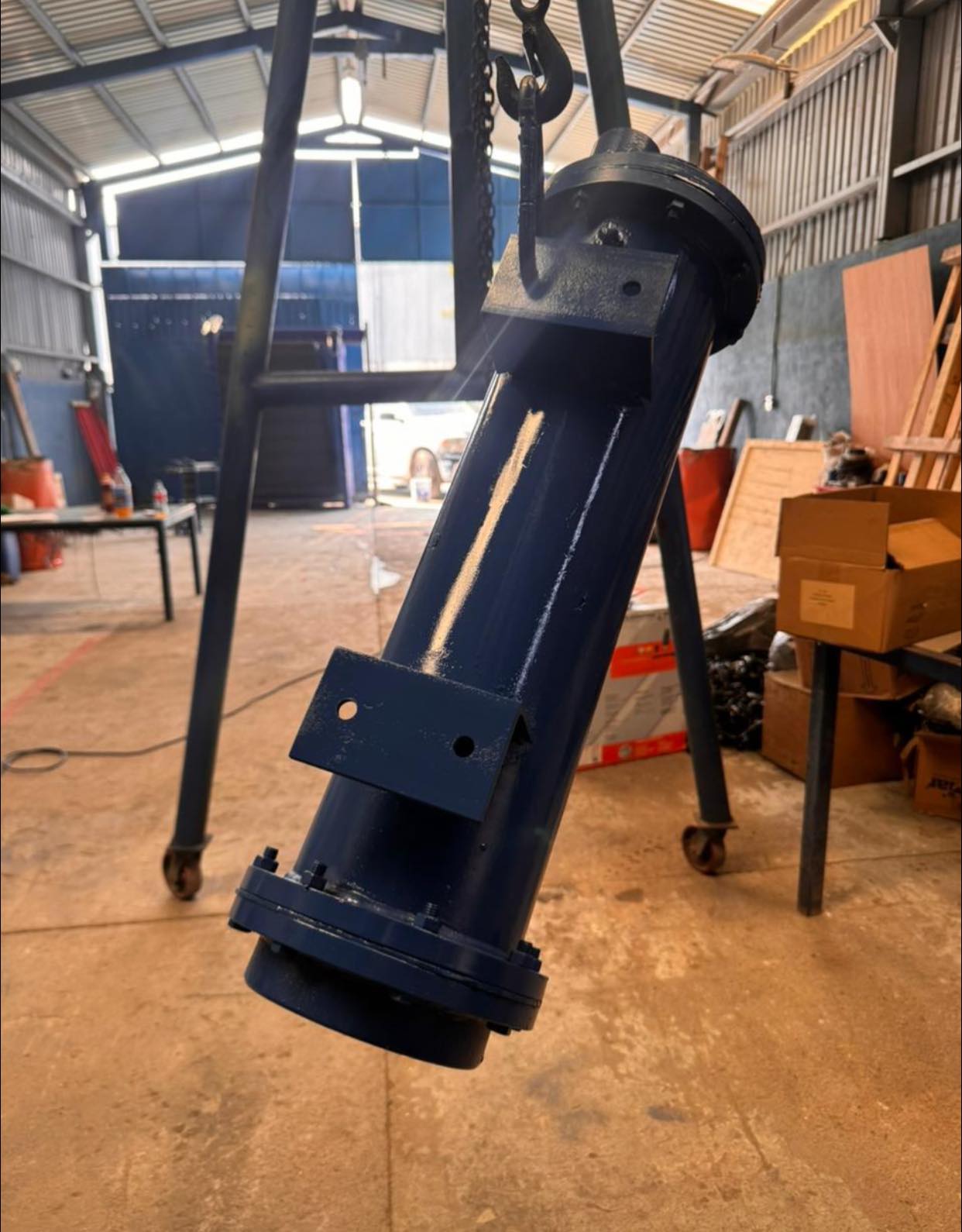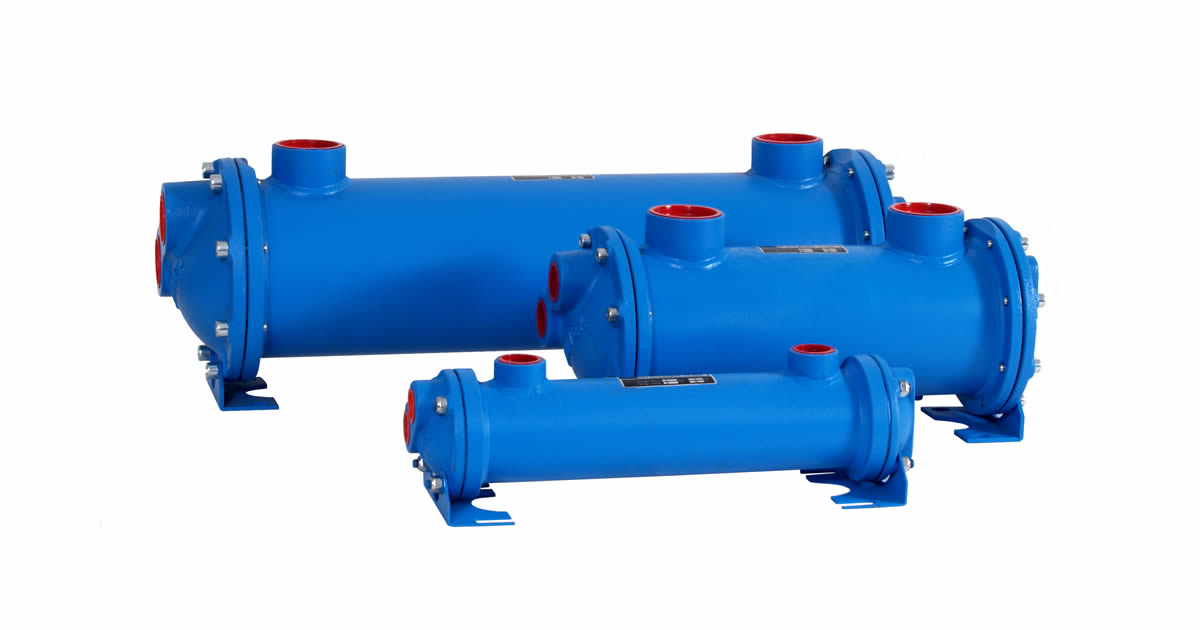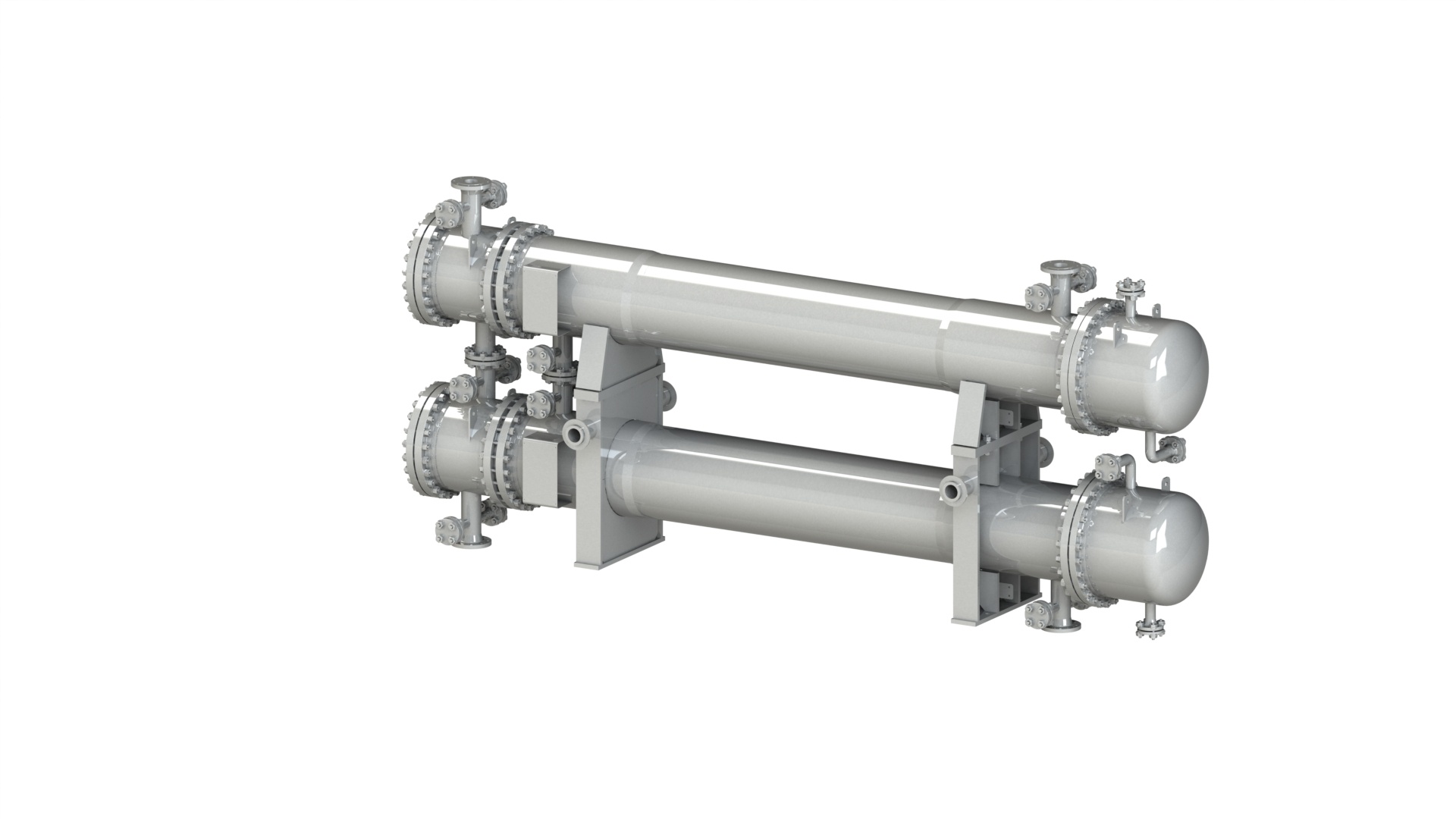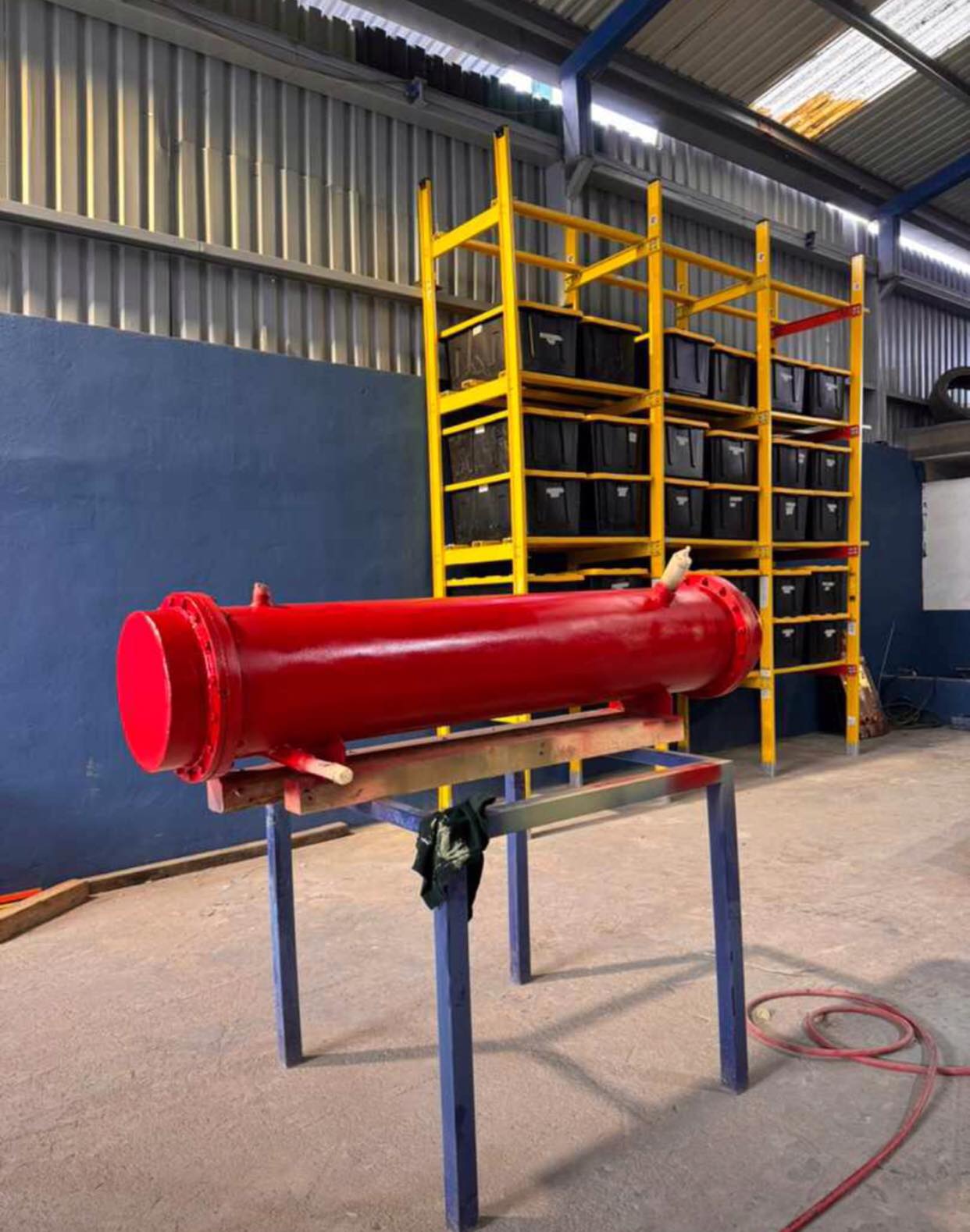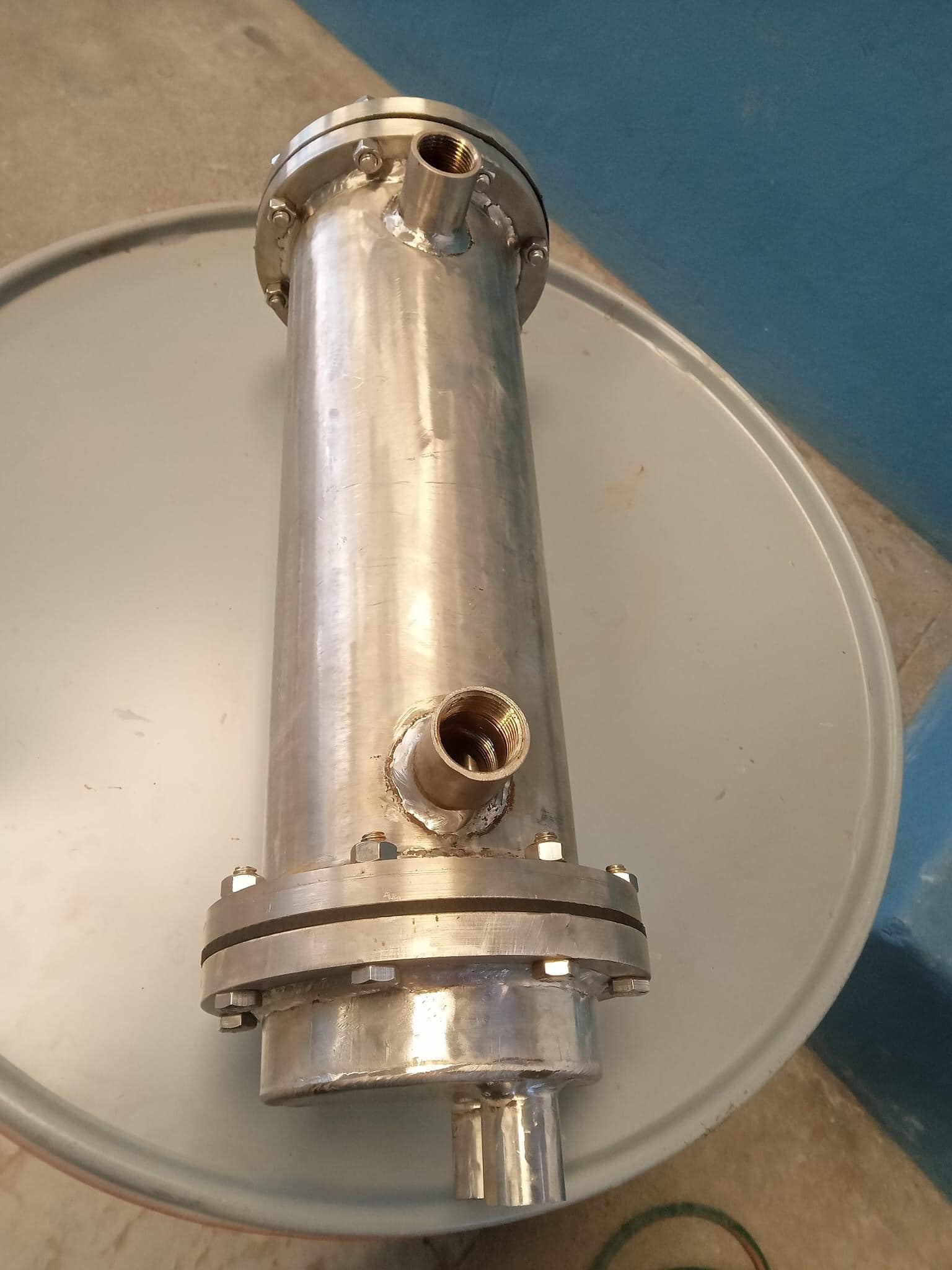
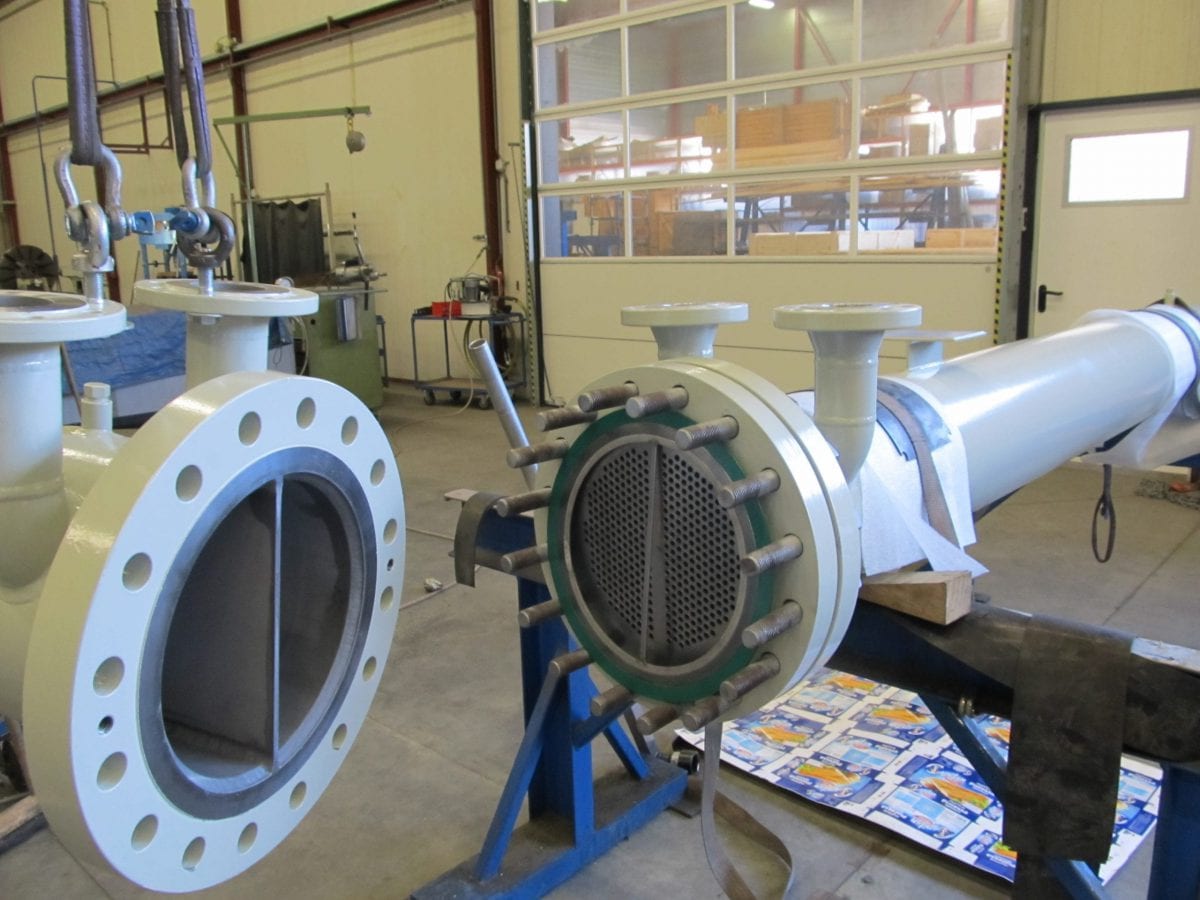
List of parts in Water cooled oil cooler These are the essential parts that directly facilitate the heat transfer. Connections & Fittings These parts allow the cooler to be integrated into the larger system.
Components & Structure The model consists of two separate but interconnected fluid circuits housed within a single unit: Component Description Material (Typical) 1. Outer Shell (Coolant Jacket) The main body of the cooler that acts as a reservoir for engine coolant. It encapsulates the core. Aluminum or Brass (corrosion-resistant) 2. Inner Core...
How an Oil Cooler Works (The Basic Principle)The principle is heat exchange. Hot oil flows through the cooler, and its heat is transferred to a cooler medium. There are two main types based on the cooling medium: . Key Components of a Typical Aftermarket Oil Cooler Kit 5. Signs You Might Need an Oil Cooler […]
Application Oil Cooler What is an Oil Cooler? An oil cooler is a heat exchanger designed to remove excess heat from engine oil, transmission fluid, hydraulic oil, or other lubricants in a mechanical system. Its primary purpose is to maintain the oil within its optimal operating temperature range, ensuring proper lubrication, reducing wear, and...
Advantages of Air-Cooled oil Cooler Advantages of an Air-Cooled Oil Cooler Air-cooled oil coolers are prized for their simplicity and effectiveness, especially in high-performance and heavy-duty applications. Their advantages stem from their direct method of heat rejection. 1. Ultimate Cooling Capacity and Efficiency This is the primary...
Working Principle of Water-Cooled oil Cooler The working principle of a Water-Cooled Oil Cooler is distinct from its air-cooled counterpart, though the ultimate goal—rejecting heat from the oil—remains the same. The core principle is Heat Exchange through Conduction via a Liquid Medium (Coolant). Instead of using air, it uses the...
Working Principle of Air-Cooled oil Cooler The core principle is Heat Exchange through Forced Convection. In simple terms, it transfers heat from the hot oil to the cooler ambient air flowing around it. Here’s a step-by-step breakdown of how it works: 1. Hot Oil Inlet The process begins when hot oil, having circulated through the engine...
Types of oil Cooler There are two main types: 1. Air-Cooled Oil Cooler (Most Common)This is the type you’ll typically see on performance cars, motorcycles, and heavy-duty trucks. It looks like a small, metallic radiator. 2. Water-Cooled Oil CoolerThis type is often integrated into the engine’s cooling system and is common in many modern...
What is oil Cooler? An oil cooler is a device that functions like a radiator, but for engine oil (or transmission/gear oil). Its sole purpose is to remove excess heat from the oil, keeping it within its optimal temperature range. The Core Problem: Why Does Oil Need Cooling? Engine oil is the lifeblood of an engine. It lubricates,...
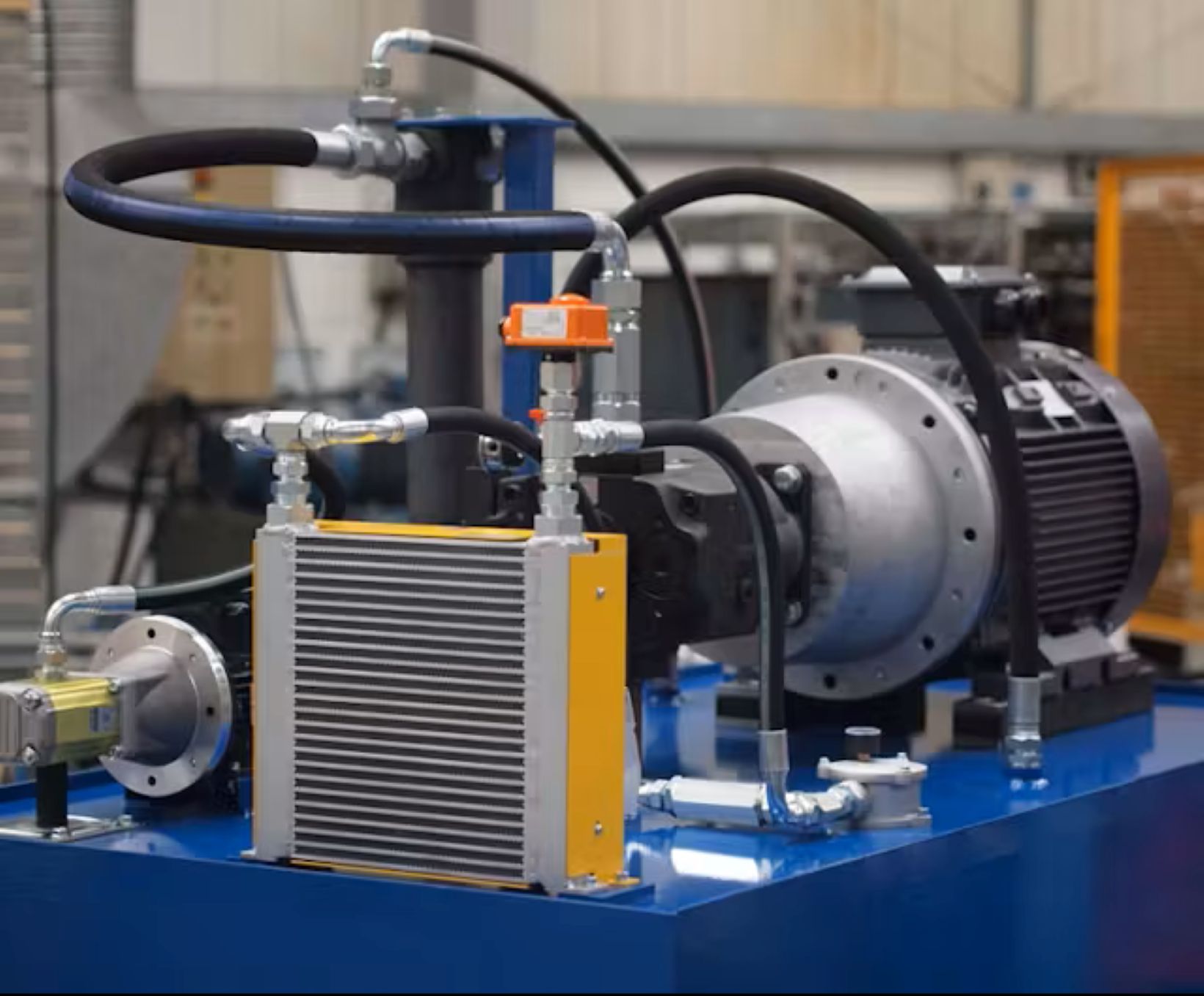
Hydraulic oil cooler is an essential component in modern hydraulic systems, designed to remove excess heat generated during operation and maintain the oil at an optimal working temperature. Hydraulic systems often operate under high pressure, and as the oil flows through pumps, valves, and actuators, it generates significant heat due to friction...
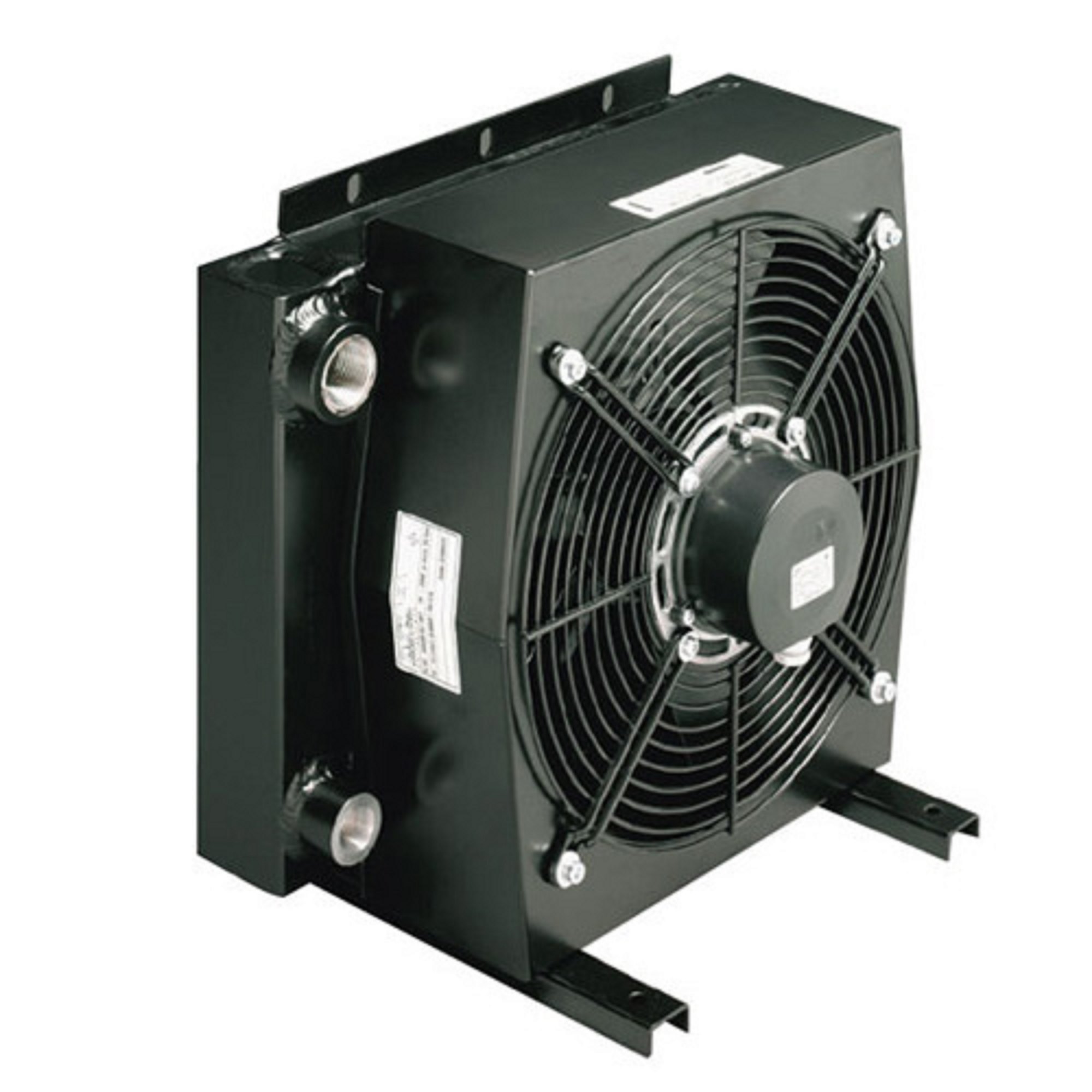
Air Blast Oil Cooler is a highly efficient solution for managing oil temperatures in hydraulic systems, engines, compressors, gearboxes, and industrial equipment. In these systems, oil is critical for both lubrication and power transmission, but excessive heat buildup can reduce its viscosity, cause component wear, and even lead to equipment...
Air Blast Oil Cooler is one of the most efficient solutions for maintaining safe oil temperatures in hydraulic systems, compressors, engines, and industrial machinery. In any oil-based system, heat generation is unavoidable, and if the oil is not cooled properly, it can lose its viscosity, damage seals, and accelerate the wear of pumps, bearings,...